We're inching toward that early June window previously occupied by E3 that will feature a ton of games showcases, including Summer Game Fest, an Xbox event, an Ubisoft Forward and a Nintendo Direct. Sony is getting a headstart on all of those though, as a PlayStation State of Play is set for Thursday, May 30. It starts at 6PM ET and you'll be able to watch it on YouTube, Twitch and TikTok.
Interestingly, Sony is opting not to use the PlayStation Showcase branding it usually opts for with its now-annual late-May stream. The company hasn't announced much in the way of first-party PlayStation games for the months and years ahead, and it will start padding out the slate here.
The stream will run for over 30 minutes and feature 14 titles that are coming to PS5 and PS VR2. It will include some PlayStation Studios games that will arrive later this year.
State of Play returns with a 30+ minute broadcast this Thursday at 3pm PT / 11pm BST: https://t.co/eJWbP09sv3
Tune in live for updates on 14 PS5 and PS VR2 titles, including a look at PlayStation Studios titles arriving later this year. pic.twitter.com/B6Uc6aLWKF
I have my fingers crossed that Sony will finally announce Ghost of Tsushima 2 — the timing makes sense as a stunning PC port of the original game dropped this month. Haven's Fairgame$ and Firewalk's Concordseem like safe bets to show face, while we'll surely get some hype from Bungie for The Final Shape, an expansion that will close out the Light and Darkness saga of Destiny 2. Reports suggest a new Astro game from Team Asobi is on the way.
We know that Guerrilla is working on more games in the Horizon universe, and a Lego spinoff has been rumored. Sony has a bunch of other studios working on unannounced projects, including Housemarque, Bluepoint, Santa Monica Studio, Bend, Media Molecule and, of course, Naughty Dog. So, here's hoping we hear from some of those studios.
This article originally appeared on Engadget at https://www.engadget.com/sonys-next-playstation-state-of-play-takes-place-may-30-141703664.html?src=rss
We're inching toward that early June window previously occupied by E3 that will feature a ton of games showcases, including Summer Game Fest, an Xbox event, an Ubisoft Forward and a Nintendo Direct. Sony is getting a headstart on all of those though, as a PlayStation State of Play is set for Thursday, May 30. It starts at 6PM ET and you'll be able to watch it on YouTube, Twitch and TikTok.
Interestingly, Sony is opting not to use the PlayStation Showcase branding it usually opts for with its now-annual late-May stream. The company hasn't announced much in the way of first-party PlayStation games for the months and years ahead, and it will start padding out the slate here.
The stream will run for over 30 minutes and feature 14 titles that are coming to PS5 and PS VR2. It will include some PlayStation Studios games that will arrive later this year.
State of Play returns with a 30+ minute broadcast this Thursday at 3pm PT / 11pm BST: https://t.co/eJWbP09sv3
Tune in live for updates on 14 PS5 and PS VR2 titles, including a look at PlayStation Studios titles arriving later this year. pic.twitter.com/B6Uc6aLWKF
I have my fingers crossed that Sony will finally announce Ghost of Tsushima 2 — the timing makes sense as a stunning PC port of the original game dropped this month. Haven's Fairgame$ and Firewalk's Concordseem like safe bets to show face, while we'll surely get some hype from Bungie for The Final Shape, an expansion that will close out the Light and Darkness saga of Destiny 2. Reports suggest a new Astro game from Team Asobi is on the way.
We know that Guerrilla is working on more games in the Horizon universe, and a Lego spinoff has been rumored. Sony has a bunch of other studios working on unannounced projects, including Housemarque, Bluepoint, Santa Monica Studio, Bend, Media Molecule and, of course, Naughty Dog. So, here's hoping we hear from some of those studios.
This article originally appeared on Engadget at https://www.engadget.com/sonys-next-playstation-state-of-play-takes-place-may-30-141703664.html?src=rss
The BMW M3 has been a benchmark in the world of high-performance sedans since its introduction in 1986. Over the years, the M3 has undergone numerous transformations, each time pushing the boundaries of performance and technology. The latest iteration of the BMW M3 Sedan and M3 Touring continues this tradition, offering unmatched power, agility, and […]
Google is crossing genres with its latest wearable for kids, combining a gaming system and an activity tracker in the Fitbit Ace LTE. The company is pitching this as a “first-of-its-kind connected smartwatch that transforms exercise into play and safely helps kids lead more active, independent lives.” Basically, think of it as a Nintendo Switch pared down into an activity tracker for children aged 7 and up, with a few safety and connectivity features built in.
The main idea here is to get kids up and moving, in exchange for progress on the Ace LTE’s onboard games. But there are also basic tools that let parents (and trusted contacts) stay in touch with the wearer. Through the new Fitbit Ace app (that adults can install on iOS or Android), guardians can set play time, monitor activity progress and send calls or messages. On the watch itself, kids can also use the onscreen keyboard or microphone to type or dictate texts or choose an emoji.
The Fitbit Ace LTE’s hardware: Basically a Pixel Watch 2
Since the Fitbit Ace LTE uses a simplified version of the hardware on the Pixel Watch 2, it’s pretty responsive. One major difference, though, is that the kid-friendly tracker uses Gorilla Glass 3 on its cover, in addition to the 5 ATMs of water-resistance that both models share. Google does include a protective case with each Ace LTE, and it doesn’t add much weight.
There are also other obvious differences because the Pixel Watch 2 has a circular face while the Fitbit Ace LTE has a “squircle” (square with rounded corners) OLED with two large buttons on the right side. The latter’s band is also a lot narrower, and it comes “with technology built in,” according to Google’s vice president of product management Anil Sabharwal. That's just a fancy way to say that the Ace LTE recognizes when you swap in a new strap and each accessory comes with unique content.
Cherlynn Low for Engadget
The company is calling these straps “Cartridges” — another reminder of how the Fitbit Ace LTE is a gaming console wannabe. When you snap a new one on, you’ll see an animation of all the bonus material you just got. They include new backgrounds and items for your Tamagotchi-esque pet called “eejie.” Separate bands also add unique cartoony strips, called Noodles, that make their way around the edges of the watch's display every day which chart the wearer’s progress towards daily goals, similar to Apple's activity rings.
I’m dancing around the main part of the Fitbit Ace LTE’s proposition, because I wanted to get the hardware out of the way. The most interesting concept here is the idea of a wearable gaming system. The Ace LTE’s home screen looks fairly typical. It shows you the time and the Noodle activity ring around it, as well as some small font at the very bottom showing the number of points collected.
To the left of this page is what Sabharwal called a “playlist” — a collection of daily quests. Like on other iOS or Android games, this is a bunch of targets to hit within a dictated time frame to ensure you’re engaged, and achieving these goals leads to rewards.
Eejie: Like Tamagotchi but less cute
Most of these rewards are things you can use to jazz up your digital pet’s home over on the right of the home screen. Google calls these things “eejies” — that name doesn’t actually mean anything. Some engineers in a room looked at the letters “I” “J” and “I” and sounded them out and thought sure, why not. (No, those letters don't actually stand for anything, either.)
Cherlynn Low for Engadget
According to Google, “Eejies are customizable creatures that feed off daily activity — the more kids reach their movement goals, the more healthy and happy their eejie gets.” When daily activities are completed and each child earns arcade tickets (or when a new watch strap is attached), they can exchange them for new outfit or furniture items for their eejies.
Even though they’re supposed to be “customizable creatures,” the eejies are anthropomorphic and look like… well, kids. Depending on how you style them, they sort of look like sullen teenagers, even. Don’t expect a cute Pikachu or Digimon to play with, these eejie are two-legged beings with heads, arms and necks. I’d prefer something cuter, but perhaps the target demographic likes feeding and playing with a strange avatar of themselves.
When multiple Ace LTE wearers meet up, their eejie can visit each other and leave emoji messages. Of course, how fun that is depends on how many of your (kid’s) friends have Ace LTEs.
Gaming on the Fitbit Ace LTE
Even without that social component though, the Ace LTE can be quite a lot of fun. It is the home of Fitbit Arcade, a new library of games built specifically for this wearable. So far, I’ve only seen about six games in the collection, including a room escape game, a fishing simulator and a Mario Kart-like racer.
The first game I tried at Google’s briefing was Smoky Lake, the fishing game. After a quick intro, I tapped on a shadow of a fish in the water, and flung my arm out. I waited till the Ace LTE buzzed, then pulled my wrist in. I was told that I had caught a puffer fish, and swiped through to see more information about past catches. I earned five arcade tickets with this catch.
I gleefully tried again and caught what I was told was the “biggest pineapple gillfish” acquired that day. Other hauls the Ace LTE I was wearing had acquired included a “ramen squid” and a “blob fish,” and tapping an icon on the upper left brought up my library of things that had been caught.
Cherlynn Low for Engadget
I then played a round of Pollo 13, a racing game where I played as a chicken in a bathtub competing in an intergalactic space match against my arch nemesis. There, I tilted my wrist in all directions to steer, keeping my vehicle on track or swerving to collect items that sped me up. Just as I expected based on my prior Mario Kart experience (and also my general lack of skill at driving in real life), I sucked at this game and came in last. Sabharwal gently informed me that this was the poorest result they had seen all day.
I didn’t get to check out other titles installed, like Galaxy Rangers, Jelly Jam or Sproutlings but I was most intrigued by a room escape game, which is my favorite genre.
Google doesn’t want to encourage obsession or addiction to the Ace LTE’s games, though. “We don’t want kids to overexercise. We don’t want kids to feel like they have a streak and if they miss a day, ‘Oh my God, the world is over!’” Sabharwal said.
To that end, progress in each game is built around encouraging the wearer to meet movement goals to advance to new stages. Every two to three minutes, you’ll be prompted to get up and move. In Smokey Lake, for instance, you’ll be told that you’ve run out of bait and have to walk a few hundred steps to go to the bait shop. This can be achieved by walking a number of steps or doing any activity that meets similar requirements. Google is calling this “interval-based gaming,” playing on the idea of “interval-based training.” After about five to 10 sessions, the company thinks each wearer will hit the 60 to 90 minutes of daily required activity recommended by the World Health Organization.
Cherlynn Low for Engadget
The idea of activity as currency for games isn’t exactly novel, but Google’s being quite careful in its approach. Not only is it trying to avoid addiction, which for the target age group is a real concern, but the company also says it built the Ace LTE “responsibly from the ground up” by working with “experts in child psychology, public health, privacy and digital wellbeing.” It added that the device was “built with privacy in mind, front and center,” and that only parents will ever be shown a child’s location or activity data in their apps. Location data is deleted after 24 hours, while activity data is deleted after a maximum of 35 days. Google also said “there are no third-party apps or ads on the device.”
While activity is the main goal at launch, there is potential for the Ace LTE to track sleep and other aspects of health to count towards goals. Parts of the Ace LTE interface appeared similar to other Fitbit trackers, with movement reminders and a Today-esque dashboard. But from my brief hands-on, it was hard to fully explore and compare.
Though I like the idea of the Ace LTE and was definitely entertained by some of the games, I still have some reservations. I was concerned that the device I tried on felt warm, although Sabharwal explained it was likely because the demo units had been charging on and off all day. I also didn’t care for the thick bezels around the screen, though that didn’t really adversely impact my experience. What did seem more of a problem was the occasional lag I encountered waiting for games to load or to go to the home screen. I’m not sure if that was a product of early software or if the final retail units will have similar delays, and will likely need to run a full review to find out.
The Fitbit Ace LTE is available for pre-order today for $230 on the Google Store or Amazon and it arrives on June 5. You’ll need to pay an extra $10 a month for the Ace Pass plan, which includes LTE service (on Google’s Fi) and access to Fitbit Arcade and regular content updates. If you spring for an annual subscription, you’ll get a collectable Ace Band (six are available at launch) and from now till August 31, the yearly fee is discounted at 50 percent off, making it about $5 a month.
Update, May 29, 3:15PM ET: This story has been edited to clarify that the Fitbit Ace LTE's hardware is a simplified version of the Pixel Watch 2. It is not capable of sleep or stress tracking.
This article originally appeared on Engadget at https://www.engadget.com/fitbit-ace-lte-hands-on-wearable-gaming-to-make-exercise-fun-but-not-too-fun-140059054.html?src=rss
My phone always dies on long days out and about, but I'm not a fan of carrying heavy power banks or having cords twist in my bag. The Anker Nano portable charger is the only option I've found that I'll actually use, and I'm excited to report (though with a bit of jealousy) that it's currently on sale for just $12. The charger is typically $26, but a 31 percent discount and a $6 coupon bring the white and black models to a record-low price.
I personally vouch for Anker's Nano portable charger thanks to features like its lightweight, small build, and, like I mentioned above, its built-in lightning plug. You can juice it up through its USB-C port, with the device typically holding one and a half charges for my iPhone 12 Pro (Anker also makes a model for Android, which is our favorite portable option for a partial charge). Plus, the device has four clear dots on its front to indicate how much charge is left.
There are a few downsides to Anker's Nano portable charger, but none that are too much of a hindrance. You need to be careful if using inside a bag as the lightning charger can sometimes move out of the upright position it needs to work. It also isn't great if you're looking to boost multiple batteries at a time or use it for days on end, as it does seem to die before I can get two charges out of it. Overall, though, its convenience is amazing when I know I'll be out all day or traveling.
This article originally appeared on Engadget at https://www.engadget.com/this-anker-nano-portable-charger-for-iphone-is-on-sale-for-only-12-132752711.html?src=rss
My phone always dies on long days out and about, but I'm not a fan of carrying heavy power banks or having cords twist in my bag. The Anker Nano portable charger is the only option I've found that I'll actually use, and I'm excited to report (though with a bit of jealousy) that it's currently on sale for just $12. The charger is typically $26, but a 31 percent discount and a $6 coupon bring the white and black models to a record-low price.
I personally vouch for Anker's Nano portable charger thanks to features like its lightweight, small build, and, like I mentioned above, its built-in lightning plug. You can juice it up through its USB-C port, with the device typically holding one and a half charges for my iPhone 12 Pro (Anker also makes a model for Android, which is our favorite portable option for a partial charge). Plus, the device has four clear dots on its front to indicate how much charge is left.
There are a few downsides to Anker's Nano portable charger, but none that are too much of a hindrance. You need to be careful if using inside a bag as the lightning charger can sometimes move out of the upright position it needs to work. It also isn't great if you're looking to boost multiple batteries at a time or use it for days on end, as it does seem to die before I can get two charges out of it. Overall, though, its convenience is amazing when I know I'll be out all day or traveling.
This article originally appeared on Engadget at https://www.engadget.com/this-anker-nano-portable-charger-for-iphone-is-on-sale-for-only-12-132752711.html?src=rss
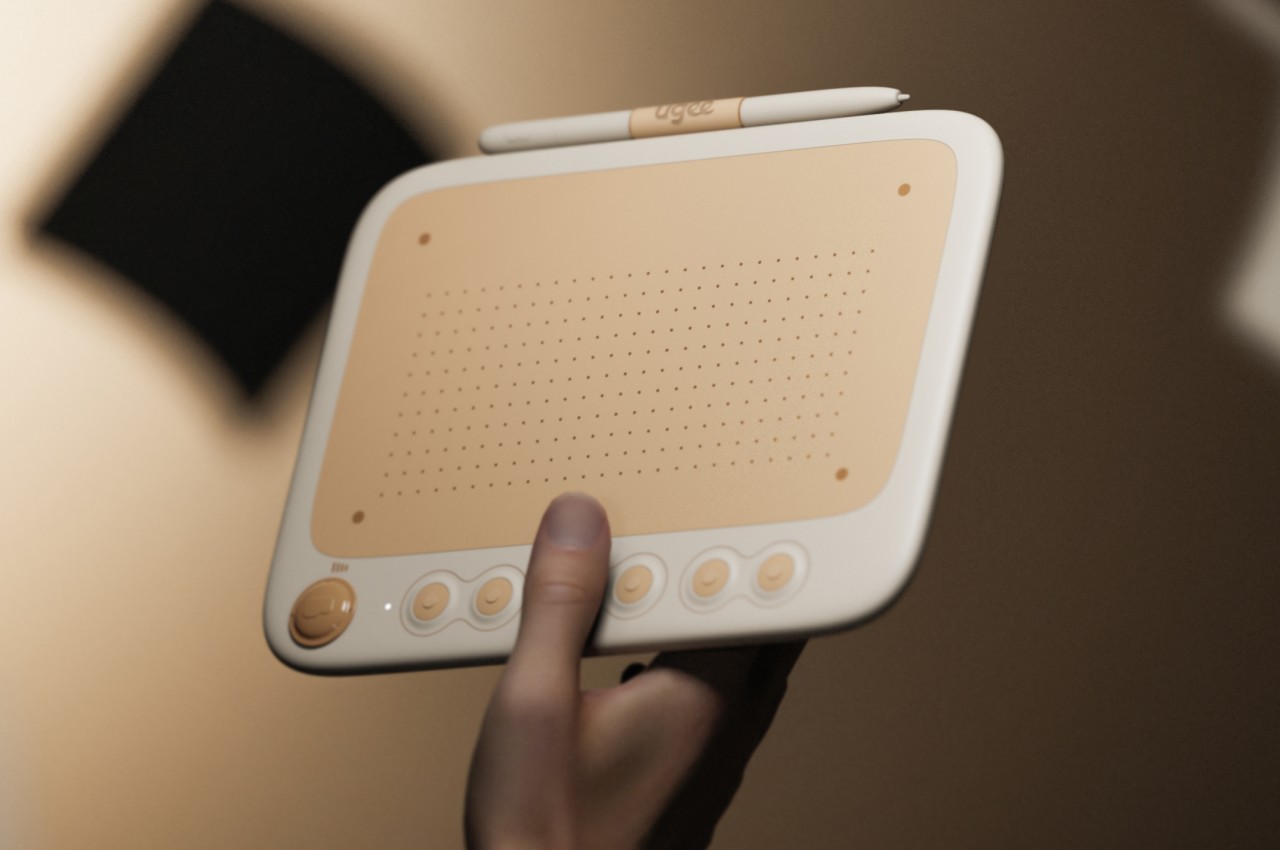
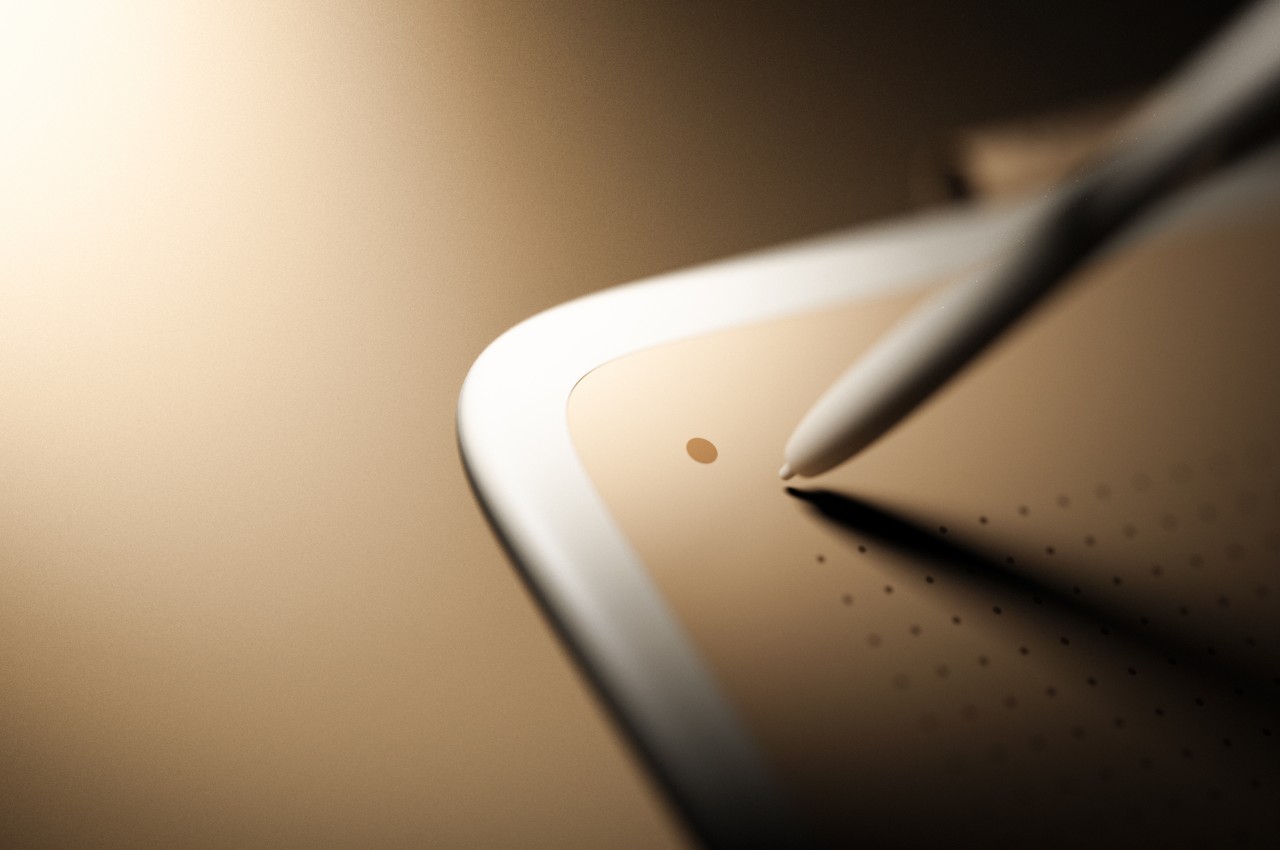
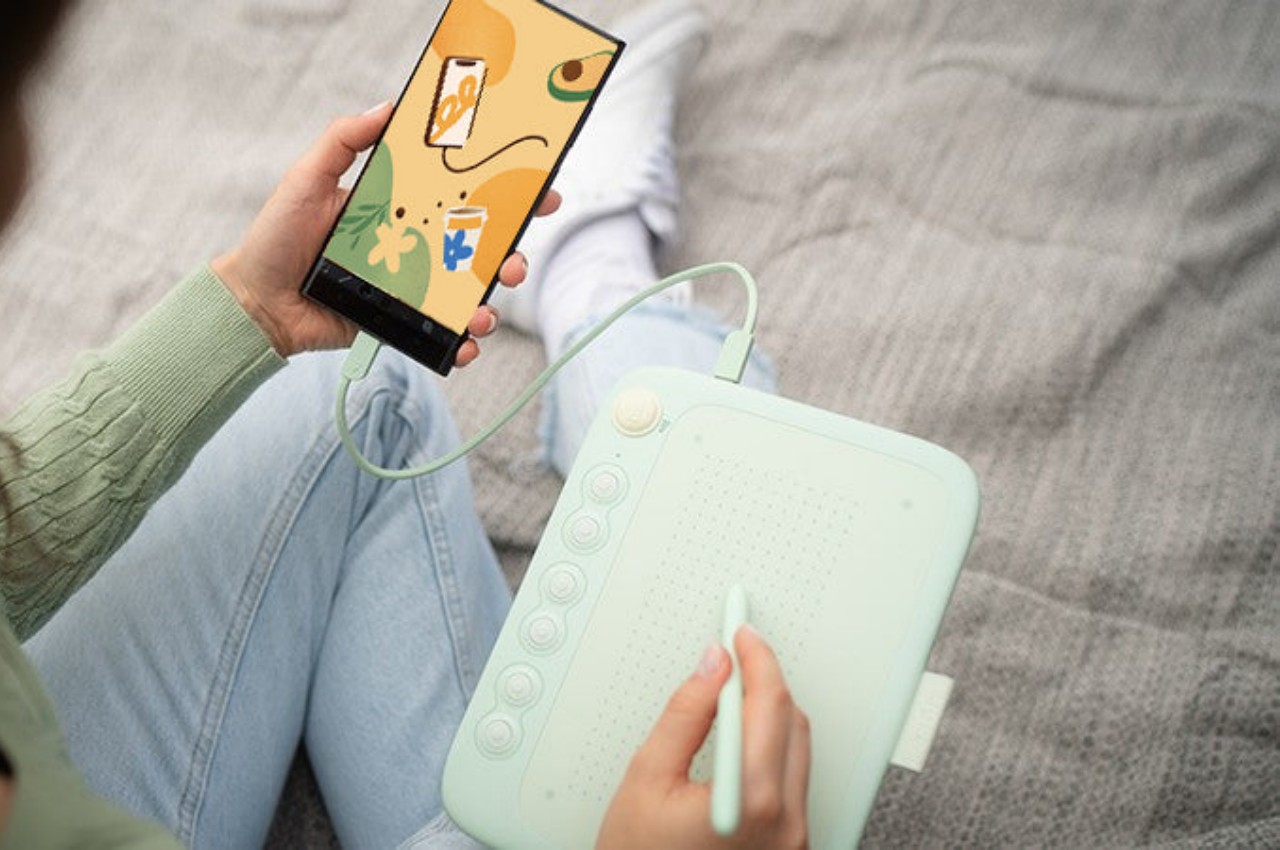
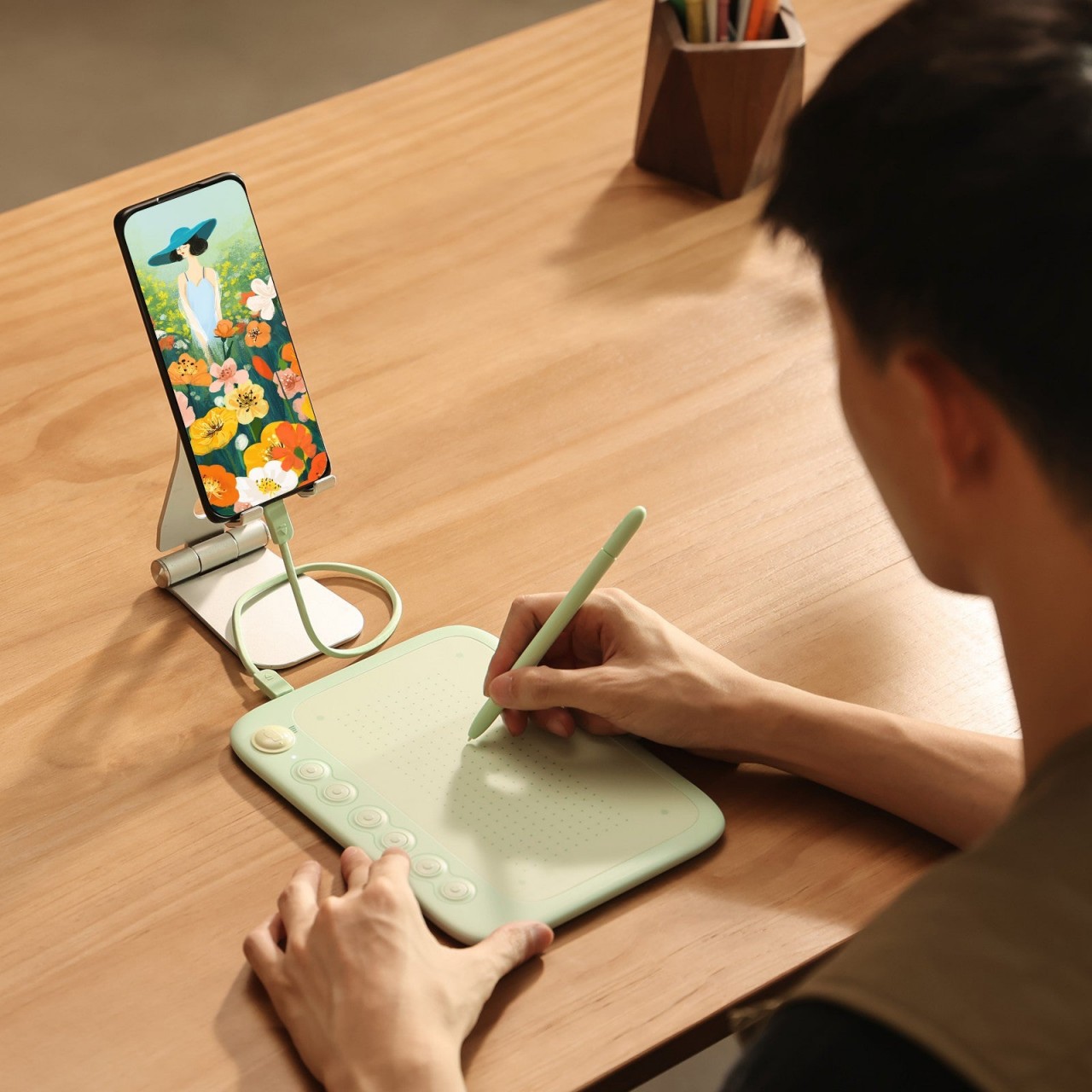
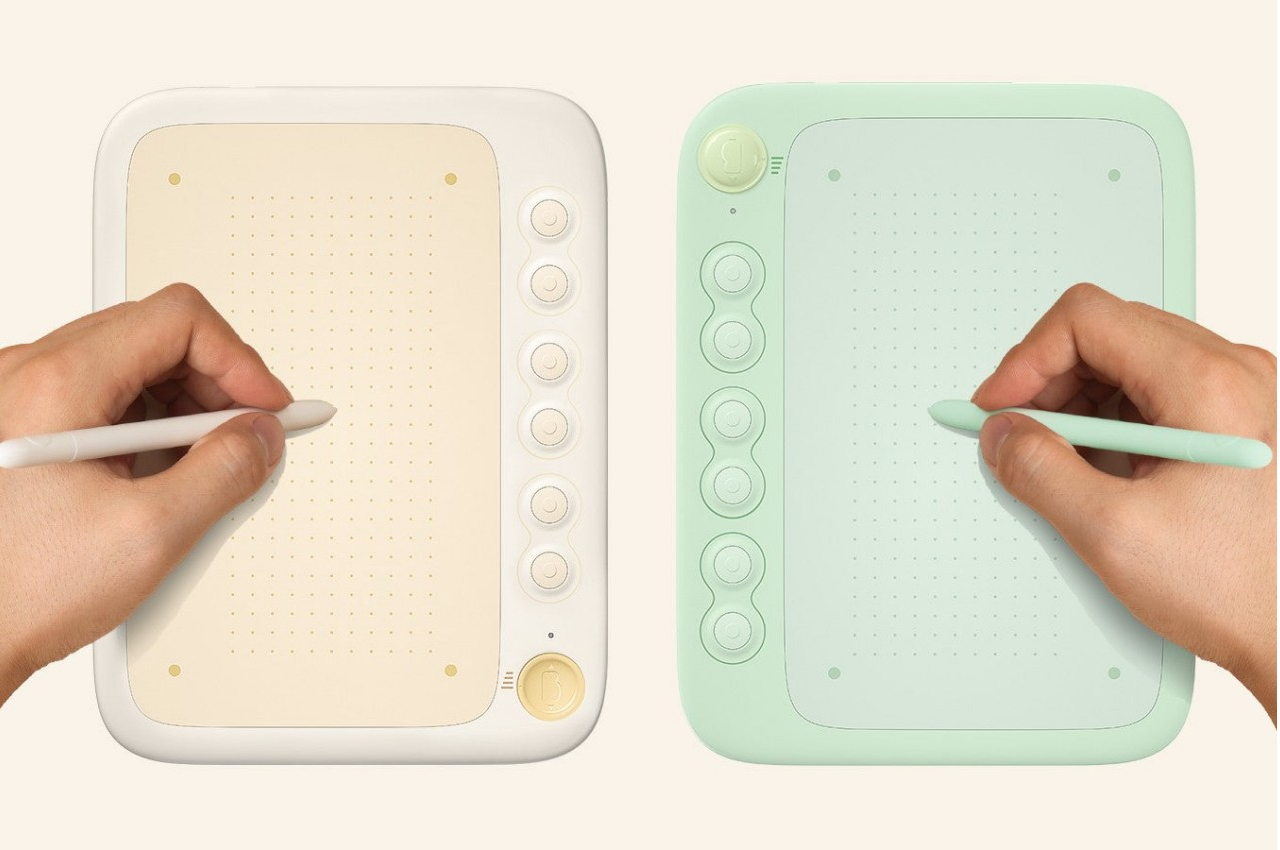
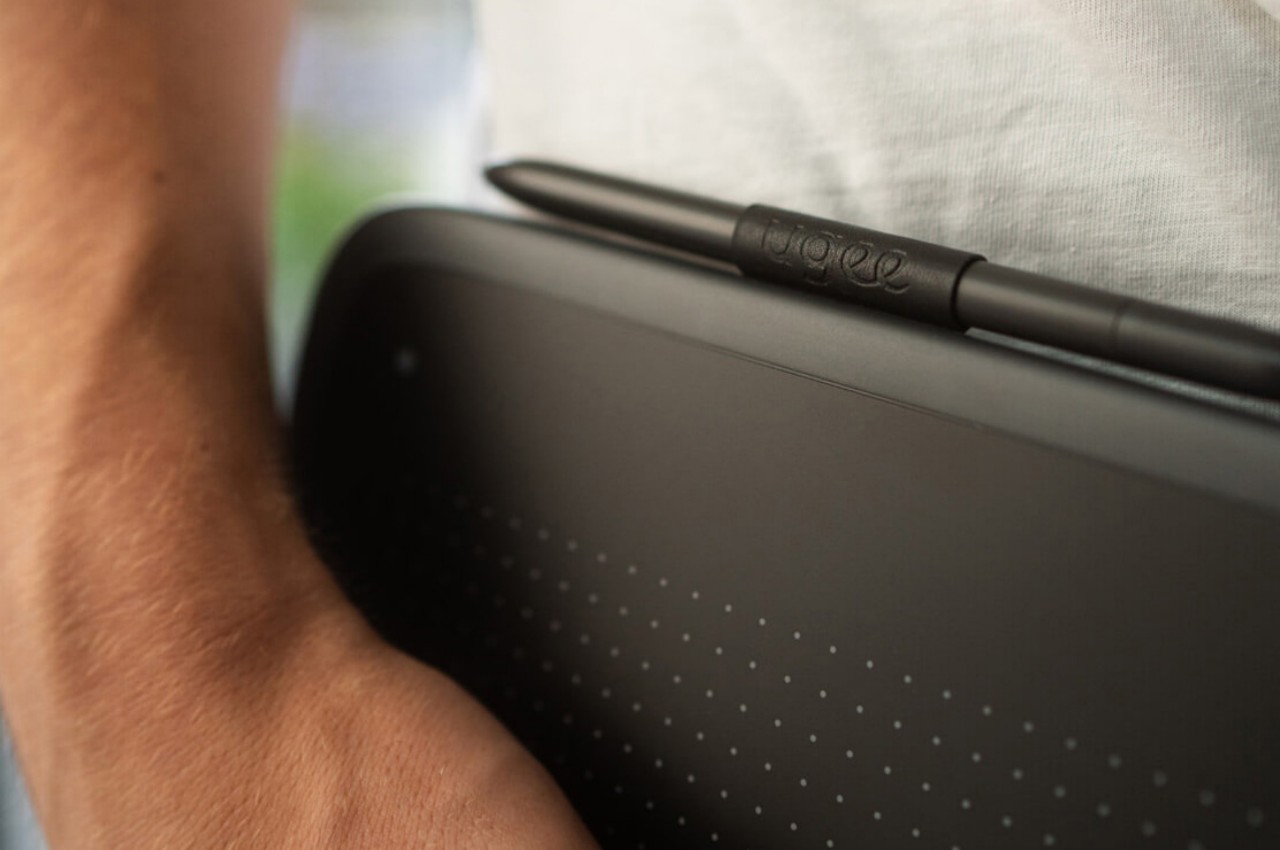
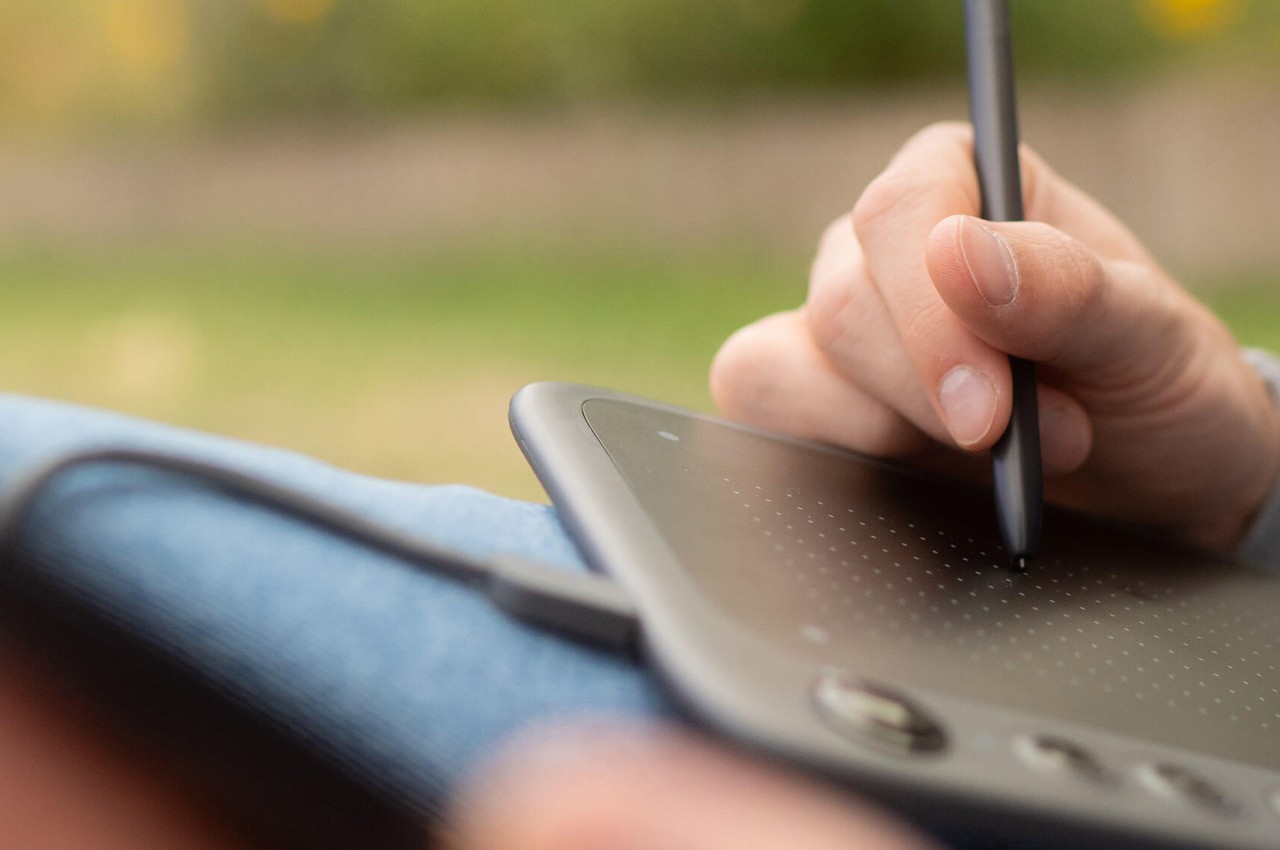
When it comes to drawing tablets for making digital art and designs, Wacom is most likely the household name since it has the lion’s share of the market. That doesn’t mean, however, that it’s the only game in town, nor that it has all the answers to all the problems in this field. There are definitely plenty of opportunities for different designs, especially those that cater to specific or even niche cases. Most of the drawing tablets in the market, for example, are designed to be used with computers like desktops or laptops, but smartphones are becoming just as powerful as these, opening the doors for creating art on the go. This small and portable drawing tablet aims to solve that with a “mobile-first” design, and though it might look like a toy for beginners, it actually has some well-thought-out details that put it above its Wacom counterparts.
Designer: Mai qianzhao for UGEE
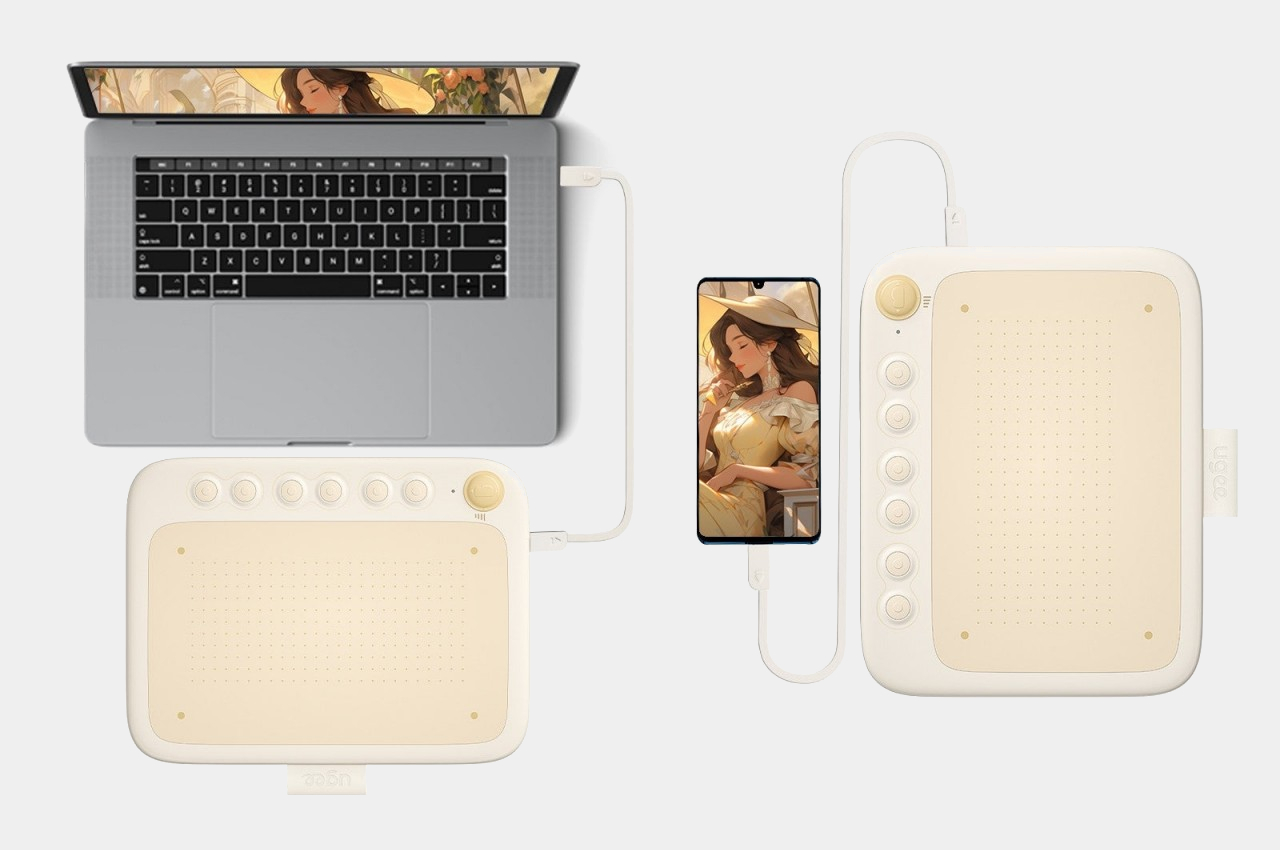
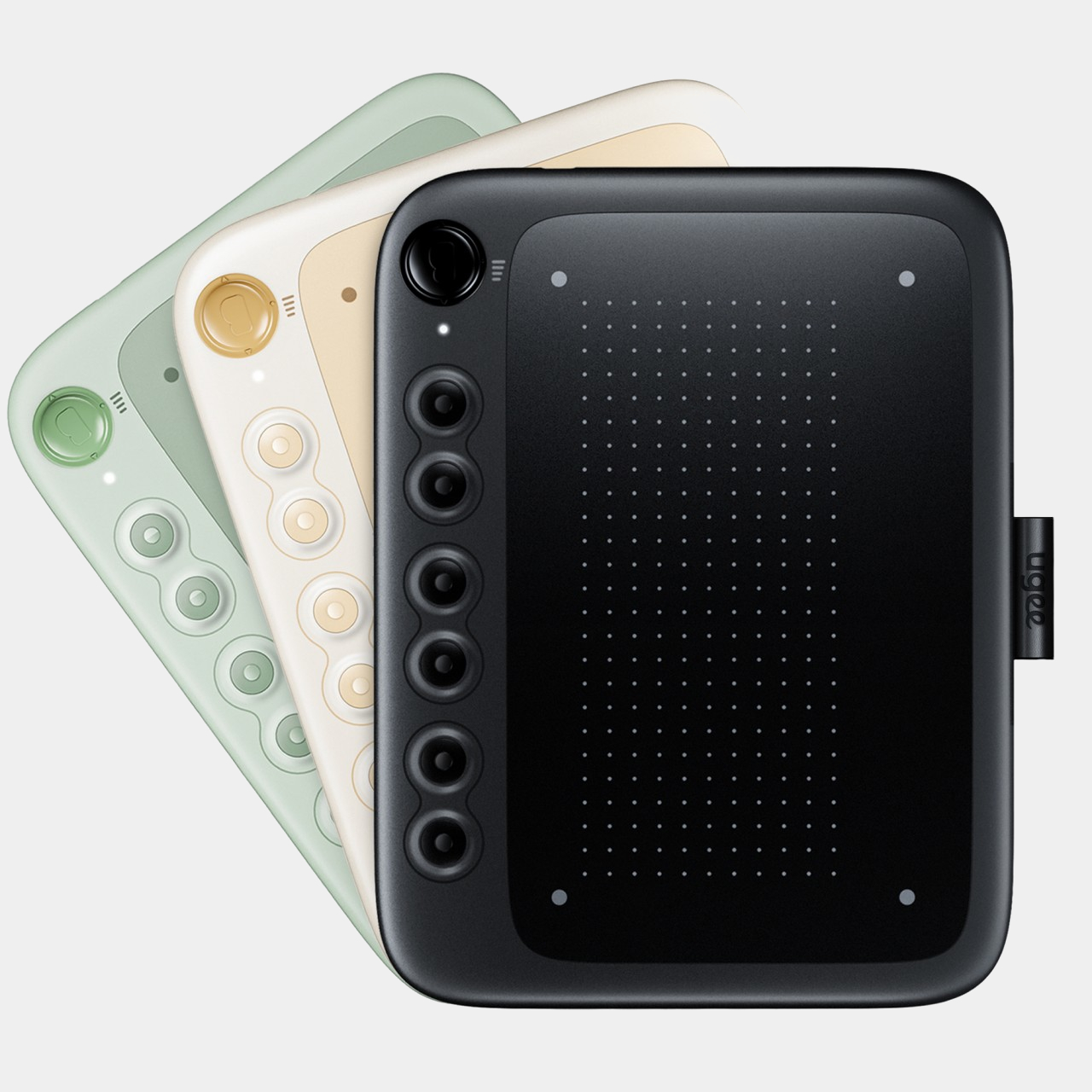
The majority of paper that we write and draw on are vertical. Computer monitors, on the other hand, are horizontal, so the tools we use to draw on computers need to follow that layout. In contrast, smartphones are also vertical by design, creating an inconsistency between a tall screen and a wide drawing tablet. This can be “fixed” by turning the phone horizontally or tweaking a setting on the tablet, but these fixes are inelegant and unpolished at best. The UGEE Q6 sets itself apart with a design that caters primarily to this very small use case but still works pretty well with regular desktops and laptops.
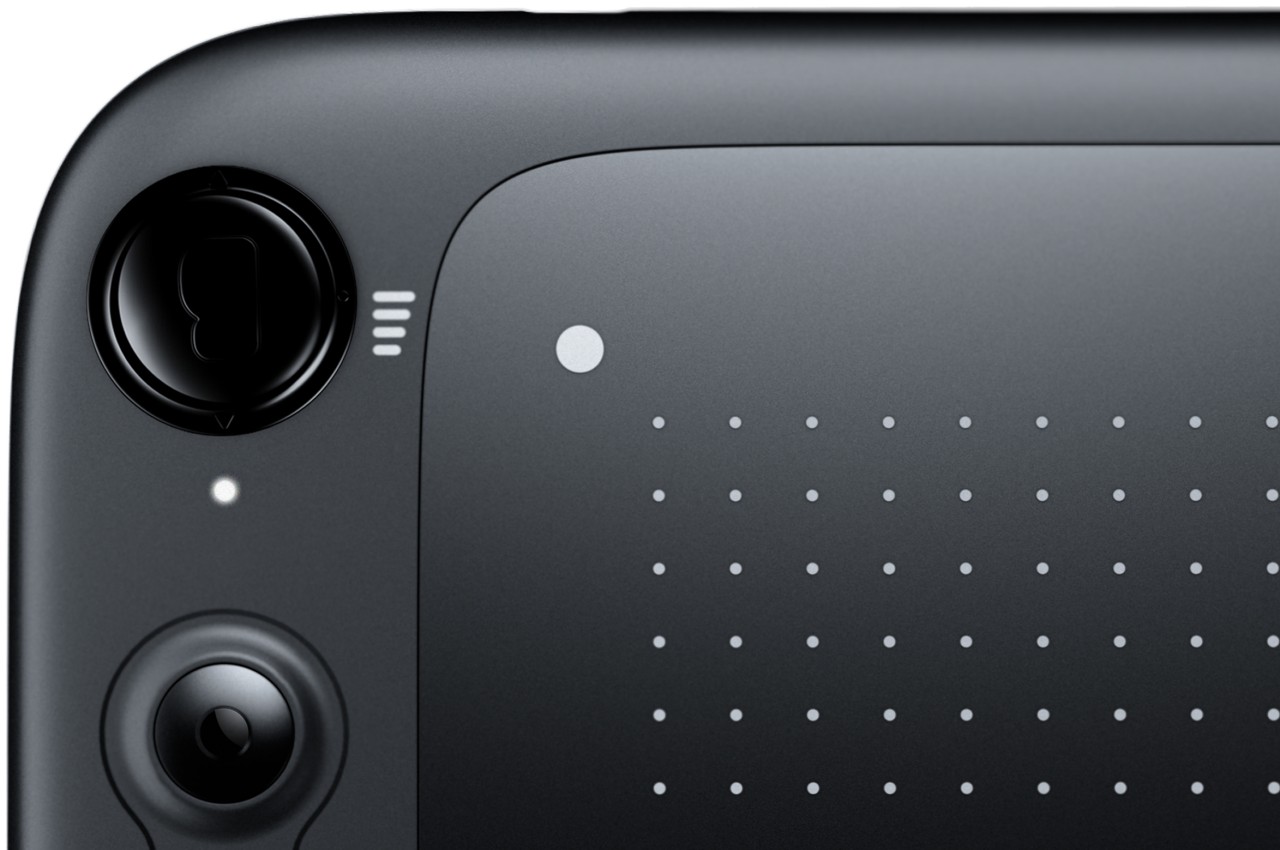
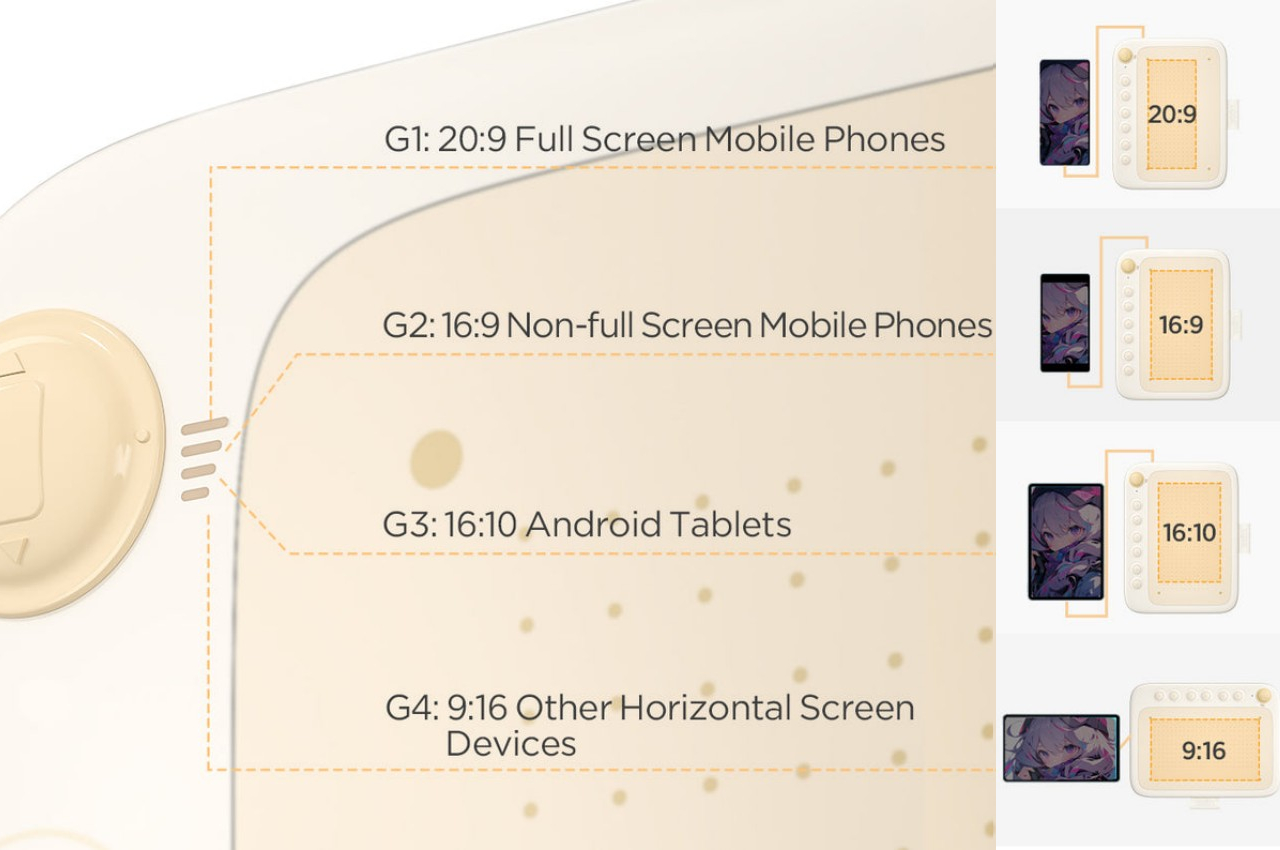
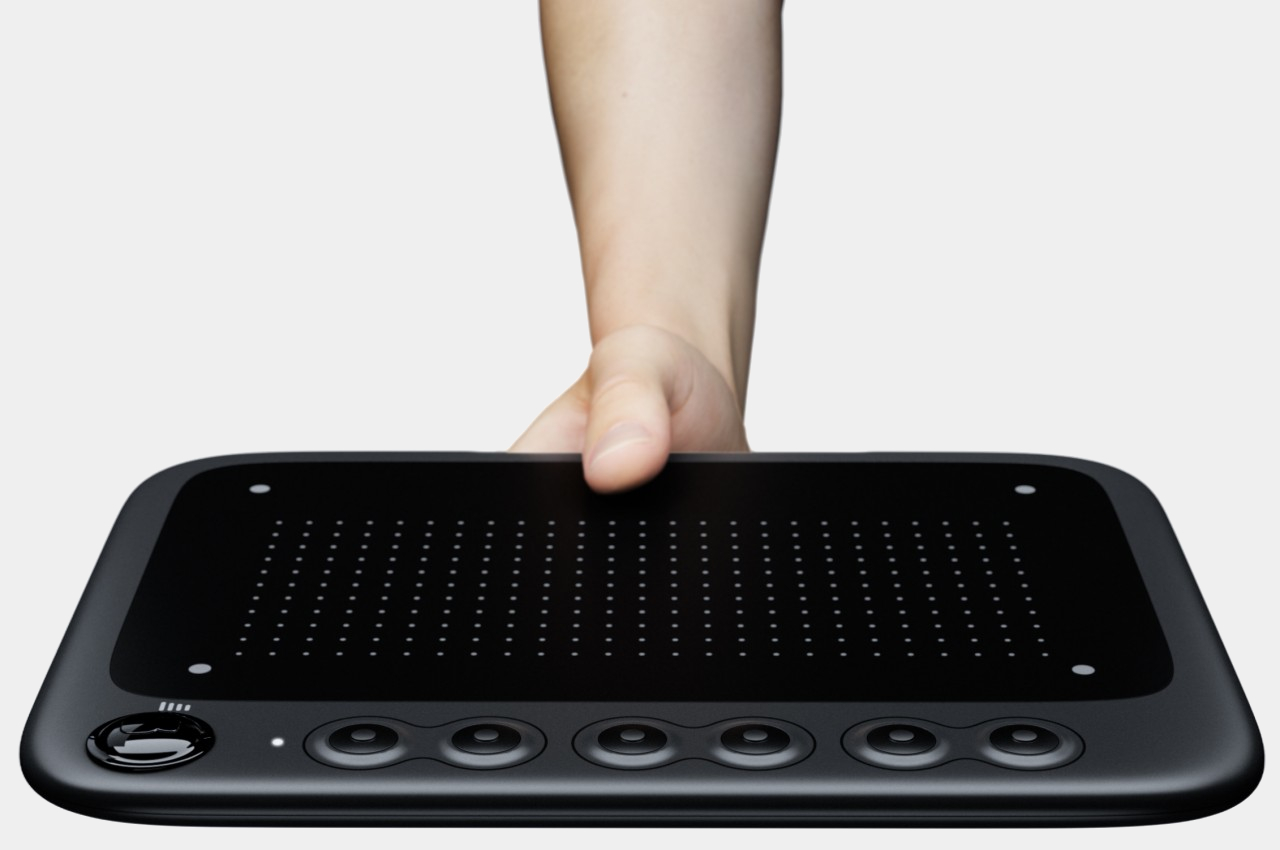
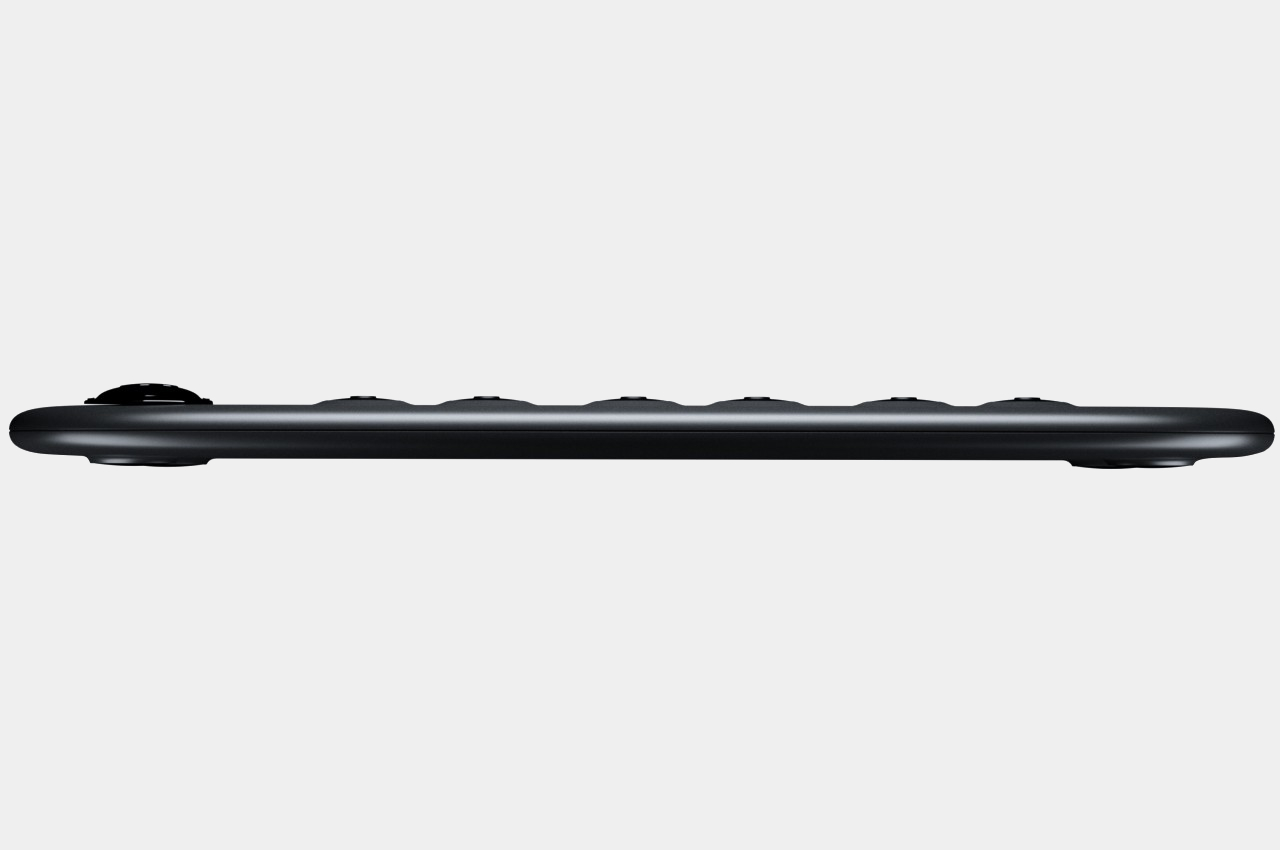
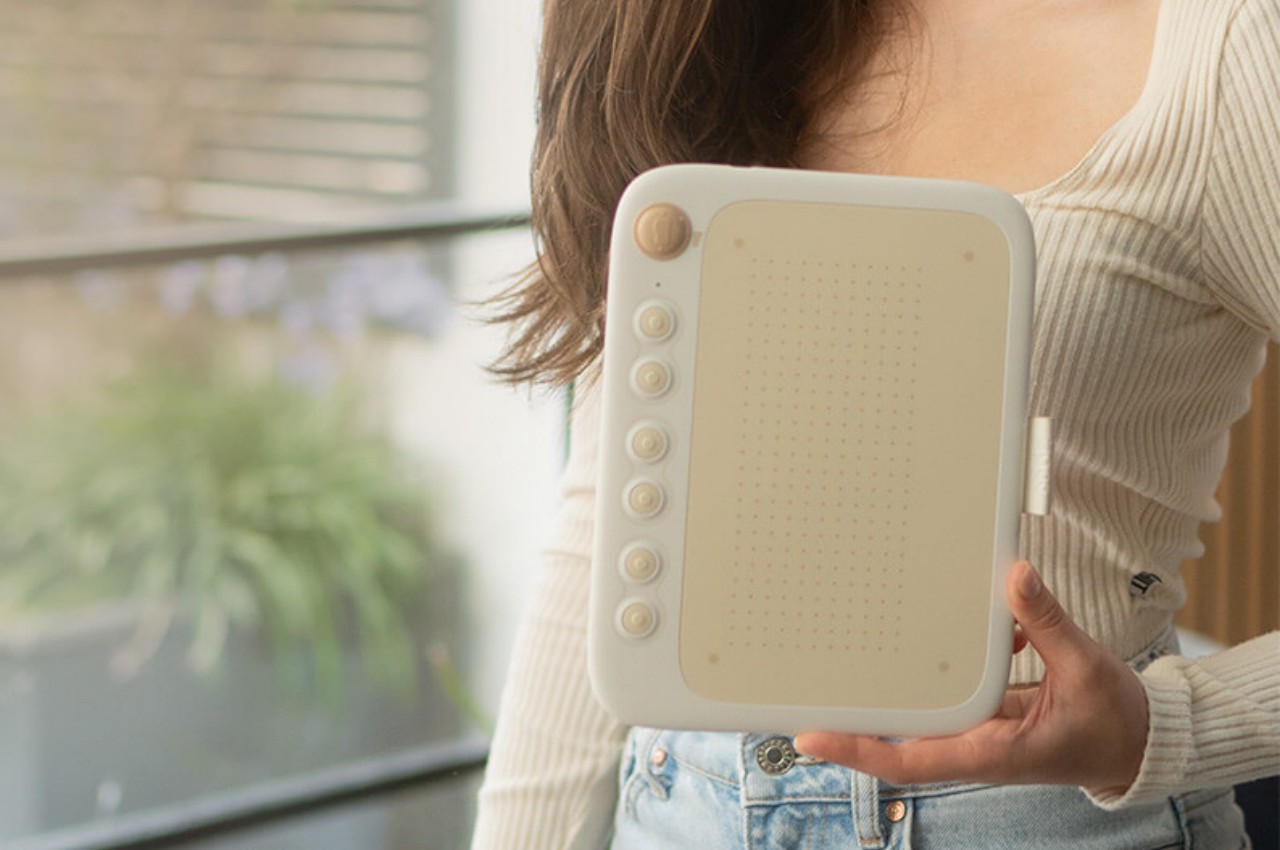
Unlike almost all drawing tablets, the default mode for this mobile drawing tablet is vertical, mirroring the orientation of the phone itself. However, it actually supports a few modes where the active drawing area of the tablet can be set to match the aspect ratio and orientation of the device it’s connected to, which includes very slim phones, tablets, and regular computers. The UGEE Q6 also embraces a very small and portable size that makes it easy to take it with you anywhere and connect to your phone for an impromptu sketching session.
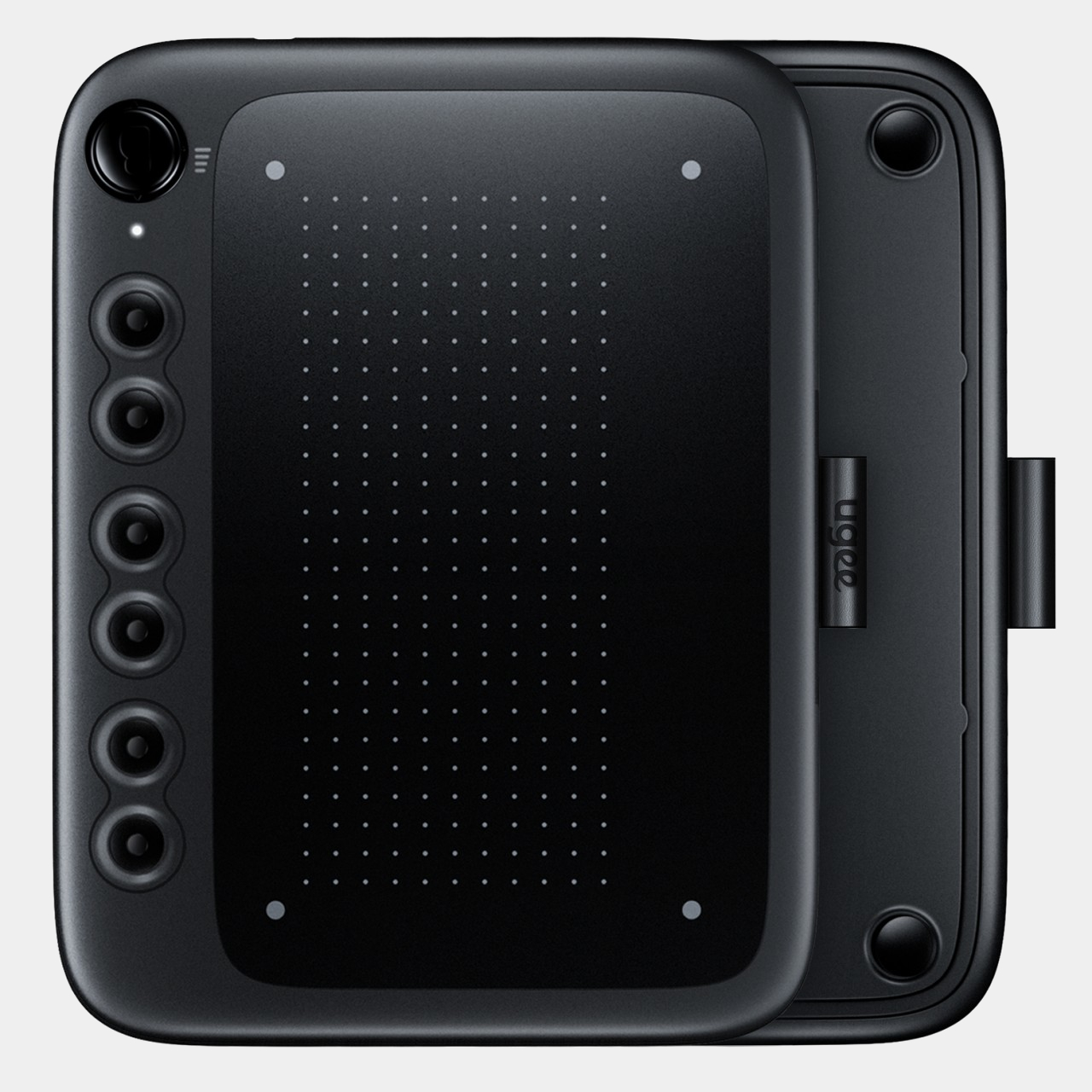
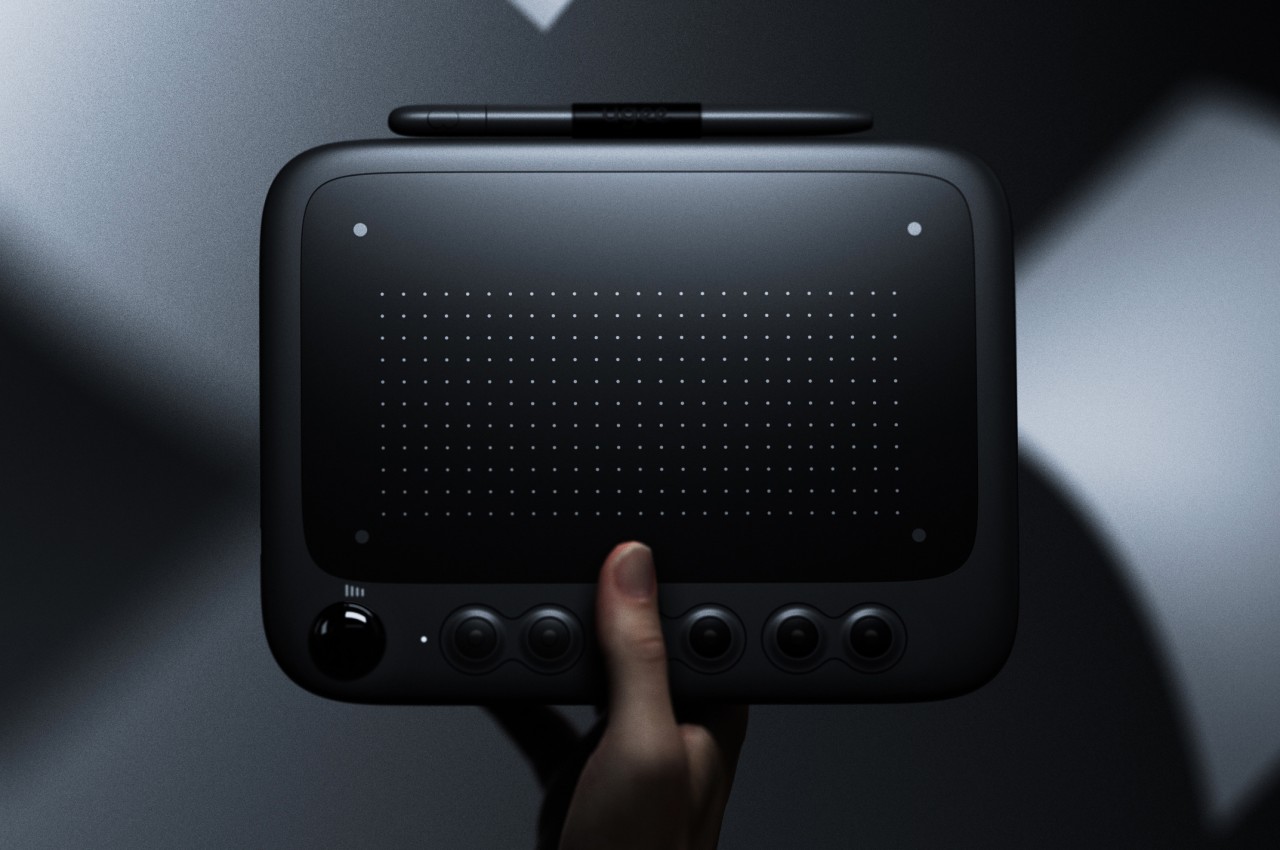
Unlike the minimalist trend that seems to also be gripping drawing tablet designs, this beginner-friendly device doesn’t even try to hide its large, tactile buttons, making it easier for users to hit them without looking. The row of buttons can be placed on either the right or left side, supporting the user’s handedness, or even on top when connecting to a desktop or laptop. One rather interesting small detail about these buttons is that they are visually grouped in pairs, because most of the actions assigned to them are also related pairs, whether it’s undoing and redoing, painting and erasing, zooming in and out, or rotating clockwise and counter-clockwise. It doesn’t technically change their functionality, but it’s a good visual hint nonetheless.
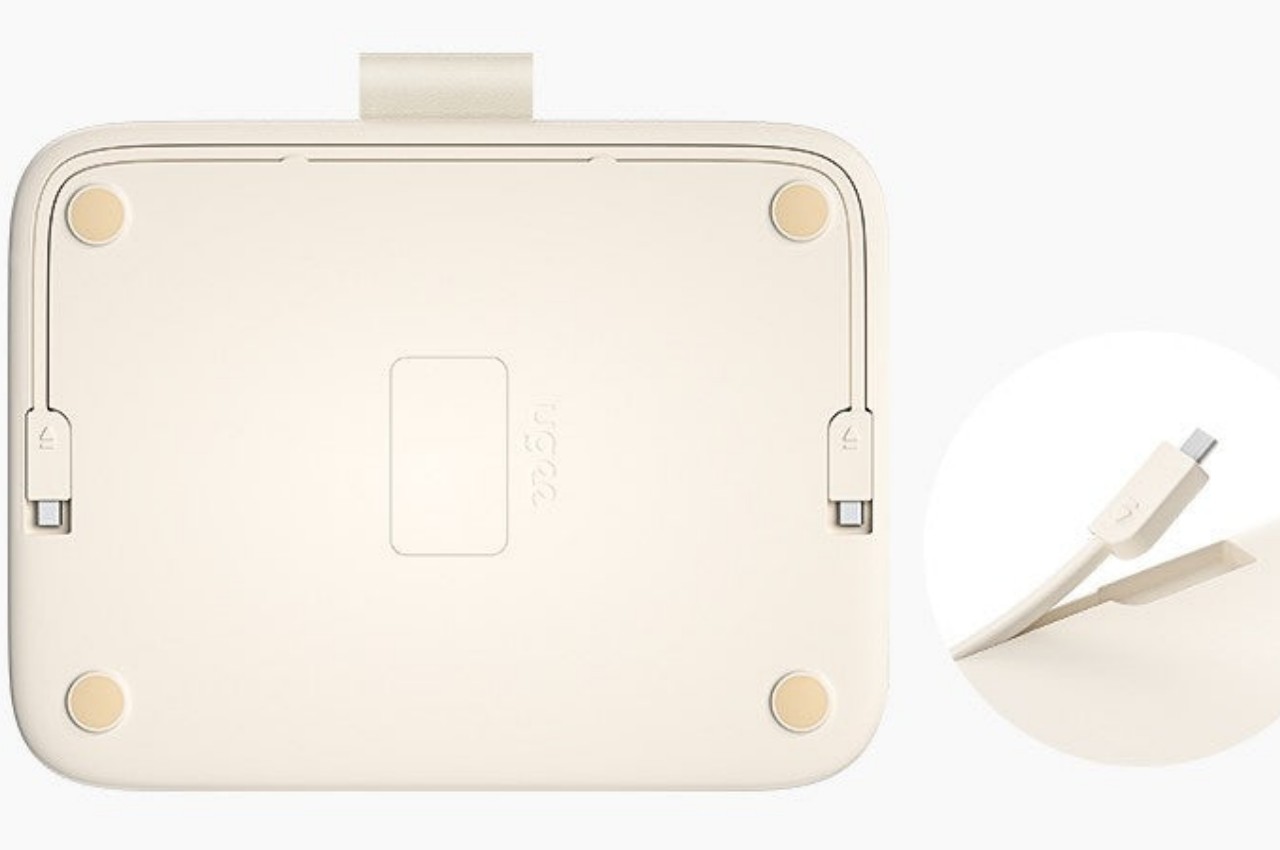
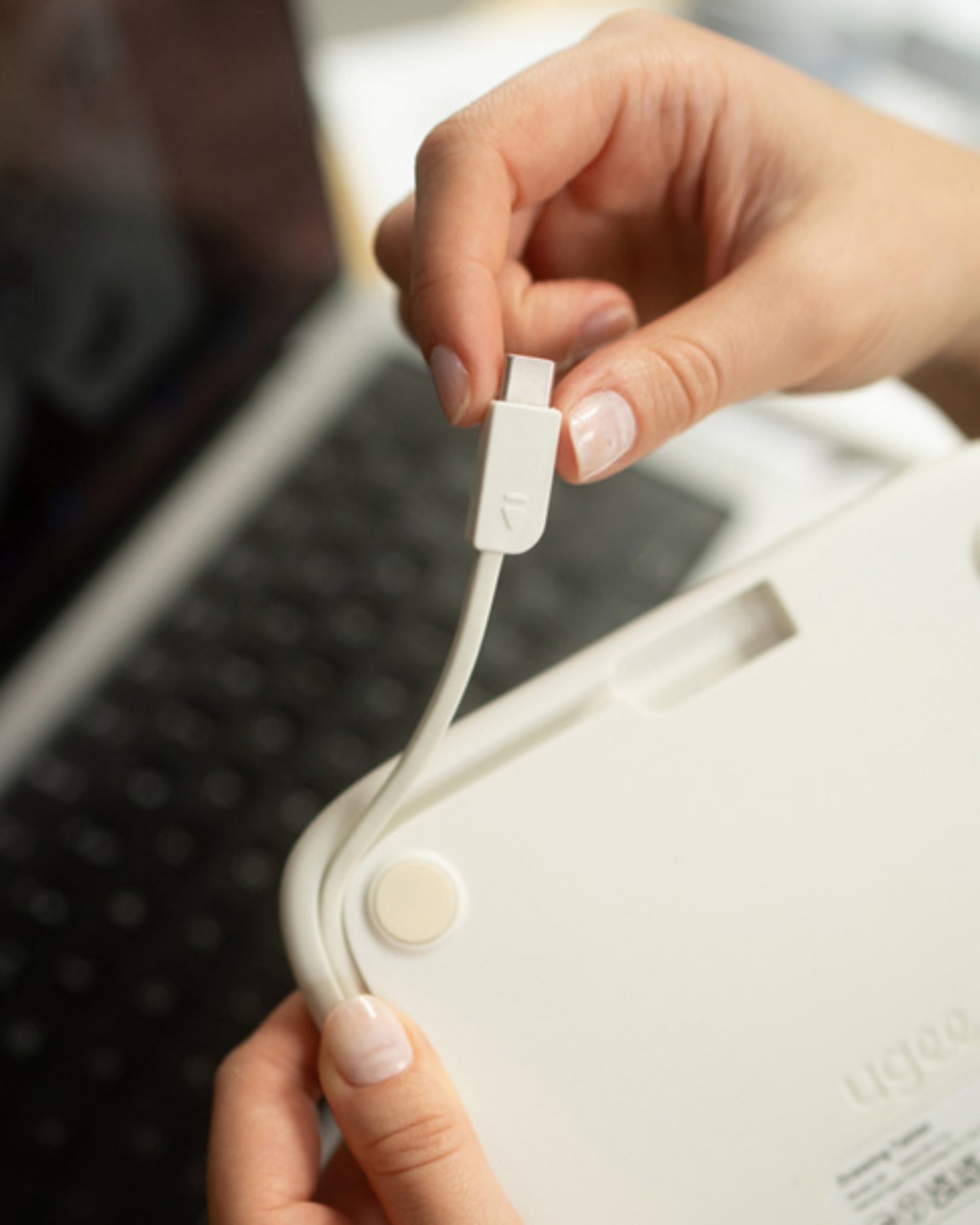
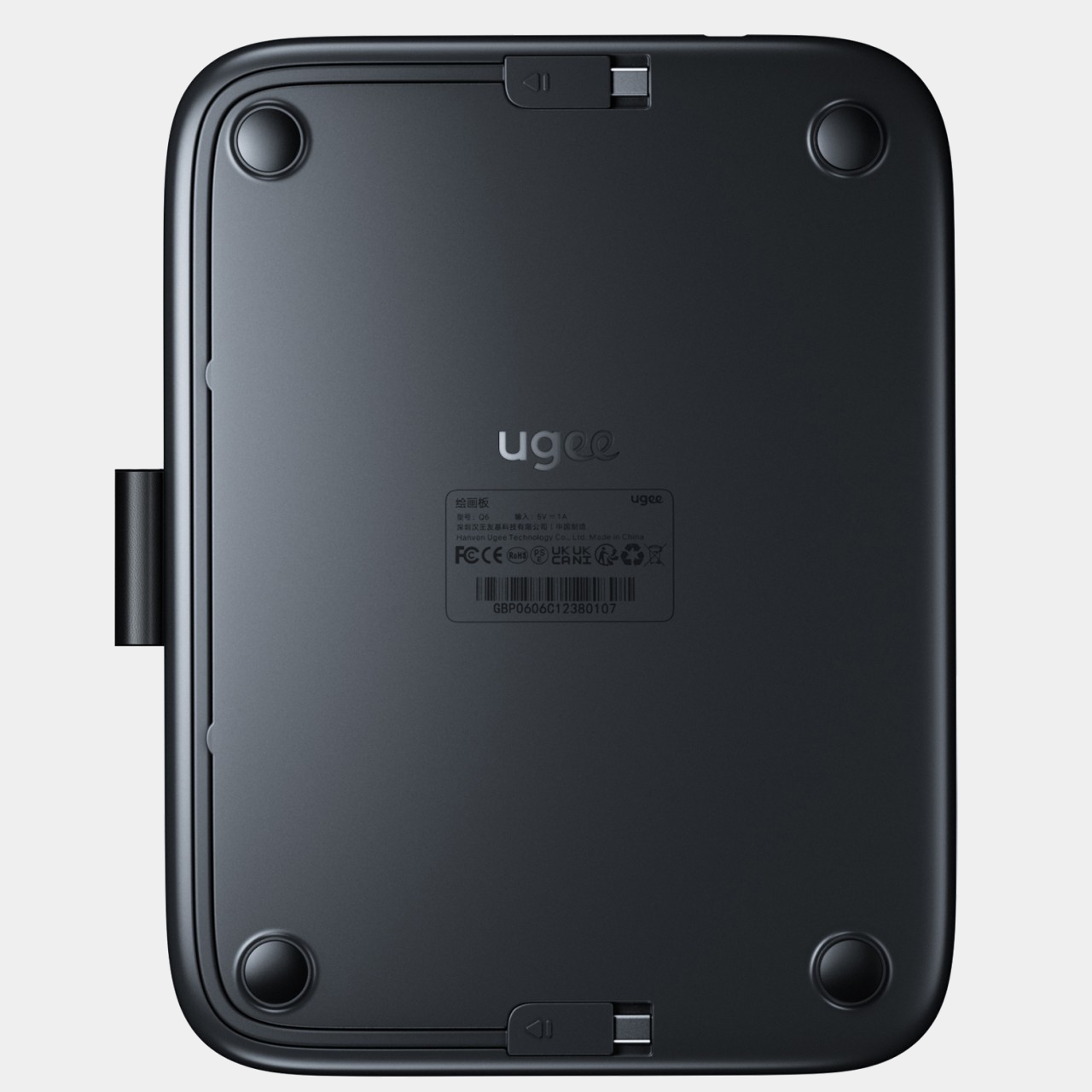
The UGEE Q6 is also one of the very few drawing tablets that can also store its own USB cable, making it easily portable. The cable is still detachable, so you’re free to use any other if you need a longer one, for example. Again, it’s a small detail that actually has a big impact on how the design is truly made for portability and mobile use. It may look like a kid’s device, but it’s definitely ready for some serious art and design work.
The anticipation is building as Apple prepares to unveil the next iteration of its operating system, macOS 15, at the highly anticipated Worldwide Developers Conference (WWDC) in 2024. With a focus on refinement, optimization, and user experience, macOS 15 promises to deliver a range of updates and improvements that will elevate your interaction with your […]
Samsung's largest workers' organization, the National Samsung Electronics Union, has announced that it's planning to stage a walkout next week as part of its fight for fair compensation. Members are threatening to skip work for a day, on June 7, in hopes that the company would listen to their demands after their wage negotiations over the past months had come to a standstill. If it pushes through, BNN Bloombergsays it'll be the first strike ever by the company's employees since Samsung was founded. As Reuters reports, Samsung agreed to a 5.1 percent increase in wages this year, but the union is also negotiating to add one more day to workers' annual leaves and for more transparency when it comes to performance bonuses.
"What we want is not a 1-2 percent wage increase. What we want is to be paid fairly for the amount of work done," union leaders said in front of Samsung's offices in Seoul. "We want to be compensated for our labor fairly and transparently."
The National Samsung Electronics Union has 28,000 members, which represent over a fifth of the company's workforce. Union leaders aren't expecting the strike to have a significant impact on Samsung's production since most of its manufacturing processes are automated anyway, but they're still hoping that their walkout could compel the company to take them seriously. The union certainly has more power to negotiate now — apparently, its membership grew four-fold over the past couple of years after the company pledged to stop its union-busting schemes.
Samsung used to be notorious for suppressing organized labor activities. In 2018, board chairman Lee Sang-hoon was indicted for sabotaging legitimate labor activities by threatening to lower wages of employees who join them, deliberately stalling negotiations between management and laborers and digging up dirt on key union personnel to persuade them to cease their activities. Lee stepped down as chairman of the board in 2020, the same year Samsung's Executive Chairman Jay Y. Lee promised to end the company's union-busting practices.
The union said, however, that there's "no change in the management’s attitude" despite Lee's promise to eliminate non-union management. "We can no longer stand by the company's lack of will to negotiate," it added. If the company refuses to engage in meaningful talks, the union is planning to stage more walkouts in the future. A Samsung spokesperson told BNN Bloomberg, however, that "the company remains committed to engaging in good faith negotiations with the unions, and is making every sincere effort to an agreement."
This article originally appeared on Engadget at https://www.engadget.com/samsungs-largest-union-calls-its-first-ever-strike-123035998.html?src=rss
Samsung's largest workers' organization, the National Samsung Electronics Union, has announced that it's planning to stage a walkout next week as part of its fight for fair compensation. Members are threatening to skip work for a day, on June 7, in hopes that the company would listen to their demands after their wage negotiations over the past months had come to a standstill. If it pushes through, BNN Bloombergsays it'll be the first strike ever by the company's employees since Samsung was founded. As Reuters reports, Samsung agreed to a 5.1 percent increase in wages this year, but the union is also negotiating to add one more day to workers' annual leaves and for more transparency when it comes to performance bonuses.
"What we want is not a 1-2 percent wage increase. What we want is to be paid fairly for the amount of work done," union leaders said in front of Samsung's offices in Seoul. "We want to be compensated for our labor fairly and transparently."
The National Samsung Electronics Union has 28,000 members, which represent over a fifth of the company's workforce. Union leaders aren't expecting the strike to have a significant impact on Samsung's production since most of its manufacturing processes are automated anyway, but they're still hoping that their walkout could compel the company to take them seriously. The union certainly has more power to negotiate now — apparently, its membership grew four-fold over the past couple of years after the company pledged to stop its union-busting schemes.
Samsung used to be notorious for suppressing organized labor activities. In 2018, board chairman Lee Sang-hoon was indicted for sabotaging legitimate labor activities by threatening to lower wages of employees who join them, deliberately stalling negotiations between management and laborers and digging up dirt on key union personnel to persuade them to cease their activities. Lee stepped down as chairman of the board in 2020, the same year Samsung's Executive Chairman Jay Y. Lee promised to end the company's union-busting practices.
The union said, however, that there's "no change in the management’s attitude" despite Lee's promise to eliminate non-union management. "We can no longer stand by the company's lack of will to negotiate," it added. If the company refuses to engage in meaningful talks, the union is planning to stage more walkouts in the future. A Samsung spokesperson told BNN Bloomberg, however, that "the company remains committed to engaging in good faith negotiations with the unions, and is making every sincere effort to an agreement."
This article originally appeared on Engadget at https://www.engadget.com/samsungs-largest-union-calls-its-first-ever-strike-123035998.html?src=rss