"How do you shorten Apple Intelligence?" That’s the question I’ve asked several Apple employees at WWDC 2024, and their practiced responses have become comically absurd.
“We just say Apple Intelligence,” they tell me. “Yah, but do you say that every time? The AI acronym is right there!” I’d retort. The usual response is a stiff smile and clenched teeth, like a human programming error in real-time. (Yes, I'm aware it's just overly aggressive media training in action.) One person suggested they also say "personal intelligence" — yes, a phrase that's longer than Apple Intelligence.
There's no doubt Apple Intelligence means many things to the company. It's an effort to compete with Microsoft's (still unproven) Copilot and Google's Gemini. It's a way to make Apple seem "hip" with ChatGPT. And it should enable a slew of new features for consumers. But Apple Intelligence is never "AI" to Apple.
Normally, I'd chalk this up to a silly branding quirk. But it becomes a problem as we cover Apple Intelligence. It's a long phrase that's just begging to be shortened to "AI," but then how do you distinguish that abbreviation from ChatGPT, Copilot and the general concept of AI? During the WWDC 2024 keynote, Apple only mentioned the phrase "artificial intelligence" three times: Twice while referring to its previous AI-powered features, and another while referring to "other artificial intelligence tools" like ChatGPT.
At this point, I've just decided to call Apple Intelligence "Apple AI." It's shorter and it differentiates the product from competitors. And yes, it just means "Apple Apple Intelligence," but everyone still says "ATM machine" and "PIN number." It's not my fault Apple decided to co-opt the acronym "AI."
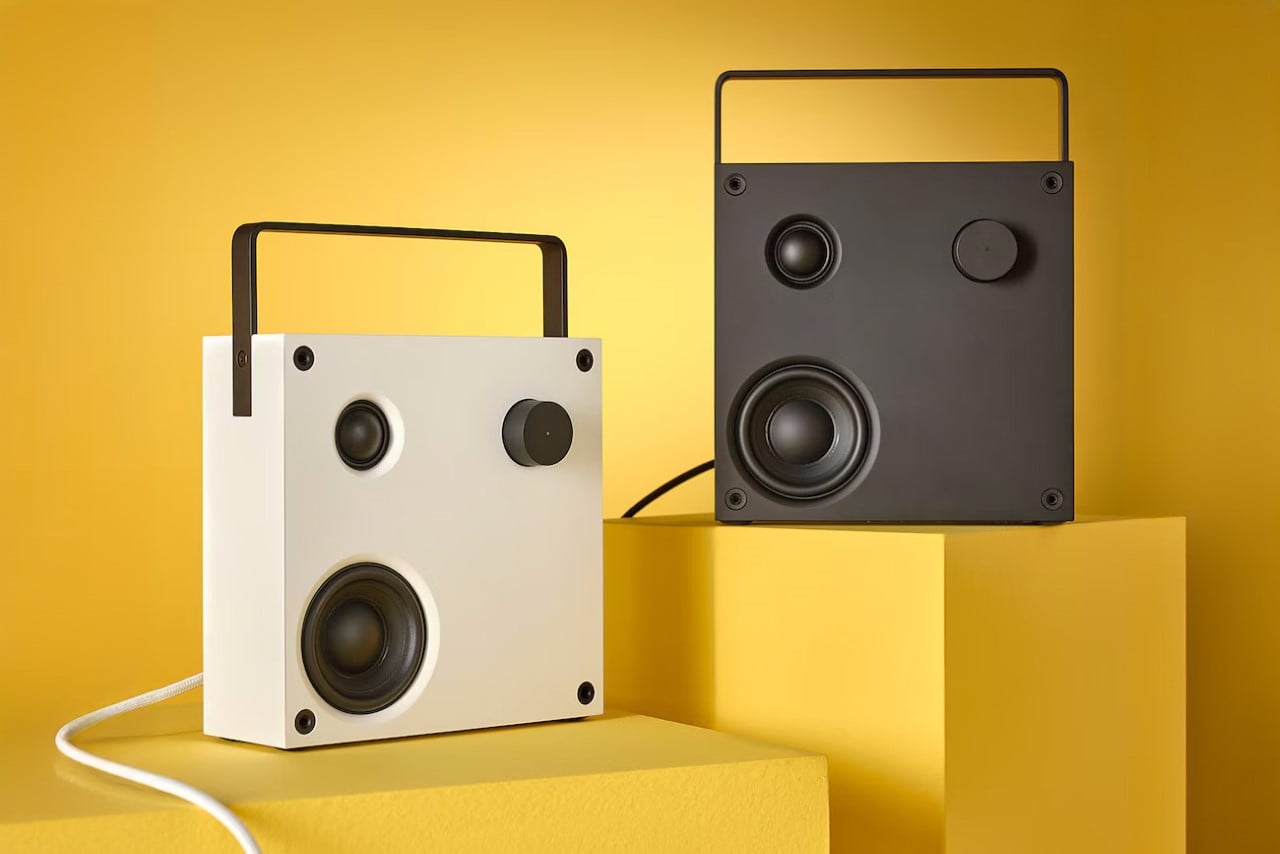
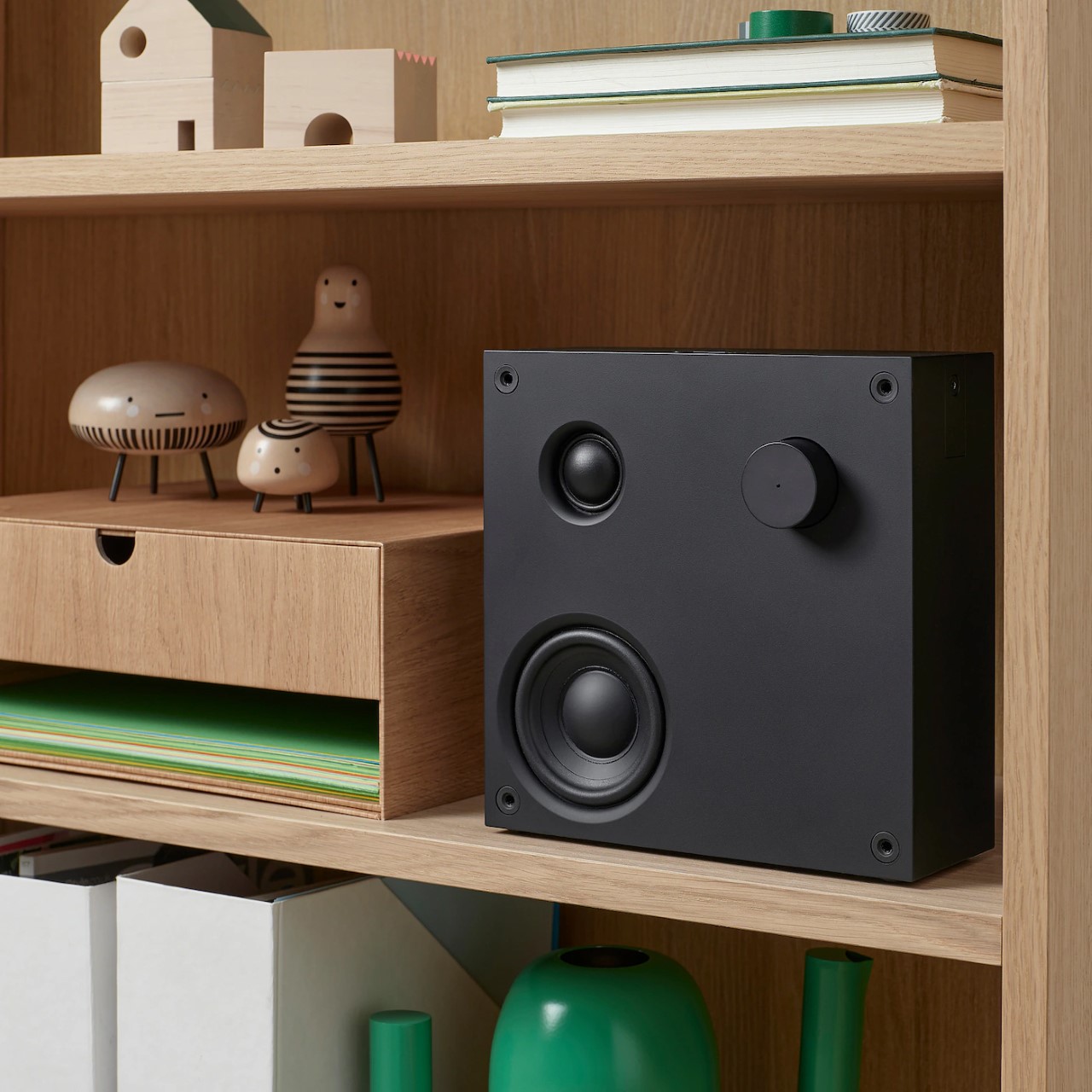
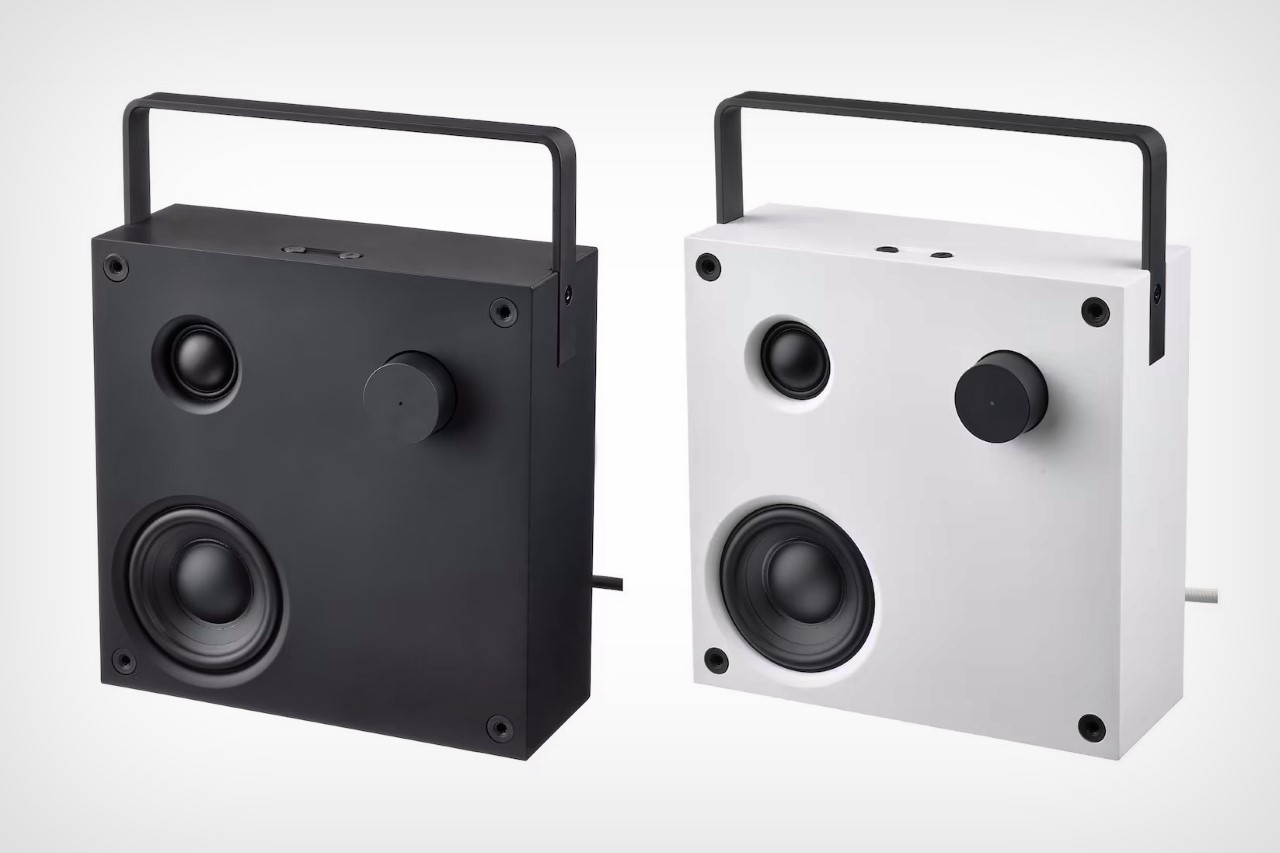
If you remember the Vappeby speaker from not too long ago, it had this gorgeous boxy avatar with a volume speaker emanating from within the speaker’s fabric cover. The Vappeby of the past blended in the same way smart speakers did, using fabric to integrate into home decor, but not anymore. IKEA’s new VAPPEBY 8×8 has a bold design, with pronounced audio drivers standing out against a plain, boxy housing. The volume knob still stays there, but the new Vappeby gets a rigid, removable handle too, and also now supports the addition of a battery pack so you can unshackle your speaker and take it with you to parties, the poolside, or the backyard.
Designer: IKEA
The most striking feature of the Vappeby 8×8″ is its size. It’s the biggest Vappeby yet, measuring a substantial yet portable 8 inches by 8 inches (without the handle). Despite its size, the speaker retains the clean, minimalist design synonymous with IKEA furniture. However, unlike previous versions, this speaker evokes a certain industrial chic aesthetic, reminiscent of the Swedish design collective Teenage Engineering.
At 39 watts of peak power output, the Vappeby 8×8″ promises impressive audio for its size. A tweeter and a large subwoofer are housed within the minimalist casing, although the exact driver sizes are yet to be revealed by IKEA. A single knob controls volume and playback, while a 3.5mm jack allows for connecting wired audio sources.
For those who crave a truly immersive experience, two Vappeby 8×8″ speakers can be paired to create stereo sound. This functionality makes the speaker ideal for small gatherings or creating a wider soundscape in a personal space.
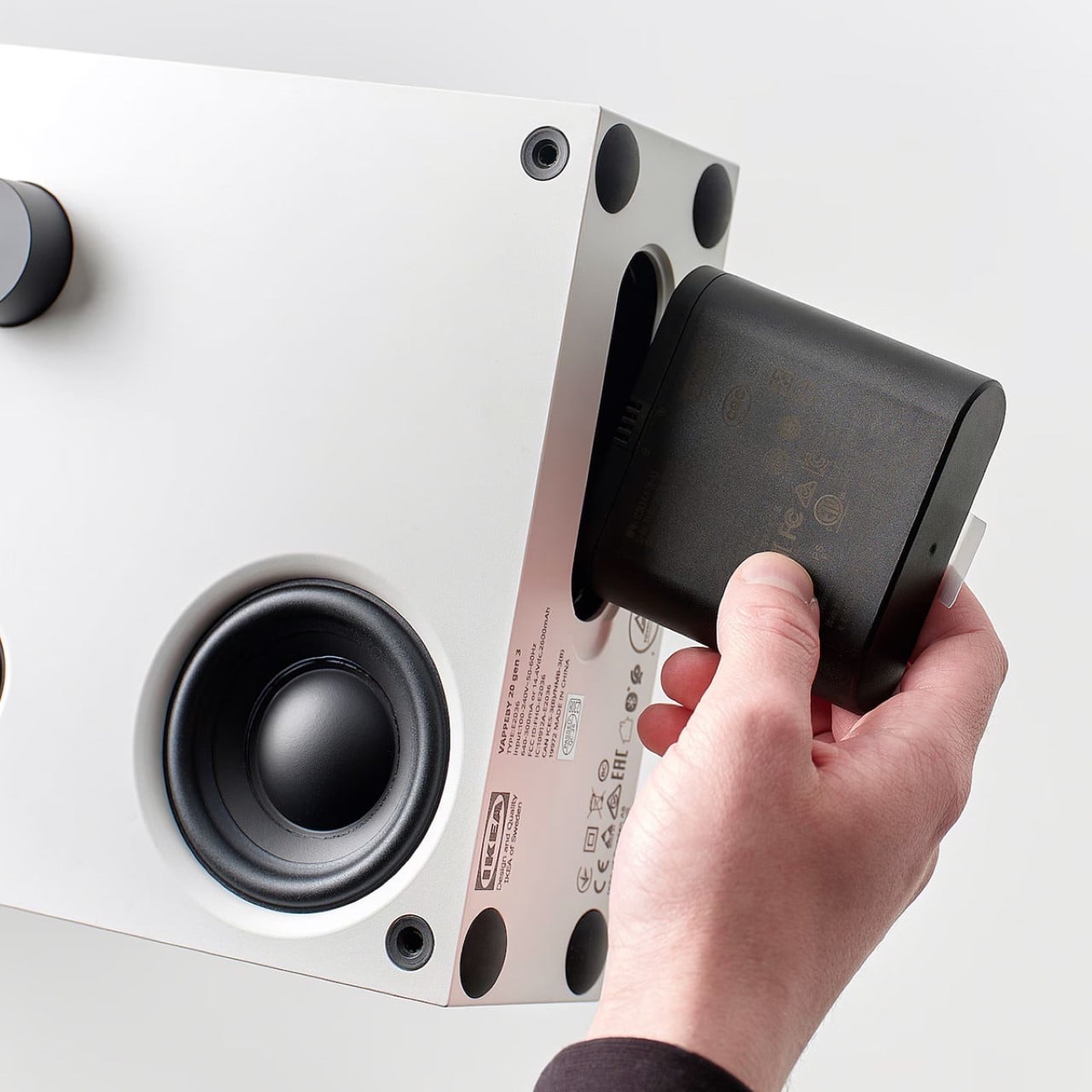
Powering the speaker is a choice between plugging it directly into a wall outlet or using an ENEBY battery pack (sold separately). The lack of a built-in battery might be a drawback for some, but it also keeps the price down. IKEA also offers a US$10 front panel for those who prefer a more finished look.
The Vappeby 8×8″ comes in black and white colorways and is priced at US$69.99. The speaker plugs into any wall outlet, but IKEA’s $28 Eneby battery pack fits into the base, giving you wireless audio capabilities. If you liked the original fabric-clad aesthetic, the company also sells a $10 cover that you can install on the front, in true IKEA fashion.
Apple Intelligence is coming, but not to every iPhone out there. In fact, you'll need to have a device with an A17 Pro processor or M-series chip to use many of the features unveiled during the Apple Intelligence portion of WWDC 2024. That means only iPhone 15 Pro owners (and those with an M-series iPad or MacBook) will get the iOS 18-related Apple Intelligence (AI?) updates like Genmoji, Image Playground, the redesigned Siri and Writing Tools. Then there are things like Math Notes and Smart Script on iPadOS 18 and the new features in Messages coming via iOS 18 that will be arriving for anyone that can upgrade to the latest platforms. It's confusing, and the best way to anticipate what you're getting is to know what processor is in your iPhone, iPad or Mac.
Why won't the iPhone 14 Pro get Apple Intelligence?
It's not evident exactly why older devices using an A16 chip (like the iPhone 14 Pro) won't work with Apple Intelligence, given its neural engine seems more than capable compared to the M1. A closer look at the specs sheets of those two processors show that the main differences appear to be in memory and GPU prowess. Specifically, the A16 Bionic can only support a maximum of 6GB of RAM onboard while the M1 starts at 8GB and goes up to 16GB. In fact, all the supported devices have at least 8GB of RAM and that could hint at why your iPhone 14 Pro will not be able to handle making Genmojis, perhaps.
Though it might not seem quite fair that owners of a relatively recent iPhone won't get to use Apple Intelligence features, you'll still be getting a healthy amount of updates via iOS 18. Here's a quick breakdown of what is coming via iOS 18, and what's only coming if your iPhone supports Apple Intelligence.
What iOS 18 features will be coming to iPhones?
Basically everything described during the iOS portion of yesterday's WWDC 2024 keynote is coming to all iPhones (that can update to iOS 18). That includes the customizable home screen, Control Center, dedicated Passwords app, redesigned Photos app, new Tapback emoji reactions, text effects, scheduled sending and more. Messages via Satellite is only coming to iPhone 14 or newer, and you'll be able to send text messages, emojis and Tapbacks, but not images or videos.
You'll also be tied to the same satellite service plan that you got at the time of your purchase of an iPhone 14. If you bought your iPhone 14 in January 2024, you received a free two-year subscription to be able to use Emergency SOS via Satellite and other satellite communication features that now include texting. That means that to continue texting people via satellite after January 2026, you'll need to start paying for a plan.
There are a whole host of updates coming with iOS 18 that Apple didn't quite cover in its keynote either, and I'll be putting up a separate guide about that in a bit. But suffice to say that apps like Maps, Safari, Calendar and Journal are getting new functions that, together with the other changes mentioned so far, add up to a meaty OS upgrade.
What Apple Intelligence features are older devices missing out on?
In short, all of them. If you have an iPhone 15 Pro or an iPad (or Mac) with an M-series chip, you'll get a redesigned Siri, Genmoji and Image Playground, as well as writing tools baked into the system. That means tools like proofreading, summarizing or helping you adjust your tone in apps like Mail, Notes and Keynote are limited to the AI-supported devices. If you don't have one of those, you'll get none of this.
The redesigned Siri, which is only coming through Apple Intelligence, will be able to understand what's on your screen to contextually answer your queries. If you've been texting with your friend about which baseball player is the best, you can ask Siri (by long pressing the power button or just saying Hey Siri) "How many homeruns has he done?" The assistant will know who "he" is in this context, and understand you're referring to the athlete, not the friend you're chatting with.
Apple Intelligence is also what brings the ability to type to Siri — and you can invoke this keyboard to talk to the assistant by double tapping the bottom of the screen.
This also means that new glowing edge animation that appears when Siri is triggered is limited to the Apple Intelligence-supported devices. You'll still be looking at that little orb at the bottom of your screen when you talk to the assistant on an iPhone 14 Pro or older.
This article originally appeared on Engadget at https://www.engadget.com/apple-intelligence-what-devices-and-features-will-actually-be-supported-185850732.html?src=rss
Netgear is releasing more affordable versions of its flagship Orbi and Nighthawk router systems. The recently-released Orbi 970 starts at a jaw-dropping $1,700, so this is a welcome bit of news.
The Orbi 770, on the other hand, starts at $700. It’s still a tri-band mesh router system that supports Wi-Fi 7, with support for up to 100 simultaneous devices. The top speed gets a hit when compared to the 970, 11Gbps vs 27Gbps, but it’s still plenty fast. Remember, an internet speed of one gigabit per second is actually 1,000 megabits per second (Mbps.) Anything above 1,000 megabits is more than enough for streaming and web surfing. So, the Orbi 770 offers 11 times that.
Netgear
A three-pack will cover up to 8,000 square feet and there are a pair of 2.5Gb LAN ports for wired connections to a gaming console or shared storage device. The cylindrical design is slim enough to hide just about anywhere and each unit features four internal antennas for 360-degree coverage. The company says the system will work “regardless of the home layout, from the front door to the backyard.”
The Orbi 770 is available now via Netgear and major retailers. A starter pack that includes one router and one satellite costs $700, while a three-pack with a single router and two satellites costs $1,000. You can keep adding on satellites at $400 a pop if you live in a mansion.
Netgear
The Netgear Nighthawk RS300 is a standalone router and not a mesh system. This tri-band router works with Wi-Fi 7 and offers speeds up to 9.3Gbps. The newly-designed omni-directional internal antenna should allow for 2,500 square feet of coverage across a maximum of 100 devices.
There are a pair of 2.5Gbps ports for wired connections and two 1Gbps LAN ports that can be linked together for speeds up to 2Gbps when connected to a NAS device. It also has a USB thumb drive for sharing files and a proprietary app for making quick adjustments. The Nighthawk RS300 is available right now for $330, which is much cheaper than the flagship RS700S.
This article originally appeared on Engadget at https://www.engadget.com/netgear-is-releasing-more-affordable-versions-of-its-orbi-and-nighthawk-routers-183522831.html?src=rss
Marvel Rivals pits its greatest heroes against each other and it’s a lot of fun. It’s also a familiar kind of fun if you’ve ever played Overwatch. As Overwatch 2 fightsto hold onto players (and attract new ones), there’s no shortage of new games with similar team PvP dynamics, modes and characters. Like Valve’s leaked Deadlock title, or PlayStation’s Concord, or Star Wars: Hunters. Add the now console-bound (and more strategy-heavy) Valorant, and yep, there are a lot of team shooters on the horizon. Oh and I forgot Foamstars, like most of us.
Rivals, made by Netease, has a headstart, however, with a roster of characters that most of us have heard of. These are also heroes whose powers and abilities we already know. And it’s certainly a roster: 19 characters, expanding now to 21 for the next wave of tests.
I was going to complain that this is a heady number of characters and combinations to learn, or at least get used to. But, well, Overwatch launched with 21. One leak, data-mined from the closed alpha, suggest there are plans for up to 39 characters. Oh my.
Briefly playing this alpha-build demo at Summer Game Fest offers a glimpse at the game, and nascent metas (combinations of characters and team builds), but it takes time to evolve and coalesce. It also takes time for me to get good at a new team shooter.
Like the original Overwatch, Rivals pits six heroes/villains against six other Marvel characters, with familiar team goals of escoring a slow-moving object, or protecting zones from the opposing team. It’s not all Marvel Presents… Overwatch, though.
I liked the destructable environments, with some walls taking only so much damage before crumbling and exposing your hero. It kept me on my toes. Other unique gameplay features include "Dynamic Hero Synergy," a sort of baked-in meta where two (sometimes three) characters can augment each other in battle.
One example of this happened as I found early success with Groot. Groot is a tank-type player, with the ability to make Mei-styled walls, just made of plants, not ice. However, if Rocket, his Guardians of the Galaxy team-mate, is on the same team, it increases the duo’s damage output. And Rocket can ride around on Groot’s shoulder, too. Cute.
I mentioned the Groot-Mei connection, but other skill overlaps with Overwatch characters are obvious, but with a twist. Hela, queen of Hel, has a few similarities with Overwatch 2’ s Kiriko, with the ability to escape tight spots, but swapping healing for a focus on damage dealing.
Meanwhile, Black Panther’s lunge attack gets an instant cooldown if you hit an enemy, mimicking Genji’s dash attack that recharges if you get a kill.
The third-person perspective, which a few early testers found divisive, takes some getting used to. Look, I get it: when the core USP of a game is the global juggernaut that is Marvel's intellectual property, you want to see what you paid for. You want to see Iron Man blasting Magik from the skies, Loki faking his death as he circles back around to attack Namor’s weak spot. In first person, a lot of that character design is lost, and your team mates and enemies rarely stand still in order for you to appreciate their character designs and lore.
I’m not sure why, but playing this kind of game from a third-person perspective made movement feel, somehow, sluggish. Unless you’re Spider-Man, who has an uniquely high level of mobility and speed compared to the rest of the current roster.
Overwatch 2 struggled with a lack of PvE features as well as the major change to 5v5 team battles. For a lot of Overwatch players, the game has fallen out of favor. However, for a lot of people it’s still the team shooter to beat. Will the draw of Marvel’s greatest heroes (and villains) be enough of a draw, and can NetEase sustain Rivals appeal when it launches? A closed beta test, which will include PS5 gamers this time, is scheduled for July.
Catch up on all of the news from Summer Game Fest 2024 right here!
This article originally appeared on Engadget at https://www.engadget.com/the-biggest-threat-to-marvel-rivals-is-all-the-other-rival-team-shooters-182005638.html?src=rss
In addition to revealing its initial plans for AI and annual updates to iOS, macOS and more at WWDC 2024, Apple also discussed new capabilities coming to the second-gen AirPods Pro. Siri Interactions will allow you to respond to the assistant by nodding your head yes or shaking your head no. Apple also plans to introduce improved Voice Isolation that further reduces background noise when you're on a call. Both of these items are exclusive to the most recent AirPods Pro, because they rely on the company's H2 chip like existing Adaptive Audio, Personalized Volume and Conversation Awareness features.
Like those advanced audio tools that are already available on AirPods Pro, Siri Interactions and Voice Isolation use the processing abilities of the H2 chip in tandem with the power of a source device — an iPhone or MacBook Pro, for example. Using the processing power on both sides, while being able to do so with very low latency, is what will continue to unlock these types of features on AirPods Pro. The pairing will also ensure that the system doesn't respond when you don't intend for it to, partially because it's able to reliably predict what you're doing.
For Siri Interactions, Apple employs several sensors in addition to the H2 chip to detect a nod yes or a shake no. The company hasn't divulged any specifics on those, but the motion-detecting accelerometer inside AirPods Pro likely plays a role. Those sensors work alongside an advanced set of transformer models to accurately predict whether you are trying to confirm or dismiss Siri's alert. They can also distinguish between normal head movements, with the goal of AirPods Pro not being tricked by a quick glance to the side or some other action. Overall, the intent is for Siri Interactions to work just as well when you're stationary as when you're moving or during a workout. Of course, Apple has an AI-infused update coming for Siri, so making exchanges with the assistant more natural and convenient means you might use it more.
Billy Steele/Engadget
Call quality was already a key aspect of AirPods Pro. But, like it has for Siri Interactions, Apple is using the combined power of H2 and a source device to improve voice performance. More advanced computational audio models are being used than what's currently at work on AirPods Pro, with the goal of further reducing background distractions from everyday scenarios. Those include wind noise, the clamor of a busy city street, construction site racket and potential interruptions at home — like cooking, kids, pets or a vacuum. Additionally, Apple is improving the overall voice quality, not just the real-time noise reduction, and the company is doing so with very low latency. This means you should also sound better on calls in general, but not just because background noise is reduced.
Since these features rely so heavily on the processing power of the H2 chip, any future AirPods models would need to be equipped with the component in order to offer them. They would either need the H2 or something with even more computational horsepower. Of course, Apple doesn't comment on future products, but the company is clear that H2 is foundational to unlocking these types of advanced audio tools. And if the rumors are true, we won't have to wait long to see if the new "regular" AirPods will also allow you shake your head to dismiss a call.
This article originally appeared on Engadget at https://www.engadget.com/how-airpods-pro-will-know-when-youre-trying-to-silently-interact-with-siri-180614981.html?src=rss
Game publisher Voodoo (known for free-to-play mobile titles stuffed with ads) has bought the social platform BeReal (known for a scorching hot 15 minutes of fame in 2022) for €500 million. Although BeReal has fallen off the radar since its much-hyped peak, Voodoo says the app has grown to 40 million active users.
“BeReal achieved incredible user loyalty and growth, showing there is a universal need to share real, unfiltered experiences with close friends,” Voodoo CEO Alexandre Yazdi wrote in a press release. “We are very excited to bring our teams together and leverage Voodoo’s know-how and differentiated technologies to scale BeReal into the iconic social network for authenticity.”
If you’ve forgotten, BeReal’s gimmick is that it promotes “spontaneous authenticity” by prompting users to capture dual-camera pictures (a selfie and whatever the rear camera is aimed at) during two-minute windows at random times throughout the day. It won Apple’s iPhone App of the Year award in 2022 as younger users (especially) appreciated its less choreographed user content.
The app’s marketing spiel is that the short and sudden posting window forces spontaneous, unmanicured content (unlike, say, Instagram). On the downside, authenticity isn’t always engaging: Some users complained that its content could get downright boring. (Care to peruse an adrenaline-pumping pic of... somebody looking half asleep as they sit at a computer?)
Although BeReal’s buzz has died down significantly since its 2022 heyday (partially thanks to Instagram and TikTok cloning its gimmick while it was still hot), the company says its user base is growing more than you might expect. Voodoo’s 40 million active users figure is double the 20 million daily active users BeReal claimed in April 2023.
It’s worth noting that Voodoo’s press release on Tuesday describes BeReal as having 40 million active users, not daily active users, suggesting those figures may not be apples to apples. And around the time BeReal claimed 20 million daily active users last year, The New York Times published a report citing an analytics firm that said the app’s daily use had dropped 61 percent from its peak: from about 15 million users in October 2022 to “less than six million” in March 2023.
Left: The original Donut County. Right: Voodoo’s clone Hole.io.
Ben Esposito / Voodoo
No matter whose figures are accurate, BeReal is now in the hands of the French gaming publisher Voodoo. Founded in 2013, the mobile gaming titan’s ultra-casual titles tend to do quite well. By 2022, it claimed to have passed six billion total downloads, and it says its apps trail only Google and Meta in mobile app installations.
Voodoo says Aymeric Roffé, CEO of its social app Wizz, will take over as BeReal’s CEO. The company says BeReal’s founder and previous CEO Alexis Barreyat will “remain involved in BeReal in the short term” before shuffling off to work on new products.
This article originally appeared on Engadget at https://www.engadget.com/bereal-the-buzziest-app-of-2022-has-been-bought-by-a-mobile-game-publisher-175016152.html?src=rss
Concept phones are designed to showcase the working possibilities of what the upcoming version of an exciting lineup or an altogether a different smartphone would look and feel when launched. Deviating from this notion is this concept phone that rethinks the way mobile phones are used and disposed of the afterlife. This conceptual design draws some uncanny references to be more than a phone, a device that would survive – be useful – after the user chooses to upgrade, and doesn’t want to use the old phone anymore.
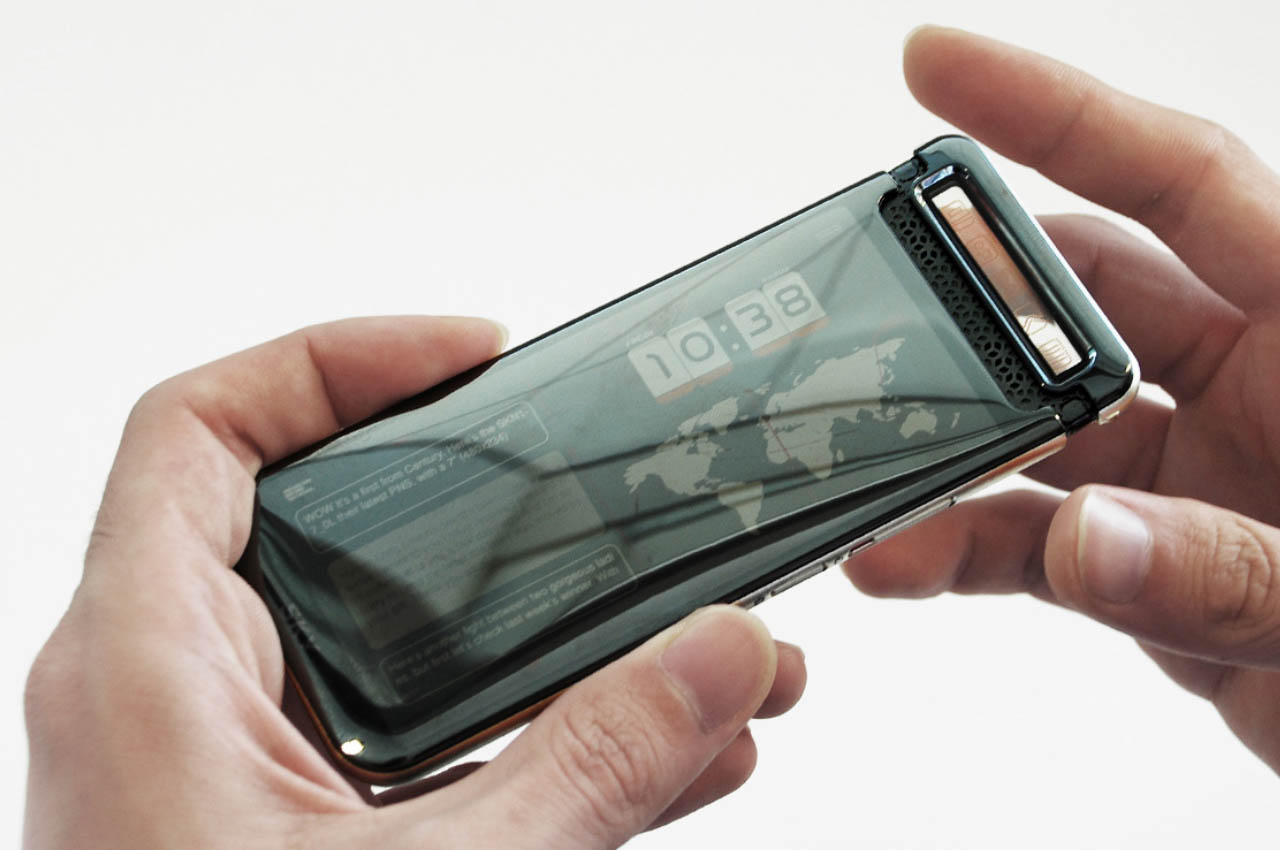
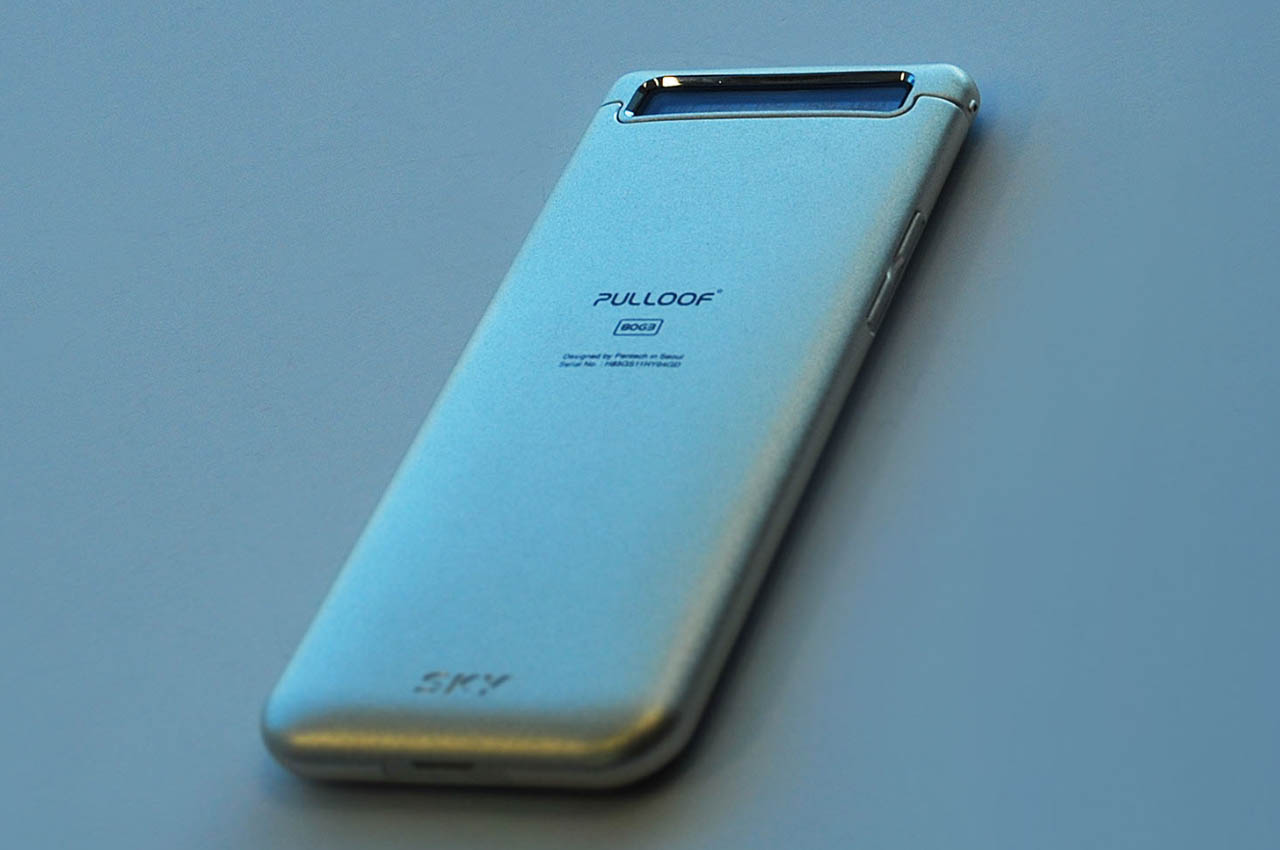
Designed keeping in mind the idea of integrating human behavior and sustainable design, the Pulloof: Smart Phone Concept is meant to survive after its lifetime, not just in memory, but as a device that is still fresh to the touch and use, besides its smartphone functionality.
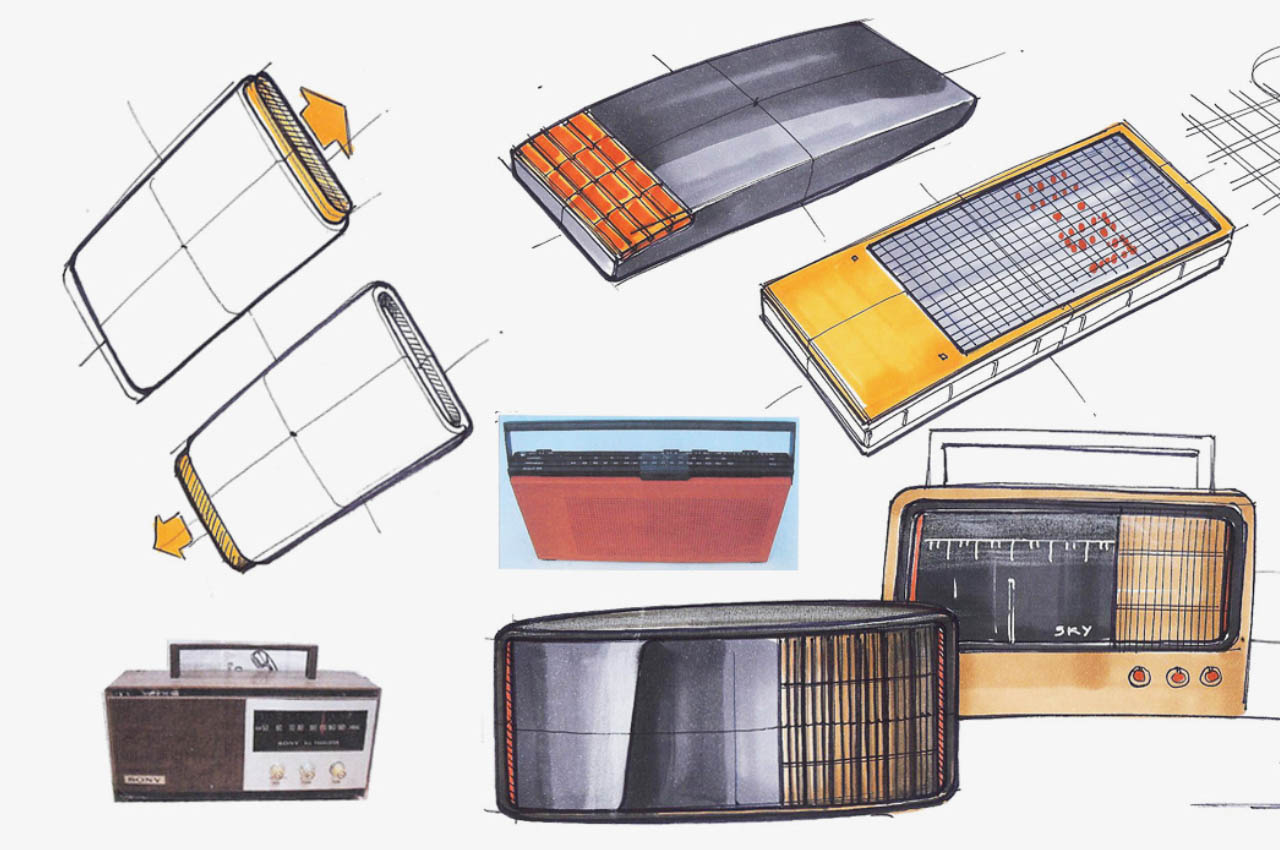
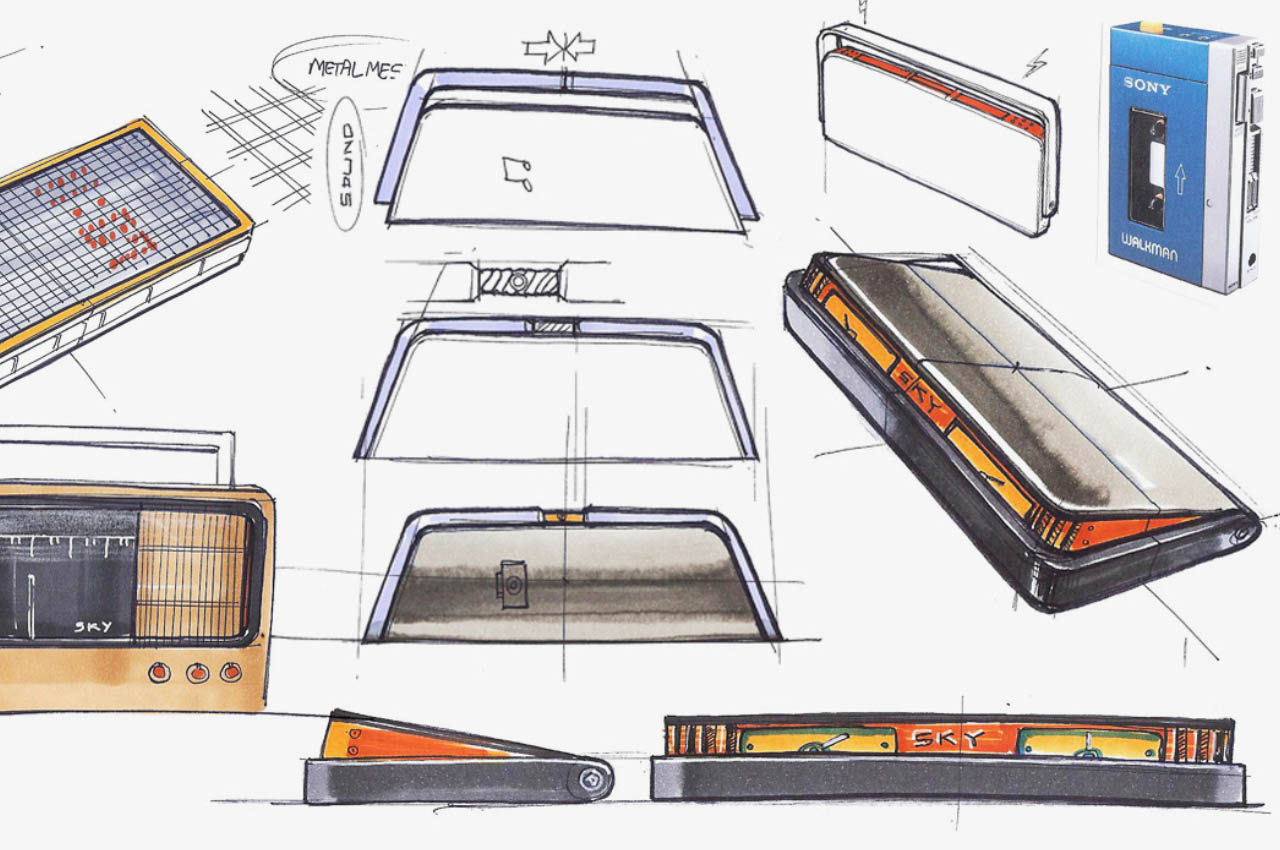
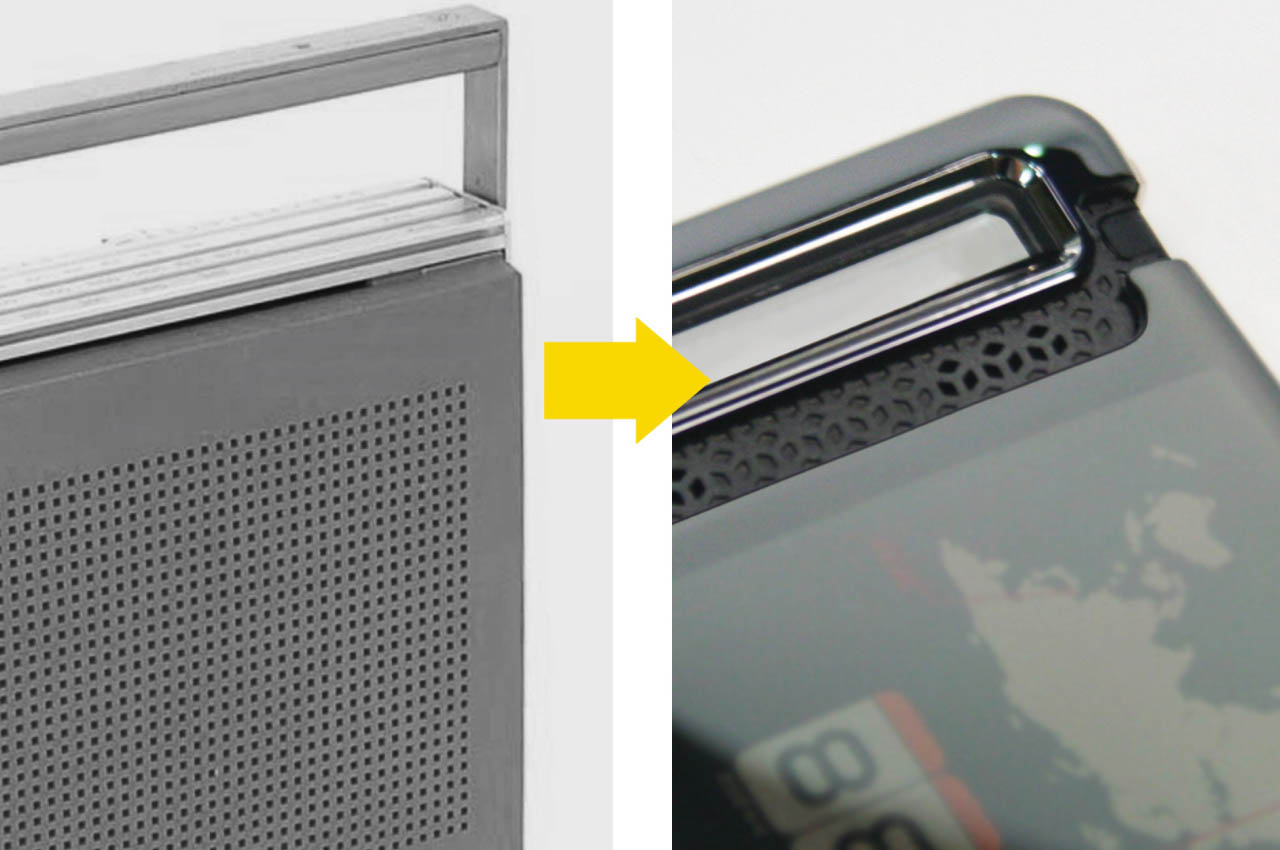
When presented with the question what happens when “the display disappears from a smartphone,” what would people use it for? Gisung Han long before clamshell phones took off because of their display real estate had visioned the Pulloof – inspired by a vintage B&Q radio – as a phone delivering on people’s music consumption through phone. He designed “a sustainable speaker by emphasizing the speaker” functionality of the smartphone.
The Pulloof as a sustainable solution is a dream object that remains valuable after its use as a smartphone as “something that people will keep wanting to touch.” This would be an environmentally safer option since people would stick on to their device even when upgrading to a new phone ensuring lesser electronic waste. People wouldn’t want to throw away a smartphone just because they are upgrading to a bigger screen.
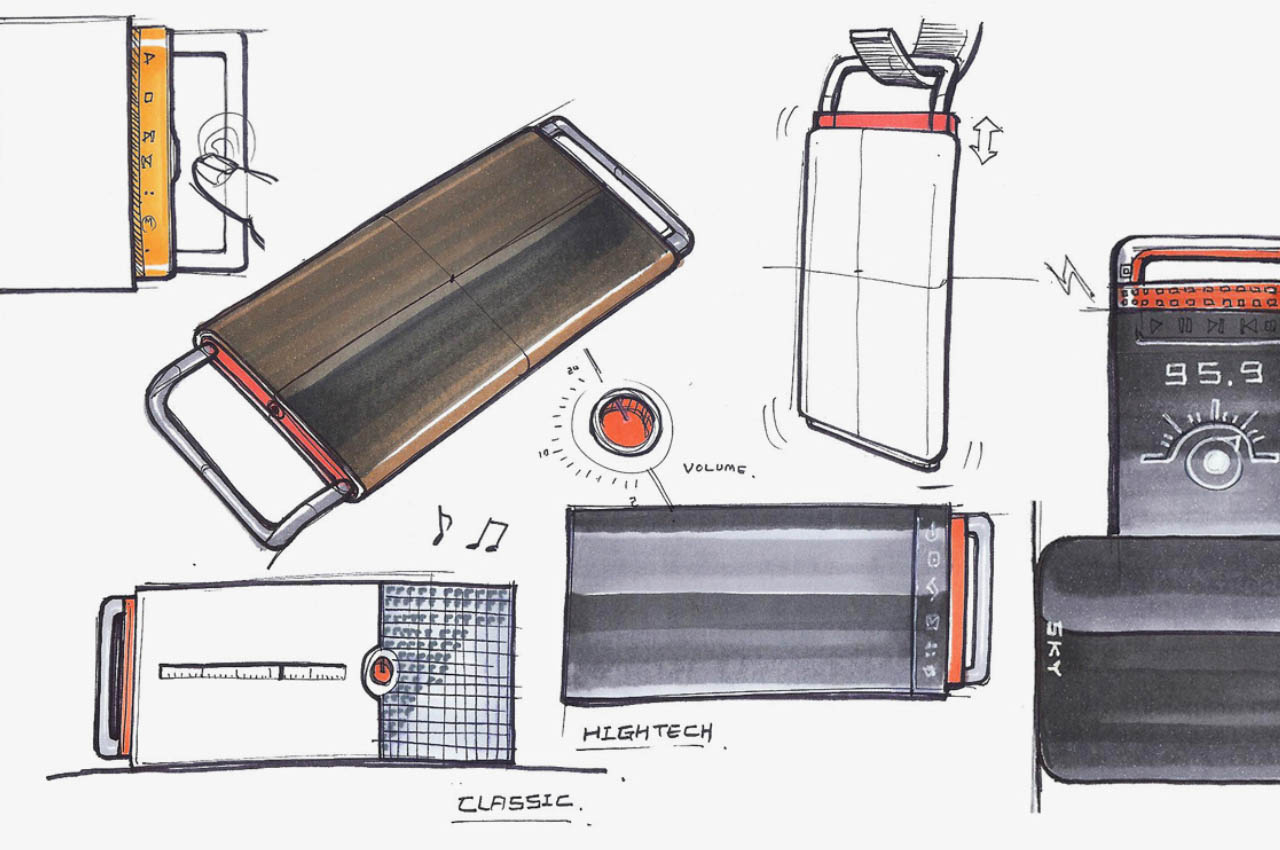
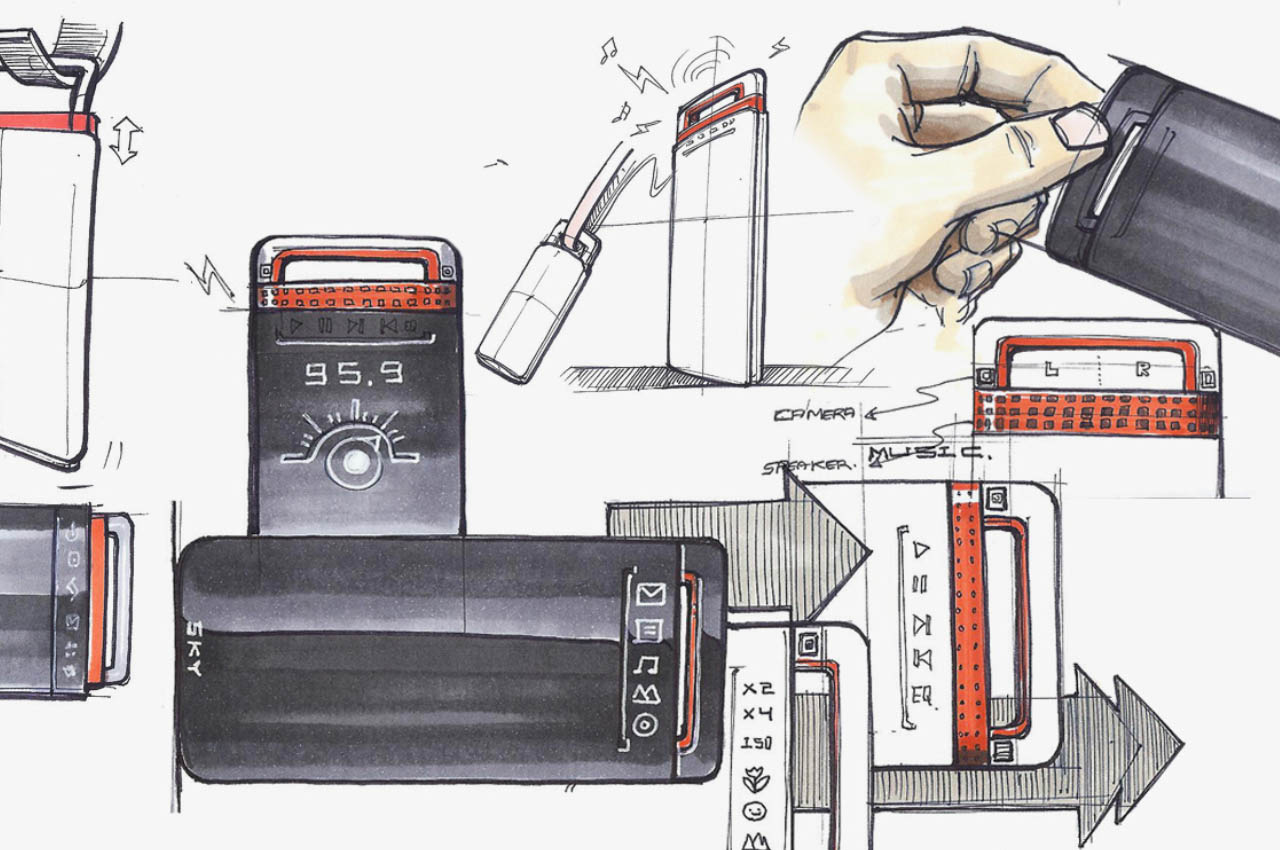
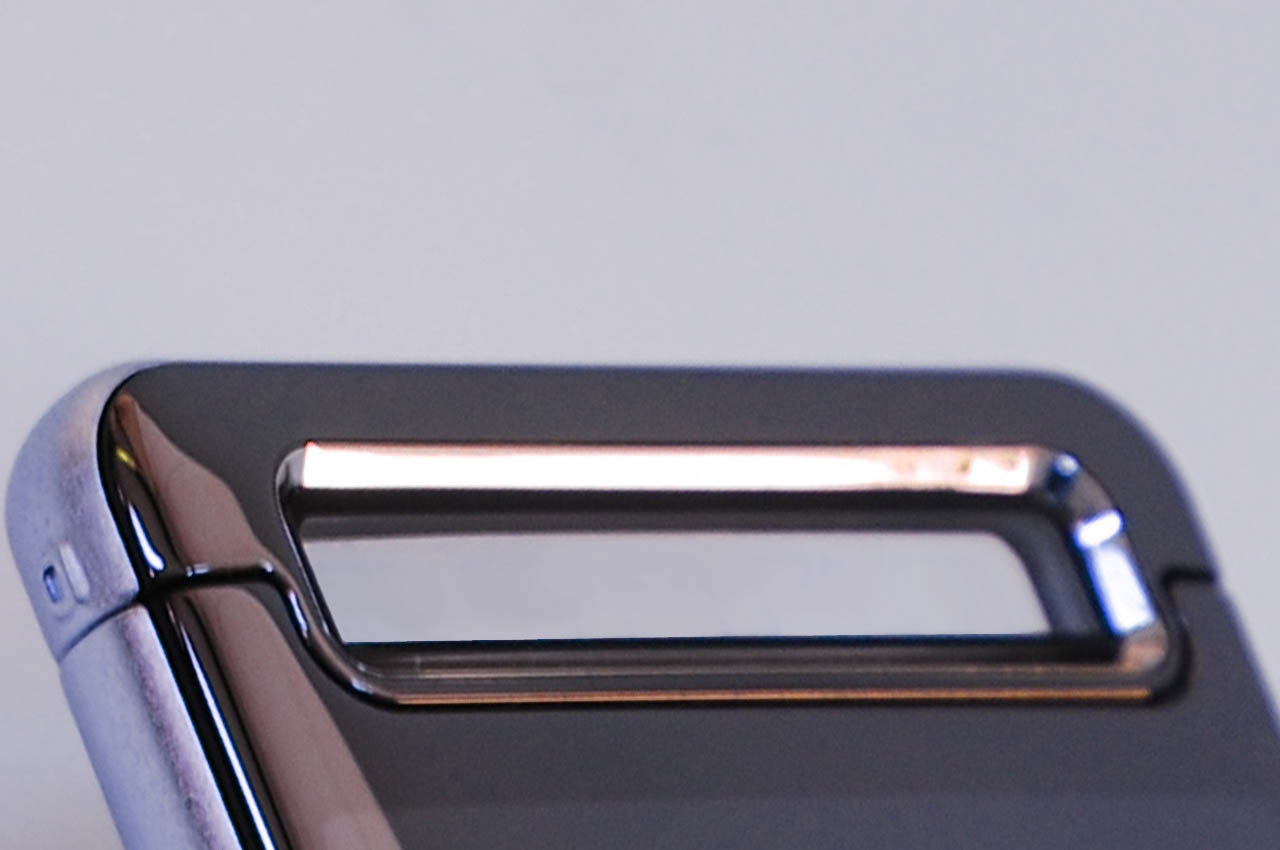
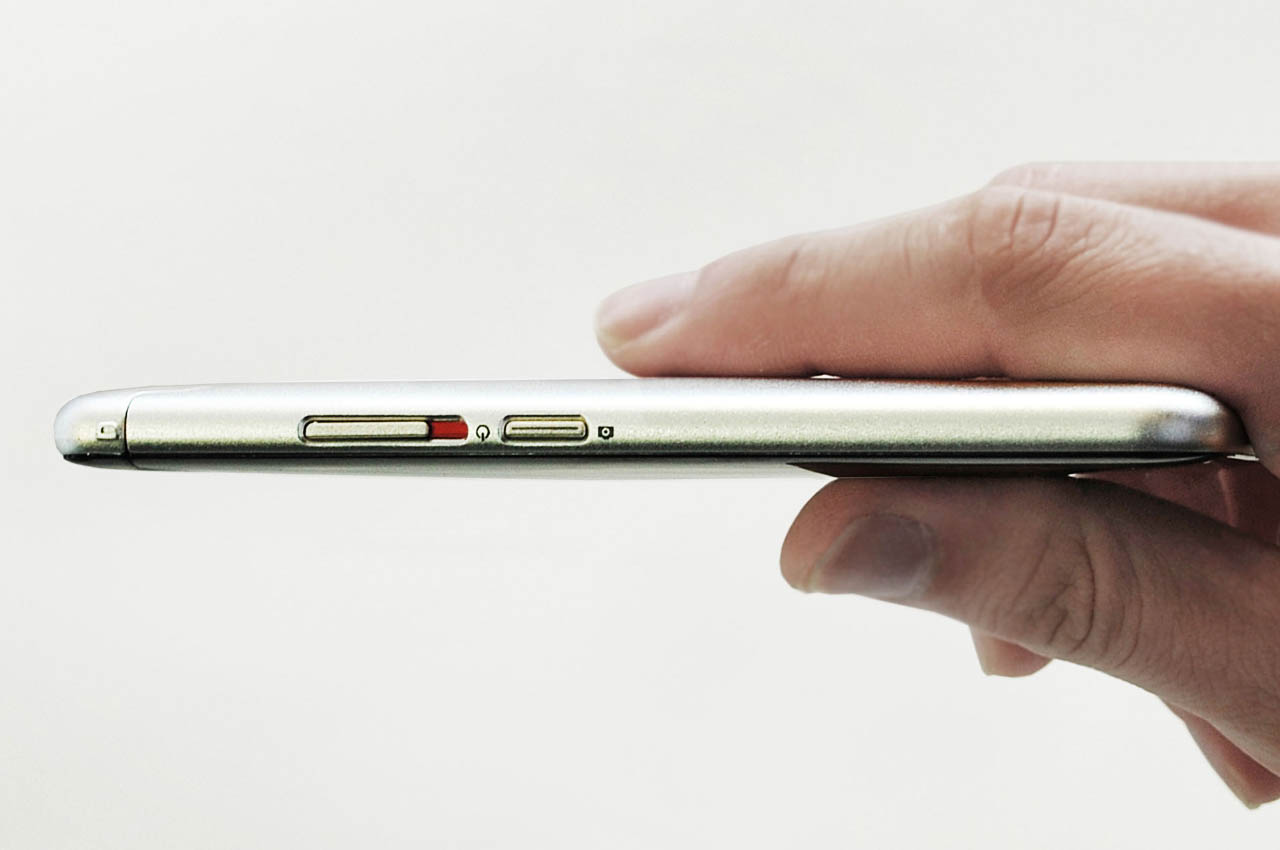
Pulloof thus has a different design approach than a usual smartphone. It is a combination of pull and loop, a phone that features a hidden speaker accessible by pulling out from a round surface using a loop on the phone. With its properties and design, the designer believes, “Even if other phones are thrown away, ‘Pulloof’ will not be thrown away.” This phone will survive anywhere as a hanging speaker (from the loop), so it is usable in the bathroom or in the outdoors to keep you entertained.
The reason behind the change is to provide "a consistent sign-in experience across Apple services and devices," the company wrote in a blog post. Apple Account "relies on a user's existing credentials," so you won't have to change anything.
The betas of the new operating systems already use the term Apple Account, but MacRumors notes that Apple ID is still used in some places, such as the account sign-in page on Apple's website. The company is most likely going to complete the Apple Account transition by the time it rolls out the latest major public versions of the operating systems (which also include tvOS and visionOS) this fall.
As Apple races to add more advanced features to its smartphones, other companies are moving in the opposite direction. One such company, Light, just unveiled its latest and greatest minimalist phone, offering a stark contrast to the app-filled gadgets we all stare at way, way too much.
The Light Phone III eschews the e-paper screen found with the previous models, opting for a sleek black-and-white OLED. It still doesn’t offer any access to social media, the internet or even email. This is, first and foremost, a phone. It’s not completely bare, however, as the Light Phone III includes a camera and an embedded NFC chip for making payments. It also allows access to navigation tools, a simple music player, texting, voice notes, a calendar, a timer and an alarm.
It’s larger than previous generations, with a cute form factor that can only be described as “the Rabbit R1, but serious.” There’s no half-baked AI integration here, however, but there is an analog scroll wheel on the side for navigation and for making adjustments. It’s around the width of modern iPhones, but much shorter. The team says this was on purpose, so as to make it easier to text while holding the device vertically.
Light
Light has also paid for private access to navigational information, so Google won’t get ahold of any tracking data. The camera looks to be a simple point-and-shoot that can’t compete with modern offerings from Google or Apple, but will get the job done.
Other specs include 6GB of RAM, up from 1GB in the Light Phone II, 128GB of memory and a newer Qualcomm chip. There's a fingerprint ID on the power button and loudspeakers at the bottom. The battery is much larger than what was included with previous iterations and its user-replaceable.
Now, here’s the bad news. The Light Phone III is $800, which is more than twice the price of the $300 Light Phone II. That’s a whole lot of cheddar for what amounts to, well, a phone. Deleting all of the intrusive apps on your current smartphone costs $0, though that’s easier said than done.
However, Light is running a deal for early adopters. The phone’s available for $400 for a limited time to crowdfund mass production. Models should ship out in January.
This article originally appeared on Engadget at https://www.engadget.com/light-unveils-a-new-minimalist-phone-with-a-black-and-white-oled-screen-163225012.html?src=rss


 Pulloof thus has a different design approach than a usual smartphone. It is a combination of pull and loop, a phone that features a hidden speaker accessible by pulling out from a round surface using a loop on the phone. With its properties and design, the designer believes, “Even if other phones are thrown away, ‘Pulloof’ will not be thrown away.” This phone will survive anywhere as a hanging speaker (from the loop), so it is usable in the bathroom or in the outdoors to keep you entertained.