The sports streaming service Fubo has temporarily fended off a huge financial threat from Disney-Fox-Warner’s potential competitor Venu Sports and its collection of sports broadcasting licenses thanks to a recent court ruling. A federal judge in the Southern District of New York granted Fubo’s request for an injunction in its antitrust case against the joint sports streaming venture and its parent companies.
US District Judge Margaret Garnett wrote in an opinion issued earlier today such a concentrated collection of media power would eliminate consumers’ choices. The launch of Venu would also “hike prices on both consumers and other distributors” and create a “multi-year monopolistic runway” in the sports streaming sector for Disney, Fox and Warner.
“Even if the [joint venture] defendants swear that such price-hiking and competition excluding will not actually occur (though…there is good reason to believe that it will),” the opinion reads, “one purpose of antitrust injunctions is to prevent anticompetitive incentives from forming in the first place so that American consumers do not have to simply take their word for it and hope for the best.”
Garnett also wrote the injunction is needed because of “quintessential harms that money cannot adequately repair” if Fox-Disney-Warner’s Venu Sports moves forward.
Fox-Disney-Warner first announced its plans to launch a live sports streaming channel in February and later revealed the name and price for its Venu Sports streaming service. The joint sports streaming venture will cost viewers $42.99 a month with a seven-day free trial and promises 14 channels of live sporting events with access to ESPN+ and four of its spinoff channels, the Fox network and both of its Fox Sports channels and a handful of Warner Bros. owned cable networks such as TNT and TruTV, according to a press release.
Fubo filed its lawsuit a couple of weeks after Fox-Disney-Warner’s initial announcement. Fubo’s antitrust lawsuit accused the trio of media giants of staging “a years-long campaign” to weaken its sports streaming service. The suit also claimed the joint venture would concentrate too many entities in one service and would hinder competitiveness and jack up prices for viewers and distributors.
The injunction puts a temporary hold on Fox-Disney-Warner’s plans for Venu Sports. Its fate will ultimately be determined by the antitrust case in federal court.
This article originally appeared on Engadget at https://www.engadget.com/entertainment/streaming/fubo-wins-injunction-to-delay-disney-fox-warners-live-sports-streamer-venu-215943713.html?src=rss
If you thought Google might be taking a break after unveiling new Pixel 9 devices at its Made By Google event this week, you would be mistaken. A recent post on Threads appears to show part of the sign-up form to receive Pixel devices, and the language in question mandates that signees feature Google's hardware "in place of any competitor mobile devices" or else "we will need to cease the relationship between the brand and the creator."
After some online conversation, it's become clear that this form was sent to members of the Team Pixel program, which is different from the review program for members of the press or media. Engadget falls into the latter category, and I did not see that language in our form, nor have I ever seen language like this in my experience as a reviewer of Google devices. I also want to assure our audience that we would never agree to any stipulation that requires we give positive reviews in exchange for access.
In the meantime, Google has just released a statement saying the wording was a mistake. Kayla Geier, communications manager at Google, said "#TeamPixel is a distinct program, separate from our press and creator reviews programs. The goal of #TeamPixel is to get Pixel devices into the hands of content creators, not press and tech reviewers. We missed the mark with this new language that appeared in the #TeamPixel form yesterday, and it has been removed."
It's not yet clear if #TeamPixel members have received a new agreement and if those who declined on the basis of that stipulation have been given a chance to re-apply.
This article originally appeared on Engadget at https://www.engadget.com/mobile/smartphones/google-acknowledges-it-missed-the-mark-with-onerous-demands-for-pixel-9-influencers-210531821.html?src=rss
Spotted in the wild in the hands of Huawei CEO, it seems like the Tri-Fold smartphone may just end up becoming a reality. Whether we need one is an entirely separate question (has that truly ever stopped tech companies?), so let’s ask ourselves something more relevant – How would you design a protective case for this new breed of smartphone?
A brief recap on the phone itself – photos of Richard Yu, CEO of Huawei, emerged last week holding a strange smartphone. It was a foldable, but unlike conventional flip or fold phones, this one had three panels with two hinges (sort of like this wild Samsung concept from 2020). Dubbed the tri-fold, this phone managed to get quite a bit of coverage on the internet, with people speculating tech specs, launch dates, and even one Twitter (or X) user wagering a price of $4000 USD. Nevertheless, when I saw the phone, I had three distinct thoughts in this exact order.
A. Wow, that’s an impressively thin tri-fold phone.
B. Is there really a market for this?
C. There’s absolutely no way you can make a case or screen guard for this phone.
I’ve made an illustration below of what the phone would look like if you went about designing a case for it (and why the case wouldn’t work), and I’ve also taken the liberty of designing what I believe is the only possible case style you can make for such a phone.
With regular foldables, the obvious way to make a case is to design a two-part case that protects the bumper around the front, and the entire back. Regular smartphones have two displays, one front-facing one, and another folding one, and it’s important to remember that the case should never obstruct the display. With Huawei’s Tri-Fold, however, you’ve actually got one single display zigzagging from the front to the inside. Look at the image above and you’ll understand what I mean. Designing any sort of case (with as many parts as possible) complicates the phone’s usage rather than protecting it. Think of the obvious 3-part case that snaps onto all three panels and you’re faced with two massive problems – firstly, the case obstructs the screen when you look at how it fits on the middle panel. Secondly, shutting the case would mean having it sandwiched within the phone’s panels and probably press/damage the display… sort of like shutting your laptop screen with a charging cable, USB drive, or even your keys kept on the keyboard.
An impossible case design shown in red, and the only plausible case design shown in green.
The only real way you can make ANY sort of protective case for the Tri-Fold is to design one single part that fits only on the rear of the back panel. This means the first two panels don’t get any form of protection (because they can’t, really), leaving more than 60% of your phone vulnerable to drops, etc. The most you can really do is add a bumper protector to the front that only covers the edges, but that still leaves the middle panel (the most crucial panel in my opinion) to damage. It’s safe to say that screen protectors are out of the question too – something that still wasn’t a problem for regular two-fold smartphones, because you can still shield the front-facing screen with a plastic or tempered glass protector.
Huawei CEO Richard Yu pictured holding a prototype of Huawei’s alleged tri-fold smartphone
That basically puts a lot of pressure on Huawei to make sure this phone is rock-solid… which is already a pretty big challenge considering they also need to make the phone slim, and ensure that those hinges work with 100% reliability. The hinges are a separate issue too, given that so much depends on both hinges working flawlessly every time to ensure you have a flat screen when you open your phone completely. The one standout positive with this phone is that at least it gives you a more palatable aspect ratio when opened completely, as compared to the current foldables that give you a weird square display that doesn’t really work well with landscape OR portrait media. For now, details on the Huawei Tri-Fold are incredibly scant, although PhoneArena does a pretty good job speculating and gathering as many rumors to paint a full picture of this absolutely wild device. Whether it’s a good idea to make a dual-hinge tri-fold phone with an alleged $4000 price tag is still an entirely different debate.
OpenAI said on Friday that it thwarted an Iranian influence campaign that used ChatGPT to generate fake news stories and social posts aimed at Americans. The company said it identified and banned accounts generating content for five websites (in English and Spanish) pretending to be news outlets, spreading “polarizing messages” on issues like the US presidential campaign, LGBTQ+ rights and the war in Gaza.
The operation was identified as “Storm-2035,” part of a series of influence campaigns Microsoft identified last week as “connected with the Iranian government.” In addition to the news posts, it included “a dozen accounts on X and one on Instagram” connected to the operation. OpenAI said the op didn’t appear to have gained any meaningful traction. “The majority of social media posts that we identified received few or no likes, shares, or comments,” the company wrote.
In addition, OpenAI said that on the Brookings Institution’s Breakout Scale, which rates threats, the operation only charted a Category 2 rating (on a scale of one to six). That means it showed “activity on multiple platforms, but no evidence that real people picked up or widely shared their content.”
OpenAI described the operation as creating content for faux conservative and progressive news outlets, targeting opposing viewpoints. Bloombergsaid the content suggested Donald Trump was “being censored on social media and was prepared to declare himself king of the US.” Another framed Kamala Harris’ choice of Tim Walz as her running mate as a “calculated choice for unity.”
OpenAI added that the operation also created content about Israel’s presence at the Olympics and (to a lesser degree) Venezuelan politics, the rights of Latin American communities and Scottish Independence. In addition, the campaign peppered the heavy stuff with comments about fashion and beauty, “possibly to appear more authentic or in an attempt to build a following.”
“The operation tried to play both sides but it didn’t look like it got engagement from either,” OpenAI Intelligence and Investigations investigator Ben Nimmo told Bloomberg.
The busted dud of an influence op follows the disclosure earlier this week that Iranian hackers have targeted both Harris’ and Trump’s campaigns. The FBI said informal Trump adviser Roger Stone fell victim to phishing emails. The Iranian hackers then took control of his account and sent messages with phishing links to others. The FBI found no evidence that anyone in the Harris campaign fell for the scheme.
This article originally appeared on Engadget at https://www.engadget.com/cybersecurity/openai-shut-down-an-iranian-influence-op-that-used-chatgpt-to-generate-bogus-news-articles-202526662.html?src=rss
Microsoft righted an age-old “wrong” (at least for those who geek out on disk formatting) earlier this week. With its latest Windows 11 Insider Canary Preview Build (viaThe Verge), the company increased the maximum FAT32 partition size limit from 32GB to 2TB when using the command line. The boost from the previous limit, which its creator thought would be limited to the lifespan of Windows NT 4.0, comes after 28 years.
FAT32 isn’t widely used today. Even SD cards, the last holdout, have mostly moved to exFAT. (FAT32 has other limitations for the modern world, like a 4GB file size limit.) So, the move appears to be more about making amends — a Windows geek’s equivalent of pardoning a historical figure who’s been dead for a century — than a practical change that will affect people today. The fact that the Windows GUI partitioning tool still includes the 32GB partition cap further decreases the odds that many will find much tangible benefit from the move.
In a 2021 video on his “Dave’s Garage” YouTube channel, retired Microsoft system engineer Dave Plummer explained why he chose the 32GB partition cap. When he picked the limit “on a rainy Tuesday morning” in the mid-90s, he thought it would have an extremely short lifespan and would see an increase in the next revision. “I picked the number 32GB as the limit and went on with my day,” he said. “I didn’t start to regret that choice until SD cards got to the magic 32GB size many years later.”
Plummer went on to dispute the myth that Microsoft imposed the 32GB cap to push the adoption of the company’s NTFS format. He explained that NTFS was already widely adopted and that, to his knowledge, Microsoft never promoted it or made a dime from licensing it. Instead, he says FAT32’s artificial cap was more about preventing wasted space (especially with small files) than deploying any sinister corporate strategies.
If you really want to nerd out on ‘90s disk formats, Plummer’s three-year-old video goes into more detail about his arbitrary decision that — unbeknownst to him at the time — would last nearly 30 years.
This article originally appeared on Engadget at https://www.engadget.com/computing/microsoft-boosts-windows-fat32s-partition-size-limit-after-nearly-three-decades-192022618.html?src=rss
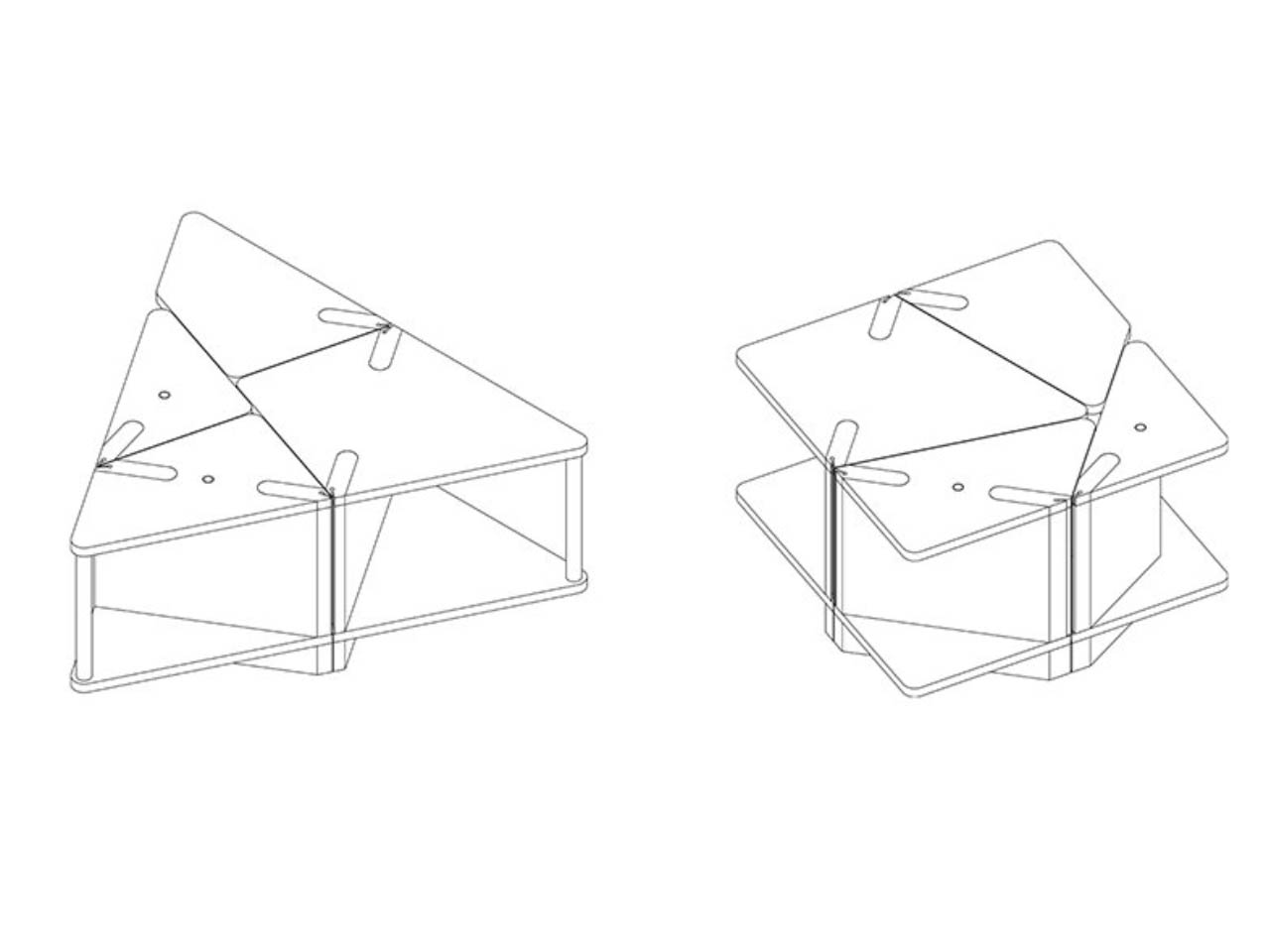
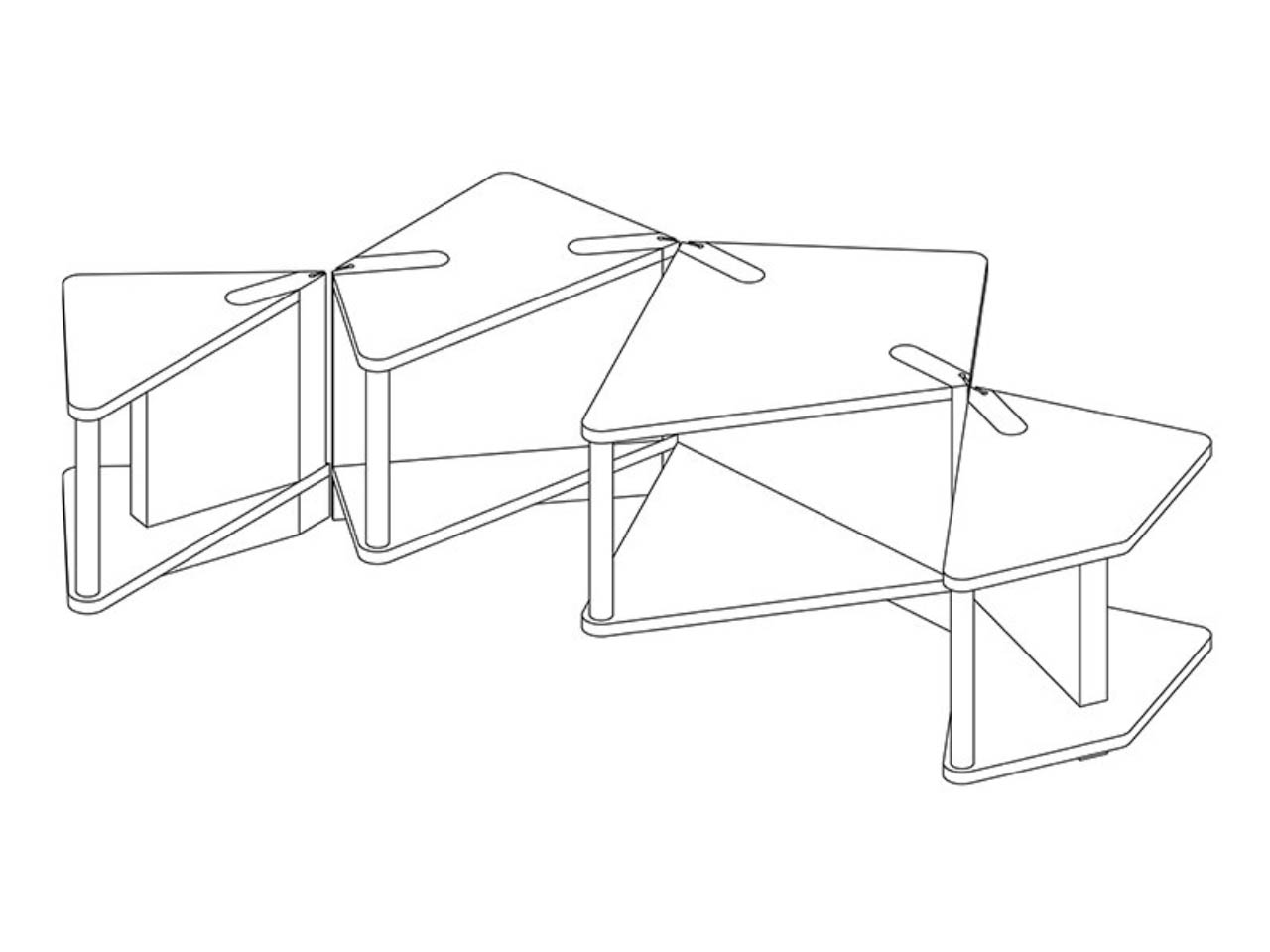
Way back in 1903 the English mathematician Henry Ernest Dudeney worked out a way to morph a perfect square into an equilateral triangle. The trick involved dissecting the square into rearrangeable four distinct shapes. This method holds merit even after more than a century of varied applications.
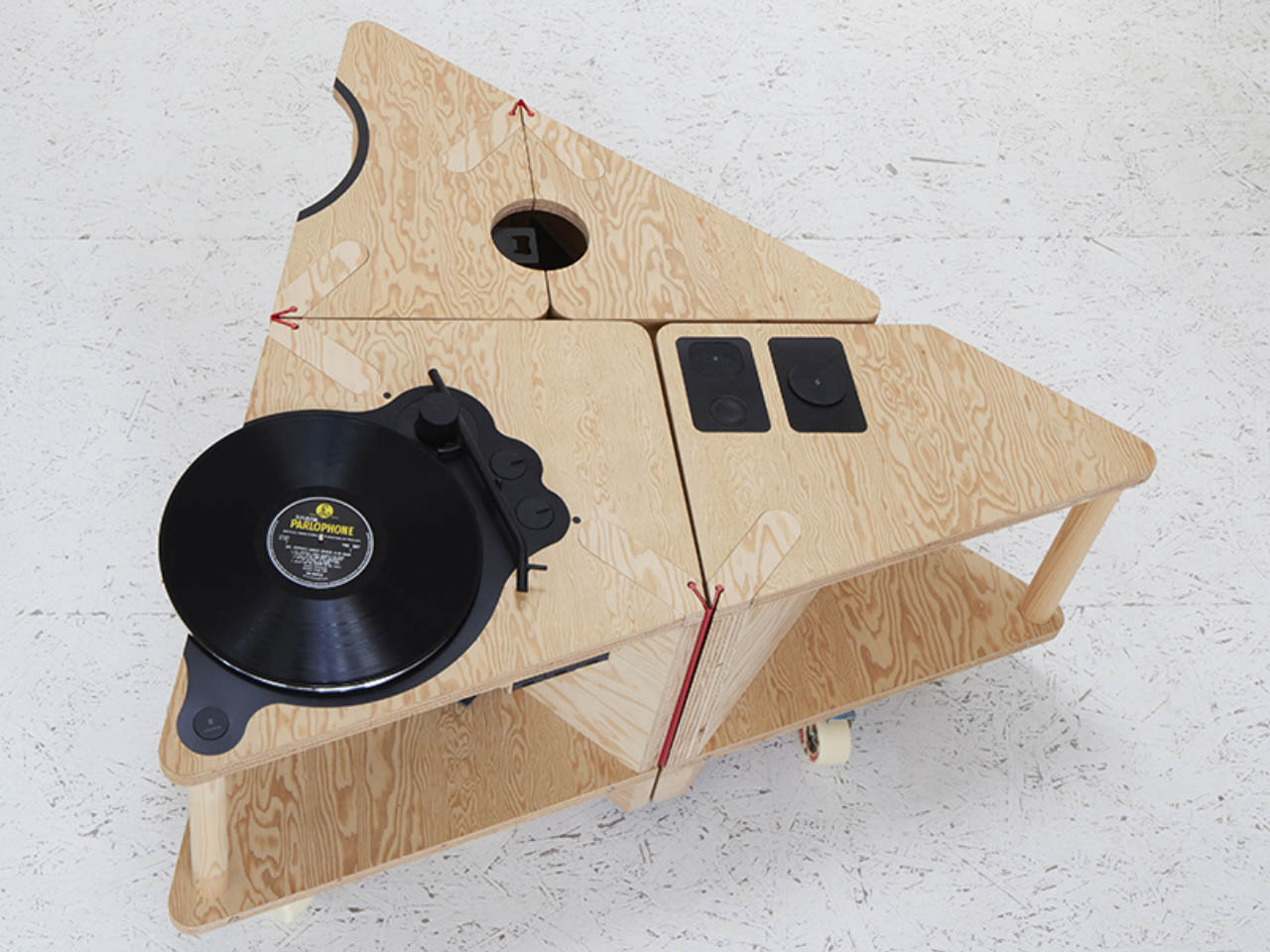
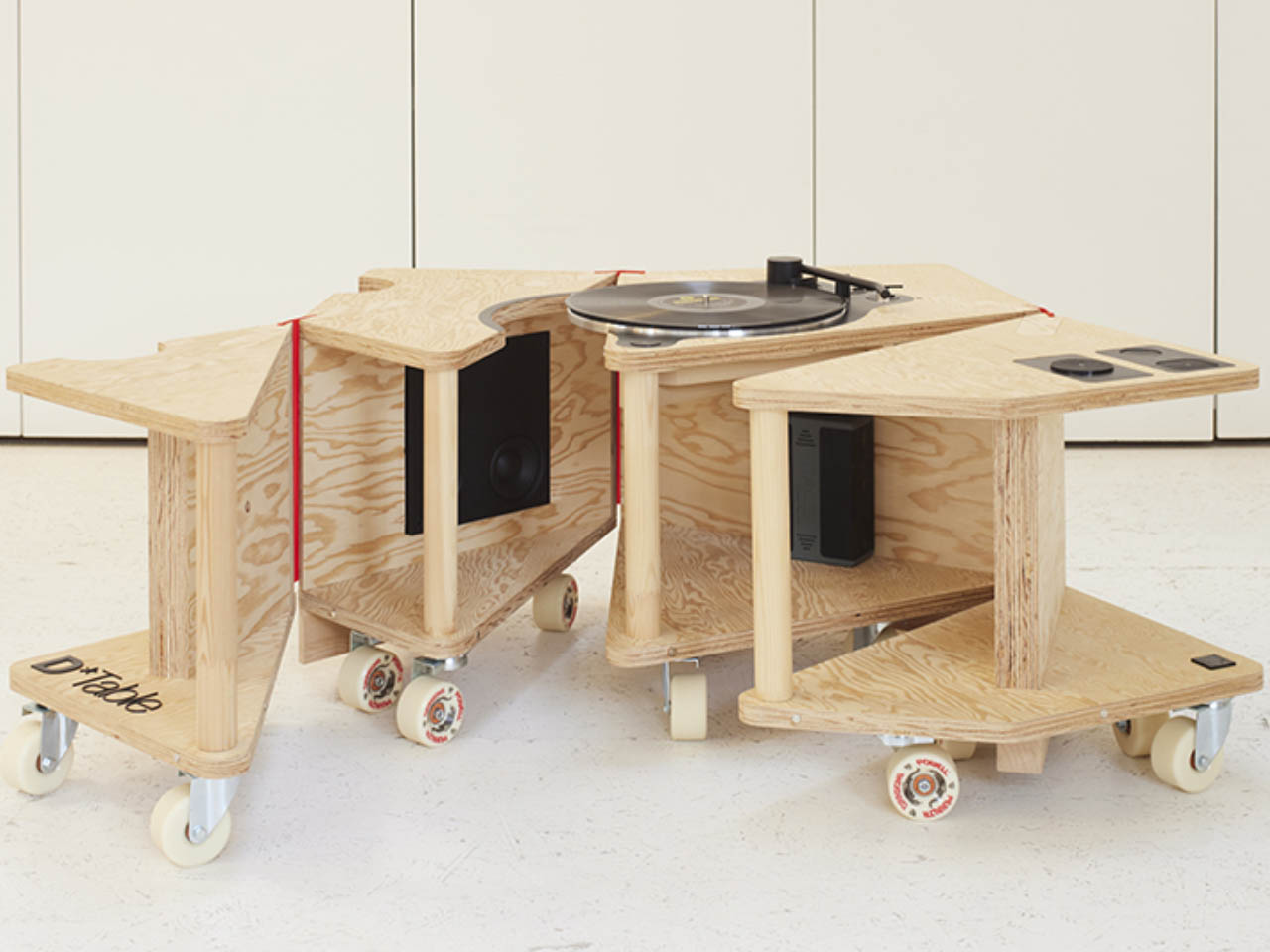
Fast forward to 1986, and the mathematical formula was experimented with by architect David Ben-Grunberg and his artist father Maty Grunberg to create a table. This piece of furniture dubbed DTable was a unique creation at that time since it doubled as a storage solution, seating, or a centerpiece for the living room. Furthermore, the eight different configurations from a square to a triangle shape brought an element of freshness and the freedom to put in any space with any arrangement. The individual pieces could be detached to act as stand-alone pieces too.
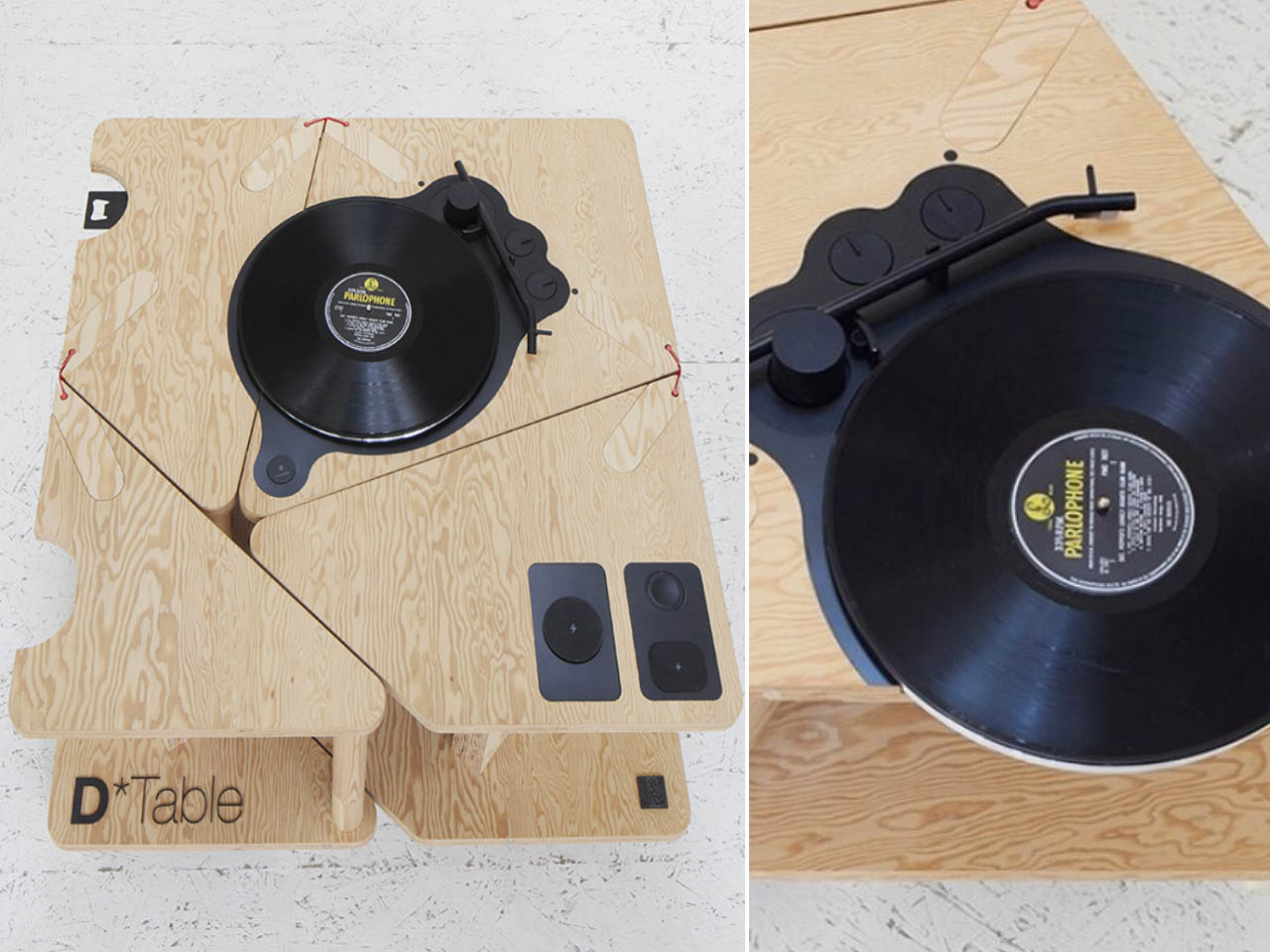
In that era, the table design by DHaus was as exclusive as it could get and the high-end offering was manufactured in Denmark for an exorbitant price. The design studio has now reincarnated the DTable as a low-cost flat-pack furniture piece, initially as a prototype, that’ll later hit production lines with the option to customize the finish. Dubbed DTable Deco HACK, it is designed in Paris and prototyped in London by Base Models. The table is crafted from recycled plastic materials for a modern, eco-conscious element.
DHaus is going to showcase the new-age prototypes – DTable Deco, Deco GREEN GOBLIN and the Deco HACK at the Paris Design Week. We’re more interested in the Deco HACK version as it has an integrated vinyl player for music lovers. The buck doesn’t stop there as the flatpack table has a Bluetooth speaker, wireless charger, alarm clock and bottle opener. This modern-day inclusion and the highly configurable features of the table make it ideal for apartment living and blend in with contemporary interior décor as well.
There’s no word yet on when the DTable will be available to buy but we can expect some revelation post the Paris Design Week from 5th to 14th September, 2024.
San Francisco City Attorney David Chiu announced he intended to shut down 16 of the most popular AI “undressing” sites at a press conference on Thursday.
The Verge reported that the City Attorney is accusing these sites of violating federal laws regarding revenge pornography, deepfake pornography and child pornography. Chiu’s office also accused the sites of violating the state of California’s unfair competition law because “the harm they cause to consumers greatly outweighs any benefits associated with those practices,” according to the complaint for injunctive relief filed in a California superior court.
The complaint focuses on a total of 50 defendants Chiu intends to prosecute for operating undressing websites. Some of the defendants’ and websites’ names were redacted but it also publicly identifies a few companies that operate “some of the world’s most popular websites that offer to nudify images of women and girls” such as Sol Ecom located in Florida, Briver in New Mexico and the UK-based Itai Tech Ltd. The only identified defendant in the complaint is Augustin Gribinets of Estonia, who is accused of owning an AI undressing site featuring unconsented images of women and children.
These websites have generated over 200 million visits in a six-month period. The nonconsensual images of women and children on these sites “are used to bully, threaten and humiliate women and girls” as they gain more visitors “and this distressing trend shows no sign of abating,” according to the complaint.
The city’s attorney cites one case in its legal complaint from February in which an AI undressing site generated images of 16 eighth grade students at a California middle school. The incident possibly refers to one that occurred at a Beverly Hills high school in which 16 students were circulating fake nude images of other students. The school district expelled five students for their involvement in disseminating the illicit images, according to the Los Angeles Times.
Deepfake technology has become a major legal concern especially on the federal level. Last month, the US Copyright Office published a report on digital replicas and concluded that “a new law is needed.” Just a few days later, a bipartisan group of senators introduced the NO FAKES Act that would institute a new law protecting individuals from having their voice, face or body recreated with AI without their consent.
This article originally appeared on Engadget at https://www.engadget.com/ai/san-francisco-aims-to-take-down-ai-undressing-websites-in-new-lawsuit-185202792.html?src=rss
The effort is expected to create over 2,000 US manufacturing jobs at Texas Instruments’ new plants and “thousands of indirect jobs” for construction, suppliers and supporting industries. TI says it expects to receive another $10 million to fund workforce development.
TI’s grant money will go towards three chip fabs already under construction in Texas and Utah. The plants will produce 300mm silicon wafer chips under the bill’s $2 billion minimum set aside for legacy chips. The CHIPS Act primarily focuses on cutting-edge silicon, like those increasingly used for AI. TI’s production will go towards less advanced processors for things like smartphones, appliances and national defense. GlobalFoundries was awarded $1.5 billion for legacy silicon production in February. With Friday’s awarding of funds for TI, the government has now met its minimum quota for legacy chips.
Bloombergnotes that China has recently boosted its investments in legacy chips. Along with creating US jobs, the CHIPS Act was designed to curtail China’s influence as silicon becomes more of an essential global resource. Other recipients include Intel ($8.5 billion), TSMC ($6.6 billion) and Samsung ($6.4 billion).
Texas Instruments said it will spend around $40 billion in Utah and Texas, including two more factories in Sherman, TX. However, those aren’t expected to be operational until after 2030. For the CHIPS Act, the Commerce Department prioritizes projects that can be completed by the decade’s end, leaving those delayed plants without federal funding.
The $280 billion CHIPS Act passed in 2022 with 64 votes in the Senate and 243 in the House. The bill included $39 billion in subsidies for domestic chip manufacturing, 25 percent tax credits for manufacturing costs and $13 billion for workforce training.
After the bill passed in 2022, Biden said it would “strengthen our national security by making us less dependent on foreign sources of semiconductors.” He noted that it included “guardrails to ensure that companies receiving tax payer dollars invest in America and that union workers are building new manufacturing plants across the country.”
This article originally appeared on Engadget at https://www.engadget.com/big-tech/texas-instruments-awarded-16-billion-in-chips-act-funding-for-domestic-silicon-production-180039388.html?src=rss
Meta’s decision to shut down CrowdTangle, an analytics tool that was an “invaluable” resource to the research community, is drawing fresh scrutiny from European Union regulators. The EU Commission, which had already raised concerns about the social network’s plan to discontinue the tool ahead of global elections in 2024, is now pressing Meta for more details about its work with researchers.
The EU Commission previously cited the impending shutdown of CrowdTangle as part of a broader investigation into the company’s handling of disinformation campaigns and election-related policies. Now, just days after CrowdTangle was shut off despite pleas from researchers and civil society organizations to keep it online through the end of the year, regulators are pointedly reminding Meta of its “obligation” under the Digital Services Act (DSA) to allow outside researchers access to its data.
“The Commission is requesting Meta to provide more information on the measures it has taken to comply with its obligations to give researchers access to data that is publicly accessible on the online interface of Facebook and Instagram, as required by the DSA, and on its plans to update its election and civic discourse monitoring functionalities,” the EU Commission wrote in a statement. “Specifically, the Commission is requesting information about Meta's content library and application programming interface (API), including their eligibility criteria, the application process, the data that can be accessed and functionalities.”
Meta has previously pointed to the Meta Content Library as a replacement for CrowdTangle. But access to the Meta Content Library is much more tightly controlled, and researchers have said it doesn’t replicate all of CrowdTangle’s functionality.
“We announced earlier this year that we would discontinue CrowdTangle because it did not provide a complete picture of what is happening on our platforms," a Meta spokesperson said in a statement to Engadget. "We have built new, more comprehensive tools for researchers, called the Meta Content Library & API, and we remain in discussion with the European Commission on this matter.”
Update August 16, 2024, 3:15PM ET: This story has been updated to add a statement from Meta.
This article originally appeared on Engadget at https://www.engadget.com/big-tech/eu-regulators-question-meta-about-the-shutdown-of-crowdtangle-175641308.html?src=rss
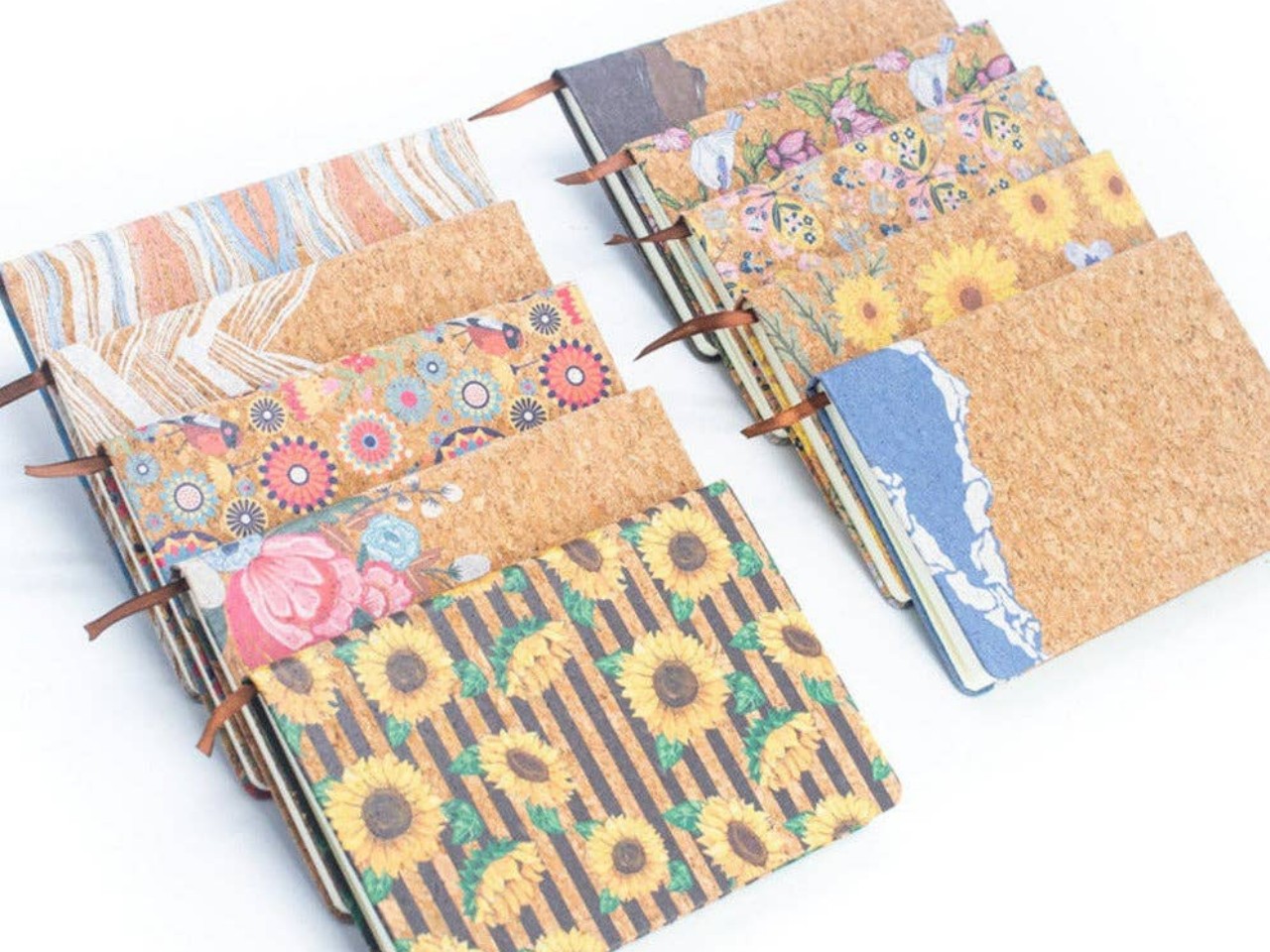
Sourced sustainably from cork oak trees, cork is a renewable material favored in architecture and interior design for its porous texture, softness, and lightweight nature. Its versatility extends to various applications like flooring, walls, furniture, and home accessories, complementing materials such as metal, wood, and marble, and it adds a distinctive touch to any design. The design industry is progressively acknowledging cork’s value, especially considering its eco-friendly extraction method that allows tree barks to naturally regenerate. Also, cork’s ability to reduce plastic usage while offering limitless creative possibilities has firmly established its role in the design field
Cork products have a minimal environmental impact, harvested without felling trees. With no waste in manufacturing and recyclability, cork is highly sustainable. Re-harvesting every 14 years makes it rapidly renewable. Demand drives the cultivation of more cork oak trees, promoting a healthier environment.
• Anti-microbial
Cork products promote good health as it is naturally antimicrobial. Cork resists mold, mildew, and pests while its antistatic surface reduces dust absorption. Low in volatile organic compounds, cork improves indoor air quality.
• Sustainable
Cork, a natural material, is fully biodegradable and recyclable, offering endless possibilities for reuse.
• Durable
Cork is commonly used in household items like flooring and bath mats due to its exceptional durability. With resistance to cracking, abrasions, and moisture, cork products can last up to 30 years or more with proper care. Cork maintains its pristine condition under furniture weight, making it a highly long-lasting material.
• Water Resistant
Cork’s high resistance to moisture, oxidation, and decay, due to its suberin and ceroid content, renders it impermeable to liquids and gases. This durability ensures that cork ages gracefully without deteriorating, making it an ideal option for environments with high humidity levels, like bathrooms, kitchens, or tropical climates.
Cork doesn’t let heat, sound, or vibrations pass through easily because it traps gases in tiny compartments that are sealed off from each other. Wall cork panels offer these benefits and are available in interesting geometric patterns that make rooms look unique.
• Ensures Comfort
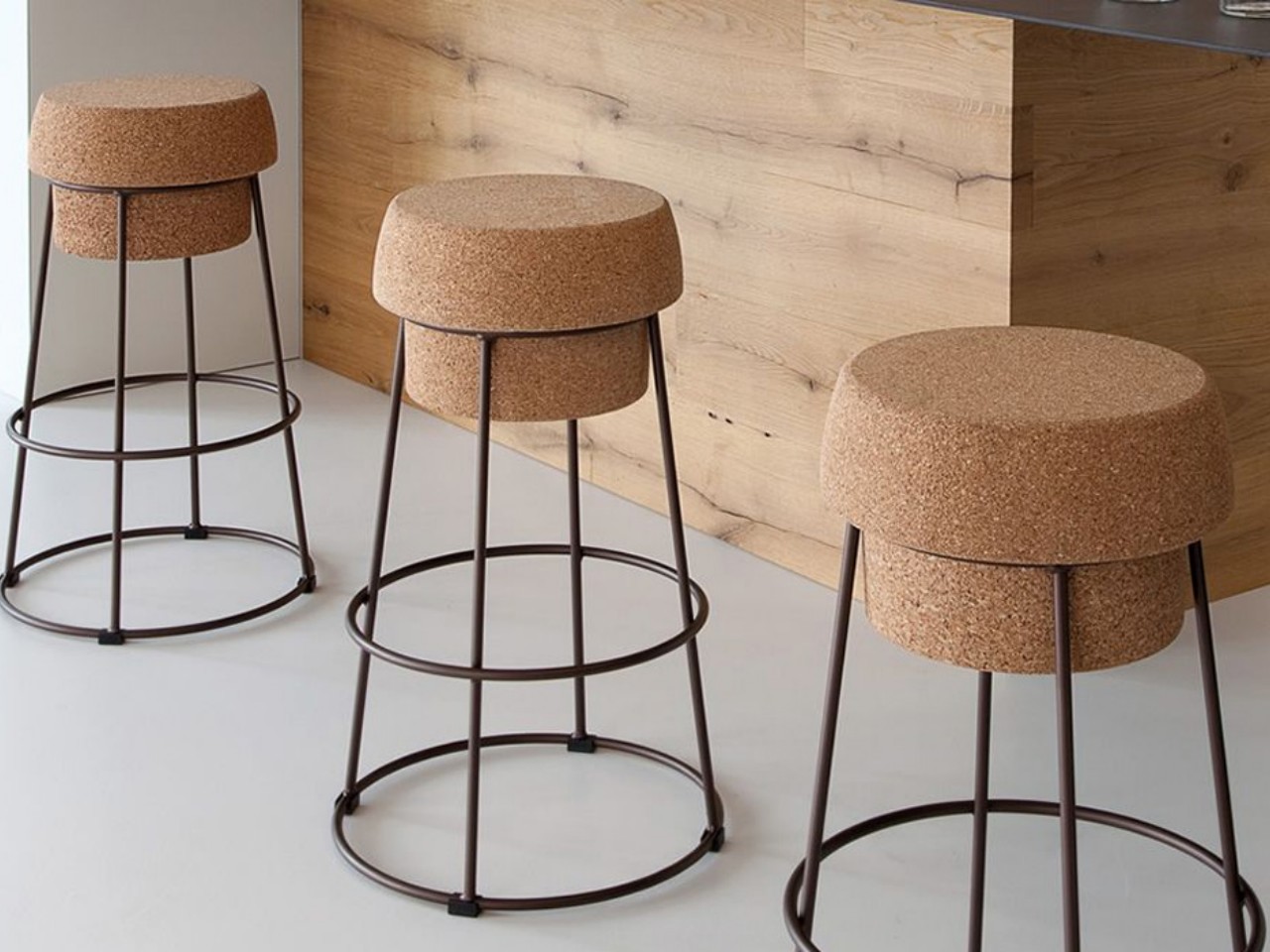
Cork offers remarkable comfort due to its cellular structure featuring microscopic gas pads, providing excellent shock absorption. Its soft texture, along with a temperature akin to that of the human body makes it a very cozy material. Note that chairs with cork seats are designed to provide warmth and softness, ensuring seating comfort.
What are the disadvantages of using Cork?
Cork is a comfortable and eco-friendly material as hand-harvesting contributes to its cost. Additionally, cork offers a limited color range, primarily in shades of beige and brown. However, it’s important to note that cork surfaces can be susceptible to damage from pets’ nails, and prolonged exposure to sunlight may cause fading over time, as with many natural materials.
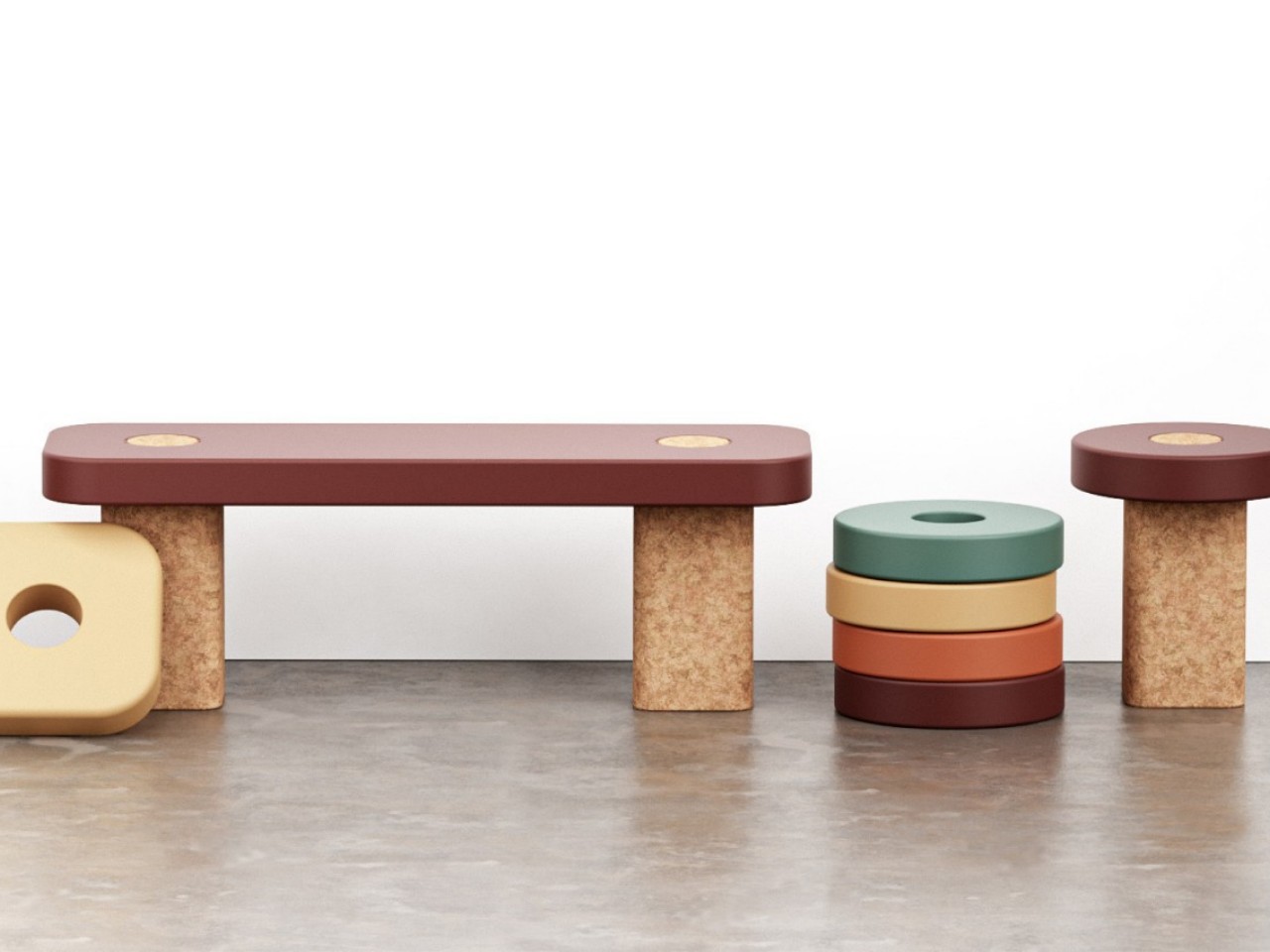
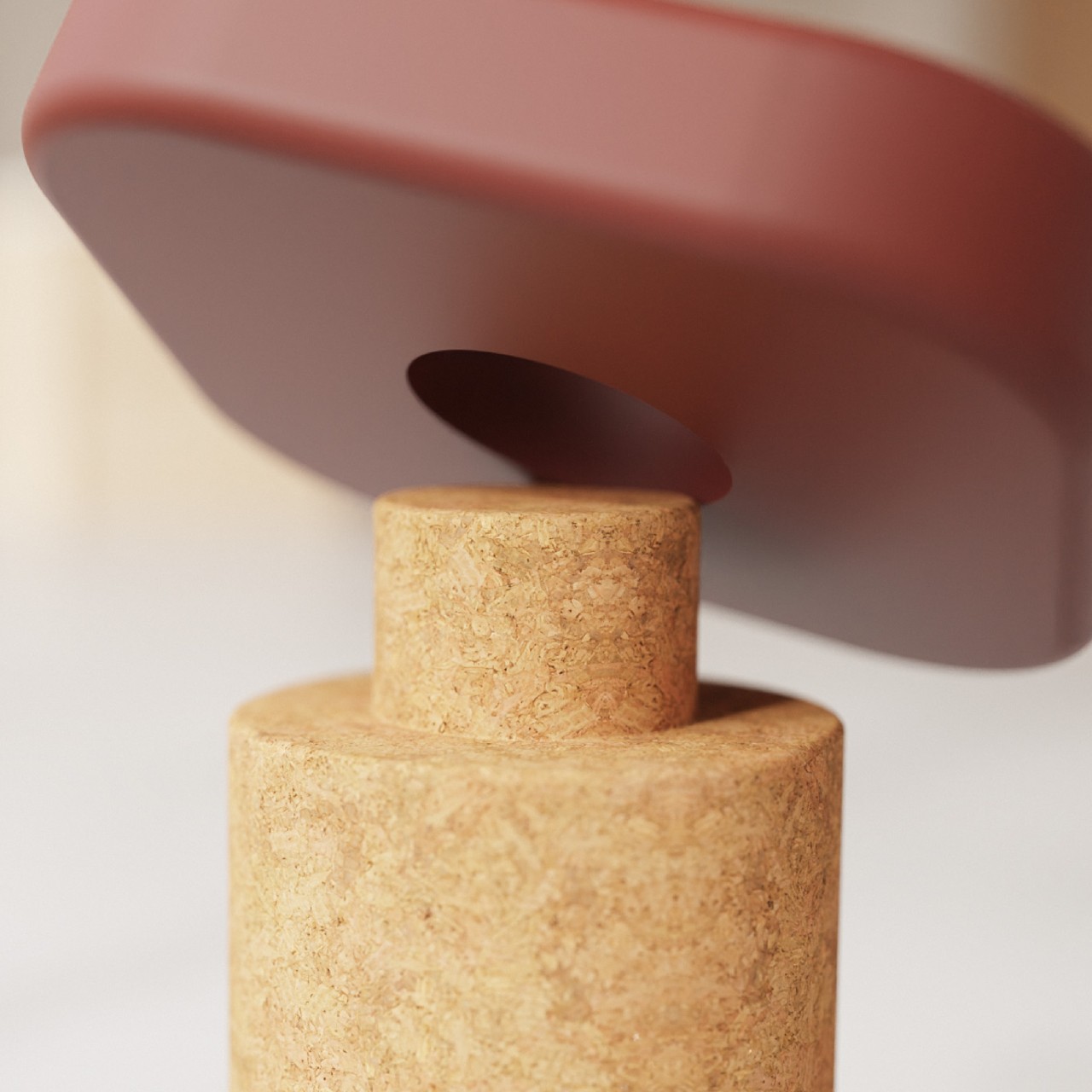
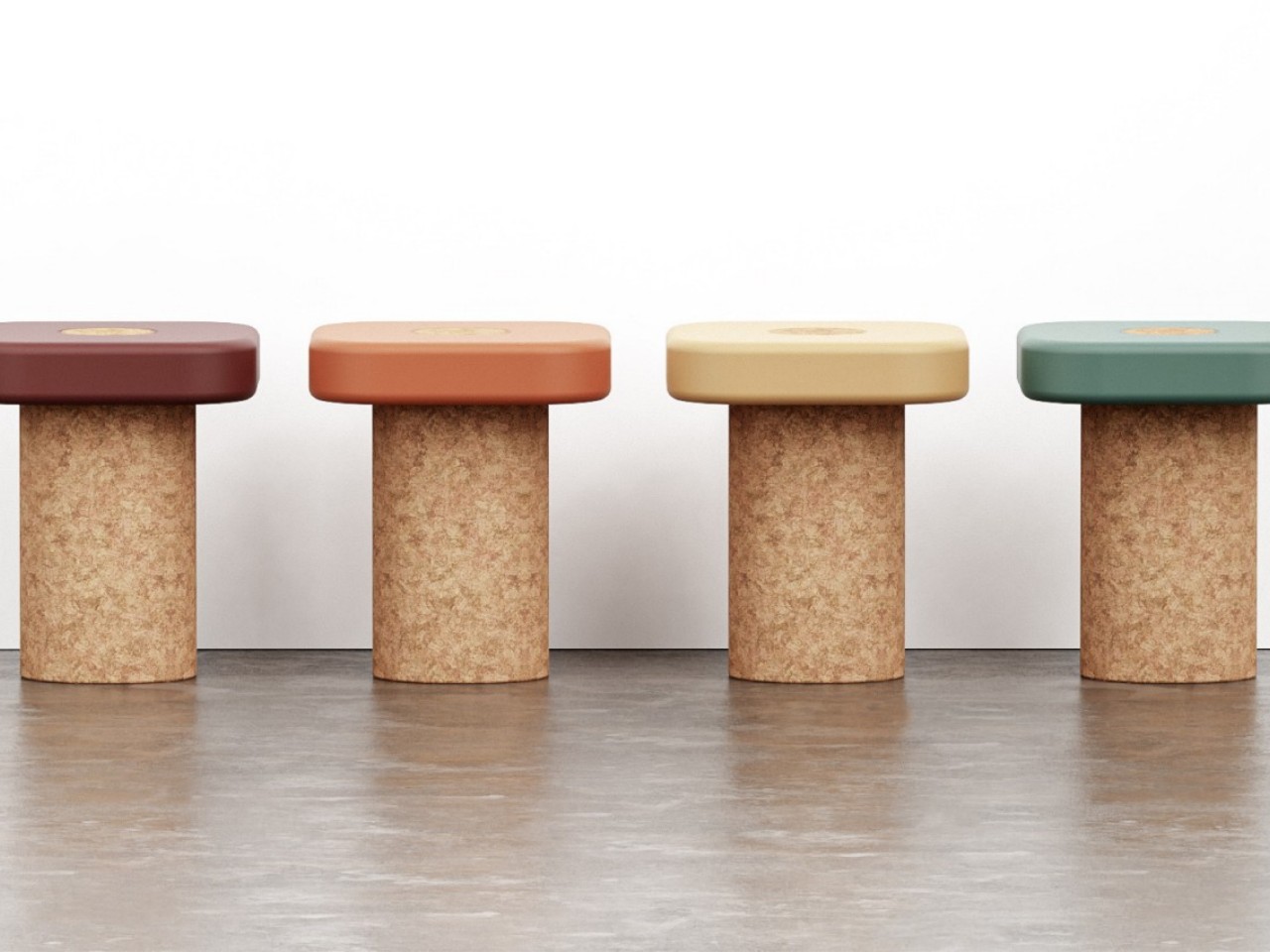
Seating is crucial in daily life, often seen in various forms in public spaces. However, predicting seating needs can be challenging. This stool concept offers a sustainable solution by transforming two stools into a bench and back, as required. The design centers on a sturdy cork column, offering stability and sustainability. The removable seat, with a center hole, can vary in shape and material. This adaptable design minimizes waste and meets changing needs effectively.
The DOL furniture collection draws inspiration from the rugged volcanic rocks of Jeju Island in South Korea. Crafted from the outer bark of cork oak trees, each piece replicates the raw, uneven appearance of these natural formations. Handcrafted with care, the collection offers a unique blend of comfort, stability, and charm. Despite its unconventional material choice, cork provides lightweight, impact-absorbing, and insulating properties. Wooden profiles enhance structural support, while layers of wood oil and waxes add texture and character. Sustainable and visually captivating, DOL furniture embodies the beauty and resilience found in nature’s aftermath, making it a distinctive addition to any space.
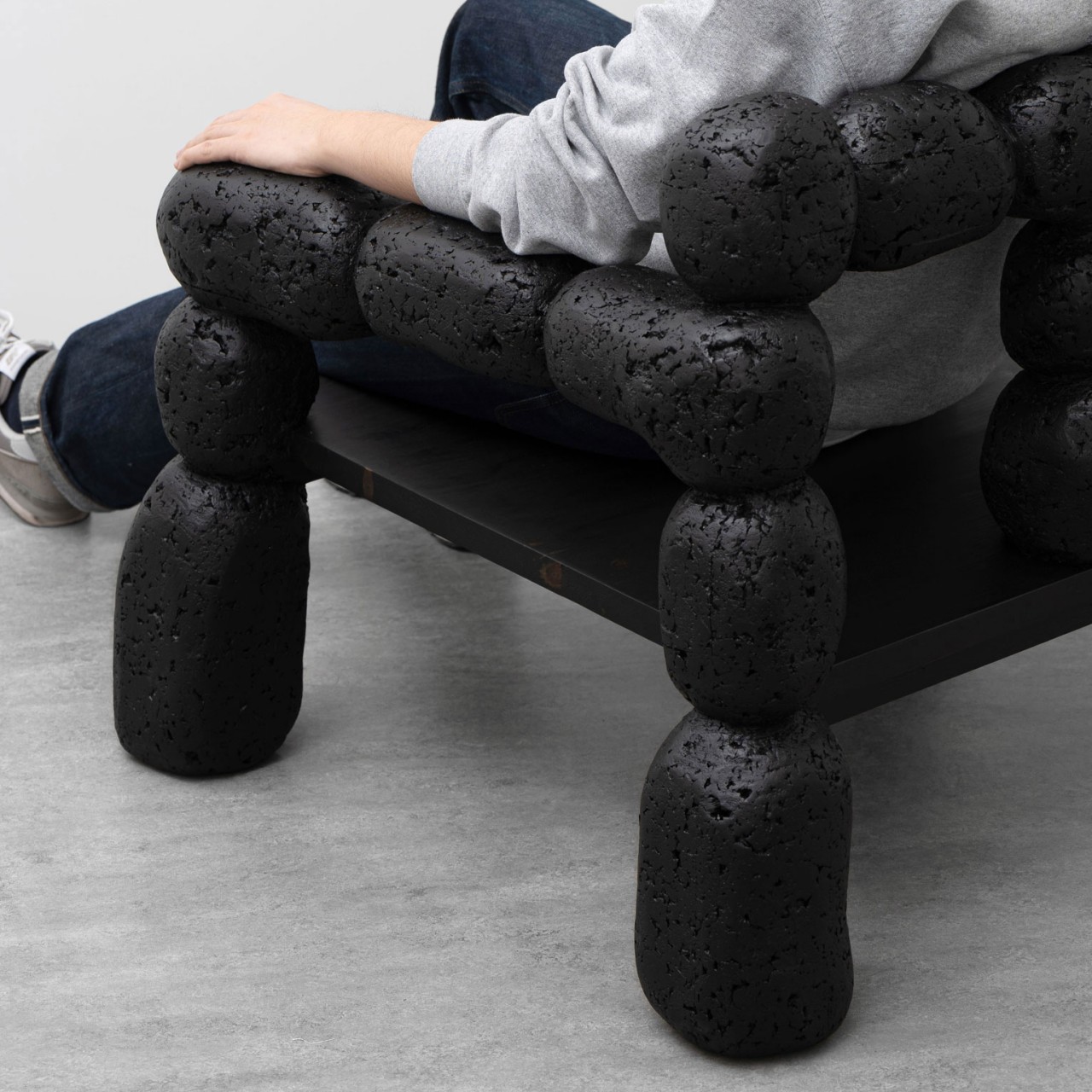
The Burnt Cork furniture collection celebrates the resilience of Portuguese cork, with minimalist chairs, tables, and a stool crafted from blocks of blackened cork. Inspired by the forest fires of 2017 in Portugal, these pieces blend functionality with sculptural beauty, making them ideal for display in any living or dining space. With a gradual transition from rigid bases to curved forms, the chairs offer both comfort and aesthetic appeal. The eclectic shape of the stool adds an artistic flair to any room, making the Burnt Cork collection a testament to the enduring beauty and strength of cork as a furniture material.
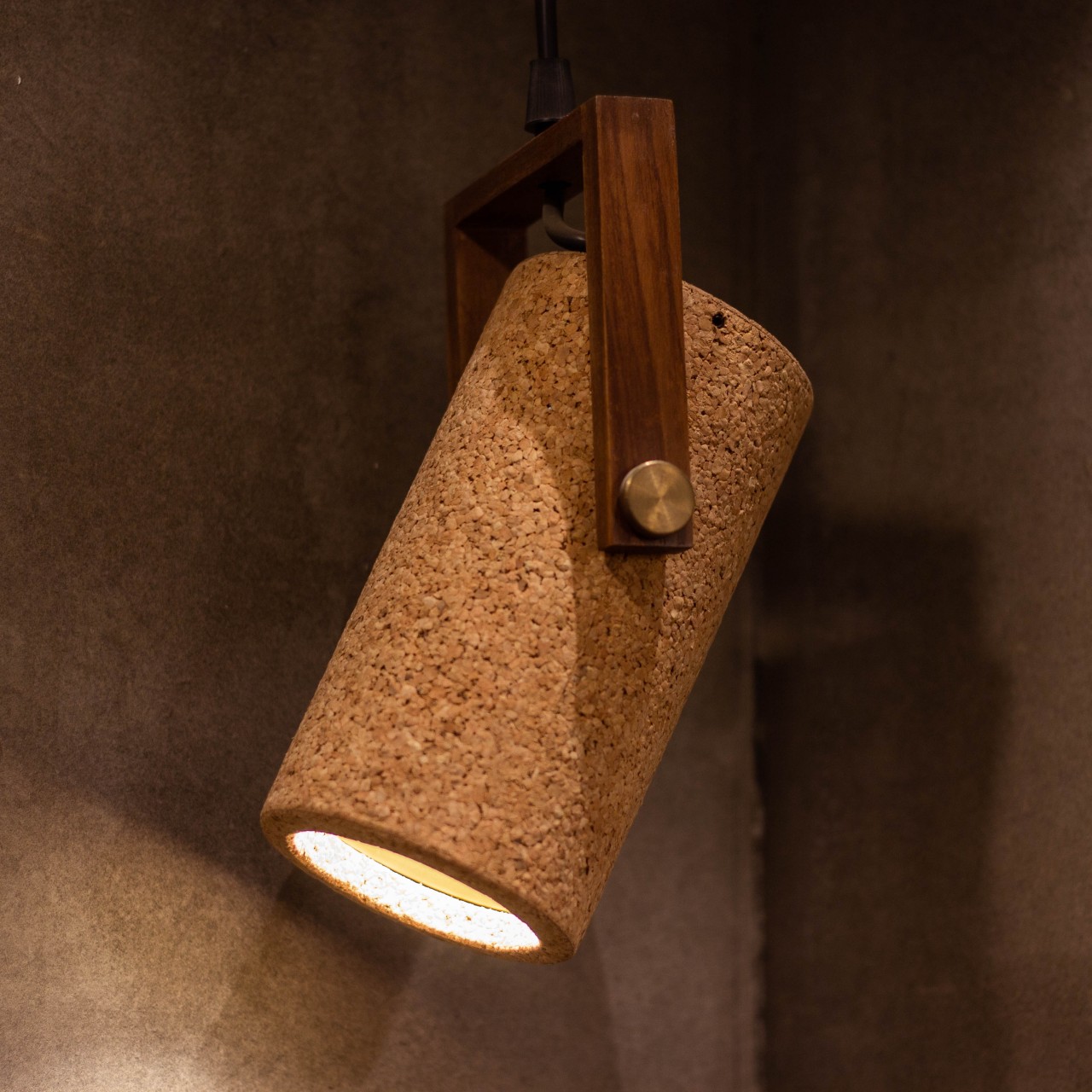
Taking cues from modern design, this LED hanging pivot lamp, meticulously crafted from lightweight cork and accented with teak wood and brass fittings, creates the perfect ambiance for both work and leisure in corporate offices and residential spaces.
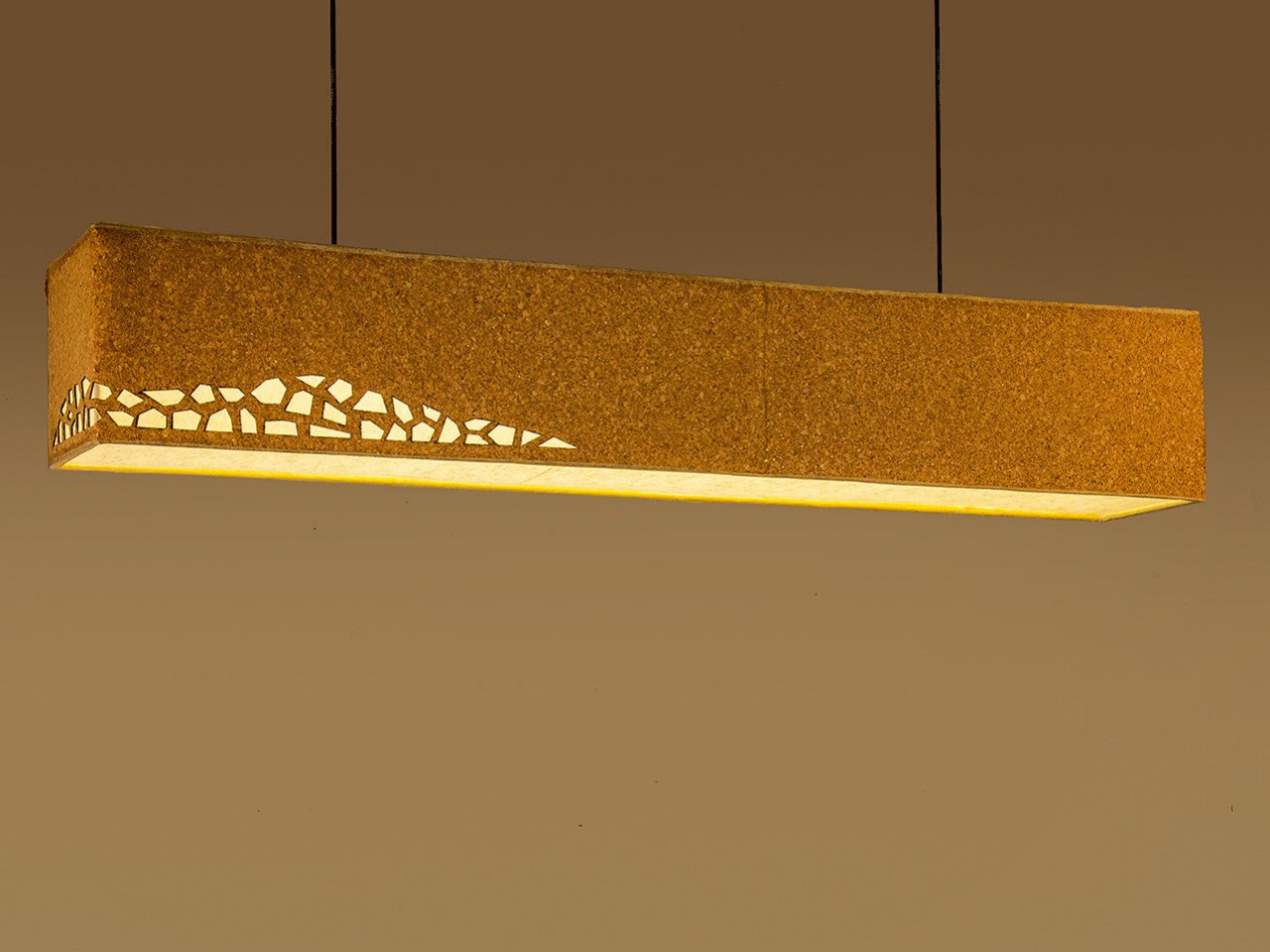
Transforming a traditionally industrial material, this LED hanging fragment box lamp, skillfully crafted from laser-cut lightweight cork, offers gentle illumination ideal for residential and hospitality environments.
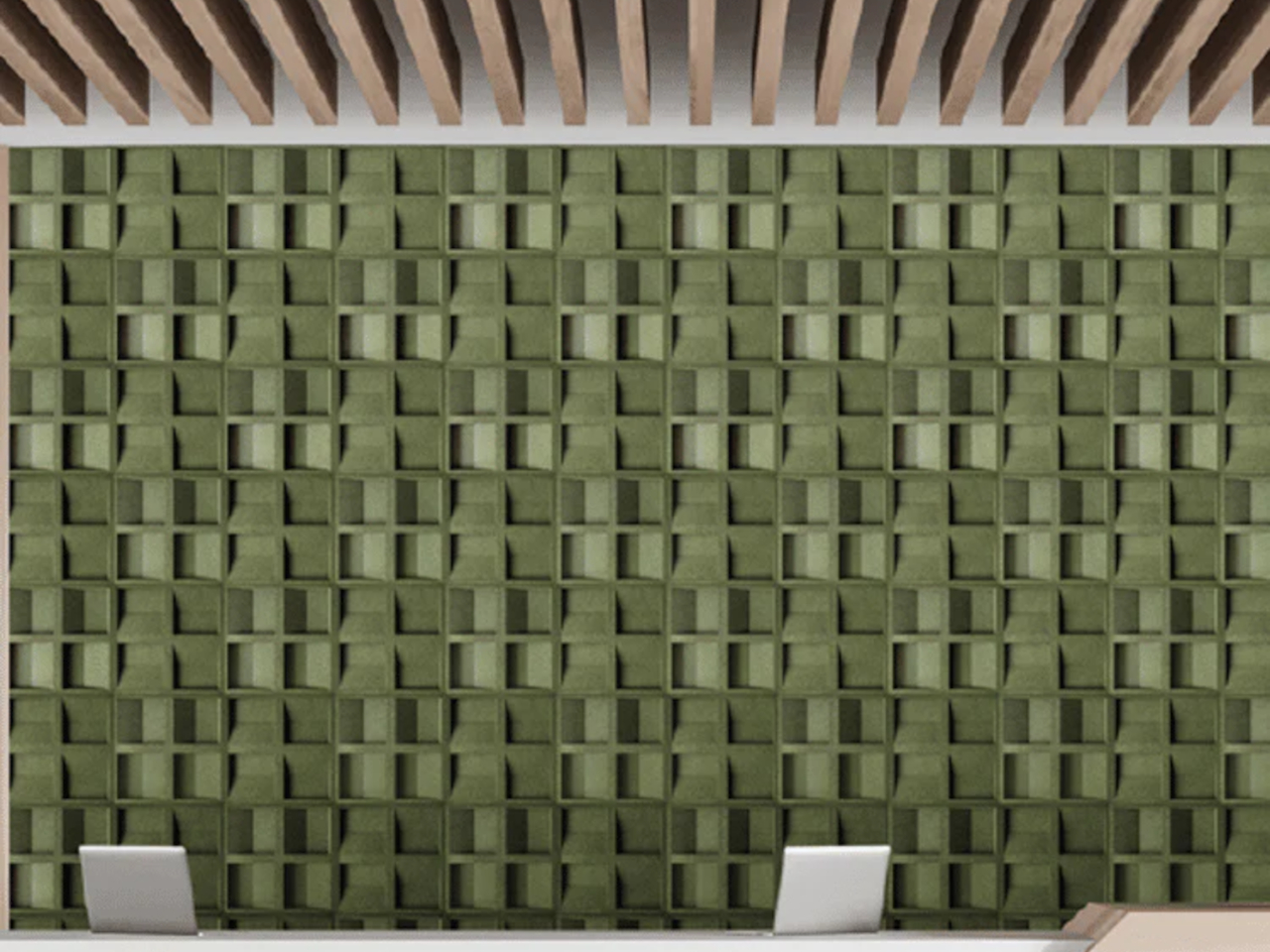
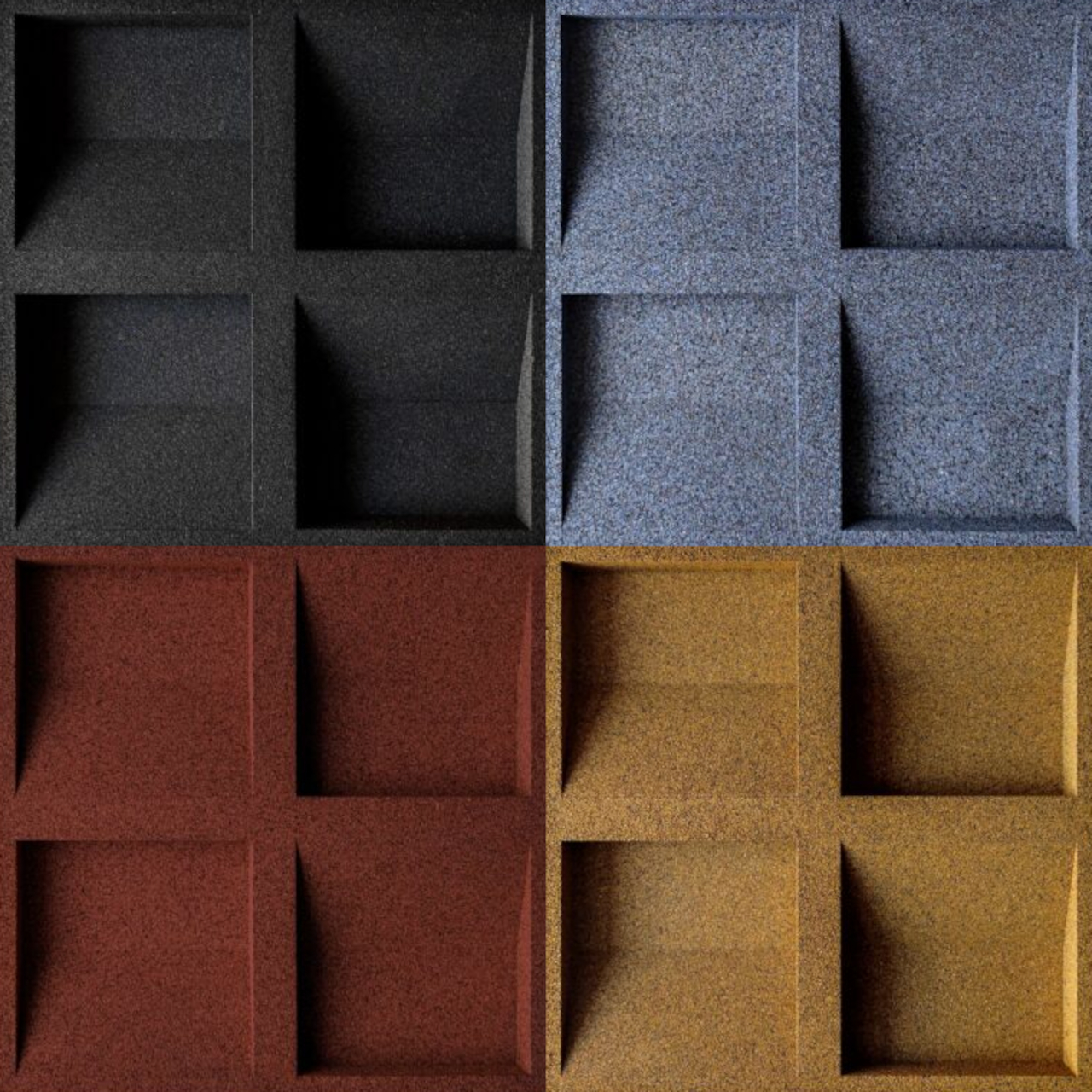
Corkbee Concave presents acoustic wall panels that allow for unique wall designs. These panels effectively absorb sound and regulate environmental conditions. Made from recycled materials and recyclable themselves, they are sustainable and provide a natural and eco-friendly solution to improve sound quality in any space.
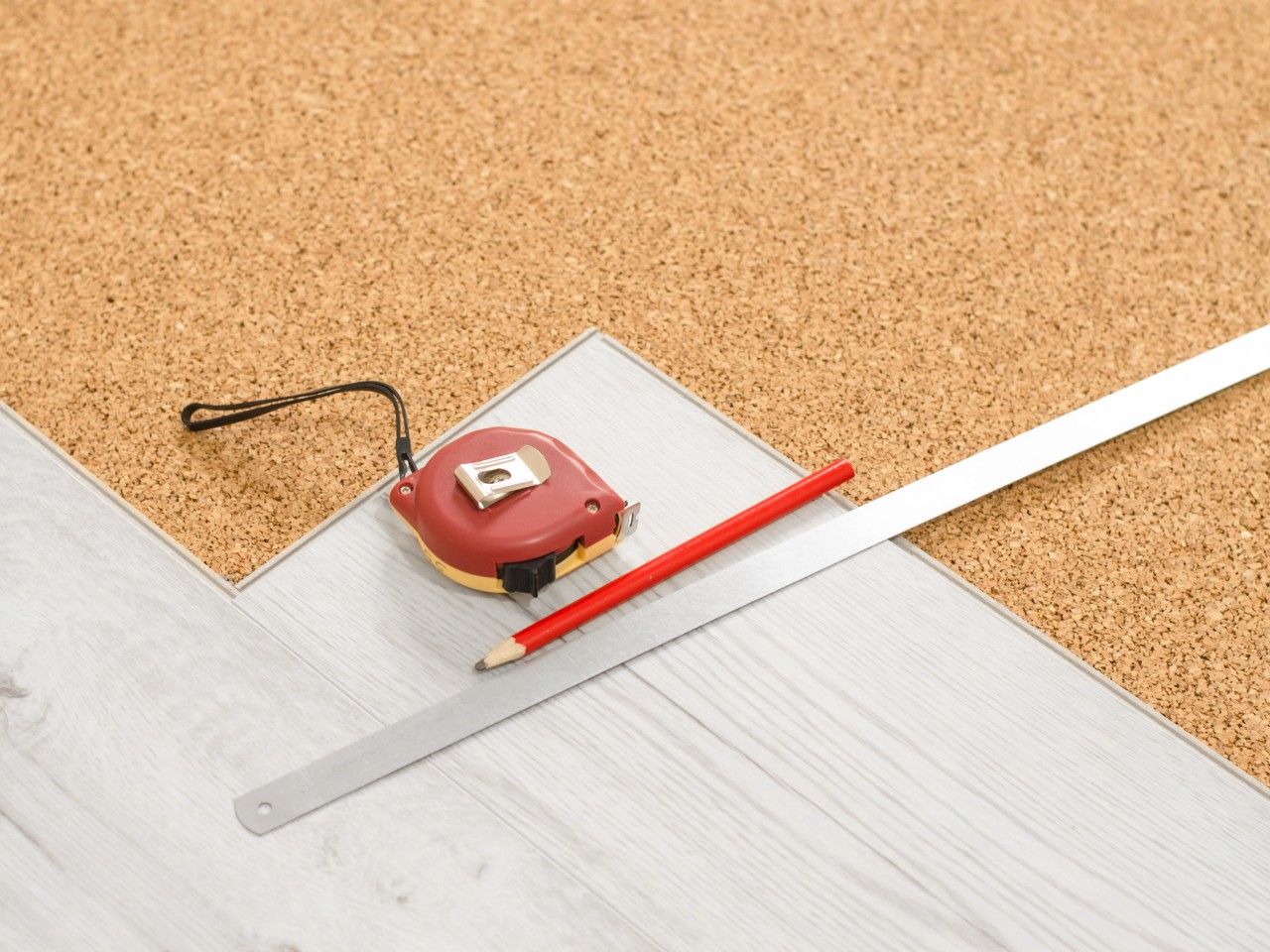
Cork flooring is increasingly popular due to its numerous benefits. It offers shock absorption and comfort, lasting up to 40 years with proper maintenance. Additionally, Cork floors resist mold, mildew, termites, and dust, making them hypoallergenic. Their natural variations in tone and texture provide unique aesthetics. Cork floors can be dyed or stained, hold warmth, muffle sound, and are fire-resistant.
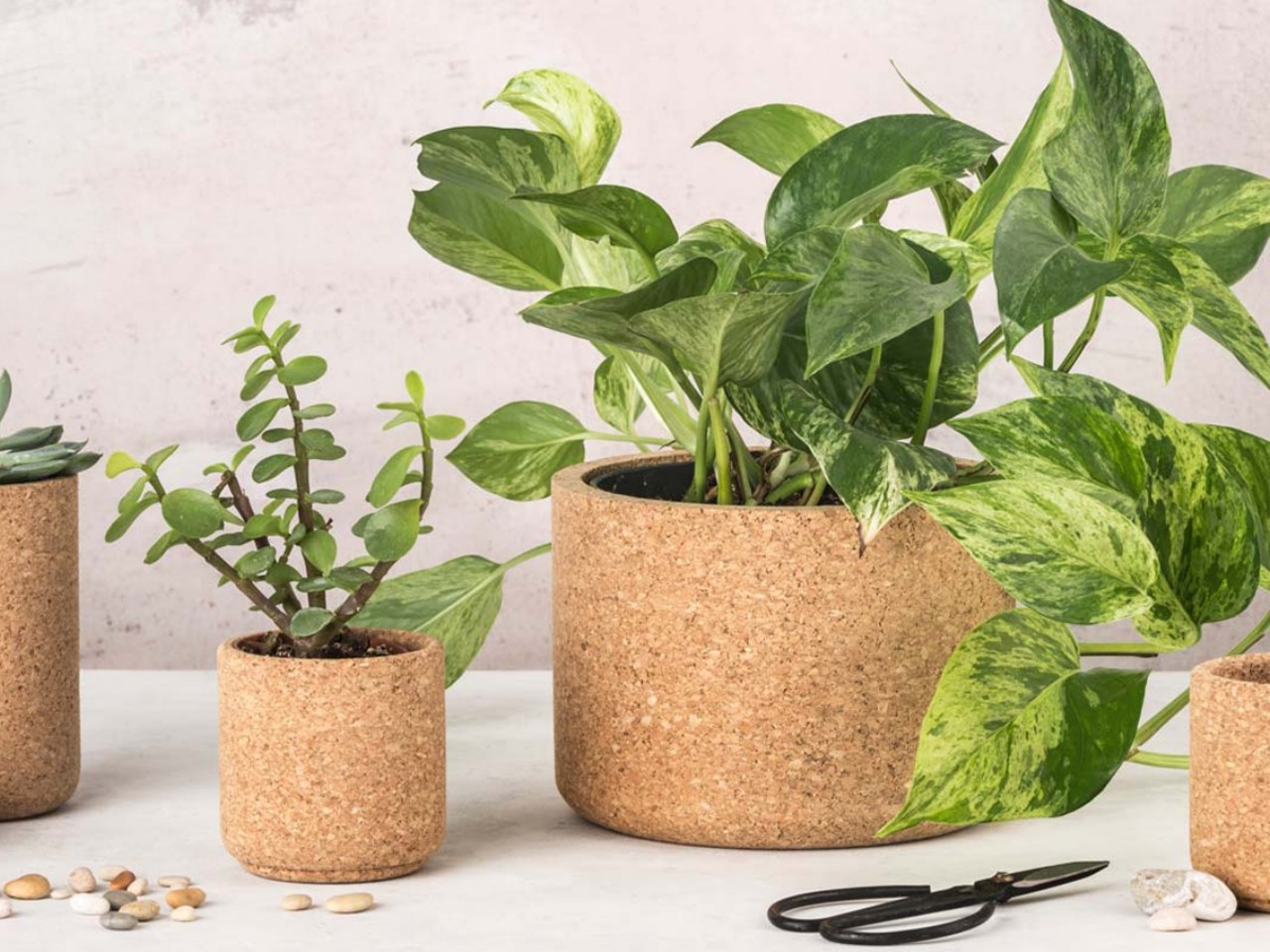
Mind the Cork offers a stylish collection of home goods crafted from sustainable cork. From hanging planters to cylindrical storage vessels, each piece is designed with eco-consciousness in mind. Founder Jenny Espirito Santo’s passion project has evolved into a line of practical yet minimalist products, including planters, dishware, and storage containers. Sourced from cork oak trees, this biodegradable material undergoes a regenerative harvesting process every decade, ensuring its sustainability. Collaborating with artisans in the UK and Portugal, Mind the Cork delivers functional and environmentally friendly items for modern homes.
This family home in the Czech countryside, designed by Atelier SAD and interior designer Iveta Zachariášová, is clad in cork for its weather-resistant and thermal properties. Situated near Rašovka at the foot of the Ještěd Ridge, the residence integrates seamlessly into the landscape of the Bohemian Paradise Protected Landscape Area. With its sleek design, gabled aluminum roof, and innovative use of Portuguese expanded cork, this home embodies modernity and sustainability. This stunning residence showcases the beauty and functionality of cork as a building material, creating a harmonious blend of architecture and nature.
Cork, a preferred material in product design, is prominently featured in the INNGAGE woodstove. Its main body, made of steel, incorporates cork profiles fixed at a distance from the structure to prevent darkening over time. Additionally, the cork acts as a safety layer, allowing users to touch and feel the stove securely.’
In conclusion, cork stands out as a remarkable material celebrated for its biodegradability, sustainability, and versatility. As we explore cork’s potential further, it embodies a dedication to environmentally friendly design and conscious consumption.