Sony is not happy with the performance of Destiny 2, the company confirmed in its latest Q2 earnings announcement. "Regarding Destiny 2, partially due to changes in the competitive environment, the level of sales and user engagement have not reached the expectations we had at the time of the acquisition of Bungie, Inc." Sony Chief Financial Officer Tao Lin said. In response, the company is recording around a $204 million impairment on the developer's intangible assets.
The impairment isn't equivalent to money lost, but rather a representation of Destiny 2 not meeting the sales and engagement models Sony made when it acquired Bungie. The "intangible assets" Bungie brought to the deal, like the Destiny IP and the developer's existing customer relationships, are worth less right now than expected. However, that doesn't extend to the "goodwill" created when both companies agreed to the acquisition, Sonys says, because it’s "supported by the whole game segment."
When it completed its acquisition of Bungie for $3.6 billion in 2022, Sony believed the developer could use its expertise in running online games to help expand PlayStation's live service offerings. While the strategy has led to successes, like Helldivers 2, which has proven to be a popular multiplayer game on PC, PlayStation and Xbox, it's also created catastrophic failures like Concord, which was pulled from digital stores less than two weeks after it launched.
Sony's announcement doesn't suggest the company believes it was wrong to purchase Bungie, but it does put even more pressure on the developer to perform, and justifies Sony taking firmer control of what happens at the studio. Renegades, a planned Star Wars-themed expansion, could bring the mass appeal Bungie is hoping for, but the developer has a whole other game to contend with, too.
Bungie delayed its take on an extraction shooter, Marathon, in June, after it was revealed that a significant portion of the game used stolen assets. The developer hasn't announced a new release date since then, but assuming interest in Destiny 2 never fully returns, a lot could ride on Bungie's next game.
This article originally appeared on Engadget at https://www.engadget.com/gaming/playstation/sony-says-destiny-2-has-not-met-expectations-200000610.html?src=rss
It can be tough to know when a phone is on its deathbed or when an app is just being an overt battery hog. Google is going to help users get to the bottom of things, according to a recent Android Developers Blog.
The company just announced the launch of a new metric for app developers that keeps an eye on battery usage. If a developer consistently runs afoul of Google's battery usage guidelines, a warning will pop up in the Play Store to alert end users.
Google
This metric will keep a particular eye on so-called wake locks, which is when smartphones are prevented from entering sleep mode by battery-hungry apps that want to run background processes when the screen is off. Google says wake locks are a "heavy contributor to battery drain" and has developed a threshold for what is deemed acceptable for apps running in the background.
This threshold "considers a user session excessive if it holds more than two cumulative hours of non-exempt wake locks in a 24 hour period." There are exemptions if the background process offers "clear user benefits" with examples given of audio playback and user-initiated data transfers.
If a developer doesn't fix the underlying wake lock issue, they get slapped with a visible warning. The Play Store label says that "this app may use more battery than expected due to high background activity." That will likely turn off potential downloaders. I certainly wouldn't pop one of those apps on my phone.
Google will go a step further in some cases, making the offending apps ineligible for certain discovery sections within the Play Store. These rules go into effect on March 1, so we only have a few more months to experience just how quickly an Android phone can go from a full battery to completely dead.
This article originally appeared on Engadget at https://www.engadget.com/apps/google-is-clamping-down-on-android-apps-that-cause-excessive-battery-drain-194008031.html?src=rss
Lumines Arise, the latest chapter in the popular puzzle game franchise, is out today. It's available for PlayStation 5, including on PlayStation VR2, and on Steam, with support for both VR and Steam Deck.
I'm a bit of a Tetris fiend. If there's any game with falling and spinning geometric pieces, be they tetrominoes or pills or puyos, I am here for it. My personal favorite iteration of the formula is Tetris Effect, because good golly is that ever a beautiful game. Normally if I saw reviews bestowing adjectives like "ecstatic,” “euphoric” and "breath-taking" on a video game, I'd roll my eyes and snark, but Tetris Effect merits all the grandiloquent accolades. So when I saw during Sony's summer State of Play that the same studio was back to give its mesmerizing treatment to yet another puzzle game in Lumines Arise, my hype level was pretty dang high.
Since the reveal, we had some time with the Lumines Arise demo and the main takeaway was "if you loved Tetris Effect, you'll adore Lumines Arise." I’m delighted, but unsurprised, by that reaction. Because I watched that trailer and the tunes, the visuals, the vibes, all of it is exactly what I want to see in another Enhance project. So I am now eagerly counting down the hours until I can settle into a dark room, crank the speakers to max and get lost in yet another gorgeous puzzle flow state.
This article originally appeared on Engadget at https://www.engadget.com/gaming/lumines-arise-is-out-today-and-i-cant-wait-to-play-it-190936581.html?src=rss
Google's November 2025 Pixel Drop is available today, and it includes some new features that should benefit more than just the Pixel phones and tablets Google typically targets. A new messaging feature called Remix in Google Messages expands access to Gemini-powered photo editing, and Google's improving its Scam Detection and Pixel VIP features, too.
Remix in Google Messages is essentially Google's Nano Banana photo editing tool, but available directly in Google Messages. The feature uses the same image model as Gemini and Google Photos, and lets Messages users tweak photos directly in a chat. Importantly, the edited photos are viewable by anyone in the chat, even if they're not on Android. The feature is available in English in the US, UK, Australia, Canada, India, Ireland and New Zealand with RCS enabled. Google says remixed images can also be sent over MMS.
In the Google Photos app, those photo editing skills will now also be even more personalized. Google says eligible Android users with Ask Photos and Face Groups enabled, can refer to people in their photos by name while they edit. The Photos app can use past photos of your labelled friends to make tweaks like adding a smile or opening someone's eyes without having to be provided a previous reference.
Power Saving Mode in action.
Google
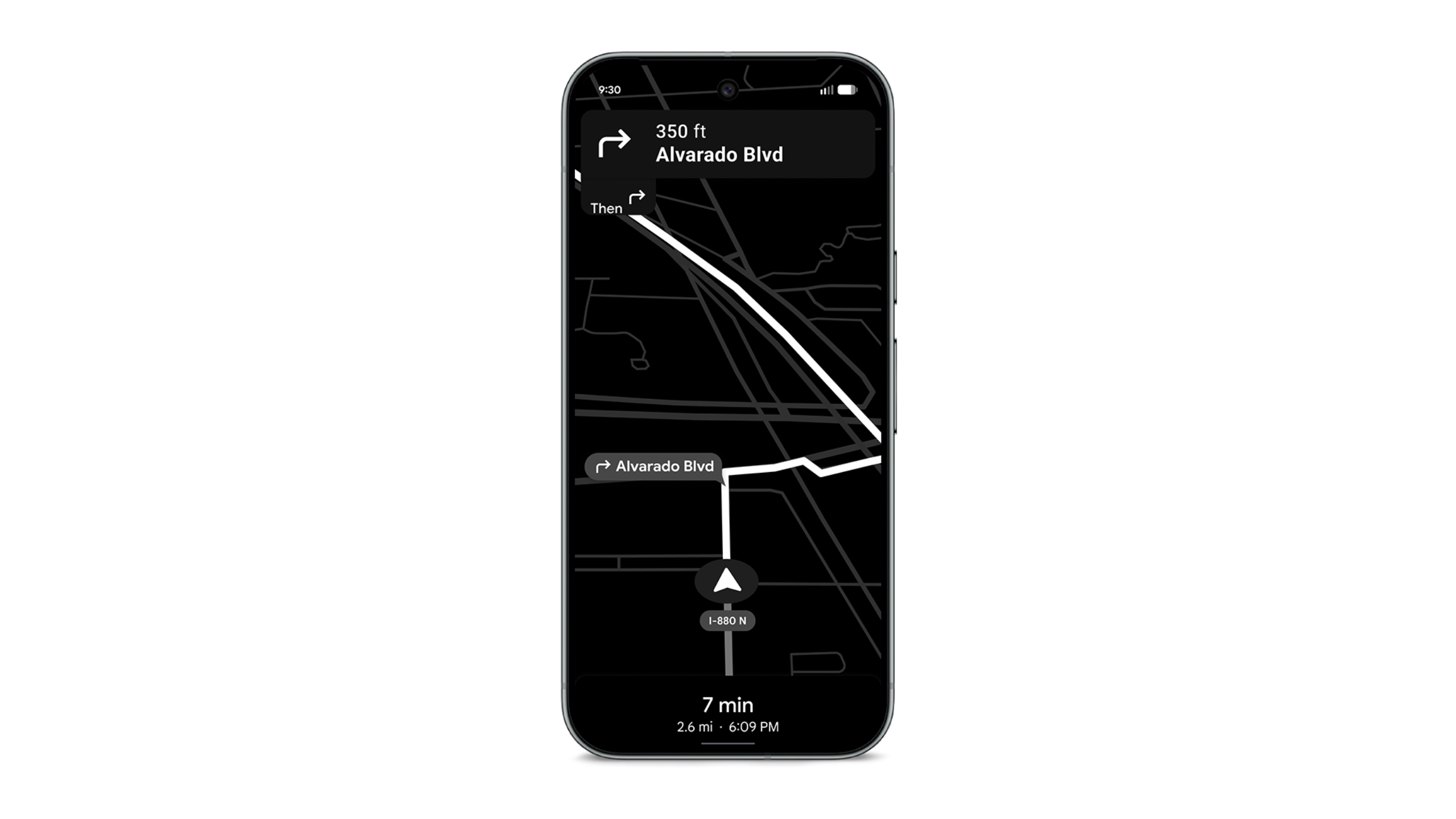
For anyone who owns one of the latest Pixel 10 phones, the Pixel Drop includes a new Power Saving Mode in Google Maps that blacks out the screen and only shows essential information and directions. Google claims the feature and extend battery life for up to four hours. The company hasn’t announced any plans, but the feature seems like it could be an equally good fit on Android Auto.
Scam Detection is Android's built-in feature for identifying scam calls and warning you with a notification. As part of the Pixel Drop, Scam Detection will now also work with messages, warning you in your notifications on Pixel 6 devices and up if you could be dealing with fraud. As part of the update, Scam Detection is also now available in the UK, Ireland, India, Australia and Canada. The update also includes support for Notification Summaries on the Pixel 9 and up, which summarize frequent group chat notifications as a recap in your notification shade. If you've marked anyone as a Pixel VIP (a feature added back in June), Android will now also prioritize their messages so you don't miss them.
Alongside those more practical features, Google is also introducing a new seasonal Wicked: For Good theme pack on Pixel 6 and newer devices. The theme pack is accessible via a new Theme Packs app that was released earlier in November. While it uses existing options like your wallpaper and icon settings to set "Glinda" and "Elphaba" themes, the convenience of Theme Packs is the ability to change all those settings at once. It's unfortunate Google's introducing the tool with an ad, but it could prove useful down the line.
This article originally appeared on Engadget at https://www.engadget.com/mobile/smartphones/remix-in-google-messages-brings-ai-photo-editing-to-even-more-phones-190000445.html?src=rss
As technology evolves, new gadgets constantly emerge, and one such device that has seamlessly integrated into our daily lives is the fitness tracker. Over time, such devices have become essential in tracking our health and fitness goals. However, fitness trackers have now leaped forward, transforming into the smart ring. These sleek, electronic bands worn on the finger act as wearable devices, just like jewelry, but can monitor health metrics such as heart rate, sleep patterns, oxygen level, exercise monitoring, and more.
The global smart ring market was valued at USD 340.9 million in 2024 and is expected to expand from USD 416.9 million in 2025 to USD 2,525.5 million by 2032, reflecting a growth rate of 29.3% during the forecast period. Smart rings offer a more compact alternative to larger devices, yet provide powerful tracking capabilities and are often launched and backed by premium brands.
How does a smart ring work?
Smart rings are conventional rings that are equipped with different types of sensors and advanced technologies like Bluetooth and Near-Field Communication (NFC) used to monitor health and fitness metrics. Since the smart ring does not have screens, they sync wirelessly with smartphones or tablets, allowing users to access and analyze their health data in real time easily.
Many smart rings also feature haptic signals that vibrate the ring during a call or notification when the paired device is out of range, ensuring users stay connected. This combination of convenience and functionality makes smart rings an effortless way to track and manage health information on the go.
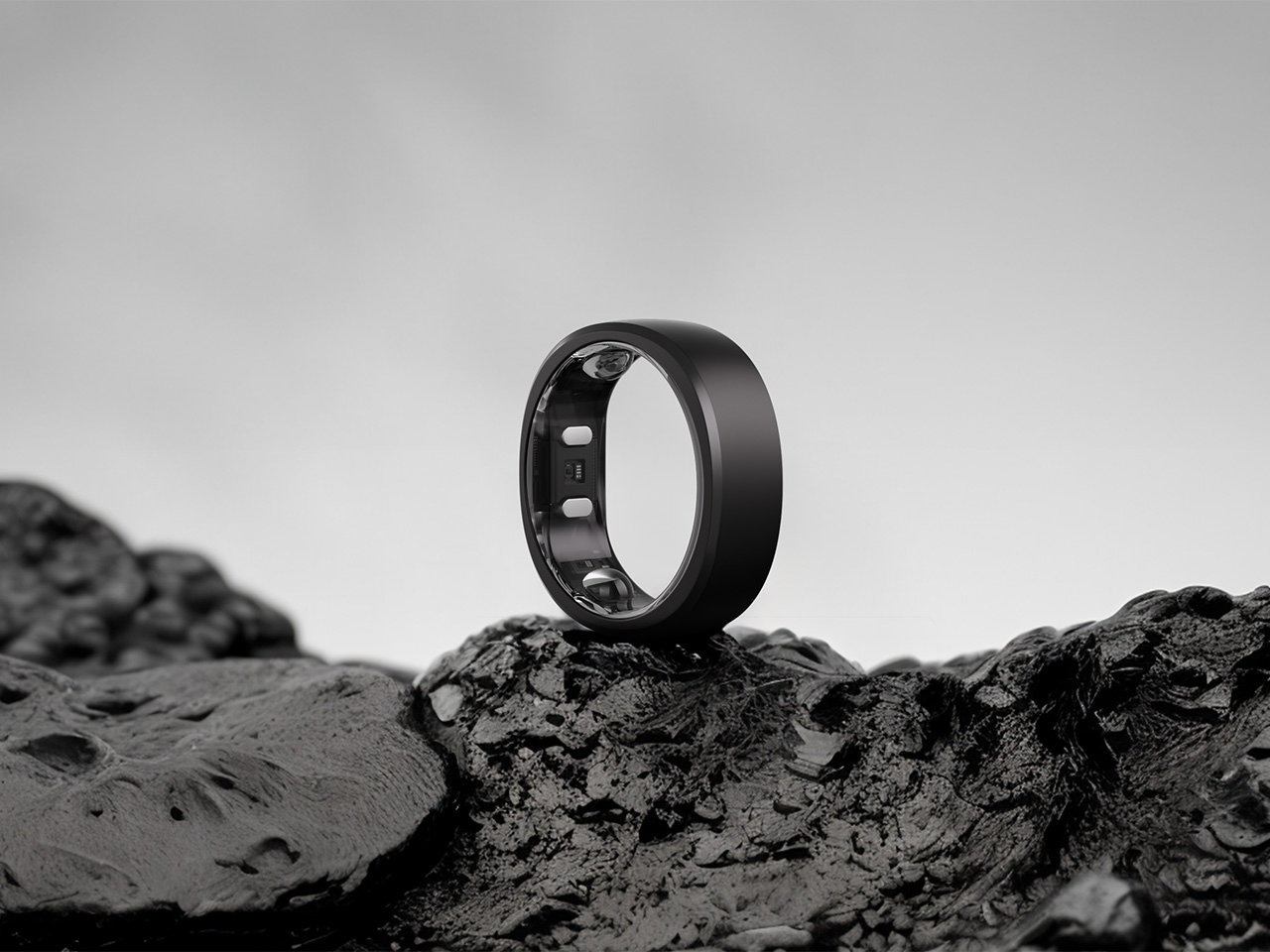
The RingConn Gen 2 is a smart ring that stands out with its sleek design, AI-powered health tracking, and impressive battery life. With a weight of just 2g and 2mm thick, it’s the lightest and thinnest smart ring on the market, providing precise health monitoring through sensors like 3D accelerometers, PPG (photoplethysmography), and temperature sensors. By tracking key metrics such as heart rate, heart rate variability, and blood oxygen levels, it offers a complete picture of your well-being.
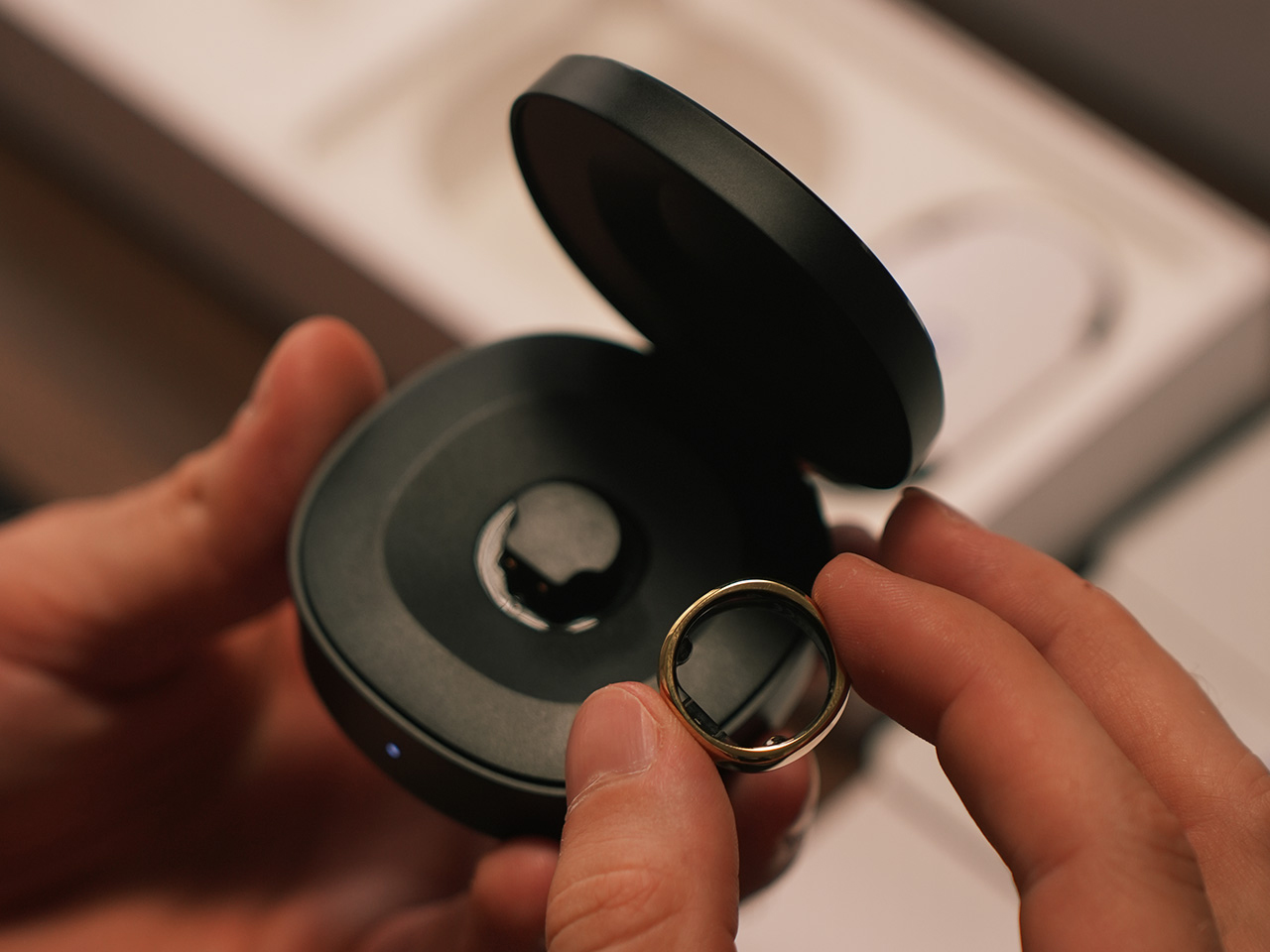
The RingConn app syncs this data, including stress levels and sleep patterns, with no hidden subscription fees. One of its most notable features is AI-powered sleep tracking, which monitors breathing, sleep stages, and overall efficiency to help detect issues like sleep apnea. With up to 12 days of battery life and 150 days of use with its charging case, the RingConn Gen 2 delivers comprehensive health tracking, empowering you to live a healthier, more informed life.
What are the different types of sensors integrated into a smart ring?
The accelerometer and gyroscope sensor is a motion sensor that tracks body movement, such as steps taken, distance covered, and calories burned.
The SpO2 or Peripheral Oxygen Saturation sensor gauges the oxygen levels in the blood.
The Electrodermal Activity (EDA) sensor measures sweat production on the finger and provides insights into stress levels and emotional states.
NTC thermistor sensors monitor changes in body temperature.
Photoplethysmography (PPG) sensor uses LED lights on the skin to measure variations in blood flow. It analyses the reflected light to track variations in your heart rate and blood oxygen levels.
Together, these sensors work in tandem to offer comprehensive data for health and fitness tracking.
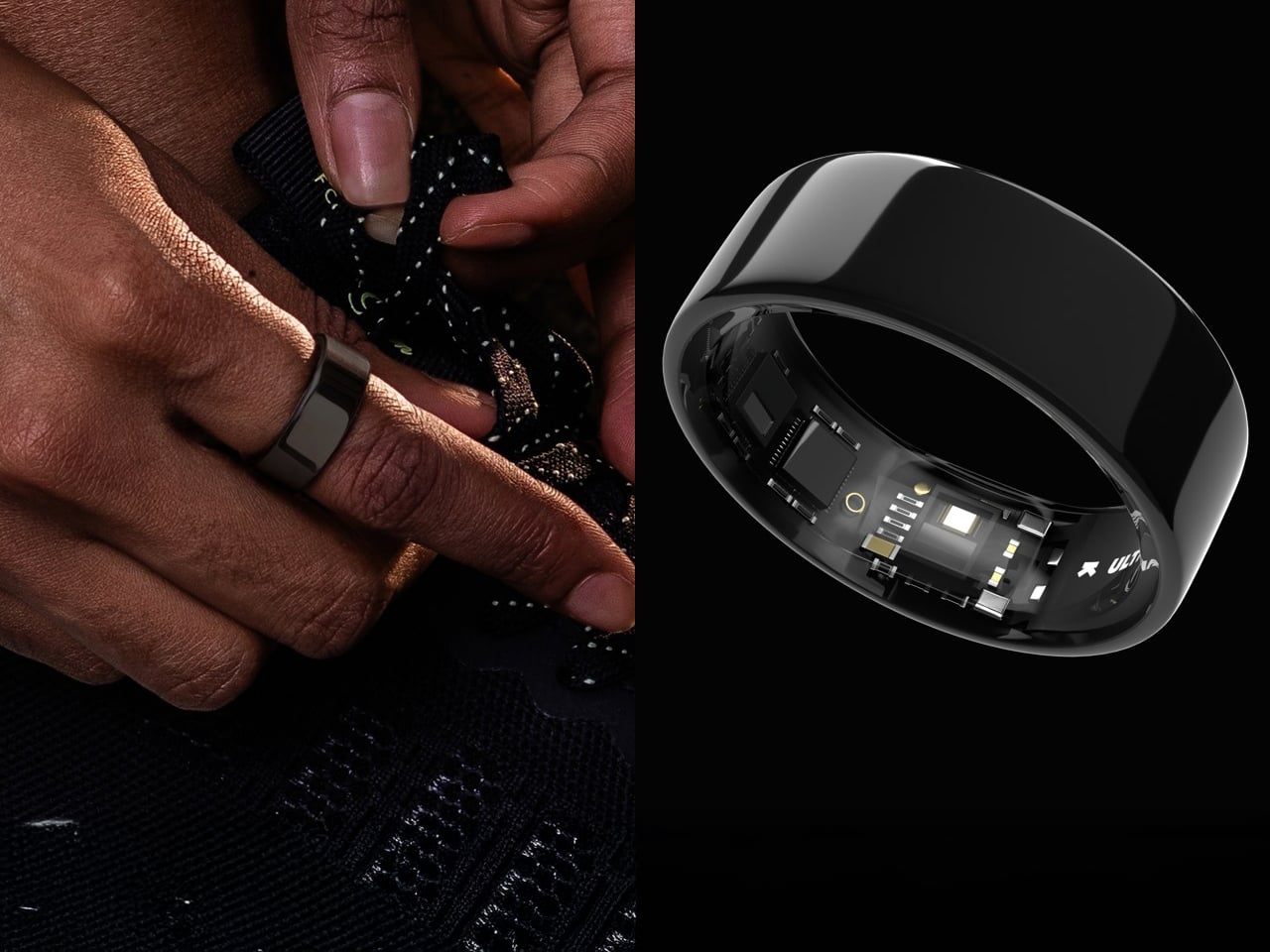
The Ultrahuman Ring combines sleek design with advanced health tracking, offering insights into your overall well-being. Unlike traditional wearables, it doesn’t just measure basic metrics like heart rate and steps—it interprets them into actionable insights. With features like the Movement Index, Sleep Index, and Recovery Score, it provides a deeper understanding of your daily energy expenditure, sleep quality, and stress levels, helping you make informed decisions for better health.
Crafted with durability and style in mind, the Ultrahuman Ring is made from a titanium outer shell and is coated with Tungsten carbide, and a hypoallergenic medical-grade interior for providing maximum comfort to the user. These rings are available in a variation of elegant colors, they are water-resistant and designed to withstand everyday activities. The Ultrahuman Ring offers a compact, fashionable way to monitor your health and improve your lifestyle without the bulk of traditional wearables.
Advantages of a Smart Ring
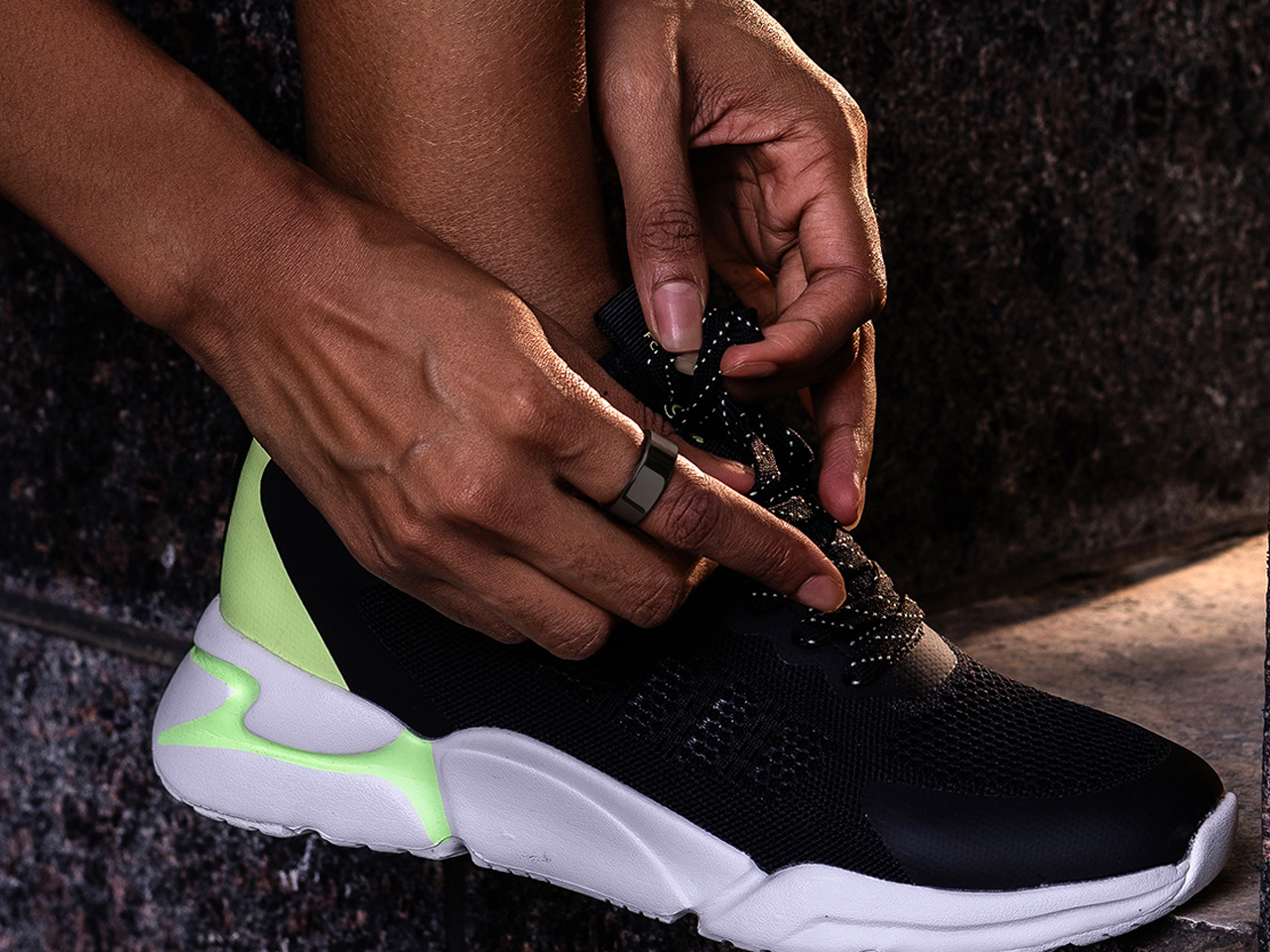
The smart ring is a convenient alternative to smartwatches, with the key advantage being its portability as it allows you to remain hands-free while wearing jewelry. You can wear the smart ring comfortably even while sleeping, as its compact size ensures it doesn’t cause any discomfort.
The smart ring is designed for optimal data collection, and many models are made from non-corrosive materials like zirconia or feature a Physical Vapor Deposition (PVD) coating. Additionally, the smart ring is purpose-driven as it removes the distractions of extra features typically found in smartwatches, making it perfect for those who need a device focused on specific tasks.
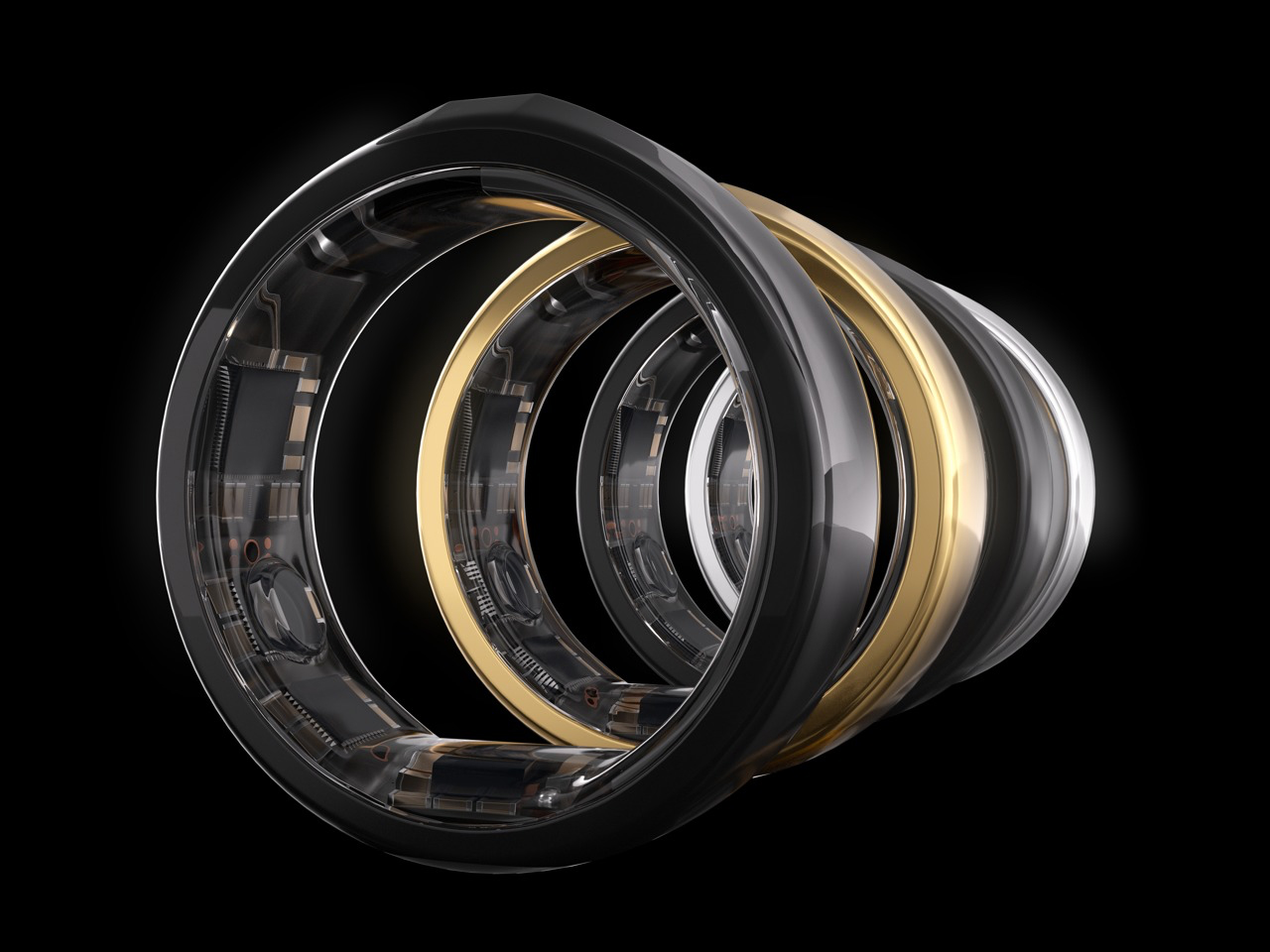
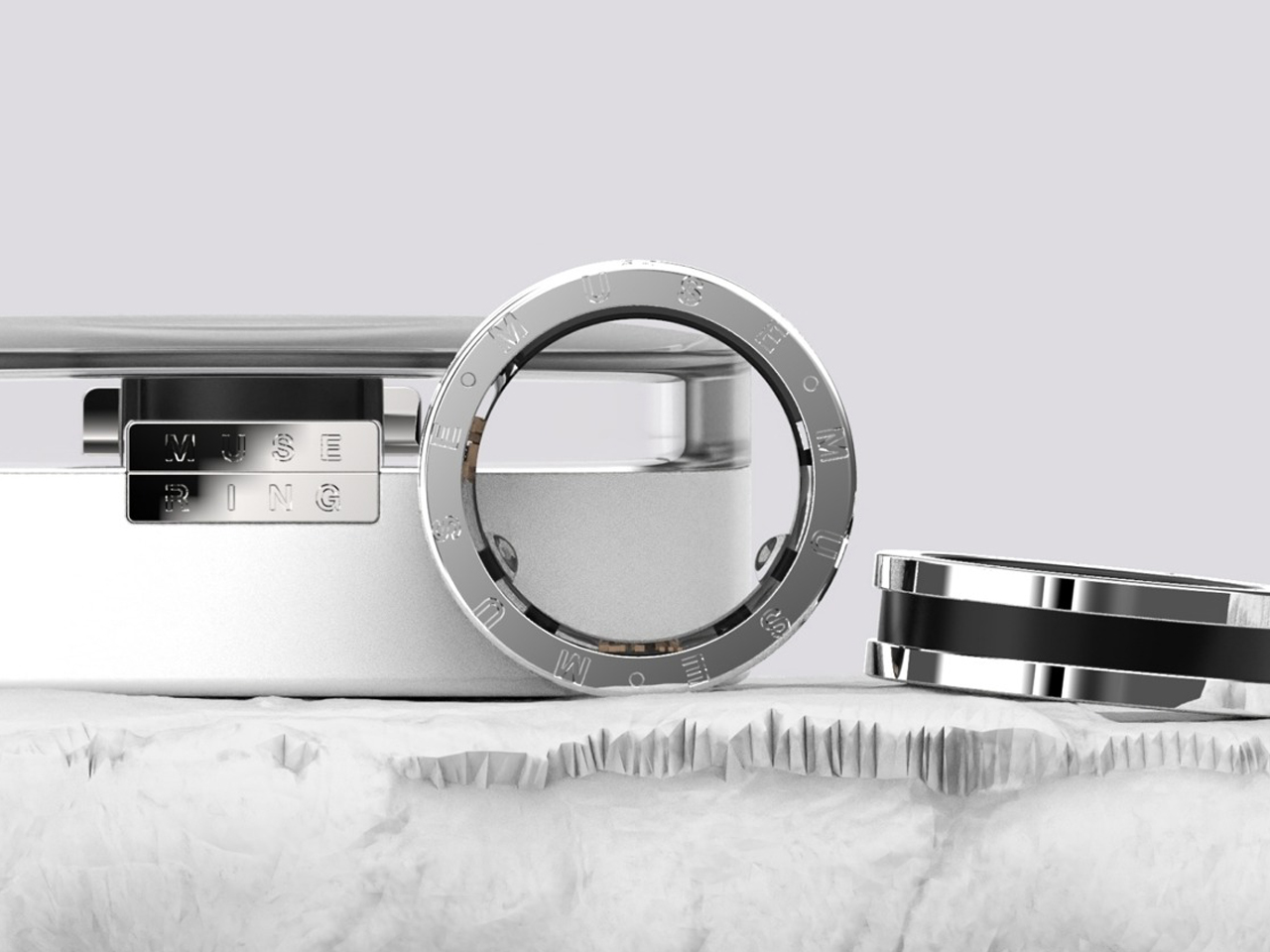
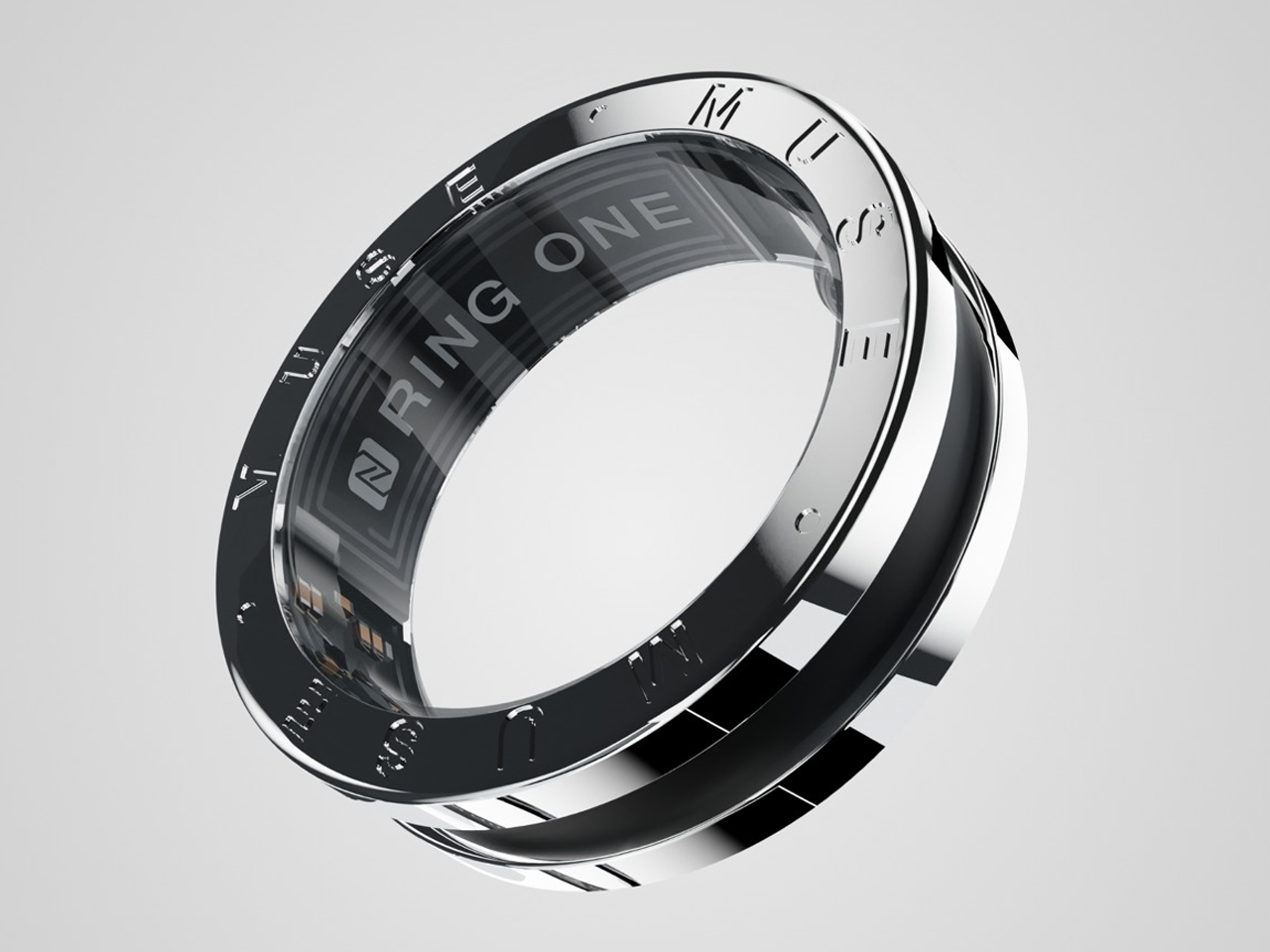
The Ring One represents a radical departure from bulky wrist-worn wearables, shrinking smartwatch functionality into an elegant piece of finger jewelry that’s 80% smaller yet delivers 99% of the features. This sleek titanium ring disguises powerful health-tracking technology beneath its minimalist exterior, monitoring your heart rate, HRV, SpO2, blood pressure, skin temperature, and all four sleep stages with research-grade optical PPG sensors. What makes it truly ingenious is the rotating Turn Wheel that replaces the traditional smartwatch crown—simply twist the ring’s bezel to cycle through workout tracking, sleep analysis, NFC payments, and even car unlocking modes. It’s the perfect solution for those who want comprehensive health insights without the screen-induced distraction or the wrist real estate commitment of traditional smartwatches.
Beyond its health-tracking prowess, the Ring One seamlessly integrates into your digital lifestyle with thoughtful features that extend its utility. The NFC functionality transforms it into a tap-to-pay device that stores all your cards and enables secure transactions at any POS terminal, while Digital Key 2.0 support lets you unlock compatible vehicles with a simple gesture. Despite packing accelerometers, gyroscopes, temperature sensors, and wireless connectivity into a hypoallergenic Grade-2 titanium shell that’s 10x lighter than a smartwatch, it still manages an impressive 7-day battery life with real-time data syncing. The proprietary wireless charging dock even includes a “find my ring” tweeter—because losing something this small and powerful would be a tragedy. Available in finishes from understated steel to luxe 18-carat gold, the Ring One proves that the future of wearables isn’t on your wrist—it’s on your finger.
Disadvantages of a Smart Ring
The main disadvantage of a smart ring is its limited functionality and lack of a screen, meaning it can’t fully replace a smartwatch or smartphone. Additionally, smart rings typically have small batteries, which can limit their usage time. When purchased online, the ring may not fit perfectly as it might not be tailored to your finger size.
High-quality smart rings can also be expensive due to the advanced technology required to pack so many features into such a compact device. They are exposed to water, dust, sweat, and food particles, so regular maintenance is necessary. Another factor is that these rings must be compatible with existing devices to get real-time data.
The Ultrahuman Ring AIR takes a more holistic approach and emphasizes the importance of sleep, recovery, stress management, and even factors like coffee consumption in our daily lives. Designed to be lightweight and comfortable, it provides a seamless experience, tracking vital metrics like sleep efficiency, restfulness, and consistency. The ring also measures stress levels through heart rate variability (HRV) and skin temperature, offering personalized recommendations to help you manage stress effectively improve your overall well-being, and live a healthier, more balanced life.
What sets the Ultrahuman Ring AIR apart is its range of advanced features, such as Circadian Phase Alignment, which optimizes your sleep-wake cycle, and the Stimulant Window Recommender to suggest the best times for coffee. With a durable titanium shell coated in tungsten carbide, the ring is built to last, with water resistance that allows you to wear it during swims or shallow dives. the Ultrahuman Ring AIR offers up to six days of battery life, ensures continuous health tracking, helps you make informed decisions to improve your overall well-being and live a healthier, more balanced life.
Smart ring technology is surely revolutionizing health monitoring by offering a discreet, compact, and efficient way to track vital health metrics. With advanced sensors and AI-powered insights, these rings empower users to monitor their heart rate, sleep patterns, and stress levels, promoting a healthier lifestyle with both convenience and style
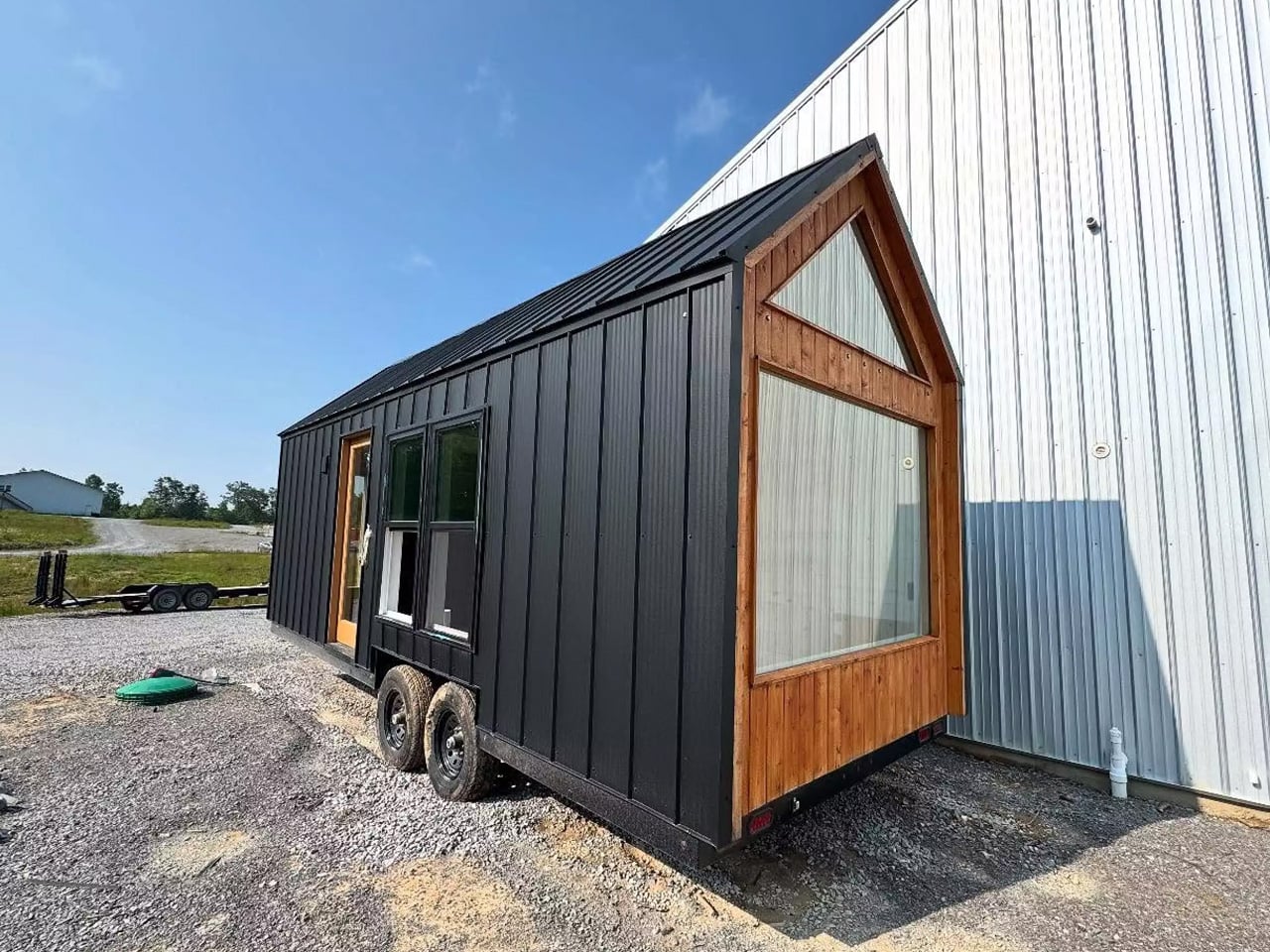
Nordic & Spruce has crafted something special with the Weekender, a tiny home that embraces its transient nature rather than fighting it. This isn’t a house trying to be everything to everyone – it’s a thoughtfully designed escape pod that knows exactly what it wants to be. At 24 feet long and 241 square feet, the Weekender sits comfortably in the middle of Nordic & Spruce’s lineup, larger than their compact Overnighter but more nimble than the full-featured Homesteader. The double-axle trailer foundation provides stability while maintaining roadworthiness for those who crave mobility over permanence.
The exterior makes an immediate impression with its clean metal cladding available in sophisticated black or crisp white, complemented by warm wooden accents that soften the industrial edge. Generous glazing floods the interior with natural light, while optional skylights can transform the space into a sun-drenched retreat. The contrast between the sleek exterior and the organic interior materials creates visual interest without overwhelming the compact footprint. The interior finishes reflect Nordic & Spruce’s attention to material selection, offering bleached pine for those seeking Scandinavian minimalism or plywood for a more industrial aesthetic that complements the abundant natural light.
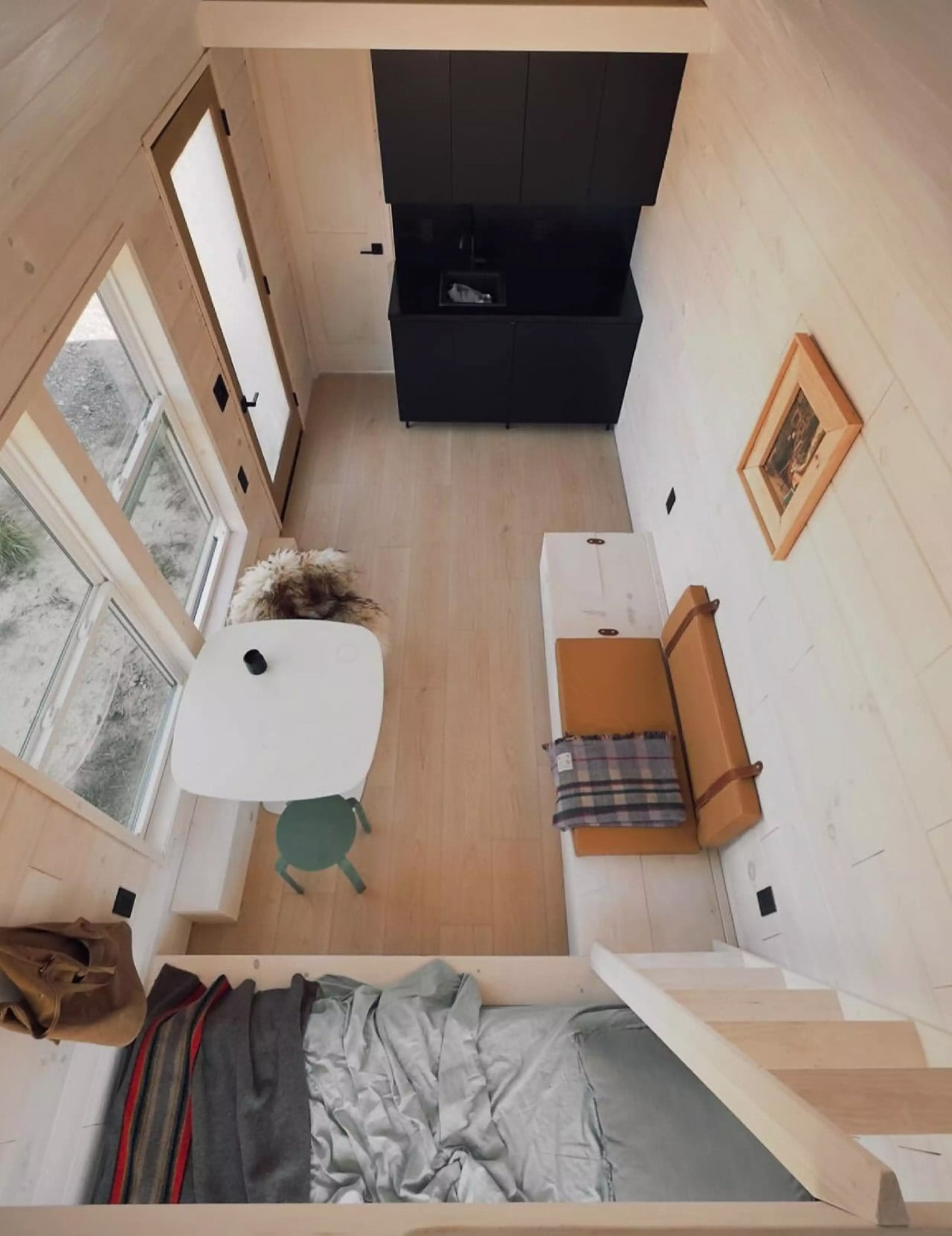
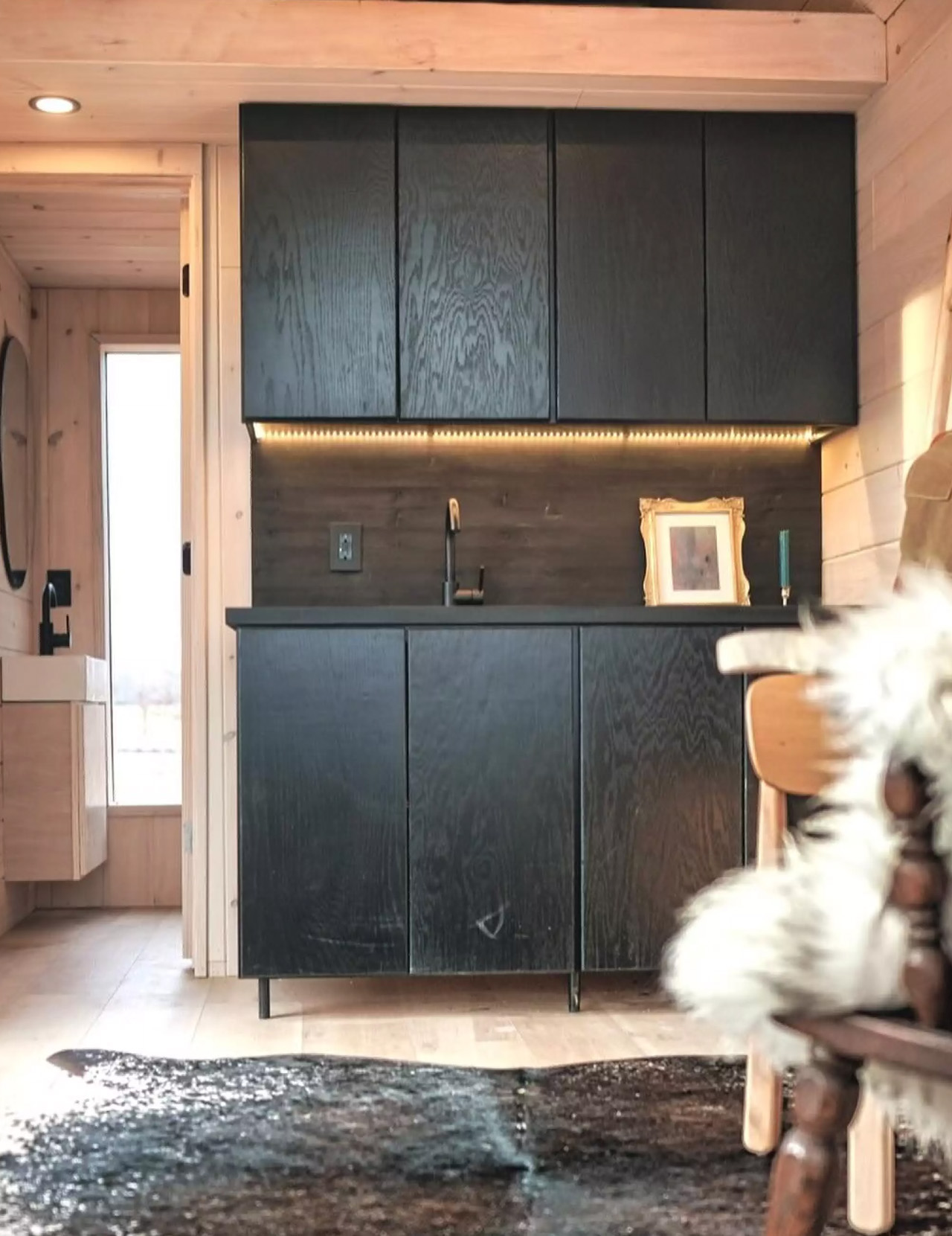
Step through the single-glazed door and the kitchen greets you immediately, featuring a practical half-kitchen setup with sink and induction cooktop. For those who take their culinary adventures seriously, upgrading to the full-size kitchen opens up possibilities for proper meal preparation and additional storage. The adjacent dining area adapts to your lifestyle – choose traditional table and chairs for formal meals or opt for the bench seating with integrated storage for a more casual, space-efficient approach. This flexible arrangement ensures the space works whether you’re hosting intimate dinners or simply need somewhere comfortable to work remotely.
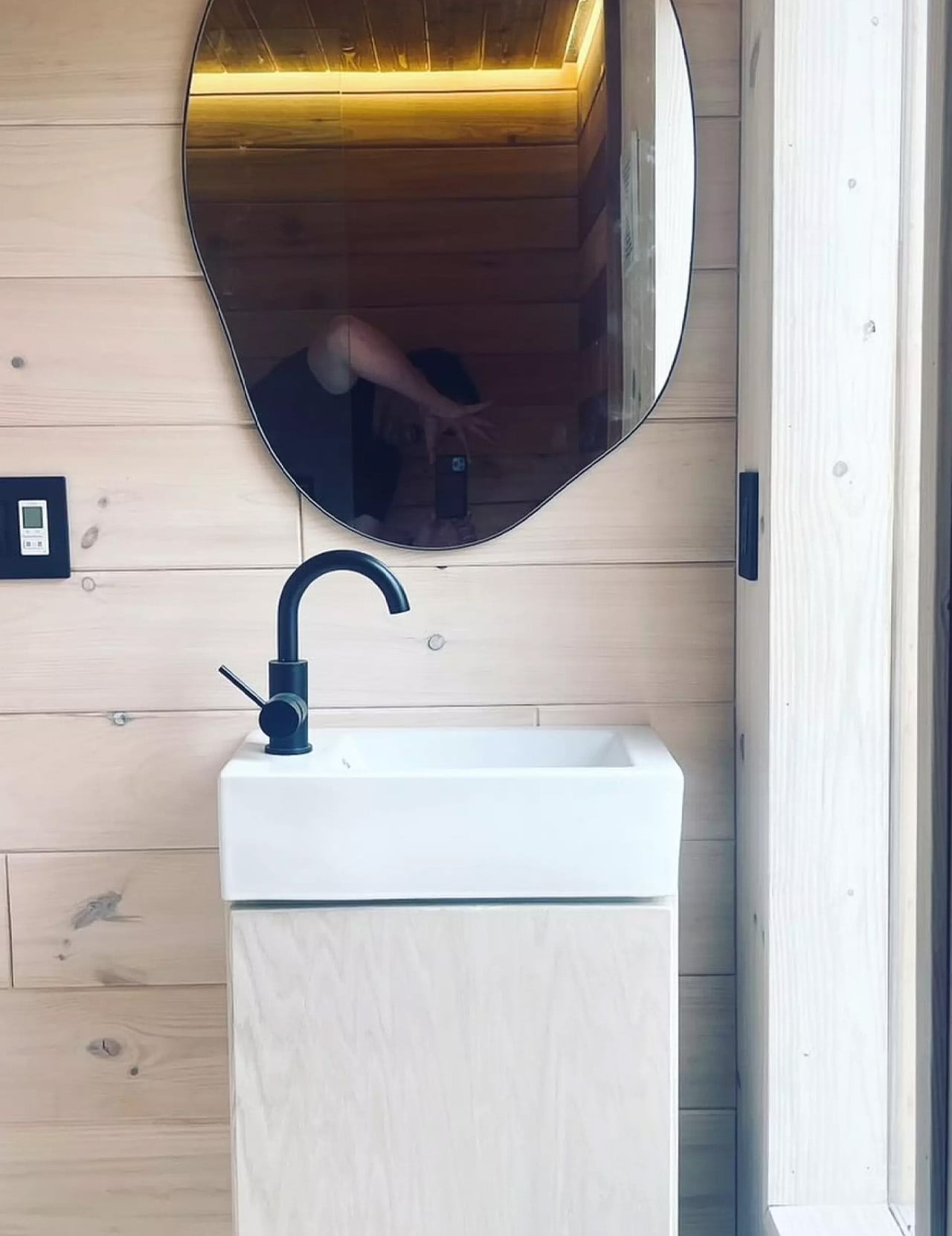
The bedroom occupies one side of the layout with a comfortable double bed. However, the optional mezzanine bunk bed configuration shown in Nordic & Spruce’s photos demonstrates the design’s flexibility for families or groups. This elevated sleeping solution maximizes floor space while maintaining the cozy atmosphere essential to tiny home living. The bathroom, positioned opposite the bedroom, covers all the essentials with a shower, sink, and your choice of composting, flushing, or incinerating toilet systems. The small storage loft above provides additional space for linens and personal items without cluttering the main living areas.
What makes the Weekender particularly appealing is its honest pricing and customization options. Starting at $55,000, it offers an accessible entry point into tiny home ownership while providing room to grow through upgrades like appliances, a fireplace, or mini-split air conditioning. The ability to extend the length up to 34 feet means the design can evolve with changing needs, allowing owners to start small and expand as their requirements or budget permits. This scalability sets it apart from many tiny homes that offer limited modification potential.
The Weekender succeeds because it doesn’t pretend to be a permanent residence – it’s designed for the life you want to live on weekends and vacations, making every getaway feel intentional and well-designed. Both material choices create spaces that feel larger than their square footage suggests, while the single-floor layout ensures accessibility and ease of movement. This tiny home represents Nordic & Spruce’s understanding that sometimes the best homes are those that encourage you to explore beyond their walls.
Google Photos introduced a fresh batch of a half-dozen AI-powered features today. First is personalized photo editing. Using "Help me edit," you can now make adjustments to portraits and group shots, such as removing sunglasses or fixing closed eyes. Google says that the AI uses other images stored in a user's face groups to make accurate changes to the people in your photo library. The "Help me edit" voice- or text-controlled photo editing tool is also starting to roll out to iOS users in the US.
Next, the company is integrating its Nano Banana image editor into Google Photos. Users can make open-ended restyling requests in the "Help me edit" tool, such as making a picture look like a Renaissance painting or a mosaic. Nano Banana will also power a new Create with AI section, which will provide templates based on popular requests to jumpstart the AI editing process. This feature will roll out to the Create tab for Android users in the US and India beginning next week. Later on, Google will begin personalizing these templates to the particular hobbies and experiences captured in a person's photo library.
Following a "pause" and restart in June, the Ask Photos tool is also expanding. The feature for AI-powered searches of the Google photo library will be available in more than 100 new markets and will support 17 new languages starting this week.
Finally, Google Photos is getting a new Ask button aimed at delivering more details about a specific image. After tapping the button, a user can type questions about the content of the photo, find similar pictures in their library or begin describing desired edits. This feature is rolling out just in the US for now, but on both Android and iOS platforms.
This article originally appeared on Engadget at https://www.engadget.com/ai/google-photos-now-has-six-more-ai-powered-features-170000125.html?src=rss
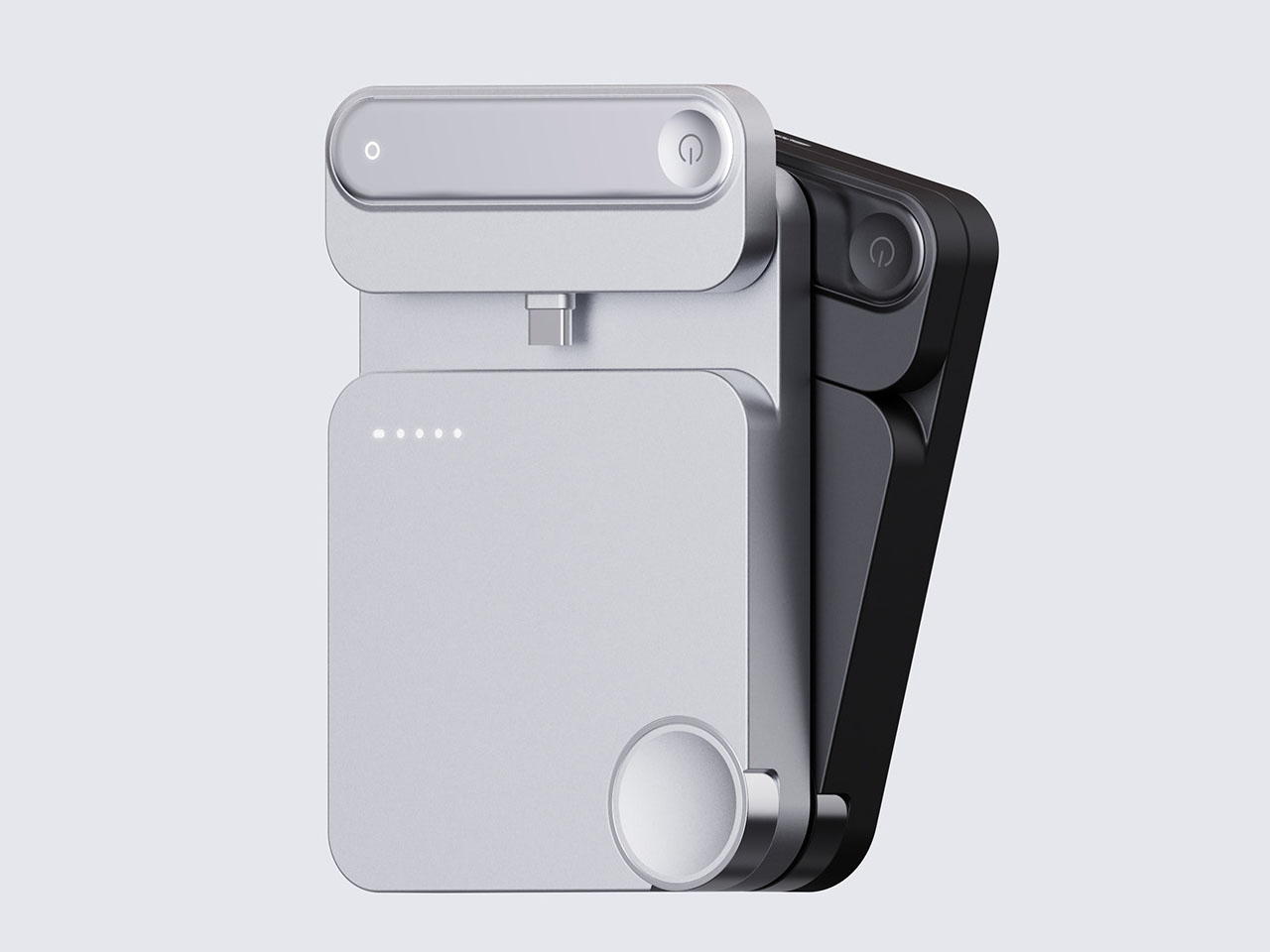
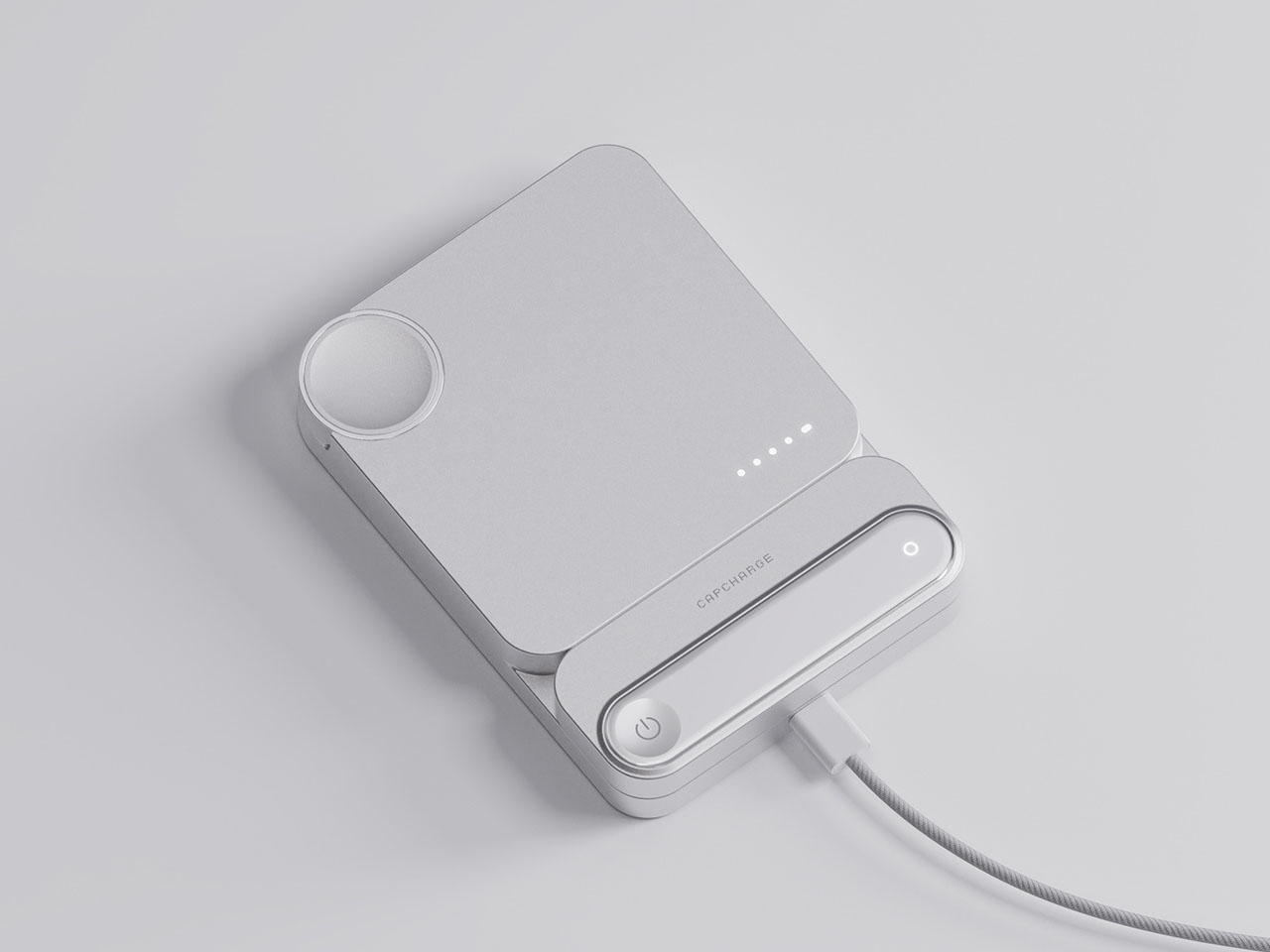
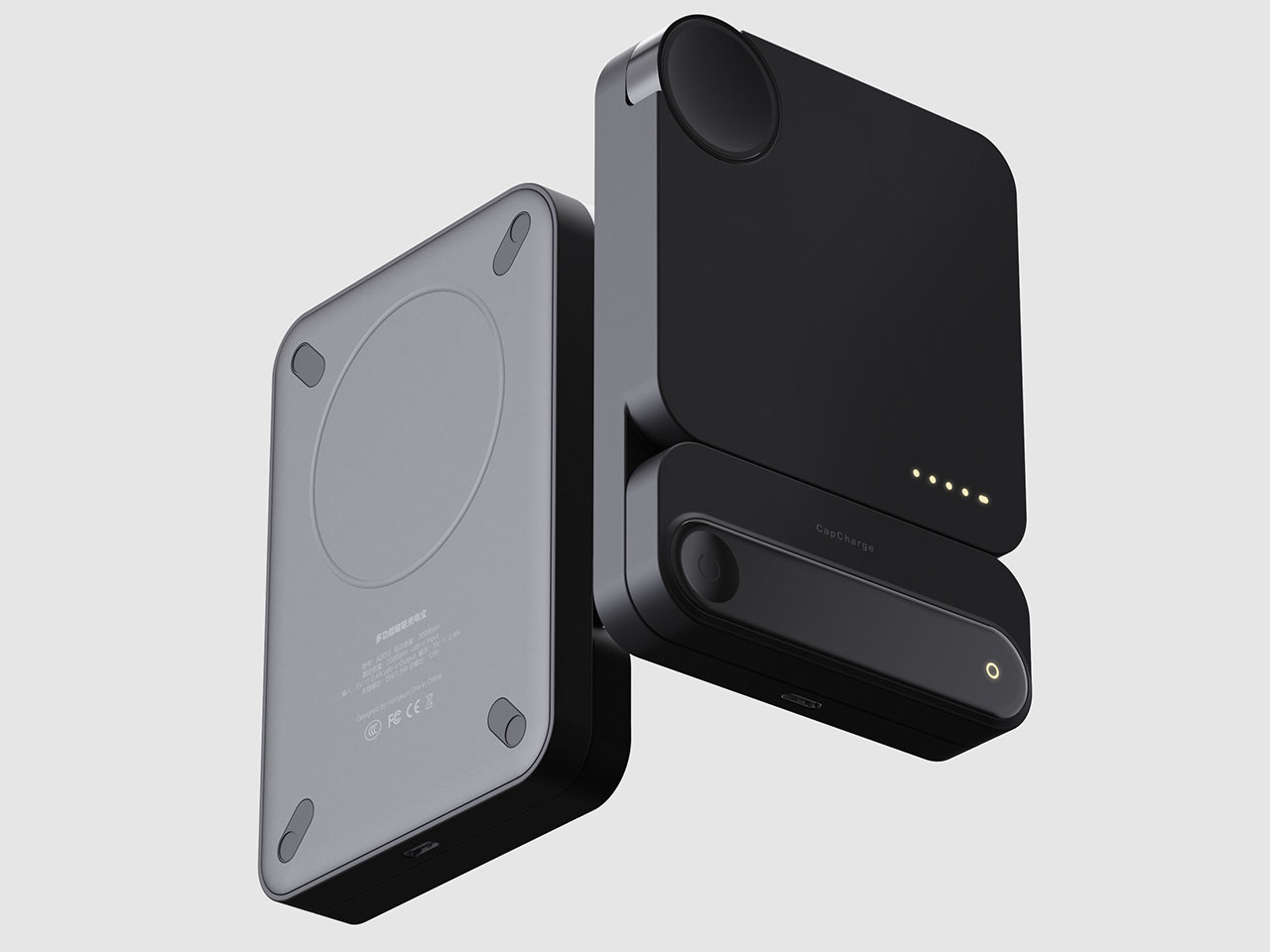
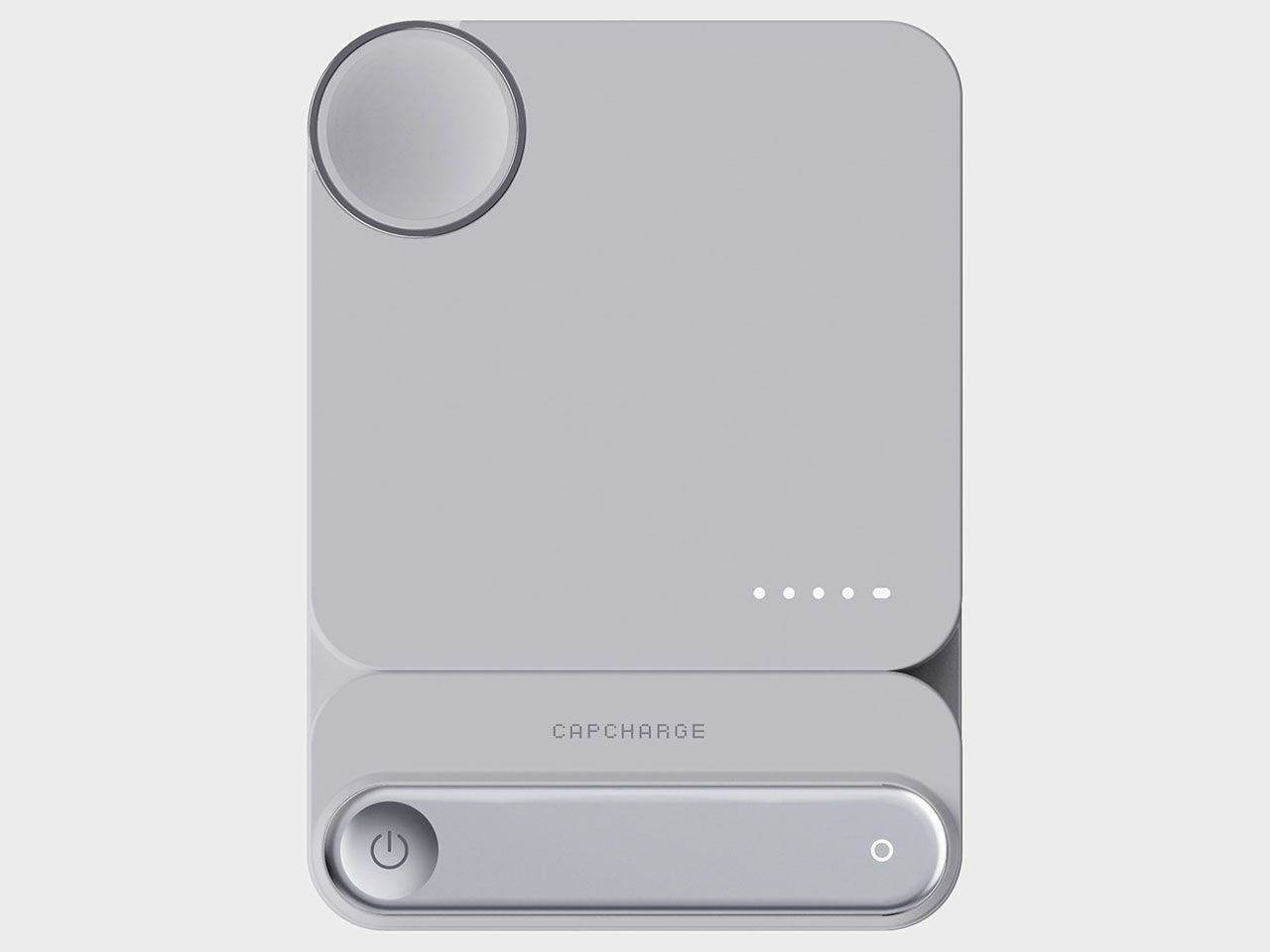
In a world where screens rarely go dark and our devices feel like extensions of ourselves, a reliable power source has become almost as essential as the devices it fuels. Yet even after years of iterations, power banks still fall into the same trap; they’re either bulky blocks with too much capacity to carry comfortably, or slim and portable but unable to keep up with a full day’s use. The Portable Magnetic power bank brings a smarter, more adaptable approach to this everyday struggle, one that feels designed for how people actually move through their day.
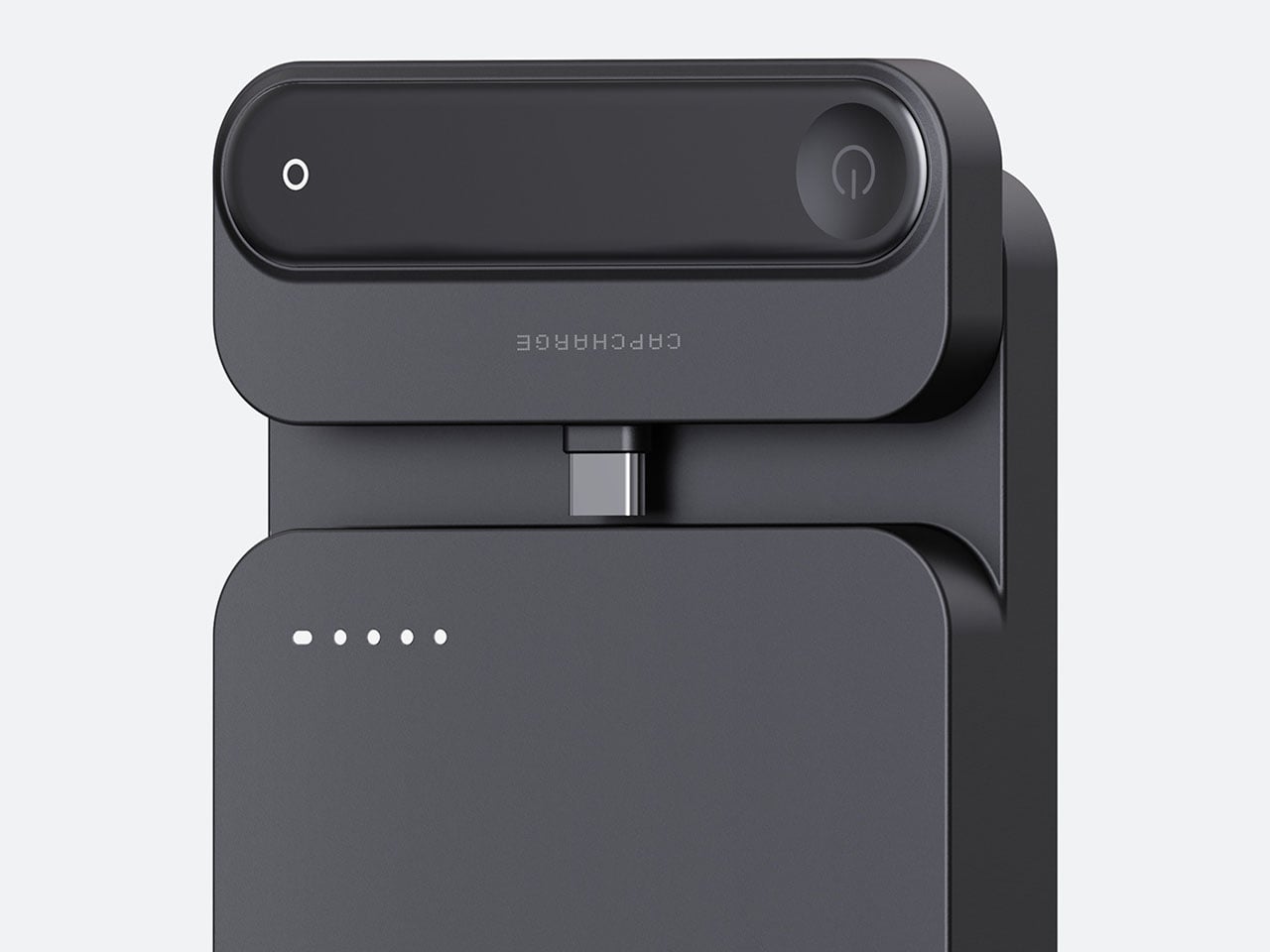
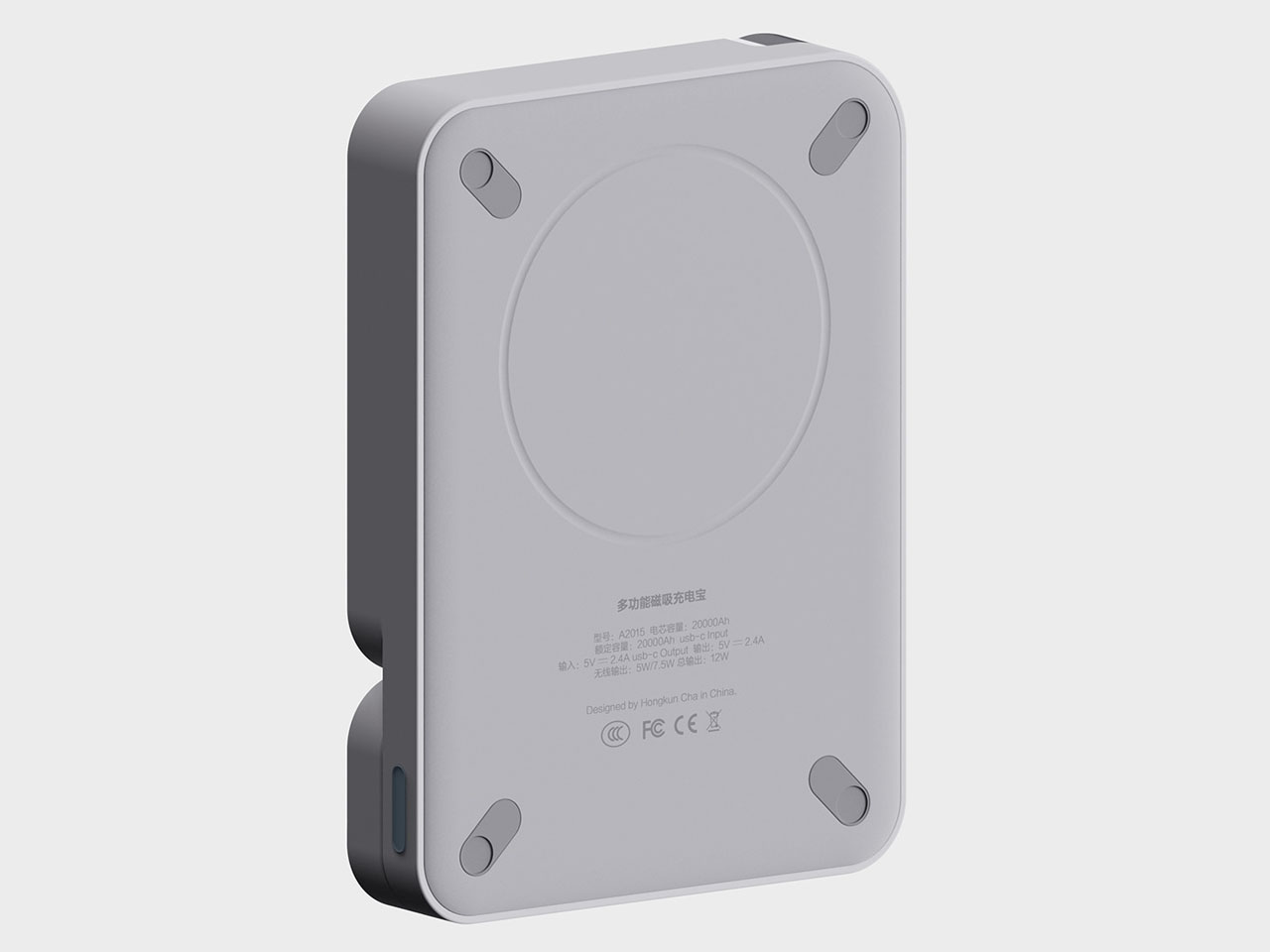
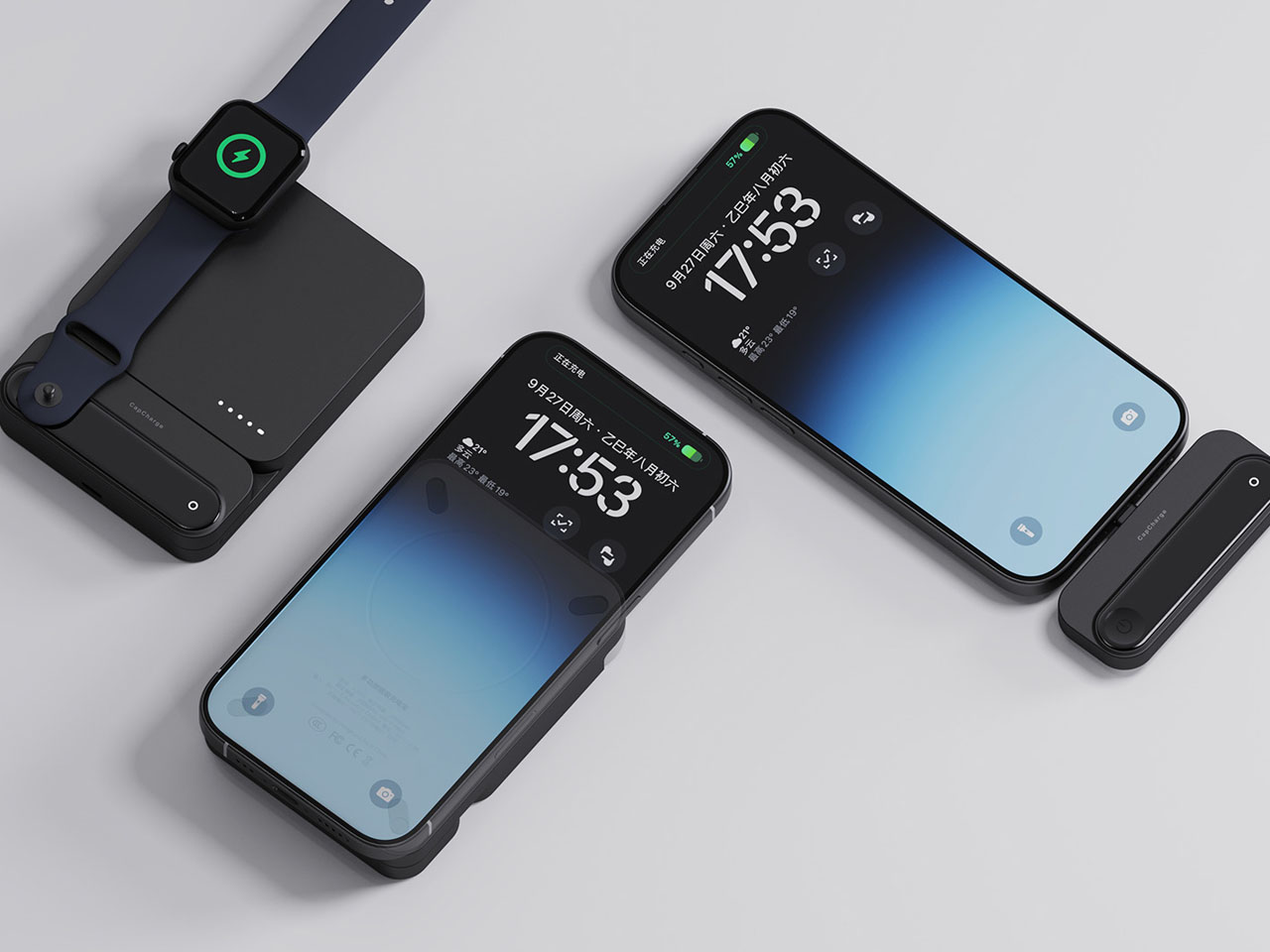
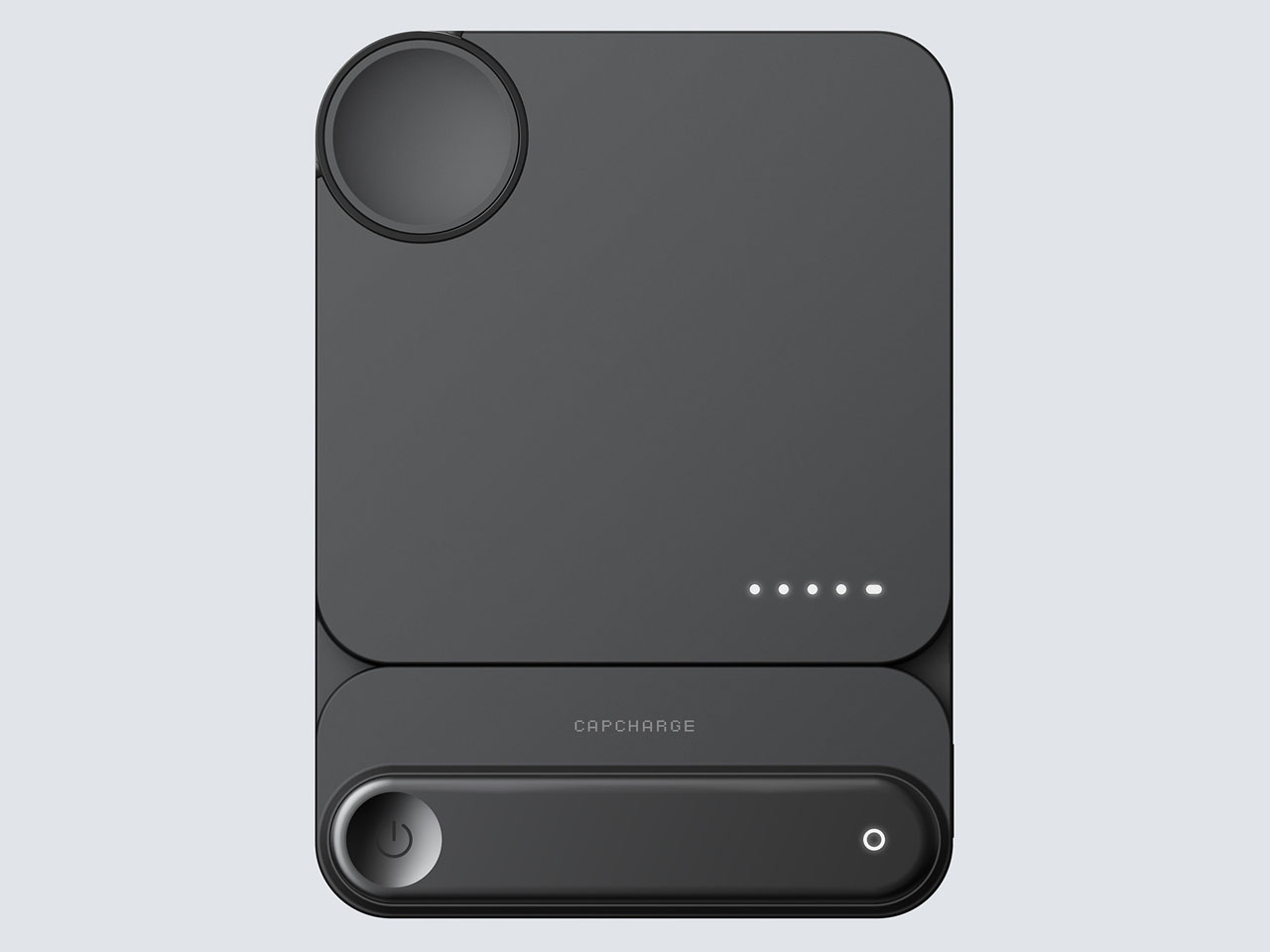
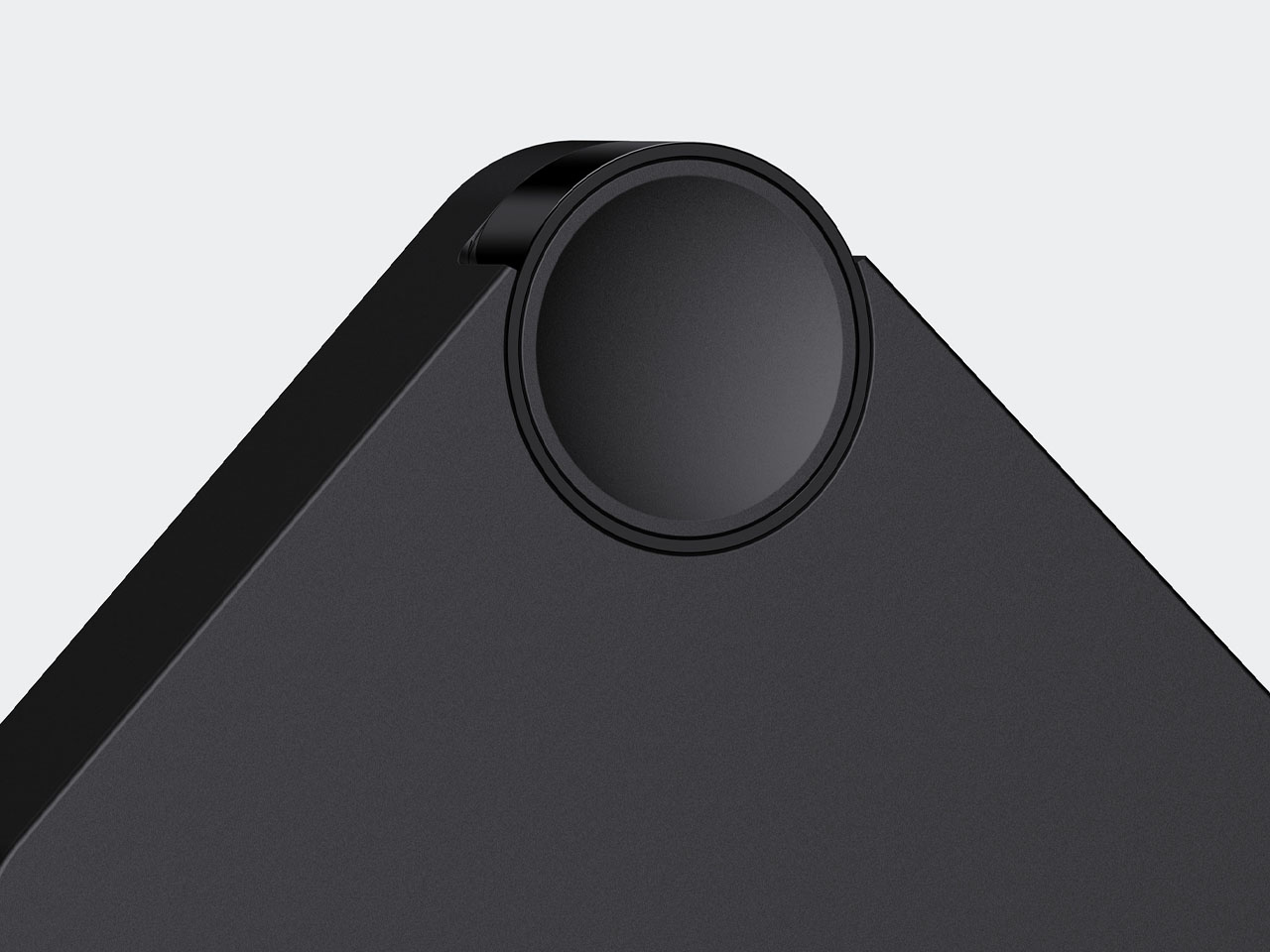
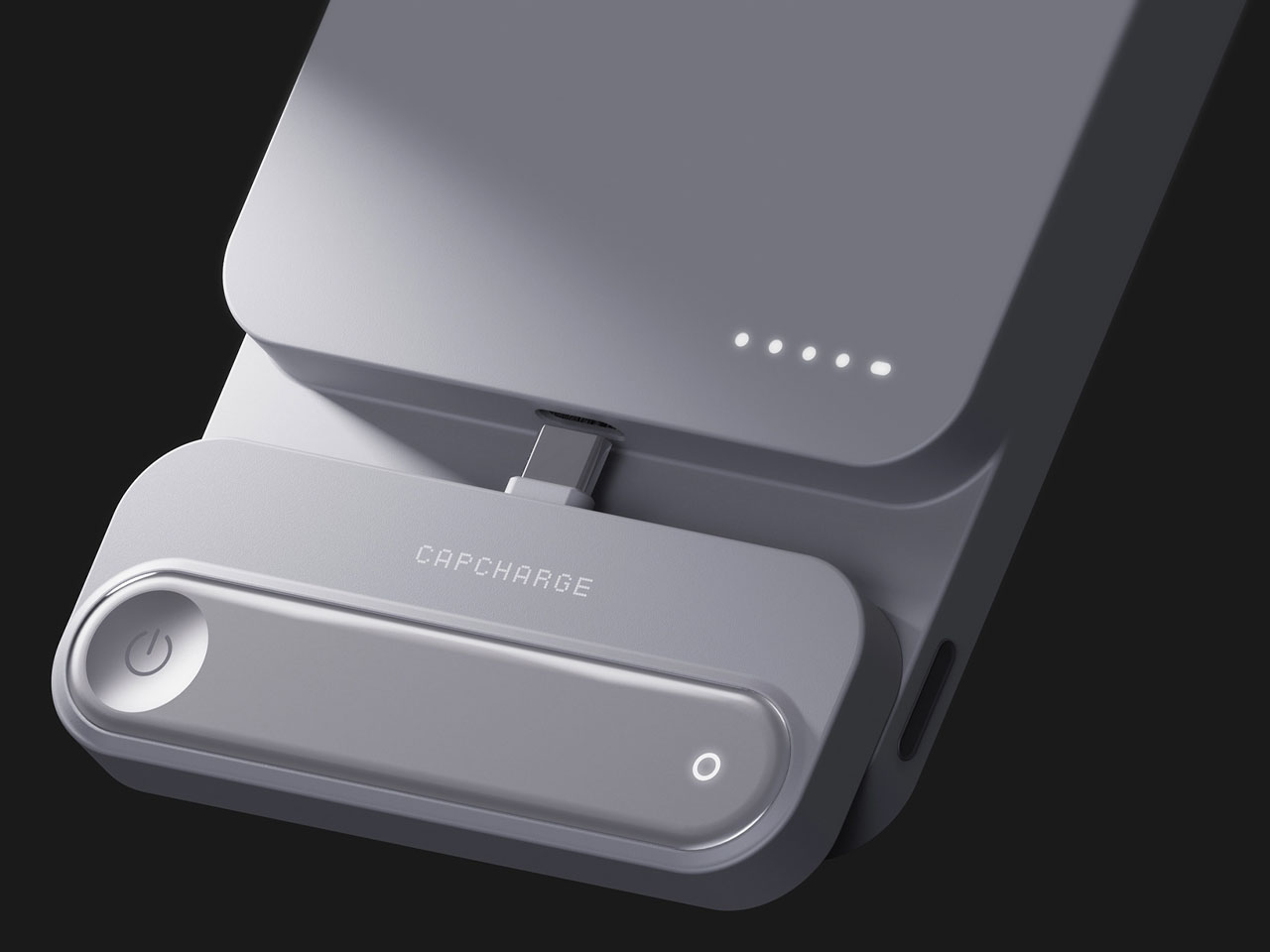
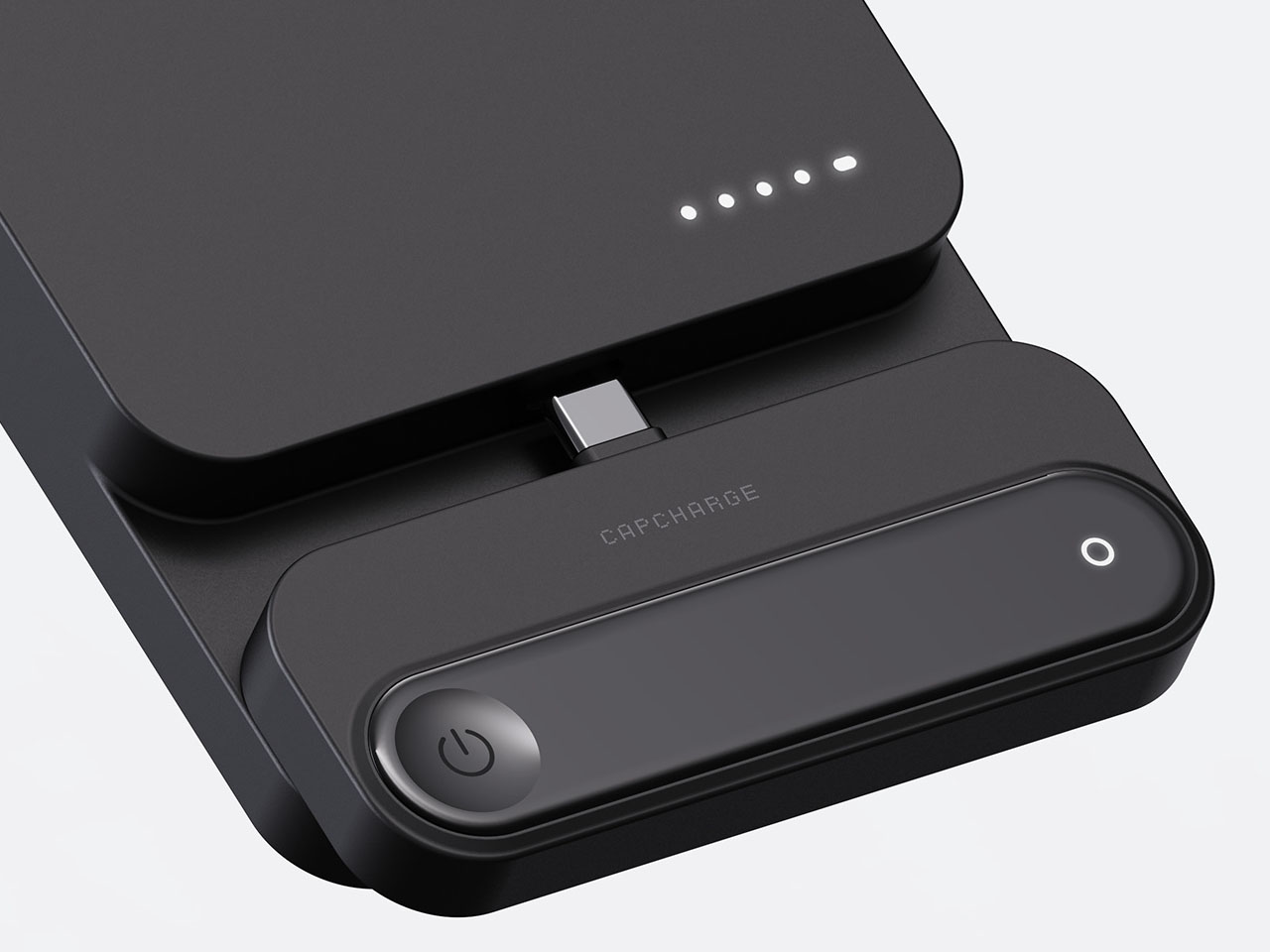
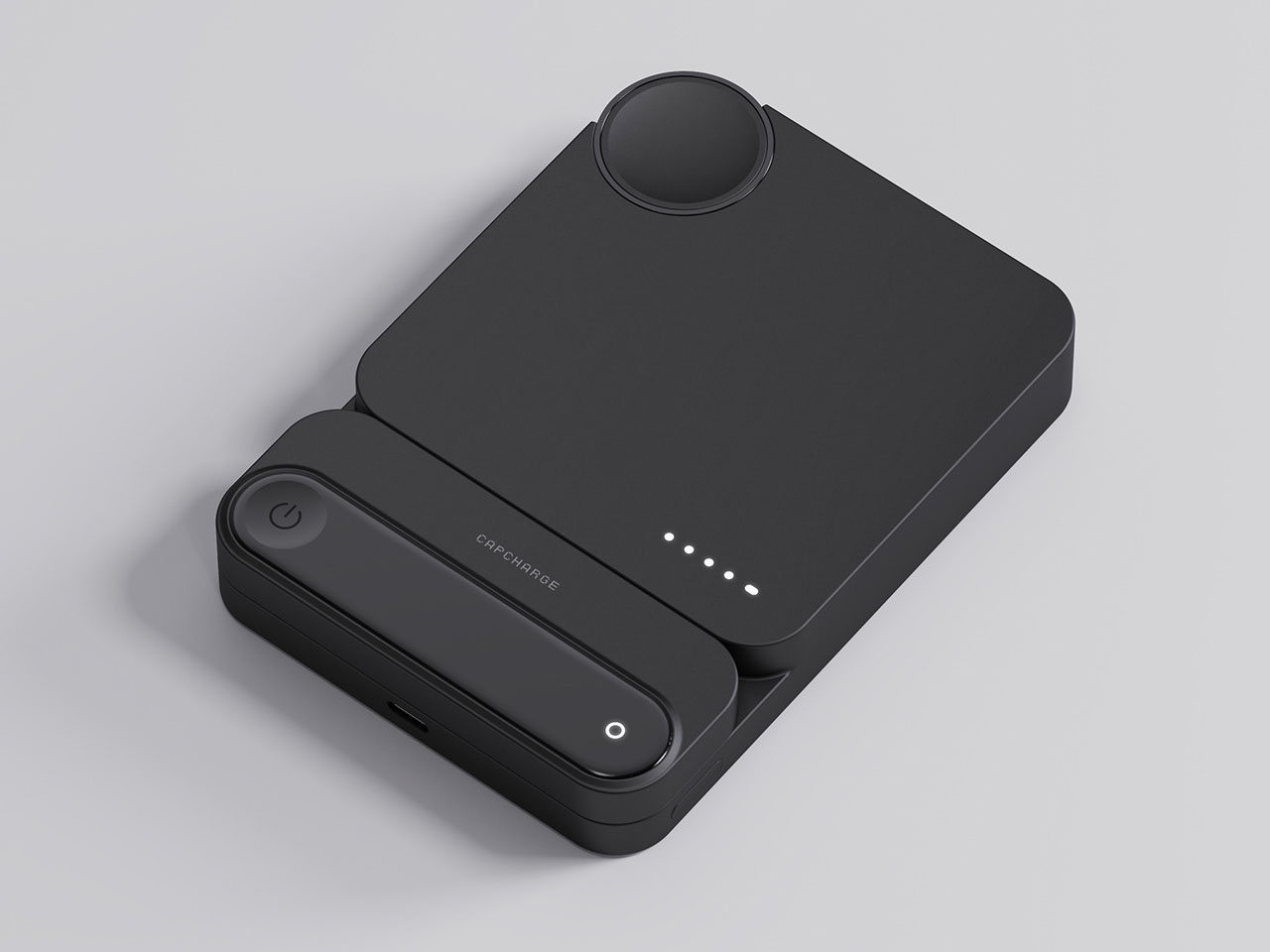
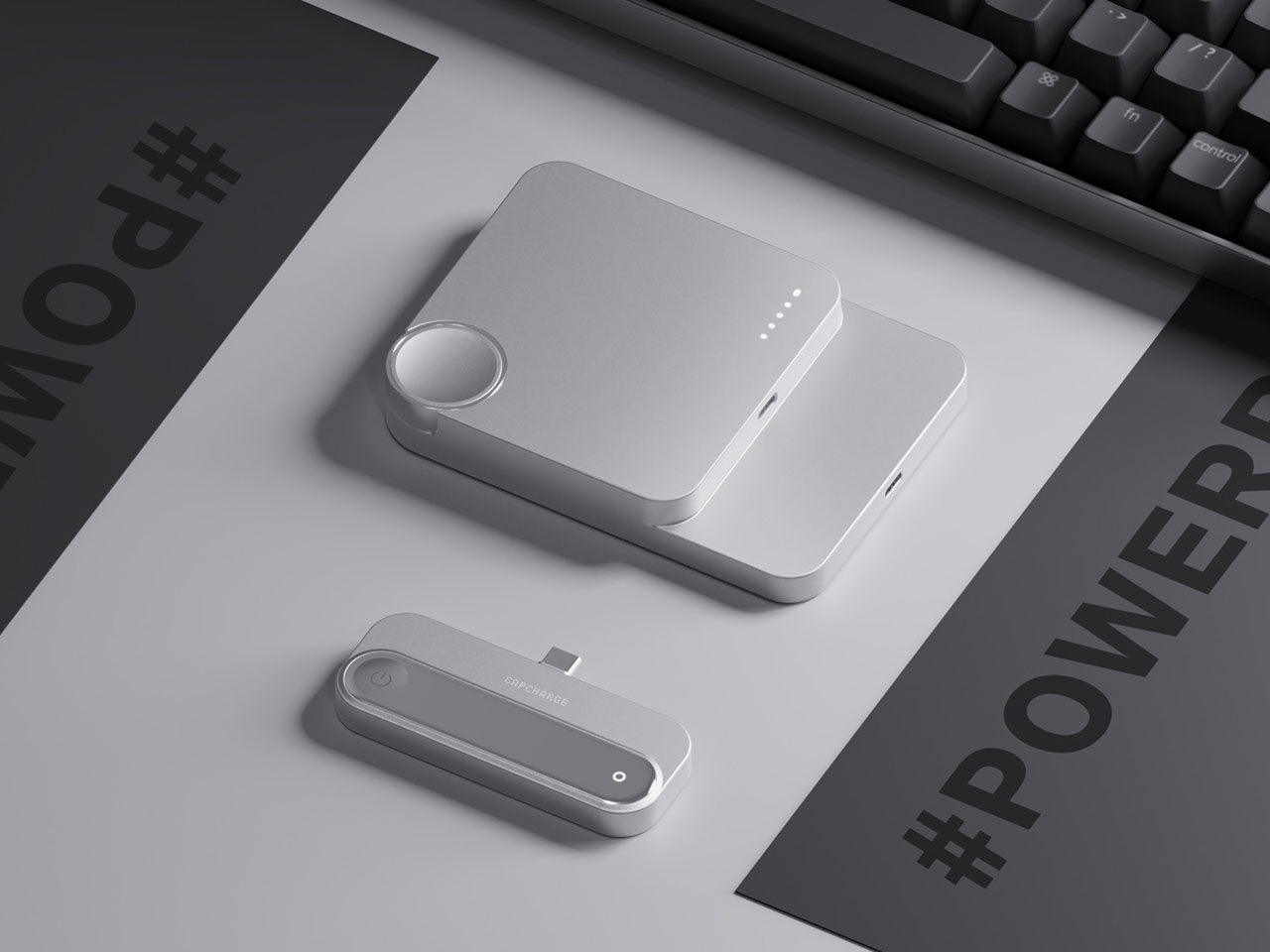
Rather than locking users into a single capacity or form, this concept introduces a modular, magnetically connected system that lets you choose what you carry. The main body works as a high-capacity unit capable of charging a phone or multiple devices, while a detachable “Energy Capsule” offers a lightweight option for topping up smaller gadgets like earbuds or smartwatches. Together, they form a cohesive all-in-one charging system; apart, they become personalized tools tailored to different needs.
The intrigue of this approach lies in its simplicity. The two modules snap together magnetically, merging into a single seamless unit when you need more power, and separating instantly when you prefer to travel light. The magnetic connection feels deliberate and intuitive, eliminating the fuss of cables or clips while ensuring both units align perfectly. It’s a design that adapts as quickly as the pace of your day, from desk to commute to travel, offering flexibility that traditional power banks never quite mastered.
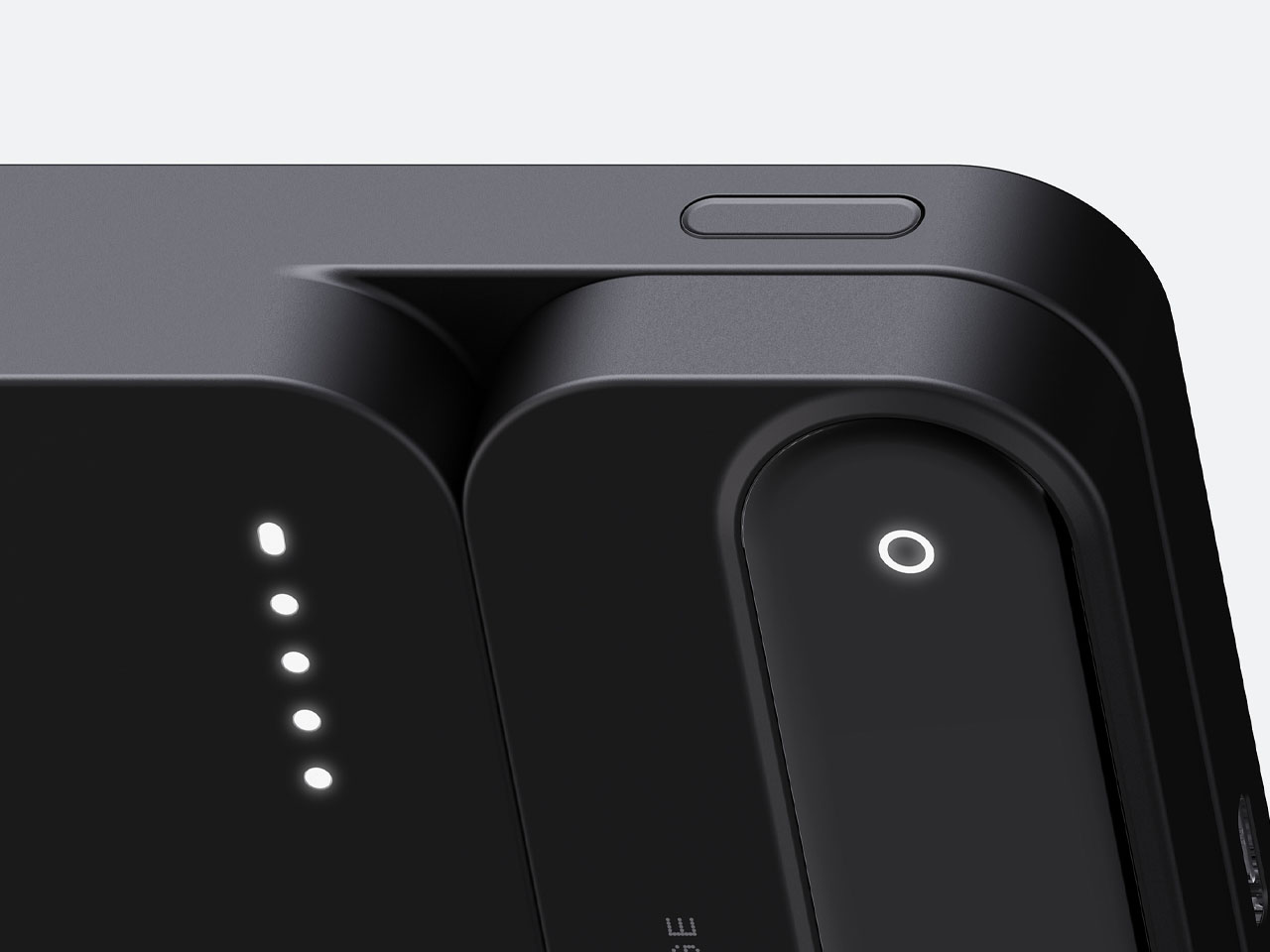
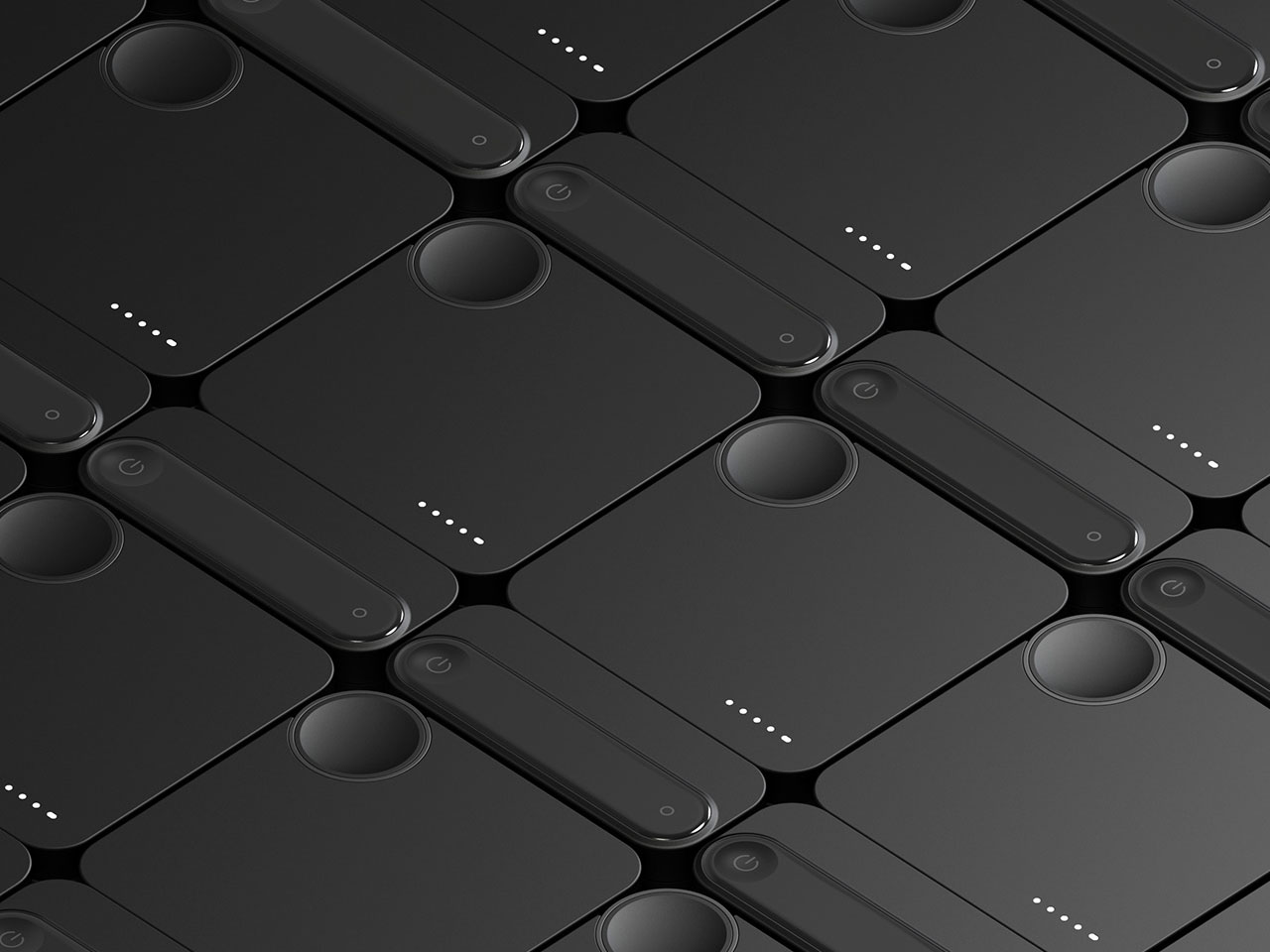
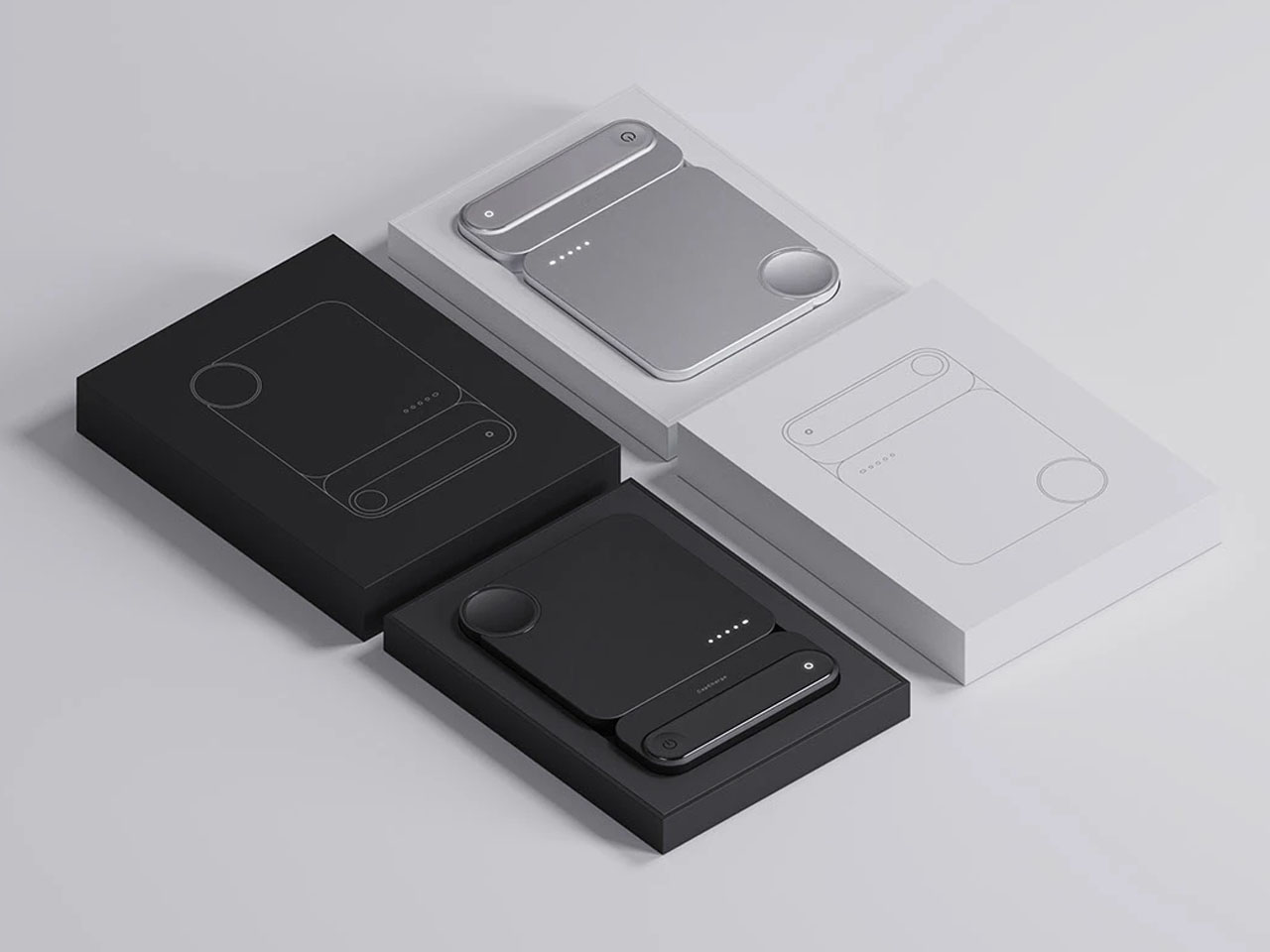
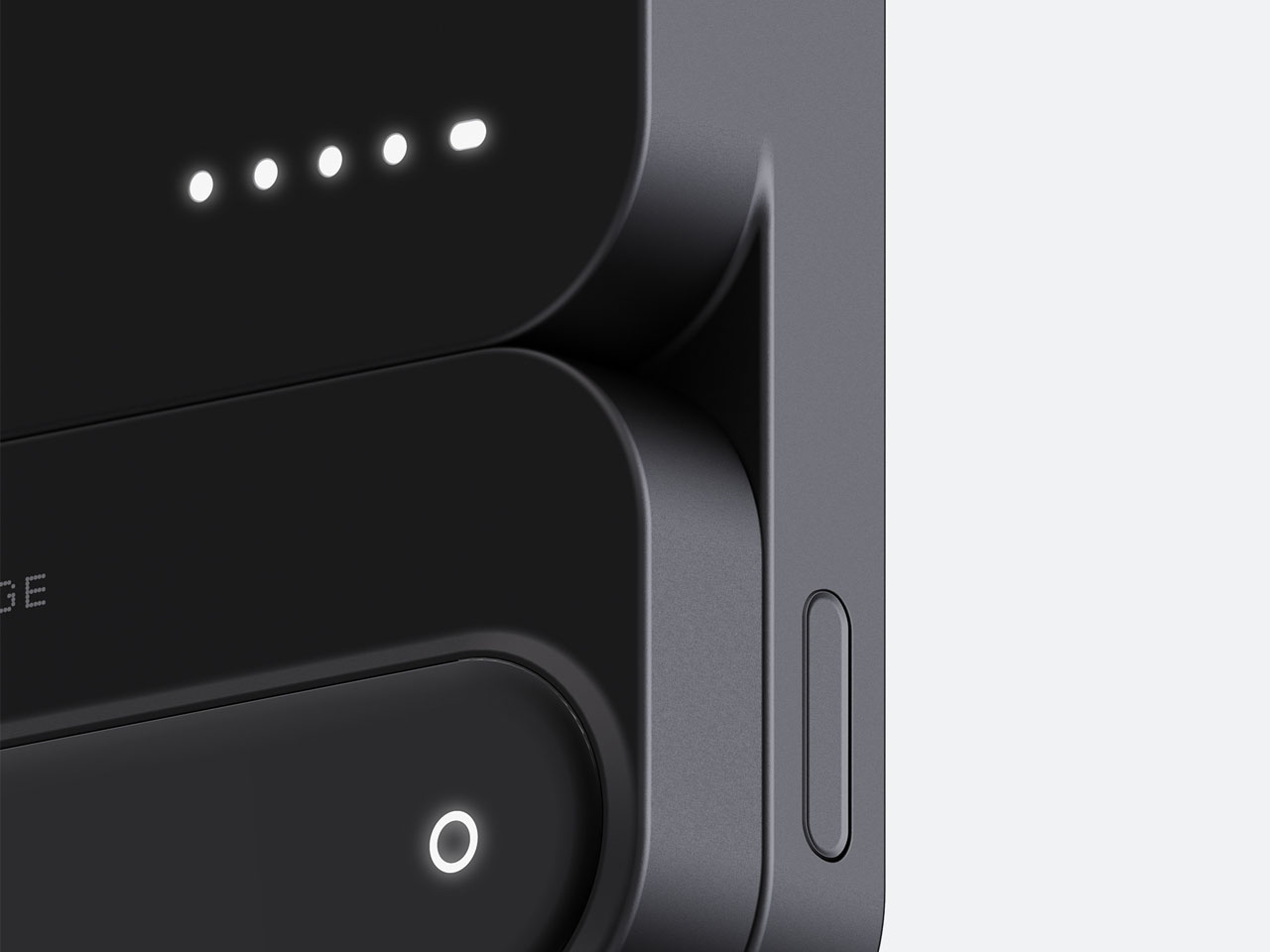
Visually, the Portable Magnetic Power Bank maintains a sense of calm precision. Every surface is smooth and uncluttered, avoiding the heavy industrial look most portable chargers carry. The minimal silhouette, clean geometry, and refined finish make it feel more like a lifestyle accessory than a tech gadget. It’s the kind of product you wouldn’t mind keeping visible on a work desk or coffee table. It’s understated yet purposeful!
Functionally, it aims to simplify multi-device charging. With the growing ecosystem of gadgets (phones, watches, earbuds, and beyond), carrying separate chargers for each is both impractical and messy. This concept eliminates that need through modular integration, ensuring one device can meet multiple scenarios. While detailed specifications, such as capacity, charging wattage, or battery chemistry, remain undisclosed, the concept clearly prioritizes versatility over raw numbers, focusing on the user experience instead.
There’s also an emphasis on comfort and balance. Detaching the capsule reduces the weight you hold while still keeping essential power within reach. Attaching it back extends your battery life without adding visual or physical clutter. This fluid adaptability embodies a quiet kind of innovation, one that improves daily usability without reinventing the wheel.
Nintendo and The Pokémon Company are trying something a little different with Pokémon Pokopia. It’s a life sim game in the vein of Animal Crossing. Nintendo unveiled the game during a Direct in September, saying that it would arrive in spring 2026. Now, the company has revealed that Pokémon Pokopia will hit Nintendo Switch 2 on March 5.
There’s no new trailer for the game just yet — you’ll have to wait until Thursday, November 13 for that. Nor did Nintendo discuss more details about Pokémon Pokopia, other than to indicate the cartridge will be a Game Key Card(no game files are stored on such a cart, which is effectively a physical key that allows you to download a game). The company announced the release date with the most bare bones of tweets:
Koei Tecmo studio Omega Force is developing Pokémon Pokopia. We learned during the Nintendo Direct a couple of months ago that you’ll play as a Ditto who has taken on the guise of a human. You’ll meet more Pokémon and learn new abilities to help you upgrade your community and make your home just the way you want it.
Last month, there was another leak of files from Game Freak, the main developer of Pokémon games. Among other things, the details indicated that an expansion for Pokémon Pokopia is in the works.
Before Pokémon Pokopia arrives, you’ll be able to warm up for a Pokémon flavor of life sim by dipping back into Animal Crossing New Horizons, which is getting a major update and a Switch 2 version in January. It includes support for mouse controls, visual enhancements and other upgrades on Switch 2. An update that will also apply to the original Switch version will introduce a new hotel location, more cosmetic items, a Lego collaboration and much more.
This article originally appeared on Engadget at https://www.engadget.com/gaming/nintendo/pokemon-pokopia-an-animal-crossing-esque-life-sim-will-hit-switch-2-on-march-5-160000254.html?src=rss
We take thousands of photos on our phones without thinking twice. Snap, scroll, forget, repeat. But here’s a wild thought: what if a camera literally forced you to slow down? That’s exactly what designer Seulgi Kim is exploring with RAW, a pinhole camera concept that’s part time machine, part meditation device, and entirely about reclaiming something we’ve lost in the digital age.
The name RAW works on two levels. First, it means “unrefined,” which perfectly captures the camera’s back-to-basics philosophy. Second, it references RAW image files in photography, those unprocessed originals that contain all the data before any digital manipulation happens. It’s a clever double meaning that sets up everything this concept is about: stripping away the excess to get back to what photography actually is.
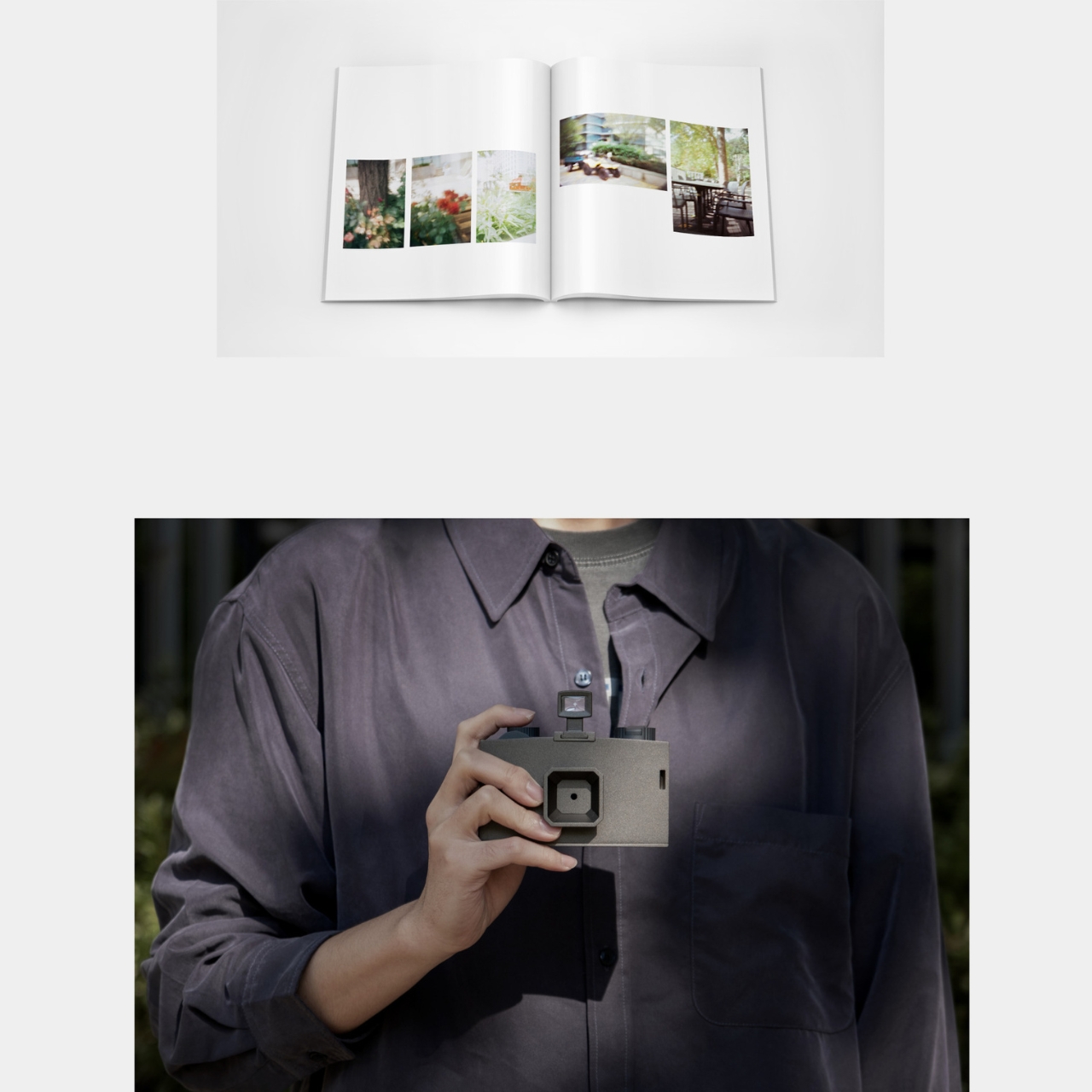
Normally we can shoot a hundred photos in seconds with our phones but RAW does something almost rebellious. It uses a pinhole aperture instead of a lens, which means each exposure takes several seconds or even minutes to complete. You can’t rapid-fire shots. You can’t casually capture every moment. Instead, you have to stand there with your subject, waiting, observing, really seeing what’s in front of you. It’s the photographic equivalent of choosing to walk instead of drive, not because you have to, but because you want to notice things along the way.
What makes RAW fascinating beyond its function is how Kim translated traditional Korean architecture into its design language. This isn’t just aesthetic borrowing; it’s a thoughtful connection between two forms of slowness and intentionality. Traditional Korean architecture embodies what Kim calls “the aesthetics of slowness,” where every element reflects careful consideration of space, time, and human presence. Those principles shaped buildings that have stood for centuries, and now they’re informing how we might think about capturing a single photograph.
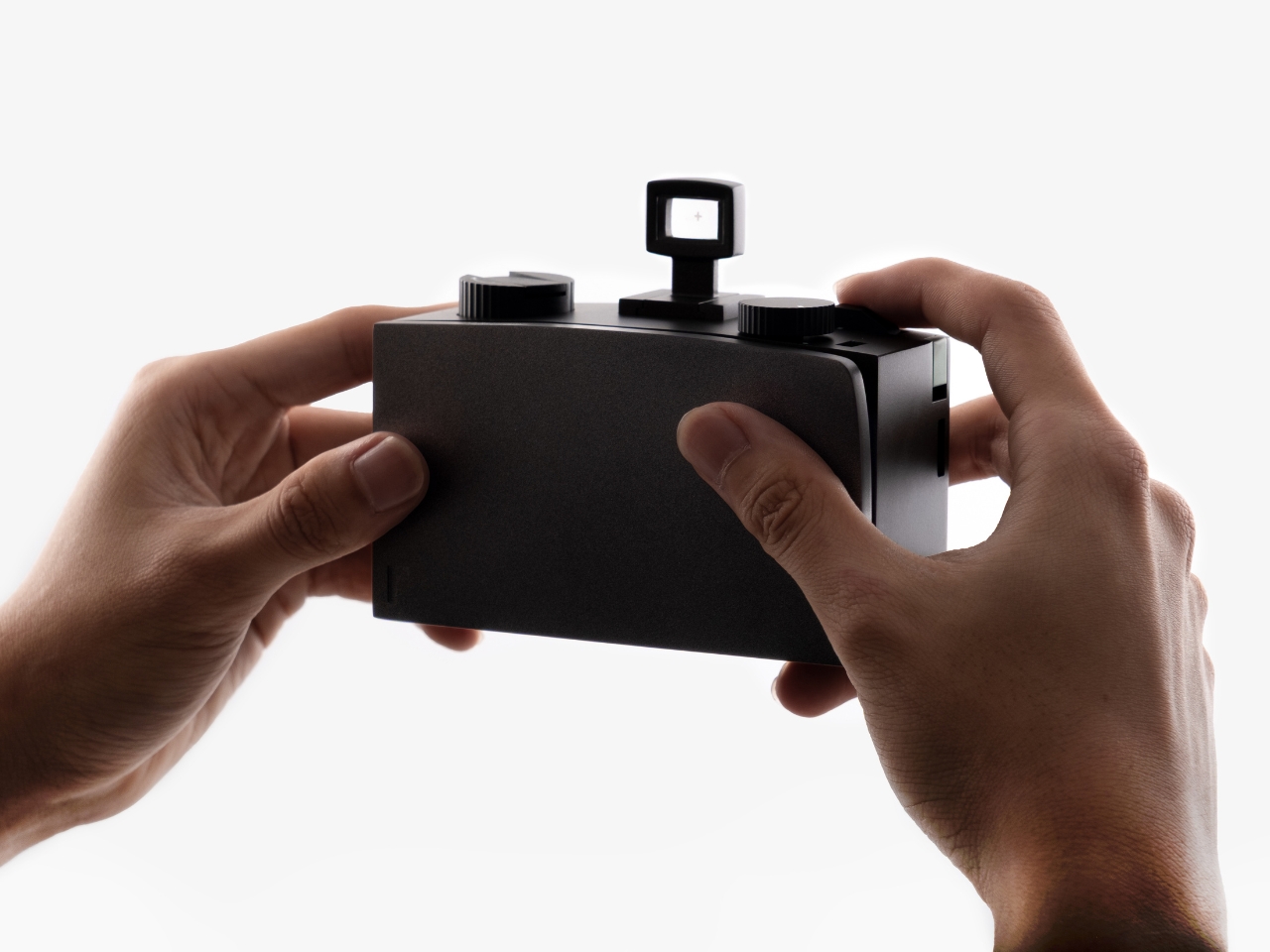
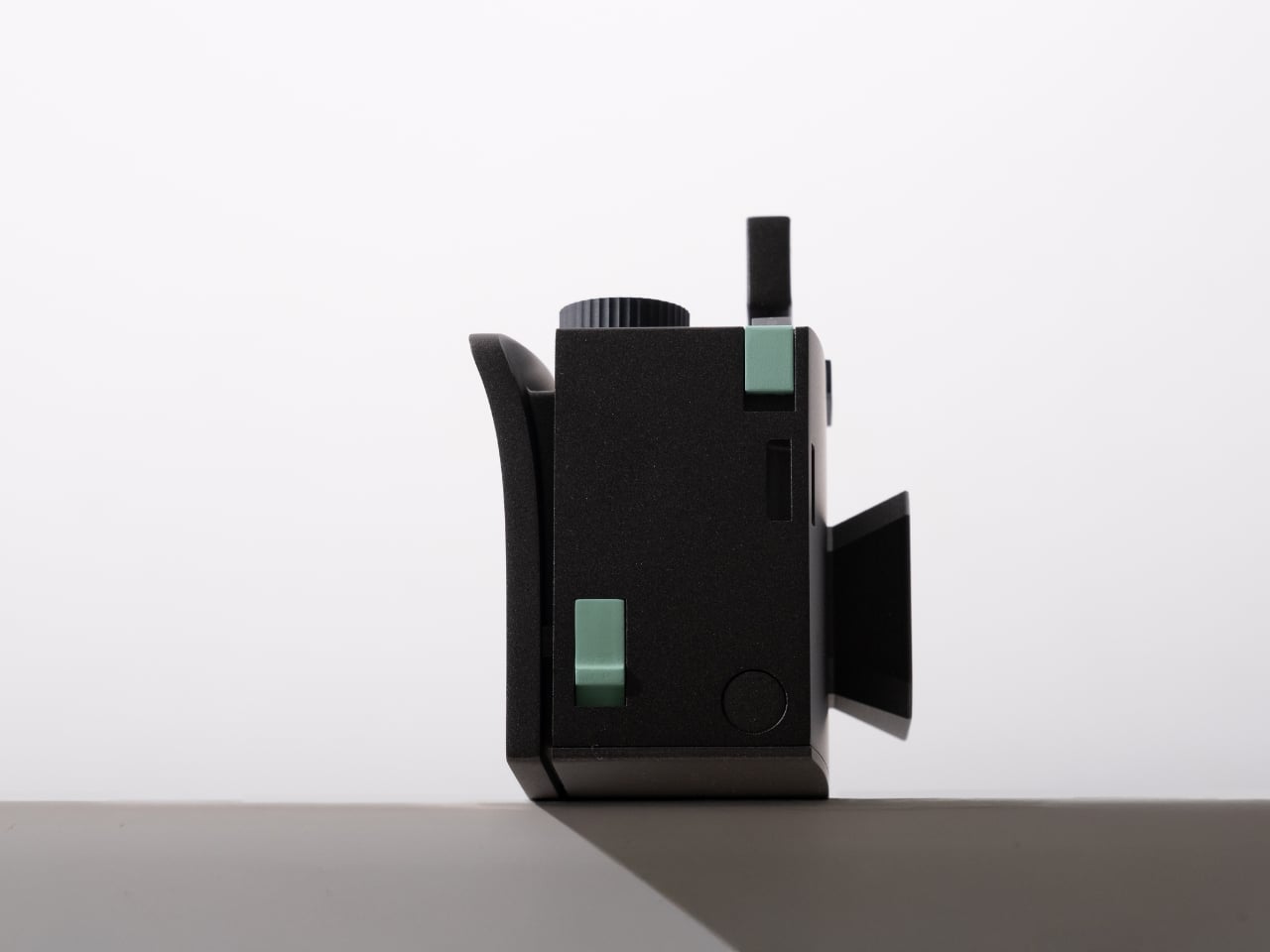
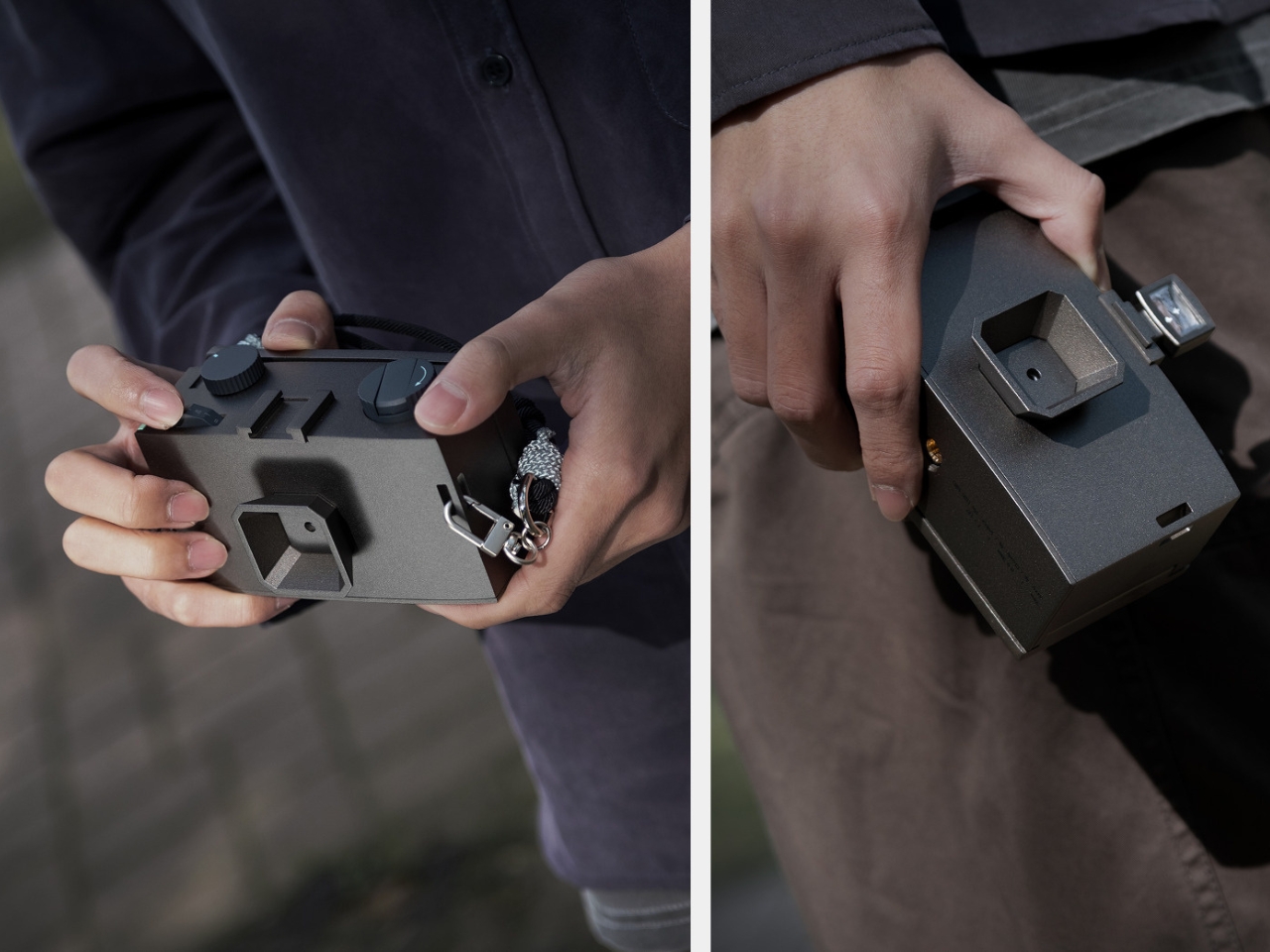
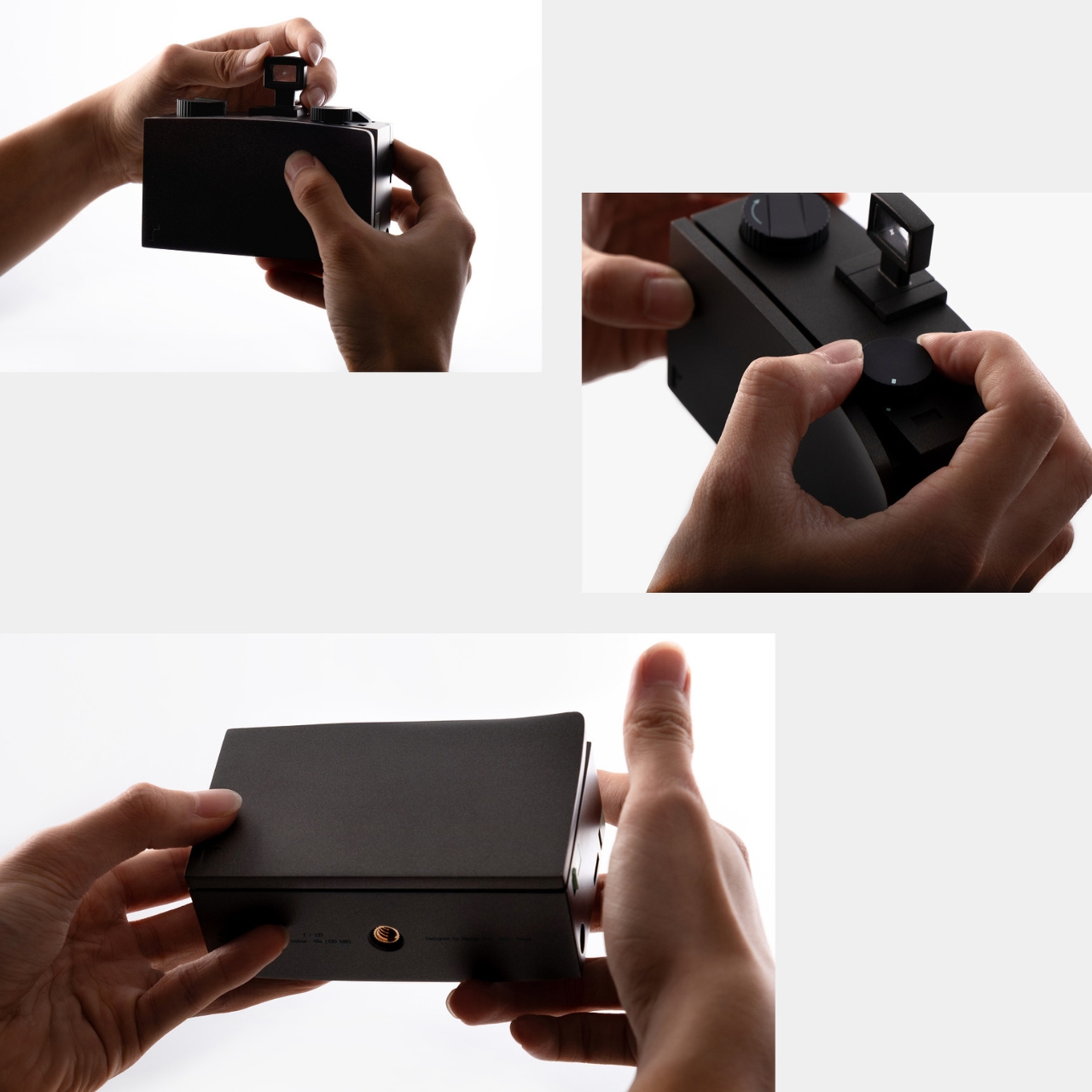
Look at the curved panel on the camera’s side. It’s directly inspired by the gentle curves of traditional Korean roof tiles, which were designed to protect houses from rain and wind. But here, that curve serves a completely modern purpose: it prevents slipping and creates a comfortable, stable grip. It’s functional heritage design at its best, where historical wisdom solves contemporary problems.
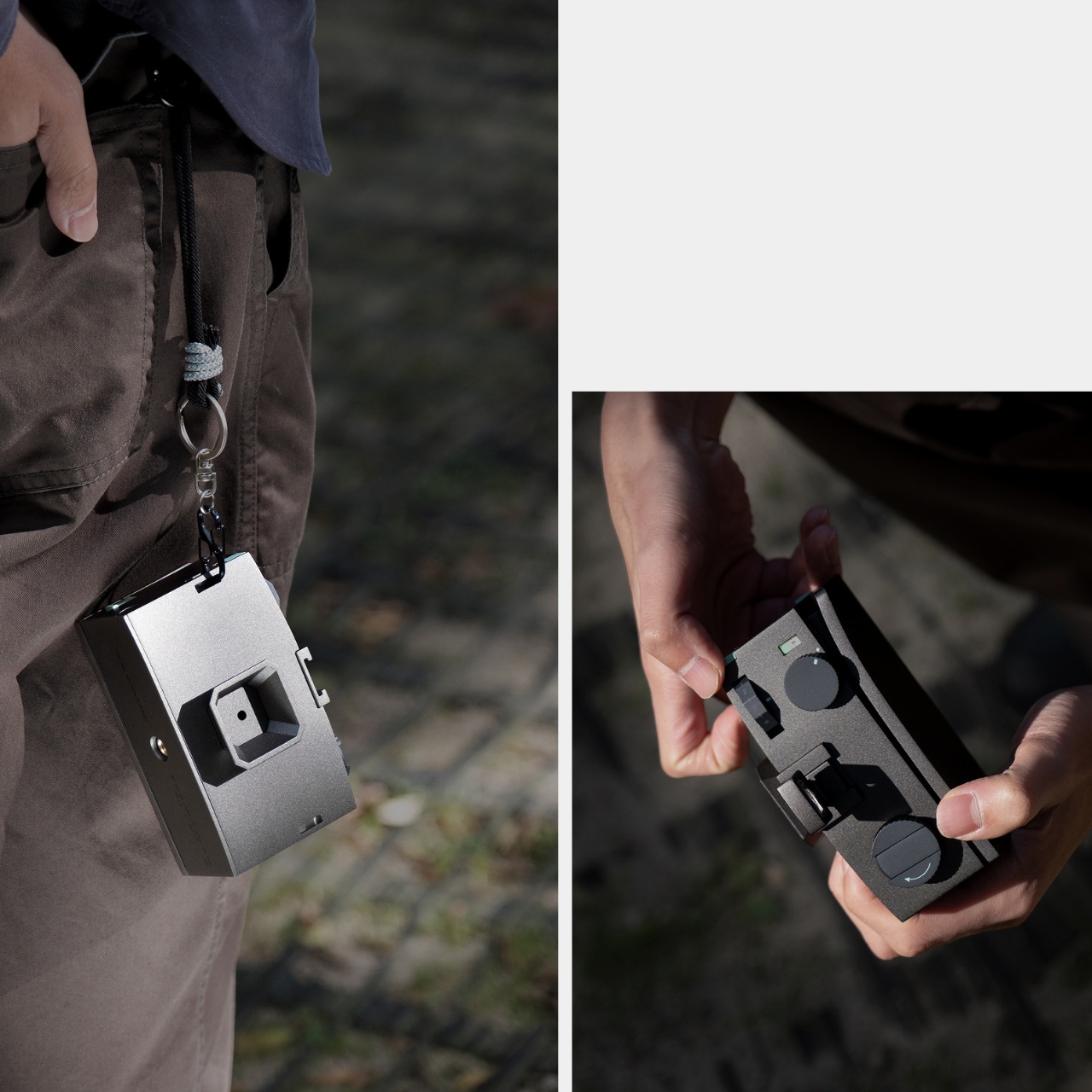
Then there’s the twelve-sided dial on top of the camera, which controls exposure time. In traditional Korean architecture, polygonal structures weren’t decorative flourishes; they provided stability and balance. Kim applies that same geometric logic to the timer dial, creating something that ranges from B (Bulb mode) through various seconds up to 30 minutes. That dodecagonal shape makes it intuitive to read and adjust your exposure settings at a glance. The design literally transforms time into something you can touch and see.
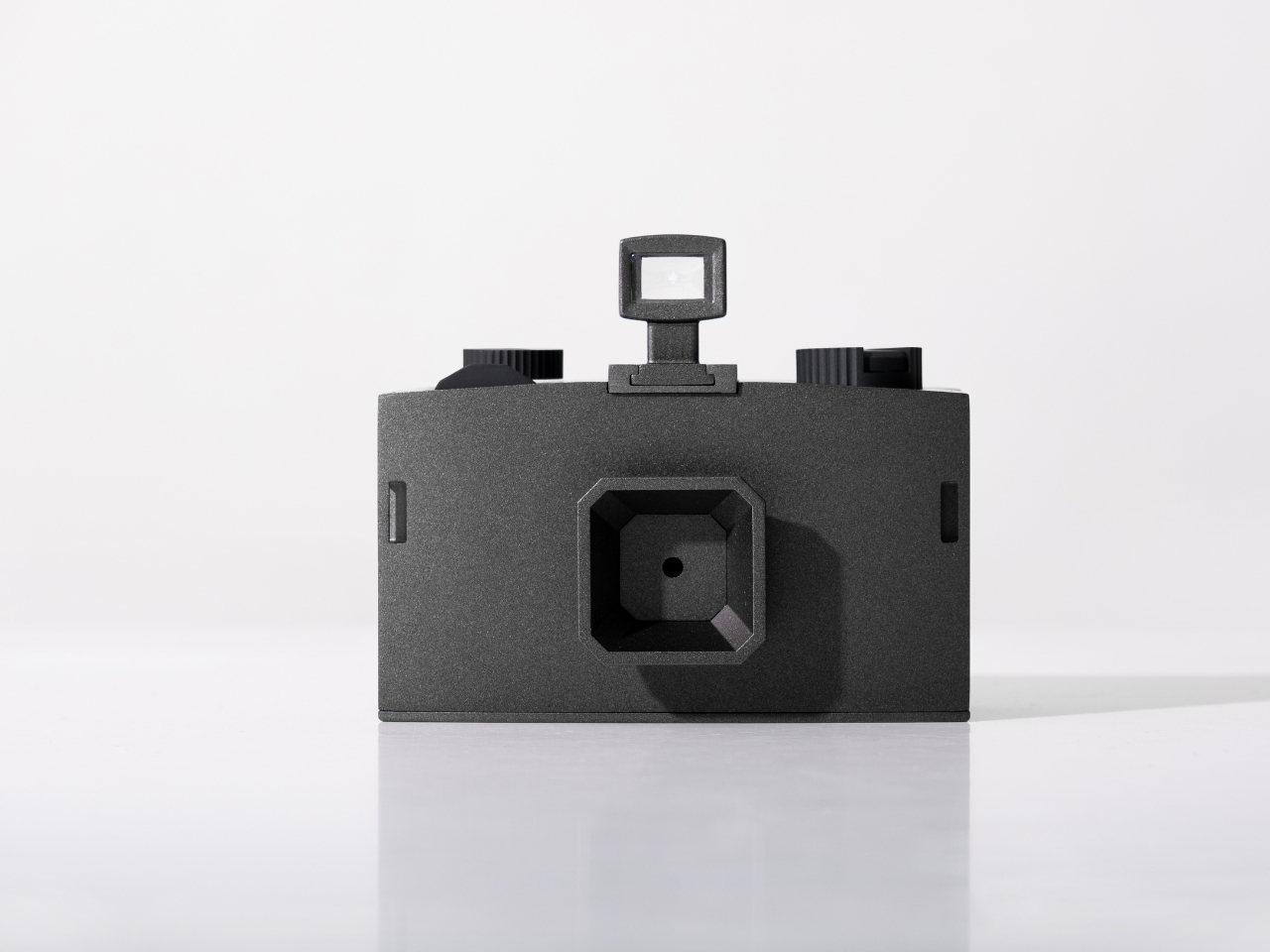
At the camera’s front, an octagonal hood acts as the window for incoming light. It’s not just there to look cool (though it does). The hood directs light rays evenly into the body and minimizes glare, ensuring balanced exposures. Every geometric choice serves both form and function, creating what Kim describes as “harmonious balance” between mechanical precision and traditional aesthetics.
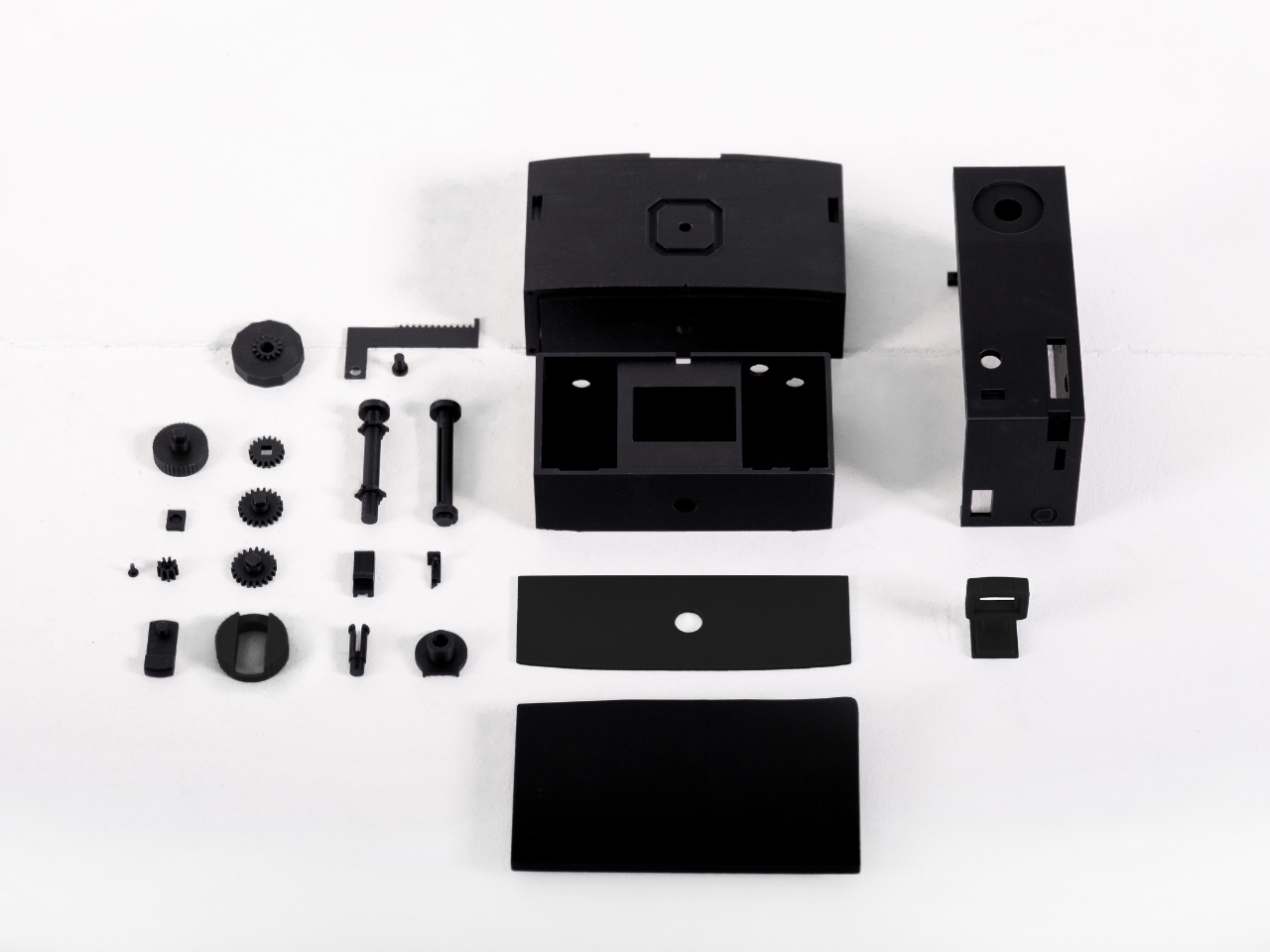
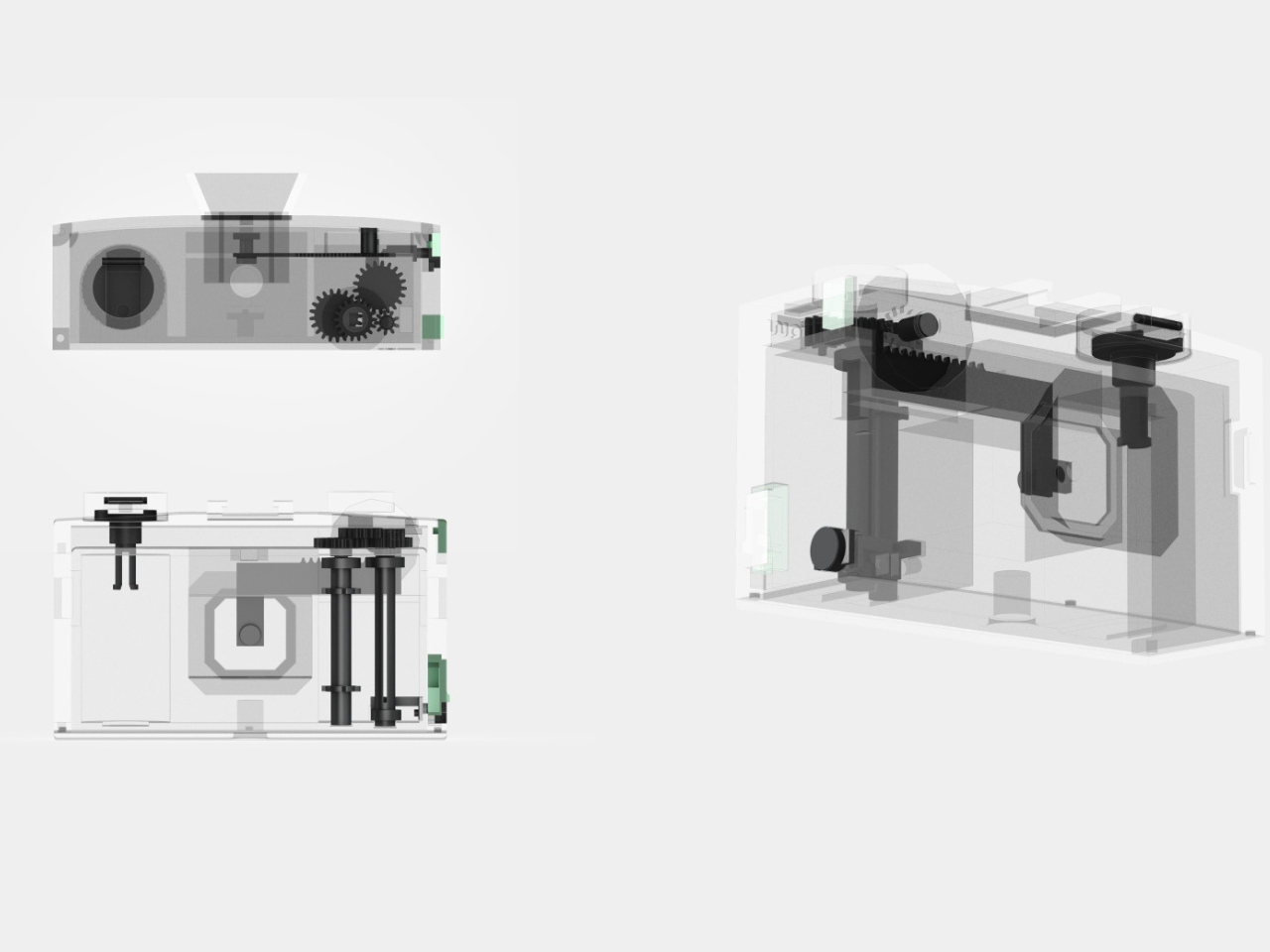
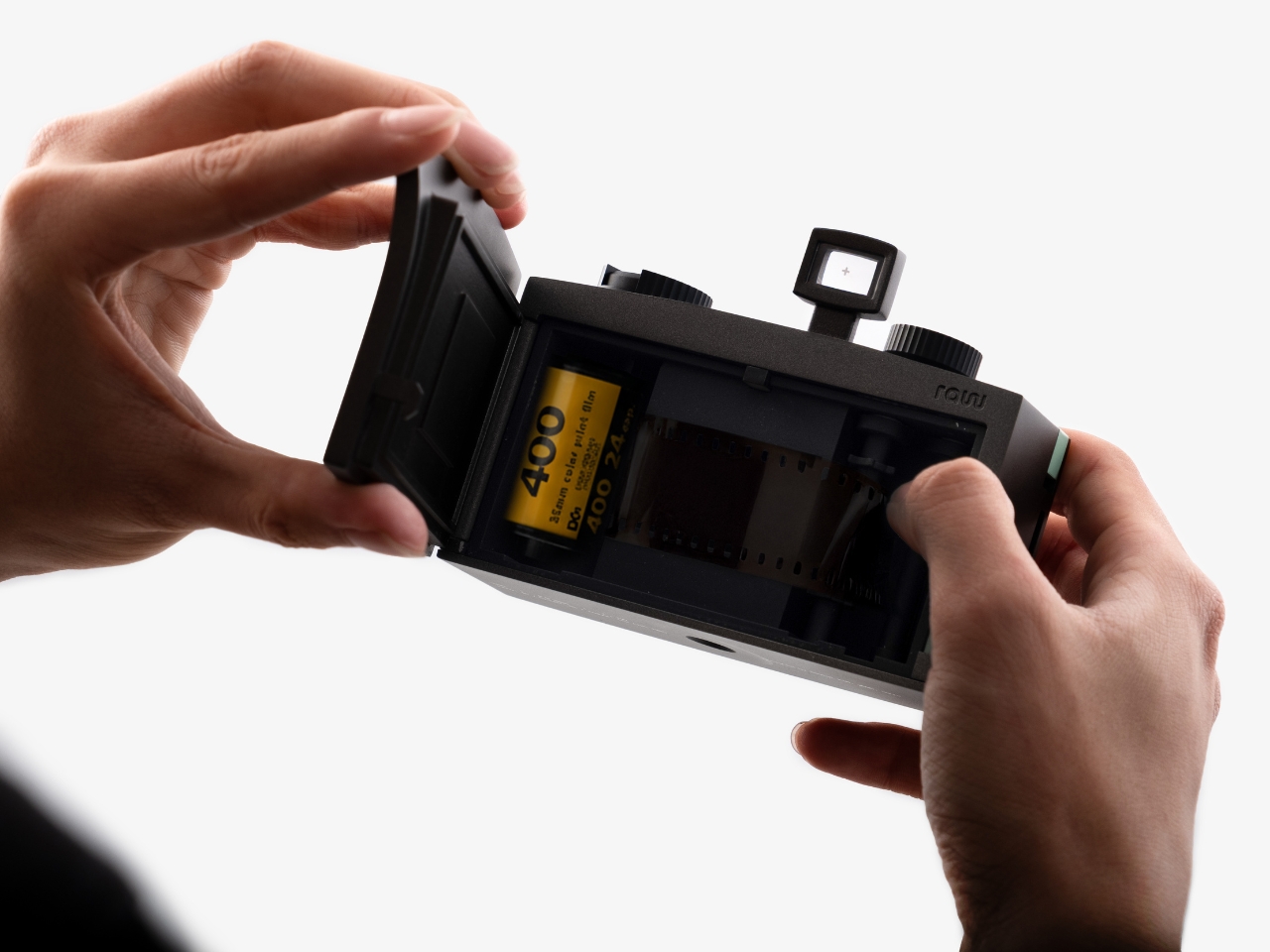
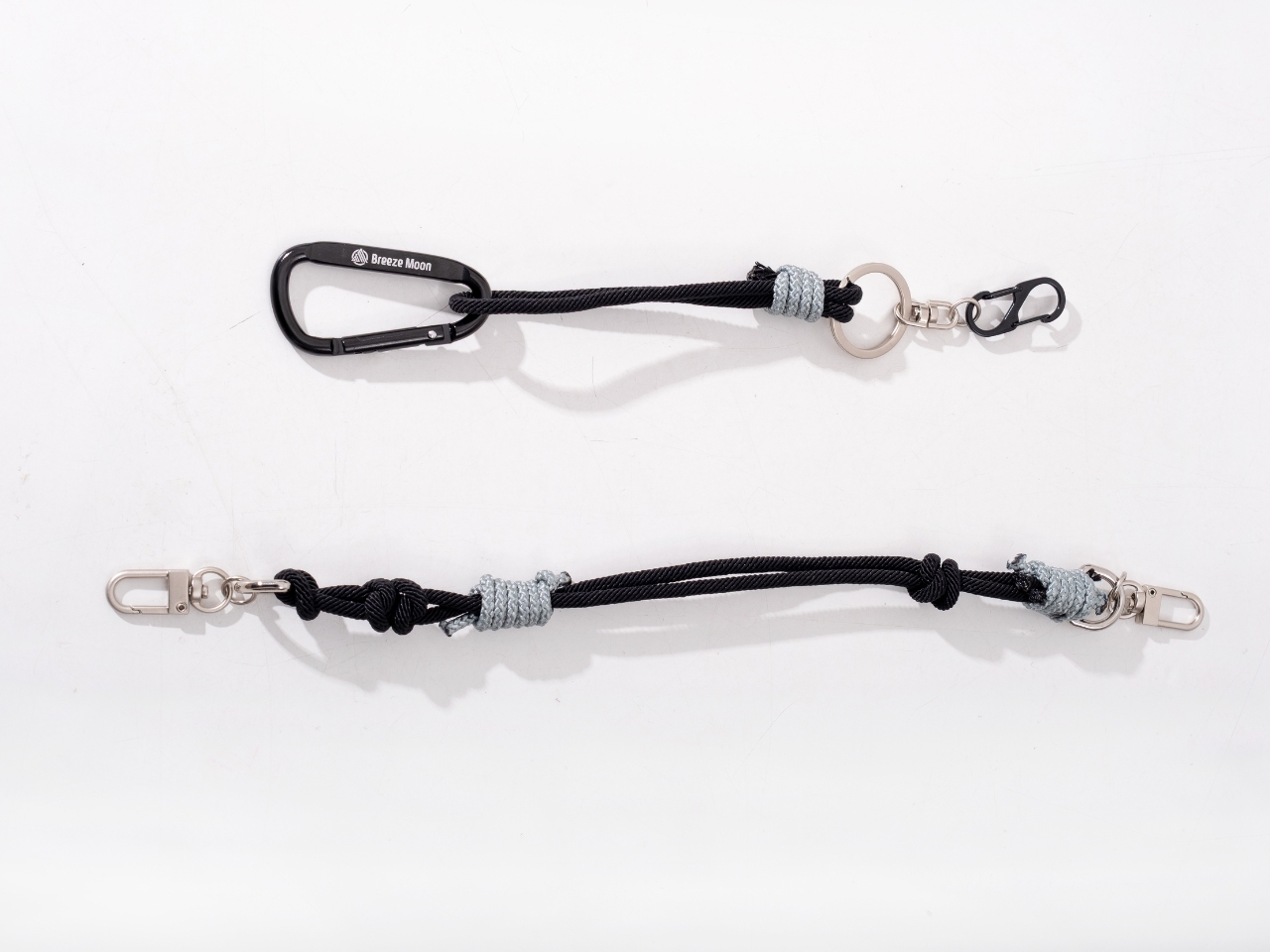
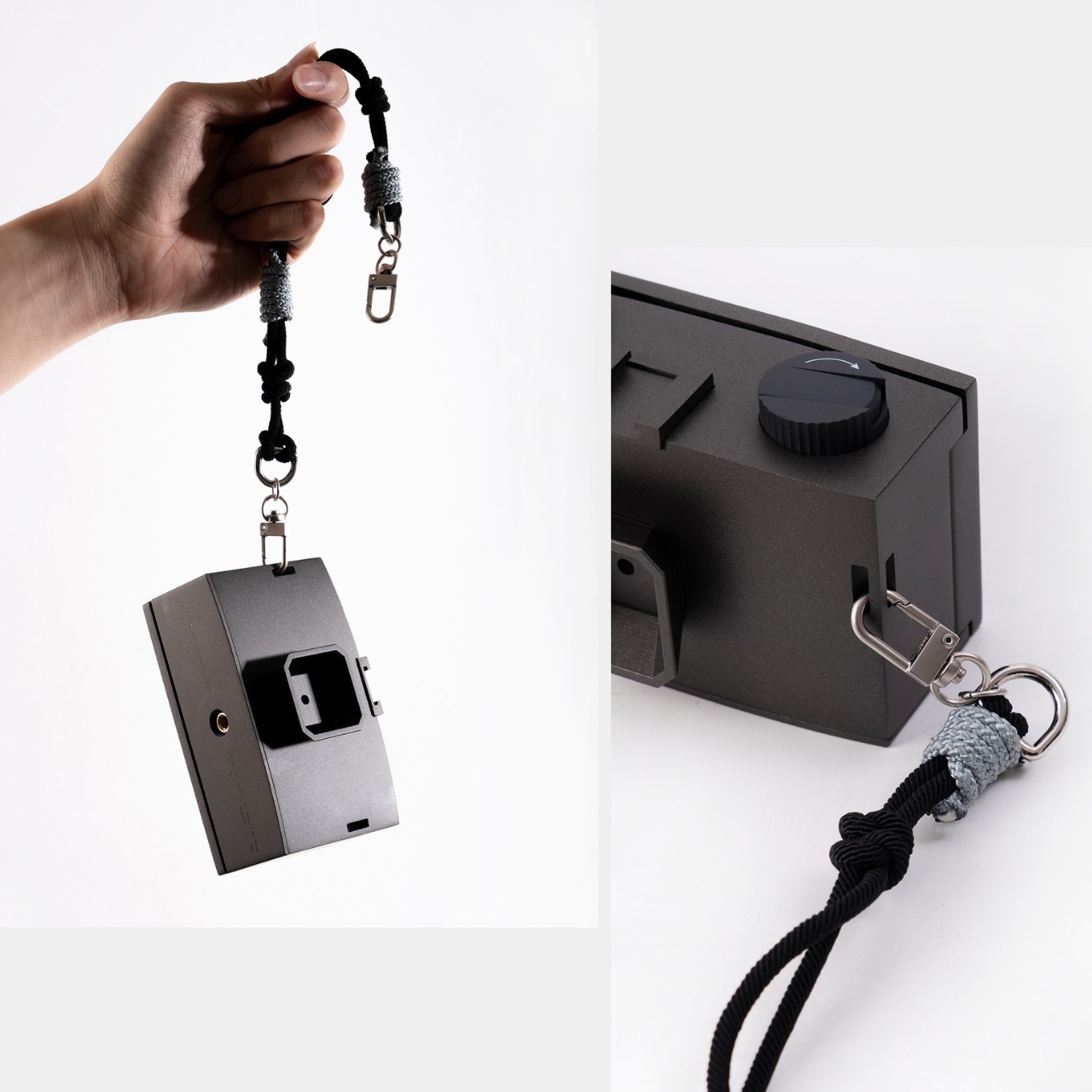
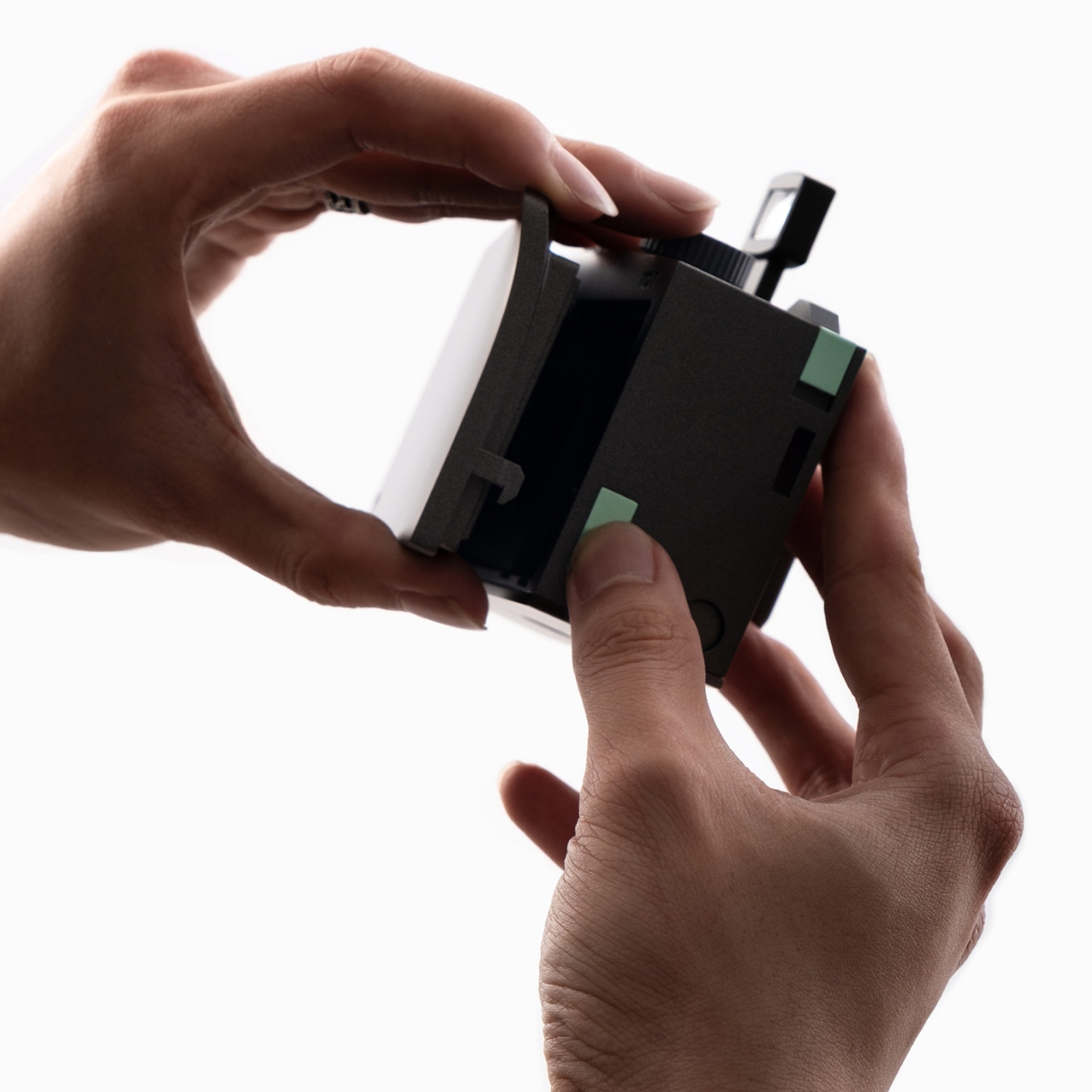
The whole package comes in matte black with subtle mint-green accents on the shutter button and side controls. There’s a minimalist viewfinder on top and a woven camera strap that adds tactile warmth to the technical precision. When you see the camera disassembled in one of the concept photos, all those gears and components laid out like an exploded diagram, it drives home just how much mechanical thought went into something designed to be analog in a digital world.
What’s really striking about RAW is how it challenges our relationship with image-making in 2025. We’ve reached a point where our phones can computationally enhance photos before we even press the shutter. AI can generate entire images from text prompts. Photography has become almost too easy, too fast, too disposable. Kim isn’t saying technology is bad; she’s asking what we lose when everything becomes instant.
The pinhole camera format forces a different kind of presence. When you need minutes to capture a single frame, you can’t be casual about it. You have to choose your subject carefully, consider the light, commit to the moment. That extended exposure time becomes a form of meditation, a way of connecting with what you’re photographing that simply isn’t possible when you’re machine-gunning through dozens of shots. RAW proves that sometimes the most innovative design move is stepping backward. By reaching into centuries-old architectural wisdom and combining it with one of photography’s oldest techniques, Kim has created something that feels genuinely fresh. It’s a camera that doesn’t just take pictures. It changes how you see.