It seems like any and every industry can have its own awards show these days. And why not? Most of us appreciate a chance to bust out the sequins and satin from time to time. If you can celebrate excellent work or make some extra biz dev bucks at the same time, all the better. Snap is the latest social media company to launch its own take on the glitz and glam. The Snappy Awards Show will be held at the company's headquarters on March 31. Comedian and content creator Matt Friend will host the event.
Snapchat has been adding more tools for influencers to build audiences, most recently launching individual creator subscriptions. An awards show seems to be part of that same agenda, spotlighting popular personalities from many different fields. There will be Snappys handed out for categories such as Spotlight MVP, Best Storyteller and Breakout Creator of the Year, plus awards for collaboration, cultural impact and success in single subjects.
Snapchat isn't the first social media platform to honor the personalities using it. TikTok hosted its inaugural awards show in the US last year.
This article originally appeared on Engadget at https://www.engadget.com/social-media/snap-is-hosting-its-own-creator-awards-show-221859681.html?src=rss
Full Circle, the developer behind the new Skate game, has announced that it is restructuring and laying off staff. It's not yet clear how many roles will be impacted by the changes, but the restructuring is happening less than six months after skate. launched in early access on September 15, 2025.
"We’re reshaping Full Circle to better support skate.’s long-term future," Full Circle says. "These shifts mean making changes to our team structure, and some roles will be impacted. The teammates affected are talented colleagues and friends who helped build the foundation of skate. Their creativity and dedication are deeply ingrained in what players experience today. This decision is not a reflection of their impact and we’re committed to supporting them through this transition."
Engadget has contacted Full Circle's owner EA for more information about the layoffs. We'll update this article if we hear back.
EA originally formed Full Circle in 2021 with a staff of development talent from the original Skate team. Skate was often positioned as a more realistic competitor to the Tony Hawk's Pro Skater series, but the new studio has ultimately taken the franchise in a slightly different direction than fans may have expected. Previous Skate games were paid experiences with single-player and multiplayer modes, while skate. is a free-to-play live-service game supported with microtransactions.
Recent history, both the failure of Concord and the ongoing struggles of Highguard, serves as a testament to how hard it is to launch a live service game in the 2020s. Full Circle's announcement notes the "tens of millions" of players that have tried the new game, but it's possible a struggle to keep players interested and spending on microtransactions could be why it's restructuring.
This article originally appeared on Engadget at https://www.engadget.com/gaming/skates-developer-is-laying-off-staff-before-the-game-leaves-early-access-220916797.html?src=rss
The best thing that can happen to a design team is that they stop trying to go viral. Early Nothing had an almost anxious energy to it, products that felt engineered for the screenshot, for the unboxing video, for the moment of surprise. That produced some genuinely striking work, and some choices that aged less gracefully. The Phone (4a) suggests the team has moved past that entirely.
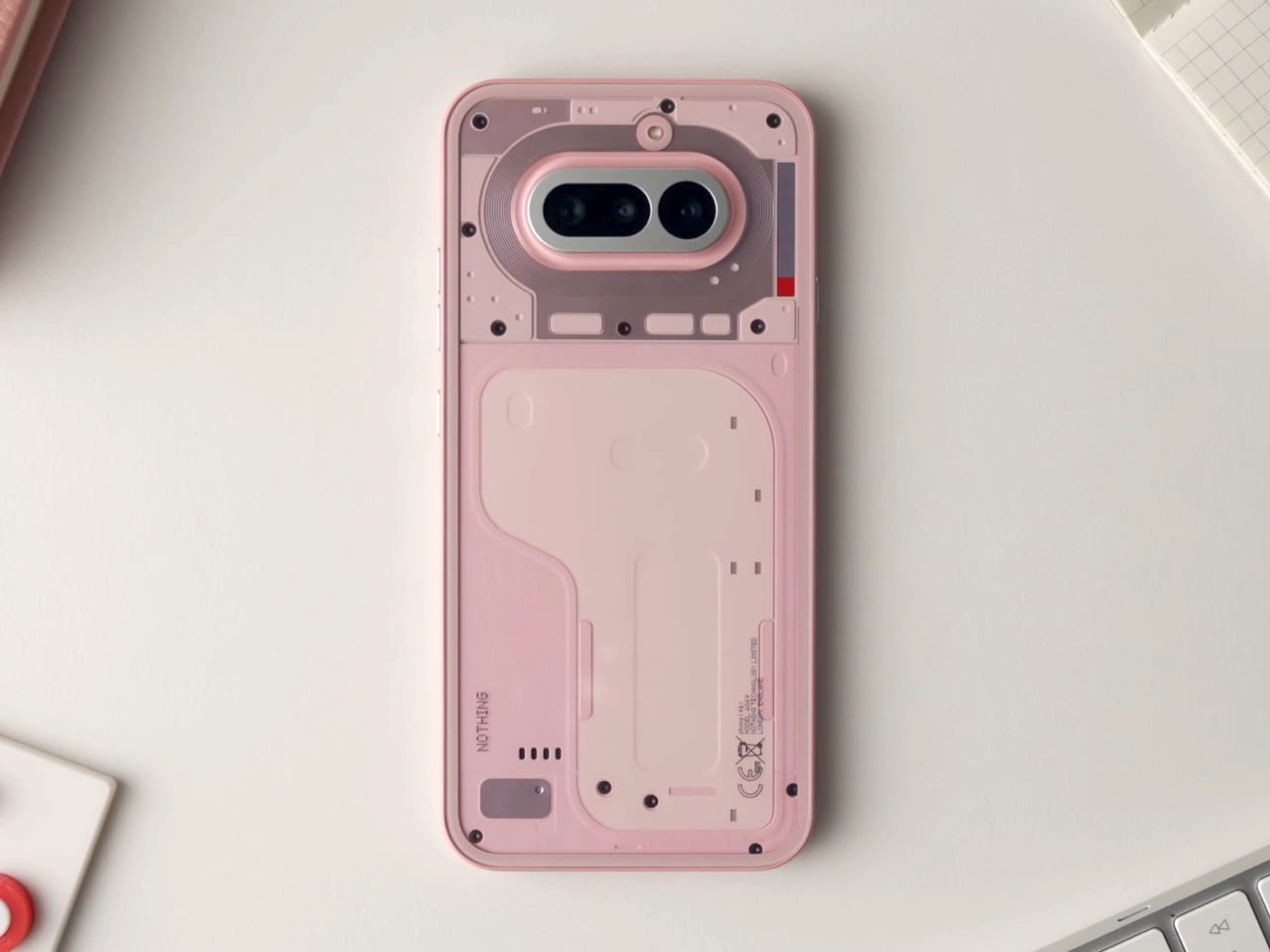
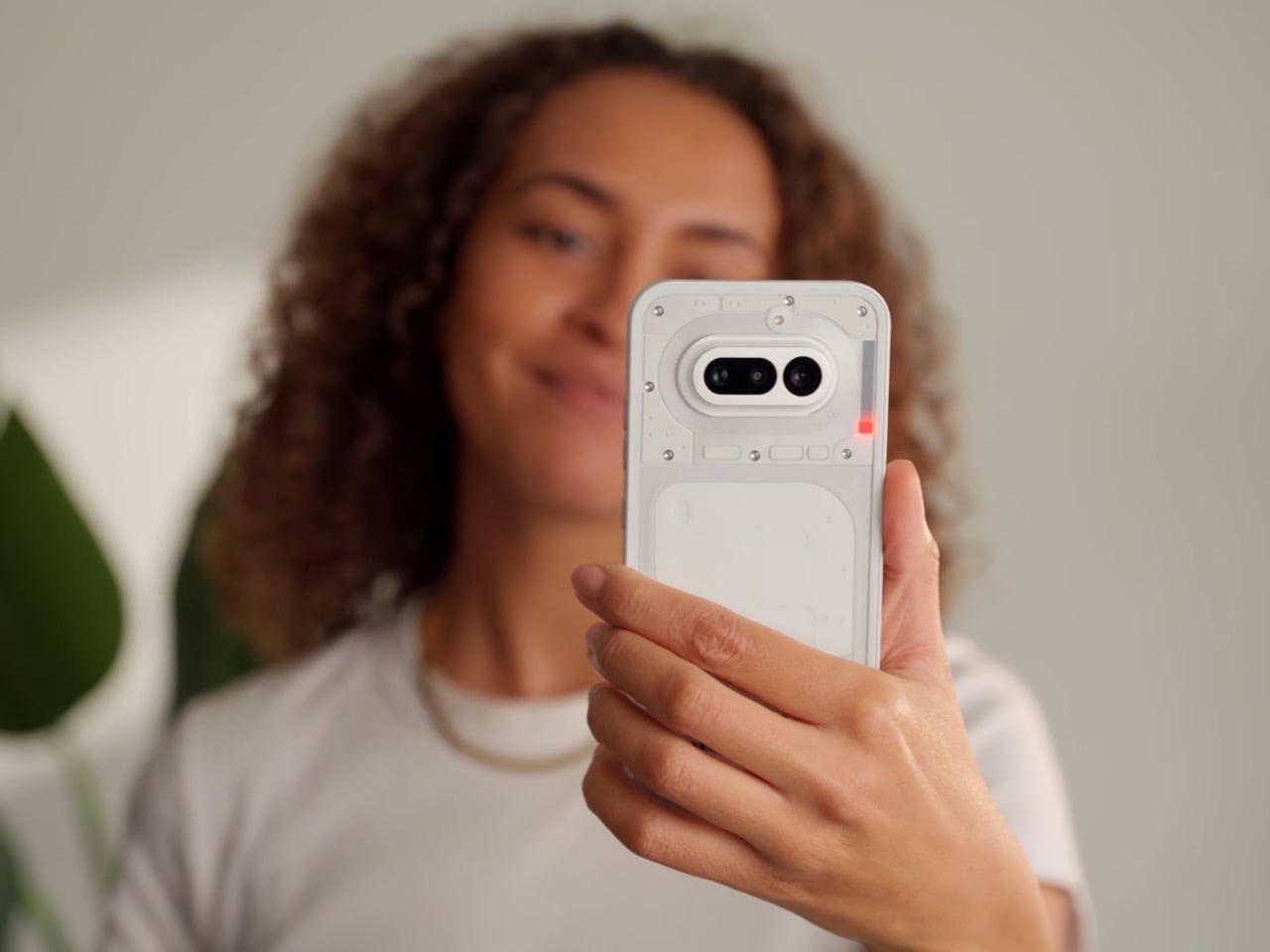
The Phone (4a) is the clearest expression of that shift yet. The pink colorway, the refined glyph interface, the periscope camera quietly migrating down to the base model, none of it screams for attention. It rewards it. This is a phone designed for people who will notice things gradually, over weeks of use, rather than in the first thirty seconds of an unboxing video.
Designer: Nothing
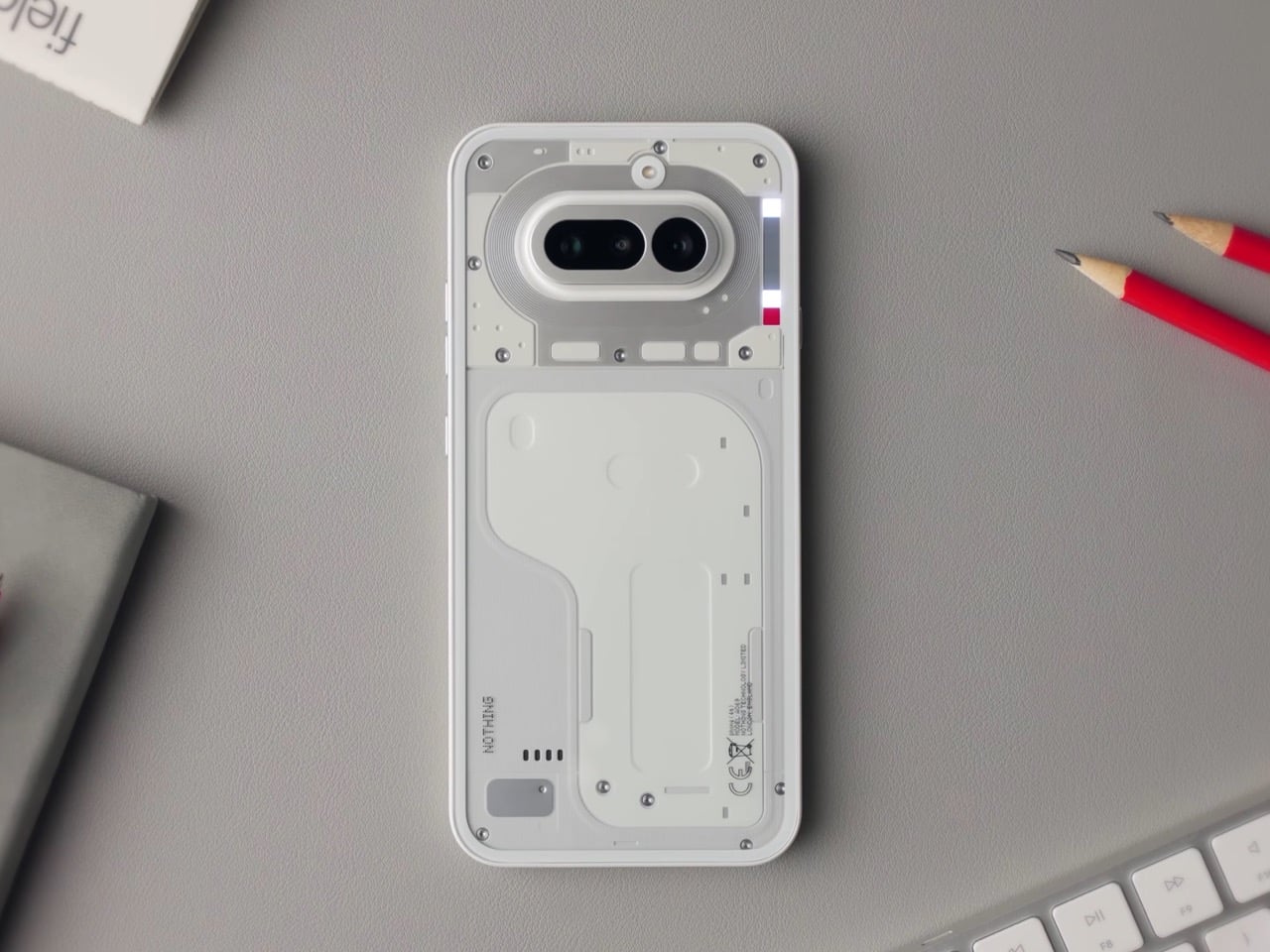
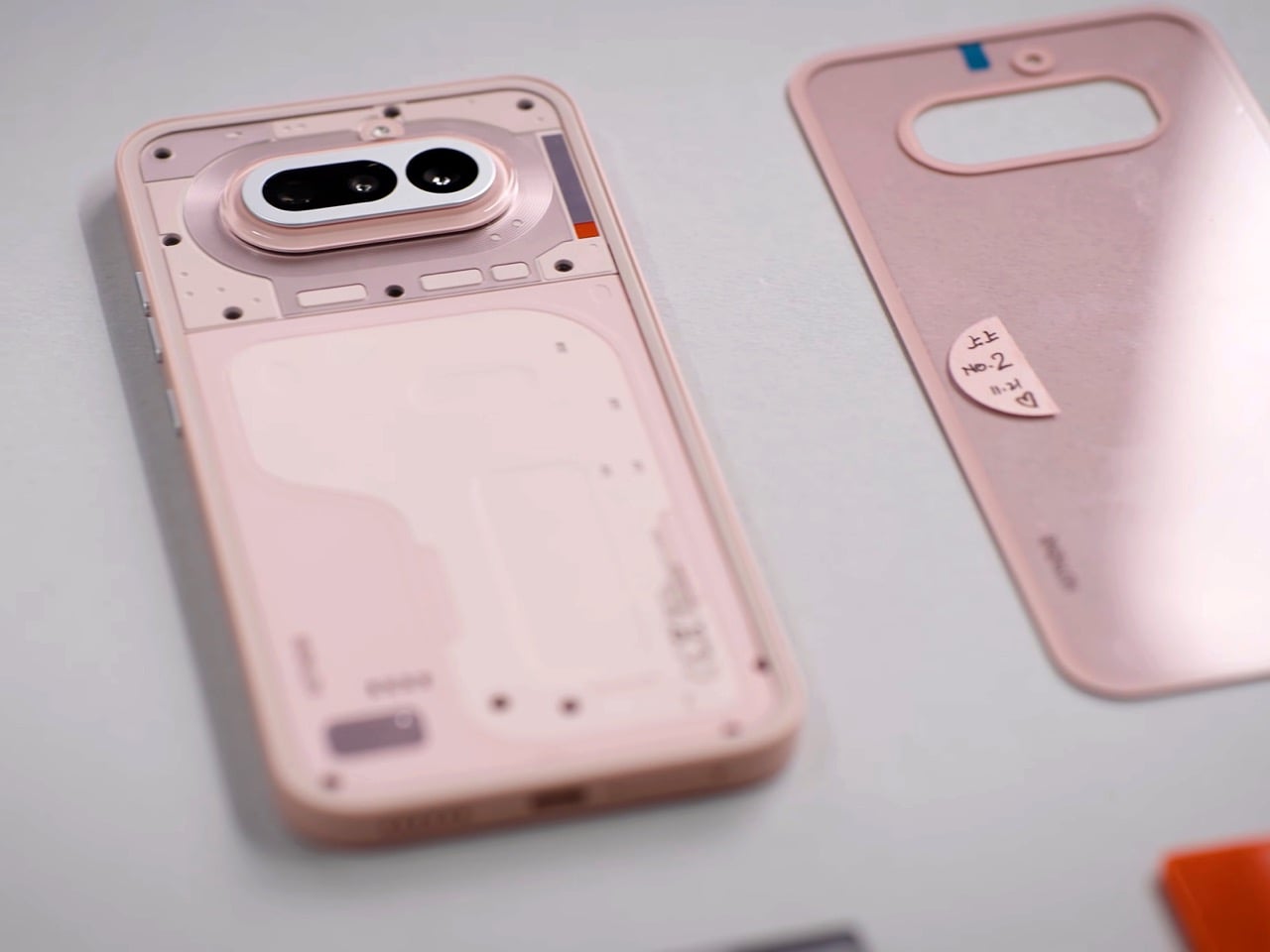
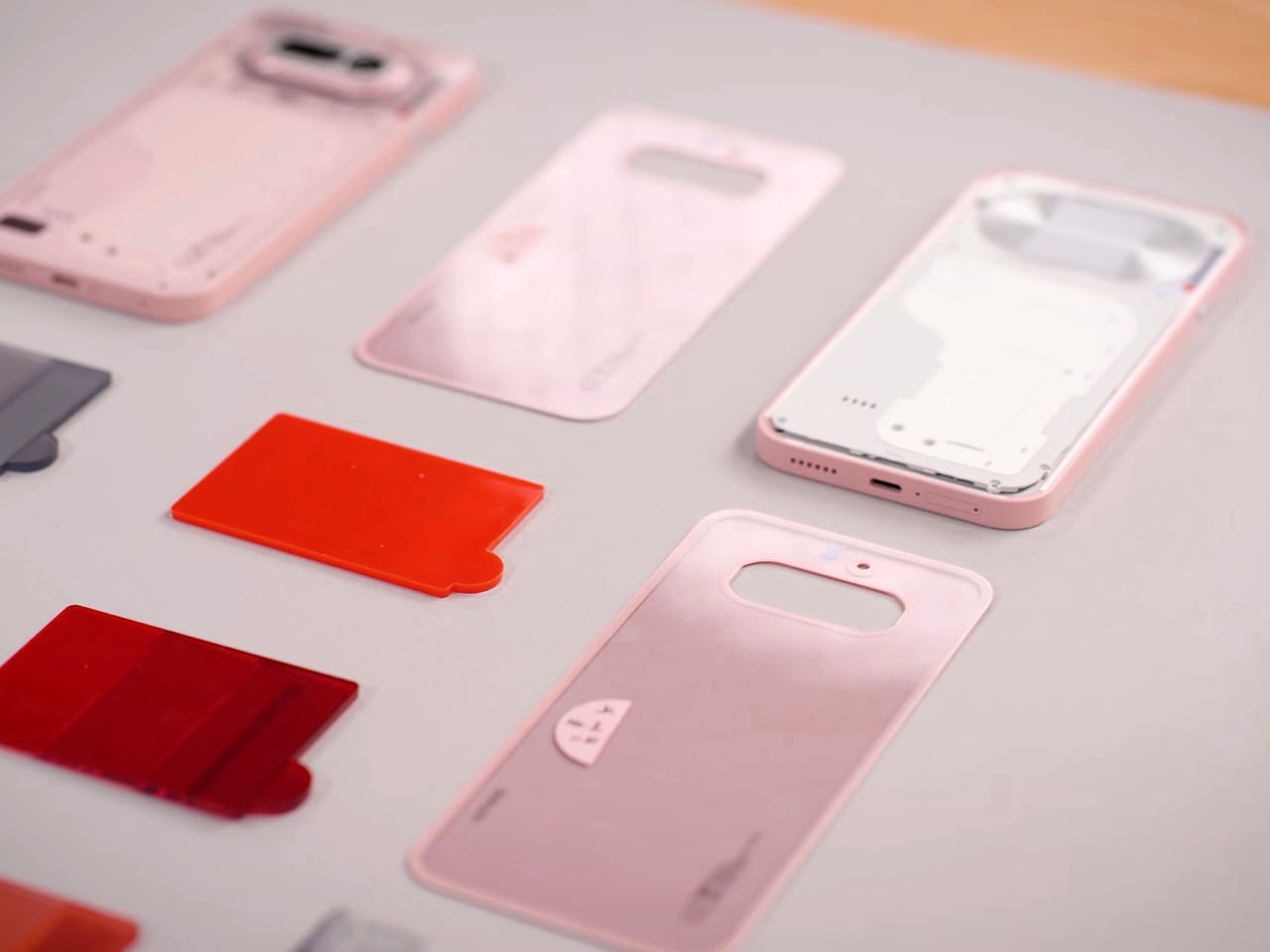
The pink is the first thing people will talk about, and most of them will get it slightly wrong. The phone reads pink, but the back panel is technically white. The color comes from tint layered inside the transparency, sitting between the glass and the resin underneath, which means the light has to travel through it before it bounces back to your eye. That gives it a depth and a luminosity that solid paint physically cannot produce. Nothing’s designers described it as starting with the resin being nearly identical to white, then adding a small amount of tint, then letting the tinted glass layer do the heavy lifting. The result shifts depending on the light you’re standing in, giving you a phone that changes ever so slightly in different lighting scenarios. It’s clever, considering Nothing’s done this in the past by playing with depth, relying on textures and components casting unique shadows based on the light source. Now, the company’s adding color to that formula.
Apple has been doing a version of this for years. The iMac G3 in the late nineties used translucent colored plastic to create that same sense of depth, and modern iPhones apply color to the inside surface of the rear glass rather than painting the outside. It’s a technique with a real legacy, and Nothing’s designers actually had a pink iMac on their mood board. That’s worth knowing, because it reframes the colorway from trend-chasing to something with genuine design lineage. The difference is that Nothing puts the engineering on display underneath it, so the tinted glass is also a window into the hardware, which layers the effect further.
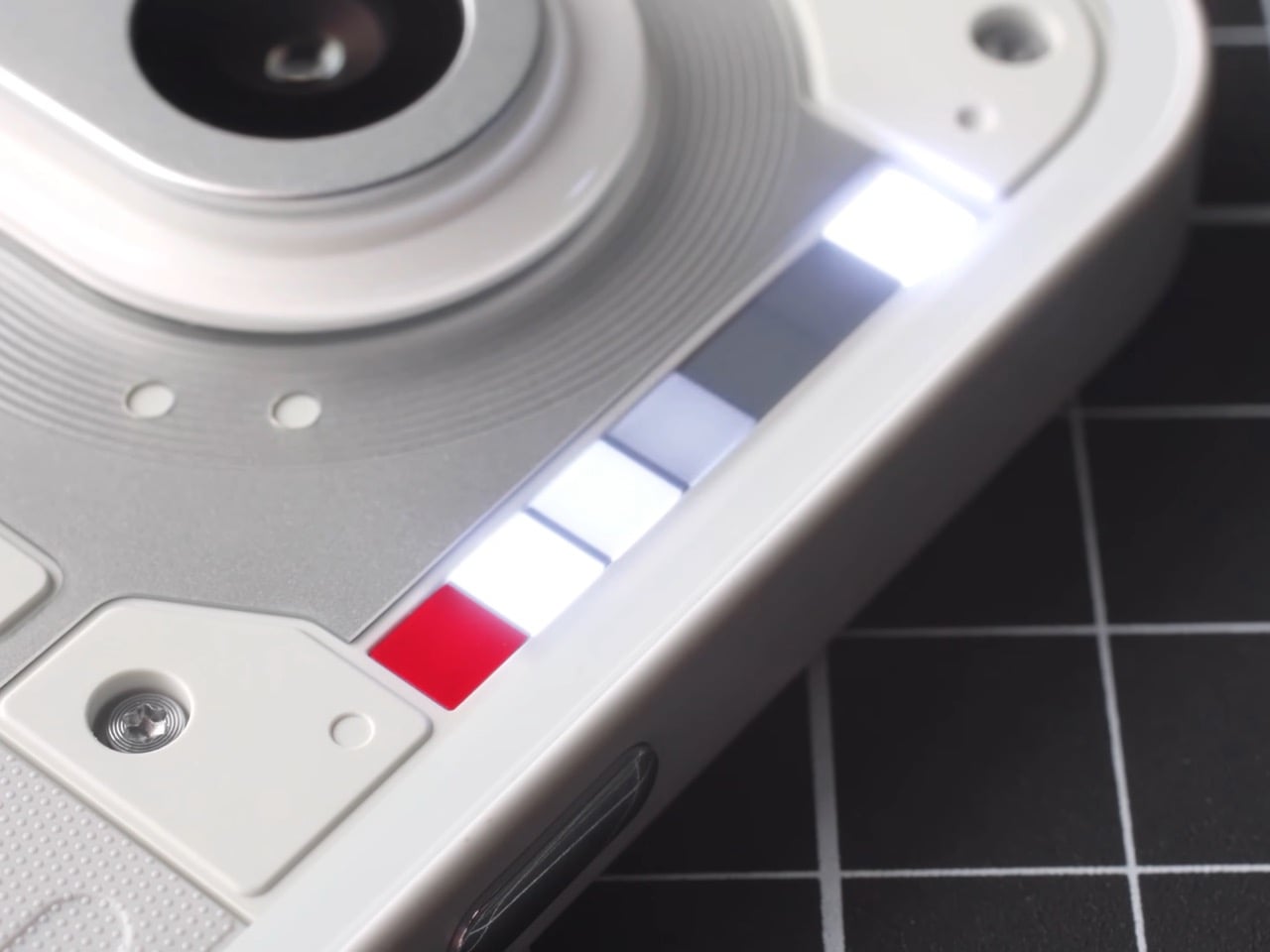
The glyph interface on the (4a) is a 1×6 LED strip, and for the first time on an A series device, it includes the red recording indicator that has been on the numbered phones since the beginning. The team is almost protective about that red square, describing it as deserving its place on every device because being recorded carries real consequence. The animations have been rebuilt from scratch rather than ported from Phone (3), which matters because the linear format demands different thinking. The timer, for instance, uses a single falling column of light instead of the hourglass matrix on Phone (3). Same idea, different grammar. Glyph Progress now runs on Android 16’s live updates API, which means broader app compatibility across the board.
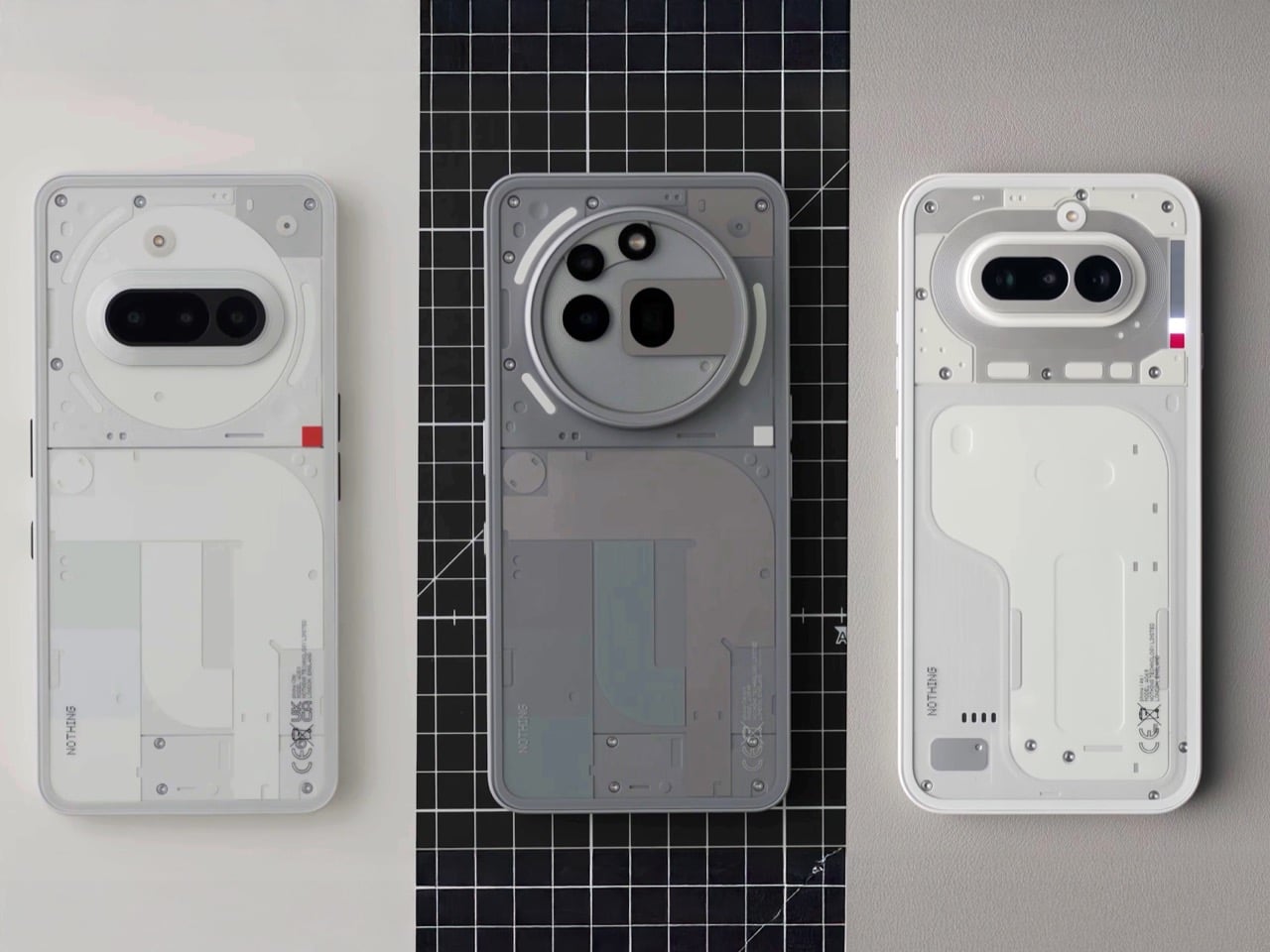
The camera doesn’t get talked about much, but it’s clearly an important part of any phone’s design and spec sheet. For starters, its design relies on a format set by its predecessor, the (3a). No fancy changes, no weird alignment like the (3a) Pro, just homogeneity… with a few upgrades. The periscope module in the (4a) uses a tetraprism design, bouncing light through multiple internal reflections to achieve optical zoom in a package compact enough to fit the base model’s profile. The (3a) Pro had a periscope too, but this one is significantly smaller. Nothing has been careful to represent the internal hardware authentically through the cover panel design, so what you see through the back is a stylized but honest reference to what’s actually underneath, including the PCB boundary, the FPC connectors, and the wireless charging coil.
Nothing announced there will be no flagship this year, and that decision reframes everything about the (4a). The A series carries the full weight of the brand’s hardware story in 2025, which means this phone needed to be genuinely good rather than good for the price. The same core design team has been on the A series since the 2A, and that continuity is visible in the way the (4a) sits between its predecessors, borrowing proportions from both without feeling like a compromise. They’ve stopped performing and started building, and the (4a) is the clearest evidence yet that those are very different things.
Ubisoft's shakeups continue unabated. The creative director of the next Assassin's Creed game, codenamed Hexe, has left the company. The departure of Clint Hocking, a 20-year veteran of the company over two stints, was reportedly announced in a staff meeting this week.
Hocking's resume at Ubisoft included serving as creative director on Splinter Cell: Chaos Theory, Far Cry 2 and Watch Dogs: Legion. The details of why he's leaving the company haven't been reported.
Ubisoft told VGC, which first reported on Hocking's exit, that development on Hexe will continue. Jean Guedson, one of three new leaders of the Assassin's Creed franchise, will take over as the upcoming title's new creative director. Guedson had the same role for Assassin's Creed Origins and Black Flag, two of the franchise's most well-received entries.
To say sailing hasn't been smooth of late at Ubisoft would be an understatement. Last year, the company reorganized its corporate structure under a system of "creative houses." The first, Vantage Studios, is partly owned by Tencent and now oversees Assassin's Creed. Then in October, franchise head Marc-Alexis Côté left the company. He later claimed he was "asked to step aside" and is suing his former employer.
But have no fear; some aspects of the company are doing quite well. Take, for example, nepotism. The future is looking bright indeed for a rising company star who is now co-CEO of Vantage Studios. That title belongs to Charlie Guillemot, the son of Ubisoft CEO Yves Guillemot.
This article originally appeared on Engadget at https://www.engadget.com/gaming/the-next-assassins-creed-game-loses-its-creative-director-210119005.html?src=rss
Canadian officials summoned leaders from OpenAI to Ottawa this week to address safety concerns about ChatGPT. The crux of the government concerns was that OpenAI did not notify authorities when it banned the account of a user who allegedly committed a mass shooting in British Columbia earlier this month.
"The message that we delivered, in no uncertain terms, was that we have an expectation that there are going to be changes implemented, and if they're not forthcoming very quickly, the government is going to be making changes," Justice Minister Sean Fraser said of the company and its AI chatbot. It's unclear what those government-led changes or rules might be. There have been two previous, unsuccessful attempts to pass an online harms act in Canada.
A recent report by The Wall Street Journal claimed that in 2025, some OpenAI employees flagged the account of the alleged shooter, Jesse Van Rootselaar, as containing potential warnings of committing real-world violence and called for leadership to notify law enforcement. Although Van Rootselaar's account was banned for policy violations, a company rep said that the account activity did not meet OpenAI's criteria for engaging the local police.
“Those reports were deeply disturbing, reports saying that OpenAI did not contact law enforcement in a timely manner," said Canadian Artificial Intelligence Minister Evan Solomon ahead of the discussion with company leaders. "We will have a sit-down meeting to have an explanation of their safety protocols and when they escalate and their thresholds of escalation to police, so we have a better understanding of what’s happening and what they do."
OpenAI has been implicated in mulitple wrongful death suits. The company's ChatGPT was accused of encouraging "paranoid beliefs" before a man killed his mother and himself in a December 2025 lawsuit. It is also at the center of one of several wrongful death lawsuits against the makers of AI chatbots for helping teenagers plan and commit suicides.
This article originally appeared on Engadget at https://www.engadget.com/ai/canadian-government-demands-safety-changes-from-openai-204924604.html?src=rss
Microsoft has announced that its rolling out support for streaming games at 1440p on Xbox consoles. Game streaming is a key benefit of paying for a Game Pass subscription, and as of 2025, now also includes games players own that aren't part of the larger Game Pass library.
The higher bitrate streaming option will let subscribers with an Xbox Series X or S, Xbox One X or Xbox One play their games at a higher resolution, provided the game and their display supports it. Microsoft previously only offered 1440p streams on select Fire TVs, LG TVs, Samsung TVs, web browsers and the Xbox PC app. At least for now, 1440p is only available to Game Pass Ultimate subscribers.
Beyond the new streaming option, Microsoft is also making improvements to the Xbox PC app and the Xbox experience on ROG Xbox Ally handhelds. On PC, the Xbox PC app now includes "navigation sounds" that play when you use the app's interface with a controller. These new sounds are supposed to make controller input feel more responsive and intuitive. On the ASUS ROG Xbox Ally and Xbox Ally X, meanwhile, Microsoft is making it even easier to format removable storage like microSD cards, and updating drivers to improve compatibility on select games.
The last week has been particularly tumultuous for Microsoft's gaming division. Former Microsoft Gaming CEO Phil Spencer announced his retirement on Friday, alongside the appointment of Asha Sharma, the President of Microsoft's CoreAI division, as his replacement. Opinions differ as to whether Sharma's new position will be good or bad for Xbox, but more changes are likely on the way.
This article originally appeared on Engadget at https://www.engadget.com/gaming/xbox/xbox-consoles-now-support-1440p-streaming-204115304.html?src=rss
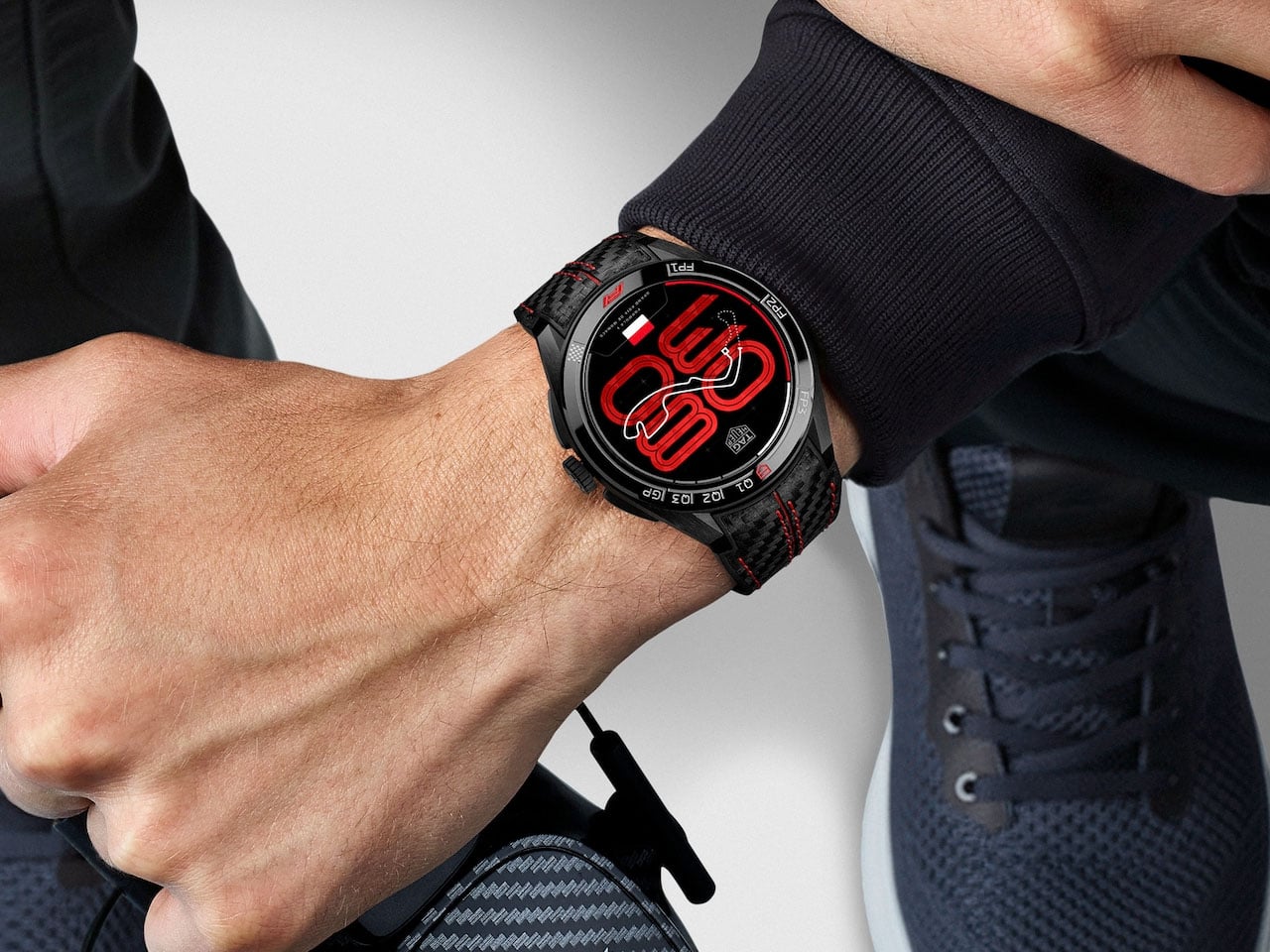
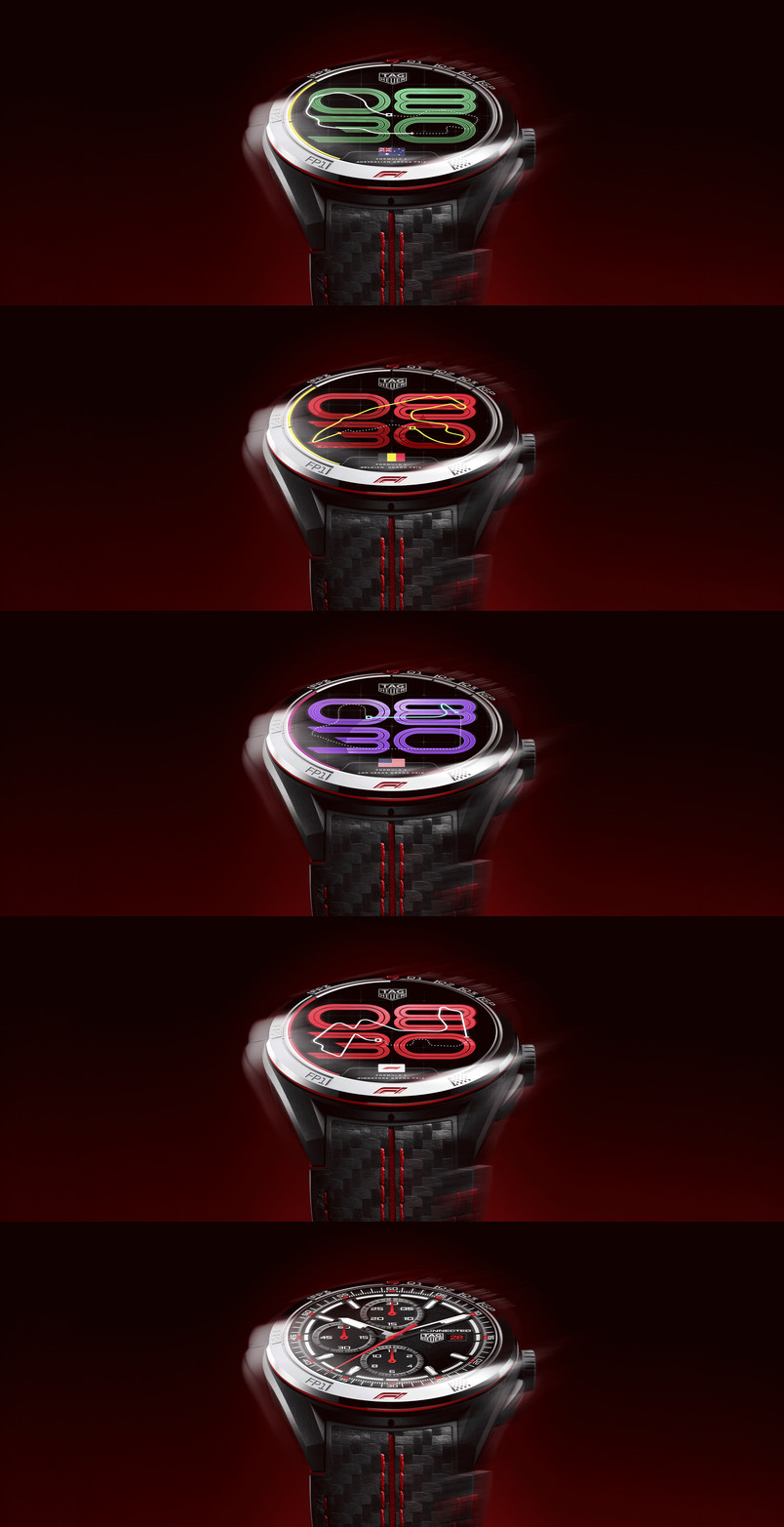
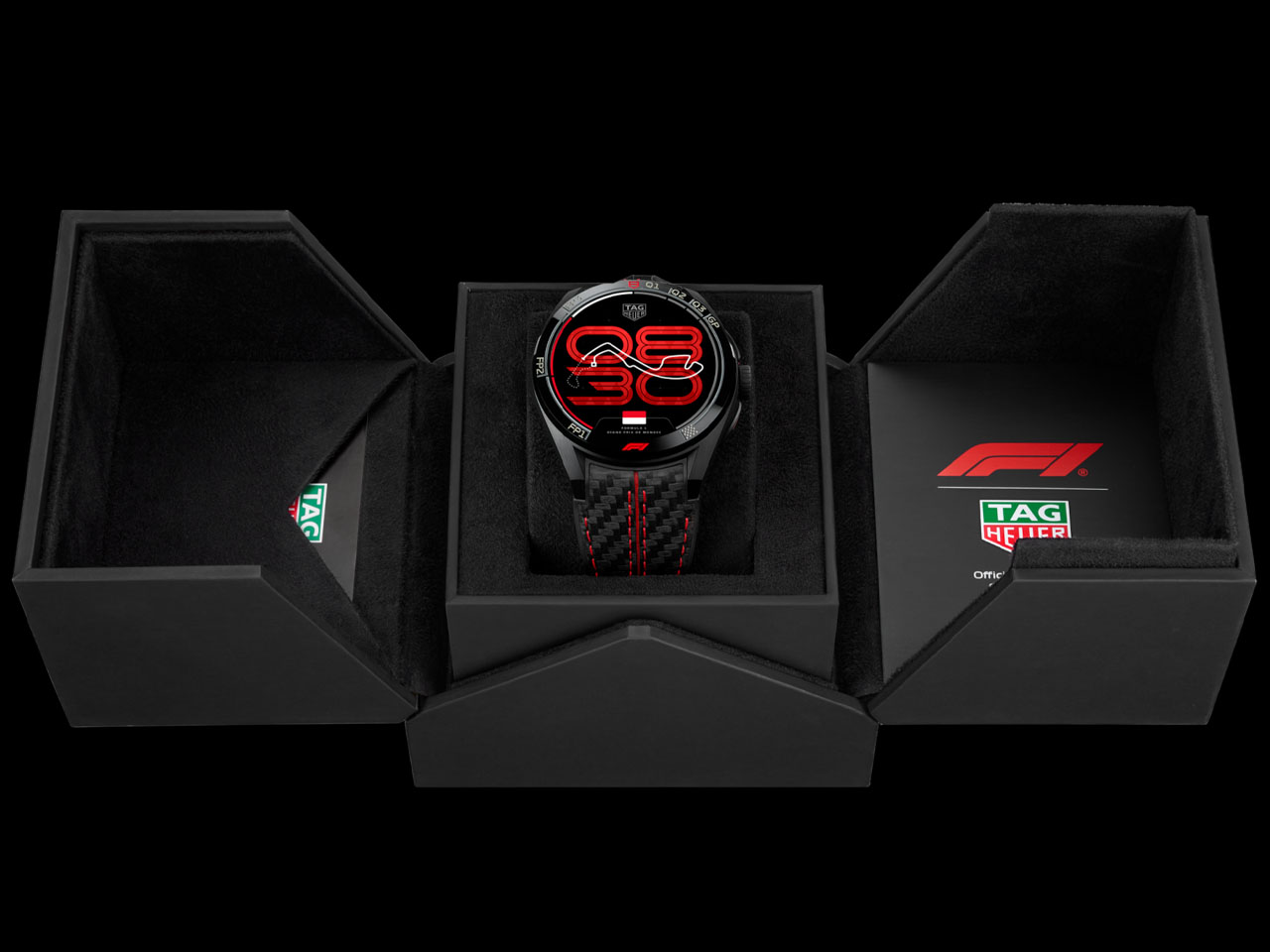
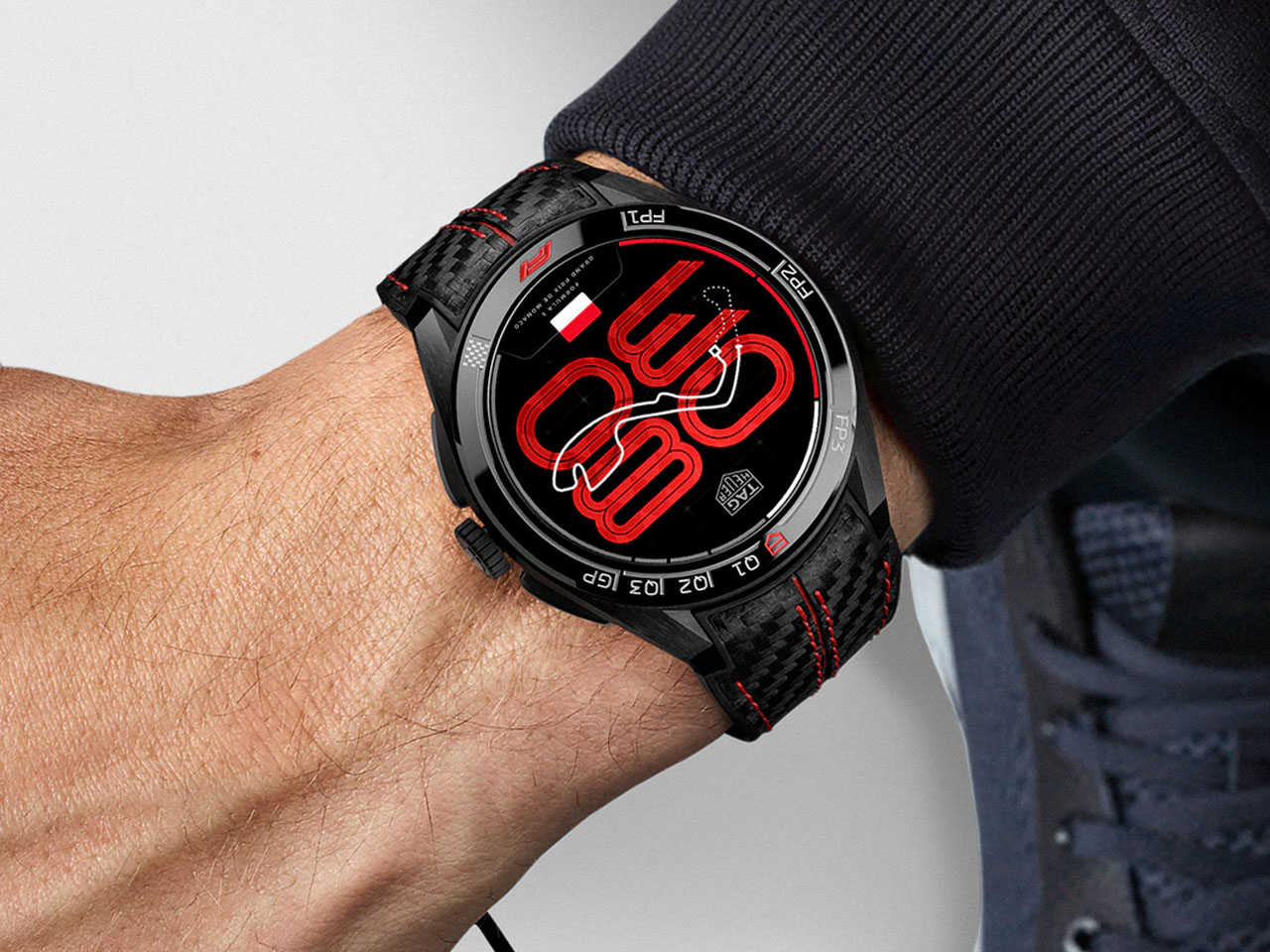
The 2026 Formula 1 season with sweeping technical changes is just a week away, and motorsport fans are counting down to lights out in Melbourne. TAG Heuer marks the moment with the Connected Calibre E5 45MM x Formula 1 Edition, a smartwatch designed to translate the sport’s precision and telemetry-driven intensity into a wearable format. As the official timekeeper of Formula 1, the brand’s latest release feels less like a themed accessory and more like a digital extension of race weekend.
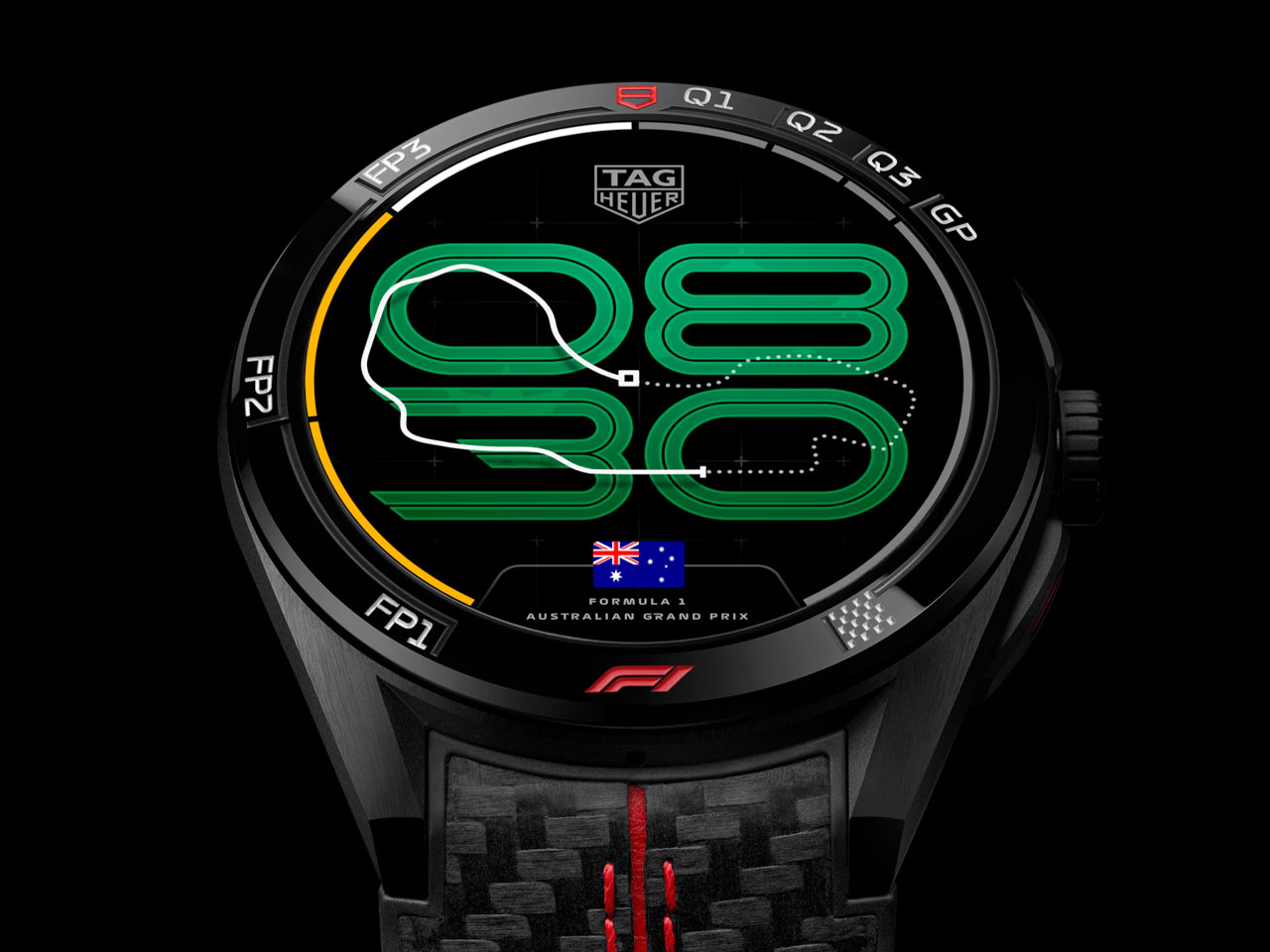
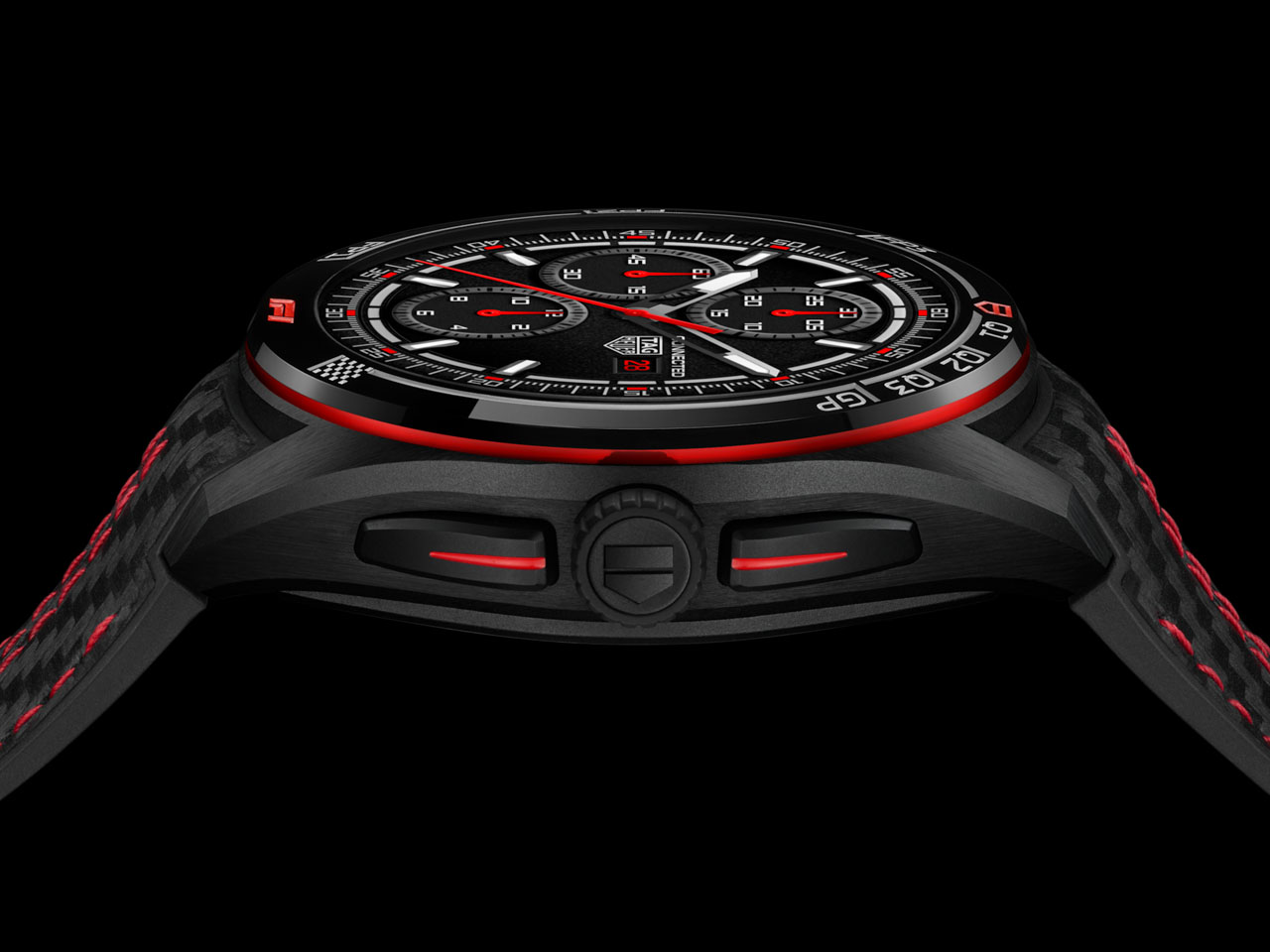
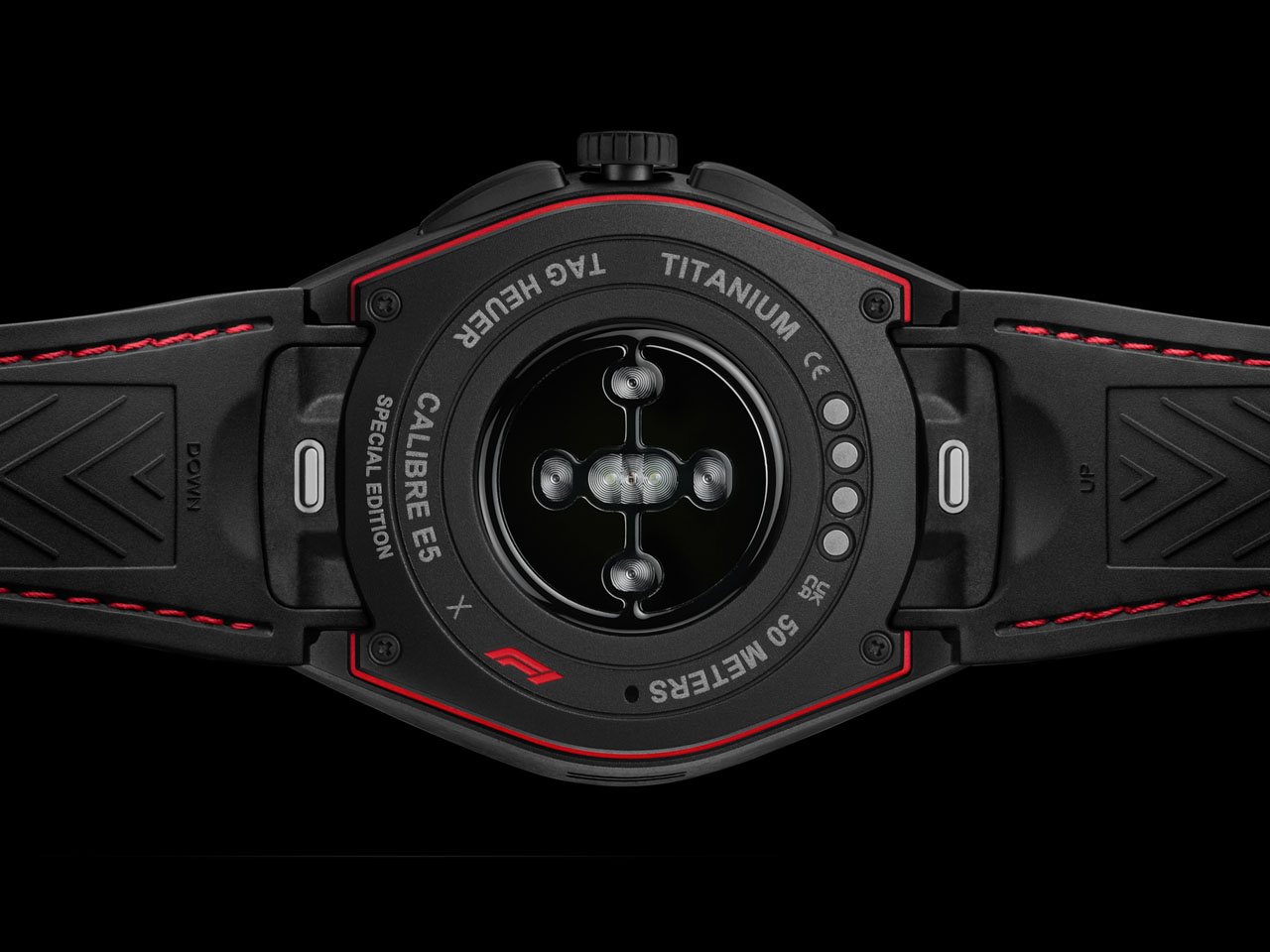
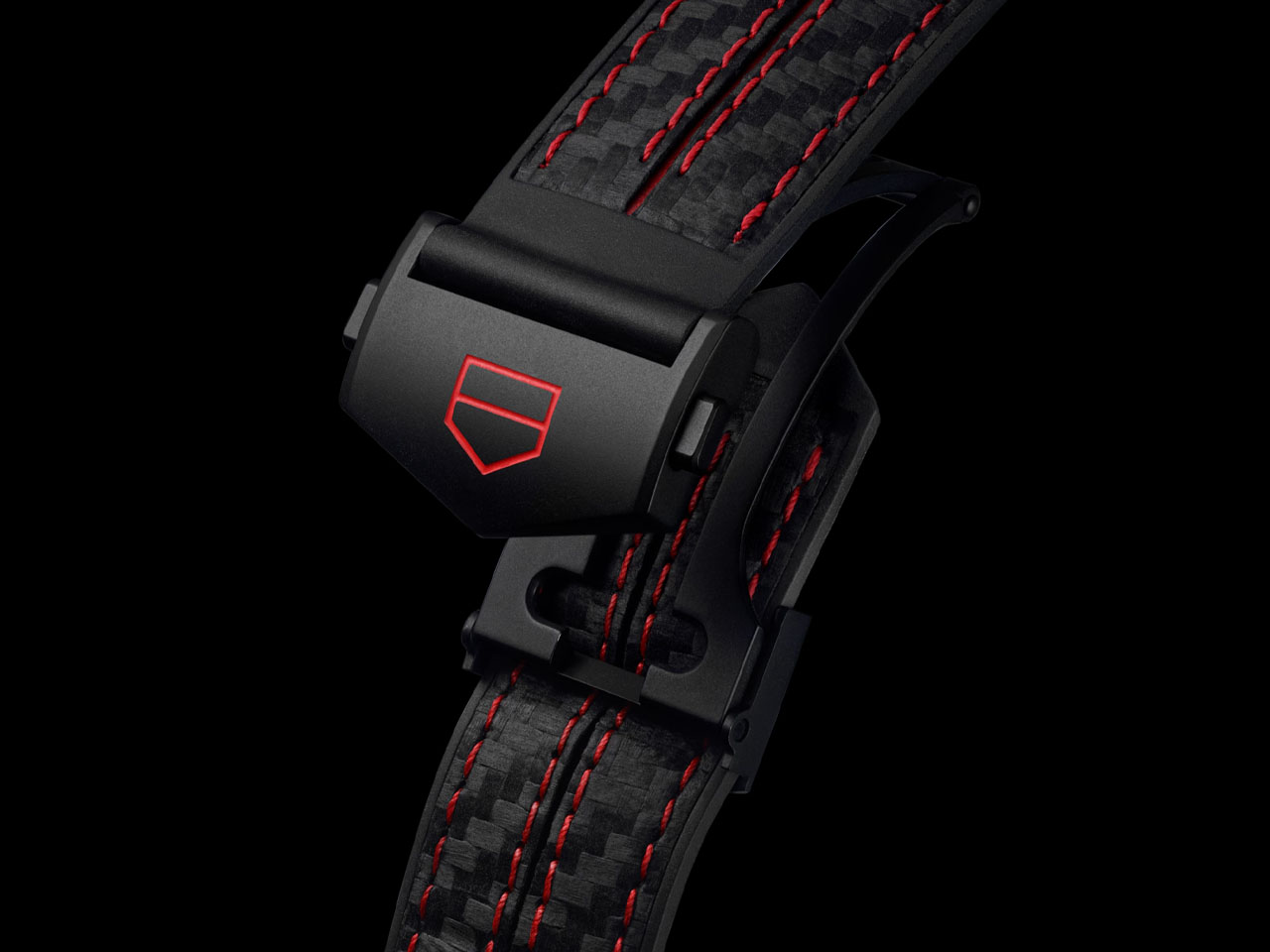
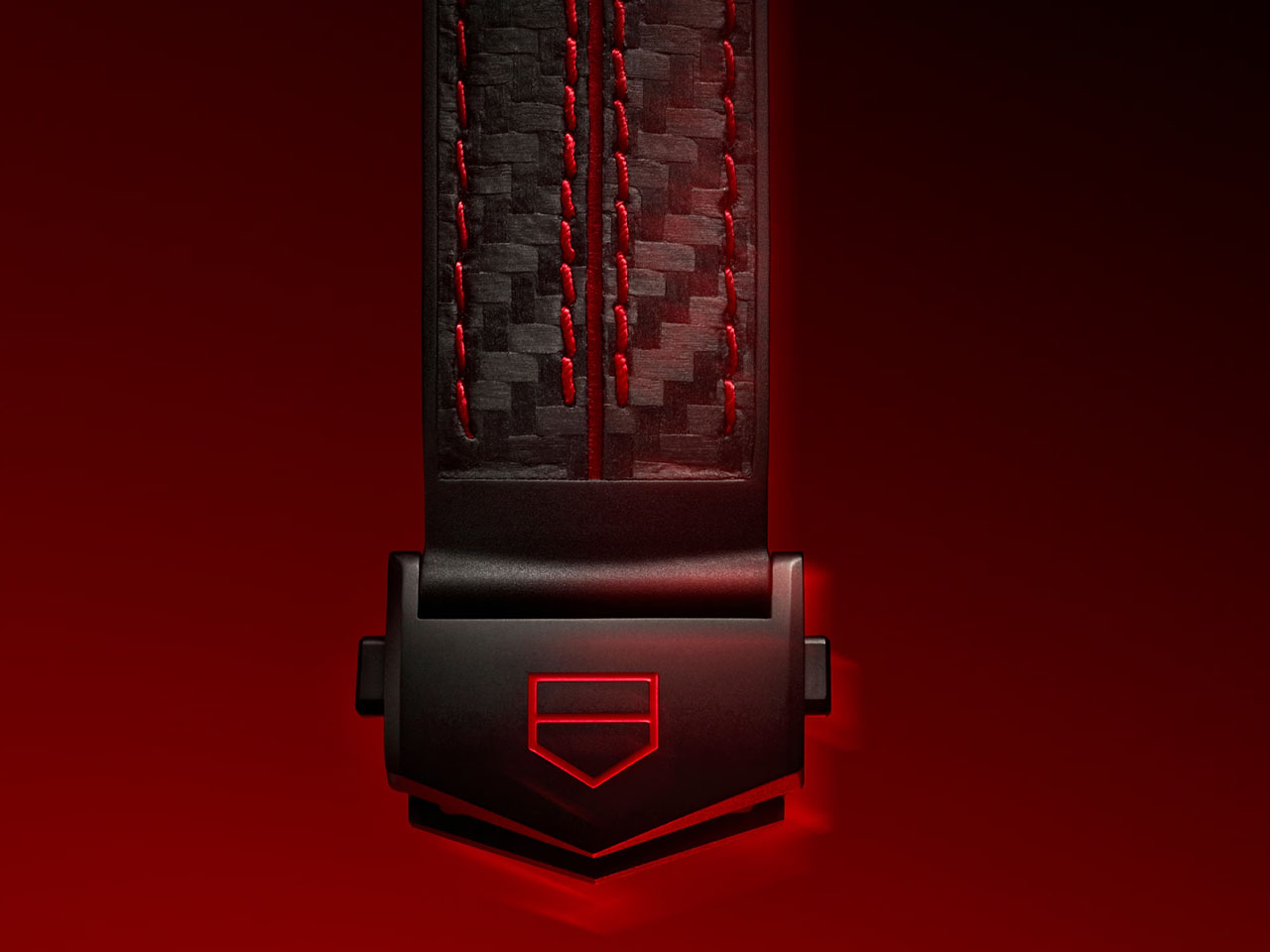
Priced at $3,850 and available from March 3 through the brand’s online channels, the watch builds on the existing Connected Calibre E5 platform while introducing exclusive Formula 1-focused software and design elements. Housed in a 45mm grade 2 titanium case with a black DLC finish, it features a fixed ceramic bezel engraved with a tachymeter scale—a direct reference to classic racing chronographs. The screw-down caseback carries special Formula 1 engraving, while the textured rubber strap reinforces its sporting intent. Water resistance is rated to 165 feet, making it suitable for daily wear beyond the paddock.
The 1.39-inch OLED touchscreen delivers a sharp 454 x 454 resolution, ensuring clarity for both everyday functions and race-specific graphics. Powered by the Snapdragon Wear 4100+ platform and running on Wear OS, the watch supports GPS, heart-rate monitoring, sleep tracking, and a wide range of fitness modes. A 430mAh battery provides up to 24 hours of typical use, including around one hour of sports tracking, and fast charging allows a full recharge in approximately 90 minutes, practical for users who rely on it throughout the day.
The Formula 1 integration is where the watch distinguishes itself. Owners receive real-time updates across practice sessions, qualifying, sprint events, and race day. Notifications include session start alerts, grid formations, and race results, complemented by subtle audio cues inspired by trackside sounds. The experience is designed for professionals who cannot follow every lap live but still want immediate access to key developments.
A standout feature is the dynamic Race Track watch face, which adapts to the championship calendar. As each Grand Prix approaches, the display updates with a stylized outline of the upcoming circuit, along with the corresponding national flag. Whether the race is at Silverstone Circuit, Circuit de Monaco, or the Red Bull Ring, the dial evolves to reflect the season’s progression across 24 venues. The companion smartphone app expands on this by offering detailed schedules, team standings, and calendar information, presenting data in a clear, structured format rather than overwhelming the interface.
Importantly, the watch does not sacrifice everyday usability for thematic design. Standard smartwatch features like notifications, contactless payments, music controls, and customizable watch faces remain fully accessible. The motorsport elements feel integrated rather than decorative, aligning with Formula 1’s identity as a technologically advanced championship.
Tecno just unveiled a rather intriguing modular smartphone concept design at MWC 2026. The standout feature here is likely the size. Most modular smartphone concepts start bulky and only get bulkier once attaching accessories. Tecno's base smartphone is just 4.9mm thin, which is significantly thinner than a pencil and the iPhone Air.
Of course, the size increases with each attached module. However, snapping on the power bank module makes the thickness comparable to a standard modern smartphone. Another key feature here is how these various modular components stick together. Tecno has developed new interconnection technology that uses both magnets and pin connectors. This should make it easy to both attach and remove components.
The company says this phone has been designed to grow with the user through hardware expansion. To that end, Tecno has developed 10 modules. There are various camera lenses and something that looks like a dedicated gaming controller.
Tecno
While the magnets are for attaching, the pin connectors assist with power delivery. Data transmission between the phone and the modules is handled wirelessly, with the ability to switch between Wi-Fi, Bluetooth and mmWave depending on where the user is located.
There are two colorways for both the phone and the ecosystem of accessories. There's a silver-aluminum edition and a nifty-looking grey version. This doesn't matter to actual consumers because, well, it's just a concept design. It does look like the company's magnetic attachment technology could make it to some actual products down the line.
The industry hasn't quite embraced modular smartphones just yet, even though there have been some nifty concept designs. Google's Project Ara prototype goes back more than a decade, and the same can be said of other concept designs that never saw the light of day.
This article originally appeared on Engadget at https://www.engadget.com/mobile/smartphones/tecno-just-unveiled-a-ridiculously-thin-modular-smartphone-concept-design-194741776.html?src=rss
The cost of PC components has been skyrocketing as AI infrastructure buildout creates extraordinary demand amid limited supply. HP says that squeeze is now hitting PC memory especially hard, with RAM now accounting for 35 percent of a system’s overall cost.
"We did share last quarter that memory and storage costs made up roughly 15 percent to 18 percent of our PC bill of materials, and we now currently estimate this to be roughly 35 percent for the year," said CFO Karen Parkhill on the company's latest earnings call. She also confirmed that part of the company's response will be price increases. Samsung similarly warned of potential price increases due to AI-induced memory shortages.
Higher prices have unfortunately become the norm for PC shoppers, especially in 2026, and the RAM crisis is playing a major role. HP interim CEO Bruce Broussard said that while he "believe the market will rationalize over time" the company is doing its best to add new suppliers as well as expand lower cost-sourcing for memory.
HP executives also said they are seeing stronger AI PC demand, saying 35 percent of HP’s PC sales are coming from AI PCs. This comes as the industry is seeing mixed signals, like Dell saying that consumers don't really care about AI PCs.
AI has been eating up the world's supply of memory and companies like Micron have even abandoned their consumer brands to focus entirely on B2B supply. Other components like GPUs have also been feeling the pressure.
This article originally appeared on Engadget at https://www.engadget.com/gaming/pc/hp-says-ram-now-accounts-for-more-than-a-third-of-its-pc-costs-192914150.html?src=rss
Kalshi, one of several online prediction markets that have exploded in popularity in the last few years, has suspended one of YouTube MrBeast's video editors for insider trading, NPR reports. Besides being suspended from the platform for two years, Kalshi says the editor will also be required to pay a financial penalty that's five times his initial trade size.
The editor, Artem Kaptur, traded in markets related to YouTube and specifically, MrBeast. Kalshi says his transactions were initially flagged because of his "near-perfect trading success on markets with low odds, which were statistically anomalous." Because trades are public on Kalshi, multiple users also flagged the trades as suspicious. Kalshi learned Kaptur was an employee of MrBeast during its investigation and determined he "likely had access to material non-public information connected to his trading." Perhaps unsurprisingly, trading with insider information violates Kalshi's rules.
Kalshi says that it reported the insider trading to the Commodity Futures Trading Commission (CFTC) and plans to donate the over $20,000 Kaptur has been fined to "a non-profit that provides consumer education on derivatives markets." In a statement provided to NPR, Beast Industries, MrBeast's production company, said it has a zero-tolerance policy for insider trading. "We have a longstanding policy in place against employees using proprietary company information in order to safeguard the highest standards and ethics throughout our organization," Beast Industries said.
Separately, Kalshi has also suspended and fined a politician who was running to be Governor of California. "In May, our Surveillance Department saw an online video by a candidate for Governor of California that appeared to show him trading on his own candidacy," Kalshi says. "We immediately froze his account and opened an investigation. The candidate was initially cooperative and acknowledged that this violated the exchange rules. As a candidate in a race, you can (and probably should) follow and use Kalshi’s market forecast, but you should not trade on it."
Like other prediction markets, Kalshi lets users make trades based on a variety of different subjects and events. For example, you could participate in a market focused on the results of a basketball game, or something more unusual, like who'll win the current season of Survivor. Despite resembling gambling, online predictive markets aren't currently regulated by state gambling laws, and instead classify bets as a type of futures contract, placing them under the purview of the CFTC. That hasn't stopped states from trying to regulate prediction markets anyway. For example, Nevada sued Kalshi for operating a sports gambling market without a permit earlier in February.
This article originally appeared on Engadget at https://www.engadget.com/big-tech/kalshi-fined-a-mrbeast-editor-for-insider-trading-191027814.html?src=rss