This $900 TCL TV Has the Same Panel Tech Samsung Charges $2,000 For

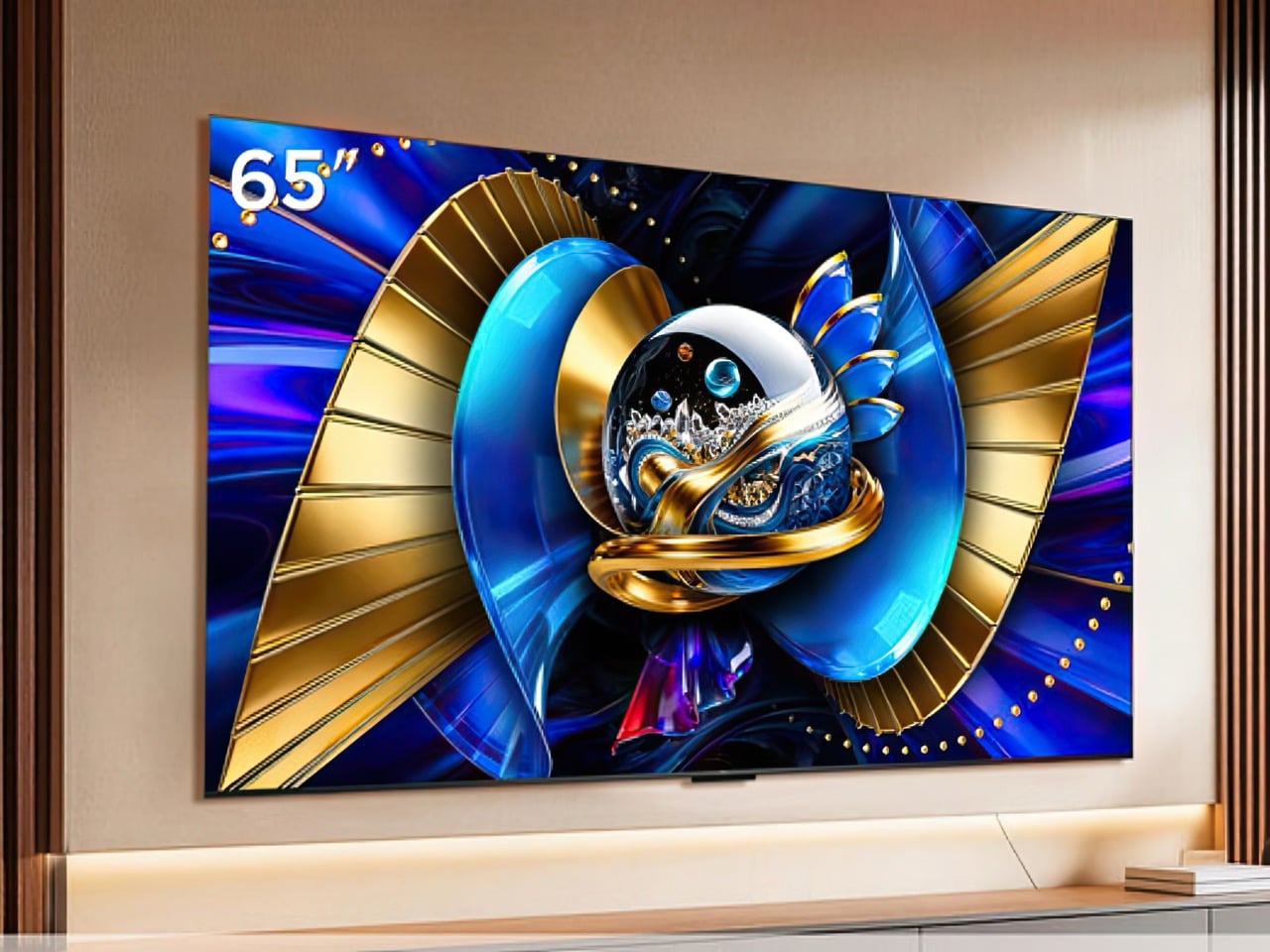
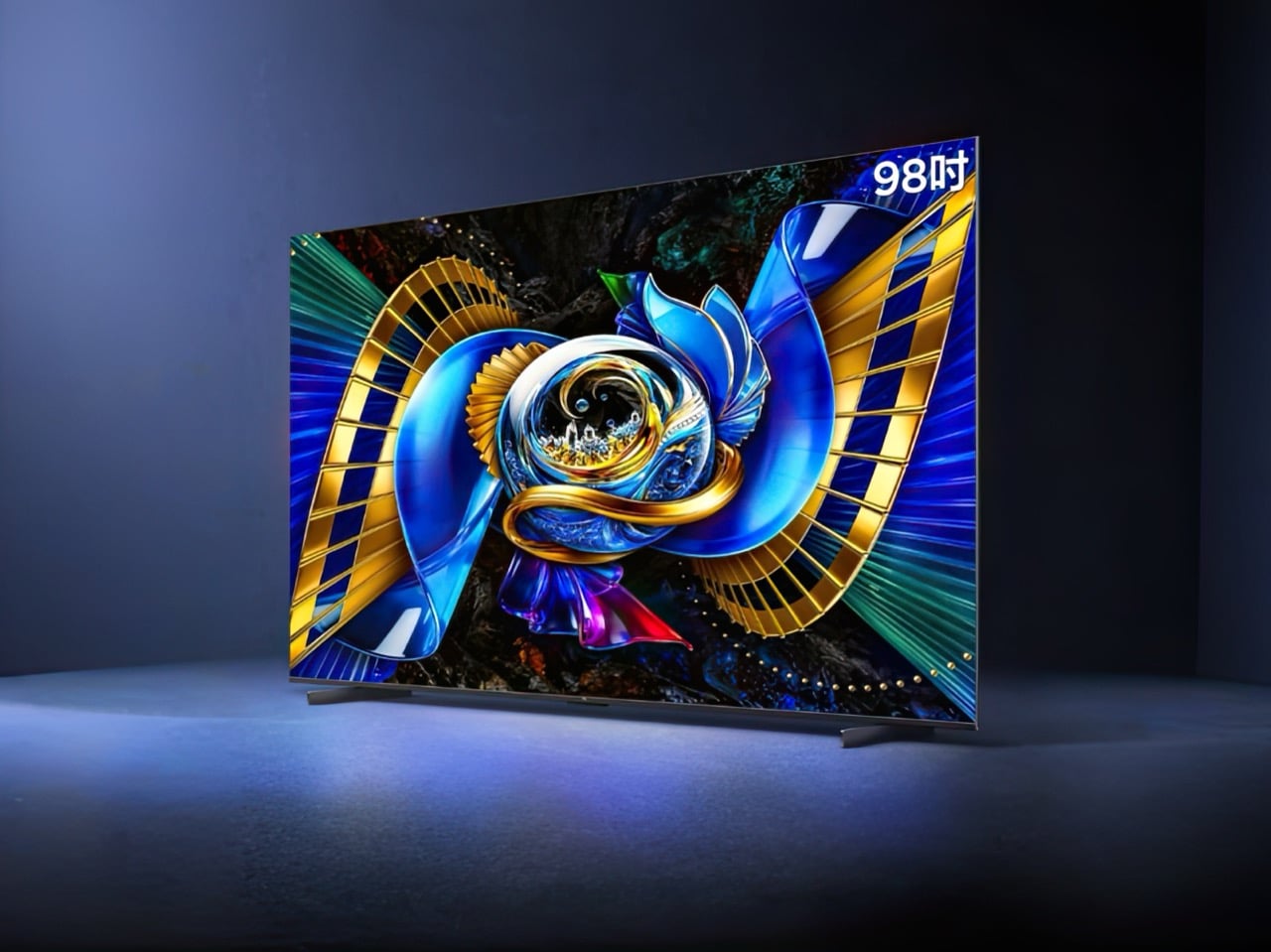
Premium television specs used to live behind premium price tags, a sorting mechanism that kept the best picture quality safely out of reach for most buyers. TCL has spent the last few years dismantling that barrier, and the T7M Pro SQD-Mini LED feels like the wall finally came down. For 6,199 yuan (roughly $900), you get 1,152 local dimming zones, full BT.2020 color coverage, and 2,200 nits of peak brightness. Those numbers belong to televisions that typically cost two or three times as much, yet here they are in sizes from 65 inches for just $900 up to a whopping 98-inch variant priced at a fairly reasonable $2,178.

The T7M Pro uses TCL’s SQD-Mini LED technology, which pairs quantum dot color filters with precise Mini LED backlighting. The company engineered a new panel that filters light more accurately, outputting cleaner colors with less contamination. A 4K screen runs at 150Hz natively, upgradable to 300Hz for gaming. Lingkong UI 3.0 handles the software side with AI-powered picture optimization and content recommendations. TCL kept the chassis at 60mm thick for near-flush wall mounting. The lineup launches in China across four sizes, and the pricing suggests TCL has stopped chasing flagship competitors and started outspeccing them at half the cost.

Designer: TCL
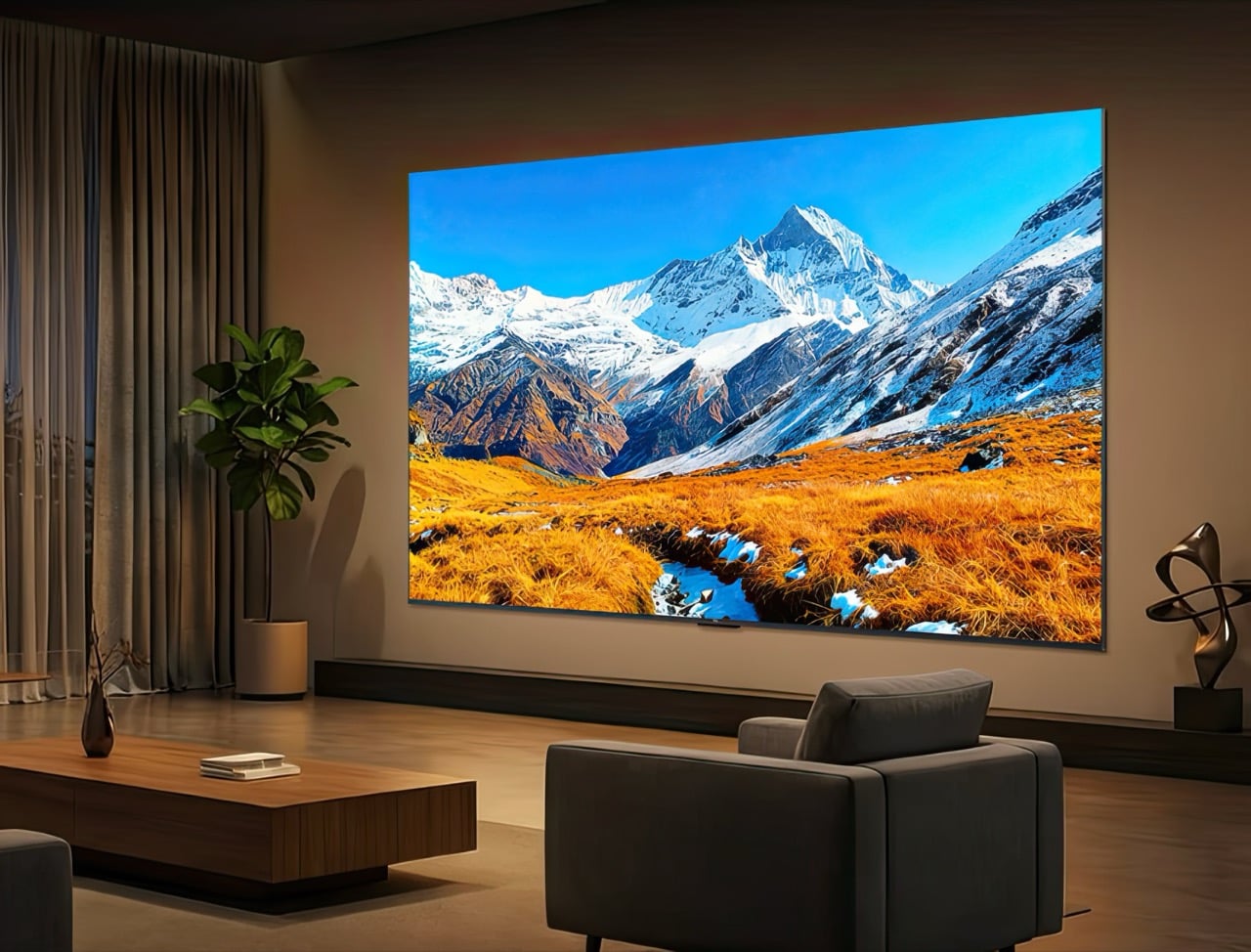
BT.2020 is the actual color space HDR content gets mastered in, the standard filmmakers use when they finish a movie. Most televisions claim wide color support but only hit 70 to 85 percent of that range, then fake the rest by stretching values. TCL claims the T7M Pro covers the full 100 percent through its Super Butterfly Wing Star Display panel, which uses better materials to filter light more cleanly. Cheaper quantum dot screens mix wavelengths and produce muddy colors. This one supposedly keeps red, green, and blue separate and pure. If that holds up in actual use, you’re seeing colors the way the director intended them.

TCL packed 1,152 dimming zones into the T7M Pro, letting different parts of the screen brighten or dim independently. That matters when you’re watching HDR content where a bright explosion needs to pop against a dark sky without making the whole screen glow. The 2,200 nits of peak brightness means highlights stay detailed instead of blowing out into white blobs. Whether 1,152 zones eliminate all the halo effects around bright objects depends on how large each zone is and how smart the processing is. We won’t know until someone tests it properly, but the number alone puts it in serious territory.

The television runs at 150Hz natively, smooth enough for high frame rate gaming and sports. Push it to 300Hz through motion smoothing if you like that soap opera look, though most people turn that off immediately. Four HDMI 2.1 ports with full bandwidth mean your PlayStation 5 or Xbox Series X can output 4K at 120Hz without compromise. Variable refresh rate and auto low latency mode are both here, which have become expected features on any TV that calls itself gaming-ready. TCL clearly built this thing with console players in mind, not just movie watchers.
Lingkong UI 3.0 runs the software side with a card-based layout and zero boot ads, already a win over most smart TV platforms that force you through commercials just to turn the thing on. The AI component learns your viewing habits and adjusts picture settings automatically, plus it suggests content based on what you watch. How pushy those recommendations get will determine whether this feels helpful or annoying. A quad-core processor with 4GB of RAM keeps things moving, which matters when you’re jumping between streaming apps or adjusting settings mid-movie.

Samsung’s QN90D Mini LED TV with similar specs costs around $1,800 for the 65-inch model. Sony’s X95L Mini LED sits near $2,000. Both deliver great picture quality, but neither performs twice as well to justify twice the price. TCL is counting on buyers to do the math and realize they’re paying for a badge, not better technology. That argument gets even stronger with the 98-inch T7M Pro at $2,178, a size where Samsung and Sony regularly charge $4,000 or more. The performance gap between a $2,000 TV and a $900 TV used to be massive. Now it’s mostly marketing.

TCL launched the T7M Pro in China first with no confirmed international release date, though the company already sells Mini LED TVs globally so a wider rollout seems inevitable. For anyone willing to import or wait for official availability, this television makes flagship picture quality accessible without flagship pricing. The question it forces on established brands is simple and uncomfortable: what exactly are buyers paying extra for when the panel specs are identical?

The post This $900 TCL TV Has the Same Panel Tech Samsung Charges $2,000 For first appeared on Yanko Design.
Apple could give Siri a standalone app and an ‘Ask Siri’ button in iOS 27

Bloomberg's Mark Gurman has been sharing every incremental update about what Apple's long-awaited Siri overhaul will and won't include. His latest article claims that the AI assistant will have a standalone app and will introduce an "Ask Siri" feature that could mark a decidedly different direction in how users will interact with the platform. 

Gurman reports that Siri is being designed to leverage personal data from messages, emails and notes to complete requests. Siri will also allegedly be able to execute tasks within apps, access news and conduct web searches. The "Ask Siri" angle means people will be able to make their requests in conversational, natural language formats by either text or voice, which has not been an option in Apple's platform and appears to confirm that the company wants Siri to function akin to other AI chatbots. These improvements are still expected to be a part of the iOS 27 and macOS 27 updates.

The official announcement of the reimagined Siri is expected to happen during WWDC 2026. Apple's summer showcase is happening over June 8-12, with the keynote and Siri news likely happening on June 8. There have already been so many delays, even just in the past two months, that it's hard to know how substantive the first parts of the Siri overhaul will be. We know direct from the company that Google Gemini will be powering the new Siri, but that's the only real confirmation Apple has offered as the redesign process has dragged on.

This article originally appeared on Engadget at https://www.engadget.com/ai/apple-could-give-siri-a-standalone-app-and-an-ask-siri-button-in-ios-27-202802492.html?src=rss

Zoox is bringing its robotaxi to new cities and expanding coverage in Las Vegas and San Francisco

Zoox has announced plans to bring its robotaxi to Austin, Texas and Miami, Florida for the first time, along with offering expanded service in San Francisco and Las Vegas. The company formally launched its robotaxi service in September 2025, and shared earlier in March that it would begin testing in Dallas and Phoenix.

A "Zoox retrofitted testing fleet" has been operating in Austin and Miami since 2024, but offering rides with company's purpose-built robotaxi — designed to be more of a rolling social space with seats facing each other — is an important step towards Zoox running its full service in both cities. At least to start, rides will be available in a small part of both cities and only for "Zoox employees, their families and friends," but the company says it'll expand who can hail a ride as testing continues.

For anyone who lives in San Francisco or Las Vegas, Zoox's coverage area and options for pick-ups and drop-offs are also becoming more convenient. Zoox is now able to pick up riders from more locations in Las Vegas, including the Las Vegas Convention Center and "a majority of the major hotels along the Strip." The company will also provide limited service to high-traffic events at The Sphere and T-Mobile Arena, and eventually plans to send its robotaxi on trips to Harry Reid International Airport. Starting this spring, Zoox is also expanding where it will offer rides in the eastern half of San Francisco, covering "the Marina, North Beach, and Chinatown, as well as Pacific Heights and along the Embarcadero."

Besides being able to pick up riders in more places, Zoox is rolling out two product updates to improve the experience of riding in its robotaxis. "Find My Zoox" will let the company's robotaxis use "distinct lighting and sound cues," to signal to riders which robotaxi is theirs, and "Zooxcast" will let riders play their audio over Bluetooth while they're in a robotaxi.

In comparison to all the cities Waymo currently offers its robotaxis, Zoox is playing catch-up, but the company is also approaching its business a bit differently. Zoox is focused on using custom robotaxi for rides, while Waymo has expanded quickly on the back of cars retrofitted with the sensors that makes its Waymo Driver software work. Waymo plans to incorporate its own robotaxis co-developed with Geely into its fleet over time, but for now, rides with Zoox are a bit more bespoke.

This article originally appeared on Engadget at https://www.engadget.com/transportation/zoox-is-bringing-its-robotaxi-to-new-cities-and-expanding-coverage-in-las-vegas-and-san-francisco-195410391.html?src=rss

AccuWeather is now available inside ChatGPT

Who among us hasn't tormented over the burden of having to exit an AI app to check the weather? Well, I haven't, and I'm guessing you haven't either. But AccuWeather has a solution regardless. On Tuesday, the company rolled out a ChatGPT app to spare… someone that pain.

Snark aside, there may be a few niche situations where this provides a slight advantage. AccuWeather suggests asking ChatGPT, "When is the best time this afternoon to go for a run with the most comfortable weather conditions?" or "Will it rain on my planned vacation this weekend?" Of course, you could just read the dang forecast to get those same answers. But hey, to each their own.

After you've connected the AccuWeather app to your ChatGPT account, your weather-related queries will be answered in an interactive weather module. Available info includes MinuteCast, RealFeel and RealFeel Shade.

This isn't the first time AccuWeather has adapted its service — perhaps questionably — to emerging technologies. In 2017, it pushed out a virtual reality app for Samsung's Gear VR headset. Engadget noted at the time that it "sounds like one of the least exciting VR experiences imaginable."

This article originally appeared on Engadget at https://www.engadget.com/ai/accuweather-is-now-available-inside-chatgpt-192637363.html?src=rss

Splitgate’s 1047 Games is starting work on a Titanfall-style movement shooter

At the close of a video announcing the second season of Splitgate: Arena Reloaded, the company's co-founder and CEO Ian Proulx revealed that "a small section of the team" has started work on a new game. He said that the next project will be a movement shooter in the style of Titanfall and Black Ops 3.

Those two tidbits are really all that 1047 Games had to share. People can sign up to participate when playtesting begins, but considering the latest release is only just hitting its second season, it's a safe bet that we'll have a while before this project gets a title and a trailer, much less a release window. 

Splitgate is a well-made game with smart traversal and movement mechanics, so it's likely that they'll have good ideas to bring to this sliding and gliding subgenre of FPS. Whether players will continue supporting 1047 Games is a different question. The studio leadership bungled a lot of things in the past year, starting with Proulx's questionable fashion choices and even more questionable handling of said choices. 1047 Games also pulled a bait-and-switch with the release of Splitgate 2, yanking it back to beta after release and cutting jobs before re-releasing and reimagining the sequel as Splitgate: Arena Reloaded in December. 

This article originally appeared on Engadget at https://www.engadget.com/gaming/splitgates-1047-games-is-starting-work-on-a-titanfall-style-movement-shooter-192551191.html?src=rss

The Anti-Distraction Smartphone That Still Lets You Use Uber and Strava

I pulled out my phone at the airport gate to check my boarding time, then spent the next fifteen minutes scrolling TikTok. I nearly missed my flight. The phone wasn’t lying when it said Gate 23, but somewhere between the lock screen and actually standing up, Instagram happened, then Twitter, then one more reel. We’ve all been that person. The issue is architectural: smartphones were built to be everything machines, and everything machines are terrible at being sometimes machines.

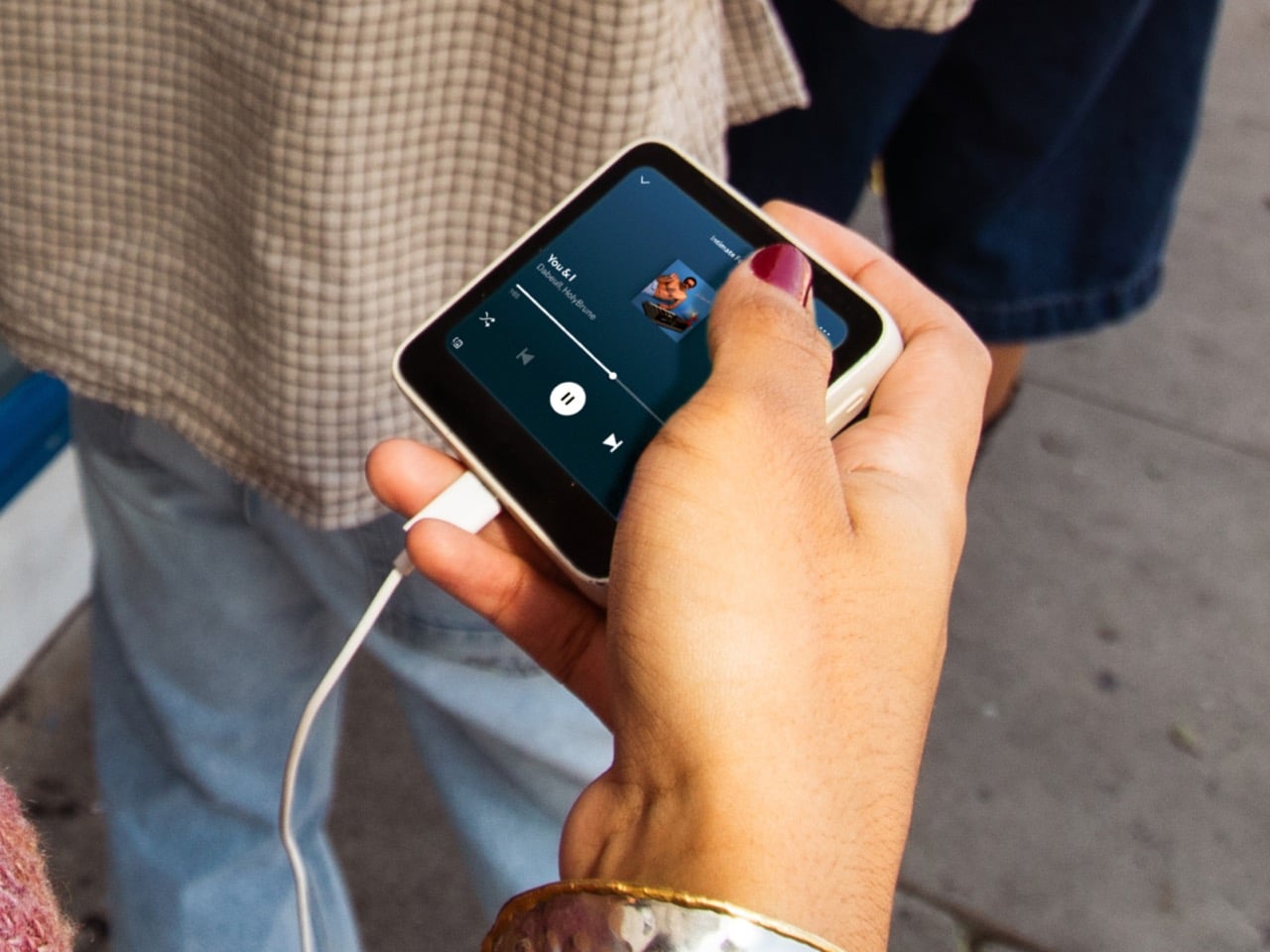
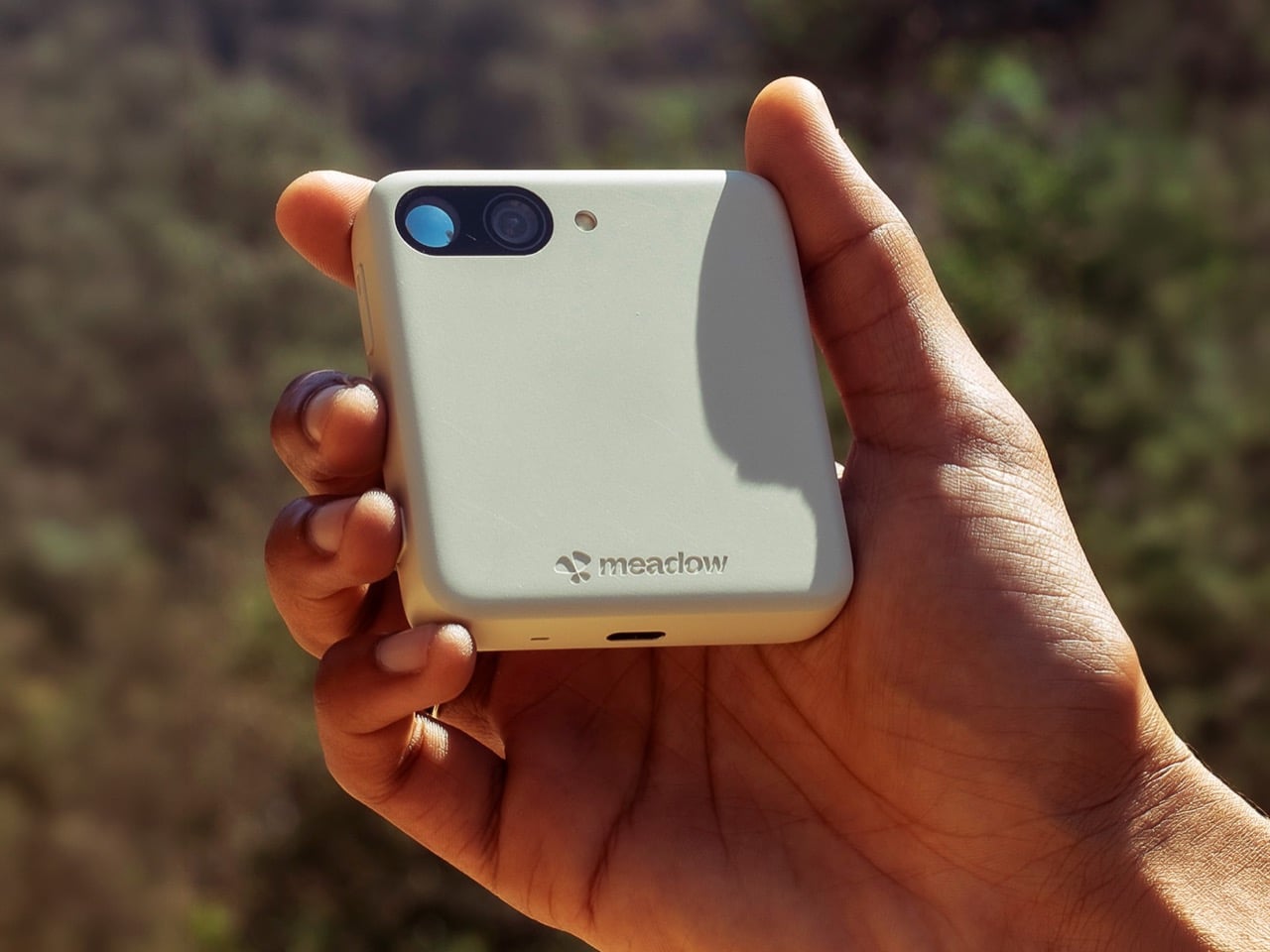
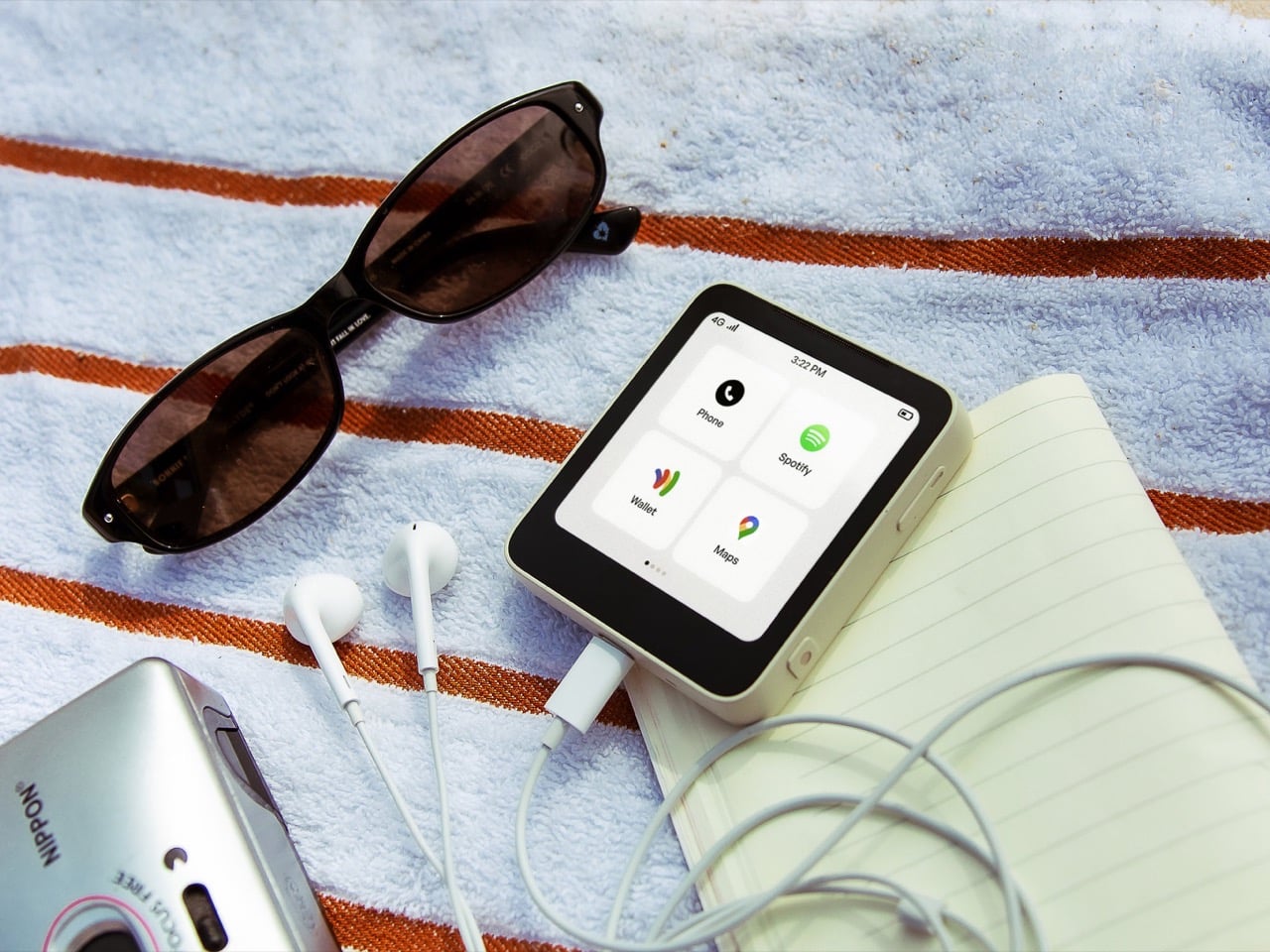
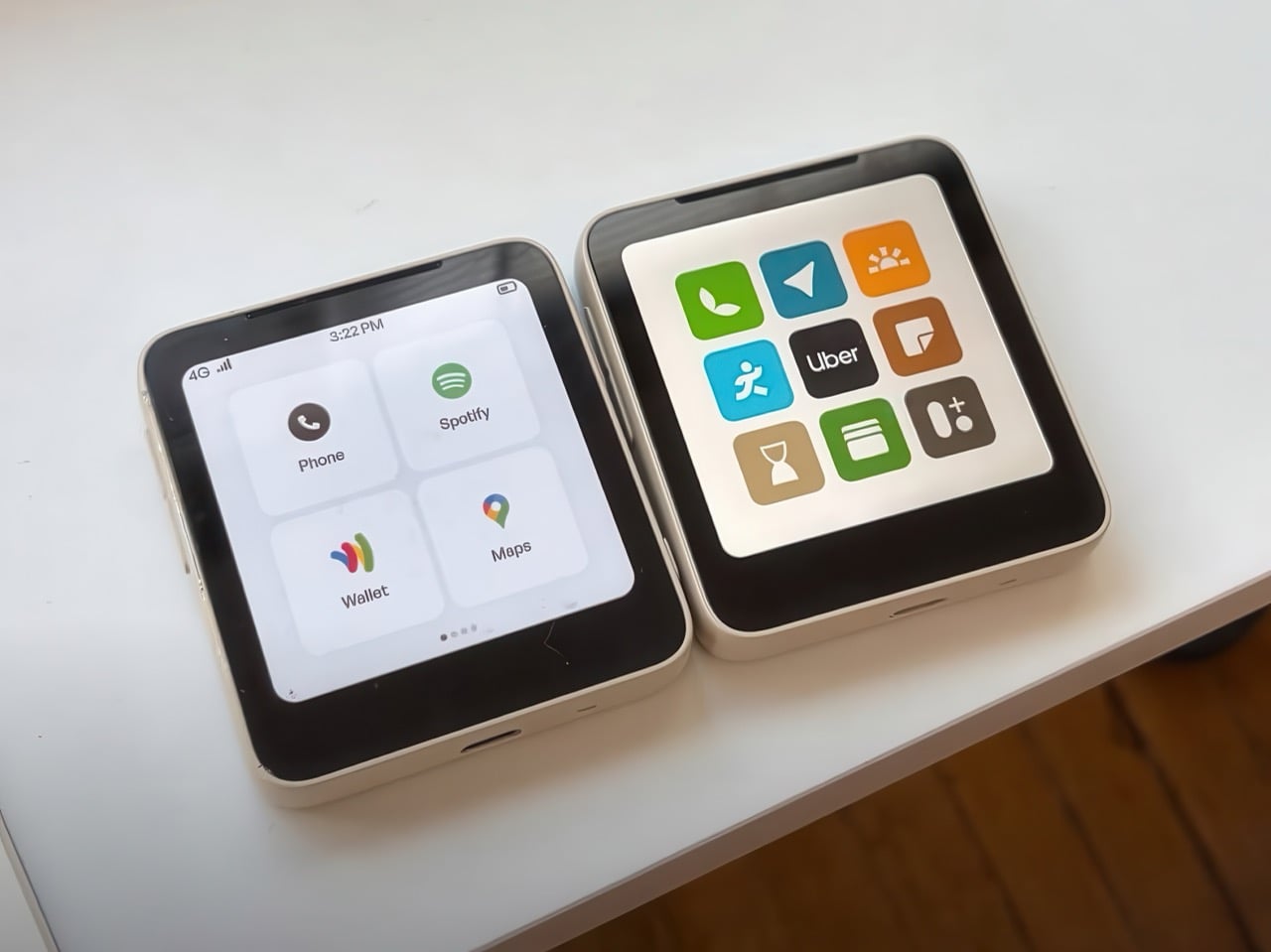
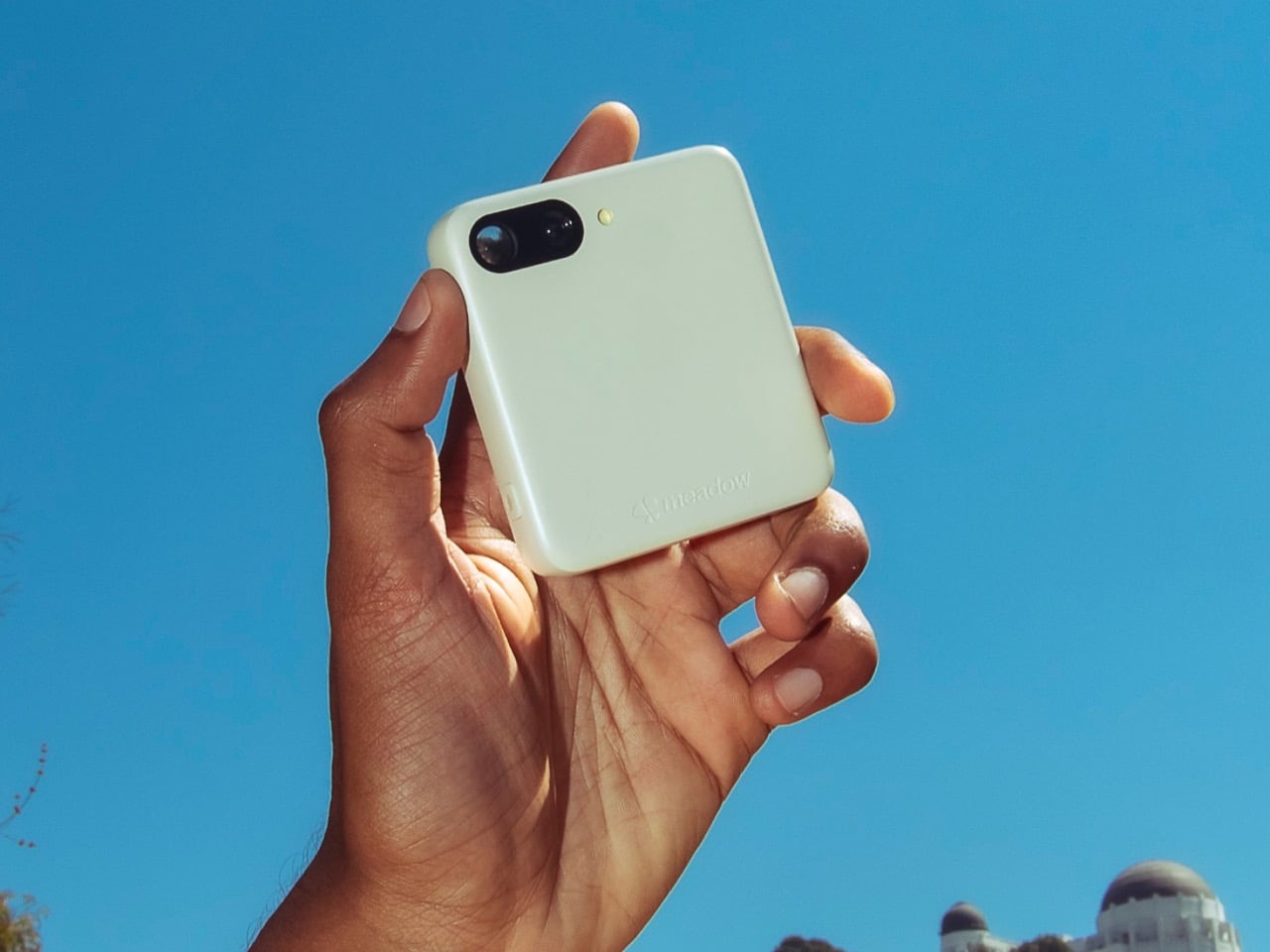
Meadow, a San Francisco startup, thinks the solution sits between the extremes. Their $399 phone launching June 2026 runs a curated set of actually useful apps (Spotify, Uber, Maps, a camera) while completely excluding the attention-draining ones (Instagram, TikTok, email, web browsers). You get a private phone number that only your contacts can reach, a 3-inch screen deliberately too small for binge-watching, and 4G connectivity without the infinite scroll tax. It’s a 4-ounce slab of recycled polycarbonate that wants to get you through your day, then get out of your way.

Designer: Meadow SF, Inc.

The 3-inch TFT LCD measures roughly 1.3 x 2 inches in total device footprint, making this closer to an iPod nano than a modern smartphone. The screen is big enough to read a map or control Spotify, but small enough that watching a YouTube video feels like punishment. The 13MP ultrawide camera captures memories without turning you into a content creator. The whole package weighs 4 ounces and fits in a coin pocket, which means you can actually forget you’re carrying it.

The minimalist phone market has been wrestling with this problem for years, and everyone keeps arriving at slightly different conclusions. The Unihertz Titan 2 resurrects the BlackBerry Passport form factor with a physical QWERTY keyboard and a 4.5-inch square screen, betting that tactile typing will make you more productive and less prone to mindless scrolling. It works for some people. The Clicks Communicator takes a similar approach but positions itself explicitly as a secondary device, the thing you carry when your real phone stays home. The iKKO Mind One shrinks everything down to credit card size with a rotating camera, targeting travelers who want maximum portability. Mudita’s Kompakt goes full ascetic with an E-ink screen, no app store, and a hardware kill switch that physically disconnects the microphones and camera.

Meadow splits the difference. You get real apps from real services, the ones that genuinely make modern life easier. Spotify and Apple Music mean you’re not stuck with MP3s loaded via iTunes like it’s 2008. Uber and Maps mean you can actually navigate an unfamiliar city without printing directions. Strava means your runs still sync. The camera means you can capture moments. Notes, weather, clock, fitness tracking, all present. What’s missing is the entire category of apps designed to consume your attention rather than assist your life. No browser means no falling into Wikipedia rabbit holes at 1 AM. No email client means work can’t chase you into the evening unless you’ve specifically decided to check it on another device. No social media means no feeds, no reels, no endless scroll.

When you activate Meadow, you get a number that functions like an allowlist. Only people you’ve added as contacts can call or text you. Everyone else hits a wall. No spam calls about your car’s extended warranty. No texts from political campaigns. No unknown numbers at dinner. Your main phone can be dead or turned off and you still won’t miss calls that matter, because Meadow routes them through your main number. Setup takes five minutes at home, no carrier calls required. The eSIM activation happens through the Meadow app, and you’re off to the races.

The device ships with 128GB of storage, 6GB of memory, and a battery rated for one to two days depending on usage. Fast charging helps. The included accessories (action case, beach pouch, charging cable) suggest Meadow knows exactly who this is for: people who want to go outside and do things without their phone becoming the main character of the experience. Pre-orders are open now at meadow.so for $399, with shipping starting June 2026 and a nine-month free subscription ($10 per month after that for unlimited calls, texts, and photo storage). The first units hit doorsteps in May according to the delivery schedule, which means summer 2026 could be the season a bunch of people finally stop doomscrolling at the beach.

The post The Anti-Distraction Smartphone That Still Lets You Use Uber and Strava first appeared on Yanko Design.

Three new Gemini features come to Google TV

Google has announced a trio of new AI-powered features for its Google TV platform, after showing off smarter Gemini integration at CES back in January.

Google TV can now provide "richer visual help" when you ask it a question. Request the current sports scores, for example, and Gemini will bring up not only a live updating scorecard, but also where you can watch the game. If you’re looking for a recipe, it’ll pair its results with a video tutorial where possible.

If you’d rather learn something new than binge away at your latest Netflix fix, Google TV can also now do visual "deep dives" on topics that interest you. If there’s an economic trend, scientific phenomenon or technological innovation that’s on your mind, Gemini will create a "custom, interactive walkthrough" on the subject in question, allowing you to ask follow-up questions afterwards.

The idea is that the feature lets you turn "passive viewing into meaningful screen time." It would appear that even your TV is now telling you off for watching too much TV. 

When you ask about a topic, you can either click "Dive deeper" to learn more, or navigate to the Gemini tab at the top of your home screen and select the "Learn" option.

The last new addition is Gemini-powered sports briefs, which function in the same way as the news briefs Google introduced last year, but strictly for sports. Designed as an alternative to checking your phone, you can ask your AI-assisted TV for "timely, narrated overviews" of the latest goings-on in any league you might follow. Already, the feature supports the NBA, NCAA basketball, NHL, MLS and NWSL, and it will live in the Gemini tab.

Deep dives and sports briefs are initially limited to those with Gemini-enabled devices in the US, with Google promising wider device support later in the spring. Richer visual help is rolling out today in the US and Canada, and Google has also announced that its various Gemini Google TV features are coming to more countries in 2026, starting with Australia, New Zealand and the UK in the coming months.

This article originally appeared on Engadget at https://www.engadget.com/entertainment/streaming/three-new-gemini-features-come-to-google-tv-175724155.html?src=rss

Apple confirms ads are coming to Apple Maps

Apple Maps will soon have ads, Apple confirmed in a blog post announcing the company's new Apple Business platform. Reports that Apple planned to expand its ad business outside of the App Store and Apple News broke as recently as yesterday, but the company has been rumored to be exploring putting ads in its navigation app as far back as 2022.

Ads in Maps, as the new advertising program is called, will allow businesses to create ads that can appear "when users search in Maps," at the top of search results and "at the top of a new Suggested Places experience in Maps, which will display recommendations based on what’s trending nearby, the user’s recent searches, and more," Apple says. The program will be open to Apple Business customers in the US and Canada starting this summer. Any advertisers using the existing Apple Ads experience will also be able to book space in Apple Maps.

Like the other ads Apple offers to businesses in the App Store and Apple News, ads in maps will be clearly marked and are designed to maintain users' privacy. What ads users interact with and their current location is not associated with their Apple Account, and personal data stays on user's devices and isn't shared with third-parties or collected by Apple.

Apple's slow expansion into advertising most directly benefits its over $100 billion "Services" business, which covers obvious things like Apple TV and Apple Music, but also includes the fees it takes from in-app purchases made through the App Store and the money it makes selling advertising. At least so far, Apple's ads are easy to ignore, and based on the samples provided as part of its announcement, that'll stay true in Apple Maps.

Ads in Maps are bundled in Apple's larger Apple Business program, an enterprise offering that's designed to appeal to multiple different sizes of business. Apple Business includes things like mobile device management (for distributing apps and managing user accounts), the ability to set up a business email, calendar and web domain through Apple and the aforementioned Ads in Maps.

This article originally appeared on Engadget at https://www.engadget.com/apps/apple-confirms-ads-are-coming-to-apple-maps-175613751.html?src=rss

For All Mankind is returning for a sixth and final season

Apple TV's long-running sci-fi show For All Mankind has just been renewed for a sixth and final season, ahead of this week's season five premiere. This seems more like the natural endpoint of the story instead of a cancellation, according to remarks made by some of the creators.

"Getting to explore the For All Mankind universe over six seasons has been an amazing privilege, and we’re thrilled to have the opportunity to finish the story the way we’ve always hoped," co-creators and showrunners Matt Wolpert and Ben Nedivi said. "We’re incredibly proud of what this series has become, and grateful to Apple TV and Sony Pictures Television for helping us see it through to its final chapter."

The plan for the show has always been to bring it up to the modern day and it looks like the creators will get to do just that. Season five takes place in the 2010s, which gives season six plenty of time to catch up to the 2020s.

For the uninitiated, For All Mankind is an alt-history series that started in the 1960s with Russia beating America to the moon. The show absolutely loves time jumps, with each season covering a decade or two.

That initial discrepancy with our reality has ballooned into all kinds of butterfly effect-type stuff. For instance, humanity quickly moved beyond the moon to occupy Mars. Al Gore also got to be president in that timeline.

Despite the numerous time jumps, several of the show's original cast members are still on board. Joel Kinnaman's character, astronaut Ed Baldwin, is quite literally in his 80s at this point. The actor must be getting tired of all of those fake wrinkles.

In any event, season five of For All Mankind premieres on March 27. The mainline show is coming to a close, but there's still a spin-off to look forward to. Star City premieres on May 29. This looks to be a take on the events of the original show from the perspective of Russia.

This article originally appeared on Engadget at https://www.engadget.com/entertainment/tv-movies/for-all-mankind-is-returning-for-a-sixth-and-final-season-173859683.html?src=rss

The Brazilian House That Turns a Hillside Into a Feature

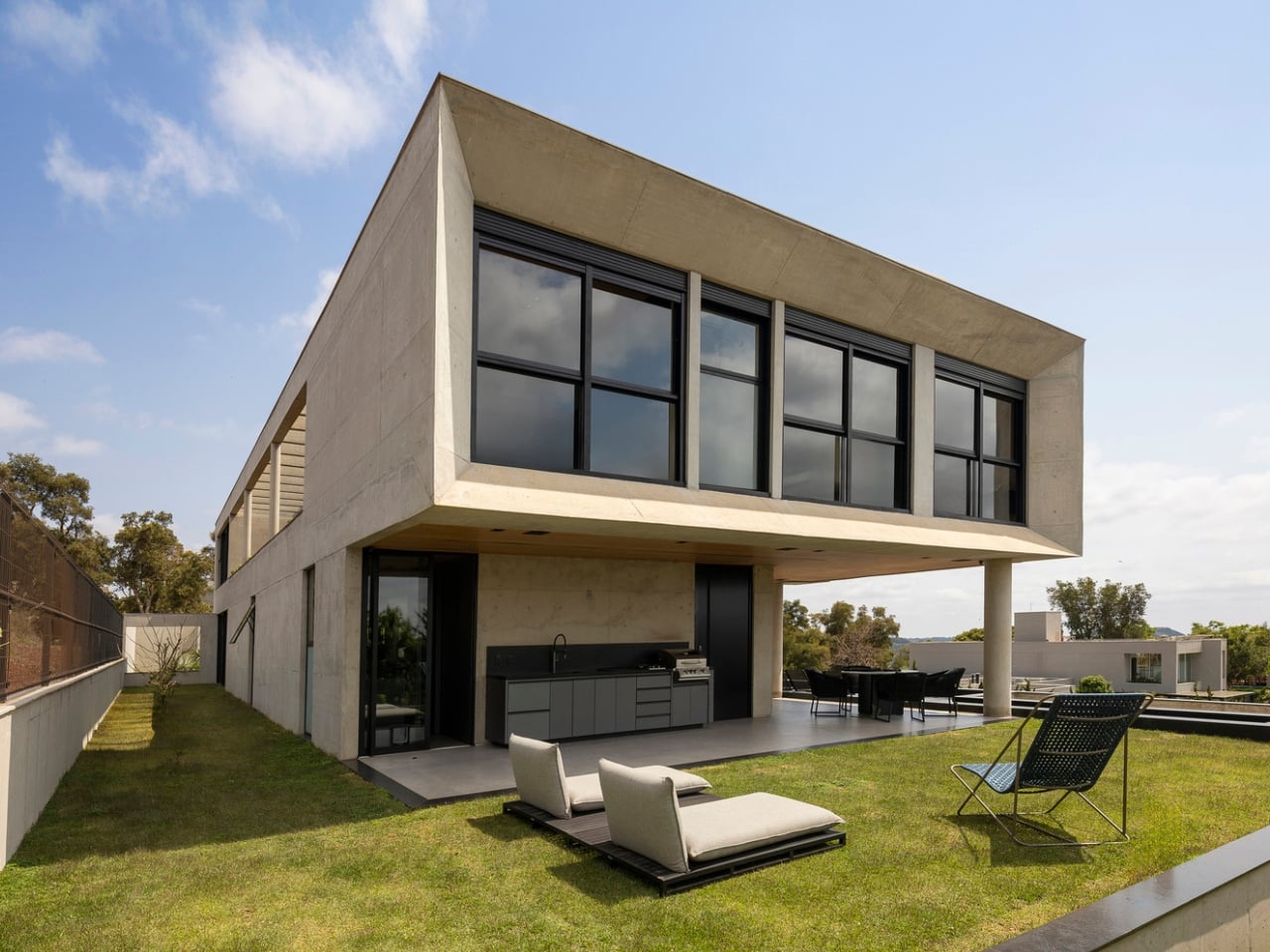
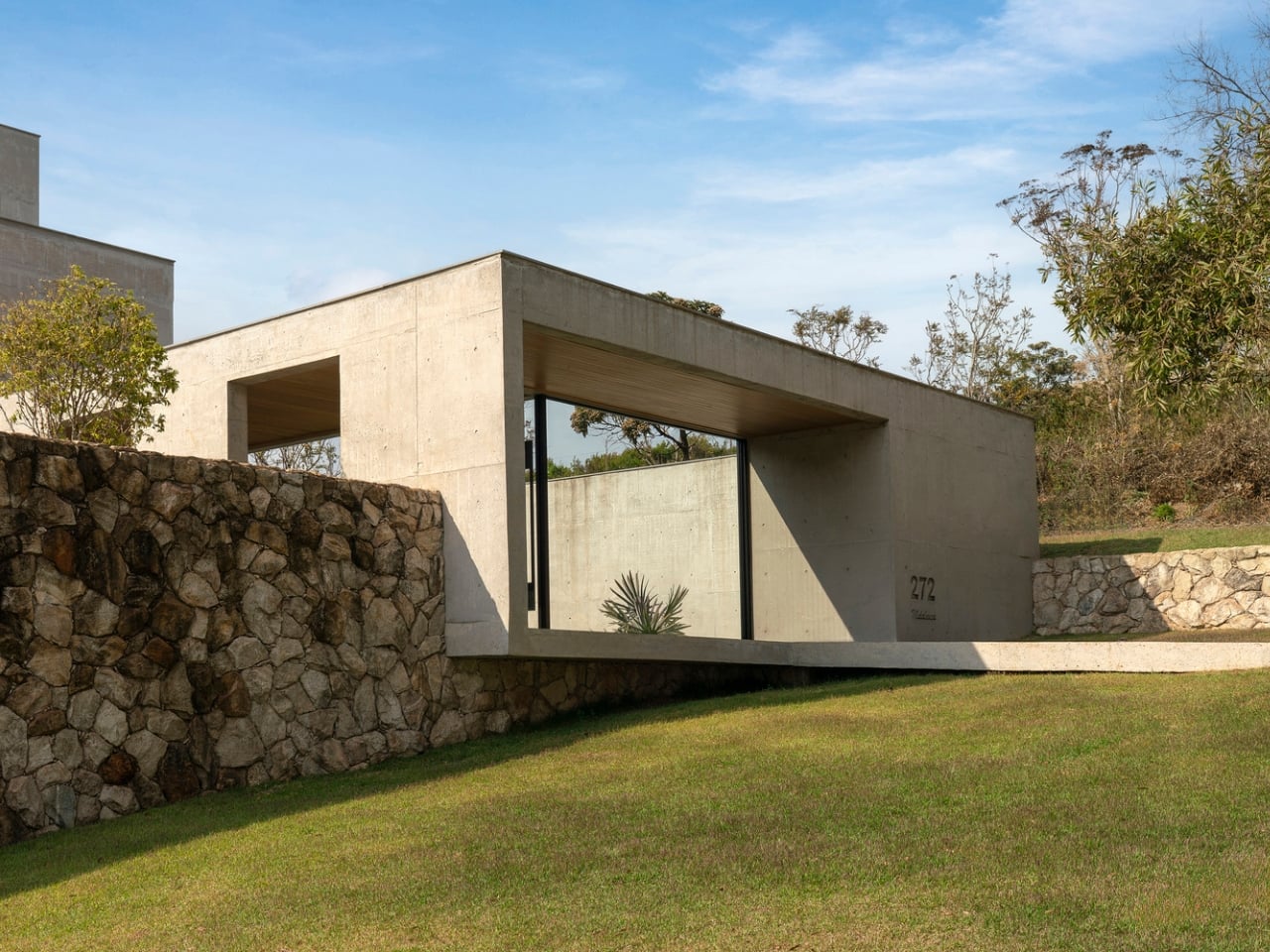
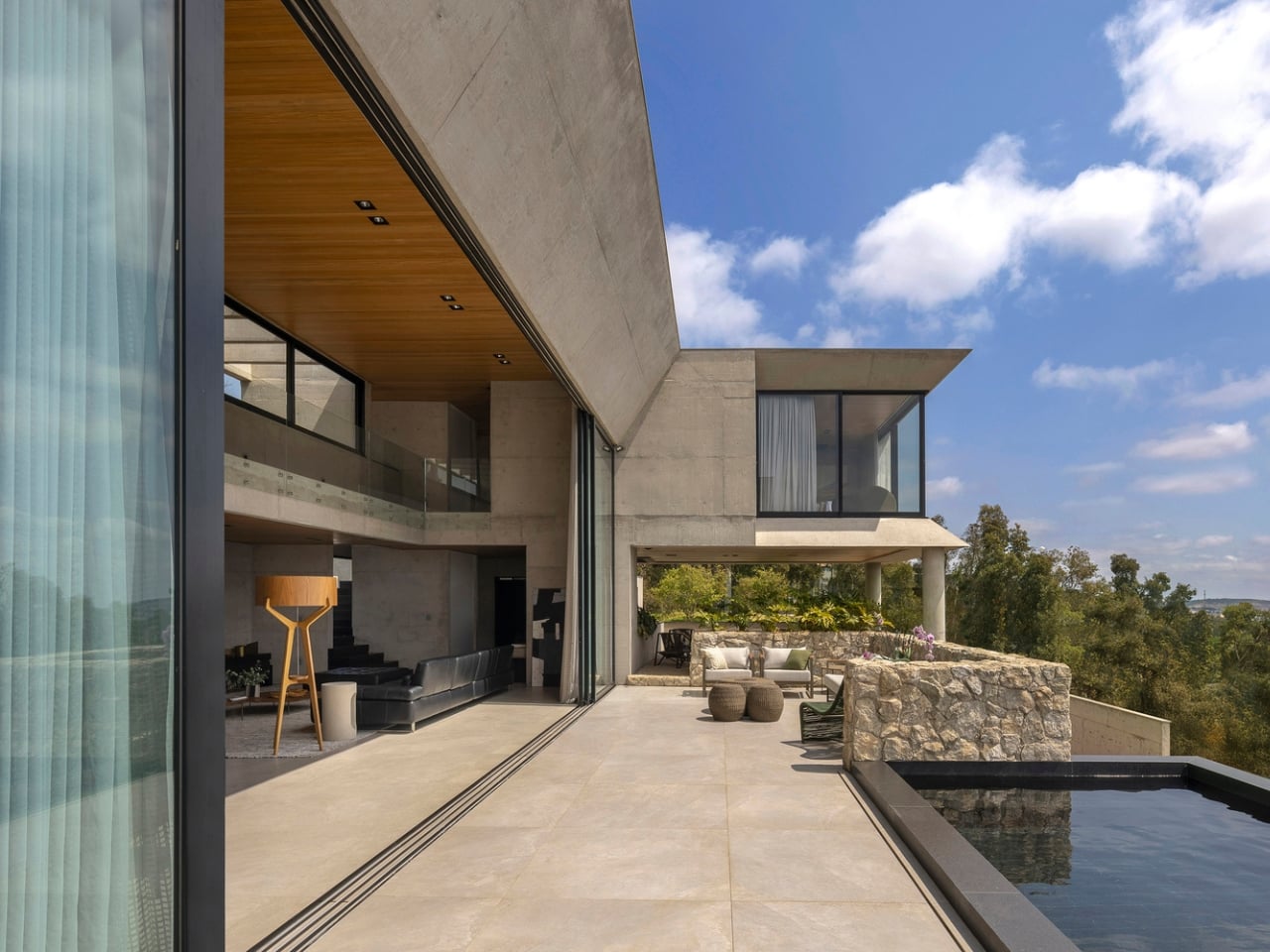
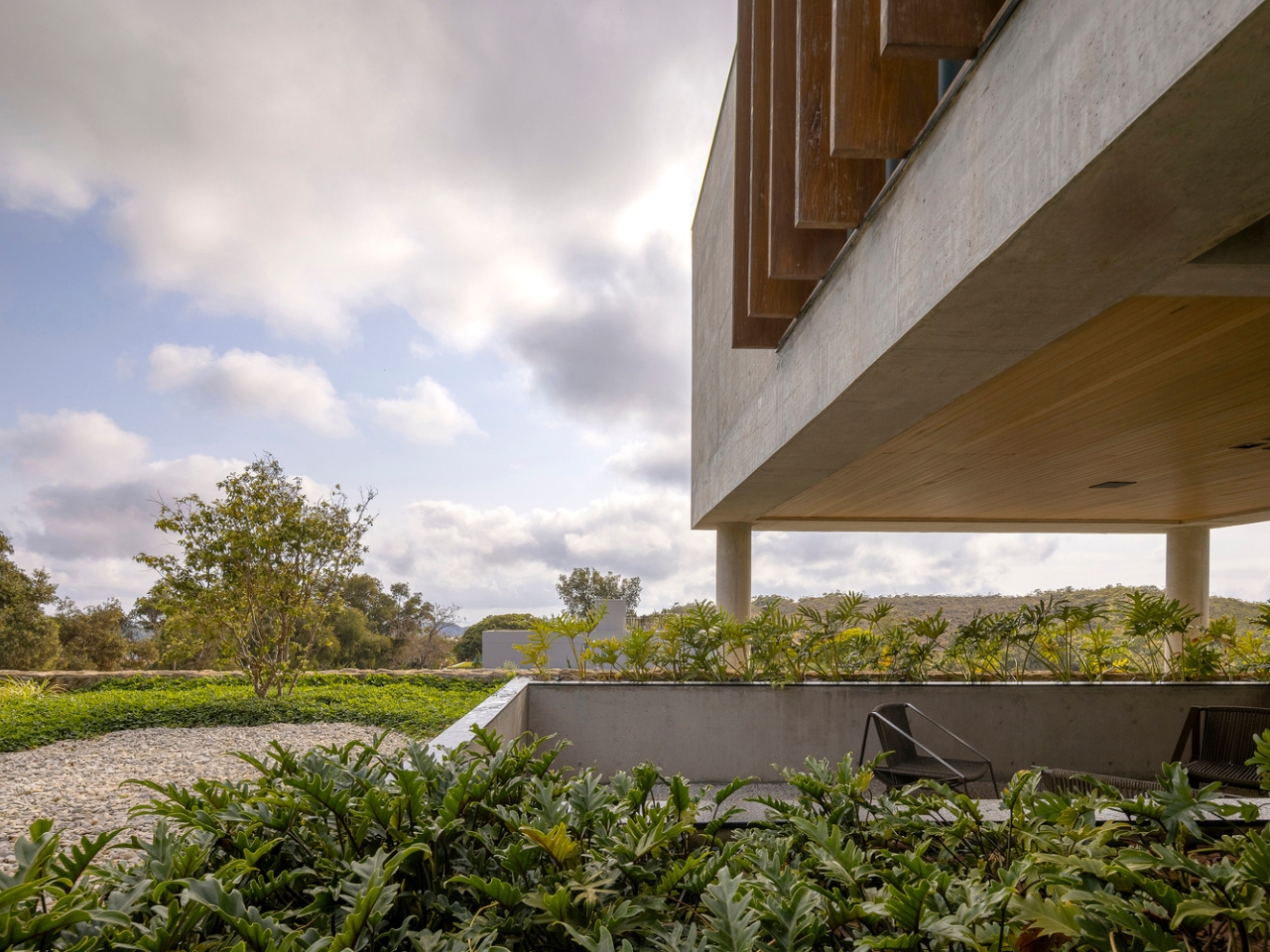
Most architects, when faced with a steeply sloping lot, treat the terrain like a problem to solve. Something to flatten, fill, or work around. Frederico Bicalho Arquitetura did the opposite with GM House, a private residence tucked into the Condomínio Serra dos Manacás in Minas Gerais, Brazil. They treated the hillside not as an obstacle but as the entire point. The result is a home that feels like it was always meant to be here, even though the site itself is anything but straightforward.

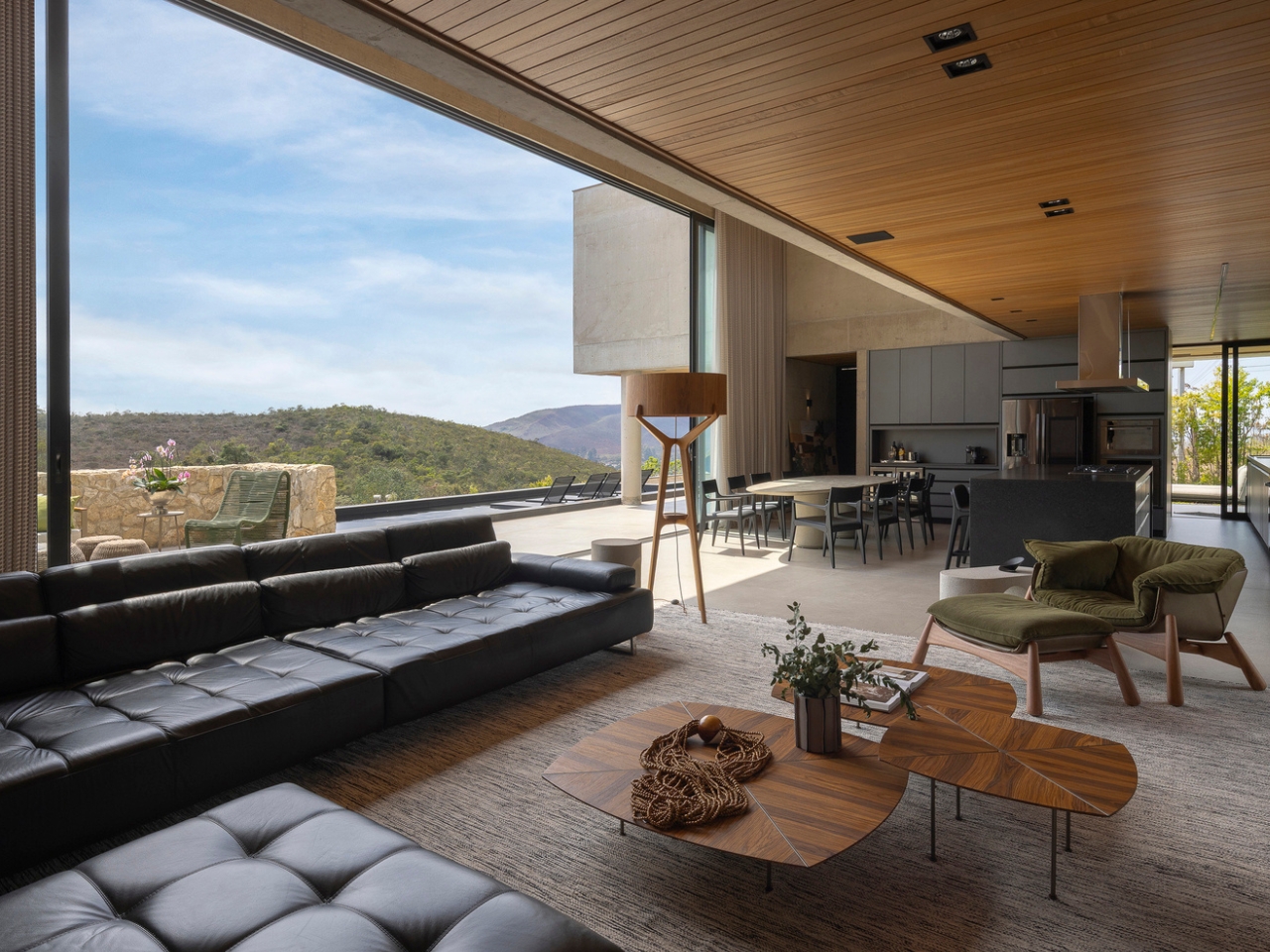
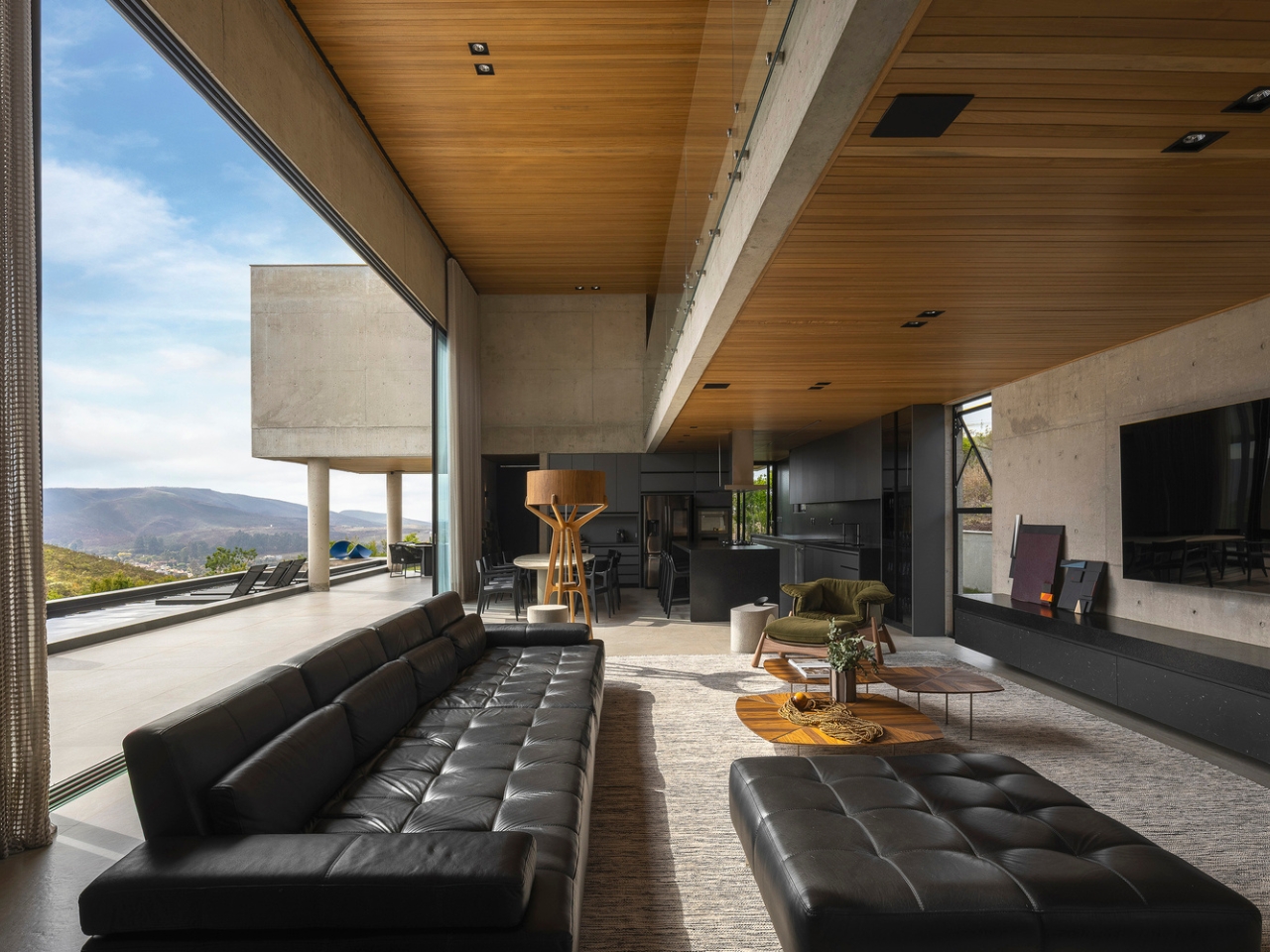
The design follows a longitudinal layout, which makes complete sense once you understand what the architects were trying to accomplish. By stretching the house along the slope rather than fighting it, the building naturally orients itself toward the mountain views in the valley below. Privacy from neighboring constructions is built right into the plan, not bolted on as an afterthought. The higher terrain works as a natural back wall, shielding the house from the afternoon western sun and any visual intrusion from that side. Meanwhile, the valley-facing side opens up completely, taking advantage of the best light and natural cross-ventilation. It’s the kind of thinking that’s so logical it almost seems obvious, until you realize how rarely anyone actually does it.

Designer: Frederico Bicalho Arquitetura (photos by Jomar Bragança)

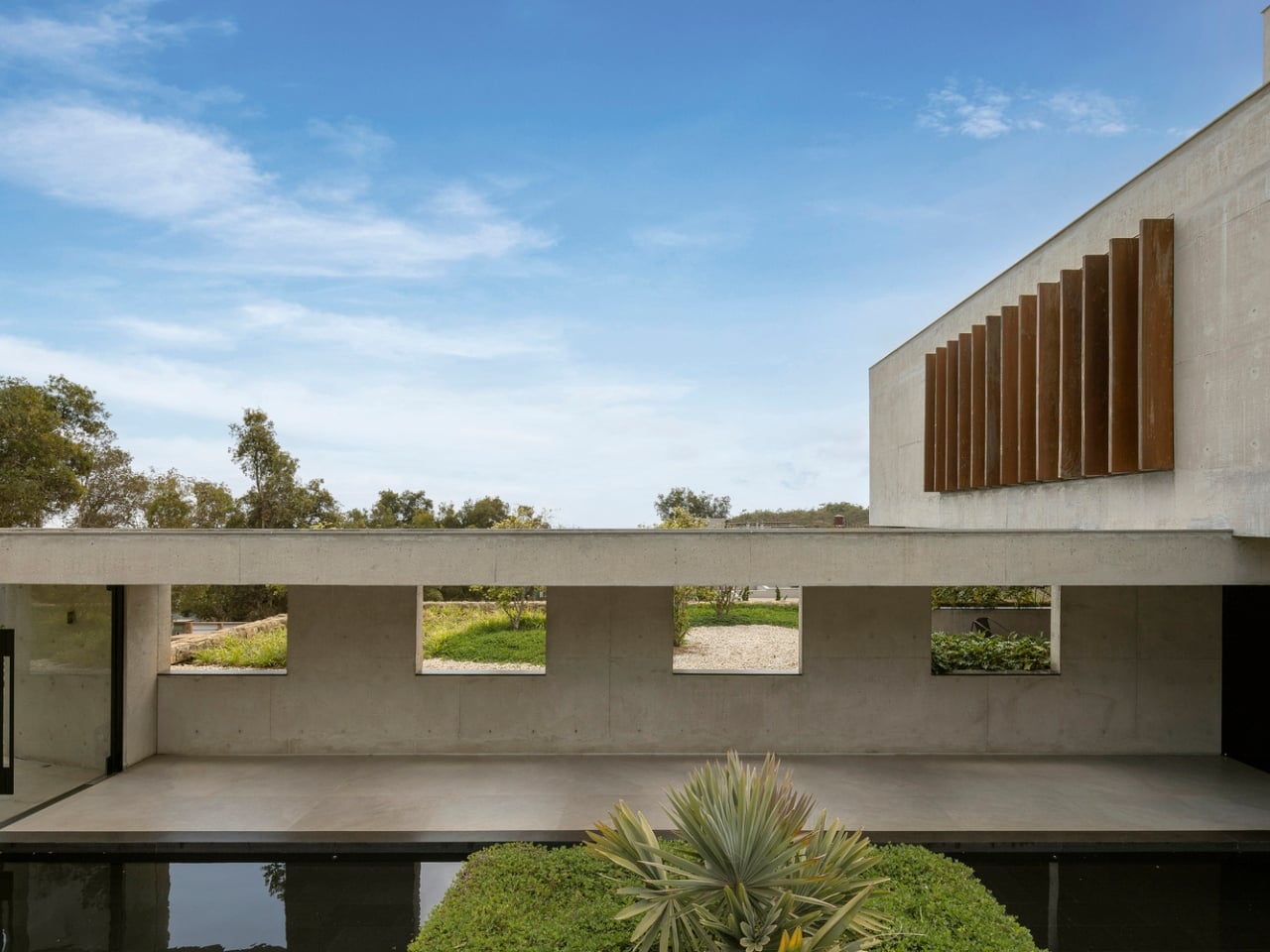
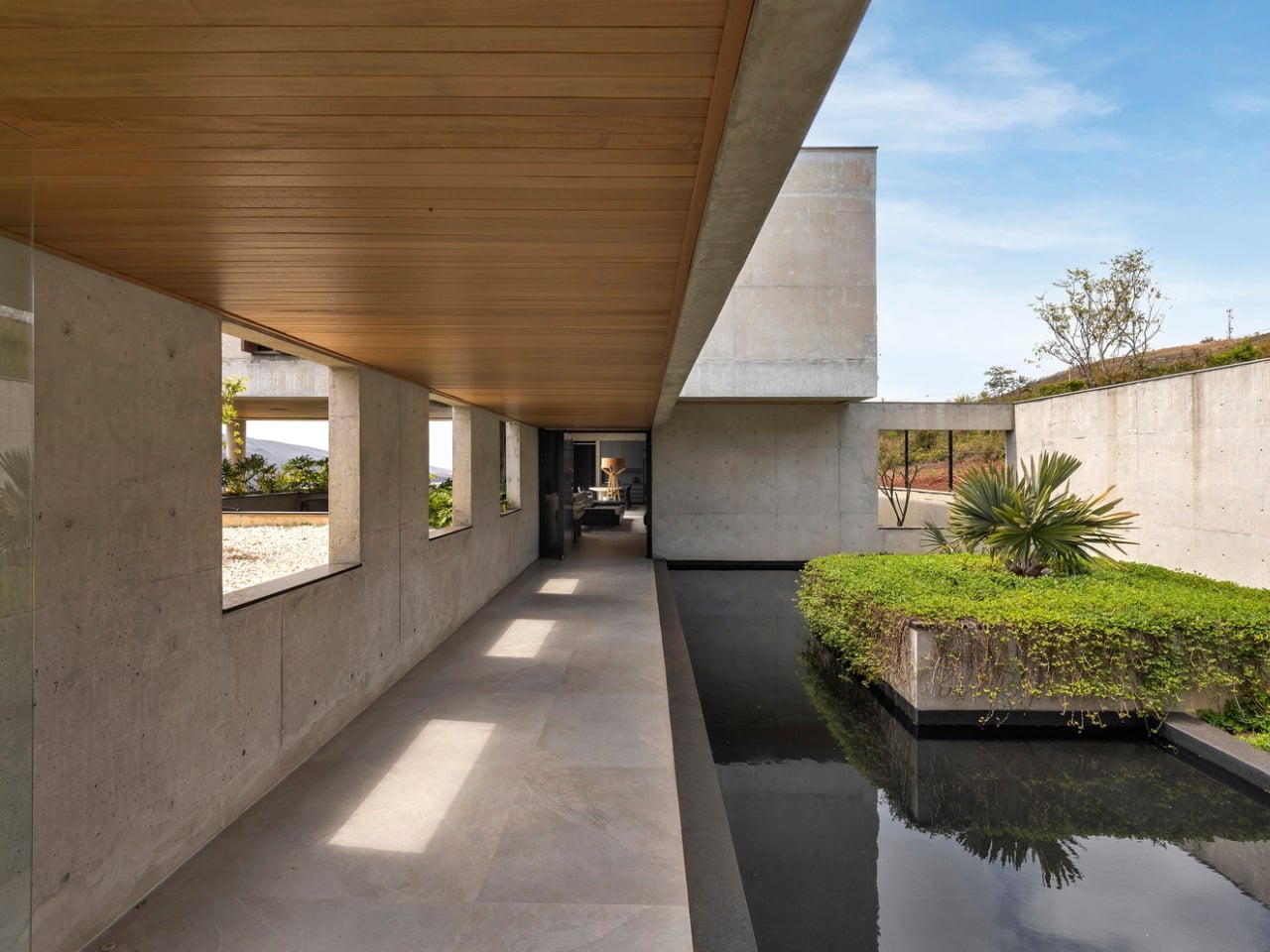
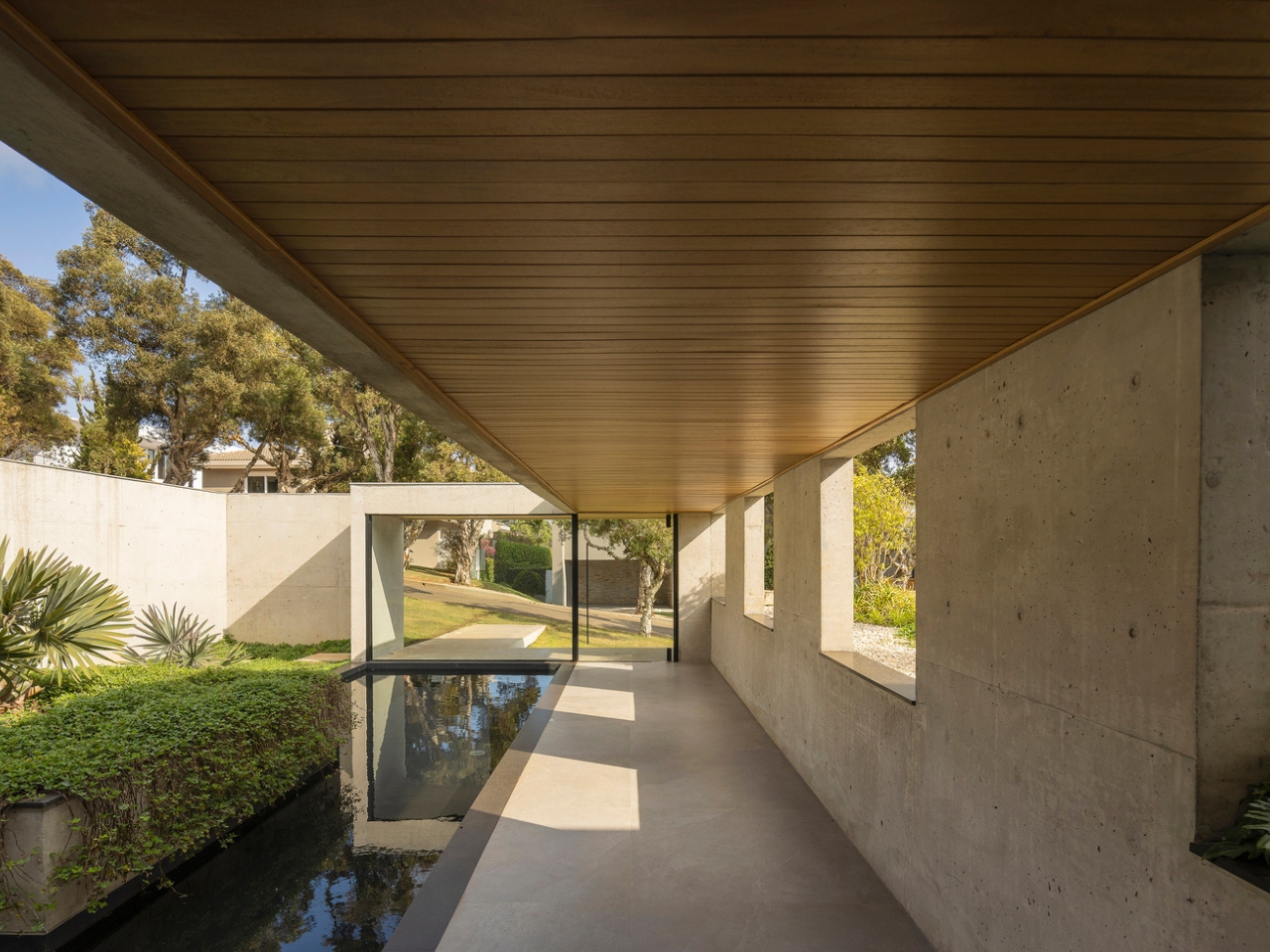
You arrive at GM House via a path that runs directly over a reflecting pool. That’s a genuinely theatrical choice, and one that immediately signals how much this project cares about sequence and experience. Walking toward your own front door over a body of water sets a tone. It slows you down. It makes you look. And it tells you, before you’ve even stepped inside, that this is a house designed with intention.

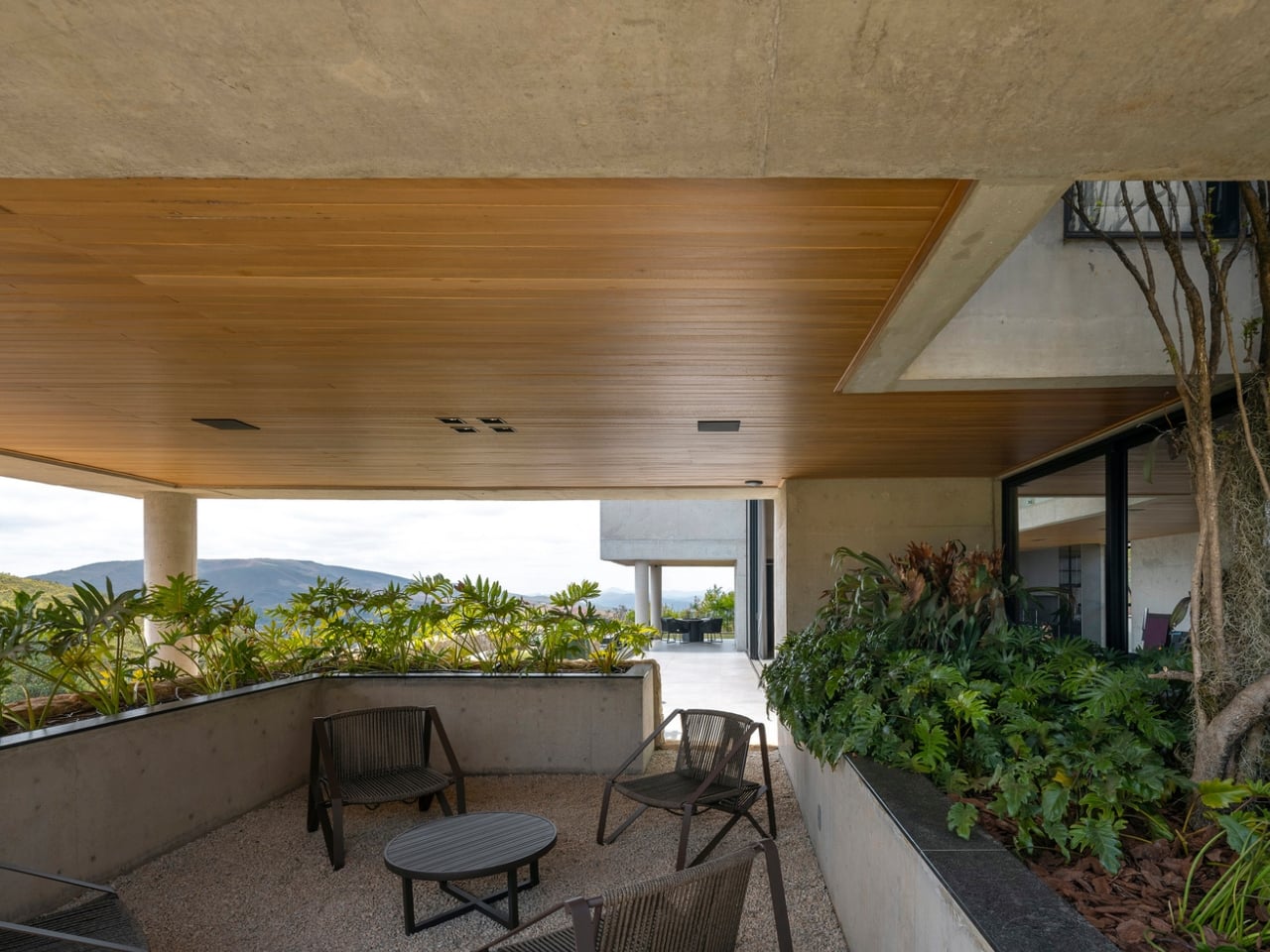
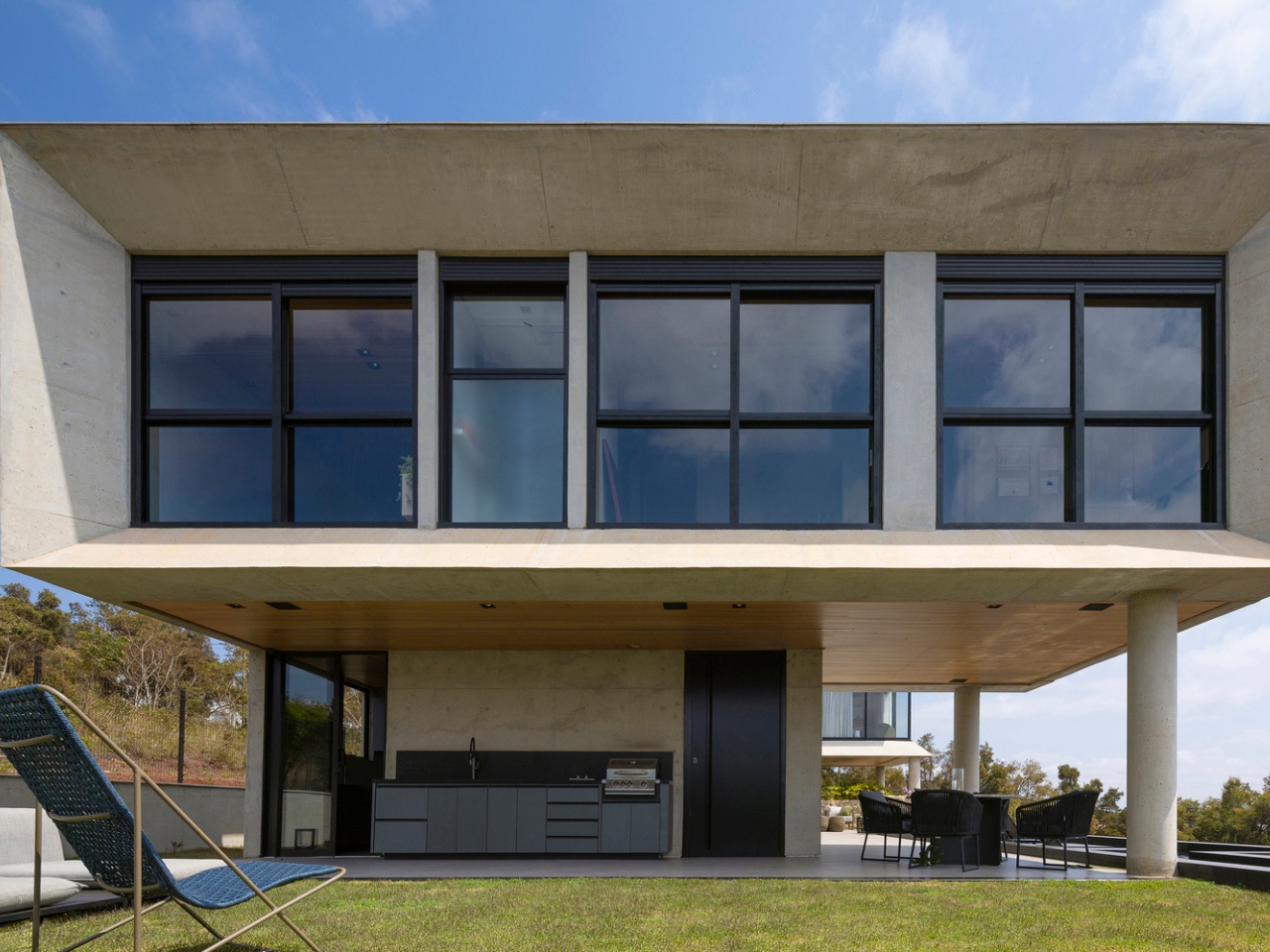
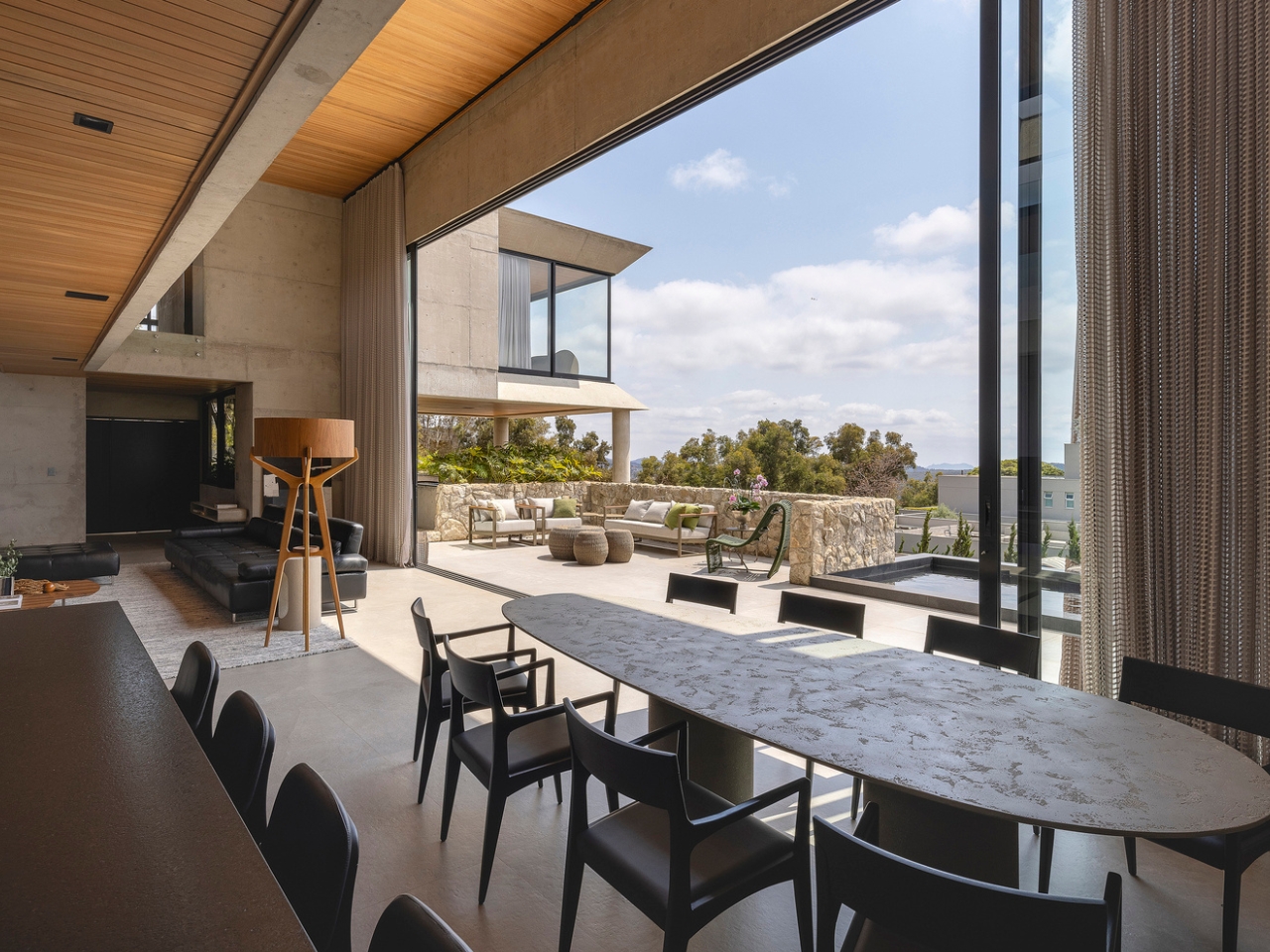
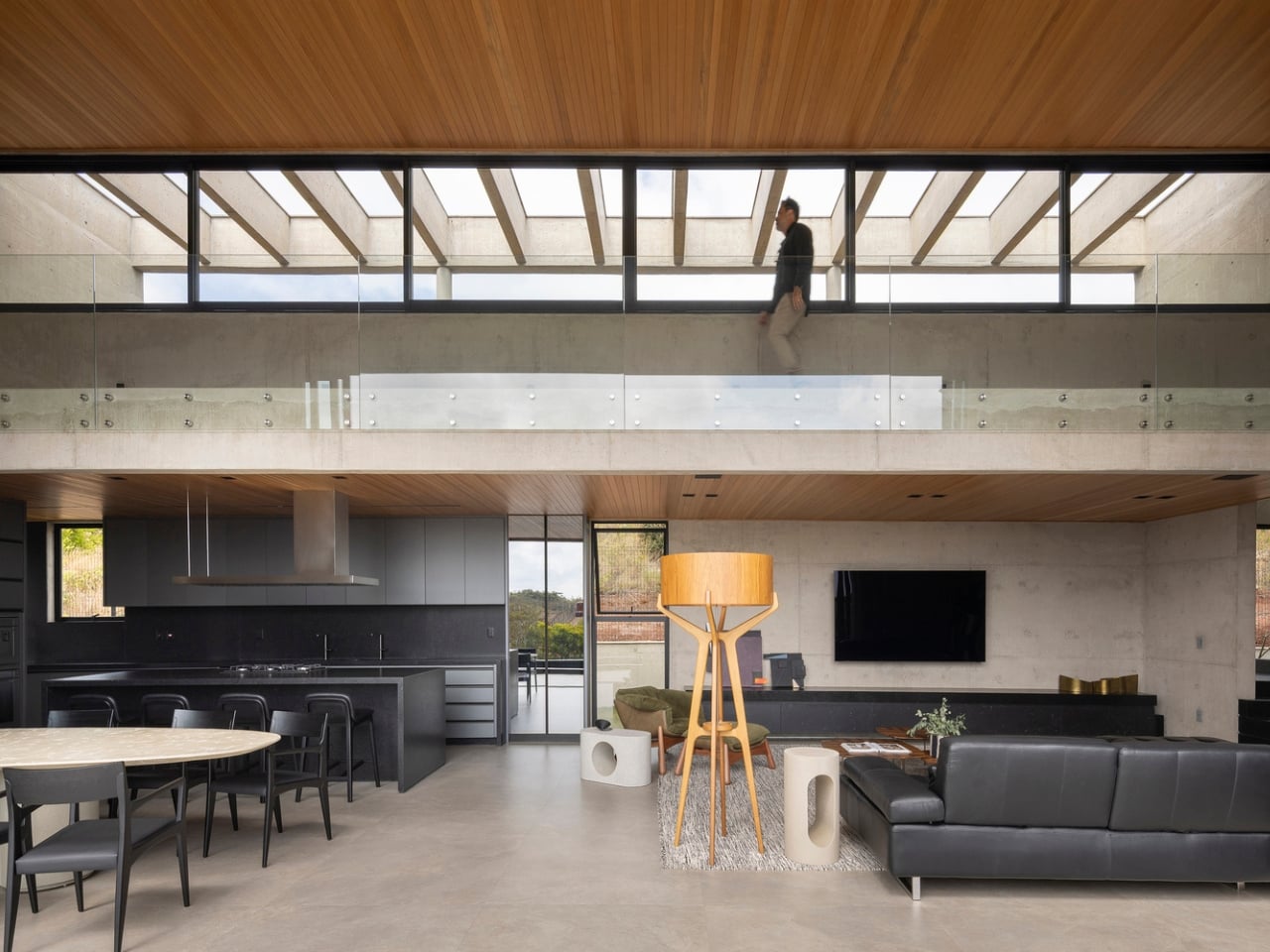
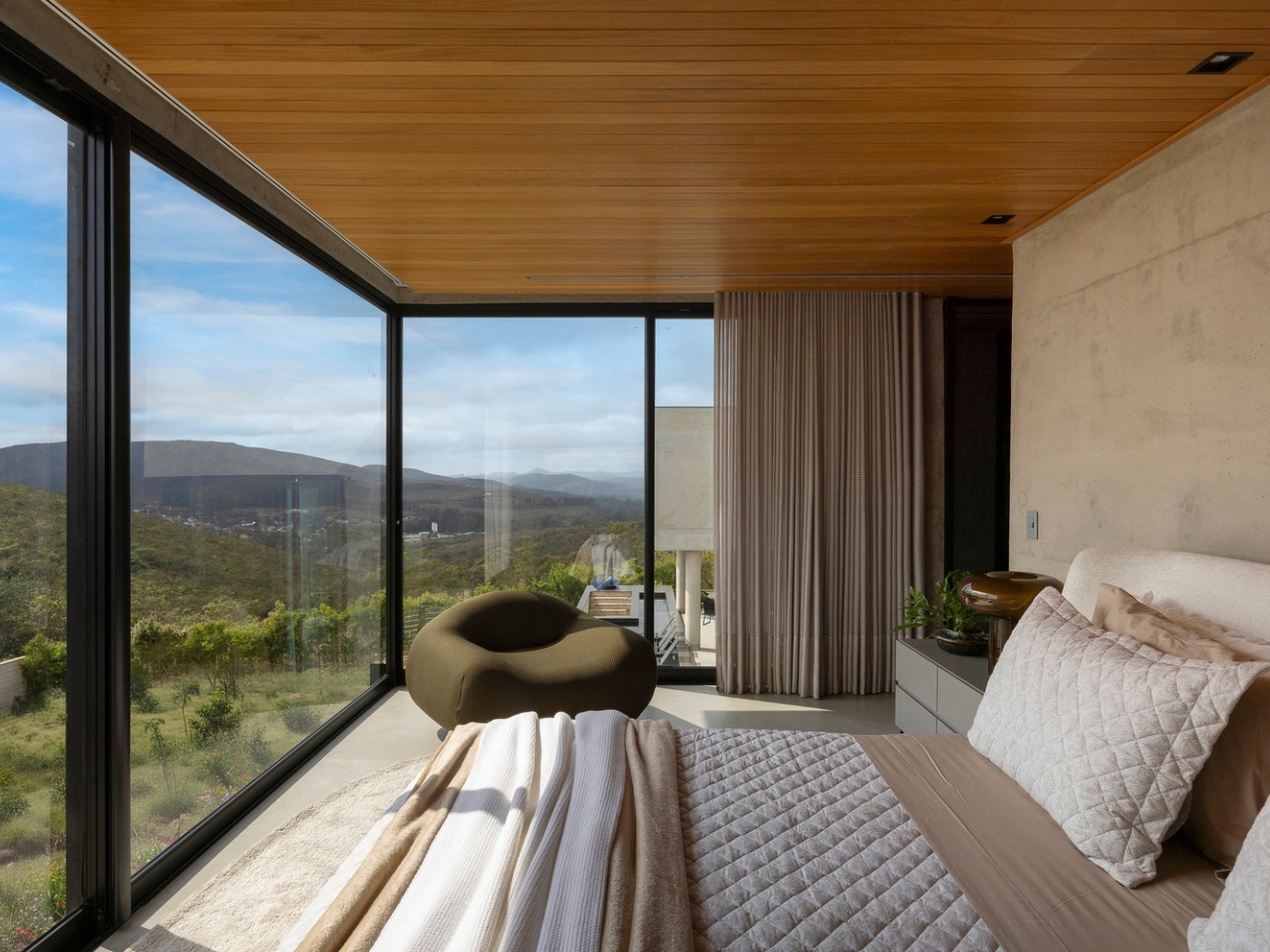
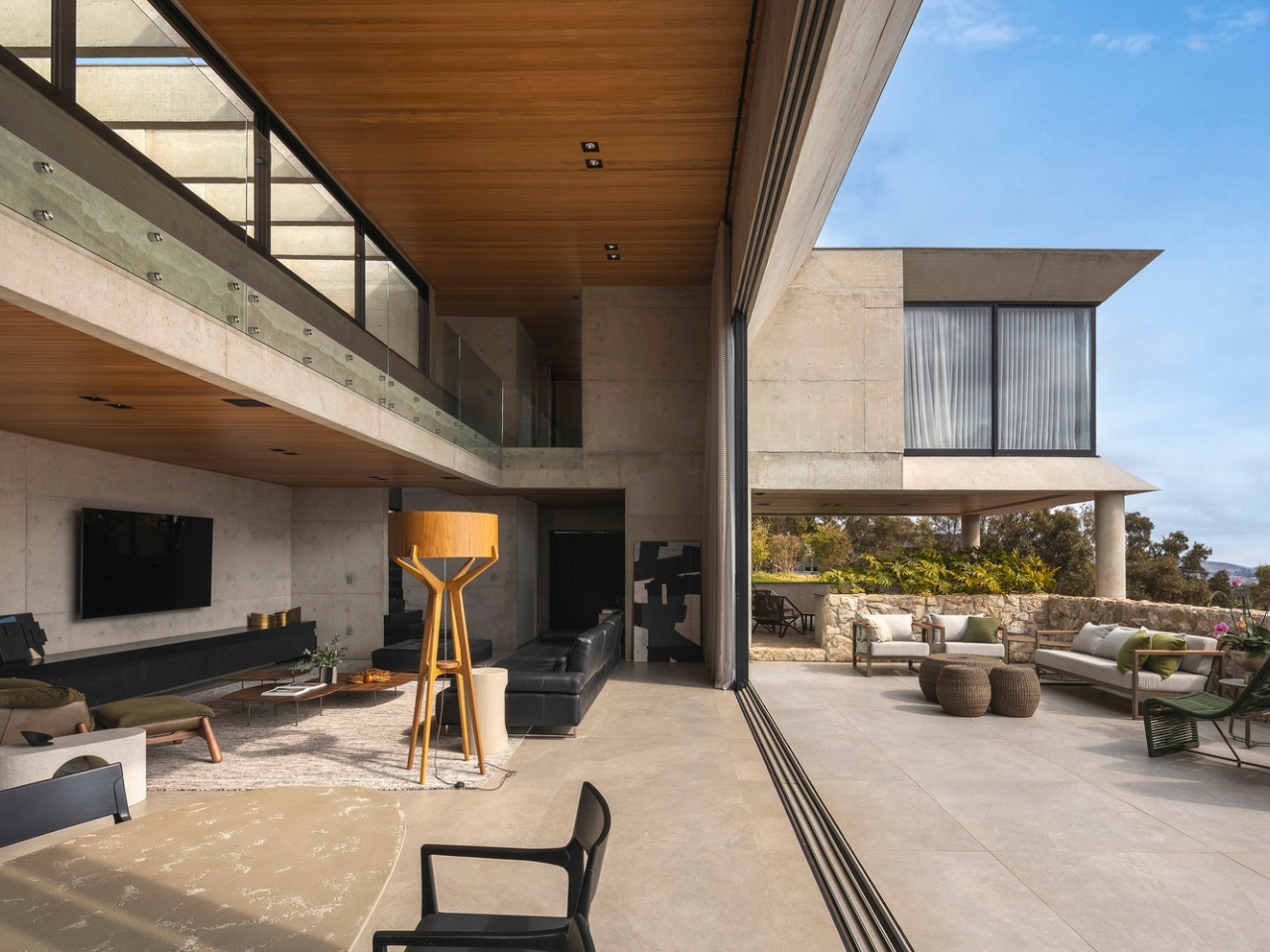
Once you’re in, the layout works in levels. The social areas sit on an intermediate floor, connecting directly to a covered veranda and the pool through large expanses of glass. The interior and exterior don’t just coexist here, they blur into each other. On the upper floor, the bedrooms are arranged in two separate blocks linked by a walkway, every single one of them oriented toward the horizon. Waking up to a mountain view is not incidental in this house. It’s the whole brief.

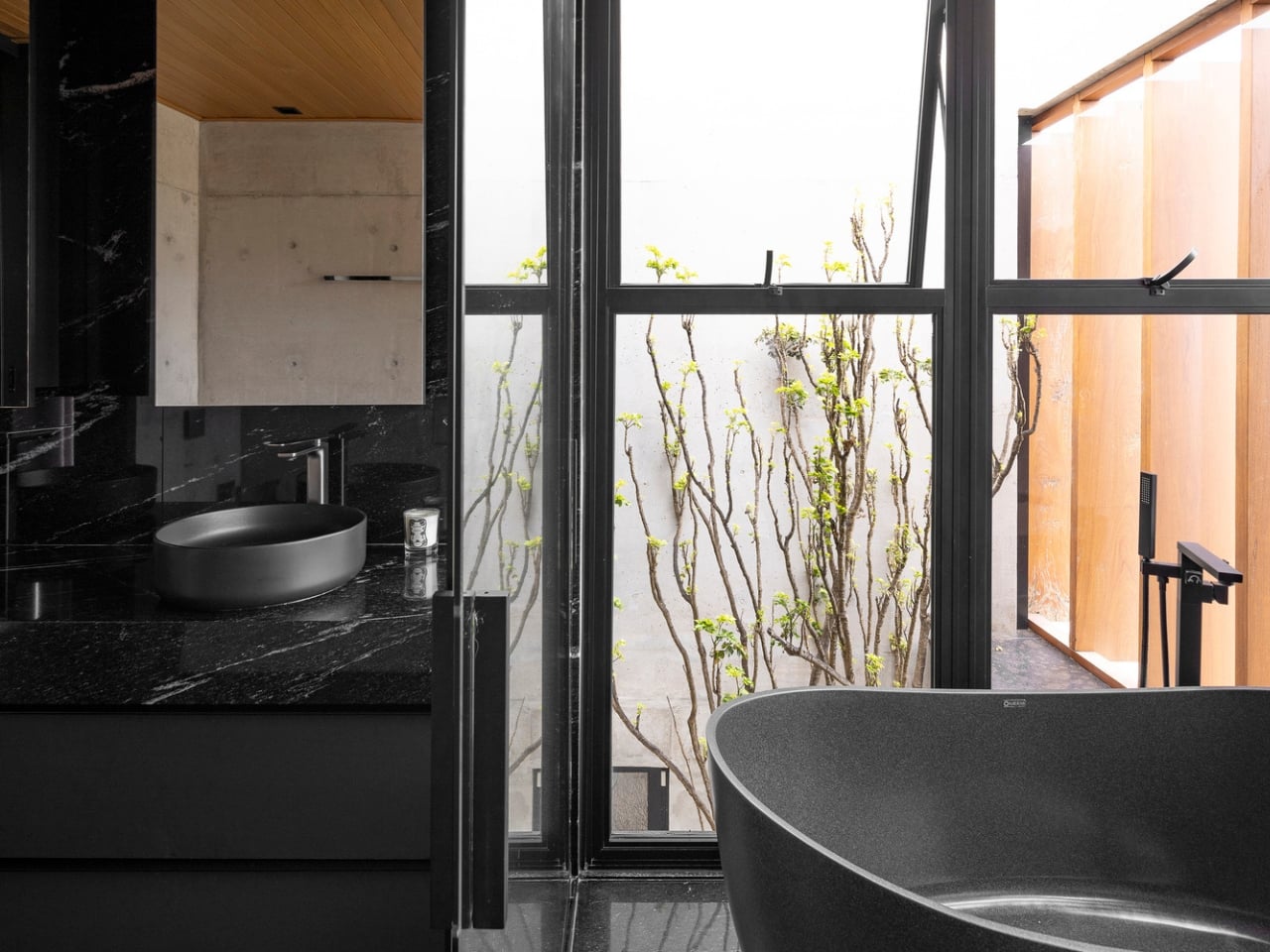
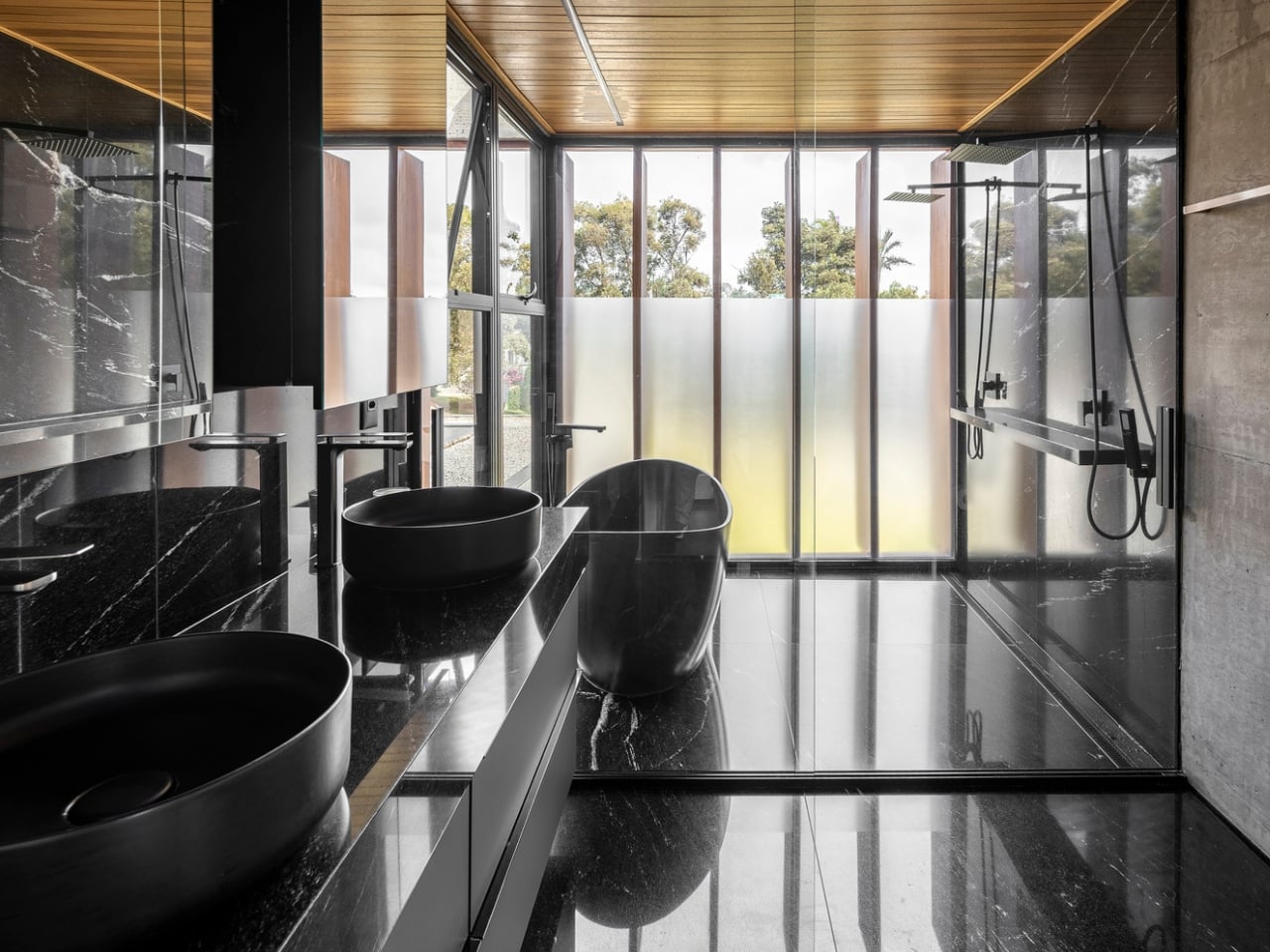
The material palette is deliberately restrained and, I’d argue, quite brave for a private home. Exposed concrete is the primary element throughout, chosen for its texture and durability against the bright red earth that’s characteristic of this part of Brazil. Concrete has a complicated reputation in residential design. It tends to read as cold or institutional when it’s done without care. Here, it reads as something else entirely. The rawness of the material feels honest in this landscape. It doesn’t try to mimic anything softer or warmer. It trusts itself.

That confidence is really what defines this project. Frederico Bicalho Arquitetura didn’t reach for novelty or spectacle. They made a series of clear decisions rooted in climate, topography, and the experience of moving through a space. The reflecting pool at the entrance. The closed upper back wall. The glass-opened lower front. The walkway connecting the bedroom blocks. Each move is precise and purposeful, and the cumulative effect is a house that feels simultaneously monumental and quietly livable.

I keep returning to the photographs by Jomar Bragança, because they do something that’s surprisingly hard to do with architecture photography: they make you feel the site. You understand the slope, the heat, the red earth, the valley stretching out below. The light in these images isn’t just flattering, it’s narrative. You get a real sense of why this house sits exactly where it does and why it faces exactly the way it faces.

Brazilian contemporary architecture has been having a genuine moment internationally, and projects like GM House make it easy to understand why. It’s not about following a global trend or speaking a universal modernist language. It’s about reading a specific piece of land and responding to it with clarity and confidence. That’s harder than it looks. And when it’s done right, it’s very hard to look away.

The post The Brazilian House That Turns a Hillside Into a Feature first appeared on Yanko Design.