A $35,000 Swedish Pyramid That Goes Anywhere, Needs Nothing

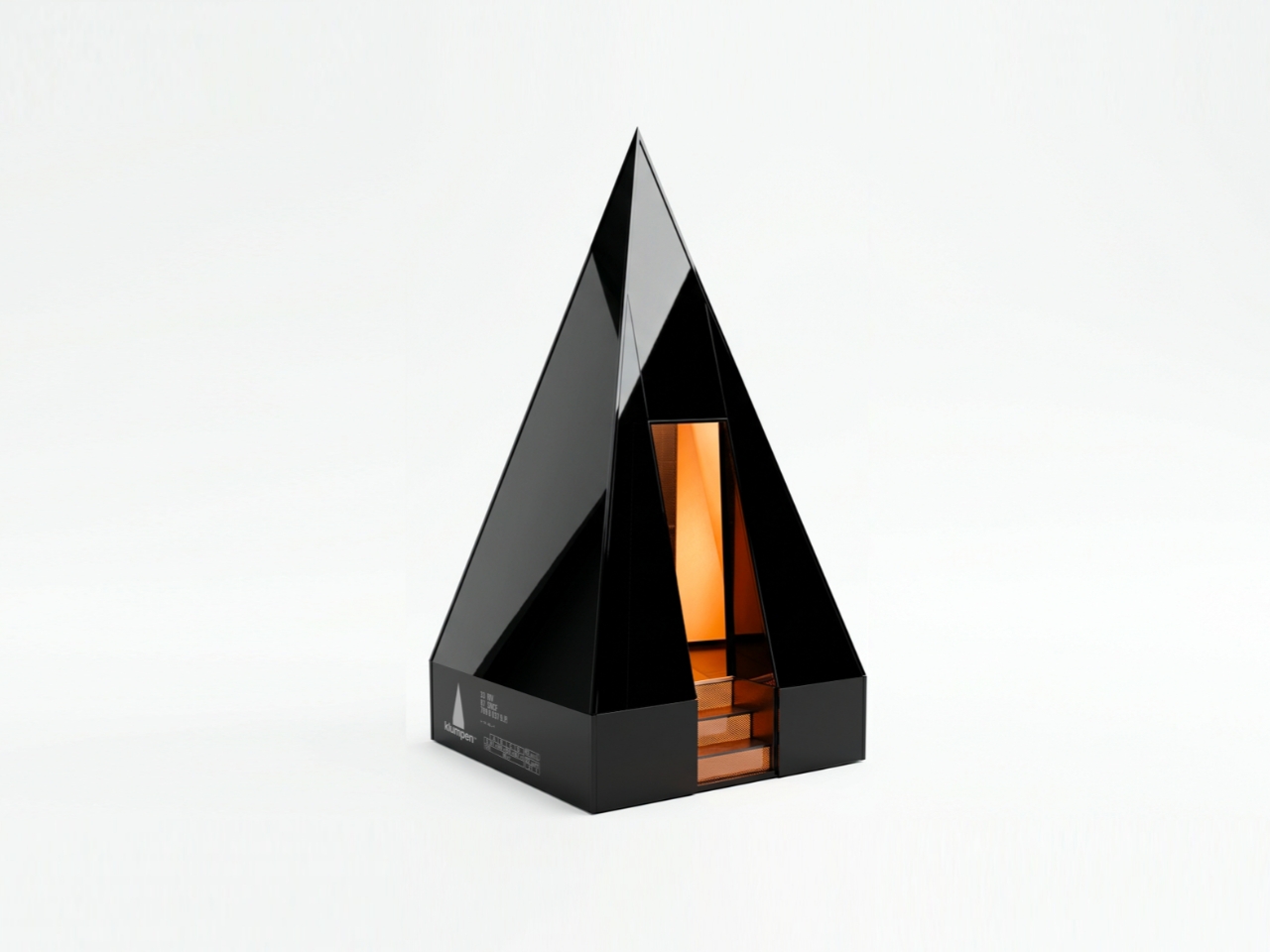
The first time I saw a photo of Klumpen, I thought someone had dropped a monolith into the Arctic tundra. A matte black pyramid, impossibly sharp against the snow, with a sliver of warm amber light cutting through its entrance. It looks like a prop from a science fiction film. But it is very much real, very much functional, and it is arriving very soon.

Klumpen is the work of Himmelsfahrtskommando, a Swedish architectural duo that includes designer Hannah Mazetti, with a studio name that roughly translates to “suicide mission” in German. Whether that is a philosophical statement or a dark joke about building in the Nordic winter, I am genuinely not sure. What I do know is that the thing they have built is one of the more quietly radical design objects I have come across in years. It asks a deceptively simple question: what if you did not need permission to be somewhere?

Designer: Himmelsfahrtskommando

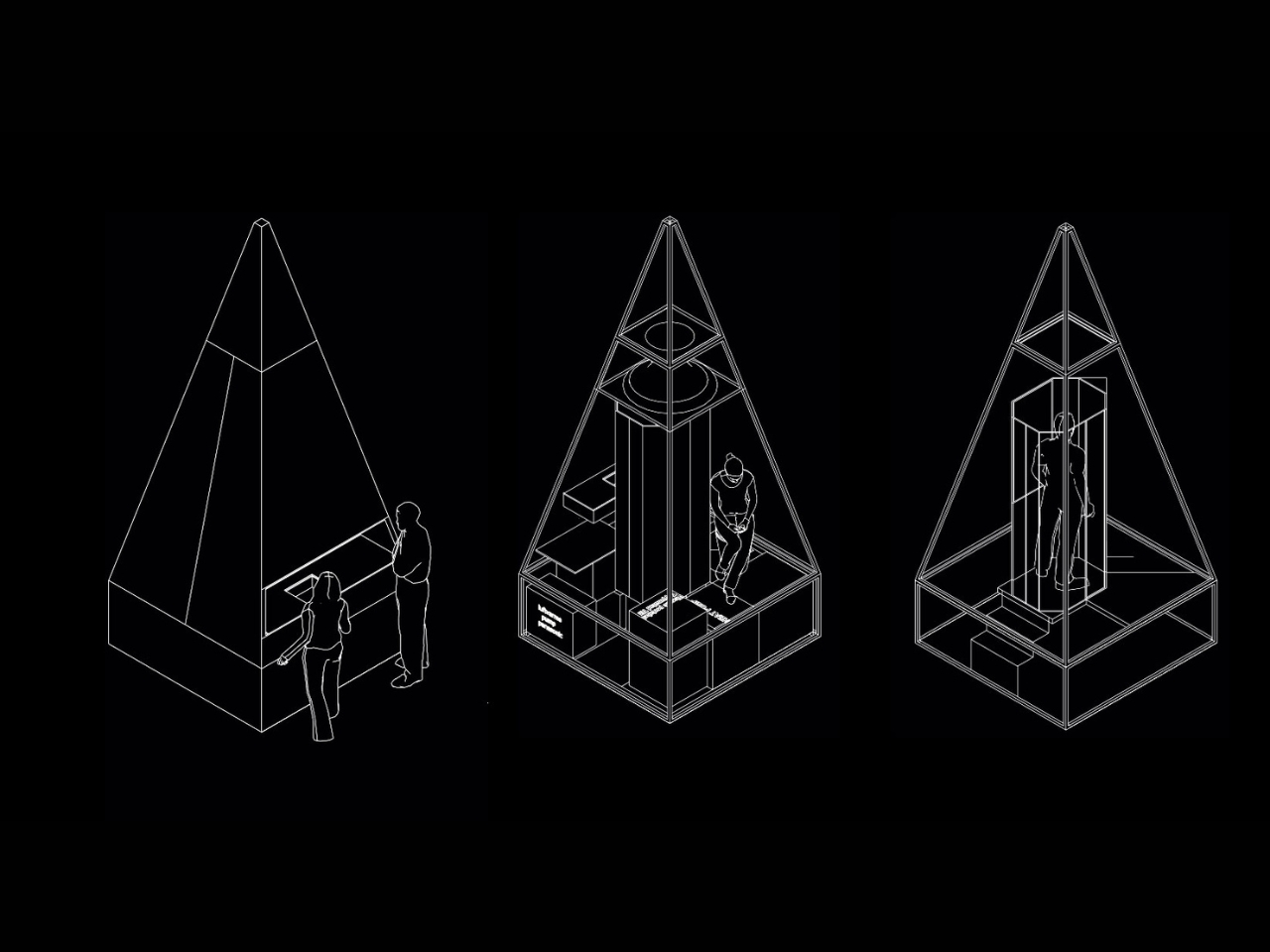
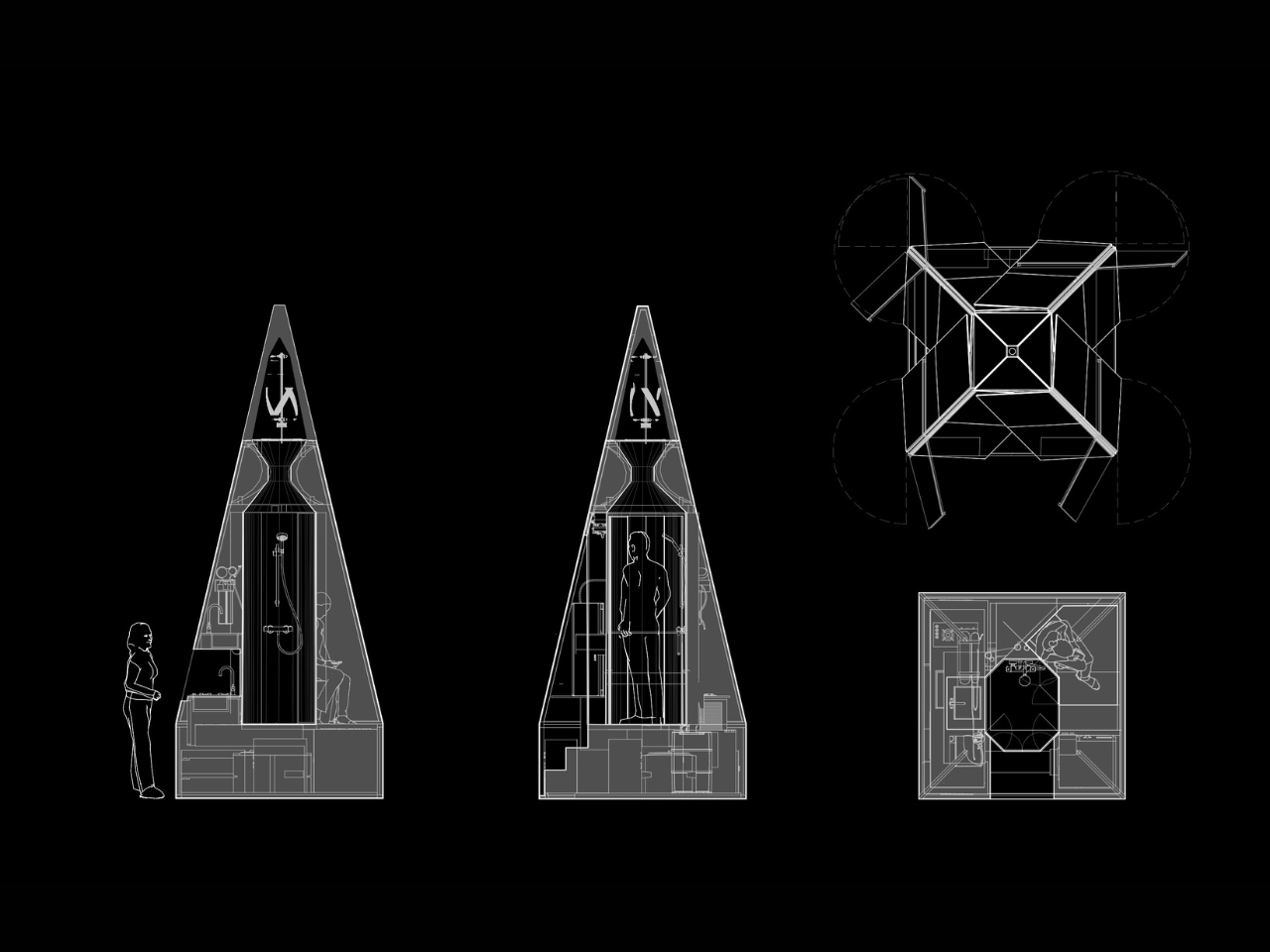
At just 7 square metres, Klumpen is technically a utility structure. But calling it that feels like calling the iPhone a phone. Inside this factory-built pyramid is a complete off-grid living infrastructure: a photovoltaic solar array running at 450 to 600 volts DC, a 7.5 kWh battery for storage, an air-to-water heat pump, a closed-loop greywater recycling system, satellite broadband, a shower, a lavatory, and a kitchen with two stoves, a sink, and a microwave. The pyramid shape, for the record, is not an aesthetic choice. The designers say it is simply the most efficient envelope for the specific stack of systems inside. Form follows function, very literally.
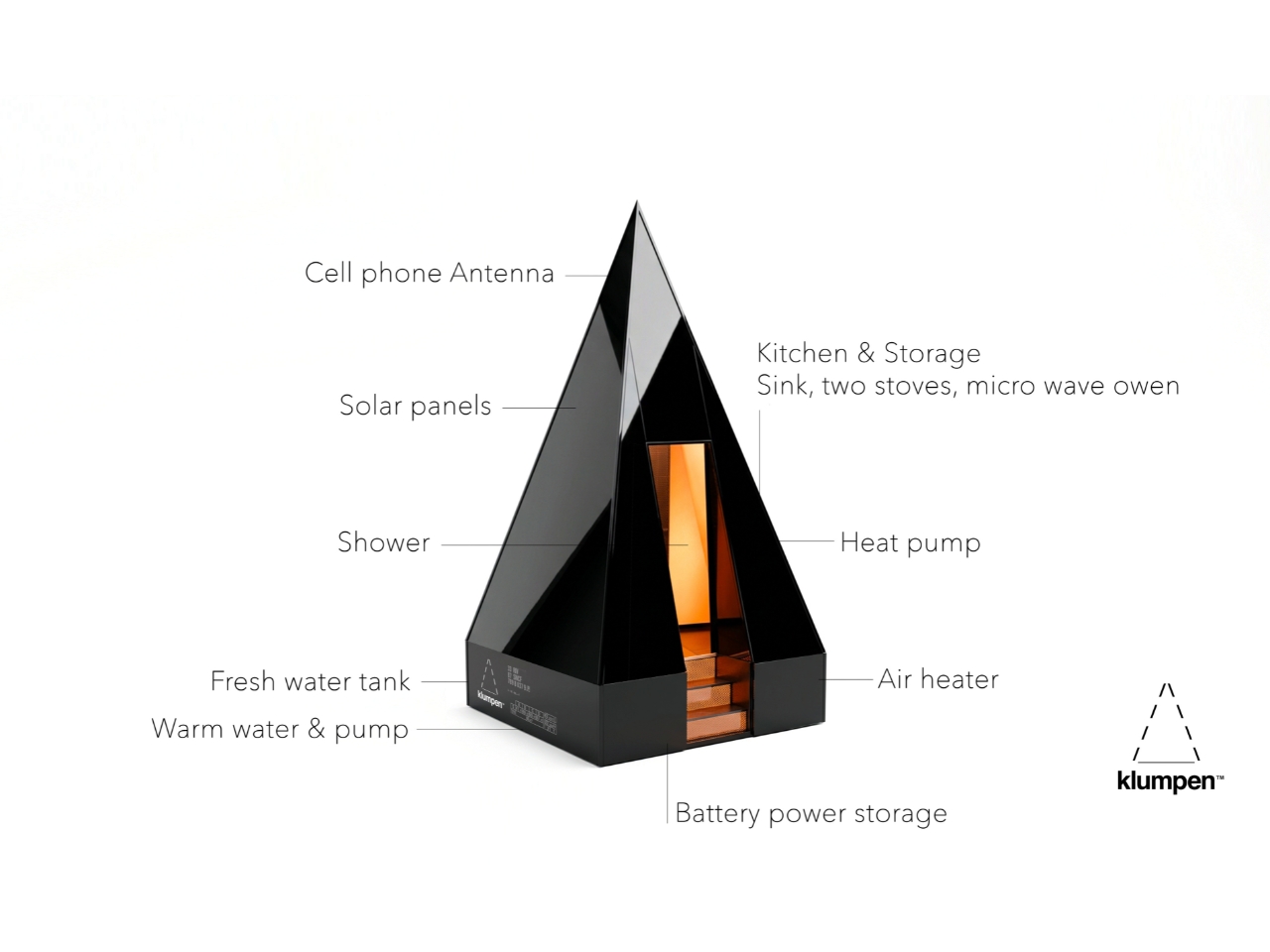
The prototype has already been tested through a real Arctic winter in northern Sweden, which tells you something important about how seriously they are taking this. It is one thing to announce a sleek off-grid concept on a design blog. It is another to actually freeze-test it in the dark of a Scandinavian January. The first production batch ships in September 2026, with a target retail price of $35,000.

That price will draw raised eyebrows, and fair enough. $35,000 is not nothing. But compare it to the cost of running utility lines to a remote plot of land, the legal labyrinth of planning permissions, the months of plumber schedules and contractor delays, and suddenly a plug-and-play pyramid starts to look like a reasonable proposition. You set it down on flat ground. You press ON. No permits. No plumbers. No waiting at the utility company. That is genuinely the promise.
I keep thinking about what that actually means for people. We have become so accustomed to depending on invisible infrastructures that we rarely stop to notice the stranglehold they have on where and how we can live. Want to build a simple structure on a piece of land you own? Prepare for months of negotiations with people who have never seen the land. Klumpen is not a protest against that system, exactly. It is something quieter. An elegant sidestep.

The designers frame this in terms of ownership and autonomy, drawing a line from ancient democracies, where property meant political voice, to a present where most people in the industrialised world either rent or carry mortgages on homes they will spend decades paying off. The argument is a little romantic, but it does not feel wrong. The degree to which we have outsourced control of our most basic needs, from electricity and water to warmth and connectivity, to external systems we cannot touch or meaningfully influence is worth taking seriously.
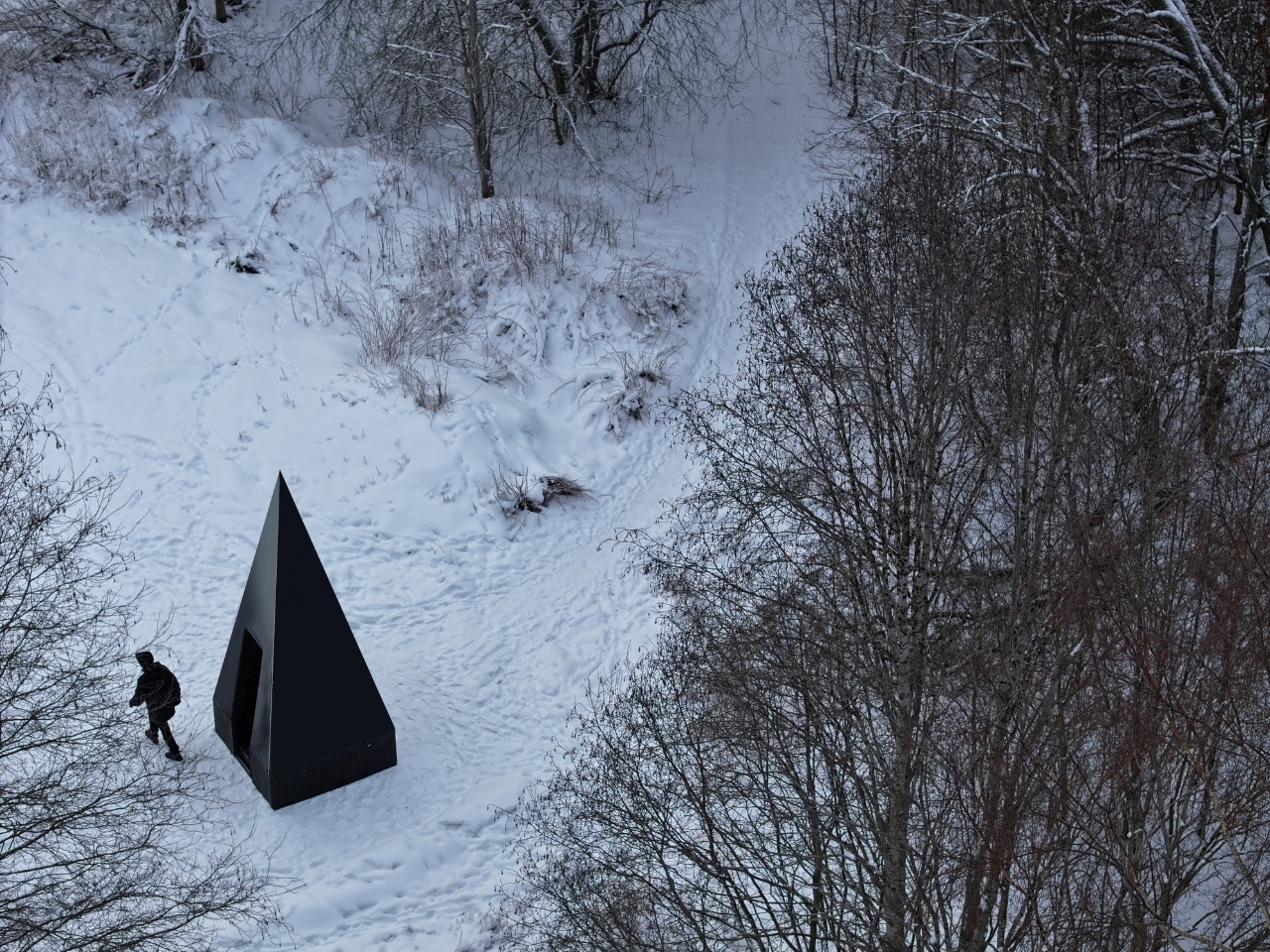
Is Klumpen going to solve the housing crisis? No. But the most interesting design objects rarely solve the biggest problems outright. What they do is shift the way people think about what is possible. A 7-square-metre pyramid that makes you genuinely independent of the grid, dropped in a meadow or on a hillside or beside a frozen lake in northern Sweden, does exactly that. It reframes a shed as a statement. The first batch launches in September. I would not be surprised if the waitlist fills fast.

The post A $35,000 Swedish Pyramid That Goes Anywhere, Needs Nothing first appeared on Yanko Design.
What to read this weekend: Revisiting Project Hail Mary and The Thing on the Doorstep

Need something new for your reading list? Here are two titles we think are worth checking out. This week, we've got Andy Weir's Project Hail Mary and The Thing on the Doorstep, an H.P. Lovecraft adaptation for Image Comics. 

This article originally appeared on Engadget at https://www.engadget.com/entertainment/what-to-read-this-weekend-revisiting-project-hail-mary-and-the-thing-on-the-doorstep-190000250.html?src=rss

Apple considered buying Halide to upgrade its native Camera app

A legal feud between the co-founders of Lux Optics, the developer behind the Halide camera app, revealed that Apple was close to acquiring the company. As first reported by The Information, Apple held acquisition talks for Lux Optics, which also developed the Kino, Spectre and Orion apps, in the summer of 2025.

According to The Information, the deal eventually fell through in September of that year, but the potential acquisition could've provided Apple with the third-party software to improve its own built-in camera app. Apple is already rumored to be introducing variable aperture to its upcoming iPhone 18 Pro models, so it's not surprising that the iPhone maker was looking for software with advanced features to match its possibly upgraded camera hardware.

Despite Apple's interest, Lux Optics' co-founders, Ben Sandofsky and Sebastiaan de With concluded that future updates to Halide could increase the company's valuation and ended the acquisition talks. According to the lawsuit between the co-founders, Sandofsky started investigating de With for the alleged misuse of company funds shortly after the talks with Apple ended. Afterwards, de With was fired from Lux Optics and later joined Apple's design team. While Halide may remain third-party software for iPhones and iPads, users can still look forward to some software improvements to the built-in camera app, since that's reportedly one of Apple's priorities.

This article originally appeared on Engadget at https://www.engadget.com/apps/apple-considered-buying-halide-to-upgrade-its-native-camera-app-175139818.html?src=rss

A Minecraft theme park will open in London in 2027

The best-selling game of all time is moving from the virtual to the physical. Minecraft World, a permanent Greater London theme park based on the game, is scheduled to open in 2027. The announcement came during Minecraft Live 2026.

It will be a new section in Chessington World of Adventures, a theme park with a built-in zoo. The resort is a 35-minute train ride from London's Waterloo station.

Details are still fairly light on the park. But we know it will include a roller coaster, "interactive adventures" and "epic block-built playscapes." Torfi Frans Ólafsson, the game franchise's creative director, said they're aiming for "an experience that feels immersive, authentic and welcoming." Naturally, that will include welcoming you to open your wallet in Minecraft-themed retail and dining spots.

The park is a collaboration between Mojang Studios and Merlin Entertainments, the world's second-largest theme park builder. (A certain rodent-led empire is first.)

If visiting the full theme park in England isn't your thing, the latest location of the game’s (also real-world) pop-up events will open in May. Minecraft Experience: Moonlight Trail will let visitors in Buenos Aires, Argentina, go on an hour-long outdoor nighttime adventure. As its name suggests, you'll "walk a moonlit trail” through iconic Minecraft biomes. Along the way, you’ll craft gear, mine diamonds, battle mobs and “help restore an ancient beacon." The event opens in May.

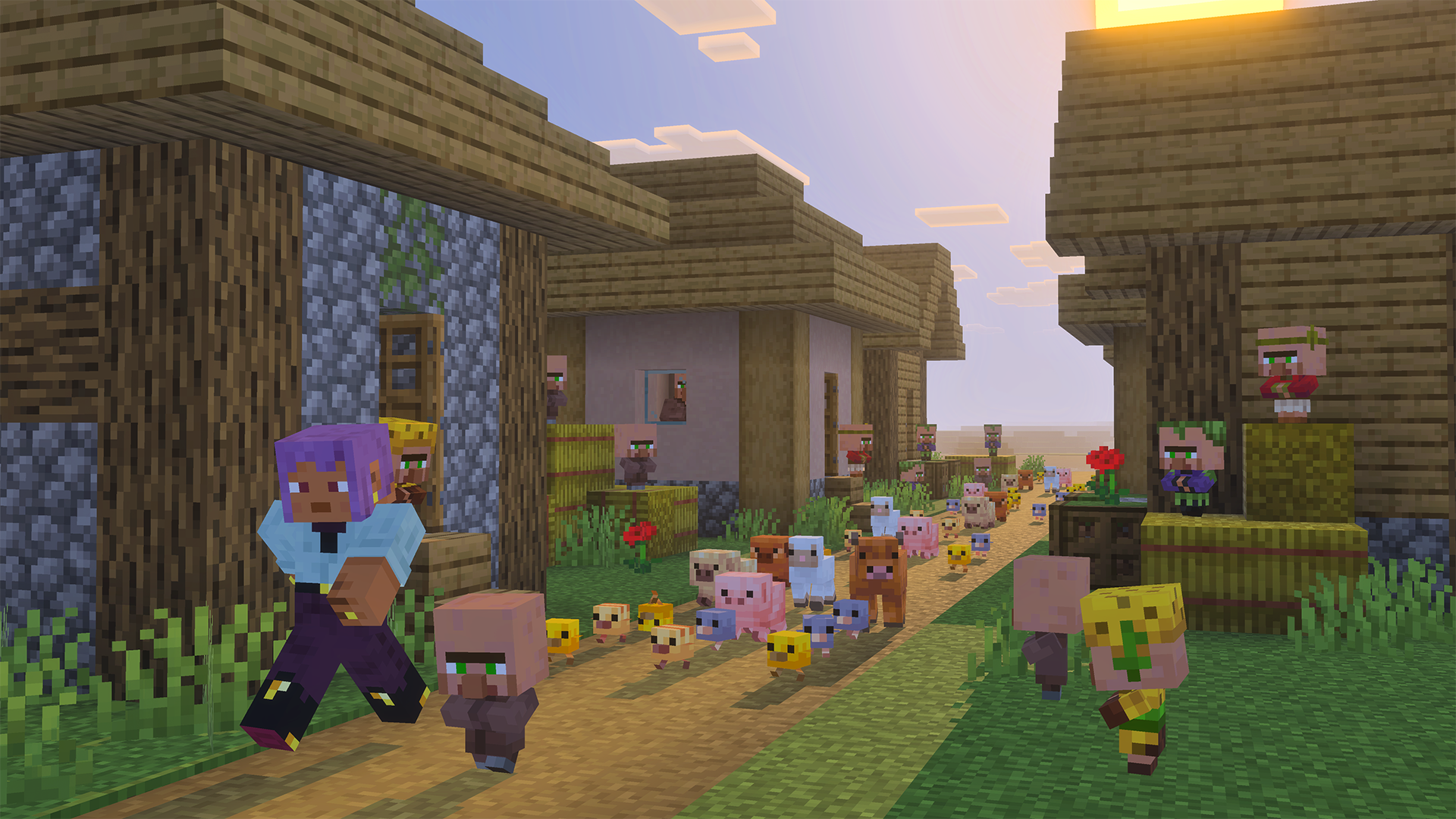
Screenshot from Minecraft. A character walks through a village, followed by a gaggle of babies of various species.
The game's next big drop, Tiny Takeover, arrives on Tuesday.
Mojang Studios

Not all of Minecraft Live's announcements were about real-world empire building. Minecraft, the game, is getting some updates, too. Its next big drop, Tiny Takeover, will live up to the billing with a redesigned "cuter" look for baby mobs. The update will also add a golden dandelion, which you can feed to a baby mob to make it stay young forever. (Or, at least until you feed it a second one.) Tiny Takeover arrives on March 24.

Mojang also teased the next drop after that. Later this year, Chaos Cubed will add a sulfur cube that changes properties when absorbing different materials. "There is a lot of variety in what the cube can do," Mojang promises. "Just like there are balls with different 'bounciness' and behavior, the sulfur cube can have different physics."

Finally, the long-rumored Minecraft Dungeons II game is official. We're still extremely light on details about the sequel to the 2020 spinoff, aside from the fact that you can wishlist it on March 21.

This article originally appeared on Engadget at https://www.engadget.com/gaming/a-minecraft-theme-park-will-open-in-london-in-2027-173000917.html?src=rss

This E Ink Foldable Phone Concept Punishes Doomscrolling by Design

Most smartphones are designed to be impossible to put down. The screen faces up on every table, the display lights up for every notification, and the cost of checking it one more time is exactly zero. That’s not an accident. The hardware removes friction from compulsive use because removing friction is what makes these devices feel indispensable. The tinyBook Flip concept asks a different question entirely: what if the phone were designed to get out of the way?

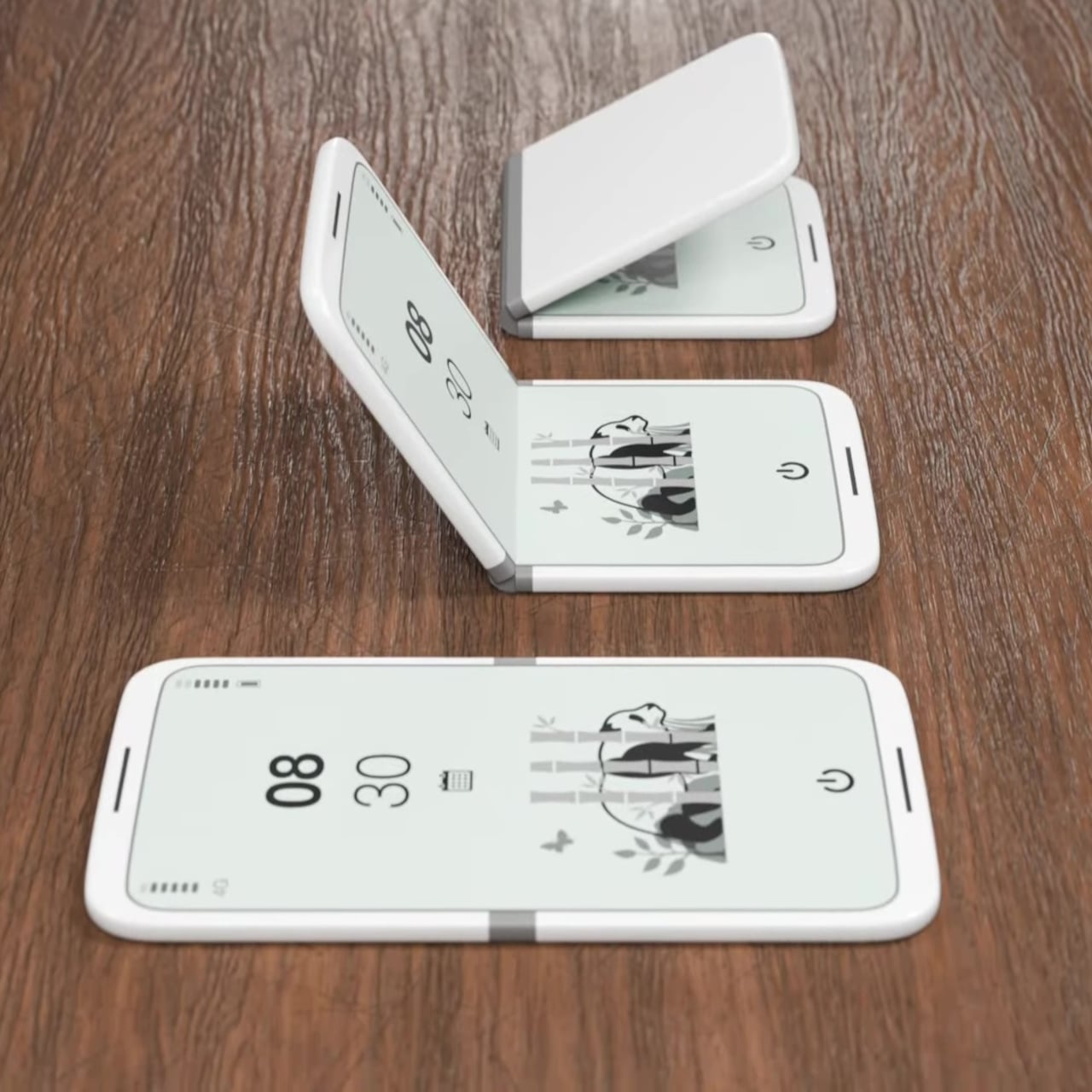
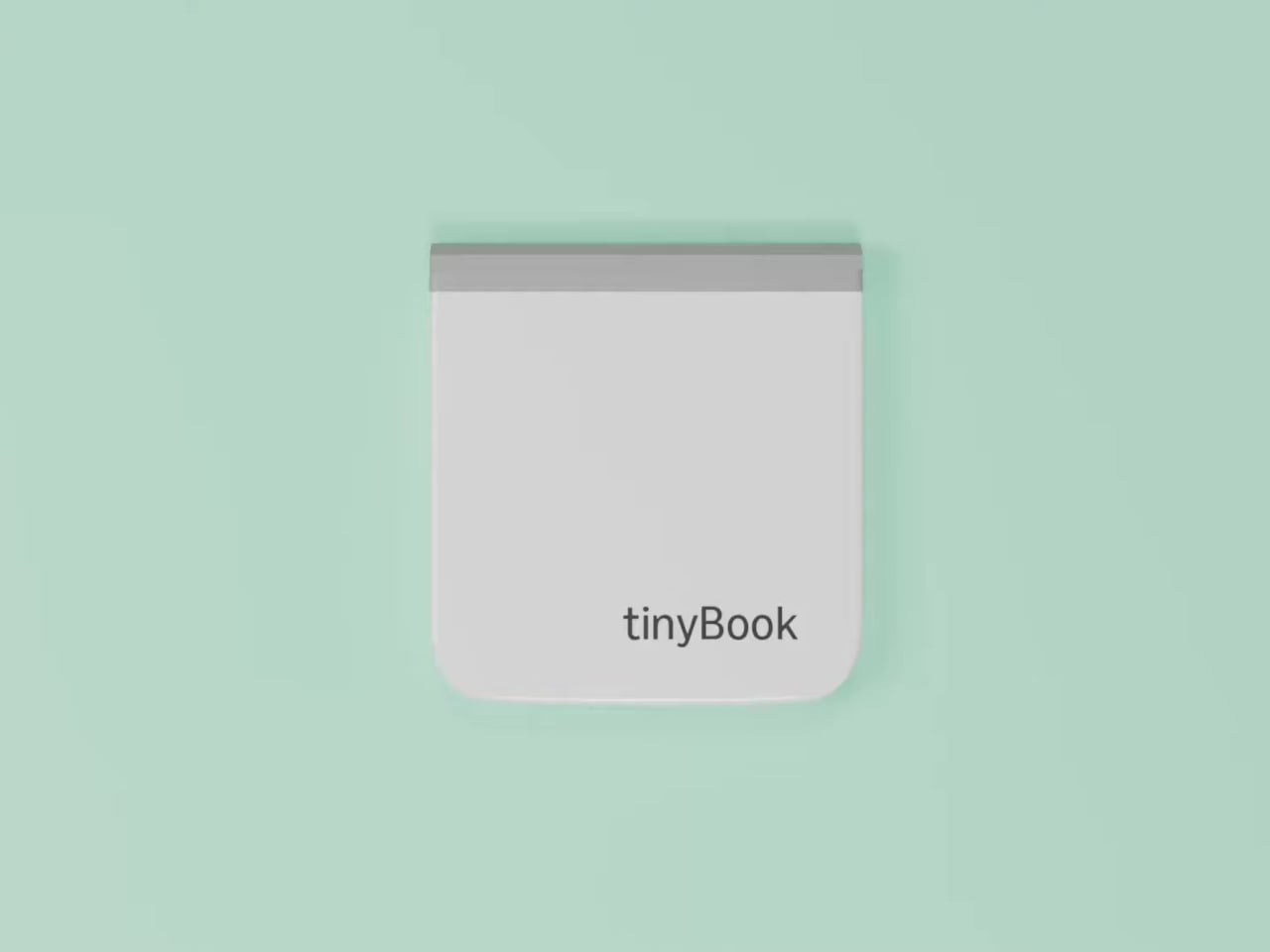
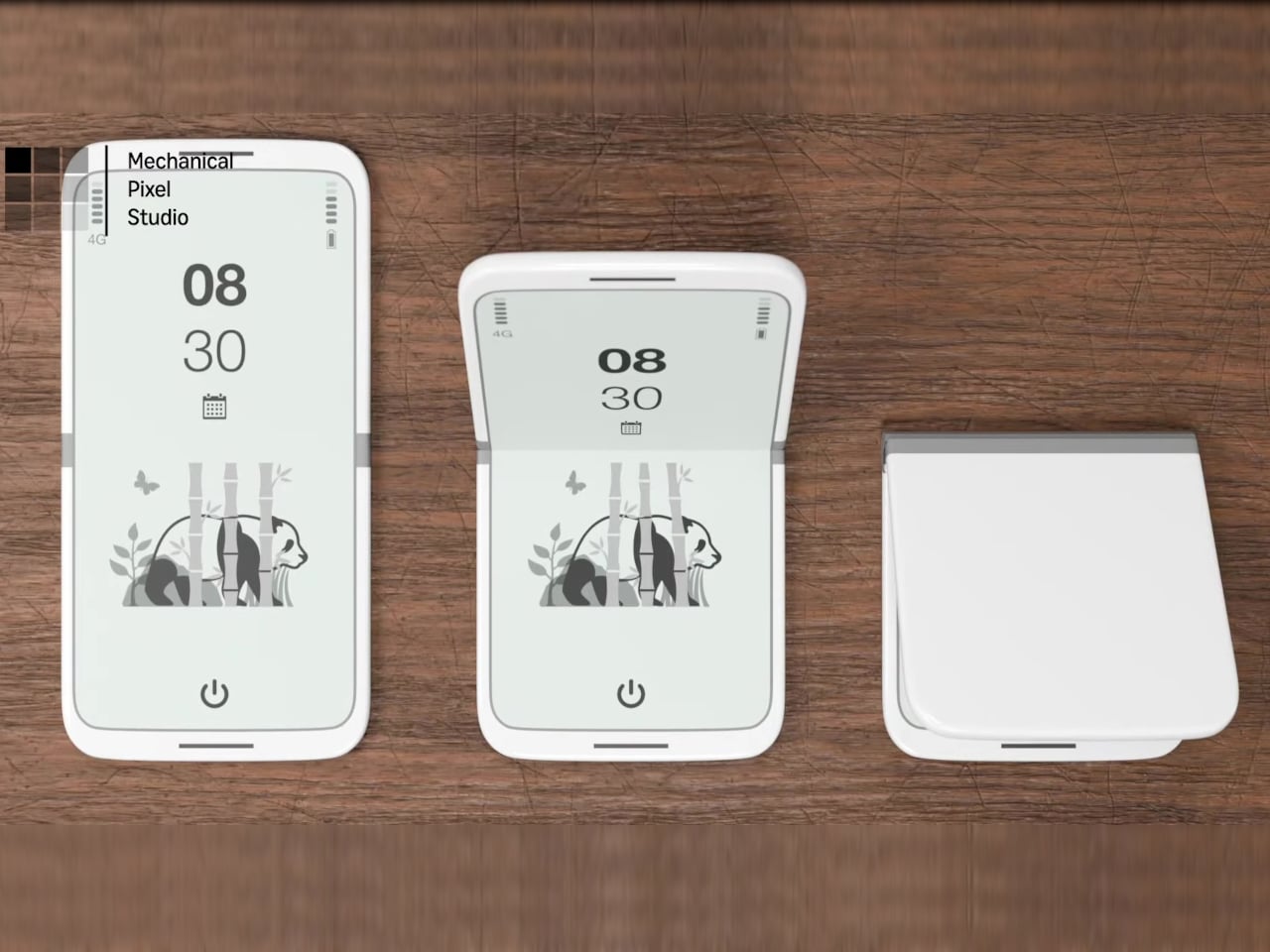
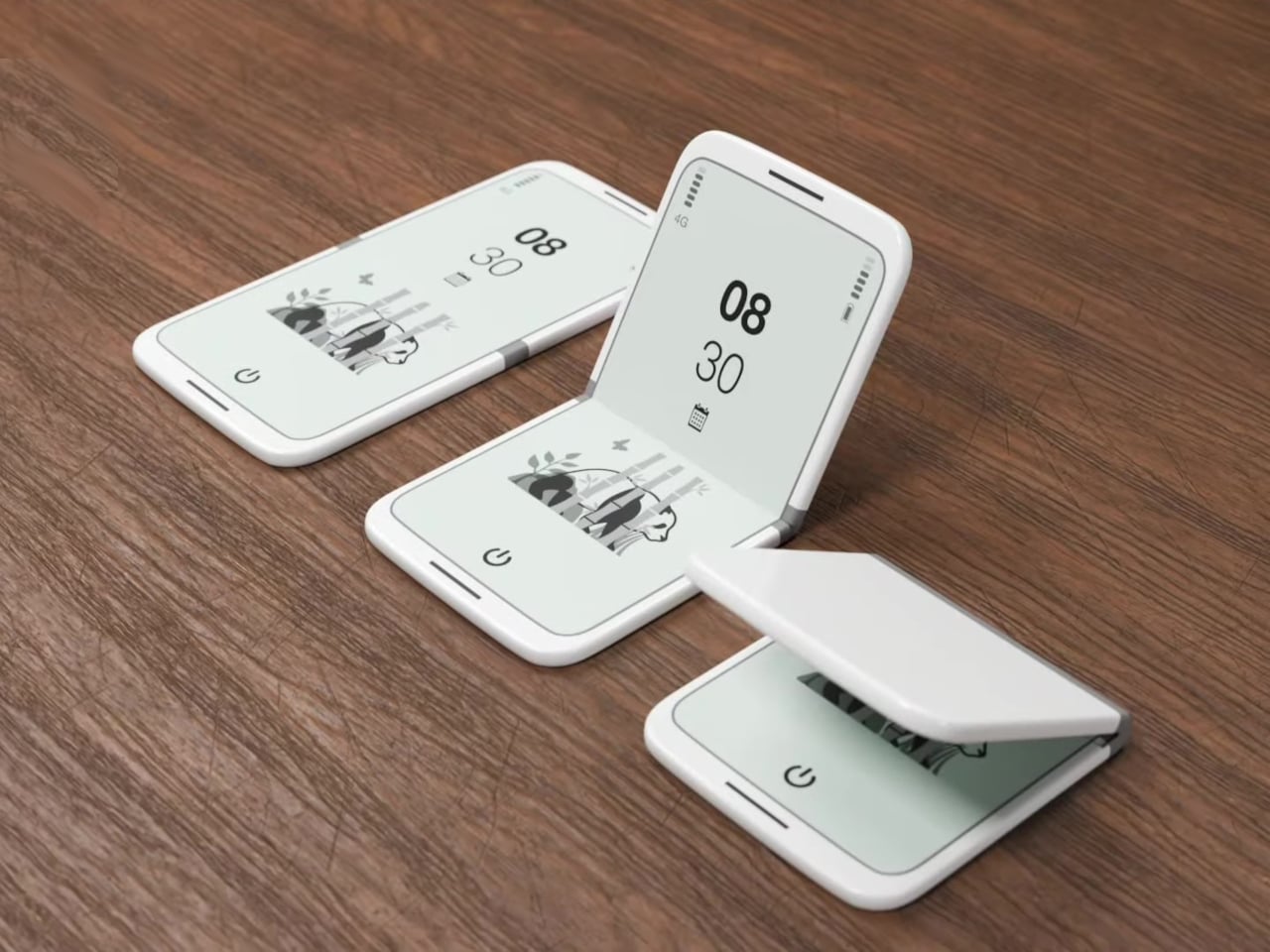
The tinyBook Flip is a vertical foldable phone concept built around a 6.1-inch E Ink display. Closed, it collapses into a compact, near-square form with rounded corners and a matte white finish, something closer in proportion to a folded notecard than a smartphone. The screen disappears entirely when the device is closed shut. No glowing rectangle sitting face-up on the desk, no ambient reminder that there are things to check. Just a small, quiet object.

Designer: Pixel Dynamics

That folded form is doing more work than it might seem. Opening the phone requires a deliberate physical action, and that small added step changes the behavioral math. A reflexive grab becomes a conscious decision. The friction is minimal in absolute terms, maybe two seconds, but two seconds of resistance is often enough to interrupt the loop. The concept treats that interruption as a design feature, which puts it in genuinely different territory from most phones.

The E Ink display adds a second layer of resistance, and this one is less subtle. E ink refreshes slowly, renders in grayscale or muted colors, and handles fast-moving content poorly. Social media feeds become tedious. Short-form video becomes unwatchable. Anything built around color, motion, and rapid visual feedback stops working the way it was designed to. This is precisely the point. The screen’s limitations aren’t engineering compromises left over from an earlier era of display technology; they’re structural properties that make certain behaviors genuinely unpleasant to sustain.

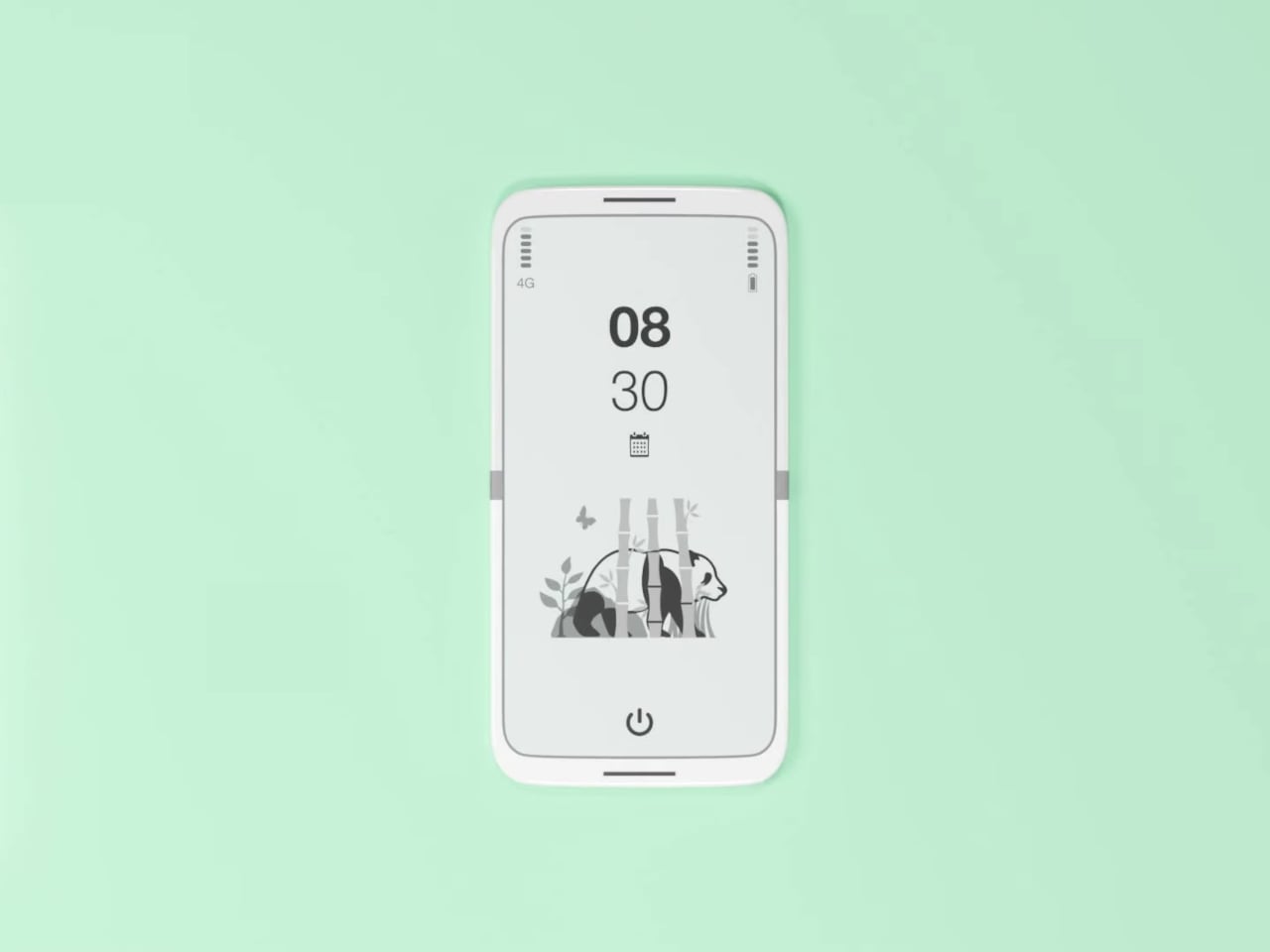
What E Ink handles well is a shorter list, but a coherent one. Text reading, messaging, calendars, and static interfaces are all comfortable at E Ink’s native pace. The renders of the tinyBook Flip show a UI built around exactly these strengths: a large clock face, a calendar widget, and a grayscale illustrated wallpaper. The interface doesn’t reach for capabilities the display can’t support. The phone isn’t trying to do everything; it’s trying to do a narrower set of things without apology.

Foldable E Ink panels aren’t a speculative technology. The hardware exists at the component level and has already appeared in experimental e-readers, though no consumer phone has shipped with one in any meaningful volume. The tinyBook Flip isn’t imagining impossible components; it’s proposing a form factor that manufacturers haven’t yet committed to producing. The distance between those two things is largely commercial, not technical.

There’s also something worth noticing about how the device reads as a physical object in social space. Closed, the tinyBook Flip looks like almost nothing. No visible screen, no status indicators, no glow. A phone that carries no visual weight when it’s not in use sends a different signal than one that’s always broadcasting its presence. Putting it down means it actually disappears from the environment, not just from your hand.

That said, the concept leaves some real friction points unaddressed, and not the intentional kind. E Ink handles camera use, live navigation, video calls, and authentication apps poorly. A foldable hinge adds mechanical complexity and thickness that clean renders tend to obscure. The tinyBook Flip looks resolved in this form, but a production version would have to make tradeoffs that these images don’t show and the concept doesn’t acknowledge.

Still, the more interesting question isn’t whether this specific device could ship. It’s whether a phone that makes itself harder to misuse is a reasonable design goal at all, or whether that’s just a way of describing a phone that most people wouldn’t actually want. The tinyBook Flip lands firmly on one side of that question. Whether the market agrees is a different problem entirely.

The post This E Ink Foldable Phone Concept Punishes Doomscrolling by Design first appeared on Yanko Design.
OpenAI reportedly plans to double its workforce to 8,000 employees

While other tech companies have been laying off employees year after year, OpenAI is doing the opposite. According to a report from the Financial Times, the AI giant is looking to expand its workforce to 8,000 employees by the end of 2026, nearly doubling staff from its current headcount of 4,500.

The FT reported that the new hires will be across several departments, including product development, engineering, research and sales. OpenAI's hiring spree will also include "specialists" for "technical ambassadorship," or employees tasked with helping businesses better utilize its AI tools, according to the report. As the FT noted, OpenAI is likely trying to amp up the competition against Anthropic and its Claude AI chatbot. According to the AI Index from Ramp, a fintech startup that manages corporate expenses, businesses are now 70 percent more likely to go with Anthropic when buying AI services for the first time as opposed to OpenAI.

OpenAI made waves in February when it announced a contract with the Department of Defense to use its AI models, following a public fallout between Anthropic and the federal agency. On top of the government contract, OpenAI is also in "advanced talks" with private equity firms like Brookfield Asset Management to deploy its AI tools across a firms' portfolio of companies, according to Reuters.

This article originally appeared on Engadget at https://www.engadget.com/ai/openai-reportedly-plans-to-double-its-workforce-to-8000-employees-161028377.html?src=rss

Is Apple Planning an AirPods Ultra? New September Leaks Say Yes

Is Apple Planning an AirPods Ultra? New September Leaks Say Yes Side-by-side view comparing AirPods Pro 3 and the rumored Ultra model with notes on price range differences.

Apple is reportedly preparing to launch a premium addition to its AirPods lineup, tentatively referred to as the “AirPods Ultra,” later this year. This upcoming model is expected to feature advanced technologies, including infrared cameras for gesture-based controls and enhanced compatibility with Apple’s ecosystem. The release highlights Apple’s ongoing focus on spatial computing and augmented […]

The post Is Apple Planning an AirPods Ultra? New September Leaks Say Yes appeared first on Geeky Gadgets.

Posted in Uncategorized

Intel says Crimson Desert devs ignored offers of help to support Arc GPUs

It doesn’t sound like Crimson Desert, the recently released prequel to Black Desert Online, will support Intel Arc GPUs anytime soon, if at all. On the game’s FAQ page, its developer Pearl Abyss advised players expecting Arc support to apply for a refund. “If you purchased the game expecting Intel Arc support, please refer to the refund policy of the platform where the game was purchased for available options,” the company wrote. Apparently, though, it’s not from lack of guidance from Intel. The chipmaker told Wccftech that it reached out to Pearl Abyss “many times” over the past several years.

The Intel spokesperson said that the company has tried to help the developer “test, validate, and optimize support for Intel graphics” for years. Intel also tried to provide the developer “early hardware, drivers, and engineering resources” across several generations of GPUs, “including Alchemist, Battlemage, Meteor Lake, and Lunar Lake.” The chipmaker said it’s “hugely disappointed that players using Intel graphics hardware” can’t play the game, but that it remains “ready to assist Pearl Abyss” however it can. It also advised players to reach out directly to the developer for “details on the choice not to enable Intel support at launch.”

Pearl Abyss, of course, doesn’t have the obligation to tweak the game so that it runs on PCs with Intel Arc GPUs. The good news is that since the title came out just a few days ago, it will still be easy to get a refund. Steam, where Crimson Desert is now one of the top-selling games, issues refunds within two weeks of purchase.

This article originally appeared on Engadget at https://www.engadget.com/gaming/pc/intel-says-crimson-desert-devs-ignored-offers-of-help-to-support-arc-gpus-155514896.html?src=rss

XbooK’s $1,999 Triple-Screen Laptop Is One Bag Instead of Three Monitors

Anyone who has worked remotely long enough knows the moment a single laptop screen stops being enough. It’s usually the day you’re cross-referencing three documents at once, or the morning you realize your financial model needs a live chart in one window while you edit formulas in another. The standard fix is an external monitor or a portable screen extender, which works fine until you’re hauling a bag that feels like it’s punishing you for being productive.

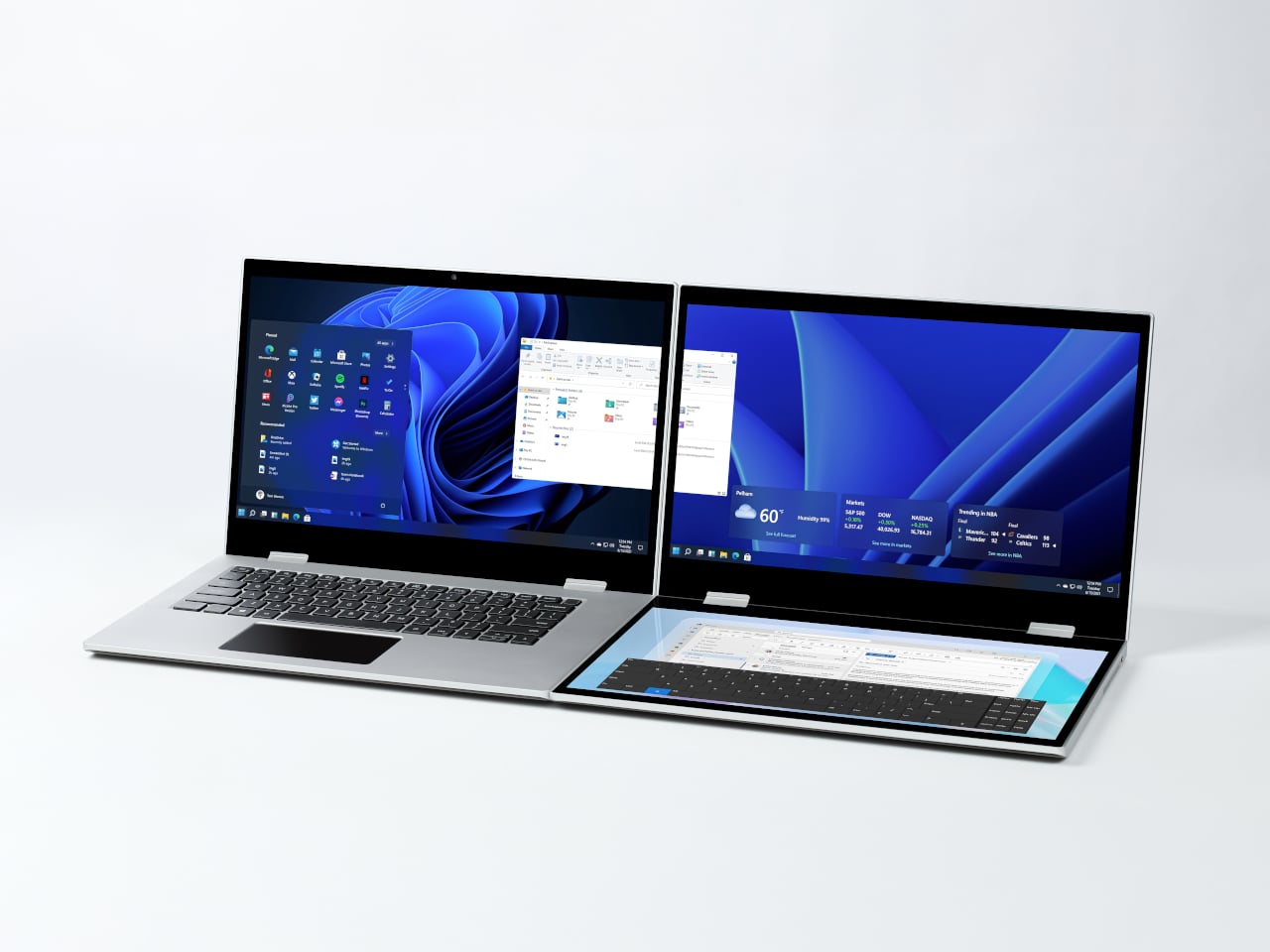
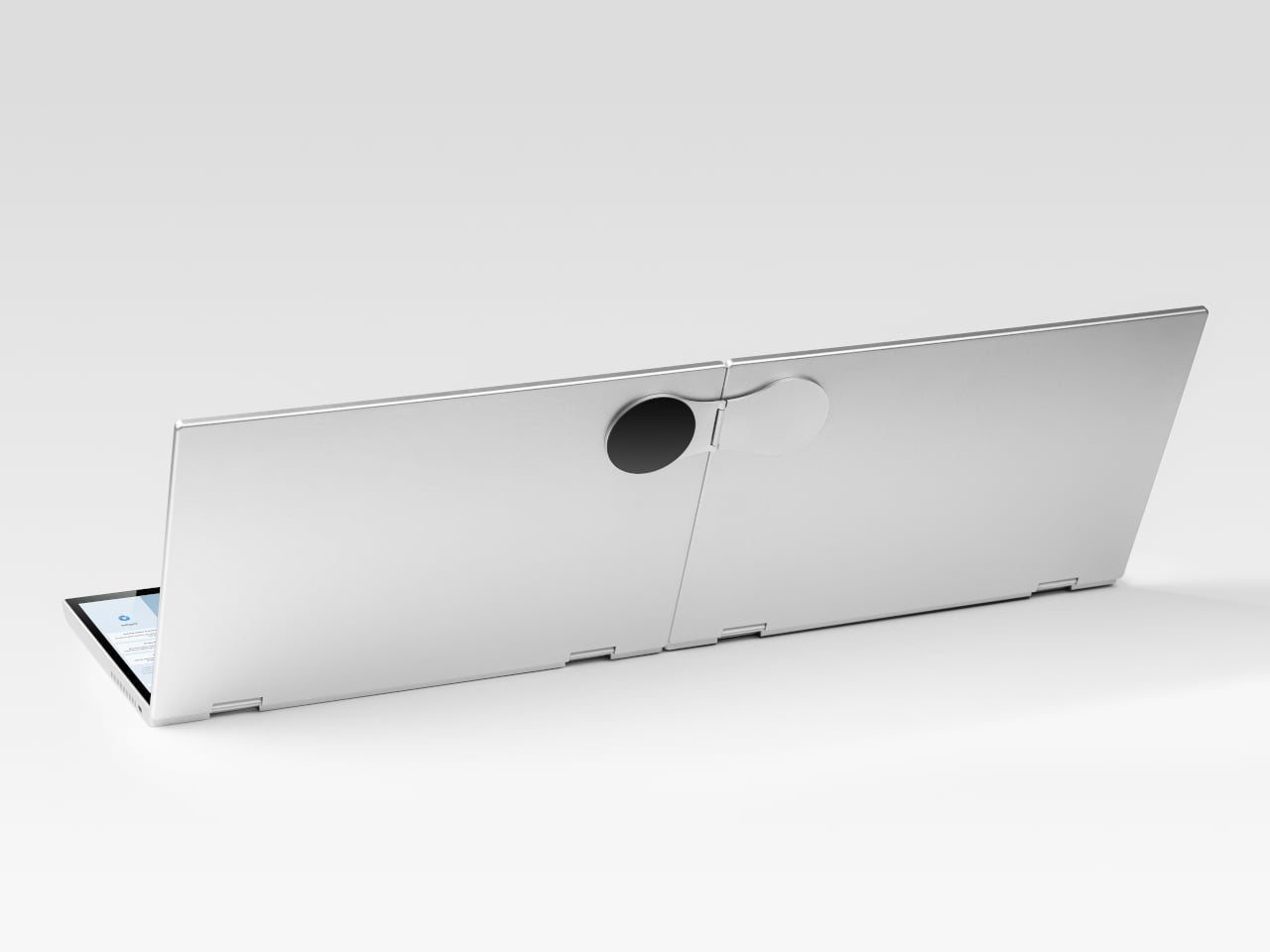
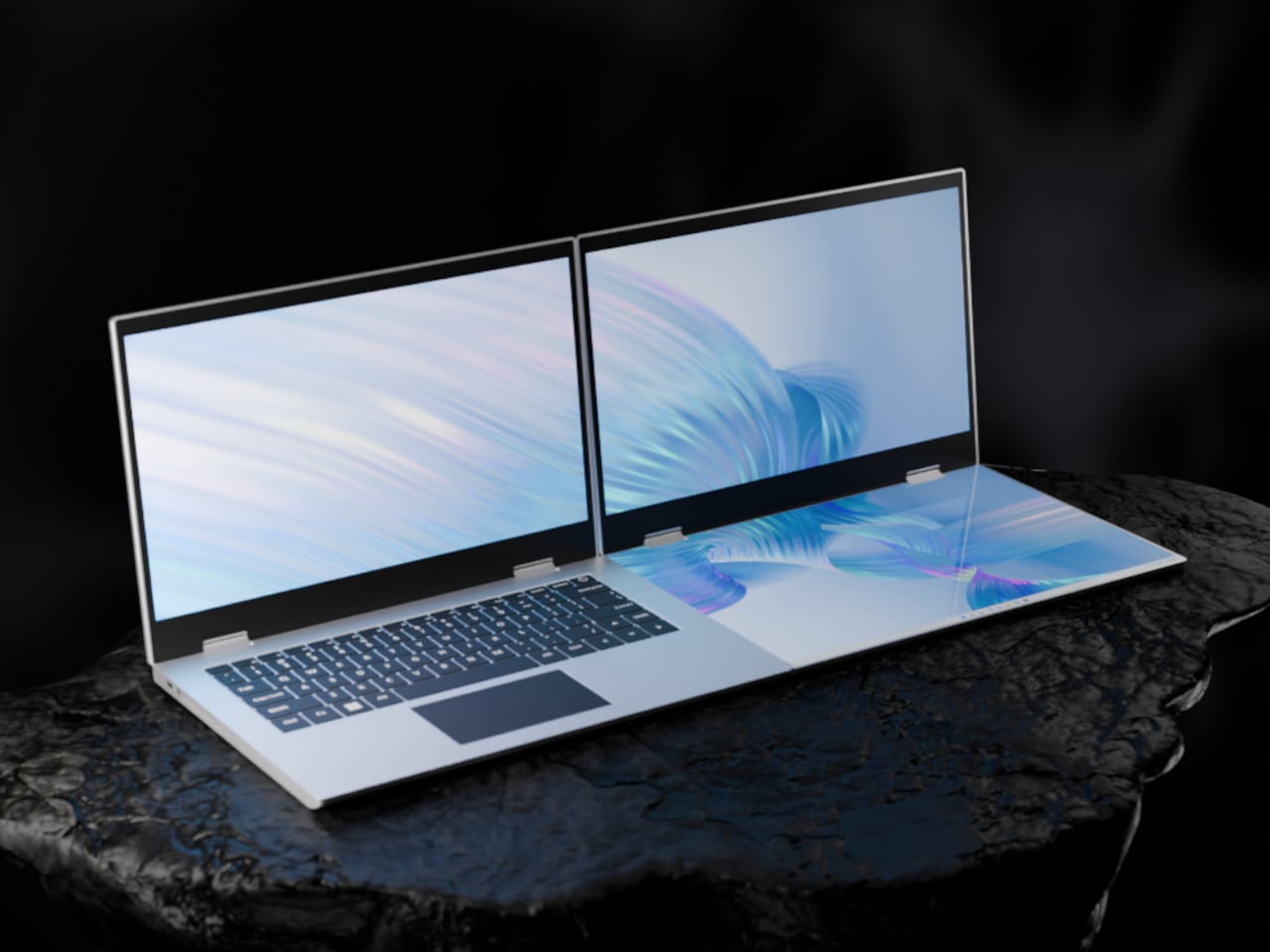
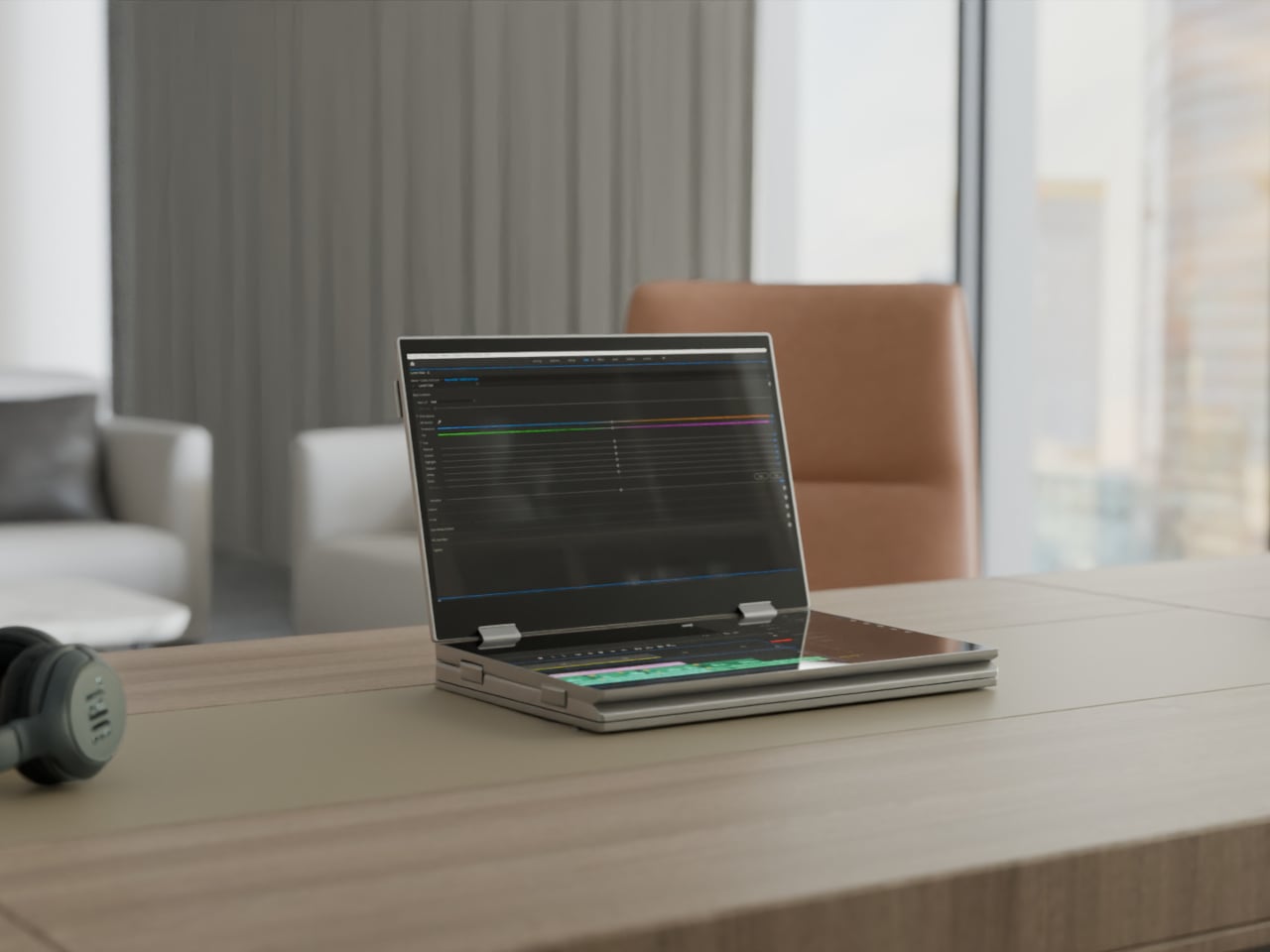
The XbooK takes a different approach by folding three full 14-inch touchscreens into a single aluminum laptop body that closes to just 1.5 inches thick. At 7.5 lbs, it’s heavier than a typical ultrabook. The tradeoff, though, is straightforward: you’re not carrying a laptop plus accessories. You’re carrying the whole setup in one piece.

Designer: XbooK

All three screens run at 1920×1080 with 400 nits of brightness each. The machine is powered by an Intel Core Ultra 7 with 32GB of DDR5 RAM and a 1TB SSD, with Wi-Fi 7 and Bluetooth 5.0 onboard. That’s capable hardware, though nothing unusual for a mid-to-high-range laptop in 2025. What makes those specs interesting here is what they’re pushing: 42 inches of combined touchscreen that unfolds in seconds without a single cable involved.

In full Workstation Mode, all three screens run simultaneously alongside an embedded mechanical keyboard and a 10-point touchpad. Connectivity covers Thunderbolt 4, two USB-C ports, and an AUX jack, with a 1,600×1,200 front camera that’s sharper than most built-in laptop cameras. The 70Wh battery has to power all of that, and battery life under a three-screen load is something any serious buyer should push the company on before committing.

For days when the full spread is overkill, the XbooK also works in a two-screen mode or as a conventional single-screen laptop. The latter folds everything up and makes the device look surprisingly ordinary from the outside, except for the two thick slabs sitting underneath the keyboard. That adaptability is one of the more genuinely practical aspects of the design: you’re not locked into the workstation configuration every time you open the lid.

At $1,999 (down from a listed $2,999), it’s priced for professionals who already spend that much on monitors and docking stations. XbooK ships from the US with orders promised to be processed within 3 to 5 business days. The refund-before-shipping policy and fulfillment language have the texture of a startup still scaling up. Spending that much on a device from a company with no established hardware track record is a different kind of commitment than buying from a brand with a decade of products behind it.

Screen real estate is one of the last things portable computing has consistently failed to solve, and most multi-screen laptop concepts have been either too fragile or too awkward for daily travel. The XbooK has a cleaner physical premise than anything built around magnets or external rails. How the hinges and chassis hold up after a year on the road, though, is still an open question that no amount of spec-sheet confidence can close.

The post XbooK’s $1,999 Triple-Screen Laptop Is One Bag Instead of Three Monitors first appeared on Yanko Design.
MiniMax M2.7 Testing Shows Benchmark Wins & Major Cost Savings

MiniMax M2.7 Testing Shows Benchmark Wins & Major Cost Savings Illustration of a 24K context window handling long project notes, code snippets, and tool outputs in one run.

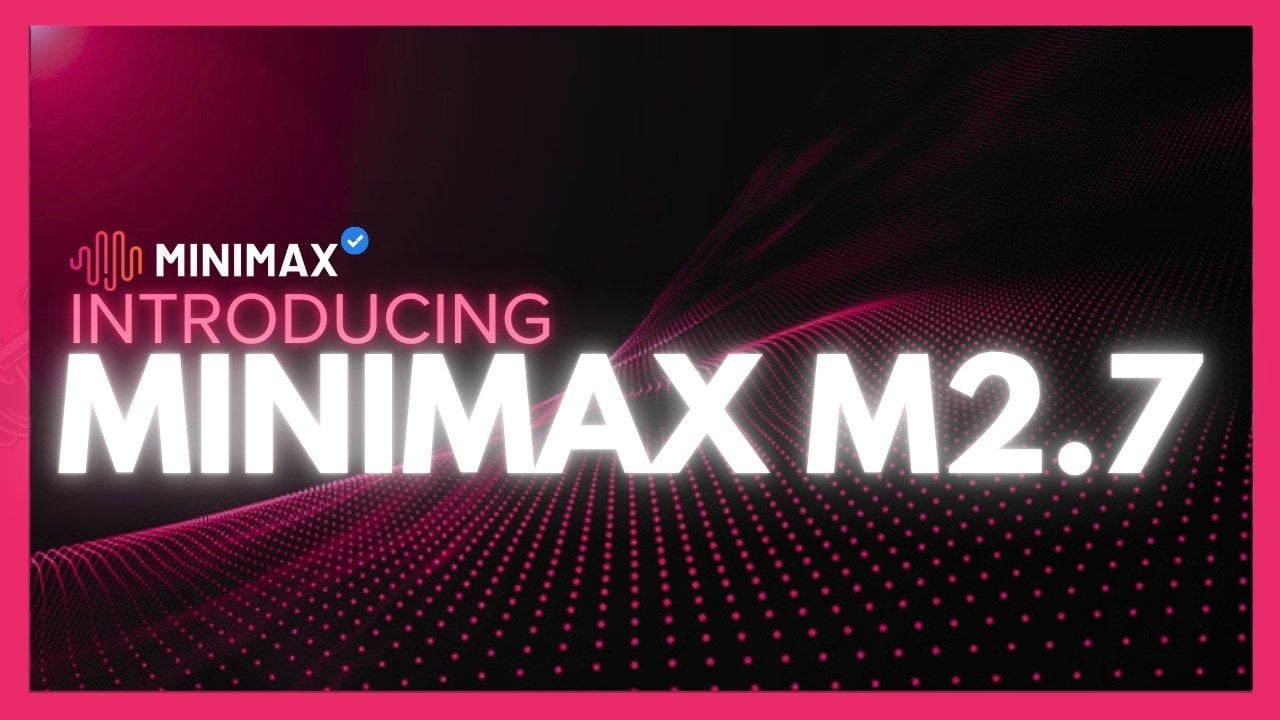
The MiniMax M2.7 AI model has undergone extensive testing and emerged as a standout option in the competitive AI landscape. According to World of AI, this model not only surpasses the performance of Opus 4.6 in industry benchmarks like Swaybench Pro but also offers a remarkable cost advantage, being up to 50 times cheaper. Its […]

The post MiniMax M2.7 Testing Shows Benchmark Wins & Major Cost Savings appeared first on Geeky Gadgets.

Posted in Uncategorized