This Nothing-Inspired XR Headset Displays Your Status So People Know When Not to Interrupt

Fundamentally, spatial computing has evolved at a considerable pace: both in terms of tech and (some would argue) in design as well. However, in both cases, the basic focus has been on creating the most immersive experience for the user, thinking little about the environment around. There is little focus on considering how the user interacts with the world outside of the VR/AR headset.

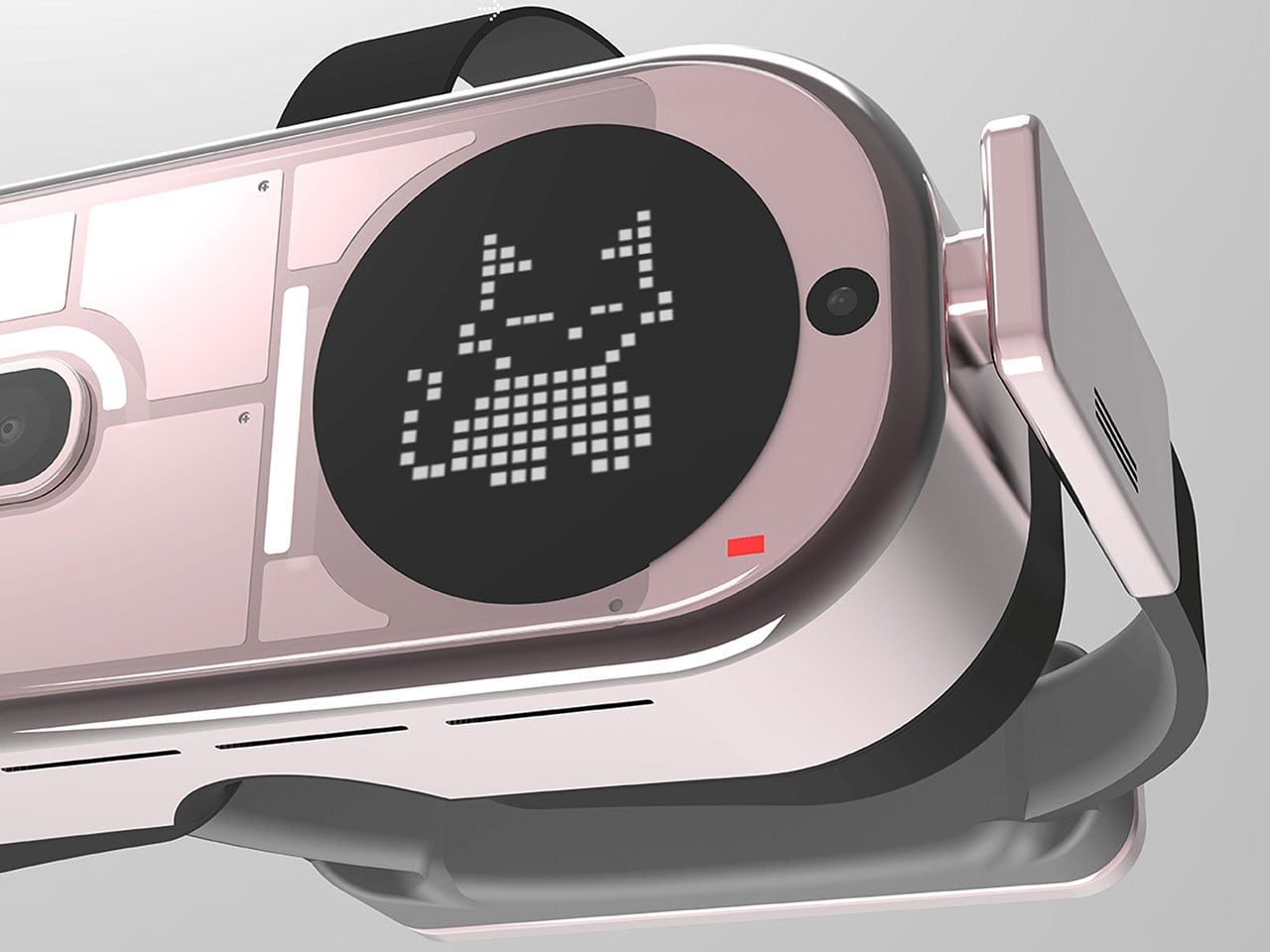
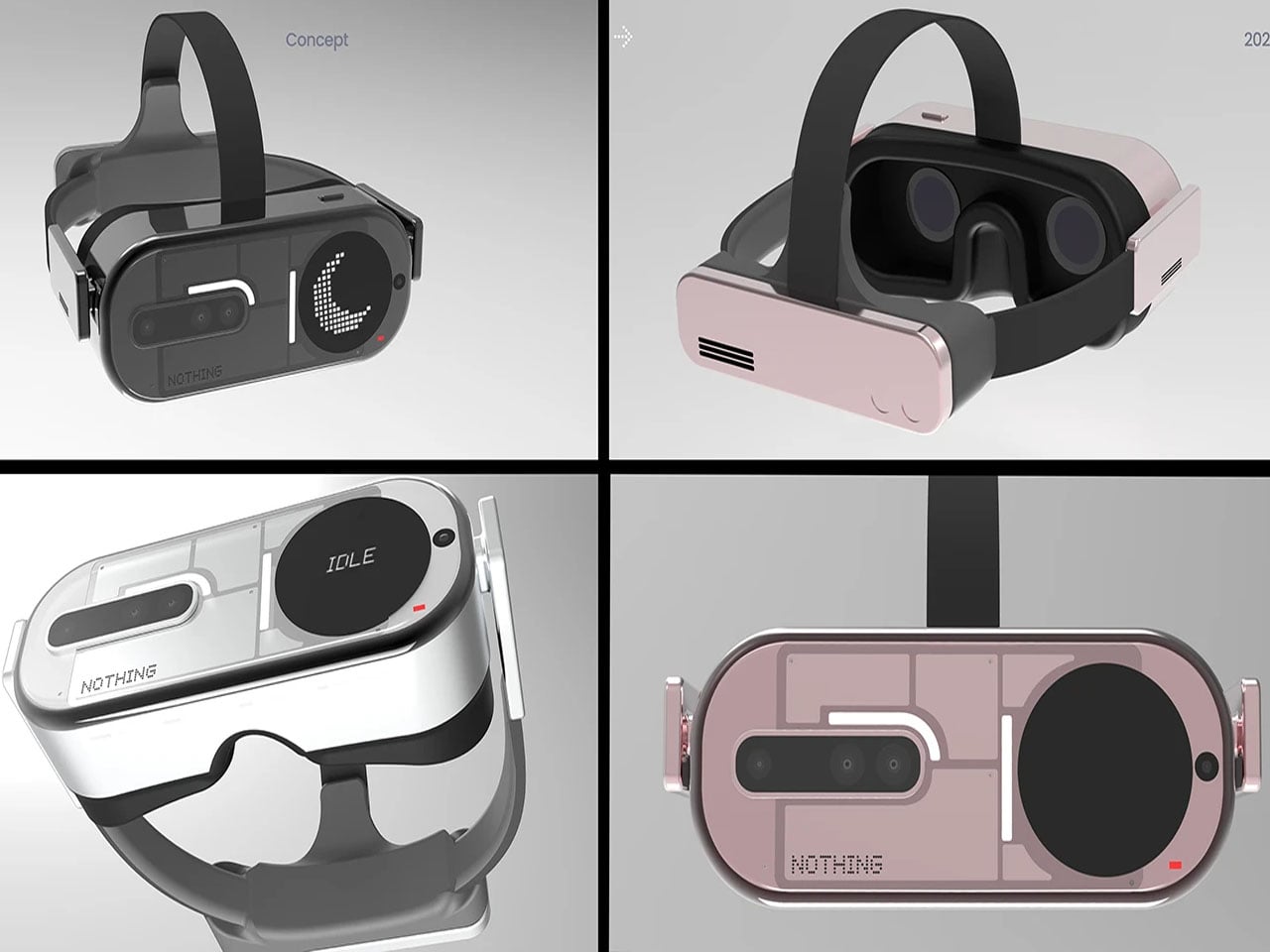
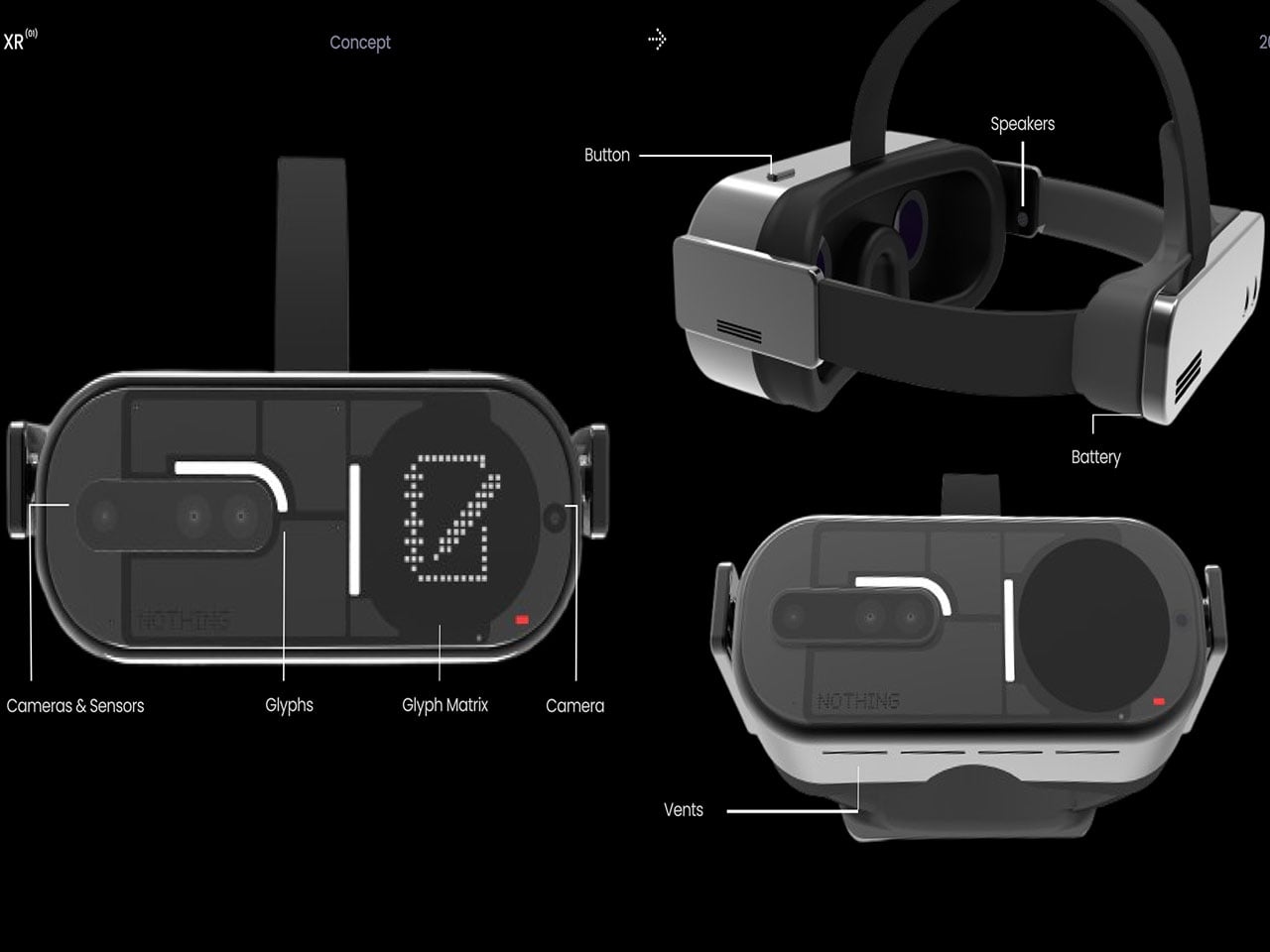
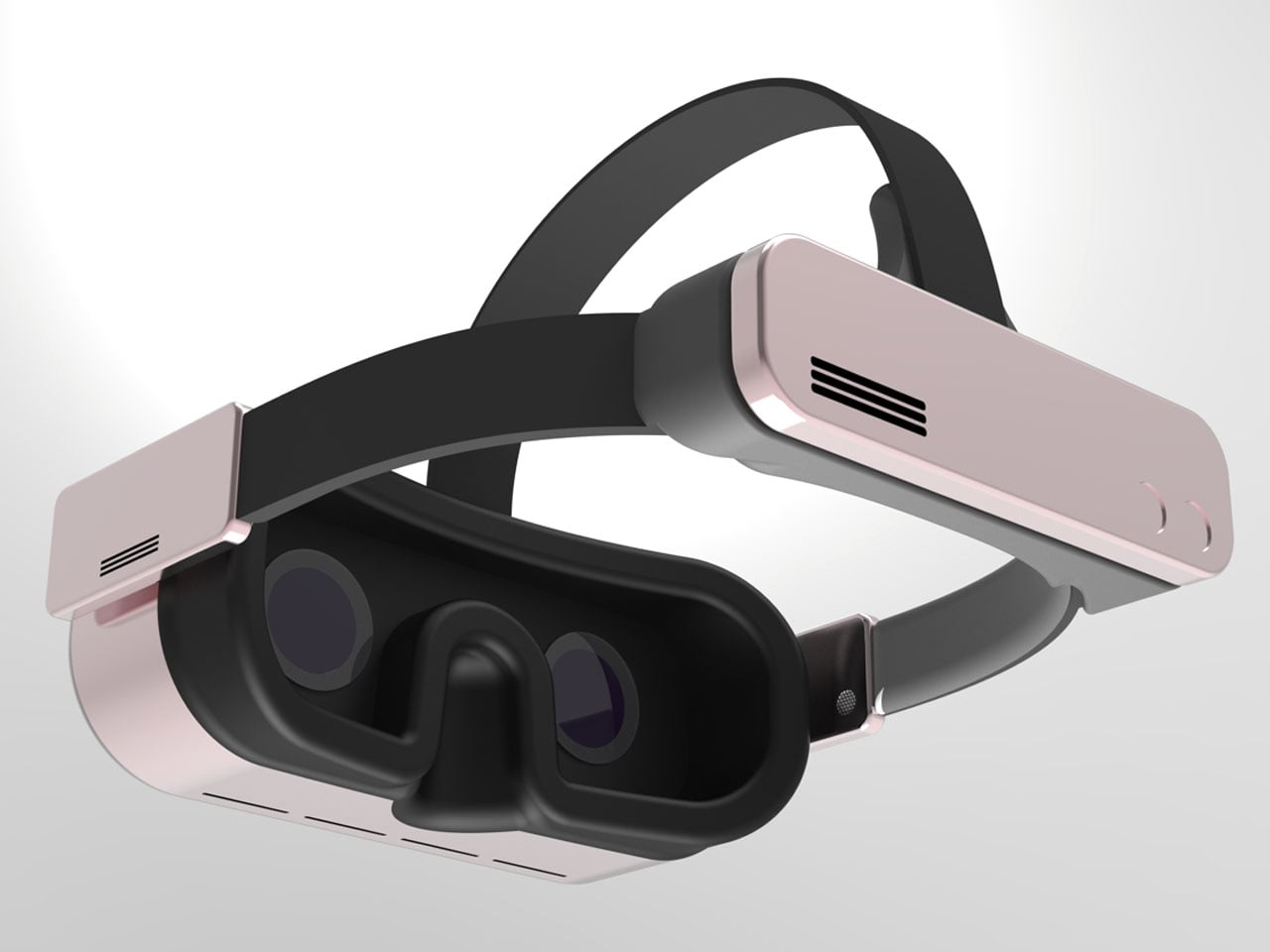
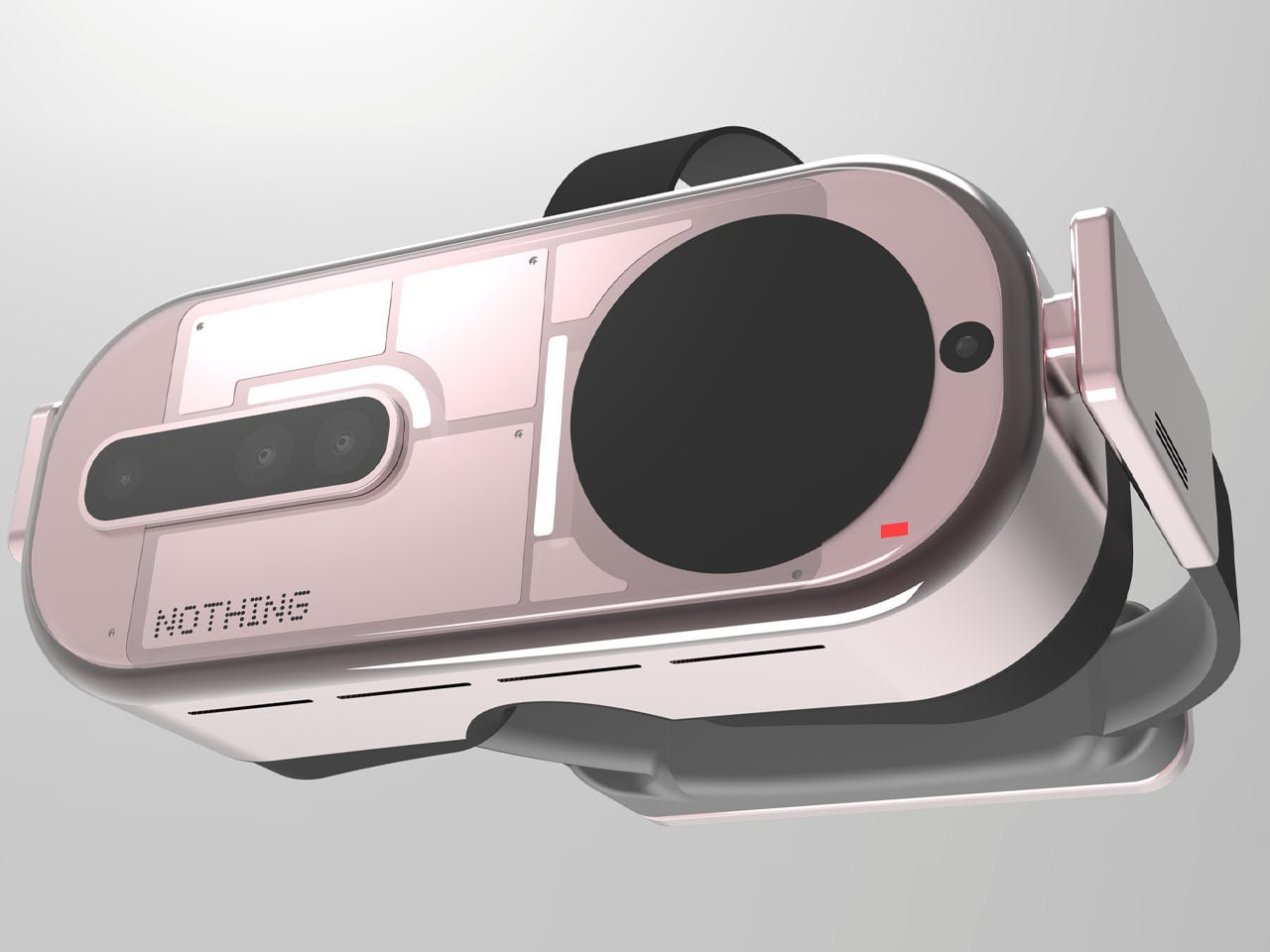
That stands to change with the idea of the Nothing XR(01), a spatial computing headset that puts a dot matrix glyph system over one eye to display users’ states like available, engaged, DND, or idle, while it’s worn. The concept is simple: to let people nearby understand your status at a glance. When you’re wearing the headset, others in the real world can quickly tell whether you’re available for discussion or too engaged to be interrupted.

Designers: Rishajit Prakash and Shashwat Pandey

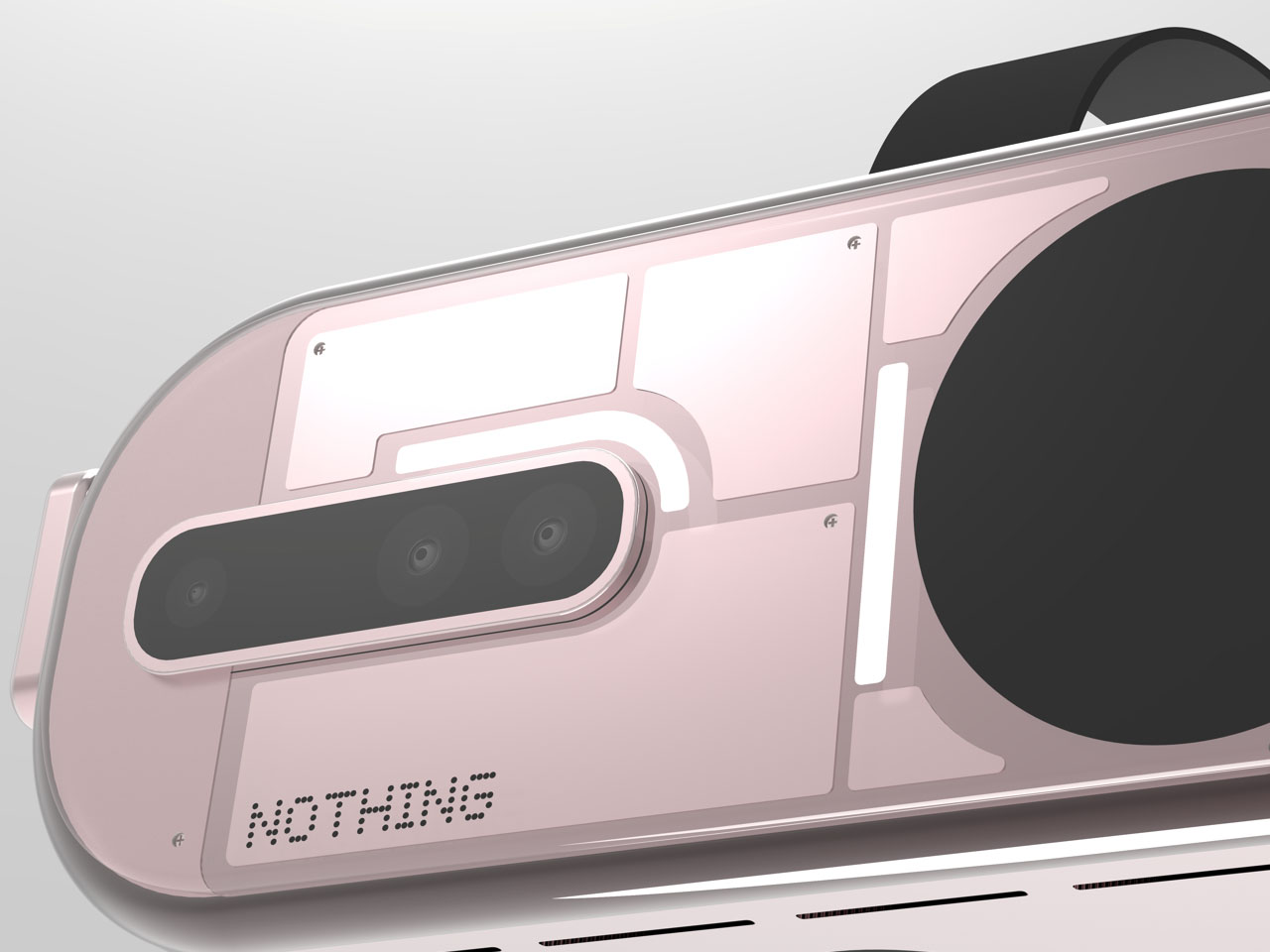
The young designer duo has based the concept on Nothing’s signature design language. It may have its roots in the headsets that’ve been released and not released in the past years, but the idea of the nifty Nothing XR(01), which shifts the discussion toward often ignored real world situation, cannot be overlooked. Its design allows people around to understand the wearer’s intent instantly, without interrupting their experience.

Creatives working in shared environments are often interrupted accidentally by their peers, just because they have no evident clues of when the wearer is available for conversation. By creating a concept for social transparency in an immersive environment, XR(01) has the potential of being the next big idea in extended reality. It is a simple way that allows people around to interact with those engrossed in the digital world.

Designed as a headset concept that communicates without words, the Nothing XR(01) allows the wearer to communicate their social boundary (to the people present outside the immersive space) through four different states DND – do not disturb; Engaged: fully immersed in the task; Available: open to interactions; and Idle: passively present. So instead of isolating you from the world, this concept allows you to be unavailable, while being available; by expressing your state on the front-facing glyph interface.

Now, in shared creative spaces and offices, you can be more engrossed in your immersive world, while those outside read your state from the headset itself. The headset, which has a very Nothing-inspired sensor and camera array over one eye and the glyph matrix on the other. For now, Nothing XR(01) is just a fan-made concept. Whether it will find its way onto the Nothing assembly lines is anybody’s guess. But we think the idea deserves consideration, and presumably Nothing should fast-track it before Meta, Apple, or someone else takes the leap of faith.

The post This Nothing-Inspired XR Headset Displays Your Status So People Know When Not to Interrupt first appeared on Yanko Design.

Google brings Gemini in Chrome to users in Asia and the Pacific

After debuting in the US, Gemini in Chrome is making its way to more markets. Starting today, Google is rolling out Chrome's built-in chatbot to users in Asia and the Pacific, including Australia, Indonesia, Japan, the Philippines, Singapore, South Korea and Vietnam. The expansion comes after Google earlier this year made Gemini in Chrome available to people in Canada, India and New Zealand

With the exception of Japan, where Google isn't making the new suite available on iOS just yet, everyone else in the countries mentioned above can access Gemini in Chrome through Chrome's desktop browser, and the app on their iPhone or iPad. To get started, just tap the "Ask Gemini" icon at the top right of the screen. It will open a new sidebar Google introduced at the start of the year where you can chat with Gemini across every open tab. From there, you can also access Google's in-house image generator, Nano Banana 2. As you would expect, the suite offers integrations with Google's other apps, allowing you, for instance, to add events to Calendar without leaving the interface. 

If you don't want to use Gemini, you can right click on the shortcut to unpin it from the top of the interface.    

Update 7:43PM ET: This article has been updated to reflect the expansion includes the entire Asia-Pacific region.

This article originally appeared on Engadget at https://www.engadget.com/ai/google-brings-gemini-in-chrome-to-users-in-asia-and-the-pacific-220000698.html?src=rss

John Ternus will be CEO of Apple when Tim Cook steps down this fall

Apple CEO Tim Cook is officially stepping down from his role on September 1, the company announced today, while current SVP of hardware engineering John Ternus will take over as the new CEO. Cook will transition to a new role as executive chairman of Apple’s Board of Directors. The company says the move was “approved unanimously” by Apple’s Board, and that Cook will work on transitioning his duties over the summer.

“It has been the greatest privilege of my life to be the CEO of Apple and to have been trusted to lead such an extraordinary company,” Cook said in a statement. “I love Apple with all of my being, and I am so grateful to have had the opportunity to work with a team of such ingenious, innovative, creative, and deeply caring people who have been unwavering in their dedication to enriching the lives of our customers and creating the best products and services in the world.”

Cook became CEO of Apple in 2011 following the death of co-founder Steve Jobs, and he led the charge for Apple’s post-iPhone and iPad era by launching the AirPods, Apple Watch and Vision Pro. He also pushed the company into being more of a service provider with the launch of Apple TV and Apple Music. While he’s had a strong reputation as a logistics-oriented executive, Cook has been criticized for lacking the product vision that Jobs was known for.

Ternus, on the other hand, has been focused on product design since joining Apple in 2001. He became VP of hardware engineering in 2013, and later transitioned to a senior executive role in 2021. Ternus was also prominently featured at the MacBook Neo launch a few months ago, where Apple announced a low-cost yet high-quality notebook that encapsulates its unique place in the PC industry.

“I am profoundly grateful for this opportunity to carry Apple’s mission forward,” Ternus said in a statement. “Having spent almost my entire career at Apple, I have been lucky to have worked under Steve Jobs and to have had Tim Cook as my mentor. It has been a privilege to help shape the products and experiences that have changed so much of how we interact with the world and with one another.”

Cook published a community letter timed for the announcement, which we’ve included below:

To the Apple community:

For the past 15 years I’ve started just about every morning the same way. I open my email and I read notes I received the day before from Apple’s users all over the world.

You share little pieces of your lives with me and tell me things you want me to know about how Apple has touched you. About the moment your mom was saved by her Apple Watch. About the perfect selfie you captured at the summit of a mountain that seemed impossible to climb. You thank me for the ways Mac has changed what you can do at work and sometimes give me a hard time because something you care about isn’t working like it should.

In every one of those emails I feel the beating heart of our shared humanity. I feel a sense of deepening obligation to work harder and push further. But most of all, I feel a gratitude that I cannot put into words, that I somehow got to be the person on the other end of those emails, the leader of a company that ignites imaginations and enriches lives in such profound ways it defies description. What an honor and a privilege it has been.

Today we announced that I’m taking the next step in my journey at Apple. Over the coming months I will be transitioning into a new role, leaving the CEO job behind in September and becoming Apple’s executive chairman. A new person will be stepping into what I know in my heart is the best job in the world. That leader is John Ternus, a brilliant engineer and thinker who has spent the past 25 years building the Apple products our users love so much, obsessed with every detail, focused on every possible way we can make something better, bolder, more beautiful, and more meaningful. He is the perfect person for the job.

John cares so much about who we are at Apple, what we do at Apple, who we reach at Apple, and he has the heart and character to lead with extraordinary integrity. I am so proud to call him Apple’s next CEO. This company will reach such incredible heights under his leadership, and you will feel his impact in every bit of delight and discovery that grows out of the products and services to come. I can’t wait for you to get to know him like I do.

This is not goodbye. But at this moment of transition, I wanted to take the opportunity to say thank you. Not on behalf of the company, this time, though there is a wellspring of gratitude for you that overflows inside our walls. But simply on behalf of me. Tim. A person who grew up in a rural place in a different time and, for these magical moments, got to be the CEO of the greatest company in the world. Thank you for the confidence and kindness you’ve shown me. Thank you for saying hi to me on the street and in our stores. Thank you for cheering alongside me when we unveiled a new product or service. Thank you, most of all, for believing in me to lead the company that has always put you at the center of our work. Every day we get up and think about what we can do to make your life a little bit better. And every day, you’ve made mine the best I could have asked for.

Thank you.

Meanwhile, the newly named chief hardware officer, Johny Srouji, reportedly told employees that his division’s staff members will be divided to work on five key areas. According to Bloomberg, staffers working on hardware will be organized into hardware engineering, silicon, advanced technologies, platform architecture and project management teams. Apple reportedly plans to add thousands of employees to work on its iPhones, iPads, Macs, Watches and other products, as well.

Update, April 21, 2026, 8:05AM ET: This story has been updated to add information about the hardware team’s new structure.

This article originally appeared on Engadget at https://www.engadget.com/computing/tim-cook-will-step-down-as-204959434.html?src=rss
Mastodon was hit by a ‘major’ DDoS attack that briefly took down parts of the service

Mastodon seems to be recovering after a Distributed Denial of Service (DDoS) attack that took down its primary mastodon.social instance. As TechCrunch notes, the platform began reporting issues early Monday morning as much of the Mastodon-operated server became inaccessible. 

It's not clear who might be behind the attack, but Mastodon's head of communications Andy Piper described it as a "major" incident. A couple hours later, Mastodon shared on a status page that it had implemented countermeasures and that users should be able to access mastodon.social once again. Piper said that "some ongoing instability is a possibility" as the site recovered. It's unclear if any other instances of the service were also targeted; mastodon.social is run directly by the nonprofit and is the largest server on the federated platform. 

Mastodon is the second decentralized platform to be targeted with a DDoS in recent days. Last week, Bluesky also dealt with a significant DDoS incident that took parts of the service offline for several hours. The company posted what it said was its final update Monday morning, saying that its service had "remained stable" and that there was "no evidence of unauthorized access to private user data." A few hours later, however, it seemed Bluesky was once again experiencing some issues, though the cause was unclear. Its official status page was down, and a post from its server status account indicated that there were "elevated errors and timeouts on some Bluesky-hosted services." Bluesky said it was investigating.

This article originally appeared on Engadget at https://www.engadget.com/social-media/mastodon-was-hit-by-a-major-ddos-attack-that-briefly-took-down-parts-of-the-service-204823221.html?src=rss
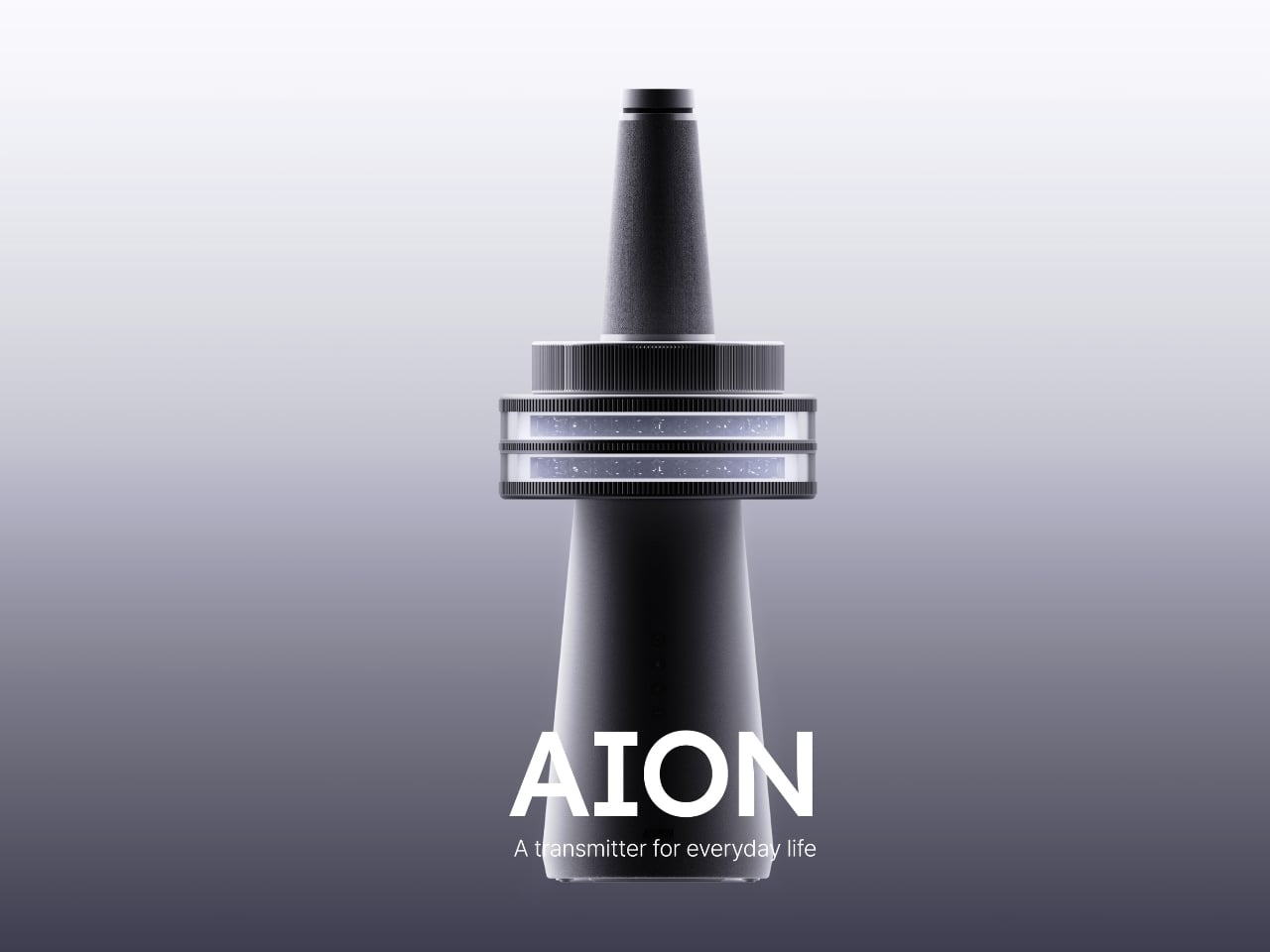
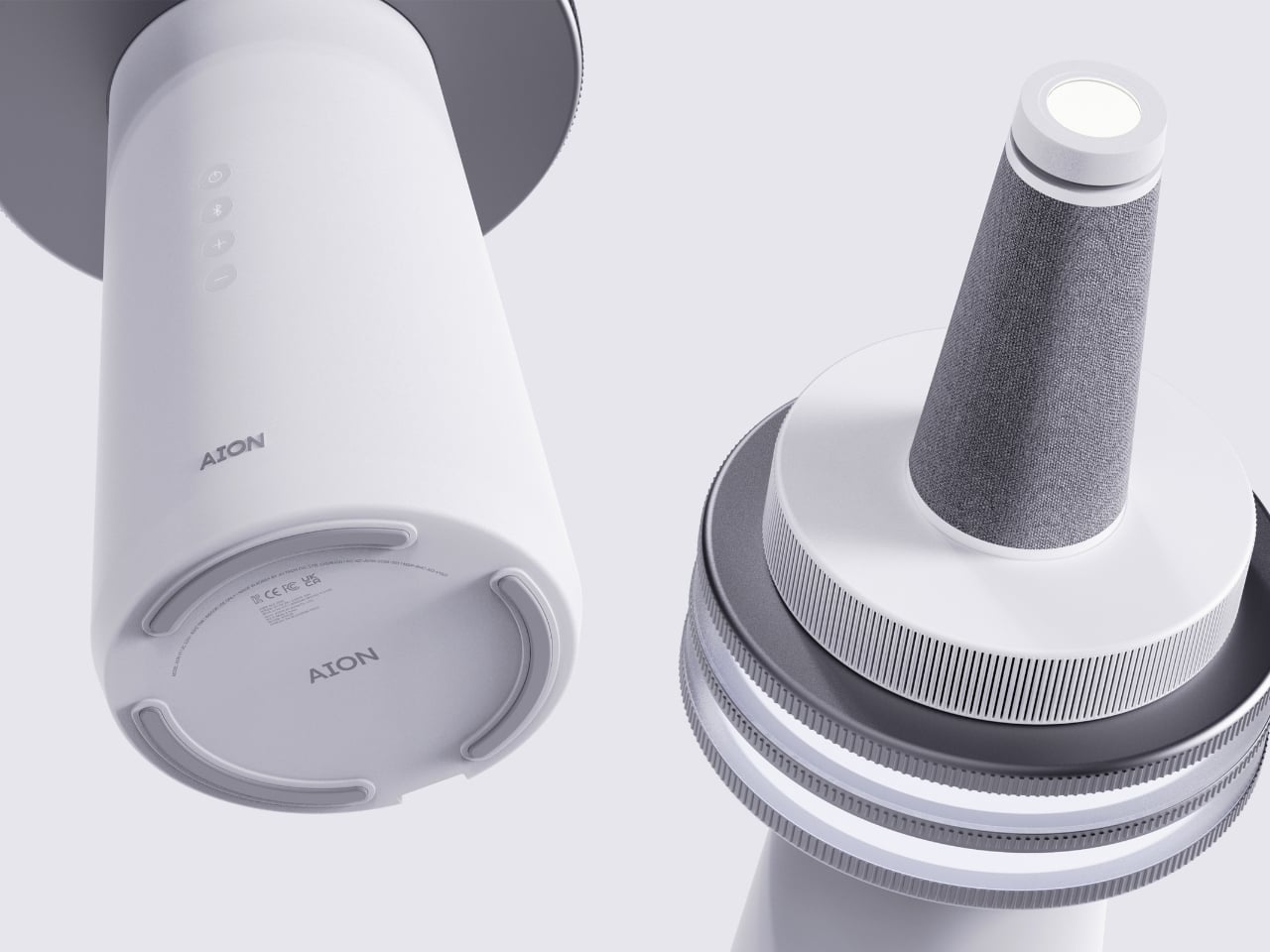
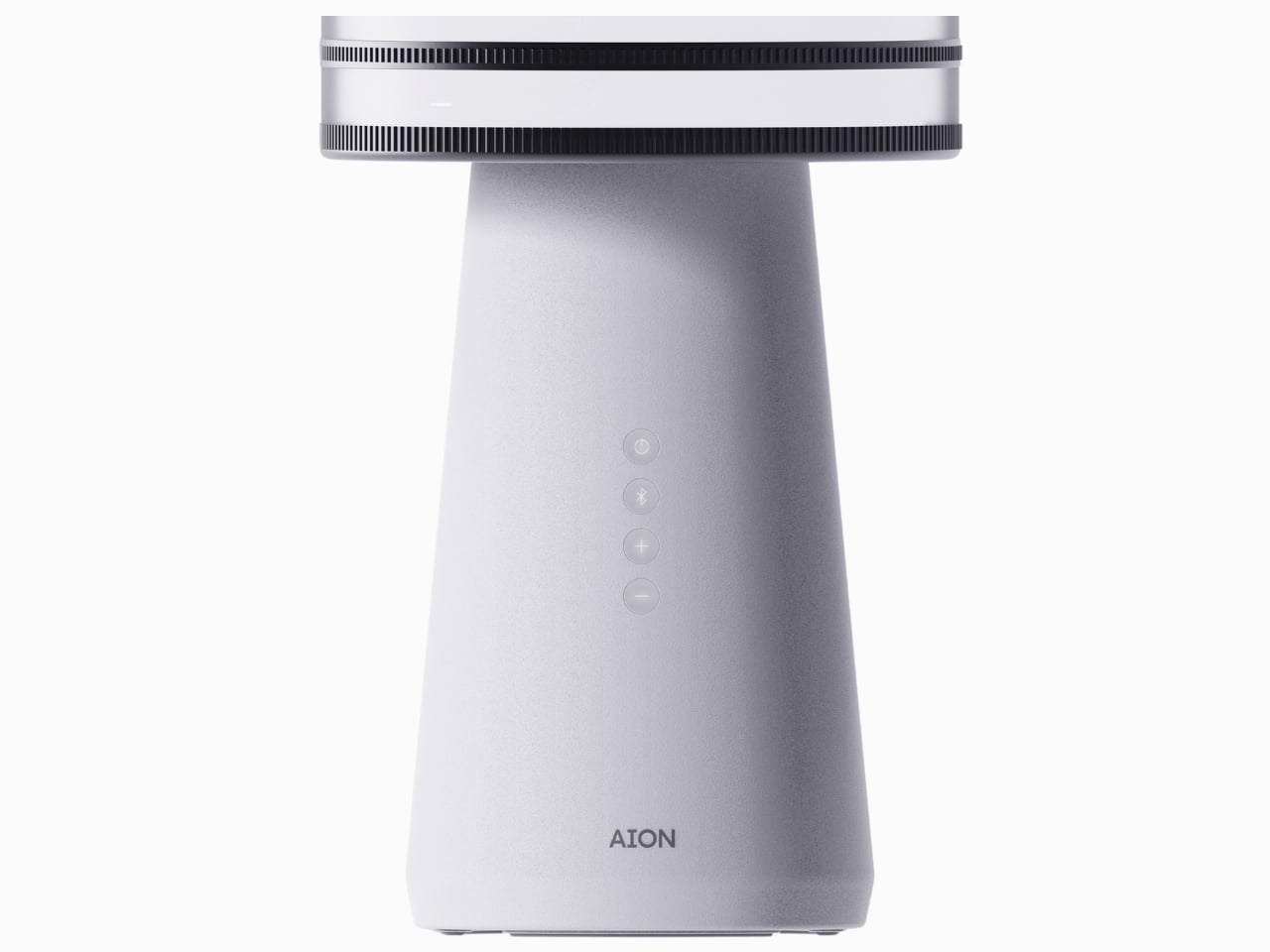
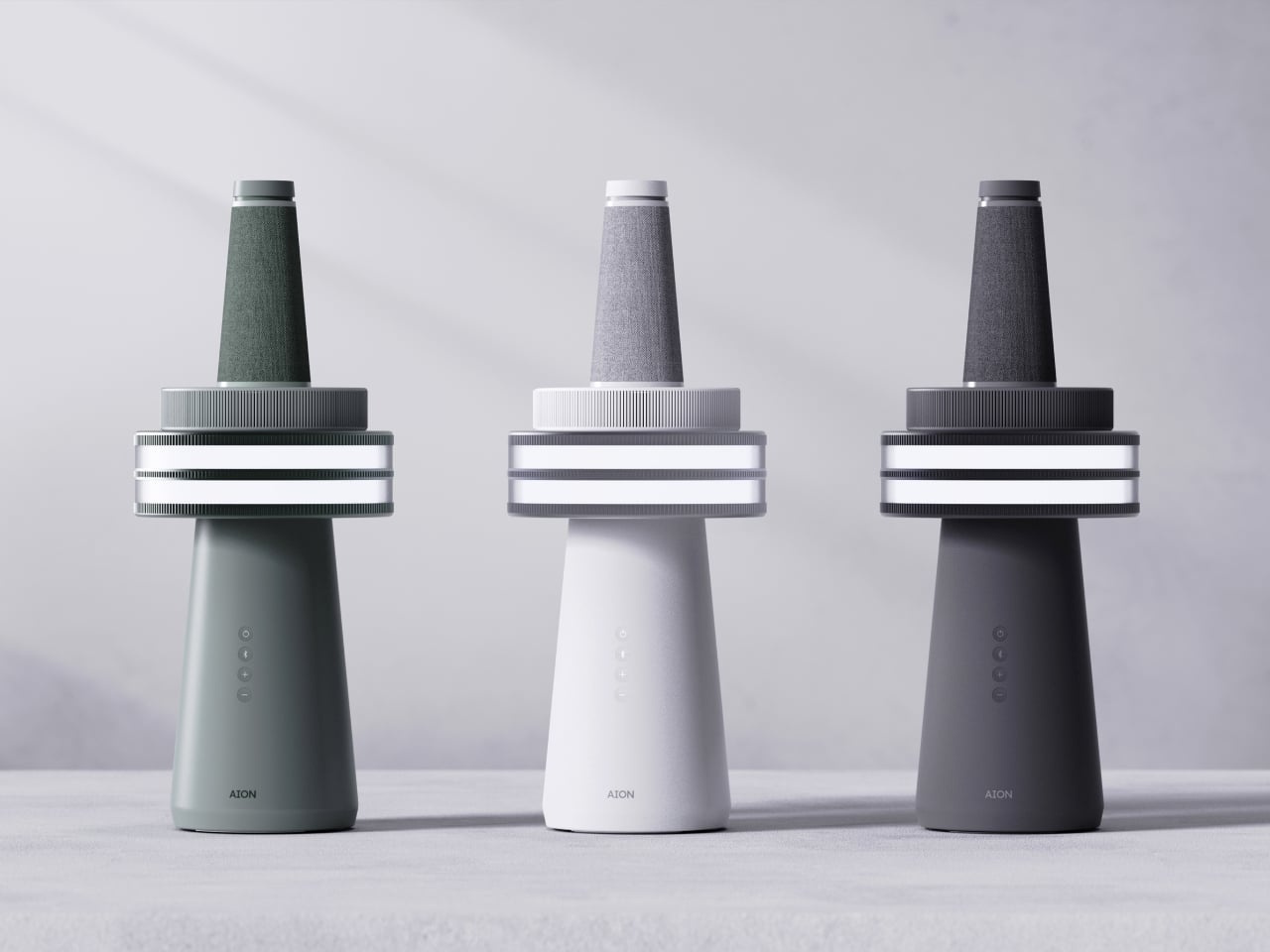
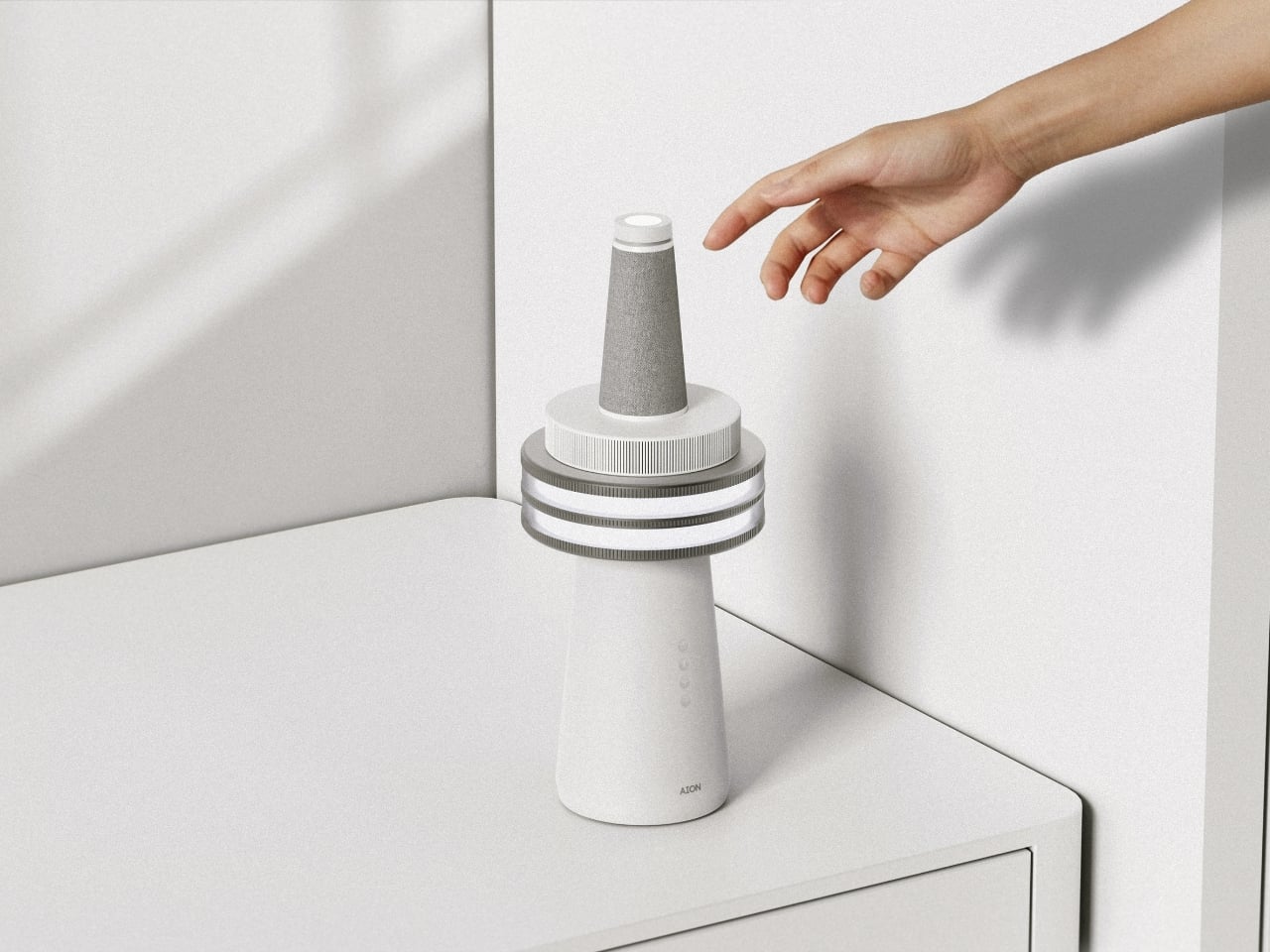
A Seoul Design Student Built an AI Speaker Around Namsan Tower

Namsan Tower stands at the center of Seoul like a declaration. It doesn’t just sit on a hilltop watching over the city; it has always been a transmitter, physically sending signals outward to every corner of a metropolis that never slows down. For most people, it’s a tourist destination, a date-night landmark, the place you go to lock a padlock and feel poetic about love. But for Juhyun Lee, a design student at Hongik University, it was a brief. A very interesting brief.

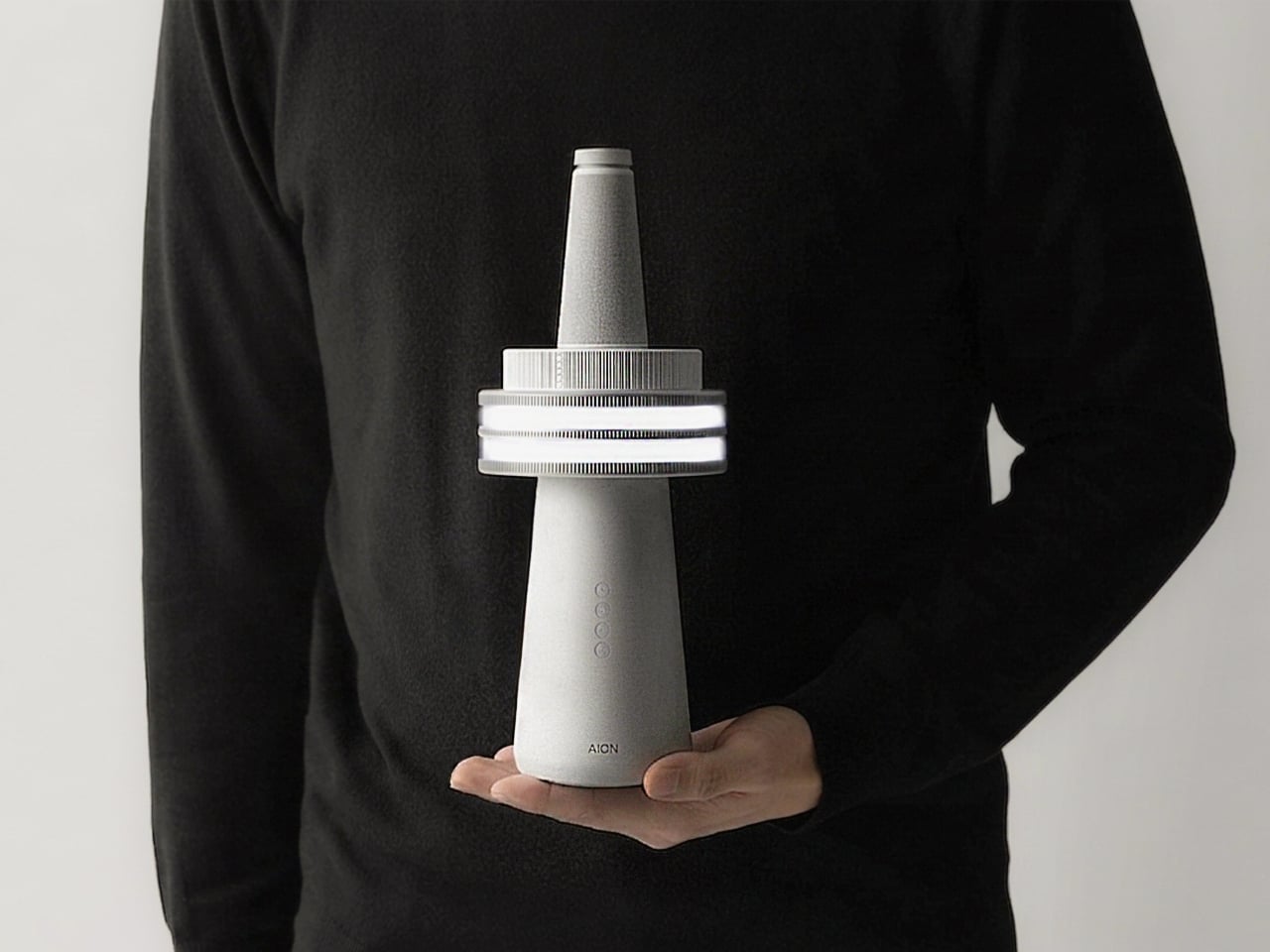
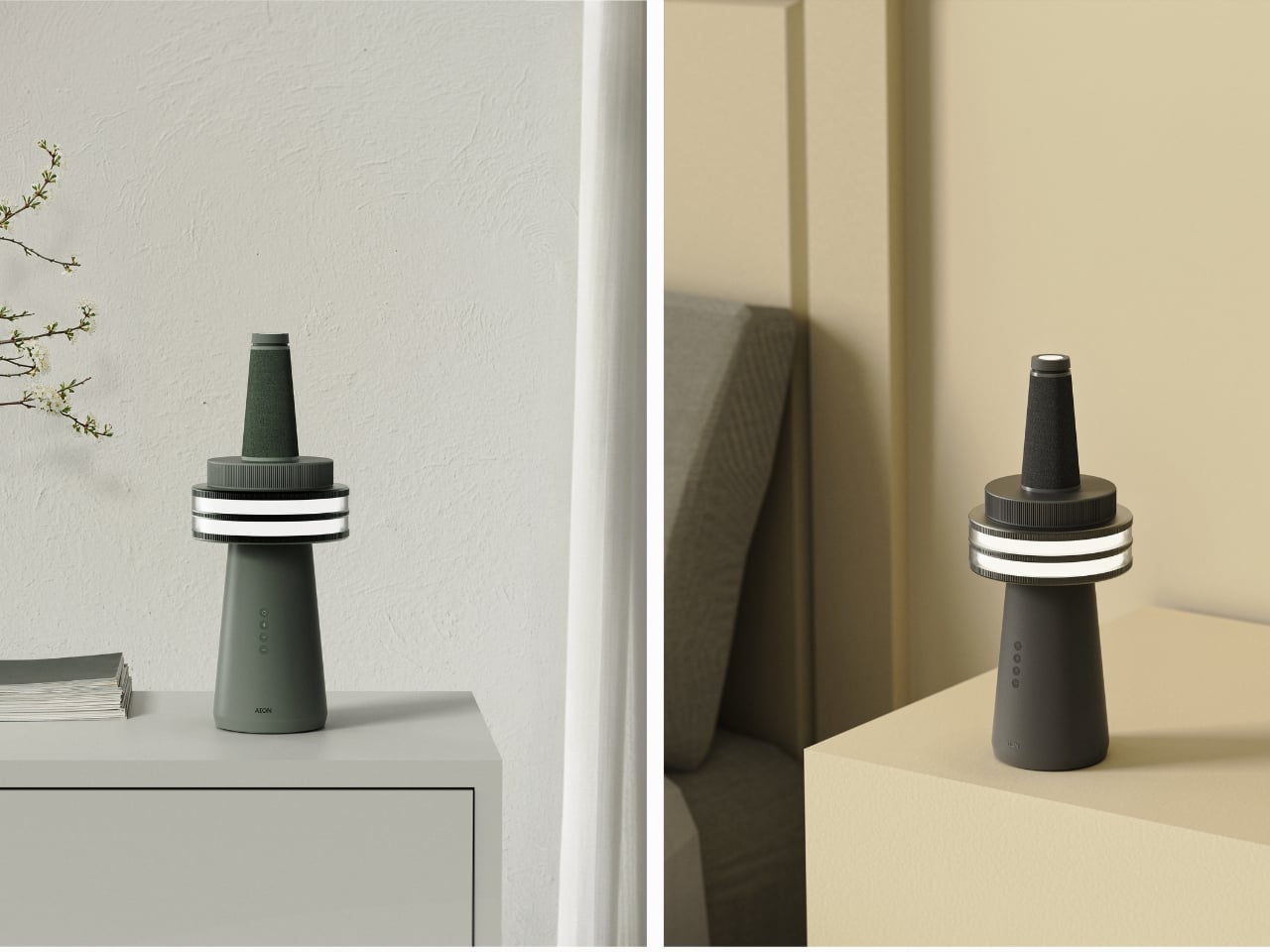
AION is Lee’s concept for an AI assistant device, and the connection to Namsan Tower isn’t decorative or coincidental. The tower’s original function as a broadcast tower, a structure purpose-built for transmitting information across an entire city, is the actual design philosophy behind it. Lee took that idea and scaled it down: what if a single object on your kitchen counter, or your desk, or your bedside table, could do something similarly intentional? Not just respond to commands, but transmit meaning through light and sound in a way that actually fits how you live? That question is what makes AION more interesting than the average concept speaker.

Designer Name: Juhyun Lee

The device combines speaker and lighting functions, but the point isn’t really the hardware. The point is how it communicates. AION is designed to provide context-aware information, meaning it adapts to what you actually need in the moment rather than just playing music until you ask it something. In a design landscape crowded with smart speakers that are essentially cylinders with microphones, a concept that thinks about situational awareness and ambient communication feels genuinely worth the attention.

Light as a communication tool is an underused idea in home technology, and it puzzles me that more designers haven’t pushed harder here. We’re surrounded by screens that demand our eyes, and speakers that demand our ears. The quiet alternative, light that shifts and signals without interrupting you, is something AION seems to understand. There’s a reason we find a lamp calming and a notification alarming. The difference is mostly about how information reaches us, not what the information actually is.

The name AION is borrowed from Greek, where it carries meanings of “age” and “eternity,” a word associated with cyclical time and continuity rather than a single moment. That choice doesn’t feel arbitrary. A tower that has broadcast through decades of a city’s history, and a home device designed to integrate into the ongoing rhythm of daily life, share a certain kind of permanence in their logic. They aren’t built for a single interaction. They’re built to always be there, doing their job quietly in the background.

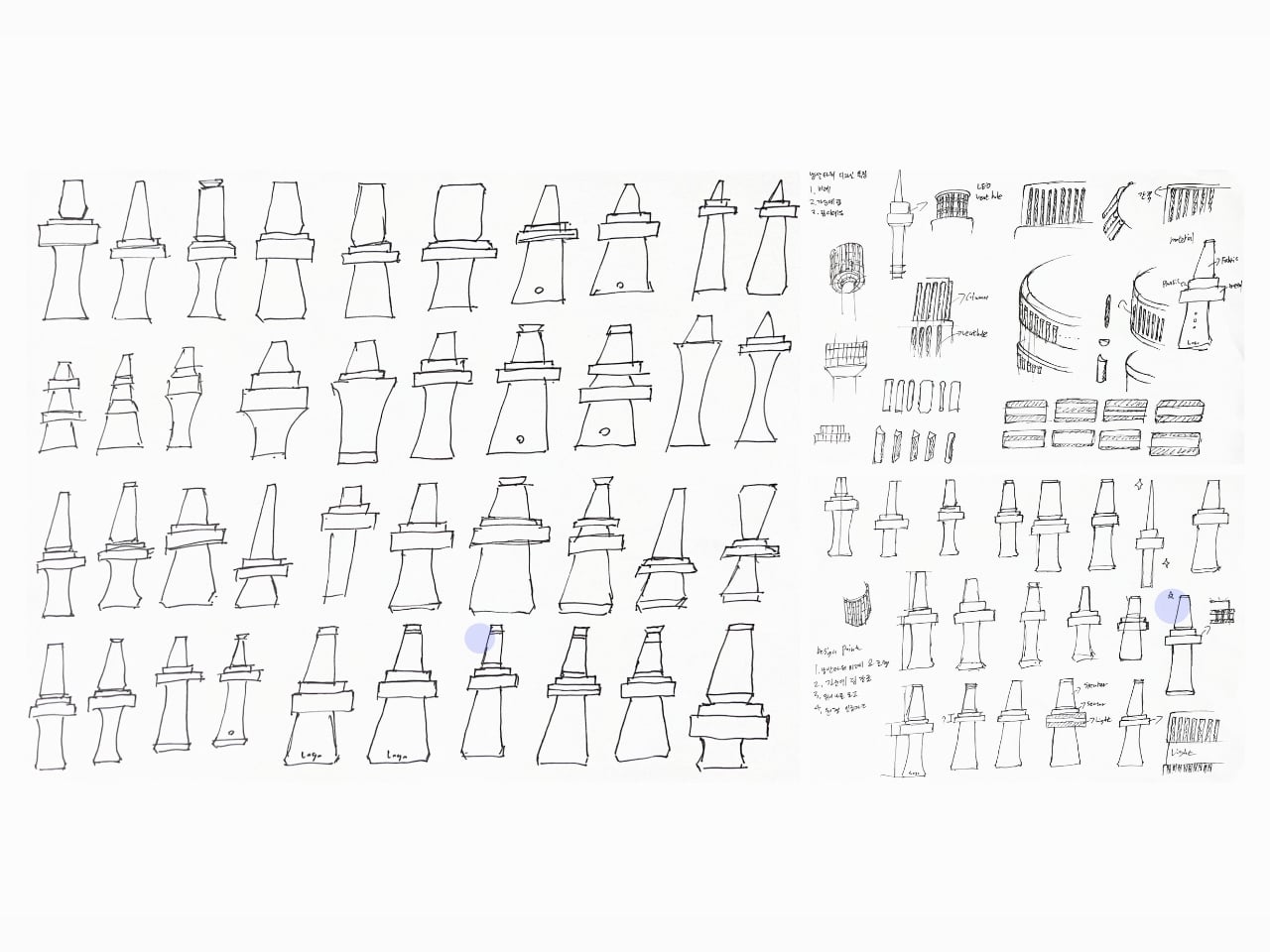
What’s refreshing about Lee’s approach is the restraint. Concept design can easily become an exercise in maximalism, stacking features and rendering a product that looks cinematic but has no real relationship to how humans actually use things. AION doesn’t appear to fall into that trap. The Namsan Tower reference isn’t about aesthetics alone; it’s a framework that disciplines the design. You start with a clear function, a clear reason for existing, and you build outward from there.

Hongik University has produced a lot of notable designers over the years, and Lee’s project earns its place in that tradition not because it’s technically revolutionary, but because it’s conceptually coherent. The thinking is visible. You can follow the logic from inspiration to outcome, and that kind of transparency in a design brief is rarer than it should be.

Whether AION ever moves past concept stage is probably the wrong thing to focus on. The more useful takeaway is what it suggests about the future of AI devices in general: that the most compelling ones won’t necessarily be the smartest or the loudest, but the ones that know when to speak in light instead of sound, when to blend into the room, and when to make themselves known. Seoul’s tower has been doing exactly that for decades. Someone just finally took notes.

The post A Seoul Design Student Built an AI Speaker Around Namsan Tower first appeared on Yanko Design.

Sony will require age checks in the UK and Ireland to access PlayStation communication features

Sony is adopting new age verification policies for PlayStation users in the UK and Ireland. The company isn't making this a blanket requirement, but steps to confirm age will be needed to access "communication, broadcasting, and certain in-game features" beginning in June 2026. That includes essentials for online and social gamers, such as joining a party, voice chatting, text messaging or using third-party chat programs such as Discord. Some in-game communication tools, like chats or sharing user-generated content, will also only be available after an age check is completed. Although the new requirements will not be enforced until summer, users are already being prompted to get the verification process squared away.

Several states and countries began adopting this type of legislation in 2025, pushing restrictions as a way to protect children and teens from inappropriate content. It seems the trend will be continuing into this year, despite the concerns about privacy risks and new questions about whether these restrictive laws are even effective at their stated goals, but companies have still been moving to comply. Discord was one of the more notable gaming-centric services to begin age verification policies last year, although the company did walk back some of its initial plans at the start of 2026 in order to better protect users' personal data and their anonymity. Roblox also began requiring age checks and those results were not great.

This article originally appeared on Engadget at https://www.engadget.com/gaming/playstation/sony-will-require-age-checks-in-the-uk-and-ireland-to-access-playstation-communication-features-194916442.html?src=rss

The 3D-Printed Chair That Moves With You, Not Against You

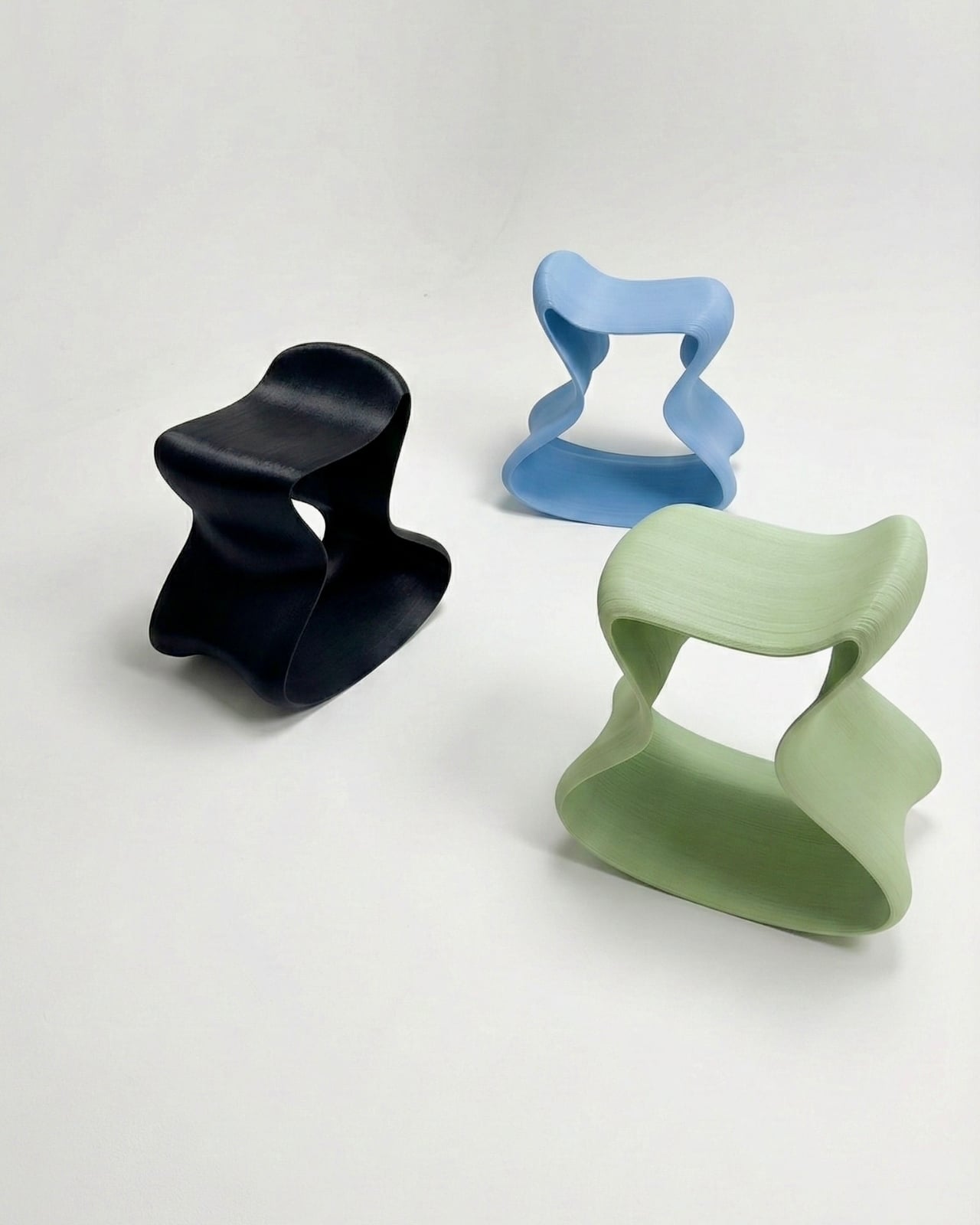
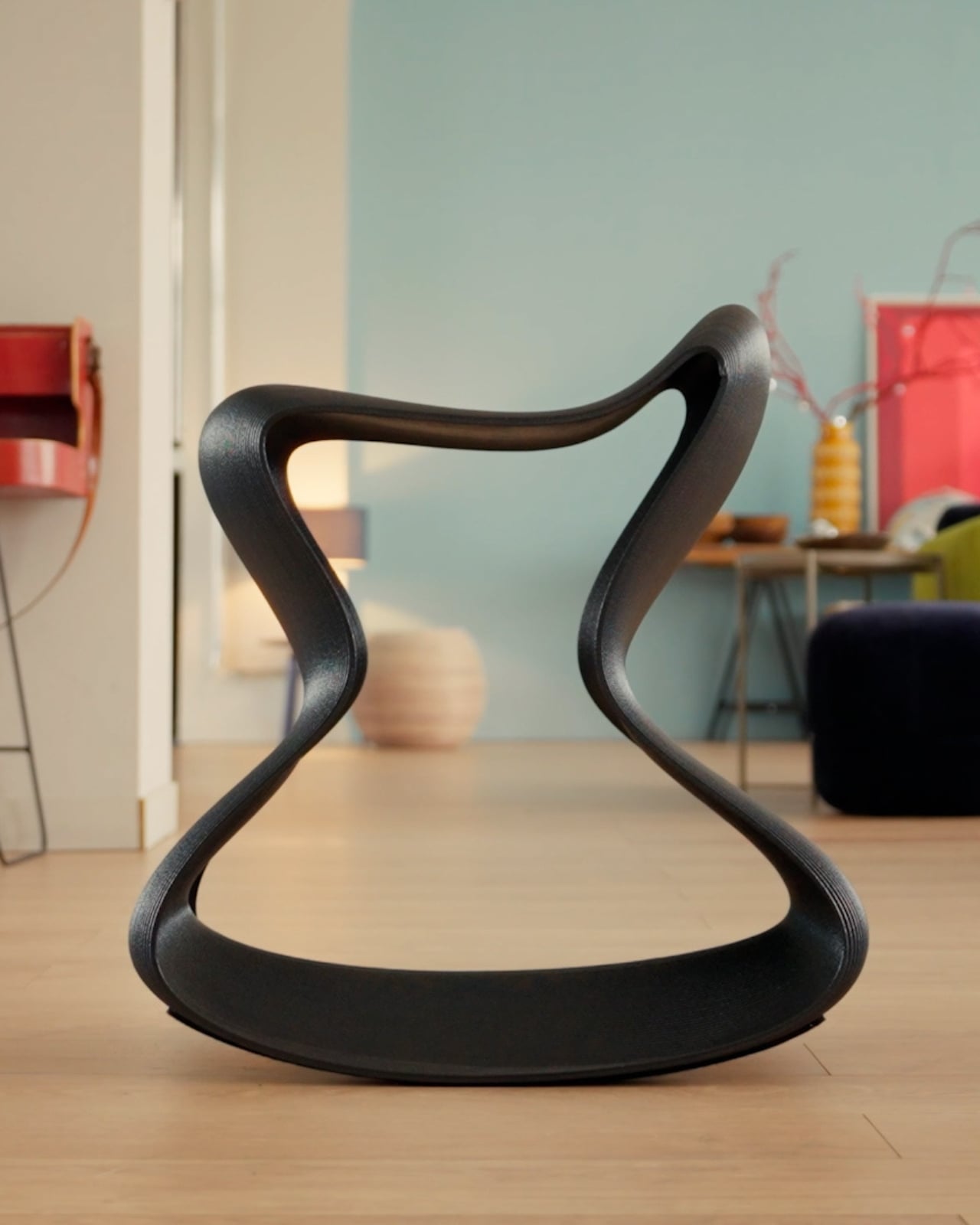
The first time I looked at the Flow Chair, I thought it was a sculpture. The sinuous, looping form bending into itself like a standing wave frozen mid-motion. No visible joints, no screws, no padding, no legs in the traditional sense. Just one continuous ribbon of material that somehow, impossibly, holds a person’s weight while gently rocking beneath them.

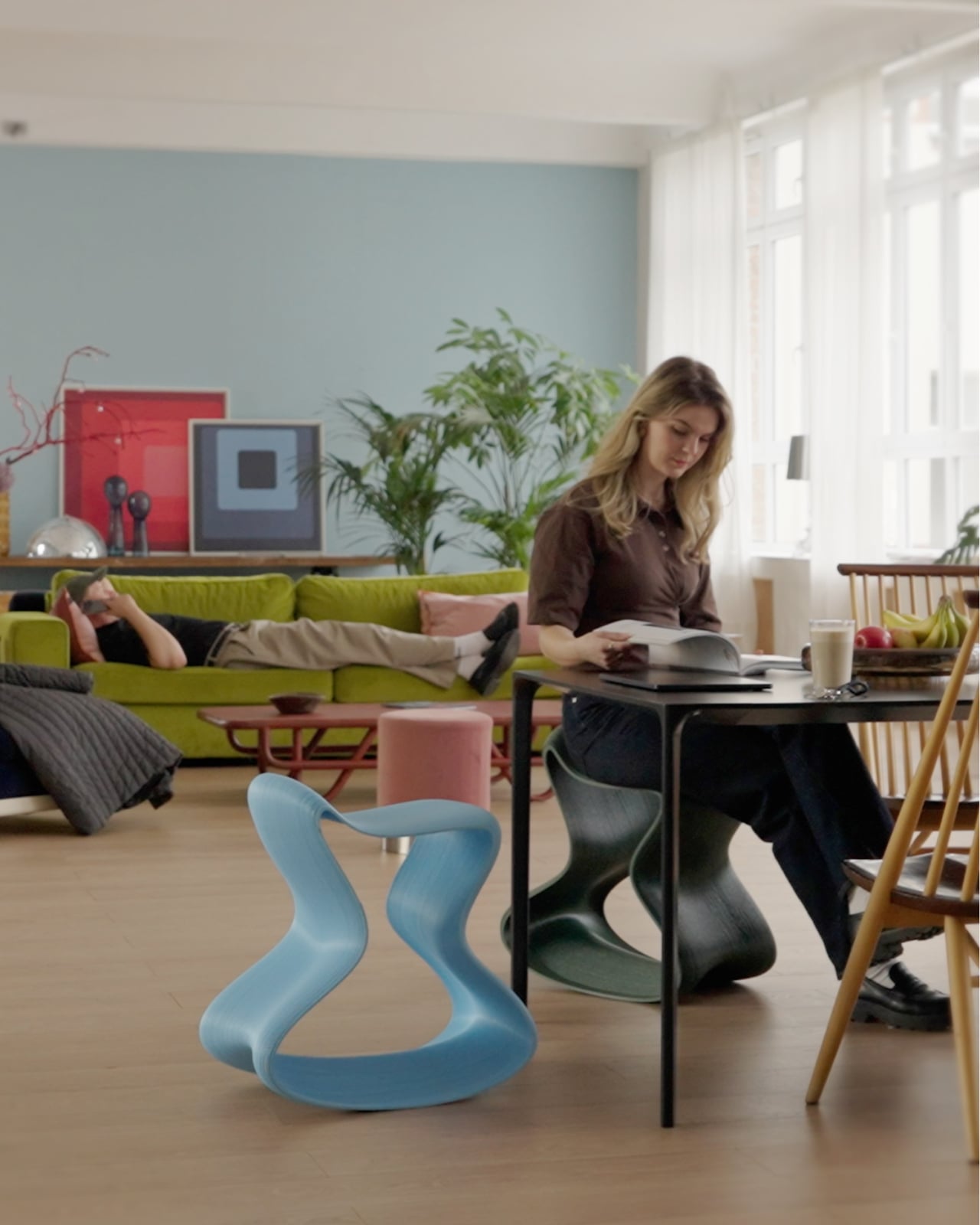
That last part surprised me. The Flow Chair, designed by Daniel Streilein and Henry Boy of the German studio Boldobjects, is not actually a chair in the way we typically think about chairs. It’s a rocking stool, and it functions through the intelligence of its shape rather than through any kind of mechanism. You shift your weight, and it responds. You lean forward to concentrate, and it follows. You settle back, and it adjusts. No moving parts. No knobs to turn. No assembly required. The geometry does all the work.

Designers: Daniel Streilein and Henry Boy (Boldobjects)

I’ve been thinking about this a lot lately, specifically the idea that so much of modern ergonomic furniture design has overcomplicated the act of sitting. We’ve added lumbar supports and pneumatic height adjustors and tilt-tension knobs, and yet most office workers still end the day with a stiff back and a neck that sounds like a bowl of cereal. The Flow Chair is a direct argument against all of that. Its proposition is simple: give the body room to move, and it will figure out the rest.

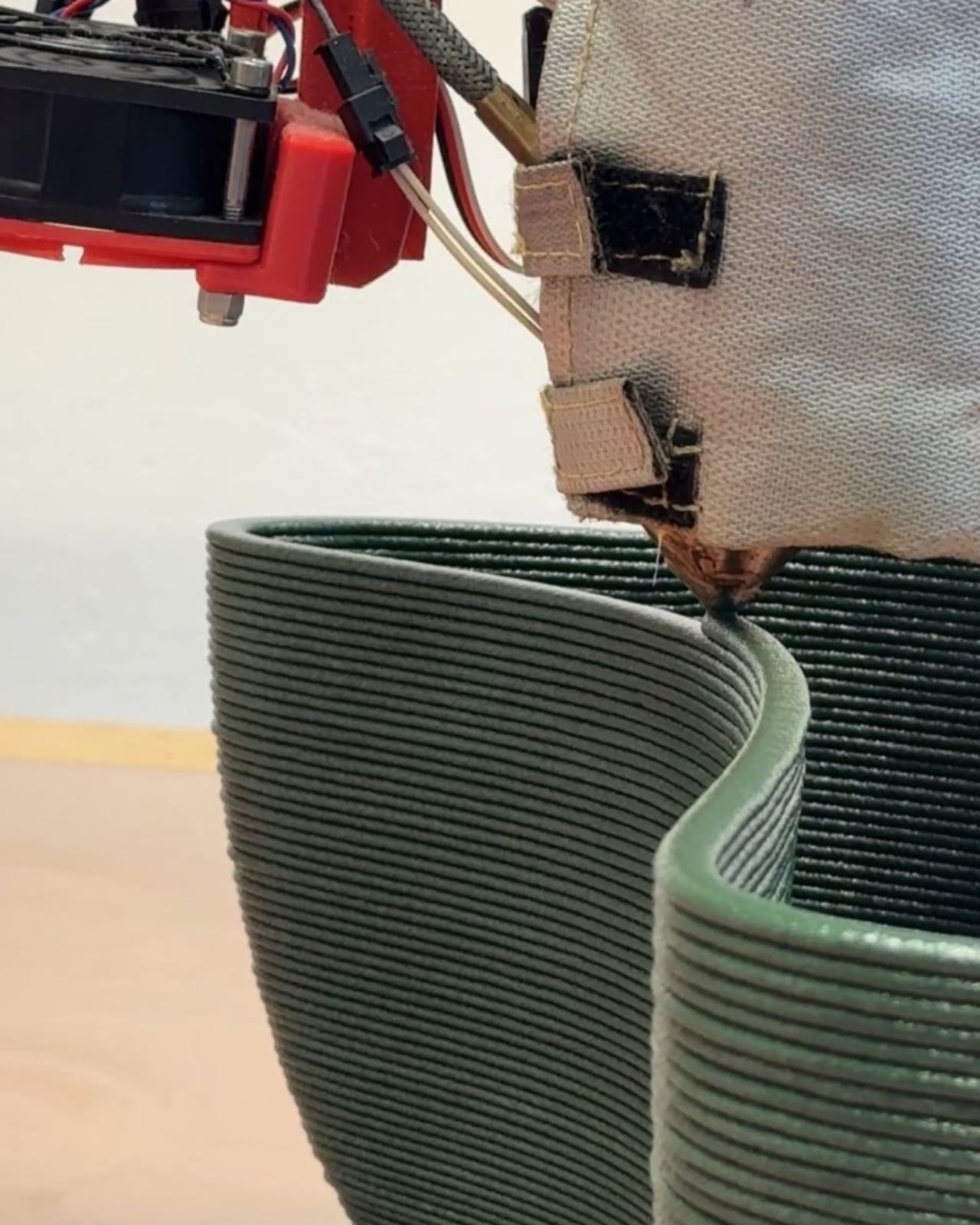
The manufacturing process is just as interesting as the design itself. The Flow Chair is produced using large-scale pellet 3D printing, a more industrial cousin of the desktop 3D printing most people are familiar with. This process allows for the kind of fluid, organic geometry that would be nearly impossible, and almost certainly cost-prohibitive, to achieve through traditional molding or casting. You can actually see the layer lines running across the surface of the chair, horizontal bands that trace the path of the print head as it built the form up from nothing. Most designers would treat those lines as a flaw. Streilein and Boy treat them as texture, a visual record of how the object came to be. I find that genuinely compelling. The chair doesn’t hide what it is.

What makes the sustainability story here worth paying attention to is that it isn’t just a marketing footnote. The Flow Chair is made from a single material: recycled PETG. No adhesives, no hardware, no secondary components of any kind. When the stool eventually reaches the end of its life, it can go back into the production cycle without complex processing. The branding is embossed directly into the base material rather than applied as a separate label. Even the decision to manufacture locally in Germany shortens the supply chain in a meaningful way. Every design choice reinforces the same intention, and that kind of coherence is rarer than it should be.

It also comes in a range of colors including deep forest green, powder blue, sage, and near-black, which tells you something about how Boldobjects is thinking about this object. It’s not purely a functional tool. It’s a considered, designerly thing meant to live in real spaces with real aesthetics. Looking at the photographs, it holds its own in a warm, book-lined study just as well as it does in an eclectic living room. That versatility is harder to engineer than it looks.

The Flow Chair sits, if you’ll allow the pun, at an interesting intersection. It belongs in a conversation about sustainable materials and digital fabrication, yes, but it also belongs in a conversation about what good design actually feels like to live with. Not just to look at. Not just to Instagram. To actually use, day after day, in the small and ordinary act of sitting down. That turns out to be a higher bar than most furniture ever clears.

The post The 3D-Printed Chair That Moves With You, Not Against You first appeared on Yanko Design.

Ubisoft will officially reveal the Assassin’s Creed Black Flag remake on April 23

It's happening. Ubisoft has scheduled a livestream for April 23 at 12PM ET to discuss the long-awaited Assassin's Creed Black Flag remake. The showcase will be available to watch on the company's YouTube and Twitch pages.

It's officially called Assassin's Creed Black Flag Resynced and has been rumored to be in development for years. Ubisoft ended speculation by announcing the game last month.

We don't know anything about how the game will play or look, as Ubisoft has only dropped some promotional art featuring protagonist Edward Kenway lounging on a boat. The livestream should feature a trailer that will answer many burning questions.

For instance, rumors have been swirling that this is a total top-to-bottom remake and not a simple port. That makes sense given the continued popularity of Black Flag. It's also been rumored that this new version will cut out all of the modern day gameplay sections, with a total focus on pirate-themed action.

We don't have that long to find out. Maybe the livestream will also give us some information about that upcoming mainline franchise entry, which is currently being developed under the moniker Codename Hexe. Ubisoft has promised it will be a "unique, darker, narrative-driven Assassin's Creed experience."

This article originally appeared on Engadget at https://www.engadget.com/gaming/ubisoft-will-officially-reveal-the-assassins-creed-black-flag-remake-on-april-23-184729772.html?src=rss

LinkedIn’s new Crosscheck feature lets premium subscribers test competing AI models for free

You can now use LinkedIn to test out some of the latest AI models from OpenAI, Anthropic, Google, Microsoft and other companies without having to worry about token limits or paying for an extra subscription. The professional network is experimenting with a new feature that allows people to test AI platforms' latest offerings within LinkedIn. 

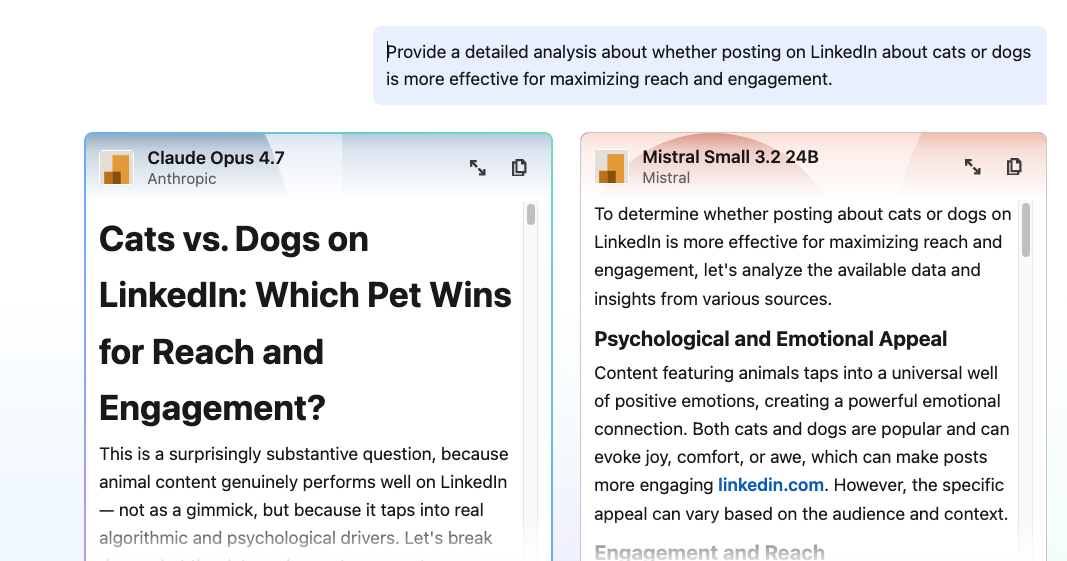
It’s called Crosscheck, and it's rolling out now to anyone with a LinkedIn Premium subscription in the United States. The feature is meant to be a kind of "blind taste test" for AI models, according to the company's Chief Product Officer Hari Srinivasan. Users start with a prompt and get two answers, each of which is provided by a different model. It's only after choosing which model you like better that you can see the underlying models behind each. 

Srinivasan says that Crosscheck is still an "early product" from LinkedIn Labs and that "there’s work to do to make it faster and add more models and question types." But it already seems to support a fairly wide range of models. In my initial tests of the feature I saw multiple answers generated by Anthropic models, as well as those from Google, MoonshotAI, Mistral and Amazon. Crosscheck will also have its own leaderboard that tracks how people in different industries are rating the various models.

After you choose an answer you like better, LinkedIn will show which model provided each answer.
LinkedIn Screenshot

Crosscheck only supports text-based prompts, so you can't generate images, upload files or use some of the more advanced tools that would be available natively on the AI platforms themselves. But there are no limits on the number of text-based chats you can have, so you don't have to worry about token limits or signing up for a pricey subscription if you find a model that's helpful.

LinkedIn is, however, sharing data back to the respective AI companies who will presumably use information gleaned from LinkedIn usage to improve their products. "Anonymized data is shared with model builders to help them understand how their models are performing amongst different occupations," the company explains. "No personally identifiable information is shared with model builders."

While Crosscheck is initially only available to LinkedIn Premium subscribers in the United States, the company plans to expand the the feature to more countries and free users “soon.”

This article originally appeared on Engadget at https://www.engadget.com/ai/linkedins-crosscheck-feature-lets-premium-subscribers-test-ai-models-for-free-183949210.html?src=rss

Meta is testing a WhatsApp Plus subscription that mostly focuses on cosmetic upgrades

Meta is testing out a premium version of its messaging app, called WhatsApp Plus, that will include several paywalled features. As first spotted by WABetaInfo, Meta is currently rolling out a paid version of WhatsApp, which features mostly cosmetic upgrades. According to the Help Center page, WhatsApp Plus subscribers will get access to premium stickers that can have special effects and the ability to personalize the app's themes and icons.

Beyond the decorative elements, WhatsApp Plus users can pin up to 20 chats, set a premium ringtone for certain contacts and further customize chat lists with alerts, ringtones and themes. According to WABetaInfo, WhatsApp is exploring more features for its premium plan, but there's no exact pricing announced yet. Subscription costs currently range from 229 Pakistani Rupees, or less than $1, to €2.49, or around $3, according to WABetaInfo.

Meta isn't paywalling any of WhatsApp's basic functions, so the ability to send messages, make voice calls and take advantage of end-to-end encryption remains free. However, the introduction of WhatsApp Plus follows Meta also trialing Instagram Plus, which previewed premium features like Stories that last longer than 24 hours and sending "super hearts." The prices haven't been announced for Instagram Plus either, but WABetaInfo reported that Meta may offer one-month trials for any interested users of WhatsApp Plus.

This article originally appeared on Engadget at https://www.engadget.com/apps/meta-is-testing-a-whatsapp-plus-subscription-that-mostly-focuses-on-cosmetic-upgrades-175452371.html?src=rss