
The HDMI ARC port on your TV has a very specific job
The distinction between various flavors of HDMI can get a bit technical.
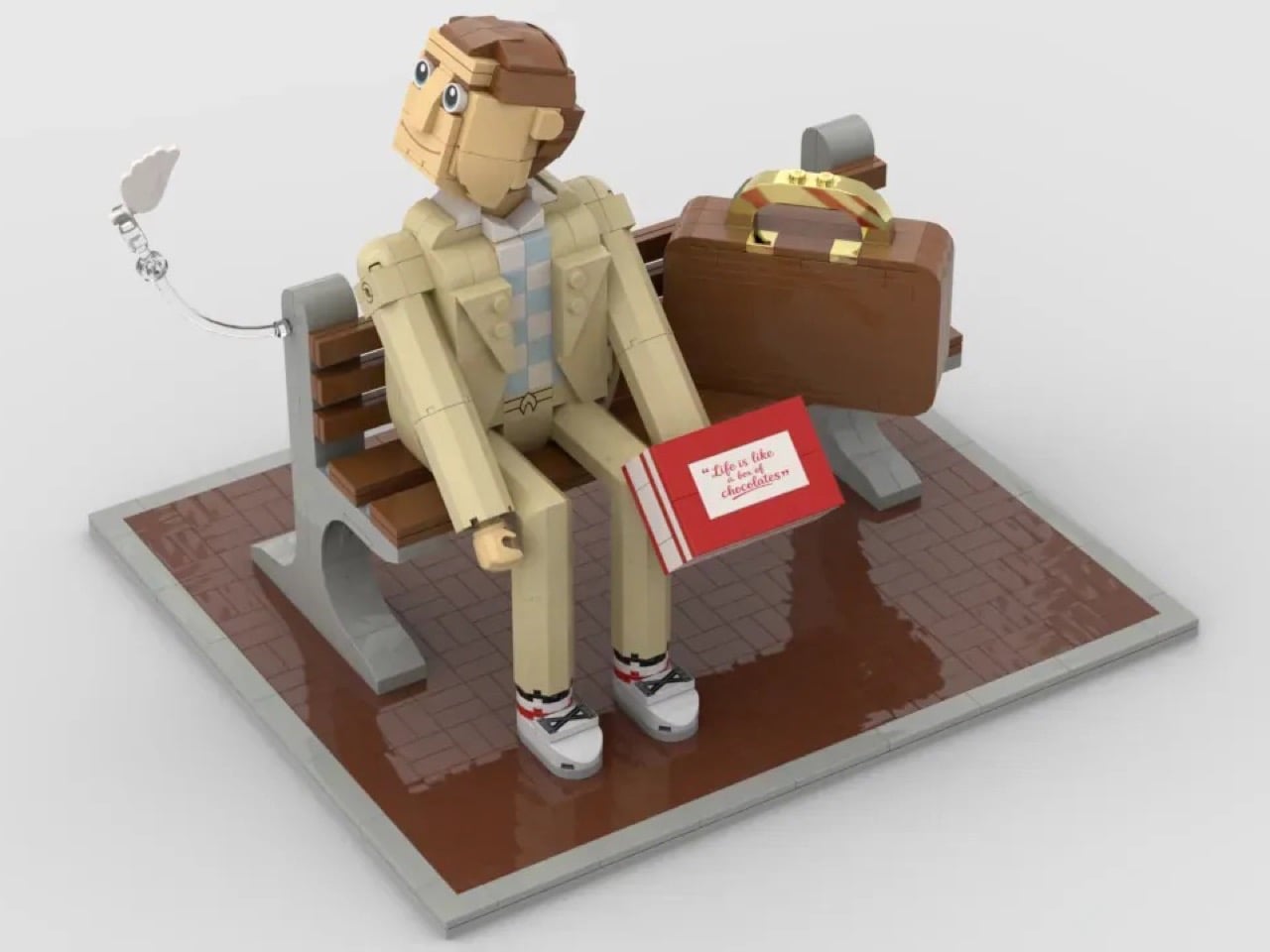
The bus bench scene in Forrest Gump was never supposed to be the heart of the film. It was a framing device, a structural trick borrowed from the original Winston Groom novel, a way to let Tom Hanks narrate three decades of American history to a rotating cast of strangers. And yet, somehow, that bench in Chippewa Square, Savannah, became the most iconic seat in 1990s cinema. The original bench now lives in the Savannah History Museum, behind a velvet rope, because apparently plastic and wood can become sacred objects when the right story happens around them.
Avid Builder, a LEGO Ideas community member, has now given that bench a second life in brick form. The 871-piece build seats a fully articulated, custom-scaled Forrest on the bench, complete with his tan suit, his chocolate box, his trusty suitcase, and the floating white feather that opens and closes the film’s entire emotional arc.
Designer: Avid Builder
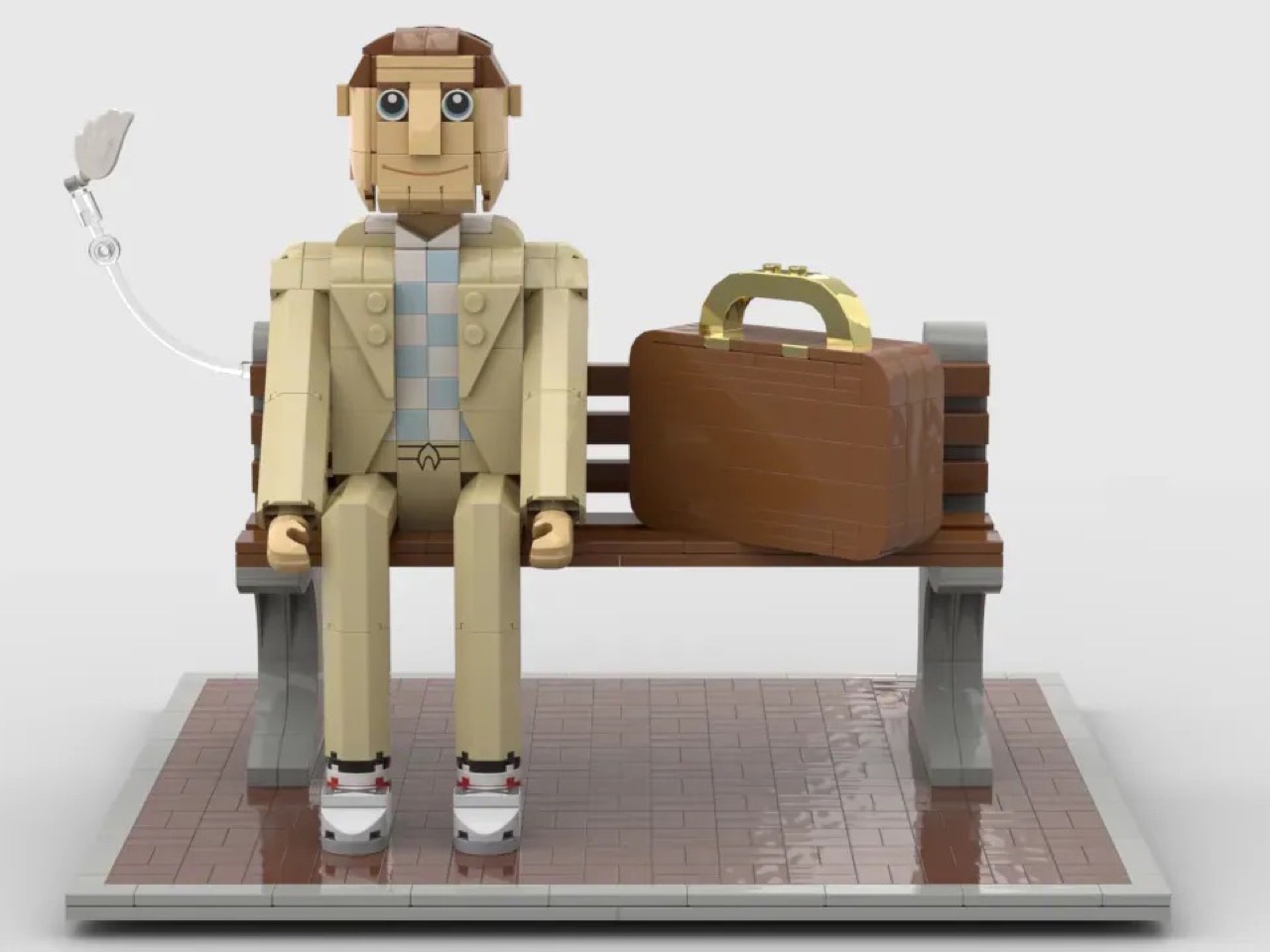
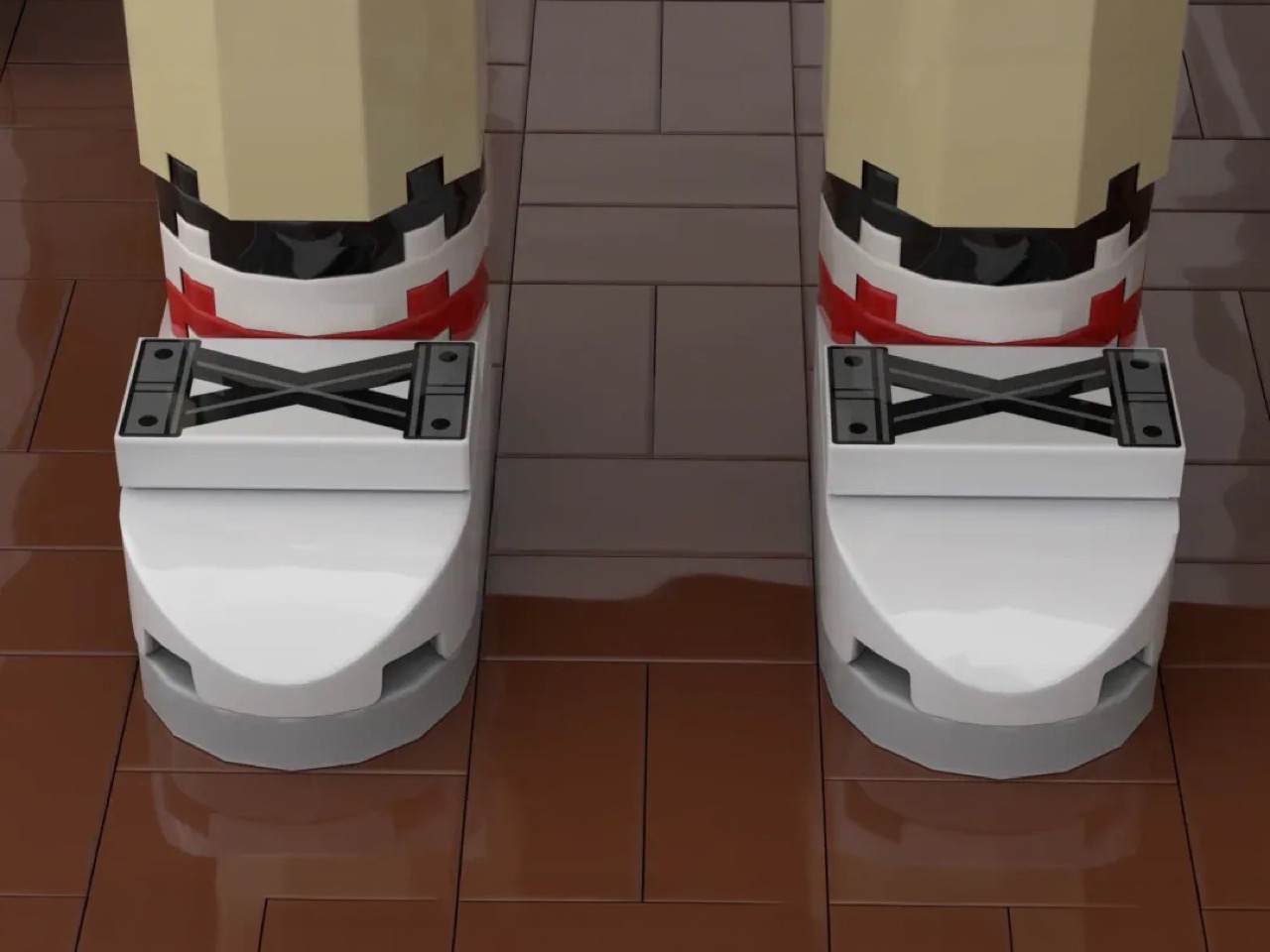
At 871 pieces, this build operates at a scale well above your standard minifigure, and that choice pays off enormously. The figure of Forrest is brick-built from the ground up, with poseable arms, a rotating neck joint, and a custom-engineered head that Avid Builder describes as their first attempt at this scale. It shows the right kind of ambition. The face carries a gentle, open expression, eyes wide and slightly upward, a small smile that reads as the precise emotional register Tom Hanks spent two hours maintaining in 1994. The tan suit is rendered faithfully across the torso, with the checked shirt and striped socks accounted for in the color blocking. And then there are the shoes. Look closely and you’ll find white curved-slope sneakers with Technic cross-brace elements sitting on top, suggesting the laces on Forrest’s Nike Cortez runners, the ones Mama said were his magic shoes.
The accessories add some interactive whimsy to the MOC (My Own Creation). The red chocolate box opens, and inside sit individual rounded chocolate elements in a warm brown, arranged exactly as you’d expect a proper box of assorted chocolates to look. The lid carries a custom-printed tile with the famous quote. The brown brick-built suitcase beside Forrest uses a gold bar and handle assembly that catches the light beautifully, and the whole thing reads as a piece of luggage that has genuinely been somewhere. My favorite detail, though, is the feather, a white element suspended on a clear articulated bracket arm extending from the side of the scene, hovering at just the right height to feel like it caught a current of air and stopped there.
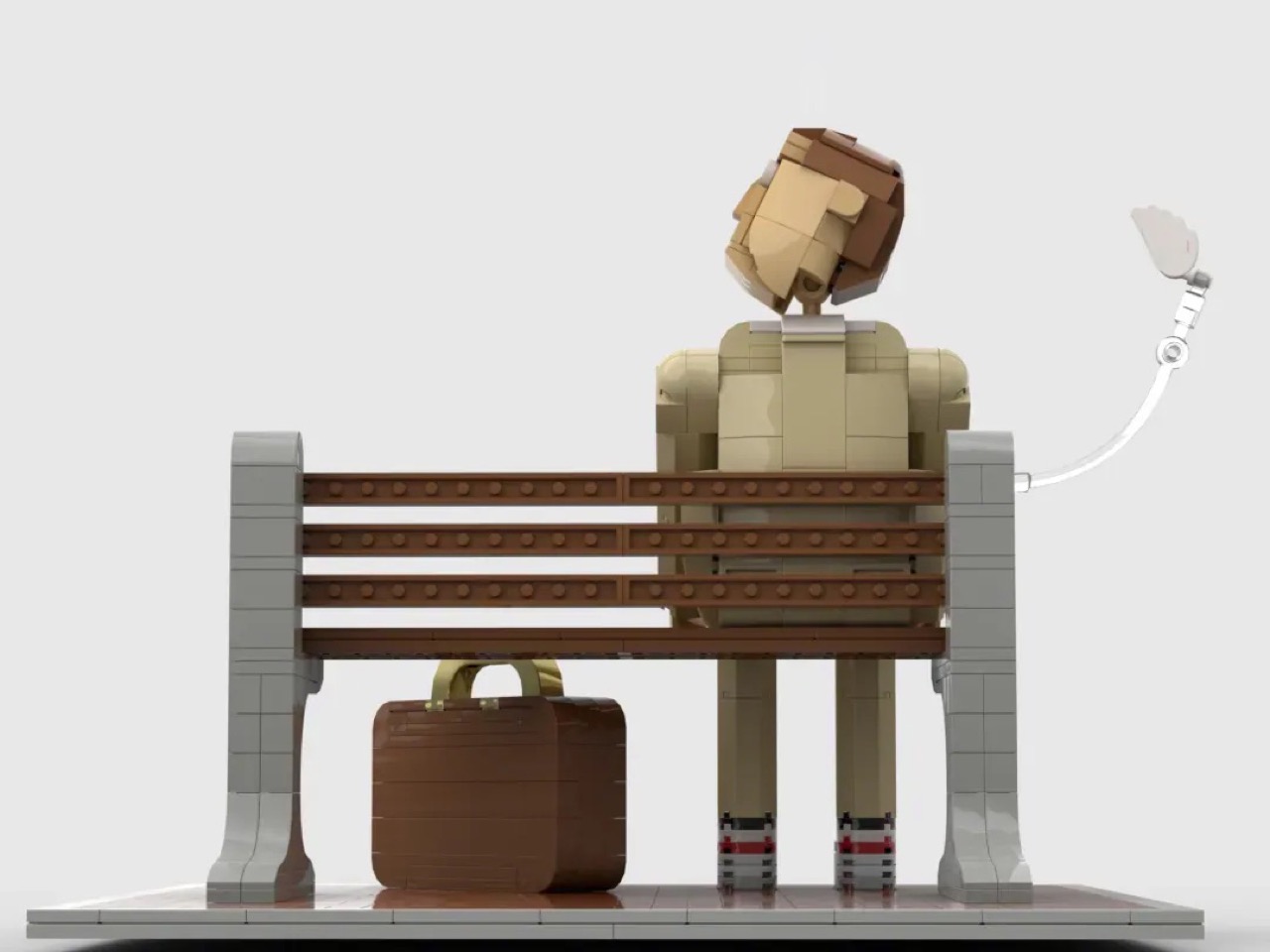
The build also offers two display configurations. Face it forward and you have the bus stop scene, Forrest waiting patiently for a ride that will take him somewhere extraordinary. Rotate it 180 degrees and the composition mirrors the film’s official poster, the bench receding into the frame, Forrest’s back to you, the world ahead of him.
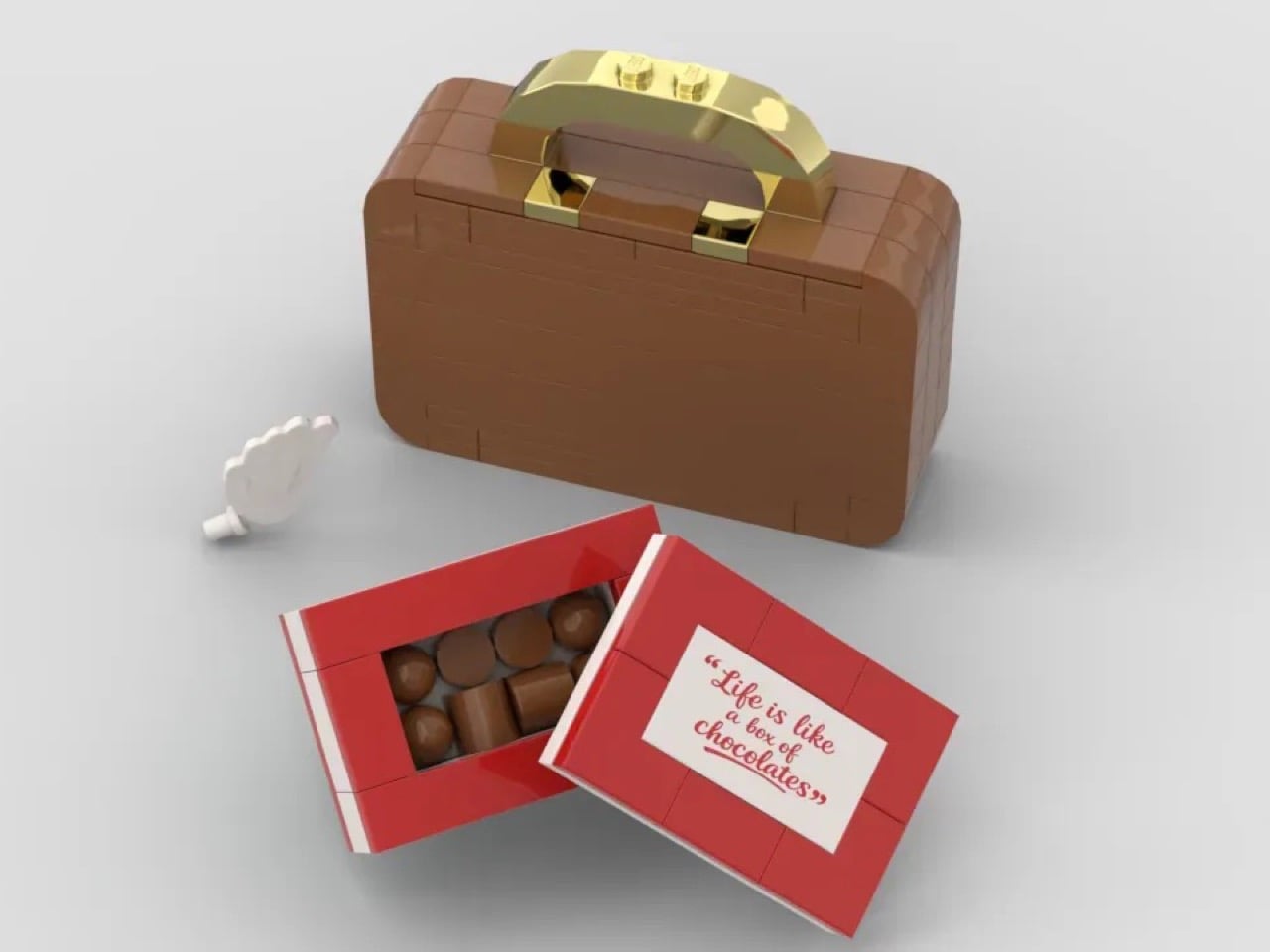
The Forrest Gump bench MOC is currently gathering votes on LEGO Ideas, the community platform where fan submissions that cross the 10,000 vote threshold get reviewed by LEGO’s internal team for potential production as a retail set. With 855 supporters logged so far, it has runway ahead of it, and 362 days left on the clock. If you grew up quoting this film at the dinner table, or if you just appreciate a brick build that understands what it’s trying to say, head over and cast your vote here.
The post 30 Years Later, Forrest Gump Gets the LEGO Set He Always Deserved first appeared on Yanko Design.




Digital calendars have made keeping track of the date nearly frictionless, which sounds like a good thing until you realize how thoroughly that frictionlessness has stripped the experience of any meaning. The date appears in a corner of your screen, on a lock screen, or in a quick glance at a smartwatch, but you don’t actually interact with it. You just absorb it, briefly, and move on.
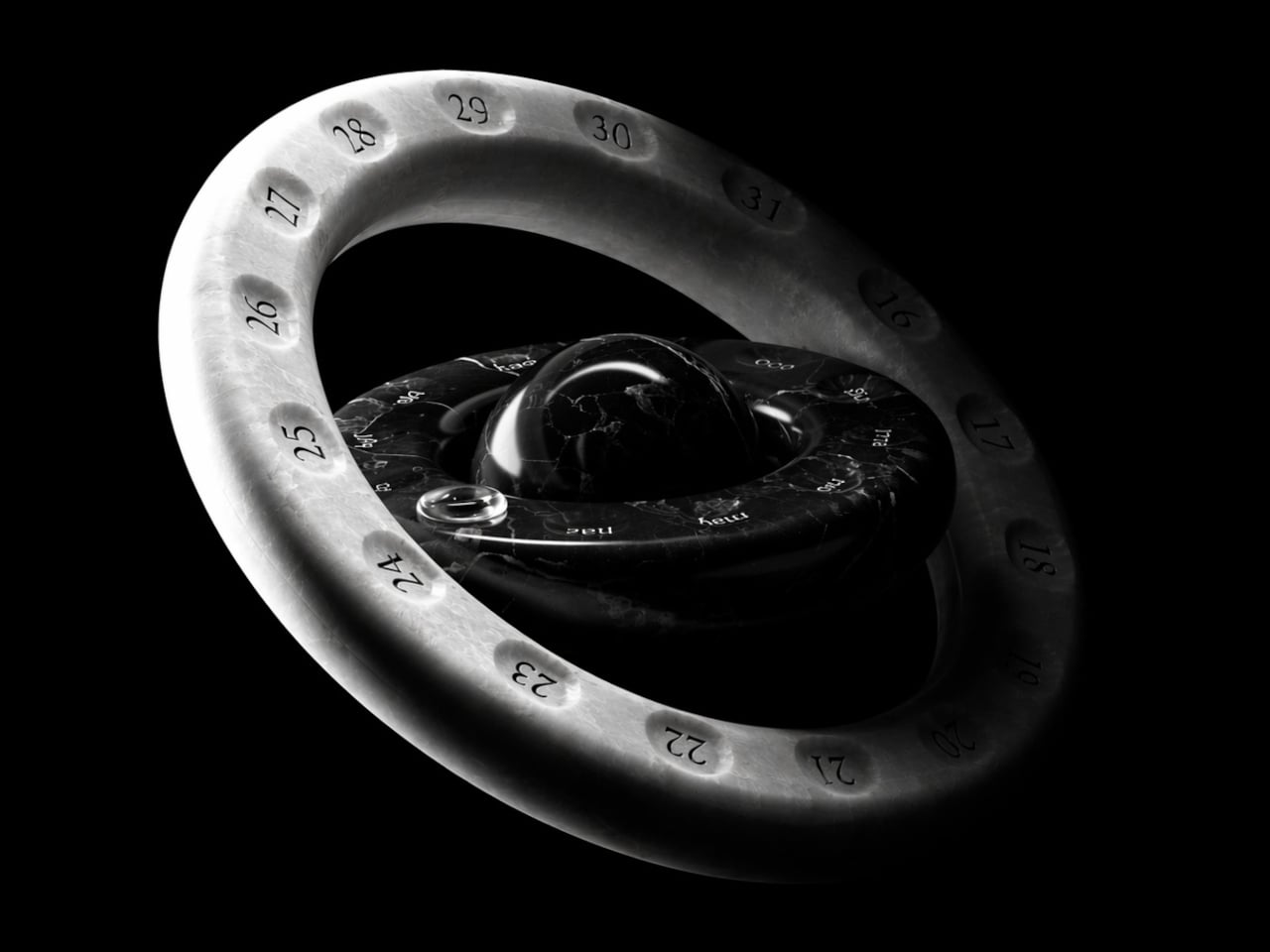
Elif Karaca’s Loop, a finalist in both the fifth International Novel Natural Stone Design Competition and the Değişik Design Award 2023, pushes back against that passivity. Crafted from marble and structured around two concentric rotating rings in contrasting stone tones, it reframes the calendar as a physical object you’re meant to touch and adjust each day, not something to glance at and forget.
Designer: Elif Karaca
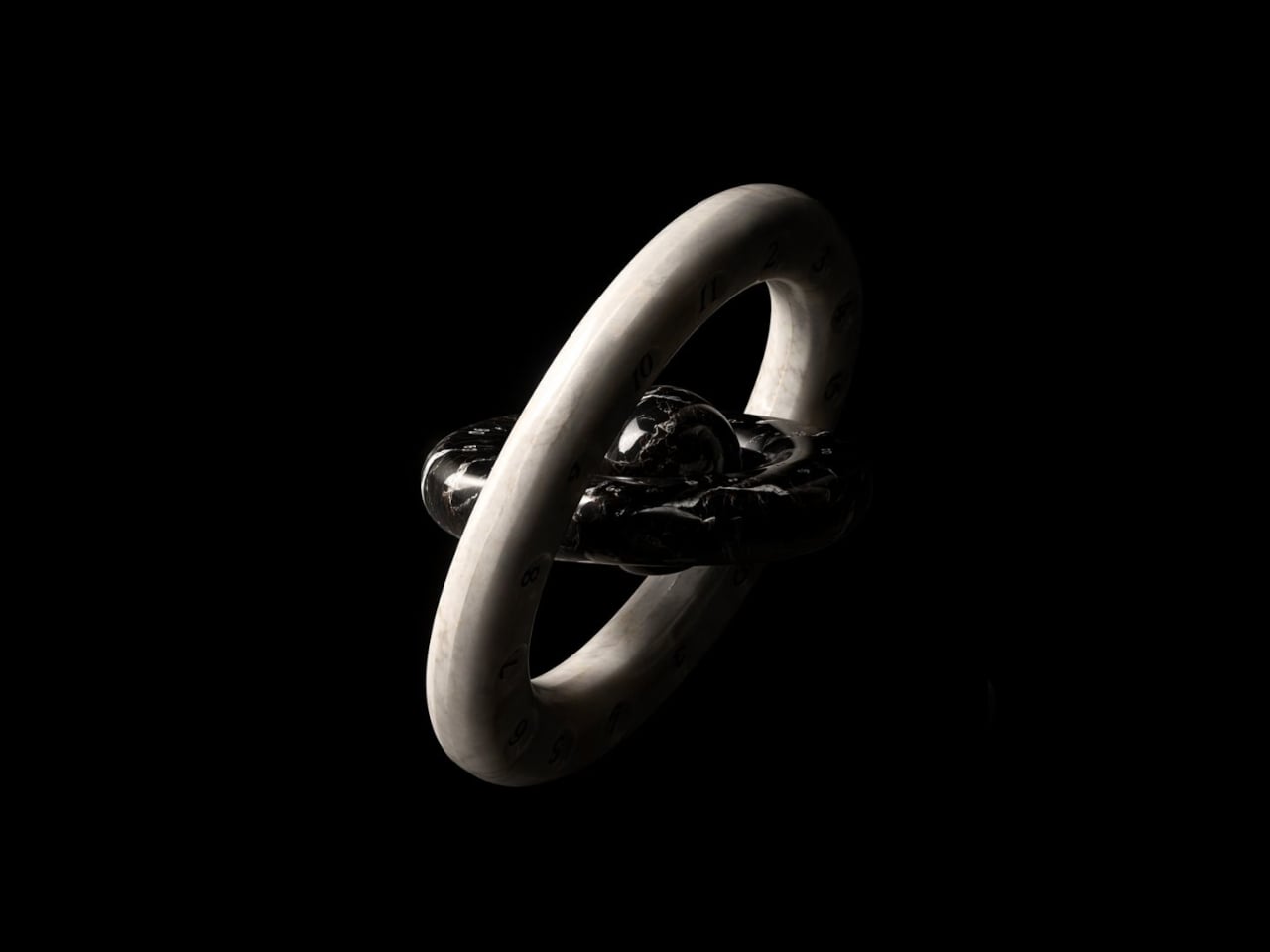
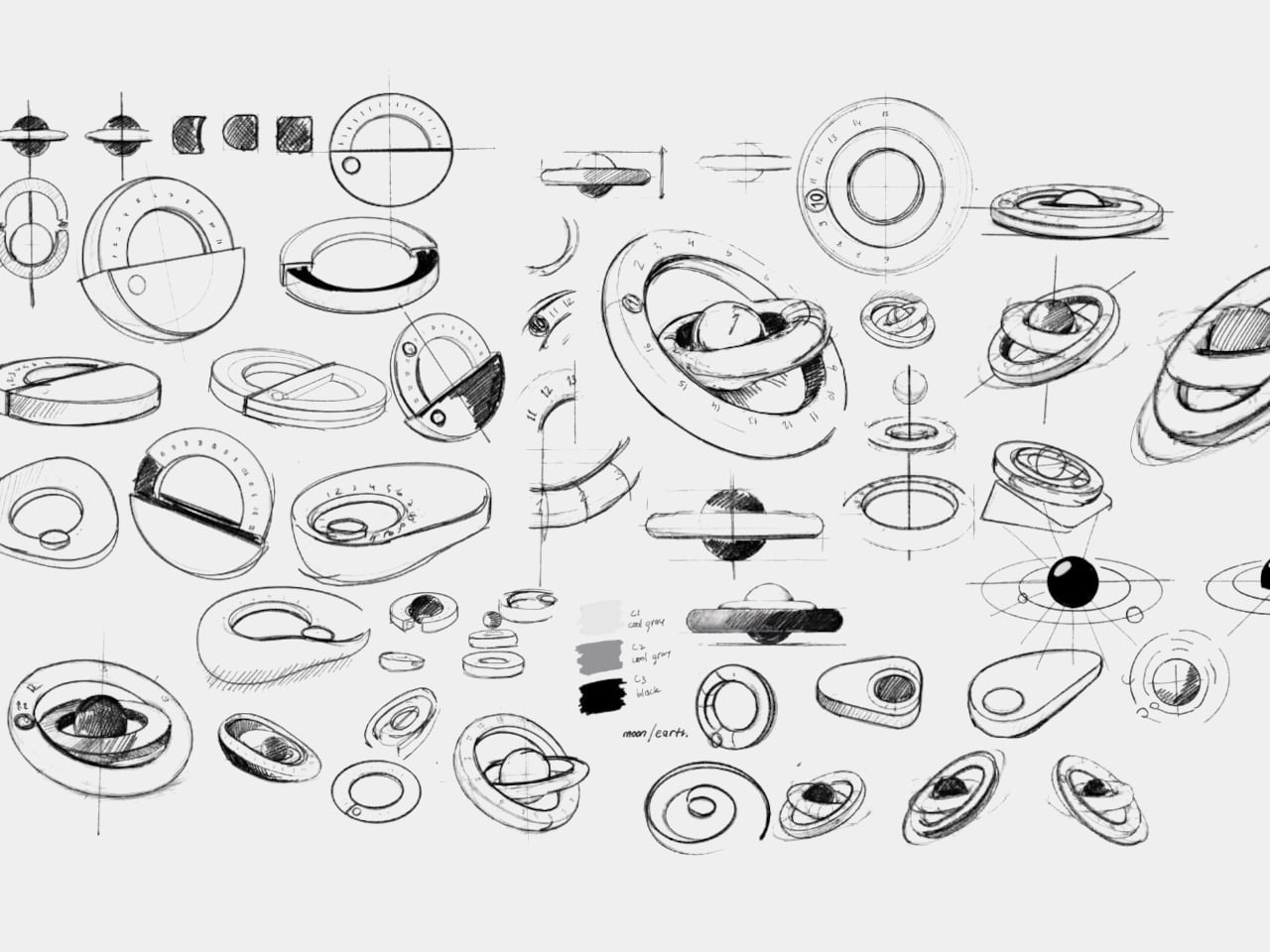
The mechanism draws from the orbital relationship between the Earth and the Moon. The inner ring, carved from dark marble, represents the months. The outer ring, in a lighter stone, tracks the days and rotates around the center as time passes. Advancing the date requires an intentional turn, which is exactly the point: the act of updating it becomes a small, grounding gesture built into the day.
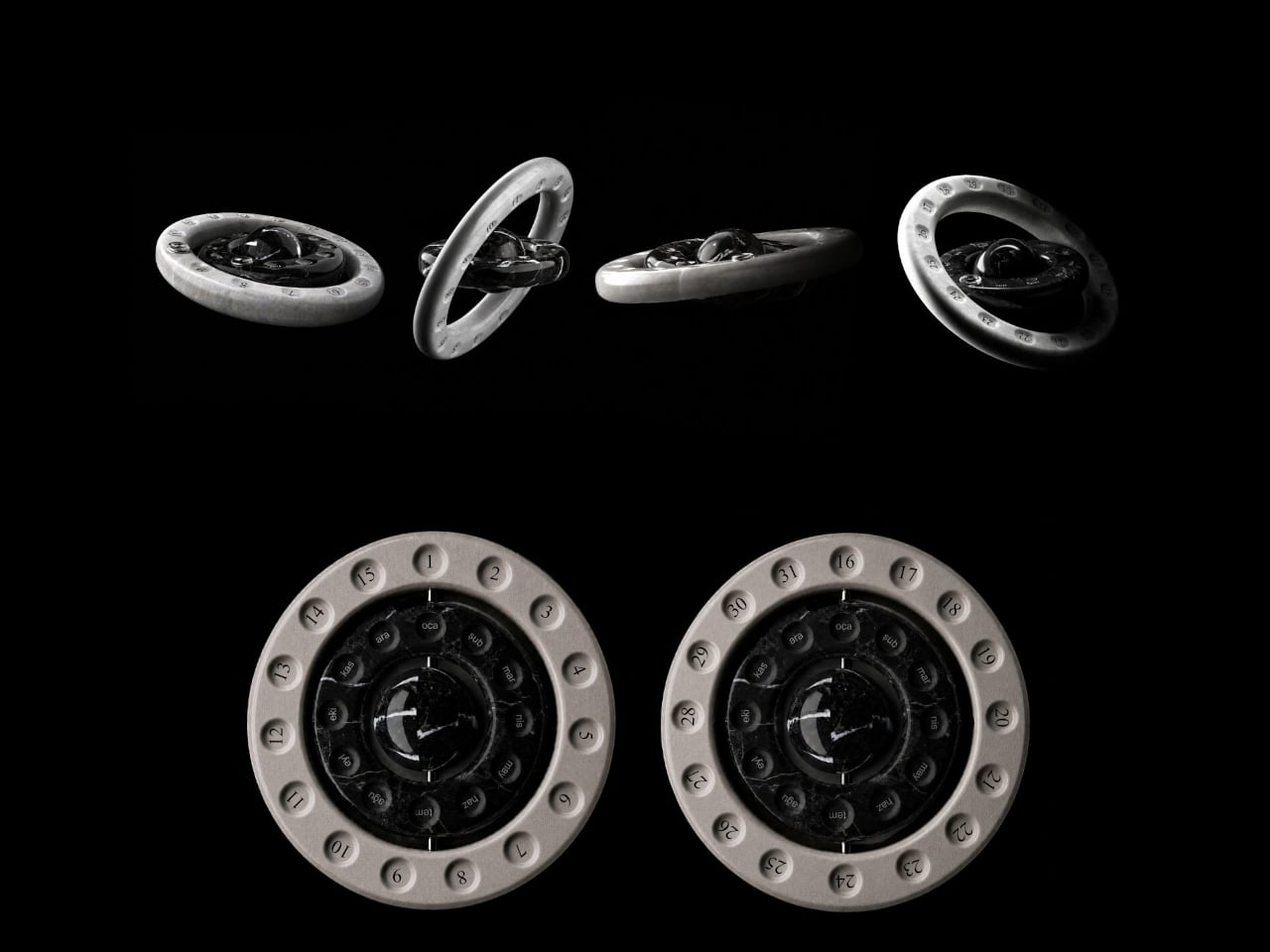

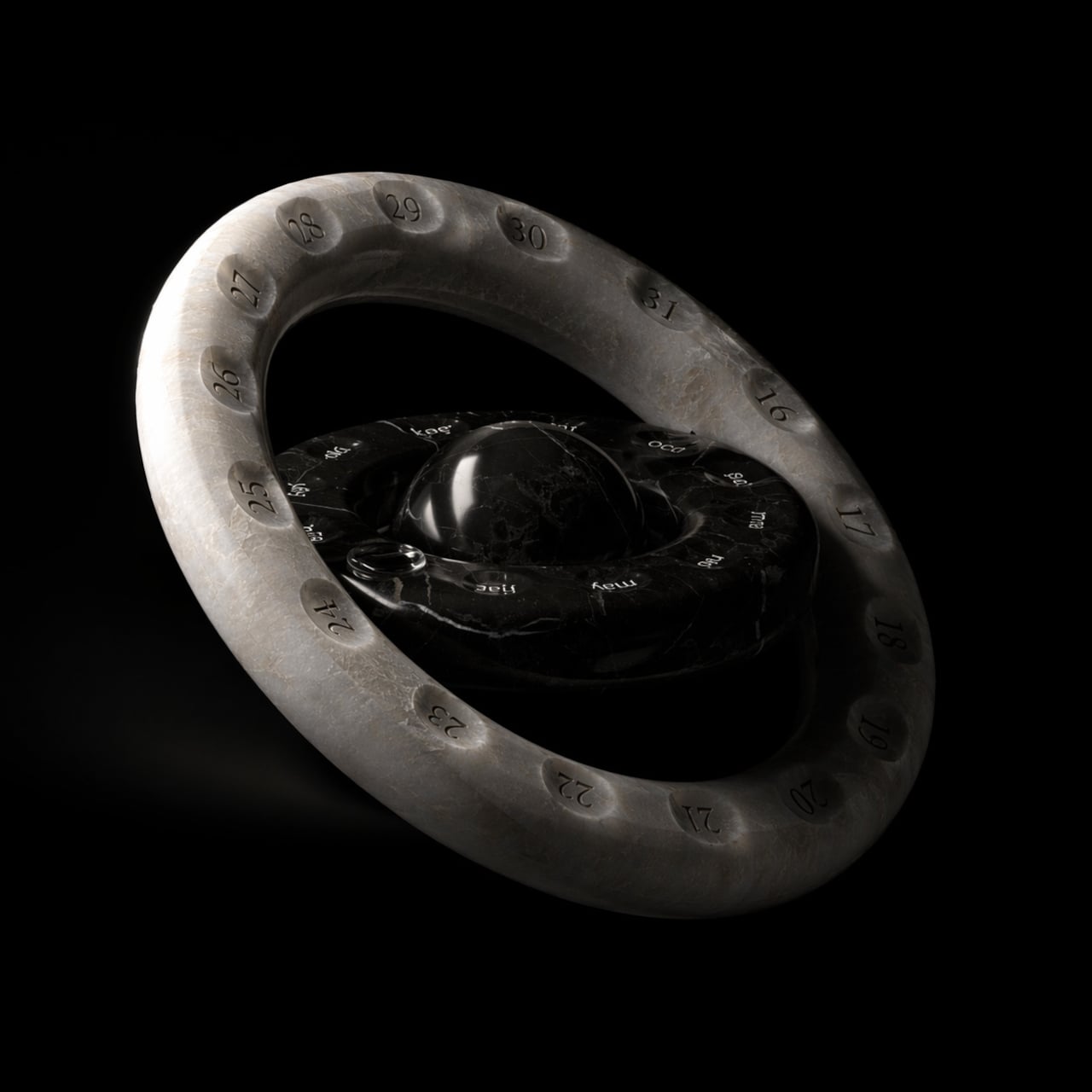
Most people who keep a physical calendar treat it as a reference document rather than something they engage with. Loop approaches that differently. The marble surface carries natural veining and texture that make each piece distinct, and the weight and cool smoothness of the stone change the character of the interaction entirely. You don’t click a button or tap a screen; you rotate something solid.
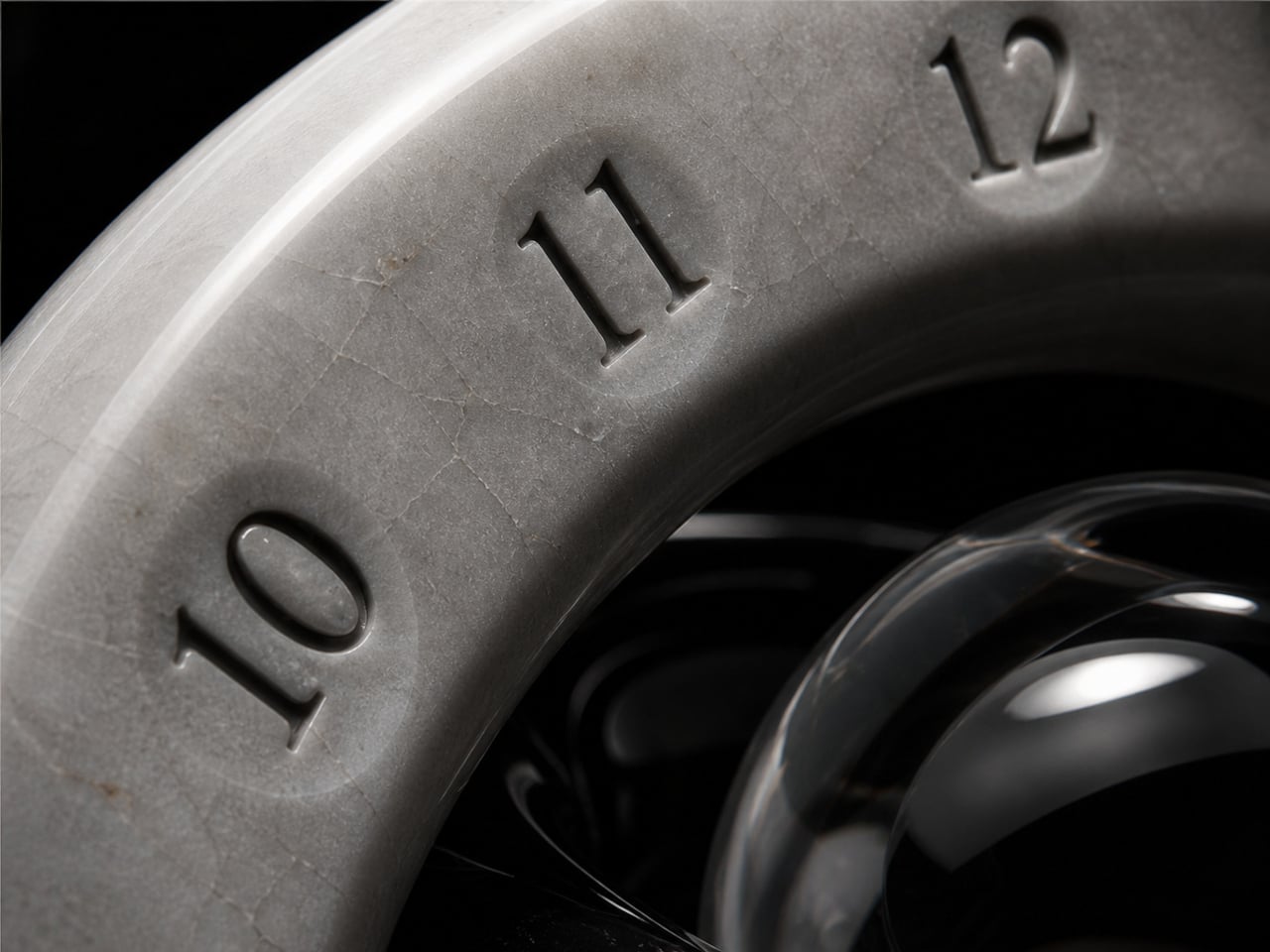
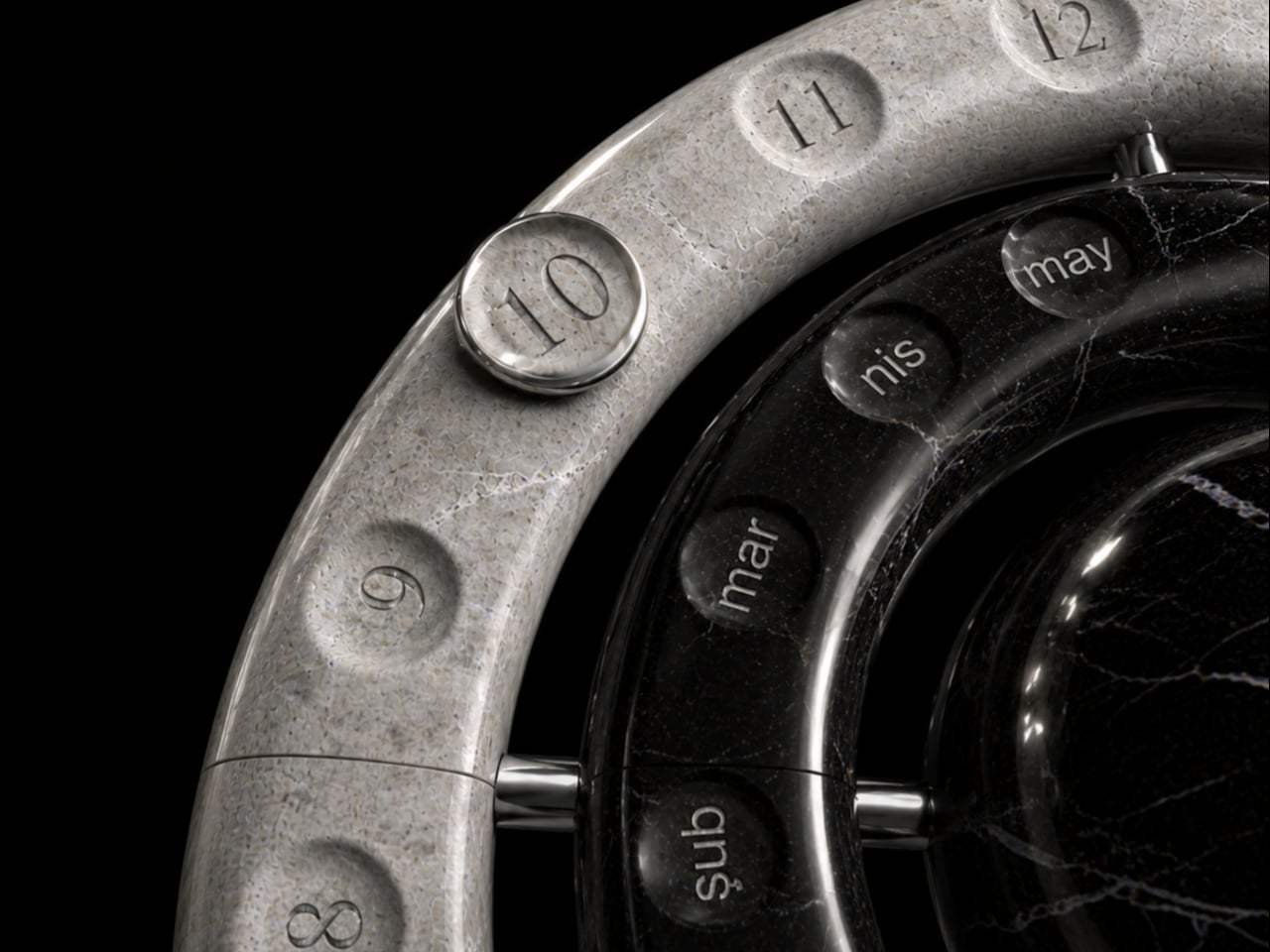
The choice of marble is also a response to a wider problem in stone processing. Only about 25 to 30 percent of extracted natural stone ends up as usable product; the rest becomes dust and fragments, which generate both environmental and economic waste if left unaddressed. Karaca’s position is that good design can make the most of this material by turning it into something long-lasting and genuinely valued.
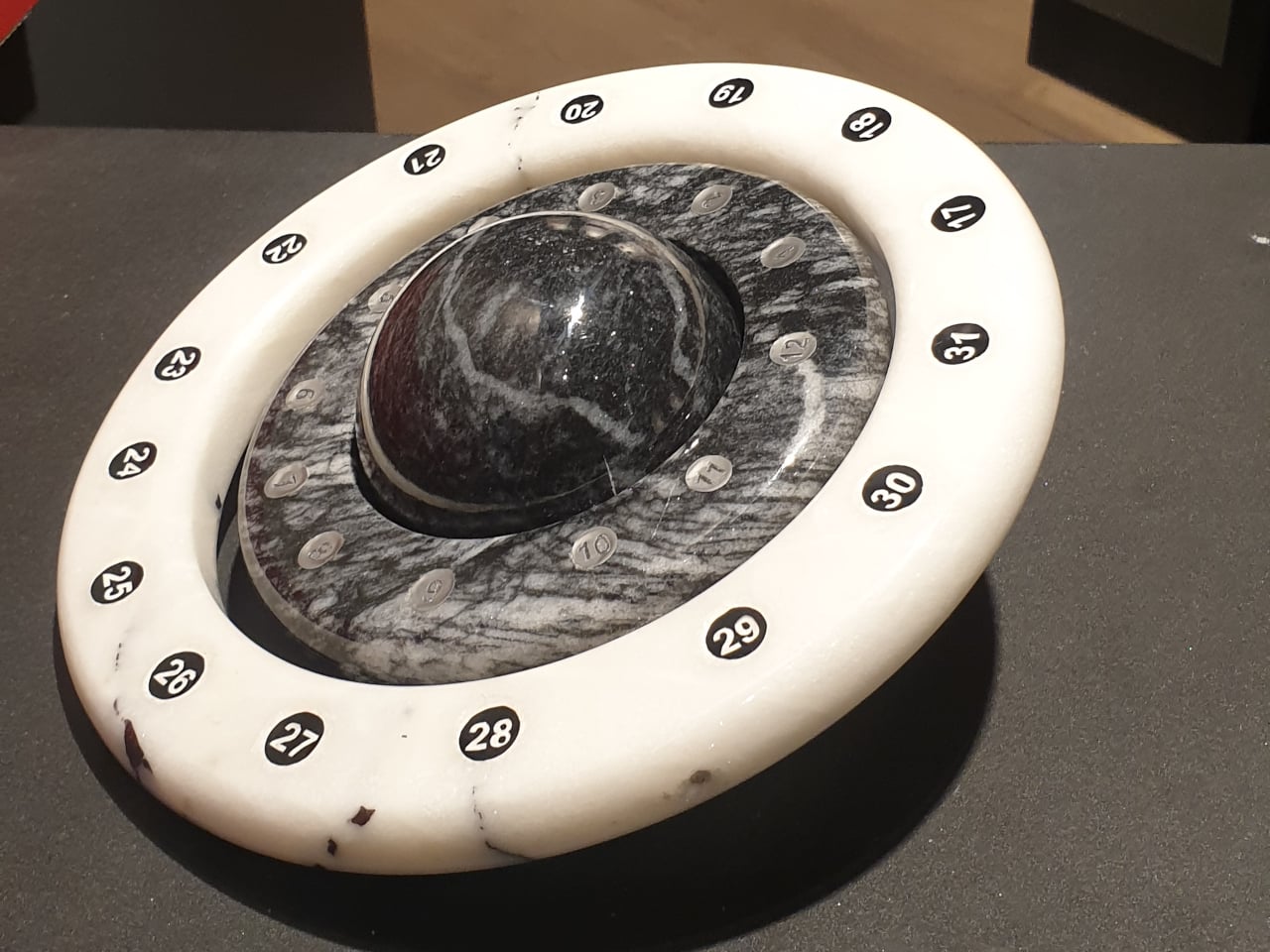
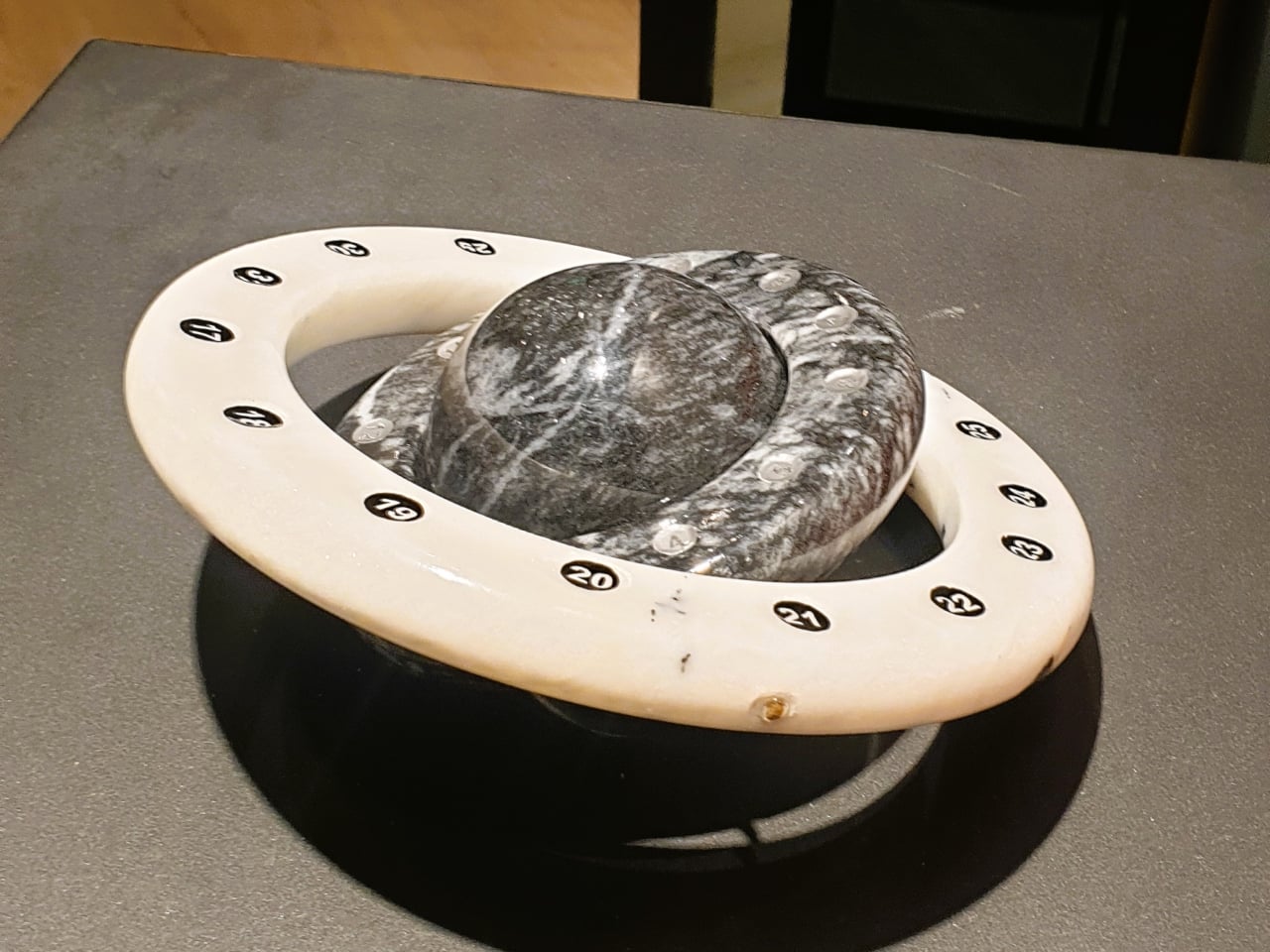
A calendar that lasts indefinitely doesn’t generate packaging waste or run out of pages. There’s no annual replacement, no recycling bin at the end of December. The marble rings carry the same numbers and months year after year; the owner simply rotates them back to the start. For a material already associated with permanence, that kind of continuity feels entirely appropriate.
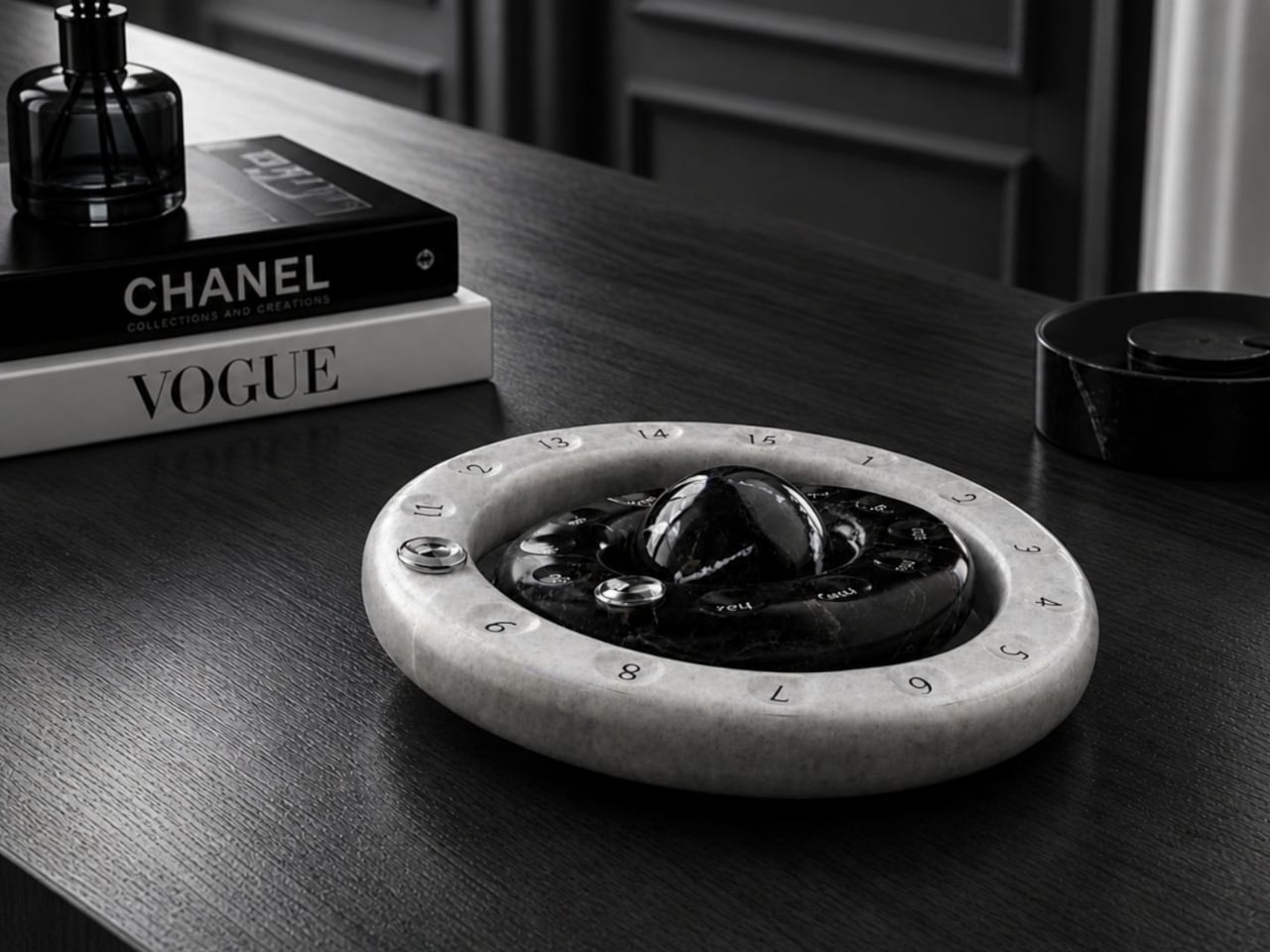
Sitting on a desk, Loop occupies the same territory as a clock or a well-chosen paperweight, objects that do something quietly useful while also holding their own aesthetically in the space. The circular form keeps the footprint compact, and the contrast between the two marble tones, one dark and veined, one pale and matte, gives it enough visual weight to register without demanding attention. The idea that checking the date could become a ritual rather than an afterthought is less ambitious than it sounds when the object itself makes that ritual easy to want.
The post Loop Is the Marble Calendar That Never Runs Out of Pages first appeared on Yanko Design.