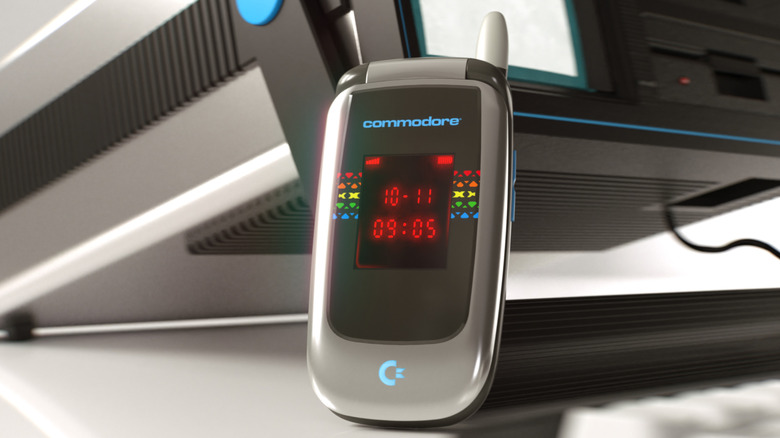
Commodore made a social media-banishing flip phone
The Commodore Callback 8020 is a nostalgic rejection of modern smartphones.



A table is arguably the most taken-for-granted object in design. Four legs, a flat surface, repeat. We have been manufacturing and sitting around tables in essentially the same configuration for centuries, and most of us have never once stopped to ask whether the table itself is actually working for us. Fengfan Yang clearly did.
Yang is a Stuttgart-based industrial designer who recently collaborated with Danish furniture brand +Halle on a project called Hang On, and the result is one of those rare designs that makes you feel a little embarrassed for not questioning it sooner. The concept is deceptively simple: strip the table back to its most essential structural elements, then let everything else hang. Literally.
Designers: Fengfan Yang + Halle
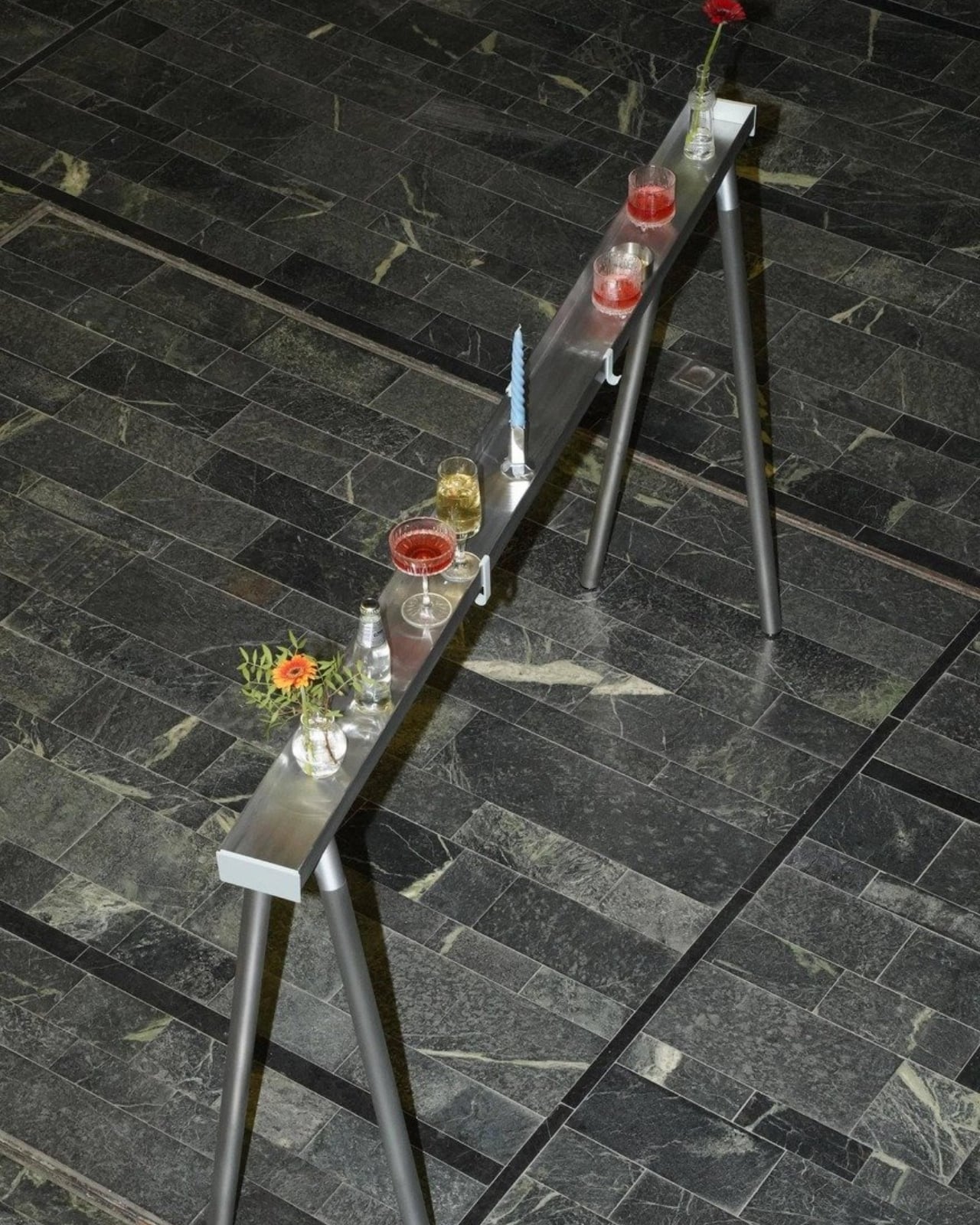
The premise behind Hang On is that the conventional table carries a lot of unnecessary baggage. Fixed components, bulky frames, surfaces that are either too large or too rigid for the spaces they occupy. Anyone who has ever tried to clean under one in a busy canteen, or rearranged furniture at a festival venue, or watched an airport food court struggle to seat an unpredictable surge of travelers knows exactly how inflexible the standard table can be. Yang noticed this, and instead of making a prettier version of what already existed, he went back to the architecture of the object itself.
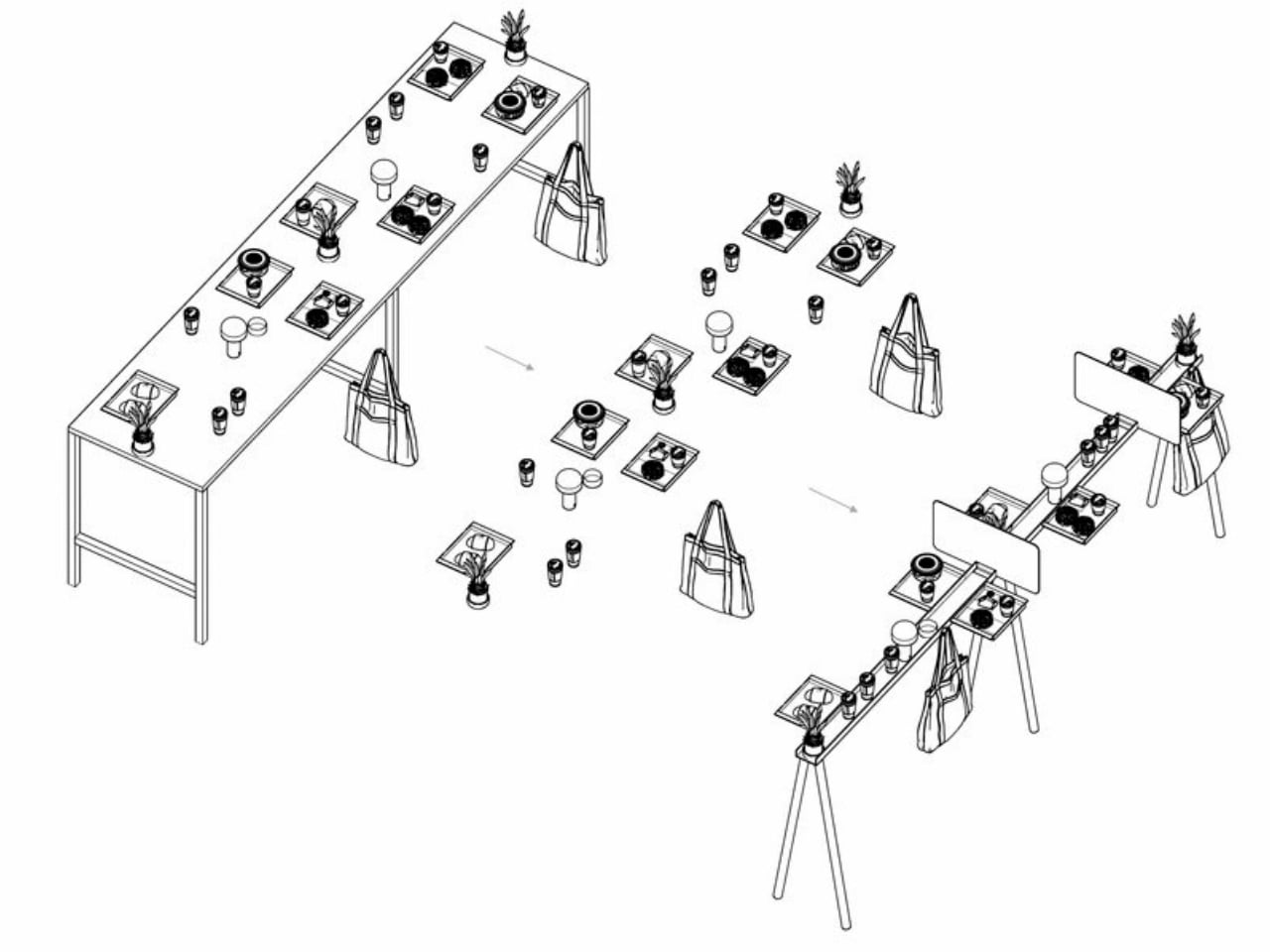

The system works through an extruded profile structure, where the table’s add-ons, things like tabletop surfaces and functional accessories, simply hang onto a core frame. Assembly is quick, disassembly is just as fast, and the whole setup is customizable depending on what a space actually needs at any given moment. That “hanging” action is not just a clever name. It is the entire design logic, and it holds up beautifully.
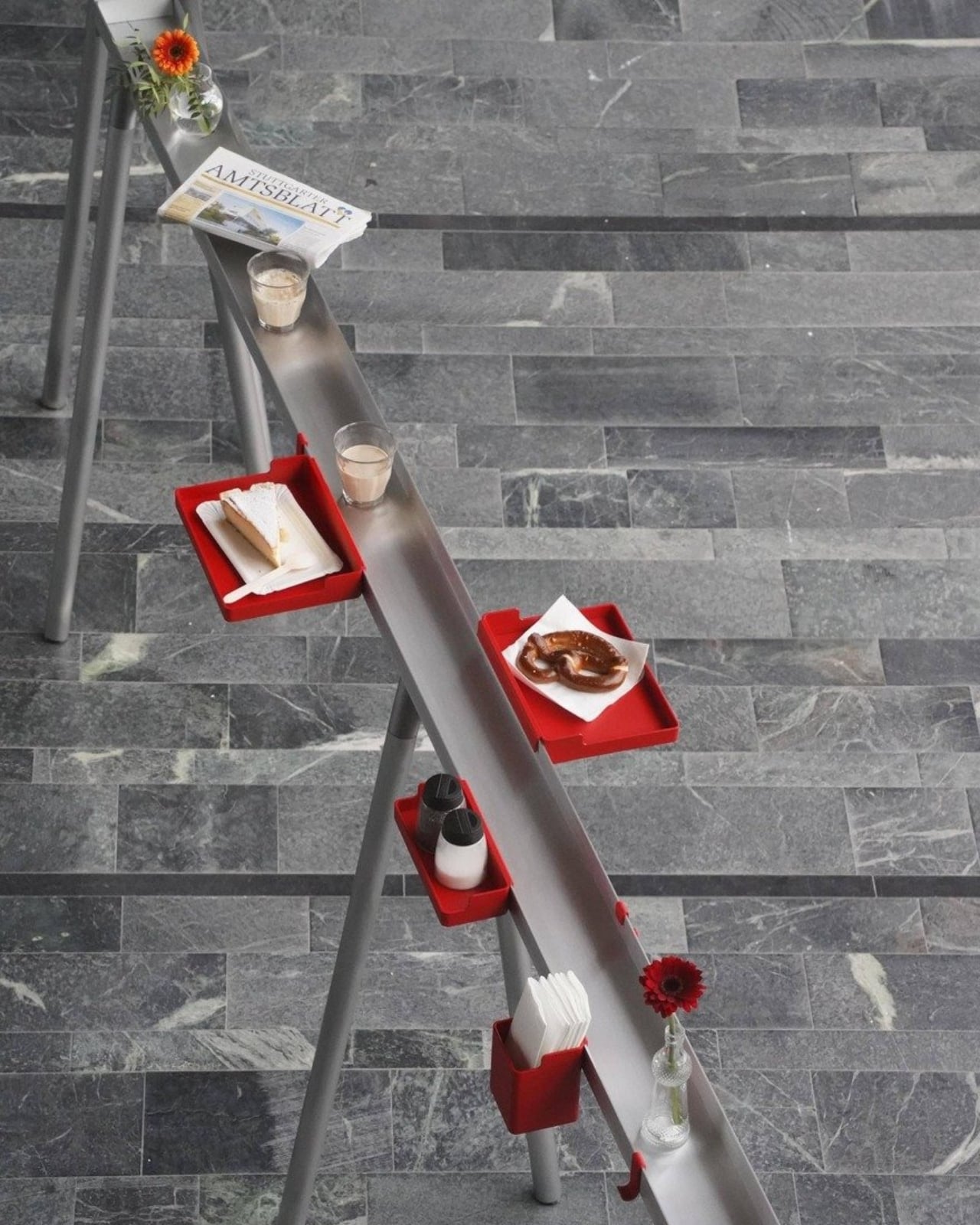
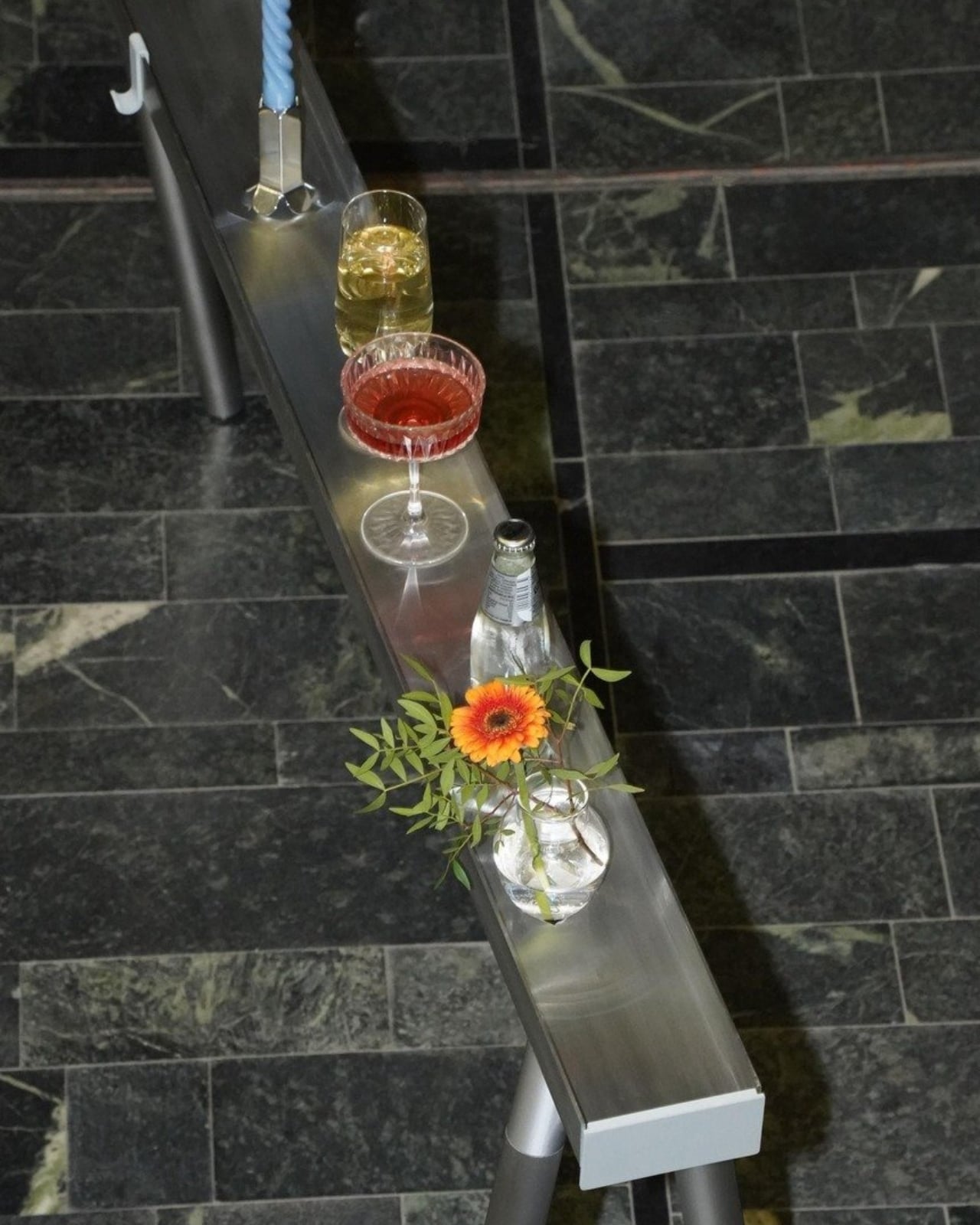
What makes Hang On genuinely exciting is not the novelty of modularity, because modular furniture has been a design buzzword for years. It is the specificity of the problem Yang chose to solve. This was never meant to be a living room conversation piece or a collector’s item. It was designed for the messy, high-traffic realities of restaurants, markets, airports, canteens, outdoor festivals, and shopping centers. Spaces that demand flexibility, easy cleaning, and fast reconfiguration. Public furniture has historically been treated as an afterthought, chosen for durability over intelligence. Hang On treats it as a design challenge worth solving properly.
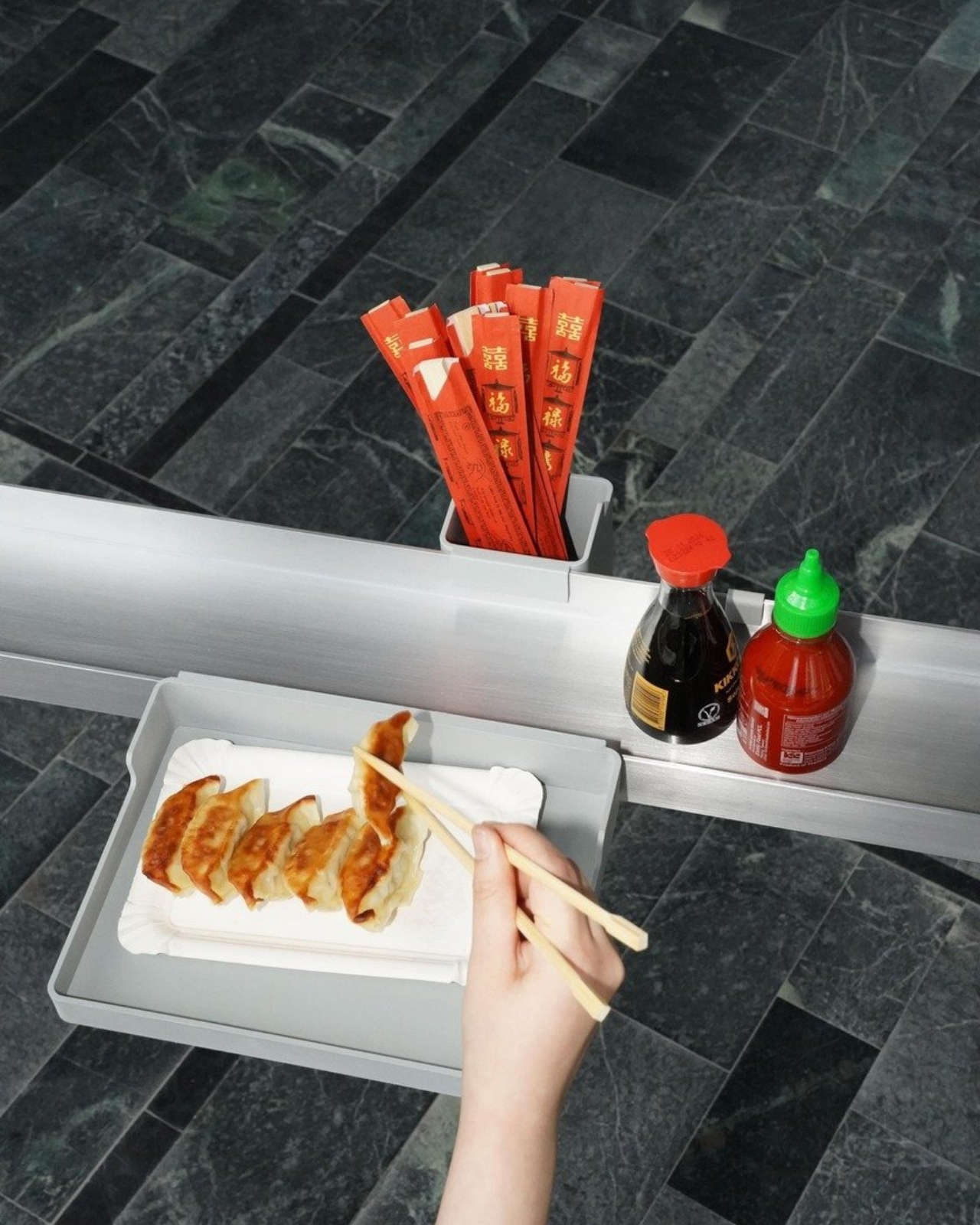
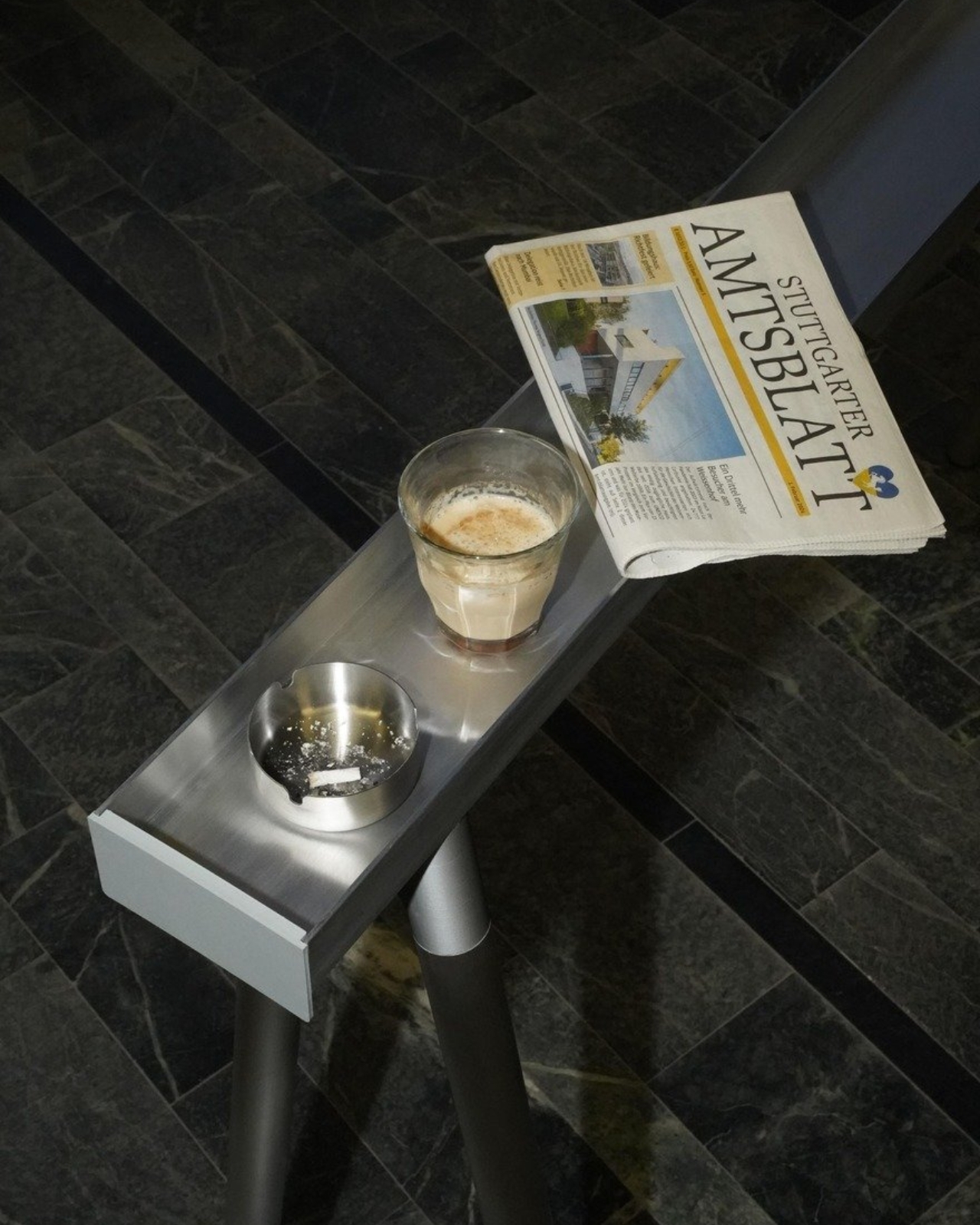
The collaboration with +Halle makes sense here. The Danish brand has a reputation for thoughtful, durable furniture built for communal environments, and that sensibility aligns well with Yang’s approach. The extruded profile construction also means the piece is cost-efficient to produce and more sustainable than a comparably functional table that relies on complex manufacturing. The design was longlisted for Dezeen Awards 2025 in the furniture category, which tells you that the broader design industry has taken notice.

What speaks most loudly about Hang On is the restraint of it. Designers are often tempted to make their mark through addition, by piling on features or leaning into visual drama. Yang did the opposite. He removed, simplified, and reduced until what was left was just the logic of the thing. The name is both a literal description and, depending on how you read it, a small instruction to pay attention.

Public space design rarely gets the careful, considered treatment reserved for residential or high-end commercial interiors. We tolerate wobbly café tables and undersized airport counters because we have always tolerated them. Hang On is a quiet argument that we do not have to. That the furniture serving crowds of strangers every day might actually deserve the same level of thoughtful design as anything you would put in your own home. And that sometimes, reimagining something as fundamental as a table starts simply by asking why it was built that way in the first place.

The post The Modular Table That Actually Works for Public Spaces first appeared on Yanko Design.
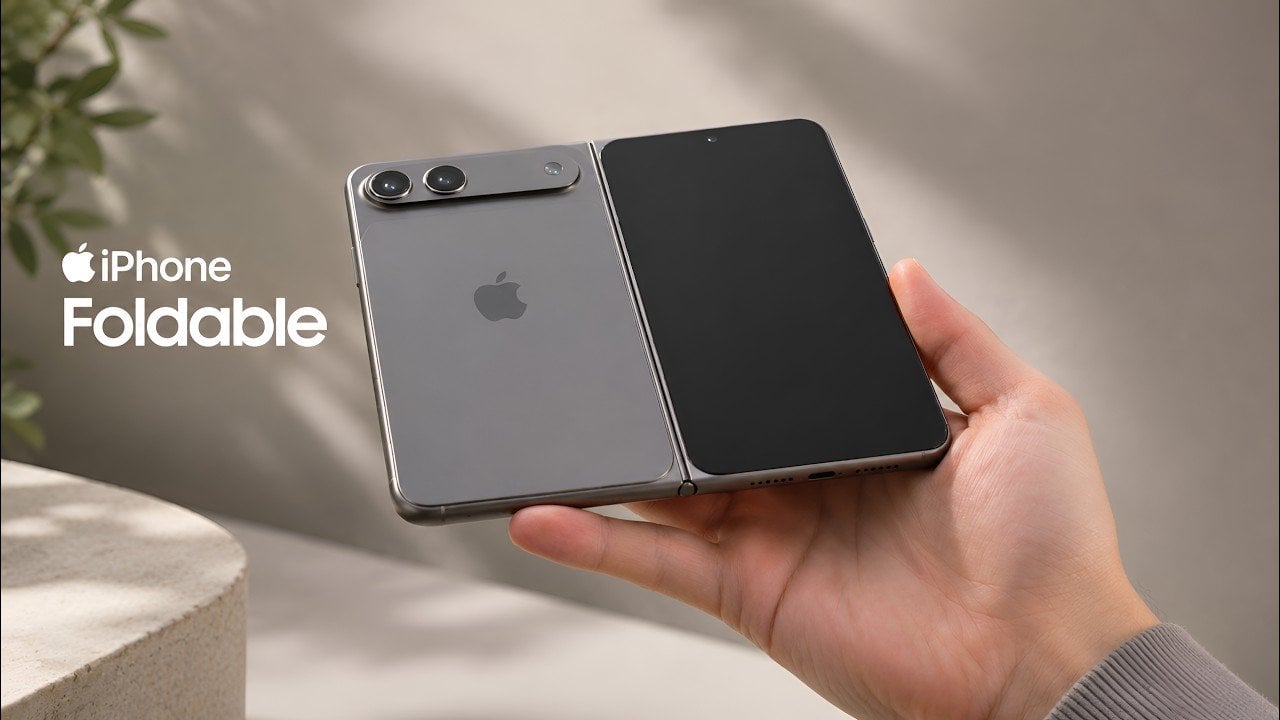
Apple is reportedly preparing to unveil its first foldable iPhone, the iPhone Ultra, a device that could blur the lines between smartphones and tablets. By combining the portability of an iPhone with the functionality of an iPad Mini, this innovative product is expected to set a new standard in mobile technology. With a starting price […]
The post Six Leaked Features That Make Apple’s iPhone Ultra Fold Worth the Wait appeared first on Geeky Gadgets.
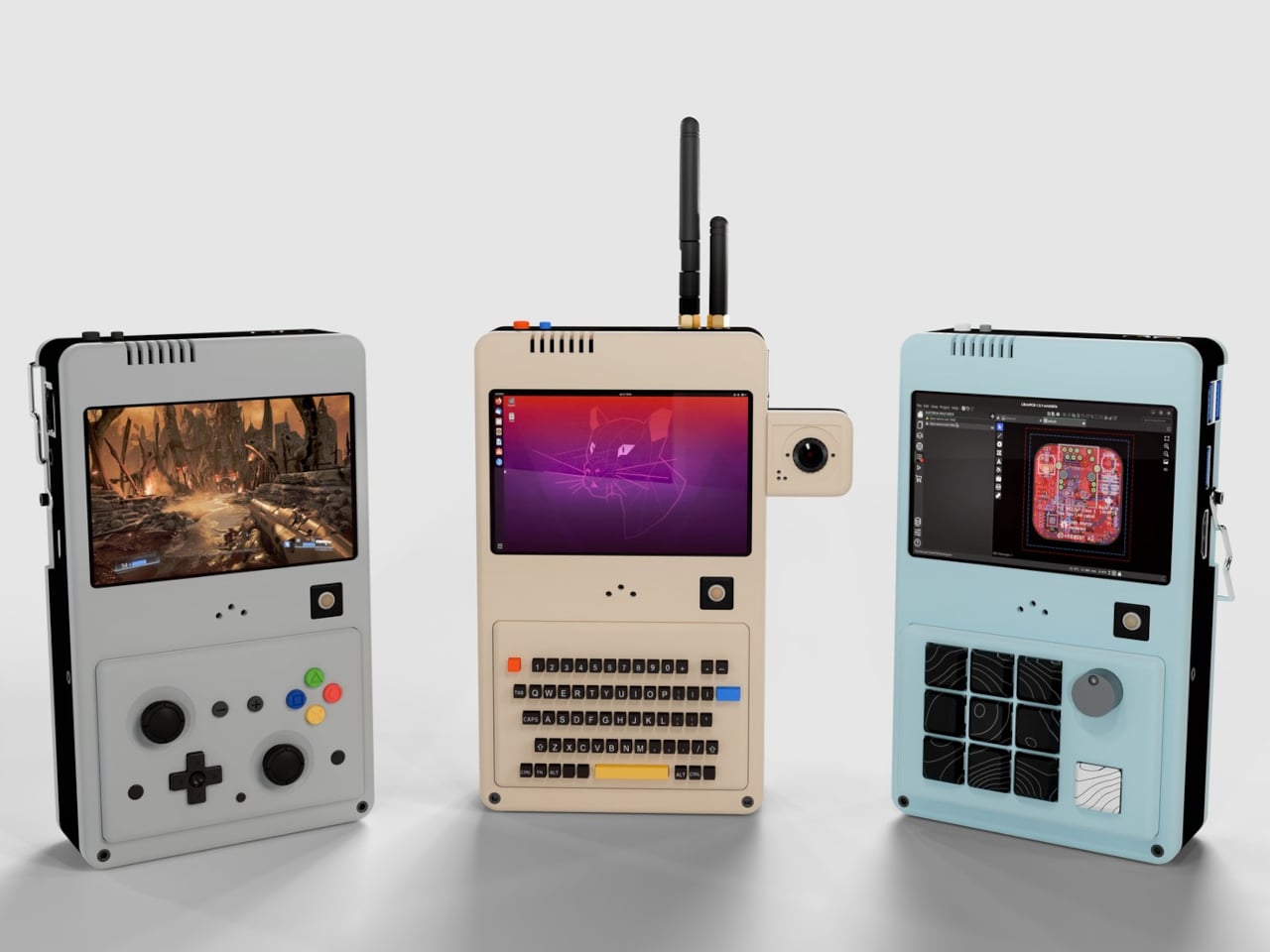
The handheld PC market has gotten surprisingly competitive in recent years. Devices like the Steam Deck and ROG Ally have proven that people genuinely want powerful computers in their pockets, but they’ve all settled into roughly the same formula: a fixed gamepad layout and a fixed identity as gaming devices. Getting any serious work done on them usually means plugging in a keyboard and calling it a compromise.
The CG Deck takes a different approach. Rather than locking itself into one form factor, it’s built around swappable input modules that let you physically change what kind of device it is, depending on what you need it to do. Snap on the gamepad for gaming, switch to the 64-key keyboard for writing, or reach for the 11-key rotary knob module when precision matters most.
Designer: Mogozen
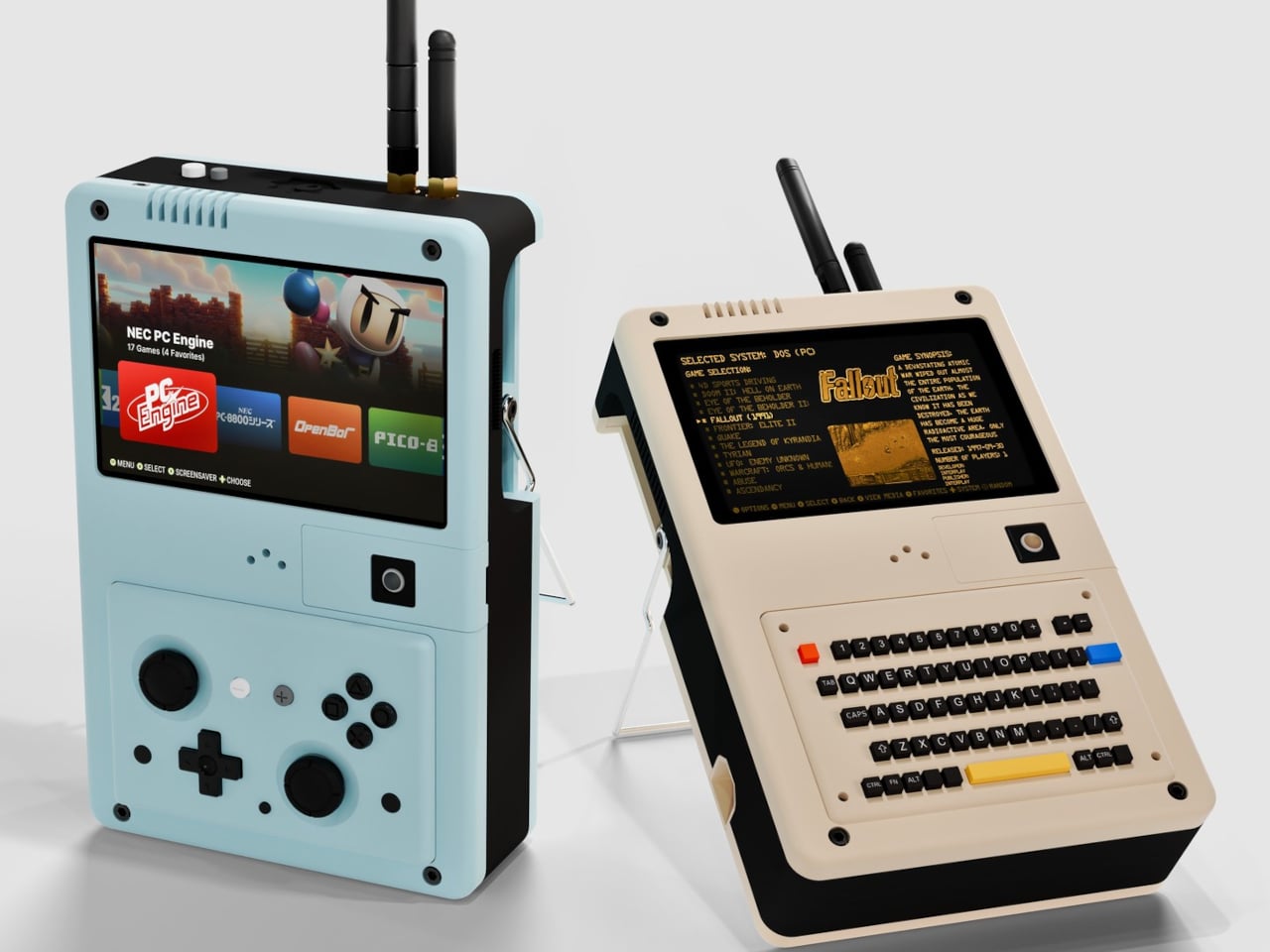
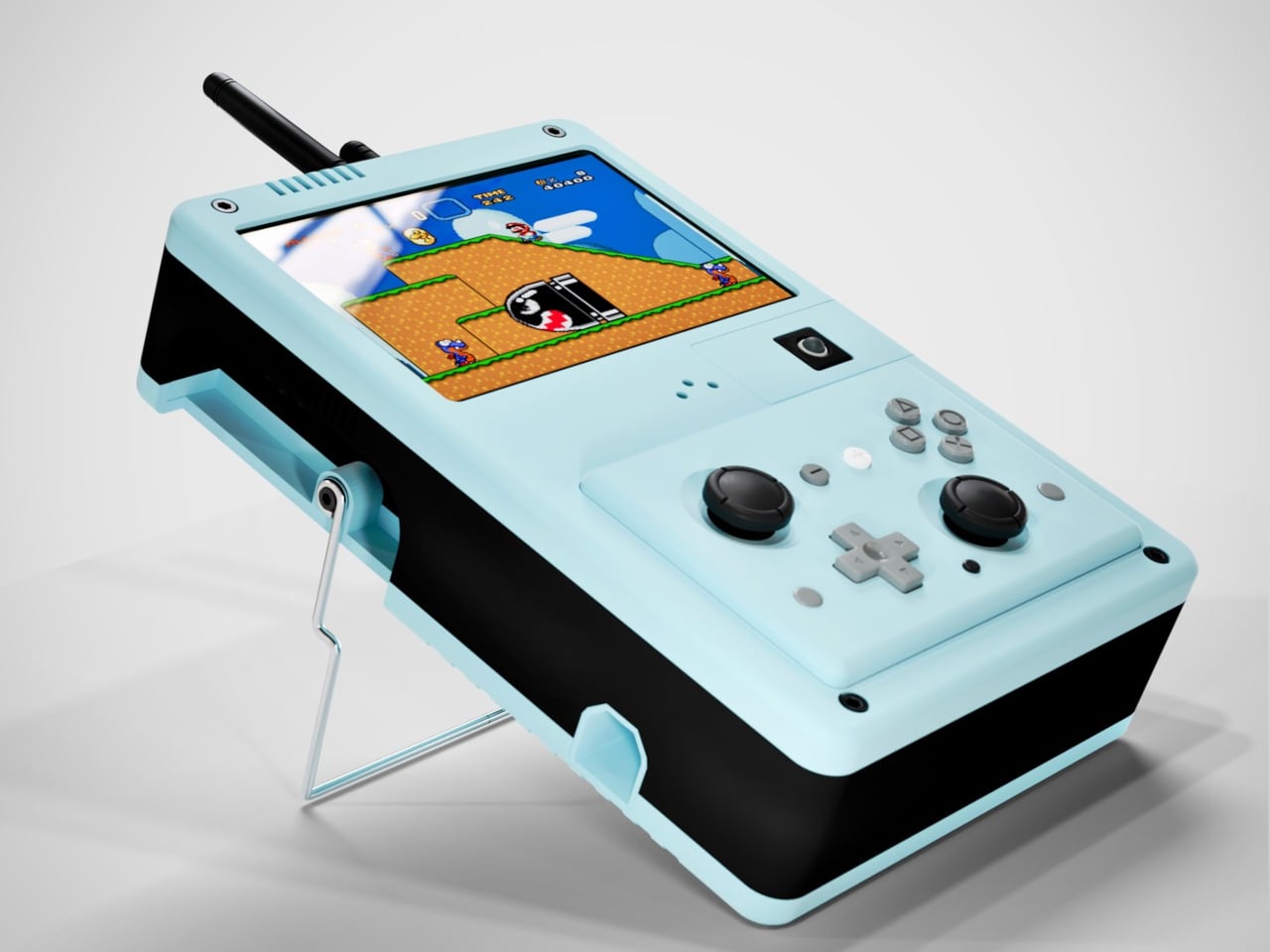
The module system is split into two types of slots, primary and secondary, which accept different kinds of attachments. The primary slot handles the bigger input options, like the gamepad controller, keyboard, or knob module. The secondary slot is where something like a trackball mouse module goes. Over 30 additional modules are already in development, opening the door to configurations nobody has really tried before.
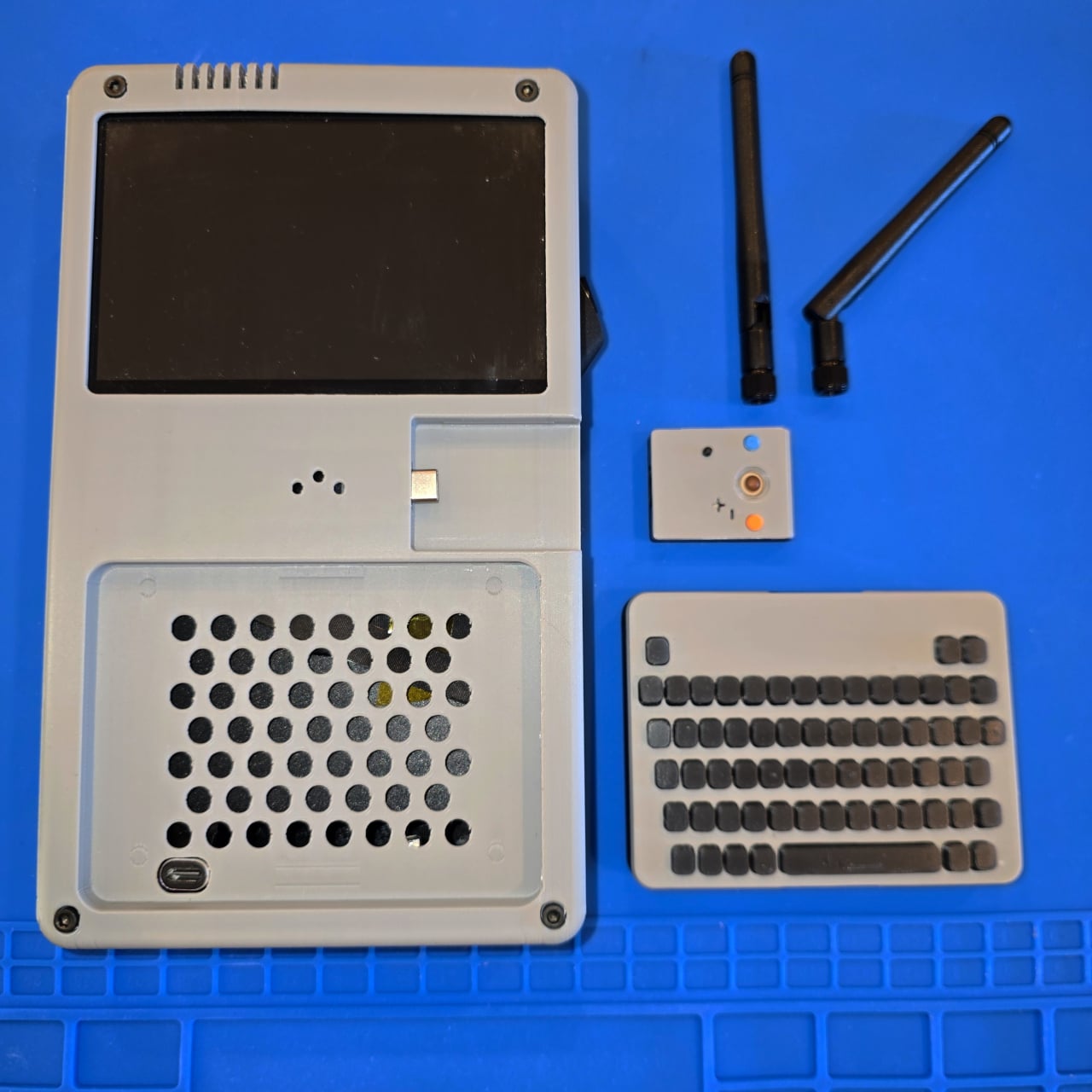
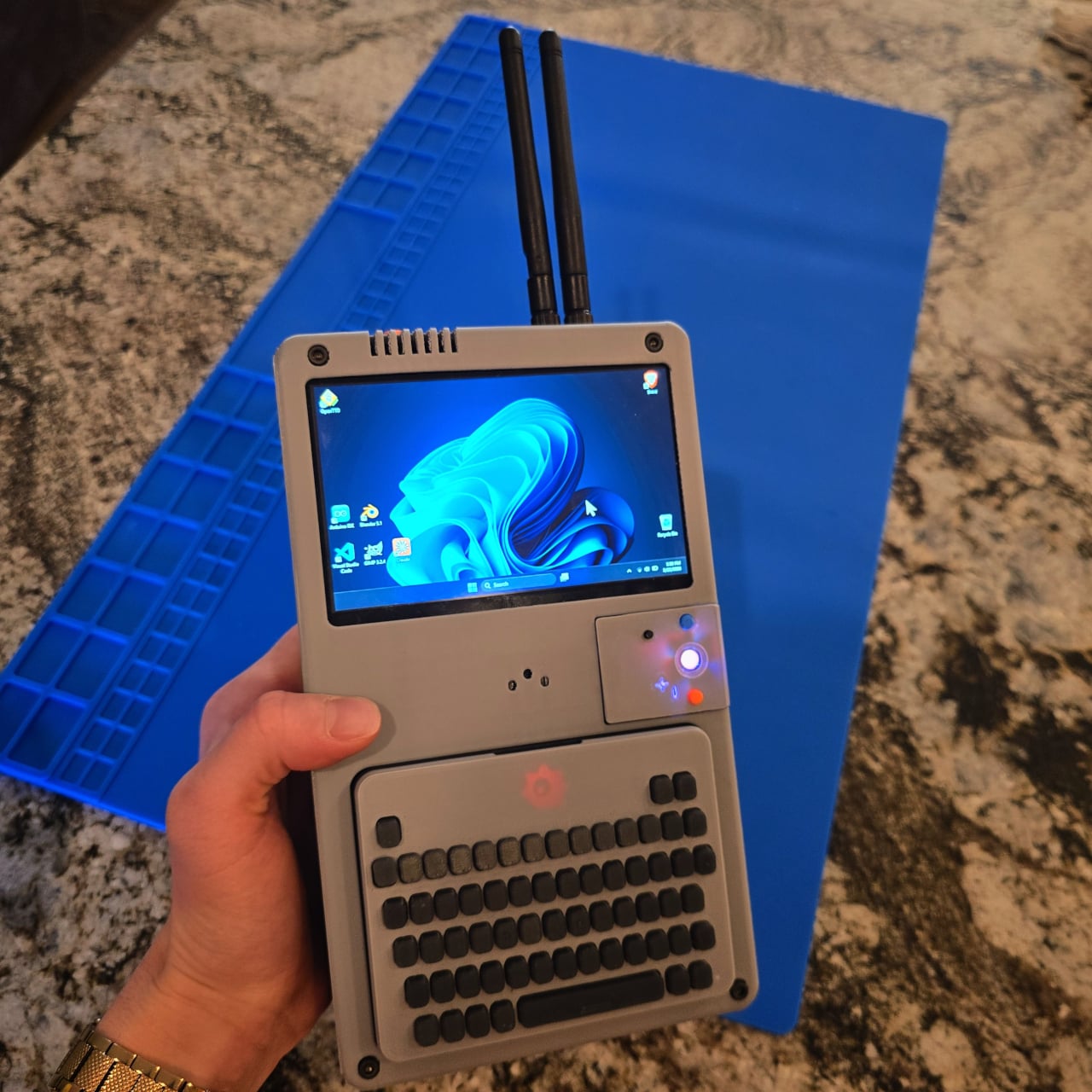
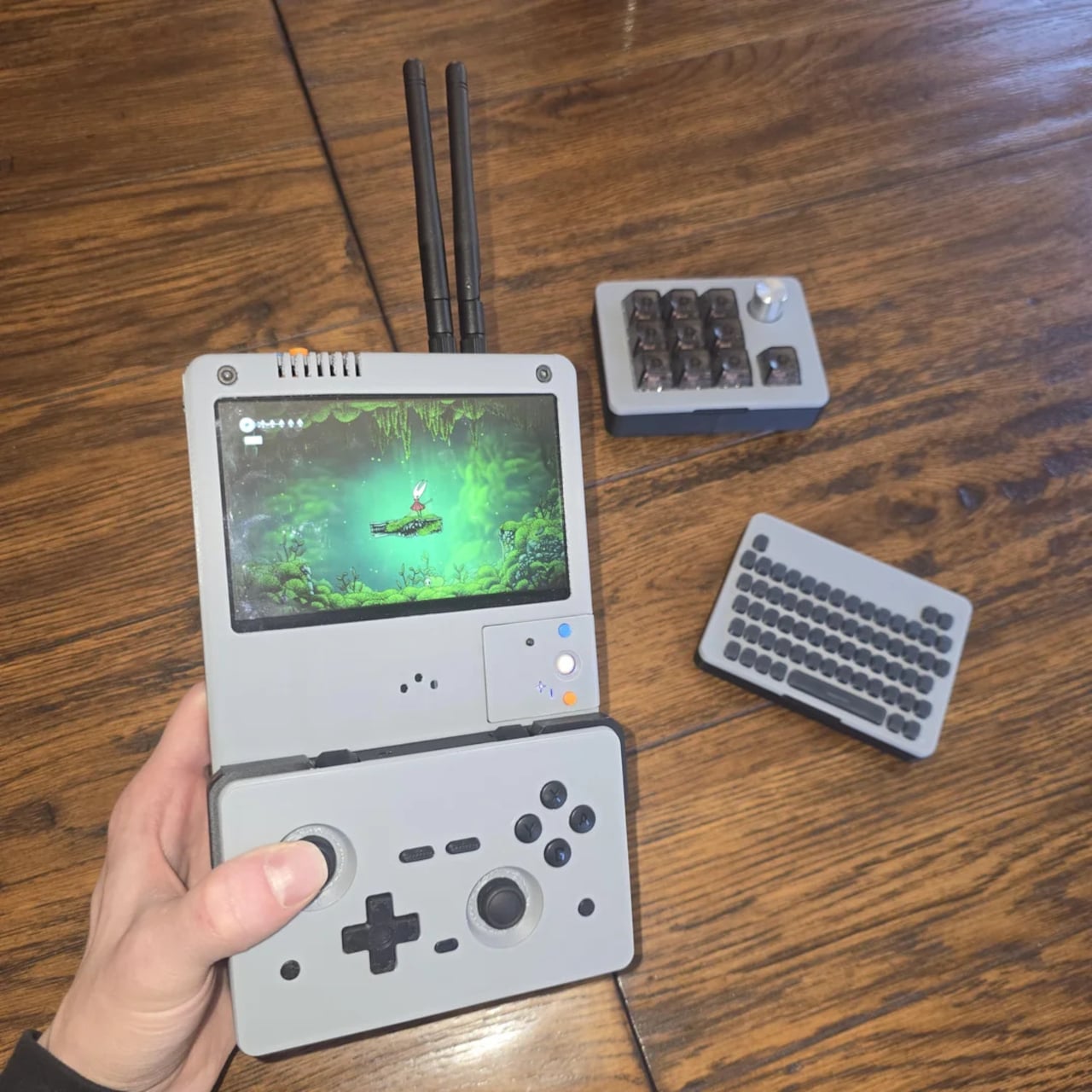
Running the whole thing is an Intel N150 processor paired with up to 16GB of LPDDR5 RAM, which is enough to handle productivity workloads, light creative tasks, and indie gaming without breaking a sweat. The 5-inch IPS touchscreen runs at 1024×600 and peaks at 1,000 nits, which keeps it readable in brighter conditions. It also outputs up to 4K at 60Hz via HDMI 2.1 when a bigger screen is nearby.
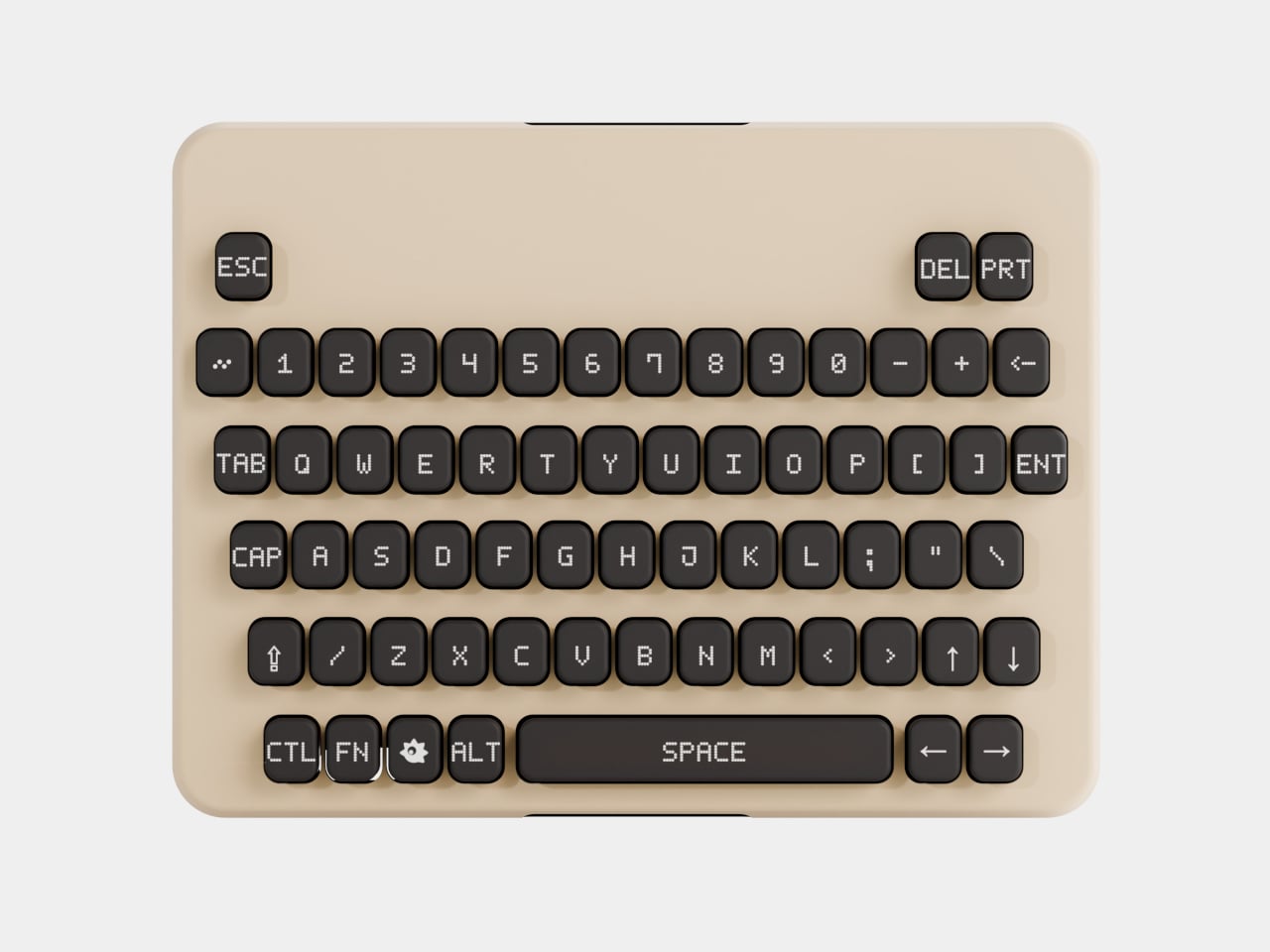
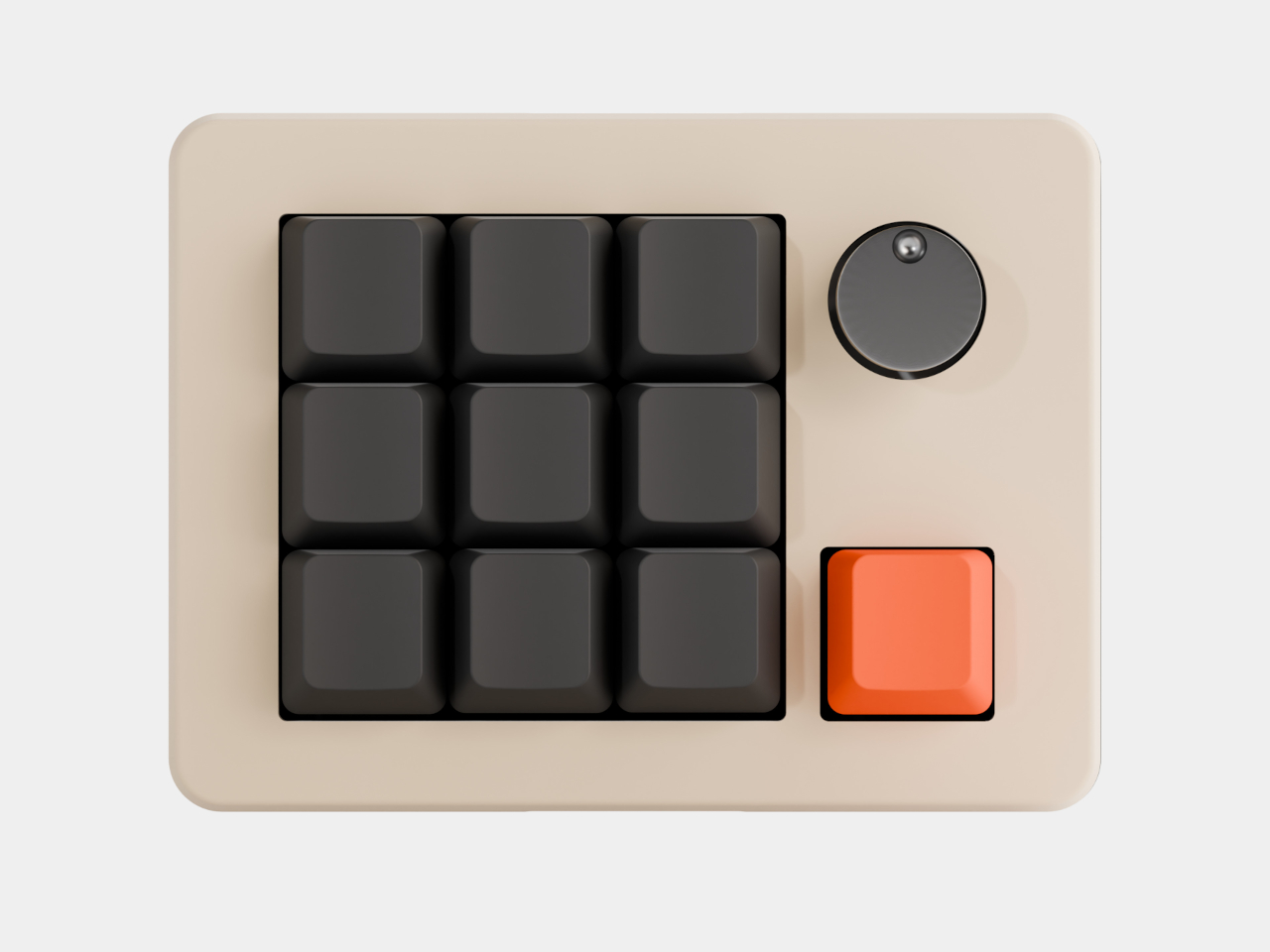
The battery is made up of three 18650 lithium cells totaling 10,500 mAh, good for roughly eight hours of use and charged via USB-C. Connectivity is unusually generous for a handheld of this size, with built-in Wi-Fi 6e, Bluetooth, and a full 1GbE Ethernet port, plus two USB-A 3.0 ports, a USB-C port, and a MicroSD card slot built directly into the chassis.
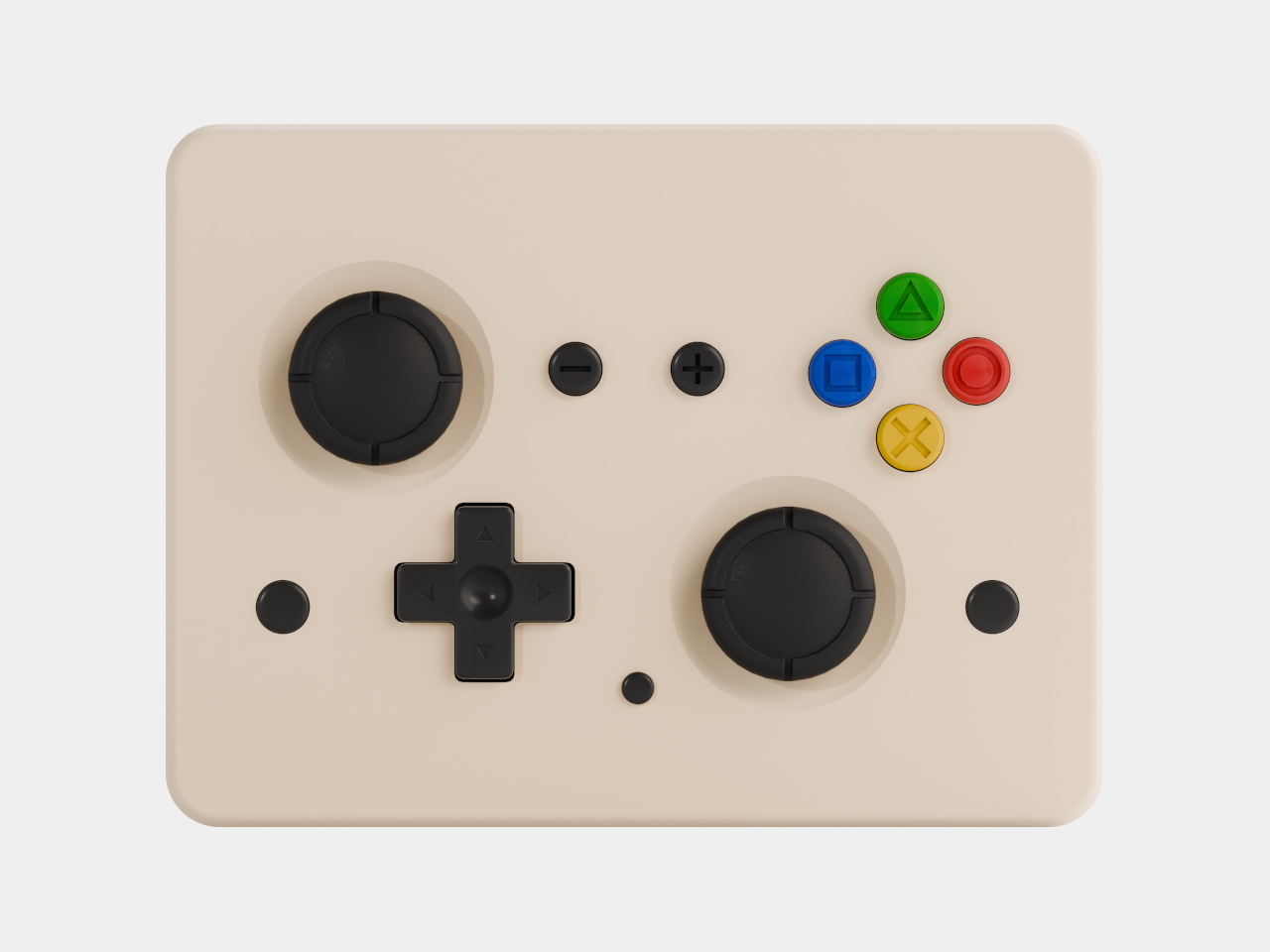
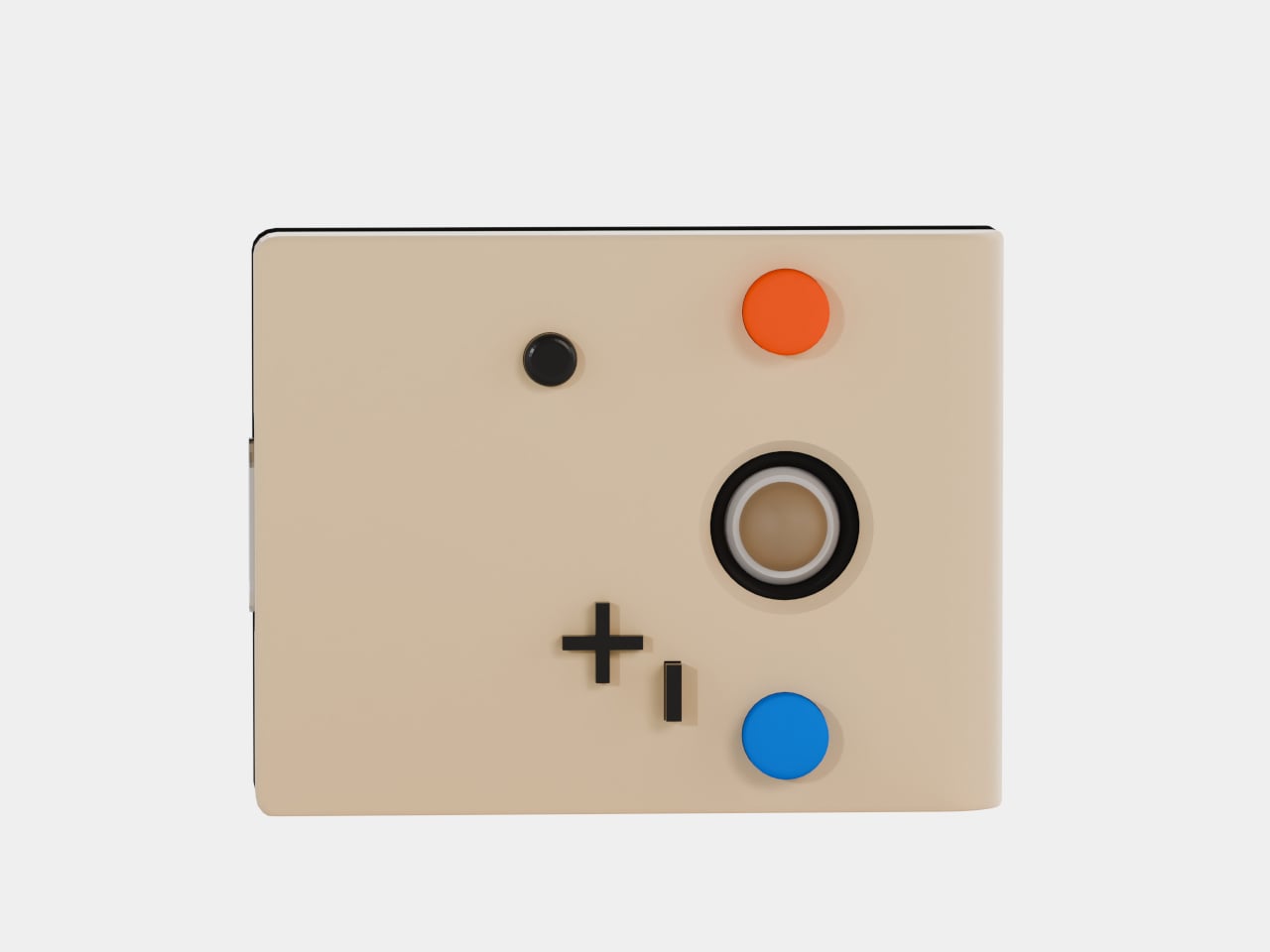
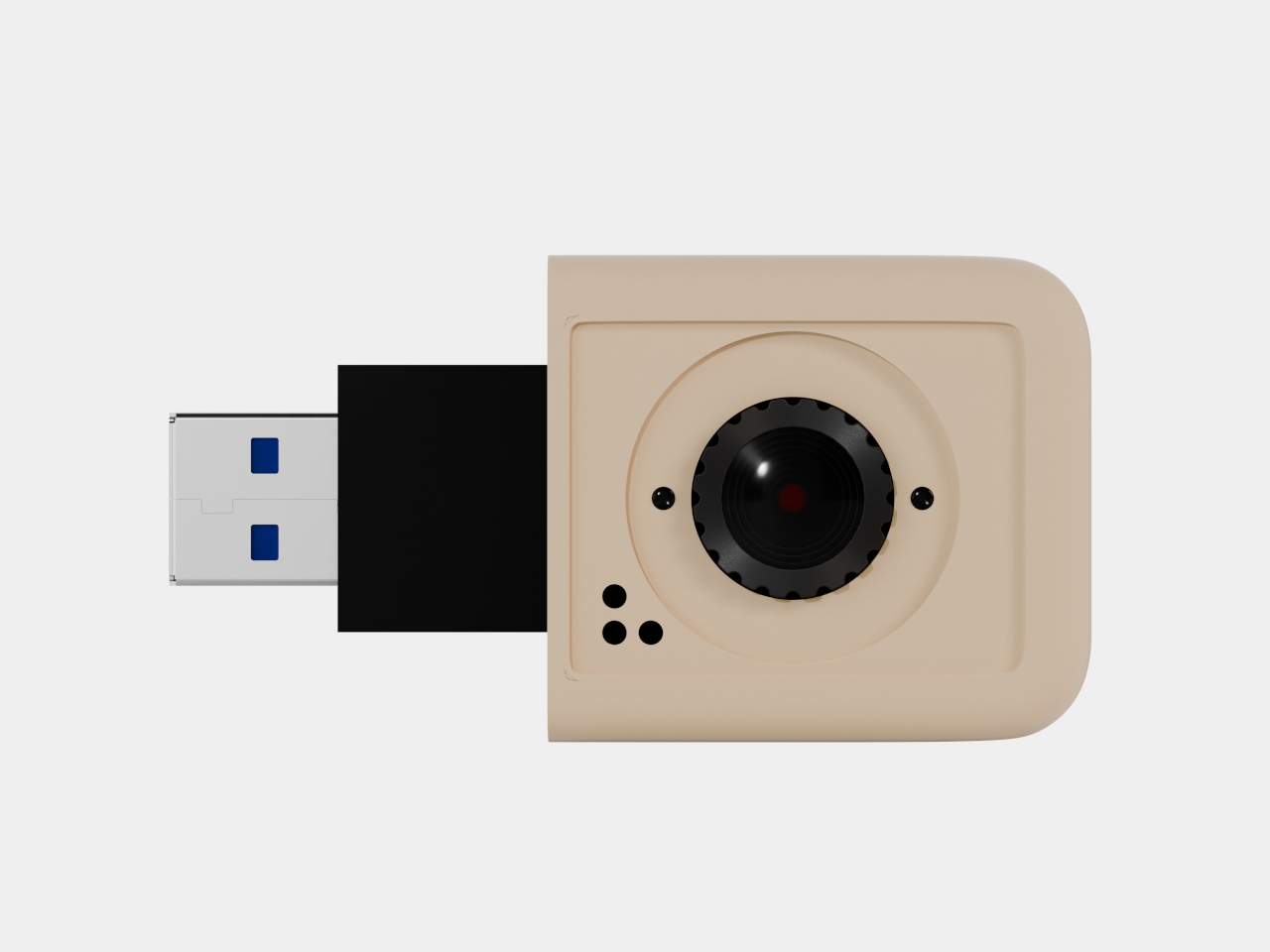
Beyond swapping the controllers, the internals are expandable, too. An M.2 slot accepts NVMe SSDs in 2230 or 2280 form factors via PCIe 3.0, there’s a module slot for 4G LTE cellular connectivity with a NanoSIM, and a PCIe expansion port opens the door to external GPU attachments for more demanding workloads. x86 architecture means it runs anything, from Windows 10 and 11 to any Linux distribution you prefer.
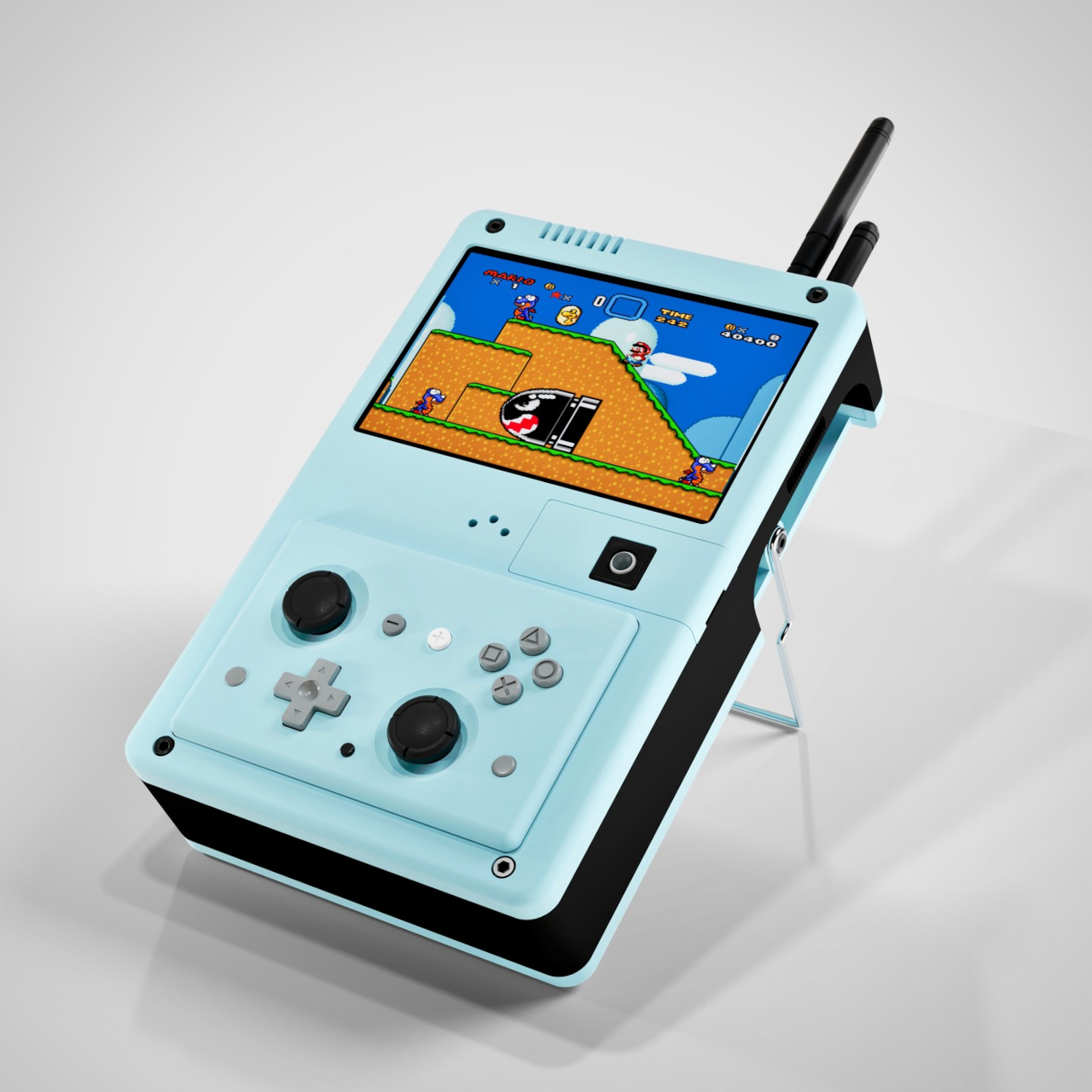
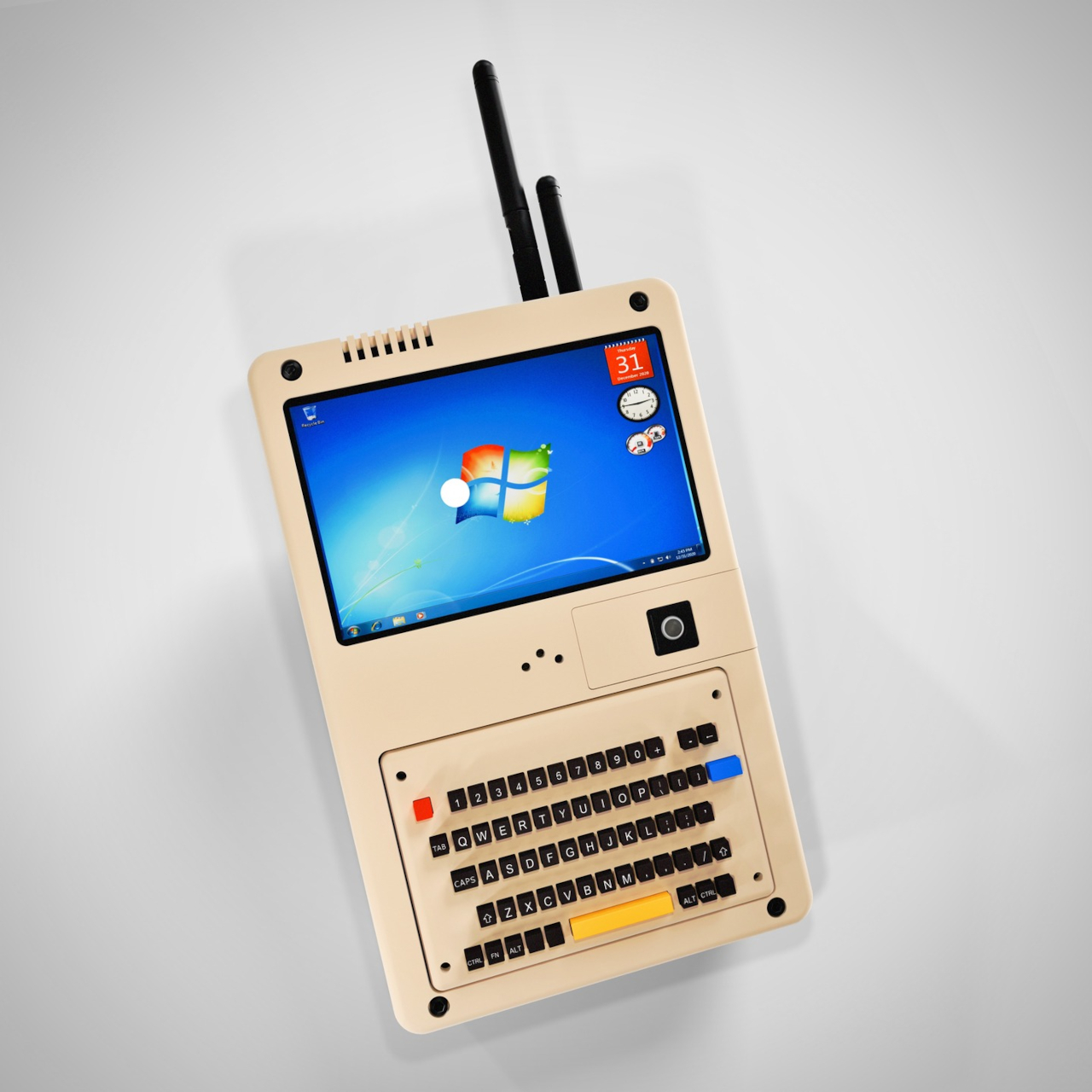
What makes this even more interesting is that everything about the CG Deck is open source. Schematics, firmware, and design files will all be available on GitHub, so tinkerers can build their own version without waiting for the commercial release. A Kickstarter is currently in the works for those who’d rather not solder their way through it, and a waitlist is already open on the Mogozen website.
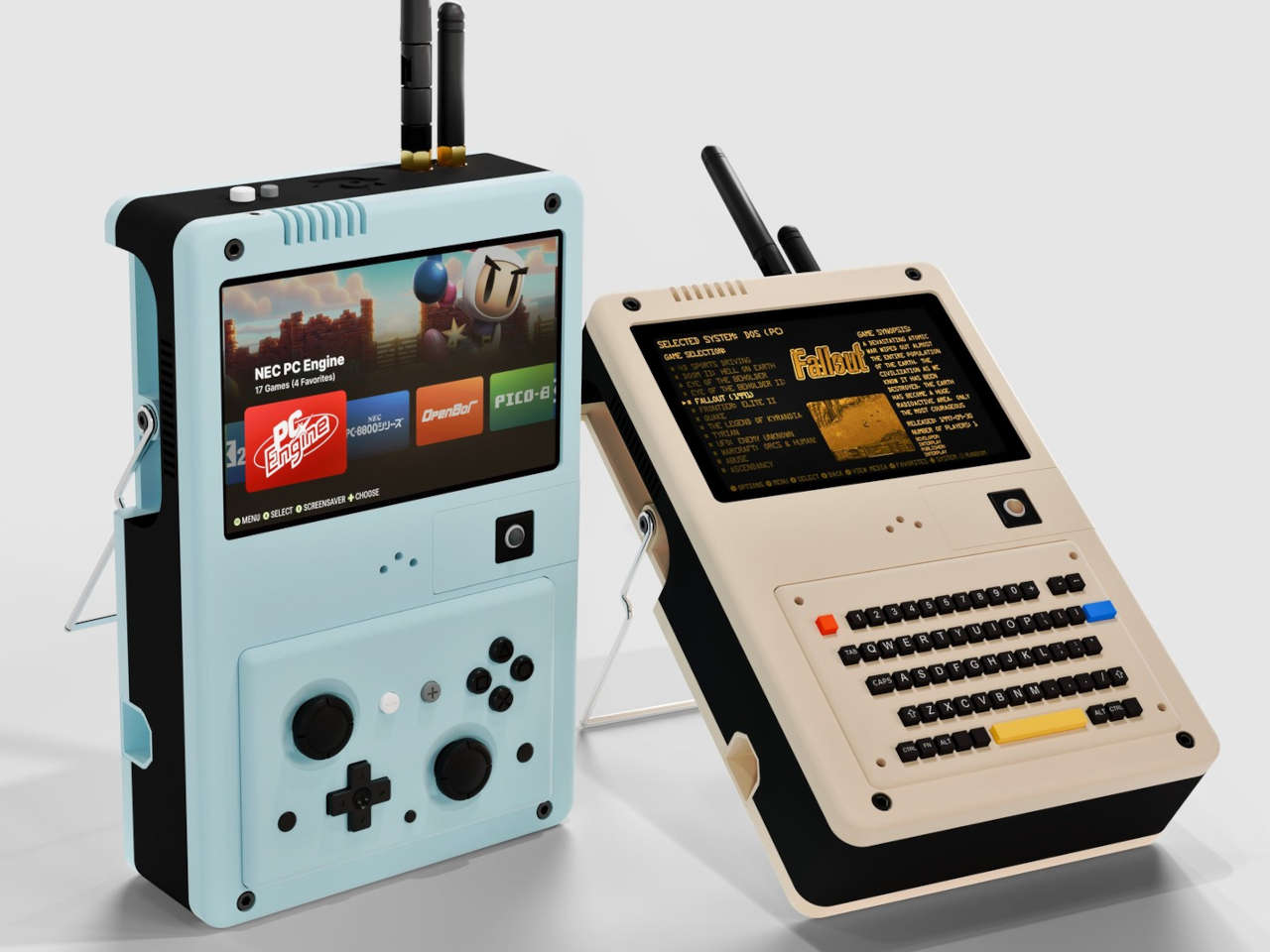
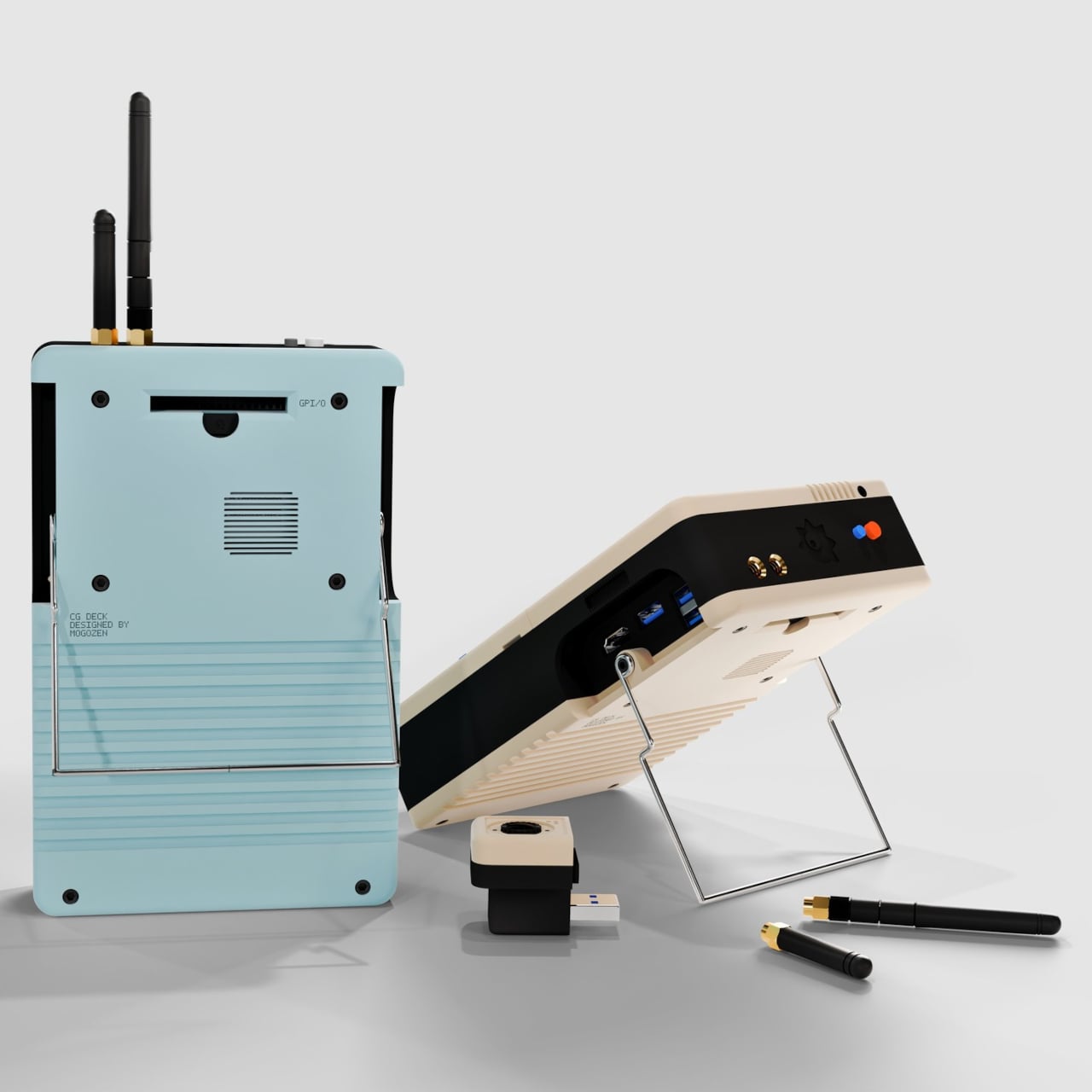
The engineering prototype is working, though it’s still being refined before it’s ready for a wider audience. Future shell designs include options with picatinny rails and LEGO-compatible brick plates, suggesting that physical customization goes well beyond the input modules alone. The overall concept is unusual enough to feel genuinely novel in a category that’s started to feel a bit predictable.
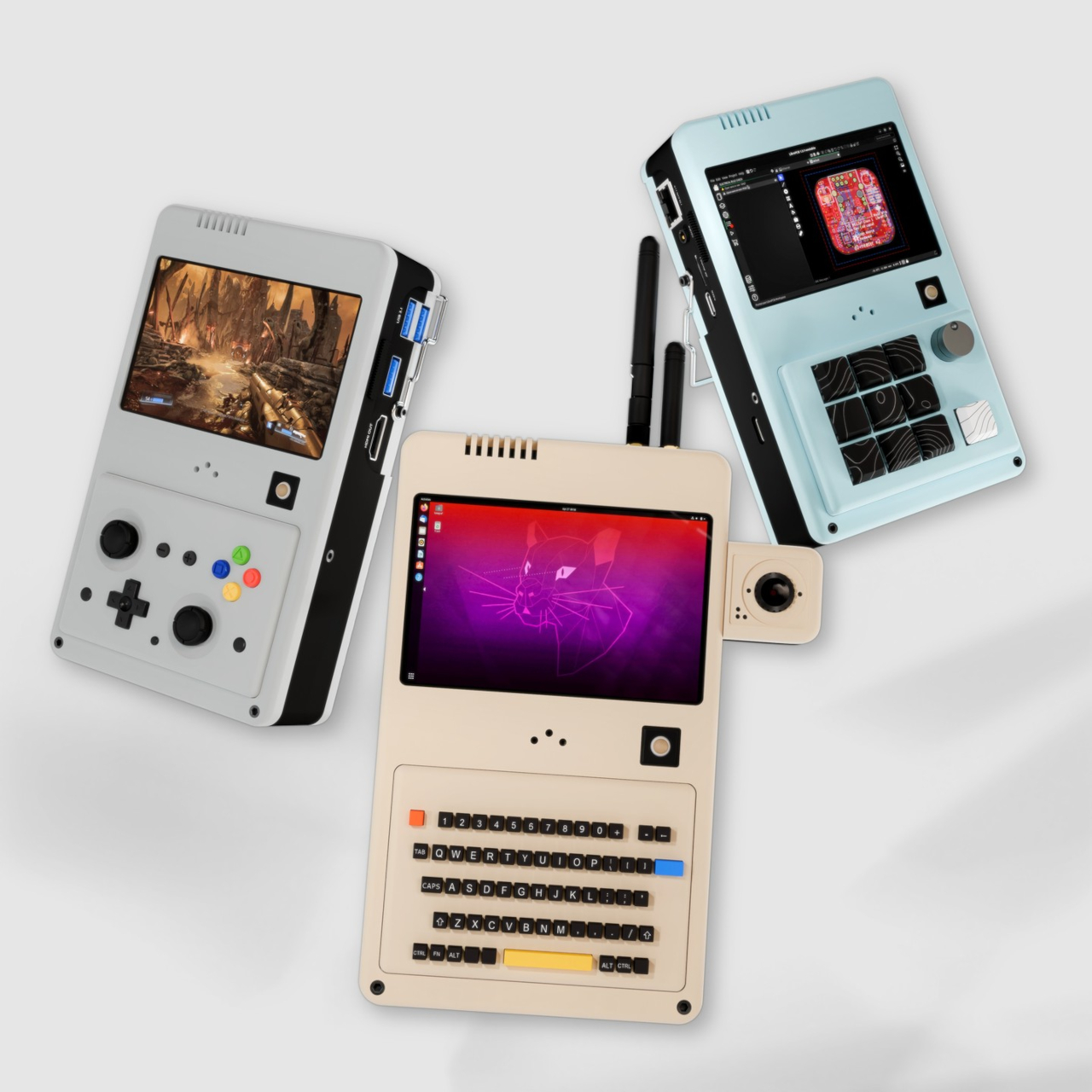
The post The Handheld PC That Becomes a Gamepad, Keyboard, or Knob Panel first appeared on Yanko Design.
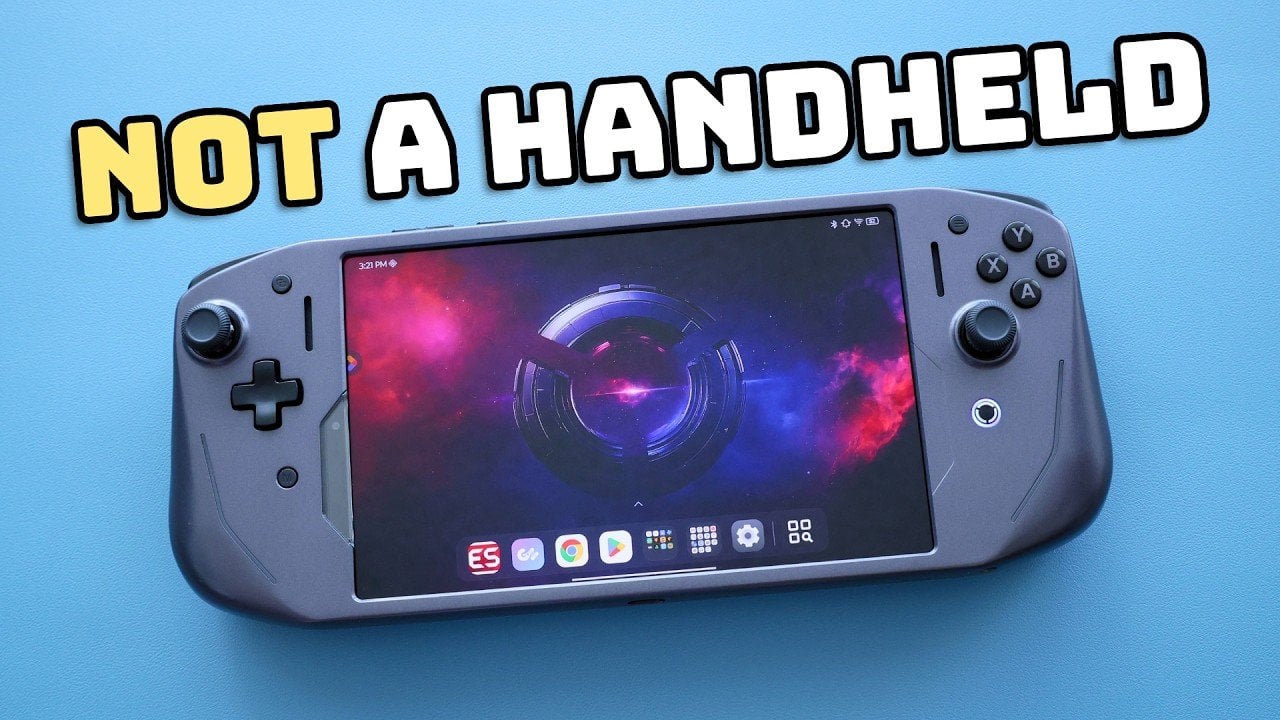
Lenovo’s Legion Tab Gen 3 has carved out a unique space in the Android gaming tablet market by blending high-performance hardware with thoughtful design features. Retro Game Corps highlights the device’s standout elements, such as its Snapdragon 8 Gen 3 processor and 8.8-inch display with a 165Hz refresh rate, which together ensure smooth gameplay and […]
The post Why Lenovo’s New 8.8-Inch Tablet is Secretly a Portable Gaming Console appeared first on Geeky Gadgets.