Harnessing the potential of existing infrastructure, Sun-Ways has introduced a solar railway system that installs removable photovoltaic panels between active train tracks. This approach aims to generate renewable energy without competing for scarce land resources, addressing a key obstacle in the expansion of solar power. Just Have a Think explores how this system, which currently […]
Flashlights do not usually have personalities. They turn on, they turn off, and that is the extent of the relationship. Olight’s Oclip line has spent a couple of generations building a reputation as the clip light people actually reach for, but even loyal users had one recurring complaint. Olight surveyed over 5,200 existing Oclip owners and found that nearly 30 percent of all feedback came down to the same frustration: the light points the wrong way, and there is no fix short of unclipping everything and starting over. Clip it to a hat brim, it shines in your eyes. Clip it to a pocket, it lights up the ceiling. The beam went where the clip decided, not where you needed it.
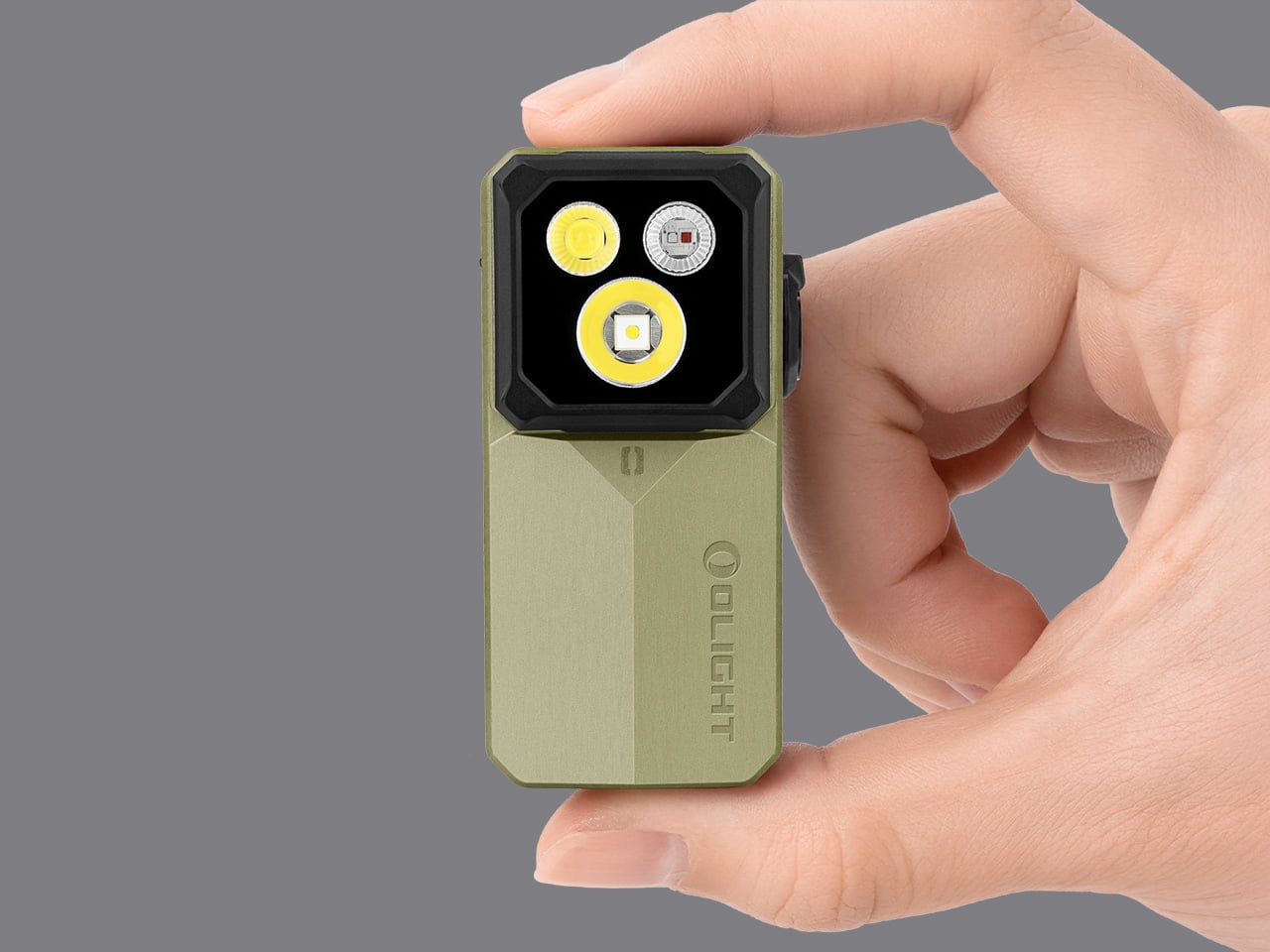
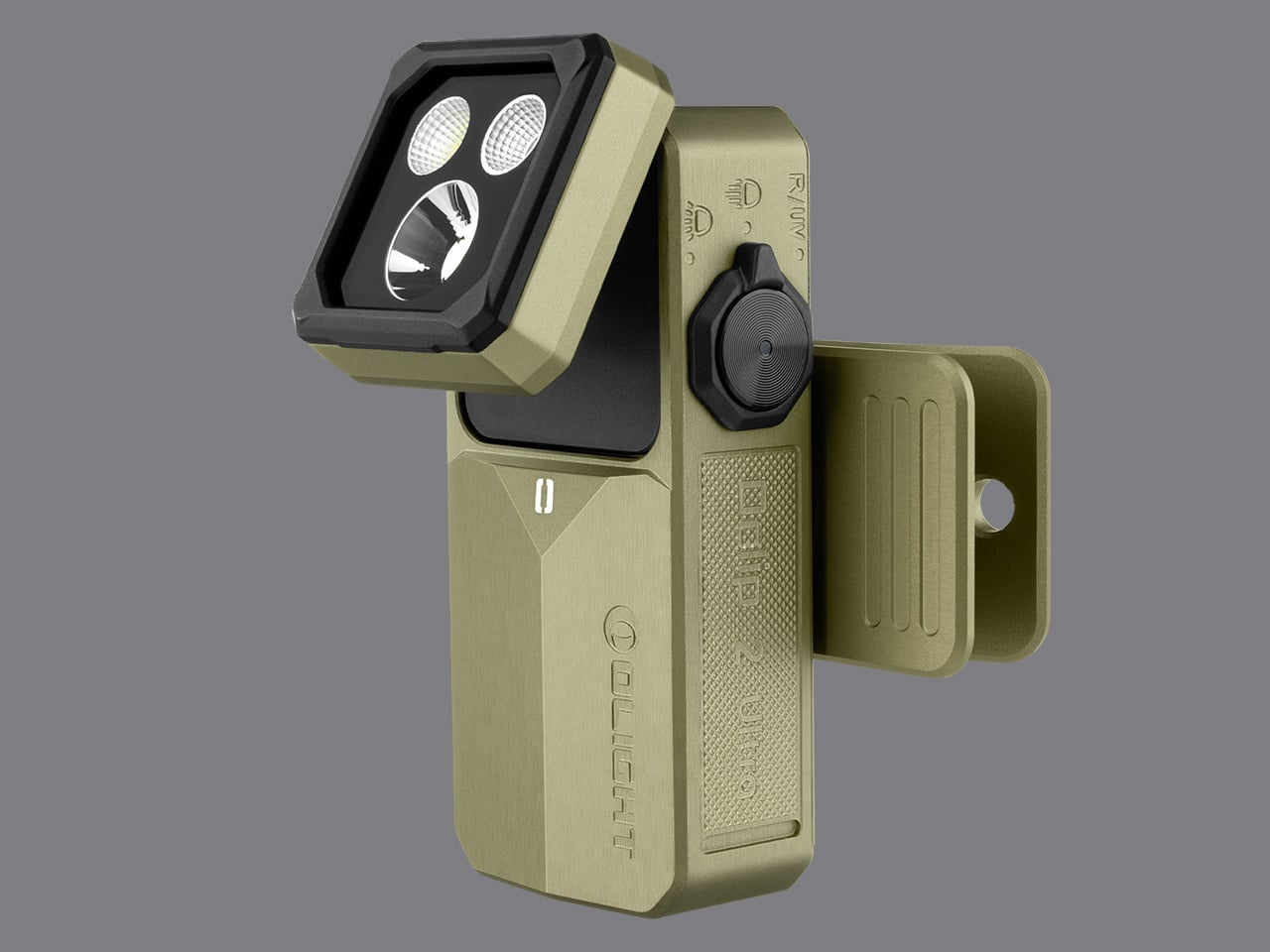
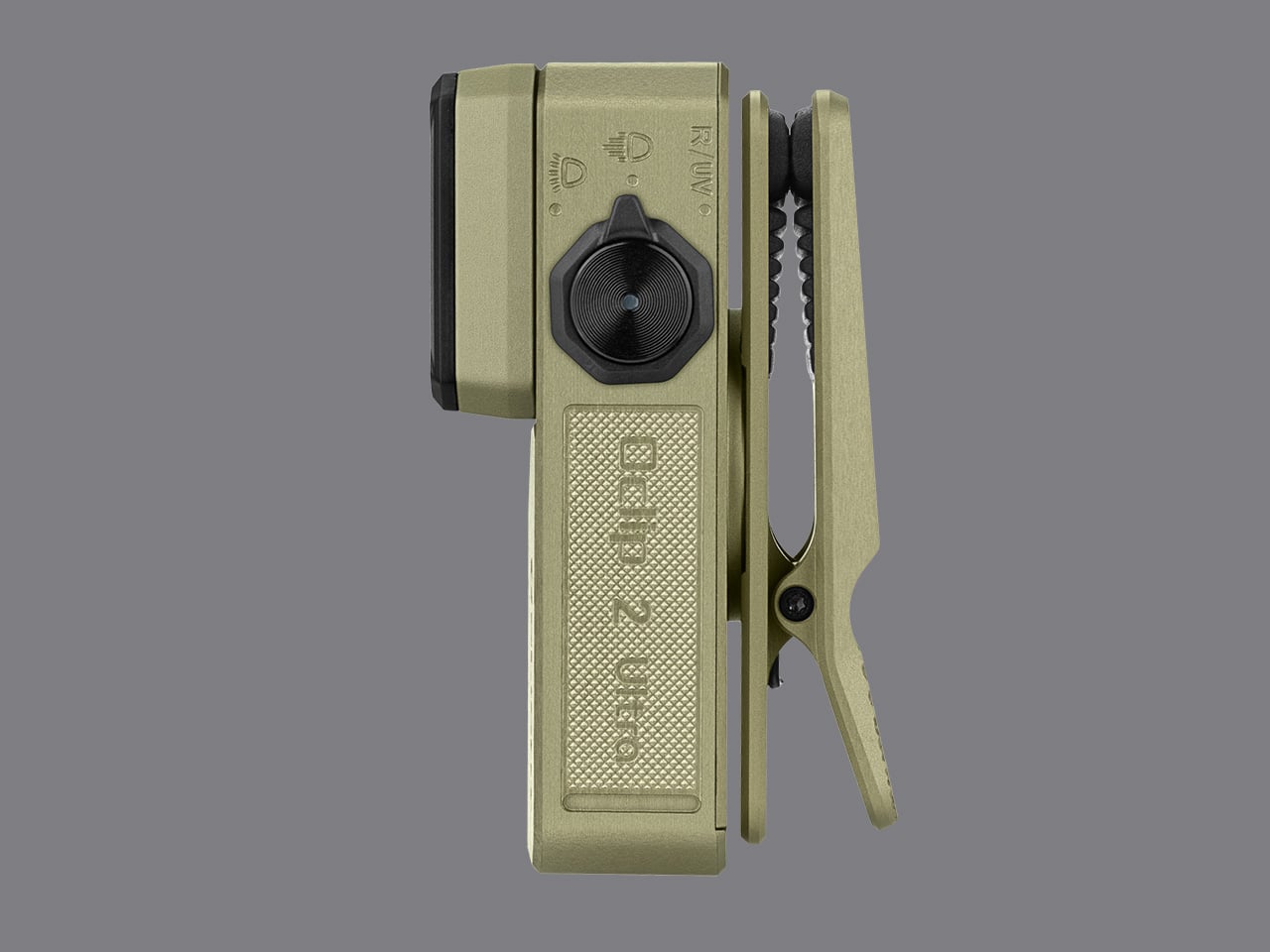
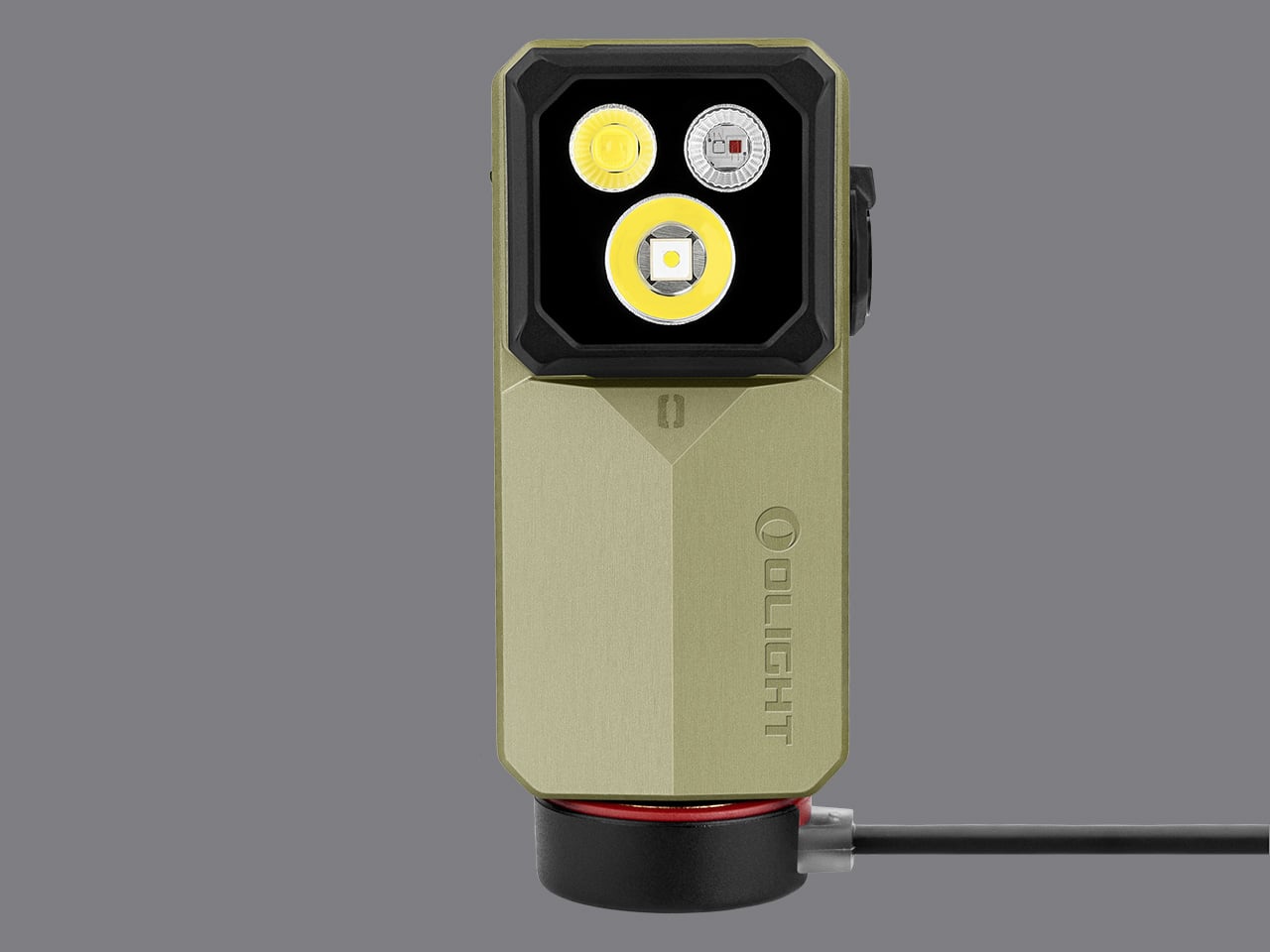
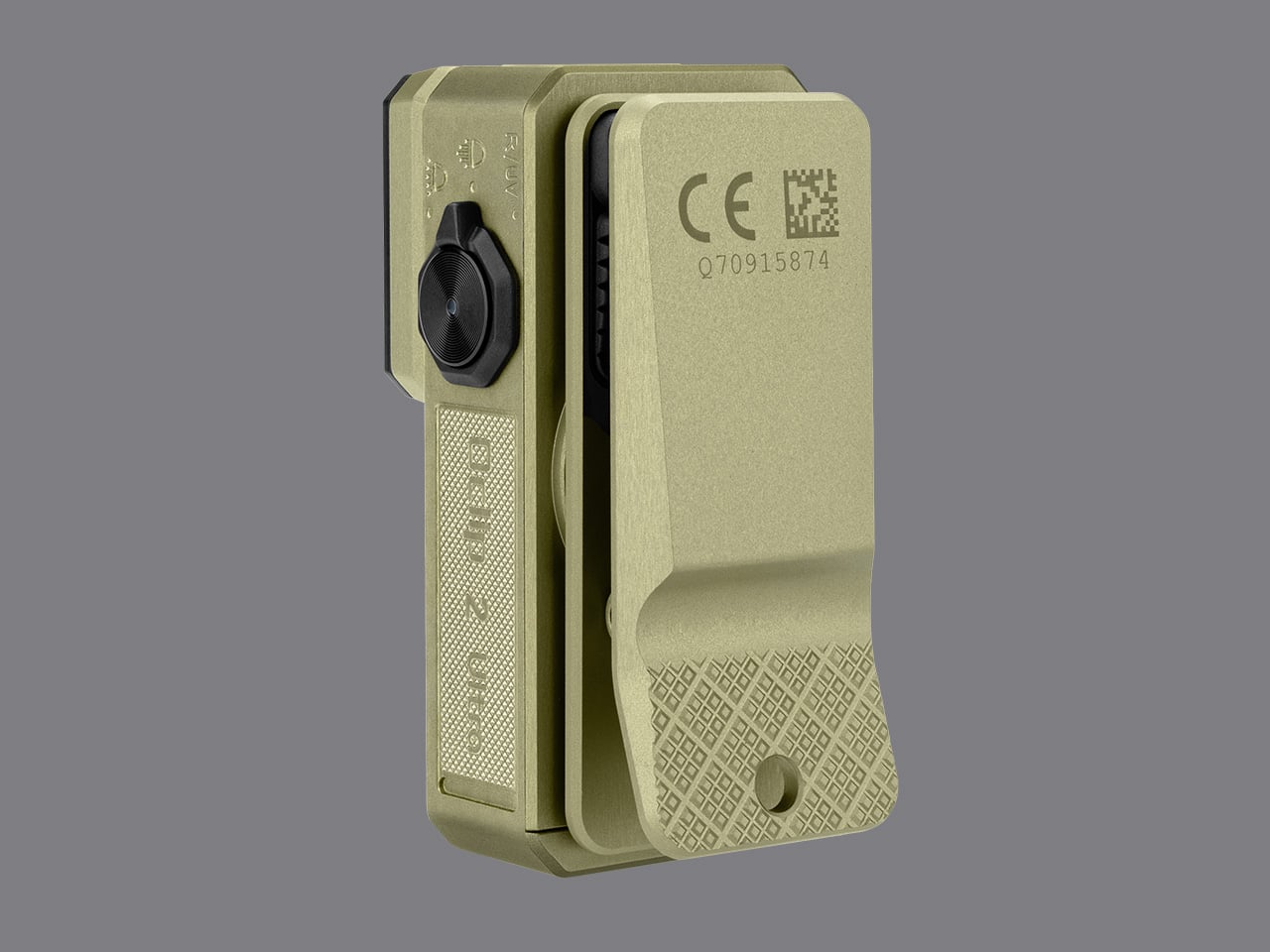
That single fix is what the Oclip 2 Ultra is built around. A 360 degree rotating clip pairs with a 115 degree pivoting head, letting you attach the clip anywhere and aim the beam exactly where the work is, without repositioning. Both axes are rated for 10,000 test cycles, so the mechanism is built to hold rather than loosen over time. The Ultra adds an OAL aluminum body, an in-house R/UV dual emitter combining red and 365nm UV, and OclipBeat, a breathing indicator that shifts color the more the light gets used. Output lands at 580 lumens with a 130 meter throw, IP66 rated, and 2 meter drop rated. It starts at $69.99, with the Premium edition adding a 1,000 mAh charging dock for $94.99.
Elbow-deep in an engine bay with the beam pointing at a hose instead of the bolt you actually need, the old Oclip left you two options: tilt your body or unclip and start over. The Oclip 2’s dual-axis mechanism takes that off the table. The 360 degree rotating clip and 115 degree pivoting head work as independent adjustments, so you can attach the light, rotate the body upright, and tilt the head directly onto the target, all while the clip stays put. The mechanism went through hundreds of light-head optimization iterations, and the result is a head that holds its angle under consistent rotational resistance. A head that drifts after positioning defeats the whole purpose of an articulating system, and Olight clearly thought about that.
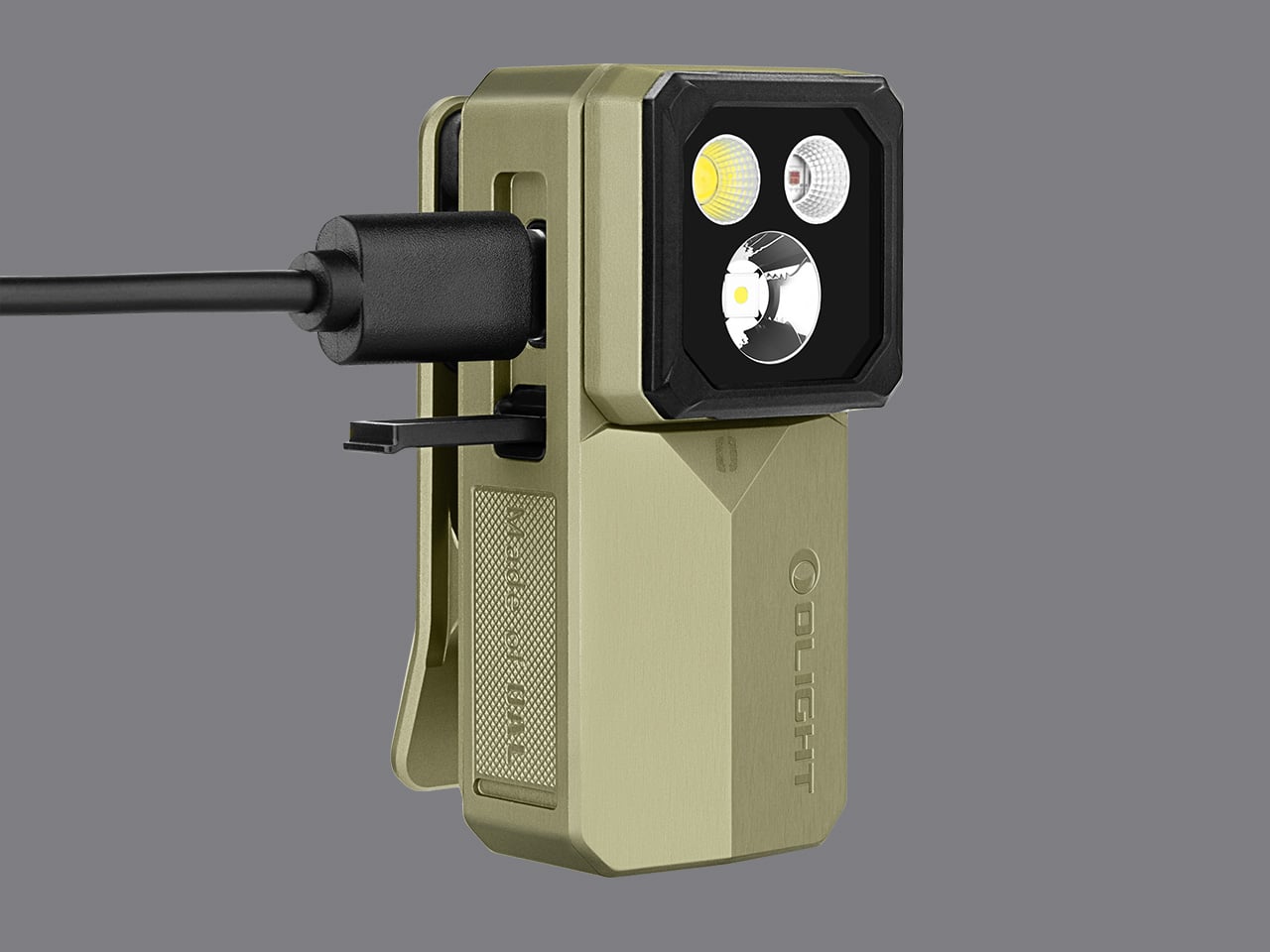
Four light sources in one body: flood, spot, or red. For even greater versatility, Oclip 2 Ultra features Olight’s industry-first, in-house-developed R/UV emitter, combining red and UV light in one compact design.. Traditional compact clip lights force a trade-off between red warning signals and UV detection, so Olight’s decision to build both into one emitter is the real technical flex here. UV output lands at up to 800 mW for quick inspections. The floodlight uses a specially designed curved light cup to produce diffuse reflection and a clean flood beam, rather than just a wide hotspot, and the spotlight throws to 130 meters at 450 lumens (the floodlight lets you hit 580 lumens). OclipBeat is the Ultra’s odd personality feature, a breathing indicator that activates when the light head rotates and shifts color based on cumulative use, delivering a unique sense of partnership on every mission; frankly not something you’d expect to find endearing in a flashlight, and yet here we are.
The clip grips objects up to 14mm thick, including collars, backpack straps, and MOLLE webbing. Magnets at the MCC tail and on the clip snap onto steel surfaces like a car hood or toolbox, making them instant mounting points without any adapter. The light can also hang overhead from a tent loop or hook, for situations where bouncing light off a ceiling works better than directing a beam. The whole system is built on the assumption that both hands should stay free, and the dual-axis head makes that viable because you can redirect the beam from wherever the light is already clipped. Three attachment modes, one articulating head, and a rotating body add up to a meaningful amount of placement flexibility in a 79.5 gram package.
USB-C, MCC magnetic charging, and the Mobile Charging Dock bundled with Premium editions give the Oclip 2 Ultra three paths to a full battery. The 1,000 mAh Mobile Charging Dock automatically tops up the light on the go, delivers up to twice the total runtime, and displays the battery levels of both the light and the dock at a glance. MCC is Olight’s proprietary magnetic connector, which snaps on without needing to locate a port in the dark. That runtime extension directly targets the 13 percent of first-gen Oclip users who flagged short battery life as their main complaint. The dock rates IPX6 while the light body holds IP66, and the combined Ultra Premium package weighs 141.5 grams with dock attached.
OAL aluminum is Olight’s proprietary alloy, high-strength and scratch-resistant, and the Ultra’s body is built from it while the clip components stay in standard AL6061. The visual difference between the two isn’t dramatic, but OAL’s scratch resistance should matter over months of daily carry where pocket wear shows up first on softer finishes. The body measures 60.2 x 28 x 35mm, and the design is 4mm smaller than the pilot-production version. IP66 protection and a 2-meter drop rating give it a durability profile that matches the automotive, outdoor, and patrol use cases Olight is targeting. The angular design language gives the Ultra a more deliberate everyday-carry presence than the utilitarian clip-light category tends to produce, and OclipBeat adds a visual layer that builds character the longer the thing stays in rotation.
The Oclip 2 series runs four SKUs: Pro ($49.99), Pro Premium ($74.99), Ultra ($69.99), and Ultra Premium ($94.99), all available now at olight.com. Premium editions at both tiers include the 1,000 mAh Mobile Charging Dock. Olight backs the lights with a lifetime warranty in Australia, China, France, Germany, and the United States, five years everywhere else, and the Mobile Charging Dock carries a separate two-year warranty.
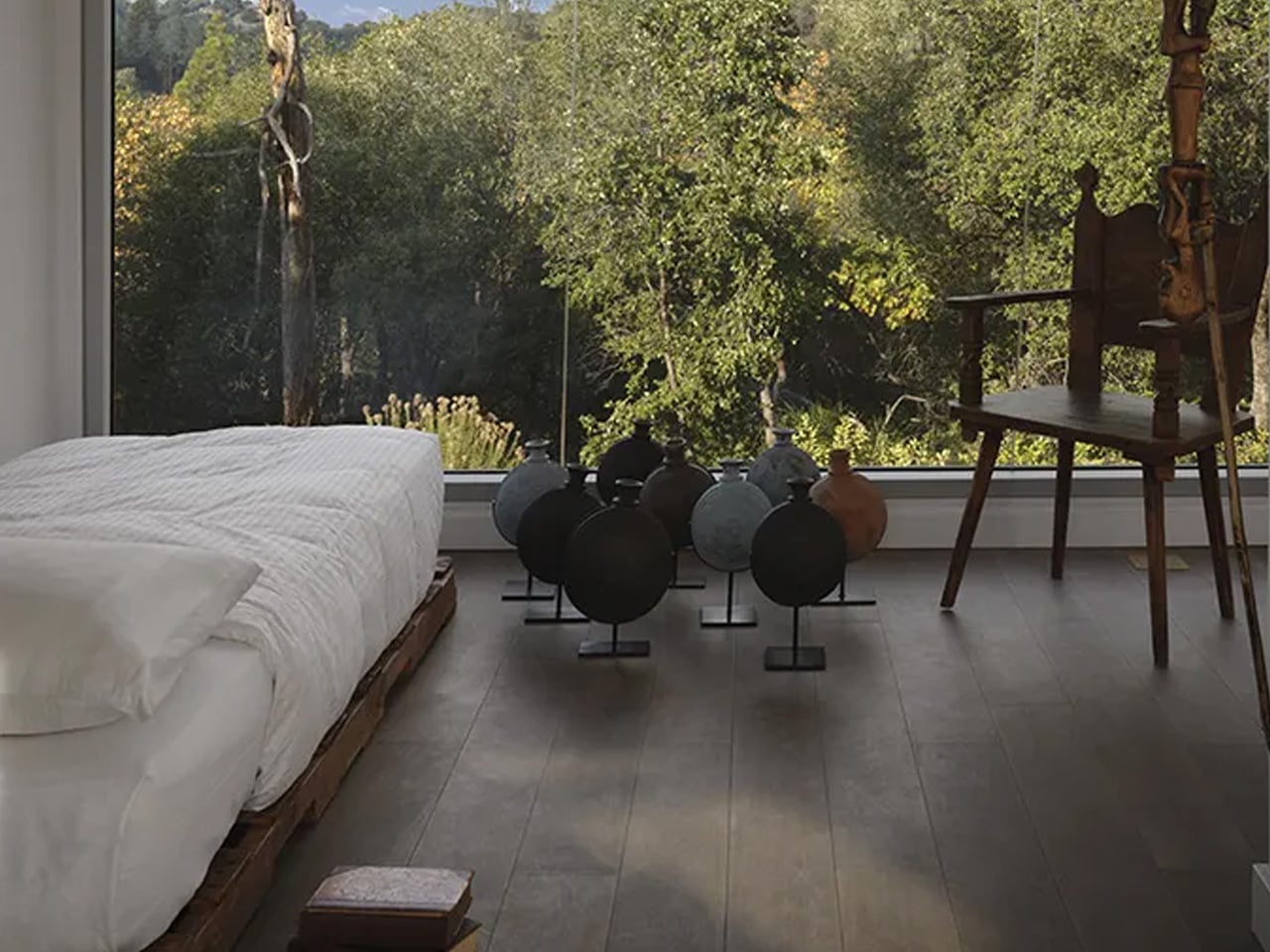
Most architects build big to be taken seriously. Hafsa Burt builds small for the same reason. Her latest project, the Null House, designed through her San Francisco studio hb+a Architects, arrives as both a prototype and a thought experiment — a deliberate reckoning with what shelter actually needs to be. Burt, a LEED Fellow and AIA architect who has spent decades pioneering low-carbon, health-focused design, isn’t interested in excess. Null is the built proof of that conviction.
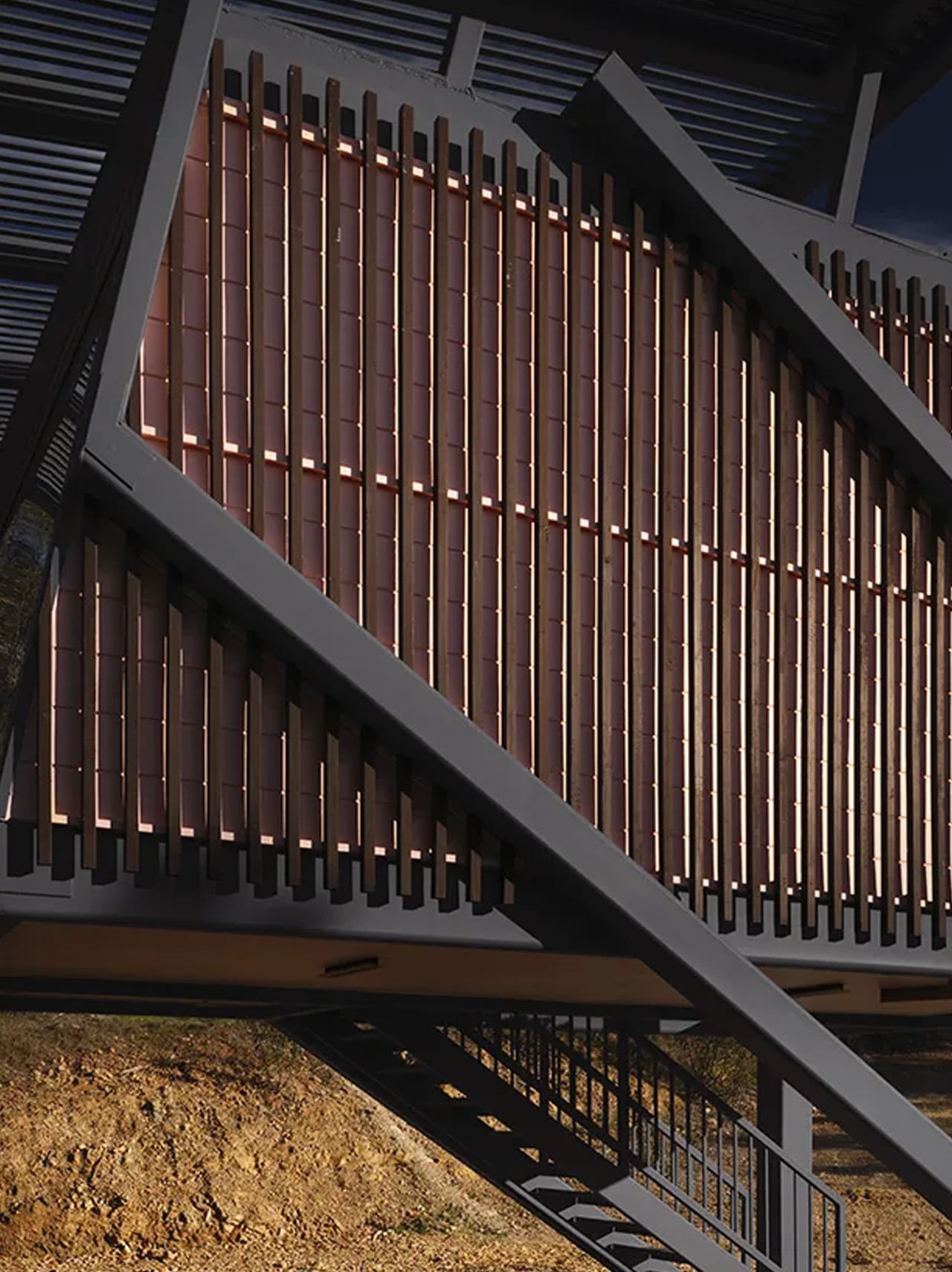
The structure is assembled from structural steel, its walls and ceilings wrapped in careful insulation that takes the building’s thermal performance seriously from the inside out. Exterior wood cladding gives it warmth where the material language could easily have felt clinical, while the drywall detailing within keeps the interior honest and spare. Nothing performs for the sake of it. The choices read as disciplined rather than austere — each one pulling its weight without announcement.
What makes Null compelling beyond its construction is what it represents within Burt’s broader body of work. Through Box Lab, her development initiative focused on scalable zero-energy and low-carbon prototypes, she’s been building the case for this kind of architecture long before it became industry conversation. Null sits inside that lineage. It’s not a one-off statement piece. It’s a template — designed to be understood, replicated, and refined. The smallness of the house is precisely the point: proving that a building this considered doesn’t require scale to succeed.
Burt has spent years speaking about indoor air quality and carbon neutrality at a level most architects arrived at only recently. That expertise runs through Null at a material level. The insulation isn’t a checkbox. The all-electric sensibility — consistent with her studio’s past work — treats operational performance as a design criterion, not an afterthought. The result is a house that lives the argument rather than just making it.
Null won’t appeal to everyone. It asks something of its occupant: a willingness to live with less surface area, less visual noise, less of the gratuitous square footage that inflates so much contemporary residential design. But for those paying attention to where architecture needs to go — toward smaller footprints, cleaner systems, and buildings that perform as well as they look — Null is precisely the kind of project worth watching. Hafsa Burt has always built for the future. This time, she named it.
I’ve recently started becoming more serious about cooking. I’m still in the beginner phase, so all I really need right now is a good set of pots and pans and a working stove. But I already have a running wish list of kitchen accessories I’d like to get someday, and a good stand mixer sits right at the top of it. KitchenAid® is a brand that’s always top of mind (if not top of my wallet), and the newest version of their mixer might just be the one that finally talks me into opening it.
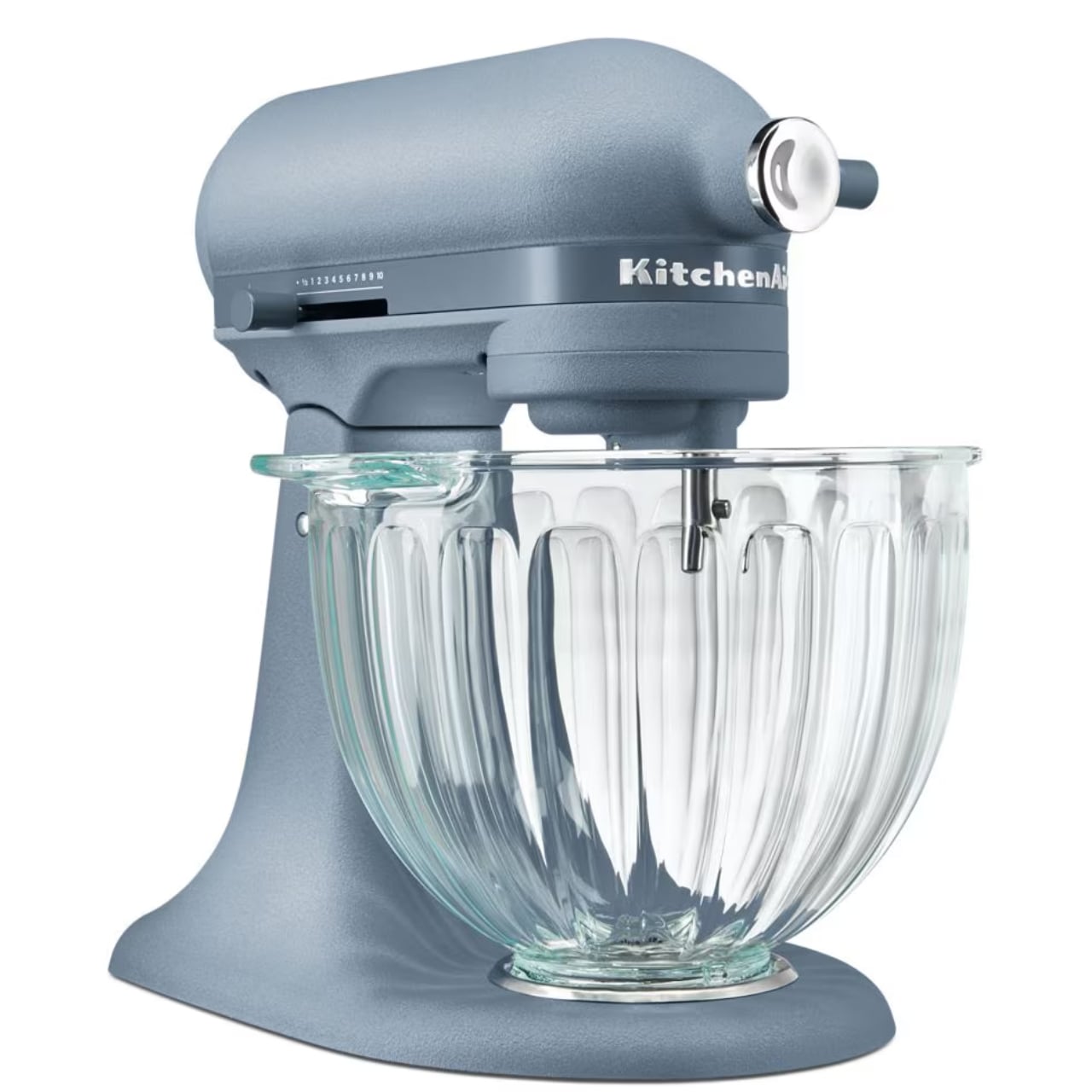
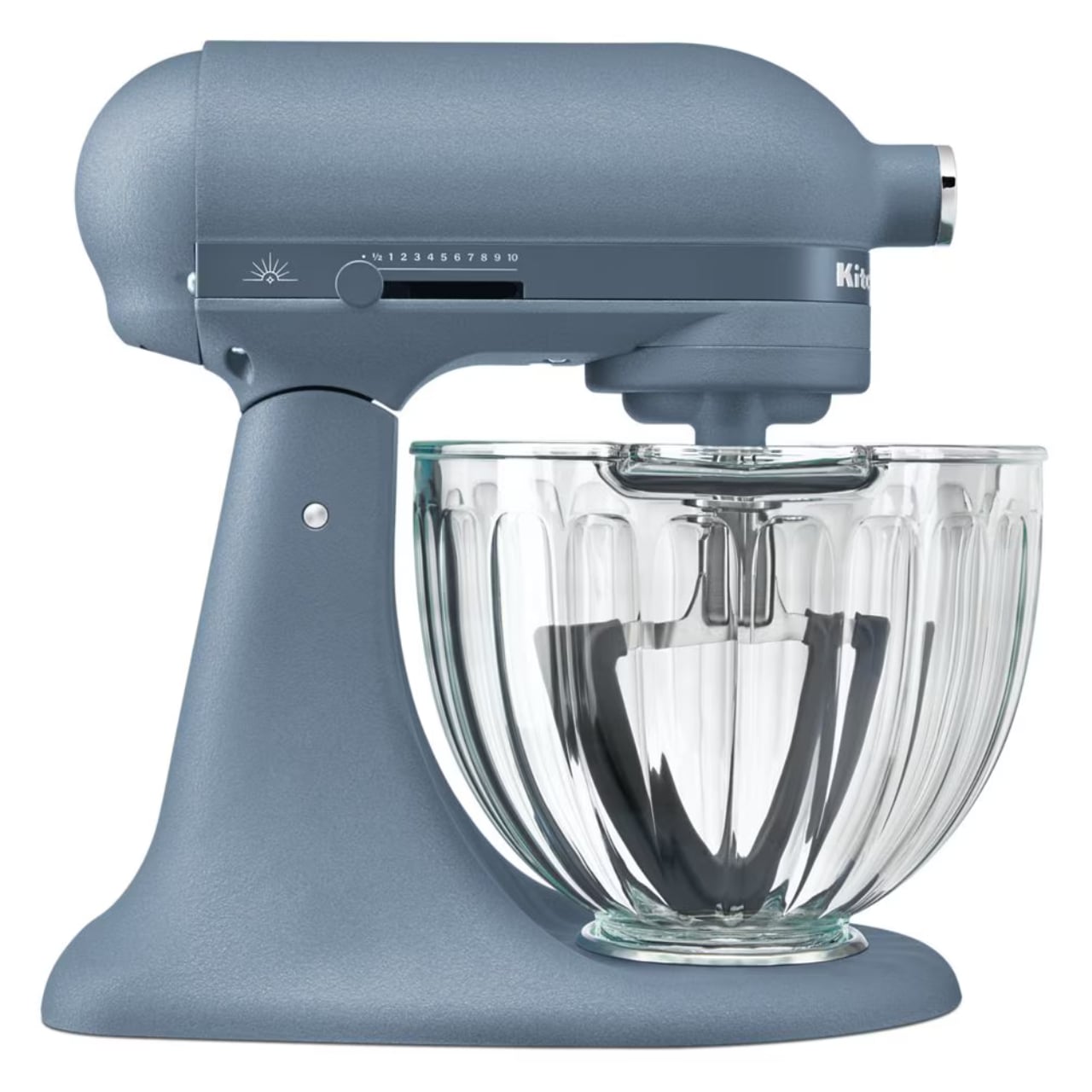
The KitchenAid® Design Series Luminaire is the brand’s newest limited-run stand mixer, and it’s built entirely in-house by KitchenAid’s own design team rather than an outside collaborator. Instead of the classic stainless steel bowl that comes with most mixers, this one has a ridged glass bowl. That lets you actually watch what you’re mixing while also making the whole process look like a “radiant masterpiece” as you prep whatever you’re cooking or baking.
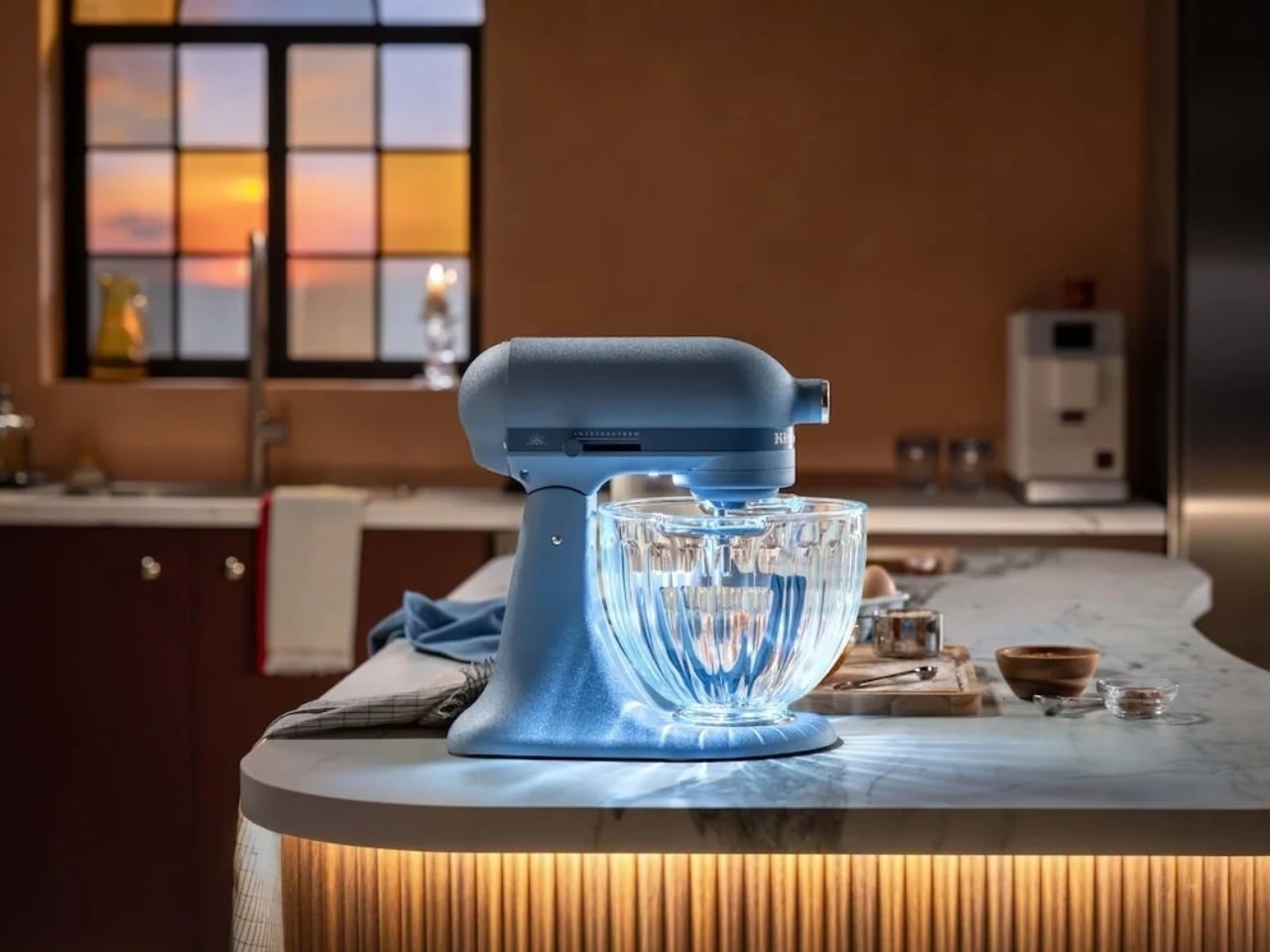
Built into the base of the mixer is an LED light that shines up through the fluted glass, scattering light patterns you can clearly see while the mixer runs. It might sound purely decorative, but the fluting is engineered to catch, bend, and diffuse that light so you get a glowing, jewel-like effect rather than a flat glare. It looks great on a kitchen counter, and probably even better in photos and videos, which is a nice bonus if you’re into cooking or food content creation.
The mixer’s signature color, Blue Peppercorn, is a calming, muted blue finished with a soft, crinkled texture. KitchenAid says the shade was inspired by “the final crack of seasoning, the moment everything comes together,” which is a fitting little origin story for a mixer built around light. A polished chrome hub cover and a color-matched trim band with polished accents contrast nicely against that textured body, giving it a “jewelry on the counter” look instead of just another appliance taking up space.
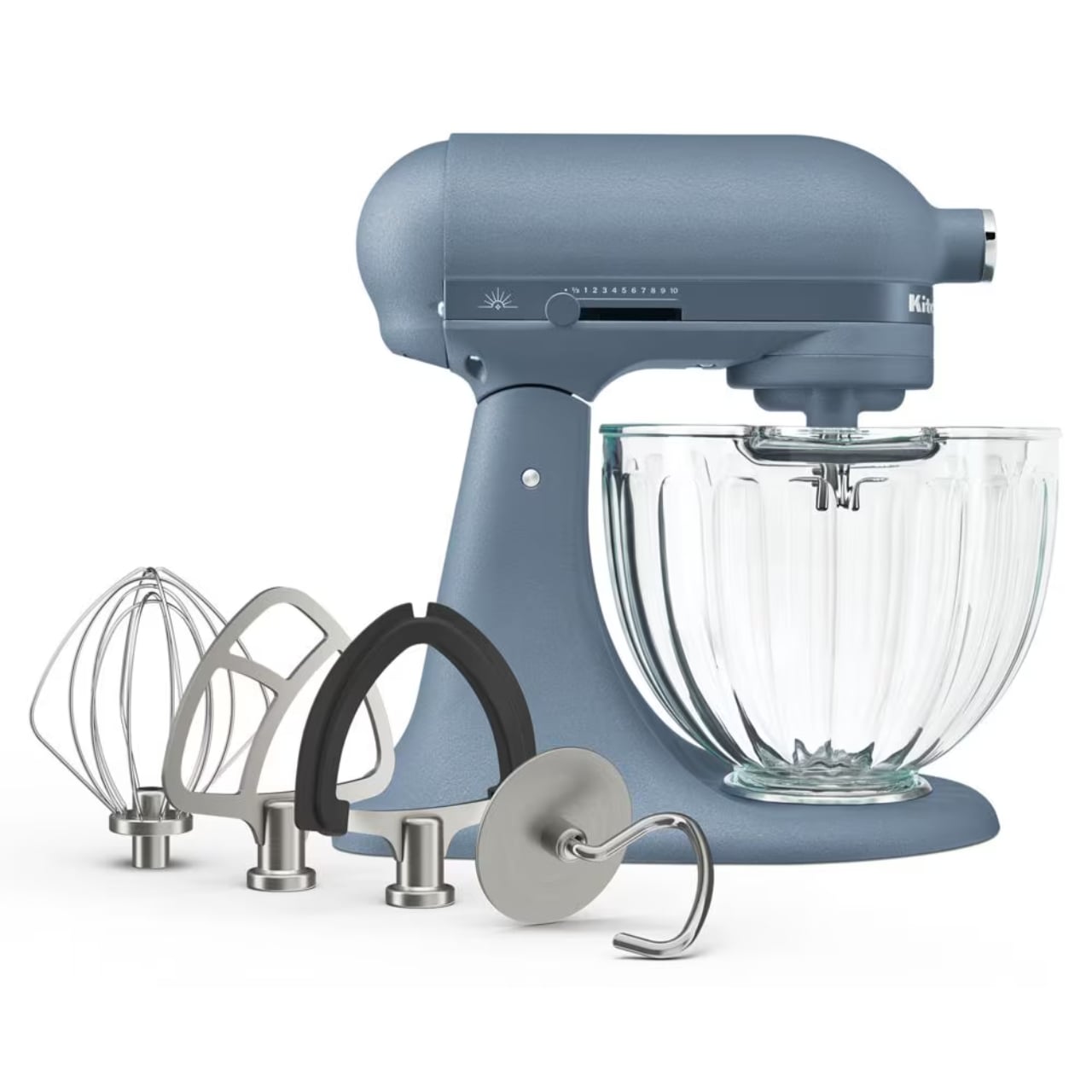
Underneath all that glow, the Luminaire is built on KitchenAid’s trusted Artisan® Plus platform, so it’s not just a pretty face. It runs on 11 speeds with Precision Speed Control, letting you fine-tune your mix from a gentle fold to a fast whip, and it comes with dishwasher-safe stainless steel attachments (flat beater, wire whip, and dough hook), so cleanup doesn’t cancel out the decor appeal. It’s also compatible with KitchenAid’s full lineup of attachments, meaning the same base can grind meat, roll pasta, or spiralize vegetables if you ever want to go beyond baking.
The 5-quart tilt-head model runs $699.99, and it’s actually the third mixer in KitchenAid’s Design Series lineup, following the 2022 Blossom and the viral 2024 Evergreen. This time, the aesthetic even extends beyond the mixer, with a matching Blue Peppercorn cookware line dropping later this fall and a limited-edition 36-inch Blue Peppercorn commercial-style range for anyone renovating an entire kitchen around the color (that one runs a much less beginner-friendly $8,899).
If you’re comparing options, the obvious rival is Smeg’s 50’s Retro Style Stand Mixer, another design-forward pick that’s just as popular for making a kitchen look as good as it cooks. Smeg’s version retails around $599 (often discounted into the $400 to $550 range) and packs a 600-watt motor with 10 speeds and a classic stainless steel bowl, more raw horsepower, in other words, but none of the light-up glass theatrics. Reviewers have noted that Smeg wins on sheer power and vintage styling, but if you want a true all-purpose workhorse with a deeper attachment ecosystem, KitchenAid is usually the recommended alternative. Basically, it comes down to whether you want a mixer that performs like a heavy-duty tool or one that doubles as a glowing centerpiece.
For a beginner like me, is $699.99 justified before I’ve even mastered basic knife skills? Probably not yet. But it’s exactly the kind of splurge that earns a spot on a “someday” list, landing somewhere between a stand mixer and a small sculpture. And unlike a lot of trend-driven kitchen gadgets, this one still does the actual job a stand mixer is supposed to do, it just does it with a little extra glow. If you’d rather try your luck than spend the money outright, KitchenAid is also running a sweepstakes giving away five Luminaire mixers, which might be the more beginner-budget-friendly way in for now.