
NVIDIA CEO Jensen Huang may have been the target of a Chinese government spy
President Trump reportedly chose to do nothing in response.
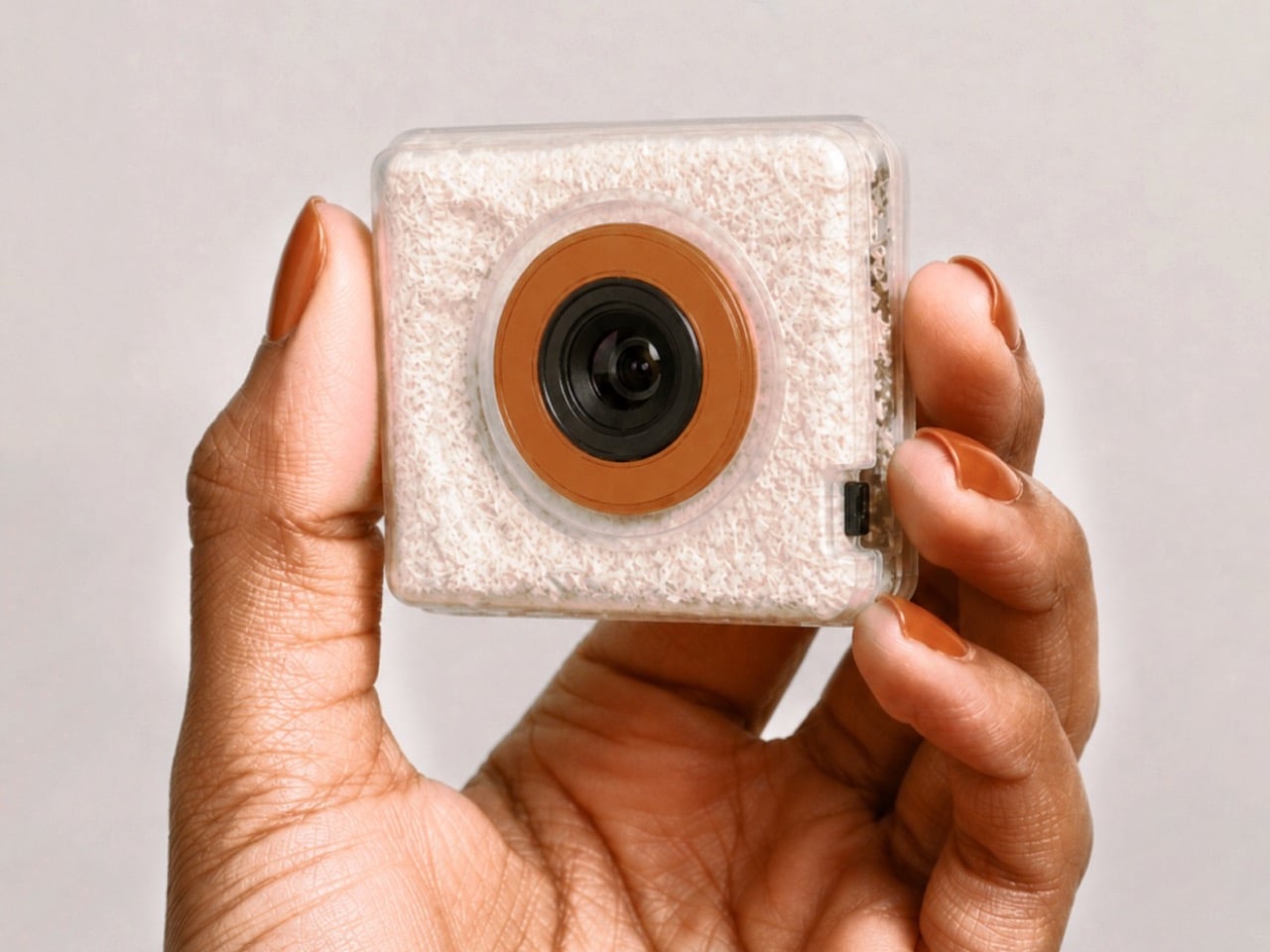
Forty years ago, Fujifilm launched the QuickSnap, a plastic box of film you shot, dropped off at the drugstore, and never saw again. The disposable camera became the unofficial sidekick of wedding tables, spring breaks, and summer camps in the ’90s. In 2026, a would-be spiritual successor comes from a Brooklyn mushroom farmer. Sree Krishna Pillarisetti’s Soft-pixel is a digital camera project with an enclosure made from mycelium, hemp, and PHA bioplastic, designed to keep your photos local rather than in the cloud. The proposed compostable shell gives the disposable-camera idea a more interesting question: which part should actually be disposable?
Pillarisetti first experimented with fungus-wrapped electronics in Soft-Drive, his Parsons thesis project, which enclosed a memory card and heat sink in a shell made from mycelium, hemp, and PLA. Soft-pixel trades that PLA for PHA. The European Product Design Award named it Best Eco-Design for 2026, alongside a Top Design win in digital cameras. Somewhere in a junk drawer, an old Kodak Fling is feeling very insecure.
Designer: Sree Krishna Pillarisetti
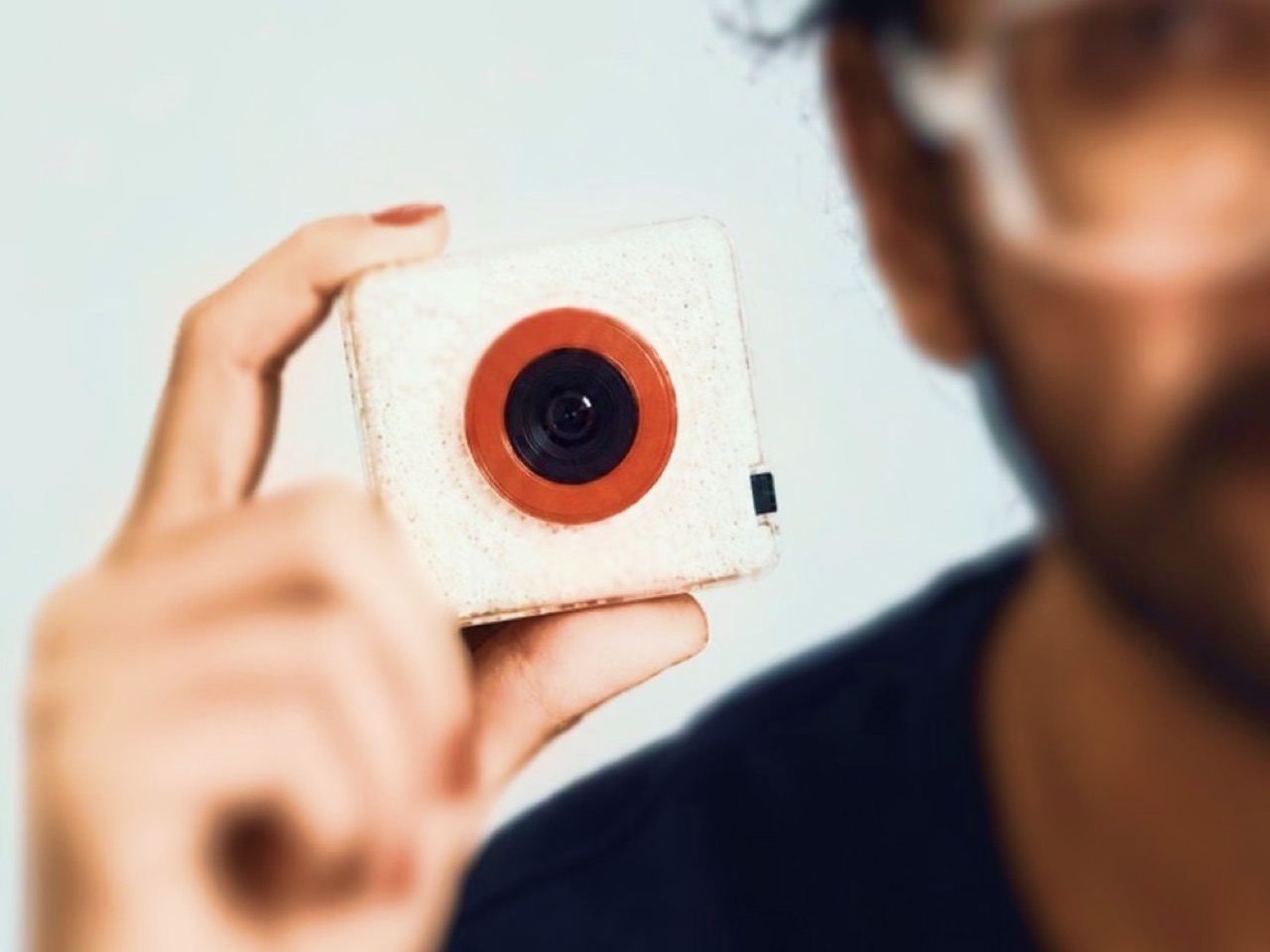
Mycelium is the threadlike network of a fungus. Soft-pixel’s award entry describes a process combining biological growth and heat-press fabrication to produce what the designer calls a lightweight, impact-absorbing enclosure. PHA is the material change worth watching here. PLA generally needs the heat and moisture of industrial composting to break down effectively; some PHAs can biodegrade in home compost, but their behavior depends on the formulation and conditions. Putting PHA in a camera shell doesn’t automatically make the finished casing ready for your garden pot.
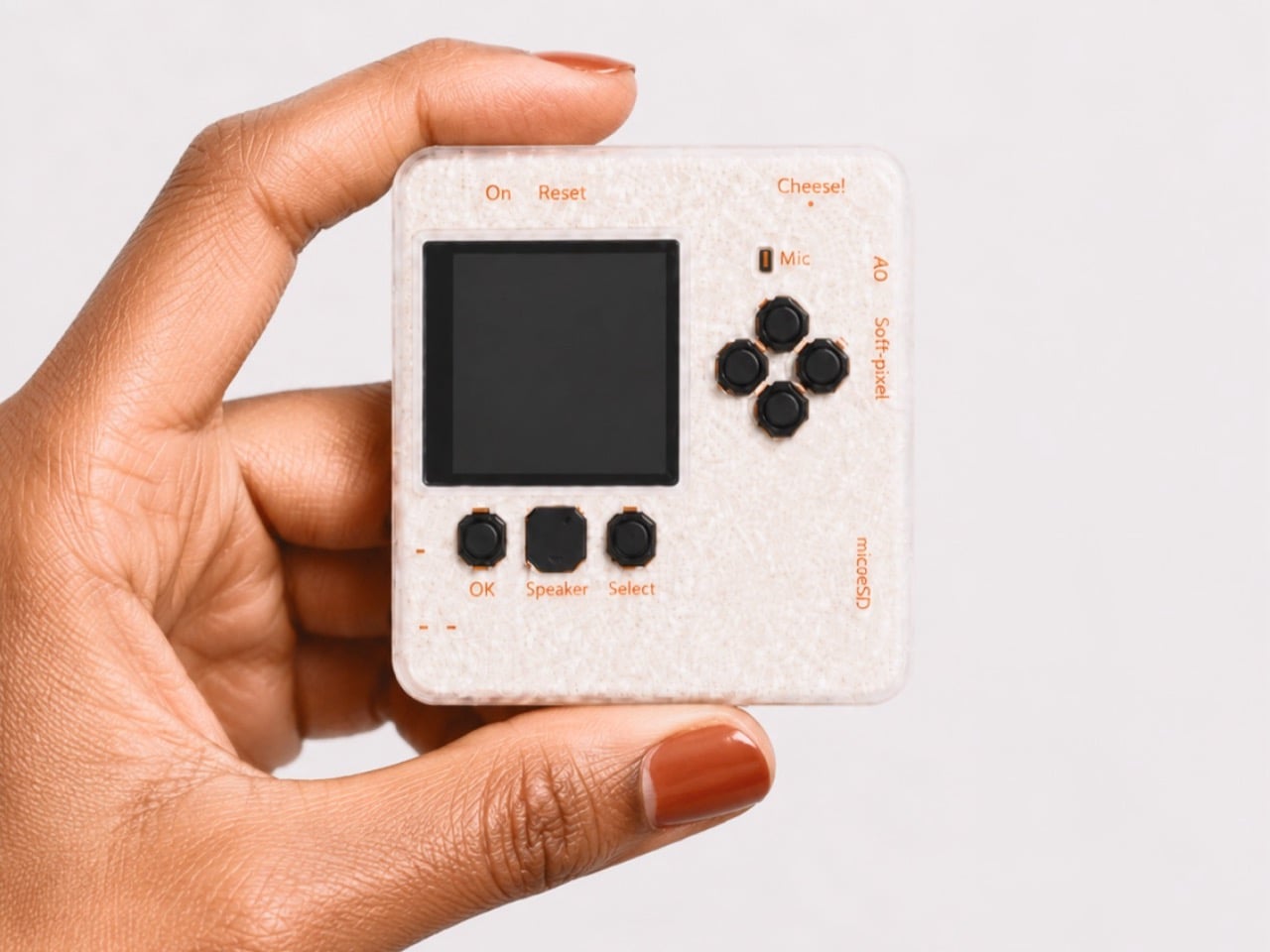
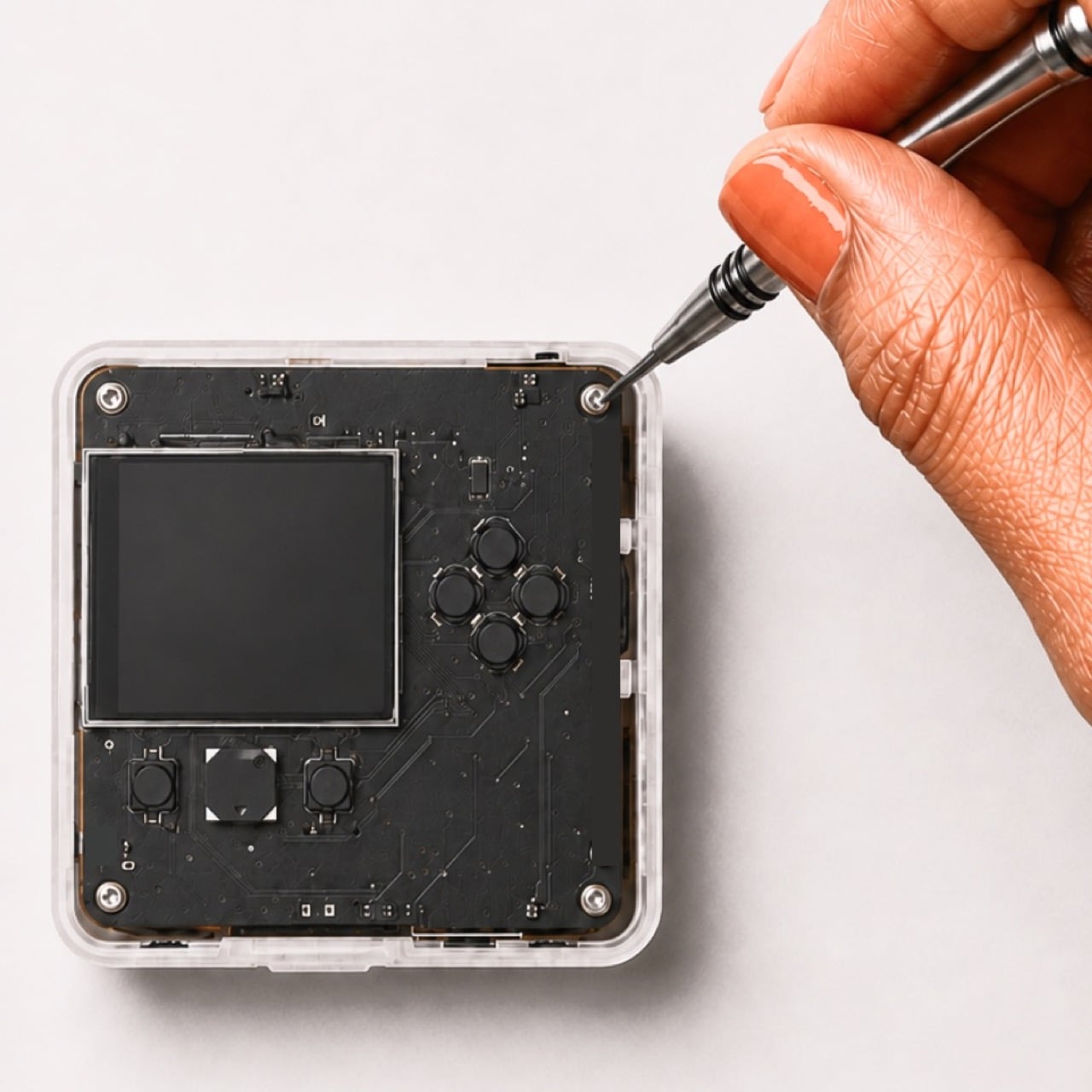
The translucent outer layer shows off the fibrous interior, so the camera looks a bit like a granola bar that takes pictures. Around the back, there’s a square screen, four directional buttons, and orange labels for the controls, speaker, and mic, like a hobbyist dev board. The shutter label literally says “Cheese!” A microSD label hints at where your photos end up. The award entry doesn’t list the sensor, resolution, battery capacity, or storage capacity. The best tell is the image showing four screws holding the circuit board in place, with a precision driver positioned over one. Visible screws suggest someone expects you to open the thing, a spicy idea for a design borrowing the disposable-camera playbook.

The obvious comparison is Camp Snap, the screen-free digital camera that makes you wait to review your photos on another device. Soft-pixel keeps the screen and takes aim at a different villain, the cloud. The scale of that infrastructure is worth understanding: in its 2025 Energy and AI report, the International Energy Agency estimated that data centers consumed about 415 terawatt-hours of electricity in 2024, roughly 1.5% of global electricity consumption. Its base-case projection put that figure at about 945 TWh by 2030. Those totals cover far more than photo storage, though; they aren’t a measure of what this camera would save.
Soft-pixel’s award entry gives no price or release date, since it’s clearly a concept for now. That’s fine by me, because the idea already lands: keep the electronics, keep the photos, and give the shell a different end of life. Before it goes off to feed a few blades of grass, though, we need to know how the finished casing actually composts.
The post This Disposable Camera is made from Mycelium not Single-use Plastic first appeared on Yanko Design.
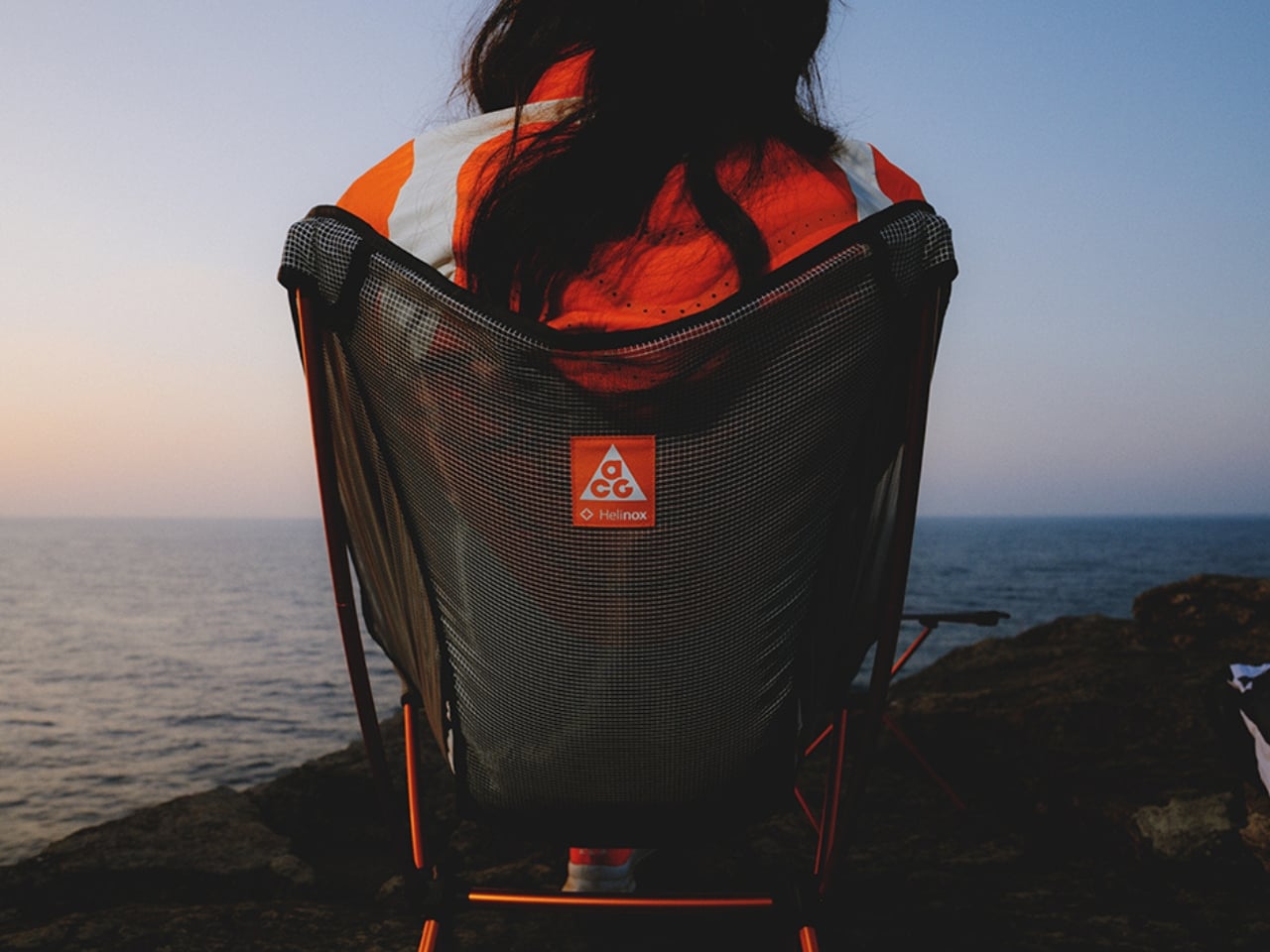
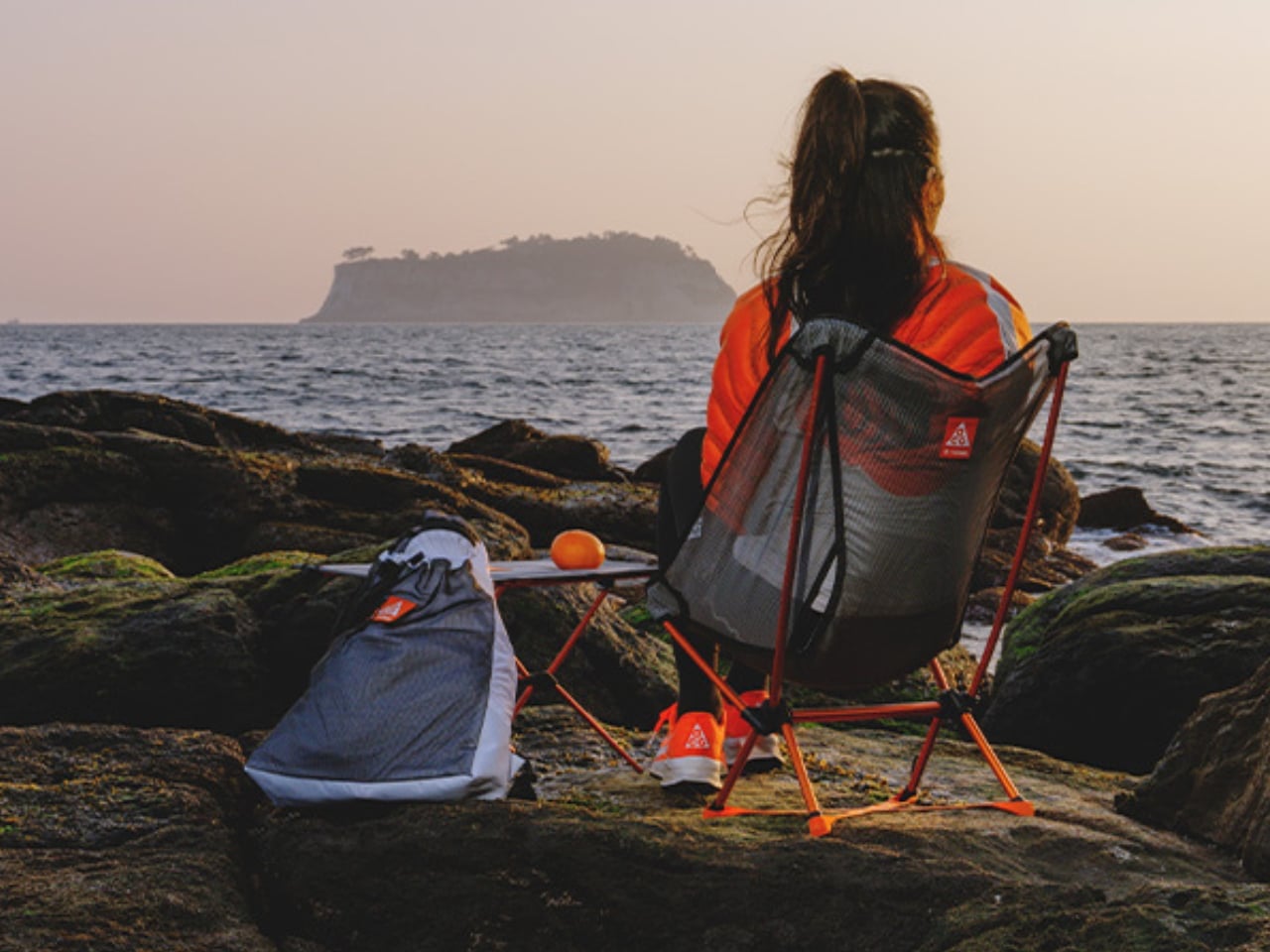
A camp chair has to justify every ounce before it earns a place in a backpack. Somewhere to sit is appealing; another bulky thing to carry, less so. I like designs that take that tradeoff seriously without looking purely utilitarian. Nike ACG and Helinox’s Chair Zero LT makes its lightweight construction the visual attraction, pairing an exposed orange frame with a translucent seat. You can see how little material is involved before you ever pick it up.
The reported packed weight is 534 grams, roughly 1 pound, 3 ounces, with a rated capacity of 265 pounds. Those numbers explain the attraction more clearly than the co-branding does. A chair is an optional item when you’re carrying everything yourself, so it needs to make a persuasive argument for joining the bag. At that weight, the argument becomes considerably easier to entertain.
Designers: Nike ACG x Helinox
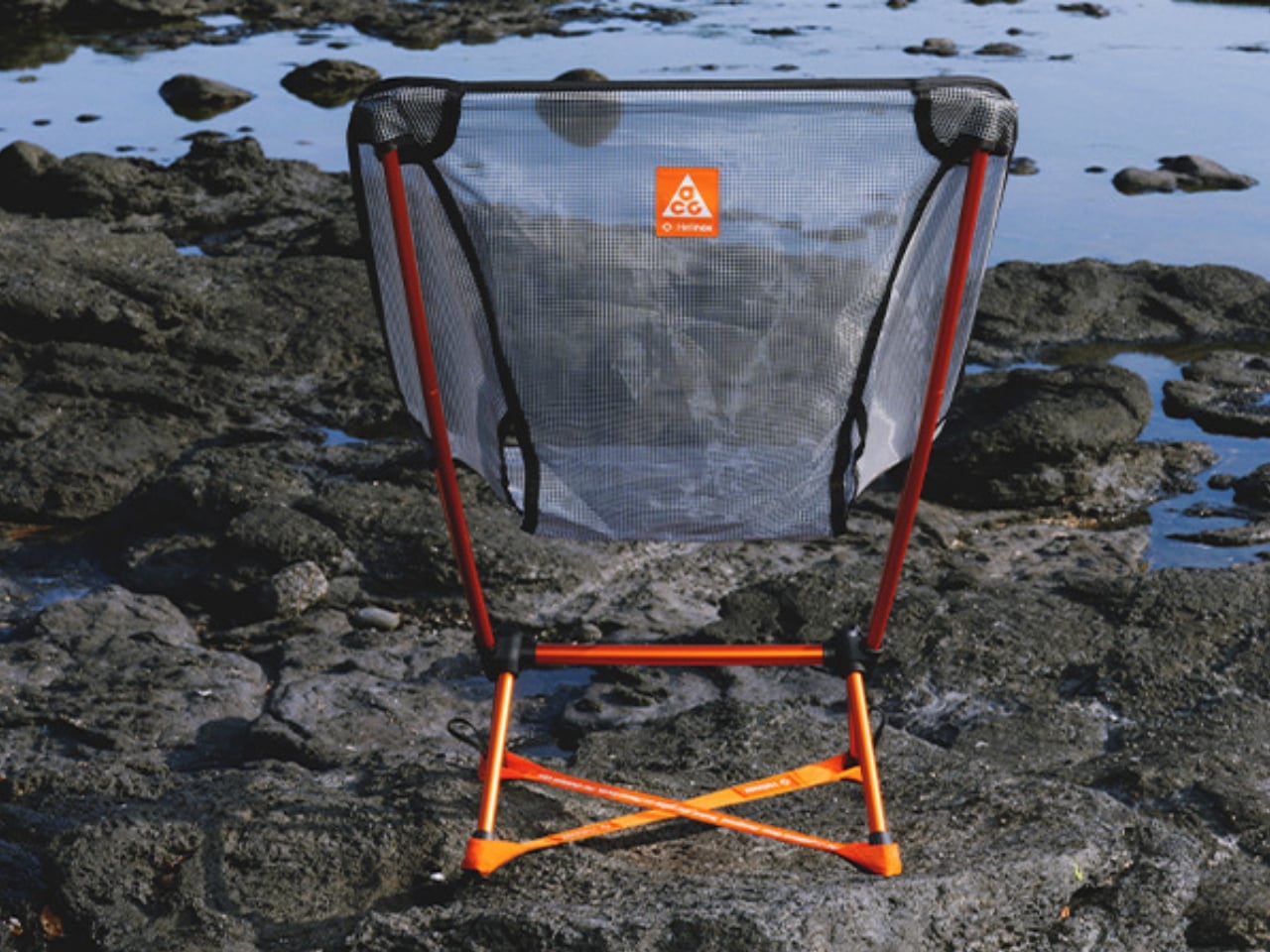
Helinox supplies the existing Chair Zero LT platform, including DAC TH72M aluminum alloy poles and nylon resin hubs. The material choice matters because the frame has to provide support without becoming the heaviest reason to leave the chair behind. ACG’s orange treatment gives that engineering a conspicuous outline. To my eye, drawing attention to the frame is more interesting than covering the seat with an oversized graphic.
The seat material is called Ghostgrid, a translucent monofilament mesh with a reinforced ripstop grid. Helinox describes it as lightweight and abrasion-resistant, with a weave intended to keep small tears from spreading. I’m more interested in that reinforcement than in transparency alone. See-through fabric earns its place here if it can handle the unglamorous business of being packed, unpacked, and used outdoors.
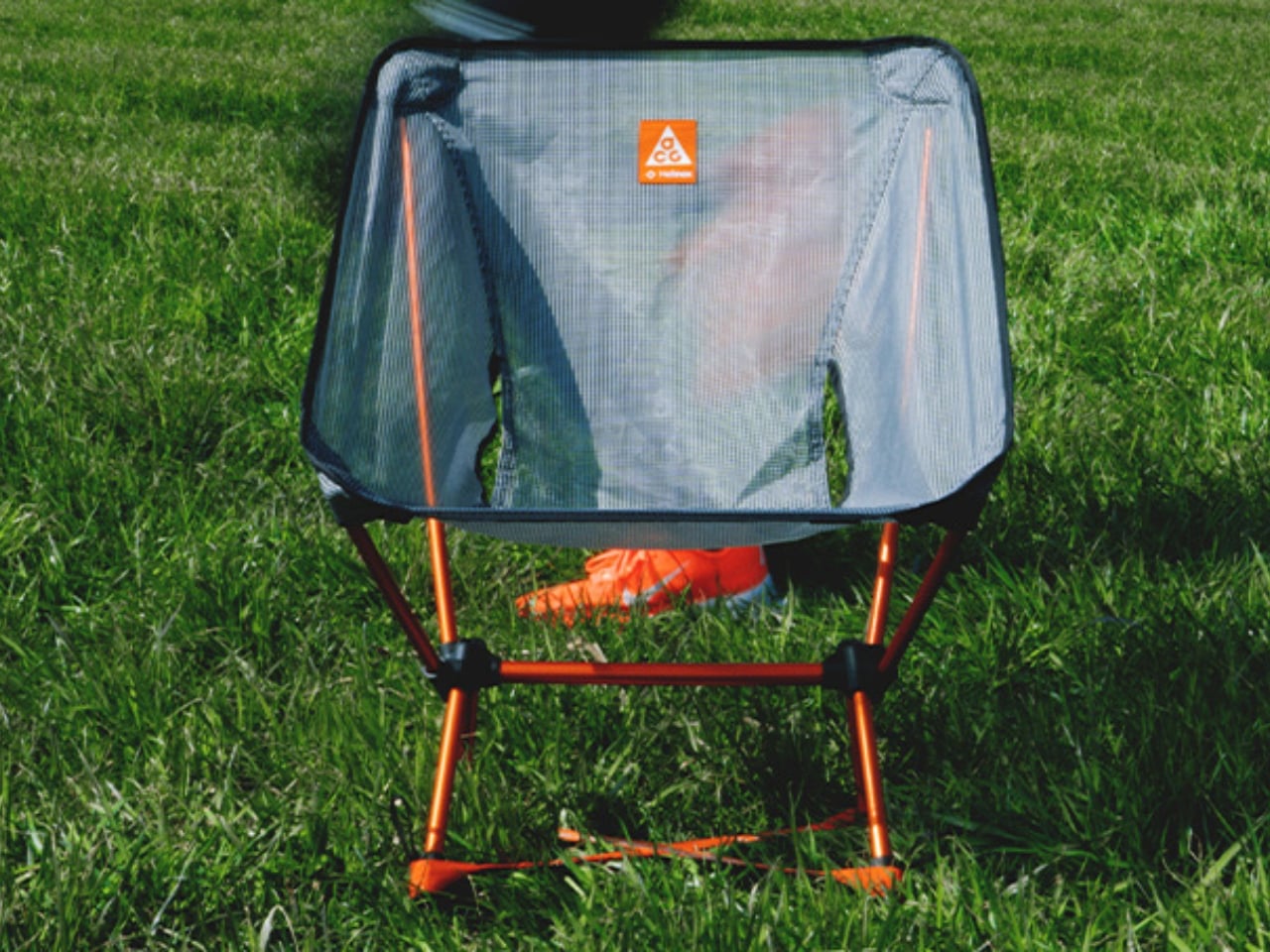
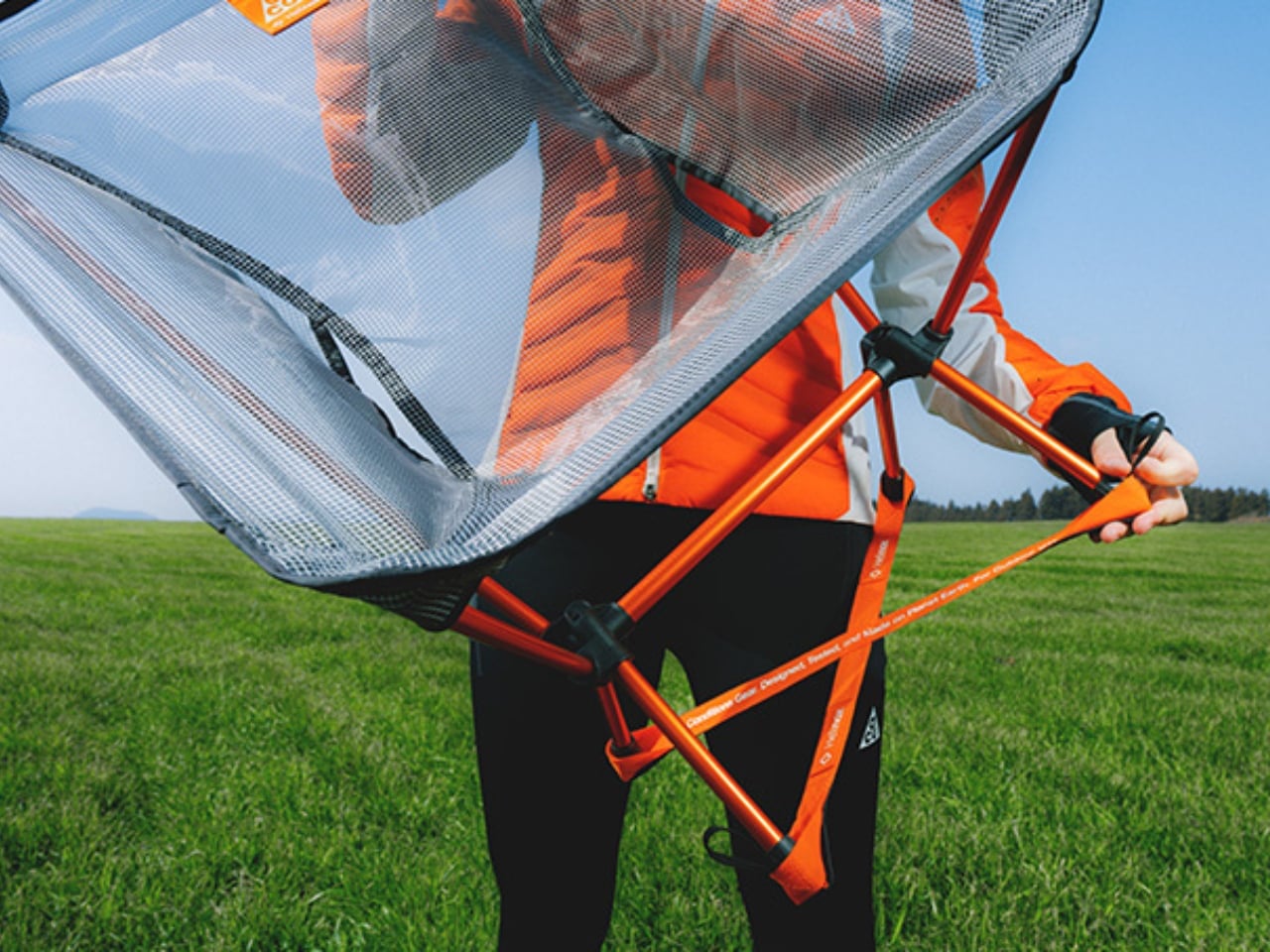
Assembly follows the familiar Helinox approach: shock-corded pole sections form the frame, with the fabric seat fitted over it. The connected sections mean fewer separate pieces to manage. Helinox’s instructions also suggest laying the chair on its back to attach the seat more easily. That small instruction is useful context for anyone expecting a miniature version of a folding chair that simply opens in one motion.
An included X-Strap attaches beneath the legs. Helinox says it increases the contact area with the ground to help stabilize the chair on sand, dirt, or grass. It’s the detail I’d pay attention to before the badge. Reducing the frame’s weight only addresses the carrying half of the problem; the chair still needs to work with the surface where you put it down.
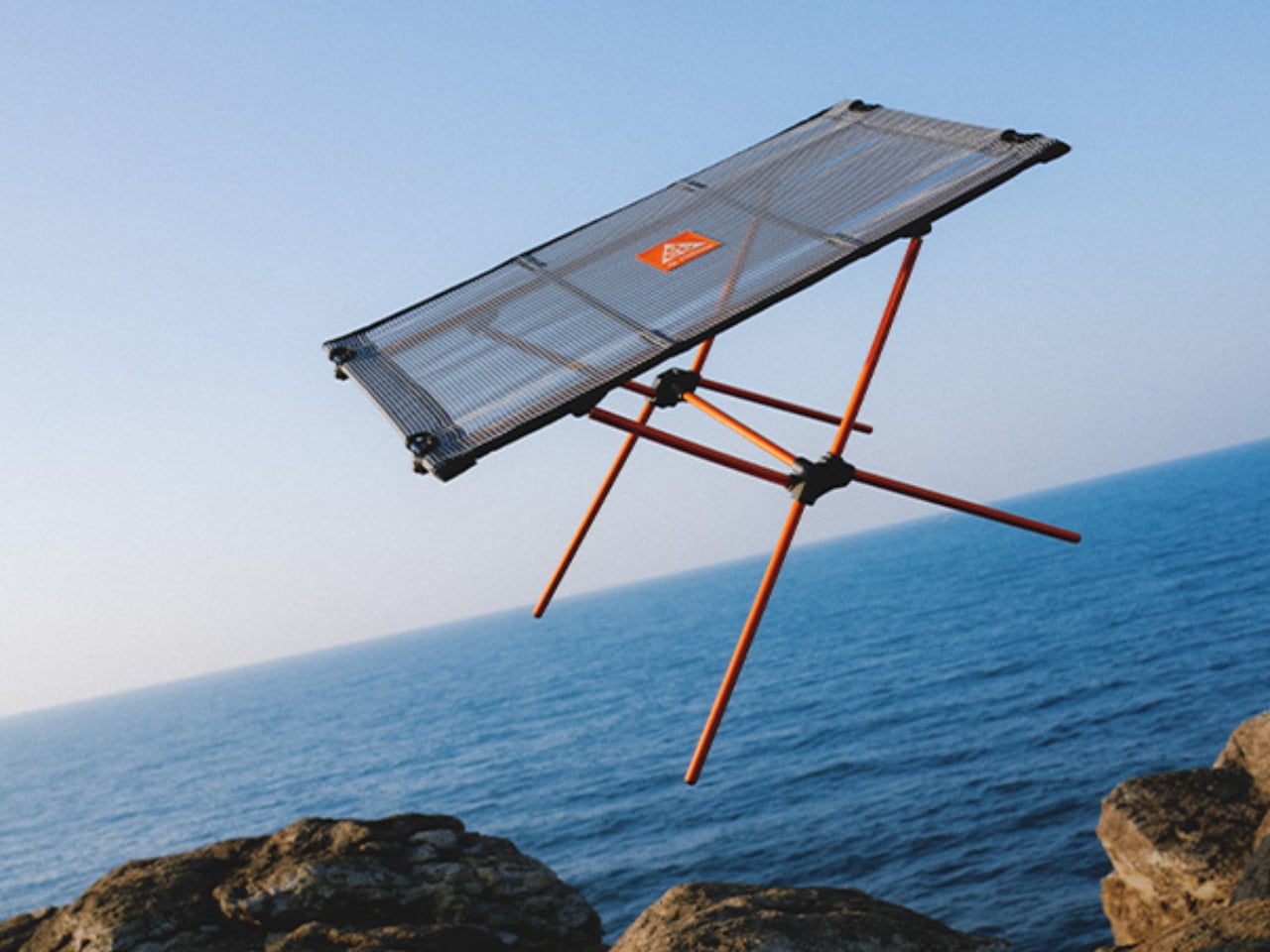
That doesn’t make it a chair for every patch of terrain. Helinox’s handling guide calls for a flat, solid surface and says the load rating assumes even weight distribution. It also warns against unbalanced loads or shocks. Those qualifications are worth retaining alongside the impressive capacity figure. Supporting a stated weight is one thing; accommodating someone rocking backward after dinner is a different demand.
Size deserves equal attention. For reference, Helinox lists the standard Chair Zero LT’s seat height at just 7 inches and identifies users under 5 feet, 9 inches among its ideal audience. That’s useful context, not a universal fit guarantee. I’d want to try the seating position before buying. A low chair can make sense for a compact setup while still being the wrong choice for someone who struggles to get up.
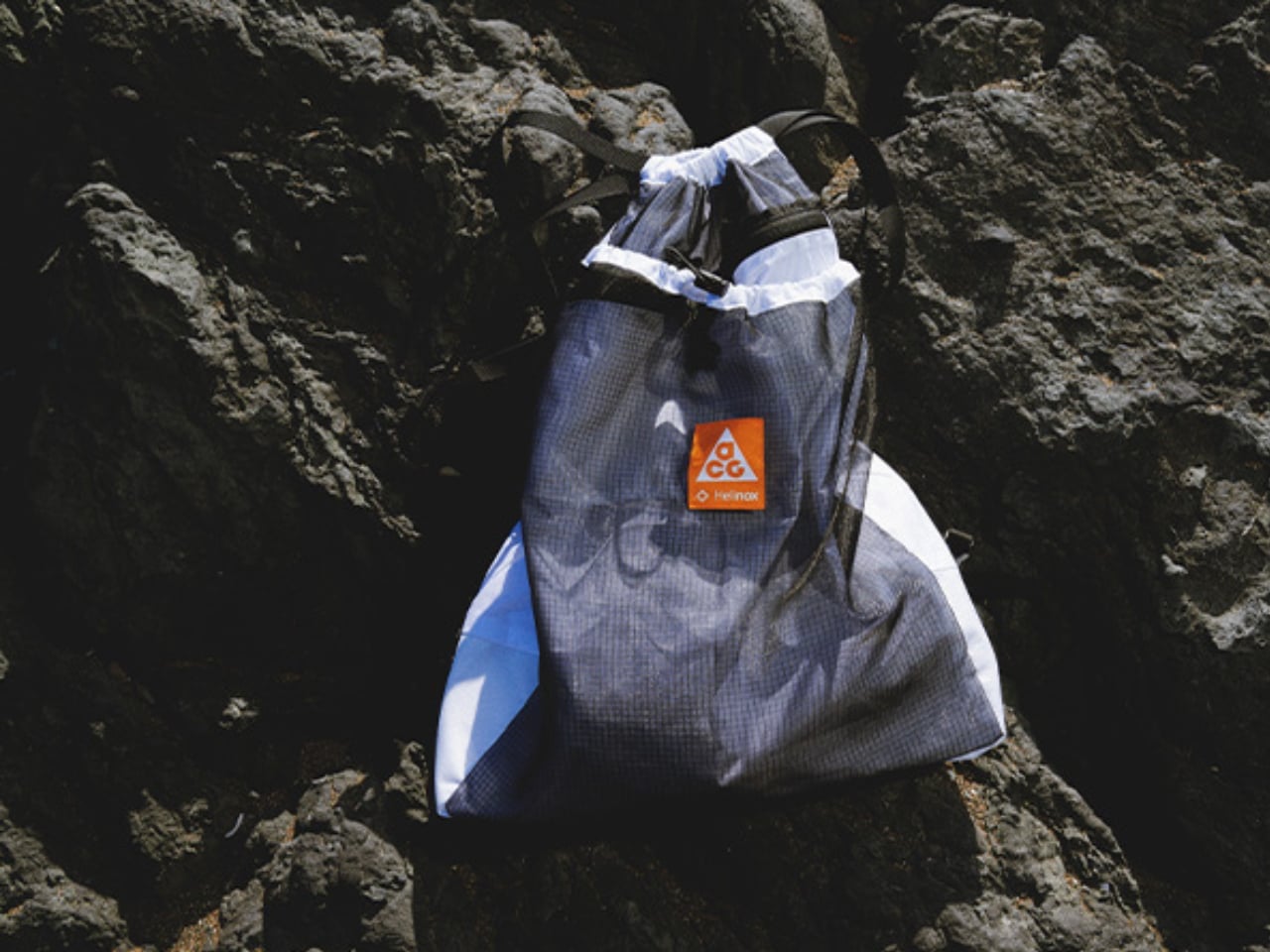
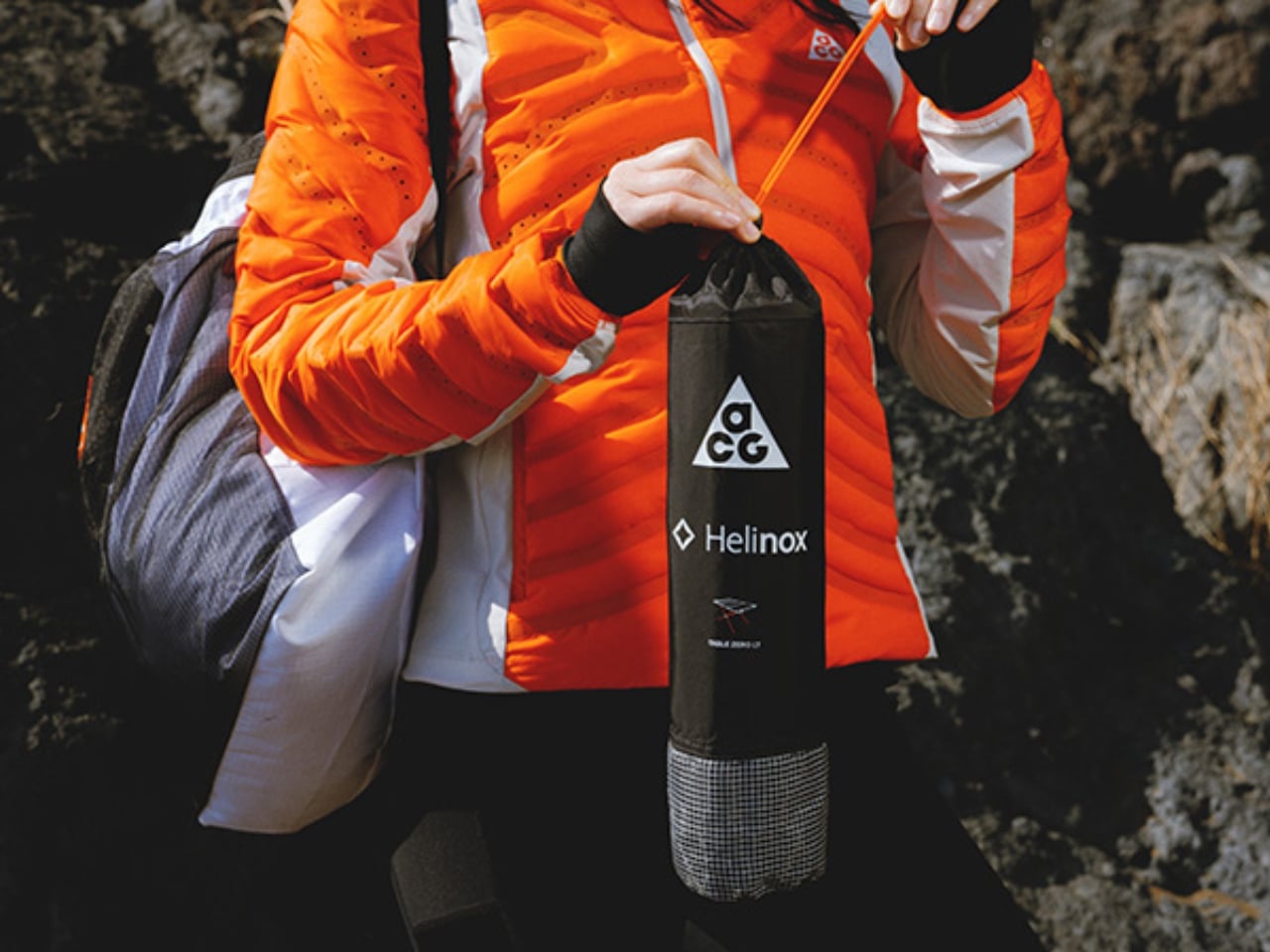
Helinox’s US teaser lists the ACG chair at $169.95 and points to November 2, 2026, for the full reveal. The standard Chair Zero LT is listed at $159.95, putting the advertised difference at $10. The teaser doesn’t establish that the collaboration is shipping yet. Still, the listed premium feels relatively restrained for someone who already wants this particular chair and prefers the orange treatment.
I wouldn’t replace a dependable camp chair for the badge. But I understand choosing this version if lightweight seating is already on the shopping list. The orange makes a practical object more enjoyable to look at, without requiring a complicated justification. The real purchase decision remains refreshingly ordinary: whether the low seat suits you, and whether you’ll actually carry it somewhere worth sitting.
The post Nike ACG x Helinox’s 1.2-Pound Chair Refuses to Blend In first appeared on Yanko Design.
A camp chair has to justify every ounce before it earns a place in a backpack. Somewhere to sit is appealing; another bulky thing to carry, less so. I like designs that take that tradeoff seriously without looking purely utilitarian. Nike ACG and Helinox’s Chair Zero LT makes its lightweight construction the visual attraction, pairing an exposed orange frame with a translucent seat. You can see how little material is involved before you ever pick it up.
The reported packed weight is 534 grams, roughly 1 pound, 3 ounces, with a rated capacity of 265 pounds. Those numbers explain the attraction more clearly than the co-branding does. A chair is an optional item when you’re carrying everything yourself, so it needs to make a persuasive argument for joining the bag. At that weight, the argument becomes considerably easier to entertain.
Designers: Nike ACG x Helinox
Helinox supplies the existing Chair Zero LT platform, including DAC TH72M aluminum alloy poles and nylon resin hubs. The material choice matters because the frame has to provide support without becoming the heaviest reason to leave the chair behind. ACG’s orange treatment gives that engineering a conspicuous outline. To my eye, drawing attention to the frame is more interesting than covering the seat with an oversized graphic.
The seat material is called Ghostgrid, a translucent monofilament mesh with a reinforced ripstop grid. Helinox describes it as lightweight and abrasion-resistant, with a weave intended to keep small tears from spreading. I’m more interested in that reinforcement than in transparency alone. See-through fabric earns its place here if it can handle the unglamorous business of being packed, unpacked, and used outdoors.
Assembly follows the familiar Helinox approach: shock-corded pole sections form the frame, with the fabric seat fitted over it. The connected sections mean fewer separate pieces to manage. Helinox’s instructions also suggest laying the chair on its back to attach the seat more easily. That small instruction is useful context for anyone expecting a miniature version of a folding chair that simply opens in one motion.
An included X-Strap attaches beneath the legs. Helinox says it increases the contact area with the ground to help stabilize the chair on sand, dirt, or grass. It’s the detail I’d pay attention to before the badge. Reducing the frame’s weight only addresses the carrying half of the problem; the chair still needs to work with the surface where you put it down.
That doesn’t make it a chair for every patch of terrain. Helinox’s handling guide calls for a flat, solid surface and says the load rating assumes even weight distribution. It also warns against unbalanced loads or shocks. Those qualifications are worth retaining alongside the impressive capacity figure. Supporting a stated weight is one thing; accommodating someone rocking backward after dinner is a different demand.
Size deserves equal attention. For reference, Helinox lists the standard Chair Zero LT’s seat height at just 7 inches and identifies users under 5 feet, 9 inches among its ideal audience. That’s useful context, not a universal fit guarantee. I’d want to try the seating position before buying. A low chair can make sense for a compact setup while still being the wrong choice for someone who struggles to get up.
Helinox’s US teaser lists the ACG chair at $169.95 and points to November 2, 2026, for the full reveal. The standard Chair Zero LT is listed at $159.95, putting the advertised difference at $10. The teaser doesn’t establish that the collaboration is shipping yet. Still, the listed premium feels relatively restrained for someone who already wants this particular chair and prefers the orange treatment.
I wouldn’t replace a dependable camp chair for the badge. But I understand choosing this version if lightweight seating is already on the shopping list. The orange makes a practical object more enjoyable to look at, without requiring a complicated justification. The real purchase decision remains refreshingly ordinary: whether the low seat suits you, and whether you’ll actually carry it somewhere worth sitting.
The post Nike ACG x Helinox’s 1.2-Pound Chair Refuses to Blend In first appeared on Yanko Design.
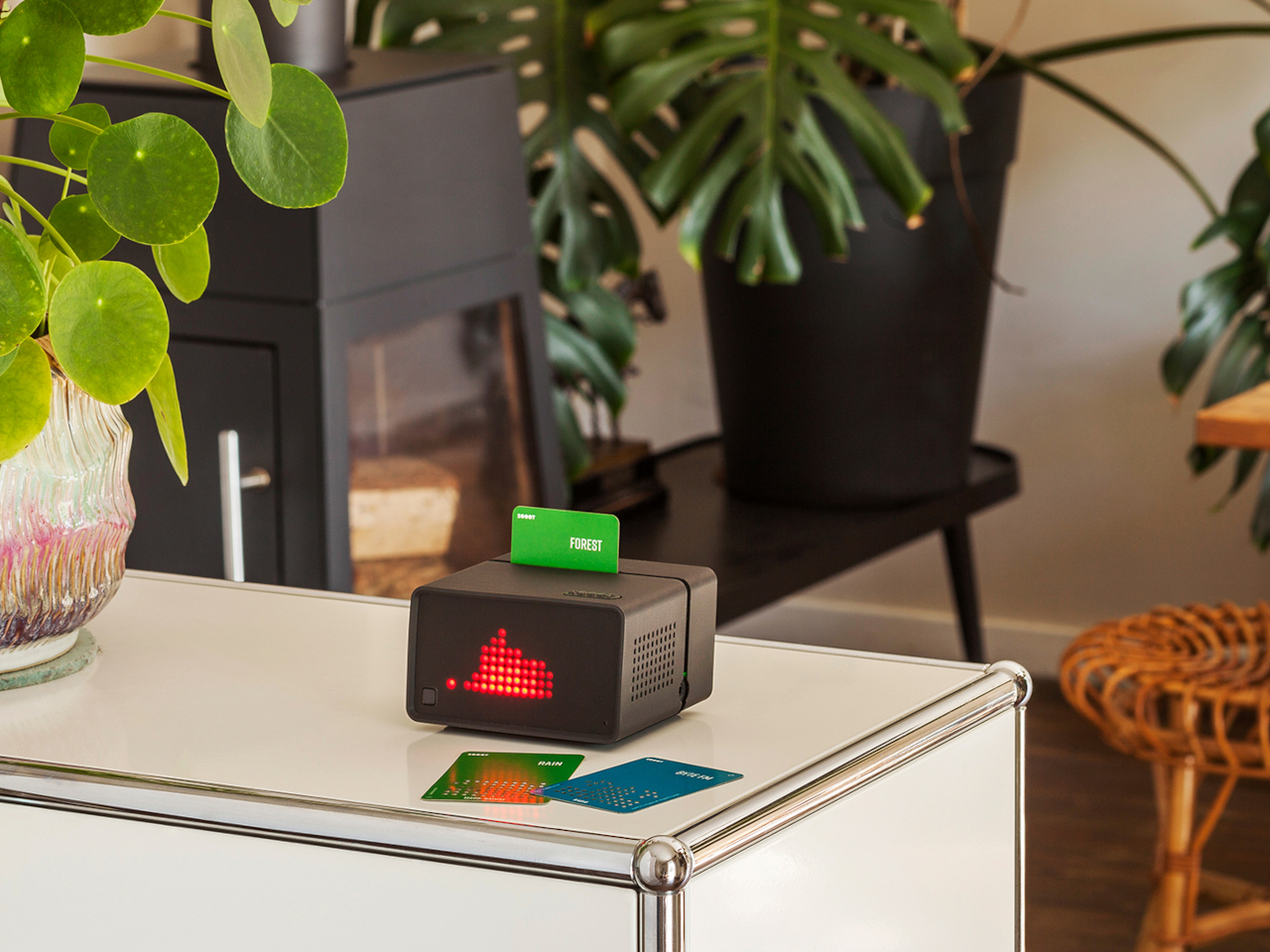
Starting a podcast shouldn’t require navigating past messages, notifications, and whatever else your phone has decided needs attention. Of course, that phone also holds the controls for much of what you’re trying to enjoy. The SOOOT Box offers another arrangement, using punched paper cards to select sounds and functions. This working prototype makes choosing digital content feel closer to picking from a deck.
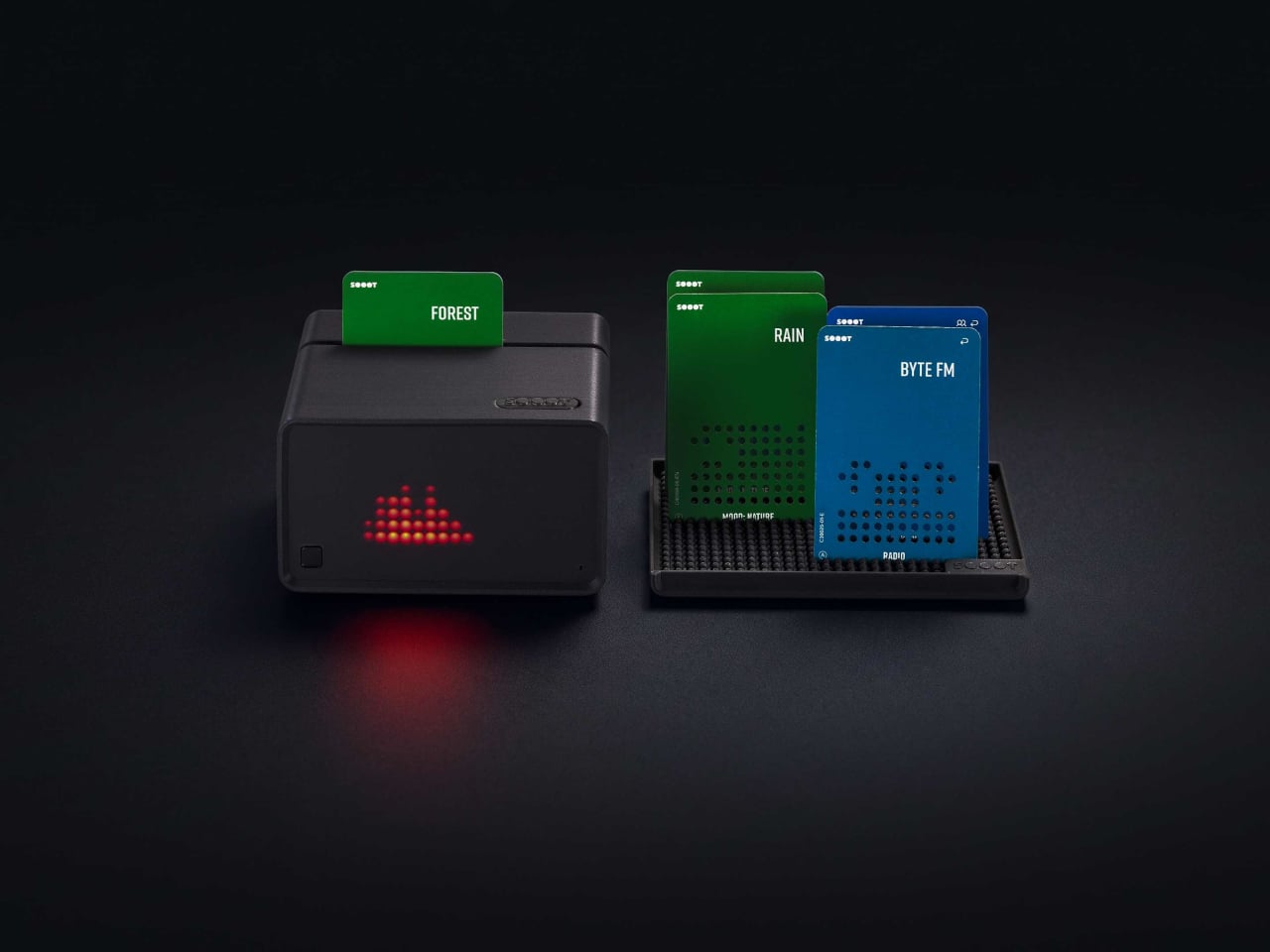
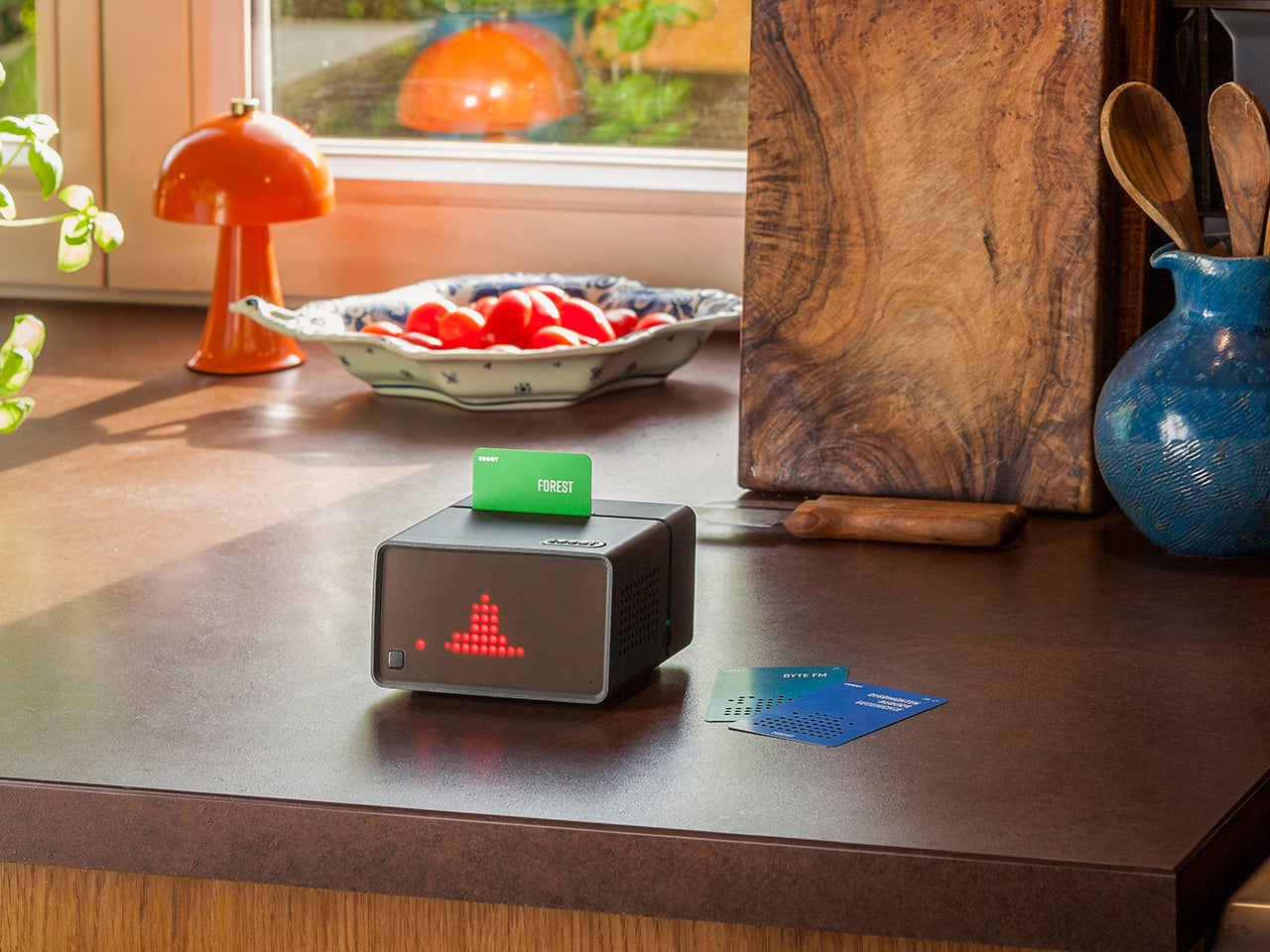
The box itself keeps things rather restrained, with a black, elevated body, a tilted front, speaker grilles on either side, and a slot across the top. A sparse red LED matrix supplies animation without turning the front into another screen full of menus. The colorful cards provide the more conspicuous decoration, staying visible above the enclosure so you can see what’s been asked to play.
Designer: three-2-one GmbH
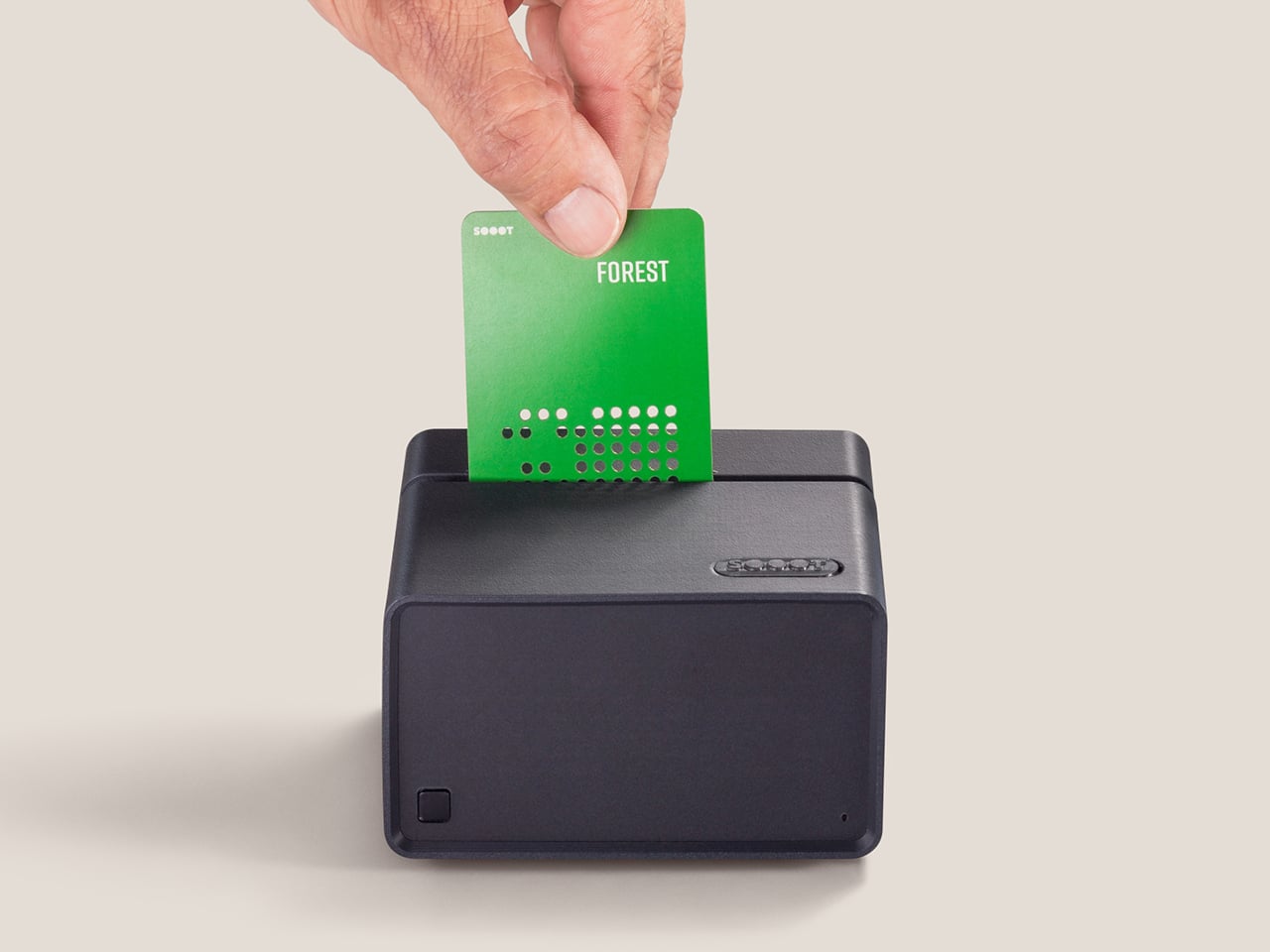
Those cards aren’t miniature storage devices, despite having content associated with them. Made from playing-card stock, they contain no electronics, with their identity determined by their pattern of punched holes. Insert a content card and playback starts; pull it out and playback stops. You can write or draw on the surface, giving a favorite sound a label that actually means something to you.
The more interesting trick comes when you insert several cards together. SOOOT accepts up to four at once, letting one function modify another. Its sourdough example pairs a 30-minute timer with a x4 card to mark four rounds of stretching and folding. Rather than find a setting buried inside a timer app, you assemble the instruction from pieces sitting on the kitchen counter.
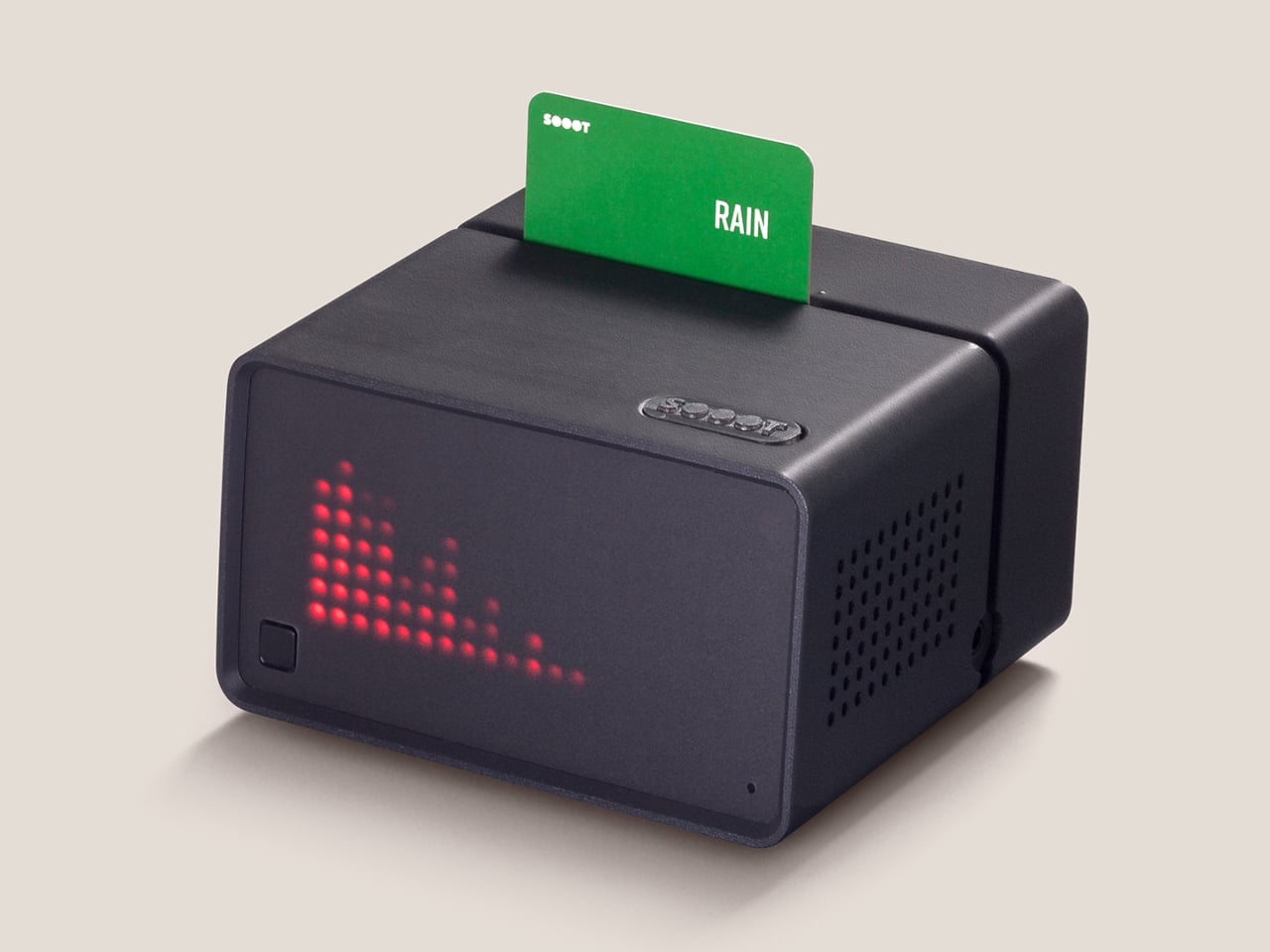
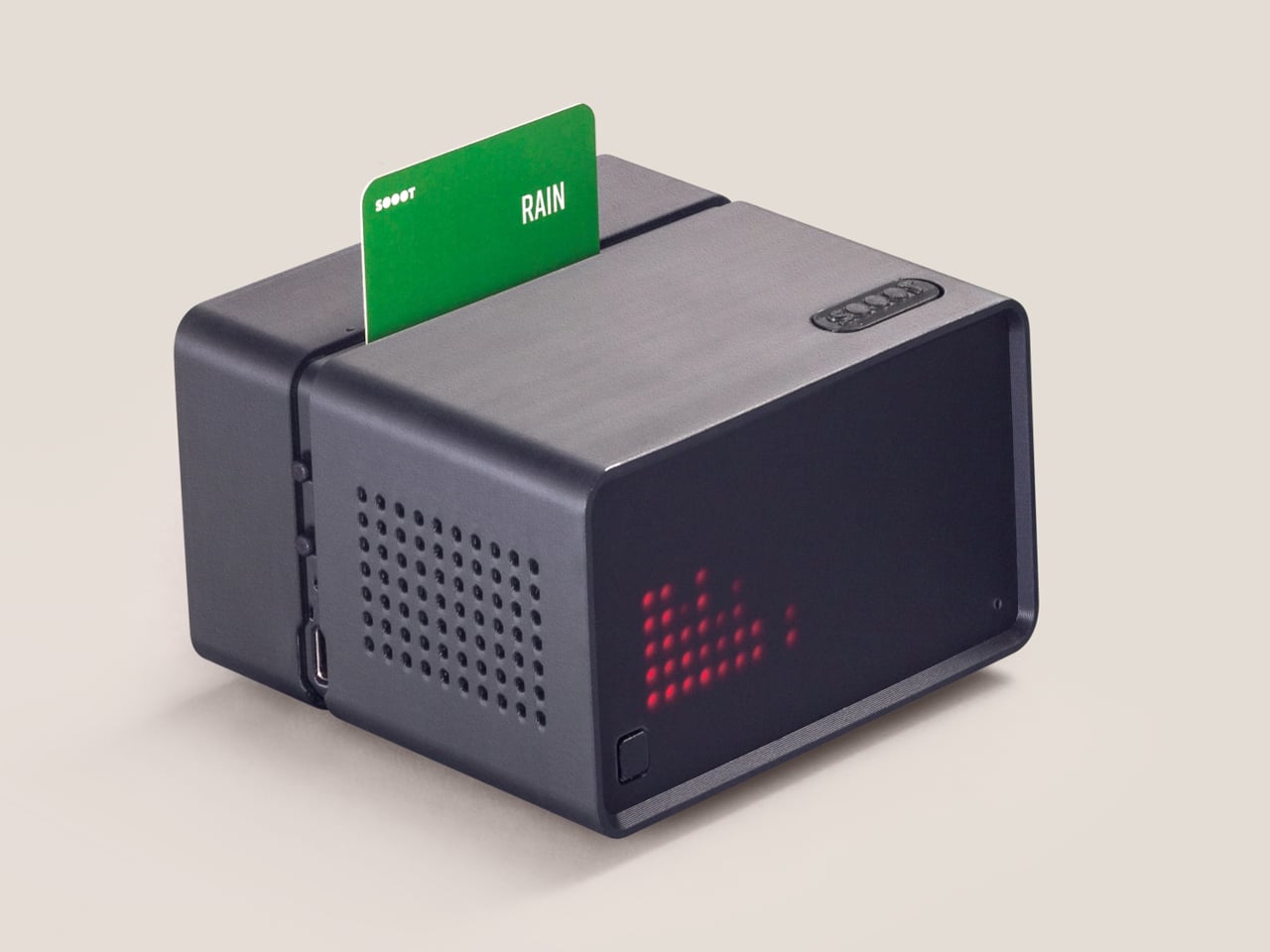
That logic follows you to the bedside table. Combine an audio card with a Sleep Timer card, and the sound gradually fades after the selected time. A Motion Sensor card changes the routine again, enabling playback when someone enters the room. Leave several soundscape cards inserted, and the box can greet each arrival with something different, without anyone reaching for a phone.
A built-in battery lets the box move between those spots without trailing a power cord. Soundscapes, timers, and stored audio files also work offline, although streaming still needs a connection. There’s a microphone for functions such as Party Mode, which turns surrounding sound into red LED animations. The studio says it activates only when needed, with an indicator showing when it’s listening.
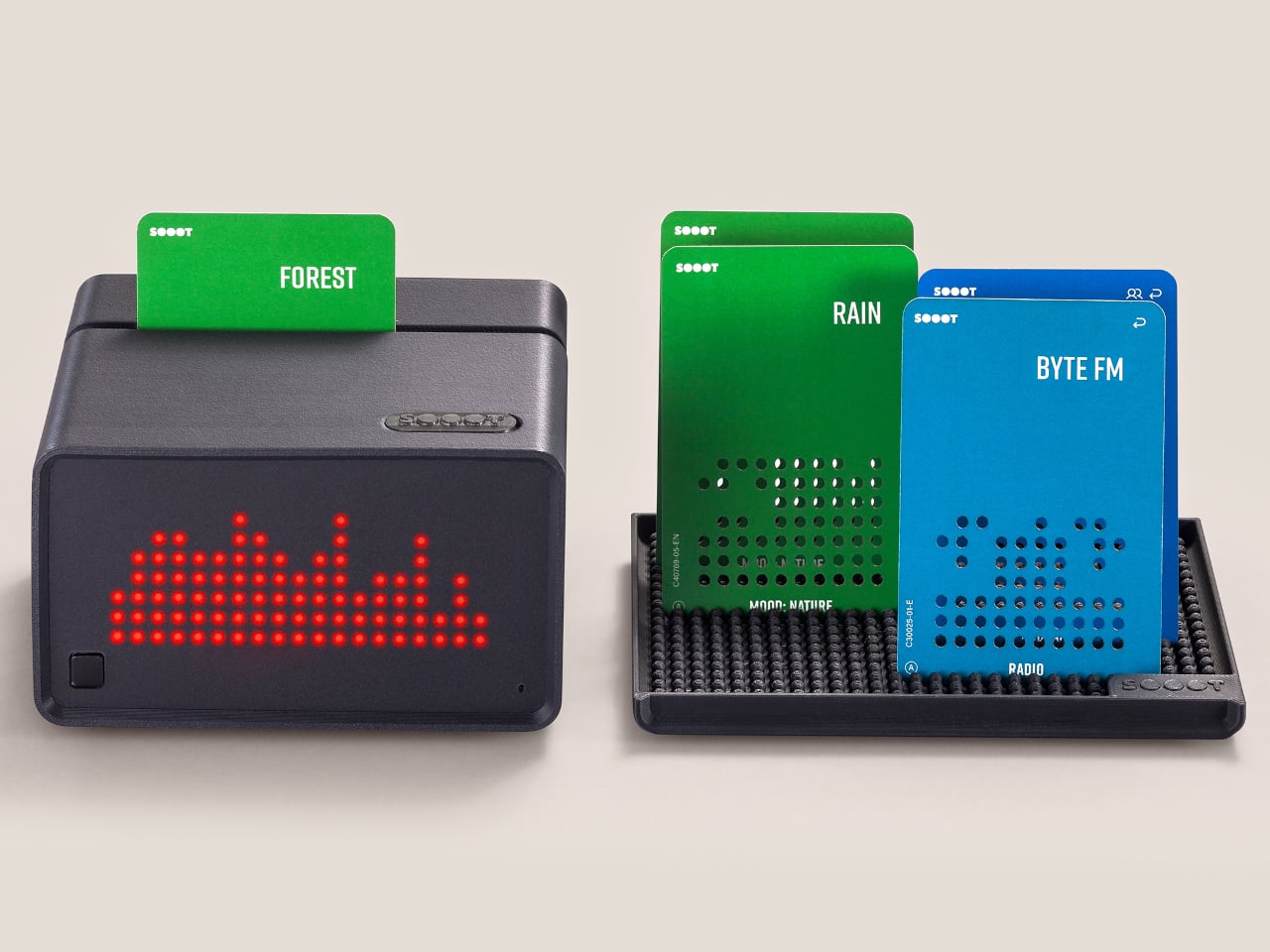
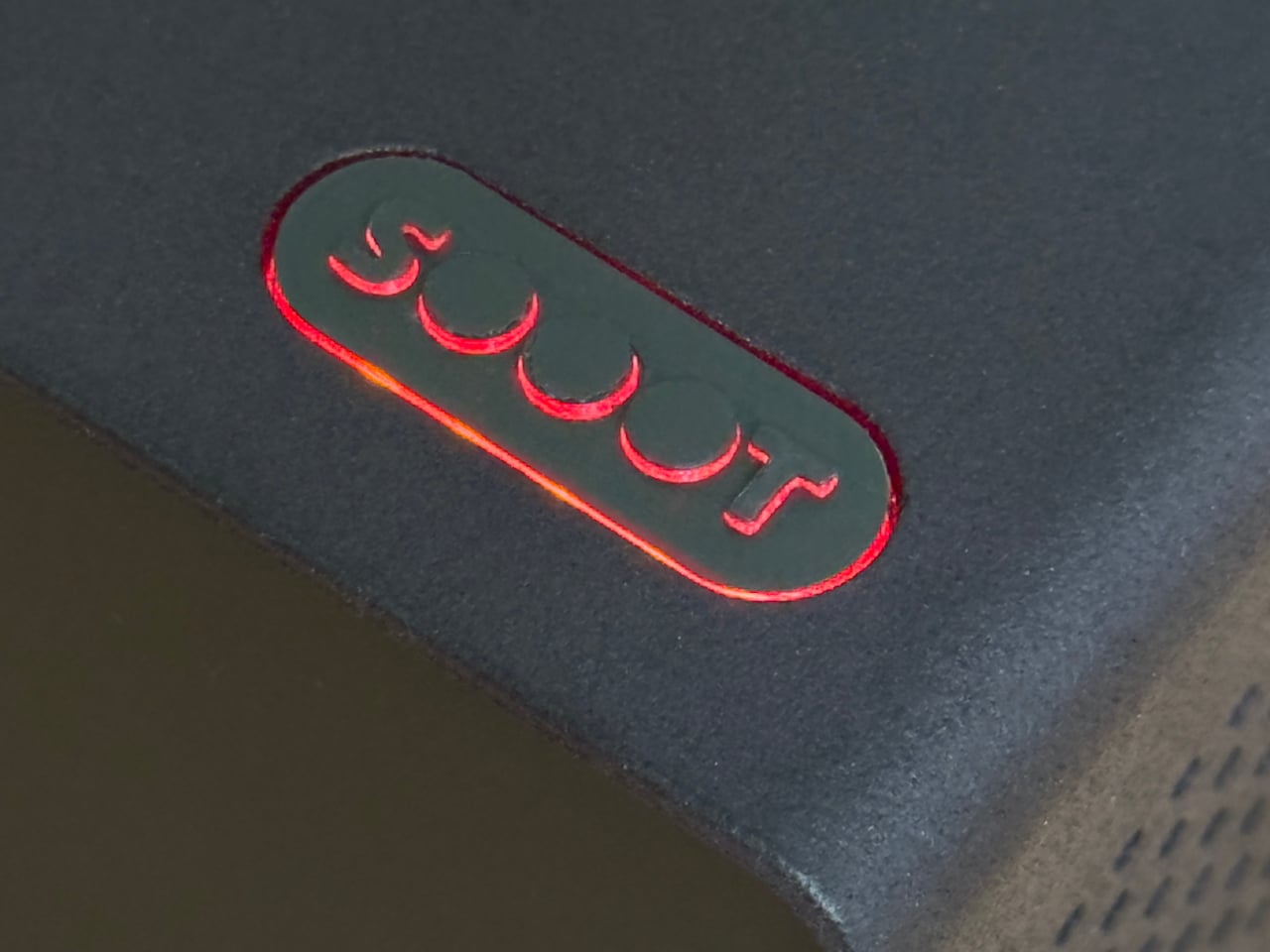
The smartphone hasn’t been banished completely, of course. A companion app for iOS and Android handles Wi-Fi setup, settings, and preparing Custom Cards for your own content or functions. It’s still in development, so this isn’t a finished alternative you can already put through its paces at home. The aim is to leave that app alone once the everyday controls are ready.
SOOOT was presented at Dutch Design Week this month, with a commercial launch planned for 2027. There’s an appealing tradeoff here: fewer things to hunt for inside a screen, but more little objects to keep track of around the house. A deck of paper controls might be easier to understand than another menu, provided your favorite podcast hasn’t disappeared underneath the sofa.
The post SOOOT Box Prototype Turns Punched Paper Cards Into Audio Controls first appeared on Yanko Design.
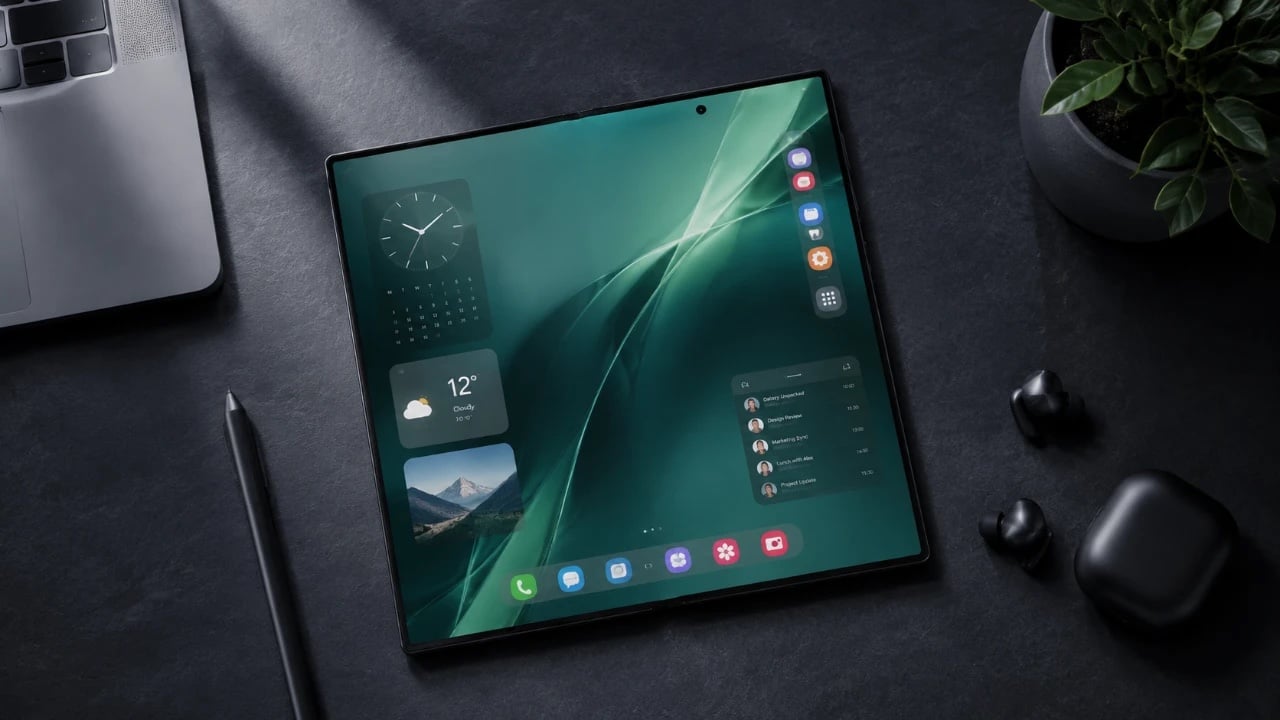
Samsung is preparing to push the boundaries of foldable smartphone technology with the highly anticipated Galaxy Z Fold 9 Ultra. This flagship device is rumored to bring significant advancements in design, functionality and performance, setting a new benchmark in the foldable market. Expected to debut at the Galaxy Unpacked event in July or August 2027, […]
The post Samsung Galaxy Z Fold 9 Ultra Rumoured Release Date: What the Leaks Say appeared first on Geeky Gadgets.