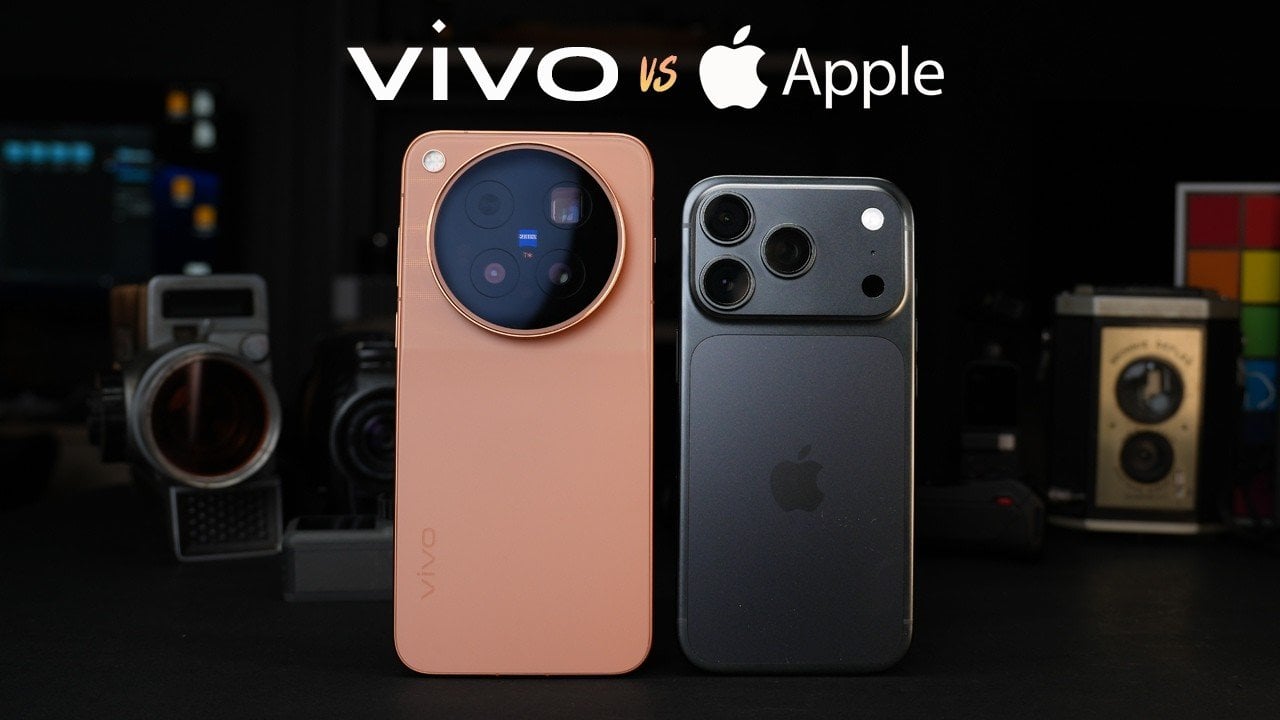
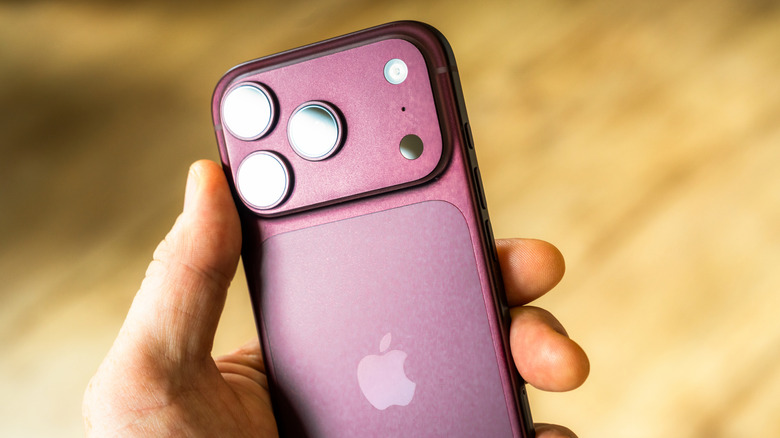
Smartphone cameras have become a cornerstone of modern photography and the Vivo X500 Pro Max and iPhone 18 Pro represent two of the most advanced options available in 2026. In a detailed breakdown by The Film Alliance, these devices are compared across critical areas such as video quality, stabilization and color science. For example, the […]
Apple has introduced its latest MacBook Pro, featuring an OLED touchscreen display, refined design elements, and enhanced audio capabilities. While these updates represent progress, the reception has been mixed, with some users highlighting the lack of new innovations. Below is a detailed look at the new MacBook Pro’s features and how it compares to its […]
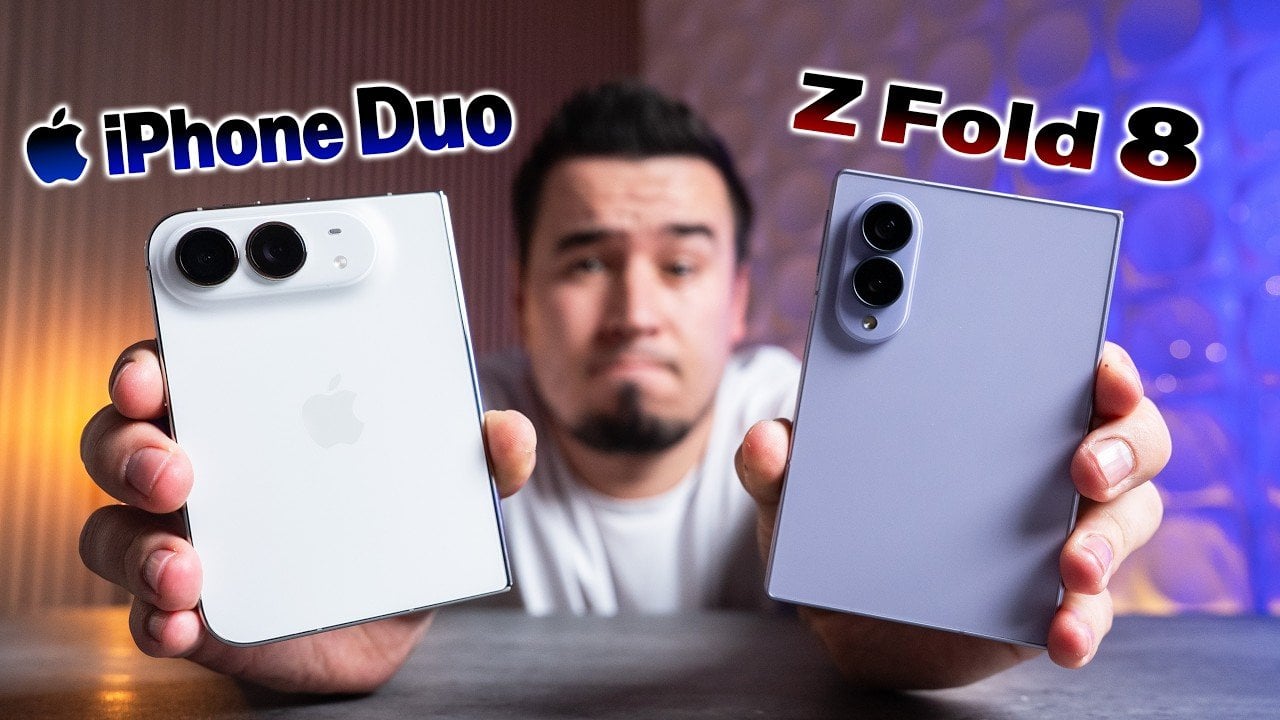
In the competitive world of flagship smartphones, Apple’s iPhone Duo and Samsung’s Galaxy Z Fold 8 represent two distinct approaches to innovative technology and user experience. After a comprehensive comparison across 18 critical categories, the iPhone Duo emerged as the overall leader, scoring 12 points compared to the Z Fold 8’s 6. While both devices […]
Every Green Lantern has the same annoying chore. Once a day, the ring needs a top-up, so our cosmic cop has to press his fist against a glowing green lantern and recite a whole poem before it’ll charge. Imagine your iPhone demanding spoken word every night before you plug it in.
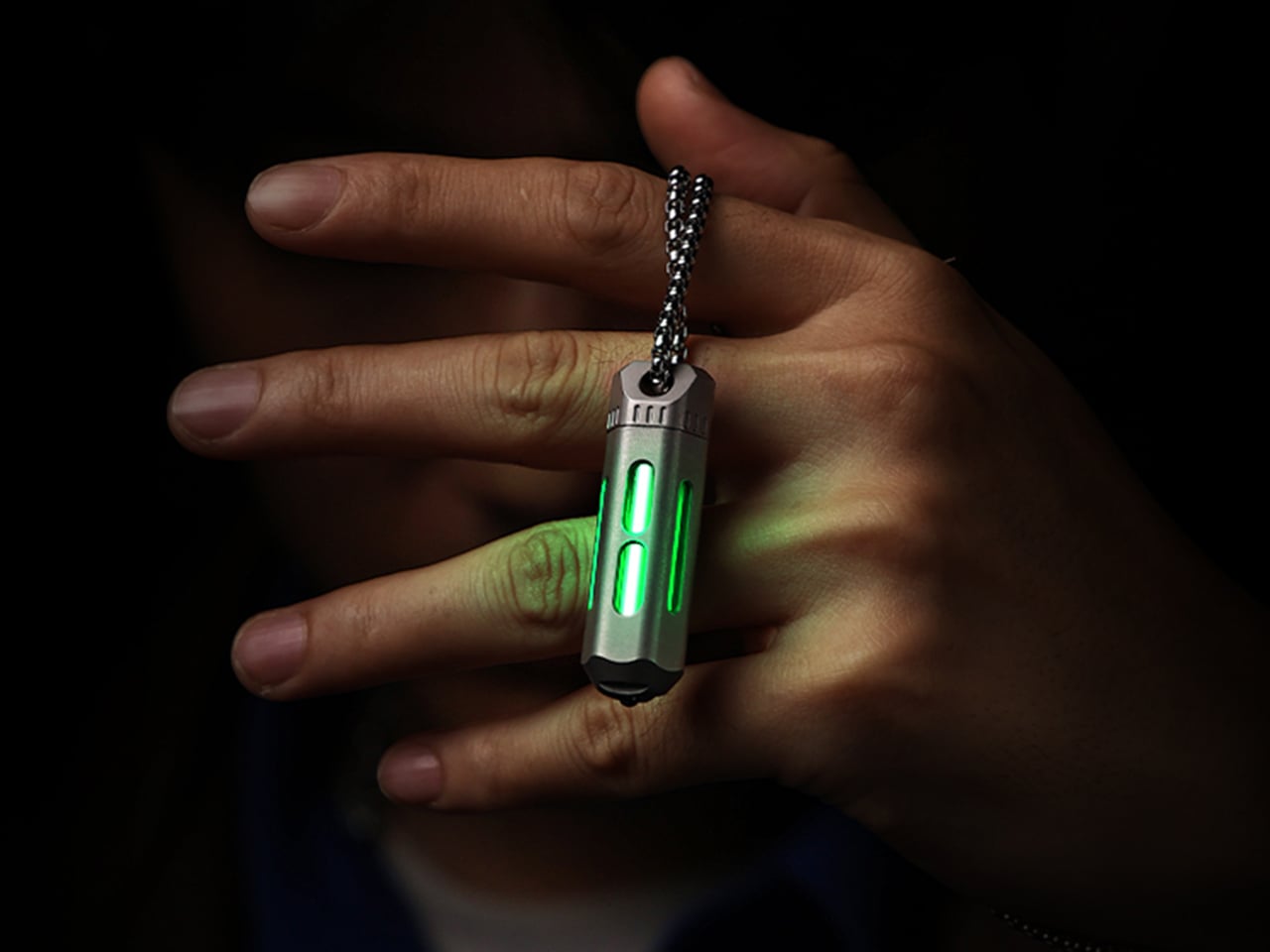
Xedge’s NoxTi TRI skips the ritual. It’s a pocket-sized lantern in Grade 5 titanium that hangs off your keys or around your neck, with three glow tubes tucked inside. Fit it with tritium tubes and it glows without charging, a switch, or poetry, slowly dimming over a couple of decades. Prefer something non-radioactive? Photoluminescent tubes absorb light and glow after dark. Hal would be jealous.
NoxTi TRI holds three 3 x 22.5mm glow tubes spaced 120 degrees apart to keep the glow visible from more angles, whether the capsule is dangling from a keyring or lying in a cupholder. The tubes sit in a custom carrier made of optical-grade PMMA acrylic, for which Xedge claims around 97 percent light transmission. The carrier is designed to use total internal reflection to distribute the light, making the three tubes appear as one luminous core behind the titanium windows.
Six colors are on the menu: Apple Green, Ice Blue, Ocean Blue, Red, Violet, and Sunset Orange. Run one across all three slots for a uniform glow, or mix them. Yes, that means three Lantern Corps on one keyring. Tritium is the set-and-forget option. Its half-life is about 12 years, so the glow gradually dims rather than switching off, with Xedge describing a usable lifespan of about two decades. That’s still a better deal than any battery I own. The tritium is sealed inside glass vials, and Xedge reports a radiation-meter reading of 0.07 µSv/h. Photoluminescent tubes are the cheaper, non-radioactive option, recharging through exposure to light.
Titanium Outside, Shock Absorbers Inside
The shell is CNC-machined from Grade 5 titanium, an alloy also used in aircraft parts and bone implants. Its corrosion resistance should suit the sweat and daily handling of life on a crowded keyring. It measures 47mm long and 14.3mm across, and weighs 15.8 grams, roughly the weight of three US nickels. Inside, a quartz sleeve surrounds the glowing core to help keep dust out and the view clear, while O-rings seal the threaded body. Xedge says it tested the design at temperatures from minus 20°C to 100°C. It comes in sandblasted raw titanium or a stealthier Black DLC finish. I’d pick the black, purely because the glow stands out more against it.
The more interesting detail is how the design cushions those glass tubes. Each one rests on a 3mm silicone ball, and a stainless steel spring under the core is intended to absorb jolts from dropped keys or a swinging pendant. That spring sits on a magnetic base to help keep it in place when you unscrew the body to swap tubes, reducing the chance of tiny parts bouncing across the kitchen floor. A machined Tri-Index Cap keeps all three tubes aligned with their windows. Xedge says every component is accessible and replaceable, giving the titanium shell a chance to outlive several sets of tubes.
Wear It, Clip It, Break Glass With It
The attachment hole at the top takes a split ring, a quick-release clip, or a chain, so the TRI can live on your keys, hang off a bag zipper, dangle from a phone strap, or ride around your neck as a pendant. The kit supports both single-tube and triple-tube setups, so you can switch between them. On the opposite end sits a ceramic glass-breaker bead, intended for breaking car windows in an emergency, which I sincerely hope nobody ever needs. Keep expectations calibrated, though: this is a locator glow for finding your keys or bag in the dark. It won’t light up a trail.
The NoxTi TRI Kickstarter campaign lists a retail price of about $55 (HK$429) per unit. Pledge pricing starts at $35 for the launch special, followed by $39 for Super Early Bird and $45 for Early Bird, with two-packs from $65 and a four-pack at $119. Glow tubes are separate add-ons: tritium costs $20 per tube or $60 for three, while photoluminescent tubes are $7 each or $15 for three. Extras include the Black DLC upgrade ($15), a stainless steel necklace ($12), a titanium quick-release clip ($15), and titanium split rings ($12 for three). Shipping is listed as free worldwide, with deliveries planned for February 2027. Xedge hasn’t published warranty terms yet.
A king-size bed and a freestanding soaking tub are generous starting points for a 400-square-foot cabin. Zook Cabins’ A-Frame Studio makes both central to its layout, giving this compact retreat priorities closer to a hotel suite than a miniature family house. Designed for vacation getaways and short-term rentals, it’s an existing park-model product, with completed installations including one at Congaree and Penn in Jacksonville, Florida.
The floor plan keeps sleeping, cooking, and lounging together in one open room, with the bathroom enclosed at the opposite end from the glazed facade. There’s no loft ladder between the bed and a midnight bathroom trip. A sofa and chair occupy the window end, while the king-size bed sits farther back beside a wardrobe. Keeping those activities on one level avoids making daily circulation depend on climbing or rearranging furniture.
That arrangement also leaves a clear relationship between the sitting area and the large A-shaped window. In Zook’s published imagery, the glazing follows the pointed front profile, framed by a dark exterior. The cabin’s sides retain vertical walls beneath the roof, rather than carrying the slope down to the ground. Visually, it delivers the recognizable A-frame silhouette without turning the entire interior into a triangular tunnel.
The kitchenette stays compact, with an undercounter refrigerator, a two-burner electric cooktop, and a stainless steel sink set into a quartz countertop. Birch cabinetry has integrated bevel-edge handles, keeping projections off the cabinet fronts. Beside it, a built-in surface serves as either a desk or a dining table for two. Sharing that surface makes sense here: a separate workspace would compete directly with the open floor area around the bed.
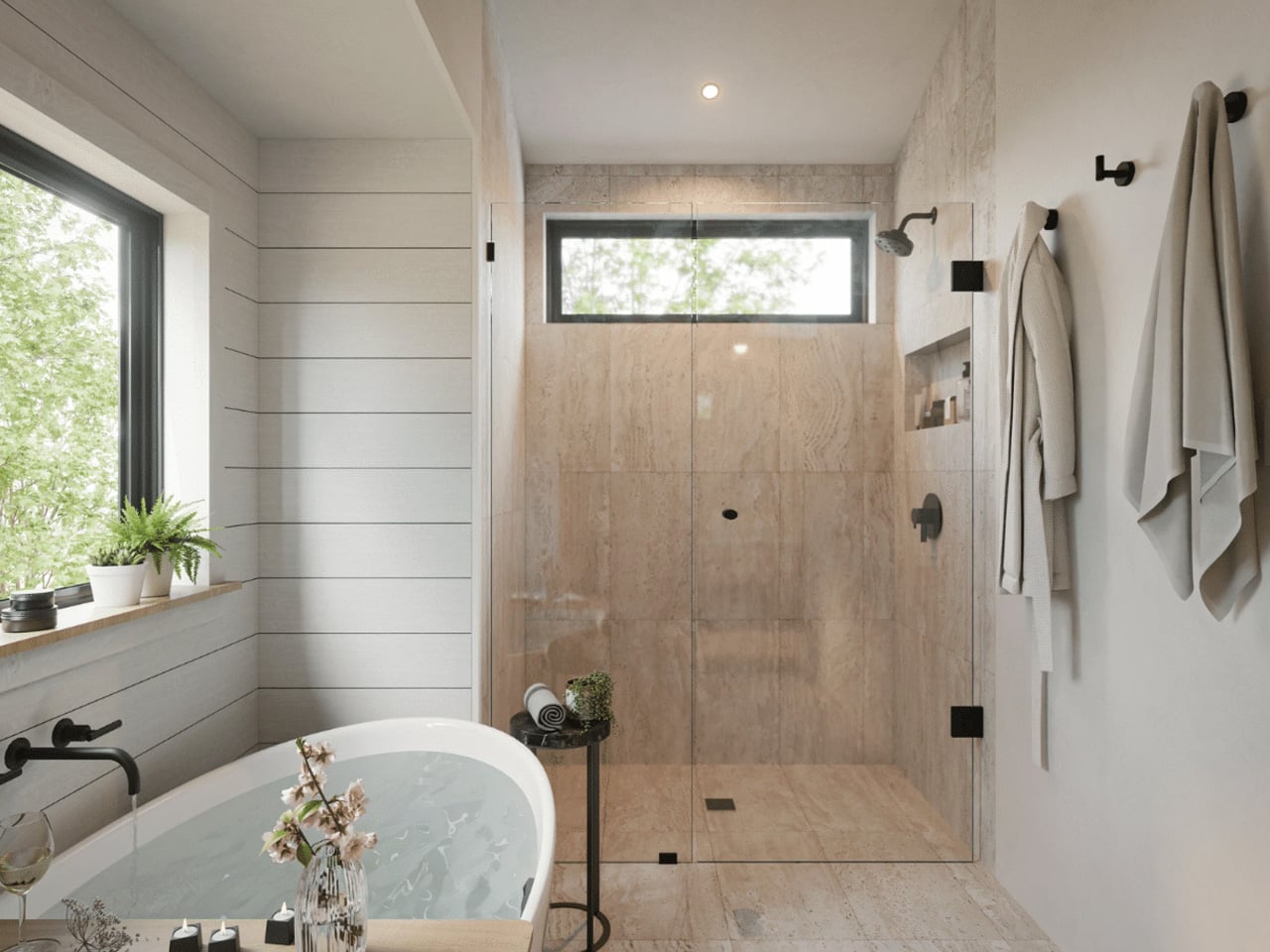
The bathroom receives an unusually substantial allocation of space. Zook’s published plan labels it at 80 square feet, accommodating a separate shower and tub rather than asking one fixture to perform both jobs. Specifications include a tiled curbless shower with a glass door, a 59-inch freestanding tub, and a wall-mounted vanity. It’s a deliberate tradeoff: more room for bathing means less space available for another enclosed sleeping area.
Its transportable construction still requires a prepared destination. Zook specifies a compacted gravel pad or concrete slab, along with electrical, water, and wastewater connections. The company distinguishes its park-model RV standards from local building-code compliance, so prospective owners need to establish what their site permits before ordering. Delivery doesn’t remove those responsibilities, and the cabin shouldn’t be mistaken for an off-grid shelter ready to occupy anywhere.
For a couple’s retreat, the layout’s restraint is its strongest quality. It spends limited space on a bed, somewhere to sit, and a bathroom worth lingering in, rather than maximizing the number of overnight occupants.
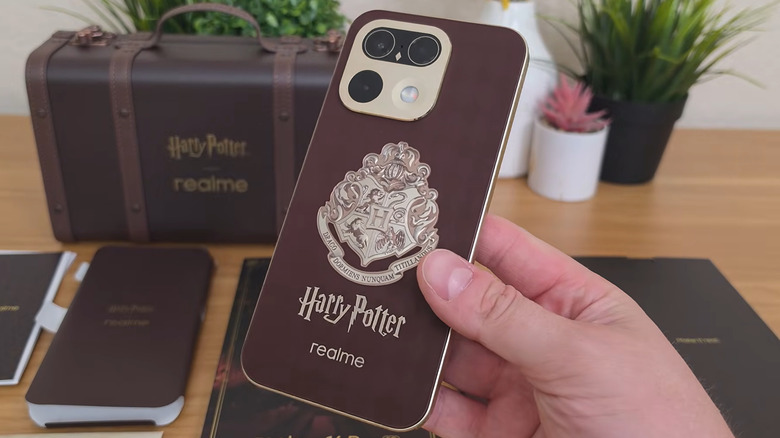
Everything about this latest collectible Android phone is designed to evoke the popular franchise, from its magical packaging to its themed accessories.
I’m a big fan of notebooks, as evidenced by the ton of used and unused ones that I have sitting at home. But there are times when I’m working on a project and wish there were a way to rearrange my notes without having to tear the pages out because it hurts my heart to actually tear pages out of anything bound. Sure, you can use notepads with tearaway pages, but it’s hard to keep them together when needed.
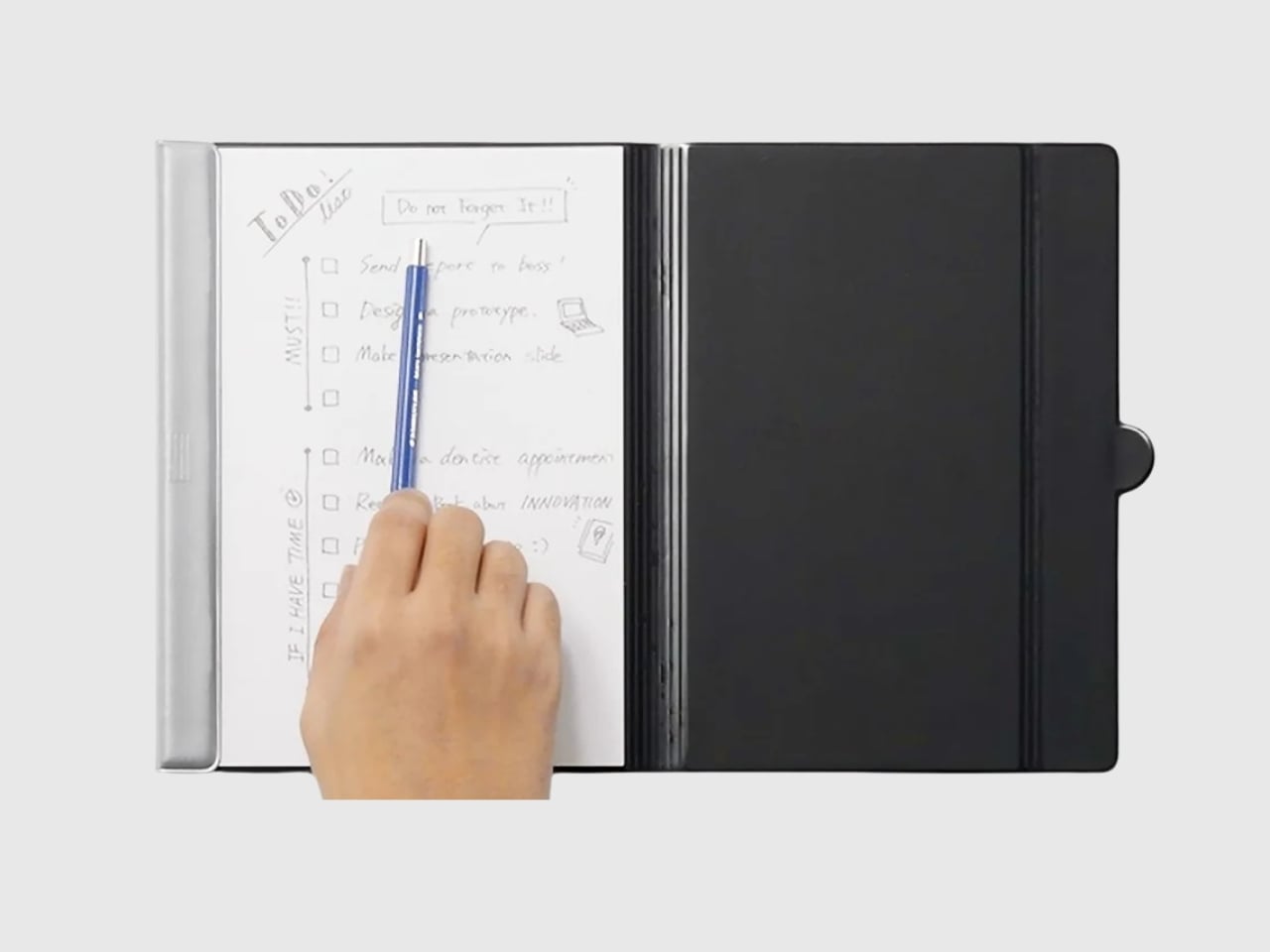
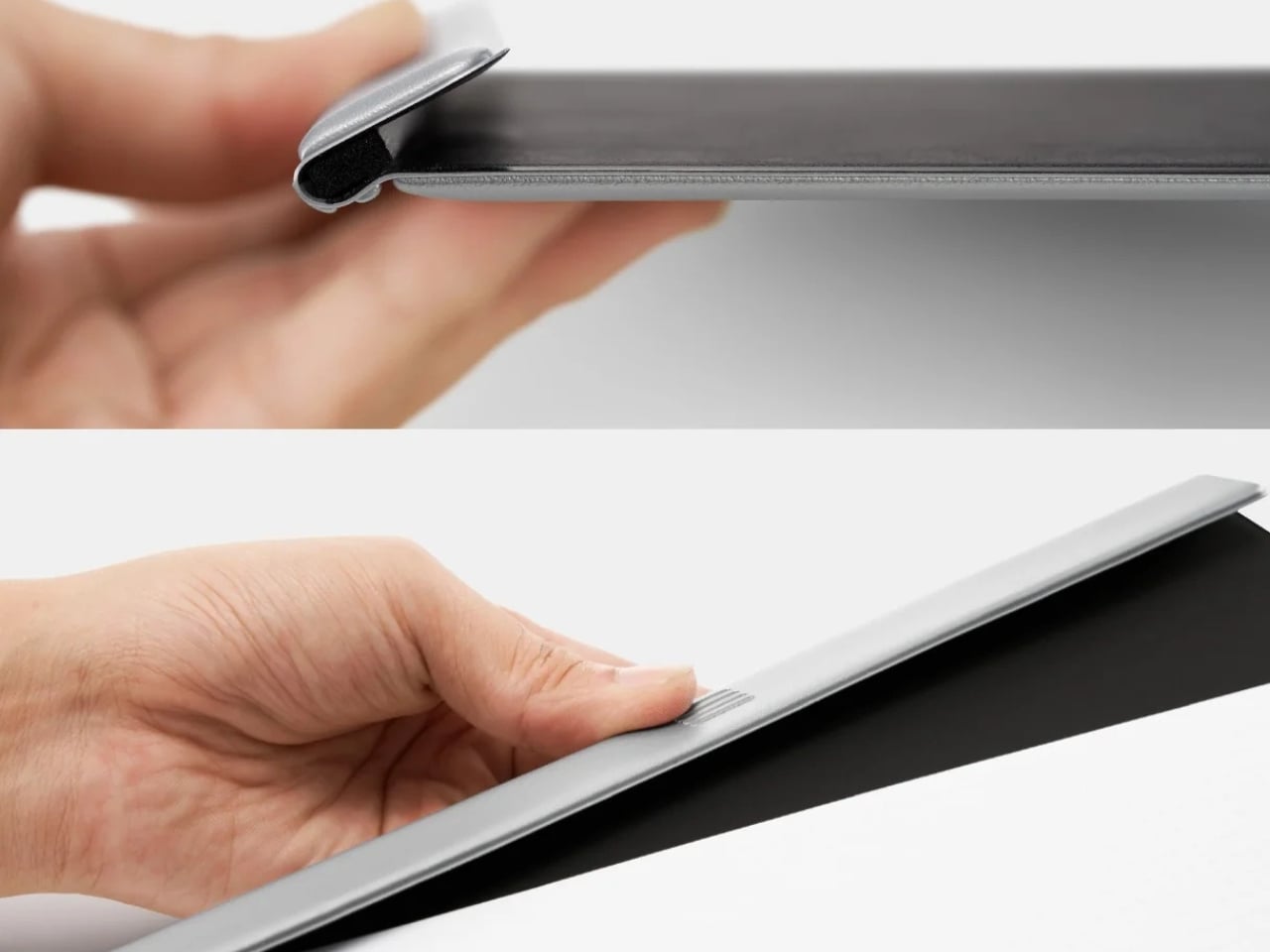
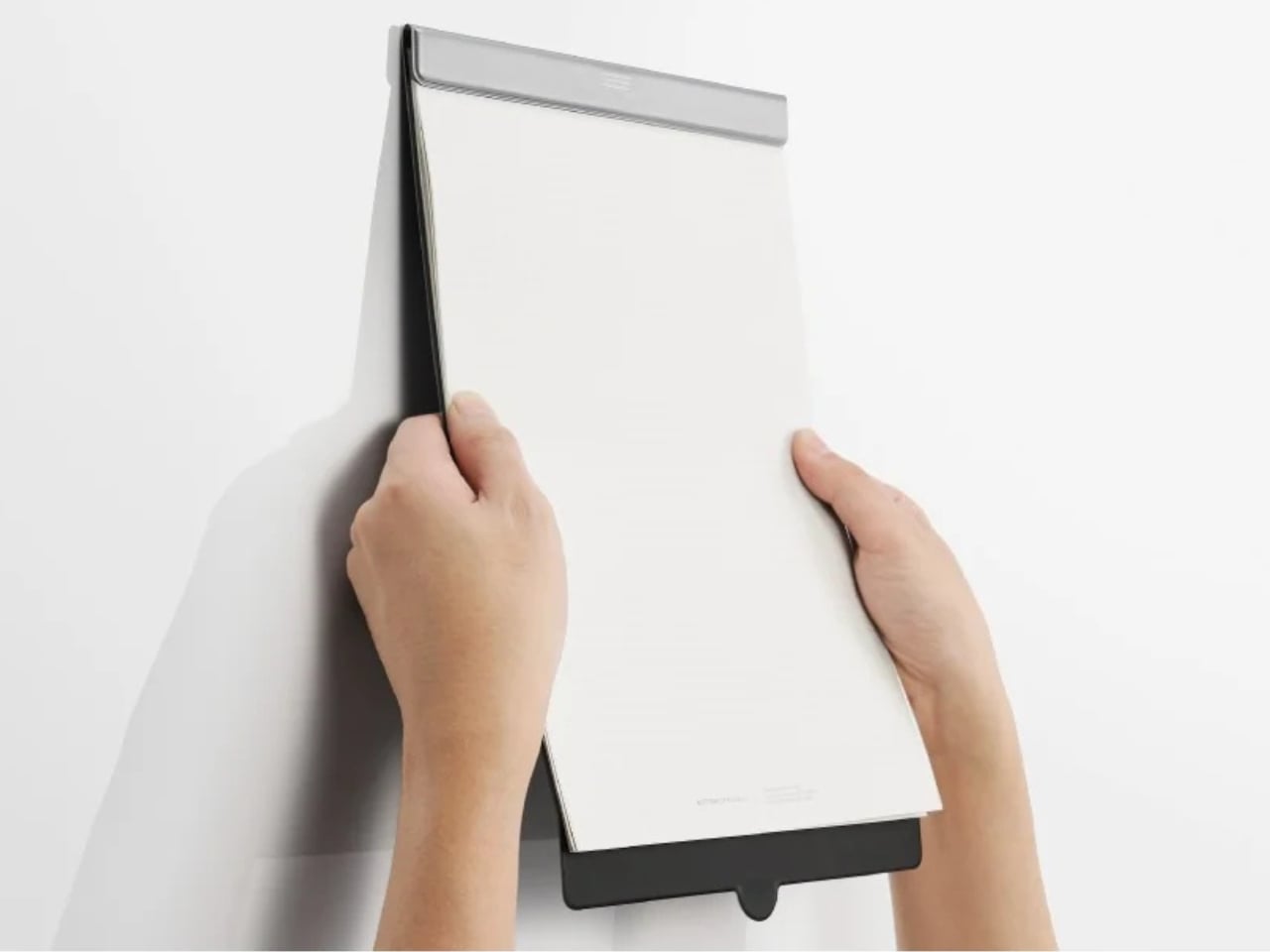
The MagBoard Clipboard is an alternative you can use if you don’t need a fixed notebook structure but still want to keep those pages flexibly organized. It’s a hardcover, loose-sheet notepad and clipboard that uses a magnet-and-lever mechanism to hold the pages together. You can rearrange them when needed without keeping them permanently bound.
Unlike the pages of a notepad, which can be difficult to keep together once you’ve torn them from their binding, these loose sheets can be secured by the mechanism, then released and reorganized as needed. It can hold up to 30 sheets, which could be enough for your notes, sketches, and project plans for the specific thing you’re working on. It’s a working collection rather than somewhere to archive everything.
For example, you could keep your initial sketches next to your revised ideas instead of having them separated by several pages of unrelated notes. If a project changes direction, you can change the order of the pages along with it. You can also remove completed tasks and add fresh sheets without starting another notebook just because the existing one no longer feels organized.
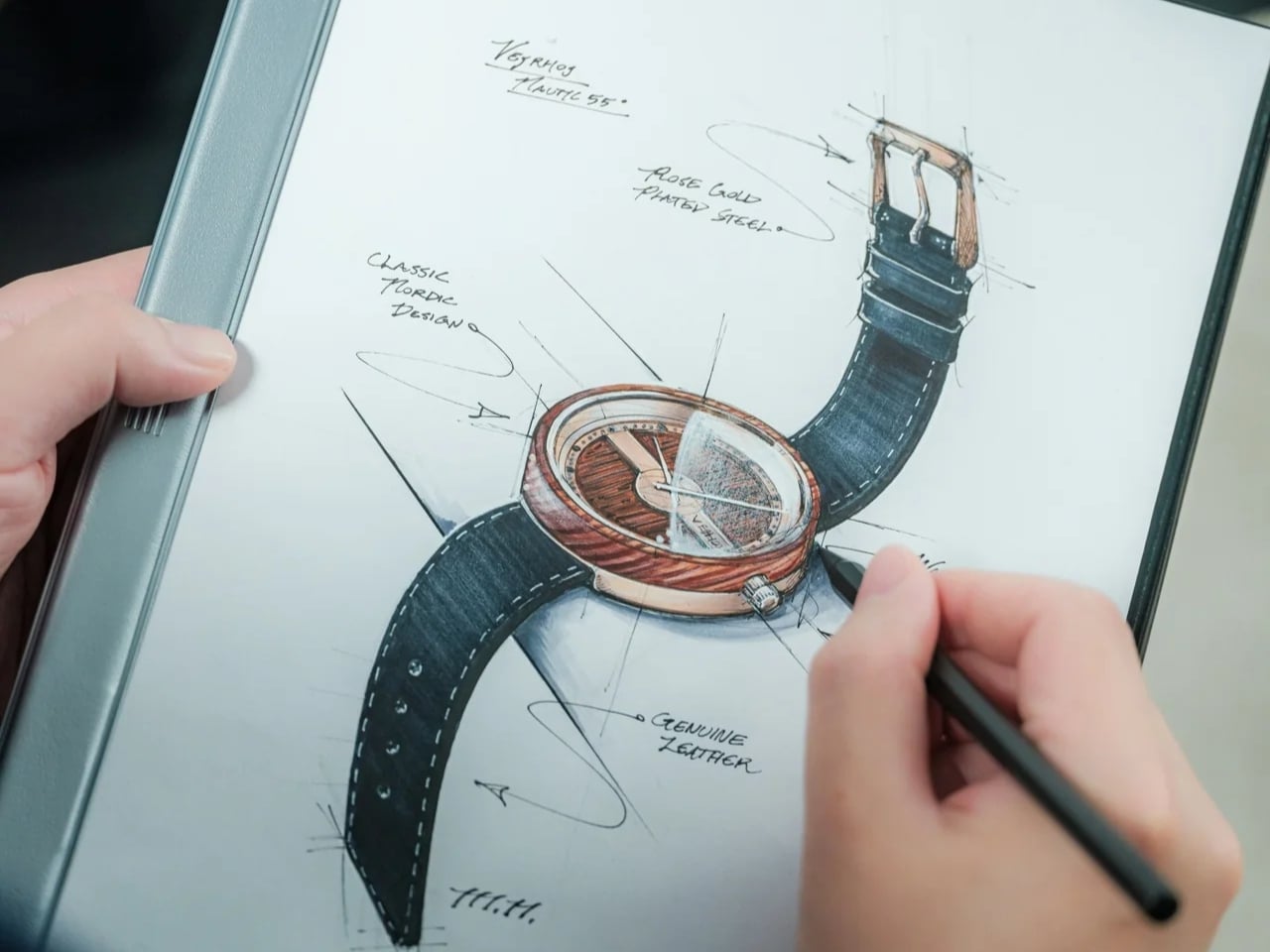
The hardcover serves a practical purpose as well, aside from looking good. The seller says it provides support for taking notes or sketching while standing. This could be useful if you’re doing a walkthrough for an event, stopping to take notes while going through an exhibit, or attending a lecture where you’re not at a desk. Not every notebook or notepad provides enough support for writing without a table underneath it, so the clipboard aspect has a practical role here.
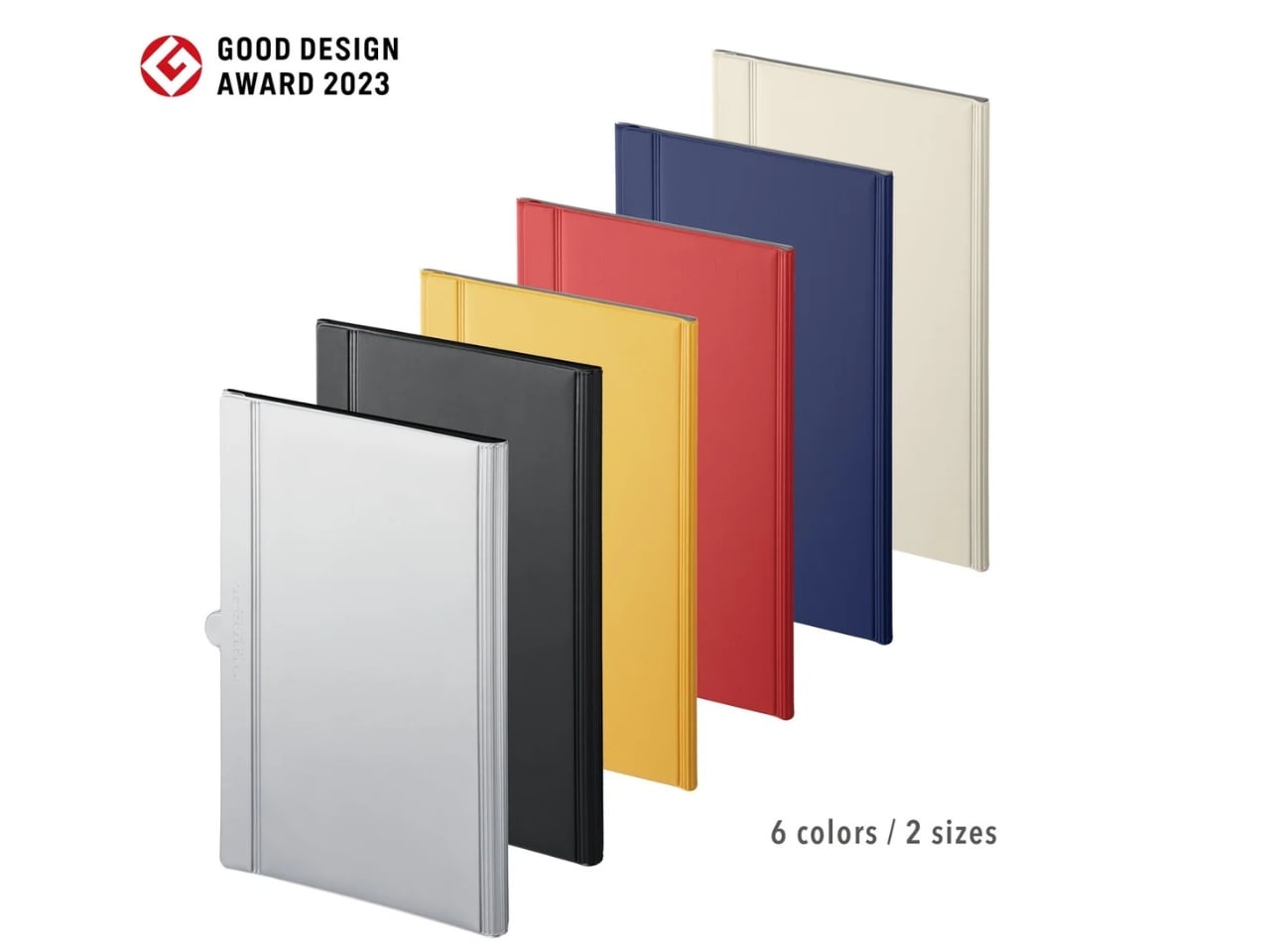
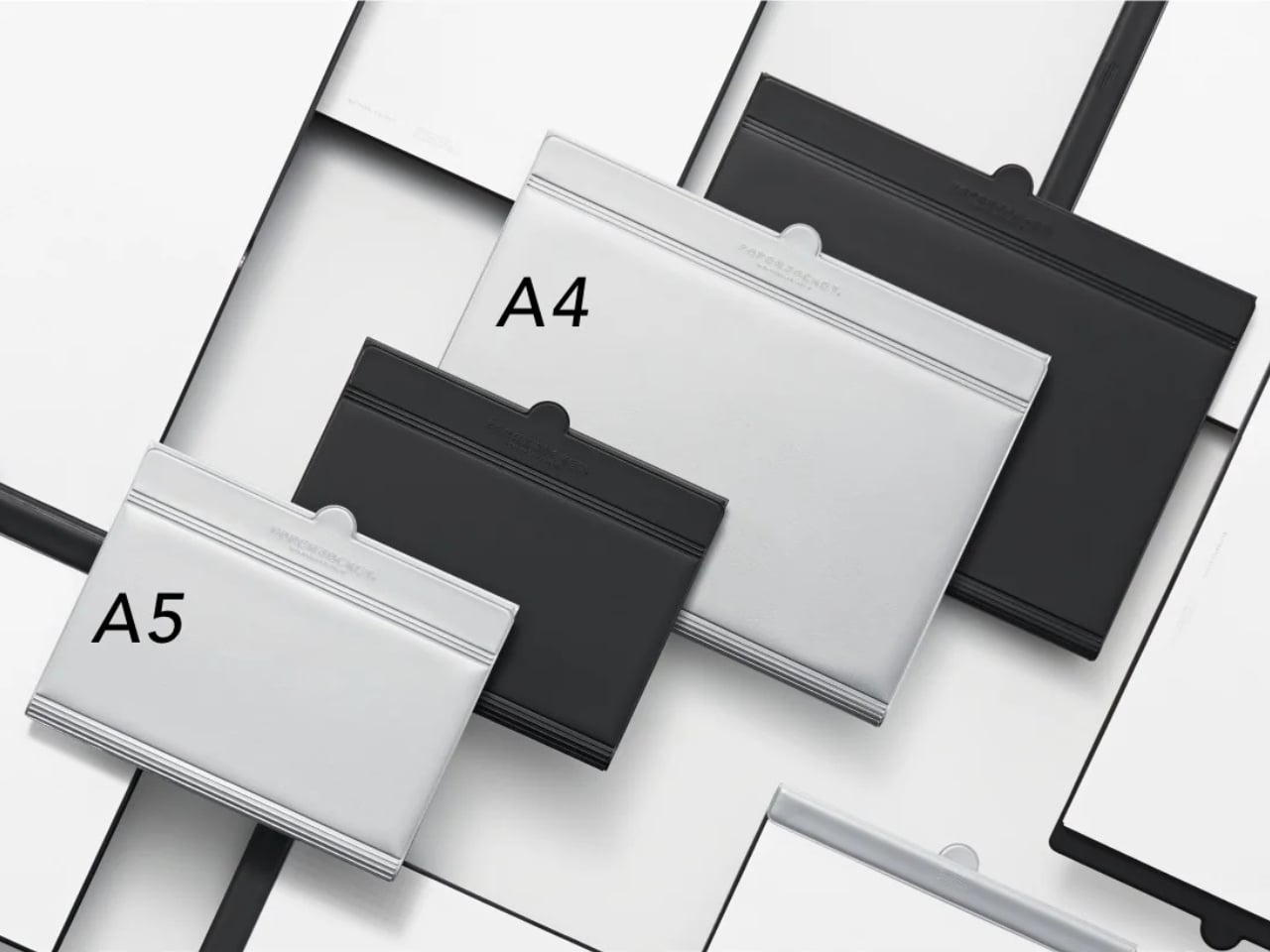
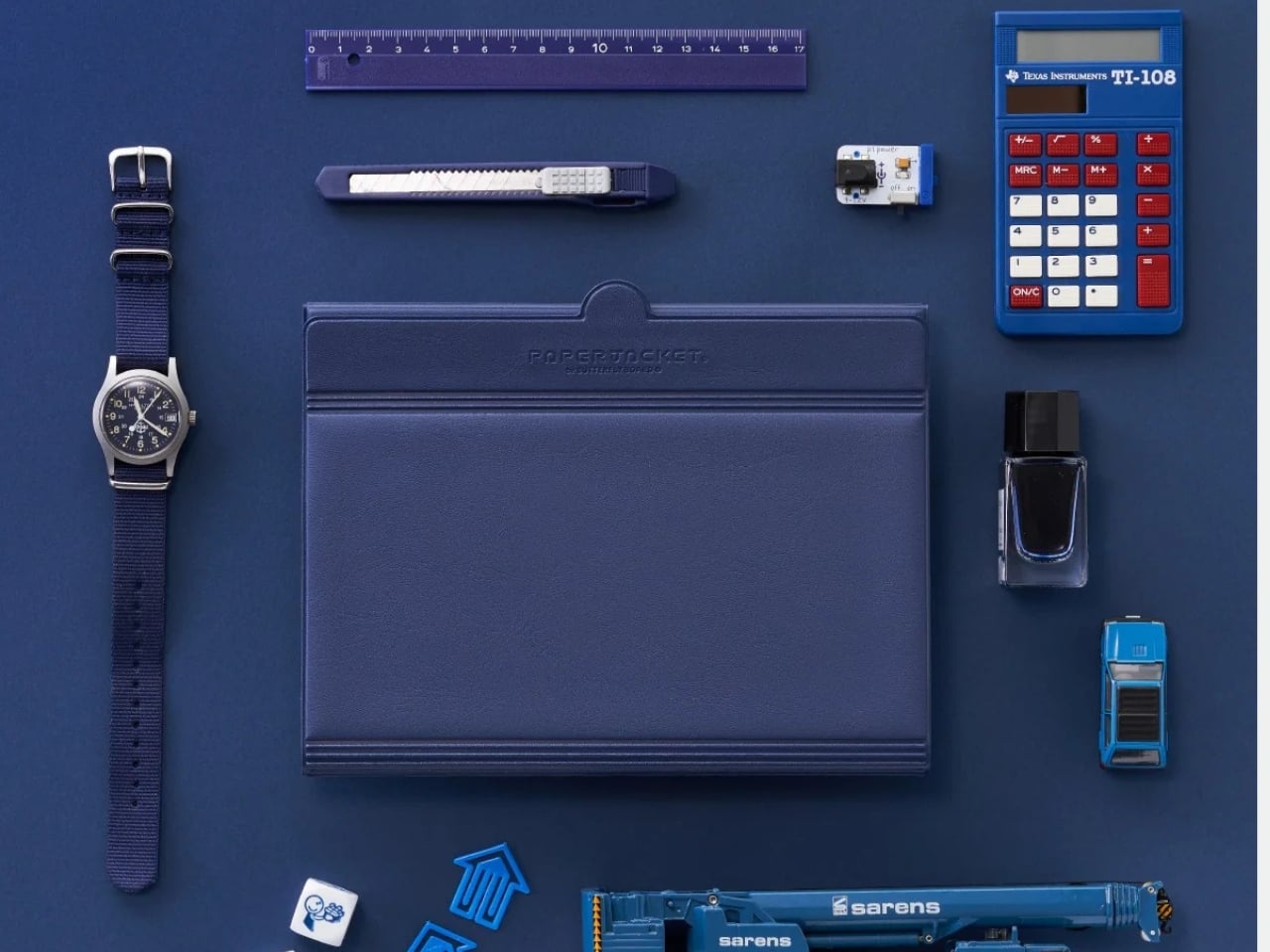
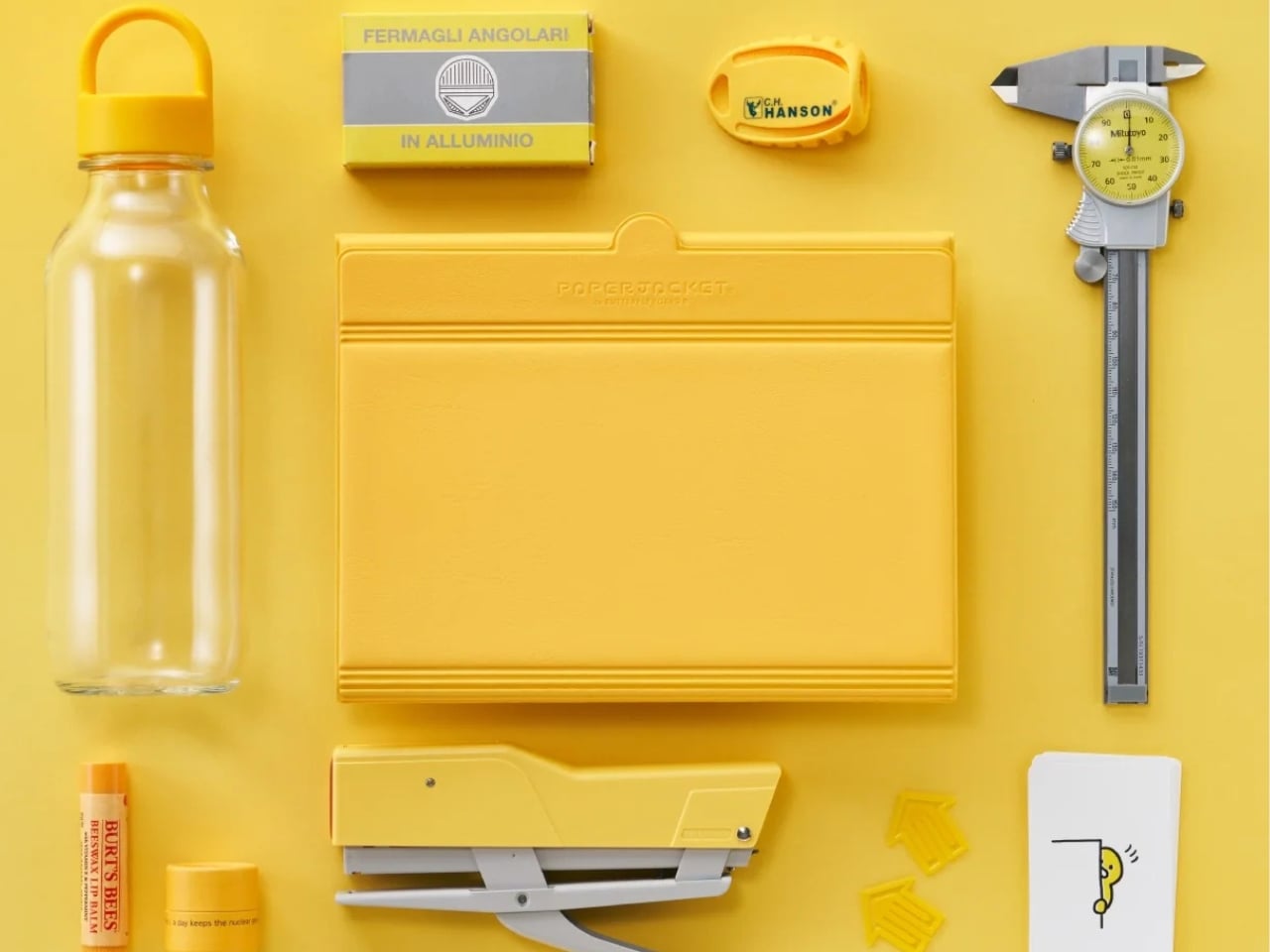
The cover is also described as water-resistant and easy to clean, but note that this doesn’t mean the paper inside is waterproof. It comes in two sizes: the smaller A5 option for a more compact way of taking notes and making sketches, and the A4 size, which gives you more space for larger drawings, printed references, and documents. The listed colors are silver, black, red, navy, and yellow, although availability may vary by size and color.
Of course, rearrangeable pages aren’t exclusive to MagBoard. Established stationery brand KOKUYO offers the Campus Smartring Slim Binder, whose A5 version holds up to 25 sheets and uses 20-hole loose-leaf paper. Its cover also folds back. MagBoard holds sheets with its magnet-and-lever clip rather than rings, so there’s no need to punch matching holes in the paper. KOKUYO makes sense if you like a ring-bound system, while MagBoard could appeal more if you want to keep unpunched sheets together. The difference is less about whether you can rearrange pages and more about how you want to hold them.
That freedom still comes with some organizing on your part. Once you remove a sheet, you’ll need somewhere to keep it if you want to refer to it later. A folder for finished work could help keep the clipboard focused on your current project. Otherwise, you’re back to the same loose-paper pile you were trying to avoid in the first place.
I don’t think something like this would replace all the notebooks sitting at home, especially the ones I use for keeping things in chronological order. But for projects that involve moving ideas around, combining references, and changing plans, the MagBoard Clipboard’s format makes sense. Sometimes, I don’t need a new notebook. I just need a way to keep my pages together without deciding that their order has to stay that way forever.
Sometimes your iPhone lets you decline a call and sometimes it doesn't. Here's why that happens, and a few easy ways to handle the calls you'd rather skip.