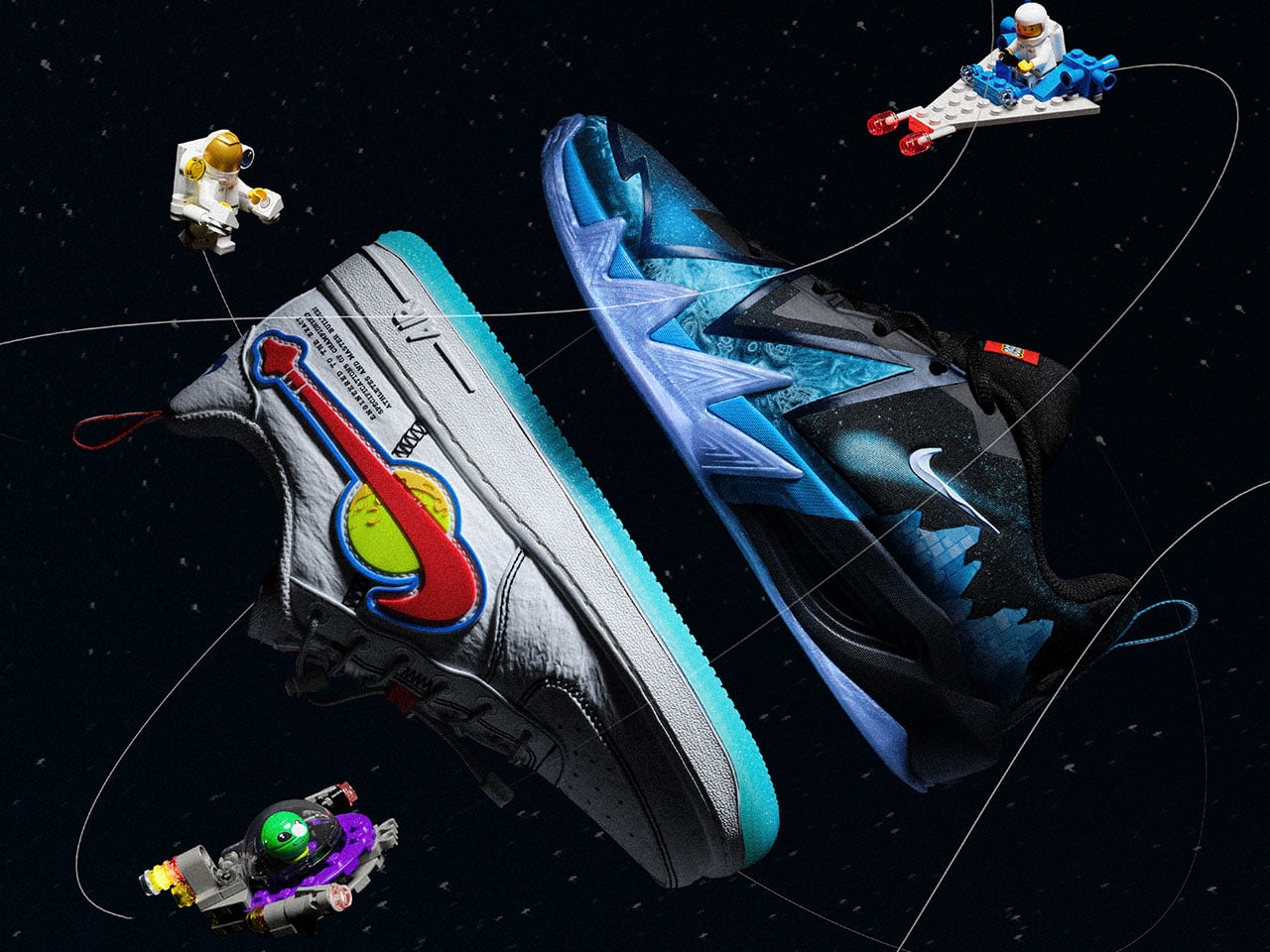
Nike and LEGO’s new space-themed sneakers let kids take their basketball style beyond Earth

Nike and LEGO kicked off their in-line product collaboration with the LEGO x Nike Air Max Dn bright yellow sneaker in August 2025. Now the duo is targeting kids this holiday season with new additions to their multi-year partnership. Within a month from the the release of the Jordan’s 30th-anniversary Space Jam collection, Nike has teamed up with LEGO to unveil the space-inspired kids’ basketball collection that comprises Air Force 1 Low LV8 and S.T. Dynamite sneakers.

The two new space-inspired basketball sneakers are from the same collection, but are starkly different from each other, right from their DNA to the aesthetics. The Nike x LEGO collaboration, which has been limited to the courts on Earth until, is now inviting kids to imagine basketball beyond the court, in outer space, if you may.

Designer: Nike
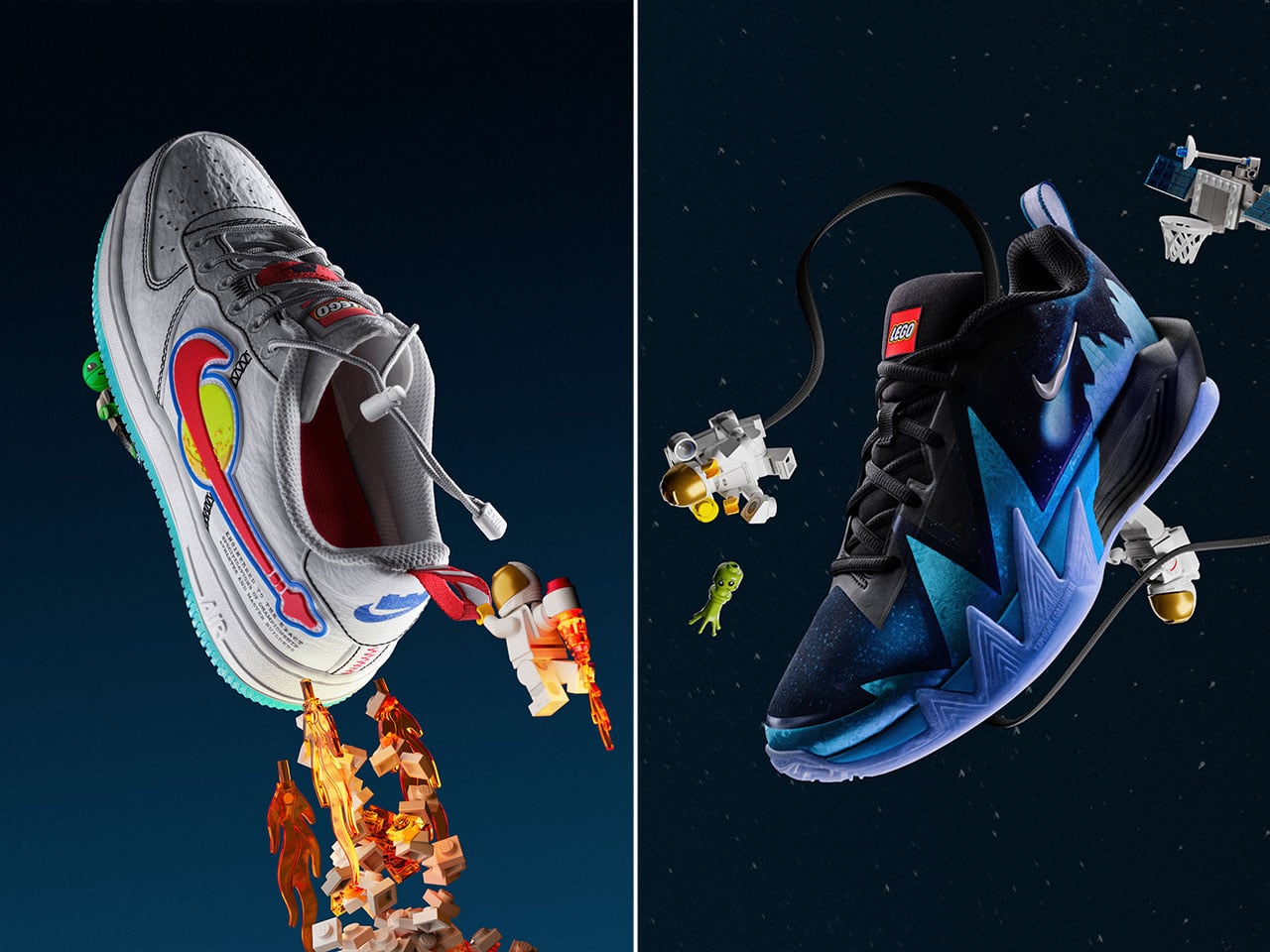
As mentioned, the Nike x LEGO basketball collection is radically different, but shares the space theme. It has been, according to Nike, “created for basketball-loving kids.” The company says, “the collection gives young athletes new ways to connect with the sport,” without compromising personal style or their seriousness toward the sport.

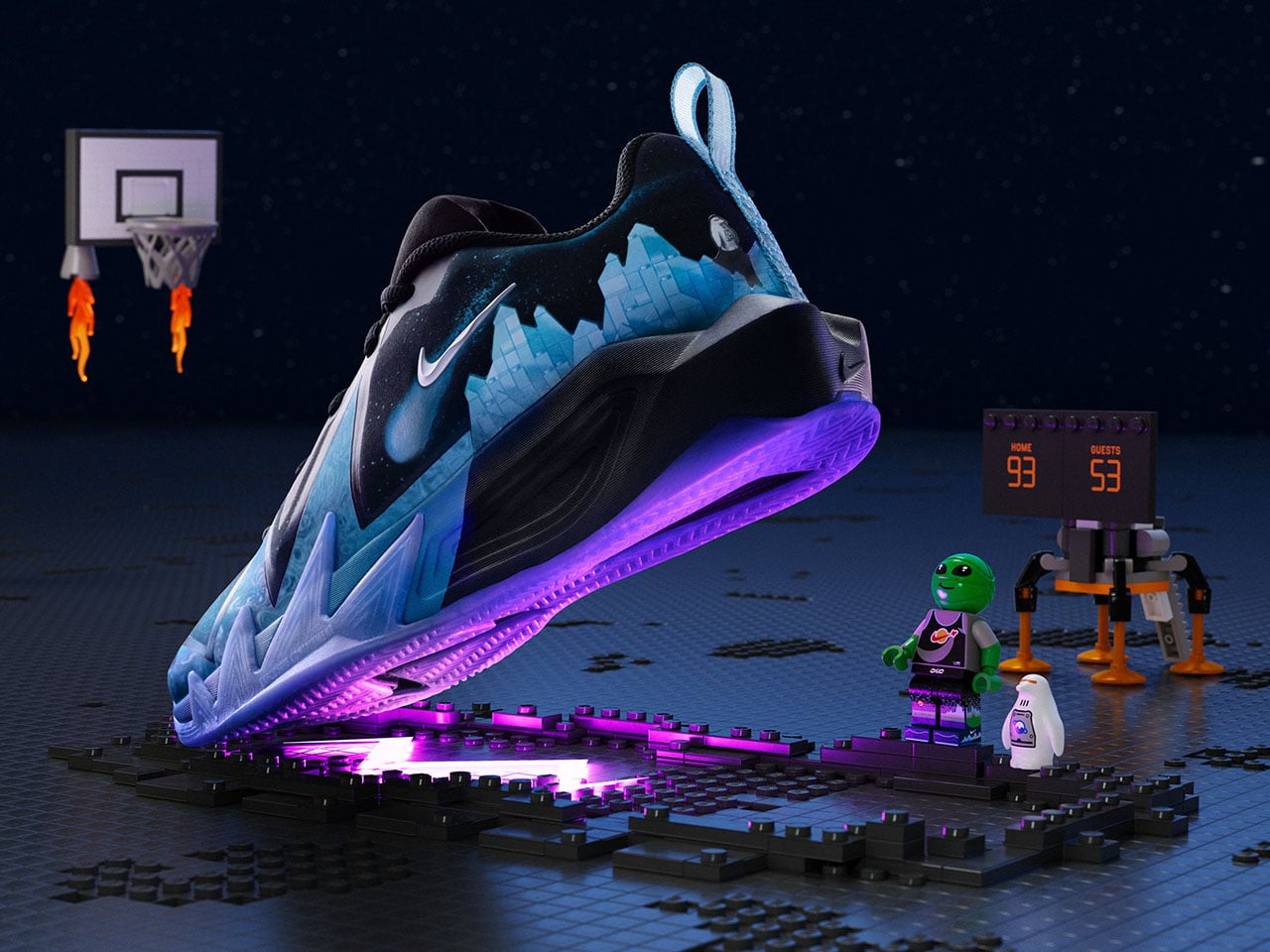
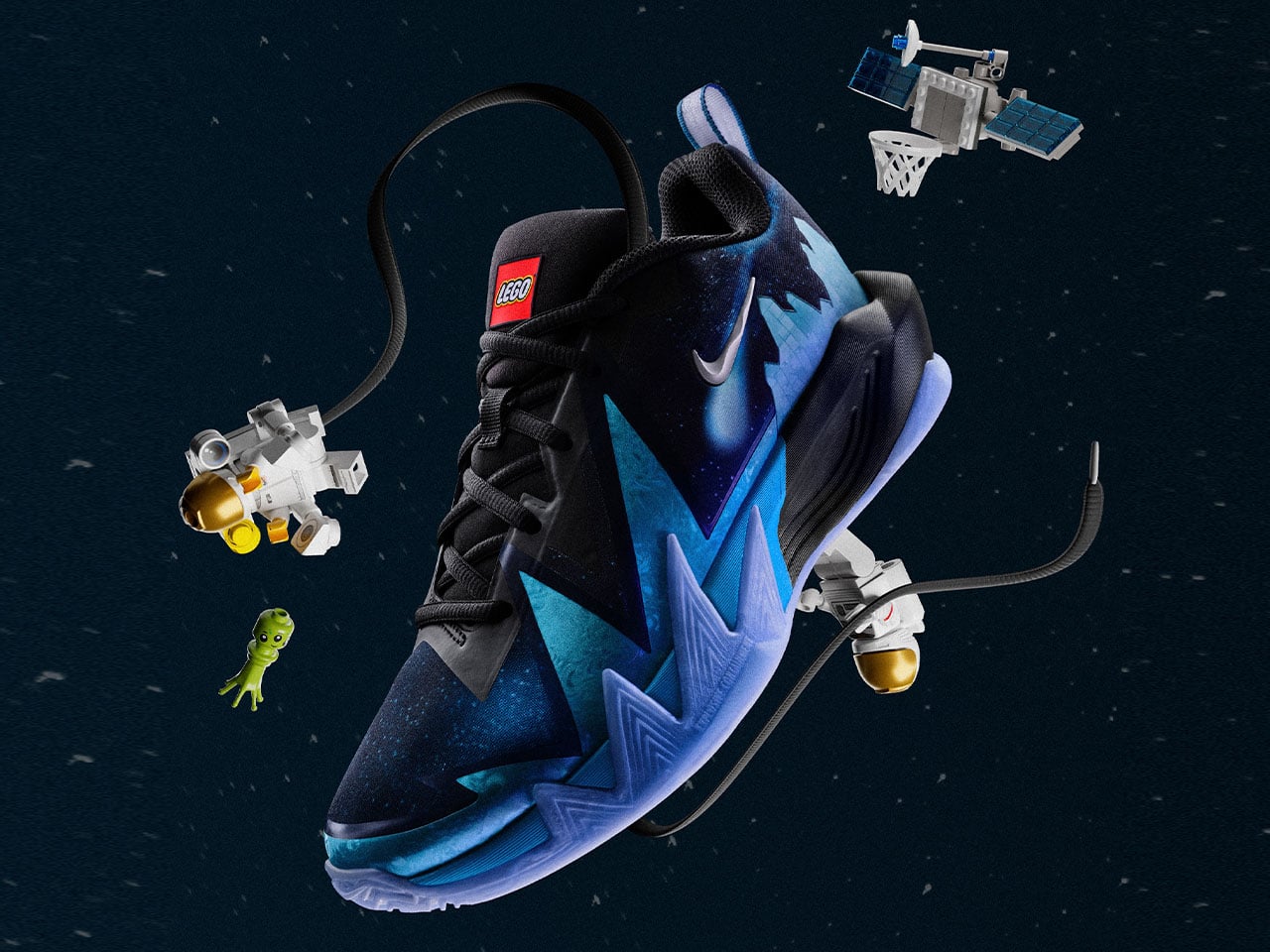
If you’re interested, the Air Force 1 Low LV8 borrows its appearance from an actual astronaut spacesuit, while the S.T. Dynamite seems prepared for a game in an icy blizzard. The shoes are available in sizes ranging from 10.5C to 7Y.
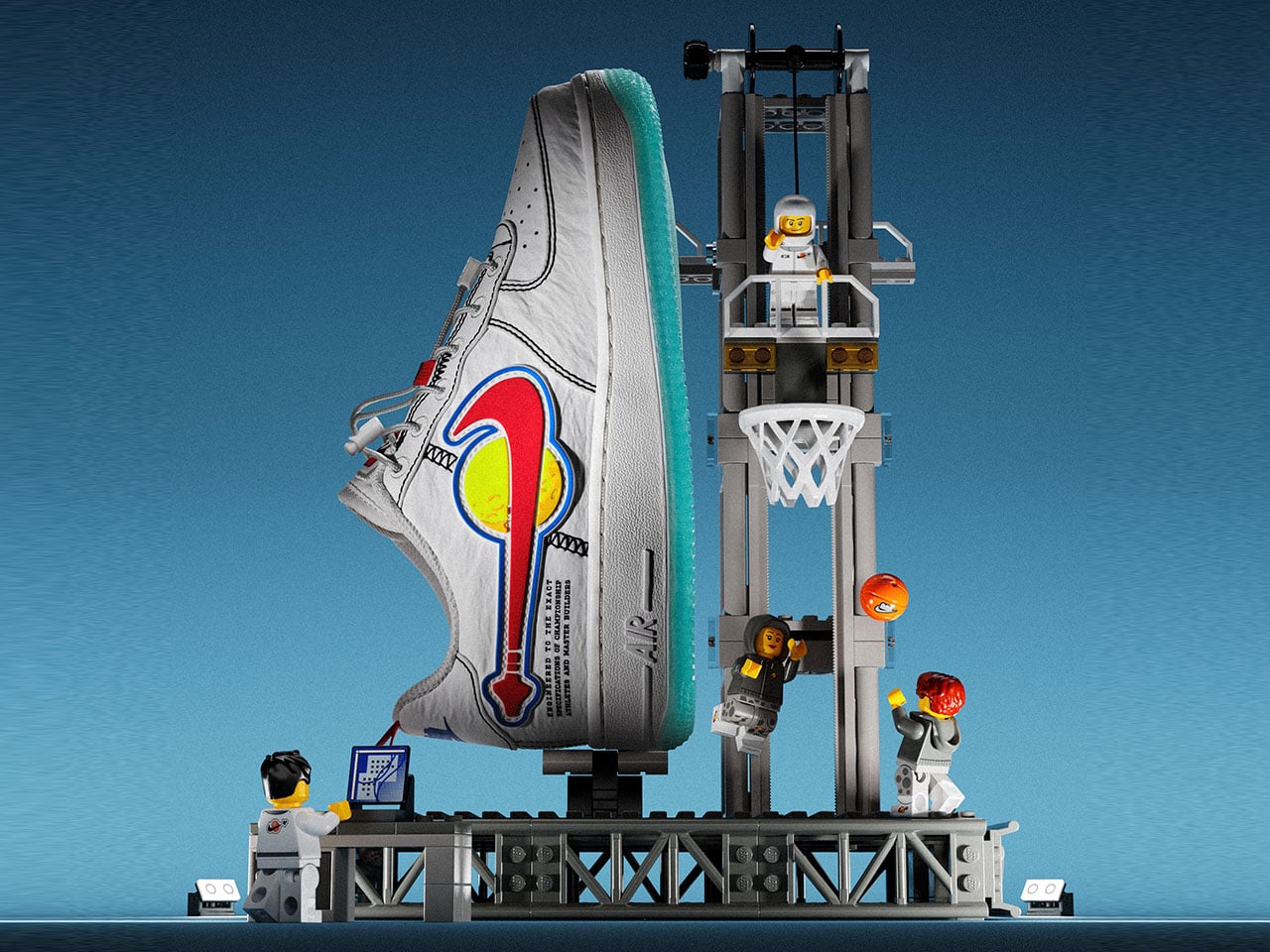
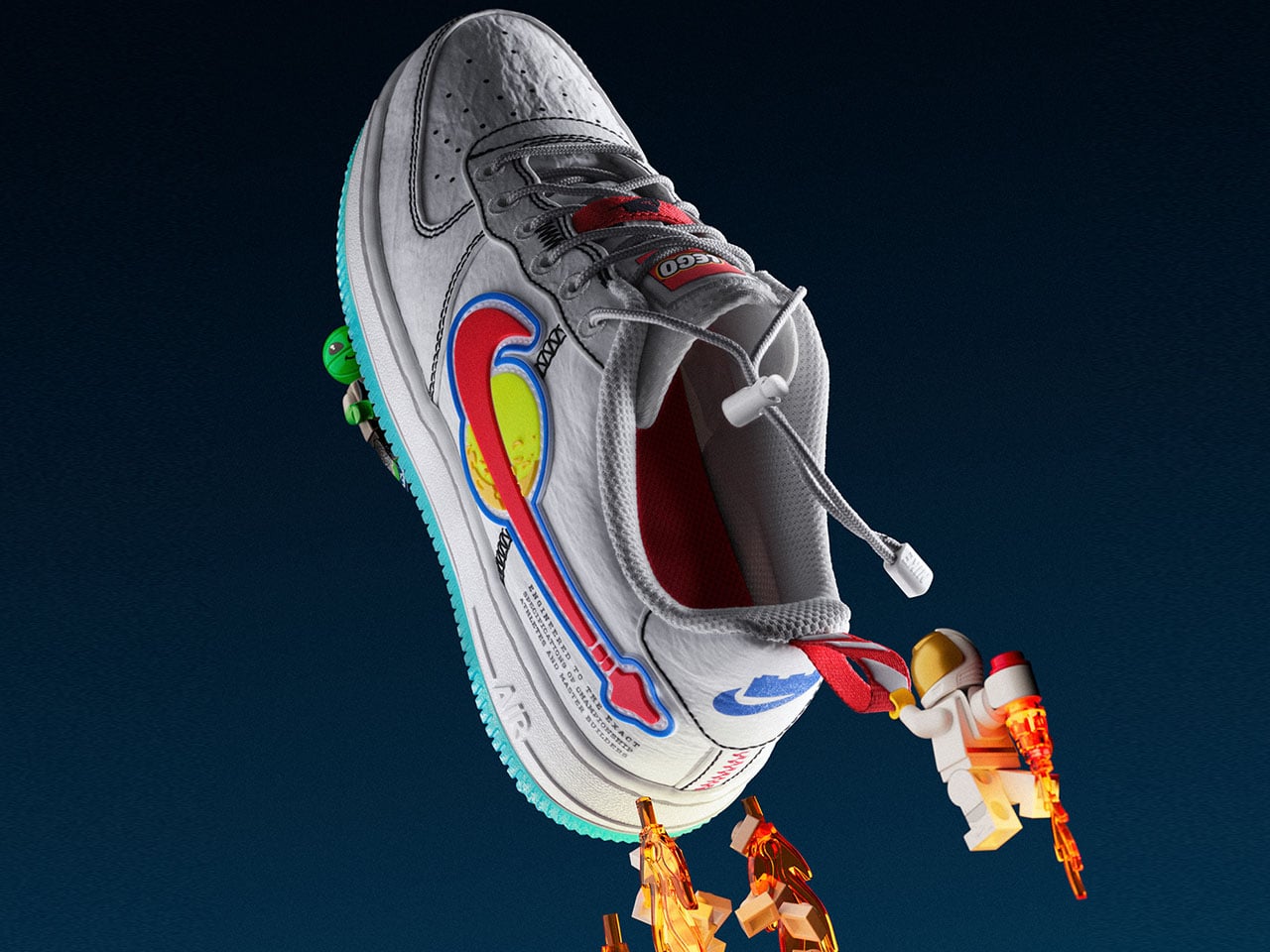
The Nike Air Force 1 Low LV8 is reimagined with an upper that looks like an astronaut’s spacesuit. The sketched stitch detailing adds a constructed feel and playfulness, while the LEGO space-themed Swoosh and minifigs give the Air Force 1 a new feel that kids are definitely going to appreciate. It wouldn’t be surprising if basketball fans line up outside Nike stores to get a pair for their kids, not because they can’t get it in their size but for their little one to feel the fanfare.

The Nike x LEGO collaboration gets a deeper meaning with the Nike S.T.Dynamite that takes basketball – the kids’ collection – to an “ice planet.” The sneaker wears a color-shifting finish and a glittering outsole to generate that outer space icy look. Alongside the space-inspired aesthetics, these new collaborative sneakers have multidirectional treads in the sole, bouncy foam cushioning, and a lightweight upper.
The Nike x LEGO kids basketball collection is not limited to footwear alone. The sneaker duo, which will be available in North America from November 24 (but is in stores elsewhere starting November 2), comes with printed ripstop trousers, a graphic T-shirt, and Dri-FIT basketball shorts with a lunar landscape print. Also, part of the collection is a full-zip fleece hoodie equipped with a basketball minifigure patch that changes as you move.
The post Nike and LEGO’s new space-themed sneakers let kids take their basketball style beyond Earth first appeared on Yanko Design.

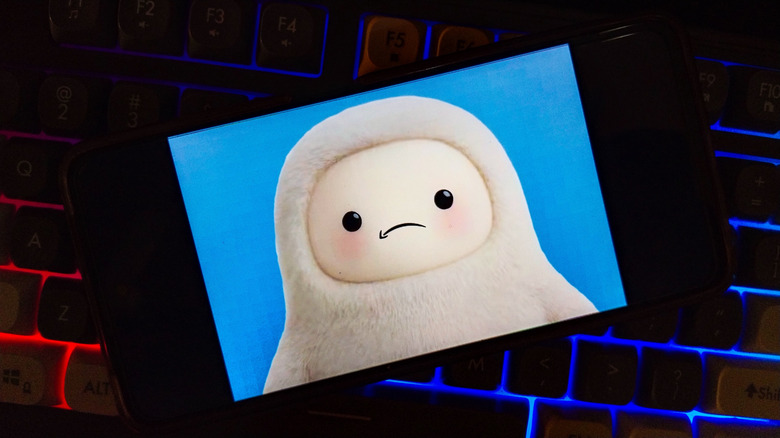
Board’s Tabletop Console Uses Toy Spoons and Spaceships Instead of Gamepads

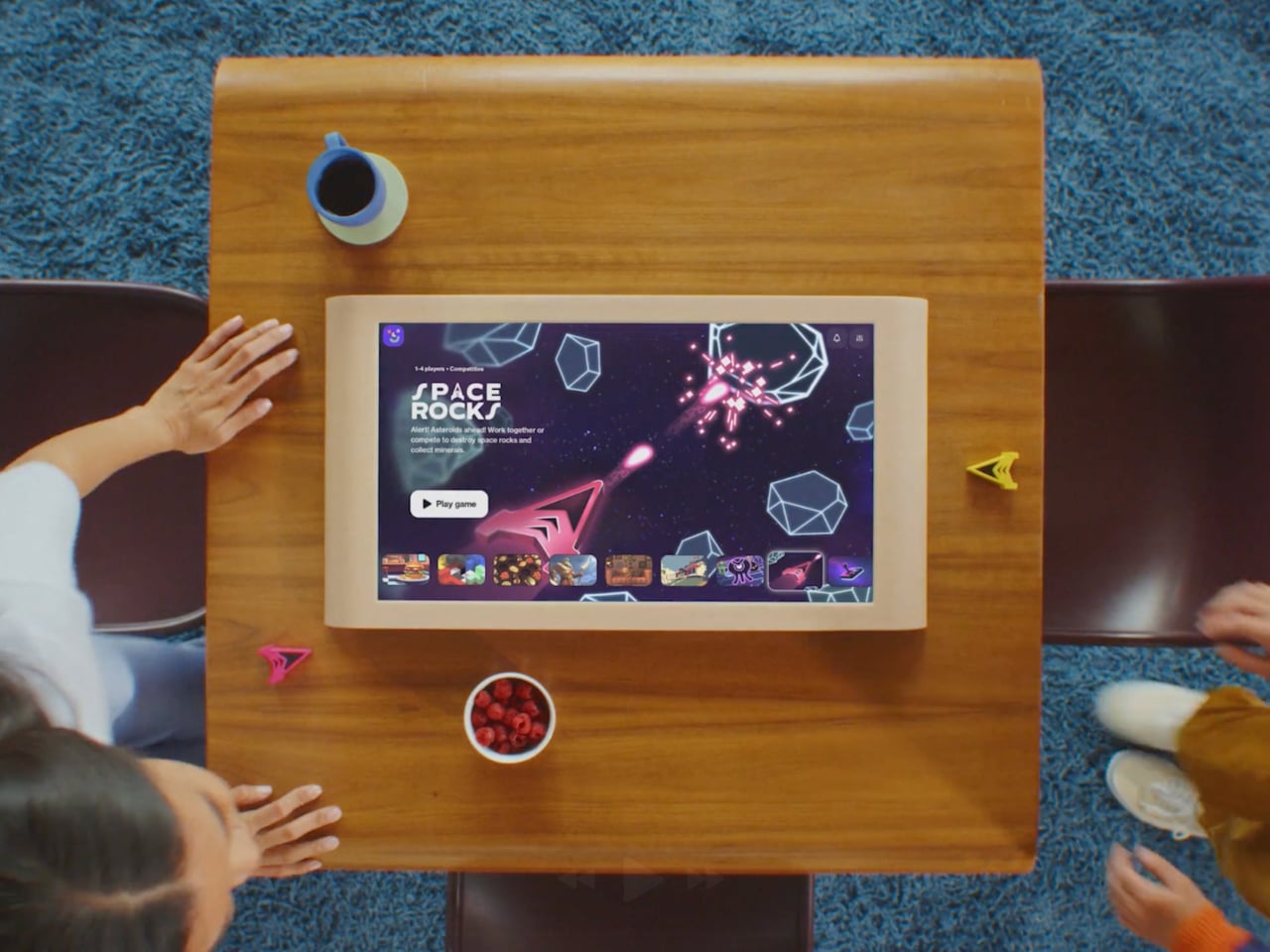
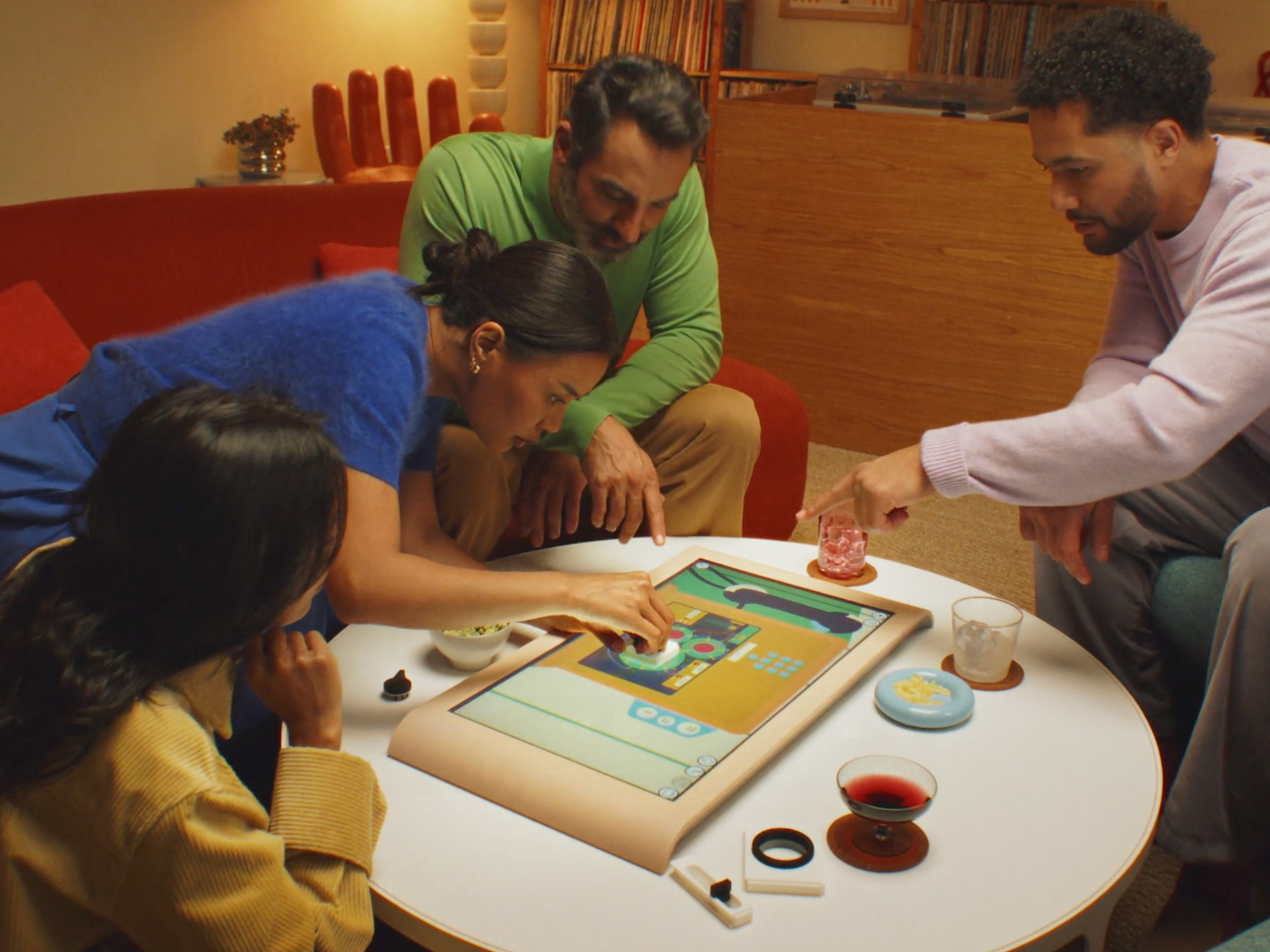
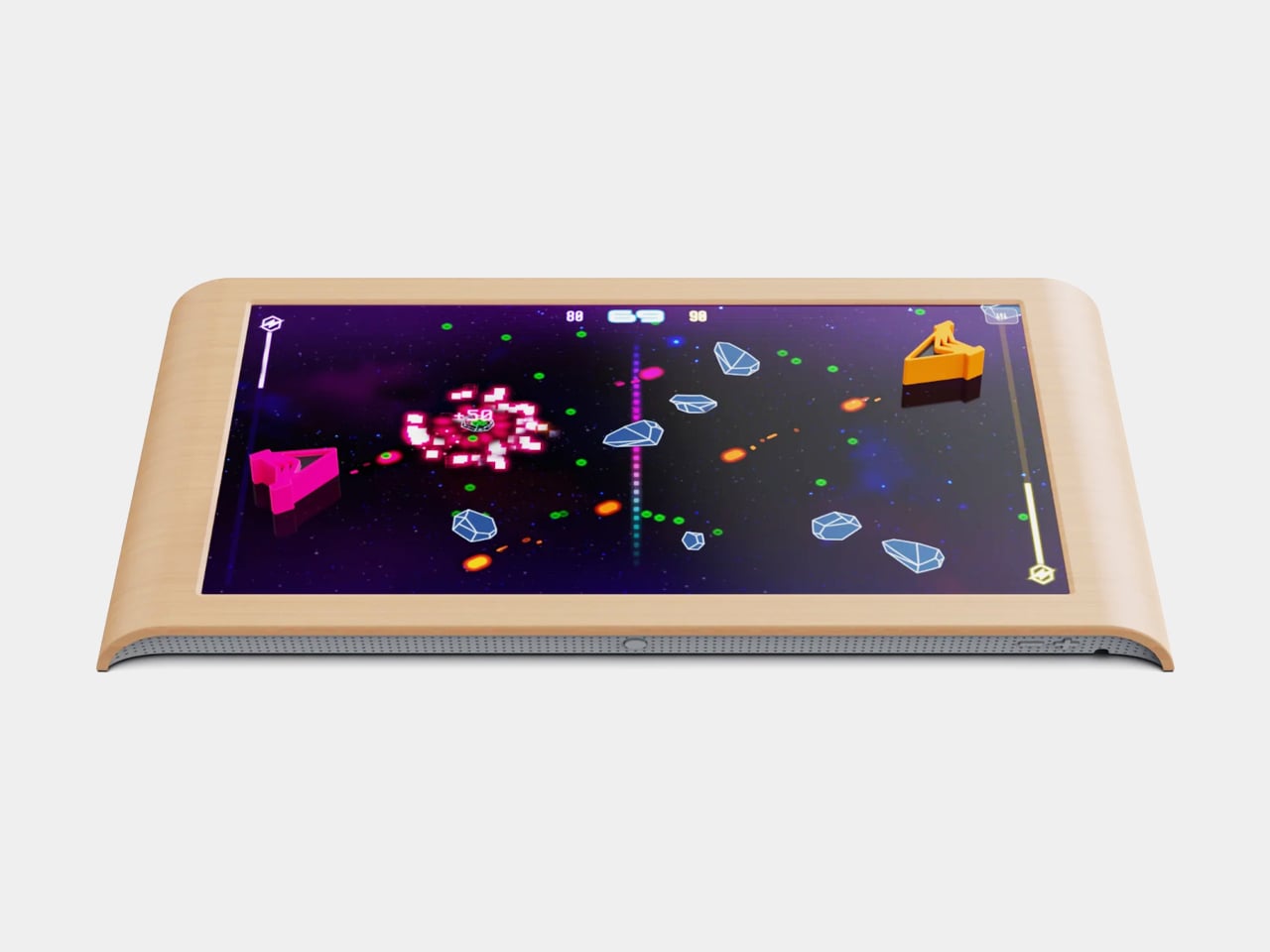
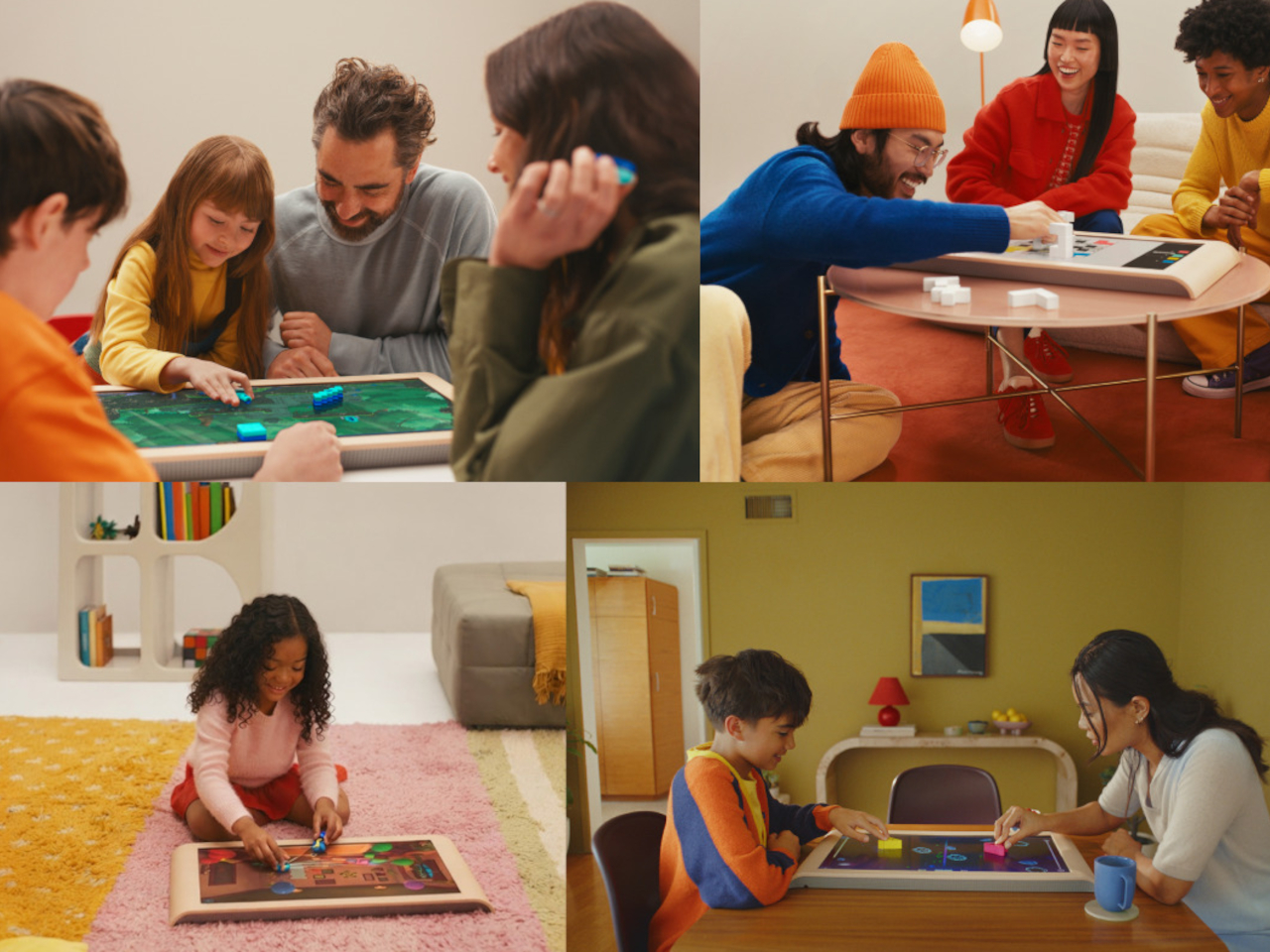
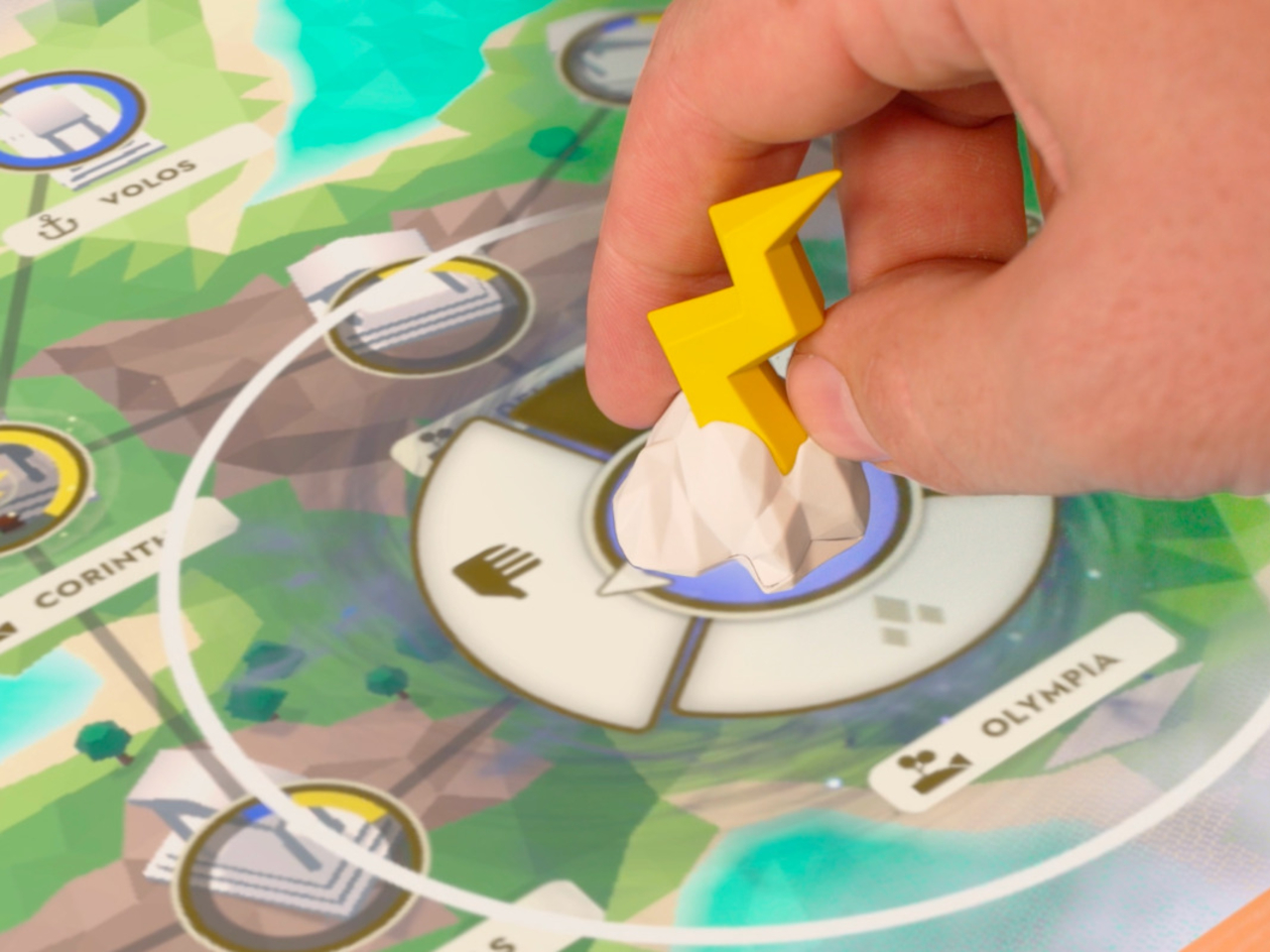
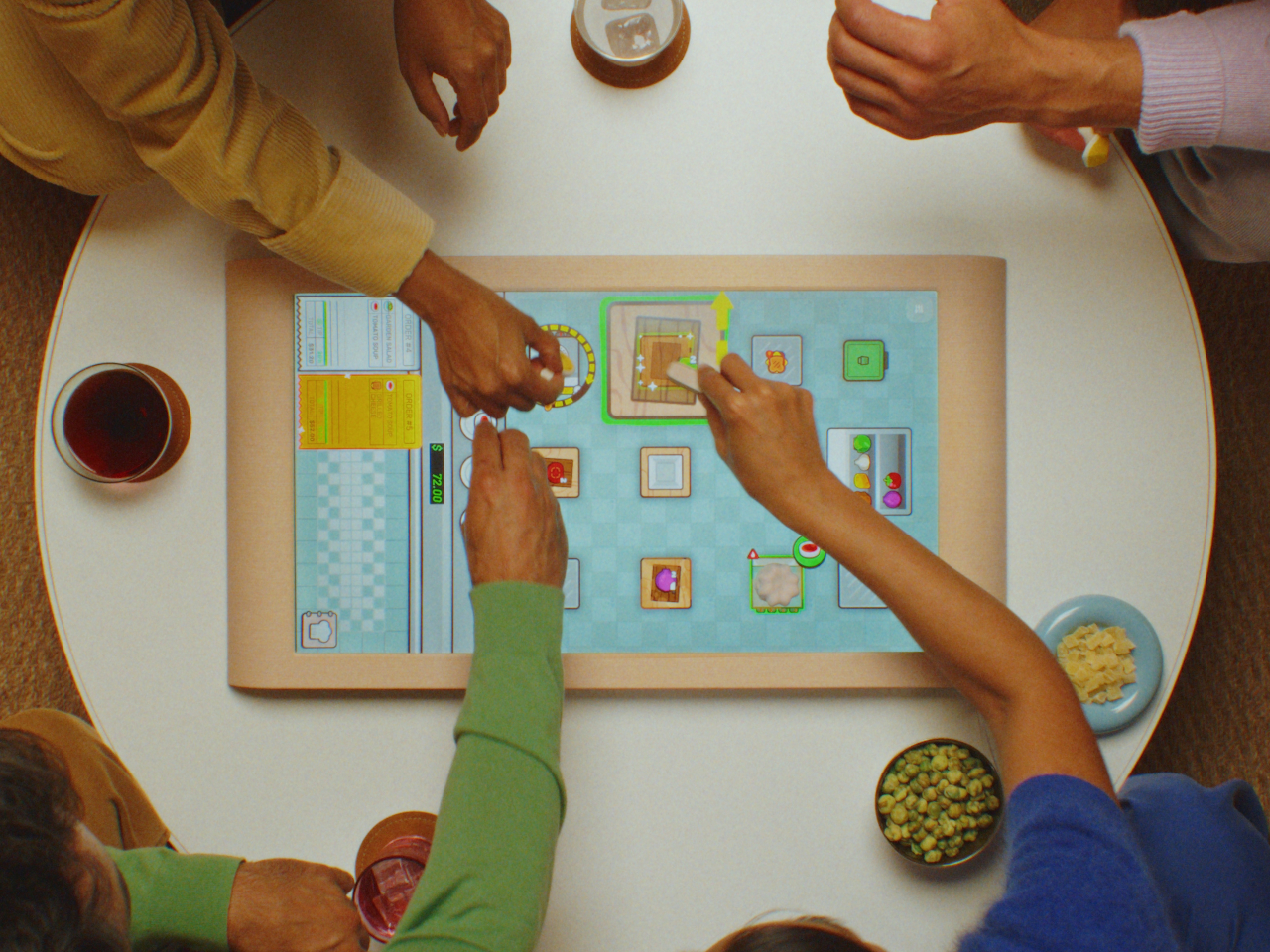
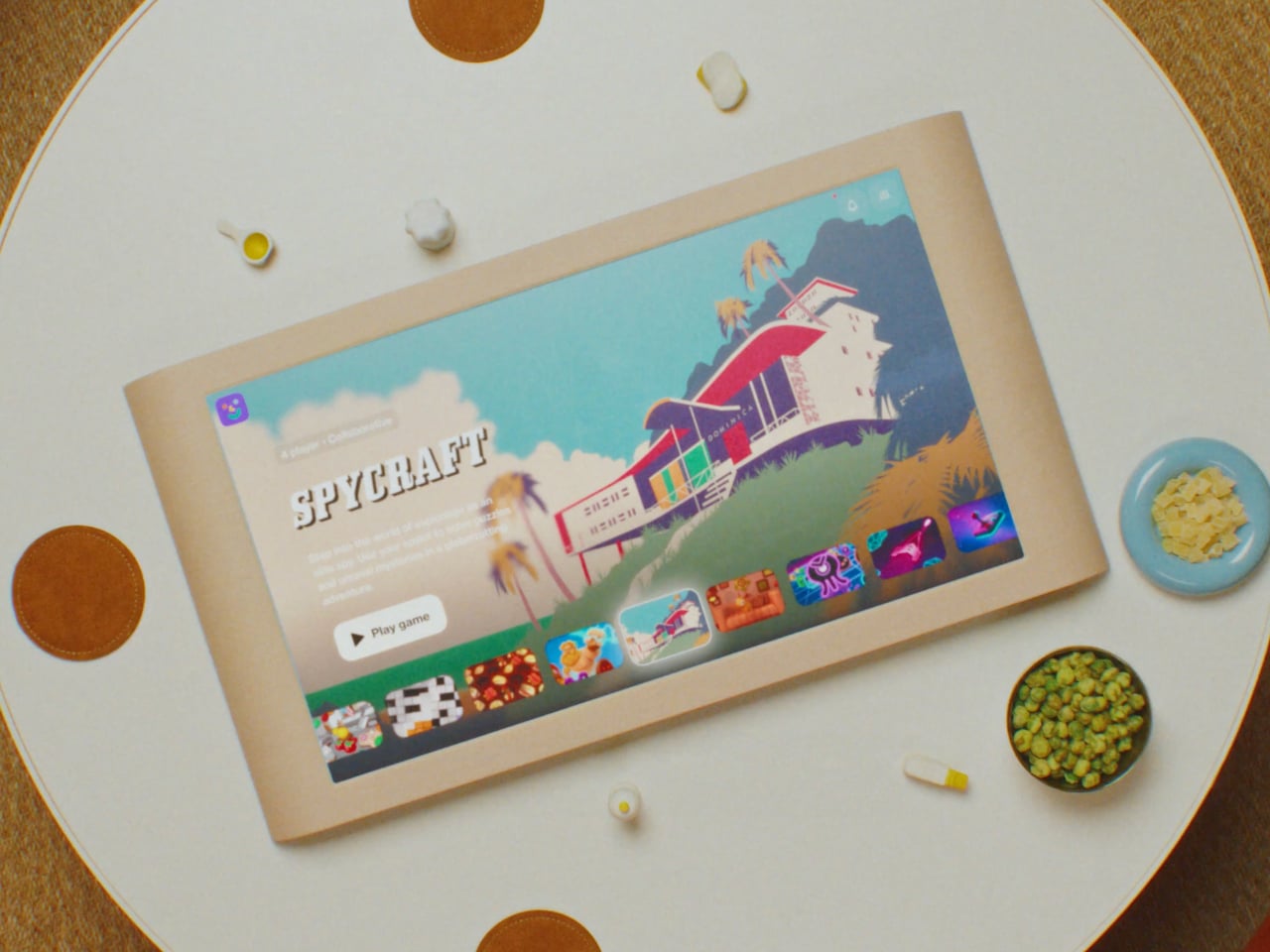
Touchscreens have plenty of games, but tapping on glass doesn’t quite replace moving a piece across a board. The Board, a tabletop console from the company of the same name, makes that physical interaction central to its design. Its 24-inch screen responds to toy utensils, spaceships, and robots, giving players something to hold while keeping the action on the table between them.

The broad, wood-finished frame gives it more in common with a serving tray than a television console. Rounded corners and gently curved edges soften its rectangular outline, while the large screen lies flat so people can gather around it. At 25.7 inches wide and 1.5 inches thick, it’s a substantial tabletop object, not something you’ll casually hold in one hand between turns.

Designer: Board

The clever part is underneath those playful pieces. Each has a distinct conductive pattern on its base that the screen can recognize through capacitive sensing, the same general touch technology used in phones and tablets. According to Board, the pieces contain no batteries, sensors, or electronics. There’s nothing to charge or pair before a plastic spaceship can become your controller for the evening.

That recognition happens through PieceSense, Board’s system for identifying pieces and following their position and rotation. Its machine learning runs on the device rather than sending those interactions to the cloud. It’s also designed to filter out accidental palm touches. That’s an important distinction when several people lean over the same screen, although Board’s developer guidance acknowledges that very fast movements can interrupt tracking.

Chop Chop puts that relationship between shape and action to work. You use a little knife to slice and a spoon to stir, rather than memorizing which button handles each task. The physical tools give the digital kitchen a familiar vocabulary. Passing a utensil across the table also puts some of the game’s coordination outside the screen, where everyone can see it.

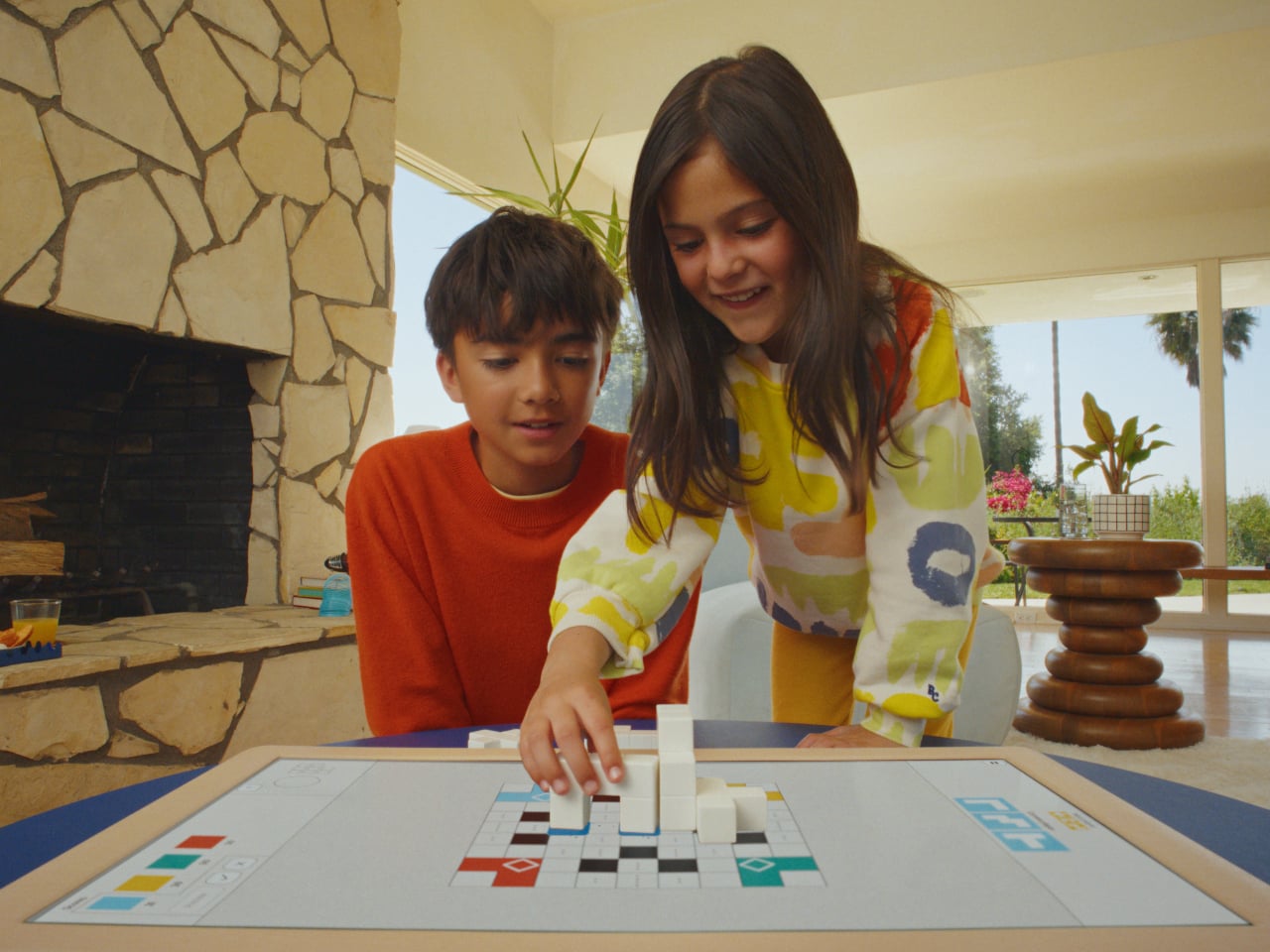
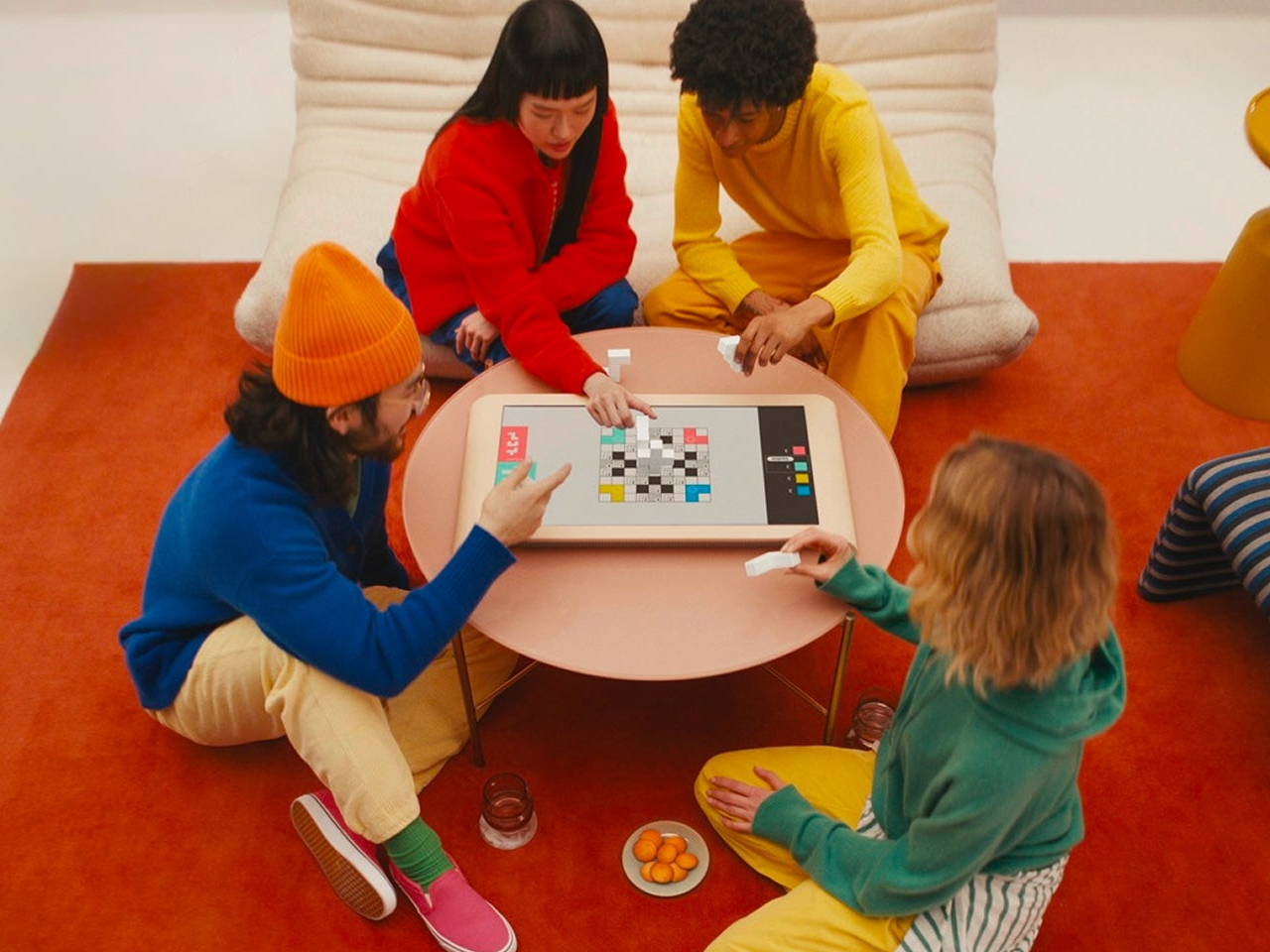
Strata takes a different approach, using chunky blocks to build upward and claim territory. Here, the pieces contribute height instead of standing in for characters on a flat display. A new game can redraw the playing field, while different pieces give your hands another way to interact. Of course, those pieces will need a home when it’s time to put everything away.

Board currently lists the console at $339 in the US, reduced from $399, with seven games and their pieces included. There’s no required subscription, and additional individual titles range from free to $34.95. Software downloads directly to the console, while any corresponding pieces ship to your door. Expanding the collection can involve waiting for a package, rather than simply tapping another download button.

There is a power cord to consider, though. Board runs from a wall outlet, so its place on the coffee table depends on where you can plug it in. It’s still another screen in the living room, of course. The interesting design decision is giving everyone an object to move on that screen, with the players sitting close enough to steal your actual spoon.

The post Board’s Tabletop Console Uses Toy Spoons and Spaceships Instead of Gamepads first appeared on Yanko Design.
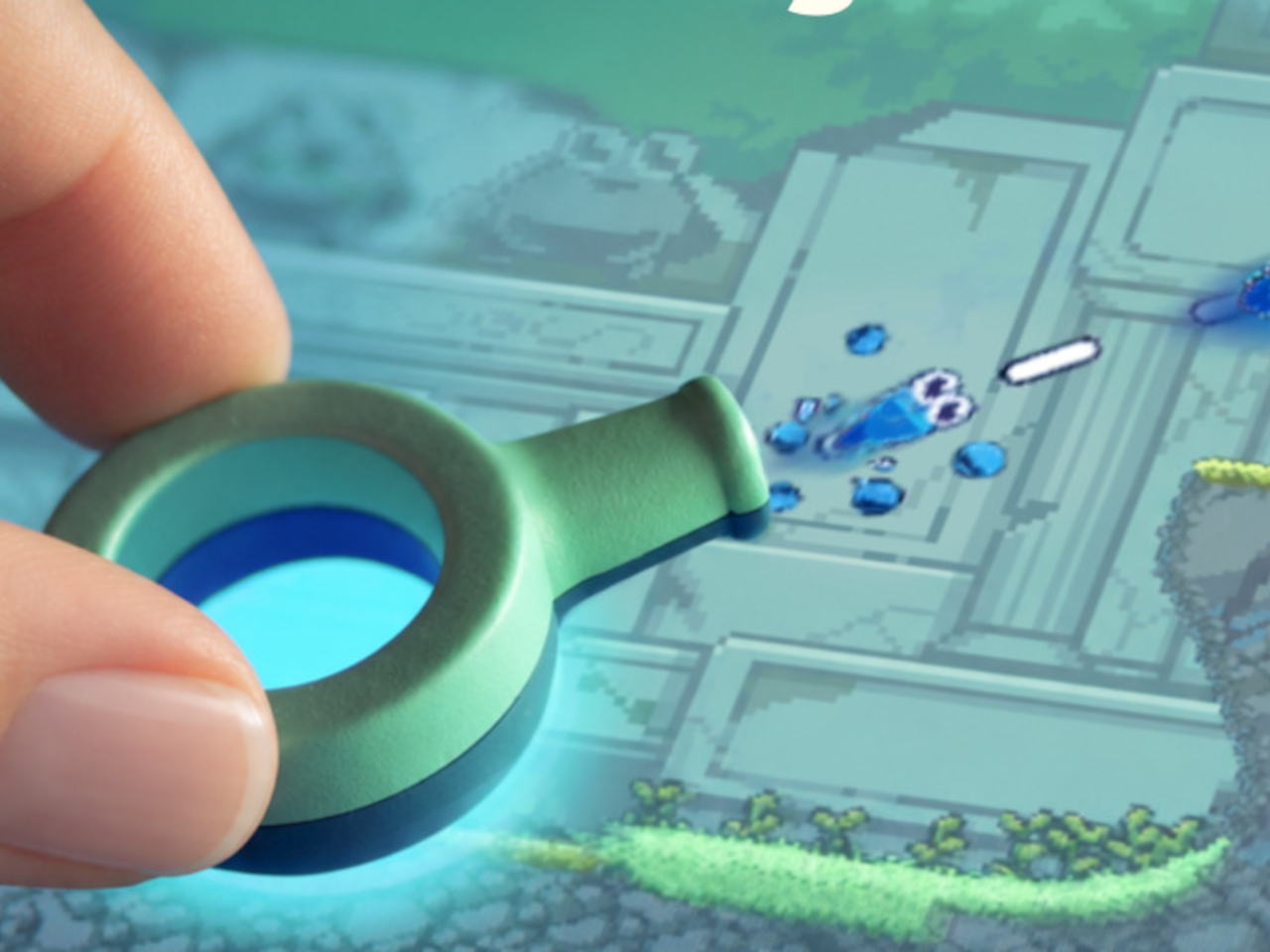
Hero Keyboard Packs a Windows 11 PC and Borrows Your Tablet’s Screen

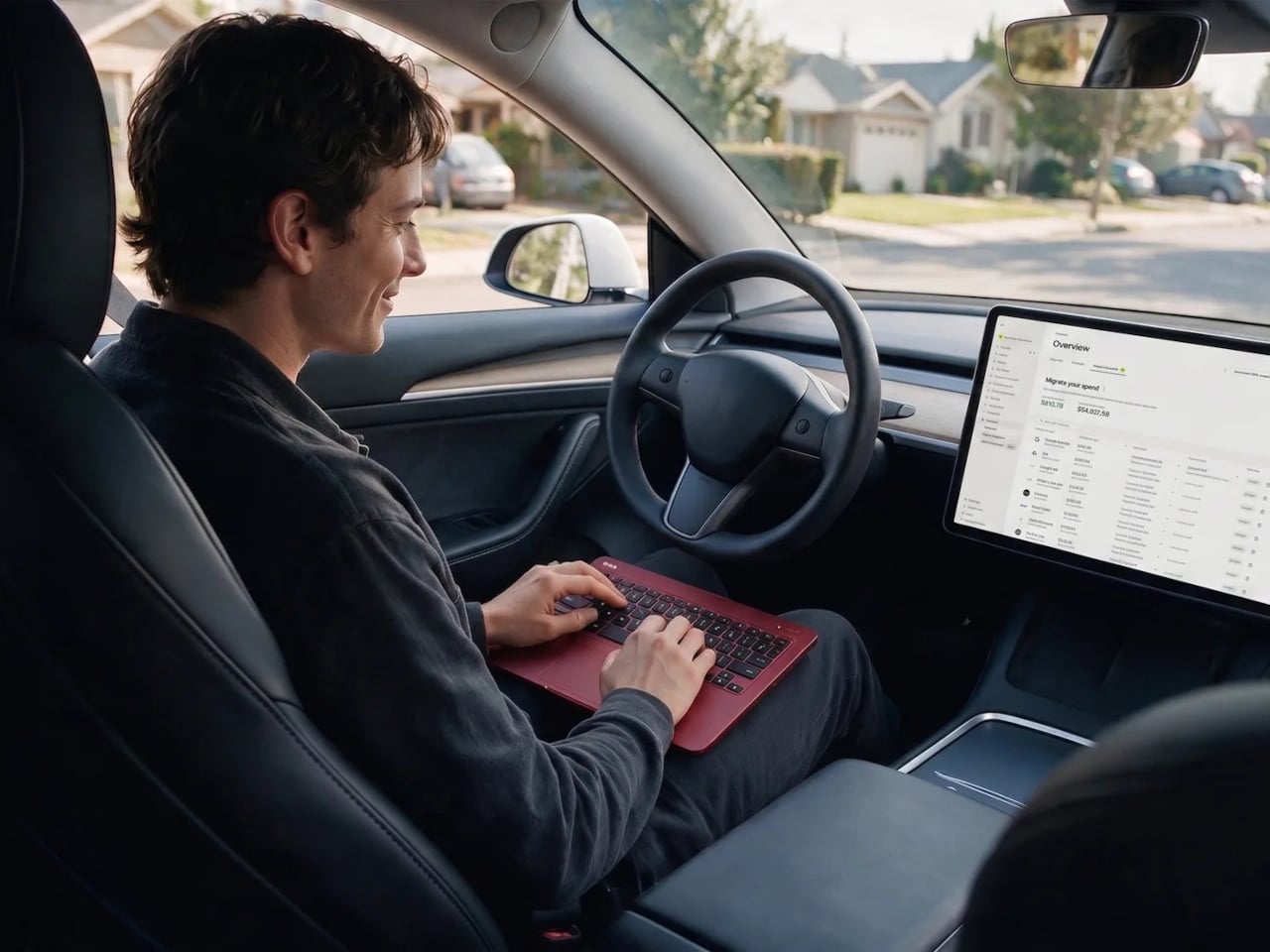
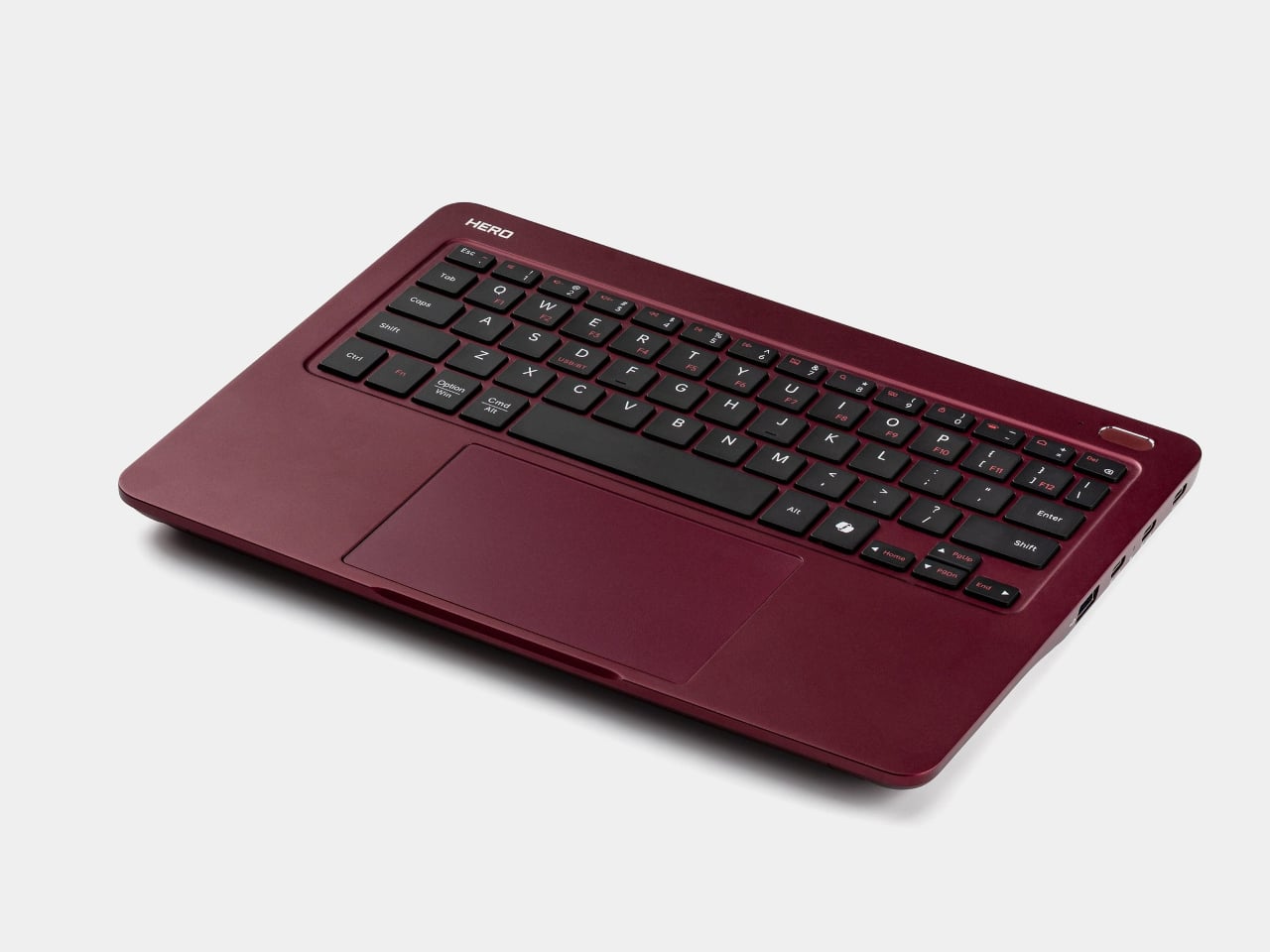
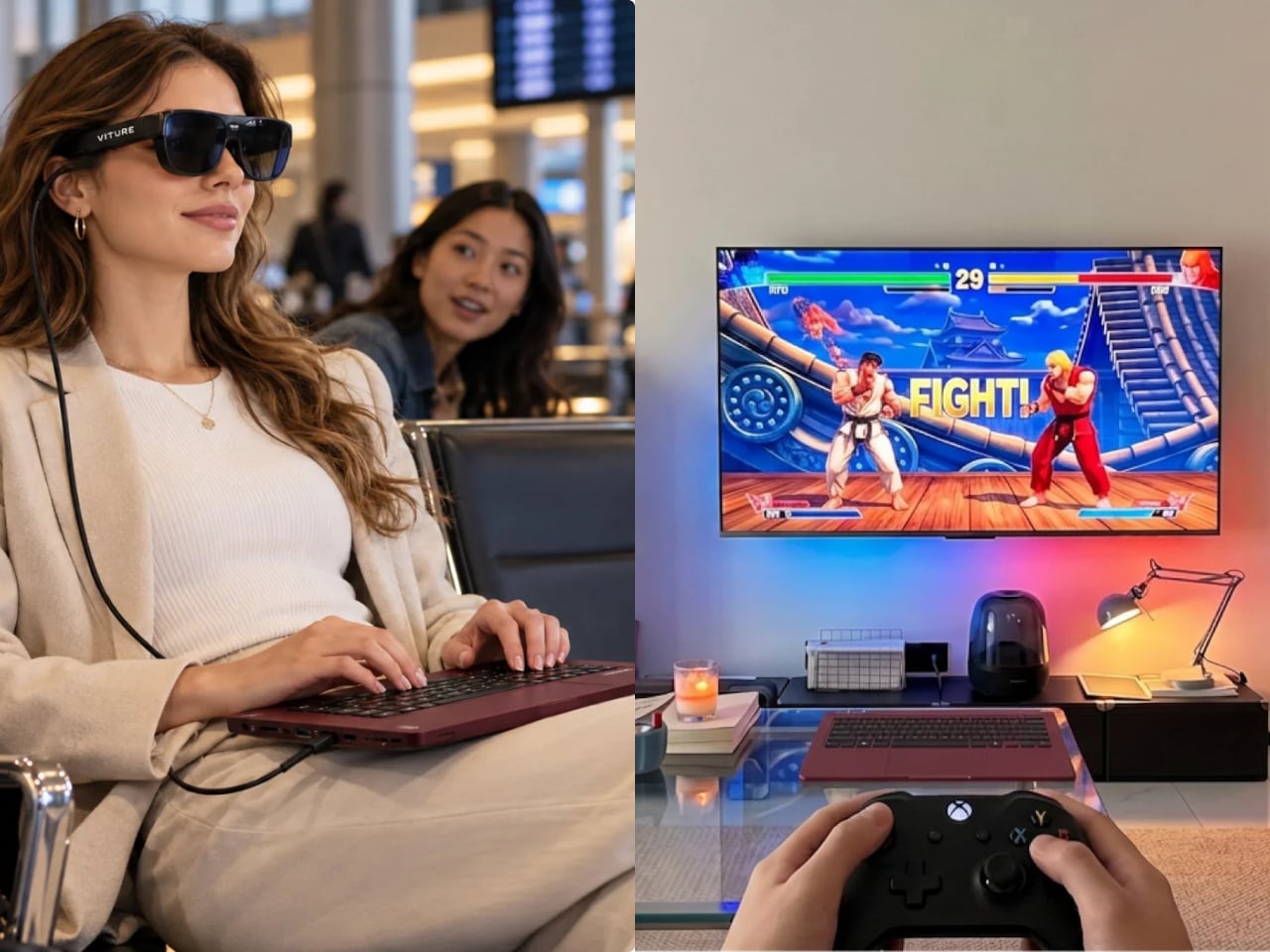
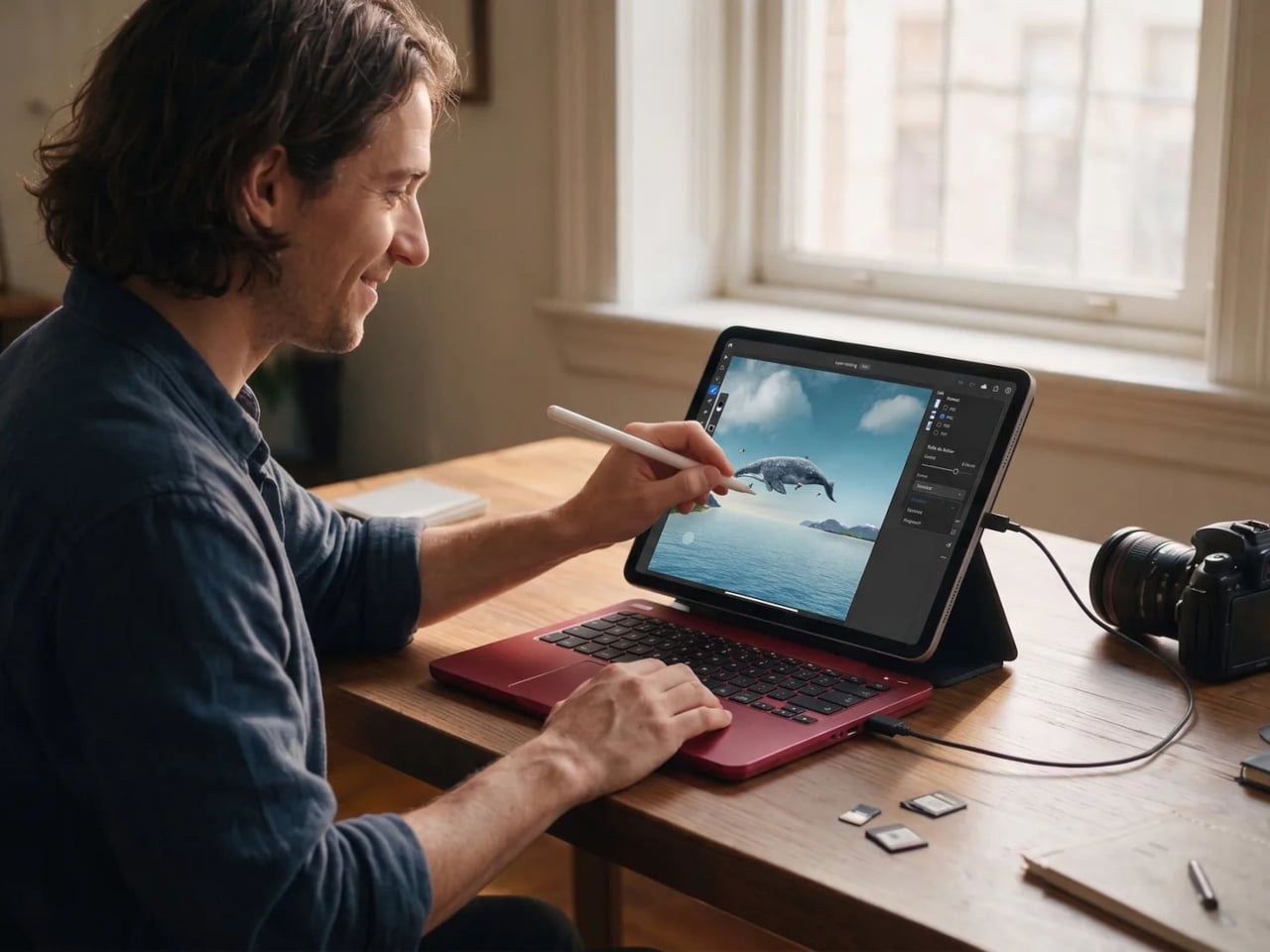
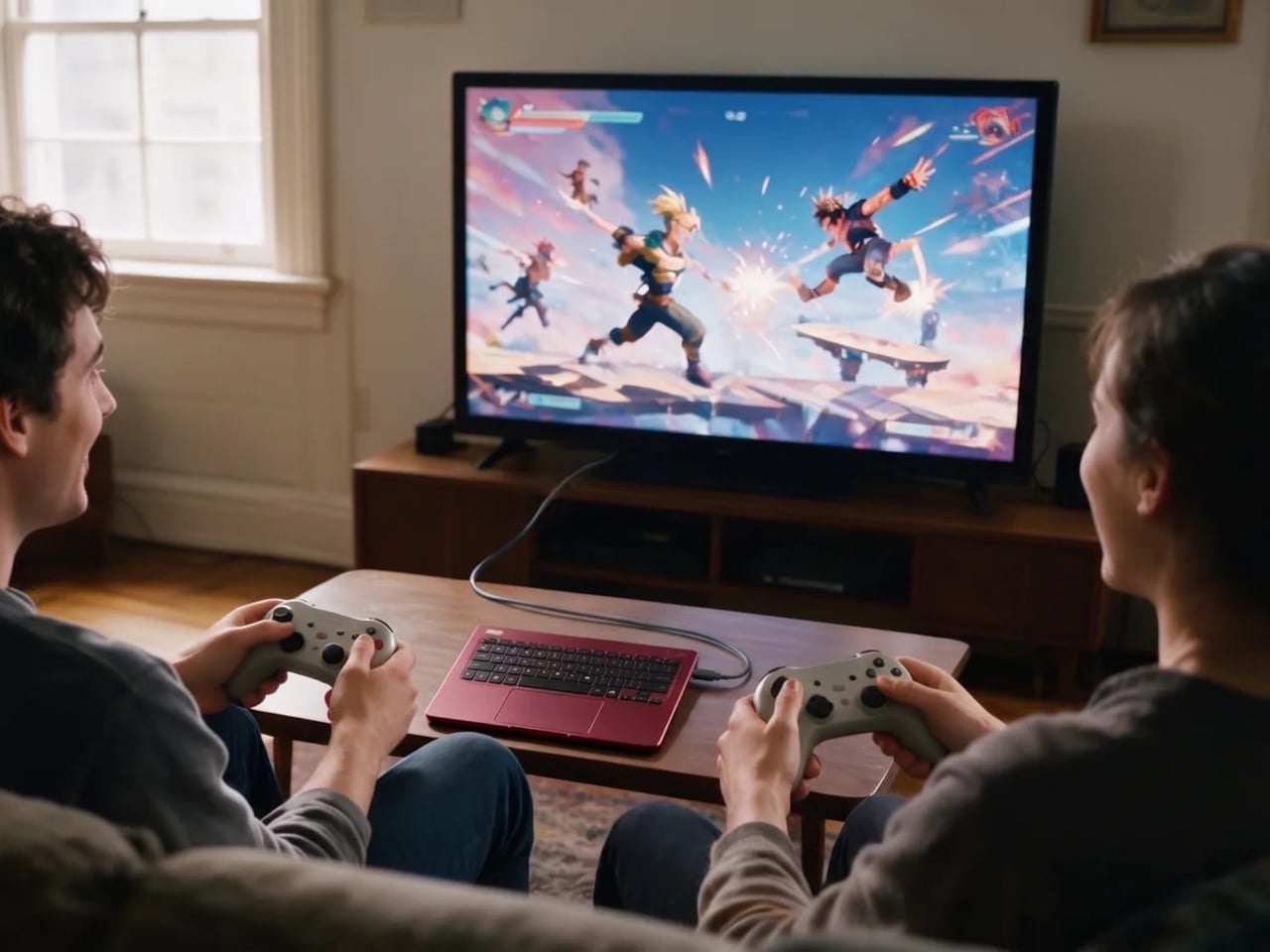
Carrying a tablet and a laptop means packing two screens when what you really need is another operating system. Hero Devices’ upcoming Hero Keyboard puts a Windows 11 PC inside a keyboard with its own trackpad and battery, leaving the display to a compatible tablet or monitor. The idea is to carry your computer without committing to the screen attached to it.

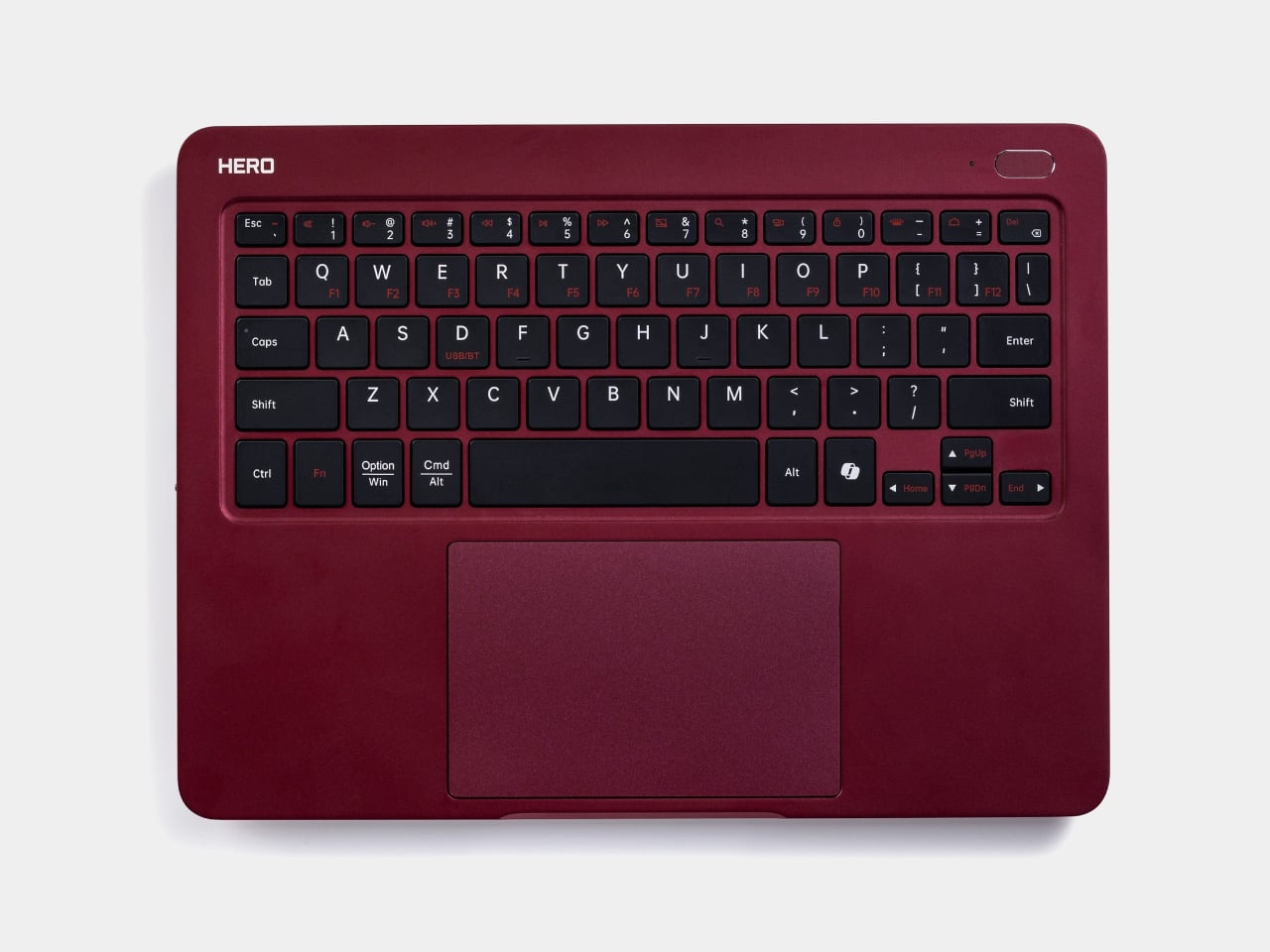
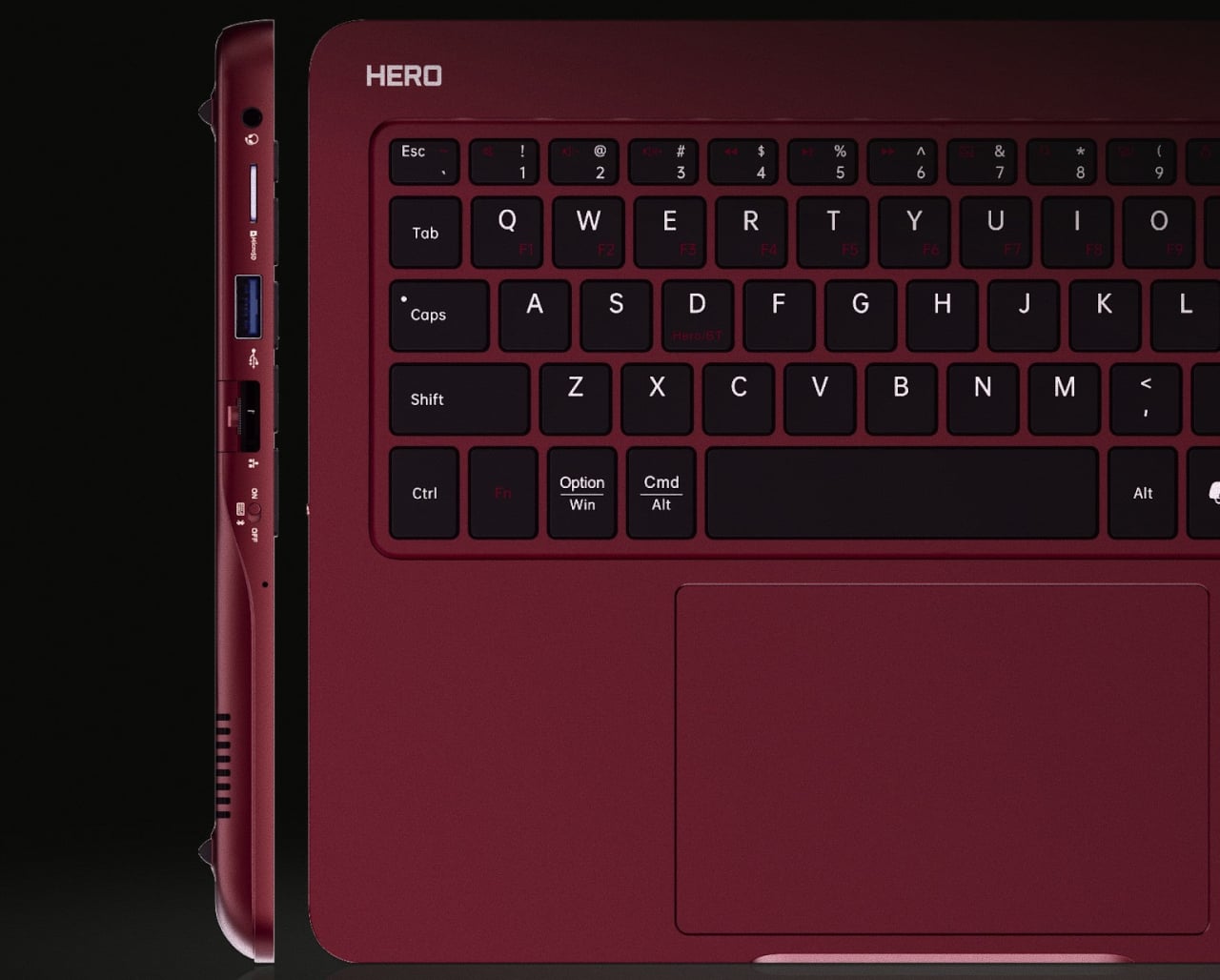
That makes Hero look rather like a laptop that’s misplaced its lid. Its Midnight Merlot enclosure has rounded corners, black keys, and a broad trackpad, with none of the hinge hardware anchoring a display behind it. The aluminum body measures about 10.04 by 7.48 inches and just 0.46 inches thick, although that compact footprint doesn’t leave room for a separate number pad.

Designer: Hero Devices

Inside, Hero specifies an Intel Core Ultra 5 125H processor, 16 GB of memory, and a 512 GB SSD. Windows runs on that hardware, not on the tablet, which simply supplies the display and supported touch inputs. That’s critical when you need a Windows application your tablet can’t run natively, without replacing the mobile software you already enjoy using on it.

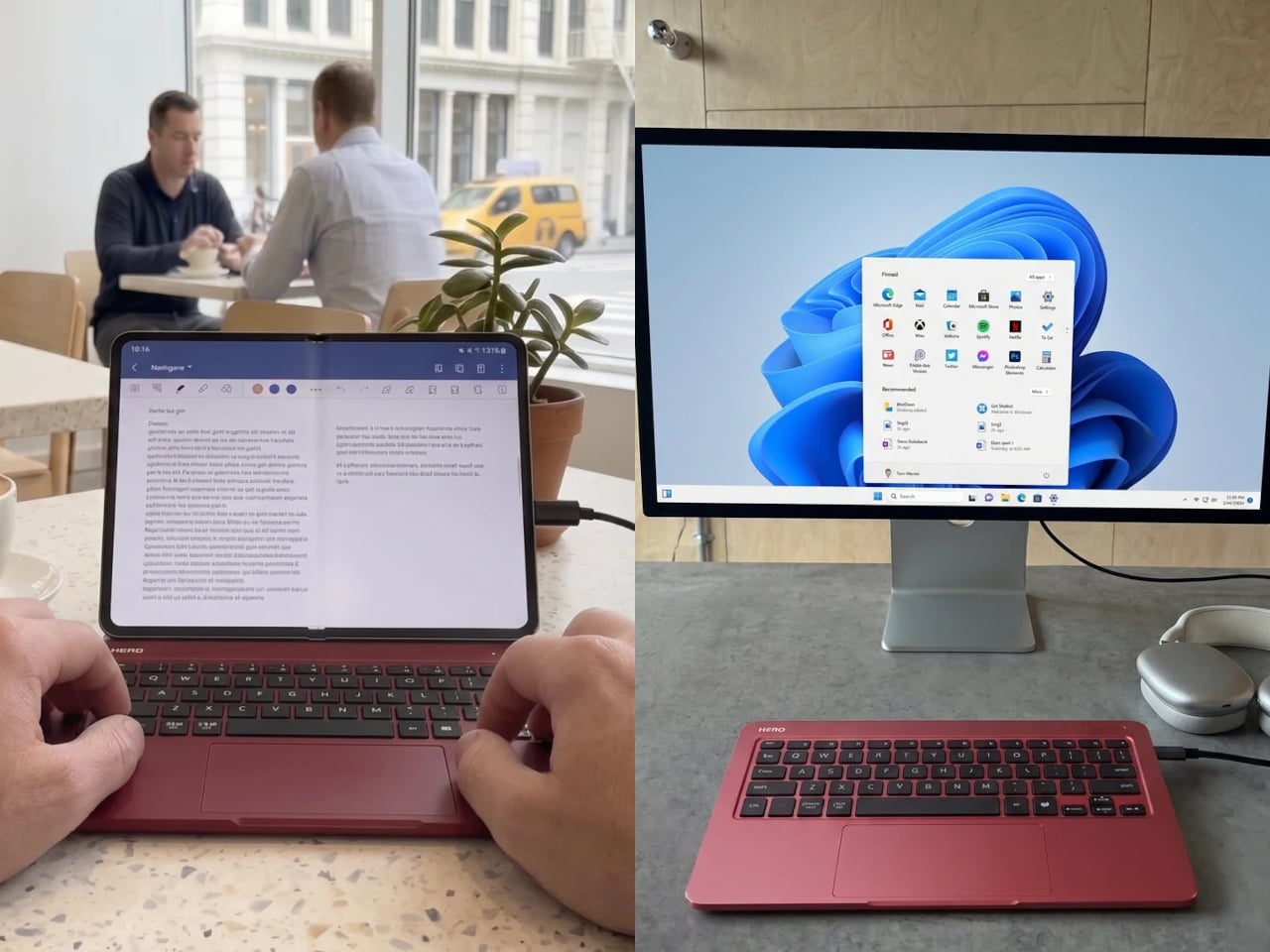
Using a tablet as the display takes some software, though. Hero Port uses a standard USB-C data cable for wired video, while touch and stylus inputs travel separately over Bluetooth Low Energy. Hero’s companion app targets iPadOS 17 and later and Android 7 and later, but its product page still marks it as forthcoming. iPhone users are directed to third-party alternatives, such as Duet.

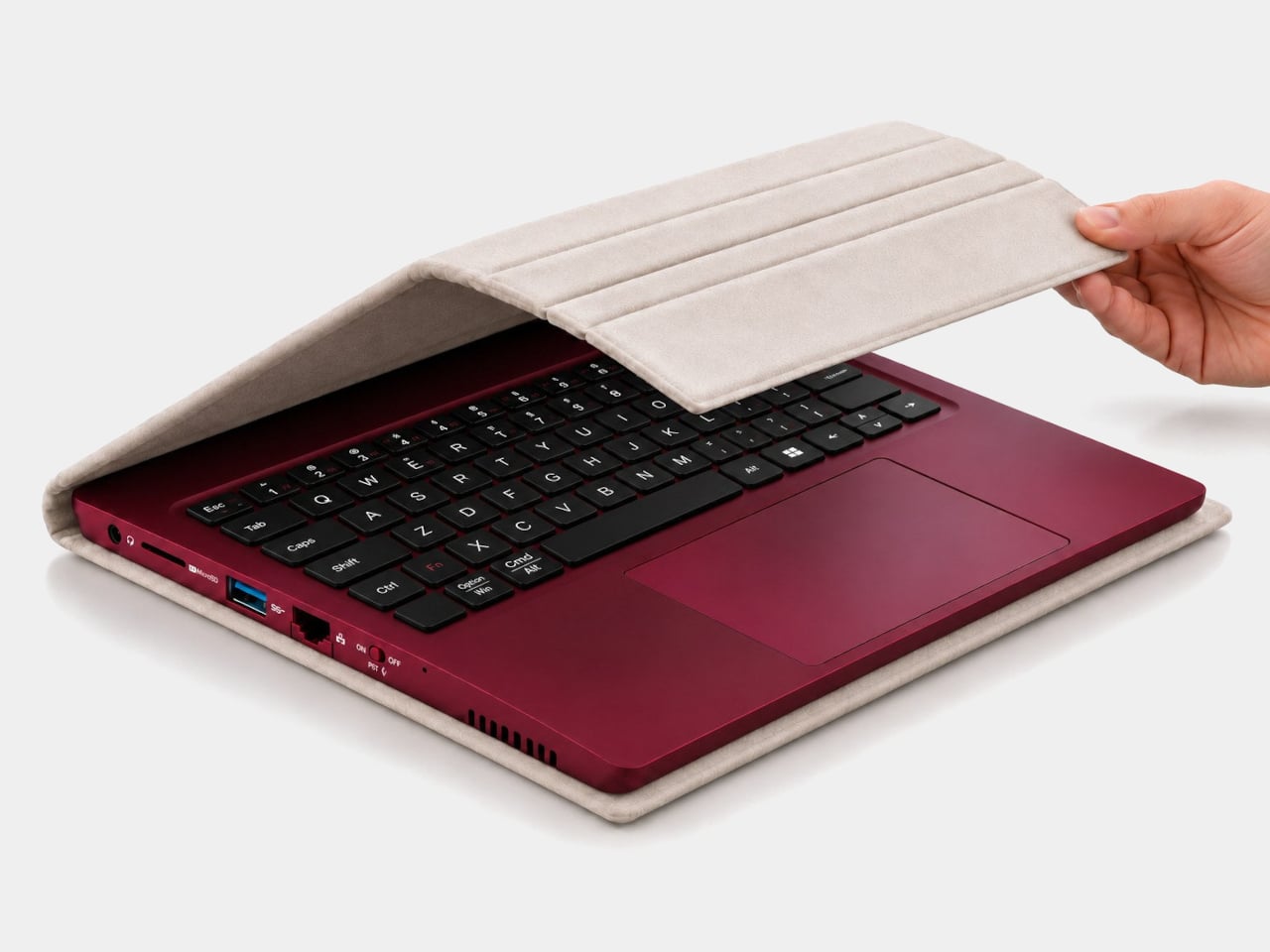
At a desk, a compatible USB-C monitor can provide both a display connection and power through one cable. Move elsewhere, and the same files and applications travel inside the keyboard, rather than needing another PC to pick up the work. The optional $50 Sidekick case gives those separate parts a home, carrying Hero and an 11-inch iPad while doubling as a tablet stand.

Hero has a role when you don’t need Windows. Switch off its PC, and the keyboard and trackpad can still serve a tablet over Bluetooth. You could answer messages in your tablet’s native apps, then switch back to Windows for work that needs it. There’s no need to pack a second keyboard just because you’ve changed operating systems rather than changing screens.

Of course, leaving out the screen doesn’t make the rest weightless. Hero alone weighs about 1.59 pounds, before adding a tablet, stand, or charger. The company promises up to nine hours of battery life and includes a 100-watt USB-C charger, but those figures don’t establish how long your workload will last. The tablet supplying your display also has its own battery to manage.

The Founders Edition is listed at $999 for preorder in the US and Canada, with initial shipments planned for the fourth quarter of 2026. That’s a substantial price for something that still needs a separate display. Its appeal depends on already owning the right screen and wanting Windows enough to accept a cable, an app, and a less self-contained setup than a laptop.

The post Hero Keyboard Packs a Windows 11 PC and Borrows Your Tablet’s Screen first appeared on Yanko Design.