
You won’t find Nothing phones at US carriers, but here’s how you can still buy them
While you can't get one at an AT&T or Verizon store, Nothing has partnered with Best Buy.


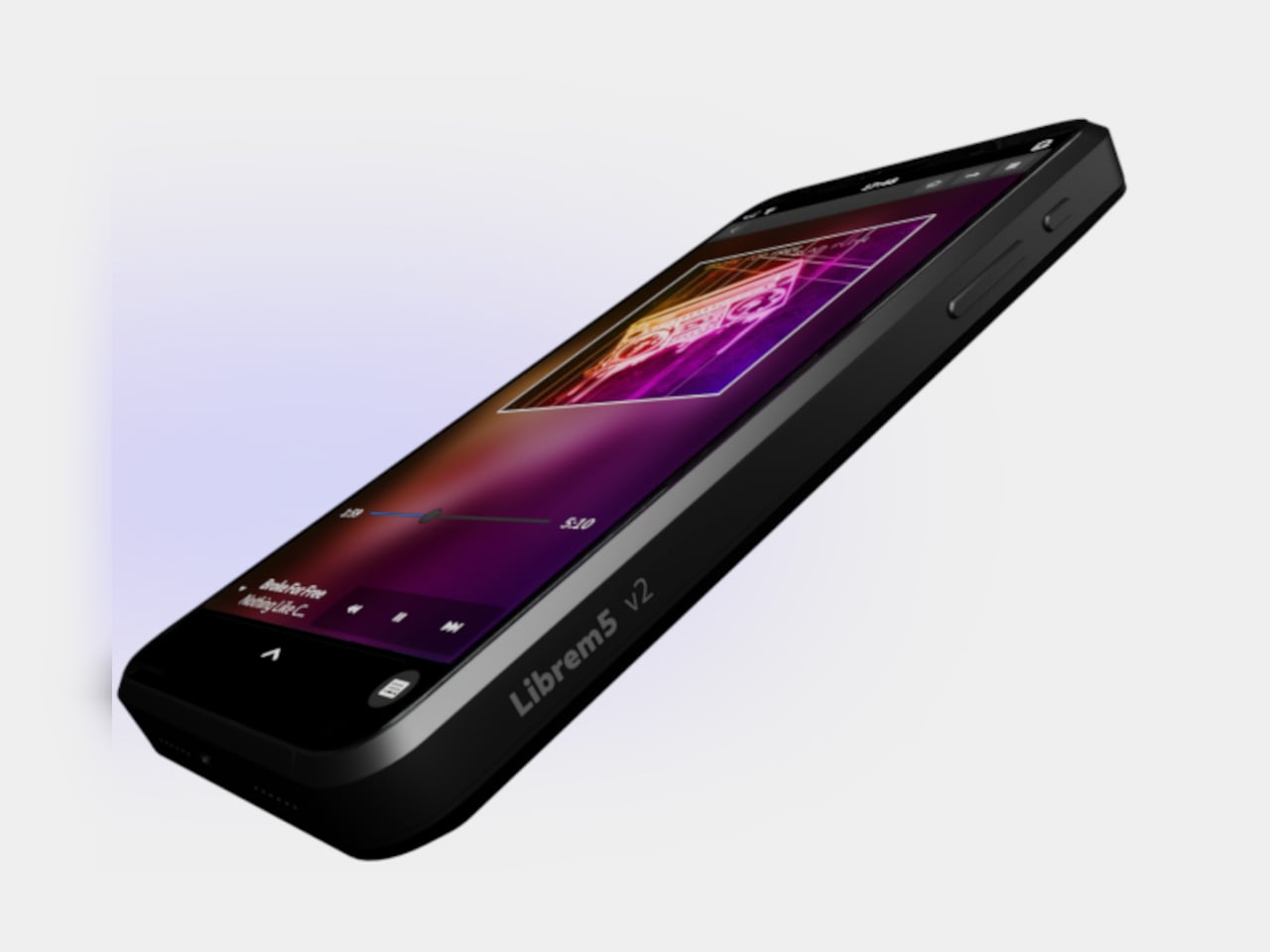
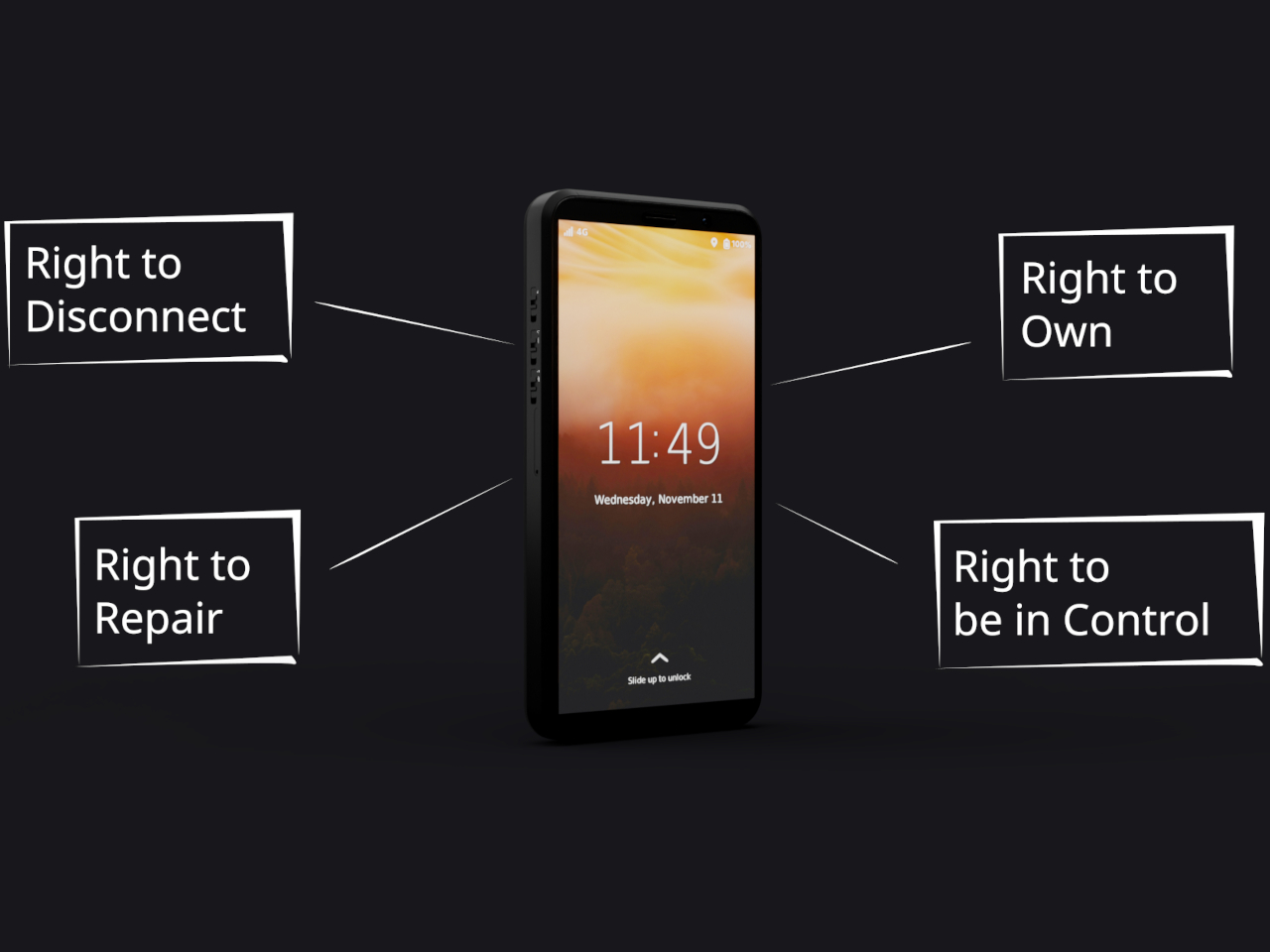
Purism’s Librem 5 v2 doesn’t look especially concerned about keeping up with smartphone fashion. The planned Linux phone keeps its predecessor’s blocky shell while proposing a change underneath, moving from an Arm processor to RISC-V. Its more interesting design choices remain tangible: switches you can slide, a battery you can remove, and components that aren’t permanently married to the rest of the phone.
The thick borders around its 5.7-inch screen and substantial black sides give it a rugged-looking appearance, although that shouldn’t be confused with certified ruggedness. There’s something almost stubborn about retaining this shape while announcing a second generation. The display’s planned 720×1440 resolution won’t help it look especially contemporary, either. The front camera sits above the screen, without a display cutout.
Designer: Purism
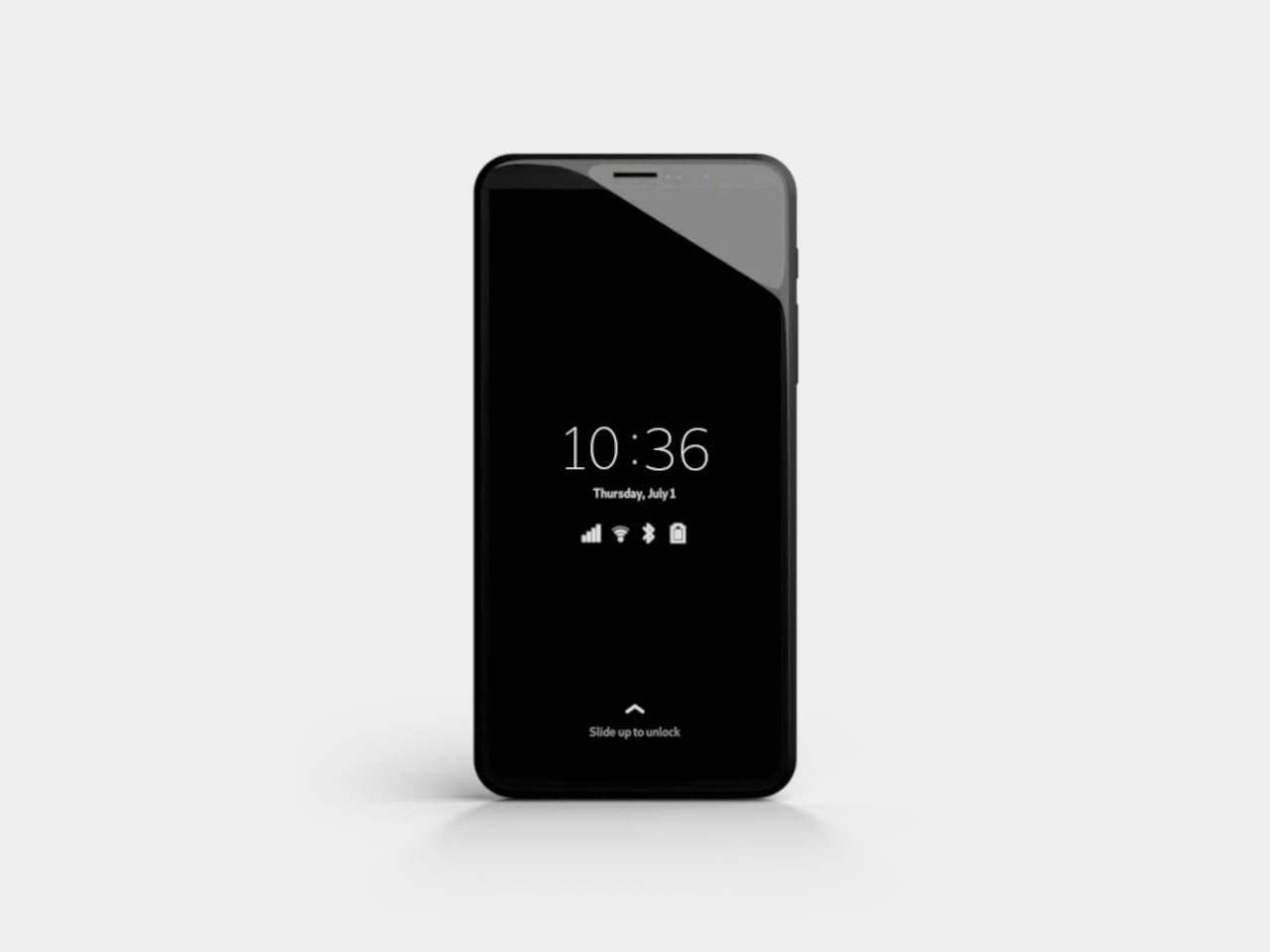
That familiar body has a practical explanation. Purism is retaining the original chassis to support repairs and potential hardware upgrades between generations. Reusing an enclosure makes more sense when the parts inside are intended to be accessible rather than sealed away. The company expects to offer replacement electronics after production, subject to supply, so this isn’t a guaranteed upgrade kit for existing owners.
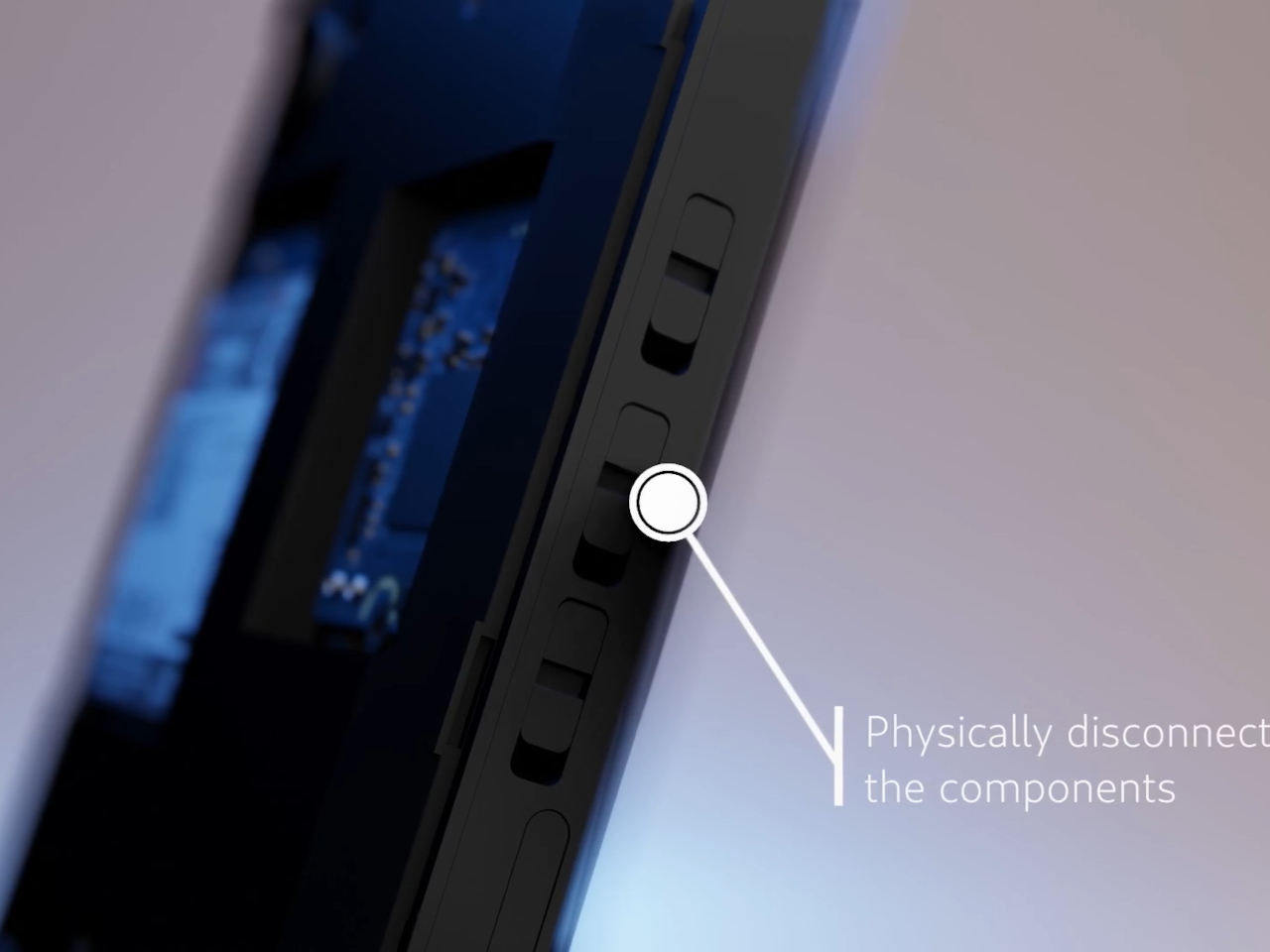
The side switches give that ownership argument a more immediate, everyday purpose. Three hardware switches cut power to the cellular modem, Wi-Fi and Bluetooth, and cameras and microphones, respectively. Before a private conversation, you could disable the recording hardware without navigating through settings. It turns a privacy preference into an action you can make with your fingers, right on the phone’s edge.
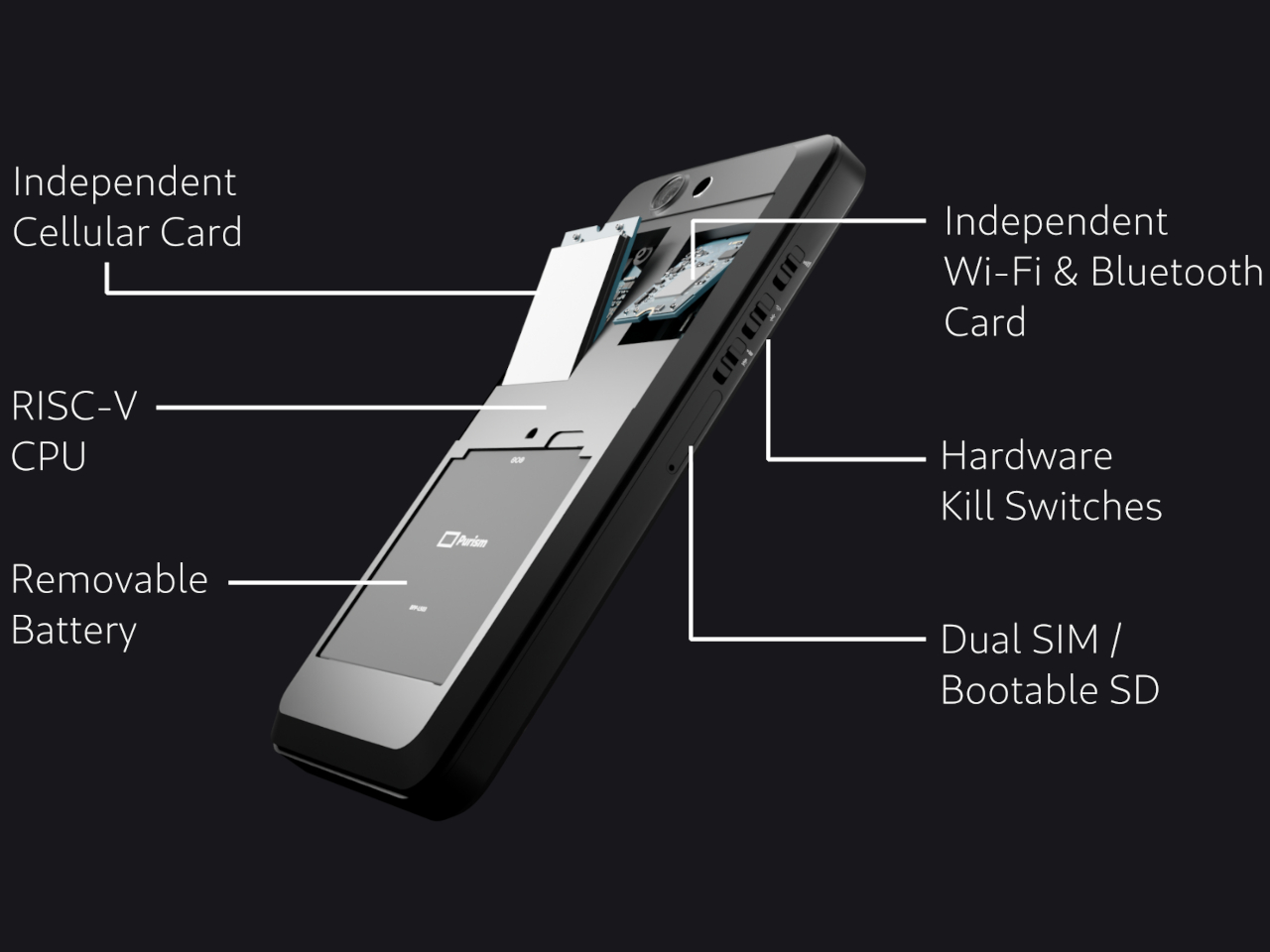
The removable 4,500mAh battery follows the same thinking. When it eventually wears out, replacing it wouldn’t have to mean replacing the handset. Separate cellular and Wi-Fi/Bluetooth cards bring that modular approach to connectivity, too. Even the headphone jack sticks around, letting wired headphones work without another adapter. None of this makes the phone slimmer, but it leaves more things within the owner’s reach.
Purism’s proposed hardware pairs an eight-core SpacemiT K1 processor with at least 8GB of RAM and 128GB of built-in eMMC storage. RISC-V gives Purism an open instruction set to build around, although that doesn’t mean every chip or piece of firmware becomes open source. The company promises cooler operation and longer battery life, but neither improvement has been established through independent testing.
PureOS, a Debian-based Linux system, is intended to offer an alternative to Android and iOS. Connecting an external screen through USB-C would extend the phone’s workspace, while native Linux apps offer a different software route. The catch is familiar apps. Android compatibility still needs work, alongside graphics and power management, so you shouldn’t assume your banking or messaging routine will transfer without friction.
Purism currently lists a $1,599 price for the phone under development, with production deliveries targeted for spring 2028 rather than any immediate release. That leaves considerable work between the proposal and something ready for your pocket. Keeping the old enclosure is defensible, but access to replaceable parts and dependable everyday software will matter much more than the promise of owning them someday.
The post Purism Librem 5 v2 Keeps Its Old Shape for Repairs and Future Upgrades first appeared on Yanko Design.



Maxwell Aircraft has unveiled the M1 Hybrid, an amphibious aircraft that combines electric propulsion with conventional fuel-powered engines to address one of aviation’s longstanding compromises – the need for substantial power during takeoff without carrying oversized engines throughout an entire flight. Designed for cargo and passenger transportation, the aircraft aims to deliver long-range performance while retaining the flexibility to operate from both land and water.
The first configuration, called the M1-HC, is being developed primarily for cargo operations. Maxwell claims it will carry a payload of up to 2,000 lb over 1,000 nautical miles on a single flight. A five-foot-wide cargo door is designed to accommodate palletized freight, making loading and unloading more practical for logistics operators.
Designer: Maxwell Aircraft
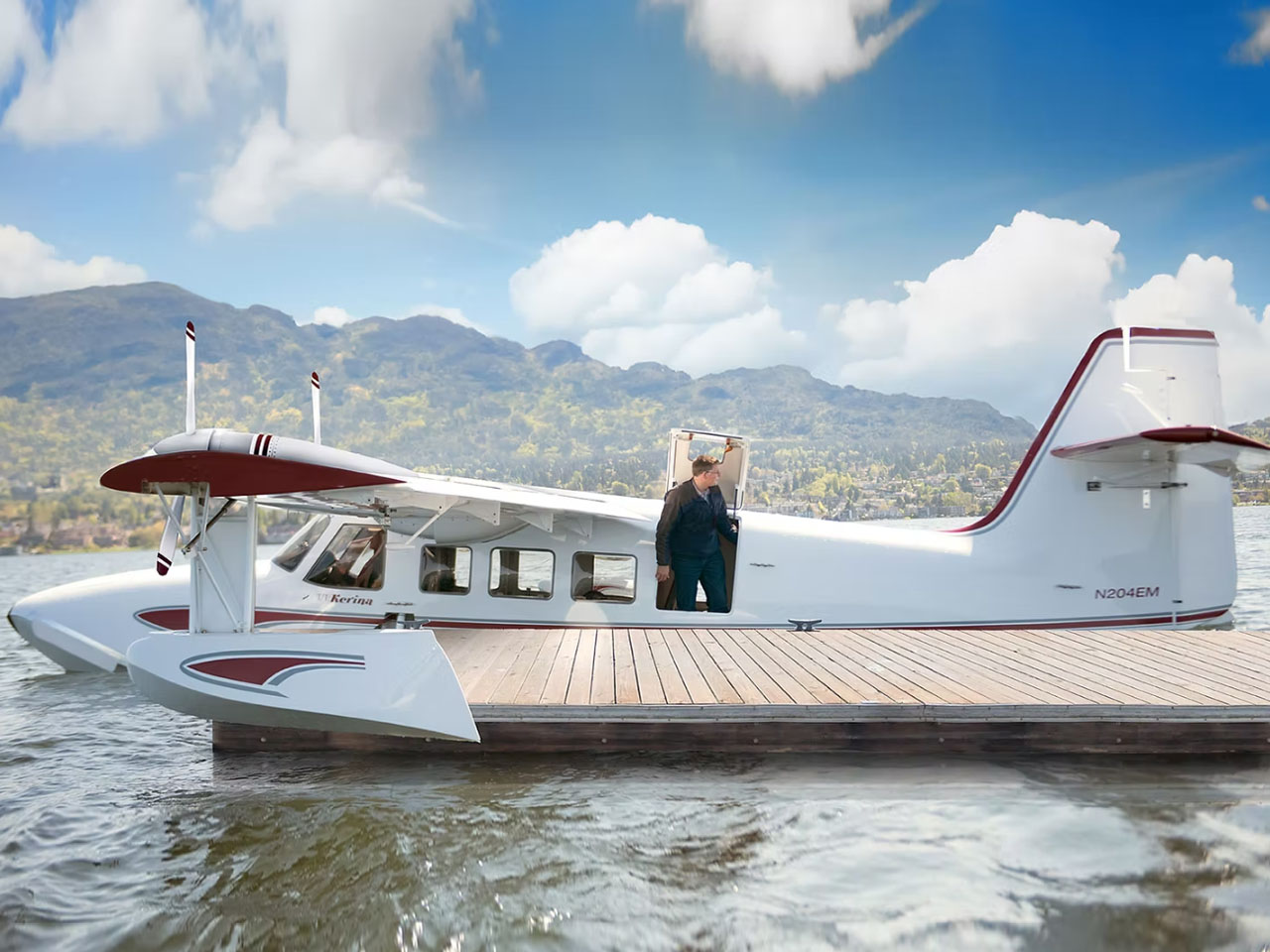
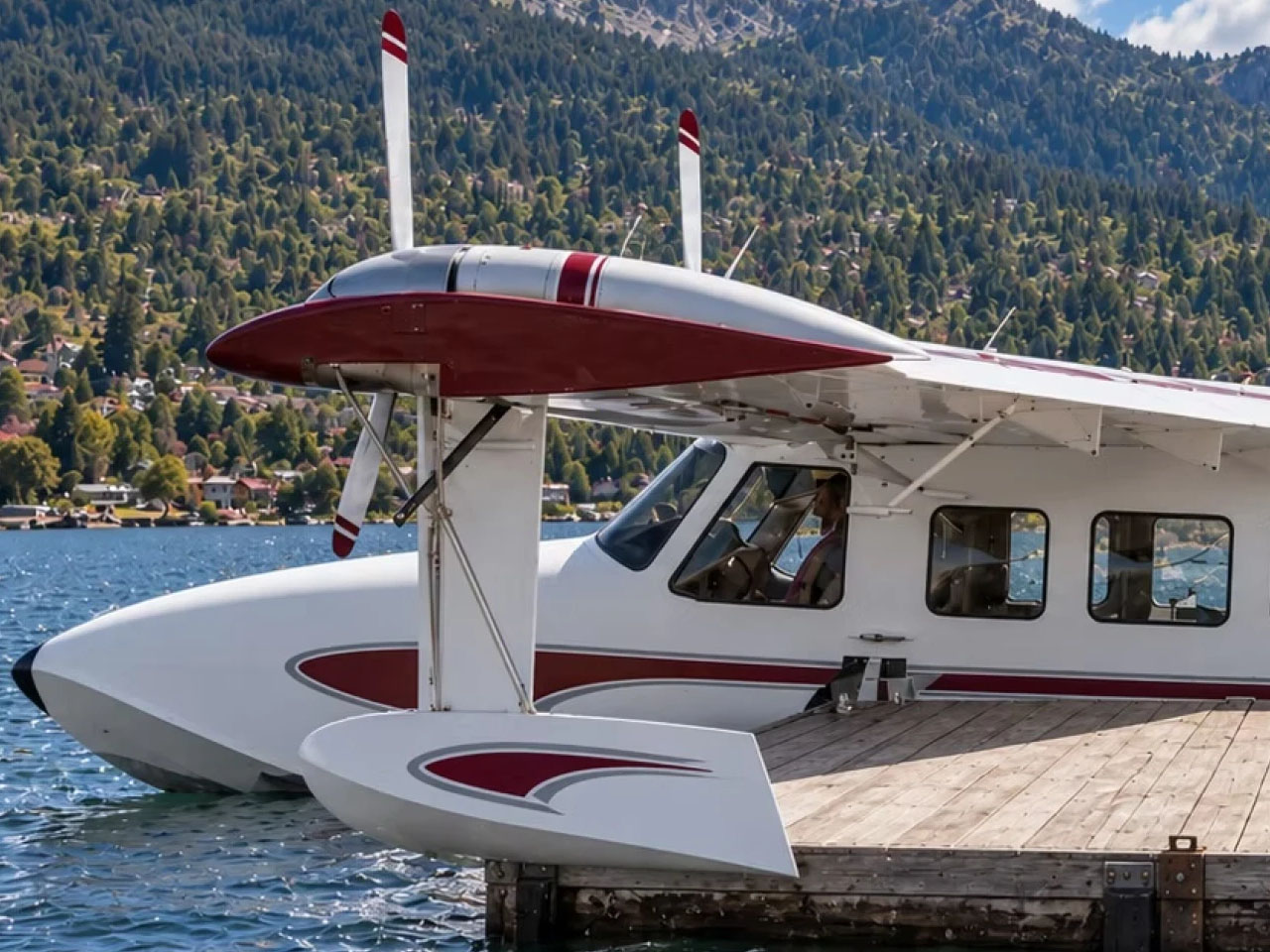
The aircraft’s defining feature is its patent-pending, mechanically coupled hybrid propulsion system. Rather than relying exclusively on electric motors or conventional engines, the arrangement combines powerful electric motors with two compression-ignition engines running on Jet A aviation fuel. Each propulsion system contributes power according to the demands of different flight stages.
During takeoff and initial climb, the electric motors provide additional power, with the combined system targeting up to 1,500 horsepower. Maxwell estimates that this high-power assistance will be needed for approximately six minutes. Once airborne and cruising, the aircraft relies primarily on its fuel-powered engines, requiring approximately 300 horsepower combined, or 150 horsepower per engine. These engines use compound turbocharging and direct fuel injection to support efficient operation.
This approach is intended to reduce the battery capacity required onboard. Since electric assistance is concentrated around the most power-intensive stages of flight, the aircraft does not need to carry a large battery pack for continuous electric propulsion. Keeping battery weight down is particularly important for an aircraft designed to transport substantial cargo over long distances.

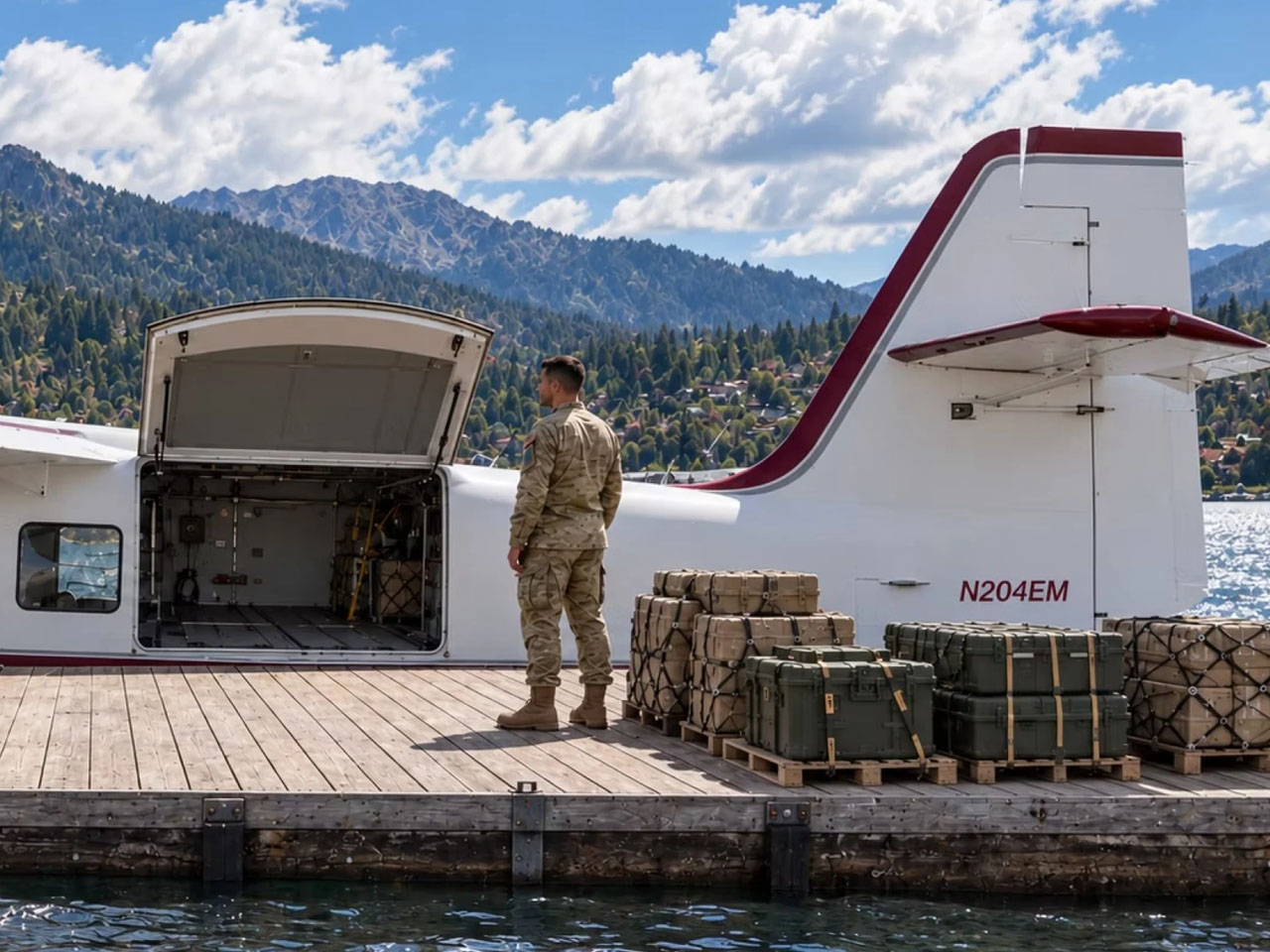
M1’s construction also reflects its intended operating environment, as the airframe uses carbon fiber and Kevlar, drawing on the composite Gweduck amphibious aircraft design, which Maxwell describes as a fifth-generation evolution of the historic Grumman seaplane concept. Beyond reducing structural weight, composite materials address a practical challenge for seaplanes – corrosion caused by prolonged exposure to saltwater.
Its amphibious configuration allows the aircraft to operate from waterways and unimproved runways, potentially opening routes that conventional land-based aircraft cannot easily serve. Maxwell sees applications in remote communities, island transportation, disaster response, cargo logistics, government operations, and defense missions.
The M1 Hybrid Cargo is being offered under experimental aircraft regulations, including commercial use for government purposes. Its announced performance figures remain design targets rather than independently demonstrated operating specifications.
By combining electric assistance for high-power flight phases with fuel-powered cruising, Maxwell is adapting a radical approach to hybrid aviation. The M1-HC’s proposed capabilities could make it a practical option for transporting people and supplies to locations where conventional airport infrastructure is limited.


The post Maxwell M1 Hybrid Amphibious Aircraft Uses Electric Power for Takeoff and Jet Fuel for Long-Range Flight first appeared on Yanko Design.