
Fired OpenAI safety researchers dispute their dismissals in open letter
Three OpenAI researchers said their firings may have a 'chilling' effect on employees.
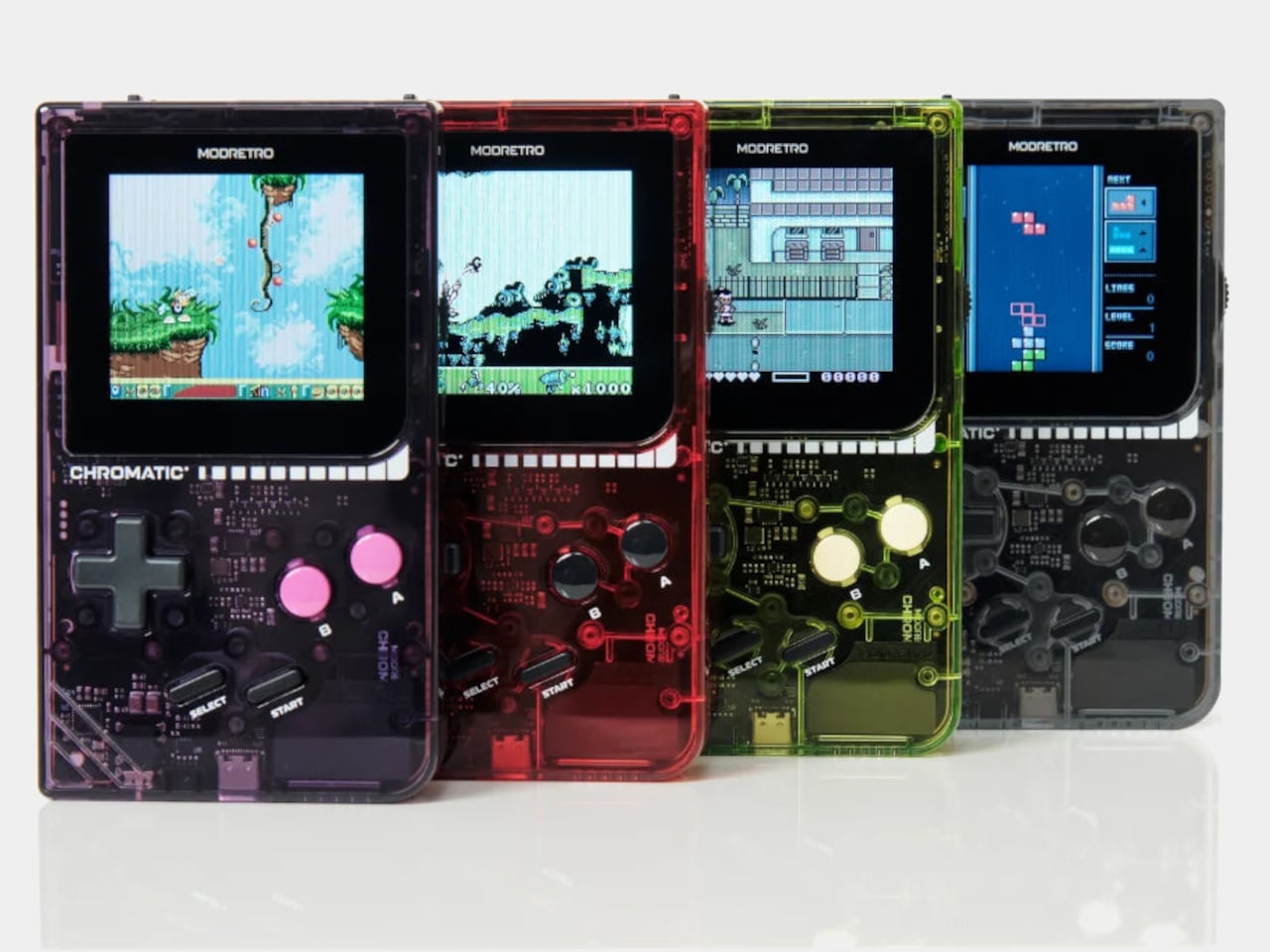
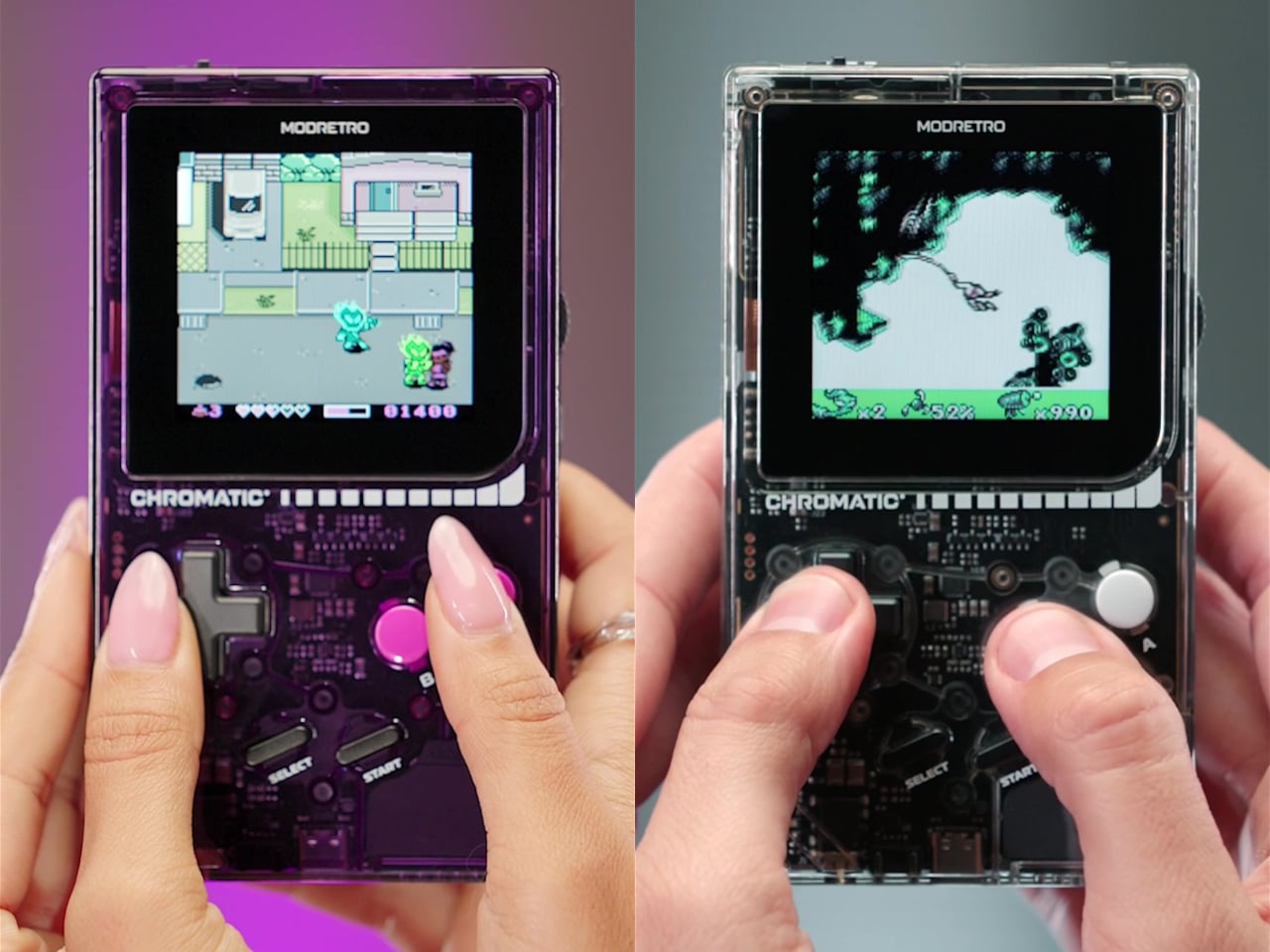
Retro handhelds have a habit of hiding modern electronics inside shells that pretend time stopped decades ago. ModRetro’s transparent Chromatic does the opposite and pays homage to a specific past era, letting the circuitry show through while you slide in an actual Game Boy cartridge. The familiar shape and chunky buttons are still there, but Smoke, Purple, Green, and Red shells turn the hardware underneath into part of the attraction.
Although the majority of electronics of the past did hide their inner workings inside opaque plastic, there was a point in time when colorful transparent shells were in fashion. Traces, screws, and the battery compartment share the stage with the D-pad and face buttons, rather than disappearing behind a fashionable color. Each translucent finish changes how much of that detail catches your eye, without changing the familiar way your thumbs find the controls.
Designer: ModRetro
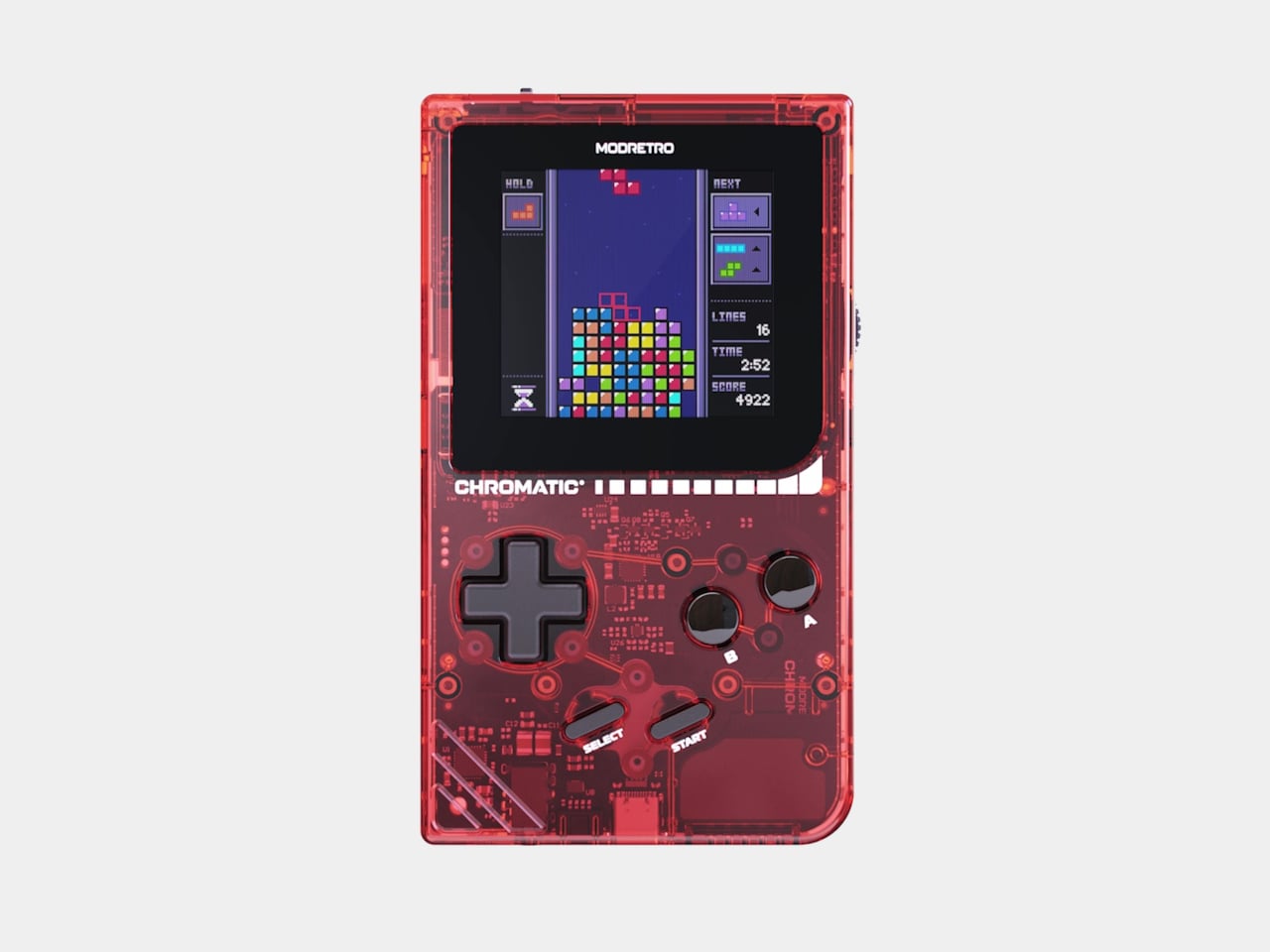
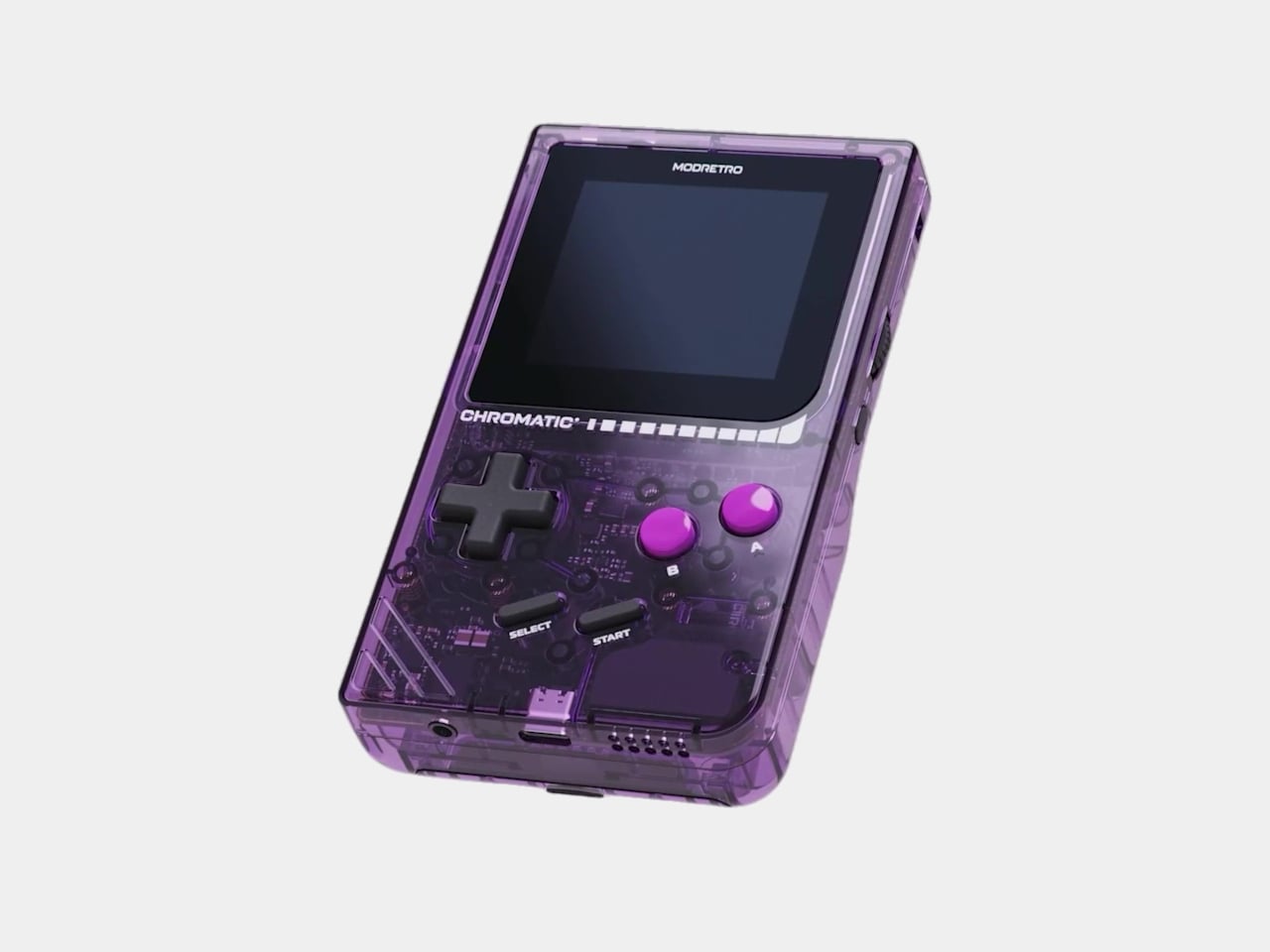
Pull a vintage Game Boy cartridge from a drawer and the Chromatic lets you play it directly, rather than hunting down a digital copy. Its FPGA-based hardware supports Game Boy and Game Boy Color cartridges, along with ModRetro’s own releases. That physical slot matters: swapping games still feels like changing games, complete with the ritual of choosing which cartridge deserves the trip in your bag.
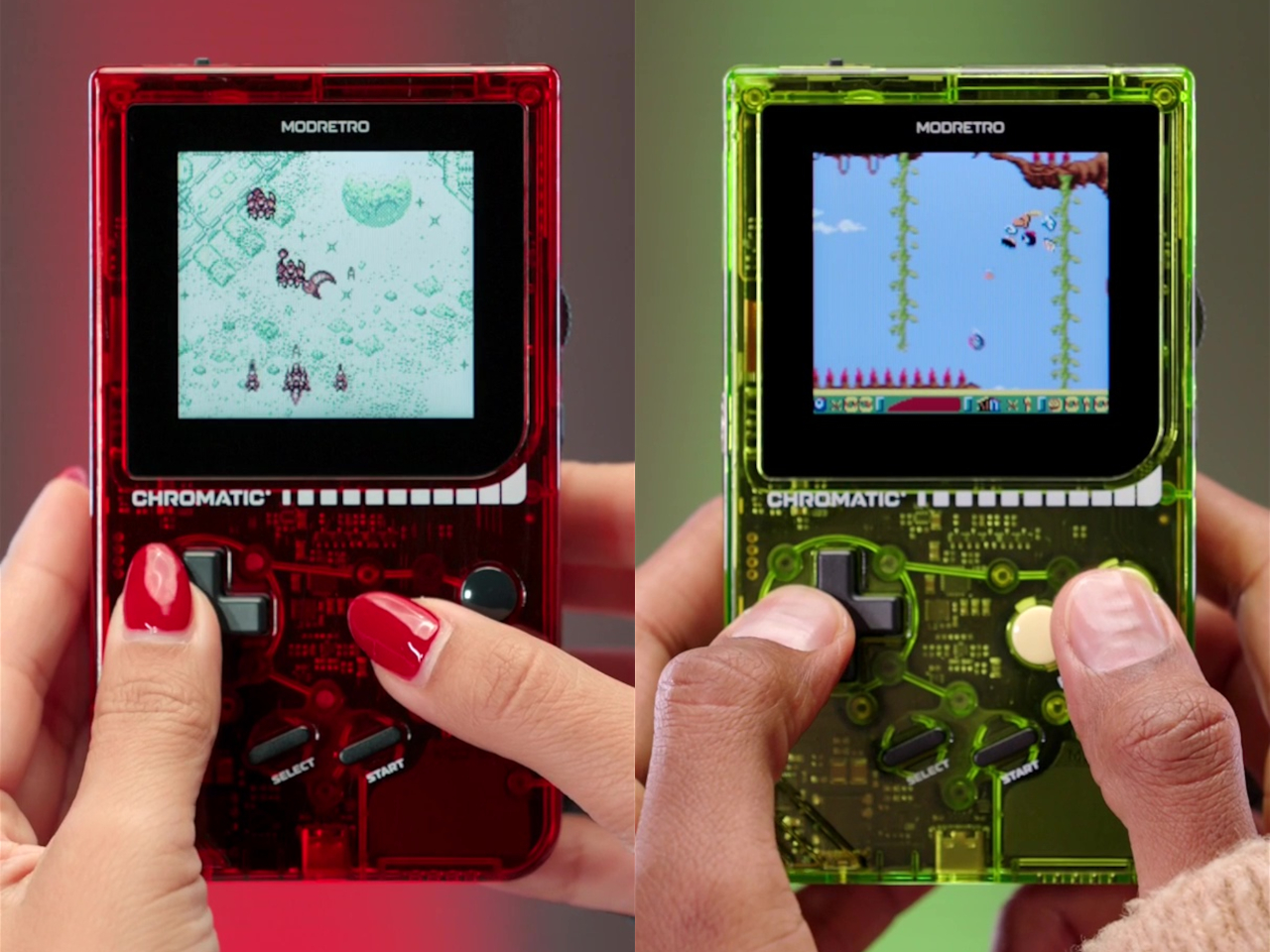
The 2.56-inch backlit screen follows the original Game Boy Color’s 160×144 resolution, giving old games the space they were made for instead of stretching them across a giant display. Scratch-resistant Gorilla Glass covers it, while a D-pad and PBT buttons keep navigation pleasantly tactile. It’s a small screen by current standards, but that’s the point when you’re revisiting pixel art.
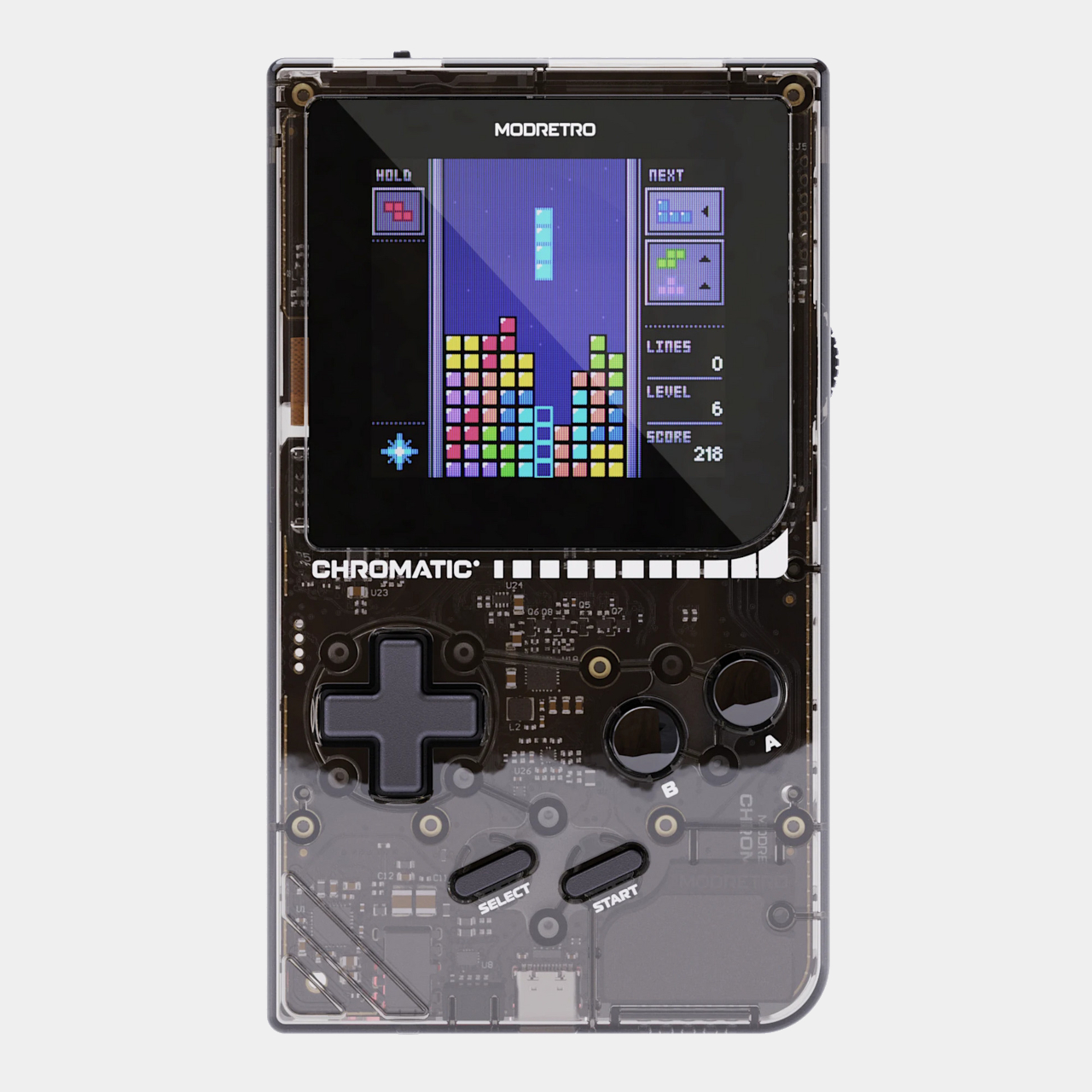
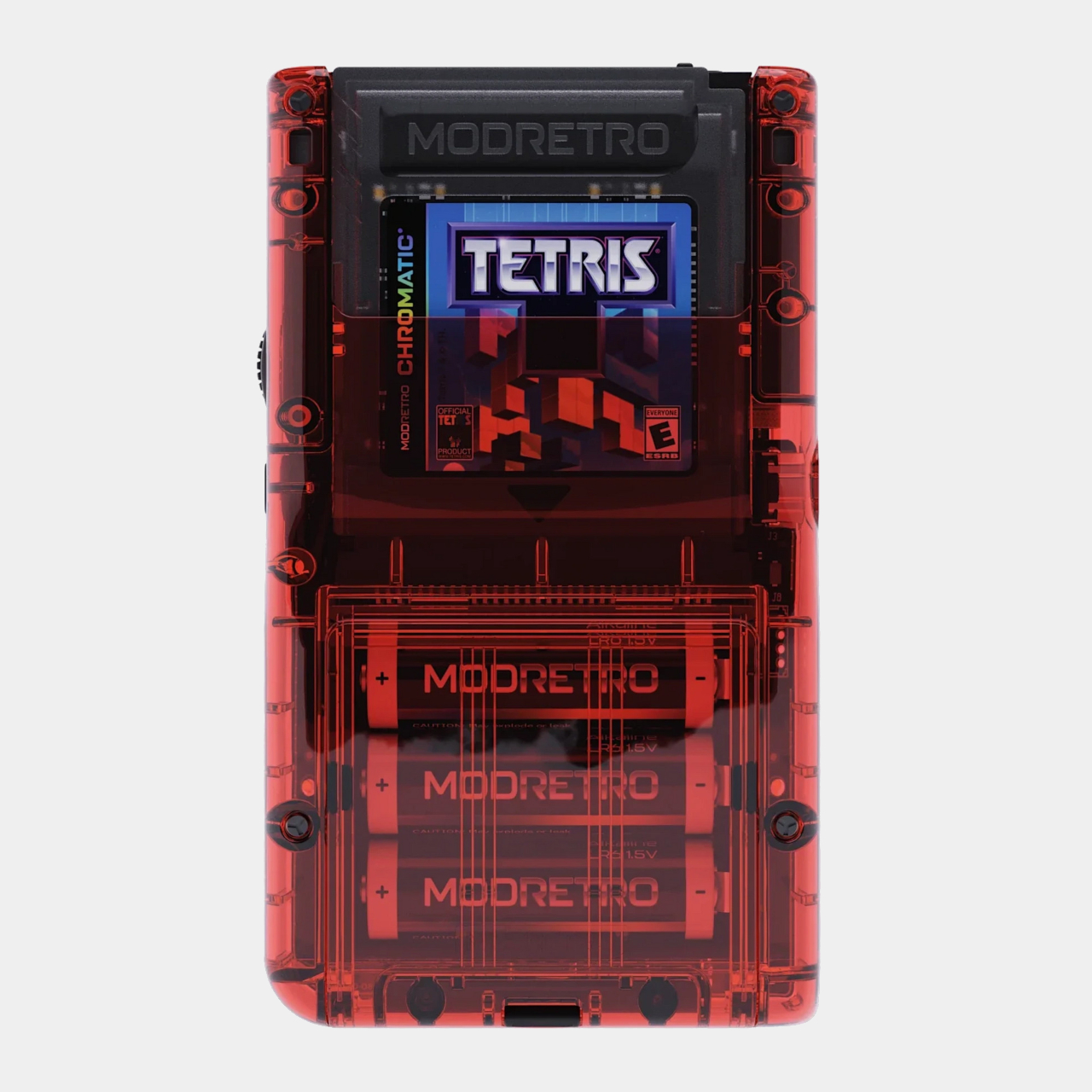
Then there’s the wonderfully old-fashioned matter of power. Three AA batteries come in the box, so you can replace them when a train ride outlasts your plans. If you prefer charging, ModRetro sells a separate Rechargeable Power Core that charges through the console. The transparent back even leaves the batteries visible, making an ordinary maintenance task part of the handheld’s character.
Of course, a trip back to cartridge gaming can involve another player. The Chromatic retains a link cable port and an infrared link, while its speaker and 3.5mm headphone jack give you options for listening without bothering everyone nearby. USB-C video output to a computer offers a route when you want to share what you’re playing, although this is still a pocket-sized machine.
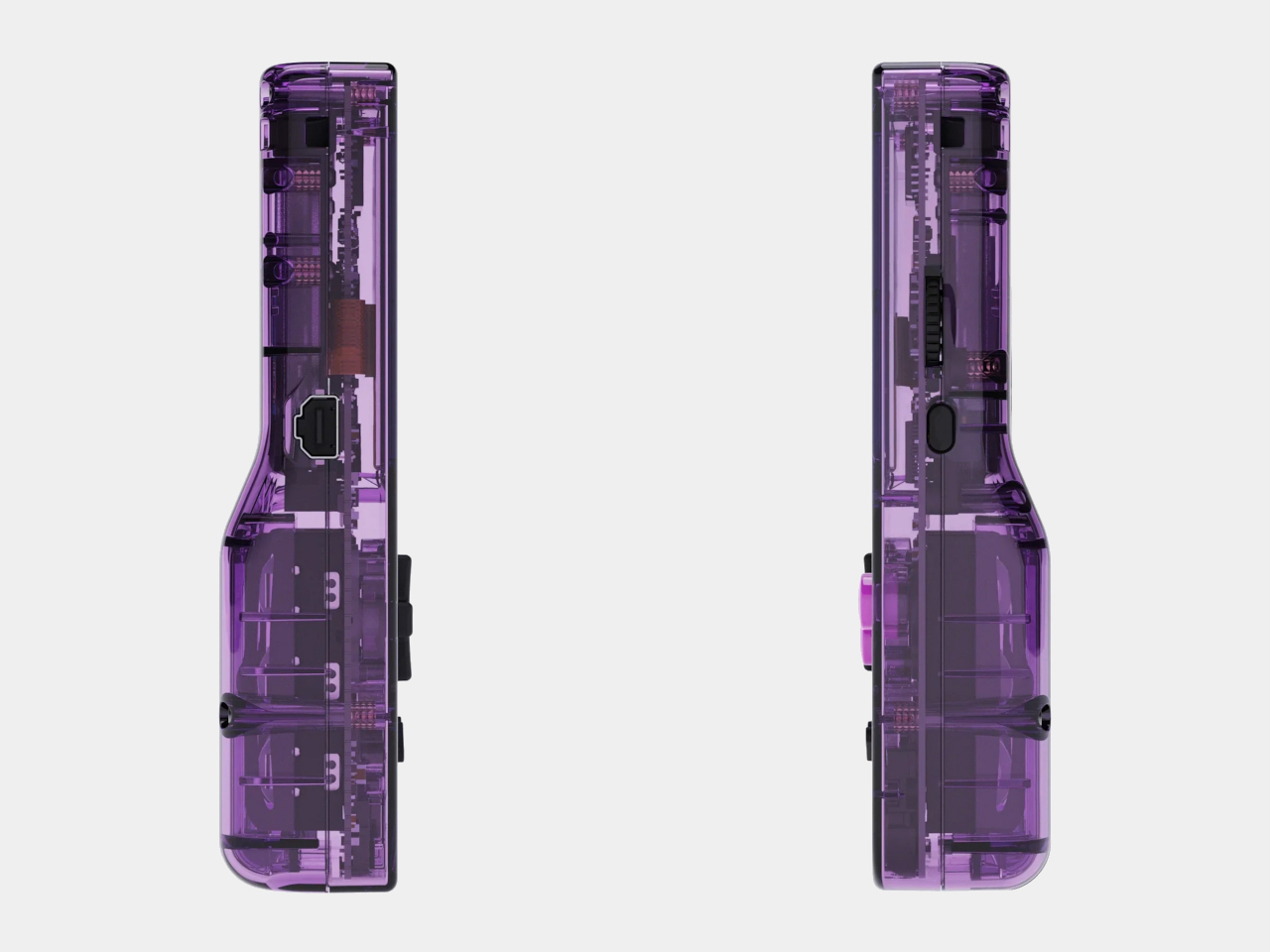
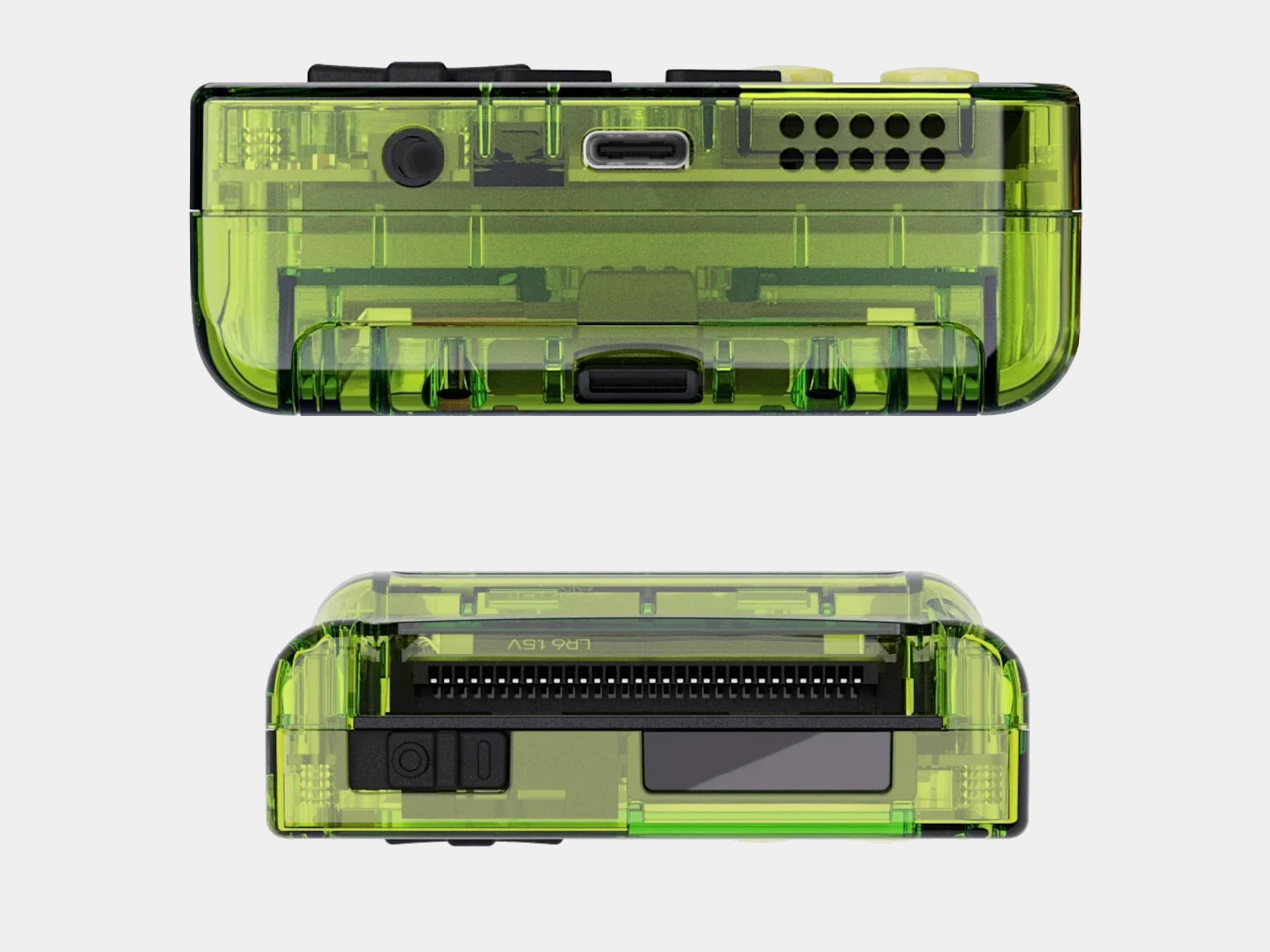
The transparent ABS plastic shell is also designed to come apart for modifications, which gives tinkerers another reason to care about what’s inside. At 5.2in x 3in x 1.2in and 6.2oz, the Chromatic isn’t trying to pass for a modern phone. Its squared-off proportions leave room for physical controls, a cartridge slot, and the sort of grip you remember from childhood.
For $149.99, the transparent Chromatic comes with a Tetris cartridge and three AA batteries. It won’t make a game feel new, and the shell won’t do much for someone who prefers downloads to collecting cartridges. But sliding a game into a machine whose workings you can see has its appeal. The game stays on the cartridge, while the machine wears its personality on the outside.
The post ModRetro’s $149 Handheld Has Nothing to Hide, Including Its Circuits first appeared on Yanko Design.
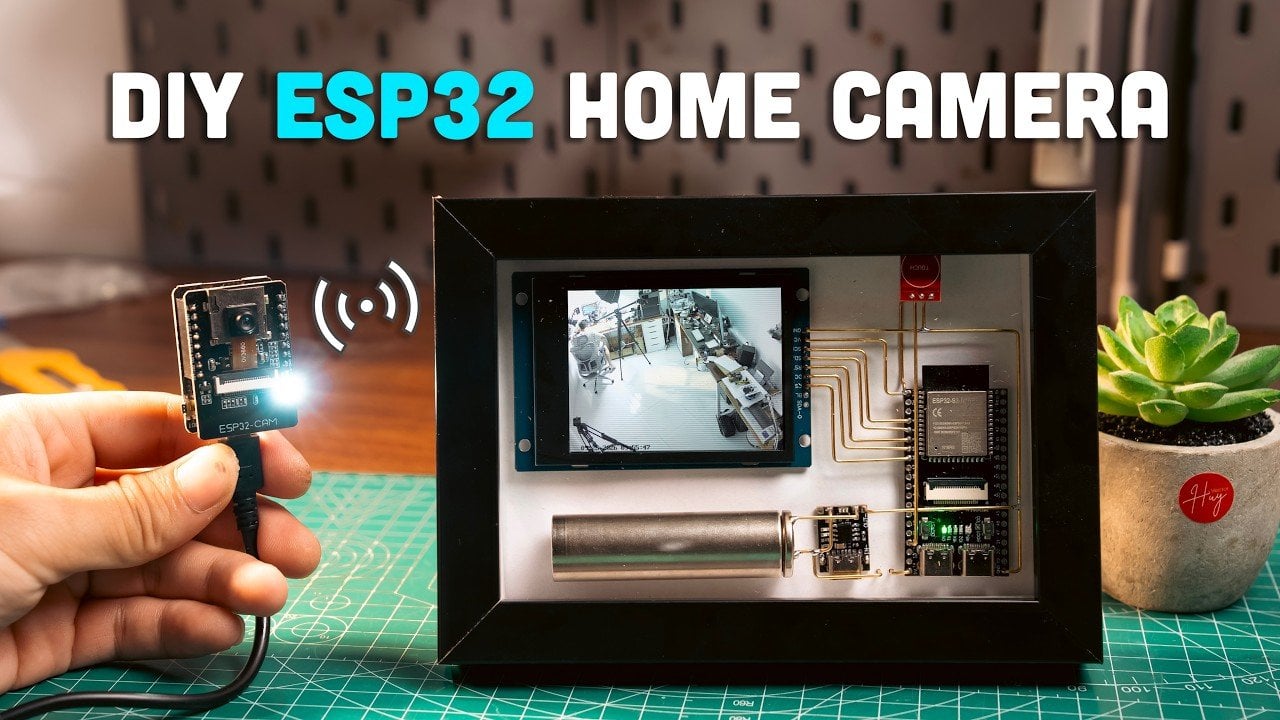
Building a wireless security camera with the ESP32-CAM module offers a practical way to combine cost-effectiveness with essential functionality. HVT Lab explains how this microcontroller, featuring an integrated camera, can be configured for live video streaming, recording and remote monitoring. The project requires assembling components like the ESP32-CAM module, a rechargeable battery and a microSD […]
The post Create a Wireless Security Camera with an ESP32 CAM Module appeared first on Geeky Gadgets.
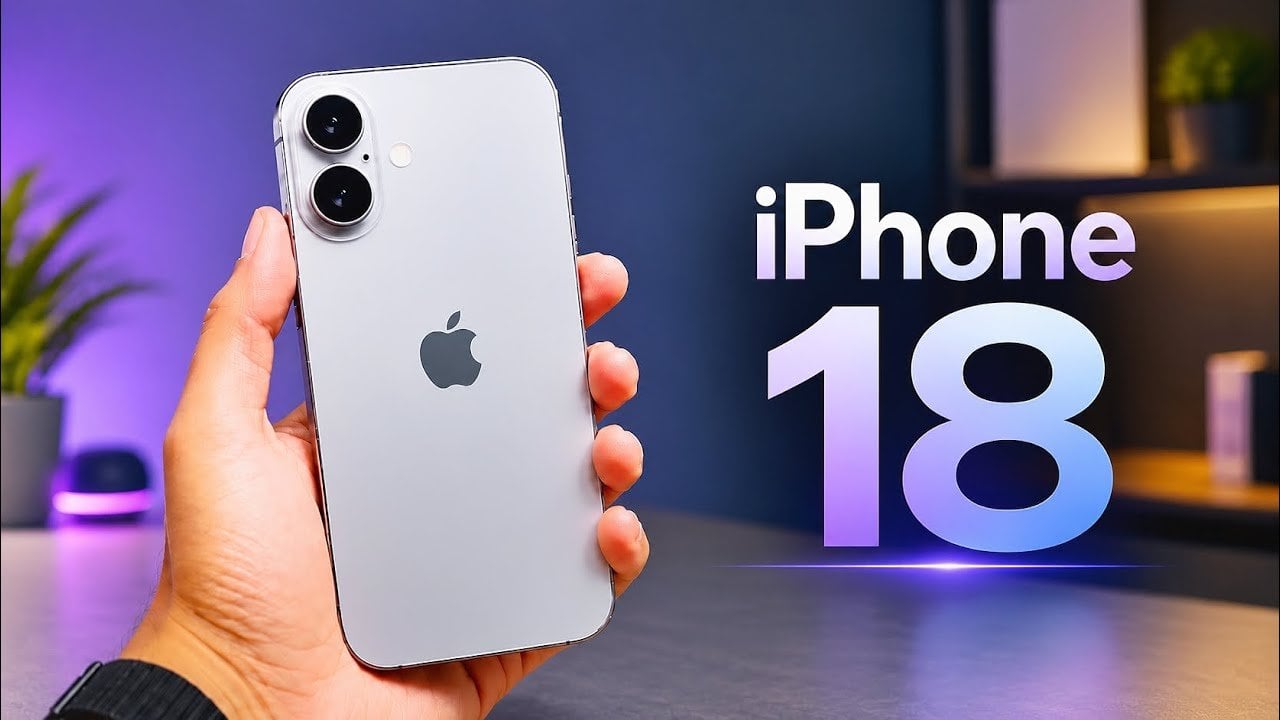
Apple is reportedly implementing a bold new strategy for the iPhone 18 series, reflecting its response to rising production costs, evolving consumer preferences, and global market challenges. The company plans to release the iPhone 18 Pro, Pro Max, and foldable models first, while delaying the standard iPhone 18 and iPhone 18e until spring. This staggered […]
The post Apple’s Secret iPhone 18 Plans Have Just Been Exposed appeared first on Geeky Gadgets.

The Ray-Ban Meta Gen 3 smart glasses combine advanced AI features with classic eyewear design, offering a practical approach to wearable technology. According to SportRx, these glasses include a 12-megapixel ultra-wide 4K camera for capturing high-quality photos and videos. They also feature open-air audio with noise reduction, a battery life of up to nine hours […]
The post Ray-Ban Meta Gen 3 Holds 1,000 High-Res Photos with 32GB of Storage appeared first on Geeky Gadgets.

Key Takeaways Web gamers surveyed by Poki play in sessions of 11 to 20 minutes across two or three titles. Car games make up 10% of US plays on Poki across 154 titles, or 7.6% of the catalog. Platform games generate 30% of plays from 7% of titles. Drive Mad holds 23.2% of plays, while […]
The post Most Popular Car Games Put Drive Mad First on Plays, Not Playtime appeared first on Geeky Gadgets.
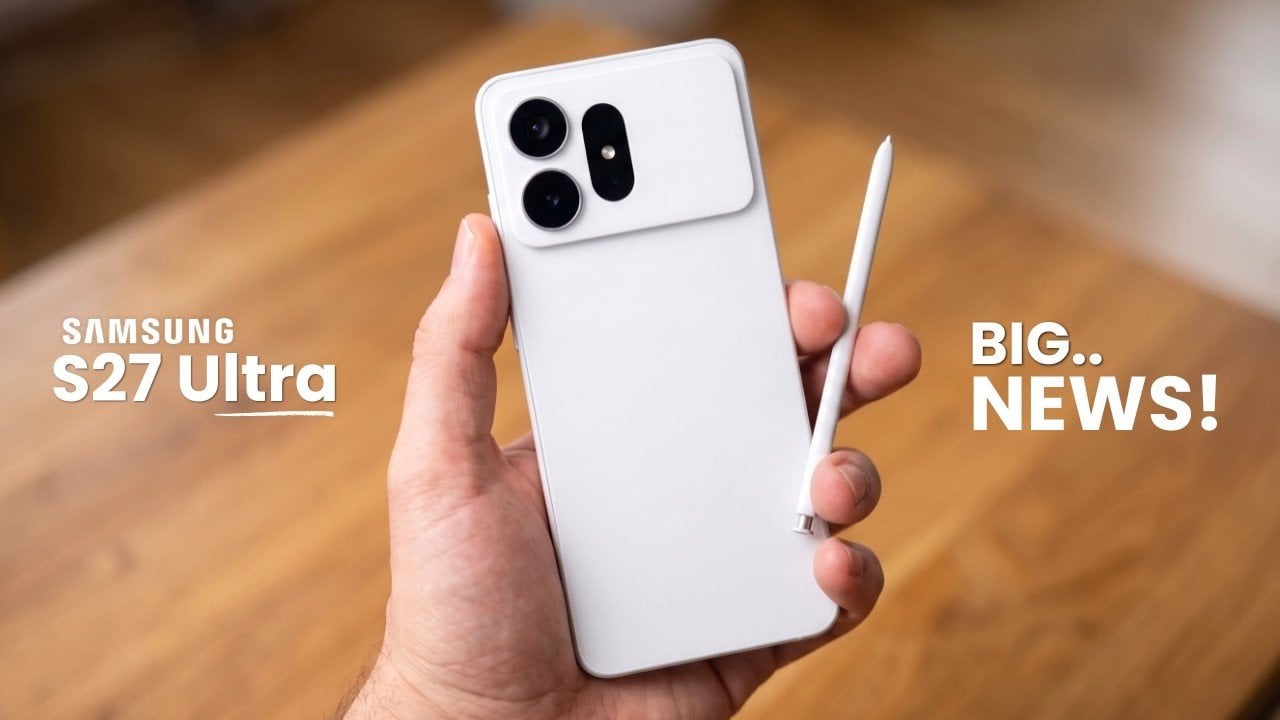
The Samsung Galaxy S27 Ultra is poised to set new standards in the premium smartphone market with its advanced features in battery technology, charging speed, processing power, and design. Scheduled for release in early 2024, this flagship device leads a four-model lineup that showcases Samsung’s commitment to innovation. Leaks and certifications have already highlighted its […]
The post Unexpected Rumors Emerge for the Samsung Galaxy S27 Ultra appeared first on Geeky Gadgets.

Claude Haiku 5.5 has arrived, promising faster performance and reduced costs compared to its predecessor, Haiku 4.5. According to Universe of AI, this release excels in handling high-volume, cost-sensitive tasks, with benchmark tests like GDP Val confirming its speed and efficiency. However, its high token consumption, up to three times more than GPT6 Luna in […]
The post Claude Haiku 5.5 Consumes 3X More Tokens Than ChatGPT 6 Luna appeared first on Geeky Gadgets.
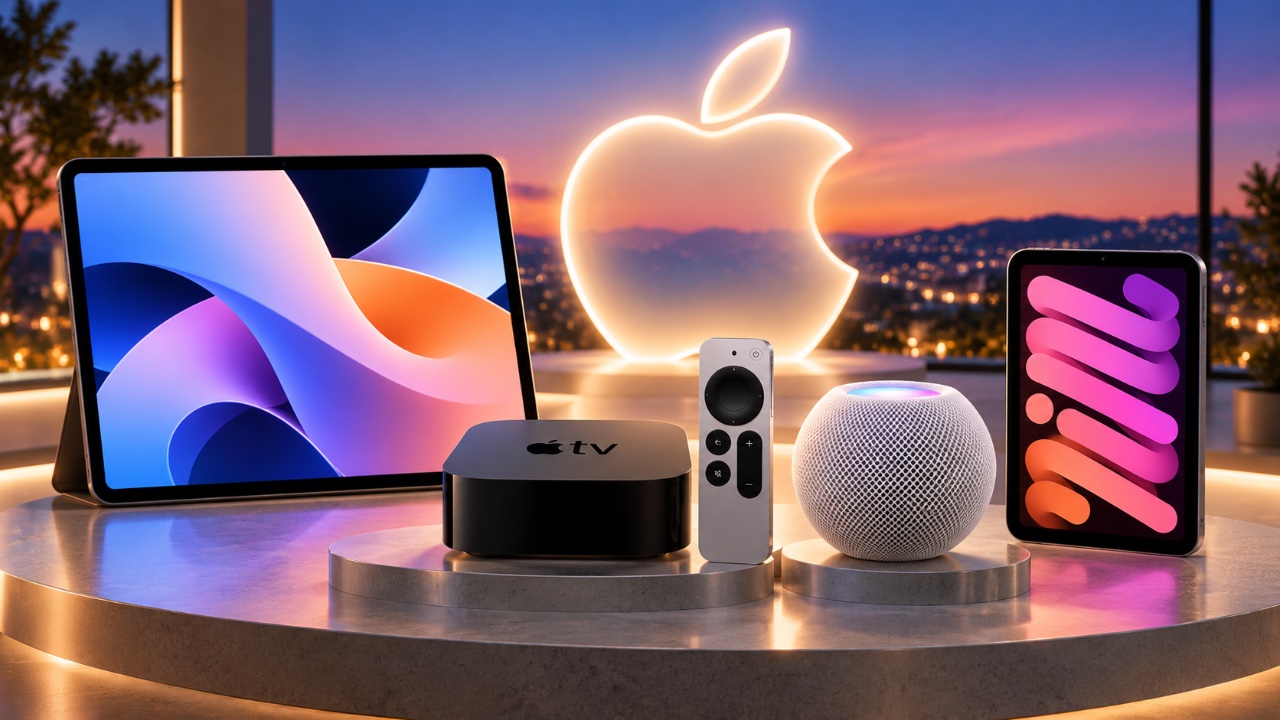
Apple has made a significant move into the smart home market, unveiling a suite of devices and accessories designed to compete with established players like Amazon Ring and Google Nest. By emphasizing privacy, seamless integration, and user-friendly design, Apple is using its technological expertise and a strategic partnership with LG to reshape the smart home […]
The post Why Apple Is Teaming Up With LG for Its Biggest Smart Home Push Yet appeared first on Geeky Gadgets.
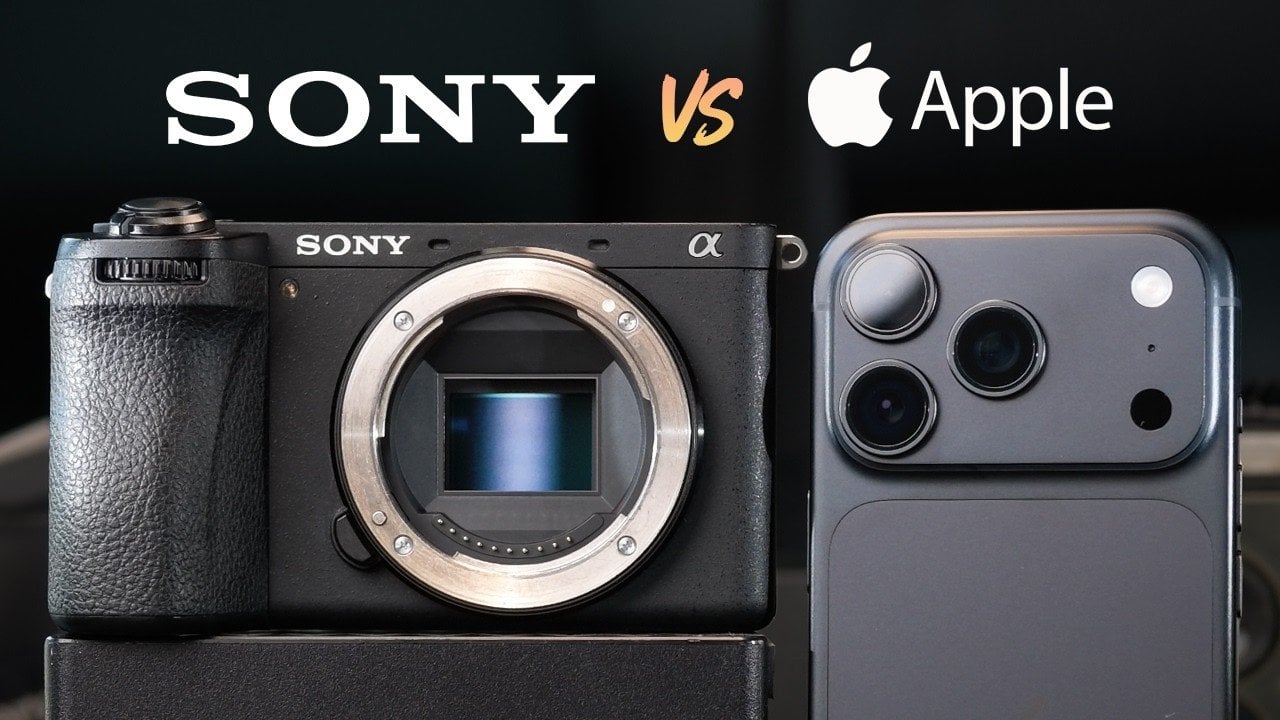
The Film Alliance explores the capabilities of Apple’s iPhone 18 Pro and Sony’s a6700, two devices designed for very different audiences. The iPhone 18 Pro, with its triple-camera system and compact design, caters to users seeking convenience and simplicity. Its built-in time-lapse mode and wireless sharing options make it a versatile choice for casual photography […]
The post Sony A6700 26MP APS-C Sensor Beats iPhone 18 Pro in Low Light appeared first on Geeky Gadgets.