This Smart Griddle Just Combined 4 Breakfast Gadgets Into One Device

Look, we need to talk about kitchen appliances. If you’re anything like me, you’ve got a toaster shoved in one corner, a waffle maker collecting dust in a cabinet, and maybe a sandwich press you haven’t seen since 2019. The countertop real estate struggle is real, and it’s a problem that designer Nikhil Thomas Zachariah just solved with BrioChef.

Picture this: one sleek appliance that houses a griddle, sandwich maker, toaster, and waffle iron all in one sculptural package. Yeah, you read that right. Four appliances, one footprint, and honestly, it looks like something that wandered off the set of a sci-fi movie and decided to make you breakfast instead.

Designer: Nikhil Thomas Zachariah

The design itself is striking. That bold coral-orange body with black cooking surfaces isn’t trying to blend into your kitchen. It wants to be seen, and frankly, it’s earned the right. The form flows in this organic, almost architectural way, with a raised section on the left housing the griddle and sandwich maker, while the right side keeps the toaster and waffle maker ready for action. It’s like someone finally asked, “What if kitchen appliances were actually cool?”

But here’s where BrioChef goes from “pretty cool” to “okay, I’m interested.” Everything is modular. Those cooking surfaces? They pop out with spring-release mechanisms, making cleanup actually manageable instead of that weird scrubbing dance we all do with traditional appliances. The griddle has removable bars that flip between flat griddle mode and sandwich press grooves. The toaster and waffle modules lift right out. All of it is food-grade material that you can clean with whatever you already have under your sink.

The touch display embedded in the surface is another smart move. It’s not just a timer and temperature control (though it does that). It actually walks you through recipes step by step. So if you’ve never made a proper Belgian waffle or you’re not sure how long to press a panini, the appliance literally guides you. It’s like having a patient friend who actually knows how to cook standing in your kitchen at 7 AM, except this friend doesn’t judge you for making a grilled cheese for dinner.

Let’s talk about real-world usage because that’s what matters. Morning rush? Throw eggs on the griddle while your bread toasts. Lazy Sunday? Waffles on one side, bacon on the griddle. Late-night munchies? Grilled cheese in minutes. The versatility here isn’t just a nice feature but the entire point. You’re not just consolidating appliances; you’re opening up possibilities because everything is actually accessible and ready to go.

The thoughtful details pile up when you look closer. There’s an oil and liquid drain built into the griddle section because of course there is. Warning lights tell you when surfaces are hot so you don’t learn that lesson the hard way. The lid design on the griddle and sandwich maker allows waste to be removed while cleaning, which sounds small until you’ve tried to clean out a traditional sandwich press and wanted to throw the whole thing away.

From a design perspective, BrioChef does something that kitchen appliances rarely achieve: it makes you reconsider what’s possible in the space. We’ve been trained to accept that kitchen gadgets are clunky, single-purpose items that we hide away. This challenges that assumption entirely. Why shouldn’t an appliance be modular, beautiful, and smart all at once? The compact footprint means this could work in a tiny studio apartment, a college dorm, or a sprawling kitchen where you just want less clutter. It’s democratizing in that way, meeting people where they actually live and cook rather than assuming everyone has unlimited cabinet space.

Is BrioChef going to revolutionize your entire life? Probably not. But it might revolutionize your morning routine, your countertop organization, and your willingness to actually make breakfast instead of grabbing whatever on your way out the door. And honestly, in a world where most kitchen gadgets are forgettable at best, creating something that’s genuinely useful, thoughtfully designed, and kind of gorgeous? That’s worth paying attention to. Sometimes good design is about solving problems we didn’t even realize we’d been tolerating. BrioChef makes a compelling case that the four-appliance breakfast setup was one of those problems all along.

The post This Smart Griddle Just Combined 4 Breakfast Gadgets Into One Device first appeared on Yanko Design.
A Home That Stays Rooted: This Multigenerational Vietnamese House Preserves What Urbanization Erases

In the outskirts of Hanoi, where sprawling urbanization steadily encroaches on traditional village life, Trung Tran Studio has completed a residence that refuses to erase what came before it. The Nang House, a 270-square-meter dwelling for three generations, sits quietly among established homes and mature trees, each element of the natural landscape carefully preserved rather than cleared away. Completed in 2025, this project emerges at a moment when rapid development threatens to break down the traditional rural structure that has defined these communities for generations.

The architecture speaks through brick, that most fundamental of building materials, reimagined through contemporary forms. Textured walls rise in modular patterns, their surfaces catching light at different angles throughout the day. Arches and circular openings punctuate the structure, creating portals that guide movement while framing views of the gardens beyond. The material choice feels both pragmatic and poetic, grounding the home in local building traditions while pushing toward something unmistakably modern. High wooden ceilings and curved details highlight the angularity of the masonry, creating an interplay between rigid geometry and organic warmth.

Designer: Trung Tran Studio

What makes this project remarkable is its relationship with the site. Trees that have stood for years remain rooted in their original positions, their trunks accommodated by deliberate notches carved into rooflines. The canopy spreads over a central courtyard, blurring boundaries between interior and exterior spaces. This garden becomes the heart of the home, a breathing space where sunlight filters through leaves and generations gather. The design creates an airy, earthy dwelling where indoor and outdoor zones converge seamlessly, allowing natural ventilation to flow through the porous brick facade.

The floor plan unfolds as a series of carefully sequenced rooms wrapped around a central void. Living areas, dining spaces, and a worship room occupy the core, treated as a continuous zone for family life. Light enters through narrow clerestory windows set high along pitched ceilings, creating small, shifting patterns across the brick surfaces. The effect is subtle but transformative, making the walls appear alive as the sun moves overhead. This inner zone holds the main living functions, where textured brick walls meet timber elements at concise junctions.

The two-storey structure accommodates five bedrooms total, with four extending toward the rear of the property. Each is modest in size yet warm in character, shaped by timber ceilings and brick surfaces that create intimate, comfortable spaces. Framed views of the garden connect every room to the landscape, maintaining visual continuity throughout the home. The bedrooms are interspersed with three distinct garden spaces that serve different functions for the multigenerational household. This careful zoning allows privacy when needed while encouraging interaction in shared areas, creating a home that expands and contracts according to the rhythms of family life.

Trung Tran Studio’s approach resists the typical pattern of development in rapidly changing rural areas, where new construction often means wholesale clearing and starting fresh. Instead, the Nang House demonstrates how contemporary architecture can work with existing conditions, respecting what’s already there while creating something entirely new. This is architecture that understands context without being constrained by it, honoring tradition while refusing nostalgia. In a landscape where urbanization threatens to flatten everything in its path, the Nang House offers a different model, one where old trees and new walls coexist naturally, proving that progress needn’t come at the cost of erasure.

The post A Home That Stays Rooted: This Multigenerational Vietnamese House Preserves What Urbanization Erases first appeared on Yanko Design.
Blueair Mini Restful(™) Sunrise Clock Air Purifier Review: The Only Air Purifier with a Sunrise Alarm Clock

PROS:


  • Soft, bedroom-friendly aesthetics

  • Multi-function bedside consolidation, including USB-C charger

  • Circadian-friendly lighting system

  • QuietMark certified for sleep

  • Simple maintenance with long filter life

CONS:


  • Single color temperature range might not fit some preferences

  • Premium price for small coverage area

RATINGS:

AESTHETICS
ERGONOMICS
PERFORMANCE
SUSTAINABILITY / REPAIRABILITY
VALUE FOR MONEY

EDITOR'S QUOTE:

The Blueair Mini Restful Sunrise Clock Air Purifier quietly merges clean air with gentle dawn into one compact, sleep-focused design object.
award-icon

Nightstands have quietly become cluttered charging stations over the past decade, with phones serving as alarms, small purifiers humming in corners, and separate wake-up lights trying to undo the damage of jarring ringtones at six in the morning. Sleep has turned into a wellness habit people track and optimize, but the tools meant to support it often feel scattered and visually chaotic.

The Blueair Mini Restful(™) Sunrise Clock Air Purifier is a compact attempt to pull some of those tools into one object. It is a small bedside cylinder that cleans the air, glows like a sunrise to wake you gently, plays soft sounds, shows the time, and charges your phone, all while looking more like a design piece than some cold, drab piece of appliance. But does this striking appliance work as advertised? We put it beside our comfy bed to find out.

Designer: Blueair x Samuel Thoumieux

Click Here to Buy Now: $150 $199.99 (25% off, use coupon code “SAVE25”). Hurry, deal ends in 48-hours!

Aesthetics

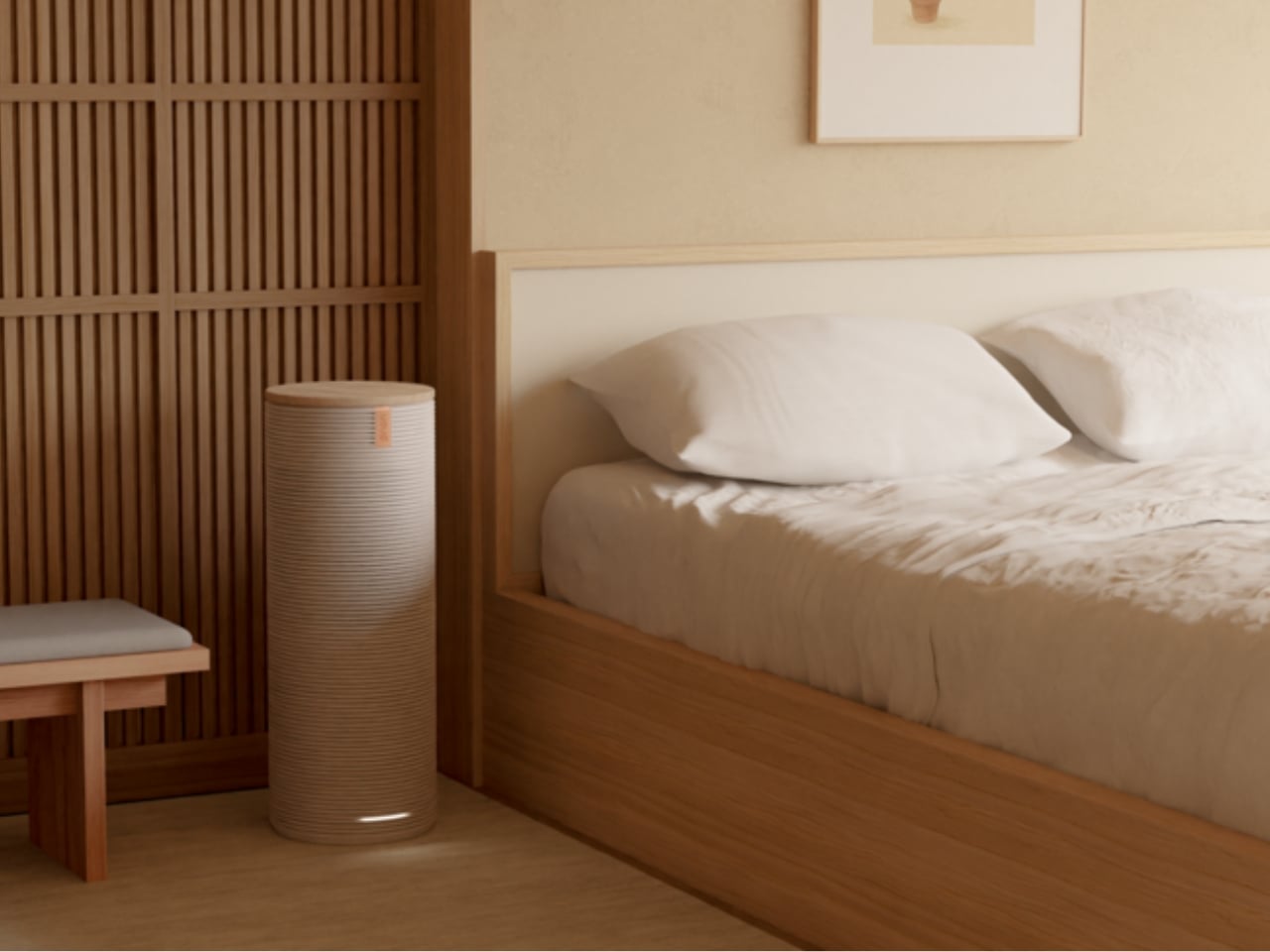
The Mini Restful is a short cylinder about eleven inches tall, wrapped in premium fabric with a smooth top disc. It looks closer to a smart speaker or a small bedside lamp than a traditional purifier, which makes it feel natural sitting on a nightstand. The proportions are deliberately compact and soft, with rounded edges and no visible vents.

Two color options are available: Coastal Beige and Midnight Blue. Coastal Beige has a light oatmeal fabric with a warm off white top, which reads well in rooms with light wood furniture and neutral bedding. Midnight Blue uses a deep navy fabric, making it comfortable in darker, moodier bedrooms with richer tones.

The top surface is where the aesthetic gets interesting. A circular user interface houses a dot matrix clock and touch controls, surrounded by a ring that glows when the wake-up light or mood lighting is active. When the sunrise alarm is running, the top looks like a tiny dawn, casting a warm halo onto the bedside table and wall.

It is much more pleasant than the blinking LEDs most appliances default to, and it doubles the device’s role as both a functional purifier and a kind of ambient light. The glow feels intentional, like a small lamp designed to support sleep rather than disrupt it, which is a significant shift from typical purifier status lights.

The fabric wrap is a key design choice. It softens the entire object and makes it read as part of the room’s soft furnishings rather than a hard plastic box. The textile has a fine woven texture that feels closer to upholstery than speaker mesh, and it helps the Mini Restful blend into spaces where you want calm rather than tech on display. The overall look avoids the glossy plastics and aggressive styling that make a lot of gadgets feel cheap or temporary.

Ergonomics

At around two and a half pounds out of the box, the Mini Restful is genuinely portable. You can pick it up with one hand and move it between rooms or reposition it without any strain. The small footprint, roughly six and a half inches in diameter, means it takes up about as much space as a medium-sized speaker or a chunky candle.

The cylindrical shape means you can place it close to the bed without worrying about sharp corners poking you if you brush against it in the dark. The air intake and outlet are all around the body, so it does not need a lot of clearance to work effectively, which is helpful in tight bedrooms or smaller apartments where every inch of surface area counts.

The top controls and clock are designed for quick, low-effort interaction. The dot matrix display is readable without being glaring, and the surrounding touch icons handle basic tasks like setting alarms, adjusting light brightness, and likely fan speed. You can do the essentials without grabbing your phone, which is helpful if you are trying to reduce screen time before bed.

Filter access is straightforward. The fabric sleeve slips off, and the inner filter is a wraparound design with a simple closure, so replacing it does not require tools or wrestling with complicated cartridges. This kind of maintenance design makes it more likely that people will actually change the filter when it is due rather than giving up and buying a new device.

Performance

Inside the cylinder is a HEPASilent filter system that pulls in air from around the base, traps fine particles like dust, pollen, and smoke, and pushes cleaner air back out. The filtration is sized for small spaces, specifically bedrooms up to around one hundred forty square feet, which aligns with typical master bedrooms or nurseries. It is meant to clean the zone where you actually sleep.

The idea of a fresh air dome around the bed is central to how Blueair frames this product. Placing the Mini Restful on a nightstand or dresser top helps keep the immediate breathing zone cleaner, which can be especially helpful for people who deal with nighttime congestion, seasonal allergies, or asthma. The device cycles the air in a small bedroom multiple times per hour.

Noise performance is critical for a sleep device, and the Mini Restful is designed to be quiet. On its lowest settings, it is softer than most fans, more like a gentle whoosh than a mechanical hum. Higher speeds are audibly stronger when the device is working harder to clear the air, but the ability to drop back into whisper-quiet operation at night keeps it compatible with light sleepers.

The QuietMark certification adds third-party validation that the noise level is genuinely sleep-friendly, tested and approved by independent acoustic consultants. This matters because many purifiers claim to be quiet but still produce enough mechanical sound to disturb rest, while the Mini Restful can fade into the background entirely on low settings.

The wake-up light is where the Mini Restful starts to feel different from a standard purifier. You can set a time in the Blueair app, and then, in the fifteen to thirty minutes leading up to that time, the top light slowly brightens from a very dim glow to a warm, room-filling light. The color temperature stays in the warm range, mimicking the quality of a natural sunrise.

This gradual brightening is designed to help your body wake up more naturally than a sudden alarm. The light acts as a cue that morning is approaching, which can make the transition from sleep to wakefulness feel gentler and less abrupt, especially during darker winter months when natural light comes late or not at all.

If you want more than light, you can add sound. The app includes a library of gentle wake-up tones and nature sounds, and you can choose one to start playing after the light has reached full brightness. The combination of light and sound is meant to guide you from deep sleep to wakefulness in a calmer way than a phone alarm blaring suddenly at full volume.

The same light that wakes you up can also help you wind down. In the evening, you can set the top to a very low amber glow as a night light or turn it up to a comfortable reading level, all in warm color temperatures that are gentler on melatonin production than bright white overhead lights or blue light-heavy phone screens.

The ability to adjust brightness on the device or in the app means it can match different routines, whether you are reading before bed or just want a soft ambient glow while you settle in. This dual role, supporting both wind down and wake up, makes the light feel integrated into the full sleep cycle rather than just a morning feature.

The Blueair app lets you fine-tune alarm times, choose how long the sunrise light takes to reach full brightness, select wake-up sounds, and create schedules so the device behaves differently on weekdays and weekends. The app also shows air quality and lets you adjust fan speed remotely, though most people will set a preference once. For people who like to see what is happening, the data is there, but the device does not force you into constant app interaction.

The integrated USB-C charging port on the back is a small but practical touch. It lets you plug in a phone or wearable directly into the Mini Restful, reducing the number of separate chargers and cables cluttering the nightstand. For people who currently use their phone as an alarm, this makes it easier to transition to the Mini Restful without losing charging convenience.

Sustainability

The Mini Restful uses a filter designed to last many months before needing replacement, which reduces how often you need to buy and discard new filters compared to some smaller purifiers with shorter lifecycles. The wraparound filter design with simple closure encourages full use of the filter’s lifespan and makes replacement straightforward, supporting longer ownership.

The device is relatively low power and Energy Star certified, which matters for something that might run many hours every day. At its lowest settings, the energy draw is modest, and even at higher speeds, it stays well within the range of efficient bedside appliances. Blueair, as a brand, positions itself with higher environmental standards as a Certified B Corp.

Value

The Mini Restful costs more than a basic purifier or a simple alarm clock. But that price starts to make sense when you consider the roles it plays at once: purifier, sunrise light, sound machine, clock, and phone charger, all in a single compact object designed for the nightstand. If you were to buy those devices separately, you would likely spend a similar amount while ending up with more clutter. The Mini Restful consolidates that into one cylinder that is easy to set up, easy to maintain, and designed to look intentional rather than accidental.

Space and visual calm are real forms of value, especially in small bedrooms or apartments where every object on a nightstand matters. Having one well-designed cylinder instead of multiple mismatched gadgets reduces the sense of clutter and makes the room feel more deliberate. For design-conscious consumers, that reduction in visual noise is worth something tangible, not just aesthetic preference alone.

The sleep focus is also part of the value story. For people who are already treating sleep as a wellness habit, investing in better mattresses, bedding, or blackout curtains, and adding a device that supports circadian rhythms and keeps the breathing zone cleaner is a logical next step. The fact that it is optimized for bedrooms makes it feel like a targeted tool.

The Mini Restful makes the most sense for people who care about both design and sleep quality, who want their nightstand to feel calm rather than cluttered, and who appreciate when technology quietly supports routines instead of dominating them. For users trying to break phone dependence at bedtime, or parents setting up nurseries, or anyone in a small space, it fits naturally.

Verdict

The Blueair Mini Restful Sunrise Clock Air Purifier is a compact, carefully designed object that manages to be a purifier, a sunrise light, a sound machine, and a clock without looking or feeling like four gadgets taped together. It blends into bedrooms with the kind of visual ease that makes you forget it is technology, and the combination of quiet air cleaning, warm light, and gentle sounds makes it feel integrated into sleep rituals.

As sleep continues to be treated as a key part of wellness, devices that treat air, light, and sound as one integrated experience will likely become more common. For homeowners who want their bedroom tech to be as considered as their furniture and as gentle as their nighttime routine, the Mini Restful feels like a thoughtful step in that direction, turning the nightstand into a quieter, calmer place where everything works together.

Click Here to Buy Now: $150 $199.99 (25% off, use coupon code “SAVE25”). Hurry, deal ends in 48-hours!

The post Blueair Mini Restful(™) Sunrise Clock Air Purifier Review: The Only Air Purifier with a Sunrise Alarm Clock first appeared on Yanko Design.
This $48 Pizza Axe Just Made Every Round Cutter Obsolete

Let’s be honest, pizza night deserves more than a sad plastic rolling cutter from the back of your drawer. The Pizza Axe transforms an everyday task into something that feels like you’re about to raid a feast hall instead of just dividing up your Friday night pepperoni pie.

This isn’t some gimmicky kitchen gadget destined for the donation pile next year. The Pizza Axe is a legitimate tool crafted with stainless steel and pine wood that handles actual slicing while looking ridiculously cool on your counter. At $48, it’s positioned somewhere between impulse buy and considered investment, which honestly feels about right for something that makes you feel like a Norse warrior every time you want a slice.

Designer: Marcellin

What makes pizza axes appealing goes beyond their obvious visual punch. They tap into our collective fascination with medieval aesthetics while solving a real problem: traditional pizza cutters often struggle with thick crusts or heavily topped pies. An axe-style blade brings more leverage and cutting power to the table, literally. The design typically features a sharp stainless steel blade attached to a wooden handle, creating enough heft to slice through even the most ambitious deep-dish creations.

The Pizza Axe comes with a sheath for storage, which is both practical and slightly absurd in the best way. There’s something inherently funny about sheathing your pizza cutter like it’s a weapon, but it also keeps the blade protected and your fingers safe when rummaging through kitchen drawers. This attention to detail suggests the makers understand their audience: people who appreciate functionality but also want their tools to spark joy, or at least conversation.

What’s particularly clever about the pizza axe trend is how it transforms a mundane kitchen task into performance art. Serving pizza becomes an event, not just dinner logistics. When you pull out an axe to slice your pizza, people notice. It’s the kind of thing that makes your dinner party memorable without requiring you to actually learn how to juggle flaming batons or whatever else people do for attention these days.

The broader pizza axe market has exploded with Viking-themed options featuring intricate engravings, skull designs, and runic symbols. These handcrafted versions can run anywhere from $30 to over $100 depending on materials and customization. The Uncrate version keeps things relatively straightforward, focusing on clean design without excessive ornamentation, which makes it more versatile for various kitchen aesthetics.

Beyond pizza, these tools work surprisingly well for other kitchen tasks. Need to portion a large sheet cake? Chop fresh herbs? Divide up a flatbread? The axe design handles it. Some users report success using them for trimming dough or even as a conversation piece when they’re not actively slicing. The pine wood handle offers comfortable grip and visual warmth that balances the industrial edge of the steel blade.

There’s also something satisfying about owning tools that feel substantial. We’re surrounded by flimsy plastic implements that bend and break after a few uses. The Pizza Axe presents an alternative philosophy: buy something well-made that performs its job and looks good doing it. It’s part of a larger movement toward thoughtful kitchen tools that prioritize both form and function rather than treating them as competing priorities.

Of course, the Pizza Axe isn’t for everyone. Minimalists might find it excessive. People with small kitchens might lack the drawer space for another specialized tool. And if you’re someone who orders delivery exclusively, owning an elaborate pizza cutting implement might feel aspirational in the wrong way. But for people who love cooking, entertaining, or just appreciate objects with personality, it hits a sweet spot between practical and playful.

Ultimately, the Pizza Axe succeeds because it understands that everyday objects don’t have to be boring. Why settle for adequate when you can have something that makes you smile every time you use it? In a world of beige appliances and forgettable utensils, sometimes you need something that reminds you that even routine tasks can have a little drama. And if that drama happens to involve wielding an axe over a margherita, well, that’s just good living.

The post This $48 Pizza Axe Just Made Every Round Cutter Obsolete first appeared on Yanko Design.

Two Homes, One Shell: Inside Japan’s Most Ingenious Tiny House

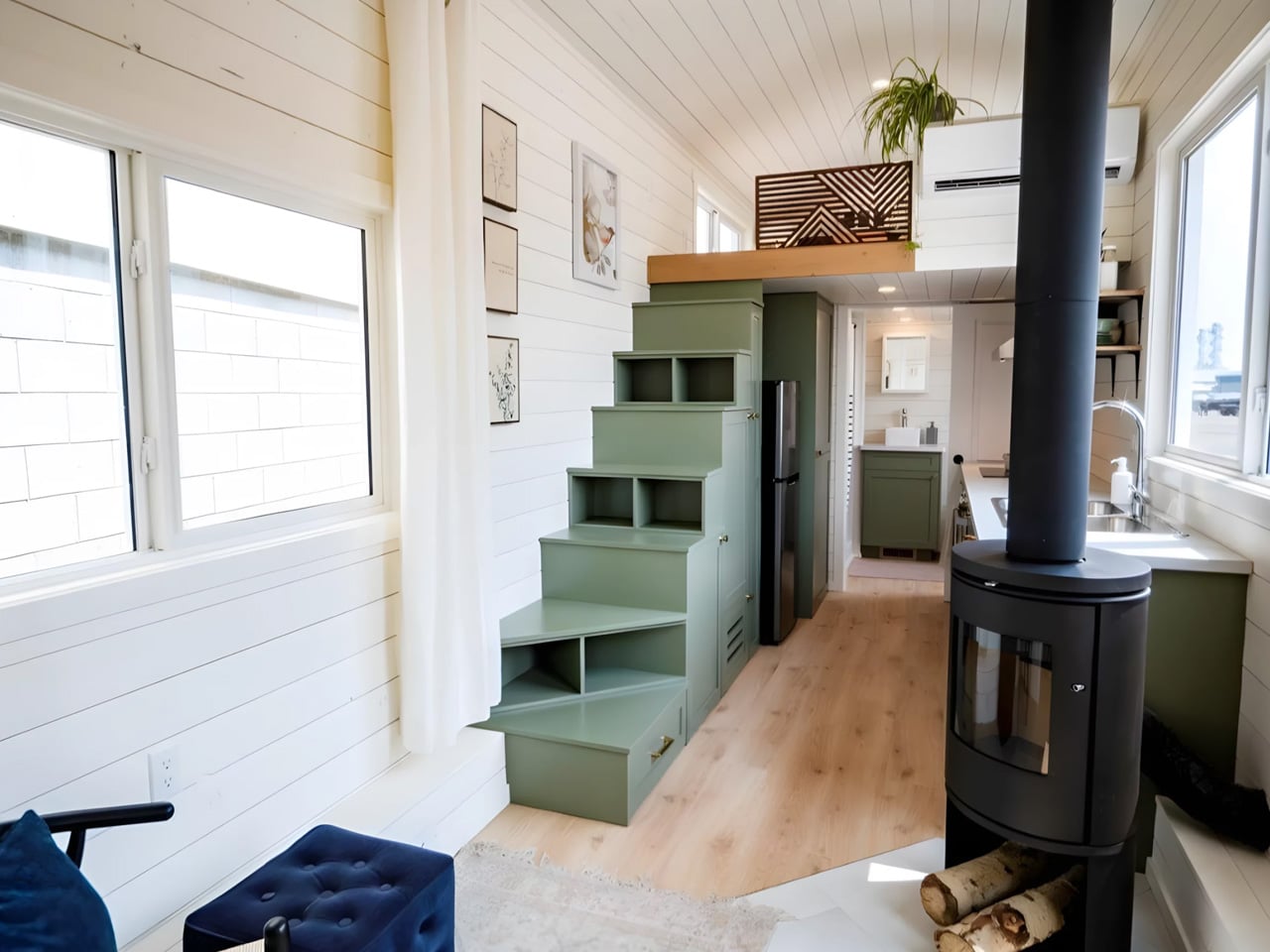
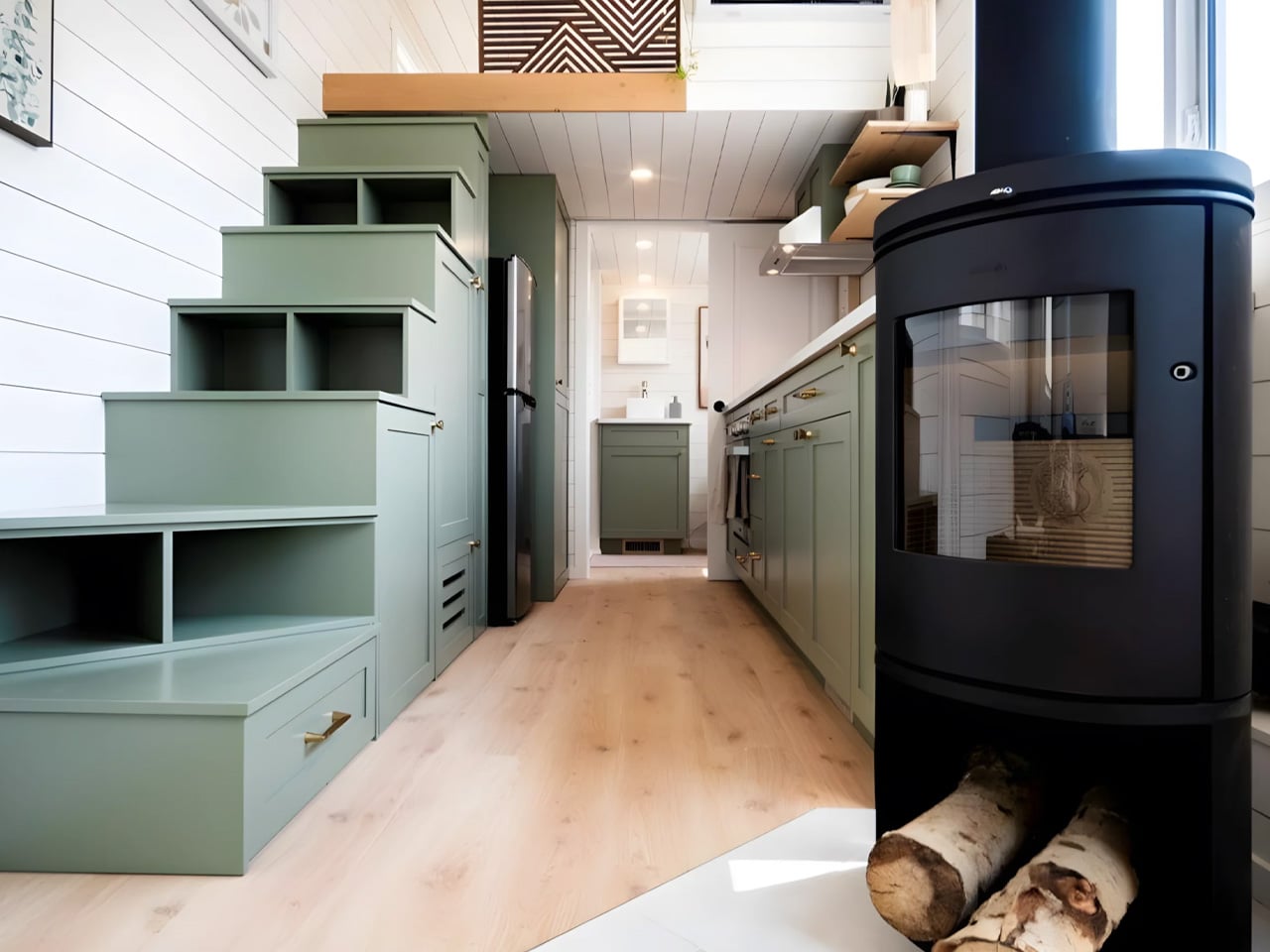
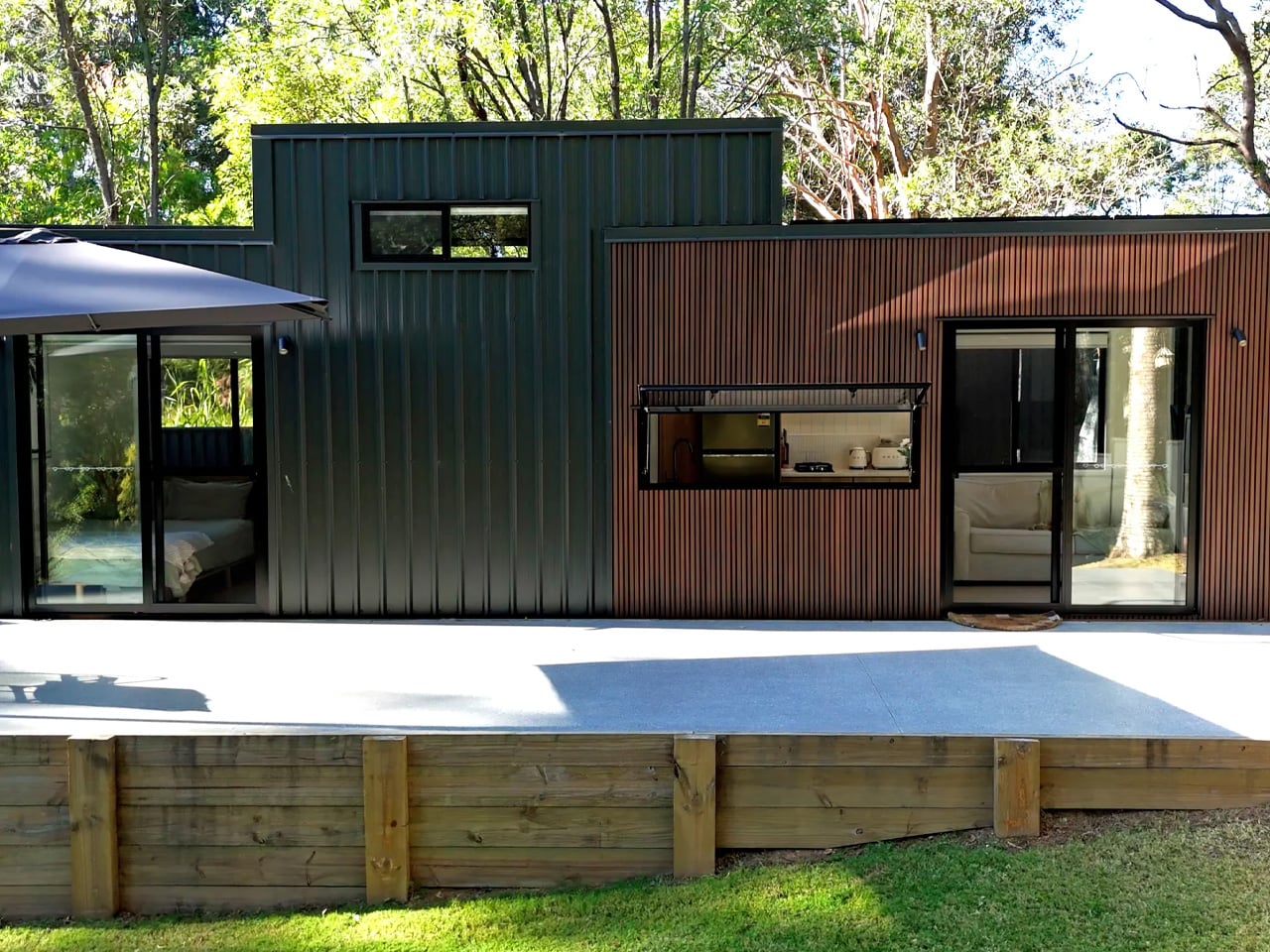
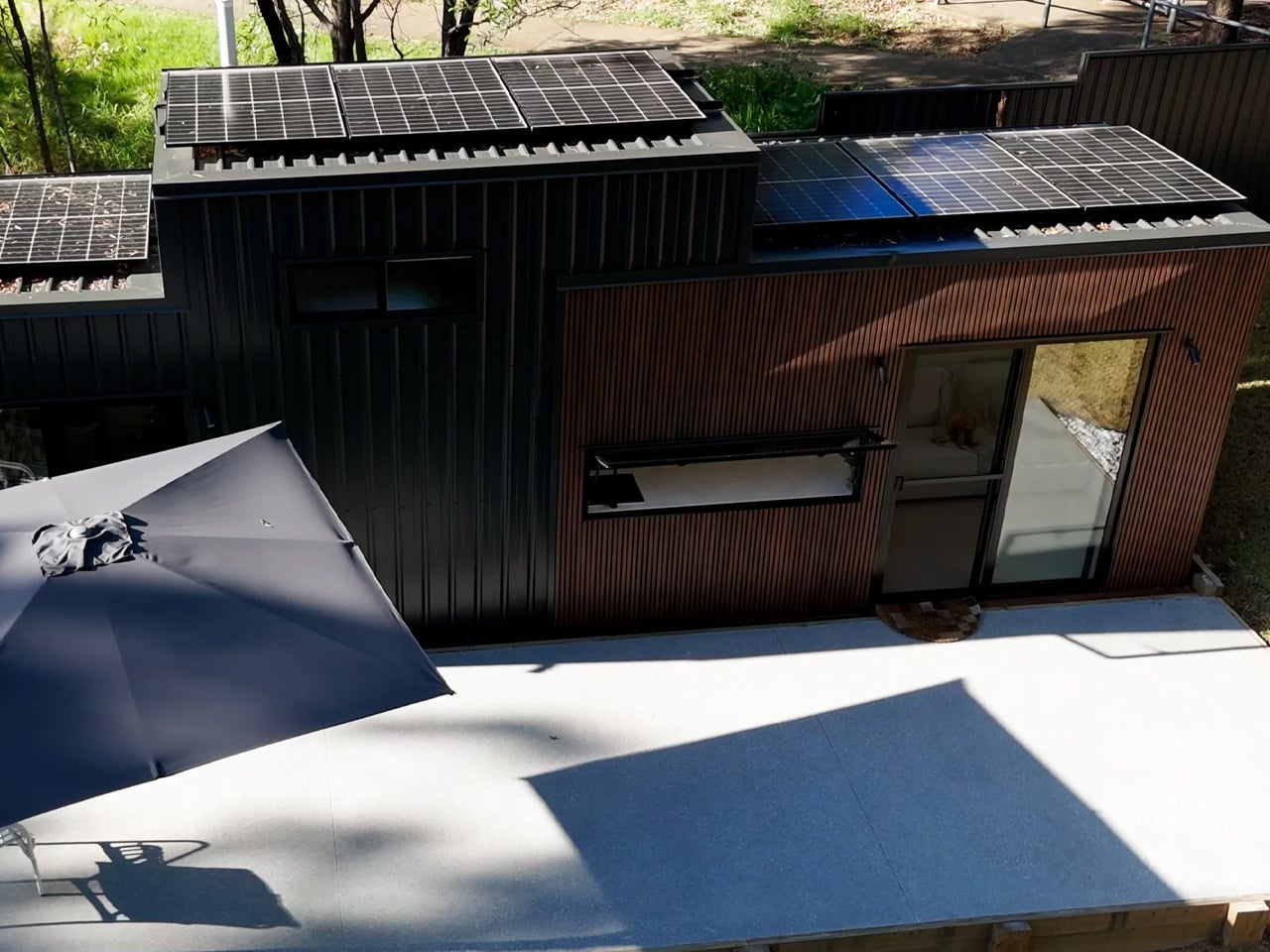
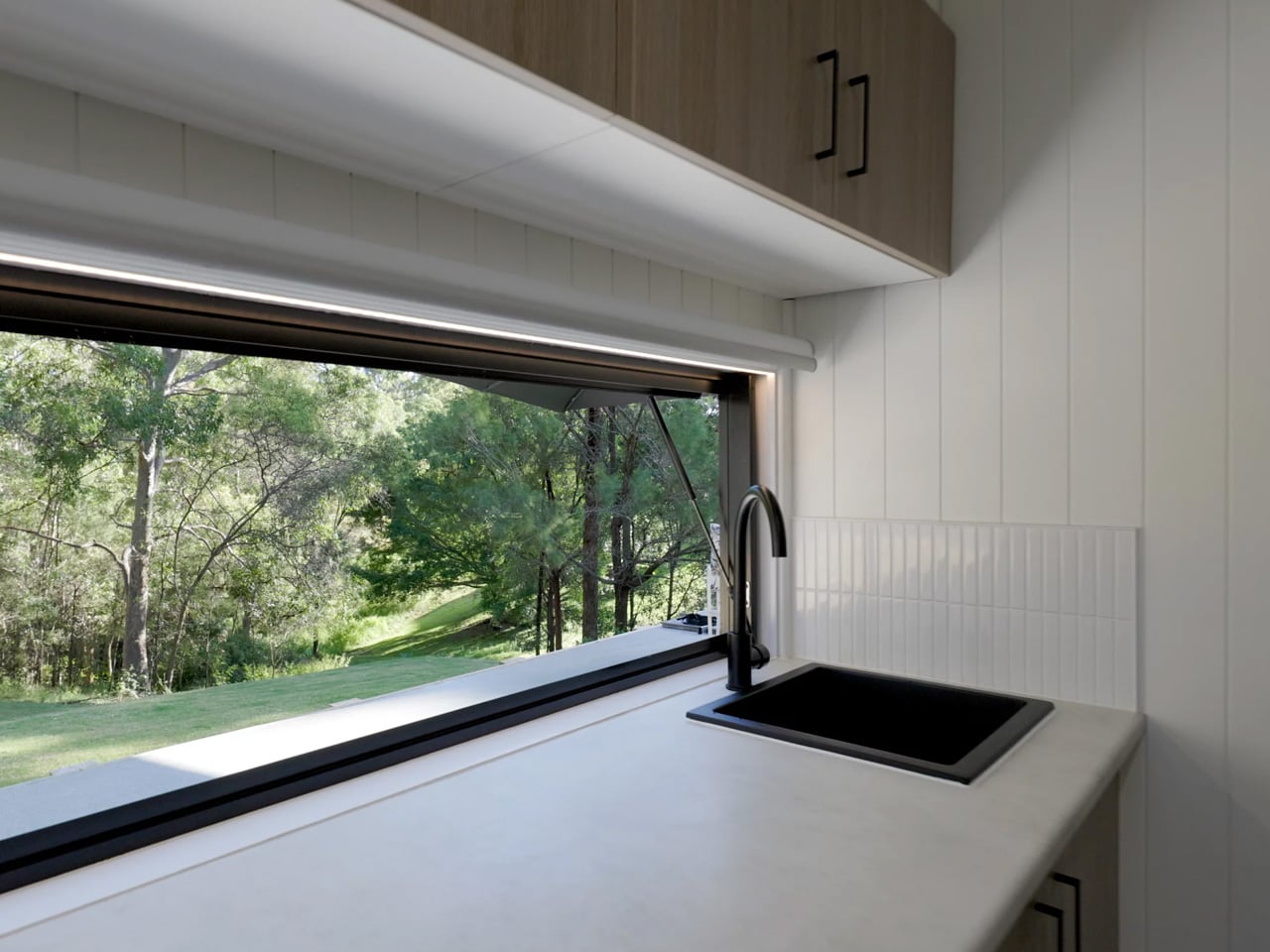
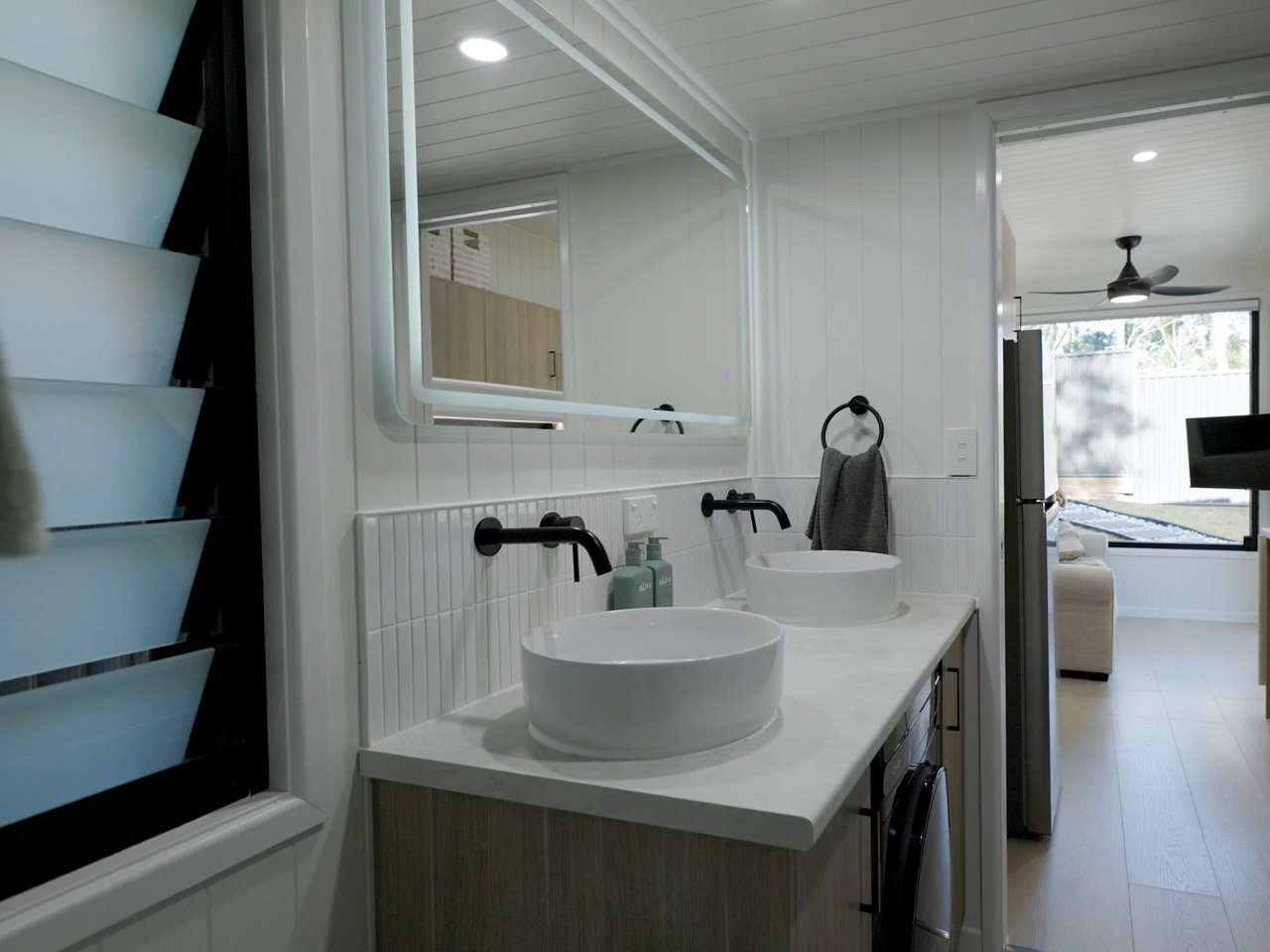
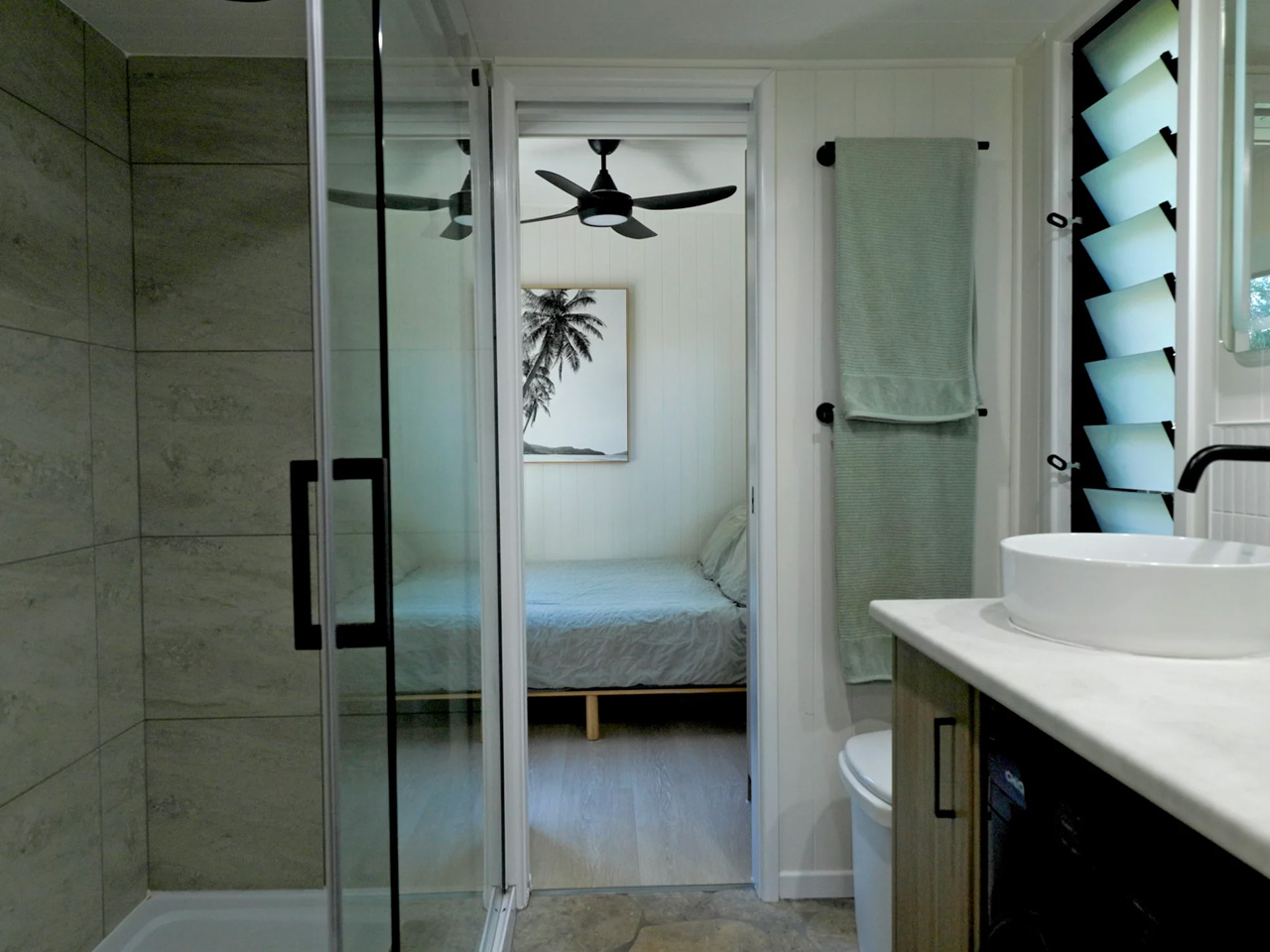
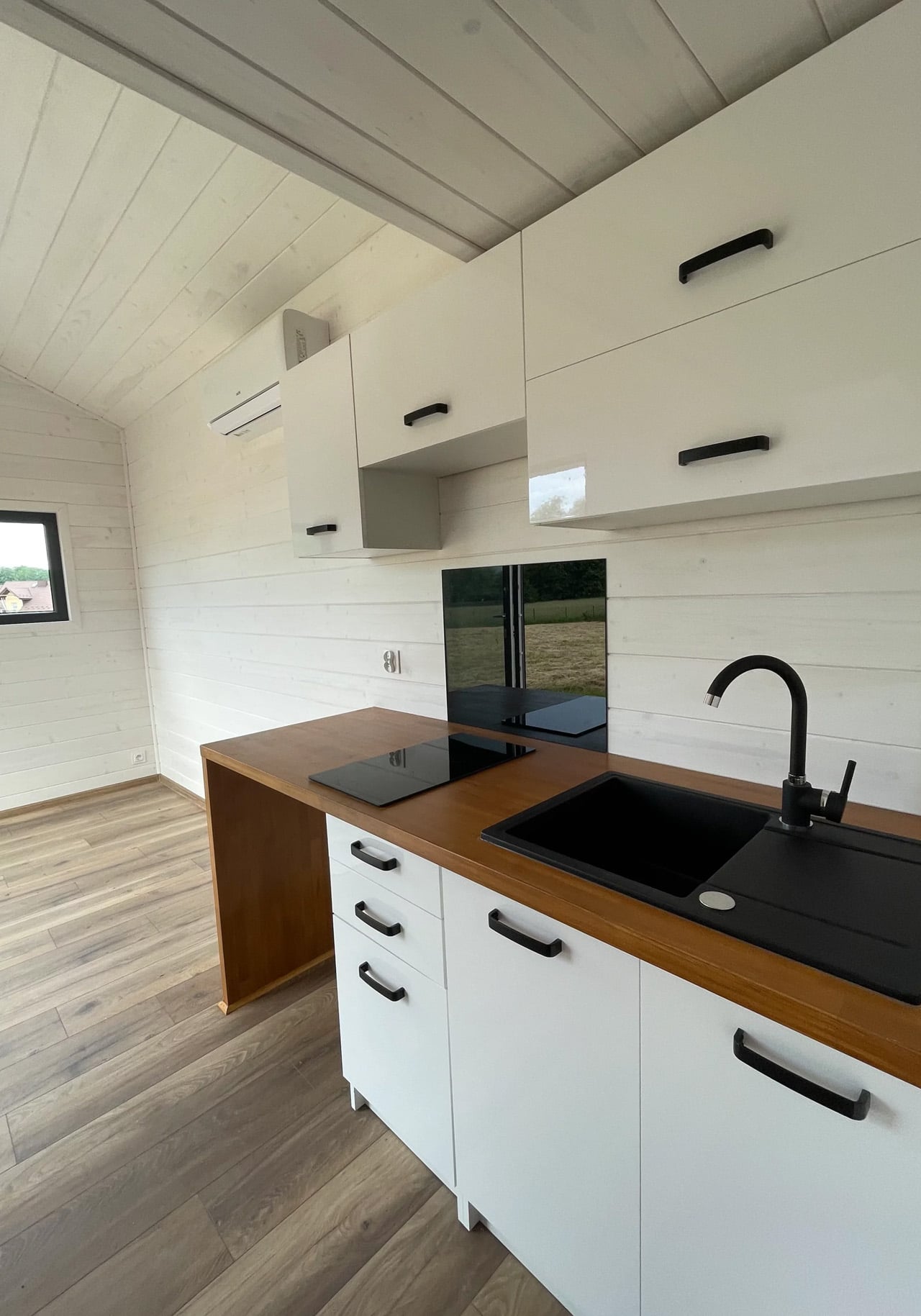
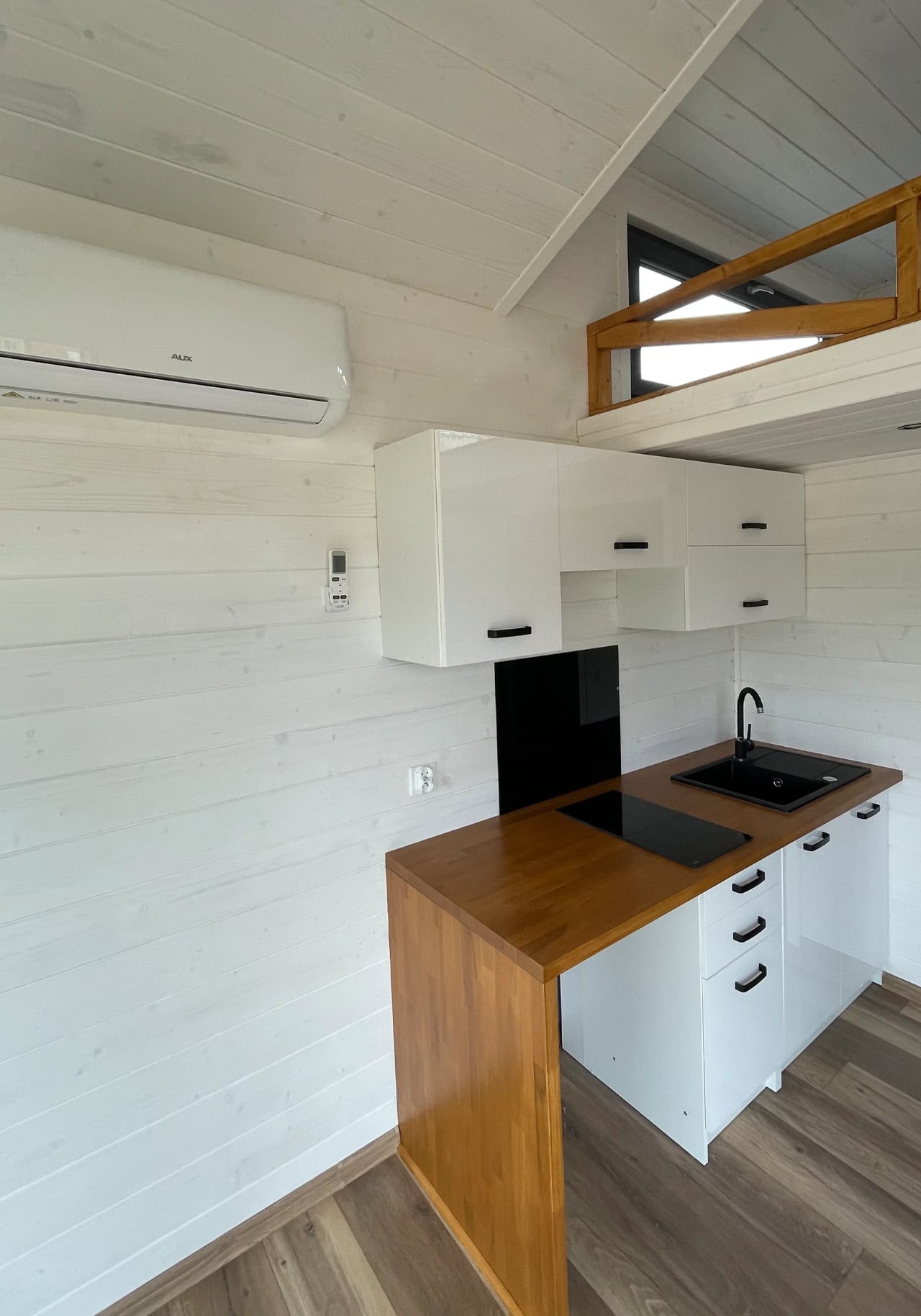
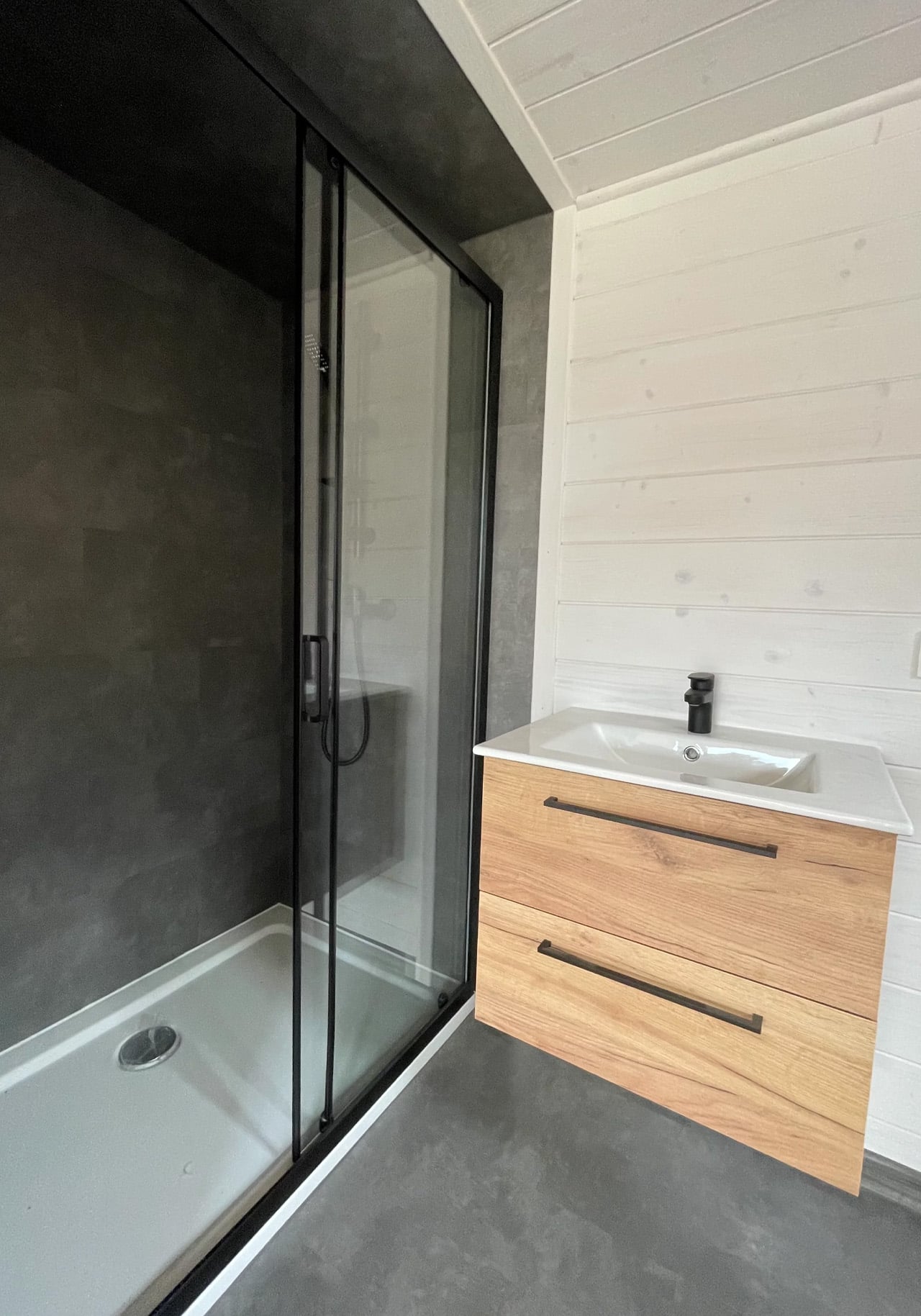
Nestled in the mountains of Nozawaonsen, Nagano, a young company called Ikigai Collective is rewriting the rules of compact living. Their latest creation, the Yamabiko, challenges everything we thought we knew about tiny houses. At just 6.6 meters long, this remarkable dwelling doesn’t squeeze one living space into its metal frame. It fits two. The concept sounds impossible until you see it. Two front doors hint at the Yamabiko’s clever secret: a perfectly mirrored layout that splits the home down the middle. Enter through the left door, and you’ll find a complete living space with a lofted bedroom, compact kitchen, and cozy lounge area. The right side offers an identical setup, reversed like a reflection. Between them sits a shared bathroom, the only space where the two halves meet.

This isn’t just architectural cleverness for its own sake. Ikigai Collective designed the Yamabiko specifically for staff accommodation in Japan’s seasonal resort towns. Ski instructors, hospitality workers, and summer camp employees often require housing that strikes a balance between privacy and efficiency. The Yamabiko delivers both. Two people can live independently under one roof, each with their own kitchen and sleeping loft, while sharing a single bathroom and utility connection. The exterior speaks to Japanese minimalism through its utilitarian Galvalume steel cladding. This durable material handles everything from heavy mountain snow to coastal humidity, aging gracefully while maintaining its modern edge. The design doesn’t shout for attention. It simply exists, blending into mountain landscapes and urban lots with equal ease.

Designer: Ikigai Collective

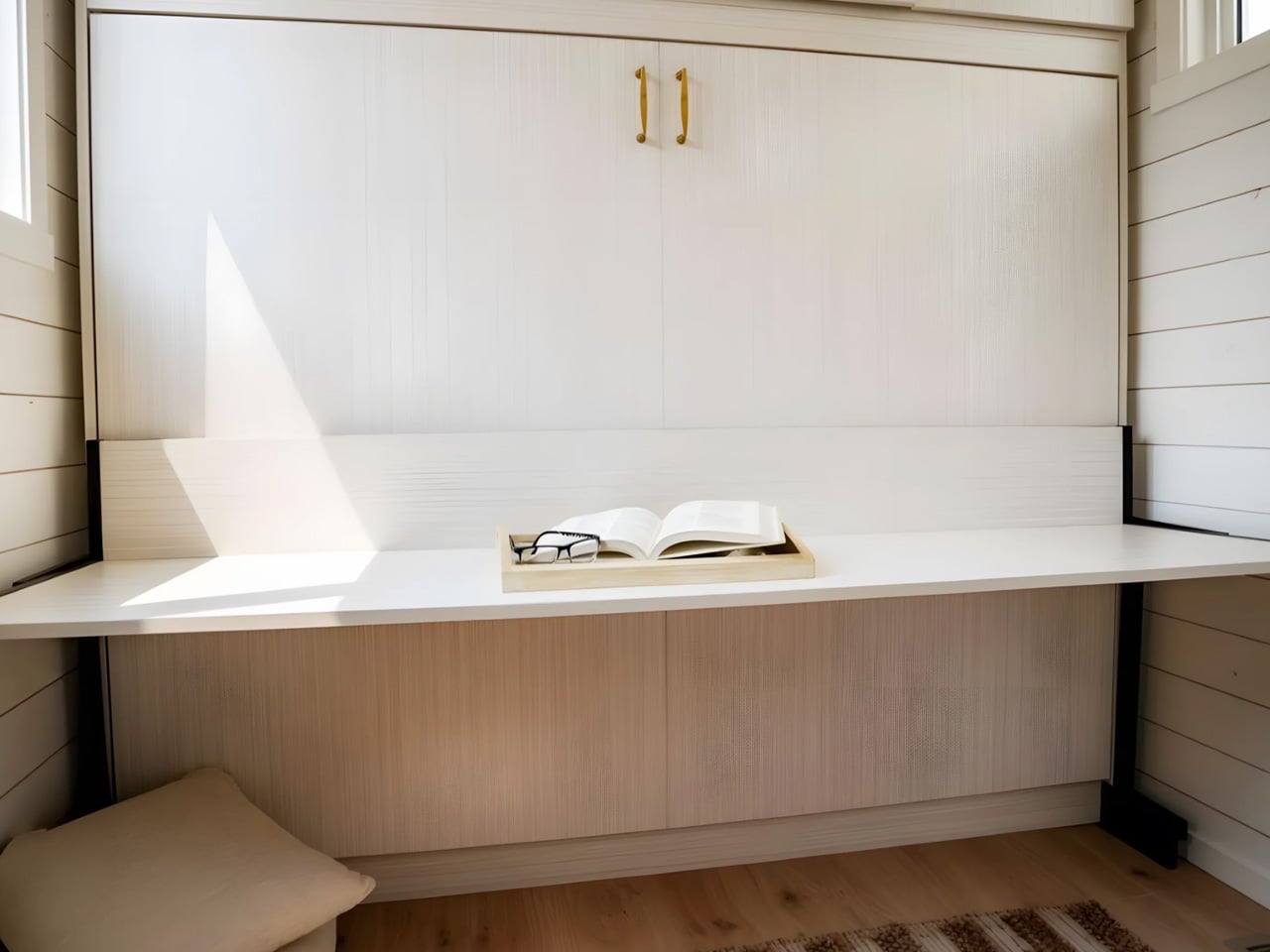
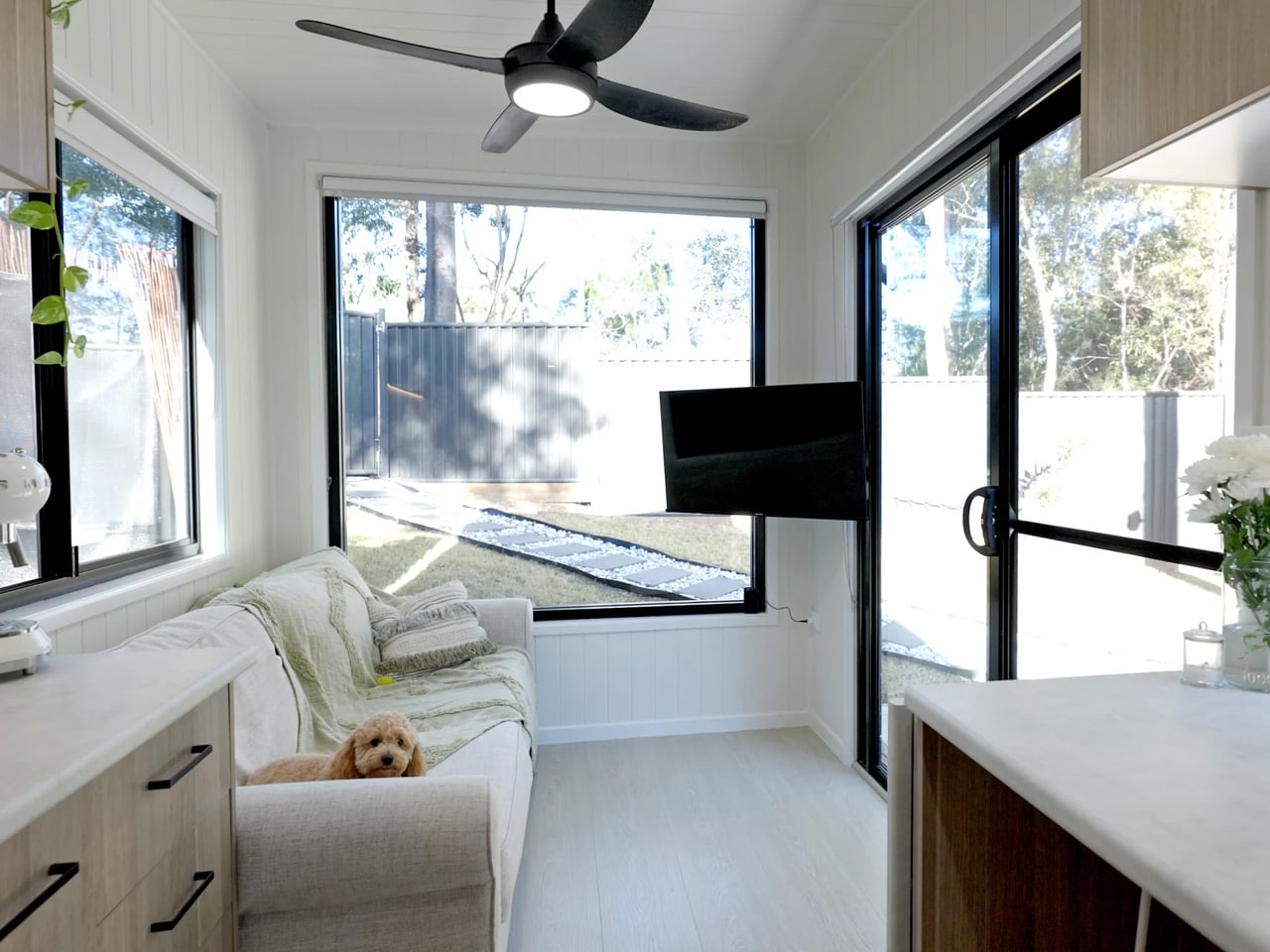
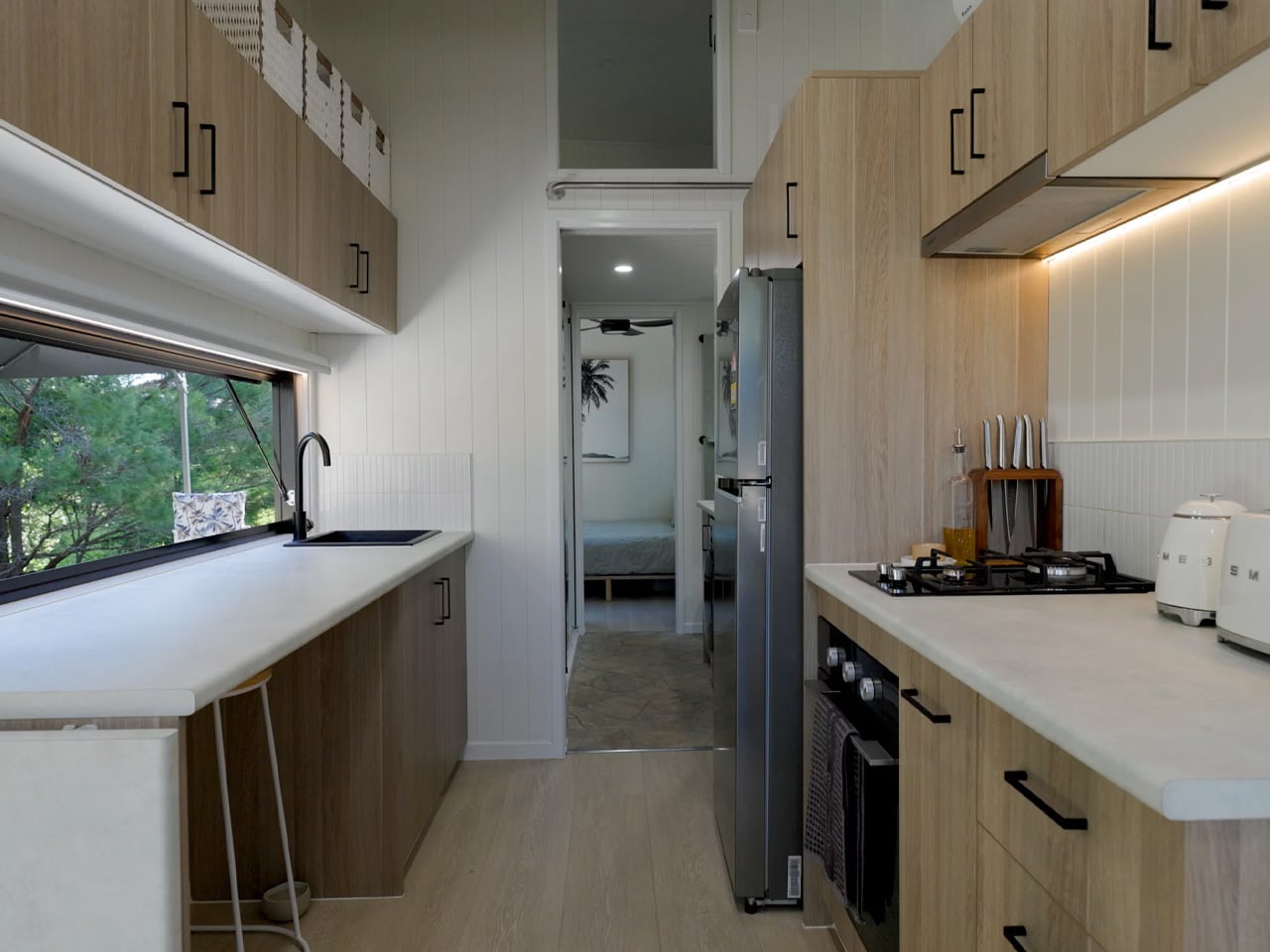
Inside, the spaces feel surprisingly complete despite their compact footprint. Each kitchen comes equipped with a two-burner propane stove and sink. The living rooms feature built-in seating and small tables. Loft bedrooms provide privacy without wasting precious floor space below. Every centimeter serves a purpose, reflecting the Japanese principle of functional beauty. The shared bathroom sits strategically between both living areas, creating the connection point where the two mirrored halves meet while maintaining the independence of each space.

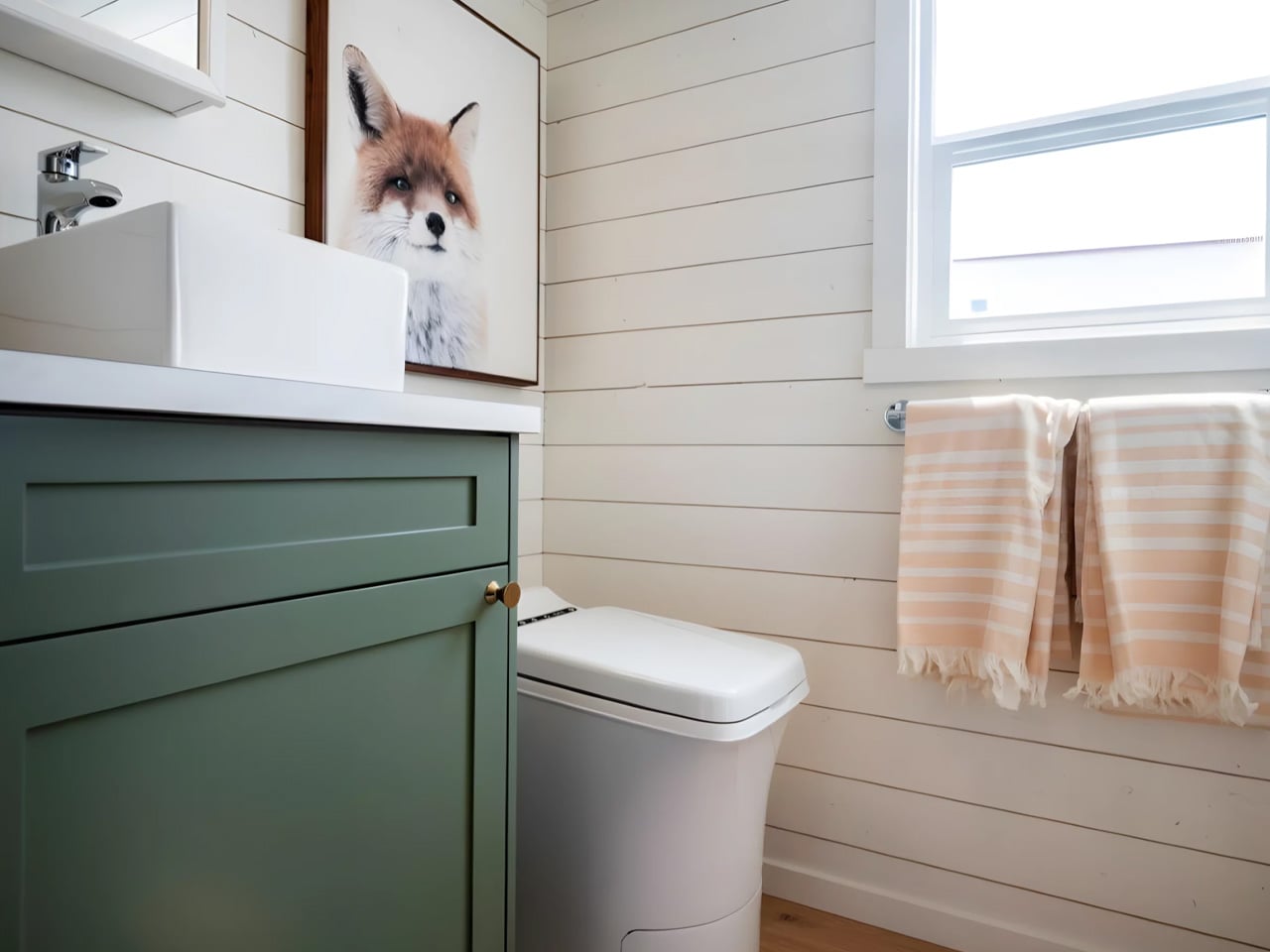
Ikigai Collective keeps customization at the forefront. Buyers can select their color scheme, choose between flooring options, design their shower layout, and pick between standard or composting toilets. The starting price of ¥9,900,000 positions the Yamabiko as a serious housing solution rather than a lifestyle experiment. The timing feels right. Japan is slowly embracing tiny living as urban space grows scarcer and younger generations seek alternatives to traditional housing. Ikigai Collective was founded just two years ago by people who came to Japan and fell in love with its culture. They’re not just importing Western tiny house trends. They’re creating something distinctly Japanese, built for Japanese needs and sensibilities.

For those curious to experience the Yamabiko firsthand, Ikigai Collective operates a showroom village in Iiyama where visitors can book overnight stays. The facility includes wellness amenities like a sauna, letting guests test the tiny house lifestyle before committing. The Yamabiko proves that innovation in tiny living isn’t about shrinking everything down. Sometimes it’s about reimagining how space can serve multiple lives at once.

The post Two Homes, One Shell: Inside Japan’s Most Ingenious Tiny House first appeared on Yanko Design.

This Tiny Water Purifier Rethinks Design for Small Spaces

There’s something refreshing about design concepts that actually understand how we live. The SAI Lite water purifier from Superset Design is one of those rare concepts that doesn’t just look good in renderings but actually makes sense for real kitchens. Especially if that kitchen happens to be, like mine, not exactly spacious and can be cluttered at times.

The name SAI comes from the Korean word for “narrow space,” which tells you everything you need to know about the design philosophy here. This concept is the successor to the original SAI Pro, and the team took an already compact design and stripped it down even further to its absolute essentials.

Designer: Superset Design

Create your own Aesthetic Render: Download KeyShot Studio Right Now!

What caught my eye first is that distinctive rounded triangular shape. It’s not just designers being quirky for the sake of it. That form comes directly from the internal layout of two filters and a control module arranged in the most spatially efficient way possible. The footprint literally doesn’t get any bigger than the diameter of those two filters, which means you’re not sacrificing counter space for empty air.

Here’s where the thinking gets really smart. Instead of designing a water purifier that can accommodate every possible container you might own, the team at Superset Design asked a better question: what do people actually use in small apartments and single-person households? Spoiler alert, it’s not giant stockpots and mixing bowls. It’s cups, tumblers, small pots, and maybe a water bottle. So that’s exactly what this concept was designed around.

This is the kind of practical thinking we need more of in product design. Too often, appliances are built for some idealized version of how we’re supposed to live rather than how we actually do. SAI Lite flips that script. The height is calibrated for the vessels you’ll realistically fill every day, creating proportions that feel balanced and purposeful rather than arbitrarily compact.

The interface concept deserves attention too. On the top surface, you’ll find three main controls: a filter replacement reset button, a water capacity control, and the dispensing button. But instead of cluttering the surface with every possible setting, the designers proposed something called Progressive Disclosure. Functions you only need during initial setup or rarely touch are tucked away behind a long press or an extra interaction layer. The result is a control surface that looks clean and feels immediately intuitive when you’re just trying to fill your morning coffee cup.

This approach to interface design is something we see in good software all the time but rarely in physical products. It respects the fact that most of the time, you want to do one simple thing: get water. Everything else can wait in the background until you actually need it. The aesthetic is minimalist without being cold. That terracotta orange finish gives it personality and warmth, and the smooth, rounded edges make it feel approachable rather than intimidating. It’s the kind of object that could sit comfortably next to your other kitchen essentials without screaming for attention, yet it’s distinctive enough that you’d probably want to keep it visible rather than hidden away.

Looking at the concept renderings, you can see how efficiently everything is packed. The two cylindrical filters sit side by side with the control module, all contained within that triangular envelope. There’s no wasted space, but it also doesn’t feel cramped or difficult to access when you need to change filters. What makes SAI Lite compelling as a design concept isn’t just that it’s small. Plenty of products are small. What makes it work is that every decision, from the shape to the height to the button layout, stems from a clear understanding of the actual problem it’s solving. This is design that respects your space, your daily habits, and your time.

There’s something genuinely appealing about seeing designers propose objects that know exactly what they are and do that one thing exceptionally well. SAI Lite isn’t trying to be everything to everyone. It’s conceived for modern living spaces where every inch counts and simplicity isn’t just aesthetic, it’s essential. Whether this concept makes it to production or not, it’s the kind of thoughtful design thinking that pushes the industry forward. It challenges manufacturers to reconsider who they’re actually designing for and what those people truly need in their daily lives.

The post This Tiny Water Purifier Rethinks Design for Small Spaces first appeared on Yanko Design.
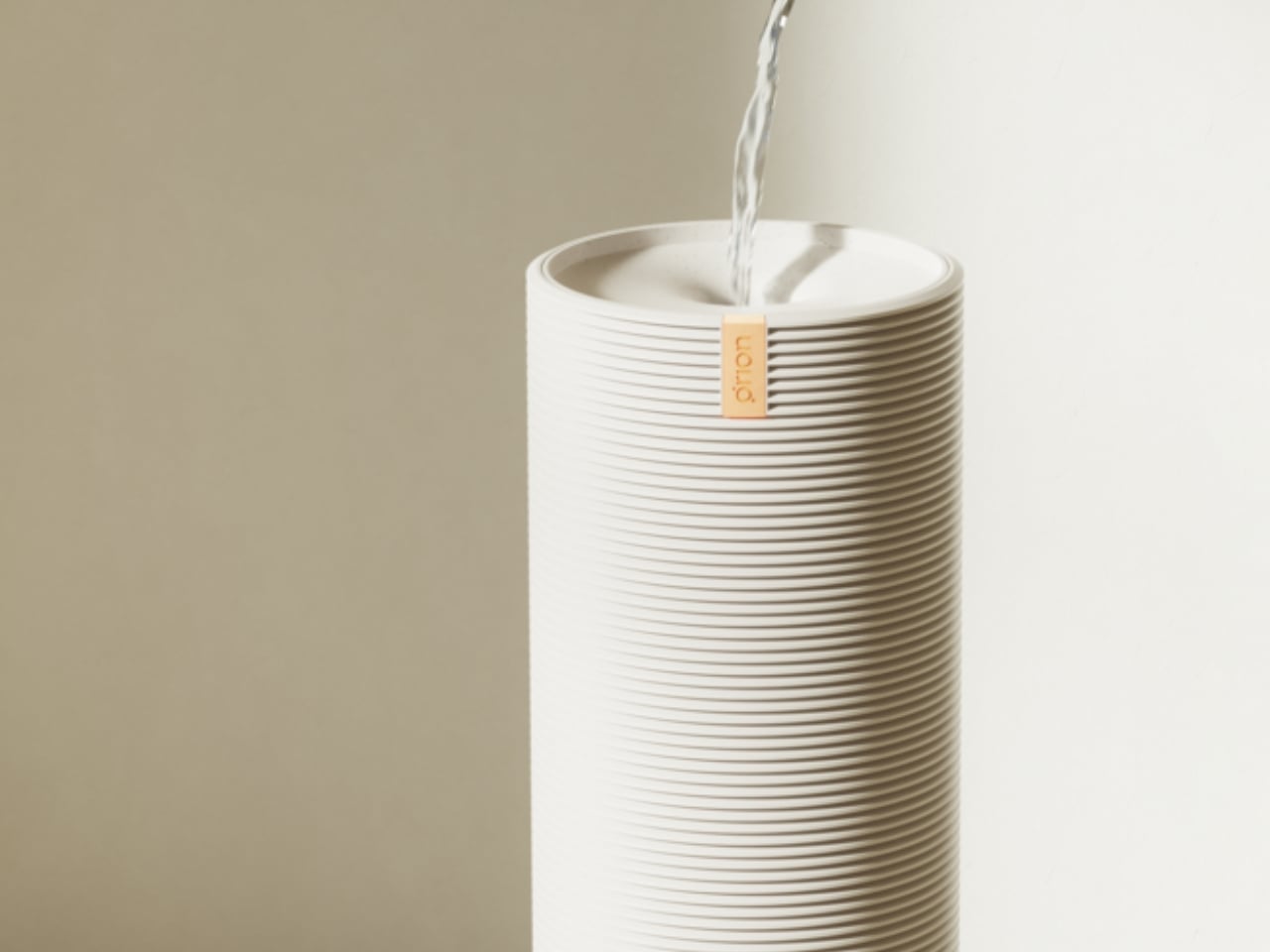
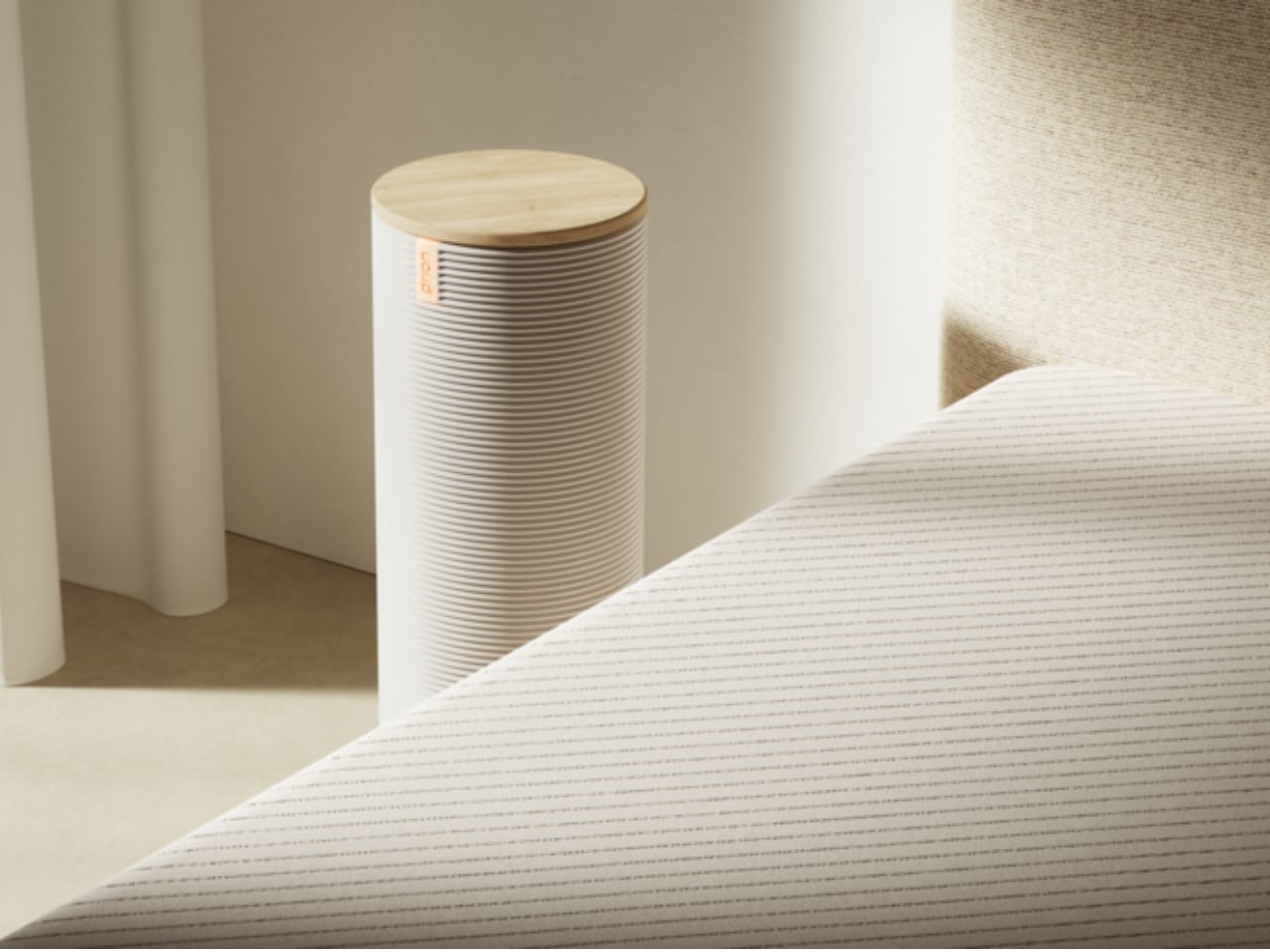
MITO Just Built an Air Purifier That Drives Itself to Dirty Air

If you’ve ever felt frustrated by your air purifier sitting uselessly in the corner while your bedroom air gets stale, you’re not alone. Traditional air purifiers have a fundamental flaw: they camp out in one spot and hope for the best. But what if your air purifier could actually move to where the problem is? That’s exactly what MITO does, and it’s kind of brilliant.

Created by designers Yukang Seo, Kyuil Baek, Hakyoun Kim, and Semi Oh, MITO reimagines air purification as a living ecosystem rather than a static appliance. The name itself comes from mitochondria, those tiny powerhouses inside our cells that keep everything running. Just like its biological namesake, MITO acts as the energetic core of your home’s air quality, sensing changes and responding in real time.

Designers: Yukang Seo, Kyuil Baek, Hakyoun Kim, Semi Oh

Create your own Aesthetic Render: Download KeyShot Studio Right Now!

Here’s how it works: MITO consists of two components that communicate with each other. The Sensor Cells are compact air quality monitors you place in different rooms throughout your home. They’re constantly measuring CO₂, particulate matter, and volatile organic compounds. When the air quality drops below your set threshold, these little devices light up with red LEDs and display clear graphics telling you exactly what needs to happen. High CO₂? Time to open a window. Too much dust or VOCs? The purifier is on its way.

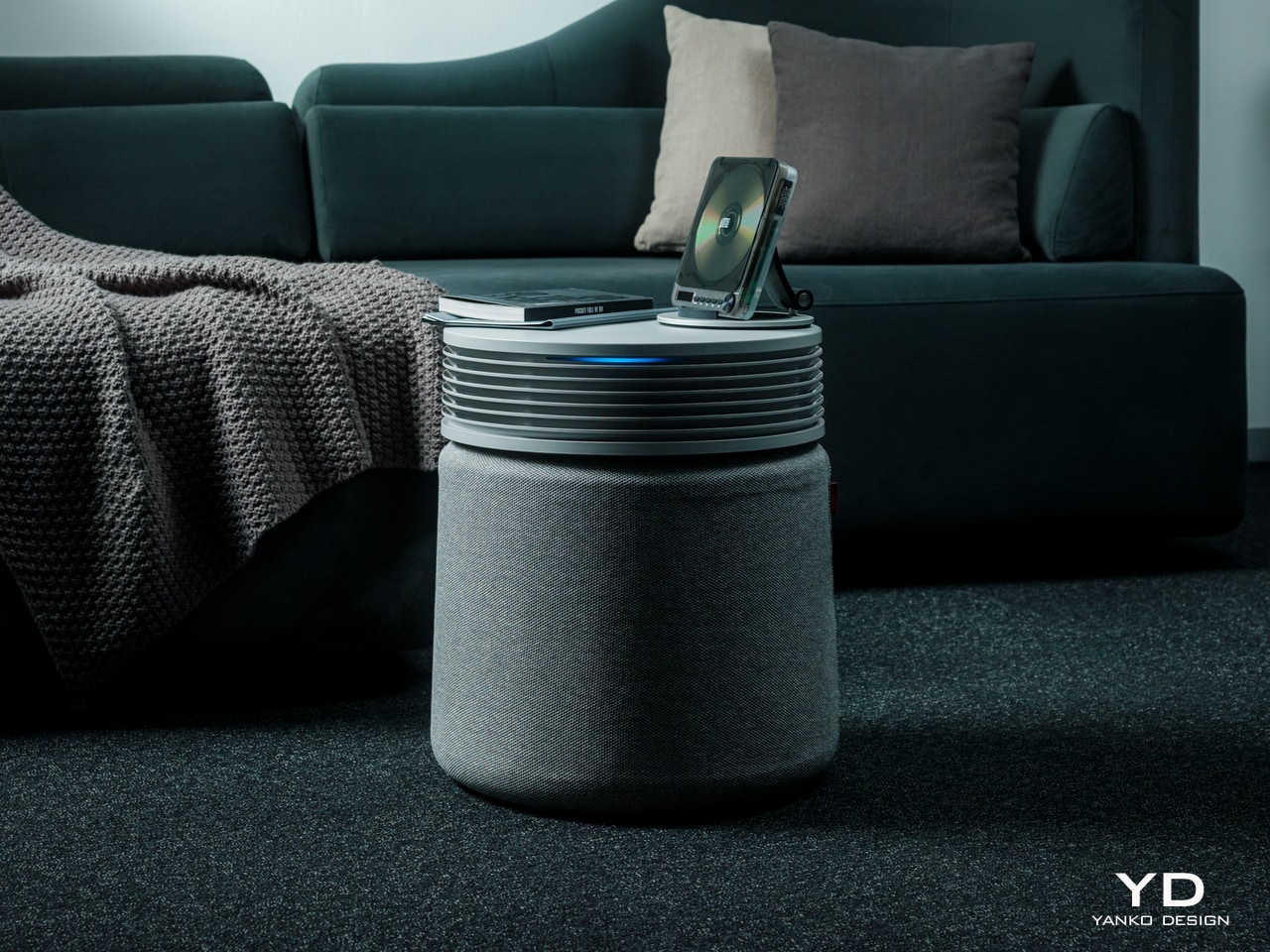
That purifier is the Core Cell, an AI-powered autonomous unit that literally drives itself around your home. Using LiDAR mapping, cliff sensors, and object recognition cameras, it navigates between rooms like a very sophisticated Roomba, except instead of cleaning your floors, it’s cleaning your air. When a Sensor Cell detects pollution in the bedroom, the Core Cell charts a course and heads there to handle intensive purification.

What makes MITO genuinely innovative is that it doesn’t pretend full automation is the answer. The designers recognized something most smart home products ignore: sometimes you actually need to open a window. No amount of fancy filtration can replace fresh air when CO₂ levels climb too high. So instead of promising to do everything for you, MITO creates what the designers call a “hybrid air ecosystem.” It tells you when manual ventilation is necessary, then steps in to purify once you’ve done your part.

The design philosophy draws inspiration from 1960s Japanese Metabolist architecture, which viewed cities as living organisms that grow and transform with their environment. It’s a fitting reference for a product that literally adapts to your living space. The Core Cell even has magnetically attached housing panels you can swap out, letting it visually adapt to different rooms like an organism changing its outer layer.

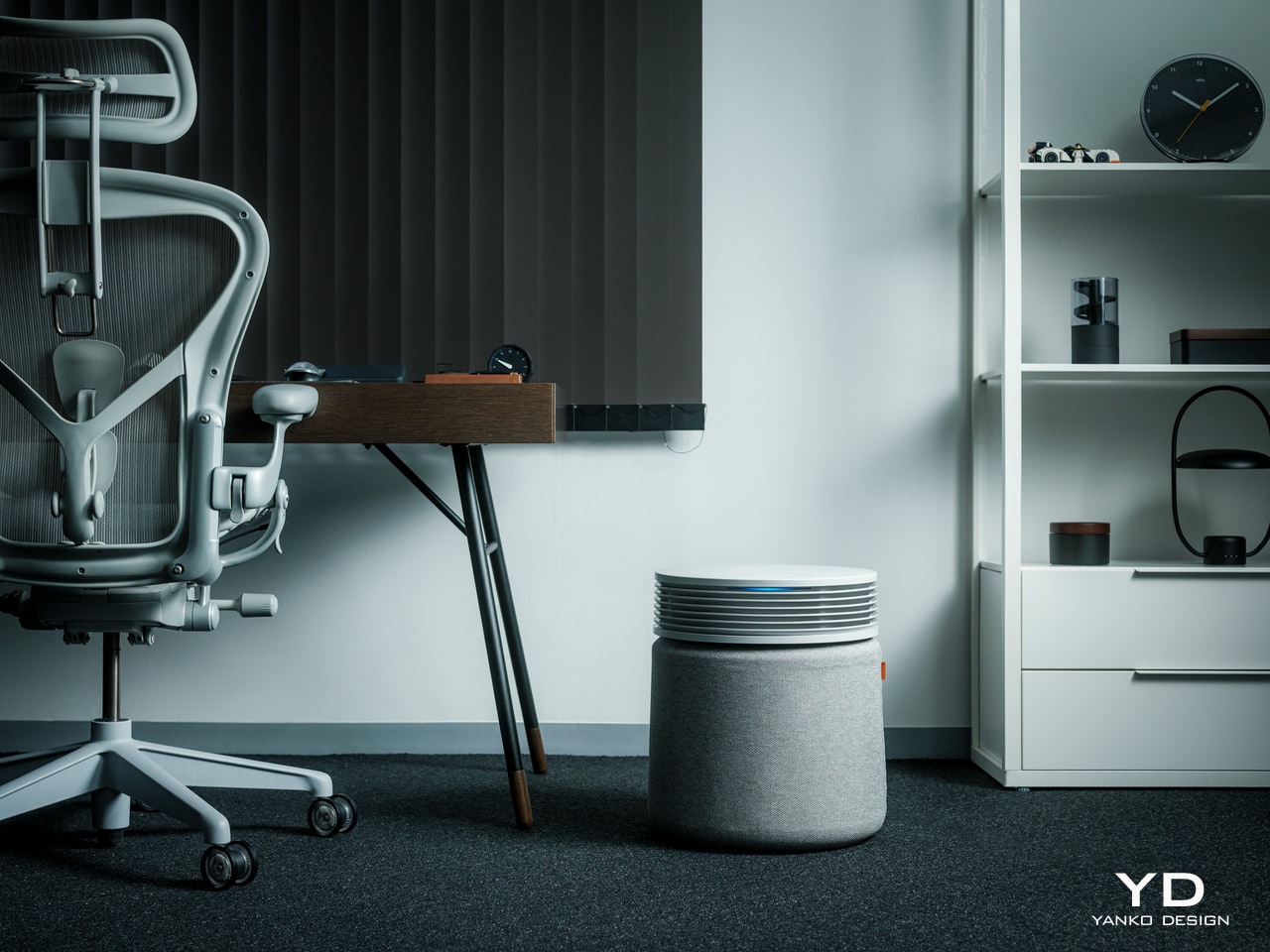
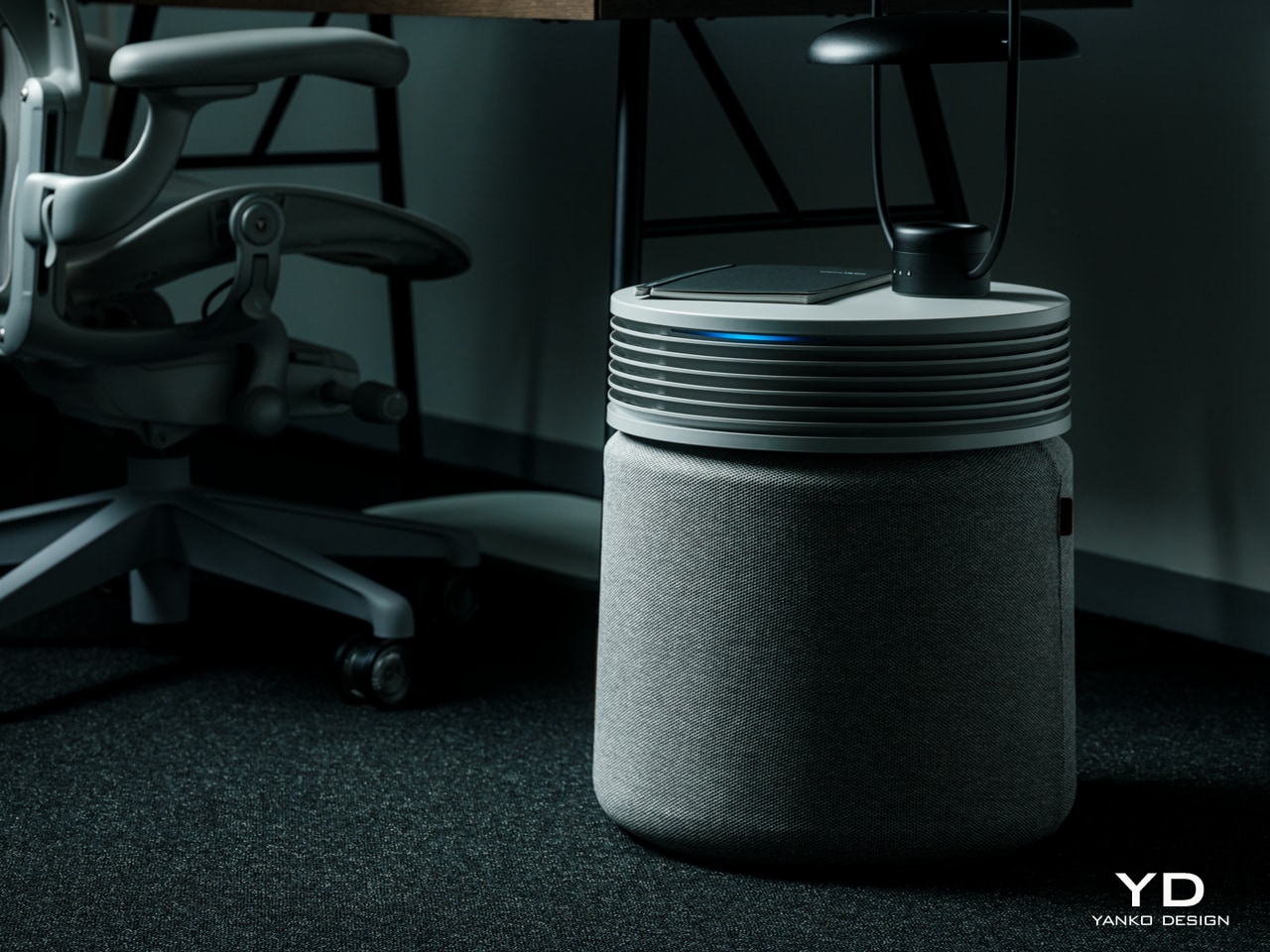
Aesthetically, MITO looks nothing like the clunky white boxes or fake wood grain towers cluttering most homes. The Core Cell has a sleek, organic form with ribbed side panels where air flows in and a circular top vent where purified air flows out. The Sensor Cells are compact, rounded rectangles with LED-lit displays that show everything from the time to cute house icons when ventilation is needed. When air quality is good, they quietly display a clock face and blend into your space like minimalist decor.

The system learns as it operates, building an understanding of your home’s airflow patterns and pollution habits. Maybe your kitchen always needs attention after dinner, or perhaps your home office gets stuffy by mid-afternoon. MITO picks up on these patterns and optimizes its route accordingly. It’s this combination of learning, reacting, and growing together with your habits that the designers built into the brand’s core values.

In multi-room scenarios, MITO really shows its intelligence. With three rooms on one floor, it uses data from multiple Sensor Cells to prioritize which space needs attention most urgently. While one room ventilates naturally through an open window, MITO might be intensively purifying another room’s air, all while the third Sensor Cell continues monitoring and waiting its turn.

It’s refreshing to see a product that doesn’t oversell the magic of automation. MITO acknowledges that smart homes still need smart humans. By clearly communicating what it can and can’t do, and by working in partnership with simple human actions like opening windows, MITO offers something that feels more realistic and ultimately more useful than products promising to handle everything invisibly. Sometimes the best technology isn’t the kind that does everything for you, but the kind that works with you, breathing and adapting like a living thing in your home.

The post MITO Just Built an Air Purifier That Drives Itself to Dirty Air first appeared on Yanko Design.
Shantivale Botanical Incense Collection Review: Pure Design, Quiet Mind

PROS:


  • Hand-rolled with pure botanicals, no synthetic additives

  • TCM formulations create genuinely distinct scent profiles

  • Low smoke output suits sensitive users

  • Natural stone holder elevates the ritual

  • Full-stick construction means zero material waste

CONS:


  • Fragile sticks require careful, mindful handling

RATINGS:

AESTHETICS
ERGONOMICS
PERFORMANCE
SUSTAINABILITY / REPAIRABILITY
VALUE FOR MONEY

EDITOR'S QUOTE:

Shantivale does something rare-it makes slowness feel like a luxury, not a compromise. This is incense for people who've grown tired of optimizing everything.
award-icon

There is a ritual gap in modern wellness, and Shantivale fills it by bringing Traditional Chinese Medicine formulations to botanical incense, a collection where ancient herbal pairings meet modern wellness rituals. The industry has spent the last decade digitizing everything. Apps track your sleep. Wearables monitor your heart rate variability. Smart diffusers connect to your phone. But somewhere in all that optimization, the simple act of lighting something and watching it burn got lost. Wang Yuhao noticed this gap, watching people reach for their phones instead of pausing for breath.

Shantivale exists because of that observation. The Shangri-La based brand builds botanical incense using Traditional Chinese Medicine formulations, hand-rolling each stick with a rice-root binder that burns clean and steady. No synthetic additives. No perfume oils. Just plant matter shaped by artisan hands and informed by centuries of herbal knowledge. The result is incense that functions less like air freshener and more like a temporal anchor, a 30-50 minute ritual that creates structure in formless days.

The design philosophy here centers on what the brand calls “a sensory bridge between ancient wisdom and modern wellbeing.” That sounds like marketing language until you examine the ingredient sourcing. The Cliff Glow variant uses Ya Bai cypress harvested from high-altitude cliffs where the species grows above 2,000 meters. The wood matures over decades before collection. This is not the kind of supply chain that scales easily or cheaply, and the pricing reflects that reality.

Material Honesty in Stick Form

Most commercial incense follows a simple construction: fragrance oils coating a bamboo core. Light it, and half your stick is just wood burning. Shantivale eliminates that compromise entirely. Every millimeter of each stick is combustible incense material, bound together with rice-root plant binder rather than synthetic adhesives. The full-stick construction means zero waste, but it also creates a fragility that demands careful handling.

This material choice serves multiple purposes. The rice-root binder maintains a steady, even burn without chemical accelerants. The absence of a wooden core allows the herbal formulations to express themselves without interference. Customers consistently note the low smoke output, a direct result of using pure plant materials rather than fragrance-soaked substrates. The trade-off is structural: these sticks break more easily than their bamboo-cored competitors, requiring the kind of mindful handling that perhaps fits the product’s intended use case.

The packaging extends this material consciousness. Paper wrapping protects each bundle, preserving scent integrity during storage. A natural stone holder accompanies every purchase, a smooth river stone with a drilled hole that transforms utilitarian ash-catching into something approaching desktop sculpture. The presentation reads as gift-ready without excessive packaging material, threading the needle between premium positioning and environmental consideration.

This approach carries risk. Consumers accustomed to heavily scented, bamboo-cored sticks might find Shantivale’s output subtle by comparison. The fragrance does not announce itself across a room or linger for hours after burning. Instead, it creates presence within a defined radius, then fades. For those seeking ambient room scent, this restraint might read as weakness. For those seeking ritual objects, the ephemerality becomes the point.

Five Formulations, Five Functions

Shantivale structures its collection around specific use cases rather than arbitrary scent categories. Each blend draws from Traditional Chinese Medicine principles about how aromatics influence the body’s qi, or vital energy flow. Whether you subscribe to TCM philosophy or simply want incense that smells interesting, the formulation logic creates genuine differentiation between products.

The collection spans three price tiers: entry blends at $29.90, premium single-origin at $32.90, and the temple formula at the same premium price point. Each variant targets a specific time of day or mental state, creating a system rather than a random assortment. Users can build a rotation across the week or commit to a single favorite. The naming conventions (Purity Veil, Serene Sleep, Zen Flow, Dharma Rain, Cliff Glow) telegraph function without requiring deep TCM knowledge.

Purity Veil: Morning Reset

The cleansing blend combines cinnamon twig, fern root, and artemisia. Gui Zhi (cinnamon twig) brings warm, sweet notes traditionally associated with easing tension and promoting circulation. Guan Zhong (fern root) adds fresh, grassy character with subtle bitterness. Yin Chen (artemisia) contributes that just-cut-grass brightness TCM practitioners link to liver support and energy.

The scent profile lands somewhere between herbal tea and forest floor, neither as sweet as pure cinnamon nor as medicinal as straight artemisia. Users describe it as “clean” and “spacious,” with a natural campfire quality that dissipates rather than lingers. After burning Purity Veil during morning routines over two weeks, I found the scent genuinely resets a room without announcing itself. It creates absence of staleness rather than presence of perfume. Best deployed for morning routines or re-entry rituals after leaving the house.

The cleansing claim warrants examination. No incense literally purifies air in a measurable sense. What Purity Veil offers is perceptual reset: the scent marks a transition between states, creating an olfactory boundary between “outside” and “home” or between “work mode” and “rest mode.” The value lies in the ritual structure, not antimicrobial properties.

Purity Veil on Amazon ($29.90)

Serene Sleep: Evening Wind-Down

The nighttime blend shifts to calming territory: poria mushroom, jujube seed, and polygala root. Fu Ling (poria) grows on pine tree roots and carries soft, woody notes like dried sawdust or pine shavings. Suan Zao Ren (jujube seed) adds light nuttiness with faint sour undertones. Yuan Zhi (polygala) contributes earthy, slightly spicy depth traditionally used for memory support and nightmare reduction.

The combined effect reads as gentle cereal-like warmth with caramel touches and a soft herbal finish. I tested Serene Sleep during evening wind-down sessions for a week, lighting it about 45 minutes before bed while reading. The scent never demanded attention. It simply made the transition from screen time to sleep feel more deliberate, like drawing a curtain between day and night. Burn time extends toward 50 minutes depending on conditions, creating a substantial evening ritual window.

Serene Sleep on Amazon ($29.90)

Zen Flow: Meditation Anchor

The meditation blend brings out the premium ingredients: sandalwood, agarwood, and curcuma. Tan Xiang (sandalwood) delivers that smooth, sweet, woody foundation found in temples and high-end perfumery. Chen Xiang (agarwood) adds rare complexity, a resin formed only when specific trees heal from wounds over many years. The scent carries woody, sweet, and smoky layers that shift as the stick burns. Chuan Yu Jin (curcuma) grounds everything with warm, ginger-adjacent spice.

This is the collection’s most traditionally “incense” scent, the kind of aromatic profile that would feel at home in a meditation center or yoga studio. During a two-week meditation testing period, Zen Flow became my go-to: the sandalwood-agarwood combination created an immediate signal to my brain that focus time had begun, more effective than any app notification. Users note a masculine vibe and cleaner execution than typical sandalwood products. The thinner stick construction allows good scent diffusion without overwhelming small spaces.

The sandalwood and agarwood combination represents significant material investment. Authentic agarwood commands prices rivaling precious metals by weight, formed only when Aquilaria trees respond to specific fungal infections over years or decades. Most commercial “agarwood” incense uses synthetic approximations or diluted oils. Shantivale claims authentic sourcing, and the scent complexity suggests the claim holds merit. The resinous depth shifts as the stick burns, revealing different facets at beginning, middle, and end.

Zen Flow on Amazon ($29.90)

Dharma Rain: Clarity Blend

The temple formula combines agarwood, clove, patchouli, and curcuma. This multi-herb blend draws from classic incense traditions used during meditation and chanting, creating what reviewers describe as “light but powerful” and “intricately intriguing.” The scent sits somewhere between palo santo and cedar, with complexity that rewards attention.

At $32.90, Dharma Rain occupies the premium tier alongside Cliff Glow. I burned this during deep work sessions in my home office. The complexity kept revealing new facets over the 40-minute burn, which actually helped maintain focus longer than simpler scents that fade into background noise. This formulation particularly resonates with incense enthusiasts seeking something beyond single-note simplicity. Low smoke output and the absence of artificial undertones make it suitable for smaller spaces where typical incense would overwhelm.

Dharma Rain on Amazon ($32.90)

Cliff Glow: Single-Origin Expression

The collection’s most distinctive offering uses only one botanical: Ya Bai cliff cypress from Shangri-La highlands. This Thuja sutchuenensis grows above 2,000 meters on difficult-to-access cliffs, maturing over decades before harvest. The single-ingredient approach delivers pure, unmasked aromatic character without the blending that typically smooths rough edges.

The scent profile reads as rich, grounded wood tones with gentle smokiness and mellow sweet finish. Users compare it to stone warmed by afternoon sun, to a cozy wooden chest, to refined temple fragrance without overwhelming intensity. Testing Cliff Glow on a rainy Sunday afternoon confirmed its positioning: this is contemplative incense, not background scent. The single-origin expression demands you actually sit with it, which is either a feature or a limitation depending on your expectations. The 45-minute burn time and fragile construction demand careful handling, but the premium pricing ($32.90) finds acceptance among buyers who appreciate geographic authenticity and traditional harvesting practices.

The single-origin approach carries inherent variability. Unlike blended products where formulation balances inconsistencies, Cliff Glow expresses whatever character that particular harvest of Ya Bai cypress carries. Some batches may run slightly sweeter, others more resinous. For buyers accustomed to industrial consistency, this variability might frustrate. For those who appreciate terroir in wine or single-origin coffee, the variation becomes a feature rather than a bug.

Cliff Glow on Amazon ($32.90)

The Design of Slowness

Shantivale’s most interesting design decision might be what it refuses to optimize. In an era of smart diffusers and app-controlled aromatherapy, this is incense that requires a match, a holder, and time. The fragile sticks demand attention. The 30-50 minute burn times create temporal boundaries that push back against infinite scroll culture. The low-tech approach is not accidental; it is the product.

The stone holder exemplifies this philosophy. A smooth river stone with a single drilled hole performs the same function as elaborate brass holders or ceramic trays, but with material honesty that connects to the natural sourcing story. Some users note the stone does not catch ash particularly well, a valid functional criticism that the brand could address with a deeper groove or accompanying dish. But the current design prioritizes aesthetic integration over utilitarian optimization.

The educational content surrounding each product extends the slow design ethos. The website includes an herb dictionary explaining ingredient origins and traditional uses. Product pages detail not just what each blend contains, but why those specific botanicals pair together according to TCM principles. Whether customers engage with this information or simply burn the incense, its presence signals a brand that trusts its audience to appreciate depth over simplicity.

Who This Collection Serves

Shantivale positions itself clearly in the premium segment. Entry-level blends start at $29.90 for approximately 27-30 sticks, while premium single-origin and temple formulations reach $32.90. For context, mass-market incense runs $5-15 for comparable stick counts. The pricing justification rests on hand-rolling labor, authentic ingredient sourcing, traditional binder materials, and the included stone holder.

The value proposition depends entirely on use case alignment. Someone burning incense occasionally as background fragrance will find the cost per stick difficult to justify against drugstore alternatives. Someone building a daily meditation practice or seeking ritual structure for remote work will calculate differently, valuing the 30-50 minute burn time as temporal scaffolding worth the premium.

This is for you if:

  • You practice yoga, meditation, or breathwork and want aromatics that support rather than distract
  • You appreciate Traditional Chinese Medicine principles or herbal wellness approaches
  • You seek low-smoke alternatives because typical incense triggers sensitivities
  • You buy gifts for wellness-conscious friends who already own everything obvious
  • You want a screen-free ritual that creates temporal structure in work-from-home days

This probably is not for you if:

  • You want strong, room-filling fragrance that announces itself
  • Budget constraints make $30 per box of incense difficult to justify
  • You need robust sticks that survive being tossed in a bag or drawer
  • You prefer the immediate gratification of spray or plug-in aromatics

The Larger Context

Wang Yuhao frames Shantivale as more than an incense brand. “Consumers are no longer just buying a scent,” the founder notes. “They are seeking grounding, meaning, and a return to nature.” The regulatory environment around herbal products continues shifting globally, and interest in Traditional Chinese Medicine formulations extends well beyond Asian markets. Shantivale bets that Western wellness consumers will pay premium prices for authenticity, craftsmanship, and cultural translation done with respect rather than appropriation.

The bet seems to be paying off. Customer reviews across the collection emphasize packaging quality, natural scent profiles, and the thoughtfulness of included materials. Criticisms center almost exclusively on price point, a complaint that actually validates the premium positioning. When your negative reviews say “too expensive” rather than “does not work,” you have built something that delivers on its promises.

For designers and product developers, Shantivale offers a case study in material honesty, cultural translation, and the deliberate rejection of optimization. Not every product needs an app. Not every ritual needs to be tracked. Sometimes the design goal is simply to create 40 minutes of intentional pause in a world that rarely stops moving.

The Verdict

After testing all five formulations over several weeks, Shantivale delivers exactly what it promises: ritual-grade incense built for intentional use rather than ambient fragrance. The TCM formulations translate into genuinely distinct scent profiles (these are not five variations of “relaxing”), and the hand-rolled construction burns cleaner than mass-market alternatives.

Recommended if: You practice meditation, yoga, or breathwork and want aromatics that support focus without distraction. You appreciate premium craftsmanship and can justify $30+ for ritual tools. You’re sensitive to heavy smoke or synthetic fragrances. You want a screen-free anchor for work-from-home time boundaries.

Skip if: You want strong, room-filling fragrance that lingers for hours. You need durable sticks that survive rough handling. You’re primarily seeking value-per-stick pricing. You burn incense casually rather than intentionally.

Best entry point: Zen Flow ($29.90) offers the most universally appealing scent profile. Start there, then explore Cliff Glow if you appreciate single-origin expressions or Serene Sleep if evening ritual is your priority.

Bottom line: Shantivale isn’t trying to compete on price or convenience. It’s incense for people who understand that the ritual matters as much as the scent, and who are willing to pay for materials and craftsmanship that honor that understanding.

The post Shantivale Botanical Incense Collection Review: Pure Design, Quiet Mind first appeared on Yanko Design.
LONGER’s $1,499 Dual-head UV Printer Prints iPhone Cases, Braille, and Custom Merch in 6x Speed

Last year, a consumer-focused UV printer made a remarkable splash on Kickstarter, marking the first time consumer UV printing made it to the big leagues. Now, LONGER ePrint enters the market, bringing unique innovation, a user-friendly experience, and highly competitive pricing to DIY enthusiasts, startups, and designers alike. Built for creative expression and customizable solutions. The campaign has already achieved an impressive $3.6 million in sales within its first week.

LONGER brings a decade of experience (and four successful crowdfunding campaigns) making 3D printers and laser engravers to this project, plus patents and research credentials from its MIT and Georgia Tech founding team. The ePrint’s headline feature is its dual-printhead design with 12 ink channels, which the company says delivers print speeds up to six times faster than single-head printers when laying down textured white ink layers. Add automated cleaning systems, white ink circulation to prevent clogging, and compatibility with third-party inks, and LONGER has assembled a feature set aimed squarely at cost-conscious small businesses.

Designer: Longer ePrint

Click Here to Buy Now: $1499 $2199 ($700 off). Hurry, only 85/250 left! Raised over $3.7 million.

LONGER runs 12 ink channels across two printheads in the full ePrint model: CMYK color plus six white channels and two varnish channels. Building up textured prints to the maximum 60mm height means laying down multiple passes of white ink. Six white channels working simultaneously stack ink six times faster than a single channel could manage. For flat printing without the texture work, the dual-head configuration cuts print time by 50 to 70 percent. At 1440 DPI resolution, print quality stays consistent while speeds improve.

Running a small custom merch operation means speed directly translates to how many orders you can fulfill in a day. Print a full-color design on a phone case and you’re looking at roughly 2 to 3 minutes at high quality settings, faster if you drop to balanced or draft modes. A dozen custom phone cases in under half an hour. Coasters, small signs, and similar flat items clock in at similar speeds. Want to add that 3D textured effect with raised logos or embossed details? That takes longer since you’re building up layers of white ink, but the dual printheads working together mean you’re still finishing pieces in reasonable timeframes rather than waiting hours per item. The 310mm by 420mm print bed accommodates most personal accessories and small merchandise. You’re not printing posters, but phone cases, drinkware graphics, small wooden signs, custom keycaps, personalized gifts, all the items that make up craft fair tables and Etsy shops fit comfortably.

That 60mm embossing capability opens up applications beyond flat graphics. You can produce tactile braille signage with actual raised dots instead of stickers. Relief sculptures and dimensional art pieces become feasible without molding or casting. Product prototypes gain realistic texture that photographs can’t convey. Custom keycaps for mechanical keyboards, raised logos on promotional items, textured business cards that stand out in a stack. Small batch production of items that would normally require expensive tooling or outsourcing to specialty shops. Running a custom merchandise side business or handling client work for local businesses becomes viable when you’re not paying per-piece service bureau rates or minimum order quantities.

White ink creates problems for every UV printer manufacturer. Leave it sitting idle and it separates, leading to inconsistent prints and clogged nozzles that can brick expensive printheads. LONGER built a continuous circulation system that keeps white ink flowing even when you’re not printing. Automated cleaning cycles purge the printheads periodically to prevent clogs before they start. Most desktop UV printers demand manual maintenance rituals before each job. LONGER designed this to stay ready rather than requiring constant babysitting.

The best part is that this printer isn’t unscrupulously bound to specific ink cartridges – the system is designed to be open, and LONGER accepts third-party ink cartridges, including low-migration ink varieties for printing on plates and packaging. You get twelve 200ml cartridges in the dual-head model, totaling 2.4 liters of capacity. Proprietary cartridge systems lock you into whatever the manufacturer charges. Over months of production, open ink compatibility saves real money.

Flatbed mode handles your standard work on flat materials up to 310mm by 420mm. Wood plaques, acrylic sheets, metal panels, glass coasters, leather patches. The 10mm high-gap printing capability means the printhead stays elevated above the material, so you can print on textured wood, embossed surfaces, or slightly warped materials without the head scraping or smudging wet ink. Phone cases with camera bumps, rough stone tiles, wrinkled leather, all printable without fighting the machine.

Rotary printing opens up cylindrical objects. Water bottles, wine bottles, tumblers, pens, flashlights, anything roughly cylindrical that fits the attachment. The printer rotates the object while printing, wrapping your design around the curve. Transfer film mode takes a different approach by printing onto a special film substrate first. Print your design with the UV printer, then use the included laminator to apply heat and pressure, transferring the design onto fabric. You’re making custom heat-transfer stickers for t-shirts, jackets, bags, hats. Not direct-to-garment printing, but useful when DTG doesn’t work well or when you want that raised, glossy finish that UV ink provides. The laminator handles the heat-press work, so you’re not buying separate equipment.

Roll-to-roll attachment extends the workflow for producing multiple transfers in sequence. Instead of printing individual pieces, you load a roll of transfer film, print continuously, and wind up the finished prints on the output roll. Makes sense if you’re producing batches of vinyl stickers or multiple heat-transfer designs for a clothing run. The conveyor belt attachment serves a similar batching purpose but for rigid objects. Load up phone cases, coasters, or other small items, and the conveyor moves them through the print area automatically. No manual repositioning between pieces. Between these four modes and the accessories that enable them, LONGER built a system that adapts to different production workflows rather than locking you into one application.

Dual lasers and a 16MP camera handle object detection and positioning automatically. In batch mode, the system scans multiple objects, identifies positions, and fills patterns without manual placement for each piece. Software includes AI-powered background removal and pattern generation too.

UV printing generates fumes that need proper ventilation regardless of what the manufacturer says about filtration. LONGER includes air purification and claims operation stays under 60dB, quieter than conversation. At 650mm by 445mm by 330mm and 30kg for the dual-head version, it genuinely fits on a desk rather than demanding dedicated floor space like industrial models. You still want good airflow in your workspace, but the footprint works for small studios or home offices with proper setup.

Early bird pricing breaks down to $1,499 for the single-head ePrint SE with six ink channels, $1,899 for the dual-head ePrint with 12 channels, and $2,949 for the all-in-one combo bundling rotary, laminator, conveyor, and roll-to-roll attachments. US and EU backers get free shipping.

Click Here to Buy Now: $1499 $2199 ($700 off). Hurry, only 85/250 left! Raised over $3.7 million.

The post LONGER’s $1,499 Dual-head UV Printer Prints iPhone Cases, Braille, and Custom Merch in 6x Speed first appeared on Yanko Design.
7 Best Aroma Diffusers To Gift Design Lovers This Year

Finding the perfect gift for someone with an eye for design means looking beyond function alone. The best presents merge utility with artistry, transforming everyday rituals into moments worth savoring. Aroma diffusers have evolved far beyond their utilitarian origins, becoming sculptural objects that command attention while subtly enhancing the atmosphere of any room they inhabit.

This year’s standout diffusers represent a fascinating shift in how we think about home fragrance. These aren’t plug-and-forget devices tucked away on shelves. They’re conversation pieces, meditative objects, and design statements that happen to fill spaces with captivating scents. From Japanese porcelain craftsmanship to volcanic rock simplicity, each piece on this list brings something genuinely special to the table for anyone who appreciates thoughtful design.
1. Miniature Bonfire Wood Diffuser Set

Imagine capturing the essence of a mountain campfire and bringing it indoors without smoke, flame, or fuss. This miniature bonfire diffuser reimagines outdoor serenity as a desktop sculpture, complete with tiny stainless steel firewood pieces that hold and disperse aromatic oils. The design evokes our primal connection with fire while delivering fragrance through a surprisingly gentle mechanism that mimics the movement of forest breezes, rather than mechanical misting.

The rust-resistant stainless steel construction gives this piece genuine heft and durability, making it feel like an heirloom rather than a gadget. What sets it apart is the playful functionality—those miniature logs bundle together with an actual tying knot, and the included trivets transform your diffuser into a working pocket stove for heating small treats. It’s a gift that invites interaction, storytelling, and a bit of indoor adventure for design lovers who appreciate objects with multiple lives.

Click Here to Buy Now: $99.00

What we like

  • The sculptural quality of bundled steel firewood creates an instant focal point on any surface.
  • The Mt. Hakusan-inspired essential oil captures authentic mountain forest character.
  • Trivets add genuine cooking functionality beyond simply diffusing fragrance.
  • The rust-resistant construction ensures this piece will maintain its finish through years of daily use.

What we dislike

  • The open design means oil evaporation happens faster than in enclosed systems.
  • Refilling individual firewood pieces requires more frequent attention than reservoir-based diffusers.

2. 3-in-1 Luminous Mirror Diffuser

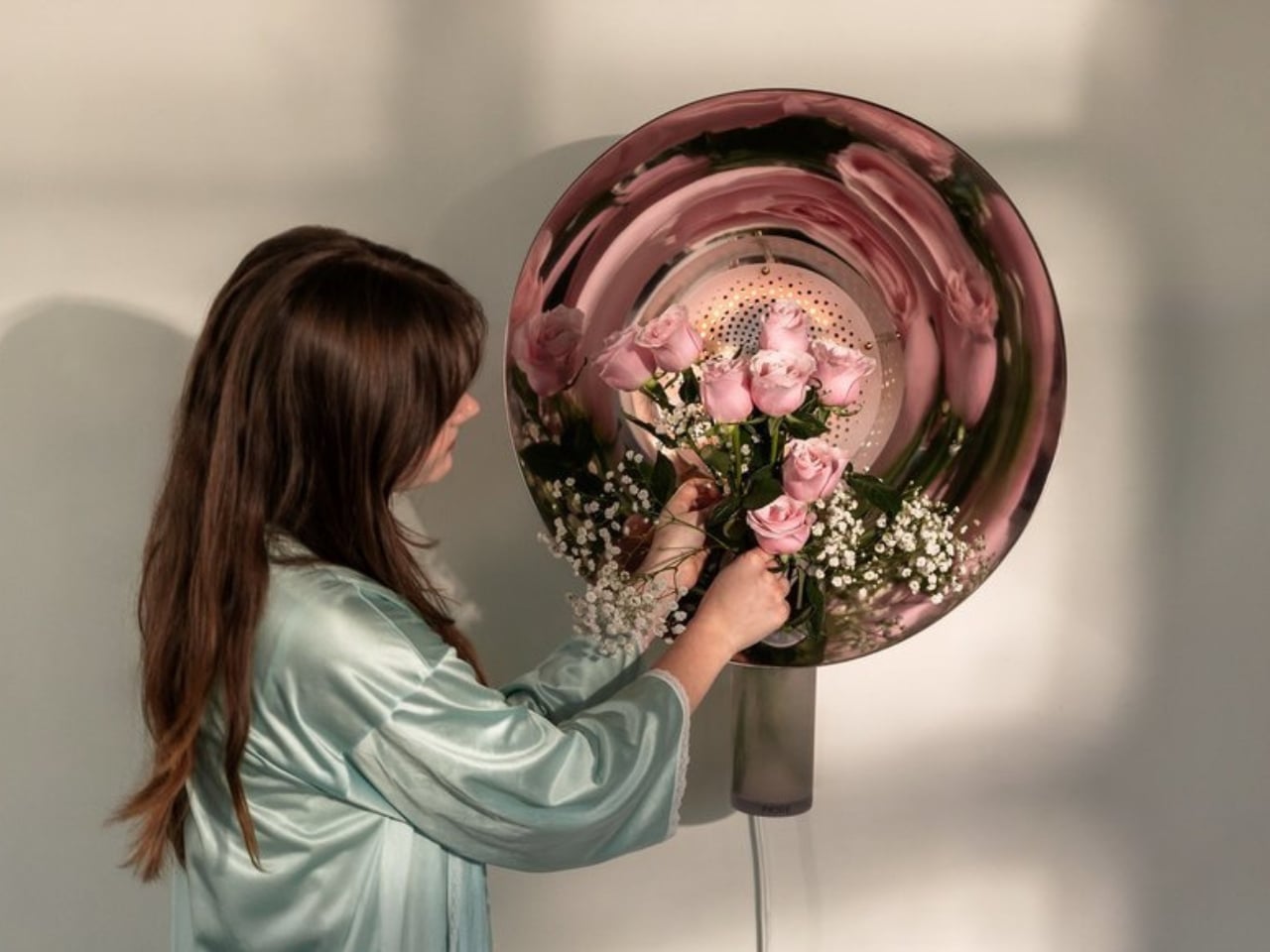
Most diffusers ask you to find space for yet another object on your counter. This one replaces three items you already own with a single, elegantly engineered piece. The Luminous Mirror Diffuser combines precision lighting, a shadow-free mirror, and aroma diffusion into one cohesive form that elevates morning routines and evening rituals alike. Created by the same designer behind a best-selling battery-free diffuser, this piece brings that same thoughtful approach to a more complex challenge.

The lighting system offers three distinct color temperatures ranging from warm 2400K relaxation tones to crisp 6000K daylight clarity, each with four brightness adjustments. The advanced reflected light technology eliminates harsh shadows, creating the kind of even illumination that makes grooming tasks feel effortless. For design lovers who value objects that solve multiple problems with grace, this represents the kind of thoughtful integration that defines exceptional product design in our current era.

Click Here to Buy Now: $799.00

What we like

  • Three distinct functions merge into one cohesive object that saves counter space.
  • Shadow-free lighting technology delivers professional-quality illumination for detailed tasks.
  • Multiple color temperatures and brightness levels adapt to different moods and activities.
  • The design pedigree from an award-winning creator ensures quality engineering throughout.

What we dislike

  • The complexity of multiple functions means a higher price point than single-purpose diffusers.
  • More features translate to more components that could potentially need maintenance over time.

3. LITH Volcanic Rock Diffuser

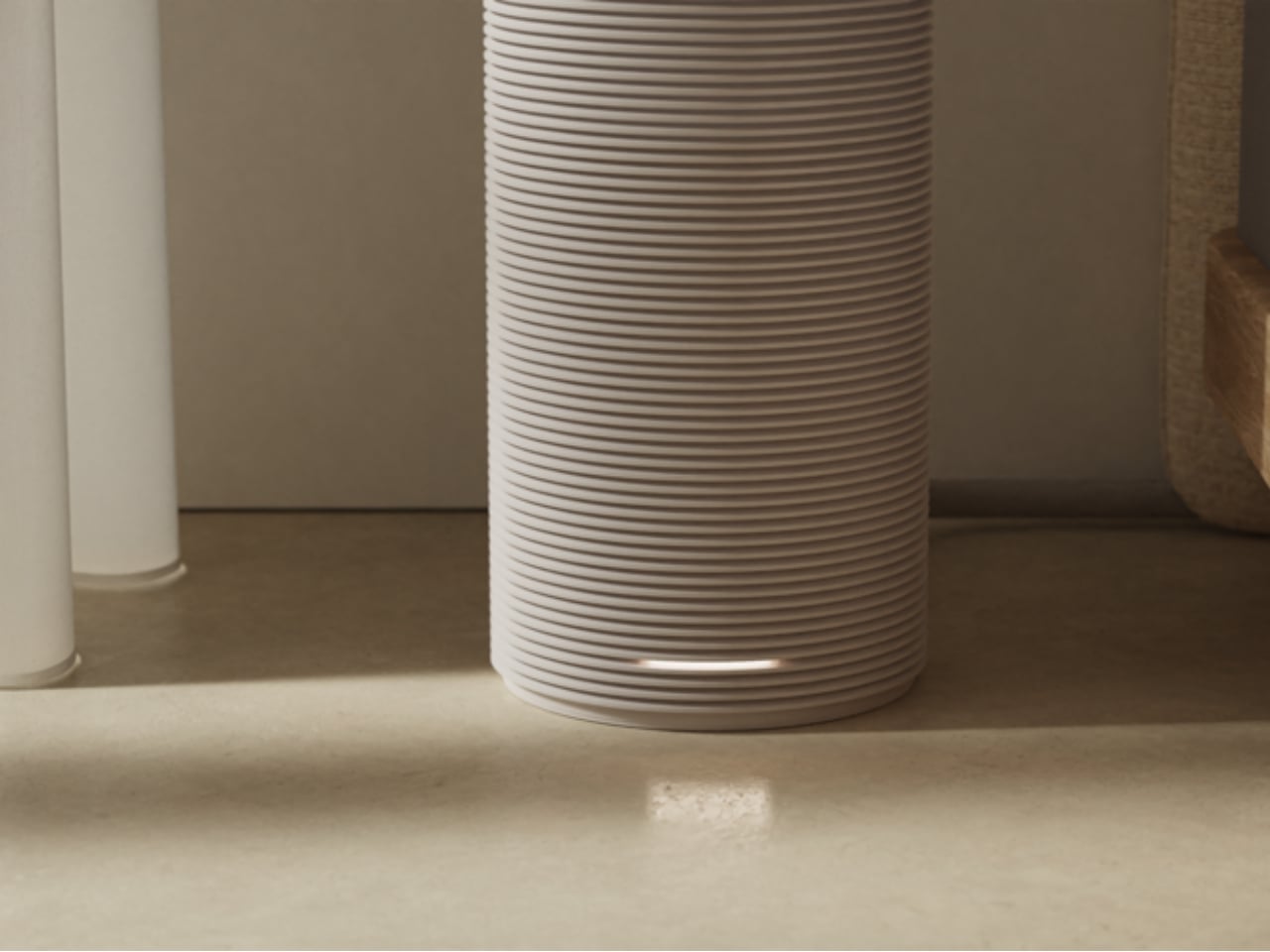
Sometimes the most compelling design solution is the one that strips away everything unnecessary. LITH takes aromatherapy back to pure elemental principles—porous volcanic rock, essential oil, and natural air currents. No electricity, no batteries, no fire hazards, just geology doing what it does best. You place drops of oil on the volcanic stone, and its naturally absorbent surface slowly releases fragrance through simple evaporation, carried by whatever breeze moves through your space.

The volcanic rock sits atop a spiraling cone crafted from acrylic resin, mica, and jesmonite dye, creating a miniature mountain that balances gentle scent with dramatic visual presence. This juxtaposition between peaceful aroma and volcanic power creates an interesting tension that gives the piece real personality. For design enthusiasts who appreciate minimalist approaches and natural materials, LITH offers a refreshingly unplugged alternative to tech-heavy solutions that demand charging cables and app interfaces.

What we like

  • Zero power requirements mean complete portability and placement freedom anywhere in a space.
  • Natural volcanic rock brings genuine geological character to the design.
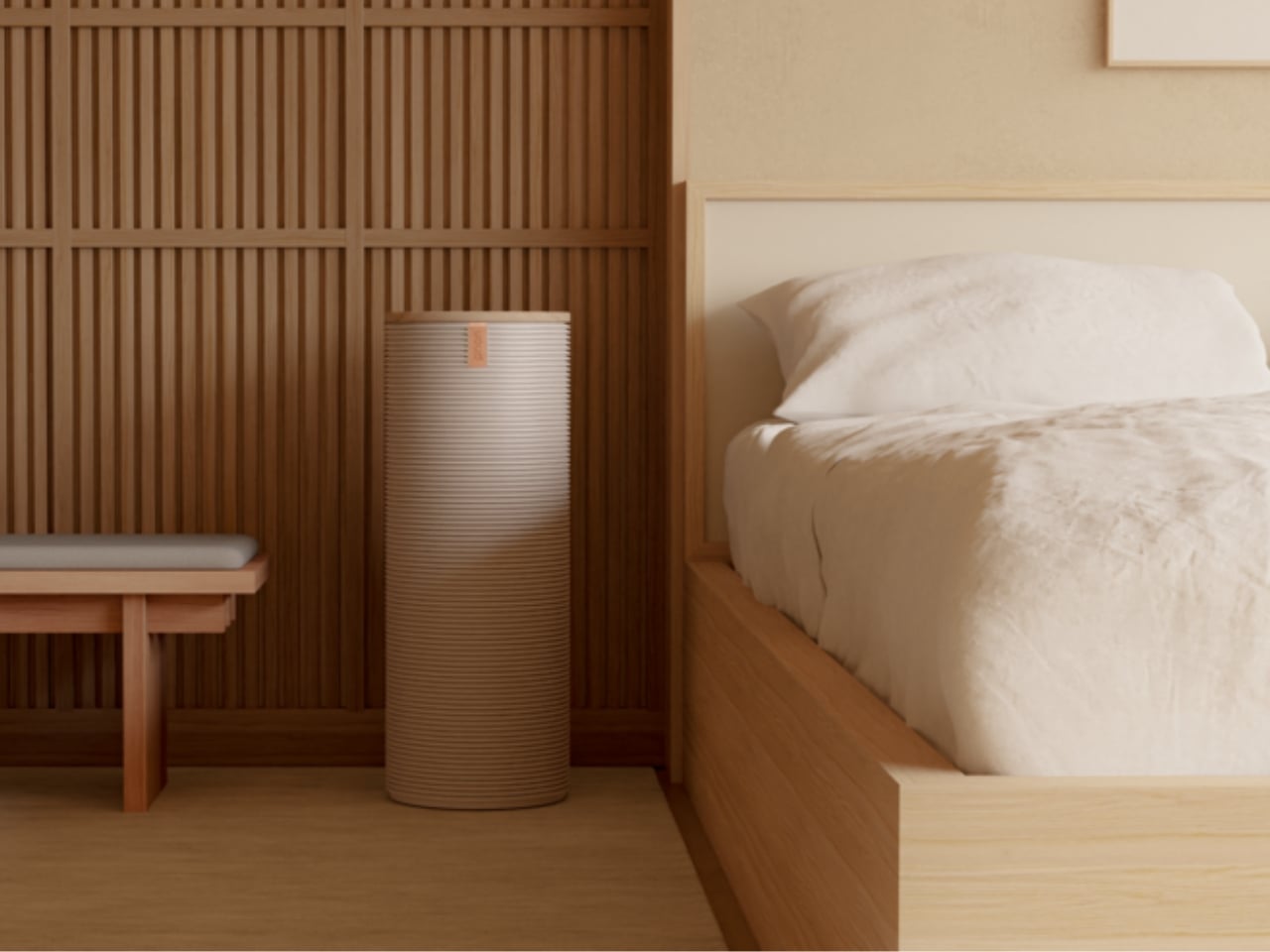
  • The spiral cone form creates a striking visual impact that elevates beyond typical diffuser aesthetics.
  • No mechanical parts means virtually nothing can break or need replacement.

What we dislike

  • Scent diffusion relies entirely on natural airflow, making coverage unpredictable in still environments.
  • The volcanic rock will need periodic replacement as pores become saturated over extended use.

4. ZenFlow Personal Aroma Diffuser

Japanese craftsmanship meets cutting-edge technology in this diffuser that treats fragrance as an art form deserving of precision engineering. ZenFlow combines 180 years of Shibukusa Ryuzo porcelain tradition with hybrid heat and airflow systems that distribute scent without water or mist. Each handcrafted porcelain filter represents genuine artisanal heritage, while the anodized metal base in silver, gold, or black finishes adapts to virtually any interior aesthetic from minimalist to traditional.

The three adjustable modes offer real versatility—Normal Mode for full diffusion, Airflow Mode for whisper-quiet operation, and ECO Mode for extended battery life. This battery-powered portability means you can move the diffuser from desk to bedside to outdoor patio without hunting for outlets. For design lovers who appreciate objects where heritage craft and modern technology genuinely enhance each other rather than compete, ZenFlow represents a particularly satisfying synthesis of old and new approaches.

Click Here to Buy Now: $169.00

What we like

  • Handcrafted porcelain filters bring authentic Japanese artisan tradition to daily use.
  • Water-free operation eliminates misting issues and maintenance concerns.
  • Three distinct modes adapt performance to different needs and environments.
  • Portable battery power provides true freedom of placement anywhere.

What we dislike

  • Porcelain filters may require replacement over time as essential oils gradually saturate the material.
  • The premium craftsmanship and technology combination commands a higher investment than basic diffusers.

5. MAN BAN Smart Aromatherapy Diffuser

Most diffusers hide their mechanical nature behind soft curves and neutral colors, trying to disappear into backgrounds. MAN BAN takes the opposite approach, embracing bold geometric forms that demand attention and deserve it. This smart diffuser reimagines aromatherapy devices as sculptural objects first, treating the technology inside as secondary to the architectural presence it creates in a room. The result works equally well in minimalist apartments and high-end offices where every visible element carries design weight.

The geometric construction moves beyond typical rounded diffuser shapes toward something more akin to modern sculpture or architectural models. This striking visual language transforms a functional device into a statement piece that sparks conversations before anyone even notices the subtle fragrance it’s dispersing. For design enthusiasts who view their living spaces as carefully curated galleries rather than simple functional environments, MAN BAN offers the kind of bold presence that justifies its prominent placement on surfaces where lesser objects wouldn’t dare appear.

What we like

  • Architectural geometric forms create a genuine sculptural presence worthy of design-forward spaces.
  • Smart technology integration provides modern convenience without compromising the visual statement.
  • The bold aesthetic works as both a functional device and a standalone art object.
  • The design philosophy treats fragrance diffusion as worthy of serious architectural consideration.
What we dislike

  • The strong geometric aesthetic may clash with softer, more traditional interior styles.

  • Smart features add complexity that some users may find unnecessary for basic aromatherapy needs.

6. Ritual Card Diffuser

There’s something profoundly satisfying about objects that transform functional tasks into meaningful rituals. The Ritual Card Diffuser turns scent diffusion into a deliberate gesture—you slide a handcrafted washi paper card into an anodized aluminum body, much like inserting a train ticket or placing a bookmark. This simple physical act marks the beginning of a sensory journey rather than just flipping a switch or pressing a button.

The patented mechanism draws alcohol-based fragrance upward through the washi card without mist, vapor, reeds, or power. It’s utterly silent, completely fire-free, and relies on materials—hand-poured oil and Japanese handmade paper—that carry their own cultural weight and craft tradition. The layered glass base creates a visual lightness while the aluminum body grounds the piece with quiet strength. For design lovers who appreciate objects that slow down daily routines and add mindfulness to mundane tasks, this diffuser offers a refreshingly analog alternative to automatic everything.

Click Here to Buy Now: $89.00

What we like

  • The tactile card-sliding ritual adds meaningful interaction to fragrance diffusion.
  • No power, flame, or sound means complete simplicity and safety.
  • Handcrafted Japanese washi paper brings authentic artisan quality to consumable components.
  • The layered glass base creates beautiful visual depth and architectural interest.

What we dislike

  • Replacement washi cards add an ongoing consumable cost to long-term use.
  • The alcohol-based fragrance system limits compatibility with water-soluble essential oils.

7. Sol Brass Aroma Diffuser

Traditional incense captures powerful emotional memories but fades quickly and rarely travels far from its burning point. Sol reimagines that morning incense ritual through contemporary design thinking, creating what its designer calls a “personal altar” for modern living spaces. The brass construction draws directly from Indian temple bells, heirloom utensils, and engraved thaalis, connecting the piece to centuries of craft tradition while maintaining clean contemporary lines that work in minimalist settings.

Mandala-inspired symmetry and meditative geometry inform every aspect of Sol’s design, creating visual patterns that reward close observation. This isn’t background design meant to blend into environments quietly. Sol makes a statement about the importance of ritual, mindfulness, and the grounding power of familiar scents in spaces where we work, think, and simply breathe. For design enthusiasts with connections to Indian culture or appreciation for how traditional craft can inform contemporary objects, Sol represents a particularly thoughtful bridge between heritage and modernity.

What we like

  • Brass construction brings genuine material warmth and develops character patina over time.
  • Indian craft tradition references create deep cultural resonance and storytelling opportunities.
  • Mandala-inspired geometry rewards careful observation with layered visual details.
  • The personal altar concept elevates daily use into meaningful ritual practice.

What we dislike

  • Brass requires occasional polishing to maintain its finish unless you appreciate natural patina development.
  • The strong cultural design language may feel less universal than more neutral aesthetic approaches.

Finding the Perfect Match

The diffusers on this list share a common philosophy—they treat fragrance as worthy of thoughtful design rather than an afterthought hidden in plastic housings. Each piece brings its own character, from volcanic minimalism to Japanese craft traditions to geometric boldness. The best choice depends entirely on the recipient’s aesthetic preferences and how they actually live with objects in their daily environment.

Consider what kind of interaction they enjoy with their belongings. Some people love tactile rituals like sliding washi cards or arranging miniature firewood. Others prefer set-it-and-forget-it elegance that works quietly in the background. The most meaningful gifts acknowledge these personal preferences while introducing something genuinely special they might not discover on their own. Any design lover receiving one of these diffusers will recognize the care that went into choosing an object that truly respects their eye for exceptional craft.

The post 7 Best Aroma Diffusers To Gift Design Lovers This Year first appeared on Yanko Design.