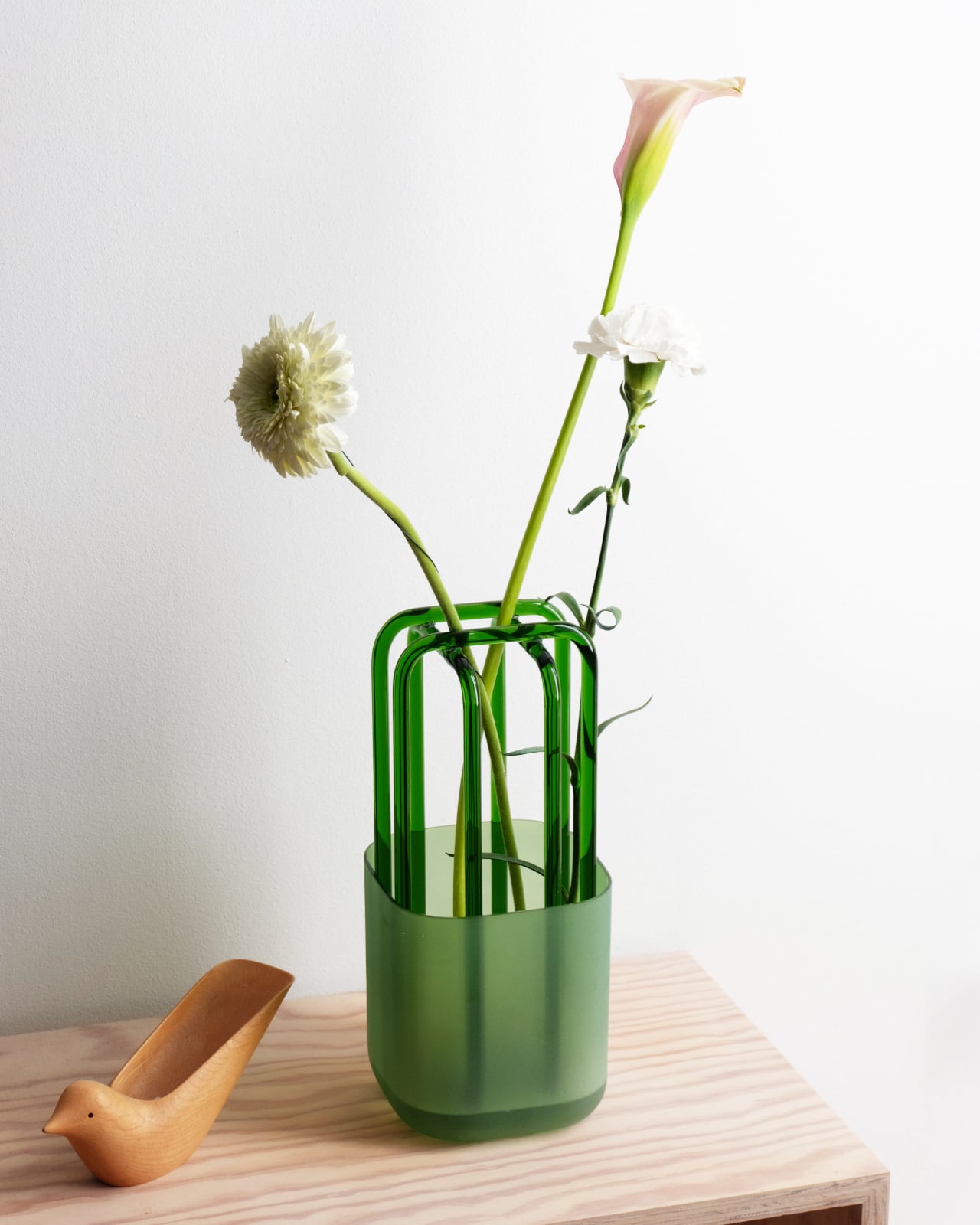
What a designer keeps on their desk is actually quite revealing. Every object has been considered, tested, and kept for a reason. Nothing sits there by accident. Industrial designers think about tools the way they think about products: function first, form as a close second, and longevity as the quiet measure of what’s worth keeping. The result is usually a desk that looks sparse but works hard, where each item earns its place daily.
These five accessories show up on those desks because they solve real problems well, and because they’re made with enough craft that reaching for them feels better than it strictly needs to. You don’t have to be a trained designer to benefit from that kind of thinking. Each one brings a quality of intention that makes the hours spent at a desk more considered, more comfortable, and more genuinely productive than the tools they quietly replace.
1. Everlasting All-Metal Pencil
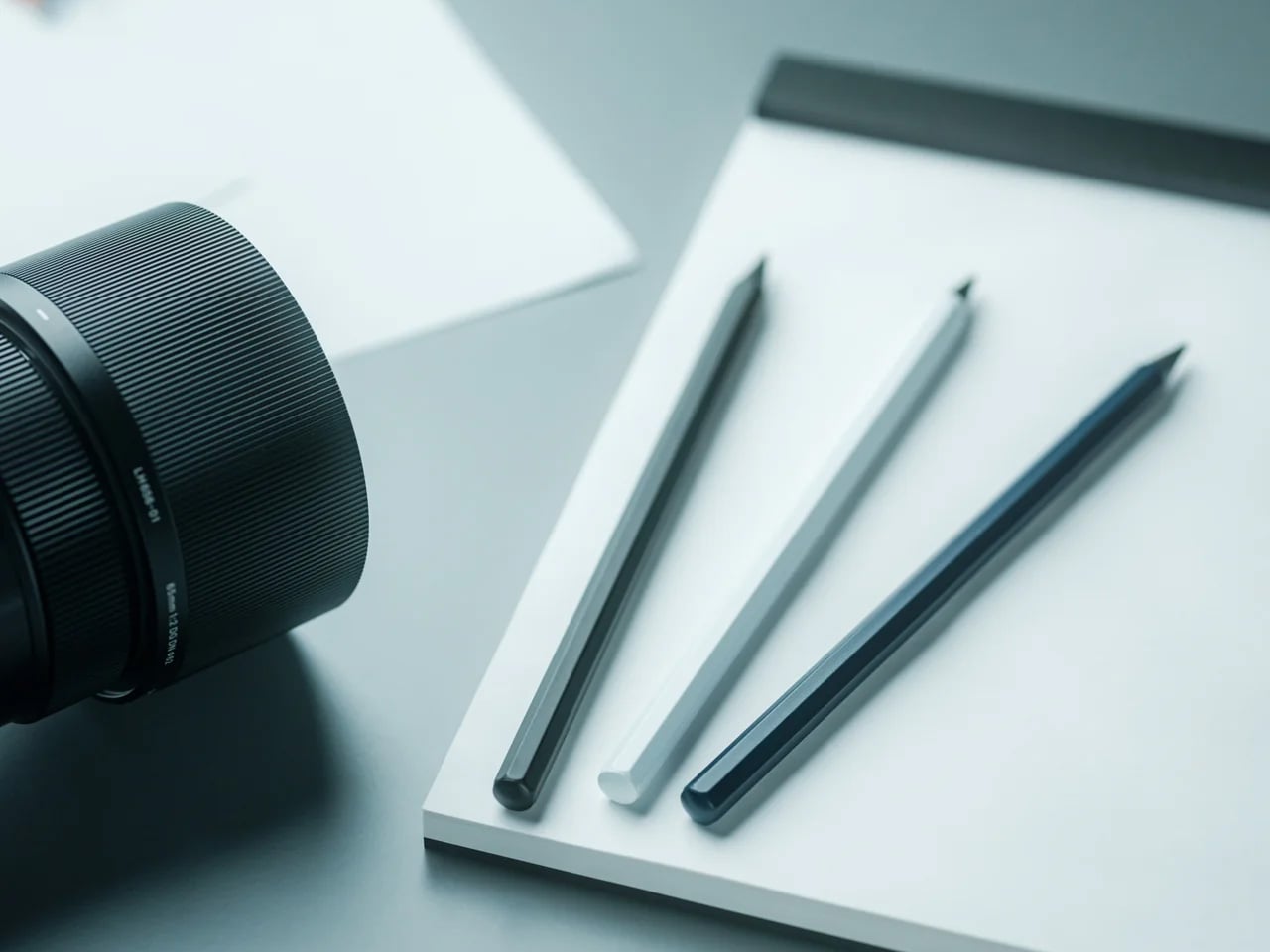
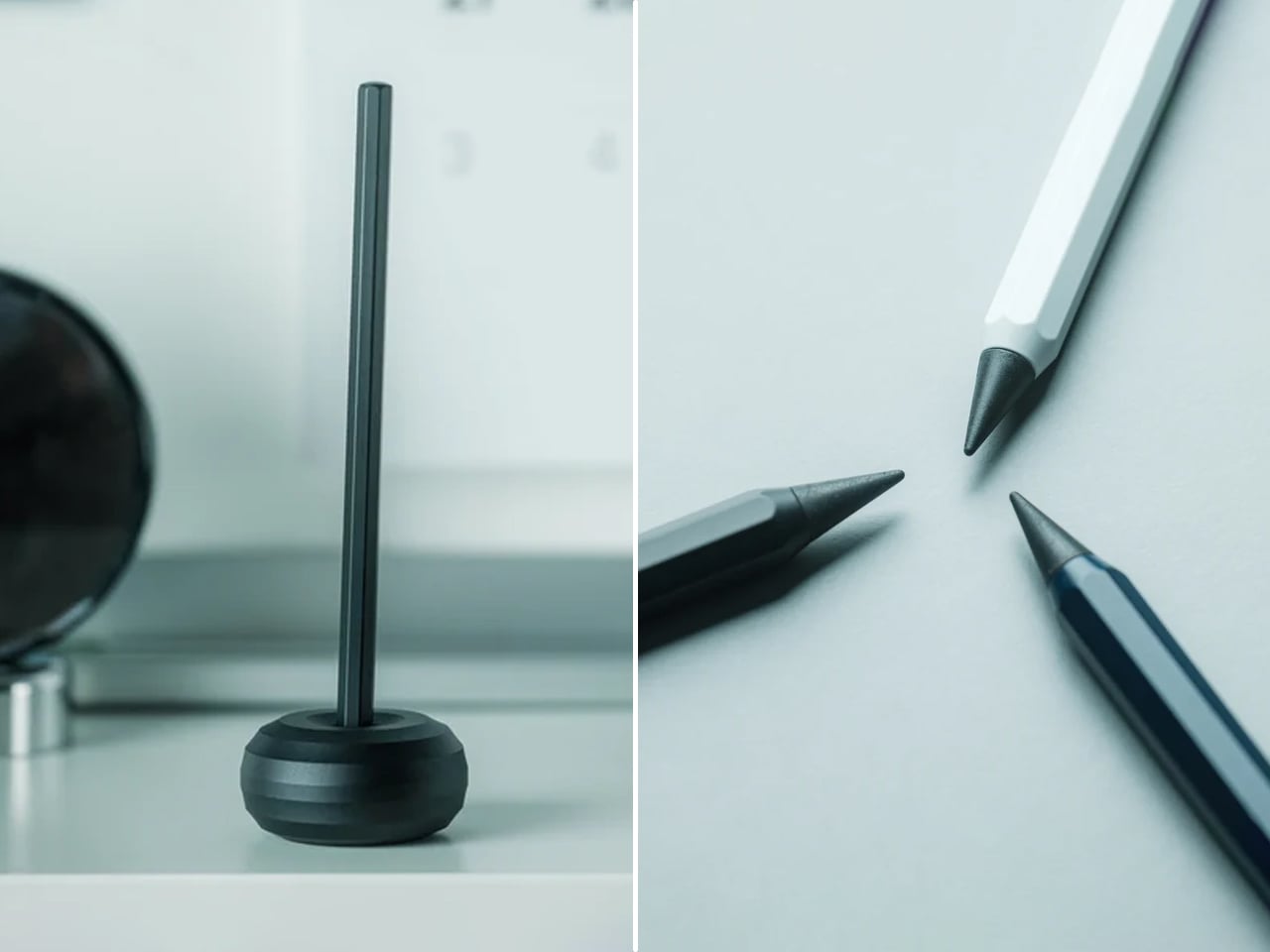
Every designer has been stopped mid-sketch by a blunt pencil. The momentum breaks, the hand reaches for a sharpener, and the thought softens. The Everlasting All-Metal Pencil is engineered to make that sequence impossible. Built with a special alloy core inside an aluminum body, it leaves marks exactly like a traditional pencil: soft enough to erase, expressive enough to sketch with, and responsive enough to carry across a full page. The core never wears down, which means no sharpening, no snapping lead under pressure, and no reason to stop.
Where this pencil earns its place is in mixed-media work. The alloy core doesn’t bleed when you layer watercolor or water-based markers directly over it, so a sketch moves straight into a render without switching tools or waiting. It erases cleanly with a standard eraser, removing the usual objection to non-graphite alternatives. A new pocket-sized variant is now available, making the case for carrying this well beyond the desk even easier to argue. Work with one for a week, and reaching for anything else starts to feel like a step backwards.
What We Like
- Never needs sharpening, keeping creative momentum intact from the first mark to the last
- Works directly under watercolor and water-based markers without bleeding or running
What We Dislike
- The alloy mark feels subtly different from traditional graphite, which takes some adjustment for those with strong pencil preferences
- The upfront cost is higher than that of a standard pencil, even if it pays off considerably over time
2. MEMO
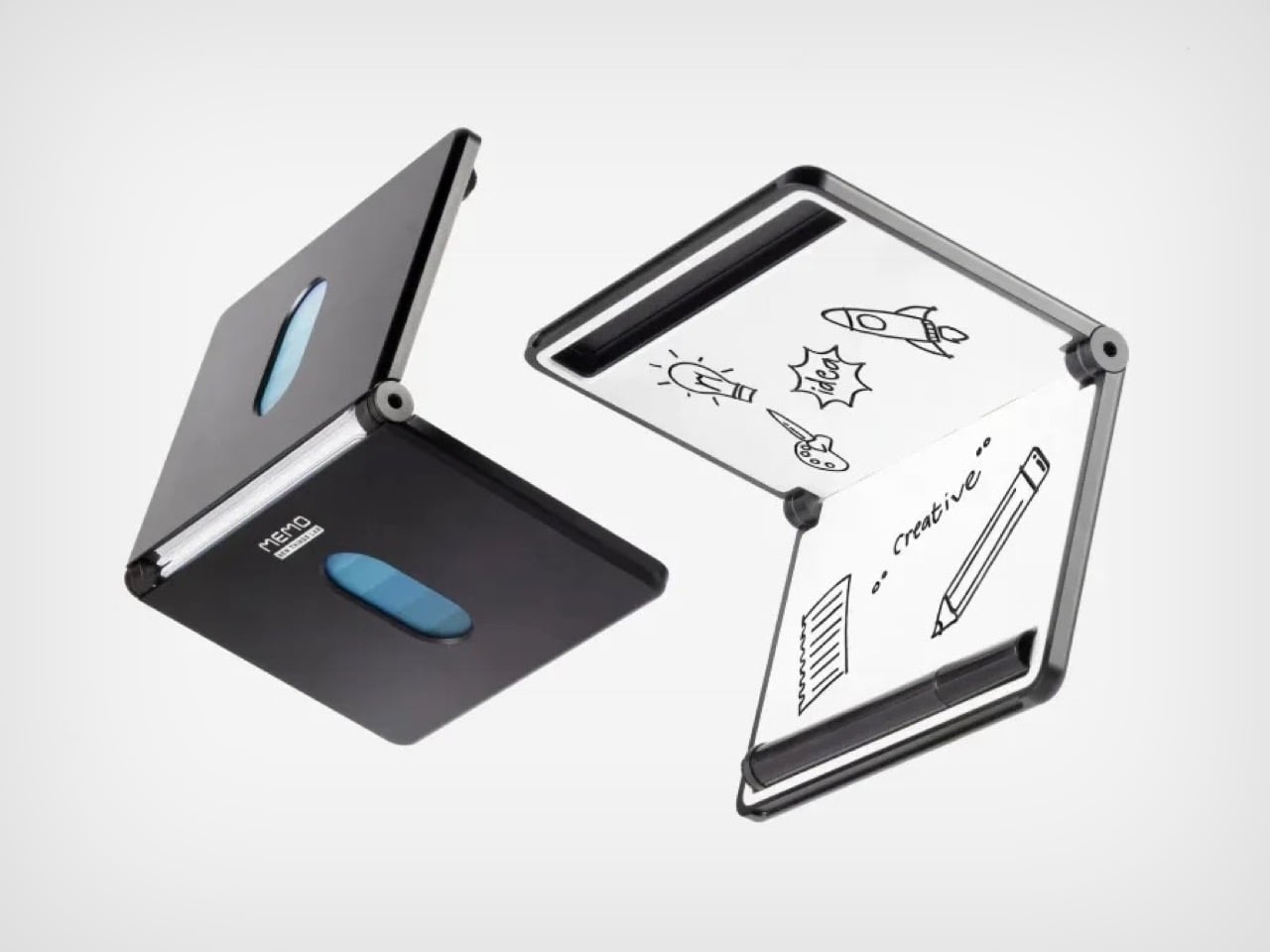
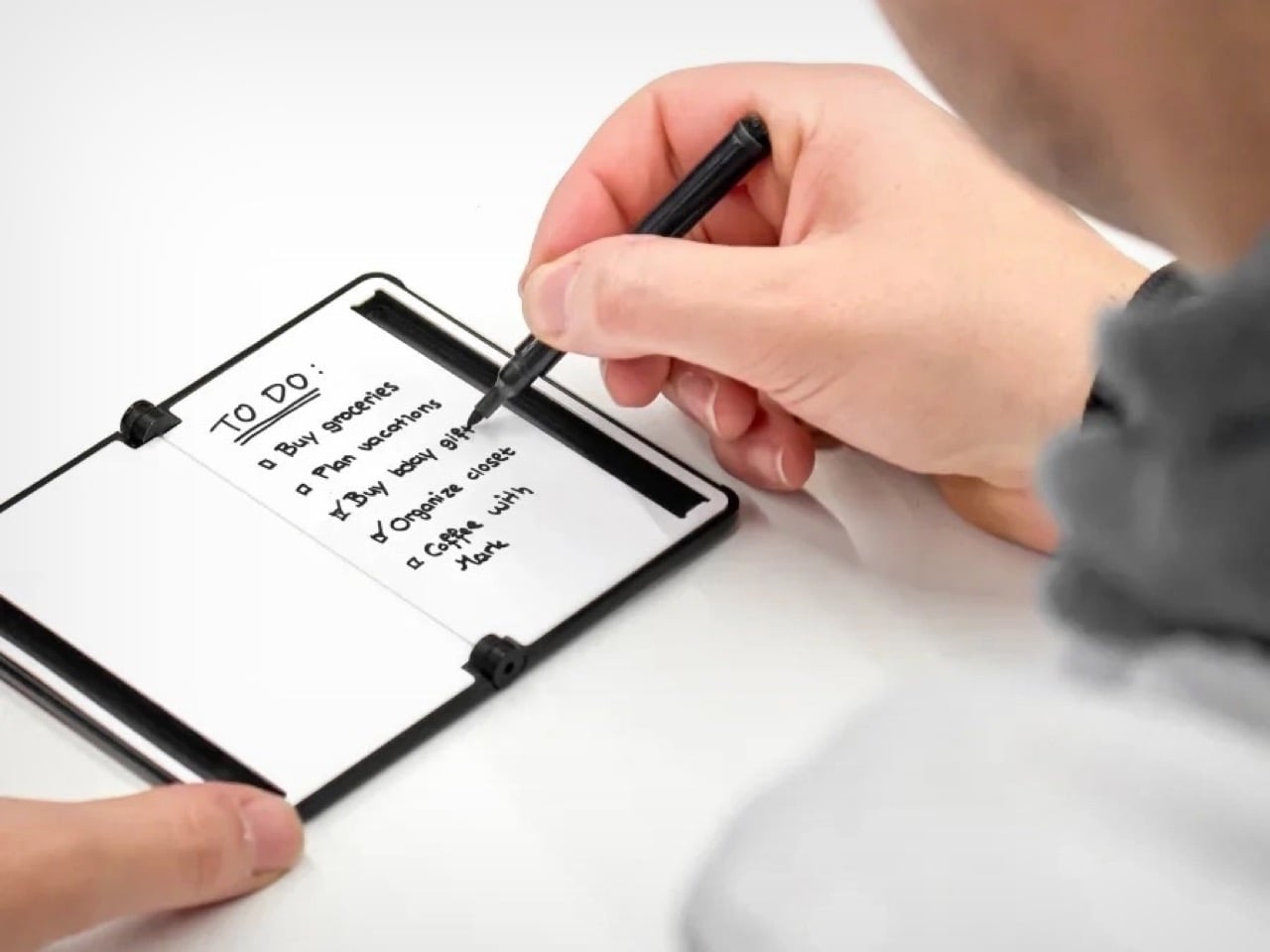
The best ideas don’t always arrive at your desk. They hit mid-conversation, on a train, in a corridor between meetings. The MEMO from New Things Lab is a bifold wallet whose inside panels are a fully functional dry-erase whiteboard — two surfaces that wipe clean and start over, with a built-in removable marker tucked into the fold. For an industrial designer, it replaces the back-of-receipt sketch with something you actually carry on purpose.
What makes it earn a place in this list isn’t the novelty — it’s the honesty. It acknowledges that capture tools need to live where ideas do, not just where work happens. The outside handles up to six cards, keeping it functional as a wallet without compromise. The design is deceptively simple: open it to reveal a whiteboard, close it to have a wallet. No app, no sync, no battery. Just a surface that’s always ready and always on you – you can use it on your desk, or on the go!
What we like
- Dry-erase surface lets you capture and clear quick sketches without wasting paper
- Combines two things you’re already carrying into one object with real daily utility
What we dislike
- Six-card capacity is lean for anyone who carries more than the essentials
- The whiteboard surface requires the bundled marker — losing it means the whole concept stalls
3. Horizon Helvetica® Ruler and Titanium S Mechanical Pencil

The Helvetica® Max doesn’t look like it should do this much. Credit card-sized and machined from 304 stainless steel using a Swiss-made Bystronic laser cutter, it measures up to 6 inches and 15 centimeters, carries a 180-degree protractor, includes both imperial and metric compasses, offers quick circle guides from 3mm to 10mm, and sports an isometric grid for 3D sketching. The bold Helvetica® Neue typeface keeps every marking legible at speed, and the absence of sharp edges means it clears airport security without a second thought.
The 2025 lineup adds Byzantine Purple, Irish Green, and Classic Blue colorways to both rulers, alongside upgraded silk-screen coating and UV-protected layering across all models, ensuring markings hold up visually over years of heavy use. The standout new release is the Horizon Titanium S mechanical pencil, which costs more and demands pocket space but earns both through material honesty and build quality. Team Horizon also released the Hypatia A5 Notebook to pair with the full lineup, turning a collection of individual tools into one cohesive sketching system worth building around.
What We Like
- Packs a protractor, compass, circle guides, and isometric grid into a single credit card-sized stainless steel tool
- UV-protected layering on 2025 models keeps silk-screen markings legible and intact through extended daily use
What We Dislike
- The Titanium S pencil sits at a premium price point that requires deliberate budget consideration
- Credit card-sized rulers have a natural ceiling when longer straight-edge measurements are part of the workflow
4. Magboard Clipboard
Notebooks make decisions for you before you’ve started working. They impose page order, dictate margins, and commit you to a format before a single idea is on the page. The Magboard Clipboard works without those constraints. A magnet and lever mechanism holds up to 30 sheets and lets you add, remove, and rearrange them in any order without disturbing what’s already there. Grid paper beside blank paper beside a printed reference sheet, clipped together in whatever configuration actually serves the work at hand.
The hardcover design makes writing while standing feel natural rather than effortful. Whether you’re on a site visit, in a client meeting, or moving away from the desk to think differently, the board provides the resistance your pen needs to move cleanly across the page. The cover is water-resistant and easy to wipe clean, which matters when the environment includes markers, paint, and the occasional spill. It doesn’t pretend your thinking is linear. It holds whatever you put in it and lets you decide the rest entirely on your own terms.
What We Like
- The magnet and lever mechanism holds up to 30 sheets, giving complete freedom to add, remove, and rearrange pages at any point
- Water-resistant hardcover makes it practical across studio, client, and field environments without any special handling
What We Dislike
- The loose sheet format requires a separate system for organizing and archiving pages over time
- Those who prefer the structure of a bound notebook may find the open format takes a brief adjustment to settle into
5. Grovemade Matte Studio Pad
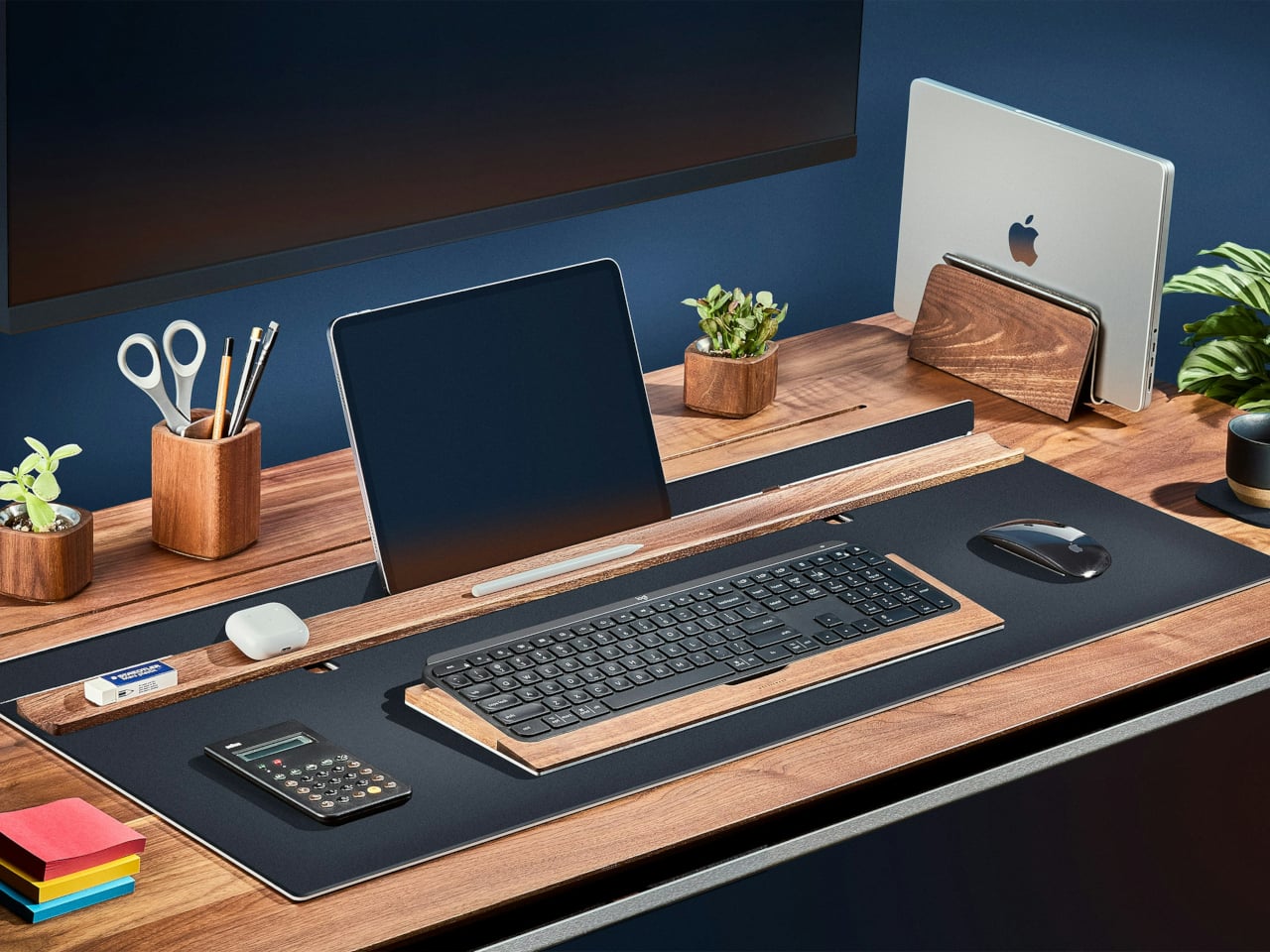
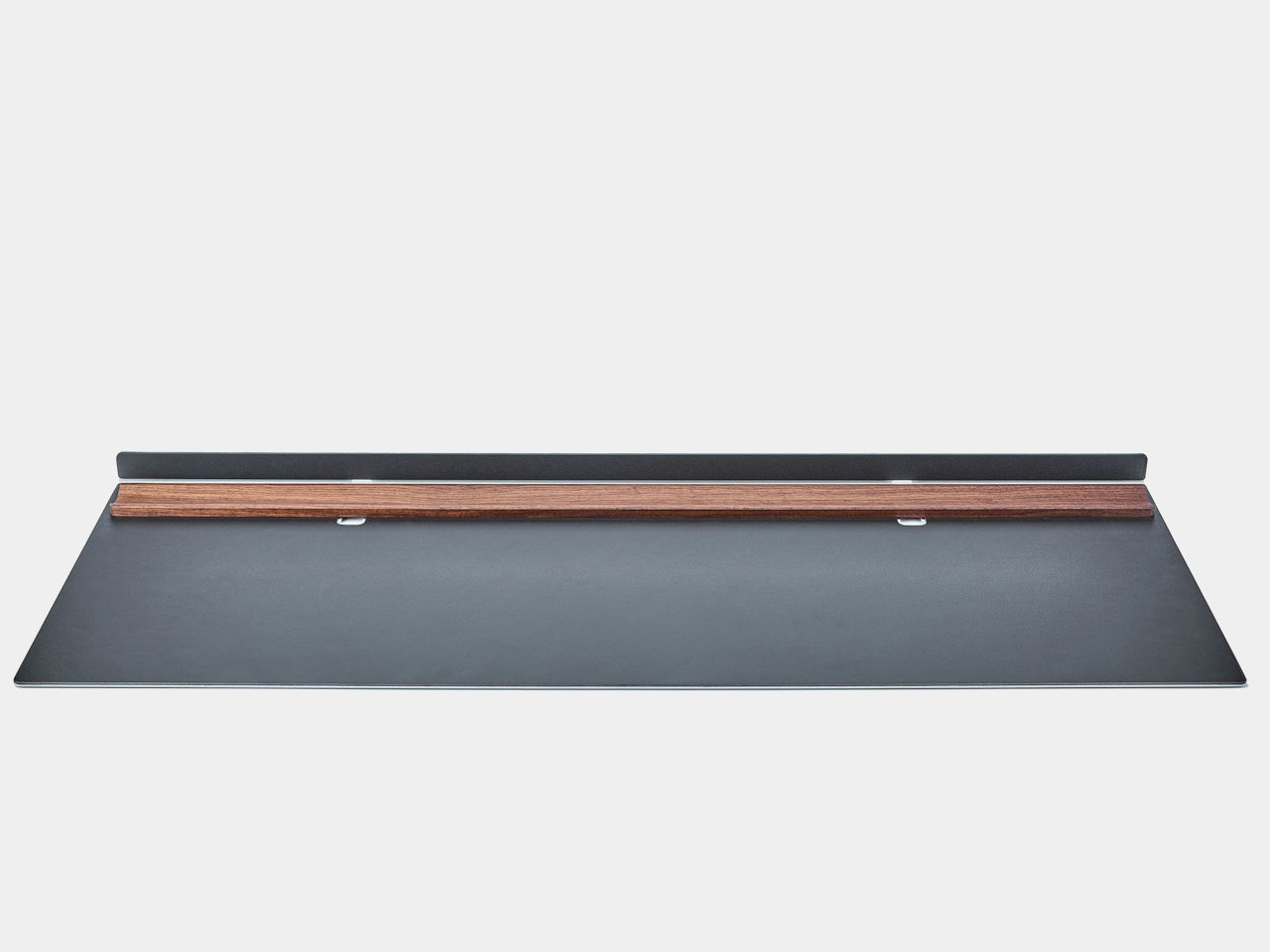
Most desk pads do one thing and ignore everything else. They protect the surface, or they look good, or they’re cheap enough to replace without a second thought. The Grovemade Matte Studio Pad takes a different approach. Its matte surface is smooth and comfortable underhand, fingerprint resistant, and steady enough that paper doesn’t drift while you write or sketch. It’s inviting in the way good materials always are: you notice it immediately, understand why it works, and then stop noticing it because it never gets in the way.
Underneath the surface is where the engineering becomes clear. A brushed aluminum chassis keeps the pad flat and stable without flex. A cork underlayer cushions the desk from scratches and softens the whole assembly from below. A full-length hardwood tray runs along one edge, providing a tactile and visually grounded place to keep pens, a stylus, or a ruler within reach without cluttering the writing surface. Three materials, three problems solved, one object that feels deliberate in every direction. For anyone spending long hours at a desk, the quality of the surface beneath your hands matters more than most people realize until they’ve worked on something this well-made.
What We Like
- Matte, fingerprint-resistant surface stays visually clean and composed through heavy daily use without any extra maintenance
- Layered aluminum, cork, and hardwood construction addresses stability, desk protection, and tactile comfort all at once
What We Dislike
- Premium materials place it well above budget desk pad options, making the initial purchase a deliberate decision
- The full-length hardwood tray extends the pad’s overall footprint, which may not suit smaller or tighter desk setups
The Desk You Build Reflects How You Think
The best designer desks don’t impress people who visit them. They just make the work easier and the hours more worth spending. None of these tools announces itself or tries to be more than they are. What they share is a quality of being fully thought through, made by people who considered every detail and removed whatever didn’t need to be there. That discipline is what makes them worth having, whether you design for a living or not.
Good tools have a way of quietly changing how you work. You reach for them without thinking, trust them without checking, and after a while, you stop remembering what you used before. These five accessories earn that kind of invisible loyalty not through novelty but through honesty. They do exactly what they’re supposed to do, they do it well, and they keep doing it long after the first impression has worn off.
The post 5 Super Clever Accessories That Every Industrial Designer Has on Their Desk — and Why You Should Too first appeared on Yanko Design.