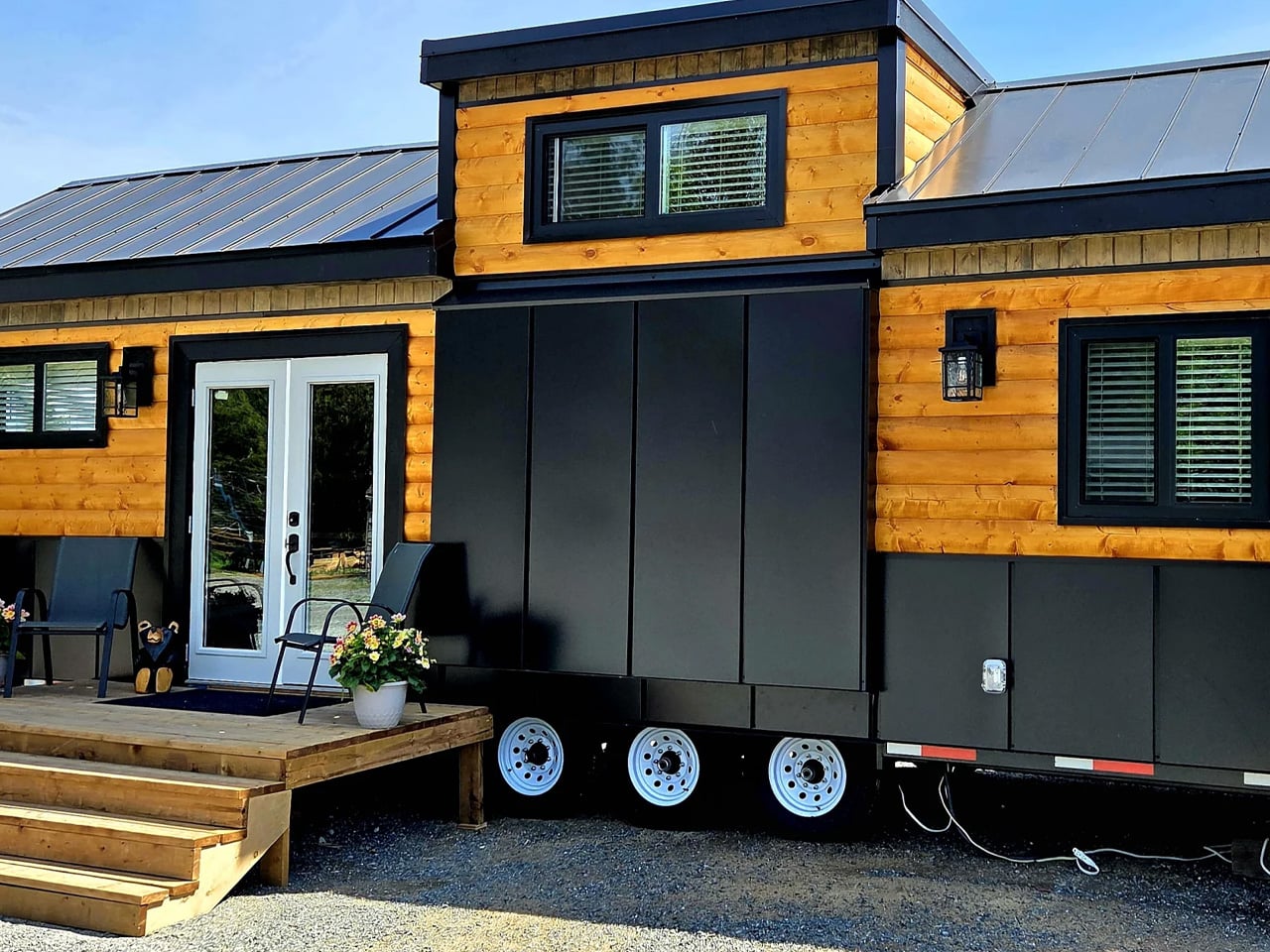
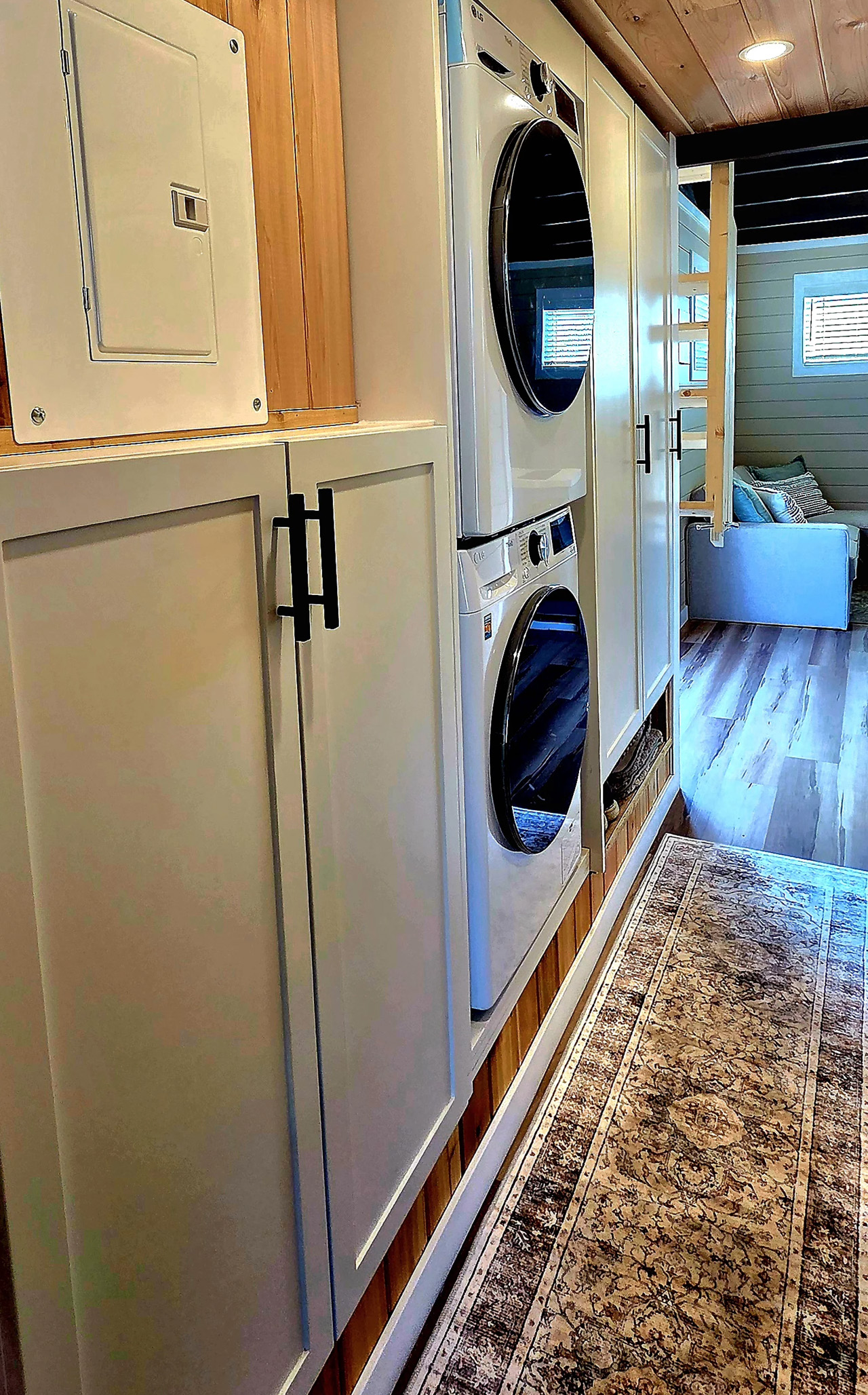
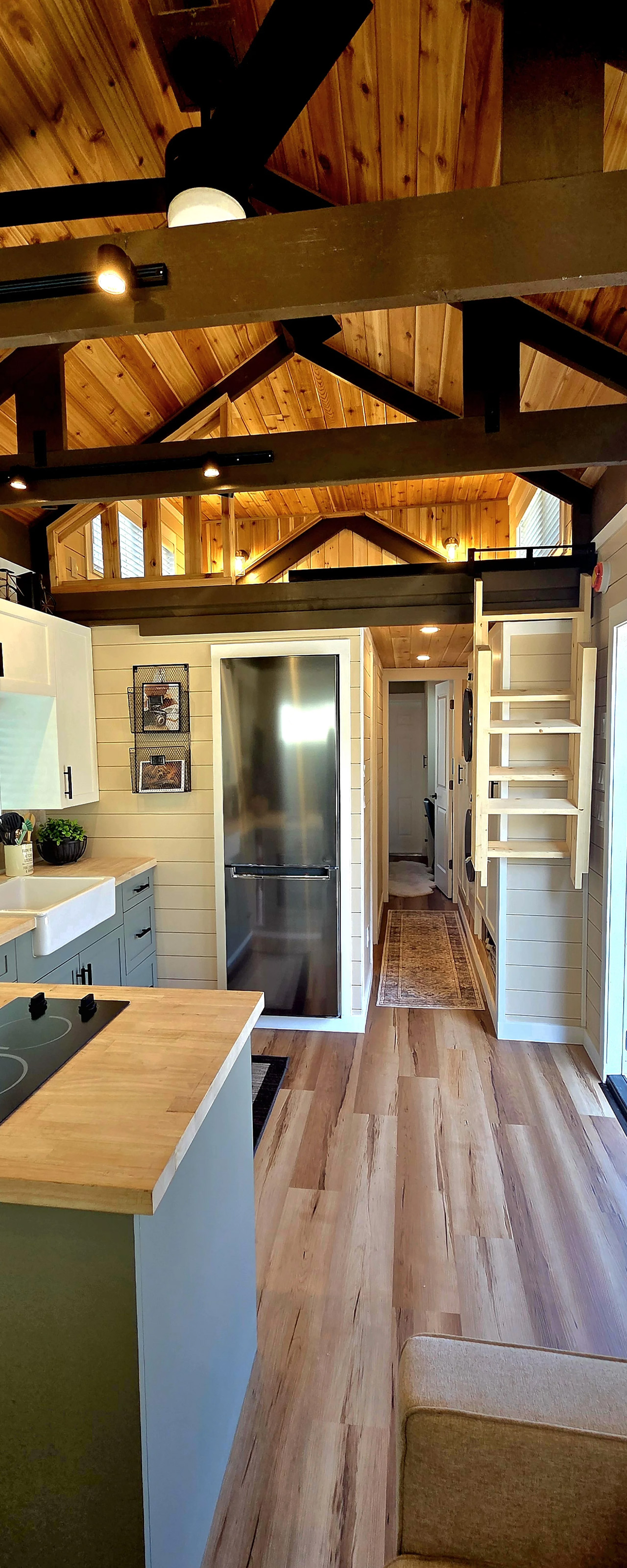
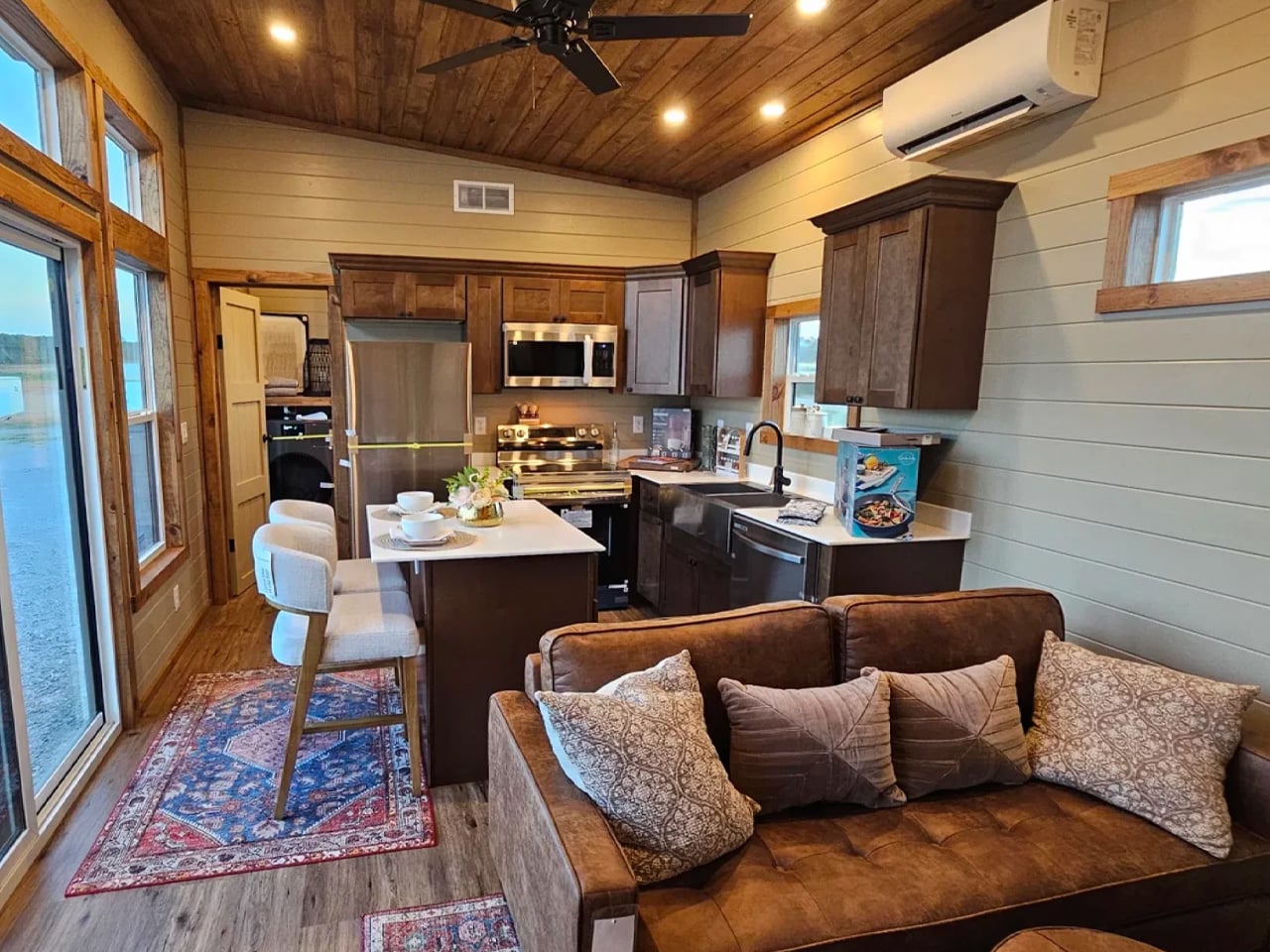
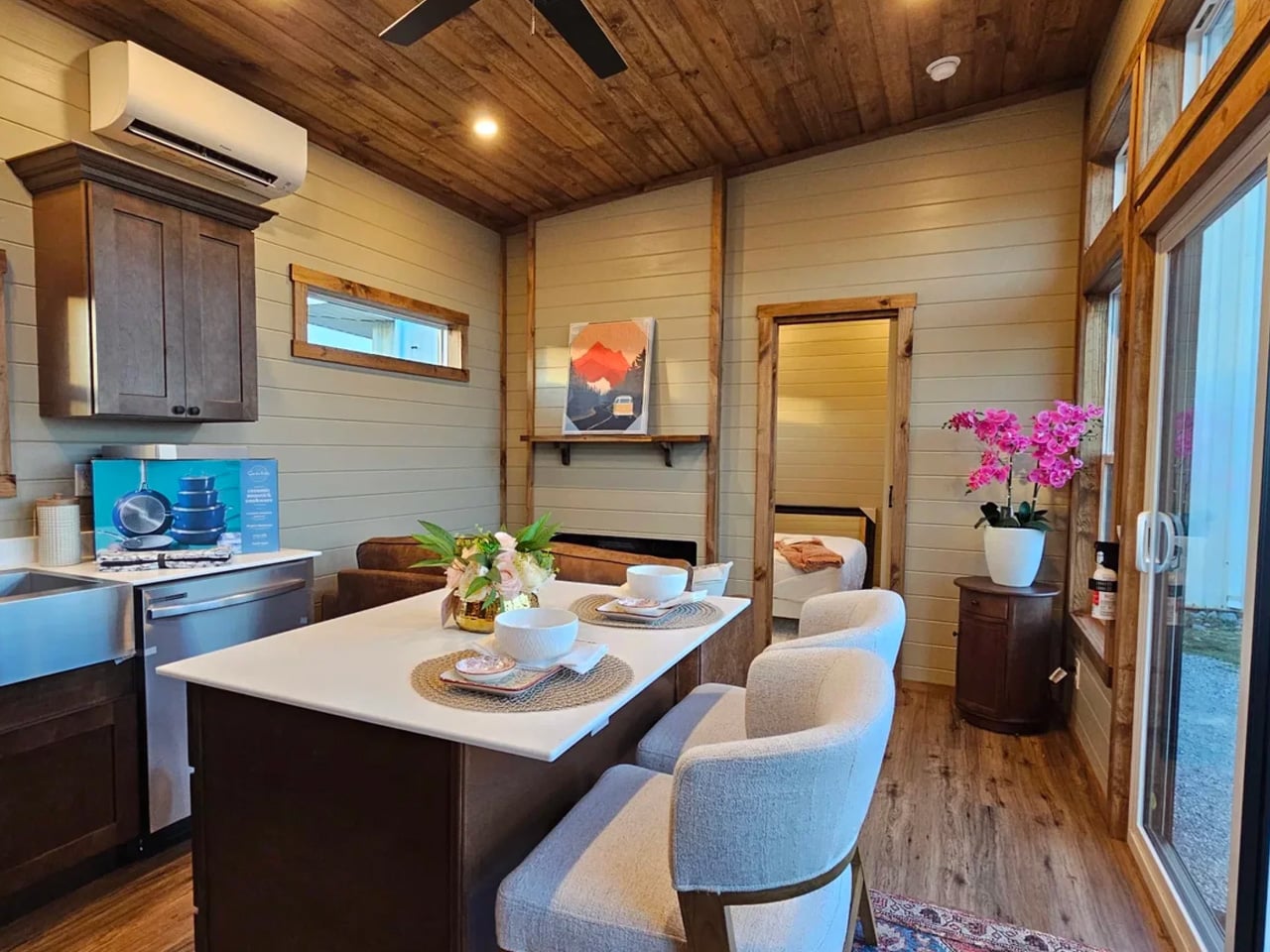
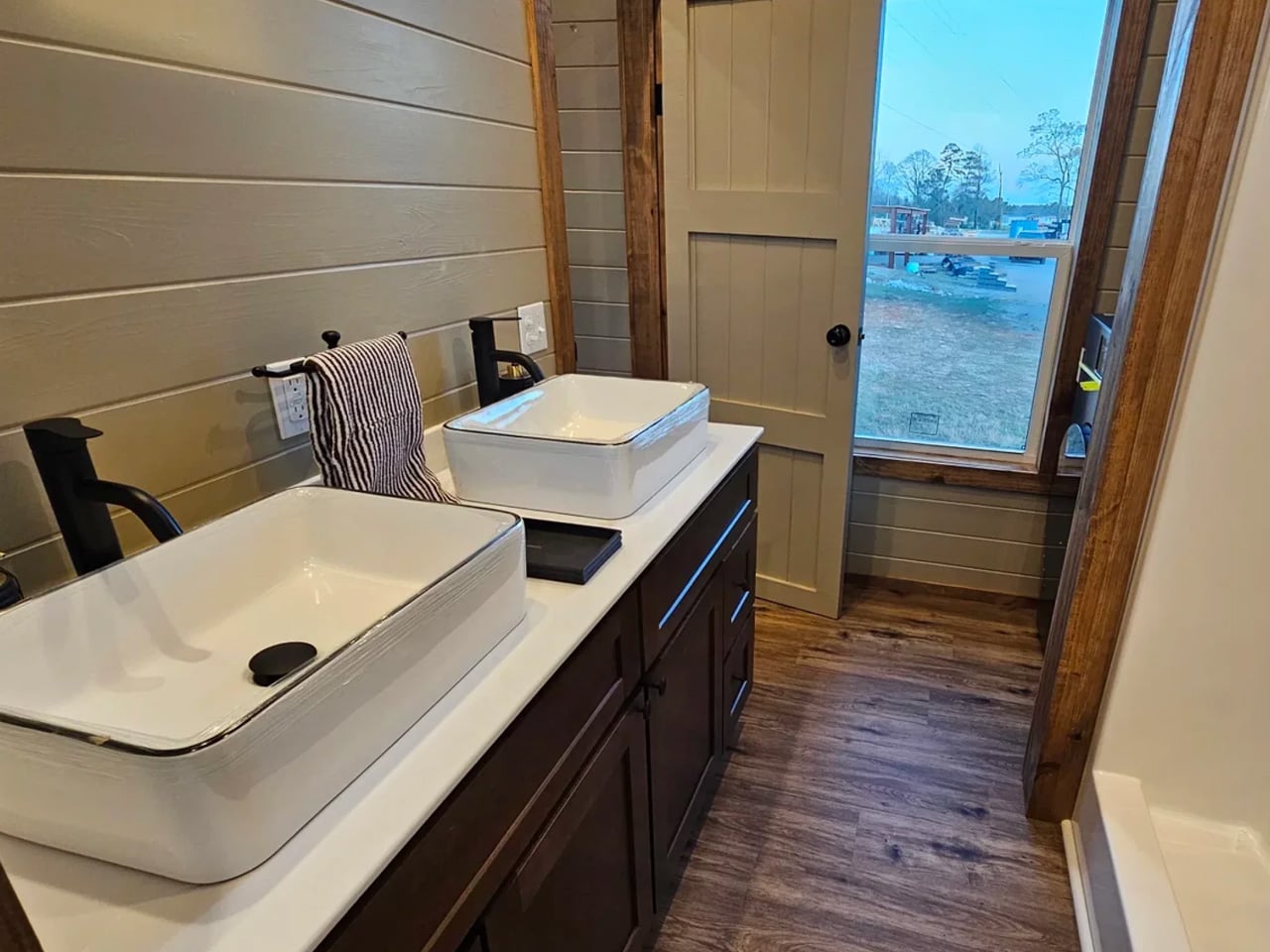
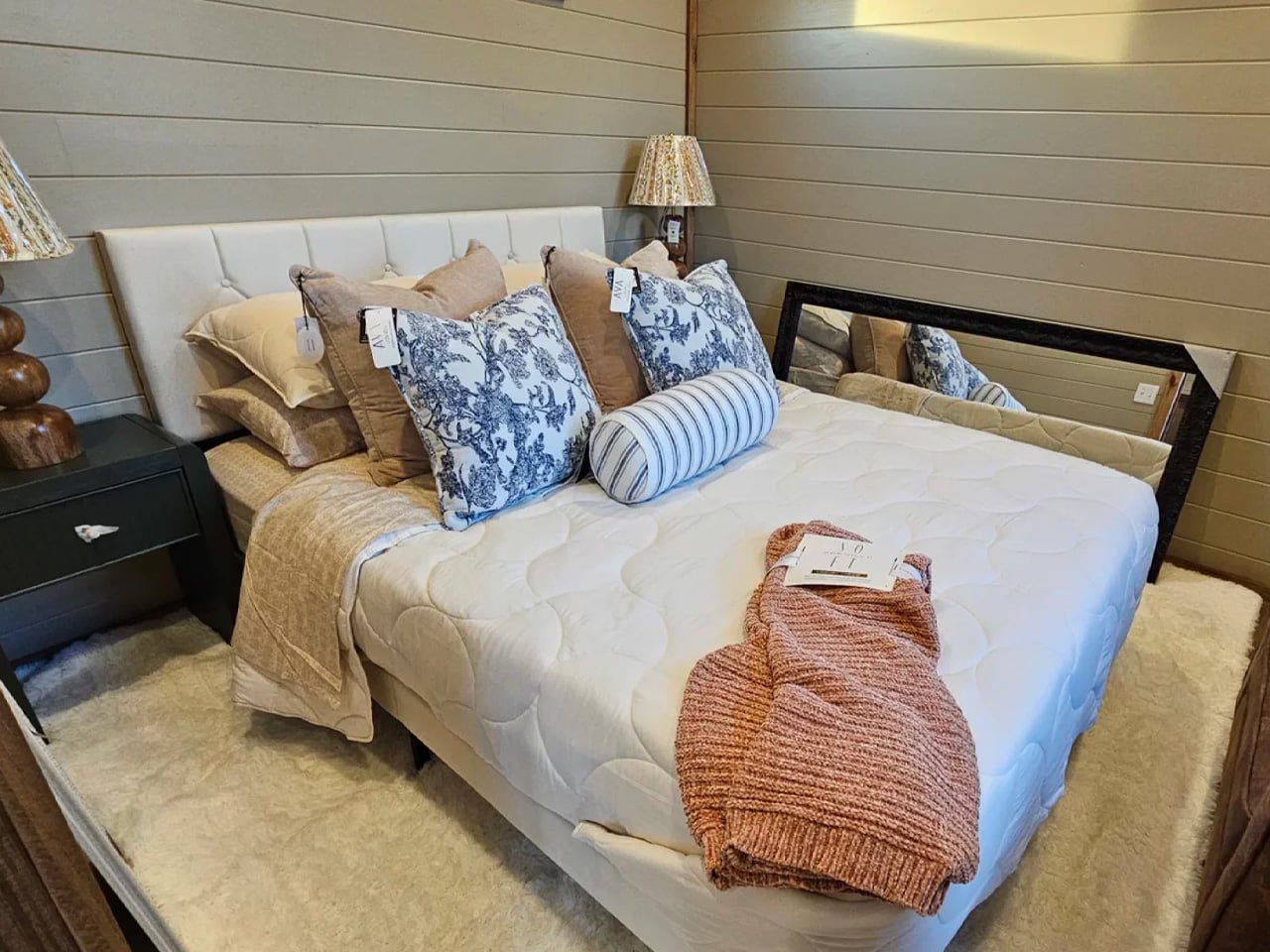
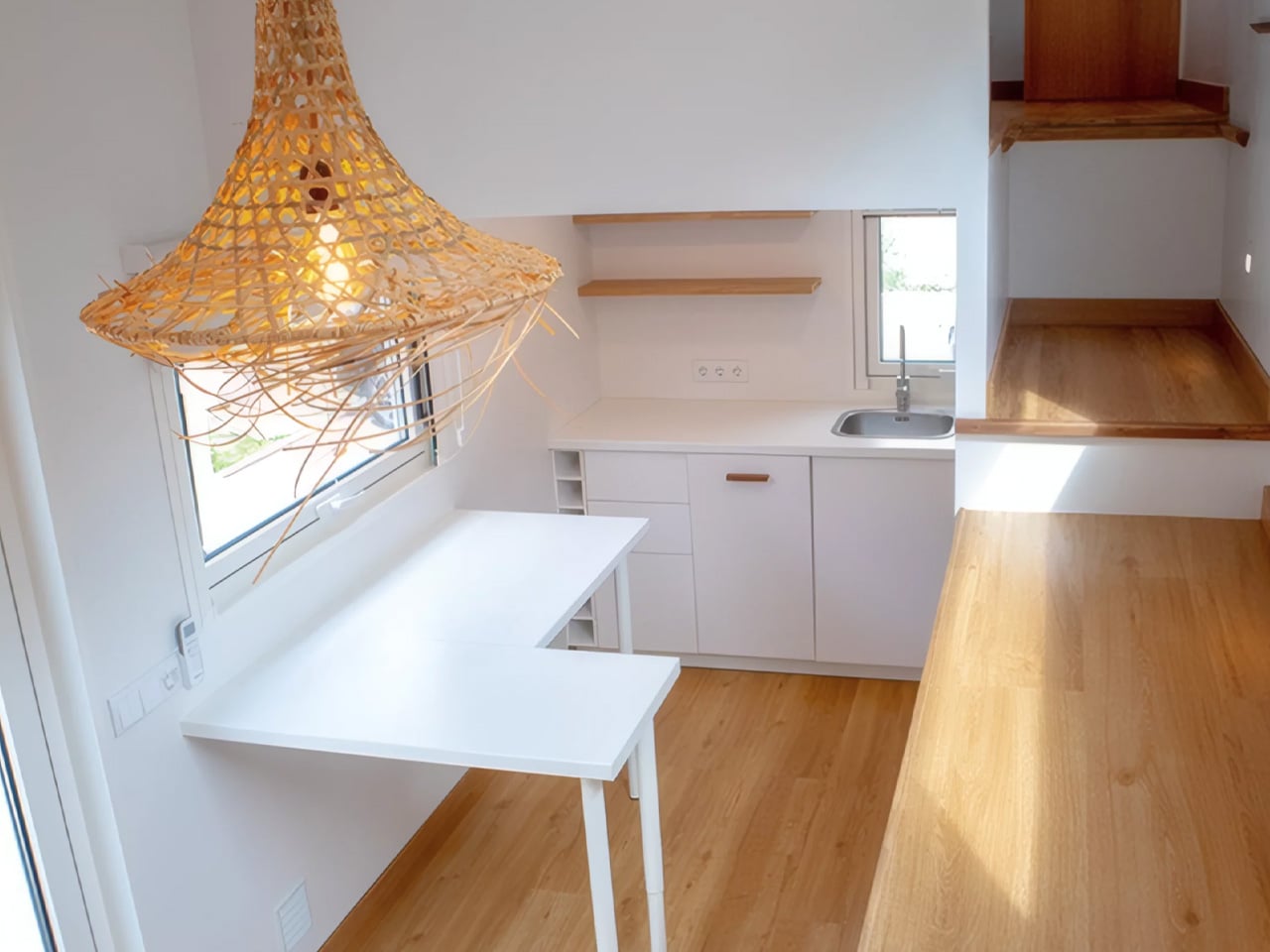
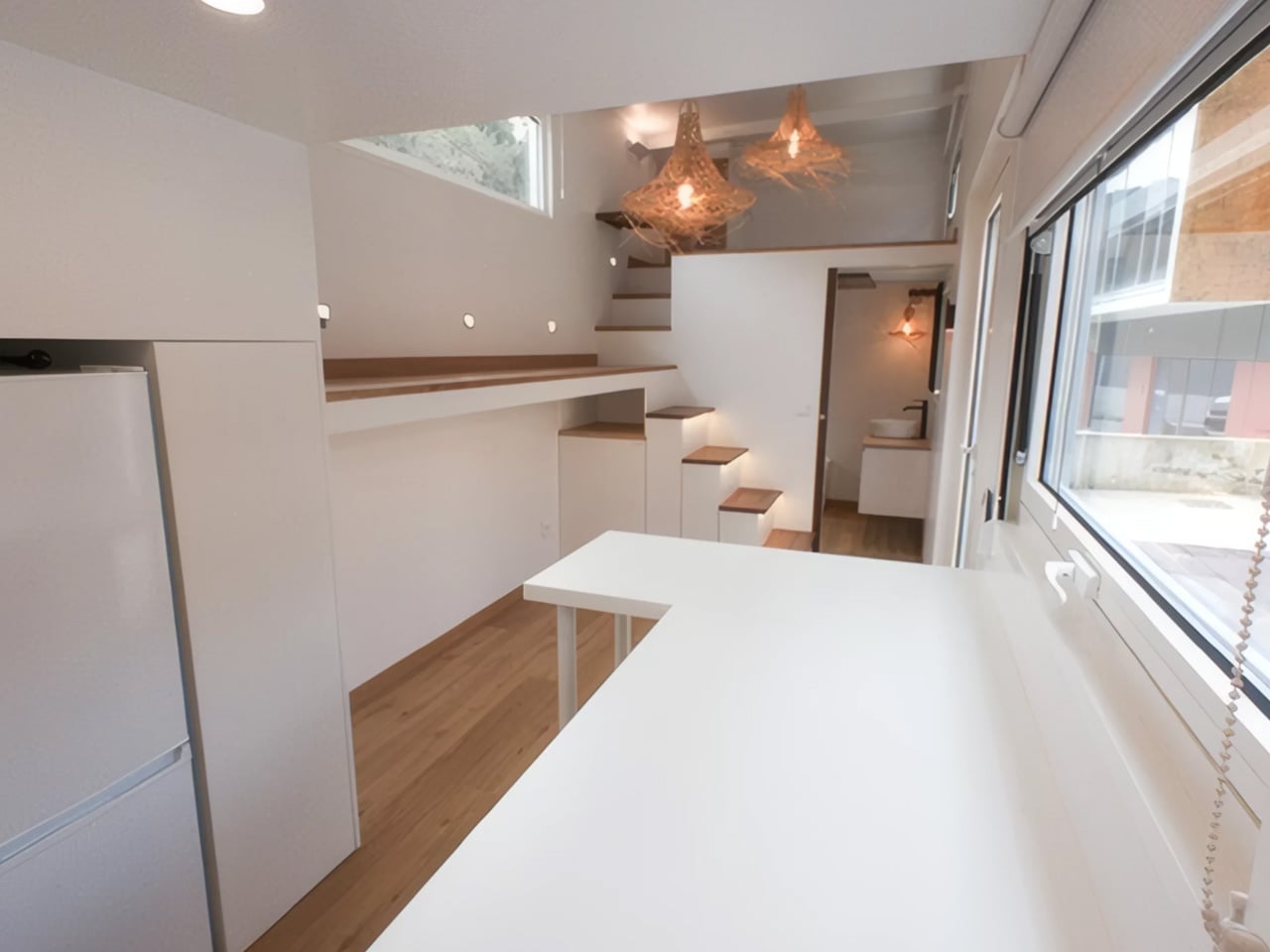
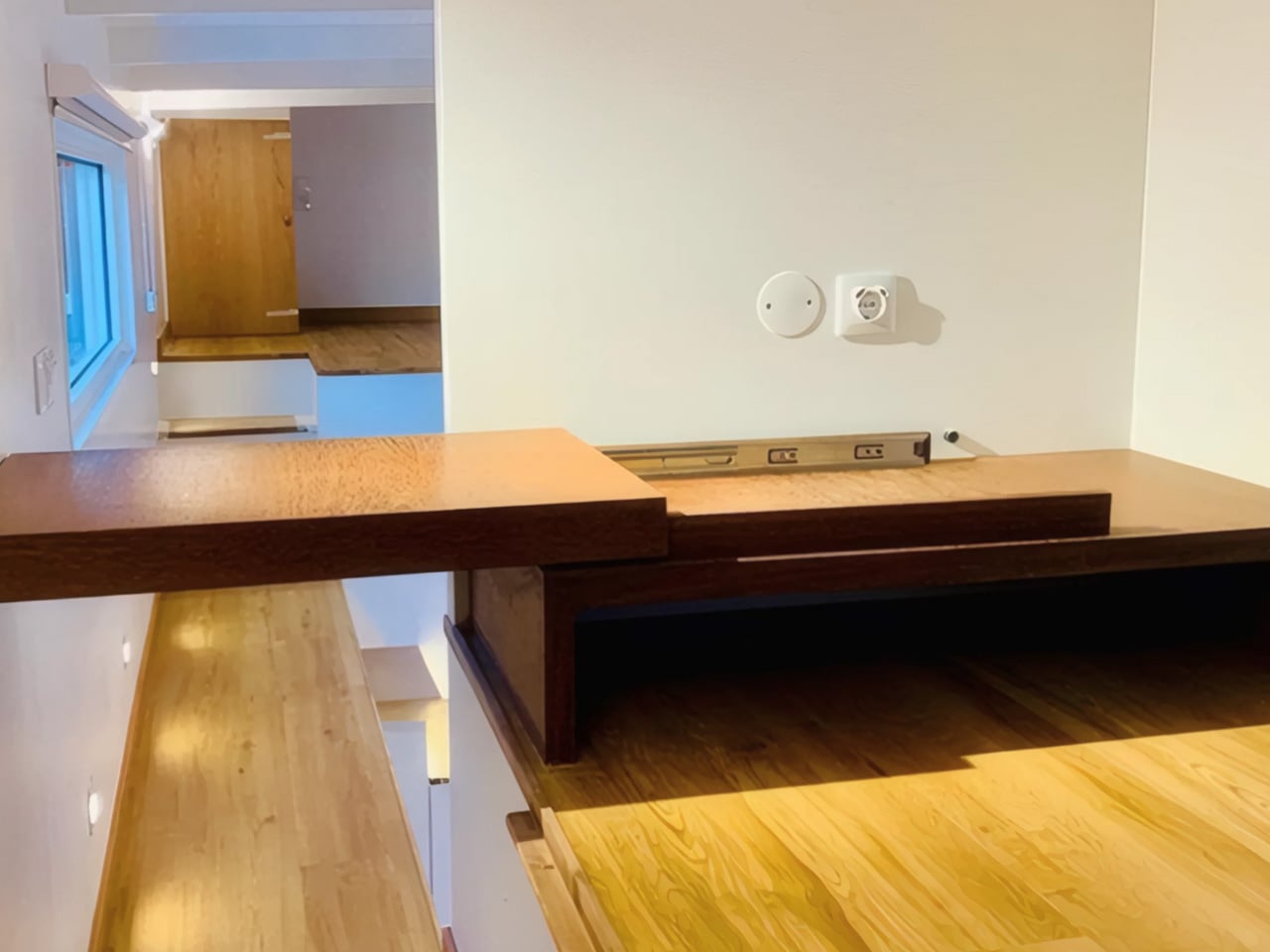
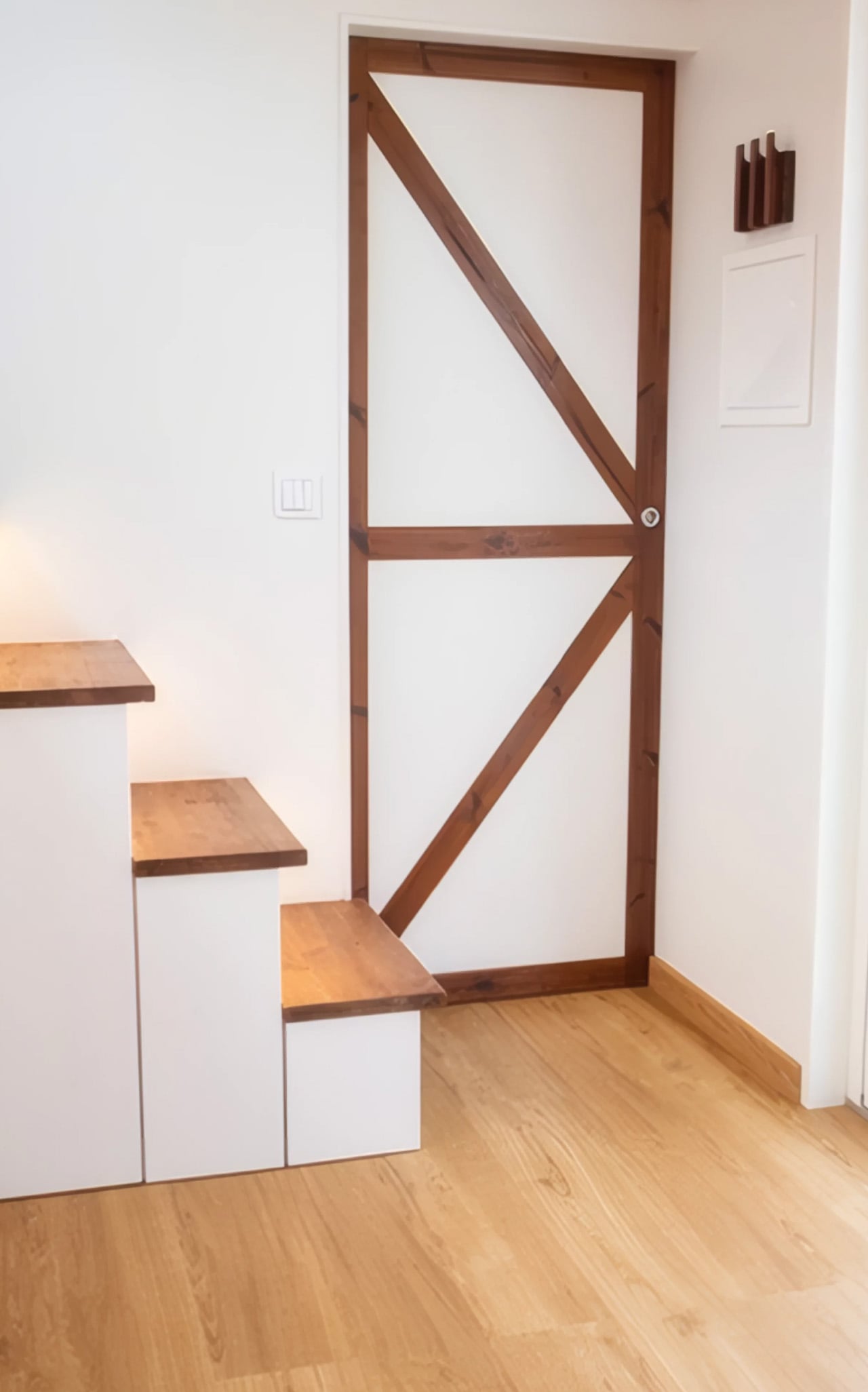
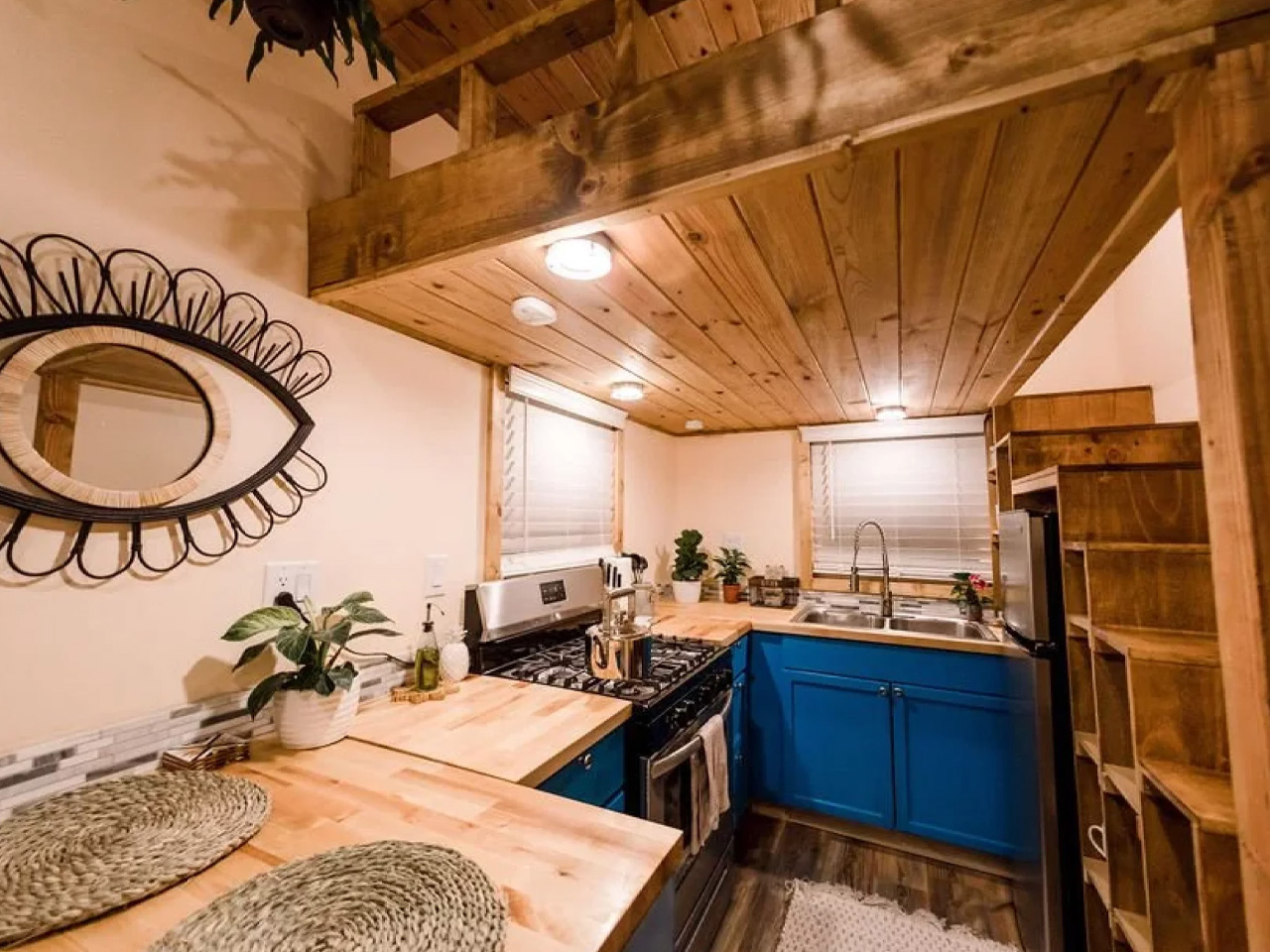
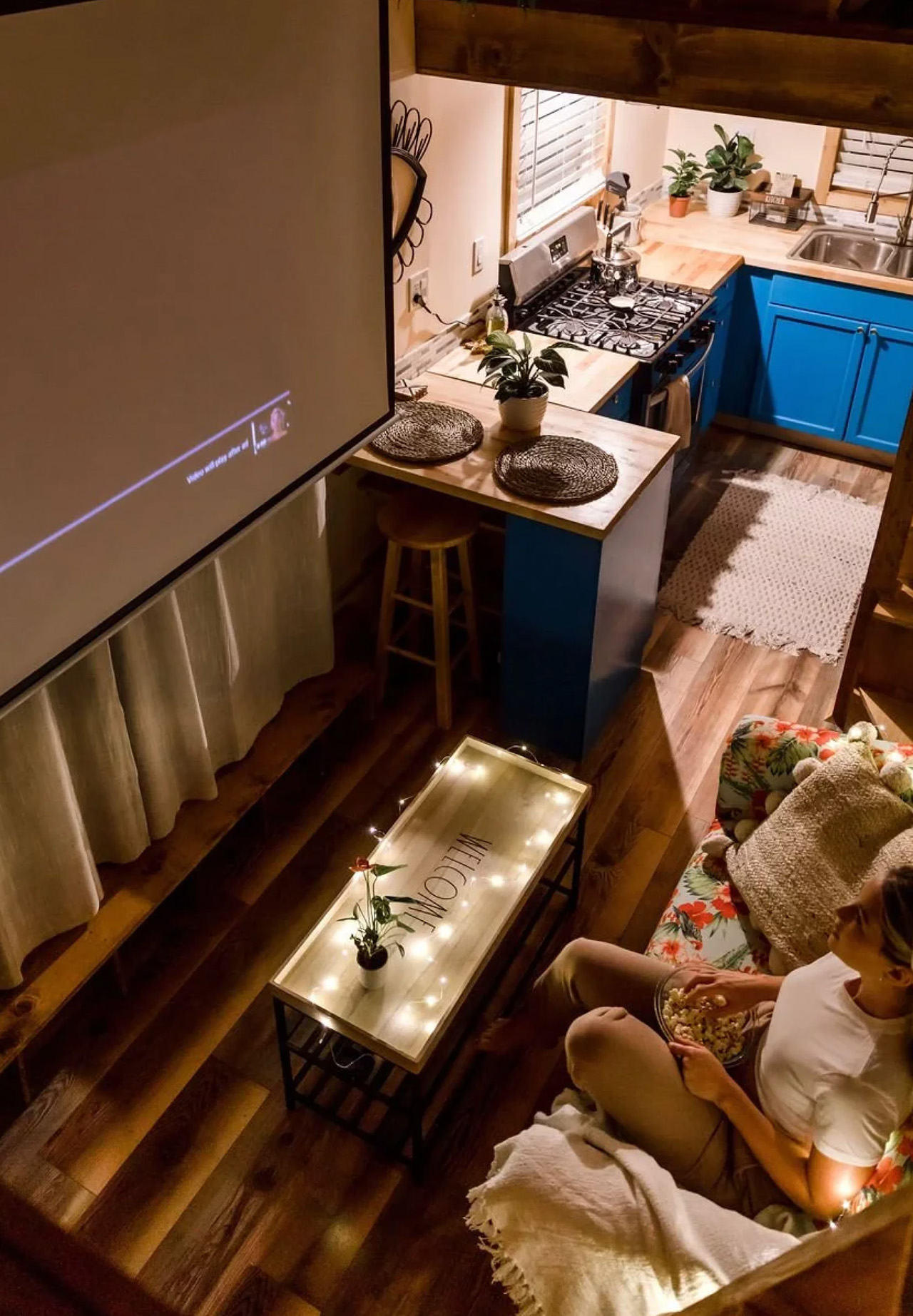
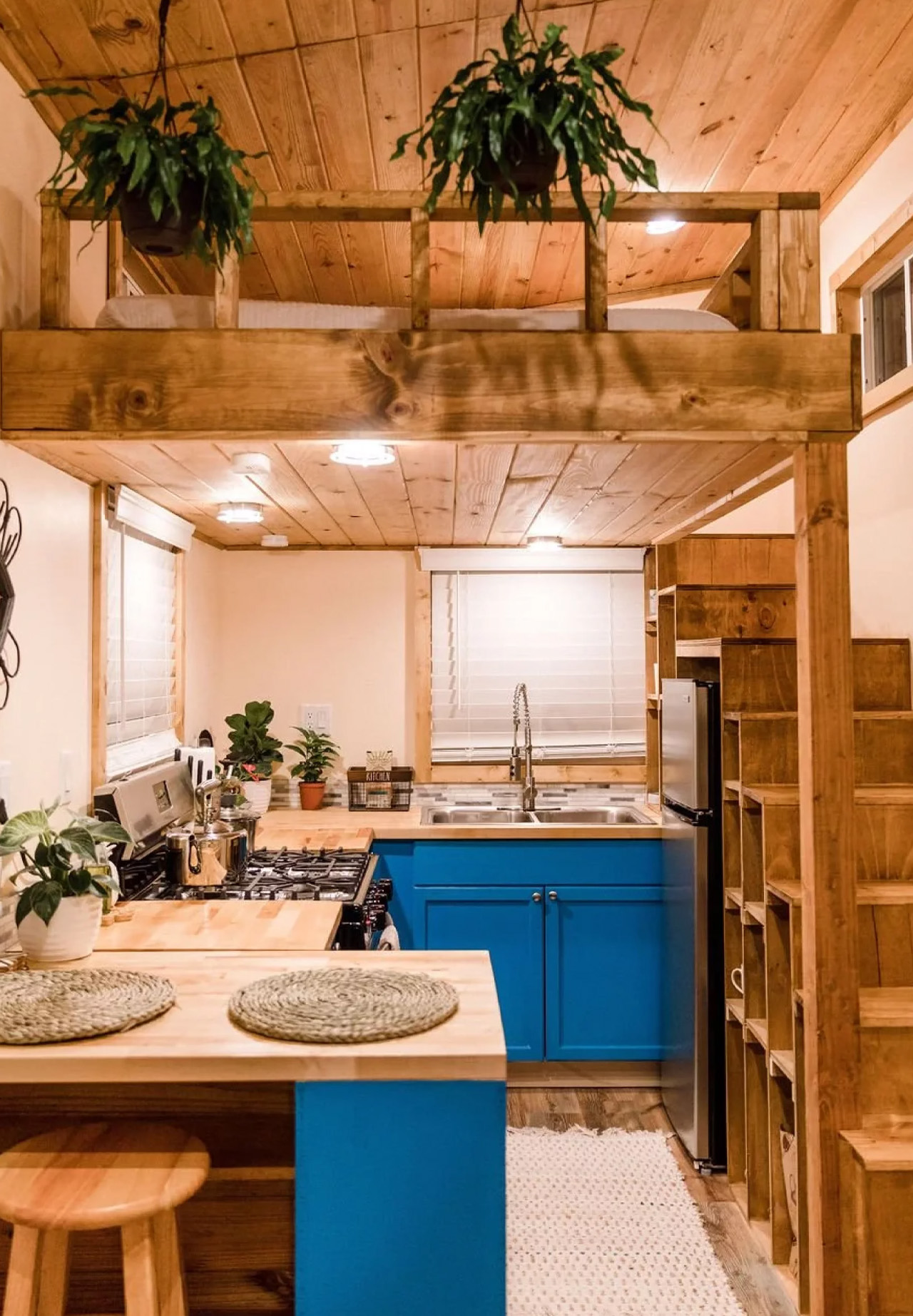
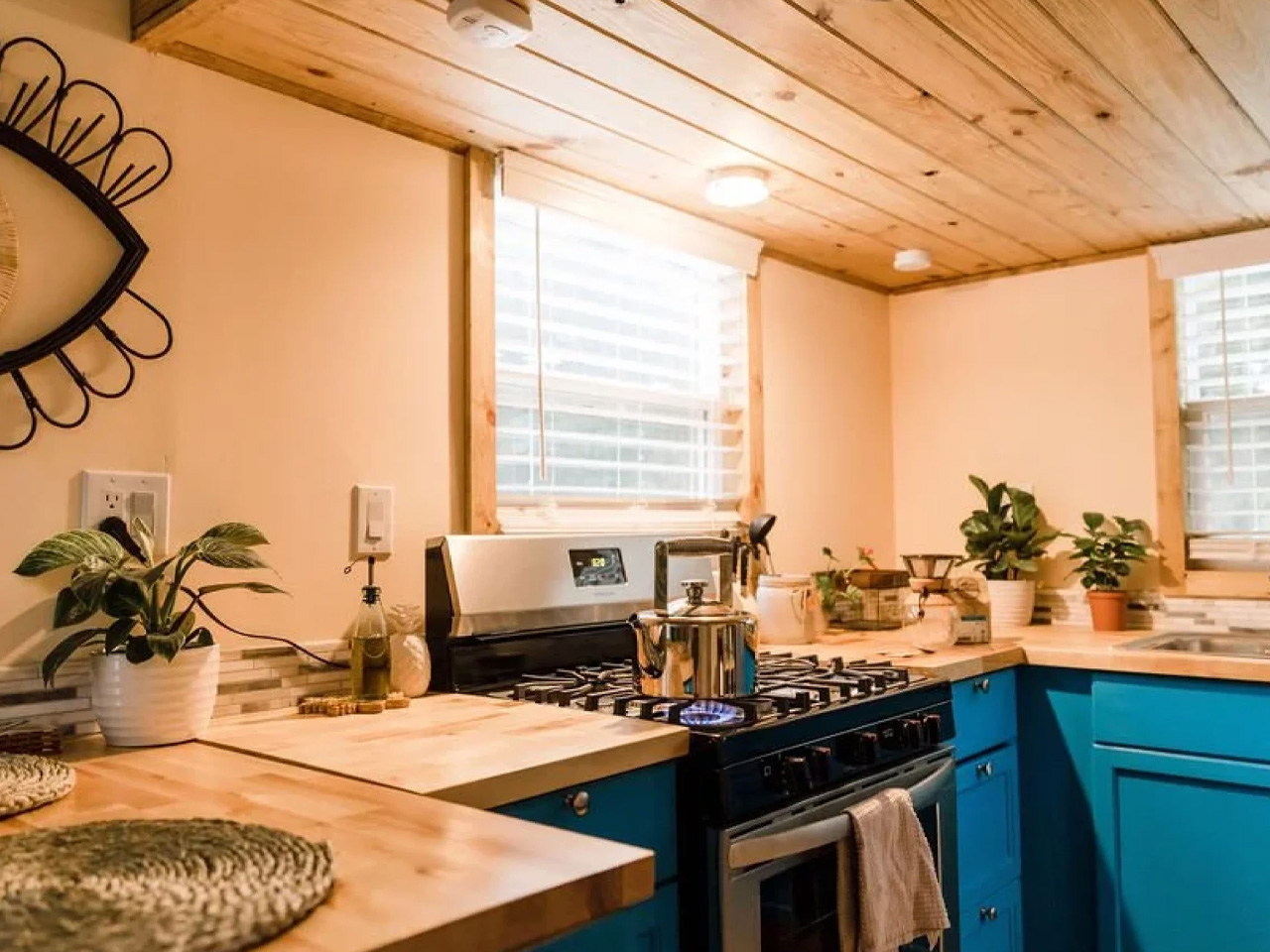
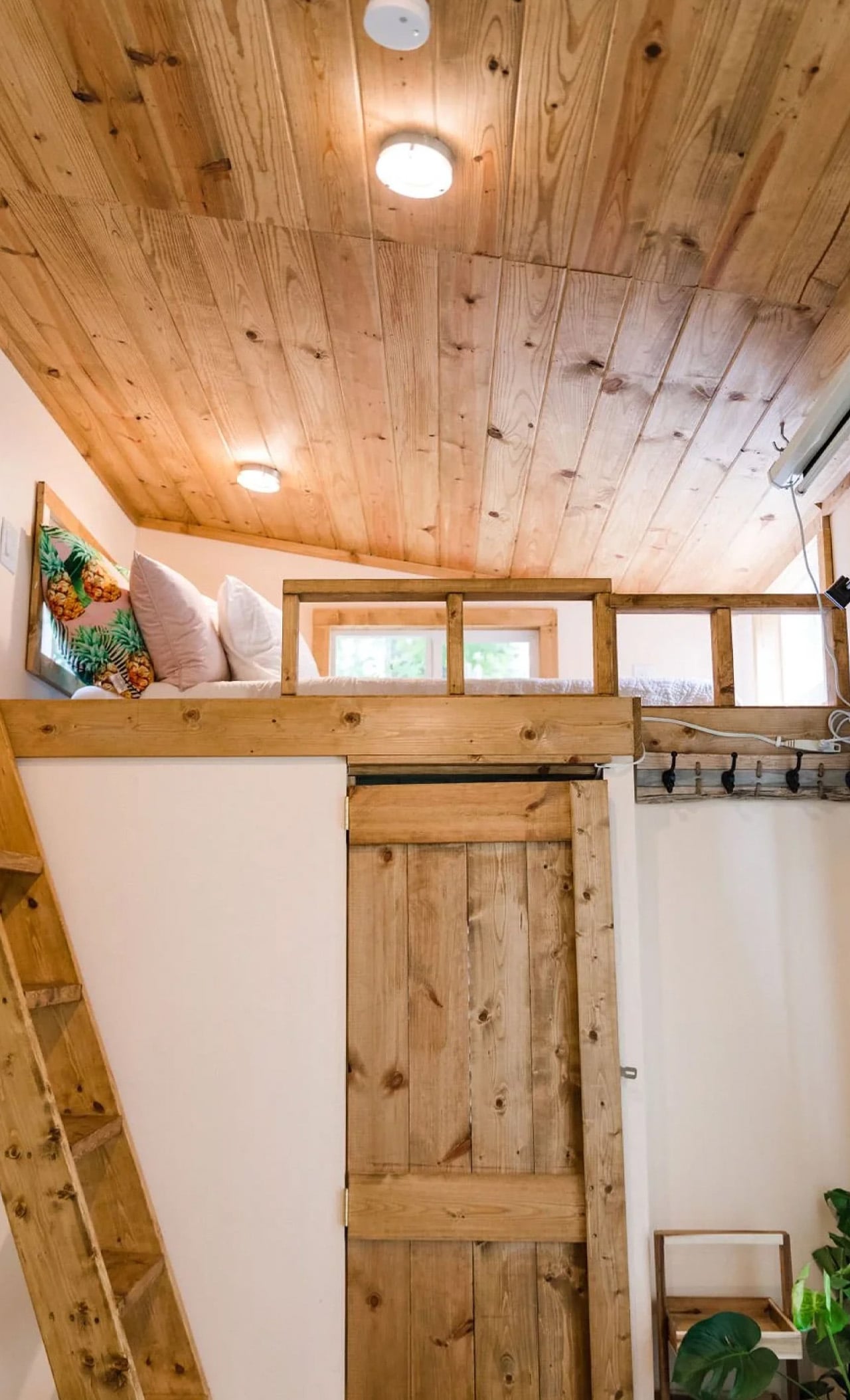
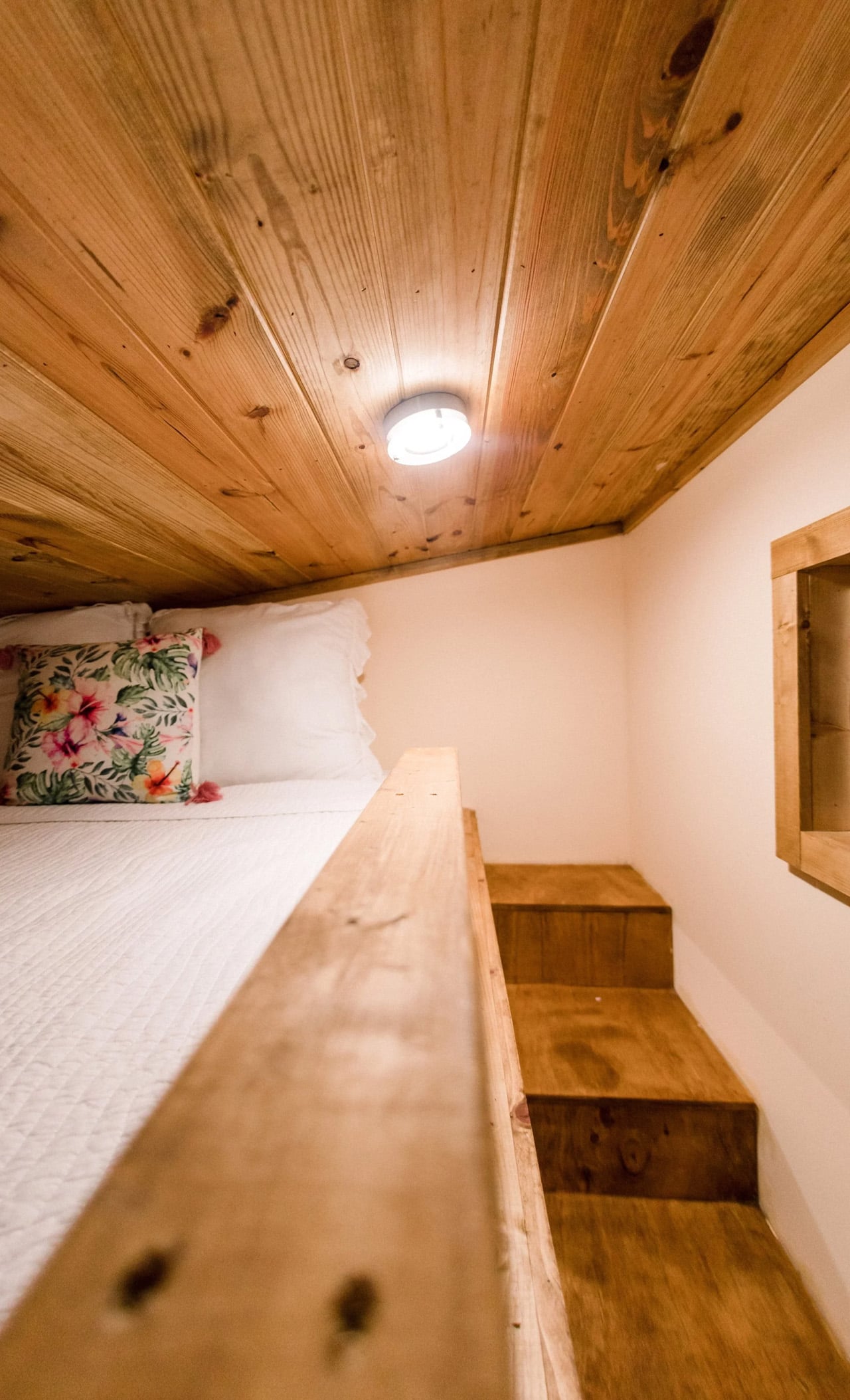
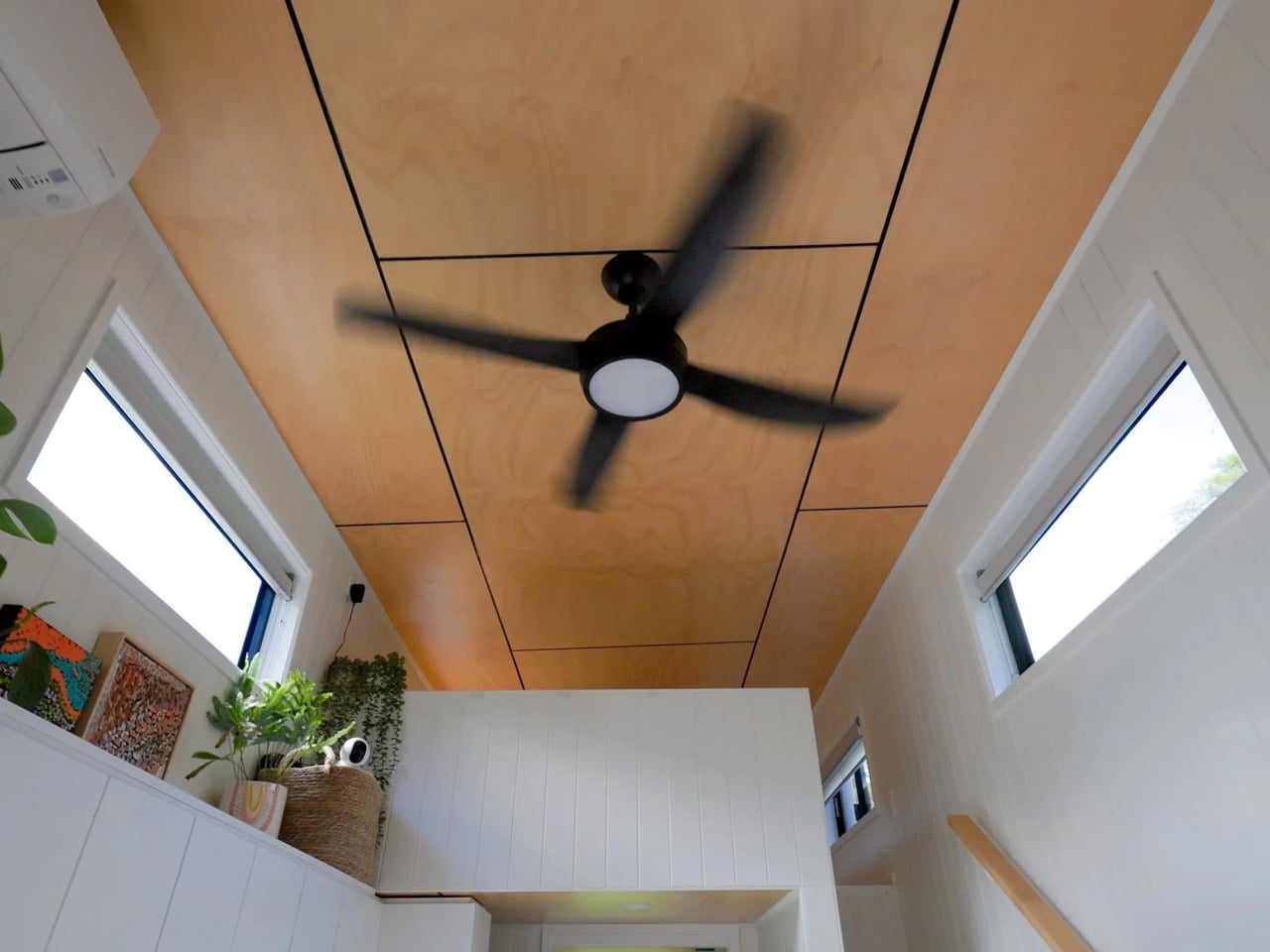
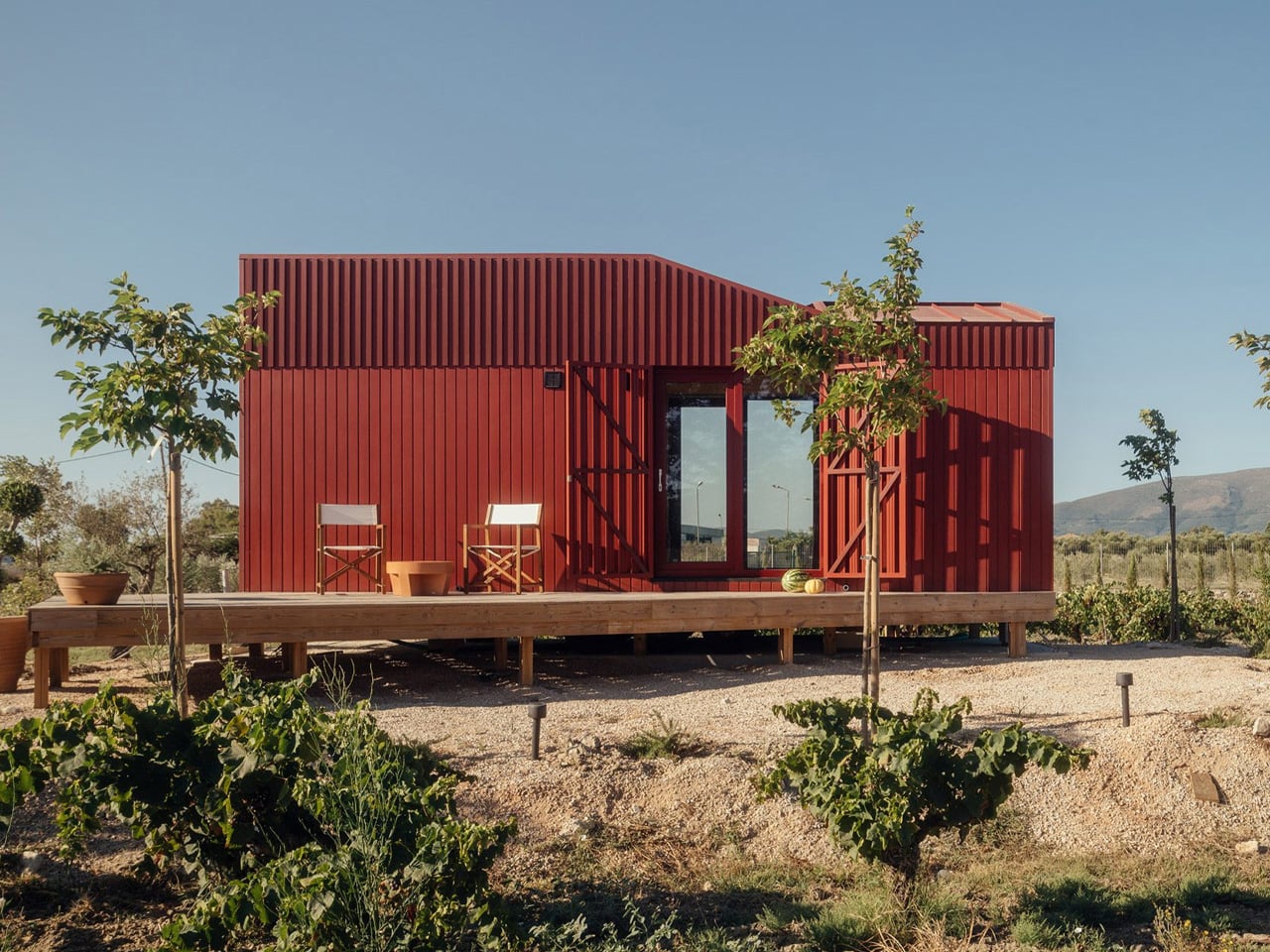
Rolling Bear Tiny Homes has been building some of the most character-rich tiny homes in British Columbia, and the Berenstein Bear is the one that puts them on the map. Built by the Richmond-based builder that has been crafting handcrafted, log cabin-style tiny homes since 2018, the Berenstein is the next evolution of the brand’s beloved Black Bear model, refined with better craftsmanship, more thoughtful upgrades, and a layout that genuinely lives large.
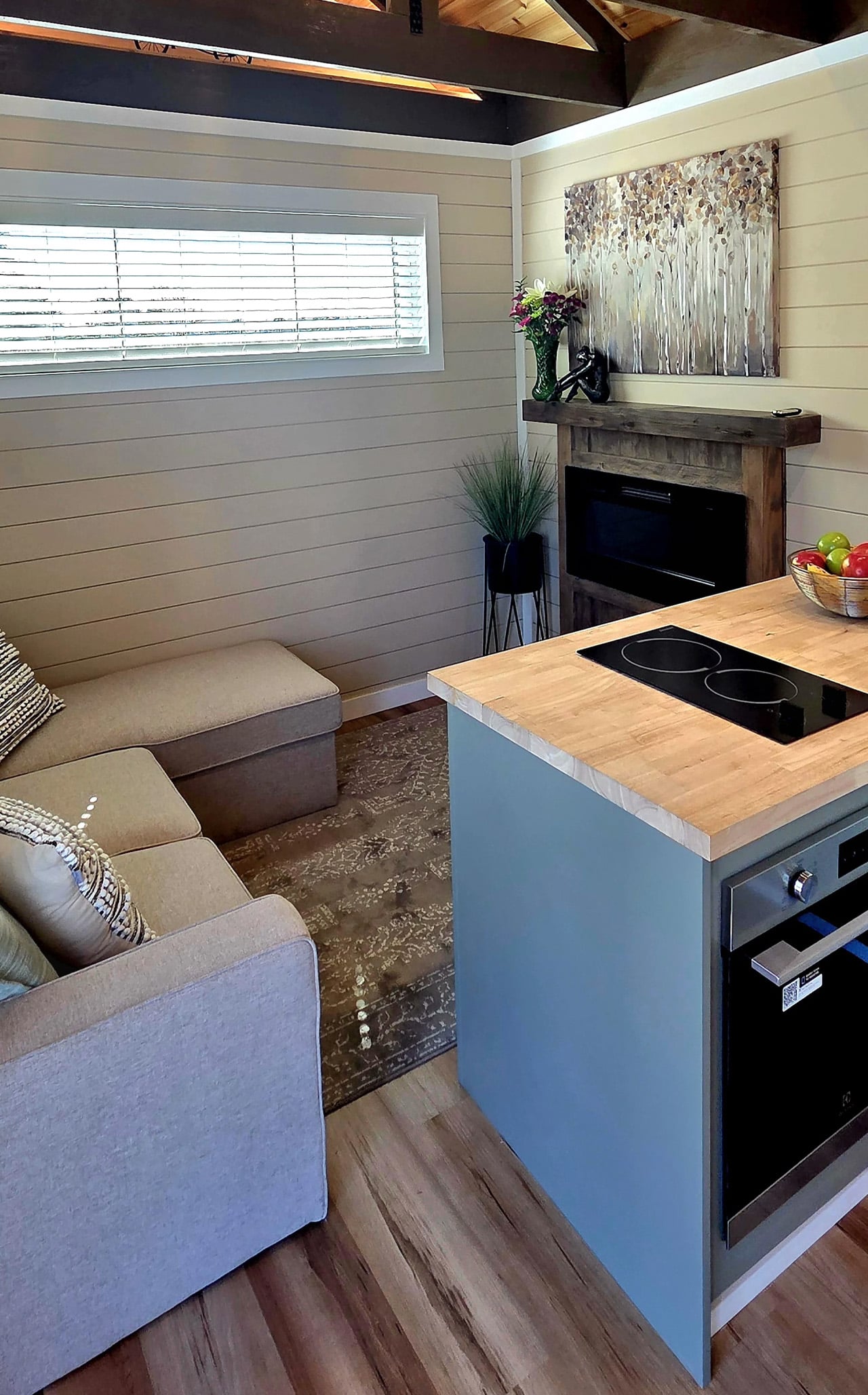
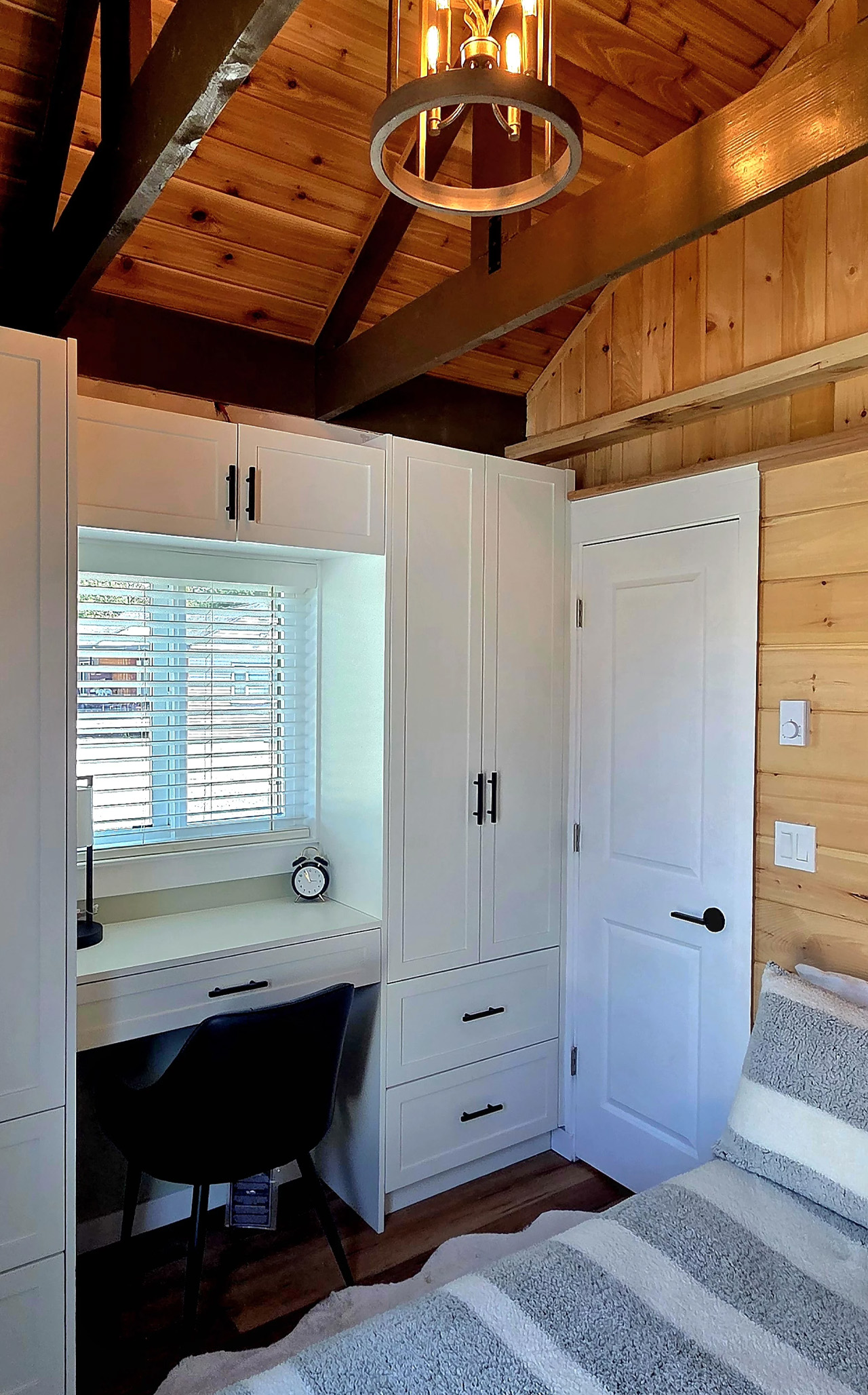
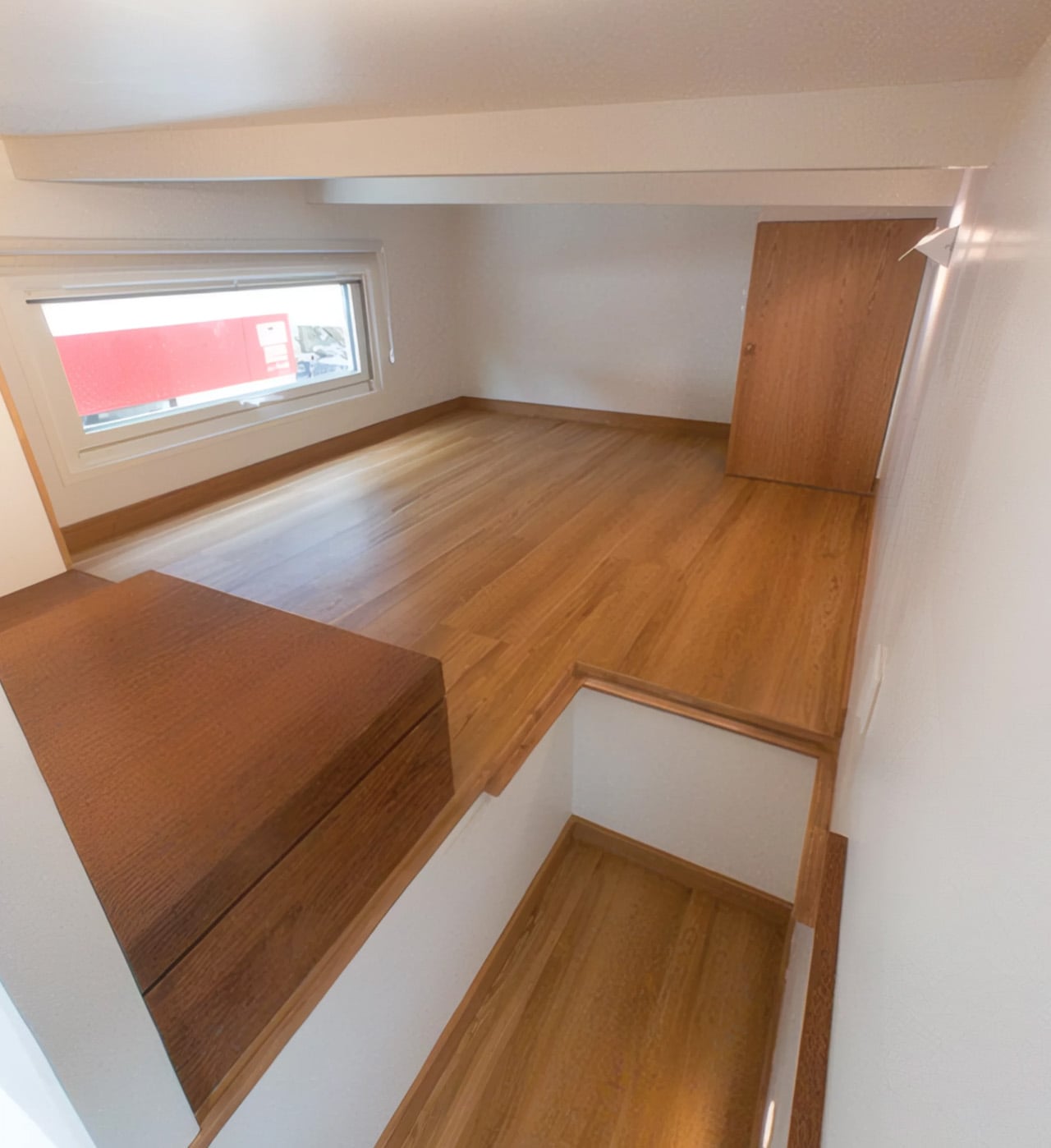
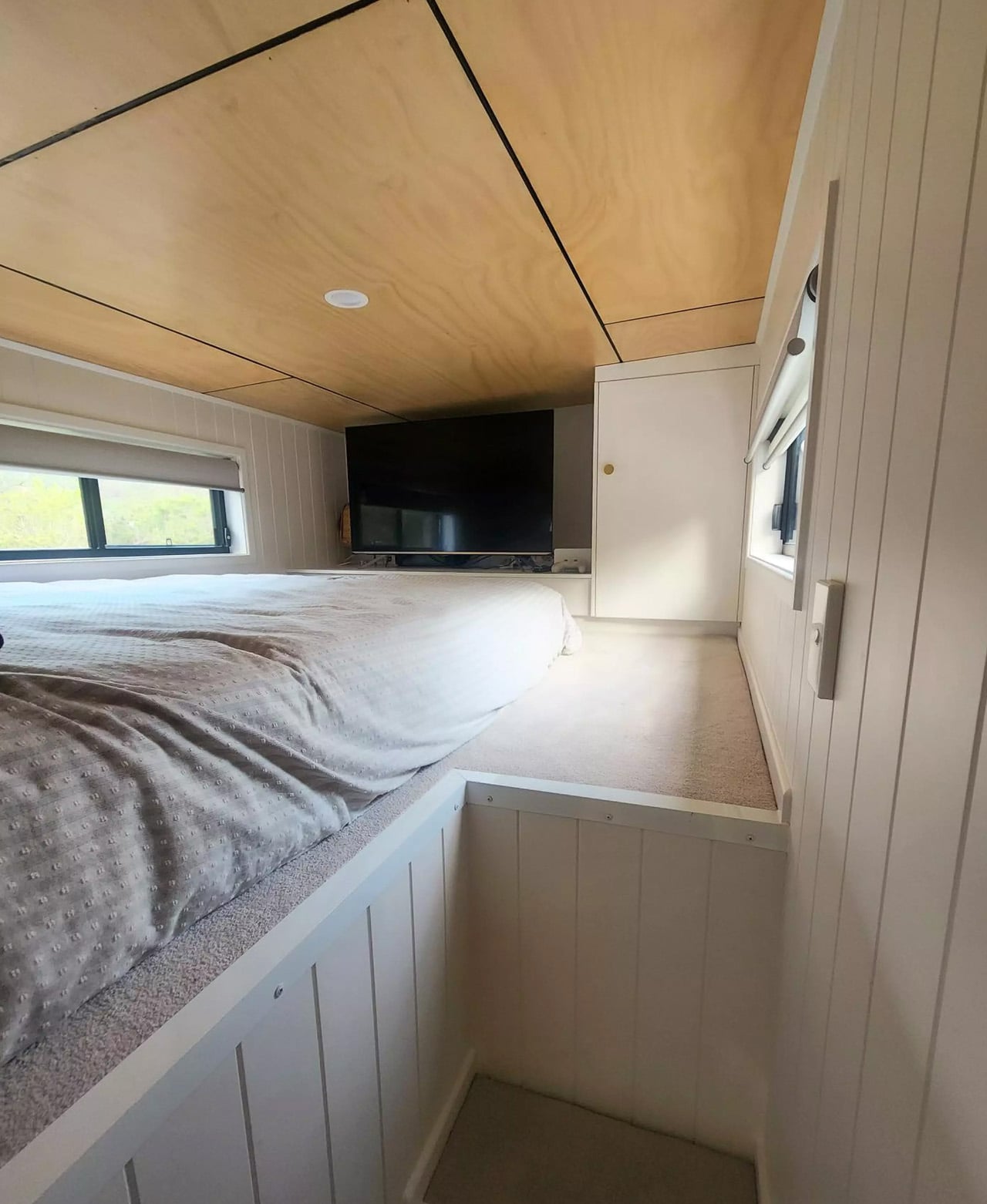
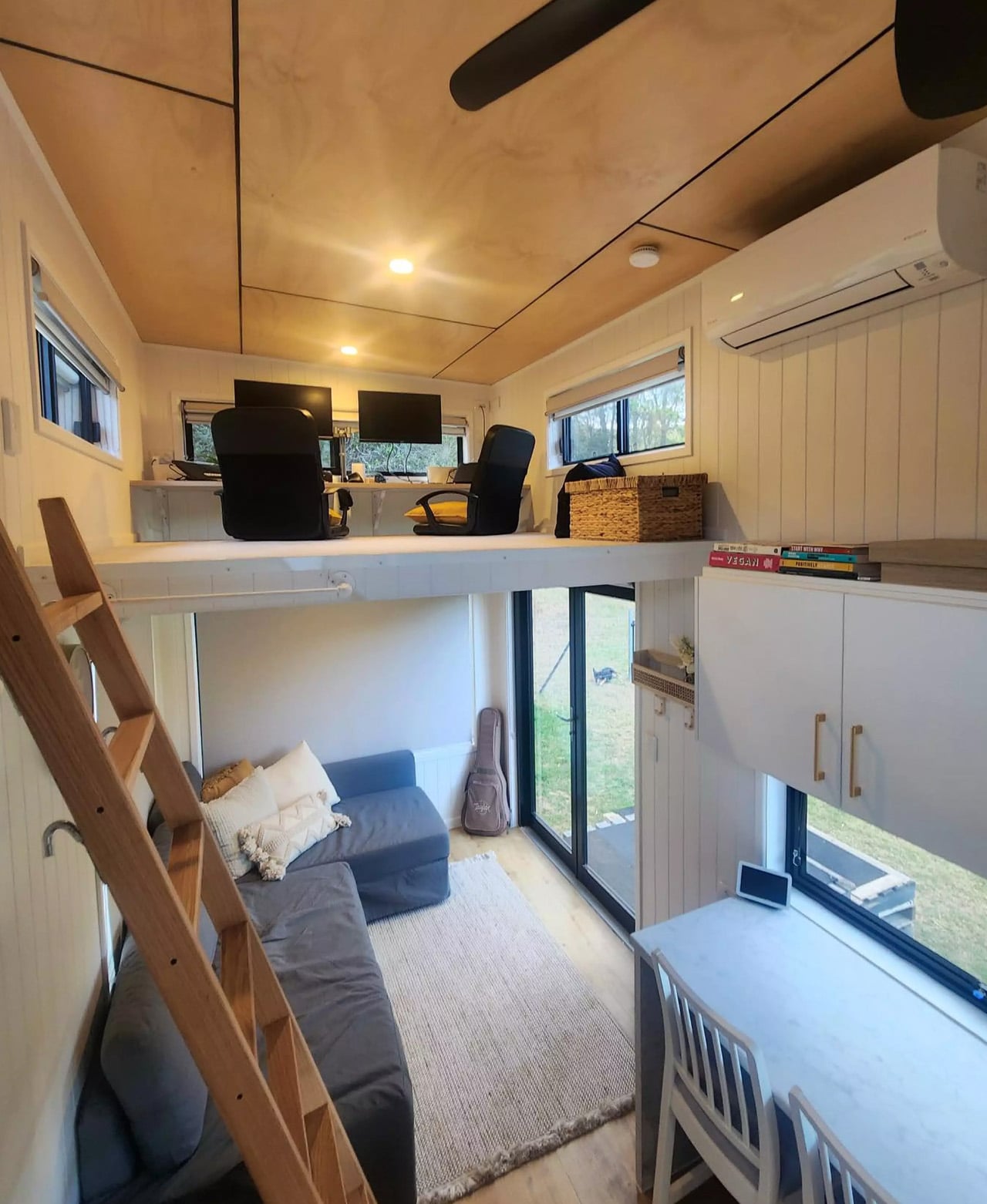
Sitting on a footprint of 33 feet long by 11 feet wide, the Berenstein packs approximately 450 square feet of living space into a frame that includes a loft, a main-floor bedroom, and even a roof deck. That’s not a studio workaround — it’s a proper two-bedroom home. The downstairs offers a queen-size bedroom, while the loft sleeps a king, giving couples, families, or remote workers real options without the usual tiny-home trade-offs.
The exterior sets the tone immediately. Pine log siding finished in two stain options wraps the structure in warmth, while a 26-gauge standing-seam metal roof promises lifetime durability. It’s the kind of build that looks rooted to a property even when it’s sitting on wheels — specifically, a Canadian-made Rainbow triple-axle trailer rated at 21,000 GVW, which is included in the base price.
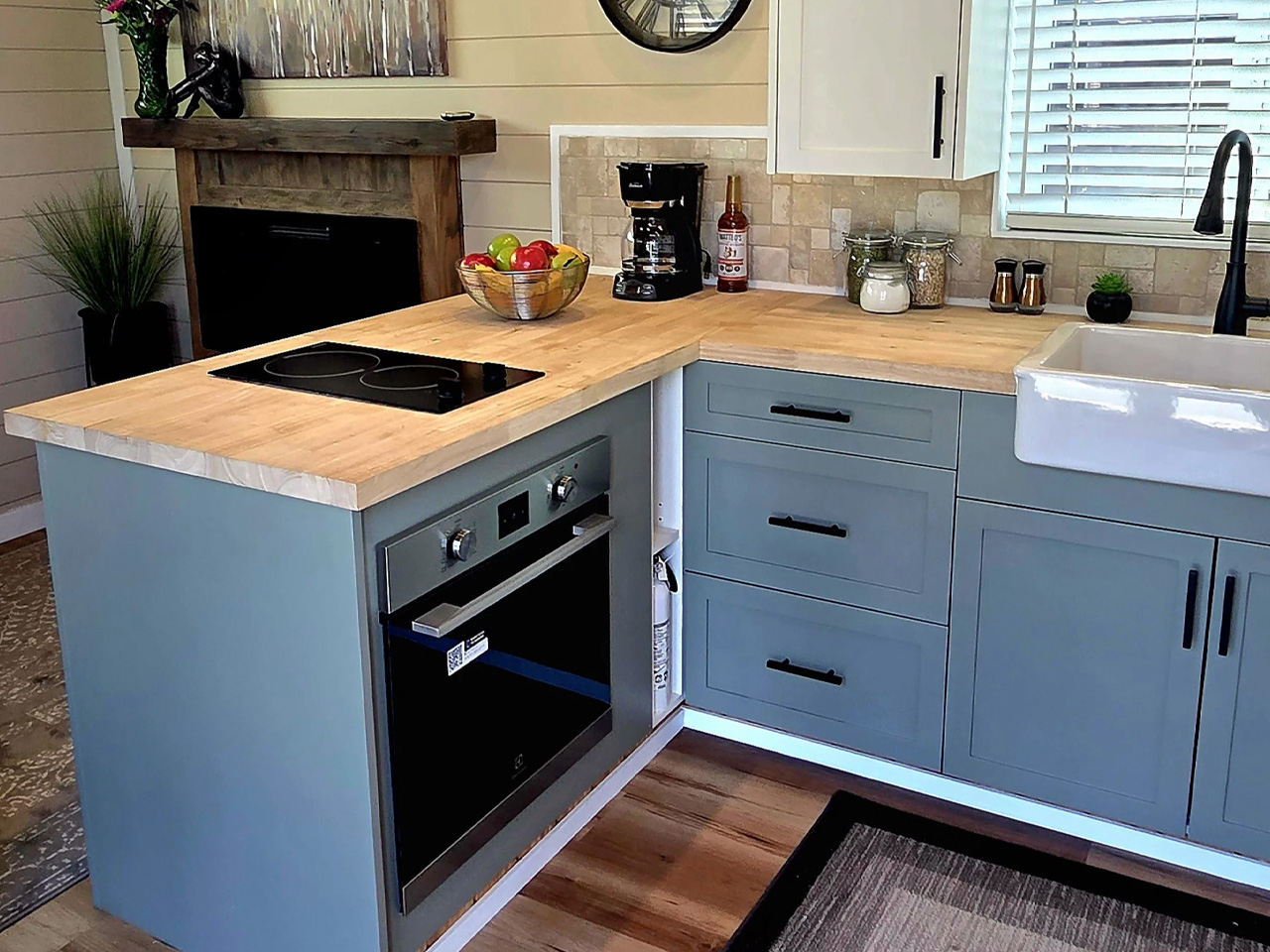
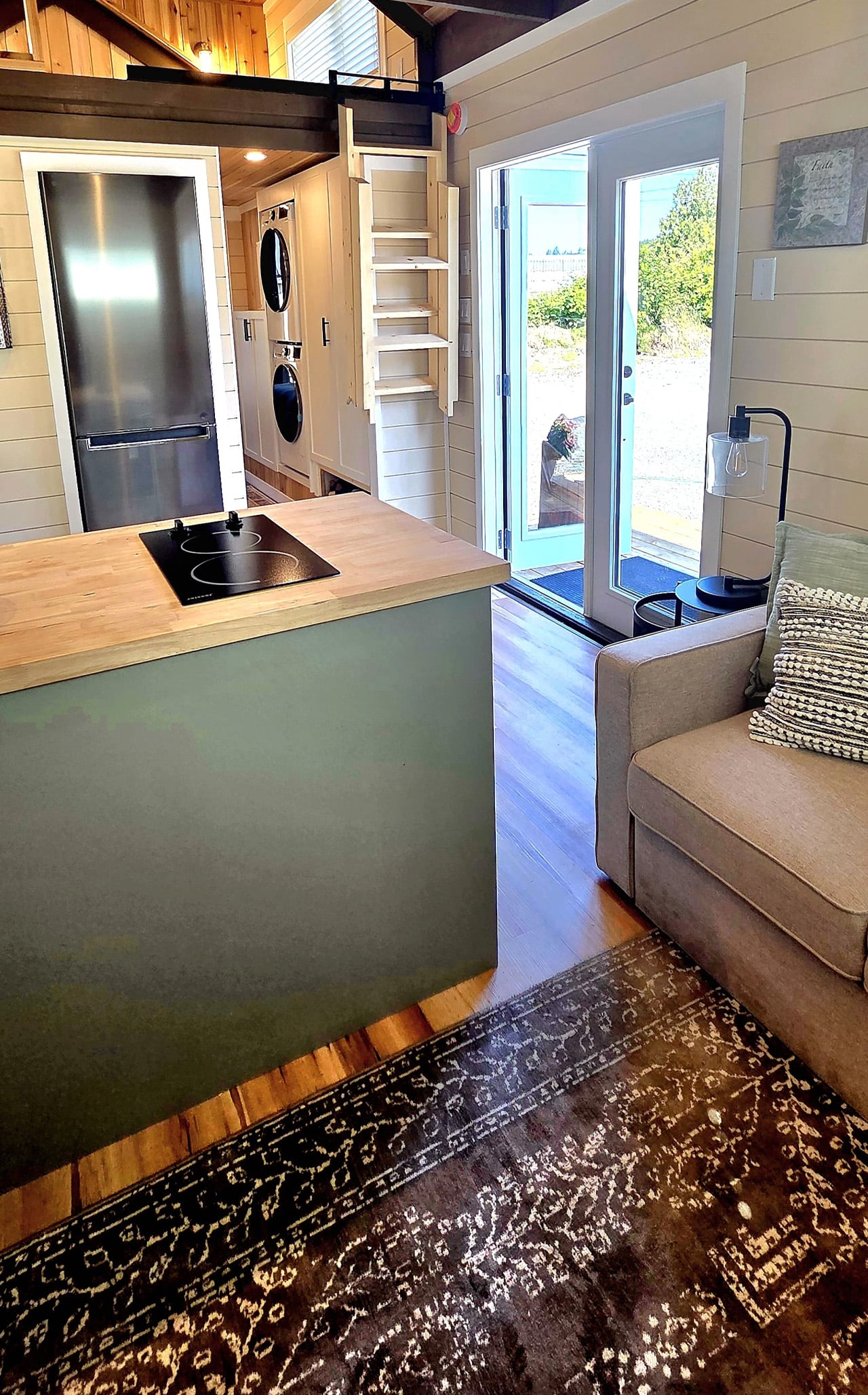
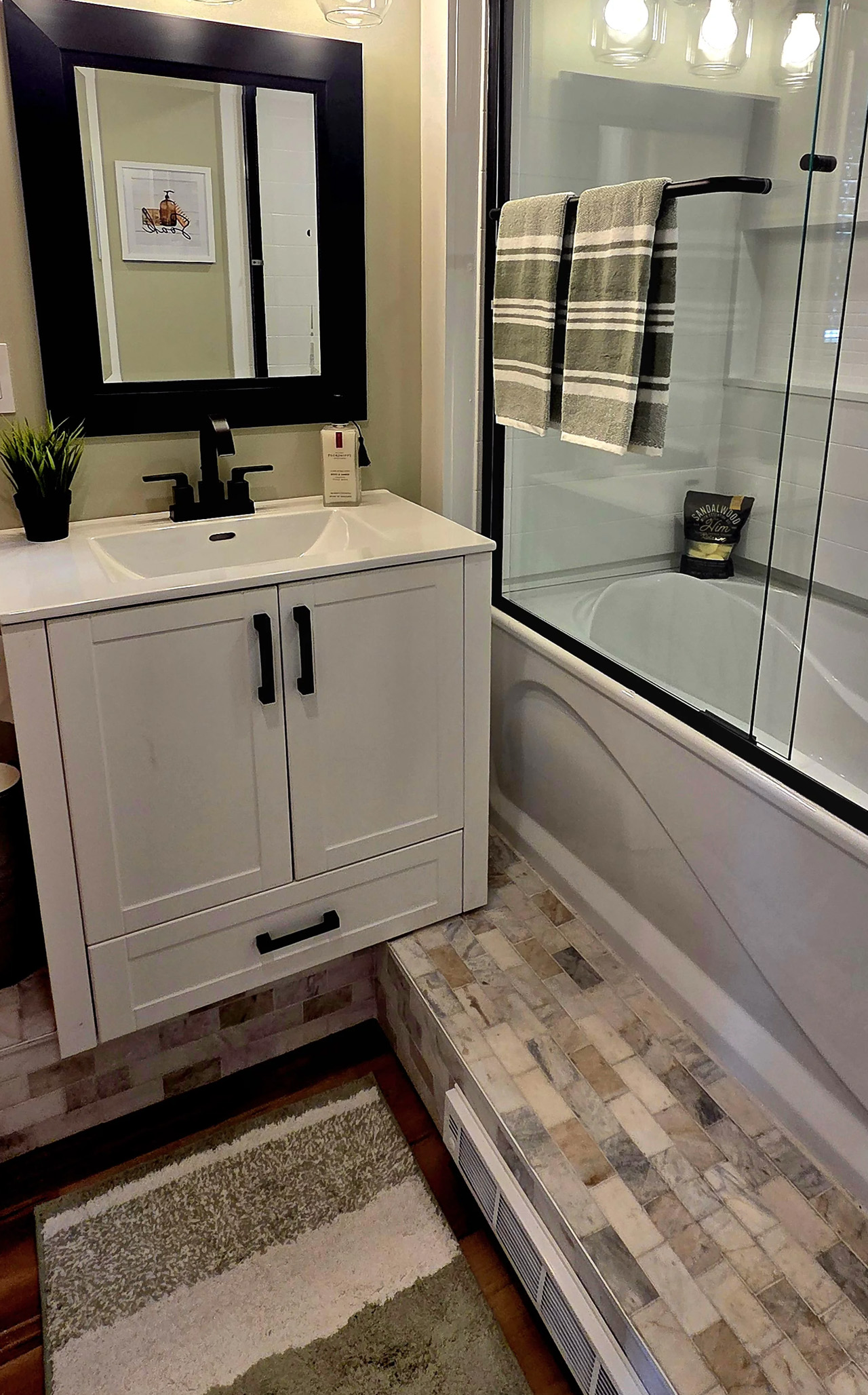
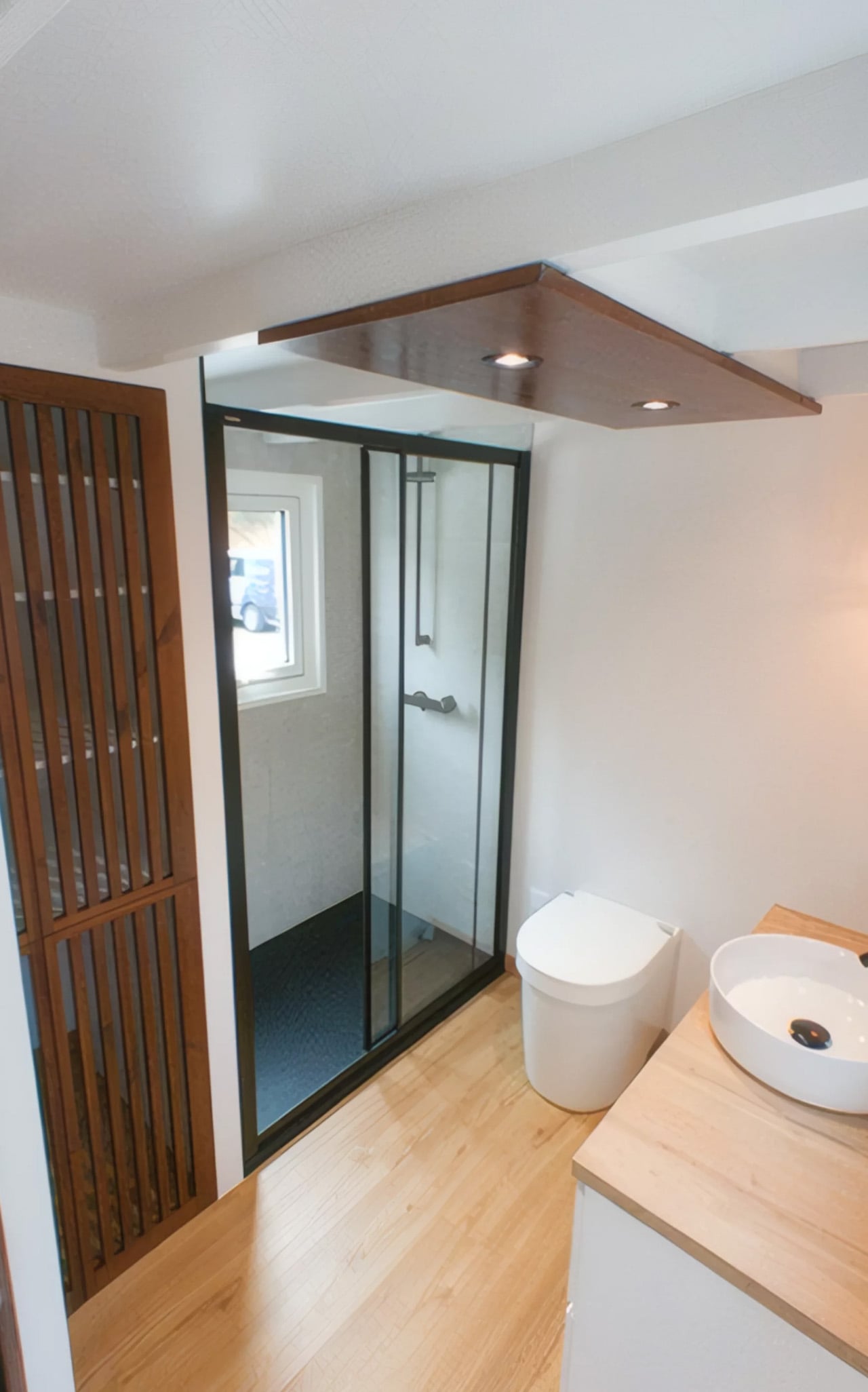
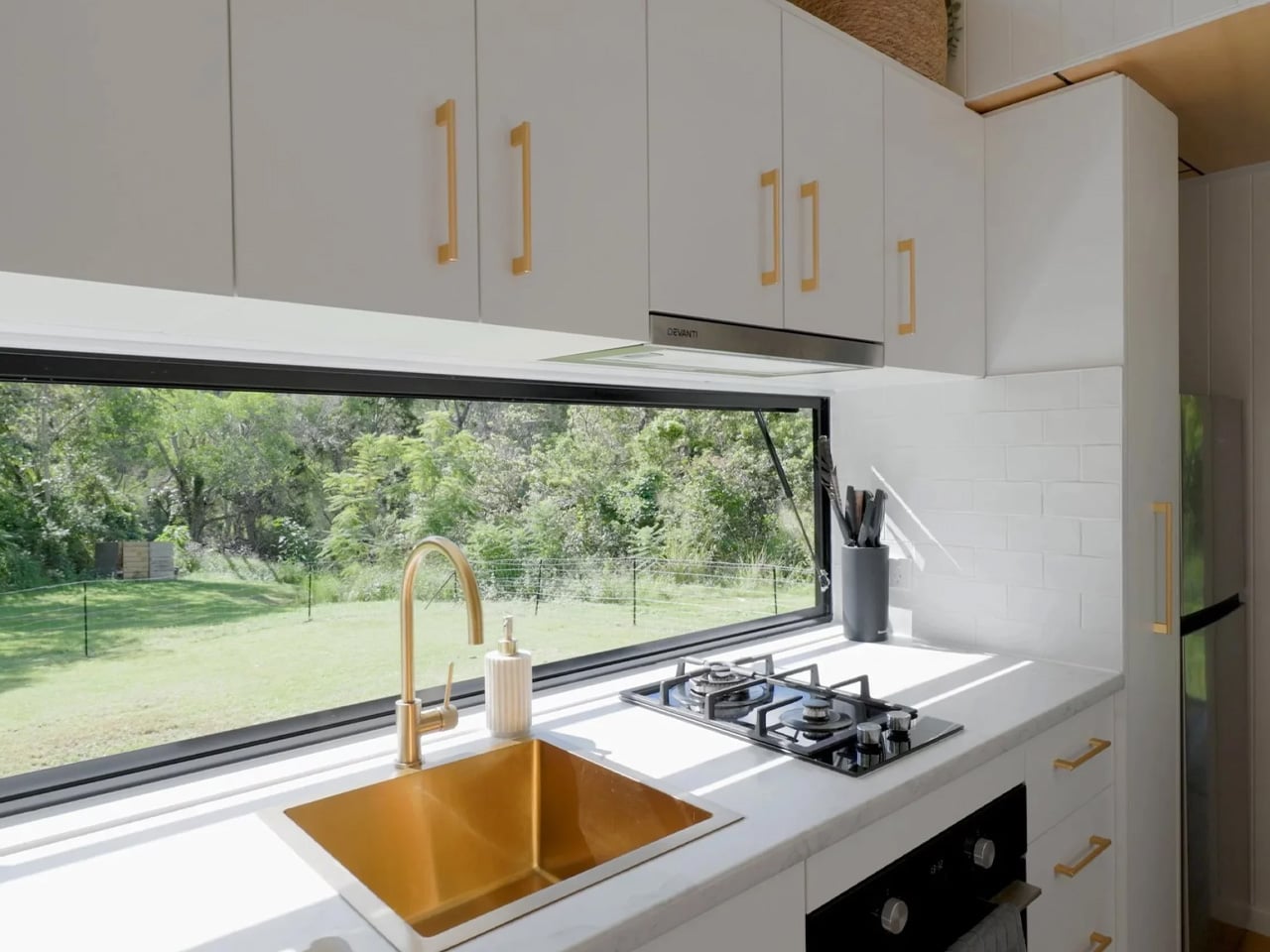
Inside, the kitchen earns its square footage. A farmhouse-style sink, induction cooktop, full oven, and fridge-freezer make it a space you’d actually want to cook in — not a galley you squeeze past. The bathroom downstairs brings the same level of intention, with a tile-surrounded tub and shower combo enclosed in glass sliding doors, a vanity, a mirrored medicine cabinet, and proper shelving for towels and toiletries. It’s the kind of bathroom that belongs in a boutique hotel, not just a tiny home.
The living area benefits from double French doors that open to a potential deck, blurring the line between indoor comfort and outdoor living. Add a home office nook into the mix and the Berenstein starts to feel less like a lifestyle experiment and more like a genuinely livable full-time residence — one that also works beautifully as a weekend retreat or short-term rental.
The Berenstein made its debut at a soft launch in Langley, BC, drawing over 400 visitors including residential home builders and generating coverage across more than five local publications. The response was telling. This isn’t just a well-built tiny home — it’s a signal that compact living is growing up. Base pricing starts at US$121,000, with the Rainbow trailer included.
Most tiny houses try to be everything at once. The Miami, the latest park model from Phoenix Building Solutions, gets that. Rather than stacking lofts and squeezing in storage tricks, it spreads out — single-floor, open plan, and unapologetically apartment-like. At 400 square feet, it’s one of the more generously proportioned models in its class, and it wears that space well.
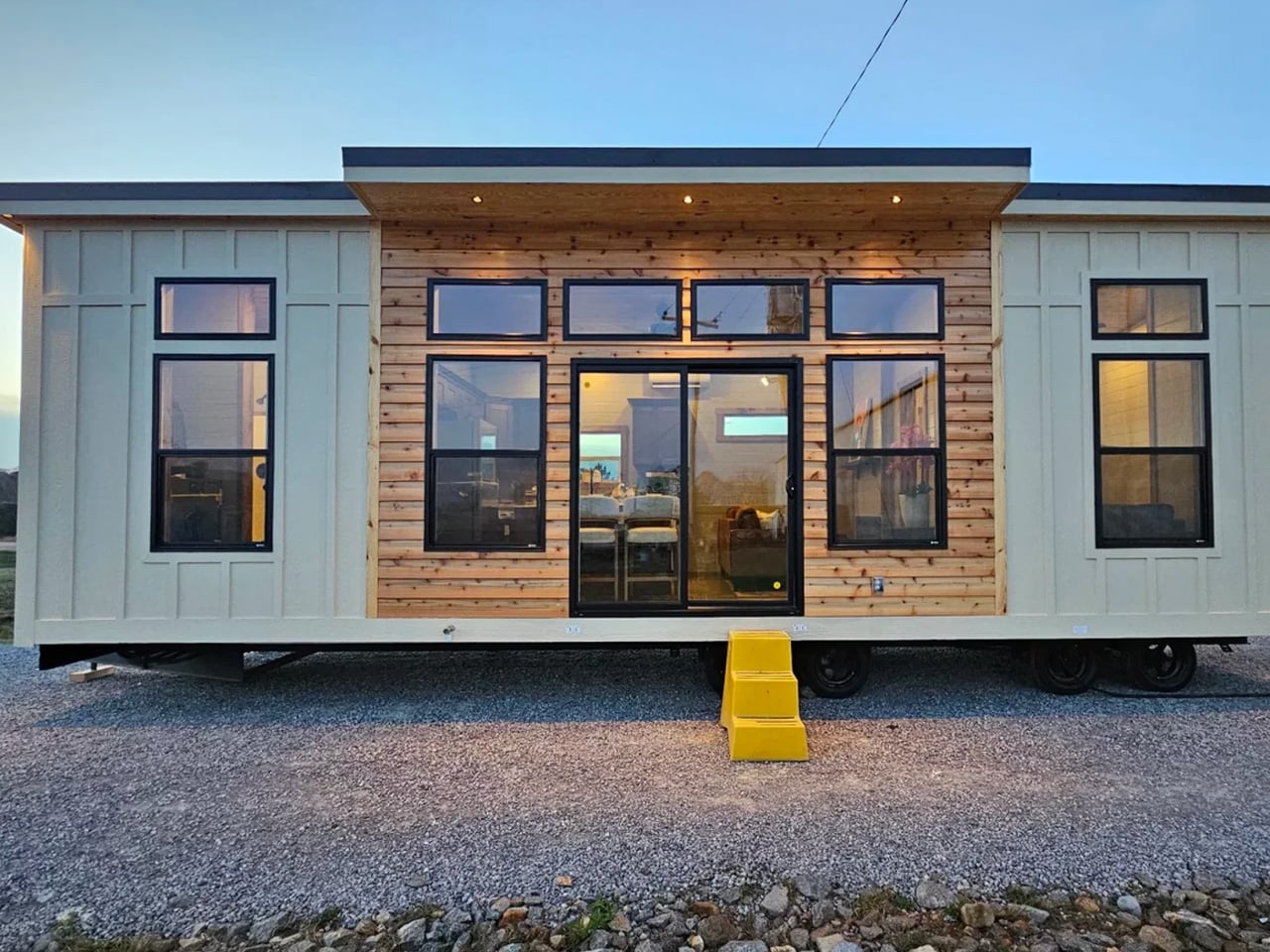
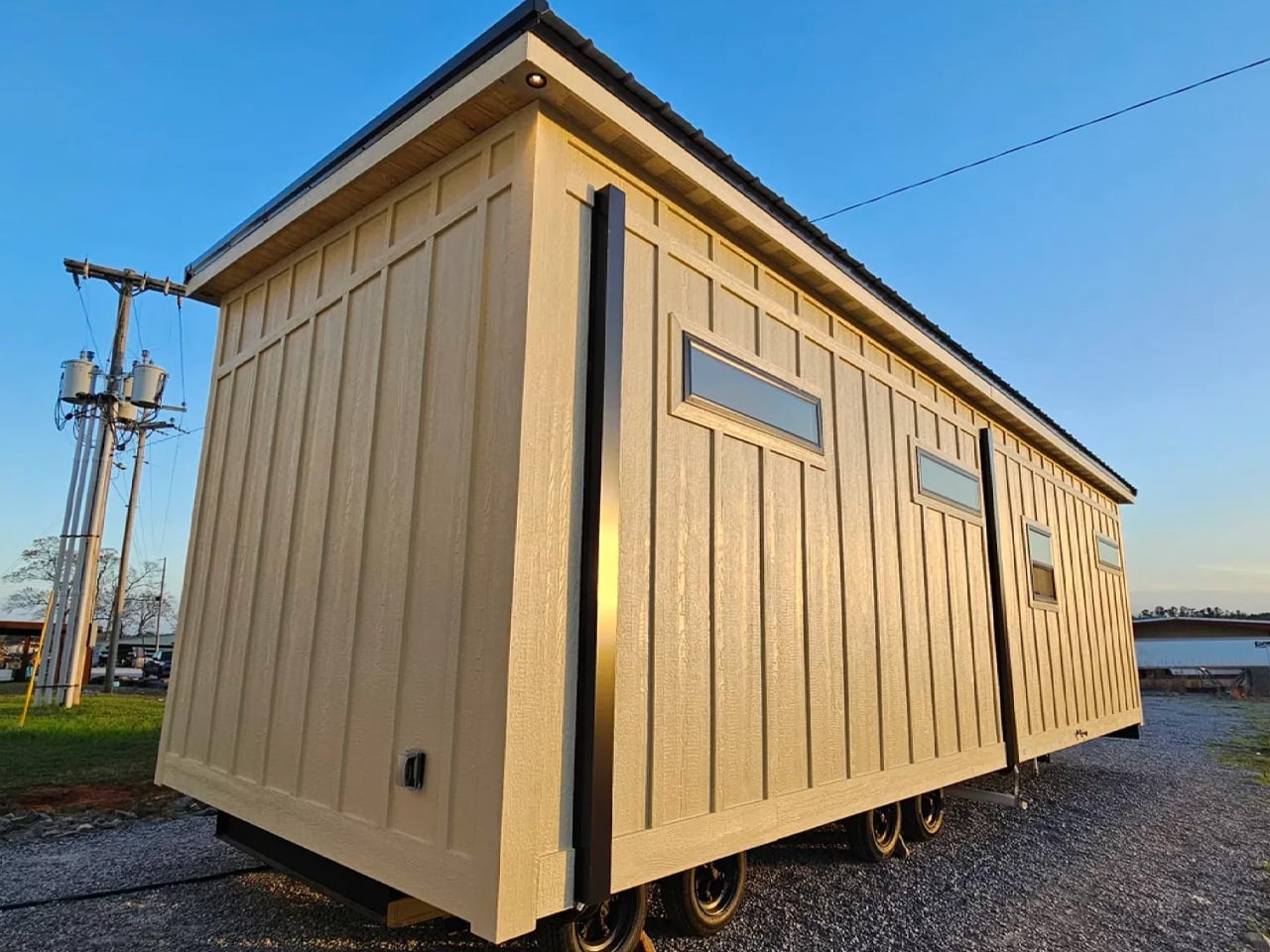
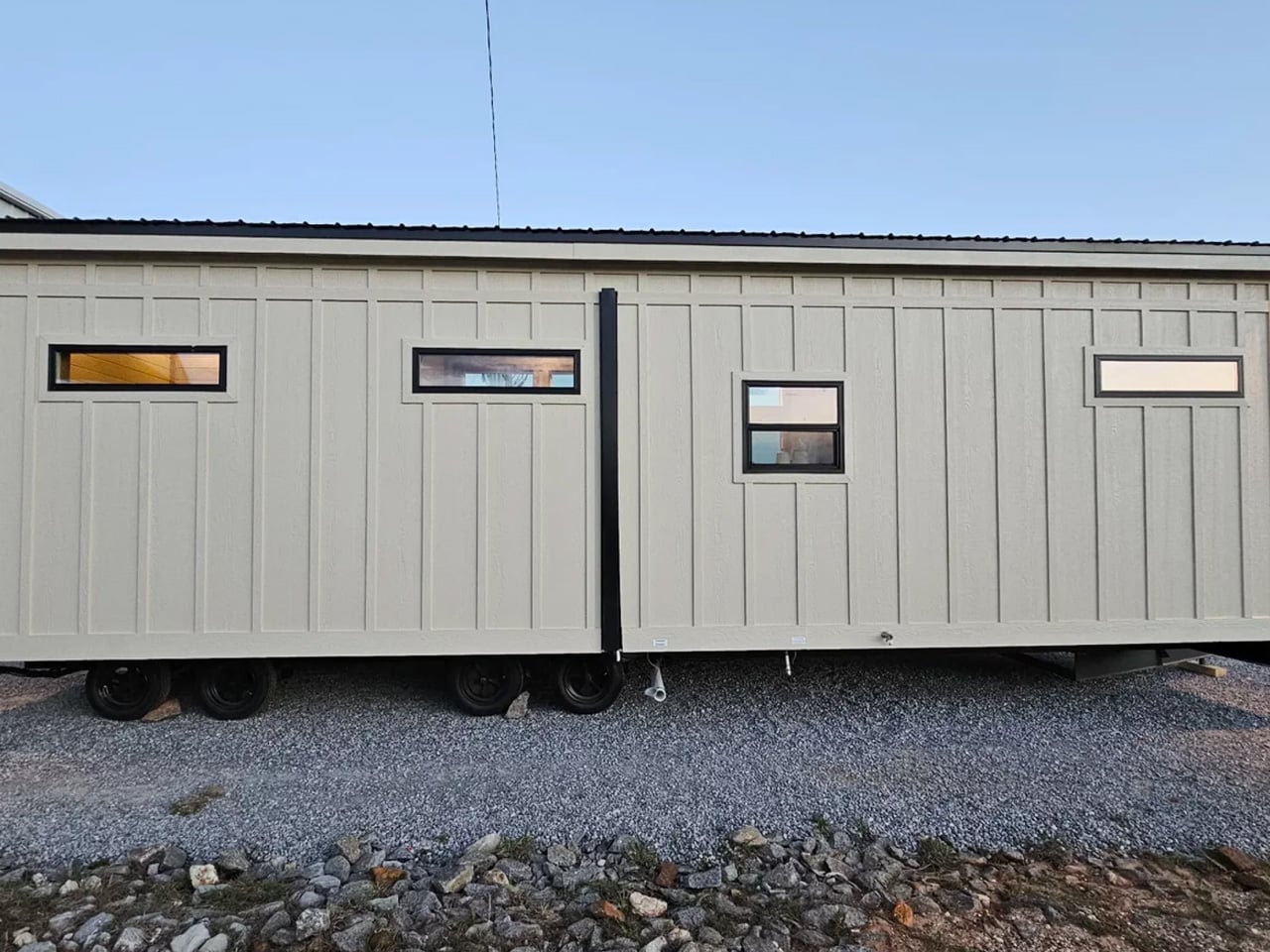
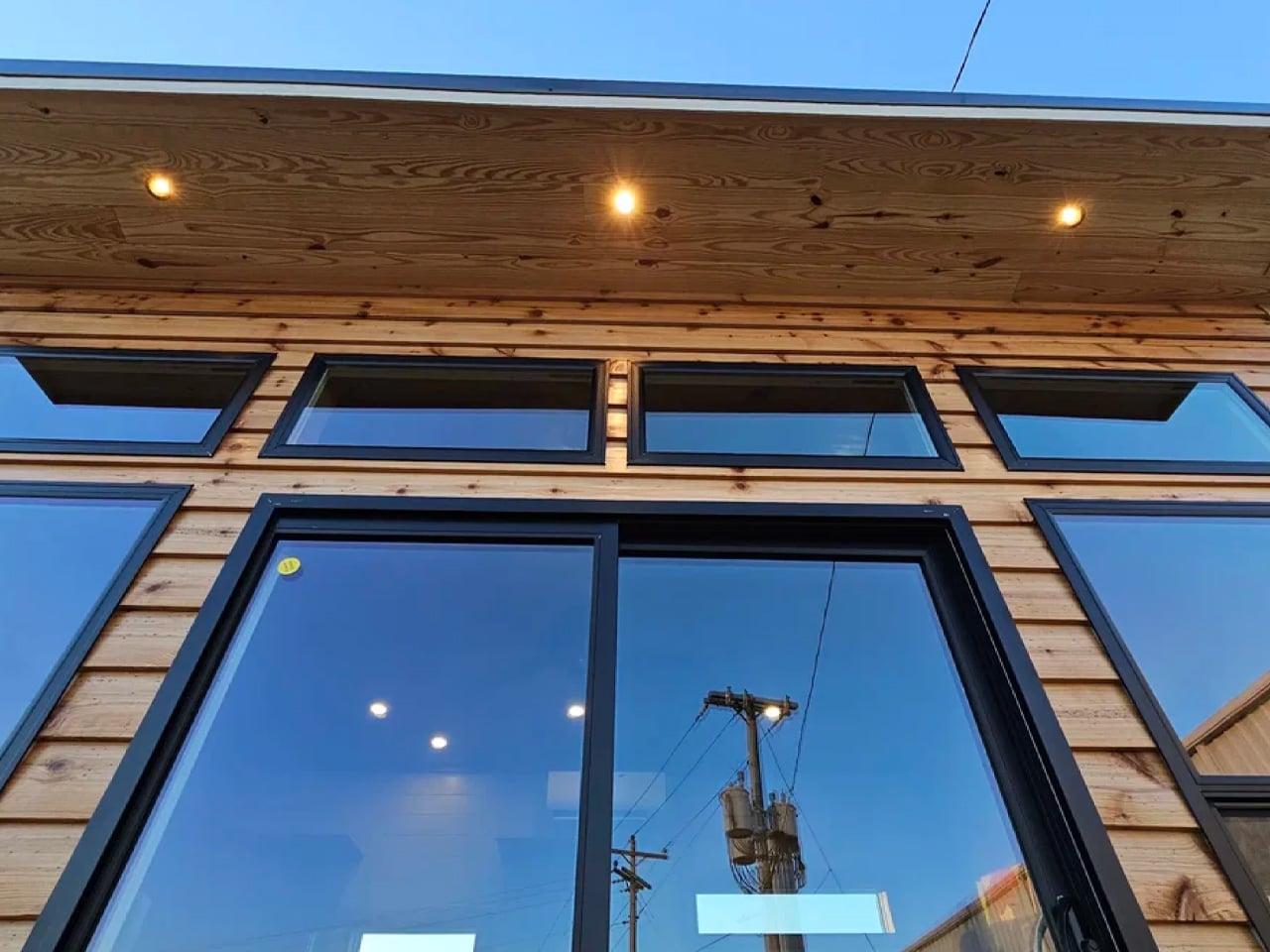
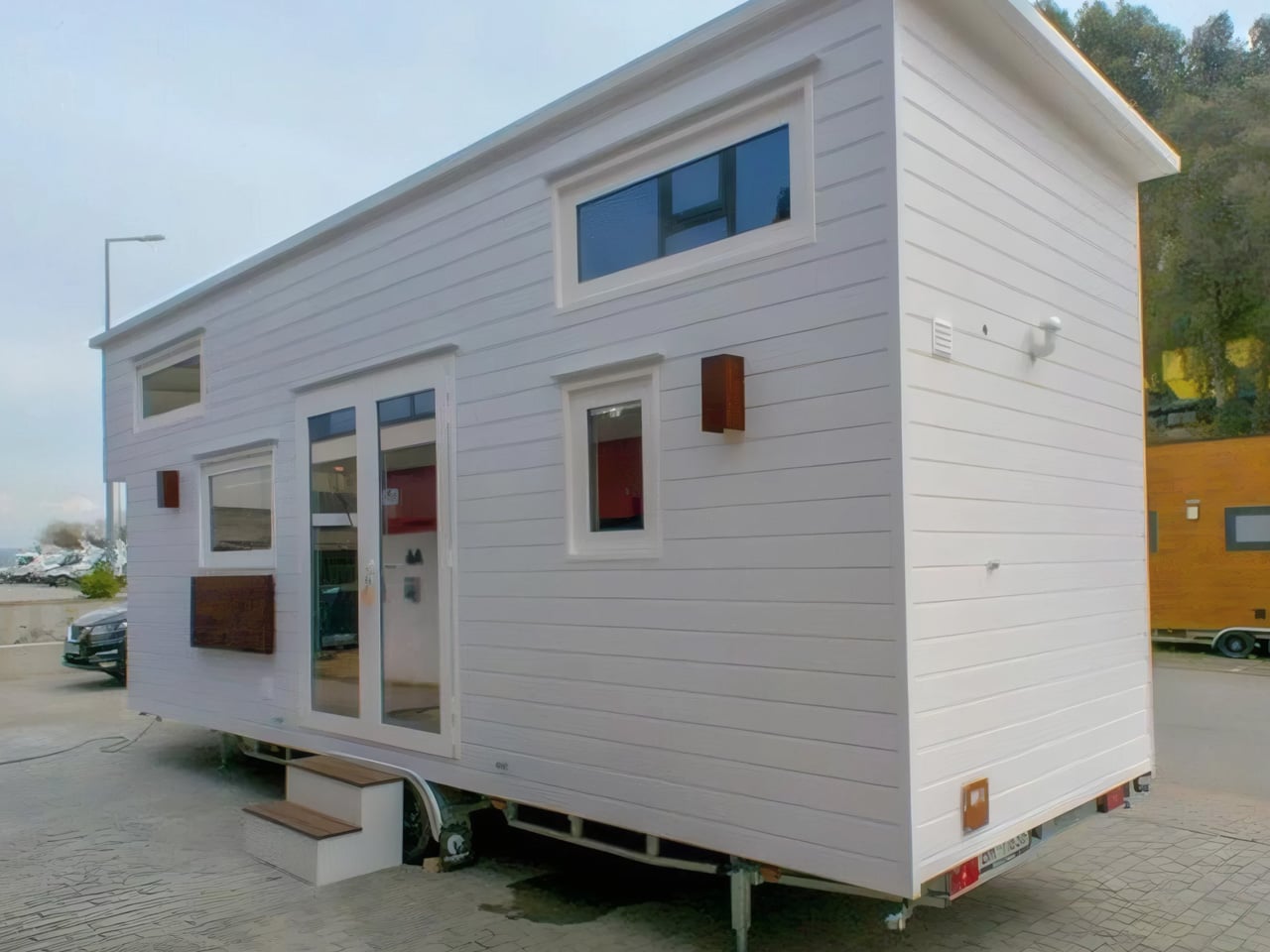
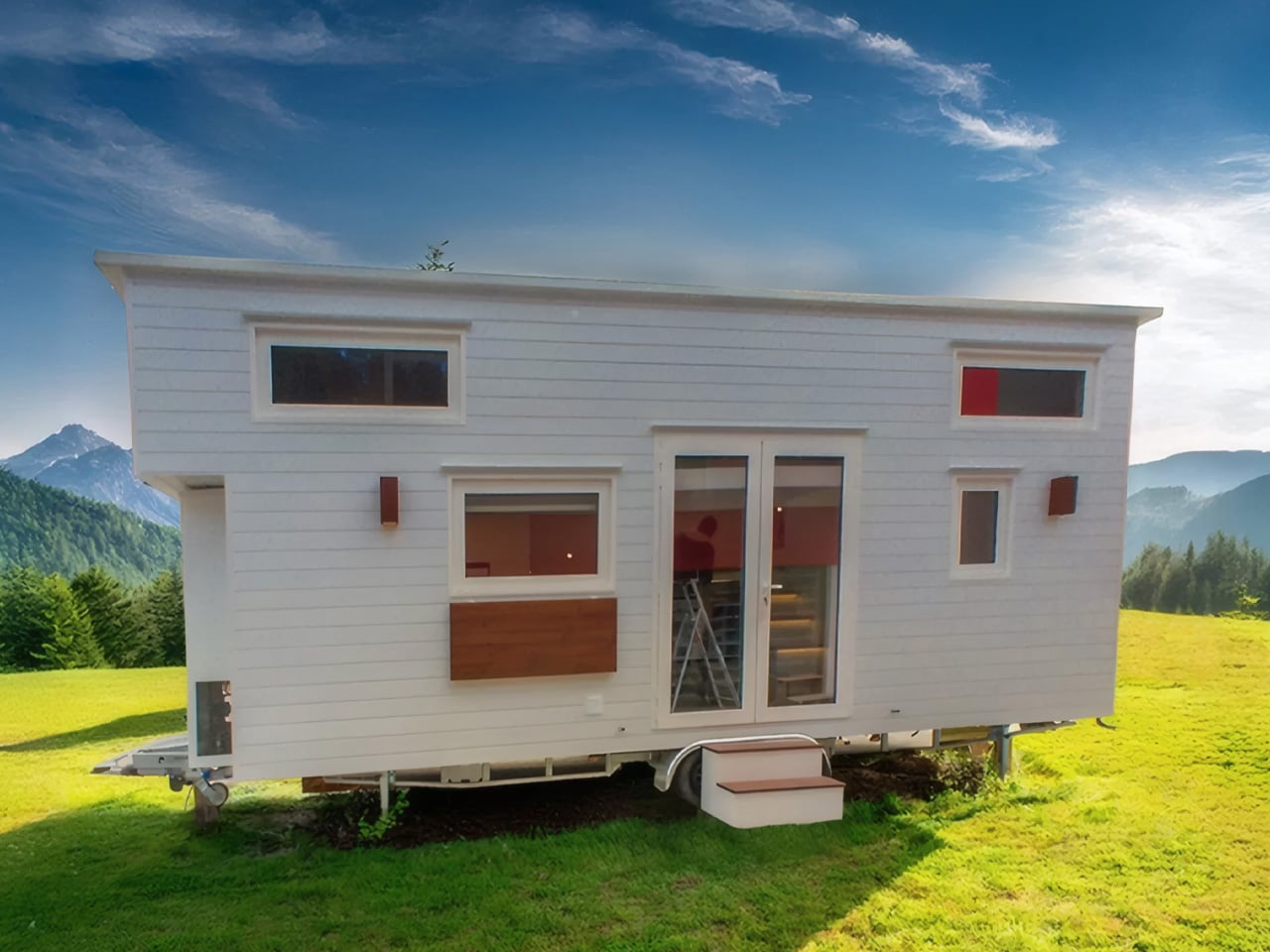
Built on a quad-axle trailer and measuring 11 feet 8 inches wide by 40 feet 3 inches long, the Miami sits closer to the wider end of park model specs. That extra width changes everything. It’s what separates a home that feels borrowed from one that actually feels lived in. The exterior keeps it tight — board-and-batten engineered wood siding, warm timber accents, a clean metal roof, and a monoslope roofline that cuts a sharp silhouette against any backdrop.
Step inside and the single-level layout does the heavy lifting. The kitchen is the kind of setup most apartment renters would envy — dual-basin stainless steel sink, oven and cooktop, microwave, dishwasher, and a full fridge/freezer. It’s a proper kitchen, not a kitchenette dressed up with good lighting. The living area flows naturally from it, and the large windows pull in enough natural light to make the 400 square feet feel considerably more generous than the number suggests.
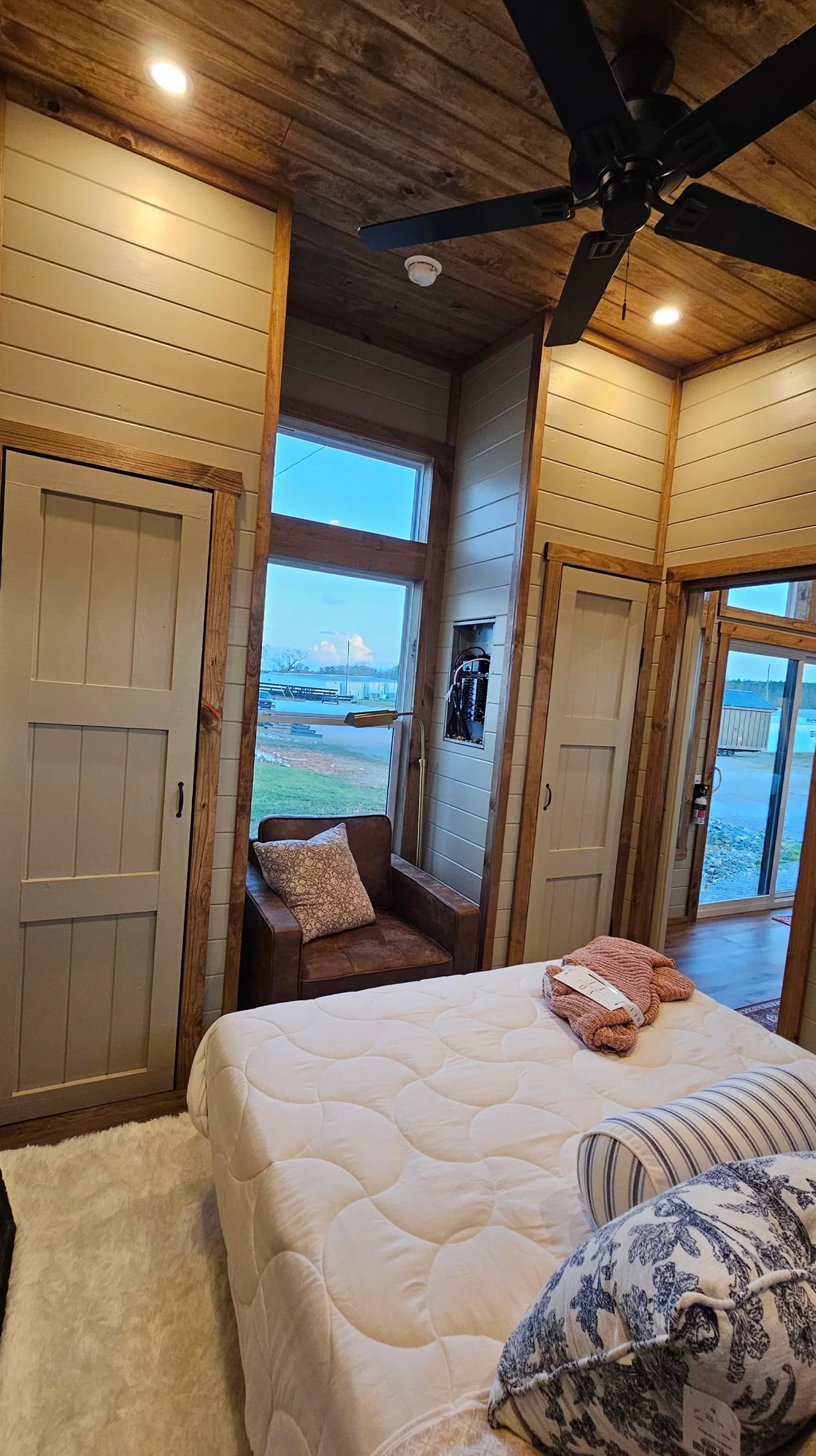
The bedroom is where the Miami earns its keep as a two-person dwelling. A double bed sits alongside two built-in wardrobes and a small chair — practical without being sparse. There are no loft ladders to navigate in the dark, no tucked-away sleeping nooks. The single-floor commitment means everything is accessible, which matters more than most people realize until they’re actually living in a small space long-term.
Phoenix Building Solutions, based in Greenville, Alabama, manufactures from a 75,000-square-foot facility certified to ANSI A119.5 standards — a detail that speaks to build quality rather than just curb appeal. The Miami isn’t a concept or a render. It’s a production model from a company with over 130 years of combined industry experience, built for people who want something that lasts.
What makes the Miami genuinely interesting isn’t any single feature — it’s the restraint. Phoenix didn’t overcomplicate it. They took a straightforward idea — comfortable, modern, single-floor tiny living — and executed it cleanly. In a market full of houses competing to cram in one more clever feature, that kind of discipline is harder to pull off than it looks.
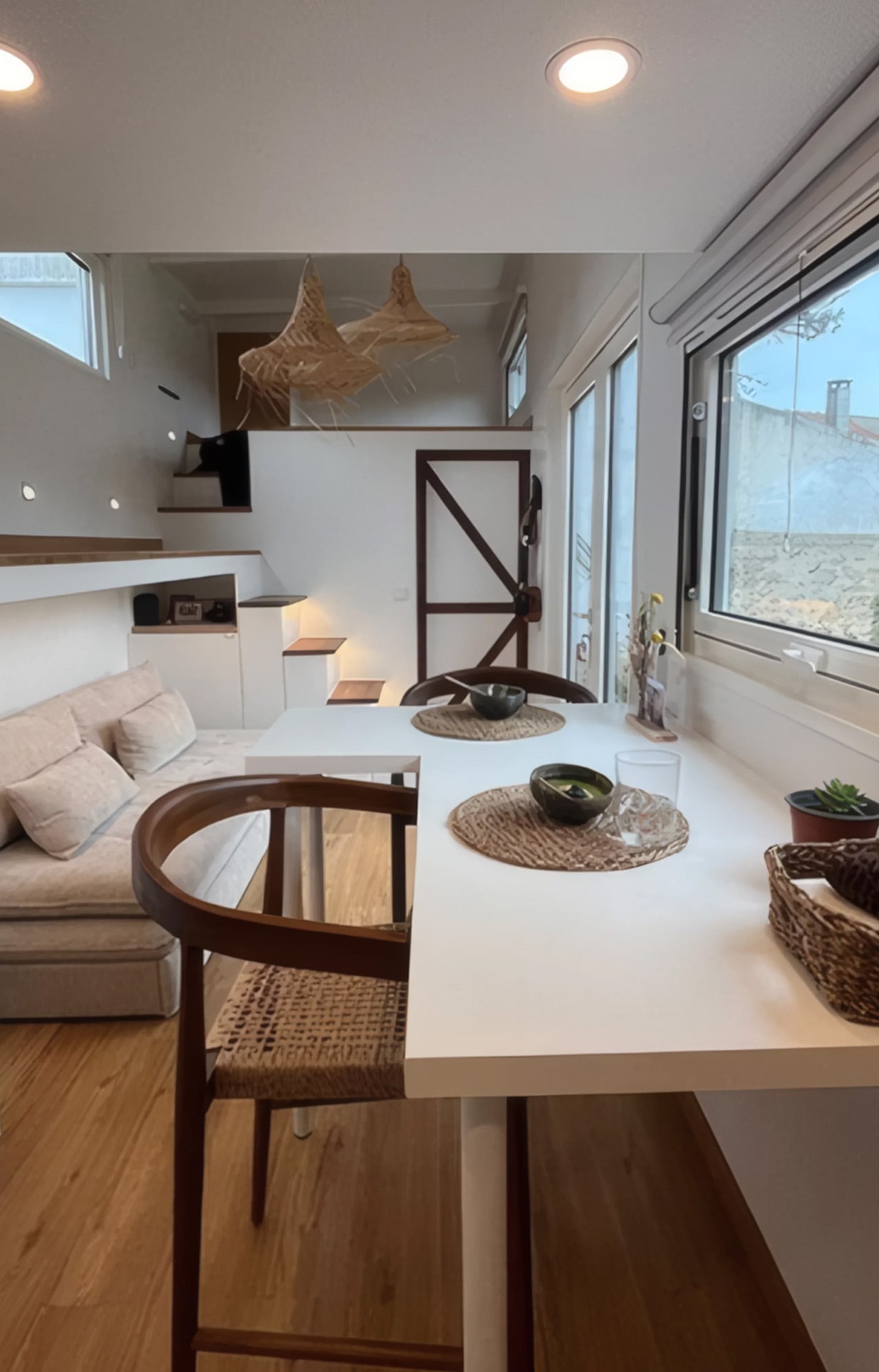
Tiny house culture has spent years fighting the perception that downsizing means settling. The Porto, designed by Portuguese builder Casagaea, makes that argument feel outdated. Built on a double-axle trailer and wrapped in engineered wood cladding, it arrives in two sizes — a 7.8-meter frame at 34.2 square meters, and an 8.4-meter version stretching to 35.6 square meters — with a 4-meter height and 2.5-meter width that keeps it road-legal and genuinely mobile. It’s compact by definition. Cramped, it is not.
What Casagaea has done with the Porto’s footprint is worth paying attention to. The ground floor revolves around an open living area anchored by a sofa — one that moonlights as a guest bed — keeping the social heart of the home generous and uncluttered. The kitchen runs fully equipped: fridge, stove, oven, extractor fan, and sink, built for actual cooking rather than the performative kind you see in renders. An outdoor table integrated into the exterior facade extends the living space outward, blurring the line between inside and out in a way that feels intentional rather than incidental.
Upstairs, two mezzanine bedrooms are connected by a shared platform — a structural move that does more than just link two rooms. It creates a sense of flow across the upper level that most tiny homes never manage, where loft bedrooms typically feel like afterthoughts bolted above the main floor. Here, the sleeping quarters have a coherence to them. With the sofa bed factored in, the Porto sleeps up to six people — a number that would seem implausible if the floor plan didn’t actually support it.
Casagaea builds its homes in Portugal with a philosophy centered on comfort, design, and sustainability working in parallel rather than in tension. The Porto reflects that clearly. Off-grid configurations are available for those who want to cut ties with utility infrastructure entirely, and all parameters can be adjusted to suit specific project needs. This isn’t a one-size solution dressed up in lifestyle photography — it’s a customizable structure designed to meet real living requirements.
For a home that clocks in under 36 square meters, the Porto carries a surprising amount of ambition. It doesn’t try to mimic a conventional house at reduced scale. It works within its constraints and finds something better on the other side — a living space that feels considered, calm, and quietly confident in what it is. That’s harder to pull off than it looks.
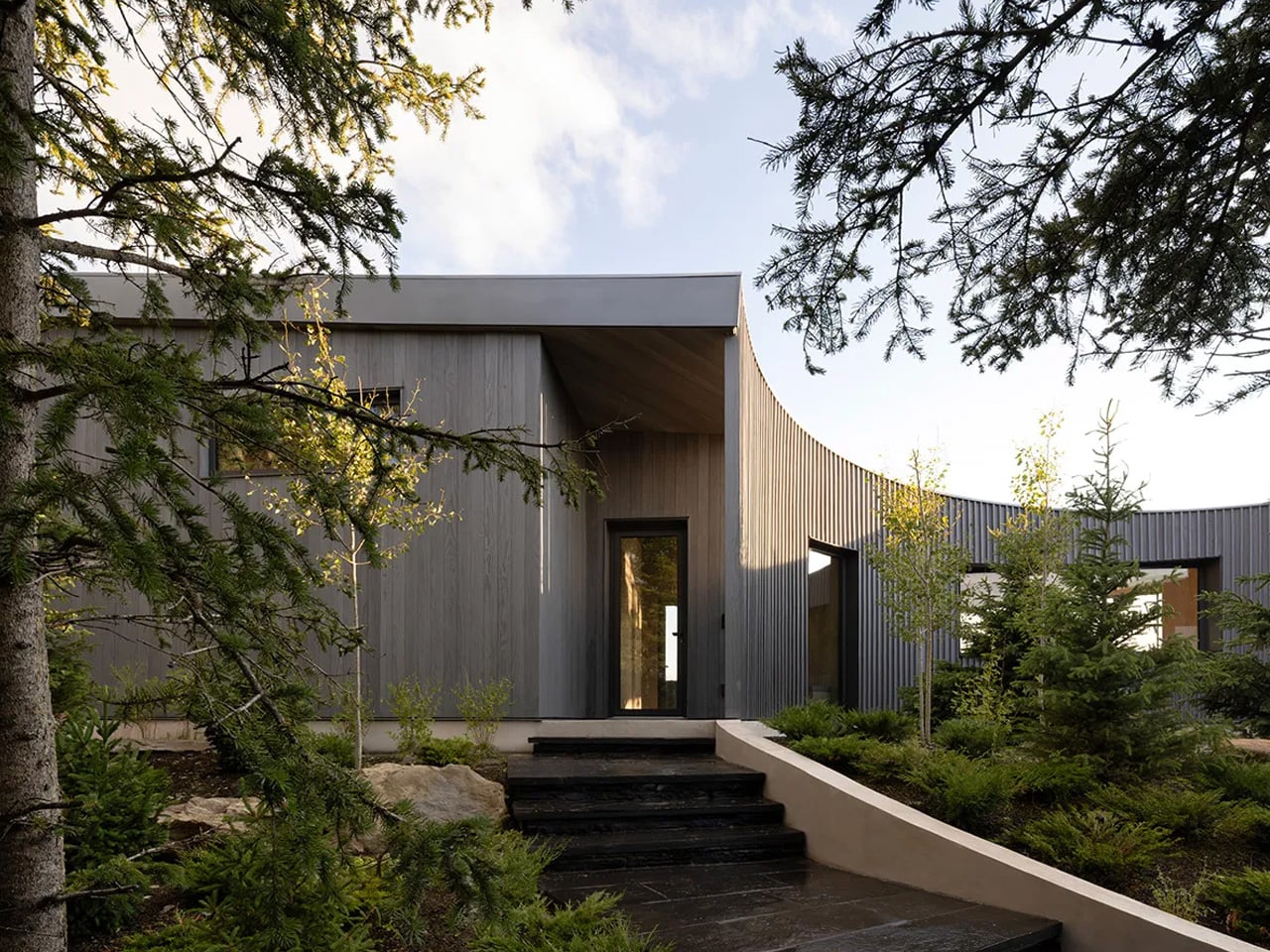
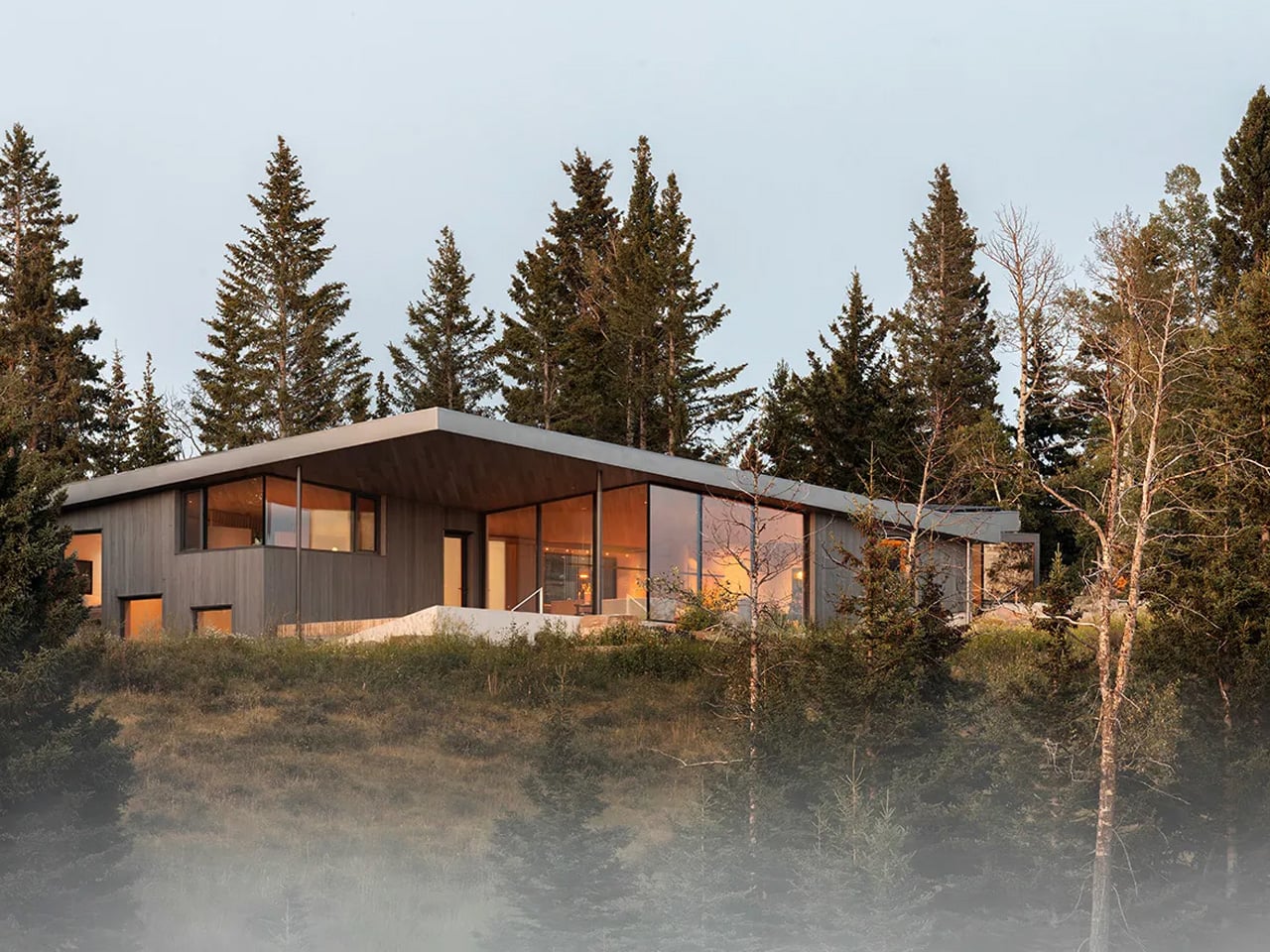
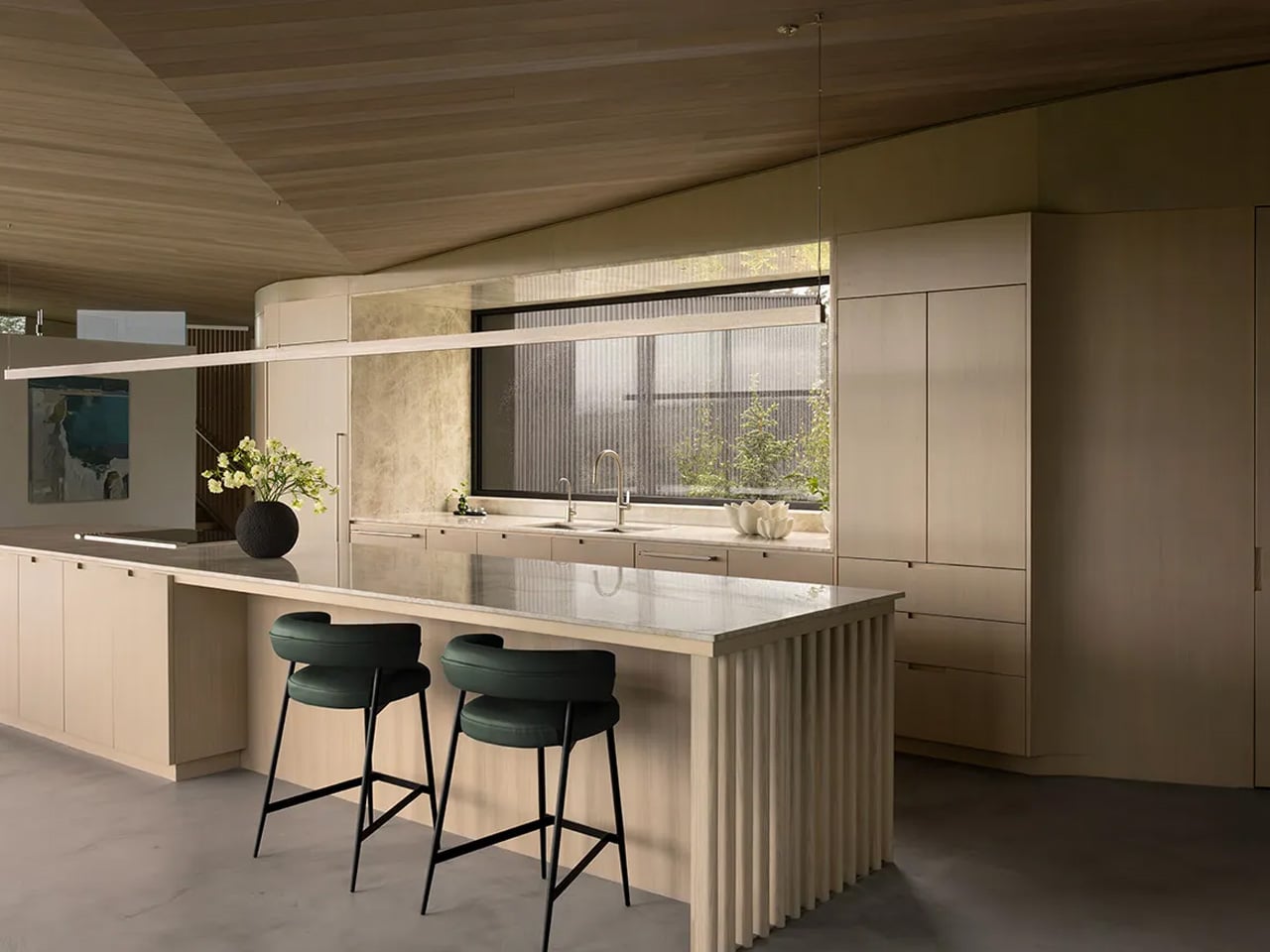
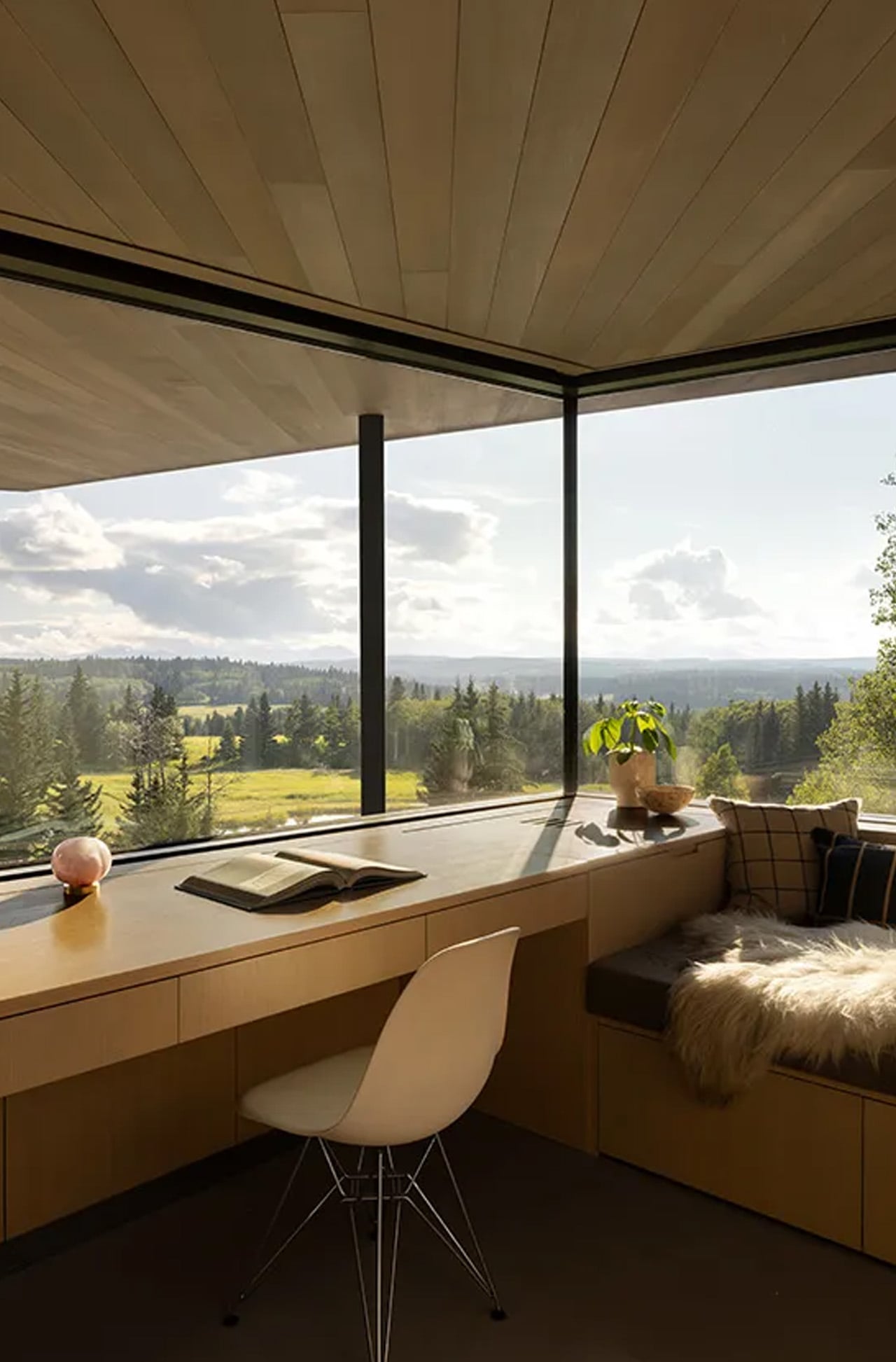
Most mountain houses try too hard. Cut Out House, designed by New York-based studio Young Projects, does the opposite — it sits in the foothills of the Canadian Rocky Mountains, tucked into a low-density development where the land does most of the talking.
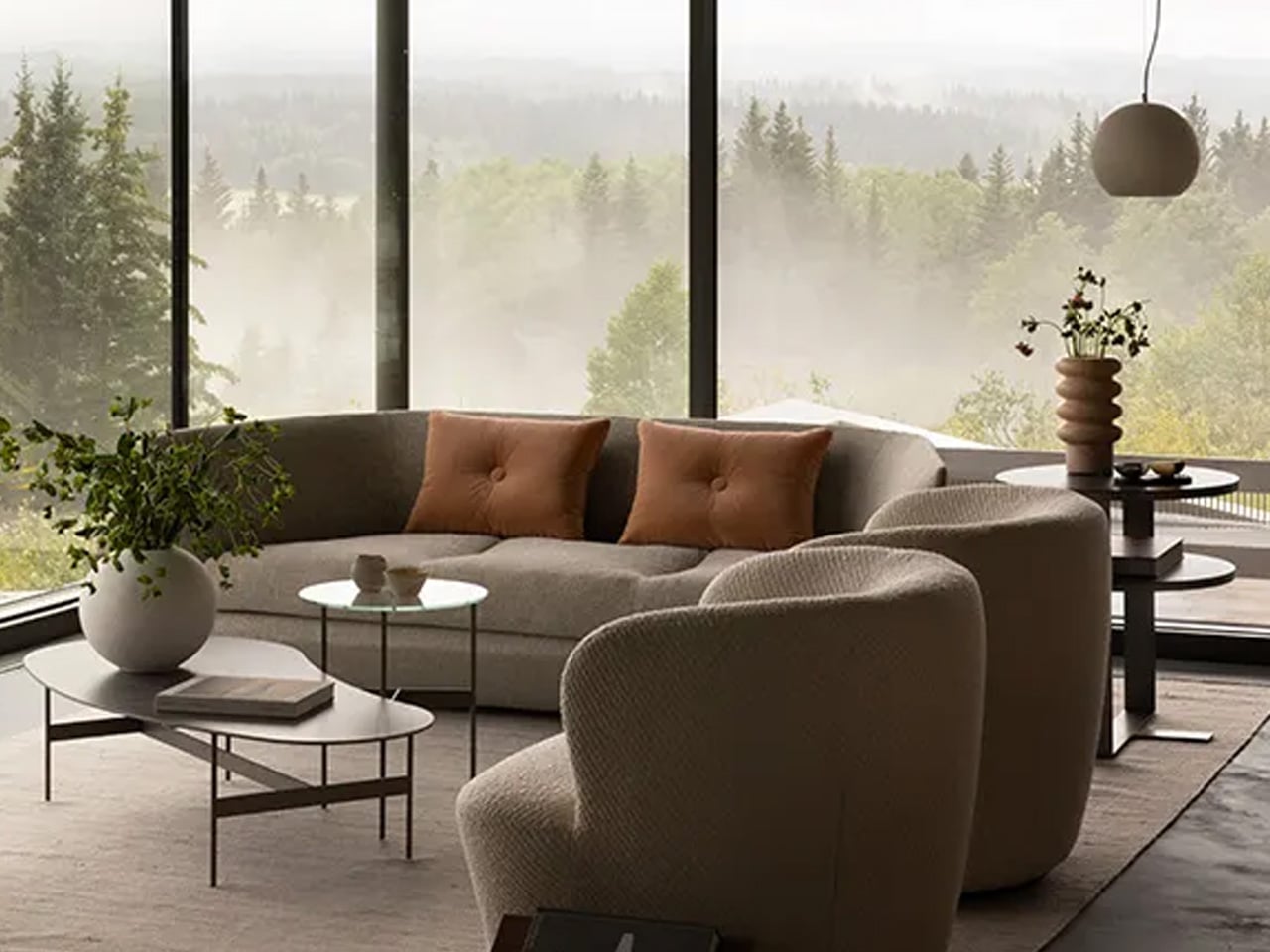
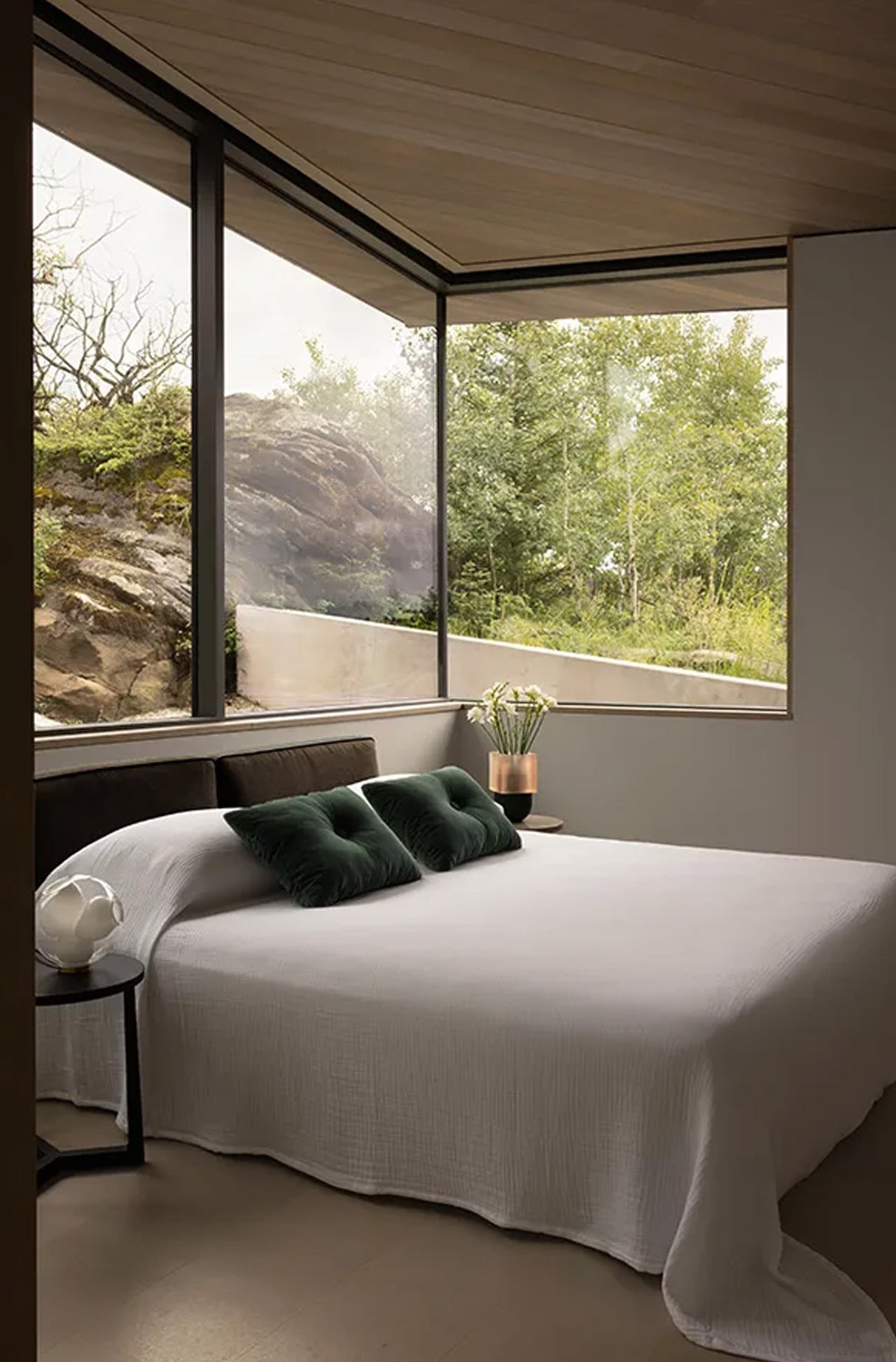
The project was conceived as a family vacation home, and it wears that intention openly. Rather than asserting itself against the landscape, the house responds to it — balancing intimate spaces oriented toward the dense surrounding woodland with communal areas that open dramatically toward the mountains. That duality is the architecture. Everything else follows from it.
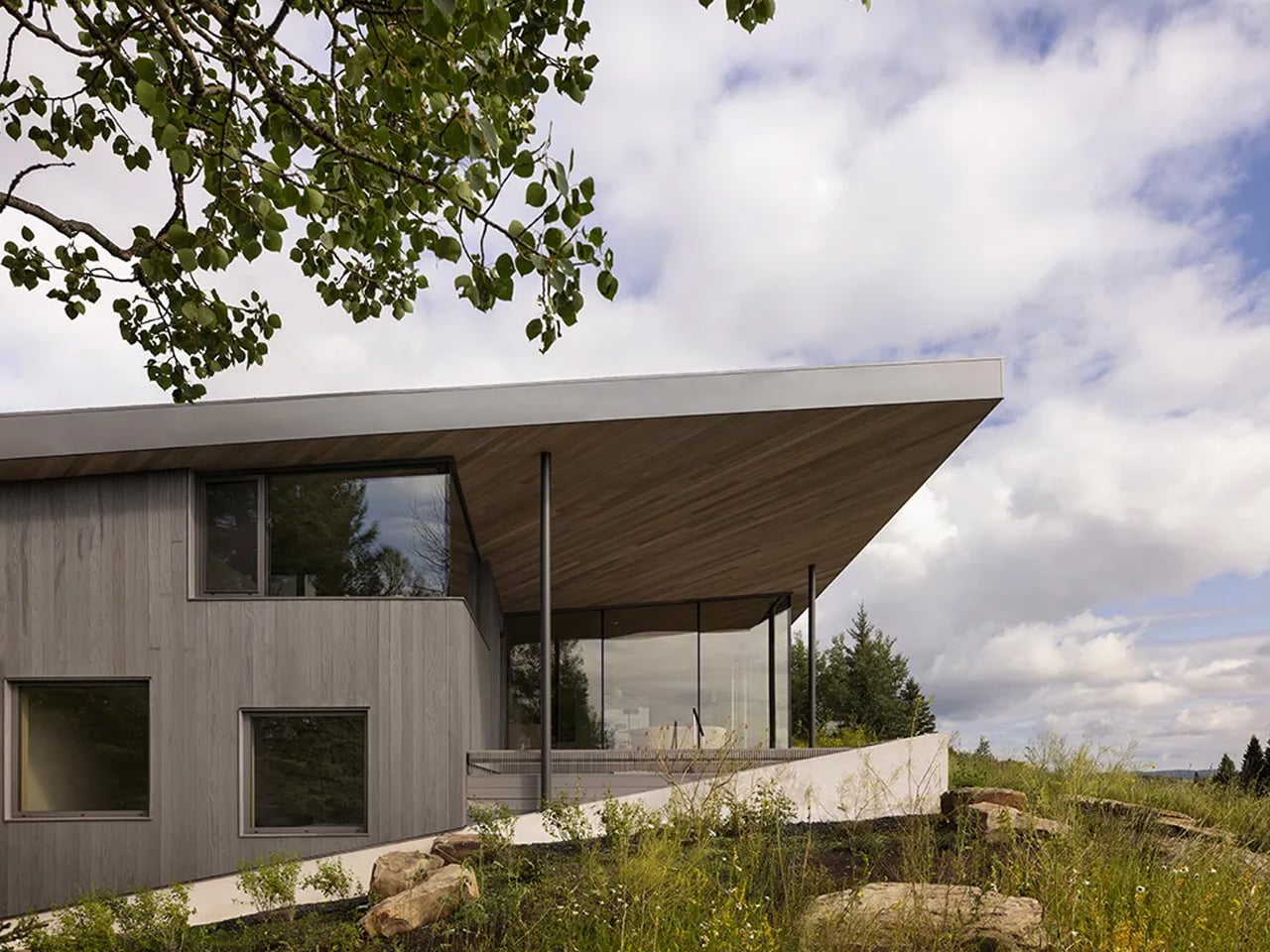
The defining move is the butterfly roof, which Young Projects uses not just as a formal gesture but as a tool for orchestrating experience. The angled planes slope in opposite directions, directing views outward from within while reflecting the terrain’s gradient from outside. Where the roofline climbs, communal living spaces claim the panoramic views. Where tree density compresses the sightlines, private bedrooms pull back into quieter, more sheltered corners of the plan. The roof, in a sense, is the planner.
The “cut out” in the name refers to a series of subtractions carved from the building’s overall volume — openings and recesses that give the house its sculptural character without overworking it. This is a form shaped as much by removal as by addition. The result reads as something confidently simple, which is the harder thing to achieve. Most houses at altitude either defer too much to the landscape or compete with it. Cut Out House does neither.
Gray Accoya wood clads the exterior, a material choice that ages gracefully and lends the structure a tonal continuity with the rock and timber of the surrounding terrain. It doesn’t announce itself. From across a nearby body of water, the butterfly roofline is the first thing you read — a dynamic silhouette that shifts with the light and suggests movement even when the house is still.
Bryan Young founded Young Projects in New York in 2010, and the studio has built a reputation for work that thinks carefully about the relationship between built form and context. Cut Out House extends that sensibility into alpine territory, where the stakes of getting that relationship wrong are immediately visible in every window. The house doesn’t compete with the Rockies. It leans into them, shapes itself around them, and in doing so becomes something more interesting than a retreat — it becomes a calibrated act of looking.
The consumer tech market has a crowding problem, mostly driven by products that try to do too much for too many people. The most interesting hardware lately has been doing the opposite, building around one specific inconvenience that hasn’t been properly addressed yet. Shenzhen has always had a knack for this, and InnoX Academy has been quietly developing the next generation of builders who make those products happen.
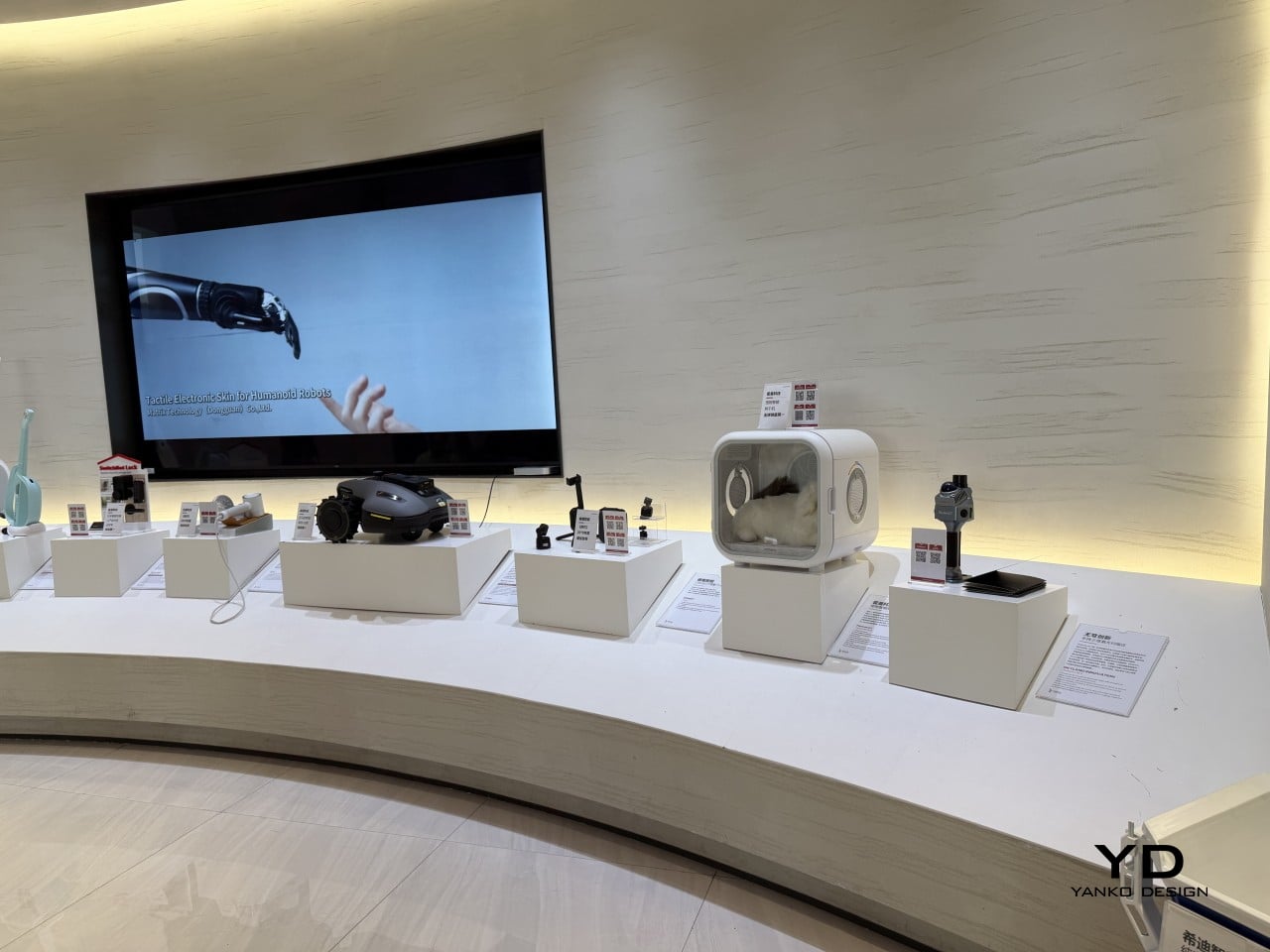
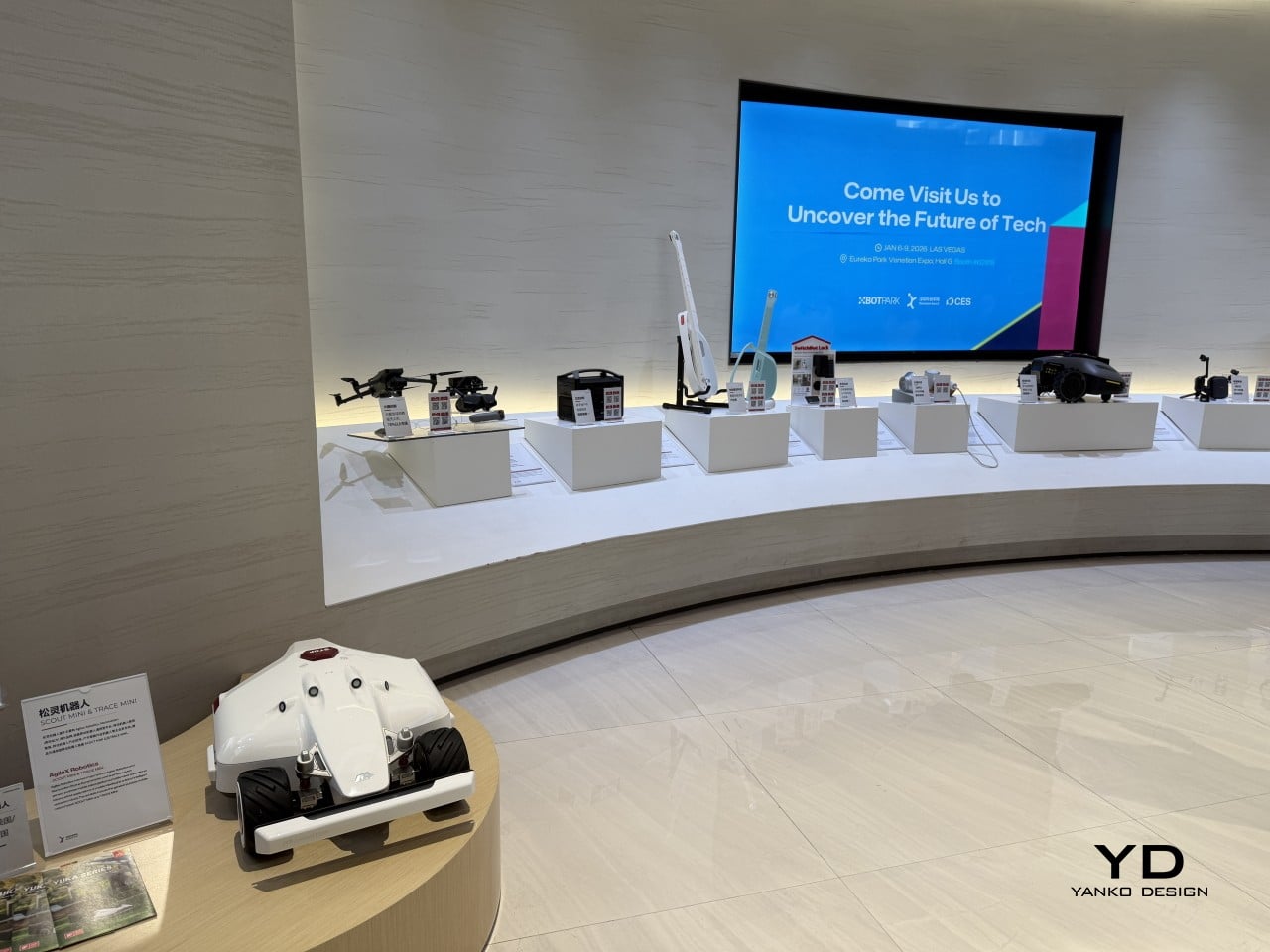
Founded in 2021 by Professor Li Zexiang of Hong Kong University of Science and Technology, Shenzhen InnoX Academy is a structured ecosystem that develops engineers and entrepreneurs into product builders. At the Global Connect Show 2026, it gave the world a look at its latest batch of startups, from home fitness and pet care to ambient design objects, each taking a more considered approach to a specific problem.
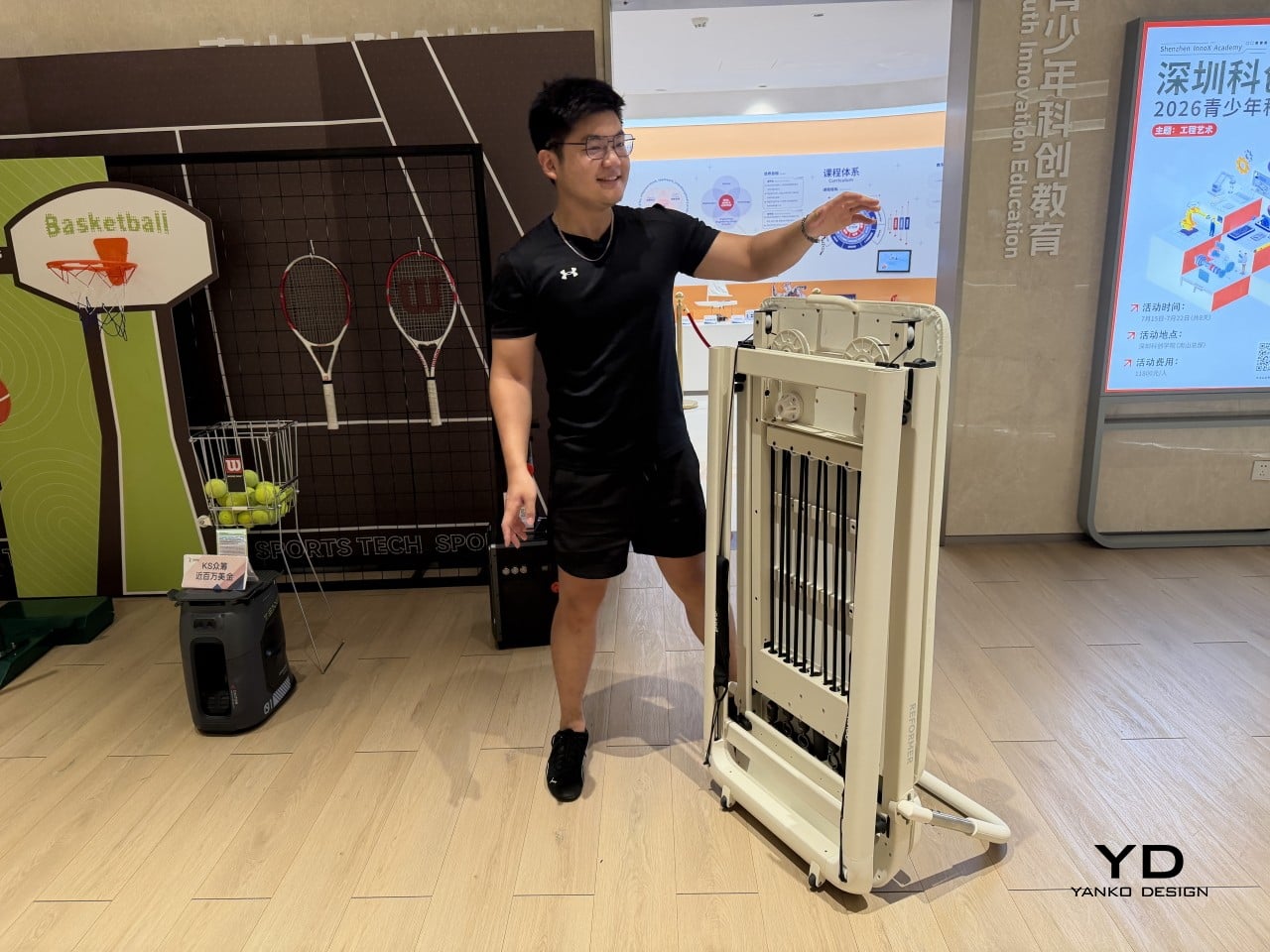
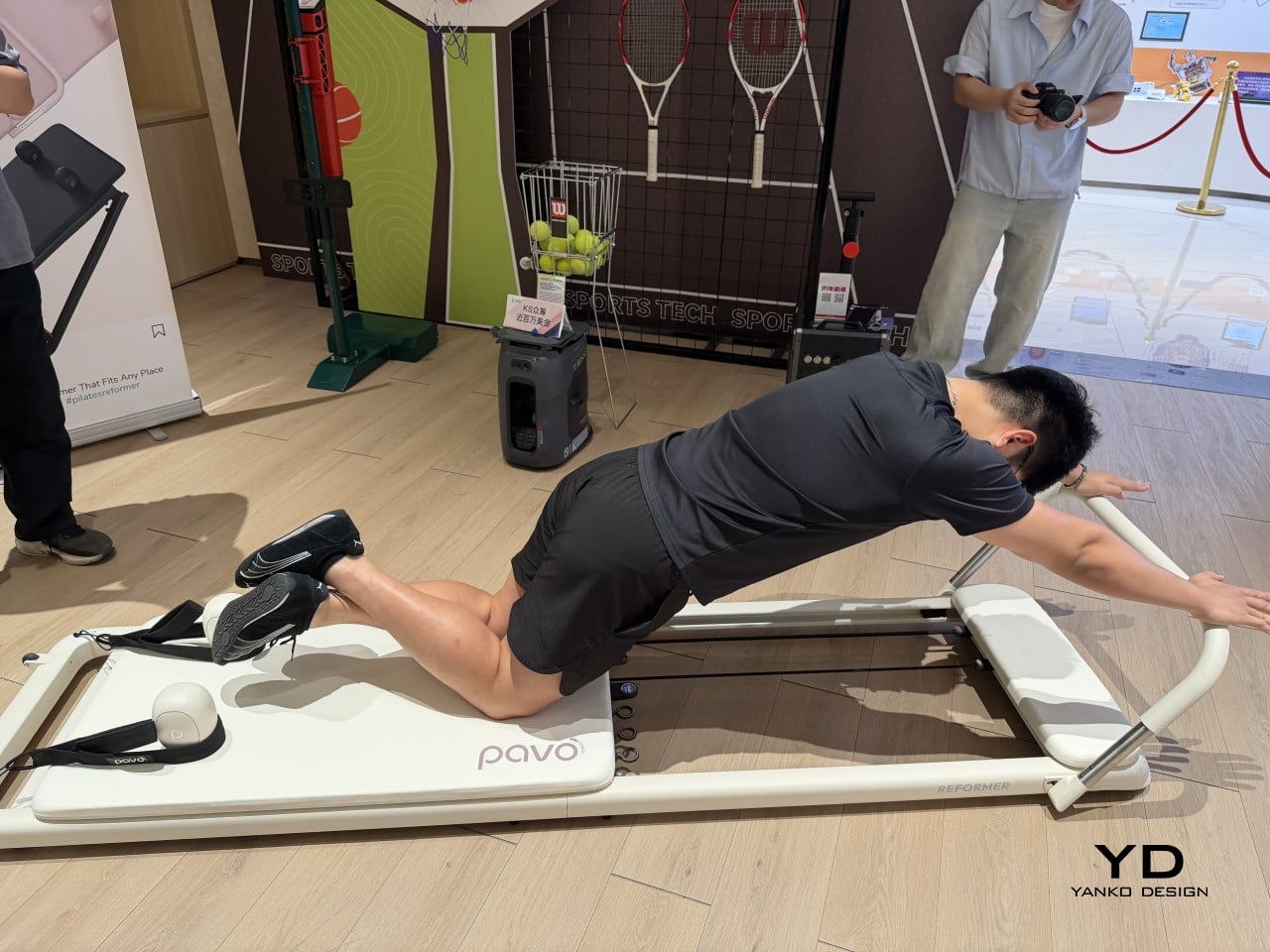
Pilates reformers have always been the kind of equipment you’d only find in a dedicated studio, too large and bulky for most apartments to accommodate. Pavo Fitness, started by a team of architects, industrial designers, and professional Pilates instructors, saw that as a solvable problem. The Pavo Reformer is their answer: a compact, foldable machine designed to bring studio-quality resistance training into a regular home.
Once a session is done, it packs away without being disassembled or moved to a corner, so it doesn’t have to become a permanent fixture in your living space. The onboard smart system keeps tabs on workouts, which matters more in a home setting where there’s no instructor watching your form. It adds a layer of accountability that a conventional reformer simply can’t offer.
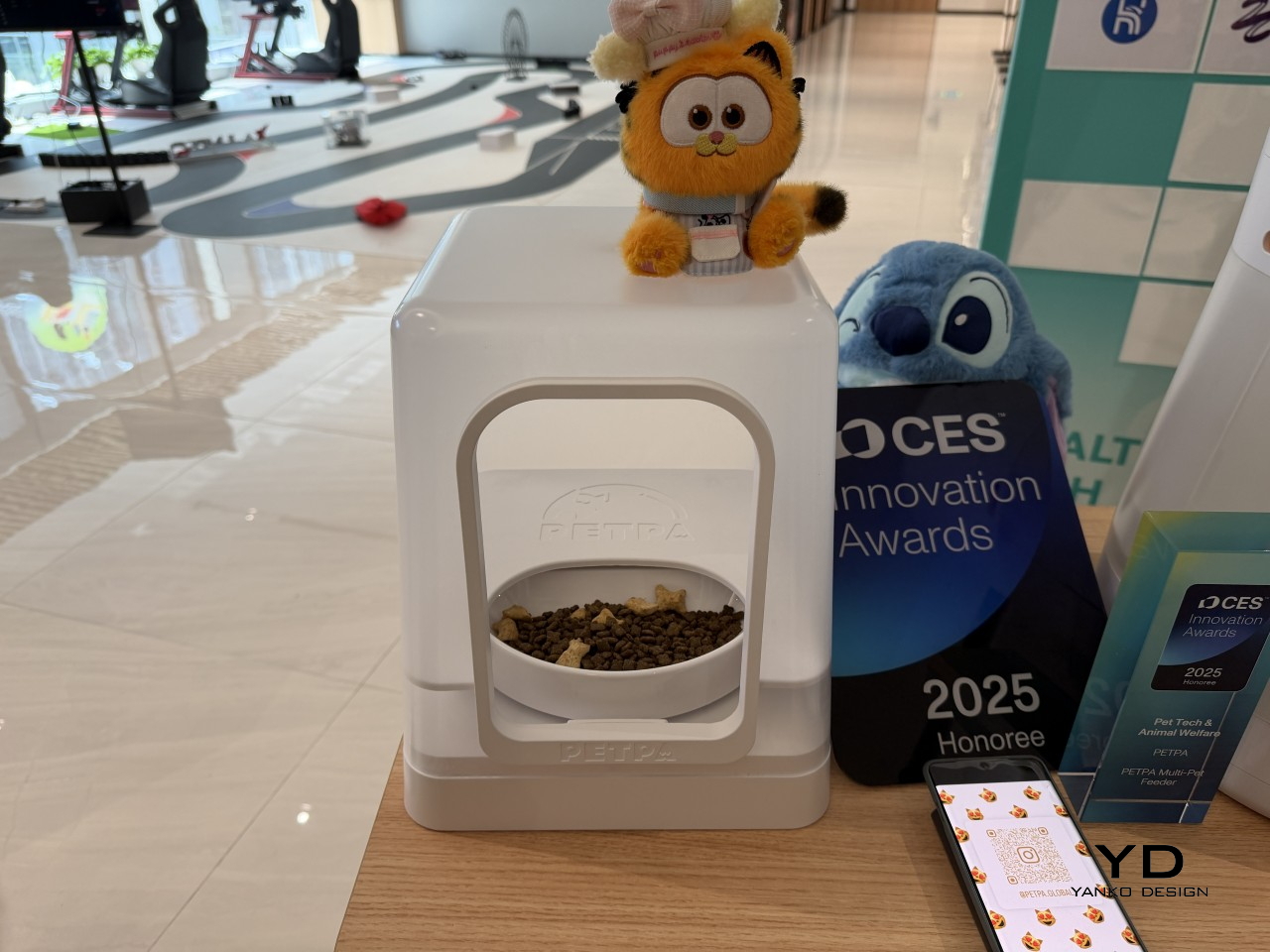
Multi-pet households have a feeding dynamic that most smart feeders don’t actually address. A timed dispenser works for one pet, but when multiple cats have different dietary needs, scheduling meals is only part of the problem; the harder challenge is making sure each cat only gets its own food. That’s what PETPA was built to solve, by a team that previously worked on hardware at DJI, Narwal, and RoboMaster.
Designer: PETPA
The PETPA Multi-pet Feeder uses individual pet recognition to identify each cat and control access to their food, particularly useful in homes where one cat needs to lose weight or follow a prescription diet while the others don’t. It launched at CES 2025 and earned a CES Innovation Award in the Pet Tech and Animal Welfare category, recognizing a product solving a problem most smart feeders still overlook.
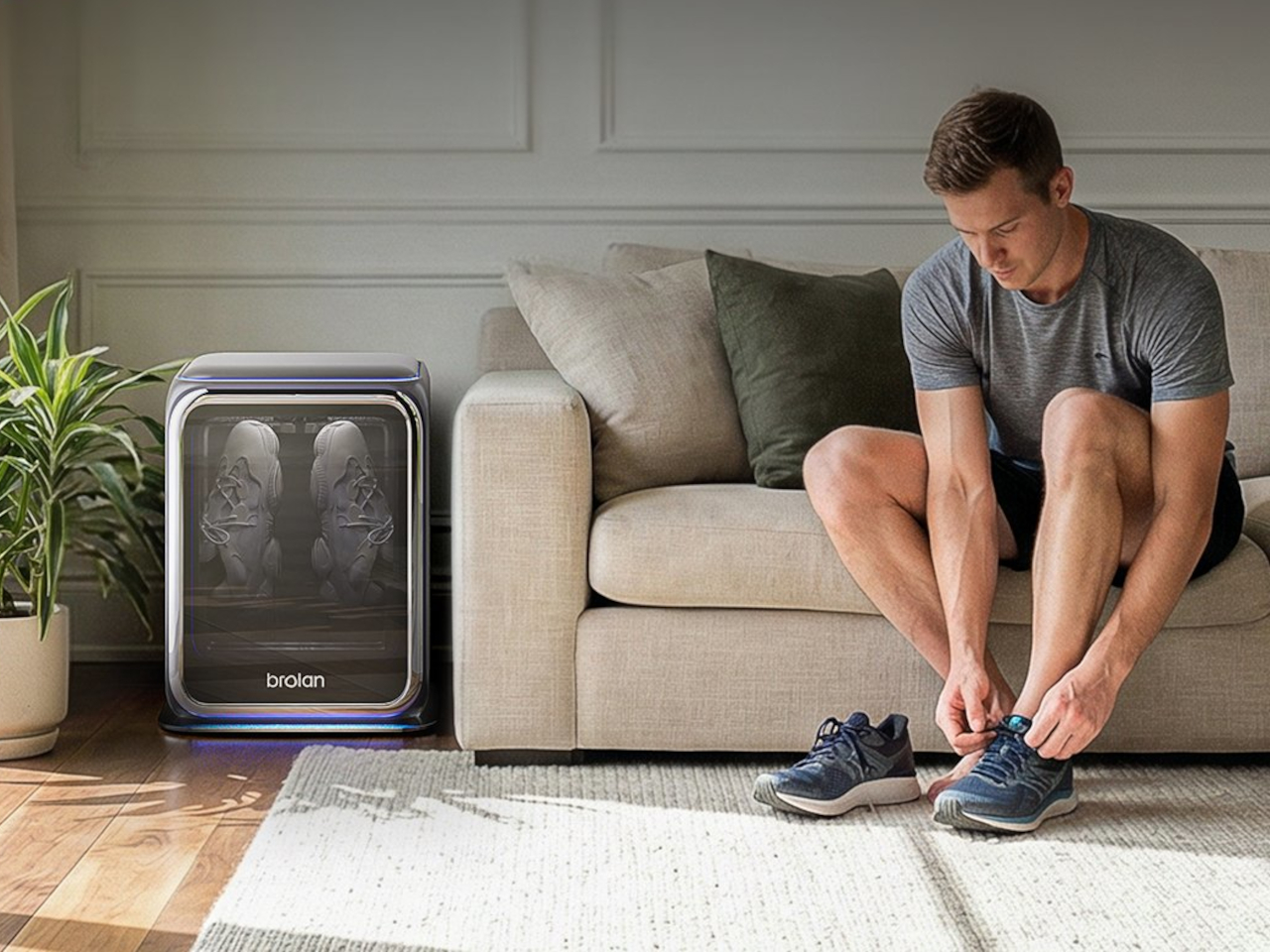
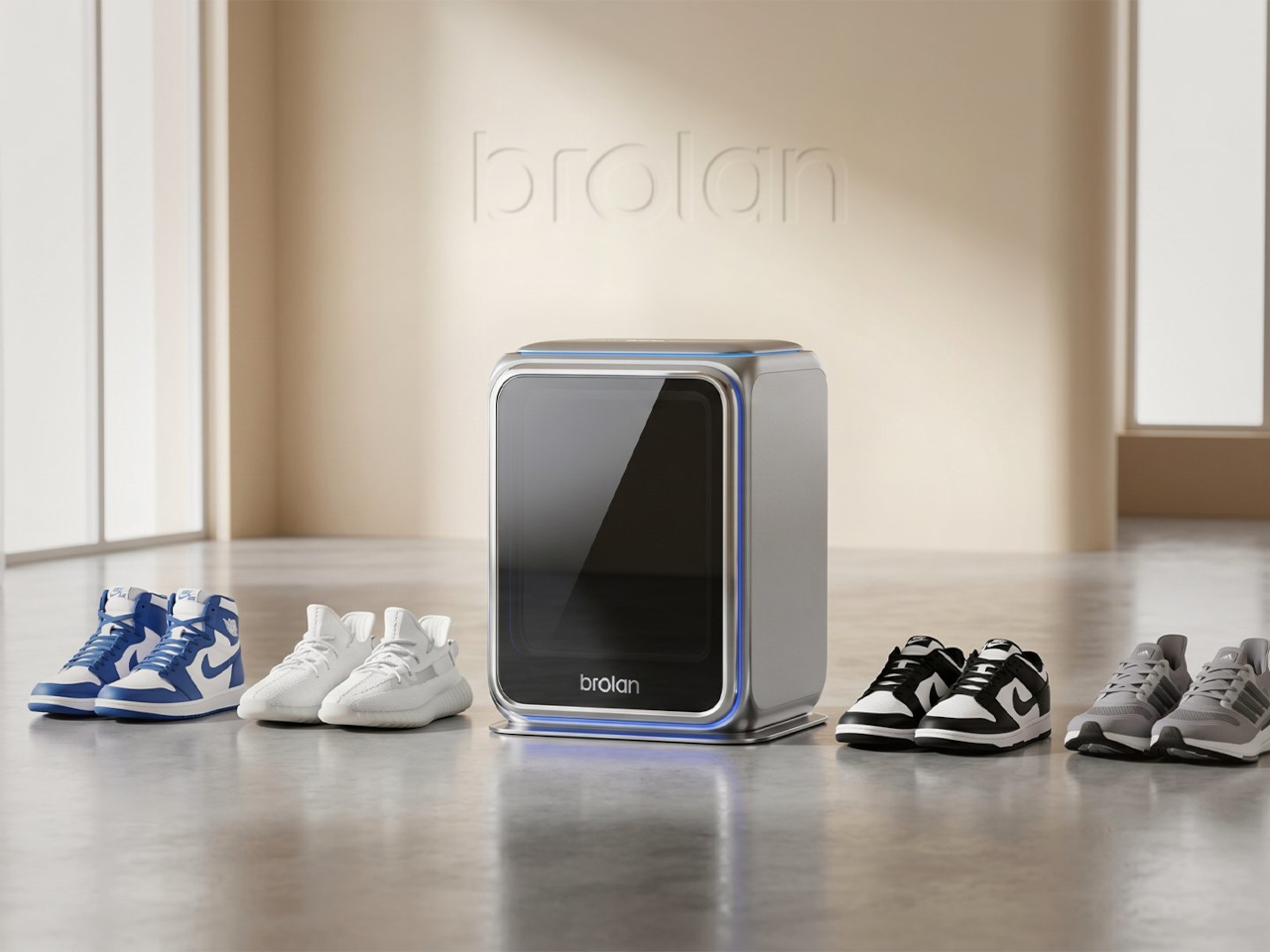
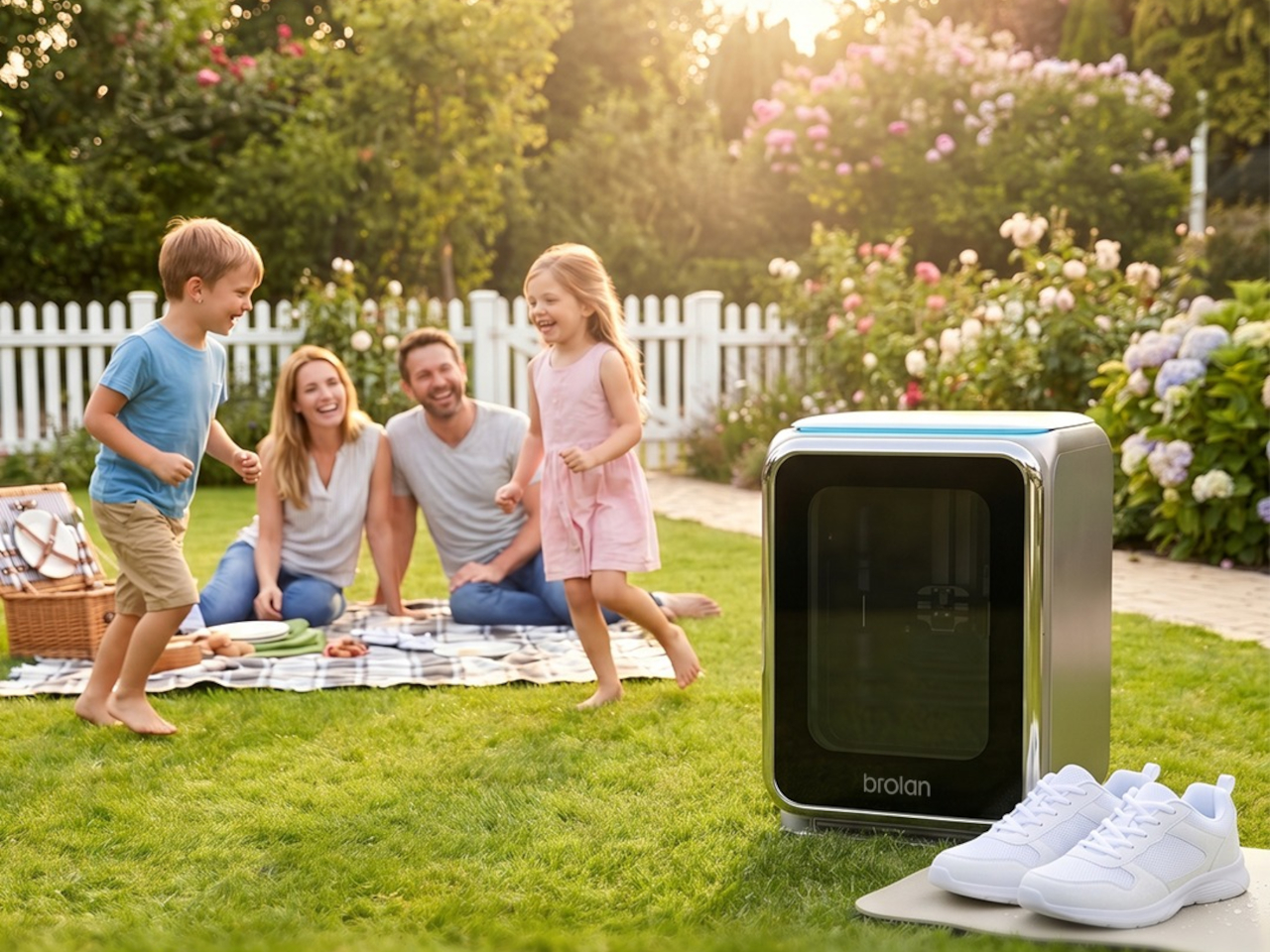
Sneaker care has evolved into its own dedicated ritual for collectors and sports enthusiasts who’d rather not take chances with a stiff brush and soapy water. The typical cleaning routine still carries the risk of fading colors, weakening materials, or warping the structure of more delicate footwear. Brolan’s ClearX is a compact home machine that moves through cleaning, low-temperature drying, and sterilization all in one automated cycle.
Founded in 2025 by a team drawing from Nanyang Technological University, Harbin Institute of Technology, and Tsinghua University, Brolan designed ClearX specifically to clean without the harshness of manual scrubbing. The idea is to get footwear thoroughly clean without putting materials at risk, which matters most for anyone who owns suede, knit, or premium leather shoes that even a careful hand-wash can easily ruin.
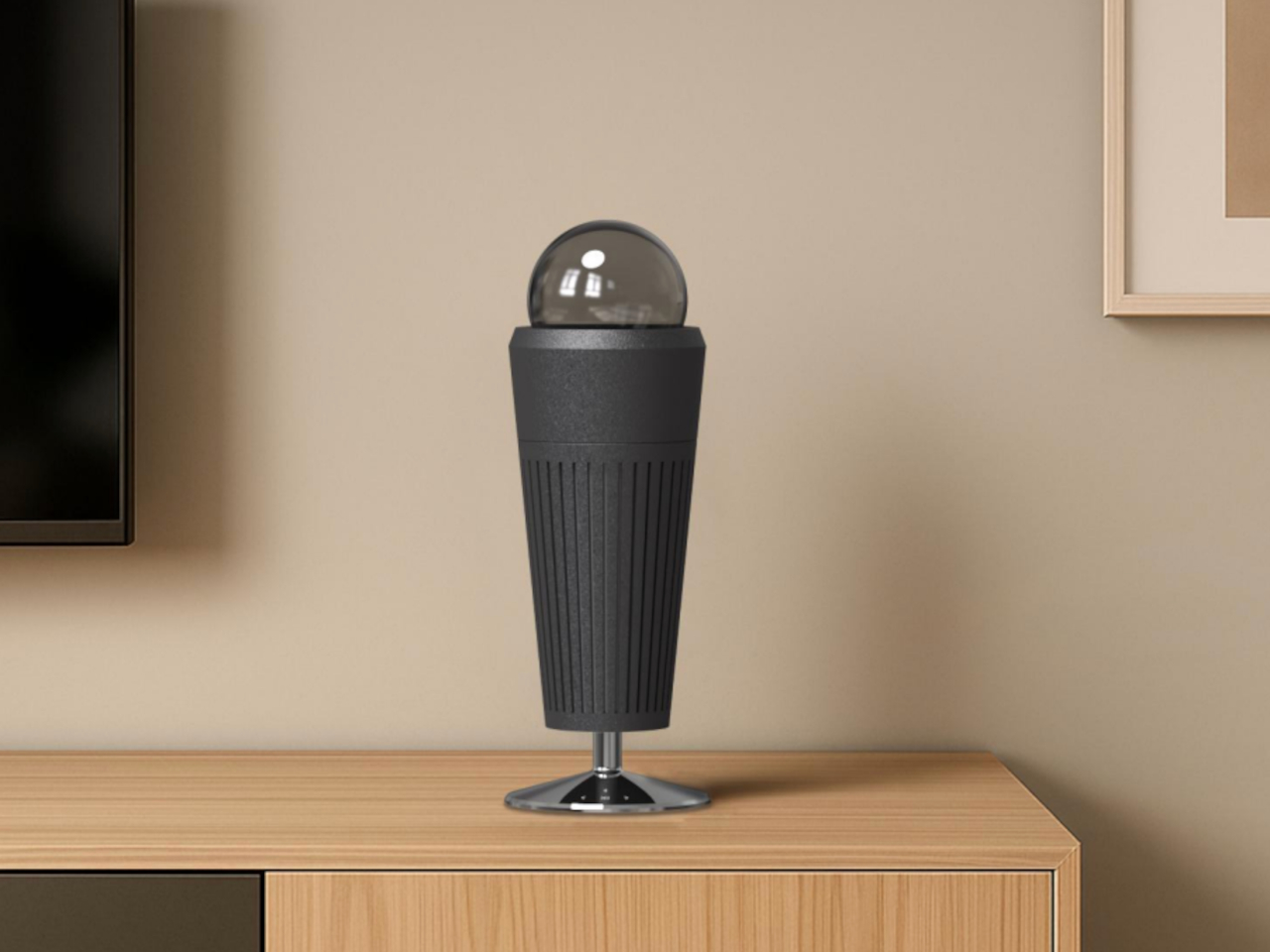
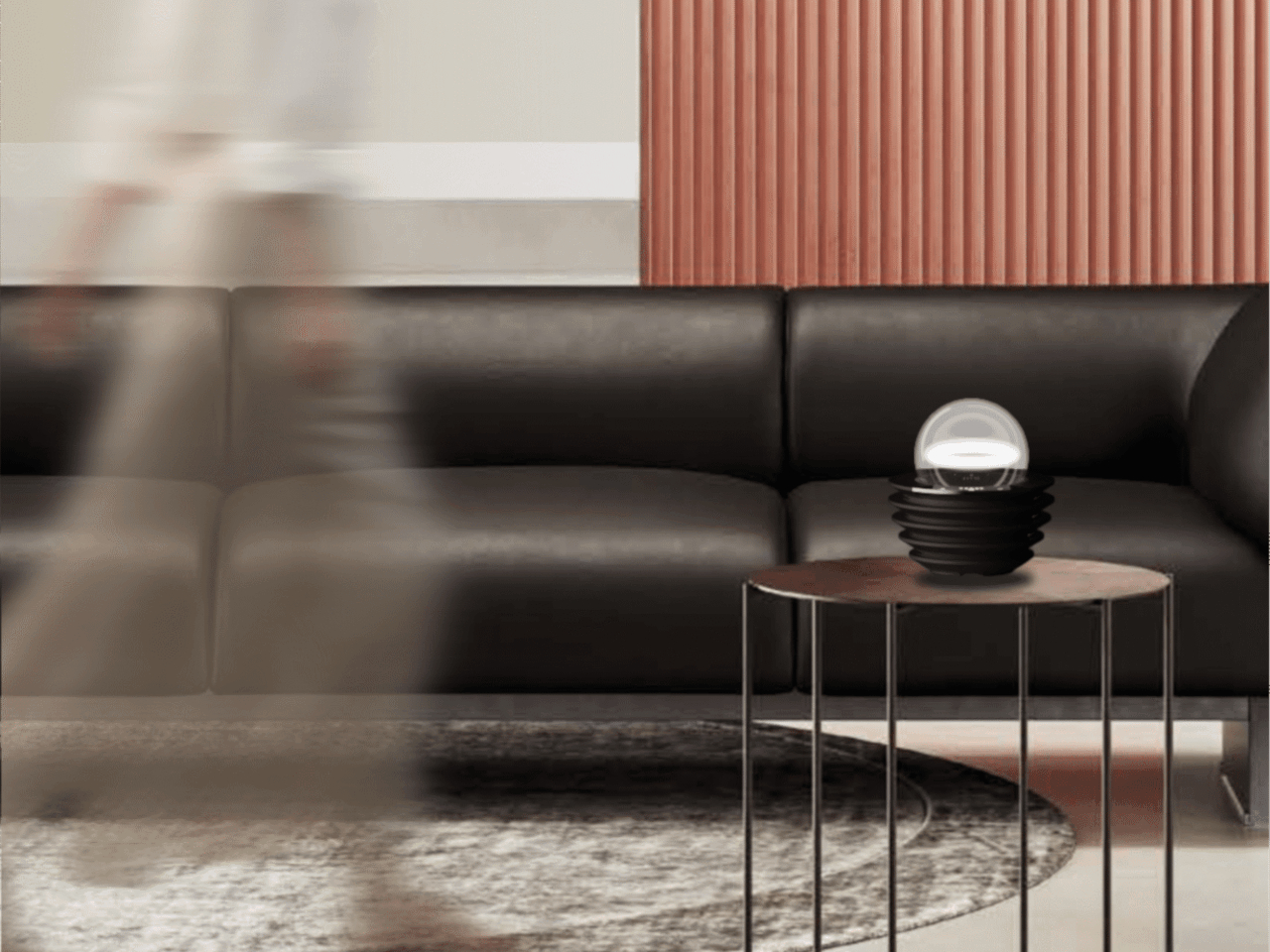
Not everything in the InnoX lineup is about automation or performance tracking. REAZENABLE takes a different direction with the REAZE Sandstone Series, a collection that sits somewhere between smart lighting and decorative object, aimed at people who’d rather their home feel calmer than more connected. The brand’s philosophy, technology empowering nature and light reshaping emotion, gives a clear sense of where its priorities are.
The collection includes the Halo light and three aroma vessels, all made from sand-based materials and shaped with ribbed surfaces that recall an uneven lunar landscape. The technical structure is deliberately concealed within those soft architectural forms, so nothing on the shelf reads as a gadget. Atmospheric light, mineral textures, and scent work together into something that feels more like a ritual object than a piece of hardware.
Several other InnoX startups addressed more personal routines. Rootique brought the DUO, a scalp atomizing applicator using patented DuoTrace and IntelliMist technology for precise serum delivery in about 15 seconds, already validated through an Indiegogo campaign that found backers across 52 countries. OCJOY presented the OCJOY Air, a home micro-air oral cleaning system that brings a water-air-powder cleaning method from dental offices to your own countertop.
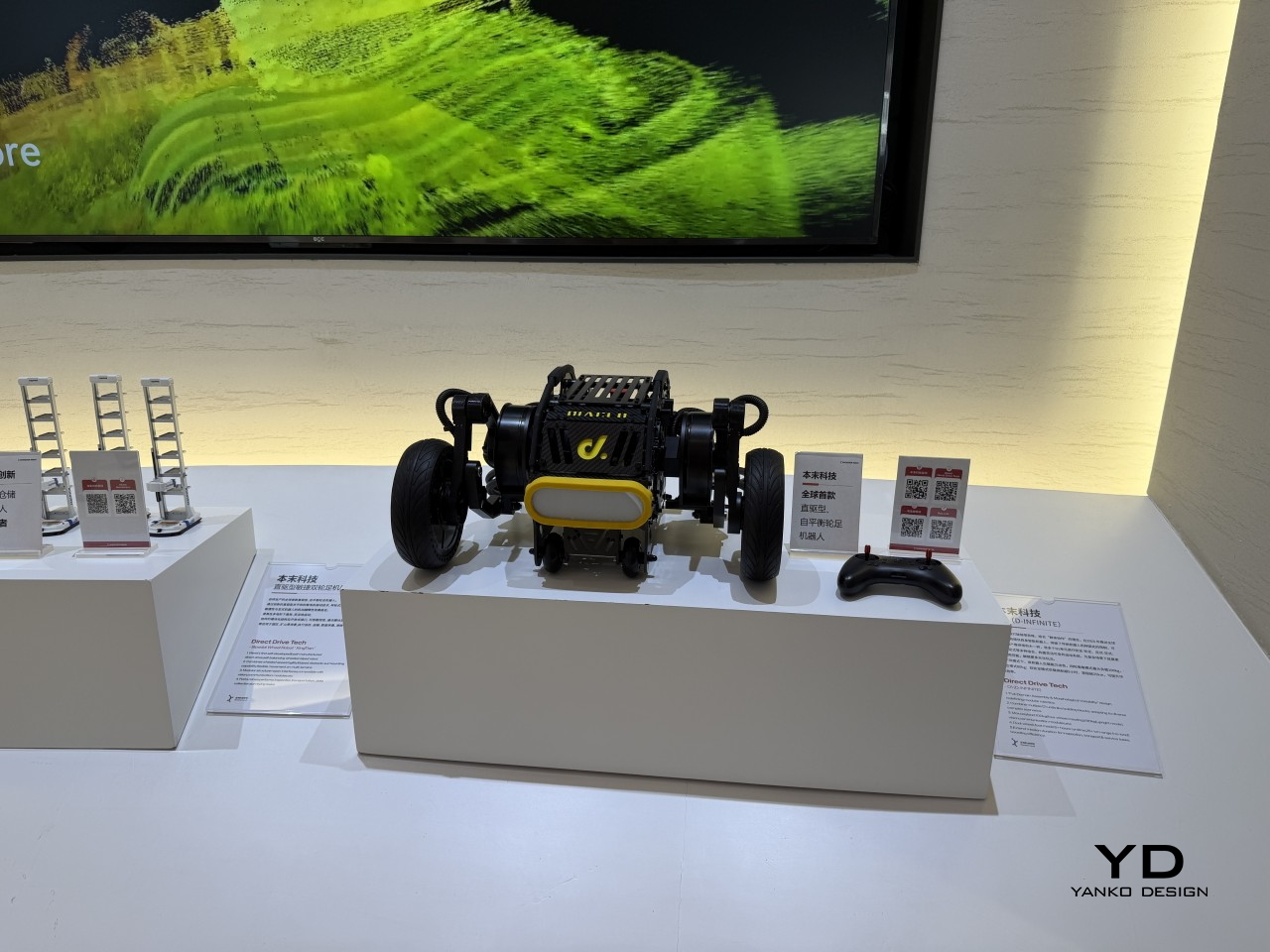
Direct Drive Tech D1
The lineup stretched into less expected territory, too. Blucalm’s StrikeDeck delivers AI-assisted game audio through a desktop controller, while ORULINK’s Watcher-Robot is an open-source desktop AI companion built for everyday interaction. CHEERLUCK brought a sausage vending robot for campuses and public spaces, and both Y-H2O and ANAVI presented electric watercraft, a hydrofoiling vessel, and a smart personal watercraft, each designed to cut the noise and emissions of traditional marine engines.
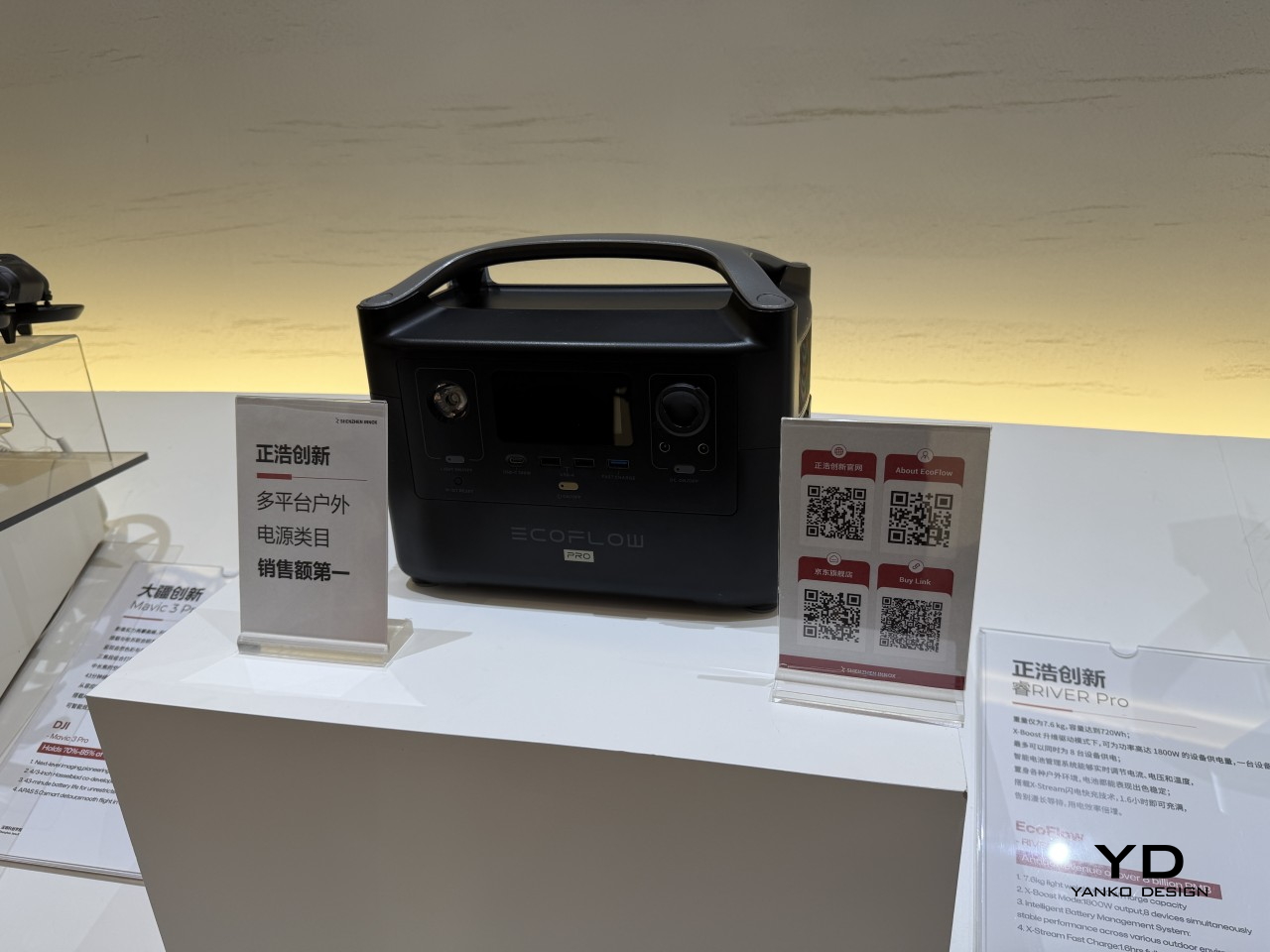
EcoFlow
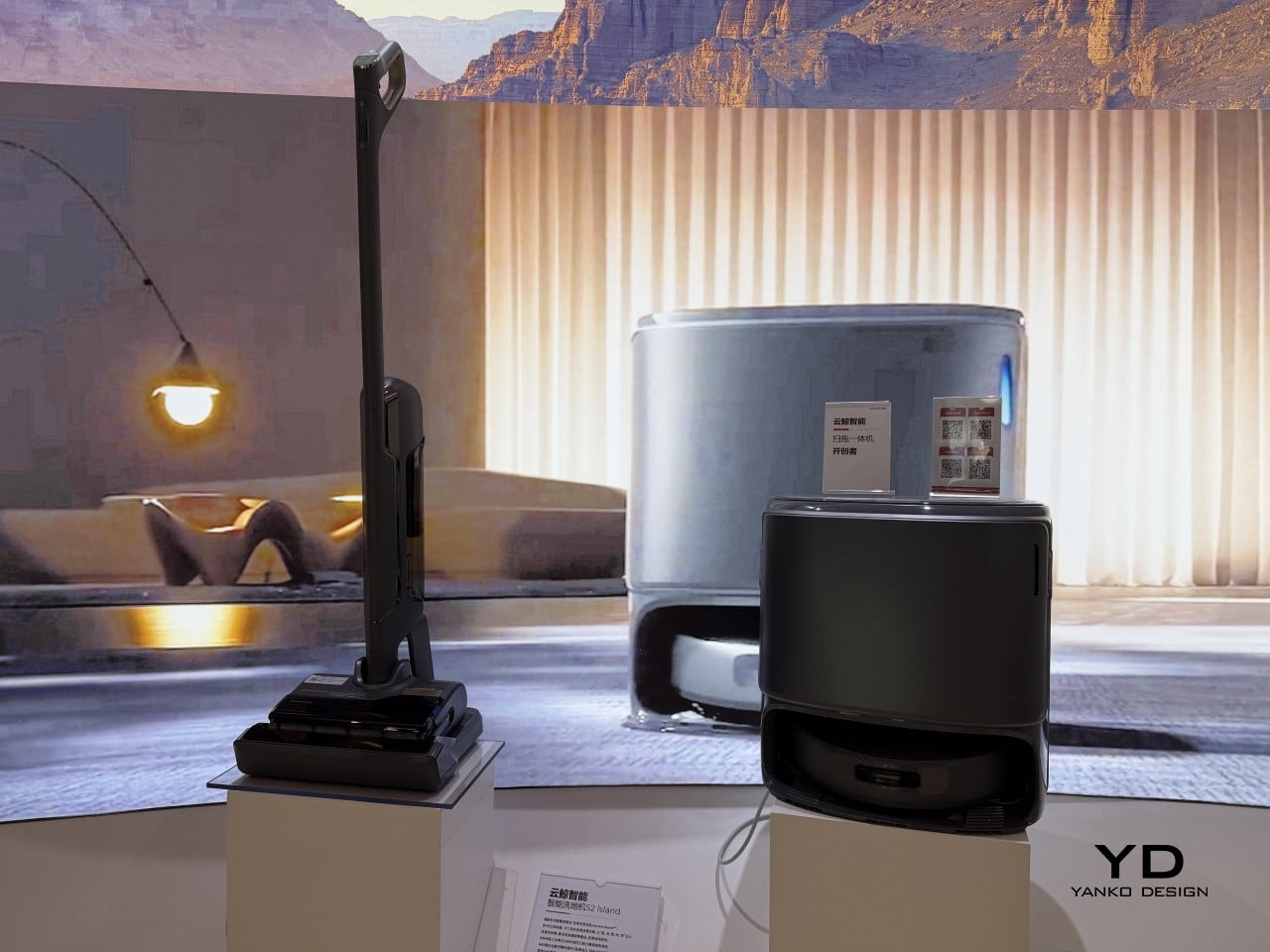
Narwal
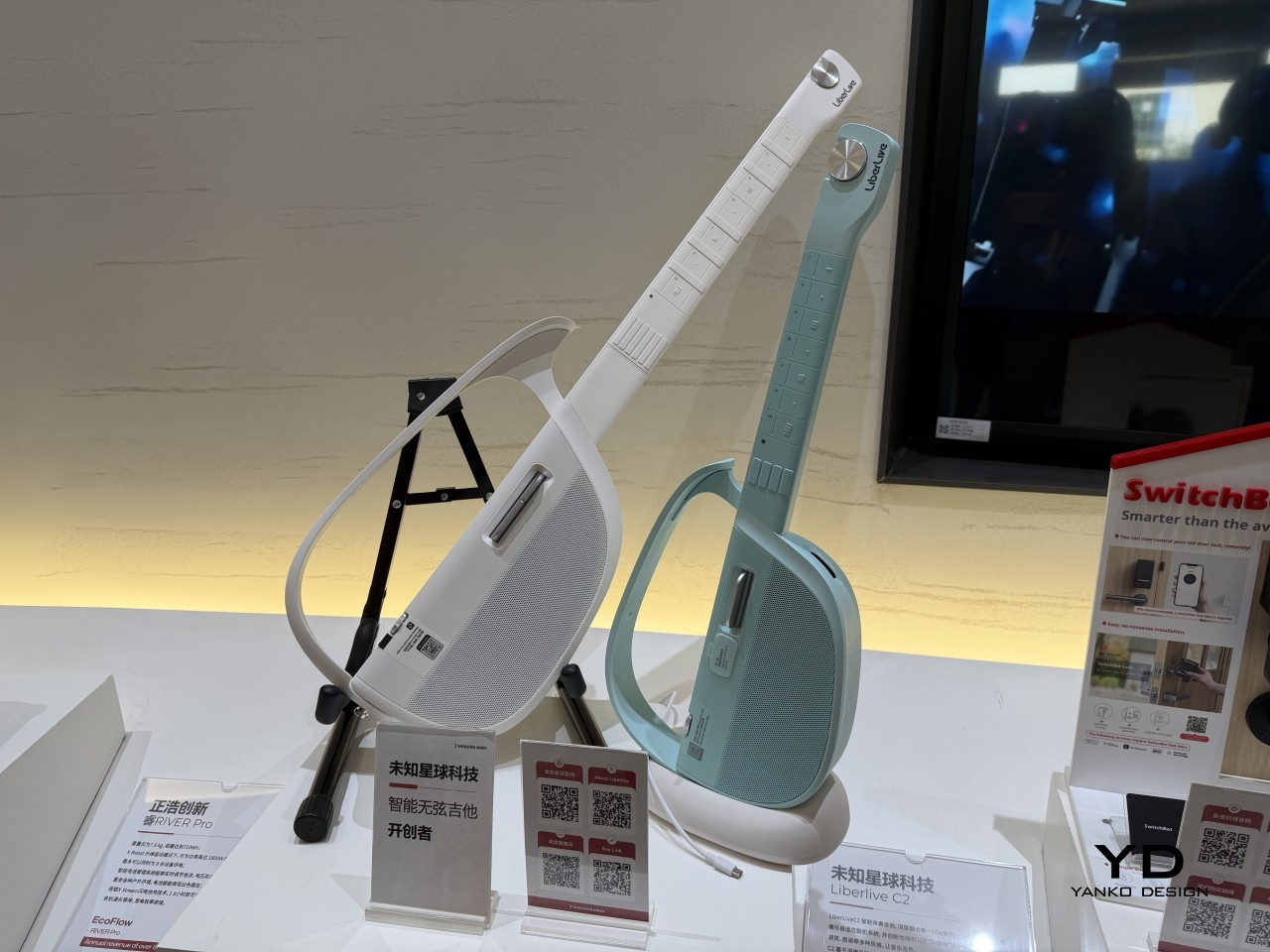
What gives the InnoX lineup credibility beyond the show floor is the academy’s broader history. Brands like Narwal, SwitchBot, DJI, EcoFlow, AgileX, and LiberLive are all part of InnoX’s wider ecosystem, a track record that makes it worth paying attention when the academy’s latest batch of incubated products steps out in front of an international audience for the first time.
Most tiny homes ask you to give something up. The Goa by Simplify Further Tiny Homes is built around the idea that you shouldn’t have to. It’s a 24 x 8-foot home on wheels designed for people who want to genuinely live small, not just survive it. At 252 square feet, the Goa is built to sleep four to five people, which already tells you something about how thoughtfully the space has been planned.
Two sleeping lofts — one measuring 7×8 feet and another at 7×5 feet — sit overhead, leaving a loft height clearance of 36 inches at the low side and 6 feet 4 inches of headroom beneath them. It’s a layout that stacks the private spaces upward and reserves the ground level for living, cooking, and everything in between.
The kitchen is the centerpiece of the Goa, and Simplify Further leans into that fully. A U-shaped layout tucks beneath one of the sleeping lofts, fitted with a four-burner electric range, a 7.1 cubic foot refrigerator, and generous built-in storage — including more tucked beneath the staircase that leads to the loft. It’s a kitchen that actually invites you to cook, not just reheat. A small dining table and seating area sit nearby, keeping the social flow between the kitchen and living room easy and natural.
The bathroom is full-sized — a detail that shouldn’t feel remarkable but often does in homes this compact. Buyers can opt for a full-size bathtub or a 36-inch shower with additional storage, depending on how they want to use the space. A washer/dryer combo is also included as standard, which rounds out the Goa as a proper full-time residence rather than an extended camping experience.
Finish-wise, the interior is dressed in drywall, pine tongue-and-groove ceilings, and vinyl flooring — warm without trying too hard. Upgrade options include shiplap interior walls and furnishings for those who want to move in without lifting a finger beyond signing a check.
The Goa rolls on a hand-built chassis with double axles rated at 7,500 pounds each, trailer brakes, and DOT-approved highway lighting. It carries NOAH certification as an RV and can also be built to satisfy IRC Appendix AQ standards by request. Starting at $65,000, the Goa lands as one of the more compelling full-time tiny home options on the market — a house that earns its footprint rather than apologizing for it.
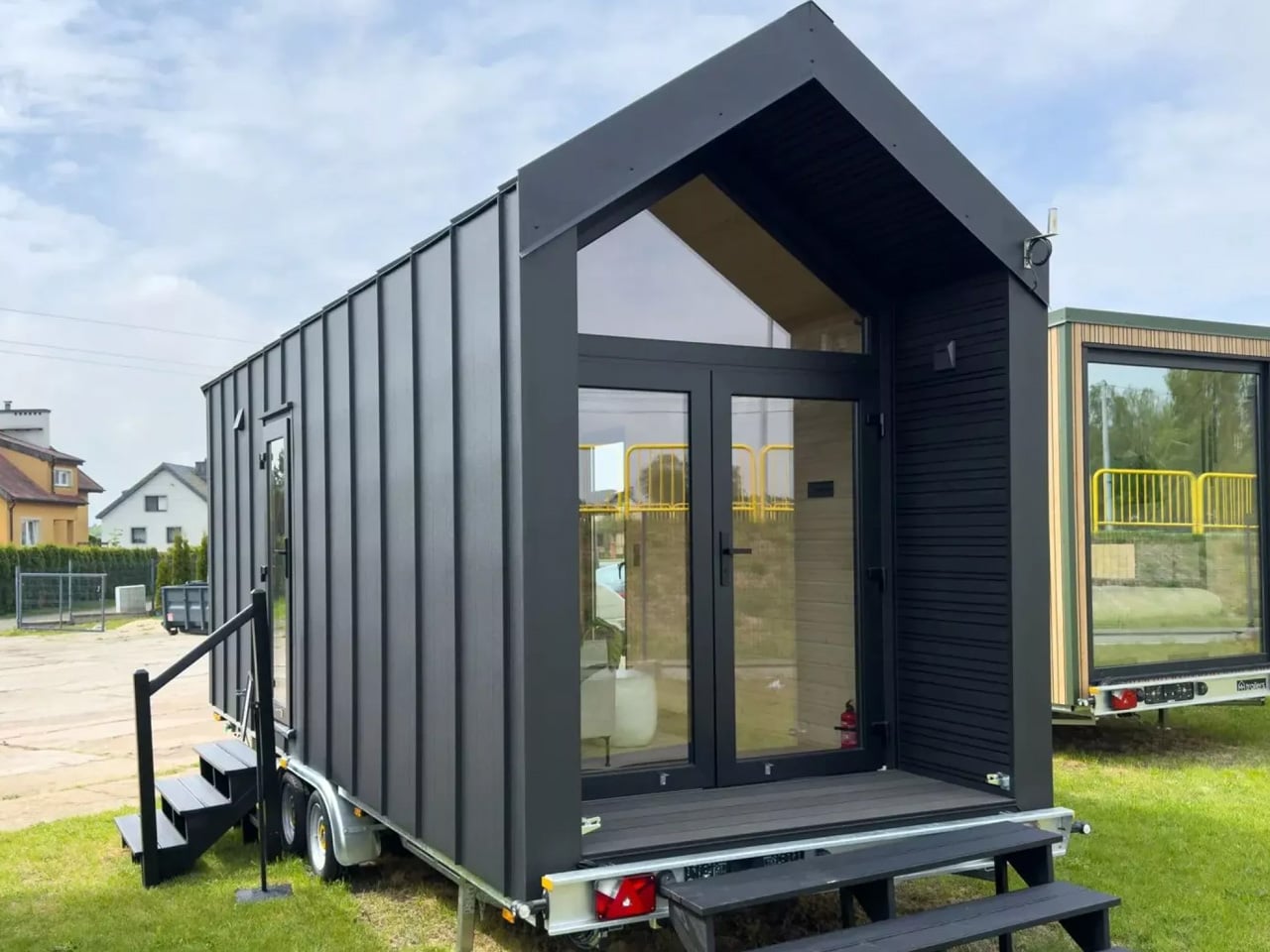
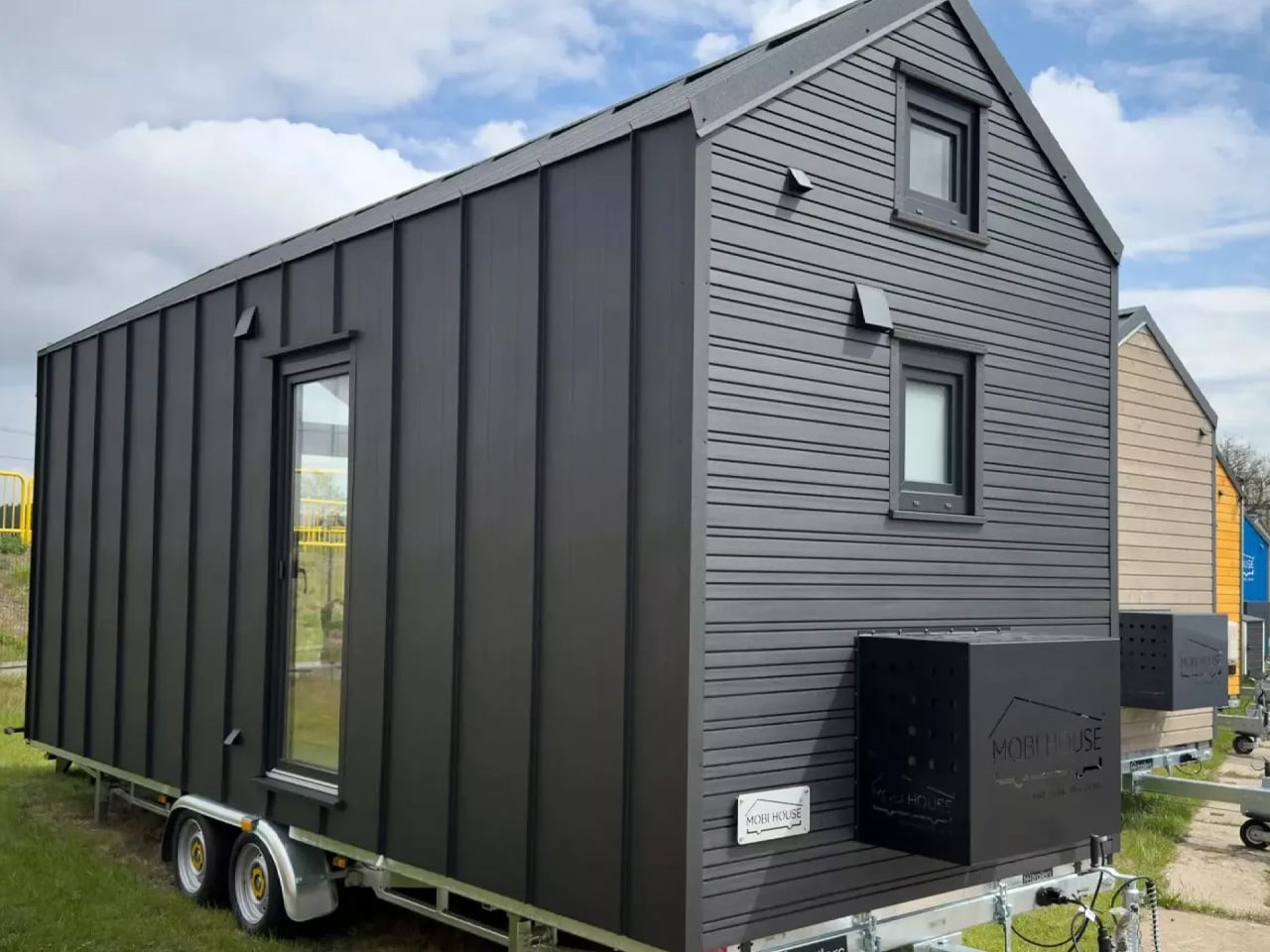
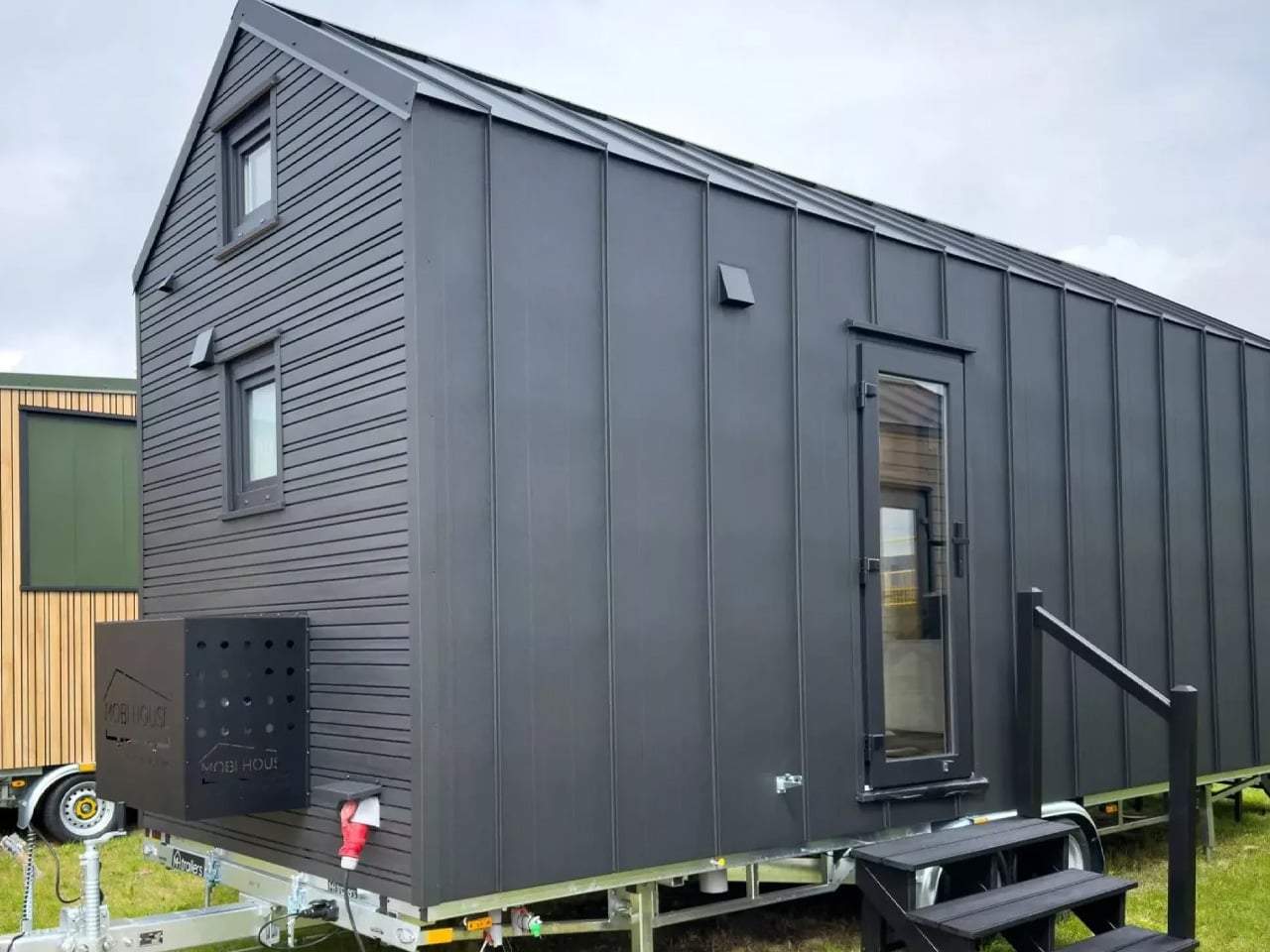
Poland’s Mobi House has always had a thing for understated design, but the Chocolate — a new variation of their Mobi Modul Sunrise series — takes that restraint somewhere altogether richer. It’s a tiny house that looks like it was pulled from a brutalist mood board and softened just enough to feel livable. Dark on the outside, warm on the inside — it plays with contrast in a way that most compact homes don’t bother trying.
At just 6.6 meters long, 2.5 meters wide, and 4 meters tall, the Chocolate sits on a THM 660 Lift&Go trailer, which means it’s mobile without making any visual concession to that fact. The exterior combines metal cladding with wood-texture insertions beneath an A-frame roofline, giving it the clean geometry of a container but with enough material warmth to stop it from reading as industrial. A built-in covered terrace extends from the front, the kind of detail that makes it feel more like a glamping retreat than a house on wheels.
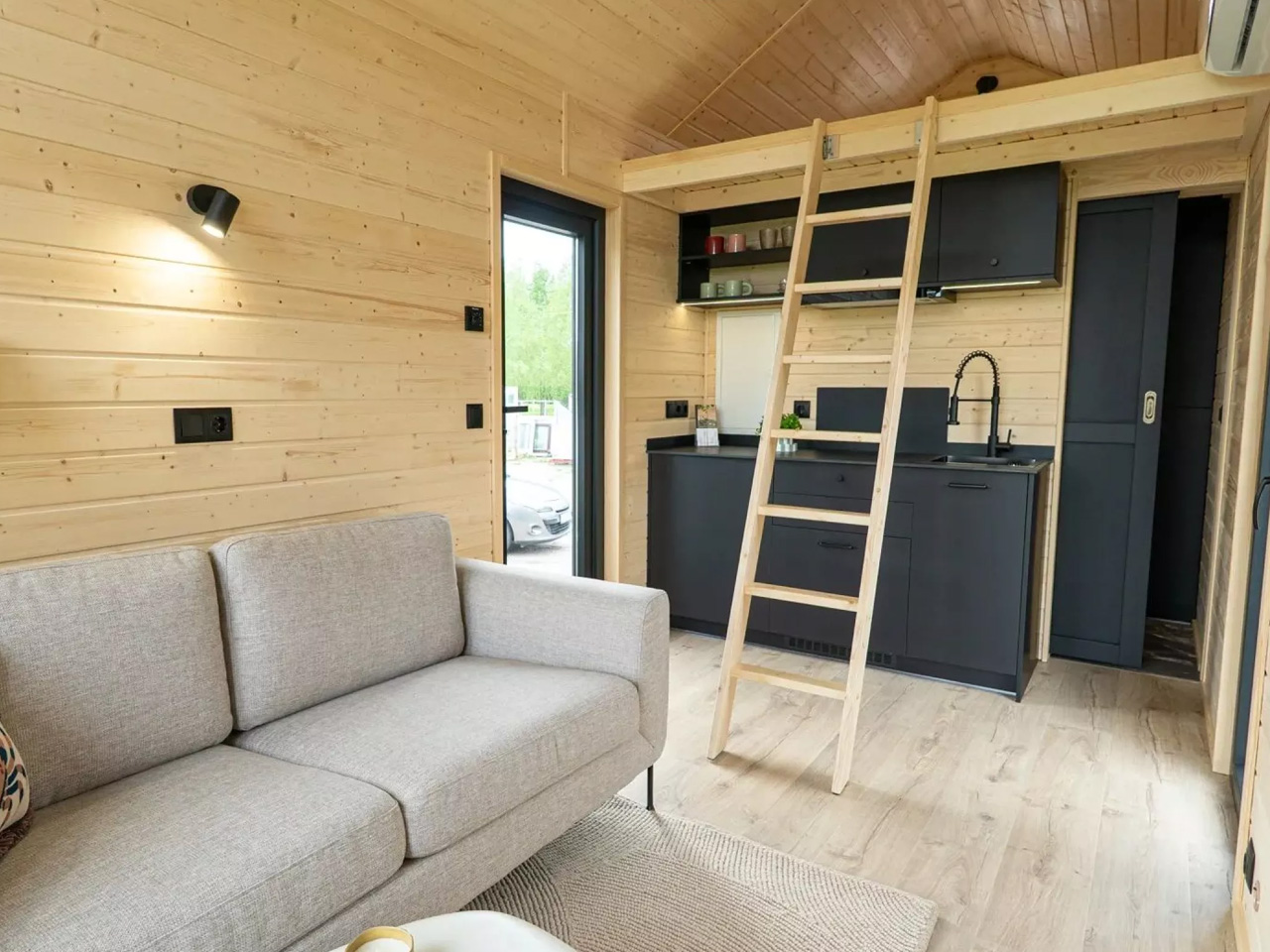
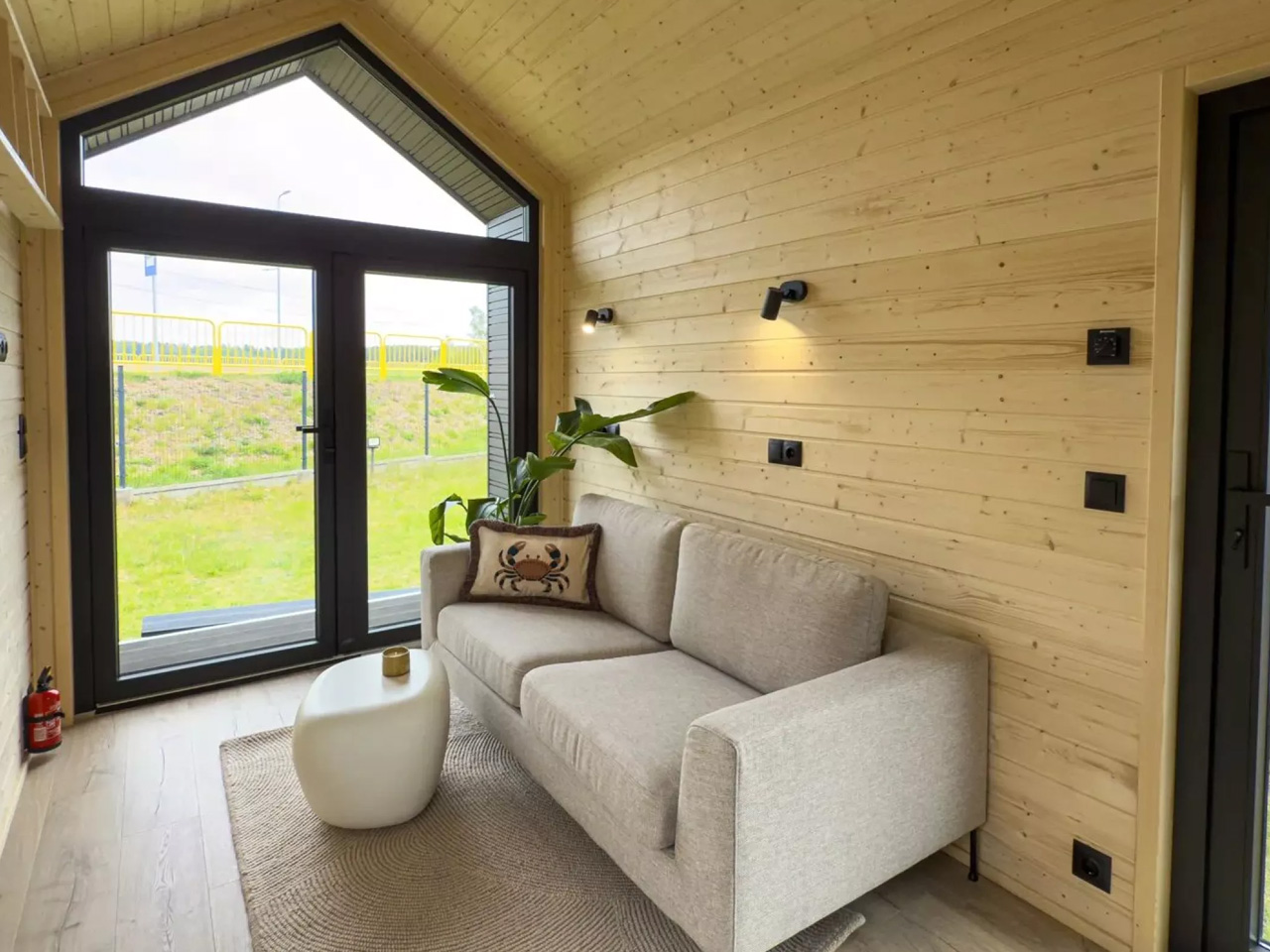
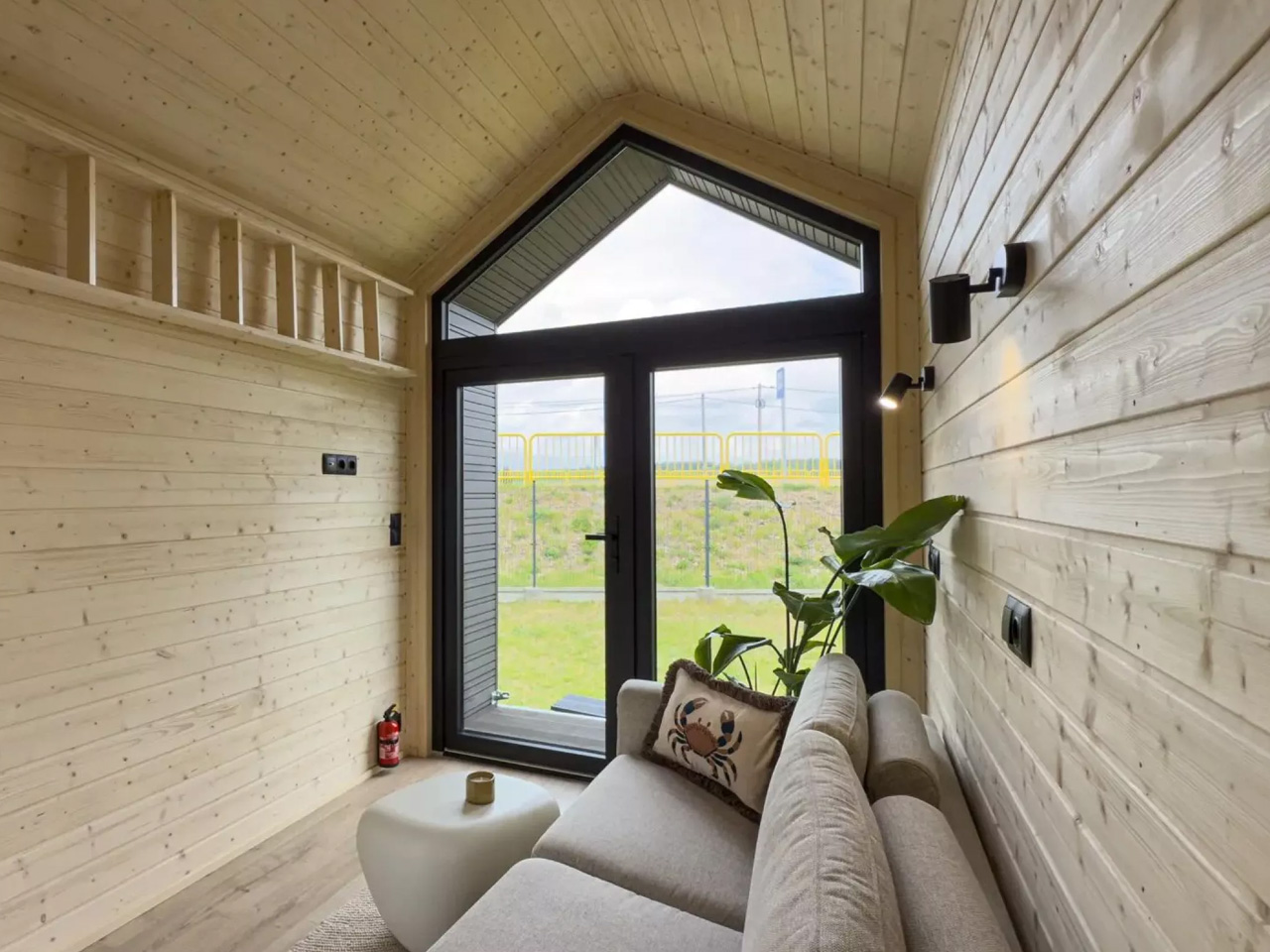
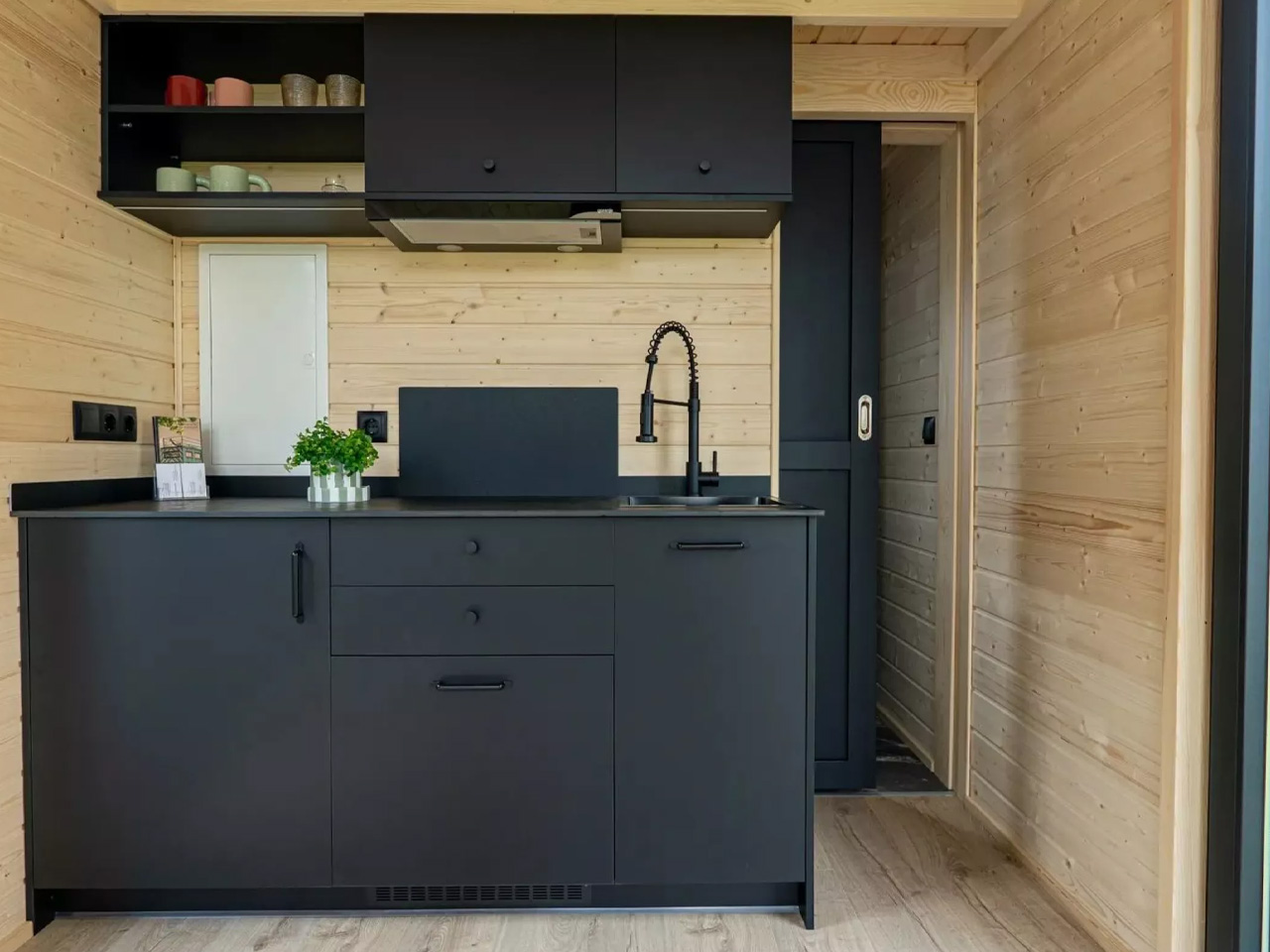
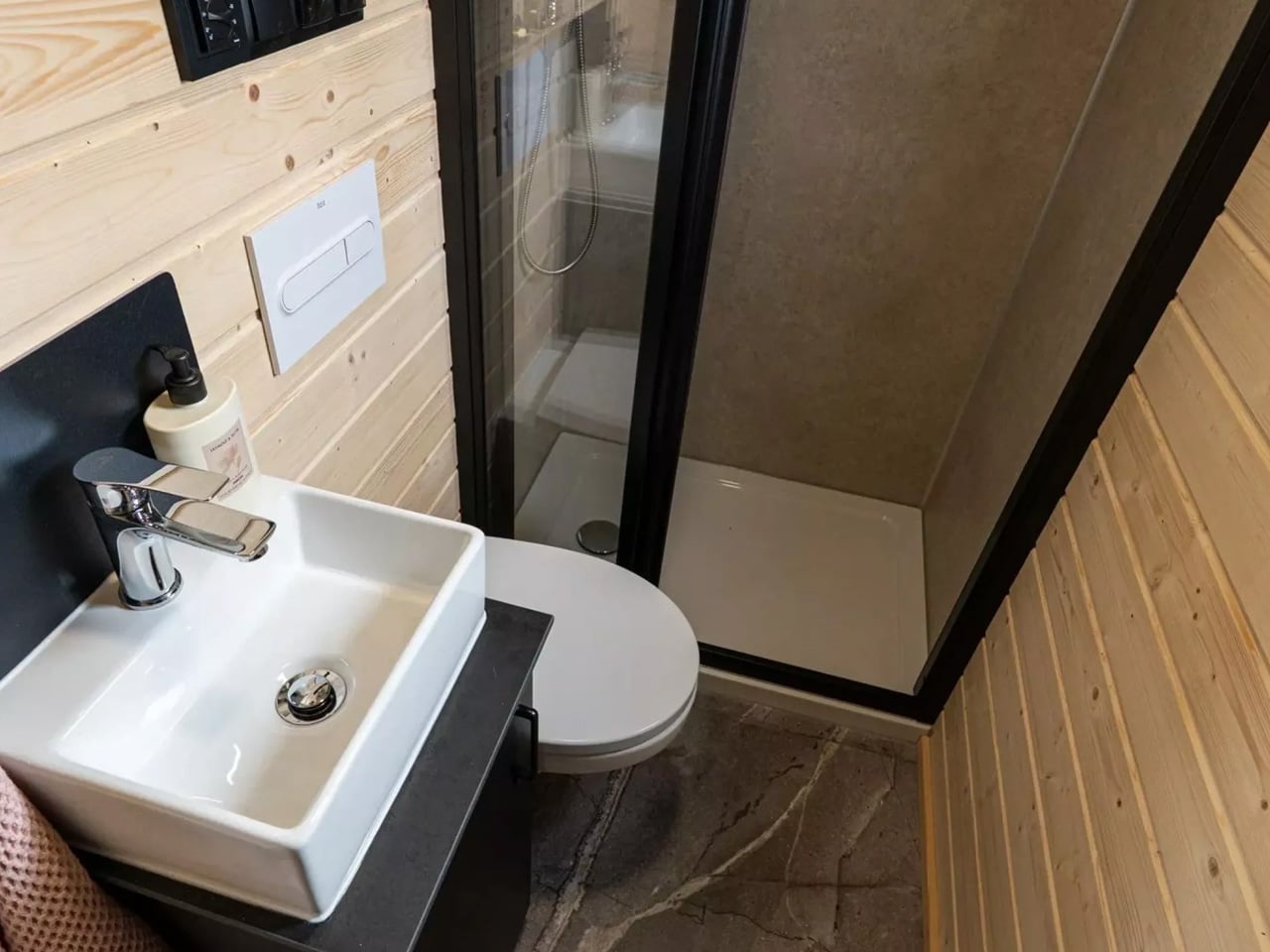
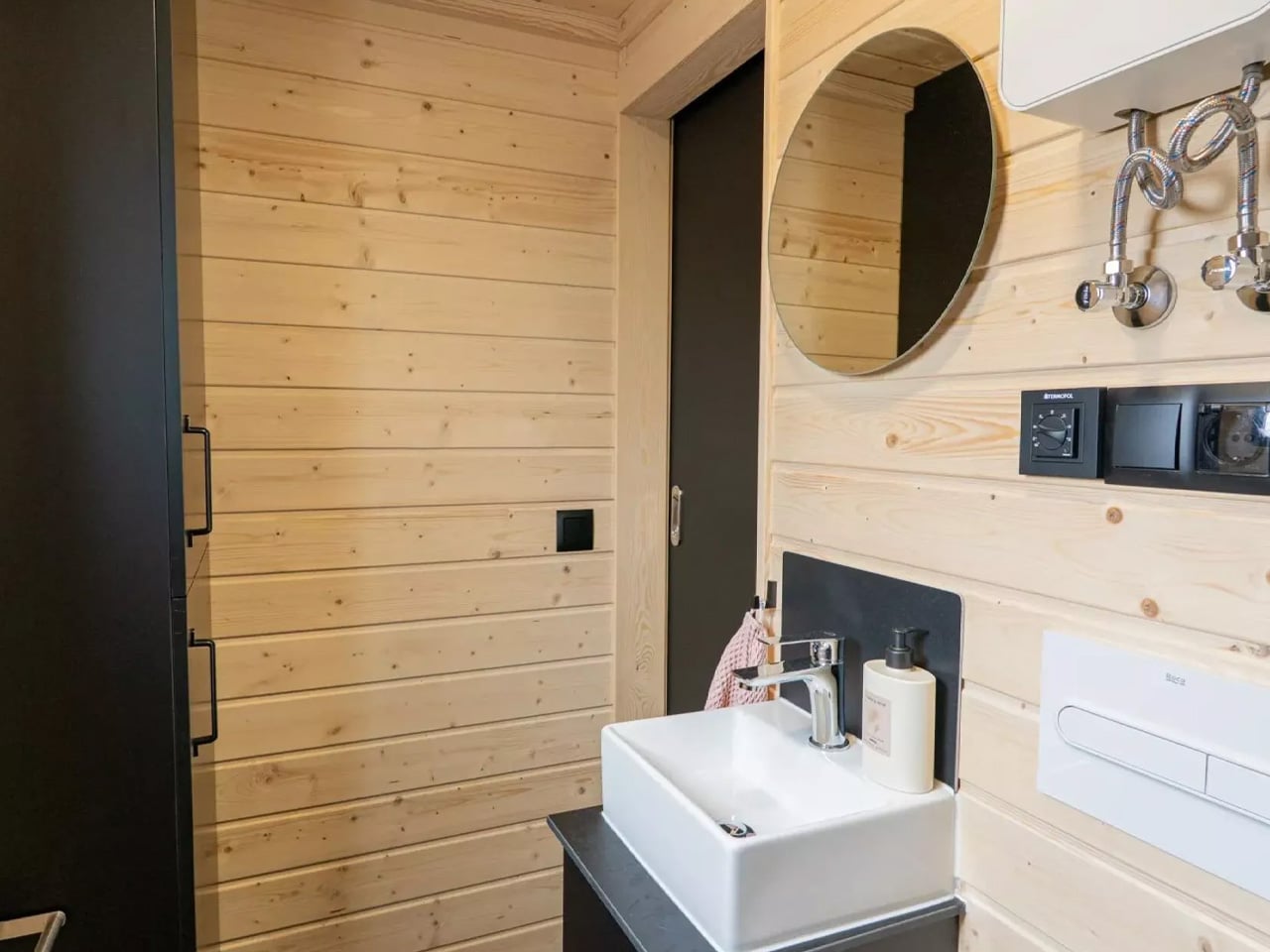
Inside, the 169 square feet of usable floor space is divided into four zones: a flexible lounge area, a kitchenette with black cabinetry, a bathroom, and a sleeping mezzanine for two. The layout is tight but considered — every corner is accounted for without feeling like a puzzle you have to solve each morning. The kitchen keeps things sharp with dark finishes that echo the exterior palette. The bathroom, accessed through a sliding door, leans into the same contrast language with stone-look tile flooring, a walk-in shower, and cabinet storage that keeps the floor clear.
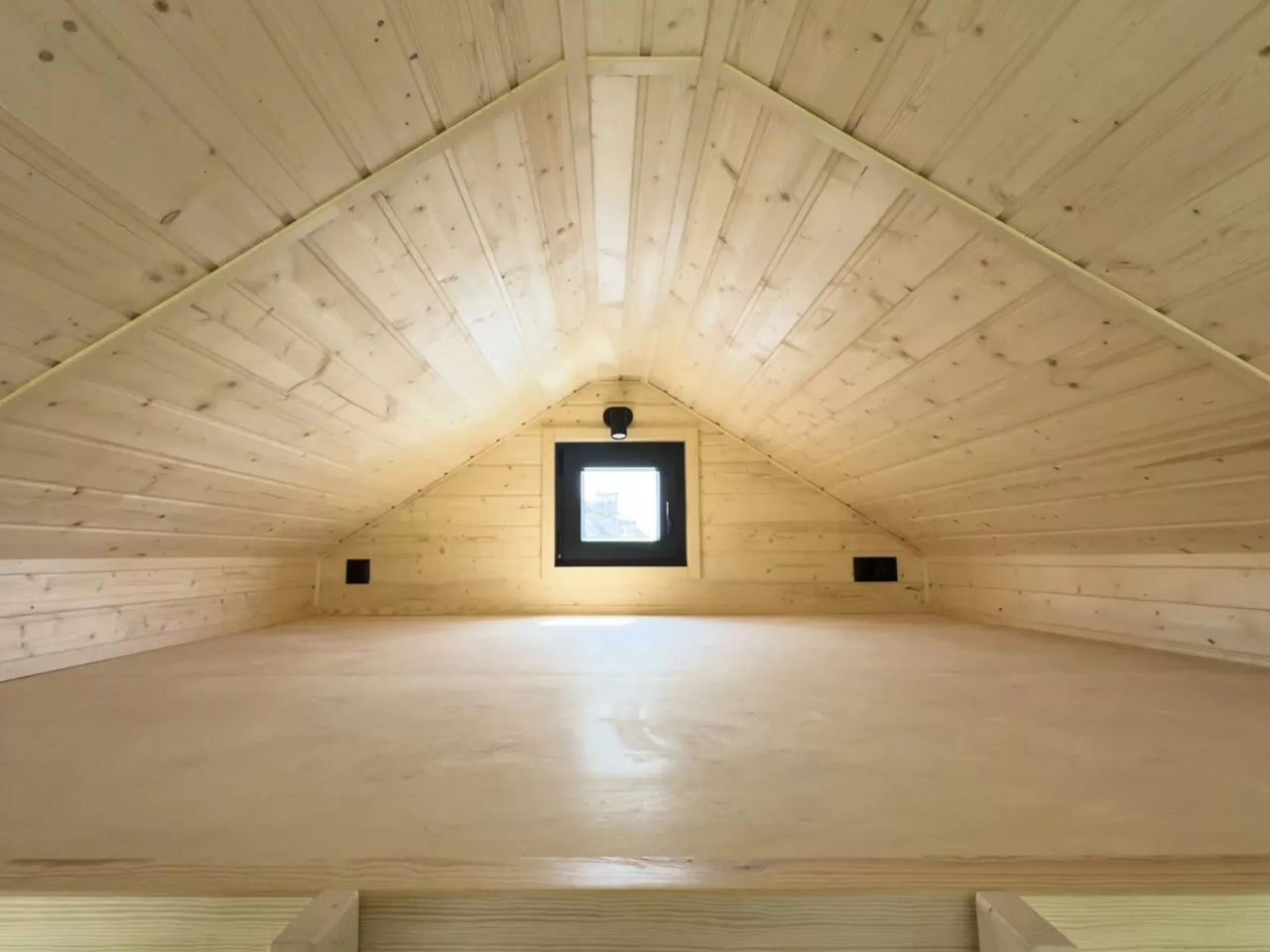
The sleeping loft is compact and honest about it — a small rear window, a movable ladder, and just enough headroom to remind you that you chose this life intentionally. It’s not a weakness so much as a trade-off that comes with the territory of sub-170-square-foot living. What makes the Chocolate more compelling than most is its ability to expand — the structure is designed to connect to a second module if more space eventually becomes a priority.
Mobi House, one of the most reputable tiny home builders in Europe, has been quietly evolving past its Scandinavian origins into something sharper and more versatile. The Chocolate feels like proof of that evolution — a house that’s built for hospitality entrepreneurs and minimalist dwellers alike, without looking like it was designed for either specifically. Pricing is available upon request directly through Mobi House.
Smart locks are supposed to simplify entry into your home, but many of them just introduce a different set of frustrations in the process. Fingerprint sensors don’t always cooperate when your fingers are tired or wet. PINs get forgotten or spotted by someone standing too close. Key cards are easy to misplace. Despite years of innovation in home security, reliably verifying identity at the front door hasn’t been answered cleanly.
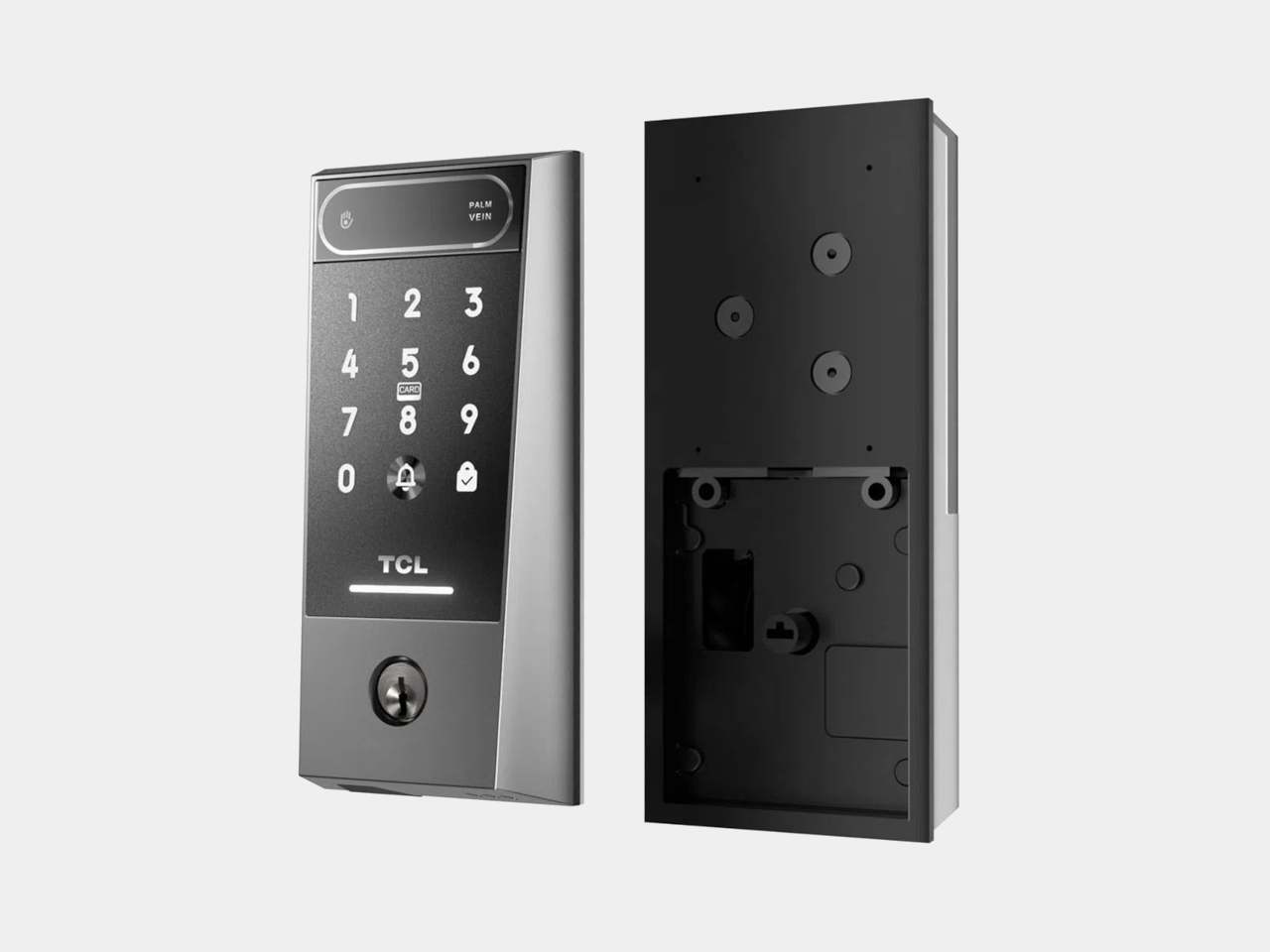
TCL’s D2 Pro approaches that question from a completely different direction. Instead of asking you to touch a sensor or remember a combination, it reads the unique vein patterns beneath the surface of your palm using infrared light. Those patterns are hidden under the skin, making them practically impossible to copy, replicate, or steal, which gives this particular solution a considerably stronger security foundation than most locks on the market.
Think about getting home late at night with both arms full of takeout and a bag swinging off your wrist. There’s no patting pockets for a key or squinting at a keypad in the dark. You raise your palm toward the reader, and the door opens in 0.3 seconds. It’s the kind of effortless entry that sounds like a small thing until you stop having to think about it altogether.
The D2 Pro also learns as it goes. Each time you unlock the door, the on-device AI quietly adjusts your palm vein profile, making recognition faster and more accurate over time. All that data stays stored on the device, so there’s no cloud dependency and no monthly subscription to worry about. A liveness detection system also comes built in, ensuring the scanner won’t respond to anything but a living hand.
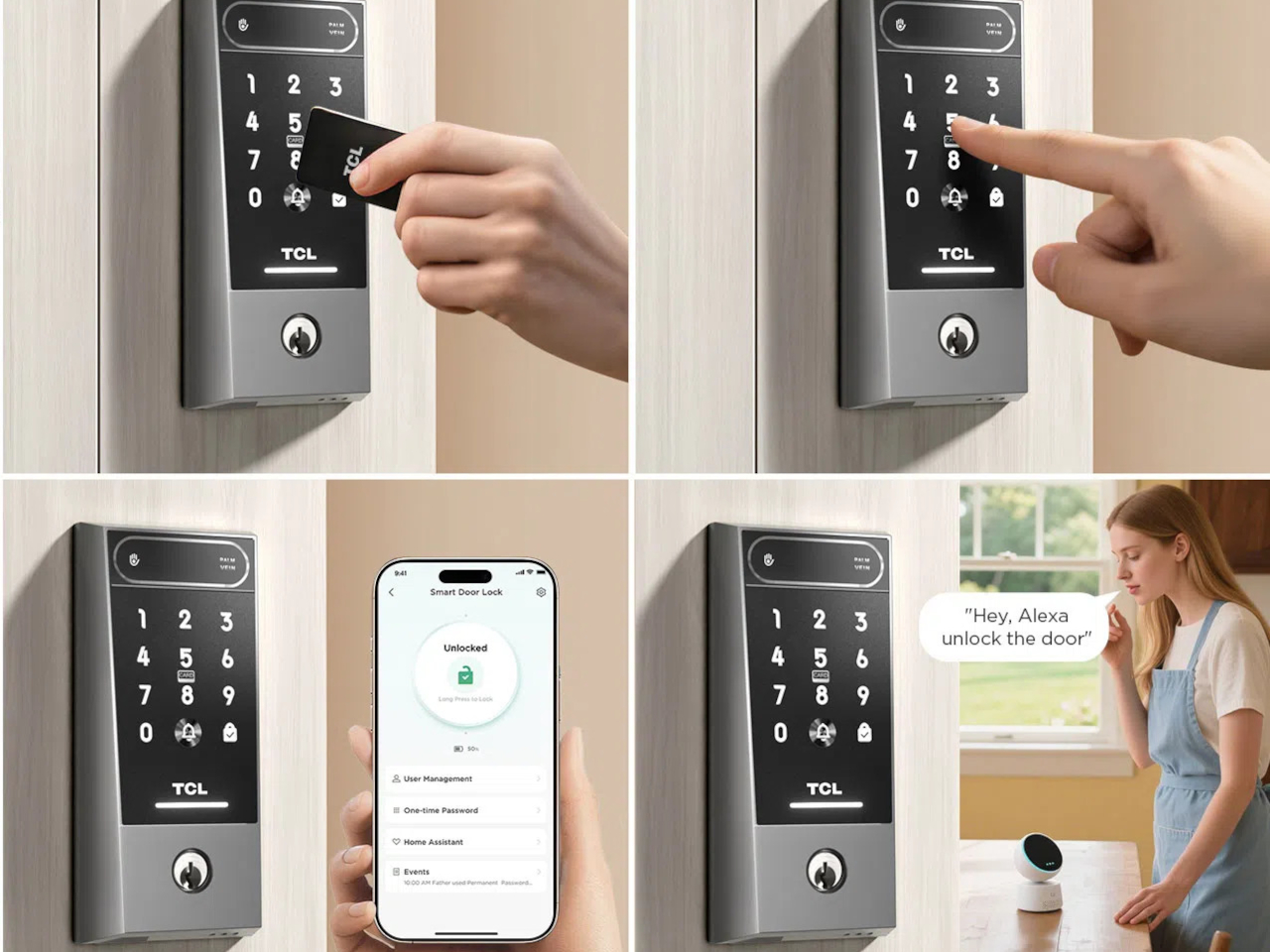
Sharing a home means sharing access, and the D2 Pro makes that manageable through the TCL Home app. You can register palm vein profiles for multiple household members, assign or revoke permissions from wherever you are, and receive real-time notifications whenever the door opens. For guests or anyone who doesn’t have a registered profile, the lock still accepts key cards, a physical key, and a backup keypad.
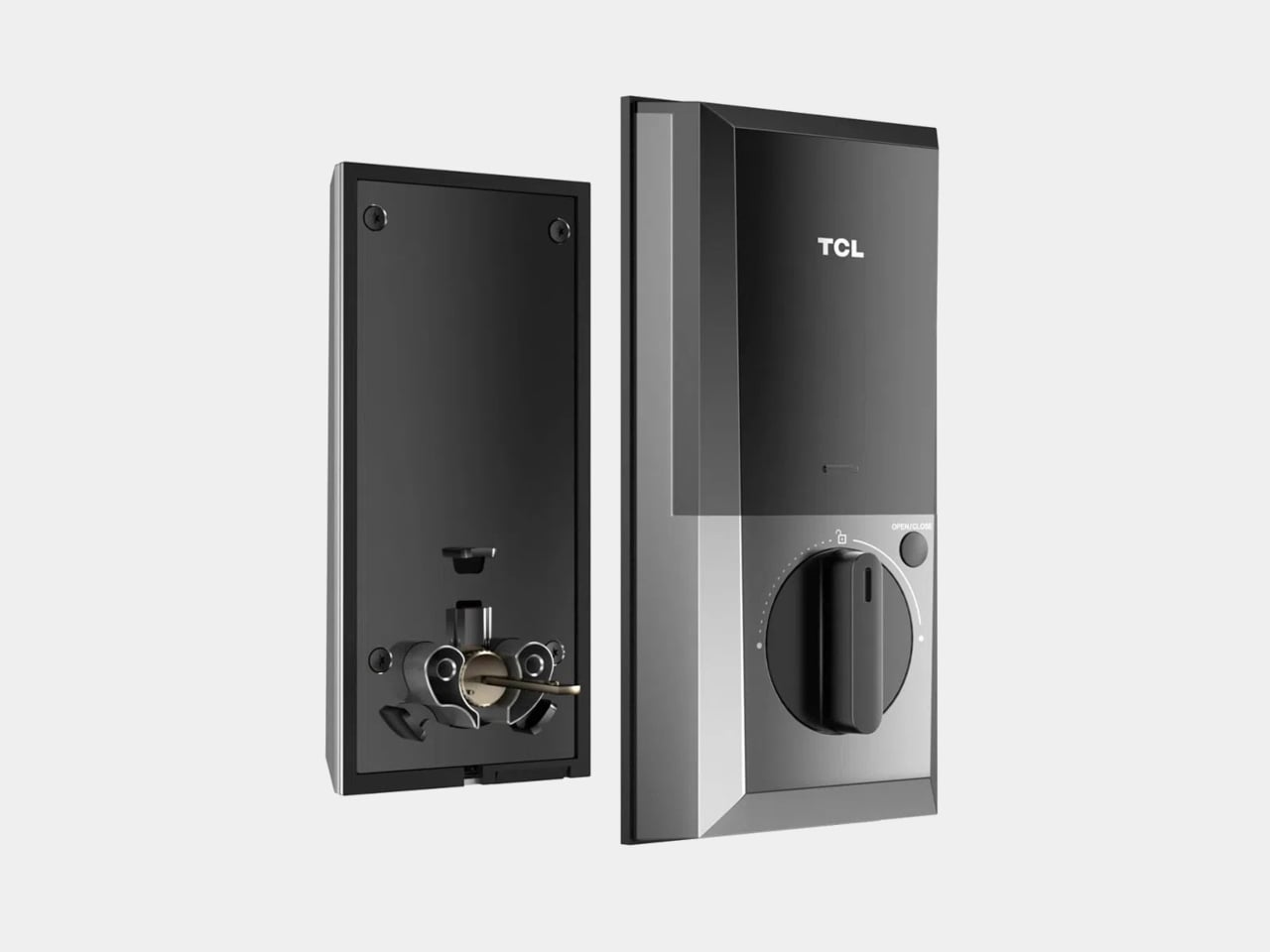
The hardware is built to stay outdoors in all conditions. The D2 Pro’s aerospace-grade aluminum alloy body carries an IP55 weather resistance rating, holding up against dust and water splashes day in and day out. Its operating temperature ranges from -25°C to 70°C, so climate extremes aren’t a concern. A built-in 10,000 mAh rechargeable battery connects via USB-C and is rated for up to eight months on a charge.
A Matter-compatible version of the D2 Pro connects to Apple Home alongside Alexa and Google Assistant, covering most major smart home platforms without needing a separate hub. An auto-lock feature re-engages the deadbolt automatically whenever the door closes, taking care of one more thing you’d otherwise have to remember. BHMA Grade 3 certification covers the structural side, and at $189, it costs significantly less than comparable palm-scanning alternatives.
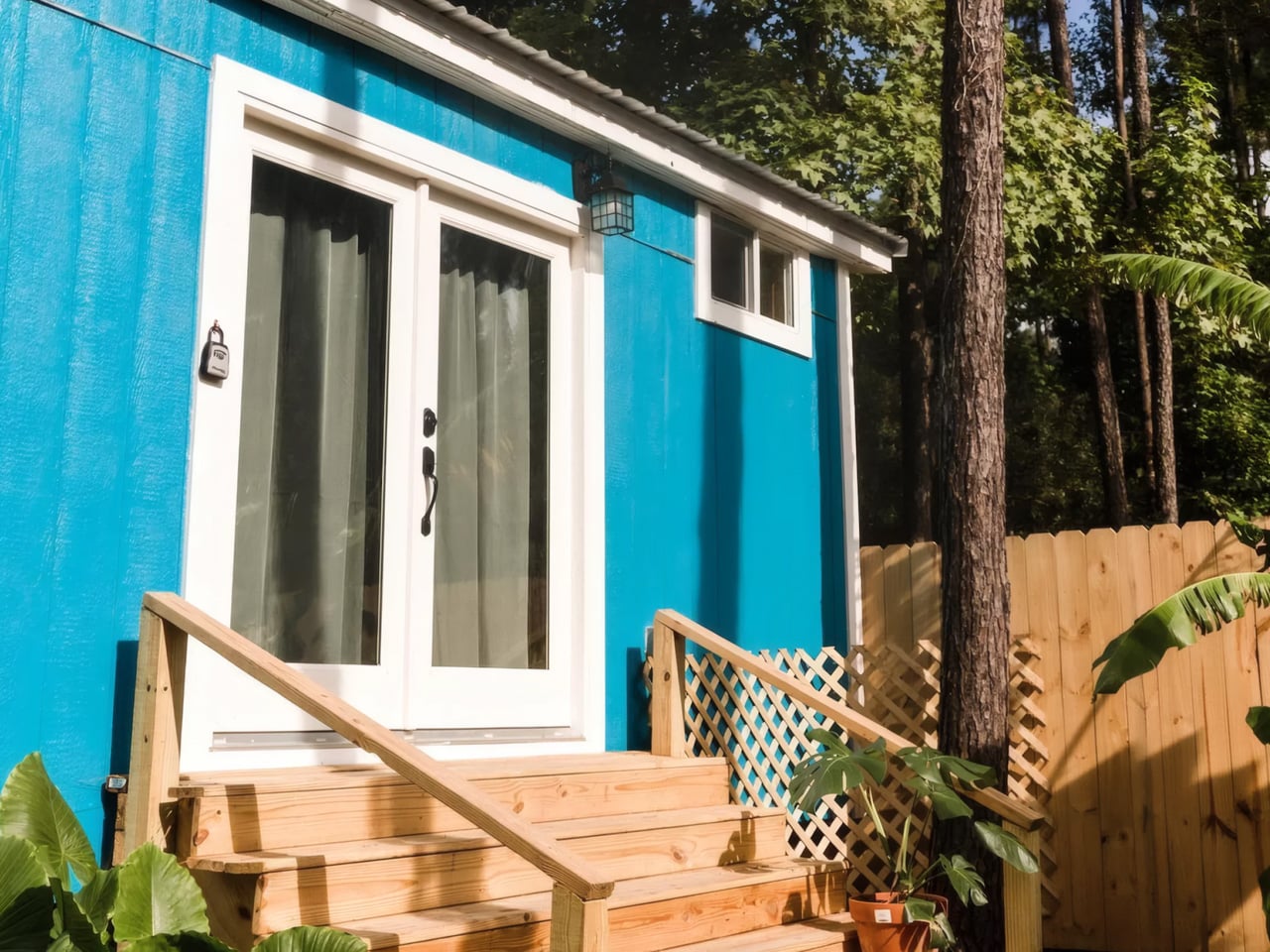
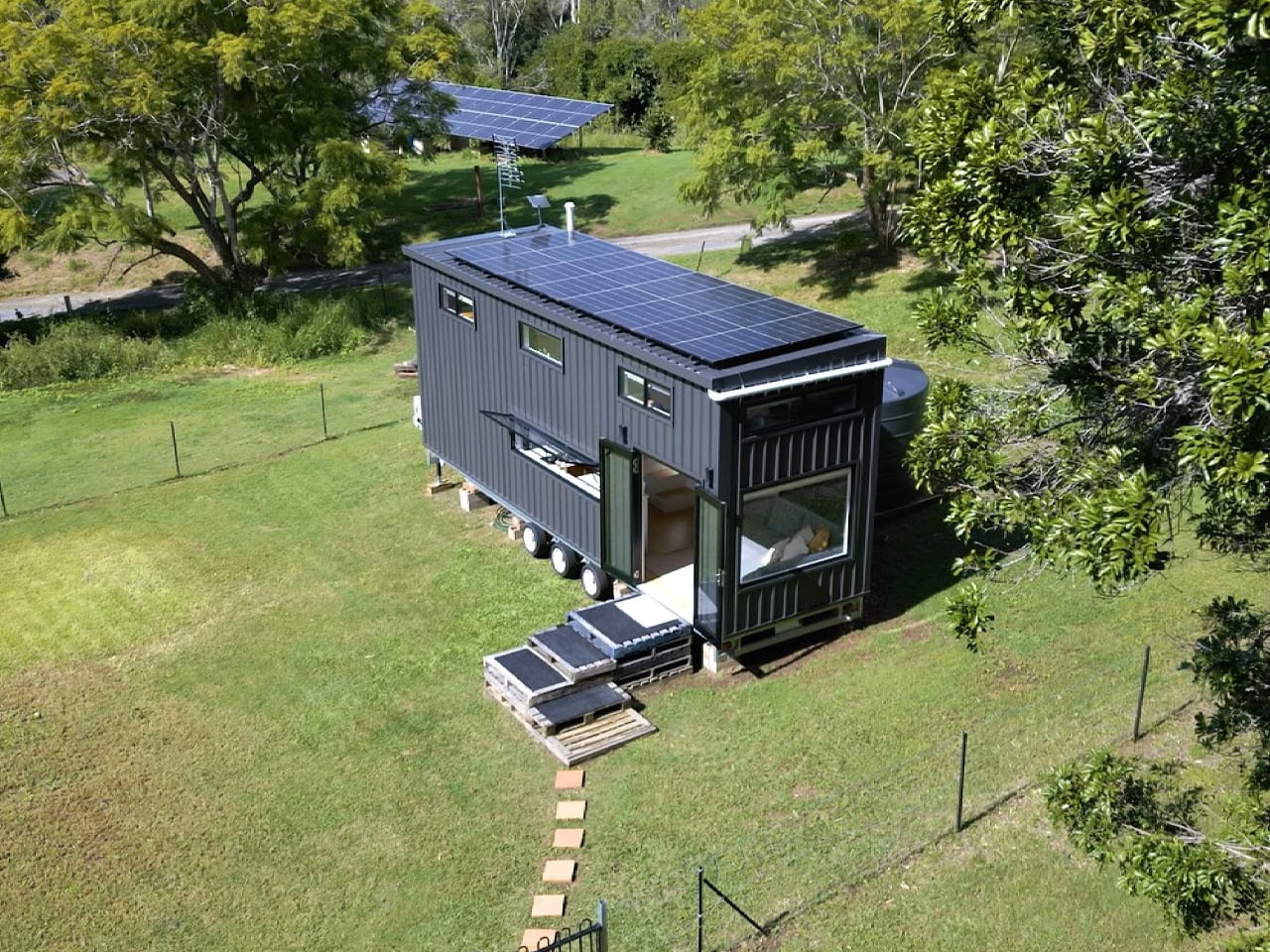
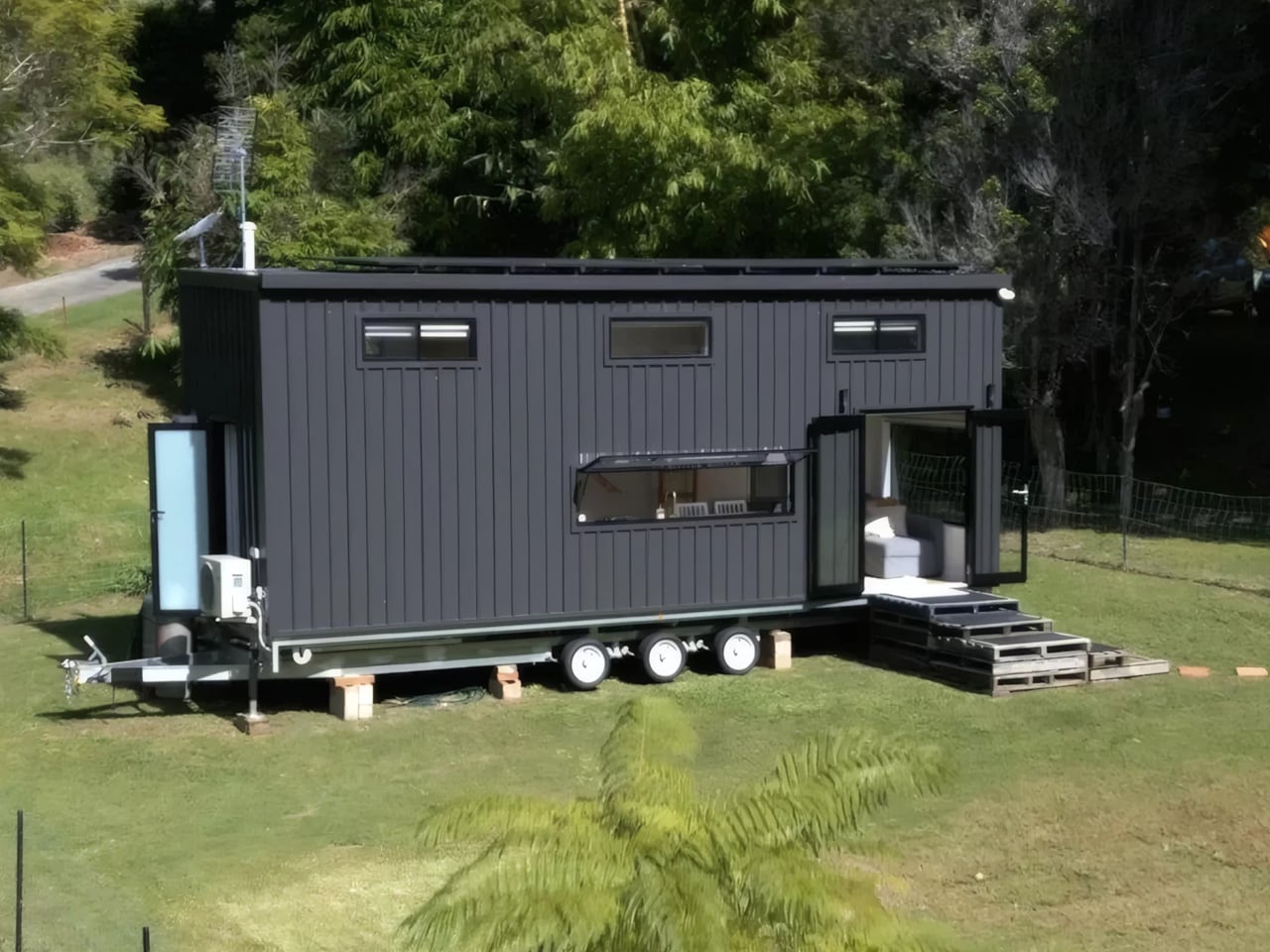
Tiny house living has long come with an unspoken agreement — you trade space for freedom, and you make peace with the limitations. The Coolangatta 8.4 by Gold Coast-based Removed Tiny Homes wants to renegotiate that deal entirely. Named after its dimensions, the 8.4-meter (27.5 ft) build sits on a triple-axle trailer and arrives not as a stripped-back escape pod, but as a considered, liveable home — one that takes full-time living seriously without abandoning the lightness that makes tiny architecture worth chasing.
The exterior sets the tone immediately. Wrapped in monument Colorbond steel cladding and softened with natural textures, the Coolangatta 8.4 walks the line between coastal restraint and contemporary edge. It’s not trying to disappear into the landscape — it has presence. The kind that reads well in the late afternoon sun and doesn’t scream for attention while doing it. From the outside, the massing feels deliberate: clean rooflines, a tight material palette, and just enough visual weight to signal that what’s inside has been thought through.
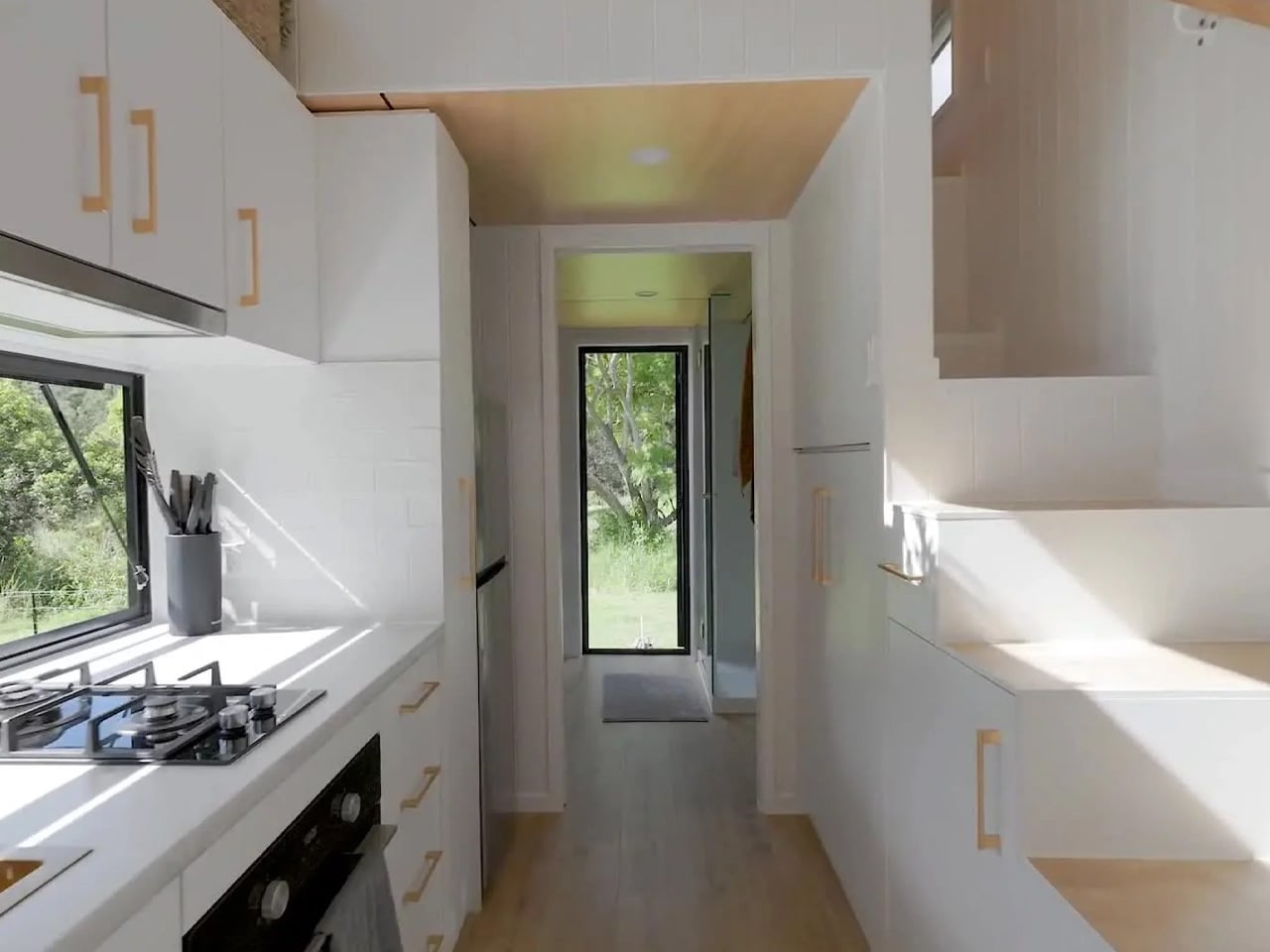
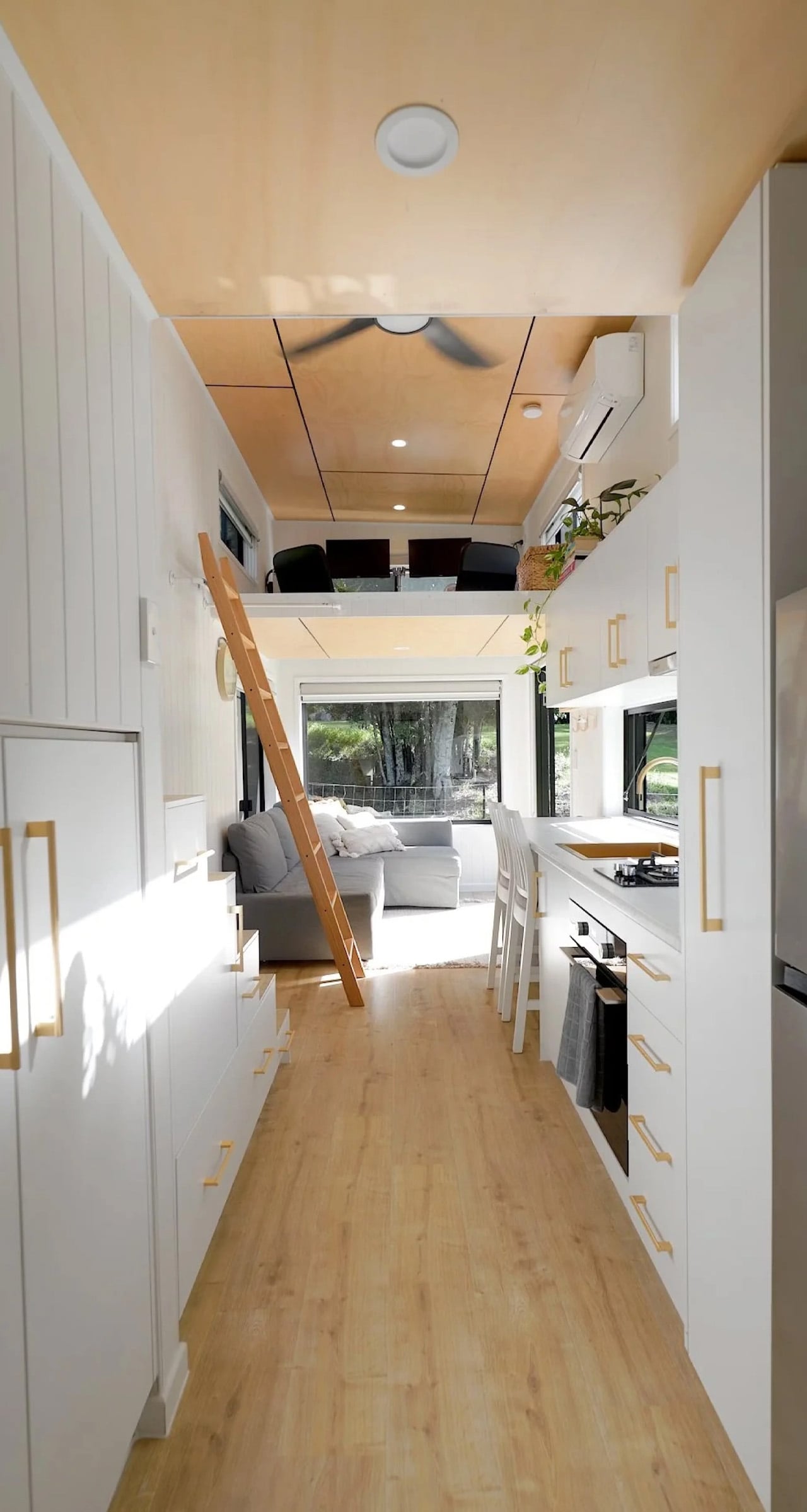
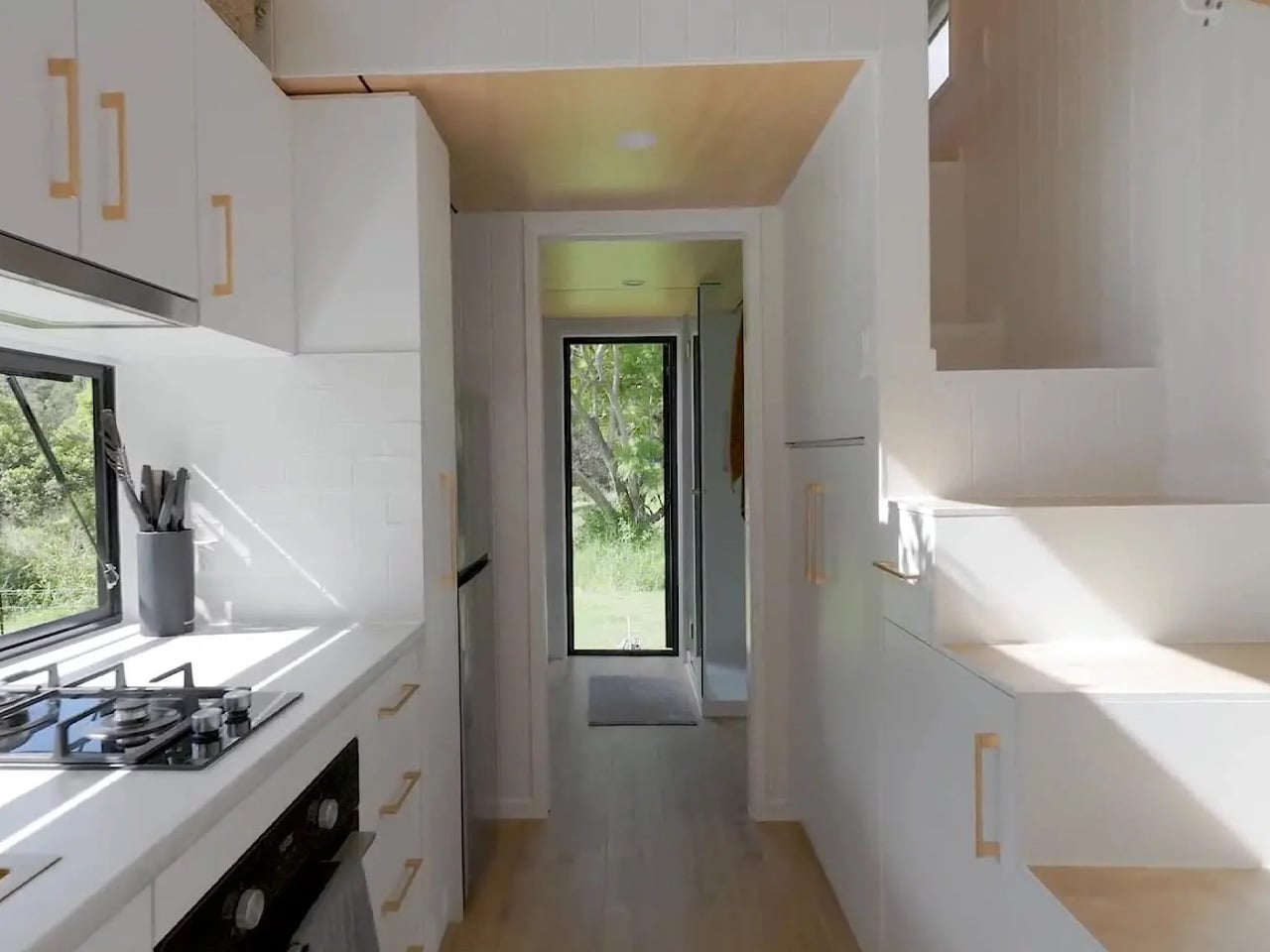
Step inside, and the first thing you notice is the light. Generous glazing throughout the interior keeps the space feeling open in a way that floor area alone never could. The kitchen anchors the main living zone, featuring a breakfast bar seating area for two — a small but telling detail that says this home was designed for actual mornings, not just floor plans. Storage is woven into the architecture rather than bolted on as an afterthought, which is where many tiny homes lose their footing.
What genuinely distinguishes the Coolangatta 8.4 is the second loft. Floating above the main living space, it functions as a workspace, a guest loft, or a second bedroom depending on the day. That kind of programmatic flexibility is rare in a build this size. It’s not a gimmick — it’s a spatial move that multiplies how the home can be used without adding a single square metre to the footprint. The layout was reworked specifically around how the clients planned to live, which is exactly the kind of client-led thinking that separates a custom build from a catalogue selection.
Removed Tiny Homes operates out of the Gold Coast and delivers across Australia, building for downsizers, young families, and investors. The Coolangatta 8.4 sits within their custom range — a collection of builds that begin with a conversation and end with something that couldn’t have existed any other way. It’s proof that in the right hands, going smaller doesn’t mean settling for less.
Cabin living has a particular quality that city life cannot replicate. The quiet is different. The light moves differently through the trees. Time slows enough that you notice it again. Most gear designed for outdoor living treats comfort as an afterthought and beauty as a luxury. These five products disagree with that assumption. Each one was chosen because it earns its place without compromising what a cabin is supposed to feel like.
None were chosen for their marketing or their price tag. Each one was selected because it solves something a cabin summer actually demands — and because the design is good enough to earn a permanent place in the gear bag rather than get quietly left behind after the first trip. Together they cover everything the experience requires: power, comfort, ritual, warmth, and sound.
1. Retro Wave 7-in-1 Radio
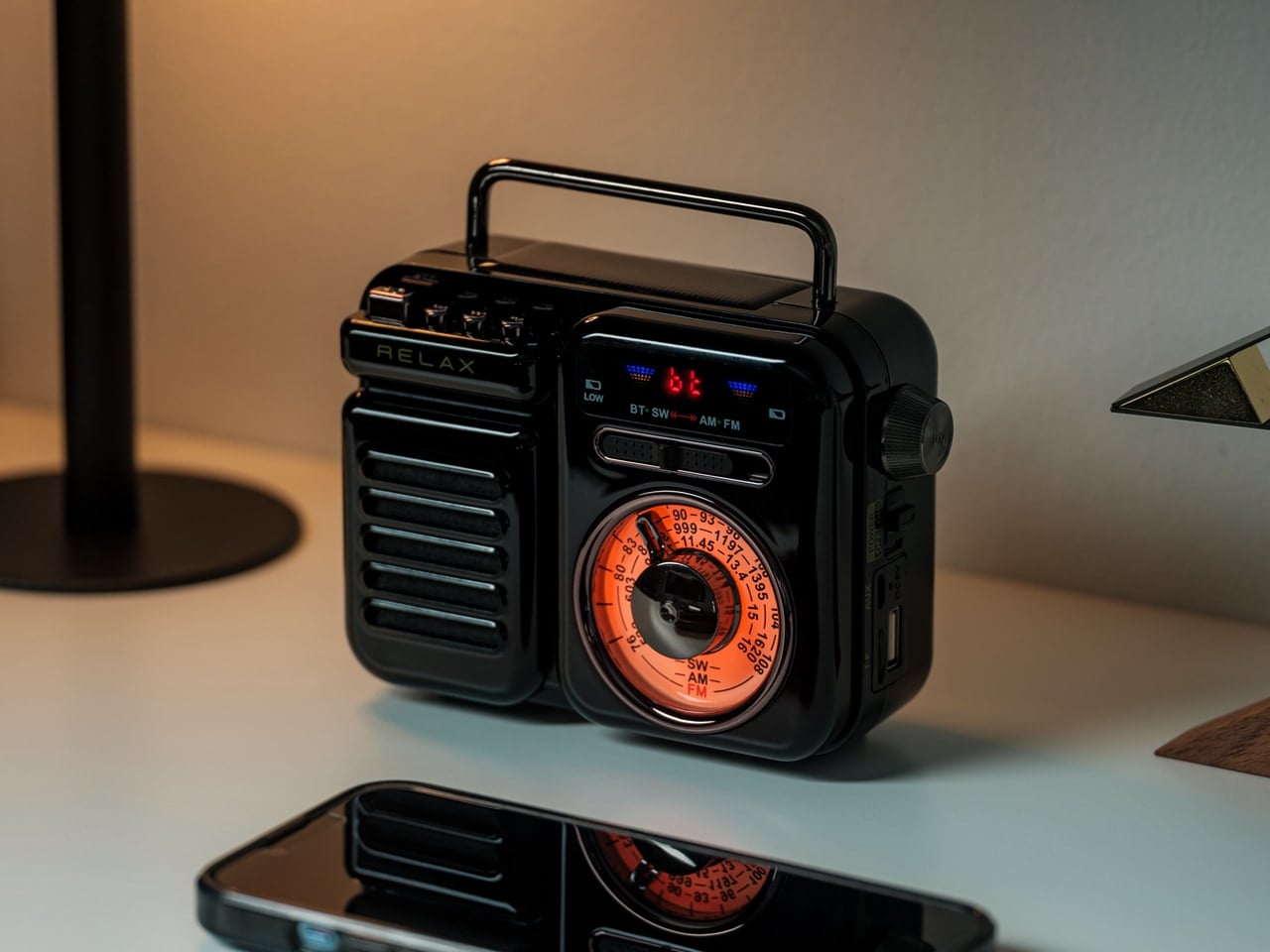
The Retro Wave 7-in-1 Radio solves a problem most outdoor audio products miss entirely: it looks like something worth keeping in the cabin even when it is not in use. The housing draws from mid-20th-century Japanese radio aesthetics, with a tactile tuning dial and two colorways, black and warm gray, that sit naturally next to wood surfaces and ceramic cups. Behind that retro face is a 7-in-1 device handling AM, FM, and shortwave reception, Bluetooth streaming, a built-in flashlight, an SOS alarm, and a power bank function for charging other devices.
The 8W speaker delivers warmth rather than raw volume, which suits a cabin setting far better than any portable speaker with a marketing number in its name. The 2000mAh battery carries a 20-hour radio battery life and recharges via USB, hand-crank, or solar panel. That last detail matters more than it might seem: if the grid goes out, the radio keeps going regardless. It is the kind of contingency that feels less like a spec and more like the whole point of the object.
The 7-in-1 function set collapses a flashlight, emergency radio, portable charger, weather band receiver, and Bluetooth speaker into one object, which meaningfully reduces what needs to be packed for a cabin weekend.
Solar and hand-crank charging options mean the Retro Waves keeps functioning when the power goes out, or the sun disappears, making it as practical in a genuine emergency as it is during a relaxed evening by the fire.
What We Dislike
Bluetooth battery life reaches approximately five hours at 75% volume, meaning a full day of wireless streaming will require a recharge before the evening settles in, particularly on overcast days when the solar option is limited.
The compact body keeps it portable and well-proportioned, but the speaker volume has a ceiling that wide-open outdoor settings can expose once the environment gets loud and conversation picks up around the fire.
2. ARKEEP Halo Portable Power Station
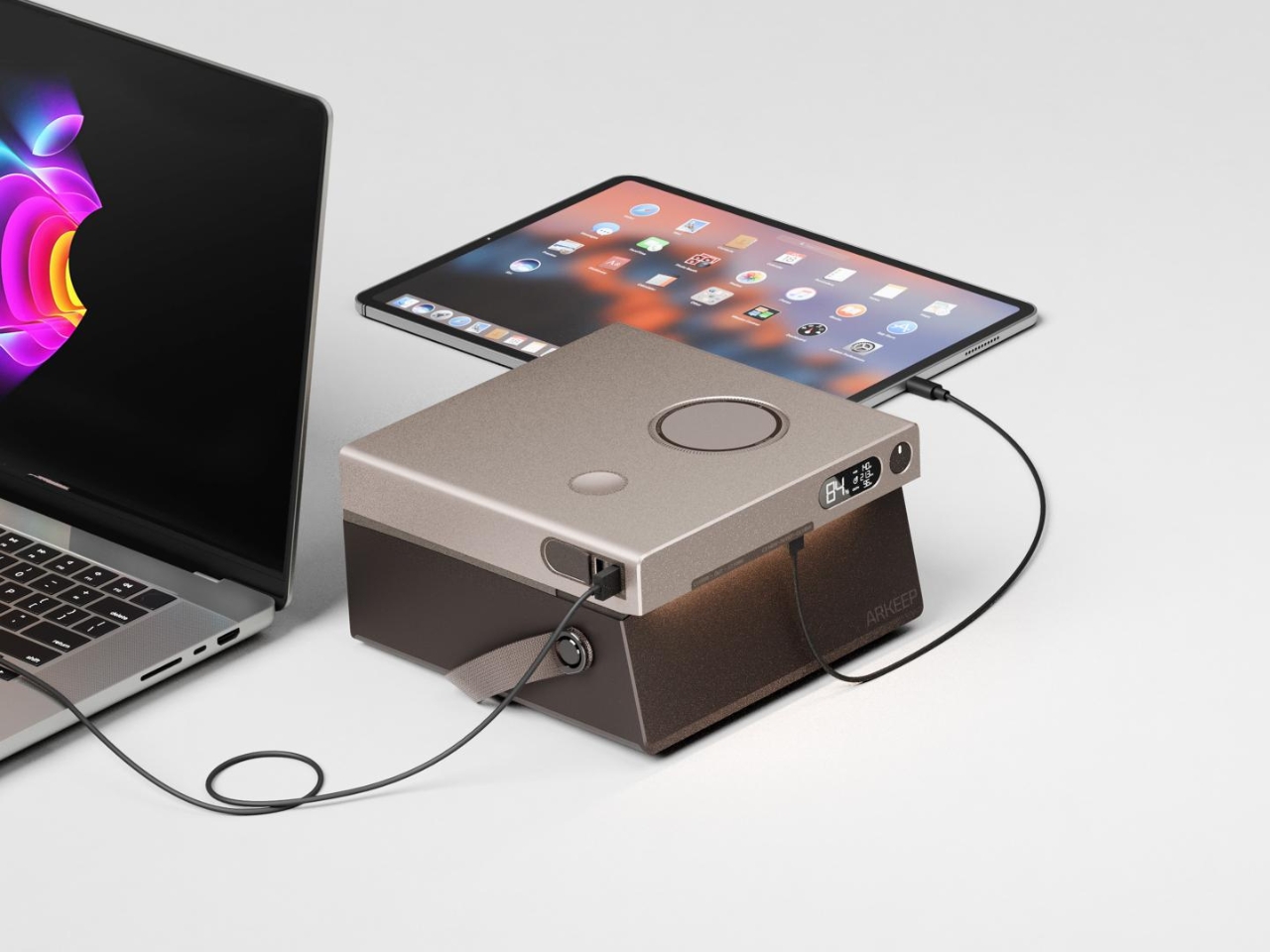
Most portable power stations are designed to disappear. They are tolerated rather than chosen, the kind of object that earns its place only when something fails. The ARKEEP Halo, designed by Union Suppo Battery, takes the opposite approach entirely. It arrives with eight charging ports: dual 140W PD3.1 inputs, dual 100W USB-C ports, two 22.5W USB-A ports, and wireless charging pads at 15W and 5W. Everything a cabin needs to stay powered, wrapped in a form considered enough to sit on the table rather than hide beneath it.
The lighting feature is where the ARKEEP Halo earns its cabin credentials. The 270-degree ambient glow system adjusts color temperature and brightness to simulate natural light rhythms, shifting from functional daytime white to warmer, lower blue light output as the evening settles in. In a cabin where the goal is to feel less connected to your phone and more connected to your surroundings, that distinction matters more than any spec sheet would suggest. It is the rare power station that actually improves the room it sits in.
What We Like
Eight simultaneous charging ports, including dual wireless pads, means an entire group can power up without needing separate charging bricks or arguing over the single outlet by the bed.
The 270-degree ambient lighting system means the Halo replaces both a power station and a mood lamp in one form, reducing the number of objects competing for surface space inside the cabin.
What We Dislike
Runtime figures for the battery capacity are not prominently published, making it harder to calculate how long the Halo will last during an extended off-grid stay without access to a wall source.
The ambient lighting is integrated into the housing rather than detachable, so you cannot use it independently as a standalone lamp if you want to separate the light from the charging station.
3. Houdini x Rumpl Reconnect Puffy Blanket
The Houdini x Rumpl Reconnect Puffy Blanket is built on the idea that a blanket should be able to go wherever the evening takes you. The outer shell is a 2-layer waterproof hardshell rated at 20,000mm H2O with a breathability of 15,000 g/m2/24h, built from Houdini C9 Ripstop. The 200g hollow-fiber insulation handles the warmth underneath. What this means practically is that you can move from the couch to the porch to the tree line without stopping to think about whether the blanket can keep up.
The detail that sets it apart is the Double-snap Cape Clip, which converts the blanket into a hands-free wearable in seconds. Walking to the fire, carrying a drink, collecting firewood — none of those require putting the blanket down. The environmental case is clean too: every blanket is made from 100% post-consumer recycled materials, with each one representing the equivalent of 66 plastic bottles removed from landfills.
What We Like
The 20,000mm waterproof hardshell rating means this blanket functions as genuine weather protection across the full range of conditions a cabin summer delivers, not just a cozy indoor accessory.
The Double-snap Cape Clip gives you complete freedom of movement at the campfire without choosing between warmth and having your hands available for everything else.
What We Dislike
At $200, the Reconnect Puffy Blanket sits at a price point that requires genuine commitment, particularly for anyone who has a habit of leaving blankets behind on outdoor trips.
The hardshell outer material, while properly waterproof, has a stiffer initial feel than a soft fleece, and takes a short while to settle and soften around you compared to more familiar blanket textures.
4. Haori Cup
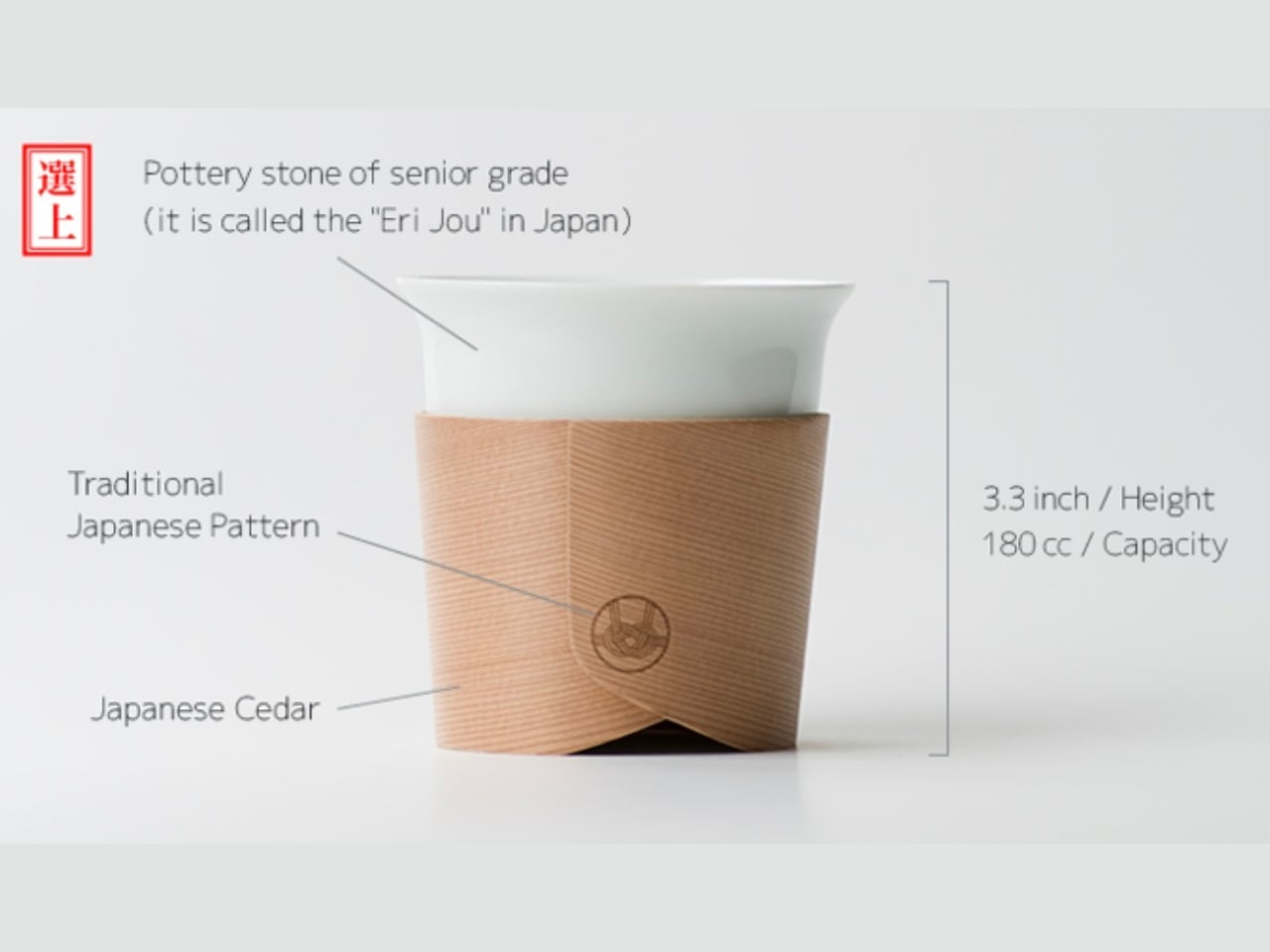
Designer Tomoya Nasuda built the Haori Cup from a single piece of Japanese cedar, reviving the Hakata Magemono craft that has been practiced for over 400 years. The technique involves hand-bending thin cedar strips into curved forms, and the result is a cup where no two grain patterns are the same. Cedar insulates naturally, which means the exterior stays comfortable to hold while the drink inside stays hot. There is no handle required because the material itself solves the problem the handle was invented to address.
In a cabin, the Haori Cup changes what the morning means. Sitting outside with coffee in a vessel hand-bent from Japanese cedar, surrounded by trees not unlike the ones that made it, is the kind of moment that does not require any explanation to anyone who has experienced it. Available in several colorways including a Sakura edition, the cup is light enough to pack without concern and carries a faint, clean forest fragrance that frames whatever you are drinking without competing with it.
What We Like
The 400-year-old Hakata Magemono craft means every Haori Cup is genuinely unique, with grain patterns that belong to that specific piece of cedar, which no mass-produced camping mug can replicate at any price.
Cedar’s natural thermal properties keep the exterior comfortable to hold with a freshly poured drink inside, solving the basic problem of a hot cup without requiring a sleeve, double wall, or separate handle.
What We Dislike
Cedar requires careful hand-washing and thorough drying to maintain the material over time, which is more maintenance than most people expect from a camping cup and adds a small task to the end of a long day outdoors.
As a handcrafted artisan object, the Haori Cup carries a premium that places it in the considered-purchase category, and the risk of dropping it on river rock introduces a quiet anxiety that a $12 tin mug simply does not.
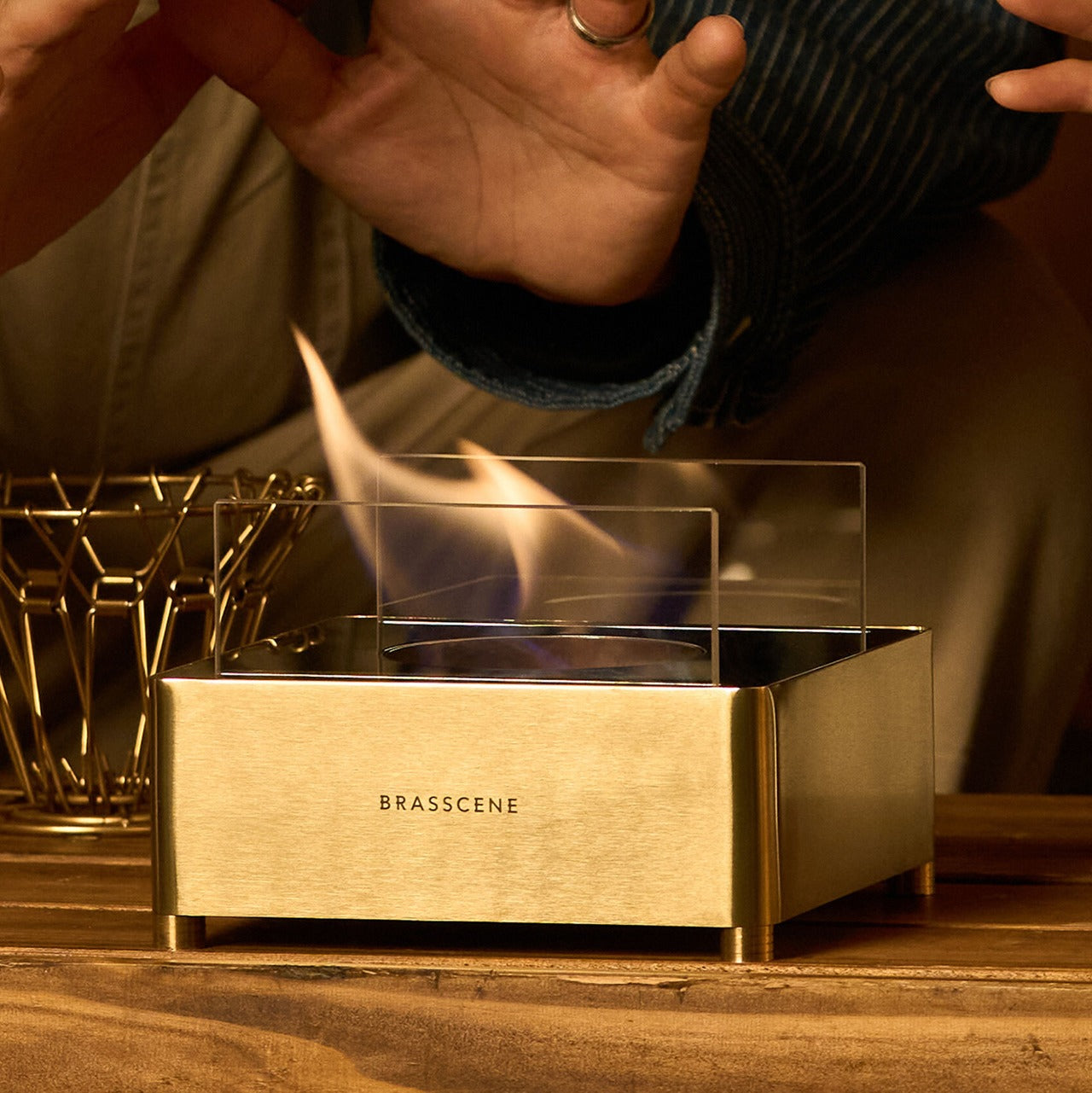
5. Harmony Flame Fireplace
A cabin without a fireplace is a room you tolerate. A cabin with one is a place you want to stay. The Harmony Flame Fireplace was chosen because it understands that distinction entirely — not just as a heat source, but as the object the whole evening organizes itself around. Its presence shifts how a room feels before it even does anything. The design is considered enough to look like it belongs in the space rather than sitting in apology for being there.
What the Harmony Flame does is give a cabin its center of gravity. People sit closer together. Conversations slow down. The specific quality of light that a flame produces, warm and mobile and alive, is something no overhead fitting has ever replicated. Whether you place it against the main wall or at the end of a reading corner, the effect is the same: the room stops being functional and starts being somewhere you choose to be. That shift is the whole point of the trip.
Its presence functions as the room’s organizing principle, creating warmth and atmosphere that transforms an ordinary cabin evening into the reason you made the drive in the first place.
What We Dislike
A fireplace of this quality deserves deliberate placement within the cabin layout to maximize its visual and atmospheric effect — treating it as an afterthought will undercut everything it is capable of delivering to the space.
As the centerpiece product in any room it occupies, the Harmony Flame raises the visual standard for everything around it, which means pairing it with careless gear will make the contrast more visible rather than less.
This Is What a Cabin Summer Is Supposed to Feel Like
None of these five products were chosen because they photograph well or carry a recognizable name. They were chosen because they understand what a cabin summer actually is: a specific arrangement of light, warmth, sound, and stillness that most gear interrupts rather than supports. A power station with a lamp inside. A blanket you can wear. A cup made from a single piece of cedar. A fire that earns its center of the room. A radio that makes switching it on feel like a small occasion.
The best cabin gear does not announce itself. It earns its space quietly, does its job without asking for attention, and disappears into the experience of the trip. These five do exactly that. Pack them, and the cabin stops being a place you stay and starts being a place you go back to. That distinction is the whole point of summer in the first place.