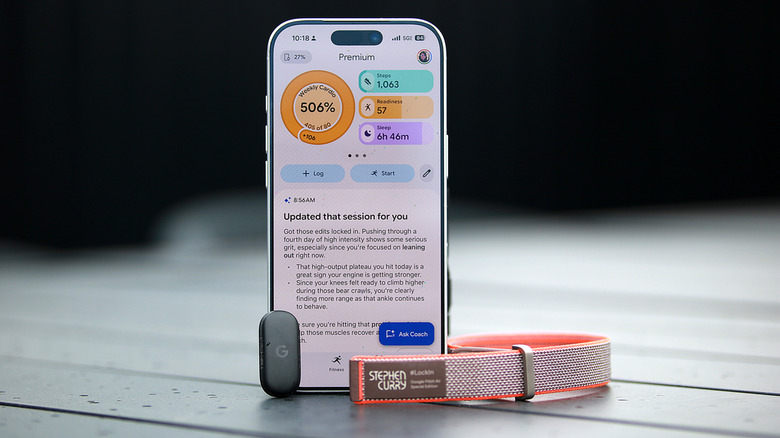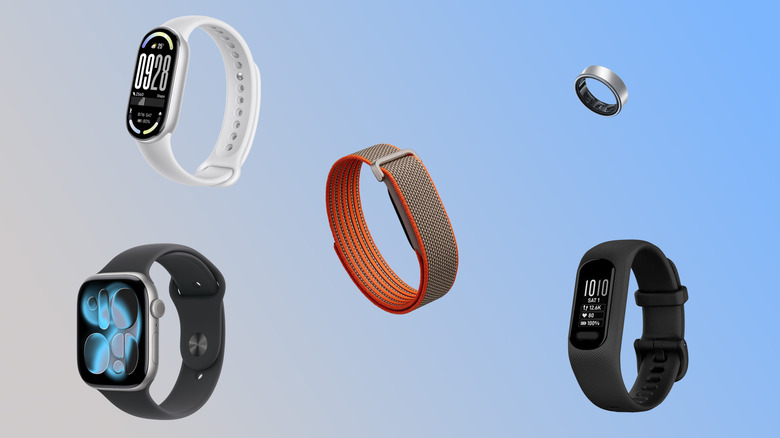
5 Fitness Trackers That Don’t Lock Core Features Behind a Monthly Subscription
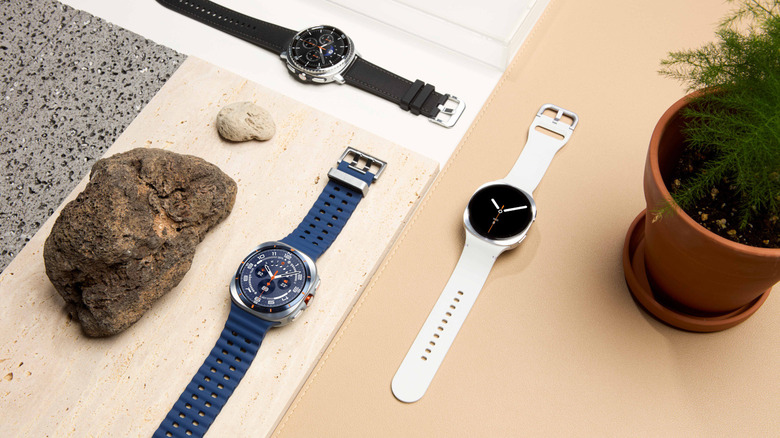
The Fitbit Air isn't the only Whoop alternative that you can buy without a subscription.
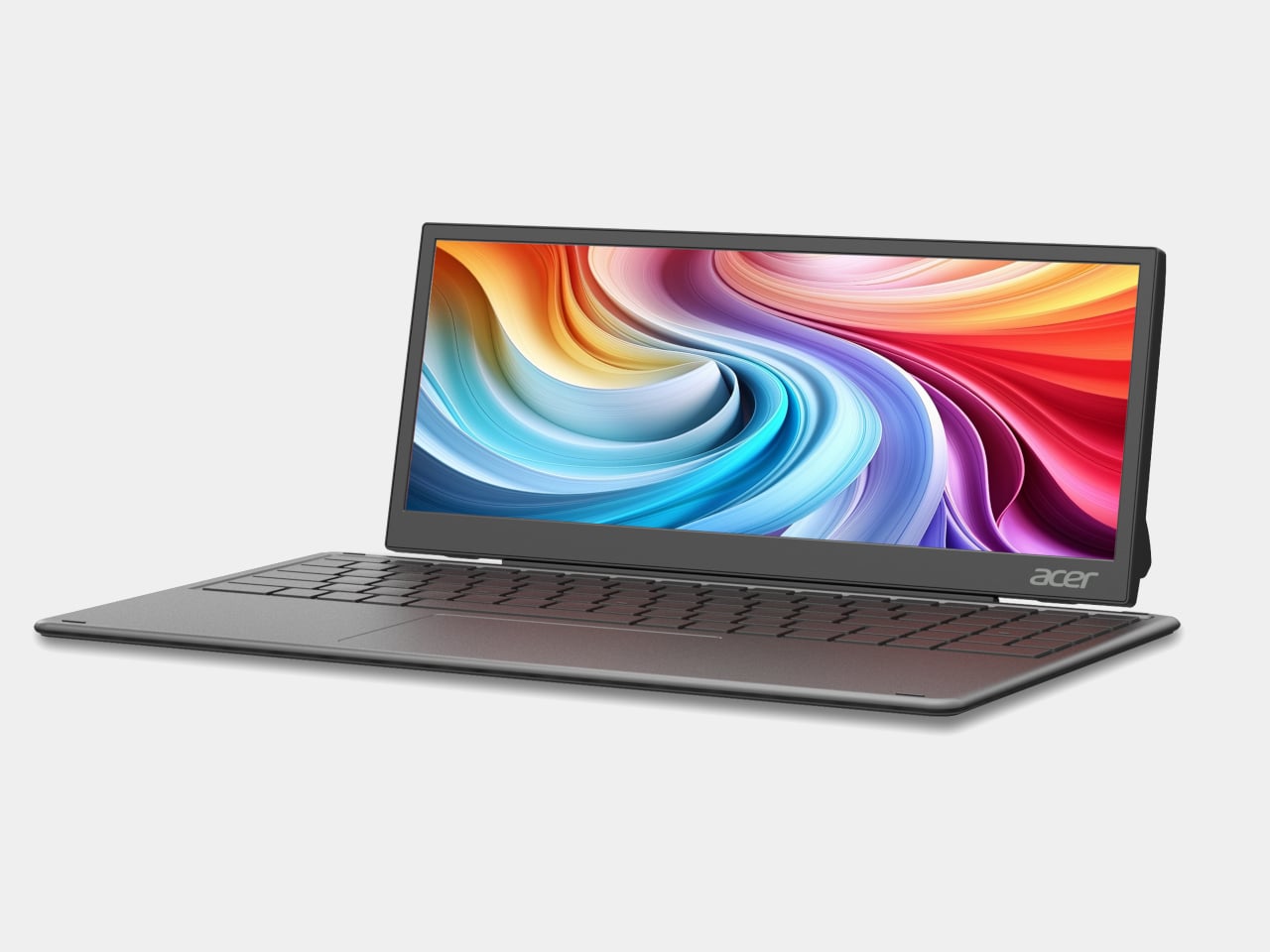
The laptop has become the default portable workstation, but it has one limitation that’s hard to overlook: you’re still stuck with one screen. Freelancers, students, and remote workers have learned to manage with a single panel, but demand for more display real estate on the go keeps growing. Cramming a presentation into one corner while notes fill the other half gets old quickly.
Acer is addressing that gap with two new portable monitors announced at Computex 2026, along with a third product aimed at an entirely different audience. The PM161Q JB and PM131QT cover professionals and digital nomads who need an extra screen wherever they land. The Aspire Badge is something else: a wearable display for kids and young creators who want to carry their personality with them, literally.
Designer: Acer
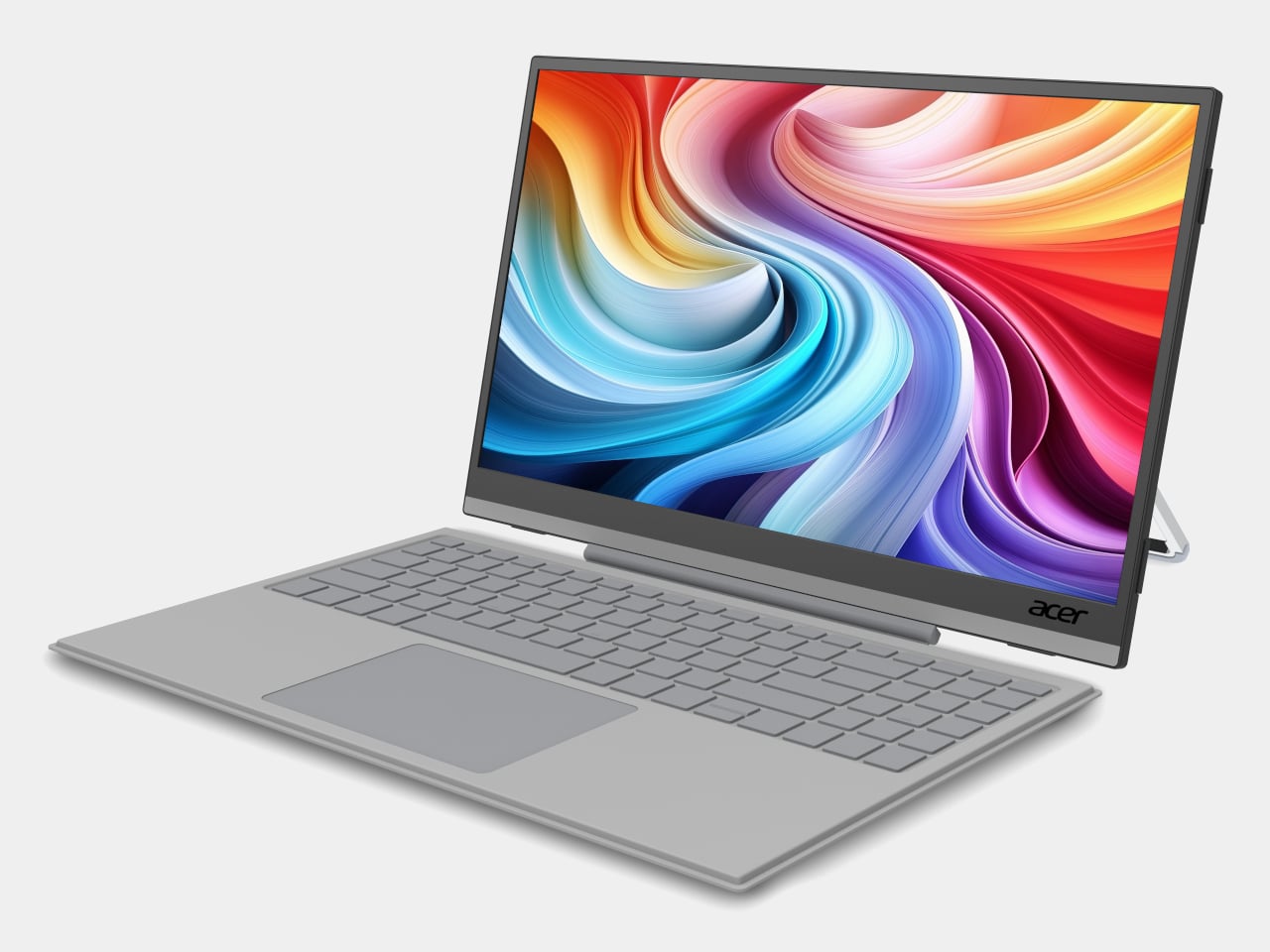
PM161Q JB
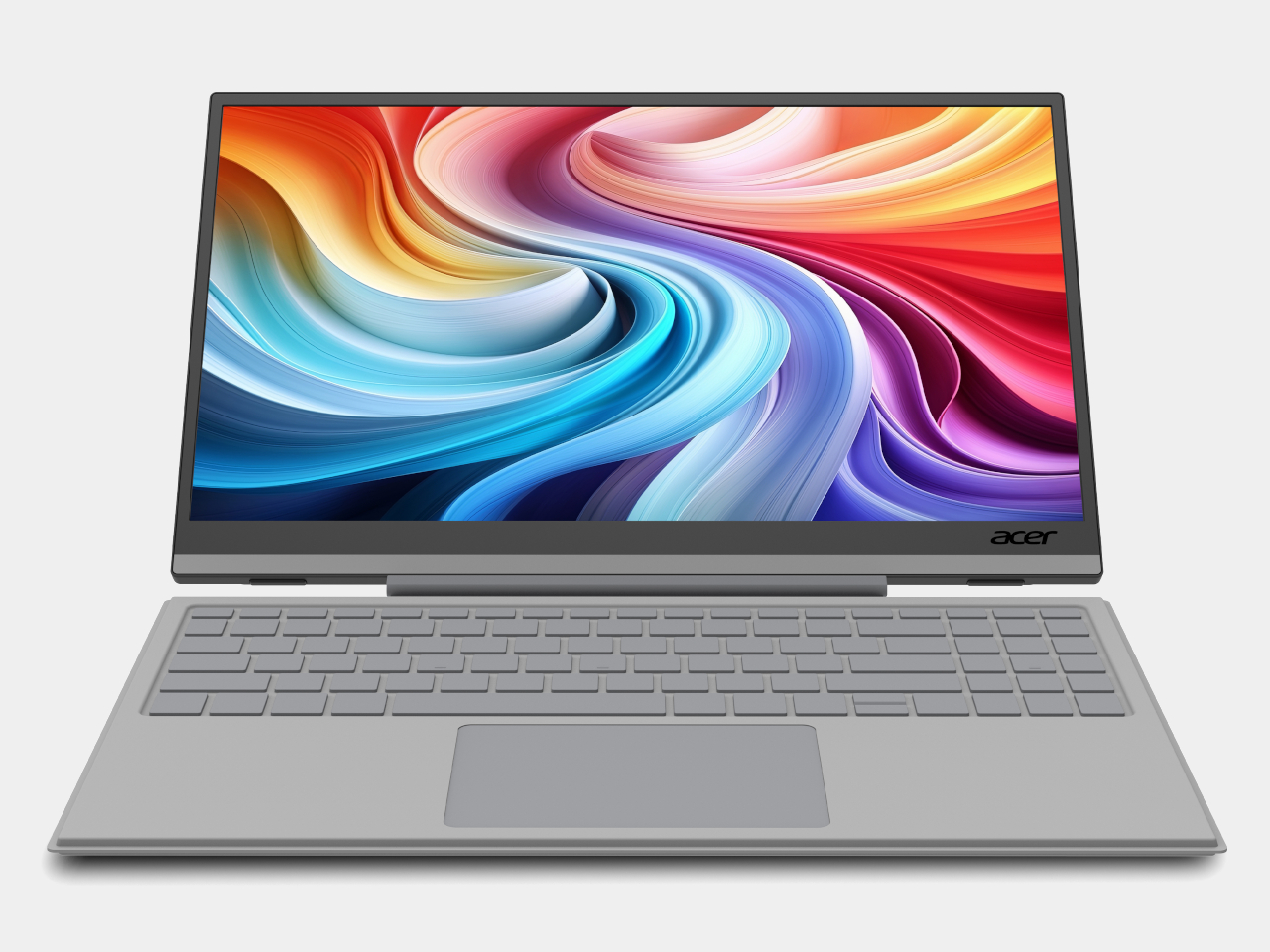
The PM161Q JB is the larger of the two portable monitors, coming in at 15.6 inches with a Full HD IPS panel and 170-degree viewing angles. A pair of Type-C ports and an HDMI input handle connectivity, and a single-cable setup means it’s ready to go as soon as you find a seat. A compatible detachable pogo keyboard turns it into a compact workstation without needing anything else nearby.
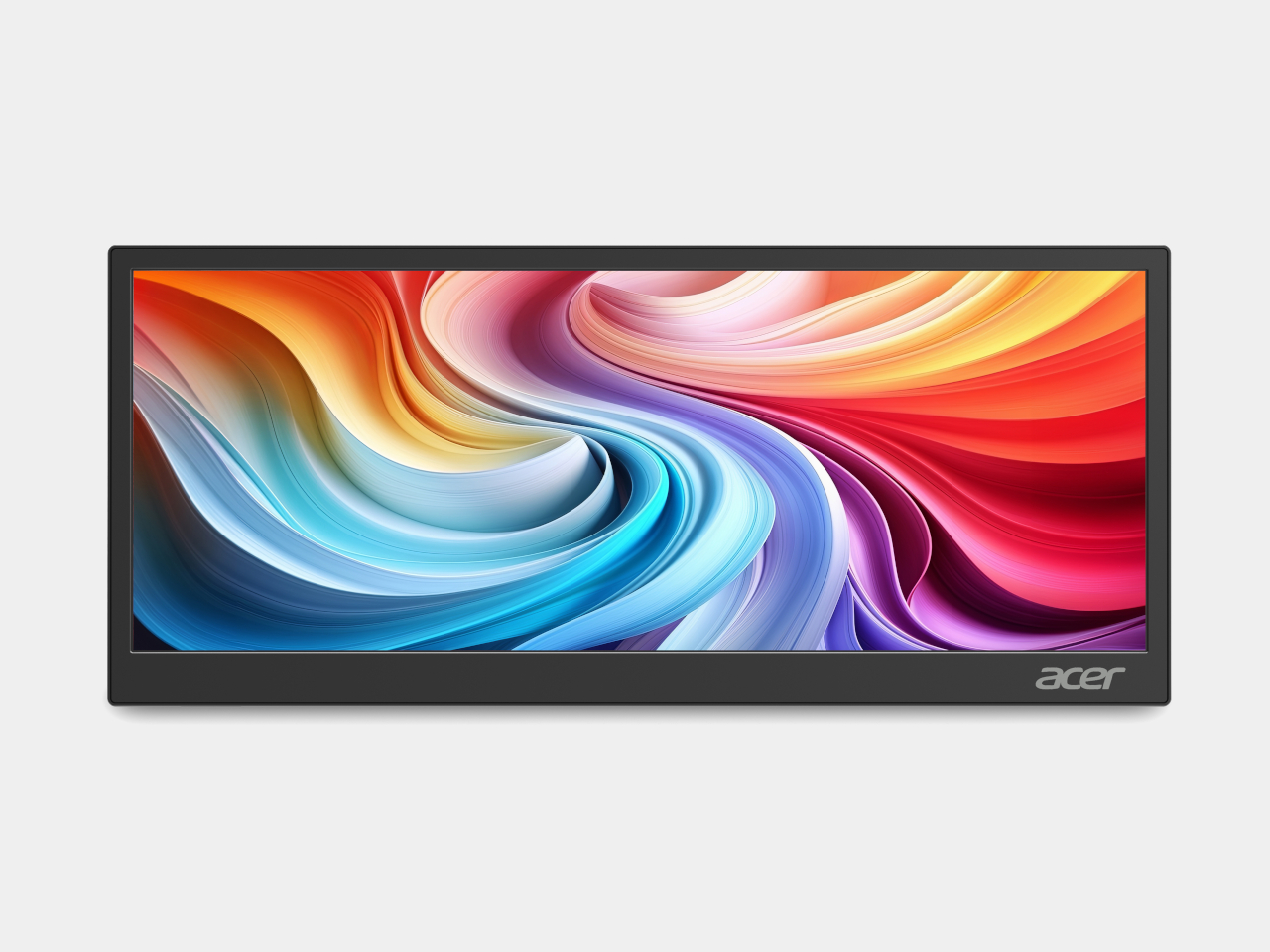
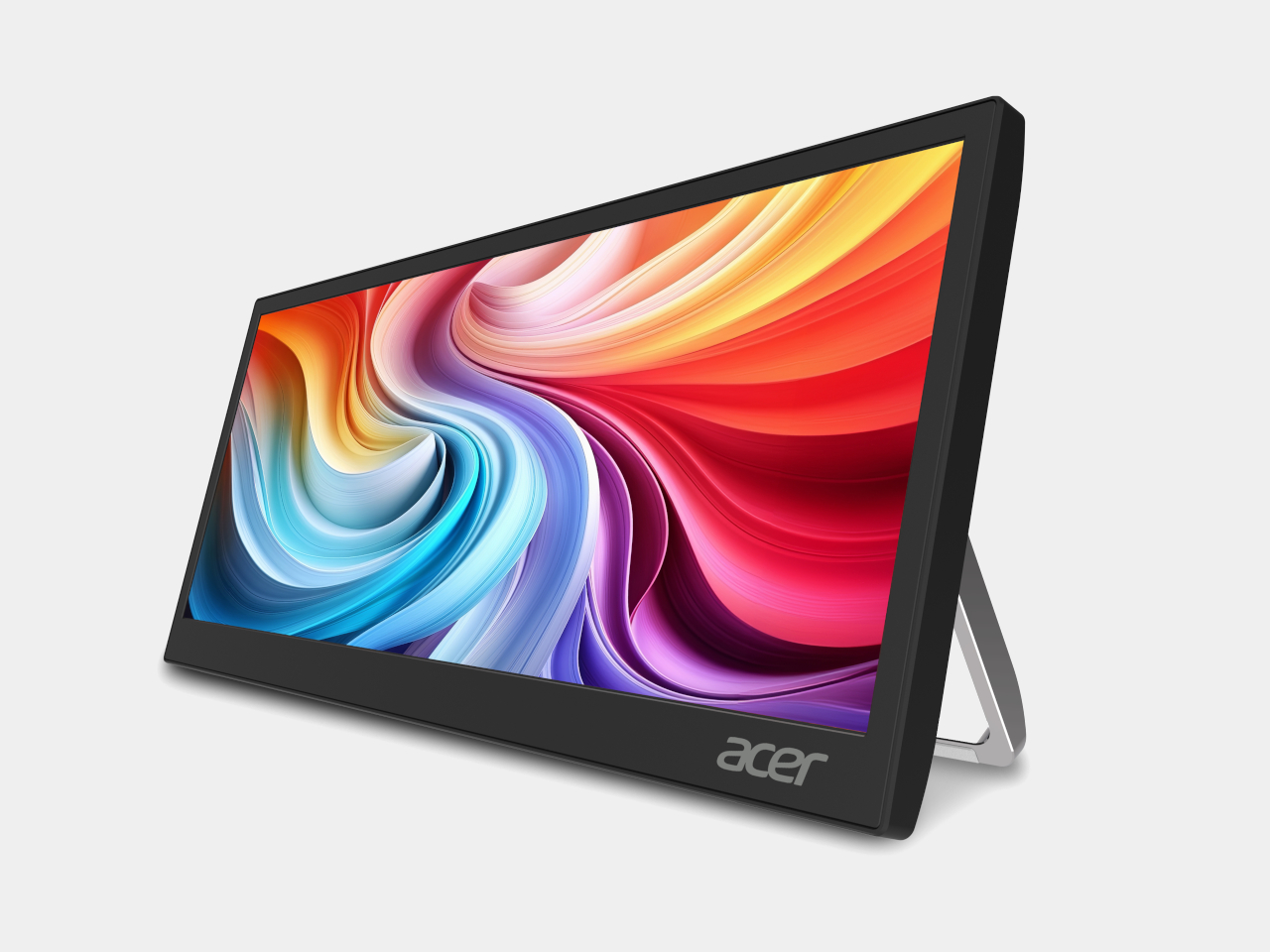
PM131QT
The PM131QT takes a different approach with a 12.3-inch touchscreen in an ultrawide 1920 × 720 format, a shape that suits secondary-display work rather than standalone use. Five-point touch makes it practical as an interactive panel, and the magnetic mounting design lets it attach to various surfaces, including a car dashboard. It also functions as a dedicated display for AI assistant interfaces on the road.
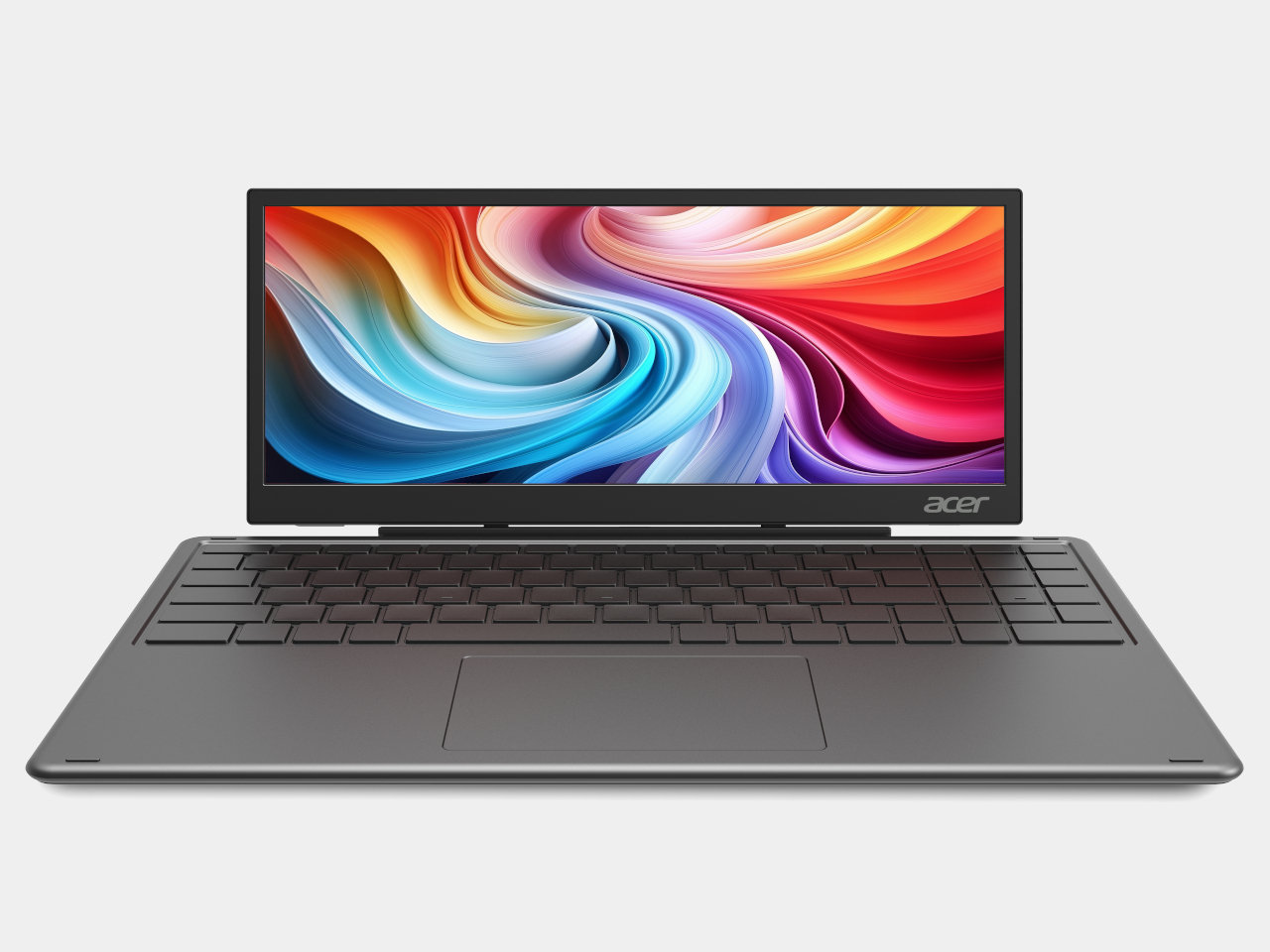
PM131QT
Both monitors connect over a single Type-C cable and support VESA mounting alongside a standard ¼-inch tripod thread, so a camera tripod becomes a workable monitor stand when there’s no desk in sight. The PM161Q JB starts at $149.99 in North America, arriving in Q4 2026, while the PM131QT comes in at $179.99 in the same window. Both reach Australia in Q3 2026.
The Aspire Badge is a round wearable with a 1.85-inch IPS screen that clips onto a shirt, hangs from a lanyard, or attaches magnetically to a bag. It pairs with a companion app over Bluetooth 6.0 and displays any image or animation pushed from a phone. Battery life runs up to four hours at full brightness or eight at minimum, with contact charging to restore it.
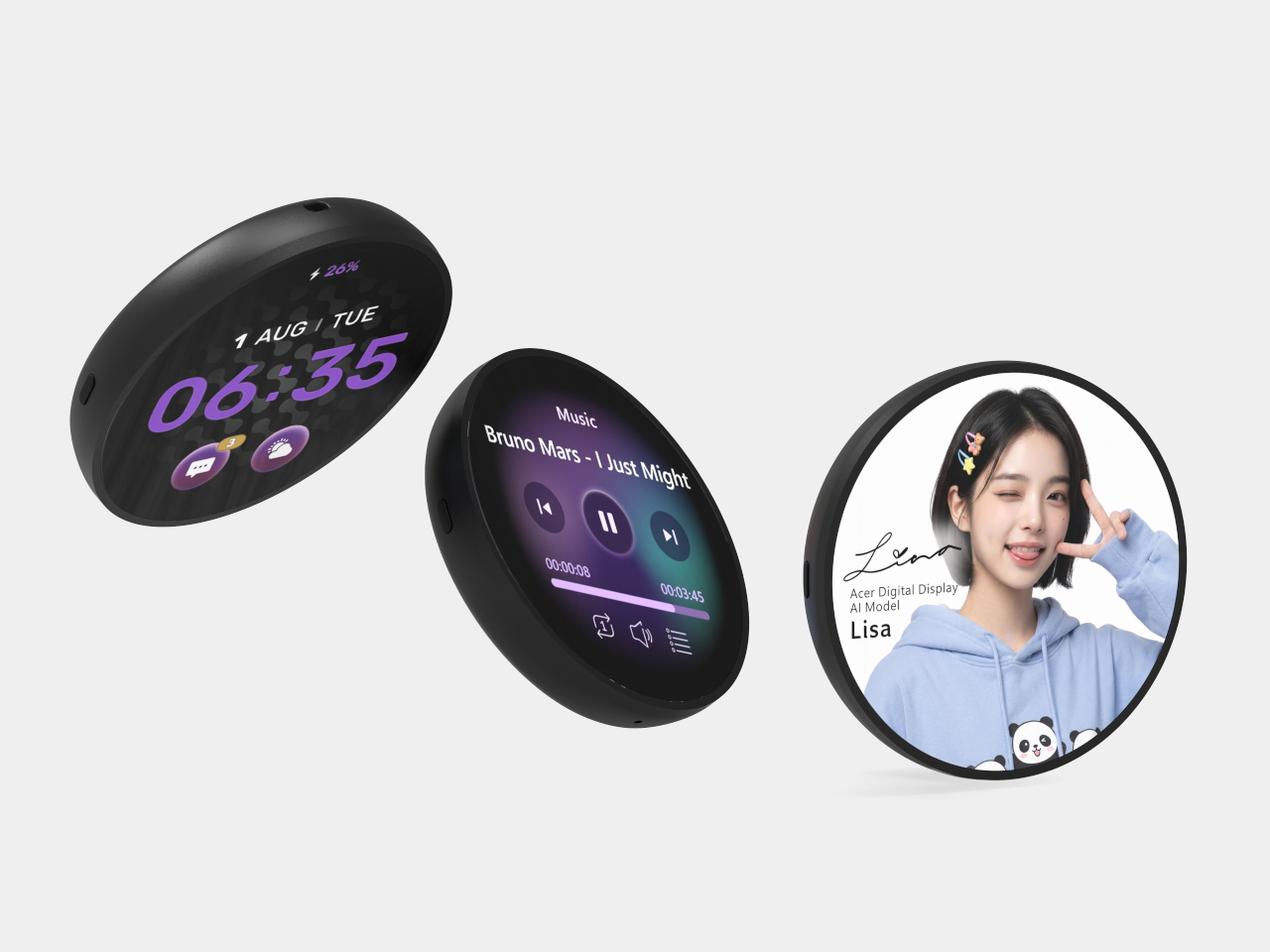

The Badge isn’t purely decorative. It includes an emergency alarm, an SOS alert that flashes in Morse code, and a night flash mode for improved visibility in the dark, adding a safety layer that makes it more than a novelty for kids walking to school or staying out after dark. It supports JPG, GIF, and PNG formats, and comes in at $49.99 in North America.
The three products together cover a broader range of needs than a typical monitor announcement does. The PM161Q JB and PM131QT reflect how seriously portable screen real estate has become for people working away from a fixed desk. The Aspire Badge takes the same logic in a completely different direction, treating a display not as a productivity tool but as something you wear out the door.
The post Two Acer Portable Monitors and a $50 Screen You Can Actually Wear first appeared on Yanko Design.

Android tablets have long defaulted to 16:9 screens, a ratio optimized for video that leaves them awkward for anything resembling actual work. Documents get letterboxed, web pages feel narrow, and the creative canvas ends up shorter than it should be. That works well for watching but not for producing, which is why the 3:2 display, long favored by productivity-first Windows devices, has been largely absent from Android.
Acer is changing that at Computex 2026 with the Iconia Duo lineup, three new Android 16 tablets that debut the brand’s 3:2 aspect ratio across three different price points. Alongside them, two new pairs of smart glasses push the mobile experience off the screen entirely: the AR Vision GR0 for immersive wired display and the GI0 for wireless, hands-free AI assistance on the go.
Designer: Acer
Acer Iconia Duo S14
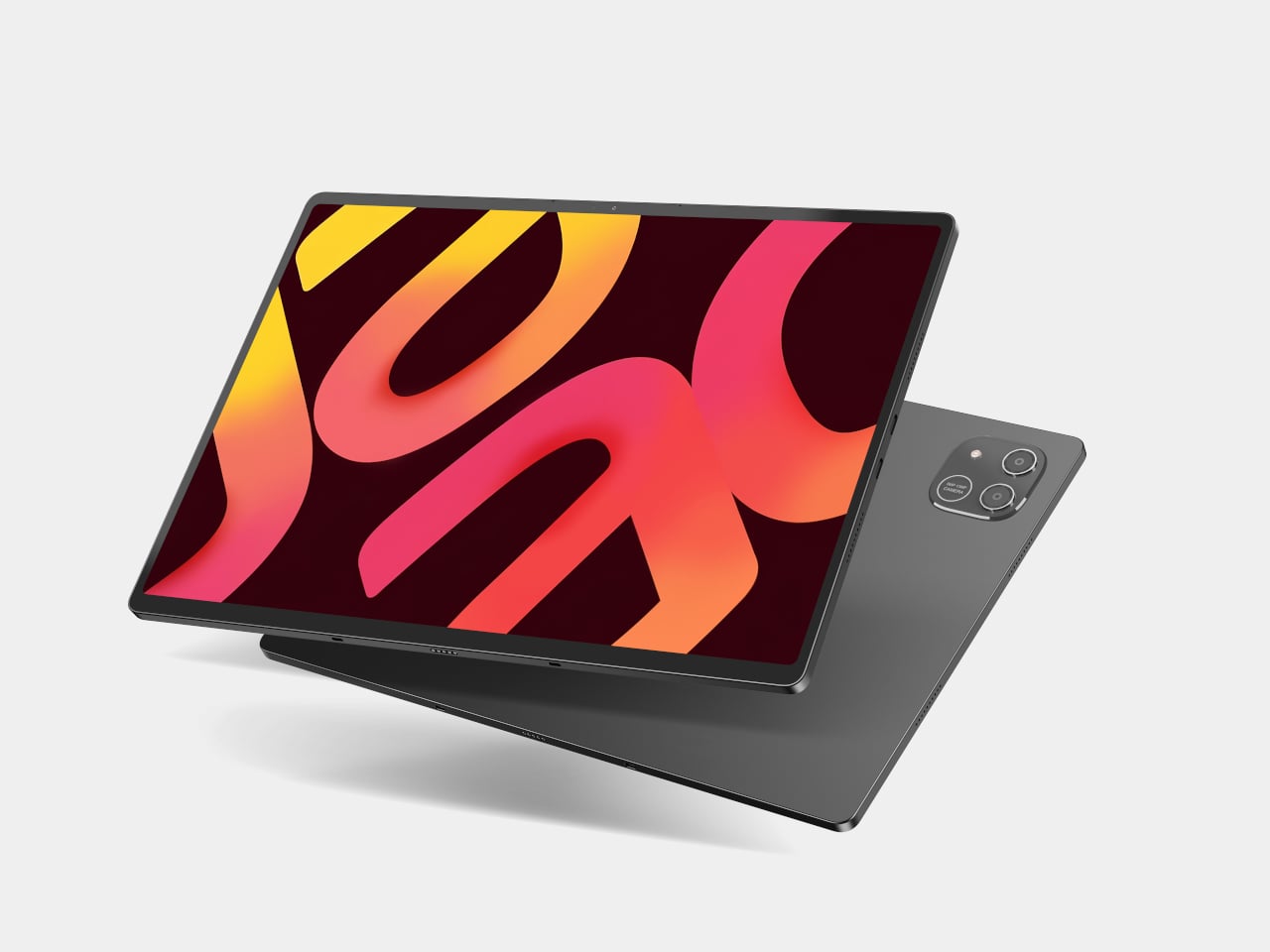
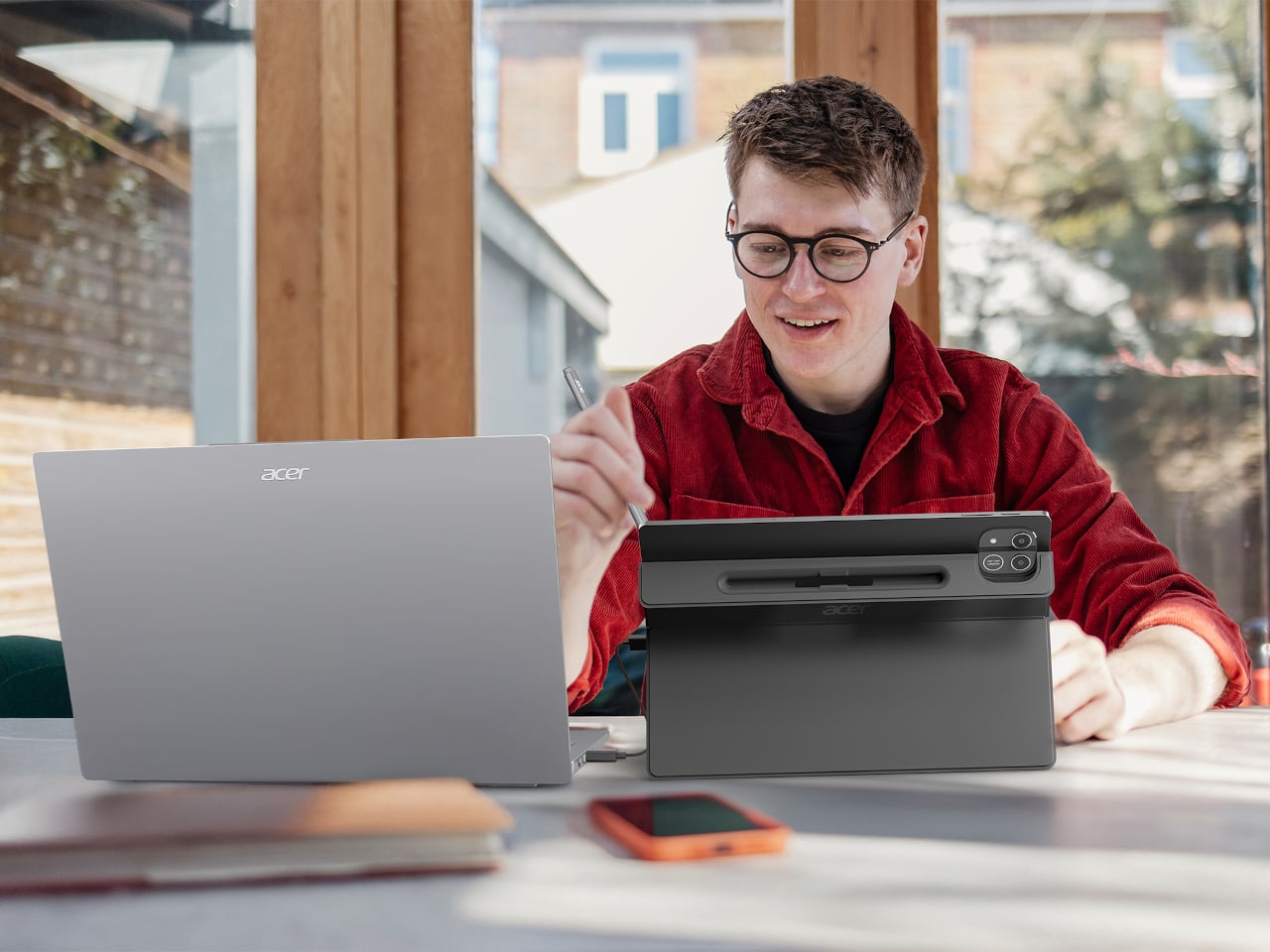
The flagship of the three is the Iconia Duo S14, built around a 14.2-inch 2.8K OLED display running at 120 Hz with 100% DCI-P3 color coverage. A MediaTek Dimensity 8300 SoC handles the processing, and DisplayPort in and out ports let it feed a larger screen during presentations or act as a portable monitor. At just 6.2 mm thin and 0.73 kg, it doesn’t exactly feel like a compromise.
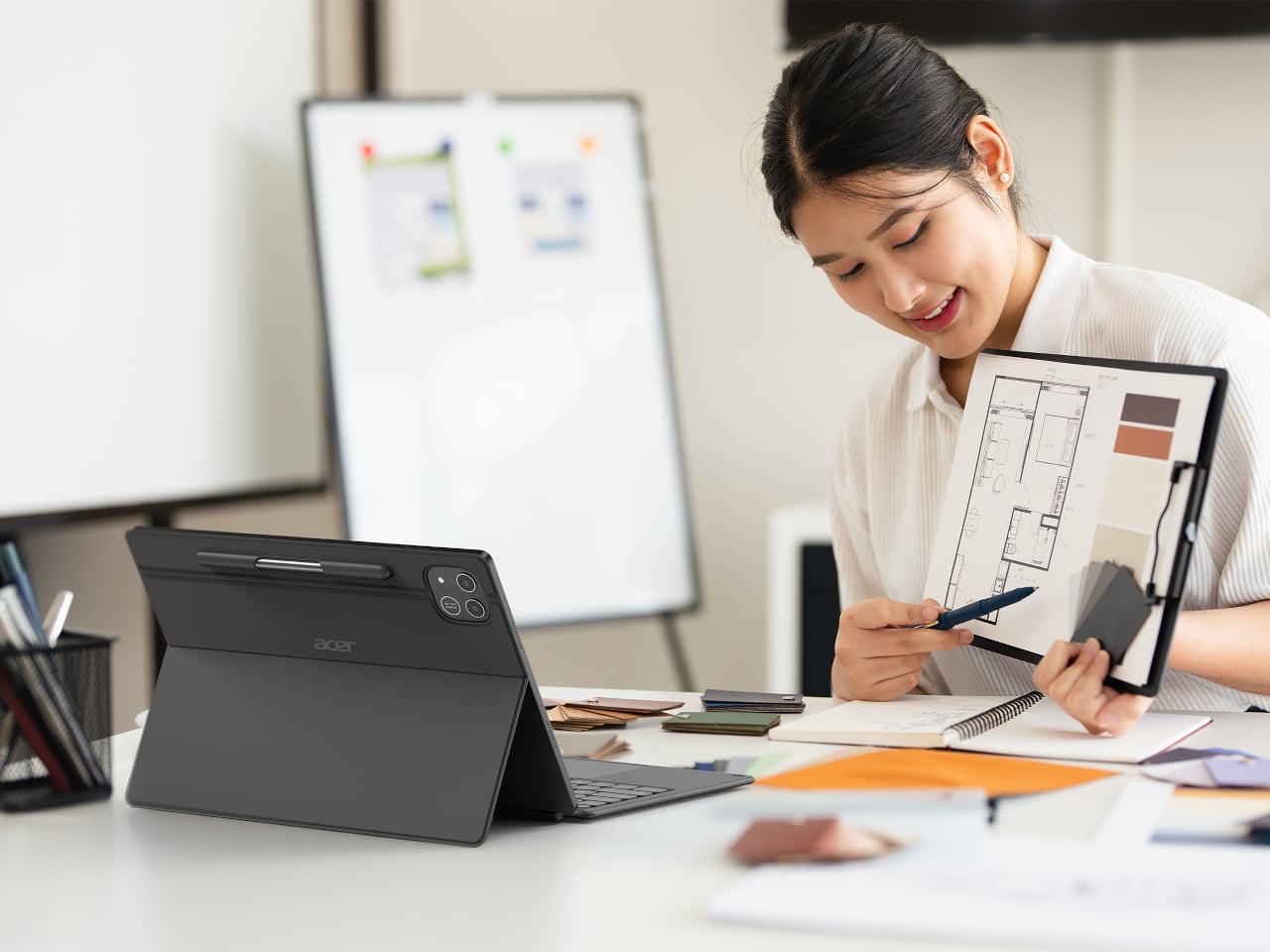
Acer Iconia Duo S14
The 12.2-inch Iconia Duo S12 carries the same 2.8K OLED panel at 600 nits and adds nano-texture glass with anti-glare and anti-fingerprint properties, housed in an aluminum alloy chassis that makes it noticeably more premium to hold. The Iconia Duo D12 brings the same 3:2 format at a 2400×1600 resolution with a 90Hz refresh rate, starting at $399 for buyers who don’t need OLED.

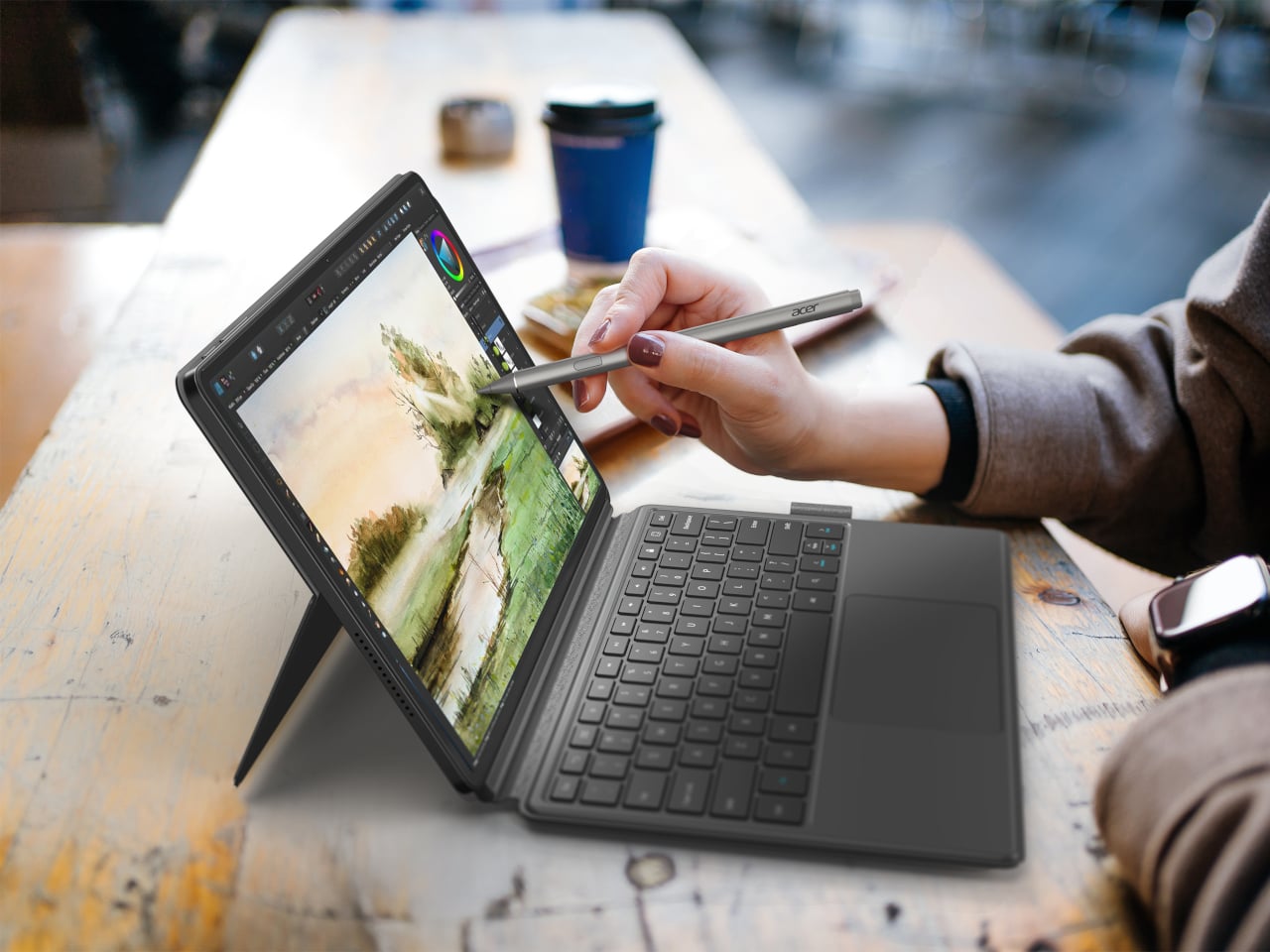
Acer Iconia Duo S12
All three run Android 16 and support an optional Active Stylus, magnetic kickstand, and detachable keyboard, letting them shift from a drawing canvas to a laptop-like workstation with the right accessories. A microSD card slot in each model accepts cards up to 1 TB for local storage of large creative files, and battery life reaches up to 10 hours across the lineup.
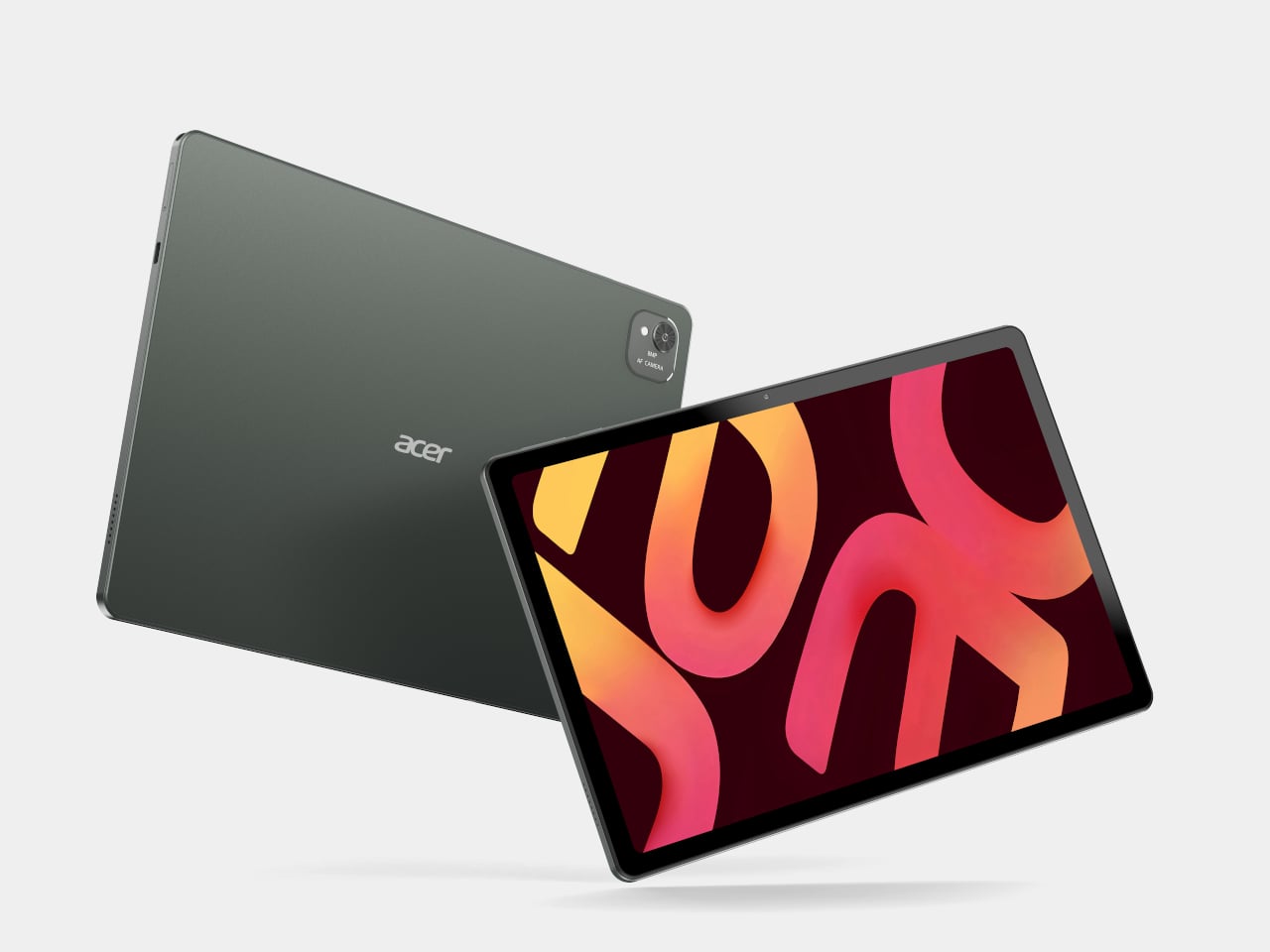
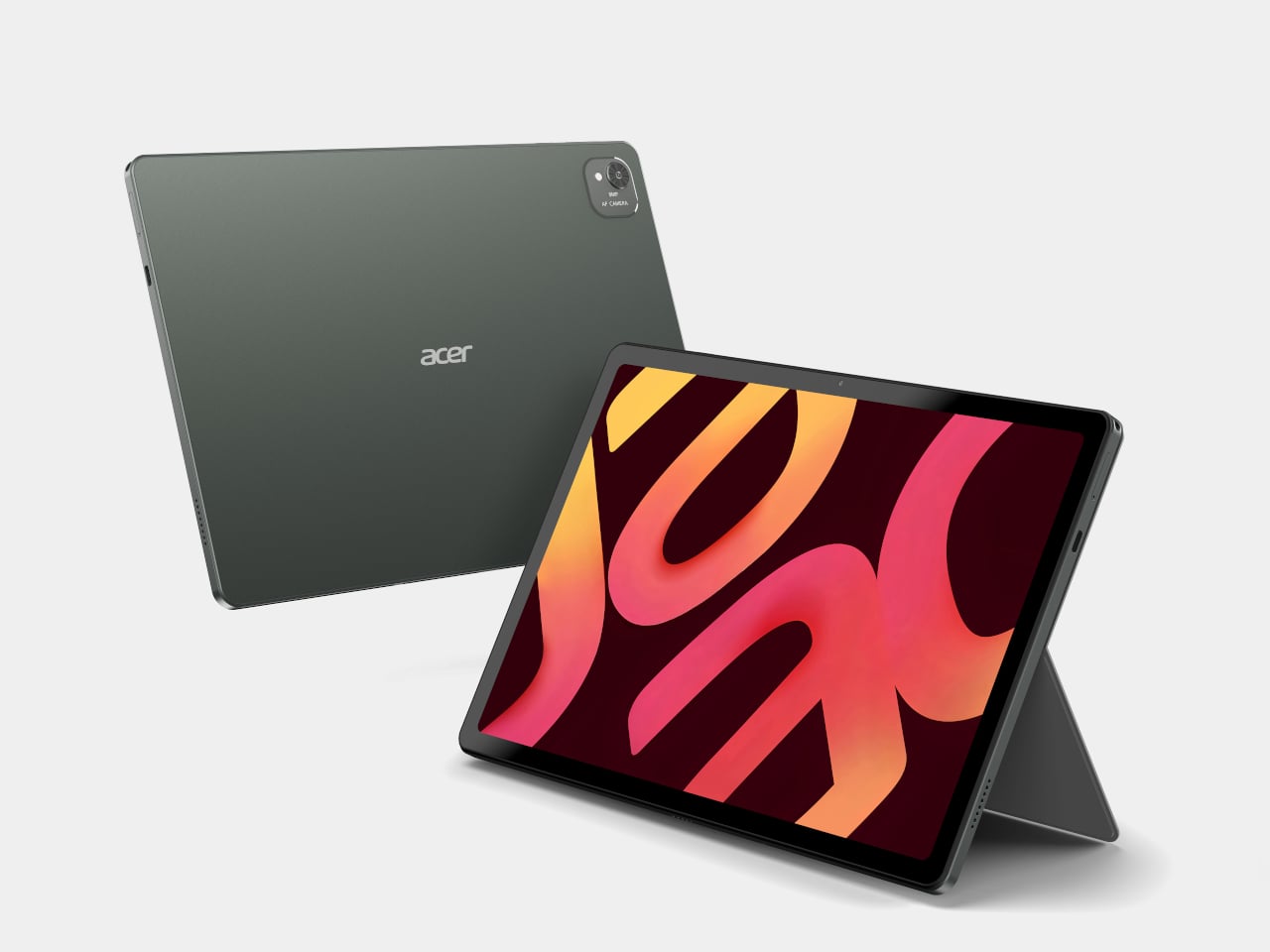
Acer Iconia Duo D12
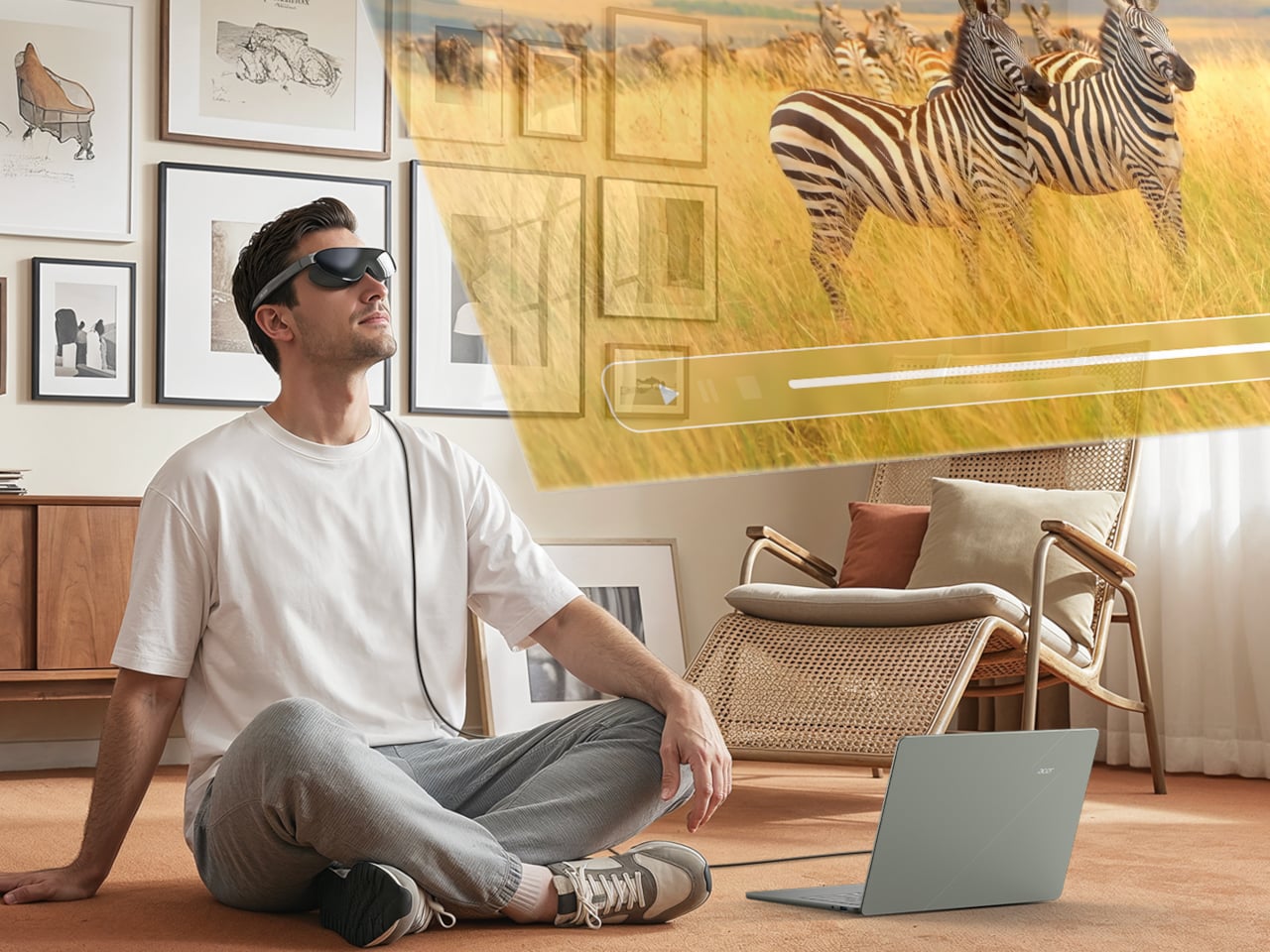
The AR Vision GR0 takes the display off the tablet entirely. The wired glasses connect to any phone, laptop, or tablet and deliver dual micro OLED FHD screens simulating a 172-inch screen from 6 meters away, with a 50,000:1 contrast ratio. They’re compatible with Android, iOS, and Windows, weigh just 69 g, and include a detachable light shield and a myopia magnetic lens option for prescription wearers.
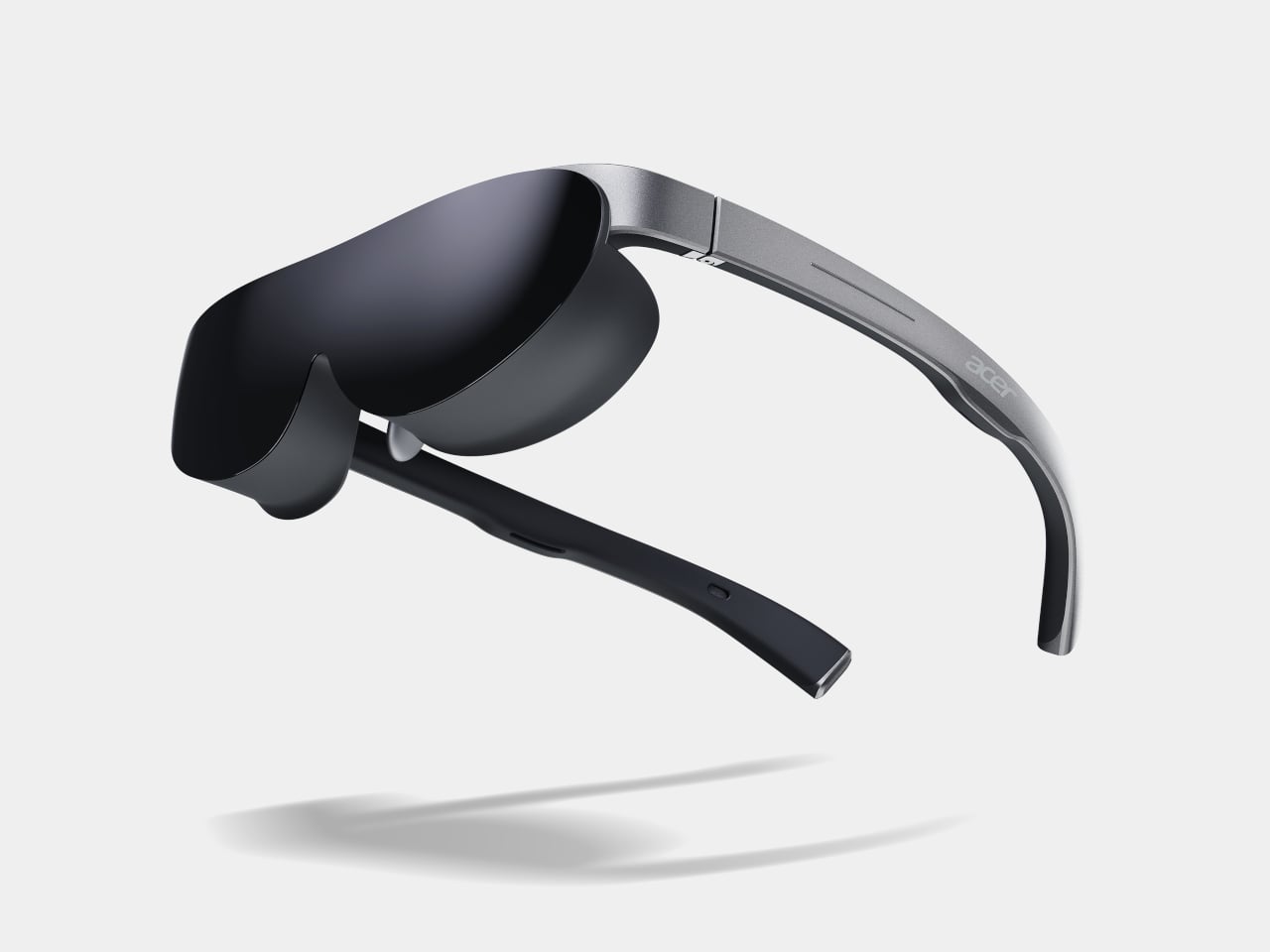
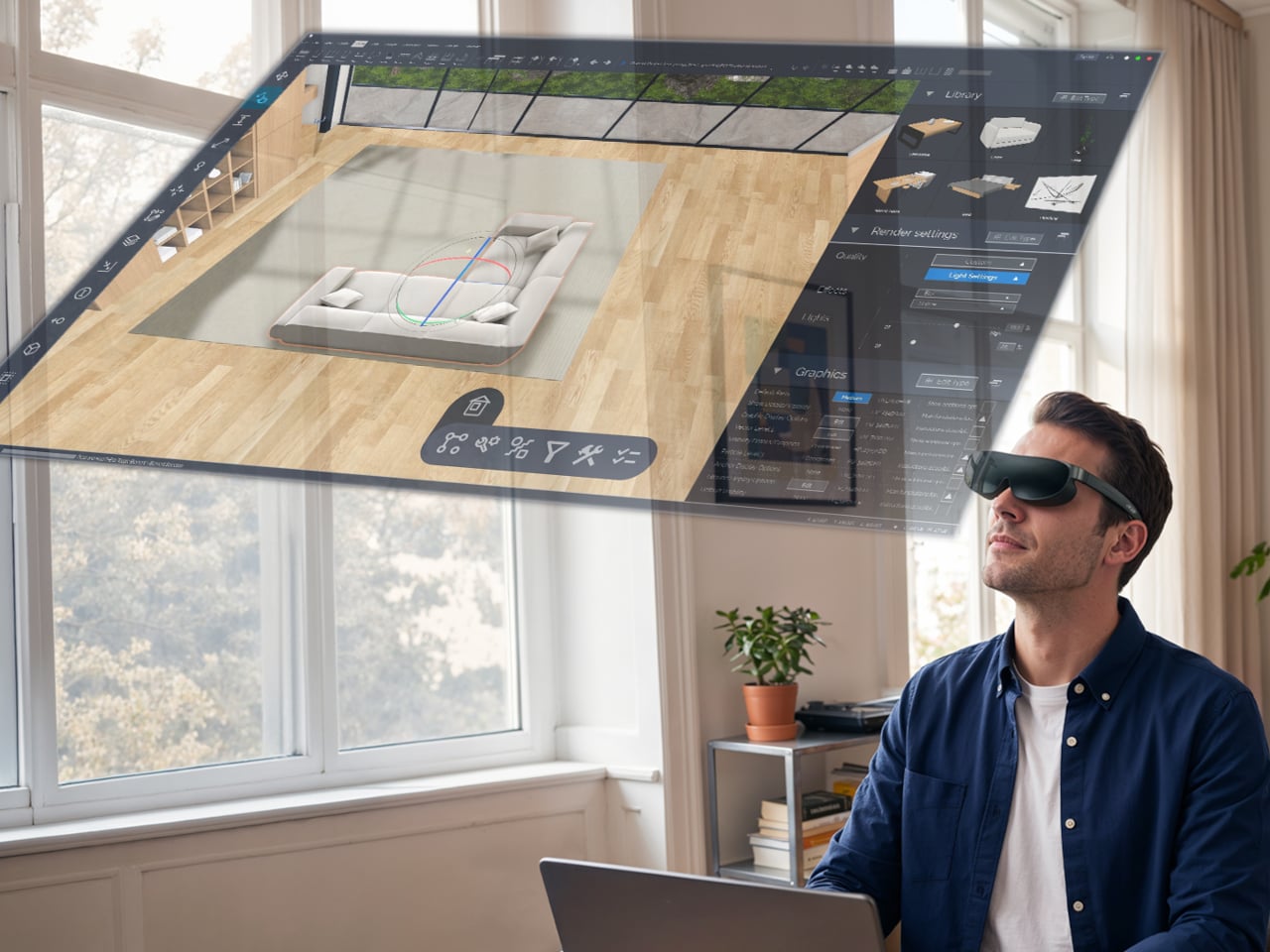
Acer AR Glasses GR0
The GI0 heads in a different direction. Rather than a display, these 46 g AI glasses integrate a 12 MP camera and Google Gemini for real-time translation, AI captions, and voice-activated queries through three onboard microphones. They connect wirelessly over Bluetooth and Wi-Fi via the Acer AspireSync app, and they’re light enough to wear all day without thinking about them.
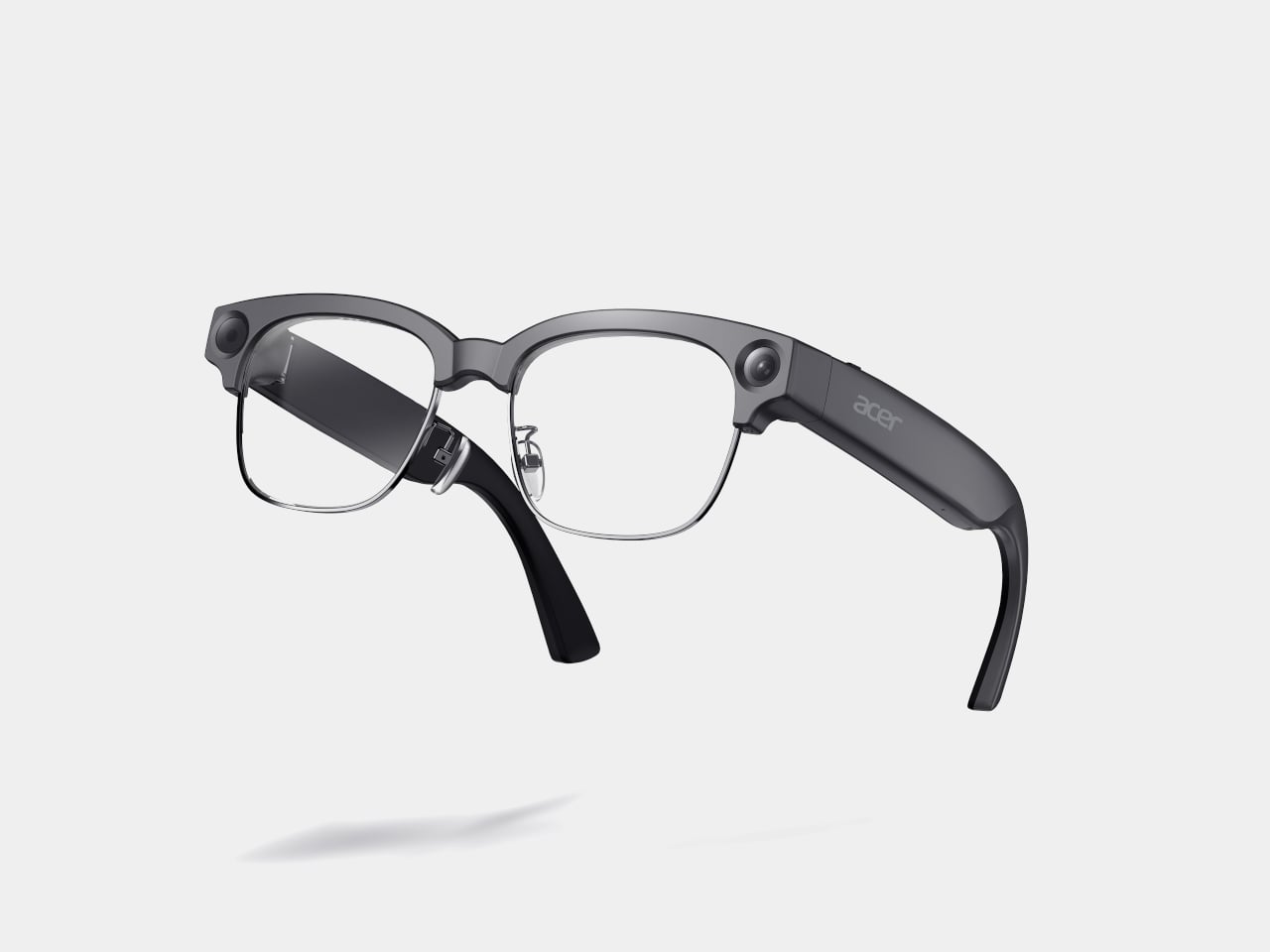

Acer AI Glasses GI0
The Iconia Duo S14 starts at $699 in North America in September 2026, the S12 at $549 in August, and the D12 at $399 also in August. The GR0 arrives at $499.99 and the GI0 at $299.99, both heading to EMEA in Q4 2026 and Australia in Q3. Together, they cover a broad stretch of mobile productivity, from an accessible Android tablet to a wearable AI companion.

The post Acer Made Android Tablets in 3:2 Because 16:9 Wasn’t Built for Work first appeared on Yanko Design.

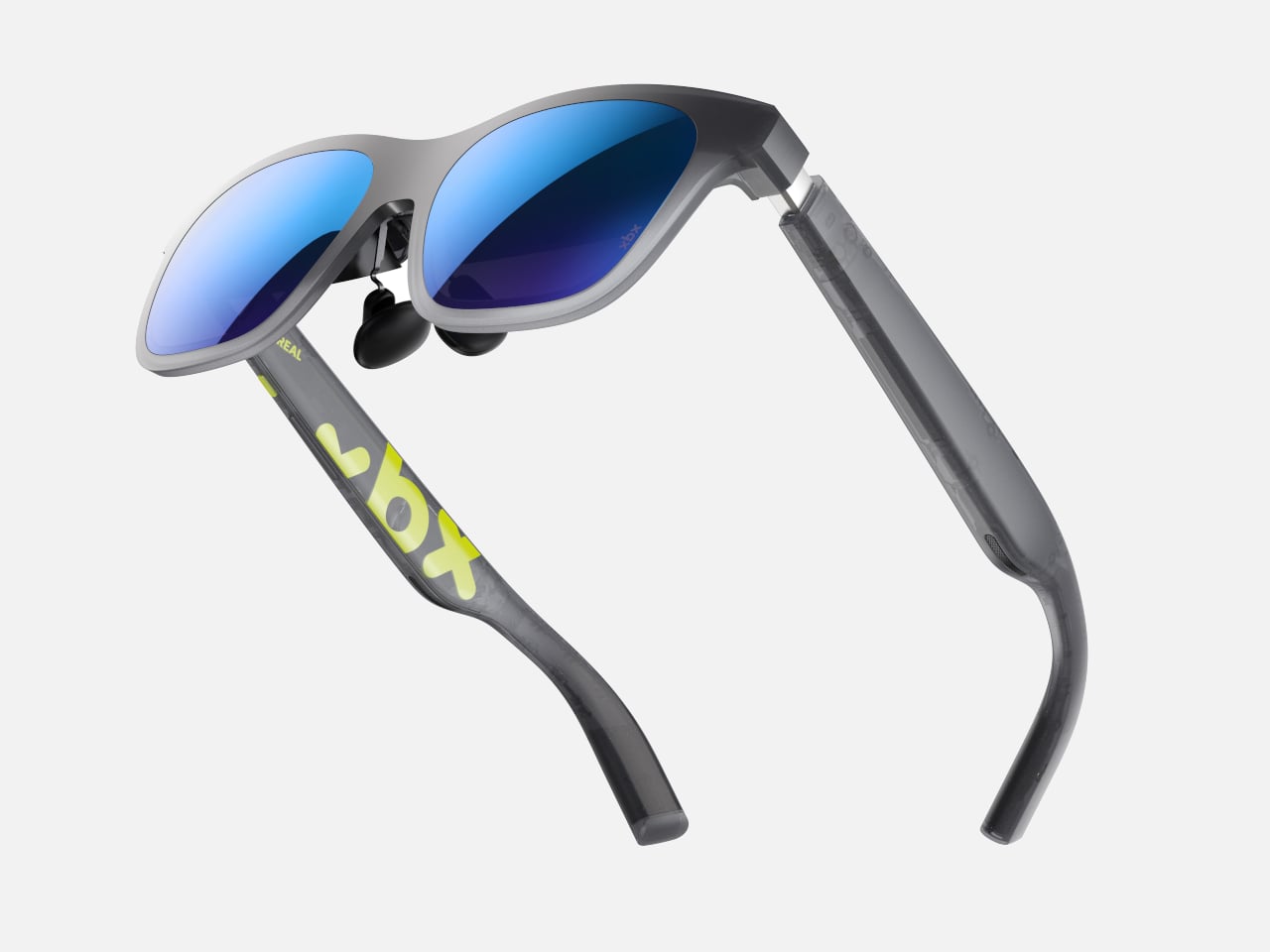
AR display glasses have spent years trying to convince a narrow audience that the experience is worth the money. The XREAL One starts at $450. The ROG XREAL R1 pushes past $800. For a category that promises a personal big screen you can carry anywhere, the entry cost has stayed high enough that most curious buyers talk themselves out of a first pair before they’ve had a reason to try one.
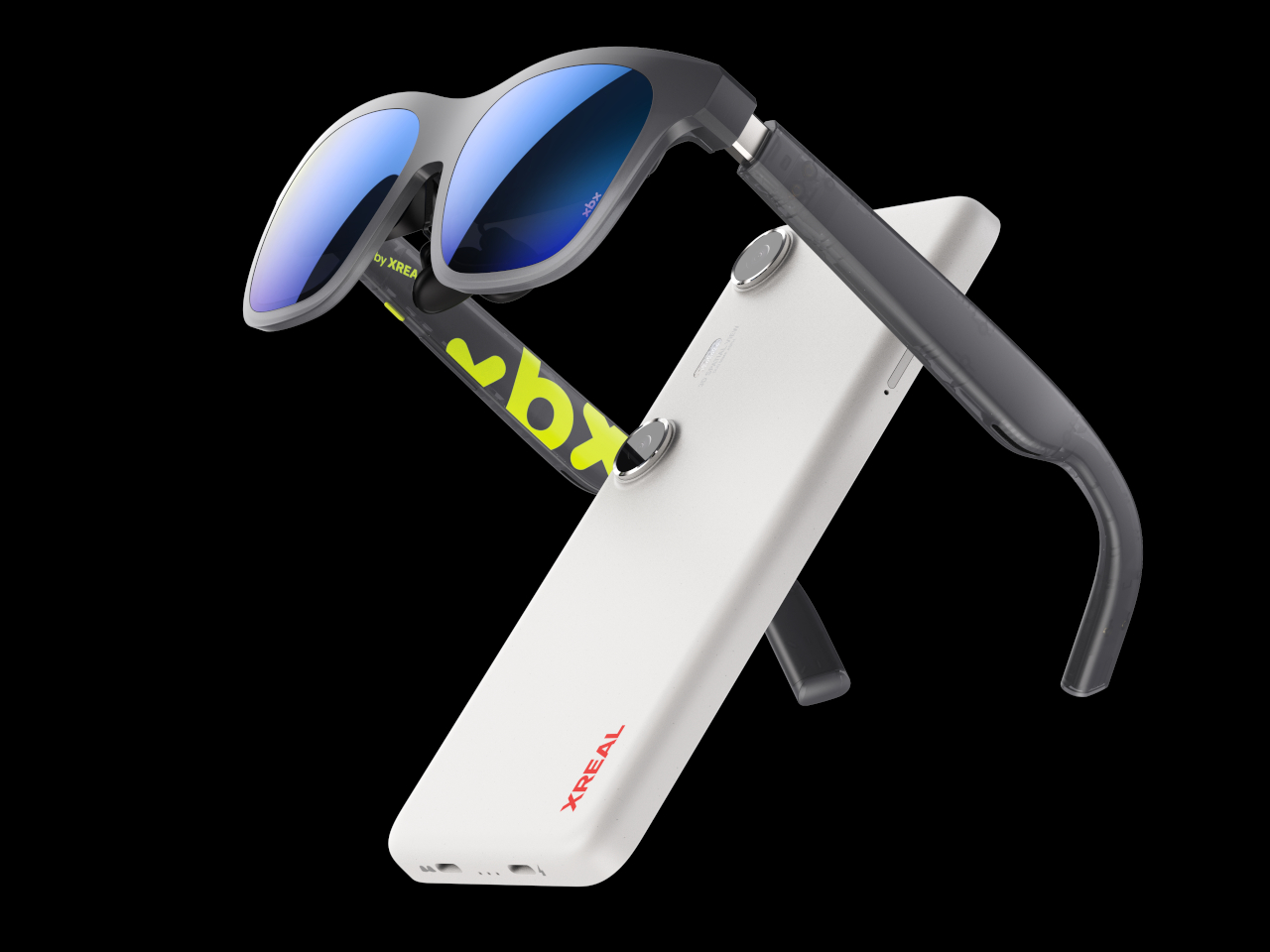
XREAL’s answer to that is xbx, a new sub-brand aimed at the hesitant first buyer, and its opening product, the a01, comes to the US in July at $299. The company is quick to note that the lower price didn’t come from cutting specs. The a01 holds two category records simultaneously: the lightest AR display glasses on the market at 62g, and the brightest at 1,600 nits, both beating the XREAL One it slots below.
Designer: XREAL

The 20g difference between the a01 and the XREAL One might sound minor, but it adds up over a long flight or a late-night watch session. XREAL reached that figure through a custom ultra-light nylon body, reduced lens thickness, and a redesigned hinge and temple-tip structure. Three nose pad sizes, adaptive elastic hinges, and flexible temples distribute pressure evenly across different face shapes.
Display performance is where the a01 goes further than a $299 product typically would. Dual-layer MicroOLED panels deliver 1,600 nits of perceived brightness across 1.07 billion colors with full HDR10 support, backed by a dedicated image enhancement chip that pushes every frame through real-time AI SDR-to-HDR conversion. The 50° field of view gives you the equivalent of a 147-inch screen from four meters away, which covers most rooms.
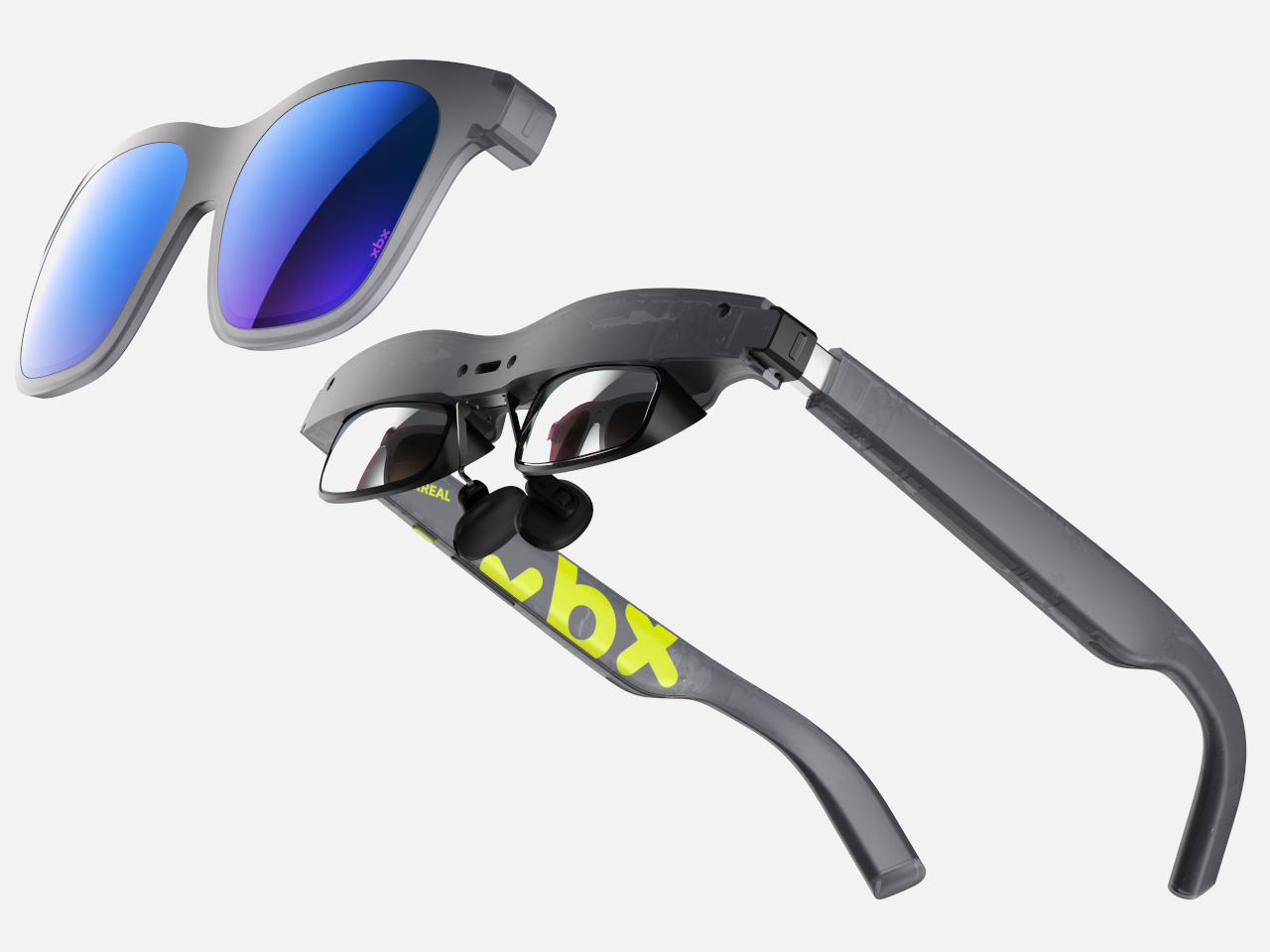
The most technically interesting addition is the spatial anti-shake algorithm, which XREAL claims is a category first. Earlier stabilization approaches reduced blur at the cost of image sharpness and washed-out colors, an acceptable trade-off in some contexts but not when you’re midway through a film. The a01’s algorithm preserves clarity and color fidelity while keeping the image steady, so a rattling subway car or a turbulent flight doesn’t turn a crisp picture into a smear.
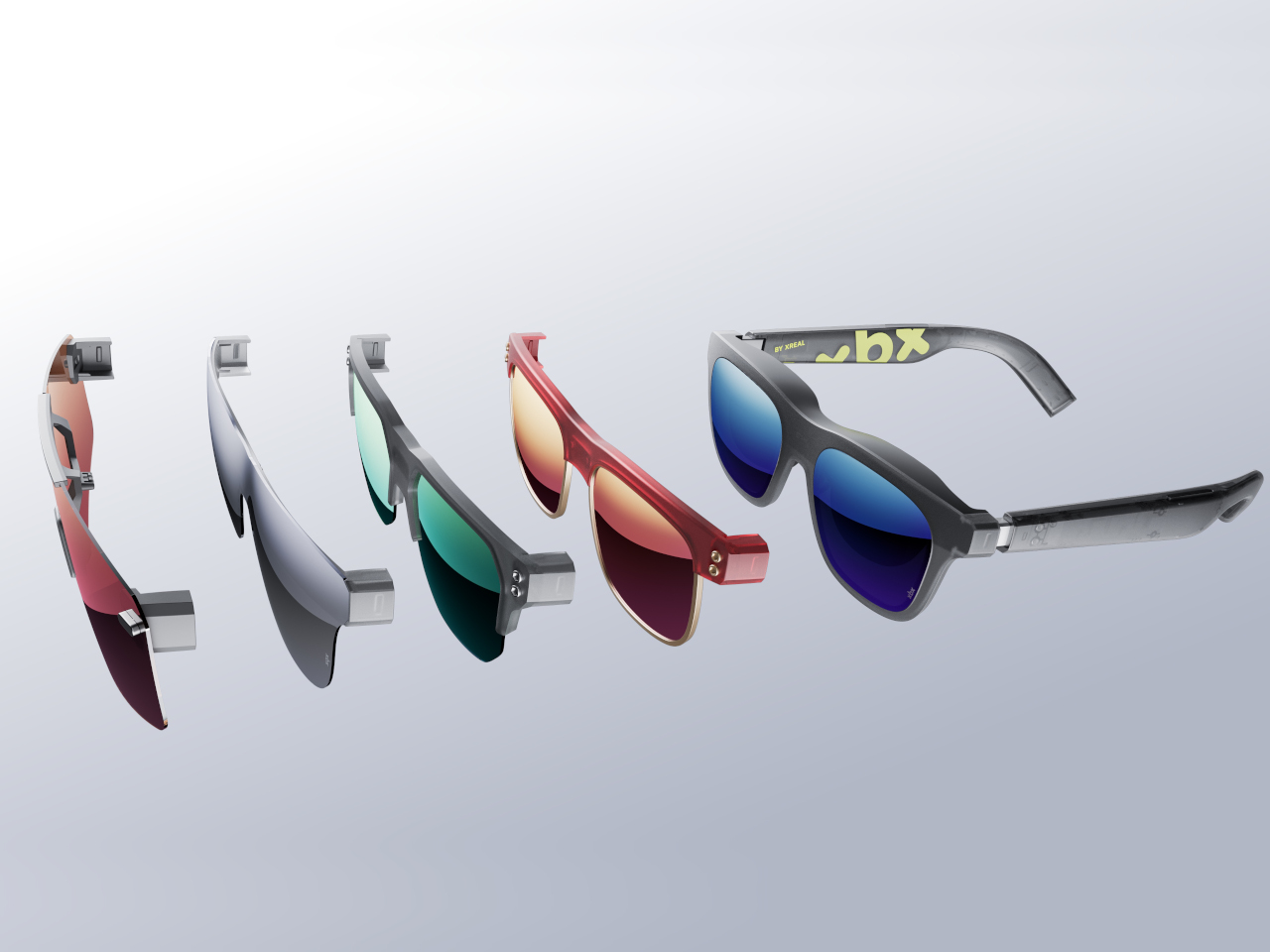
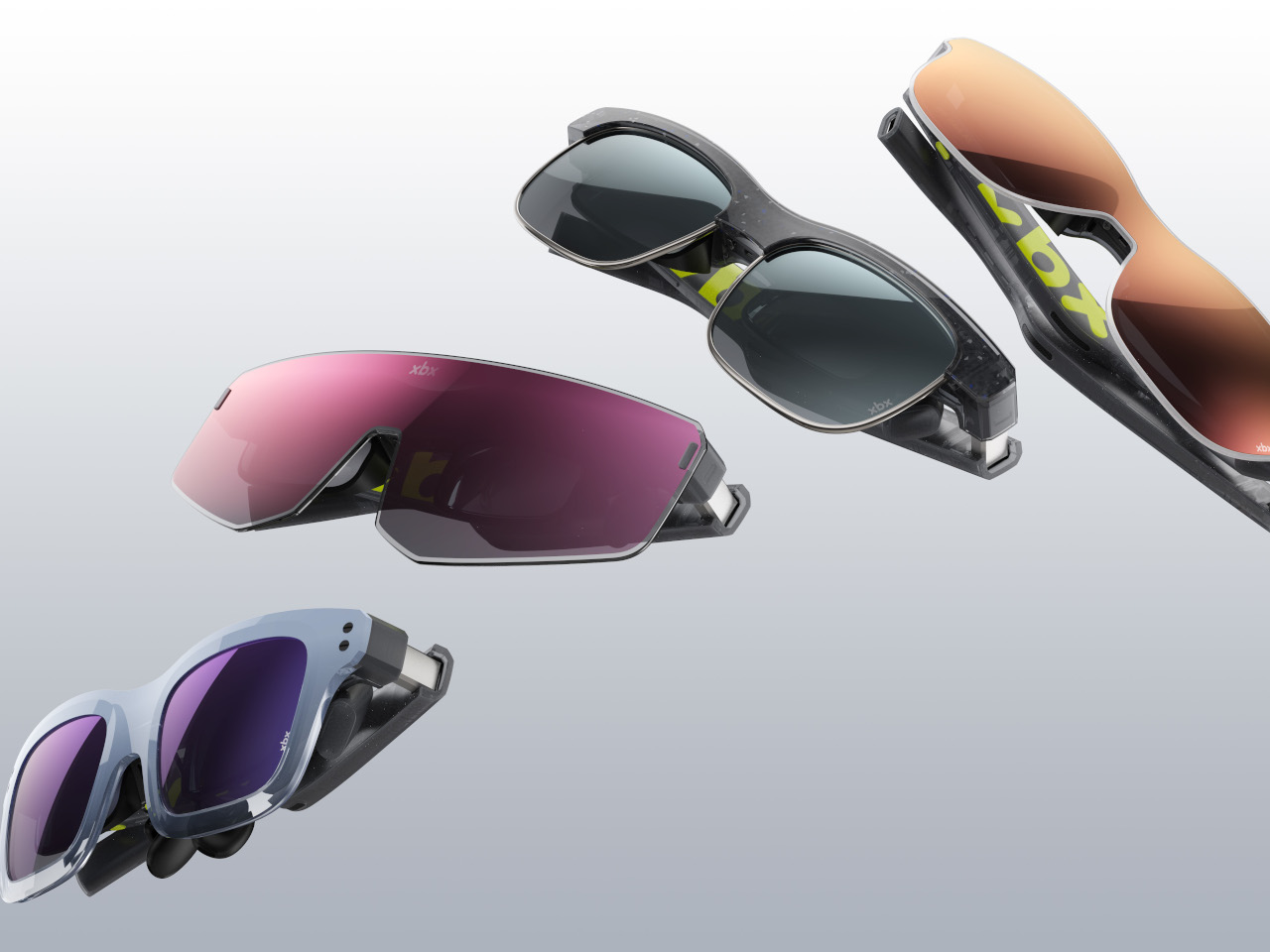
The interchangeable front frames add a layer of personalization that most display glasses skip. The semi-transparent body uses chromatic dimming to shift between transparent and immersive viewing depending on whether you want to stay aware of your surroundings or shut them out. Swap the front frame to match an outfit or a mood, and if you’re the tinkering type, XREAL has opened the design up for 3D printing your own.
Someone catching up on a show during a forty-five-minute commute, a gamer who wants a massive screen from their handheld without dragging a TV along, or someone watching a film alone in a shared hotel room all find a more credible device here than anything currently available at this weight and brightness level. The a01 doesn’t need a dedicated ecosystem either; connect it to a phone, a tablet, or a laptop, and it works.
The a01 is already on sale in China and hits the US in July at $299, sitting $151 below the XREAL One at comparable or better specs by the numbers that matter most: weight and brightness. For a category that’s been waiting for its mass-market moment, a product that leads on both counts at a genuinely accessible price makes a fairly hard case to ignore.
The post XREAL’s $299 a01 Is Lighter and Brighter Than Its $450 Sibling first appeared on Yanko Design.
If you have been following international sports, there is one thing that you will find common across players of all disciplines. It’s not anger and aggression that we can discuss another day; it’s actually a screenless band you can see on their wrists. This is a fitness tracker, in most cases it’s from Whoop, or another company, say a Hume.
Now there are two more brands that are targeting the obvious interest space of discreet, no-display fitness trackers. After the launch of the Fitbit Air from Google, the Luna company behind the Ring smart ring brand is launching the Luna Band, first showcased to the world earlier this year at the CES 2026 in Vegas.
Designer: Luna
Despite the surge of interest in screenless fitness trackers over the past couple of years, there has been one caveat that, in my opinion, has shadowed these faceless trackers behind the smartwatches. It’s the accompanying subscription charges. For the record, a Whoop Band hits you about $30 per month in subscription. The new Fitbit Air, available for preorder at $99.99, comes with a $9.99 per month subscription.
Luna targets the masses with the launch of its new band now, which the company says will require no subscription. A big advantage for those like me who don’t prefer paying every month for a fitness tracker. Luna Band is now fully official. The makers confirm it will be available for pre-order on July 4. The band will start shipping later in the month, though the date is confirmed for July 31.
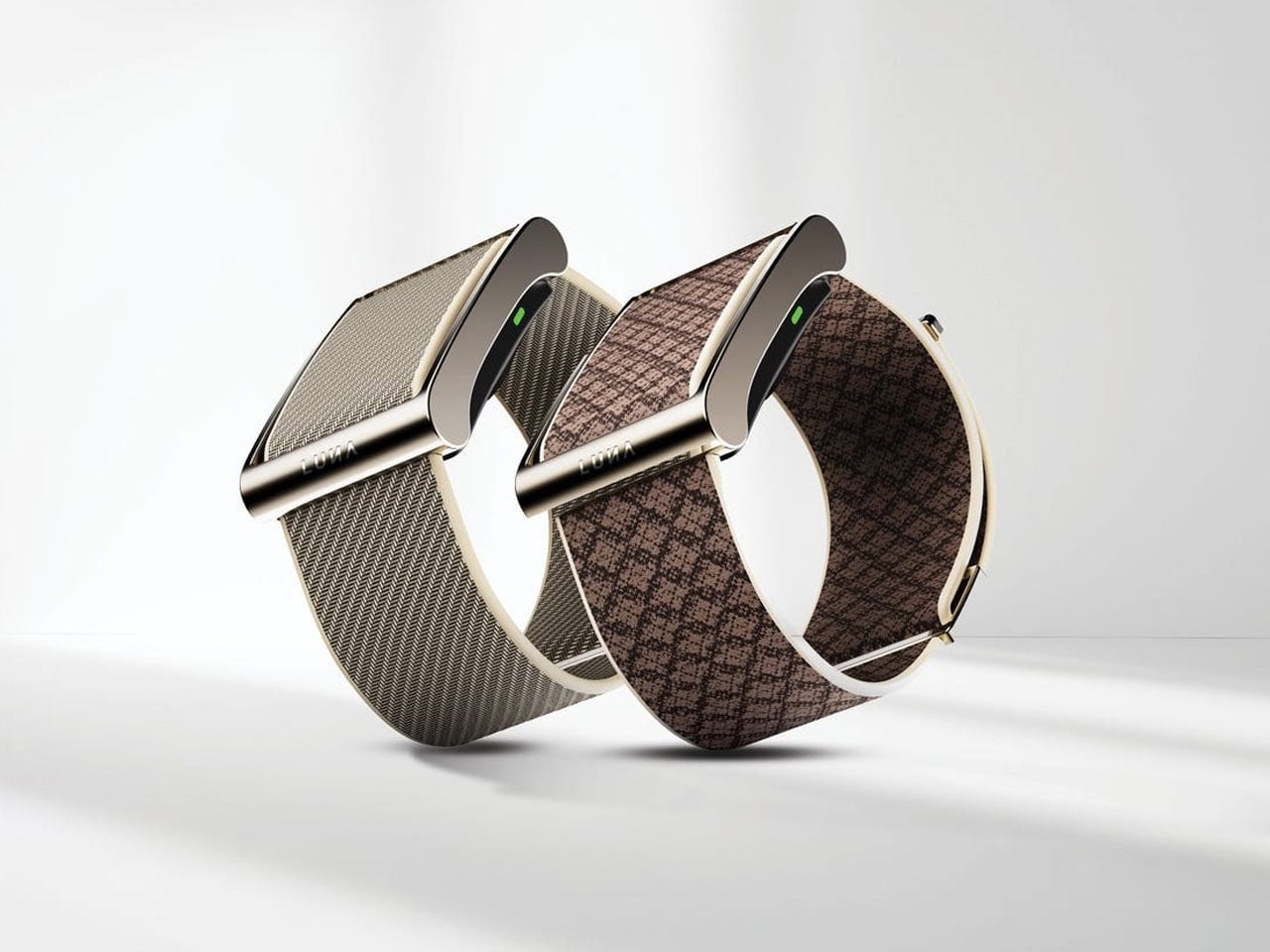
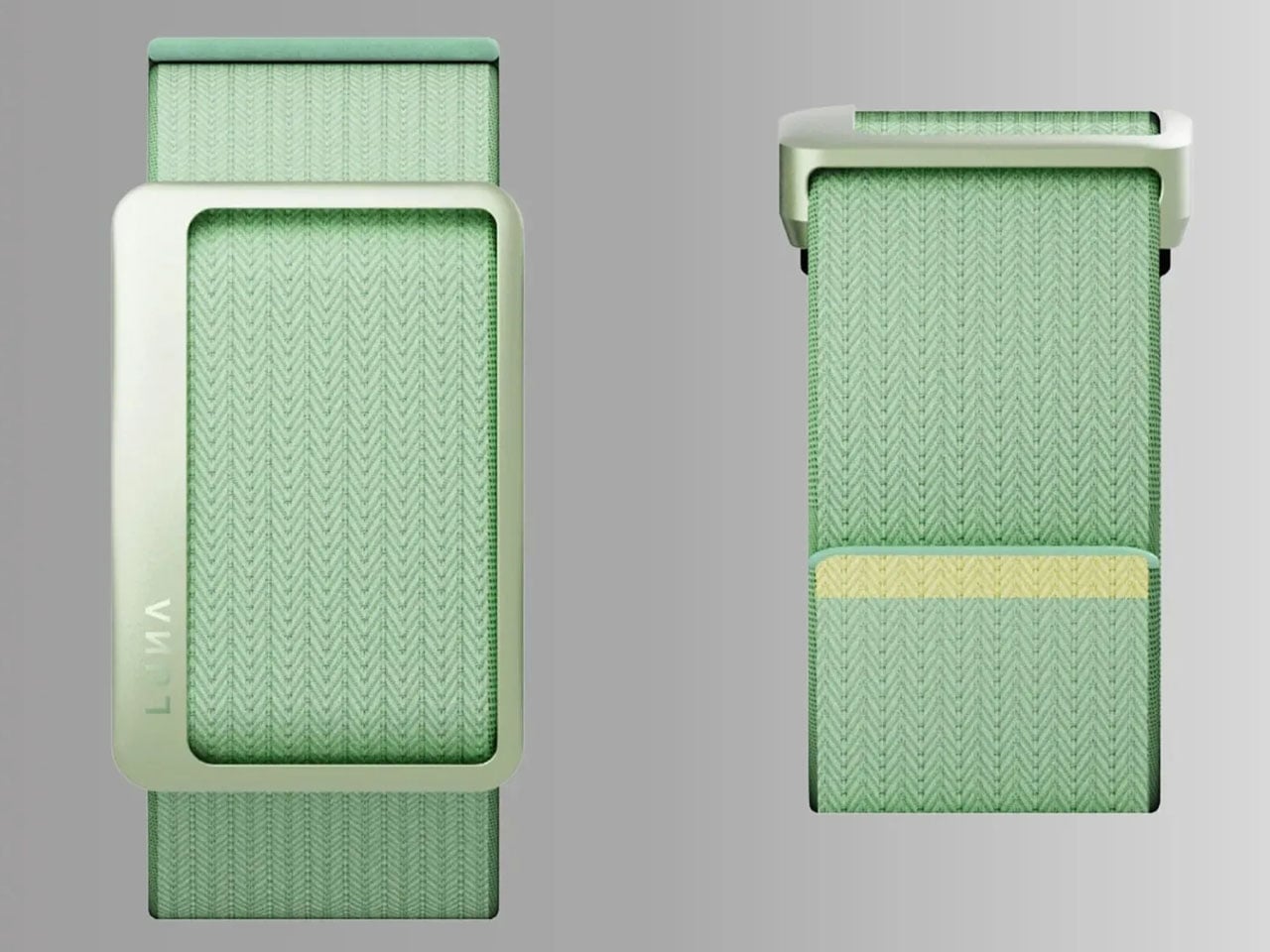
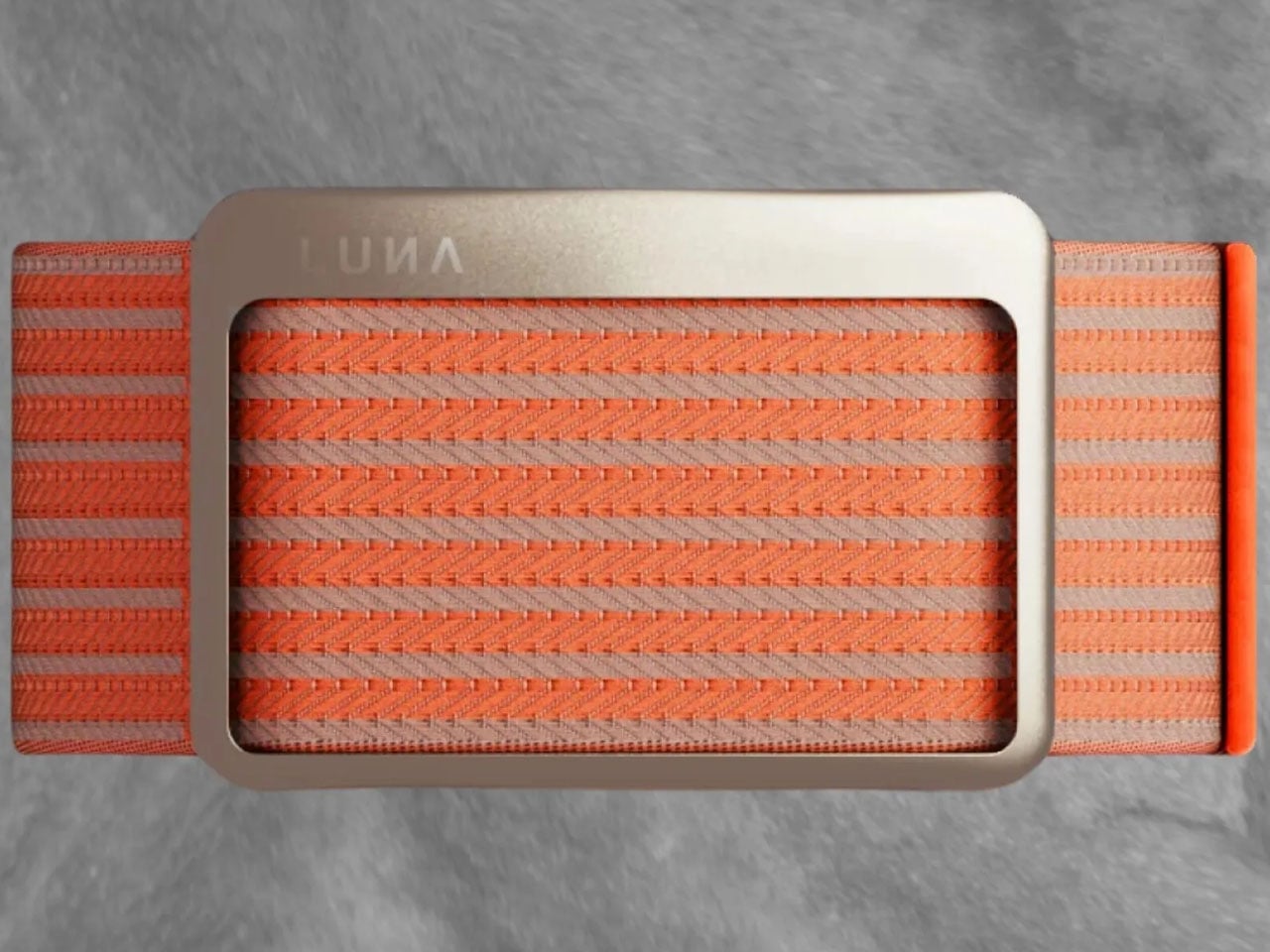
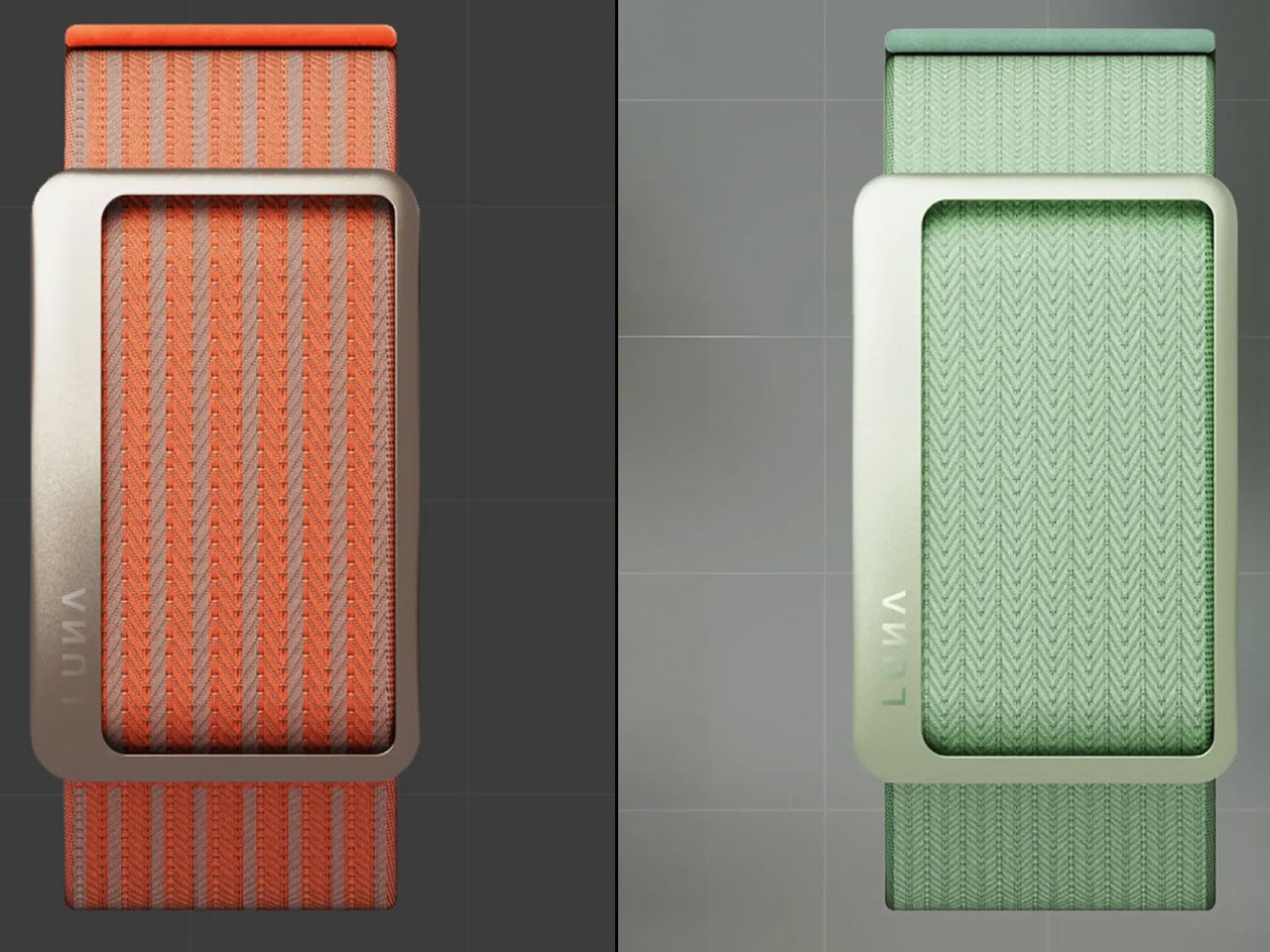
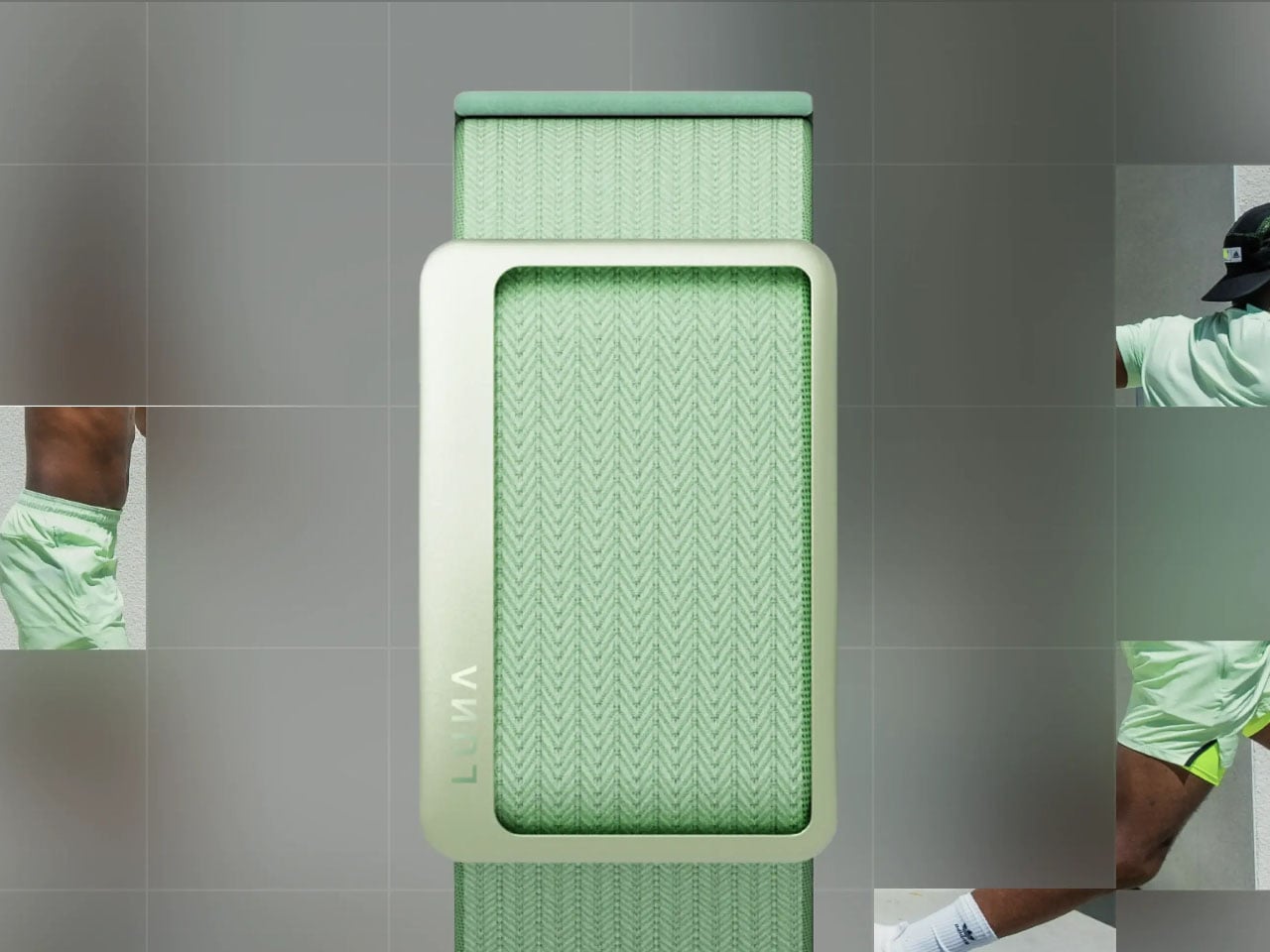
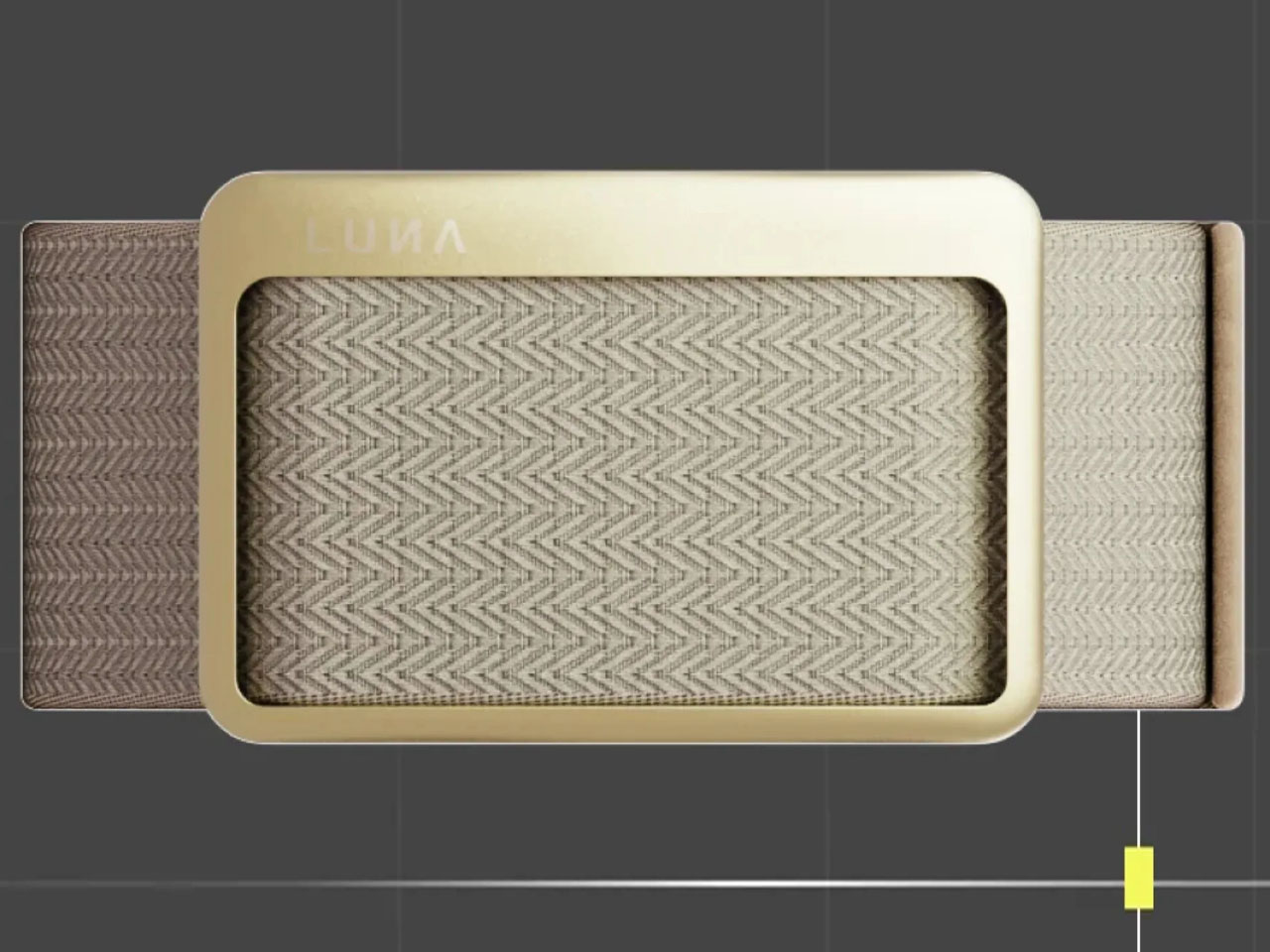
So, what are we expecting from the band? The Luna will do the basic tasks of tracking sleep and activity. It will come with Luna’s own LifeOS, which allows integration with Gemini and Siri assistants so you can take full advantage of the band via Android smartphone or iPhone. The band features a textured strap, like that of the Whoop you would have seen your favorite player wearing. It will come in a range of colors and materials, but the basic one is going to be fabric with a metal buckle.
Alongside remote access to various parameters, it’s tracking, the phone connected to the Luna Band can also allow voice-based health logging. We say it without definite confirmation, because there is no certainty, at the time of writing, whether this feature will be directly embedded in the phone with a microphone, or will it work via the phone (which is more likely to be the case). The band, additionally, early reports affirm, will log food intake, bloodwork, supplement intake, and store relevant medical data, which is new for a screenless fitness tracker.
Powered by a built-in battery, providing up to 10 days of backup, the Luna Band doesn’t have a confirmed pricing yet. Going by the features and the fact that the band will not require a subscription, we are guessing it will come for a steeper price tag than what’s prevalent for such devices in the industry.
The post Luna Band could be the first screenless fitness tracker that actually feels worth buying first appeared on Yanko Design.
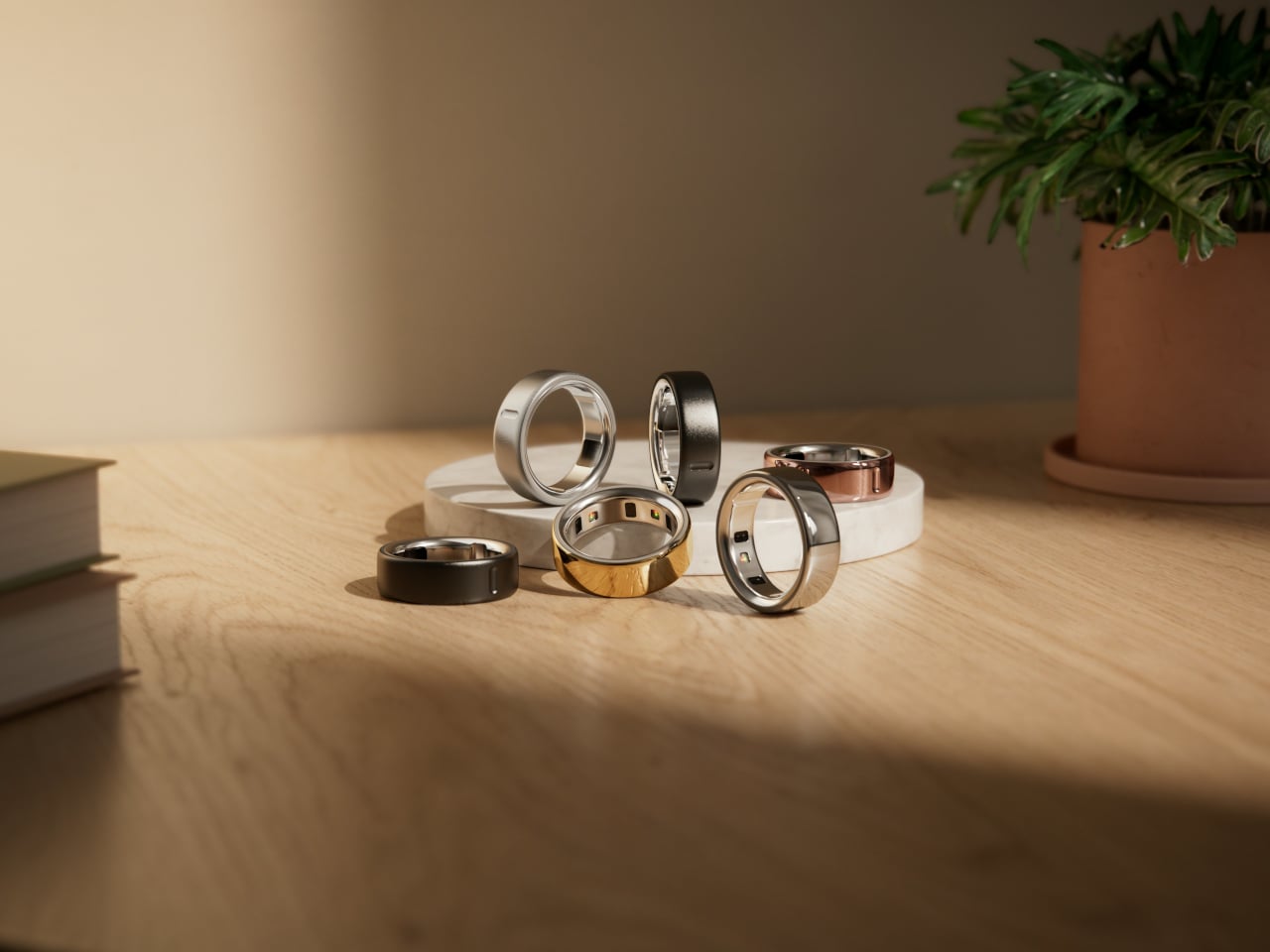
Smartwatches have had an impressive run, but the category is starting to feel a bit crowded and tired. Most recent releases have been iterative, adding a sensor here or a display tweak there, while the core form stays essentially the same: a small screen on your wrist buzzing at you constantly. Consumers are starting to wonder what the next genuinely interesting chapter of wearables looks like.
It turns out the answer might be right on your finger. In one week during May 2026, the smart ring went from niche wellness accessory to the category everyone in wearables should be watching. Oura confidentially filed an S-1 with the SEC, RingConn opened pre-orders for its Gen 3, and fresh leaks in iOS 26 code reignited the idea that Apple might be circling the space.
Designer: Oura Ring, RingConn, Apple, Samsung
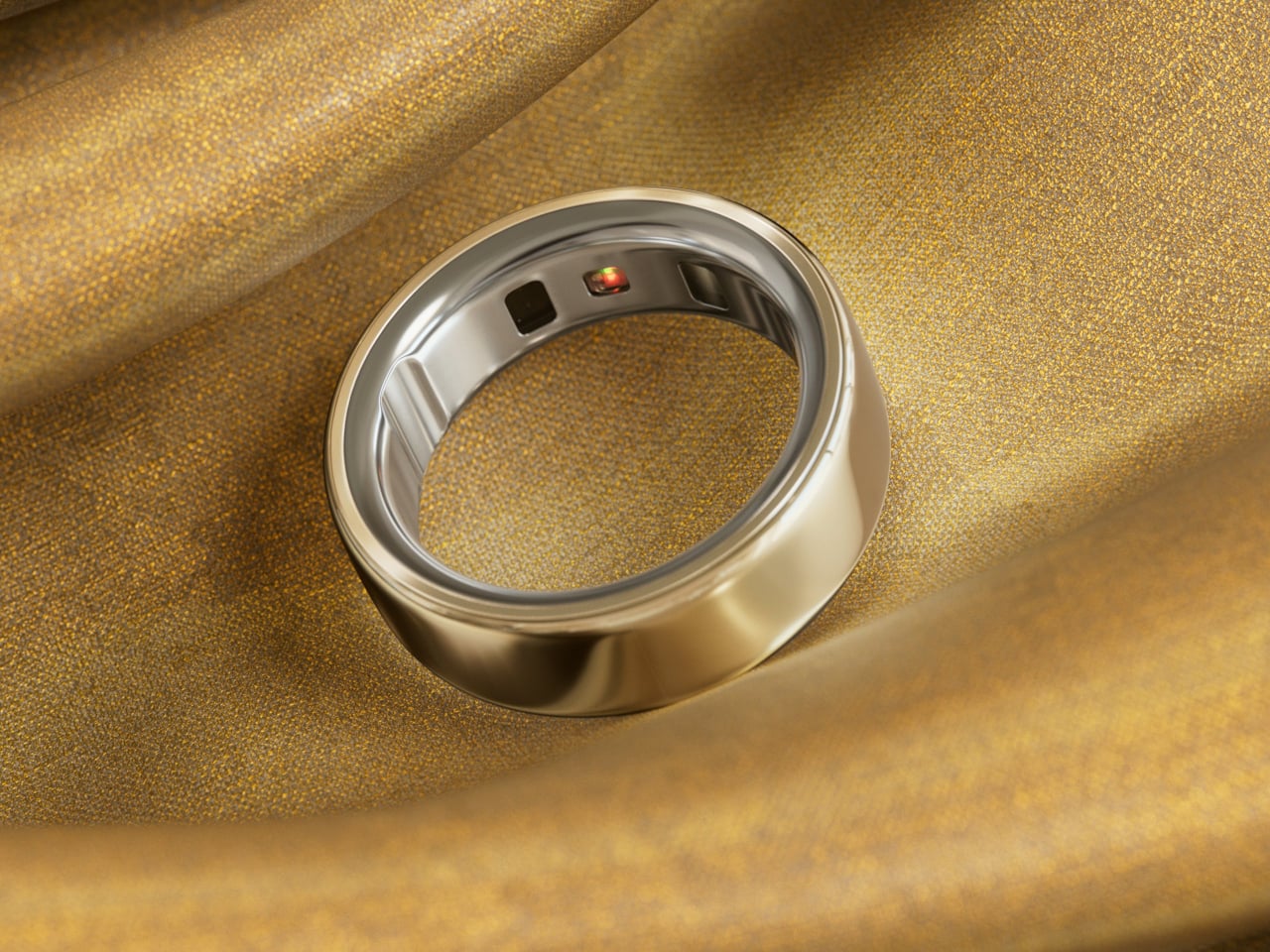
Part of what makes this moment feel significant is that it isn’t purely a business story. The smart ring’s appeal is rooted in something the smartwatch was never designed for: disappearing. A ring doesn’t have a screen demanding your attention, doesn’t buzz through dinner, and doesn’t get taken off at bedtime. For passive health tracking, especially overnight, the finger turns out to be a surprisingly elegant surface.
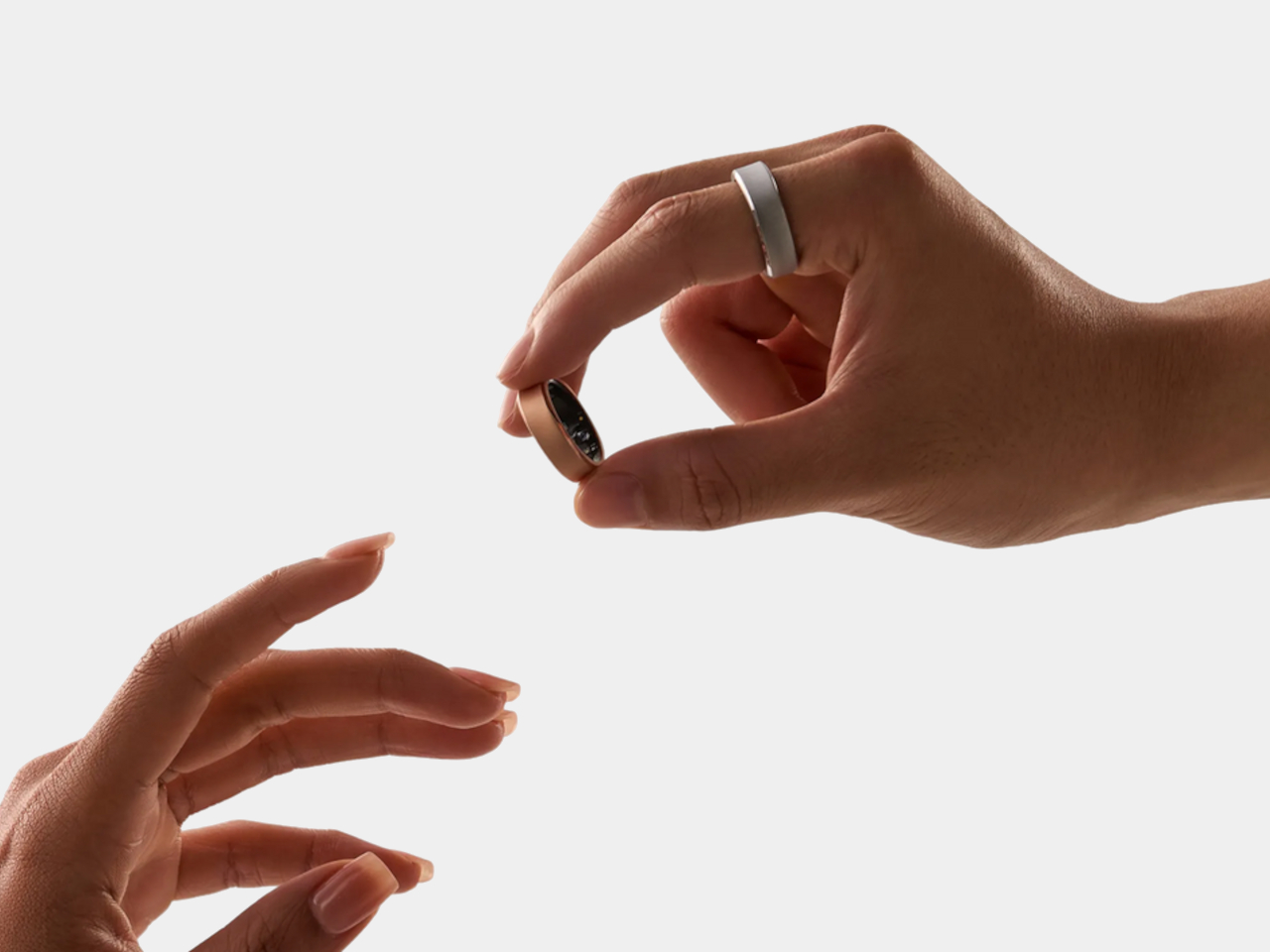
RingConn Gen 3
RingConn’s Gen 3 is the clearest hardware proof that the category is maturing. At $349, the titanium ring ships with a 14-day battery, vascular health tracking, and haptic alerts, all without a subscription fee. That battery figure alone is worth pausing on. A ring that only needs charging once a fortnight fits into daily life in a way that a device needing nightly top-ups simply doesn’t.

RingConn Gen 3
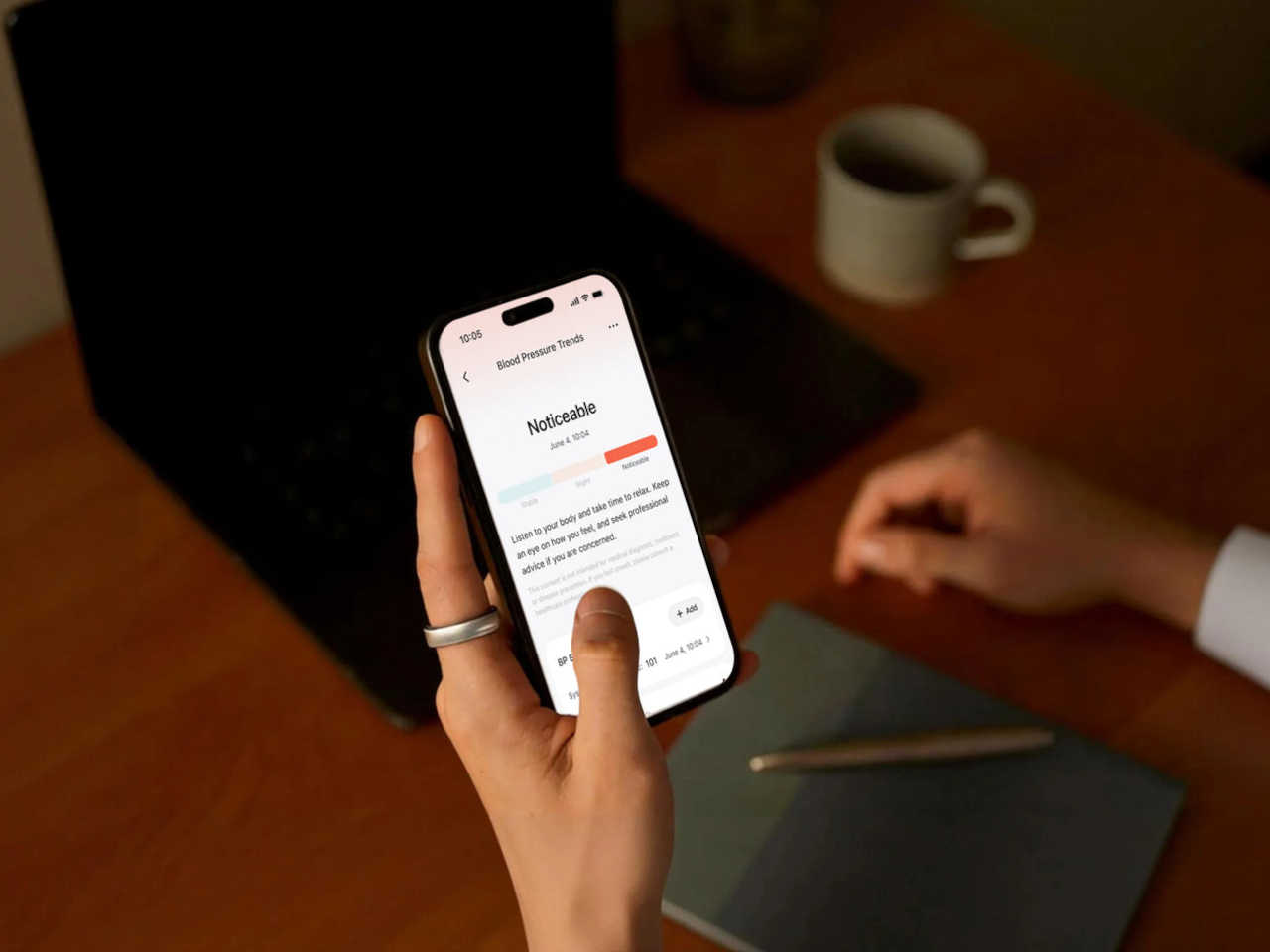
RingConn Gen 3
What RingConn’s launch really signals is a shift in the category brief. Buyers aren’t just asking whether a ring can track their sleep anymore. They want richer health data, meaningful feedback, and hardware that feels finished rather than experimental. Titanium construction, cardiovascular insights, and a no-subscription model together suggest that the smart ring has stopped apologizing for what it can’t do and started showing off what it can.
Oura’s confidential S-1 filing adds a different kind of weight to the week. Filing with the SEC isn’t something companies do casually. It means Oura believes the smart ring market is stable enough, scalable enough, and financially convincing enough to withstand public-market scrutiny. It’s also a signal that the subscription model, which charges users a monthly fee to access their own health data, has real staying power.
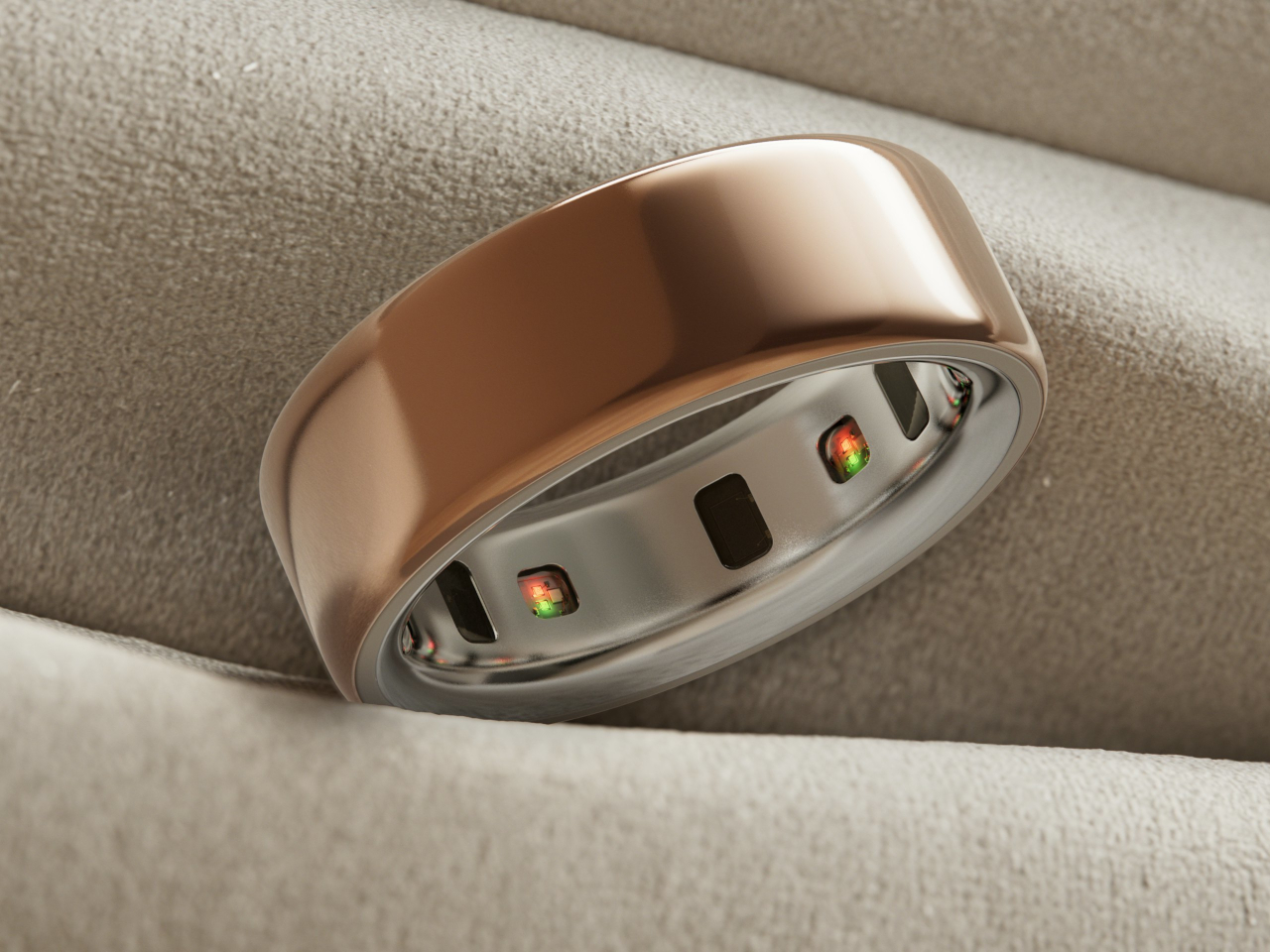

Oura Ring 4
That subscription debate cuts to something interesting about how these companies see what a smart ring is. Oura is essentially selling a sensor paired with an ongoing interpretation service. RingConn is selling a finished object you own outright. Neither is wrong, but the two approaches create very different relationships between wearer and device, and that relationship shapes every other decision the product team ends up making.
Then there’s Apple, which hasn’t confirmed anything but whose shadow is already affecting the conversation. References buried in iOS 26 code have fueled speculation that Cupertino is at least exploring a ring-shaped device, possibly one that ties into the broader Vision Pro ecosystem. Apple hasn’t shipped a ring yet, but its apparent interest alone changes how developers, investors, and competing hardware teams think about the category’s long-term potential.
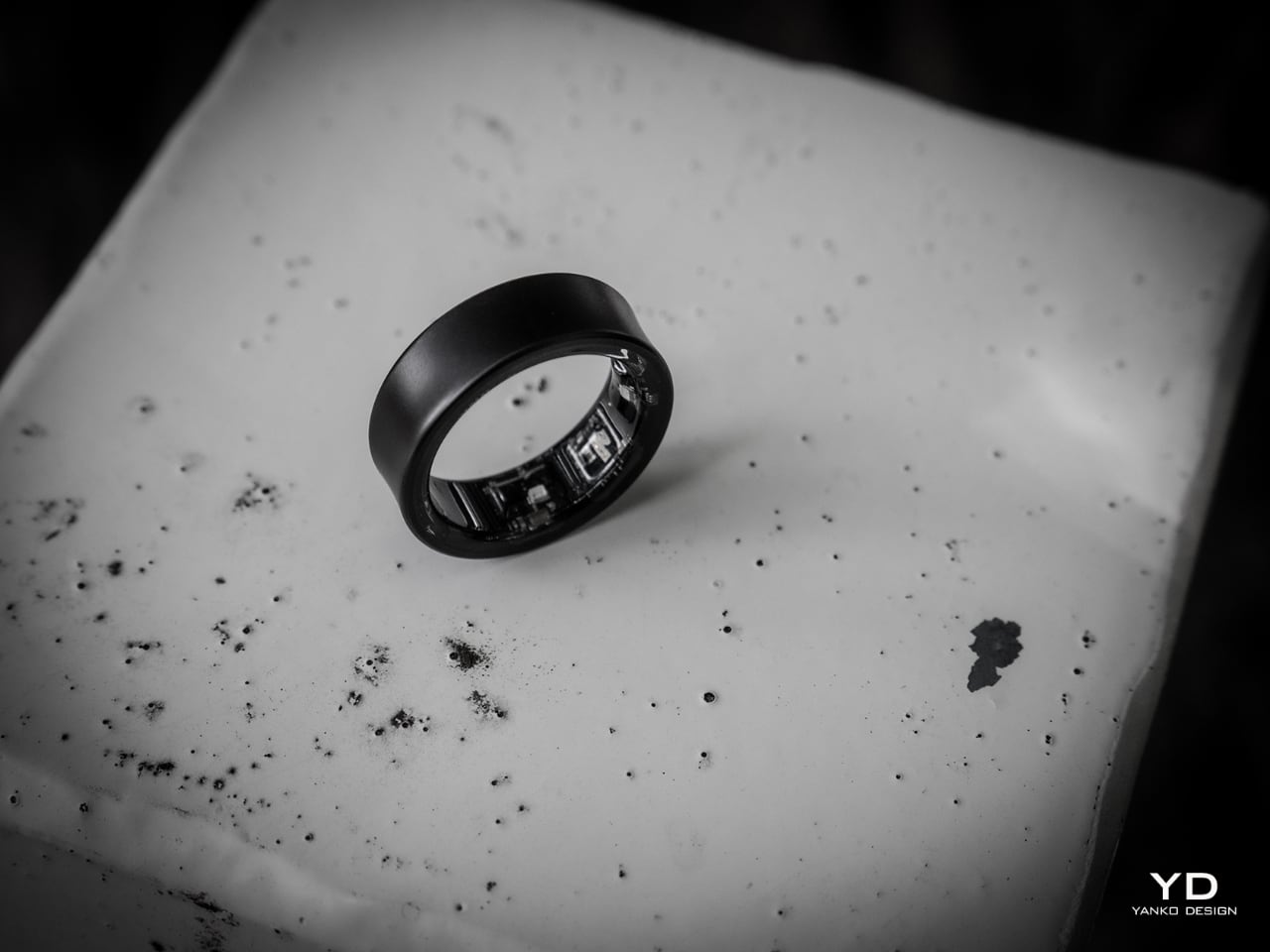
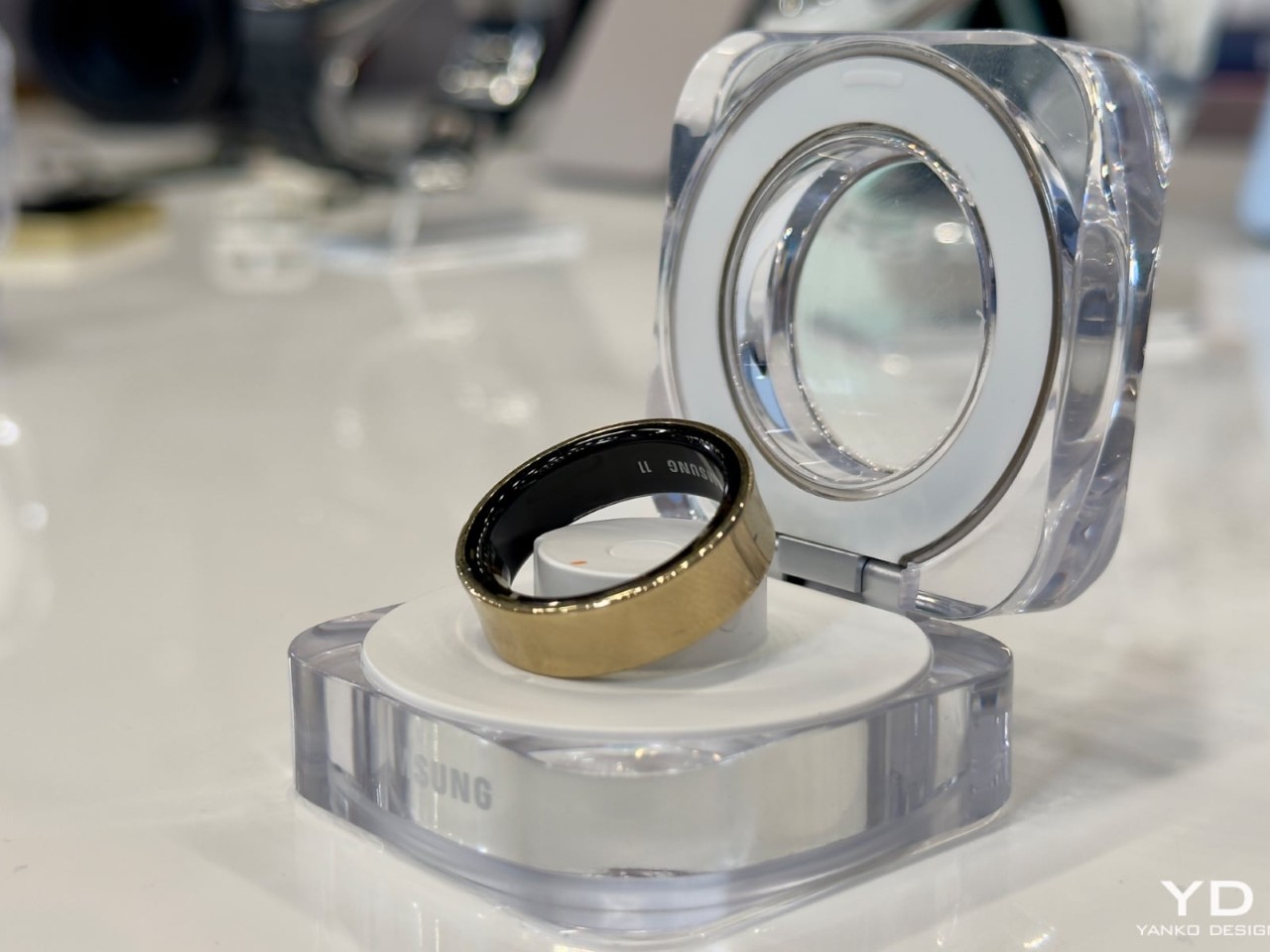
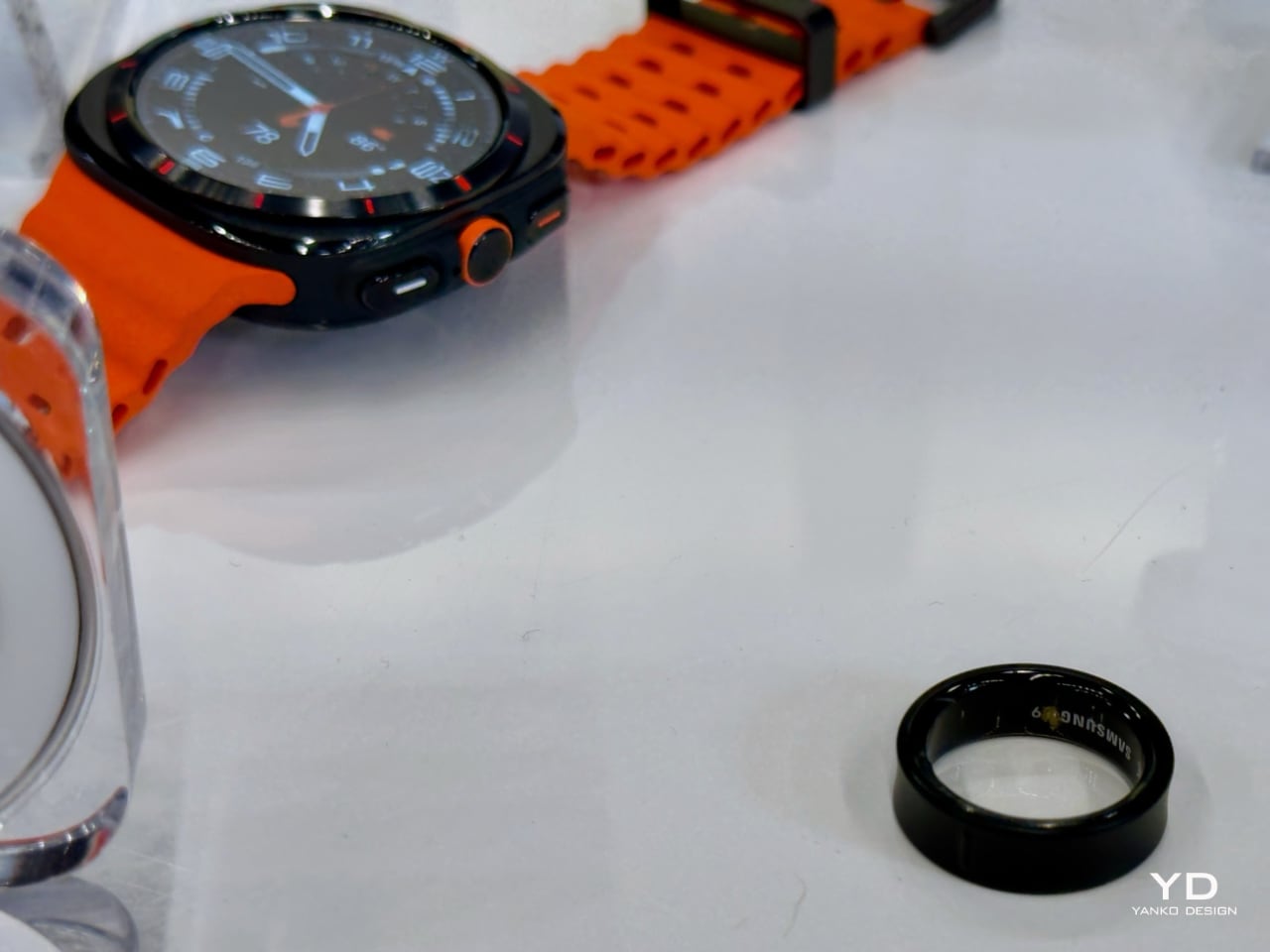
Samsung Galaxy Ring
The harder question, of course, is what comes next for a category that’s barely five grams and still trying to grow up. Blood pressure monitoring, non-invasive glucose tracking, and finer cardiovascular sensing are all on the roadmap, but they’ll demand even more from a form factor that’s already pushing the limits of miniaturization. Getting there without sacrificing comfort or wearability is the real design challenge ahead.
The post Smart rings just had their breakout week first appeared on Yanko Design.