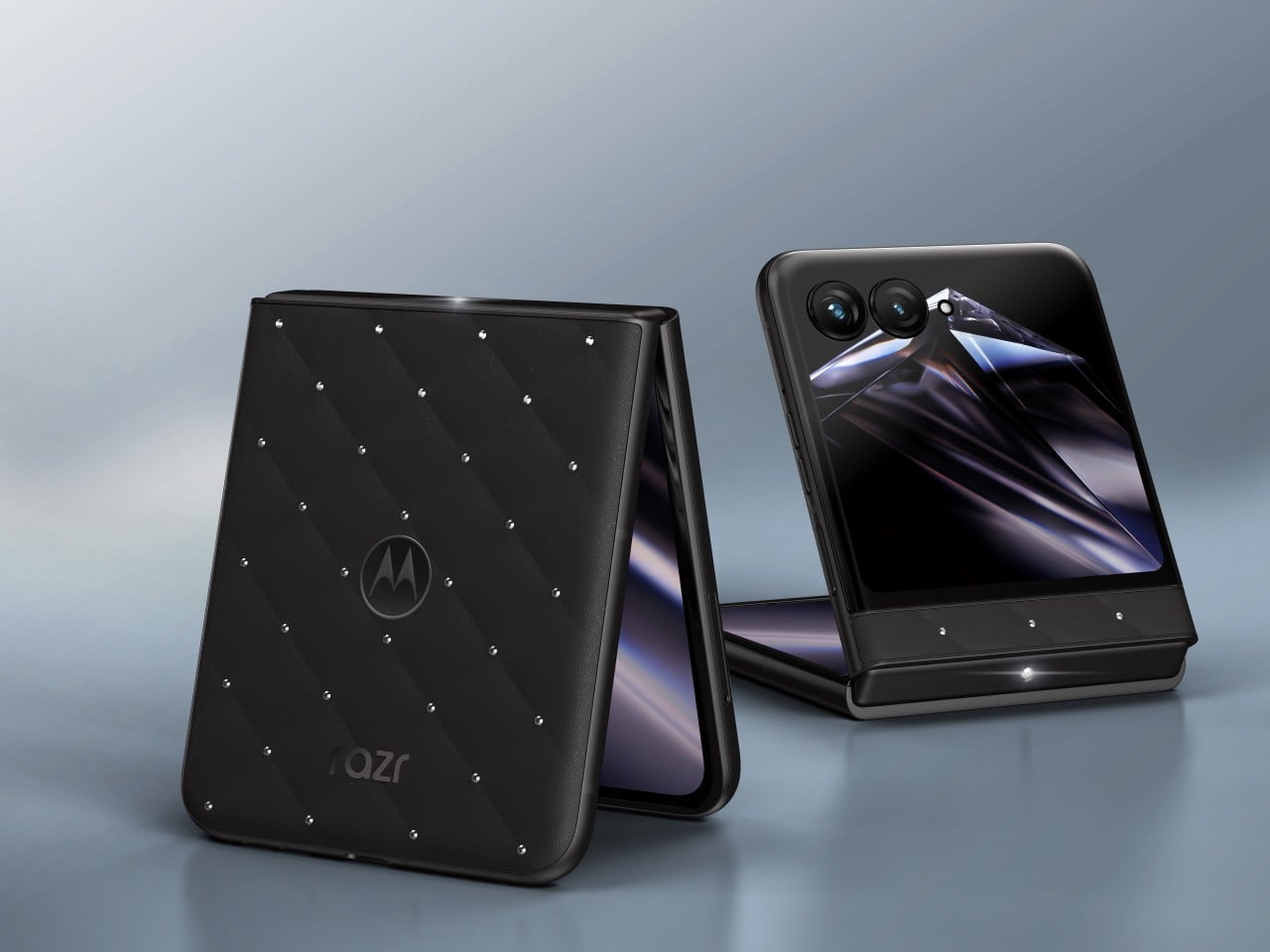
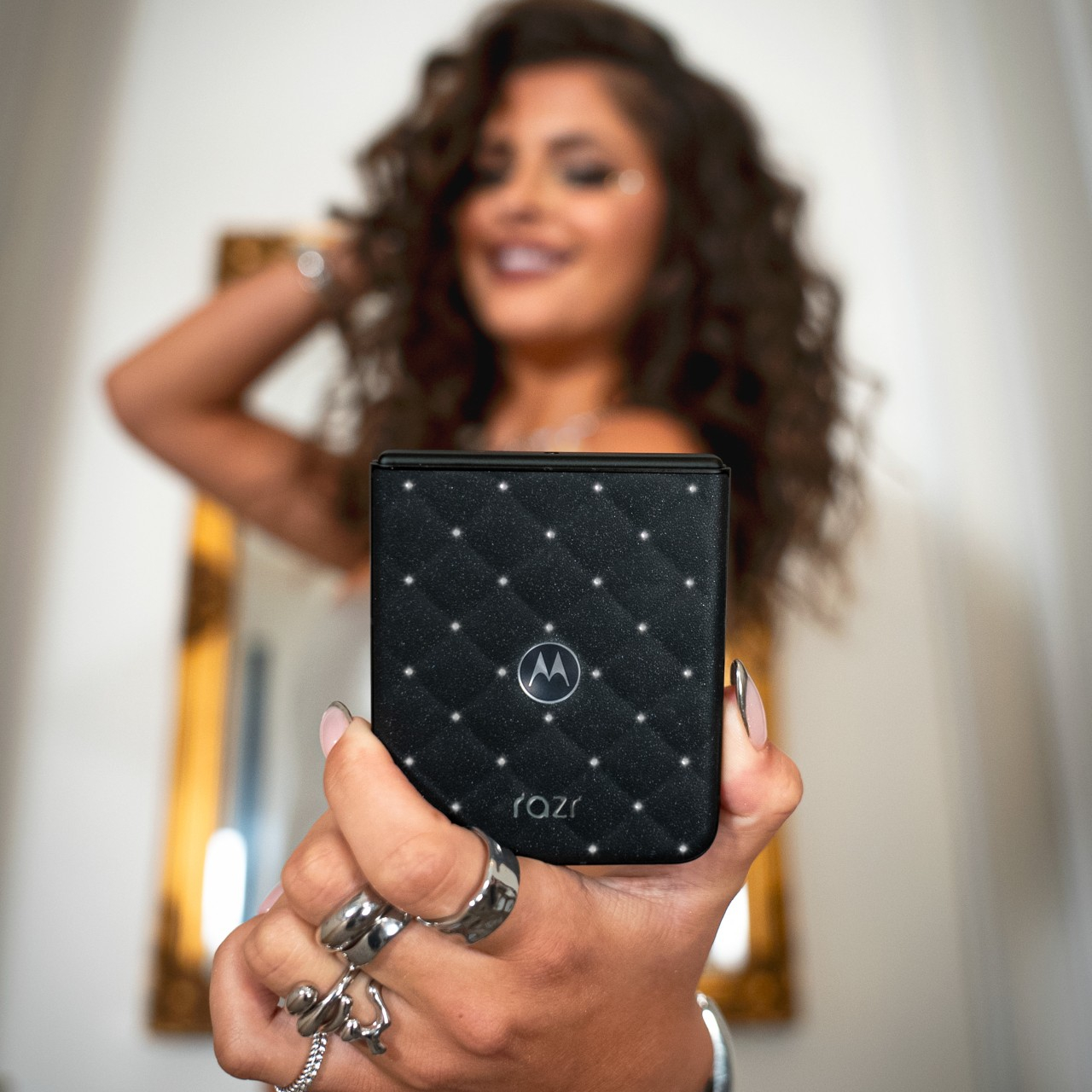
Motorola built a phone that asks to be noticed before it’s even unfolded. The 2026 motorola razr with Crystals by Swarovski joins the Brilliant Collection at IFA 2026, pairing Pantone’s color expertise with Swarovski’s craftsmanship on a foldable that reads less like consumer electronics and more like a clutch bag someone forgot was also a smartphone. It’s Motorola’s clearest statement yet that a phone’s exterior deserves as much attention as its chipset.
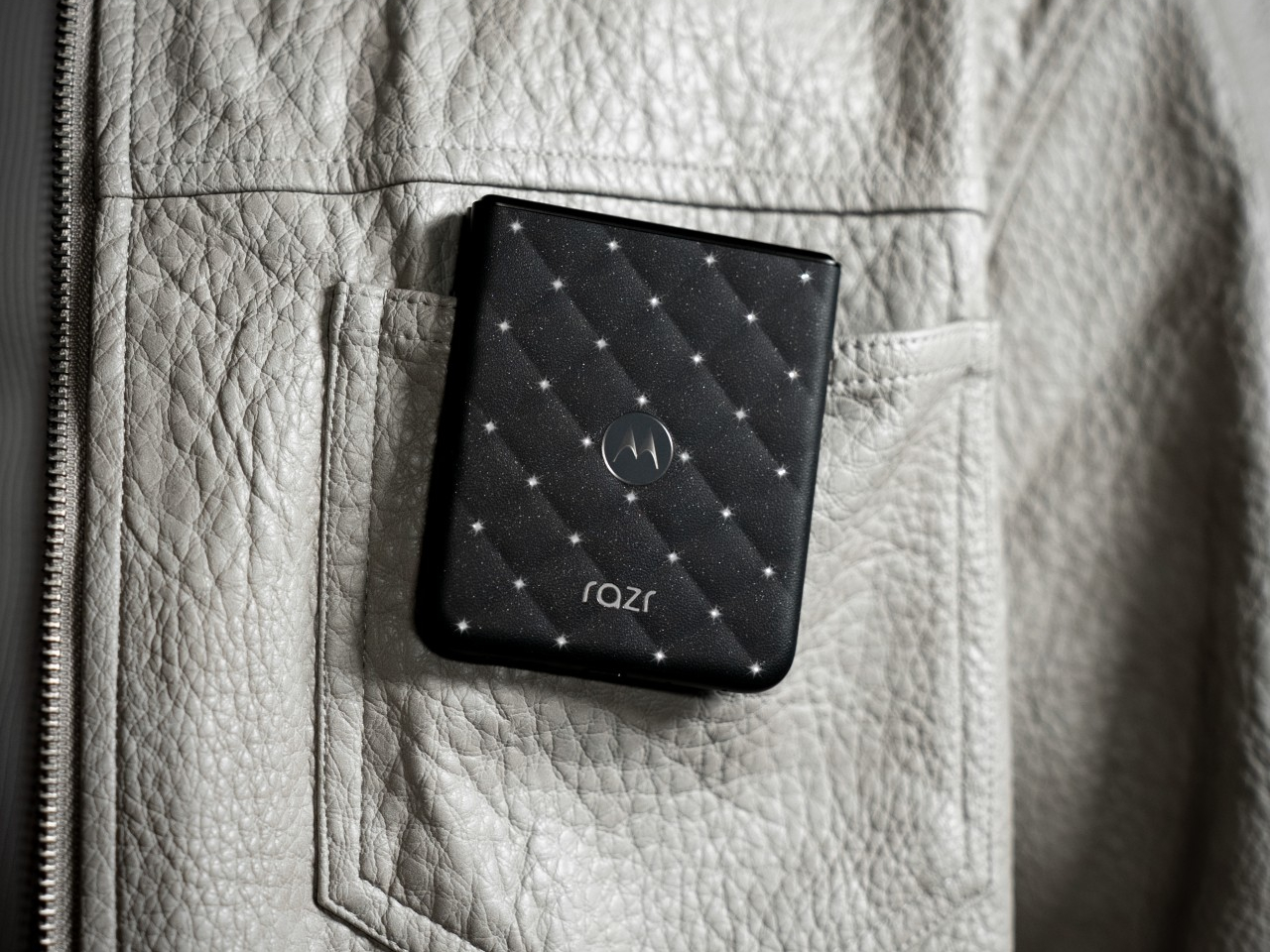
That statement starts with PANTONE Meteorite, a deep, understated shade that never competes for attention against the crystals resting on top of it. Instead, the finish creates contrast, revealing different dimensions of light and sparkle as the phone moves, so a simple pocket check under a restaurant table catches light differently than the same motion under office fluorescents. Color, in this case, does the quiet work of making everything layered on top of it shine harder.
Designer: Motorola x Swarovski
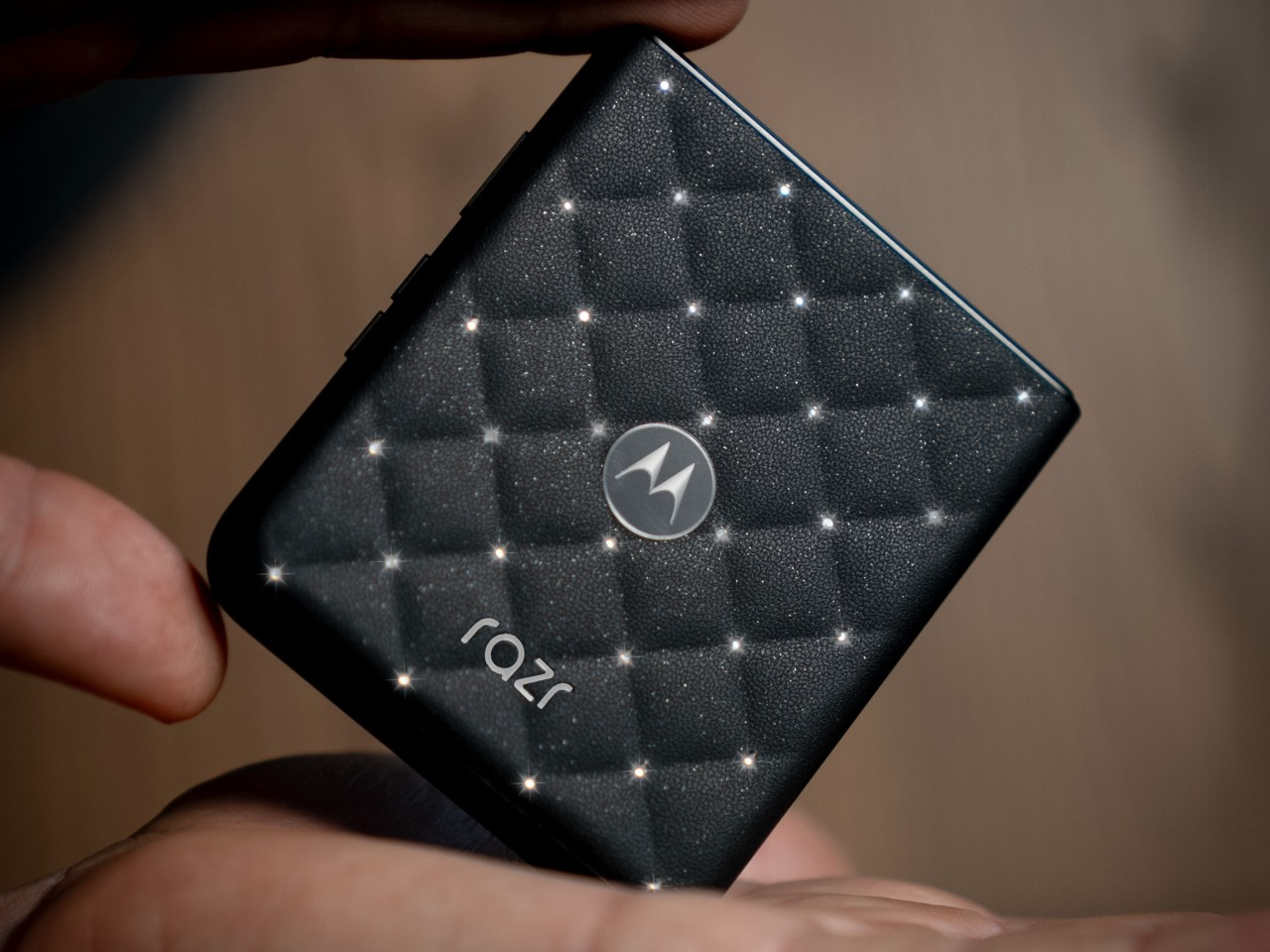
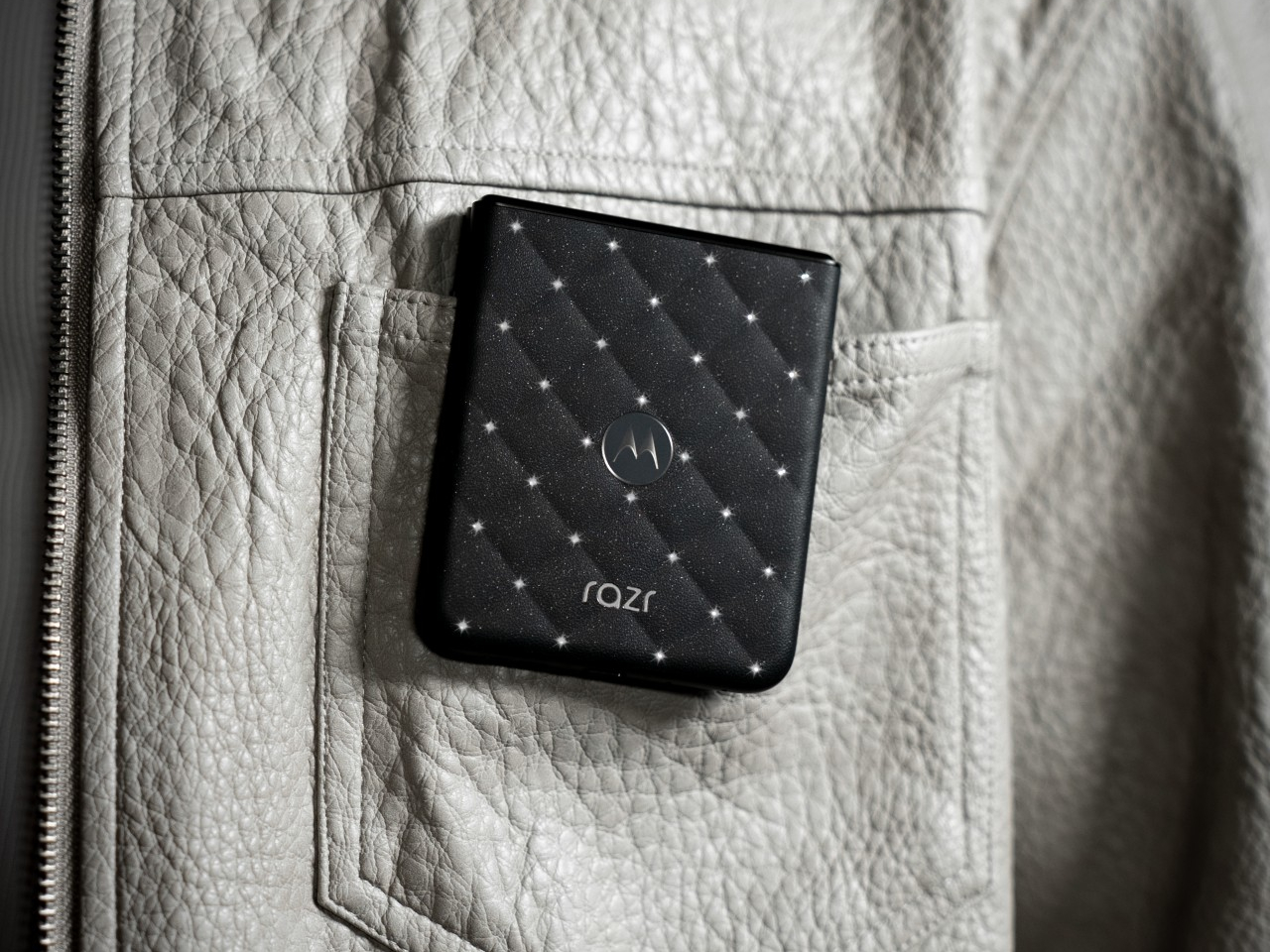
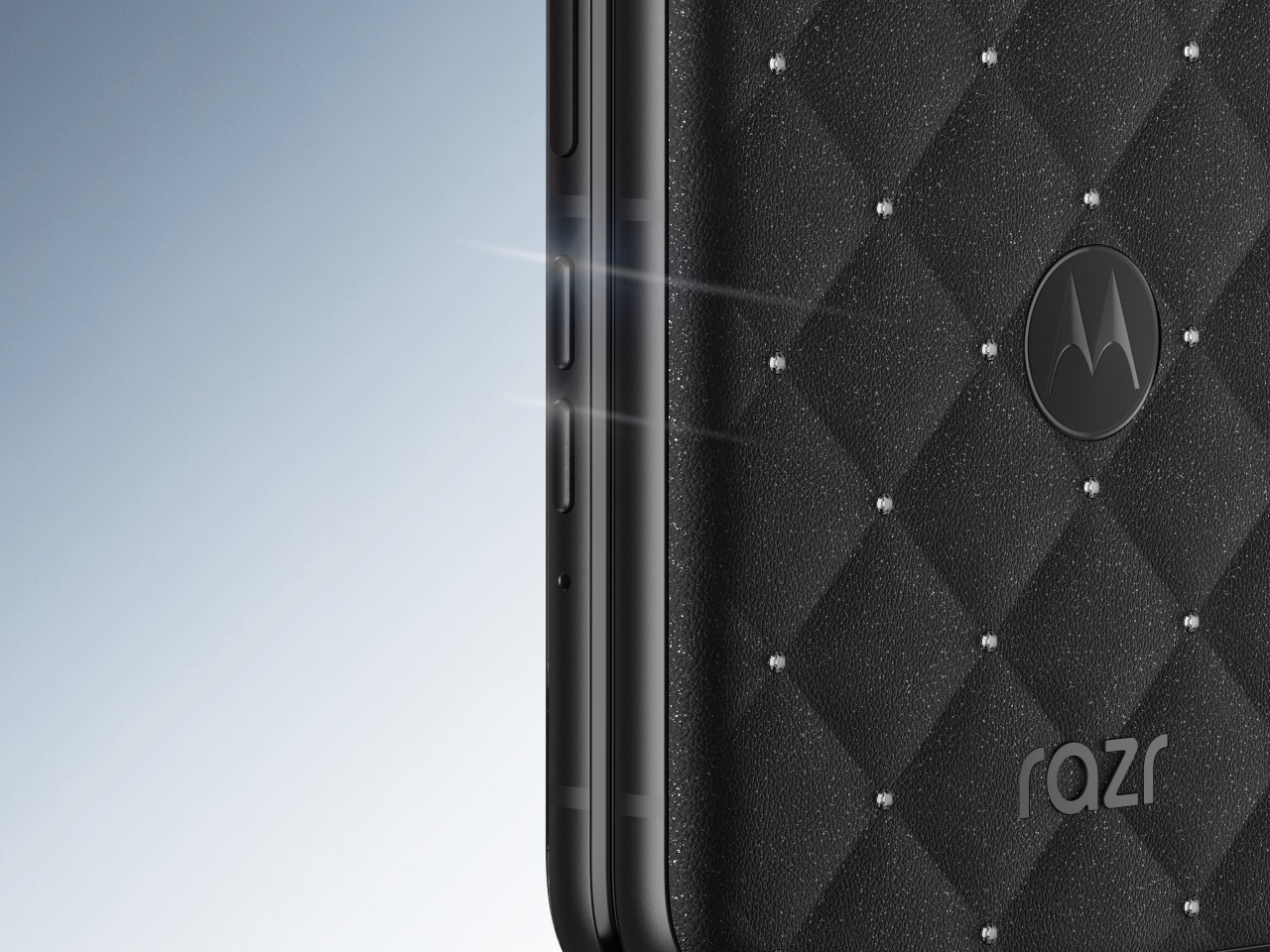
That layering happens across a quilted, leather-inspired texture that already feels premium before a single crystal enters the picture. Set against that padded surface, 35 hand-positioned Swarovski Crystals in Silver Night catch light from nearly any angle, each one placed with enough precision that the pattern reads as intentional rather than scattered. It’s the kind of detail that rewards a second glance rather than exhausting itself after the first one.
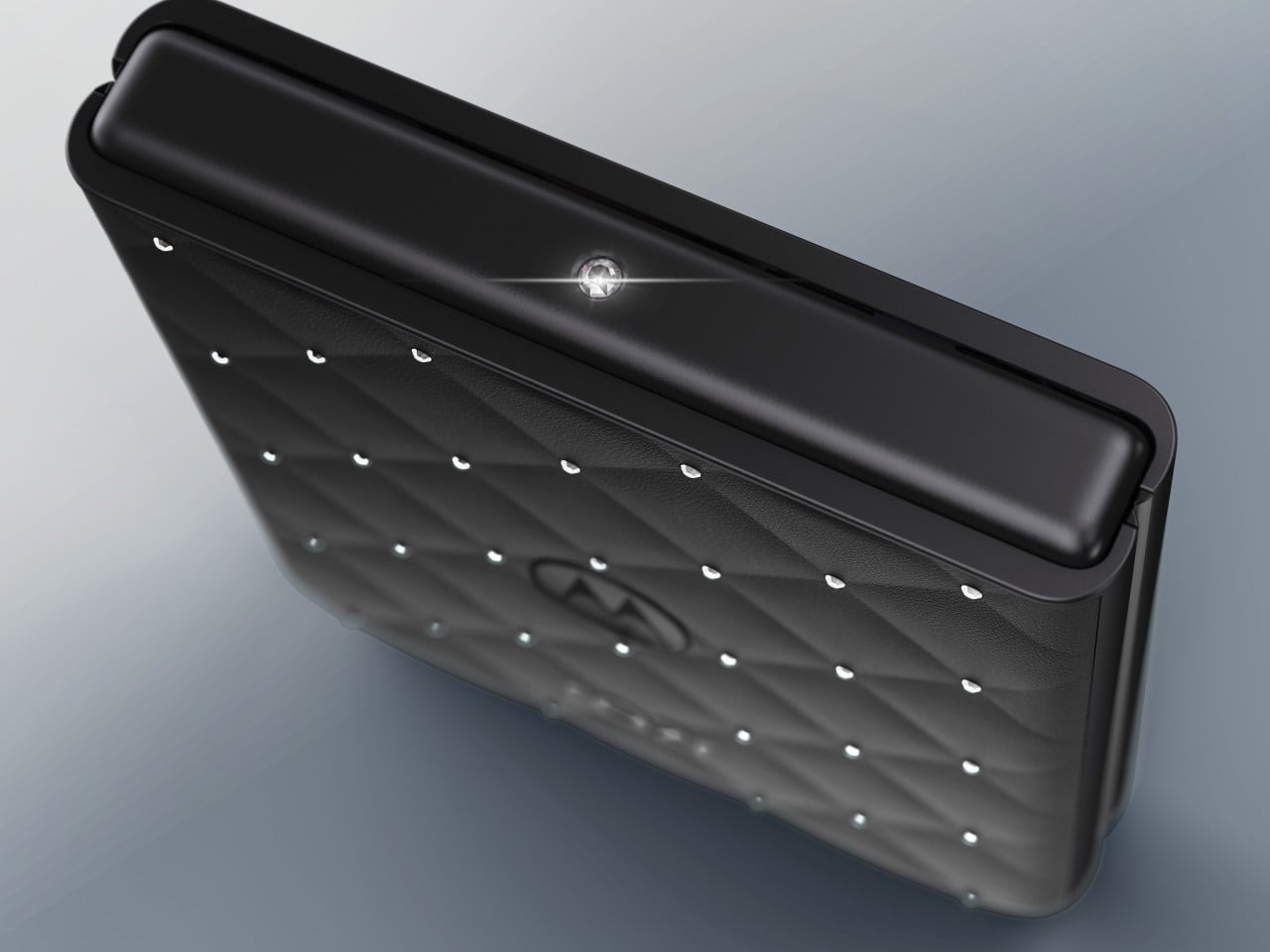
One crystal earns special treatment. A signature 32-facet Swarovski Crystal sits directly on the hinge, catching light with every flip in a way that turns the phone’s most mechanical motion into its most theatrical one. Razr’s flip has always been a small performance, and Motorola clearly understood that placing its biggest crystal exactly where the hinge pivots would turn an everyday gesture into something worth watching happen.
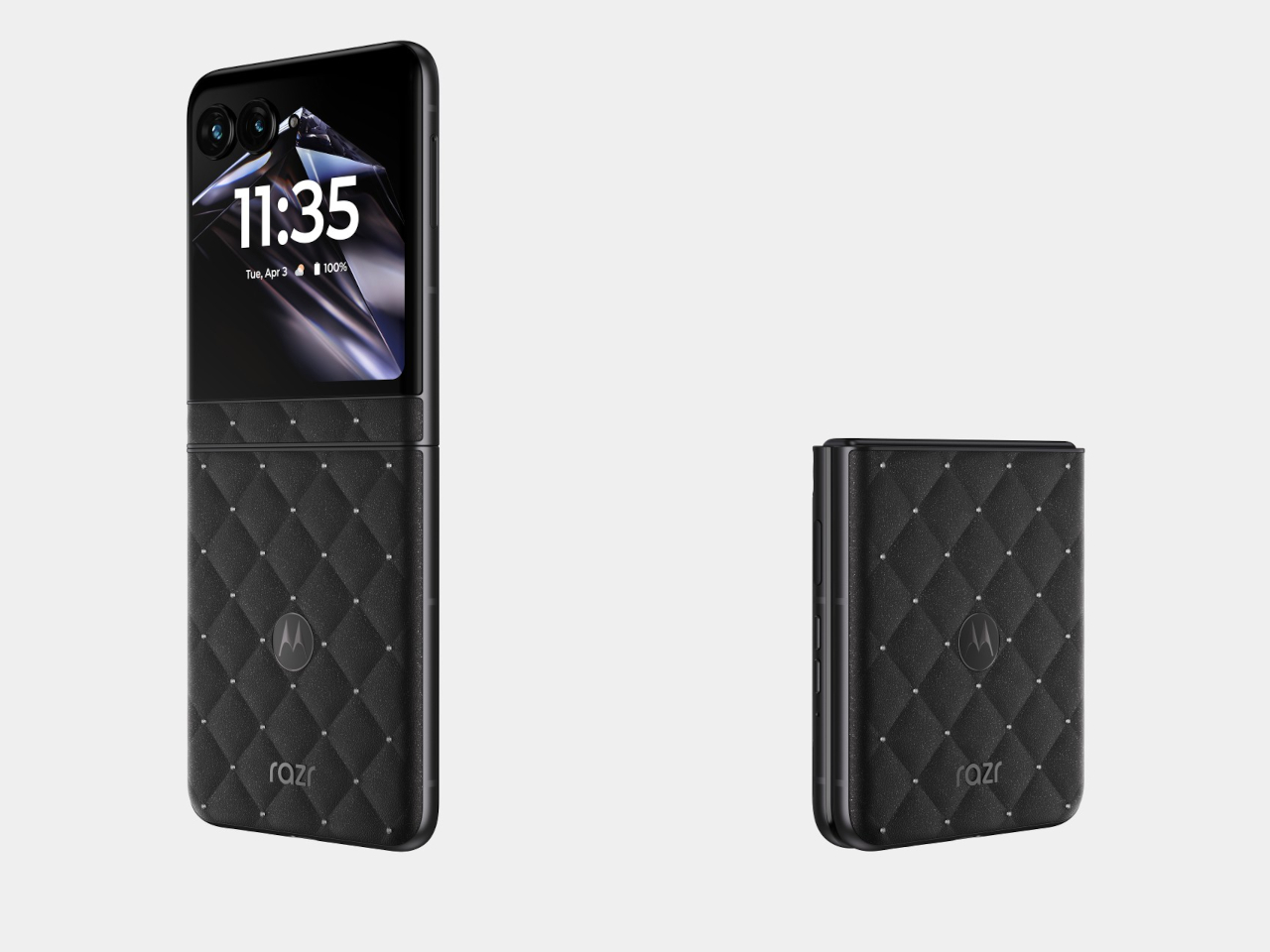
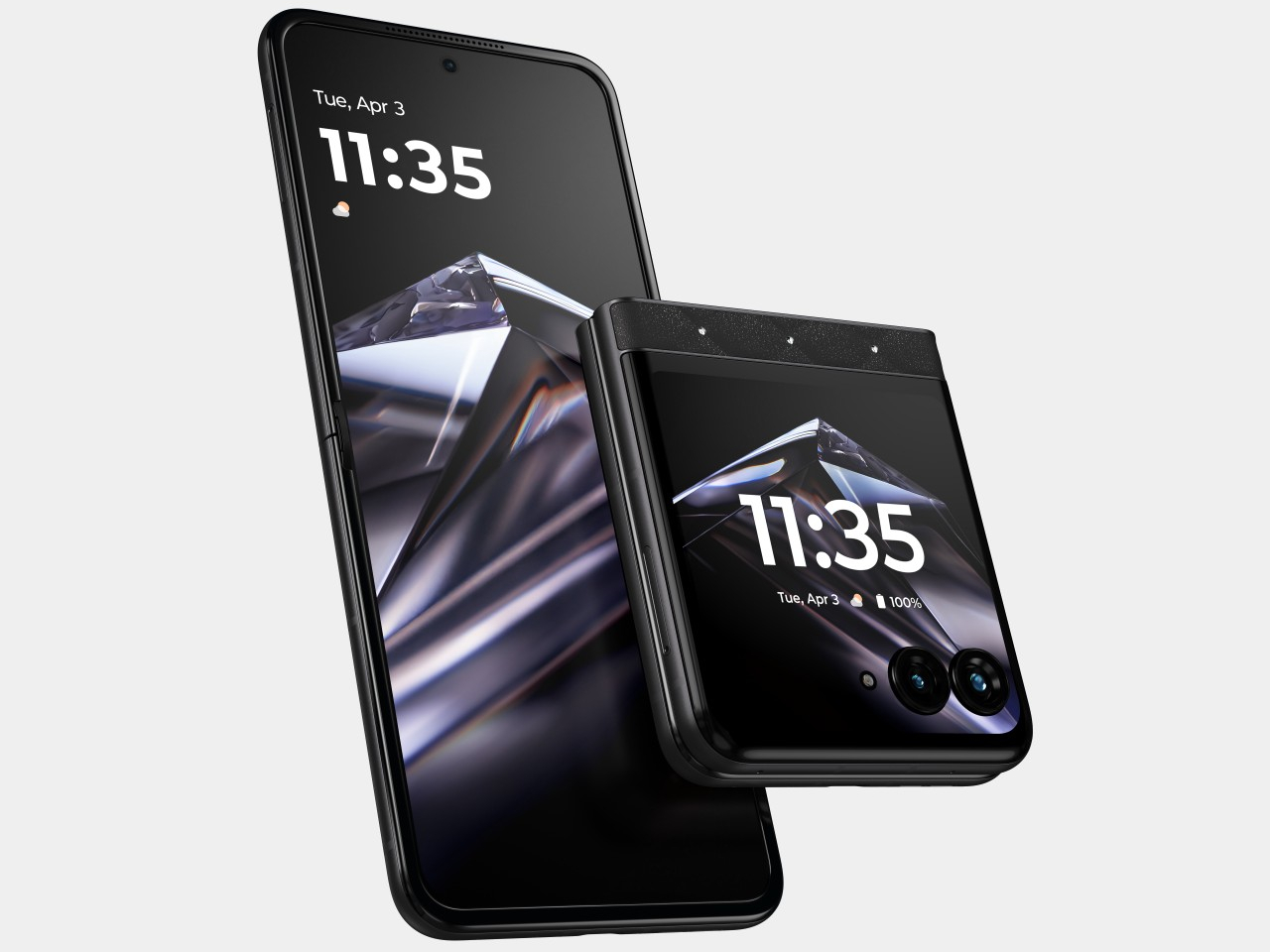
Motorola ships the device with a clear protective case built to frame the design without hiding it, a detail that matters more than it initially sounds. Plenty of phone cases exist purely to protect a device at the cost of concealing whatever made it desirable in the first place. Here, the case reads more like a museum vitrine than a rubber shell, letting the crystal work stay visible through daily handling.
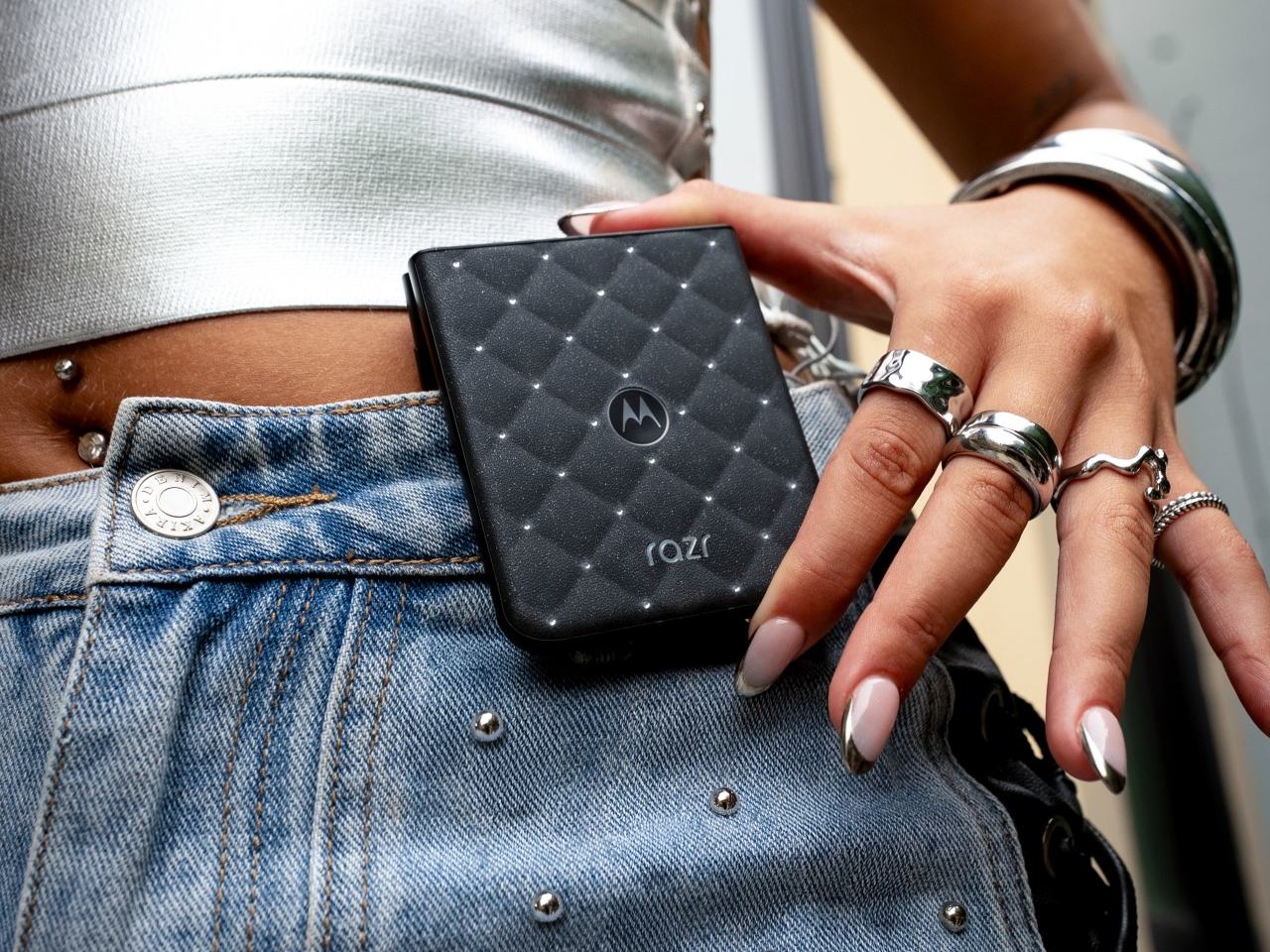
None of that styling comes at the expense of the hardware underneath. A 6.9-inch Extreme AMOLED display unfolds for daily use, backed by a dual 50MP main camera system and a 4800mAh battery rated for more than 36 hours on a single charge. The external 3.6-inch display still runs full apps and handles notifications without requiring an unfold, keeping the phone functional even when someone’s more focused on how it catches light in a bag.
Motorola frames the Brilliant Collection as proof that technology can be both beautiful and intelligent, and this razr backs that framing with hardware that would hold its own even without a single crystal attached. Pricing lands at $899.99 when the phone arrives on Motorola.com and Amazon on September 10, with Verizon carrying it starting September 24, putting genuine jewelry-adjacent design within reach of anyone willing to treat a phone as an actual accessory.
The post Motorola’s Swarovski Razr Was Designed to Be Seen, Not Hidden first appeared on Yanko Design.