The Evolution of Smartphones: What Are GenAI Phones?

Generative AI, or GenAI, has been making waves in the software industry for several years, proving its potential to revolutionize various sectors with its ability to generate new content and provide insightful analyses based on existing data. However, it is only recently that this technology has started to transition from software applications to consumer hardware, specifically within the mobile phone market. This transition marks the beginning of a new era in consumer electronics, where smartphones are not only smart in name but are endowed with the capability to perform complex AI tasks that were once reserved for powerful servers.

The term “GenAI smartphone,” or “GenAI phones” for short, began to gain traction in the last six months, emerging prominently in reports from leading market research firms. These devices are distinguished from standard smartphones’ ability to harness large-scale, pre-trained generative AI models to create and modify content directly on the device. This capability isn’t just a marginal upgrade to existing features. Still, it represents a fundamental shift in how mobile technology interacts with users, offering distinctive personalization and functionality directly from one’s hand.

As these GenAI smartphones prepare to enter the market, they promise to redefine user interactions with mobile devices. With the potential to handle tasks ranging from real-time language translation and complex content creation to intuitive personal assistants that understand and predict user needs, GenAI phones aim to set a new standard in mobile computing. This evolution from a communication tool to an intelligent companion stresses a pivotal shift in the mobile industry, driving consumer excitement and industry innovation. As we stand on the brink of this technological leap, it is crucial to understand what precisely a GenAI smartphone is, how it differs from traditional smartphones, and what it promises for the future of mobile technology.

What is a GenAI Phone?

A GenAI phone represents a new category of smartphones that embed generative artificial intelligence (AI) at the core of their functionality, offering previously unimaginable capabilities in a handheld device. These devices integrate large-scale, pre-trained AI models to provide unprecedented personalization and functionality directly from one’s hand.

At the heart of a GenAI phone are AI-driven applications capable of generating original content. Whether it’s composing personalized emails, designing unique artwork, or creating music from simple user prompts, these applications dynamically produce outputs tailored to user interactions. Unlike traditional apps that operate within their confines, AI tools in a GenAI phone are embedded system-wide, enhancing the user experience across all functionalities. This integration ensures that AI capabilities improve everything from the camera and messaging apps to system settings, adapting to the user’s behavior to predict and automate actions like app selection or environmental adjustments.

GenAI phones are equipped with specialized CPUs explicitly designed for intensive AI tasks to power these sophisticated features. These processors perform billions of operations per second, enabling the device to run complex AI models directly on the device. This capability of processing data locally speeds up operations by eliminating the latency associated with cloud computing. It significantly enhances user privacy and security, as sensitive data does not need to be transmitted over the Internet.

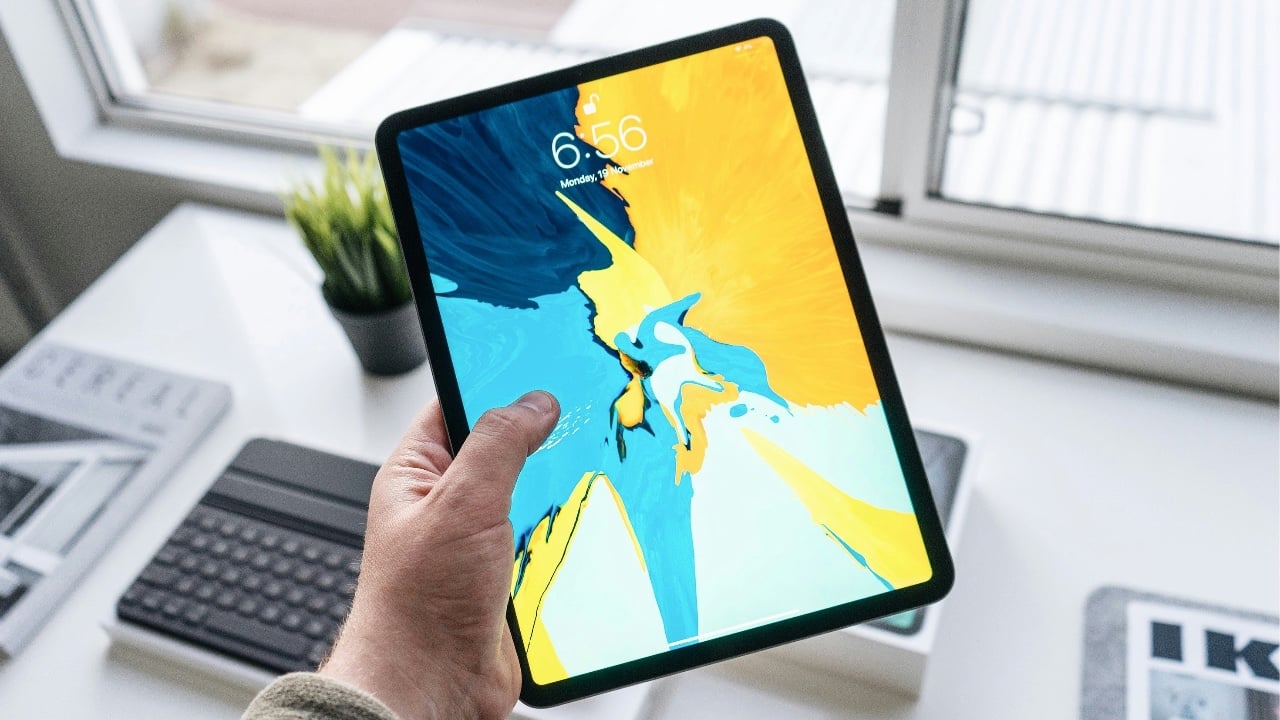
GenAI phones must remain elegantly designed and user-friendly despite the advanced technology embedded within them. Consumers expect their devices to combine functionality with aesthetic appeal, mirroring the sleekness and minimalism of products like the iPad Pro M4. The challenge for manufacturers is integrating these powerful AI capabilities into slim, attractive, and intuitive devices, ensuring that technological advancements enhance rather than complicate the user experience.

What Isn’t a GenAI Phone and Current Market Scenario

Understanding what isn’t a GenAI phone is crucial in distinguishing it from the myriad of smartphones equipped with basic AI functionalities. Although many modern smartphones boast AI capabilities, having AI features doesn’t automatically make a device a GenAI phone. This distinction is required to set realistic expectations about the device’s capabilities and understand smartphone technology’s evolution. A GenAI phone fundamentally differs from standard smartphones because it integrates advanced AI functionalities directly into the device’s core systems and processes data locally rather than relying heavily on cloud computing. This integration means that GenAI phones are equipped with specialized hardware to handle complex AI tasks independently, thereby enhancing privacy and functionality by keeping the processing on the device itself.

In contrast, many smartphones on the market today, often mistaken for GenAI devices, do not meet these criteria. For example, while devices like the iPhone 15 Pro Max offer AI-driven features like facial recognition, predictive text, and enhanced photography tools, these features, although advanced, do not necessarily qualify the device as a GenAI phone. This is because a true GenAI phone not only uses AI for specific tasks but integrates AI deeply across all system operations, processing complex AI tasks entirely on the device. In other words, even though iPhones process a significant amount of data on-device to ensure user privacy, the breadth and independence of AI integration in terms of generative capabilities might not be as extensive as in dedicated GenAI devices. Similarly, many Android devices boast impressive AI-powered photo editing and voice assistant features; however, these tasks are often processed with the aid of cloud servers, making them less autonomous and, therefore, not true GenAI phones. These smartphones might utilize AI for specific applications like optimizing battery life, managing screen brightness based on ambient conditions, or even offering user behavior-driven app suggestions. Yet, because they lack the hardware to independently process complex AI tasks directly on the device, they fall short of the GenAI classification. The reliance on cloud processing raises concerns about data privacy and limits the device’s functionality when offline or in areas with poor connectivity.

Thus, while many current smartphones are marketed with the allure of AI, only a select few truly qualify as GenAI phones by virtue of their ability to perform sophisticated AI operations natively and independently. Among the notable examples that set the benchmark in this emerging category are the Samsung Galaxy S24 series and the Google Pixel 8 Pro. These devices display the integration of AI at a foundational level, equipped with the necessary hardware to process complex AI tasks directly on the phone. This enables a range of innovative applications, from enhanced image processing to real-time language translation without cloud dependency.

For instance, the Samsung Galaxy S24 series demonstrates its generative AI capabilities through features that enable sophisticated on-device content creation and personalization, enhancing user interaction in ways that were previously only achievable with server-based computing. Similarly, the Google Pixel 8 Pro leverages its specialized hardware to deliver advanced AI functionalities like next-generation assistant features and more nuanced user engagement through AI, all processed locally on the device. This focus on native processing is a crucial aspect that boosts performance and efficiency and significantly enhances data privacy, a growing concern among consumers. By minimizing data transmission to external servers, these GenAI phones offer a more secure environment for users to enjoy the benefits of AI without compromising their personal information.

Transitioning into the Apple ecosystem, recent developments indicate a significant shift that could redefine the landscape of GenAI phones. Rumors of Apple’s potential partnership with OpenAI and the integration of an advanced Siri capable of leveraging OpenAI’s technologies suggest a significant upgrade in Apple’s AI capabilities. Such a collaboration could bring about a new iteration of Siri that is far more advanced than its current form, potentially incorporating the ability to understand and generate human-like text, engage in more dynamic conversations, and offer personalized suggestions with a higher degree of relevance and context.

If these speculations hold, this move could be a game-changer for the Apple ecosystem, integrating more deeply with iOS, macOS, visionOS and iPadOS. It could enhance the Apple suite of products with a level of AI sophistication previously unseen in its devices. For Apple, known for its tightly integrated ecosystem and emphasis on user privacy, the challenge will be to balance these advanced capabilities with the need to maintain data security, especially considering the potential use of cloud-based processing to support more complex AI tasks.

Apple iPhone Concept

This anticipated development could position Apple to catch up with and potentially surpass its competitors in the race to refine and expand the capabilities of GenAI phones. Integrating such advanced AI could transform how users interact with their devices, making Apple’s ecosystem even more intuitive and integrated and potentially setting a new standard for what smartphones can achieve in personal technology.

The Future of GenAI Phones, Market Impact, and Consumer Adoption

The future of GenAI phones is anticipated to transform our daily interactions with mobile devices radically. Integrating generative AI features into mainstream smartphones is becoming more prevalent as technology advances. Companies like Apple, NVIDIA, Qualcomm, Microsoft, Samsung, and Google are at the forefront of this evolution, actively developing ways to incorporate GenAI capabilities into future models and through updates to existing devices. This push towards more intelligent smartphones will likely enhance how we communicate, create, and interact with our devices daily.

Apple M4 and Snapdragon X Elite

The impact of these developments on the market cannot be understated. After years of incremental upgrades that have seen diminishing consumer excitement, GenAI phones promise to inject new life into the somewhat stagnant smartphone market. According to insights from Counterpoint Research, incorporating GenAI technologies is expected to boost smartphone sales significantly. Their data projects a notable increase in market share and adoption rates for GenAI smartphones over the next few years, with these advanced devices set to account for a substantial portion of total smartphone shipments by 2027.

This shift is expected to reshape consumer expectations and drive demand for smartphones that are smarter, more intuitive, and capable of independently performing complex tasks. As GenAI phones become more common, they are anticipated to influence a broad spectrum of consumer electronics, setting new standards for functionality and interactivity. Integrating AI into everyday technology promises to make our digital experiences more personalized and efficient, fundamentally changing our relationship with technology.

In essence, the rise of GenAI phones indicates a new era in personal technology, where our devices understand and anticipate our needs better than ever. For everyday users, this means smartphones that can offer real-time translations, sophisticated content creation, and proactive personal assistance—all processed locally on the device for faster, more secure interactions. As these technologies mature, they are expected to become integral to our digital lives, making advanced AI a luxury and a standard component of future smartphones.

The post The Evolution of Smartphones: What Are GenAI Phones? first appeared on Yanko Design.

How to Use the iPhones Reminders App Like A Pro

iPhone Reminders App

The iPhone’s Reminders app is a powerful and versatile tool that can help you stay organized, manage your tasks, and ensure you never forget an important responsibility. With its intuitive interface and wide range of features, the Reminders app is an essential tool for anyone looking to streamline their daily life and boost their productivity. […]

The post How to Use the iPhones Reminders App Like A Pro appeared first on Geeky Gadgets.
10 Best Accessories Designed To Make Your MacBook More Efficient & Productive

My MacBook is one of my most beloved belongings. I honestly cannot do without my MacBook, probably because it is one of my most prized possessions! It contains basically everything I hold important in my life – from work documents to memorable pictures from even ten years ago. And not to mention, I do end up spending most of my day, typing away and working on my MacBook. Since it is such an integral part of my daily and work routine, I’m always looking for ways to elevate my MacBook. I love innovative and nifty gadgets that function as the perfect sidekick to my MacBook, helping me boost my daily productivity and efficiency. Here, we’ve curated a few of our favorite MacBook accessories that’ll promise to level up your already awesome and beloved MacBook. From an ingenious wrap to handle your MacBook cables to a Satechi Triple 4K docking station – these are must-have accompaniments to your MacBook, and the best investments of 2024 for Apple lovers!

1. Magic Bar

Named the Magic Bar, this portable Touch Bar can be teamed up with, and used with essentially any Apple peripheral. It is a sleek, seamless, and portable toolbar that is quite similar to the Touch Bar in terms of features and functionality. It also has a pretty recognizable design that aligns horizontally with your keyboard. You can pair up the Magic Bar with your iPhone, to create and use multiple smart home shortcuts.

2. TAIM

Meet TAIM – a cable management solution that can be attached perfectly around a MacBook charger, offering a way to let you wrap the cable around the block, and secure the cable so that it doesn’t get loose, and you can access it whenever you need it. It saves time, ensuring you don’t waste unnecessary minutes managing the cable. You can focus on actually getting tasks at hand done. TAIM helps not only save time but also reduces the frustration experienced when untangling cables.

3. Woolnut’s Sleeves

Woolnut’s beautiful sleeves for the MacBook are made by combining fine vegetable-tanned full-grain Nappa leather with pure natural wool felt. The sleeves are beautiful and bespoke, and offer expansive protection to your expensive equipment, ensuring no irreversible physical damage is caused. The sleeves follow the highest Scandinavian design standards, and the intricately designed sleeves fit the MacBook like a glove.

4. Belkin’s Continuity Camera

Designed by Belkin, and called the Continuity Camera accessory, this all-white circular peripheral can be easily attached to the back of your iPhone using MagSafe. The accessory is made from soft silicone, and you can easily mount it onto your Mac, leaving behind no scratches. Once the accessory is attached to where the webcam is located, the Continuity Camera instantly activates, allowing the iPhone to be used as a webcam. How cool is that?

5. Bluebonnet

Bluebonnet is a leather housing for your MacBook! It provides protection against accidental bumps and scuffs, while also serving as a neat place to store your notebook, papers, and pen. The case frees your hands while holding everything you may need for a meeting or to work in a coffee shop. The svelte sleeve has a leather construction which provides your MacBook with an elegant and professional-looking upgrade. It is also available in multiple colors.

6. Triple 4K Docking Station

Dubbed the Triple 4K Docking Station, this innovative accessory smartly expands the limitations of your MacBook. The dock makes for an excellent fit for the M1 which has a single monitor, or even the M2 which can be extended to two screens. The docking station can extend to three extra displays, and it offers a 4K HDMI port at 60Hz, a pair of HDMI slots or even the DisplayPort outputs, creating a complete system.

7. FLIKK Laptop Stand & Sleeve

FLIKK Laptop Stand by Jexter Lim

Meet the FLIKK laptop stand and sleeve which is designed to overcome the drawbacks of traditional laptop stands. Typical laptop stands don’t offer the needed elevation and viewing angles, and this is where the FLIKK laptop stand and sleeve swoops in. It provides you with the desired viewing angle to create a comfortable and supportive working regime anytime and anywhere. It also transforms into a laptop sleeve to store your laptop as you move around.

8. HybridDrive

Say hello to the HybridDrive – which is the perfect combination of an external hard drive and a USB hub. It is designed to be an all-powerful accessory for your MacBook. It features a two-piece design that can be plugged into each other, and it is compatible with most USB-C devices. It features a multiport on one end, an SSD on another, and a USB-C interface connecting both ends. It seamlessly connects your portable devices and your desktop.

9. iMac

Called the Slim Dock, this accessory by Satechi looks as if it would be released by Apple itself. The sleek design elevates your 24″ M1 iMac with extra ports and extended SSD storage. It features the same machine aluminum outer as the iMac and is also available to purchase in the default silver. You could also go for the anodized blue color to match your blue iMac, creating a complementary pair.

10. SuperTank

Dubbed the SuperTank, this 27,000 mAh portable charger can be powered in sixty minutes, and it is then ready for deployment. It features a dual USB-C PD (100W + 60W), and dual USB-A ports, which can quickly charge your MacBook pros and other devices as well. This is a boon to people who are always on the go since they don’t need to deal with excess wires, multiple power plugs, and compatible sockets – irrespective of where they are.

The post 10 Best Accessories Designed To Make Your MacBook More Efficient & Productive first appeared on Yanko Design.

How to Use the New ChatGPT for Mac App

OpenAI has recently launched a dedicated ChatGPT app for the Mac, bringing a comprehensive suite of features designed to improve user experience and accessibility. This app seamlessly integrates with your desktop environment, making interactions with ChatGPT more efficient and intuitive than ever before. The video below from MacRumors shows us how to use the new […]

The post How to Use the New ChatGPT for Mac App appeared first on Geeky Gadgets.

tinyPod turns the Apple Watch into a tiny iPod for nostalgia and then some

The iPhone might be Apple’s one and only portable music player today, but it’s far from being its most iconic. That prestige belongs to the original iPad (not the Nano nor the Touch) whose design, like any other Apple product, was hailed for its beautiful minimalism and unique interface, a design that many have dared to copy even today. Of course, the iPod is now just a footnote in history, but there are still a few who want to relive those glorious days of the past in a way that makes a bit of sense in the present. That might be the idea behind a mysterious new accessory that seemingly revives the iPod but, rather than create a completely new device, it reuses a strapless Apple Watch instead.

Designer: tinyPod

The OG iPod was genius in its simplicity. It provided quick and easy access to dozens of functions with an innovative “click wheel” physical control that avoided overloading the user with buttons and menus. Of course, these days it’s just as easy to peck at the iPhone screen with your finger, but a smartphone brings along other sorts of complications and distractions that go beyond the simple joys of listening to music. At the same time, a dedicated media player no longer makes sense these days since it would be yet another device to buy and maintain in addition to a phone, a tablet, and a smartwatch.

tinyPod seems to be trying to solve both problems by enclosing the Apple Watch in a case that is almost like a perfect replica of an iPod, except for the fact that it has a colored screen. What makes the case more interesting is that, at least based on a teaser video, you can actually control the Apple Watch using what looks like an authentic click wheel. It’s not yet known how it manages to do this, but this will be an important detail since the Apple Watch’s digital crown is inaccessible in this form, so you’ll need some other way to navigate through watchOS without always touching the screen.

The accessory is advertised to deliver an experience that’s like “your phone away from your phone,” which refers to the “watered-down” version of an iPhone that an Apple Watch offers. You can listen to and control your music without having to pull out your phone, but unlike the iPod, you can do so much more as well, like watching YouTube. In a way, it’s sort of like the middle ground between a “dumb” portable media player and a full-blown smartphone.

What little we know about tinyPod through a simple teaser still leaves many questions unanswered. You can probably keep this in your front pocket or even hang it around your neck, but it loses many of the health-related features that the Apple Watch is famous for in those situations. It’s also unknown how Apple will react to such an obvious copy of its iPod design, which could mean the device will be short-lived. Either way, we just have a month or so to wait for all the details to drop for this Apple Watch-powered iPod throwback.

The post tinyPod turns the Apple Watch into a tiny iPod for nostalgia and then some first appeared on Yanko Design.

Why You Should Turn Off Your iPhone Regularly

Turn Off Your iPhone

Smartphones & iPhones have become an integral part of our daily lives. We rely on them for communication, entertainment, and productivity. However, many users overlook the importance of regularly turning off their iPhones. This simple practice can have a significant impact on your device’s performance, security, and storage efficiency. Here’s why you should make it […]

The post Why You Should Turn Off Your iPhone Regularly appeared first on Geeky Gadgets.

20 iPhone Tips to Enhance Your iOS Experience

iPhone Tips

Unlocking the full potential of your iPhone can be achieved by making a few simple adjustments to your device’s settings. We’ve compiled a list of 20 tips and tricks to help you get the most out of iOS 17.5, making your daily interactions with your iPhone more efficient, enjoyable, and tailored to your preferences. Streamline […]

The post 20 iPhone Tips to Enhance Your iOS Experience appeared first on Geeky Gadgets.

How to Create iOS 18 Style Custom Emoji’s

iOS 18

With the upcoming release of iOS 18 and advancements in AI technology, creating and using custom emojis on your iPhone has become easier than ever. The video below from iDeviceHelp walks us through the process of creating unique emojis, leveraging tools like Google’s Emoji Kitchen, and accessing the new Unicode 16 emojis expected in iOS […]

The post How to Create iOS 18 Style Custom Emoji’s appeared first on Geeky Gadgets.

How to Replace Siri with ChatGPT-4o on Your iPhone

ChatGPT-4o

Are you looking to take your iPhone’s voice interactions to the next level? Replacing Siri with ChatGPT-4 can be a game-changer, offering more sophisticated responses and a wider range of capabilities. ChatGPT-4o, a state-of-the-art AI model, has the potential to revolutionize the way you interact with your iPhone. In the video below, iReviews walks us […]

The post How to Replace Siri with ChatGPT-4o on Your iPhone appeared first on Geeky Gadgets.

10 Awesome Productivity Apps For Your Mac

Mac Apps

We have an awesome video from Tech Enthusiast that walks us through a range of Mac apps that can help with your productivity. In today’s fast-paced digital world, productivity is essential for success. As a Mac user, having the right tools at your disposal can significantly enhance your efficiency and help you achieve your goals. […]

The post 10 Awesome Productivity Apps For Your Mac appeared first on Geeky Gadgets.