Disney+ and Hulu deal: Get the bundle for $10 for one month

The peak time for deals on streaming services — the holiday shopping season — has come and gone, but Disney is back with a fresh offer for the new year. New and eligible returning subscribers can get one month of the ad-supported Disney+ Hulu bundle for just $10. That's $3 off the usual monthly rate for the bundle, and more than 58 percent off if you consider the prices for each service individually (Disney+ at $12 per month and, separately, Hulu also at $12 per month).

We'd be remiss if we didn't mention that this isn't quite as good as the Black Friday deal we saw last year, which offered the same bundle for $5 per month for one year. However, if you missed that offer or just want to try out Disney+ and Hulu for a brief period of time, this is a good way to do so.

Disney+ and Hulu make one of the most balanced streaming pairs available, blending family-friendly favorites with acclaimed originals and network TV staples. Disney+ brings a vast library of animated classics, blockbuster franchises and exclusive content from Marvel, Pixar, Star Wars and National Geographic. It’s the place to stream nearly every Star Wars film and series, plus the full Marvel Cinematic Universe lineup and Disney’s most recent theatrical releases.

Hulu balances things out with a more adult-oriented lineup of current TV shows, next-day network episodes and a growing roster of award-winning originals. The platform hosts series like The Bear, The Handmaid’s Tale and Only Murders in the Building, alongside comedies, thrillers and documentaries that regularly feature in awards conversations. It’s also the home for next-day streaming of ABC and FX shows, making it especially useful if you’ve already cut the cable cord but still want to keep up with primetime TV.

The Duo Basic bundle ties these two services together under a single subscription, offering a simple way to expand your library without juggling multiple accounts. This tier includes ads on both platforms, but the trade-off is significant savings compared with paying for each service separately. For many households, that’s an acceptable compromise when it means access to such a wide range of content.

Follow @EngadgetDeals on X for the latest tech deals and buying advice.

This article originally appeared on Engadget at https://www.engadget.com/deals/disney-and-hulu-deal-get-the-bundle-for-10-for-one-month-192814789.html?src=rss

Mark Zuckerberg announces new ‘Meta Compute’ initiative for its data center and AI projects

On the heels of Mark Zuckerberg announcing that Meta's former board member, Dina Powell McCormick, would be formally joining the company as president and vice chairman, the CEO has shared new details about her purview at the company. The executive will play a key role overseeing Meta's sprawling infrastructure investments as part of a newly announced initiative called Meta Compute.

"Meta is planning to build tens of gigawatts this decade, and hundreds of gigawatts or more over time," Zuckerberg said in an update. "How we engineer, invest, and partner to build this infrastructure will become a strategic advantage."

Zuckerberg said that Meta's head of global engineering Santosh Janardhan will lead the "top-level initiative" and that recent hire and former Safe Superintelligence CEO Daniel Gross will "lead a new group responsible for long-term capacity strategy, supplier partnerships, industry analysis, planning, and business modeling." McCormick is expected to "work on partnering with governments and sovereigns to build, deploy, invest in, and finance Meta's infrastructure."

Meta has been investing heavily in infrastructure to fuel its AI "superintelligence" ambitions. The company also recently announced three agreements to buy massive amounts of nuclear power to help power its data centers. Zuckerberg has previously said he expects Meta to spend $600 billion on AI infrastructure and jobs by 2028.

This article originally appeared on Engadget at https://www.engadget.com/ai/mark-zuckerberg-announces-new-meta-compute-initiative-for-its-data-center-and-ai-projects-192100086.html?src=rss

Anker SOLIX E10 Brings Hybrid Whole-Home Backup to the Modern House

Modern homes depend on electricity for everything, from fridges and routers to medical devices and central A/C. Storms, rolling blackouts, and grid hiccups trigger a familiar scramble for flashlights and ice bags. Food spoils, devices die, and working from home becomes impossible. Most backup options either feel like camping gear with a couple of outlets or like a renovation project with permits and opaque pricing.

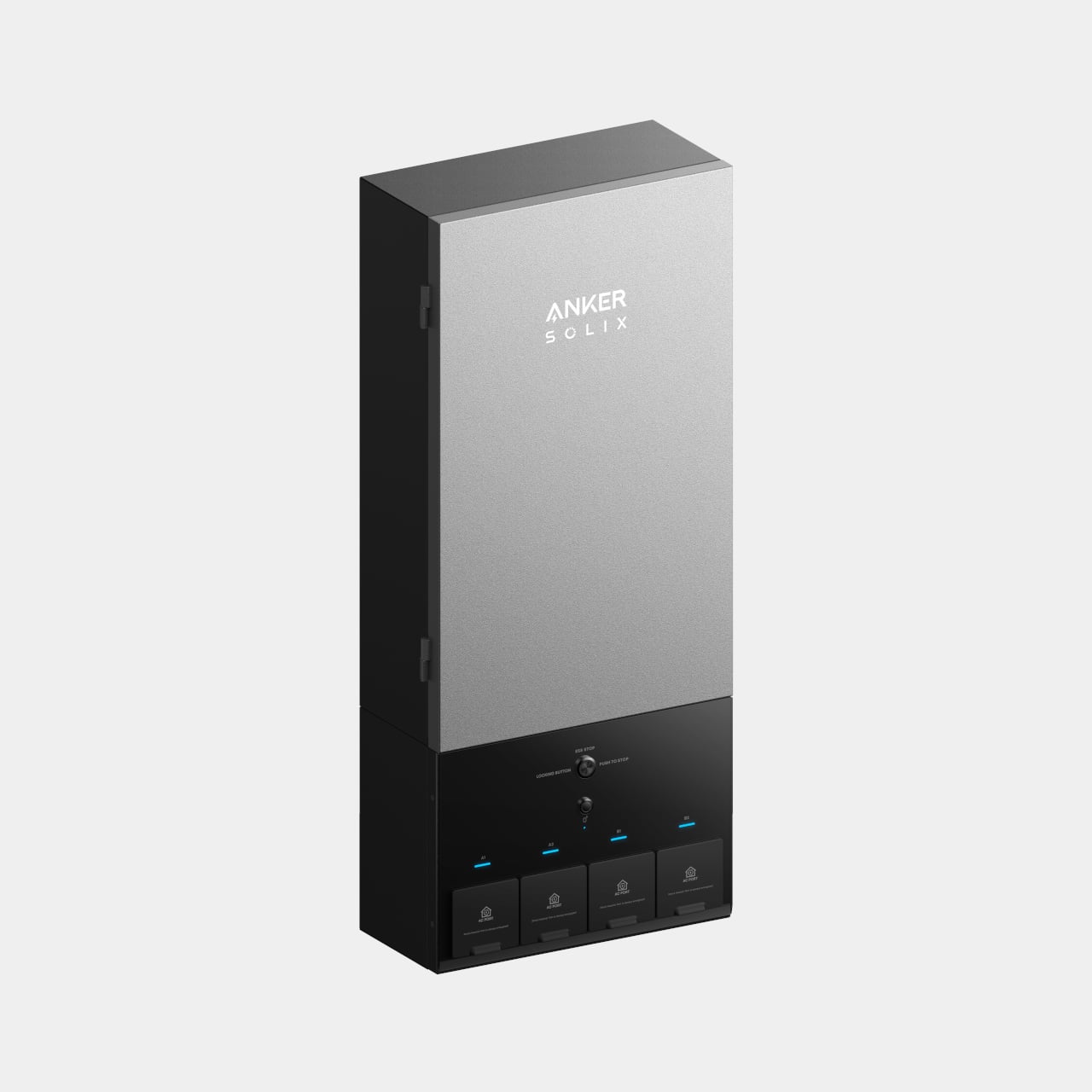
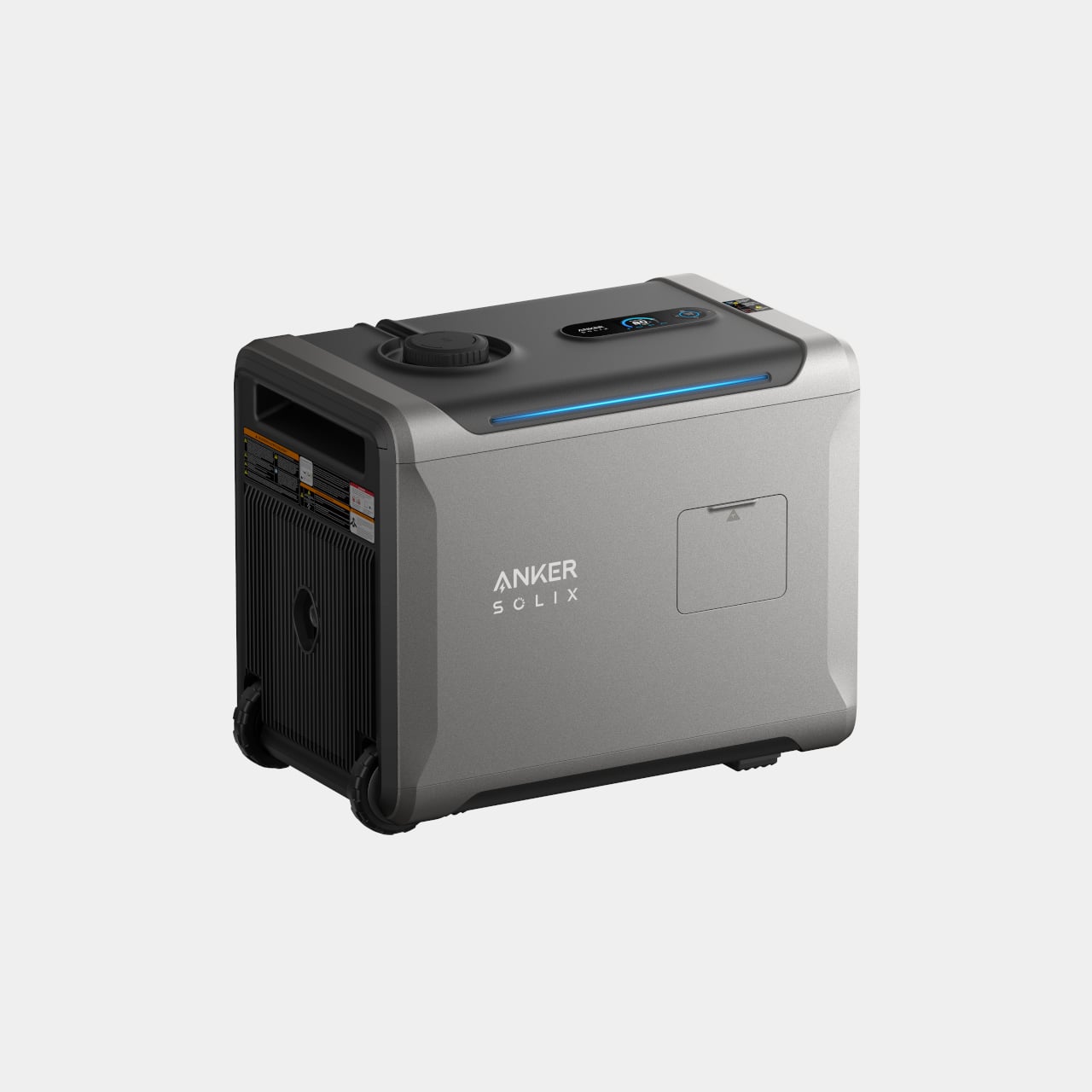
Anker SOLIX E10 is a smart hybrid whole-home backup system that blends batteries, green solar power, and a smart generator into one coordinated setup. It is designed to keep an entire house running, not just a few circuits, and is rated for whole-home backup with a 200-amp connection when paired with its Power Dock, matching a typical US main panel.

Designer: Anker

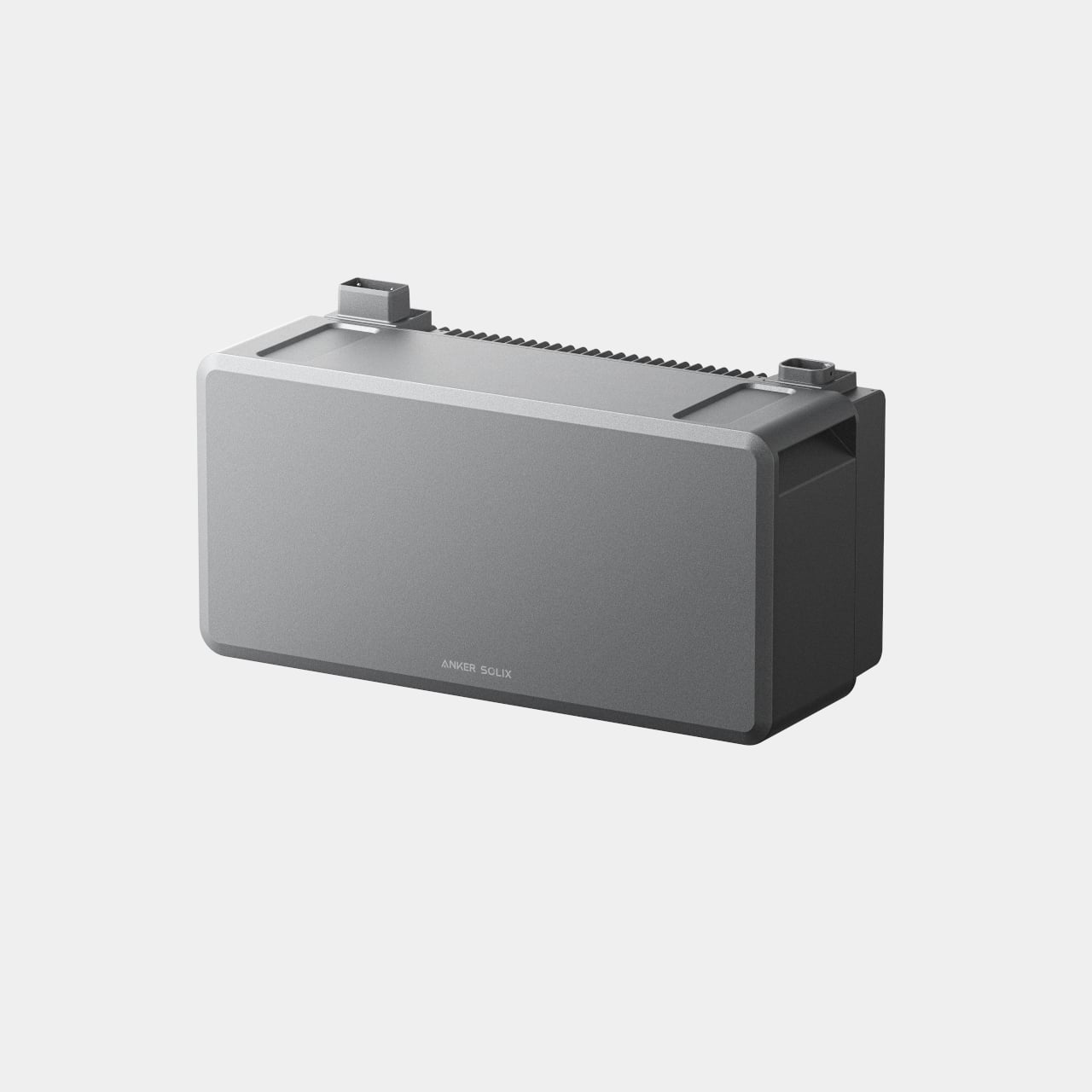
On a normal day, the SOLIX E10 quietly charges from solar and the grid, storing energy in modular 6 kWh battery packs that can scale to around 90 kWh with multiple stacks. When the power drops, the system steps in, deciding when to draw from batteries, when to add fuel through a DC link to its tri-fuel smart generator, and when to resume solar charging once the storm clears.

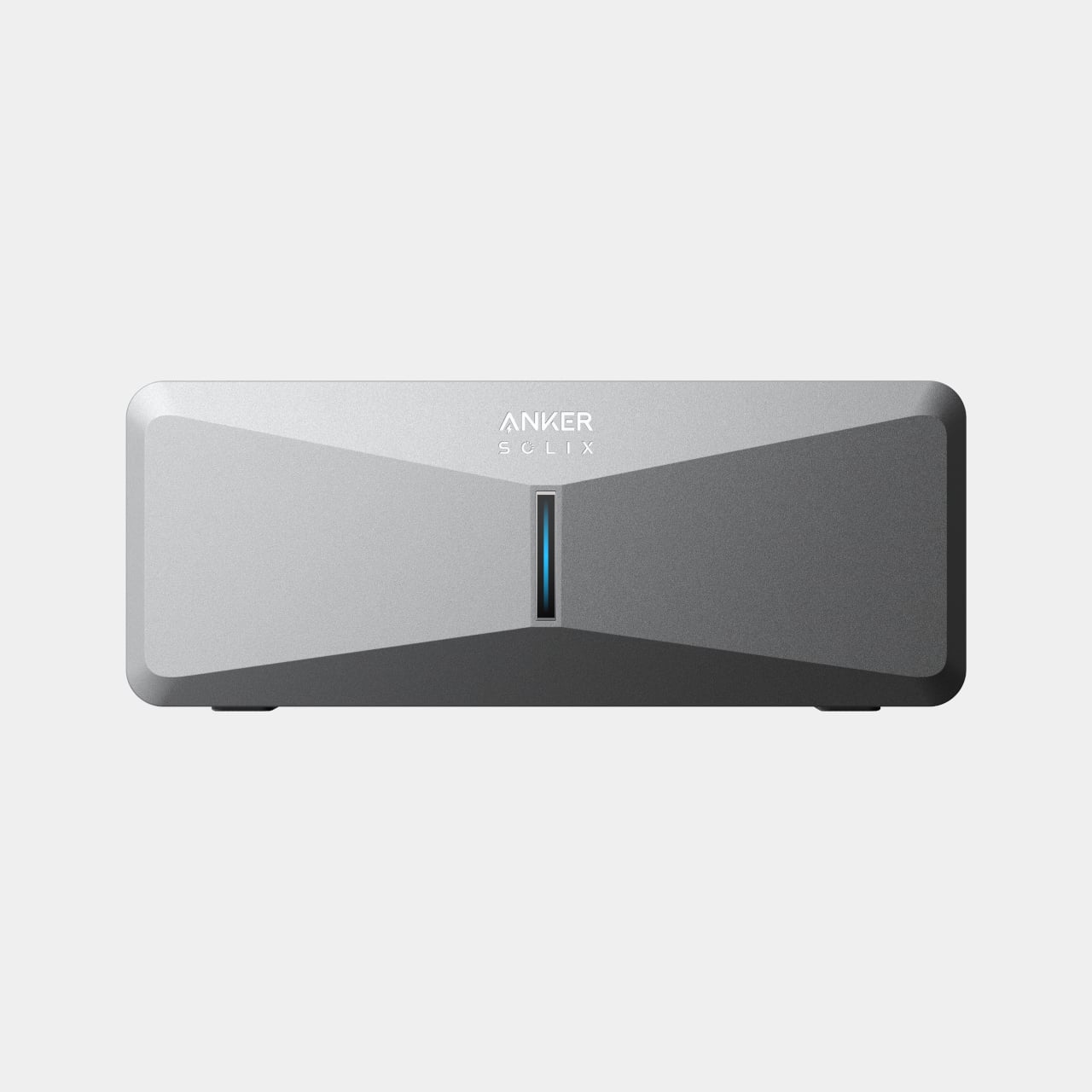
SOLIX E10 Power Module Inverter

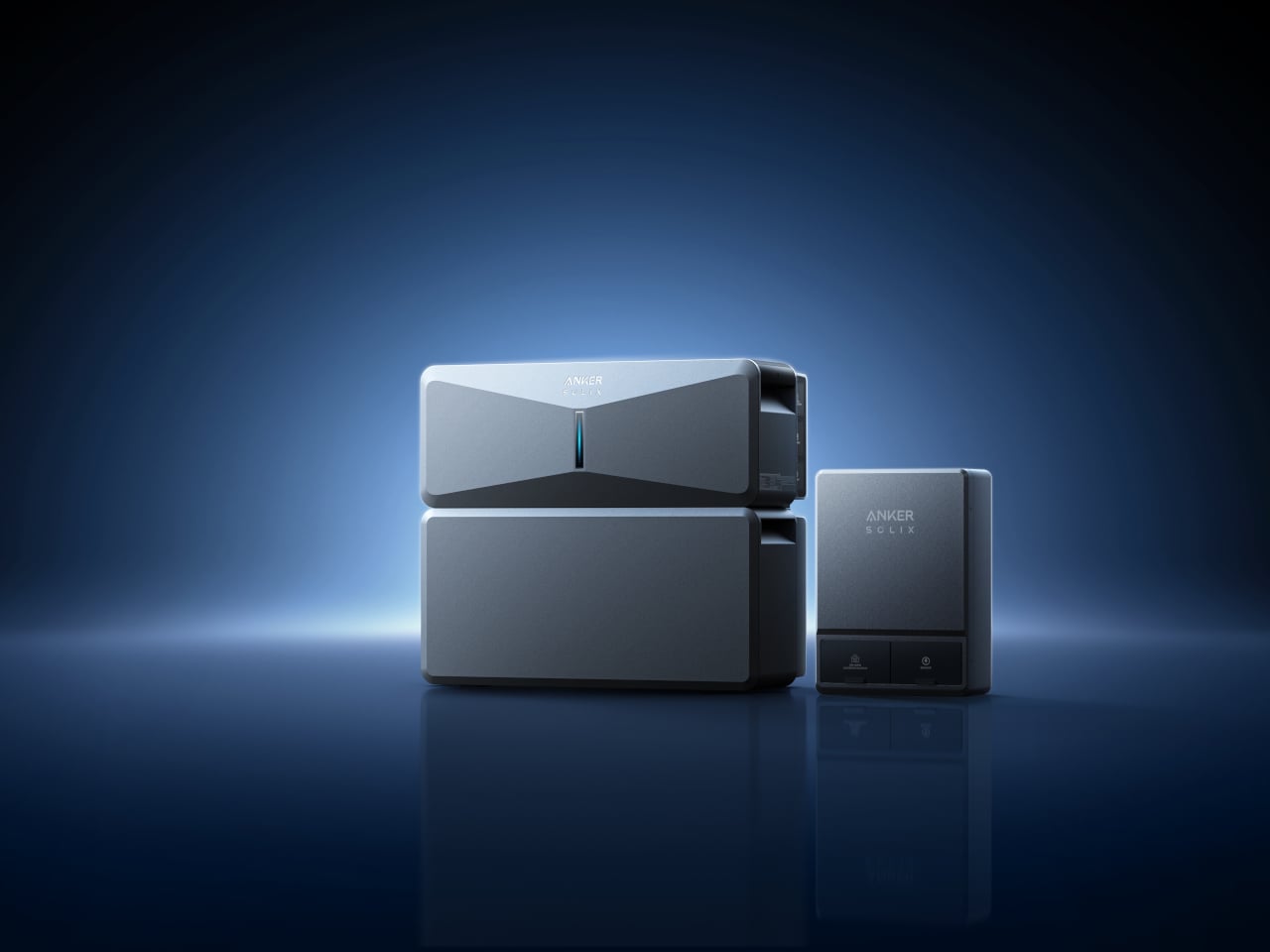
Anker SOLIX B6000 Battery Module

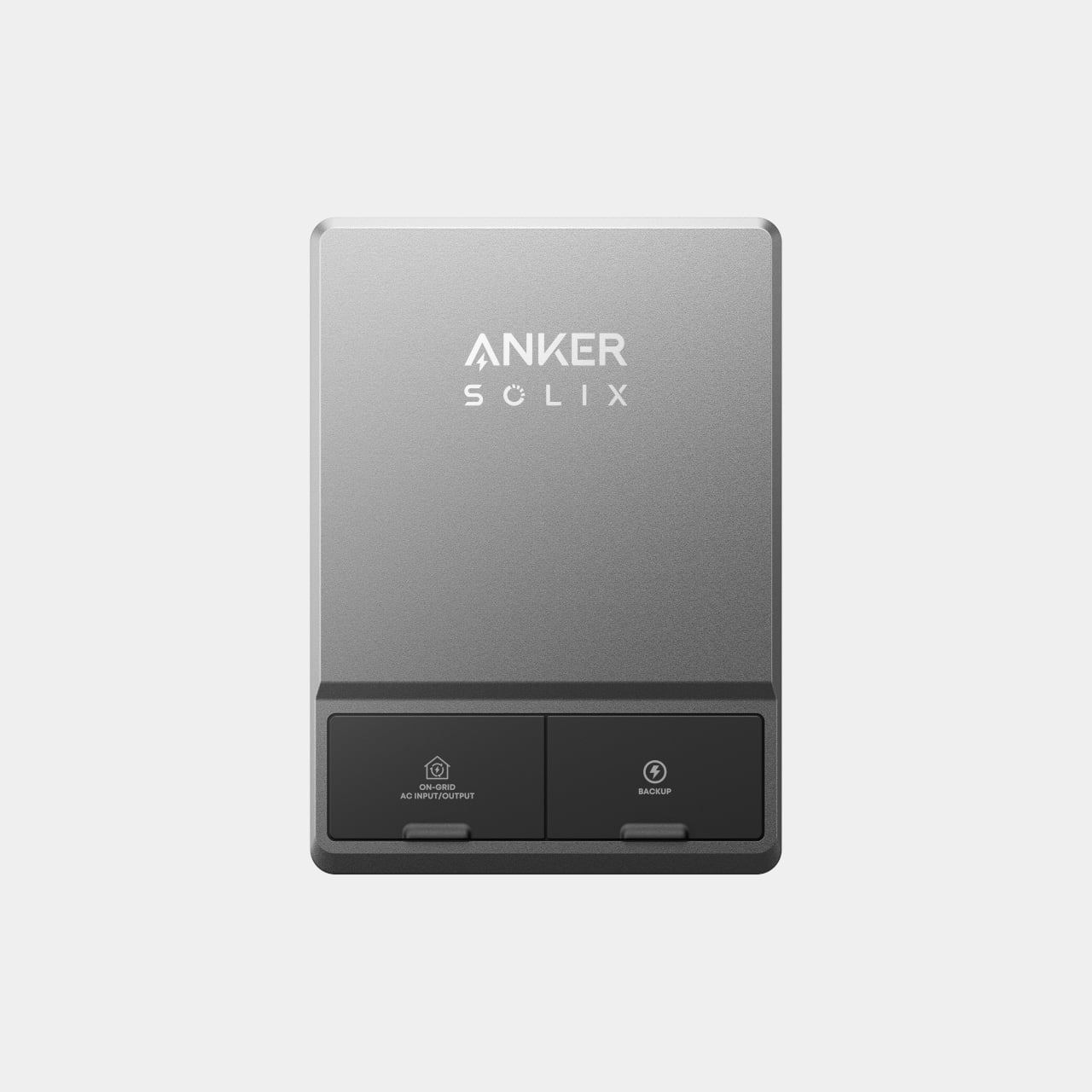
With the Power Dock or Smart Inlet Box, the SOLIX E10 can back up every circuit in a typical house, so you are not choosing between the fridge and the router. It is engineered to start and run a full-size 5-ton central A/C by handling the high inrush current that usually trips smaller systems, which matters when a summer outage hits during a heatwave.

Anker SOLIX Power Dock

Anker SOLIX Smart Inlet

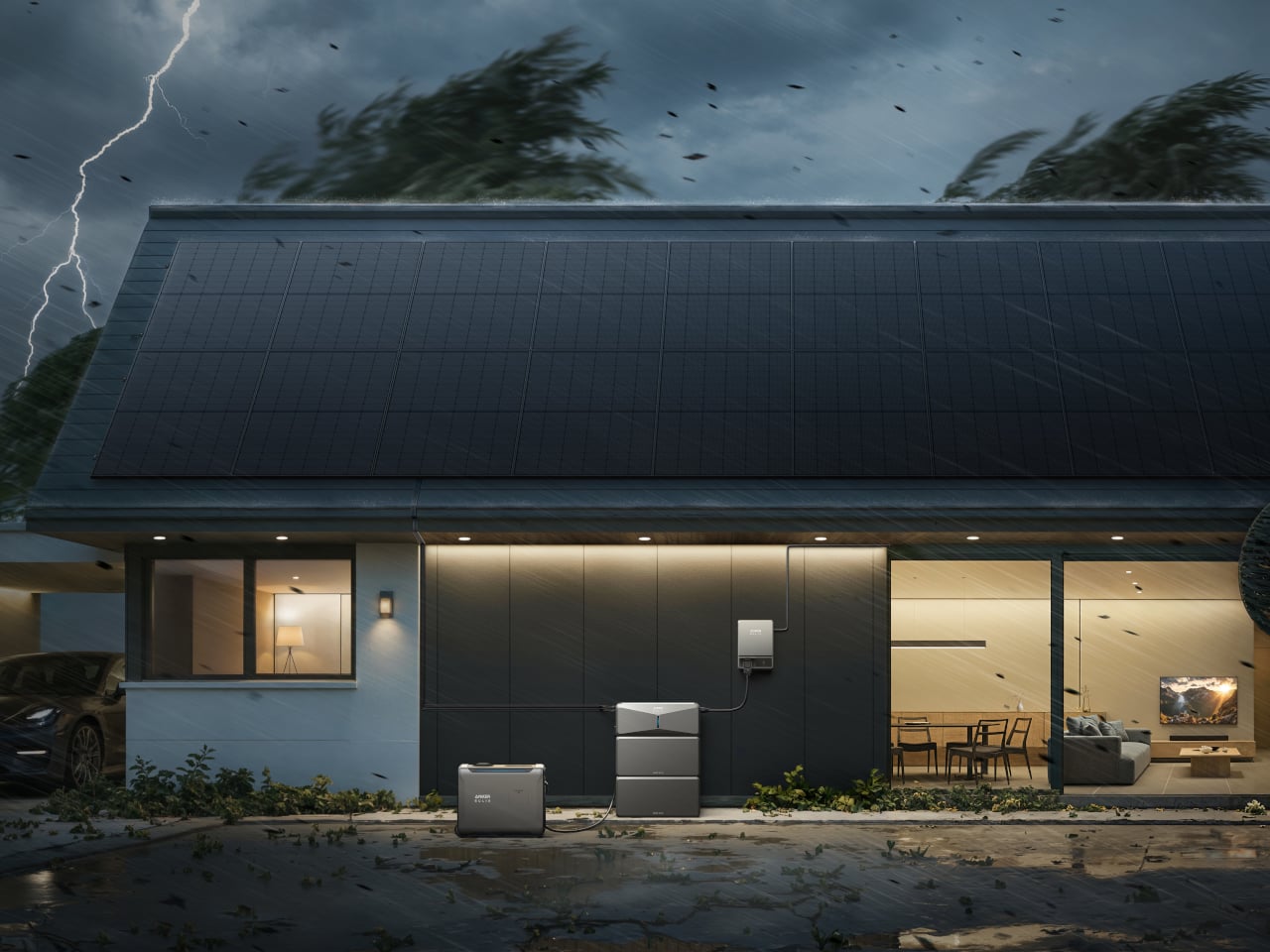
When the grid fails, the lights stay on without flickering, the Wi-Fi does not reboot, and the A/C keeps humming. The system switches over in under 20 milliseconds, fast enough that most electronics never even notice. The feeling is less about the exact speed and more about the house simply not going dark anymore, even when the neighborhood does and trees are still down.

The SOLIX E10 can watch the weather and charge itself ahead of a predicted storm through its Storm Guard feature, so you are not caught with half-full batteries when the first tree hits a line. The modular packs give enough headroom for multi-day outages, while the forecasting takes backup power from a reactive scramble to a quiet ritual where the system prepares itself before you think to check.

Anker SOLIX Smart Generator 5500

The optional smart generator stretches backup power through long outages without running nonstop. Instead of charging through AC conversion, it feeds the batteries directly over DC, which Anker claims is up to five times more fuel-efficient than a traditional setup. It runs when needed, rests at night, and feels more like part of a system than a last-resort accessory.

The SOLIX E10 is not only for rare blackouts. On normal days, it can store cheap off-peak energy or excess solar and run the house when rates spike, trimming bills. Each unit accepts up to about 9 kW of solar input, so a rooftop array keeps the batteries topped up, and the system prioritizes important circuits to keep essentials alive longer during outages.

The hardware is a family of clean, stackable modules, with batteries that can be wall-mounted or floor-standing as the setup grows. The core units use an all-metal NEMA 4 enclosure and are certified to UL 9540 and UL 9540A, signaling they are built to live outdoors, handle bad weather, and meet the toughest residential safety standards.

Power anxiety is real, the feeling that one bad storm could wipe out food, work, and comfort for days. An outage where the house stays lit, the air stays cool, and the fridge keeps humming while the street outside goes dark is the payoff Anker SOLIX E10 is built around, making blackouts feel like minor blips instead of household emergencies.

The post Anker SOLIX E10 Brings Hybrid Whole-Home Backup to the Modern House first appeared on Yanko Design.

Paramount won’t quit, files suit against Warner Bros. Discovery over rejected bid

Paramount Skydance just does not want to take no for an answer. After having multiple bids to acquire Warner Bros. Discovery (WBD) rejected, including a recent hostile bid that the WBD board recommended that shareholders reject, Paramount is turning to the courts and mounting a proxy fight.

In a letter to shareholders on Monday, Paramount CEO David Ellison said the company has filed suit in Delaware Chancery Court seeking more disclosure about WBD’s pending Netflix deal and the process that led to its acceptance. Paramount argues WBD hasn’t provided “basic information” shareholders need to evaluate competing offers, including how WBD valued the planned cable-networks spinout Discovery Global (or Global Networks, depending on the filing). The Netflix acquisition would leave Discovery Global to become its own publicly traded company, while the Paramount offer included these assets.

Paramount is also escalating the corporate pressure campaign, with Ellison saying it intends to nominate a slate of directors for election at WBD’s 2026 annual meeting. The end goal would be installing a board that would “engage” on Paramount’s offer under the terms of WBD’s merger agreement with Netflix.

If WBD were to call a special meeting to approve the Netflix transaction before the annual meeting, Paramount says it will solicit proxy votes against the deal. It also plans to push a bylaw change requiring shareholders to approve any separation of Discovery Global. This change seems like Paramount stoking the flames (whether real or imagined) surrounding shareholders having their WBD shares bought out without the value of Discovery Global built-in under the Netflix merger.

Paramount remains convinced that its offer is "superior" to that of Netflix, while WBD maintains Paramount's bid offers "insufficient value" and that Paramount has failed to submit a true best proposal "despite clear direction from WBD on both the deficiencies and potential solutions." The lawsuit now aims to force WBD to spell out exactly how it arrived at recommending the Netflix deal over Paramount's bid.

WBD expressed concerns over whether a potential Paramount deal would even reach closing, citing the substantial debt the smaller studio would have to take on to pull off a leveraged buyout.

This article originally appeared on Engadget at https://www.engadget.com/entertainment/paramount-wont-quit-files-suit-against-warner-bros-discovery-over-rejected-bid-175317166.html?src=rss

MP-1 Reimagines a Modern Walkman Through a Teenage Engineering Lens

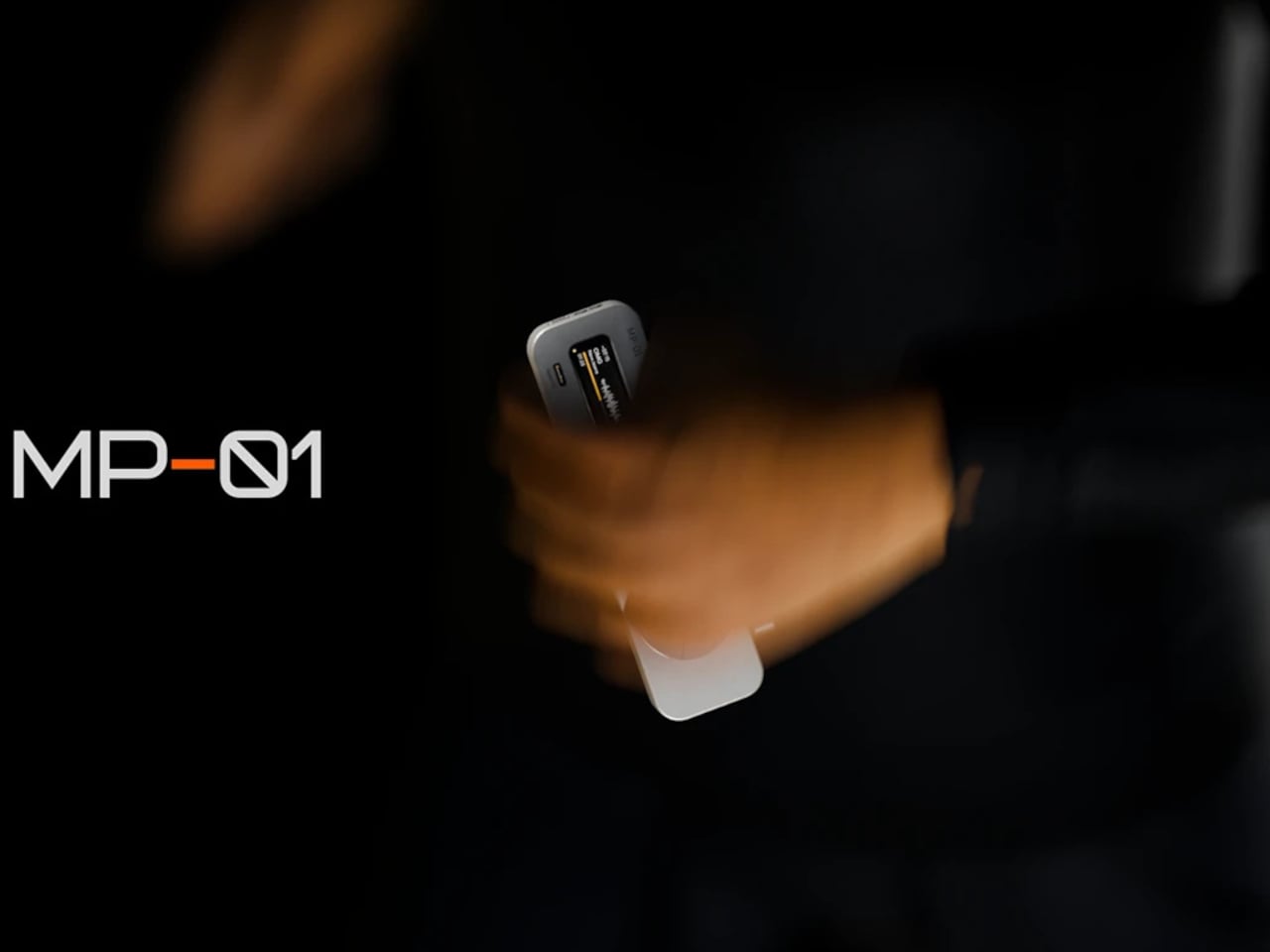
Listening to music has mostly collapsed into phones and streaming apps, buried between notifications and multitasking. Some people still crave a single-purpose device that treats listening as the main event, not background noise. The MP-1 is an independent concept study that asks what a modern Walkman could look like if it borrowed Teenage Engineering’s design language, without being affiliated with the company or trying to become an official product at all.

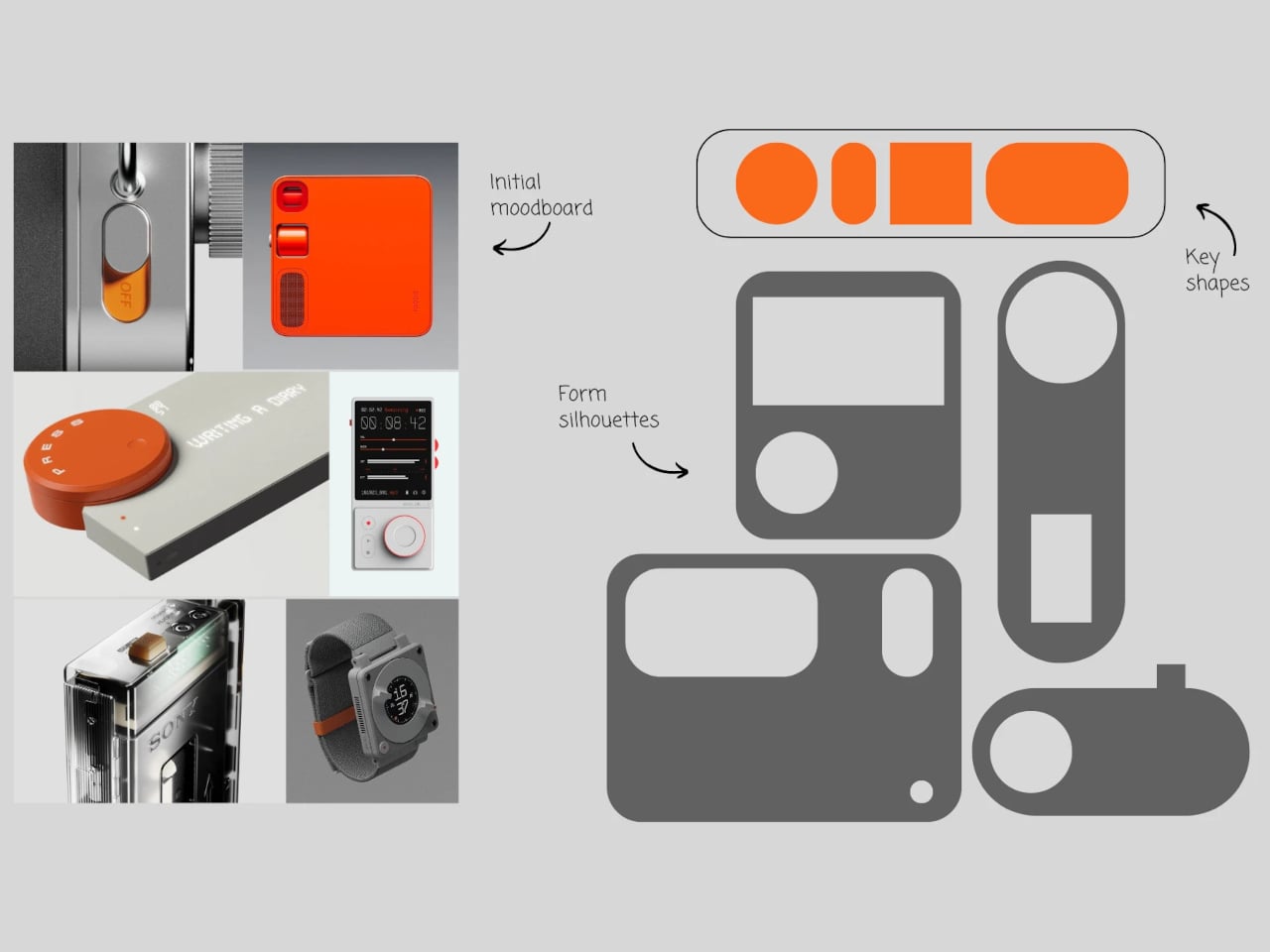
The project set out as a brand-led design study, not a fan mash-up or a wild render. The brief was to study Teenage Engineering’s approach to minimalism, playful restraint, tactile controls, and clear functional expression, then translate those principles into a believable handheld music player. The goal was manufacturable intent and intuitive interaction, not speculative tech or exaggerated shapes, treating it as a disciplined exercise in understanding how strong brand identities shape form.

Designer: Prithvi Manoj Bhaskaran

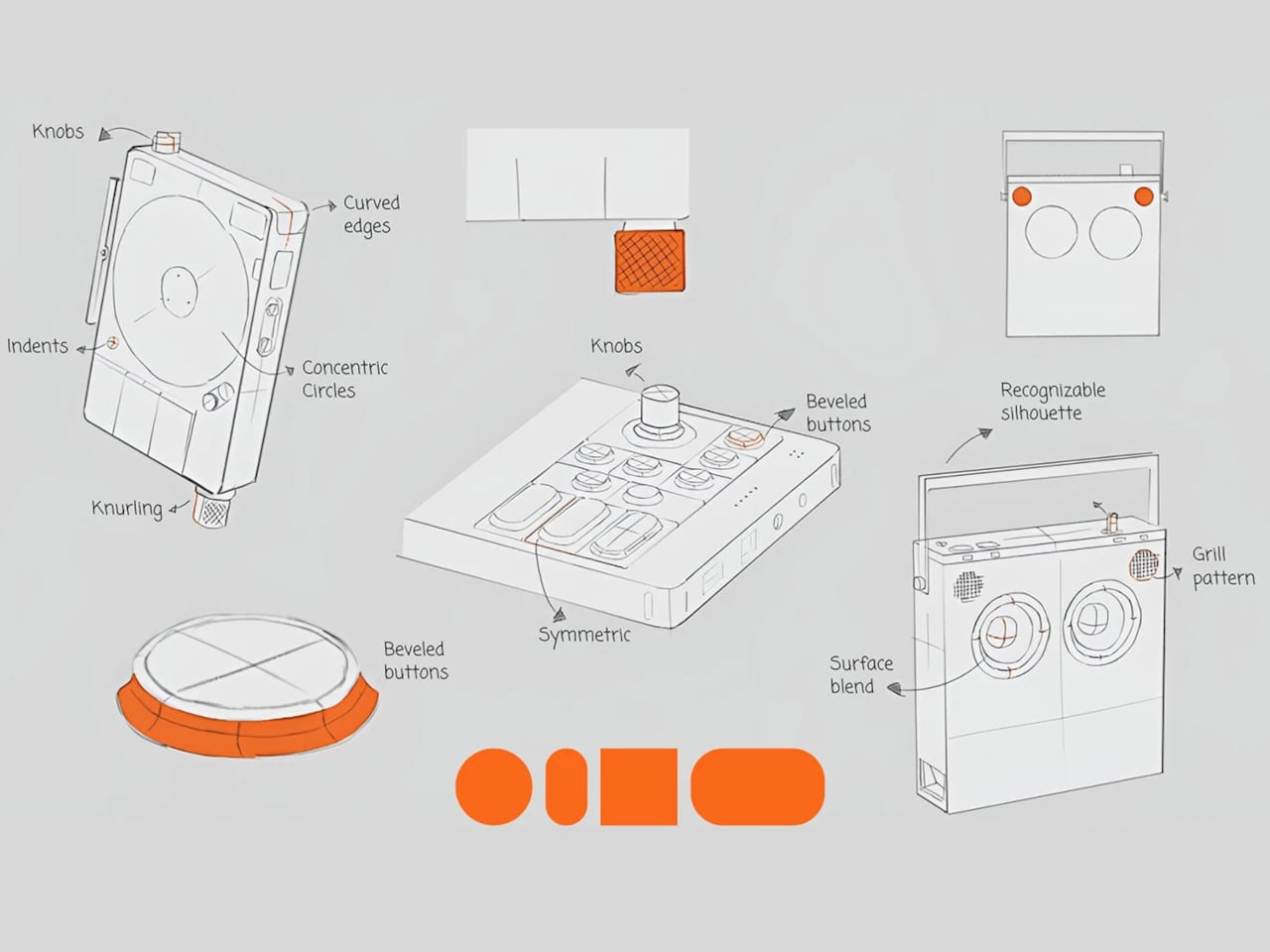
The study pulled four keywords from Teenage Engineering’s portfolio, playful, tactile, curious, purposeful complexity. Those traits show up in devices like the OP-1 and TP-7, where dense functionality is expressed through simple forms, color accents, and satisfying controls. A focused music player fits naturally into that philosophy, turning listening into an intentional, distraction-free ritual that foregrounds sound as a primary experience rather than something competing with notifications while you commute.

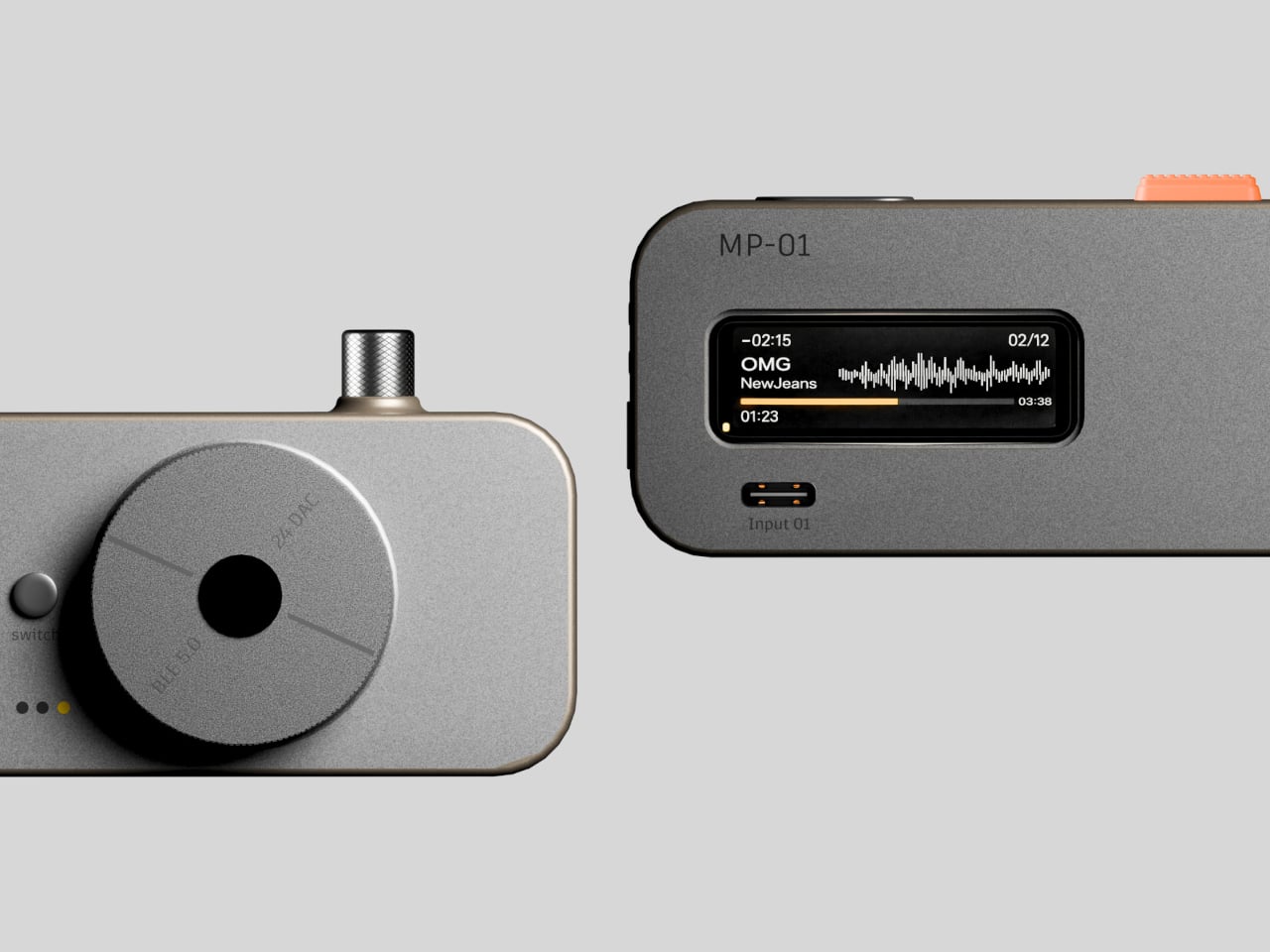
The MP-1’s basic layout is a slim rectangular body with softened corners, a large circular dial as the main control, and a narrow horizontal display that handles track info and waveform visualization. This mirrors Teenage Engineering’s habit of giving one control visual priority, then letting everything else recede, so your hand and eye always know where to go first, with the orange accent adding personality without overwhelming the minimalism.

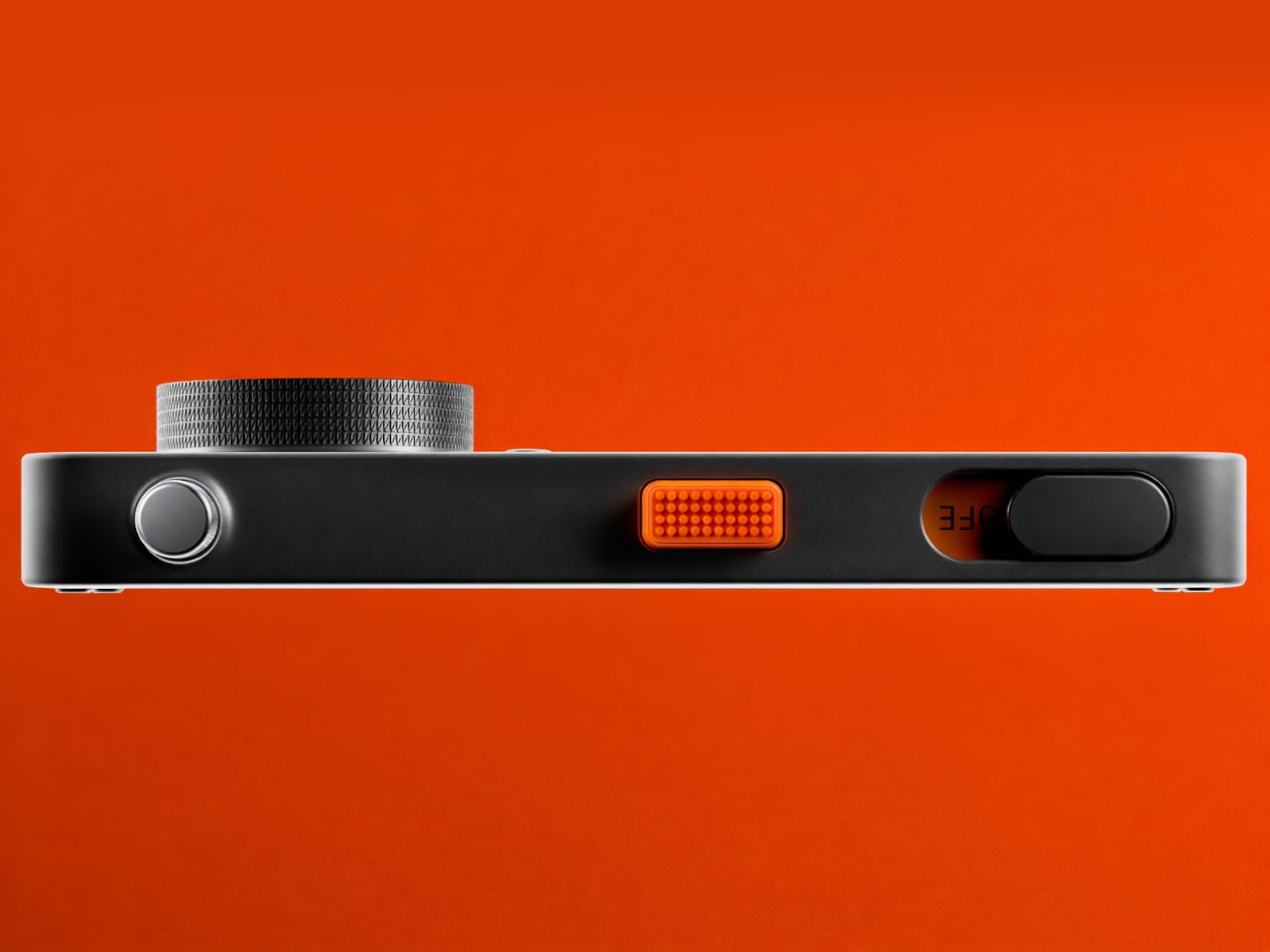
The tactile controls embody the playful side of the brief. An orange textured rocker invites your thumb, its grid of soft nubs making it feel like a toy in the best sense. A slider reveals “OFF” in orange when pulled back, hiding the label when pushed forward. These details use motion and color to communicate state without cluttering the surface with text, making every interaction feel more deliberate and satisfying.

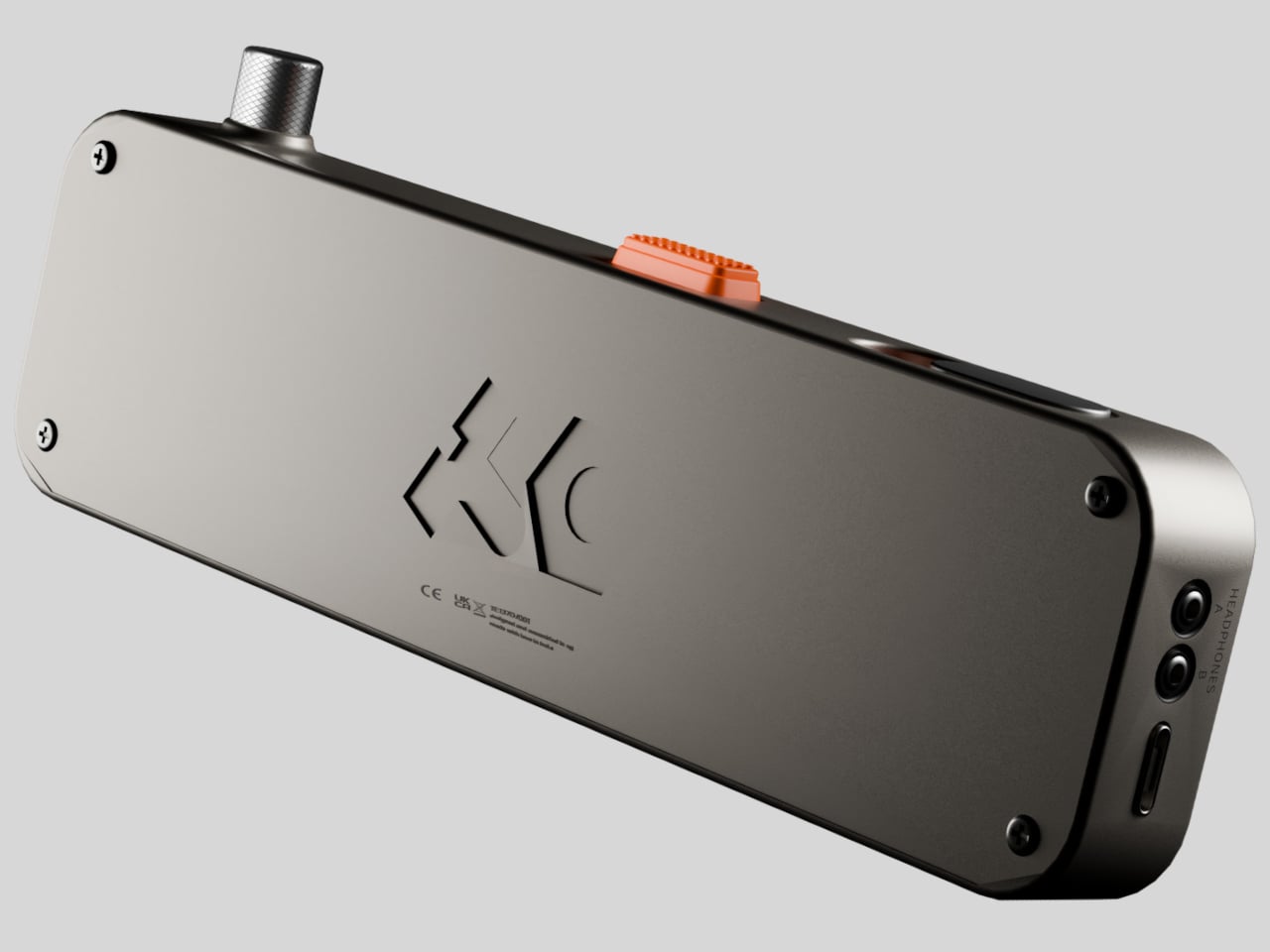
Practical touches include a USB-C port for charging and data, realistic thickness that suggests room for a battery and mechanical parts, and restrained use of materials. The backplate carries a subtle logo and regulatory text, the kind of thing you would expect on a real product, reinforcing that this is not just a styling exercise but a thought-out object that could plausibly be manufactured and carried in a pocket or bag.

The MP-1 shows the power of a strong design language, recognizing Teenage Engineering’s influence without logos or official ties. Most listening today happens on general-purpose slabs, which makes a small, tactile player appealing, even as a concept. For people who miss dedicated devices and the ritual of choosing to listen rather than letting a playlist run in the background, MP-1 feels like a quiet argument that sometimes less is exactly what you need.

The post MP-1 Reimagines a Modern Walkman Through a Teenage Engineering Lens first appeared on Yanko Design.

Samsung Galaxy S26 Ultra Leaks Reveal Stunning New Features

Samsung Galaxy S26 Ultra Leaks Reveal Stunning New Features

The Samsung Galaxy S26 Ultra is emerging as a pivotal release in Samsung’s flagship Ultra series, emphasizing thoughtful refinements that cater to user needs. Leaks suggest that Samsung is focusing on enhancing usability, design, and performance, addressing consumer feedback while maintaining the premium identity that defines the Galaxy Ultra lineup. This approach reflects a strategic […]

The post Samsung Galaxy S26 Ultra Leaks Reveal Stunning New Features appeared first on Geeky Gadgets.

Posted in Uncategorized

India is proposing another far-reaching security rule for smartphones

India is considering new smartphone security rules that would require device makers to allow government access to source code for “vulnerability analysis.” It would also require companies to notify the government of major software updates and security patches before rollout, according to Reuters.

This is the latest in a raft of unprecedented proposals by the Indian government under the guise of security, as it weighs making a package of 83 security standards drafted in 2023 legally binding in the world’s second-largest smartphone market with nearly 750 million smartphones.

Under the proposals, any source code review would be analyzed and potentially tested at designated labs in India. Major phone manufacturers have reportedly warned the Indian government that such a move risks revealing proprietary information.

The source code proposal comes alongside a series of additional recommendations such as restrictions on background permissions for apps and the option to remove all preinstalled apps. Reuters also reports the package would mandate periodic malware scanning and require phones to store system logs for at least 12 months, requirements that industry groups told the publication would drain battery life, run into storage limits and slow the rollout of necessary security updates.

The nation’s IT ministry told Reuters it "refutes the statement" that it is proposing manufacturers hand over their source code. This was despite a review of internal government and industry documents as part of the reporting. Government officials and industry executives are reportedly due to meet Tuesday for more discussions.

Last month, India was set to require a state-owned cybersecurity app be preinstalled on every smartphone in the nation before backpedaling after intense backlash. Just two days later, there was reportedly a proposal to require that smartphones keep location services on at all times with no way to turn them off.

This article originally appeared on Engadget at https://www.engadget.com/cybersecurity/india-is-proposing-another-far-reaching-security-rule-for-smartphones-155204829.html?src=rss

Apple’s Siri AI will be powered by Gemini

Apple and Google have confirmed reports that the former will use Google Gemini’s models to help power the new version of Siri and other generative AI features. CNBC first reported the news; Apple and Google subsequently released a joint statement which reads:

“Apple and Google have entered into a multi-year collaboration under which the next generation of Apple Foundation Models will be based on Google's Gemini models and cloud technology. These models will help power future Apple Intelligence features, including a more personalized Siri coming this year.

After careful evaluation, Apple determined that Google's Al technology provides the most capable foundation for Apple Foundation Models and is excited about the innovative new experiences it will unlock for Apple users. Apple Intelligence will continue to run on Apple devices and Private Cloud Compute, while maintaining Apple's industry-leading privacy standards.”

Apple first demoed a genAI version of Siri back at WWDC 2024. In March 2025, the company said it was delaying a major Siri update until this year, but it appears that Apple is not quite ready to publicly release a more capable version of the voice assistant.

In June, it was reported that Apple was considering partnerships with OpenAI and Anthropic for Siri (the voice assistant can currently tap ChatGPT for certain queries as part of Apple Intelligence). Two months later, Google emerged as a possible contender. Those rumors intensified in November, when it was reported that Apple might build the new Siri using a custom version of Gemini that runs on its Private Cloud Compute servers — and that it would pay Google around $1 billion a year for the privilege.

Update, January 12, 2026, 12:03PM ET: This story has been updated with a full joint statement from Apple and Google.

This article originally appeared on Engadget at https://www.engadget.com/ai/apples-siri-ai-will-be-powered-by-gemini-153636649.html?src=rss

LEDA: The Executive Lamp Where Femininity Meets Power

There’s something transformative happening in the world of workspace design, and it’s about time. For decades, executive furniture and lighting have been dominated by heavy wood, leather, and angular shapes that scream “traditional power.” But what happens when you design a table lamp specifically for a female executive? You get LEDA, a piece that challenges everything we thought we knew about authority, elegance, and what belongs on a power desk.

Created by designer Sai Divakar Boddeti during his Master’s program in Industrial Design, LEDA isn’t just another lamp. It’s a sculptural conversation starter that asks an important question: why can’t femininity and power coexist in the same object? The answer, as LEDA demonstrates beautifully, is that they absolutely can.

Designer: Sai Divakar Boddeti

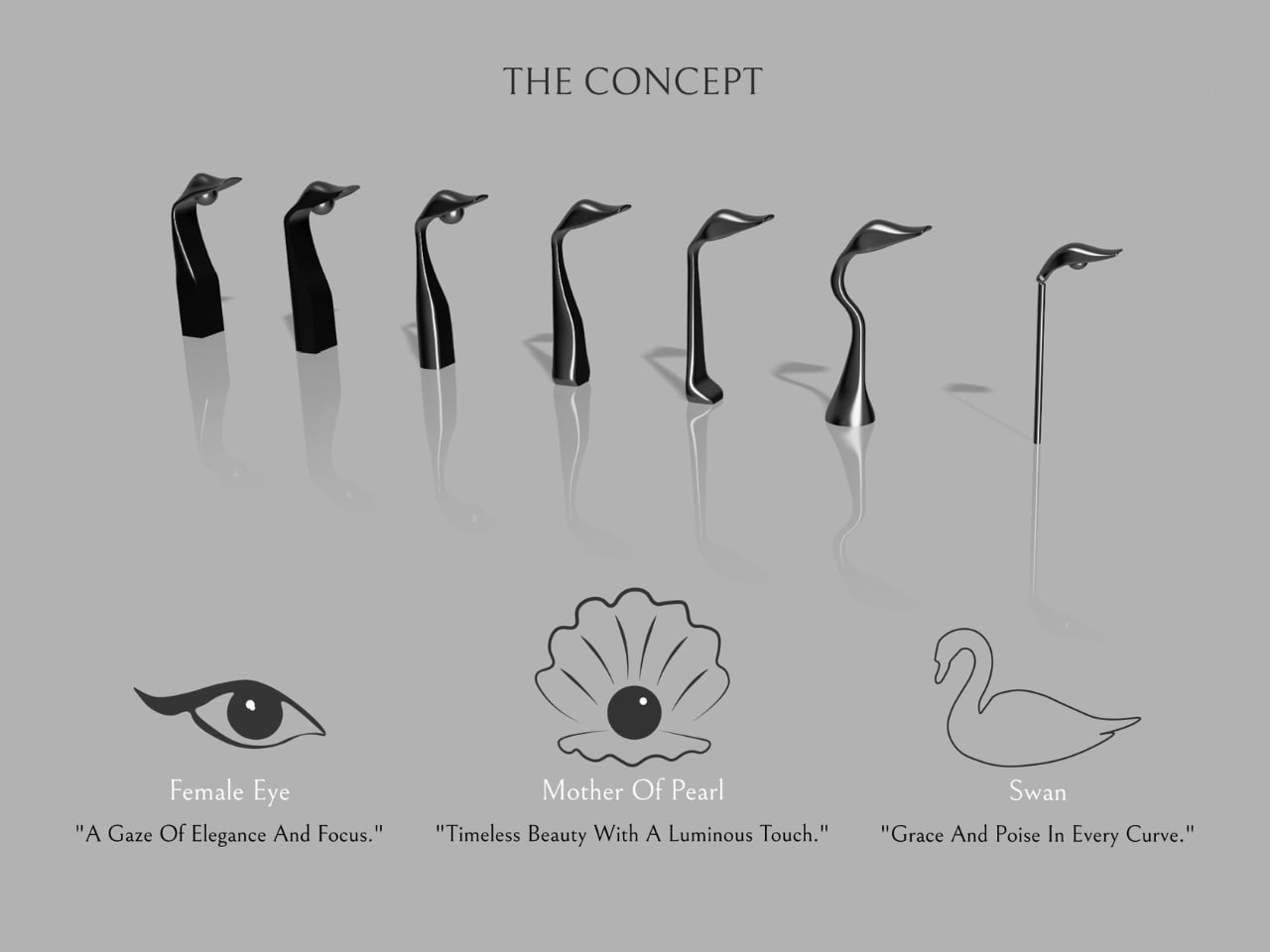
The design language here is fascinating. Instead of defaulting to the typical corporate aesthetic, Boddeti looked to three distinct sources that embody both strength and grace: the gaze of a woman’s eye, the graceful posture of a swan, and the luminous quality of mother of pearl. These aren’t random choices. Each element speaks to a different aspect of feminine power that often gets overlooked in professional spaces.

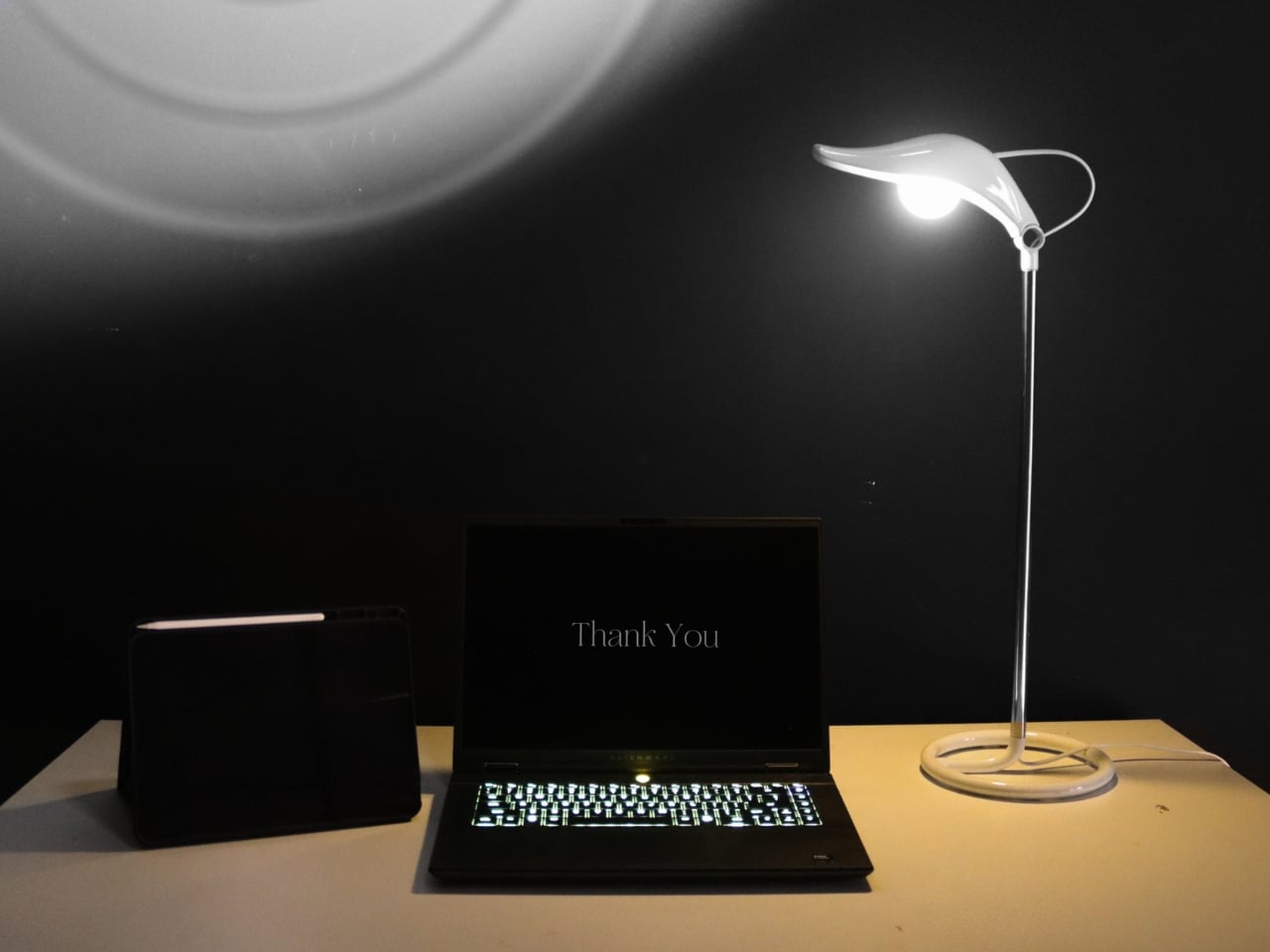
What really captures attention is how LEDA translates these organic inspirations into physical form. Look at the lamp and you’ll immediately notice the eye-like element integrated into its curved head, a subtle nod to focused elegance. The neck sweeps upward and curves with the exact poise of a swan mid-glide, neither timid nor aggressive, just perfectly assured. The entire form sits atop a circular base, creating a balanced silhouette that commands attention without dominating the space.

The development process visible in the concept iterations shows how Boddeti refined the swan inspiration from literal interpretation to sophisticated abstraction. The final design captures the essence without being obvious about it. It’s smart restraint that elevates the lamp from novelty to serious design object. The material choices amplify the concept. That mother-of-pearl inspired finish gives certain versions of LEDA a soft iridescent quality that shifts subtly depending on the light and viewing angle. It’s “timeless beauty with a luminous touch,” as the design philosophy states. This isn’t just description, it’s what you actually see when the lamp catches the light.

Here’s where LEDA gets even more interesting: it comes in multiple colorways inspired by Pantone Colors of the Year. We’re talking deep burgundy, sophisticated blue-grey, warm peach, and bold red. This isn’t just product variation for the sake of options. It’s recognition that feminine power looks different for different people. Some days you want the quiet confidence of grey-blue. Other days you want the unapologetic boldness of red.

The presentation matches the ambition. LEDA arrives in premium packaging with embossed branding on a suede-like brown outer box, opening to reveal the lamp nestled in a red-lined interior. This is intentional luxury positioning. The packaging communicates that this isn’t an impulse purchase from a big box store. It’s an investment piece that deserves ceremony. In workspace context, LEDA transforms the desk. That tall, slender stem gives it presence without bulk. The curved head directs light exactly where you need it, but the form itself becomes a focal point even when switched off. It’s the kind of object that makes people pause and ask questions.

The name LEDA itself adds cultural weight. In Greek mythology, Leda is associated with the swan, connecting directly to the lamp’s form language. This isn’t surface-level symbolism. It’s deliberate anchoring in storytelling tradition that gives the design depth beyond its immediate visual impact. What’s particularly refreshing about LEDA is how it rejects the false choice between functional and beautiful. The lamp illuminates your work perfectly while serving as sculpture that reflects identity. For female executives who’ve often had to navigate spaces designed with someone else in mind, having objects that reflect multidimensional identity can be quietly revolutionary.

The post LEDA: The Executive Lamp Where Femininity Meets Power first appeared on Yanko Design.

Meta appoints ex-Trump and Bush official as its new president and vice chairman

Meta has appointed Dina Powell McCormick, a banking executive and former Republican White House official, as its new president and vice-chairman. The company said McCormick will help guide its overall strategy and execution as a part of the management team.

“Dina’s experience at the highest levels of global finance, combined with her deep relationships around the world, makes her uniquely suited to help Meta manage this next phase of growth as the company’s president and vice chairman,” said Meta Founder and CEO Mark Zuckerberg.

McCormick was a partner at Goldman Sachs and ran its Global Sovereign investment banking business. She was most recently vice chair, president and head of global client services at merchant bank BDT & MSD Partners. McCormick was also deputy national security advisor to President Donald Trump during his first term and held several roles during the George W. Bush administration, including assistant secretary of state for Secretary of State Condoleezza Rice. She is married to Sen. Dave McCormick (R-PA).

Meta’s new president joined the company’s board last April, but she resigned in December. Just a few weeks later, McCormick has taken on a higher-profile role at Meta. 

McCormick is the second former Trump official that Meta has appointed to a prominent role this month. Last week, the company hired Curtis Joseph Mahoney, who was most recently a corporate vice president and general counsel at Microsoft, as its chief legal officer. Mahoney was a deputy US trade representative during the first Trump administration.

This article originally appeared on Engadget at https://www.engadget.com/big-tech/meta-appoints-ex-trump-and-bush-official-as-its-new-president-and-vice-chairman-151048263.html?src=rss