Tonke Basecamp: Most robust, self-sufficient, and luxurious VW Transporter camper van arriving in May

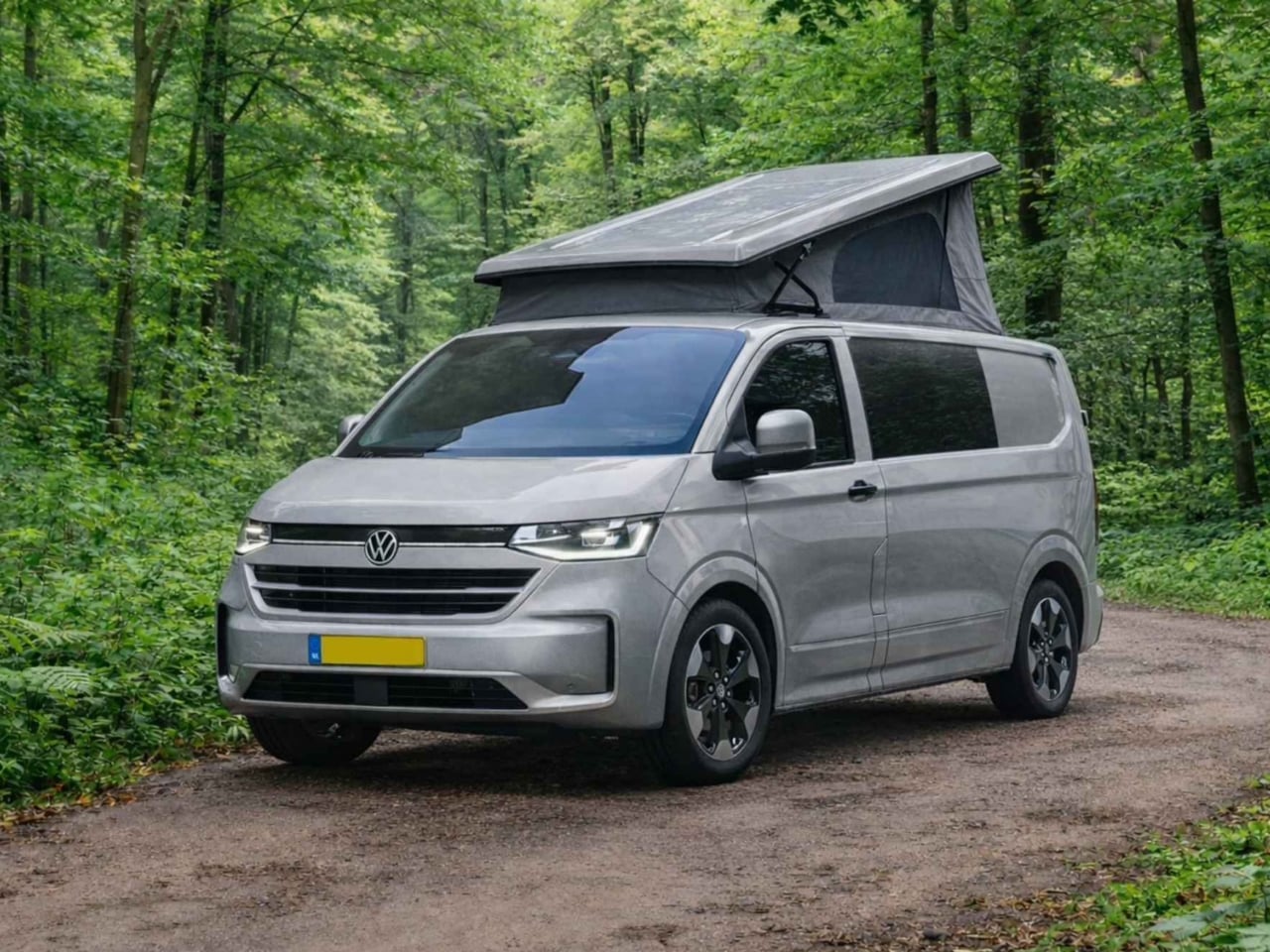
It hasn’t even been 24 hours since I reported on the new Sprinter 144 AWD–based, highly versatile Vanspeed Album camper van, and already another high-quality Volkswagen camper van is knocking at the door. This one is being transformed in the workshops of Dutch converter Tonke and is aptly called the Basecamp, which should be with us any time next month, if the camper van’s webpage on Tonke’s website is anything to go by.

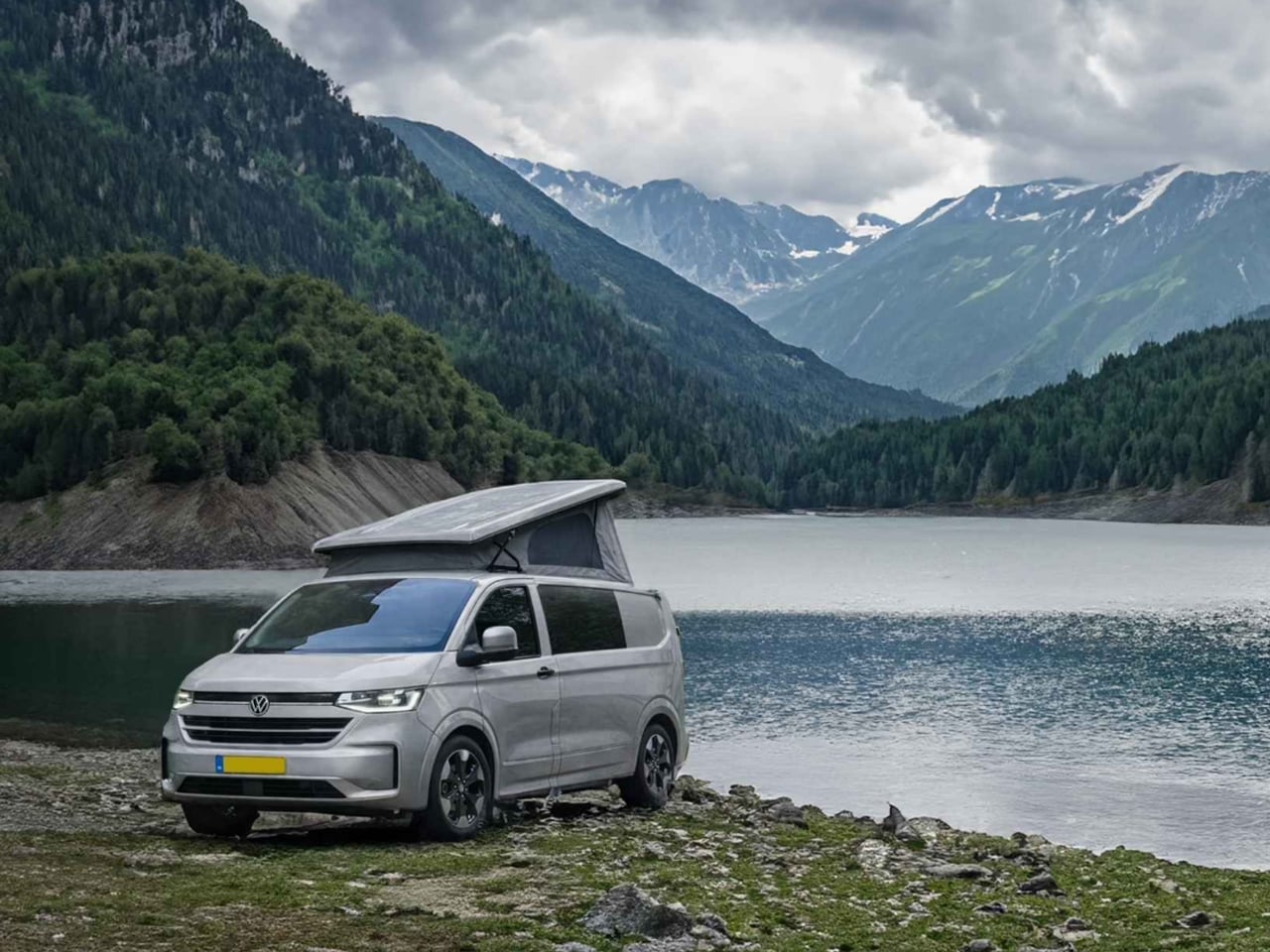
If all goes as planned, Tonke is likely to launch the Basecamp, its most robust, self-sufficient, and luxurious camper van, in May 2026. The adventure vehicle perceived will be based on the latest generation Volkswagen Transporter with a well-thought-out interior, enhanced by underfloor insulation, off-grid power systems, and the structural integrity to go where life takes you.

Designer: Tonke

Basecamp will be a pop-top camper van, the Tonke notes on its website. With sleeping and daytime sitting accommodation for four people, the camper van will be equipped with a spacious kitchen, toilet, shower, and storage for longer trips. Of course, being based on the VW Transporter, the van will be offered with a choice of three powertrains, depending on buyers’ travel needs and carbon footprint preferences.

“Tonke Basecamp will be available as a hybrid camper, an electric camper, and as a traditional diesel variant. In addition, there will be a powerful 4×4 version.” Buyers can go with an all-electric Basecamp camper van version for the zero-emissions adventure, or the hybrid variant would allow “smooth and quiet electric drive,” with the assurance of extended range as compared to a combustion engine. The regular diesel powertrain will provide maximum towing capacity and endurance for longer journeys.

Irrespective of the powertrain you choose, Basecamp will provide a customized Volkswagen Transporter “hand-built to Tonke’s quality standards.” The pop-up roof Basecamp is confirmed as a four-person sleeper, with a 91 x 47-inch bed in the pop-out and a convertible 79 x 39-inch bed in the lower section. The cabin will function as a lounge area during the day with an extendable dining table and a lounge area for four people.

A smartly designed Volkswagen Transporter Basecamp camper van will, Tonke notes, “comfort level of a large Mercedes Sprinter camper.” To that accord, it will embed a spacious kitchen with a 60L water tank, a 16L boiler for hot water supply, and an 80L refrigerator. There are no other details about the kitchen setup at the time of writing. But we learn that the van will have a wet both complete with a shower and a toilet.

What’s really interesting is the fact that the Basecamp will be provided with an underfloor heating system, preparing the camper van for all-season comfort. The entire package is likely to arrive in May for a starting price of €50,668 (approximately $60,000).

The post Tonke Basecamp: Most robust, self-sufficient, and luxurious VW Transporter camper van arriving in May first appeared on Yanko Design.

This 2026 Lamborghini F1 Livery Proves the Raging Bull Belongs on the Grid (Even If It Never Happens)

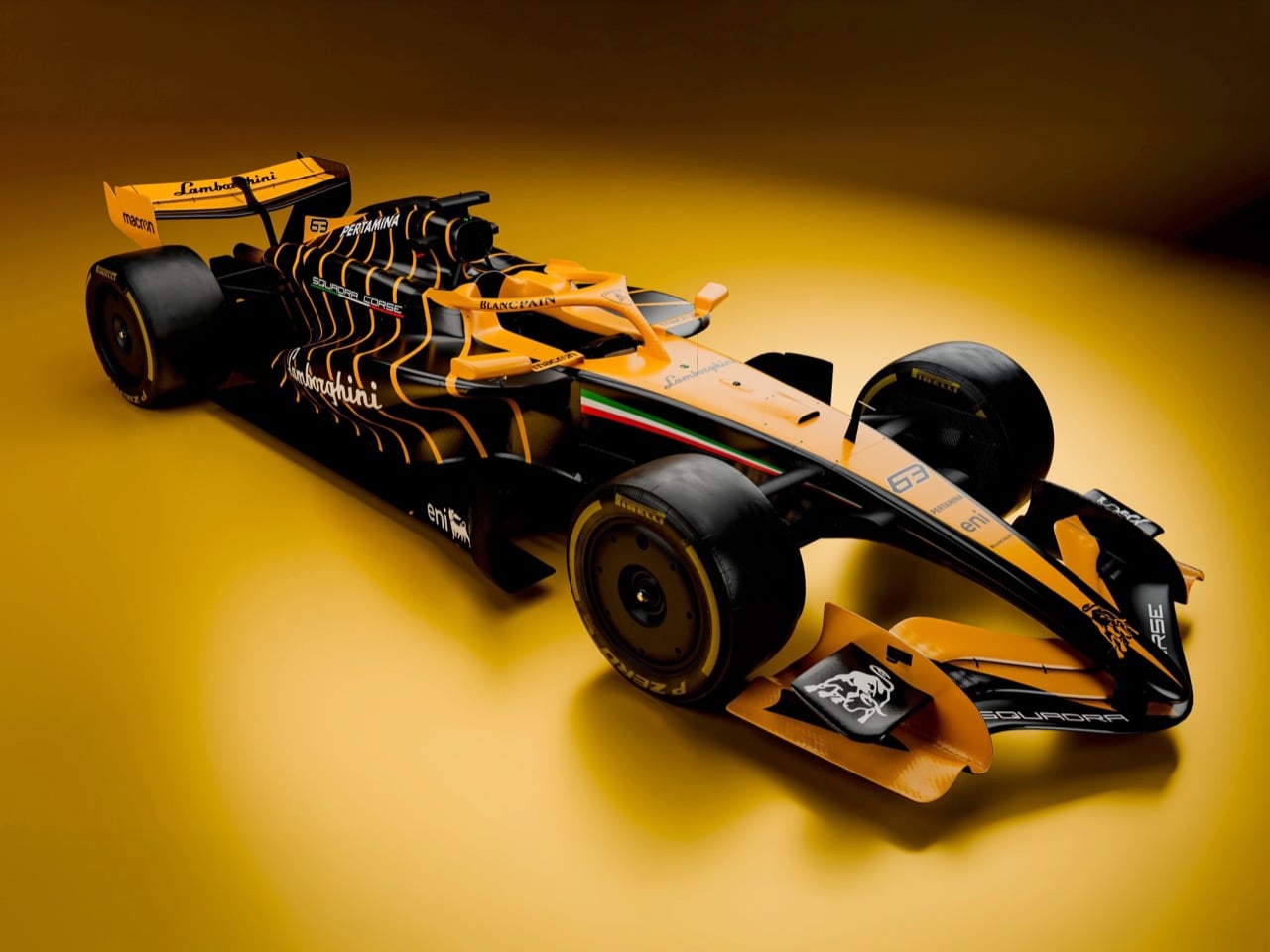
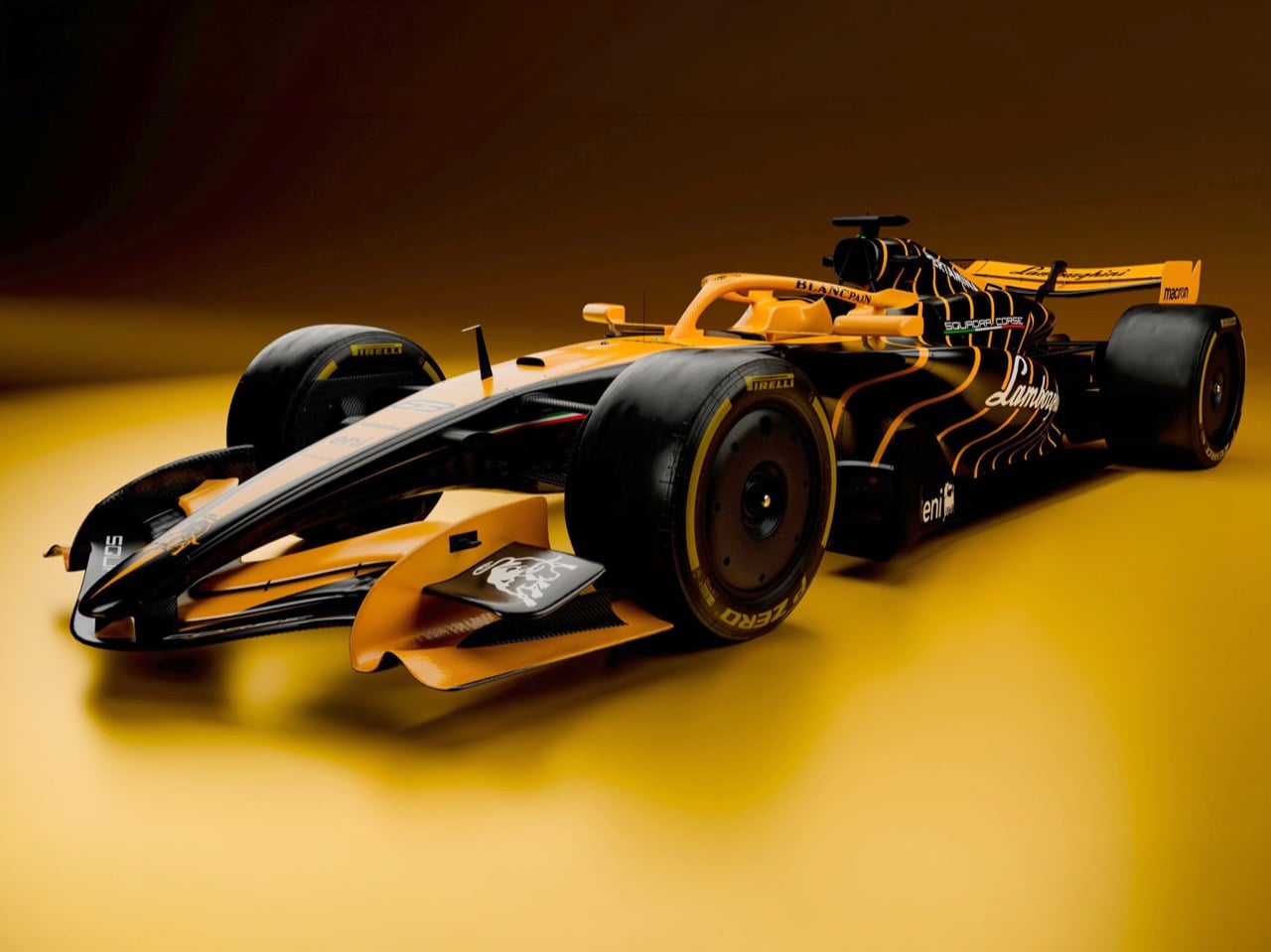
The 2026 F1 season marks the biggest technical reset the sport has seen in over a decade, with new power unit regulations that push electric deployment even harder and a reshuffled grid that includes Audi’s factory entry and Cadillac arriving as a legitimate constructor. It’s the kind of moment when the paddock genuinely opens up to new possibilities, when manufacturers who’ve been sitting on the sidelines start doing the math on whether an F1 program could actually make sense. Lamborghini will almost certainly remain on those sidelines, because spending nine figures annually to race in a series where your parent company already fields a team (Audi, also owned by Volkswagen Group) would be corporate redundancy at its most wasteful. But that didn’t stop designer Daniel Rodriguez from asking what a Lamborghini livery would look like if Sant’Agata Bolognese decided to crash the party anyway. If it did, it would be the third bull-based team on the track after Red Bull and Racing Bulls!

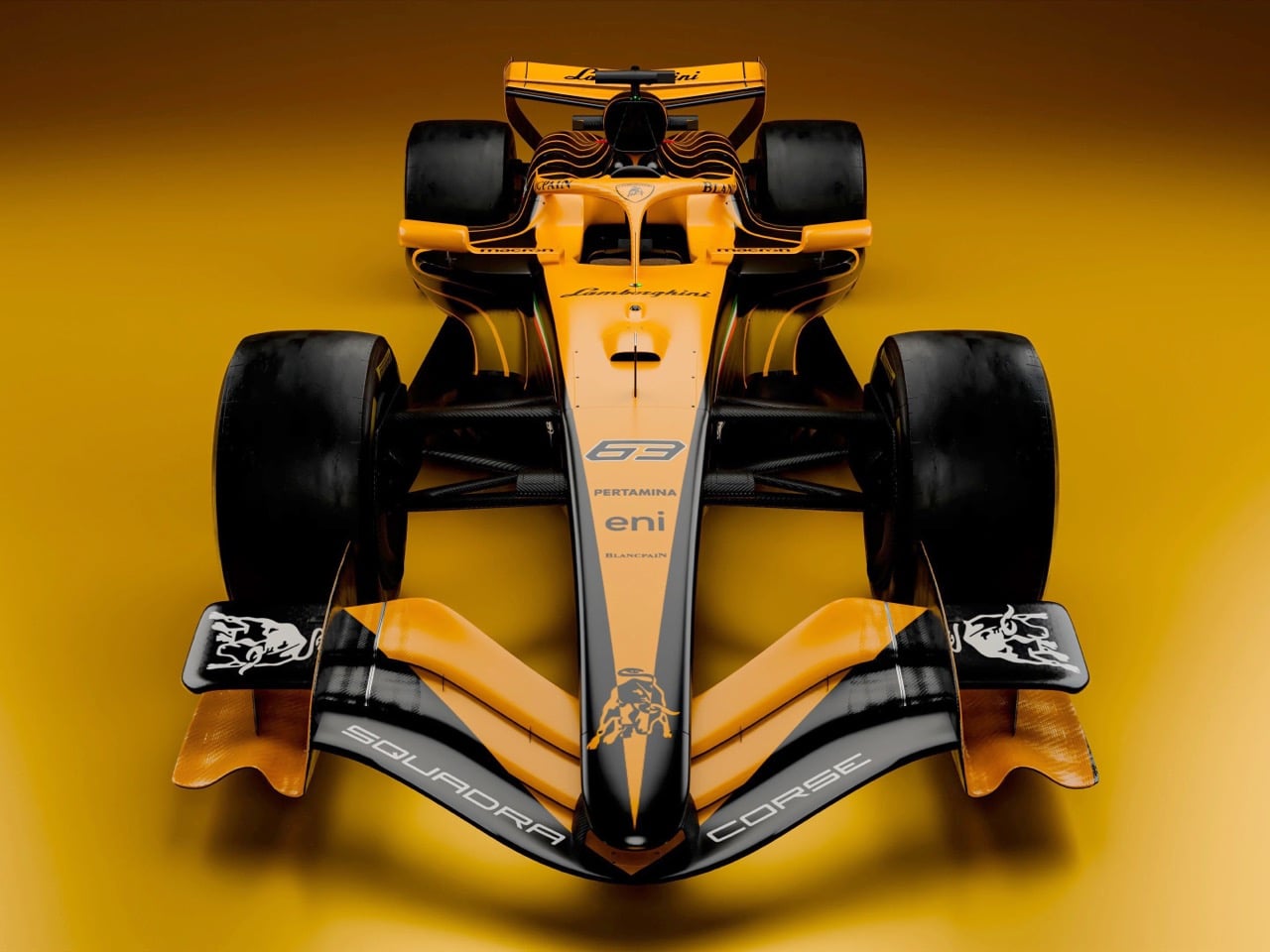
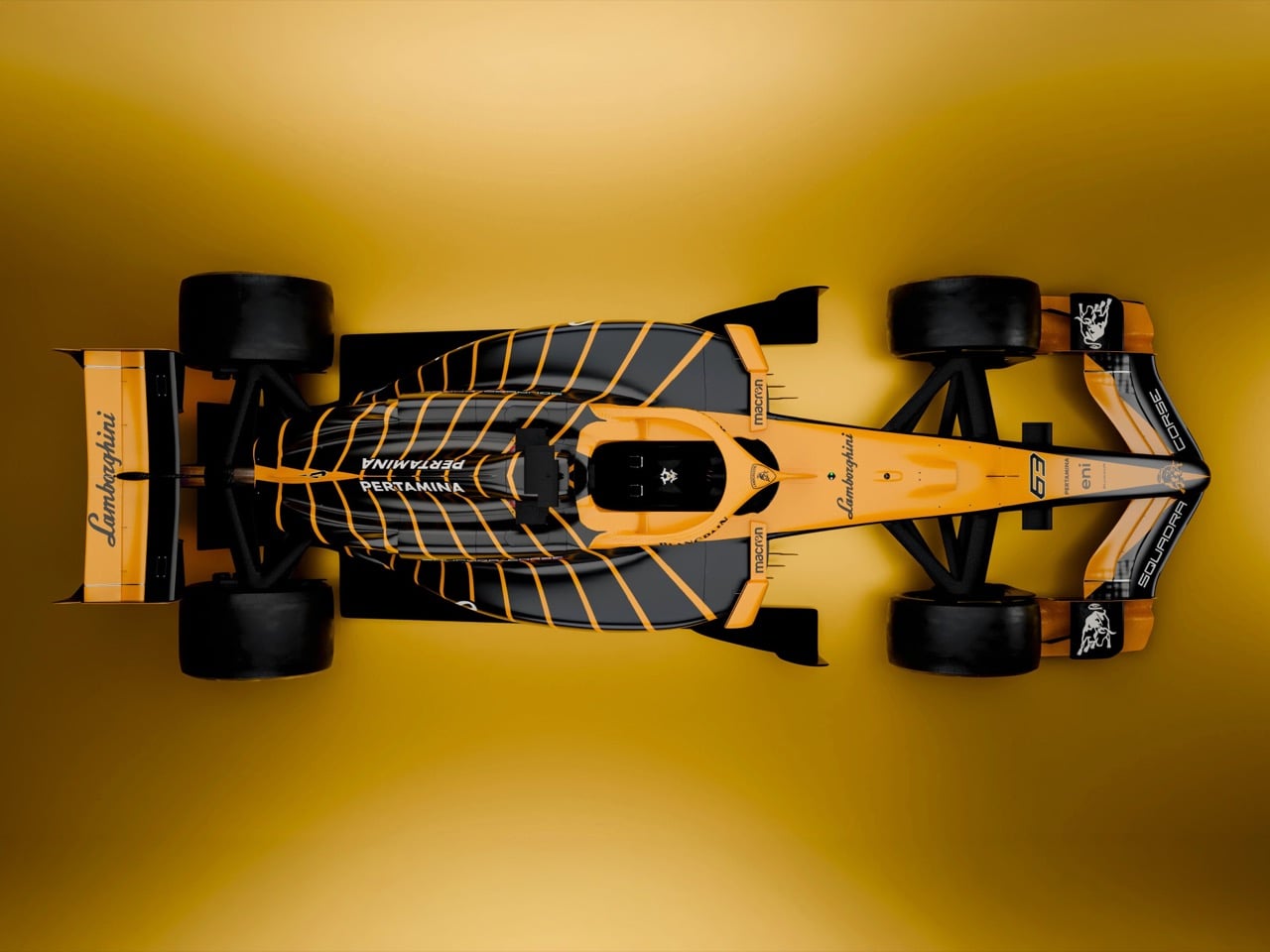
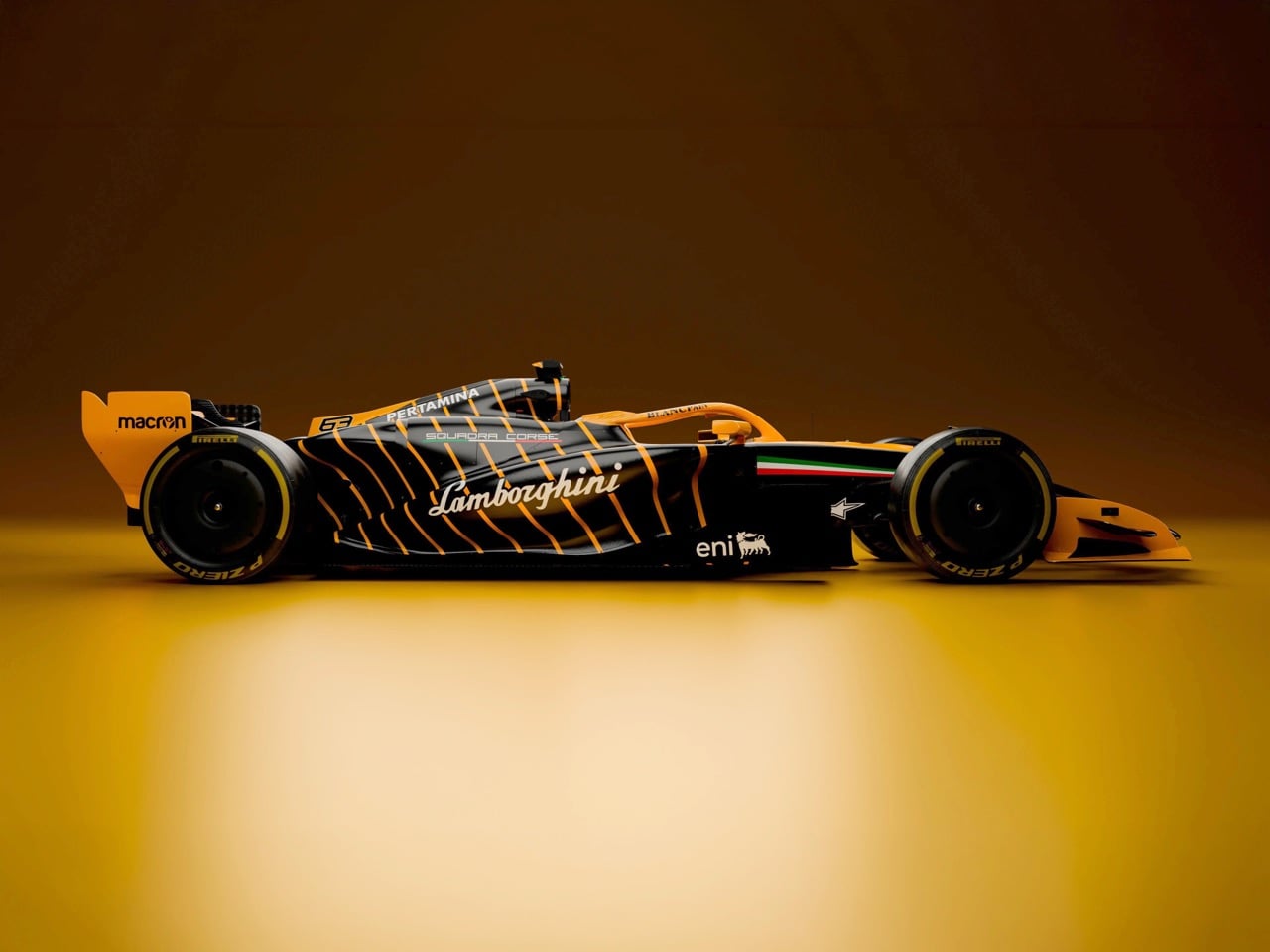
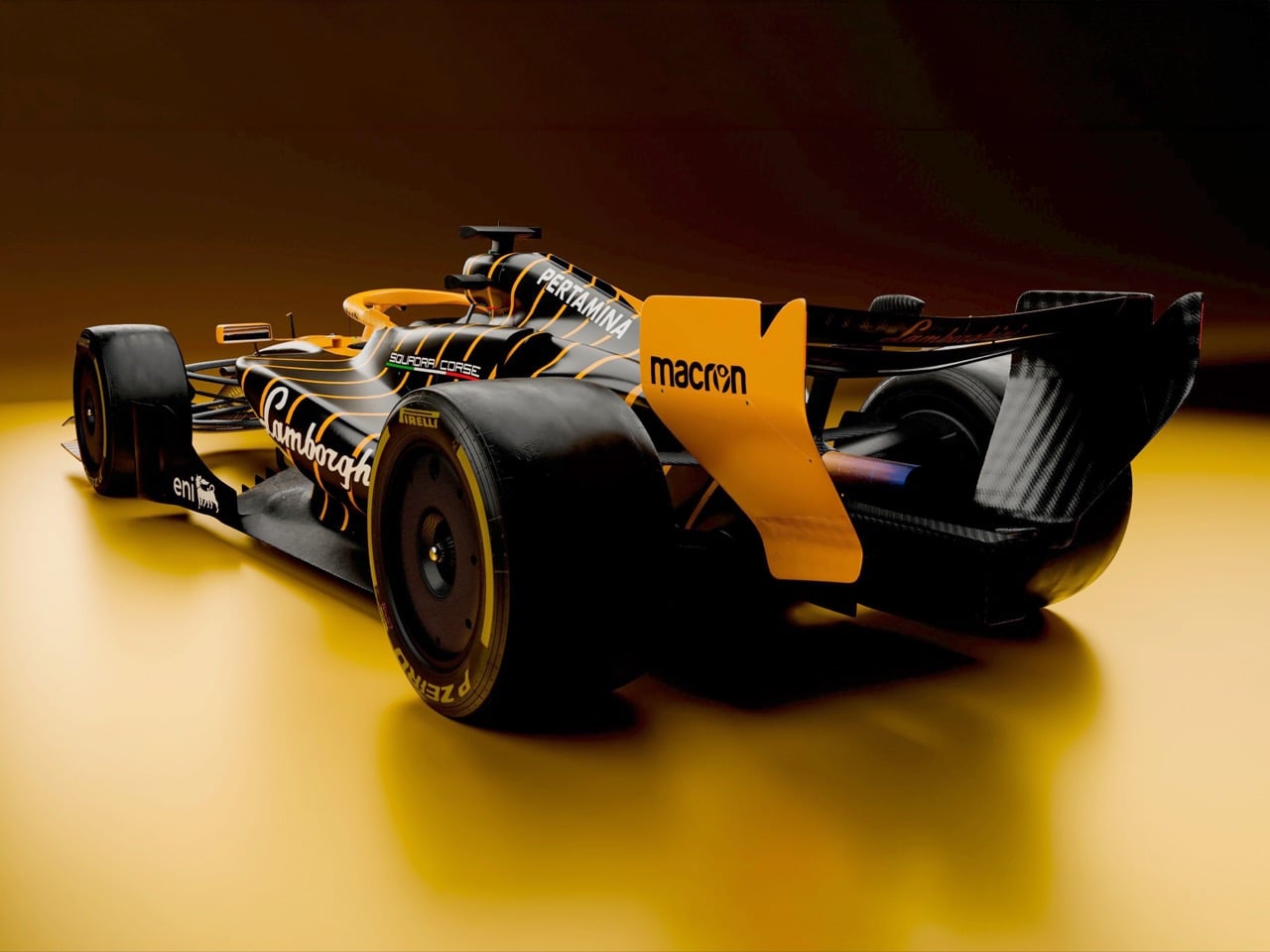
Rodriguez’s concept wraps a 2026-spec F1 car in Arancio Borealis and gloss black with a geometric lattice pattern that pulls directly from Lamborghini’s current design vocabulary. The hexagonal graphics echo the Revuelto’s taillight treatment and the angular obsession that defines the brand’s styling language, flowing from dense at the cockpit to sparse at the rear wing. Italian flag accents trace the halo and nose cone, sponsor logos for Macron and Eni add commercial credibility, and the raging bull emblem sits on the rear wing endplates where it would photograph beautifully in the pit lane even if TV cameras never caught it. The renders are good enough to pass for official press shots, lit with the kind of moody amber-to-black gradients that Lamborghini’s own marketing team would approve.

Designer: Daniel Rodriguez

What makes this livery work is that Rodriguez doesn’t try to make the F1 car look like a Lamborghini road car, because that’s impossible and also beside the point. An F1 car is a regulatory sculpture shaped by wind tunnel data and the FIA’s technical rulebook, and no amount of vinyl wrap changes that fundamental reality. Instead, the livery translates Lamborghini’s graphic and color vocabulary into a form factor that has nothing to do with mid-engine supercars, and it does so in a way that feels both authentic to the brand and appropriate for the paddock. The Arancio Borealis orange sits somewhere between molten lava and a traffic cone, instantly recognizable as Lamborghini without requiring the car to sprout scissor doors or a V12 exhaust note. The gloss black creates genuine visual tension rather than just contrast, breaking up the body in a way that emphasizes the car’s aerodynamic surfaces instead of fighting them.

The hexagonal lattice pattern running down the sidepods and over the engine cover is the detail that sells the whole concept. Lamborghini has been obsessed with hexagons since the Aventador introduced them as a recurring motif back in 2011, and they’ve since migrated to every surface the brand touches. Taillights, grilles, interior stitching, wheel designs, all of it hexagons. Rodriguez takes that obsession and applies it to the F1 car’s sidepods in a way that creates visual density without cluttering the canvas. The pattern starts tight and geometric at the front, creating a sense of structural integrity, then gradually opens up as it flows rearward, giving the eye a path to follow from cockpit to diffuser. It’s a graphic solution that respects both the brand’s identity and the car’s aerodynamic purpose.

The Italian tricolor is handled with restraint, running as a thin accent stripe that outlines the halo and reappears on the nose cone. It’s subtle enough to avoid looking like a generic tribute to the brand’s Sant’Agata Bolognese heritage, but prominent enough that the car reads as distinctly Italian when parked next to Ferrari’s red. The sponsor integration is equally thoughtful. Macron, the Italian sportswear brand that already kits out Bologna FC and the Italian national rugby team, appears on the sidepods and rear wing. Eni, the Italian energy giant with deep motorsport ties, gets placement on the engine cover. Both partnerships feel plausible rather than fantastical, the kind of commercial relationships Lamborghini could actually secure if they showed up to the grid tomorrow.

Even the mandated wheel covers, which the 2026 regulations require for aerodynamic efficiency and which most teams treat as blank canvases or necessary evils, get the hexagon treatment here. It’s a small detail that maintains visual consistency across every surface, ensuring the car reads as a cohesive design rather than a collection of sponsor panels held together by regulations. The raging bull emblem on the rear wing endplates is rendered in white against black, a detail that would be nearly invisible during race broadcasts but would photograph beautifully in static pit lane shots and pre-race media coverage.

Will Lamborghini actually enter F1 in 2026 or beyond? Almost certainly not. The economics don’t justify it, the brand’s identity doesn’t need F1 validation, and their motorsport budget is better spent on GT3 programs that connect directly to road car sales. But Rodriguez’s concept does something more valuable than predicting the future. It proves that Lamborghini’s design language is strong enough to survive translation into a form factor it was never intended for, and it shows what the 2026 grid would look like with a raging bull parked next to the prancing horse.

The post This 2026 Lamborghini F1 Livery Proves the Raging Bull Belongs on the Grid (Even If It Never Happens) first appeared on Yanko Design.

This Cybertruck-Inspired Electric Trike Solves Urban Delivery Problems Tesla Never Bothered With

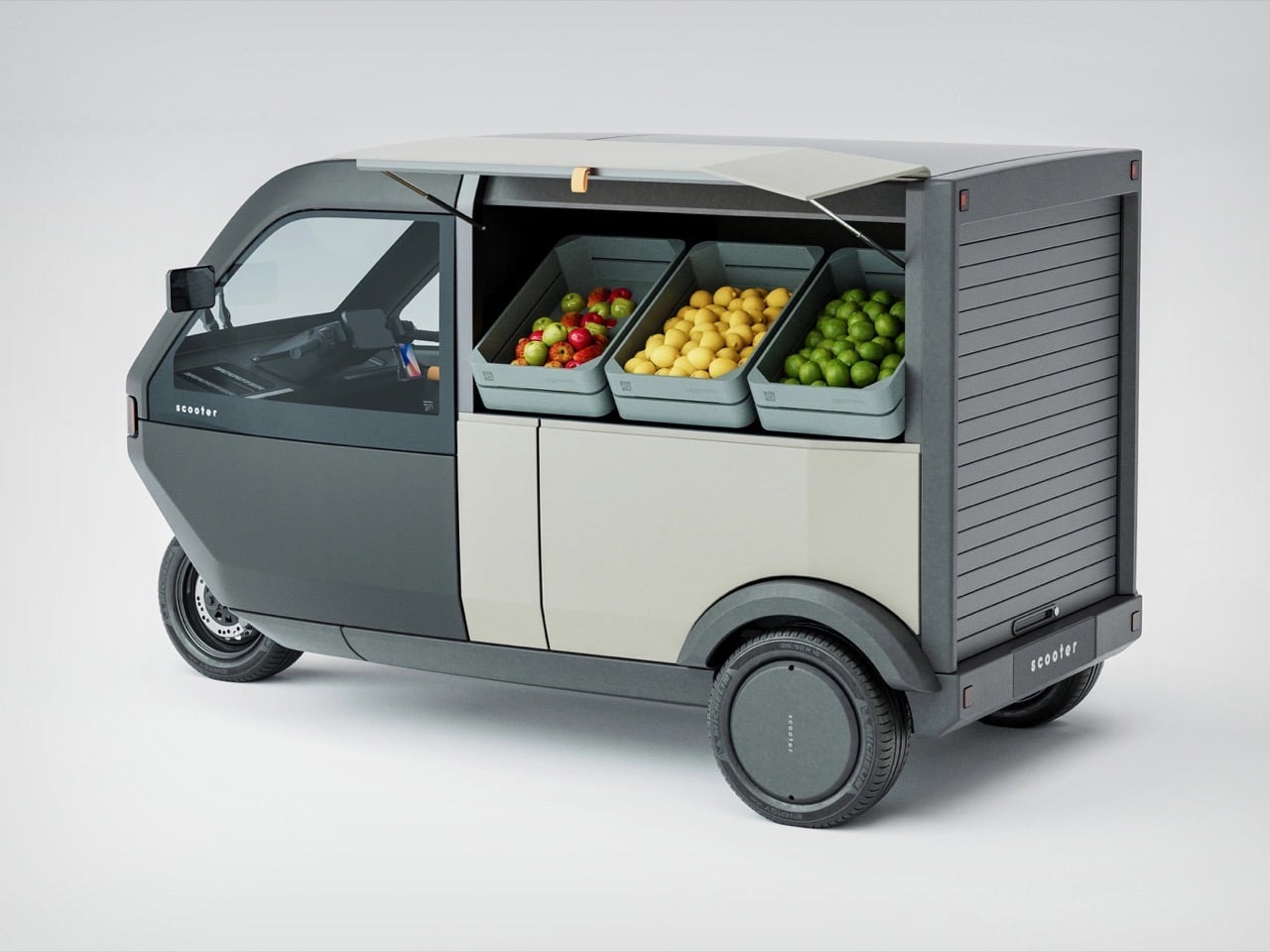
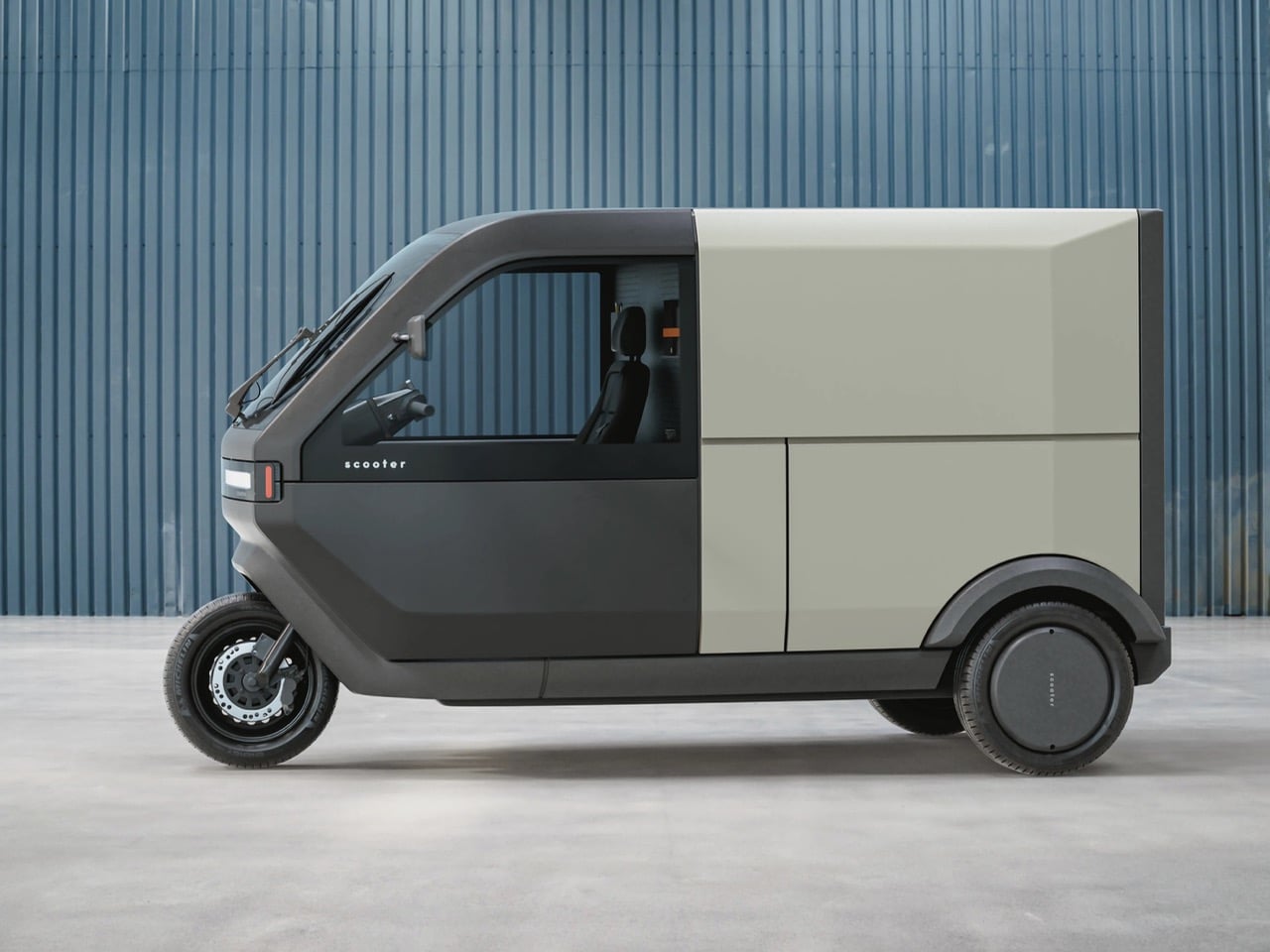
Three-wheeled vehicles occupy this weird liminal space in transportation design. Too substantial to park with bicycles, too small to merge confidently on highways, weird enough that most traffic laws forget they exist. The tuk-tuk owns this category in Southeast Asia, the Reliant Robin became a British punchline, and the Piaggio Ape dominates European deliveries despite looking like a Vespa that ate too much pasta. Most attempts to electrify and modernize this form factor end up either too expensive, too fragile, or too obviously designed by people who’ve never actually navigated a city during rush hour. The Scooter P-Two from Voyager feels different because it acknowledges these problems up front and builds around them.

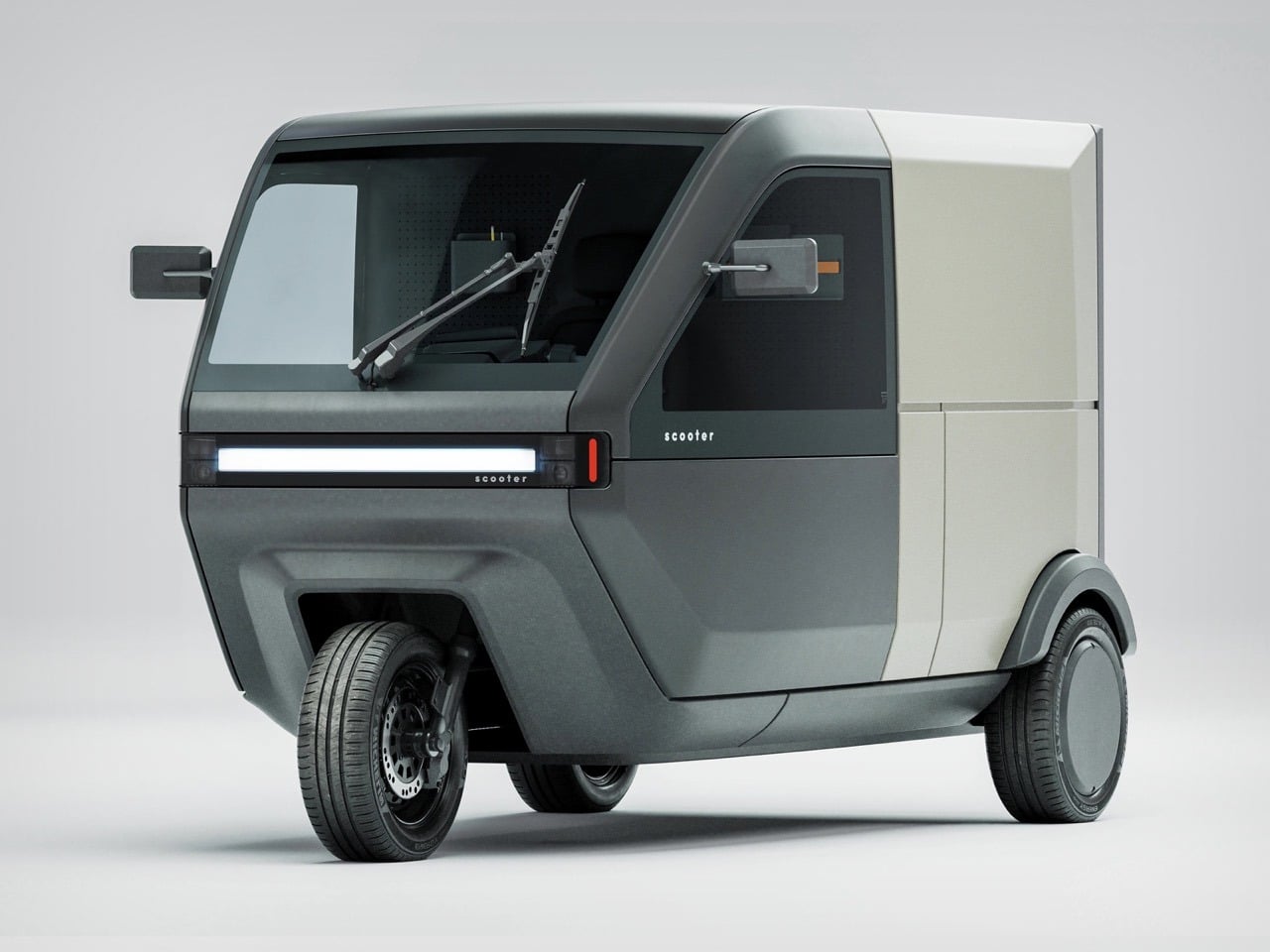
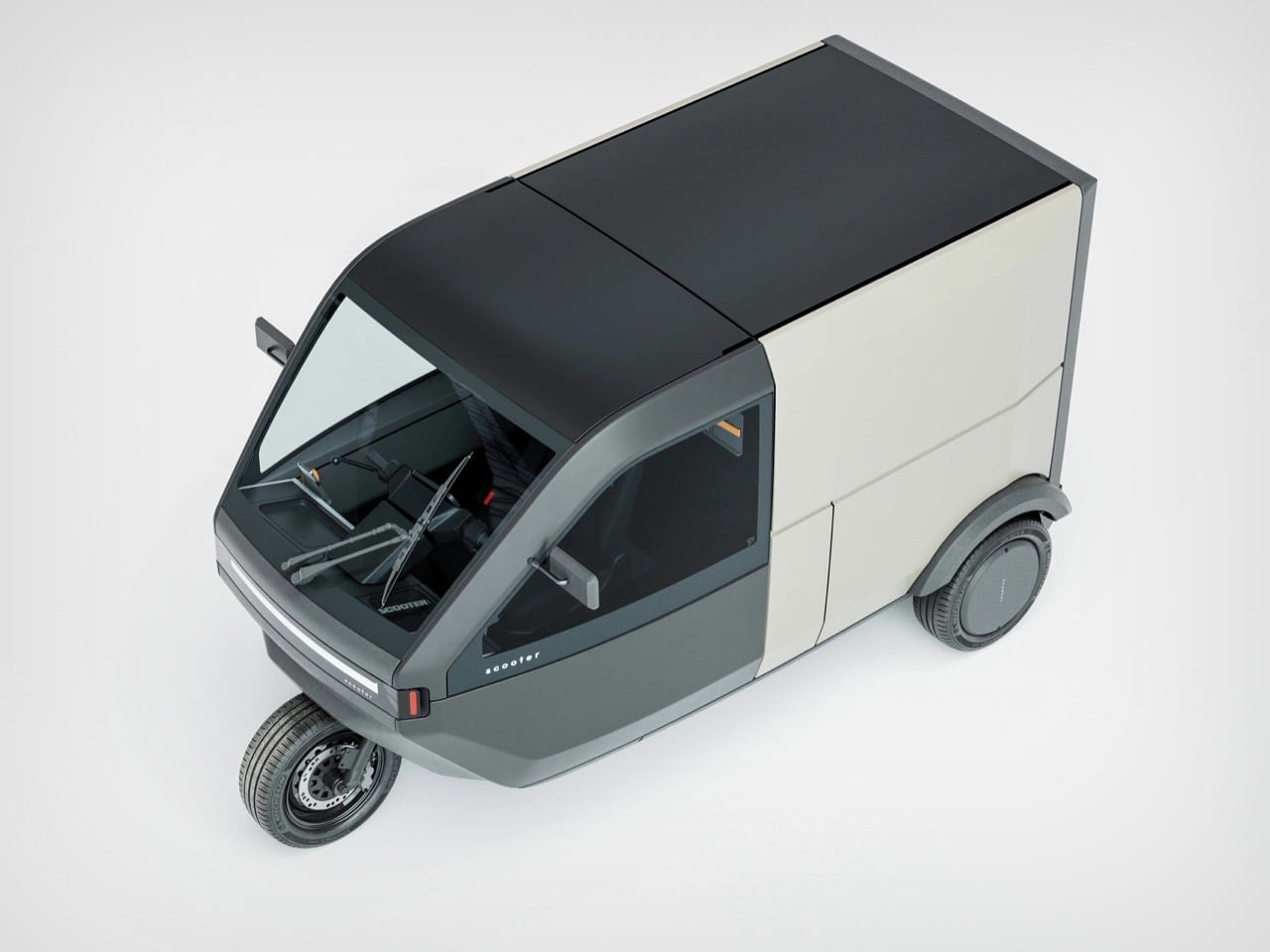
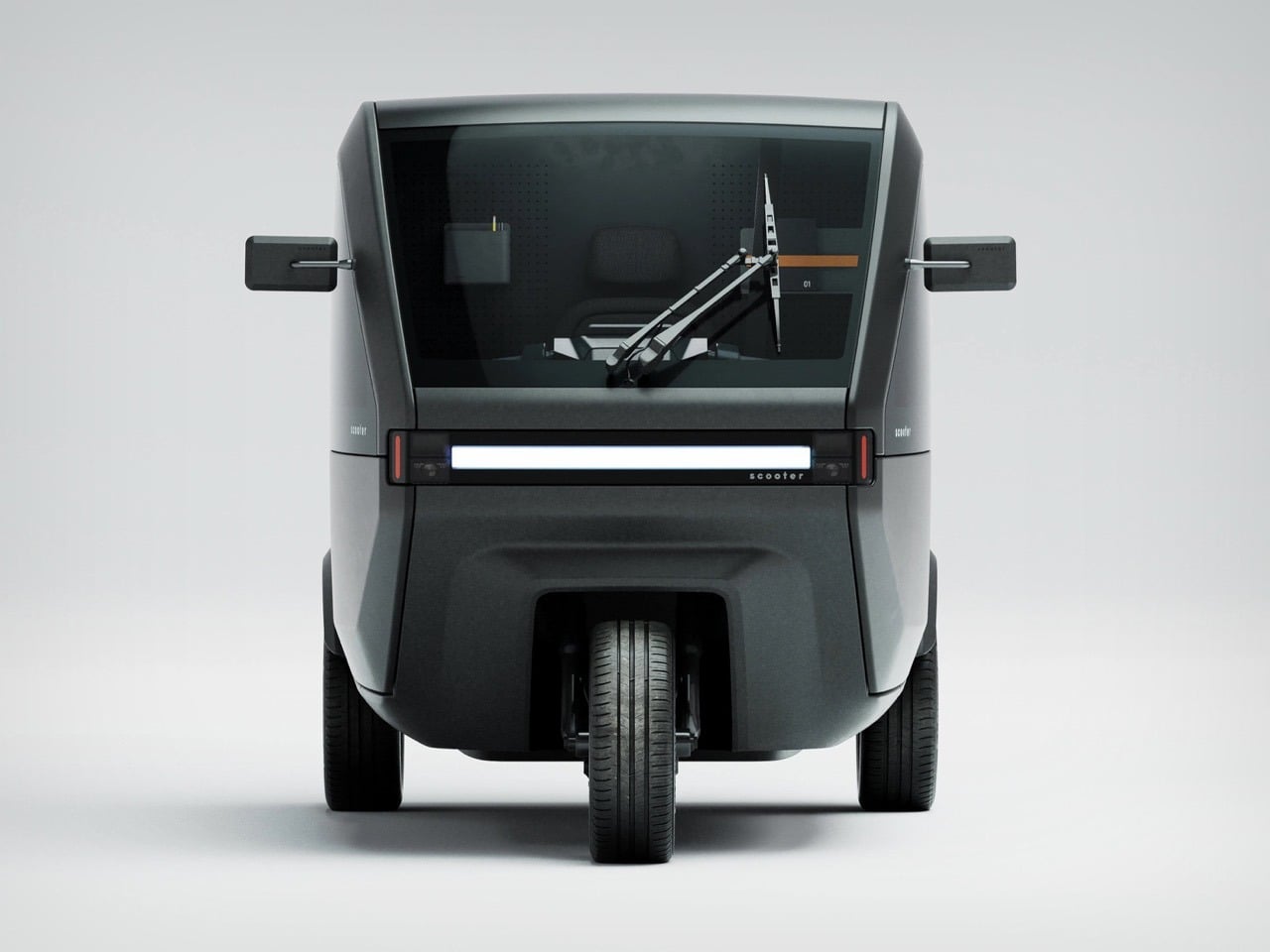
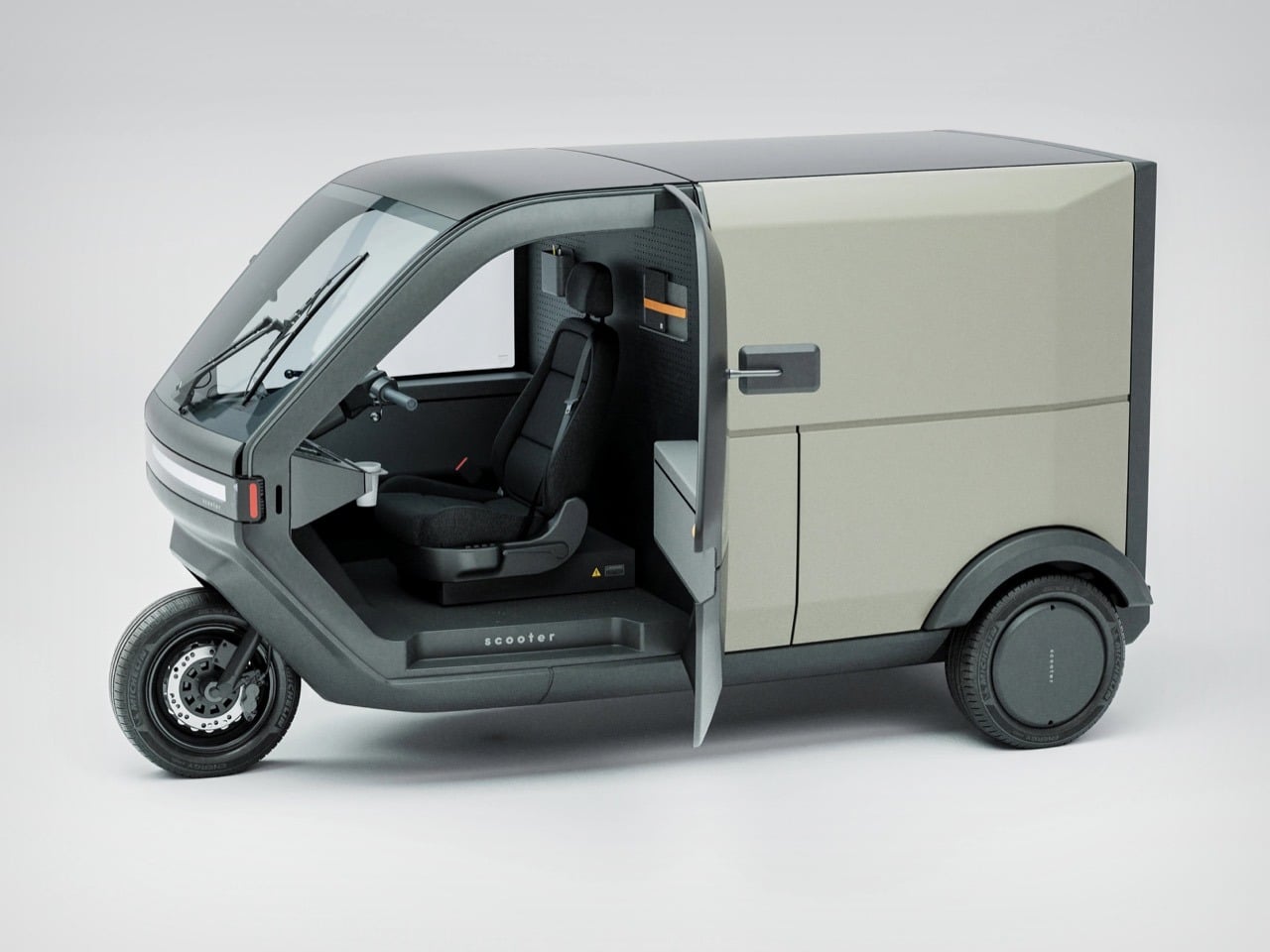
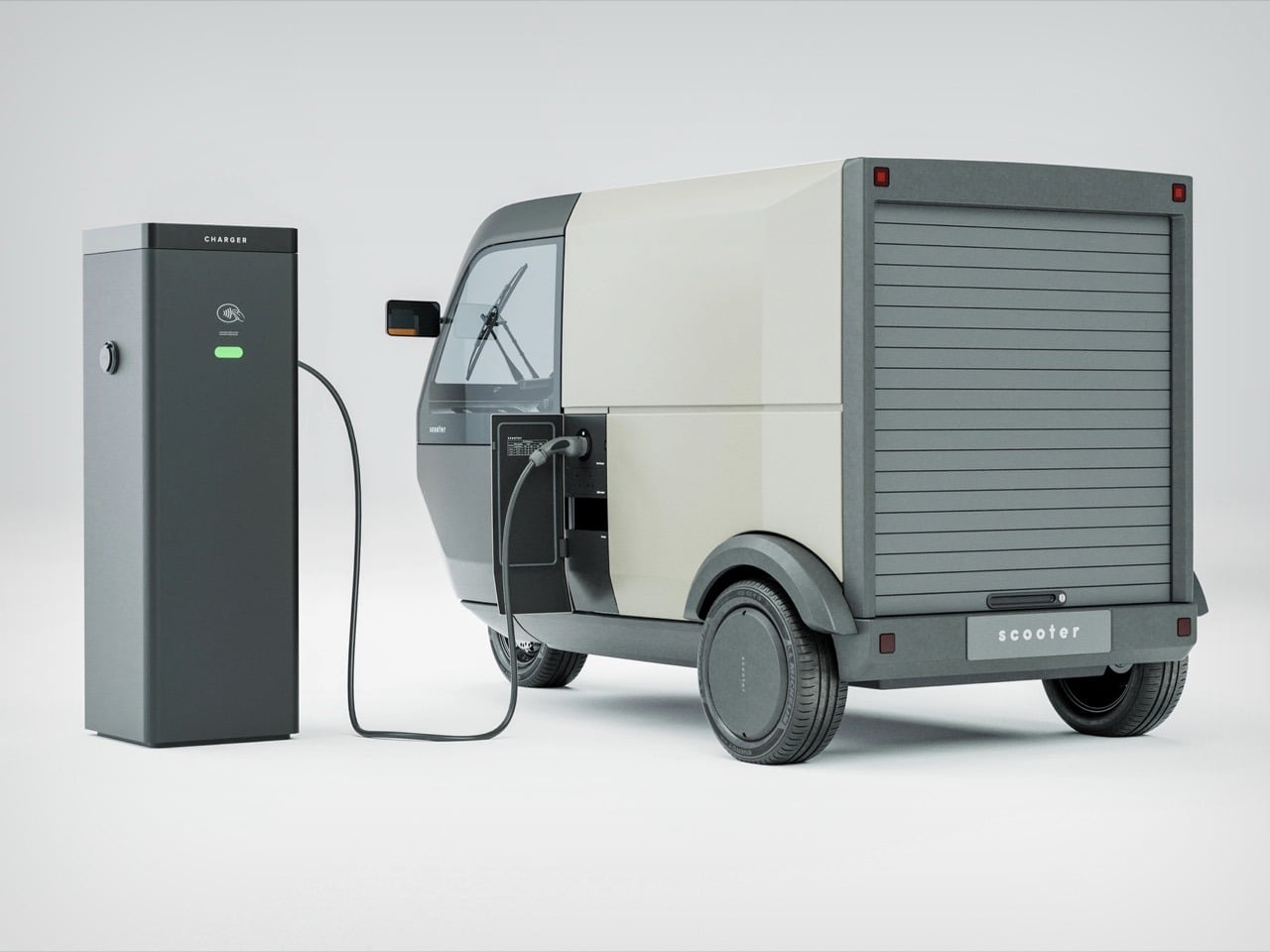
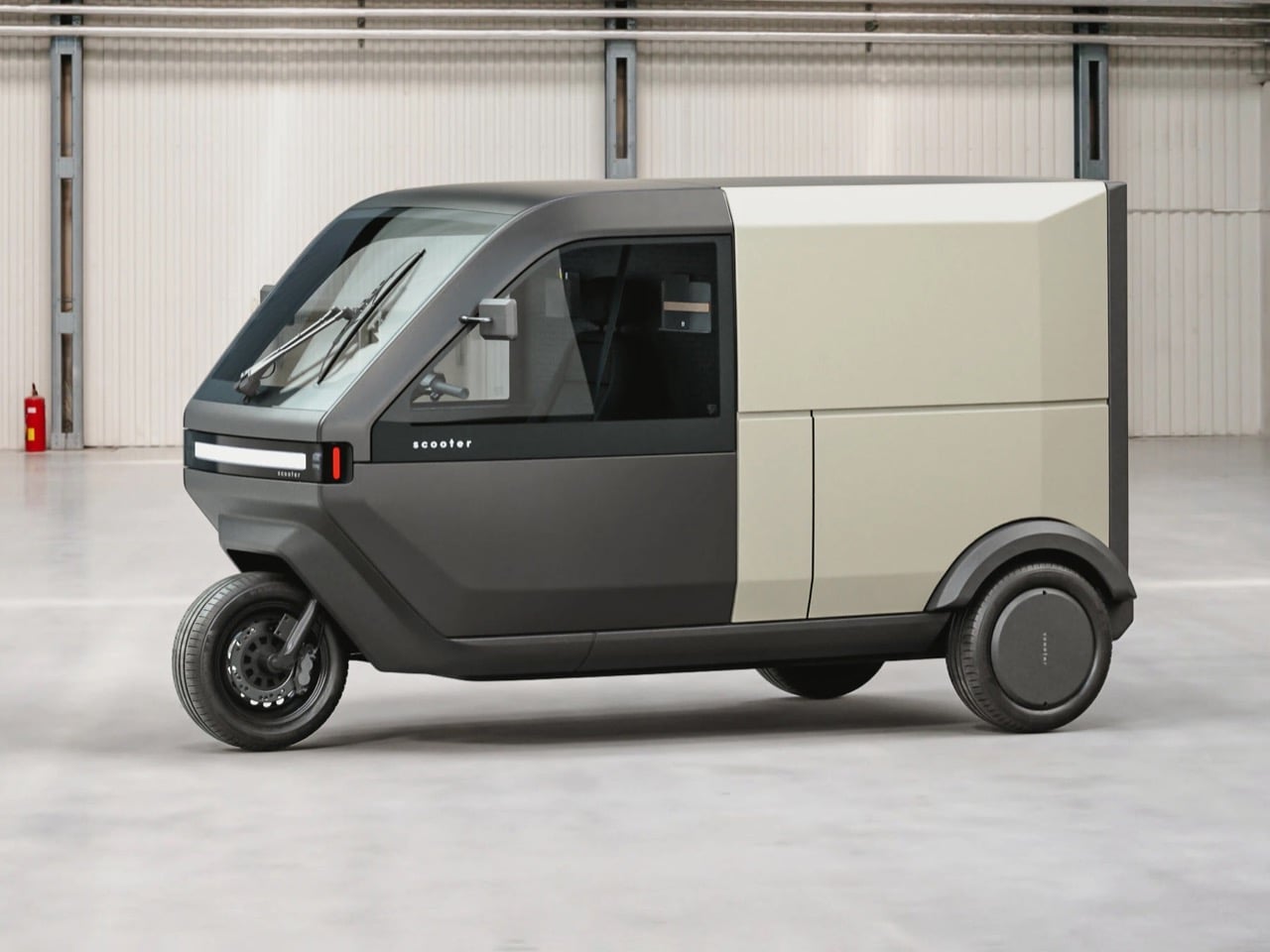
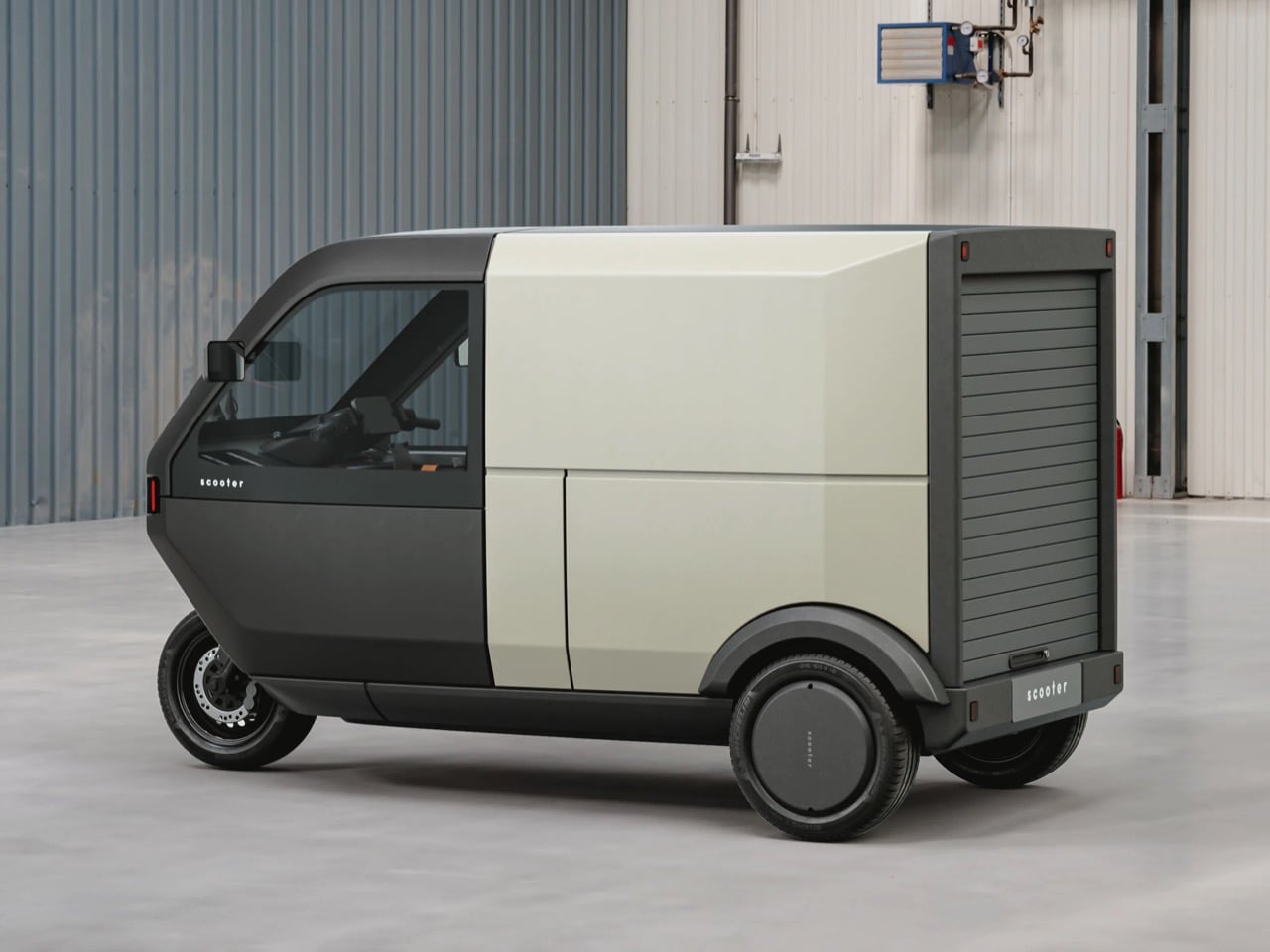
Belgian designers Jeroen Claus and Fabian Breës published this concept on Behance in February 2025, positioning it as purpose-built micro-mobility for dense urban environments. Enclosed cabin for weather protection, modular cargo area that adapts between hauling mode and passenger mode, classic trike geometry that keeps the profile narrow enough to slip through traffic. The styling borrows from Cybertruck’s angular vocabulary and Rivian’s adventure-utility aesthetic, but executed at a scale where those geometric moves actually make practical sense. Voyager describes the P-Two as small on the outside, spacious on the inside, which usually signals marketing delusion, but the visualizations suggest they might have actually solved that packaging puzzle through clever interior architecture and a glass area that doesn’t compromise sight lines.

Designers: Jeroen Claus & Fabian Breës

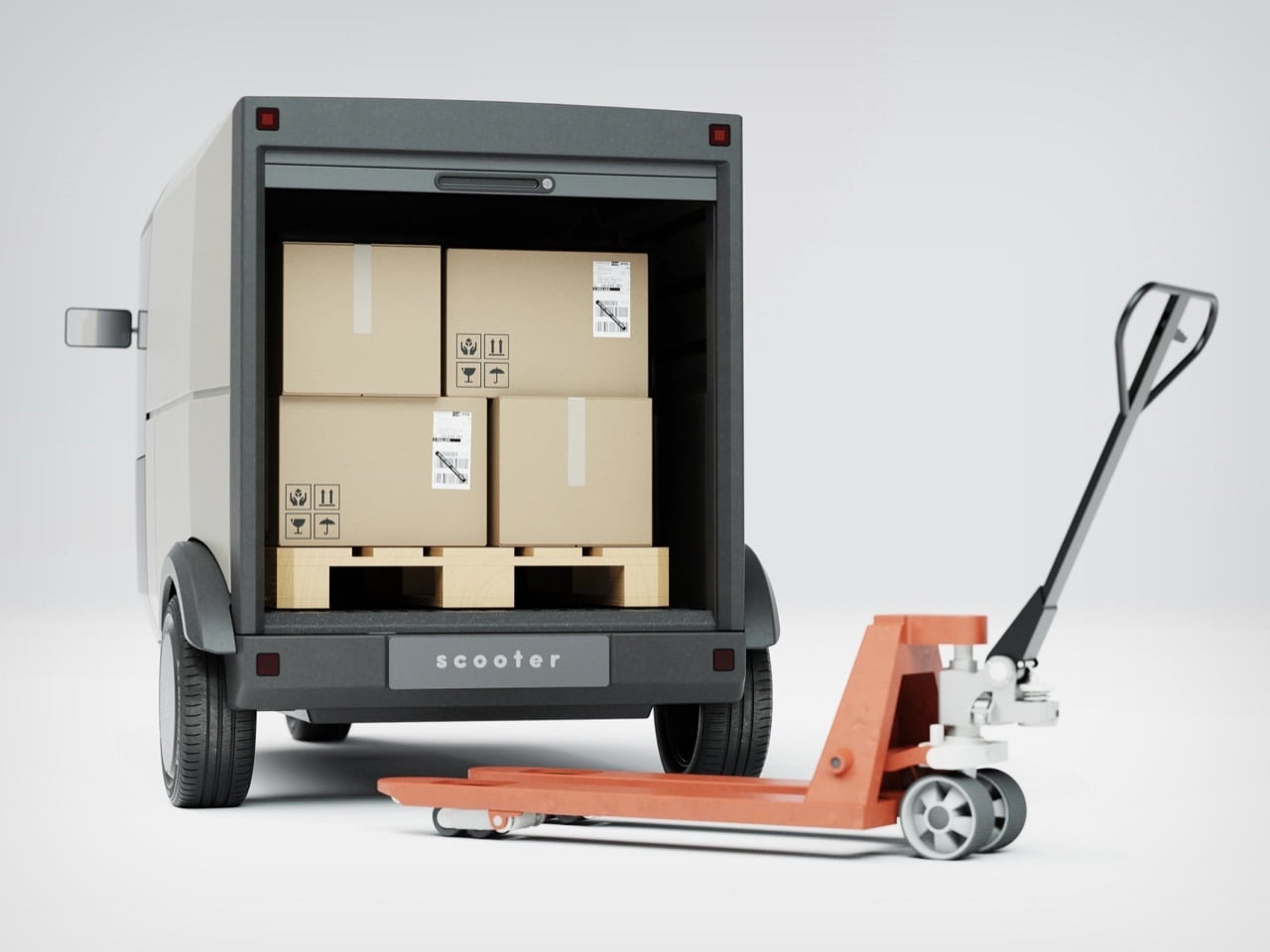
What’s interesting is how this tackles the last-mile problem from a completely different angle than Tesla’s robotaxi approach. Autonomous ride-hailing solves personal transportation, sure, but it does absolutely nothing for the grocer who needs to deliver three bags of produce, the courier hauling packages, or the mobile coffee vendor setting up at a street market. Those use cases require cargo capacity, weather protection, and the ability to park in spaces where a Model 3 would get towed. The P-Two addresses all three without requiring a silicon valley-scale AI development budget.

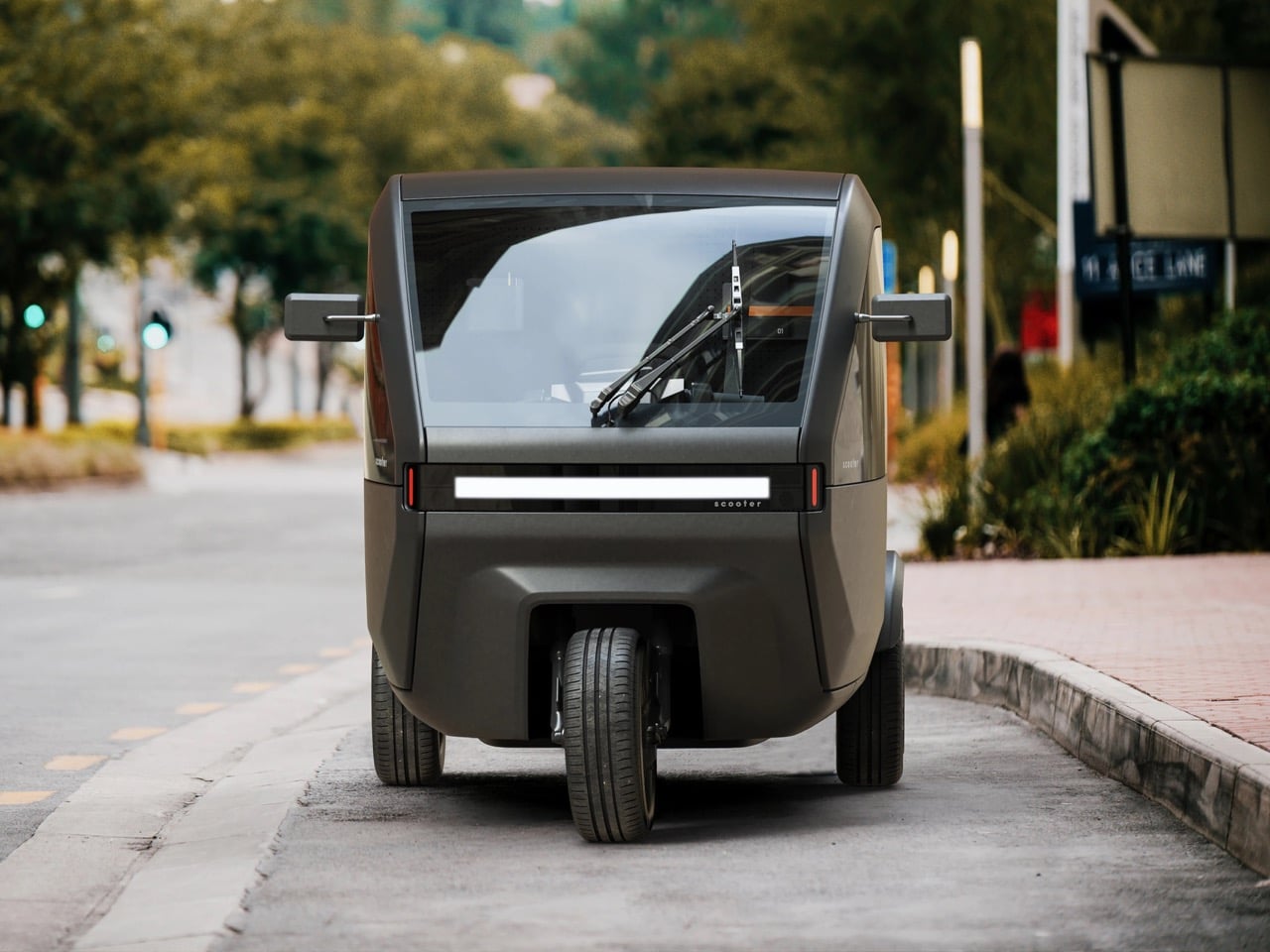
The front fascia carries that now-familiar horizontal light bar spanning the full width, a move Cybertruck popularized and every EV startup has since borrowed. A vertical red accent element breaks up the horizontal monotony and gives the face definition without resorting to fake grilles or busy details. That two-tone split (charcoal gray below, off-white above) does real visual work, breaking up what could read as a bulky form into something that feels lighter and more considered. The surfacing stays clean and geometric, channeling that angular confidence Tesla brought to trucks but rendered at tuk-tuk proportions where it actually looks intentional rather than confrontational.

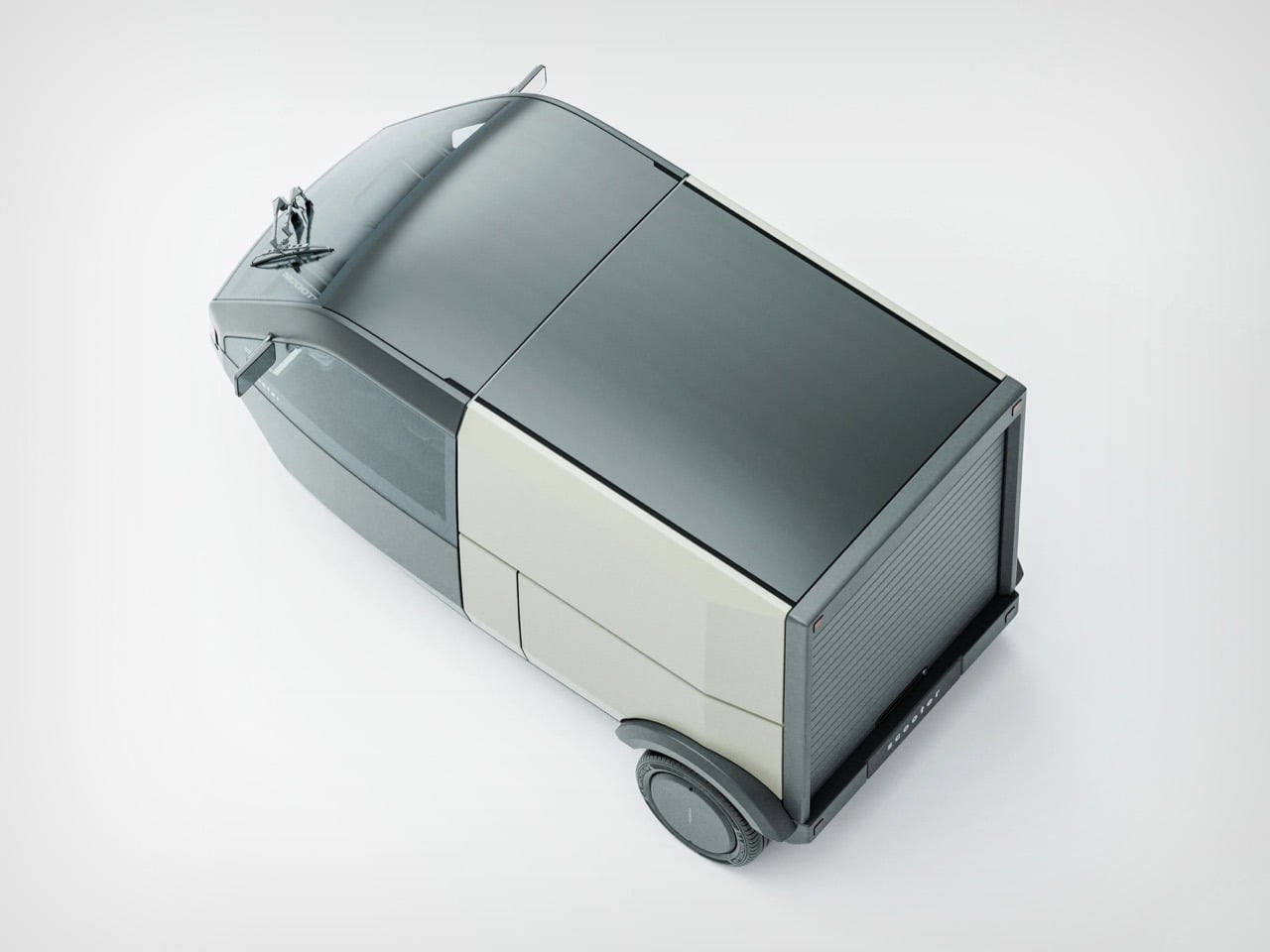
The cargo solution tells you these designers actually think about how people move things around cities. That roll-up door in back solves problems that hinged and sliding doors create. Hinges eat precious loading width and force awkward angles when you’re trying to maneuver boxes. Sliders need tracks, seals, and mechanisms that add cost and failure points. A simple roll-up shutter gives you the full cargo opening without mechanical drama, and the modularity extends beyond simple package hauling. The concept shows configurations for mobile retail, delivery work, passenger mode, which suggests the platform could adapt across use cases instead of forcing you to pick one function and stick with it forever.

The trike layout means this handles more like a powered two-wheeler than a micro-car, which changes the entire feel of how you’d navigate traffic. That exposed front wheel carries conventional tire sizing rather than the pencil-thin rubber most stand-up scooters use, which matters for stability over rough pavement and confident braking. The rear axle provides your planted base when stopped and your drive traction when moving. You trade four-wheel planted feel for genuine lane-filtering ability and a footprint that can actually navigate the spaces cars can’t reach. In dense European city centers where streets predate automobiles and parking costs more than rent, that tradeoff makes complete sense.

The intelligence here is how thoroughly Voyager avoided the usual micro-mobility compromises. Most concepts optimize ruthlessly for one metric and sacrifice everything else to hit it. Smallest possible size, maximum theoretical range, absolute lowest build cost. This feels like it started from actual urban movement patterns and built the vehicle around those needs. Enclosed cabin means rain stops being an excuse to drive the car. Cargo flexibility means the same machine handles your morning commute, afternoon grocery run, and weekend side hustle doing deliveries. The styling gives it enough visual mass to read as a legitimate vehicle in mixed traffic rather than an oversized toy or mobility-impaired golf cart.

Whether this actually reaches production, and at what price point, will determine if it reshapes anything or just becomes another beautifully considered concept that dies in the portfolio. But the thinking here is solid enough that I’d genuinely consider one if it showed up at competitive pricing against electric scooters. Cities need vehicles that acknowledge their actual density and infrastructure constraints instead of pretending everyone can just drive smaller cars forever.

The post This Cybertruck-Inspired Electric Trike Solves Urban Delivery Problems Tesla Never Bothered With first appeared on Yanko Design.

Vanspeed Album camper van with Murphy bed and versatile lounge is designed to go where you need it

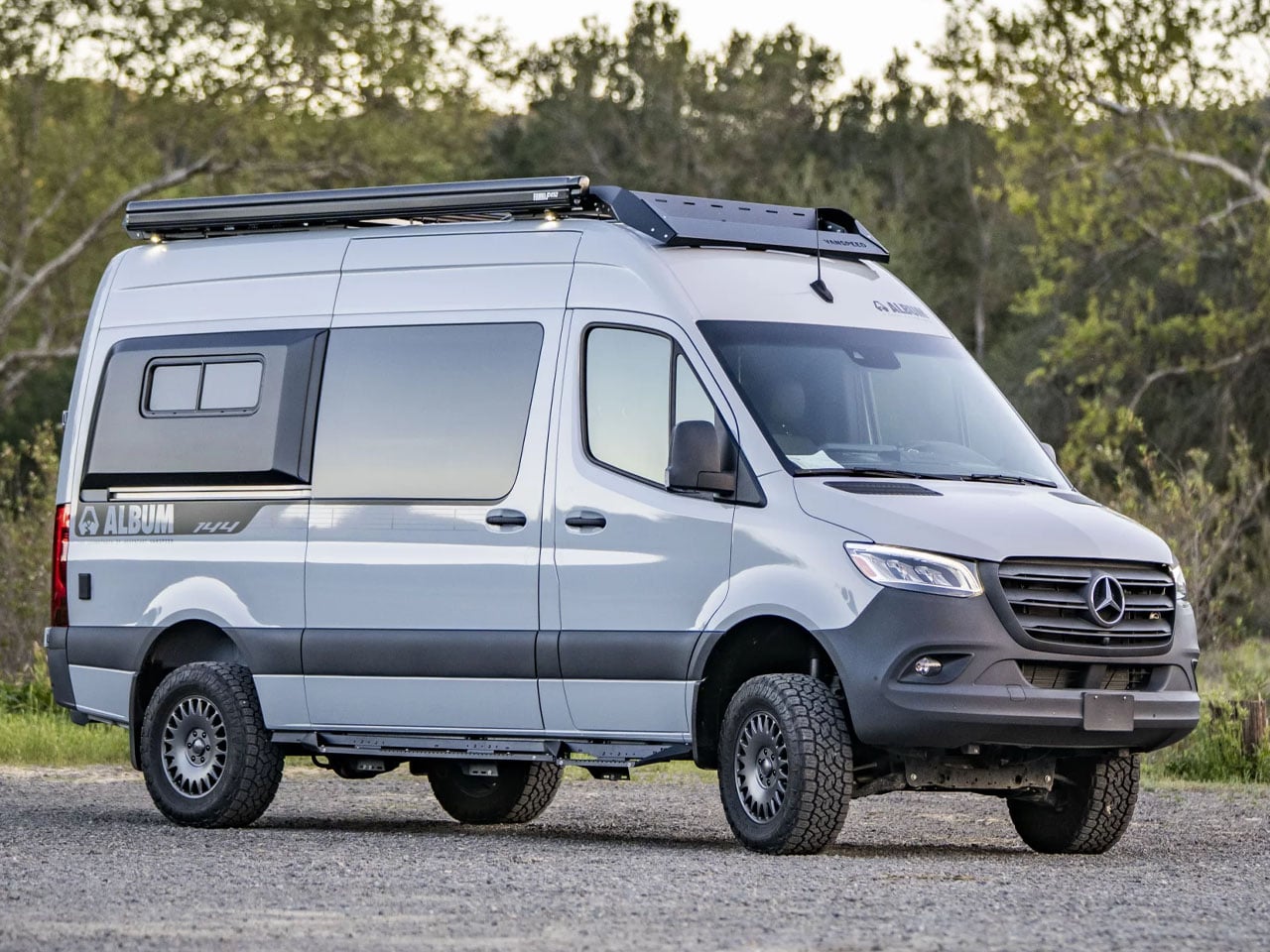
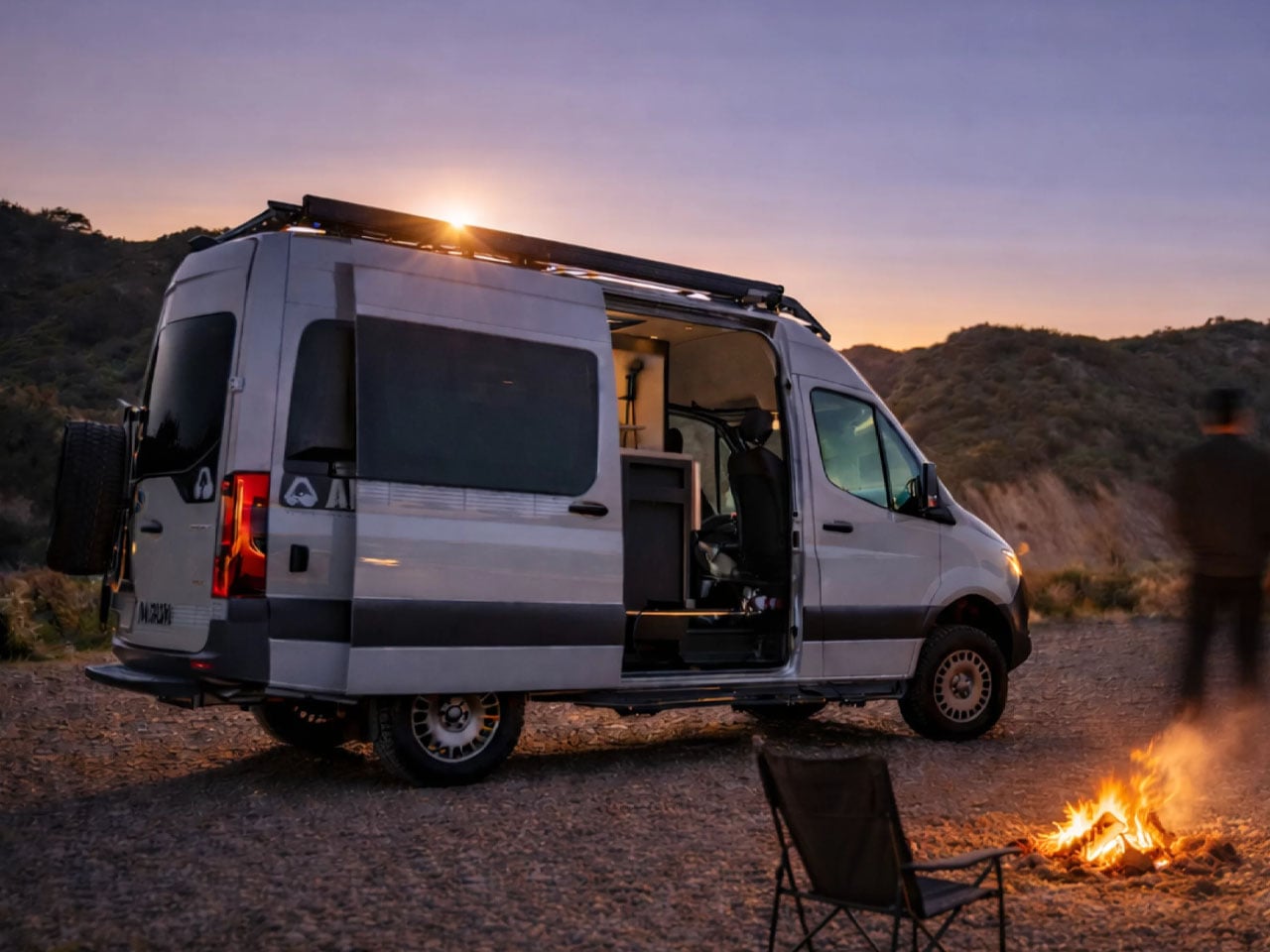
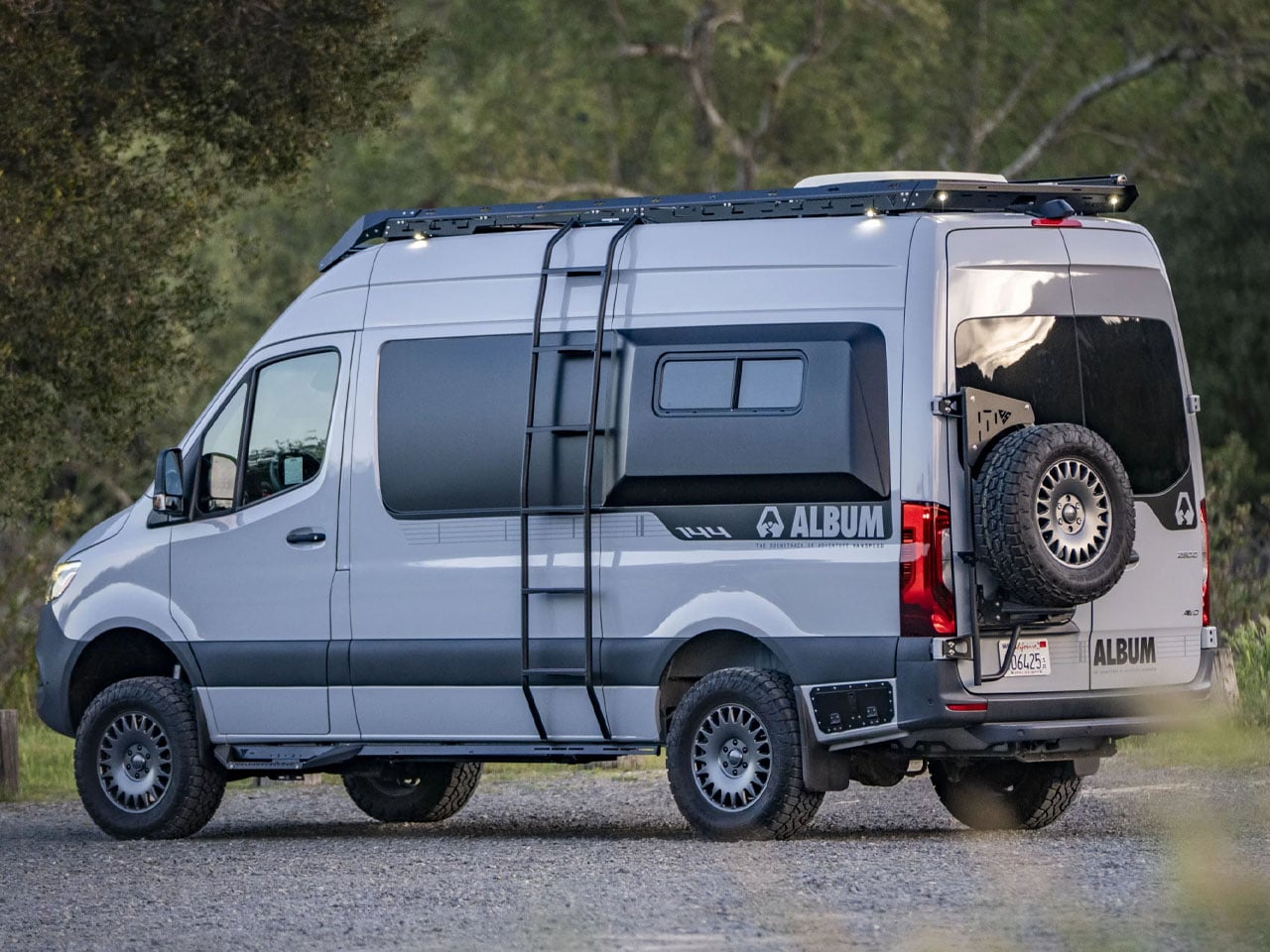
Mercedes-Benz Sprinter camper vans are built for those who want adventure without sacrificing comfort. Taking cues from the Sprinter’s exterior and thriving on its base, California-based Vanspeed has been designing camper vans focused on multifunctional performance. A standout example is the all-new Album camper van.

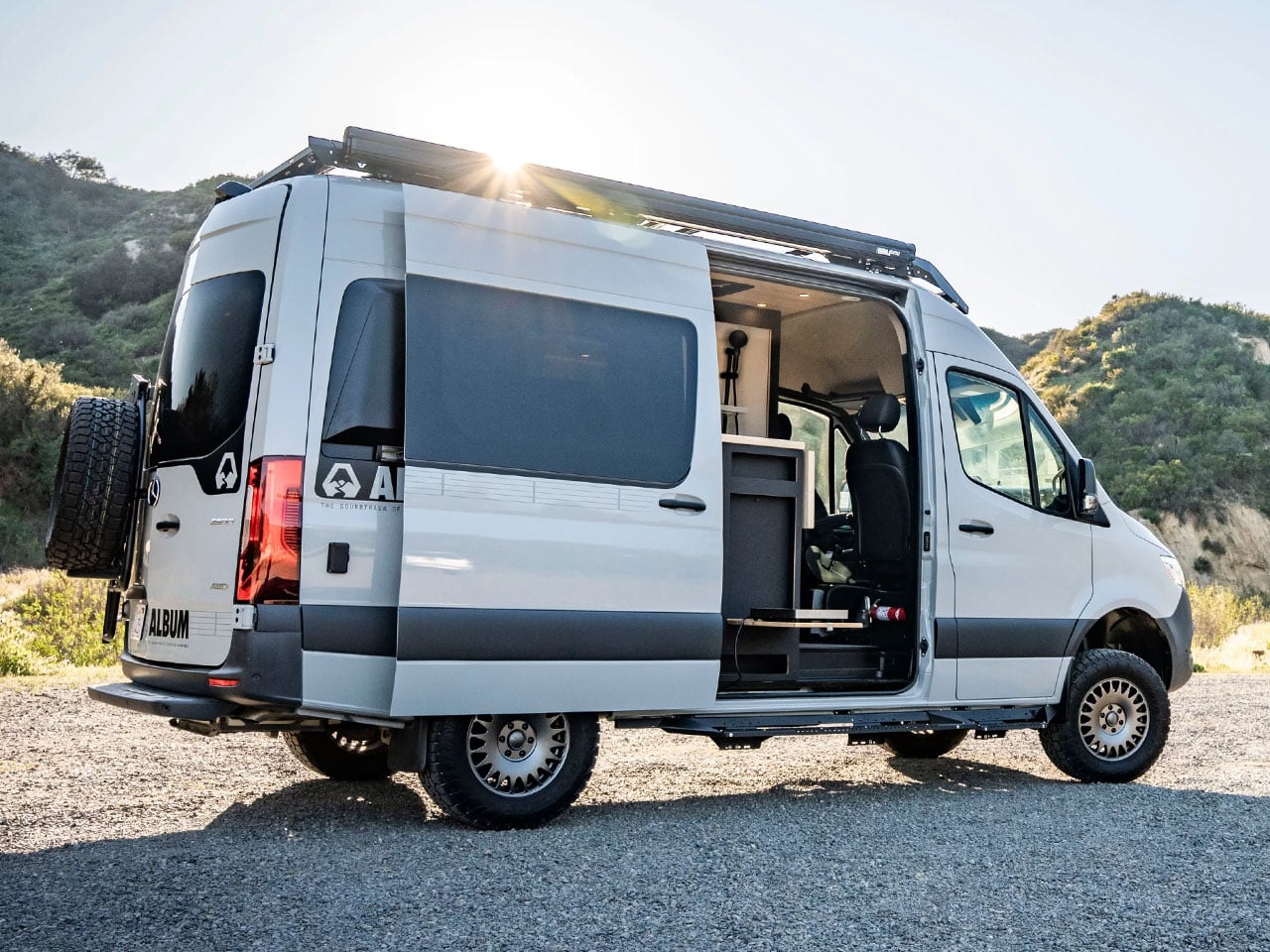
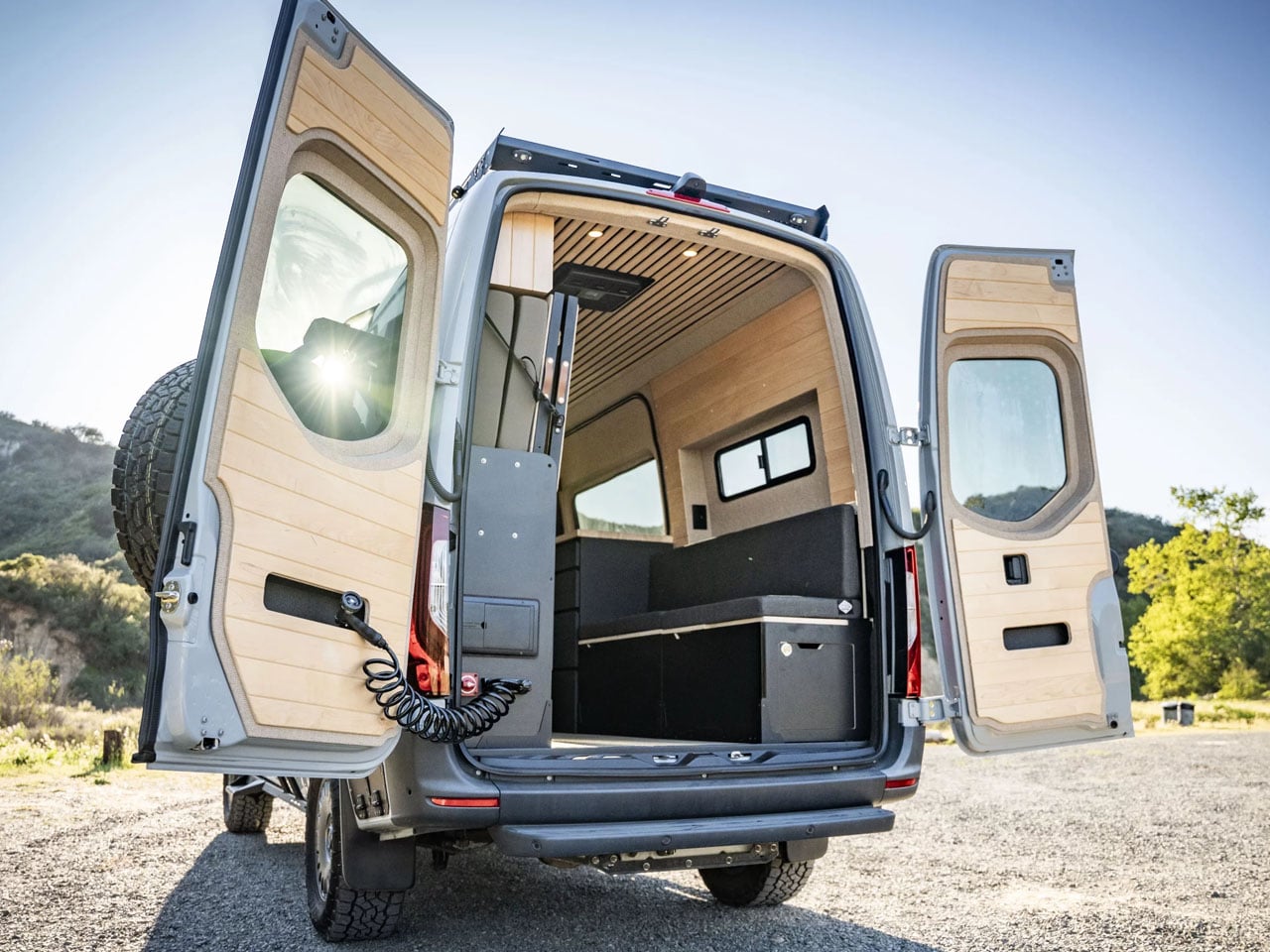
Built atop a Sprinter 144 AWD, it offers an ideal blend of convenience and luxury, making it ready to go wherever you need it. The Vanspeed camper van strips off any fancy exterior addons, keeping the body simple and clean. Only visible addition to the body is the roof ladder on the driver’s side to access the full-length rooftop rack.

Designer: Vanspeed https://www.vanspeedshop.com

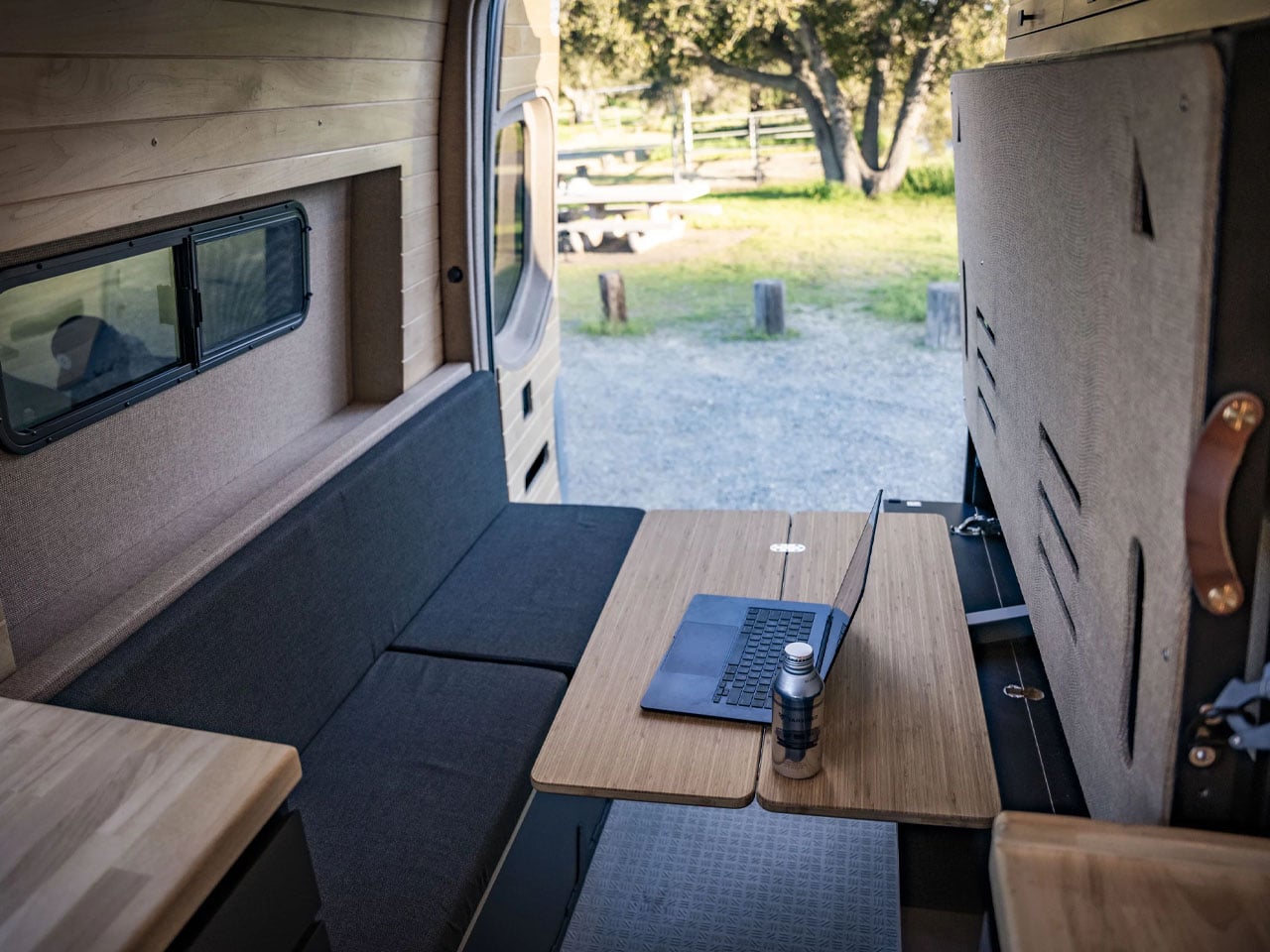
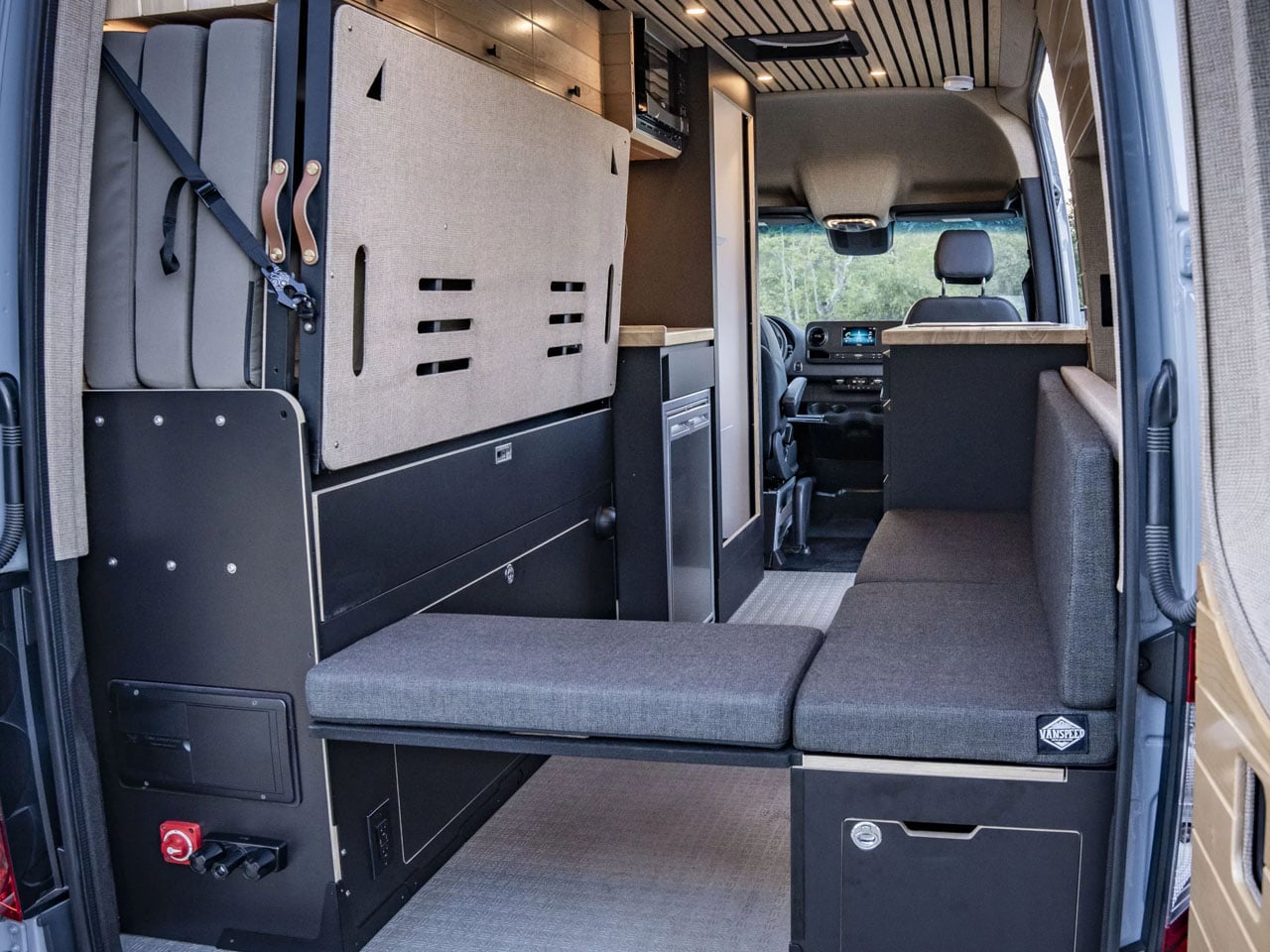
Other than the minimalist exterior, there is nothing casual about the Album camper van. It is a fine embodiment of what a functional camper van interior should be. Ready for off-road adventure, the multipurpose interior of the camper is defined by its Murphy bed and partially or fully removable seating, which opens up the center aisle for cargo or adventure equipment, such as your bicycles or surfboard.

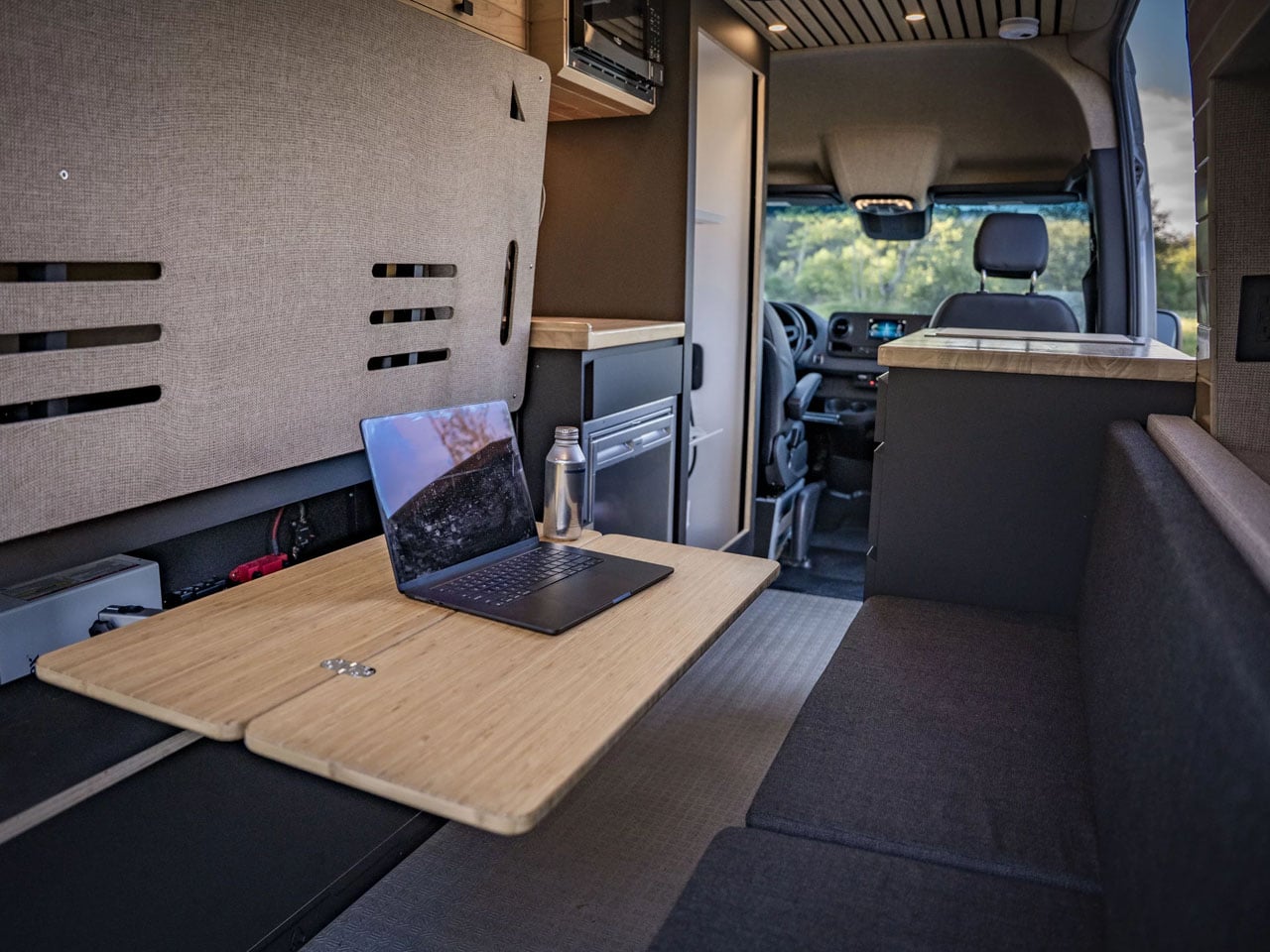
Despite the functionality, the interior with wood-style paneling throughout is warm and inviting. The folding bed stacks up against the driver’s sidewall, freeing up space for daytime convenience. You can use the L-shaped seating for relaxing, or pull down the hidden swivel table (from the cabinet just opposite) and use it as a workstation or for dining. In the pictures, you will notice only a bench seat, however, the seating is completed with a detachable crosspiece sofa, creating the complete L-shaped sofa lounge.

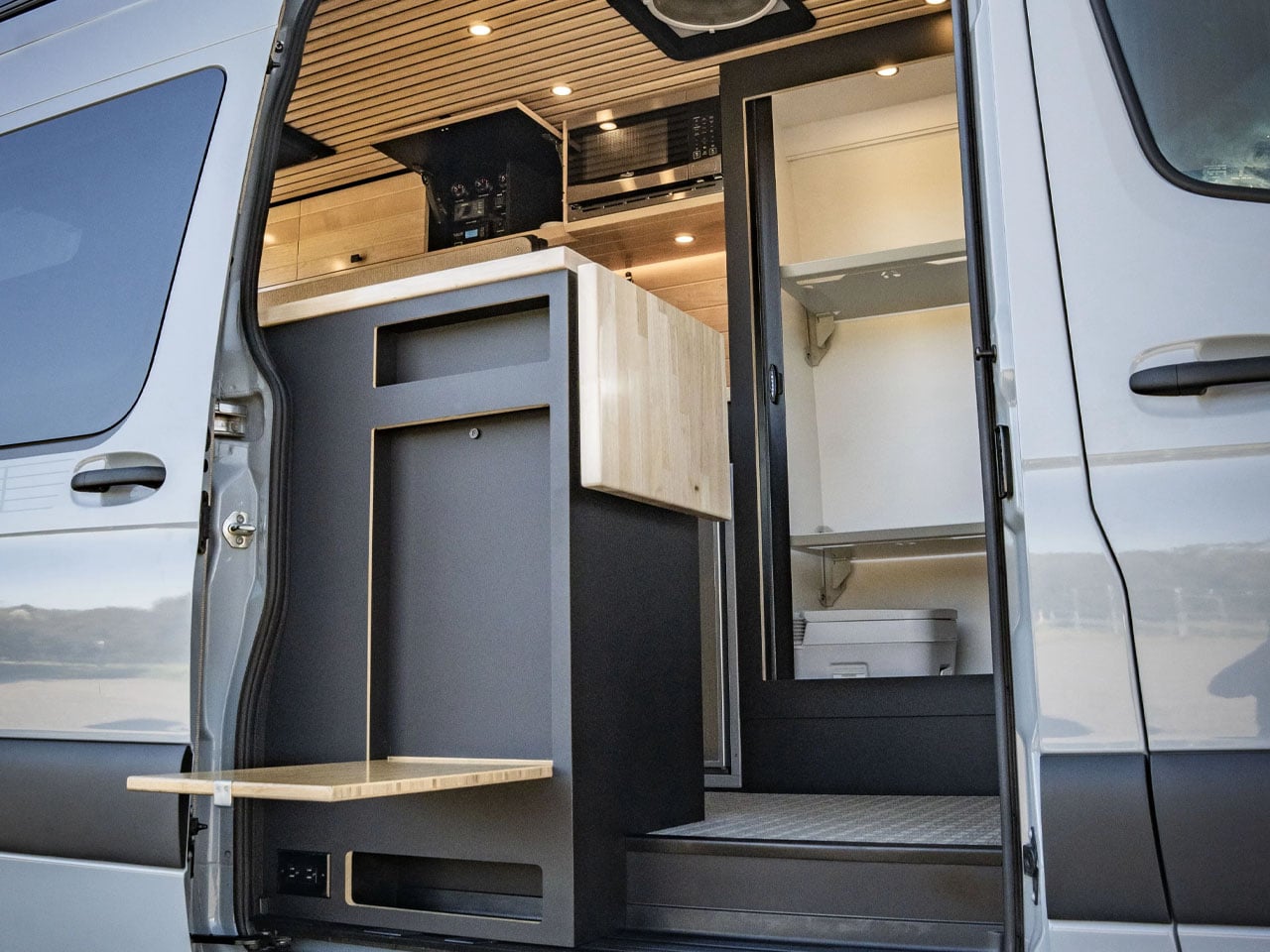
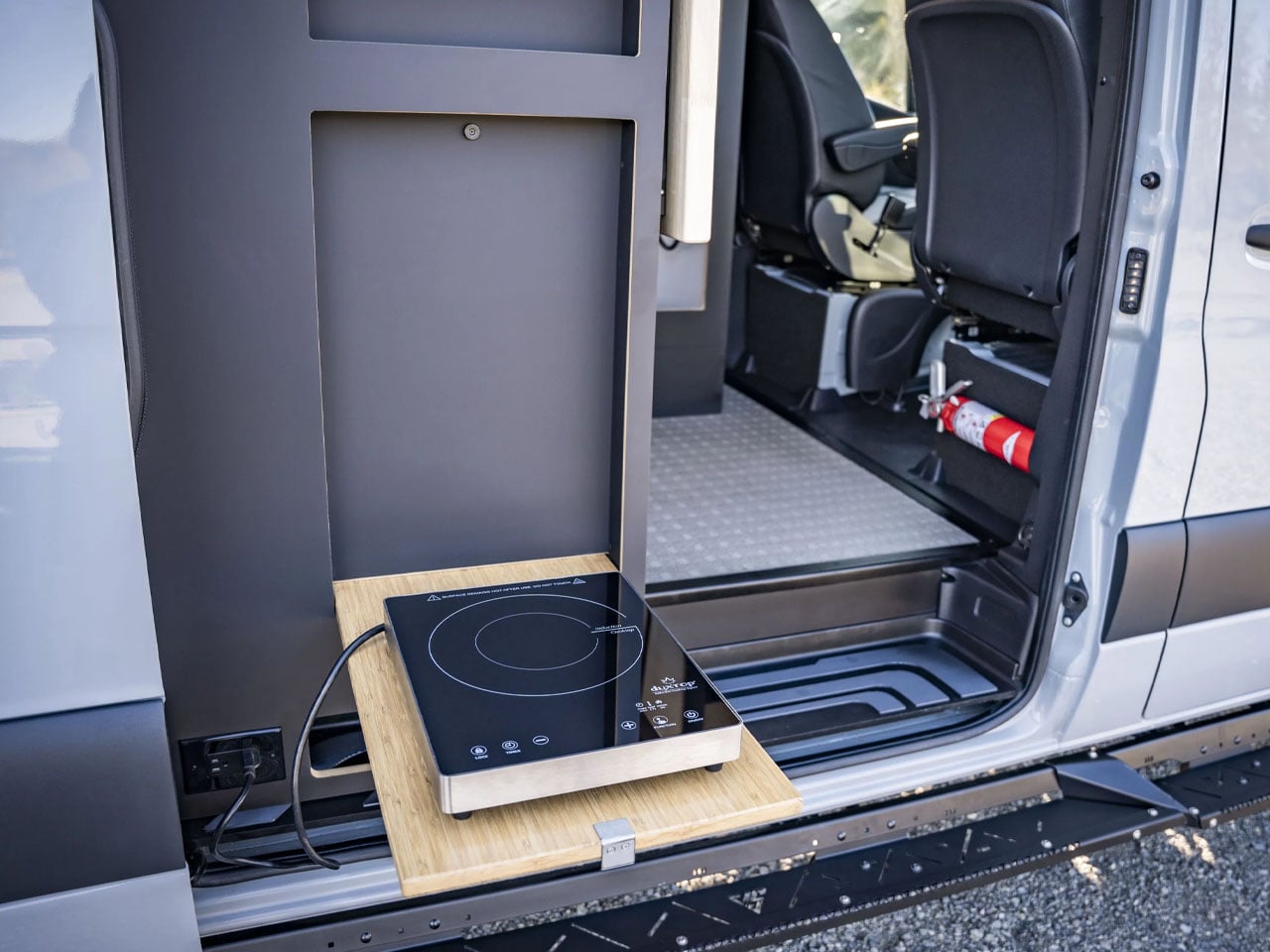
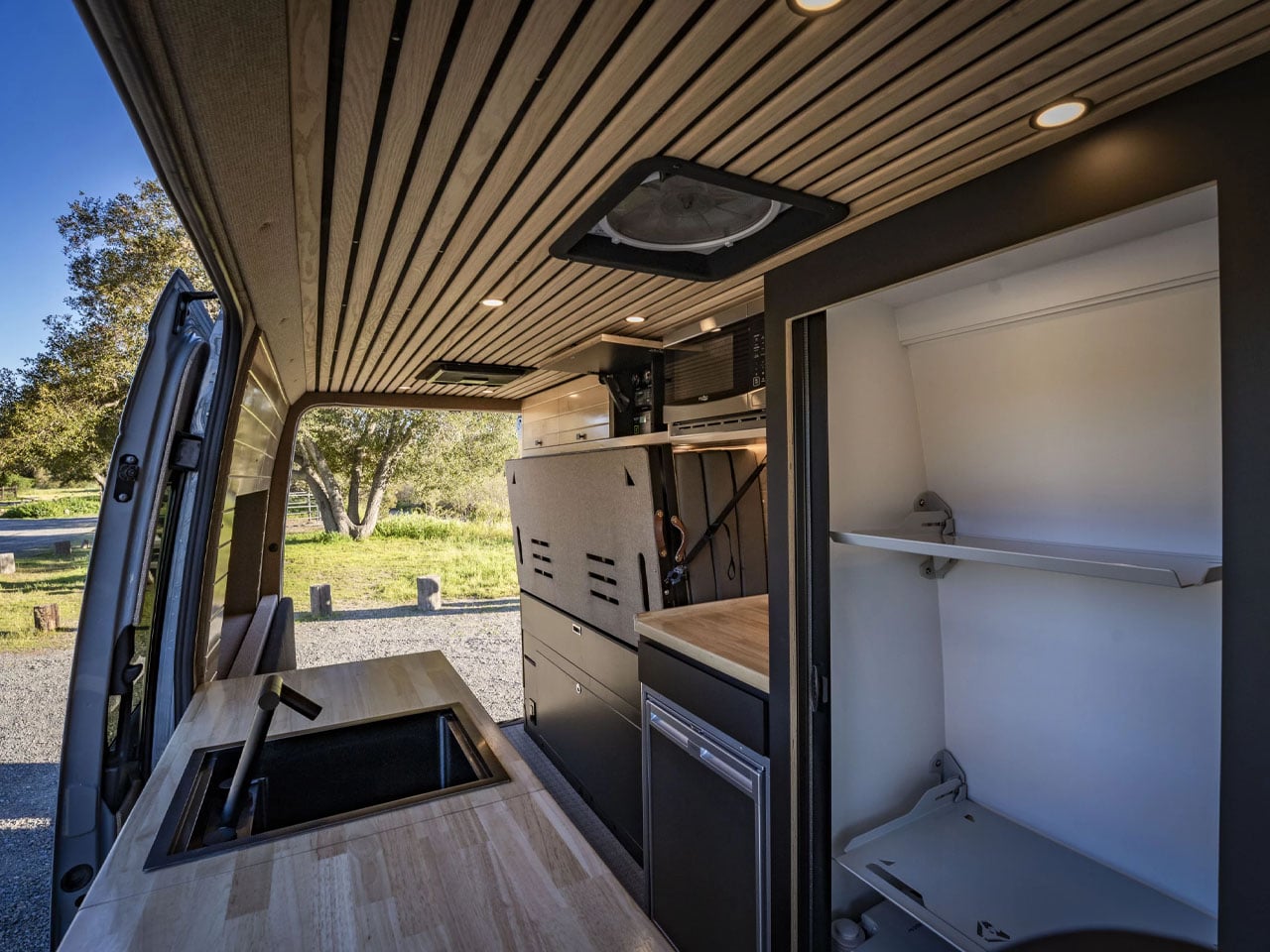
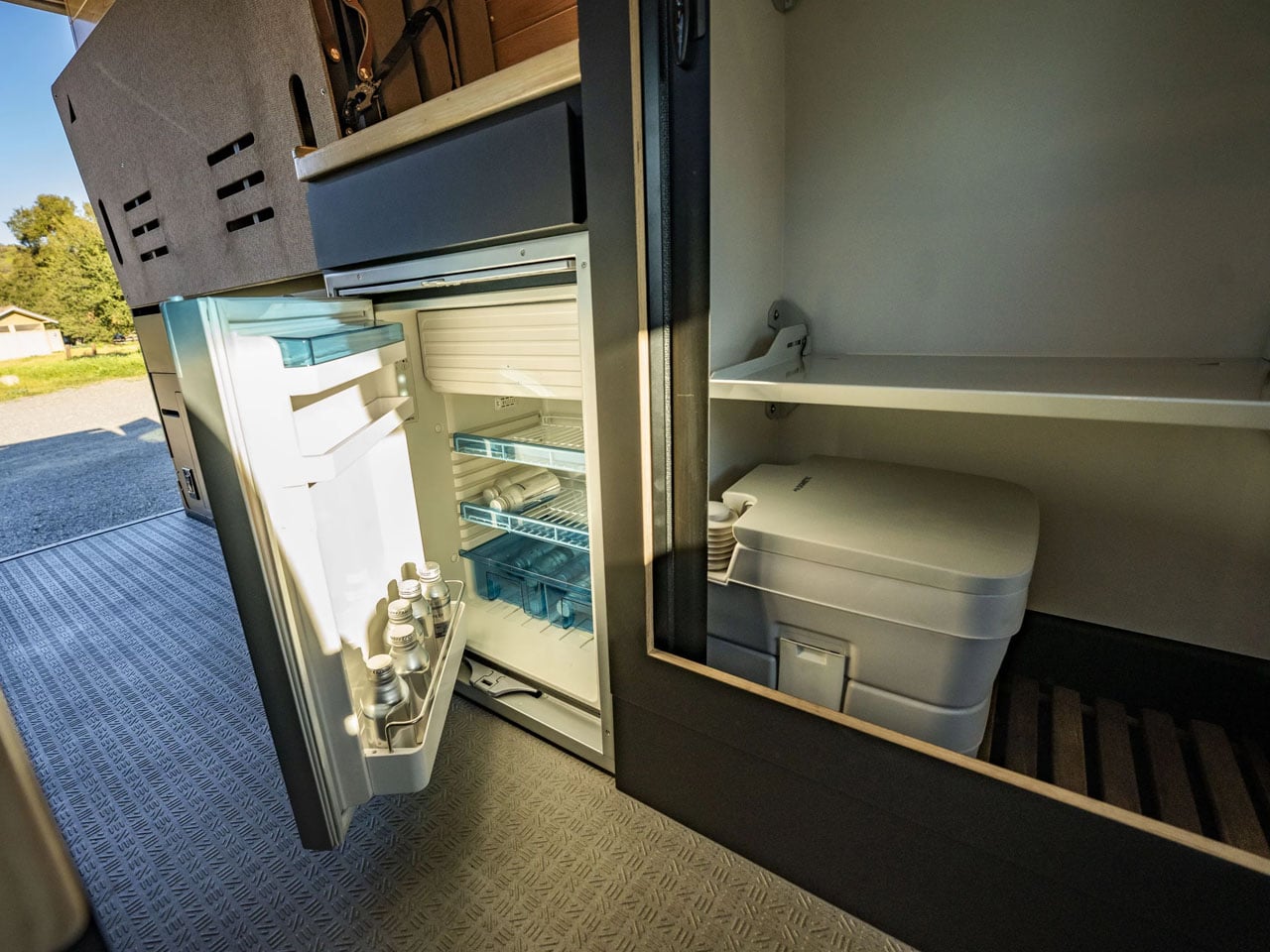
At nighttime, you can conveniently fold down the Murphy bed to create a comfortable platform measuring 80 inches (203 cm) long. It can sleep two people and sit stably on its own foundational supports on the sidewalls, without disturbing the cabinetry and lounge setting underneath. While all this is happening toward the rear of the camper van, up ahead, approachable from the side entry is the kitchenette. The counter is provided with a single-burner portable induction cooktop, and a fridge finds a place underneath the kitchen block. For the convenience of daytime campers, the kitchen includes a countertop that extends for outdoor cooking.

Alongside is another multifunctional space: The wet bathroom, which doubles as a storage cabinet. The bathroom is provided with a shower and a removable portable toilet with flippable shelves for storage. The camper van is powered by a lithium battery to render it usable for stays longer than a weekend. If you’re interested, the Vanspeed Album is priced at $219,000.

The post Vanspeed Album camper van with Murphy bed and versatile lounge is designed to go where you need it first appeared on Yanko Design.

Jantzen’s EV Station Turns the Desert’s Worst Feature Into Its Power

Electric vehicles have been gaining ground steadily, but one of the more stubborn problems hasn’t been the cars themselves; it’s been finding somewhere to charge them when you’re far from a city. In a high desert environment, that problem gets considerably more pointed. The open stretch between towns can be long, the heat unforgiving, and the typical charging infrastructure designed with urban convenience in mind rather than remote landscape realities.

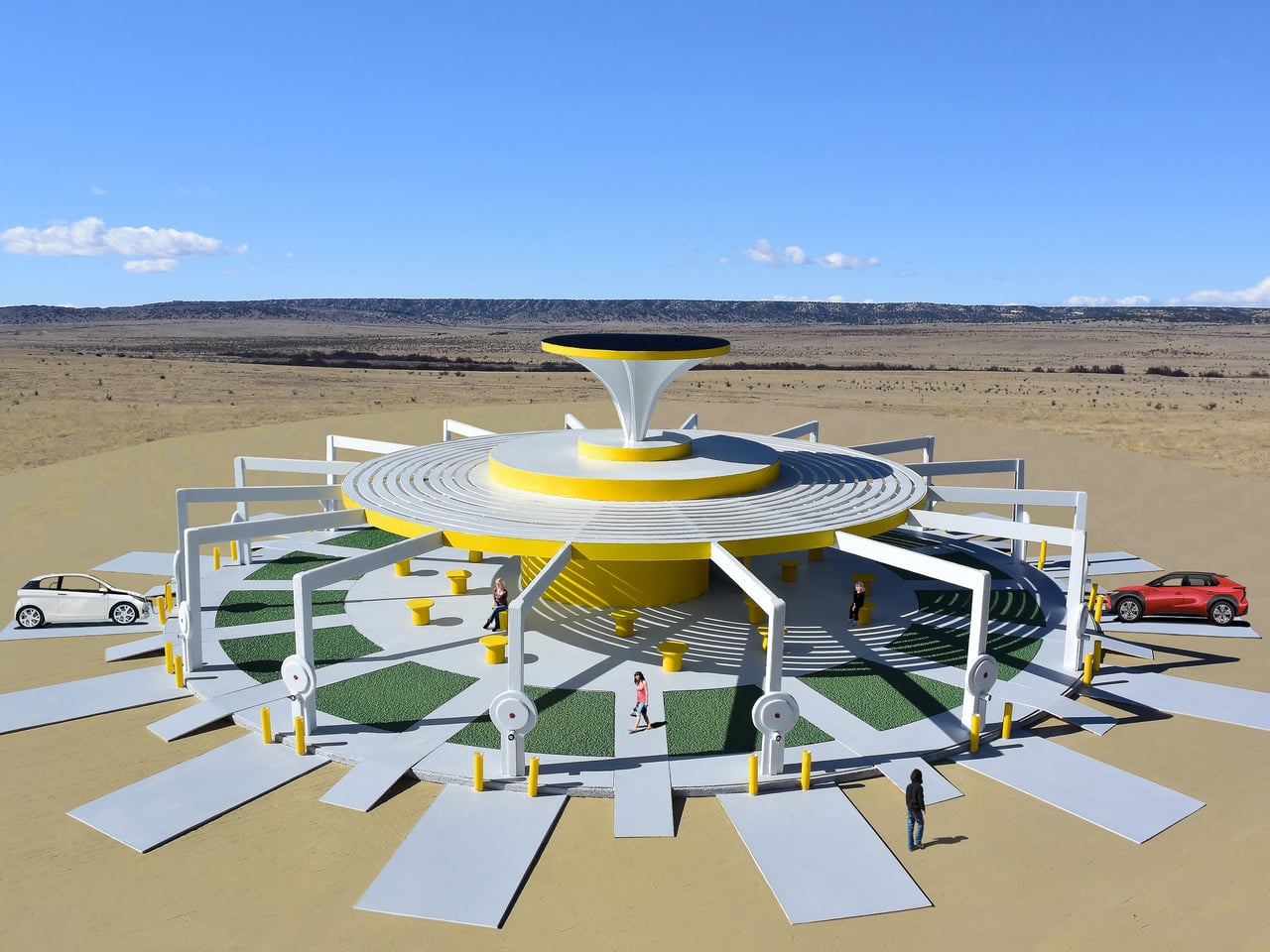
Designer Michael Jantzen, based in Santa Fe, has been exploring exactly this gap with his proposal for the High Desert Charging Station, a large steel solar-powered facility conceived specifically for hot, sunny desert environments. The design doesn’t try to transplant a suburban charging setup into an unfamiliar context. It takes the desert’s most defining characteristic, its relentless sun, as the primary resource.

Designer: Michael Jantzen

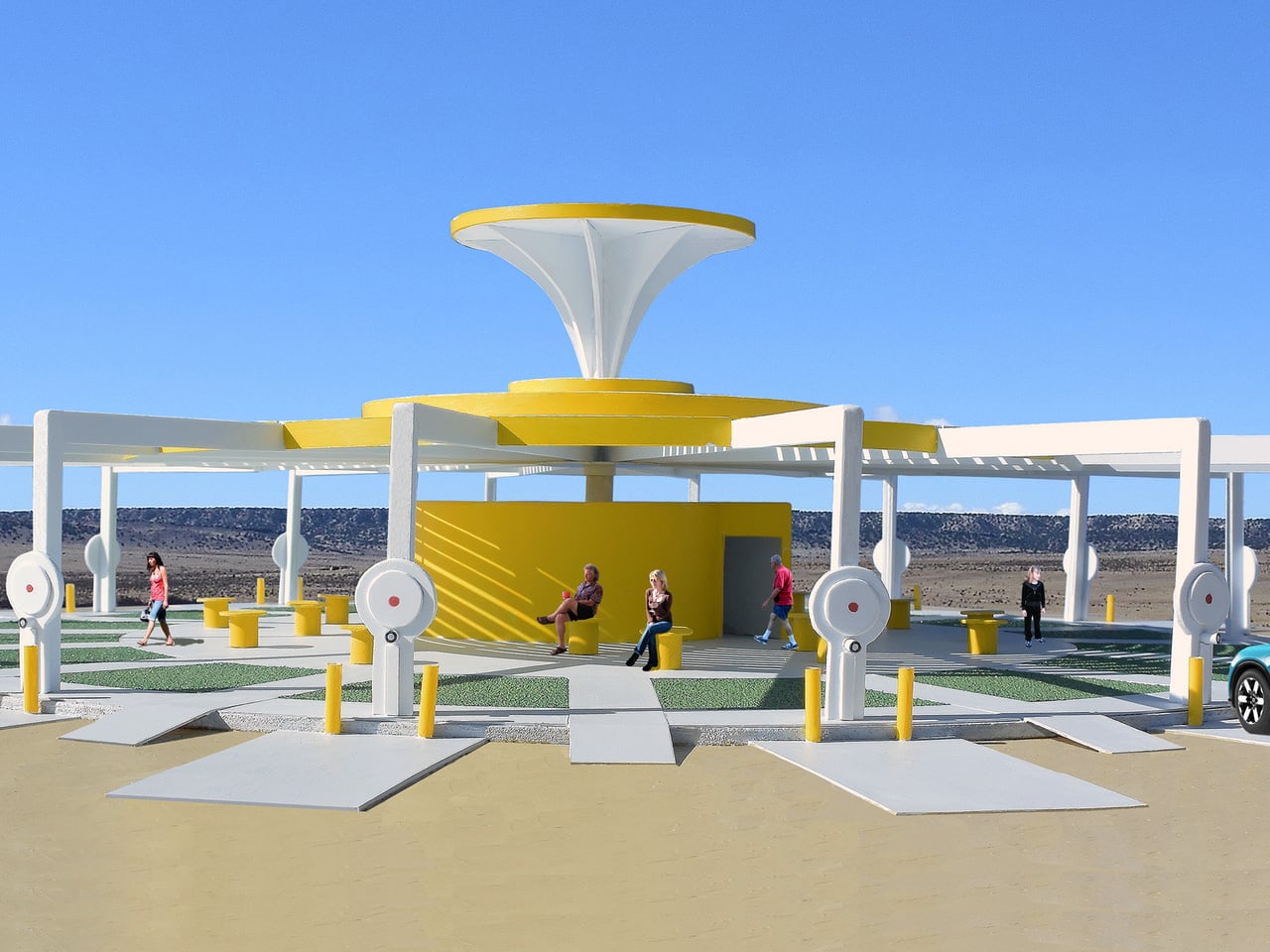
The structure is built around a circular plan, with a large solar panel disc elevated on a tapered central pedestal. Sunlight converts directly into electricity for the vehicles below. When generation exceeds demand, the excess feeds back into the local power grid. When the sun isn’t enough, the grid returns electricity to the station, keeping all 16 charging spots running regardless of conditions.

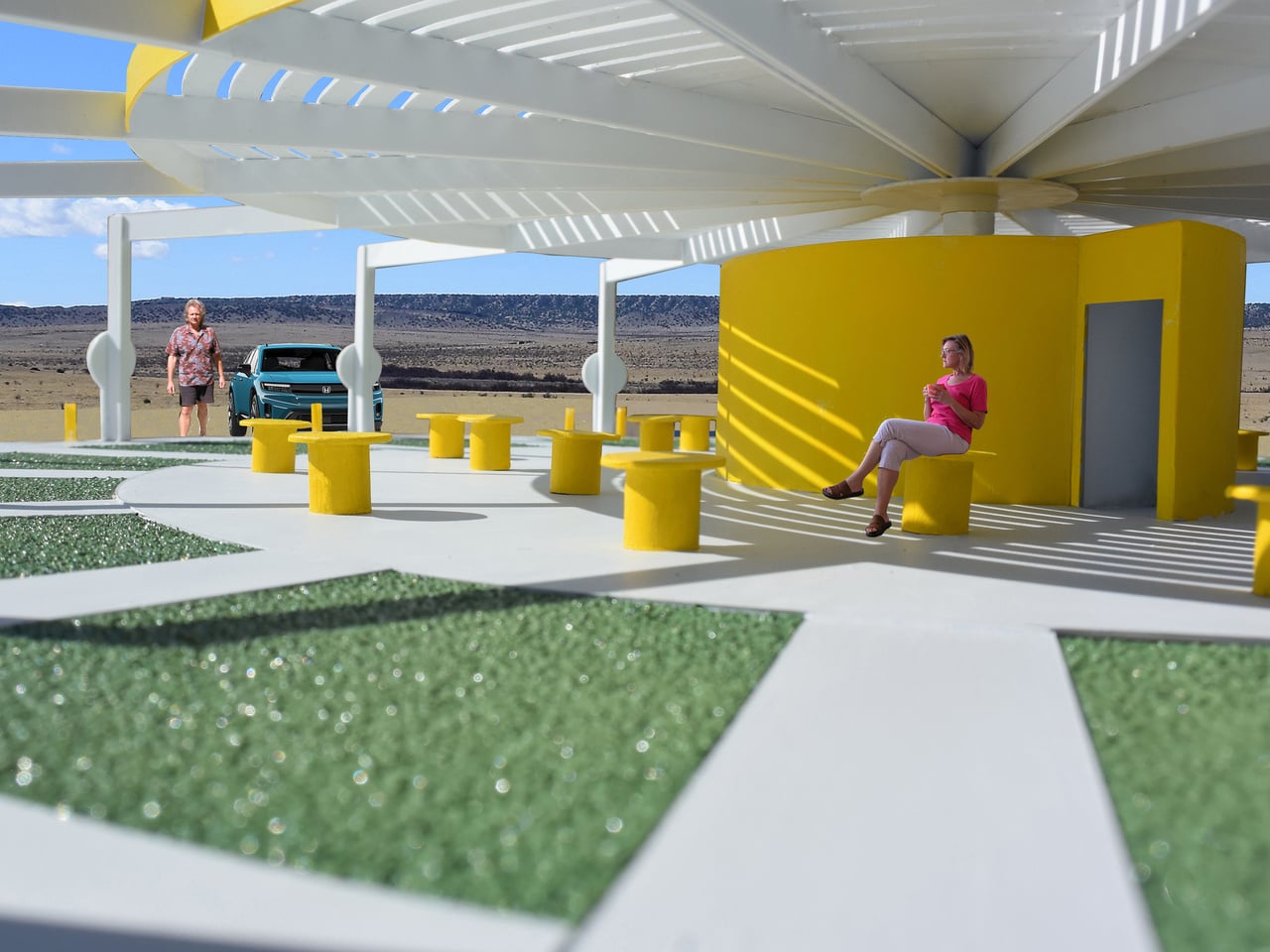
Those 16 spots are arranged symmetrically around the facility’s perimeter, each one marked by a concrete docking pad, a pair of yellow security bumpers, and a dedicated charging pedestal. Walkways connect each spot inward toward the center, threading through alternating patches of synthetic green grass that bring a small but deliberate contrast to the surrounding landscape. It’s a reminder that the design intends to do more than just charge cars.

Jantzen intends the walkways and ground-level layout to feel more like a destination than a service stop. The synthetic grass patches introduce a note of green into an otherwise arid setting, and the circular plan gives the facility a clear sense of orientation. You pull in, follow a path inward, and arrive at a shaded space at the center. The sequence is deliberate.

That’s where the shade canopy comes in. The open steel framework radiates outward from the central core, creating a covered space beneath the solar panel above. Drivers aren’t expected to stand in the open desert heat while their vehicles charge. They can move inside, where yellow cylindrical seats and a restroom built into the central structure make the wait genuinely more comfortable.

The whole thing is conceived as a landmark as much as it is a facility. Jantzen describes the conceptual logic as electricity flowing from the sun, down through the structure, and into the vehicles below, a visible cycle that gives the station a coherent narrative from top to bottom. That kind of intentionality is what separates it from the standard box-and-cable approach that dominates most existing charging infrastructure.

EV adoption in remote and rural areas still lags, in part because the charging infrastructure hasn’t caught up with demand. A proposal like this doesn’t solve that shortfall outright, but it does ask a more useful question than most: not how to transplant an existing model into the desert, but how to let the desert itself dictate what the design becomes.

The post Jantzen’s EV Station Turns the Desert’s Worst Feature Into Its Power first appeared on Yanko Design.

Segway Muxi is a compact cargo e-bike that carries more style than bulk

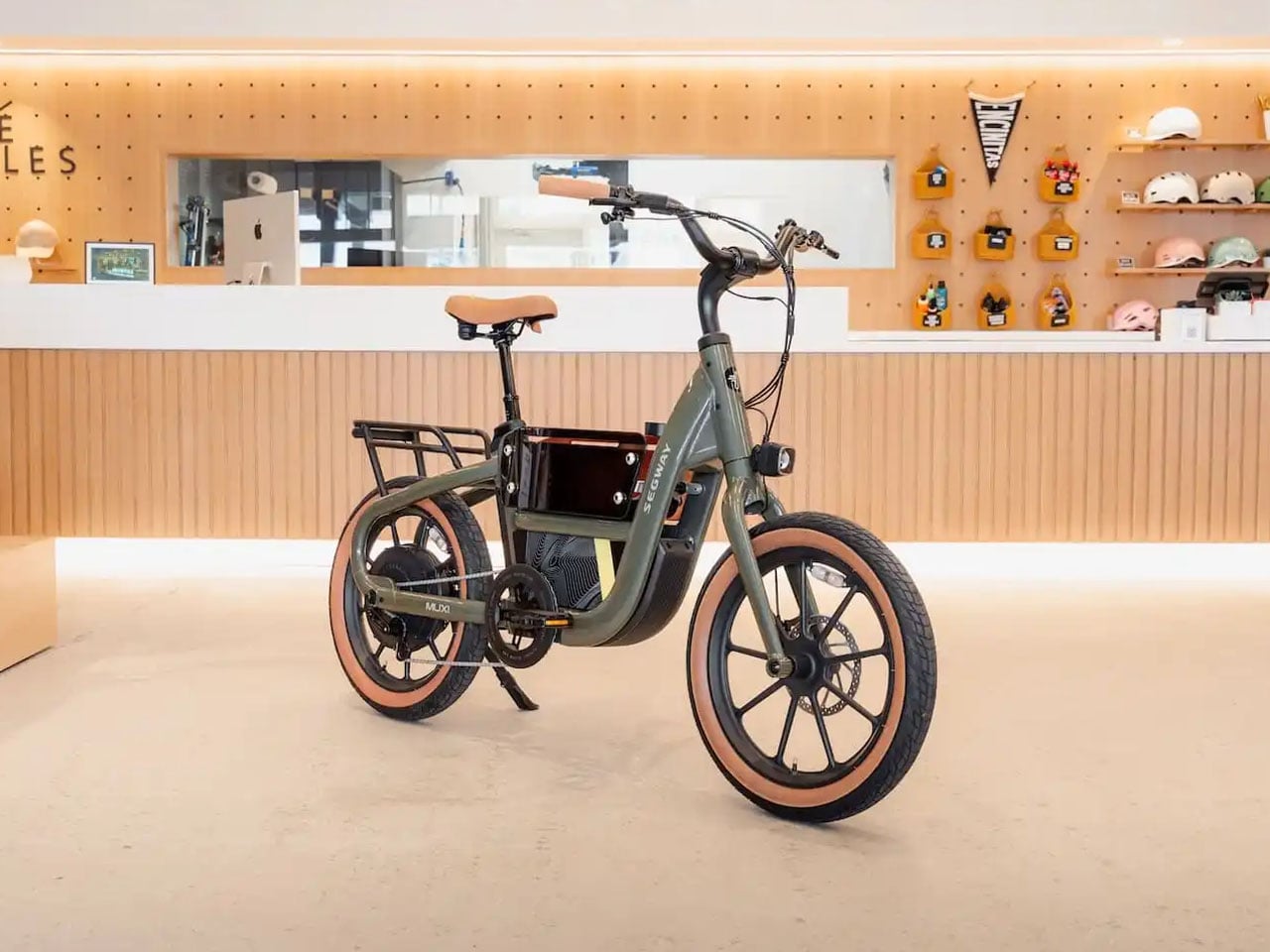
Segway has rarely been a brand that plays it safe, and the Muxi feels like a natural extension of that design-forward thinking. The ebike is designed with an approach that prioritizes not just function, but the emotional appeal of everyday mobility. In a space where cargo e-bikes often lean toward bulky, utilitarian silhouettes, Muxi refreshes the landscape with a sense of restraint, blending compact proportions with a personality that feels closer to a lifestyle product than a workhorse.

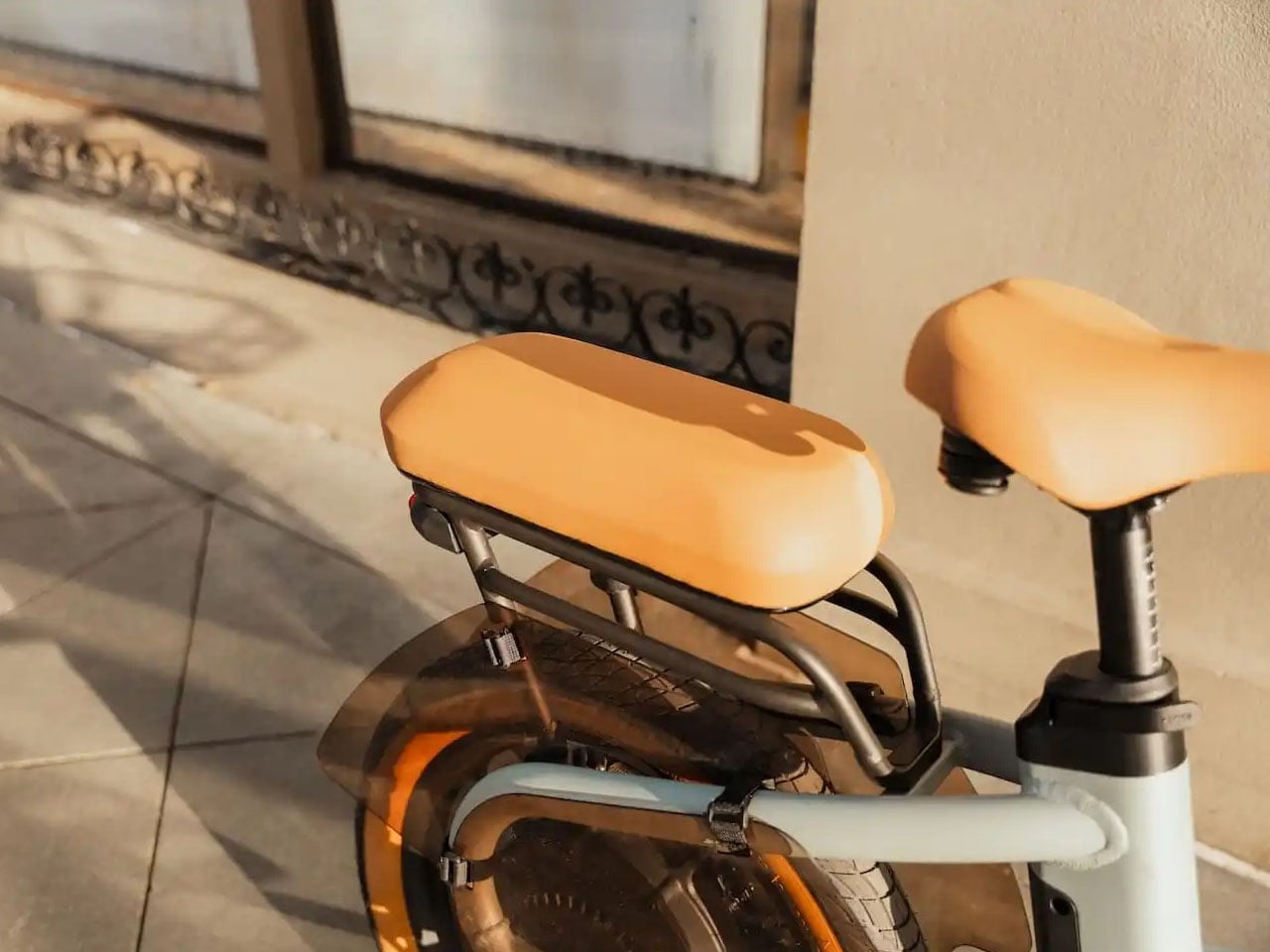
First introduced at CES 2026, the Muxi is Segway’s first short-tail utility e-bike, designed to deliver cargo-ready practicality without the visual and physical heft of traditional long-tail alternatives. It supports a total payload of up to 418 pounds, making it capable of handling groceries, gear, or even a passenger when paired with optional accessories like a child kit.

Designer: Segway

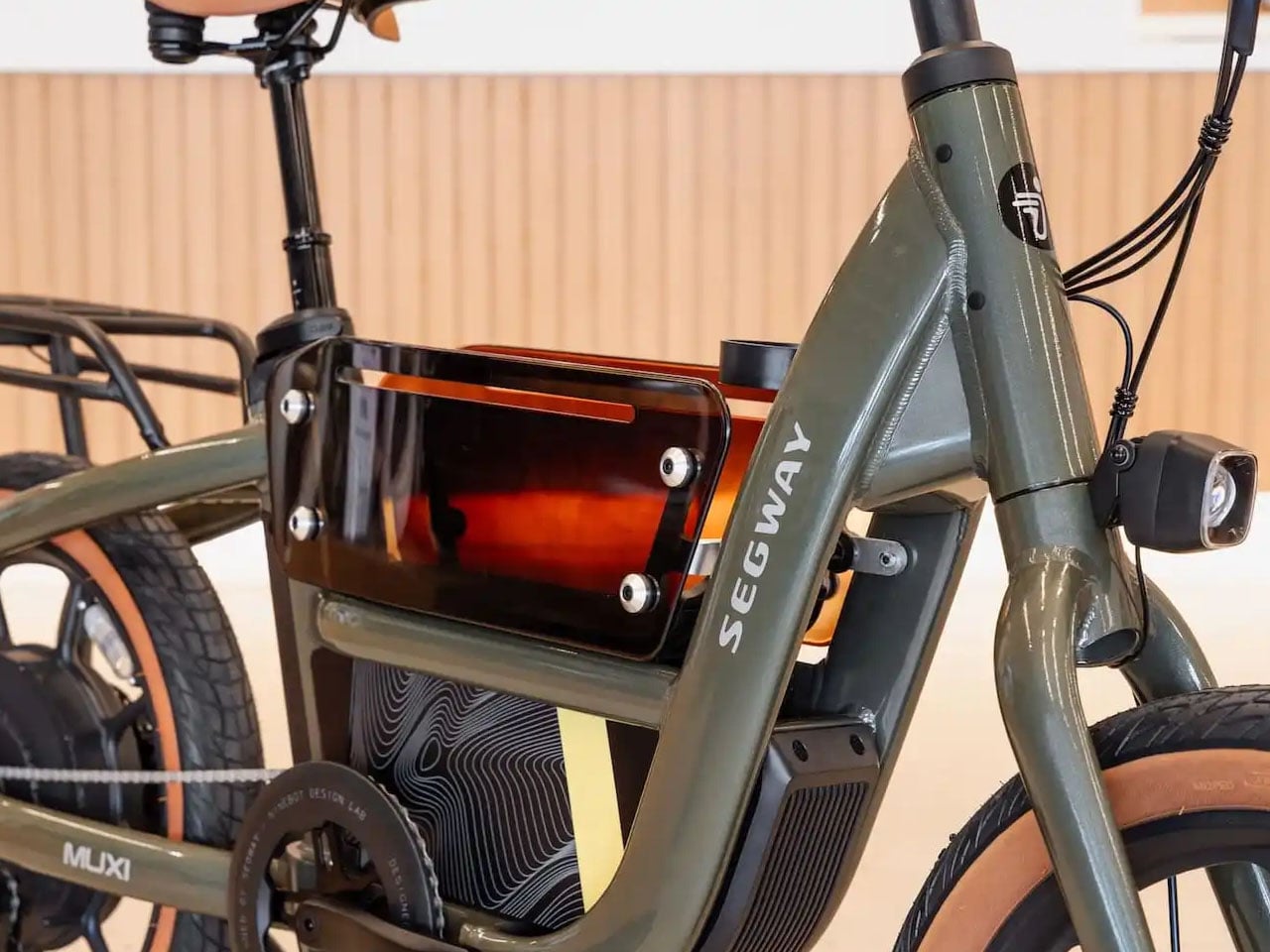
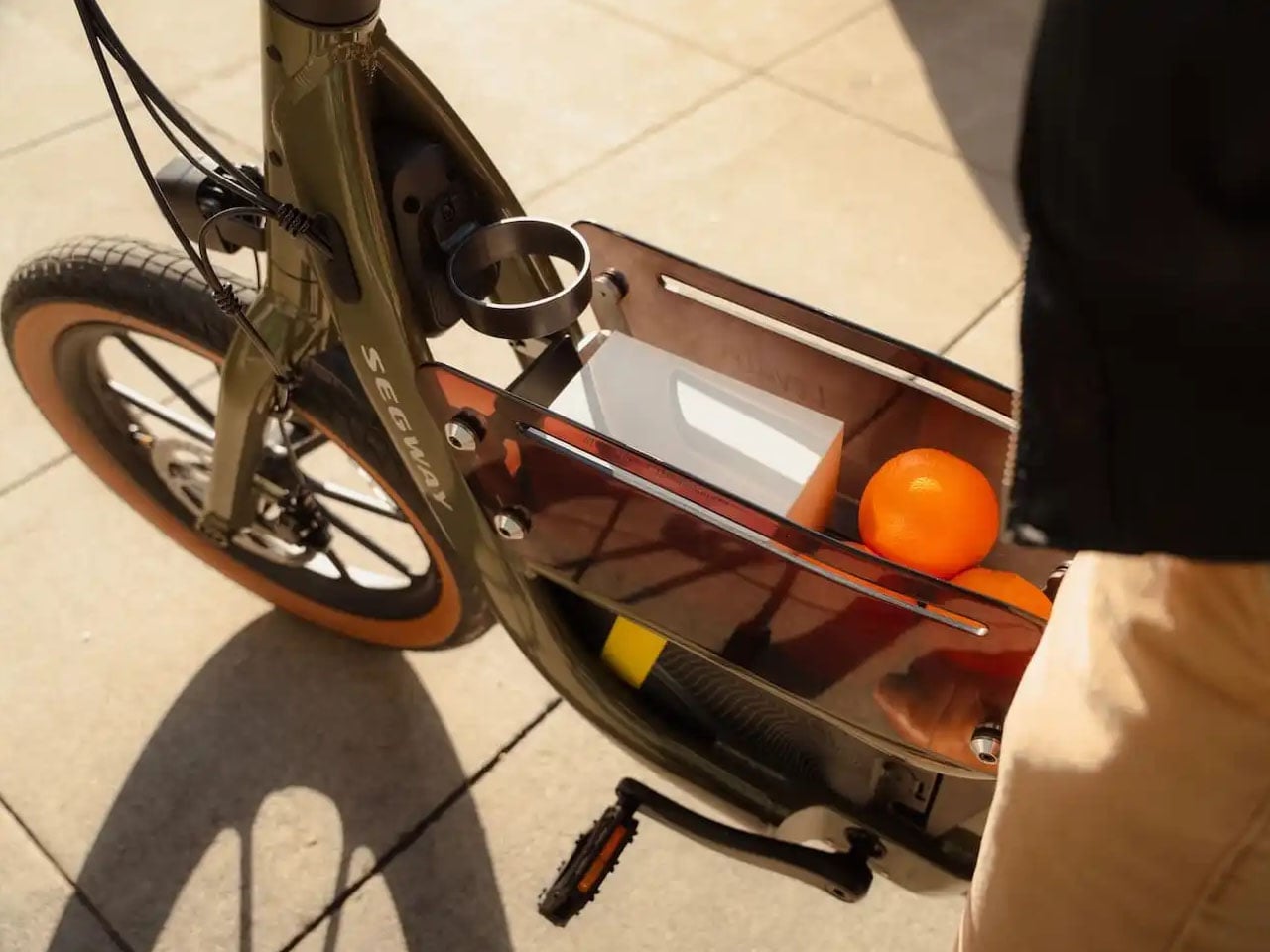
The step-through frame keeps things accessible, while integrated storage solutions within the frame add a layer of thoughtful convenience that aligns with its everyday usability. Powering the bike is a 750W rear hub motor producing around 80 Nm of torque, paired with a 48V, 716Wh battery. This combination enables a range of up to 80 miles on a single charge, giving it enough endurance for extended urban commutes or weekend errands. Riders can switch between Class 1 and Class 2 modes depending on their preference, allowing the Muxi to adapt to different riding scenarios without compromising on control or efficiency.

Muxi’s feature set leans heavily into safety and connectivity, reinforcing Segway’s push toward smarter mobility solutions. Hydraulic disc brakes provide consistent stopping power, while integrated lighting with turn signals improves visibility in traffic. The inclusion of Segway’s Intelligent Ride System adds a connected layer to the experience, with features like Apple Find My compatibility, AirLock proximity unlocking, and a Lost Mode that can disable the bike remotely if it’s misplaced or stolen. These additions move the ebike beyond the realm of a conventional e-bike, positioning it as part of a broader ecosystem of intelligent transport.

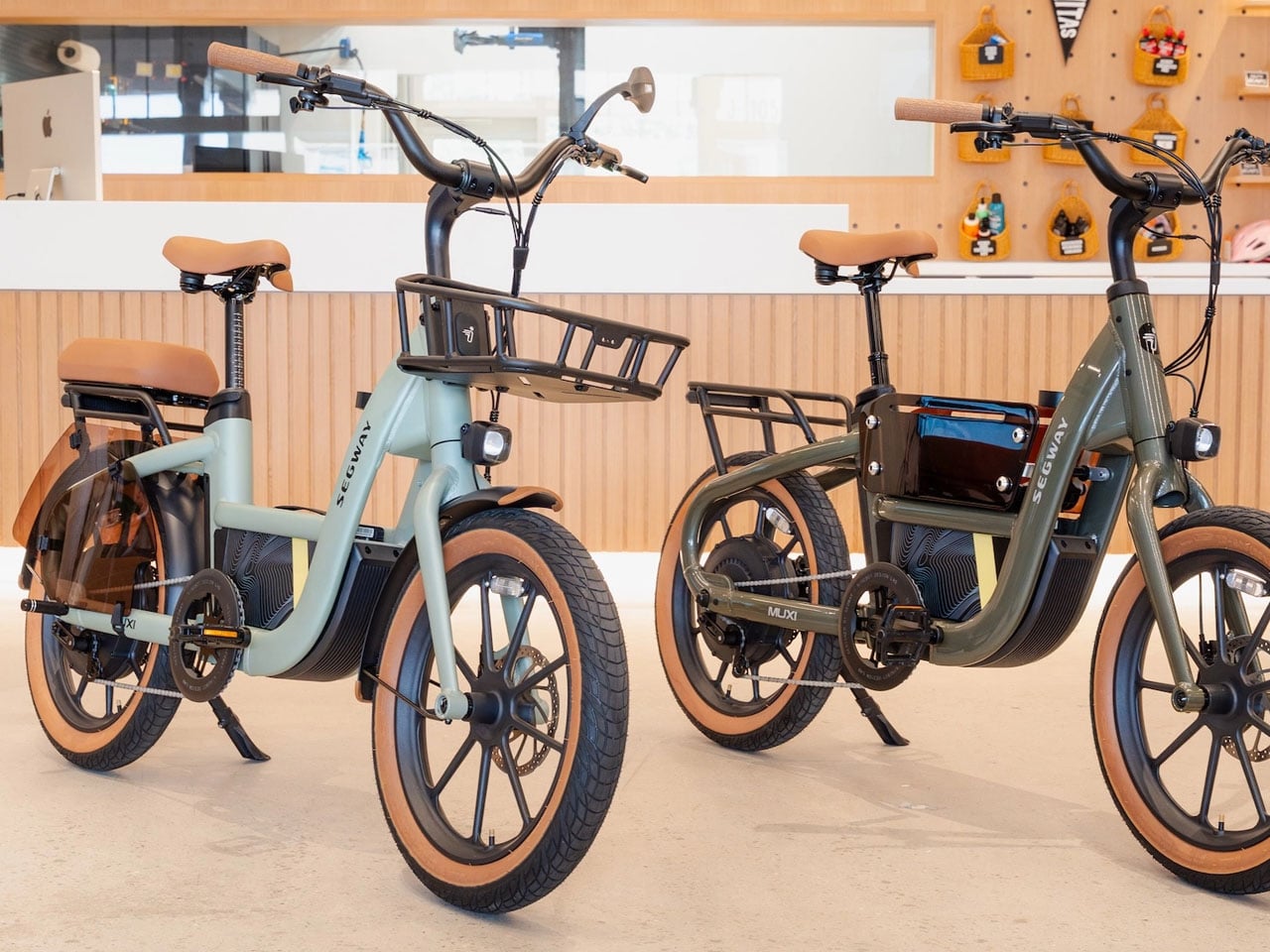
Design remains at the core of its unrelenting appeal, with the 20 x 3-inch tires striking a balance between stability and comfort. Particularly when carrying additional load, while the overall geometry keeps the ride approachable despite the bike’s roughly 73-pound weight. Visually, it walks a fine line between cruiser and utility machine, resulting in a form that feels both functional and expressive, which is an uncommon combination in this niche.

Priced at $1,699.99, the Segway Muxi is positioned as an accessible yet well-equipped option for urban riders who want versatility without compromise. It doesn’t attempt to replace full-sized cargo bikes, but instead redefines what a compact utility e-bike can be. The two-wheeler is everything you need in a practical, connected, and distinctly designed electric commuter that fits your modern city life.

The post Segway Muxi is a compact cargo e-bike that carries more style than bulk first appeared on Yanko Design.

Segway Muxi is a compact cargo e-bike that carries more style than bulk

Segway has rarely been a brand that plays it safe, and the Muxi feels like a natural extension of that design-forward thinking. The ebike is designed with an approach that prioritizes not just function, but the emotional appeal of everyday mobility. In a space where cargo e-bikes often lean toward bulky, utilitarian silhouettes, Muxi refreshes the landscape with a sense of restraint, blending compact proportions with a personality that feels closer to a lifestyle product than a workhorse.

First introduced at CES 2026, the Muxi is Segway’s first short-tail utility e-bike, designed to deliver cargo-ready practicality without the visual and physical heft of traditional long-tail alternatives. It supports a total payload of up to 418 pounds, making it capable of handling groceries, gear, or even a passenger when paired with optional accessories like a child kit.

Designer: Segway

The step-through frame keeps things accessible, while integrated storage solutions within the frame add a layer of thoughtful convenience that aligns with its everyday usability. Powering the bike is a 750W rear hub motor producing around 80 Nm of torque, paired with a 48V, 716Wh battery. This combination enables a range of up to 80 miles on a single charge, giving it enough endurance for extended urban commutes or weekend errands. Riders can switch between Class 1 and Class 2 modes depending on their preference, allowing the Muxi to adapt to different riding scenarios without compromising on control or efficiency.

Muxi’s feature set leans heavily into safety and connectivity, reinforcing Segway’s push toward smarter mobility solutions. Hydraulic disc brakes provide consistent stopping power, while integrated lighting with turn signals improves visibility in traffic. The inclusion of Segway’s Intelligent Ride System adds a connected layer to the experience, with features like Apple Find My compatibility, AirLock proximity unlocking, and a Lost Mode that can disable the bike remotely if it’s misplaced or stolen. These additions move the ebike beyond the realm of a conventional e-bike, positioning it as part of a broader ecosystem of intelligent transport.

Design remains at the core of its unrelenting appeal, with the 20 x 3-inch tires striking a balance between stability and comfort. Particularly when carrying additional load, while the overall geometry keeps the ride approachable despite the bike’s roughly 73-pound weight. Visually, it walks a fine line between cruiser and utility machine, resulting in a form that feels both functional and expressive, which is an uncommon combination in this niche.

Priced at $1,699.99, the Segway Muxi is positioned as an accessible yet well-equipped option for urban riders who want versatility without compromise. It doesn’t attempt to replace full-sized cargo bikes, but instead redefines what a compact utility e-bike can be. The two-wheeler is everything you need in a practical, connected, and distinctly designed electric commuter that fits your modern city life.

The post Segway Muxi is a compact cargo e-bike that carries more style than bulk first appeared on Yanko Design.

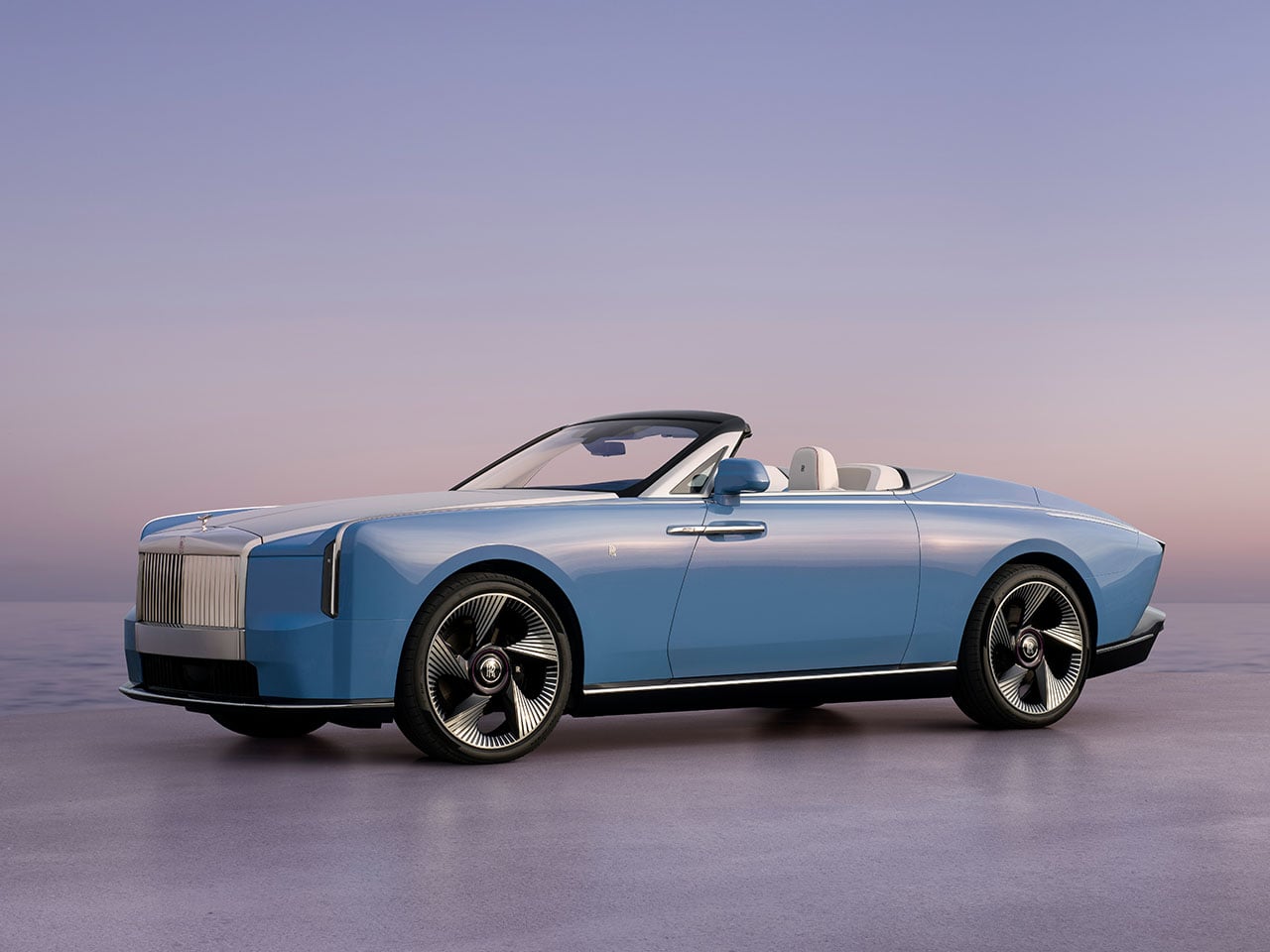
Rolls-Royce Project Nightingale reimagines the electric convertible as a coachbuild work of art

There’s a certain quiet confidence that defines modern Rolls-Royce Motor Cars; a refusal to chase trends, instead shaping them with deliberate restraint. With Project Nightingale, that philosophy evolves into something far more expressive: an ultra-exclusive, all-electric coachbuilt convertible that doesn’t just reinterpret luxury, but stretches its very boundaries.

Unveiled as the first chapter in the marque’s new Coachbuild Collection, Project Nightingale is conceived as a “production concept” reserved for the brand’s most discerning patrons. Limited to just 100 units worldwide and available strictly by invitation, the car embodies a return to Rolls-Royce’s deeply personal, commission-led heritage while formalizing it into a curated series of collectible creations.

Designer: Rolls-Royce

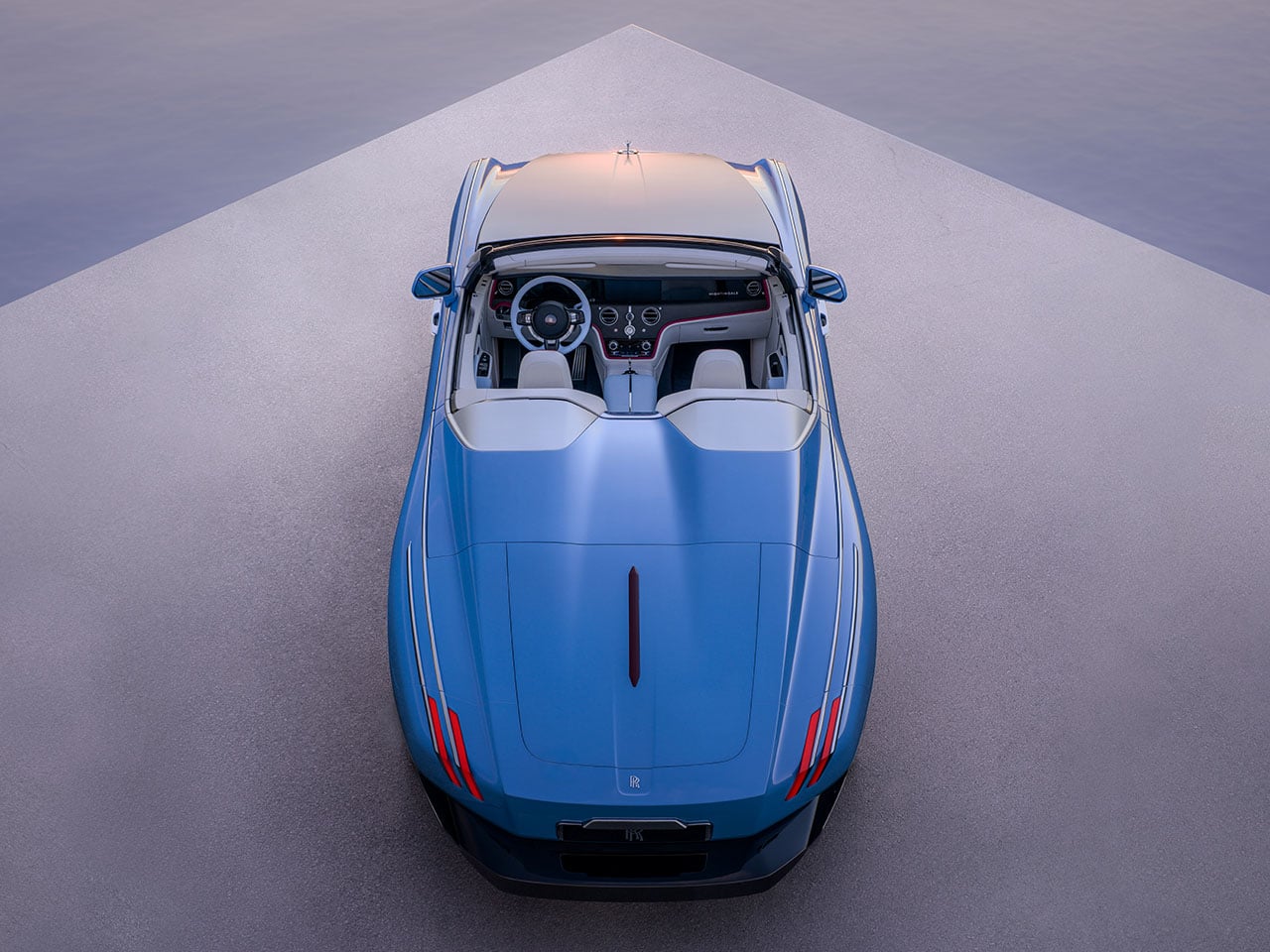
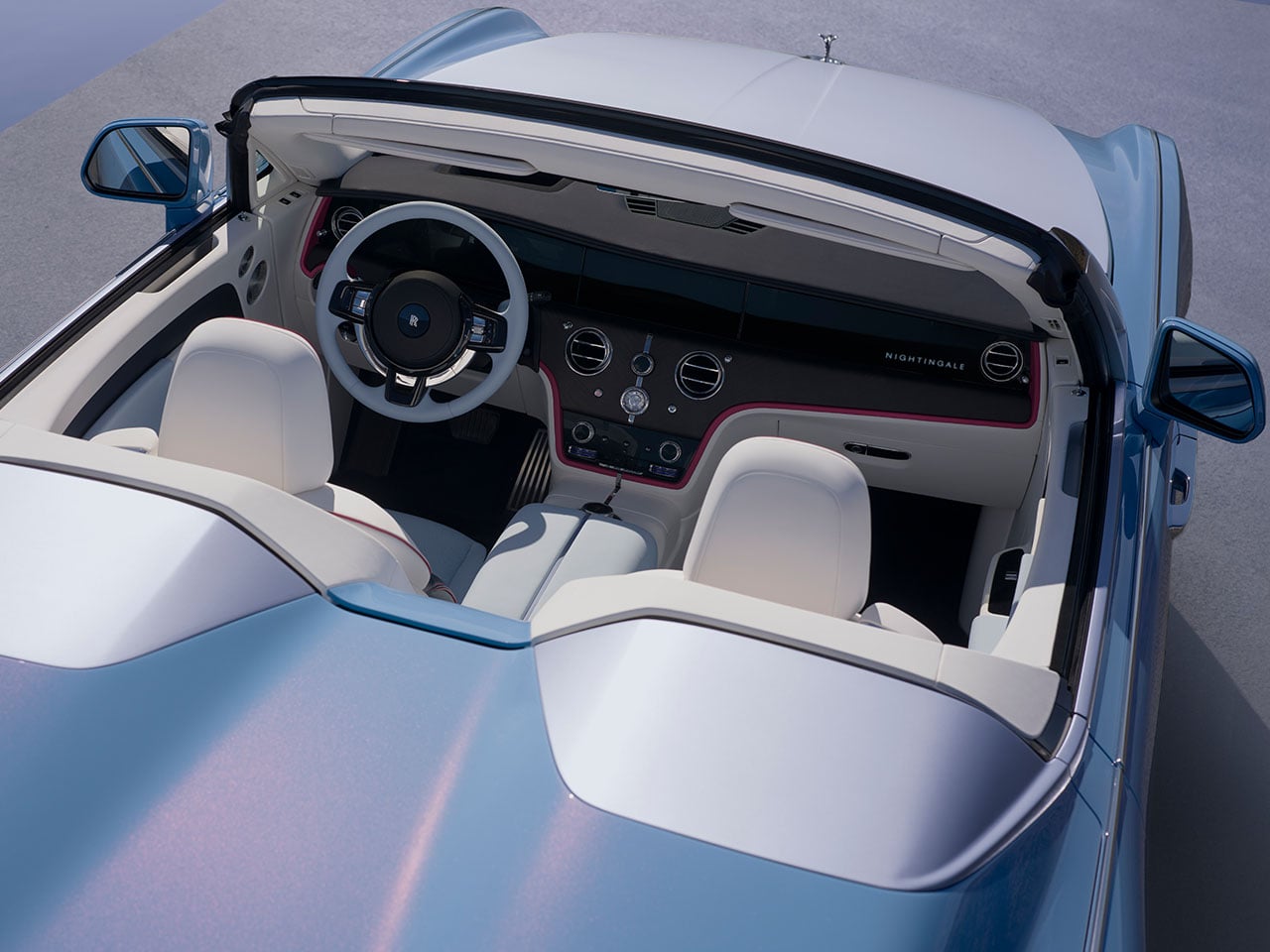
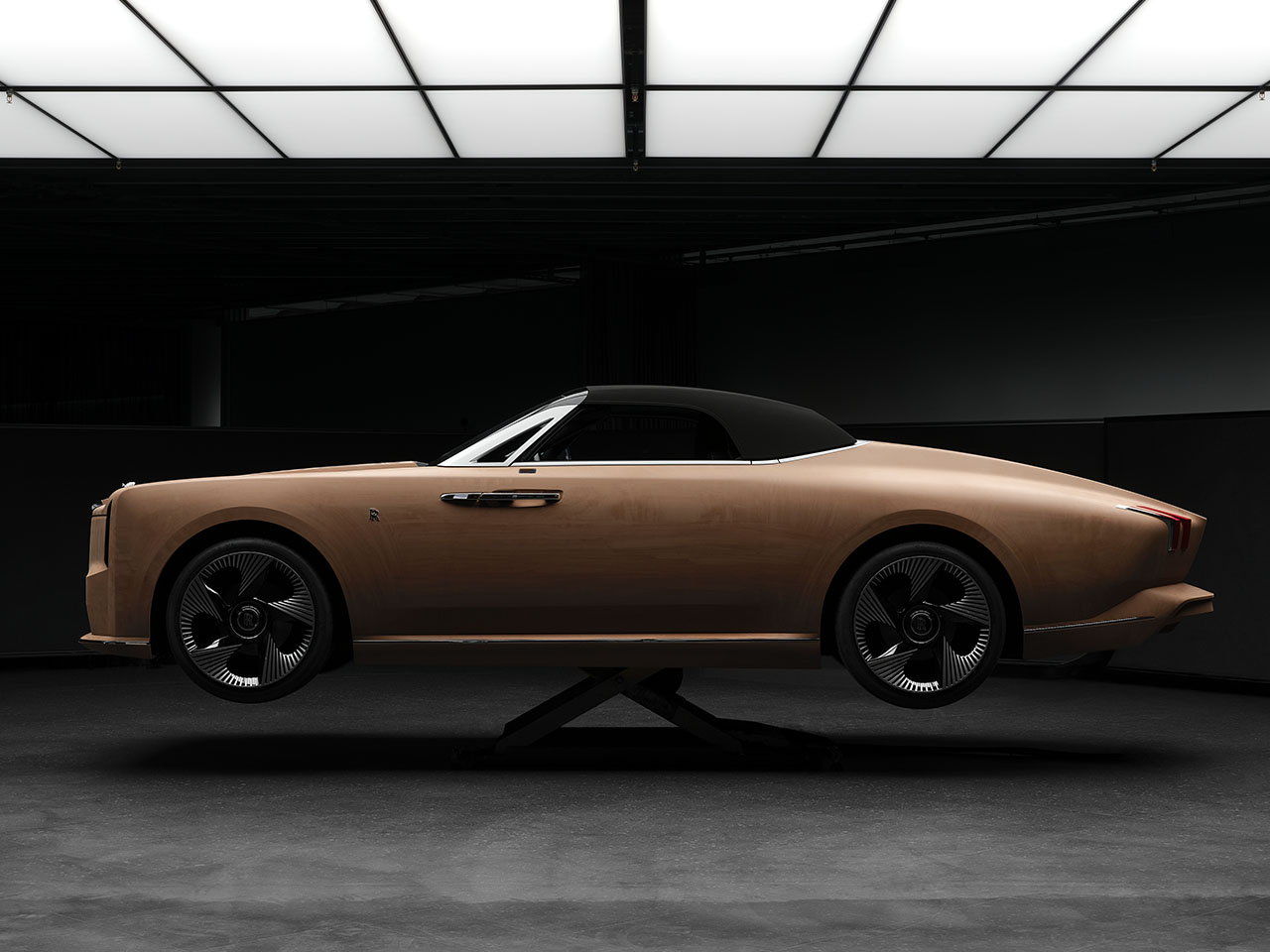
At nearly 18.9 feet long (comparable to the Phantom), this is no conventional roadster. Its grand proportions house a two-seat, open-top configuration that merges the theatrical presence of pre-war experimental models with the silence of a modern electric drivetrain. The design draws heavily from the brand’s 1920s ‘EX’ prototypes, channeling the audacity of that era through a Streamline Moderne aesthetic defined by uninterrupted surfaces, elongated forms, and a sense of monolithic elegance.

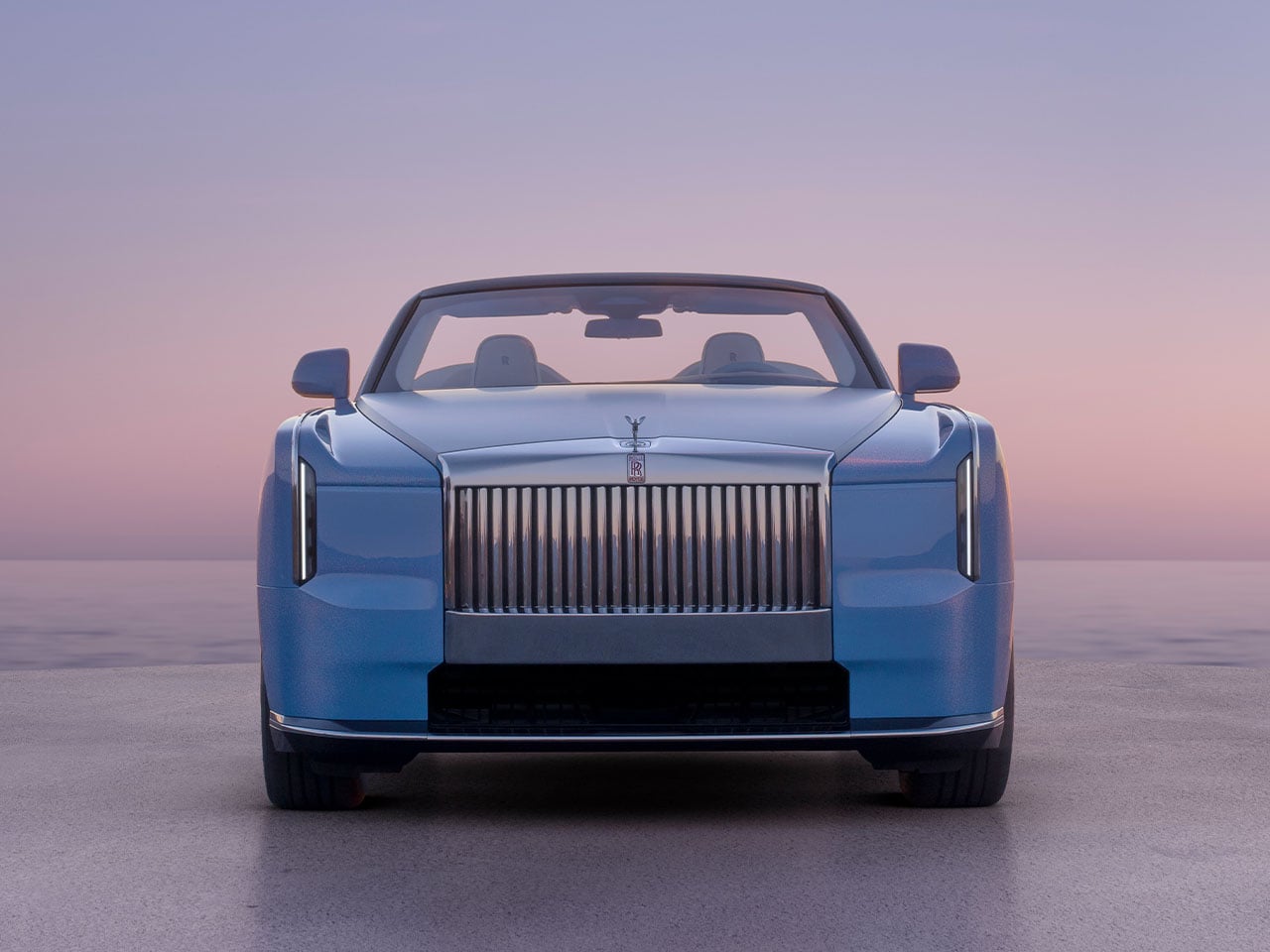
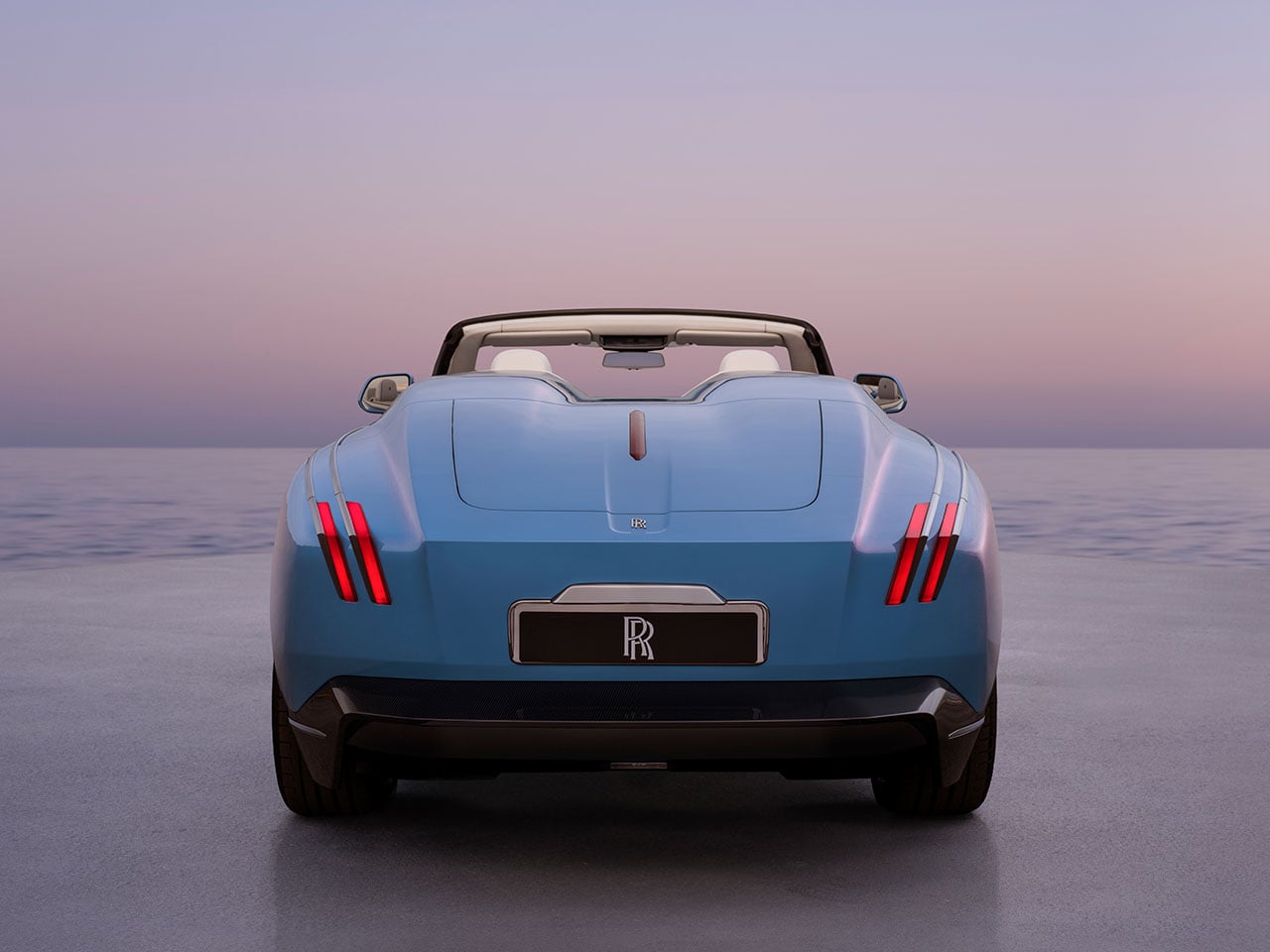
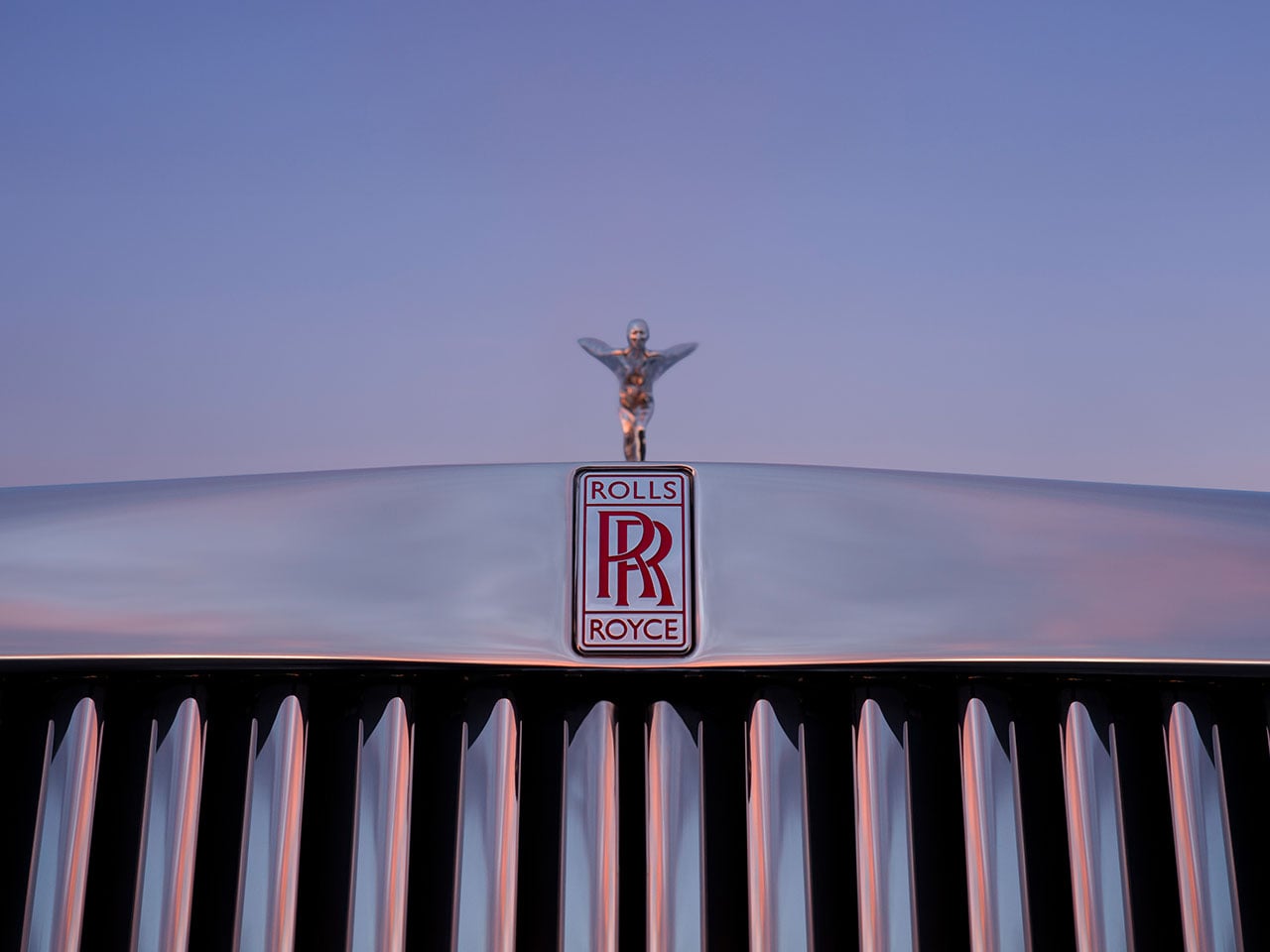
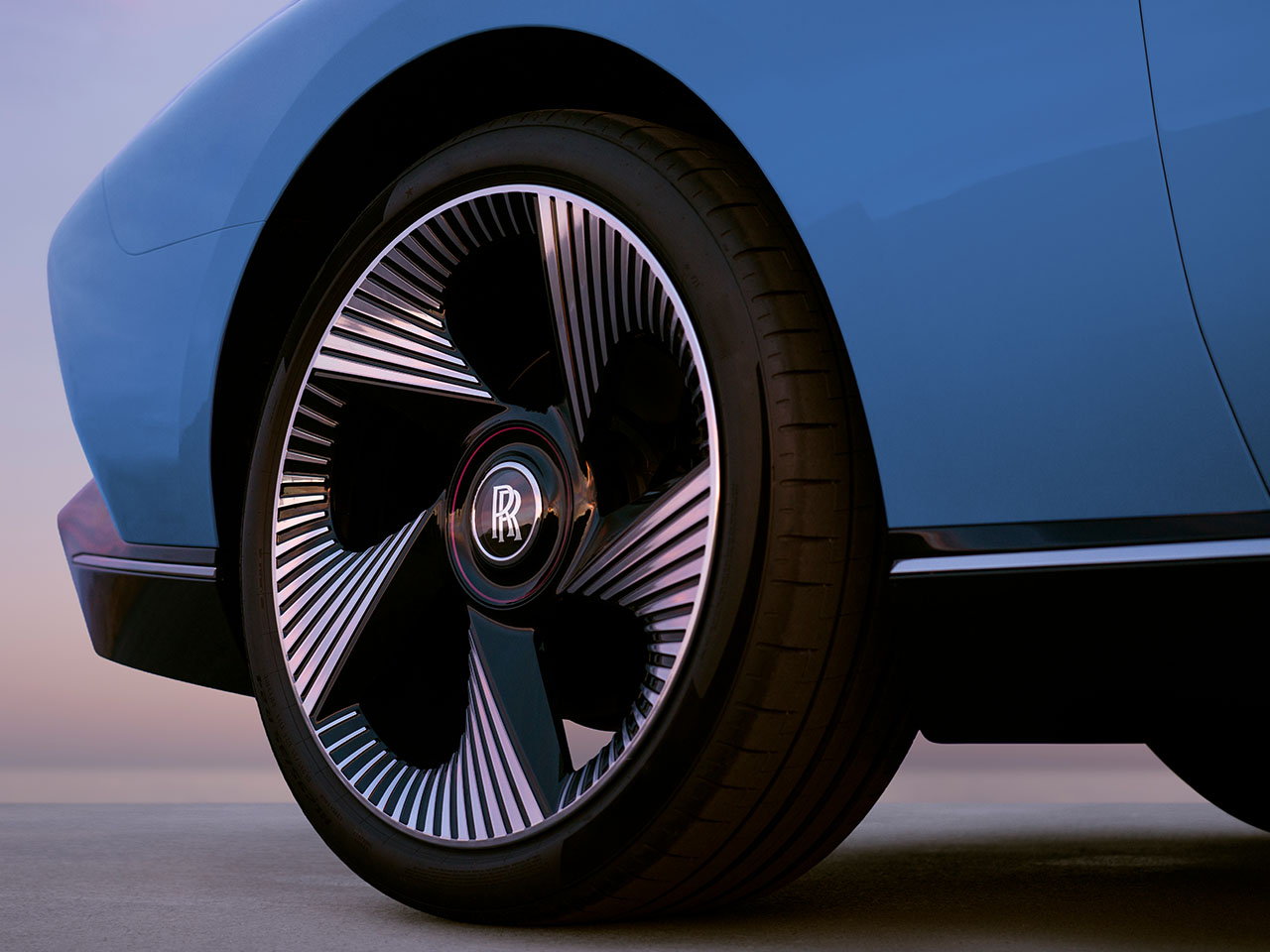
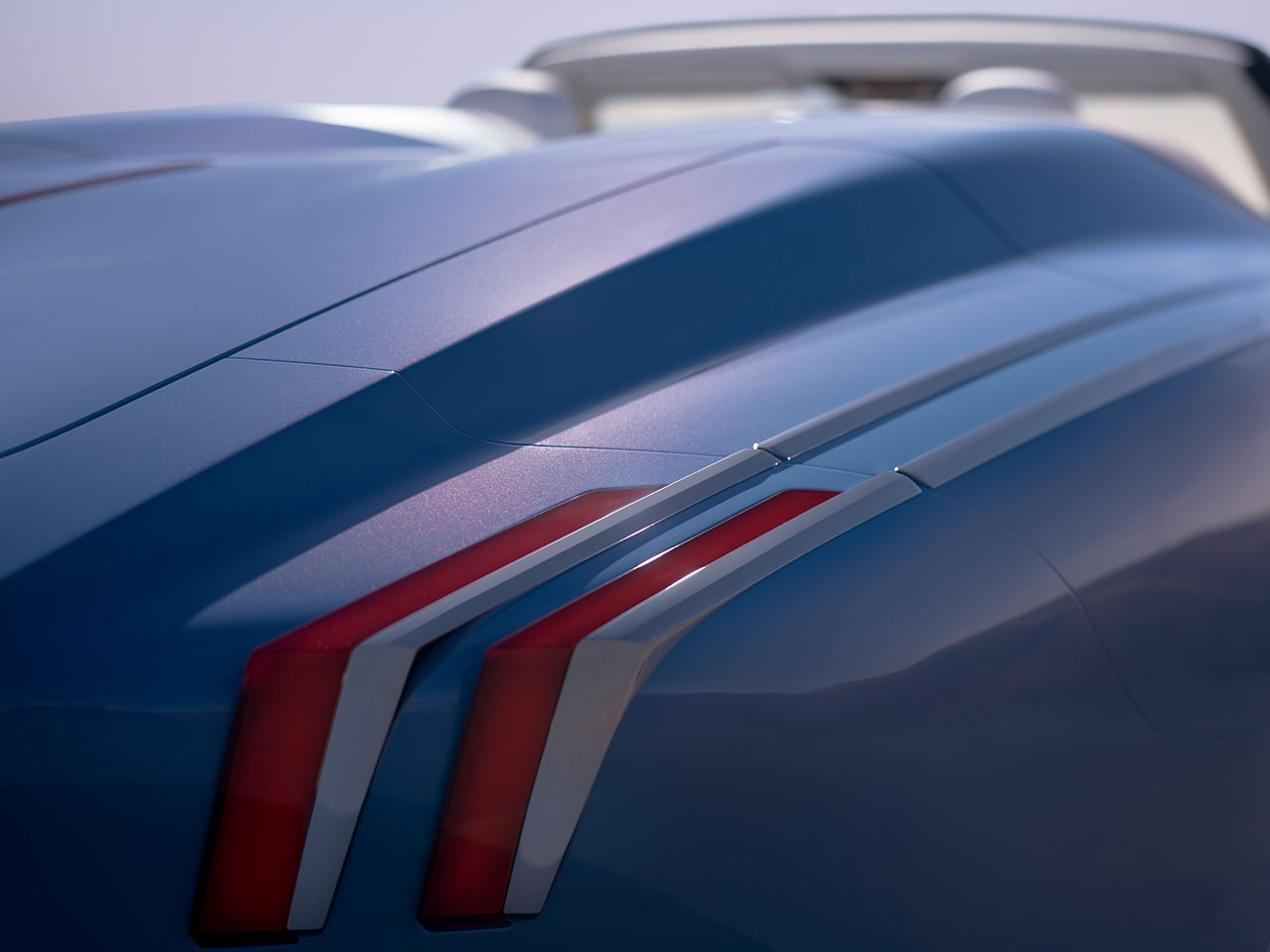
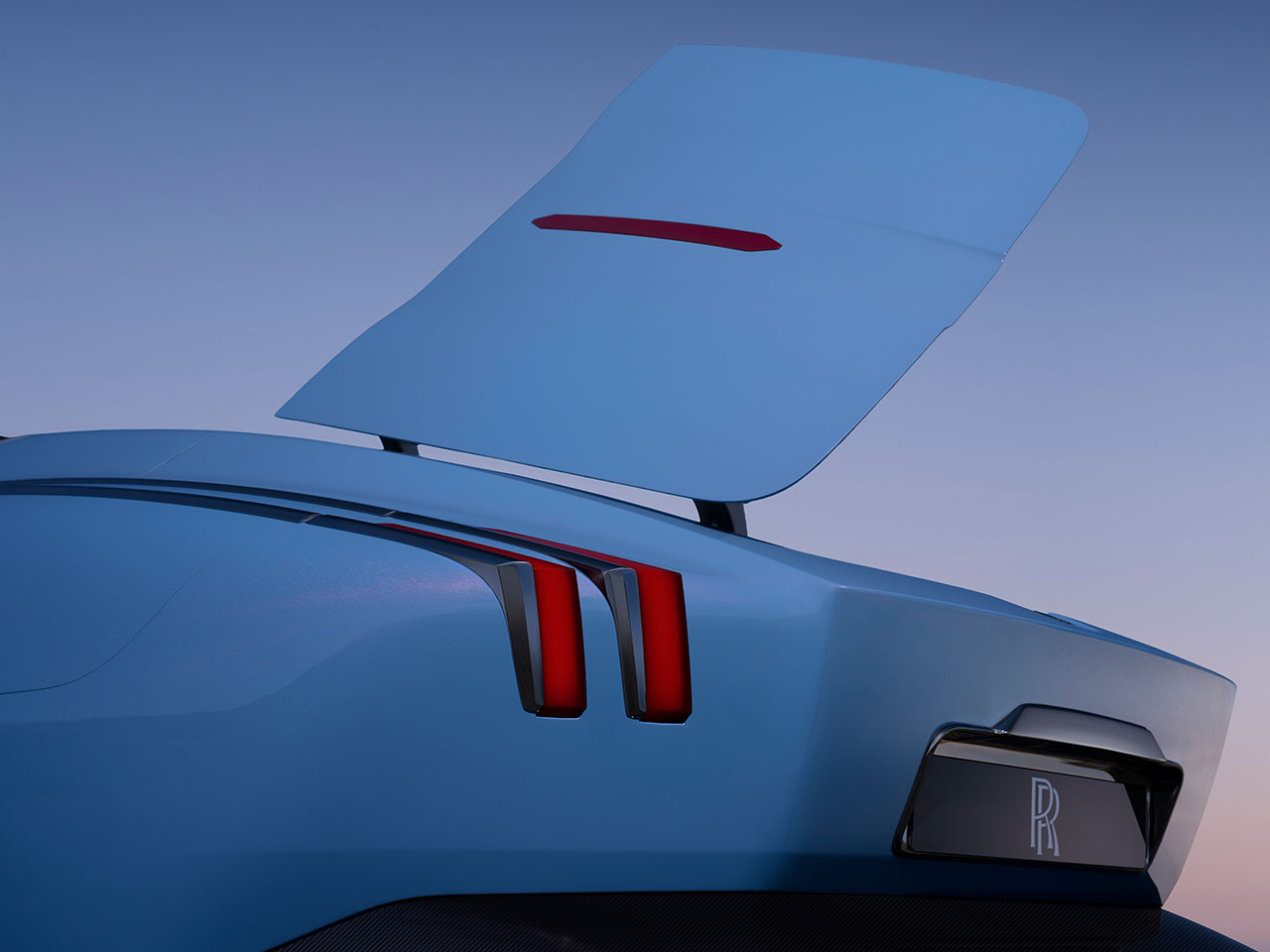
The exterior is both familiar and radically new. A nearly one-meter-wide Pantheon grille (its widest ever) features 24 vertical slats, flanked by slim vertical headlamps that depart from Rolls-Royce’s traditional horizontal layout. Massive 24-inch wheels, the largest ever fitted to a Rolls-Royce, adopt a yacht-inspired propeller design, reinforcing the car’s fluid, maritime-inspired character. Along the sides, a singular “hull” line runs uninterrupted from front to rear, culminating in a tapered, almost torpedo-like tail that subtly hints at speed despite the car’s imposing scale.

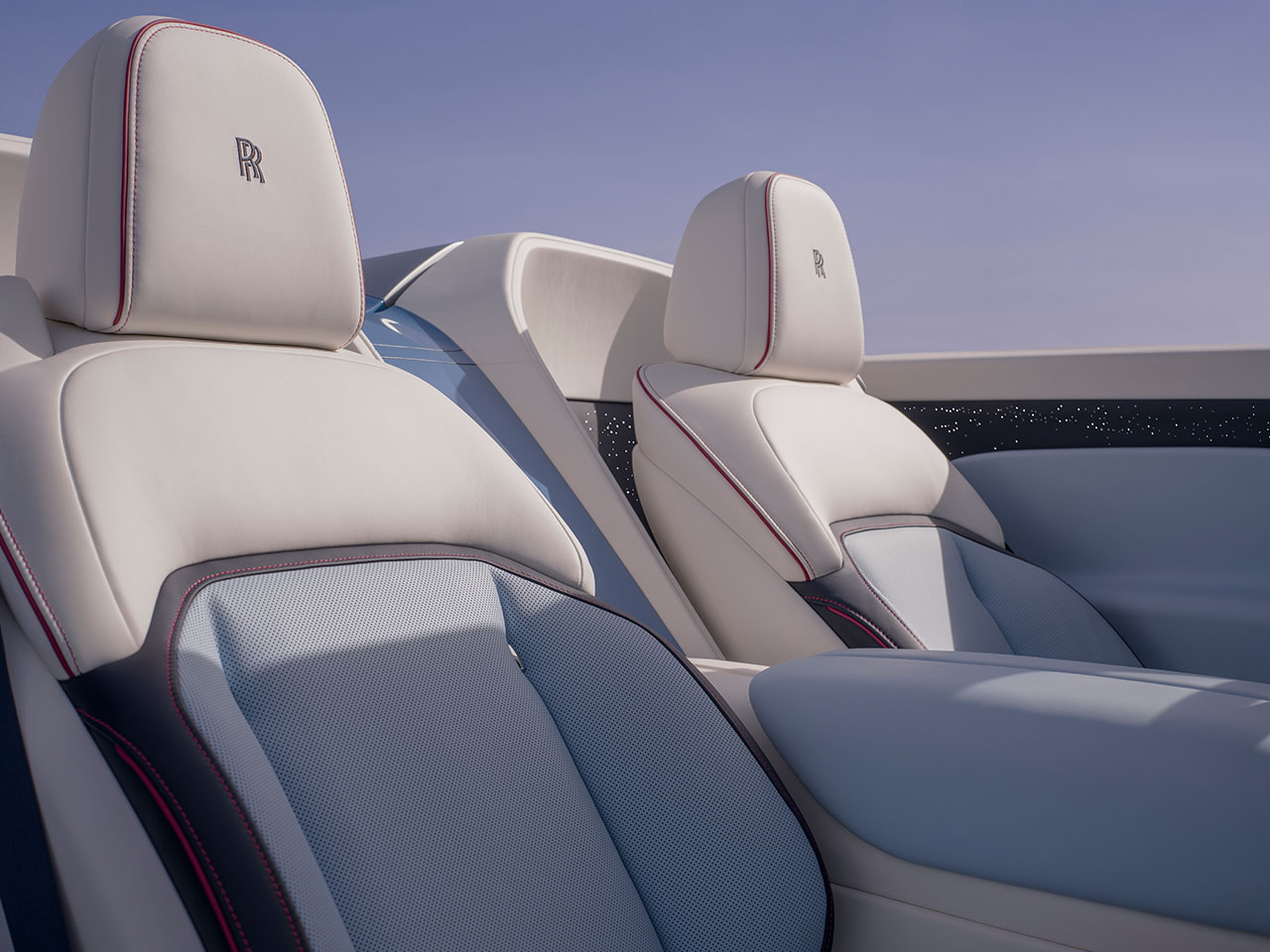
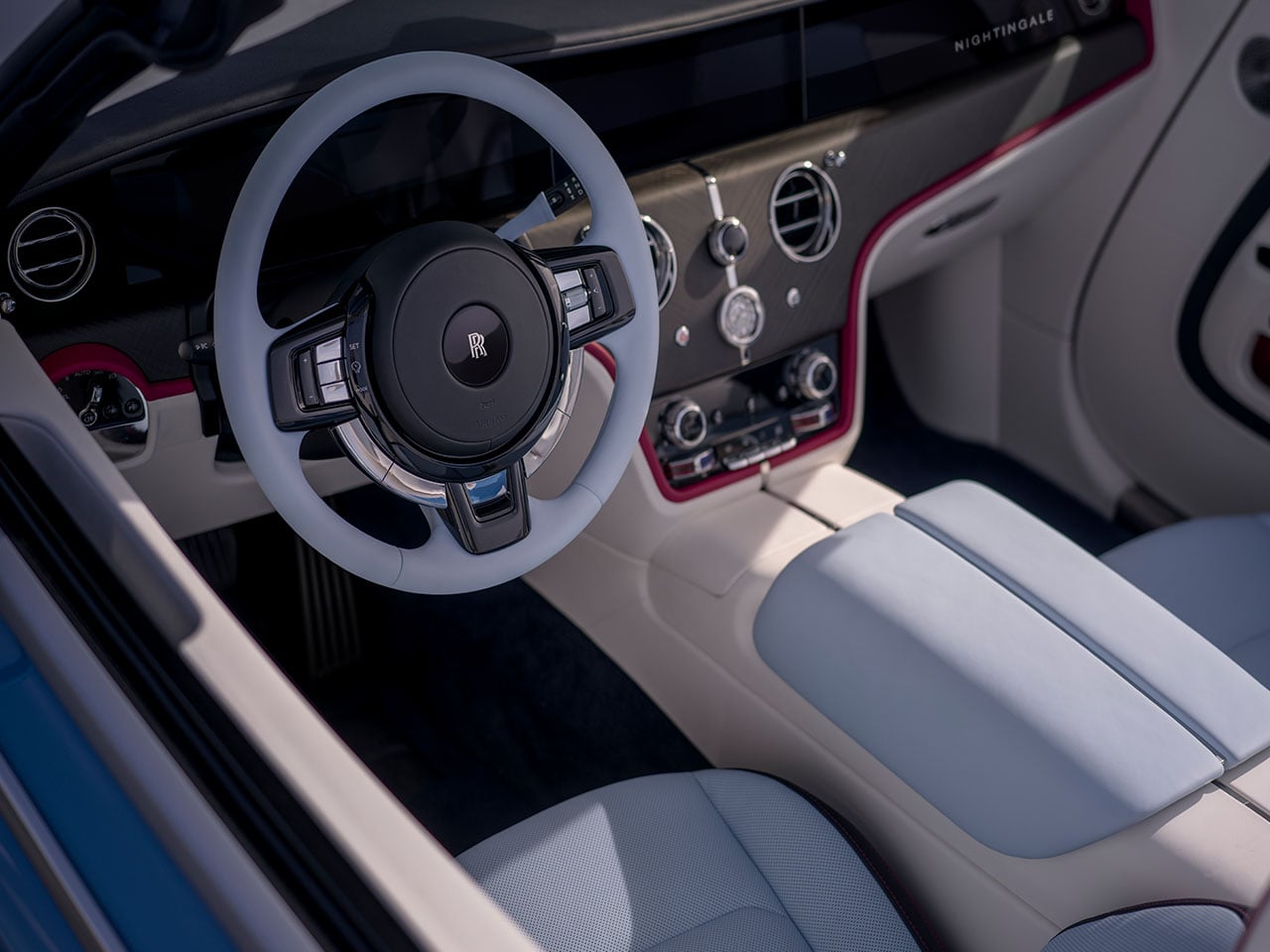
Inside, the experience is equally theatrical but deeply considered. Inspired by the French Riviera, specifically Sir Henry Royce’s Côte d’Azur residence, Le Rossignol, the cabin blends blue and white tones with delicate pink accents. A standout feature is the “Starlight Breeze” suite, composed of over 10,500 individual lighting elements that trace the soundwave patterns of a nightingale’s song, enveloping occupants in an ambient, almost musical glow. The interior architecture remains tactile and analog at its core, with physical controls, open-pore wood finishes, and a motorized armrest that reveals hidden compartments and controls in a choreographed sequence.

Mechanically, Project Nightingale is underpinned by Rolls-Royce’s “Architecture of Luxury” platform and powered exclusively by an all-electric drivetrain, delivering what the brand describes as a uniquely serene open-top experience. While exact performance figures remain undisclosed, the emphasis is less on outright speed and more on effortless, near-silent propulsion, an approach that aligns with the marque’s evolving electric vision.

Rolls-Royce Chief Executive Chris Brownridge said, ‘We responded by bringing three things together that have never coexisted within our brand: the complete design freedom of coachbuilding, our powerful, near-silent all-electric powertrain, and a uniquely potent yet serene expression of open-top motoring – an experience that only this technology makes possible.’

With deliveries expected from 2028, Project Nightingale is both a tribute to the brand’s experimental past and a marker of its electric future. Getting your hands on this baby, however, is going to be elusive since it is limited to a very small number.


The post Rolls-Royce Project Nightingale reimagines the electric convertible as a coachbuild work of art first appeared on Yanko Design.

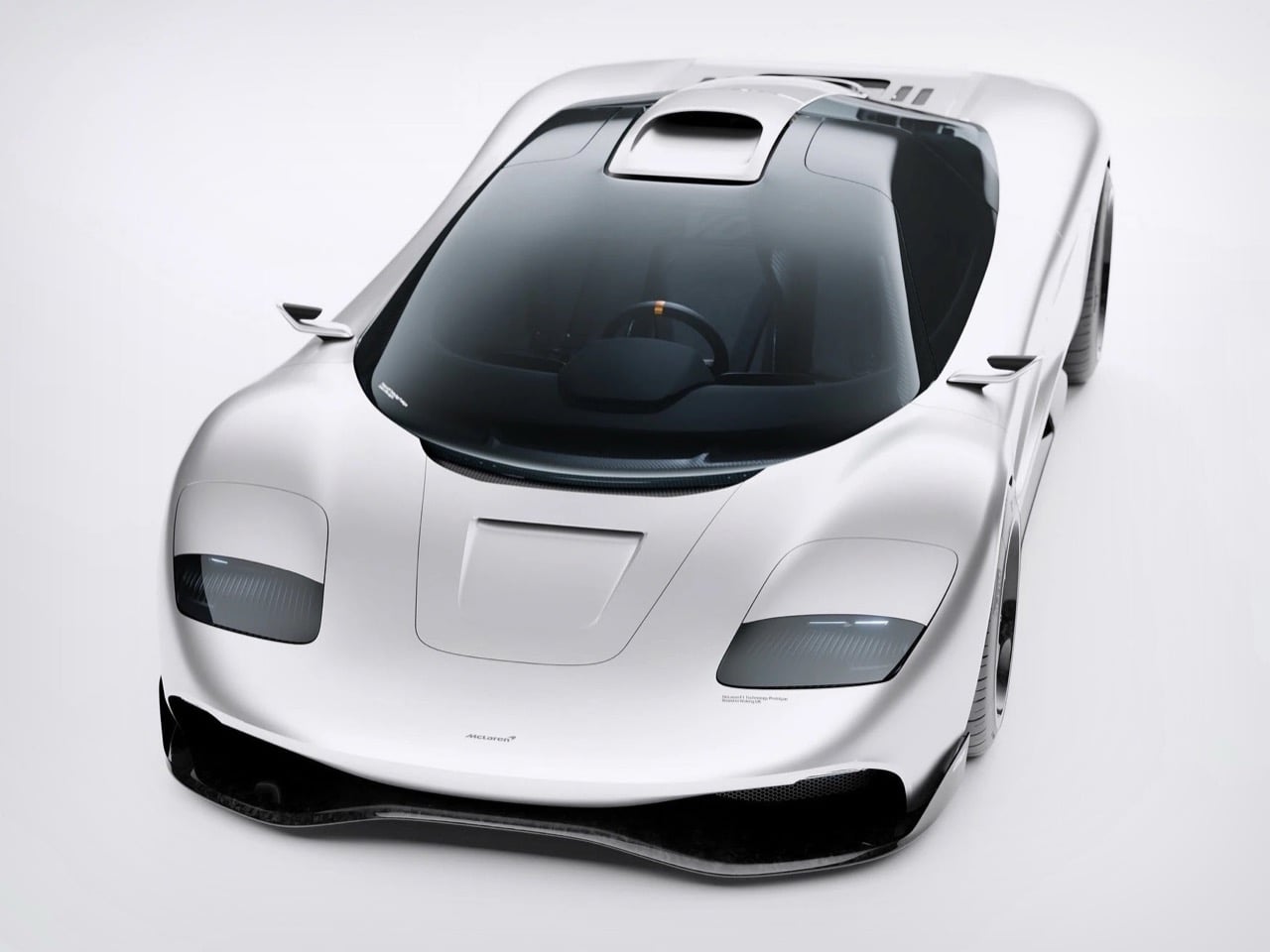
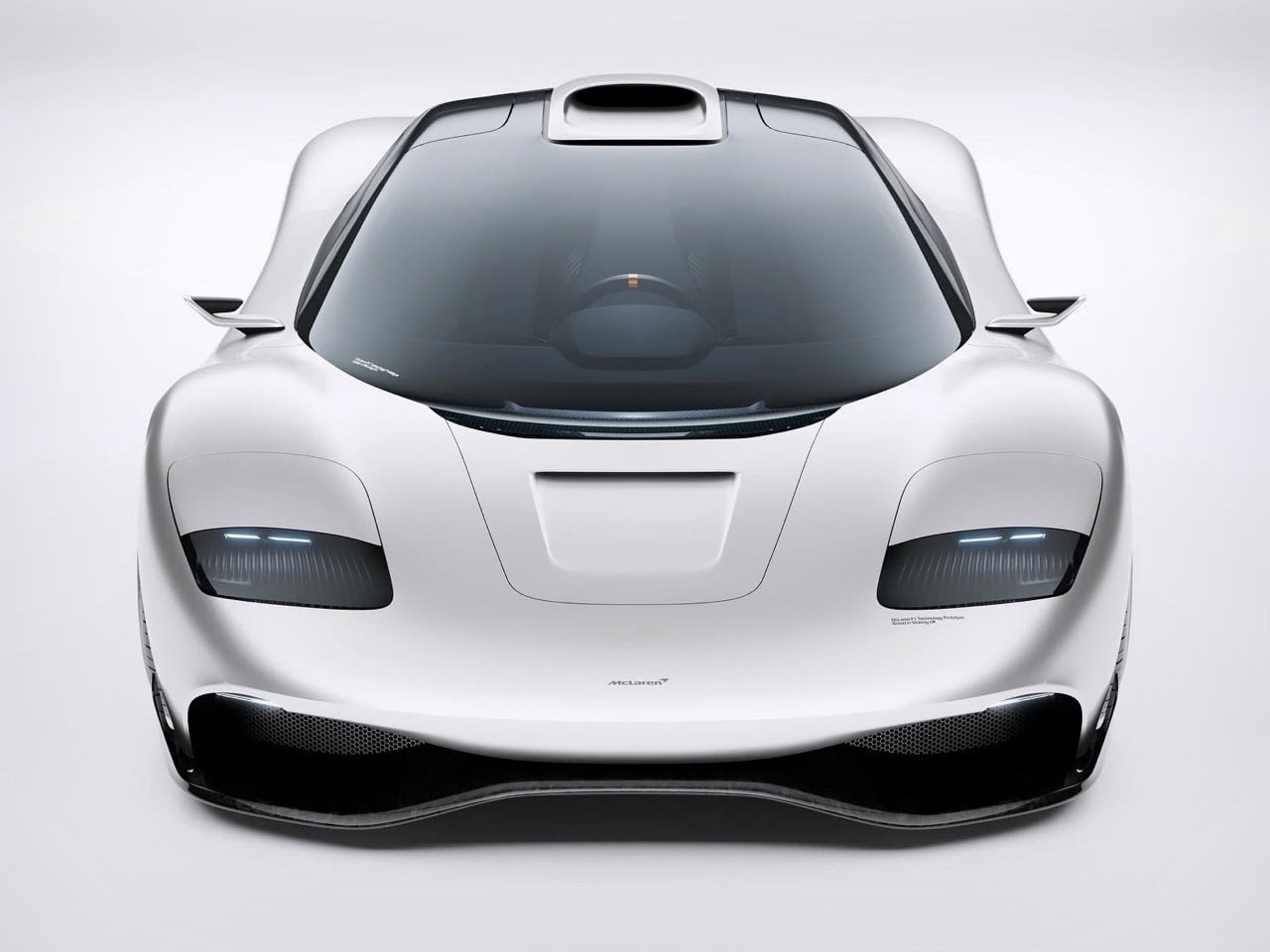
McLaren F1 Concept Shows What the Iconic Supercar Could Look Like in 2026

What does a McLaren F1 look like when you strip away the constraints of 1990s manufacturing technology but keep the design philosophy intact? That was the challenge Kevin Andersson set for himself when he began reimagining the iconic supercar as a personal design study. The original F1 was the product of specific limitations: Gordon Murray’s engineering team worked with the tools, materials, and aerodynamic understanding available in the early 1990s, and the car’s form emerged from that context. Andersson’s concept operates in a different world, one where carbon fiber monocoques are routine, where Formula 1 suspension systems inform road car design, and where Blender can generate photoreal renders that communicate design intent with startling clarity.

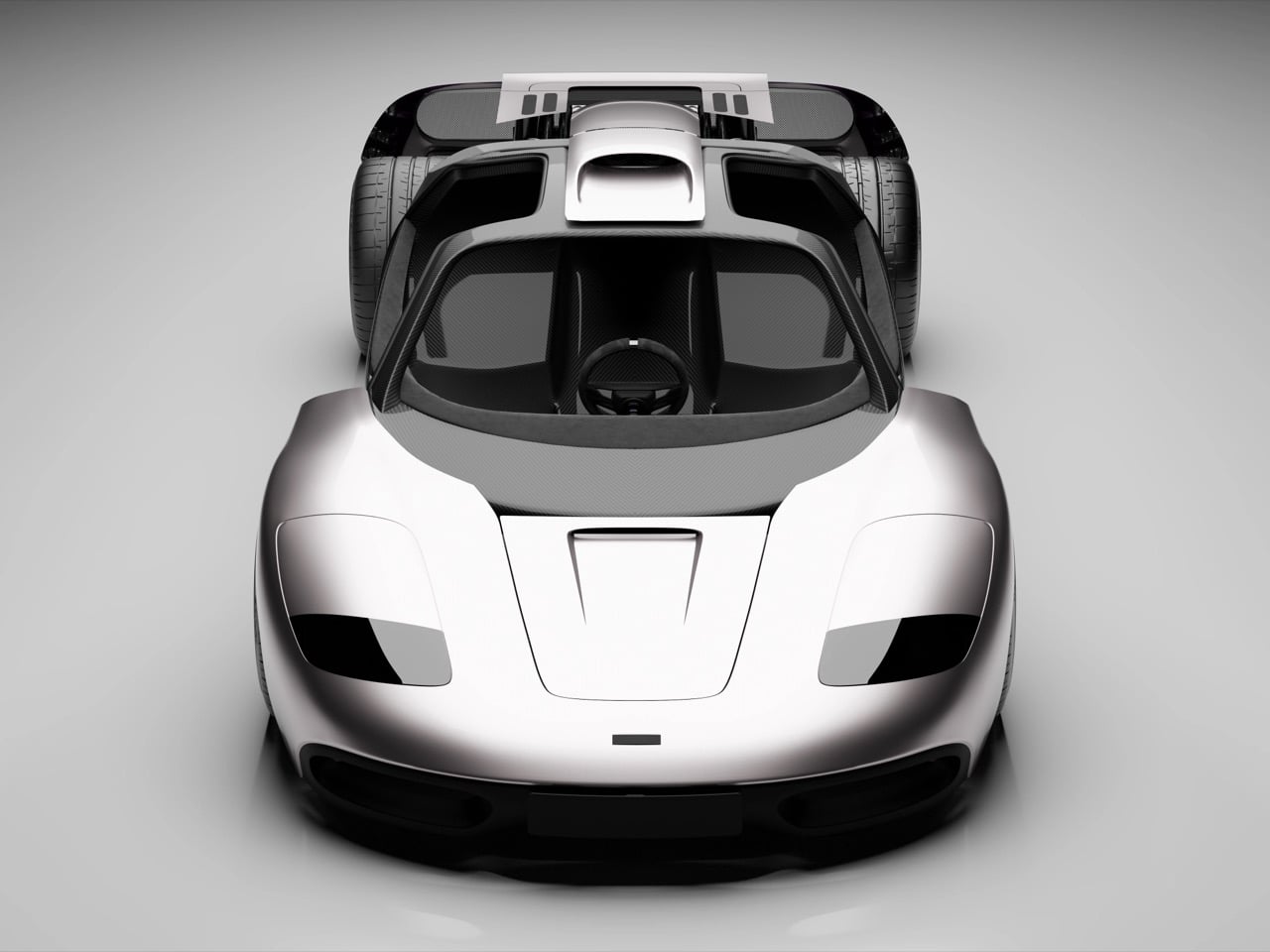
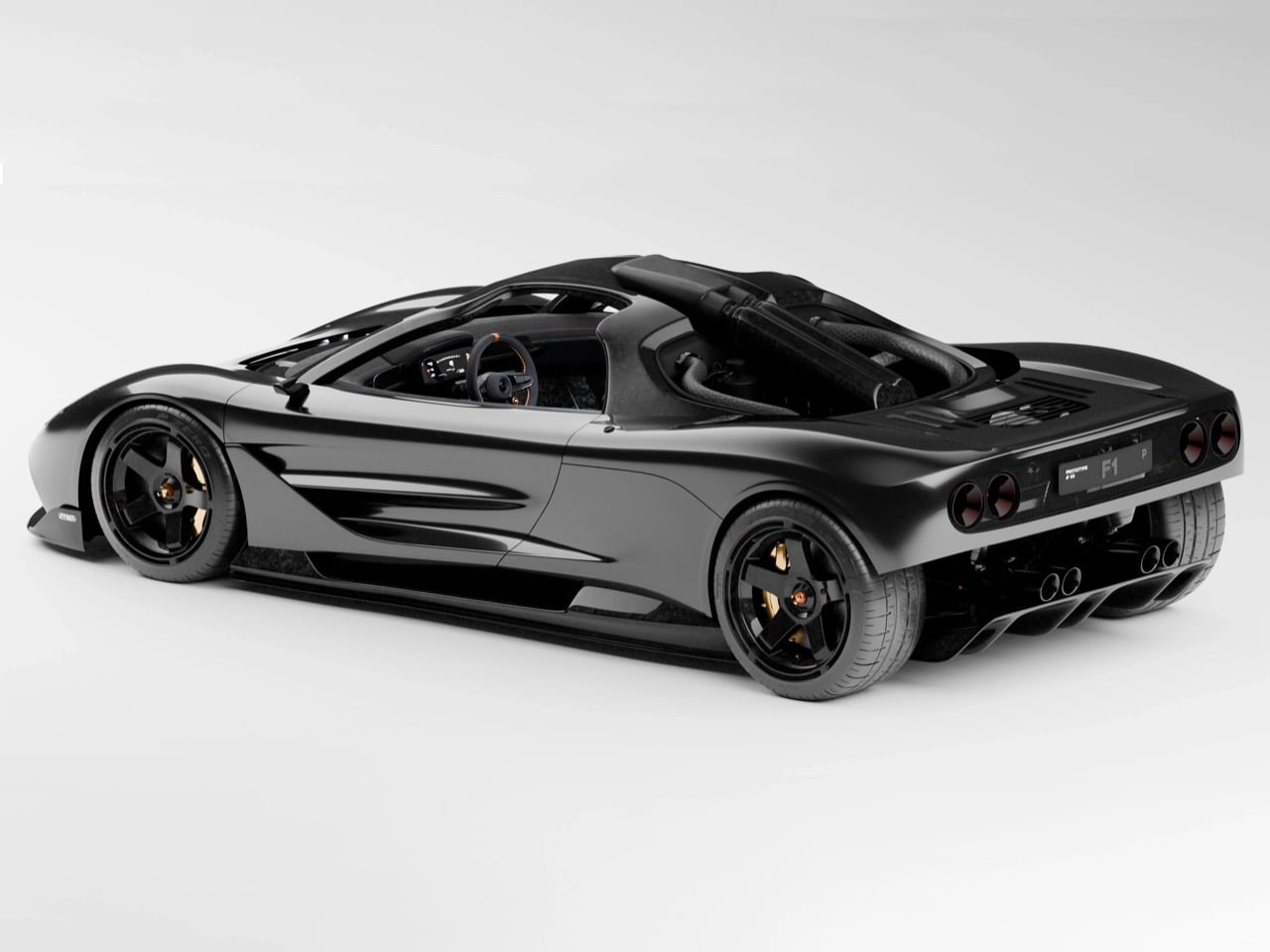
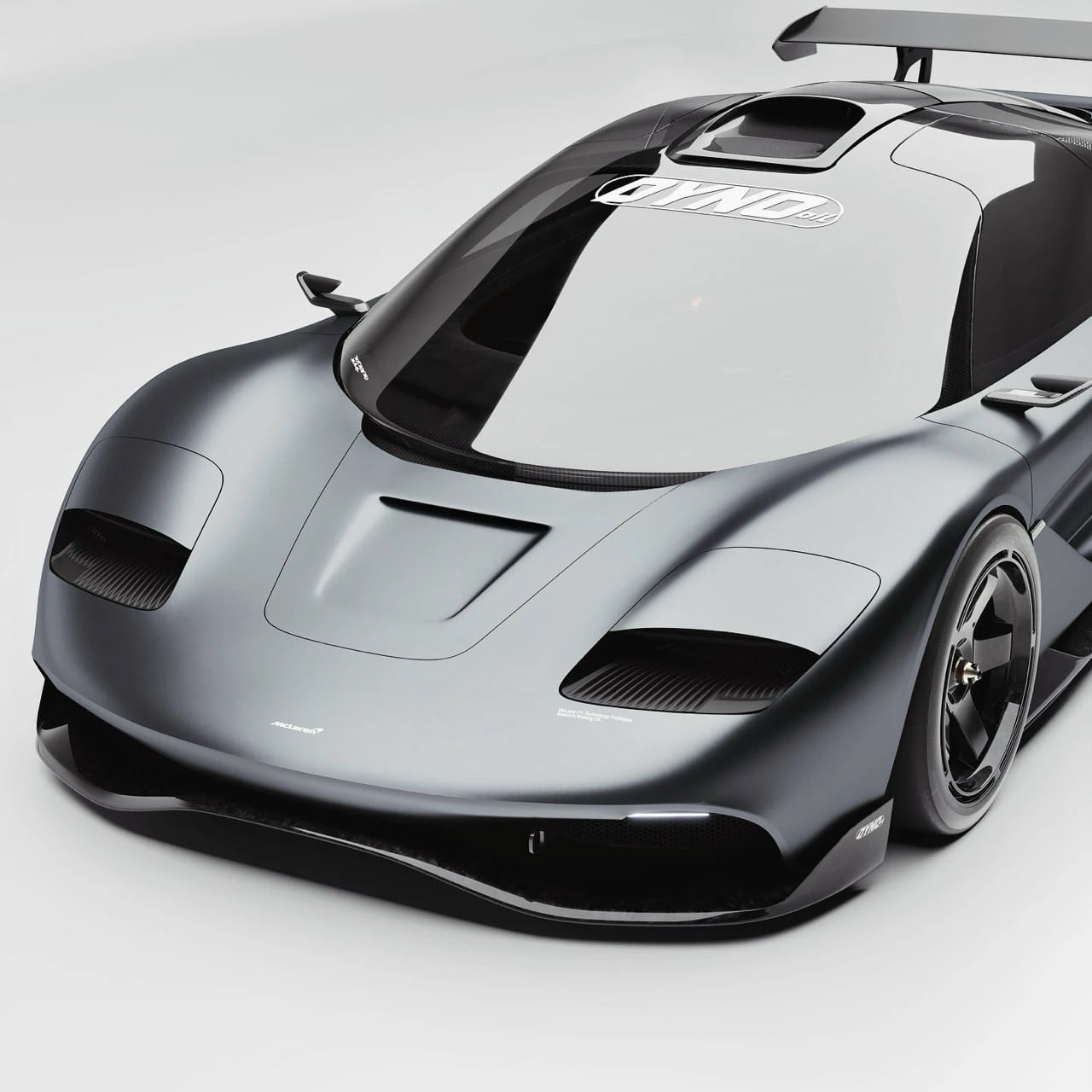
The reimagined F1 maintains the sacred proportions of the original while evolving its surface language into something more contemporary. The long hood remains, a visual reminder that this car houses a naturally aspirated engine positioned just behind the driver. The greenhouse retains the cab-forward stance that made the original F1 look like it was moving even when parked. The rear haunches are muscular without being cartoonish, and the whole package reads as a single, cohesive form rather than an assembly of disparate parts. Andersson’s renders, shot in both glossy white and menacing dark gray, show a car that could plausibly emerge from McLaren’s design studio today if the brand decided to revisit its analog past.

Designer: Kevin Andersson

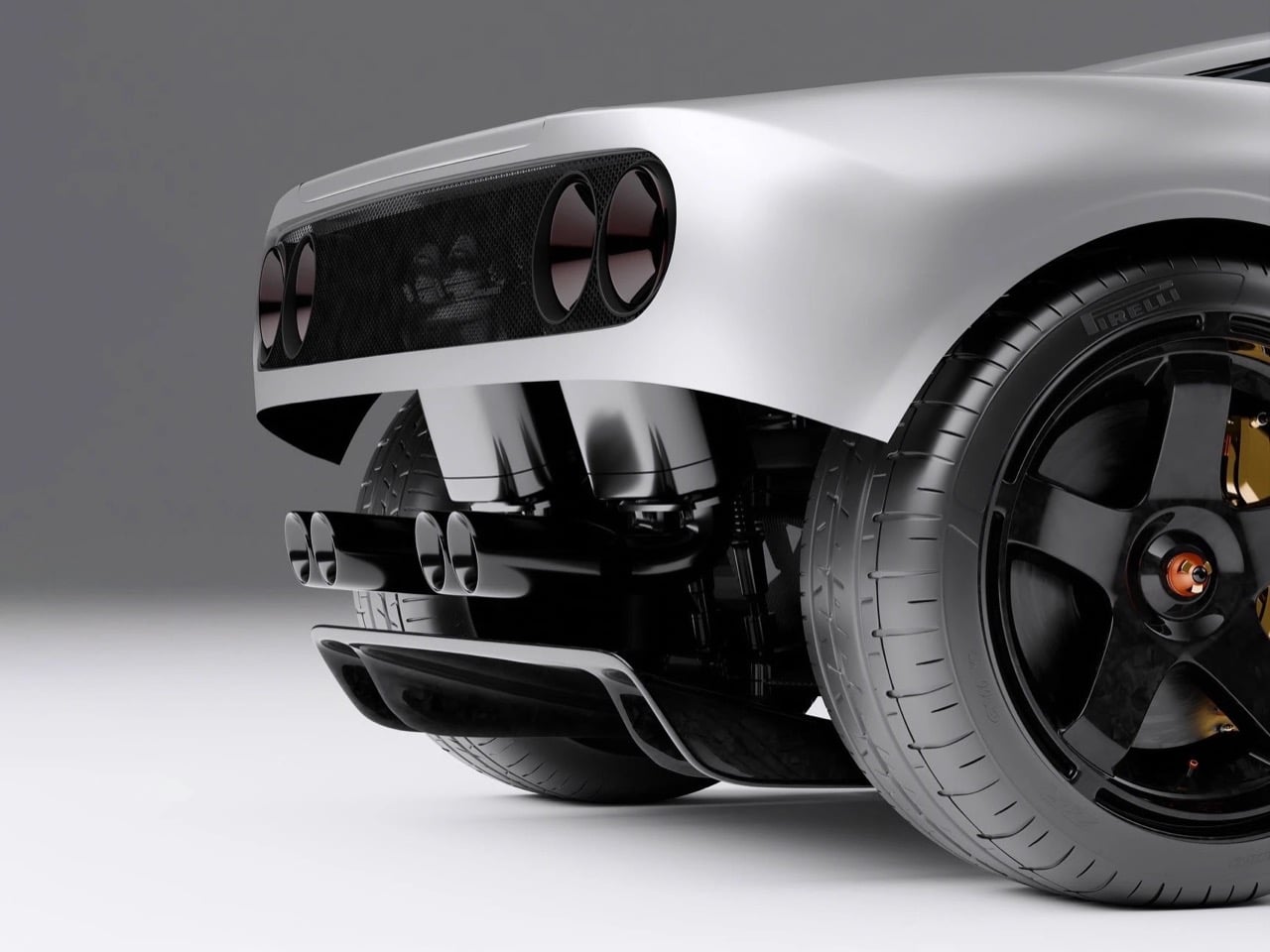
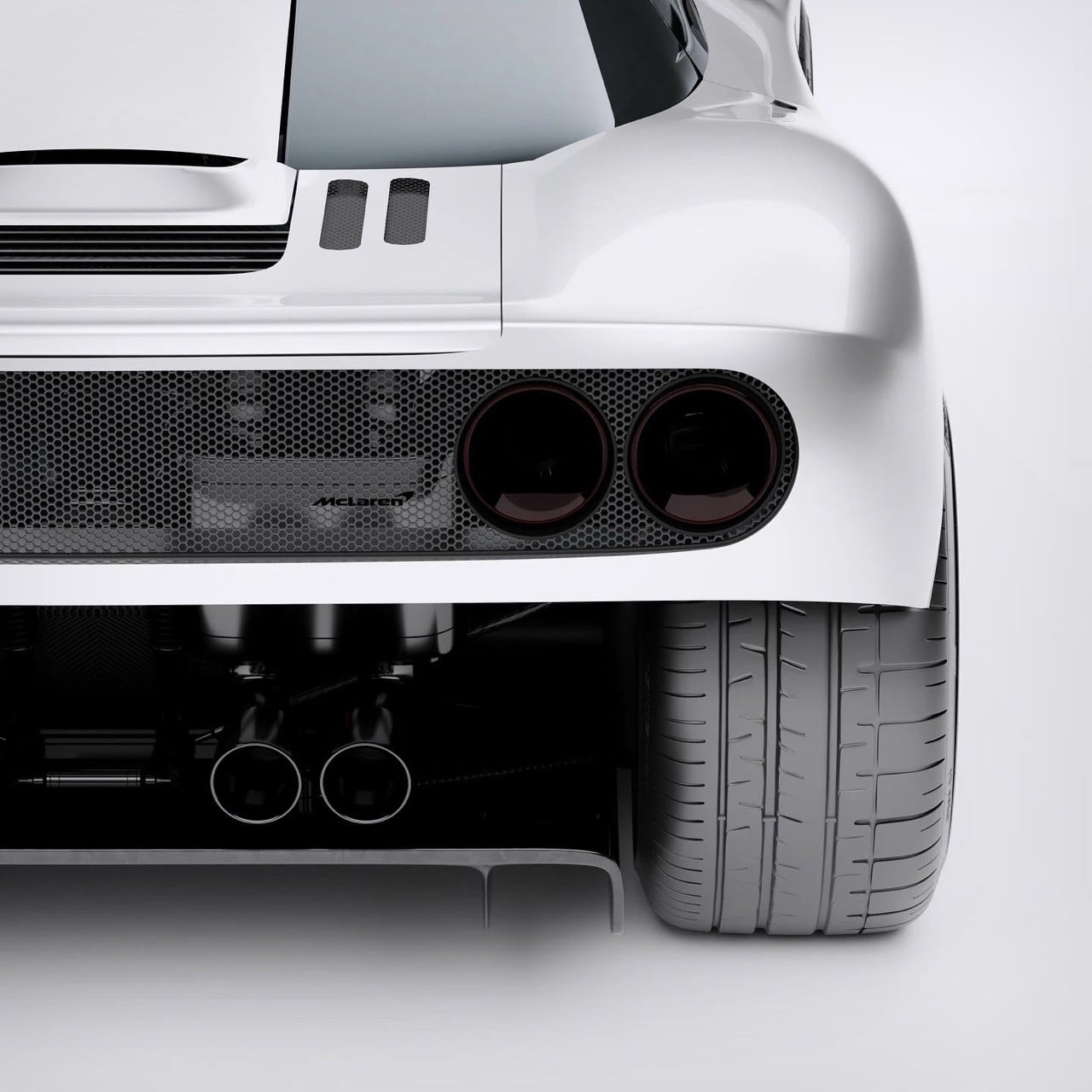
Andersson began with the monocoque, the structural skeleton that defines a car’s fundamental character. His design uses an exposed carbon fiber tub that references contemporary Formula 1 construction, with integrated mounting points for pushrod suspension components visible in the cutaway renders. The suspension itself draws directly from modern F1 technology, using inboard-mounted dampers and pullrod geometry at the front, pushrod at the rear. Gold-anodized brake calipers grip carbon-ceramic rotors, a functional nod to the original F1’s gold-lined engine bay. The exhaust system, rendered in titanium with a purple-blue heat patina, exits through centrally mounted tips that echo the original car’s triple-pipe signature.

The exterior form language walks a careful line between heritage and modernity. Andersson retained the original F1’s defining visual cues: the teardrop cabin, the prominent side air intakes, the dihedral doors (he kept the distinctive upward-swinging doors rather than the gullwing configuration). The headlights are recessed horizontal units that recall the original’s pop-up lights without literally reproducing them. The front splitter and rear diffuser are far more aggressive than anything Gordon Murray would have approved in 1993, a reflection of three decades of aerodynamic development in motorsport. The rear wing deploys from a recess in the engine cover, maintaining clean lines when retracted but providing genuine downforce when needed.

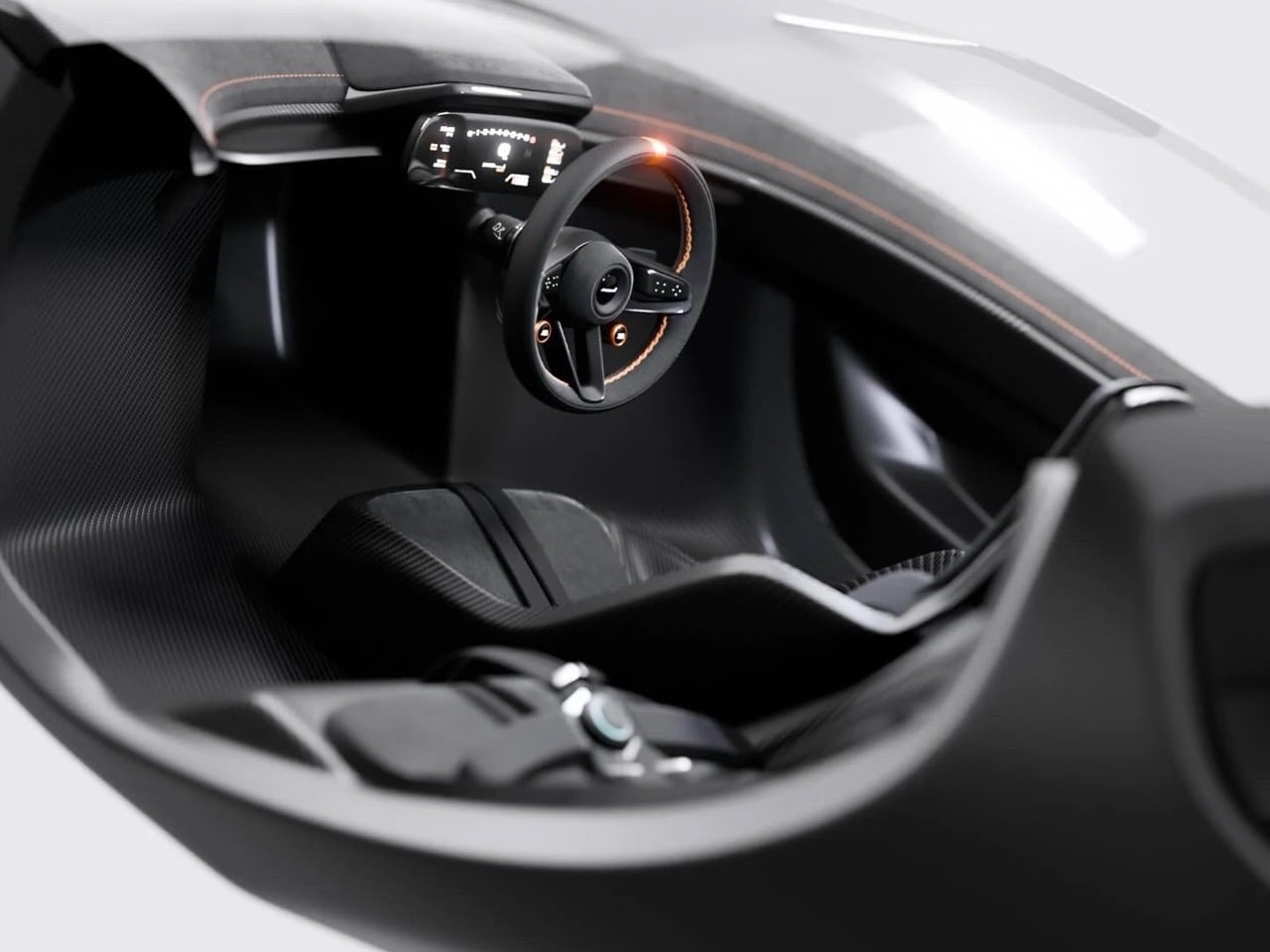
Inside, the central driving position remains sacred. Andersson designed a minimalist cockpit wrapped entirely in carbon fiber, with two flanking passenger seats positioned slightly rearward in the classic McLaren F1 three-seat configuration. The steering wheel is a flat-bottomed carbon unit with integrated controls and orange anodized paddle shifters. The instrument cluster is a single curved digital display that spans the width of the dash, showing speed, revs, and telemetry data with the clarity of a modern race car. Orange contrast stitching runs throughout the black leather trim, providing visual warmth without compromising the cockpit’s focused, technical atmosphere. The six-point harnesses are mounted directly to the carbon tub, reinforcing the competition intent.

Andersson’s eight-month journey from initial concept to final renders demonstrates what’s possible when a talented designer commits to a genuinely thoughtful reinterpretation rather than a superficial homage. His McLaren F1 Reimagined preserves the original’s analog soul while embracing the materials, manufacturing techniques, and aerodynamic understanding that define contemporary hypercar development. The renders communicate a car that Gordon Murray might actually approve of, a genuine evolution of his original vision rather than a pastiche. Whether McLaren itself will ever revisit the F1’s central-seat, naturally aspirated philosophy remains unlikely, but Andersson has shown what that future could look like if they did.

The post McLaren F1 Concept Shows What the Iconic Supercar Could Look Like in 2026 first appeared on Yanko Design.

2026 Chevrolet Corvette Stingray Z51 Review: The Interior Finally Matches the Supercar

PROS:


  • Interior redesign finally matches the supercar exterior

  • Triple-display cockpit reduces eyes-off-road time effectively

  • Roswell Green Metallic shifts color dramatically in sunlight

  • Z51 delivers 495 hp with Brembo brakes under $97K

  • Knurled metal switches resist the era of touchscreen fatigue

CONS:


  • Seat heating and ventilation buried in touchscreen submenus

  • Z51's summer-only tires make this a seasonal commitment

RATINGS:

AESTHETICS
ERGONOMICS
PERFORMANCE
SUSTAINABILITY / REPAIRABILITY
VALUE FOR MONEY

EDITOR'S QUOTE:

The interior finally speaks the same language as the sheet metal.
award-icon

The 2026 Stingray 2LT with the Z51 Performance Package is not a car that asks you to evaluate its horsepower first. It asks you to sit inside and look around. That shift in priority, from powertrain to interior architecture, is the single most important thing Chevrolet has done to the C8 platform since moving the engine behind the driver six years ago.

Wrapped in a light-reactive finish called Roswell Green Metallic and rebuilt from the console outward, the 2026 Stingray is the first version of this car where the design language inside matches the sculptural ambition of the body. Everything before this was a supercar exterior with a parts-bin cockpit. That tension is finally resolved.

I’ve spent a week with the 2LT Z51 in Roswell Green, and the design overhaul changes the way you think about this car before you ever turn it on. What follows is a design-first breakdown of everything Chevrolet changed, everything that works, and where the compromises still live.

The ergonomic pivot: interior architecture rebuilt from the H-point up

The original C8 interior committed a fundamental spatial error. A tall center divider ran vertically between the two seats, housing climate controls, drive mode selectors, and a stack of physical buttons. The industry called it “the wall.” The design problem wasn’t the buttons themselves. It was the raised horizon line of that divider, which created a psychological barrier between driver and passenger. The cabin felt partitioned. The passenger sat in an adjacent room.
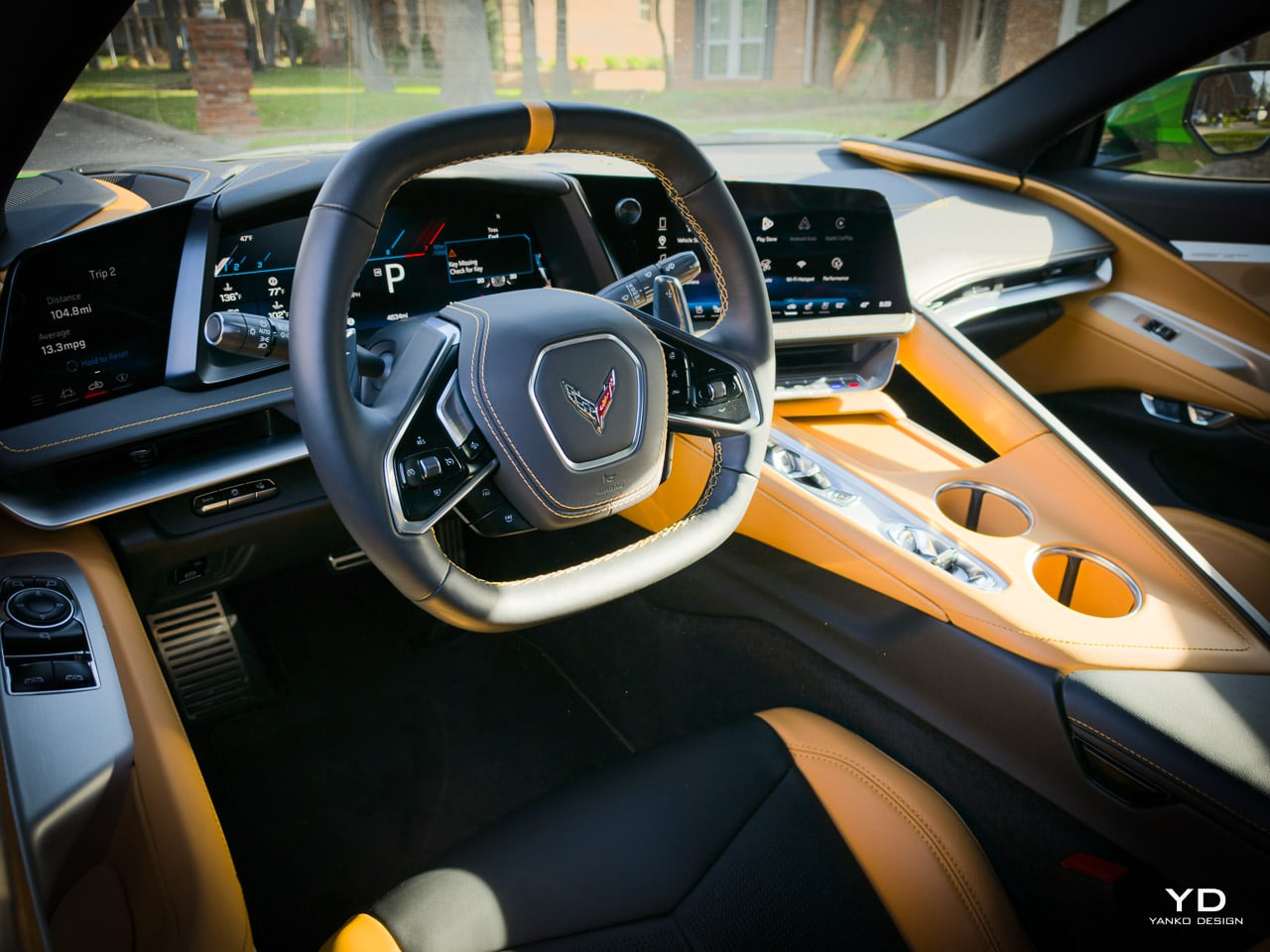
For 2026, Chevrolet dropped the entire center console structure. The lowered console horizon transforms the spatial relationship between the two occupants. Where the old layout isolated the passenger behind a vertical slab of controls, the new architecture invites them into the driver’s visual field. The experience shifts from “isolated” to “inclusive” without sacrificing any of the cockpit’s driver-centric focus.
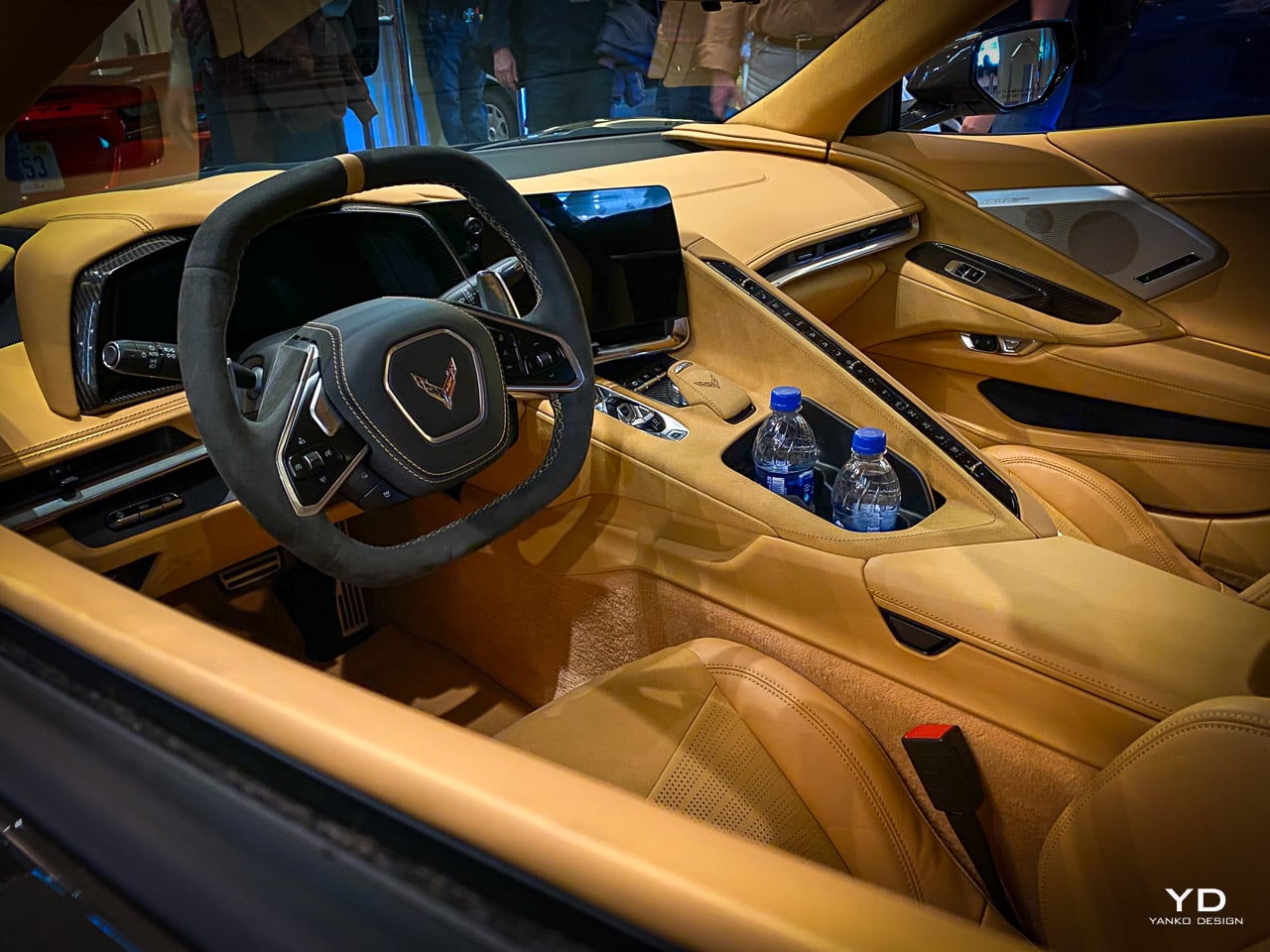
Beneath the 12.7-inch center touchscreen, a slim bezel strip houses the primary HVAC controls: temperature, fan speed, and airflow direction. Below that, a row of knurled metal switches handles drive mode selection and volume. Each switch has a machined, cylindrical profile with a grip pattern you can find by touch alone. In an era of touchscreen fatigue, where even luxury brands have moved every interaction to a flat pane of glass, these physical controls are a premium tactile counterpoint to the triple-screen digital environment surrounding them.

The trade-off lives in the seats. Seat heating and ventilation controls have migrated entirely into the 12.7-inch touchscreen, buried inside a climate submenu. Removing the physical buttons cleaned the console’s visual horizon, but it added a tap-and-swipe sequence to what used to be a single button press. For a car that generates lateral forces strong enough to require a grab handle, asking the driver to navigate a digital menu for seat heat is a design compromise worth scrutinizing. The aesthetic gain is real. The ergonomic cost is measurable.

The old vertical divider left no room for a passenger grab handle. Its replacement, a minimalist, leather-wrapped grab handle, arcs across the lower console in a single fluid line. It’s a small element with outsized presence. Call it a functional sculpture: structurally necessary for a car that generates 1.0g lateral forces, refined enough that it reads as intentional design rather than an engineering afterthought. The leather wrap matches the door panel stitching. The mounting points disappear into the console geometry.
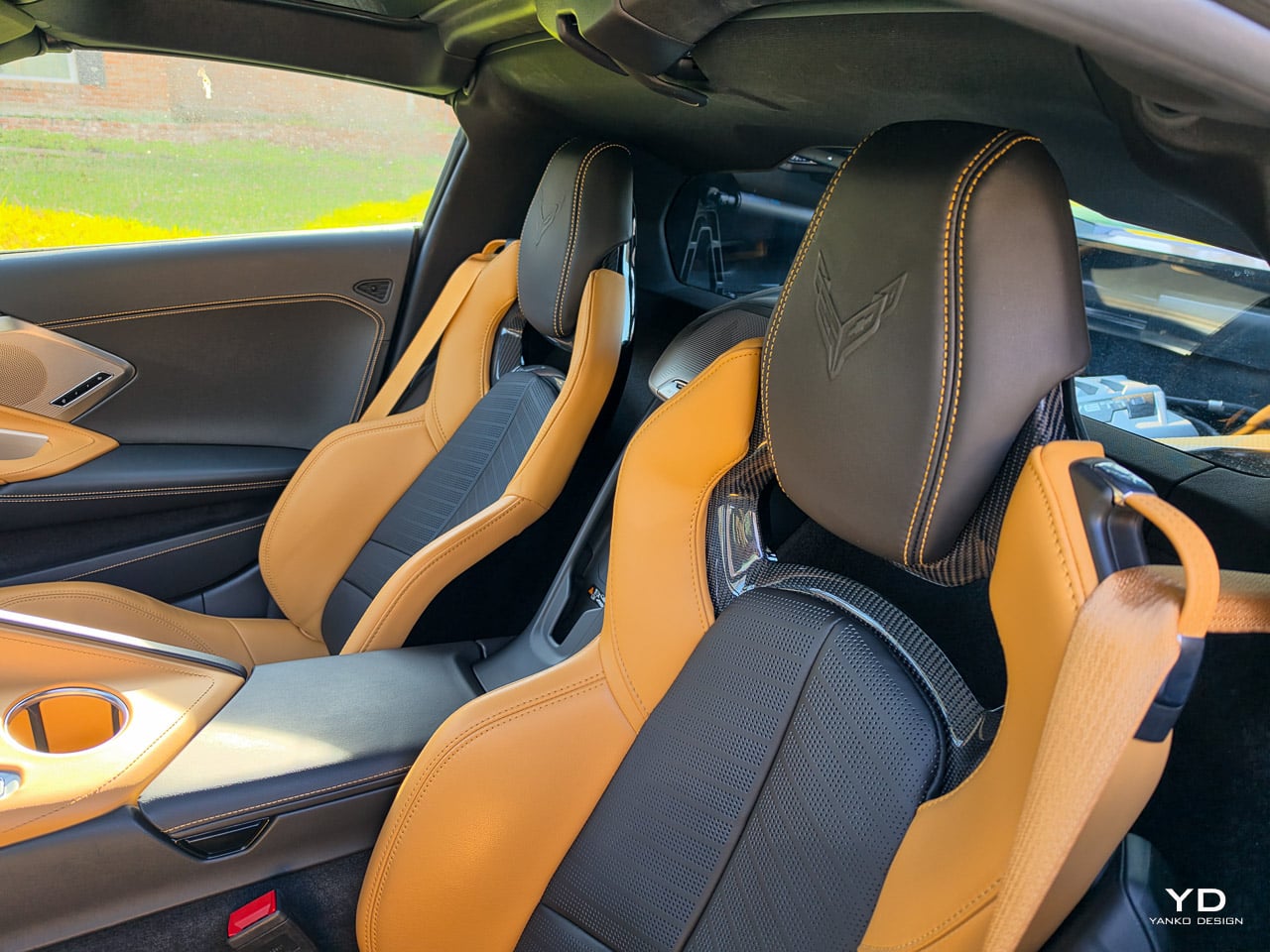
The lowered console transforms the spatial experience immediately. Where the old layout created the sensation of sitting inside a divided cockpit, the 2026 interior opens the sightline across the full width of the cabin. The claustrophobia factor drops measurably. The seating position remains laid back, almost Formula 1 in its recline, and that posture helps mitigate the limited headroom that taller drivers will still negotiate with.

The knurled switches feel substantial under the fingers: machined, weighted, precise. They resist the smudging that plagues the touchscreen surfaces around them. Some shared switchgear with lower Chevrolet models (the Trax uses identical pieces) undercuts the premium feel in spots, but the overall material quality reads as considered rather than cost-cut. The grab handle sits exactly where your hand reaches during hard cornering, low enough to brace against without blocking the console’s visual flow.

The triple-display UX: how three screens reduce cognitive load

Three screens sounds like excess. In practice, the 2026 Corvette’s display layout solves a problem that single-screen and dual-screen cockpits create: cognitive competition. When navigation, telemetry, media, and vehicle status all fight for space on one display, the driver’s eyes travel further and stay away from the road longer.

Chevrolet’s solution distributes information across three screens based on cognitive priority. The 14-inch Driver Information Center sits directly ahead, dedicated to speed, gear position, and essential driving data. It stays visually silent during normal driving, using high-contrast graphics that communicate without demanding attention. Navigation lives here only when active, taking over the full display with clean vector mapping.
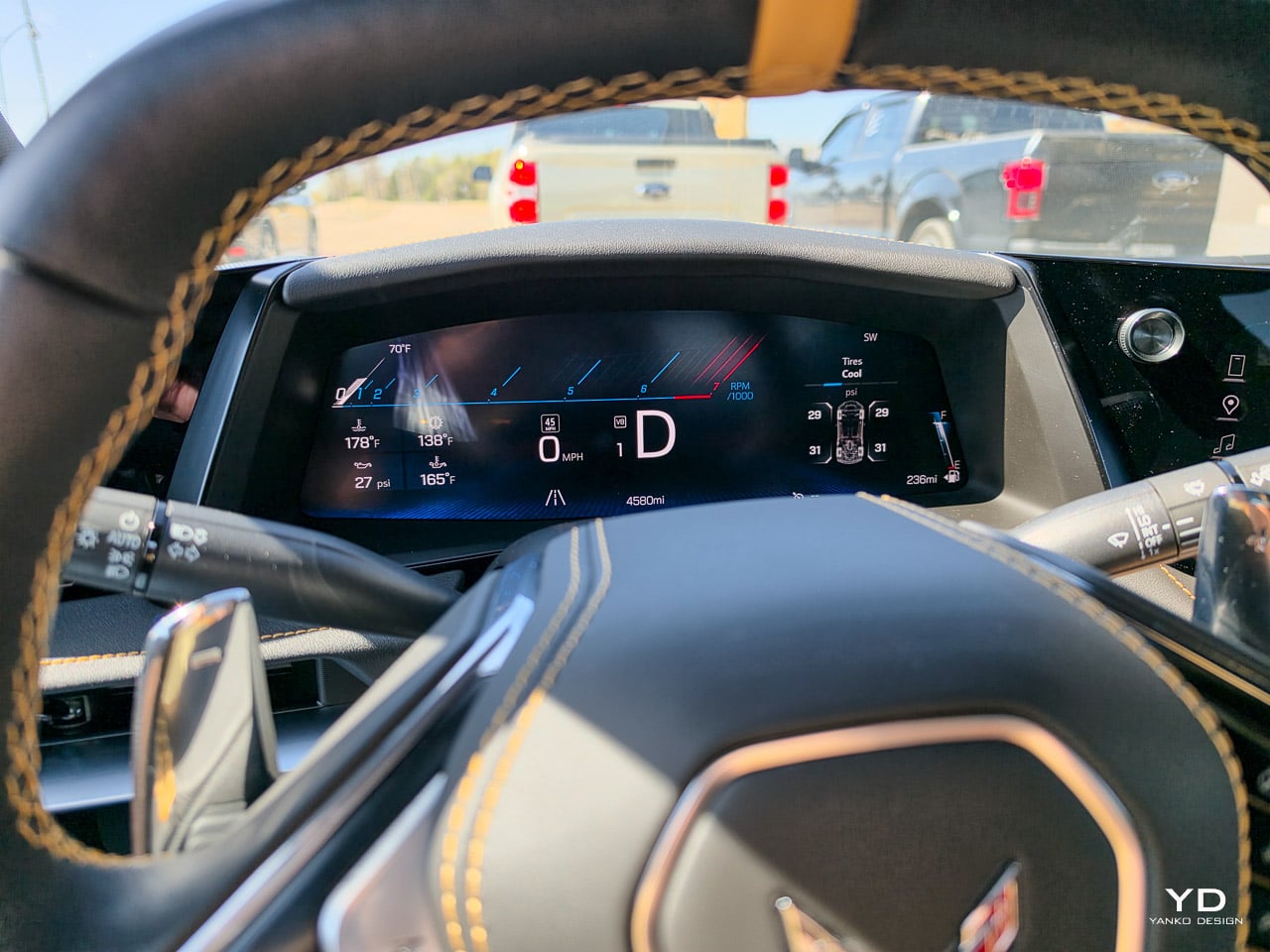
The 12.7-inch center touchscreen handles media, climate, and vehicle settings. It’s the interactive screen, the one you touch. The larger, tactile volume knob sits at its base with an illuminated ring that glows in the ambient cabin color you’ve selected. In a cockpit full of digital surfaces, this single analog control becomes the functional focal point: a physical anchor in a digital environment.

The 6.6-inch display to the left of the steering wheel is the most interesting piece of the system. Think of it not as an auxiliary screen, but as a Driver Command Satellite: a dedicated tactical window for trip telemetry, HUD adjustments, PTM Pro controls, and the Performance Data Recorder’s coaching overlays. Positioned in the driver’s peripheral sightline, it reinforces the cockpit hierarchy rather than diluting it toward the passenger. By offloading this data to its own surface, the driver cluster stays uncluttered. The driver never looks away from the road to check performance metrics; a glance left handles everything.

The underlying software runs on a Google-native operating system with full voice integration. The practical effect is a natural-language interface that handles navigation, media, and communication through conversational input. “Navigate to the nearest charging station” works. So does “play the playlist from this morning.” The voice layer reduces cognitive load during spirited driving, when your hands need to stay on the wheel and your eyes need to stay through the windshield. Over-the-air updates mean the system improves after you’ve taken delivery, which is a first for any Corvette.

The infotainment system responds quickly to both touch and voice. The Google voice integration handles navigation and media commands without noticeable lag, and the natural-language processing accepts conversational input without requiring exact phrasing. The triple-display layout reduces eyes-off-road time in practice: the driver cluster handles speed and navigation, the center screen handles media and climate, and the left-side Command Satellite handles performance data. Each screen has a dedicated cognitive role, and after a few days behind the wheel, the layout becomes intuitive rather than overwhelming. The one usability complaint: some switchgear on the steering wheel is shared directly with lower Chevrolet models. The function is fine. The perceived material gap is not.

The Roswell Green narrative: pigment behavior on compound surfaces

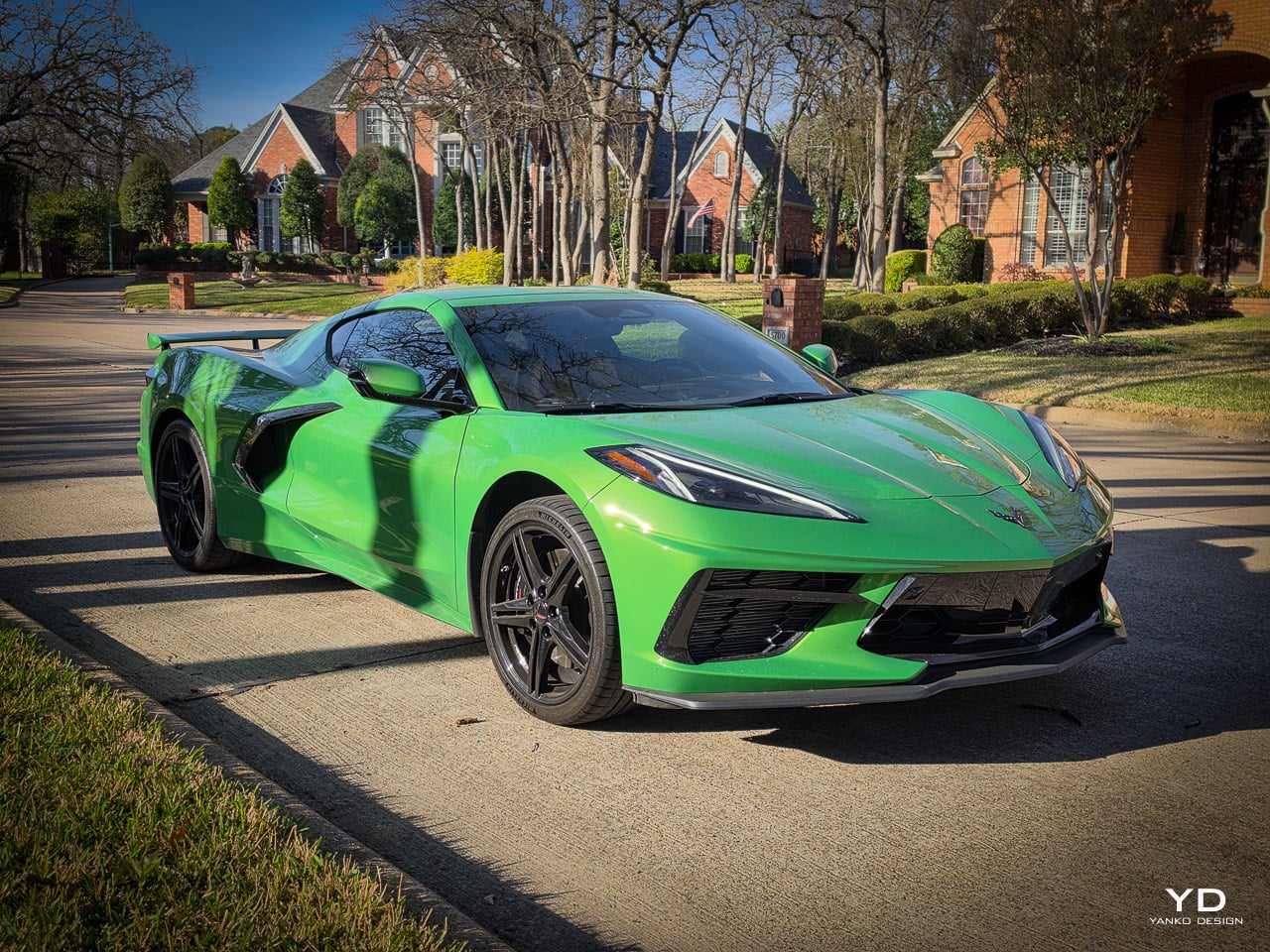
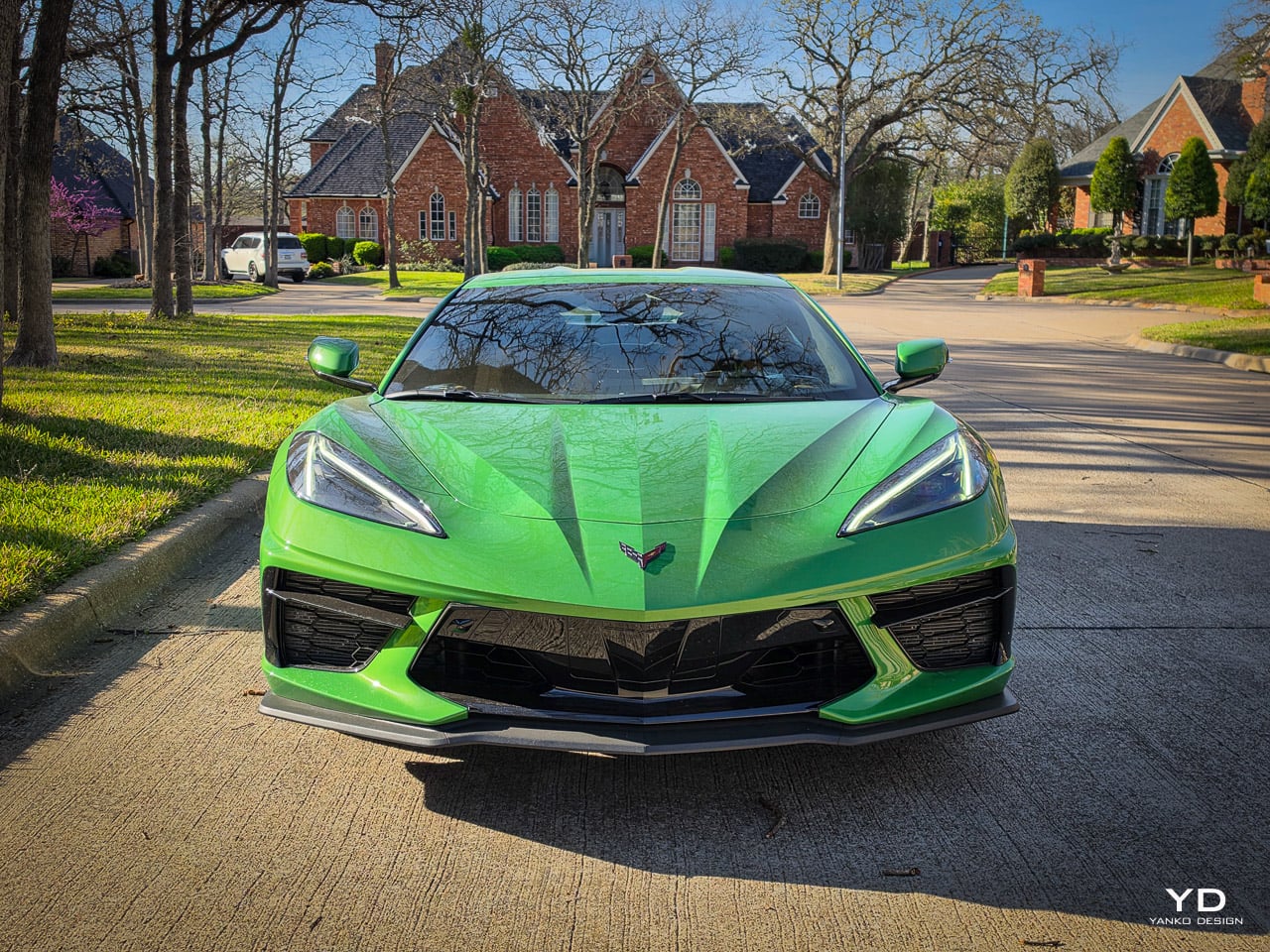
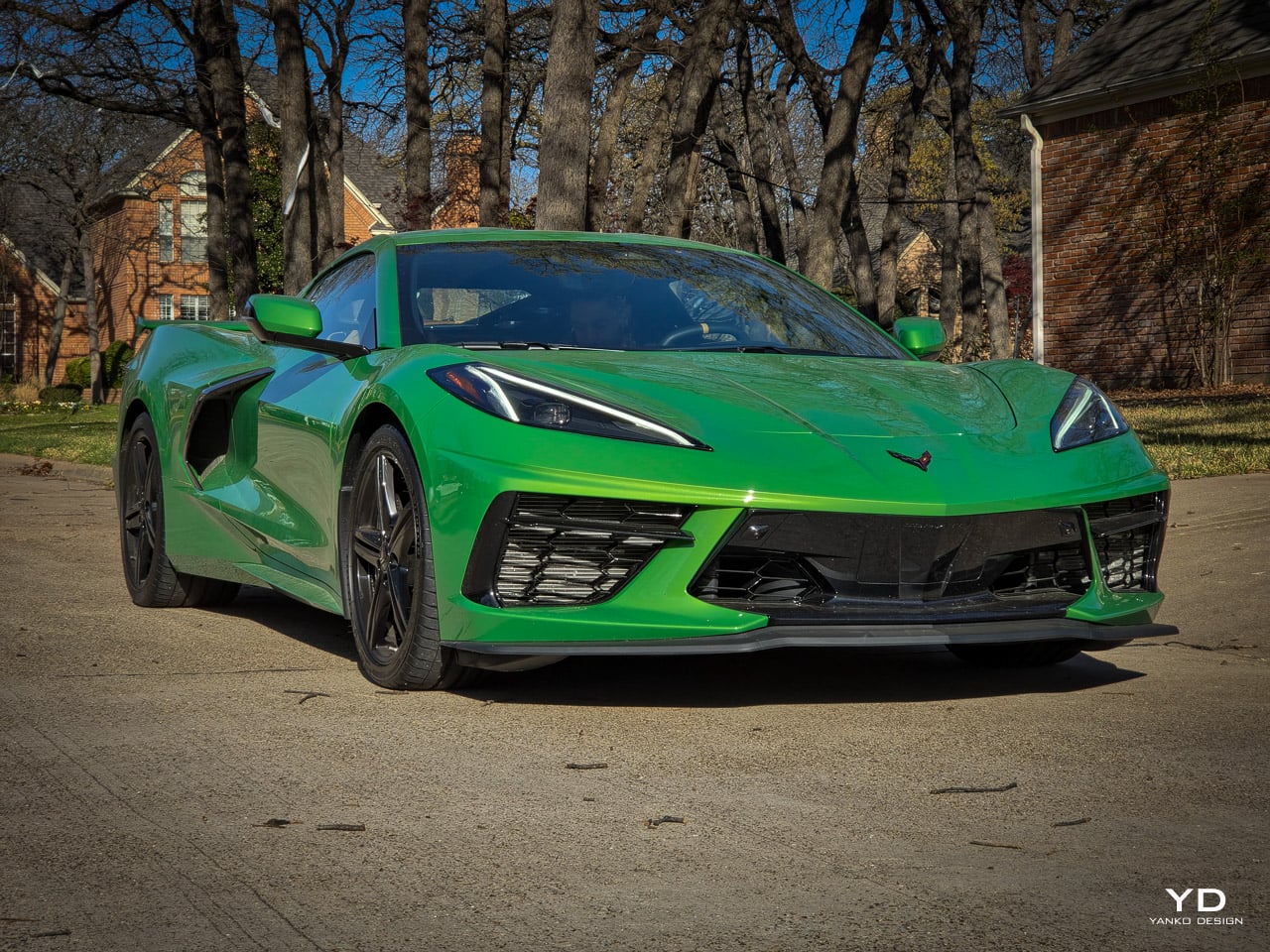
Chevrolet doesn’t call Roswell Green Metallic a color. The more accurate description is a living finish, a light-reactive surface that changes identity depending on the light source hitting it. Tagged with color code G4Z and priced at $500, it’s only the second green ever offered on the C8 platform. The name references Roswell, New Mexico. Chevrolet has not confirmed the alien mythology connection, but the association is unmistakable.
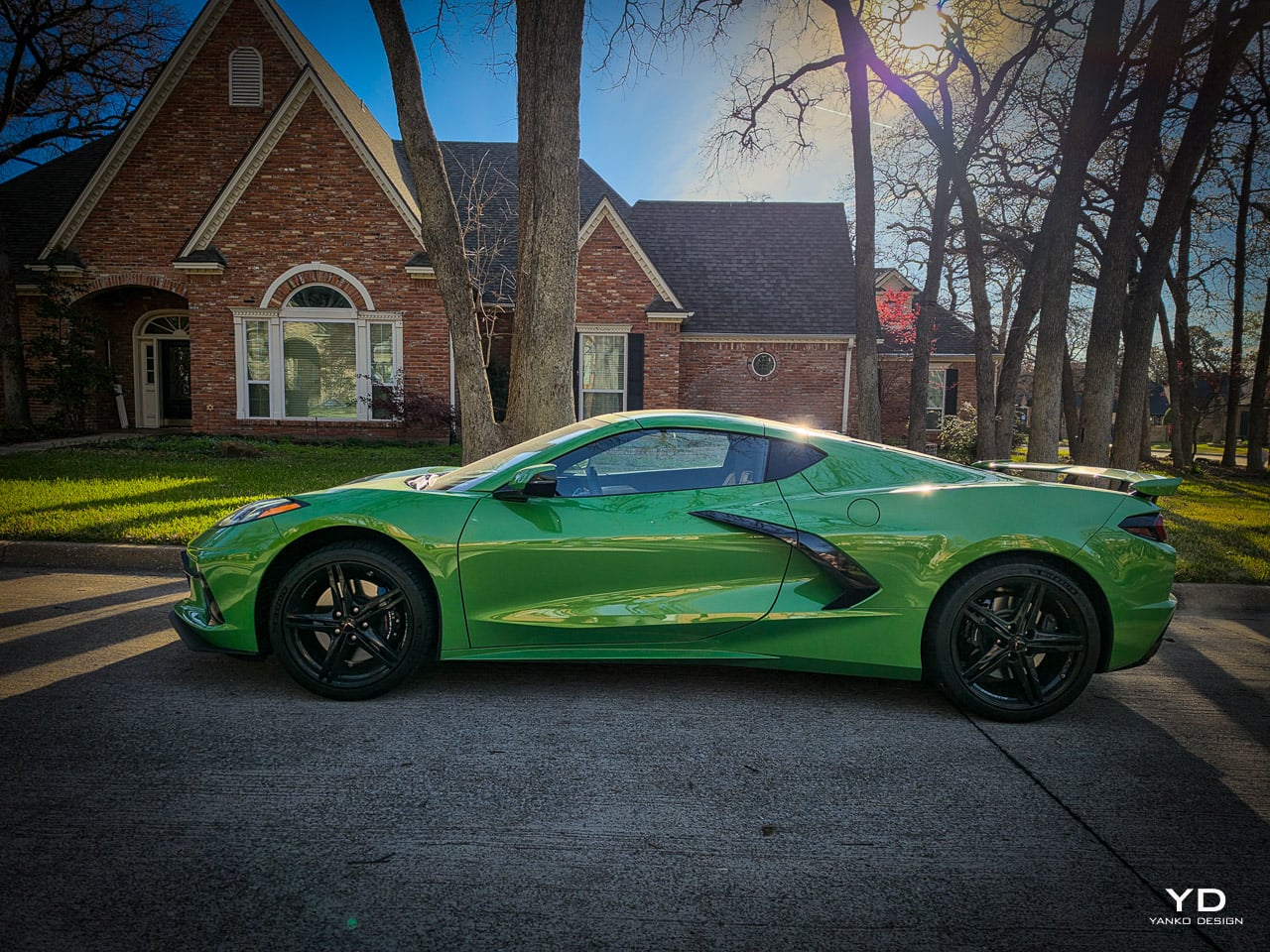
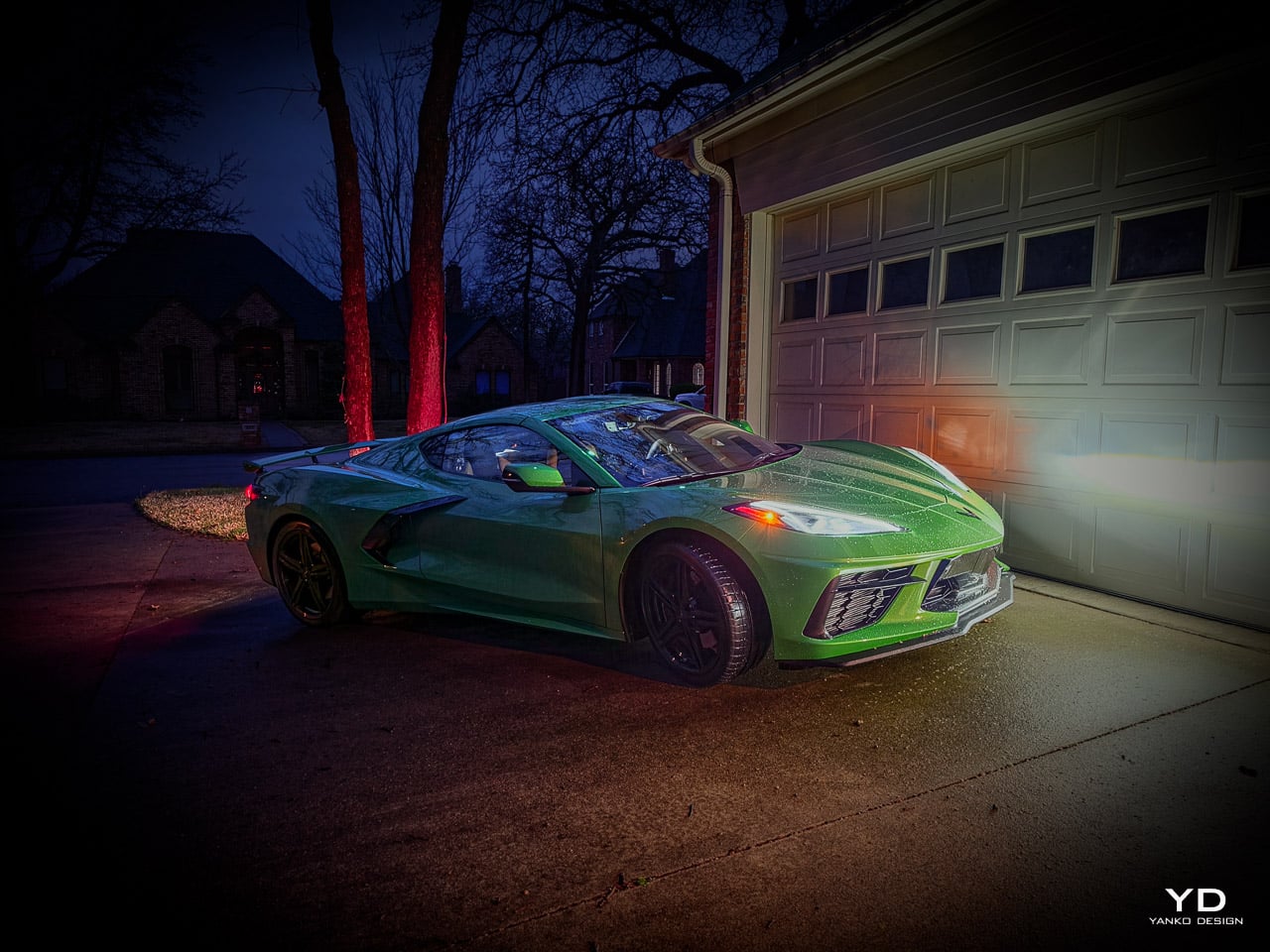
In low ambient light, overcast conditions, or the shade of a parking structure, the panels read as shadowed emerald: deep, weighted, almost black-green with a dense metallic flake structure visible only at close range. The color feels heavy. It pulls the eye into the surface rather than bouncing off it.

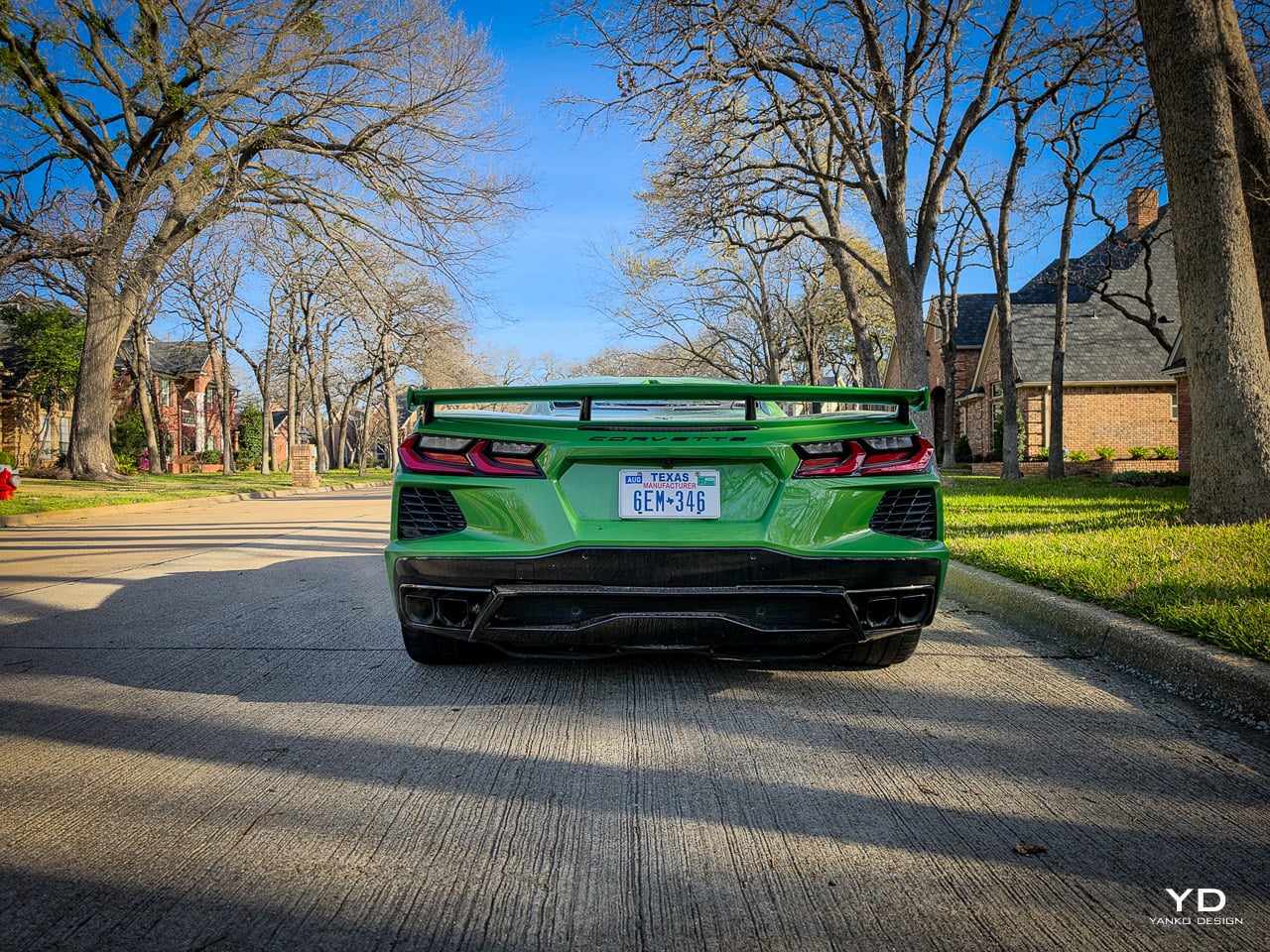
Under direct UV, the transformation is dramatic. The same panels shift toward electric chartreuse on the car’s sharpest creases: the angular fender peaks, the leading edge of the rear haunches, the Z51 spoiler’s trailing lip. The metallic particles in the paint align differently at steep surface angles, concentrating reflected light into narrow bands of bright, almost acidic green. The effect is architectural. The body’s compound curves and crease lines become legible in a way that neutral finishes suppress.

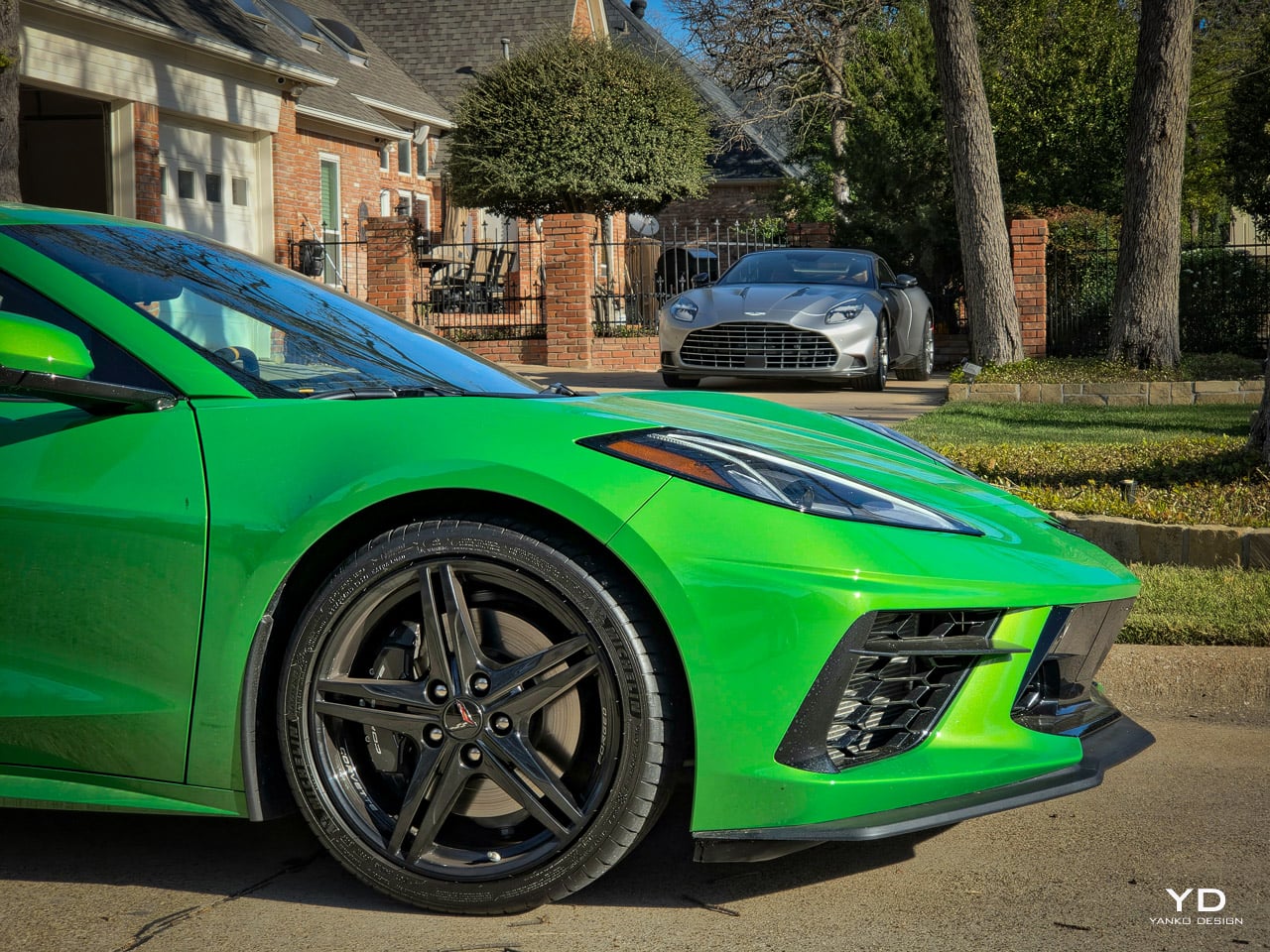
The material contrast system around the body is equally considered. Carbon Flash accents (the standard dark carbon-fiber-look trim on mirrors, splitter edges, and roof panel surround) provide the necessary technical coldness to balance the organic warmth of the green. Standard Pearl Nickel forged-aluminum wheels (19-inch front, 20-inch rear, five-split-spoke) add a silver-cool metallic counterpoint on the base configuration; this test car wears the optional 5-Spoke Black-Painted Forged Aluminum Wheels ($995), which darken the stance and sharpen the contrast against the green. Without these neutral anchors, the green would risk reading as aftermarket. With them, the palette holds together: organic hue, technical trim, metallic ground.
The recommended interior pairing is Very Dark Atmosphere with Natural Tan accents, a deep chocolate brown Napa leather with warm tonal stitching. Emma Mikalauskas, Lead CMF Creative Designer for Chevrolet performance vehicles, describes it as “luxurious and grounded.” Against Roswell Green on the exterior, this combination reads more like a European GT than an American muscle car. Jet Black works too, but it lets the exterior do all the talking. The brown creates a conversation between inside and outside.

Roswell Green demands to be seen in person. In press photos, it reads as a saturated forest green that could go either way. On the street, the metallic flake structure transforms it into something far more complex. Under overcast skies, the panels pull toward a deep, almost industrial green that draws comparisons to heavy machinery. Some onlookers will see John Deere. Others will see wealth. Under direct sun, the color detonates: the metallic particles concentrate on the body’s crease lines and shift toward a bright, acidic chartreuse that photographs entirely differently from the shaded panels ten inches away. The color is polarizing by design. It rewards direct sunlight and punishes flat lighting. Over a full day of driving, the car changes identity three or four times depending on the angle of the light source.

Functional art: the Z51 as aesthetic and performance system

The Z51 Performance Package on the Stingray Coupe adds track hardware that reshapes how the car looks and how it drives. On the design side, the transformation starts at the rear.

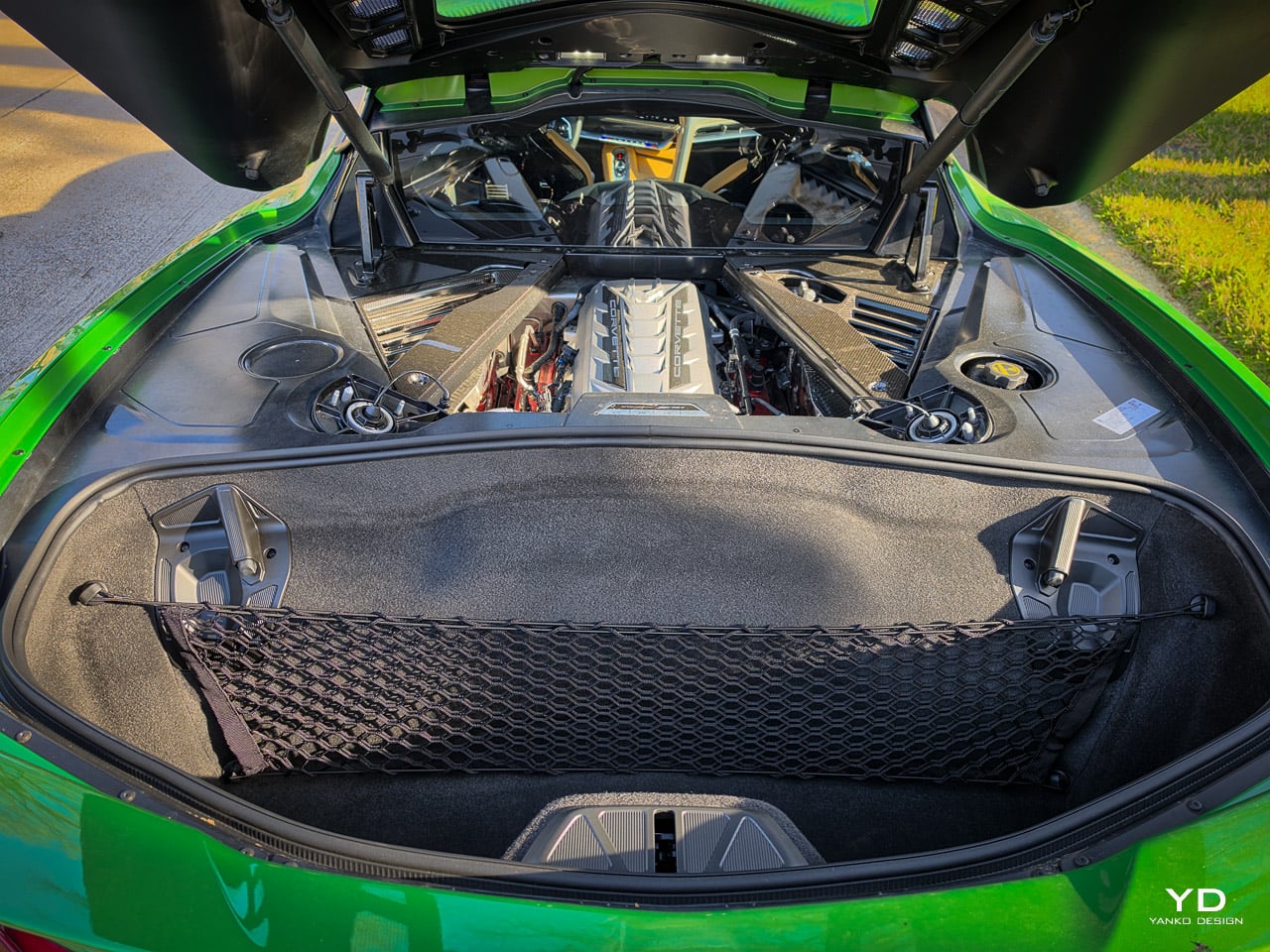
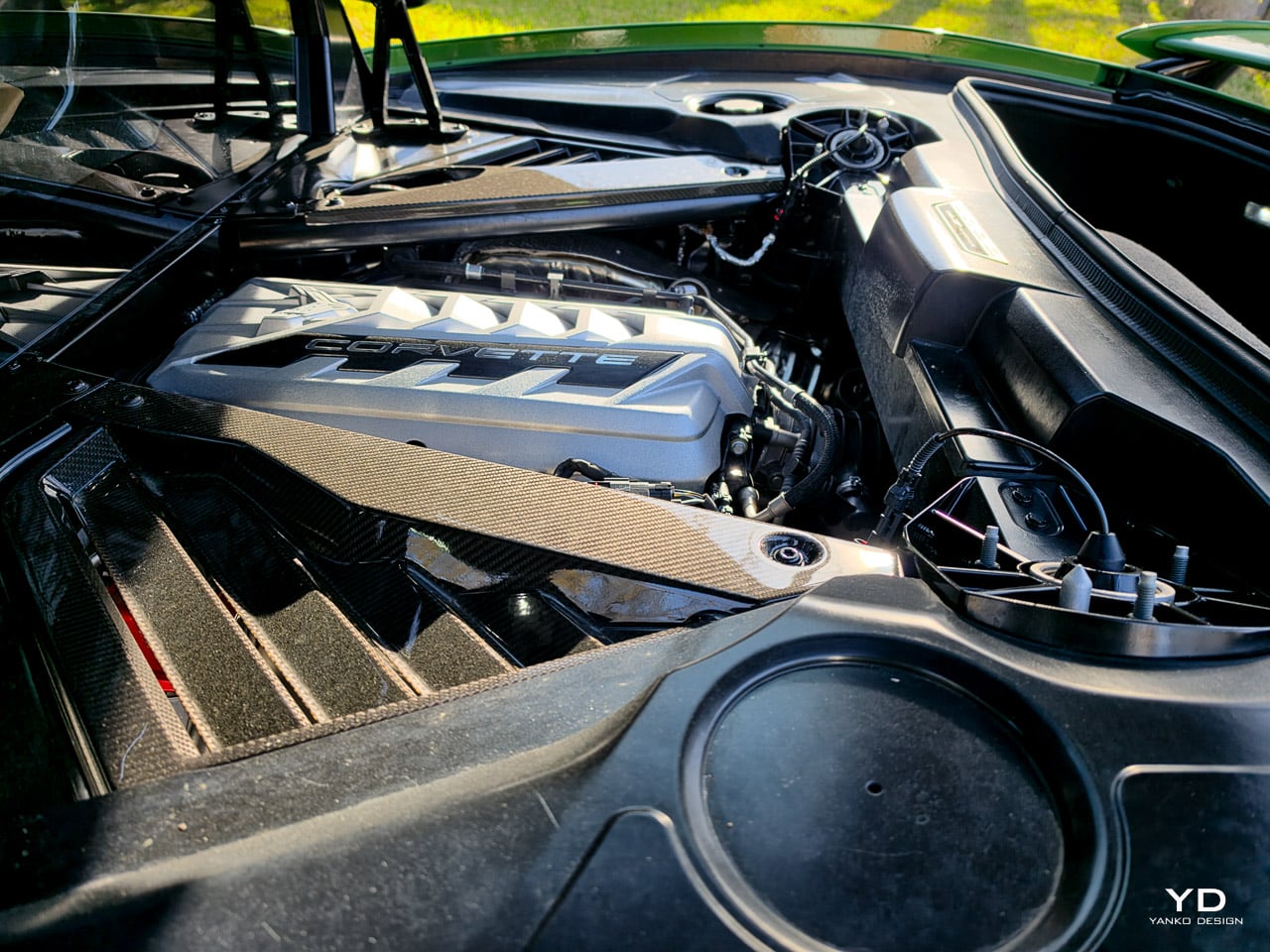
The Stingray Coupe’s transparent rear hatch offers a curated view of the 6.2-liter LT2 V8, framing the engine behind glass like a piece of industrial art in a mechanical gallery. The intake manifold, the valve covers, the wiring harness: all visible through a panel that treats the powertrain as an exhibit rather than hiding it beneath painted bodywork. On the Z51, the engine cover carries a performance exhaust badge and sits lower in the frame, emphasizing the width of the rear track. The power source is visible, accessible, displayed. You don’t just hear 495 horsepower. You see where it comes from.
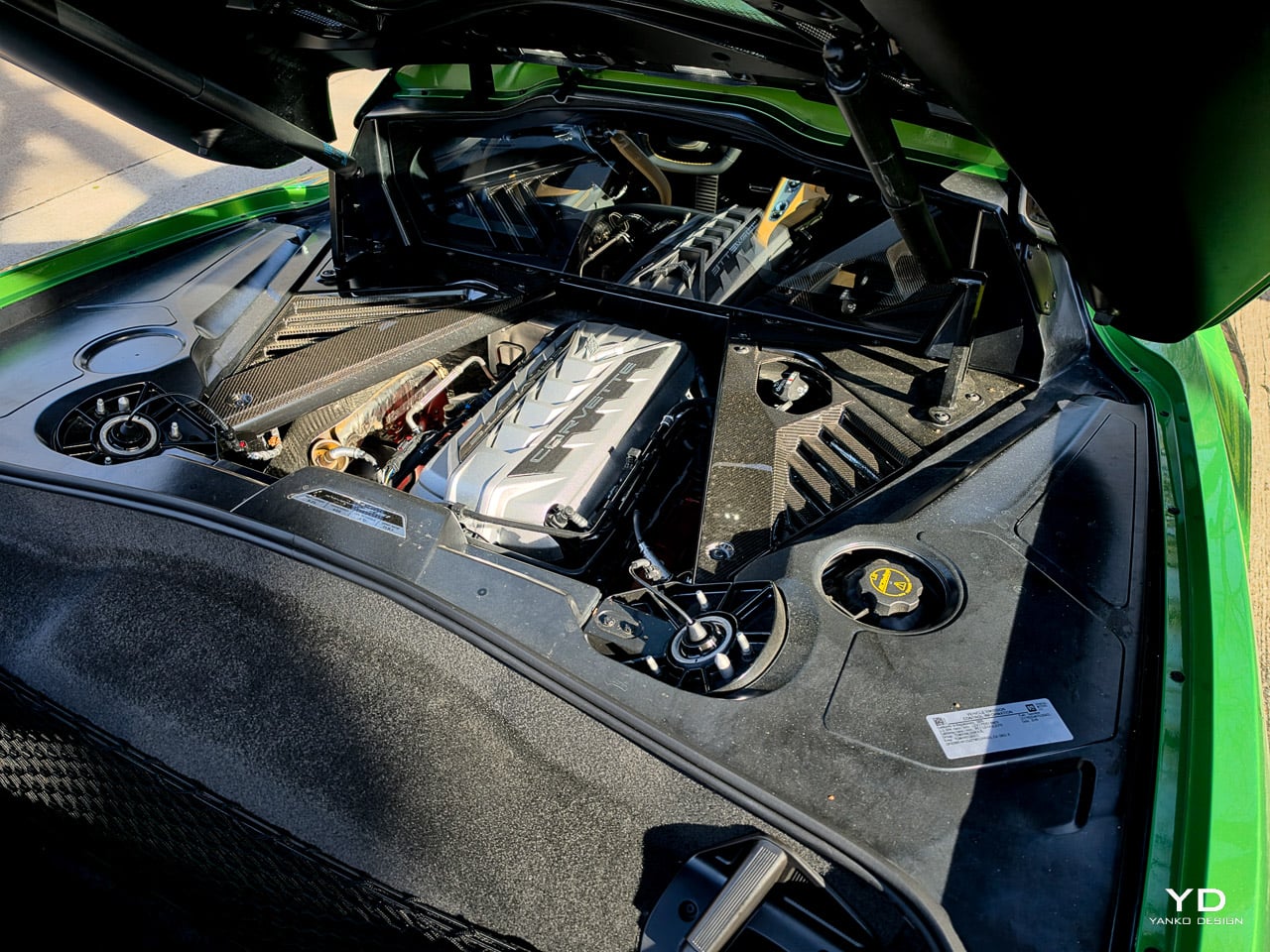
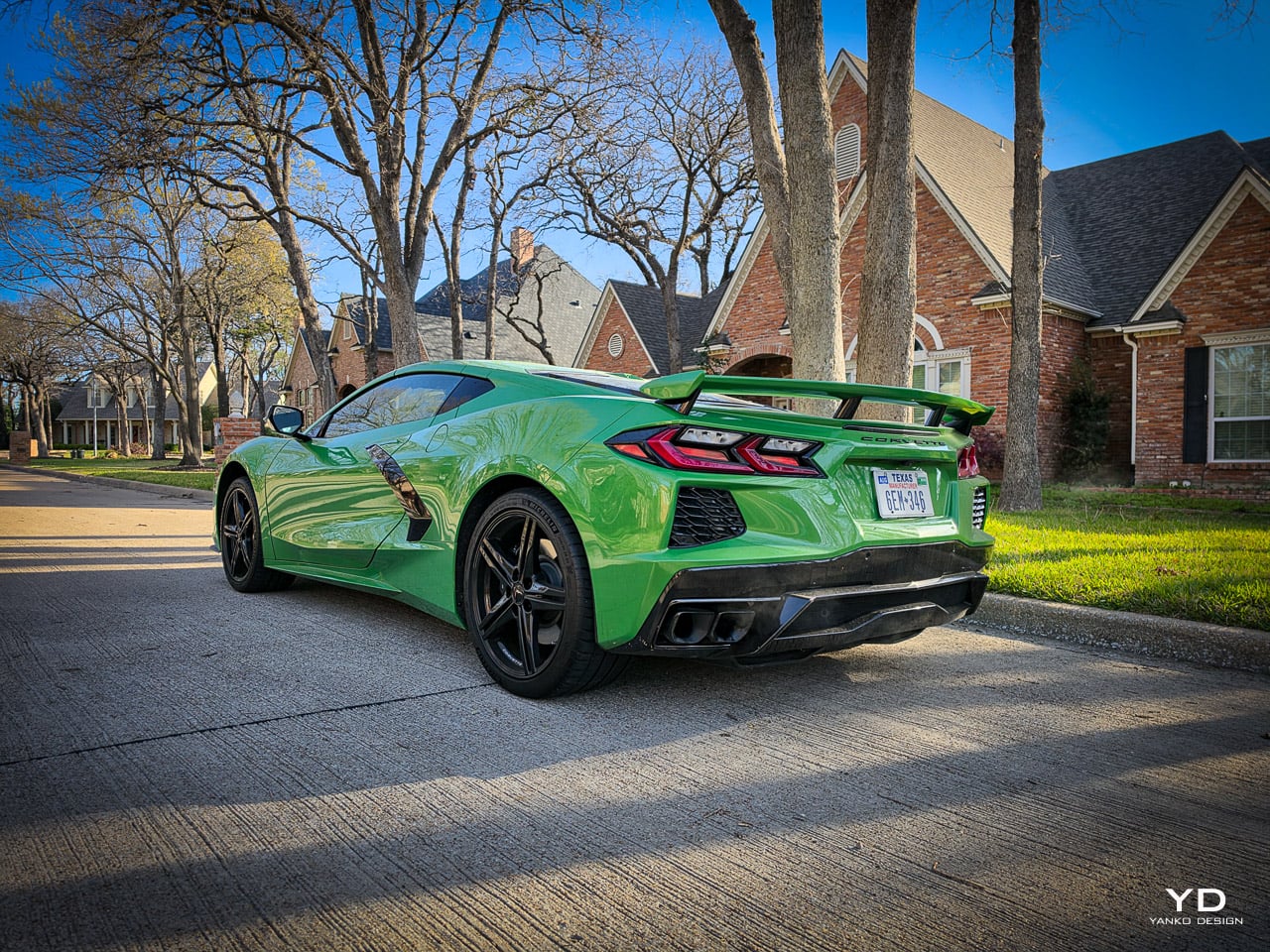
The Z51-specific front splitter and rear spoiler function as visual bookends that resolve the aggressive mid-engine wedge shape. The C8’s silhouette pushes mass rearward: the long hood carries only a frunk, while the truncated tail packs engine, transmission, and cooling. Without the Z51’s aero elements, the profile can feel rear-heavy. The splitter’s forward extension and the spoiler’s horizontal plane create a visual bracket, stabilizing the proportions by defining the car’s front and rear boundaries with equal authority. The aero works at speed. It also works standing still.

Michelin Pilot Sport 4S tires in staggered widths (245mm front, 305mm rear) fill the wheel arches completely. The Brembo brake calipers sit visible behind the spokes. Heavy-duty cooling ducts in the lower fascia add functional apertures that darken the nose. Every Z51 addition serves a performance purpose. Every addition also modifies the car’s visual stance. That dual function, where engineering and aesthetics solve the same problem from different directions, is what makes the Z51 more than an options checkbox.
The performance numbers live in the specs appendix above, but one figure deserves context here: 2.9 seconds to 60 mph (Chevrolet’s claim; Car and Driver independently measured 2.8). That’s mechanical violence. It’s the number that justifies wrapping this car in a color as aggressive as Roswell Green, because a finish this confrontational needs a powertrain that backs it up. The Z51’s performance exhaust, Brembo brakes, electronic limited-slip differential, and heavy-duty cooling system aren’t just track hardware. They’re the kinetic proof behind the visual promise.
New for 2026, PTM Pro (Performance Traction Management Pro) pairs with the Z51 to complete the performance-as-art thesis. This mode strips nearly all electronic intervention while the car’s sensor array continues feeding real-time 3D drift graphics to the cockpit displays: tire smoke rendered on screen, tread marks traced in real time, the car’s dynamic state visualized as a live digital sculpture. It’s track software that treats driving data as content, not just telemetry. Everything the body’s creases and aero elements suggest about speed, the Z51 and PTM Pro deliver at the pedal and on the screen.

Driving the design: modes, data recording, and the new PTM Pro

The Driver Mode Selector offers five presets plus two custom profiles, and each one changes how the car’s design elements communicate with the driver. Tour softens everything for daily use: the suspension absorbs, the exhaust quiets, the steering lightens. It’s the mode where the interior’s new comfort-focused design language makes the most sense. Sport tightens the chassis and opens the exhaust note. Track removes the filters entirely, maximizing chassis and powertrain response. Weather dials back throttle and traction for slippery conditions. MyMode lets you build a personal blend. Z Mode, accessed via a dedicated steering wheel button, stores a quick-access performance profile independently.
The available Magnetic Selective Ride Control 4.0 uses a suspension fluid embedded with metallic particles. An electromagnetic field realigns those particles in milliseconds to change the fluid’s viscosity, adjusting damping rates faster than any conventional mechanical system. It’s the engineering behind the car’s dual character: grand touring compliance in Tour, track-ready stiffness in Track, from the same hardware.

The Performance Data Recorder (PDR) has been completely reimagined for 2026. Previous versions required a laptop for video analysis. The new PDR is built directly into the vehicle’s screens. It records high-definition video of your driving sessions with telemetry overlays (speed, g-forces, lap times), provides automated coaching tips, and includes a side-by-side video comparison feature for lap analysis. You never leave the car’s infotainment system. Standard on 2LT and 3LT.

Performance Traction Management (PTM) now includes PTM Pro, a new mode that fully disables traction and stability control for advanced track driving. A dedicated hardware switch beneath the Driver Command Satellite display (left of the steering wheel) provides one-touch access. The system generates real-time 3D graphics showing the car in dynamic drift states with tire smoke and tread marks rendered on screen. It’s a track tool wrapped in a visual interface that treats the data as content, not just numbers.

The drive modes transform the car’s character beyond what the spec sheet communicates. In Tour, the Magnetic Ride suspension absorbs road imperfections with a compliance that feels closer to a grand tourer than a mid-engine sports car. Speed bumps taken at normal speeds register as soft thumps, not impacts. The exhaust drops to a murmur. The steering lightens to the point where parking becomes effortless.

Switch to Sport, and the chassis tightens perceptibly within the first quarter mile. The exhaust opens into a mid-range bark that fills the cabin without overwhelming conversation. Track mode removes every remaining filter: the dampers stiffen until expansion joints announce themselves through the seat bolsters, and the throttle response sharpens to a hair trigger.

The difference between Tour and Track in Magnetic Ride is not subtle. It is one of the most dramatic suspension transformations available in any production car at this price. The PDR interface, built directly into the vehicle screens, is functional and responsive for track use: lap overlays, telemetry readouts, and coaching tips all run without leaving the infotainment system. PTM Pro, accessed via the dedicated hardware switch beneath the Command Satellite, disables electronic intervention entirely while leaving ABS active. It is a track-only tool that requires confidence, clear sightlines, and a willingness to accept the consequences of full driver authority.

Five colorways as interior identities

The five new 2026 interior colorways aren’t palette options. They’re identity statements built around different driver archetypes.

Asymmetrical Adrenaline Red places the signature Corvette red only in the driver’s zone: seat bolsters, door panel insert, steering wheel accent. The passenger side stays neutral. The result is a deliberate visual asymmetry that draws attention to the driver’s seat as the cockpit’s center of gravity. The available Driver Competition / Passenger GT2 seat configuration pairs a deep-bolstered Competition Sport seat on the driver’s side with a comfort-oriented GT2 on the passenger side. Asymmetric color. Asymmetric seating. The interior reflects who controls the car.
Cool Gray with Habanero accents is the most design-forward option. Monochrome cool grays provide a clean, tech-inflected base. Bright orange Habanero appears only in precise locations: stitching lines, seatbelt webbing, small trim inserts. The effect is closer to consumer product design than traditional automotive interiors. Chevrolet’s CMF team cites “subtle futurism” as the reference point.

Jet Black suede with customizable accent stitching (Adrenaline Red, Competition Yellow, or Santorini Blue) strips the cabin to its most elemental state. Brandon Lynum, Corvette CMF Design Lead, calls it “the ultimate expression of competition driving.” The sueded microfiber on high-touch surfaces creates grip. The monochrome palette eliminates visual noise. It’s the interior equivalent of a blacked-out watch dial.

Very Dark Atmosphere with Natural Tan is the grand touring interior: deep chocolate brown Napa leather with warm stitching that reads European rather than American. This is the colorway that makes the most sense with Roswell Green on the outside.

Santorini Blue is the extrovert’s choice: a vivid electric blue across major surfaces. Loud, confident, and intentionally polarizing.

The seat architecture underneath these colorways runs four deep. GT1 (Mulan leather, standard on 1LT/2LT) is built for daily comfort. GT2 (carbon-fiber seatback halo, Napa leather, standard on 3LT) reduces mass while increasing structural rigidity. Competition Sport (Napa with performance textile) adds deep bolsters for lateral grip. The asymmetric Driver Competition / Passenger GT2 pairing, exclusive to Asymmetrical Adrenaline Red, puts a locked-in sport seat where you need it and a comfort seat where you don’t.

Living with 182 inches of mid-engine sports car

The Stingray measures 182.3 inches long, shorter than a Toyota Camry. But the wide sills, the low roofline, and the mid-engine packaging create a specific set of daily considerations that the spec sheet can’t communicate.

The squared-off steering wheel remains divisive. Chevrolet has committed to the flat-bottom, flat-top shape since the C8’s introduction, and it serves a functional purpose in a cockpit this tight: easier ingress and egress, and a clearer view of the 14-inch driver cluster. But the flat sections still interrupt the natural hand-over-hand rotation at low speeds.
Rear visibility without the camera systems is poor. The engine cover, the high rear deck, and the low seating position combine to create significant blind spots. The 2LT’s Rear Camera Mirror and HD Curb View Camera aren’t luxury additions. They’re close to necessities. Rear Cross Traffic Alert and Side Blind Zone Alert (both standard on 2LT) fill the gaps.

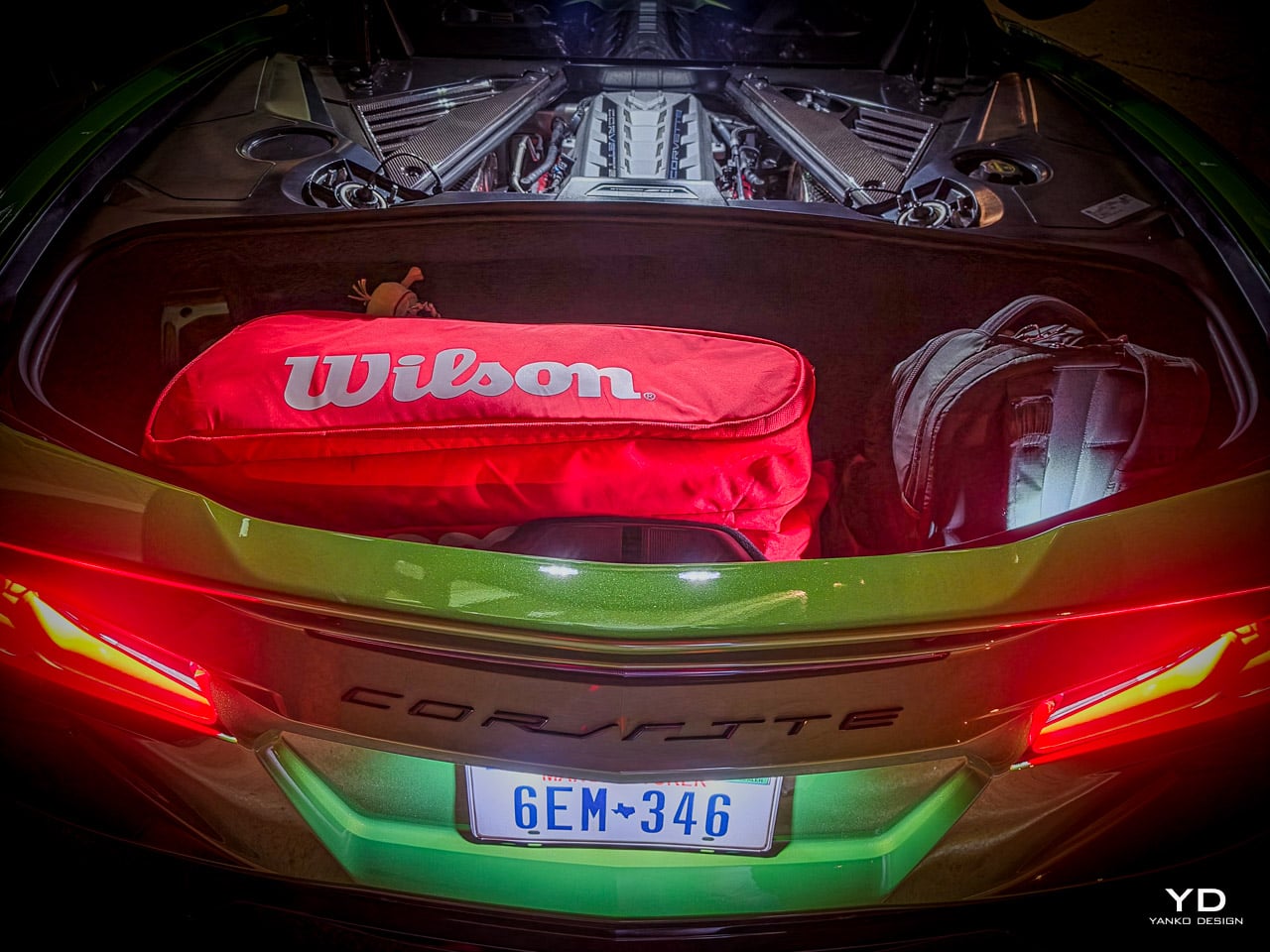
The frunk and rear cargo area combine for 12.6 cubic feet of storage. Enough for soft bags, groceries, or a weekend carry-on. The coupe features a removable Targa roof panel that stows in the rear cargo area, though it cuts into luggage space. Getting in and out requires a practiced motion: swing, drop, pivot. The wide sills don’t forgive hesitation.

Fuel economy sits at EPA-estimated 16 city, 25 highway, 19 combined MPG on premium unleaded from an 18.5-gallon tank. That’s roughly 460 miles of highway range. Not exceptional for a daily driver, but rational for a naturally aspirated V8 producing nearly 500 horsepower.

The convertible option adds a power-retractable hardtop that raises or lowers in 16 seconds at speeds up to 30 mph. If the Targa panel stowage bothers you, the convertible solves that problem at the cost of roughly 100 additional pounds.
Getting in and out requires a practiced sequence: step over the wide sill, drop into the seat, pivot your legs under the steering wheel. It becomes automatic within a day, but the wide sills never forgive hesitation or tight parking spaces. The squared-off steering wheel helps with ingress, providing clearance that a round wheel would not. At low speeds, the flat sections still interrupt the natural hand-over-hand rotation during tight turns.

The visibility systems earn their keep in real traffic. The Rear Camera Mirror eliminates the blind spot created by the engine cover and high rear deck. The HD Curb View Camera proves essential in every parking structure. Without these systems, the car would be difficult to live with in dense urban driving.

Cargo is more usable than the spec sheet suggests. The frunk holds a small carry-on or two bags of groceries. The rear trunk fits soft bags, hardware store supplies, and bulky gear that would not fit in most two-seat sports cars. With the Targa roof panel stowed, rear trunk space shrinks, but the total package is more practical than any mid-engine competitor.
Highway cruising in Tour mode with the Bose Performance Series system is remarkably civilized. Road noise is present but not intrusive. The 14-speaker system delivers clean audio at moderate volumes, though the V8 soundtrack tends to make the stereo irrelevant. Real-world fuel economy in mixed driving settles around 17 to 18 MPG, close to the EPA combined rating of 19.

The pricing equation: what $96,795 actually buys

The 2LT base starts at $79,095 including destination. But base MSRP is not the number anyone drives off the lot with. This car, the Hero Spec 2LT with every design-critical option checked, stickers at $96,795 per the verified window sticker. The gap between base and as-tested is $17,700 in factory and dealer-installed options that define the visual and dynamic identity of this build. The complete options list and published prices:

  • Z51 Performance Package (RPO Z51): $6,345
  • Front Lift with Memory (RPO E60): $2,595
  • Z51 Suspension w/ Magnetic Selective Ride Control 4.0: $1,895
  • GT2 Bucket Seats: $1,695
  • Coupe Engine Appearance Pkg: $1,695 (carbon fiber trim closeouts, engine lighting, specification plaque)
  • 5-Spoke Black-Painted Forged Aluminum Wheels (dealer installed): $995
  • 2-Tone Seats: $595
  • Roswell Green Metallic (G4Z): $500
  • Engine Cover in Sterling Silver: $495
  • Tan Seat Belt: $395
  • Exhaust Tips, Black: $495

That accounts for every line item on the window sticker: $77,100 base vehicle + $17,700 options + $1,995 destination = $96,795. Every option on the Hero Spec changes how the car looks, drives, or both. The Z51 reshapes the aero and unlocks 495 hp. Magnetic Ride transforms the chassis character between Tour and Track. The front lift with memory saves the splitter on every driveway and parking ramp. The Coupe Engine Appearance Package dresses up the visible powertrain through the rear glass with carbon fiber trim closeouts, LED engine lighting, and a specification plaque. Roswell Green makes the bodywork legible. Strip any one and the design argument weakens.

The 2LT is where the value argument gets sharp. Over the base 1LT, you gain the Head-Up Display, the 14-speaker Bose Performance Series system (up from 10 speakers), heated and ventilated seats with power lumbar and wing adjustment, the Performance Data Recorder, the HD Curb View Camera, Rear Cross Traffic Alert, Side Blind Zone Alert, and a heated steering wheel. Every one of those features changes how the car feels to drive and live with daily. The 1LT is a capable sports car. The 2LT is a capable sports car that treats you like you paid for one.
The 3LT adds further material upgrades: 14 interior color options, custom leather-wrapped instrument panel and door panels, sueded microfiber upper interior trim, and the GT2 seats with Napa leather. Those are material and craftsmanship upgrades. Important if you care about what your hands touch every time you reach for the wheel. Less critical if your priority is extracting lap times.

At $96,795 as tested, the Hero Spec competes in serious sports car territory, and the competitive frame shifts. The now-discontinued Porsche 718 Cayman GTS 4.0 ($103,300 MSRP, 394 hp) sits above this price point but delivers about 100 fewer horsepower and a less dramatic design statement. The 2LT Z51 in Roswell Green occupies a rare position: genuinely exotic design and mid-engine performance from a manufacturer that still builds its own naturally aspirated V8.

The 2LT is the right trim for most buyers who intend to drive the car rather than display it. The 1LT saves money but surrenders the Head-Up Display, the 14-speaker Bose system, and the visibility systems that make the car livable daily. The 3LT adds material refinement (Napa leather, sueded microfiber, GT2 seats) that matters if tactile quality is a priority, but it does not change the driving experience.

At $96,795 as tested, the Hero Spec sits in Porsche 718 Cayman GTS 4.0 territory. The Porsche started at $103,300 (394 hp) before its February 2026 discontinuation but delivers about 100 fewer horsepower and a less dramatic design statement. The Lotus Emira ($112,900, 400 hp) occupies the same mid-engine conversation but with less interior refinement and a smaller dealer network. Nothing in this price range matches the Corvette’s combination of power, daily usability, and visual presence.

The aggressive American wedge vs. the conservative minimalist

Place a 2026 Corvette Stingray next to a Porsche 718 Cayman and you’re looking at two fundamentally different design philosophies occupying the same market.

The Cayman is a conservative minimalist. Its surfaces are smooth, its transitions are gradual, its proportions are resolved through subtraction. Nothing on the body calls attention to itself. The design communicates competence through restraint. It’s elegant. It’s also, after a decade, concluded: Porsche discontinued the 718 in February 2026.

The Corvette is an aggressive American wedge. Every surface has a purpose, and that purpose is visible. The crease lines announce structural intent. The vents aren’t decorative. The mid-engine packaging creates a silhouette that looks fast at rest because the proportions aren’t balanced in the traditional sense. They’re weighted, biased, kinetic. Roswell Green amplifies every one of those characteristics by making the surfaces legible in ways that flatter colors cannot.

For five years, the Corvette’s exterior made a promise that the interior couldn’t keep. The sculpted, angular body said supercar. The button-walled cockpit said parts-bin. For 2026, the interior finally speaks the same language as the sheet metal: intentional, layered, considered. The knurled switches echo the machined precision of the engine’s internals. The triple-display architecture matches the visual complexity of the body’s crease network. The leather-wrapped grab handle mirrors the flowing lines of the exterior’s haunch.

The Porsche 718 Cayman still does more with less. That’s its design thesis. The 2026 Corvette Stingray 2LT Z51 in Roswell Green Metallic does more with more, and for the first time, the “more” is coherent. The engineering caught the design world’s attention in 2020. The design finally deserves the same scrutiny.

The 2026 Corvette Stingray 2LT Z51 in Roswell Green Metallic is the first version of this car where the design ambition matches the engineering reality from every angle. The exterior has always made the argument. The interior, for five years, undermined it. That tension is resolved.

What surprised me most was not the speed (which is violent and immediate) but the interior’s spatial transformation. The lowered console, the three-screen architecture, the knurled switches: these are design decisions that change how the cabin feels, not just how it looks. The car reads as intentional in a way the 2020 through 2025 models never achieved.

What I would change: the seat heating and ventilation controls belong on physical switches, not buried in a touchscreen submenu. The squared-off steering wheel remains an acquired taste at low speeds. And the summer-only Pilot Sport 4S tires on the Z51 package make this a seasonal commitment in any climate with real winters.

This car is for the buyer who treats design language as a performance metric. If the way a cabin is constructed matters as much as the way a chassis corners, the 2026 Stingray finally delivers both.

Who is this for

Best for: Buyers who care about design language as much as horsepower. If you cross-shop European GTs and want mid-engine performance without the mid-engine price of a Porsche or McLaren, the 2LT Z51 delivers both the visual identity and the driving capability.

Also good for: Design-conscious drivers upgrading from a muscle car or sport sedan who want something sculptural, not just fast. The interior overhaul makes the C8 livable in ways the 2020 through 2025 models weren’t.

Skip it if: You want minimalist interior design (the now-discontinued Cayman was your car), you need all-weather daily capability (the Z51’s summer-only Pilot Sport 4S tires are a seasonal commitment), or you’re waiting for the hybrid E-Ray.

How I tested

Tested over a week period in mixed conditions: urban commuting, highway cruising, and spirited driving on secondary roads. Approximately 400 miles covered. Weather conditions ranged from clear skies to overcast. Evaluations included ride quality across all drive modes (Tour, Sport, Track), daily usability (ingress and egress, cargo loading, visibility systems), interior ergonomics, infotainment responsiveness, Bose audio quality, and real-world fuel economy tracking. No formal track testing was conducted for this review. All performance figures cited are manufacturer claims unless otherwise noted.

Frequently asked questions

How much horsepower does the 2026 Corvette Z51 have?

The Z51 Performance Package includes a performance exhaust that raises output to 495 horsepower and 470 lb-ft of torque, up from the standard 490 hp and 465 lb-ft.

What changed in the 2026 Corvette interior?

Chevrolet removed the center button divider, lowered the console horizon, and added a three-screen layout (12.7-inch center, 14-inch driver cluster, 6.6-inch Driver Command Satellite). Five new interior colorways, a leather-wrapped grab handle, knurled metal control switches, ambient lighting, and a relocated wireless charger complete the redesign. Google Built-in and over-the-air updates are now standard.
What is Roswell Green Metallic?

A light-reactive exterior finish (color code G4Z) named after Roswell, New Mexico. It shifts from shadowed emerald in low light to electric chartreuse on the car’s sharpest creases under direct sunlight. It’s the second green ever offered on the C8, costs $500, and is available across all Corvette models.

How fast is the 2026 Corvette Stingray with Z51?

0 to 60 mph in 2.9 seconds (Car and Driver independently measured 2.8). Quarter mile in 11.2 seconds. Top track speed of 184 mph, per the original GM spokesperson confirmation and Car and Driver test data. Chevrolet’s current marketing page advertises 194 mph without distinguishing between trims; the Z51’s shorter final drive ratio trades top speed for quicker acceleration.
What is the fuel economy of the 2026 Corvette Stingray?

EPA-estimated 16 city, 25 highway, 19 combined MPG on premium unleaded. The fuel tank holds 18.5 gallons, giving roughly 460 miles of highway range.
How much does the 2026 Corvette Stingray cost?

The 2LT starts at $79,095 including destination. The verified window sticker for our tester totals $96,795: $77,100 base + $17,700 in options + $1,995 destination. Key options include the Z51 Performance Package ($6,345), Front Lift with Memory ($2,595), Magnetic Ride 4.0 ($1,895), GT2 Bucket Seats ($1,695), Coupe Engine Appearance Pkg ($1,695), and Roswell Green Metallic ($500).

What seats are available on the 2026 Corvette Stingray?

Four configurations: GT1 (Mulan leather, standard on 1LT/2LT), GT2 (carbon-fiber seatback halo, Napa leather, standard on 3LT), Competition Sport (Napa leather with performance textile), and a unique asymmetric Driver Competition/Passenger GT2 pairing available with the Asymmetrical Adrenaline Red interior.

Is the 2026 Corvette Stingray available as a convertible?

Yes. The convertible features a power-retractable hardtop that raises or lowers in 16 seconds at speeds up to 30 mph. The coupe features a removable Targa roof panel.

What is PTM Pro on the 2026 Corvette?

A new Performance Traction Management mode that fully disables traction and stability control for advanced track driving. A dedicated hardware switch provides one-touch access beneath the Driver Command Satellite display (left of the steering wheel).

The post 2026 Chevrolet Corvette Stingray Z51 Review: The Interior Finally Matches the Supercar first appeared on Yanko Design.