ROG Just Made Gaming Peripherals You’d Actually Put on Display

Gaming peripherals have gradually crossed from purely functional tools into design objects that enthusiasts keep, display, and collect alongside their builds. Limited-edition anniversary hardware has become part of that culture, giving manufacturers a chance to honor their history while reminding the community why certain names still carry weight. Making those commemorative pieces feel genuinely worthy of the occasion, however, is always the trickier part.

ROG, short for ASUS’ Republic of Gamers brand, is marking 20 years of gaming innovation with an anniversary lineup centered on a gold-and-black design identity it calls the Edition 20 colorway. Three peripheral additions sit at the heart of it, namely the Azoth Extreme Edition 20 keyboard, the Harpe II Extreme Edition 20 mouse, and the Keycap Mystery Box Edition 20, each making the case that high-performance hardware and collector-worthy design don’t have to live separately.

Designer: ASUS
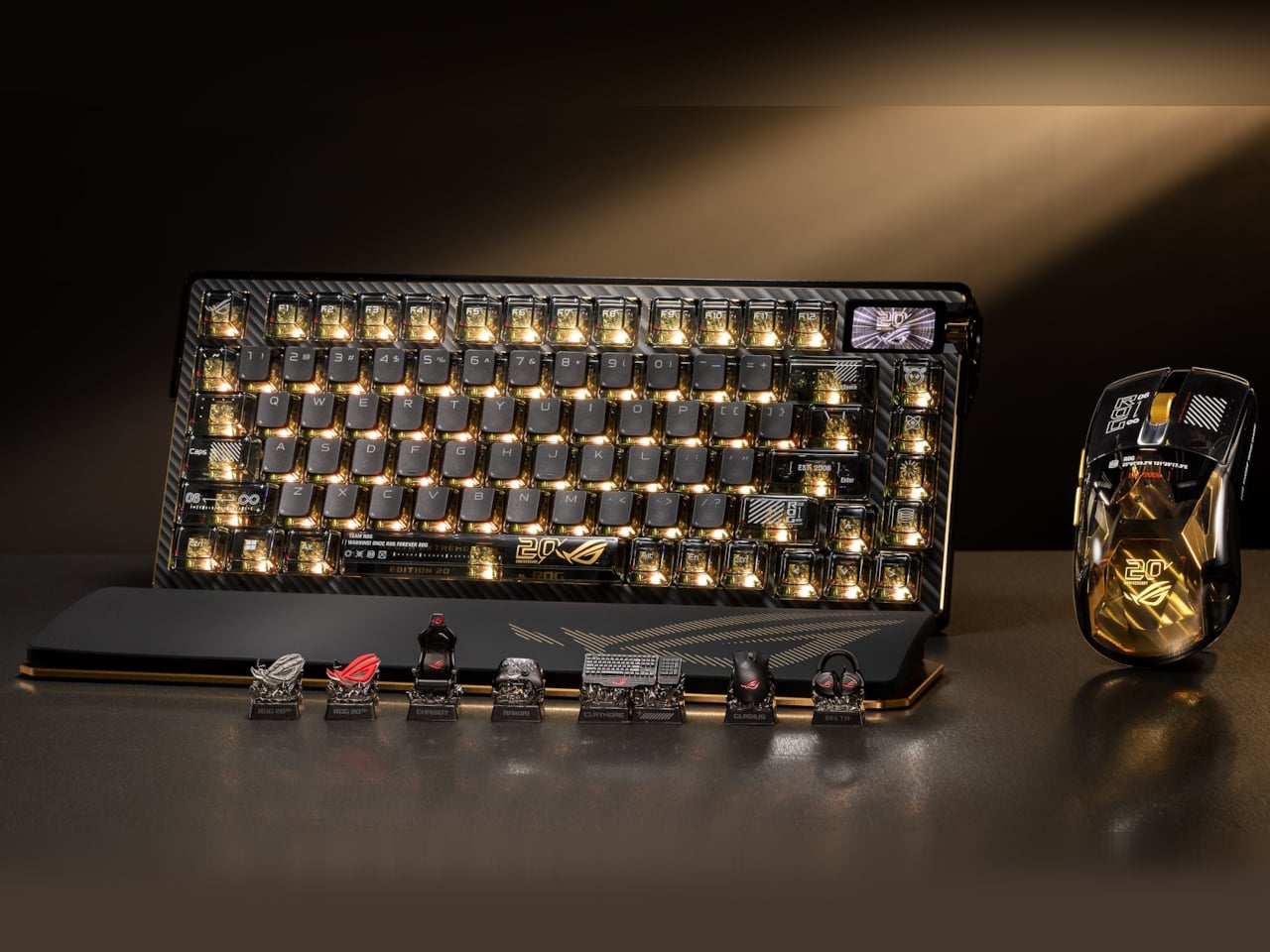
The Azoth Extreme Edition 20 is a 75% gaming keyboard that wears the anniversary theme without being heavy-handed about it. Translucent keycaps reveal the mechanics below, and a detachable 24K-gold-plated nameplate at the front makes the occasion official without being excessive. The extended silicone wrist rest adds completeness to the package, anchored by a gold-toned aluminum-alloy base that ties everything together without introducing anything out of place.
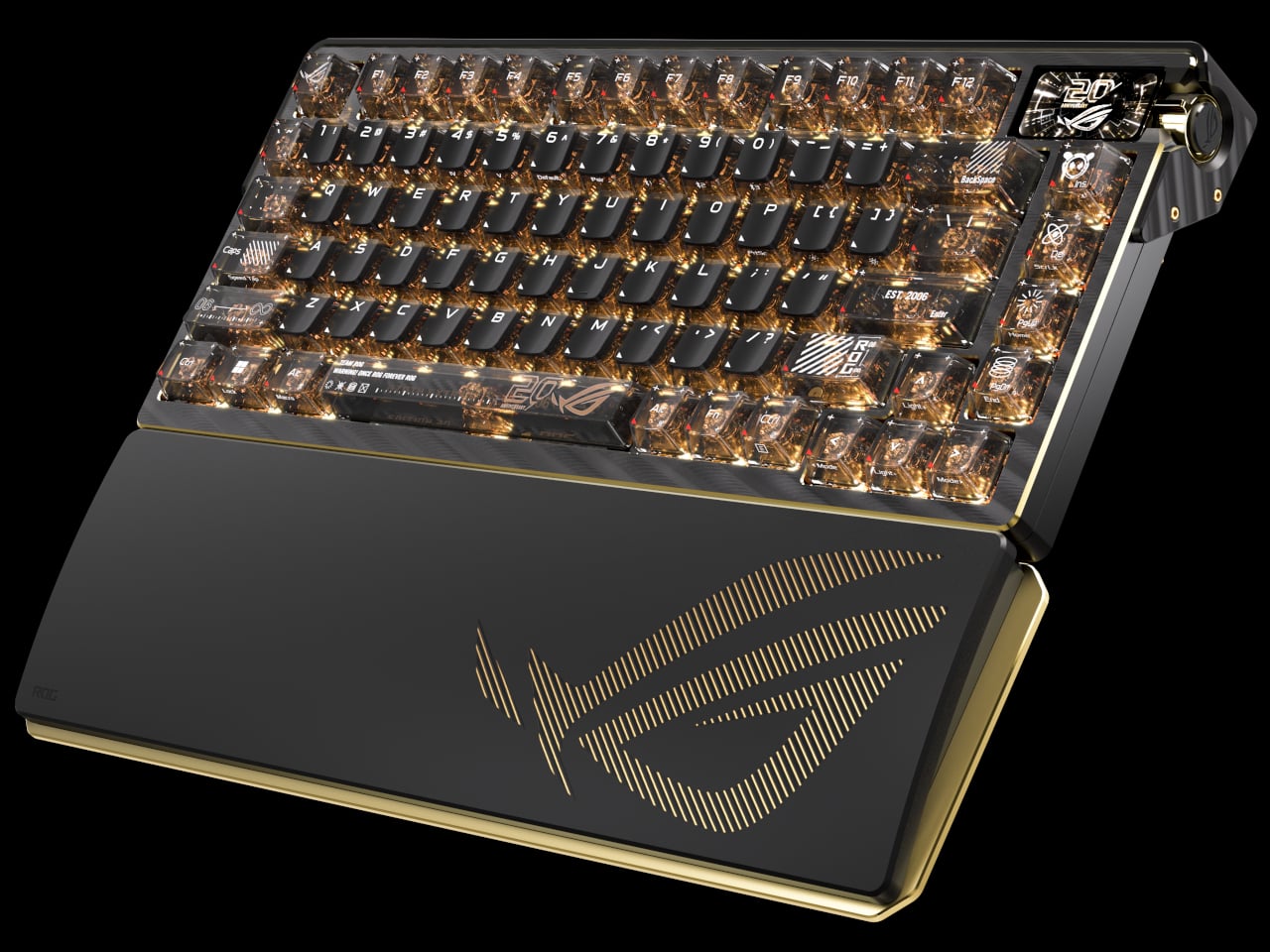
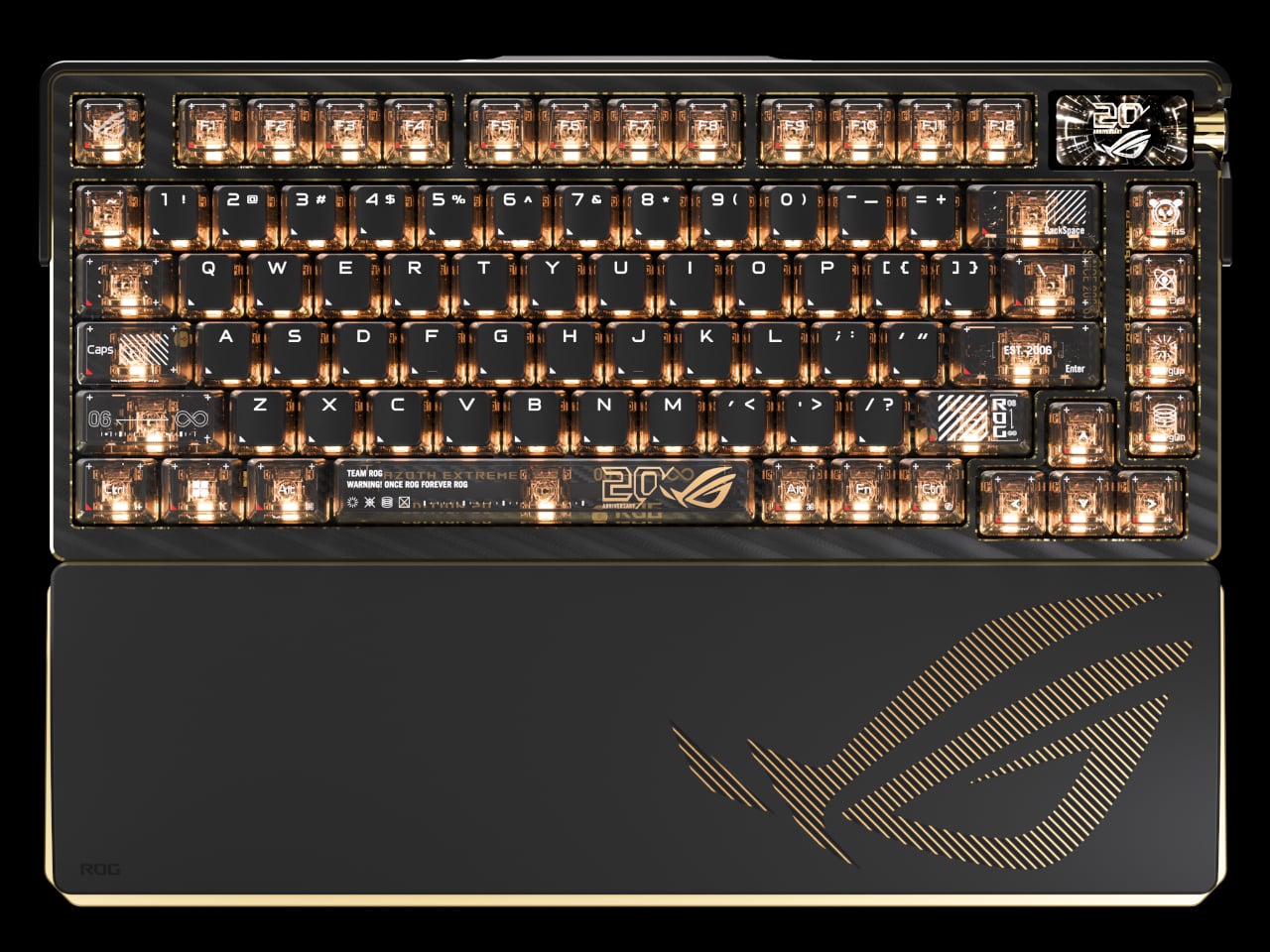
Beneath that exterior, an adjustable gasket mount toggles between Hard and Soft typing modes, useful for anyone who games and types for long hours in the same session. The custom ROG NX Edition 20 mechanical switches are transparent, factory pre-lubed, and hot-swappable, while an OLED touchscreen with a three-way control knob handles quick adjustments. In 2.4GHz wireless mode, battery life stretches to up to 1,600 hours.
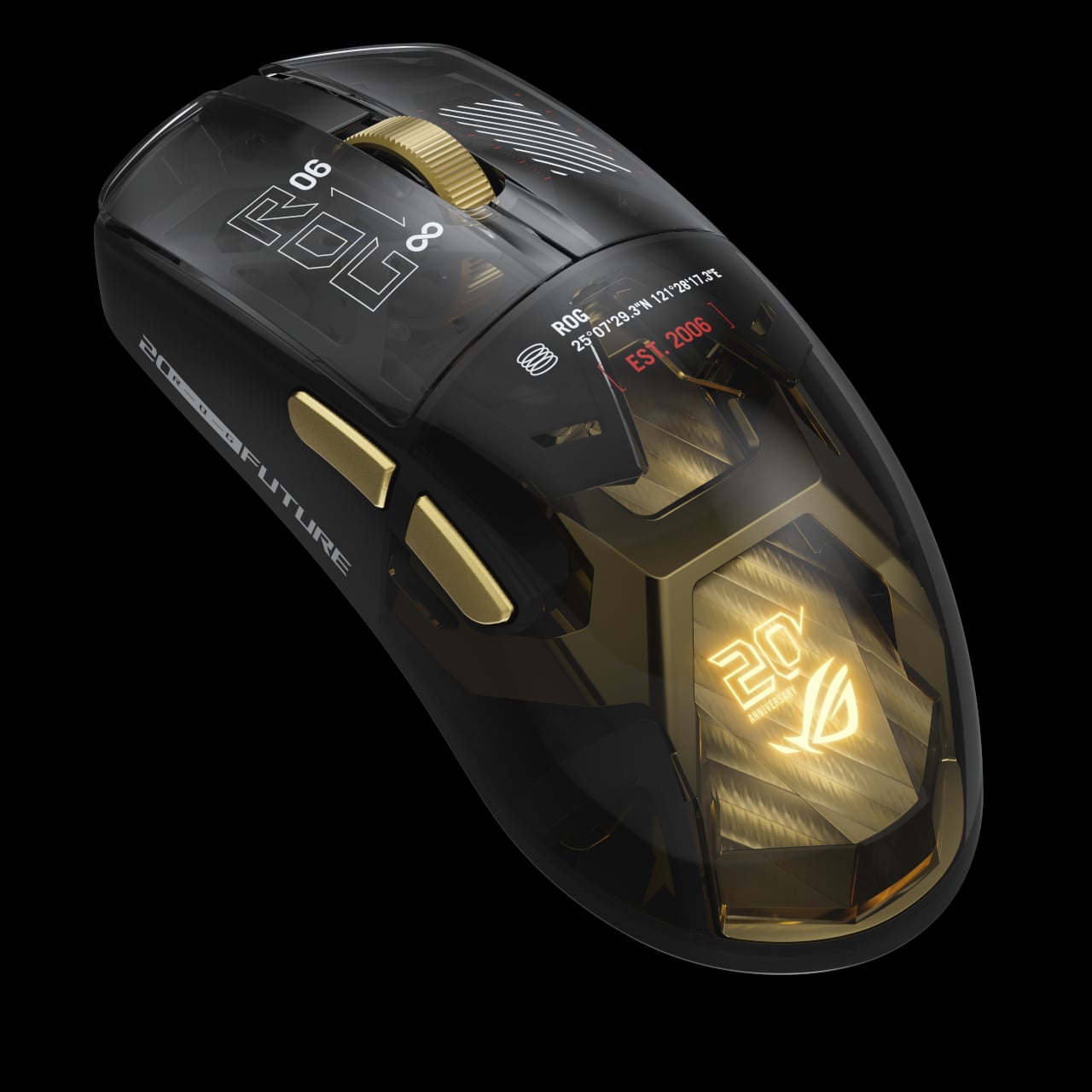
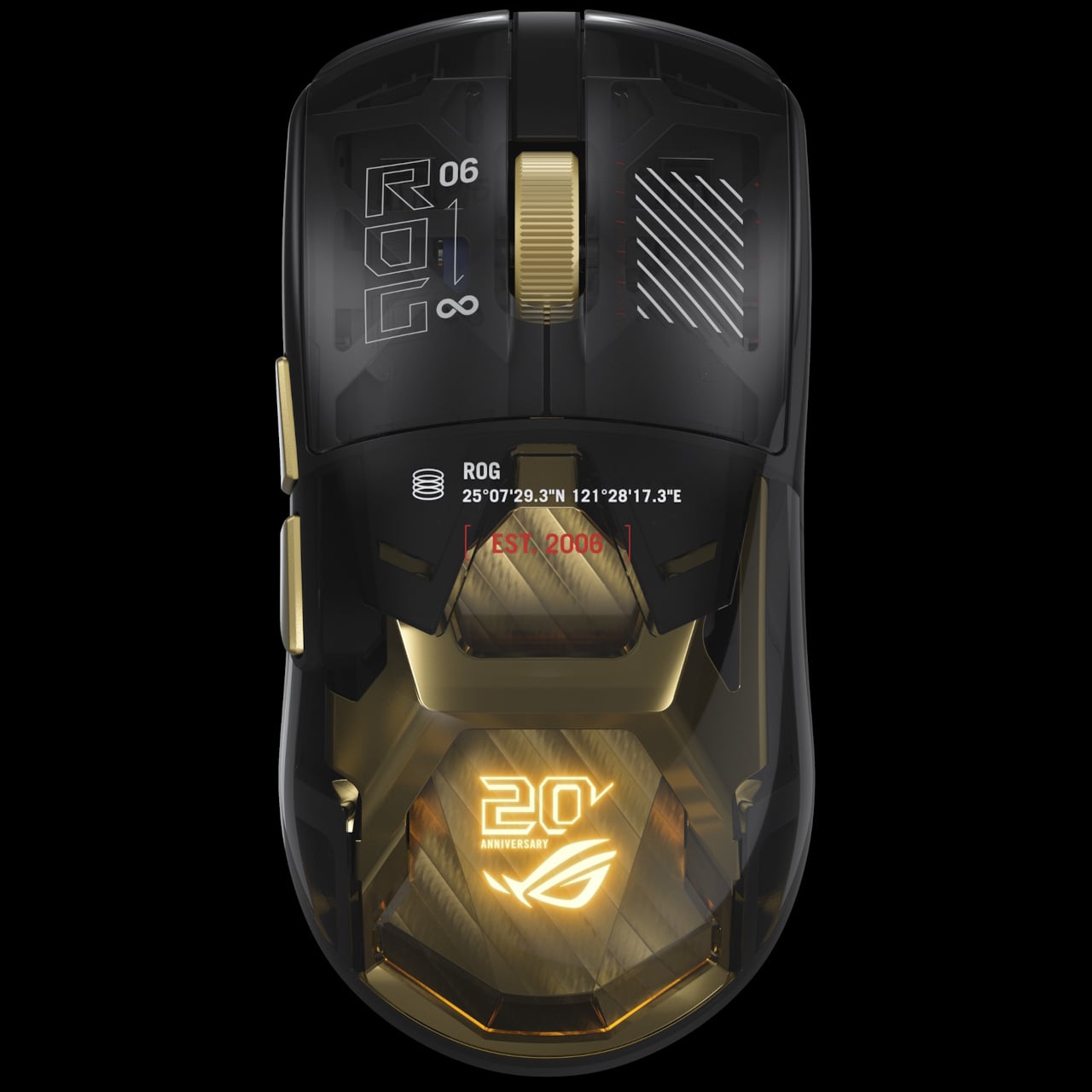
The Harpe II Extreme Edition 20 shares the same design language and makes a natural companion to the keyboard. Built on the pro-tested shape of the Harpe II Ace, it houses a 24K-gold-plated metal interior frame inside a crystal-clear shell, with an RGB light guide plate illuminating the components within. A display case ships with the mouse in the box, which feels entirely appropriate given how it looks at rest.
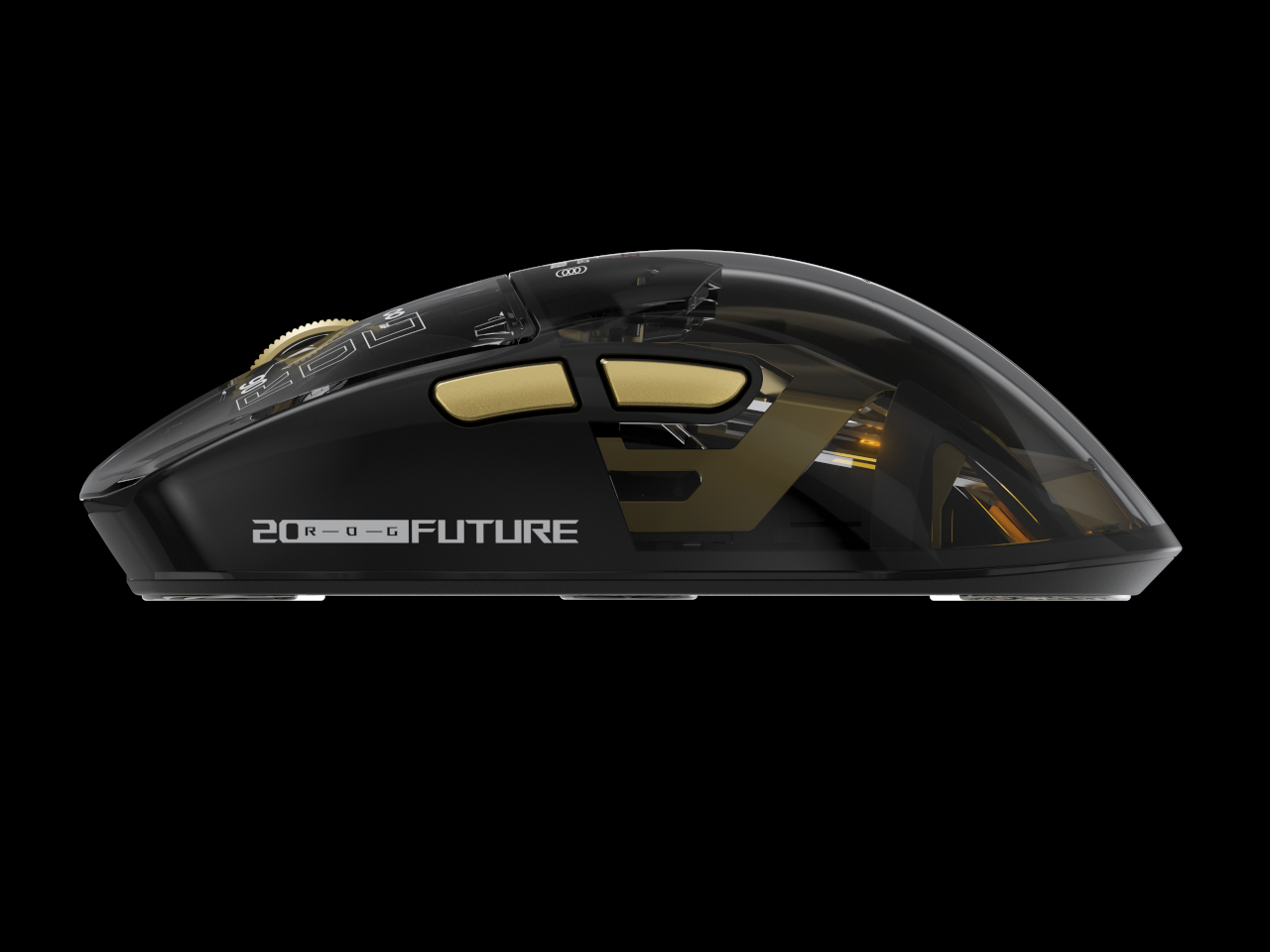
The ROG AimPoint Pro 65K sensor delivers 65,000 dpi with less than 1% CPI deviation and 8,000Hz wireless polling through ROG SpeedNova technology. At 82g with glass mouse feet already included, it’s ready for competitive play immediately. Battery life holds at up to 90 hours over 2.4GHz RF and 98.5 hours in Bluetooth mode, both measured with the lighting switched off.

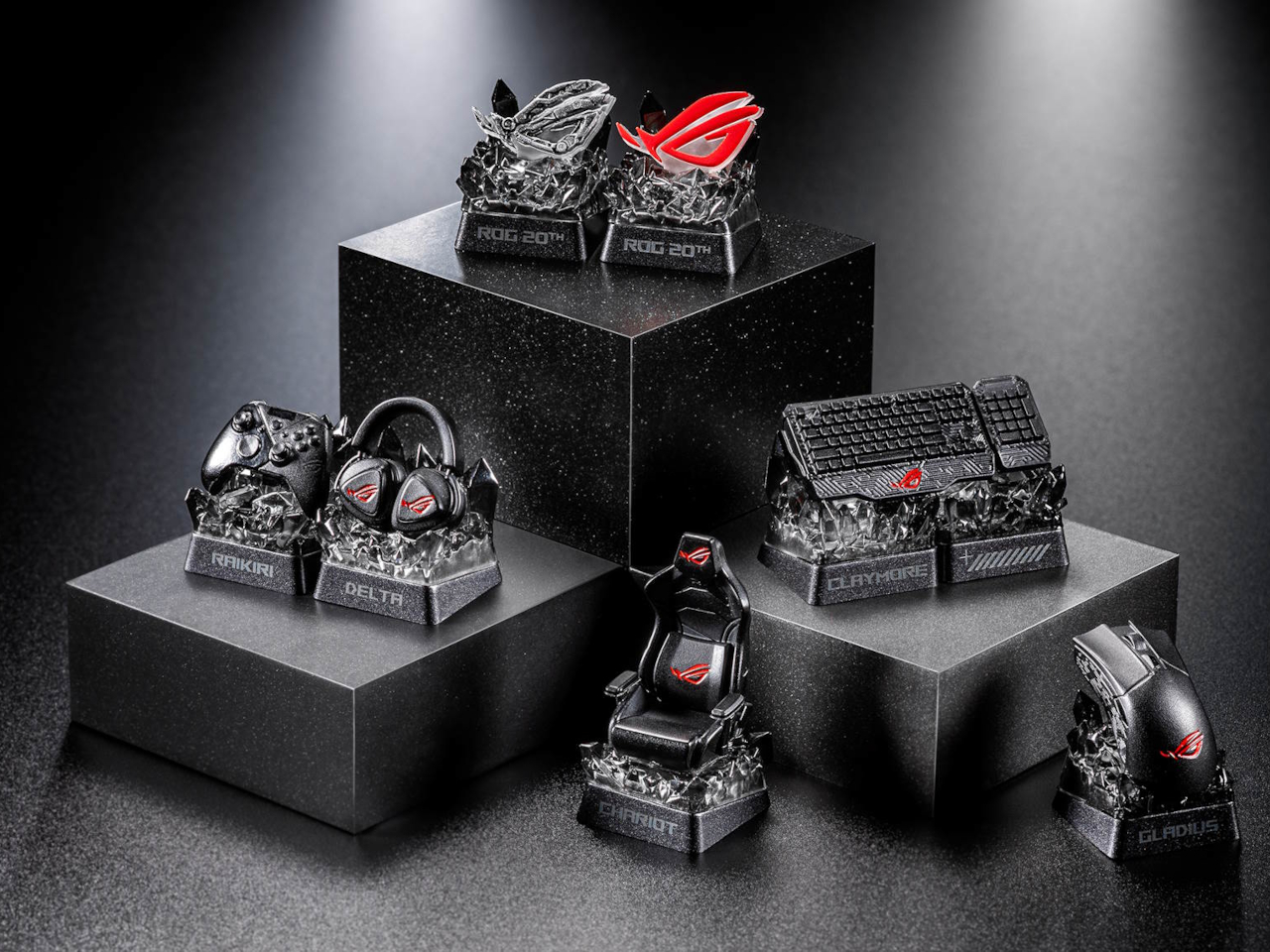
For those who aren’t swapping out their entire setup, the Keycap Mystery Box Edition 20 is the most accessible entry into the anniversary series. Each box holds a randomly selected keycap in one of seven designs inspired by iconic ROG peripherals and the ROG Fearless Eye logo, built through casting, high-pressure forming, hand-painted finishing, and structural assembly. The obsidian-inspired base and refined detailing make each piece genuinely display-worthy.
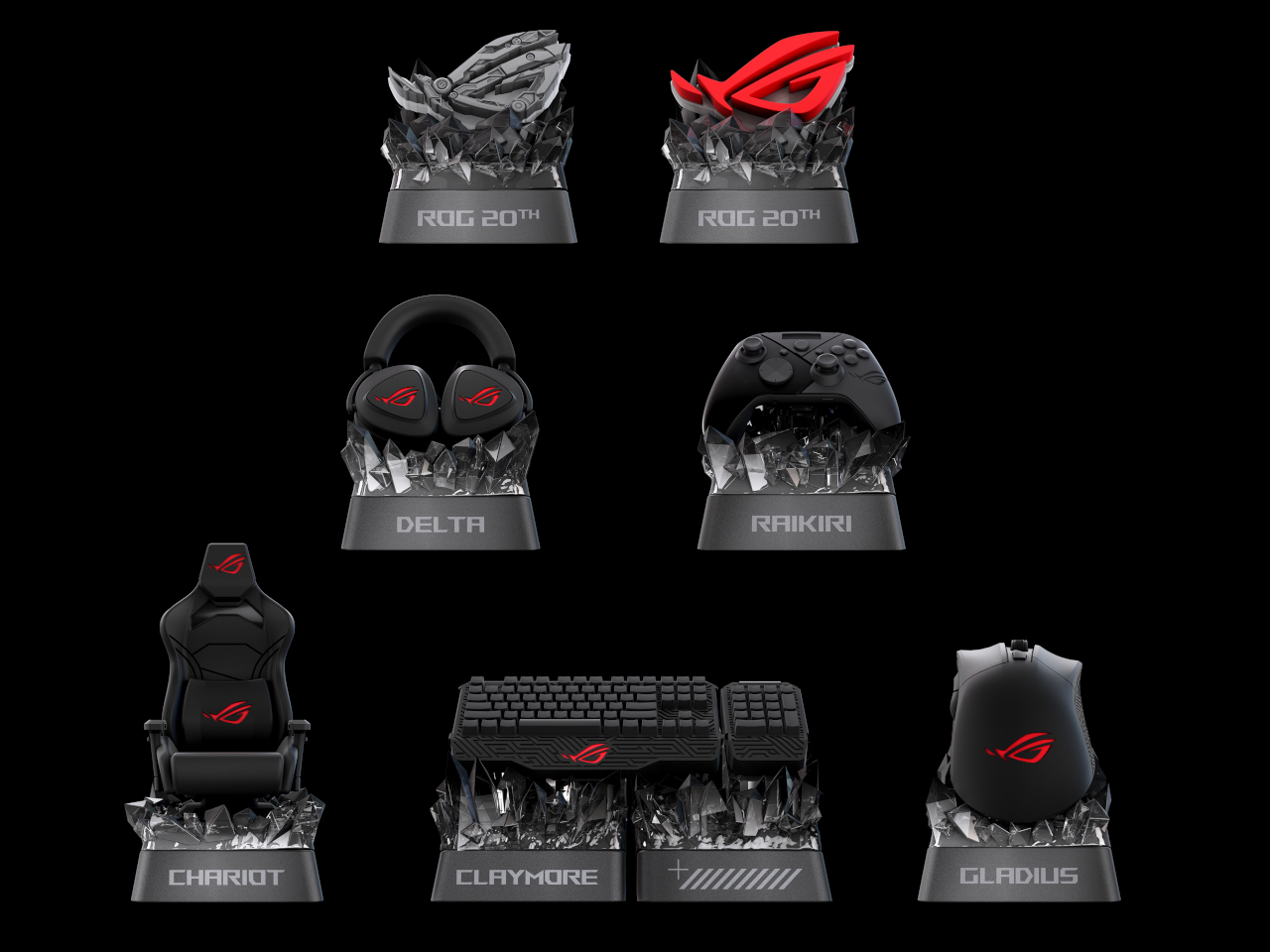
The ROG Claymore design is the one most worth watching for, as it includes two interlocking keycaps that reference the original keyboard’s modular layout. A Special Edition crystal-like ROG Logo keycap is also in the pool. Available as a single unit or a six-piece box with no duplicates, the Mystery Box turns 20 years of ROG hardware history into something you can keep in the palm of your hand.
The post ROG Just Made Gaming Peripherals You’d Actually Put on Display first appeared on Yanko Design.

ROG Just Made Gaming Peripherals You’d Actually Put on Display

Gaming peripherals have gradually crossed from purely functional tools into design objects that enthusiasts keep, display, and collect alongside their builds. Limited-edition anniversary hardware has become part of that culture, giving manufacturers a chance to honor their history while reminding the community why certain names still carry weight. Making those commemorative pieces feel genuinely worthy of the occasion, however, is always the trickier part.

ROG, short for ASUS’ Republic of Gamers brand, is marking 20 years of gaming innovation with an anniversary lineup centered on a gold-and-black design identity it calls the Edition 20 colorway. Three peripheral additions sit at the heart of it, namely the Azoth Extreme Edition 20 keyboard, the Harpe II Extreme Edition 20 mouse, and the Keycap Mystery Box Edition 20, each making the case that high-performance hardware and collector-worthy design don’t have to live separately.

Designer: ASUS

The Azoth Extreme Edition 20 is a 75% gaming keyboard that wears the anniversary theme without being heavy-handed about it. Translucent keycaps reveal the mechanics below, and a detachable 24K-gold-plated nameplate at the front makes the occasion official without being excessive. The extended silicone wrist rest adds completeness to the package, anchored by a gold-toned aluminum-alloy base that ties everything together without introducing anything out of place.

Beneath that exterior, an adjustable gasket mount toggles between Hard and Soft typing modes, useful for anyone who games and types for long hours in the same session. The custom ROG NX Edition 20 mechanical switches are transparent, factory pre-lubed, and hot-swappable, while an OLED touchscreen with a three-way control knob handles quick adjustments. In 2.4GHz wireless mode, battery life stretches to up to 1,600 hours.

The Harpe II Extreme Edition 20 shares the same design language and makes a natural companion to the keyboard. Built on the pro-tested shape of the Harpe II Ace, it houses a 24K-gold-plated metal interior frame inside a crystal-clear shell, with an RGB light guide plate illuminating the components within. A display case ships with the mouse in the box, which feels entirely appropriate given how it looks at rest.

The ROG AimPoint Pro 65K sensor delivers 65,000 dpi with less than 1% CPI deviation and 8,000Hz wireless polling through ROG SpeedNova technology. At 82g with glass mouse feet already included, it’s ready for competitive play immediately. Battery life holds at up to 90 hours over 2.4GHz RF and 98.5 hours in Bluetooth mode, both measured with the lighting switched off.

For those who aren’t swapping out their entire setup, the Keycap Mystery Box Edition 20 is the most accessible entry into the anniversary series. Each box holds a randomly selected keycap in one of seven designs inspired by iconic ROG peripherals and the ROG Fearless Eye logo, built through casting, high-pressure forming, hand-painted finishing, and structural assembly. The obsidian-inspired base and refined detailing make each piece genuinely display-worthy.

The ROG Claymore design is the one most worth watching for, as it includes two interlocking keycaps that reference the original keyboard’s modular layout. A Special Edition crystal-like ROG Logo keycap is also in the pool. Available as a single unit or a six-piece box with no duplicates, the Mystery Box turns 20 years of ROG hardware history into something you can keep in the palm of your hand.

The post ROG Just Made Gaming Peripherals You’d Actually Put on Display first appeared on Yanko Design.
Stoa Turns Chess Into Quiet Architecture for the Modern Home

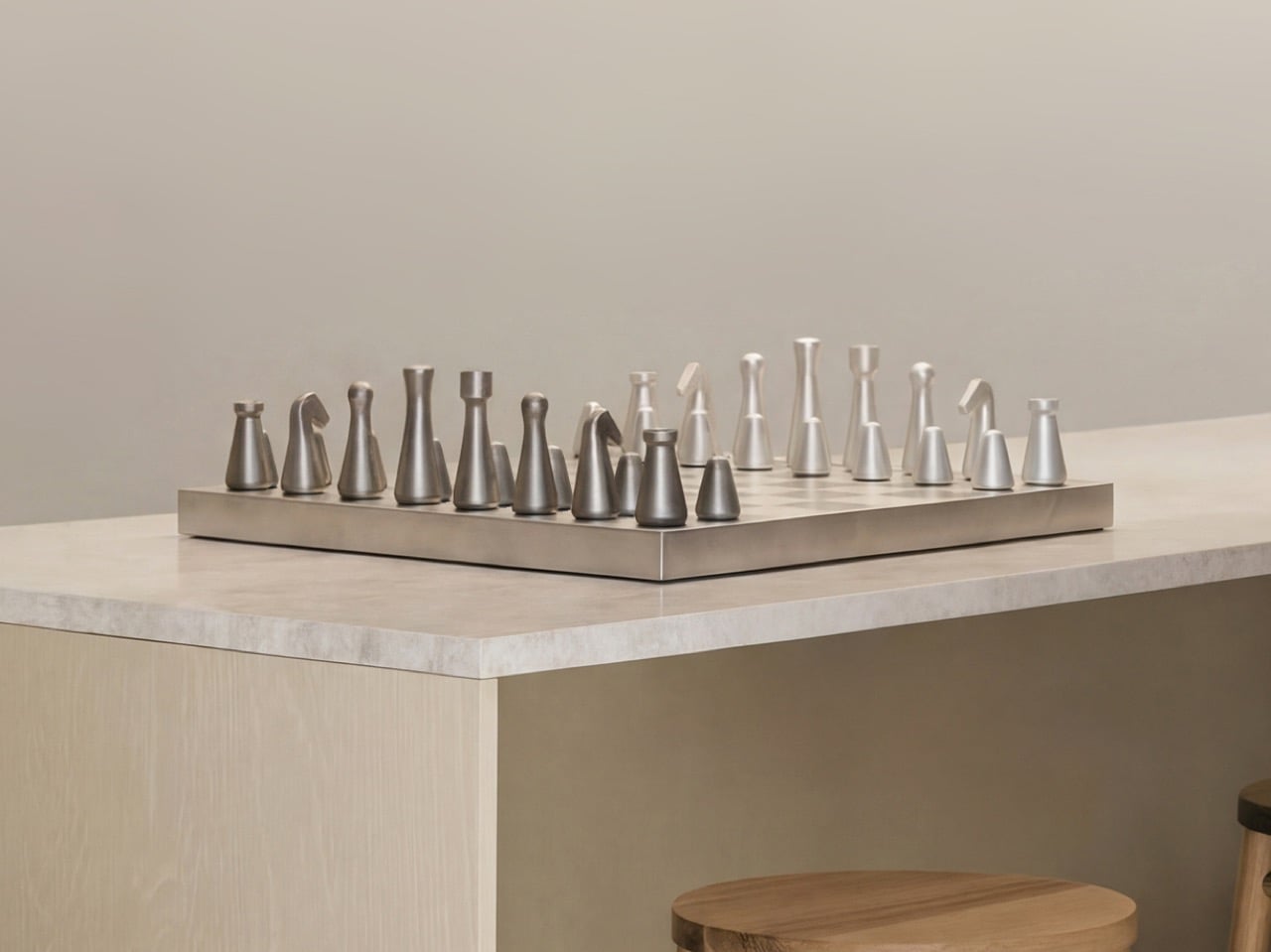
Chess has always been a game of structure, strategy, and symbolism. The pieces carry centuries of visual language: the authority of the King, the movement of the Knight, the strength of the Rook, the quiet repetition of the Pawns. Many chess sets lean into that history through ornament, carving, and decorative detail. Stoa takes a different path. It looks at the same familiar game and asks what can be simplified without losing meaning.

Inspired by Scandinavian design principles, Stoa is shaped by clarity, balance, and calm visual expression. Its forms are clean, architectural, and restrained, giving the set a quiet presence that feels natural in modern interiors. The pieces do not feel overly decorative or nostalgic. They feel composed, almost like small spatial objects arranged across a board. This gives Stoa a visual language that is contemporary, but still deeply connected to the traditions of chess.

Designer: Fabian Haydt

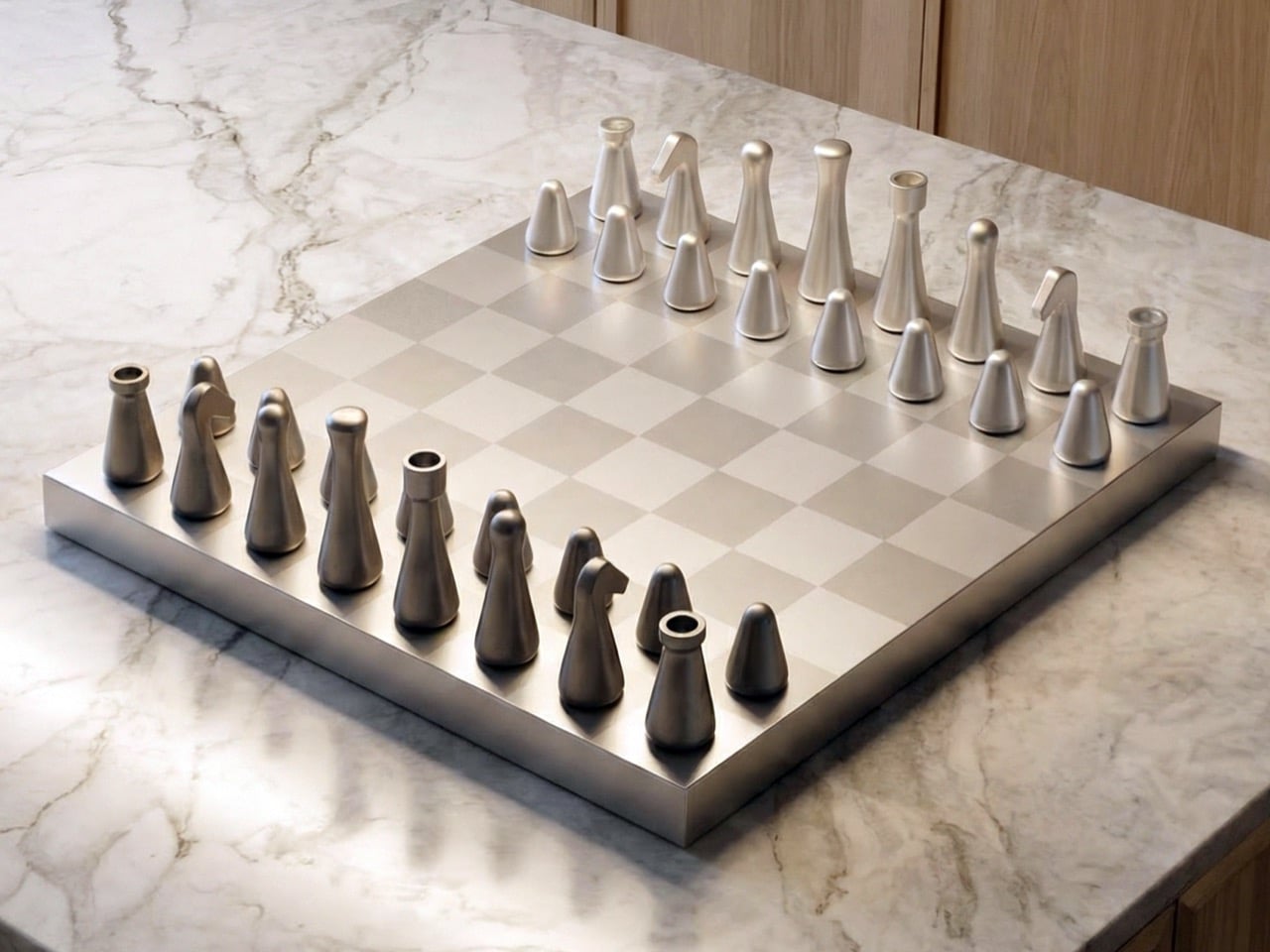
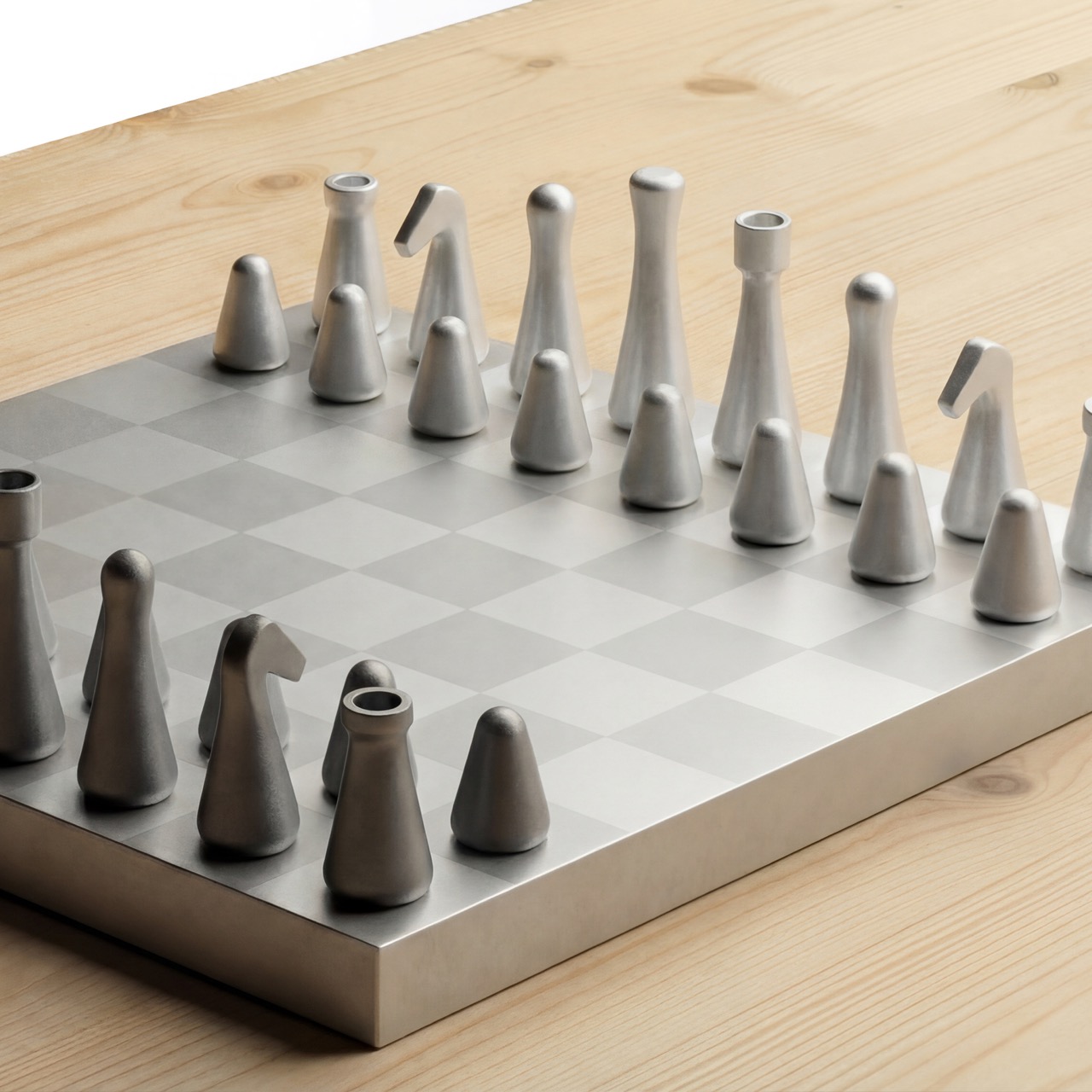
The strength of the design lies in its balance between reduction and recognition. Each piece is simplified to its essential geometry, yet remains easy to identify during play. This is an important distinction. Minimal chess sets can sometimes become so abstract that they ask too much from the player. Stoa avoids that by treating simplicity as a careful design decision rather than a visual shortcut. The King, Queen, Bishop, Knight, Rook, and Pawn each have their own identity, but none of them rely on unnecessary detail to communicate their role.

That clarity matters because chess is a game of focus. A player should be able to read the board quickly, understand the position of each piece, and make decisions without visual distraction. Stoa supports that experience through uncluttered forms and restrained proportions. The pieces are easy to recognize, comfortable to hold, and stable on the board. Their visual calmness allows attention to stay on the game itself.

The Knight becomes one of the most interesting moments in the set. In traditional chess design, the Knight is often the most expressive piece, usually represented by a horse’s head. Reducing that form into a minimal object while keeping its character intact is a difficult challenge. Stoa handles it through proportion, silhouette, and a subtle sense of personality. It does not imitate the traditional Knight literally, but it preserves enough of its identity to make the piece immediately understandable.

Materiality adds another layer of refinement. Each piece is CNC-machined from solid recycled aluminum, giving the set a precise and durable foundation. After machining, the surfaces are polished and treated with fine glass bead-blasting to achieve a uniform matte texture. The pieces are then anodized for durability. This process gives Stoa a soft, premium finish that feels controlled rather than flashy.

The tactile experience is equally considered. Internal brass weights give the pieces a grounded feel, while leather pads on the bases provide stability and protect the board surface. These details make each move feel deliberate and satisfying. The weight, touch, and surface finish all contribute to a more immersive playing experience. Nothing feels accidental. Every material choice supports both function and atmosphere.

The proportions are compact and precise. The King stands at 68 mm, followed by the Queen at 62 mm, Bishop at 58 mm, Knight at 52 mm, Rook at 47 mm, and Pawn at 32 mm. The board measures 280 mm by 280 mm. This scale gives the set a refined presence without overwhelming the space around it. It can sit comfortably in a living room, study, or studio, carrying the elegance of a design object while remaining fully playable.

The development process focused on refining visual clarity, balance, and ergonomics. Multiple prototype stages helped test how the pieces felt in the hand and how quickly players could recognize them during faster gameplay. The challenge was not simply to make chess look minimal. It was to preserve the logic of the game while reducing each piece to a cleaner, more contemporary form. That required careful iteration, especially in maintaining distinction between pieces with similar proportions.

What remains is a chess set that feels calm, tactile, and quietly luxurious. Stoa brings a centuries-old game into a modern design language without disconnecting it from its roots. It respects tradition by understanding it, then translates that tradition through geometry, material precision, and visual discipline. The result is a set that feels made for contemporary life: thoughtful enough to admire, clear enough to play, and restrained enough to last.

The post Stoa Turns Chess Into Quiet Architecture for the Modern Home first appeared on Yanko Design.

AMD’s Handheld Reign Just Met MSI’s Biggest Intel Threat

The handheld gaming PC market has been AMD’s playground for most of the last few years. From the Steam Deck to the ASUS ROG Ally, nearly every credible entry runs on AMD silicon, and the gap between those devices and Intel-powered rivals hasn’t always been flattering. The question of who gets to set the hardware standard for portable gaming remains very much open.

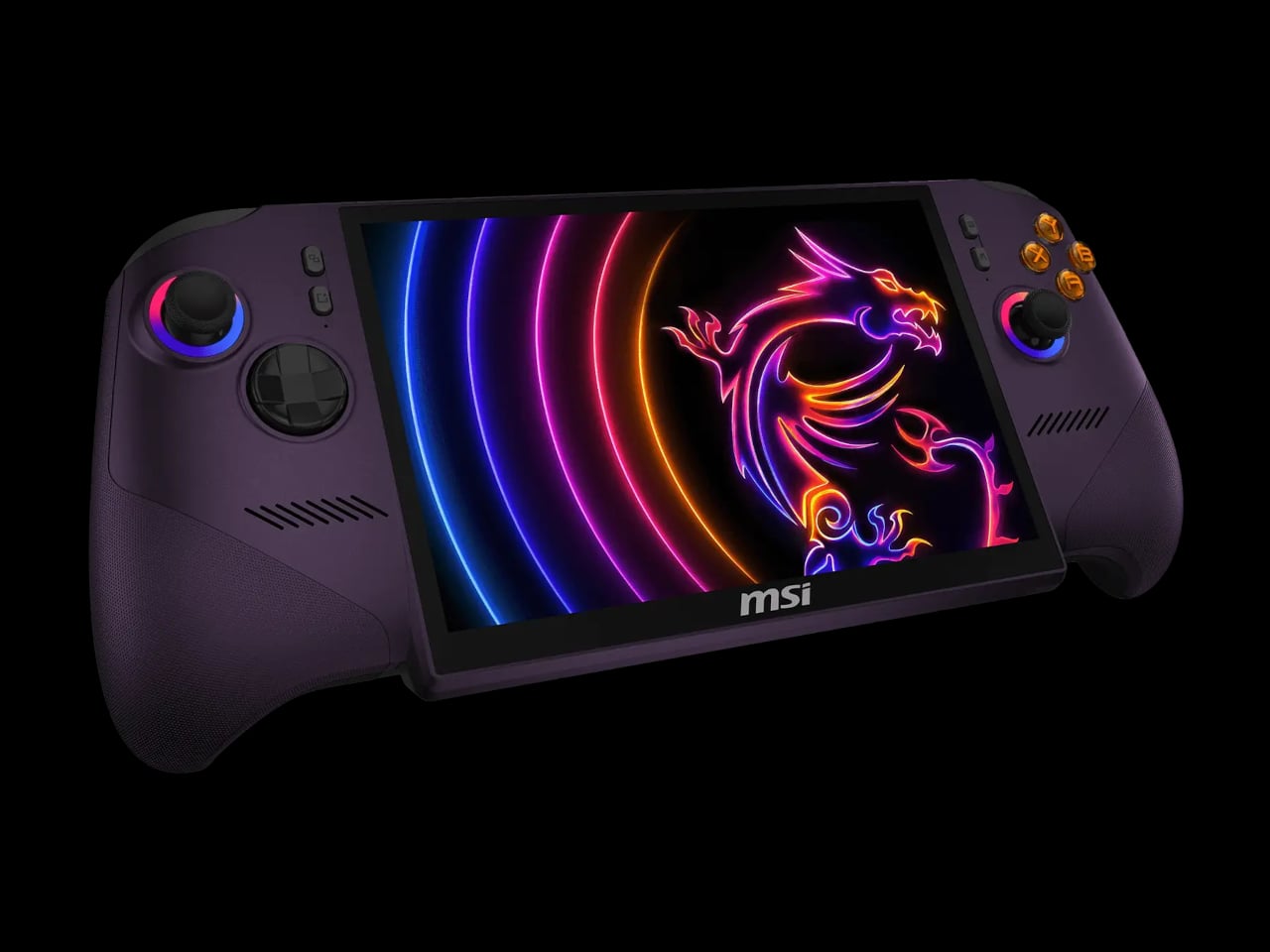
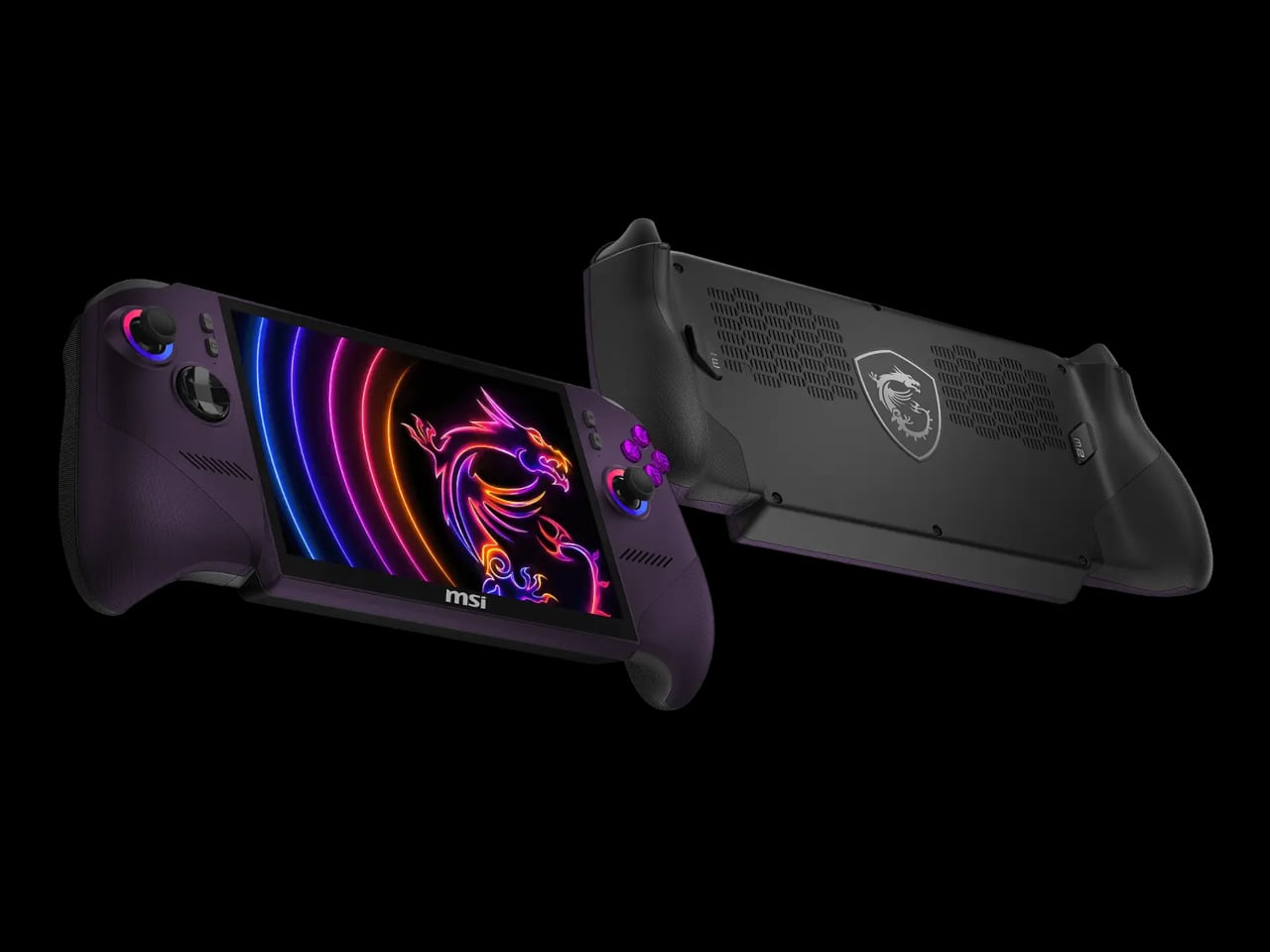
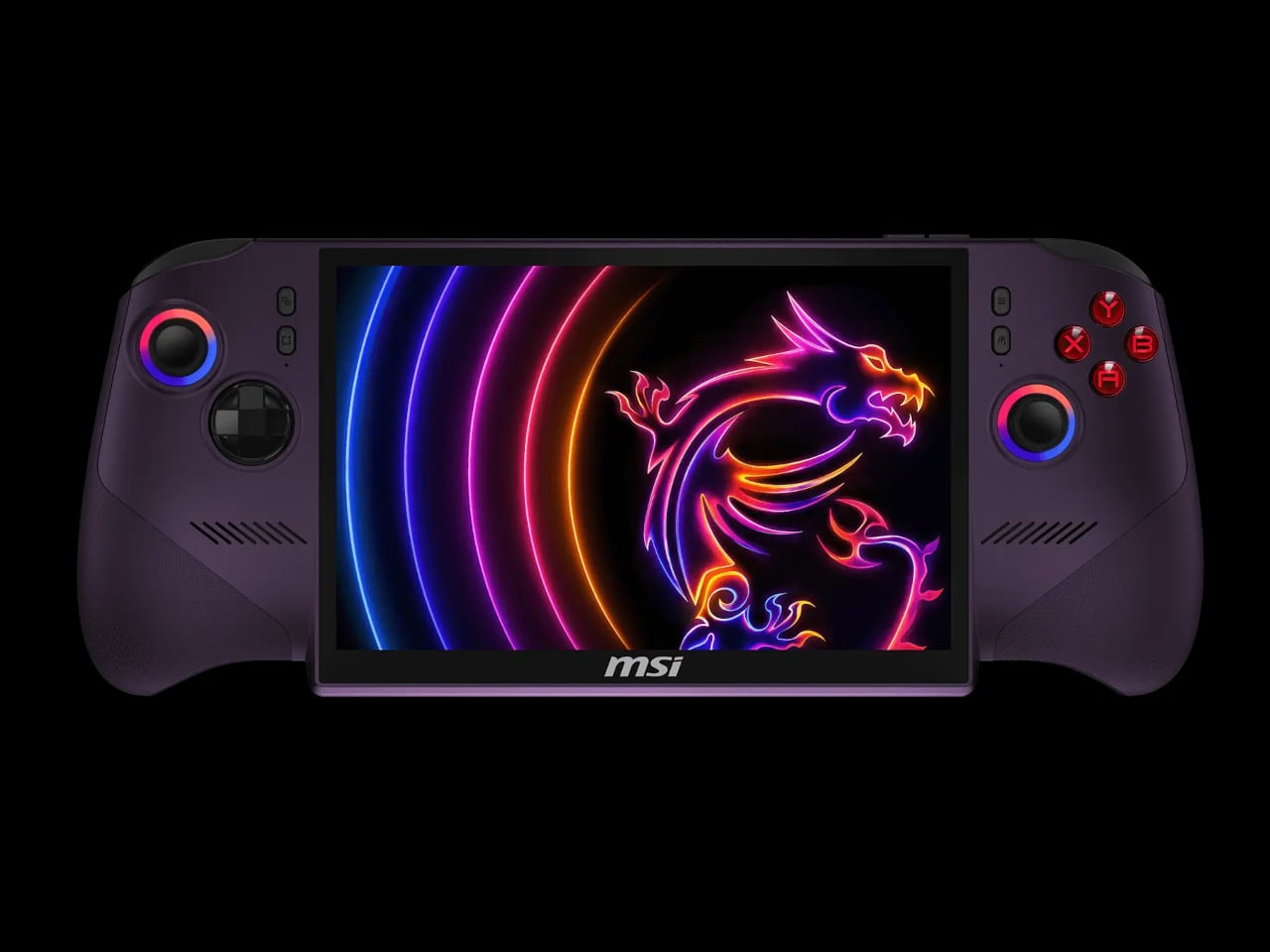
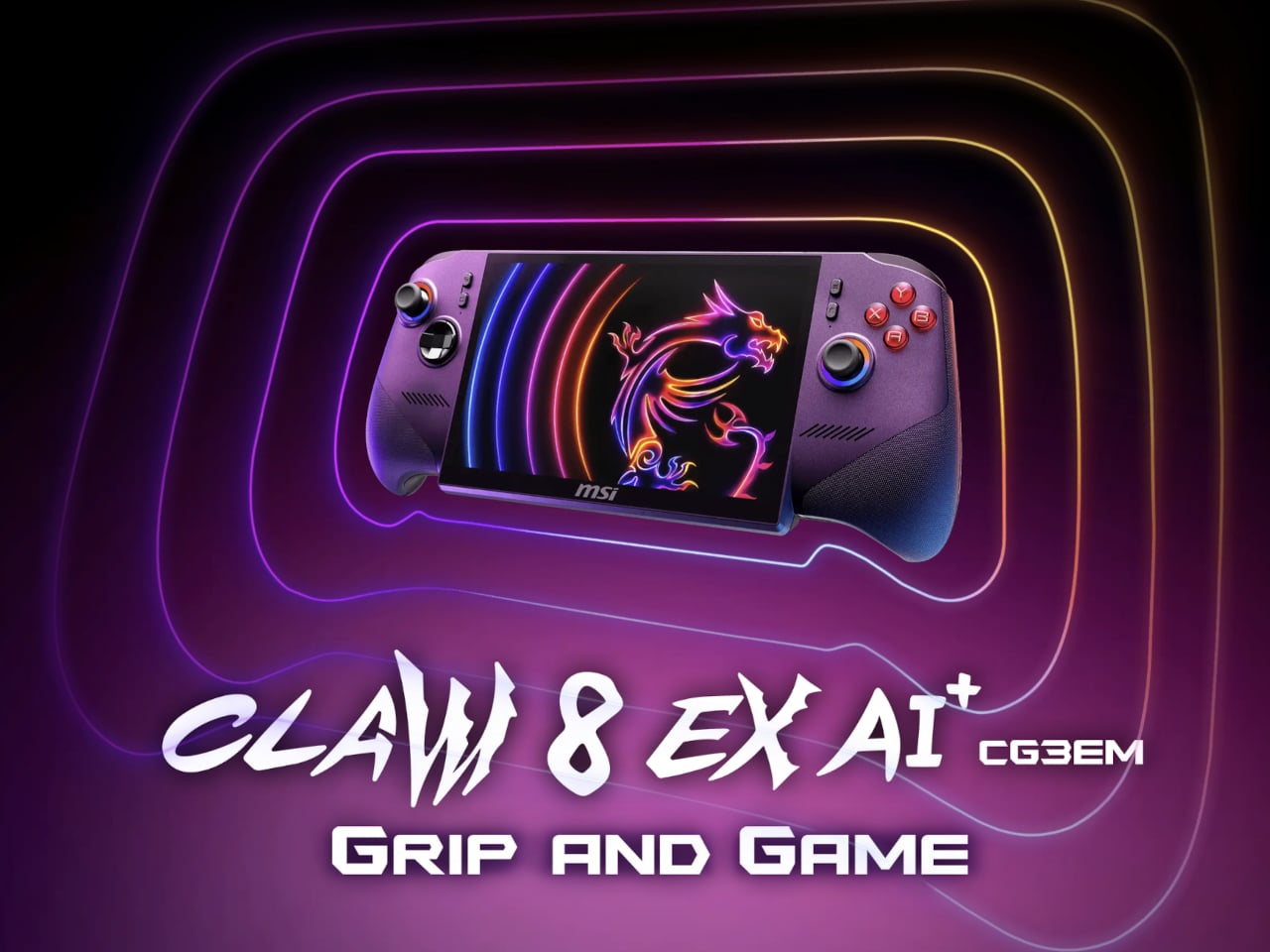
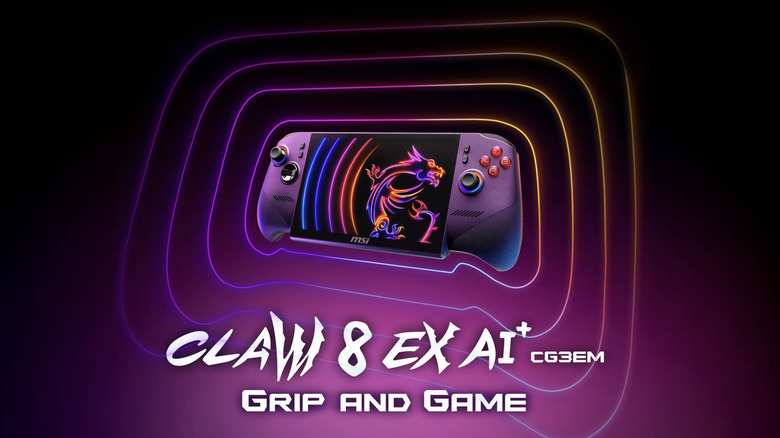
MSI is making a strong case for Intel with the Claw 8 EX AI+, unveiled at COMPUTEX 2026. At its core is the Intel Arc G3 Extreme, the first processor Intel built specifically for handheld gaming, drawing on Panther Lake platform foundations and Xe3 GPU architecture. It’s a significant departure from the Lunar Lake chips in older Claw models and a direct challenge to AMD’s portable dominance.

Designer: MSI

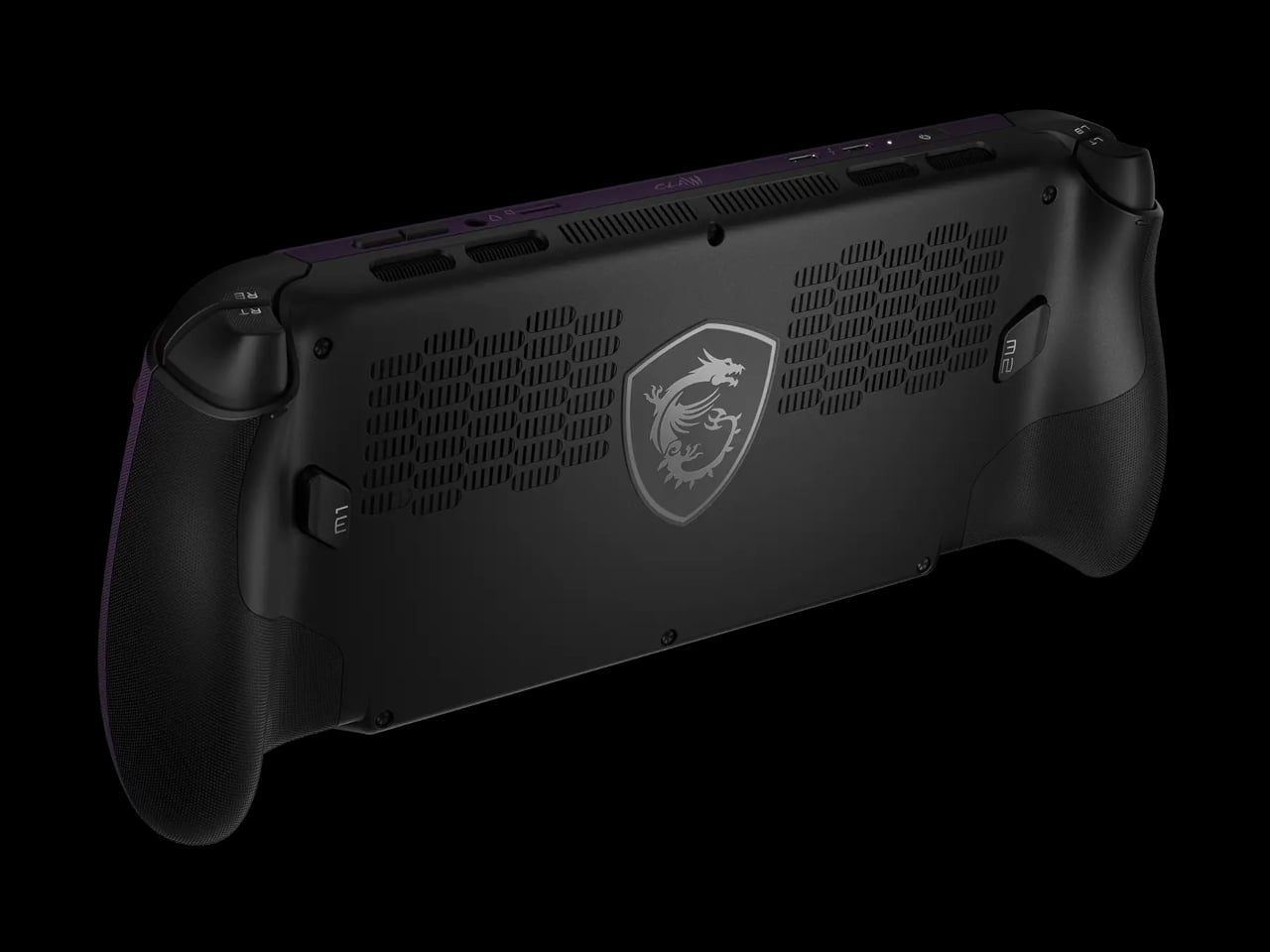
The redesigned chassis addresses what earlier Claw models got wrong in the hands. Larger, more sculpted grips bring the device closer to the feel of a traditional console controller, which matters when you’re grinding through a lengthy RPG on a long commute. Hall-effect triggers and sticks, paired with a refined D-pad and bumpers, provide the tactile precision competitive gaming actually demands.

The Arc G3 Extreme pairs with an Arc B390 GPU and XeSS 3 with Multi-Frame Generation, pushing demanding titles to frame rates the previous generation couldn’t sustain. Multi-Frame Generation fills in frames between rendered ones, smoothing out gameplay at settings that would’ve otherwise produced choppy results, making the upgrade feel less like a spec sheet claim and more like something you notice mid-game.

The 8-inch 1920×1200 IPS panel with 120Hz VRR and up to 500 nits of brightness gives AAA titles the visual canvas they deserve. A new high-end linear motor adds faster, more refined haptic feedback, building a physical layer of immersion that makes in-game moments, from a car crash to a sword strike, feel noticeably more real than the rumble motors on competing devices.

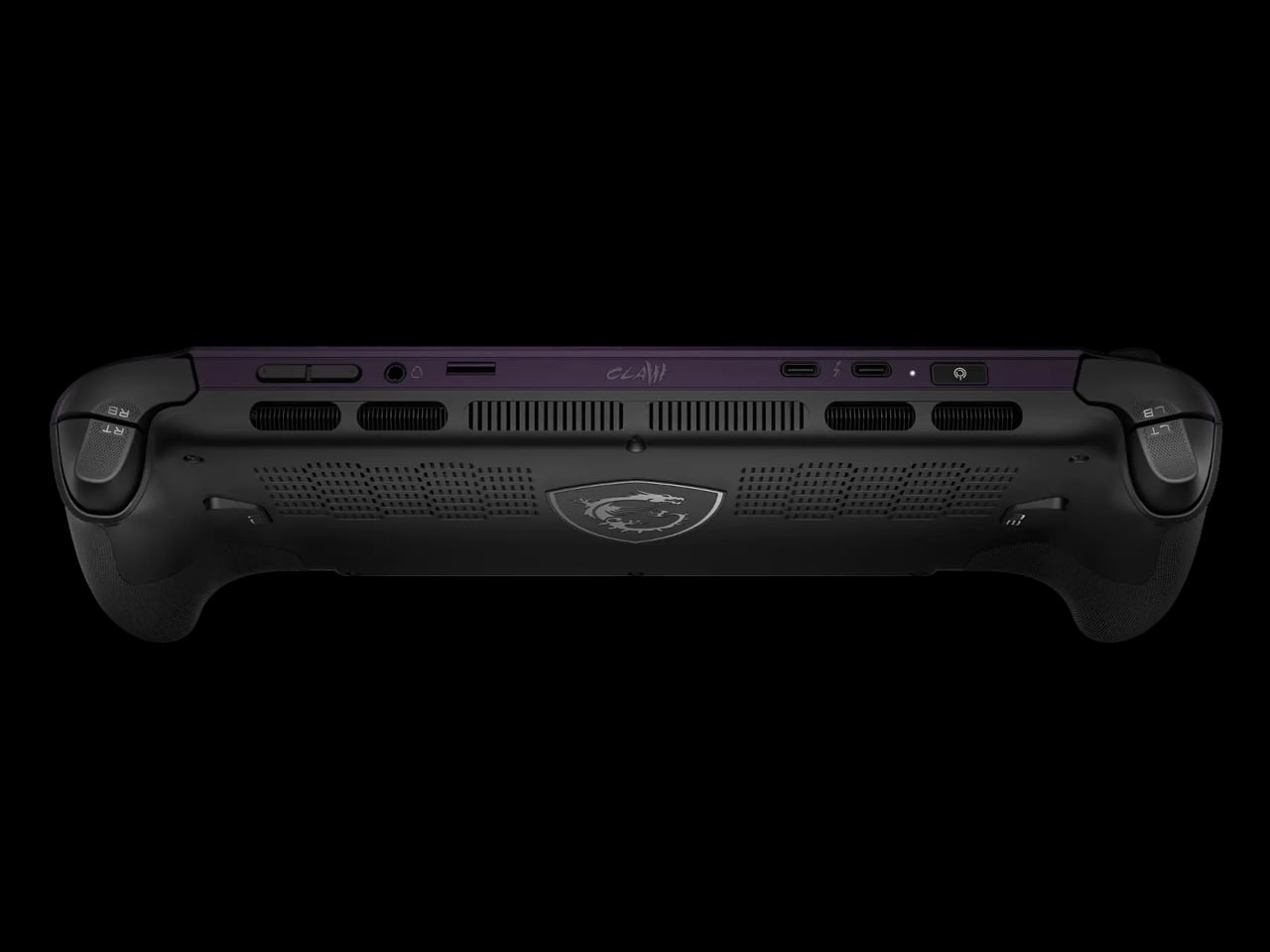
Connectivity keeps pace with the rest. Intel Killer Wi-Fi 7 keeps online play smooth, while HDMI 2.1 output lets you extend the experience to a larger screen when the 8-inch panel isn’t enough. A fingerprint sensor in the power button is a small but genuinely convenient touch, eliminating the need to type in a PIN every time you pick the device up.

The Cooler Boost Hyperflow system handles the thermal load with dual fans and dual pipes, keeping the chip from throttling under pressure. The 80Whr battery backs that up with enough capacity for extended play away from an outlet, while MSI’s Center M software, updated with an Xbox Mode, makes Windows feel far more natural on a controller-based device than it has any right to.

As a Copilot+ PC, the Claw 8 EX AI+ also taps into Microsoft’s AI feature set beyond gaming. Pricing and availability haven’t been confirmed, though the previous generation launched at $1,000, and this one is expected to land higher. MSI hasn’t revealed a release date, but the Claw 8 EX AI+ is shaping up to be the handheld everyone else will be measured against.

The post AMD’s Handheld Reign Just Met MSI’s Biggest Intel Threat first appeared on Yanko Design.