
Bluesky has a new setting to help you avoid accidentally going viral
The setting will prevent your posts from being recommended in the algorithmic "discover" feed.
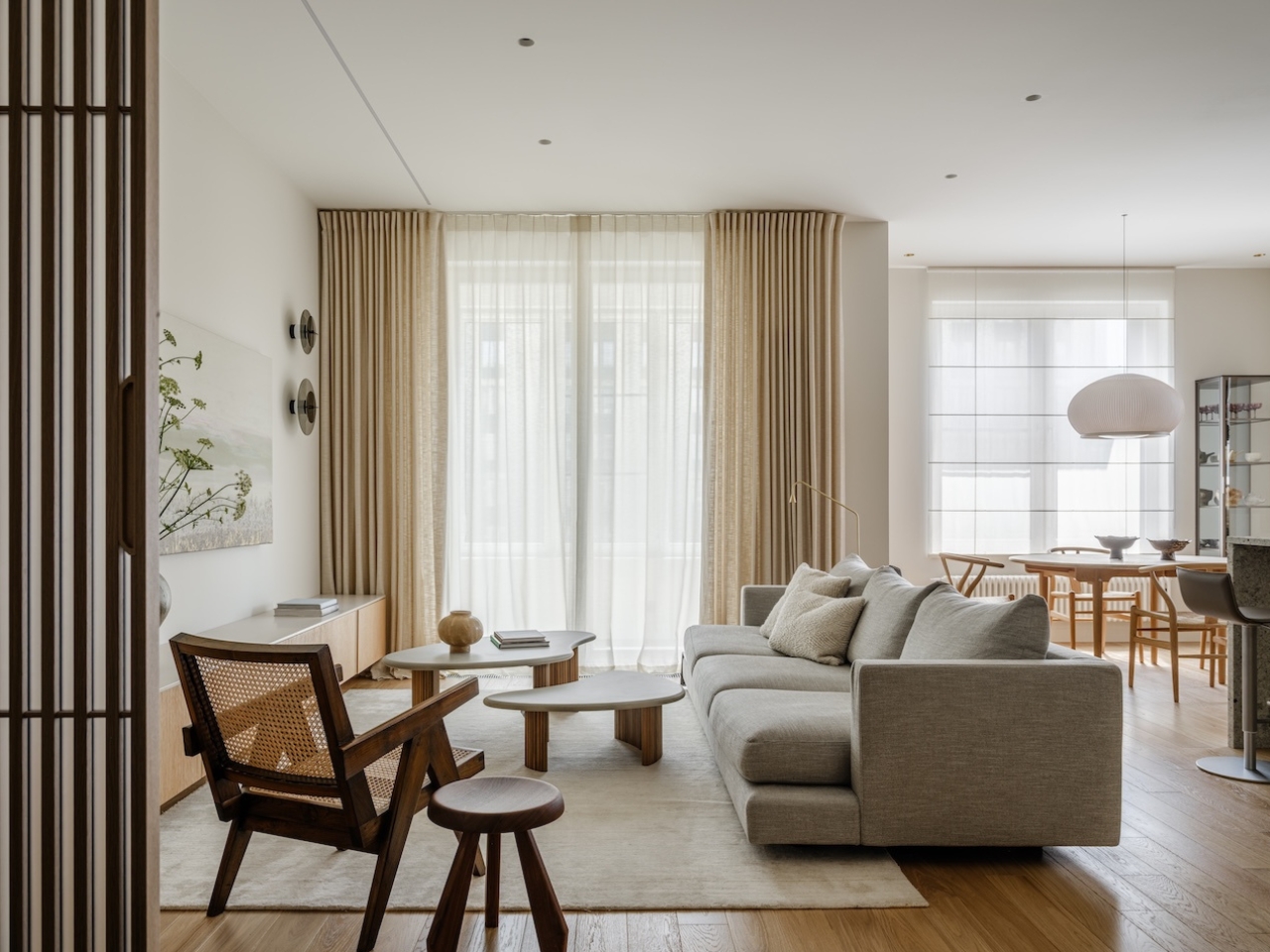
Architecture has always been one of the most honest forms of cultural expression. It tells you what a people value, how they move through space, and what kind of relationship they want with the world outside their walls. So when a Korean couple settled in Moscow and commissioned designer Inga Kordya to create their home, the brief was never simply about aesthetics. It was about belonging. The result is Residence Open, and it’s the kind of project that quietly reframes what we mean when we talk about culturally informed design.
Kordya’s starting point was the Korean hanok, the traditional dwelling that has defined Korean domestic architecture for centuries. The hanok isn’t a rigid style so much as a philosophy: rooms that flow into one another, spaces defined by natural light rather than solid walls, a constant conversation between interior and exterior. These are principles that could easily be flattened into trend-driven styling. Inga Kordya did something far more considered than that.
Designer: Inga Kordya (photos by Mikhail Loskutov)
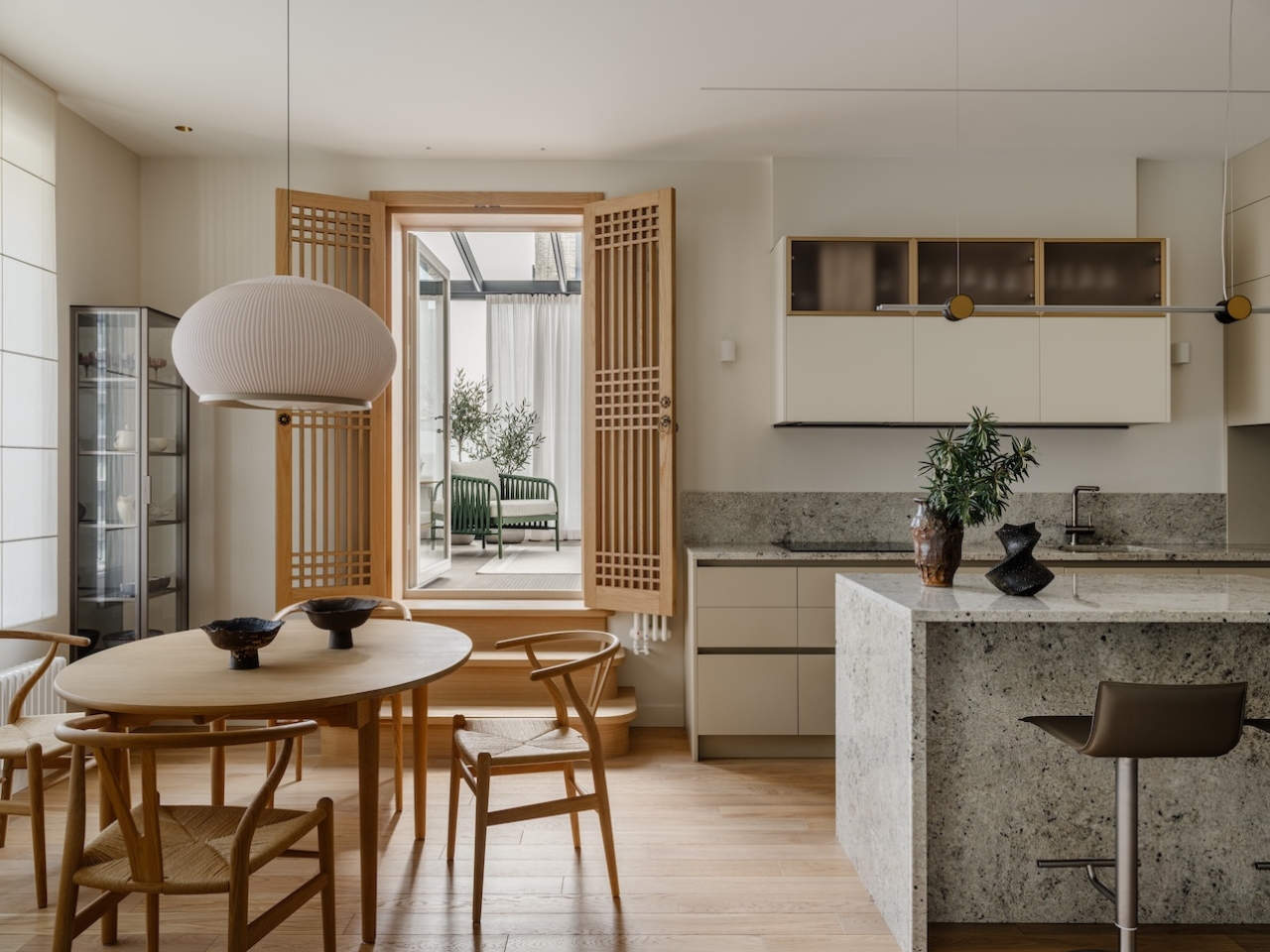
The apartment is organized around filtered light. It moves through the space the way it might move through the latticed wooden screens of a hanok in Seoul, diffused and soft, never harsh. A set of custom oak shutter doors in the living room does much of this work, drawing directly from traditional Korean door design and becoming, in the process, one of the most quietly beautiful features of the entire apartment. They don’t shout for attention. They earn it.
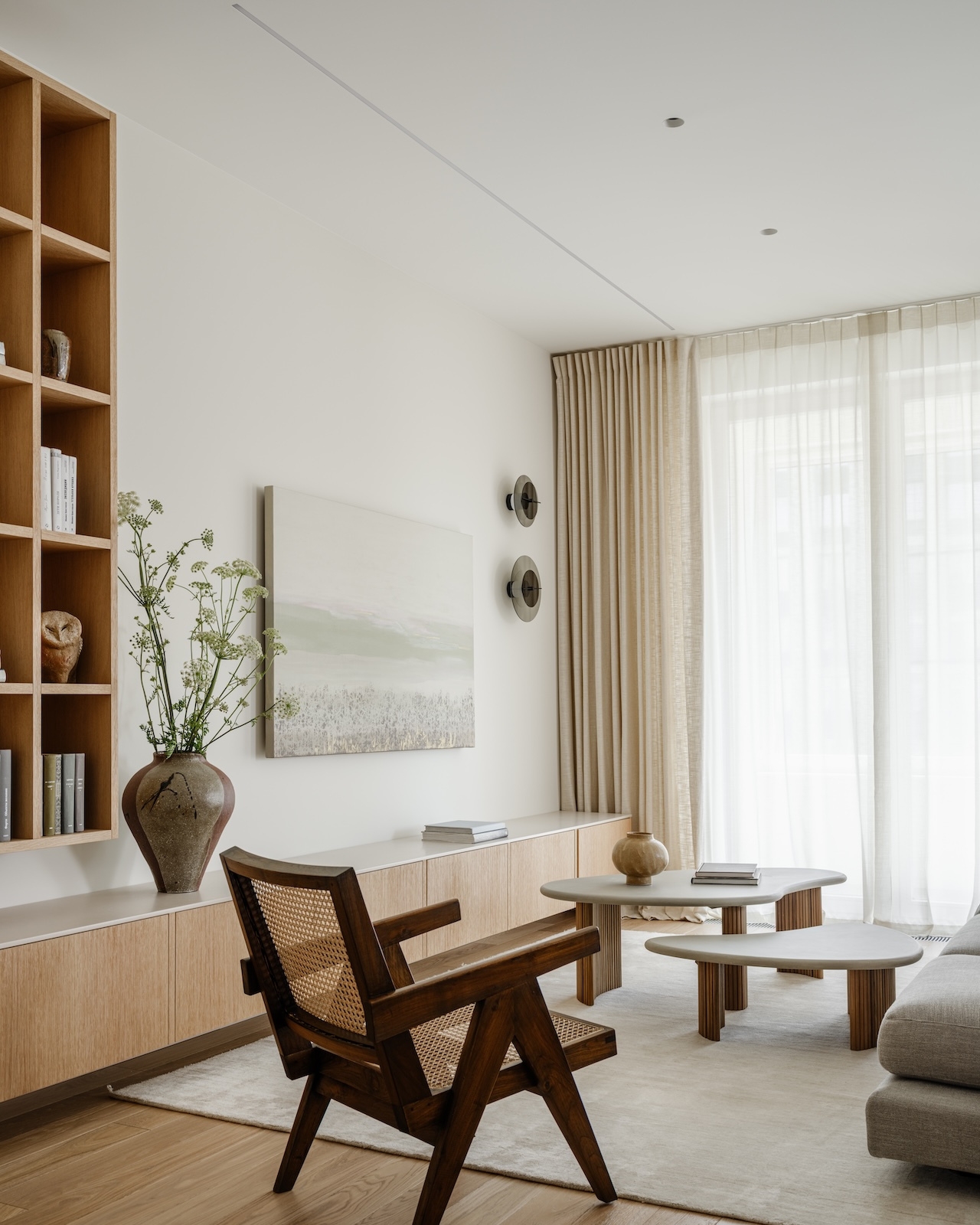
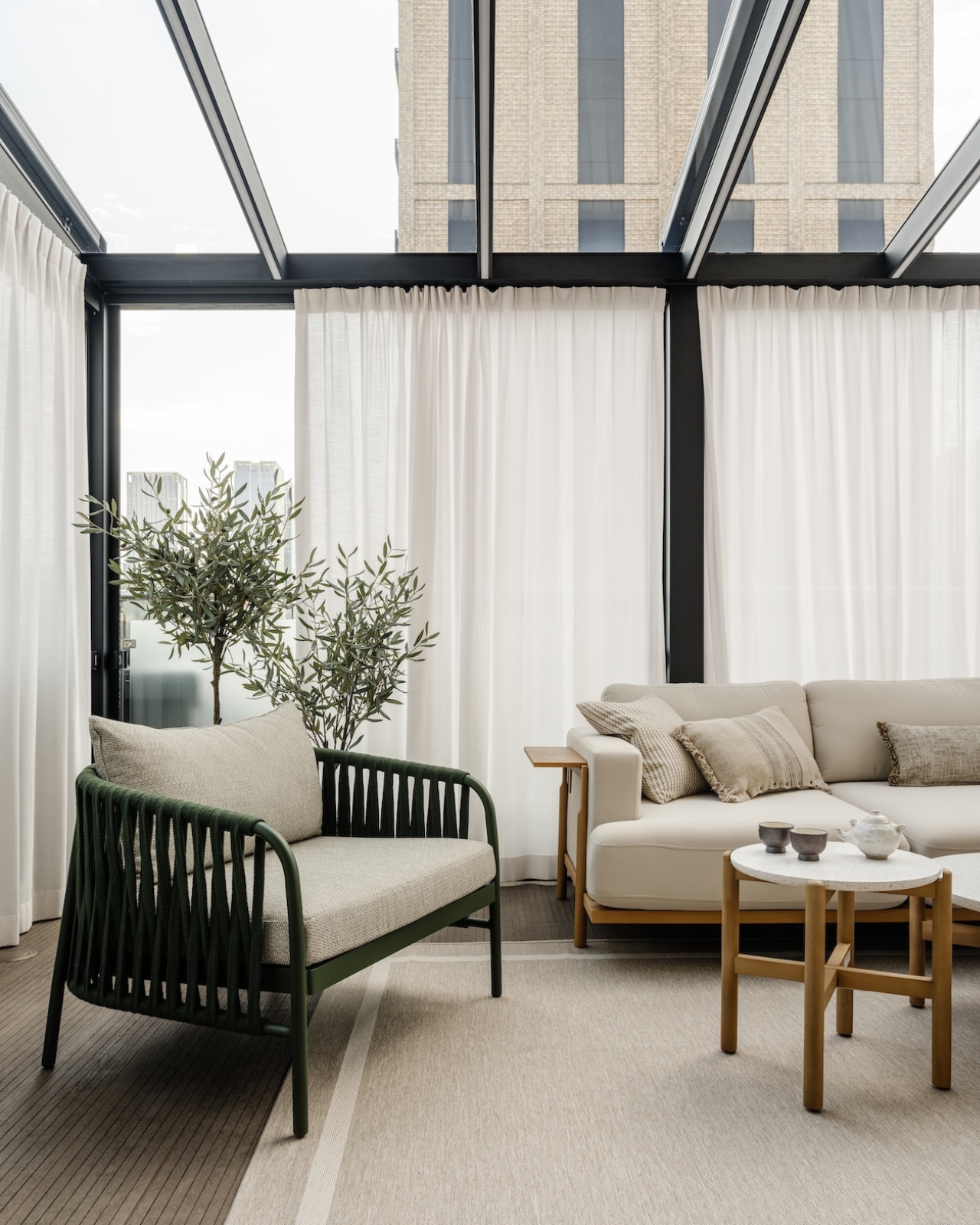
The material palette follows the same logic. Marble, granite, natural wood, brass, ceramics, linen. Nothing synthetic, nothing that flattens texture or pretends to be something it isn’t. These materials read as both internationally sophisticated and grounded in something older and more specific. They’re the kind of choices that age well, which matters enormously in a family home built for the long term.
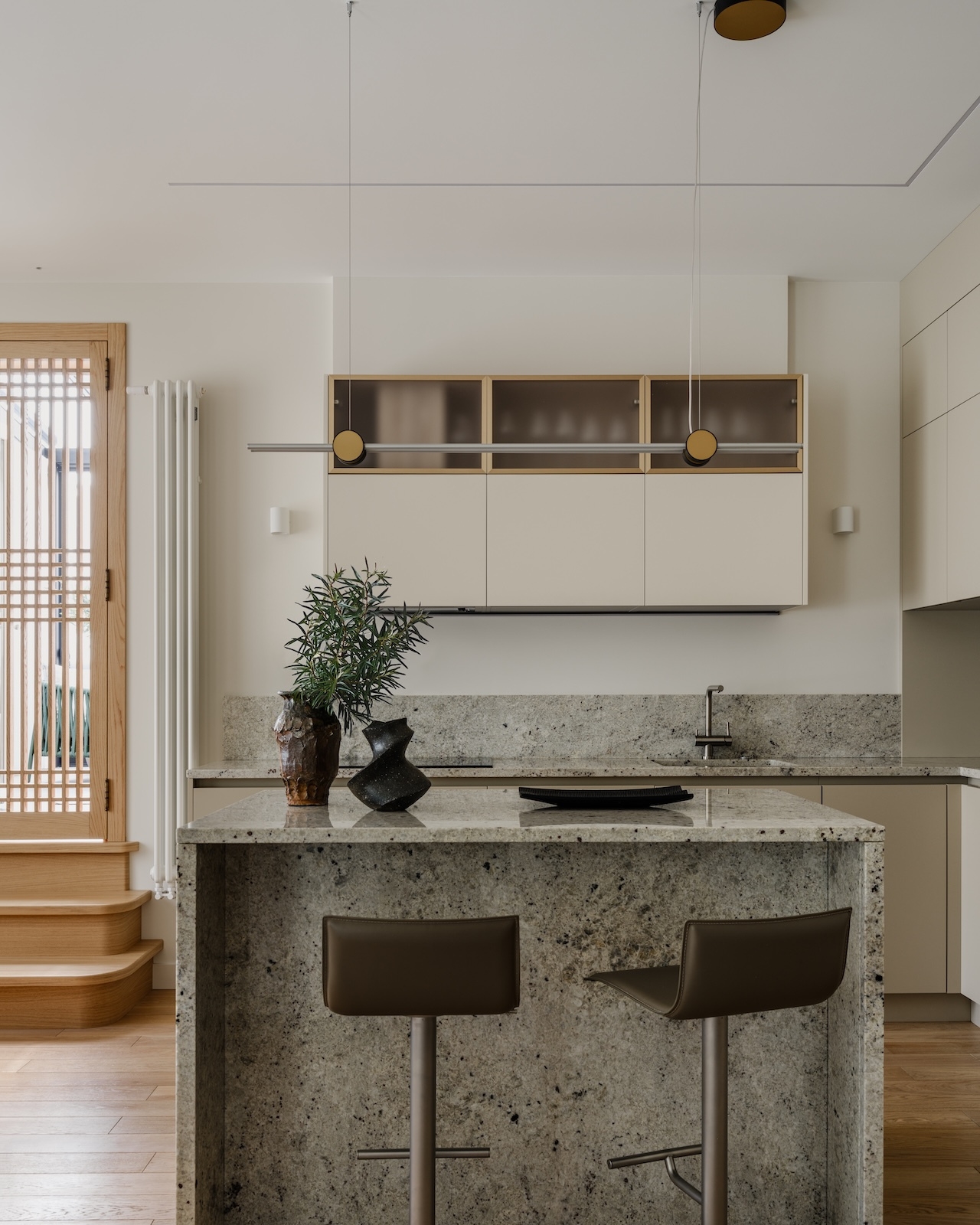
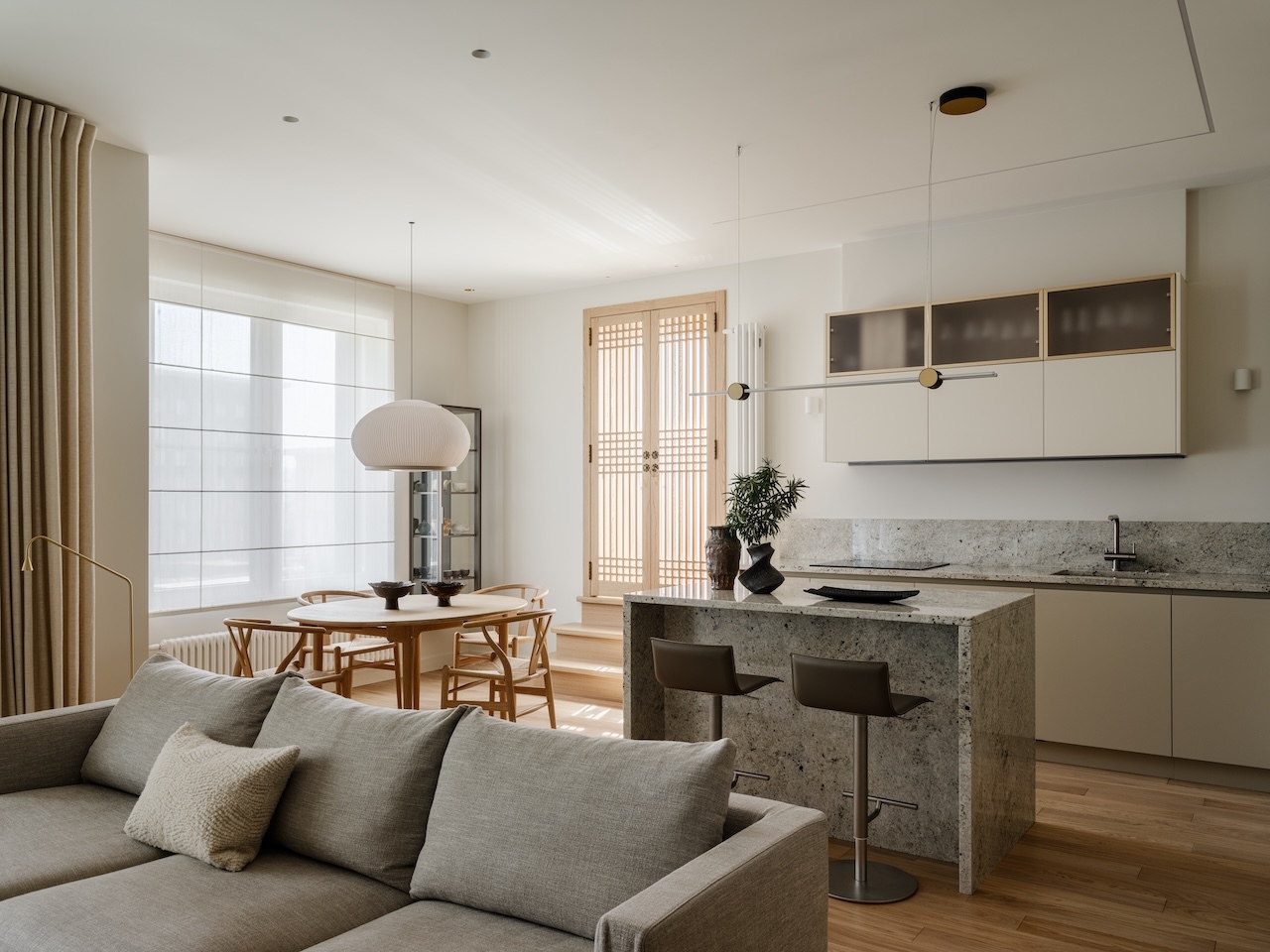
Speaking of family, the spatial planning for the two daughters is worth pausing on. Their rooms are separated by sliding partitions that open into a shared play area, an idea borrowed directly from the hanok’s flexible interior logic. Spaces in a hanok weren’t locked into single functions. A room could be a sleeping space by night and a social one by day. Kordya applies this thinking to the children’s zone with genuine intelligence, giving the girls independence and togetherness at the same time. That’s not just good design theory. That’s good parenting, built into the walls.
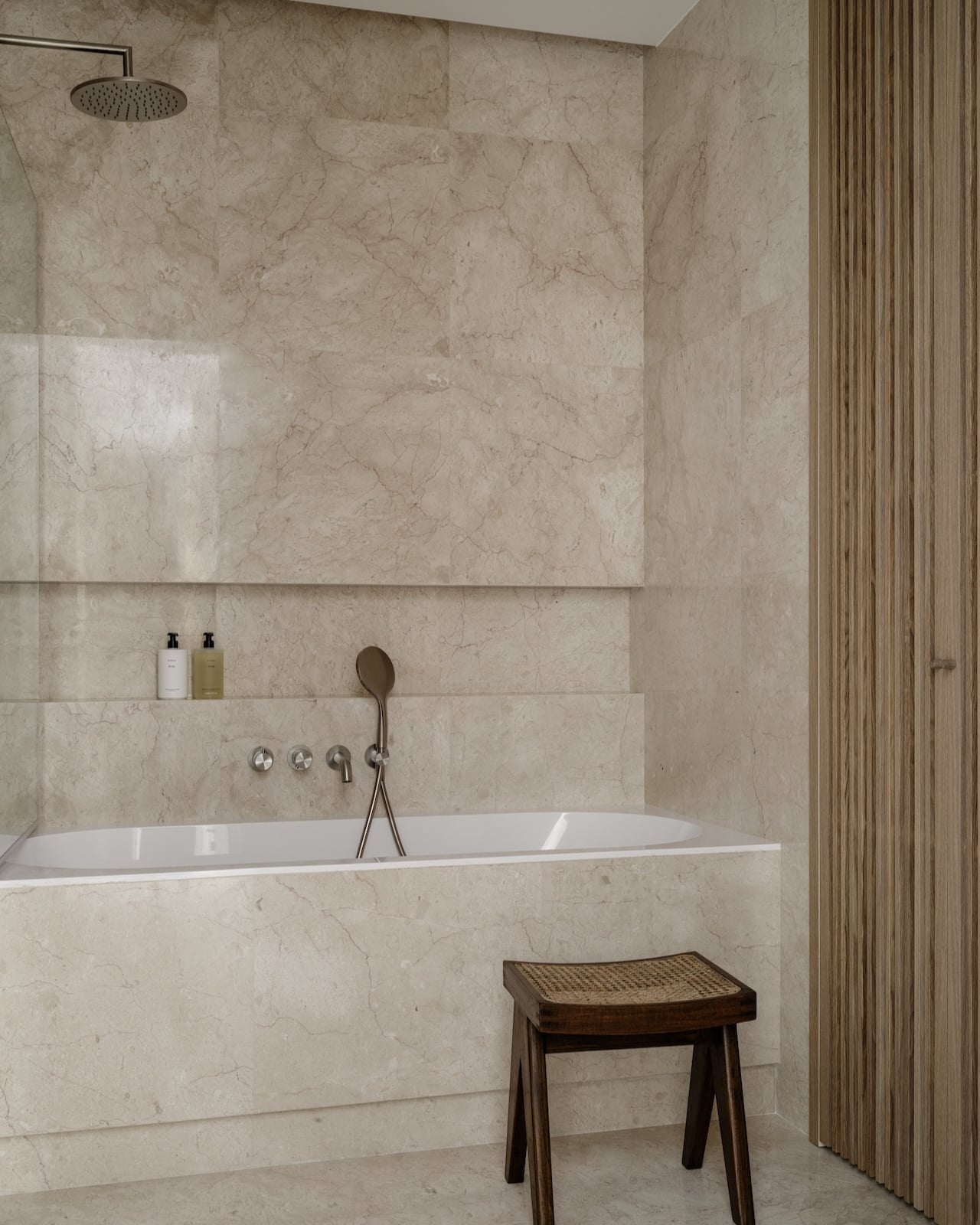
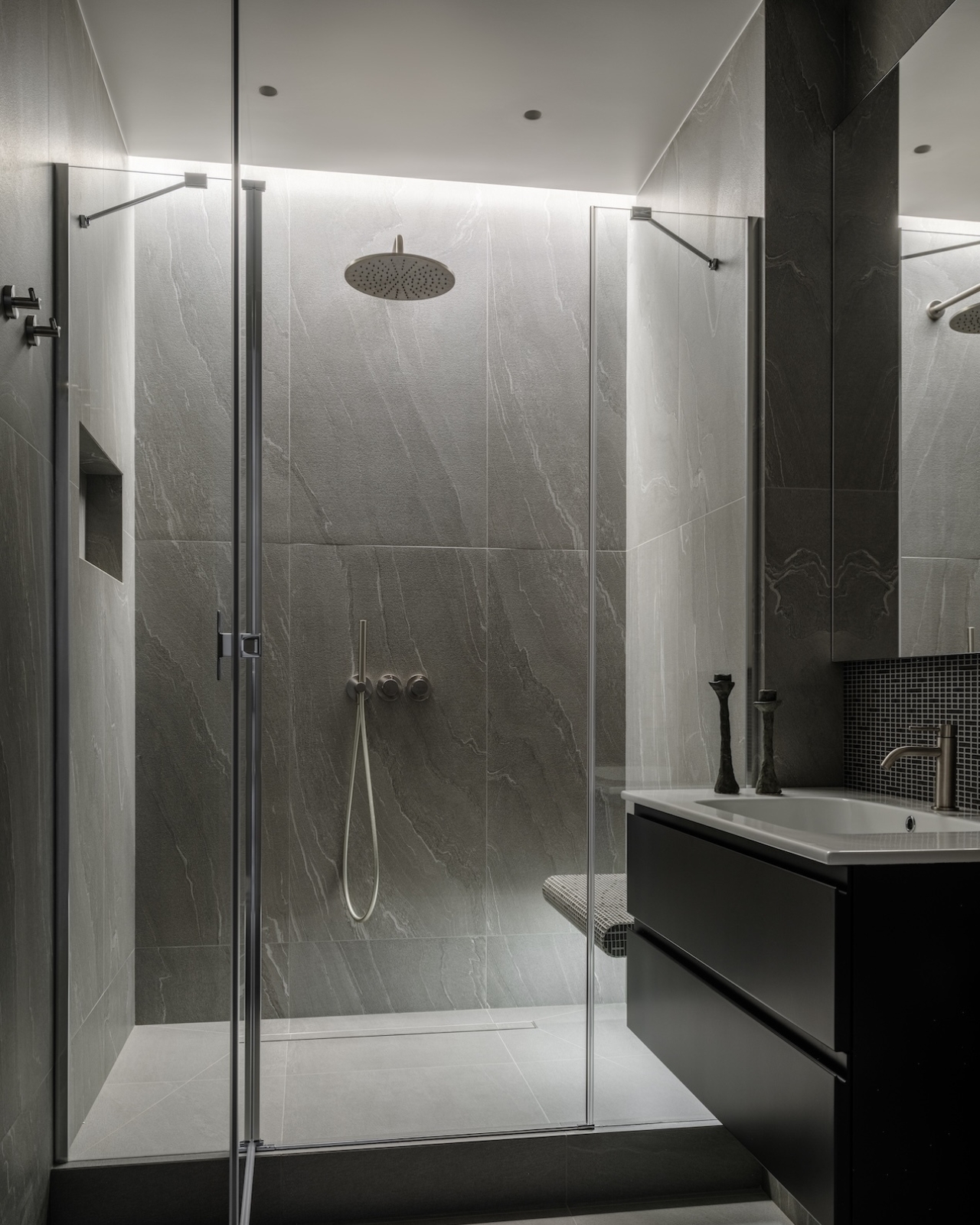
The broader conversation this apartment opens up is one that design has been circling for years: how do you honour cultural heritage without turning it into decoration? Plenty of projects get this wrong. They borrow the visual language of another culture, strip it of meaning, and call it a mood. Kordya avoids this entirely by working from the inside out, from principles and values rather than surfaces. The hanok’s spatial logic, its relationship to light, its flexibility and restraint, these things translate because they were never just visual to begin with.
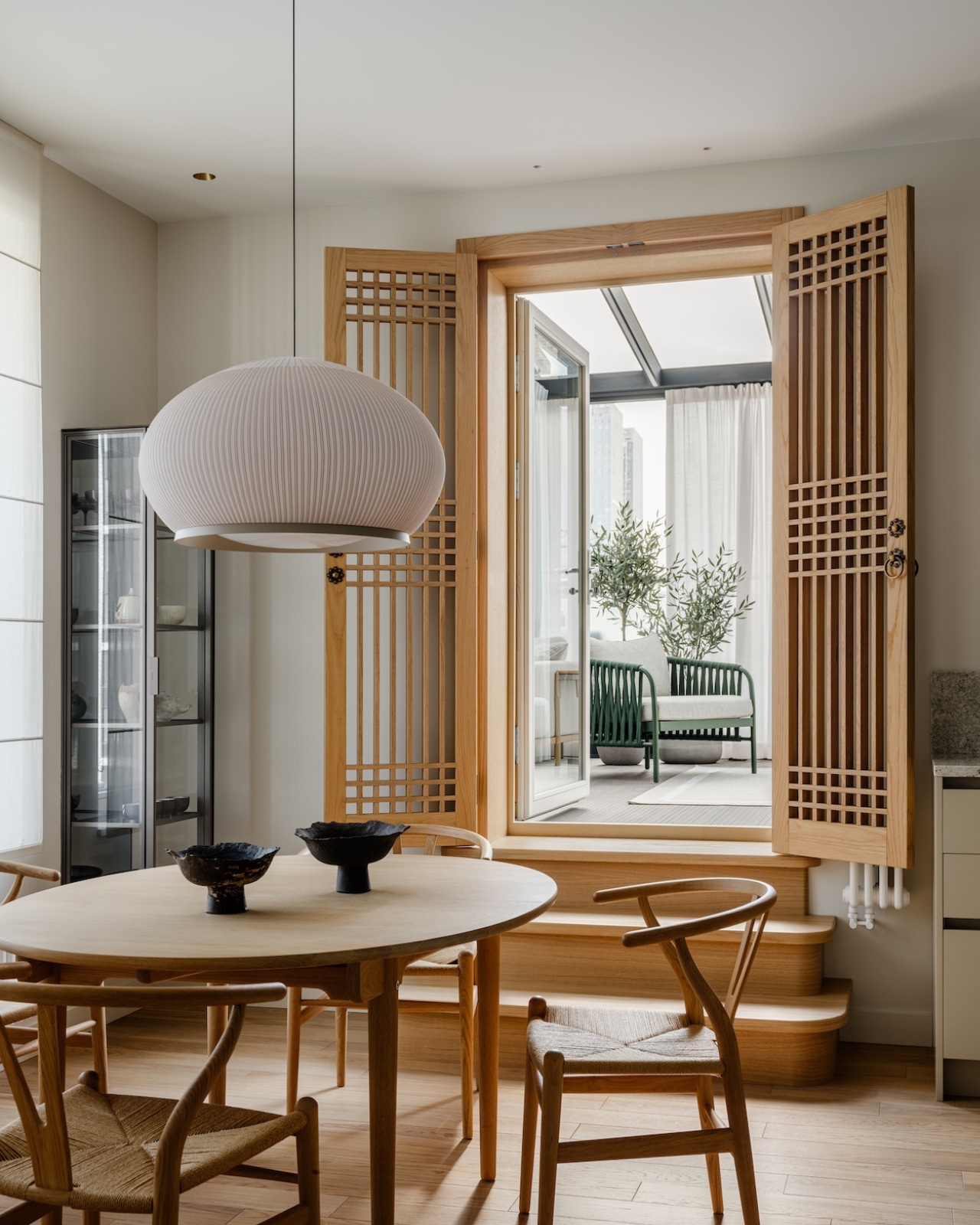
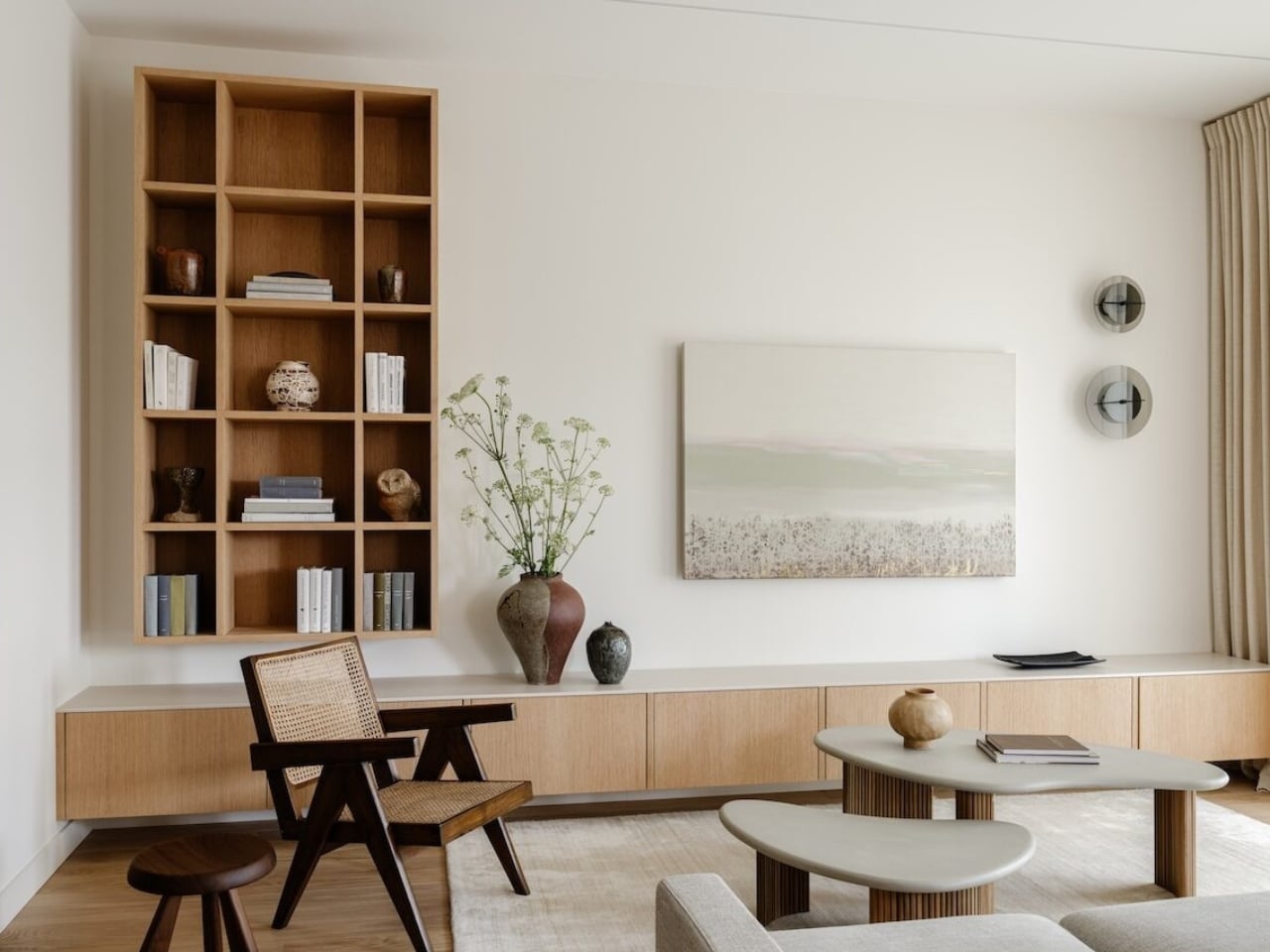
Context matters more than design writing usually admits. Moscow is not Seoul. The climate is different, the architectural tradition is different, the cultural references a visitor would bring to the space are different. And yet, within the apartment, you feel transported. Not in a theatrical way, not in a way that announces itself. It’s a quieter sensation, more like a shift in atmosphere. The light changes, the materials soften, and the rhythm of moving through the rooms feels deliberate and calm. That quality of calm is the hanok’s deepest gift, and Kordya has managed to carry it across an extraordinary distance.
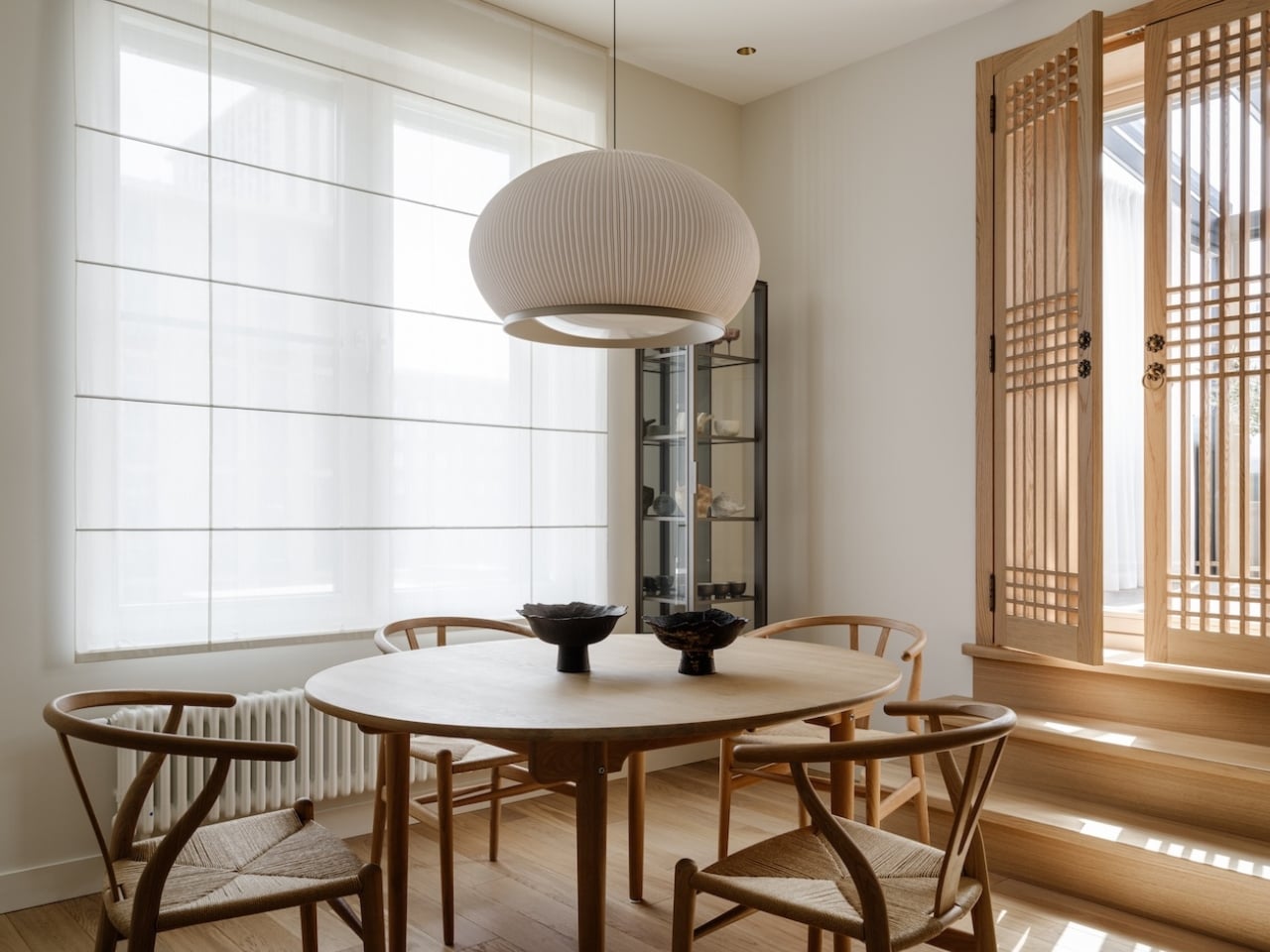
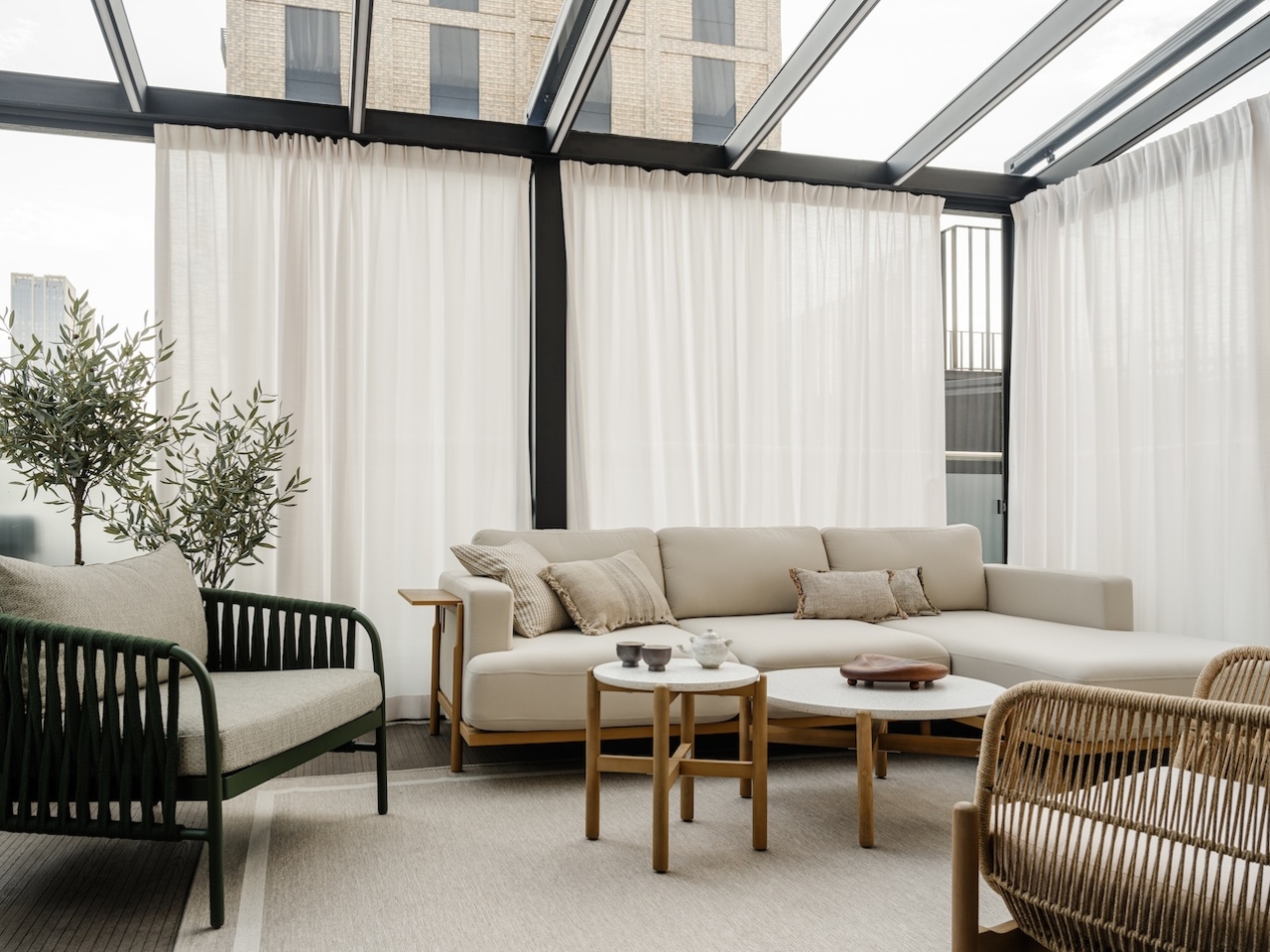
Residence Open is a reminder that the most interesting design conversations happen at the intersection of cultures rather than within any single one. It takes confidence to root a home this deeply in a tradition that isn’t local, and clarity to translate that tradition faithfully rather than decoratively. Inga Kordya brought both. The result is a home that knows exactly where it comes from, and is completely at ease with where it ended up.
The post Korean Hanok Design Just Landed in a Moscow Apartment first appeared on Yanko Design.


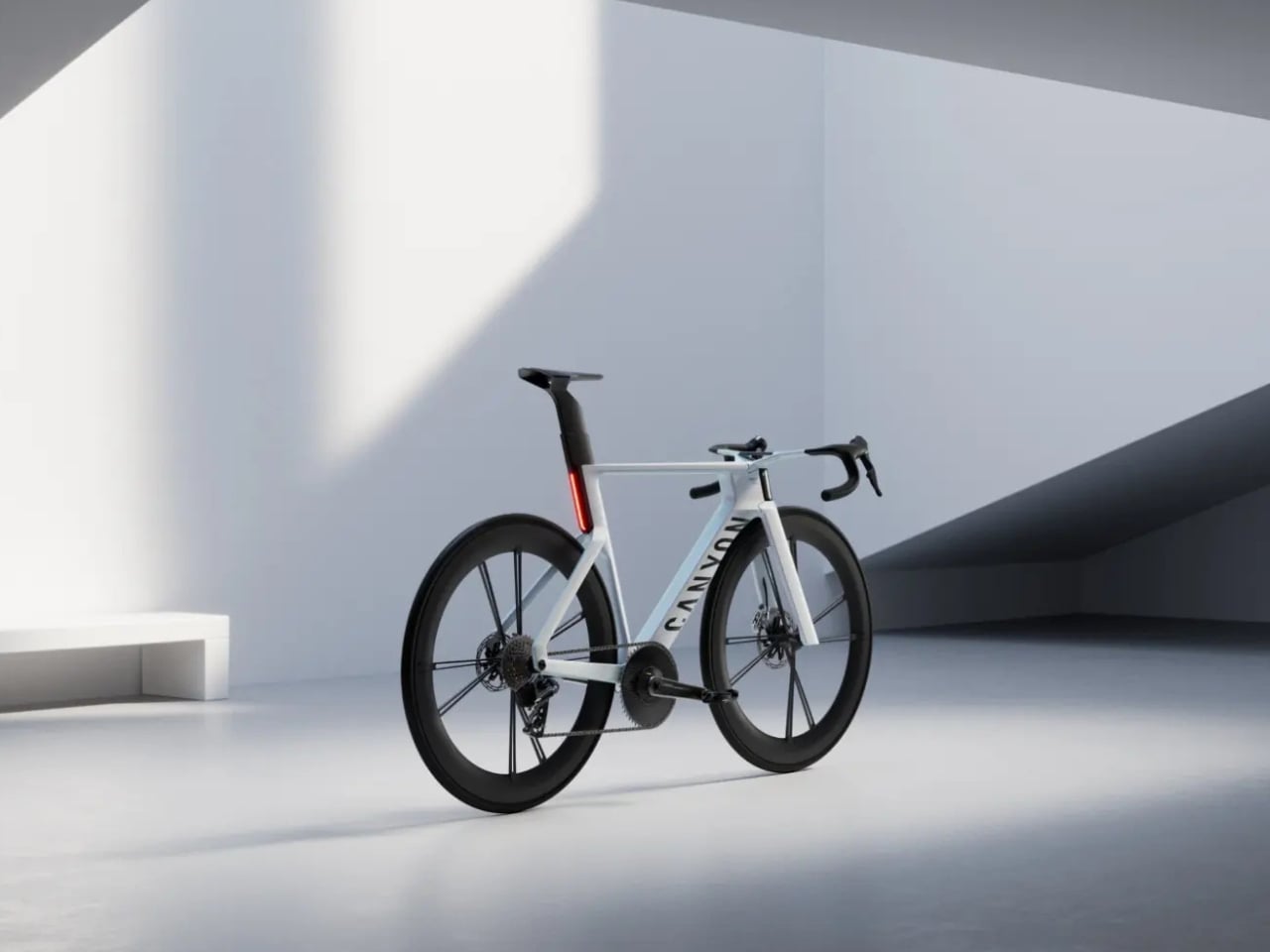
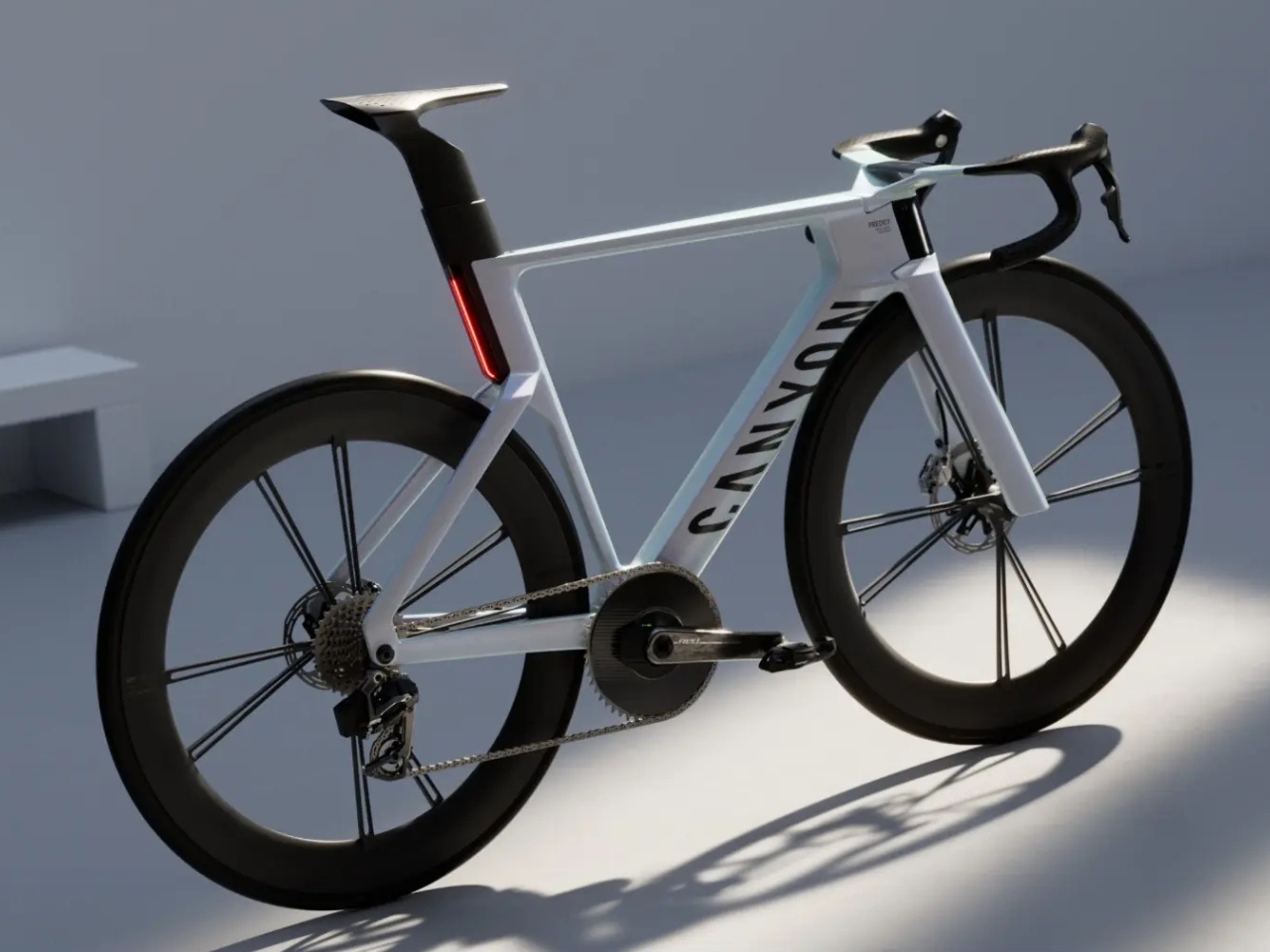
Road cycling has always been a sport that rewards the rider who pays the most attention. You watch the road, you watch the traffic, you watch the rider in front of you. You’re constantly processing information, making micro-decisions at every turn. Which is exactly why Canyon’s Predict concept bike, which made its debut at Eurobike 2026, feels less like a cycling product and more like a quiet but serious rethinking of what a bike is allowed to be.
The premise is deceptively simple: rather than reacting to danger, the bike anticipates it. Canyon built the Predict with a 360-degree sensor array, combining radar, cameras, and a multi-dimensional motion sensor, all working together under an Edge AI system that assigns risk scores to what it detects and communicates those scores to the rider in real time. Four radar sensors total, three at the front and one at the rear, plus a data screen built directly into the handlebar. The whole setup is compact, integrated, and far sleeker than you’d expect from something packing this much hardware.
Designer: Canyon
What makes the Predict genuinely interesting isn’t the specs list, though. It’s the shift in design philosophy behind it. Cyclists have had cameras and GPS computers bolted onto their bikes for years, but those tools are still fundamentally passive. You look at the screen when you want to. You check the rearview camera on your own time. The Predict doesn’t wait for you to ask. It tracks group-ride dynamics, advises on cornering speeds, and predicts hazardous road surfaces, all before the rider even registers a problem. The bike talks to you through haptic signals in the handlebars, which means your eyes don’t have to leave the road for the alert to land.
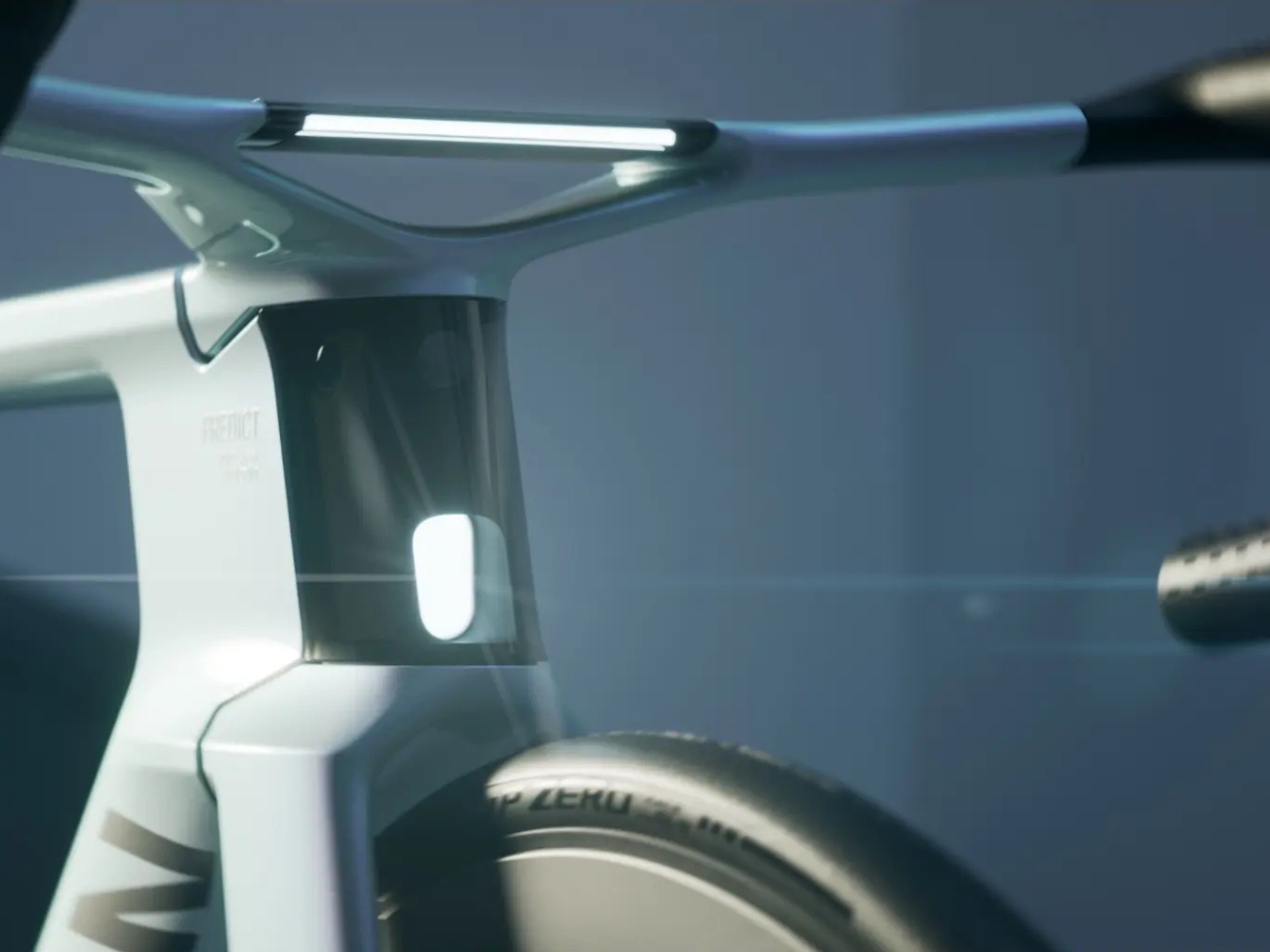
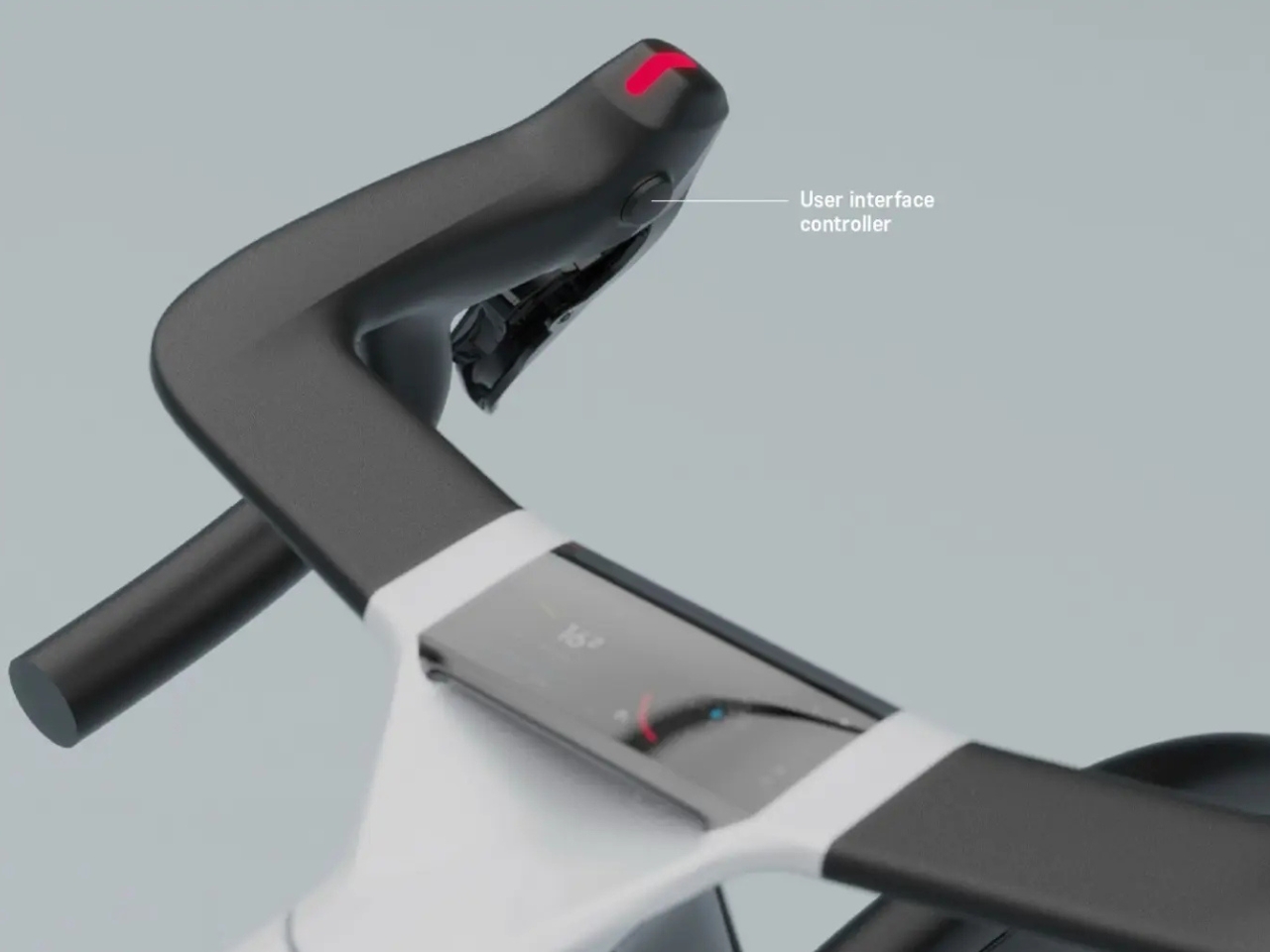
That detail matters more than people might realize. Most cycling safety gear operates on the assumption that the rider has a free moment to process information. The Predict is designed around the fact that sometimes you simply don’t. It’s a subtle but meaningful distinction, and it tells you a lot about where Canyon’s thinking really is right now.
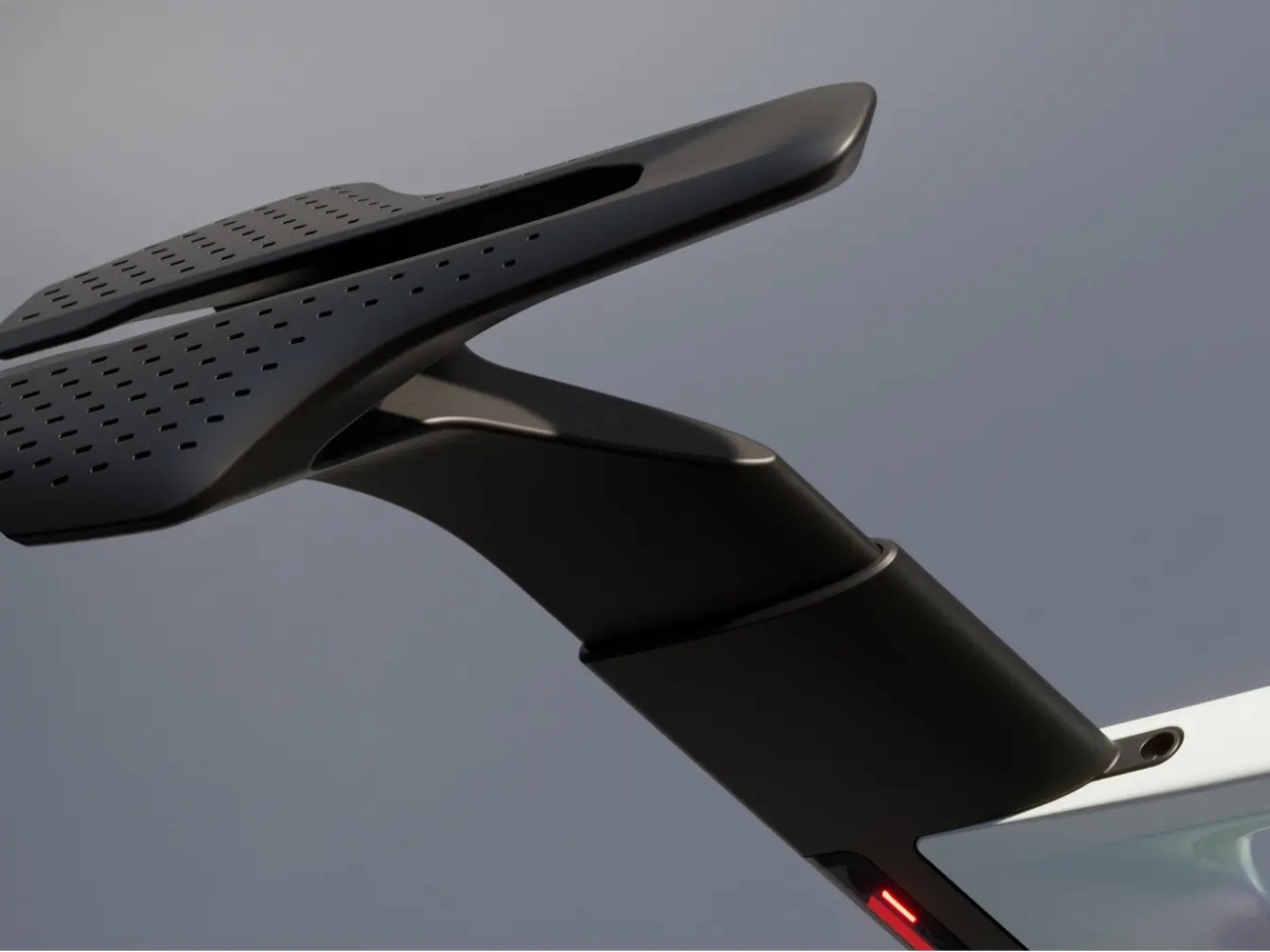
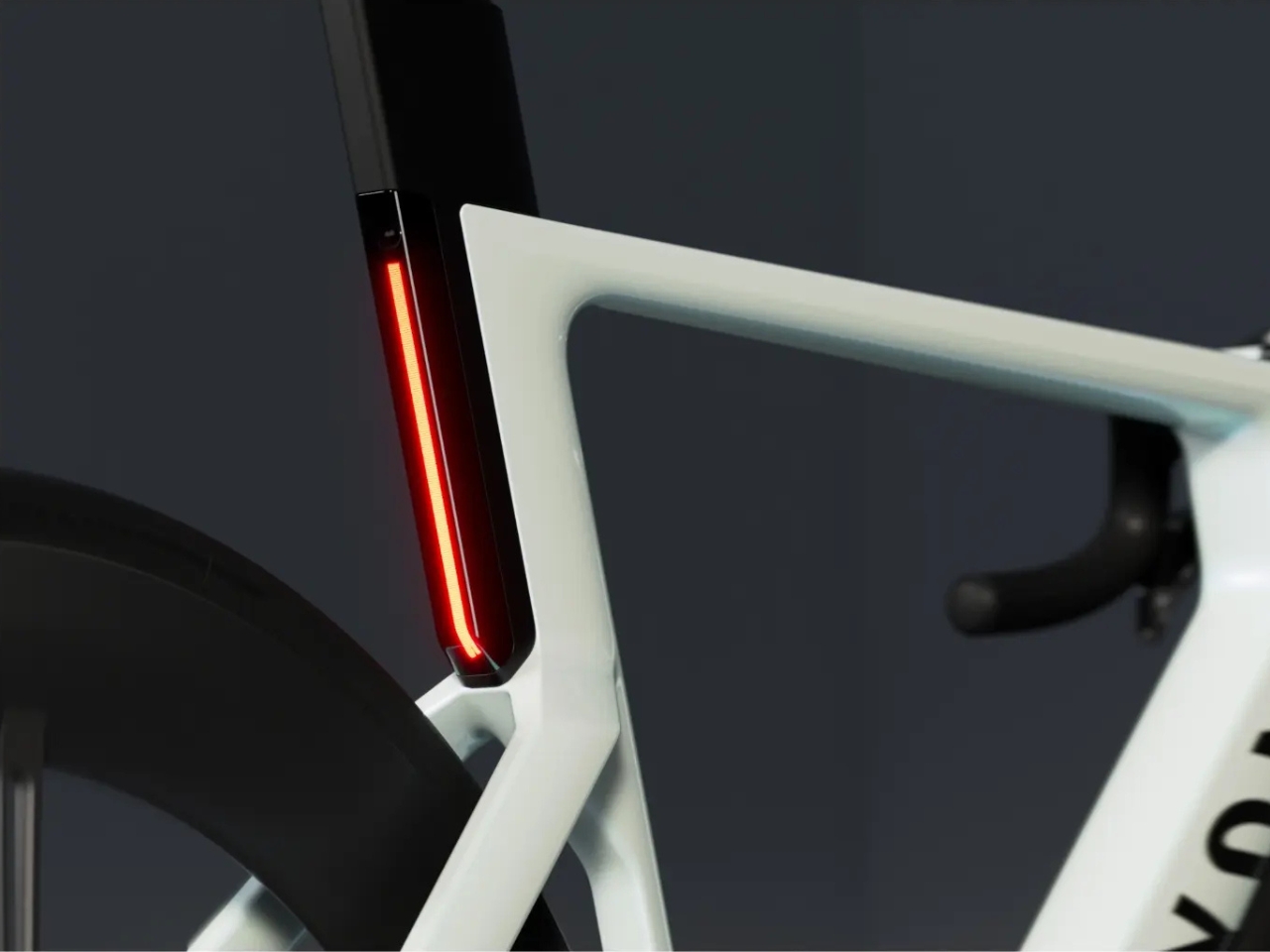
The bike also pairs with the Canyon Stingr Smart Helmet, which features a drop-down visor with its own data visualization screen. Wearing that helmet while riding the Predict, you’d essentially have a full 360-degree awareness system wrapped around you, the kind of setup that until recently existed only in motorsport or military contexts. Seeing it applied to a road bike is either thrilling or slightly unsettling, depending on your disposition. I lean toward thrilling.
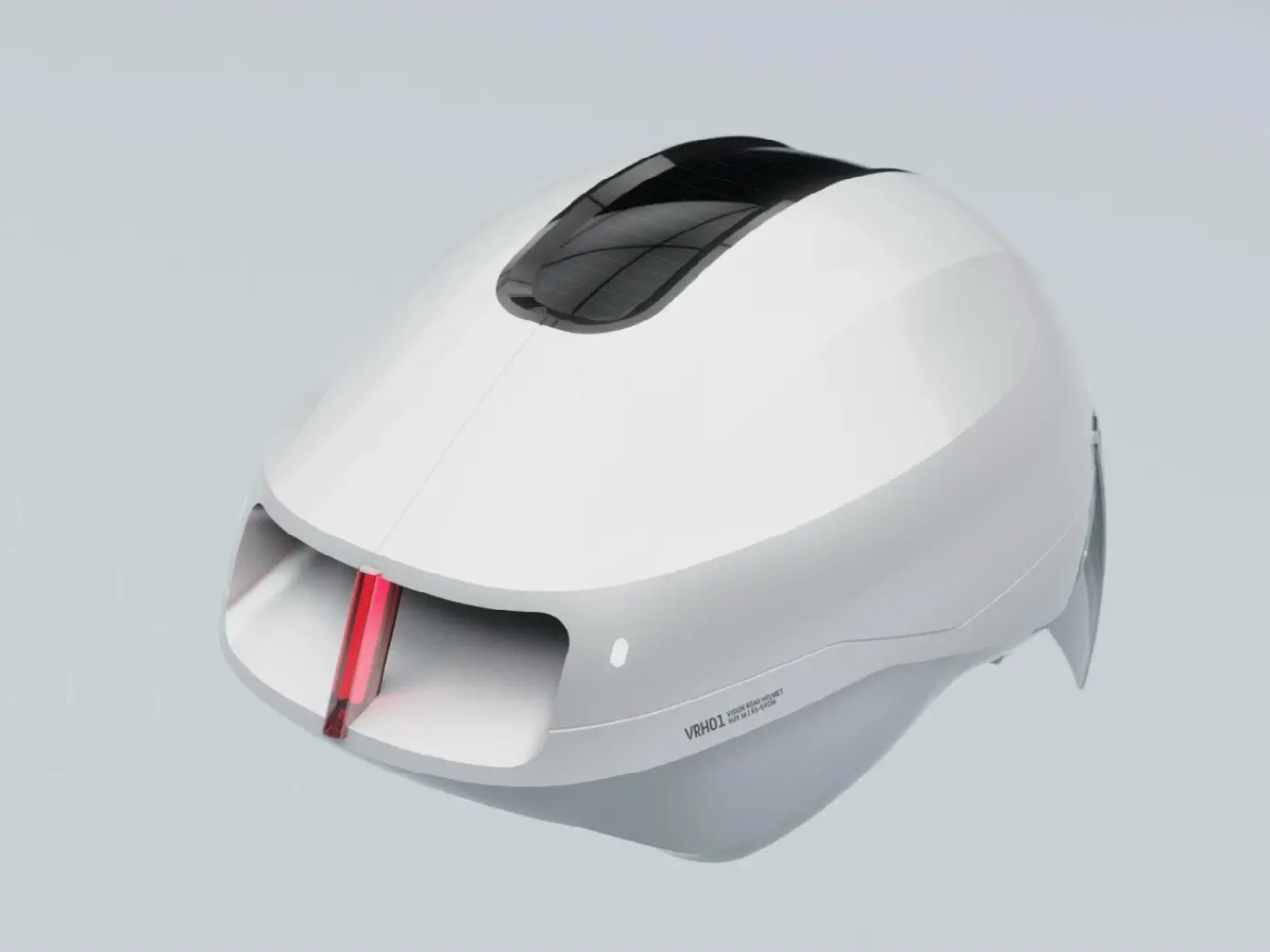
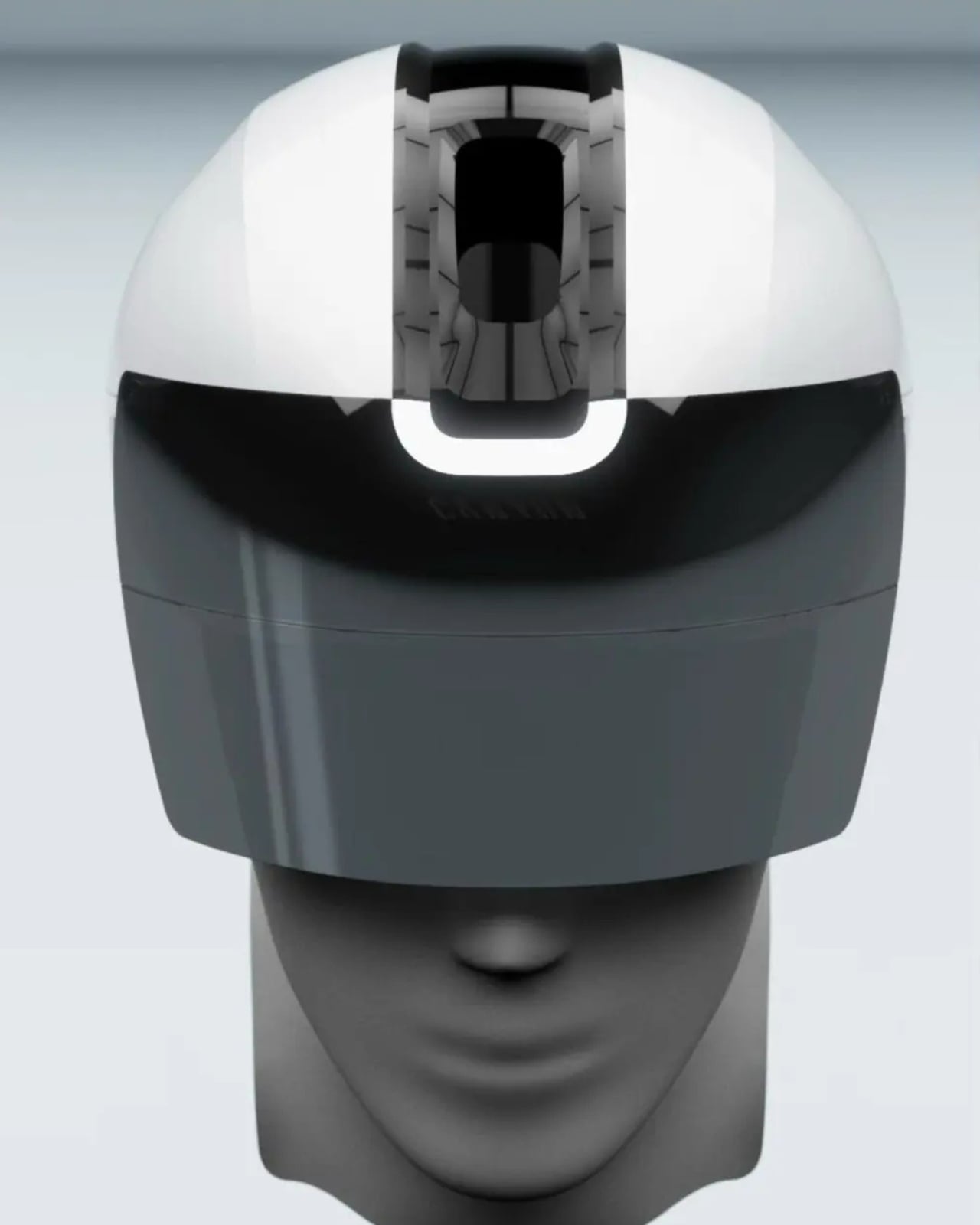
There’s a natural question worth naming directly: at what point does all this technology change the experience of riding rather than just enhancing it? Cycling has a deeply personal quality to it. The appeal, for a lot of people, is the relationship between body, machine, and road, the very human act of reading the environment yourself. The Predict does a portion of that reading for you, and I don’t think that’s a bad thing, but it’s worth sitting with.
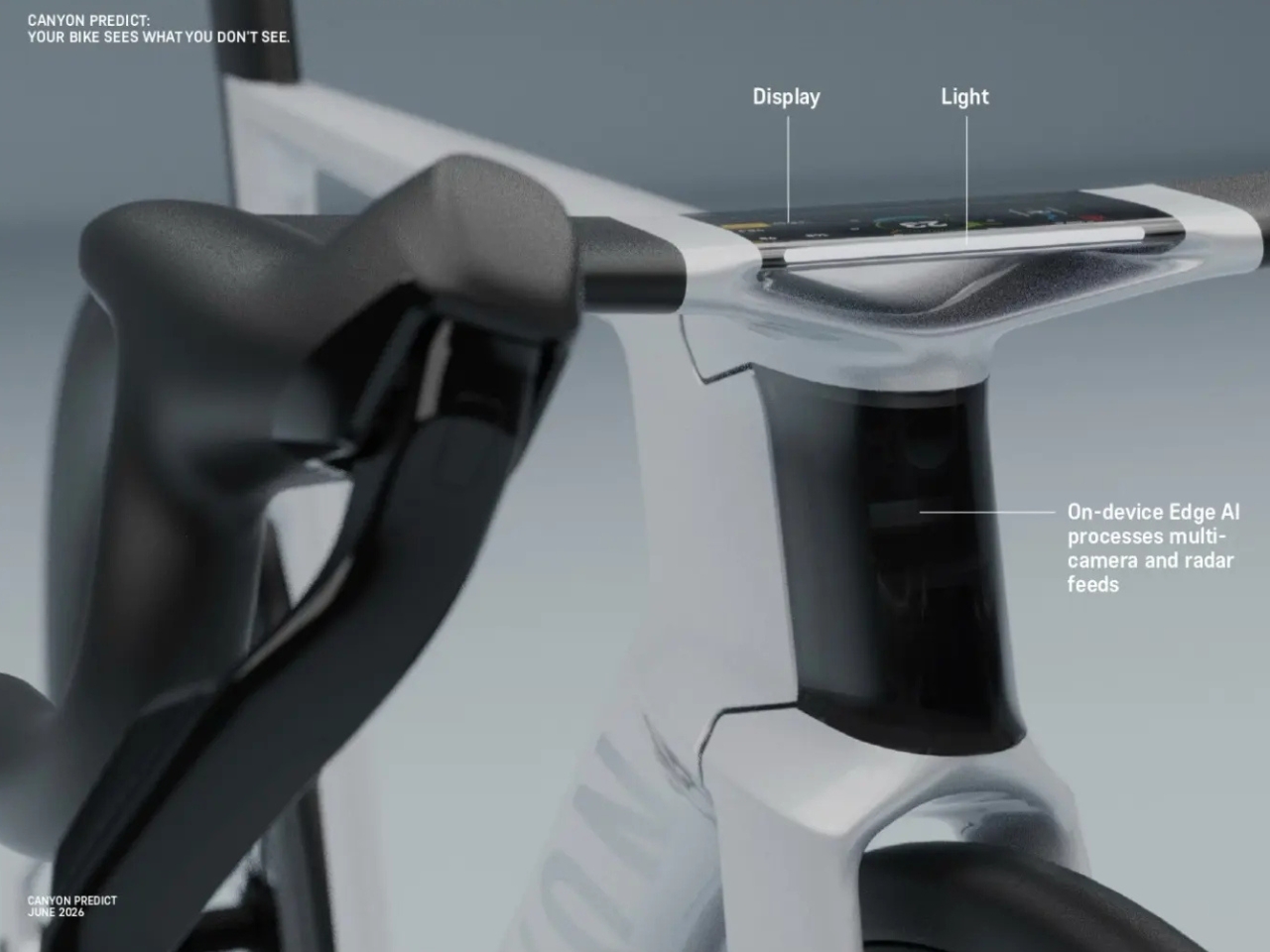
My honest take is that Canyon isn’t trying to automate the rider out of the experience. They’re trying to buy back the rider’s attention for the things that matter most: the road, the ride, the moment. The safety layer runs in the background so you don’t have to. That’s a thoughtful design goal, and it shows in how cleanly the technology is packaged. Nothing about the Predict looks bolted on or retrofitted. It looks like what a bike is supposed to look like, with the tech quietly embedded inside.
The Predict is still a prototype. It’s not heading to market tomorrow, and real-world software testing still stands between this convention floor concept and a commercially viable product. But the hardware is largely functional today, the vision is clear, and the intent is serious. Canyon isn’t just imagining a safer bike. They’re doing the actual work to build one, and that alone is worth paying attention to.
The post Canyon’s New Bike Knows a Crash Is Coming Before You Do first appeared on Yanko Design.



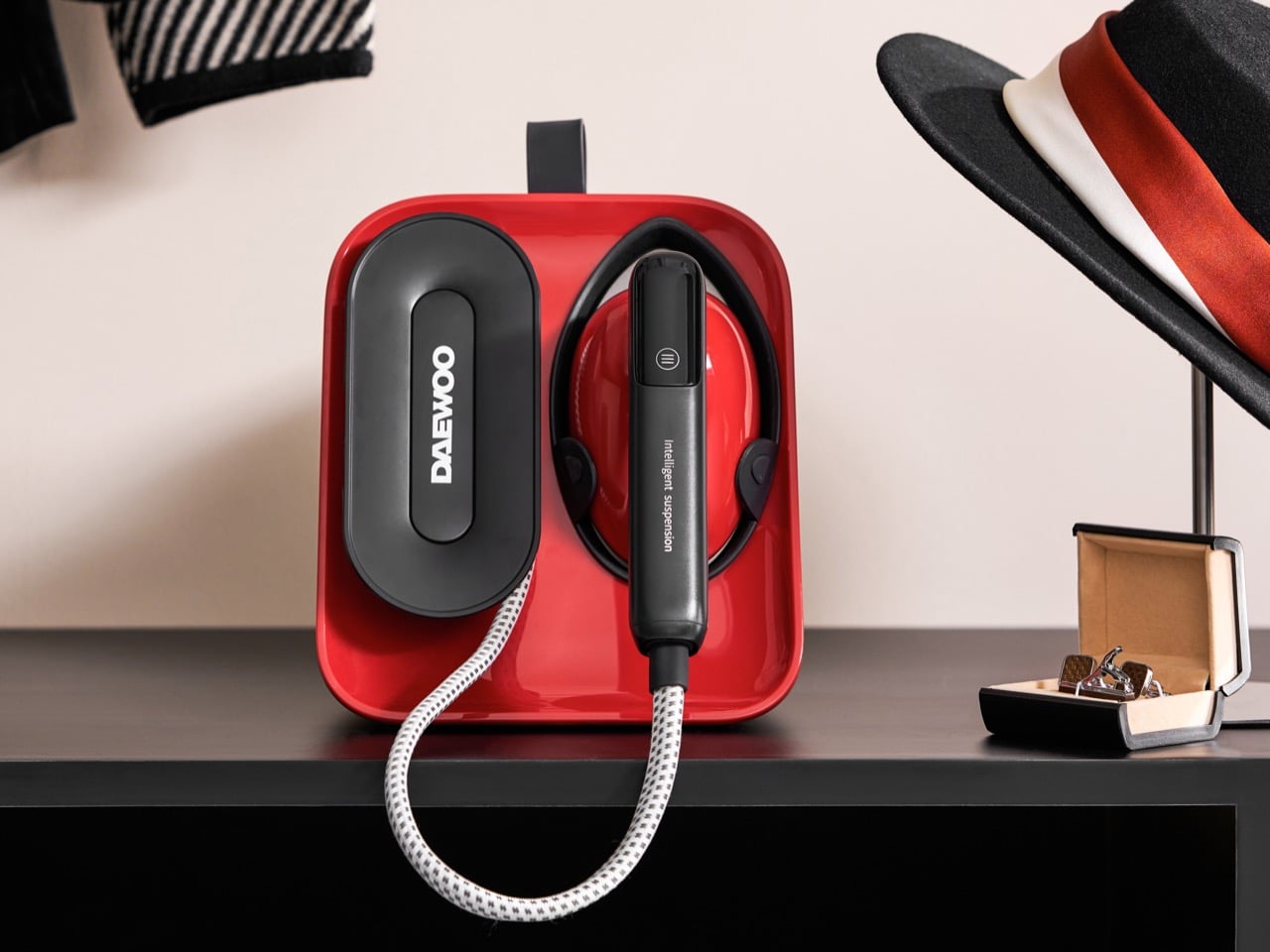
Daewoo’s Rose Portable Iron collapses into the profile of a classic clothes iron, except there’s no soleplate anywhere on it. The red dome is a 550kPa steam head that never touches your shirt, and the whole assembly parks on a desk in the footprint of a sheet of A4 paper. The black wand tucks flat against the body when you’re done, closing everything into one clean shape instead of leaving cords and heads scattered around. Fold it up and you get a glossy red teardrop that looks like it belongs on a shelf next to your hats and cufflinks, not shoved in a closet with the vacuum. It might be the best looking iron I have ever laid eyes on, full stop.
That’s kind of the point. Ironing has looked the same since your grandmother’s era, hot metal, heavy arm, burnt fingertips optional. Daewoo took the silhouette everyone recognizes and gutted the inside, swapping pressure for a fine mist of high pressure steam that hovers over the fabric instead of flattening it. The project comes out of Guangdong Daewoo’s in-house design team under Wang Jun, and it won Top Design honors in the Home Appliances: Small category at the 2025 European Product Design Award, a competition that judges shipping products rather than sketches. It’s a weird little magic trick, and somebody clearly thought it deserved a trophy for pulling it off.
Designer: Guangdong Daewoo Design Team
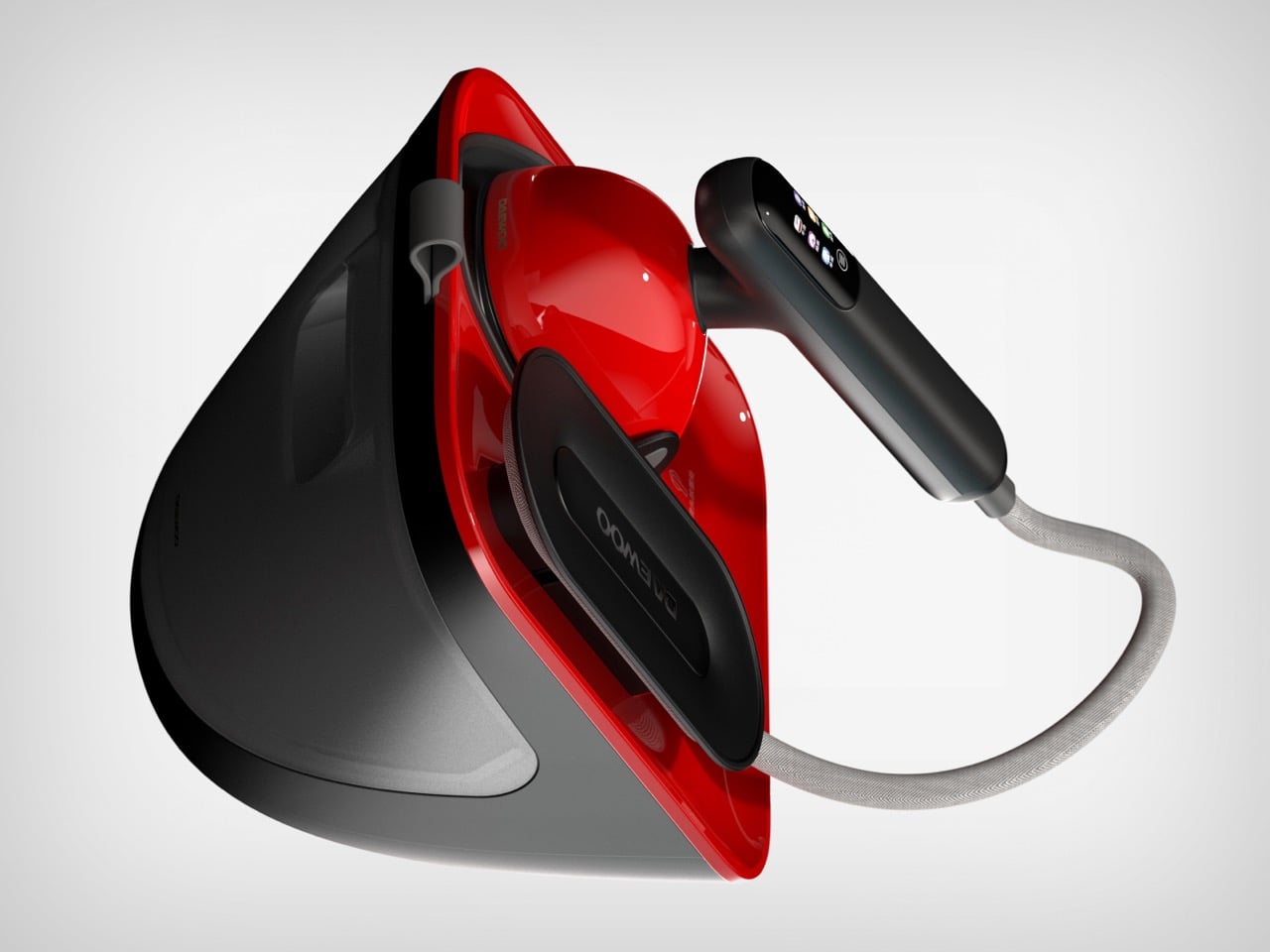
Design history has a name for this trick, skeuomorphism, when a new object borrows the shape of what it’s replacing so people instinctively know what to do with it. Digital cameras kept the shutter click, and early e-readers animated a page turn, small gestures borrowed from objects they were busy erasing. The Rose runs that instinct backward, keeping the exact wedge shape of a clothes iron even though nothing inside actually presses fabric anymore. It’s a strange kind of respect for a shape nobody thinks about, right up until someone guts everything underneath it and leaves the outline alone on purpose. The result looks familiar enough to trust and strange enough to stop your thumb mid-scroll.
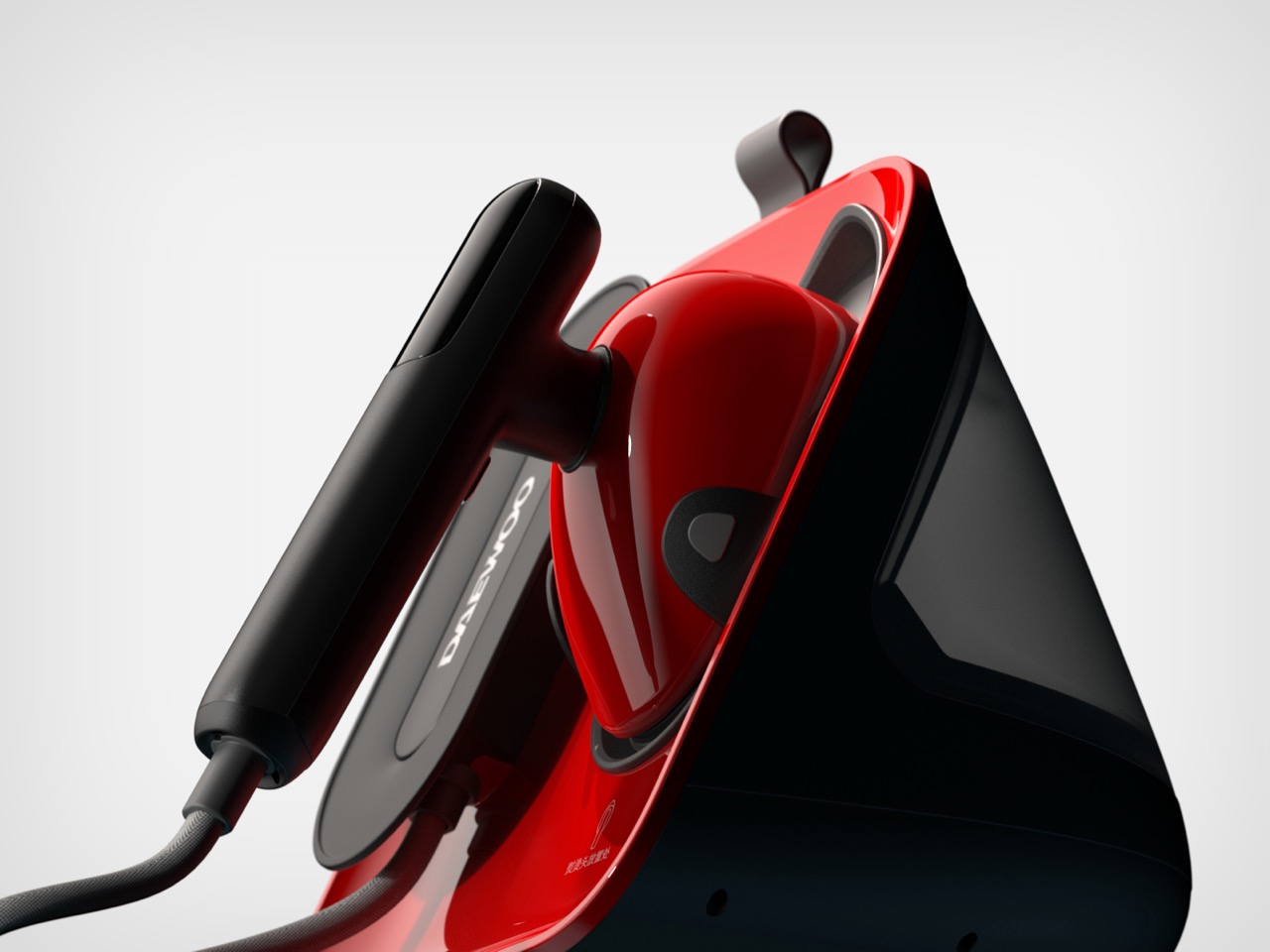
Inside that dome is the actual news. A 550kPa pressurized system pushes steam through five stages of vaporization, dense enough to punch through fabric fibers without soaking them, so clothes come out warm and dry rather than damp. Daewoo’s own demo shows the head steaming a balloon without popping it, which is either a fun party trick or genuinely reassuring if you own anything silk. Five modes tune temperature and steam volume by fabric, running from 110°C for silk up to 210°C for wool, with a narrower precision tip built for touchy spots like coat buttons. None of that matters if the thing scorches your favorite shirt, but on paper, it is built to avoid exactly that.
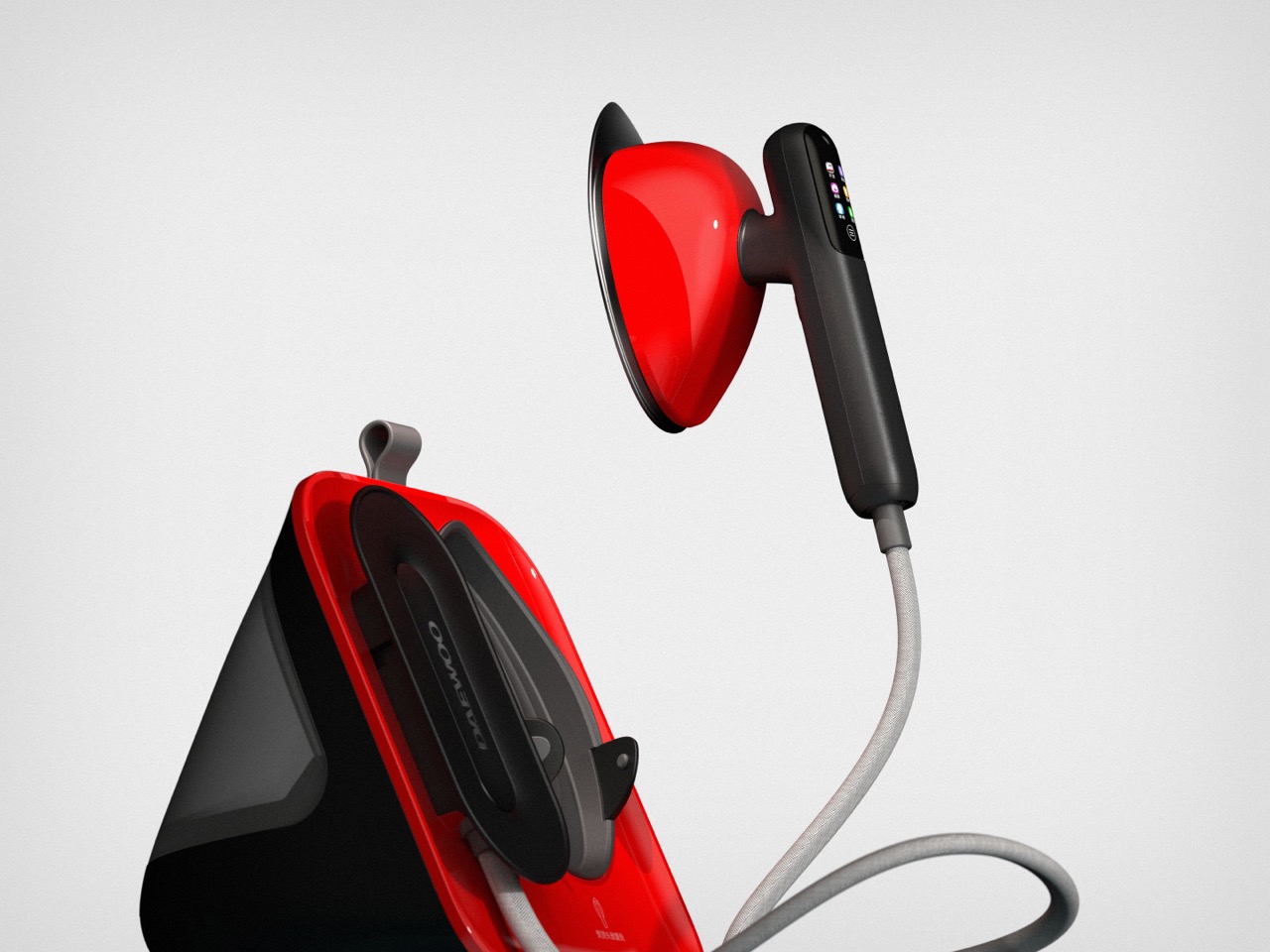
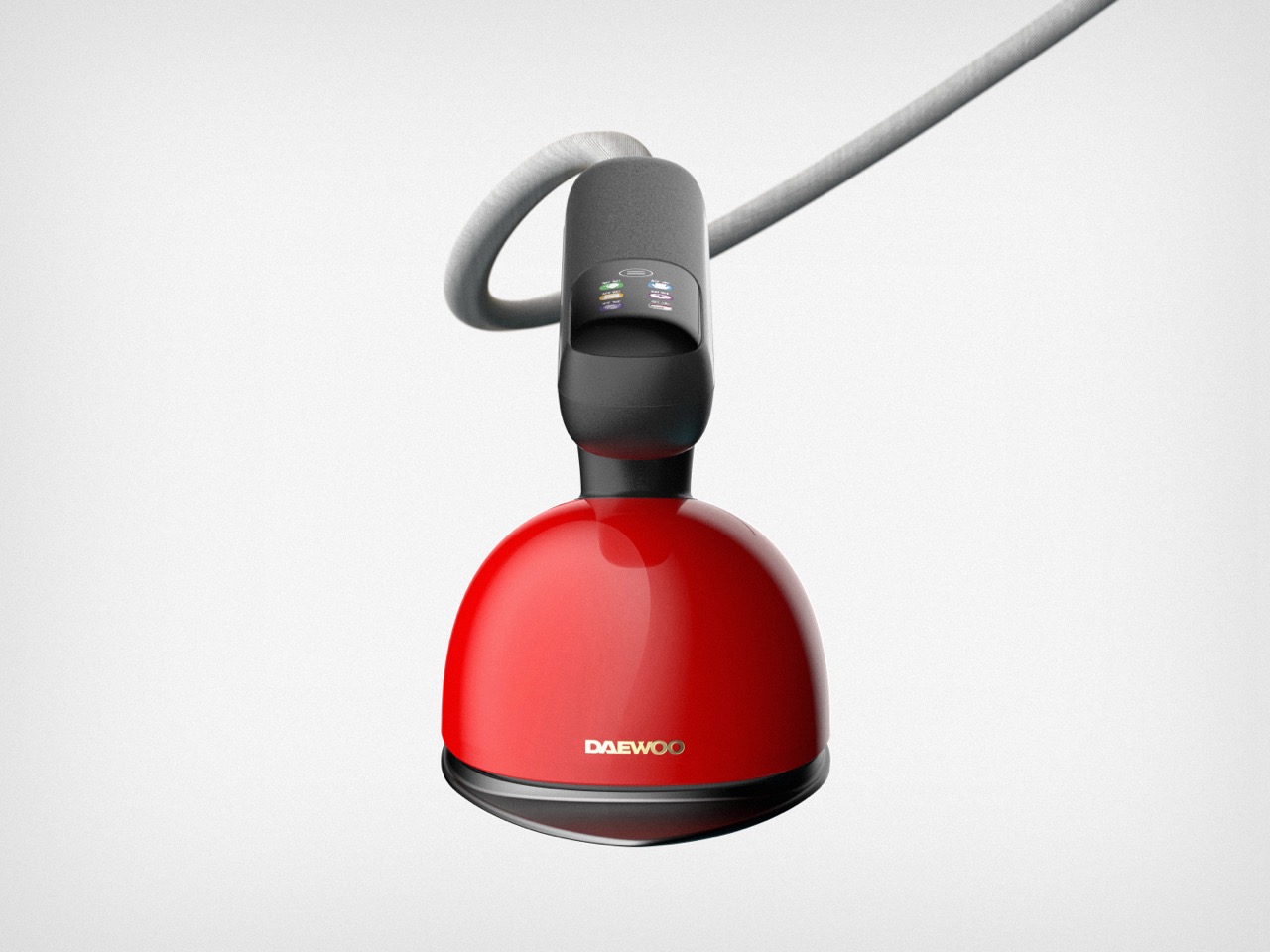
The original Daewoo chaebol collapsed into bankruptcy in 1999, and this badge now belongs to Guangdong Daewoo, a licensed China based operation with a Korean trading office attached. That is not a knock on the product, plenty of legacy names live second lives this way, but the actual design credit sits with Wang Jun’s team, not the vintage logo. It is also a corded, mains powered unit rather than a battery gadget, so portable here means light enough to carry across a room, not cordless freedom. It currently ships only in China across a small ladder of trims, working out to roughly 140 to 196 dollars depending on exchange rate. No release outside China is confirmed yet, so importing one means budgeting for a plug adapter and a converter.
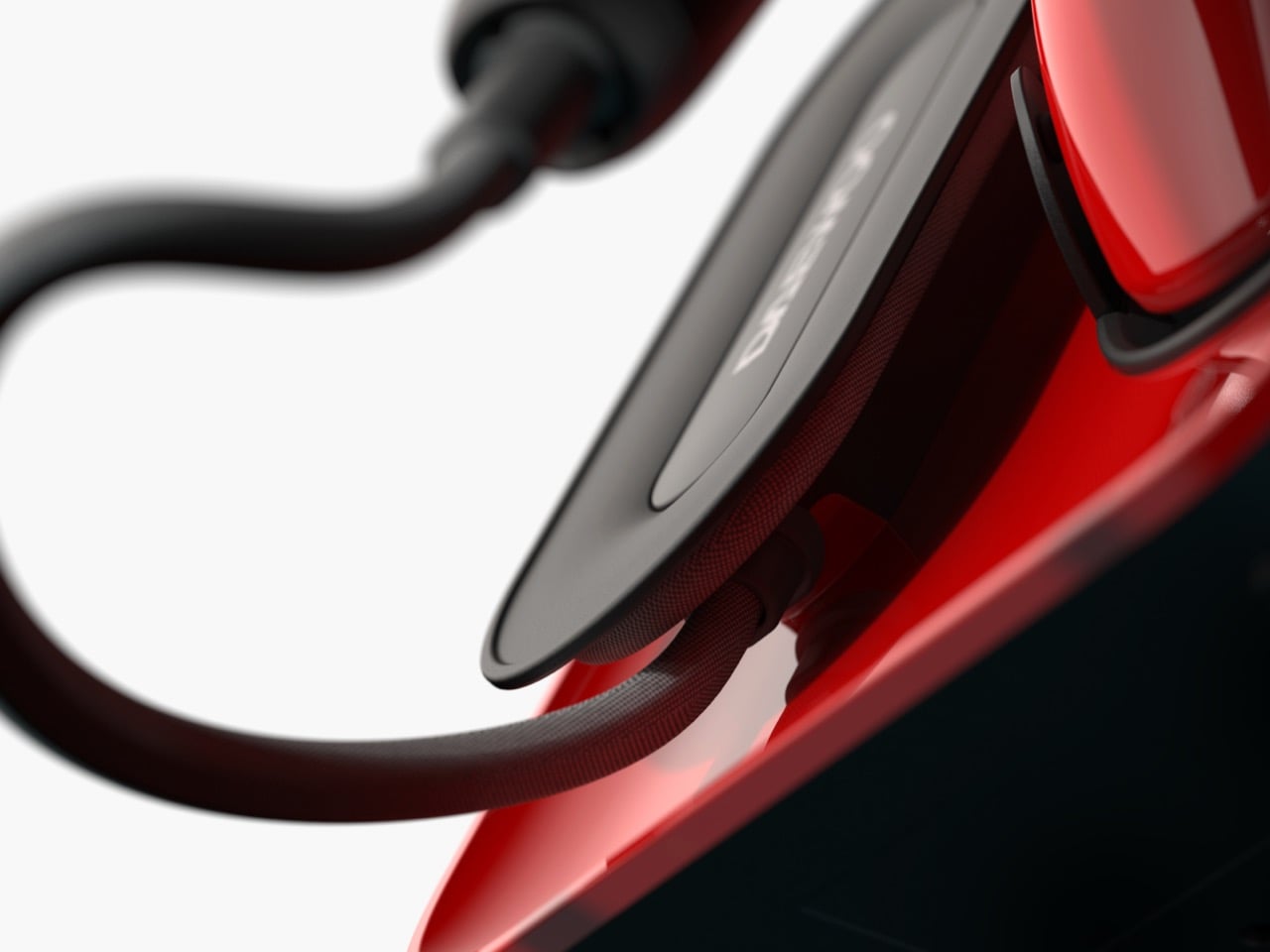
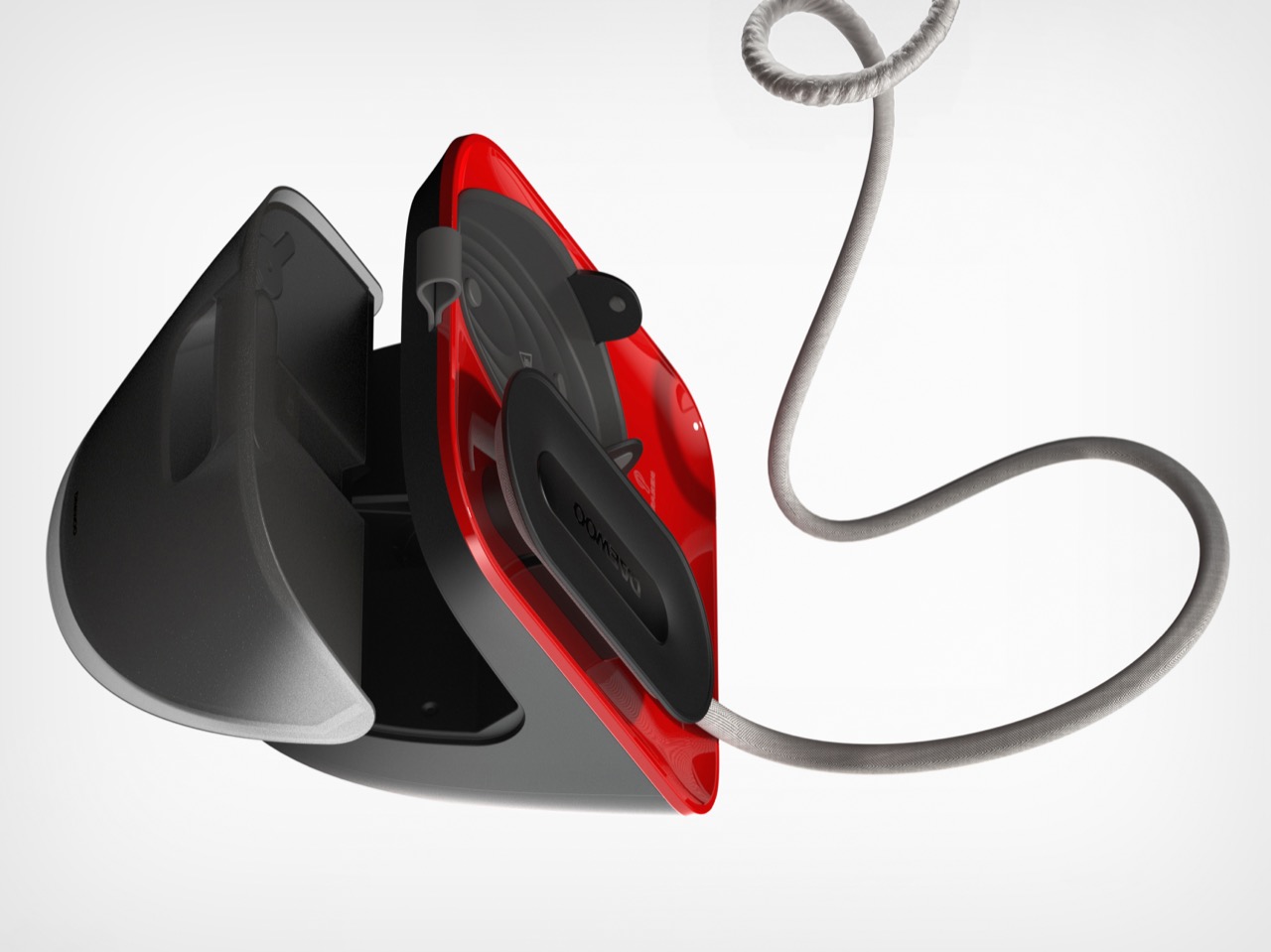
Most appliance makers chasing “reinvented” just bolt a screen onto something and call it smart. Daewoo instead looked at the single most recognizable silhouette in the laundry room and asked what would happen if everything under it changed while the outline stayed put. The answer folds down to the size of a sheet of paper and looks better on a dresser than most speakers do. Whether it actually out-irons a cheap steamer from the drugstore is a separate question nobody outside a Guangdong test lab has fully answered, but as a piece of industrial design humor, it is hard not to grin at.
The post Daewoo’s Rose Iron Folds to A4 Size and Steams Without a Soleplate first appeared on Yanko Design.