Adidas Finally Made the $150 Shoe Gym Rats and Runners Need

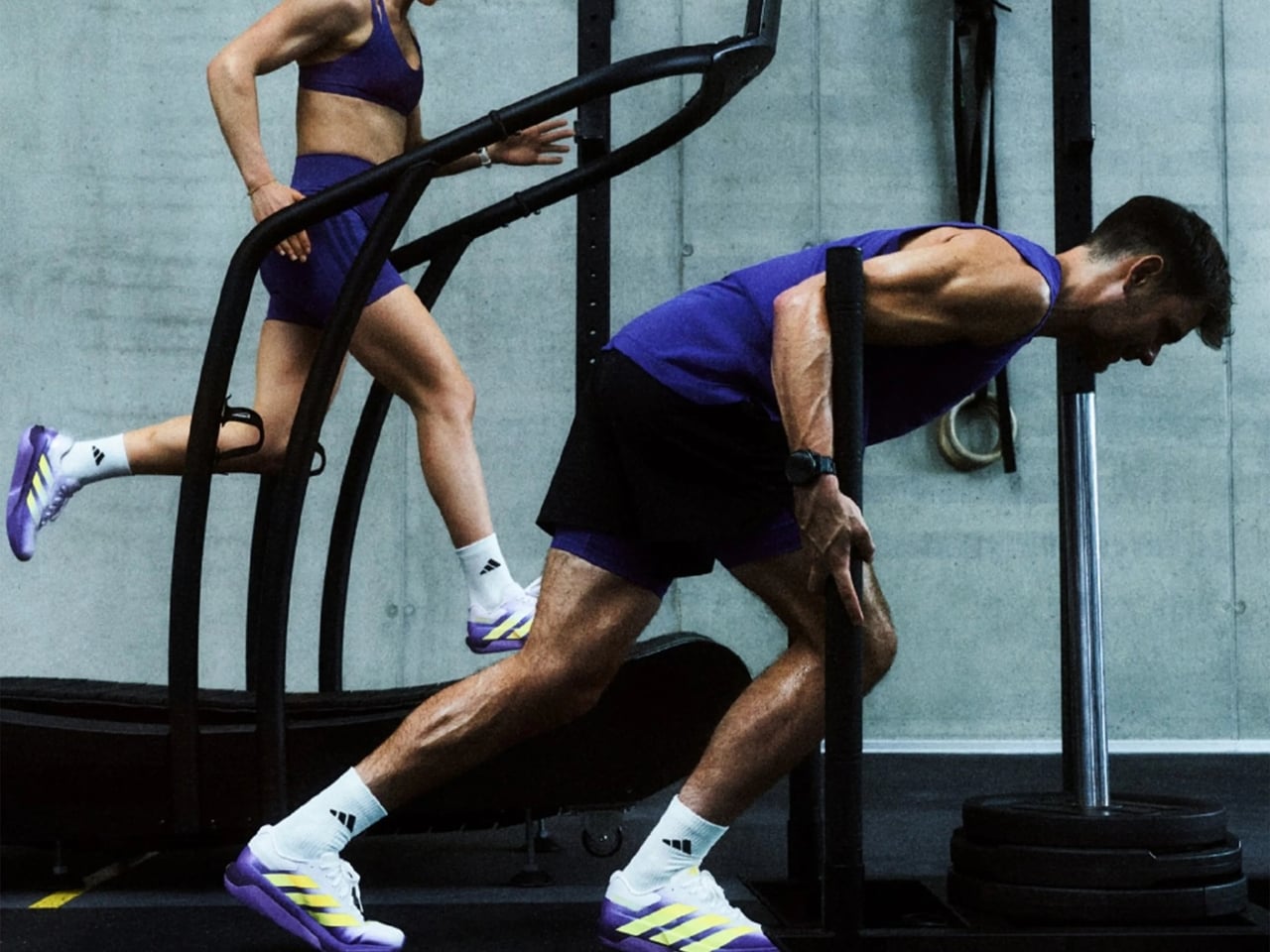
Most gym bags tell a story. For hybrid athletes, that story usually includes at least two pairs of shoes: one for running, one for lifting, and a creeping sense that neither is ever quite right for the moment you need it most. It’s the kind of inefficiency that gets quietly accepted because, until recently, no one had built a convincing alternative. Adidas has apparently decided to change that.

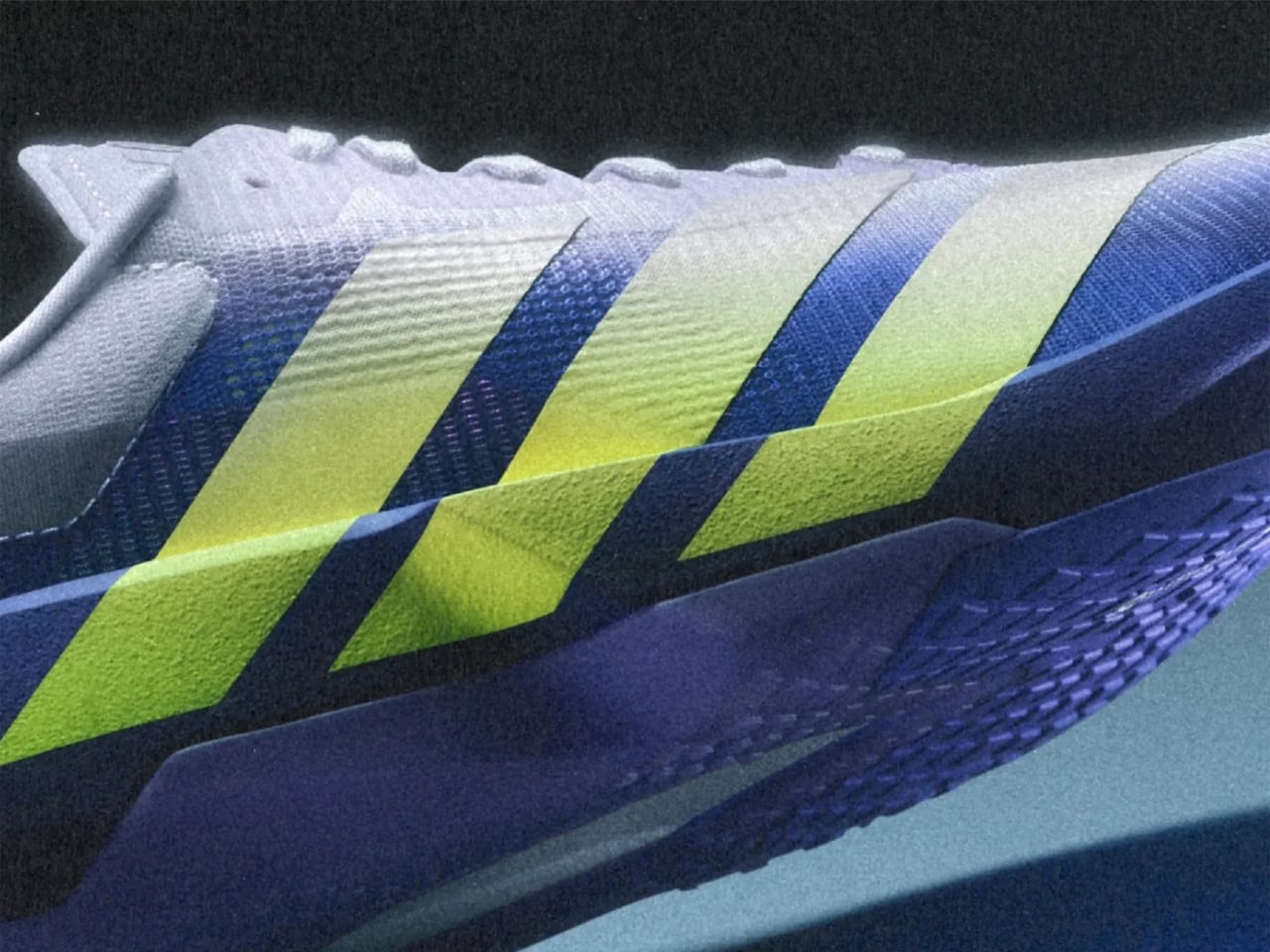
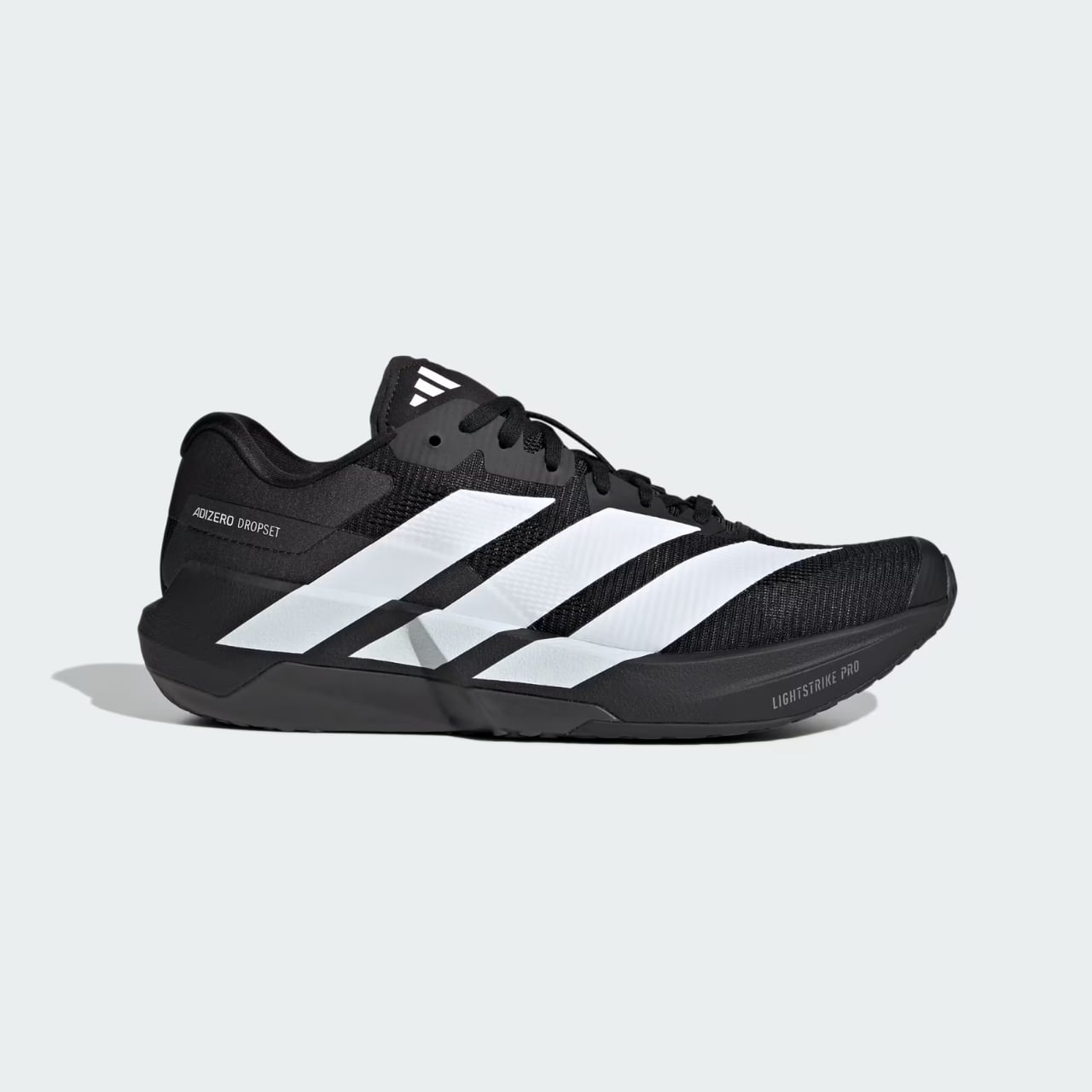
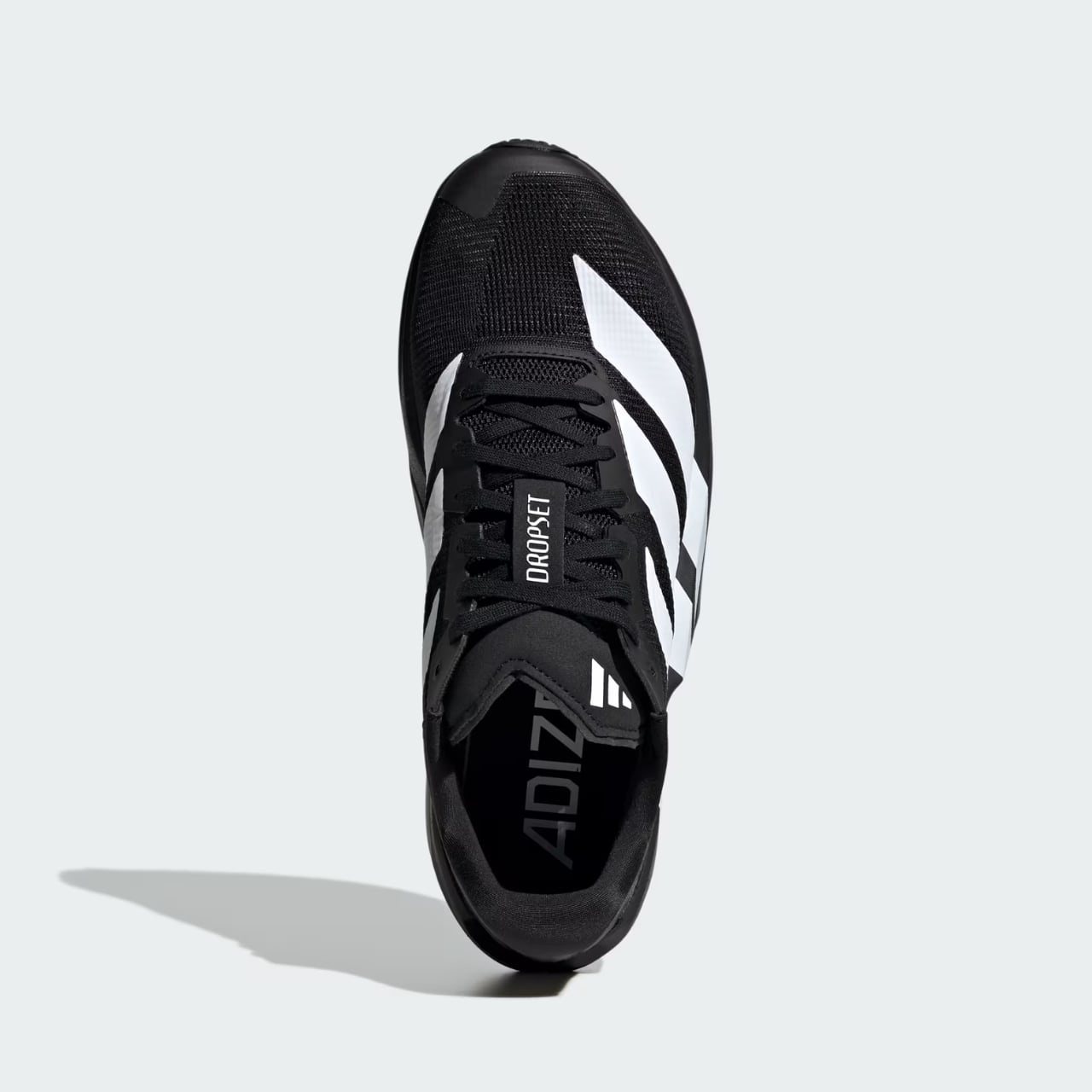
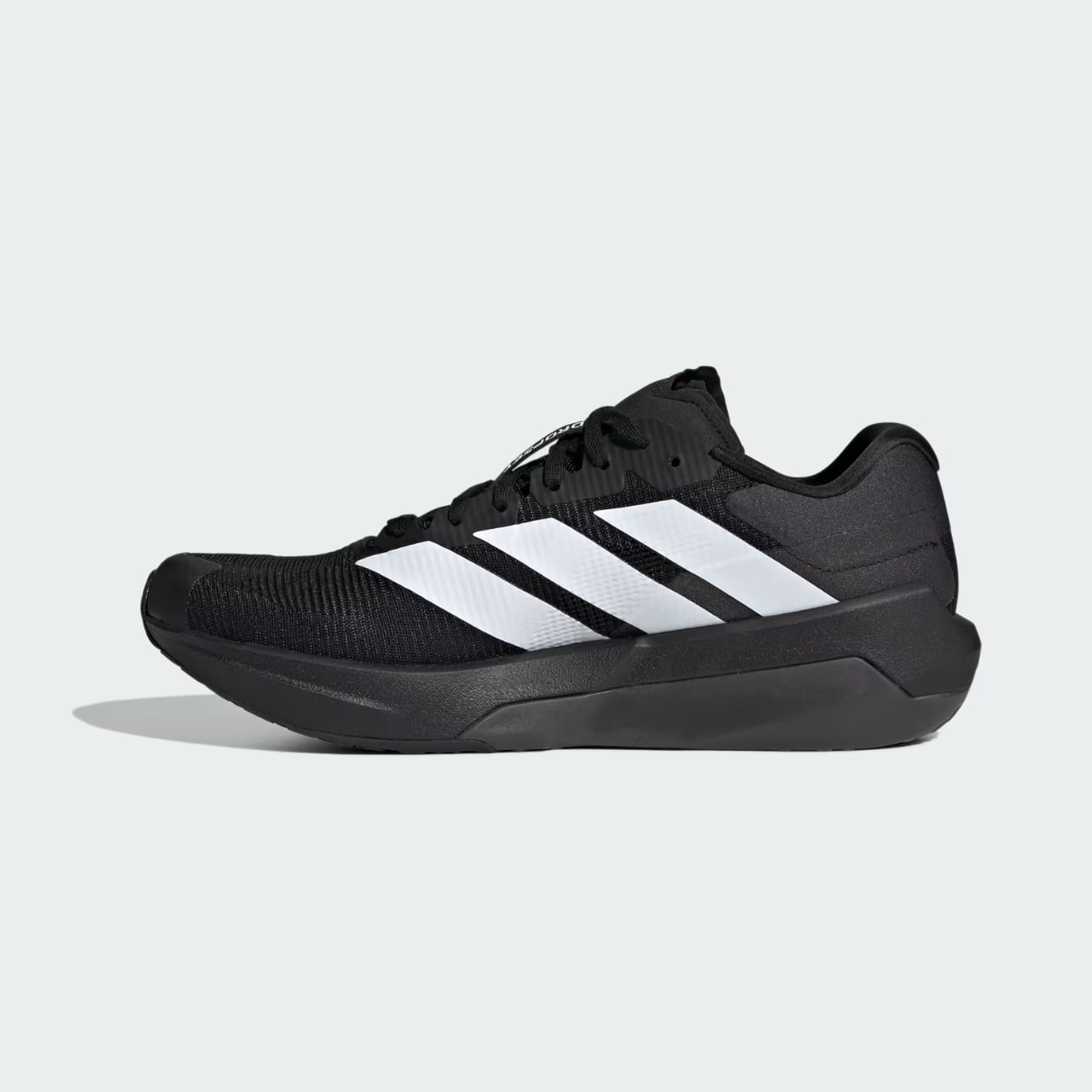
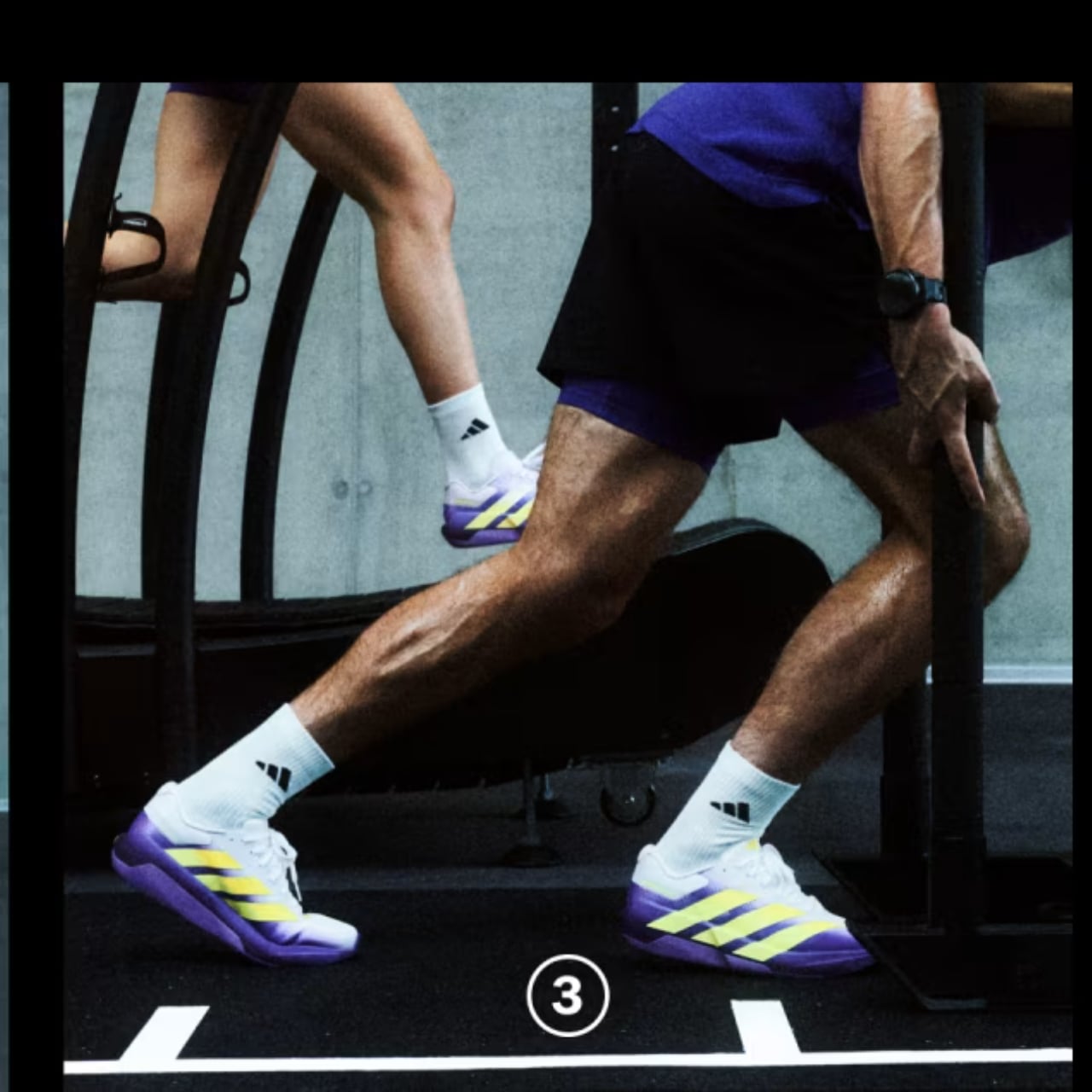
The Adizero Dropset Pro, launched on June 17, is the brand’s most aggressive answer yet to the hybrid training problem. It pulls technology from two of Adidas’s strongest lineages, the speed-obsessed Adizero racing series and the stability-focused Dropset training franchise, and merges them into a single shoe priced at $150. On paper, that sounds like the kind of thing every sneaker company promises. In practice, the details suggest Adidas might actually mean it this time.

Designer: adidas
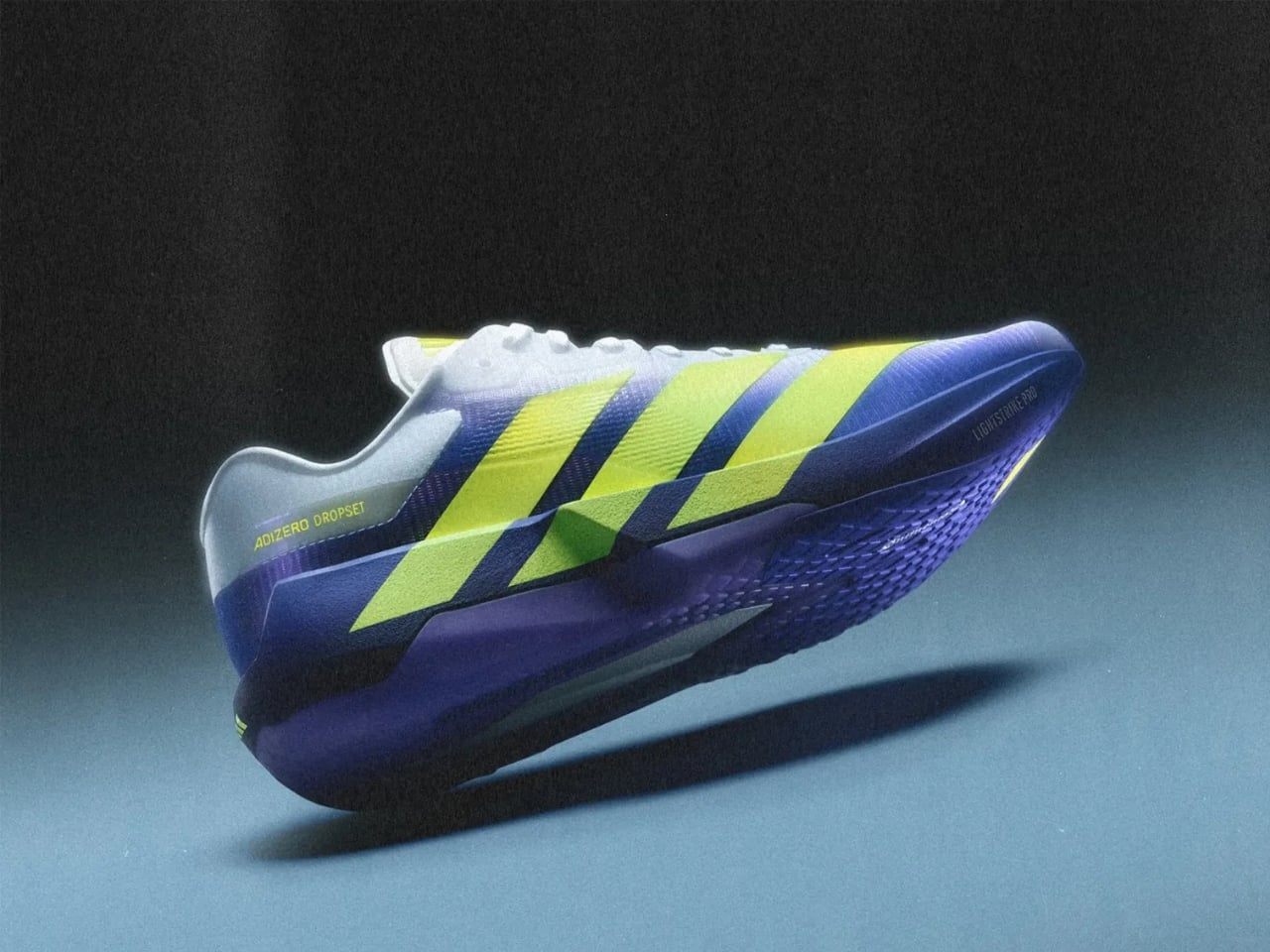
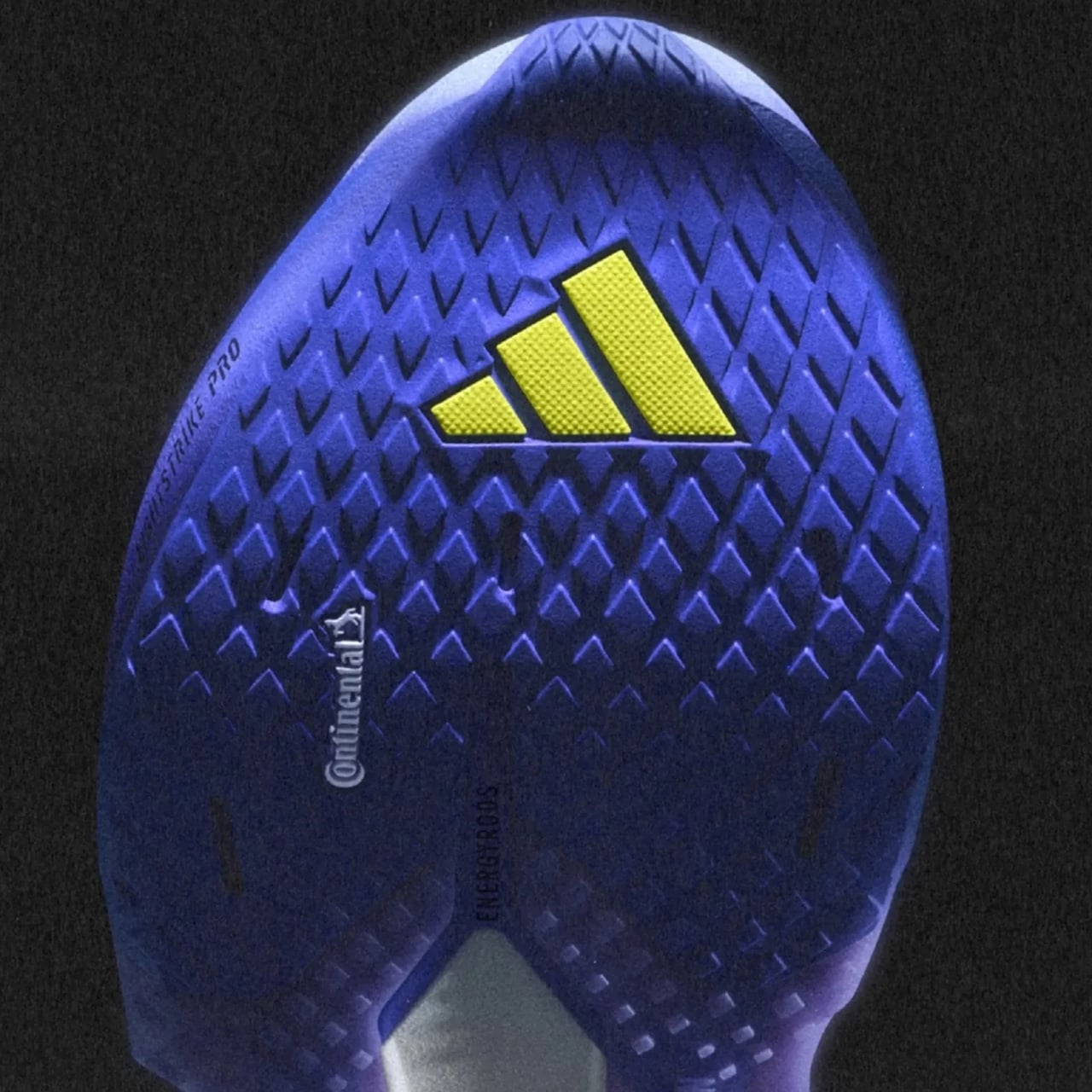
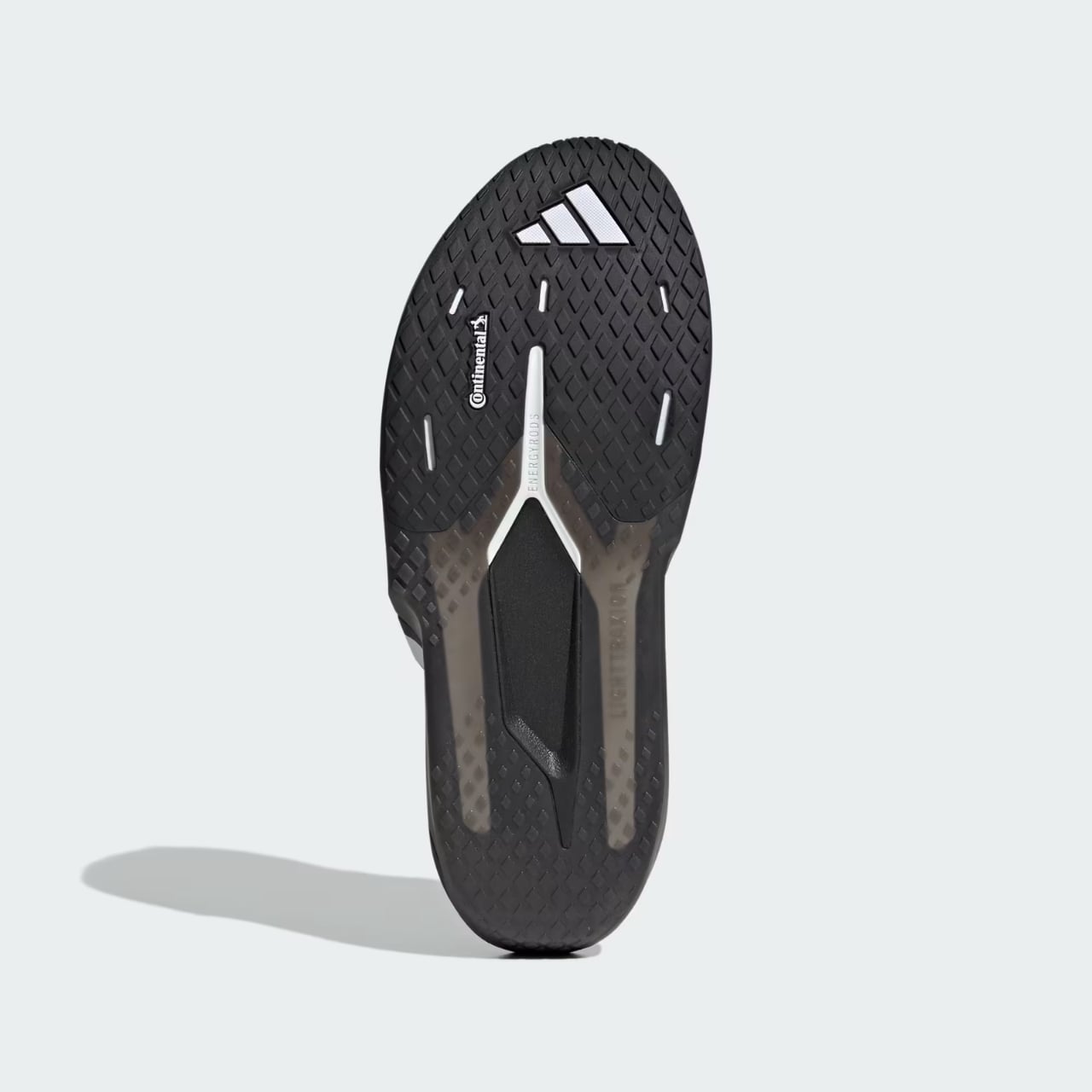
Start with the midsole. Lightstrike Pro foam, the same cushioning technology found in Adidas’s elite racing shoes, sits at the core of the Adizero Dropset Pro. It’s lightweight and responsive, built for forward momentum, which is exactly what you need when you’ve just finished a set of deadlifts and you’re heading into a 1K run. Energy Rods run through the midsole for propulsion, pushing you off the ground with the kind of efficiency that shaves seconds off your transitions without requiring you to think about it.
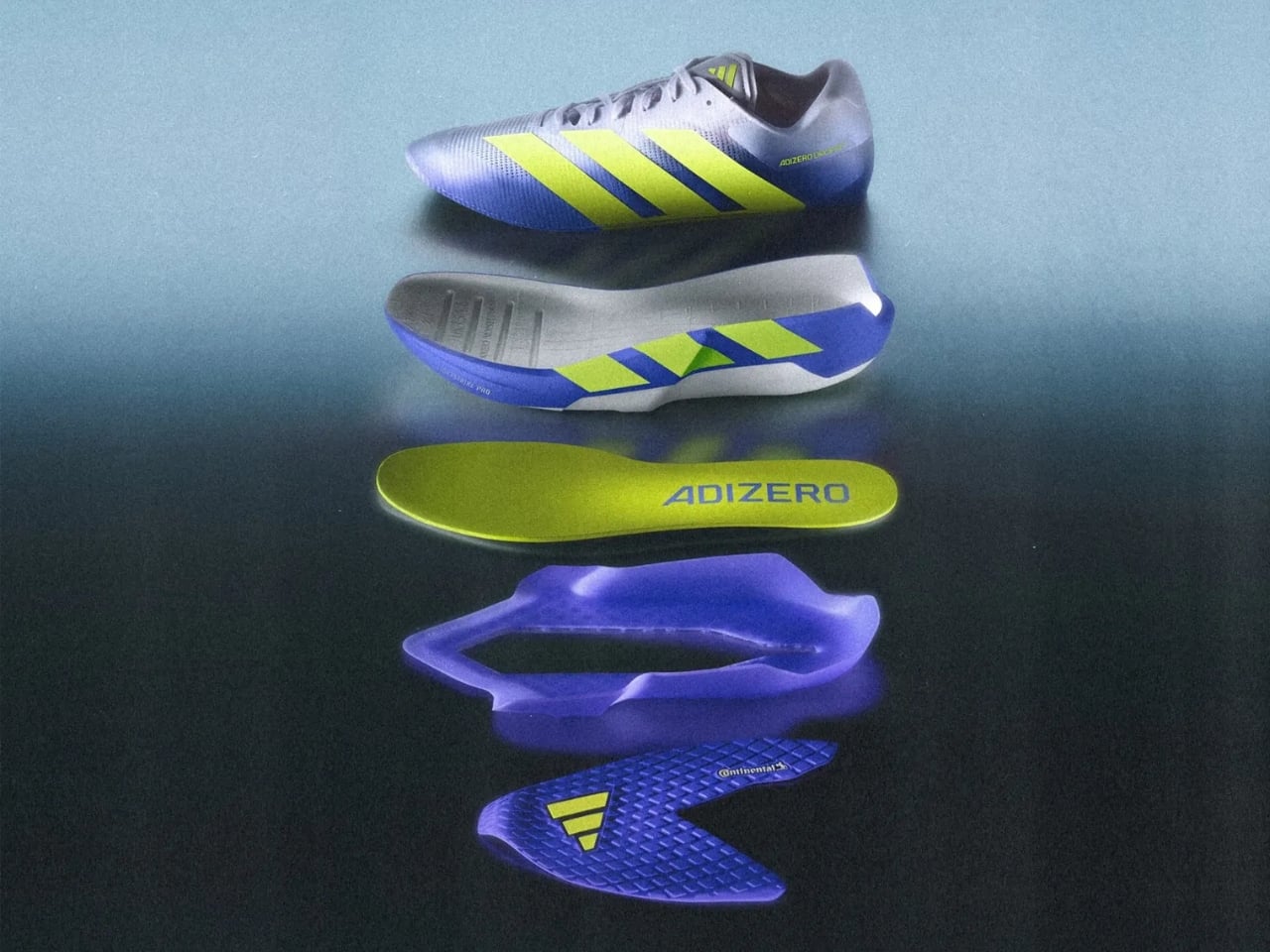
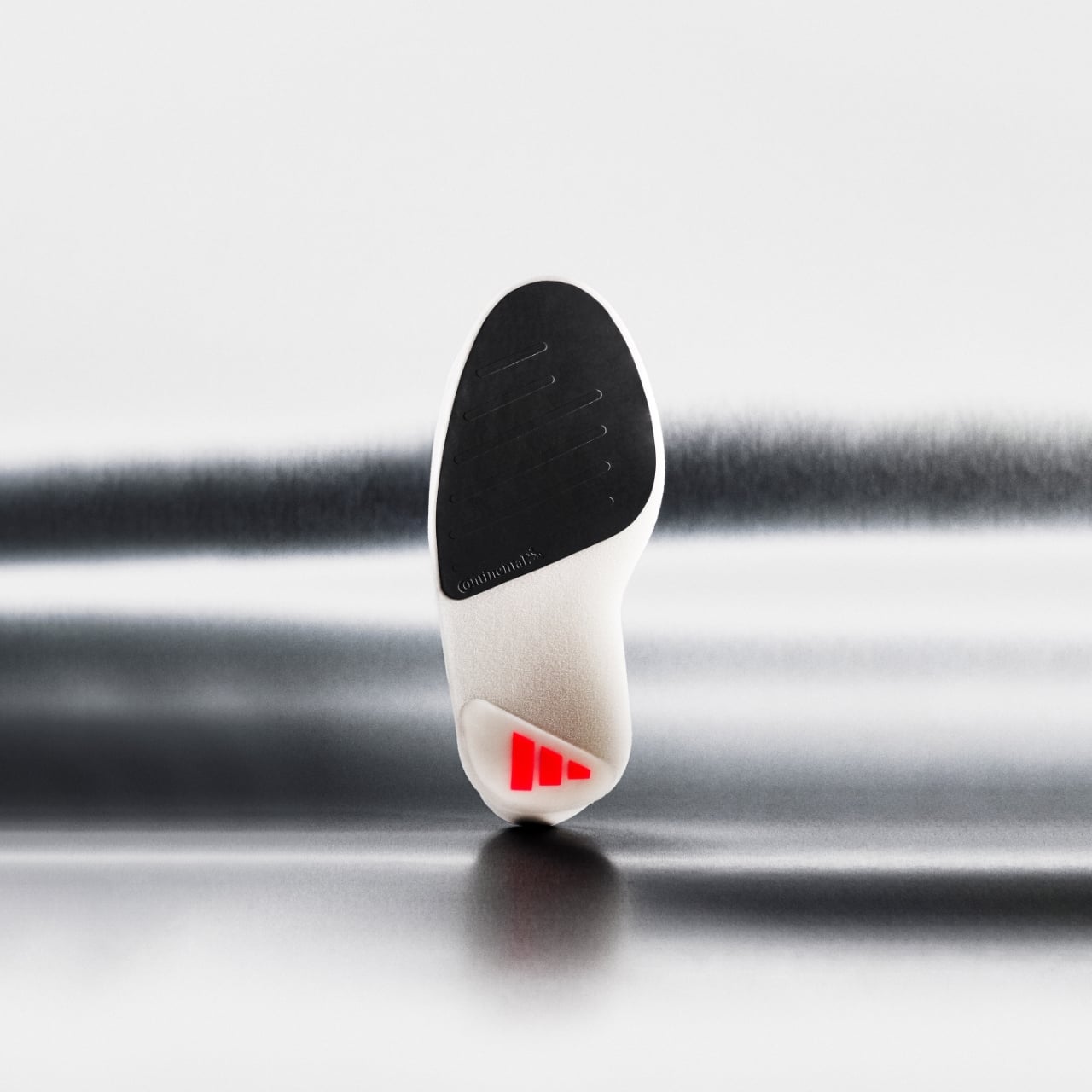
The outsole is where the gym training credibility lives. Continental rubber, paired with Adidas’s Lighttraxion system, handles grip on both wet track surfaces and gym floors with equal reliability. A heel that holds steady during squats and wall balls while a midfoot and forefoot that responds during speed work is not a simple engineering ask, and the fact that Adidas addressed both in the same build is the real story here. A 2.6mm Adizero sockliner keeps the platform low and grounded, which matters more than it sounds when you’re loading a barbell.
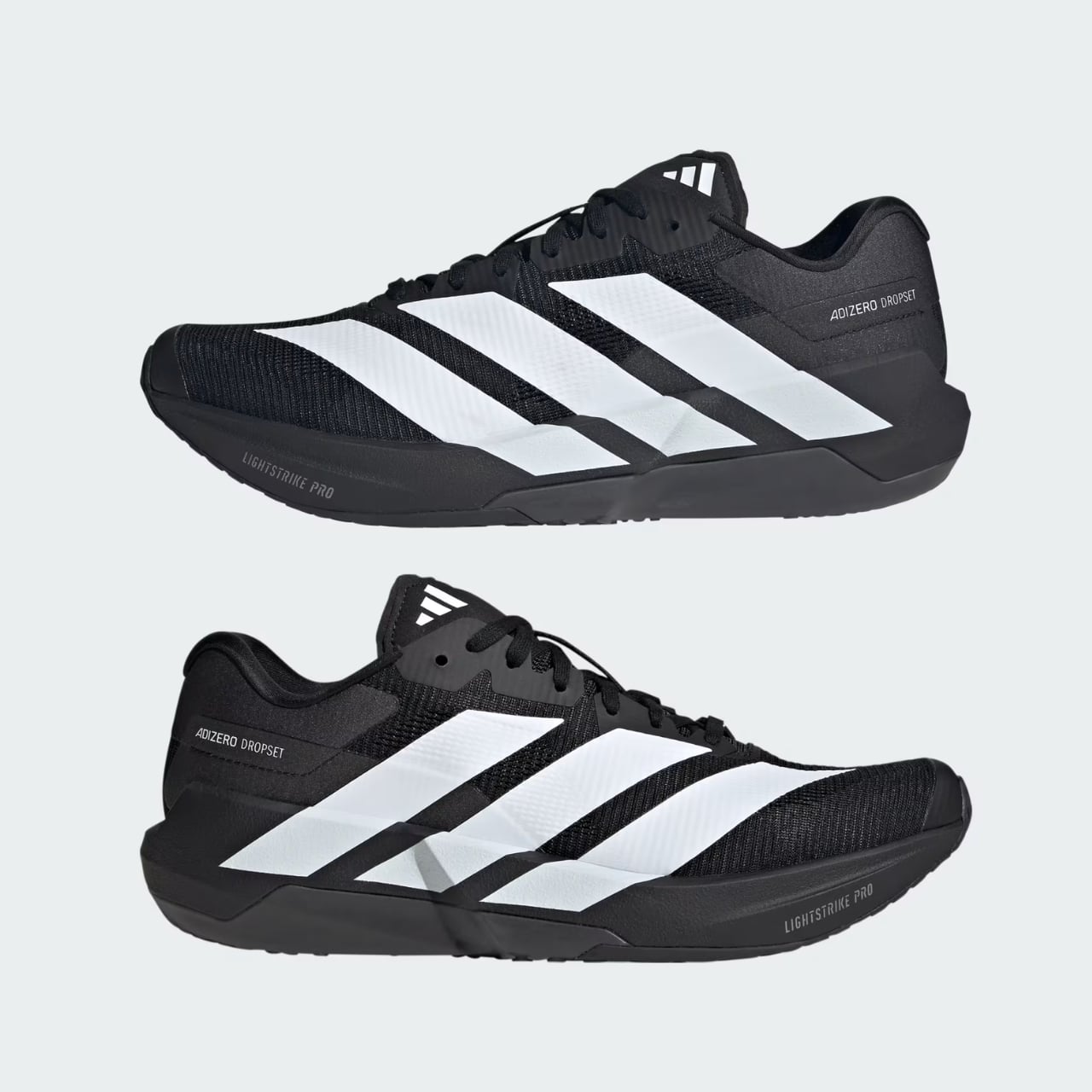
What makes this launch feel genuinely considered, rather than just well-packaged, is the research behind it. Adidas surveyed hybrid athletes globally and found that 49% say their current training footwear limits their performance during workouts, and 47% say their shoes don’t adequately support both running and strength training. Those are not small numbers. They point to a real gap in the market, and the Adizero Dropset Pro was developed specifically to close it, with input from hybrid athletes Graham Halliday and Fabian Eisenlauer who tested the shoe through actual training conditions, not just lab settings.
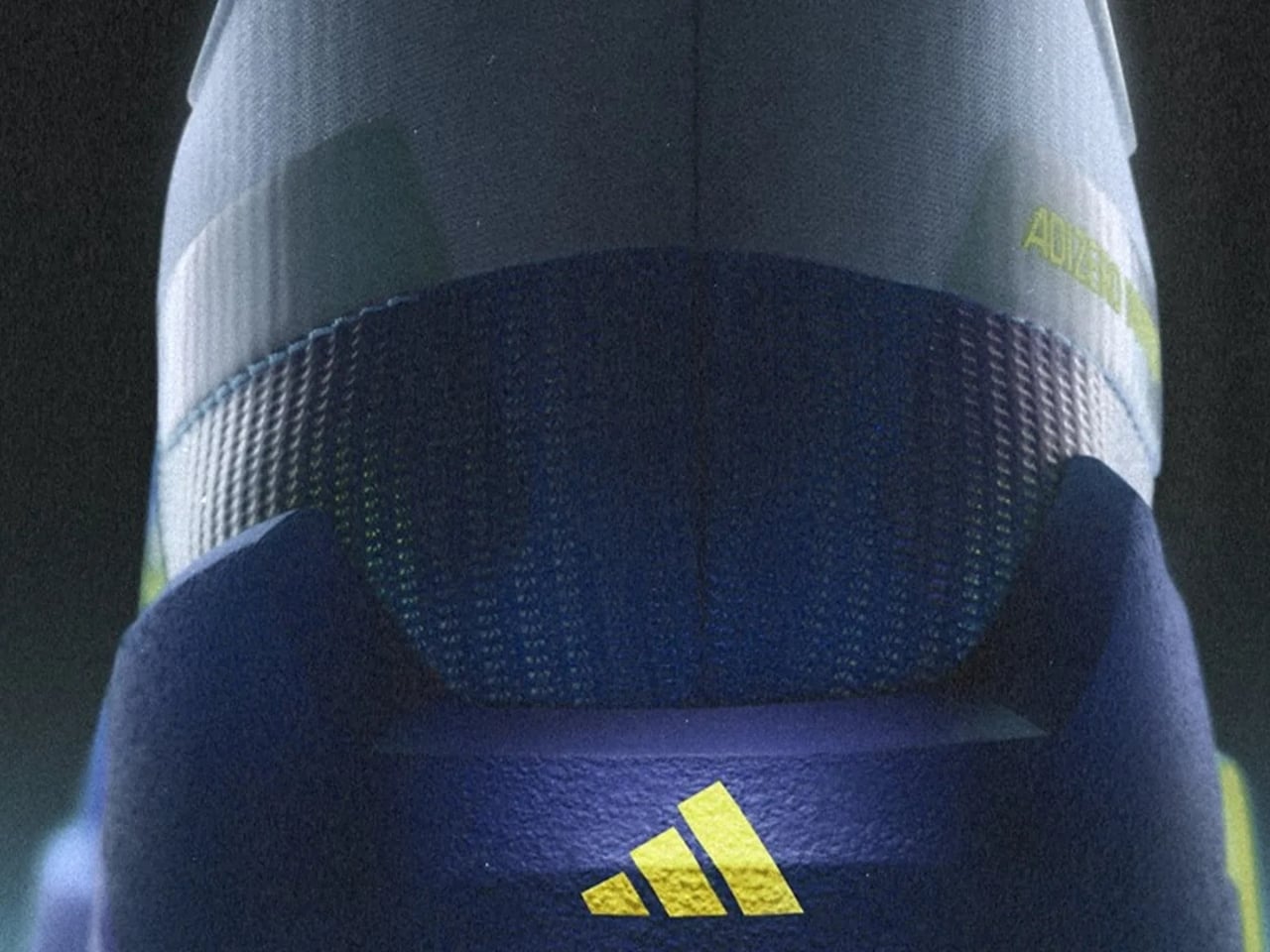
The shoe debuted in Stockholm at the HYROX World Championships, which is exactly the right room to make that kind of statement. HYROX, for the uninitiated, is a global competitive fitness race that combines eight one-kilometer runs with eight functional fitness stations, a format that makes the shoe-switching problem very, very obvious. Wearing a shoe built only for running means compromising on the sled pushes and ski ergs. Wearing a lifting shoe means grinding through the runs. The Adizero Dropset Pro enters that conversation with a clear argument.
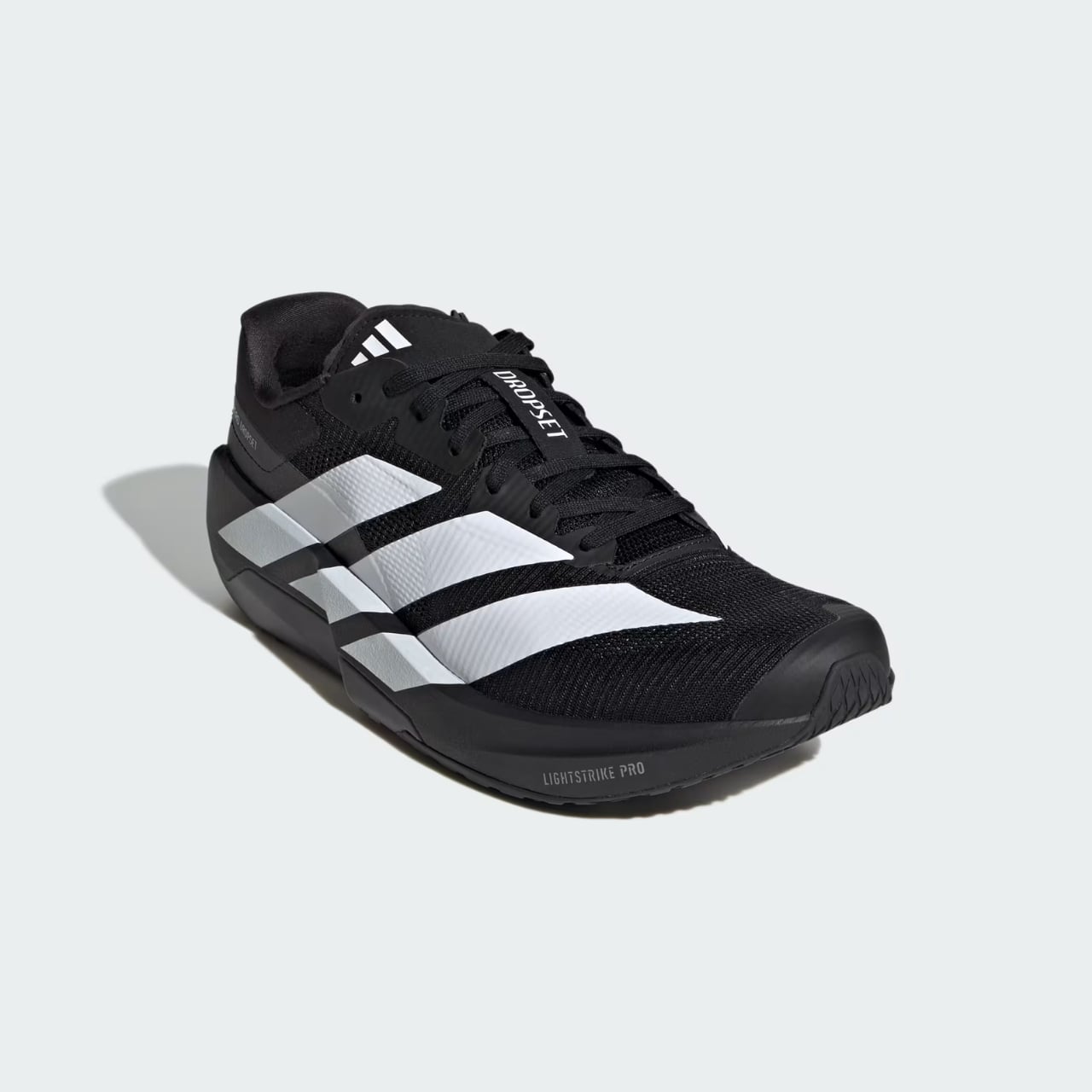
At 8.7 oz for a men’s 10.5, it’s genuinely light by training shoe standards, a deliberate signal that Adidas isn’t treating the speed component as secondary to the stability work. The engineered mesh upper transitions into a woven material that keeps the profile sleek without sacrificing structure. The fit reportedly lands somewhere between the narrower Dropset Elite and the roomier Dropset 4, which means most foot shapes should find a comfortable home here without needing to size up.
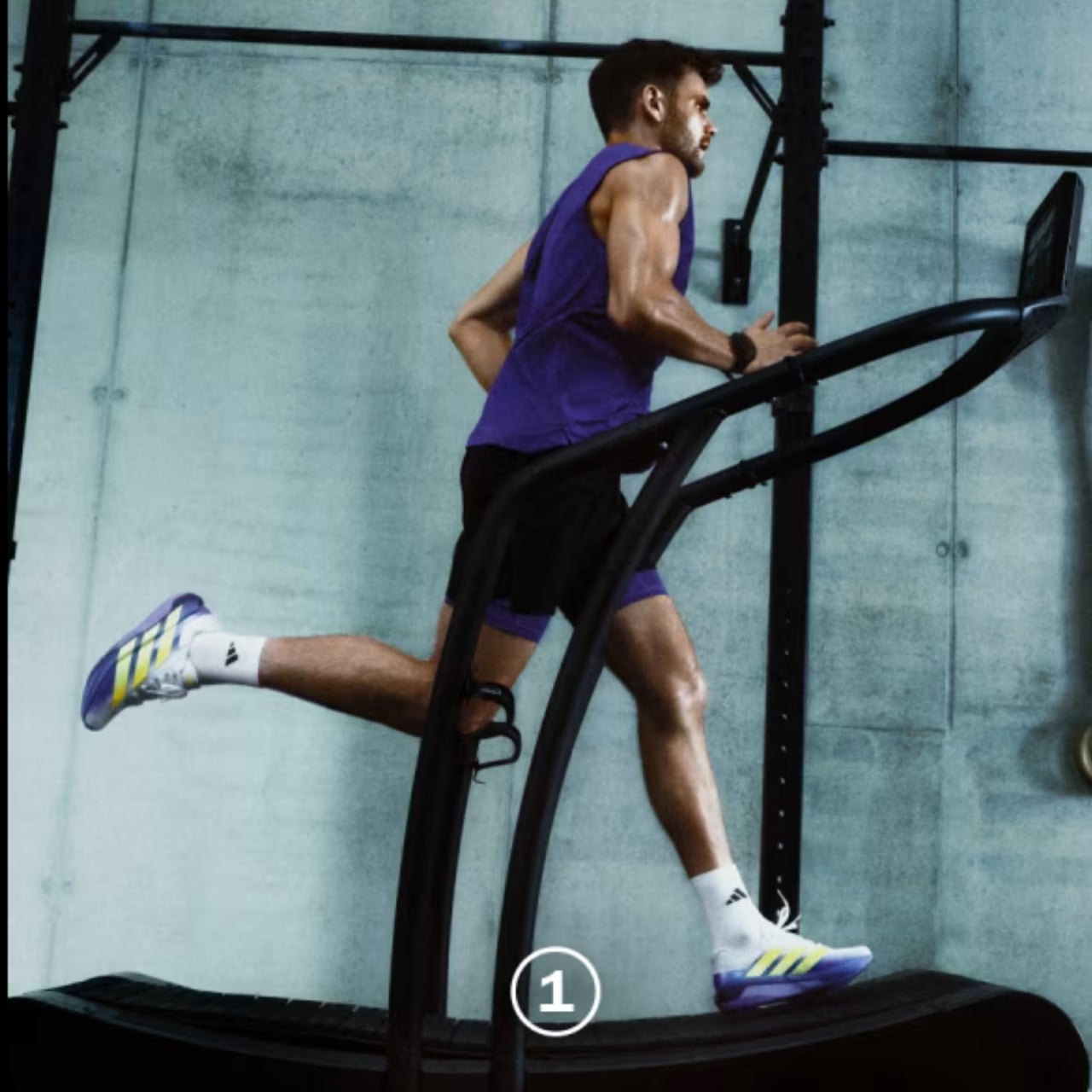
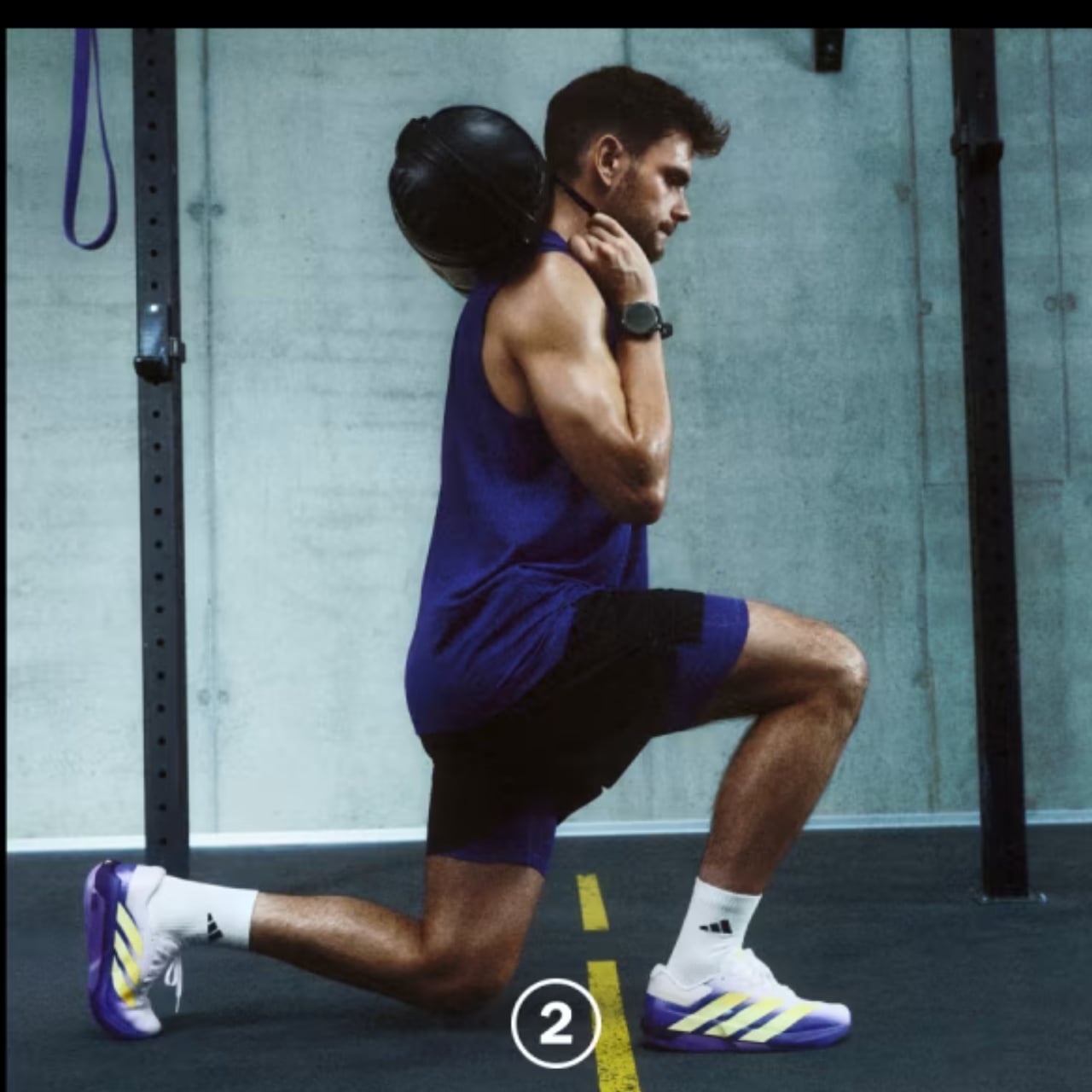
At $150, the value case is straightforward. A quality running shoe and a quality training shoe together can easily double that number, so the math is at least honest. Whether the Adizero Dropset Pro genuinely delivers on both fronts under real training conditions will be the longer story, but the design intent is clear and the execution looks considered. Adidas isn’t asking you to compromise anymore. It’s just building the shoe that earns the right to make that offer.
The post Adidas Finally Made the $150 Shoe Gym Rats and Runners Need first appeared on Yanko Design.
Adidas Just Squared the Stan Smith. It Actually Works.

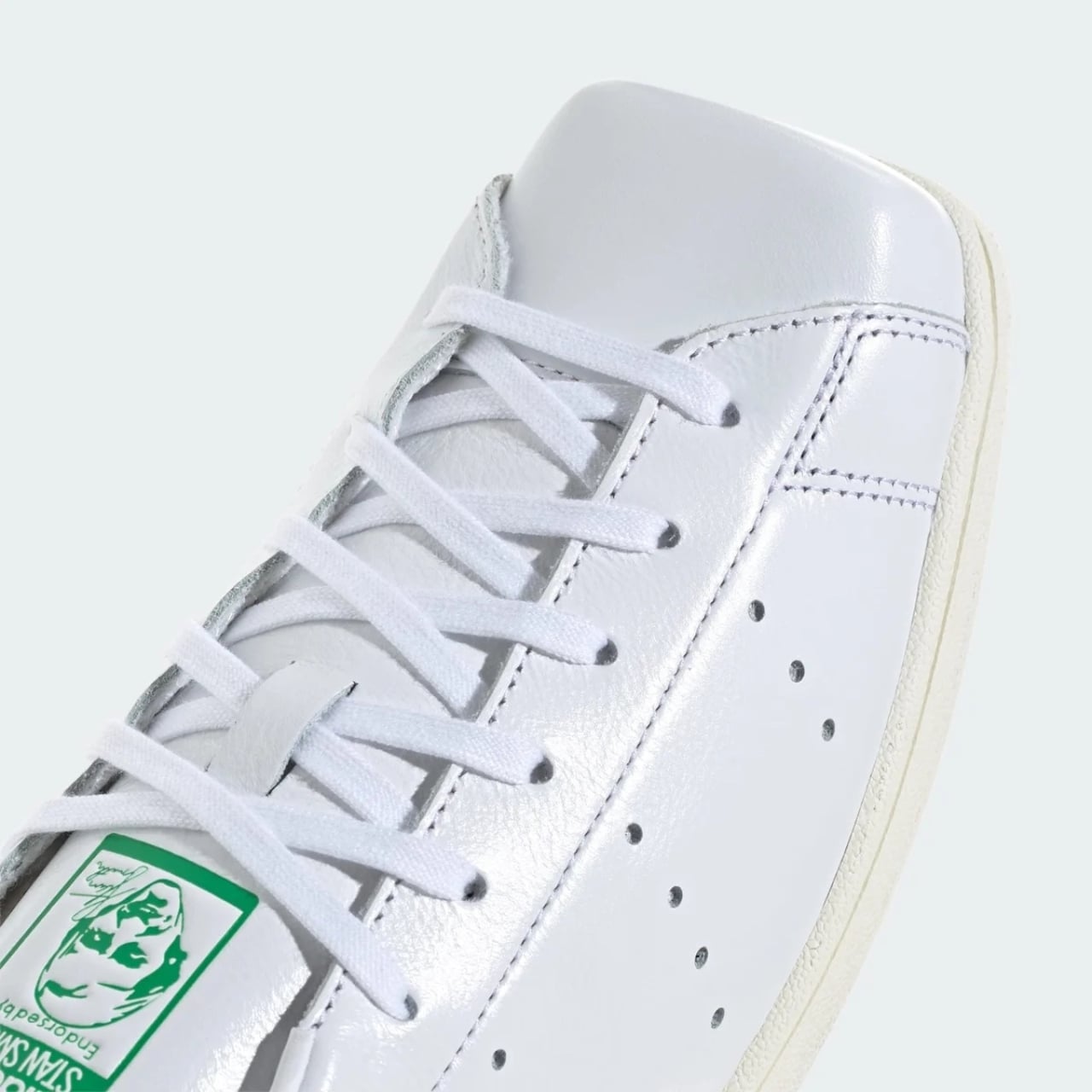
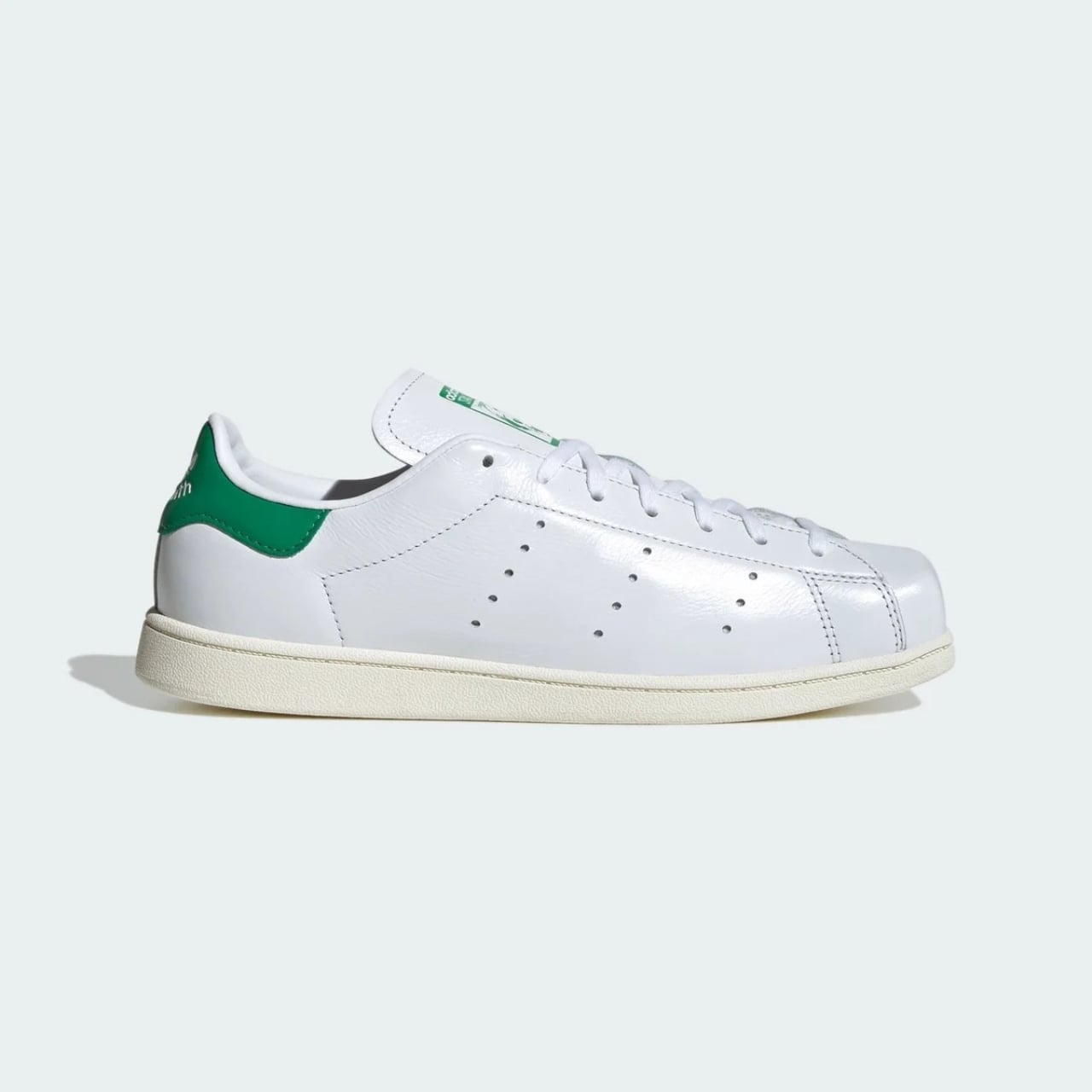
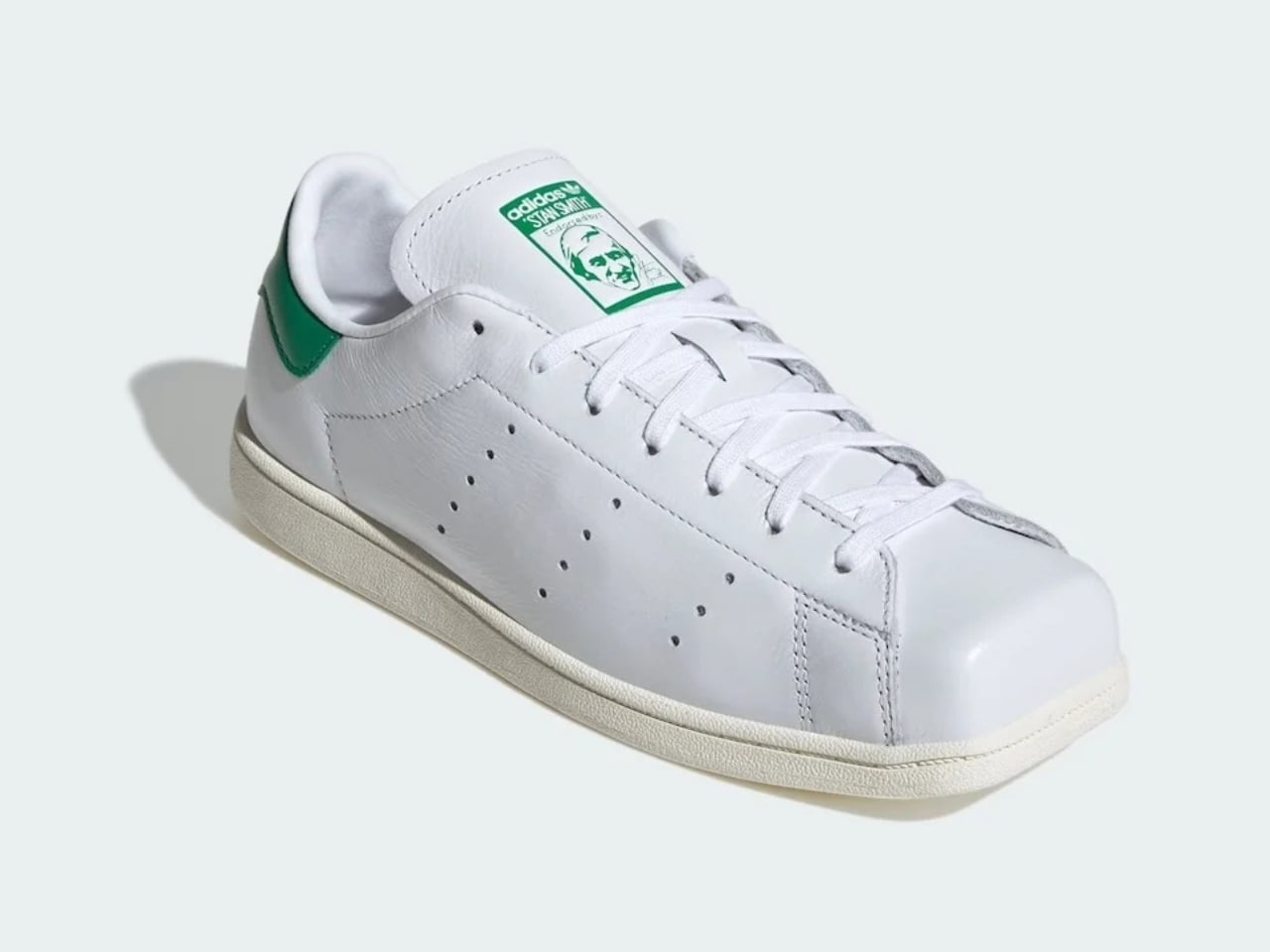
The Stan Smith is one of those shoes you either already own or have owned at some point. Originally developed as a tennis shoe in 1965 under the name Adidas Robert Haillet, it became one of Adidas’s most recognizable silhouettes of all time, outlasting trends, entire aesthetic movements, and decades of fluctuating fashion without ever really trying. It’s clean, it’s white, it’s unmistakable. So when Adidas announced the Stan Smith SQ, a version with a deliberately squared-off toe, the reactions were predictably split between “finally” and “why would you do that.” I land firmly in the first camp.

The square toe has a longer history than most people realize. Evidence of blunt-toed footwear dates back over 1,700 years, with roots in Japan, and the style resurfaced periodically over the centuries, including in Victorian women’s shoes and later through rodeo culture, where square toes were practical for balance and foot movement. In the modern era, Martin Margiela made it a high-fashion statement with his square tabi shoes, and that influence never quite went away. Now, with brands across the spectrum embracing exaggerated silhouettes and unconventional geometry, the square toe is very much back in serious conversation. Adidas didn’t just chase a trend here. They attached it to one of the most recognizable shoe silhouettes in existence, which is either a genius move or a bold gamble, probably both.

Designer: Adidas

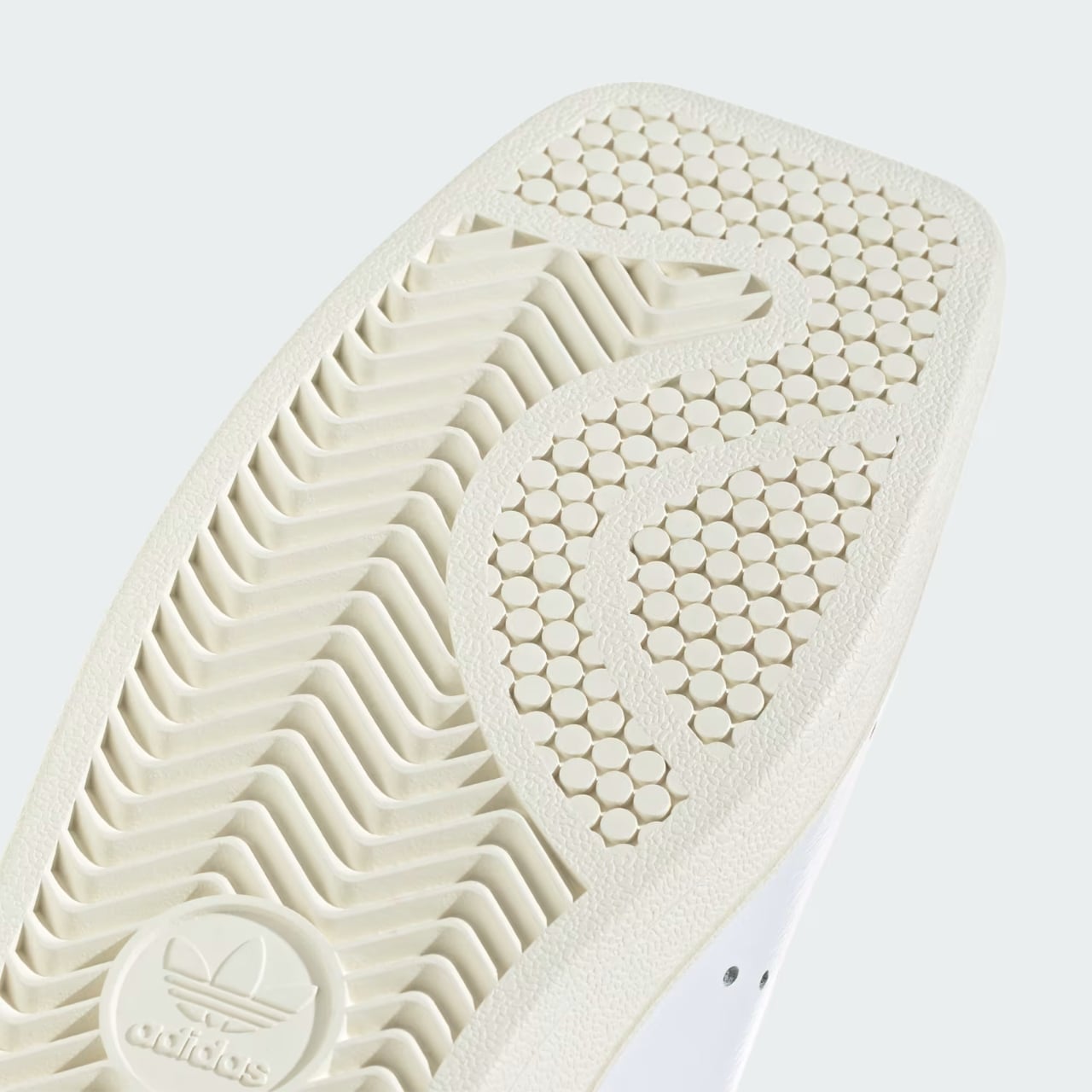
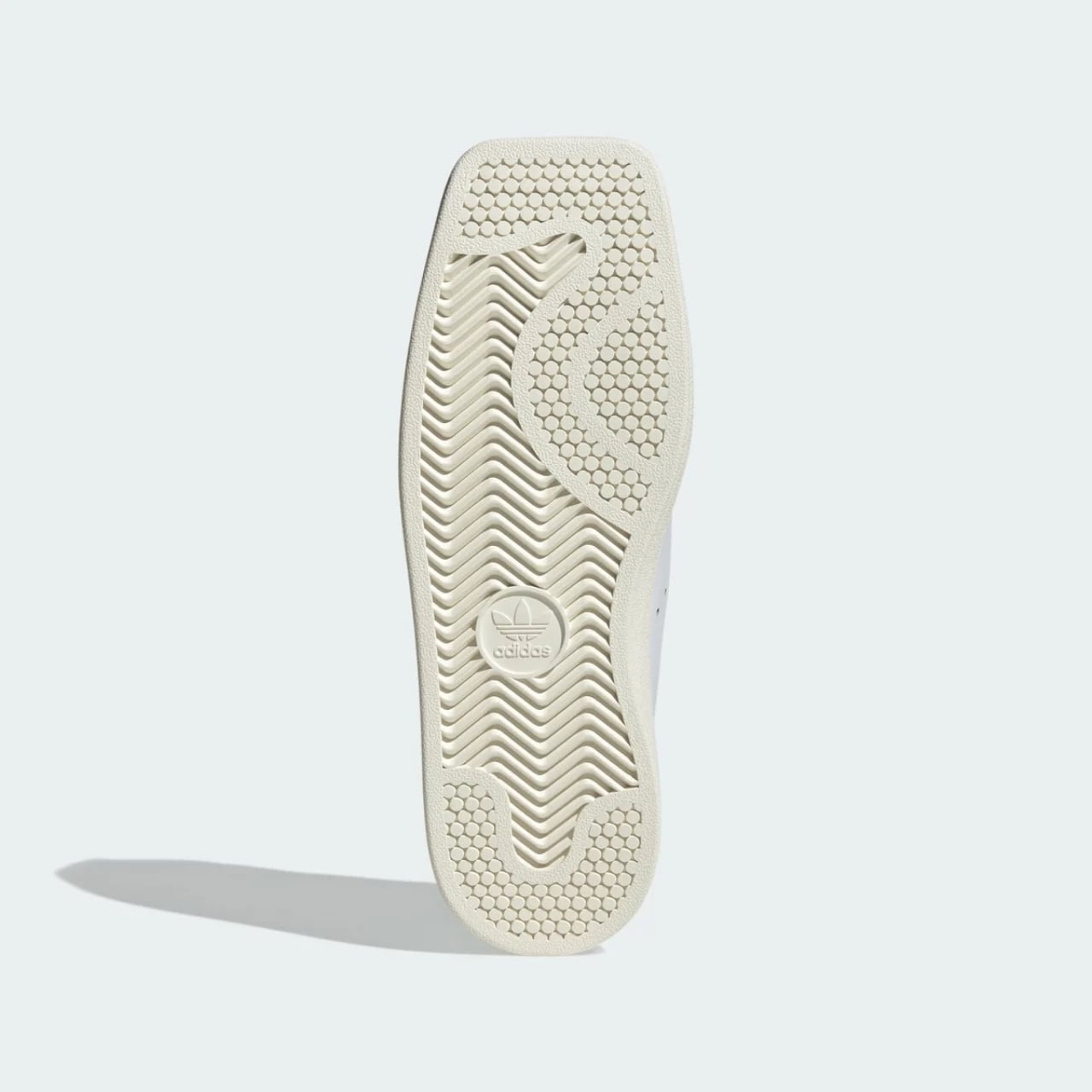
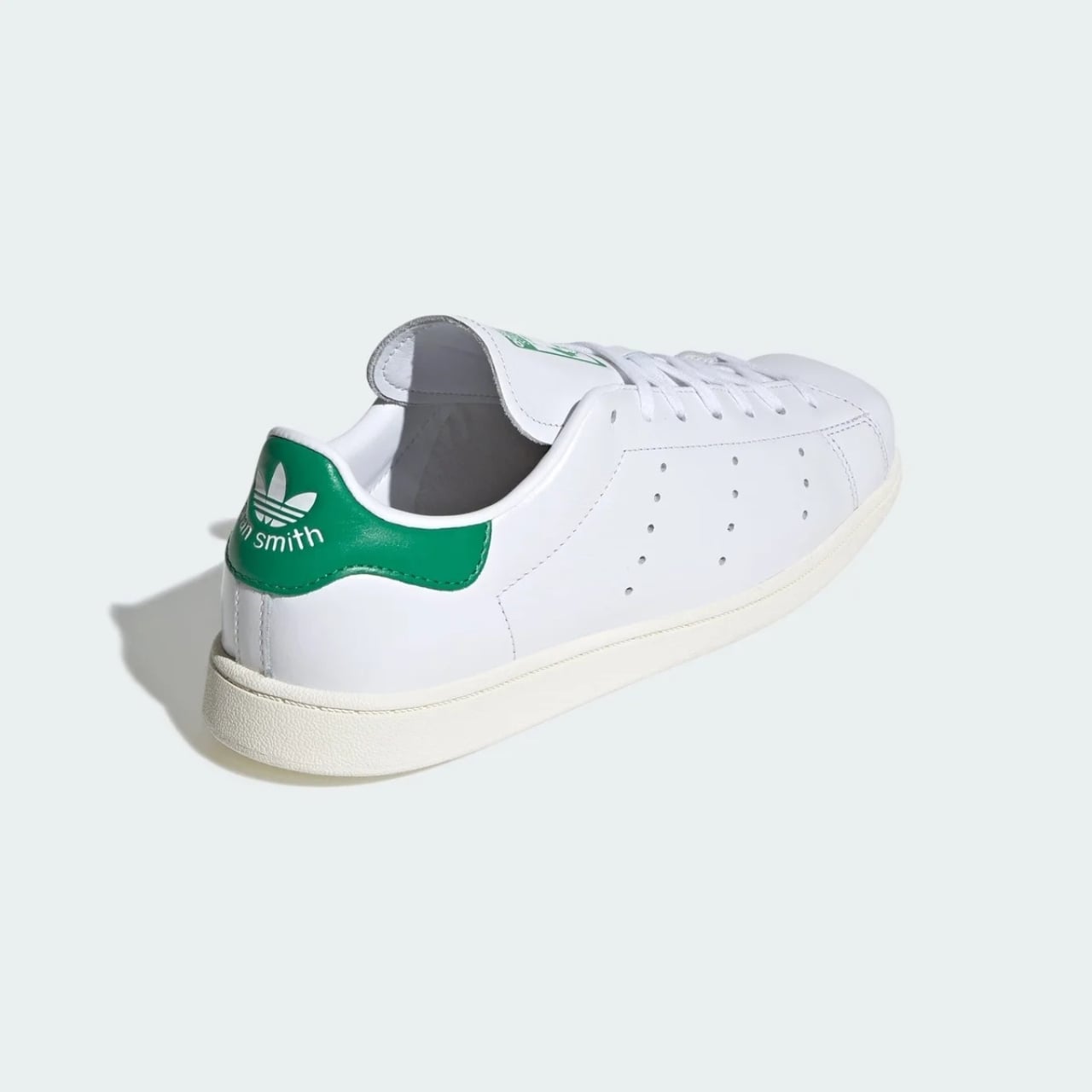
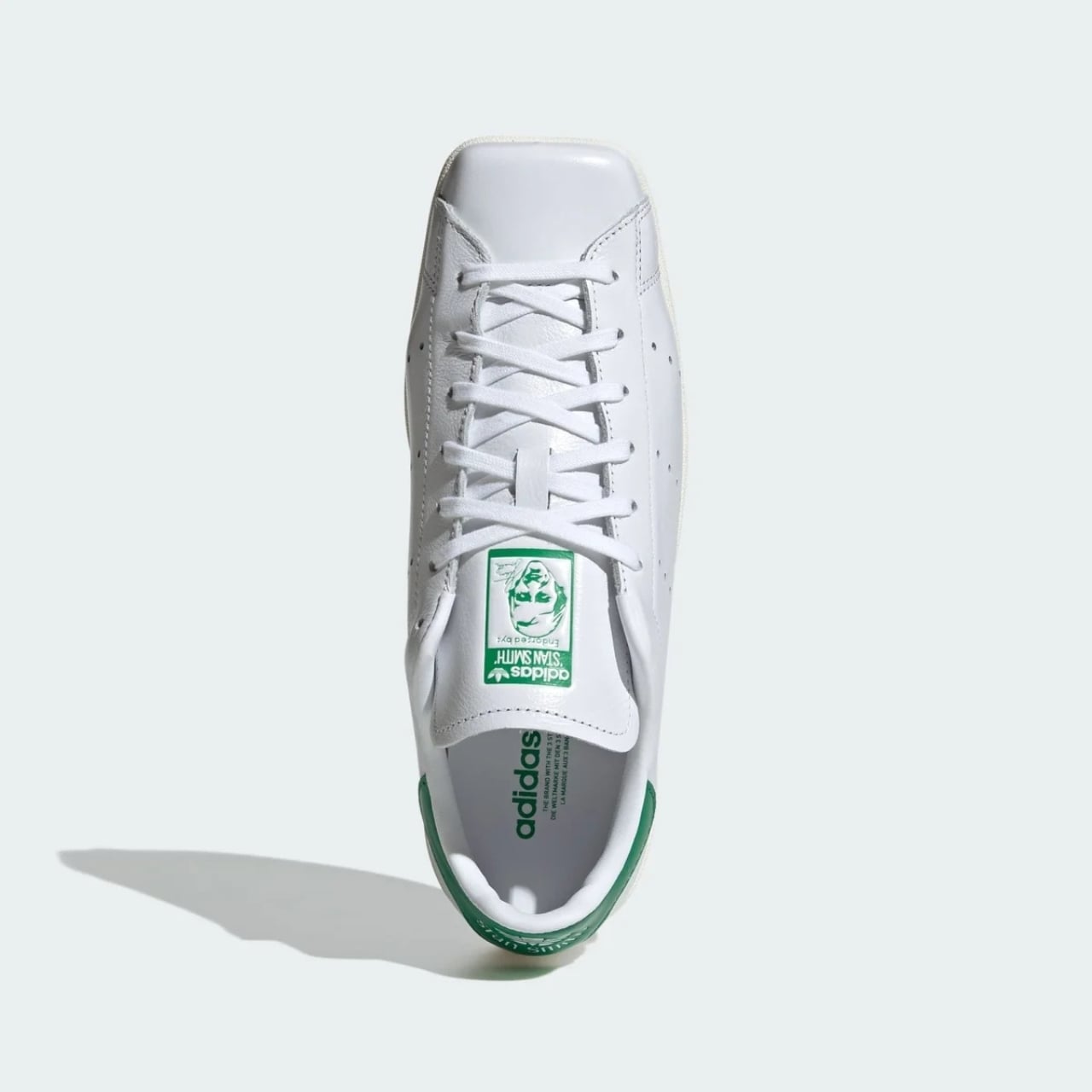
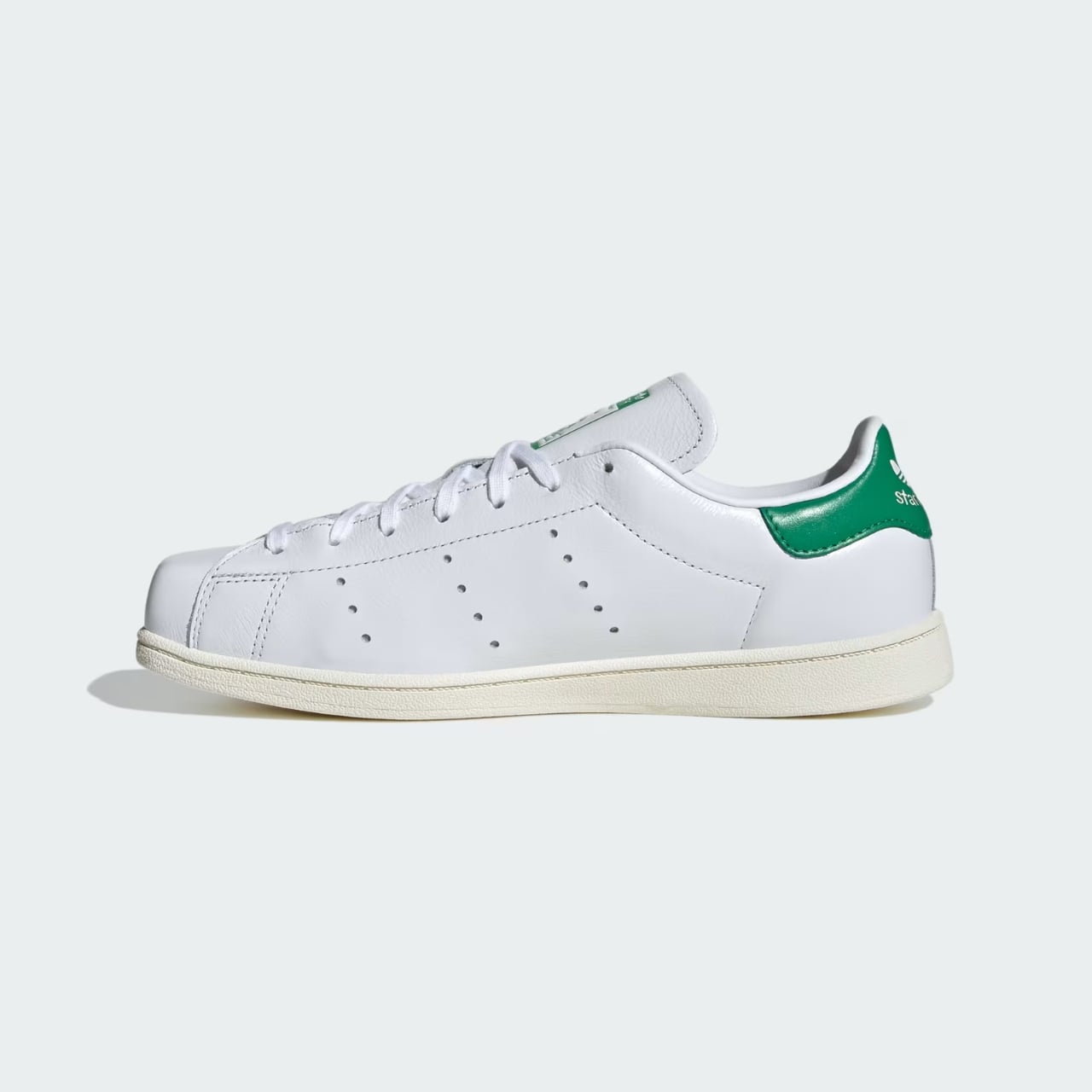
What makes the Stan Smith SQ work is that Adidas knew where to stop. The rest of the shoe is essentially untouched. You still get the glossy white leather upper, the signature Three Stripes perforations along the side, the green heel tab, and yes, the actual photograph of Stan Smith on the tongue. The update is a single, precise edit: one geometric shift that changes the entire energy of the shoe without erasing everything that made it iconic in the first place. That kind of restraint is harder to achieve than people give designers credit for. It’s easy to overhaul. It’s much harder to know which one thing to change.

The squared toe box introduces a sharper, more structured profile. It makes the shoe feel less sporty and more fashion-adjacent, which is clearly the point. For a sneaker that has spent decades straddling the line between athletic and everyday wear, the SQ version leans confidently toward the latter. It reads as intentional in a way the original can’t always pull off, given how casual and effortless its default vibe tends to be. Put the Stan Smith SQ on with a clean outfit and it doesn’t just blend in, it actually finishes the look.

There will be people who find the square toe awkward, and I get it. Rounded toes are familiar. They feel safe, anatomical, expected. The square version asks you to commit to something a little more deliberate, a little more fashion-aware. It’s the kind of shoe that signals you’ve thought about what you’re wearing, even if the rest of your outfit is as simple as jeans and a white T-shirt. That’s not a bad thing to communicate.

At $130, the Stan Smith SQ is priced in line with the original, which is worth noting. This isn’t a luxury reimagining or a limited collector release. It’s a widely accessible design update dropping in the classic white and green colorway for Summer 2026. That accessibility matters. It means the square toe gets a real audience beyond the fashion insiders who already knew the Margiela reference. It puts the idea in front of people who just want a good shoe that looks considered, and that’s a much broader and more interesting conversation to be part of.

Whether you’re a sneakerhead, a design enthusiast, or just someone who likes footwear that looks like it was chosen on purpose, the Stan Smith SQ makes a quiet but confident case for itself. Not every update to a classic needs to be revolutionary. Sometimes the most interesting design decision is a single, deliberate line drawn somewhere it hasn’t been before.

The post Adidas Just Squared the Stan Smith. It Actually Works. first appeared on Yanko Design.
adidas Trionda Pro brings connected-ball technology to the FIFA World Cup 2026

The much-awaited FIFA World Cup kicks off with an opener between co-hosts Mexico and South Africa at Mexico City Stadium on 12 June. While the fandom and the love for the most popular sport on earth remain constant off the field, there is a lot that’s changing on the field. The Virtual Assistant Referee (VAR) is getting more control of the game, with the power to intervene in spotting fouls and also identify real-time data from the specially designed football to make faster offside decisions, or pick out individual ball touches in a crowded set piece.

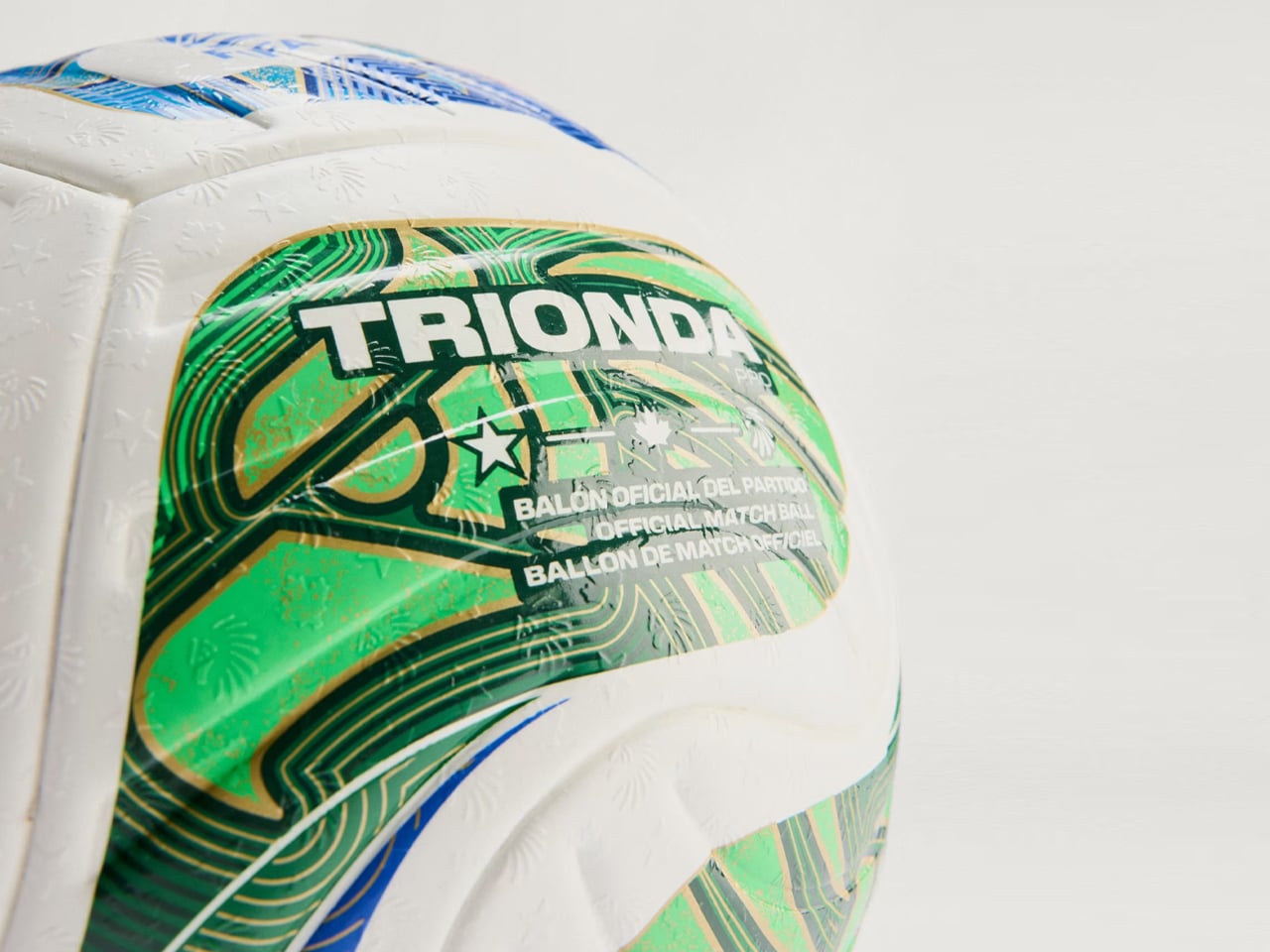
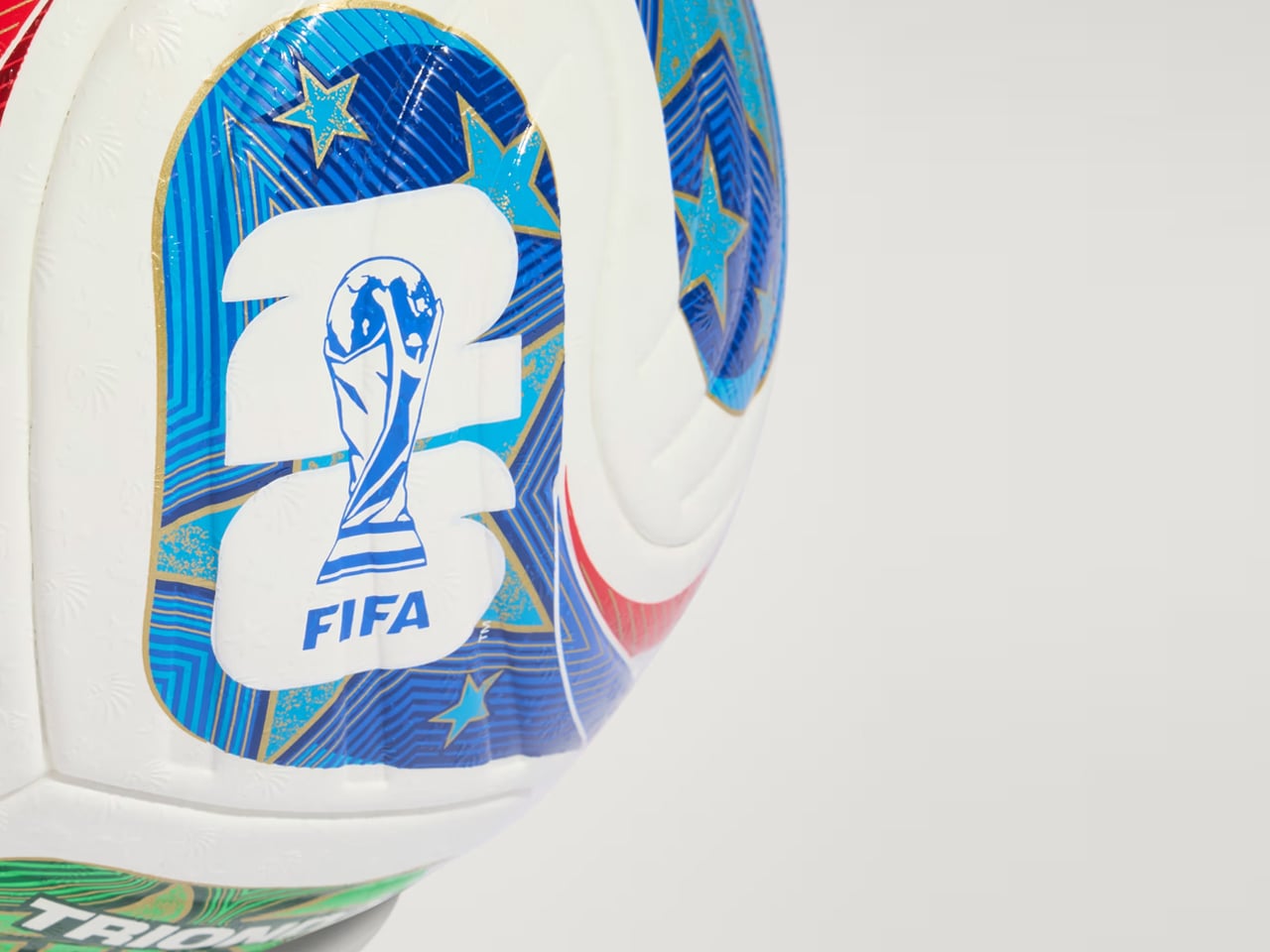
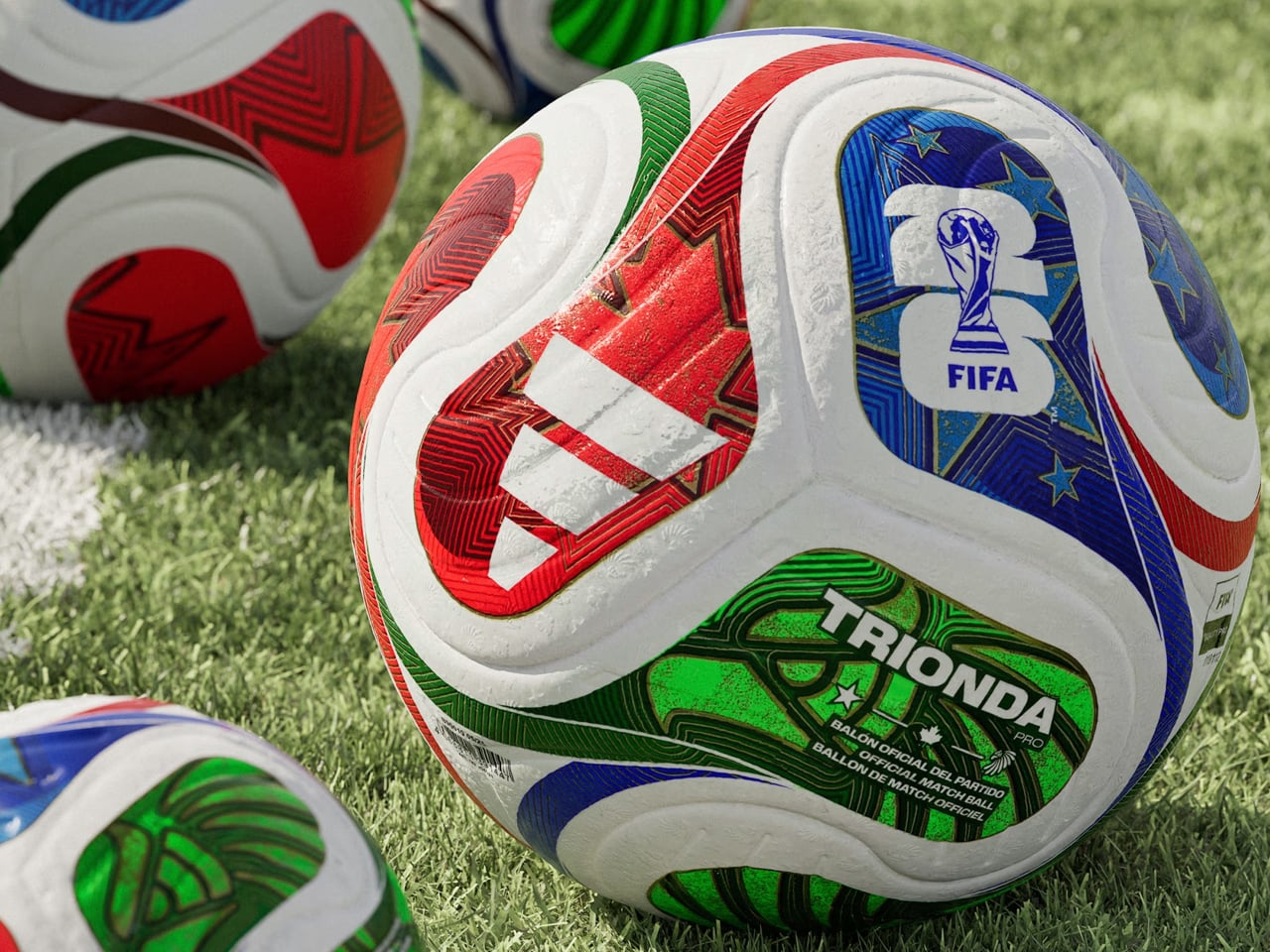
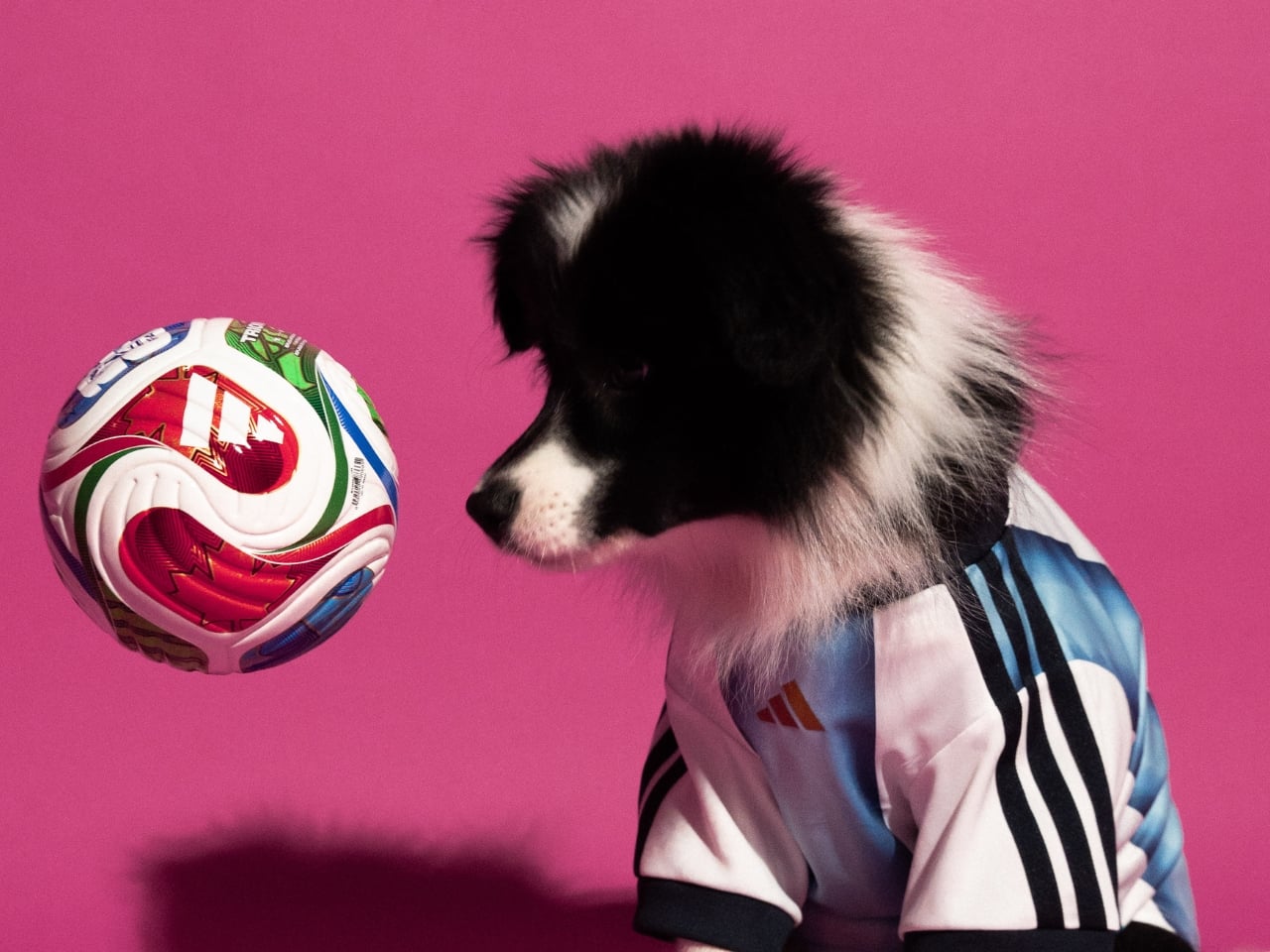
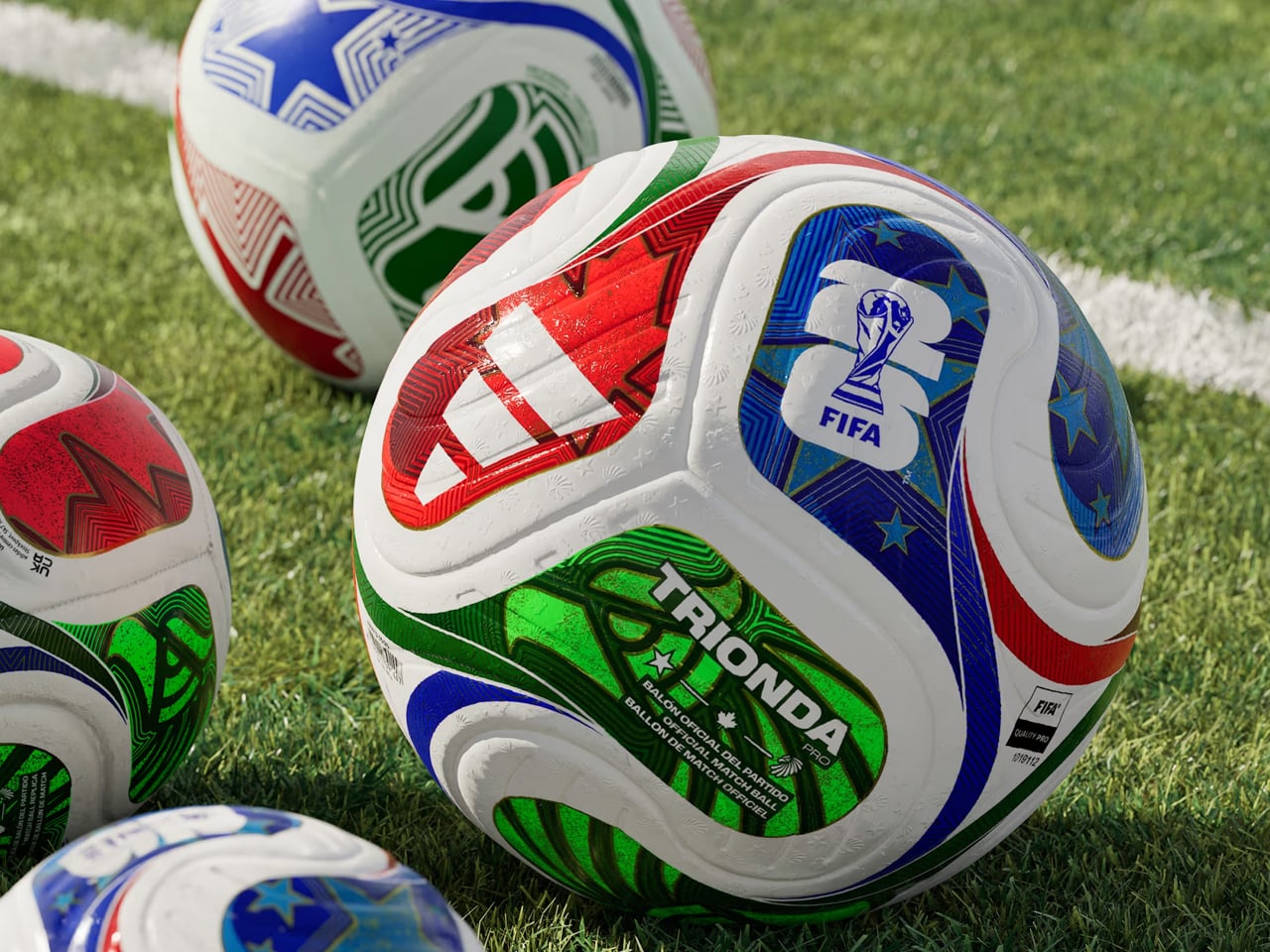
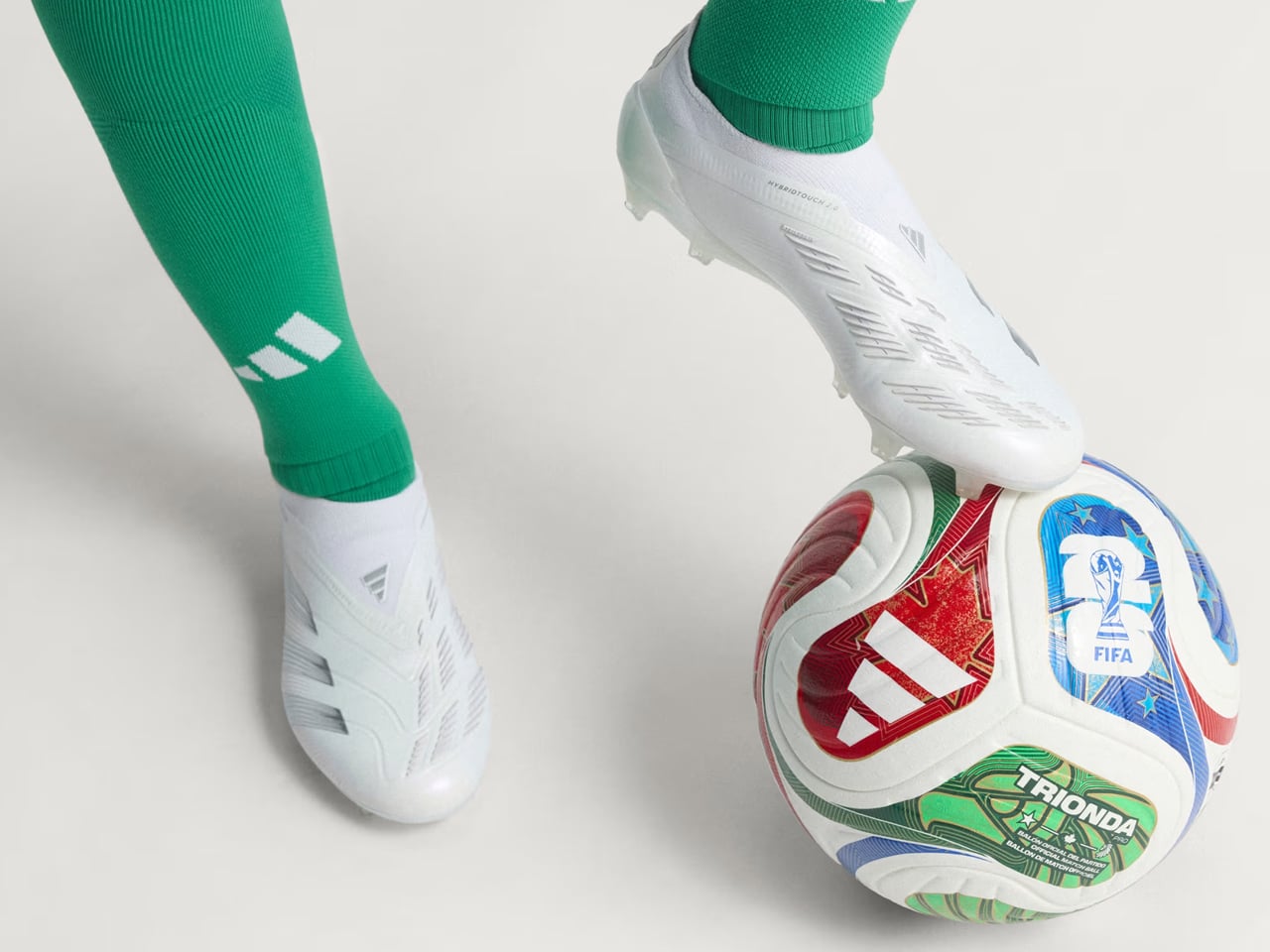
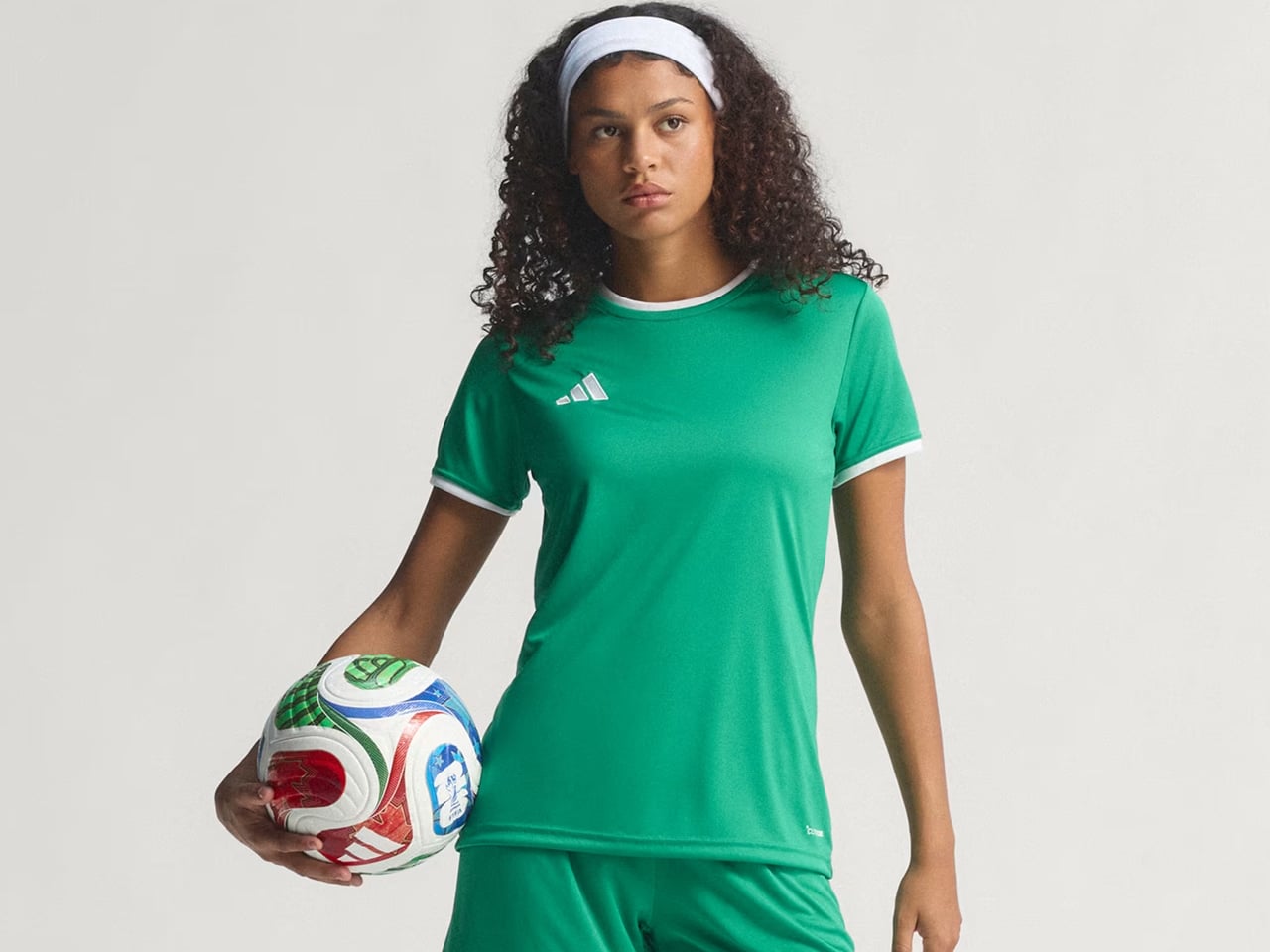
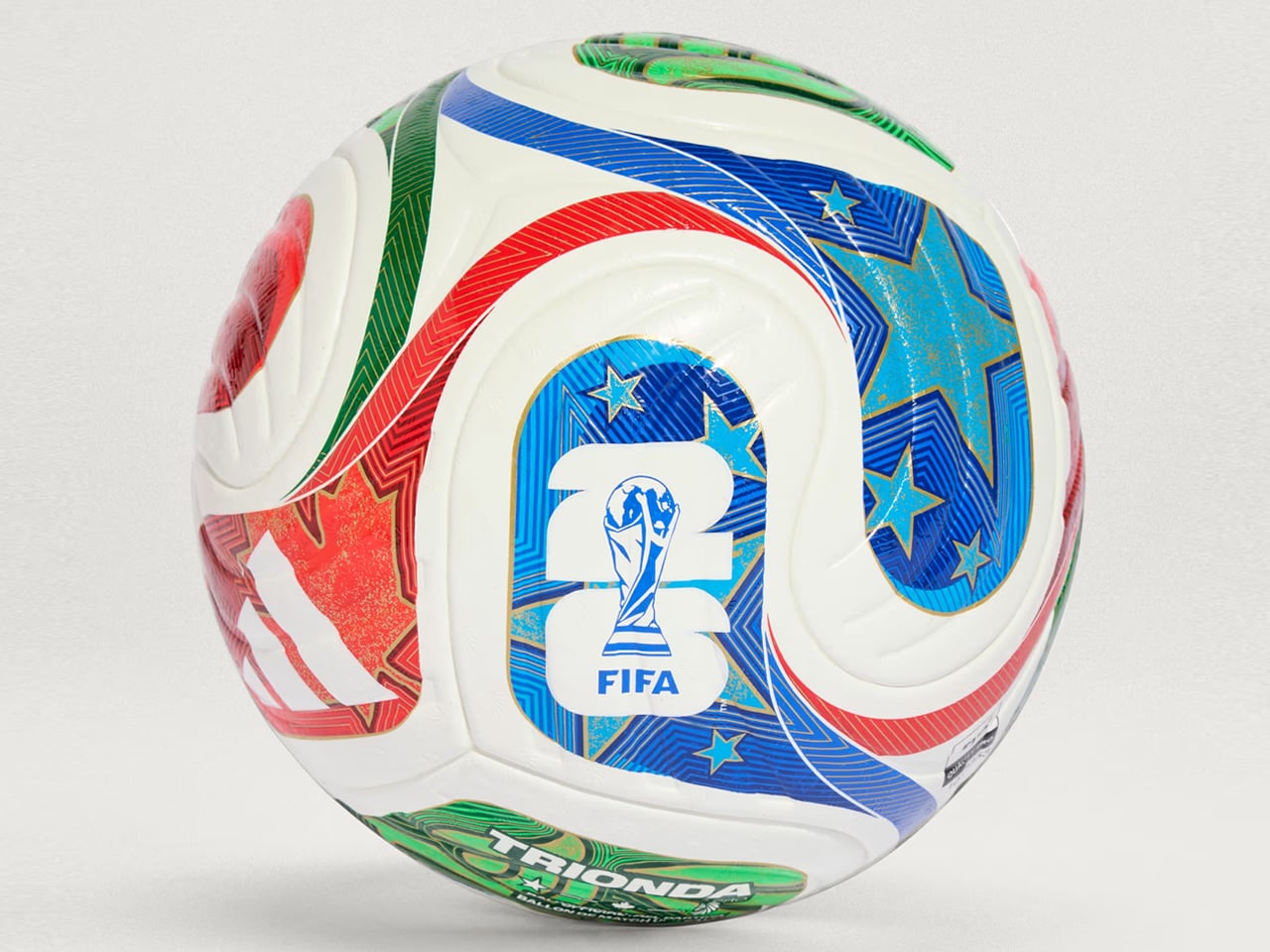
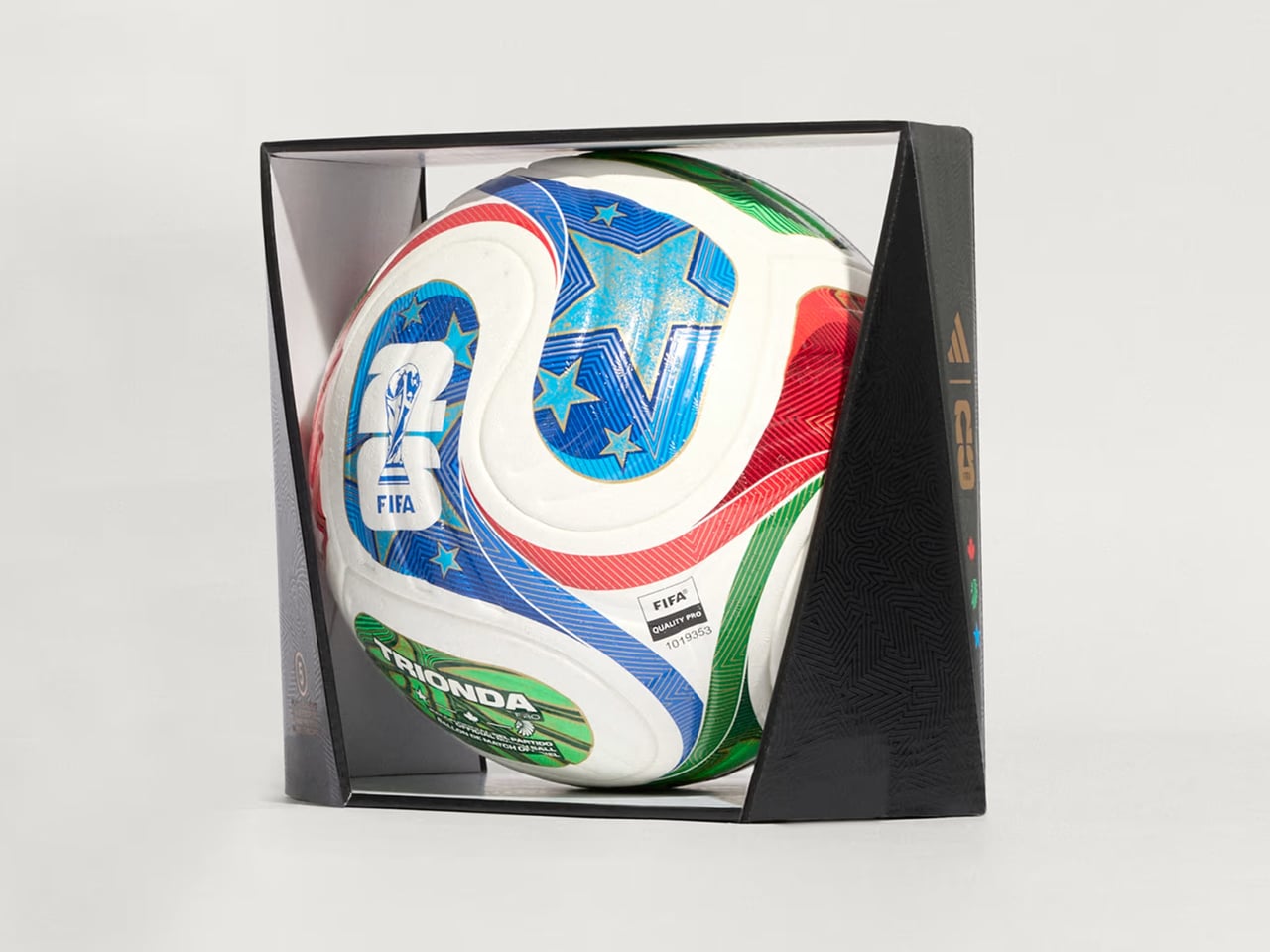
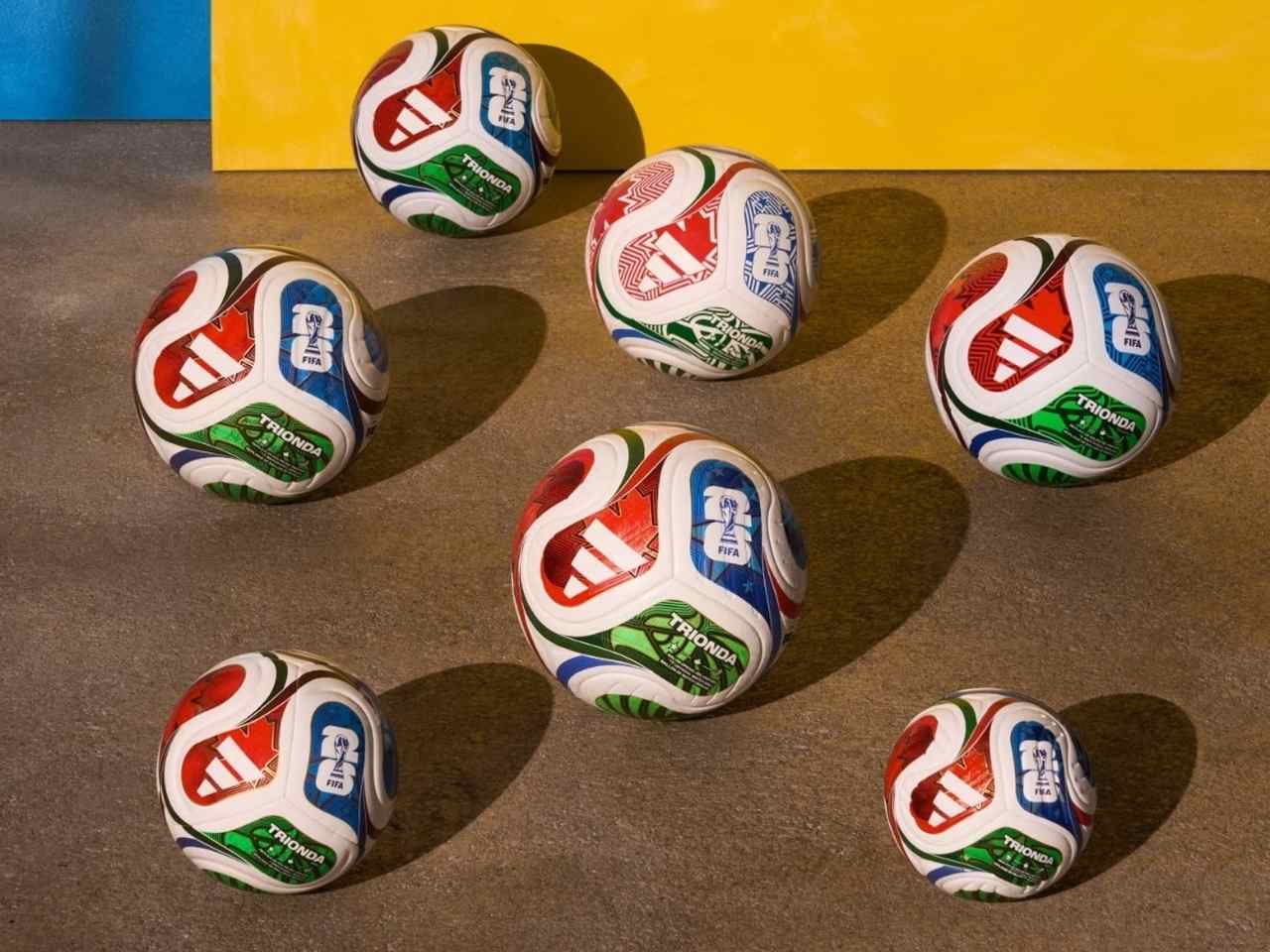
The football designed especially for match day is called Trionda Pro, which means “three waves.” It is styled in the colors and motifs of the three co-hosting nations, Mexico, Canada and the United States of America, and is said to arrive with a built-in motion sensor, which would send real-time ball data to VAR. The ball is now available for $170.

Designer: adidas

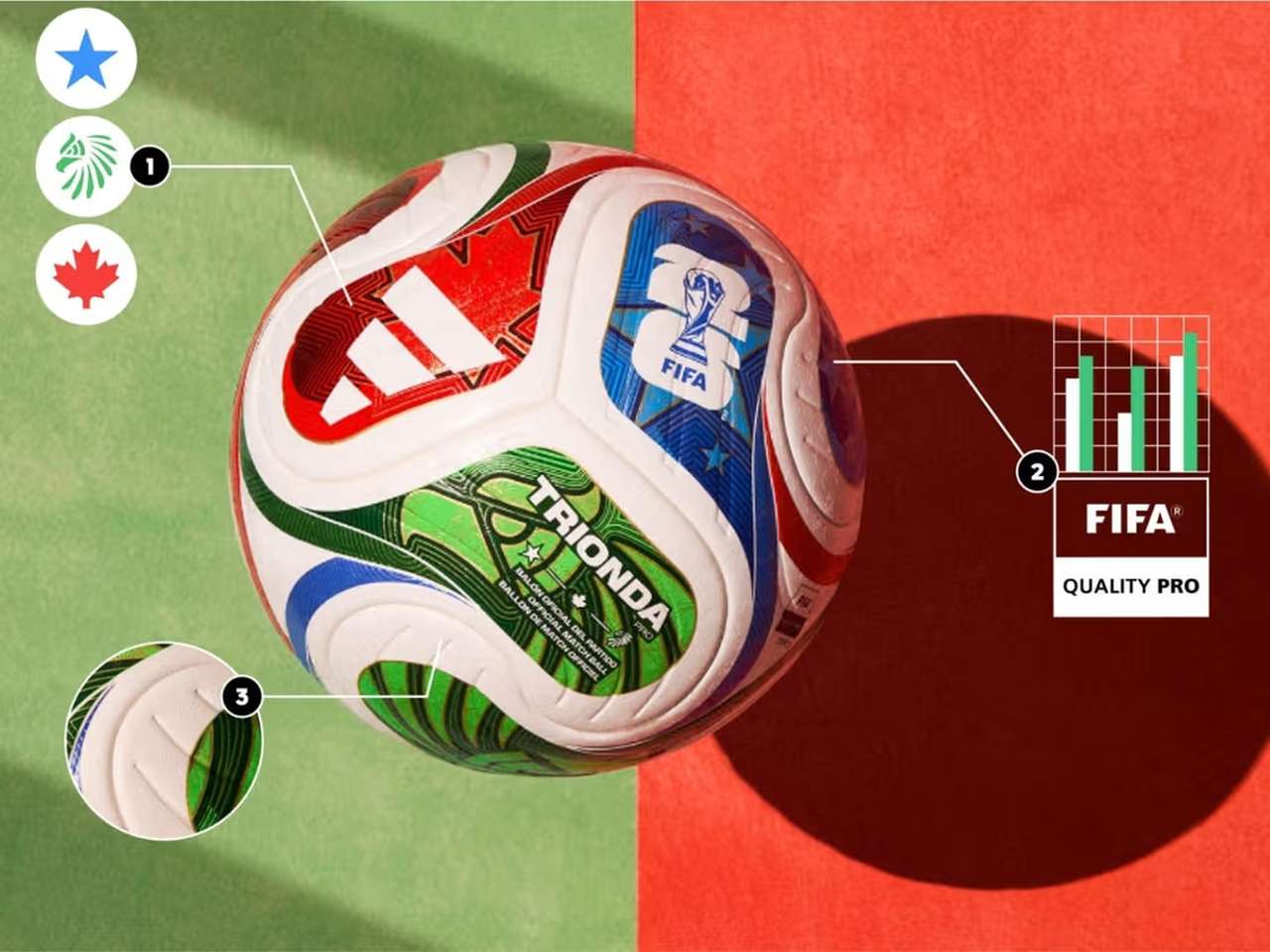
Created by adidas for the FIFA World Cup 2026, Trionda Pro is the official match ball of the tournament. It will arrive in a tricolor wave panel design with red, green, and blue graphics, which pays tribute to Canada, Mexico and the USA. The ball also features maple leaf, eagle, and star – again representing the nations – visible across the four-panel construction of the ball.

“The Trionda Pro has a textured surface for a more predictable trajectory, better touch and lower water uptake, combined with a thermally bonded seamless construction for added performance and design benefits,” adidas notes on its webpage dedicated to the match ball.

Even though the impactful silhouette makes the ball pretty identifiable on the ground, adidas and FIFA wanted more from it. To that accord, Trionda Pro features a 500Hz motion sensor installed inside of its specially created layer in one of the four panels. The other three panels are provided with counterbalances ensuring flight stability in all playing conditions. The sensor is part of adidas’ in-house Connected Ball Technology and used in the match ball. It sends accurate ball movement analytics to the VAR in real time and also helps identify individual touches precisely.

The data of the ball movement, then combined with AI and player-positioning data, can allow the virtual referee to assist with correct offside calls and also identify a handball from headers in a crowded space on the field. Accurate and fast decisions regarding off-sides and fouls can make a big difference in high-octane games, especially on the world stage. So, Trionda Pro is a viable tech upgrade to the sport, which is going into a mega tournament for a period of 39 days starting 11 June through 19 July, 2026.

The post adidas Trionda Pro brings connected-ball technology to the FIFA World Cup 2026 first appeared on Yanko Design.
adidas Just Made the Best World Cup Drop for Your Dog

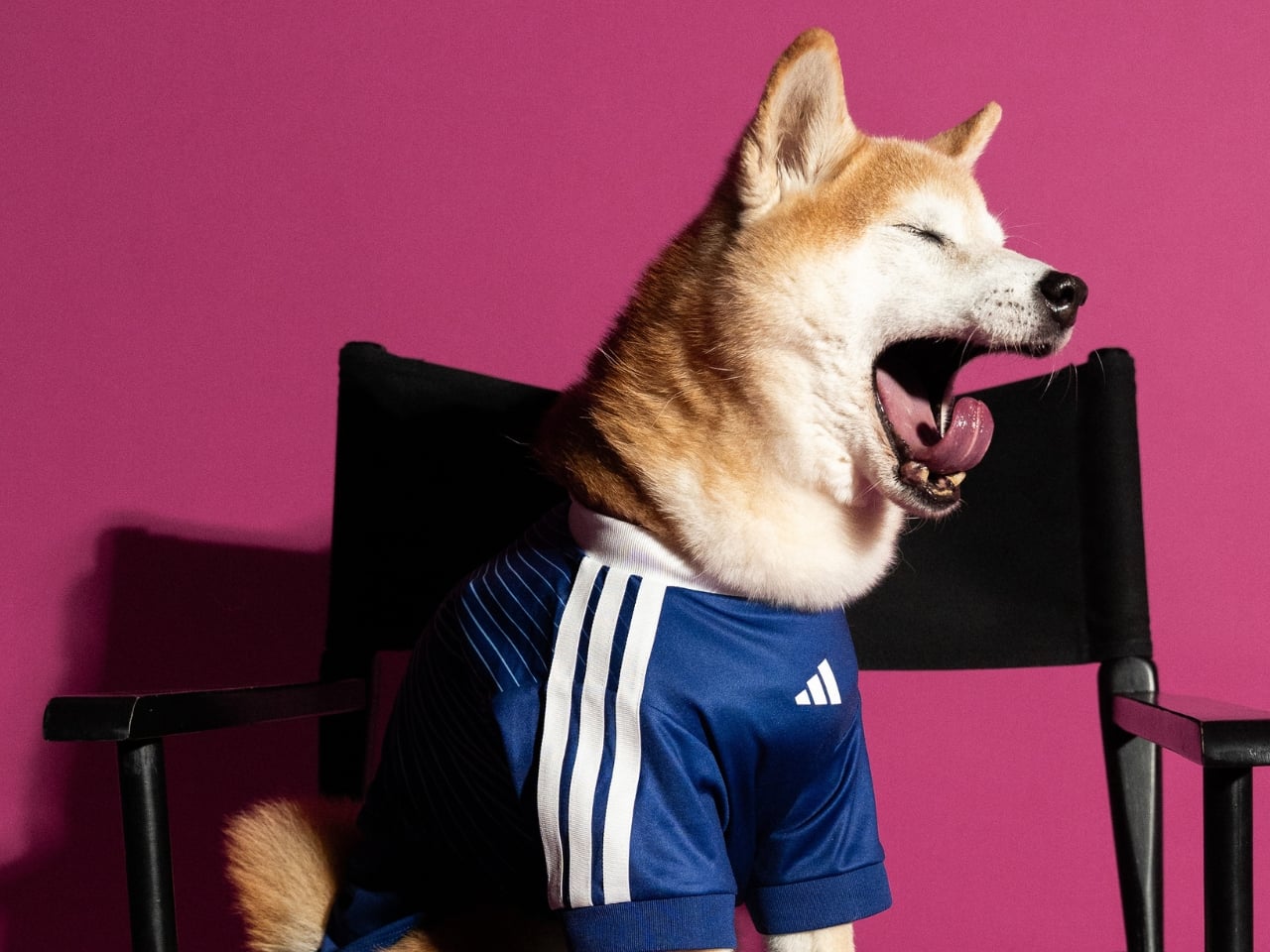
adidas dropped a pet jersey collection for the FIFA World Cup 2026 and I genuinely cannot decide if it’s brilliant or completely unhinged. Maybe both. That tension is precisely what makes it worth paying attention to.

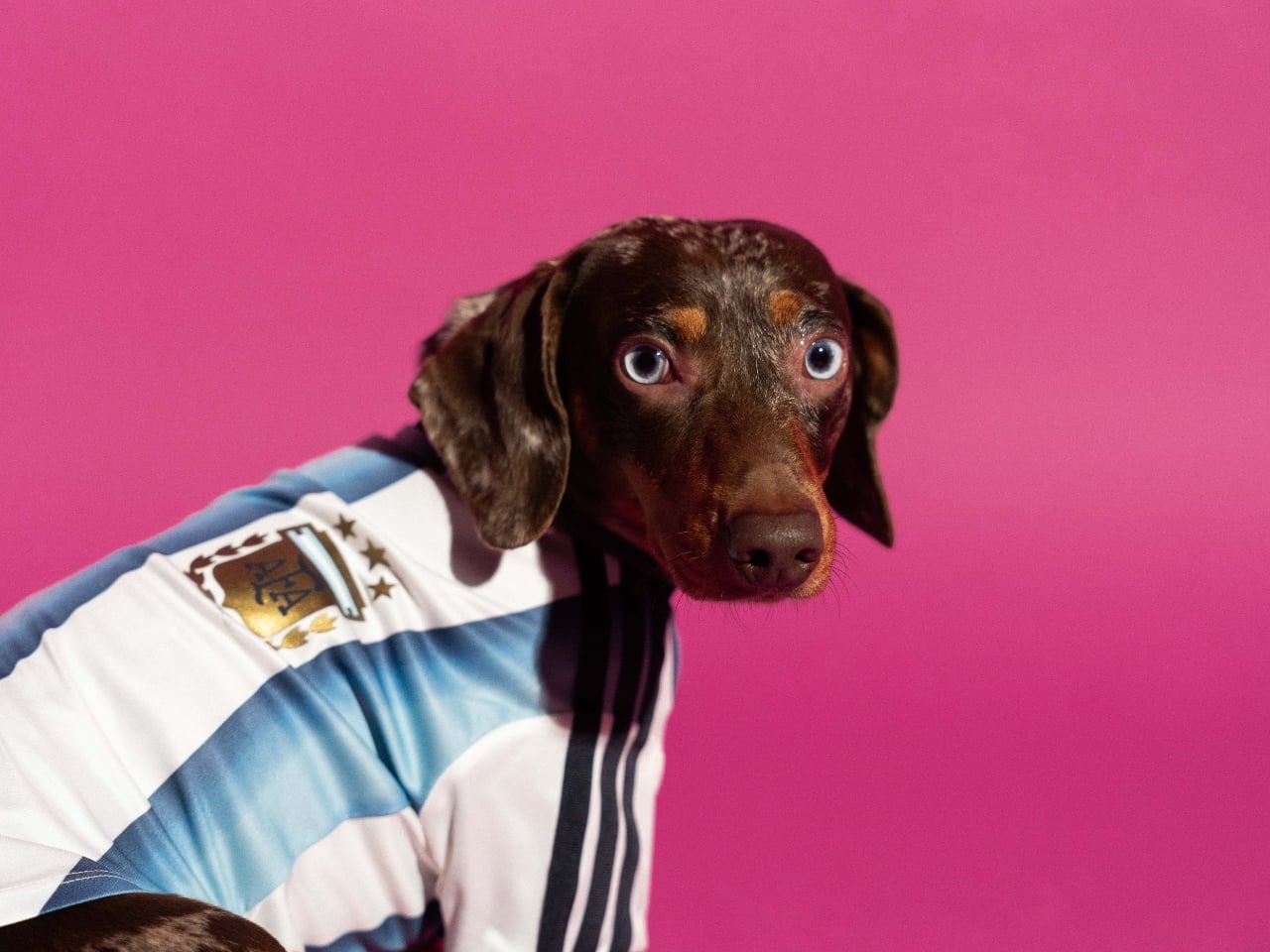
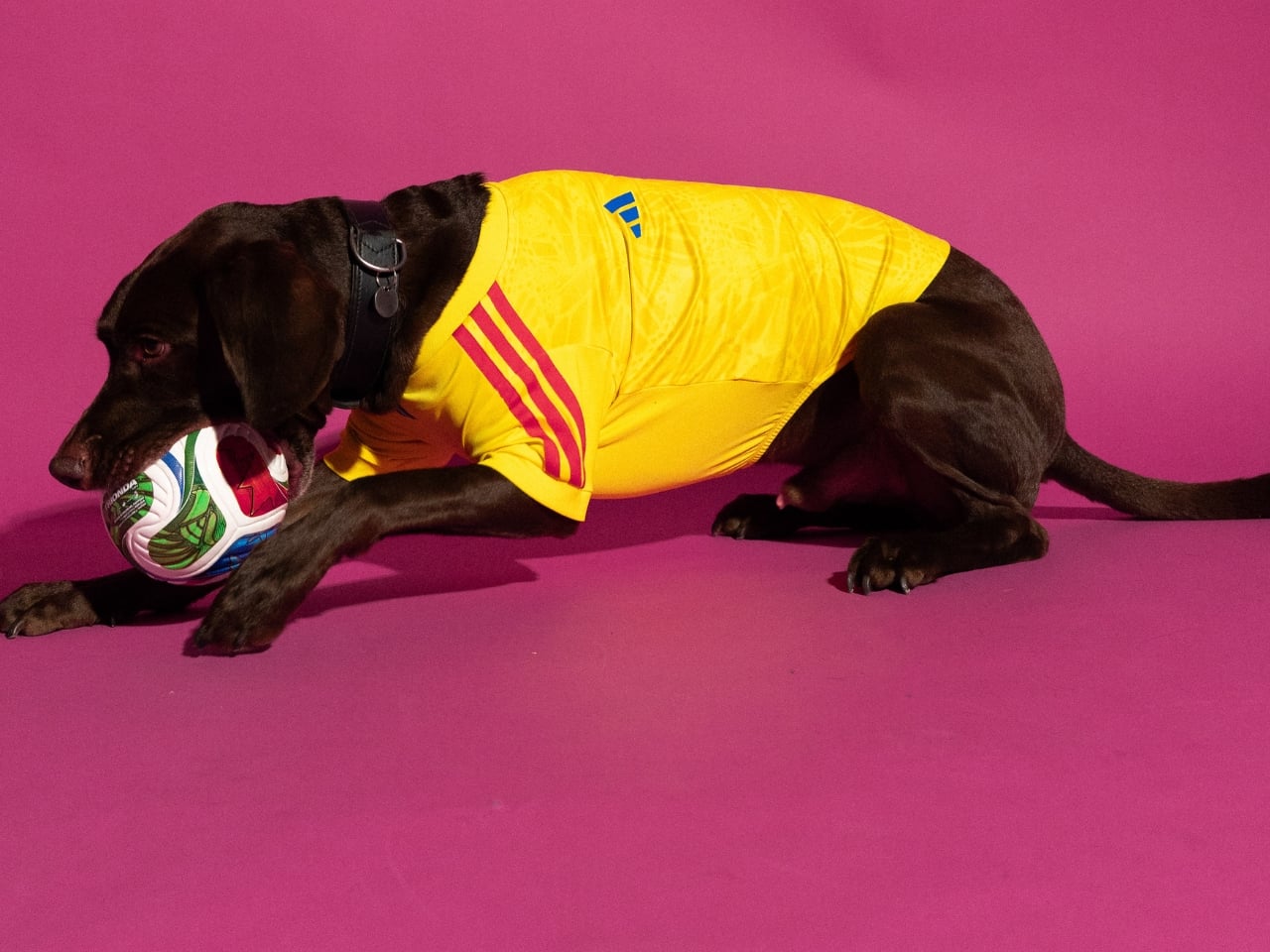
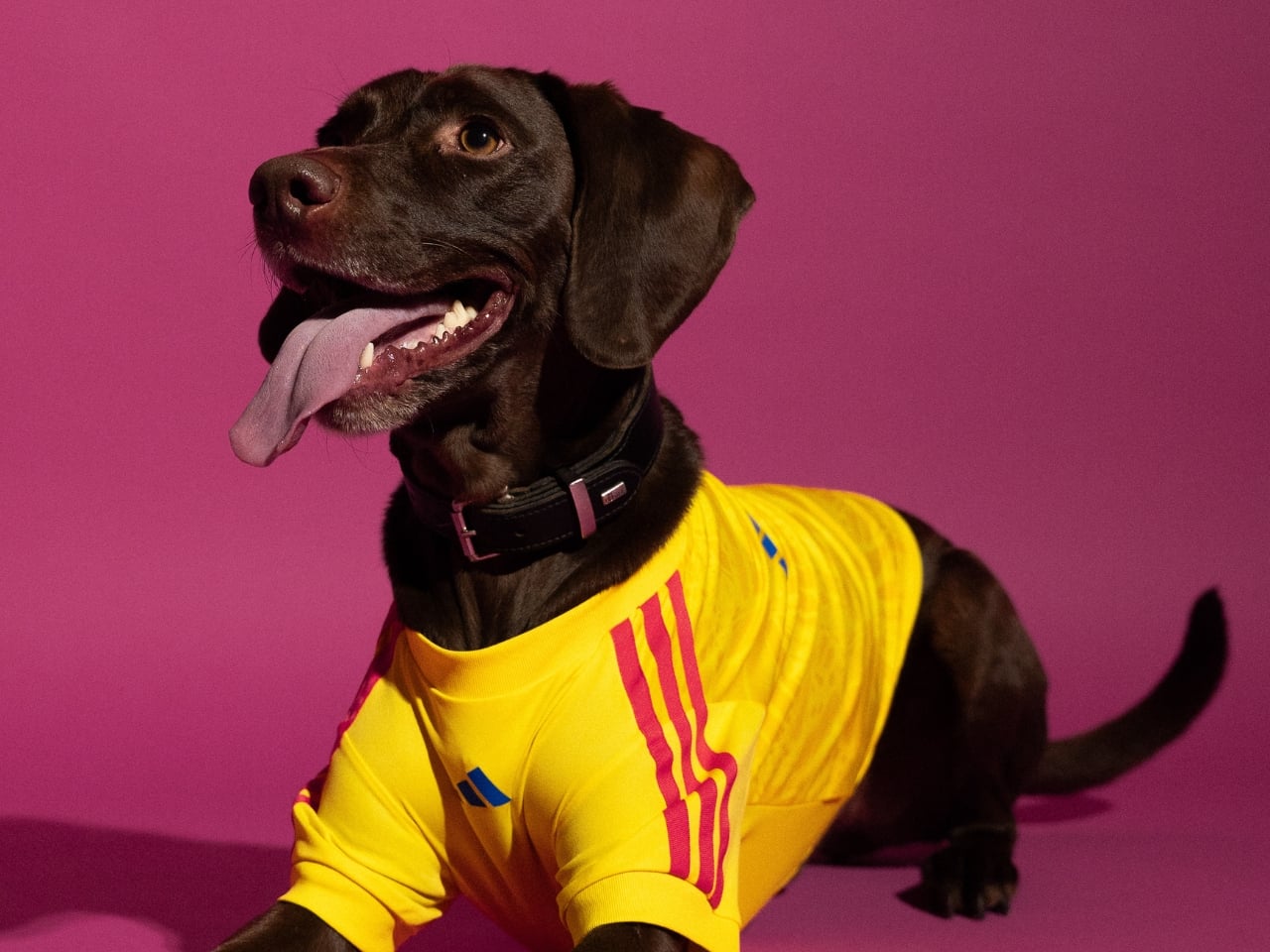
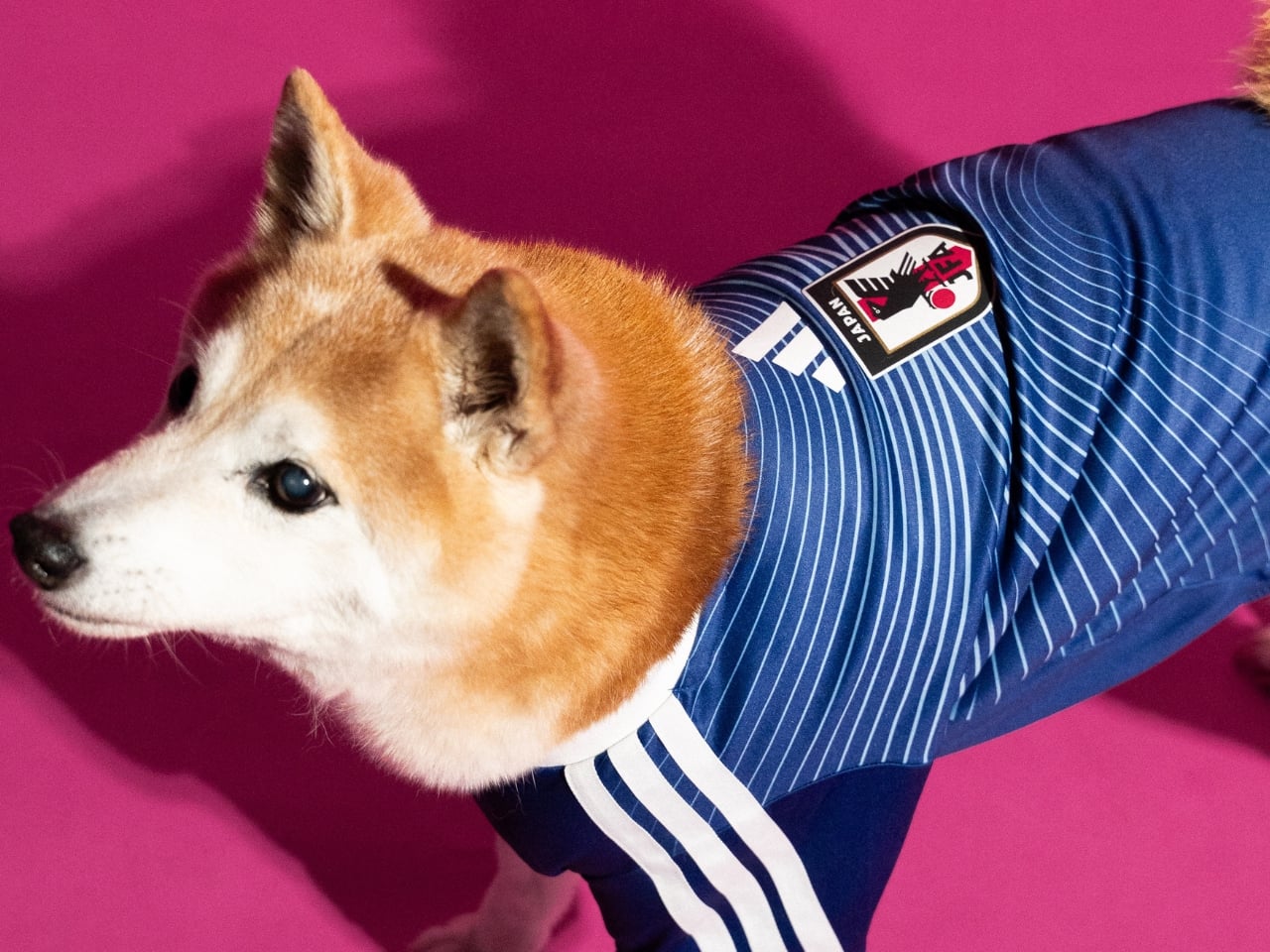
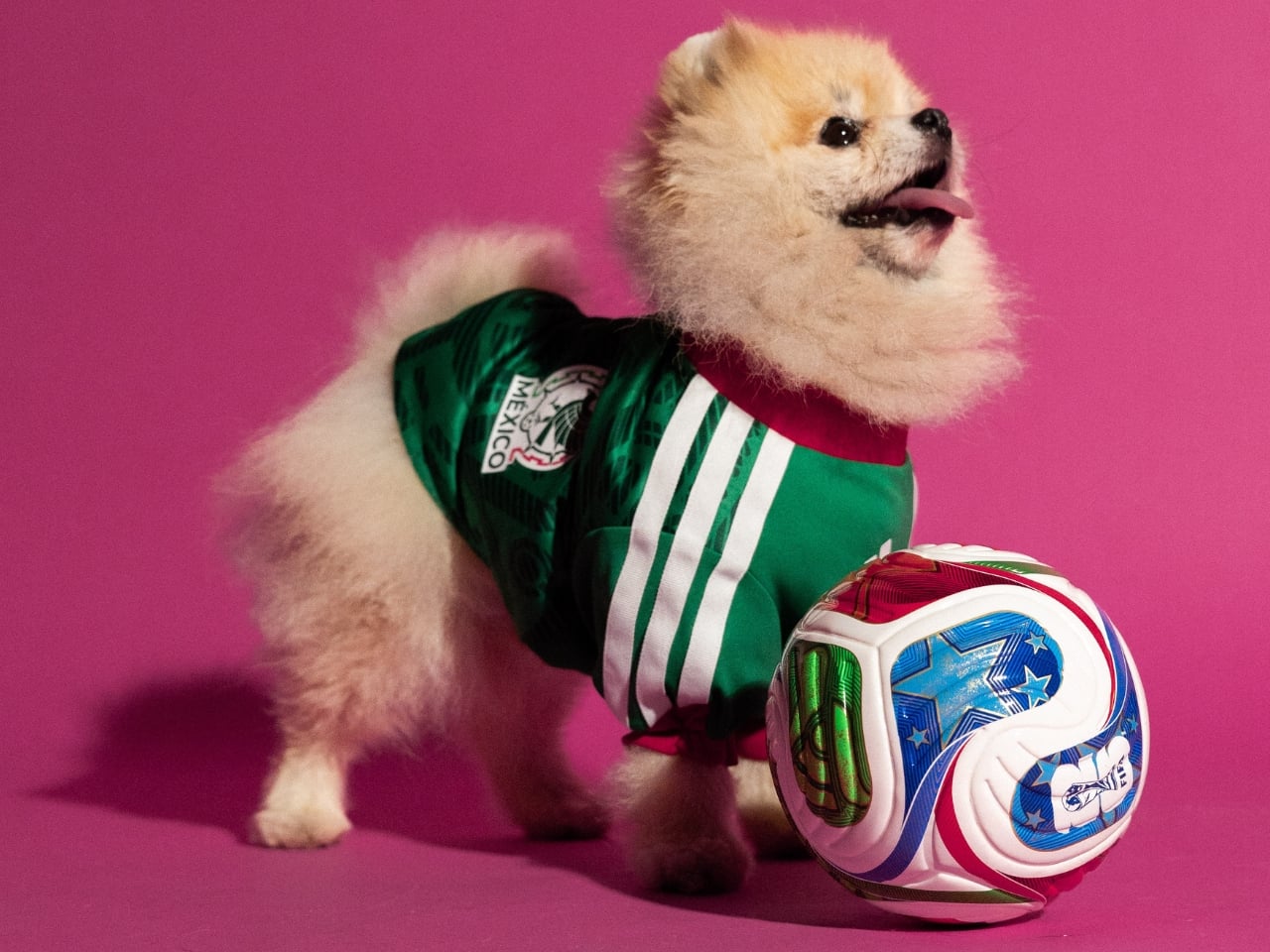
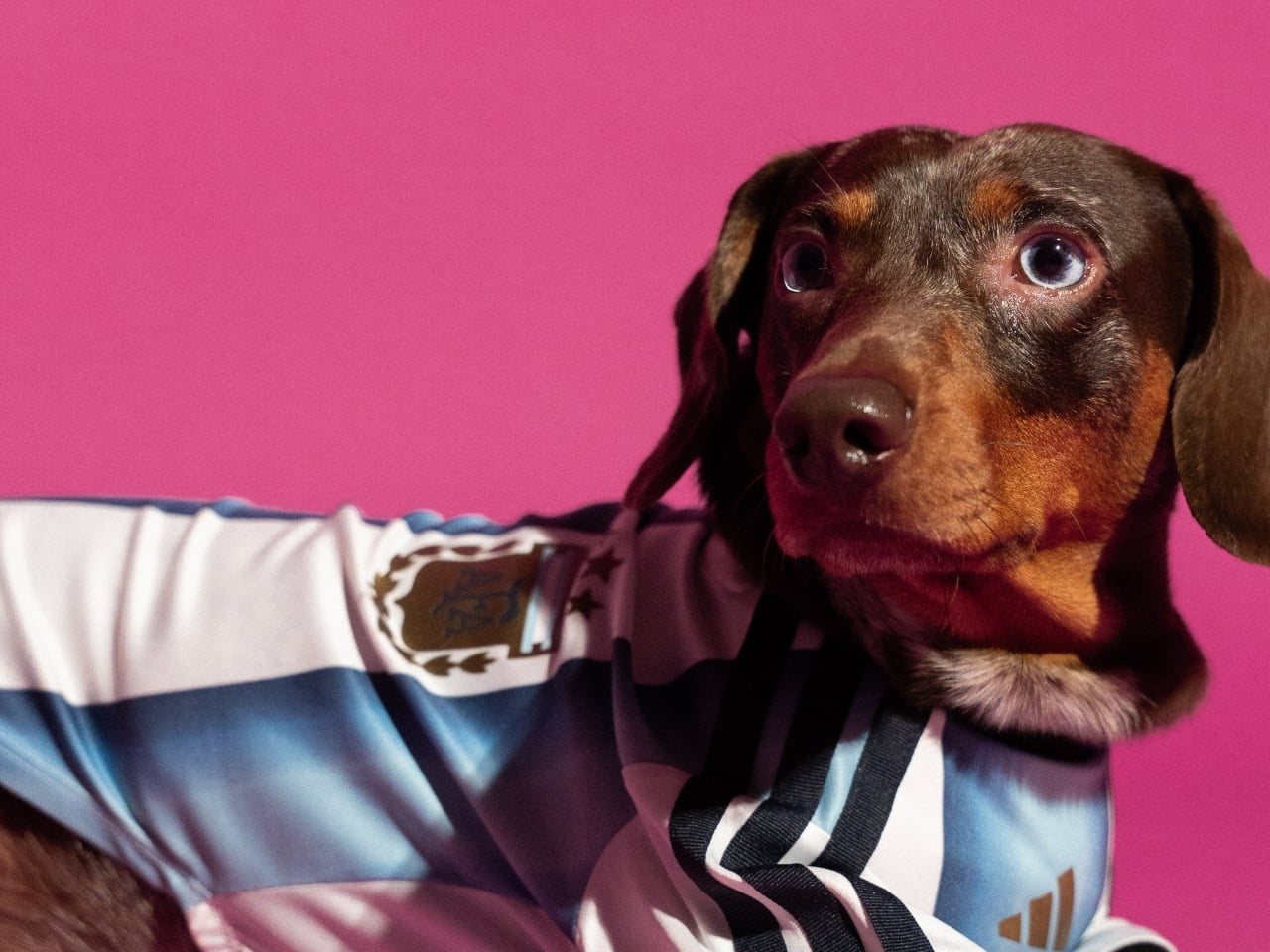
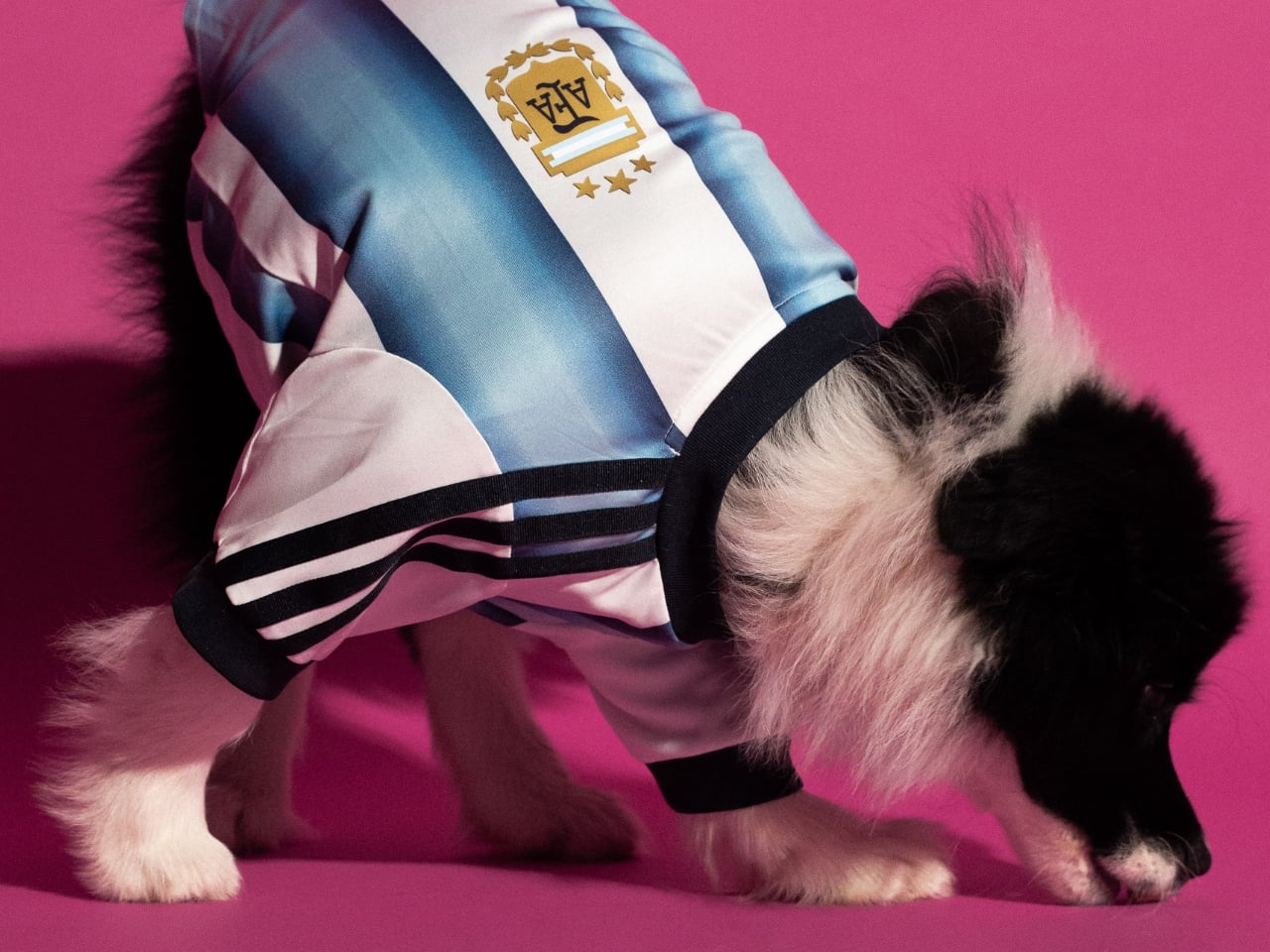
The collection features scaled-down versions of the official home kits for four national federations: Argentina, Mexico, Colombia, and Japan. Each jersey is made with interlock fabric, finished with heat-transferred federation crests and the adidas logo, and sized to fit pets of varying builds. On paper, it reads like a novelty item, the kind of thing that gets a cute Instagram moment and then disappears. But the more I think about it, the more I suspect adidas is operating on a level most people aren’t fully registering yet.

Designer: adidas

This isn’t the brand’s first move into pet fashion. They released a pet tracksuit collection in late 2025 and followed it up with Lunar New Year designs in early 2026. The World Cup drop is the third chapter, and it’s by far the most culturally loaded. Attaching pet merchandise to the biggest sporting event on the planet isn’t a gimmick. It’s a calculated bet on where consumer culture is right now. People don’t just watch the World Cup. They host parties, coordinate outfits, wear matching kits with their kids, and increasingly treat their pets as full participants in the whole ritual. adidas saw that behavioral shift and decided to meet the moment rather than wait for someone else to.

The design fidelity is where I think they actually earned some genuine respect here. These aren’t generic jerseys with a crest slapped on. The Argentina kit carries the iconic Albiceleste stripes. The Mexico jersey features the Piedra del Sol, the same Aztec sun stone print embedded in the human version. The Colombia and Japan kits follow the same logic: faithfully reproduce the visual DNA of the official tournament kits, just at a smaller scale. That level of attention to detail signals that adidas isn’t treating the pet market as an afterthought. They’re treating it as a legitimate extension of the product line, and that’s a meaningful distinction.

Whether that’s the right move commercially is a separate conversation. The pet economy has been growing steadily for years, and premium pet accessories have become a real, serious category. But there’s also a risk of diluting what a World Cup kit means. A national team jersey carries history, identity, and a specific kind of weight. Putting it on your Corgi is either a celebration of that connection or a softening of it, depending on how you feel about football culture to begin with. I lean toward the former, mostly because fandom has always been about emotional inclusion rather than gatekeeping.

What adidas is really selling here is a shared experience. The visual of a fan and their dog in matching kits is immediately legible as a moment of joy, and that’s not nothing. The FIFA World Cup 2026 runs from June 11 to July 19 across the United States, Canada, and Mexico, which means there’s an entire summer of viewing parties and matchday gatherings where this collection becomes exactly the kind of organic conversation starter that no marketing budget can easily manufacture. You don’t need a big campaign when your product photographs that naturally.

The collection became available on May 1st across North America, Latin America, and selected markets in Asia including Japan, China, Vietnam, the Philippines, and Indonesia, through adidas stores, retail partners, and online. The timing gives fans about six weeks to get their pets game-ready before the opening match. That’s enough runway to make it feel intentional rather than rushed. Is it the most important design release of 2026? Obviously not. But it’s a genuinely smart piece of brand work that understands its cultural moment, respects its source material, and executes with more craft than the premise suggests it deserves. Sometimes that’s enough. Sometimes that’s actually the point.

The post adidas Just Made the Best World Cup Drop for Your Dog first appeared on Yanko Design.
Adidas Made a Marathon Shoe That Weighs Less Than an Apple

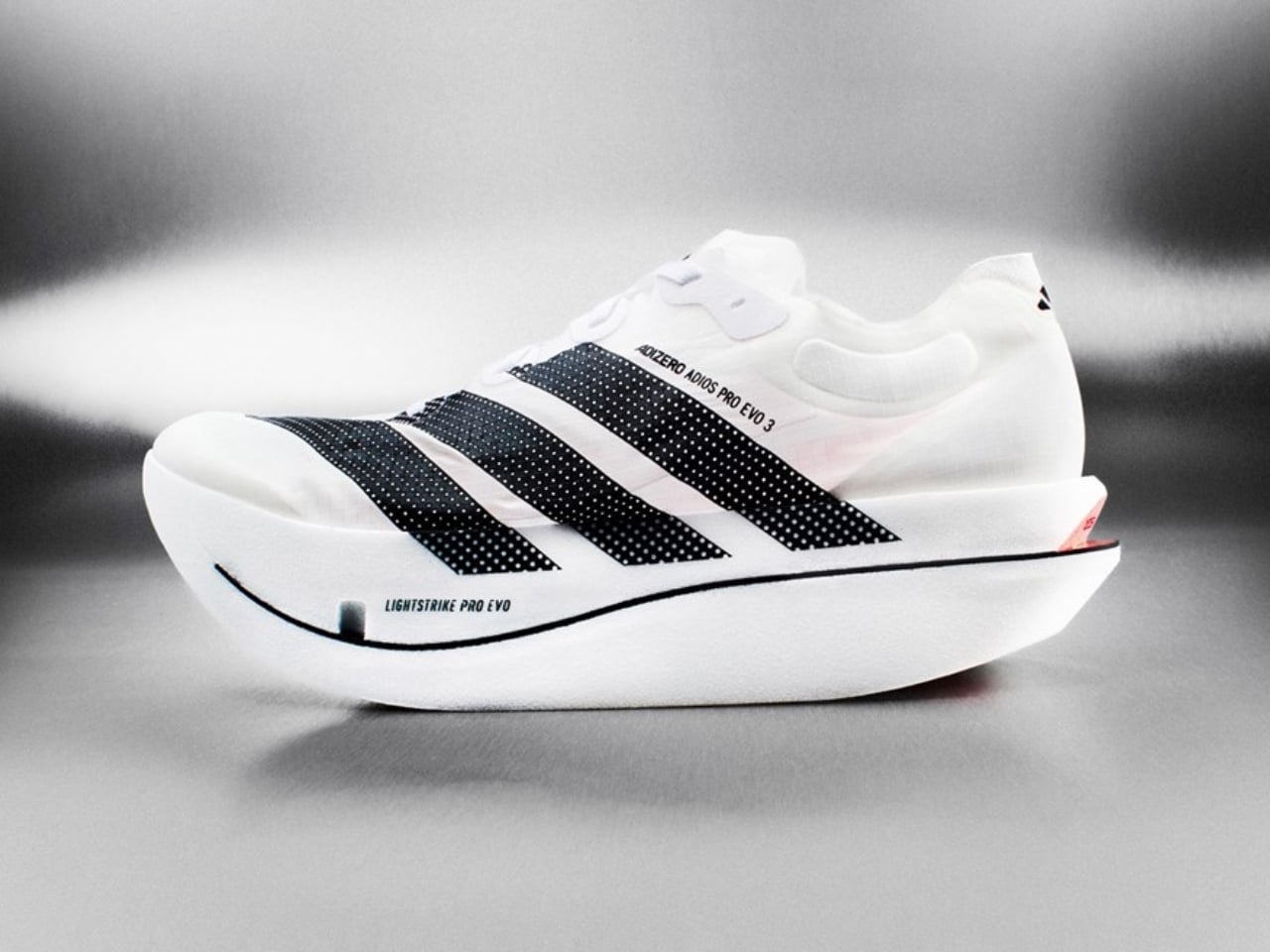
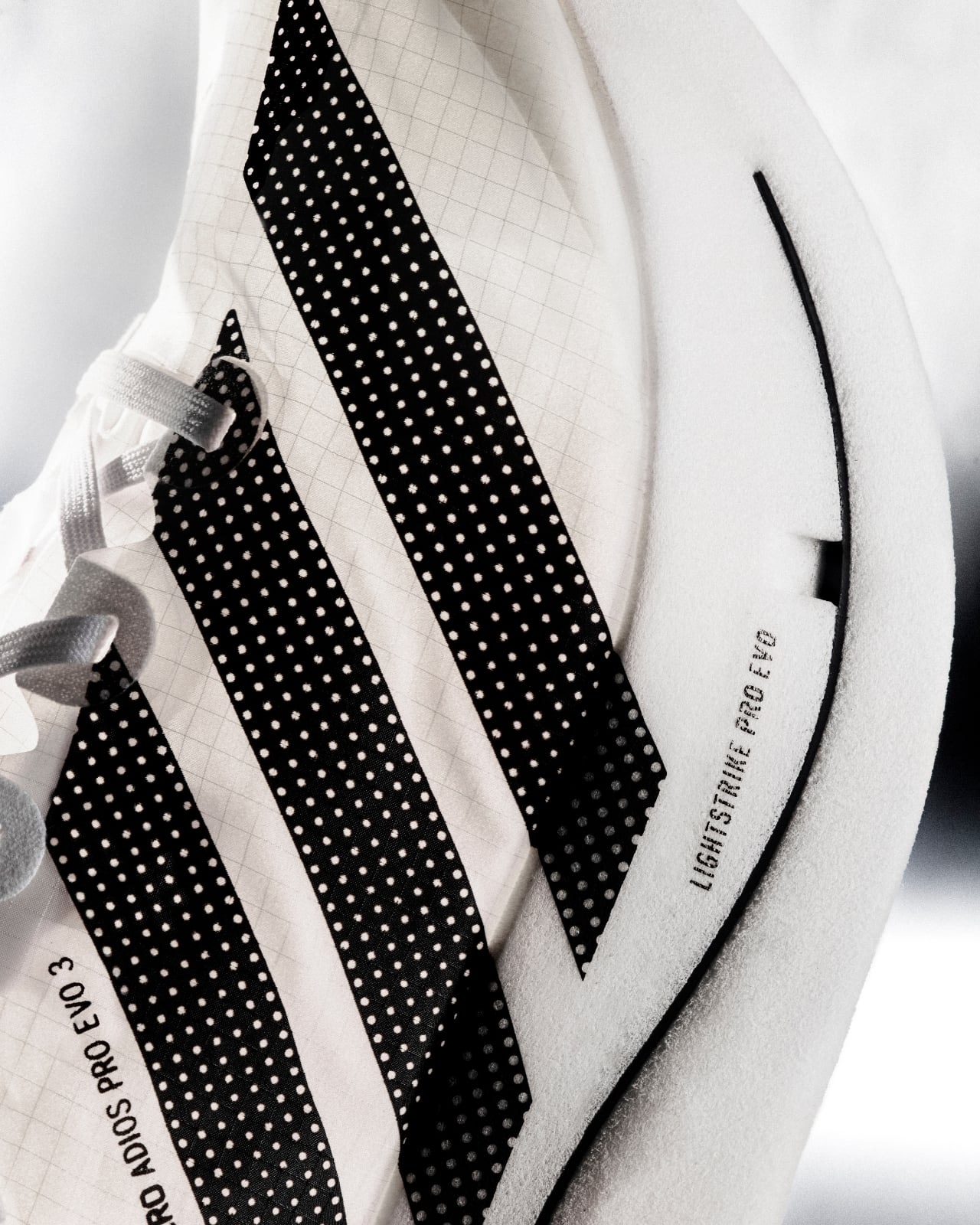
Pick up an apple from your kitchen counter. Now imagine a pair of running shoes weighing less than that single piece of fruit. That’s the Adidas Adizero Adios Pro Evo 3, and it’s not a concept shoe or a lab curiosity. It just debuted at the 2026 London Marathon, worn by Sabastian Sawe and Yomif Kejelcha, who became the first athletes in history to break the sub-two-hour marathon barrier.

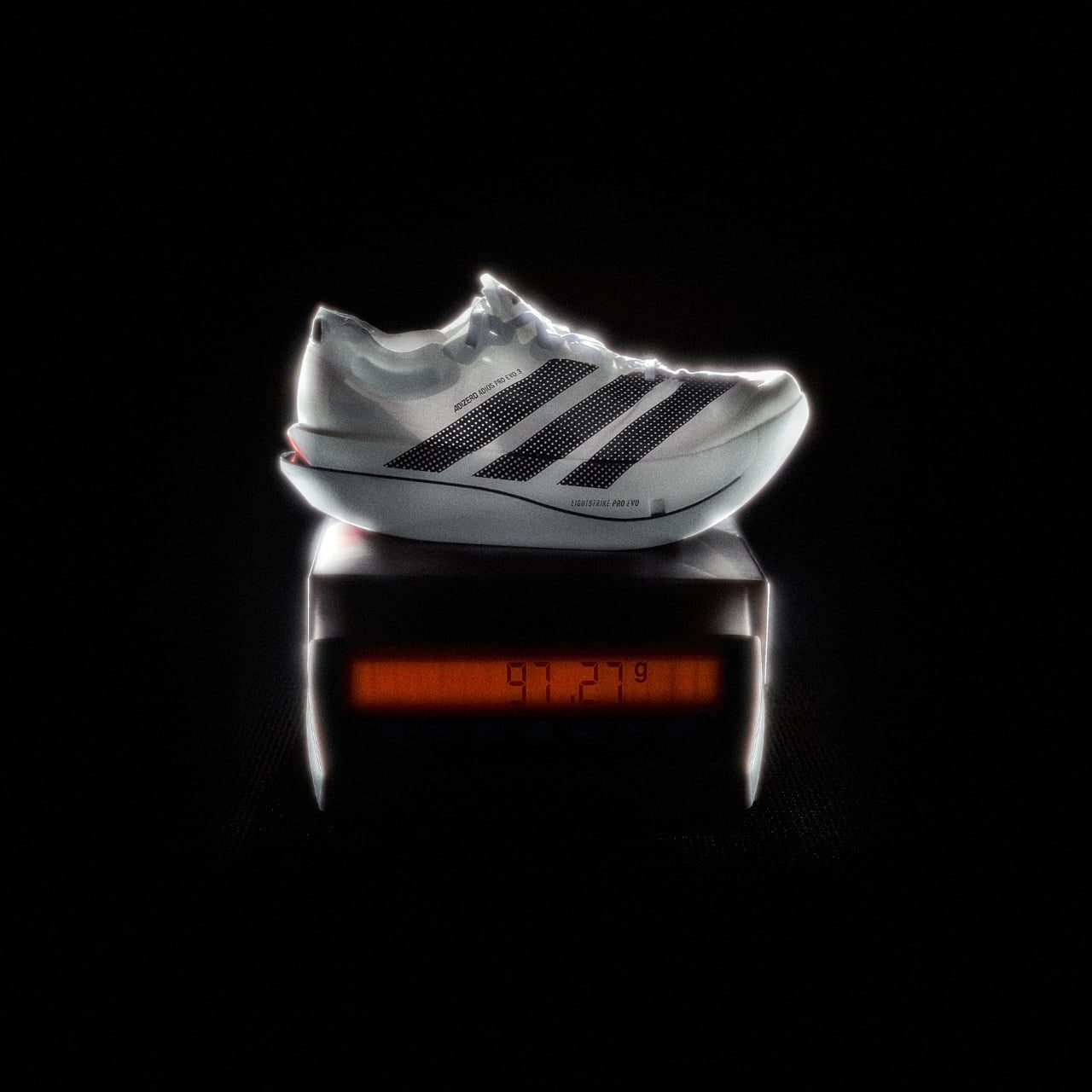
The Evo 3 weighs in at just 97 grams in a UK size 8.5, making it the first sub-100-gram racing shoe Adidas has ever produced. For context, the shoe’s box weighs more than the shoe inside it. That’s the kind of engineering achievement that sounds like a flex until you understand how much it actually matters at race pace.

Designer: adidas

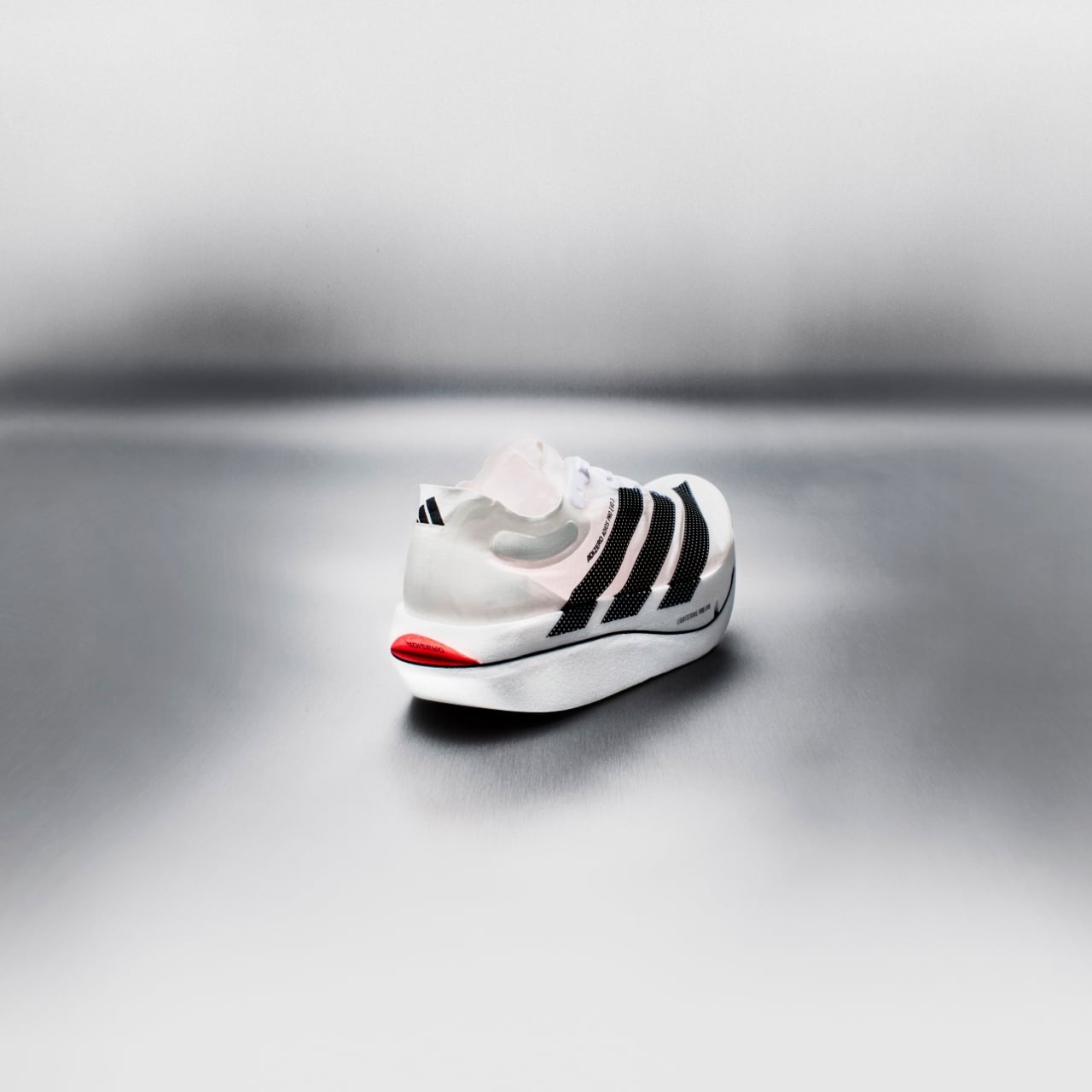
The secret is a new construction called ENERGYRIM, a carbon-integrated design that completely rethinks how a supershoe is built. Rather than simply layering carbon plates into foam, Adidas redesigned the relationship between the two, allowing them to work in concert rather than independently. The result is a shoe that’s 30% lighter than its predecessor, with 11% greater forefoot energy return and a 1.6% improvement in running economy. To put those numbers in context: at the marathon level, a 1.6% improvement in running economy isn’t marginal. It’s the kind of number that separates a podium from a personal best.

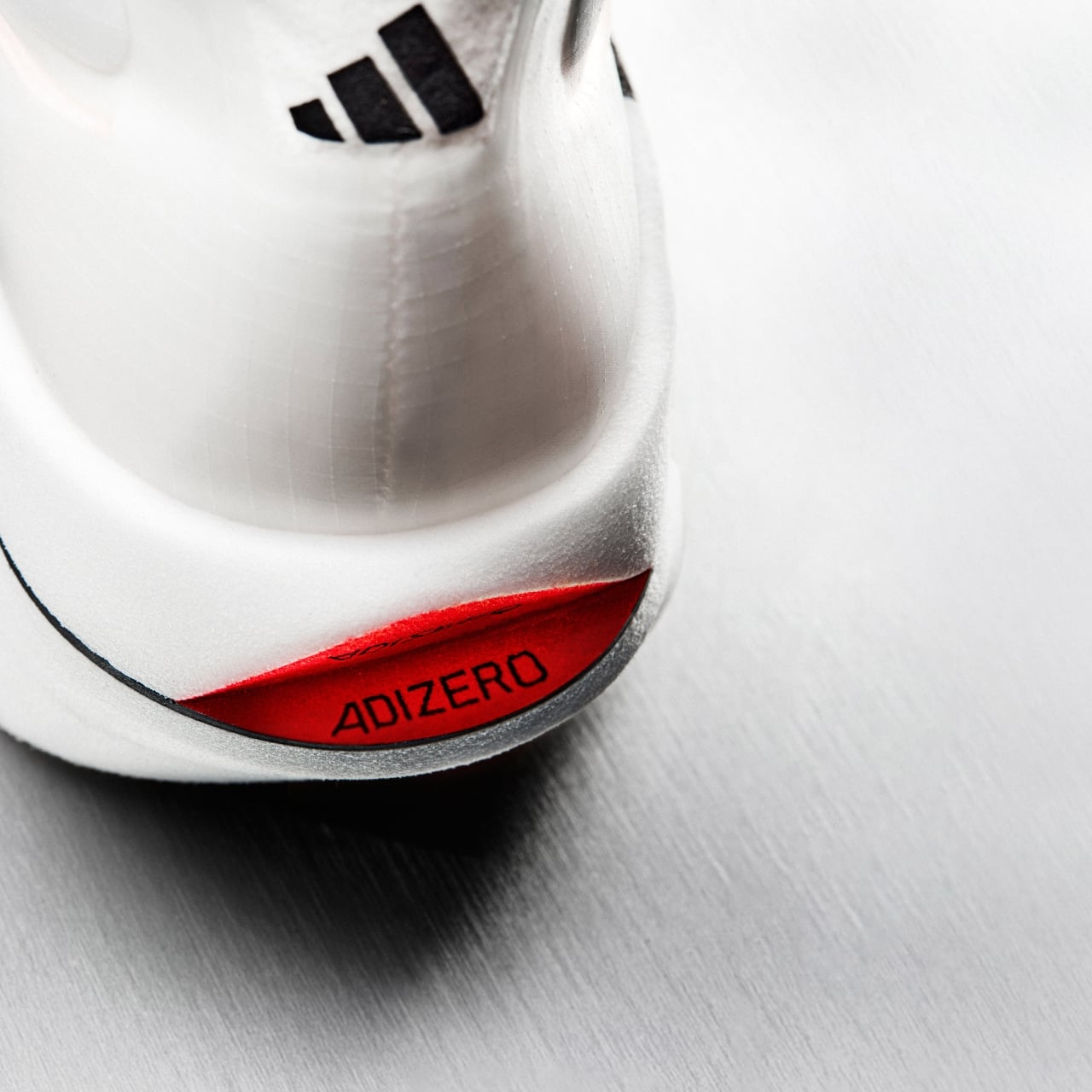
The foam itself is the other major story here. Adidas developed a new generation of Lightstrike Pro Evo compound that is 50% lighter than the version used in the Evo 2. That’s not a small iteration. It’s a material science leap that took three years and over a dozen tested prototypes, refined in labs in Herzogenaurach and tested at altitude training camps in Kenya and Ethiopia. Elsewhere on the shoe, the outsole ditches the liquid rubber coating from the previous model in favor of strategically placed Continental rubber, a welcome upgrade for anyone who isn’t a professional sprinter running on perfectly dry asphalt. It’s a small change that makes the shoe meaningfully more accessible without compromising the weight equation in any significant way.

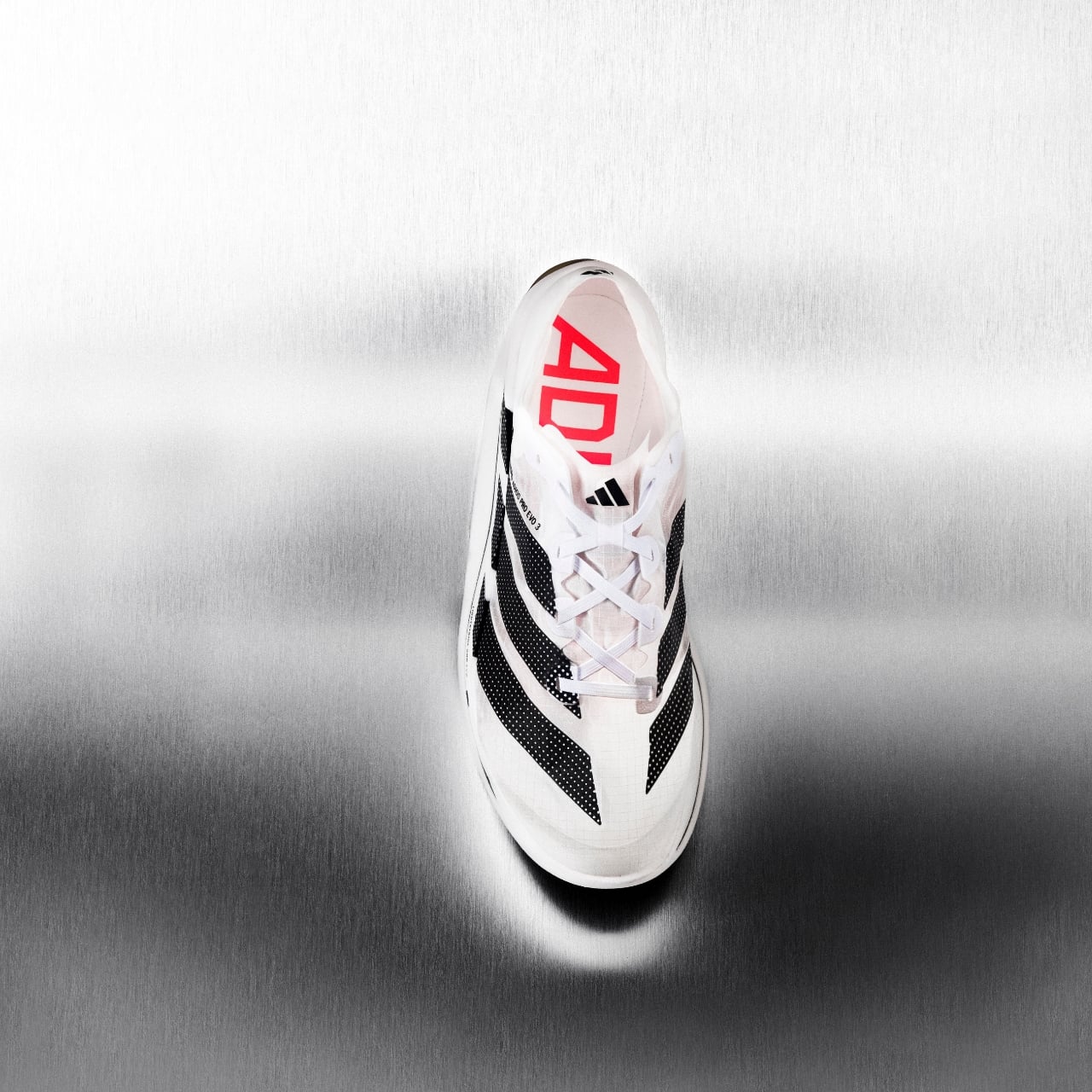
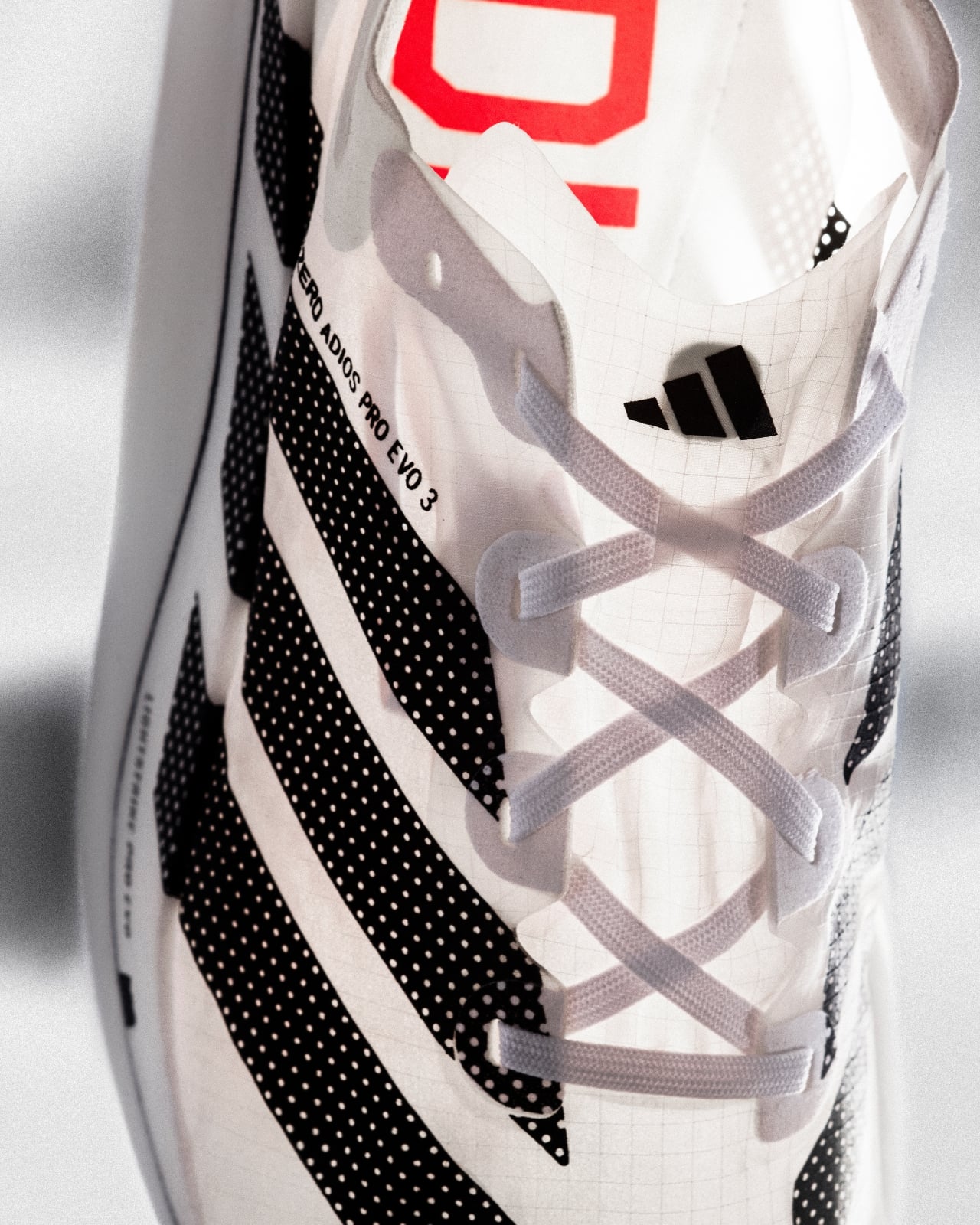
From a design standpoint, the Evo 3 is striking in the way extreme performance gear tends to be: lean, almost aggressive, with a silhouette that looks sculpted rather than constructed. The toebox is narrow, almost spike-like, which is clearly a functional decision rather than an aesthetic one. The fit prioritizes containment over comfort, and that feels like the right philosophy for a race day shoe that is not designed for casual wear. You wear shoes like this to run the fastest race of your life. The trade-offs are understood, and most serious runners will make them without hesitation.

The price is USD 500, with an initial limited release on April 27, 2026, and a wider launch expected in fall 2026. That price tag will raise eyebrows. But it helps to remember that the Adizero Evo franchise has already seen athletes break three world records and win over 30 major road races since 2023, including six World Marathon Major wins and an Olympic record time. The shoe’s pedigree isn’t marketing copy. It’s a documented track record.

What makes the Evo 3 genuinely interesting beyond the running community is what it represents as a design object. It sits at the intersection of sports science, materials engineering, and product design in a way that very few consumer products ever manage. The obsession with weight reduction, the carbon geometry experiments, the altitude testing: these are the ingredients of something closer to aerospace thinking than traditional footwear development. When the research process looks more like aircraft engineering than sneaker design, the result tends to look and perform like nothing that came before it.

Whether you run marathons or not, there’s a certain pleasure in watching a brand push against what seemed like a physical limit and actually break through. Adidas didn’t just shave a few grams off an existing shoe. They asked what a marathon shoe could look like if weight were treated as a fundamental design constraint rather than just another spec to optimize. The answer is 97 grams. And somehow, impossibly, it still performs better than everything that came before it.

The post Adidas Made a Marathon Shoe That Weighs Less Than an Apple first appeared on Yanko Design.
Adidas Made a Marathon Shoe That Weighs Less Than an Apple

Pick up an apple from your kitchen counter. Now imagine a pair of running shoes weighing less than that single piece of fruit. That’s the Adidas Adizero Adios Pro Evo 3, and it’s not a concept shoe or a lab curiosity. It just debuted at the 2026 London Marathon, worn by Sabastian Sawe and Yomif Kejelcha, who became the first athletes in history to break the sub-two-hour marathon barrier.

The Evo 3 weighs in at just 97 grams in a UK size 8.5, making it the first sub-100-gram racing shoe Adidas has ever produced. For context, the shoe’s box weighs more than the shoe inside it. That’s the kind of engineering achievement that sounds like a flex until you understand how much it actually matters at race pace.

Designer: adidas

The secret is a new construction called ENERGYRIM, a carbon-integrated design that completely rethinks how a supershoe is built. Rather than simply layering carbon plates into foam, Adidas redesigned the relationship between the two, allowing them to work in concert rather than independently. The result is a shoe that’s 30% lighter than its predecessor, with 11% greater forefoot energy return and a 1.6% improvement in running economy. To put those numbers in context: at the marathon level, a 1.6% improvement in running economy isn’t marginal. It’s the kind of number that separates a podium from a personal best.

The foam itself is the other major story here. Adidas developed a new generation of Lightstrike Pro Evo compound that is 50% lighter than the version used in the Evo 2. That’s not a small iteration. It’s a material science leap that took three years and over a dozen tested prototypes, refined in labs in Herzogenaurach and tested at altitude training camps in Kenya and Ethiopia. Elsewhere on the shoe, the outsole ditches the liquid rubber coating from the previous model in favor of strategically placed Continental rubber, a welcome upgrade for anyone who isn’t a professional sprinter running on perfectly dry asphalt. It’s a small change that makes the shoe meaningfully more accessible without compromising the weight equation in any significant way.

From a design standpoint, the Evo 3 is striking in the way extreme performance gear tends to be: lean, almost aggressive, with a silhouette that looks sculpted rather than constructed. The toebox is narrow, almost spike-like, which is clearly a functional decision rather than an aesthetic one. The fit prioritizes containment over comfort, and that feels like the right philosophy for a race day shoe that is not designed for casual wear. You wear shoes like this to run the fastest race of your life. The trade-offs are understood, and most serious runners will make them without hesitation.

The price is USD 500, with an initial limited release on April 27, 2026, and a wider launch expected in fall 2026. That price tag will raise eyebrows. But it helps to remember that the Adizero Evo franchise has already seen athletes break three world records and win over 30 major road races since 2023, including six World Marathon Major wins and an Olympic record time. The shoe’s pedigree isn’t marketing copy. It’s a documented track record.

What makes the Evo 3 genuinely interesting beyond the running community is what it represents as a design object. It sits at the intersection of sports science, materials engineering, and product design in a way that very few consumer products ever manage. The obsession with weight reduction, the carbon geometry experiments, the altitude testing: these are the ingredients of something closer to aerospace thinking than traditional footwear development. When the research process looks more like aircraft engineering than sneaker design, the result tends to look and perform like nothing that came before it.

Whether you run marathons or not, there’s a certain pleasure in watching a brand push against what seemed like a physical limit and actually break through. Adidas didn’t just shave a few grams off an existing shoe. They asked what a marathon shoe could look like if weight were treated as a fundamental design constraint rather than just another spec to optimize. The answer is 97 grams. And somehow, impossibly, it still performs better than everything that came before it.

The post Adidas Made a Marathon Shoe That Weighs Less Than an Apple first appeared on Yanko Design.
adidas Originals’ Two Ring watch shrinks digital timekeeping into a minimalist retro-modern timepiece

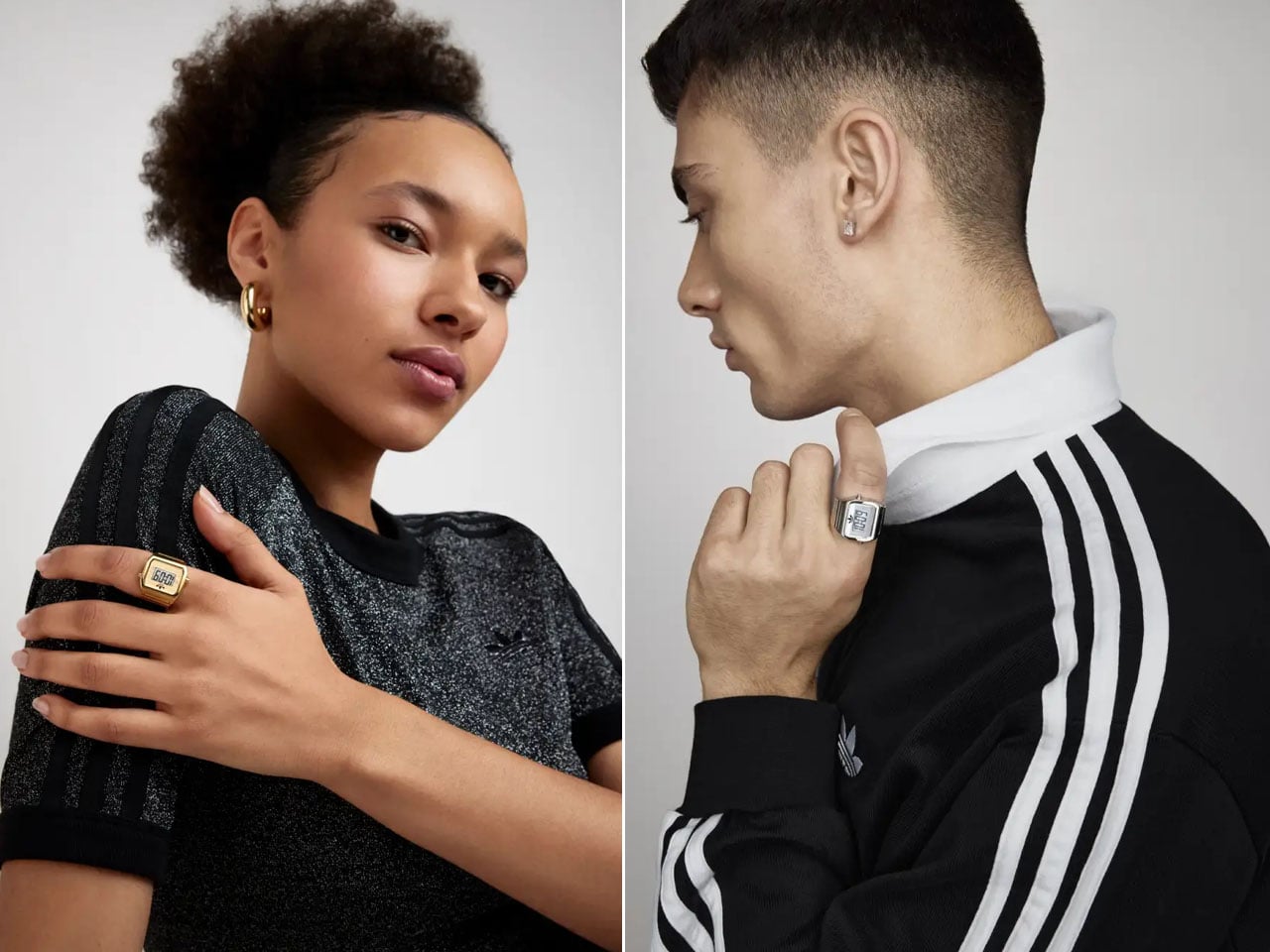
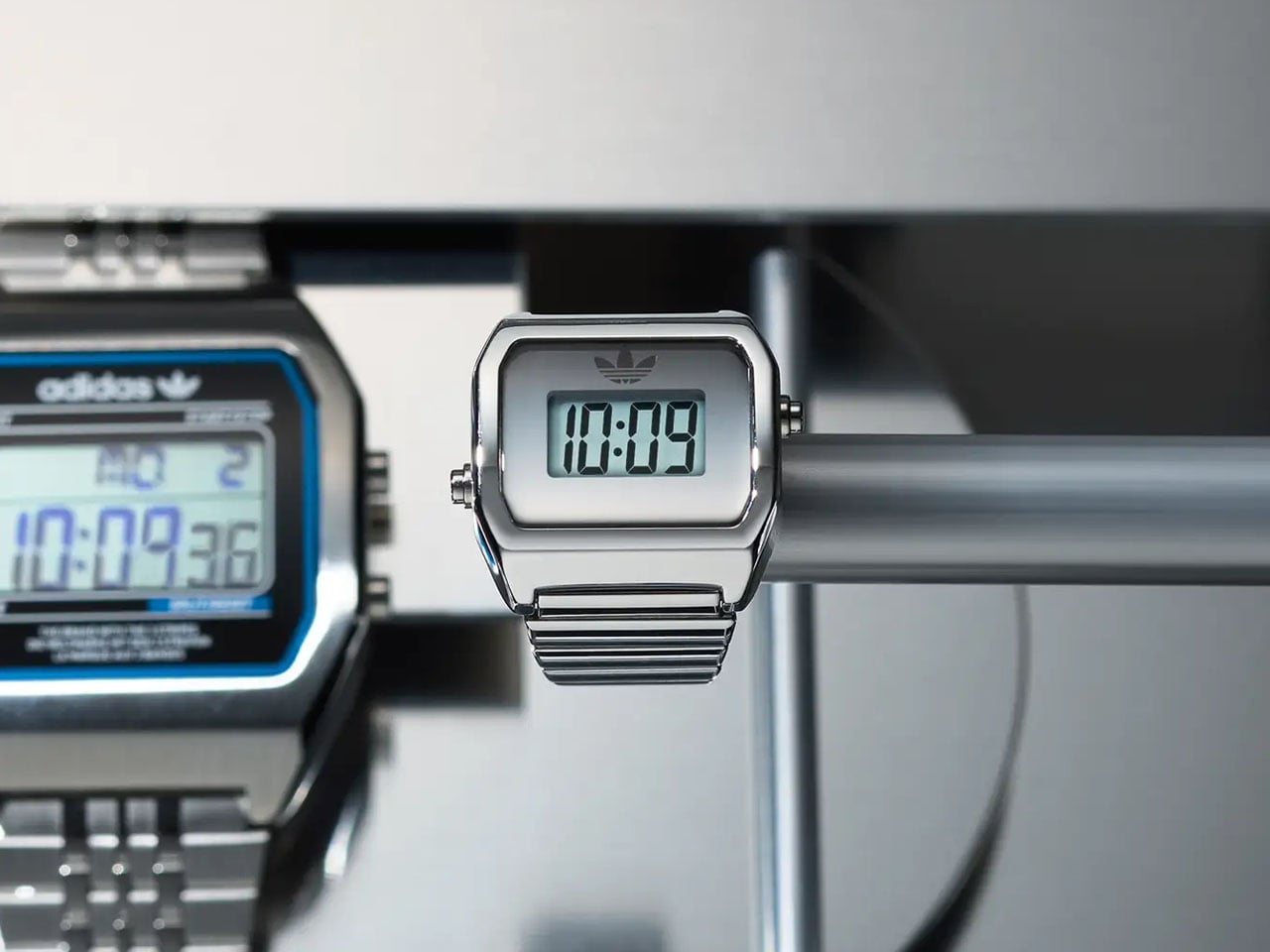
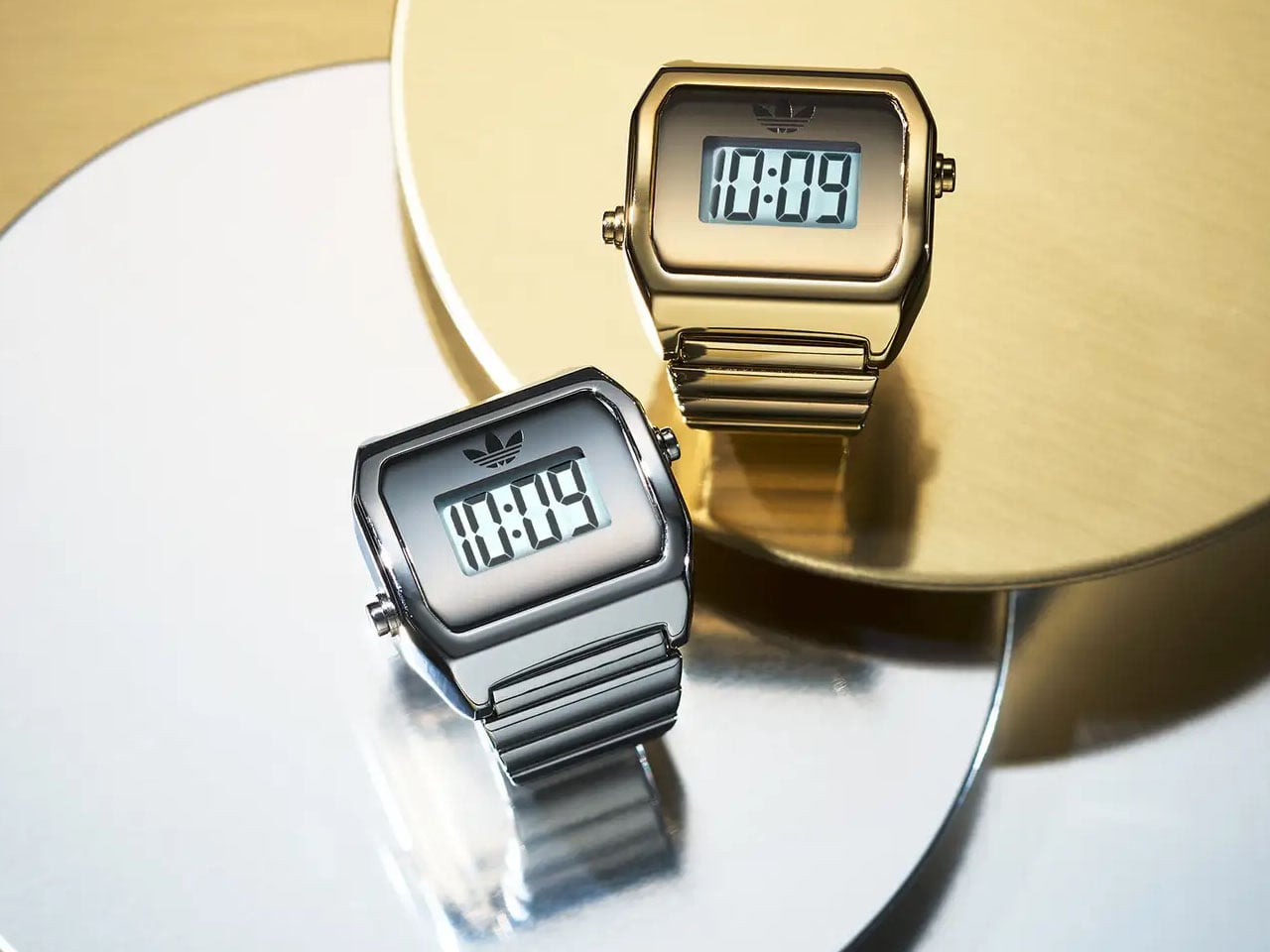
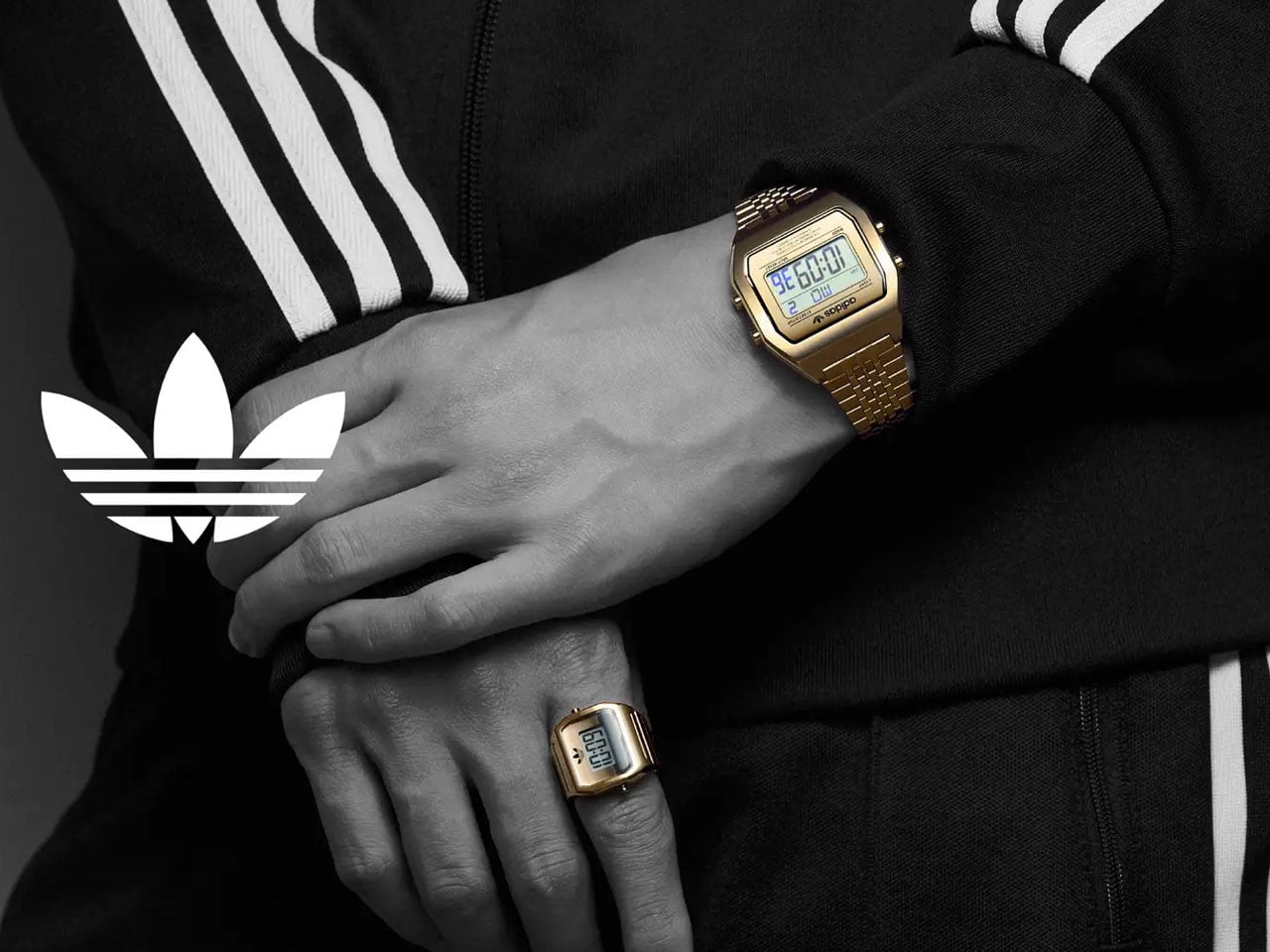
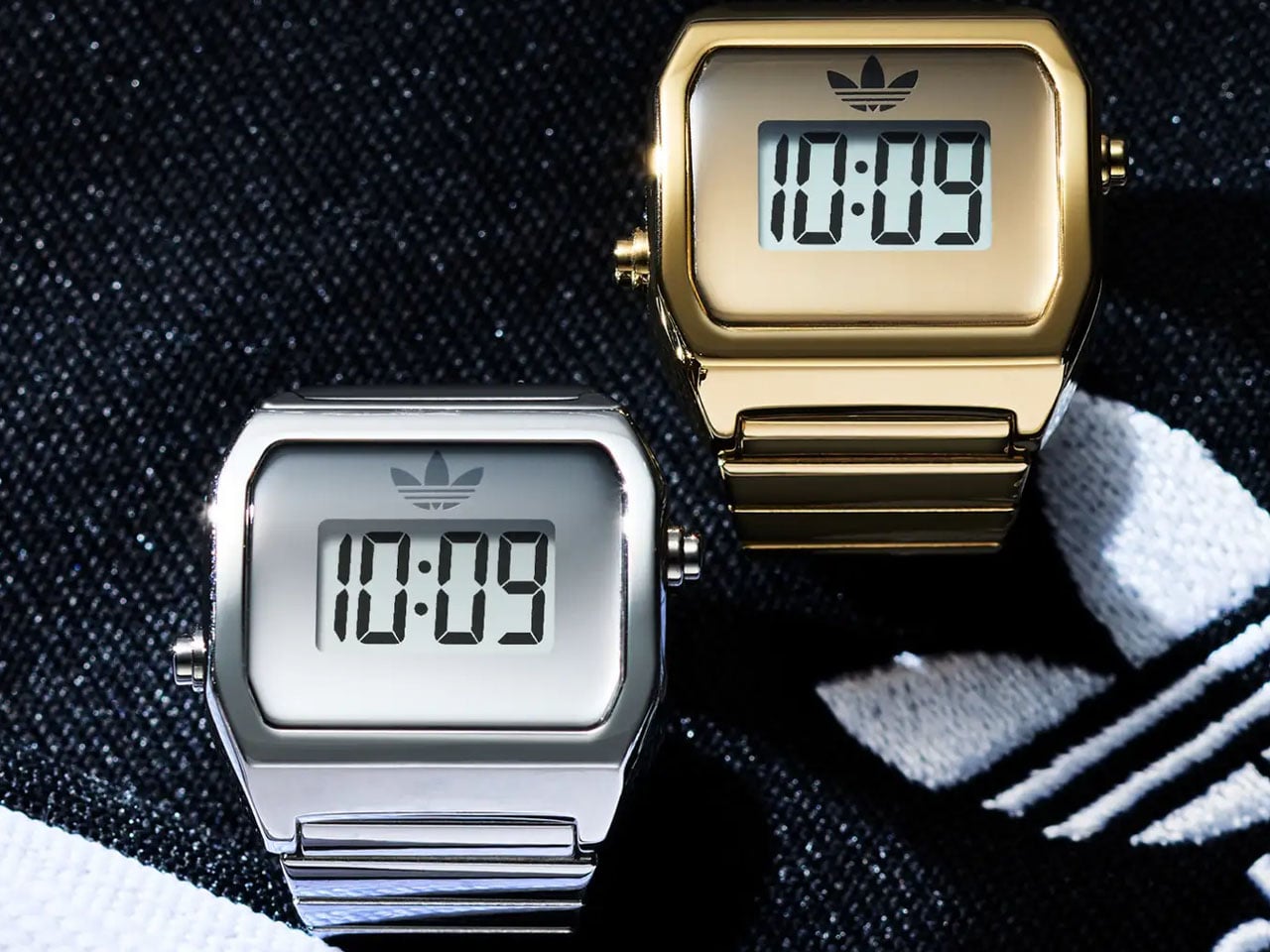
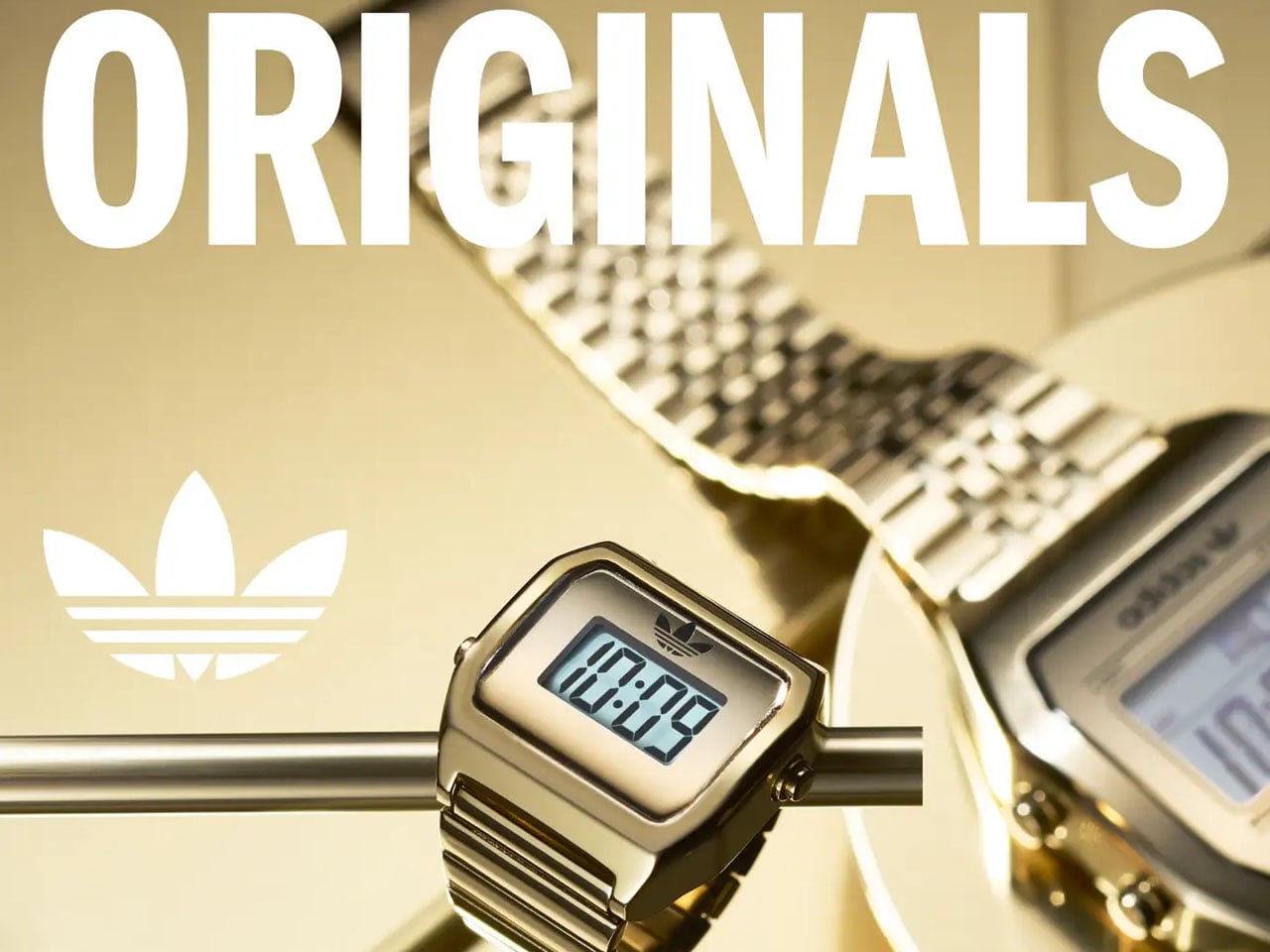
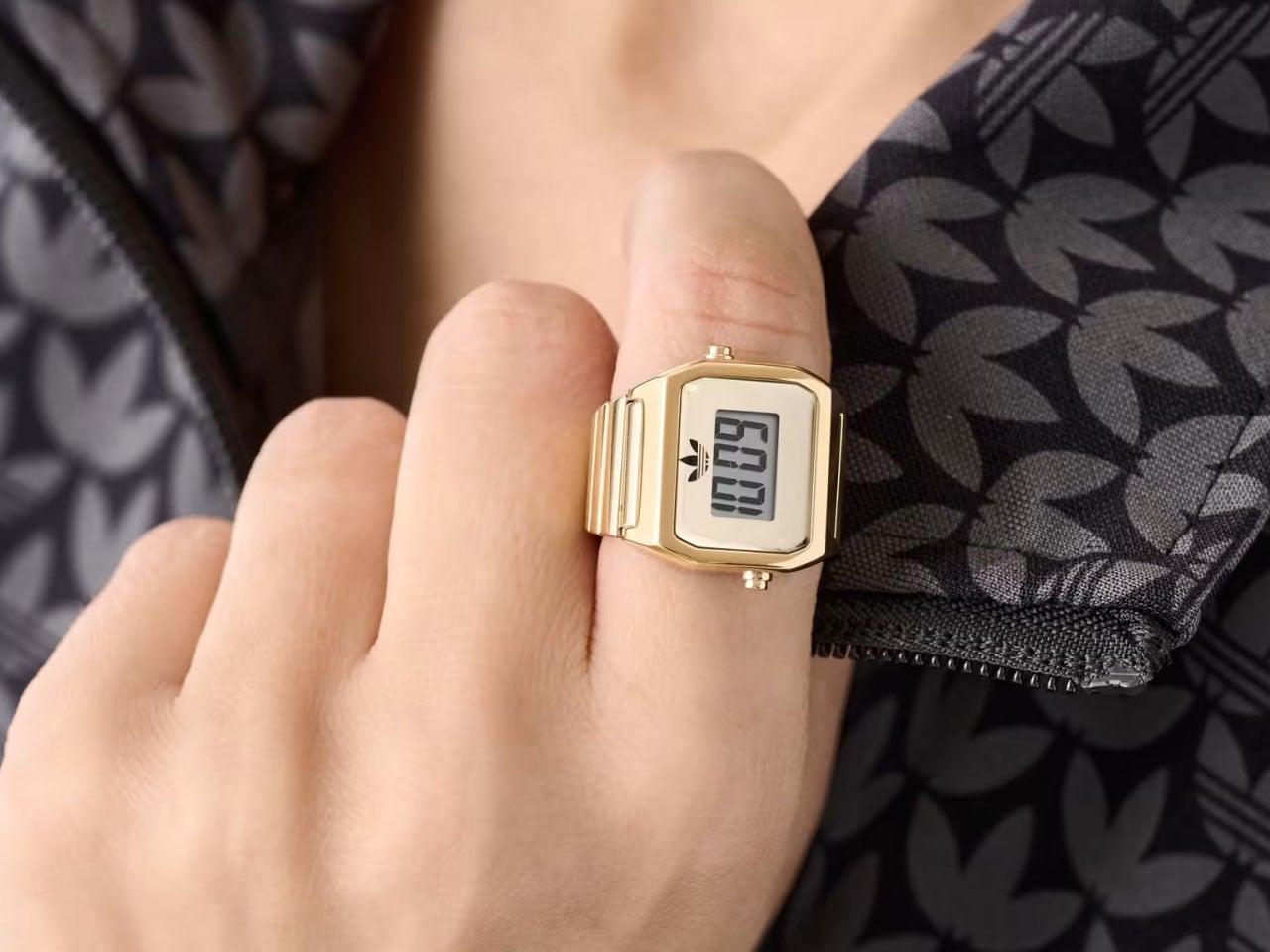
Smartphones have shrunk to the size of a wrist, and now smartwatches are beginning to appear on the fingers. Some of the better names in the industry have already tried ring watches. Casio did so with the Ring Watch CRW-001-1JR, and Timex collaborated with Beams on the Beams Boy x Timex Original Camper Ring Watch. Now it’s adidas Originals, which is expanding its athletic heritage to the jewelry and fashion industry with the new Digital Two Ring.

The timepiece is created under the Timex license, so in many ways, this miniature watch sits at the intersection of both brands’ identities. That partnership isn’t new, as Timex has long produced adidas timepieces, translating the sportswear giant’s aesthetic into accessible watches that balance function and street-ready styling.

Designer: adidas

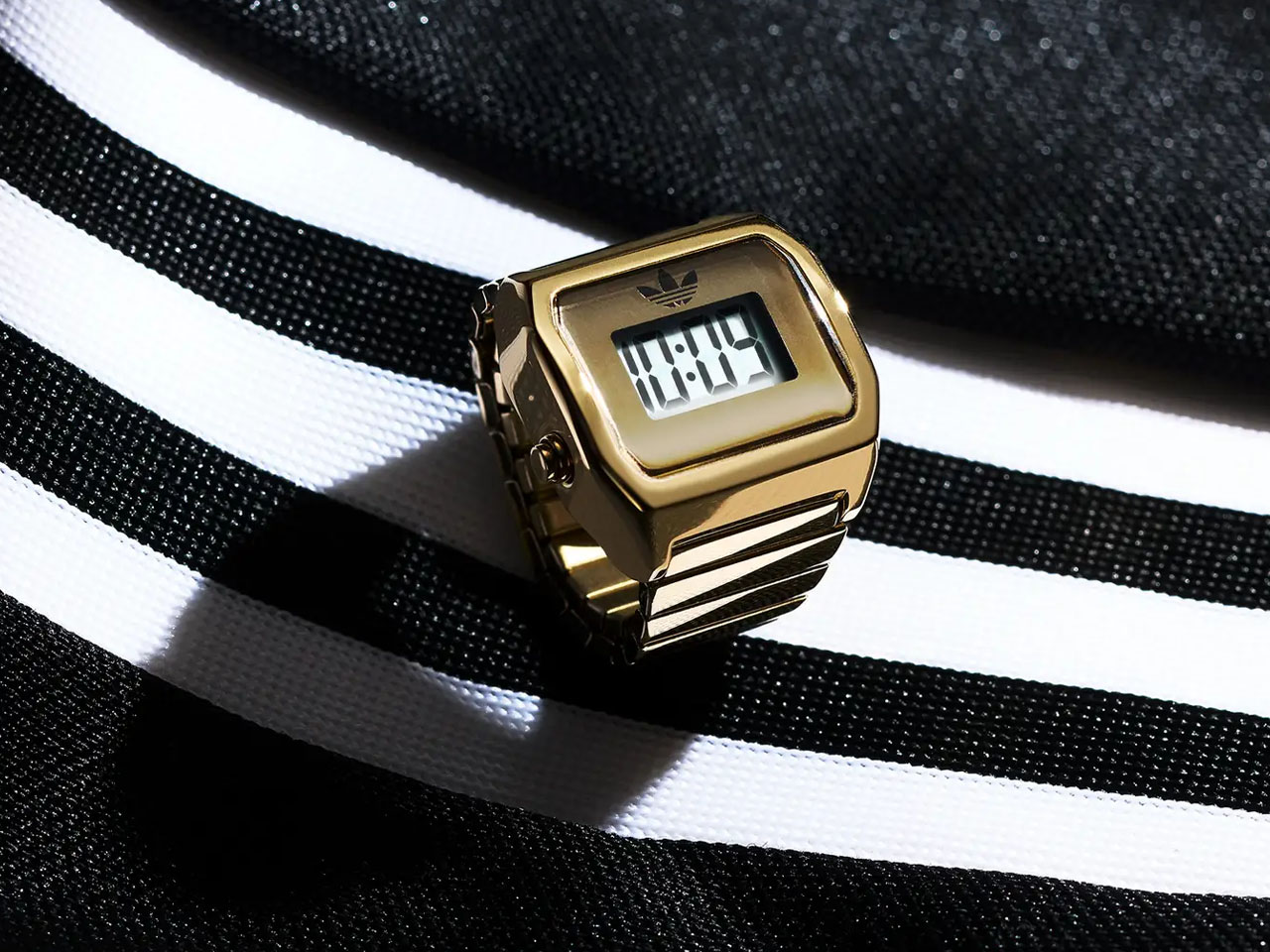
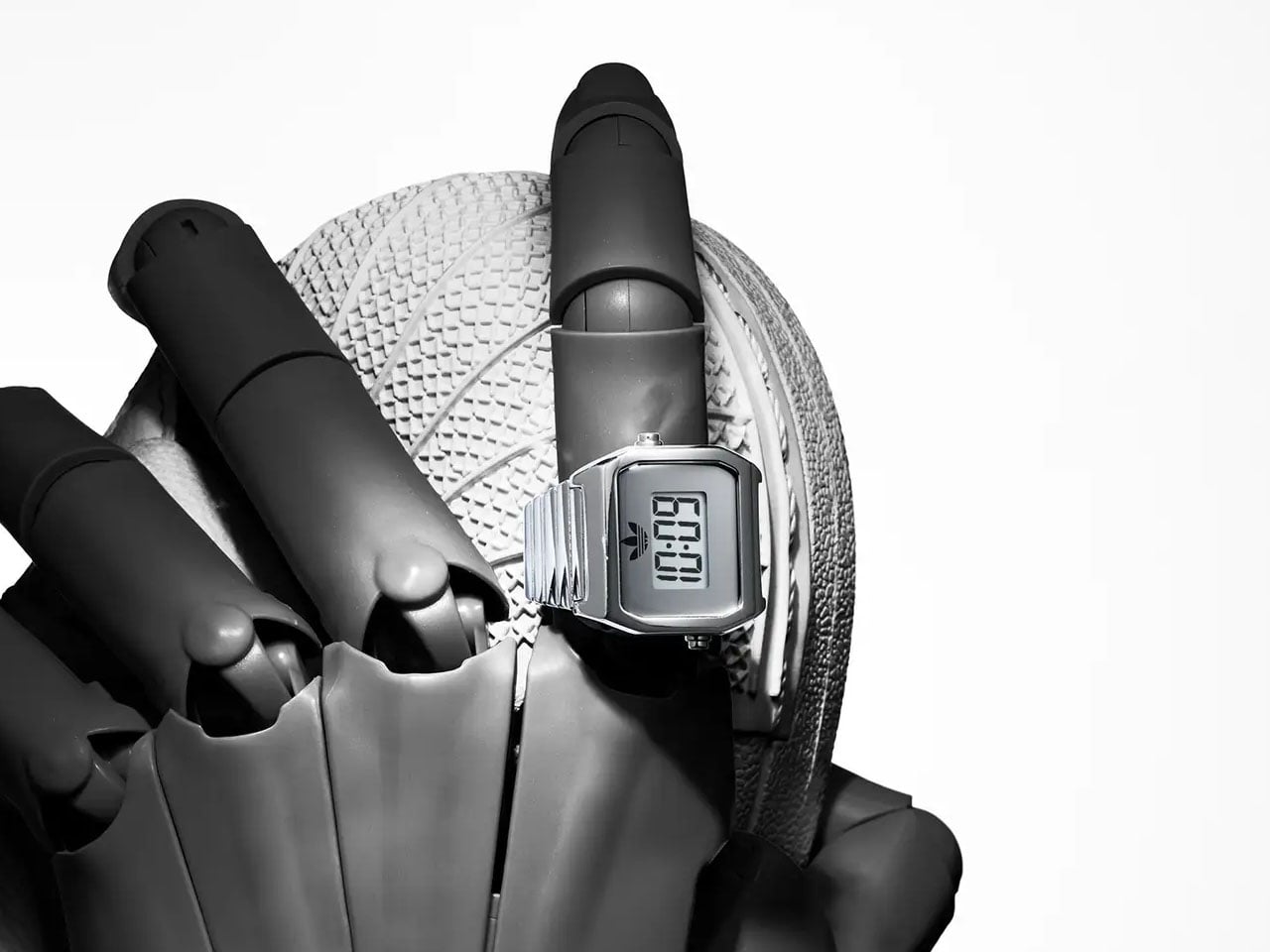
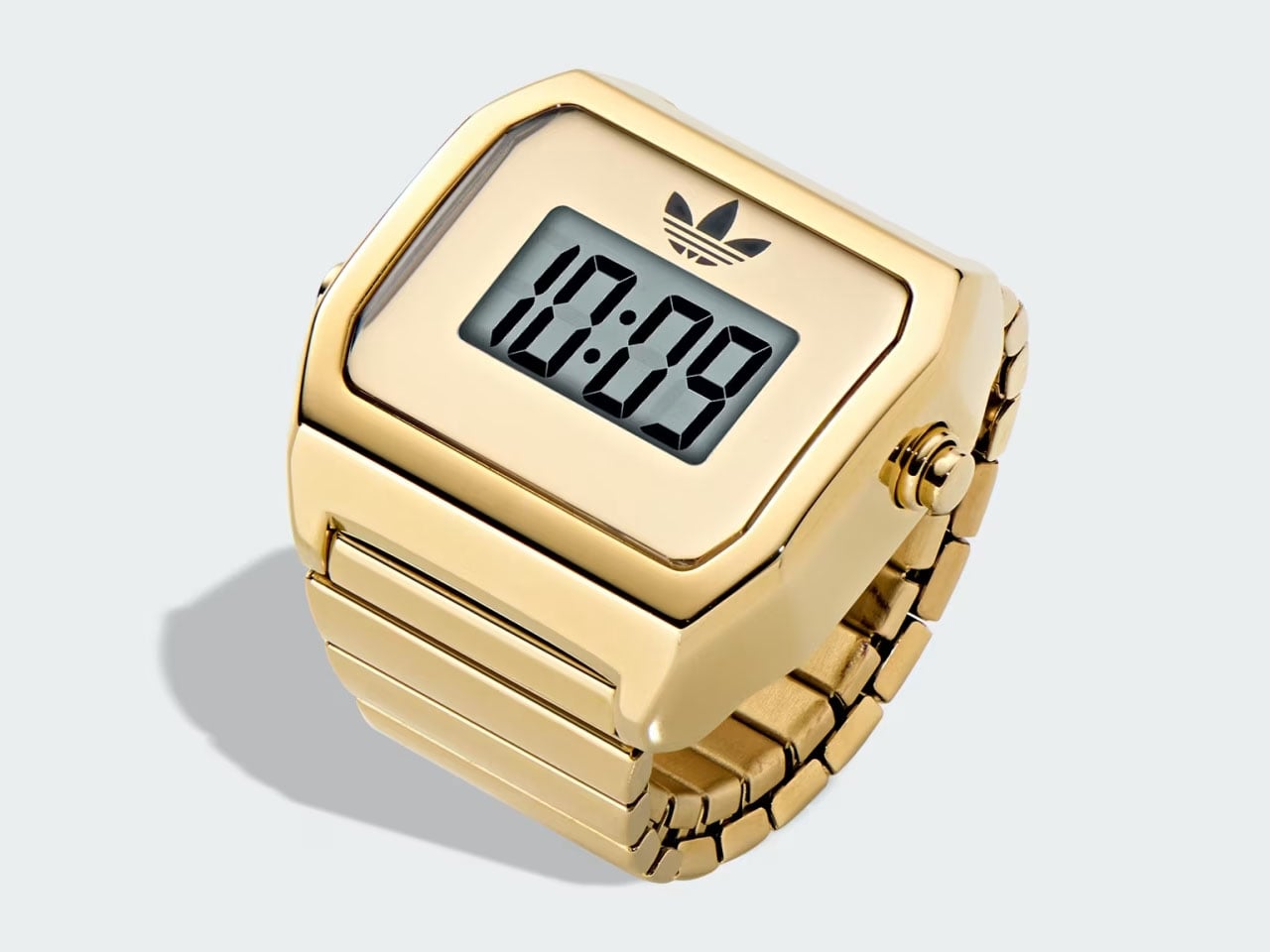
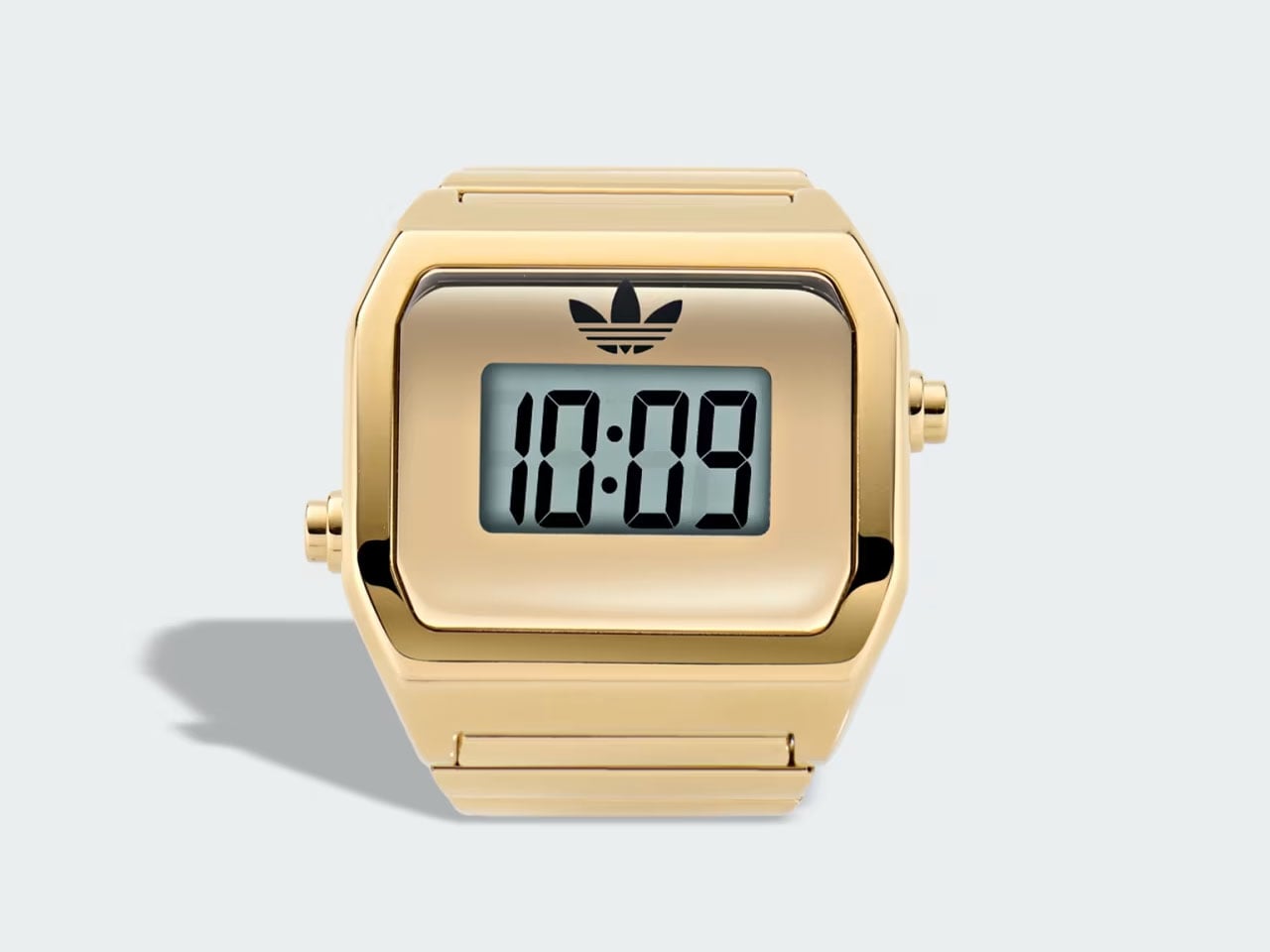
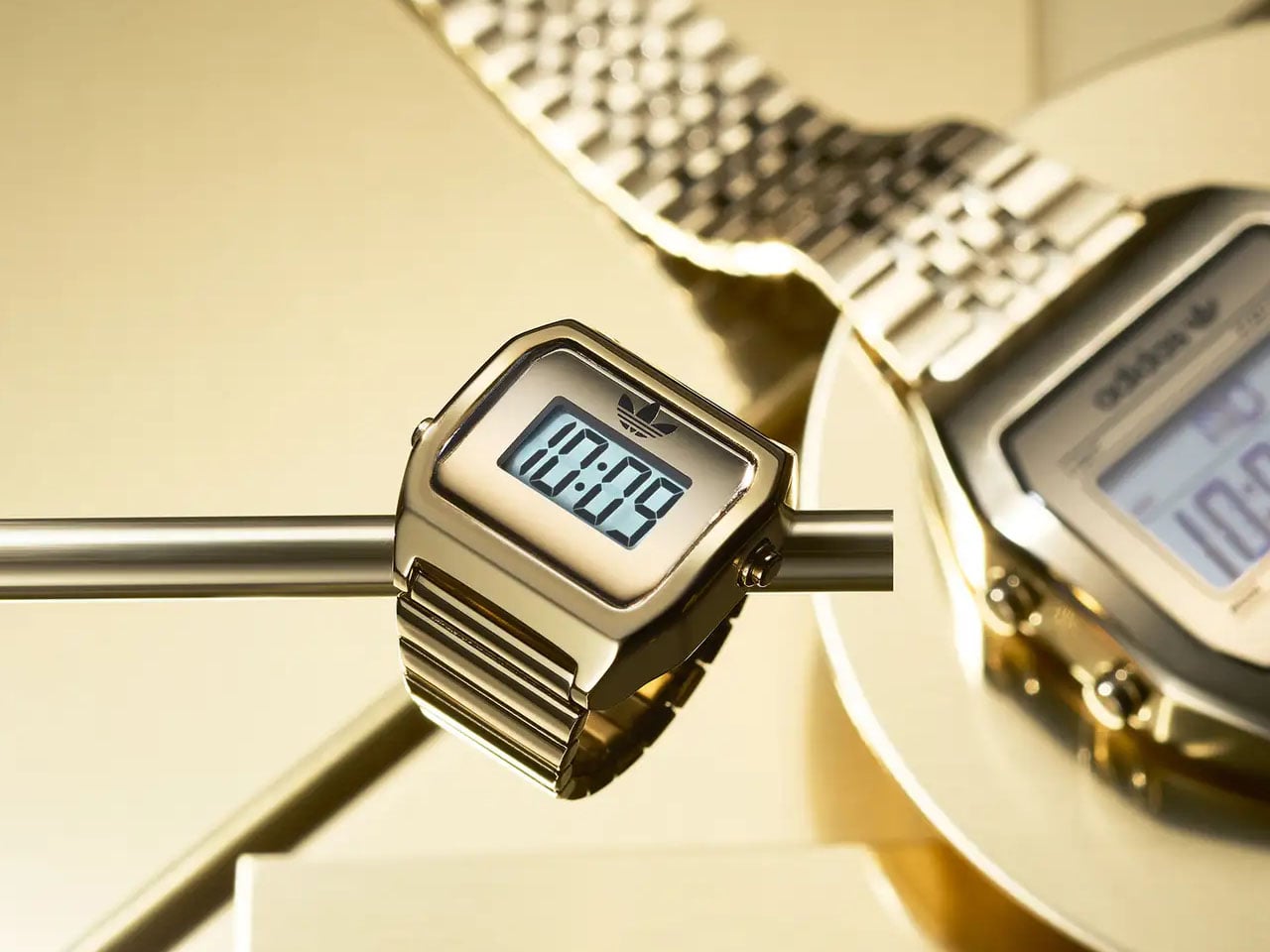
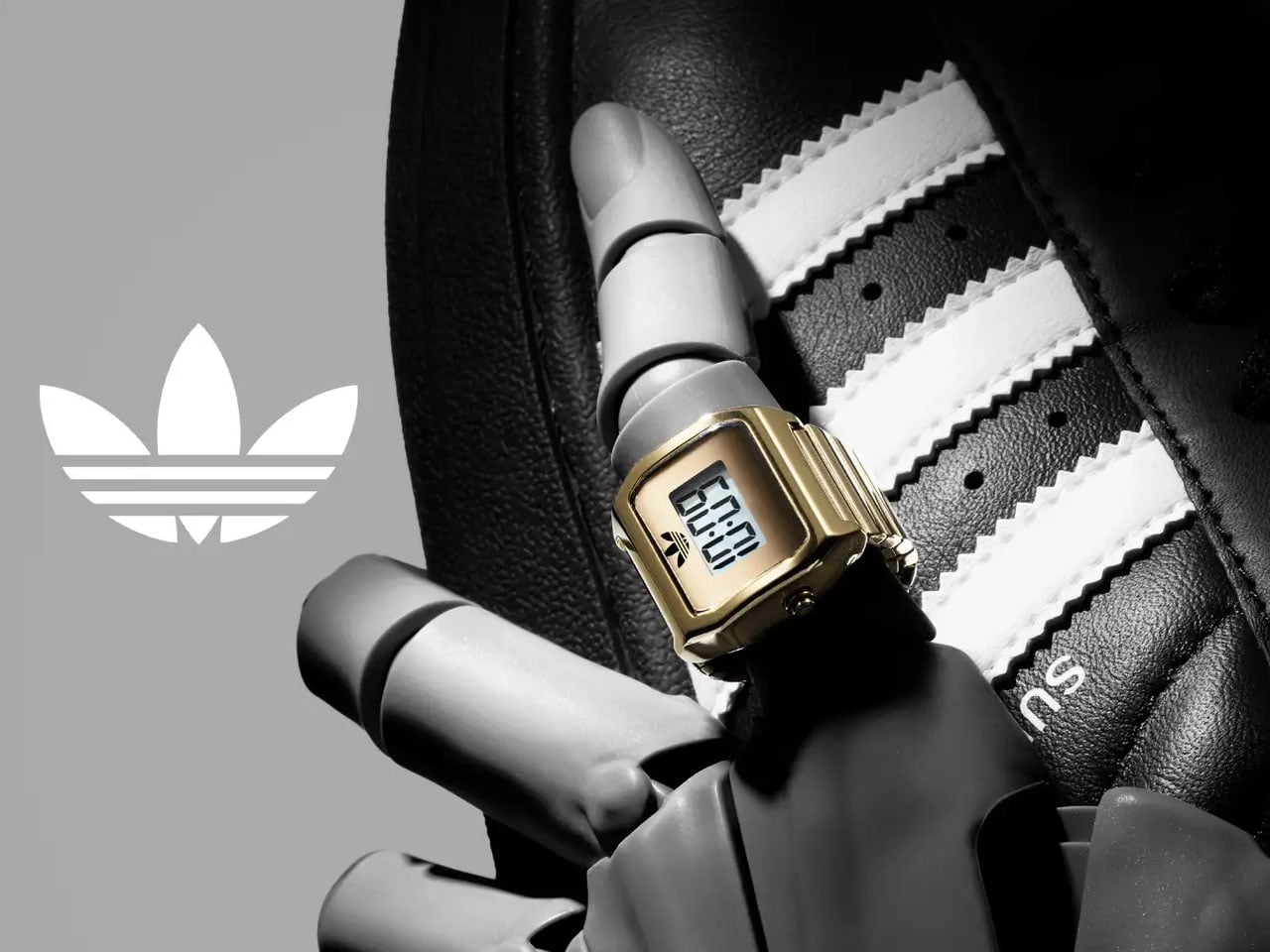
What defines the Digital Two Ring is its intentional minimalism, which is to be worn on the ring. The interface strips away everything non-essential, focusing entirely on a highly legible digital display, punctuated only by the iconic Trefoil logo. There are no extra graphics or complications: just time, presented clearly. This clarity is amplified by the display layout, which is deliberately large and easy to read despite the compact form.

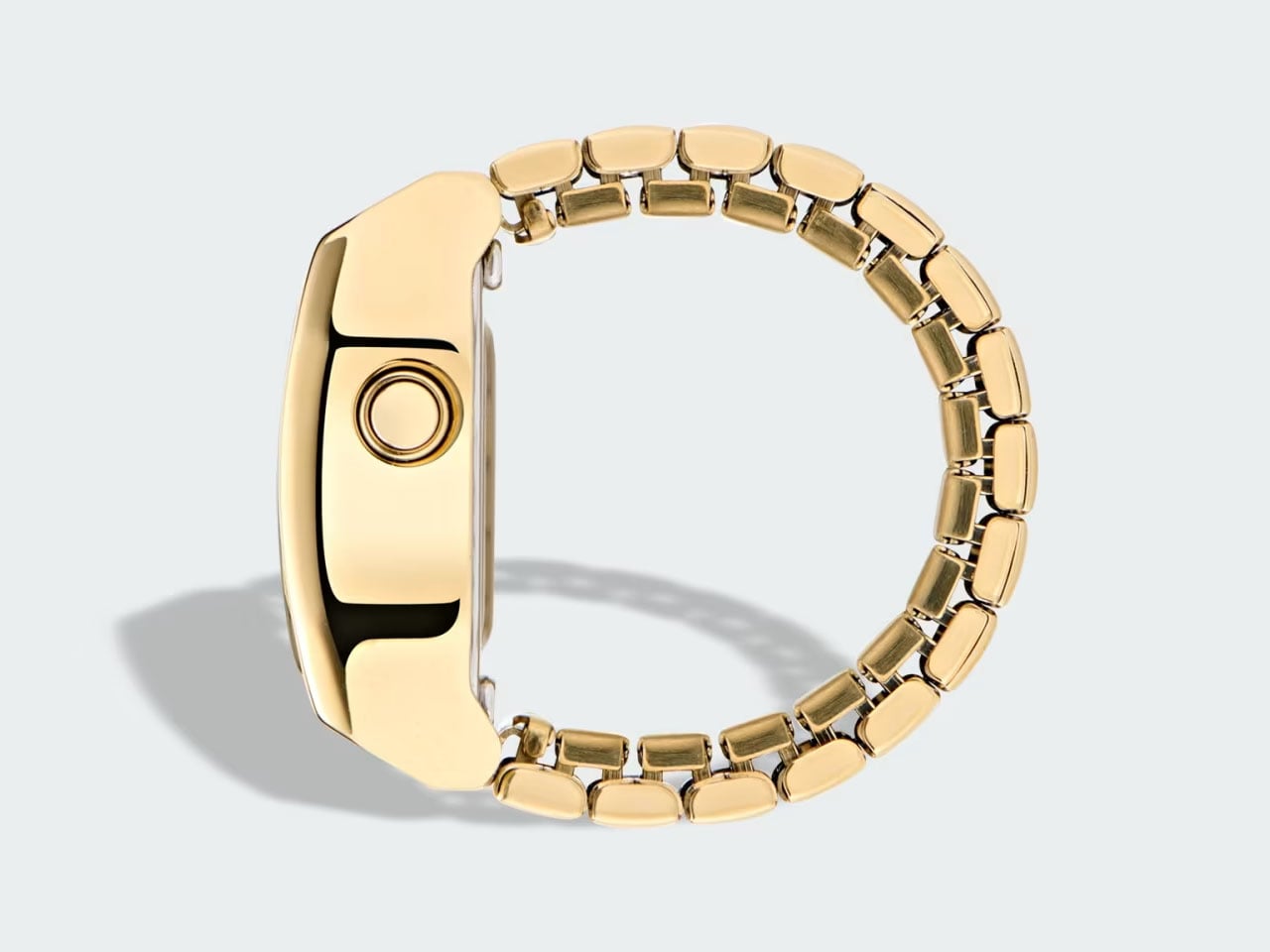
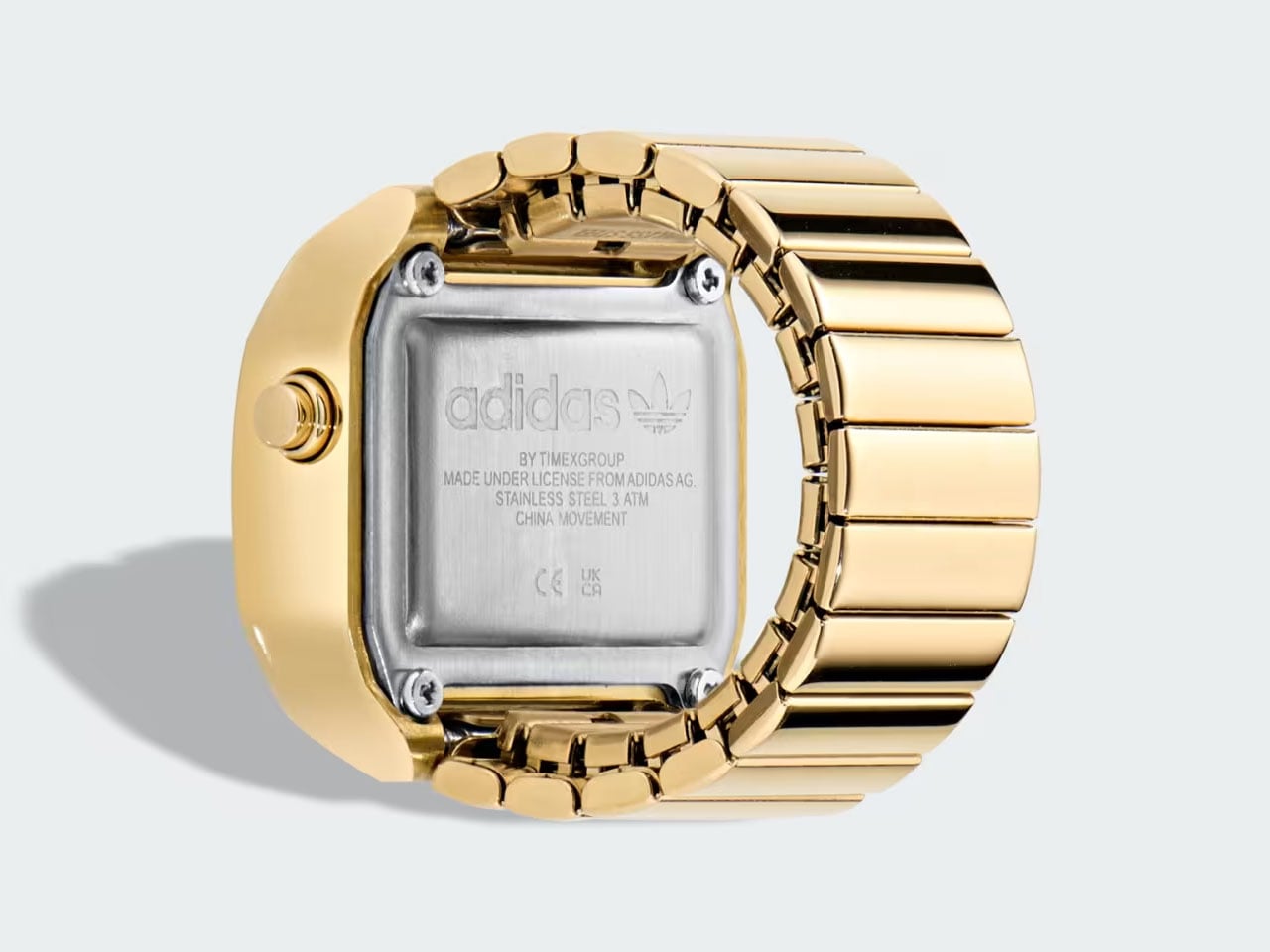
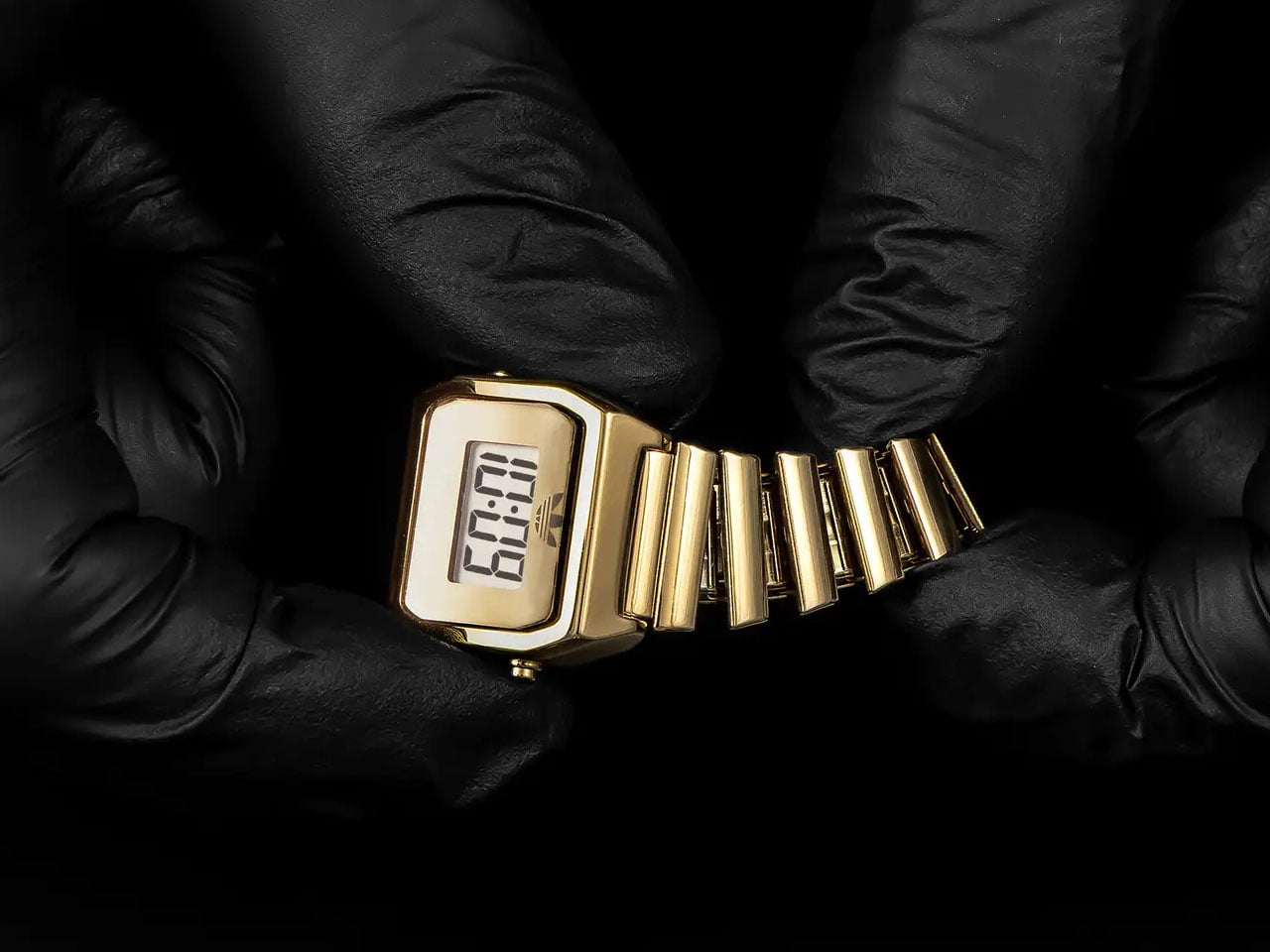
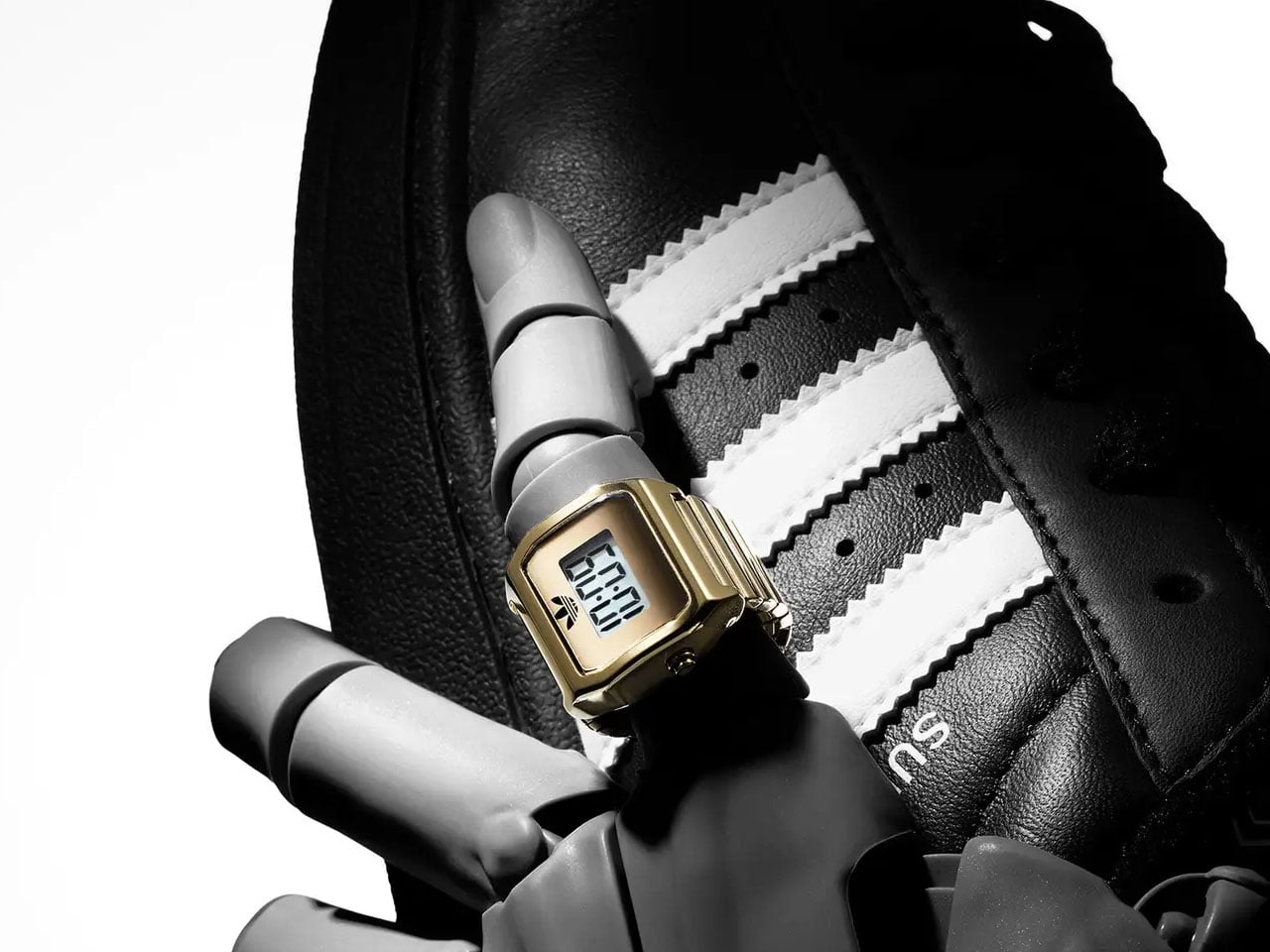
The design itself leans into a bold, industrial aesthetic. Built around a 20mm stainless steel case, the ring emphasizes a clean yet edgy metal texture that feels both contemporary and slightly retro. Despite its miniature proportions, it carries a surprising visual weight, giving it a strong sense of individuality. The absence of decorative elements further enhances its understated, almost architectural presence.

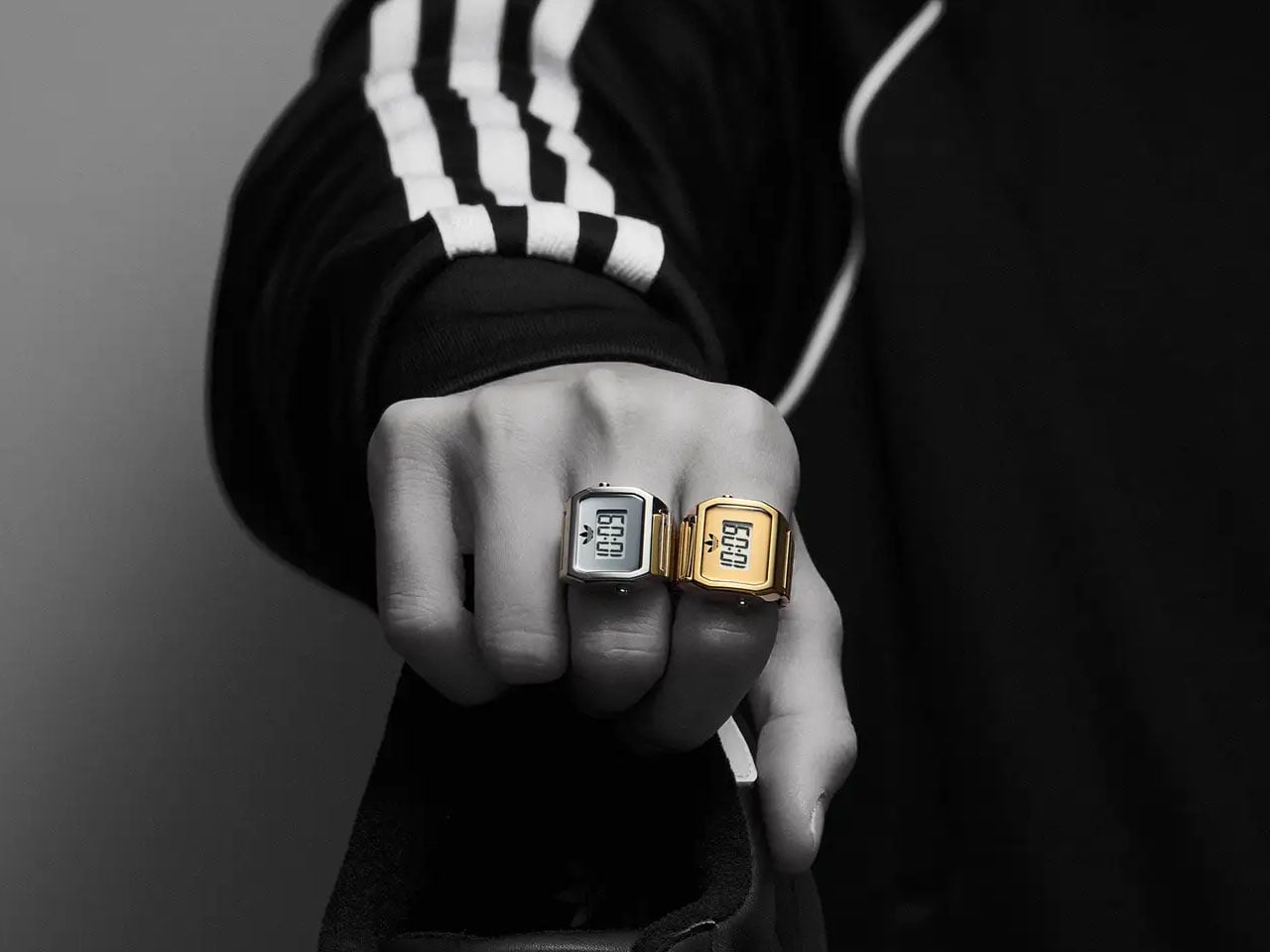
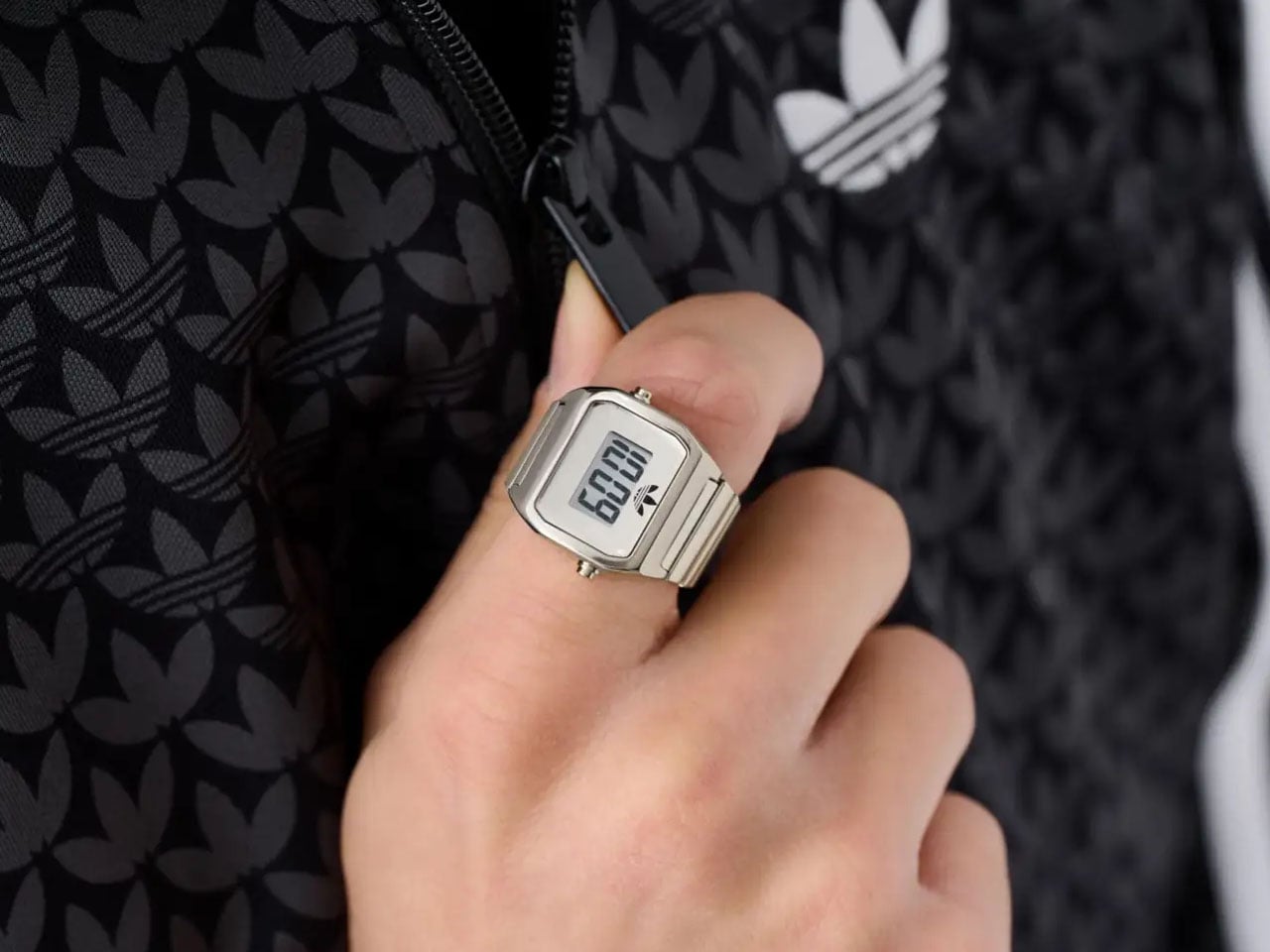
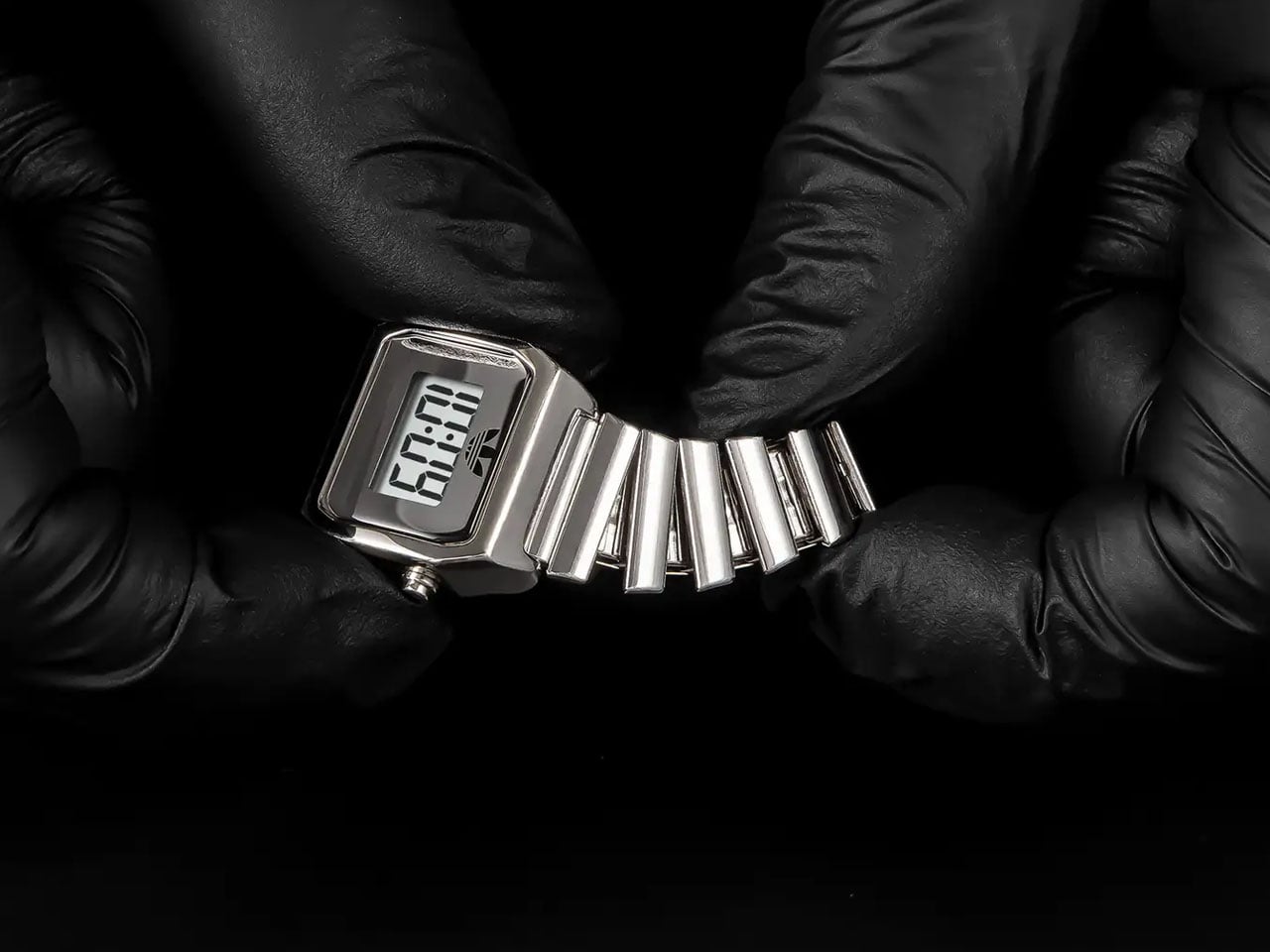
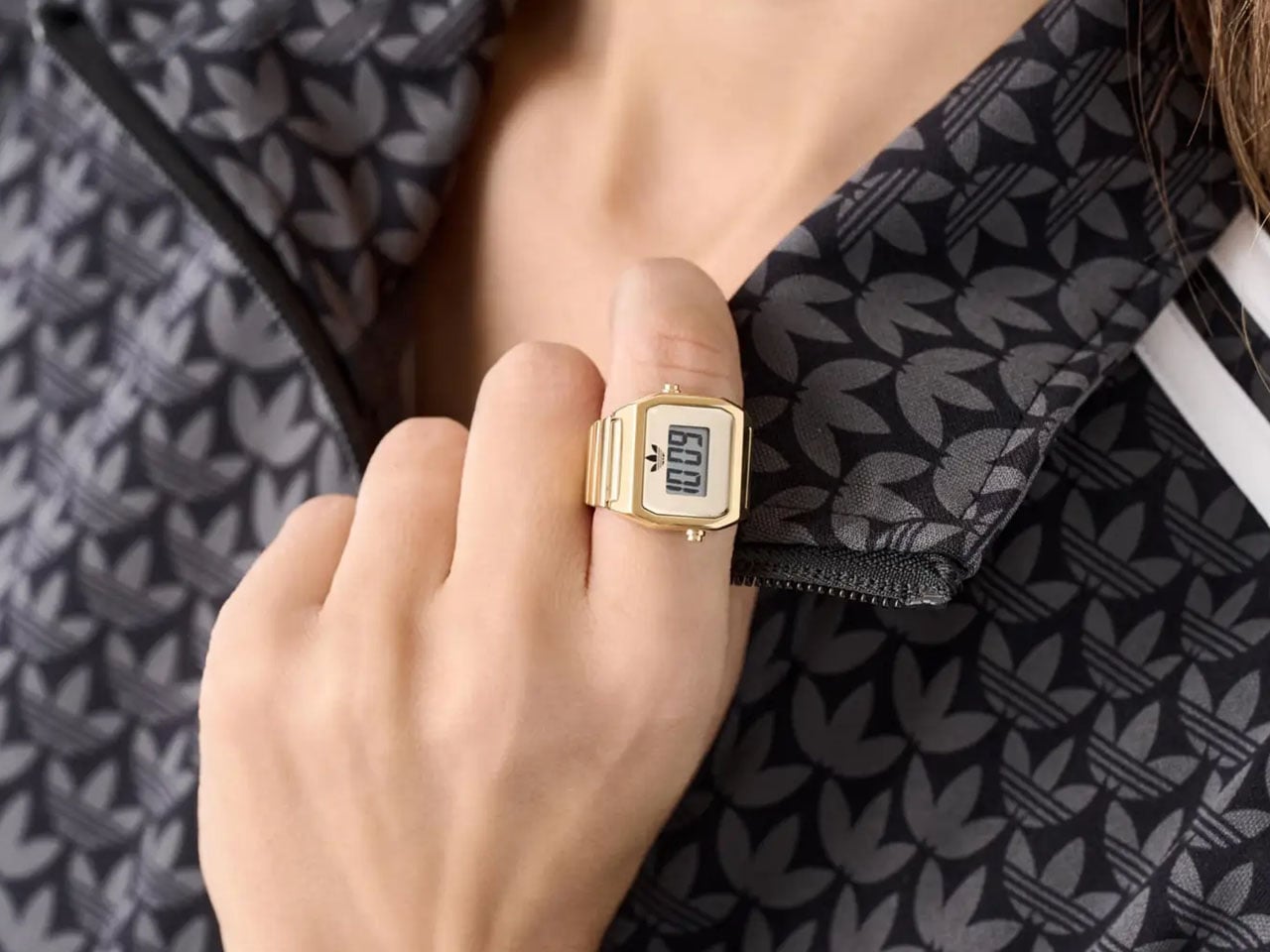
Functionally, the watch keeps things straightforward. It runs on a digital quartz movement and offers 3 ATM water resistance, enough for daily wear and light exposure, reinforcing its role as a practical yet style-forward accessory. The construction includes a stainless steel expansion band, designed to flex like a spring. This allows it to fit multiple fingers comfortably, starting from approximately size 11, while maintaining a secure, stress-free fit.

The Digital Two Ring arrives on April 17 in two metallic finishes that further position it as jewelry as much as a timepiece. The gold variant leans into statement styling, adding a subtle sense of luxury that pairs easily with other accessories. The silver version, on the other hand, offers a calmer, more understated tone, making it versatile enough for everyday wear across different outfits and occasions. The ring watch is expected to retail around the $125, placing it firmly in the accessible fashion accessory category rather than the high-end watch segment.

The post adidas Originals’ Two Ring watch shrinks digital timekeeping into a minimalist retro-modern timepiece first appeared on Yanko Design.
Adidas Just Turned Minecraft Creepers Into $40 Holiday Sneakers

Remember when video game merchandise meant cheesy graphic tees at the mall? Those days are officially over. Adidas just quietly dropped a massive holiday collection with Minecraft that turns pixelated game creatures into surprisingly wearable sneakers, and honestly, it’s kind of brilliant.

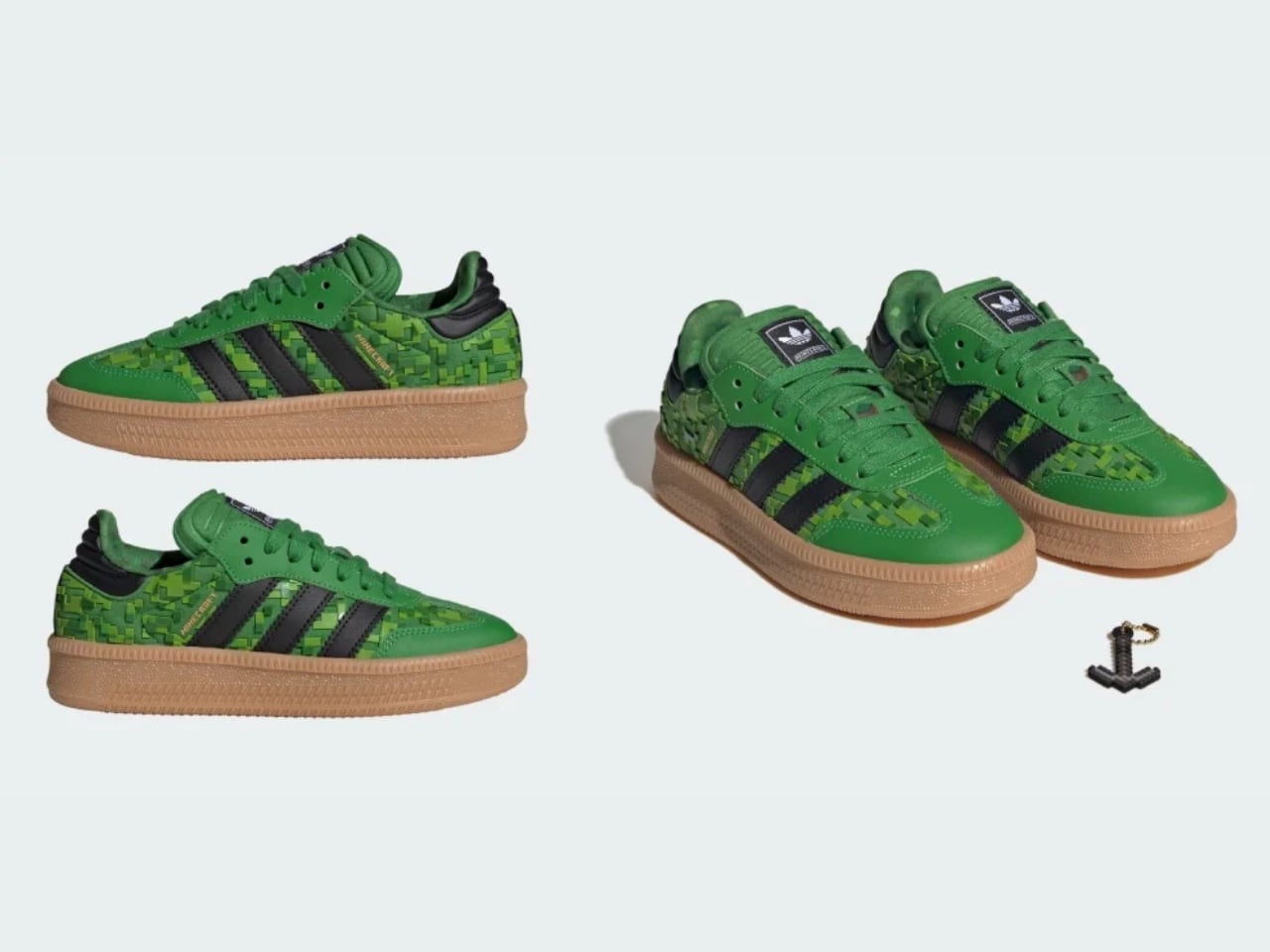
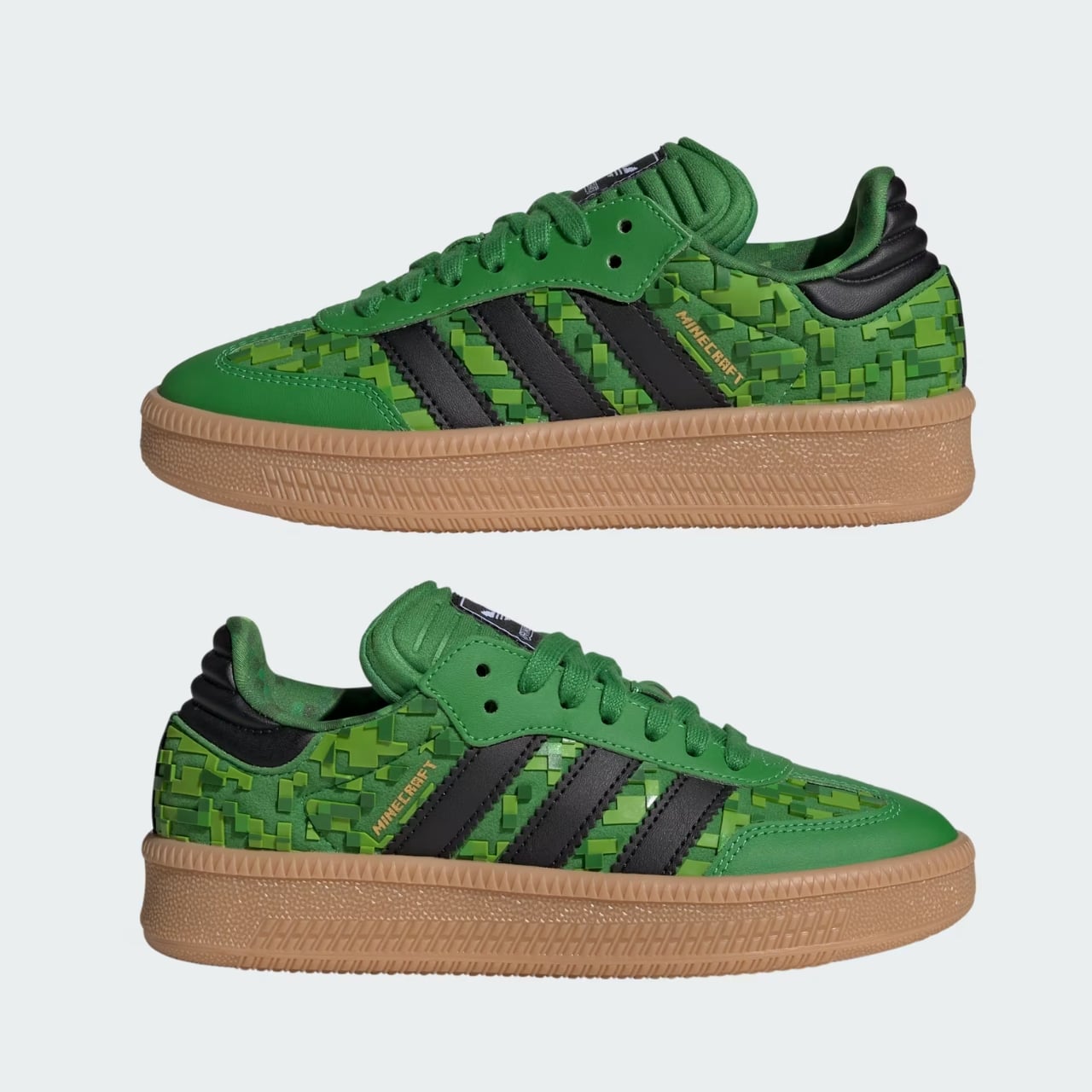
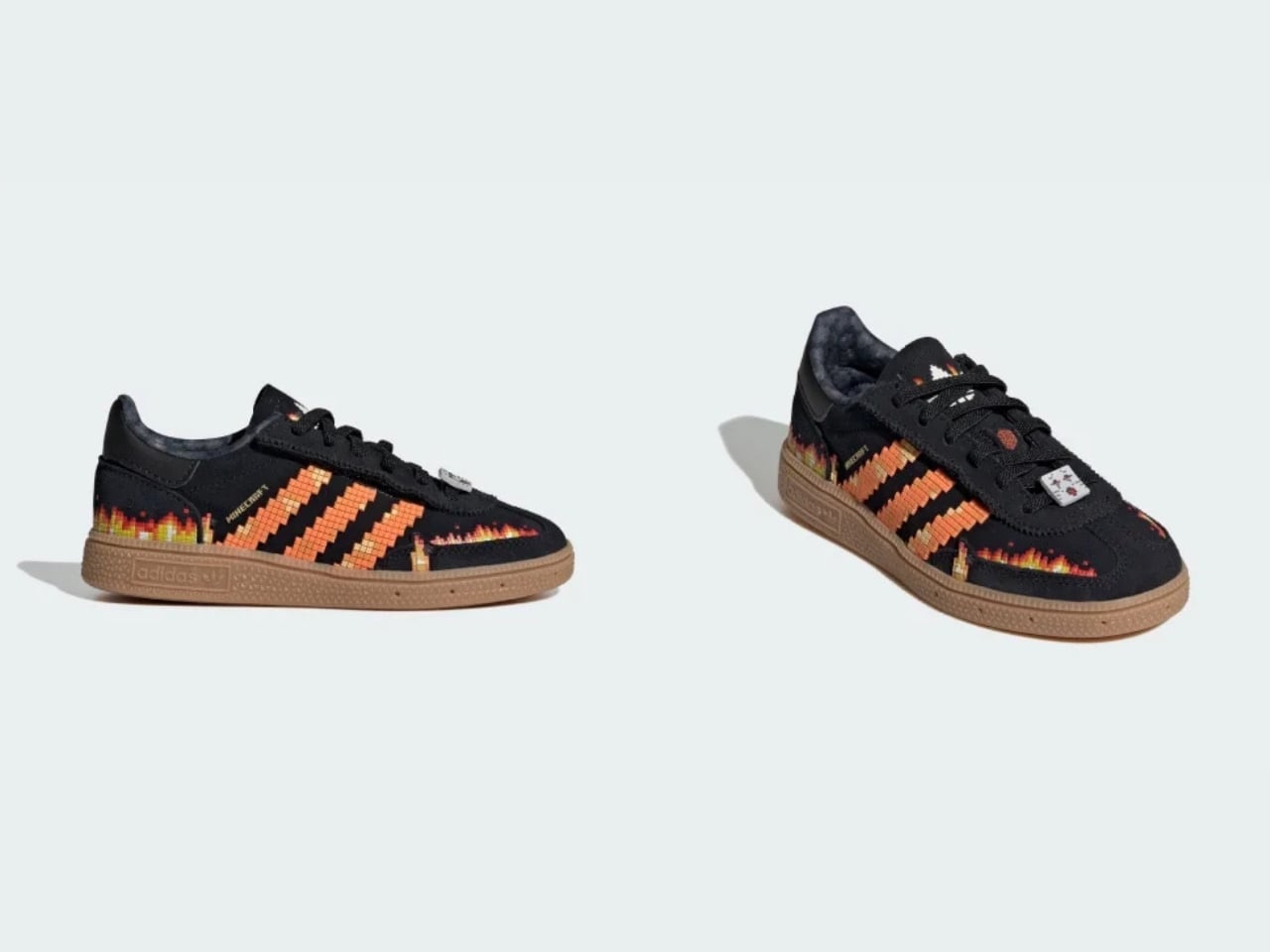
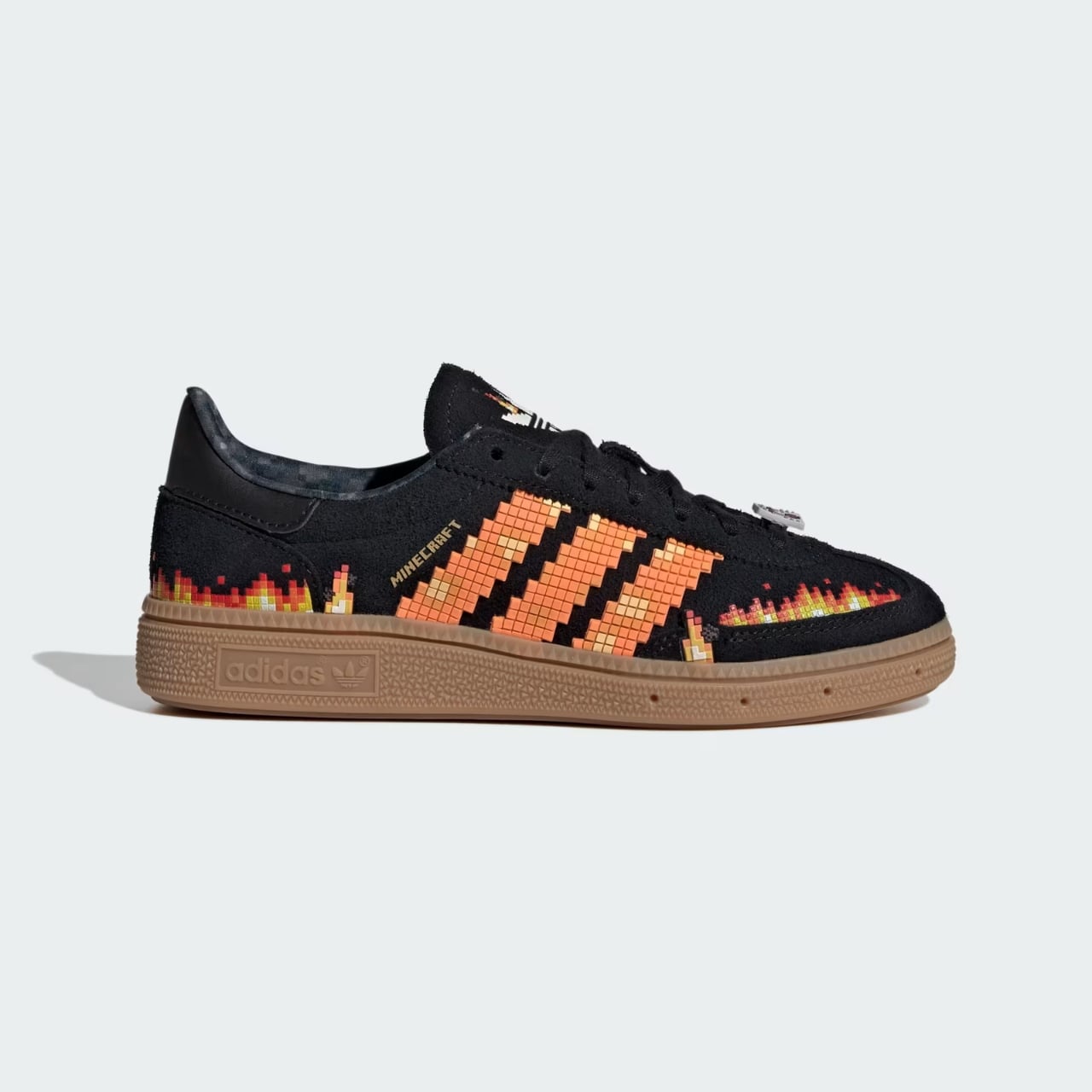
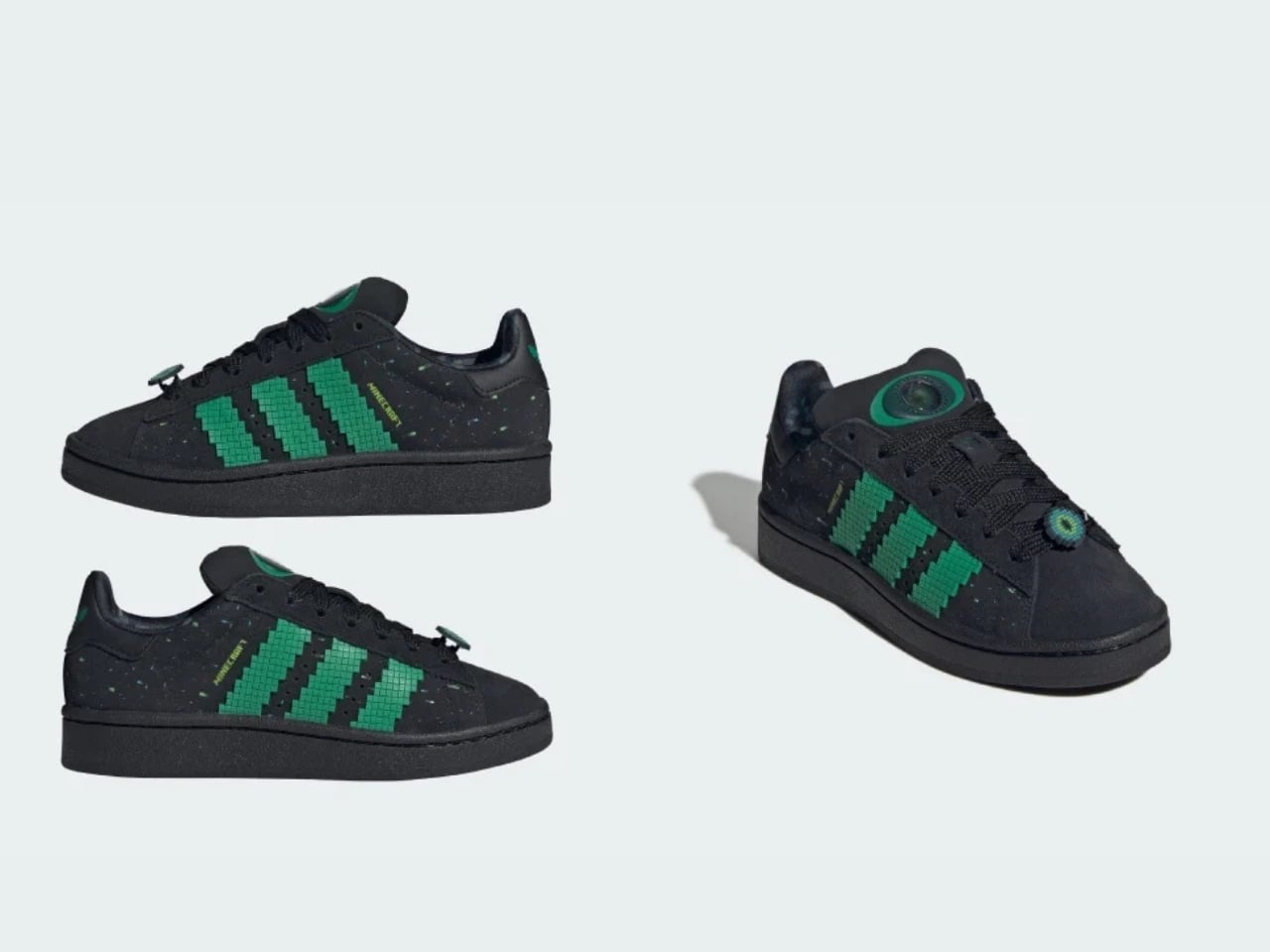
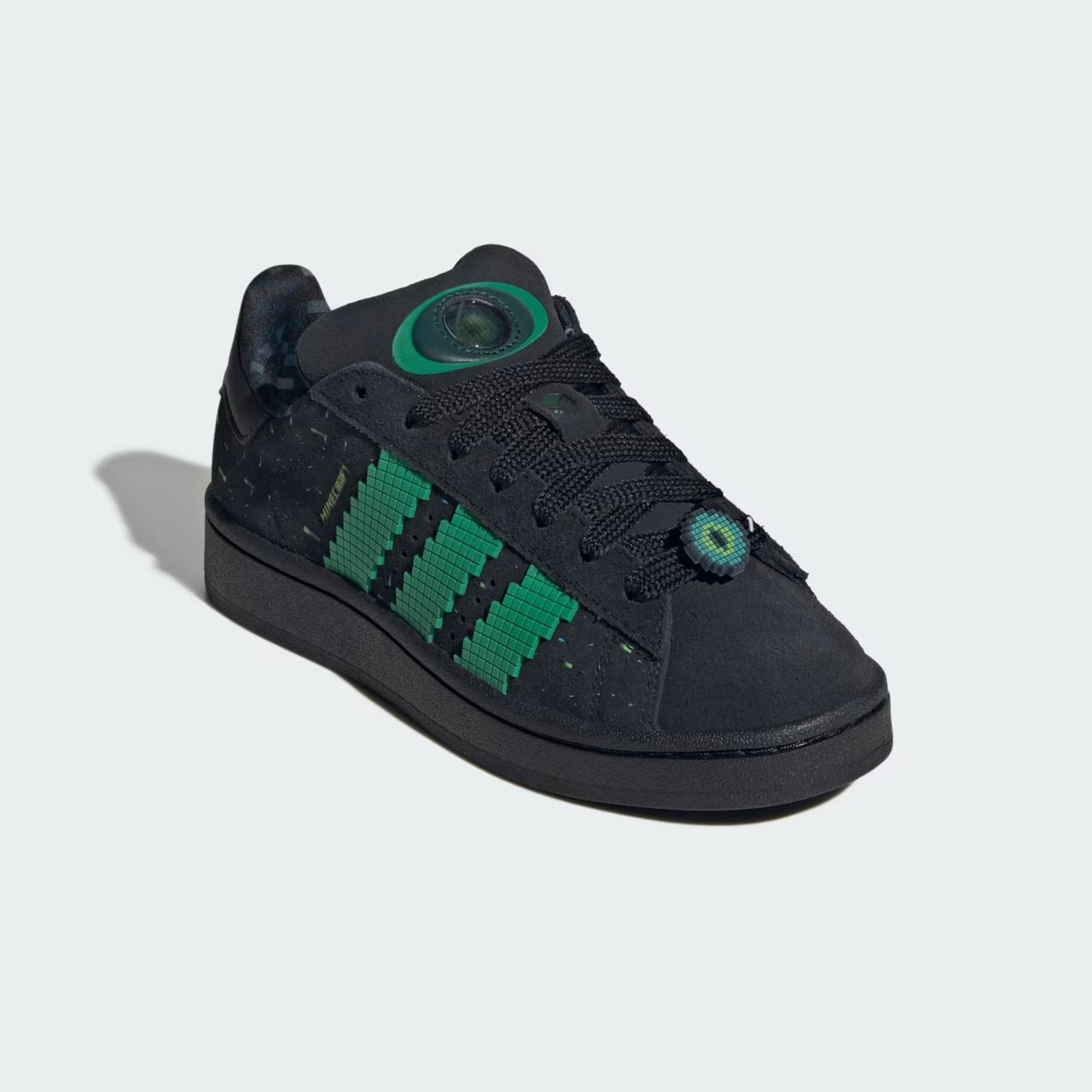
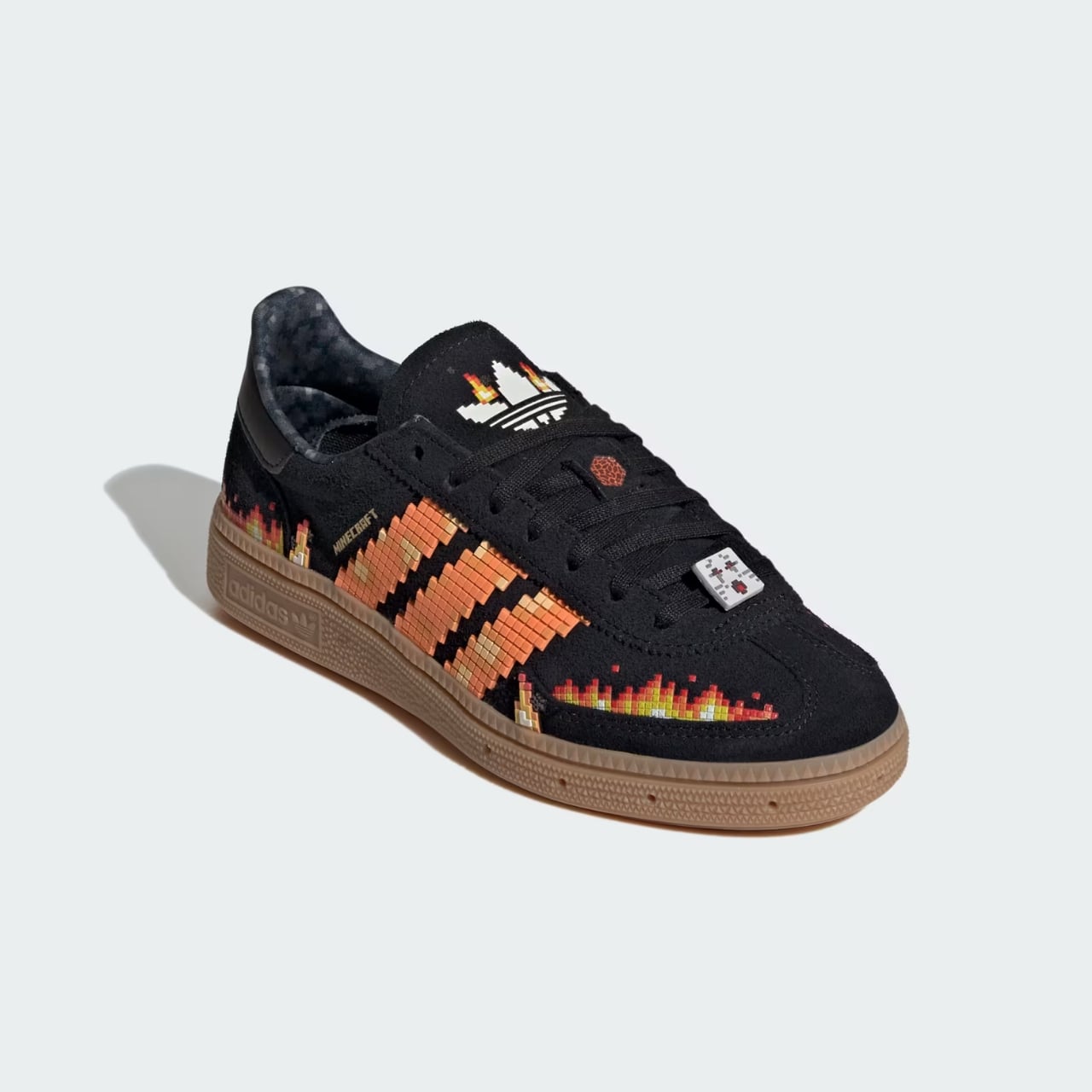
The collaboration reimagines some of Adidas’ most iconic silhouettes through the blocky, digital lens of Minecraft’s universe. We’re talking the Samba XLG, Handball Spezial, Campus 00s, Superstar II, and even those beloved Adilette slides, each one carefully themed around specific Minecraft mobs and in-game elements. What makes this partnership work so well is how thoughtfully each shoe connects to its source material without losing the essence of what makes these Adidas classics so enduringly popular.

Designer: Adidas

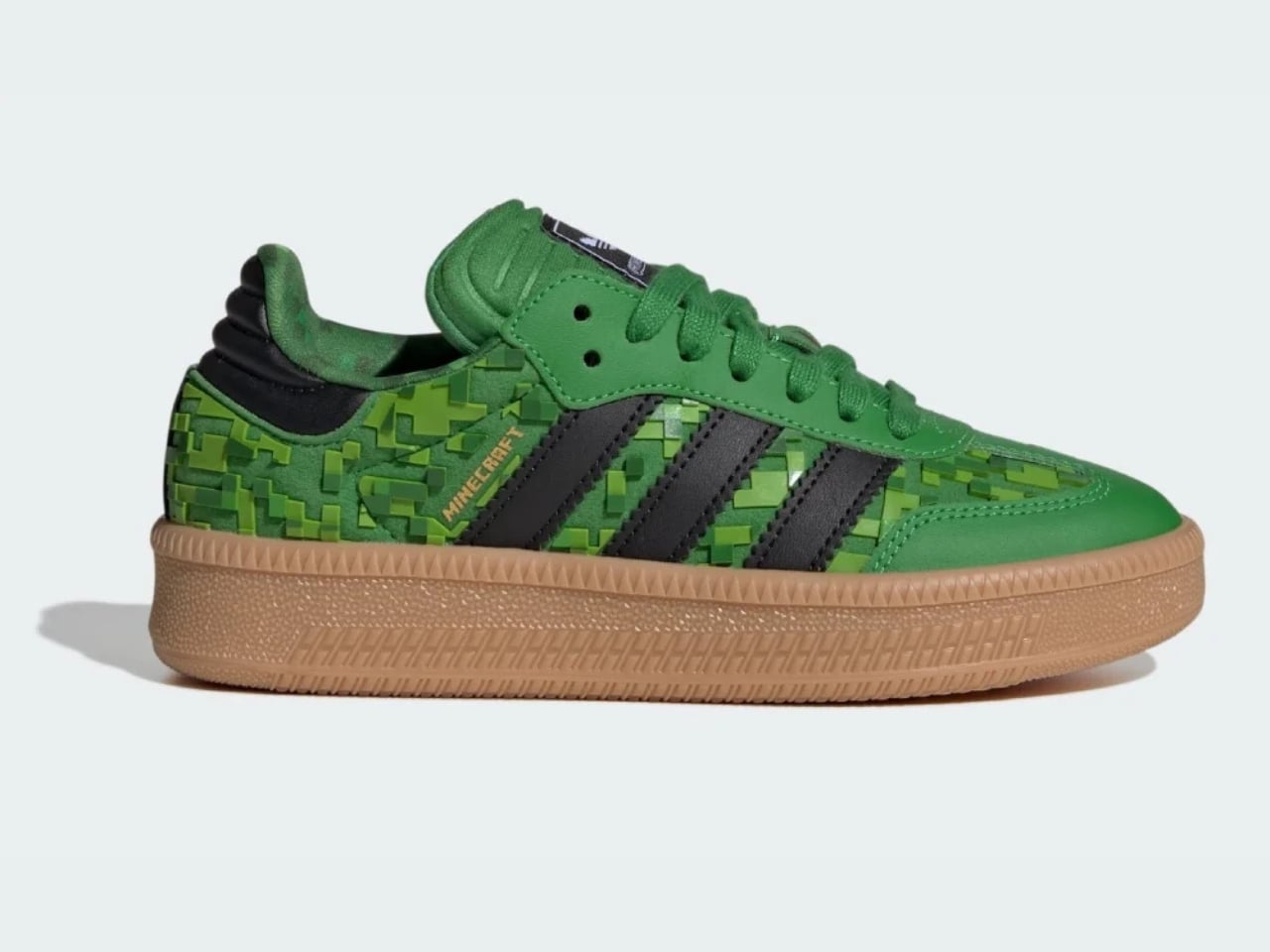
Take the Samba XLG inspired by the Creeper, arguably Minecraft’s most recognizable character. The shoe arrives in that signature explosive green colorway with blocky graphics spread across the upper, while a gum sole keeps things grounded in classic Samba DNA. It’s playful without being costume-y, which is exactly the balance you want in a collaboration like this.

The Handball Spezial takes a different approach with its Ghast theme. For those not fluent in Minecraft speak, the Ghast is that floating, fireball-spewing creature you encounter in the game’s Nether dimension. Flame graphics dance across the shoe while an illustrated Ghast appears on the laces, giving the piece a narrative quality that goes beyond simple branding.

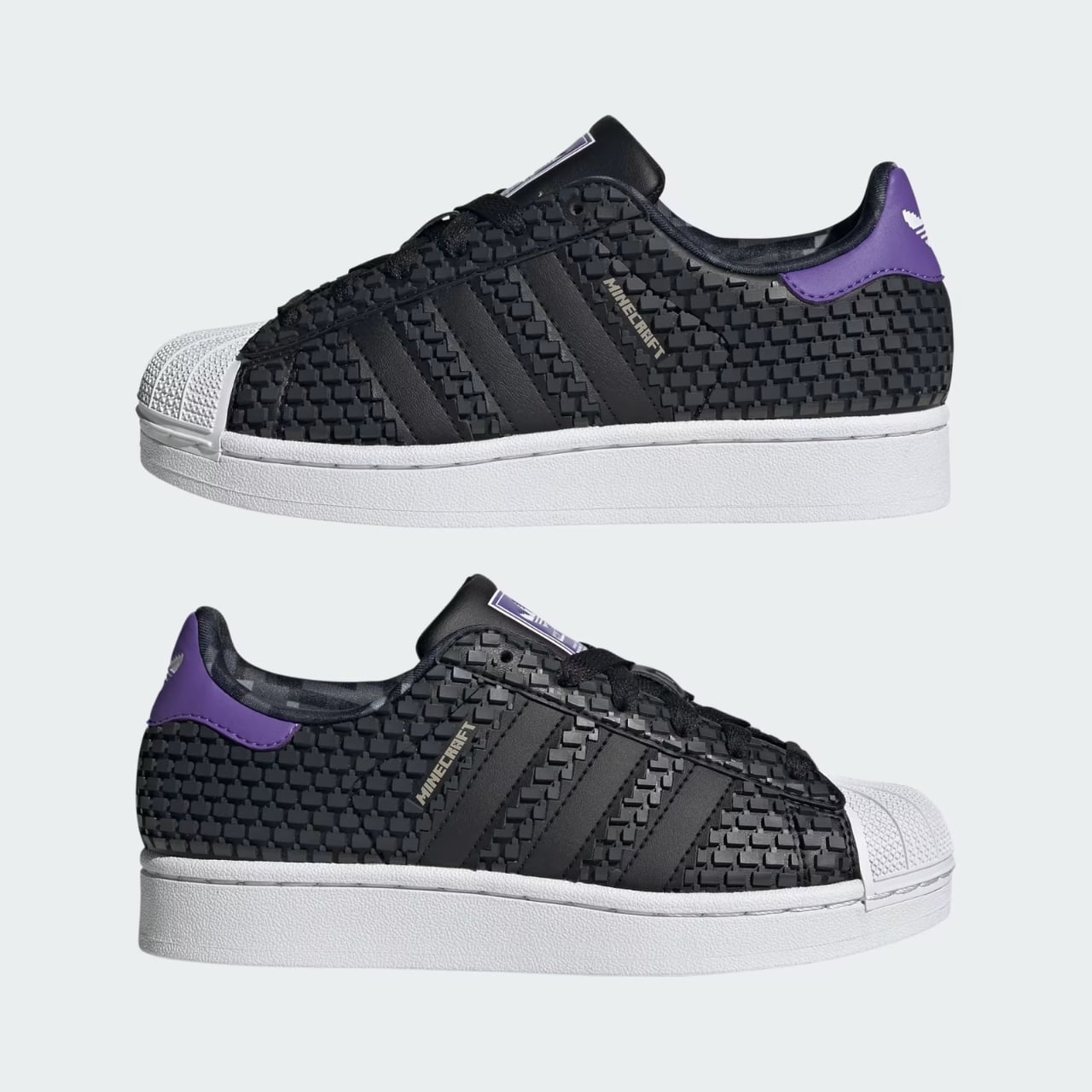
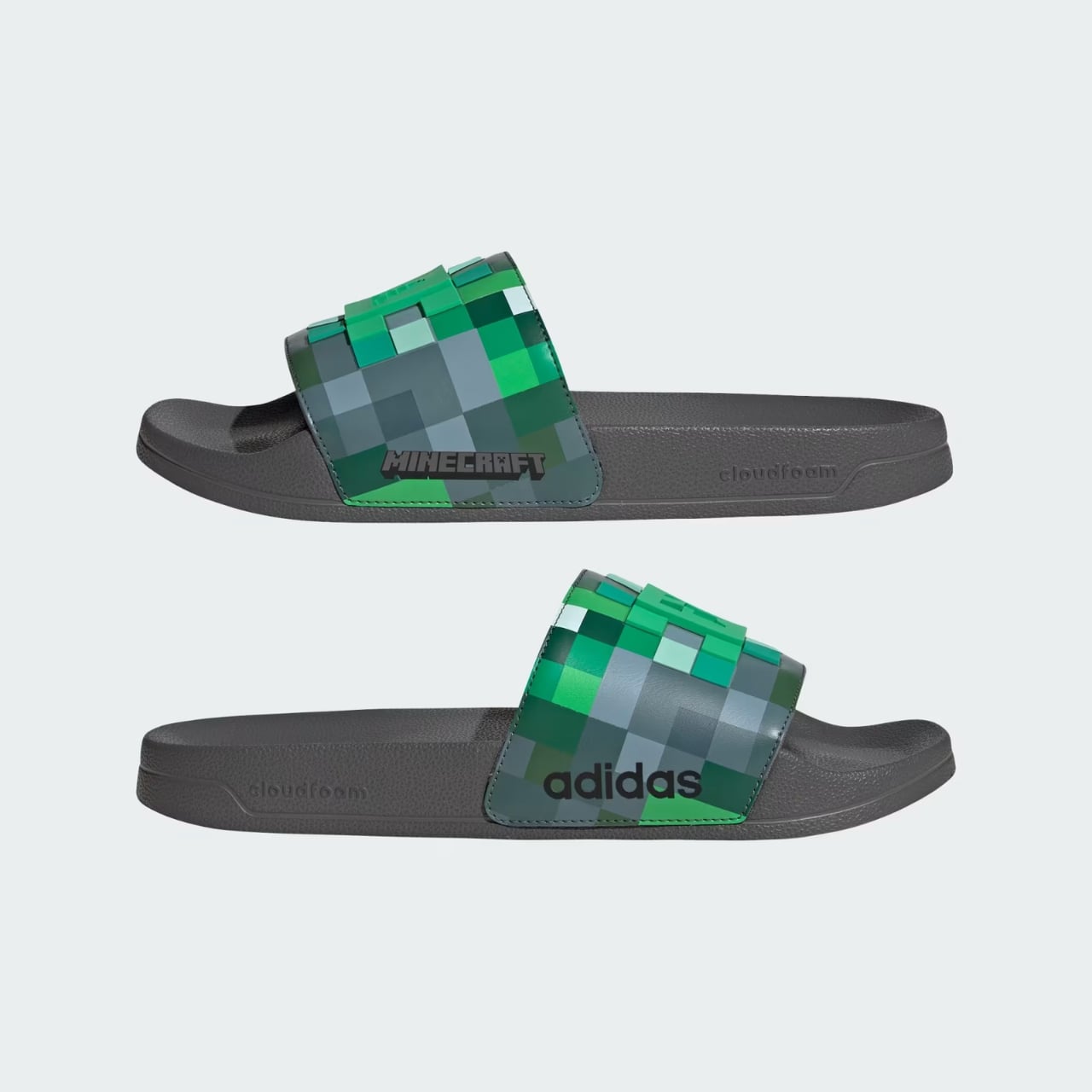
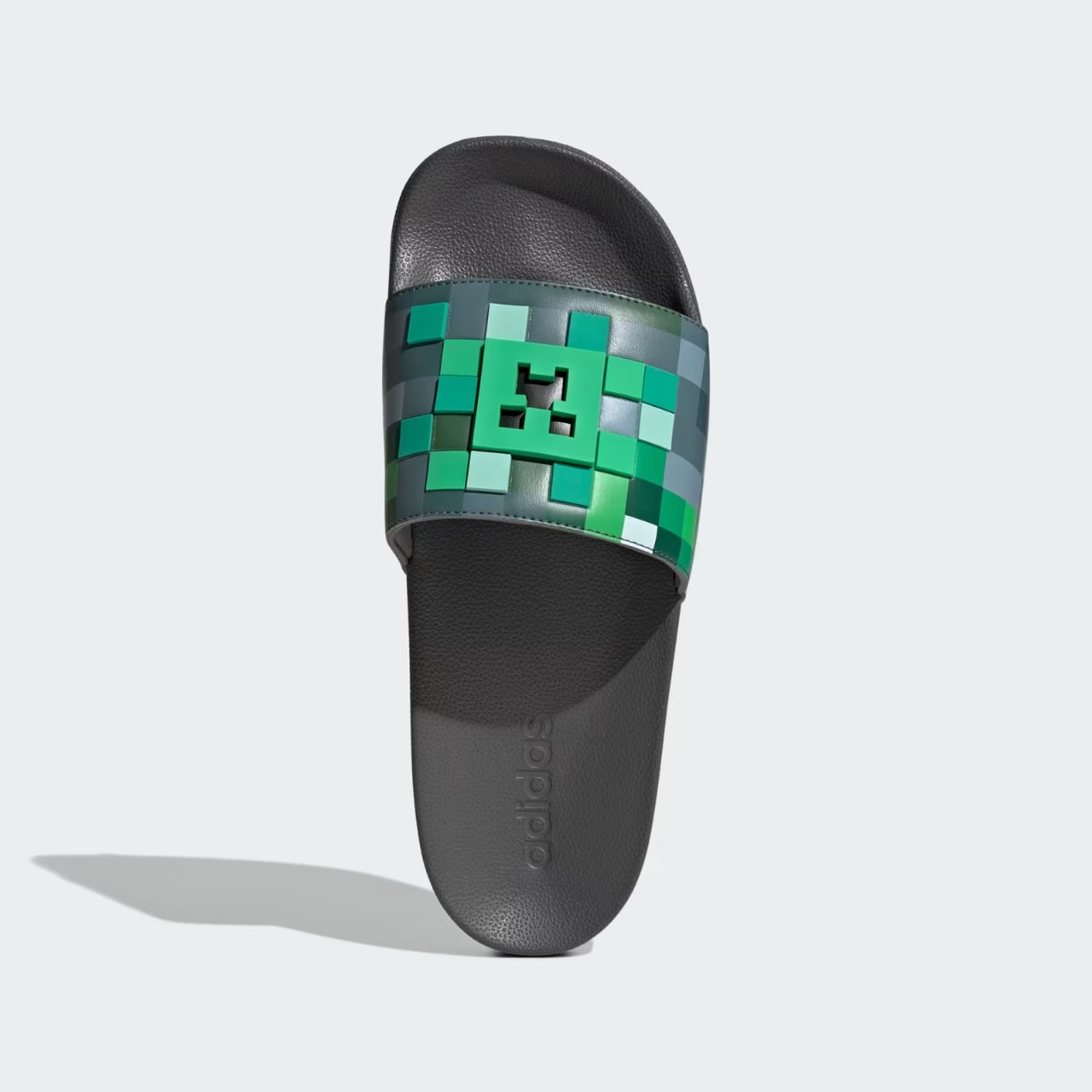
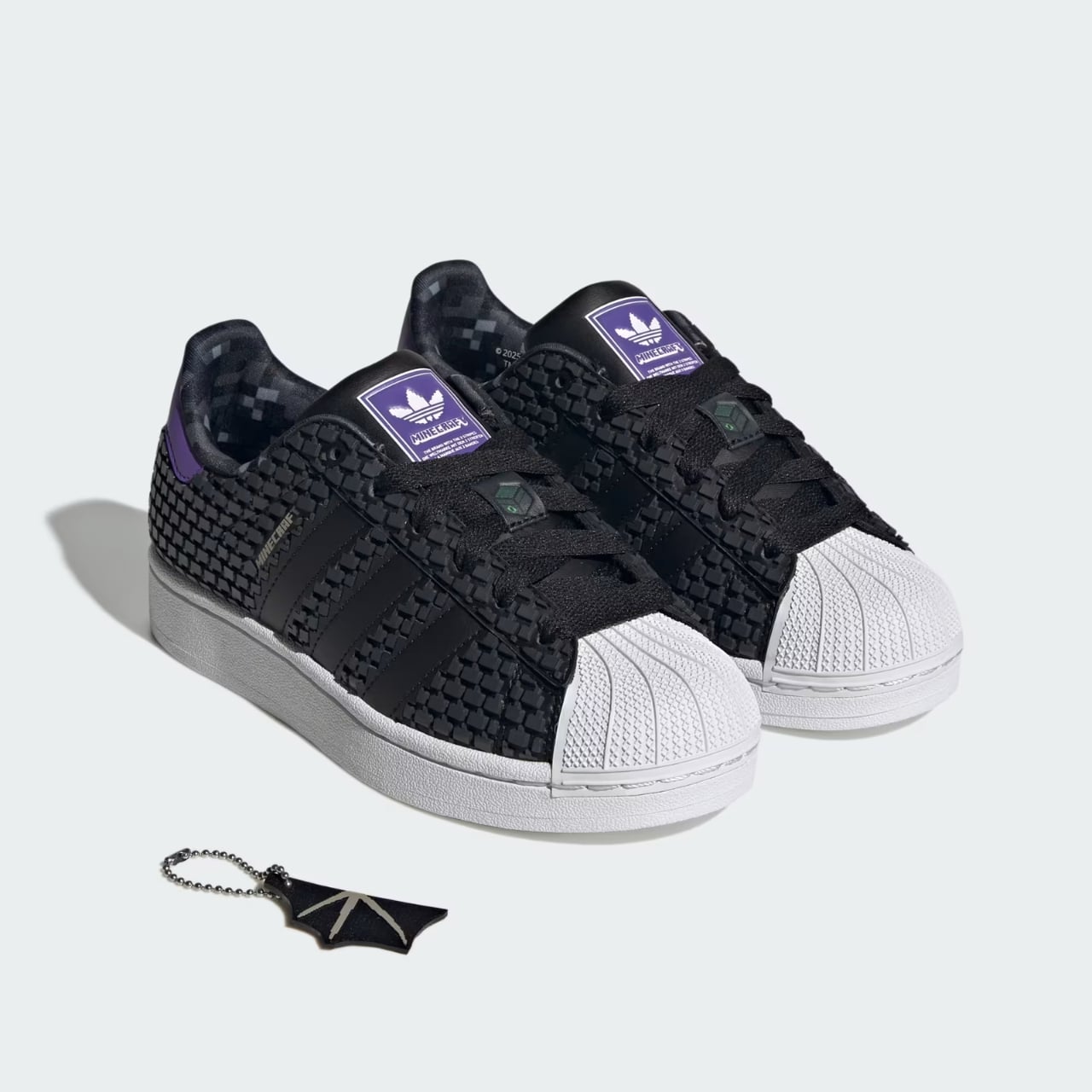
Then there’s the Campus 00s channeling the Eye of Ender aesthetic with its black and green palette, and the Superstar II drawing inspiration from the Ender Dragon itself. The Superstar features black, block-like scales that translate the dragon’s texture into something you can actually wear on city streets. The Adilette slides circle back to Creeper territory, with the mob’s iconic face prominently displayed on the strap.

But here’s where things get really interesting from a design perspective. The packaging deserves its own spotlight. Adidas designed the boxes to resemble Minecraft’s in-game storage chests, extending the conceptual thread beyond just the product itself. This kind of attention to detail elevates the entire unboxing experience and shows a genuine understanding of what makes Minecraft’s visual language so compelling.

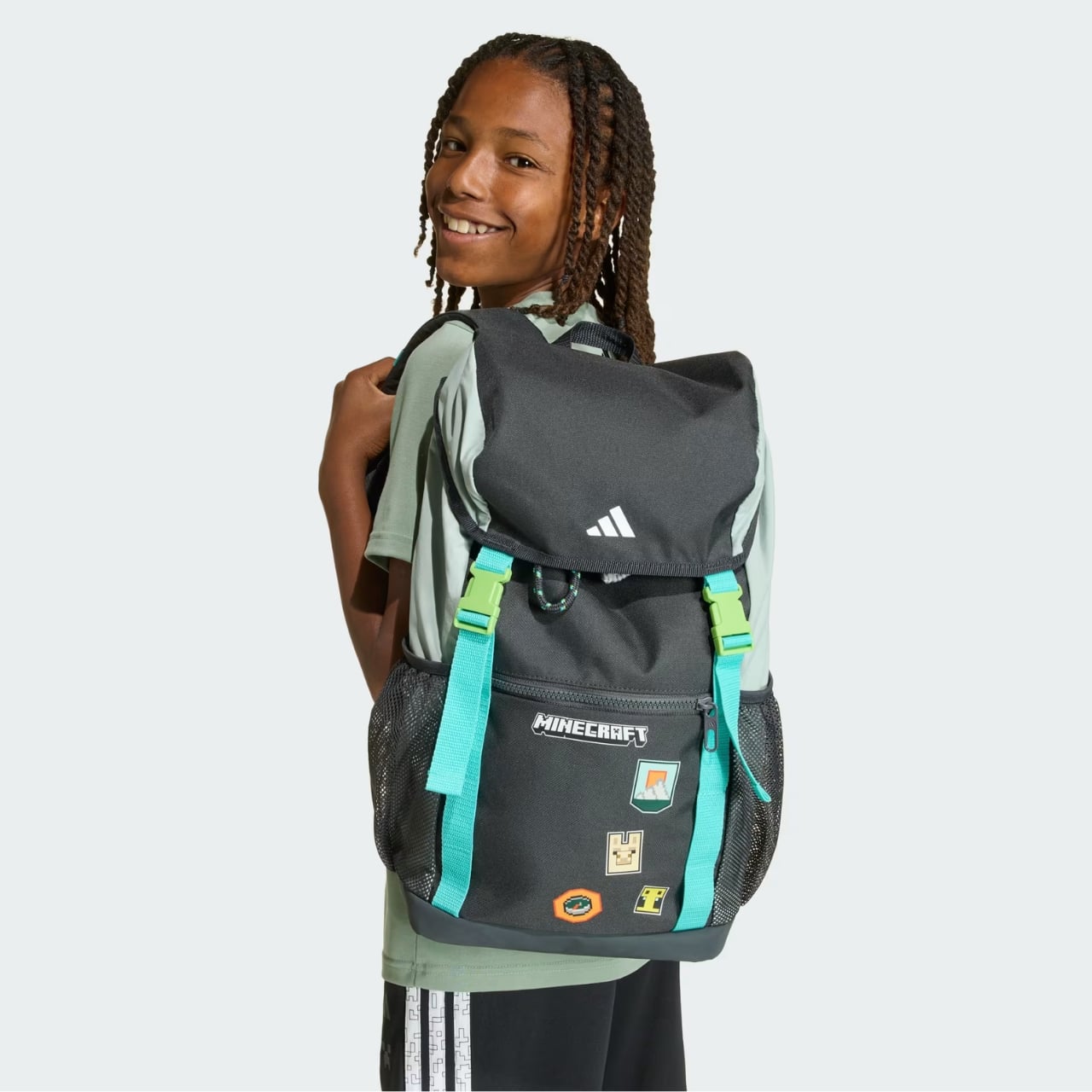
There’s a caveat worth mentioning, though. The entire footwear collection comes exclusively in youth and children’s sizing. While this might disappoint adult collectors hoping to snag a pair for themselves, it actually makes strategic sense. Minecraft’s core audience skews younger, and positioning these as wearable extensions of the game rather than adult collectibles keeps the collaboration authentic to its roots. Plus, prices ranging from forty to ninety-five dollars make these accessible holiday gifts rather than hype-beast grails.

The sneaker world has seen its fair share of video game collaborations over the years, but most lean heavily into nostalgia for retro gaming. This partnership feels refreshingly current. Minecraft remains one of the most played games globally, with a massive cultural footprint that extends far beyond gaming circles. By tapping into this active, engaged community rather than mining the past, Adidas positions itself at the intersection of contemporary gaming culture and street style.

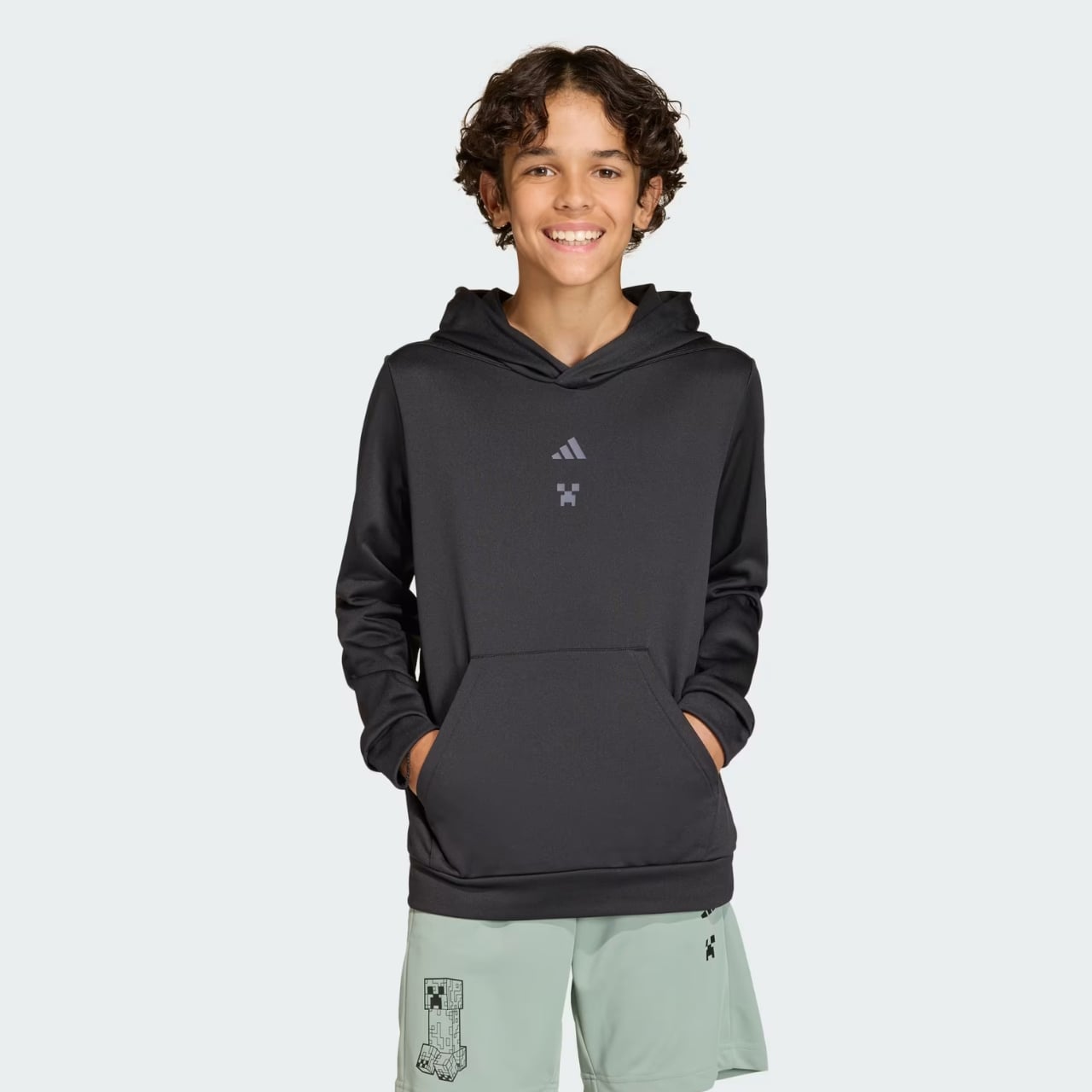
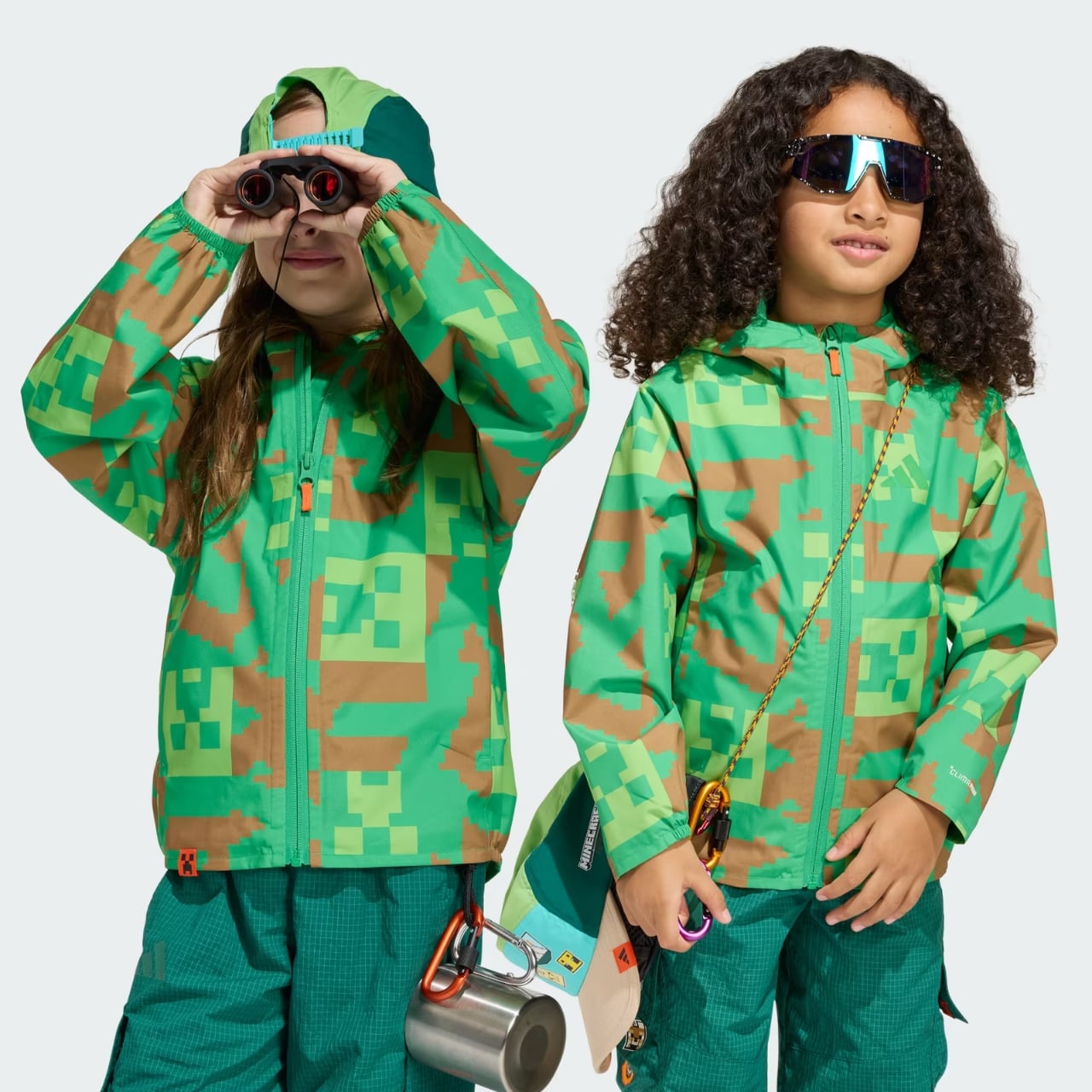
What’s particularly clever is how the collection works on multiple levels. Die-hard Minecraft fans get references they’ll immediately recognize and appreciate. Meanwhile, someone who’s never played the game might just see a cool green Samba or a sleek black Superstar with interesting texture details. The designs don’t require insider knowledge to work aesthetically, which broadens their appeal considerably. The collection also includes complementary apparel pieces, creating a full lifestyle offering that lets young fans dress head to toe in Minecraft-inspired gear. This comprehensive approach transforms the collaboration from a simple licensing deal into something that feels more like a genuine creative partnership.

Brand collaborations drop constantly and often feel forced but the Adidas x Minecraft holiday collection stands out by actually making sense. Both brands benefit from the association, the design execution shows real thought and craft, and the end result offers something genuinely fun in a sneaker landscape that sometimes takes itself way too seriously. Available now through the Adidas webstore, these pieces prove that when gaming and footwear cultures collide thoughtfully, everyone wins, especially the kids who get to wear their favorite game on their feet.

The post Adidas Just Turned Minecraft Creepers Into $40 Holiday Sneakers first appeared on Yanko Design.
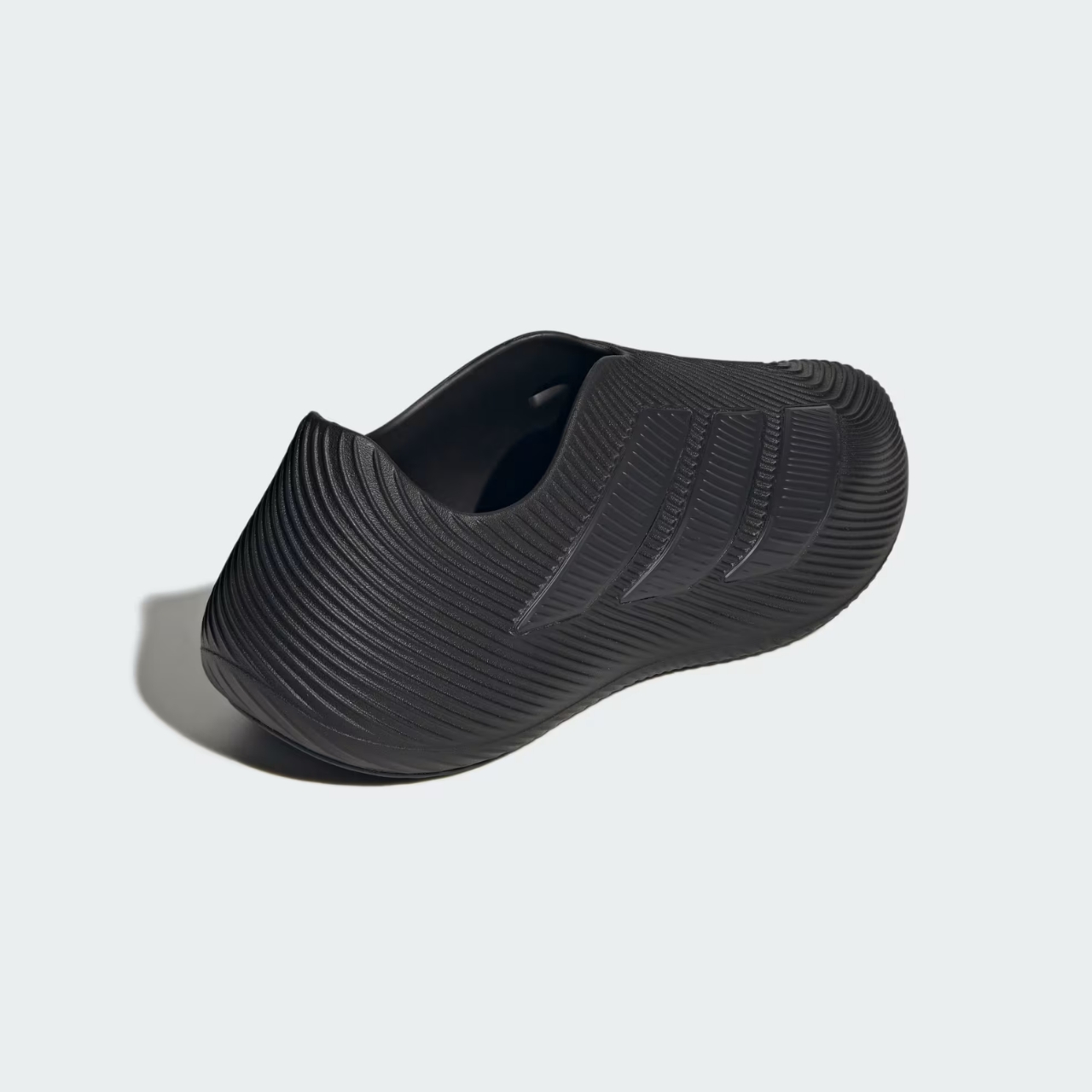
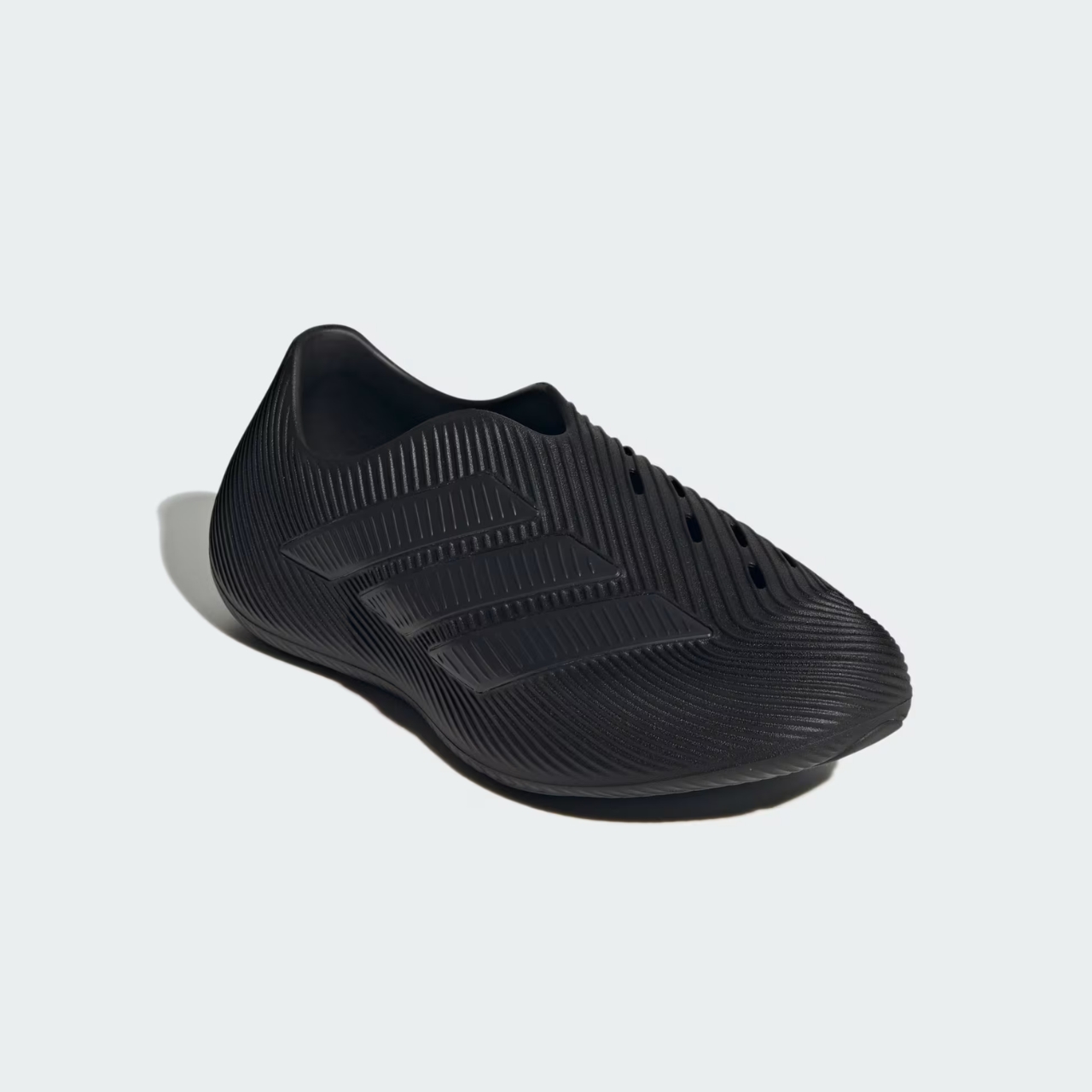
Adidas Purechill: The Sculptural Shoe Redefining Recovery

Look, I’ll be honest. When I first saw photos of the Adidas Purechill Runner, I thought someone had accidentally uploaded concept renders of a Frank Gehry building instead of a shoe. And honestly? That’s exactly what makes this thing so interesting.

Recovery footwear has quietly become one of the sneaker industry’s hottest categories, and for good reason. After a brutal workout, a long travel day, or honestly just existing in 2025, our feet deserve better than being shoved into whatever ratty slides are sitting by the door. Brands have been experimenting with everything from foam clogs to tech-enhanced designs, but Adidas just dropped something that looks less like footwear and more like wearable architecture.

Designer: Adidas

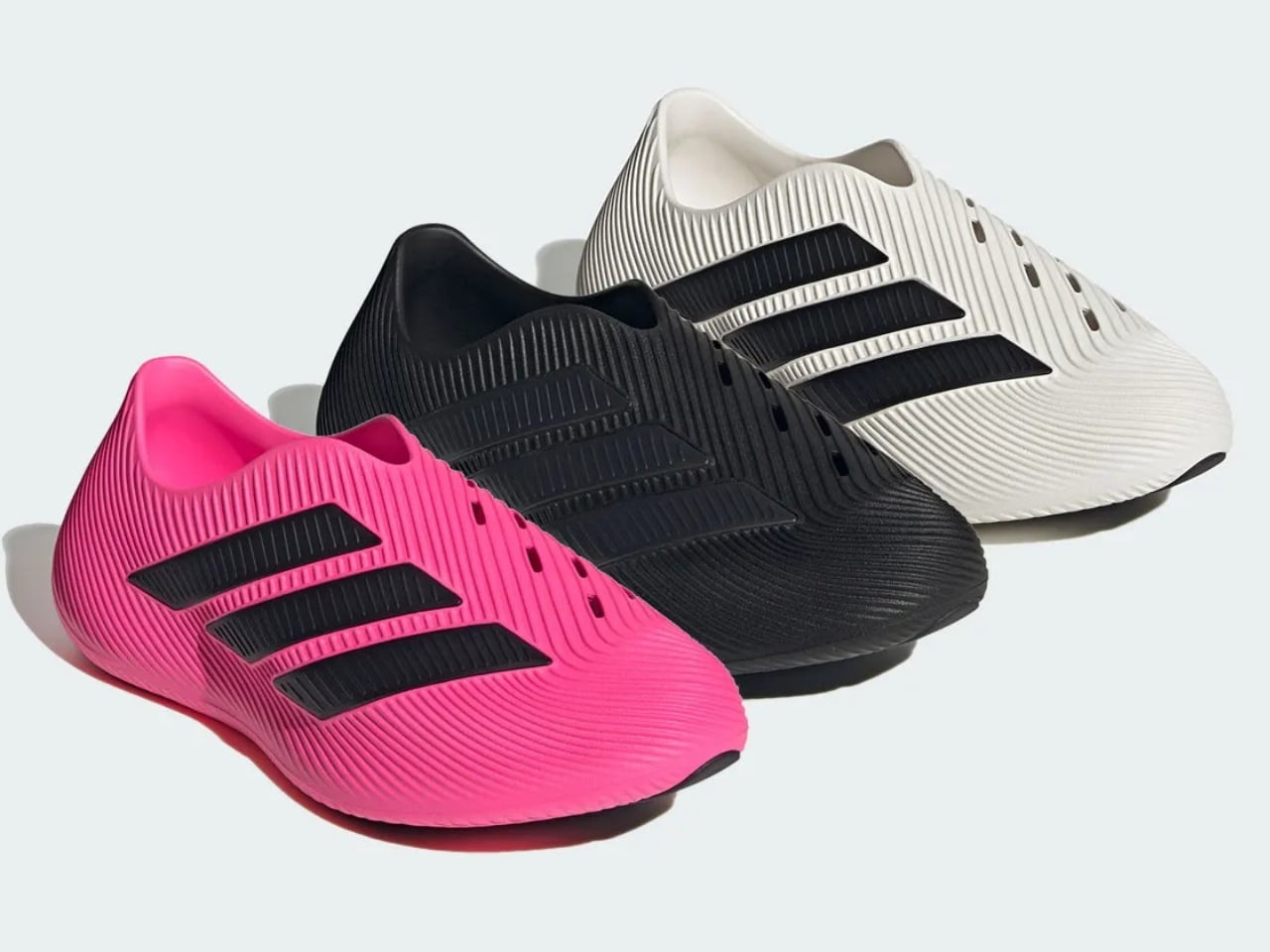
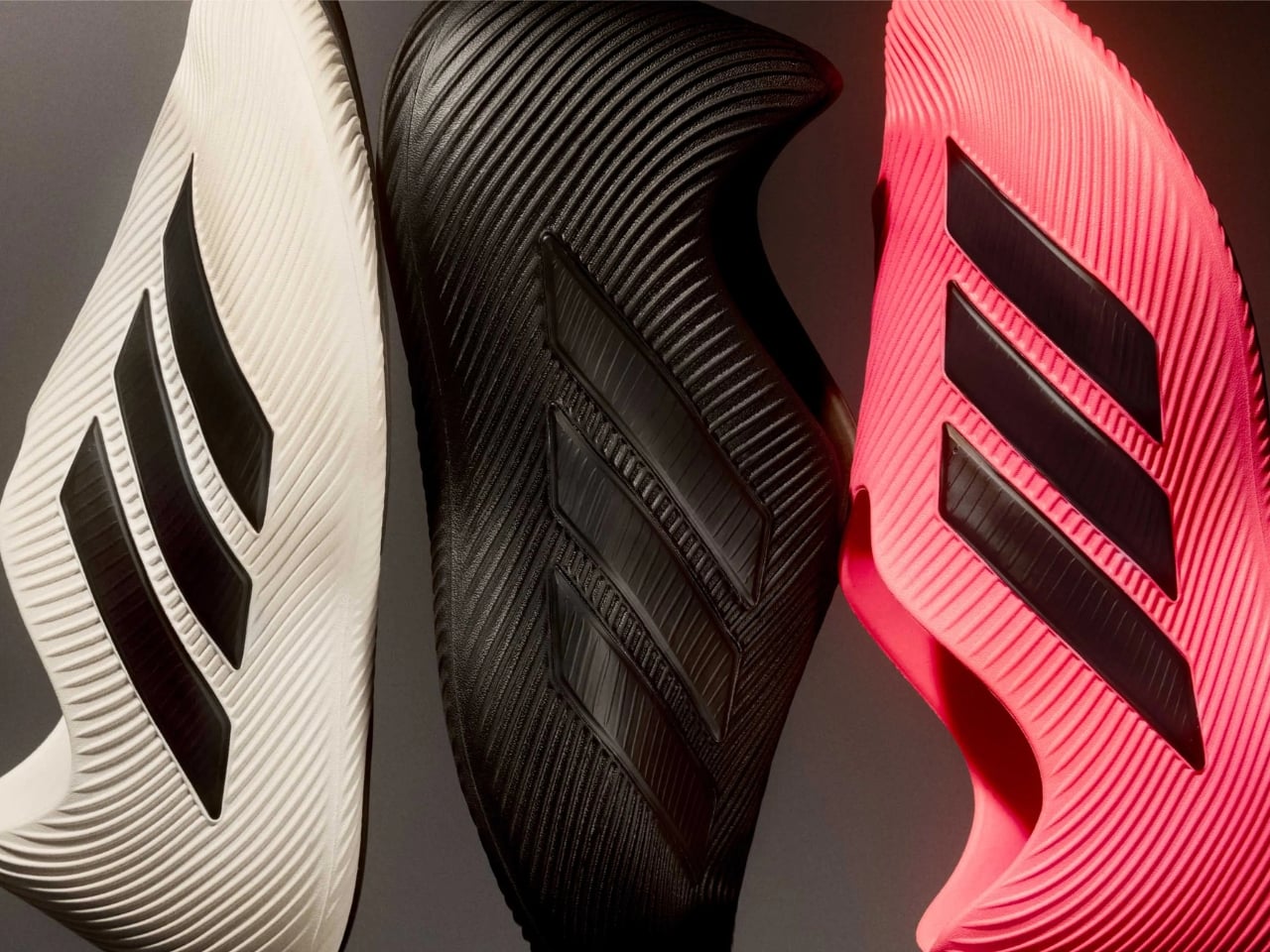
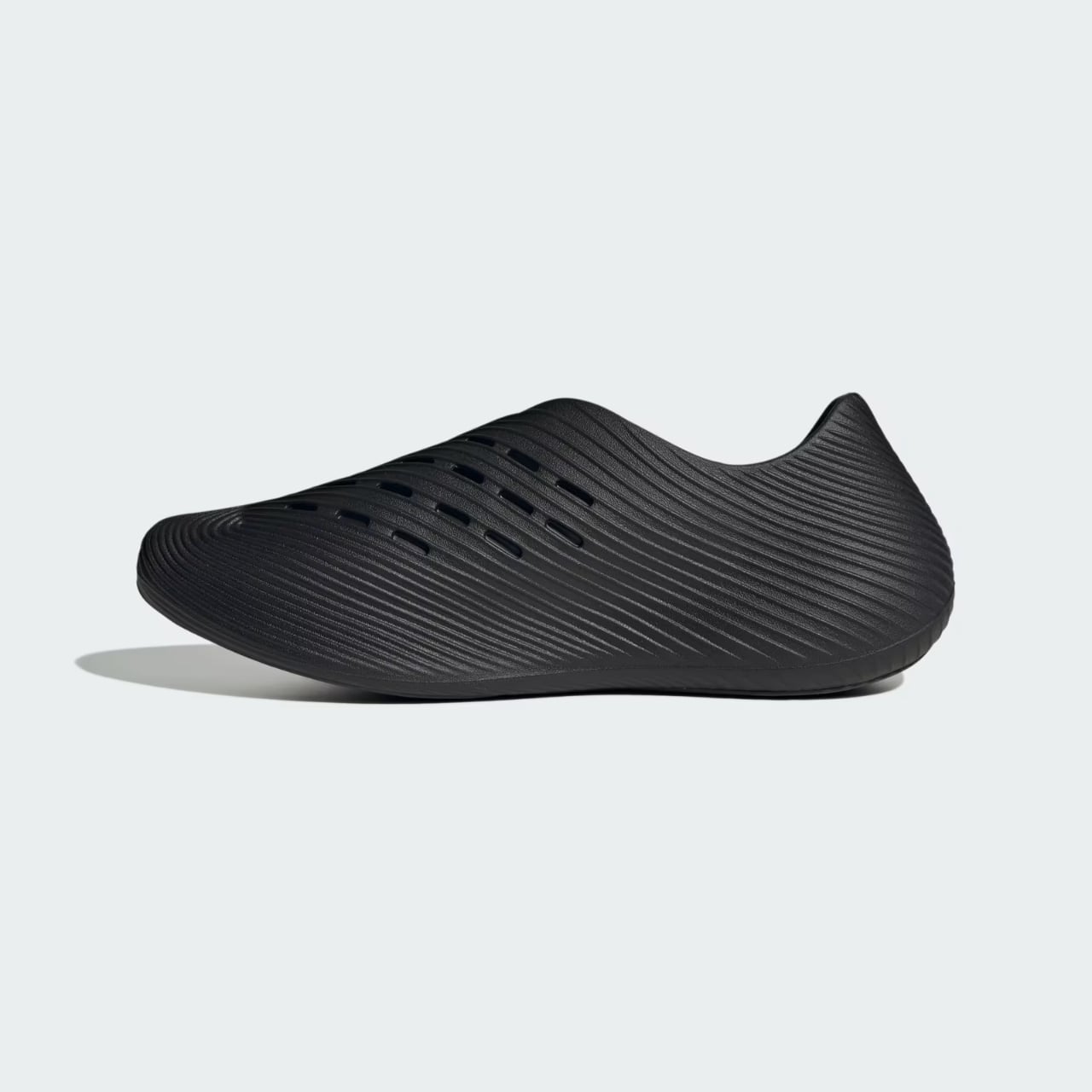
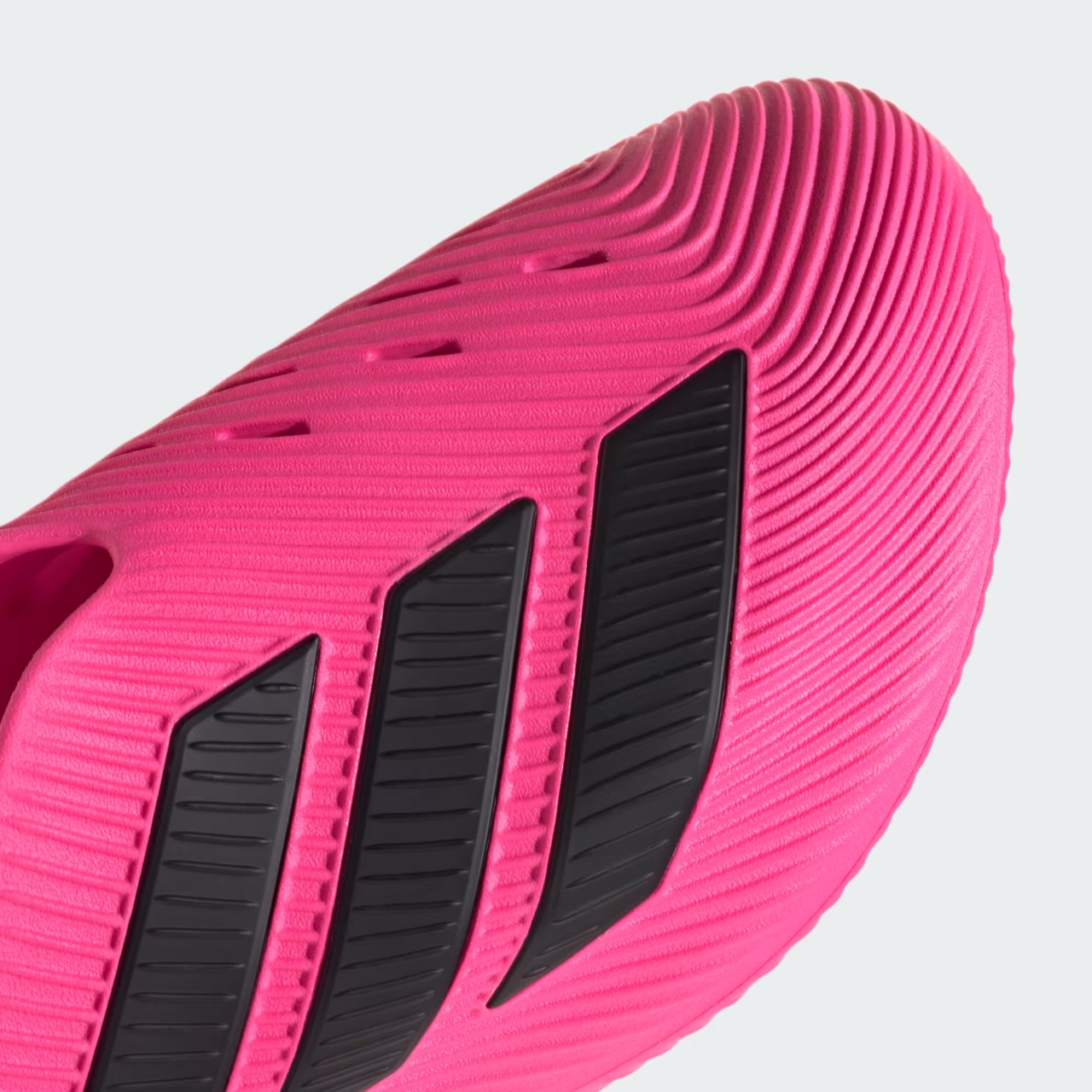
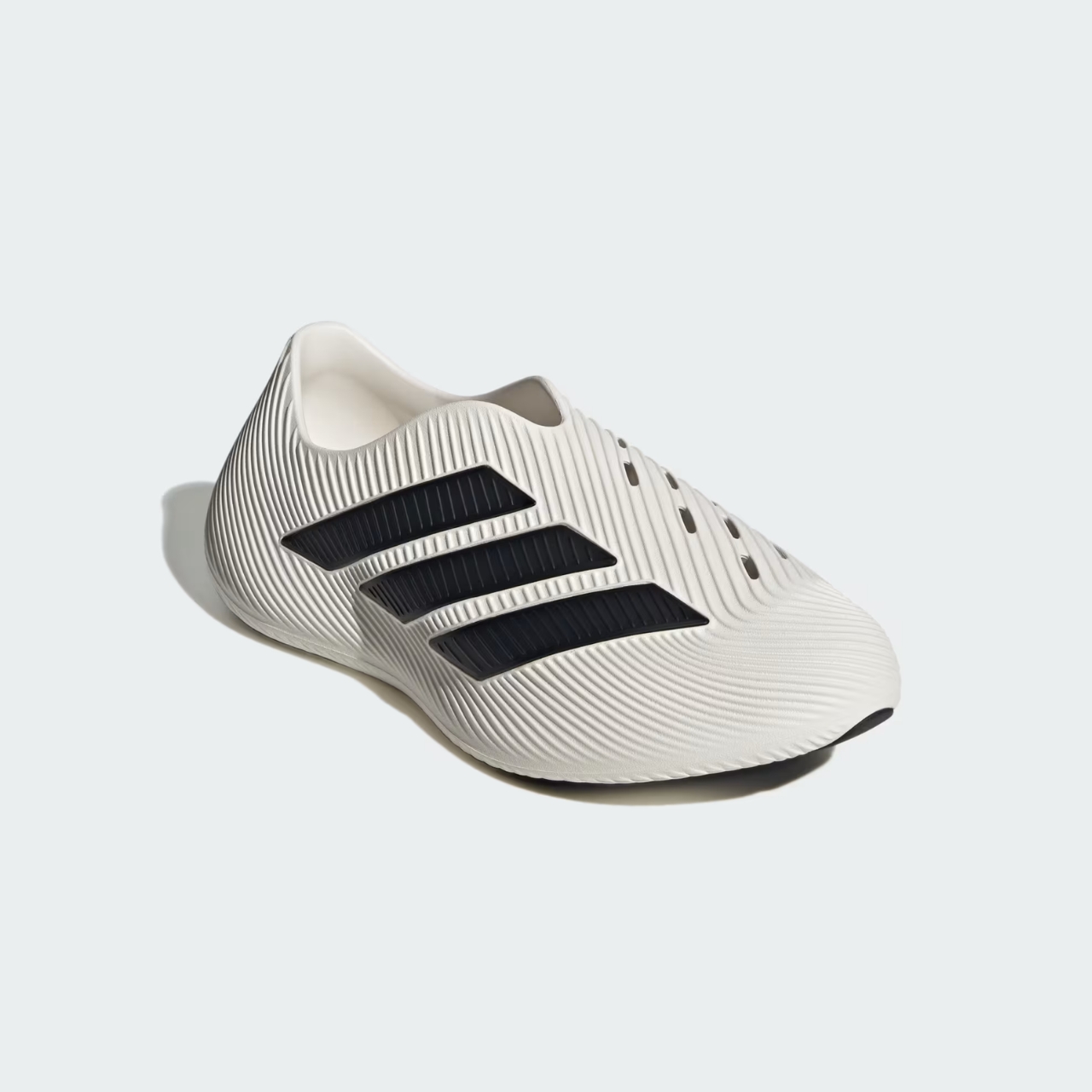
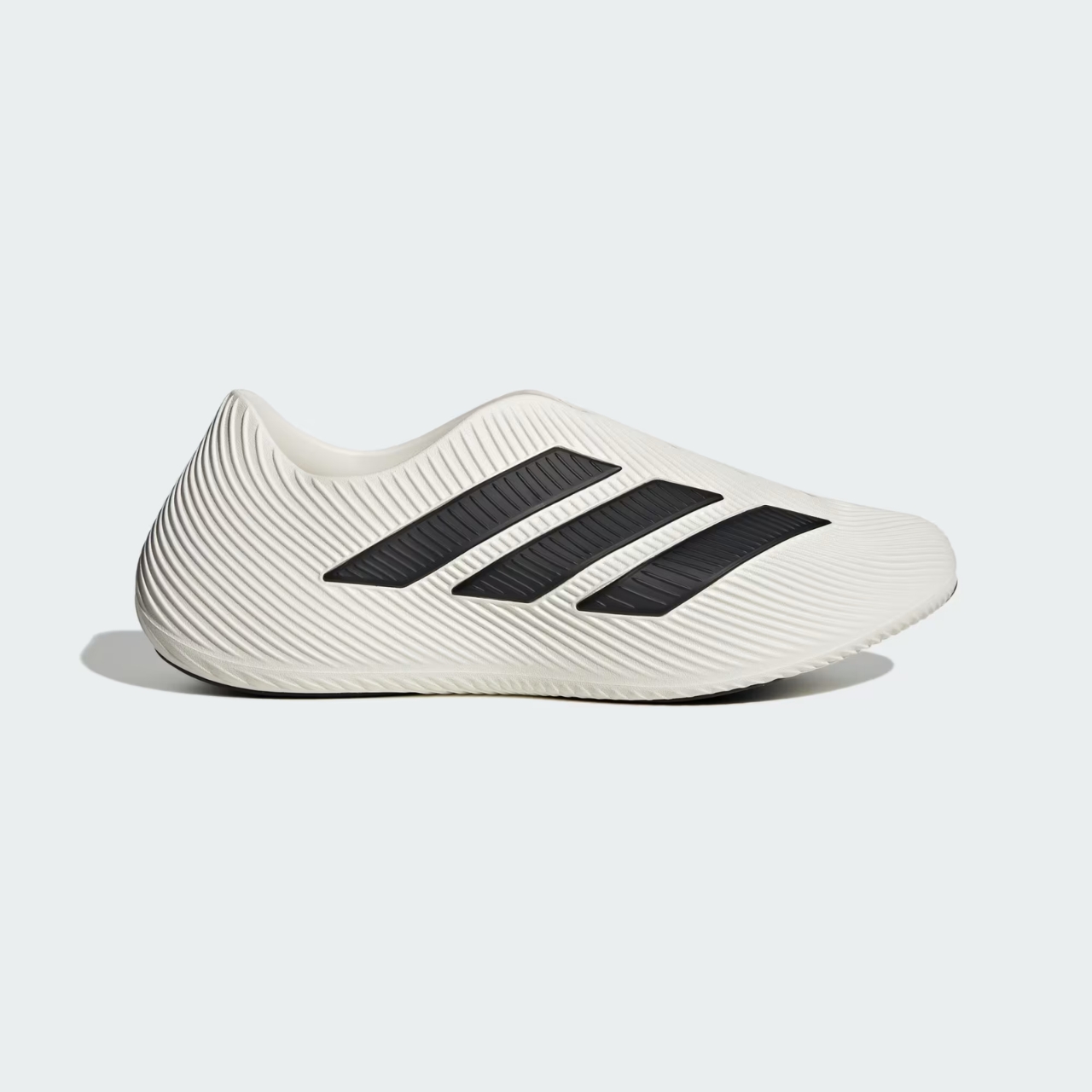
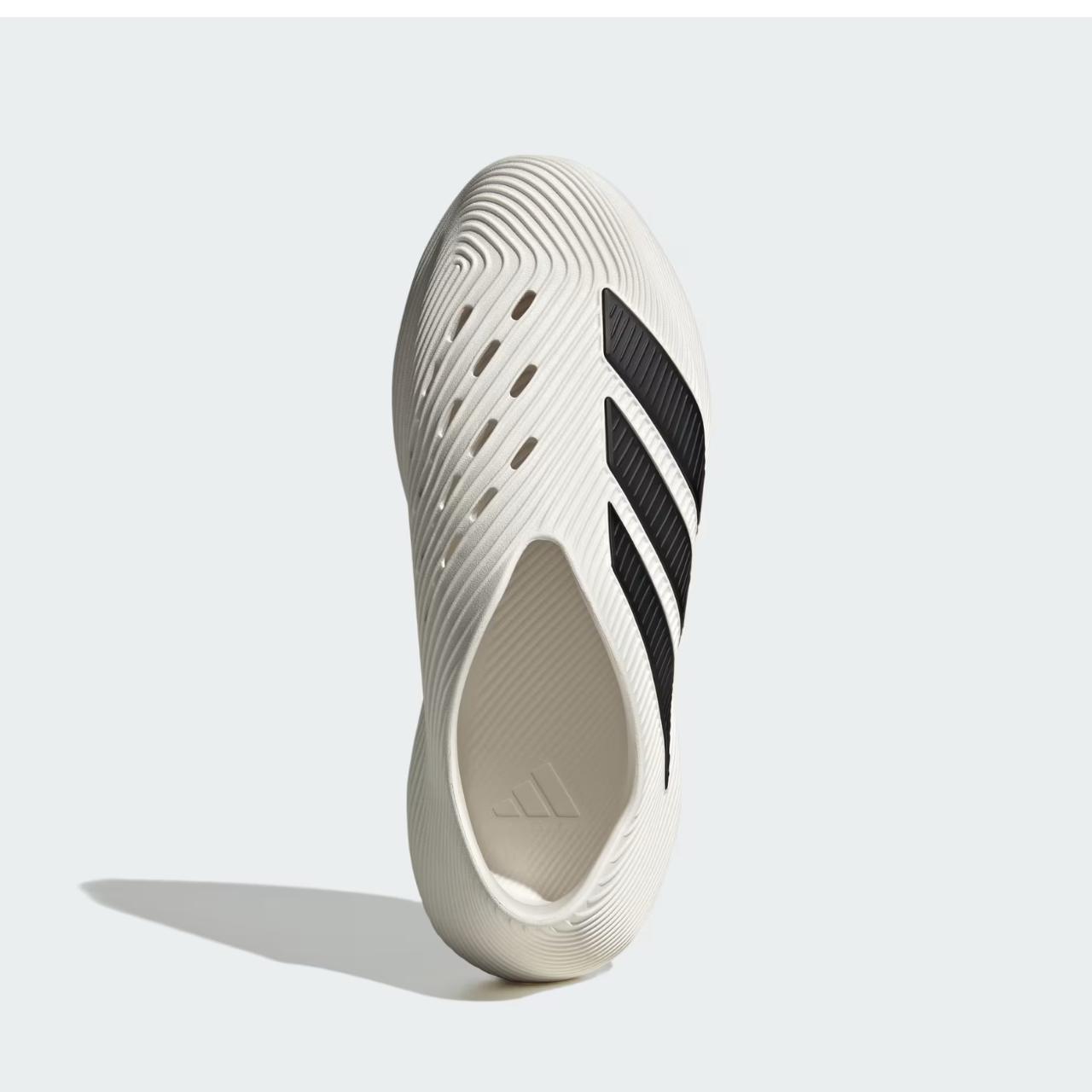
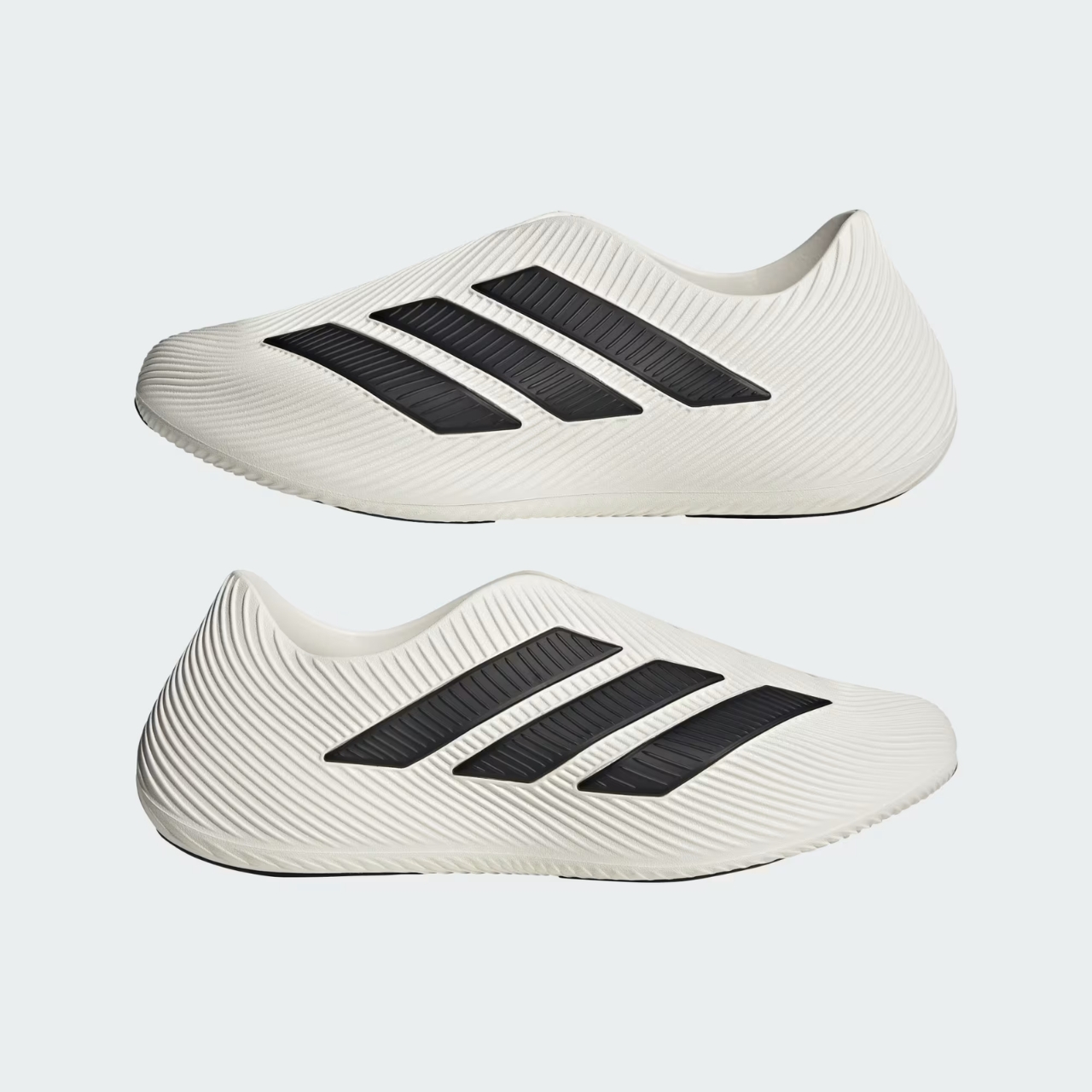
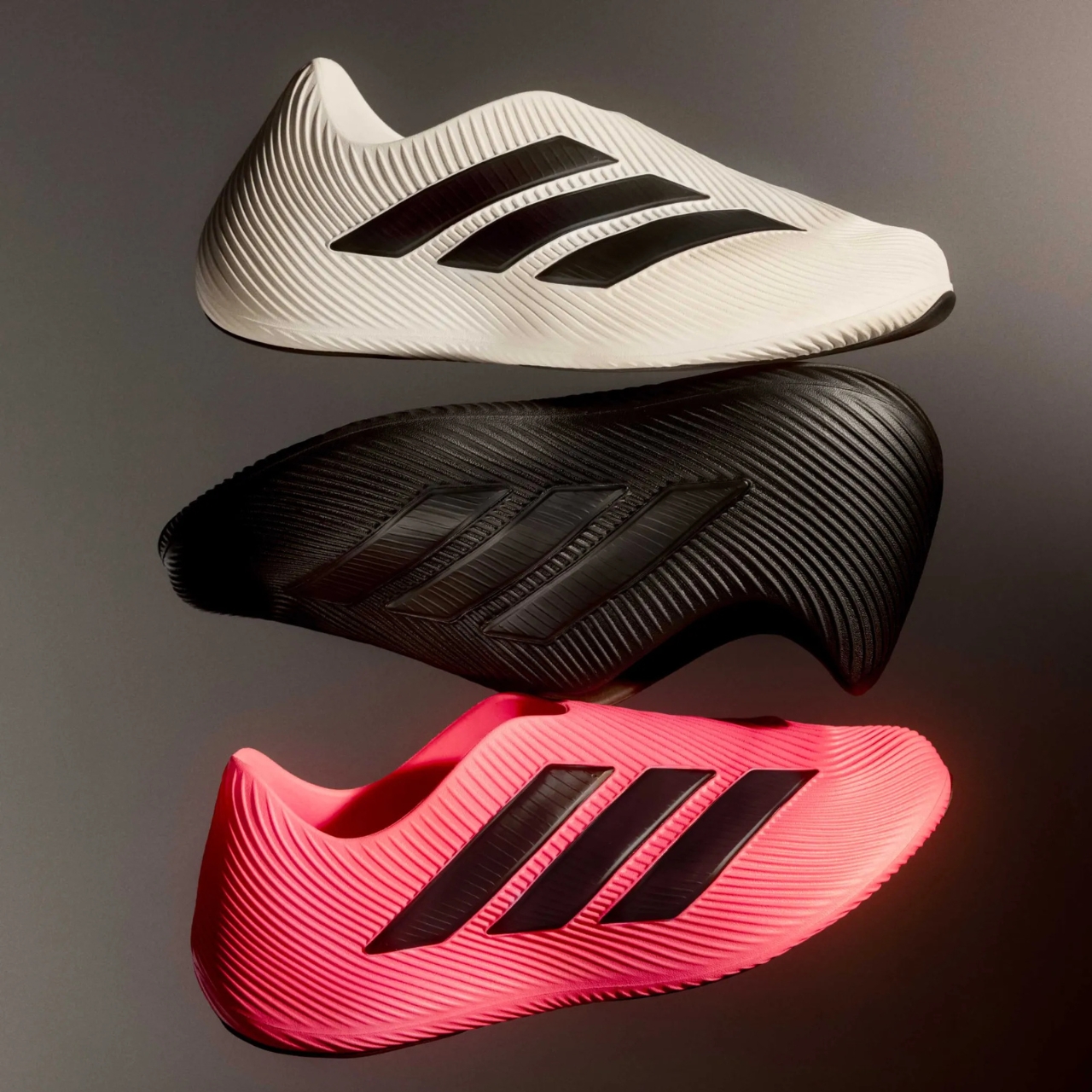
The Purechill Runner sits somewhere between a shoe and a sculpture, featuring a fully synthetic foam construction that’s both futuristic and oddly organic. The design language here is bold, with sweeping grooved patterns running across the surface and ventilated perforations that don’t just look cool but actually serve a purpose. This isn’t decoration for decoration’s sake. The molded upper cage channels airflow throughout the entire shoe, creating what Adidas calls 360-degree ventilation. In practical terms, your feet can actually breathe instead of marinating in their own misery.

What’s really clever about the Purechill is that it draws from Adidas’ data-driven approach to footwear design, similar to their 3D-printed ClimaCool shoes. Those models used stress-point mapping to figure out exactly where feet need support, and Adidas applied that same thinking to create a recovery shoe. It’s the kind of smart crossover that makes you wonder why more brands aren’t doing this.

The construction is deceptively simple. It’s a single-piece, injected EVA build that delivers an ultra-soft sensation under and around your foot. Hidden inside is an EVA midsole that handles the actual cushioning work, keeping you comfortable whether you’re shuffling around post-run or navigating airport terminals. Unlike some foam shoes that feel like stepping on clouds but offer zero stability, the Purechill includes TPU-molded Three Stripes branding on the lateral side that adds structural support while doubling down on that aggressive design aesthetic.

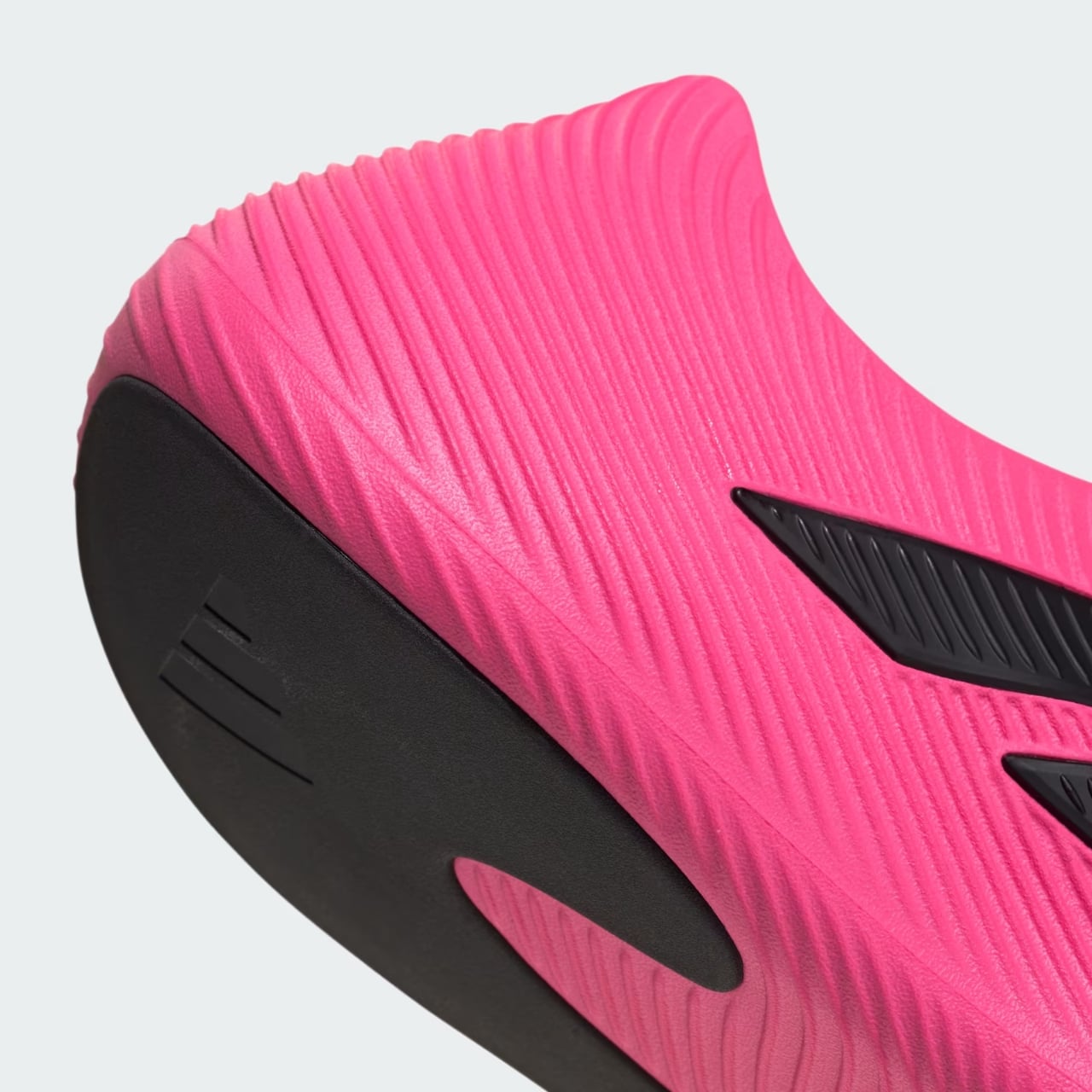
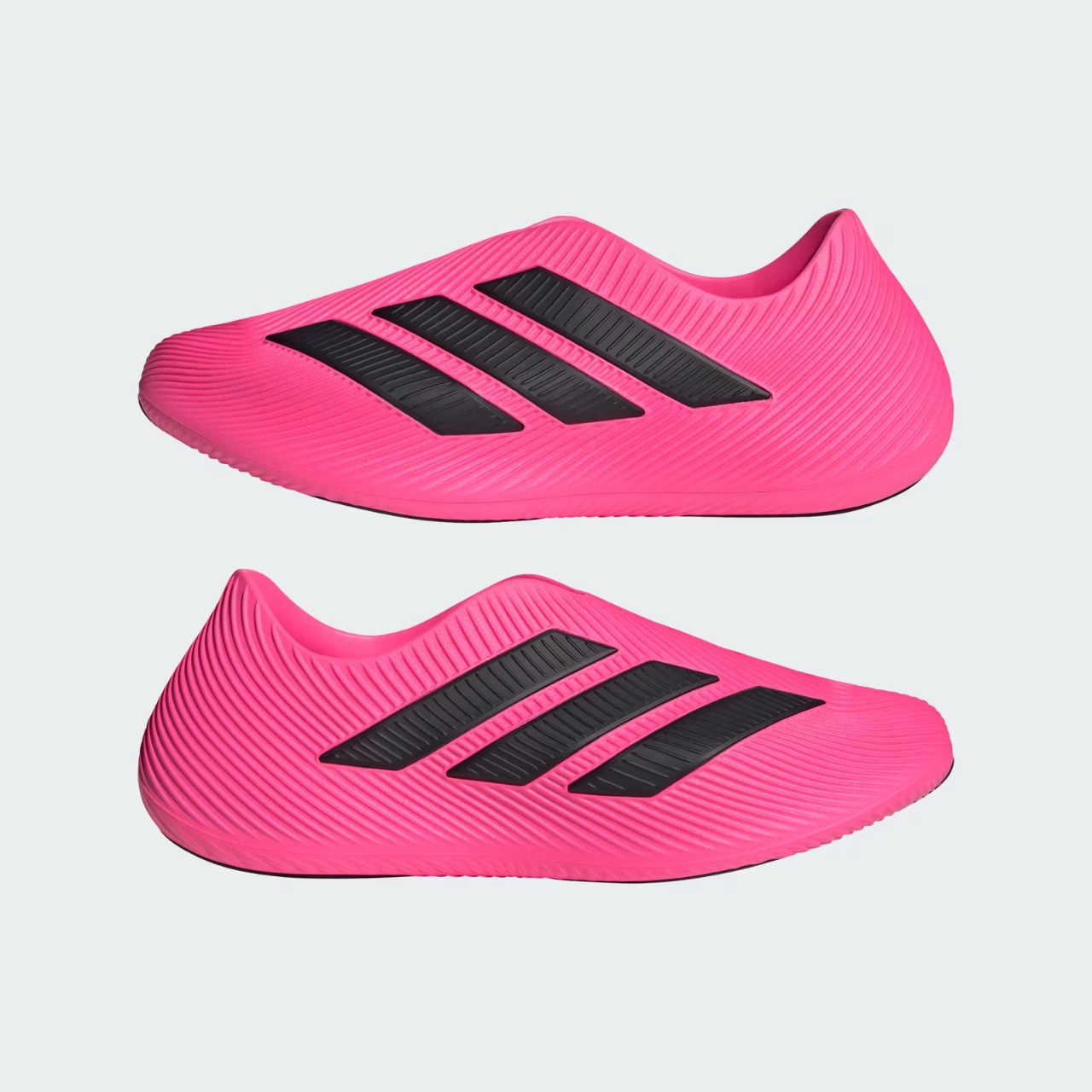
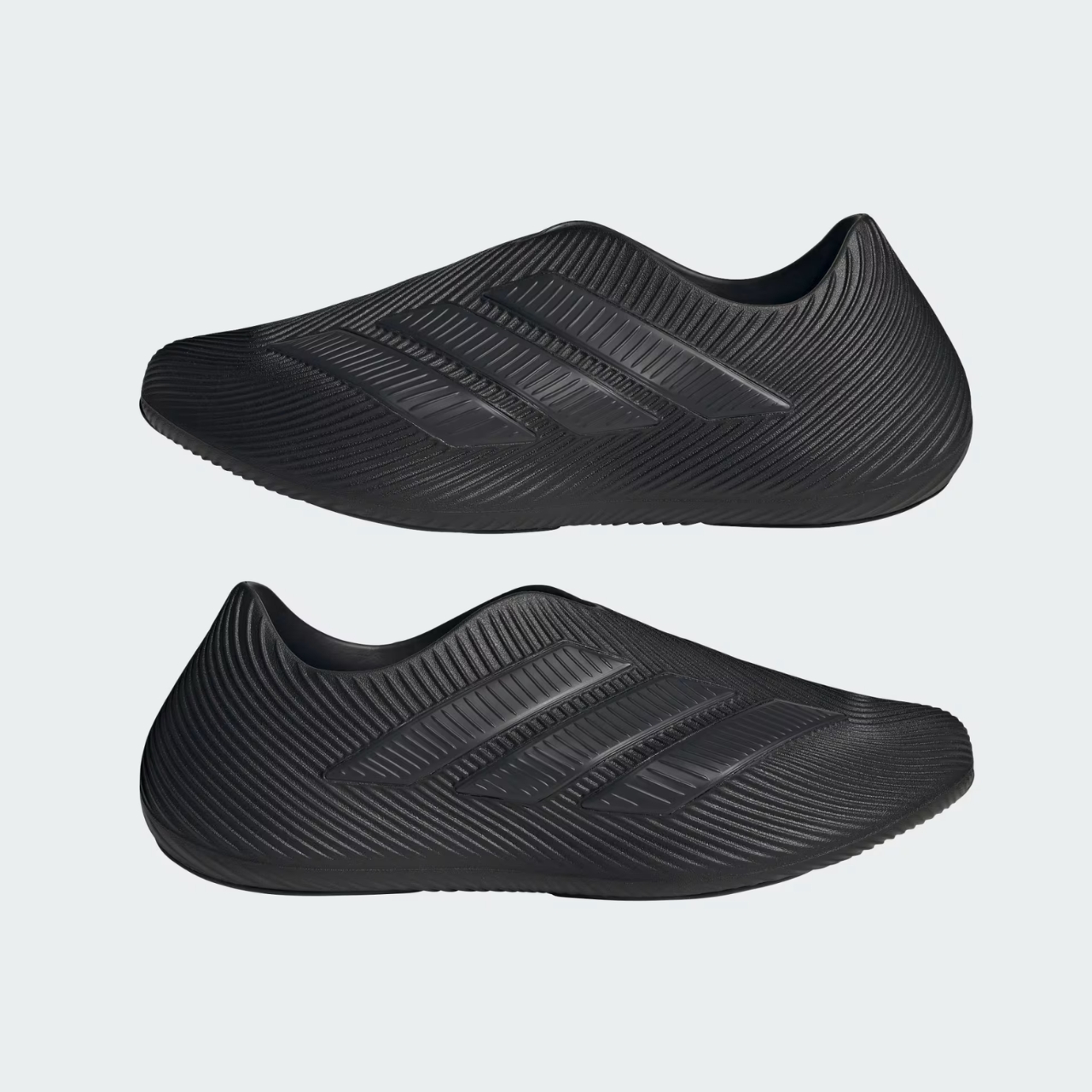
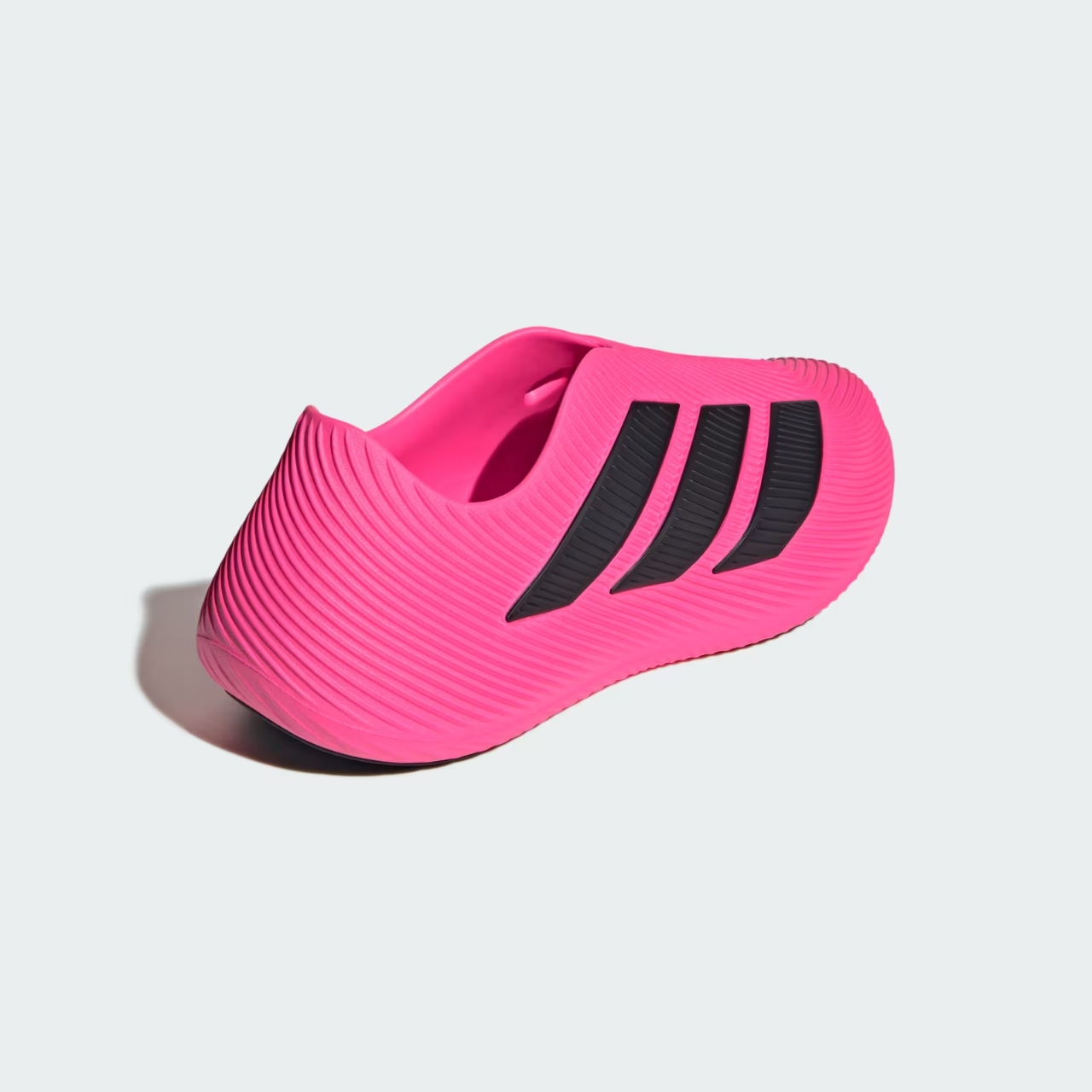
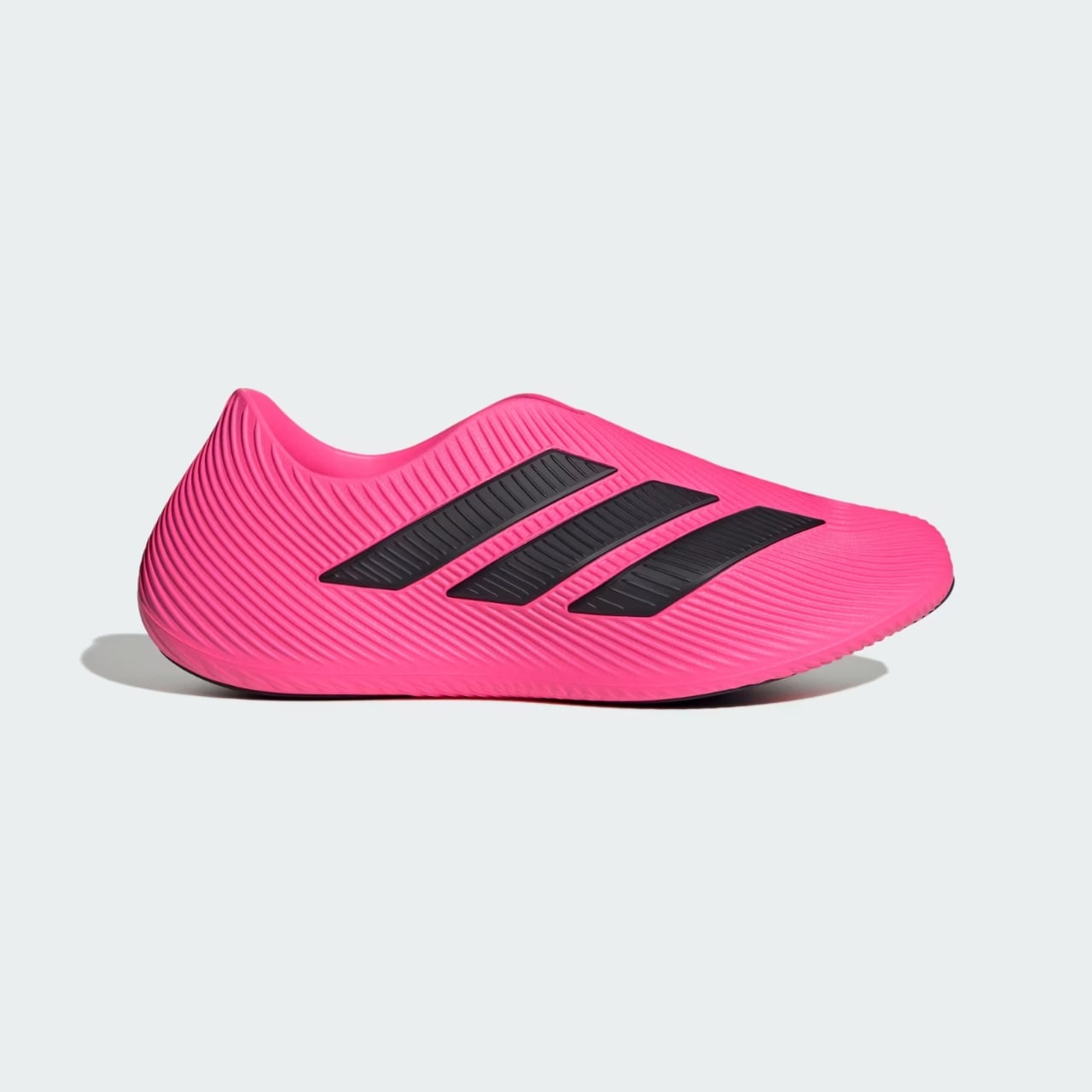
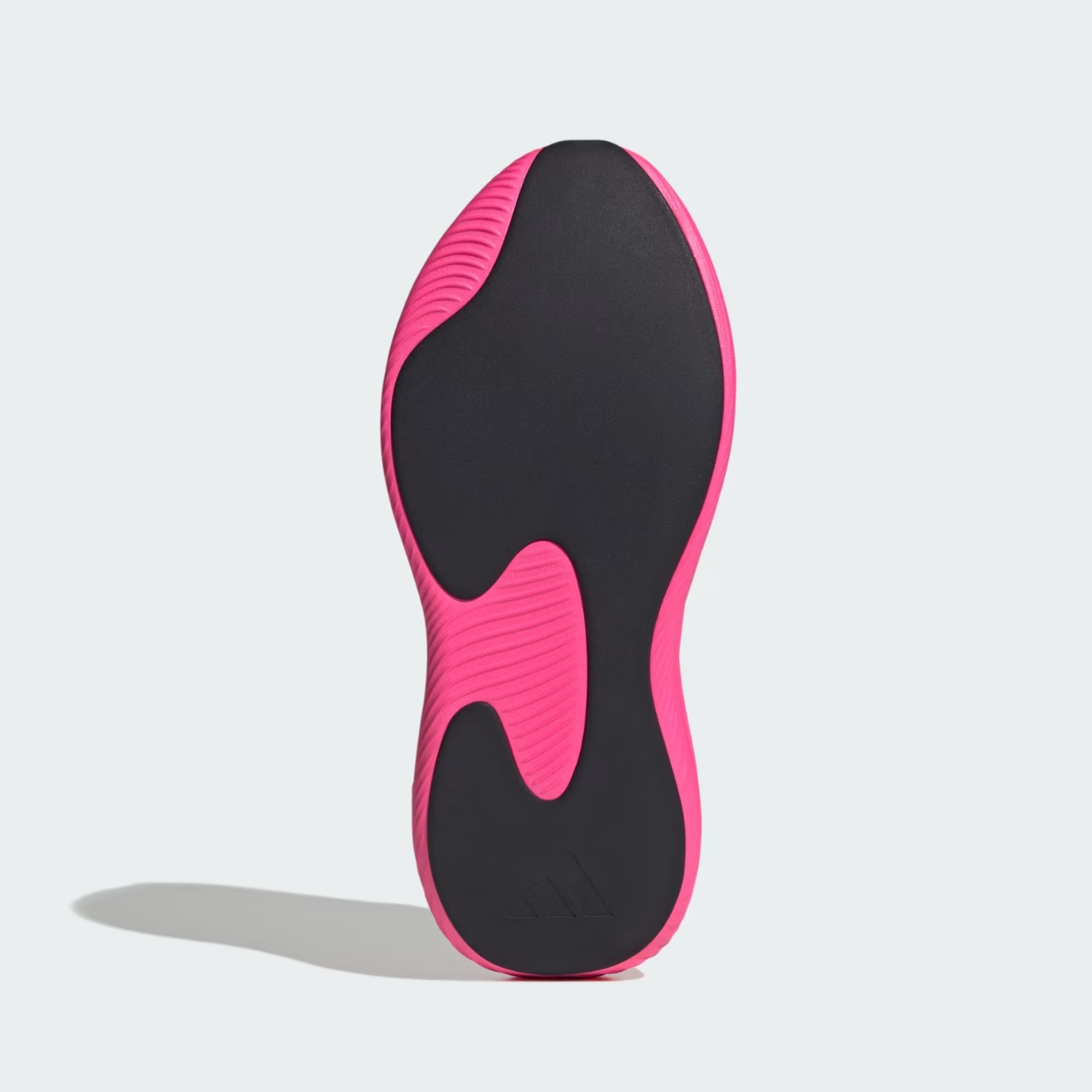
And here’s where Adidas got practical. The shoe features a full-length rubber outsole, which makes it more durable and reliable than early versions of the ClimaCool that tended to wear out quickly. This isn’t just a house shoe. You can actually walk around in these without worrying they’ll fall apart after a week. The slip-on design means no fussing with laces when your hands are full or you’re just too exhausted to care. It’s the kind of thoughtful detail that sounds minor until you’re trying to get shoes on while juggling bags, coffee, and your general will to exist. The shoes launch in multiple colorways, specifically Core Black, Core White, and a very bright Lucid Pink.

At $75, the Purechill Runner positions itself in an interesting sweet spot. It’s more expensive than basic slides but significantly cheaper than some of the premium recovery shoes flooding the market. You’re paying for legitimate design innovation and functional comfort, not just hype. What’s fascinating about this release is how it reflects our evolving relationship with athletic footwear. Recovery shoes represent a shift in thinking. They acknowledge that what happens after the workout, after the competition, after the hustle matters just as much as the performance itself. Athletes have known this forever, but now everyday consumers are catching on.

The Purechill Runner might look unconventional, but that sculptural quality is part of its appeal. It’s a conversation starter, a design object that happens to be incredibly comfortable. In a market saturated with variations on the same basic silhouettes, Adidas created something that genuinely stands out.

Whether you’re an actual runner looking for post-race relief or just someone who appreciates when design and function collide in interesting ways, the Purechill deserves attention. It’s proof that recovery footwear doesn’t have to be boring, and that sometimes the best innovations come from applying performance insights to everyday comfort. Your feet will thank you, and you might just feel a little cooler wearing what essentially amounts to architectural sculpture.

The post Adidas Purechill: The Sculptural Shoe Redefining Recovery first appeared on Yanko Design.
The Enduring Legacy of the Adidas Samba: A Synthesis of Style, Sport, and Innovation

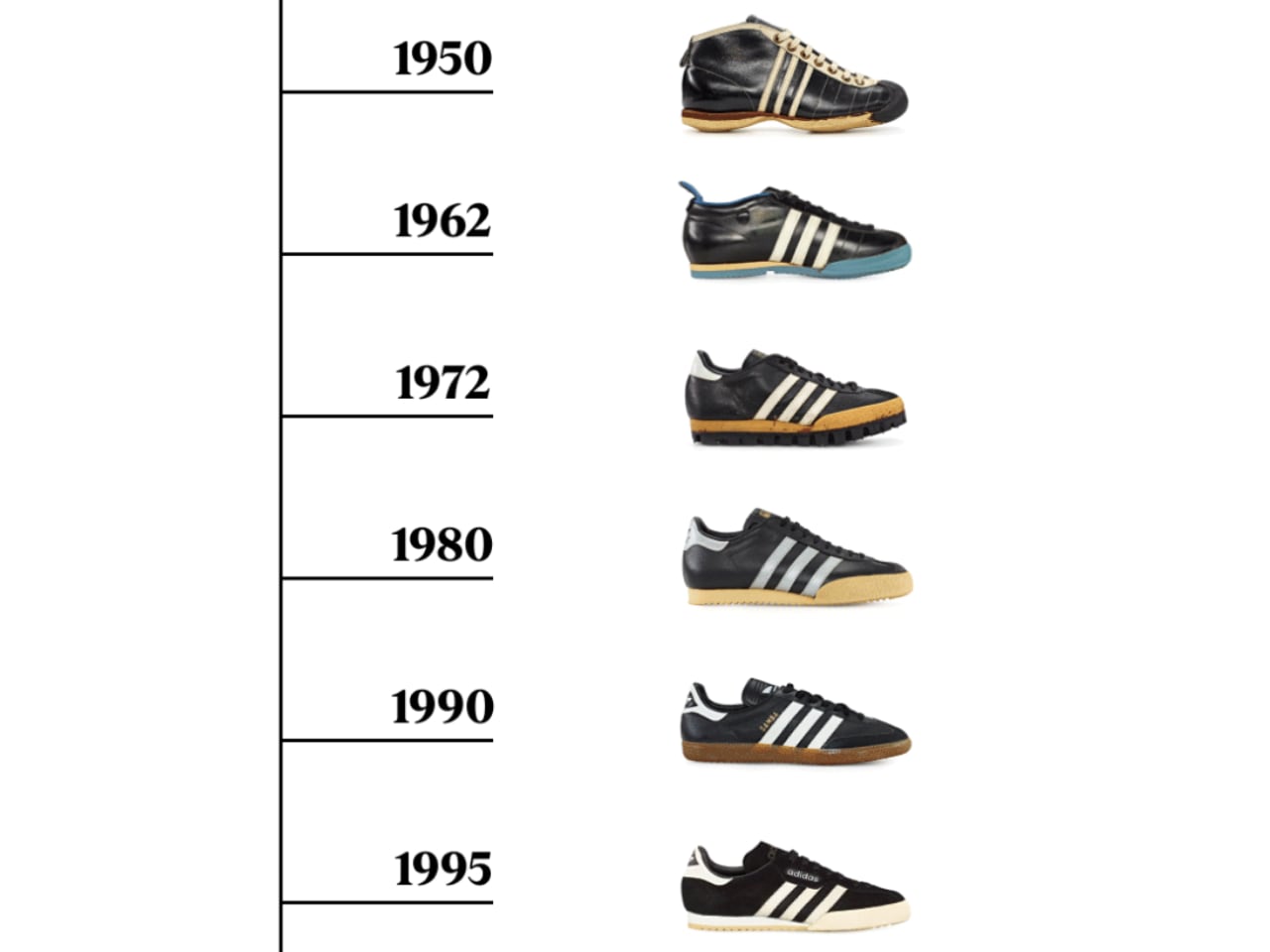
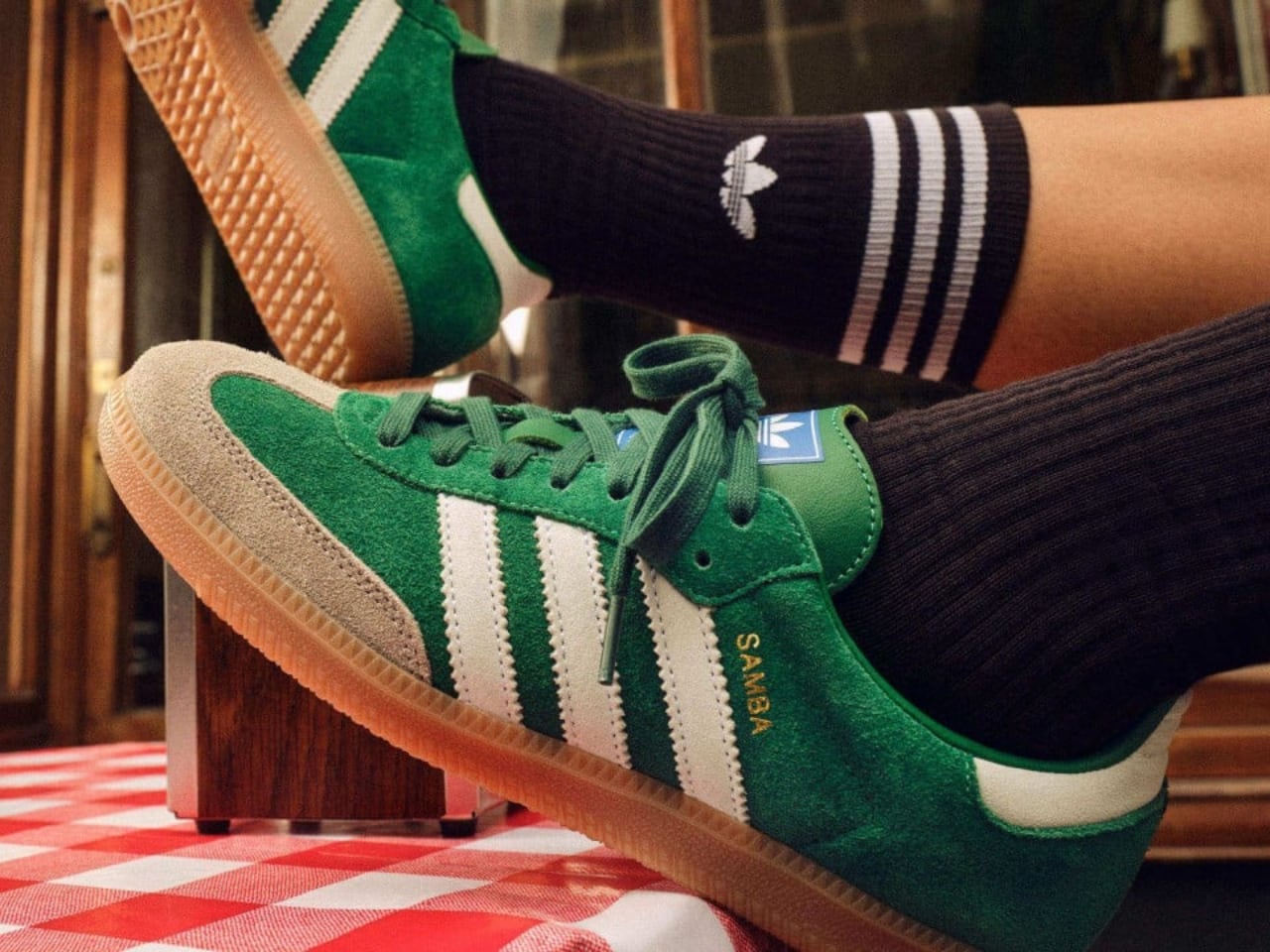
Welcome to Sneakers Sunday at Yanko Design. Today, we explore the storied evolution of the Adidas Samba. Originally designed in 1950, this iconic shoe has served athletes with its functional design while also becoming a staple in global fashion and culture. The Samba’s journey from a functional soccer shoe to a fashion icon offers a fascinating look at how design can adapt to changing times while retaining its core essence.
Designer: Adi Dassler + ADIDAS

Origins and Early Design

The Samba was born out of necessity in post-war Germany, where harsh winters created challenging conditions for soccer players. Adi Dassler, the founder of Adidas, recognized the need for a shoe that could offer traction on icy surfaces. His solution was the Samba, a shoe that featured a revolutionary gum rubber sole providing superior grip and traction. This innovation set Samba apart from other athletic footwear and marked the beginning of its iconic status.

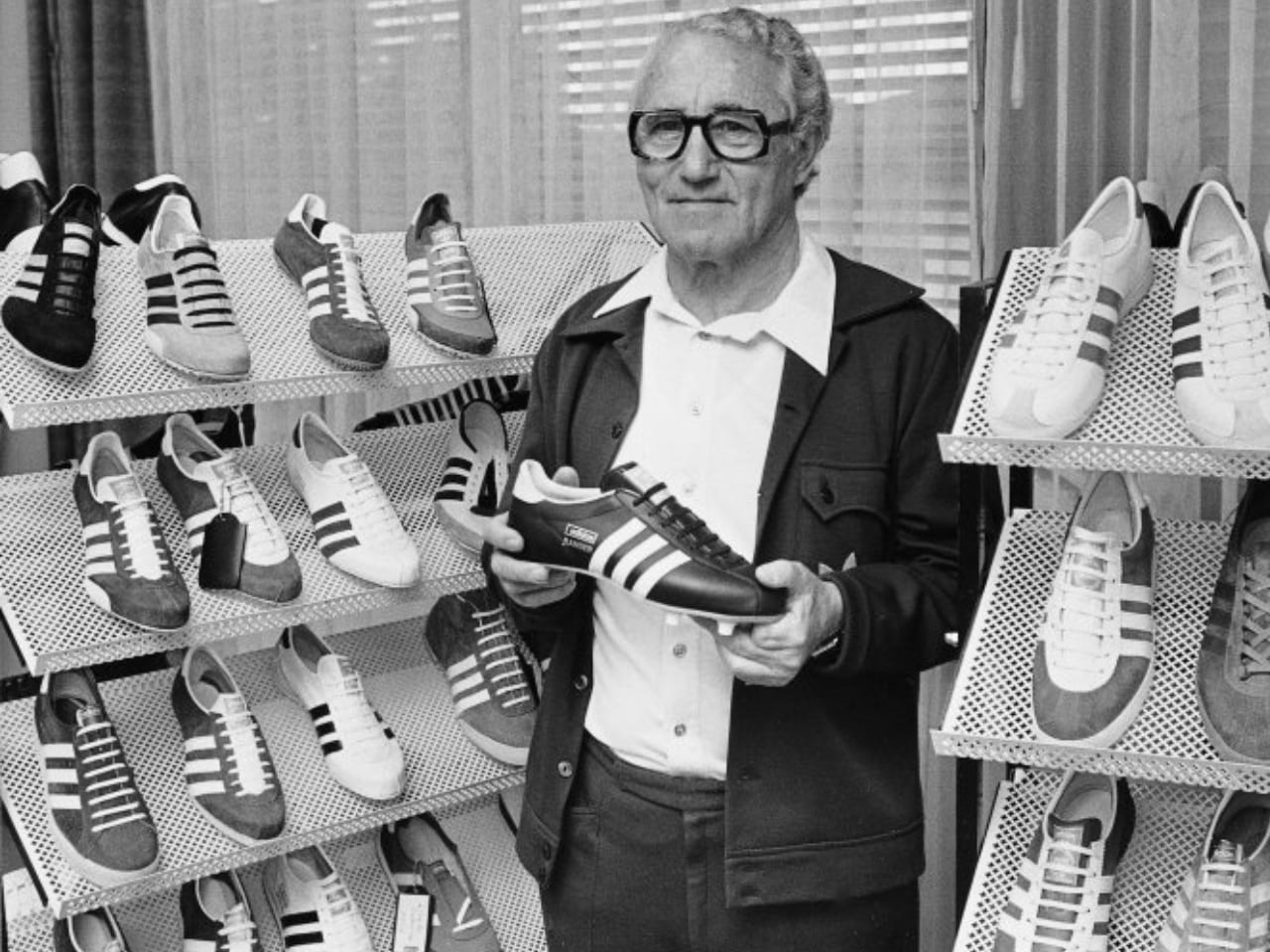
Adi Dasslers with Adidas Samba in the 1950s

Alongside its functional sole, the Samba boasted a durable leather upper with Adidas’s signature three stripes, adding structural integrity and visual appeal. This combination of practicality and style made the Samba an instant hit on and off the field. The initial design laid the foundation for a versatile shoe that could transition seamlessly from sports to fashion.

The early Samba models also included a high-top variant, which offered additional ankle support and warmth, making it particularly popular in colder climates. This version retained the classic elements of the original while providing an added layer of functionality, broadening the shoe’s appeal beyond the athletic community. The high-top Samba was especially favored by soccer players who needed extra protection during harsh weather, demonstrating Adidas’s commitment to meeting the diverse needs of its customers.

Evolution Through the Decades

As the decades passed, the Samba underwent significant transformations to keep pace with changing trends and consumer preferences. In the 1960s and 1970s, Adidas began experimenting with new materials and colorways to expand the Samba’s appeal beyond its original sports market. The introduction of softer leathers and synthetic fabrics enhanced the shoe’s comfort and durability, making it more suitable for casual wear.

This period also saw the Samba embracing a broader color palette, moving beyond the traditional black and white to include a variety of vibrant hues and patterns. These changes reflected the growing influence of fashion on athletic footwear, as consumers increasingly sought shoes that combined performance with personal style. The Samba’s ability to adapt to these shifts while retaining its core design elements cemented its status as a timeless classic.

In addition to material innovations, the Samba’s design also evolved to reflect the changing needs of its audience. The high-top version, for instance, gained popularity in urban settings, where its stylish silhouette and practical features made it a favorite among fashion-forward individuals. This adaptability helped the Samba maintain its relevance in a rapidly changing market as it continued to capture the imagination of new generations.

Cultural Impact and Global Reach

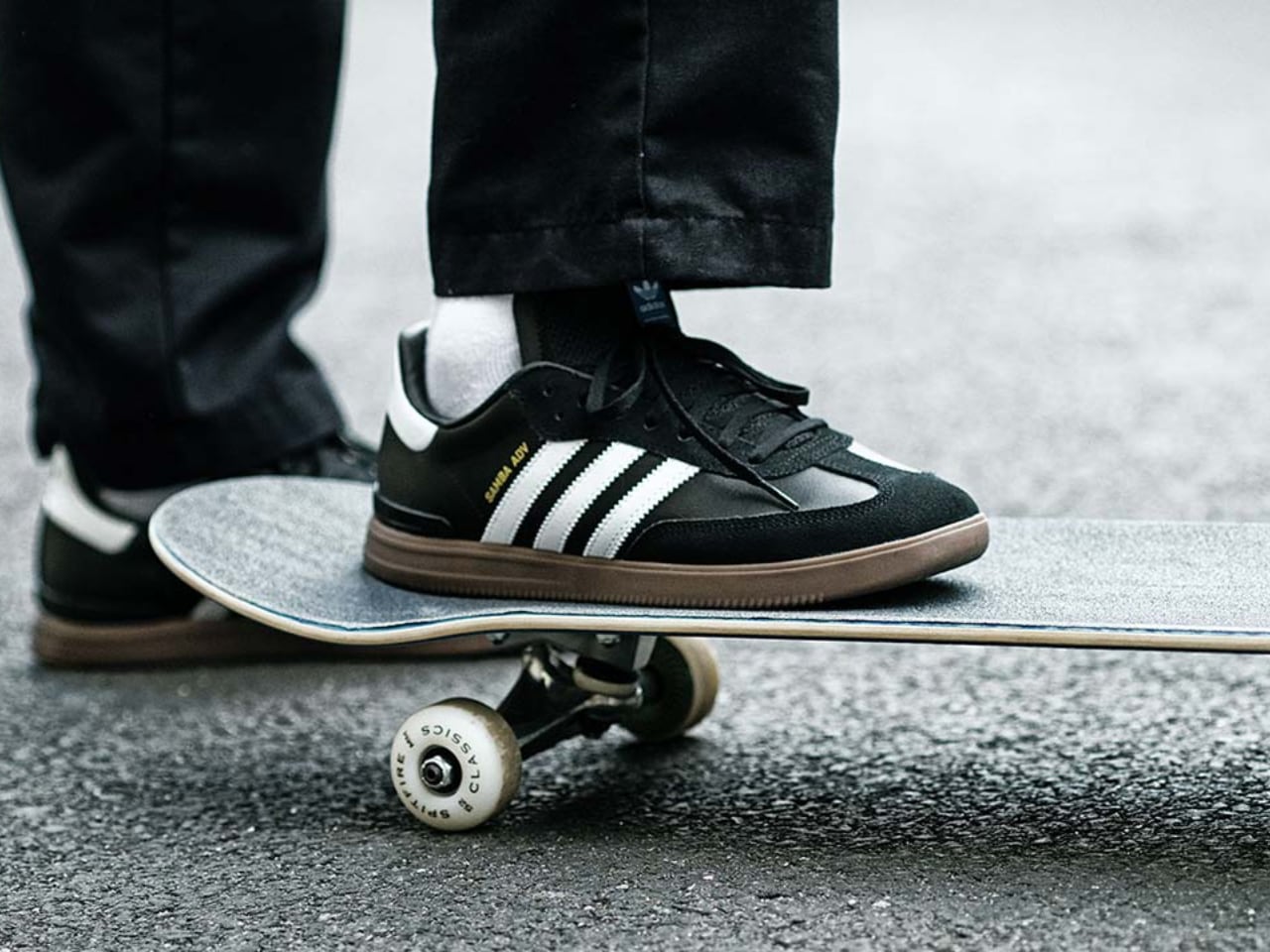
The Samba’s appeal extended far beyond the soccer field, becoming a symbol of youth and rebellion across the globe. In the 1980s, the shoe was embraced by various subcultures, from hip-hop enthusiasts to skaters, each group adding its own chapter to the Samba’s rich history. Its simple yet striking design made it a popular choice for those looking to make a statement, whether on the dance floor or the streets.

This widespread adoption across diverse cultures and continents underscored the Samba’s universal appeal. Its ability to transcend boundaries and resonate with people from all walks of life highlighted its versatility and timeless charm. The Samba maintained its identity while adapting to myriad personal styles, whether paired with jeans and a T-shirt or more formal attire.

The Adidas Samba, designed in the 1950s, has evolved through numerous editions over the past 70 years. Photo: Adidas

The Samba’s influence also extended to the music and entertainment world, where it became a fixture in popular culture. Celebrities and musicians alike were drawn to the shoe’s unique blend of functionality and fashion, further solidifying its status as an icon. The Samba’s presence in films, music videos, and on the feet of influential figures helped cement its place in the cultural zeitgeist, ensuring its continued relevance in the ever-evolving fashion world.

Recent Collaborations and Innovations

In recent years, Adidas has leveraged collaborations to keep the Samba at the forefront of the fashion industry. Partnerships with designers and fashion houses have introduced new versions of the shoe that maintain its classic elements while incorporating modern design trends and materials. These collaborations have breathed new life into the Samba, attracting a new generation of fans and reinforcing its status as a fashion icon.

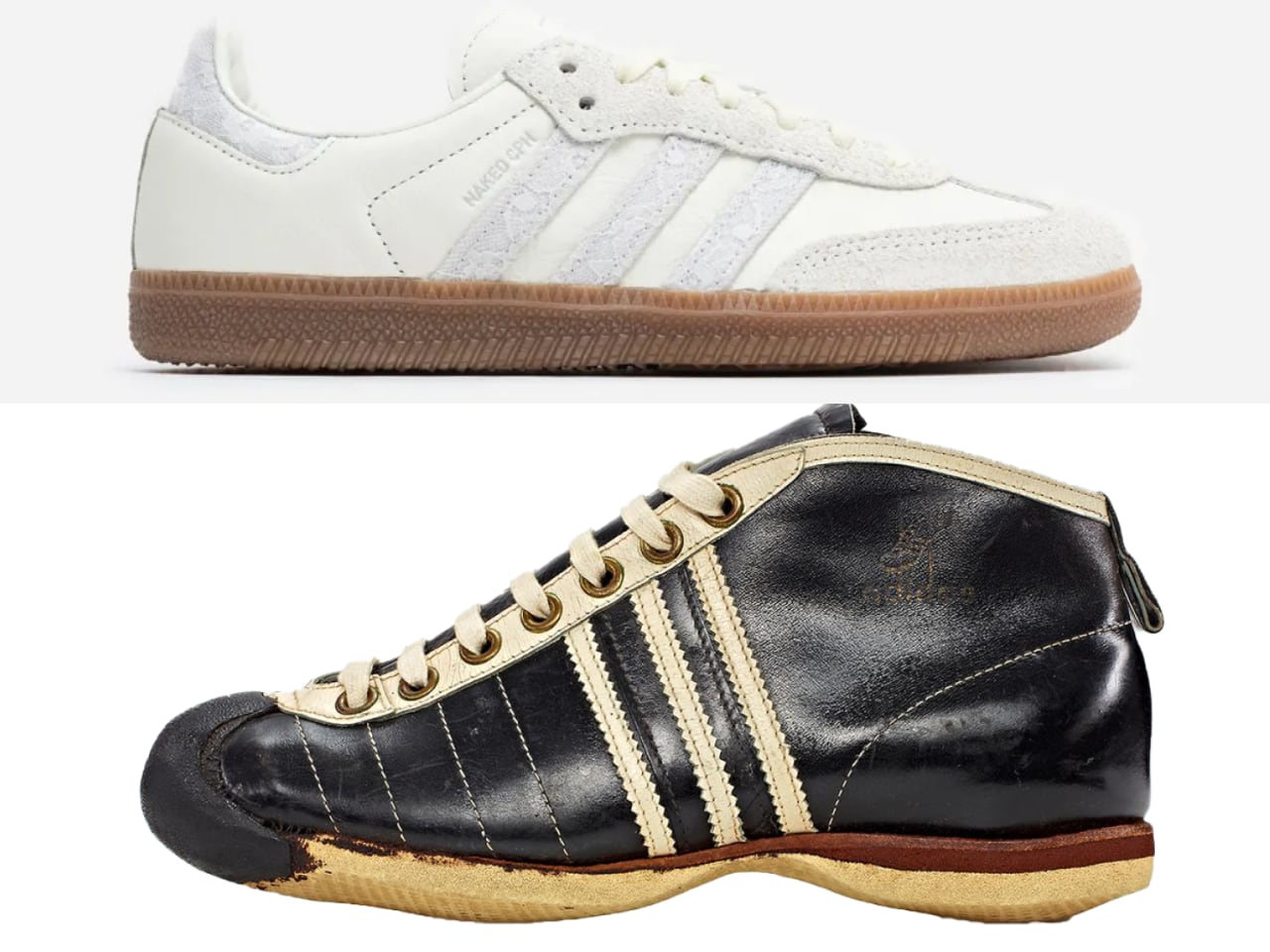
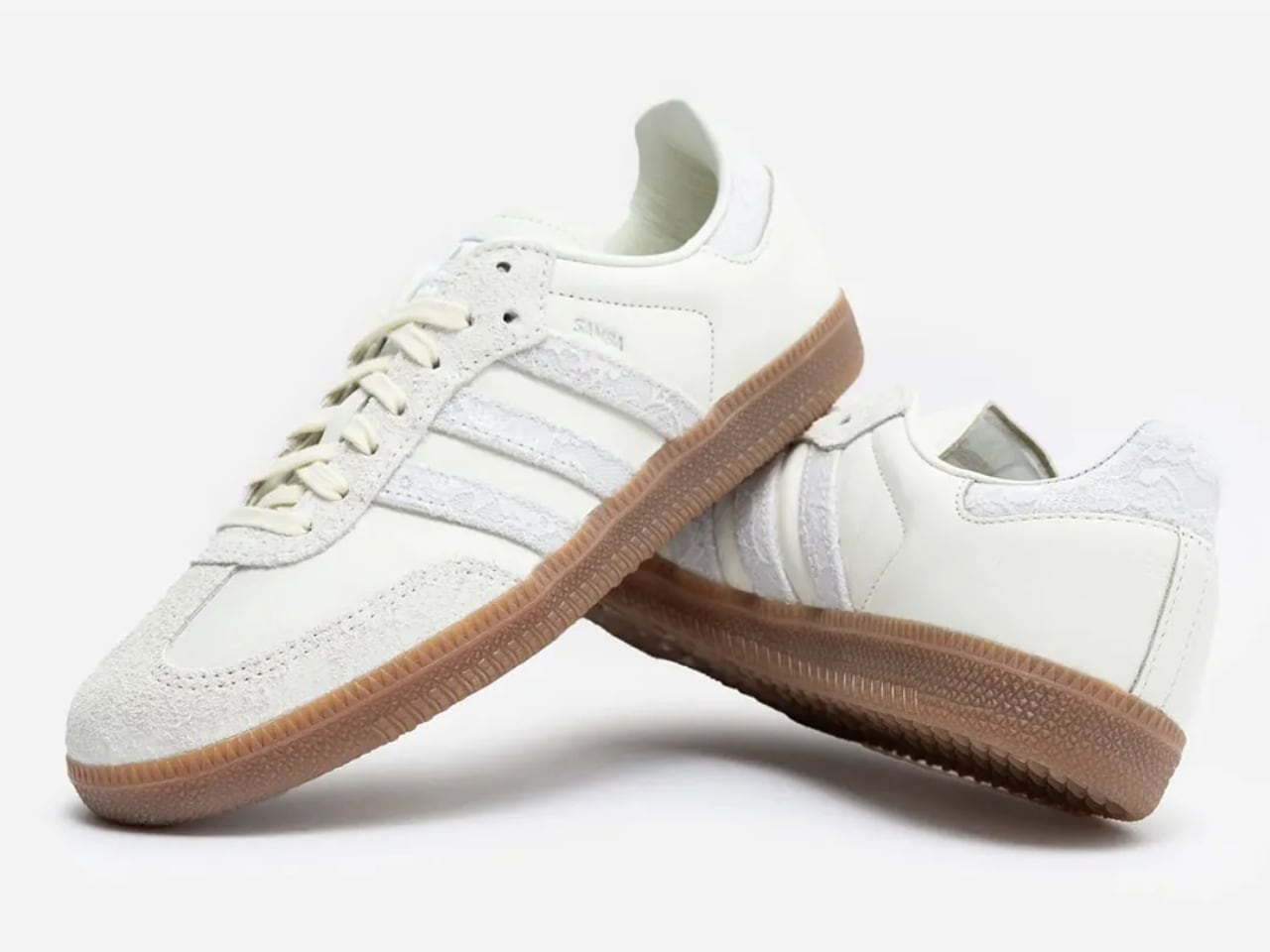
Naked x adidas Samba JI3993

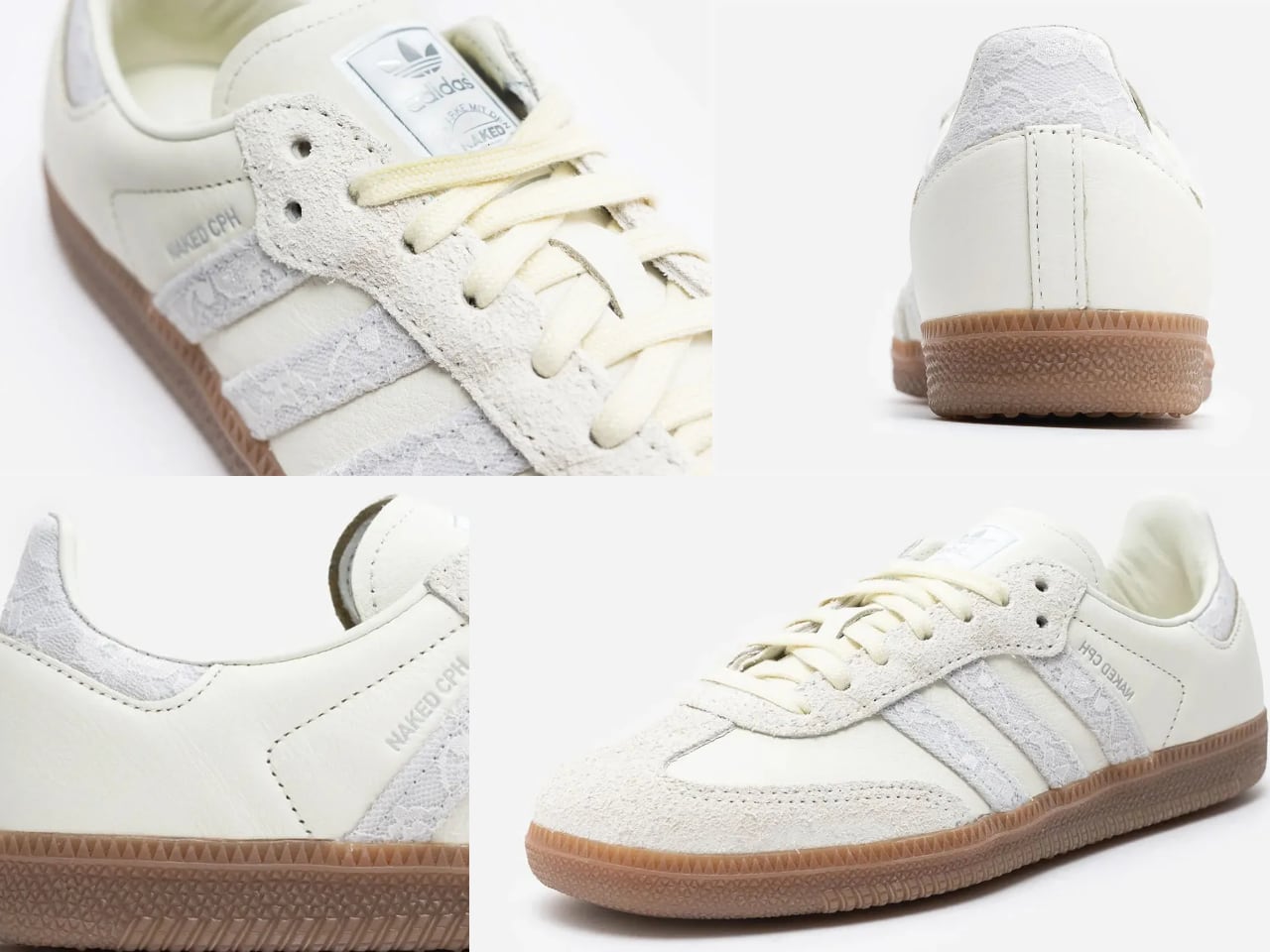
One notable collaboration is with Copenhagen-based fashion brand Naked, which reimagined the Samba with intricate lace details and soft, pastel overlays. This partnership highlights the sneaker’s adaptability to current fashion trends and ability to blend traditional craftsmanship with contemporary design elements. These limited-edition models incorporate luxurious materials and subtle design tweaks, such as co-branded tongues and custom lace tags, making each release a collectible piece.

Naked x adidas Samba JI3993

Adidas has also focused on sustainability, integrating eco-friendly materials into the Samba’s design. This commitment ensures the shoe remains popular among environmentally conscious consumers without sacrificing style or quality. By embracing sustainable practices and innovative materials, Adidas is preserving the Samba’s legacy and paving the way for future generations of this iconic shoe.
The Adidas Samba’s journey from a functional sports shoe to a cultural icon is a testament to its timeless design and enduring appeal. Its continuous adaptation and relevance in the sneaker industry testify to its lasting legacy and broad appeal. As we look to the future, the Samba will continue to inspire and captivate audiences worldwide, cementing its place in the annals of sneaker history.

The post The Enduring Legacy of the Adidas Samba: A Synthesis of Style, Sport, and Innovation first appeared on Yanko Design.