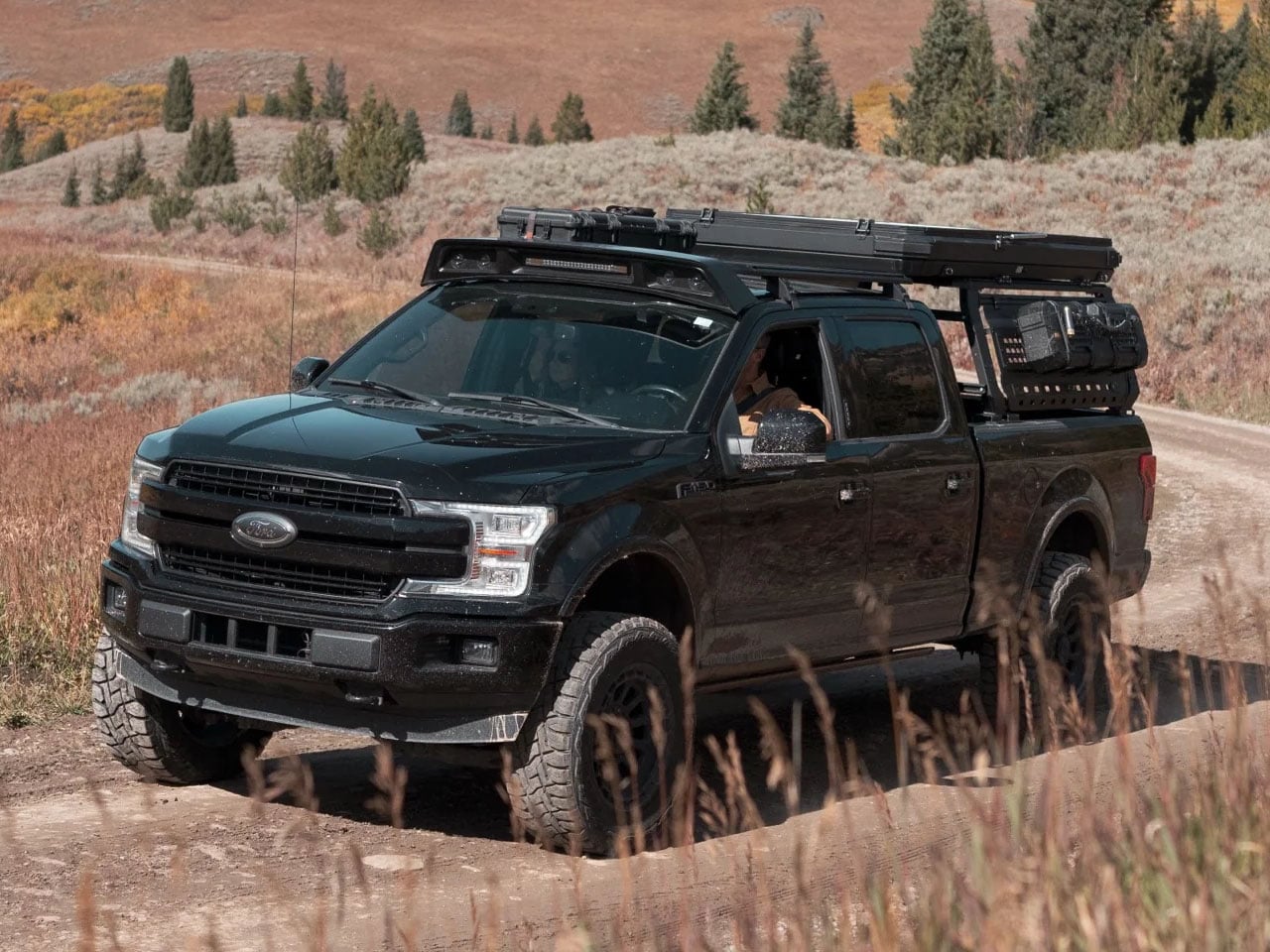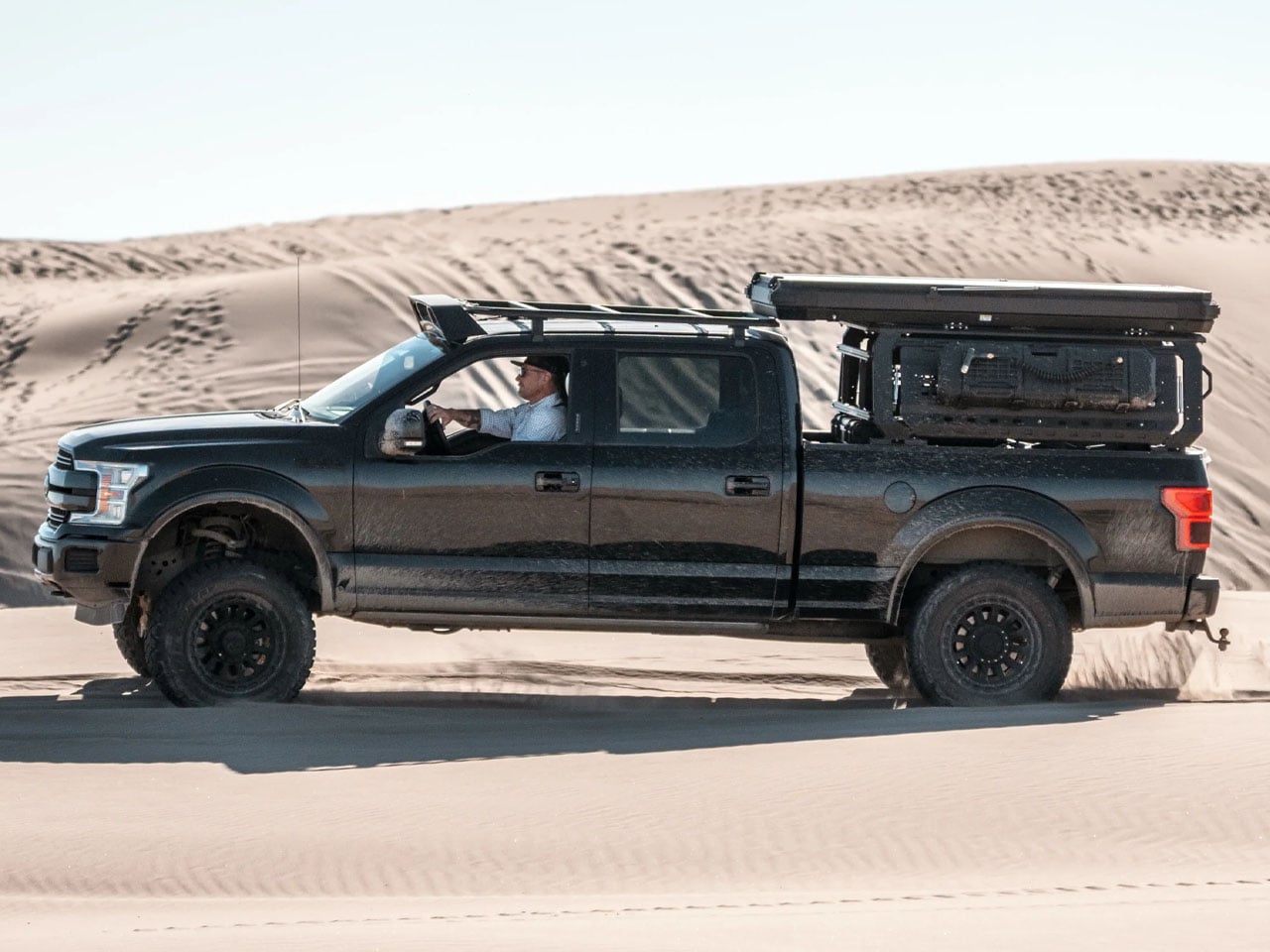
Roam Rider SL pickup camper pops up to create headroom, slides on both sides for more living space

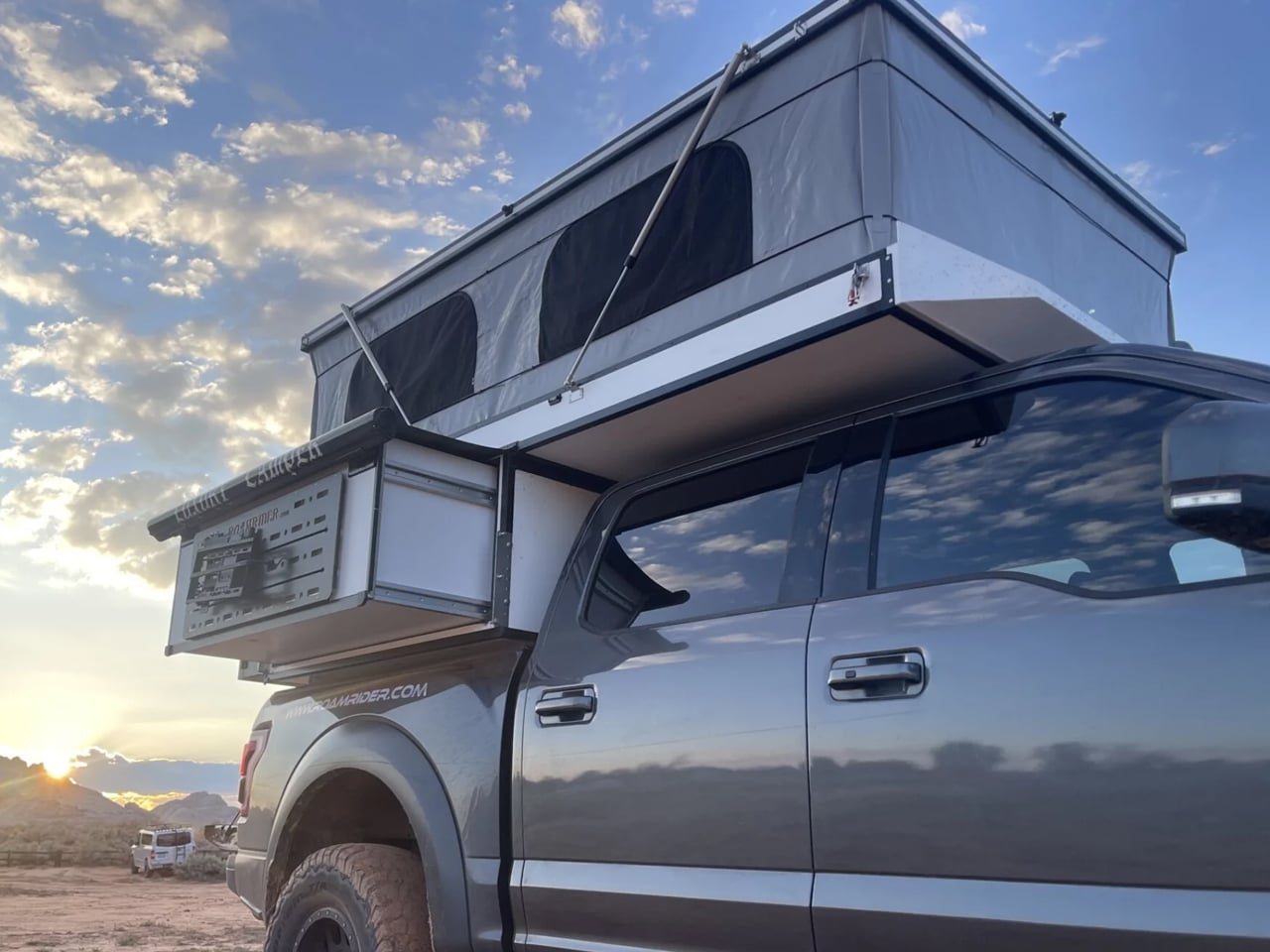
Silver pickup truck with a mounted rooftop tent in a desert at sunset, blue sky.

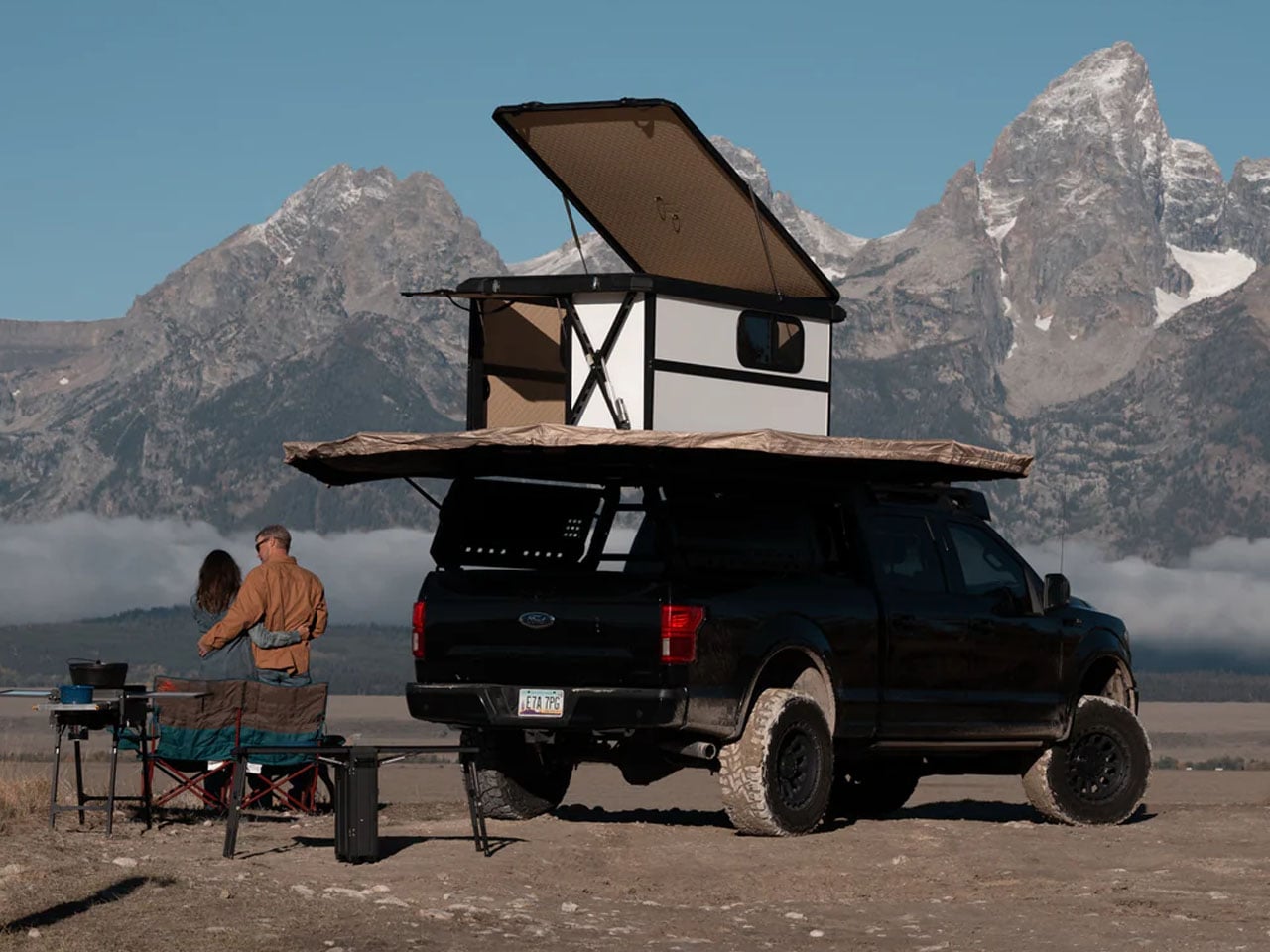
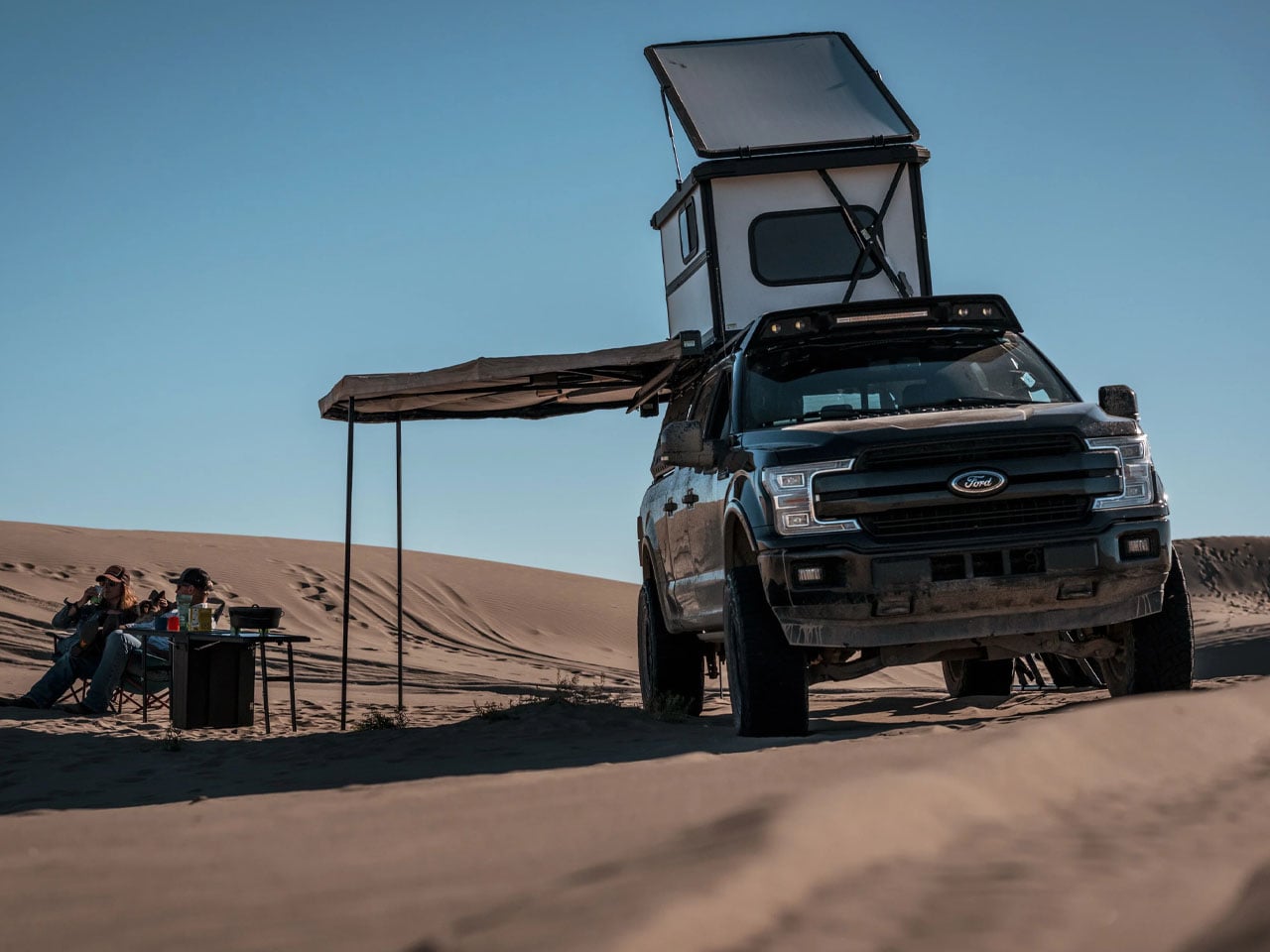
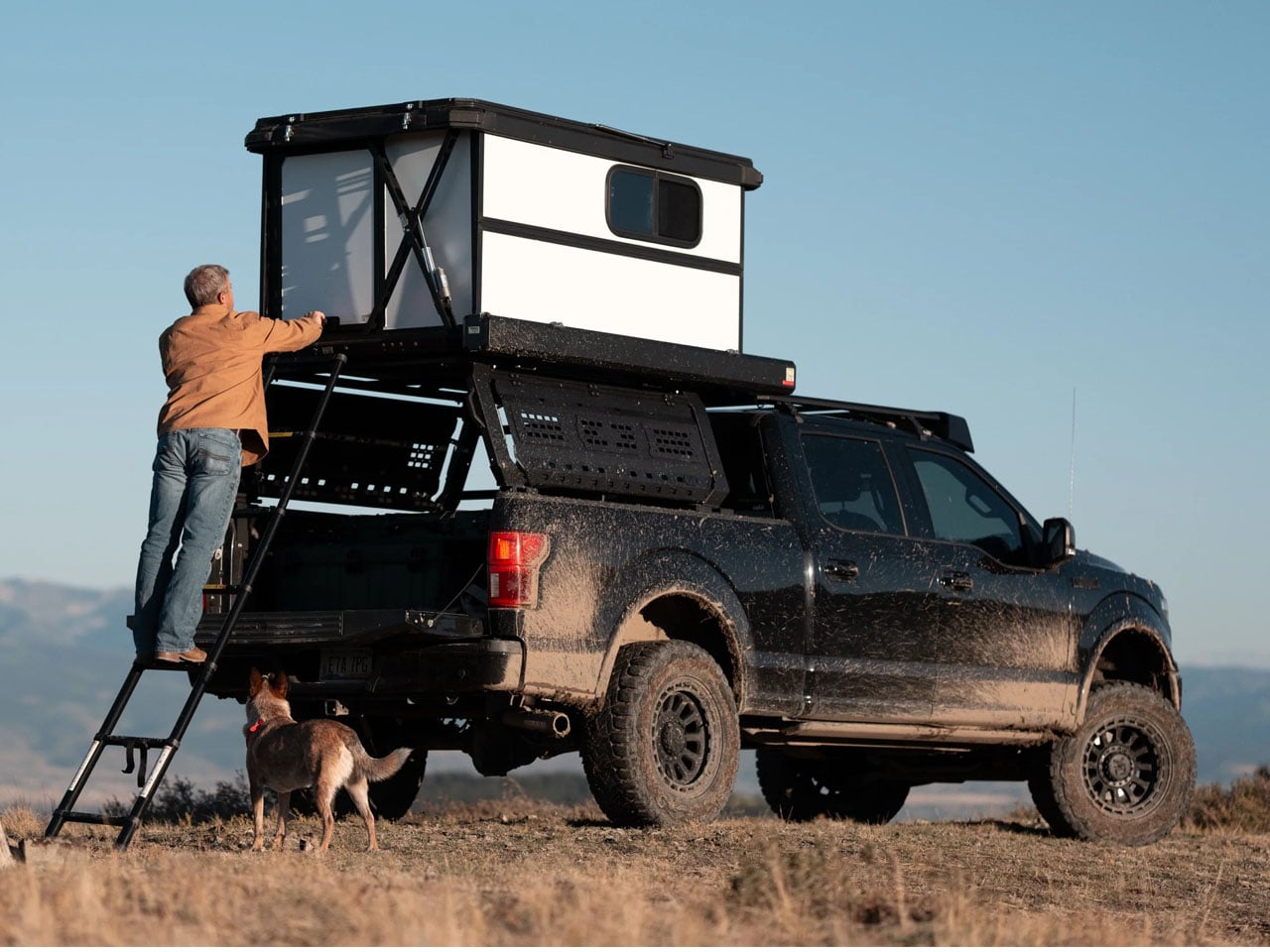
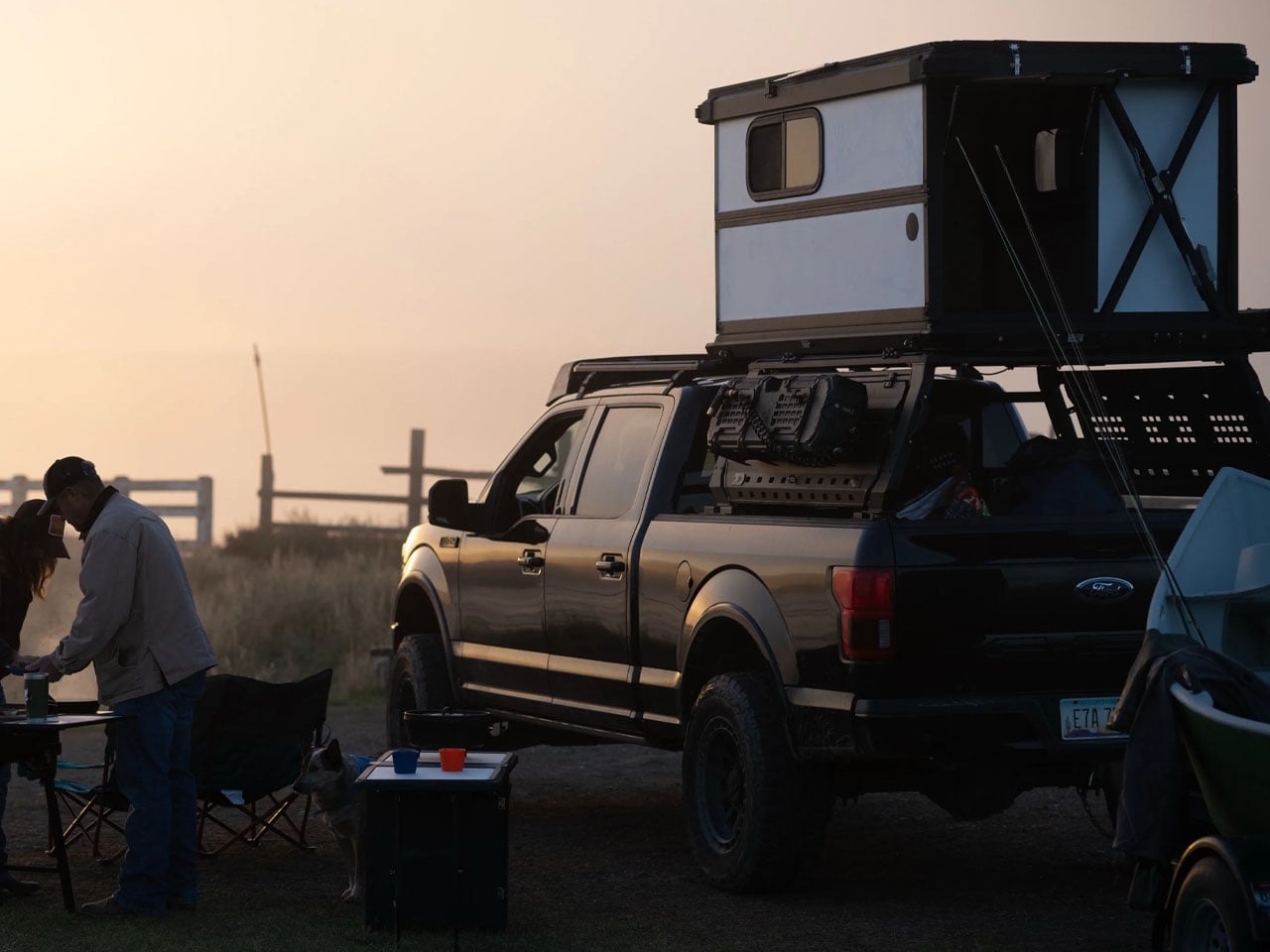
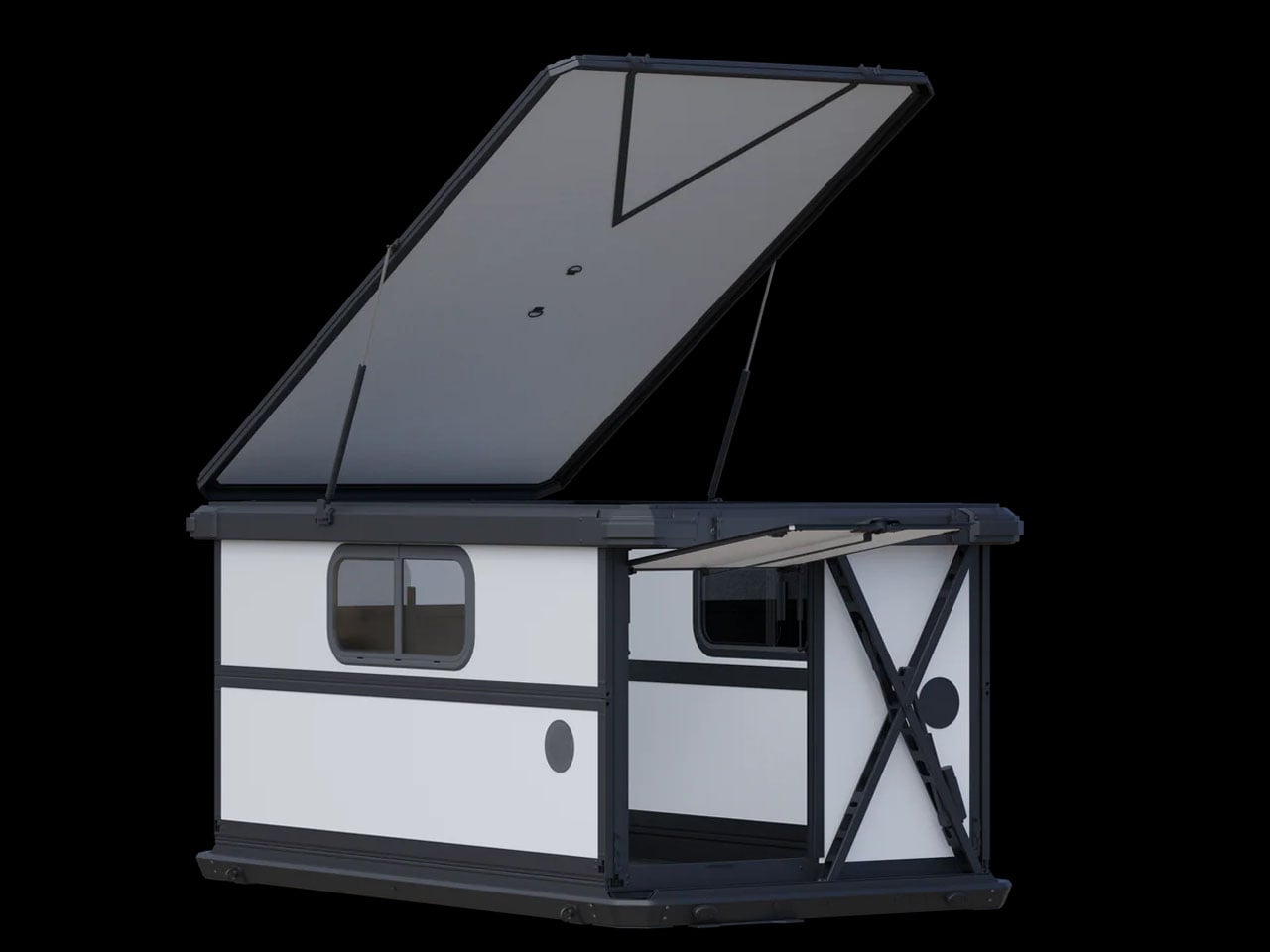
There are pickup campers that extend outwards or those that pop-up. Now there is a third kind. The Roam Rider – an off-grid camper – that pops up to create headroom, and slides out (on either side) to increase the living space. Along with serious off-grid power capacity, the fascinating truck camper is also designed for all-season comfort. So, you can camp in the remotest location without having to worry about power and amenities, or having to give up your living convenience.

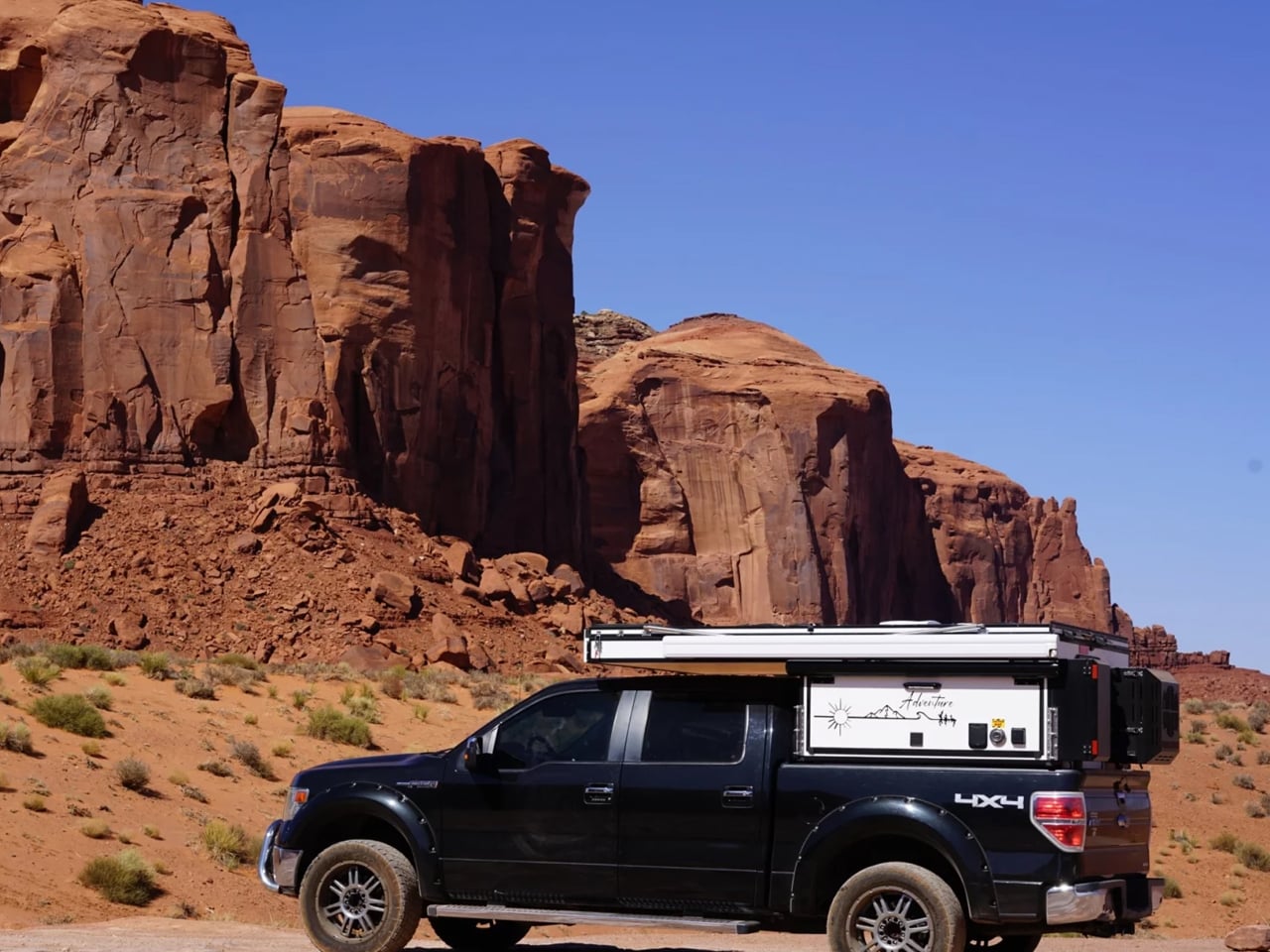
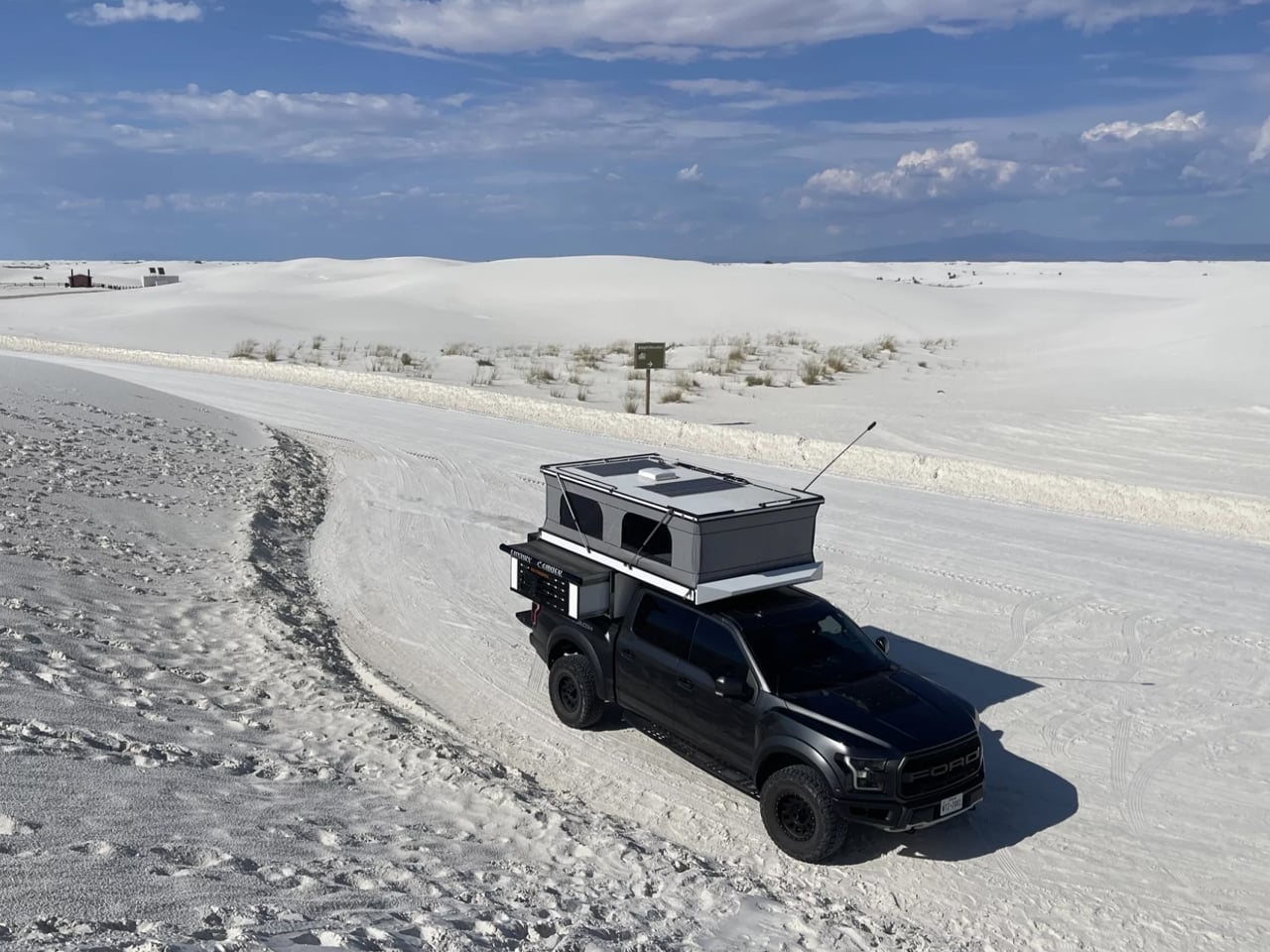
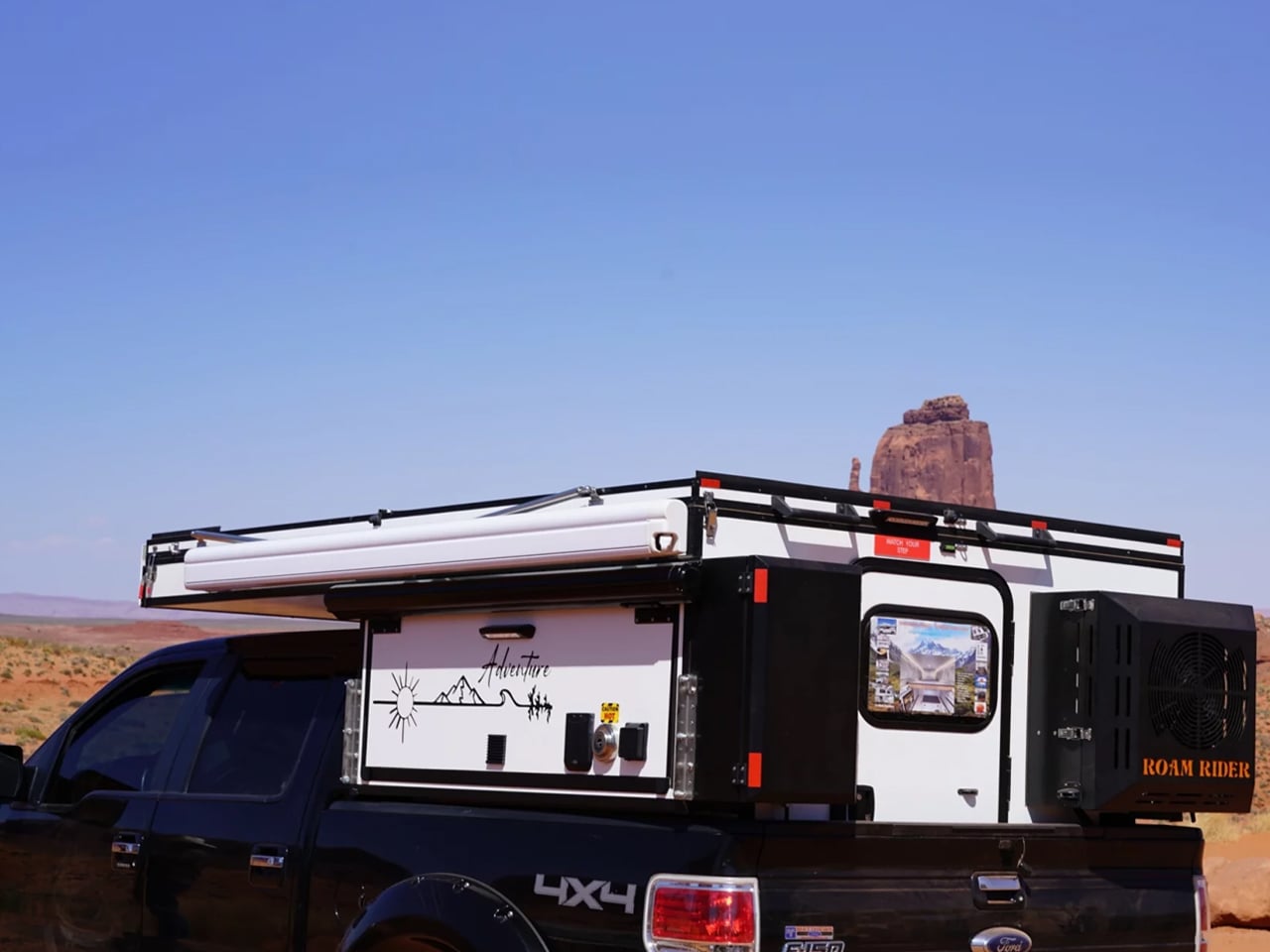
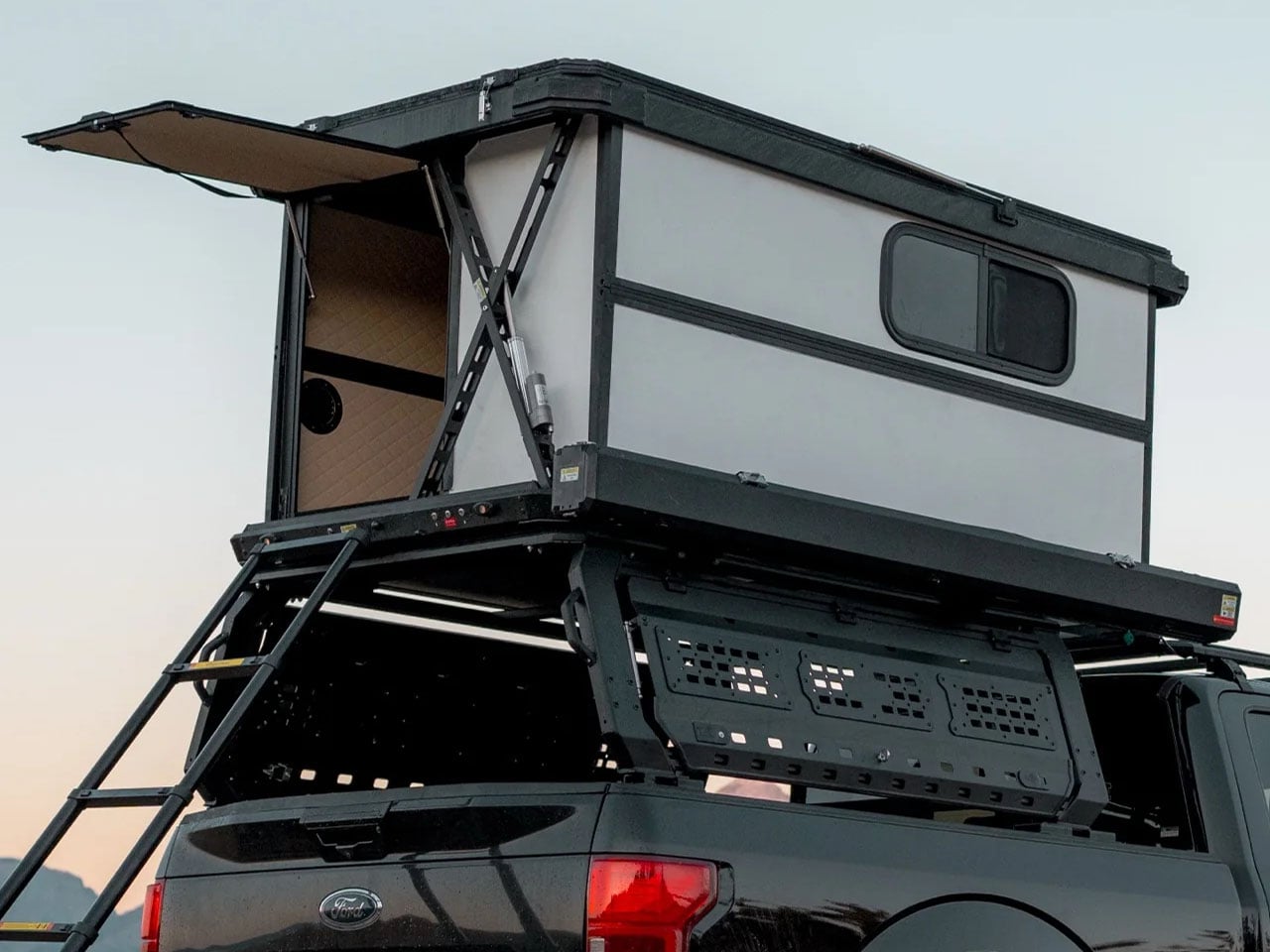
A twin-slide pop-up pickup camper, the Roam Rider SL, is designed primarily to sit atop 5-foot 6 inches truck bed. The company offers a customization option to tailor it to your truck bed requirements. The camper in its ready size measures roughly 12 ft long, 6 ft wide, and 5 ft high.

Designer: Roam Rider

Black pickup truck with a rooftop camper parked in a desert landscape of red rock formations under a blue sky.

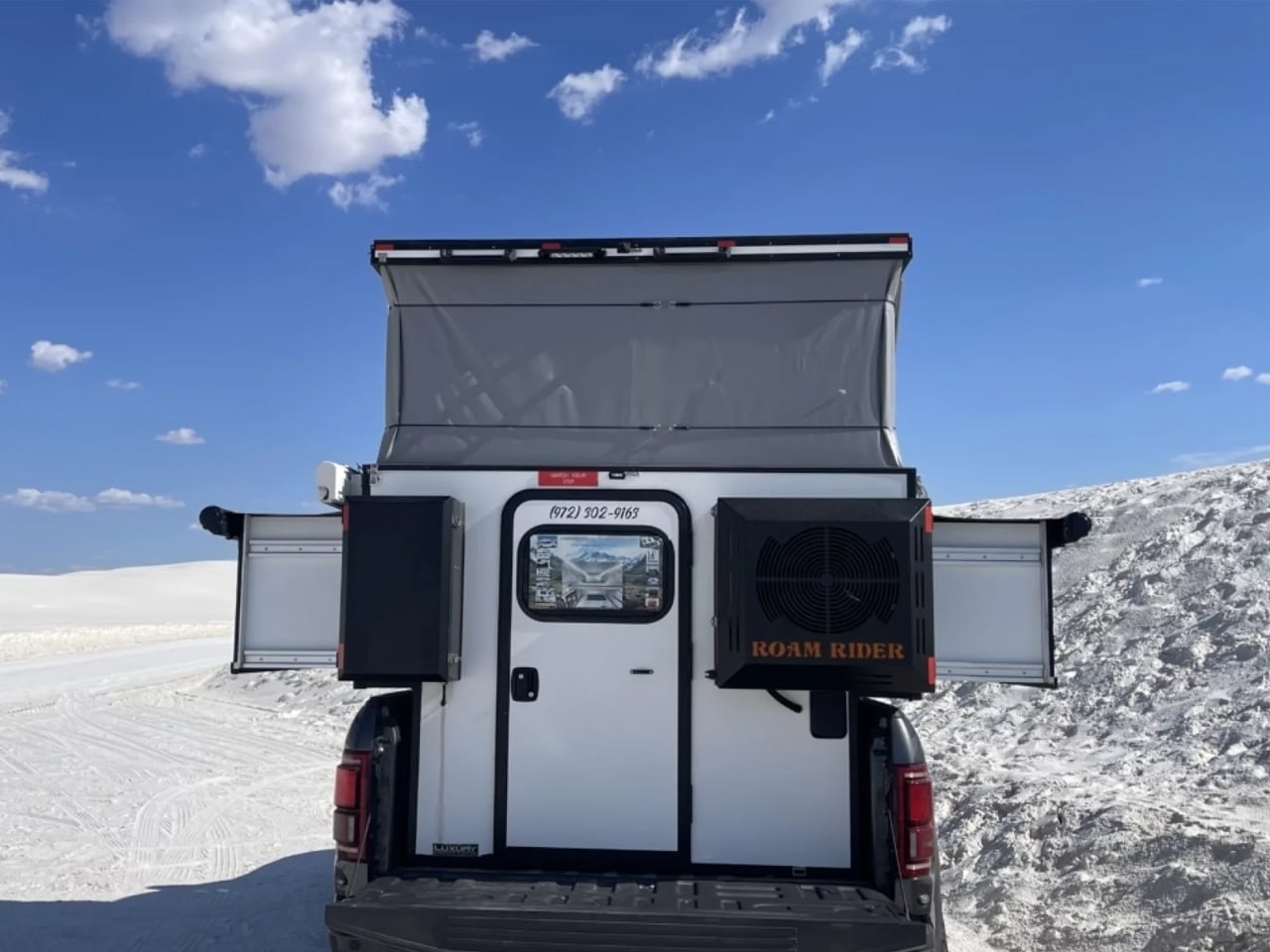
White pickup with a raised rooftop tent against a bright blue sky and white snow dunes behind.

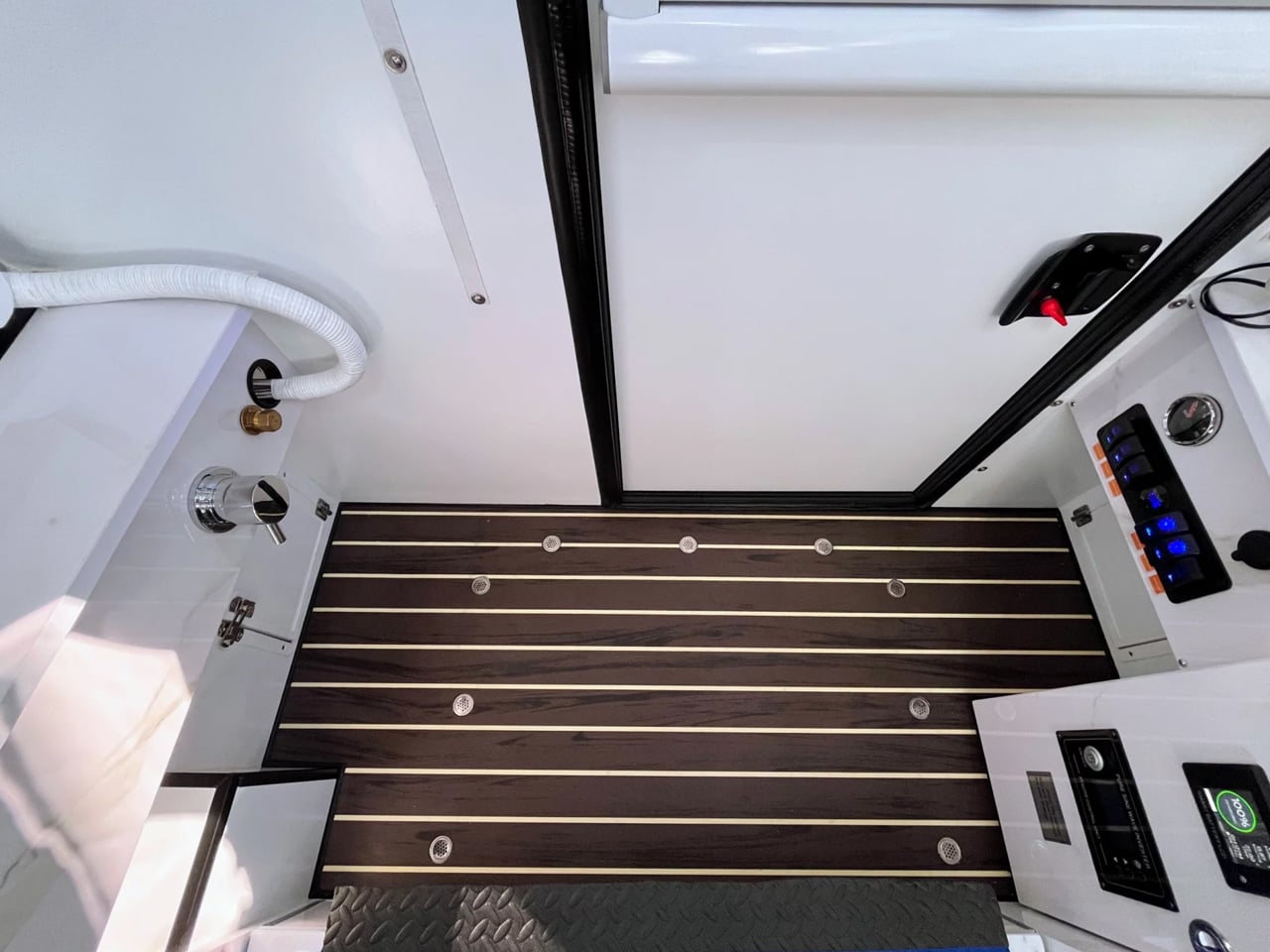
With an empty weight of 1,300 lbs, the Roam Rider SL is built in McKinney, TX, as an integral part of the company’s tough yet comfortable truck campers’ portfolio, made for real adventures. For its durability, the camper features an aluminum and fiberglass exterior, and XPS foam sheets sandwiched for insulation. Placed atop a truck bed, the Roam Rider SL feels snug. One can access the brightly lit interior of the camper through its rear entry door.

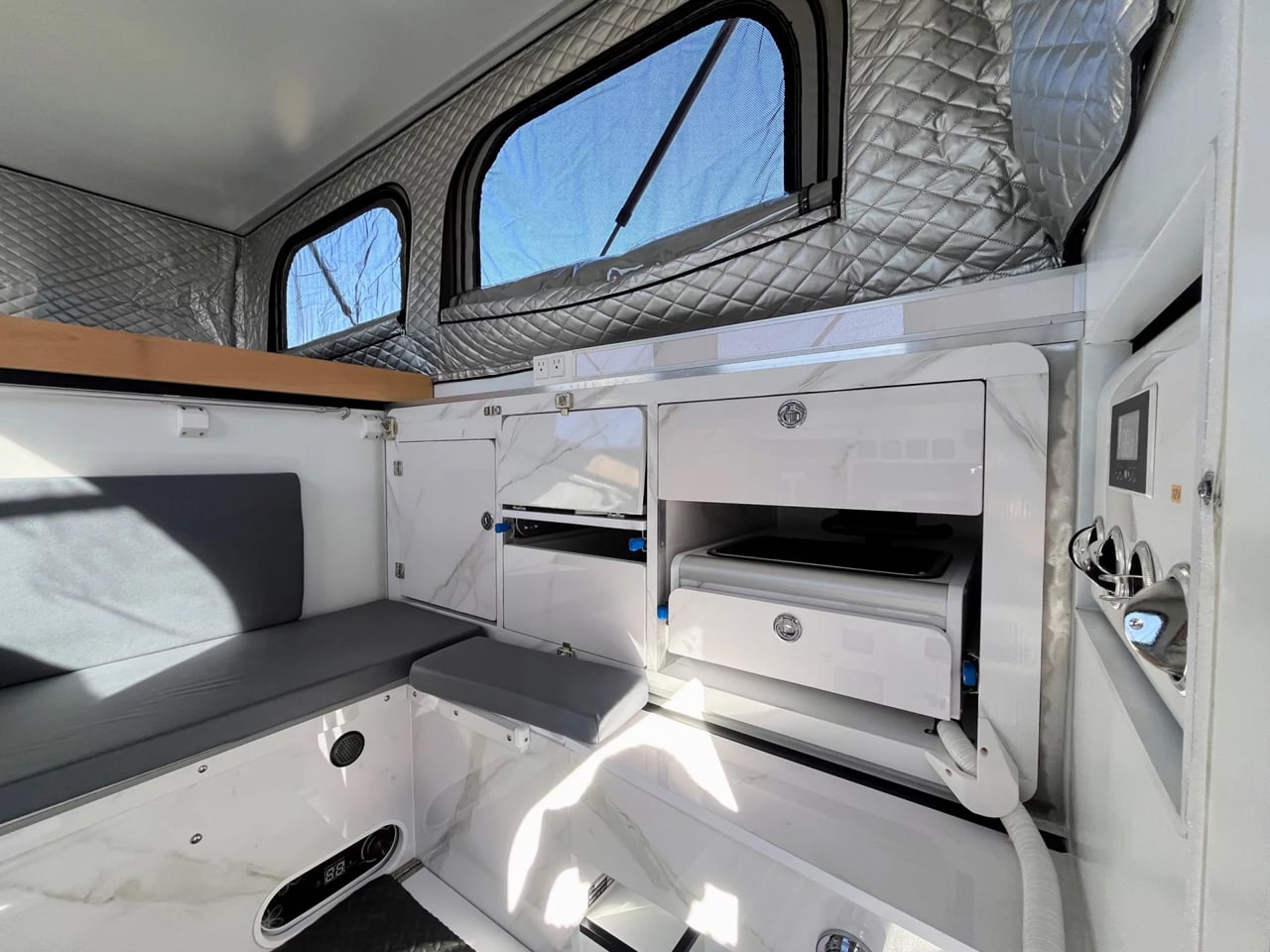
Camper van interior with white marble-look cabinets, a small fridge and drawer, grey cushioned seating, and quilted insulation above windows; compact kitchenette area on right side.

Camper van bedroom area with a raised wooden bed frame, grey mattress, and quilted silver insulation walls with side windows behind pleated blinds.

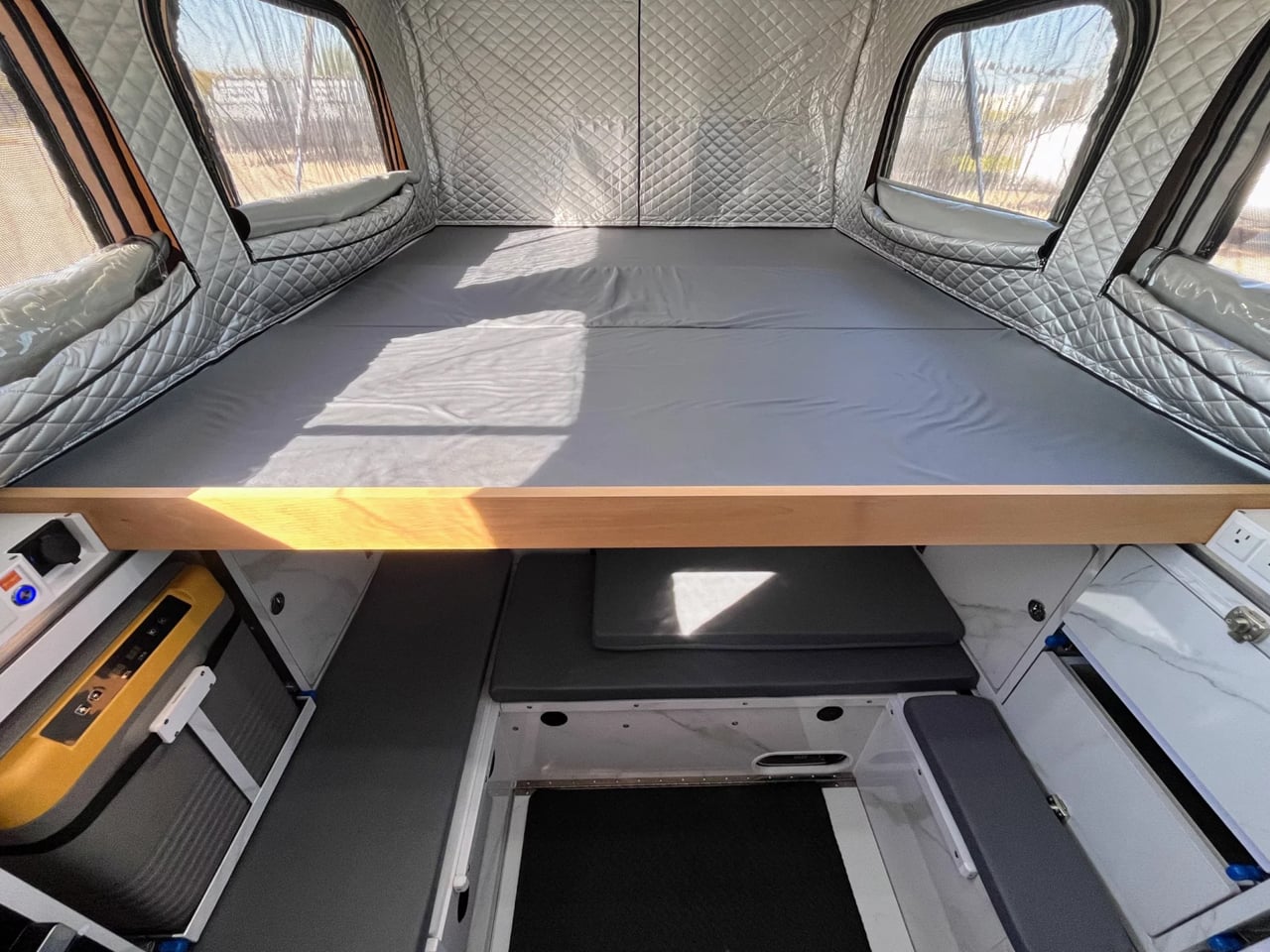
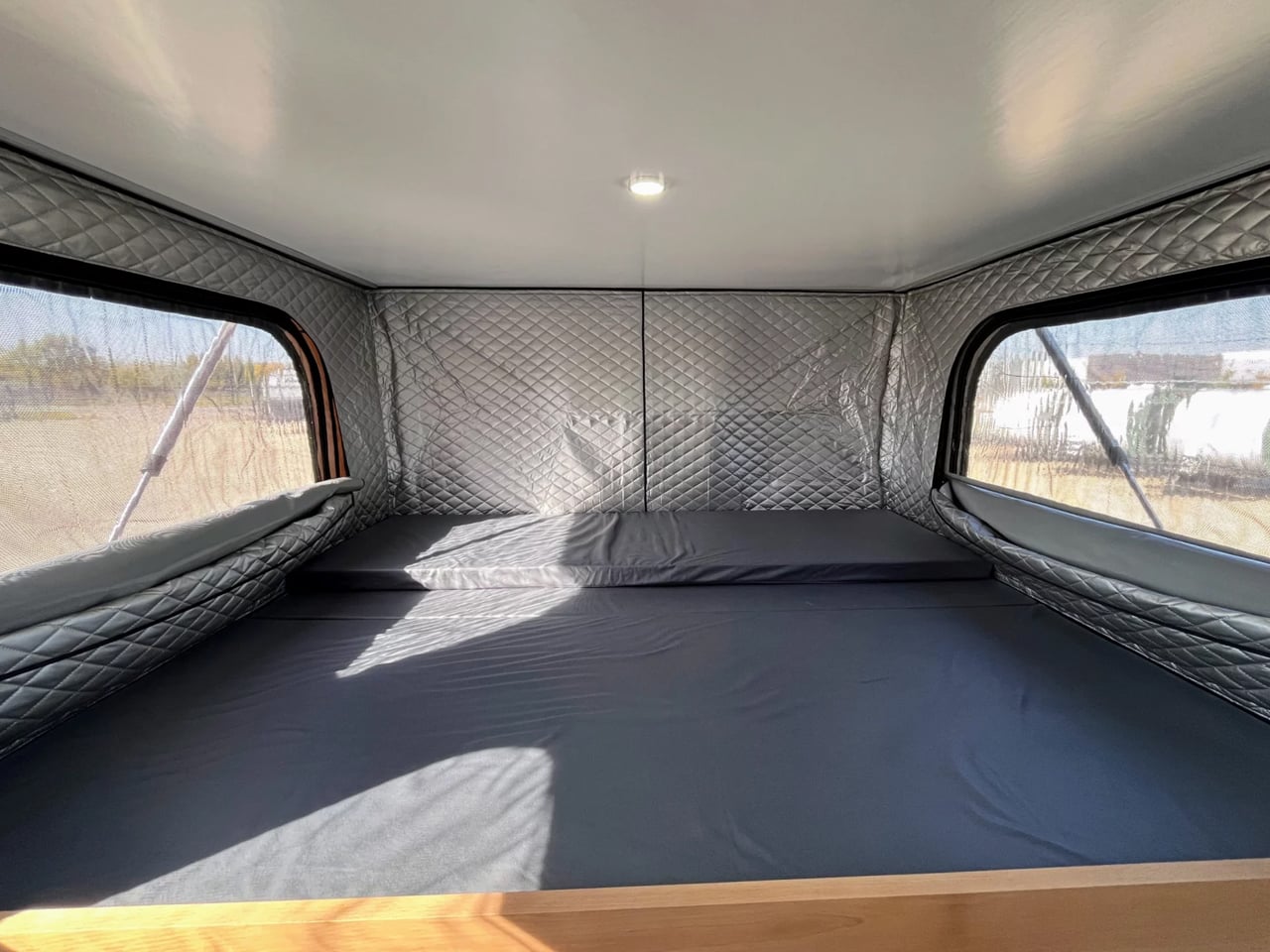
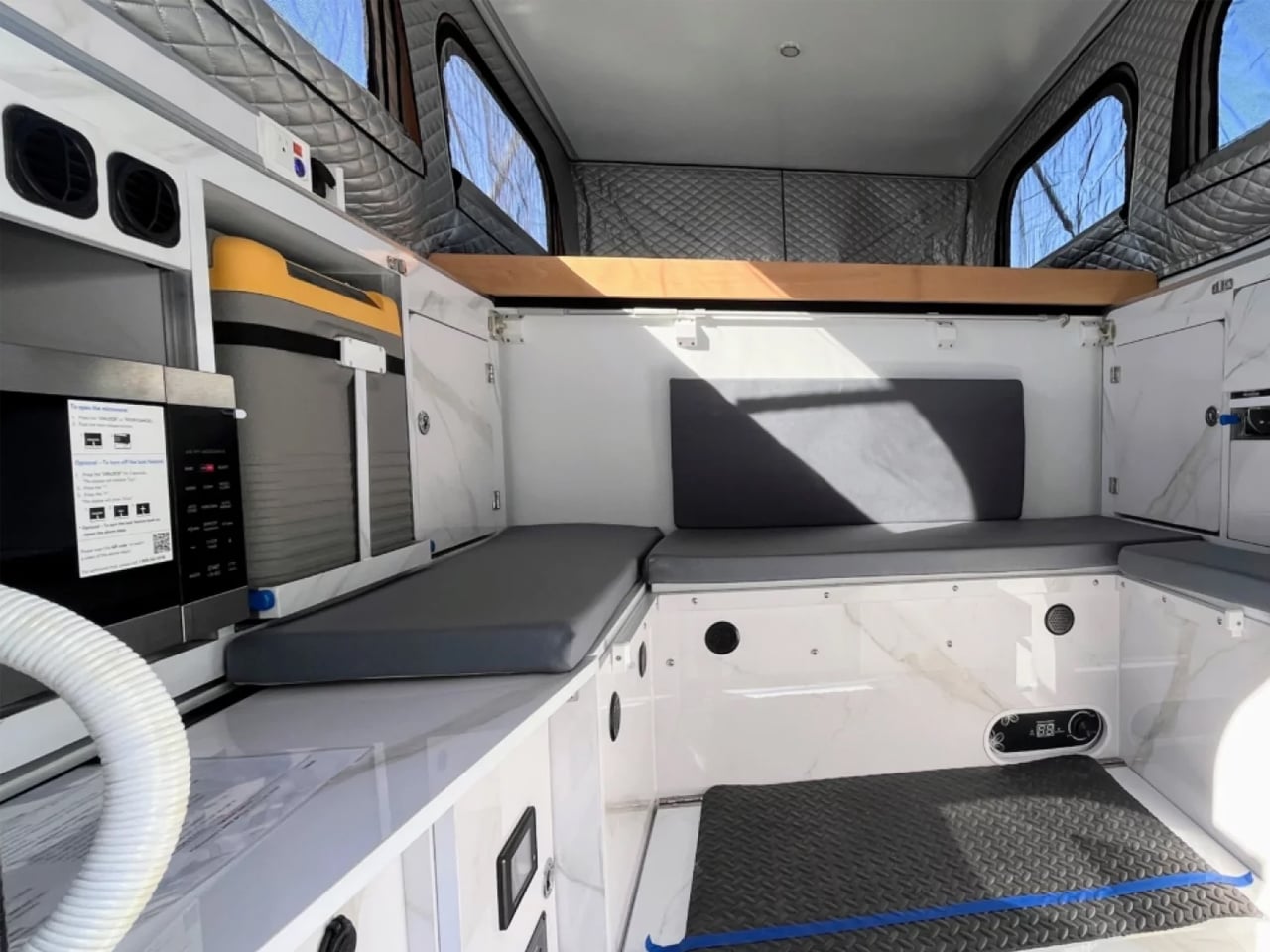
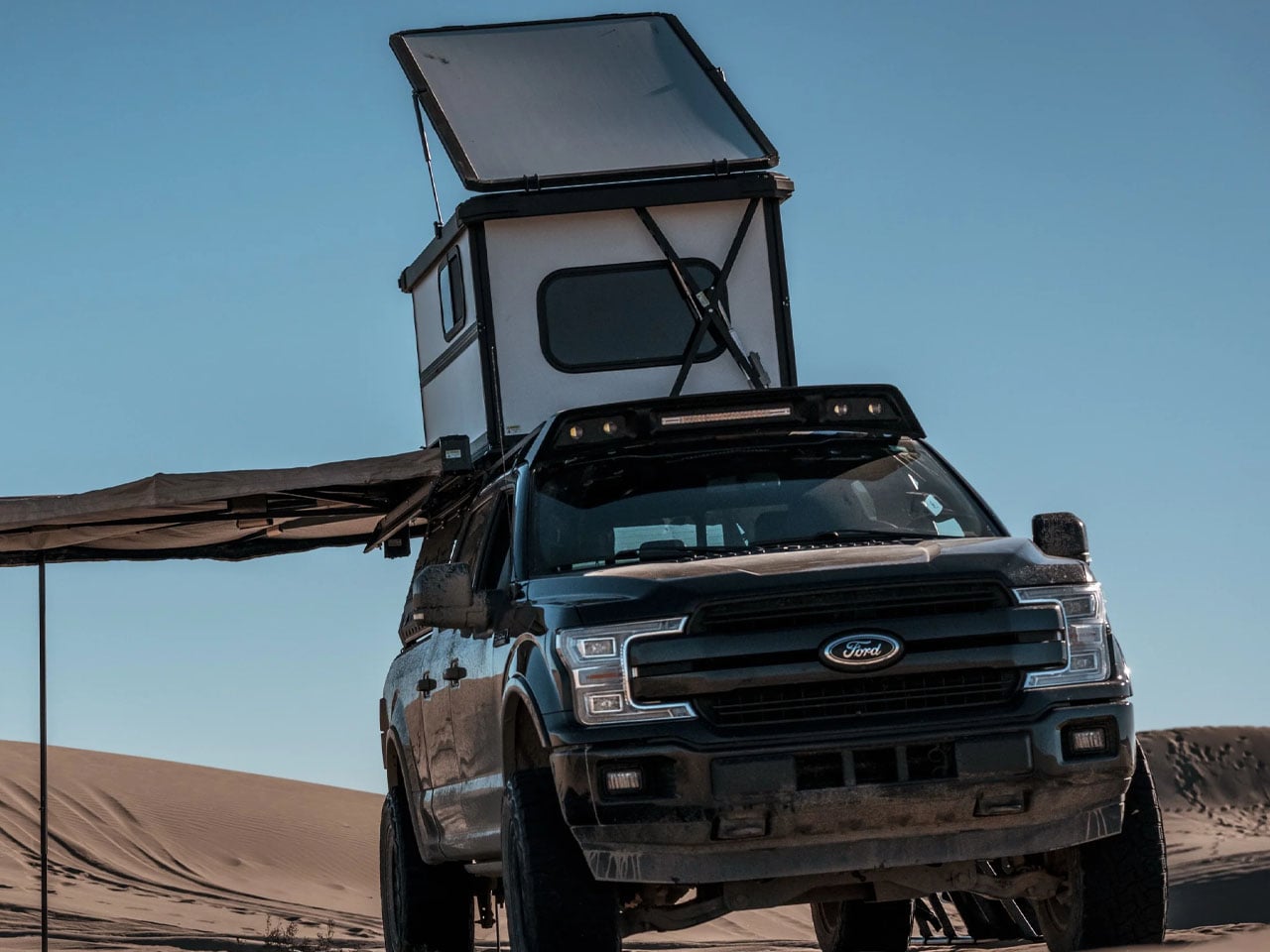
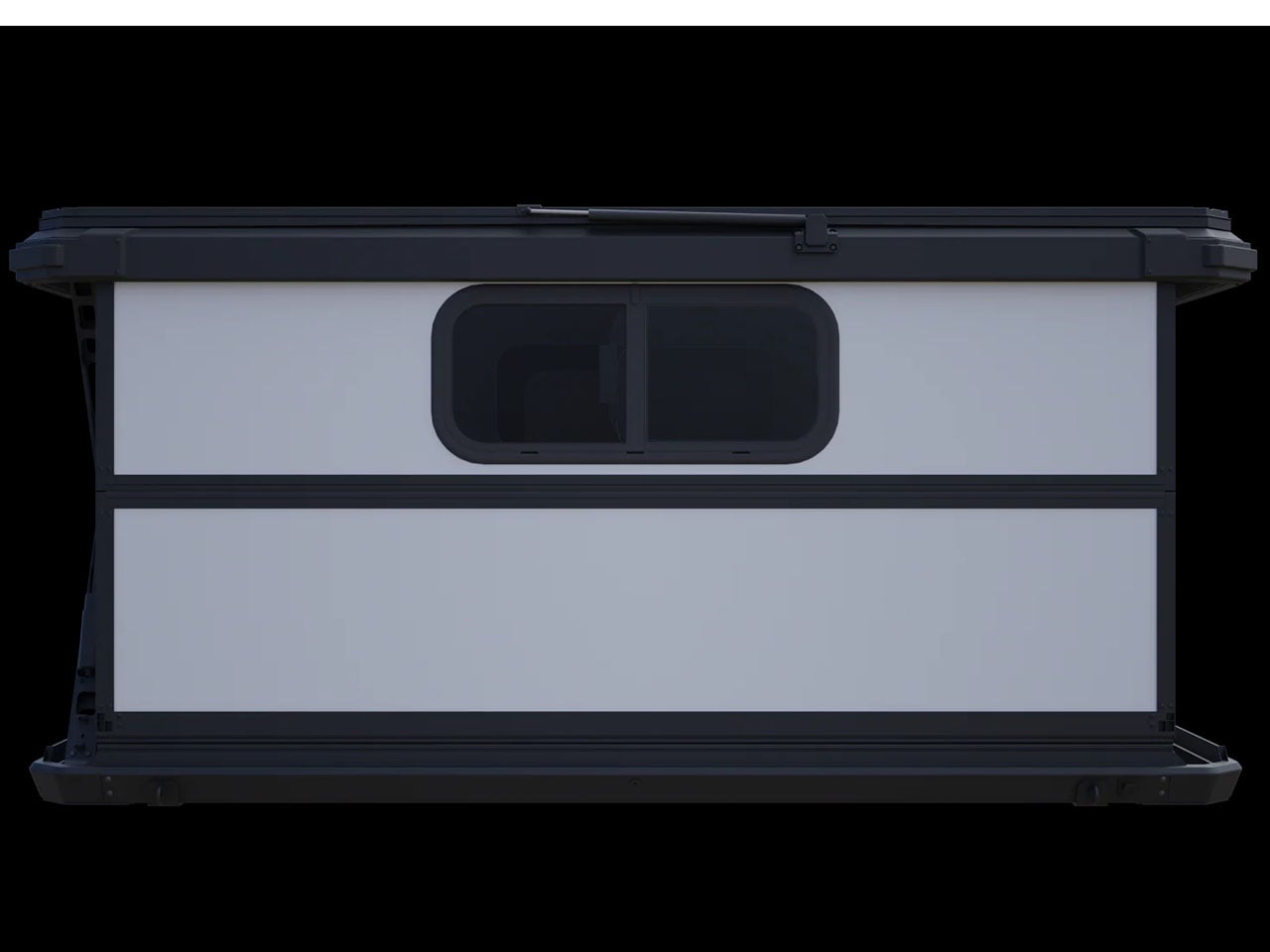
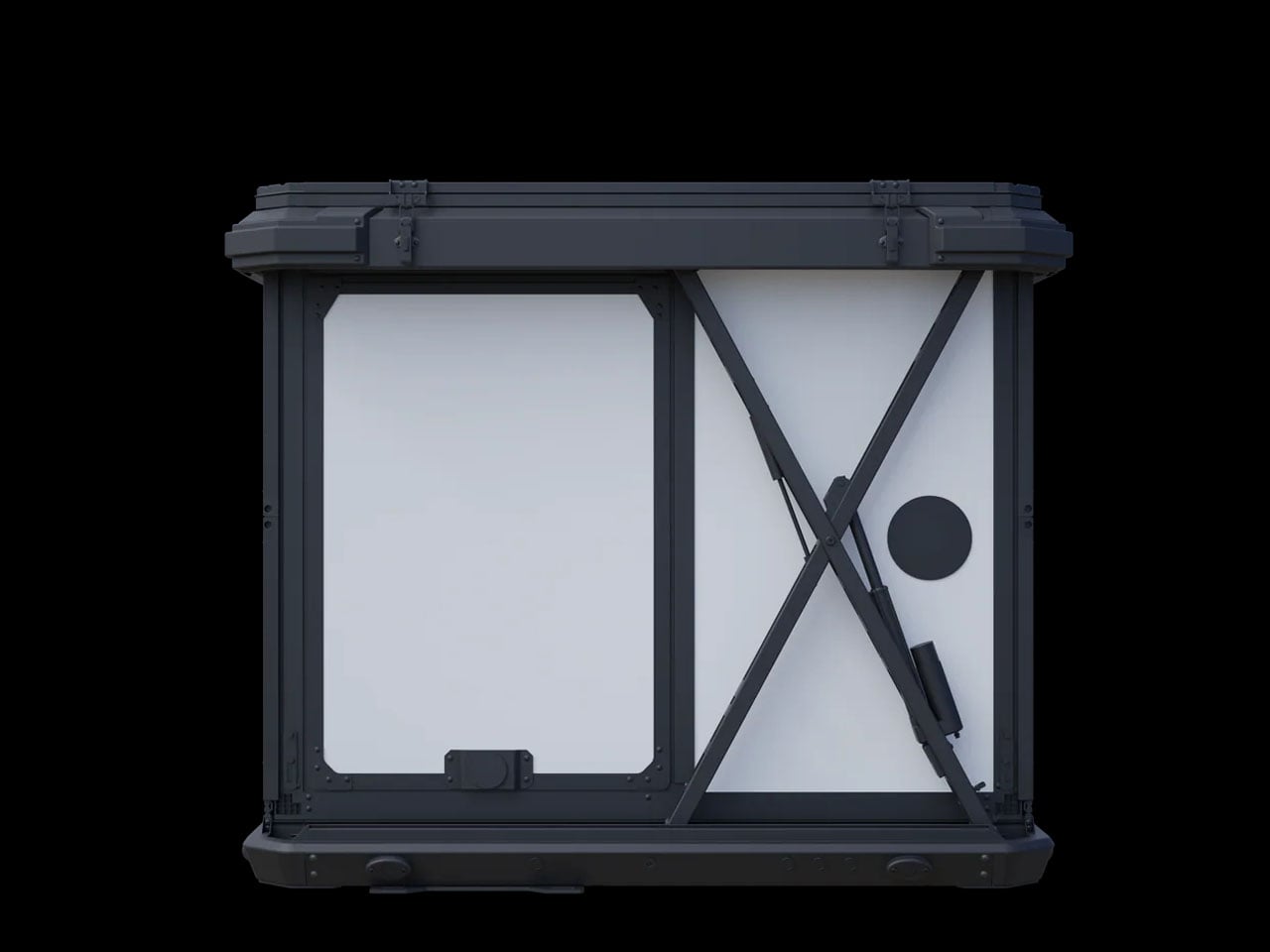
The natural lighting inside is ensured by a couple of mesh windows on each side of the pop-up camper. The pop-up roof itself is made of canvas and is supported by four stainless gas struts. The entire cabin from the walls to ceiling is insulated, while the eventful twin slide-out on either side gives the Roam Rider SL a unique vibe. It is complemented by sliding shelves and converting furniture, which easily adapt to the changing environment created by the camper’s sides sliding in and out.

Aircraft galley with a small induction cooktop, sink, and pull-out counter for food prep and meals.

Cozy camper van sleeping area with padded silver quilted walls, a wide gray mattress, and windows on both sides.

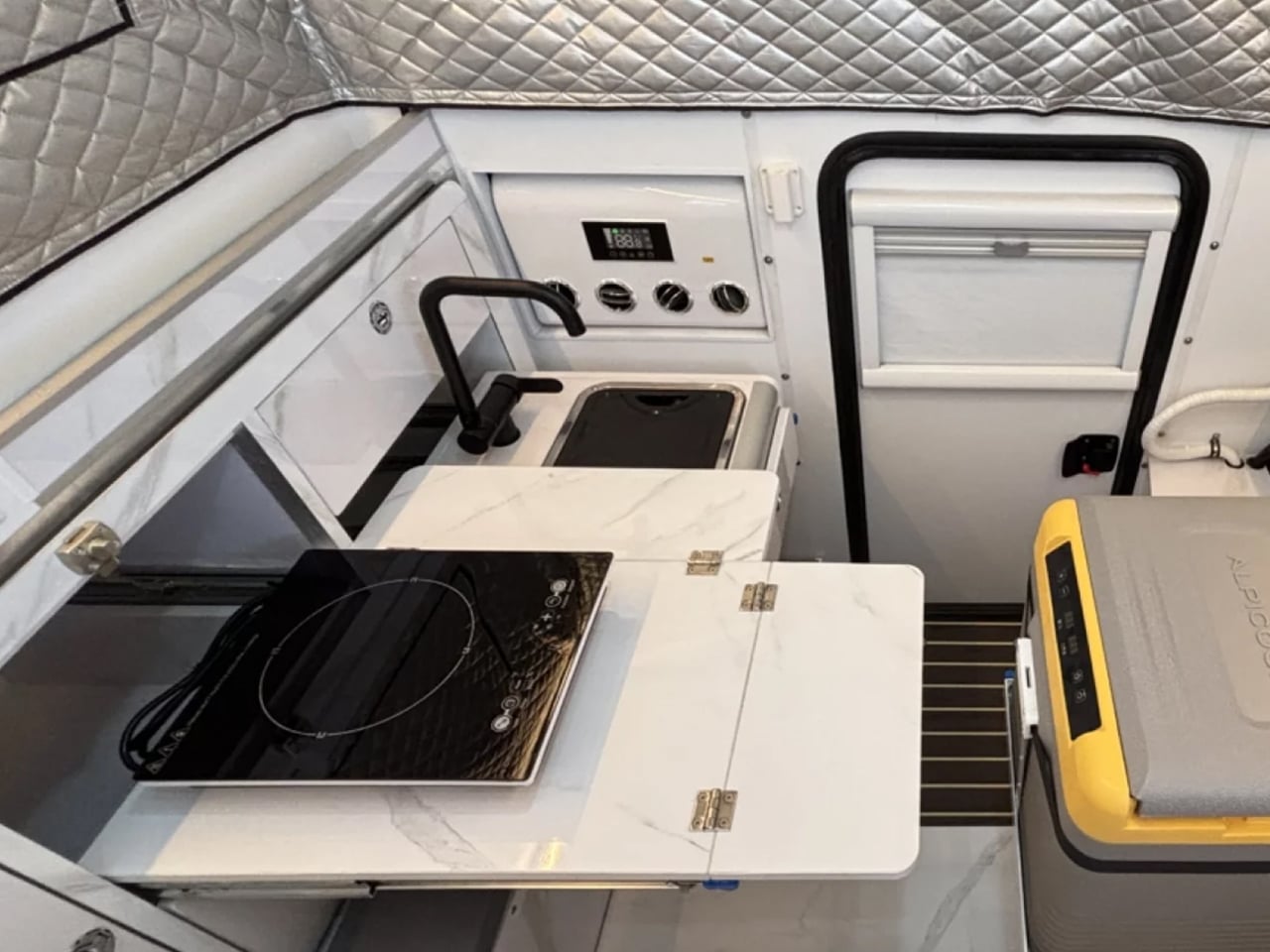
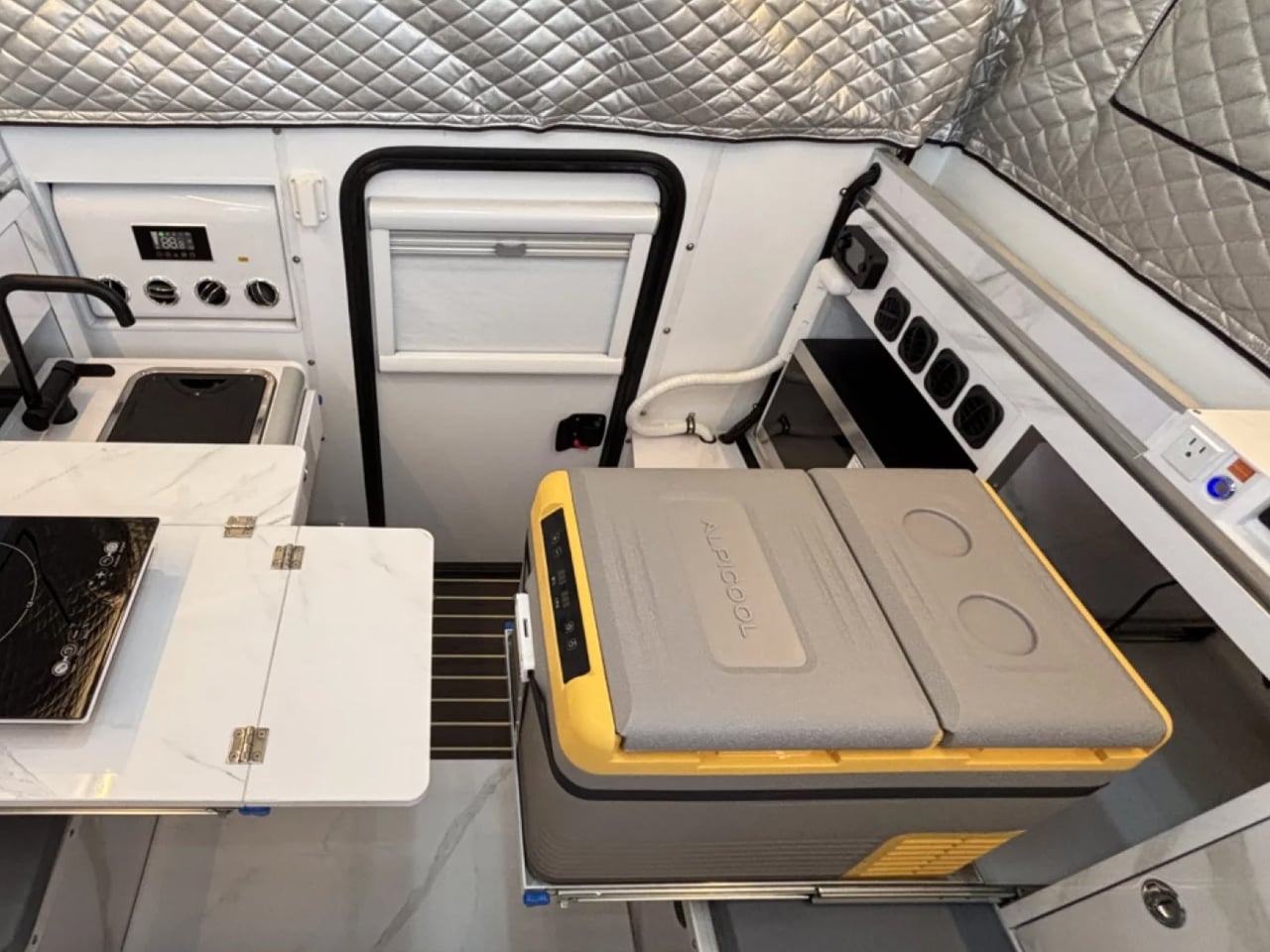
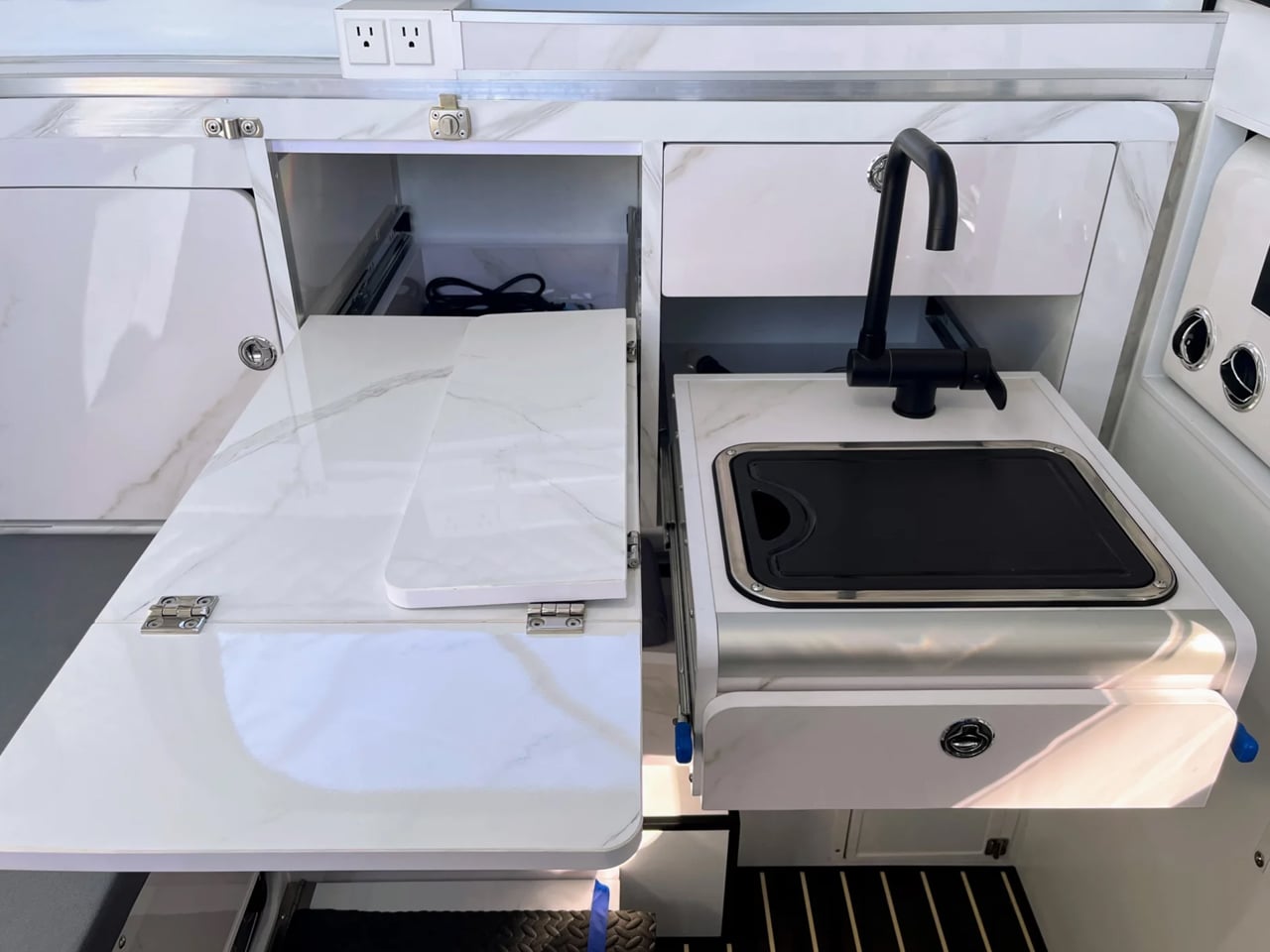
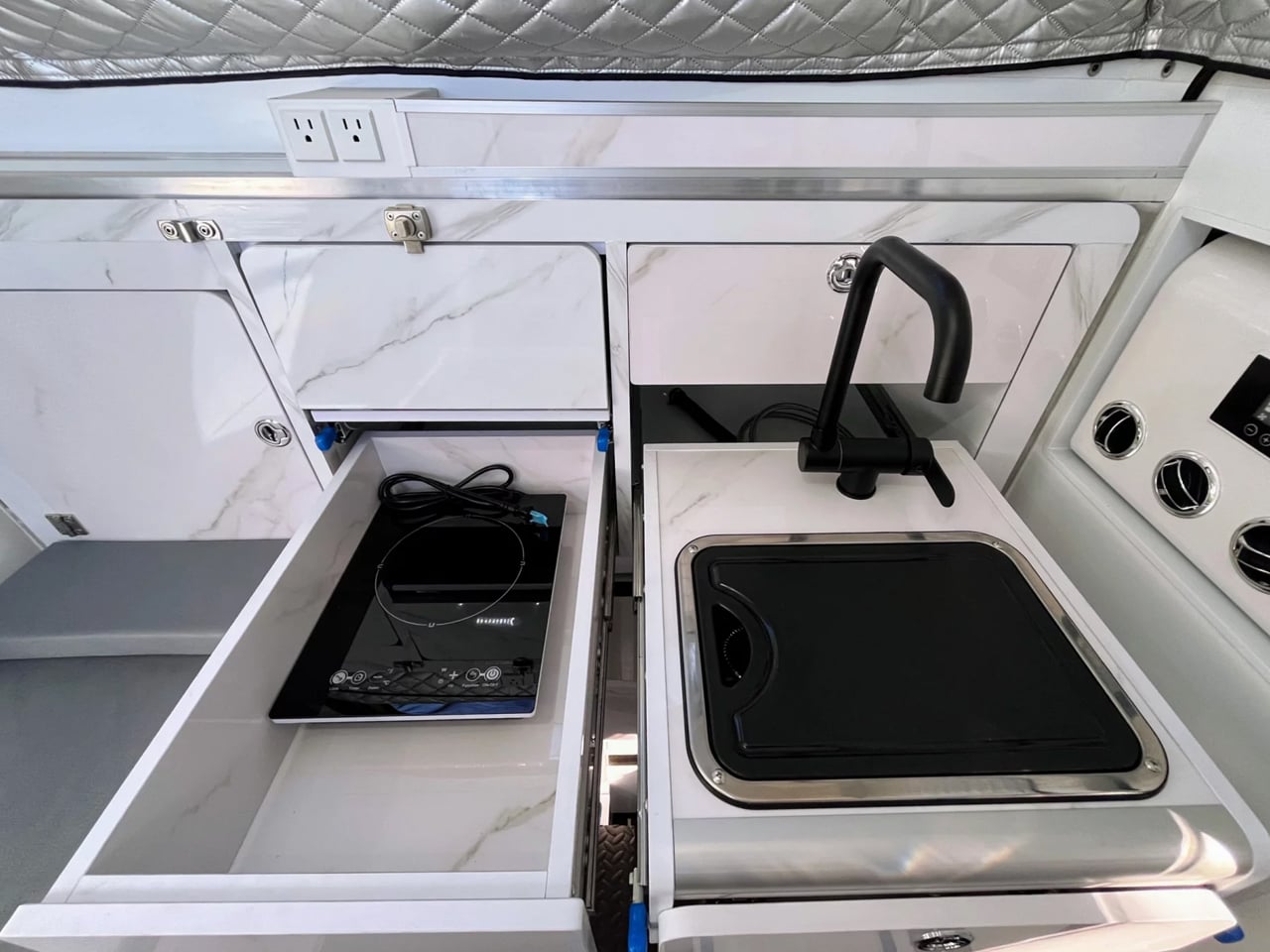
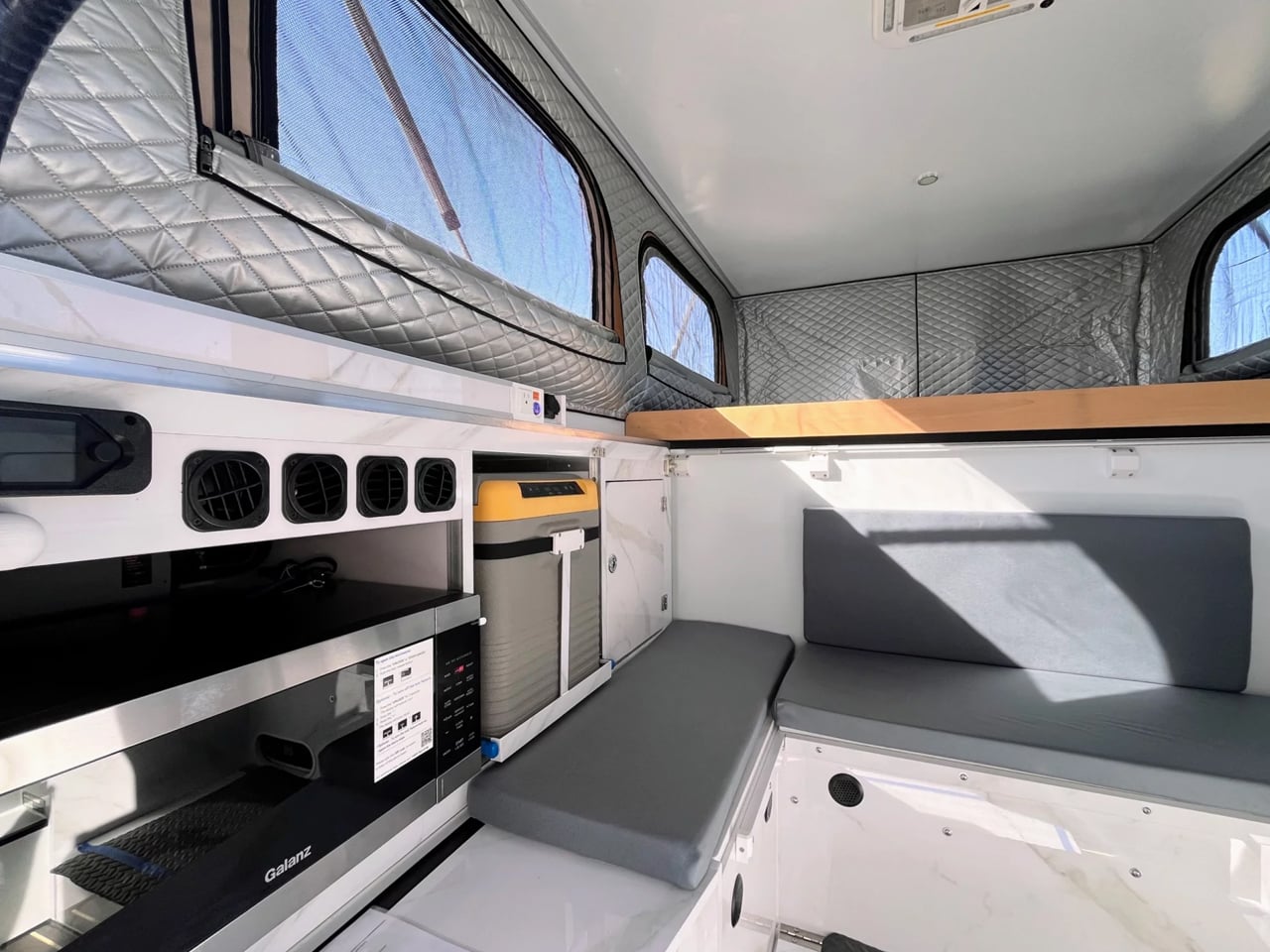
The Roam Rider SL has an interesting living environment, which is provided with a capable kitchen setup complete with appliances and amenities. The kitchen space has a 1500-watt induction cooktop sitting on a drop-down table, while a 12V dual zone refrigerator features on a sliding tray. The slide-out sink and folding faucet take care of the cleaning needs, and a 24-gallon freshwater tank onboard provides the needed water. An adjacent pull-out dining cum work table is where the prepared food is consumed.

Compact galley aboard a boat or RV with marble counters, a pull-out induction cooktop in a drawer, and a black gooseneck faucet over a sink.

Interior of a compact camper van with a kitchenette, grey cushioned seating, and quilted aluminum walls around windows.

The cabin is designed for sleeping up to 3 campers conveniently. The main slide-out bed can fit a couple, while the second, convertible bed can sleep one person. During the day, the single-person bed becomes a cushioned sitting area for up to four people. You can find multiple storage options inside the Roam Rider SL. Two slide-in cabinets, two drawers, a floor storage box, and a vertical storage box.

Interior of a compact vehicle bathroom with dark wood plank flooring, a white sliding door, and a blue-lit control panel on the right.

Interior of a modern ambulance with white cabinets, gray cushions, quilted walls, and a black textured floor

The camper is made for all-season adventures with a 7500BTU air conditioner and a 17,000 BTU diesel heater. A 4.8-gallon external diesel fuel tank is mounted on the back, which can provide fuel to the heater when you’re on an extended holiday in the winter. The camper is provided with a showering system, but there is no mention of a portable toilet inclusion. Though we learn that it features a 400Ah LiFePO4 lithium battery, paired with 320W solar panels. It also features a 3000-watt pure sine inverter, all for a starting price of $29,995.

Black Ford pickup with a rooftop tent parked on white sand dunes under a blue sky, a desert campsite setup on the vehicle's bed.

Camper van kitchenette with a fold-out marble counter, sink, stove, and a yellow Alpicool portable cooler on the floor beside the counter.

White marble galley with a fold-out counter extension, open storage underneath, and a built-in grill with a black gooseneck faucet on the right side.

Black pickup truck carrying a white camper shell with rooftop gear in a desert landscape, rock formation in the distance


The post Roam Rider SL pickup camper pops up to create headroom, slides on both sides for more living space first appeared on Yanko Design.
Mohab Altus quick-deploy hardshell rooftop tent turns any rugged truck into comfy, all-season camping rig

Clumsy extensions, flimsy fabrics, and cumbersome installation of rooftop tents have often marred the camping experience for many, including the creators of the Altus – a mobile habitat. This was essentially before the hardshell tents made it to the scene. These tents are growing in number, and their differences in functionality are just making the space more clustered with undeniable options.

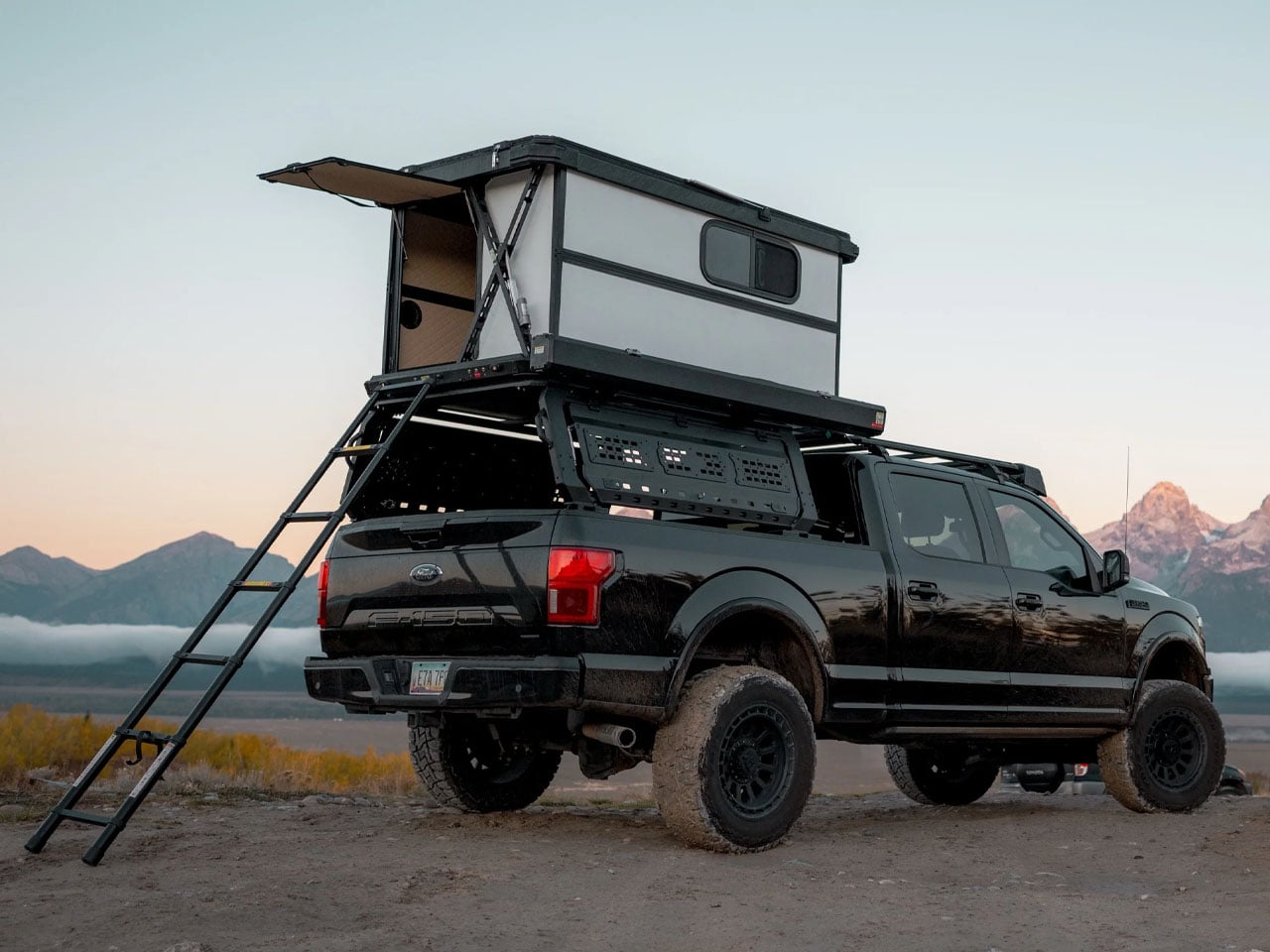
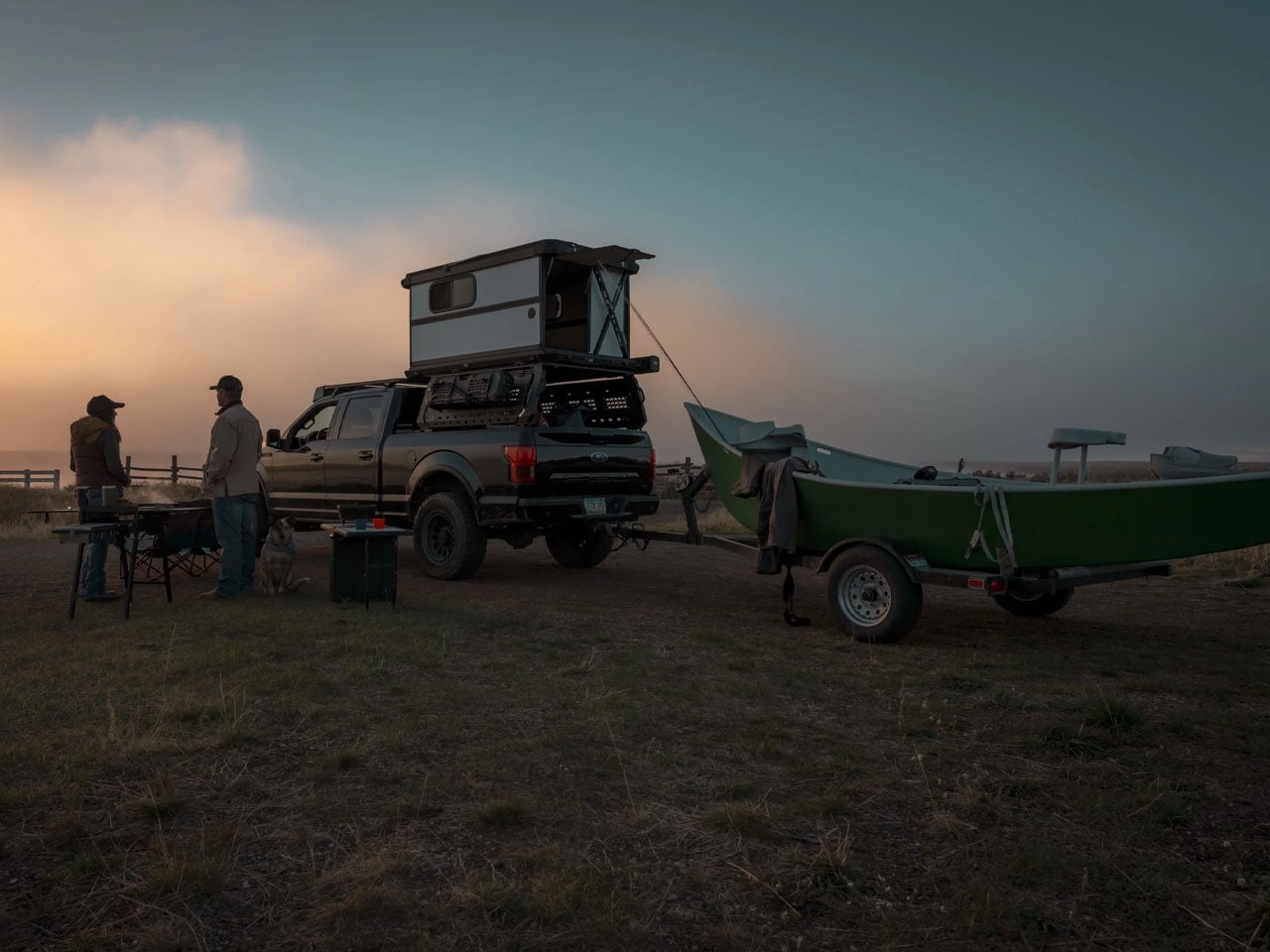
The Altus – Hardwall Rooftop Cabin – lands in an undeniable category, considering the well-rounded approach it brings to the rooftop tents. Created in Standard and XL models (difference based on size rather than functionality), the Altus by Denver-based Mohab is positioned as a hard-sided rooftop cabin that automatically goes from 8.7-inch drive height to 45-inch, livable quarter, in under 60 seconds.

Designer: Mohab

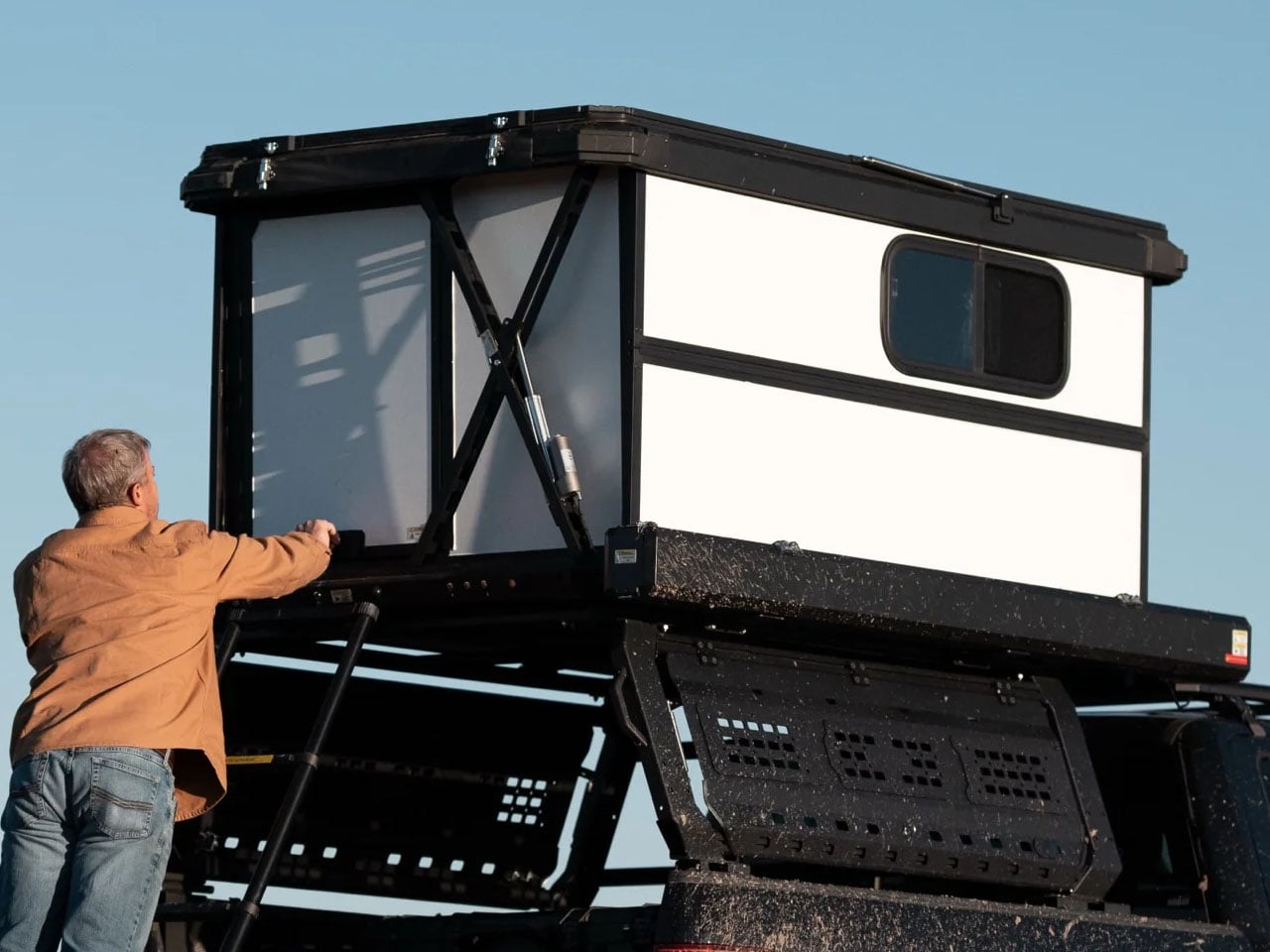
The claim is unsubstantiated at the time of writing, but if it’s anywhere around the quick timeframe, the setup definitely gets a five-star from me. That said, the way this electric-lift system of the cube really deploys is what makes the setup even more intriguing. As the videos on the product listing page on Mohab’s website show, on the click of the deploy button, the sidewalls of the cabin flex up to form a living space. The walls on the front and back flip down independently later, once the walls on the side have been erected. The Altus series comes with a manual deploy system as well. It allows users to set up the cabin without power.

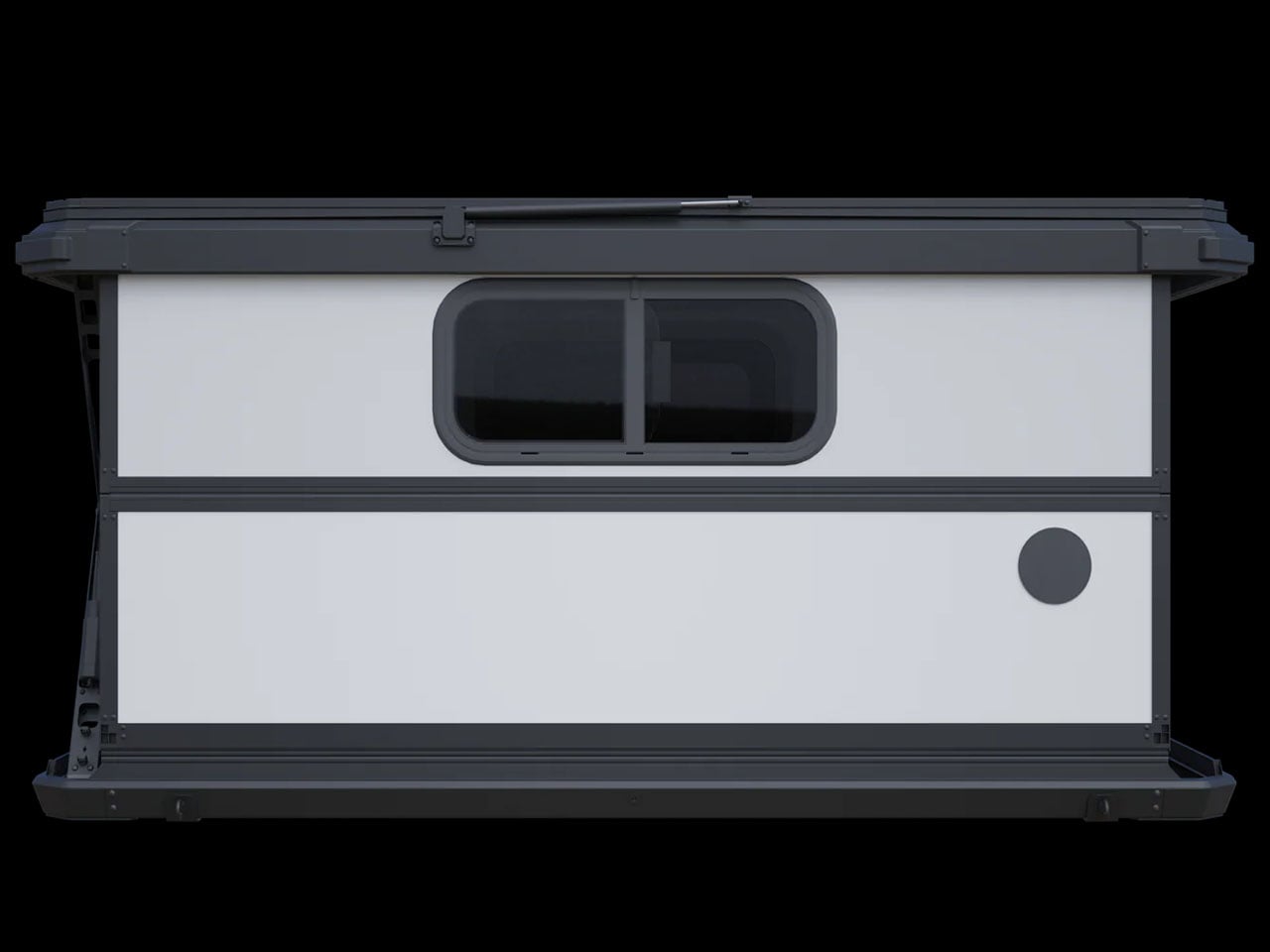
Sitting atop the cuboid – they call the Altus – is its pop-up roof. This roof hinged at the rear, rises up on the front, creating standing headroom and a significant perch for your panoramic sighting of the surrounding vista on a clear day. You’ll want the all-weather housing (provided with heating and air conditioning) of the Altus to remain completely shut and airtight amid a downpour.

Coming to the construction, the Altus series hardwall rooftop cabins feature aluminum alloy frames and PET panels. The material used in construction allows the cabin a lightweight form factor: Altus weighs 120 kg, and the Altus XL is just 5 kg heavier at 125 kg. The former measures 93 x 54 inches, which is enough space for a double mattress. The XL model, on the other hand, measures 101 x 54 inches, which should provide space for an extra person to fit in. Both models have a similar design with slider windows on either side and a hinged pop-up roof.

The boxy, hard-walled Altus can conveniently mount on a range of rugged trucks and 4x4s with Mohab’s Fortis rack systems (sold separately). Of course, that’s a bump in the overall cost of the rooftop tent, but with the convenience and efficiency offered, the Altus definitely makes up for the extra cost. Price for the Altus rooftop cabin starts at $5,139 with a pickup bed rack. The Altus XL with a pickup mount starts at $5,449.

The post Mohab Altus quick-deploy hardshell rooftop tent turns any rugged truck into comfy, all-season camping rig first appeared on Yanko Design.
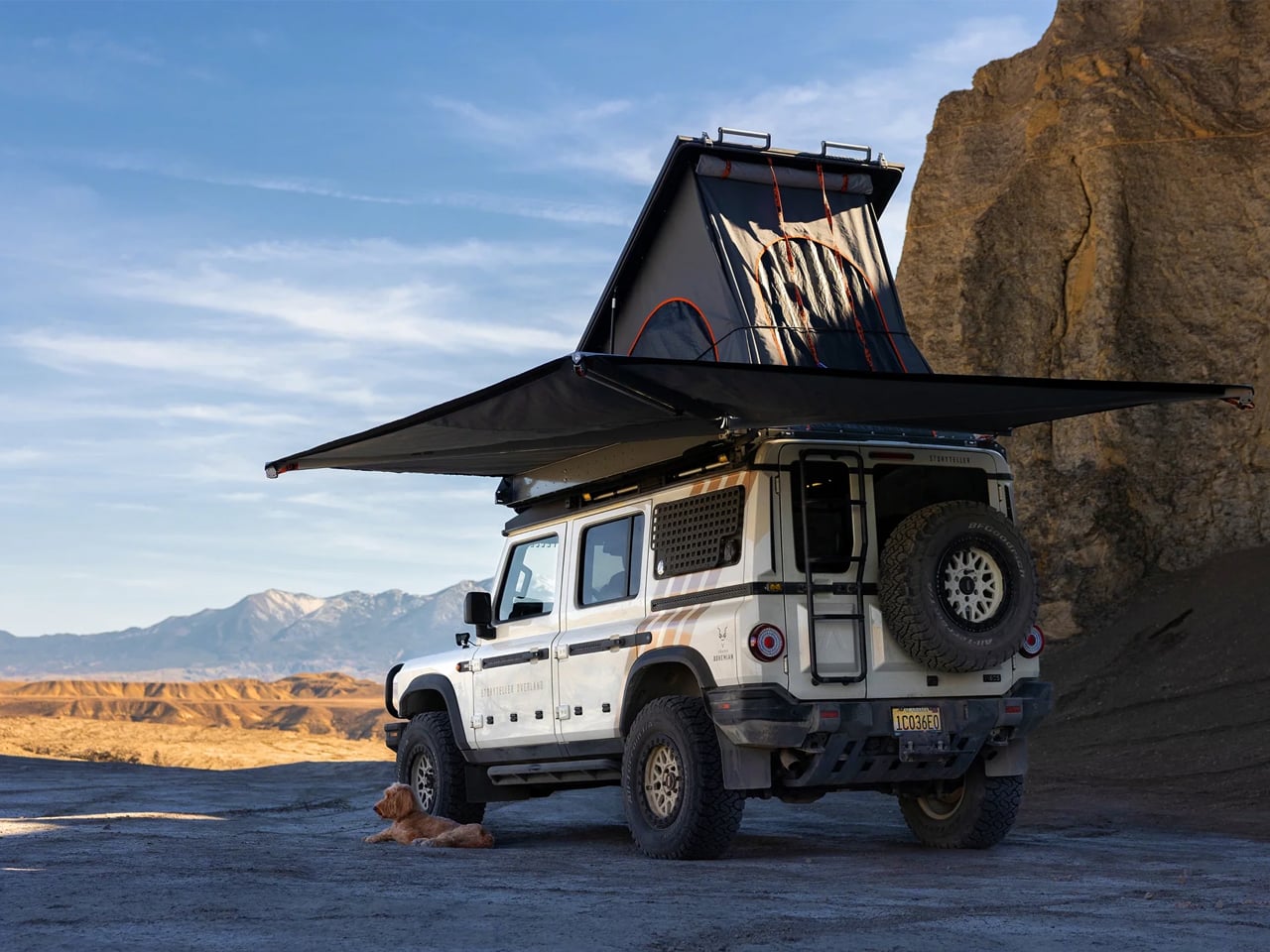
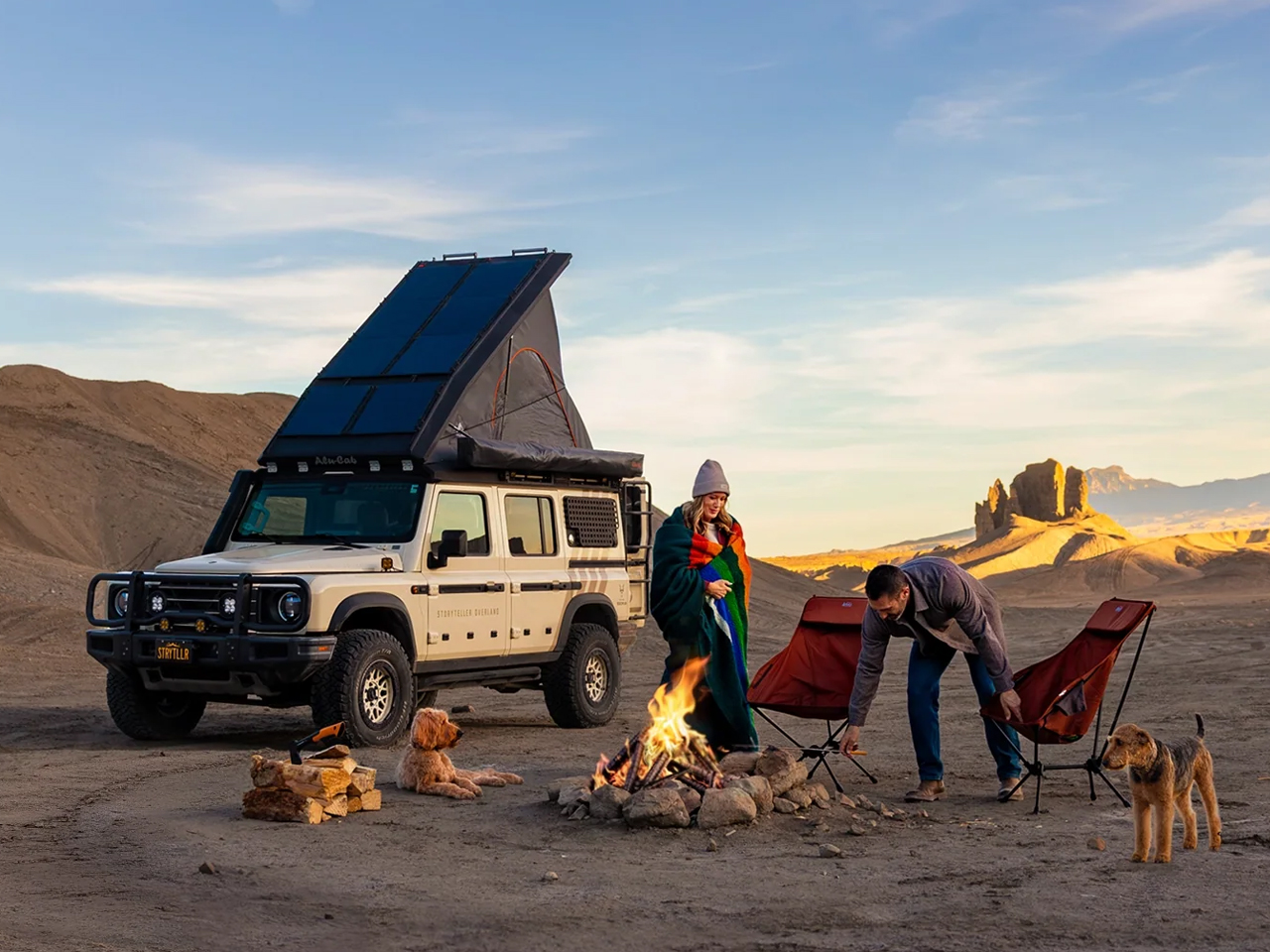
Storyteller Overland turn 4×4 Grenadier into ‘Grand Bohemian camper’ with pop-top roof and off-grid capabilities

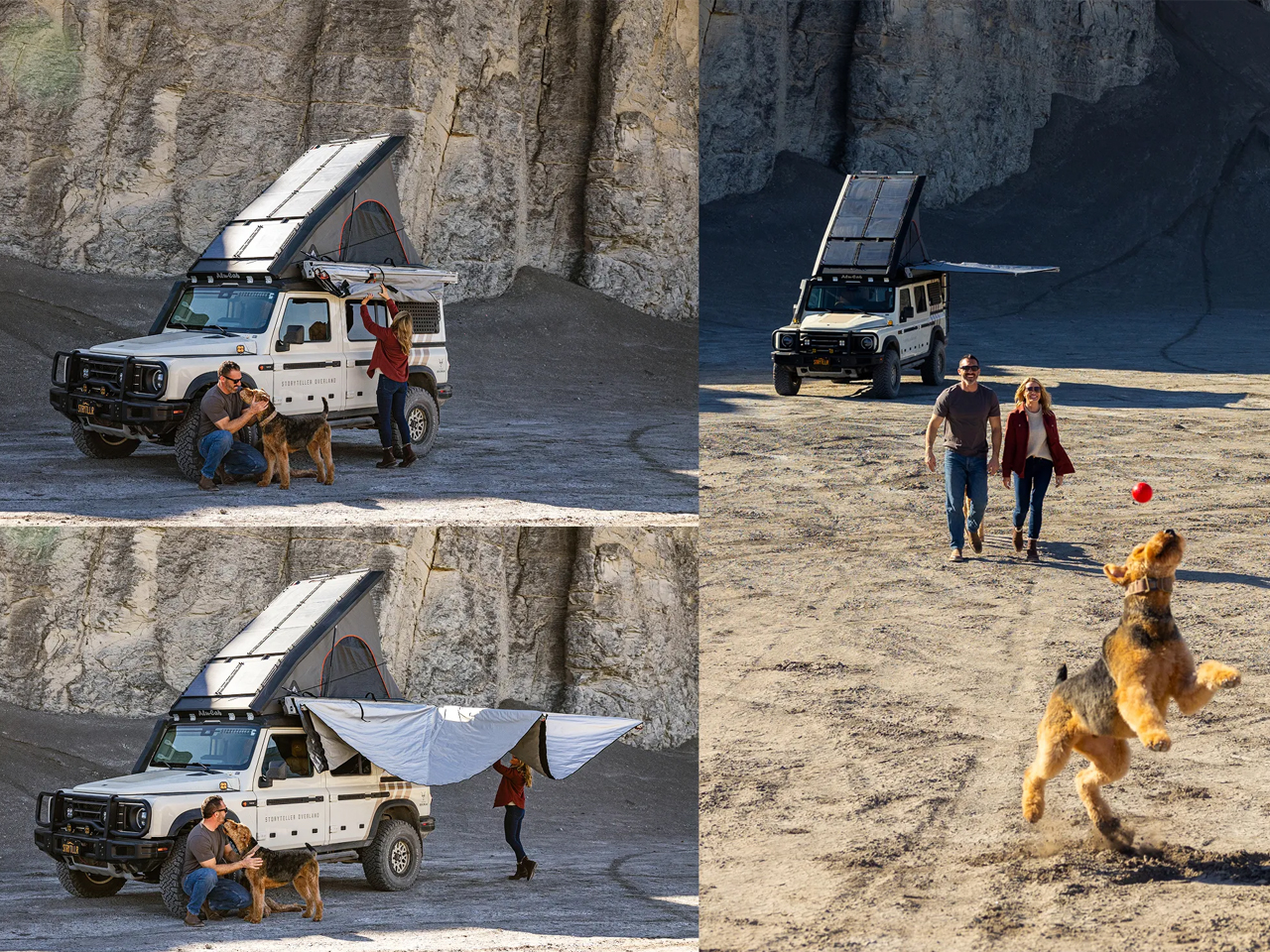
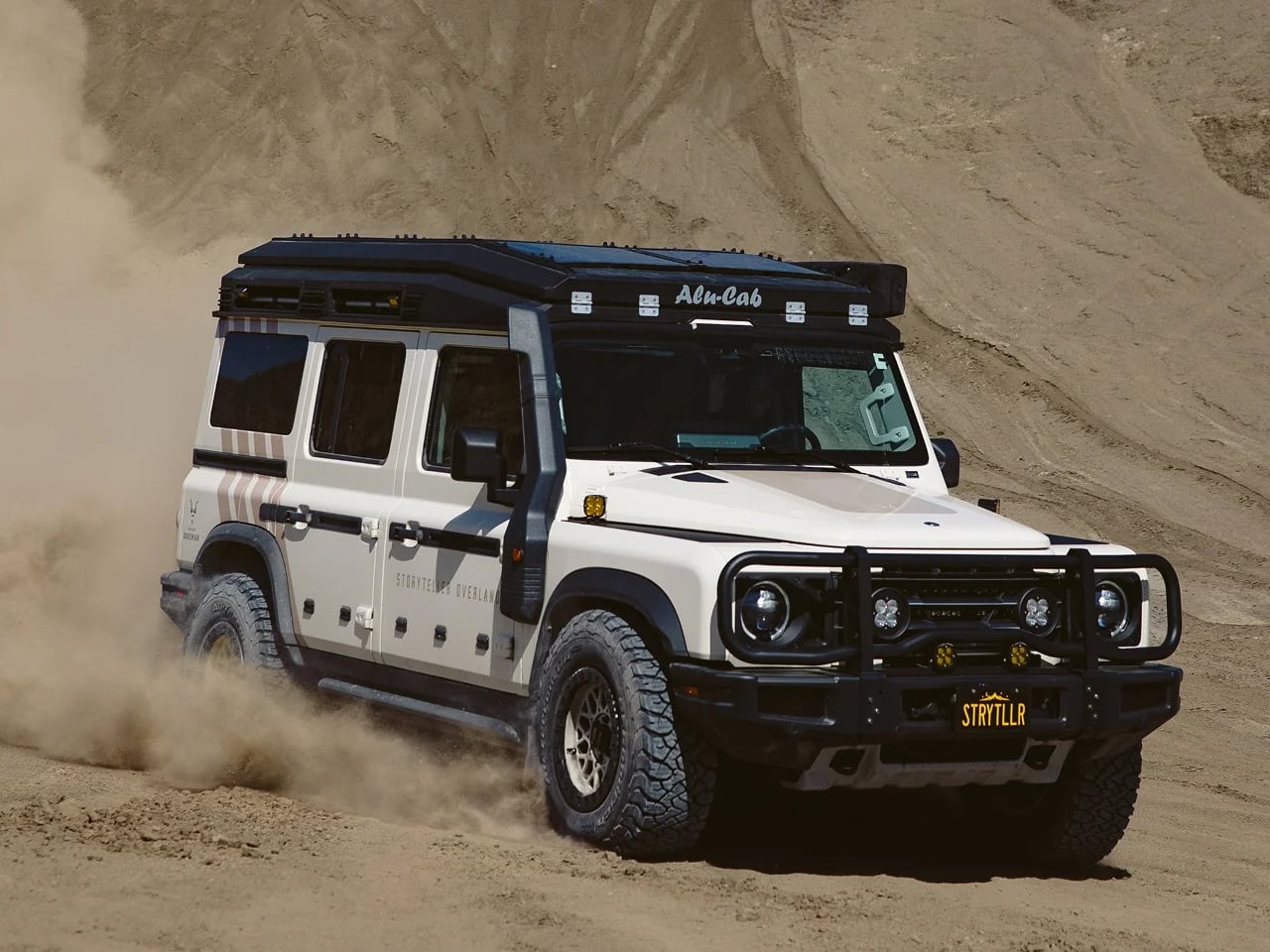
There are very few 4×4 SUVs that have what it takes to become capable adventure camper vans. One of them is the INEOS Grenadier, which Alabama-based Storyteller Overland has transformed into a customized camping rig that any all-terrain adventurer would want to hop into.

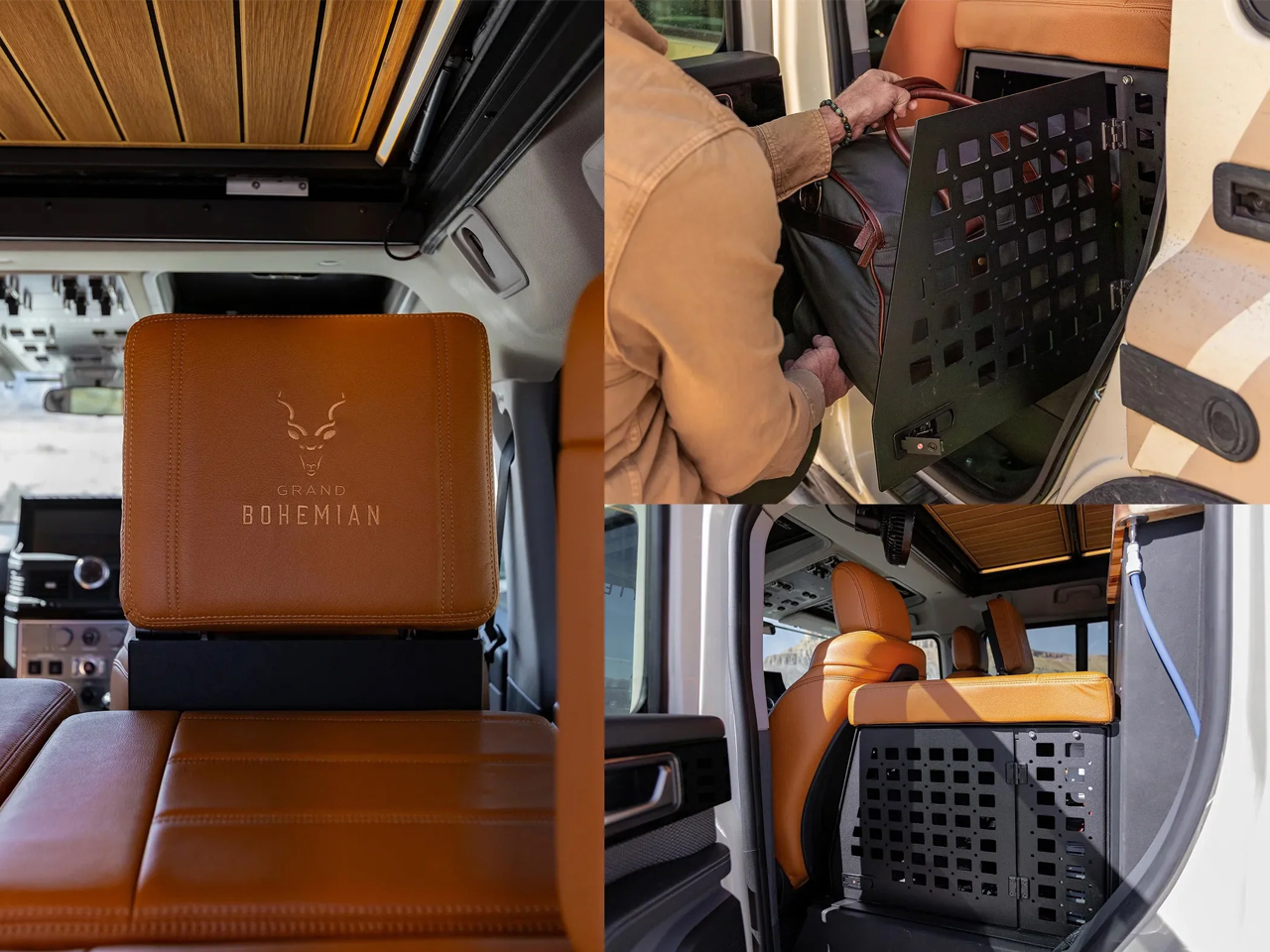
Called the Grand Bohemian, this global expedition vehicle is one of the finest builds to come out of Storyteller’s foundry. The company notes that the Grand Bohemian is not a traditional Class RV, though it does fit within RV licensing and classification. At the same time, the micro-camper’s body and construction allow it to go places most other RVs simply can’t.

Designer: Storyteller Overland

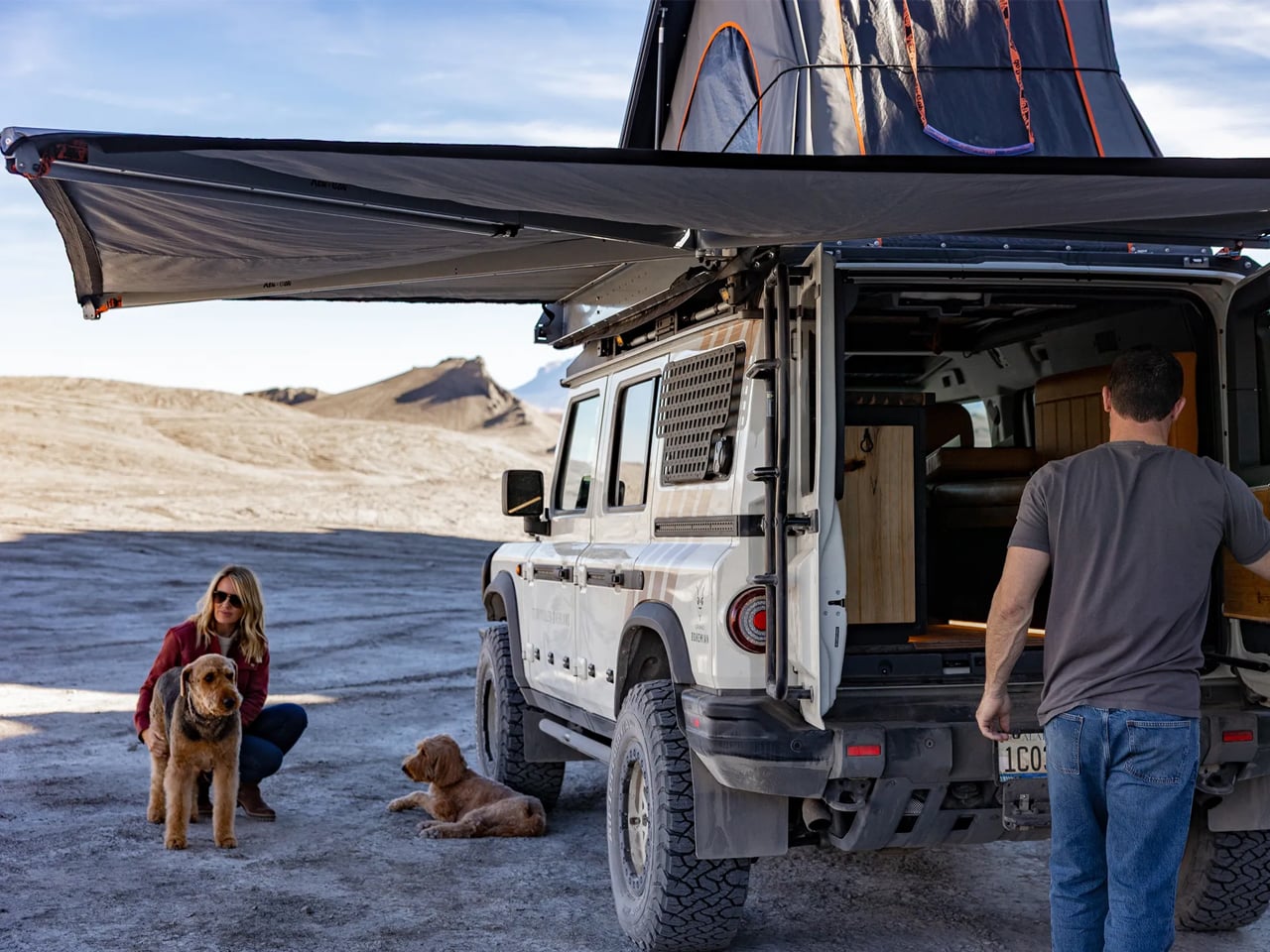
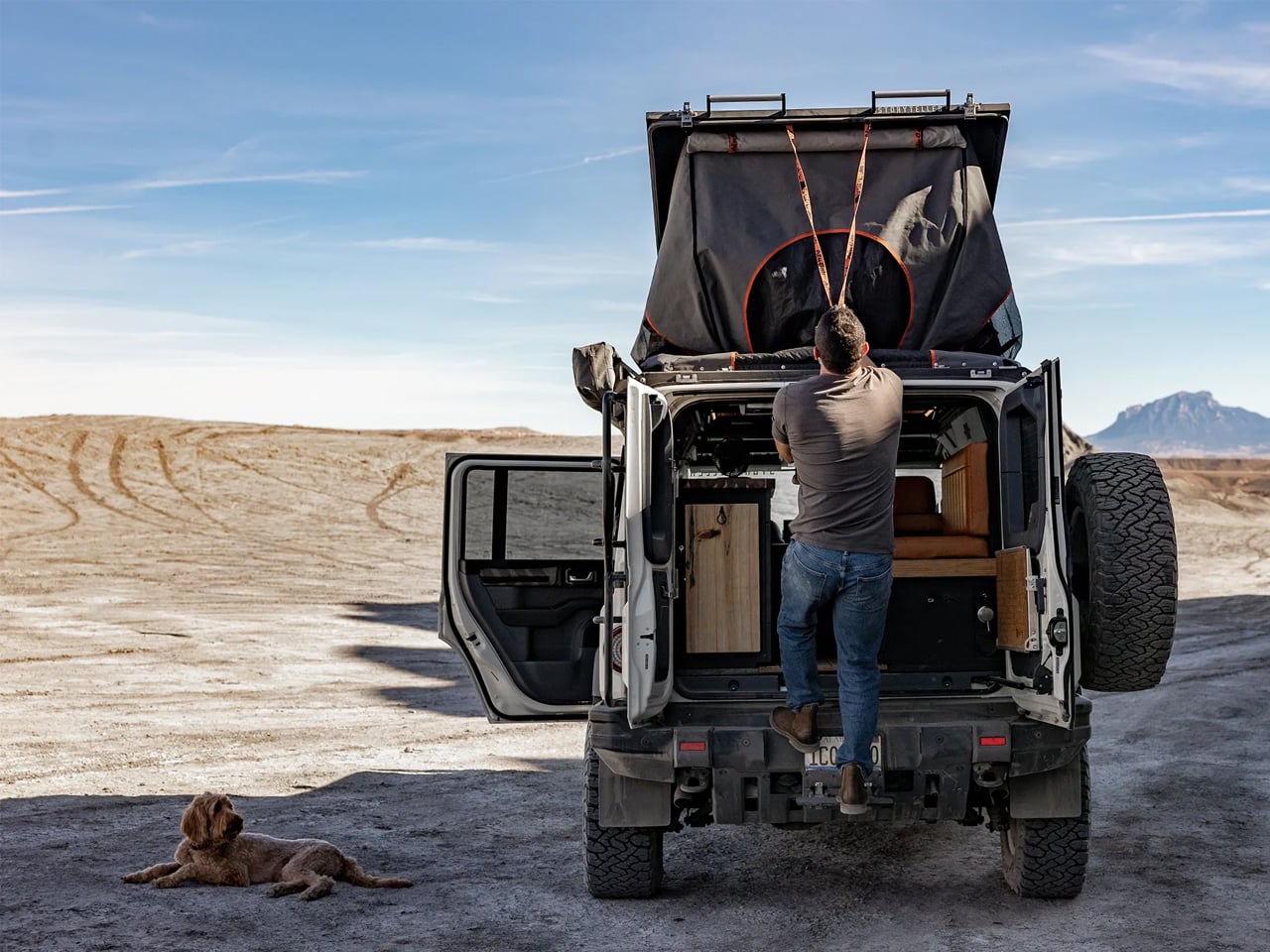
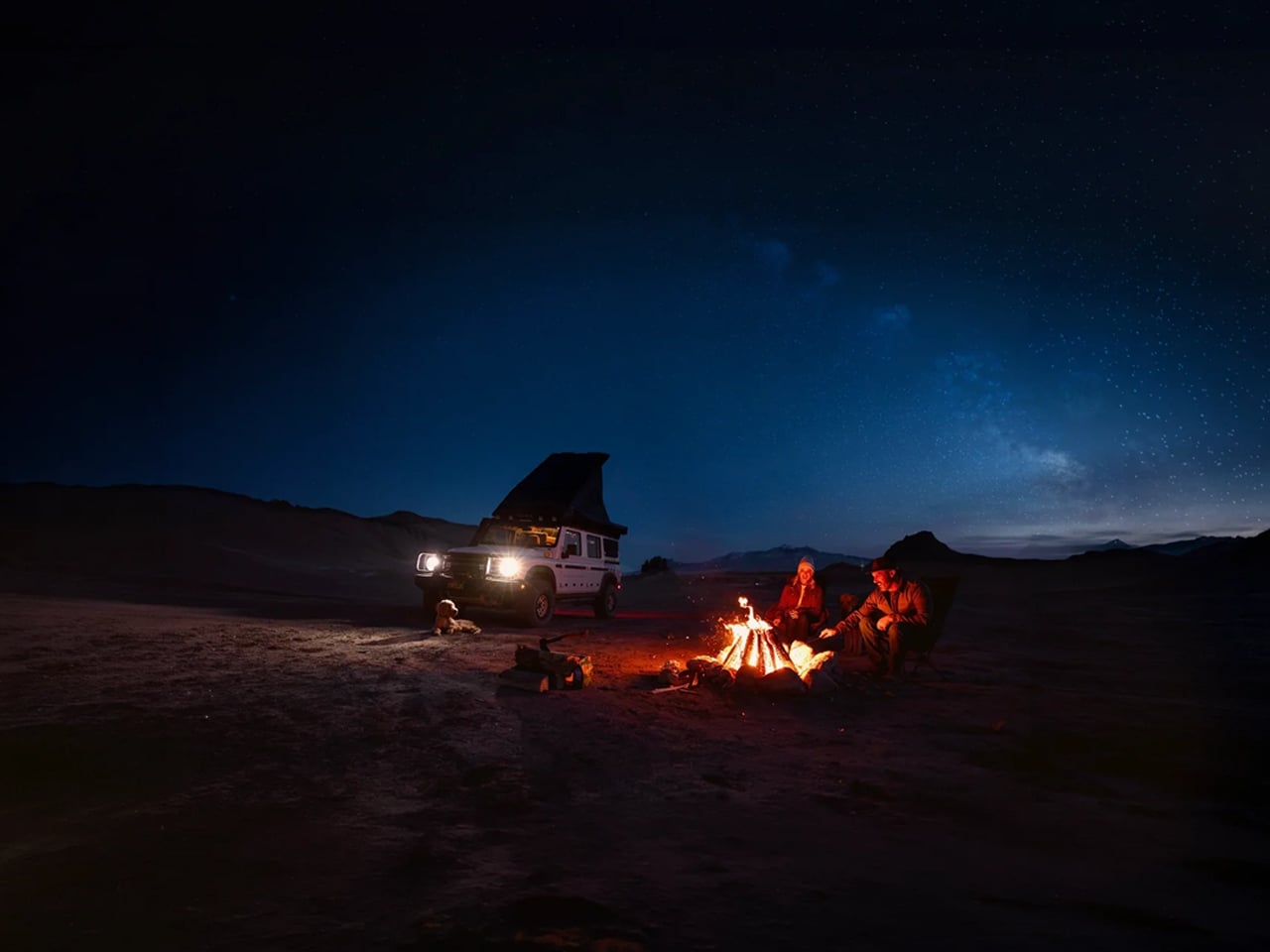
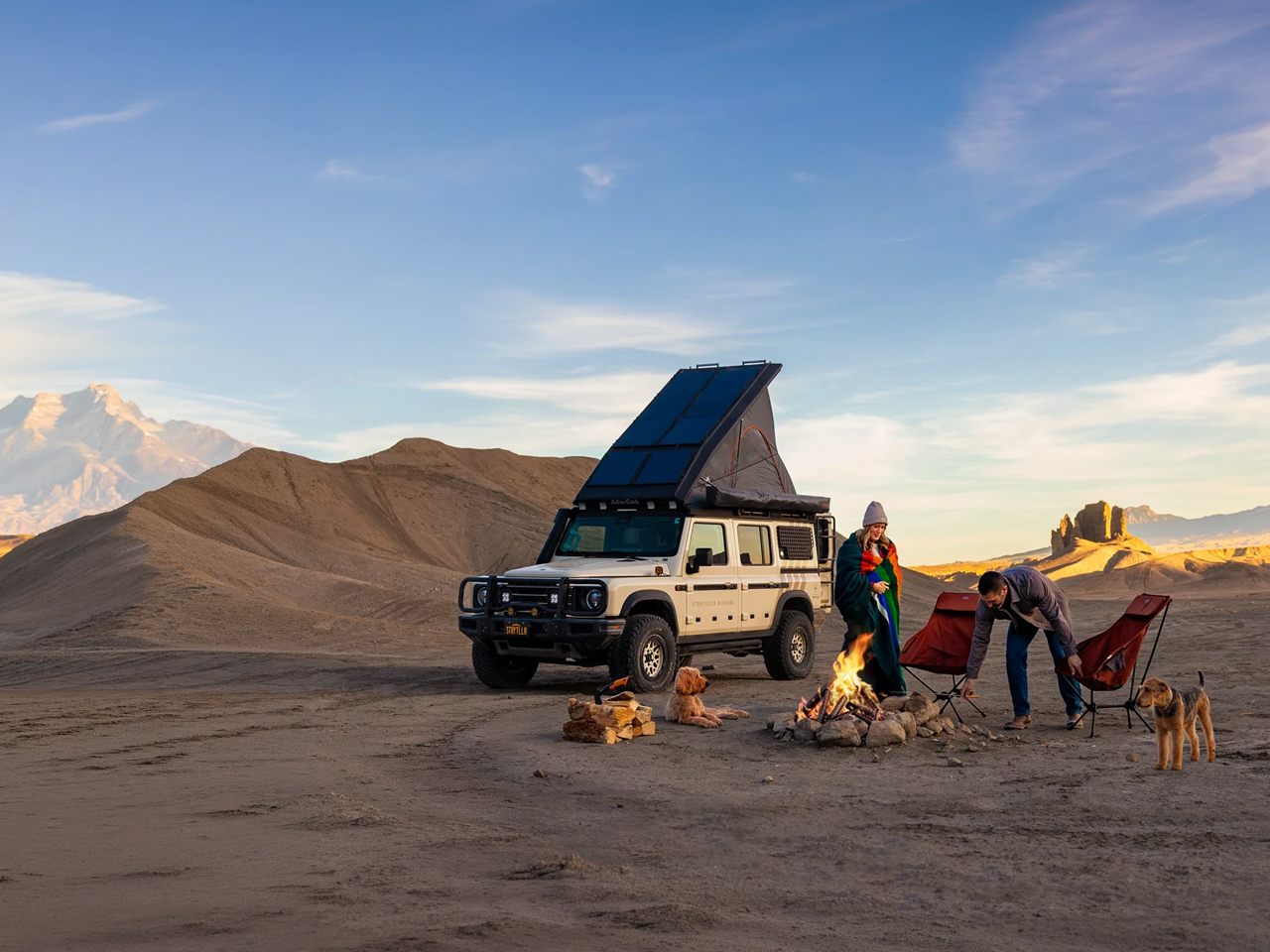
Unless you have the Grenadier in the Bohemian avatar, the most you can do with it when you’re planning an overnight stay in it is to outfit it with a rooftop tent. With the Grand Bohemian, the SUV platform finds a new life. Besides its daily driver image, the Grenadier is designed for long stays in the untrodden paths you have reached in your ride. For the same, the RVIA-certified Grand Bohemian is a fully integrated camping rig meant for overlanding with a comfortable interior and beefed-up exterior. The visible difference is the Alu-Cab pop-top roof tent, which adds a sleeping loft to the camper along with standing height inside the vehicle. This difference is complemented by the convenient living environment created inside the Grenadier.

To be showcased for the first time to the adventurer community at the Overland Expo So-Cal, the Grand Bohemian is powered by a BMW 3.0L engine, which features an 8-speed ZF automatic transmission providing the power and precision to go anywhere. When you reach the destination, you can pull out an installed 270-degree shadow awning and expand the outdoor living space for your convenience.

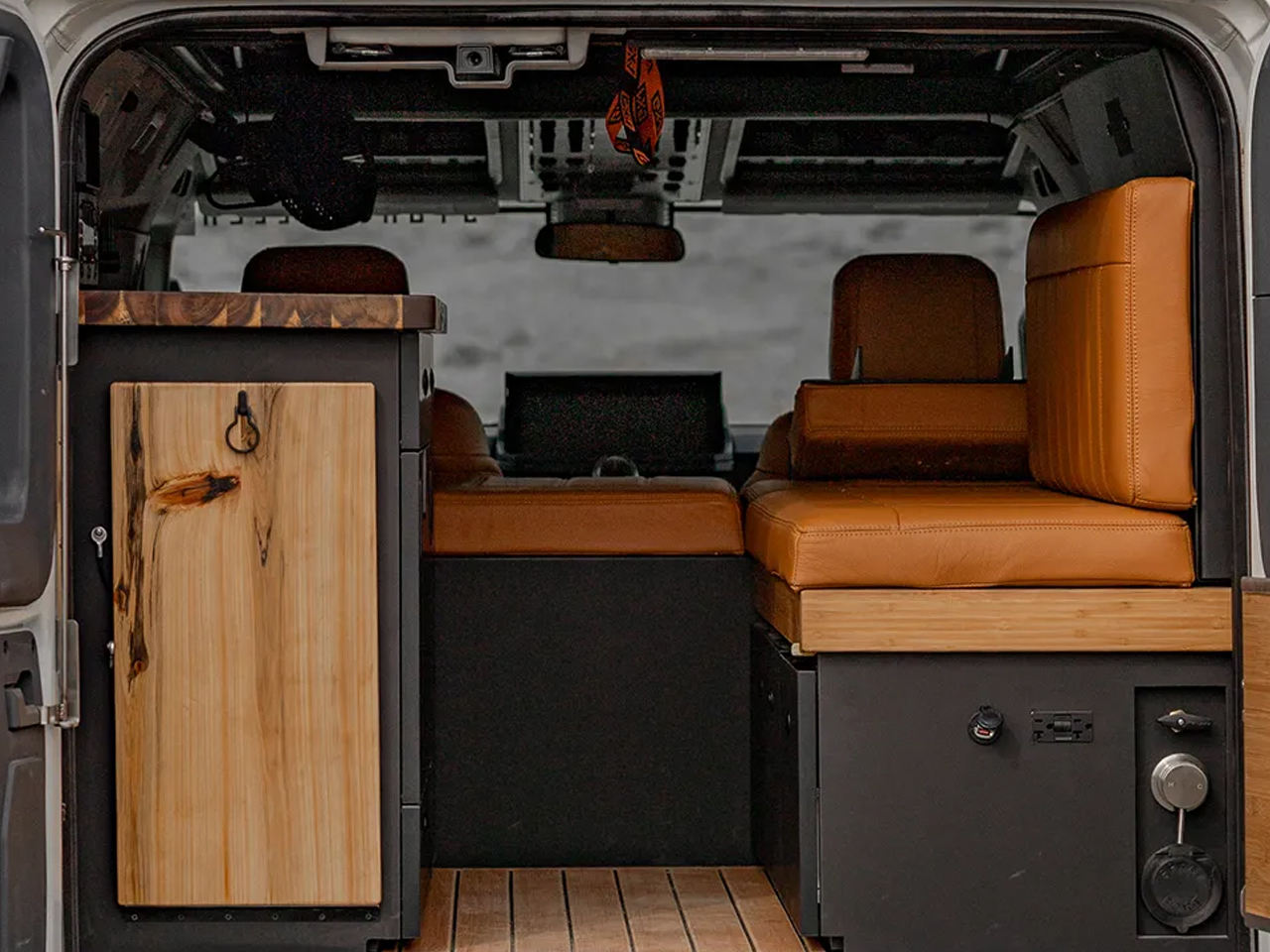
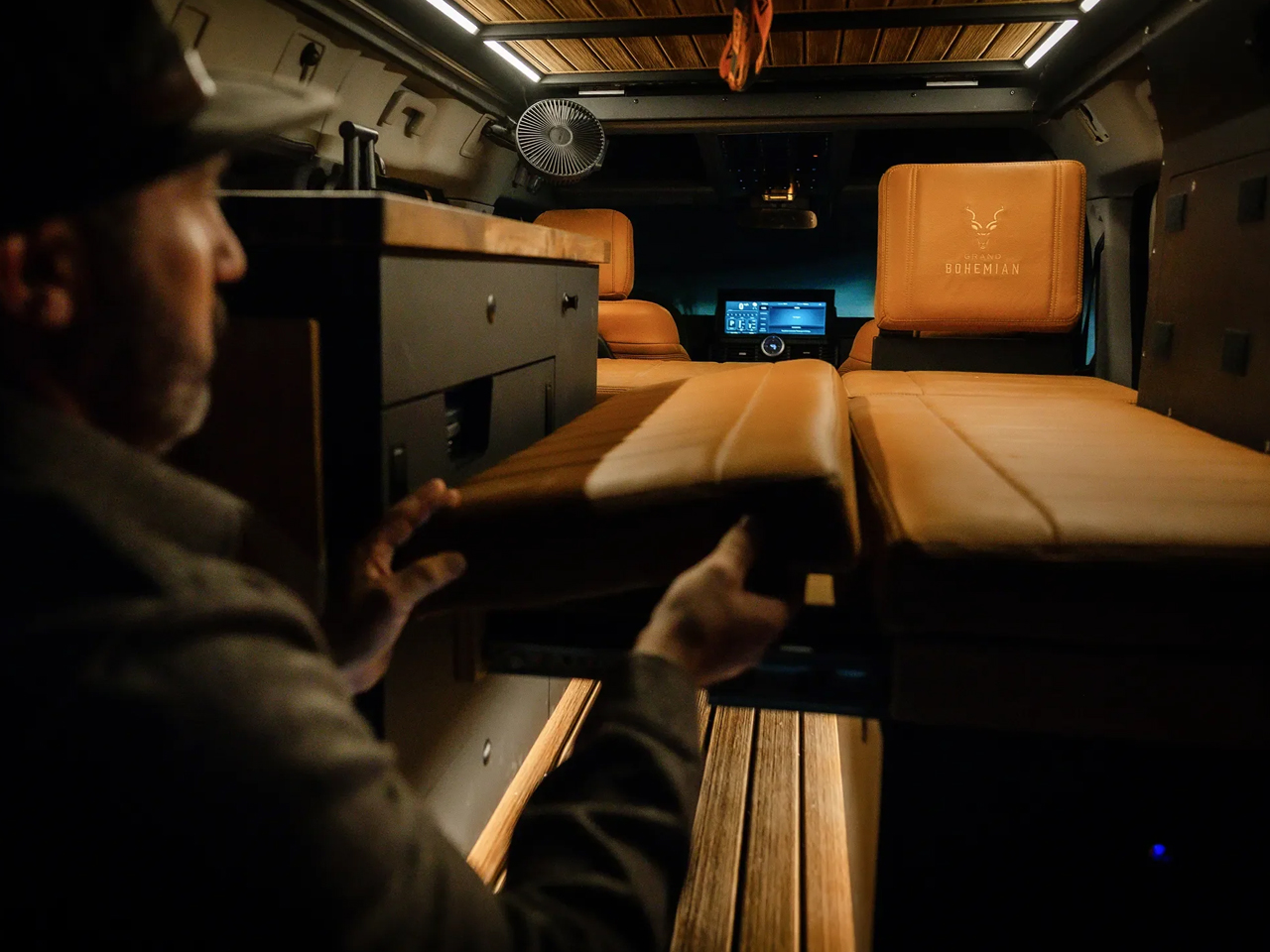
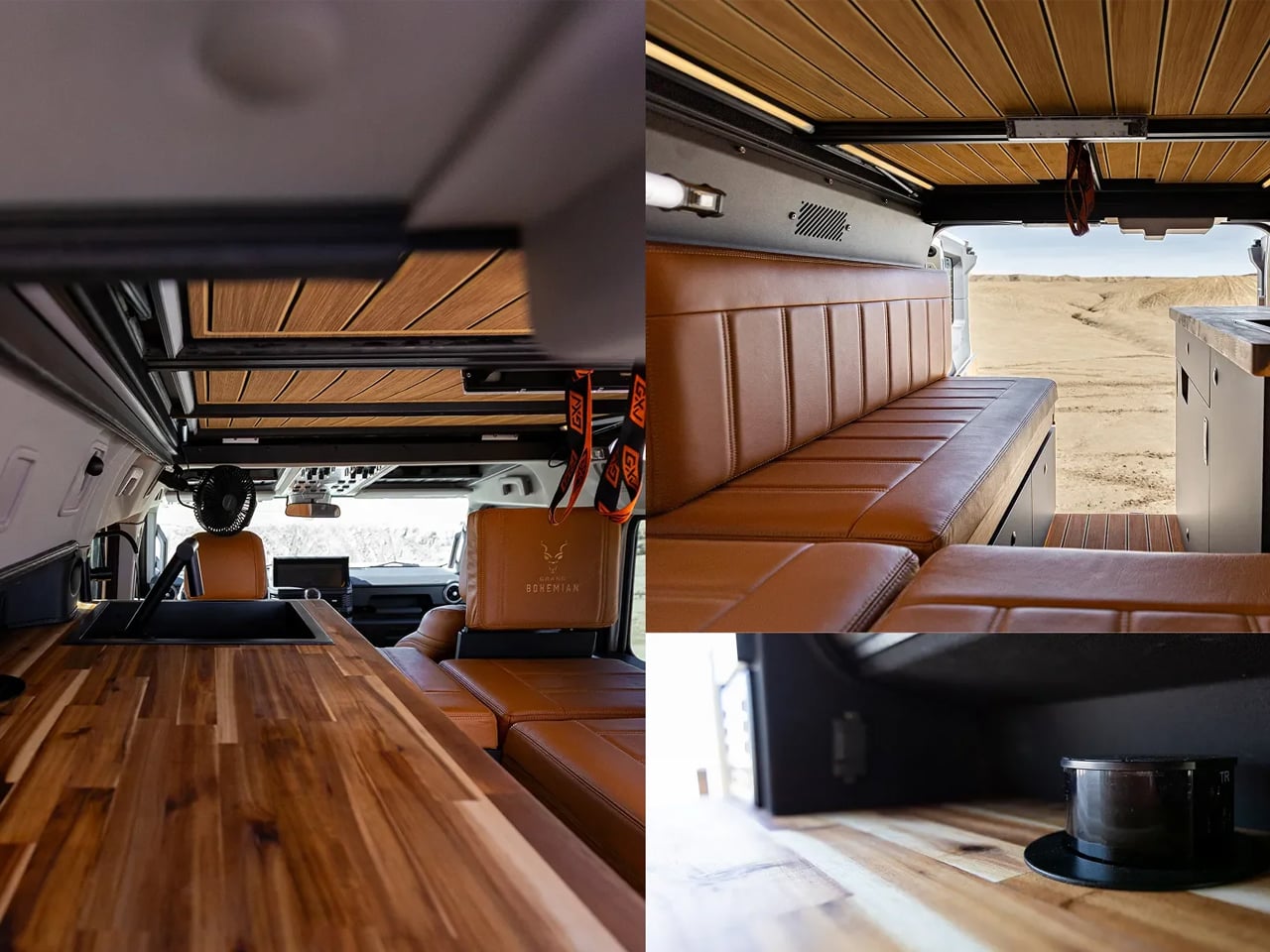
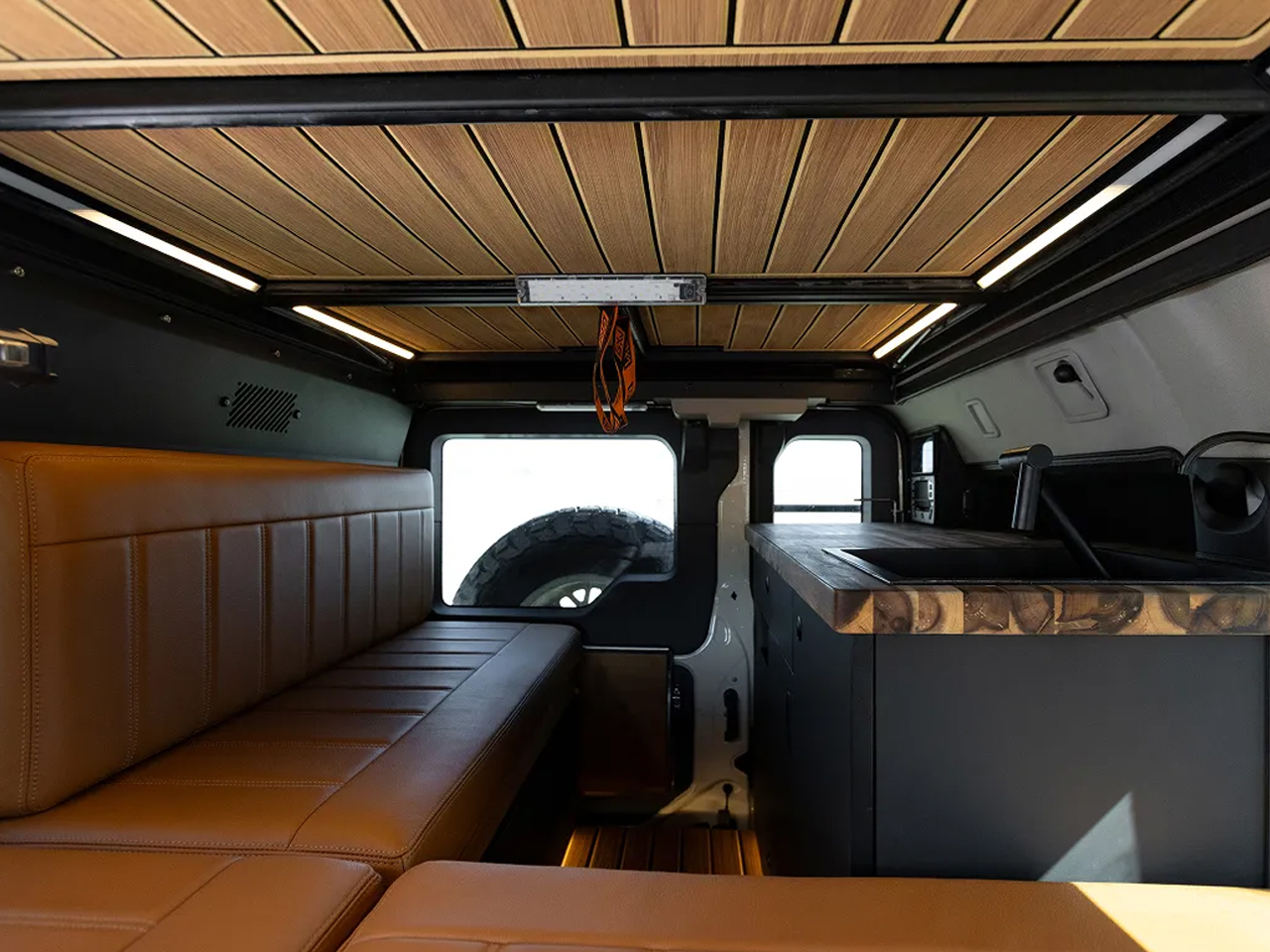
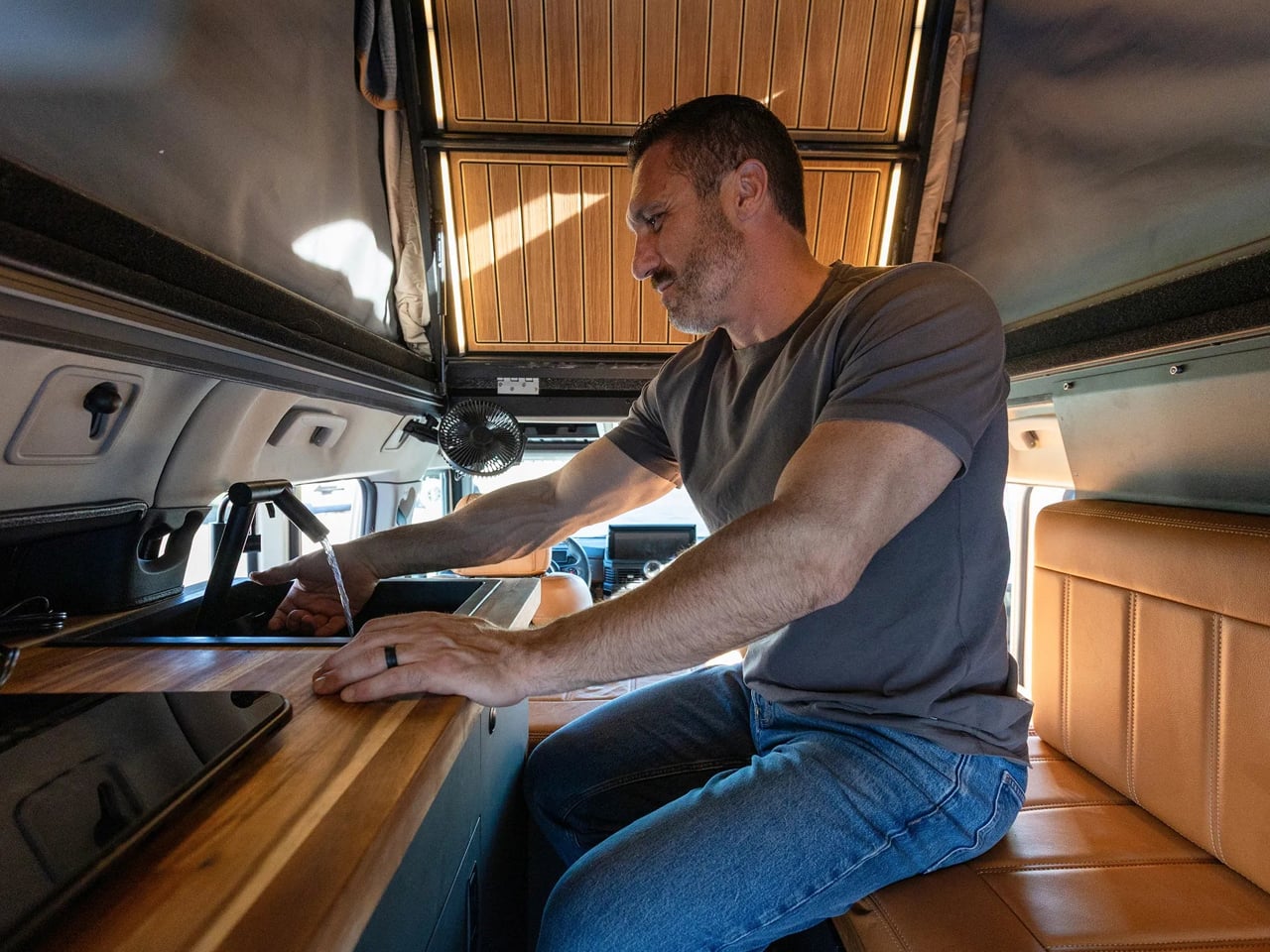
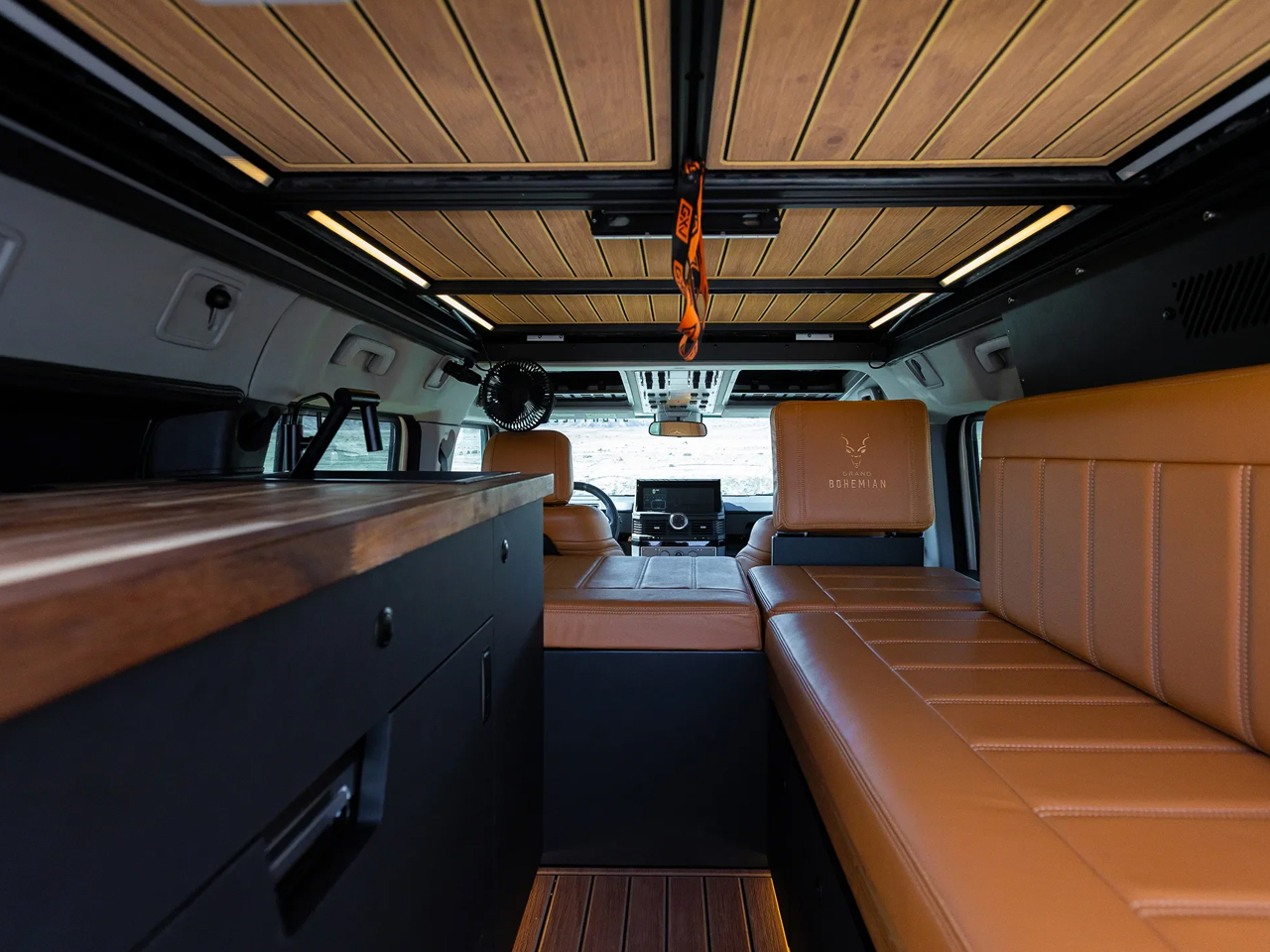
When you climb into the back of the vehicle, after your long day, you will be confronted by a thoughtfully crafted interior featuring warm textures. The space with the galley and living area is designed for a good time and long conversations. The rare seats of the Grenadier are replaced with a full galley and a lounge here: the kitchen is provided with an induction cooktop, a fridge and freezer combo, a fold-down prep and dining table, and a sink. The living area opposite it comprises an L-shaped leather bench, which stretches out to double as a sleeping space for one.

The Storyteller Overland has outfitted the Grand Bohemian with a 5.4-kilowatt-hour battery, 30-amp shore power, and up to 400 watts of solar panels. The camper is backed up by a 2,000W inverter and features a gas-powered hydronic system to manage the heat and hot water. The Bohemian has a composting toilet and is provided with 10.5-gallon freshwater tank and a 4-gallon grey water tank. If you are interested, you can reserve your adventure ride for $198,888 now.


The post Storyteller Overland turn 4×4 Grenadier into ‘Grand Bohemian camper’ with pop-top roof and off-grid capabilities first appeared on Yanko Design.
2026 Escape Pod is more powerful, comfortable, and all set for escaping into the wilderness

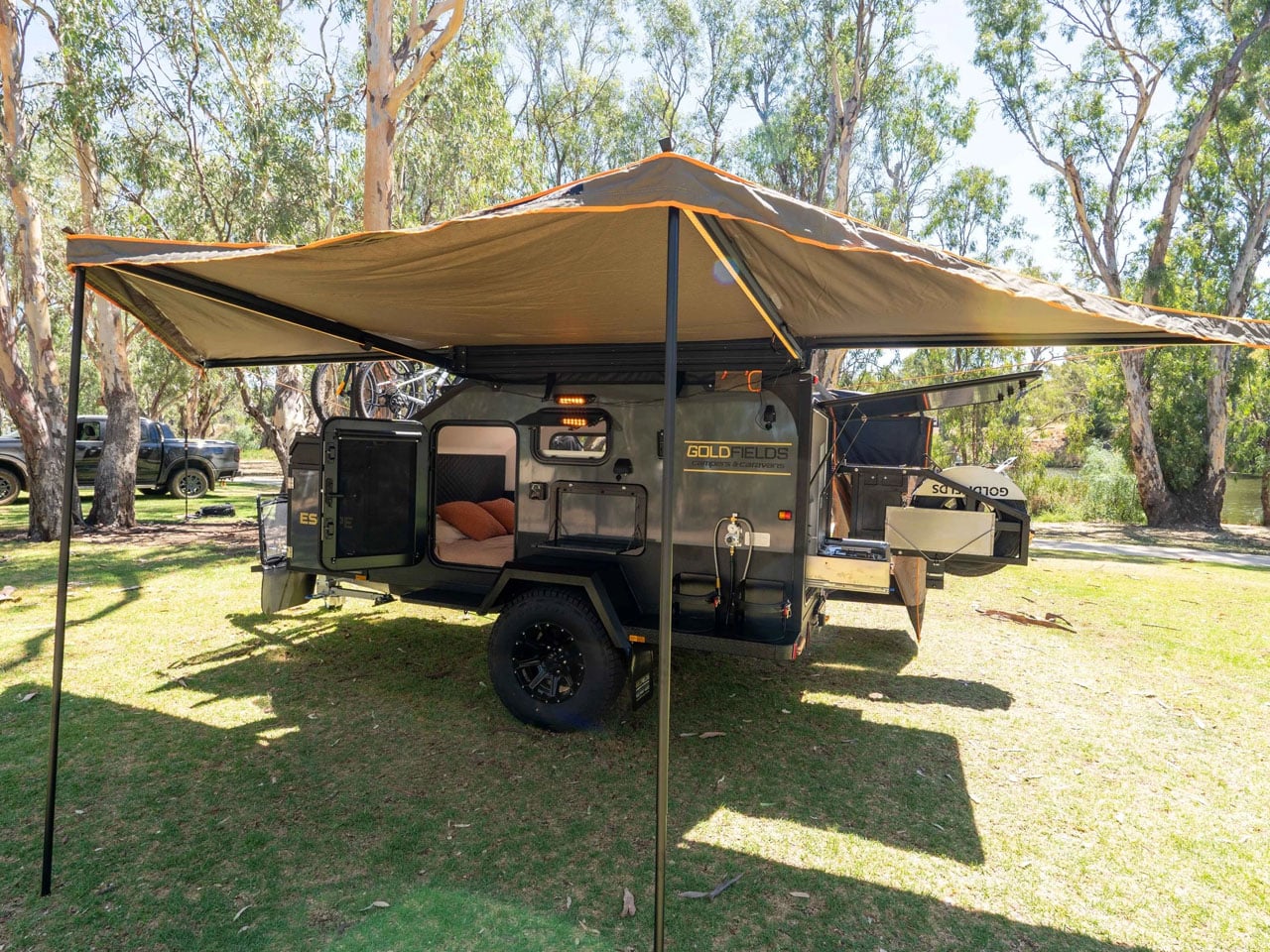
There are a few camping trailers, as apt at exploring the roughest terrains in the remotest parts of Australia as the Escape from Victoria-based Goldfields Campers. The all-new 2026 Escape, designed after the original camper, is no less, in fact, the petite solution, the Escape Pod. Which reimagines the existing model, is “built for those who want to disappear off-grid without giving up comfort.”

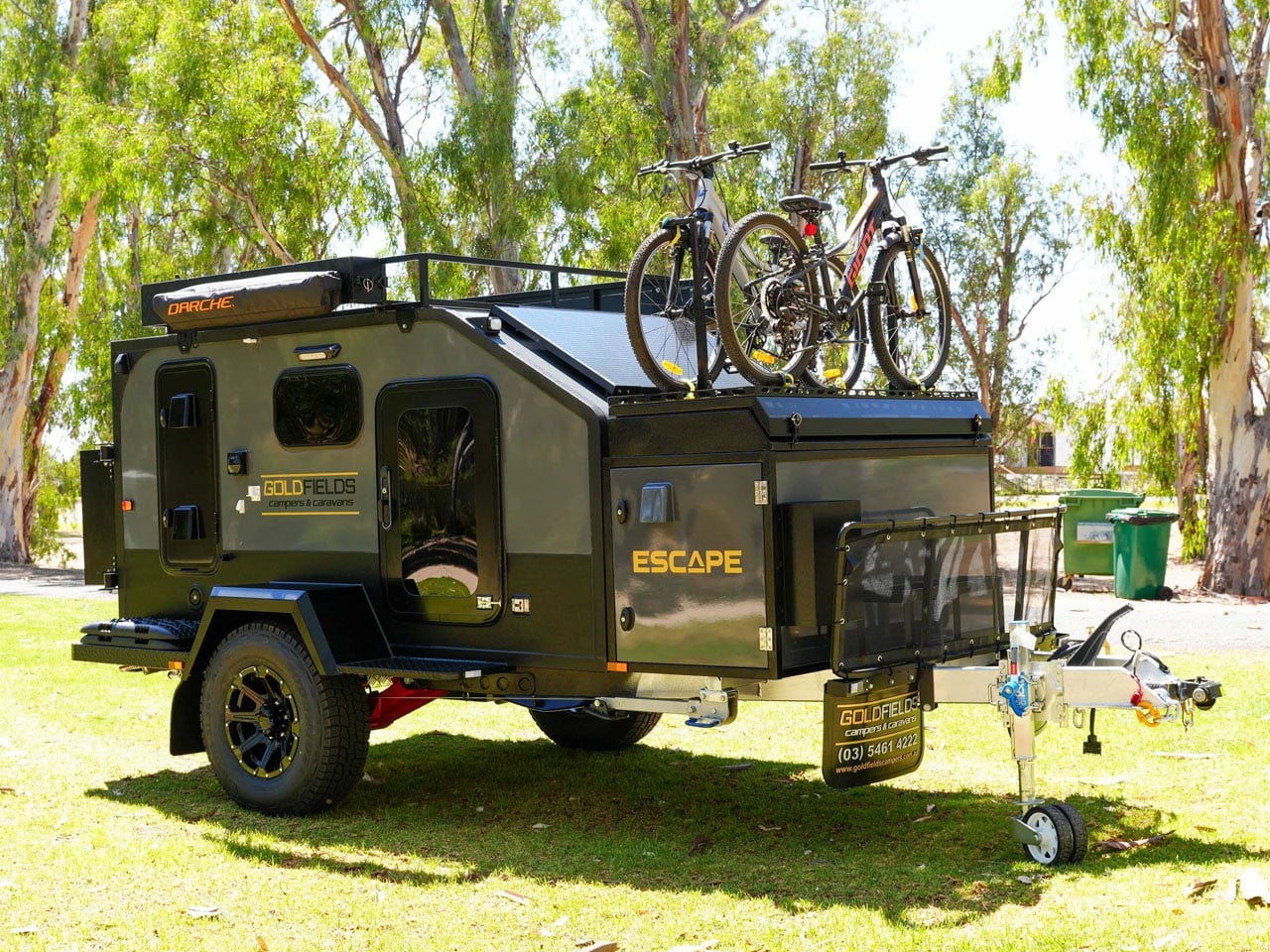
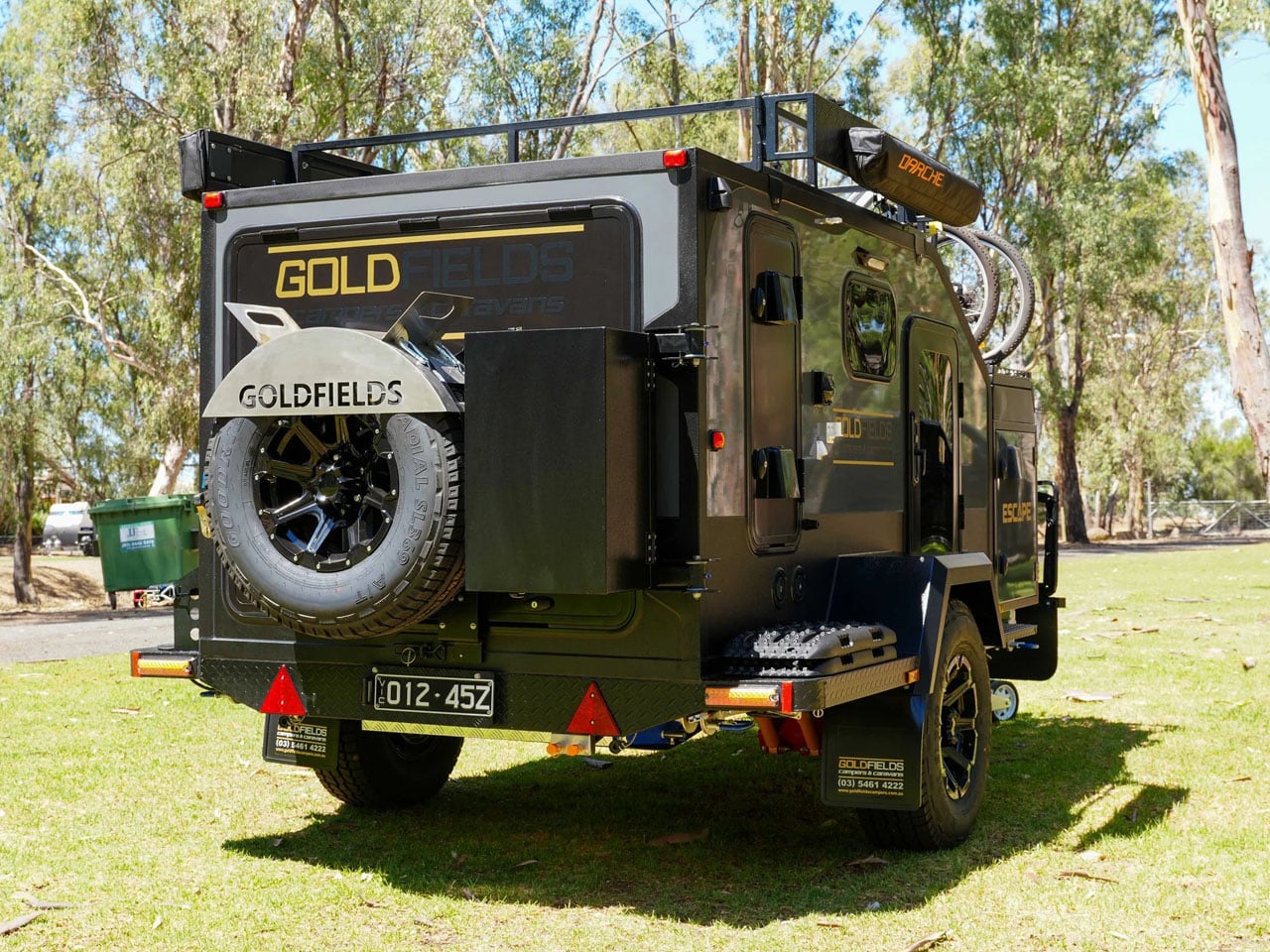
Positioned as being more powerful, more comfortable, and starkly different in appearance, the 2026 Escape Pod is believed to be the most feature-packed camper trailer in its class. It features the same ethos as the OG but comes in a brand-new body comprising aluminum and XPS foam on the outside and fiberglass on the inside. It’s configured to remain livable off-the-grid and stocked up to take you on tours beyond the paved roads.

Designer: Goldfields Campers

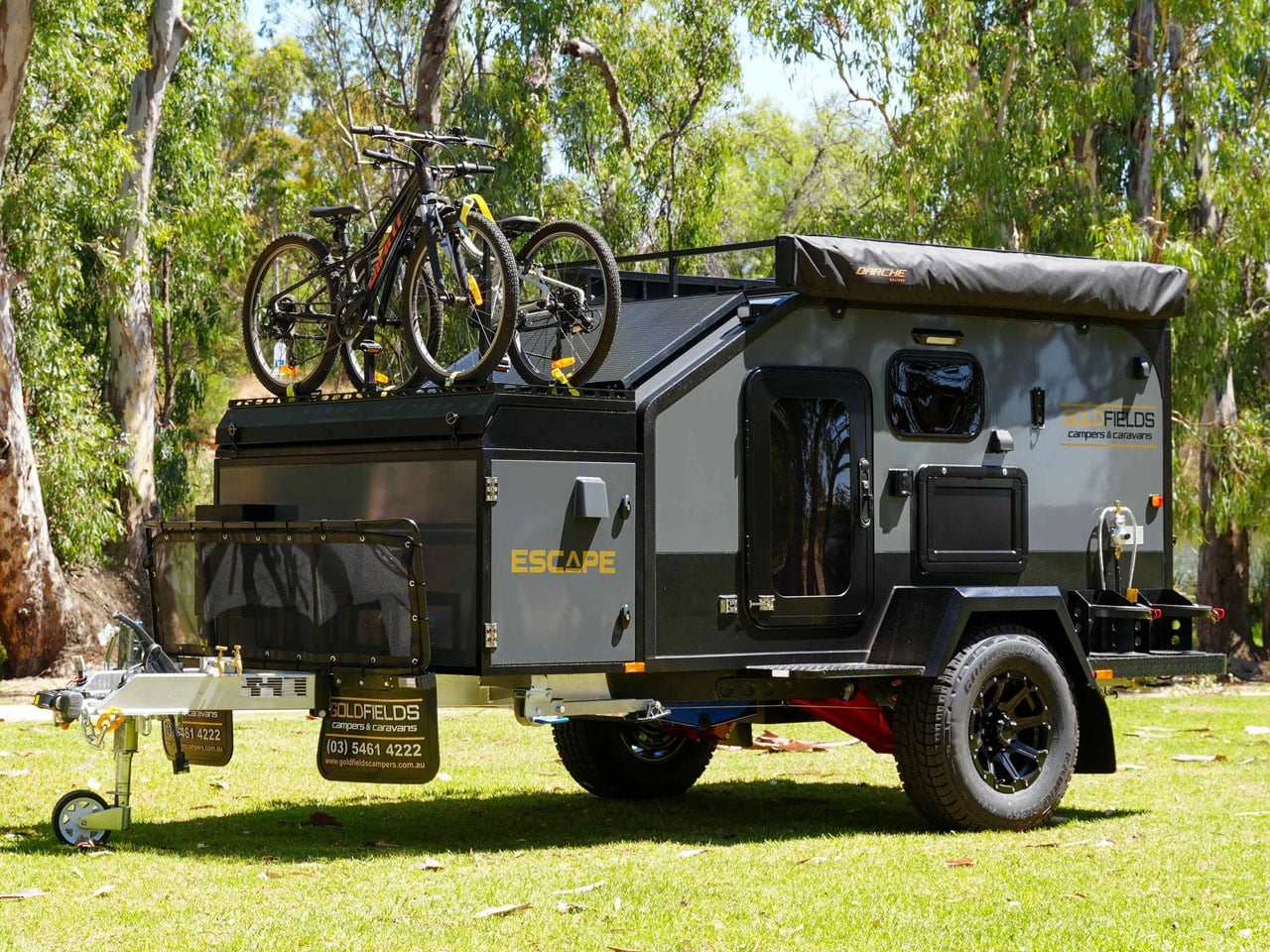
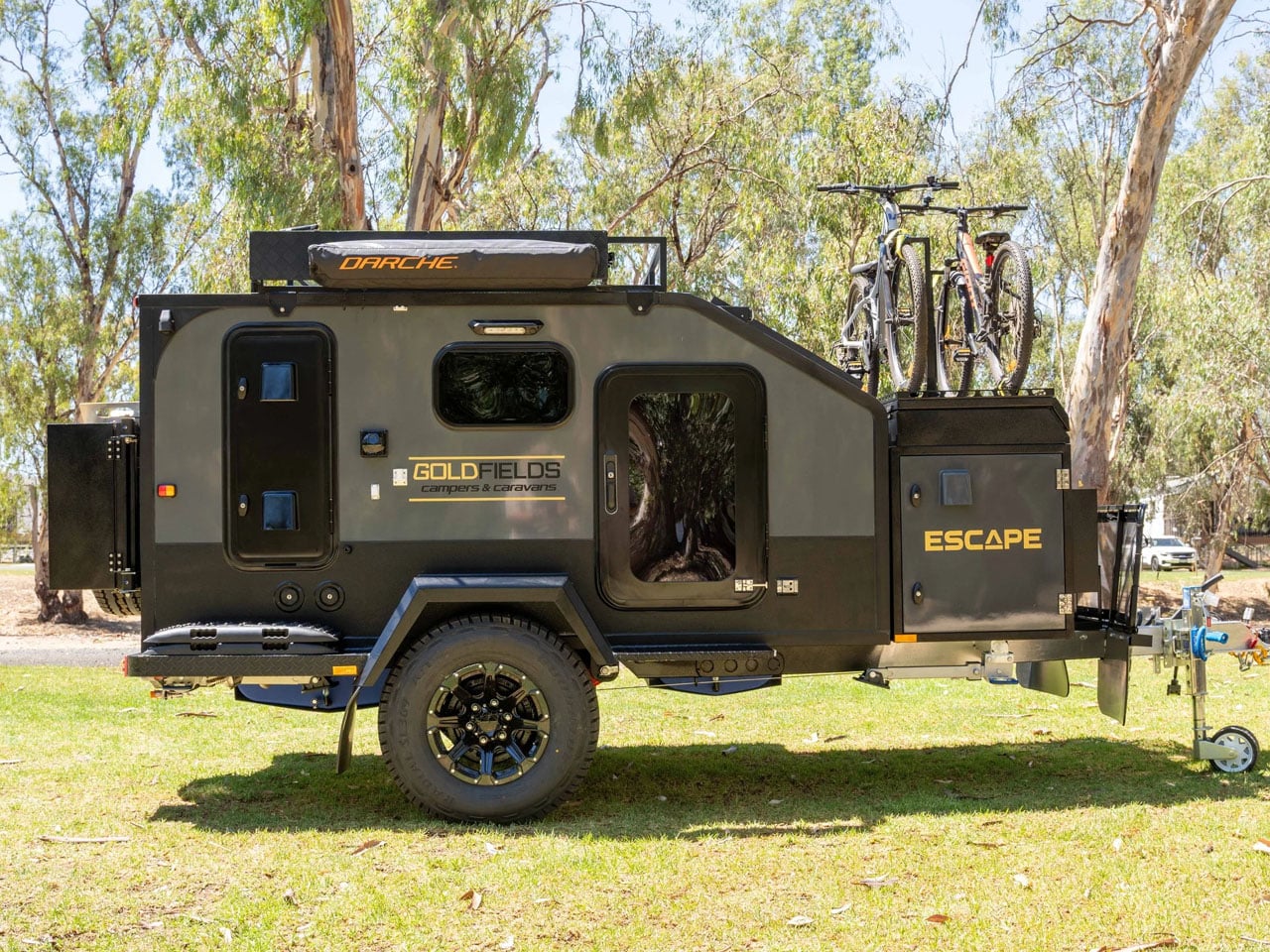
Unlike the bigger models we have seen in the past, the Escape Pod is essentially compact. It comes in a 5.1m long, 2.2m wide, 2.2m high form factor with a tare weight of 1,330 kg (2,932 lb). Ditching the angular-bodied design of the Escape for a more livability-focused form factor, the Escape Pod isn’t just about its improved interior; it’s also about the exterior of this squared-off body.

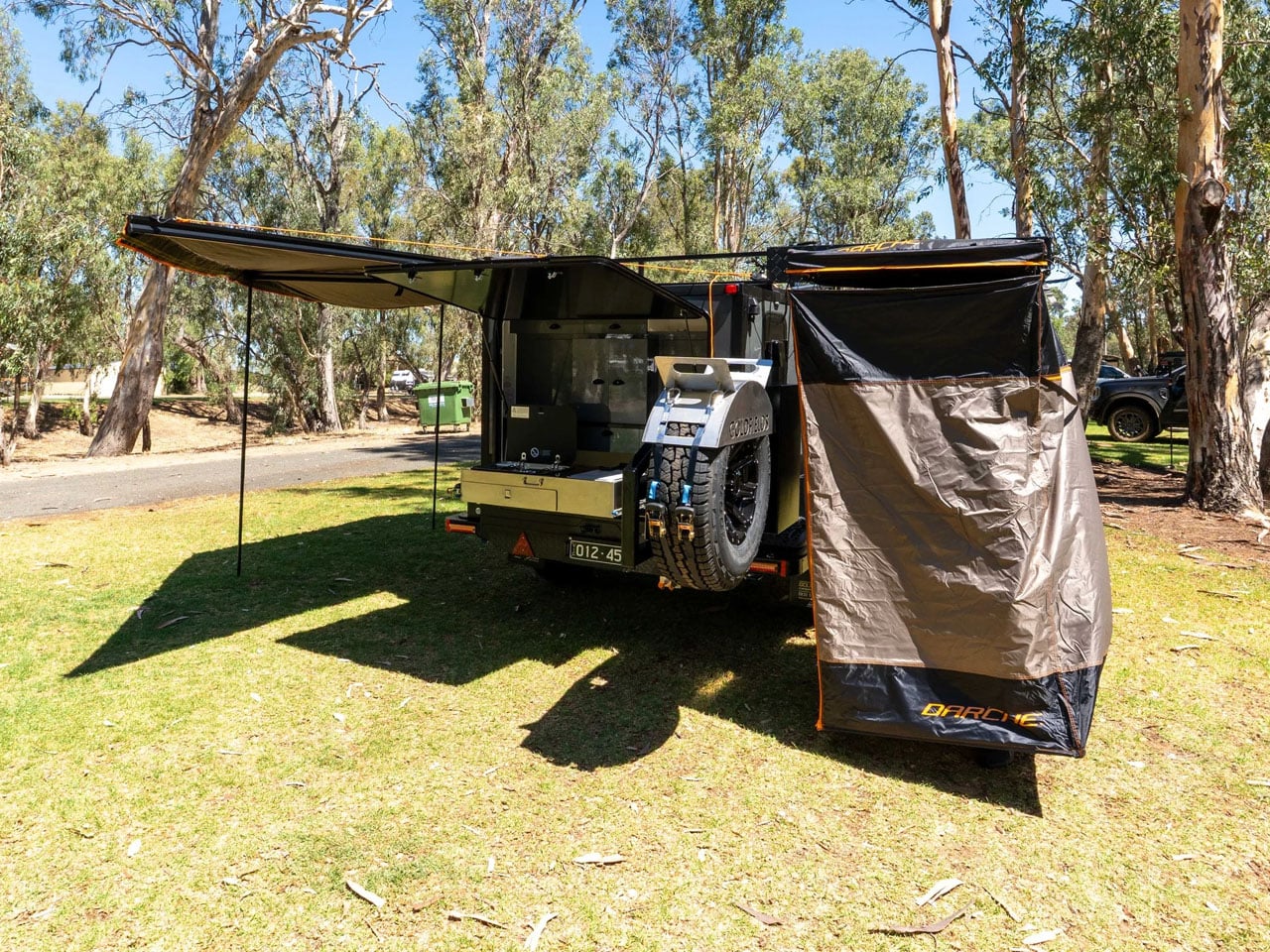
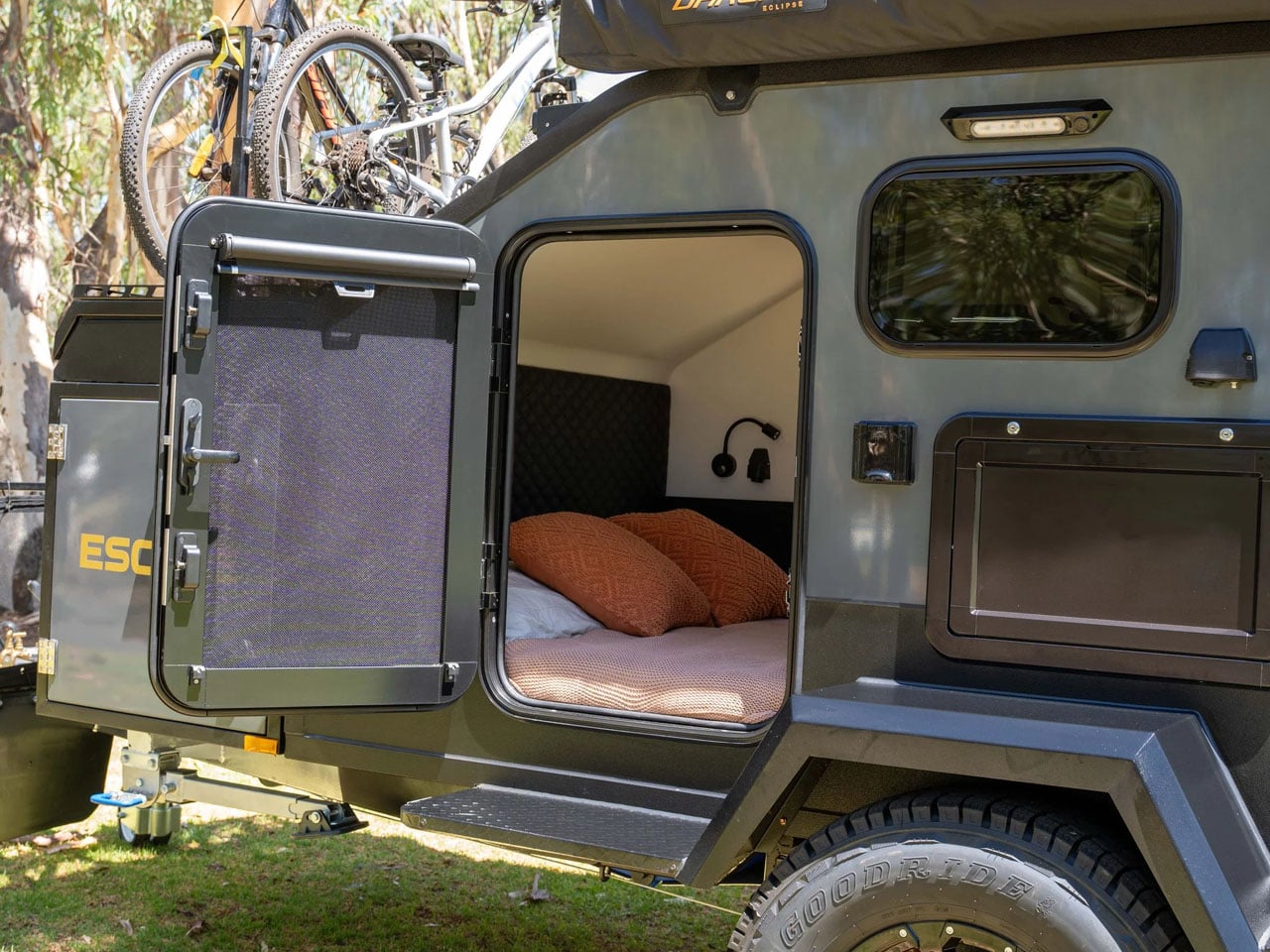
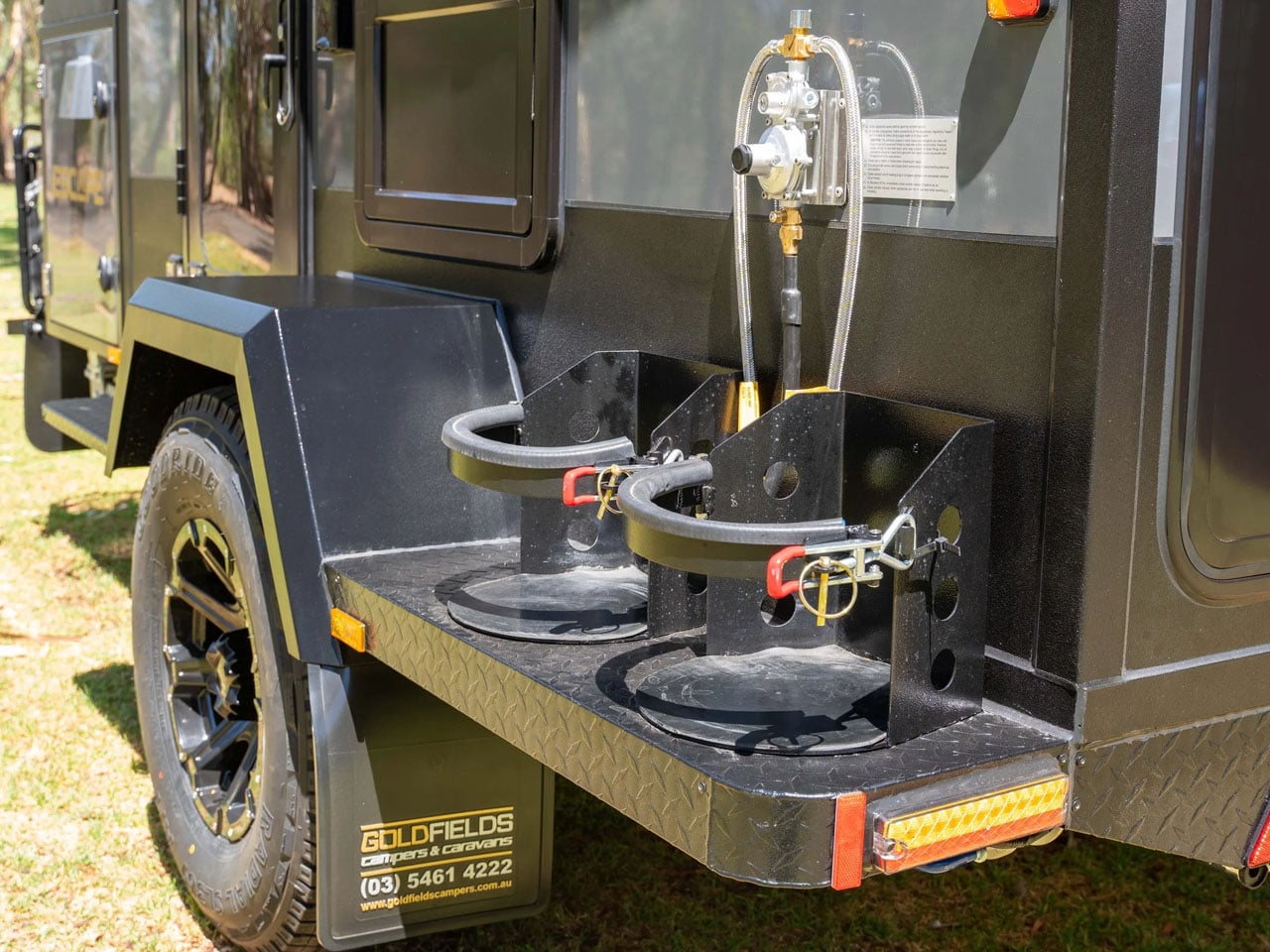
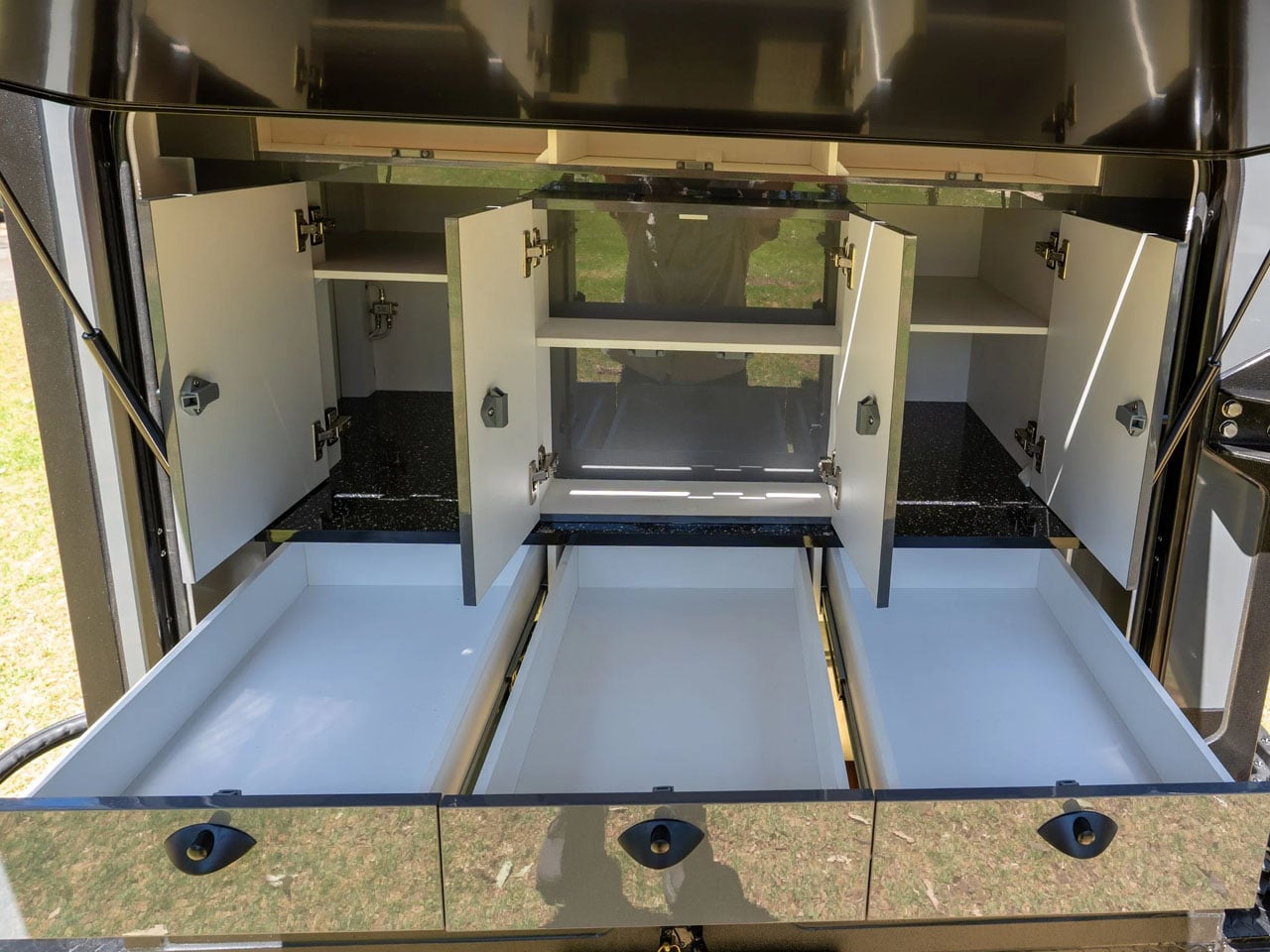
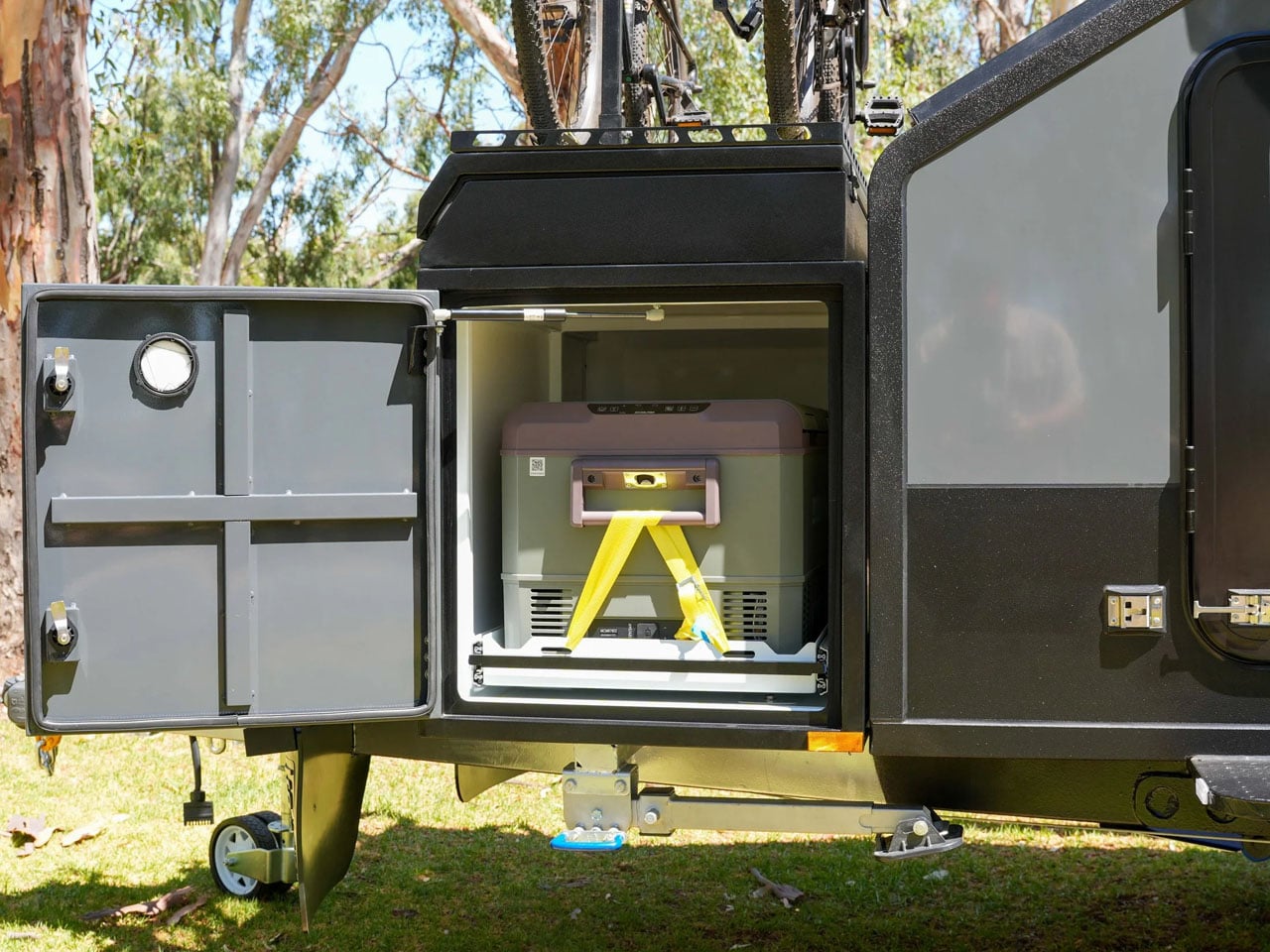
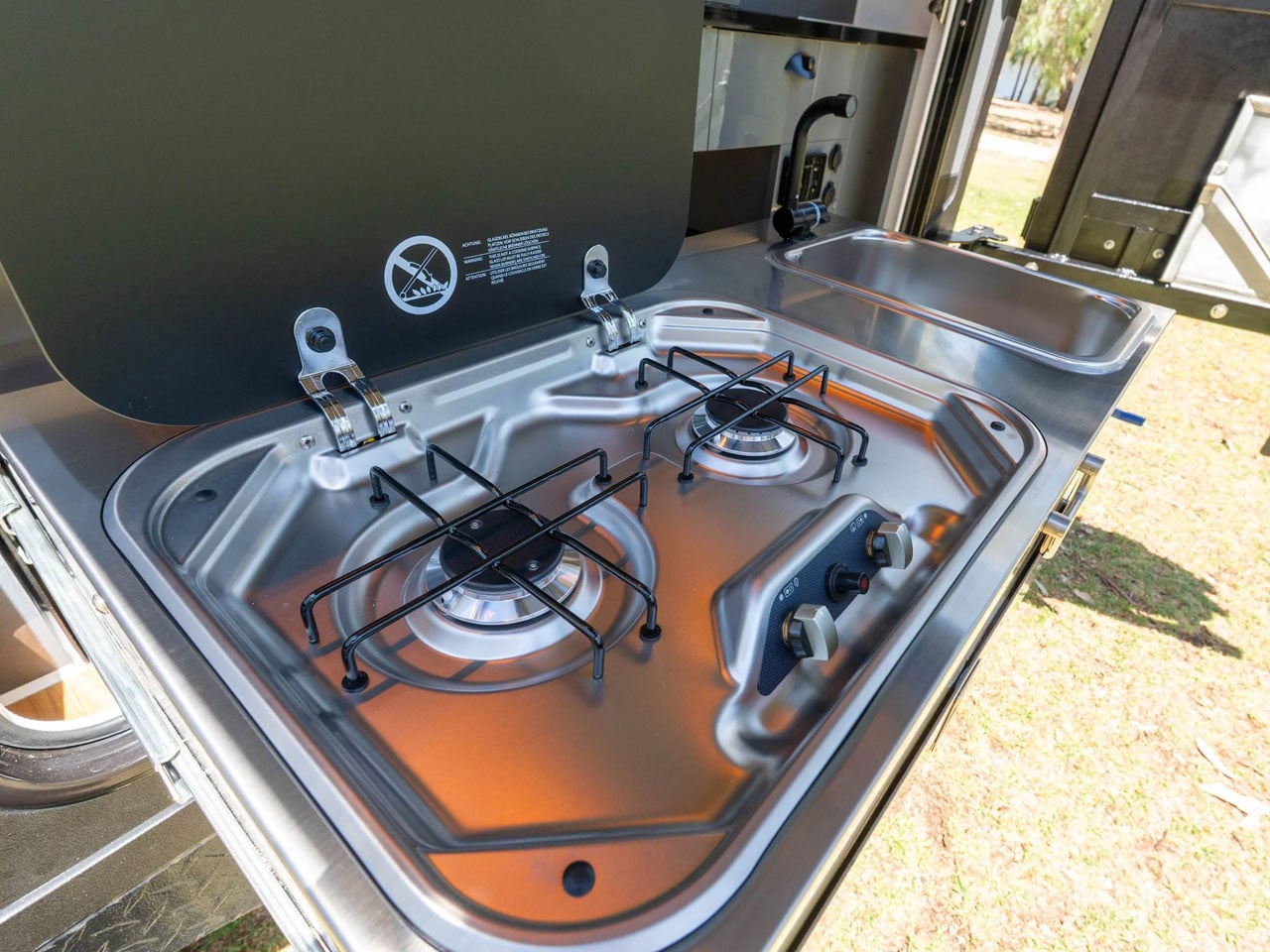
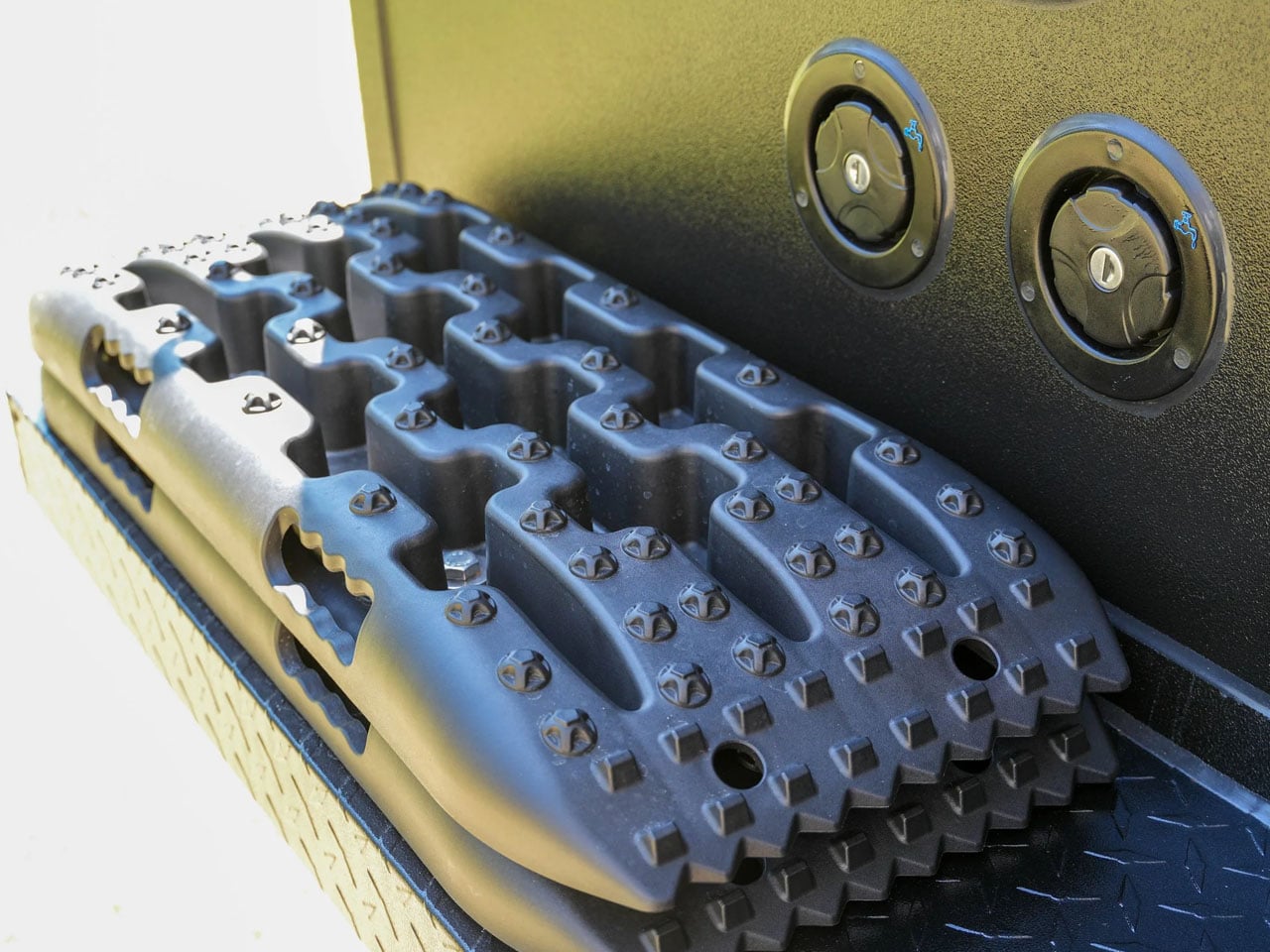
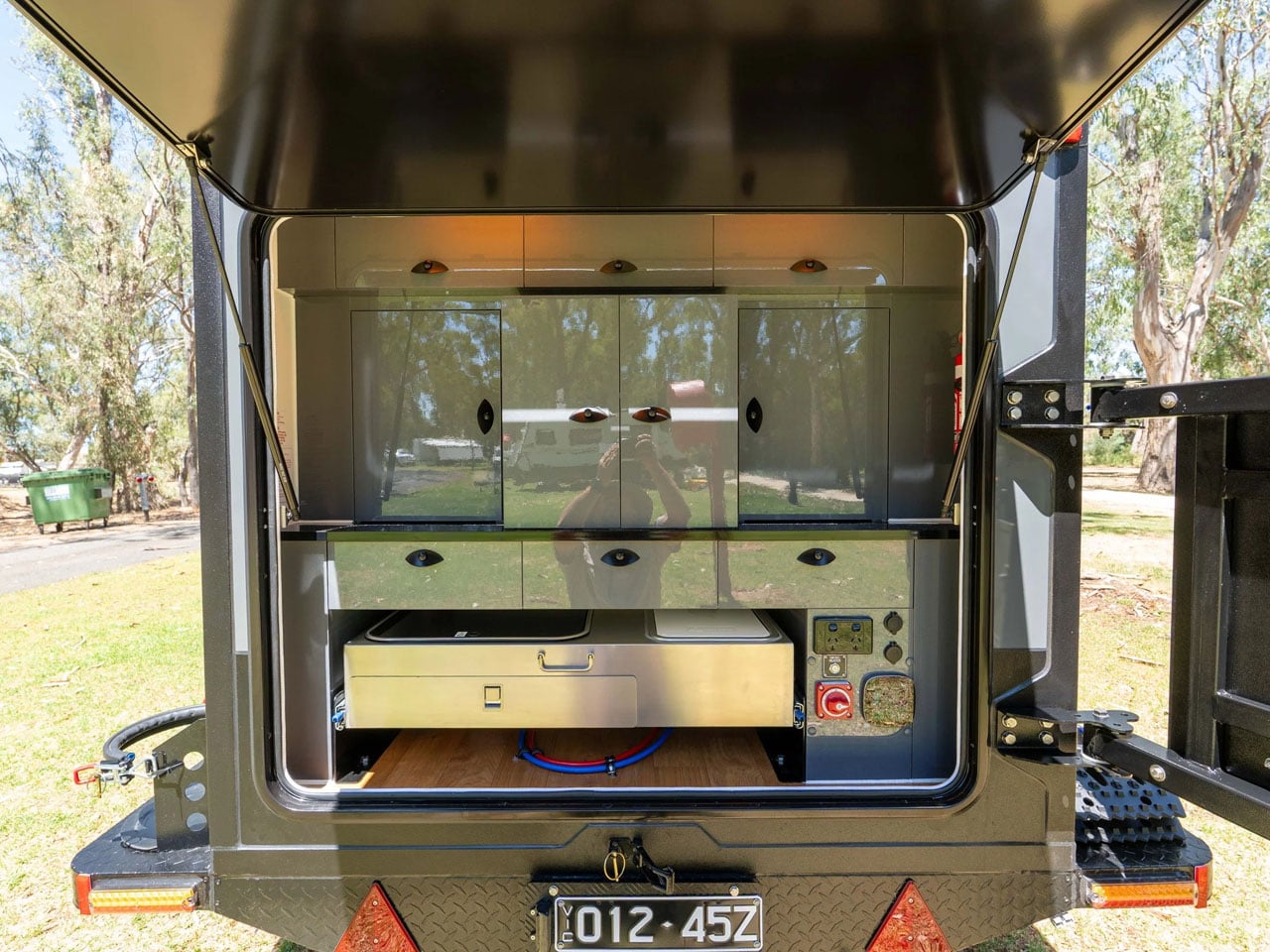
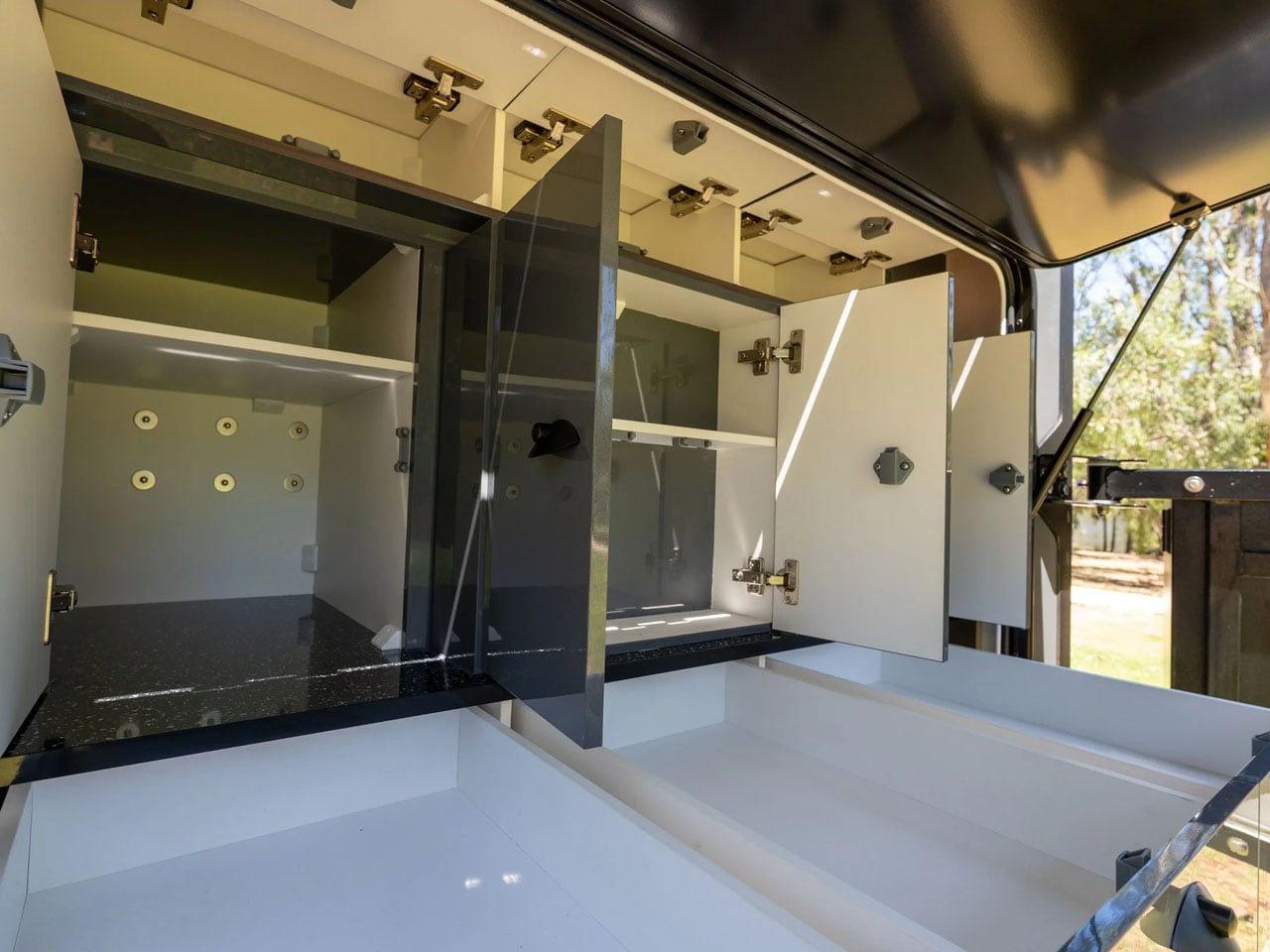
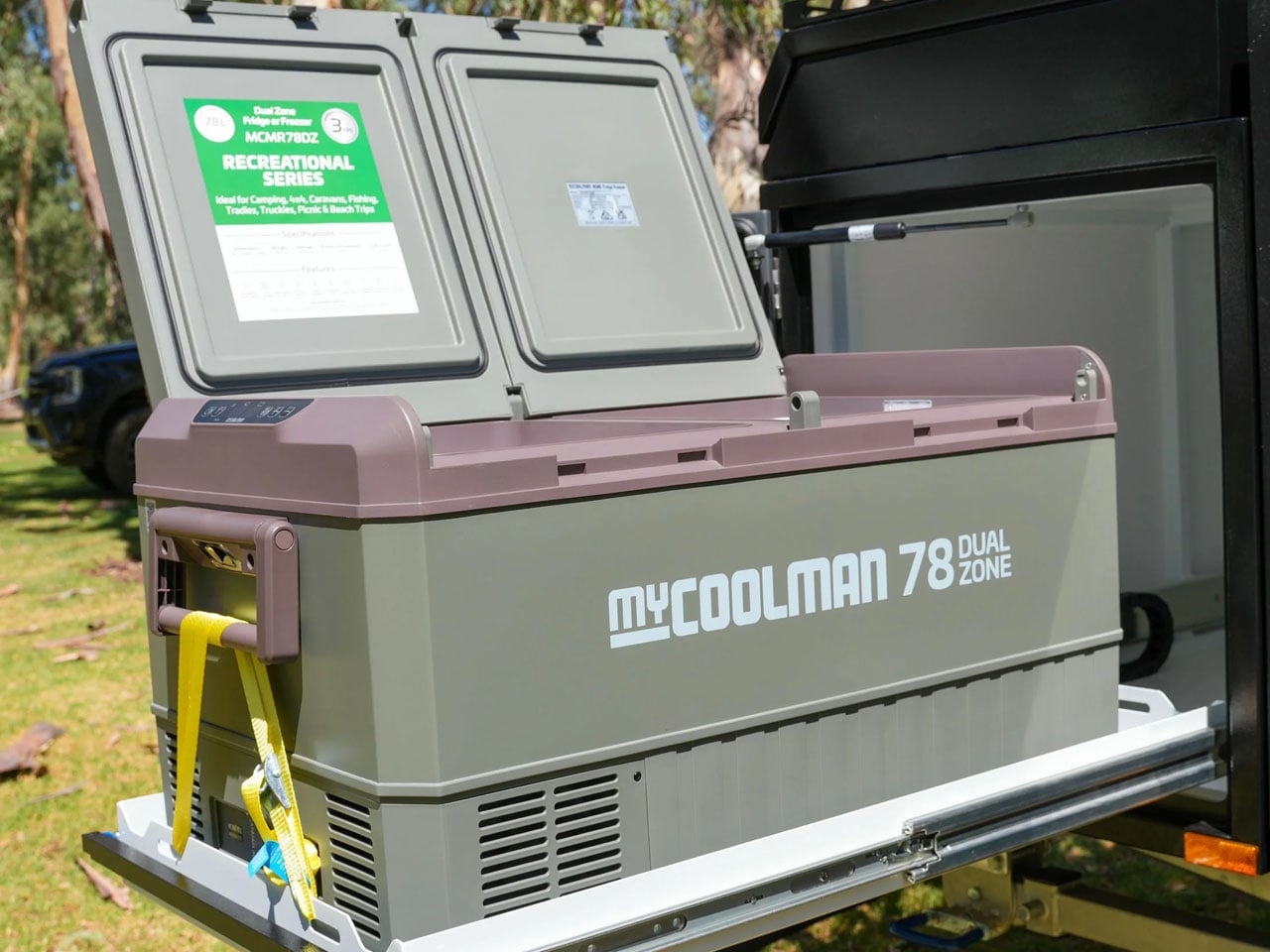
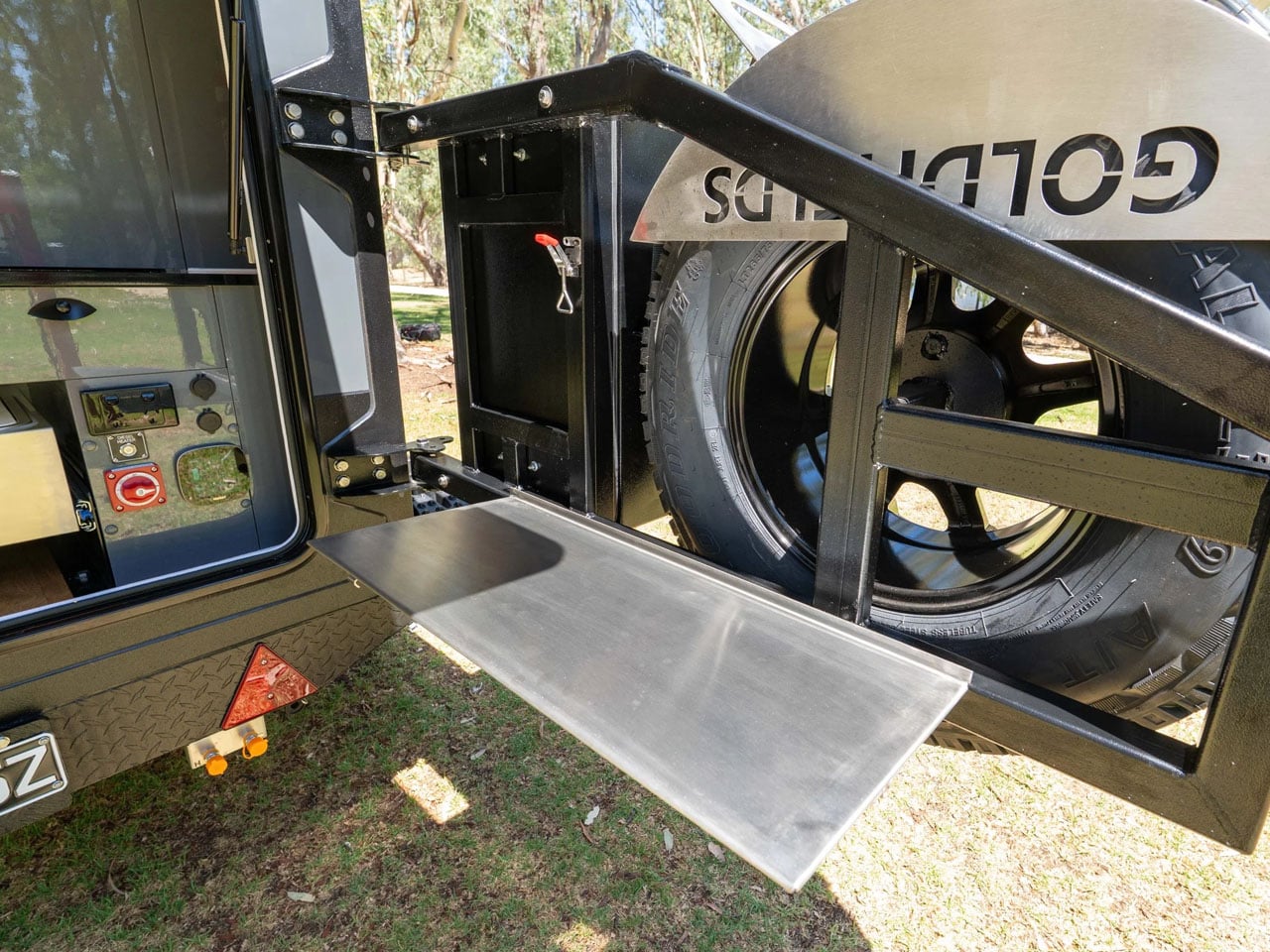
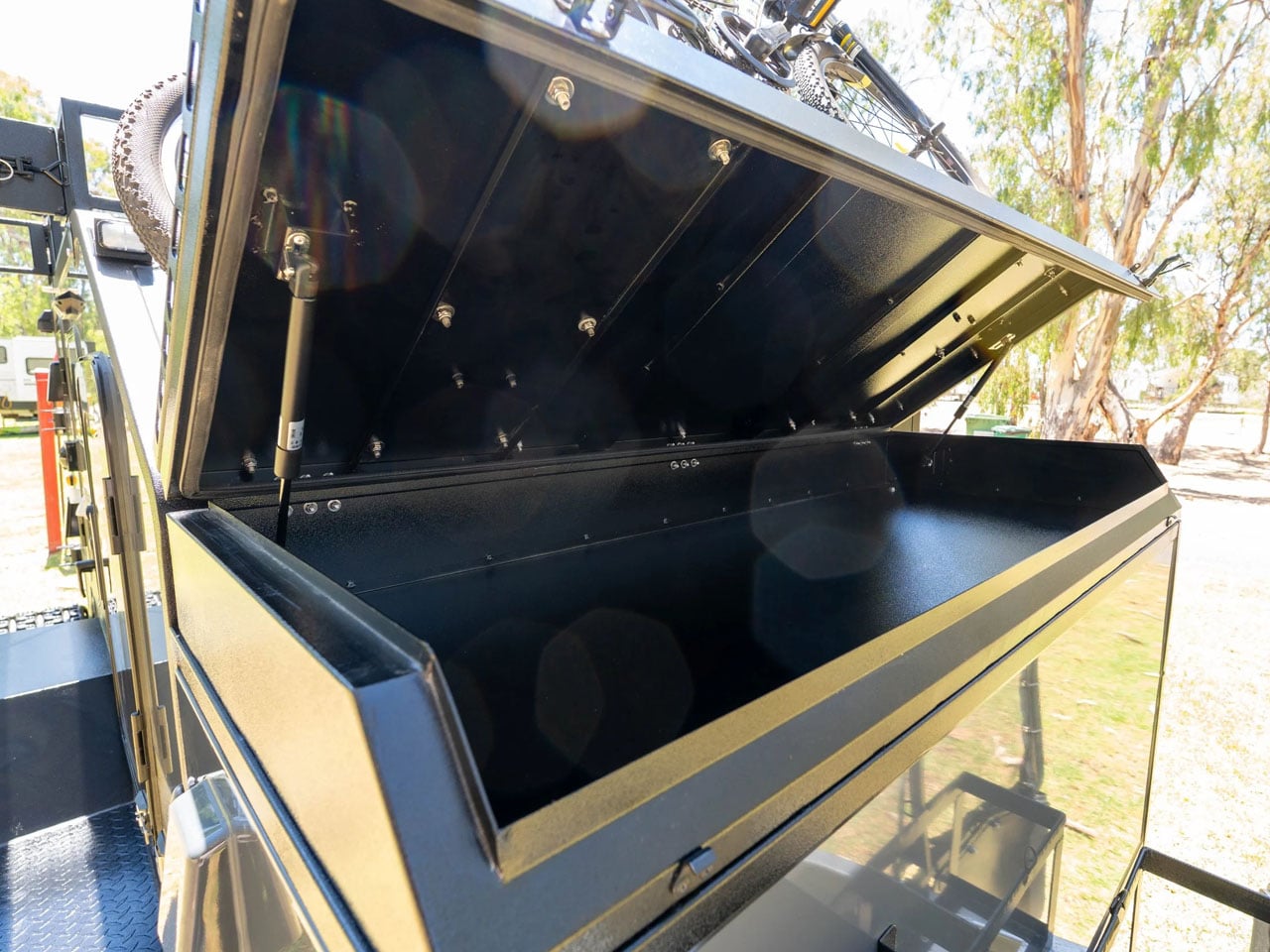
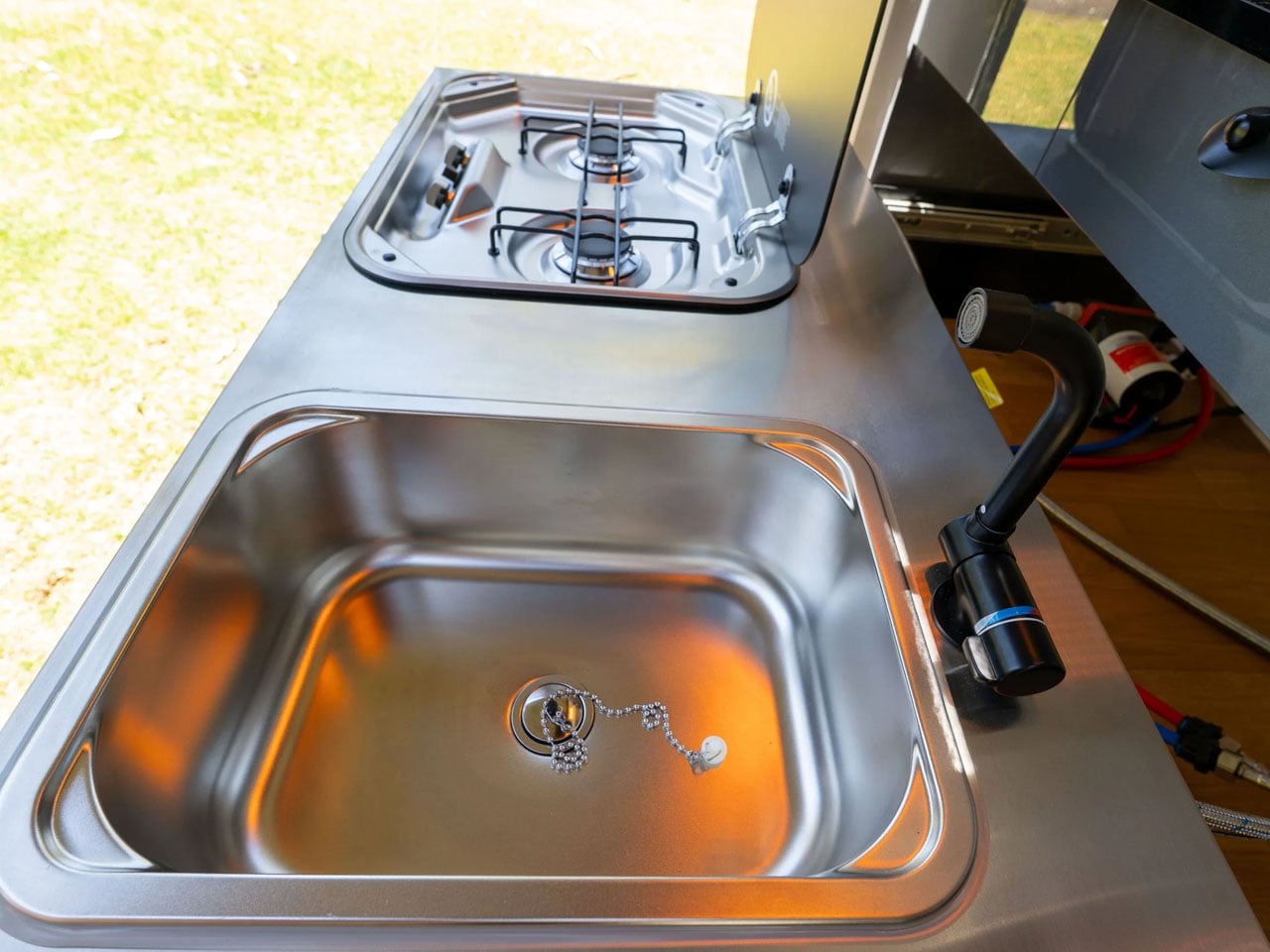
Structured in a way with amenities to multiply its footprint from a compact rig at camp, the Escape Pod comes with a big kitchen layout in the back. It comprises a two-burner stove, a large deep-dish sink, a cutlery tray, a prep bench, and a fold-down bench. Moving onto the side, you get a slide-out fridge tray and a long storage box above the fridge box. It can be topped with roof rails to carry up to two mountain bikes on your adventure. Presumably, the swappable section should be able to allow you to carry other gear as well.

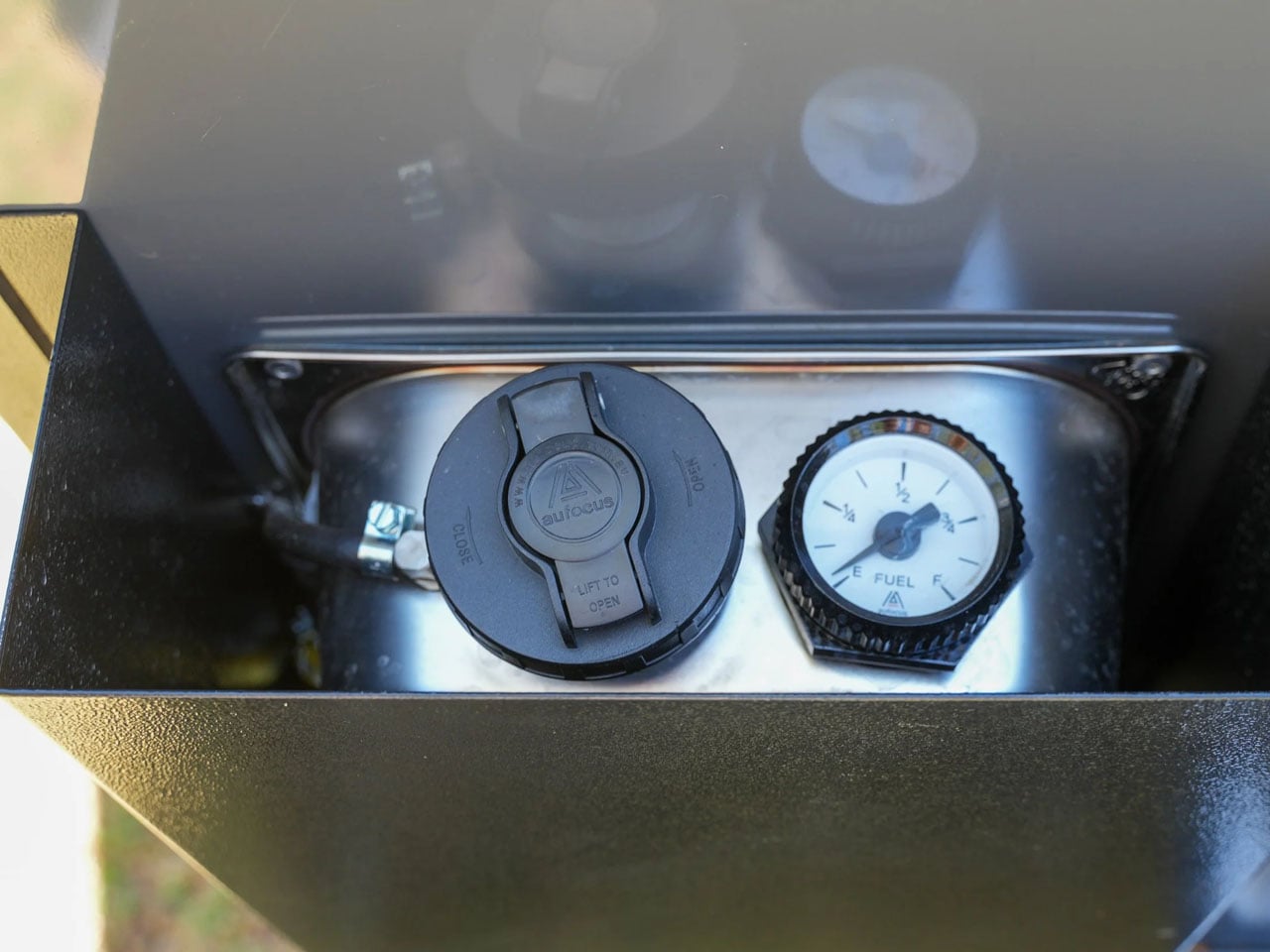
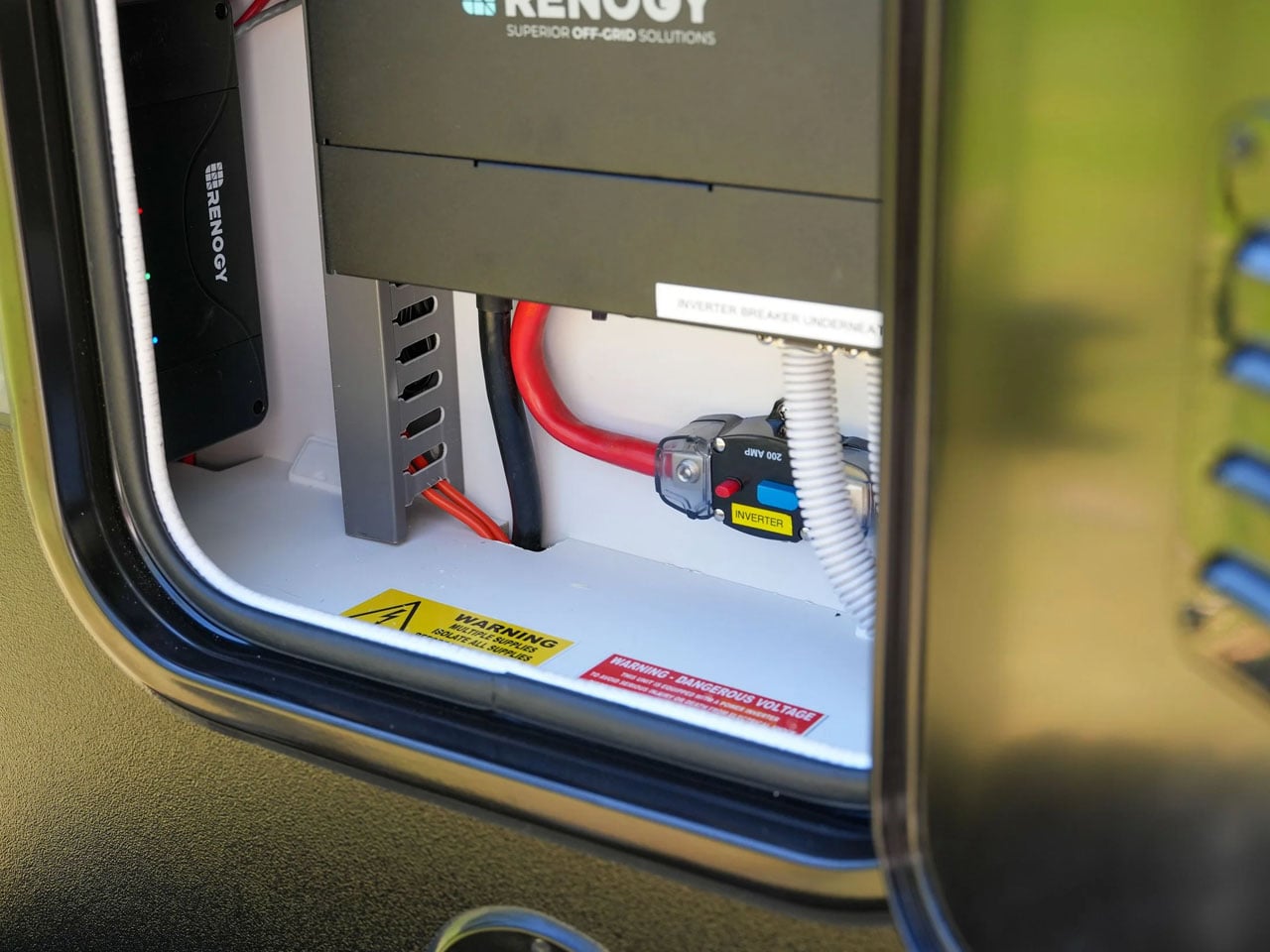
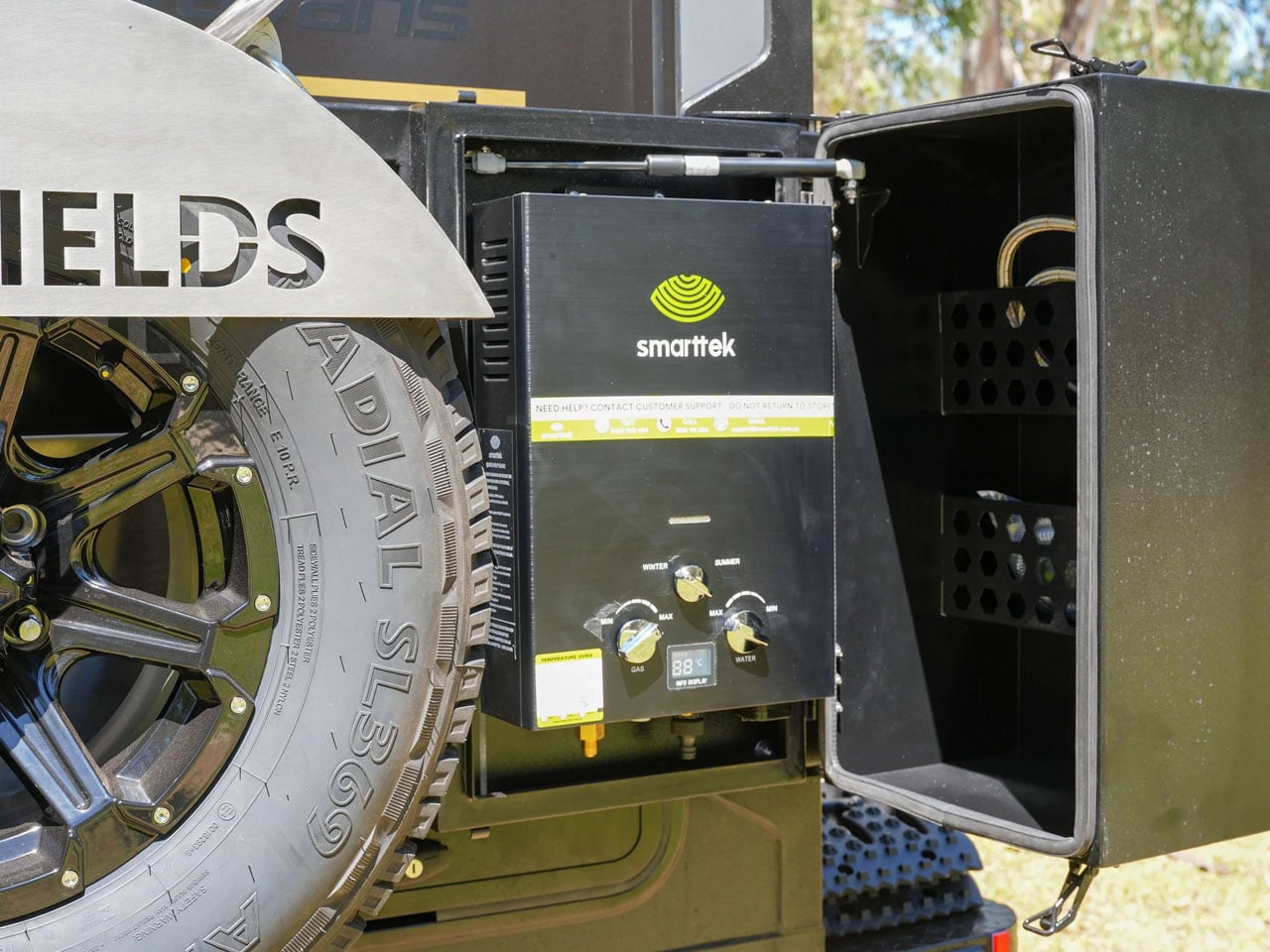
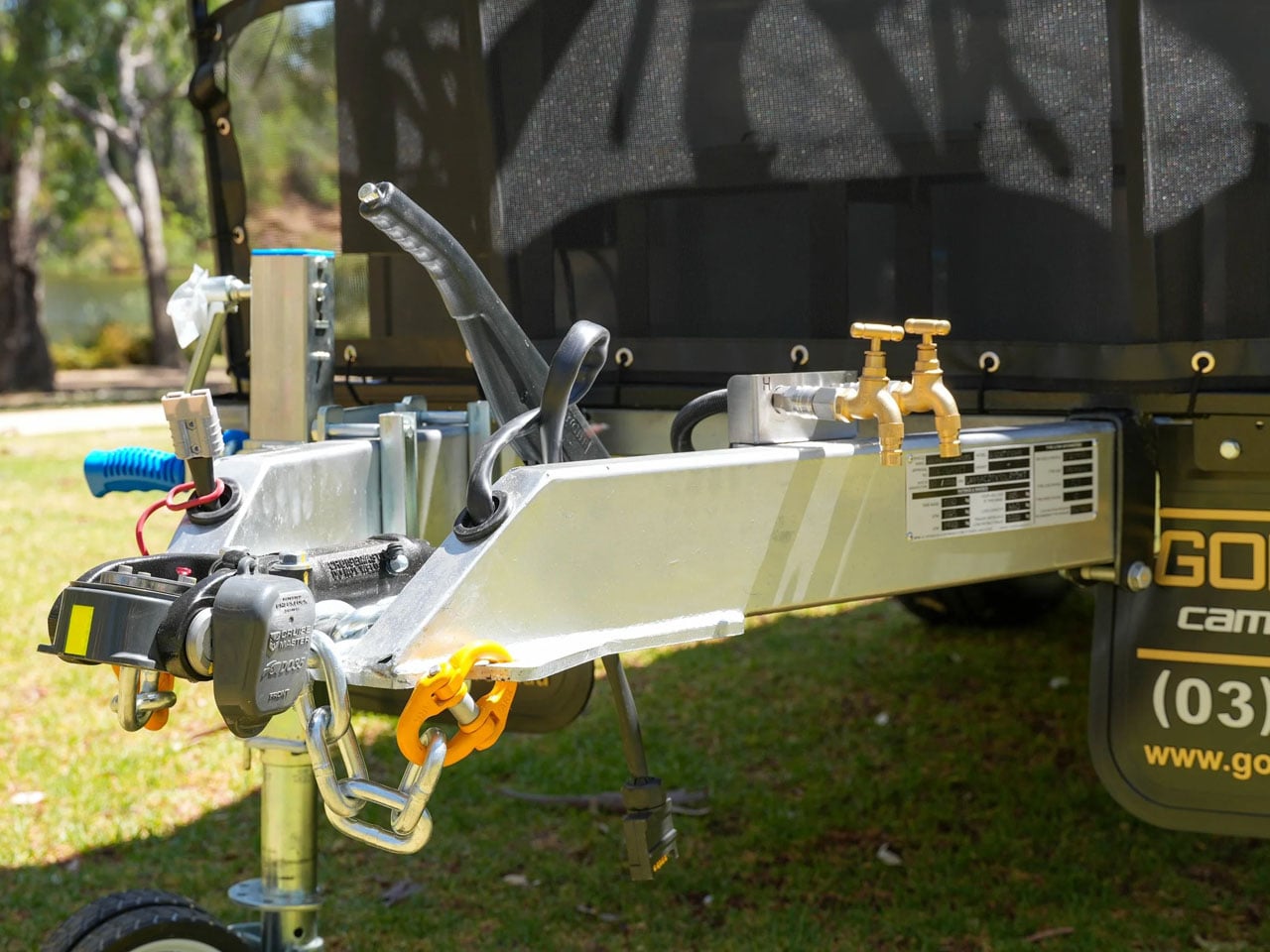
The most interesting and distinguishing aspect of the otherwise square-bodied camper is its slanting front, which comprises the solar panels. Besides, the camper comes onboard with a 300Ah lithium battery and a 2000W inverter. There is provision for a diesel heater to keep warm, and store up to two 20L jerry cans and a pair of 4kg diesel tanks.

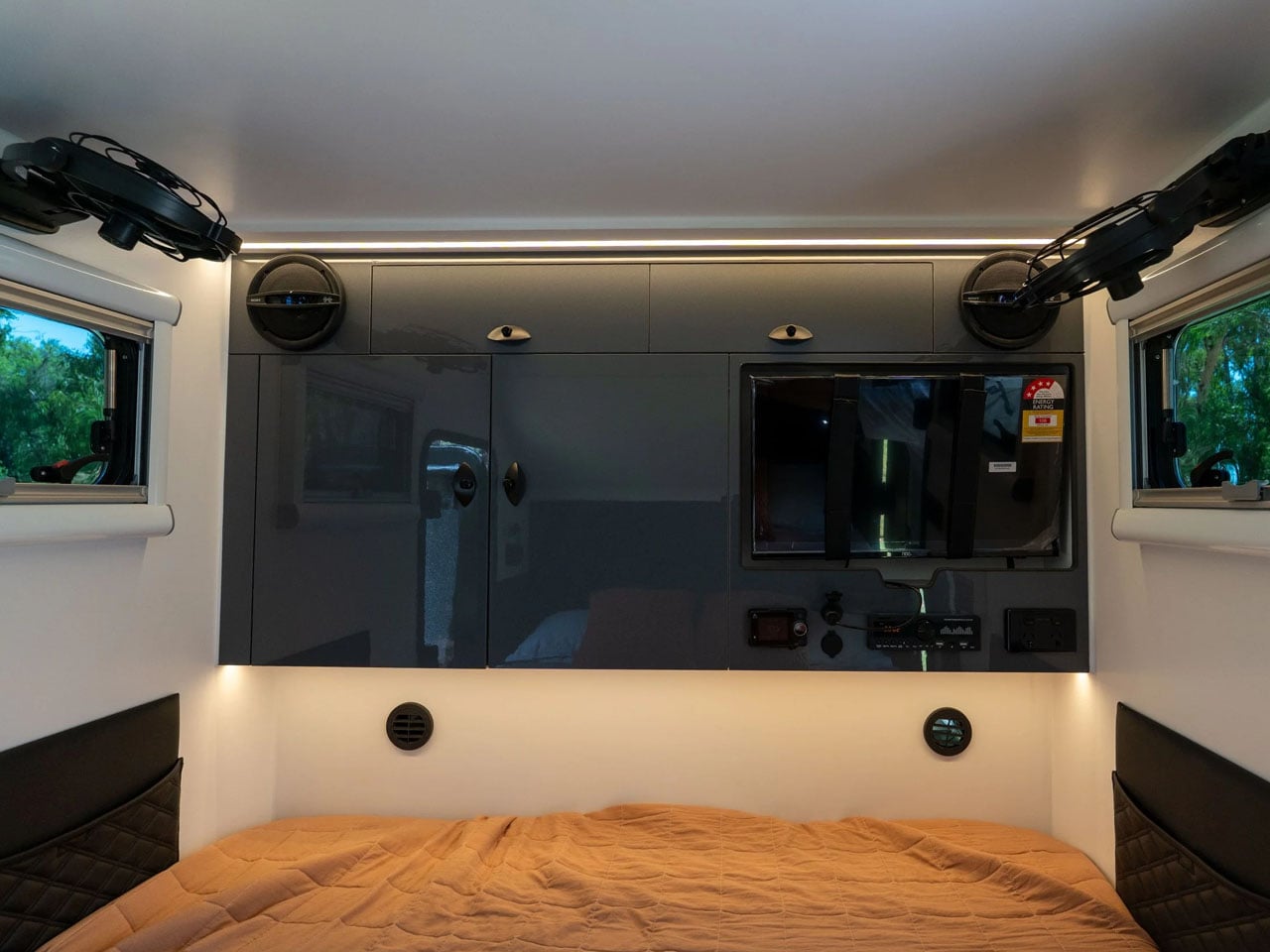
The cabin space, accessed by a side entry, is provided with a queen-size double bed and a complete entertainment system comprising a 21-in smart TV, Bluetooth radio, and stereo speakers. The TV is removable and can be used outside on an integrated mounting bracket. When outside, you can enjoy a shower and spend time under the Darche Gen 3 180-degree awning with lights. With storage for 200L total fresh water, folding tables, and all-terrain tires, the Escape Pod is definitely worth the off-grid adventures. If you’re interested, the camper starts for AUD 38,990 (approximately $27,700).

The post 2026 Escape Pod is more powerful, comfortable, and all set for escaping into the wilderness first appeared on Yanko Design.
Wingcube transforms from compact box trailer into spacious family camper

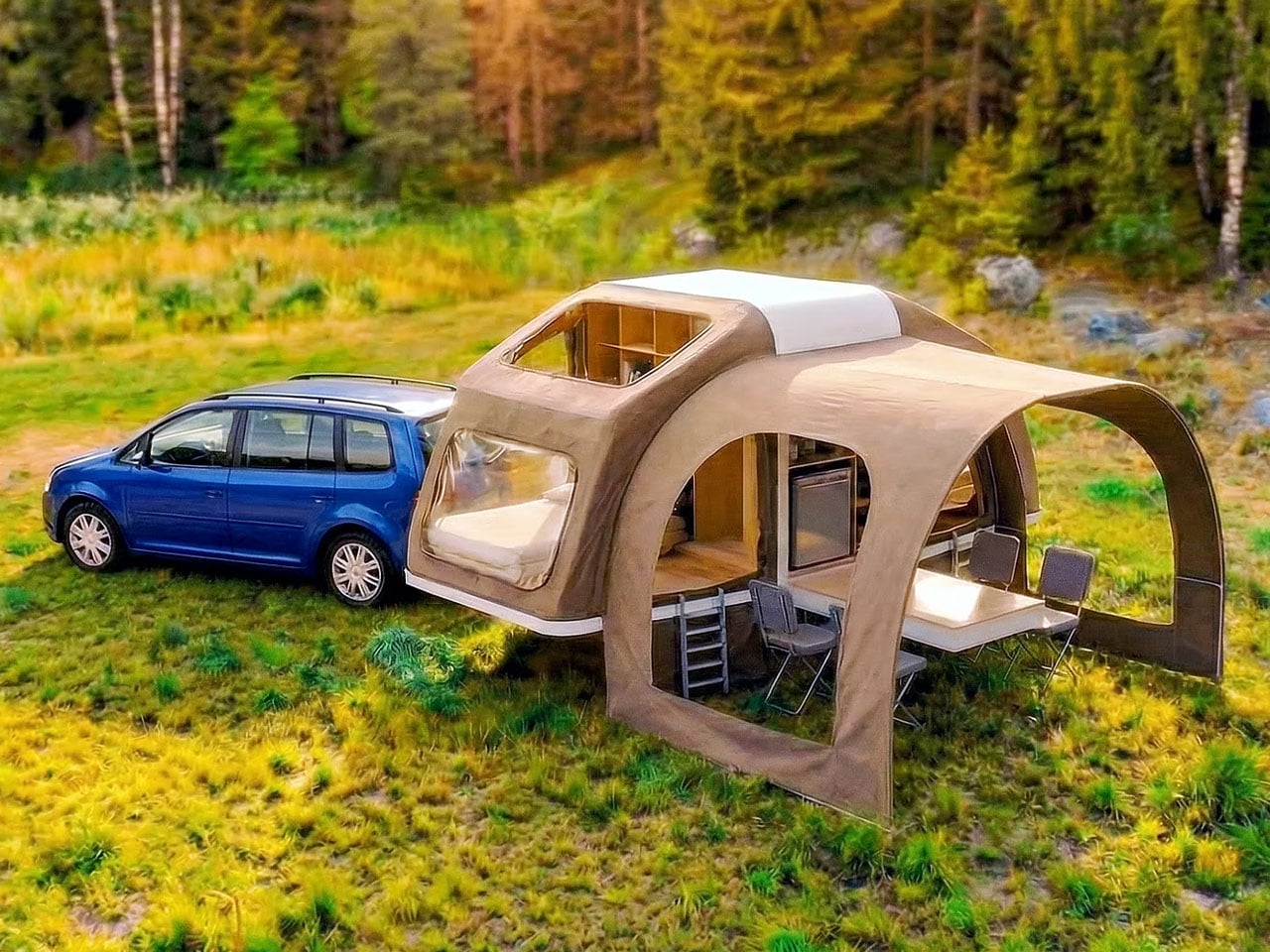
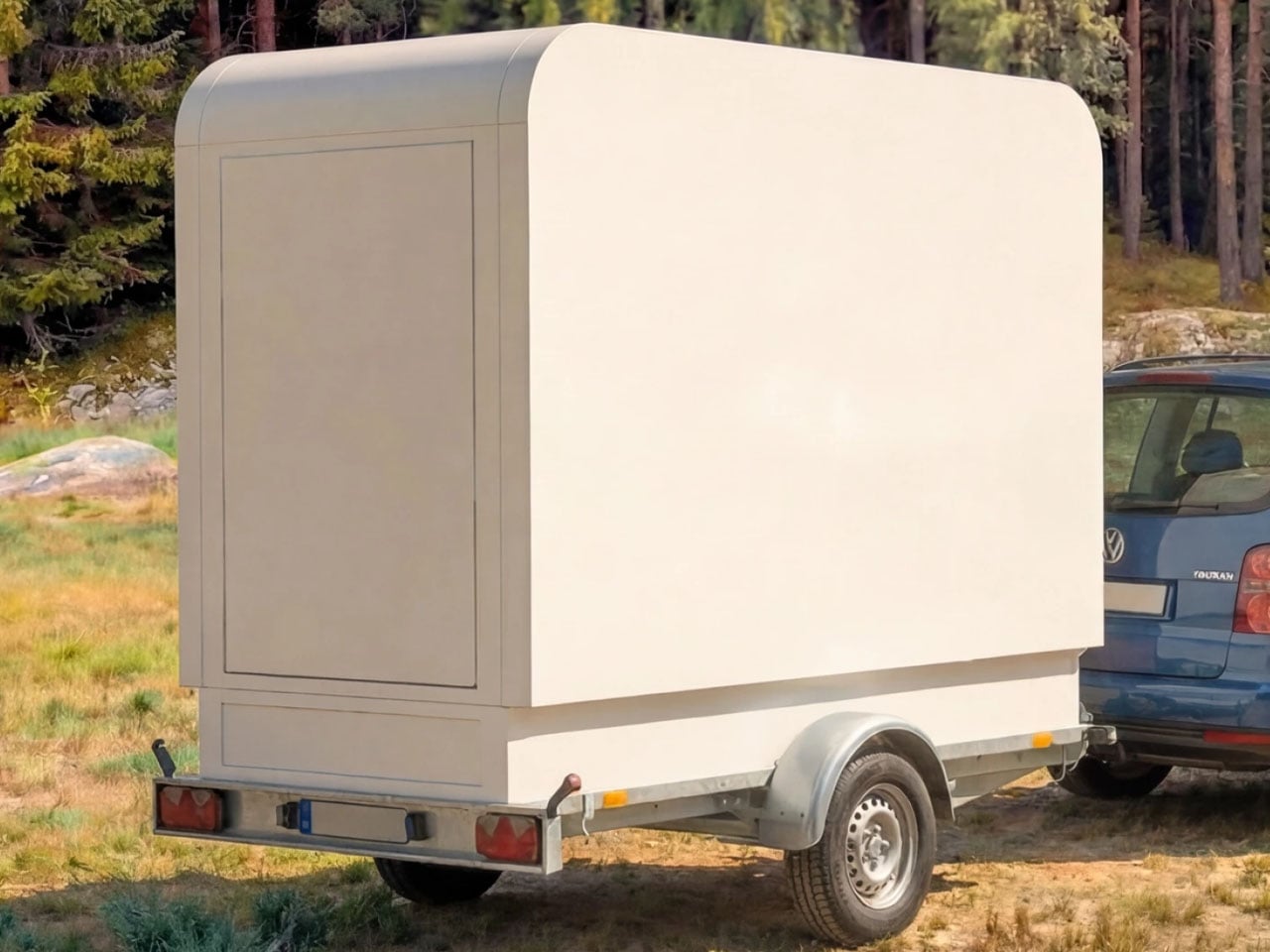
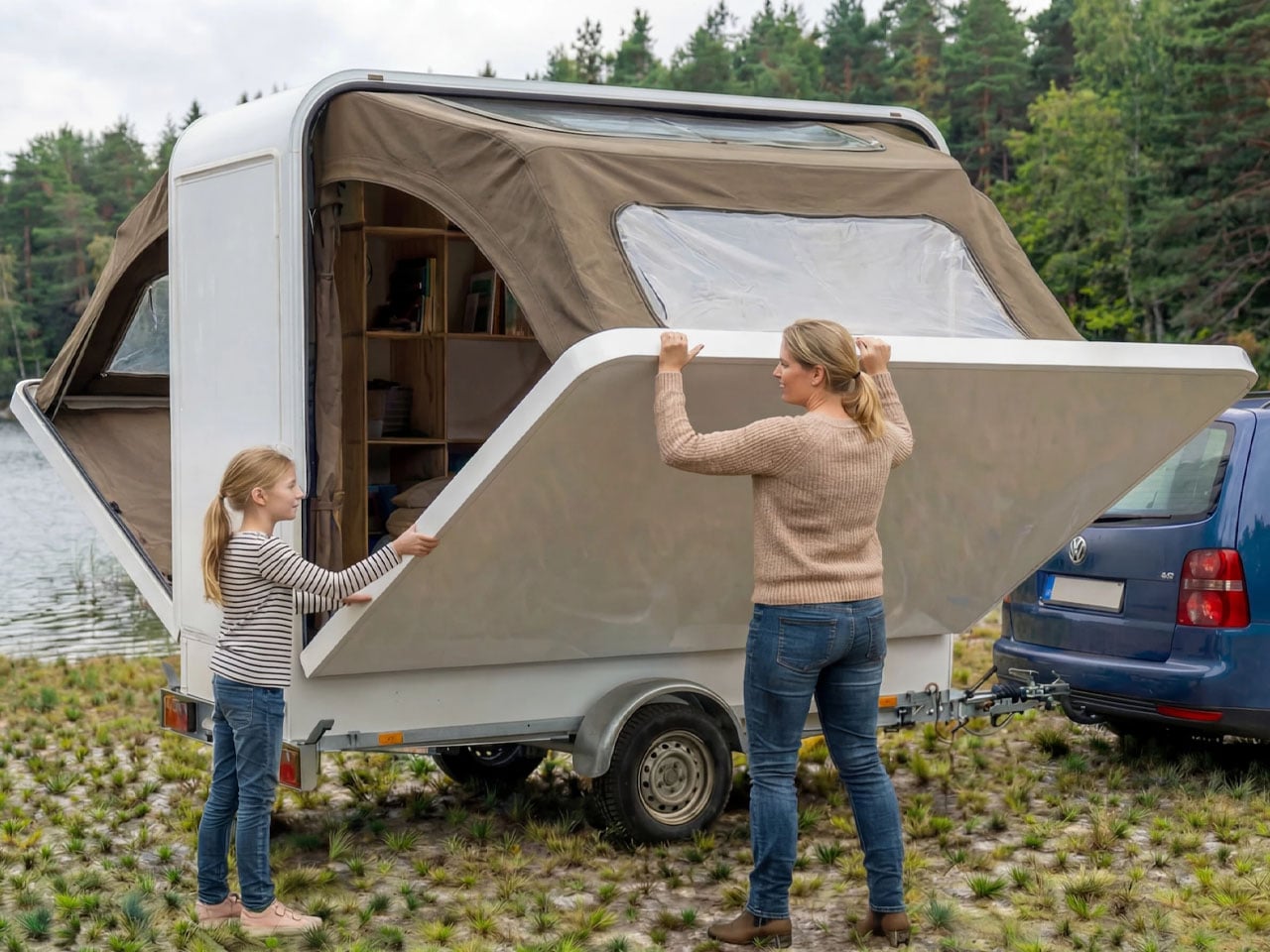
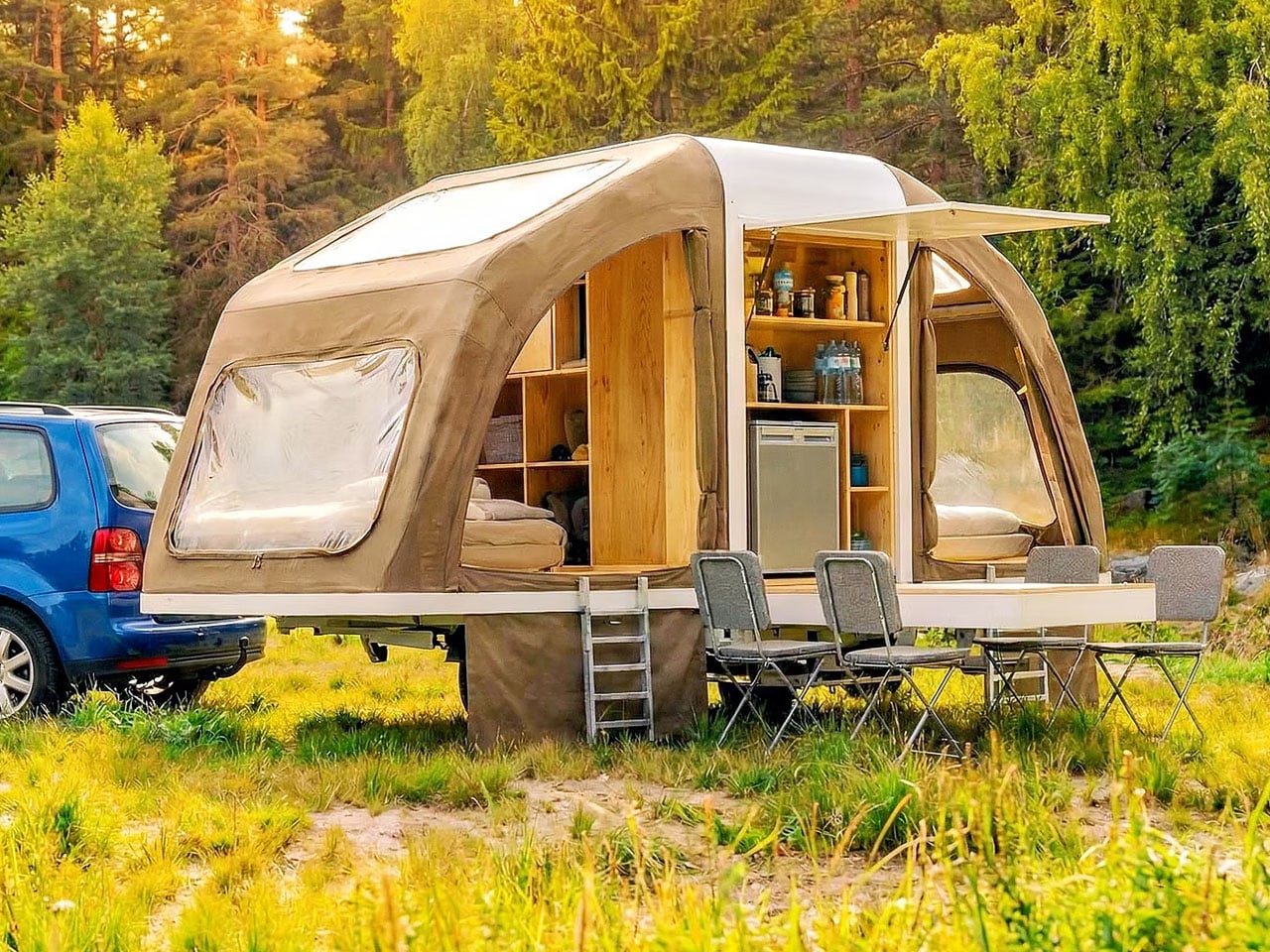
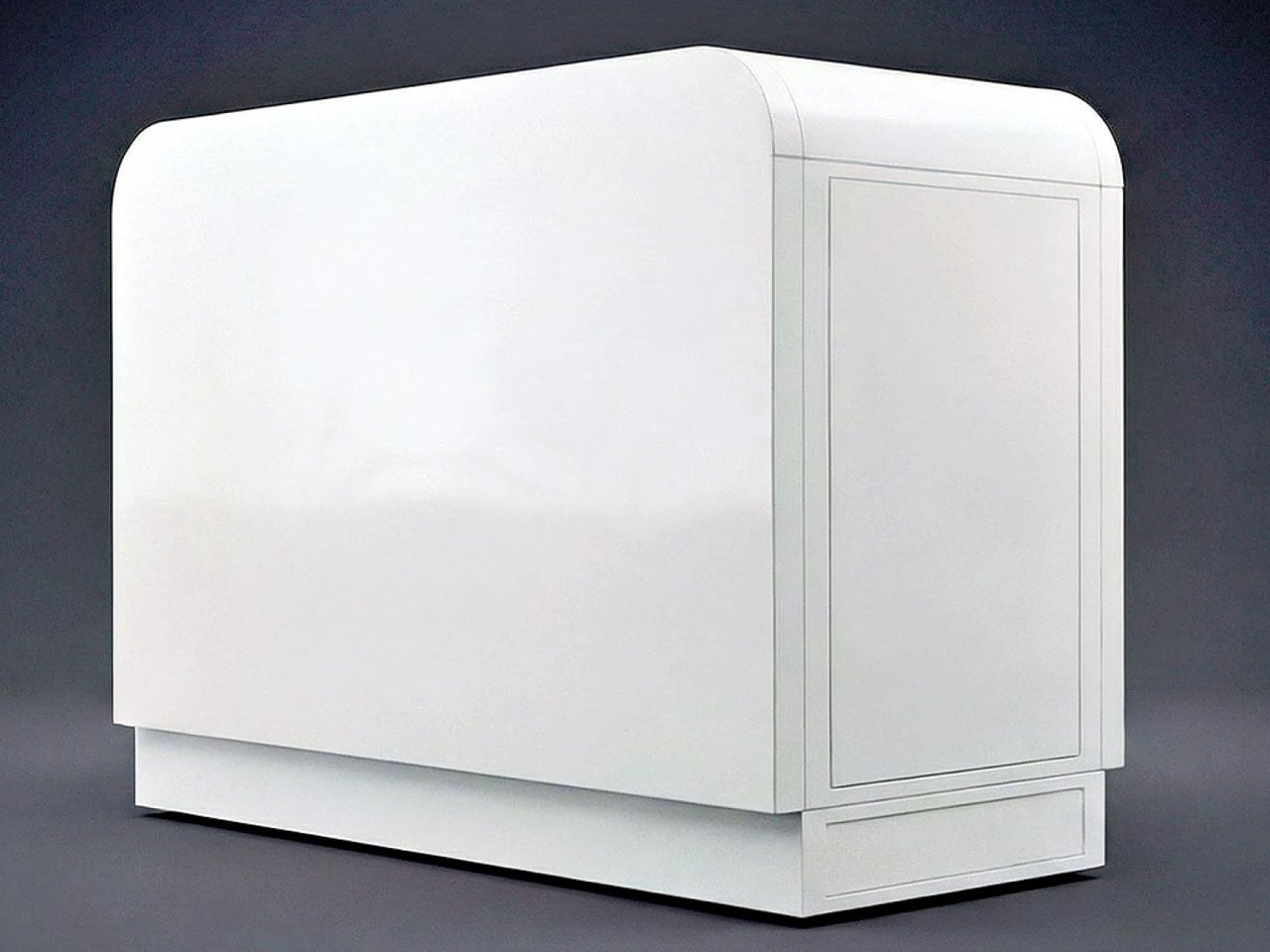
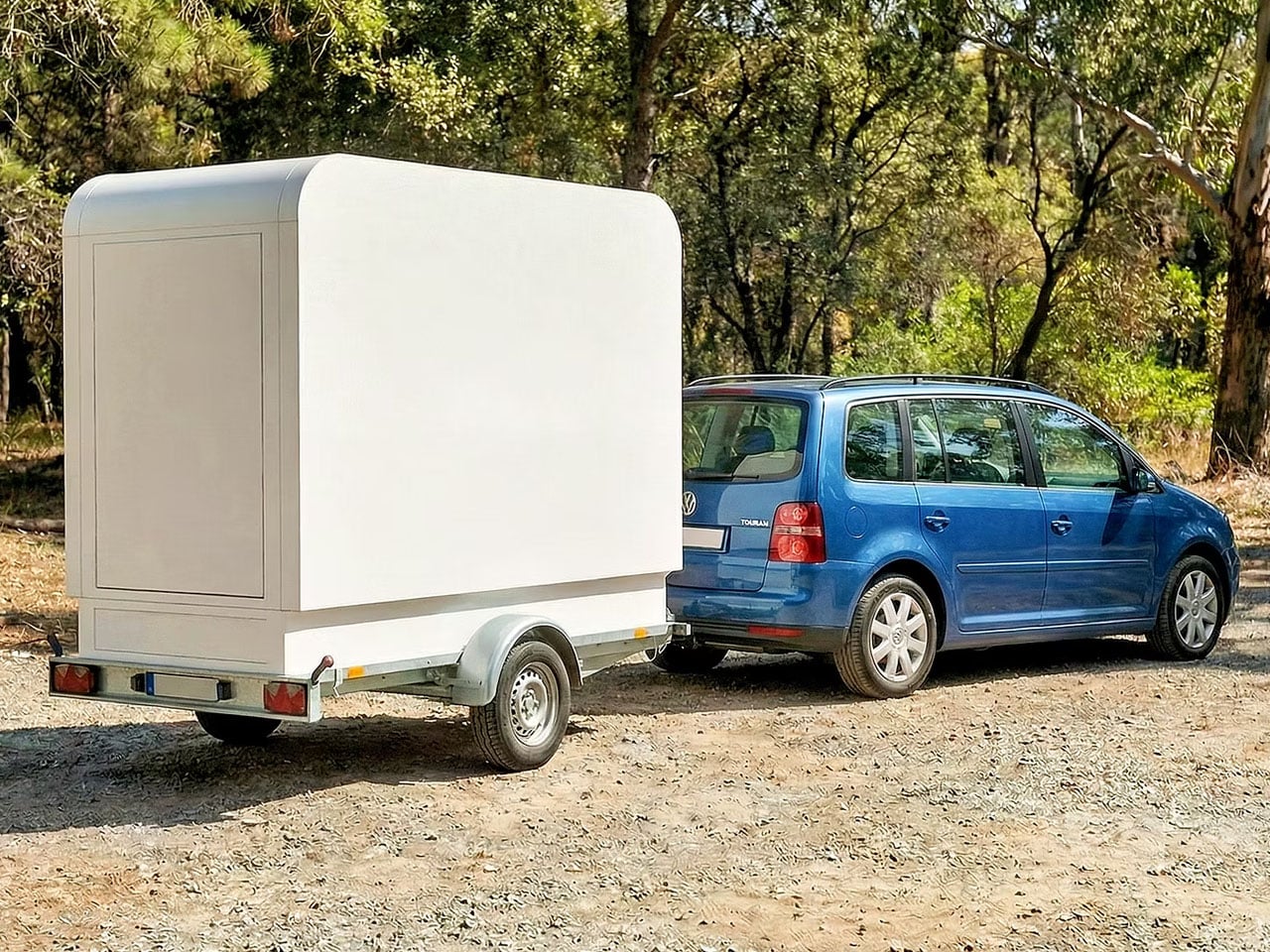
Camping by the lake or on the beach has many facets. For some, it means camping inside their toned-up vehicles, and for others, it’s to snuggle up in a towing mobile home at the end of the day’s fun. In the latter category, there are choice and one that’s really caught my attention is the new Wingcube. This is a compact box when in tow, and at the camp, it opens up like a butterfly to become a complete, weatherproof home you can casually live in with your family for a few days.

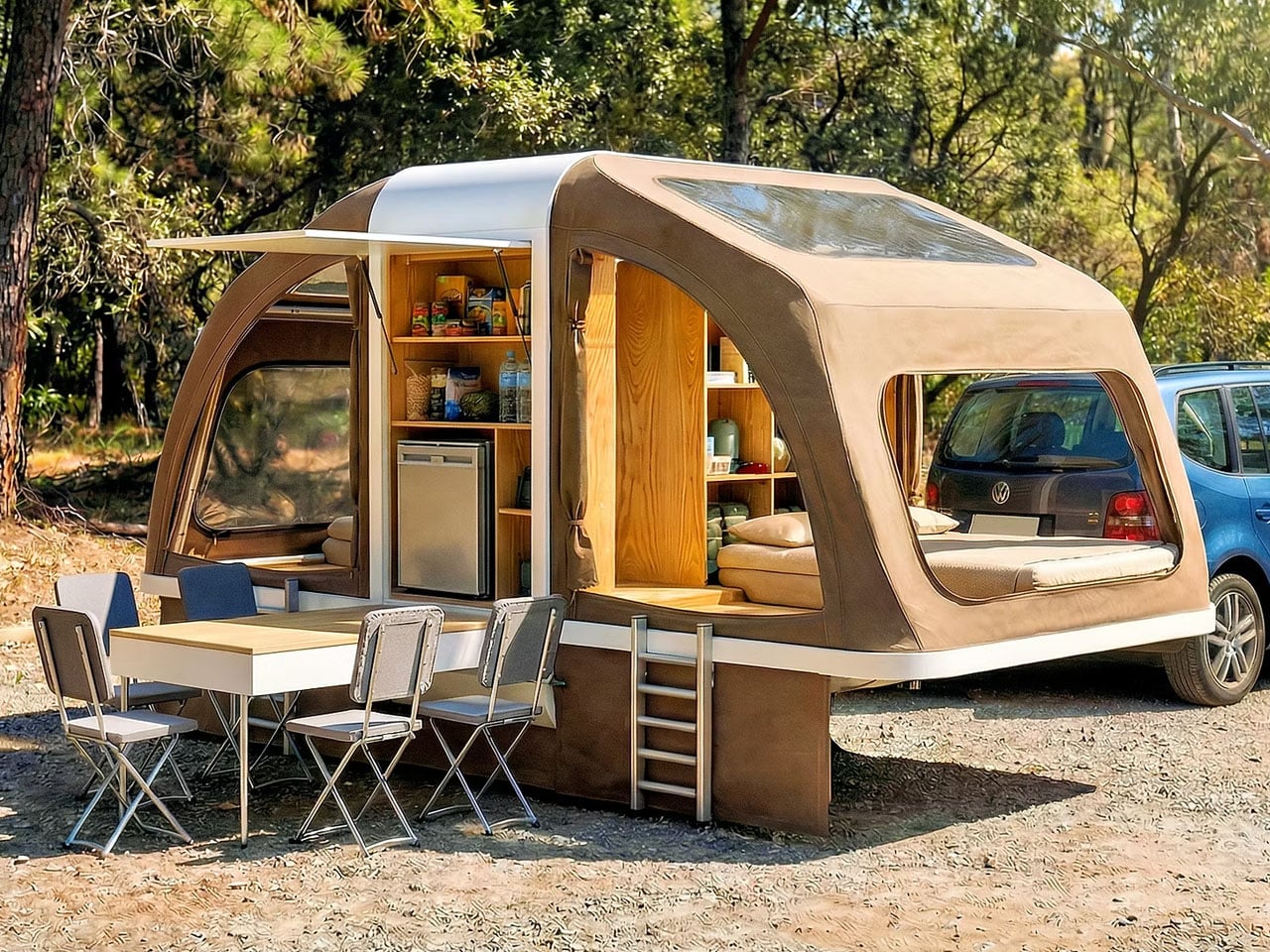
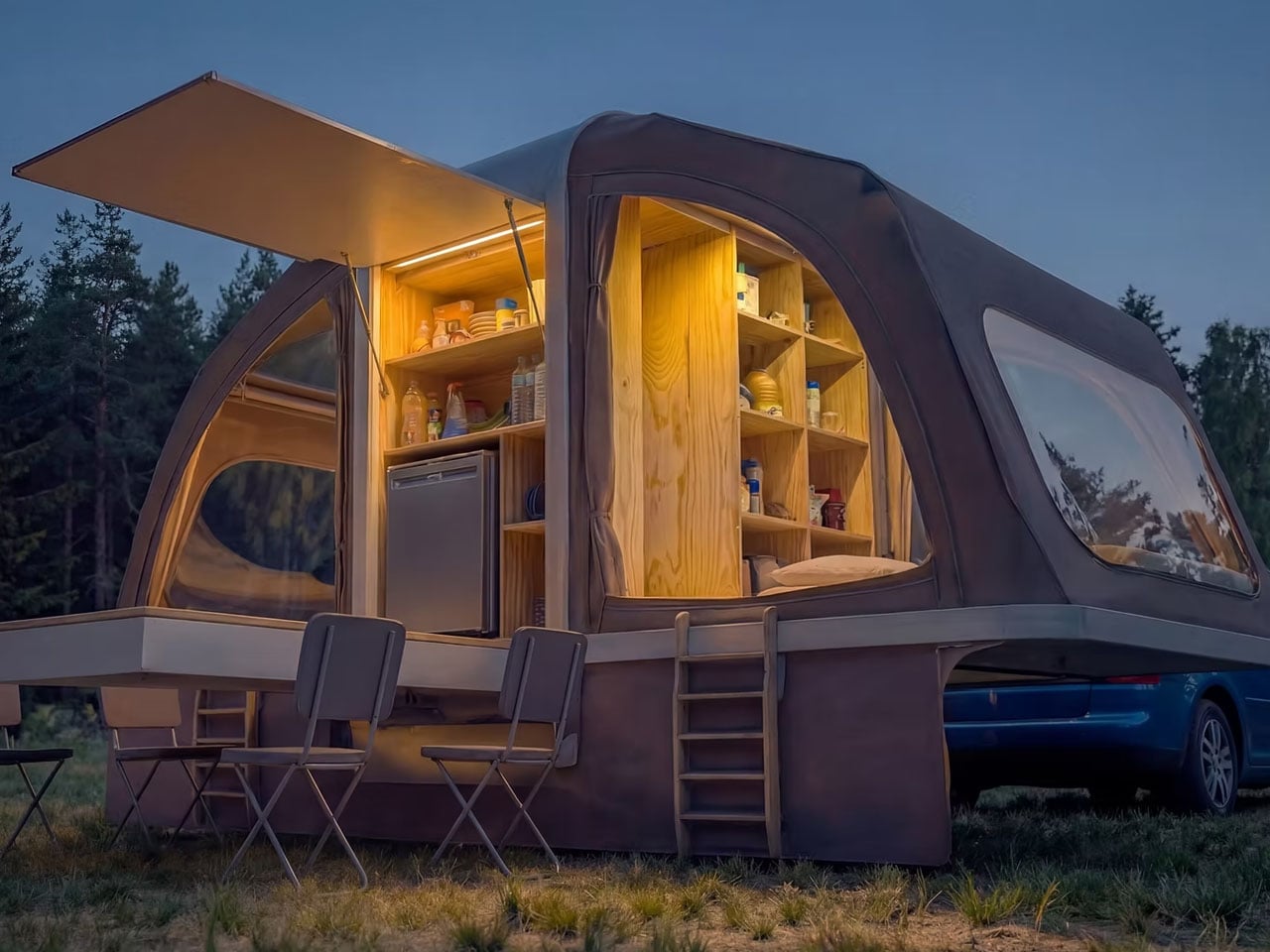
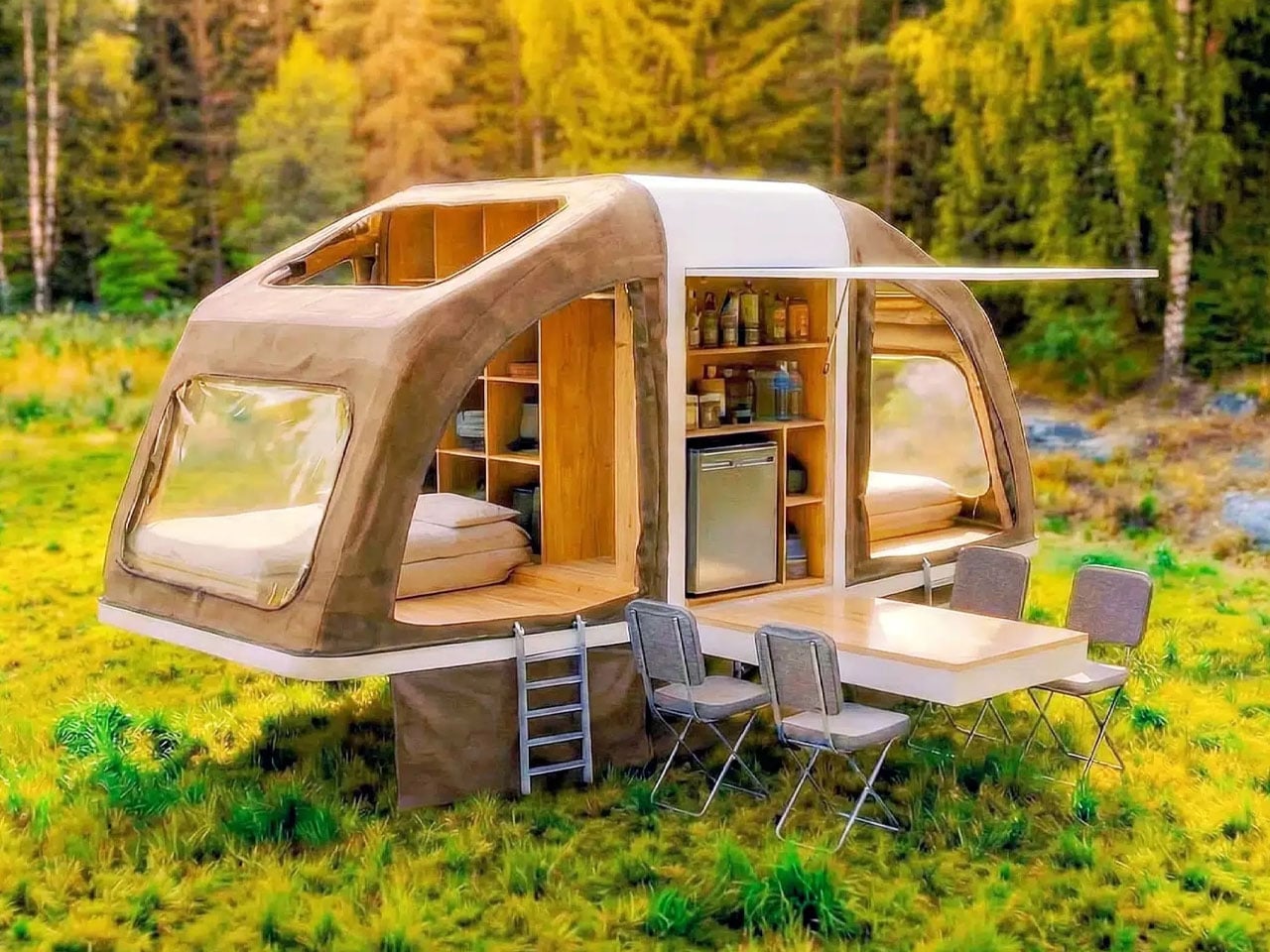
Of course, when you see the press image,s you feel it’s another AI hoax. But it’s not really that, however, it is still a work in progress. The Wingcube is only a prototype at the time of writing but substantially a perspective gamechanger if it can be pulled of as is in the near future. The design is under constant change, so we cannot for a fact say what’s going to be what when it hits the market, but that’s not going to stop me from enjoying what it is at this point in time; that is a two-bedroom folding tent box with its own outdoor dinette, kitchen and lots of storage inside.

Designer: Wingcube

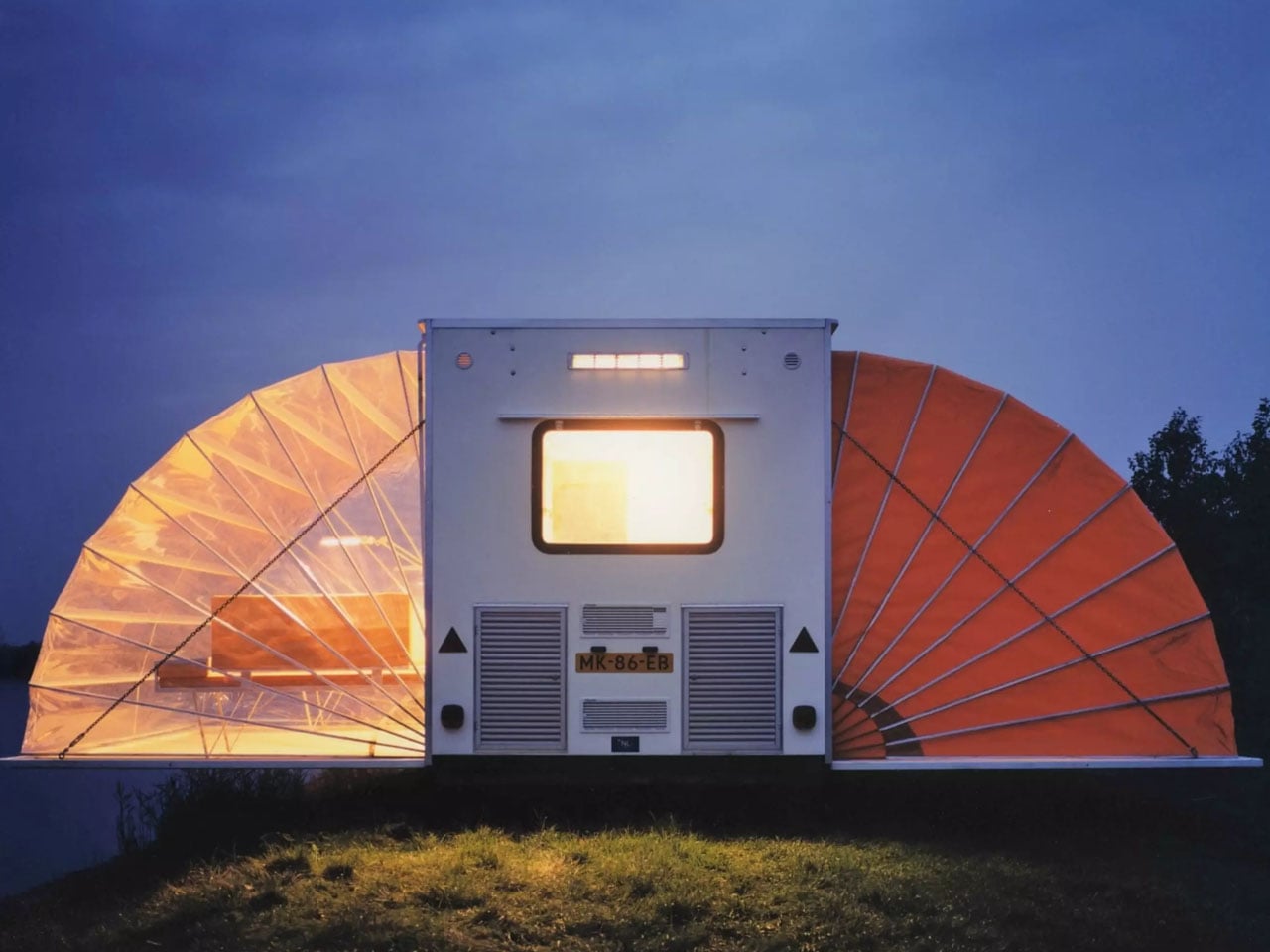
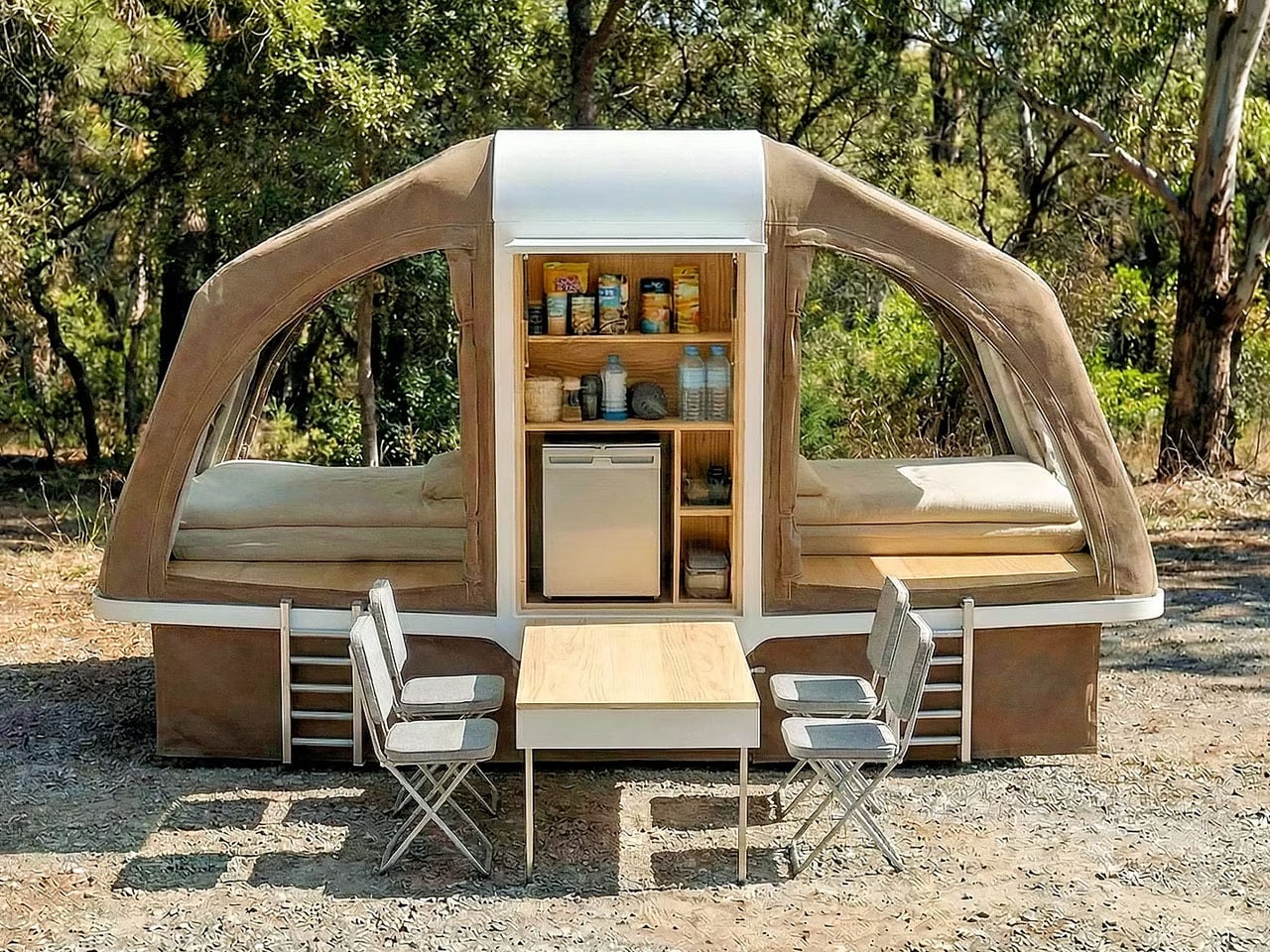
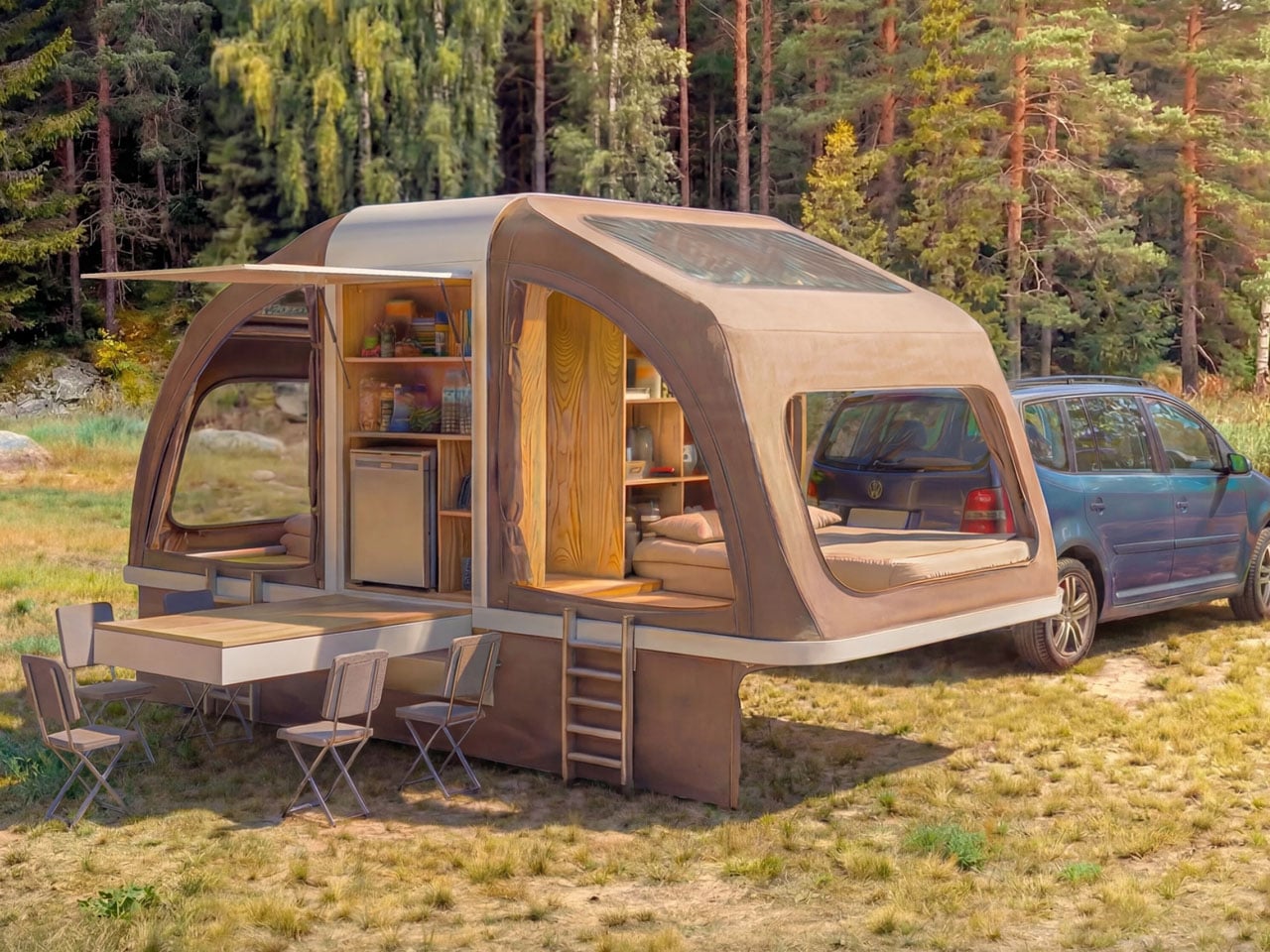
Conceived with the idea of making your family adventures more enjoyable and convenient, the Wingcube is easy to handle on the road and effortless to setup and repack. The trailer-based folding tent is extremely lightweight to tow behind any vehicle type (actual specifics of weight and dimension are not available). When you have reached your destination, the two main wings (on either side of the box) fold out manually (yes that can be electronic, going into production), parallel to the ground with the tent canvas – attached to the frame – folding down along with it.

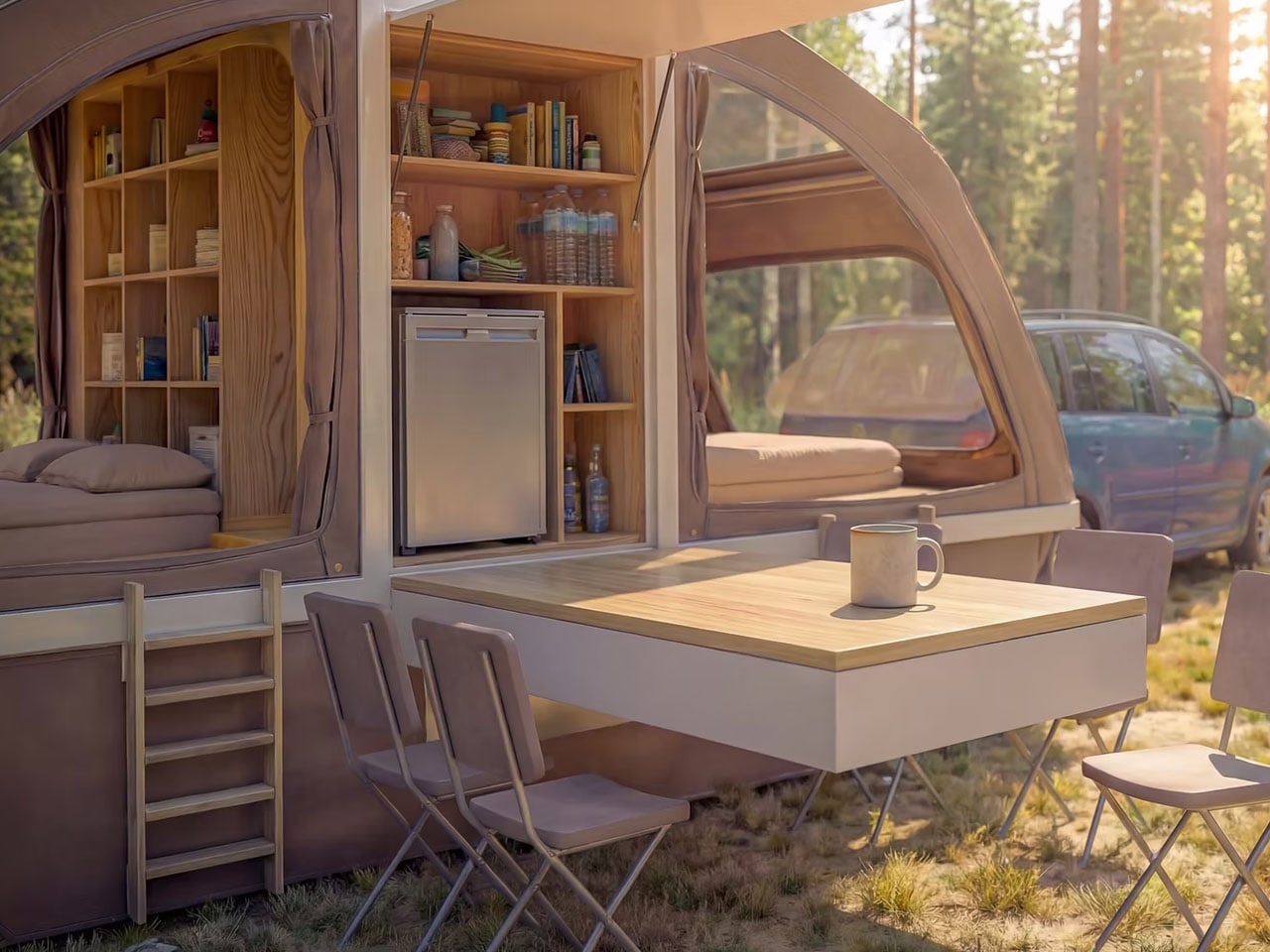
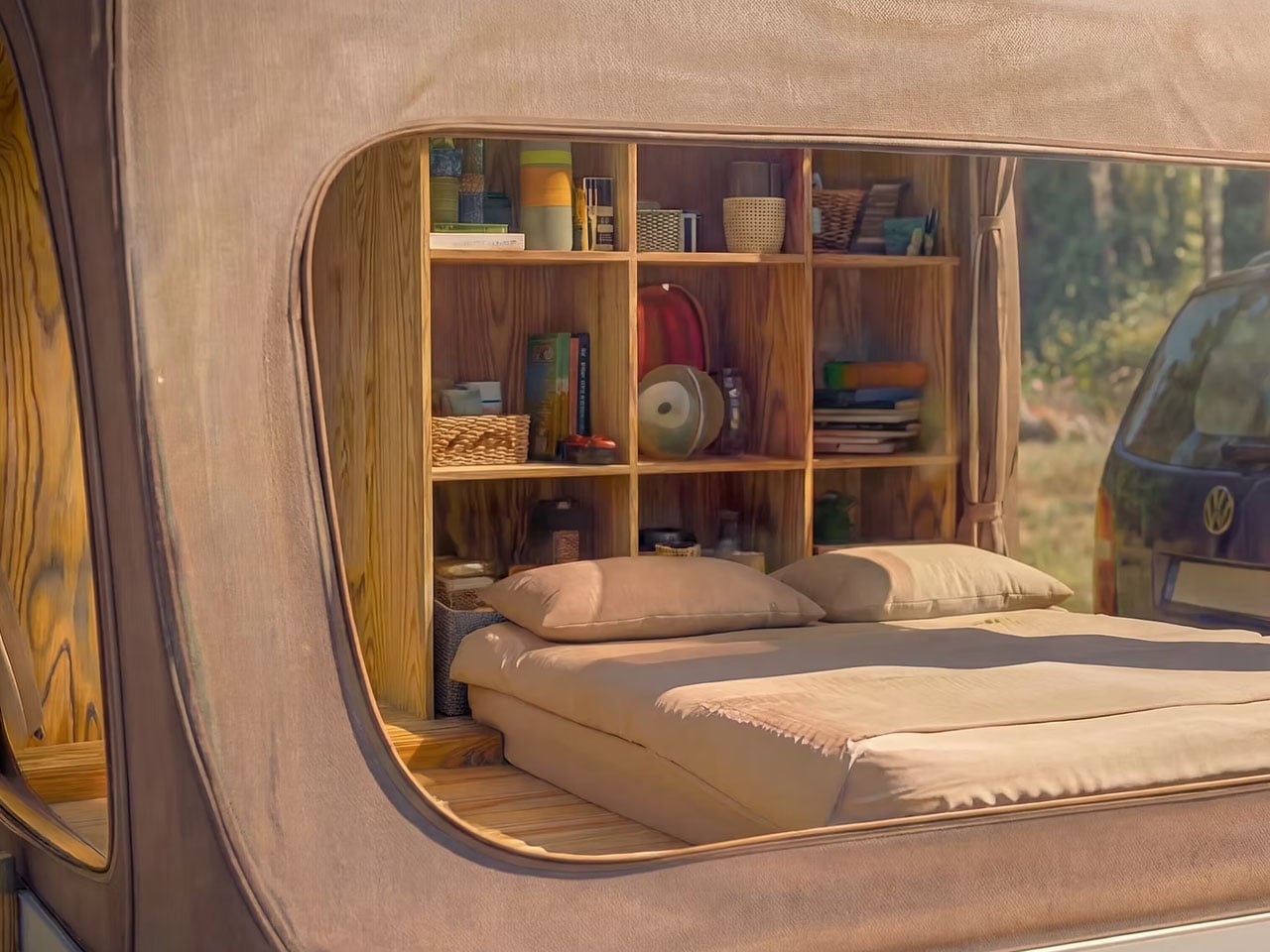
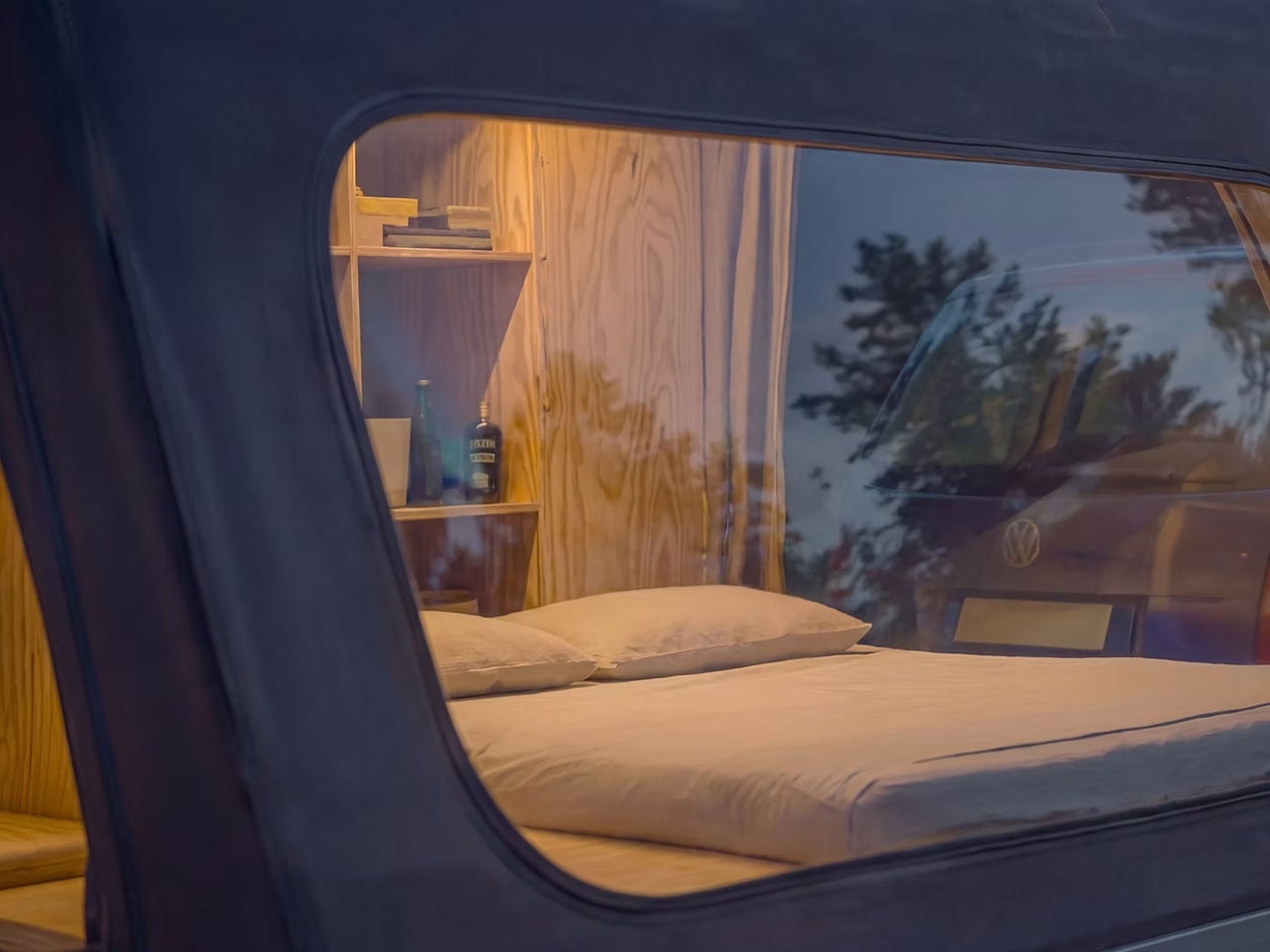
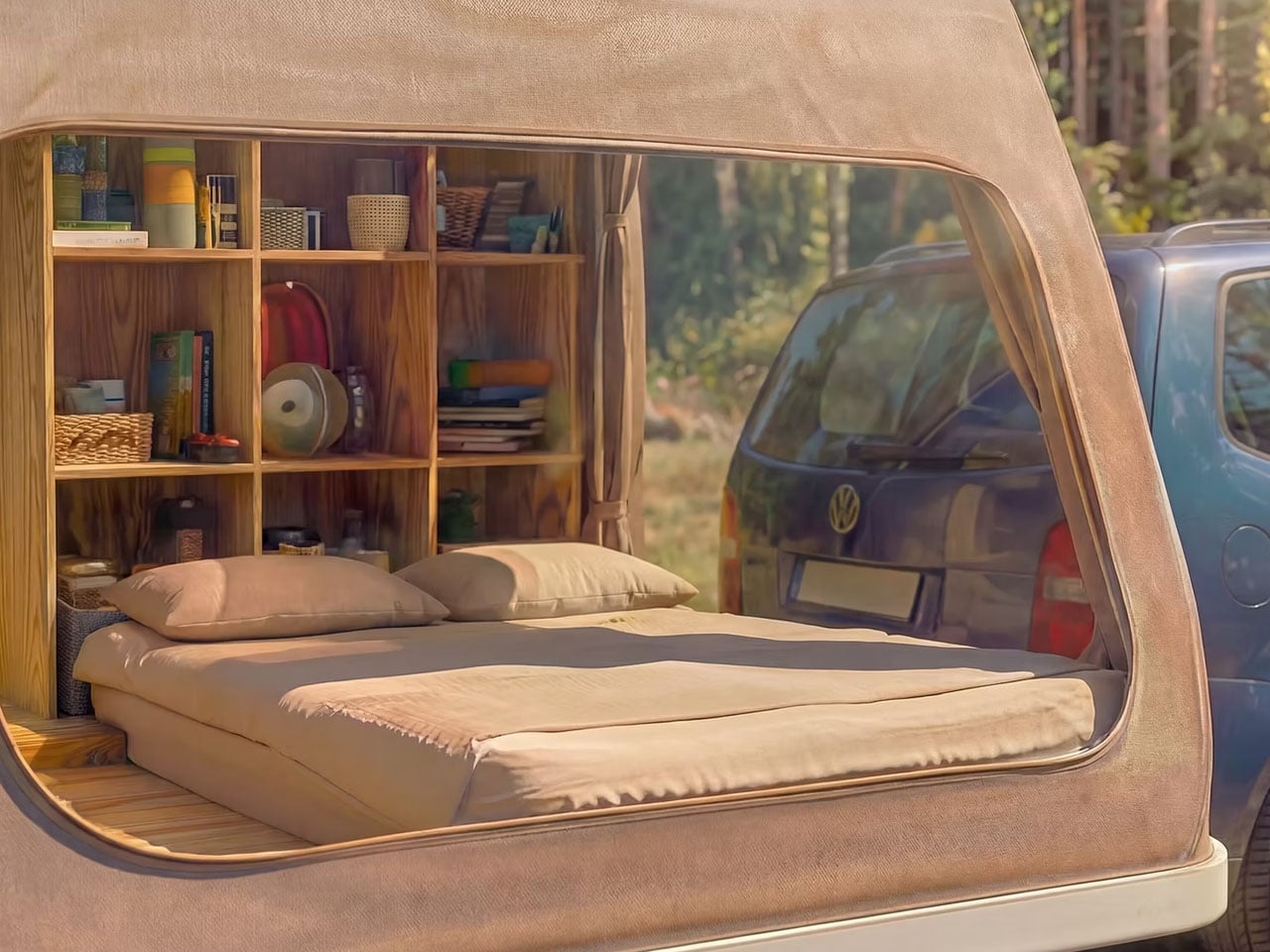
The Wingcube, interestingly, doesn’t come with an integrated trailer. If you choose to dismount the box from the trailer, the latter can be used for a range of other tasks. Similarly, the cube itself can pitch in as extra bedroom at home. In the given form factor, Wingcube, according to the makers can sleep eight people, but from the images it seems comfortable for a family or group of four. The fold-down wings on either side of a central frame (comprising storage shelves) are the two bedrooms of the Wingcube, while on one portion of the central frame, you have the outdoor kitchen with a fold-out prep area which doubles as a dining table with stackable chairs.

A small ladder is provided to climb in and out of the bedroom, each of which feature a window and a large skylight. The introductory video (above) will give you a clear picture of what to expect from the final product, but it’s fitting to reiterate that this is still a prototype and a great deal of changes can be expected in the final version.

The post Wingcube transforms from compact box trailer into spacious family camper first appeared on Yanko Design.
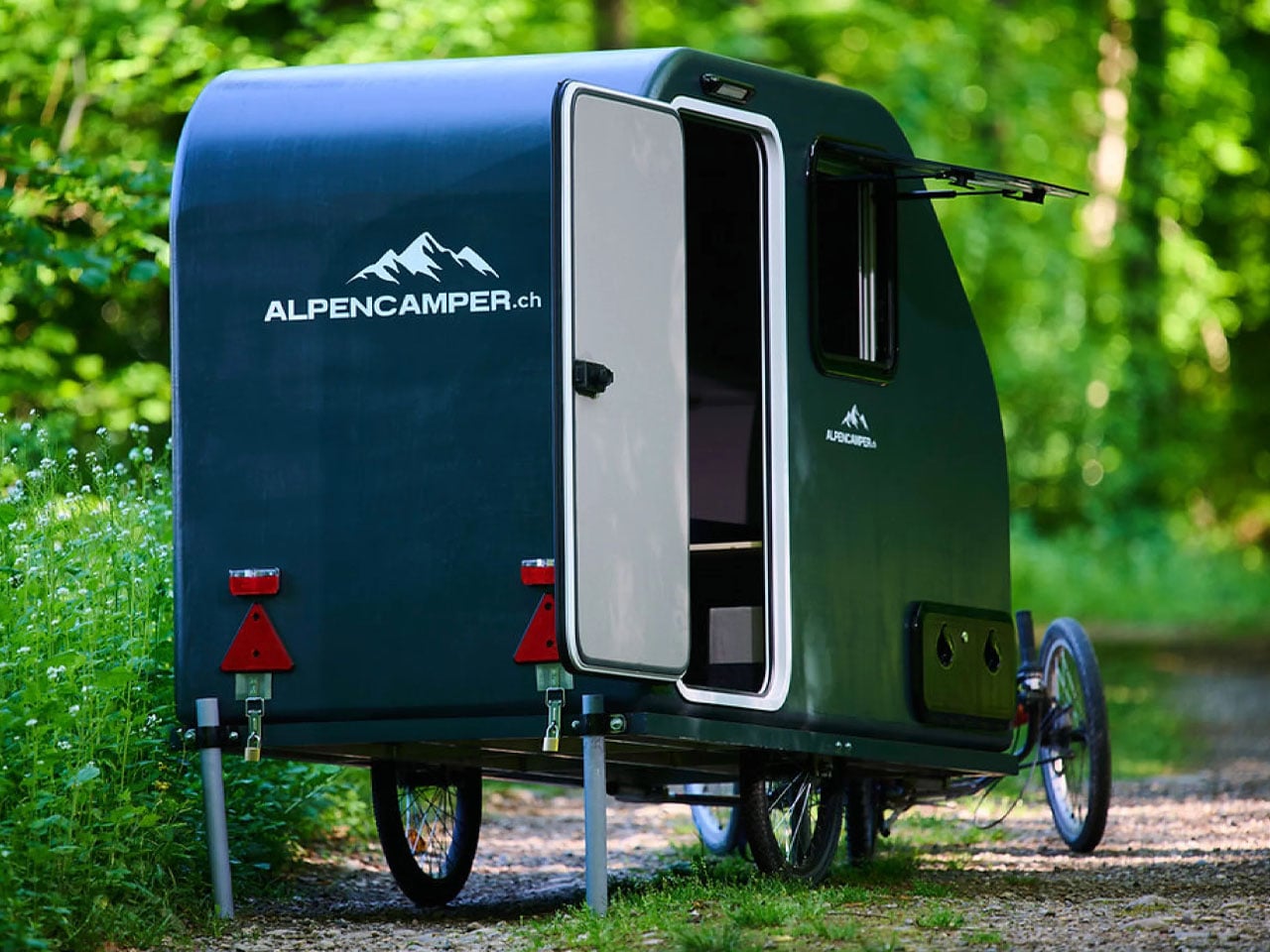
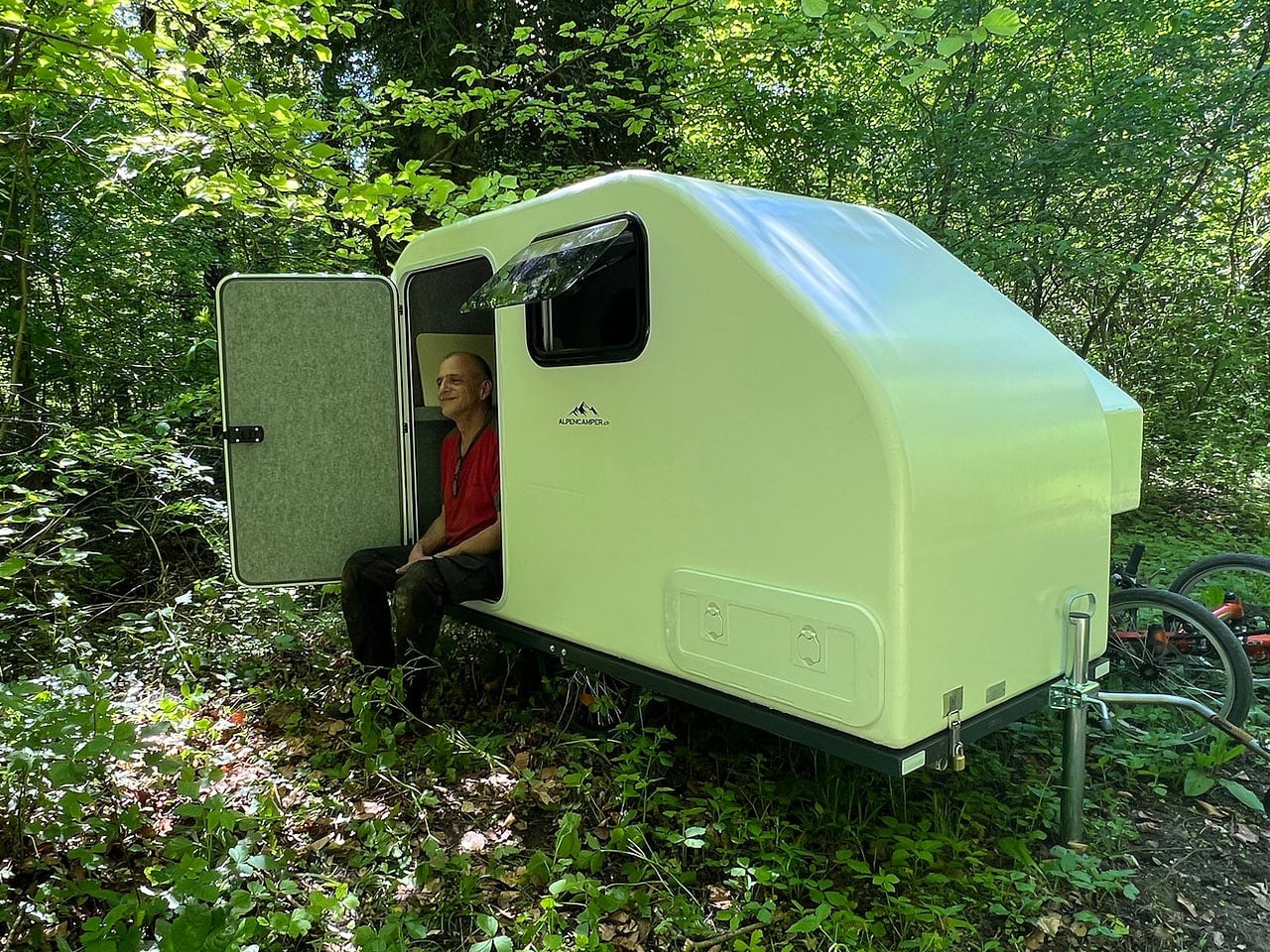
South Africa’s TrailPod brings retro teardrop camping to 2026

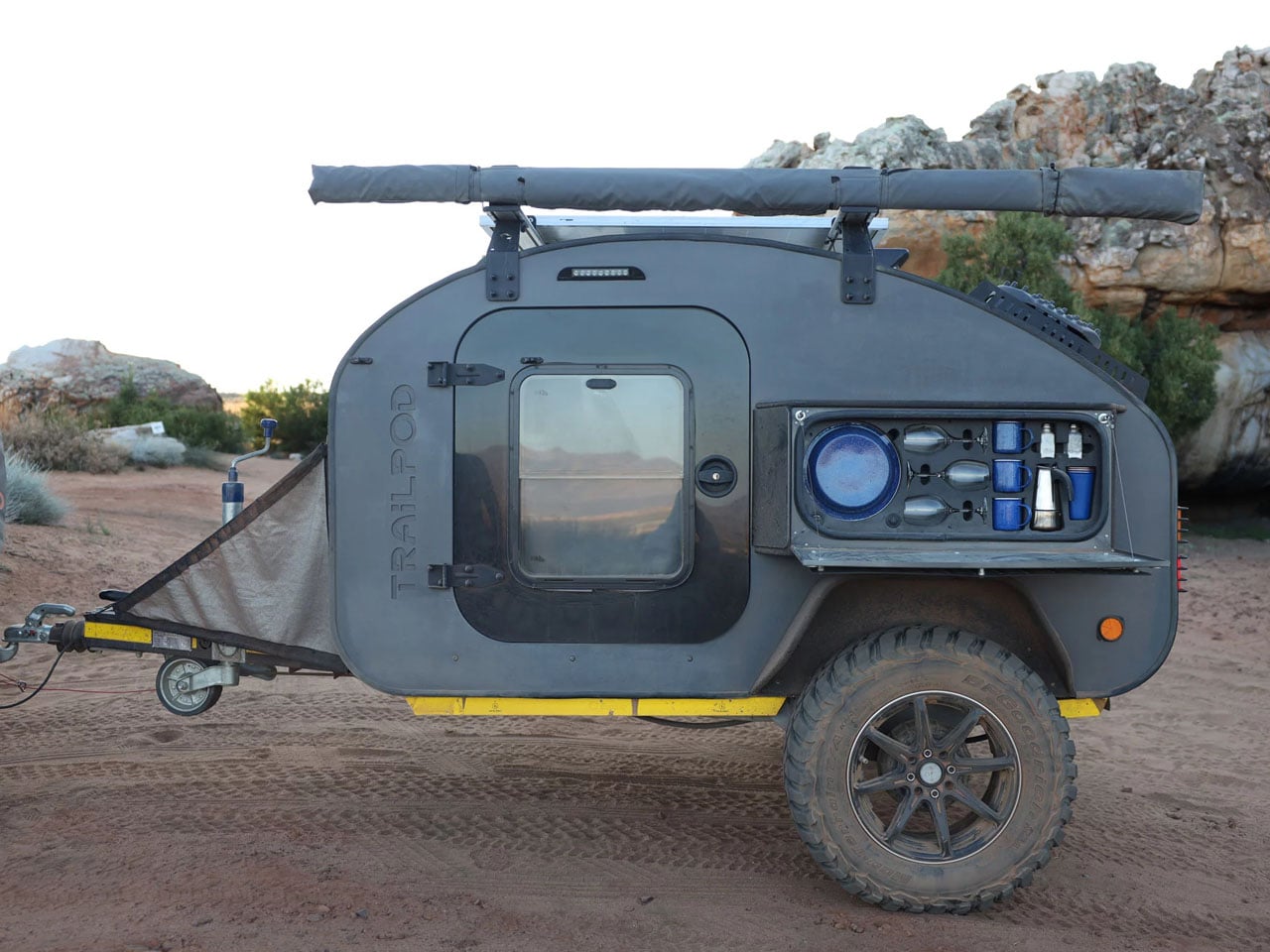
Like it’s the case with the other parts of the world; in South Africa too, teardrop campers are becoming adventurous but with a very contemporary approach and a high-ticket price. TrailPod, an outdoor adventure brand in Cape Town, is doing things differently to keep their generation of teardrop rigs closer to the good old past, while integrating features that make it completely modern and dependable.

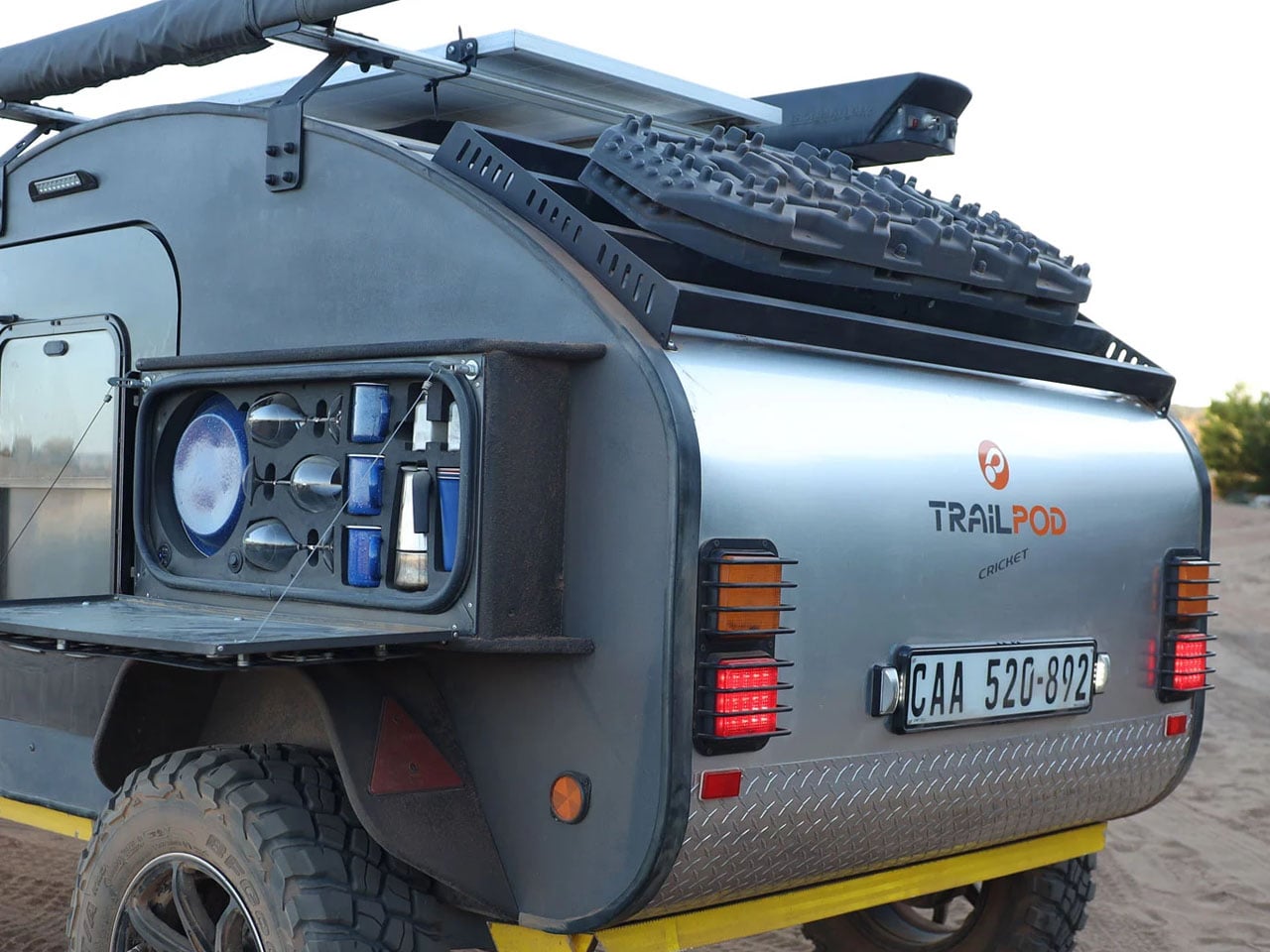
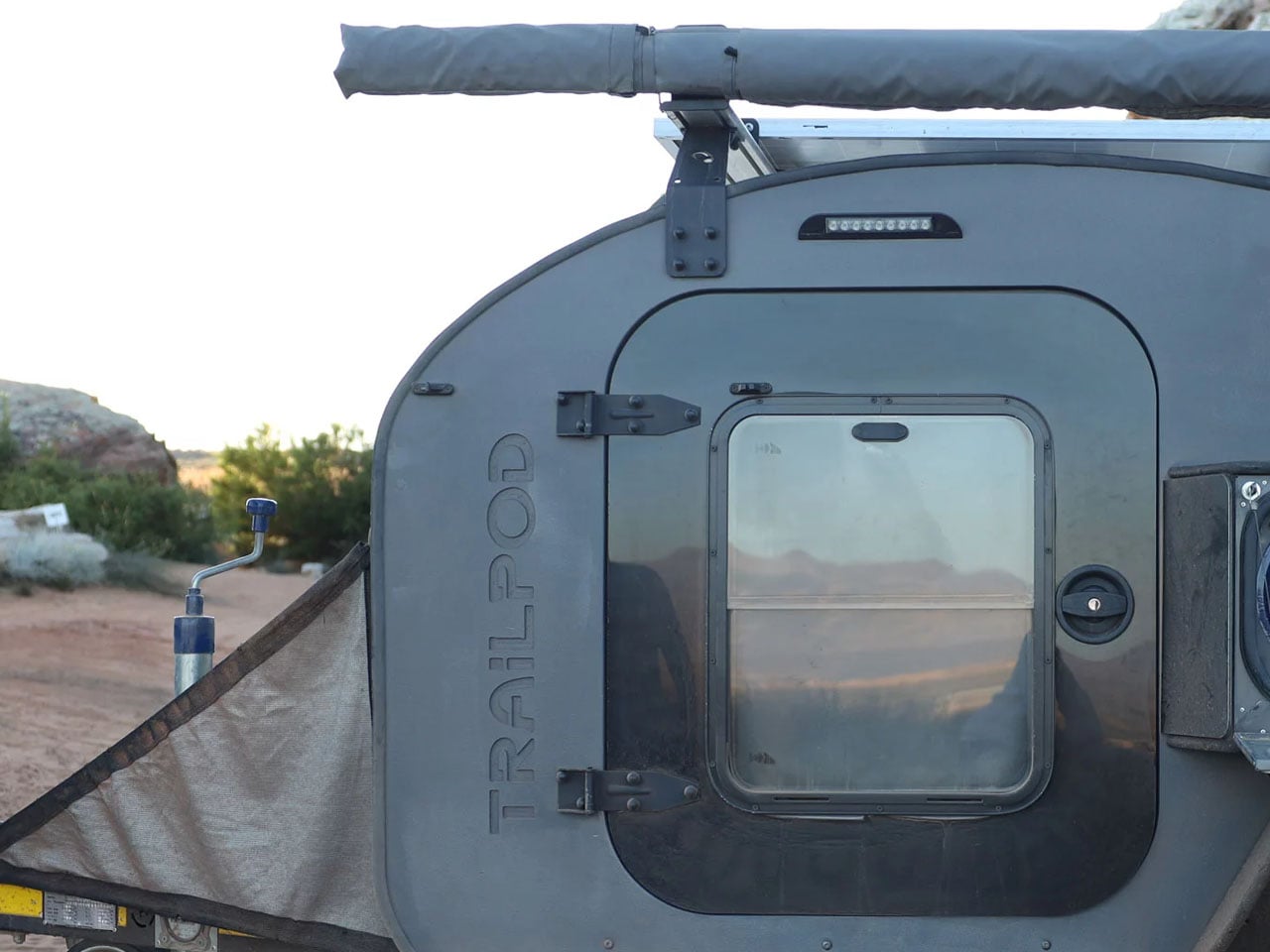
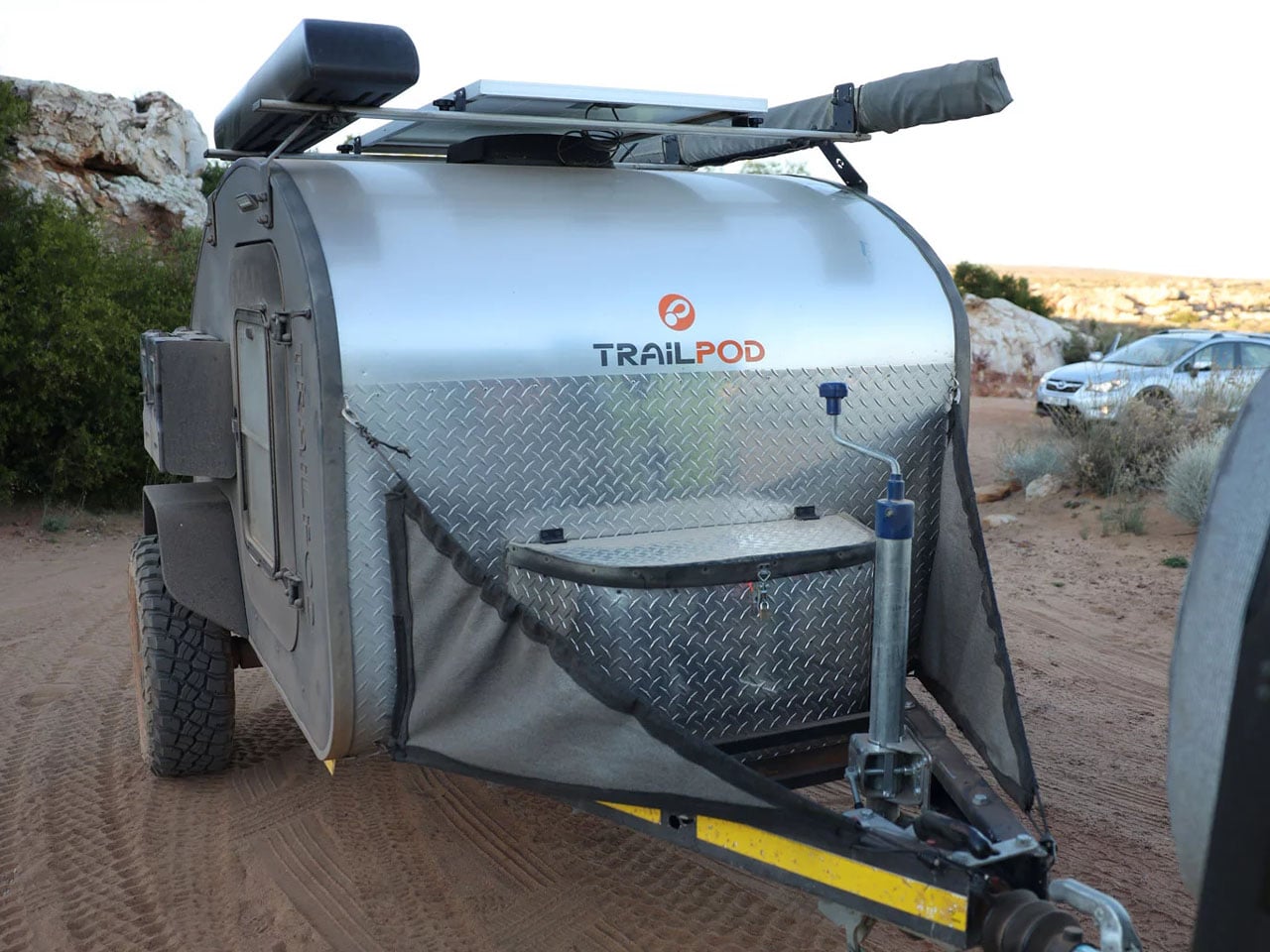
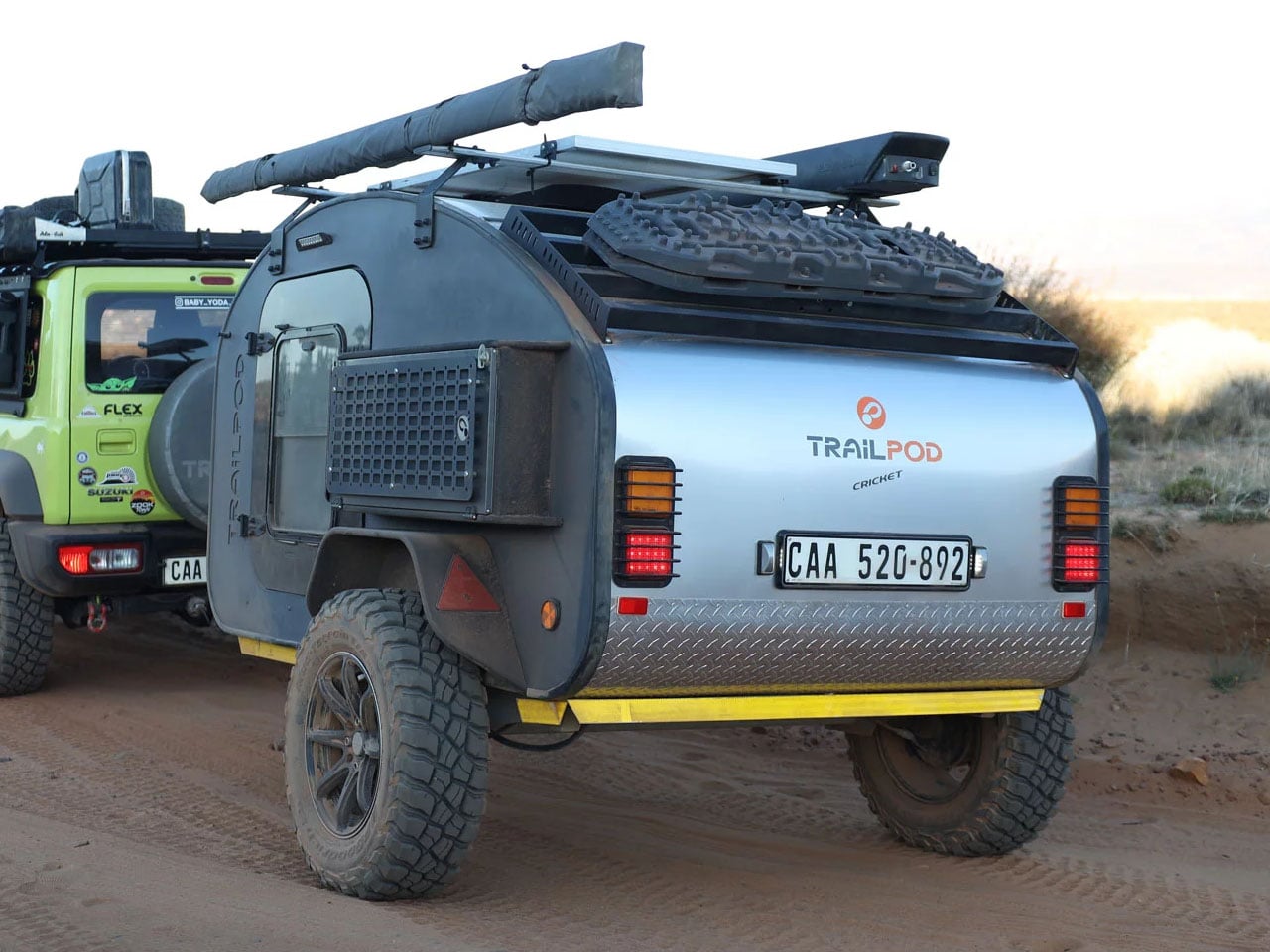
TrailPod shares our love for adventure and is therefore providing bespoke 4×4 teardrop trailers, which are designed for off-roading, but have a very nostalgic appearance to them. These rigs are made from zero-wood composite construction and feature a suspension system ready to deal with all road types.

Designer: TrailPod  https://trailpod.co.za/

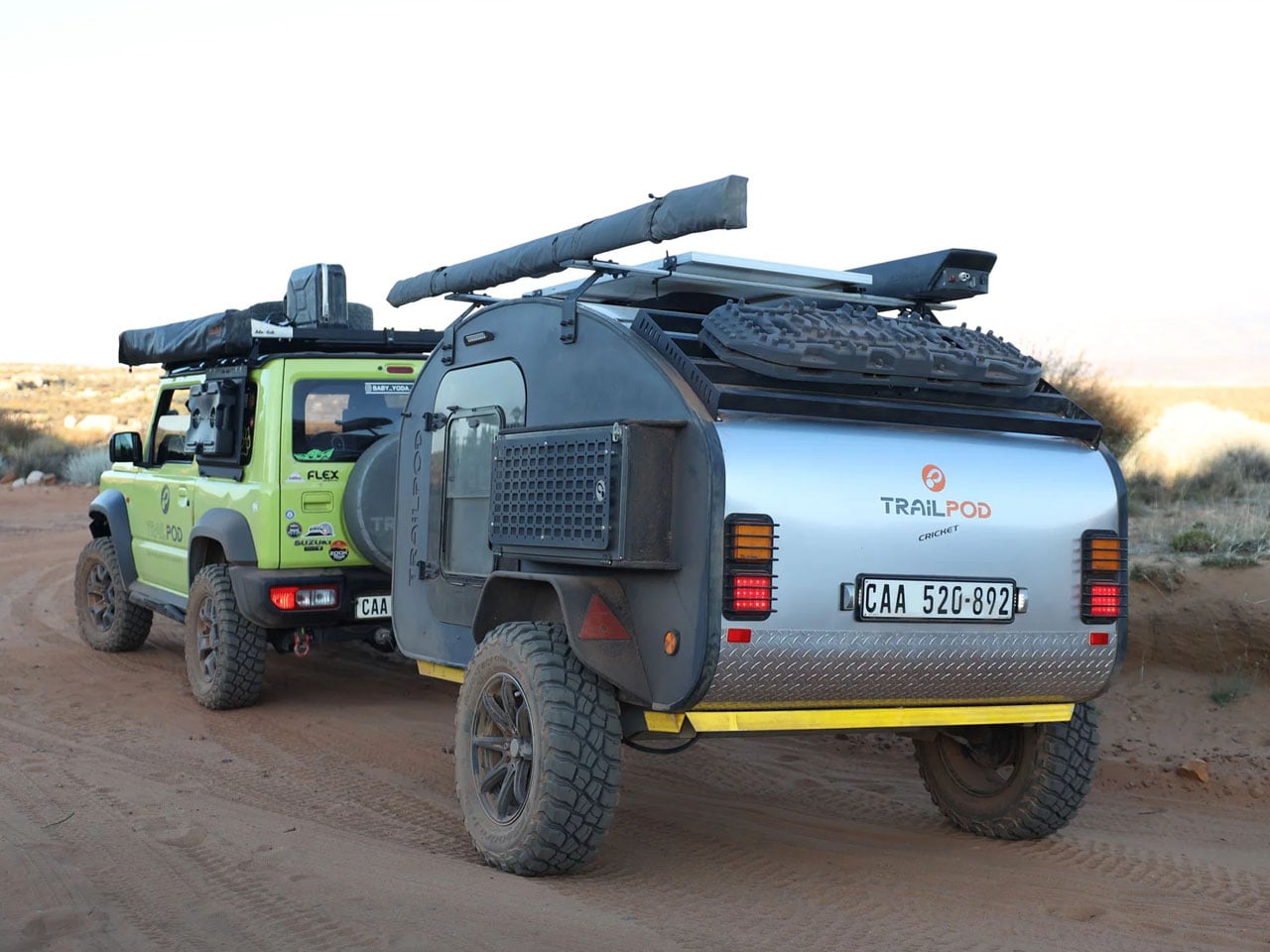
The TrailPod Cricket series teardrop trailers are therefore cut out for off-roading, but they are subtle, competitively priced, and retro-inspired. Staying true to the teardrop shape and style from the past, these are ideal for adventurers seeking a variety of camping options without breaking the bank. For this, the foam composite body trailers have an aluminum layering underneath, prioritizing durability and retro-aesthetics.

The Cricket series may be new, but the first Pod was made in a garage setting during the Covid-19 pandemic. The idea back then was to build a vintage-style teardrop, close in aesthetics to the ones built in the 1940s with aircraft aluminum and army jeep wheels. “Feeling a bit like Pinocchio’s Geppetto,” this rig was called Tintin. Over the years with tweaks and perfection, the Tintin prototype is now evolved into a fully-fledged TrailPod Cricket teardrop series, which people are loving for obvious reasons, which definitely starts with the woody construction that dates back to the teardrop’s earliest days. It looks woody, but as said, it features a foam-composite body and no wood is involved (so not roting, mold and corrosion at any moment of its lifetime).

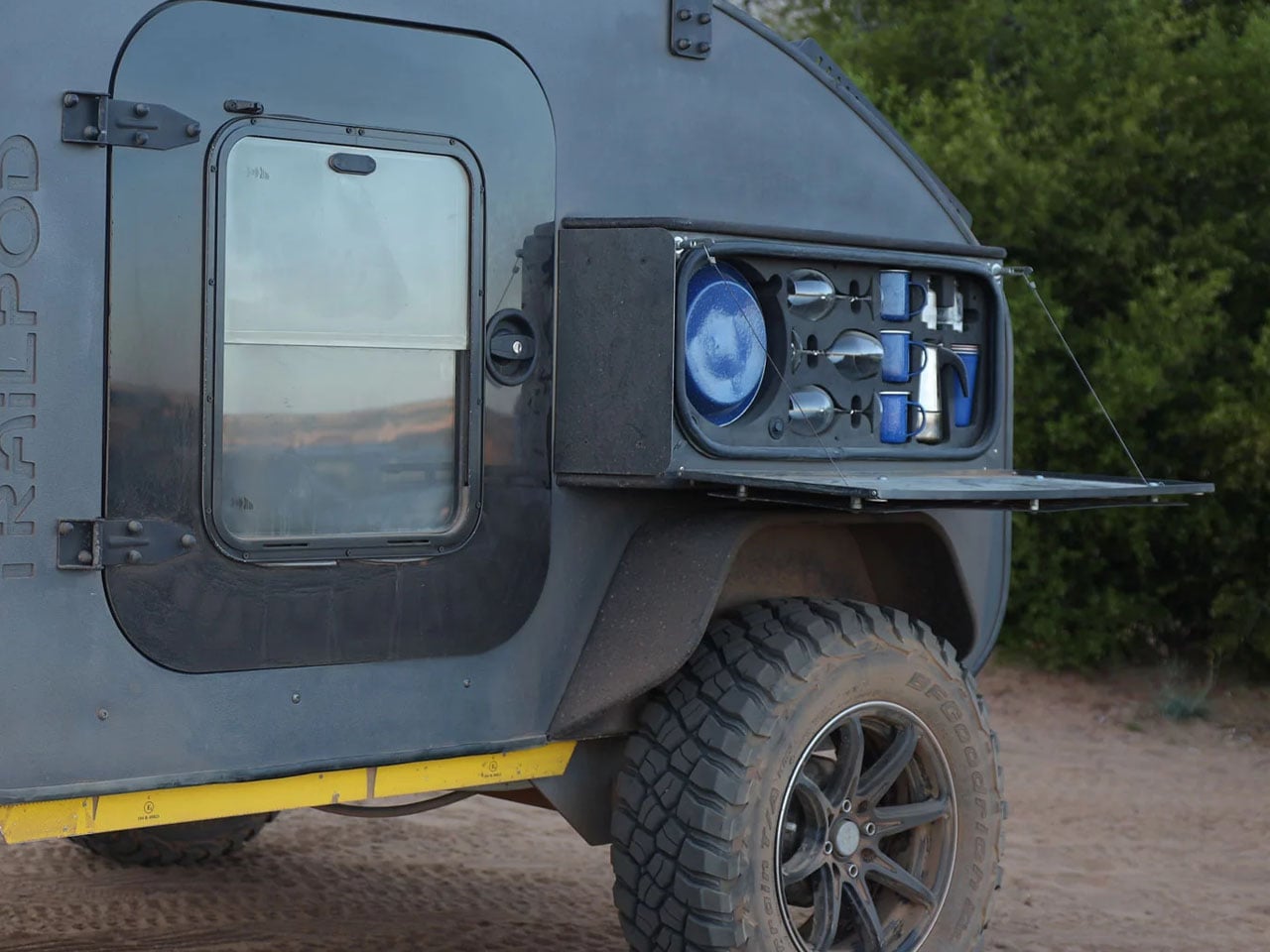
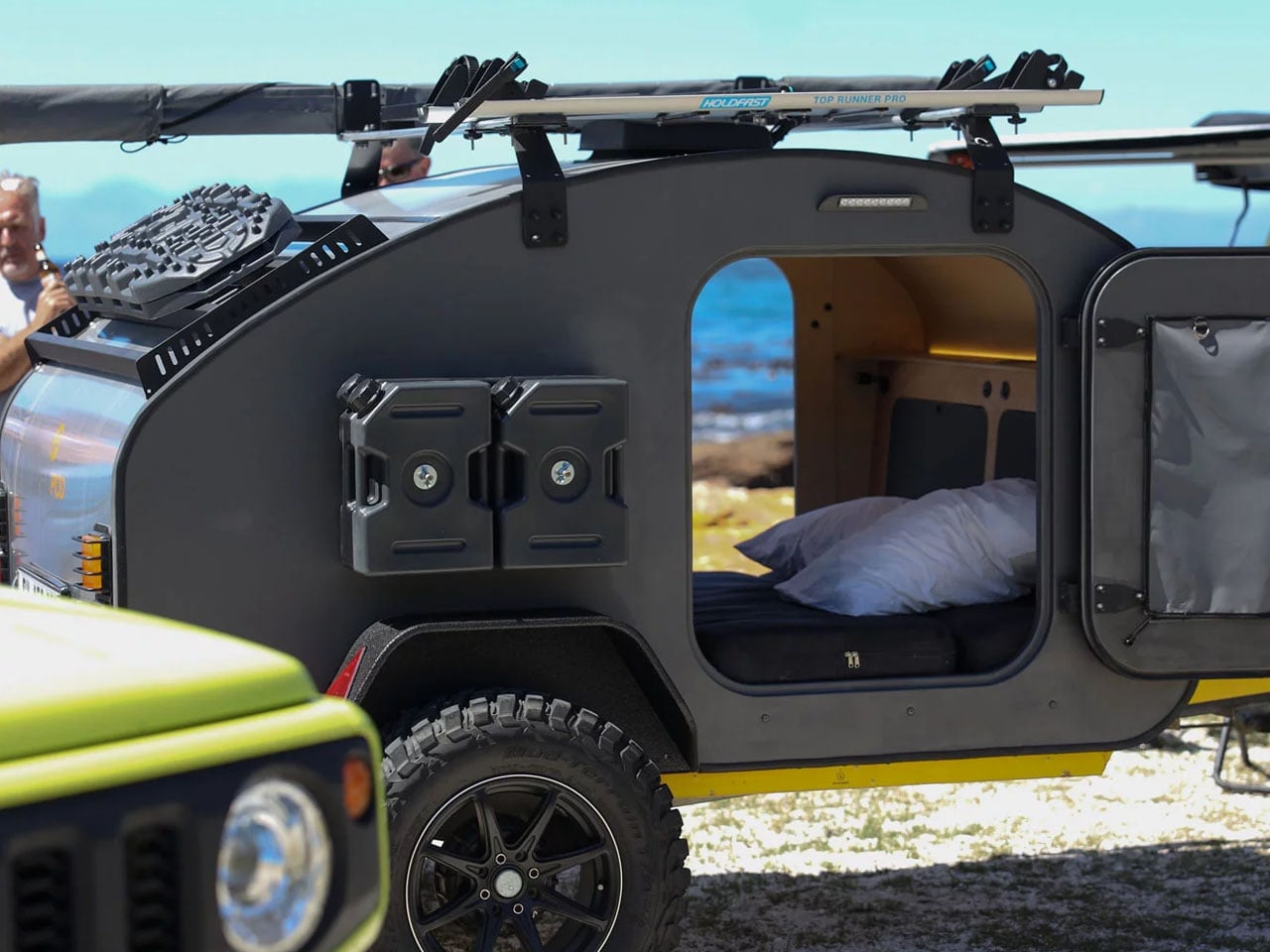
Tough laminate finish on the inside of the Cricket and thin aluminum cladding on the outside, which is overlaid with foam composite, make it a completely different teardrop option we have seen in recent memory. The comfortable and spacious interior of this trailer, which measures just 3.5 m long, is provided with a sleeping arrangement for two people, a small side-mounted kitchen, and cupboards for storage. Internal and external lighting are provided with energy by a 100-Ah lithium battery onboard and solar panels. Owing to its size and lightweight build, the TrailPod Cricket can be towed behind almost any vehicle.

Available in wide and extra-wide body options, Cricket can hold up to 200 kg on the roof when camped, so it’s possible to fit a rooftop tent on it. TrailPod has three teardrop variants in the Cricket series: Cricket, Cricket Lite, Cricket Max. While Lite is the smallest and cheekiest of the three, the TrailPod Cricket Max is the flagship model designed to go off-roading and ensure a prolonged off-grid stay. Its extra-wide body makes space for a double bed and a tailgate galley (a teardrop charm). Though TrailPods come in standard color options, they can be customized in a color of your choice, if you want.

The post South Africa’s TrailPod brings retro teardrop camping to 2026 first appeared on Yanko Design.
Freescape puts side-extending inflatable pop-up roof on a Ford camper van

Just a few days ago, we saw a caravan featuring a pretty unique pop-up roof concept. It used an electronically lifting upper shell to double the interior space. The Freescape camper van is another rig that stands out thanks to its innovative pop-up roof system. It features an inflatable rooftop system that expands the vehicle’s interior and creates a comfortable sleeping area in a truly unconventional way.

The roof tent swivels to one side, rather than sitting directly above the living area, leaving full headroom inside the van at all times. It is for the first time that such a concept for expanding the camper van living space has surfaced and is making way into a production vehicle. The van features a roof that tilts toward the driver’s side, allowing an inflatable tent inside to create a full sleeping space on the rooftop. It takes almost seven minutes for the entire thing to set up. The retraction is much quicker; more on that later.

Designer: Freescape

The new Freescape camper van has a flexible floor plan, which is also starkly different from ideas we have seen over the past. But, it’s frankly the patented pop-up roof that stands out on this all-wheel drive adventure camper van, which is based on the Ford Tourneo Custom and is configurable for the great outdoors and also for city commuting.

s

The side-extending pop-up roof of the Freescape camper van leaves the full amount of headroom inside the van while providing a 79 x 55-in double bed to sleep two people comfortably. It is set up on two support poles for stability. The roof-top tent is designed with multiple valves; one, to make the deflation quicker, and two to help prevent complete failure if one valve were to leak. Once deflated, it is easy to fold the tent back inside and close the roof.

The advantages of a side-expanding roof are manifold. In addition to providing a sleeping space that’s not directly in the van’s roof, hindering the interior headroom, it also functions as an awning, providing shade and weather protection without a separate awning. The camper van has a swivel-out kitchen, which can be aligned below the extended roof awning.

Definitely, Freescape camper van’s inflatable roof is the undeniable difference from the crowd, but the uniqueness of this van doesn’t really stop at the roof. The interior is equally cool. It’s provided with floor rails to move the seats and other hardware around the inside. The seats in the cockpit turn around to face the living area, while those at the back can be lowered to create another bed.

In the middle of the campervan is the multipurpose kitchen block that slides practically around the cabin and even extends out for outdoor cooking. It is provided with an induction cooktop, a worktop extension, and a sink. In addition to this, the sliding swivelling table, which pivots out of the wall, to the middle of the vehicle, functions as a table or work desk.  The camper van may be compact, but it comes with shelf-like modules that stack up in the tailgate area. The removable storage modules can be arranged as required or removed to make space for your sporting gear.

The Freescape is an ideal city commuter is the configuration possibilities inside, but it can also be equipped for off-grid adventures with 340 watts of solar power, a 300-Ah lithium battery, and a 3,000-W inverter. The camper van features a diesel camp heater, portable dry toilet, and a 25-liter fresh water tank, which also connects to an outdoor shower. The demo model for now is based on the Ford Tourneo Custom and costs $79,990. The company aims to provide plans for the Volkswagen Transporter and Caravelle in the near future.

The post Freescape puts side-extending inflatable pop-up roof on a Ford camper van first appeared on Yanko Design.
Hyundai’s STARIA Electric Camper reimagines adventure beyond the grid

Hyundai is serious about its ambitions of providing off-the-grid, liveable mobility for adventure seekers, and that’s proo enough with their latest STARIA Camper concept. Based on the STARIA Electric 11-seater MUV unveiled at the Brussels Motor Show, the zero-emission camper walks right into the trails of the Lightship AE.1 electric travel trailer, Colorado Campworks NS-1 camping trailer, and the Camp365 Model T camper.

The STARIA minivan is the perfect canvas for a camper revamp, as Hyundai wants to cater to the rising demand for electric mobility for living on the road. The concept is a direct invitation for the community of travelers whose feedback will decide the fate of the camper in the European market. Depending on the demand for electric vehicles that can satisfy the everyday usability, loaded with travel amenities, the camper version of the vehicle could make it to the production lines.

Designer: Hyundai

The electrically operated pop-top version of the van will trim down the capacity of the normal MUV to four people, who can comfortably make it their adventure vehicle. The South Korean giant will offer the STARIA with an extendable Fiamma awning that has built-in LED lights. The second row powered seats come with the flexibility to lie flat to make up the sleeping space. During the daytime, the hidden indoor table swings out in front of the second row seats to be used as a place to work offline or have meals.

Further back to the third row, there is another table that slides out to create an outdoor dining area. It resides in the trunk area, which doubles as a storage compartment, and also aids in loading cargo and sliding it further inside. For maximum space utilization, the space behind it hides another compartment that has a detachable shower head for on-the-go showers. On the driver’s side wall holding the kitchen, along with the sink and top-loading fridge. Over this section is a single lid that closes flat to give the riders a continuous shelf to prepare meals. There’s a portable induction cooker or a stove (Hyundai hasn’t specified clearly) that runs on the electric battery, so cooking should be sorted.

The utilitarian approach on the inside continues to the pegboard wall right above the corner section of the worktop. It is used for hanging the utensils and other everyday essentials. This section extends on the corners to make space for storing clothes and other household amenities. The additional power to run all the modern appliances comes from the 520-watt composite solar charging panel, providing 2.6 kWh of electricity. One can operate a 36-liter refrigerator, a portable shower, and the cabin temperature control system for complete autonomy for adventure seekers.

Privacy is a key feature in the STARIA Camper with electronically adjustable smart glass that’s touchscreen controlled via a module for adjusting the amount of tint. To make the vehicle more suited for heavy-duty adventure needs, it’ll have a structurally improved front and rear suspension system and sound-absorbing material. The STARIA Electric has a range of around 400 kilometers, so we can expect the camper version to hit the same numbers, given there is a solar panel that could charge the battery when not utilized by the smart electrical equipment.


The post Hyundai’s STARIA Electric Camper reimagines adventure beyond the grid first appeared on Yanko Design.
This 3-Storey DIY Camping Trailer Is As Tall As A Semi-Truck And It’s Legal

It’s not every day that we come across something as crazy as this triple-decker micro camper that YouTuber President Chay has put together. The entire build has been recorded on his channel, and the process – right from purchasing the trailer it’s based on to the completion, when it’s taken out on the road – is immensely satisfying.

There are two reasons for that. One, we don’t regularly see three-story campers, this one is a rare exception in the hoard of similarly designed options that follow the single, or at max, double story script. And second, that in spite of its peculiar design, the triple-story micro trailer is completely street legal.

Designer: President Chay

Chay Denne of President Chay is not a newcomer to building such unique camping solutions. It was just a couple of years back when the YouTuber surprised us with an exceptional double-decker micro camper, which was only left to rot in the corner later. This time the approach was not to build on the existing model, but to start from scratch. The journey thus started with a beefy trailer brought off a marketplace.

Building on the trailer, the YouTuber, along with his brother and father, setup the entire contraption painstakingly using wood. The three-story camping trailer is not just a gimmicky setup. It’s purposely designed to appear like a toaster on the outside, and on the inside, this mobile home packs a sizable kitchen, a living room, and a bathroom with a toilet and a shower. Measuring 13 ft high, it is the same height of a semi-truck, making it street-legal to drive.

The builder family starts on the trailer, layering it with plastic sheets for a moisture barrier and topping it with insulation for the floor. Particle board is used to build the individual floors both inside out, and all the floors are aptly insulated. Spray foam is used for insulating the top two levels, while the lower (entry level) uses batt insulation. As we are at it, the lower level is where most of the living space is created. The bathroom on the front is covered on the inside with concrete walls in order to ensure more weight can be added to the hitch for stability on the road.

Here at the entrance, you also have a furnished living room and a full-fledged kitchen with a cooktop and sink. The two levels above, accessible via ladders, have just enough headroom for the user to crawl onto their provided beds and watch some TV, which rests on a swivel arm to be moved into a position you want. TVs are available on both the first and second floors. To make the entire construction waterproof, a layer of fiberglass is used on the side walls, and the roof is completed with a layer of vinyl. Chay Denne and family have been able to keep the weight of this three-story trailer at roughly 3,700 lbs, which is incredible. Being street legal and perfectly balanced to ride behind your capable vehicle, it can handle up to 60 mph.

The post This 3-Storey DIY Camping Trailer Is As Tall As A Semi-Truck And It’s Legal first appeared on Yanko Design.
Tiny Camper Company’s Stubby is $2,900, all-composite slide-in camper built to last

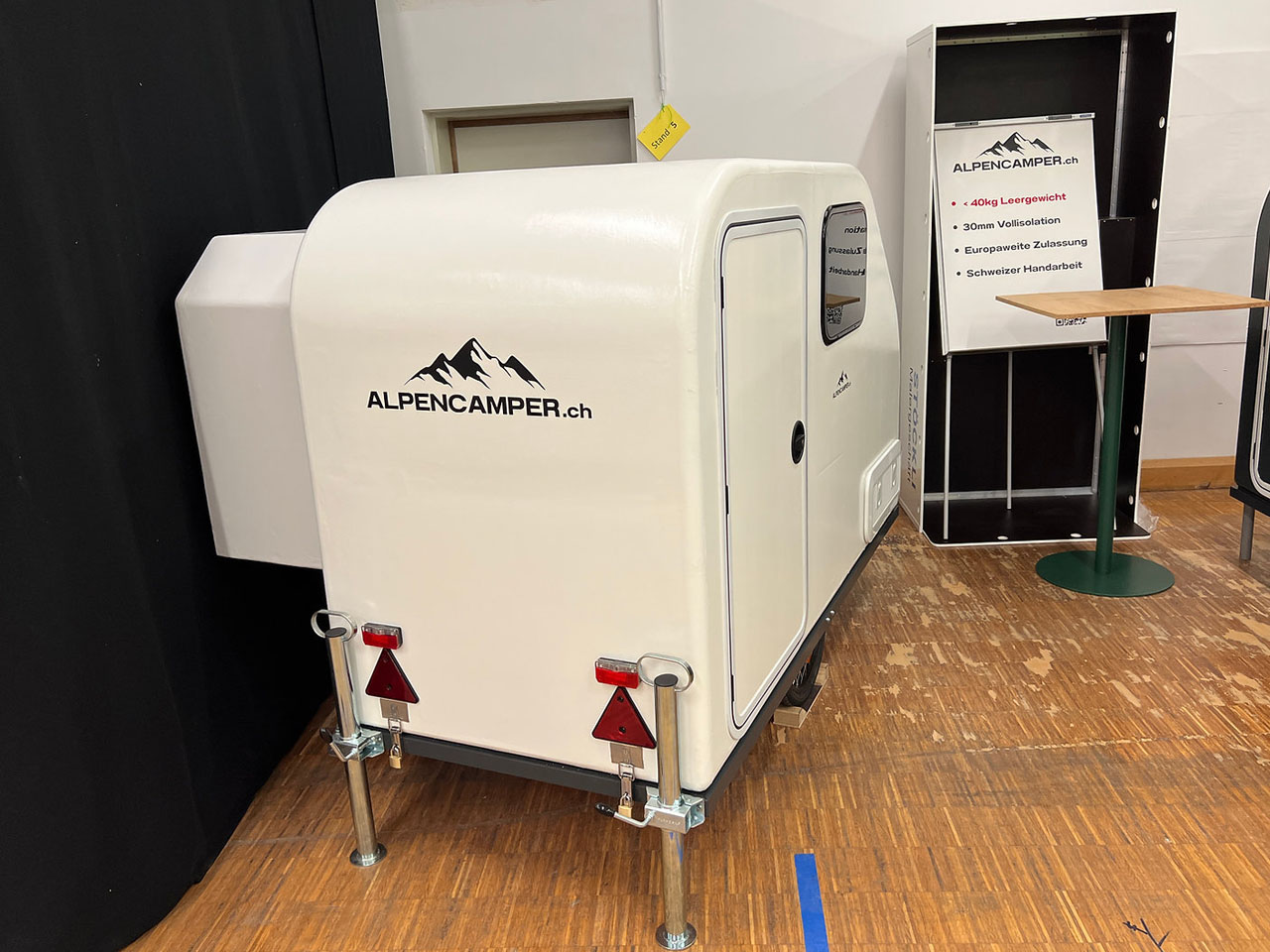
I’m in awe of how quickly the RV industry is transitioning from wood and metal builds to all-composite construction. Following the release of the Unit-1 rugged squaredrop off-roader from California-based Ecno Evil, which was constructed without wood yet designed to tackle untamed roads, another 100 percent wood-free camper makes its presence known. Called the Stubby, it is a bare-bones slide-in camper that starts at just $2,900, making it an accessible entry point for almost any type of adventurer.
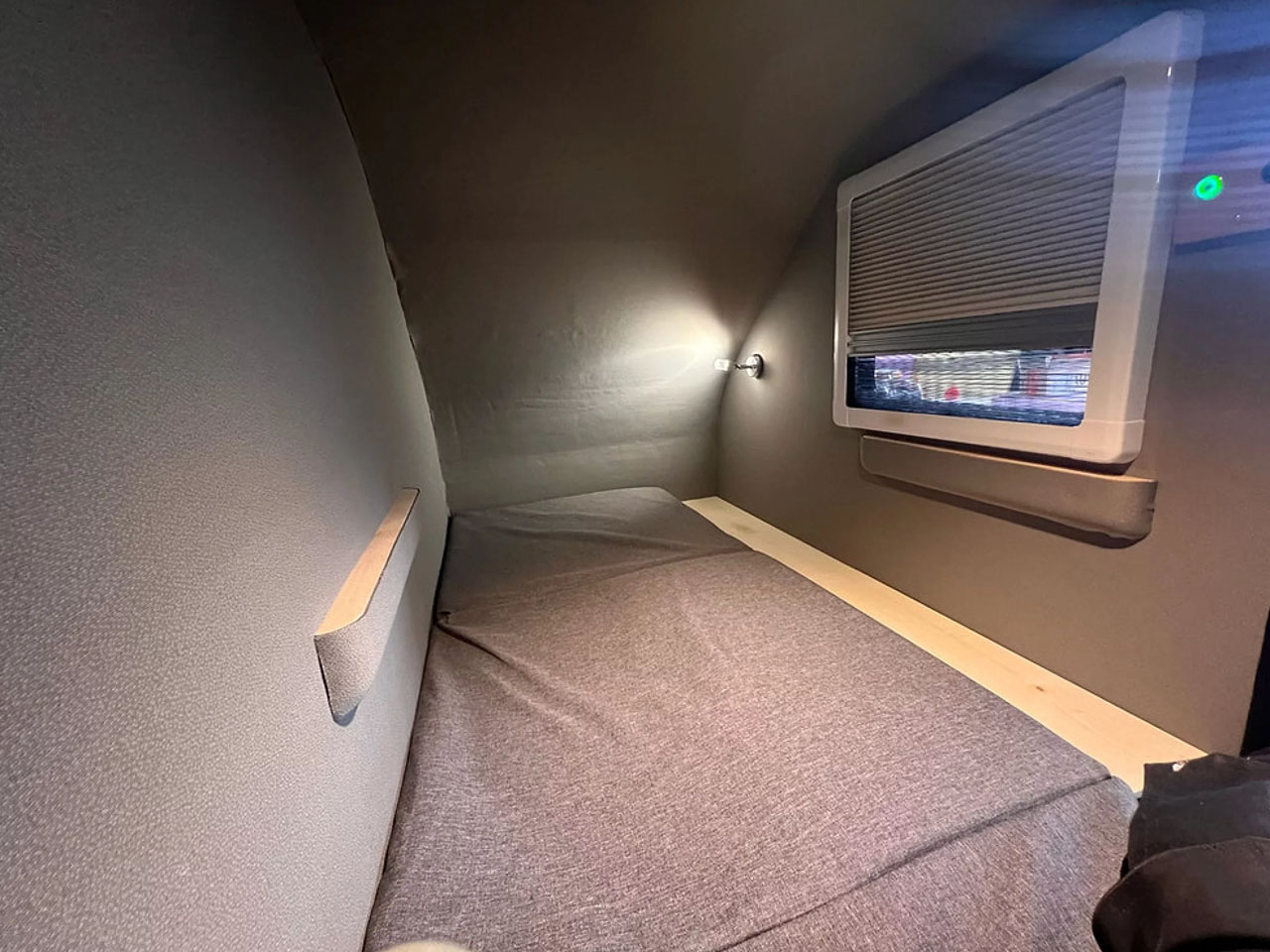
Completely wood-free, all-composite construction means this slide-in camper, whether it’s stationed on the pickup truck bed or mounted on a platform, will remain leak-proof and corrosion-free for the lifetime of the vehicle. To stay put where you choose to place it, the camper features a pair of aluminium slides and built-in tie-down points so it’s secure and stable to transport.

Designer: Tiny Camper Company

The Stubby is designed and engineered by the guys at the Tiny Camper Company in Florida, which has been creating affordable and compact RVs and has a decent portfolio to show. The Stubby slide-in can fit right into the back of a medium-sized truck with the help of only two people, who can lift and put it there. The cabin is absolutely lightweight at 280 lbs – largely because it’s only a sturdy and capable skeleton. If you want it out there in the wilderness with you, you will have to furnish it up at least with bedding, cooking, and toilet facilities.
Notably, Stubby makes provision for power with a 110V interior outlet and a Marine-grade exterior power connection, but an alternative power source would be necessary when you want to camp in it. With the optional Zero Breeze Mark 2 air conditioner (that comes for an additional $700) and other addons, the slide-in camper should be apt for off-grid adventures and as a quick sleeping solution when you want to “convert your truck into a resting spot.”

Crafted for utmost durability and maximum utility, the 48 inches wide x 6-foot 5 inches long Stubby may be bare bones on the inside to start with, but on the outside, it’s an impressive cabin. The rear access door, measuring 26 inches x 32 inches, is the only entrance. The periphery of the slide-in camper is marked by a set of 12-inch x 24-inch side windows that are strategically positioned to maximize natural light and ventilation. To ensure passive airflow, the Stubby also gets a half-moon air vent on either side. For an asking price of under $3,000, the Tiny Camper Company’s offering is surely enticing. Also, if you don’t like a lot of weight and side-protruding campers in your truck bed, the compact Stubby is a winner!


The post Tiny Camper Company’s Stubby is $2,900, all-composite slide-in camper built to last first appeared on Yanko Design.