OMEGA’s Ceramic Gambit: How the Seamaster Planet Ocean Challenges Rolex’s Design Dominance

Twenty years after launching the Planet Ocean, OMEGA just made the boldest design move in luxury dive watches: bringing back orange ceramic at full production scale. Not as a limited edition. Not as a boutique exclusive. As a core offering that positions this collection directly alongside Rolex’s Submariner in the everyday luxury category.

Designer: OMEGA

This is the design story of how OMEGA spent years perfecting a single color, reworked an entire case architecture, and created three distinct visual personalities that finally give the Planet Ocean the design refinement it always deserved.

The Orange Ceramic Challenge

Let’s address the headline design achievement first. OMEGA’s new orange ceramic bezel represents years of Swiss atelier development to perfect a hue that most brands avoid entirely. The reason? Orange ceramic is notoriously difficult to execute without looking like cheap plastic film.

The chemistry of ceramic materials resists certain wavelengths. Getting that specific orange tone, the one that references the 1957 Seamaster 300 heritage pieces, requires precise control over sintering temperatures and material composition. OMEGA clearly cracked the formula. The result hits like a flare on the wrist: bold, bright, and unmistakably intentional.

The orange accents aren’t arbitrary nostalgia. The 1957 Seamaster 300 pieces carried orange through the hands, indices, and bezel. Those cues resurfaced in the very first Planet Ocean models in 2005, giving the watch its early cult status. Twenty years later, OMEGA had the confidence to bring that color back at impressive scale.

This represents thoughtful heritage integration. Rather than creating a vintage reissue or limited anniversary piece, OMEGA wove that 1957 DNA into a thoroughly modern design. The matte dial finish, the arrowhead hands, the white enamel bezel scales: these are pure Planet Ocean signatures, simply executed with contemporary precision.

What makes this move significant isn’t just the technical achievement. It’s the scale. Bringing this level of material complexity to a core production model, not a limited run, signals confidence in the design direction. OMEGA is betting that luxury watch buyers want personality and heritage, not just another black bezel diver.

Three Personalities, One Refined Architecture

The collection splits into three distinct visual identities, each serving different aesthetic preferences while sharing the same dramatically reworked case.

The black variant is the purist’s pick. Matte black dial, rhodium-plated numerals, white enamel bezel scale. This feels closest to the original professional dive watch brief, the option for someone who thinks color belongs in galleries rather than on expensive timepieces. It’s the no-nonsense tool watch executed with Swiss precision.

The blue edition becomes the everyday option, what I’d call The Bond Watch. That ceramic bezel catches light differently than the matte black version, creating visual interest that works equally well at Bondi brunch or a business dinner. Paired with the steel bracelet, it has that elevated everyday look. Swap to the blue rubber strap, and it transforms into something more pragmatic yet still effortlessly appealing.

Then there’s the orange variant, designed for people who want their Planet Ocean to make a statement while keeping it classy. This is where that years-long ceramic development pays off aesthetically. The bezel doesn’t just add color; it fundamentally changes the watch’s visual weight and presence. Doxa pioneered orange bezels in the 20th century for pure underwater legibility. OMEGA’s move here is for aesthetics, and it’s paid off completely.

The Case Evolution

Beneath those three color personalities sits a more subtle but equally important design refinement: the case architecture itself.

The new Planet Ocean case is sharper and more angular than the outgoing generation. You can see it in the lug transitions and the crown guard geometry. But here’s where OMEGA’s design team showed restraint: they made the watch sit flatter on the wrist by reworking the sapphire crystal profile.

That’s a crucial detail. Dive watches often suffer from excessive height, creating awkward wrist presence and limited shirt-cuff clearance. By addressing the crystal geometry, OMEGA created the most refined Planet Ocean silhouette to date. The 42mm diameter stays manageable, but the flatter profile changes how the watch wears entirely.

The Grade 5 titanium caseback contributes to this refinement. Titanium is NASA’s preferred material for a reason: exceptional strength-to-weight ratio and resistance to environmental extremes. For a watch rated to 600 meters, that caseback choice represents functional design thinking, not just material showcase.

Why This Design Matters

Glen Powell wearing the orange variant and Aaron Taylor-Johnson stepping into the blue and black references signals OMEGA’s positioning strategy. These aren’t just ambassador choices; they’re design communication. Powell can sell a high-visibility ceramic bezel with charm. Taylor-Johnson, as a 007 frontrunner, anchors the collection with leading-man polish.

The message? This Planet Ocean generation positions directly against Rolex’s Submariner in design sophistication, material innovation, and everyday luxury appeal. Not through imitation, but through distinct visual personality. Where the Submariner trades on timeless restraint, the Planet Ocean offers choice. Three distinct design directions, bold material decisions, and heritage integration that feels earned rather than borrowed.

For a brand of OMEGA’s scale to bring back orange ceramic as a core offering, not a boutique exclusive or limited run, reveals where luxury dive watch design is heading. Buyers want options beyond black and blue. They want material innovation that’s visible and meaningful. They want heritage that informs design rather than constraining it.

This Planet Ocean looks tougher. It wears better. It feels more resolved. The sharper case, the flatter profile, the perfected orange ceramic: these represent two decades of learning what worked and what needed refinement.

OMEGA didn’t just update the Planet Ocean. They gave it three distinct personalities, perfected a notoriously difficult material, and created the design refinement this collection always deserved. Twenty years after launch, this is the Planet Ocean that challenges Rolex’s design dominance with confidence and craft.

The post OMEGA’s Ceramic Gambit: How the Seamaster Planet Ocean Challenges Rolex’s Design Dominance first appeared on Yanko Design.
Christopher Ward C1 Bel Canto Lumière: When Luminescence Meets Acoustic Engineering

When a watch chimes on the hour, the sound should resonate with purpose. When it glows in the dark, the luminescence should tell a story. Christopher Ward’s C1 Bel Canto Lumière delivers both with a level of technical execution that transforms timekeeping into a multisensory experience.

Designer: Christopher Ward

The $5,205 timepiece combines three distinct engineering disciplines: advanced photoluminescence, acoustic amplification, and visual depth. It’s a watch designed for those who appreciate horological complexity and aren’t afraid to wear something that looks like it belongs in a sci-fi film.

At a Glance

Movement: In-house FS01 module (60+ components) on Sellita SW200-1 base, 29 jewels, 38-hour power reserve
Case: 41mm Grade 5 titanium Light-catcher™, brushed and polished
Crystal: Box sapphire with anti-reflective coating
Luminescence: Globolight ceramic ring, multi-layered Super-LumiNova (blue/green), luminescent strap option
Acoustic: Songbird striking mechanism, D note chime on the hour
Price: $5,205 (pre-order)
Guarantee: 60-day returns, 60-month movement warranty

Luminescent Architecture That Redefines the Category

Unlike most makers who settle for glowing hands and markers, Christopher Ward treats photoluminescence as a holistic design system. A Globolight ceramic ring floats above the dial while the base platine uses multi-layered Super-LumiNova that shifts from blue to vivid green depending on light exposure. The hands and dial circumference carry Globolight for intense neon-green luminescence, and the on/off indicator switches from white to luminous emerald in darkness.

The optional white rubber strap infused with Super-LumiNova extends the glow across your entire wrist, creating an “all-wrist” luminescent system. The smoked sapphire dial floats above the platine, amplifying the sunray pattern beneath through box sapphire crystal that enhances light play while providing scratch resistance.

In practical terms, expect visibility that exceeds standard dive watch lume by a significant margin. The multi-layer system charges quickly under ambient light and maintains legibility through extended darkness periods, while the blue-to-green shift creates visual interest that standard single-compound applications cannot match.

The Songbird Mechanism: Acoustic Engineering in 41mm

The C1 Bel Canto Lumière includes Christopher Ward’s signature “songbird” striking mechanism that chimes on the hour. The brand developed a custom FS01 module comprising over 60 components built atop a Sellita SW200-1 base movement. The striking hammer, visible through the dial, hits a steel spring to produce what the brand describes as “the beautiful singing of the D note.”

The Grade 5 titanium case functions as a sound amplifier, turning the entire watch into a resonance chamber. This material choice matters: Grade 5 titanium offers superior strength and hardness compared to the Grade 2 titanium used in the bracelet options, creating a rigid structure that amplifies vibration more effectively. At 41mm, the Light-catcher™ case is brushed and polished to create tactile contrast while maintaining structural integrity for acoustic performance.

Daily Wear Consideration: The chime operates automatically at each hour with no option to silence or adjust the mechanism. This commitment to acoustic performance means the watch announces time audibly throughout the day. Consider your typical environments before purchasing if you spend significant time in meetings, libraries, or other silence-required settings

The acoustic output sits between a subtle resonance and an assertive chime. In quiet rooms, the D note carries clearly without being intrusive. In noisier environments, you’ll feel the vibration through your wrist even when the sound doesn’t carry. The 29-jewel automatic movement provides 38 hours of power reserve, ensuring the hourly chime performs reliably through a full day and overnight.

Christopher Ward applied anti-reflective coating to the domed sapphire and deep-stamped the caseback with circular patterns. The push-down crown features the brand’s twin flag motif, and the Super-LumiNova strap carries a “Clous de Paris” hobnail pattern.

Technical Integration and Material Choices

The movement combines traditional Swiss watchmaking with Christopher Ward’s in-house engineering. The FS01 module adds chiming complications to the reliable Sellita base, creating a hybrid caliber that balances innovation with proven performance. Grade 2 titanium Bader or Consort bracelets are available as alternatives to the rubber strap. The softer Grade 2 titanium offers comfortable flex against skin compared to the rigid Grade 5 case material, making these bracelet options better suited for extended daily wear.

The floating Globolight X1 GL Blue ring serves as the watch’s visual anchor. The neon dial beneath creates contrast against titanium accents, and the visible striking mechanism adds mechanical intrigue. Every component works toward the same goal: making timekeeping feel less like utility and more like theater.

Christopher Ward’s Design Philosophy in Practice

This watch represents Christopher Ward’s commitment to delivering complications typically reserved for luxury segments at accessible price points. The brand has built its reputation on in-house innovation that challenges traditional watchmaking hierarchies. The C1 Bel Canto Lumière extends this philosophy into hybrid territory, where visual artistry meets acoustic engineering meets advanced materials science.

The sci-fi aesthetic positions Christopher Ward in conversation with avant-garde independents while maintaining the technical credibility that comes from genuine horological development. Where some microbrands rely on external module suppliers, Christopher Ward engineered the FS01 striking mechanism in-house, demonstrating a vertical integration approach more common in brands charging triple this price.

This approach signals where hybrid watches might evolve next. As traditional complications become more accessible through advanced manufacturing, the competitive edge shifts toward multi-sensory integration. The C1 Bel Canto Lumière doesn’t just tell time or chime or glow. It orchestrates all three into a unified experience.

Why This Watch Matters

Christopher Ward built the C1 Bel Canto Lumière for people who want their timepiece to do more than mark hours. The combination of advanced luminescence, acoustic engineering, and depth-creating visual design creates a watch that performs differently depending on lighting conditions and time of day. It chimes when the hour turns. It glows when darkness falls. It reveals mechanical complexity through transparency.

The $5,205 pre-order price positions this watch in the accessible luxury segment, competing with pieces that often deliver only one or two of these technical features. Christopher Ward integrated all three into a 41mm case with 60/60 guarantees: 60 days of free returns worldwide and a 60-month movement guarantee.

The C1 Bel Canto Lumière isn’t trying to be subtle. It’s designed for wrists that appreciate technical achievement and aren’t concerned with blending into boardrooms. This is a watch that announces its presence through light and sound, and does so with engineering that justifies the spectacle.

The post Christopher Ward C1 Bel Canto Lumière: When Luminescence Meets Acoustic Engineering first appeared on Yanko Design.

Bamford Mayfair 2.0: Playful Modularity Meets Swiss Precision

Bamford Watch Department has built its reputation on one compelling principle: watches should reflect personal style, not just manufacturer decisions. Since launching in 2014, the British brand has made waves by customizing luxury timepieces for clients who wanted something beyond off-the-shelf offerings. Now, with the Mayfair 2.0 chronograph, Bamford shifts from customization service to original design house, and the result challenges conventional thinking about what affordable innovation can deliver.

Designer: Bamford

The Mayfair 2.0 promises a blend of playful modularity and serious functionality, wrapped in a package that costs £495 (approximately $652 USD). That price point positions it squarely in entry-level mechanical territory, except this isn’t a mechanical watch. It’s a quartz chronograph with a split-second complication, housed in a modular bioceramic and titanium case that transforms into eight distinct watches. The question isn’t whether Bamford can deliver customization at this price. The question is whether the watch industry is ready for this level of user-controlled design flexibility.

Visual Impact and Modularity: Eight Watches in One

The Mayfair 2.0’s core proposition sounds almost too good: four interchangeable bioceramic outer casings slip over a titanium inner case, paired with two strap options per set, creating eight distinct color and style combinations. The modular system works through a simple black button release mechanism that pops the bioceramic shell off the titanium core in seconds.

Each colorway tells a different story. The Green set delivers pure sports energy with its forest green dial, vibrant yellow and black chevron NATO-style strap, and matching green bioceramic case. The white chronograph subdials pop against the saturated green, creating the kind of legibility you want when timing laps or tracking intervals. This combination screams weekend adventure, outdoor activity, casual confidence.

The Blue set  shifts the mood entirely. The bright blue bioceramic case paired with the same yellow-black chevron strap creates a nautical aesthetic that feels both playful and purposeful. On the wrist, the 40mm case diameter shows its versatility. It’s substantial enough to make a statement but restrained enough for everyday wear under a shirt cuff. Bamford also offers White and Pink sets, expanding the personality range from patriotic (white case with red-blue straps) to bold fashion statement (pink everything).

The genius here isn’t just the variety. It’s the experiential element. Switching cases and straps takes seconds, but it fundamentally changes how the watch feels on your wrist and how it presents to the world. You’re not buying a watch. You’re buying eight different expressions of time.

It’s soft to the touch and more resistant to surface scratches than plastic, though not as impact-durable as metal casings. The signature black button that secures each casing adds a functional design detail that becomes part of the watch’s visual identity.

Core Construction and Engineering: Titanium Meets Bioceramic

Beneath the colorful bioceramic exterior lives a Grade 5 titanium inner case that handles the serious engineering work. This dual-case architecture solves multiple design challenges simultaneously. Titanium provides structural integrity, water resistance, and long-term durability while keeping weight minimal. The bioceramic outer shells deliver aesthetic flexibility without compromising the core construction. The dimensions hit that sweet spot of modern versatility: 40mm diameter, 13.8mm case height. That height includes the domed crystal, so the watch wears thinner than the number suggests. More importantly, the 40mm diameter works across different wrist sizes. It’s large enough to carry visual presence but compact enough that smaller wrists won’t feel overwhelmed.

100-meter water resistance might not sound impressive until you consider the modular design. Maintaining waterproof integrity with removable outer casings requires precision engineering of the sealing system. Bamford clearly prioritized real-world usability over maximum depth rating. This watch can handle rain, swimming, and daily wear without anxiety. The bioceramic choice connects Bamford to broader industry trends. Swatch popularized bioceramic through high-profile collaborations (notably the Omega MoonSwatch series), proving the material could deliver luxury aesthetics at accessible prices. Bamford takes this concept further by making bioceramic the customization vehicle itself. Where Swatch used bioceramic for one-off collaborations, Bamford built an entire user-driven ecosystem around it.

Design Detailing and Dial Play: Color Harmony Meets Functionality

The dial layout reveals Bamford’s attention to both aesthetics and chronograph functionality. Each colorway maintains dial color harmony between the outer casing, subdial accents, and strap patterns. The green set pairs its forest green dial with white subdials and yellow strap accents. The blue set echoes the case color throughout the watch face. This isn’t accidental. Bamford understood that modular design only works if each configuration feels intentionally designed, not randomly assembled.

The chronograph layout packs genuine utility into the 40mm canvas. At 12 o’clock sits a 1/10-second counter that converts into a 10-hour totalizer, an unusual complication that gives the dial asymmetric visual interest while serving split-second timing needs. The 30-minute totalizer at 3 o’clock features color segments matching the four casing options, creating a subtle design link between form and function. Small seconds live at 6 o’clock, balanced by the date window at 4:30.

A tachymeter scale wraps the rehaut (the angled ring between dial and crystal), offering speed calculation capabilities that most owners will never use but enthusiasts absolutely appreciate. Lume-treated hands and markers ensure nighttime legibility, a detail that separates serious tool watches from pure fashion pieces.

These details accentuate both fun and utility. The colorful 30-minute totalizer adds playfulness. The tachymeter scale and 1/10-second precision add legitimacy. The combination suggests Bamford designed for watch enthusiasts who don’t take themselves too seriously but still care about proper horology.

The Movement: Swiss Quartz Meets Split-Second Complication

Inside beats a Swiss Ronda caliber 3540.D quartz movement with split-second chronograph functionality. This is where Bamford made its most controversial and arguably most intelligent decision. In an industry that worships mechanical movements, choosing quartz feels almost heretical. But this specific quartz movement delivers a complication rarely found under $1,000: split-second chronograph timing. Split-second chronographs can time two events simultaneously, with one hand stopping while the other continues running. In mechanical watches, this complication typically adds thousands to the price due to engineering complexity. The Ronda 3540.D delivers this functionality with quartz accuracy (typically within 10 seconds per year) and minimal maintenance requirements.

Bamford balances serious horology and accessibility by choosing precision over prestige. The watch community might debate the quartz versus mechanical merit, but the functional reality favors quartz at this price point. You get better accuracy, split-second complications, and zero maintenance for years. The titanium and bioceramic case construction absorbs the cost savings from the movement choice, delivering material quality where it impacts daily wear experience.

Wearability and User Experience: Lightweight Comfort, Everyday Ruggedness

The strap system offers two distinct wearing experiences. The rubber strap (available in black or white) delivers traditional sports watch comfort with easy cleaning and water resistance. The woven recycled plastic strap with chevron pattern (shown in both images) brings texture and visual interest while advancing Bamford’s sustainability positioning. That chevron pattern isn’t just decoration. The high-contrast yellow and black (or other color combinations depending on set) creates visual energy that complements the colorful bioceramic cases.

The weave provides breathability and flexibility while the recycled plastic construction checks environmental consciousness boxes without sacrificing durability. Both strap options use pin-buckle closures instead of deployant clasps, keeping the design straightforward and the cost controlled. Pin buckles are more time-consuming to fasten but they’re infinitely adjustable and nearly indestructible. The combined weight of titanium case and bioceramic shell keeps the watch surprisingly light on the wrist.

This isn’t a timepiece you notice after the first hour. It’s comfortable enough for all-day wear, rugged enough for weekend adventures, and modular enough to match different contexts throughout the week.

Packaging and Value Proposition: Full Set Access

Bamford delivers the complete modularity experience in the box: four bioceramic outer casings, two strap options per set, and the titanium core chronograph. That’s eight distinct watch configurations before you consider mixing and matching across sets. Want the green case with the white strap? Done. Blue case with pink strap? Your call. At £495 (approximately $652 USD), the Mayfair 2.0 undercuts traditional entry-level Swiss chronographs by hundreds of dollars while offering Swiss movement provenance and split-second functionality.

The value calculation extends beyond initial purchase price. One Mayfair 2.0 set provides the variety of eight watches, eliminating the collector impulse to buy multiple timepieces for different occasions. The bioceramic and titanium construction suggests durability that justifies the investment. The Swiss quartz movement means minimal servicing costs for years. Compared to similar modular systems (rare in watchmaking) or entry-level chronographs (common but usually singular in design), the Mayfair 2.0 occupies unique territory. It’s not the cheapest chronograph you can buy. It’s potentially the most versatile chronograph you can buy at this price.

Big Picture: Design Significance and Industry Implications

Bamford’s playful modularity philosophy could influence how the industry thinks about personalization at accessible price points. Luxury watch brands have long offered customization through special orders and limited editions, but these options typically add cost and require commitment to a single configuration. Bamford flips this model by building flexibility into the core product architecture. This approach democratizes creative ownership in watch fashion.

You’re not selecting from manufacturer-determined options and living with that choice forever. You’re actively participating in the design process every time you swap a case or strap. The watch becomes a creative tool for self-expression rather than a static accessory.

The broader implications for sustainable materials in consumer design run deeper than the recycled plastic straps. Bioceramic production requires less energy than traditional metal case manufacturing. The modular system extends product lifespan by preventing boredom-driven replacement purchases. One watch doing the work of eight watches reduces overall consumption.

If Bamford’s experiment succeeds, expect competitors to explore similar modular architectures across product categories. The challenge will be replicating the thoughtful execution. Modularity only works when each configuration feels intentionally designed rather than randomly assembled, and when the swapping mechanism is genuinely convenient rather than technically possible.

The post Bamford Mayfair 2.0: Playful Modularity Meets Swiss Precision first appeared on Yanko Design.
Clock Makes Hours Appear and Disappear Through Moiré Patterns

Most clocks are content to quietly tick away in the background, marking the hours with little more than a glance from you throughout the day and night. But what if telling time could be mesmerizing instead, an experience that draws you in, sparks curiosity, and turns your wall into a living gallery worth watching? What if checking the time felt less like a chore and more like appreciating kinetic sculpture?

The Moiré Clock is a kinetic timepiece that turns the passage of time into a visual illusion worth watching throughout your day. Using overlapping patterns and continuous motion behind a striped filter, it animates each hour through optical phenomena, making time feel less like a number on a dial and more like a moment to savor. The design explores how perception and movement can create meaning beyond simple functionality.

Designers: Felix Cooper, Amber Li (STATION Design)

At the heart of the Moiré Clock is a rotating paper disc, printed with custom numerals and set behind a striped steel window that creates the optical magic through interference patterns. As the disc turns throughout the day, the moiré effect causes the hour numerals to morph, dance, and reveal themselves in a hypnotic display that changes with every passing minute behind the filter screen.

The minute and second hands ground the illusion in familiar movement while the hour appears and disappears in a mesmerizing rhythm behind the stationary filter window. The bold red second hand adds a pop of color and visual anchor, making the clock easy to read despite its unconventional hour display created by optical interference. The interplay between traditional clock elements and the animated moiré numerals creates a unique timekeeping experience.

The clock is a study in material contrasts between industrial and artisanal manufacturing traditions. Crisp white paper milled by French Paper Company in Michigan, American-made steel sourced from Pennsylvania, and a quartz movement from Takane, the last US manufacturer of clock mechanisms still producing domestically. The tactile paper face and brushed steel housing give the piece a sense of warmth and industrial substance that goes beyond typical wall clocks.

At 8.5 inches wide and just 2.5 inches deep, it’s compact enough for a home office, studio, or hallway without dominating the wall space, but bold enough to stand out as functional art that deserves attention. Setting up the clock is straightforward: add a single AA battery, set the time using the rear dial, and hang it with a nail or push pin. The paper components invite gentle handling.

The kinetic numerals and bold red second hand make each glance at the clock a small event worth experiencing, turning routine time checks into moments of visual delight throughout your day at home or in creative spaces. For anyone who wants their home to feel creative and alive with kinetic energy, the Moiré Clock brings a sense of play and wonder that traditional clocks simply cannot match or replicate with static designs.

The post Clock Makes Hours Appear and Disappear Through Moiré Patterns first appeared on Yanko Design.
Mid-Century Clock and Watch Tell Time With Shapes, Not Numbers

Most clocks and watches fade into the background, quietly marking the hours without much personality or visual presence on your desk or wrist throughout the day. But what if timekeeping could be playful, sculptural, and as expressive as the rest of your space or personal style choices? What if checking the time felt less like a utilitarian glance and more like appreciating a piece of functional art?

The FC-30 Desk Clock and FW-50 Wrist Watch concepts flip the script on conventional timekeeping, using bold geometry, vibrant color, and tactile design to turn telling time into a daily ritual worth savoring. Inspired by mid-century modern design principles from the 1950s and 60s, both pieces are as much about art as they are about function, bringing sculptural presence to everyday moments throughout your routine.

Designer: Sidhant Patnaik

Create your own Aesthetic Render: Download KeyShot Studio Right Now!

Both pieces are built around the frustum, a geometric form with an angled face that creates visual interest and dynamic readability throughout the day. The FC-30 uses a 30-degree incline for the minute indication, while the FW-50 adapts the idea to a 50-degree angle optimized for wrist wear and comfort. The hour is shown by a colored disc housed inside the frustum, while the sloped edge indicates minutes.

The result is a visual experience that feels fresh and interactive, inviting you to engage with the object every time you check the hour rather than passively glancing at digits. The unconventional layout is intuitive once you spend a moment with it, turning time-telling into something more tactile and memorable than reading digital numbers or traditional clock hands that blend into the background of modern life.

Inspired by mid-century modern classics from the golden age of product design, both the clock and watch feature a palette of bold blues, yellows, greens, and oranges, set against matte white or gray cases with clean edges and visible fasteners. The color blocking and clean lines make each piece stand out visually, whether positioned on a desk, mounted on a wall, or worn on the wrist.

The FC-30’s sculptural form with its angled frustum is as much a statement piece as a practical timekeeper for workspace organization and visual interest. The FW-50’s playful colorways, ranging from sage green to vibrant orange, and tactile crown turn a daily accessory into a personal expression of style and taste. Both designs celebrate the visual language of functional design from classic mid-century product eras.

The absence of numerals and reliance on form and color encourage users to interact with the pieces differently from conventional timepieces. The disc hour and sloped minute readout are learnable at a glance, but different enough to spark curiosity and conversation with visitors or colleagues. Both designs can be oriented or worn in multiple ways for varied visual effects, depending on mood.

The FC-30 and FW-50 concepts bring a little more art into daily routines and personal environments for those who appreciate design. For anyone curating a workspace or searching for a unique statement piece, these timepieces offer a compelling vision where timekeeping becomes an opportunity for visual and tactile delight rather than just a practical necessity.

The post Mid-Century Clock and Watch Tell Time With Shapes, Not Numbers first appeared on Yanko Design.
Mudita’s $553 Minimalist Watch Has No Logo, No Apps, and 300% More Peace Of Mind

Your phone tracks your steps. Your smartwatch tracks your heart rate. Your earbuds track your location. At some point, we stopped using technology and started being used by it. Mudita Radiant is a field watch for people who’ve had enough. Built in Switzerland with the same minimalist philosophy that made Mudita’s “dumbphones” award-winners, it’s a mechanical timepiece that promises exceptional legibility, everyday durability, and absolutely zero notifications. Available now on Kickstarter in five nature-inspired colors and three sizes, it’s already raised over $58,000, proof that the anti-smartwatch revolution is just getting started.

If you don’t know Mudita, here’s the quick version: they’re the Polish company founded by Michał Kiciński (yes, the CD Projekt Red guy who helped create The Witcher) that’s been championing digital minimalism through products that harmonize with your life instead of competing for your attention. Their Mudita Kompakt phone features an E Ink® display and an Offline+ switch that cuts all wireless signals at the hardware level. Their previous watch, the Mudita Element, launched on Kickstarter and hit “Fully funded” in 23 minutes. They’ve won awards from the Calm Tech Institute for respecting attention and peace of mind. Now they’re applying that same philosophy to a proper field watch.

Designer: Mudita

Click Here to Buy Now: $553 $806 ($253 off). Hurry, only 1/80 left! Raised over $58,000.

What makes the Radiant watch actually interesting is how it fits into Mudita’s broader ecosystem. Their phones use E Ink® displays, hardware-level privacy switches, and custom operating systems designed to minimize distraction. Their alarm clocks use breathing features and calming interfaces. Everything they make pushes back against the attention economy. The Radiant continues that philosophy on your wrist. It’s mechanical, so there’s no battery to charge, no software to update, no notifications to silence. You set it, you wear it. The automatic movement keeps running because you’re moving, which is a level of symbiosis that smartwatches can only simulate with step counters and haptic feedback.

The Radiant runs on a Sellita SW 200 Elaboré movement, the enhanced grade that’s regulated in three positions instead of the standard two. It beats at 28,800 vph, giving you that smooth seconds sweep, with accuracy rated at ±7 to ±20 seconds per day and a 38 to 41 hour power reserve. The movement is protected by an Incabloc shock protection system, which is exactly what you want if this watch is actually going to see daily wear. Everything is manufactured and hand-assembled by Chrono AG, a company that’s been making Swiss Made private-label watches since 1981. Their headquarters sits in a historic building from 1915 that once housed one of Switzerland’s first watchmaking schools, which feels appropriately poetic for a watch that’s trying to return to fundamentals.

The Radiant comes in 32mm, 37mm, and 40mm case diameters, all with a profile between 10 and 10.5mm. Finding a 32mm automatic field watch is nearly impossible in 2025, when most brands seem convinced everyone wants a 42mm wrist anchor. Mudita clearly designed this to actually fit different wrists, which sounds obvious until you realize how few brands bother. The case is brushed 316L surgical-grade stainless steel with different finishing techniques: circular brushing on the case top and crown, linear brushing on the sides. The brushed finish serves a practical purpose beyond aesthetics, it masks the inevitable minor scratches and fingerprints that come with daily wear. There’s also a crown guard, which protects against accidental bumps without making the watch look like it’s trying too hard to be tactical.

Given that dumbphones still have screens but watches don’t, a lot went into channeling Mudita’s minimalist philosophy into the watch’s dial. There’s no logo. None. The only branding is a small lotus carved into the crown, which you’ll feel when you wind the watch but won’t see unless you’re looking for it. The dial uses a custom Mudita typeface with a full 12-hour layout, every number present and accounted for, which makes reading the time genuinely effortless. The hands and hour markers are coated with Swiss Super-LumiNova BGW9, one of the brightest luminescent materials available. Mudita tested this thing in various lighting conditions, from bright sunlight to total darkness, and paired the lume with a sapphire crystal that has triple anti-reflective coating. The sapphire rates 9 on the Mohs hardness scale, second only to diamond, so unless you’re deliberately trying to scratch it, the crystal should stay clear for years.

The dial’s colors tell you everything about Mudita’s design ethos. Natural White like fresh snow, Sand Beige like silent coastlines, Moss Green drawn from forest trails, Baltic Blue mirroring the ocean, and Charcoal Black echoing raw charcoal texture. These aren’t vibrant, look-at-me colors. They’re muted, grounded tones that pair with the six available strap colors, which include all five dial colors plus Pebble Gray. The straps use a quick-release mechanism, so swapping straps takes seconds without tools. This matters more than it sounds because it means the watch adapts to different contexts without requiring you to own multiple watches.

Water resistance sits at 10 ATM, which translates to 100 meters. That’s enough for rain, hand washing, swimming, even a shower if you’re not fiddling with the crown underwater. It’s not a dive watch, but it’s legitimately waterproof for everyday life, which is exactly what a field watch should be. The caseback features a unique engraved number for each watch, making every Radiant technically a limited edition piece. Mudita is transparent about this being a collectible item, but they’re not using artificial scarcity as a marketing gimmick. The numbering is there because they’re making these in controlled batches, not churning out thousands.

Searches for “dumbphones” have risen over 300% in the past year. Feature phone sales in the UK reached 450,000 units in 2024. This isn’t a niche movement anymore – people are genuinely exhausted by devices that demand constant attention, and Mudita is building products for that exhaustion. The Radiant isn’t trying to replace your smartphone or compete with your Apple Watch. It’s trying to be the thing you wear when being punctual is important, nothing else. Not your fitness, not your step count, not your Slack or Teams notifications, and not someone calling you on your phone and having a buzzing sensation on your wrist. In other words, it’s trying to be what watches used to be before technology somehow convinced us it could be everything else.

The Ultra Early Bird tier sits at €479 ($556 USD), saving €220 off the planned retail price of €699 ($810 USD). There’s also a Bundle option at €879 for two watches, which saves a decent chunk off retail if you’re buying pairs. All tiers include a 14-day trial period where you can return the watch for a full refund if it’s undamaged, and all prices include taxes and duties, no surprise tariffs suddenly catching you off guard. Mudita is committing to delivering every single watch by May 31, 2026, although they’re aiming for a moonshot of delivering it just before Christmas this year. They’ve however offered backers a full money refund just in case shipping doesn’t work out pre-Christmas. Either that, or hold on to your pledge and you’ll definitely get the watch before May 31st, 2026.

Click Here to Buy Now: $553 $806 ($253 off). Hurry, only 1/80 left! Raised over $58,000.

The post Mudita’s $553 Minimalist Watch Has No Logo, No Apps, and 300% More Peace Of Mind first appeared on Yanko Design.
Louis Erard Brings Astro Boy to Swiss Watchmaking

Manuel Emch still remembers rushing home from school to catch the latest Astro Boy episode. That childhood ritual, shared by millions across generations, now finds its way onto your wrist through Louis Erard’s latest collaboration with Tezuka Productions. This isn’t just another licensed character watch. It’s a thoughtful exploration of how nostalgia, craftsmanship, and cultural heritage can coexist on a 40mm canvas.

Designer: Louis Erard x Tezuka Productions

The Dial: Layered Storytelling in Metal and Color

The dial construction here deserves your attention. Louis Erard didn’t simply print Astro Boy’s image and call it done. Instead, the brand created a multi-layered stage where each element exists in three-dimensional space. The base dial carries Metro City’s vertical satin-brushed finish, stamped with the iconic urban backdrop that defined Osamu Tezuka’s futuristic vision. Those parallel lines create texture and depth while staying subtle enough that Astro Boy and the villain read clearly. The stamped buildings and urban elements provide context without becoming busy. This textured foundation provides depth before you even notice the characters.

Astro Boy himself appears as a fully applied element, not a flat print. He bursts from the six o’clock position in full color, captured mid-flight with his signature red boots and determined expression. Behind him, a monochrome robot villain looms in black, creating visual tension between hero and threat. The satin-brushed finish on these applied elements creates distinct shadow lines that change with wrist angle. This isn’t decorative layering for its own sake. Louis Erard built genuine depth into the dial architecture, with the Metro City backdrop recessed, the robot villain raised slightly, and Astro Boy’s appliqué sitting highest. The hands float above all of it without visual interference.

The artwork comes from Tezuka Productions’ archives, based on early illustrations by the manga master himself. A raised circular rehaut frames the scene, printed with a white minutes track and filled with Super-LumiNova C1 for blue nighttime glow.

What makes this dial work is restraint. There are no indexes cluttering the composition. No date window interrupting the narrative. The rhodium-plated hands with diamond-cut edges float above the scene without competing for attention. With Super-LumiNova C1 on just the hands and minutes track, the watch remains legible at night while Astro Boy stays visible in color against the dark dial. If they’d added lume plots or traditional indexes, this balance would collapse into visual noise. The blue glow complements rather than competes with the manga artwork. Louis Erard understood that when your dial tells a story, everything else should step back and let it speak.

The Case: 2340 Architecture Meets Hybrid Materials

The 2340 case represents Louis Erard’s first integrated bracelet design, and it brings legitimate technical interest to the table. The case body uses brushed titanium, keeping weight down to levels that disappear on your wrist. The crown, bezel, and lugs switch to polished steel, creating contrast without the flashy two-tone look that dominated the 1980s.

At 40mm in diameter and 8.95mm thick, the proportions work for most wrists without making compromises. The case shape follows the integrated bracelet design language that’s dominated sports watch design since the Royal Oak rewrote the rules. Louis Erard’s interpretation doesn’t reinvent this formula, but the execution is clean. The transitions from case to bracelet flow smoothly, and the finishing quality on the alternating brushed and polished surfaces shows attention to detail.

The sapphire crystal carries anti-reflective treatment on both sides, which matters more than most people realize. When your dial features this much visual information, glare becomes your enemy. Louis Erard addressed this properly. The caseback features a custom Astro Boy engraving showing him in his classic flying pose with the Louis Erard collaboration text. The engraving quality shows crisp detail with good depth, a nice touch for collectors even if you won’t see it during normal wear.

Water resistance sits at 5 bar (50 meters), which translates to splash resistance in practical terms. This isn’t a dive watch, and the hybrid titanium-steel construction makes that clear. It’s designed for daily wear with careful handling near water.

The Bracelet: Three Years of Development Shows

Louis Erard spent three years developing this integrated bracelet, and that investment shows in the details. The links combine brushed titanium and polished steel in a pattern that mirrors the case treatment. The 2340 case handles the integrated bracelet challenge by echoing the case angles without copying Genta’s Royal Oak geometry. The alternating brushed and polished surfaces on both titanium and steel create visual rhythm down the bracelet, and the link width taper from 28mm at the case to 20mm at the clasp looks proportional rather than forced.

Each link tapers from 28mm at the case to 20mm at the clasp, following the gradual taper that helps a watch hug your wrist naturally. The butterfly folding clasp uses a spring-blade mechanism rather than traditional push-button deployment. This approach provides smoother operation and reduces the number of moving parts that could wear over time. Torx screws handle the bracelet attachment points, signaling serious intent about secure attachment over easy adjustment. You’ll need the proper tool for sizing, but you also get more secure connections than traditional spring bars.

The bracelet length measures 220mm total, accommodating most wrist sizes with proper link removal. The titanium construction keeps overall weight down despite the integrated design’s typically chunky appearance. When you pick up the watch, the lightness surprises you given the visual mass.

What This Collaboration Actually Means

Louis Erard positions this release as more than a one-off character watch. Manuel Emch frames it as the first step in a long-term creative direction, working with cultural references that shaped his generation. The 2340 case becomes a canvas for these collaborations, with Astro Boy leading a planned series that will include video games and other cult icons from collective memory.

The limited production of 178 pieces ties to Astro Boy’s atomic power level in the original manga (100,000 horsepower, which somehow equals 178 pieces in collaboration logic). At CHF 3,990 before taxes, the pricing sits below the CHF 4,000 threshold while delivering legitimate watchmaking through the Sellita SW300-1 élaboré grade movement. That automatic caliber provides 56 hours of power reserve and runs at 28,800 vibrations per hour, which translates to reliable daily performance.

The Design Verdict

This collaboration succeeds because it respects both the source material and the craft of watchmaking. Louis Erard understood that dial storytelling requires hierarchy, contrast, and negative space. They resisted the temptation to fill every millimeter with manga references, keeping the composition focused on Astro Boy’s dynamic pose against a thoughtfully detailed backdrop. Tezuka Productions provided original artwork rather than generic licensing assets. Louis Erard invested in three-dimensional dial construction rather than taking the easier print-and-forget route. The 2340 case architecture provides a solid foundation that could support future collaborations without feeling like a gimmick.

The watch will connect most strongly with the generation that grew up watching Astro Boy, the same people who now have the disposable income to spend four thousand Swiss francs on nostalgia. But even without that emotional connection, the technical execution and finishing quality deliver enough substance to justify the price. The dial craftsmanship alone demonstrates why Swiss watchmaking maintains its reputation, even in an entry-level collaboration piece.

Louis Erard x Astro Boy Ref. 35123TA23.BMT12 arrives as a 178-piece limited edition at CHF 3,990. It launches with the 2340 integrated case in brushed titanium and polished steel, housing a Sellita SW300-1 automatic movement. The applied dial elements create three-dimensional storytelling depth, while the three-year-developed bracelet proves that even character collaborations can demonstrate legitimate horological craft.

The post Louis Erard Brings Astro Boy to Swiss Watchmaking first appeared on Yanko Design.
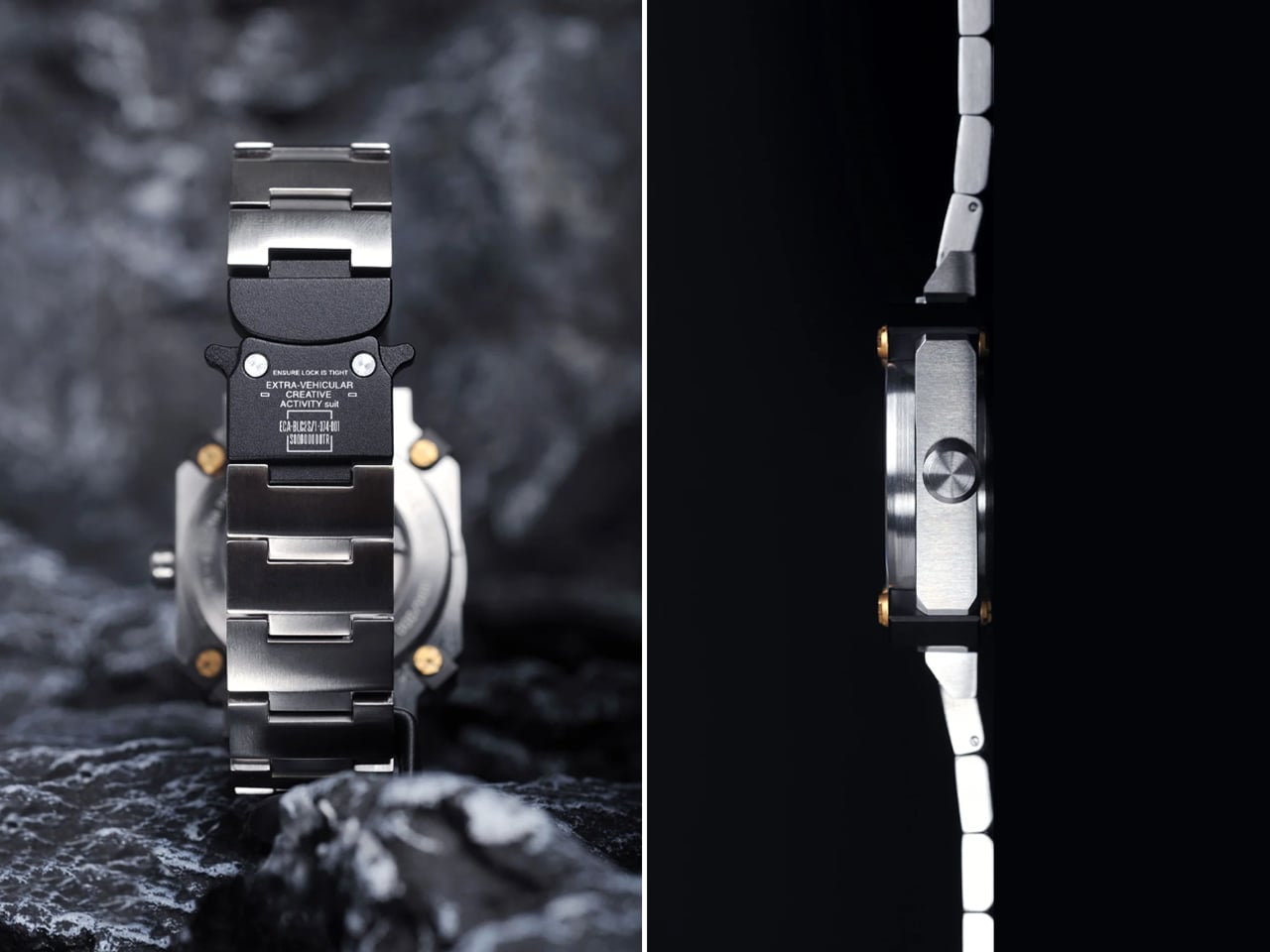
Casio ring watch offers a playful yet practical way to tell the time

Smart rings are now being positioned to replace smartwatches but only in terms of tracking the wearer’s health and activities. They can’t tell the time like smartwatches, at least not until they’re able to show a tiny display that’s still readable. There might be a way around that limitation, but it will make you look like you’re wearing a shrunken wristwatch on your finger.

That’s pretty much the case for the new Casio Ring Watch CRW-001-1JR, practically a miniature version of the classic Casio digital watch. It has a full watch face, just smaller, that you can clearly read at a glance. Ironically, it doesn’t have any sensors, but that could be a possibility in the future given how large it is anyway.

Designer: Casio

To be really blunt, this “finger watch” is more of a cute and funny novelty than something you’d really want to depend on. It’s meant to celebrate the 50th anniversary of Casio’s digital watch business, which is why it tries to stick as close as possible to that design. It is also functional, though comfortable use is obviously out of the question.

With a display that’s almost an inch in size, the Casio Ring Watch manages to squeeze in a 7-segment LCD that can display hours, minutes, and seconds. There are also multiple modes, including dual-time, alarm, and a stopwatch. Yes, it has an alarm, but rather than cramming a tiny and terrible speaker, it just flashes the screen to get your attention.

The Casio Ring Watch is roughly 1/10th the size of a regular Casio digital watch, but to accommodate that unusual design, which includes three physical buttons, the company opted to have a single ring size. It’s equivalent to US size 10.5 or 20mm inner diameter, but the package includes two spacers for those with smaller finger sizes. Unfortunately, that design does mean that larger fingers are out of luck.

This odd “smart” ring is more of a collectible product rather than an everyday wear anyway. Since we humans use our hands a lot, such a large ring will get in our way often. It is advertised to be waterproof, though, but the exact rating isn’t disclosed. It runs on a replaceable battery that is also stated to last at least two years before needing a substitute. The Casio Ring Watch will be launching next month with an SRP of 19,800 JPY, roughly $128. International availability is still unknown.

The post Casio ring watch offers a playful yet practical way to tell the time first appeared on Yanko Design.
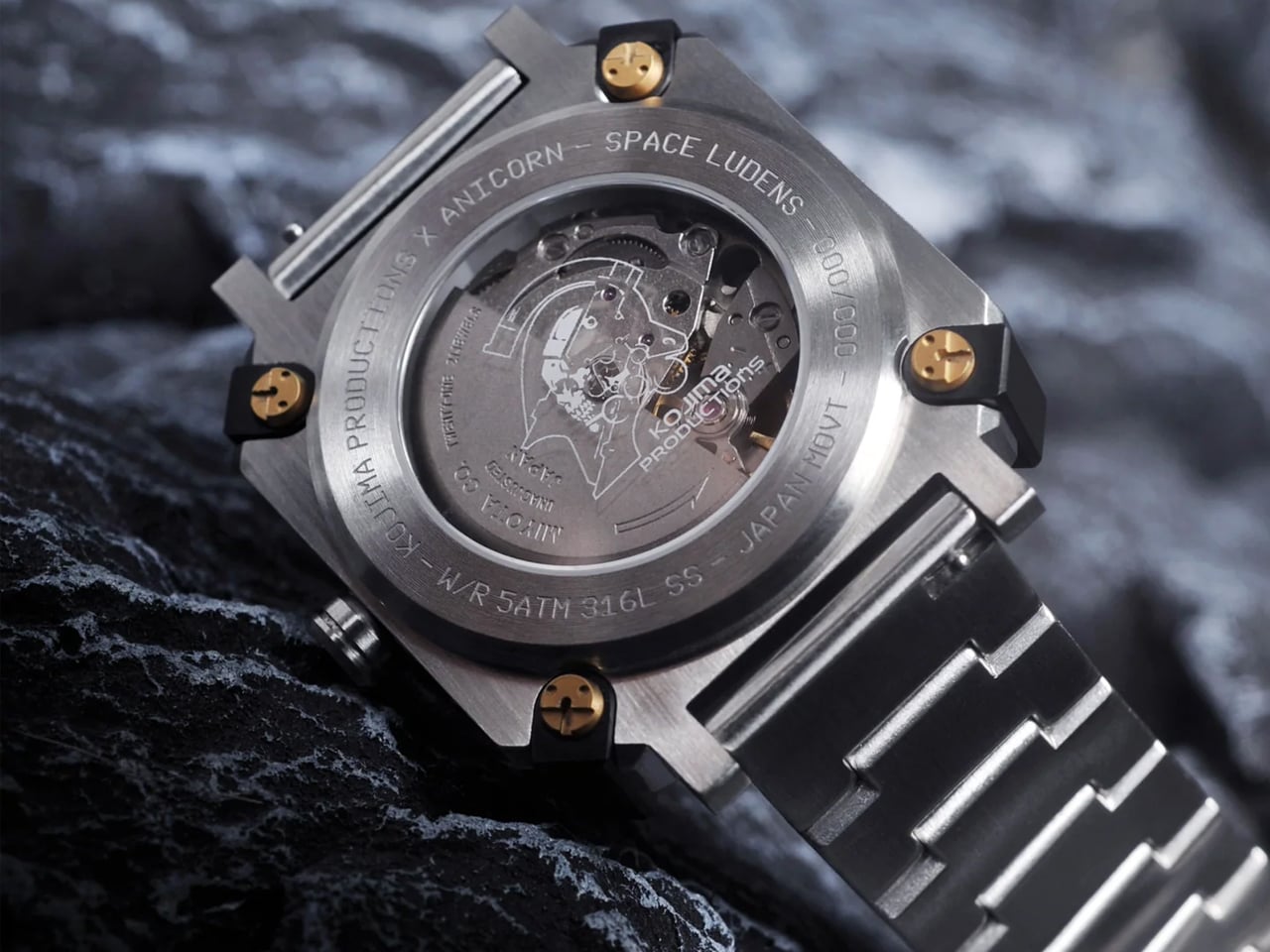
Hublot celebrates tennis legend Novak Djokovic with Big Bang Unico made from his racquets and polos

There are two interesting facts about the tennis GOAT: Novak Djokovic. He is one of the only five players in the history of the game to win all four grand slams and the Olympic gold medal in singles event. And that he is the brand ambassador of the watchmaking legacy at Hublot. The horologist has been on the wrist with the achievements of the 24-time grand slam winner Djokovic since they served the partnership ace in 2021.

Hublot is now substantiating its commitment toward the Serbian legend and honoring his achievements – including the Golden slam and Olympic medal at the gaming extravaganza in Paris – with the launch of Big Bang Unico Noval Djokovic. The watch inspired by Djokovic’s record-breaking achievements is Hublot’s attribute to the tennis great’s agility on the court and its inclination toward sustainable innovations in watchmaking.

Designer: Hublot

To that accord, the Big Bang Unico Novak Djokovic has been made from parts of his actual rackets and on-court kits. The 42mm case Hublot with Djokovic’s name, measures 14.5mm at the thickest point, and features an epoxy resin base with quartz powder reinforcement. It has been fused with the recycled fragments of 25 HEAD racquets and 32 Lacoste polos (17 dark blue and 15 light blue) that Djokovic used in the 2023 season to complete the matte blue recycled composite case and bezel of the watch.

The skeletonized dial of the watch, with yellow seconds pusher and bezel screws curved to mimic a ball, makes clever references to tennis. It rests under a tempered Gorilla glass that replaces the sapphire glass from the previous Big Bang’s. The Big Bang Unico Novak Djokovic has been created lighter than a tennis ball at just 49.5g and is powered by a PVD-finished in-house self-winding Unico manufacture chronograph movement offering up to 72 hours of power reserve.

While Djokovic fans would do anything to get this piece of historic relevance on their wrist, not all would have the pleasure of it. Hublot strictly limits production of the Big Bang Unico Novak Djokovic to 100 examples at AUD78,700 (approximately $51,000) each. If you happen to chance upon one, you will have the option to take it home on one of the four straps: elastic sweatband, Velcro strap, white rubber strap, and a Lacoste strap.

The post Hublot celebrates tennis legend Novak Djokovic with Big Bang Unico made from his racquets and polos first appeared on Yanko Design.
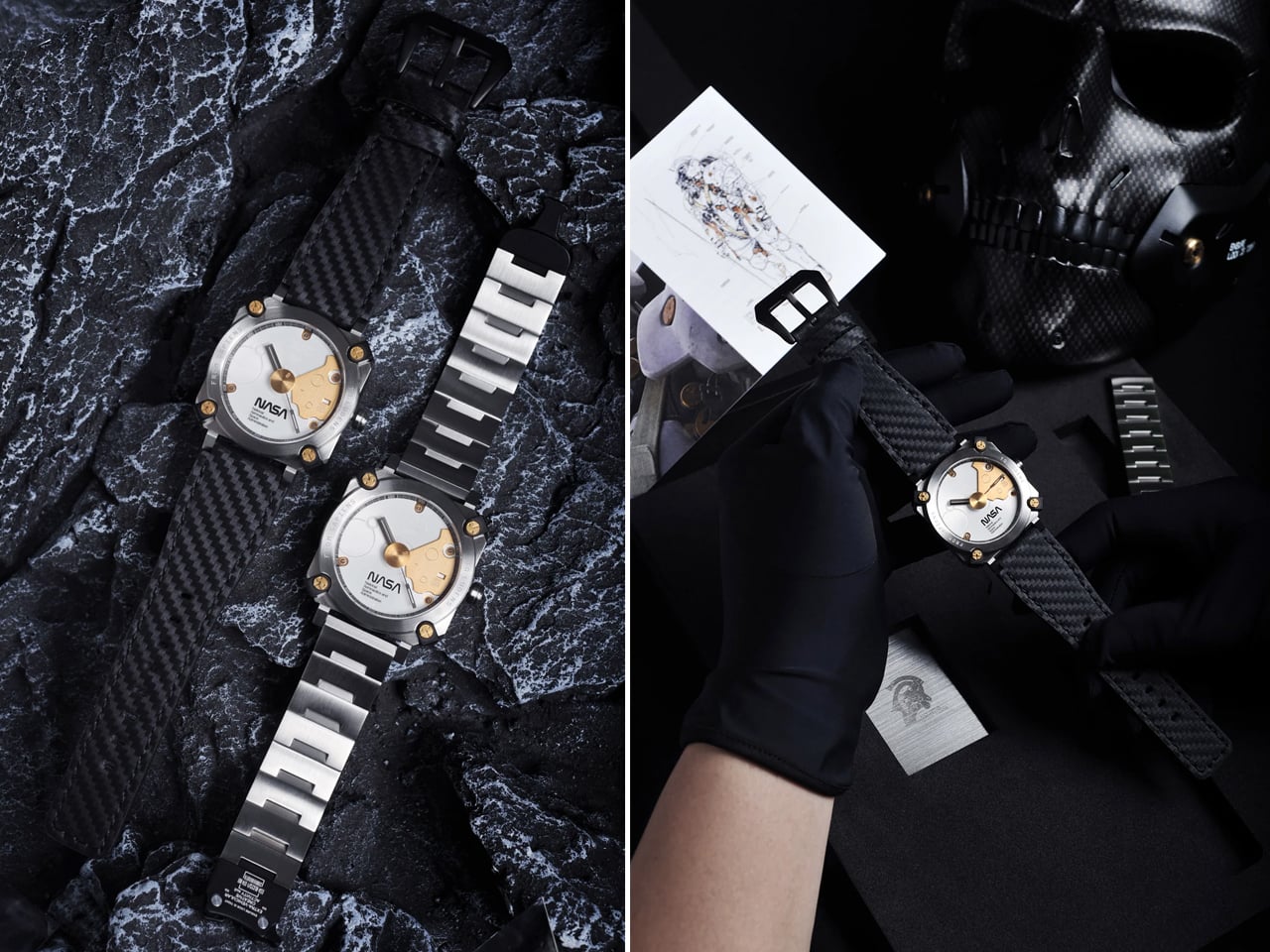
Casio calculator watch pays homage to the world’s first pocket calculator

It’s almost too easy to take for granted the conveniences we enjoy today thanks to modern devices like computers and calculators. Calculators might be a common sight these days, even on smartphones as a pre-installed app, but there was actually a time when these counting machines were only found in offices. Their bulky designs and expensive components limited their availability to businesses that could afford them, forcing other people to depend on manual calculations.

The first generation of personal calculators, large as they may be by today’s standards, truly revolutionized this industry, making it easier for professionals, students, and practically anybody to make complicated calculations in just seconds. To recognize one of these trailblazers, Casio just released a new version of its odd calculator watch, taking its design cues from its own Casio Mini pocket calculator from the 70s.

Designer: Casio

Wristwatches that cram tiny calculator keys in a small space aren’t exactly new. Whether they’re actually practical or convenient is hardly a concern, as they give watch lovers and Casio fans something to cherish. Especially in an age where everyone can use their phones for the same purpose, these timepieces become designs that combine nostalgia and novelty in one package.

The new arrivals to this set don’t actually add new functionality, which would ruin the charm of this device, but tweak the design a bit for an even more retro look. The Casio CA-53WB watches specifically adopt the design elements of the Casio Mini from 1972, starting with the three color options available back in 1972: ivory, black, and blue-green. Unlike the other Casio calculator watches, these three use green text on a negative LCD, just like those old-school displays.
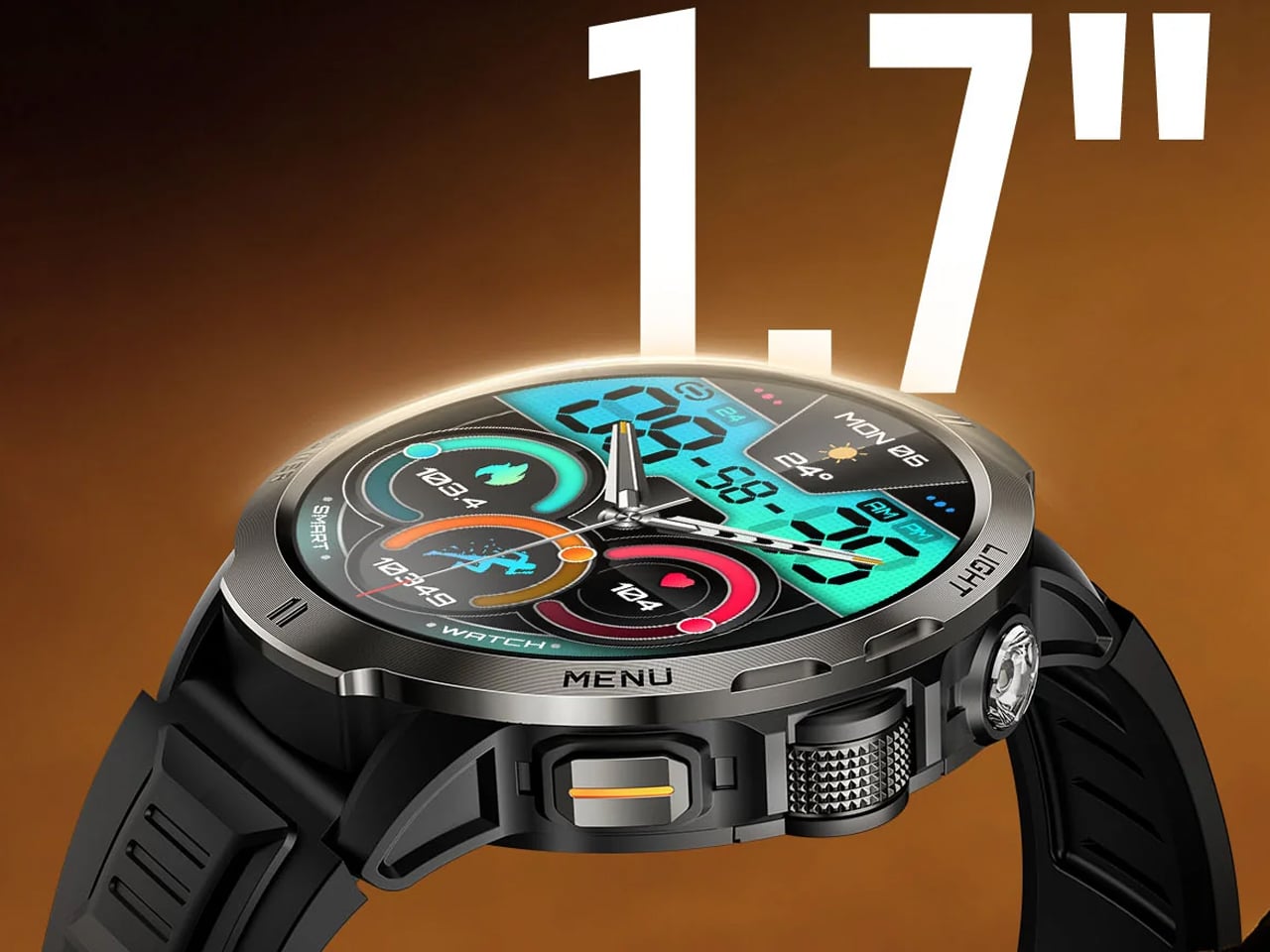
There are also more subtle design cues that might be more familiar to those who remember the original calculators. The number buttons, for example, are separated by grid lines, and the mode indicator uses a red color to emulate the power indicator of the old calculator.
In terms of functionality, the Casio CA-53WB is exactly like the other models, supporting up to eight digits for calculations and providing features like a stopwatch and an alarm. One modern improvement in the design is the use of bio-based resin for the watch band, reducing the product’s environmental impact. This blast from the past calculator watch costs $36, a few bucks more than the regular Casio calculator watches.

The post Casio calculator watch pays homage to the world’s first pocket calculator first appeared on Yanko Design.