8Bitdo has a new $50 Android gaming controller with Hall effect sticks and triggers

8BitDo, once known exclusively as a purveyor of Nintendo-infused nostalgia, has expanded in recent years into all sorts of gaming controllers and accessories. The company’s latest foray is into mobile gaming controllers. The 8Bitdo Ultimate Mobile Gaming Controller takes the highlights of its well-received Ultimate series — Hall effect included! — and brings them to an extendable accessory that latches onto your smartphone, a la Backbone and Razer Kishi.

First, the bad news (for some). The 8Bitdo Ultimate Mobile Gaming Controller is Android only, so no love here for iPhone owners. It’s also a Bluetooth accessory, rather than a plug-in one like Backbone’s, which means it has a 350mAh battery and weighs more than some rivals. (As The Verge notes, it tips the scales at 236g, making it 71 percent heavier than the BackBone One.) 8Bitdo says its battery lasts up to 15 hours from 1.5 hours of charging time.

But for Android device owners, it’s a versatile controller. 8Bitdo says it’s compatible with mobile devices that are 100mm to 170mm in length. That can even include some small tablets, although not many these days are that small. (Even Amazon’s relatively small Fire HD 8 is about 32mm too wide.) However, it should fit just about any Android phone.

Product photo of two versions of the 8Bitdo Ultimate Mobile Gaming Controller (black and white), arranged vertically in a mirror-like orientation.
8Bitdo

The controller has Hall effect triggers and joysticks, so you shouldn’t have any drifting worries. It includes a standard four action buttons, a “clicky,” “smooth” and “tactile” D-Pad, a profile button and two paddle buttons on its back. The sticks have “wear-resistant metal joystick rings.”

It works with 8BitDo’s Ultimate Software, letting you remap buttons, adjust stick and trigger sensitivity and create or edit profiles. The software is available on Windows and Android. The iOS version is installable on Macs from the App Store.

You can’t get the 8Bitdo Ultimate Mobile Gaming Controller quite yet, but you can pre-order it now from Amazon. It costs $50 (half the price of Backbone One!), comes in black and white options and will arrive on November 29, Black Friday.

This article originally appeared on Engadget at https://www.engadget.com/mobile/smartphones/8bitdo-has-a-new-50-android-gaming-controller-with-hall-effect-sticks-and-triggers-192521405.html?src=rss

This $100 Smartphone is as small as a Credit Card but packs 4G, Wi-Fi, Dual-SIM, and runs Android

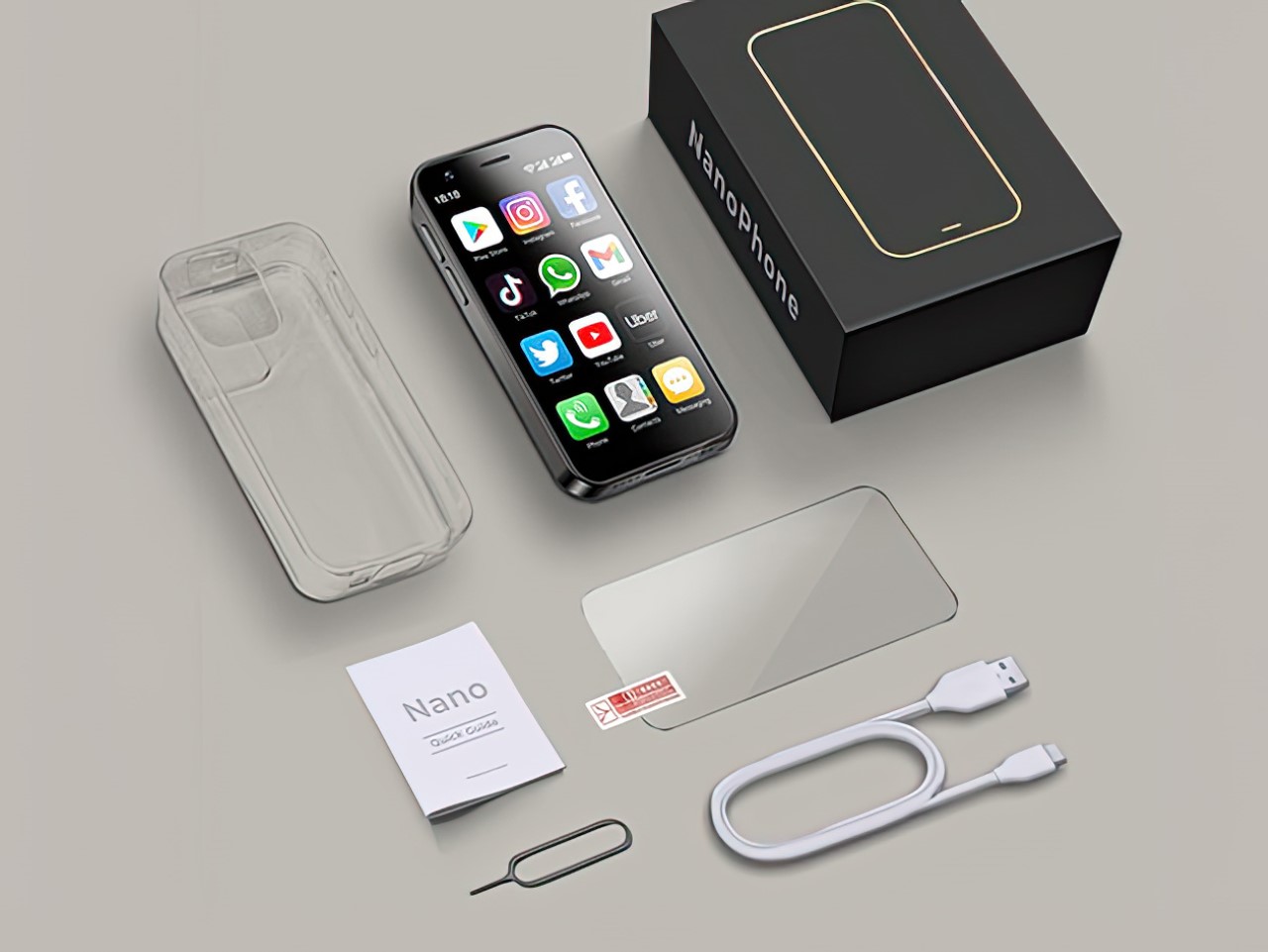
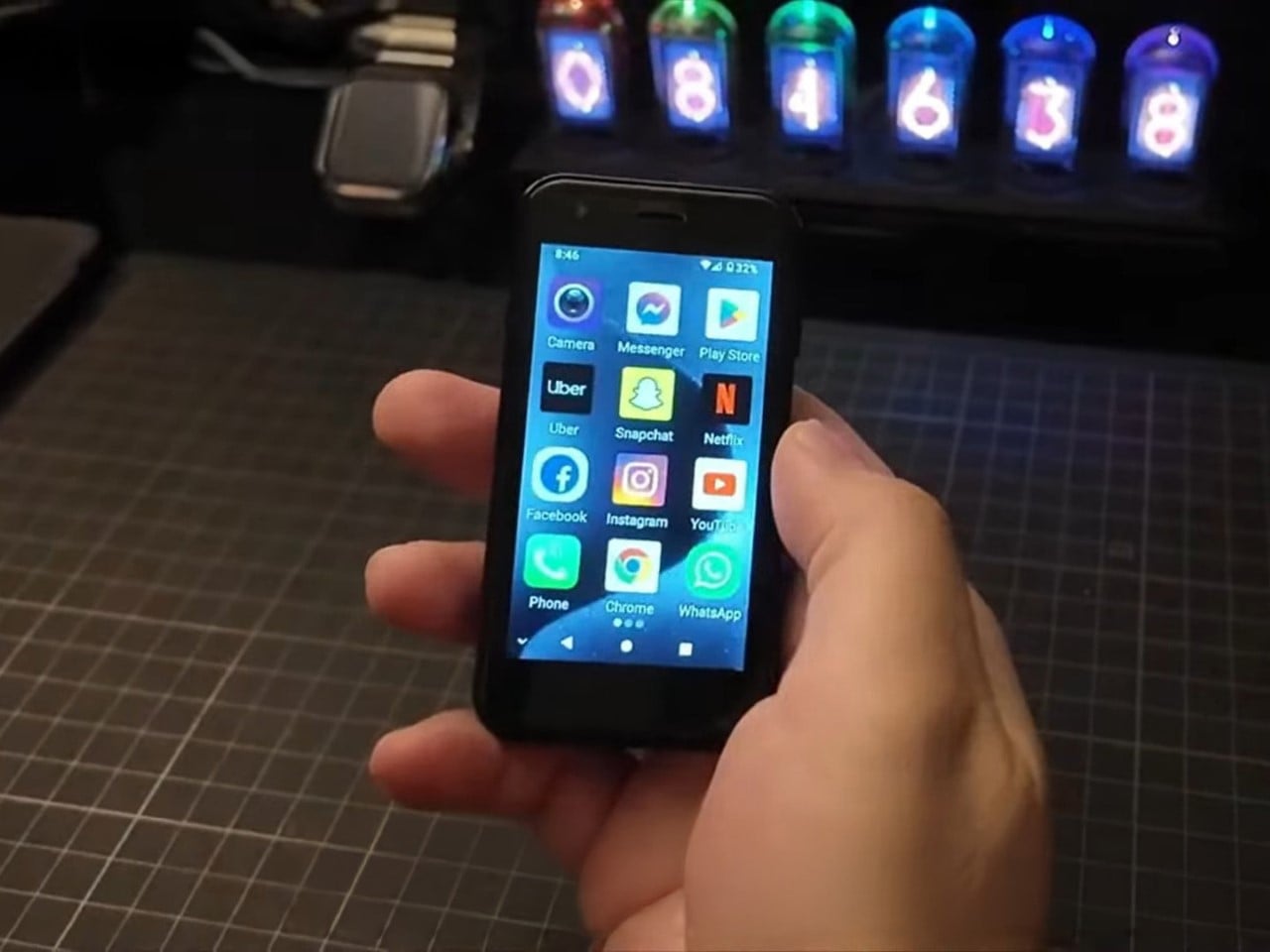
Three years ago, Apple ditched the iPhone mini to focus on larger phones with bigger displays. I don’t expect the NanoPhone to fill that void, but for a phone as small as a stack of credit cards, it definitely packs enough to grab one’s attention. Almost comically compact, the NanoPhone has a 3-inch IPS touchscreen, looks and feels like a shrunken iPhone Pro, and packs quite a few impressive features. It has 4G support, dual SIM trays, expandable storage, and a 2000mAh battery that should last fairly long given how tiny the entire device is. The phone runs Android 10, so it isn’t your flagship killer, but it’s the perfect backup smartphone – or a functional phone for kids who are too young to be given flagships. The NanoPhone has access to the Play Store, runs all the apps you’d need from a phone, and costs a mere $99 (on discount), making it a no-brainer if you want a spare phone that’s sure to have everyone’s attention.

Designer: NanoPhone

At first glance, it looks like an iPhone Pro got hit by a shrink-ray, but switch it on and you realize what’s really happening. The phone has thick bezels that were somewhat excusable 3-4 years ago but not really anymore – but then again, you only get so much for a hundred bucks, right?! The HD screen (which isn’t even 1080p) comes with a custom theme that’s designed to make it look like iOS, but you’ll quickly notice the presence of Android buttons on the bottom, and the Play Store icon on the home screen. Flip the phone over and you’ve got a faux camera setup that looks like 3 lenses, but is actually just one 5MP shooter. Don’t expect Portrait Mode or Night Mode on this bad boy – the photos should be barely passable. You’ve even got a 2MP front-facing shooter – no FaceID obviously, or even fingerprint detection. Just old-fashioned patterns and PINs.

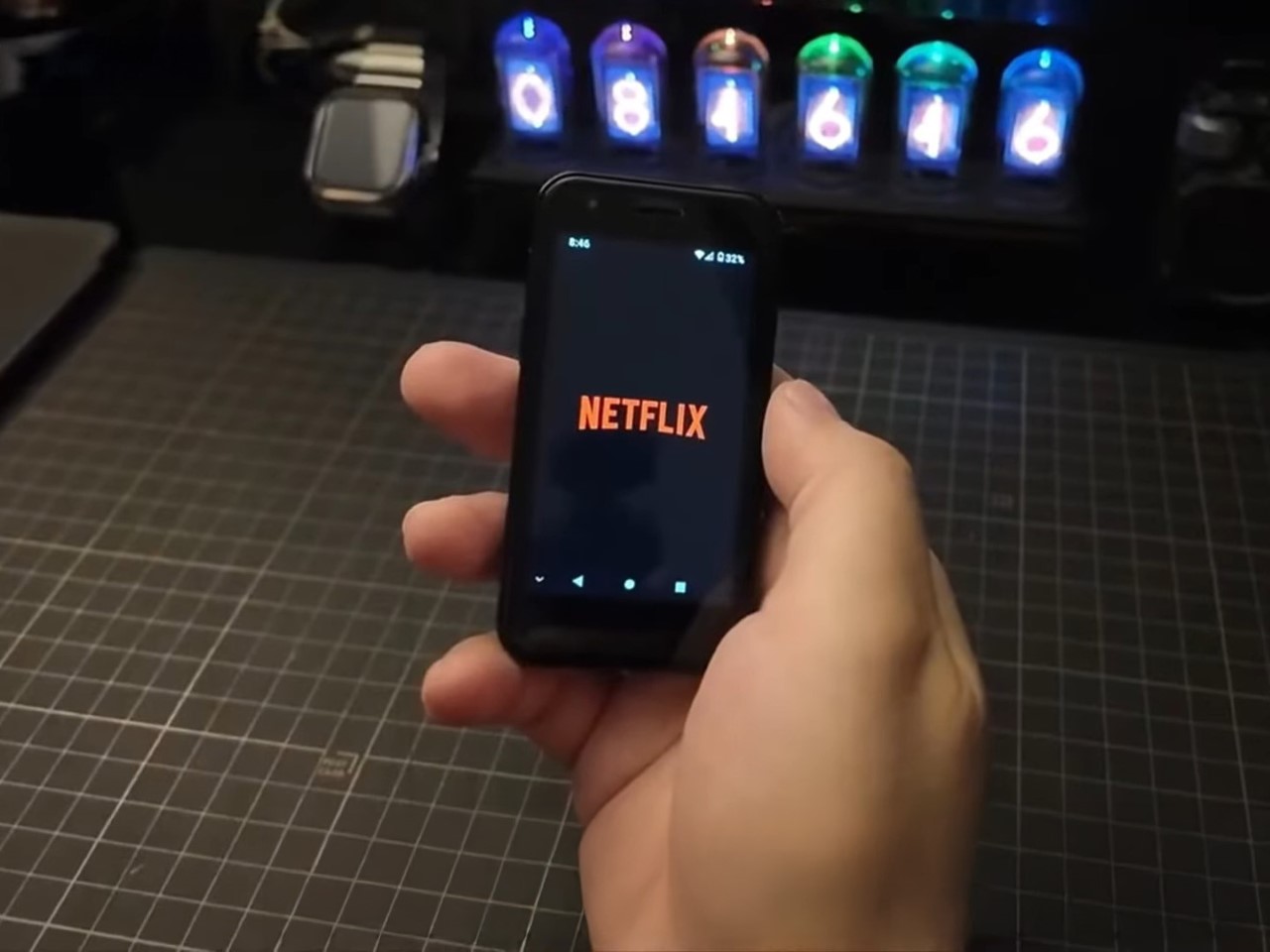
The NanoPhone, however, is a fully functional smartphone despite its size and OS limitations. It runs all the apps available on the Android Play Store and that are compatible with the OS. Yes, you can browse Instagram or TikTok on this (or even Snapchat for the younger folk), and there’s WhatsApp for the older folk too. YouTube and Netflix feel especially weird, given how tiny the screen is, but yes, they run flawlessly too. Dual SIM support means your tiny smartphone can support two carriers together (with 4G capabilities and WiFi support too), and 2Gb of RAM should be fairly potent enough to handle all your daily tasks. The NanoPhone does come with 16 gigs of built-in storage too, expandable thanks to a memory card slot. Plus, a phone that size isn’t particularly a battery guzzler, which means the 2,000 mAh battery is more than enough to last you an entire day. Don’t expect wireless charging on this thing – a USB-C port is all you have to juice the NanoPhone’s battery.

It’s easy to get caught up on the things the NanoPhone doesn’t have – like a good camera setup, the latest operating system, a bezel-less display, but when you look at the fact that it’s 1/10th the price of a flagship, and 1/10th the size of your high-end folding phone, you realize exactly what makes it so special. It’s just a little larger than a watch, but runs a full smartphone experience. The NanoPhone is a perfect spare for someone who’s got multiple SIMs lying around, or for someone who just wants a small phone without those addictive flagship-like features. At 3 inches, that screen is far from being immersive or addictive. In fact, it’s honestly perfect for people who love the idea of having their thumb reach every part of the display, especially for kids who can often struggle with larger, heavier, and more expensive smartphones.

The post This $100 Smartphone is as small as a Credit Card but packs 4G, Wi-Fi, Dual-SIM, and runs Android first appeared on Yanko Design.

Apple updates its beta testing service Testflight with redesigned invites and more

Apple’s beta testing service Testflight just got a fairly substantial update, according to a report by TechCrunch. The software refresh gives developers much more control over who can join a beta and how new features are shared. It also allows beta testers to get more information about an app before they dive in.

Developers will be able to set all kinds of criteria as to who can or cannot access the beta. This should help devs narrow the test groups to specific audiences, like those using a particular device or OS version. Testflight offers a maximum of 10,000 invitations by default, so this should help reserve spots for an intended audience. The developers can also now decrease this maximum number to whatever they want.

The update allows for more control over the beta invites, as they can highlight new features and content. Apple says that beta builds of apps that have already been approved for publication can now include screenshots and the app category along with the invite.

App creators will also be able to view metrics regarding the success of a beta invite, which includes information as to how many people viewed the invite, who opted in and why folks declined.

As for users, beta invites can include a feedback field. This is for people to let the developer know why they chose not to download an app.

This article originally appeared on Engadget at https://www.engadget.com/apps/apple-updates-its-beta-testing-service-testflight-with-redesigned-invites-and-more-185002704.html?src=rss

McDonald’s restaurants can finally repair their own McFlurry machines

There are days where it feels like nothing will ever change and the best thing you can do is just learn to tolerate mediocrity. Today is not one of those days. Public Knowledge announced that the US Copyright Office granted an exemption request from the non-profit public interest group and the DIY repair site iFixit to allow McDonald’s franchise owners to hire a third-party to repair their McFlurry and soft service ice cream machines.

Franchise owners legally couldn’t hire any outside business to work on the machine because of the Digital Millennium Copyright Act (DMCA). McDonald’s soft serve ice cream machines have a digital lock and Section 1201 of the DMCA makes it illegal for anyone to bypass the lock on a copyrighted work even if no copyright infringement occurs. Only the original manufacturer of the machine can repair a copyrighted device with a digital lock. The recent exemption overrules the digital lock law.

If you’ve ever pulled up to a McDonald’s drive-thru window and couldn’t get an ice cream treat like a McFlurry, it probably wasn’t an anomaly. Franchises had to wait on the McDonald’s corporation to send an approved repair person to fix the machines. The problem caught the attention of the Federal Trade Commission in 2021 under a directive by President Joe Biden to draft new regulations to allow consumers to legally repair their own devices and hire third-parties to fix them. The FTC contacted McDonald’s franchise owners to learn more about the ice cream machines and the difficulties in repairing them.

iFixit did a teardown of a McDonald’s ice cream dispenser last year and found it had “lots of easily replaceable parts” but they couldn’t be fixed without earning the wrath of federal copyright laws. The teardown prompted the companyto work with Public Knowledge to obtain a copyright exemption to repair them. The repair website also compiled a video explaining the machine’s innerworkings in more detail.

This article originally appeared on Engadget at https://www.engadget.com/big-tech/mcdonalds-restaurants-can-finally-repair-their-own-mcflurry-machines-183006996.html?src=rss

NASA spent October hoisting a 103-ton simulator section onto a test stand to prep for the next Moon mission

NASA spent the last two weeks hoisting a 103-ton component onto a simulator and installing it to help prepare for the next Moon missions. Crews fitted the interstage simulator component onto the Thad Cochran Test Stand at Stennis Space Center near Bay St. Louis, Mississippi. The connecting section mimics the same SLS (Space Launch System) part that will help protect the rocket’s upper stage, which will propel the Orion spacecraft on its planned Artemis launches.

The Thad Cochran Test Stand is where NASA sets up the SLS components and conducts thorough testing to ensure they’ll be safe and operating as intended on the versions that fly into space. The new section was installed onto the B-2 position of the testing center and is now fitted with all the necessary piping, tubing and electrical systems for future test runs.

Top-down view of the SLS interstage section installed at a test center.
NASA

The interstage section will protect electrical and propulsion systems and support the SLS’s EUS (Exploration Upper Stage) in the rocket’s latest design iteration, Block 1B. It will replace the current Block 1 version and offer a 40 percent bigger payload. The EUS will support 38 tons of cargo with a crew or 42 tons without a crew, compared to 27 tons of crew and cargo in the Block 1 iteration. (Progress!) Four RL10 engines, made by contractor L3Harris, will power the new EUS.

The interstage simulator section NASA spent mid-October installing weighs 103 tons and measures 31 feet in diameter and 33 feet tall. The section’s top portion will absorb the EUS hot fire thrust, transferring it back to the test stand so the test stand doesn’t collapse under the four engines’ more than 97,000 pounds of thrust.

NASA’s testing at Stennis Space Center will prepare the SLS for the Artemis IV mission, which will send four astronauts aboard the Orion spacecraft to the Lunar Gateway space station to install a new module. After that, they’ll descend to the Moon’s surface in the Starship HLS (Human Landing System) lunar lander.

You can catch some glimpses into NASA’s heavy lifting in the video below:

This article originally appeared on Engadget at https://www.engadget.com/science/space/nasa-spent-october-hoisting-a-103-ton-simulator-section-onto-a-test-stand-to-prep-for-the-next-moon-mission-173008826.html?src=rss

High Point Market: Where 2024 Furniture Trends Come to Life

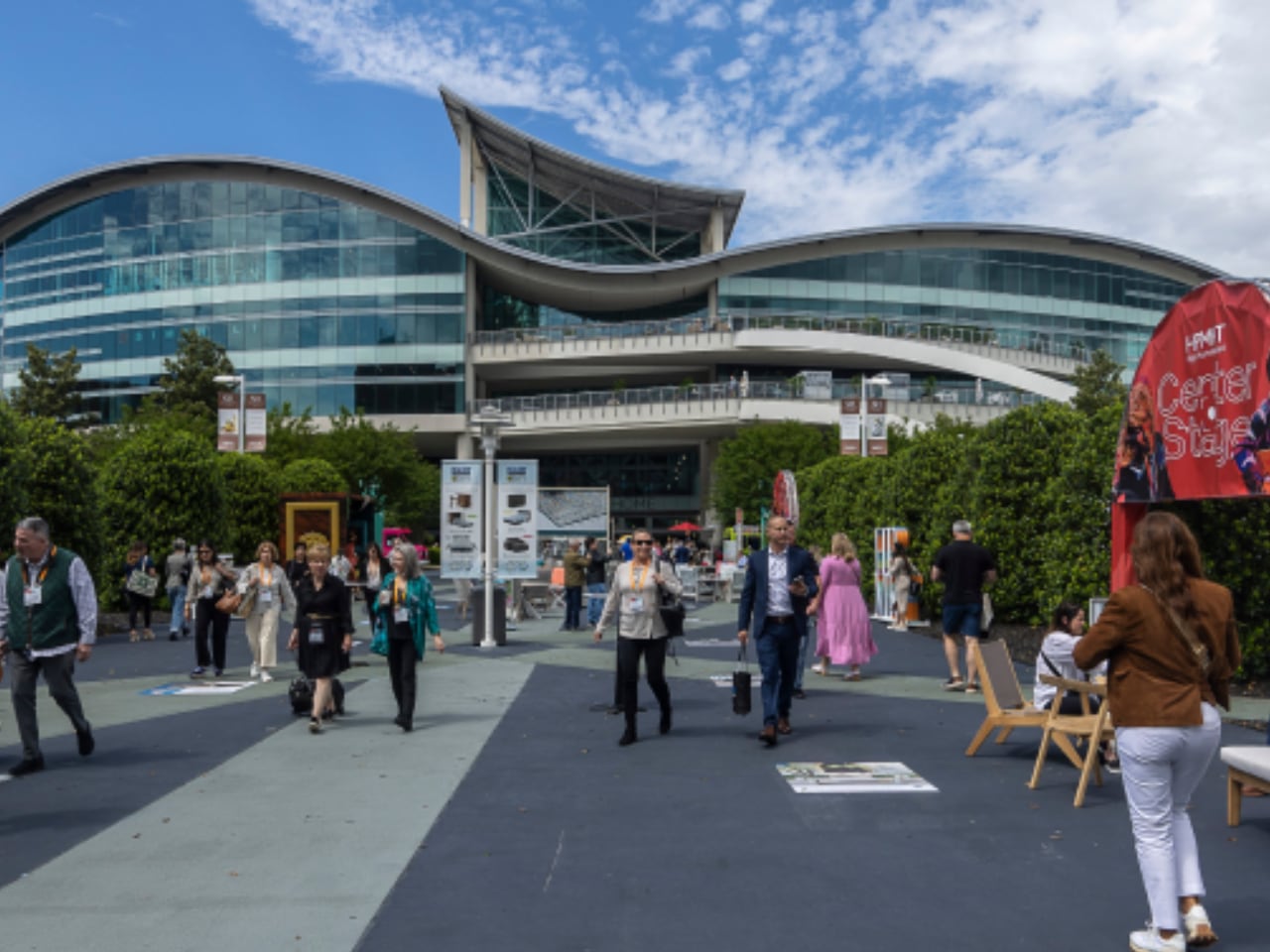
As the world’s largest home furnishings trade show, High Point Market has been setting the stage for furniture design trends for over a century. Held biannually in High Point, North Carolina, this event transforms the city into a bustling hub of creativity and innovation, attracting over 75,000 attendees from across the globe. For Yanko Design readers passionate about cutting-edge furniture design, High Point Market offers an unparalleled glimpse into the future of home interiors.
The 2024 edition of High Point Market promises to showcase evolving design philosophies, blending comfort with sustainability and nostalgia with innovation. As we explore the top furniture design trends 2024, we’ll spotlight five noteworthy brands shaping the industry’s future.

Emerging Trends Shaping Furniture Design in 2024

Before diving into the brands, let’s examine the key trends dominating the furniture landscape in 2024:
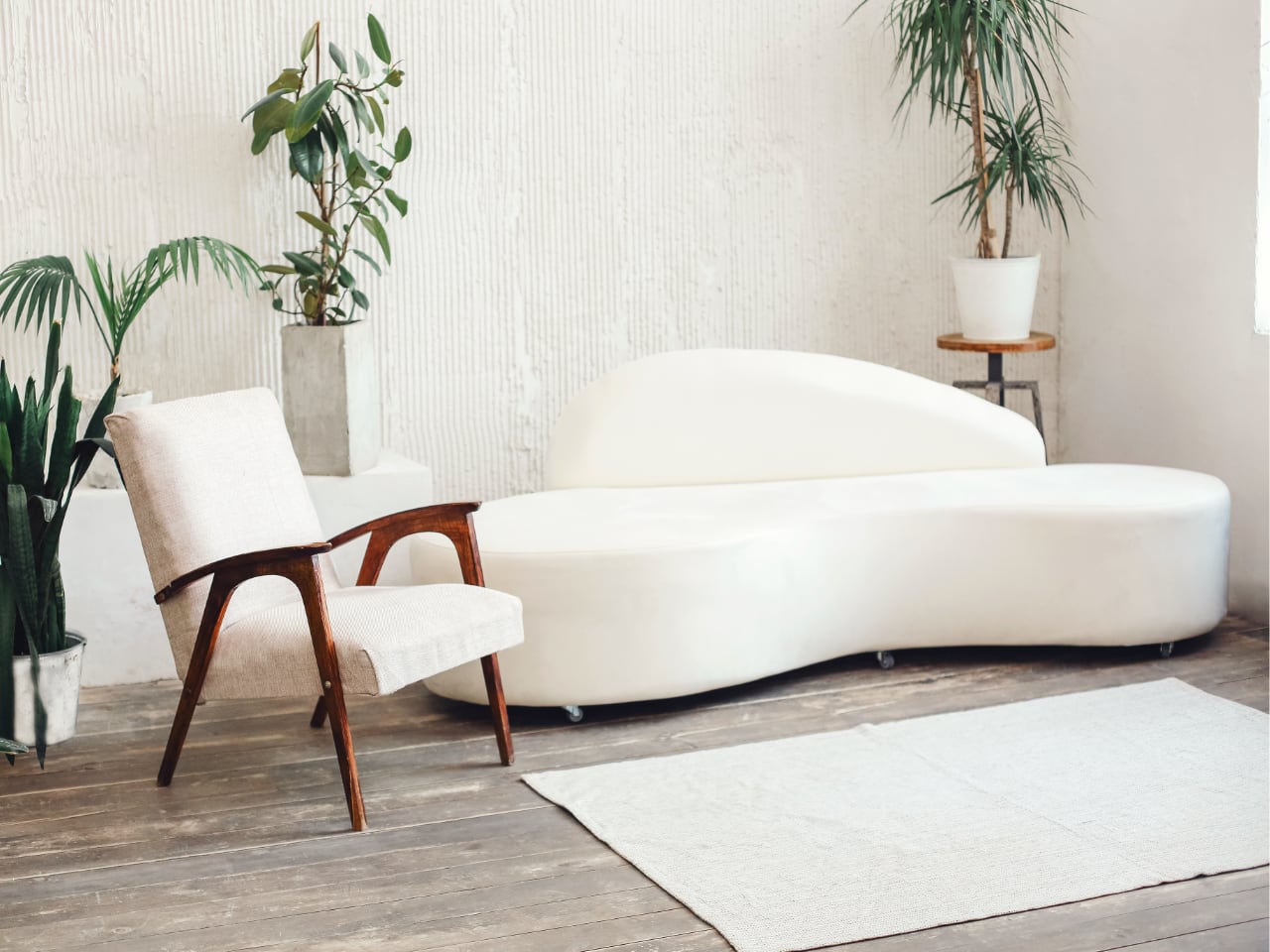
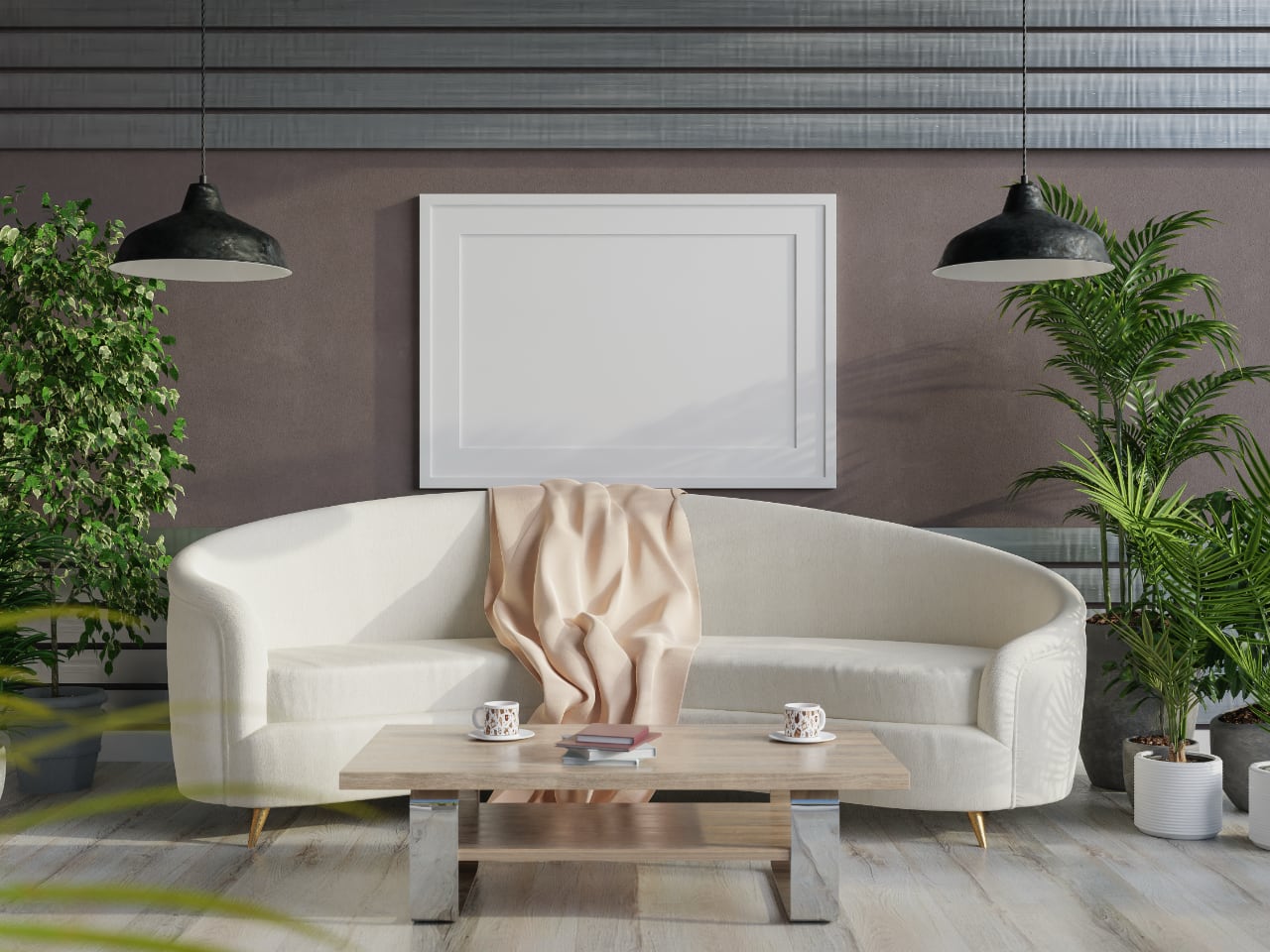
  1. Organic Shapes and Curves: Furniture designs embrace softer, more fluid forms. Curved sofas, rounded armchairs, and scalloped edges are prevalent, creating inviting and ergonomic spaces.
  2. Earthy Color Palettes with Bold Accents: While warm neutrals and natural tones dominate, vibrant hues, especially greens, make bold statements in upholstery and case goods.
  3. Natural Materials and Textures: The use of wood, stone, and textural fabrics like boucle and tweed continues to gain momentum, adding depth and character to furniture pieces.
  4. Sustainable and Biophilic Design: Eco-friendly materials and production methods are at the forefront, with designs that connect occupants more closely to nature.
  5. Multifunctional and Flexible Furniture: As living spaces evolve, furniture that serves multiple purposes is becoming increasingly important.

Now, let’s explore five noteworthy brands embodying these trends and making waves at High Point Market 2024.

1. Tribesigns: Innovative Solutions for Modern Living

Making its US market debut at High Point Market 2024, Tribesigns is a fast-growing global furniture brand, quickly gaining attention for its commitment to providing cozy and efficient home and office solutions. Founded on principles of honesty, simplicity, and innovation, Tribesigns is poised to impact the American furniture market significantly. Tribesigns’ approach aligns perfectly with the trend toward multifunctional and flexible furniture. Their comprehensive range of products, from desks and console tables to organizers and bookcases, caters to the evolving needs of modern homes and offices. The brand’s slogan, “Designed for Life,” emphasizes creating aesthetically pleasing but also functional and durable furniture.

What sets Tribesigns apart is its commitment to sustainability. Since 2023, it has partnered with One Tree Planted, pledging to plant 20,000 trees. This initiative resonates with the growing consumer demand for eco-friendly practices in furniture production.

At High Point Market, Tribesigns showcases many stylish and innovative furniture products. Their designs often feature clean lines and versatile forms, making them ideal for contemporary interiors that require adaptable solutions. Look for their space-saving desks and modular storage systems, particularly relevant in today’s flexible work environments.

2. Currey & Company: Blending Artistry with Functionality

A stalwart in the industry, Currey & Company continues to impress with its ability to blend artistry with functionality. Known for its lighting fixtures, furniture, and accessories, the brand has been a regular at High Point Market, consistently introducing designs that capture the zeitgeist of interior trends.
In 2024, Currey & Company is leaning into the organic shapes trend with their latest furniture introductions. Their new console tables, featuring circle-cutout brass and marble tops, exemplify the move towards softer, more fluid forms in furniture design. These pieces serve as functional elements and as sculptural art pieces in their own right.

The brand’s use of natural materials, particularly in its lighting designs, aligns with the ongoing preference for organic textures and sustainable materials. Look for their handcrafted pieces that showcase the beauty of natural wood, stone, and metal, often with artisanal finishes that add depth and character.
Currey & Company’s lighting designs for 2024 also reflect the retro revival trend with a modern twist. Their chandeliers and pendants often draw inspiration from vintage forms but update them with contemporary materials and technologies, creating nostalgic and fresh pieces.

3. Vanguard Furniture: Customization Meets Sustainability

Vanguard Furniture has long been known for its commitment to customization. It allows designers and homeowners to create unique pieces tailored to their specific needs. In 2024, the brand is doubling down on this approach while emphasizing sustainability in its production processes.
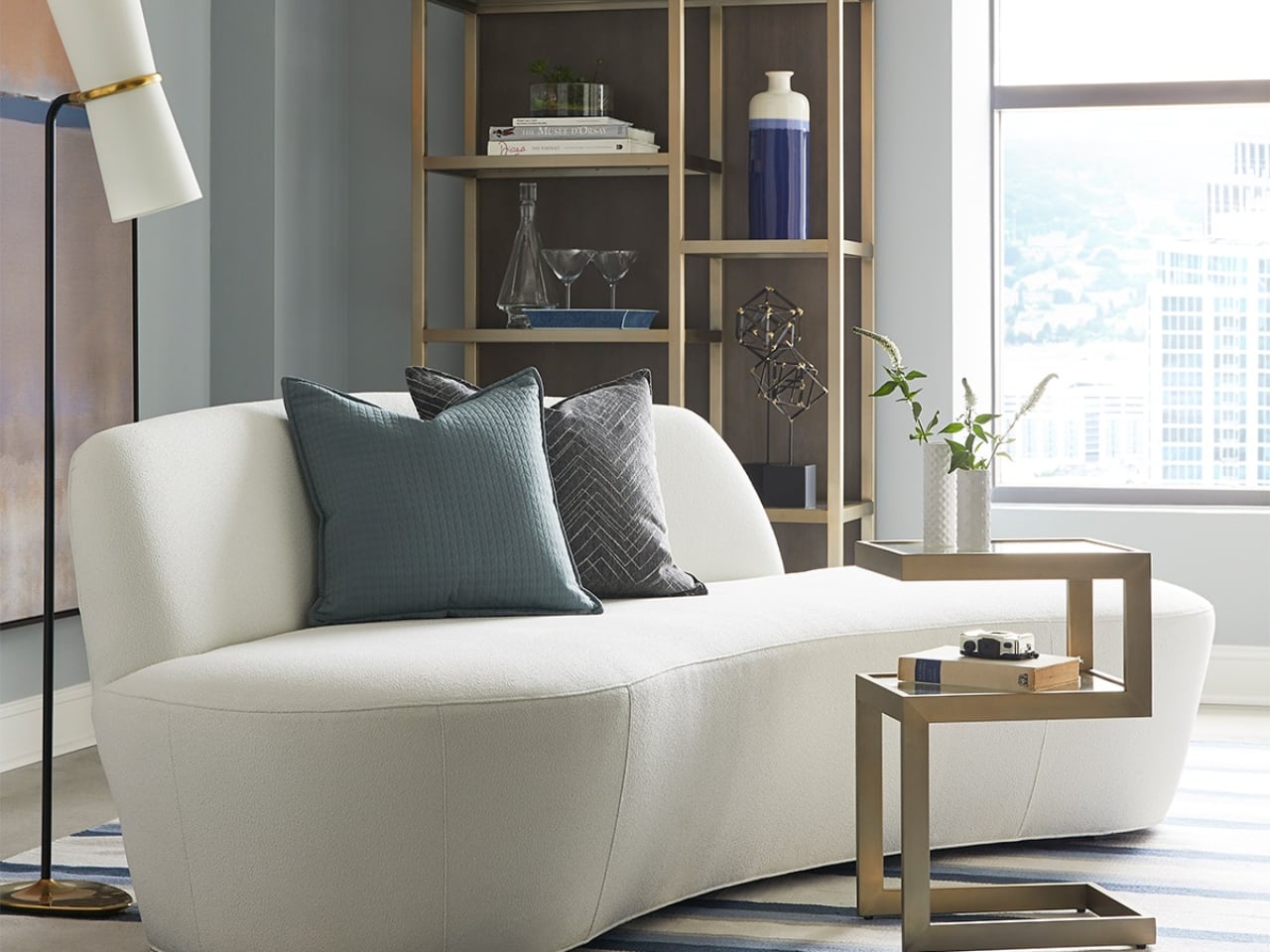
This year, Vanguard is showcasing upholstered pieces that embody the trend of earthy color palettes with bold accents. Their sofas and chairs feature base fabrics in warm neutrals, complemented by vibrant pillows and throws in saturated hues, particularly greens and blues.

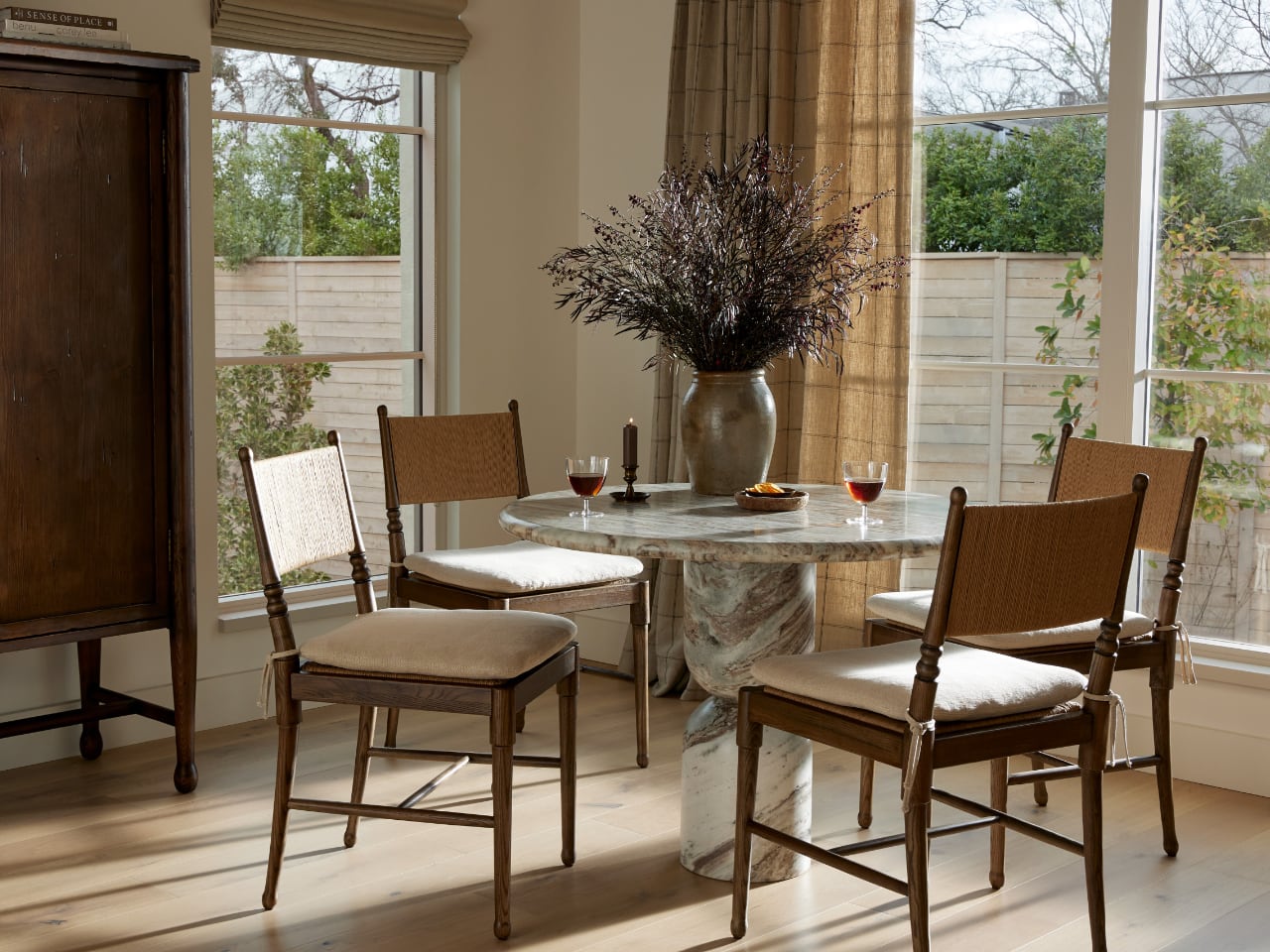
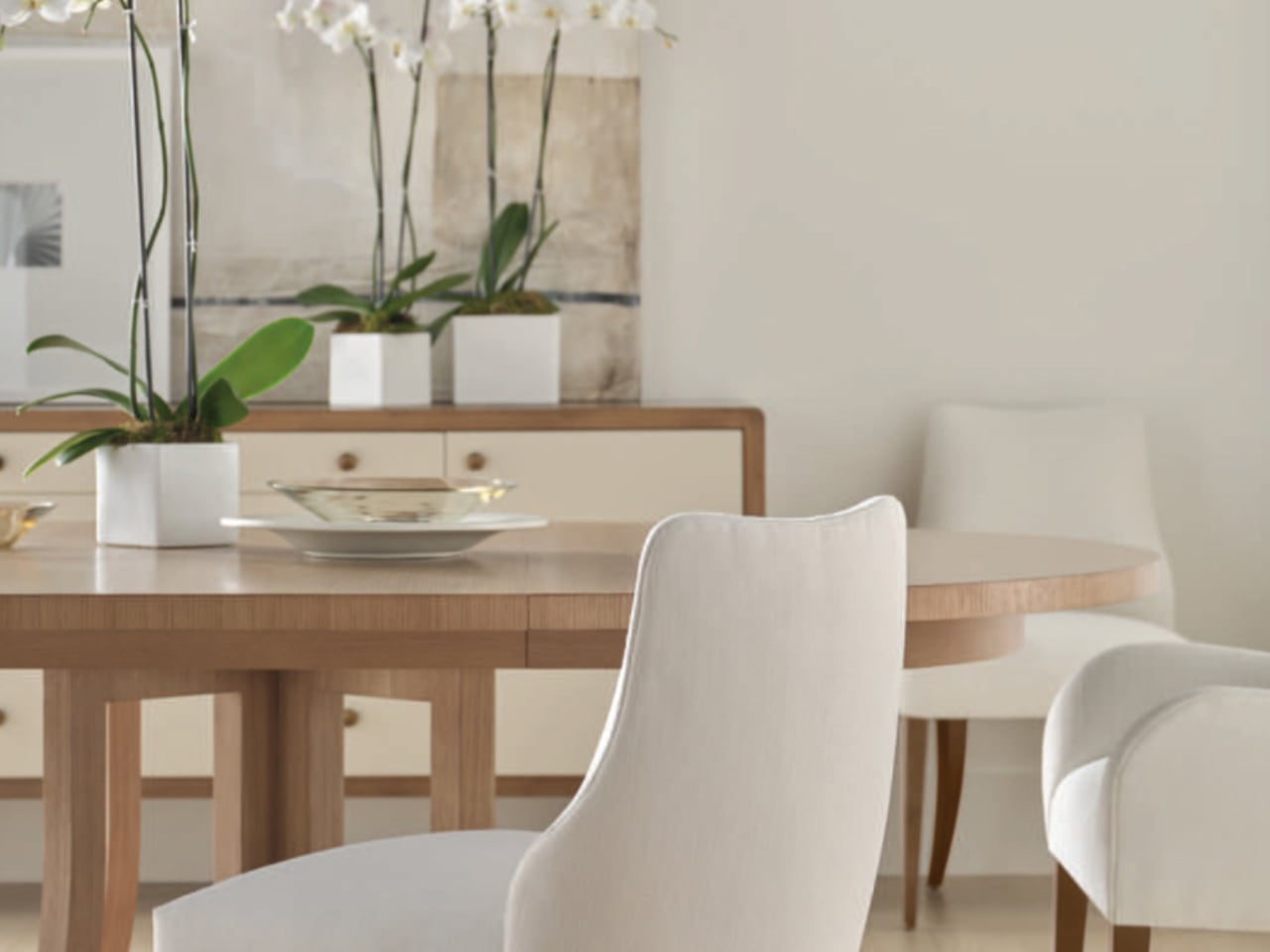
Vanguard’s case goods collection for 2024 highlights the trend towards natural materials and textures. Their dining tables and sideboards showcase rich wood grains and innovative finishes that bring out the inherent beauty of the materials. The brand’s use of sustainably sourced wood and low-VOC finishes aligns with the growing demand for eco-friendly furniture options.

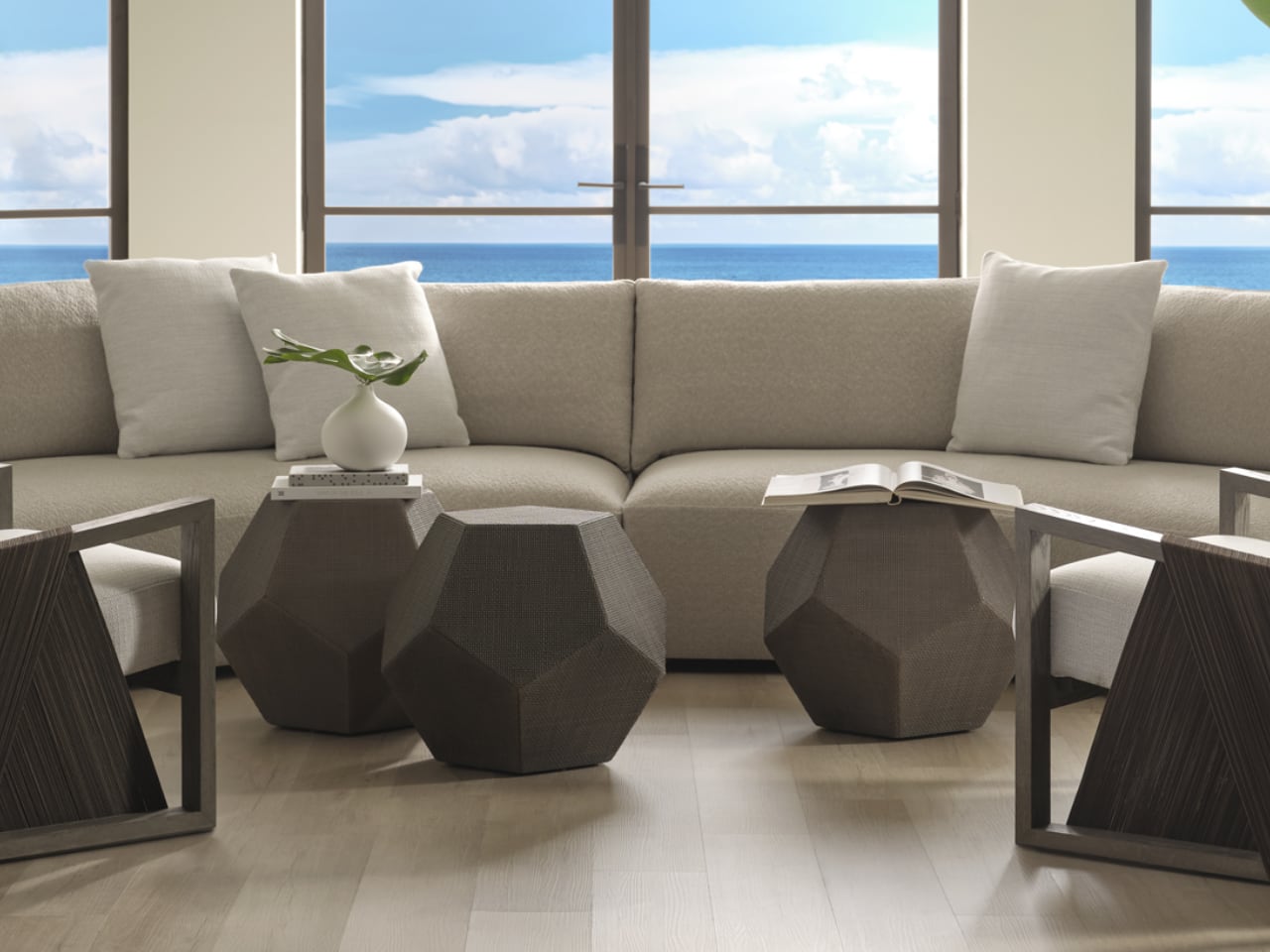
One trend that Vanguard is embracing is the layered accent table look. Their new collections feature nesting tables and modular side table systems that allow for flexible, dynamic arrangements in living spaces.

4. Made Goods: Artisanal Luxury for the Modern Home

Made Goods has carved out a niche in the luxury furniture market, focusing on unique materials and artisanal craftsmanship. At High Point Market 2024, the brand is showcasing pieces that exemplify the trends of natural textures and statement design.
One of Made Goods’ introductions is a dining table featuring a banana bark-paneled top. This innovative use of materials creates a striking visual effect and aligns with the trend toward incorporating natural, sustainable materials in furniture design. The brand’s lighting collection for 2024 embraces the trend of organic shapes, with fixtures like the beaded, sun-hat-shaped Lourdes chandelier offering a playful yet sophisticated take on sculptural lighting.

Made Goods is also at the forefront of the trend towards bold, statement pieces. Their new collections include ceramic stools with metallic finishes and intricately carved wooden consoles designed to serve as focal points in interior spaces.

5. Baker Furniture: Timeless Elegance Meets Modern Innovation

Their latest collections showcase a masterful blend of traditional techniques and modern aesthetics. Their new dining table features a live-edge wood top supported by a geometrically inspired metal base. This piece encapsulates the trend towards natural materials while incorporating clean, contemporary lines.
Baker is also introducing a line of upholstered pieces that exemplify the curved furniture trend. Their new sofa collection features gently rounded forms and plush, textured fabrics, offering both visual and tactile comfort. These pieces are available in a range of earthy tones, from warm terracottas to soft sage greens, aligning with the current color trends.

In response to the growing demand for multifunctional furniture, Baker is unveiling a series of “transformer” pieces. These include a console table that expands into a dining table and a coffee table with adjustable height and extendable surfaces, perfect for homes where space is at a premium.

High Point Market 2024: A Glimpse into the Future of Furniture Design

The trends on display at High Point Market 2024 reflect broader shifts in how we live and work. The emphasis on multifunctional pieces speaks to the evolving nature of our homes, which now often serve as offices, gyms, and entertainment spaces. The focus on natural materials and sustainable practices reflects growing environmental consciousness among consumers and manufacturers alike.

For Yanko Design readers, High Point Market offers an unparalleled opportunity to see these trends come to life. It’s a place where established brands push the boundaries of their craft and newcomers like Tribesigns make their mark on the industry. The market serves as a barometer for the furniture design world, setting the tone for what we’ll see in homes and offices in the coming years.

As we look to the future of furniture design, it’s clear that the industry is moving towards a more holistic approach. Furniture is no longer just about function or aesthetics alone; it’s about creating pieces that enhance our lives, connect us to nature, and reflect our values. The brands showcased at High Point Market 2024 are at the forefront of this evolution, crafting furniture that’s beautiful, functional, sustainable, adaptable, and deeply considerate of how we live today.

Whether you’re a design professional or simply passionate about furniture and interiors, the trends and brands on display at High Point Market 2024 offer exciting possibilities for the future of our living spaces. As we continue to redefine our relationships with our homes and workplaces, these innovative designs will play a crucial role in shaping our environments and, by extension, our daily lives.

The post High Point Market: Where 2024 Furniture Trends Come to Life first appeared on Yanko Design.

Waymo raises $5.6 billion to fund Austin and Atlanta expansion

Waymo has raised another huge chunk of change from investors. The company announced on its blog that it secured an “oversubscribed investment round” of $5.6 billion in funding, the largest of which came from Google's parent company Alphabet.

The company is working with Uber to expand to Austin and Atlanta by the early part of next year. Waymo says it plans to use this latest infusion of capital for the expansions. This latest round brings Waymo’s total capital fundraising to $11.1 billion, with the $5.5 billion it picked up in two earlier rounds in 2020 and 2021.

Waymo currently operates in San Francisco, Los Angeles and Phoenix with a curbside transport service for Sky Harbor International Airport through its Waymo One driving system for businesses. The company announced it’s also started offering “fully autonomous freeway operations in Phoenix and San Francisco.”

The new funding will also help Waymo advance its Waymo One system, an adaptable autonomous driving system for different businesses. Waymo wrote on its blog it plans to “support a variety of business applications over time” through Waymo One.

Alphabet ponied up $5 billion for Waymo back in July as part of what Alphabet’s chief financial officer Ruth Porat called a “multi-year investment.” The driverless vehicle fleet logged a total of 25 million miles in July outpacing companies like Uber, which sold its self-driving unit four years ago before joining forces with Waymo.

This article originally appeared on Engadget at https://www.engadget.com/transportation/waymo-raises-56-billion-to-fund-austin-and-atlanta-expansion-172031686.html?src=rss