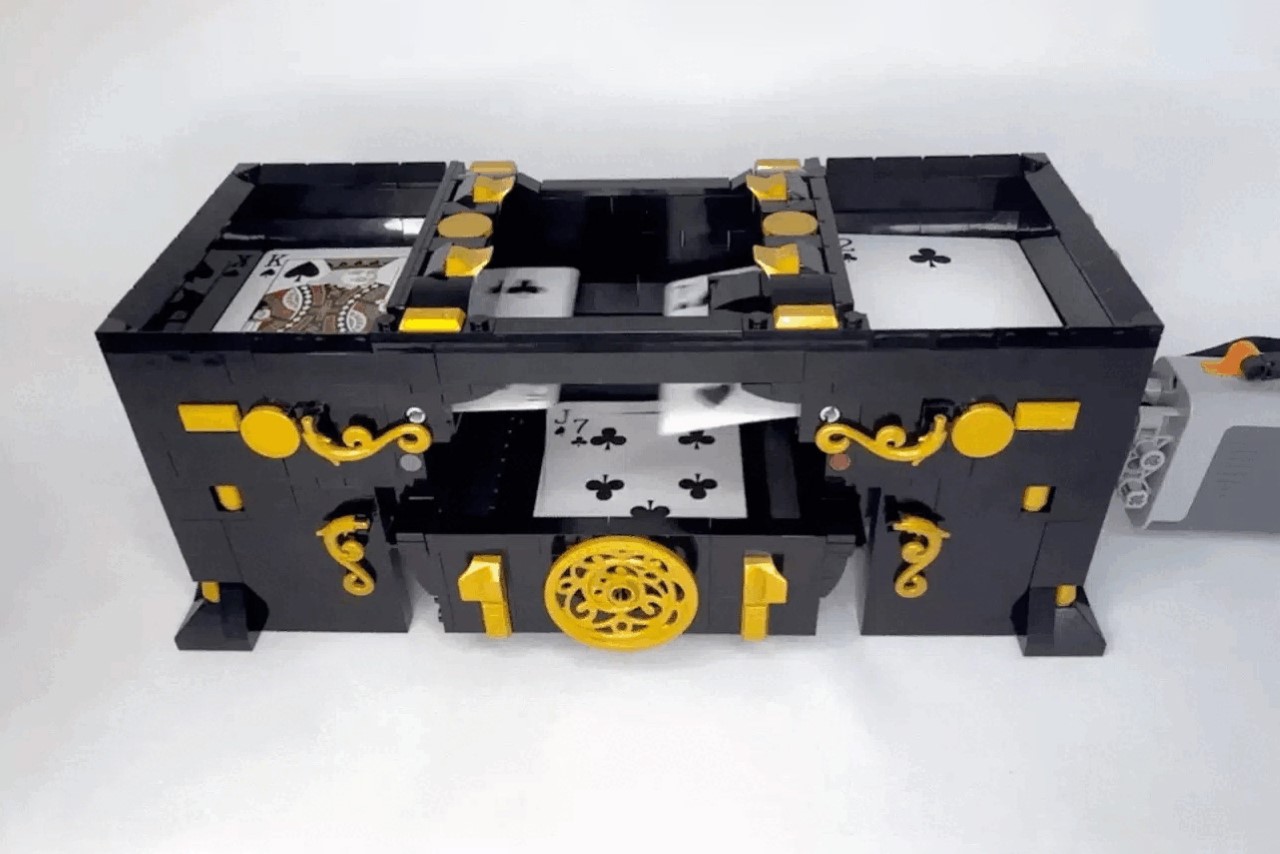
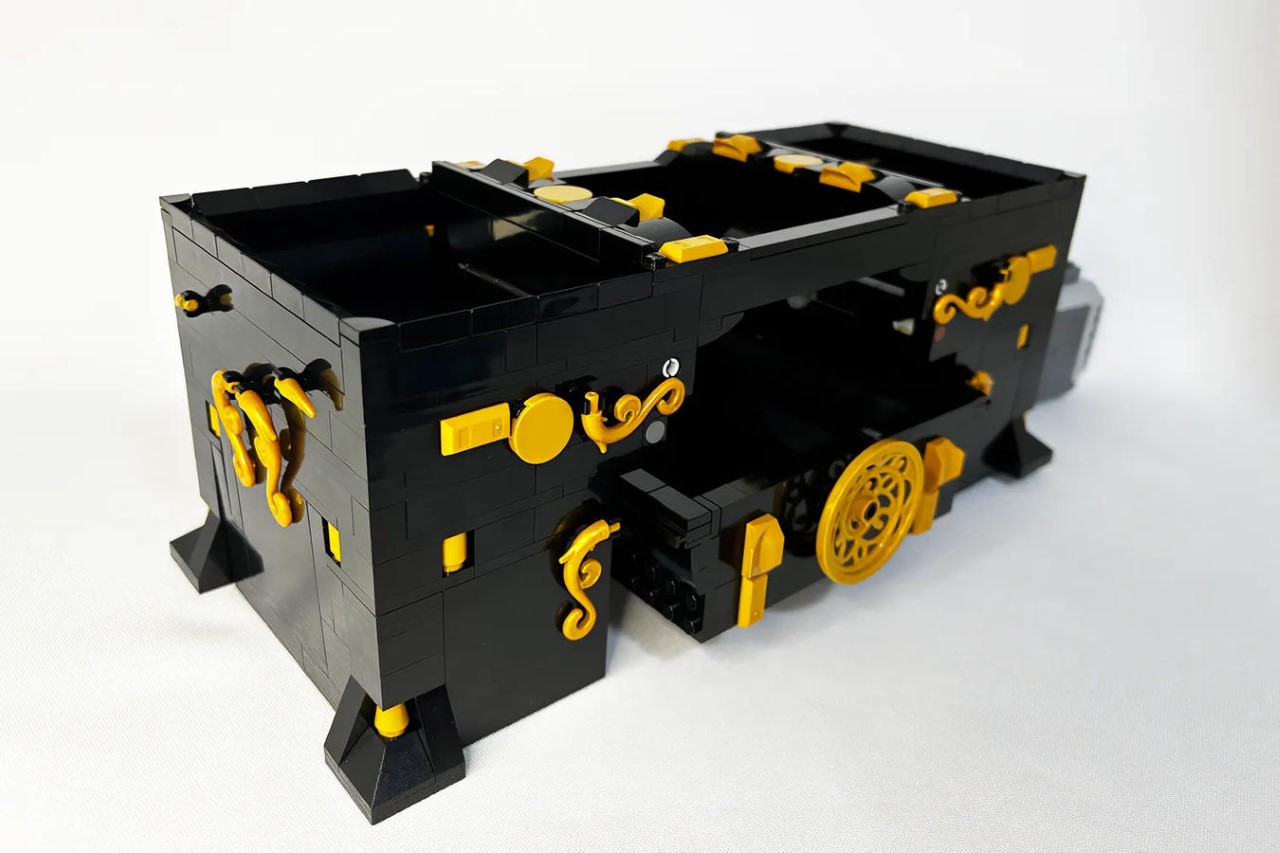
The most annoying part of any card game is obviously the shuffling (unless you’re good at it). It seems like a laborious activity that almost always causes one or two stray cards to fly out and fall on the floor… and even after shuffling your cards, someone is bound to tell you that you did a terrible job because they got a dealt a bad hand. I’ve ruined many a deck shuffling cards that eventually got bent out of shape, and I’ve always thought of what life would be like if I had a machine that shuffled my cards for me. Turns out, Pedro Lara went and built himself one instead of buying it online. The LEGO Ornate Card Shuffler is a pretty nifty-looking functional shuffler that uses a combination of gears to accurately shuffle a deck with surprising consistency.
Designer: Pedro Lara
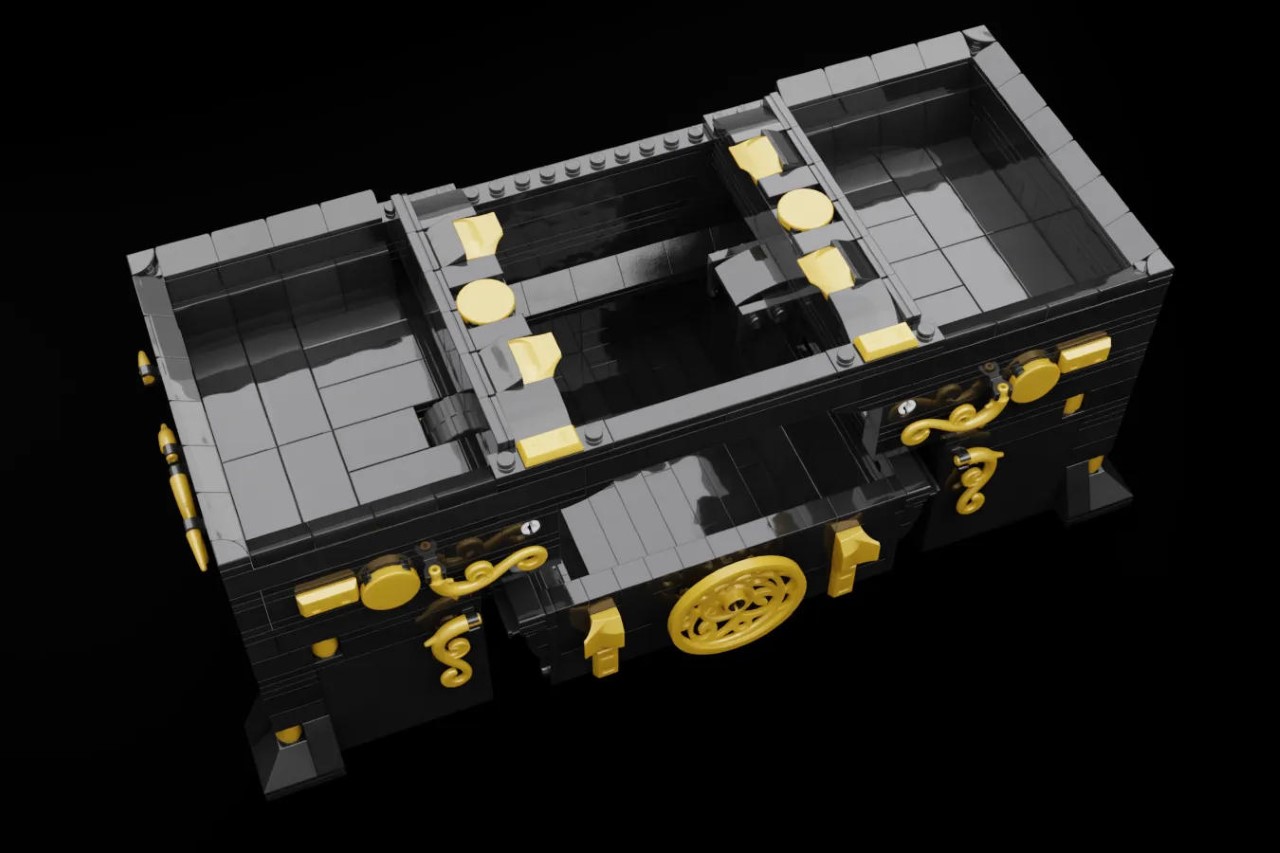
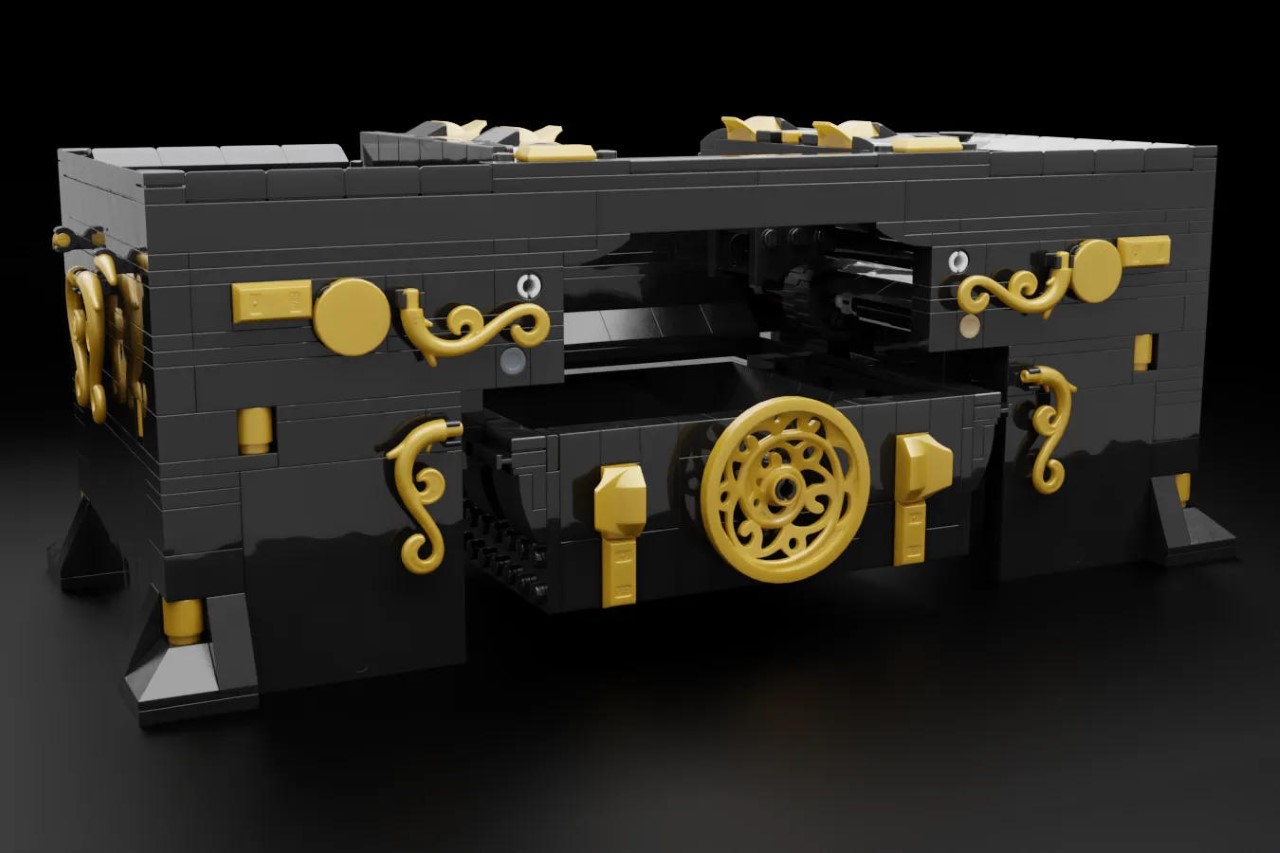
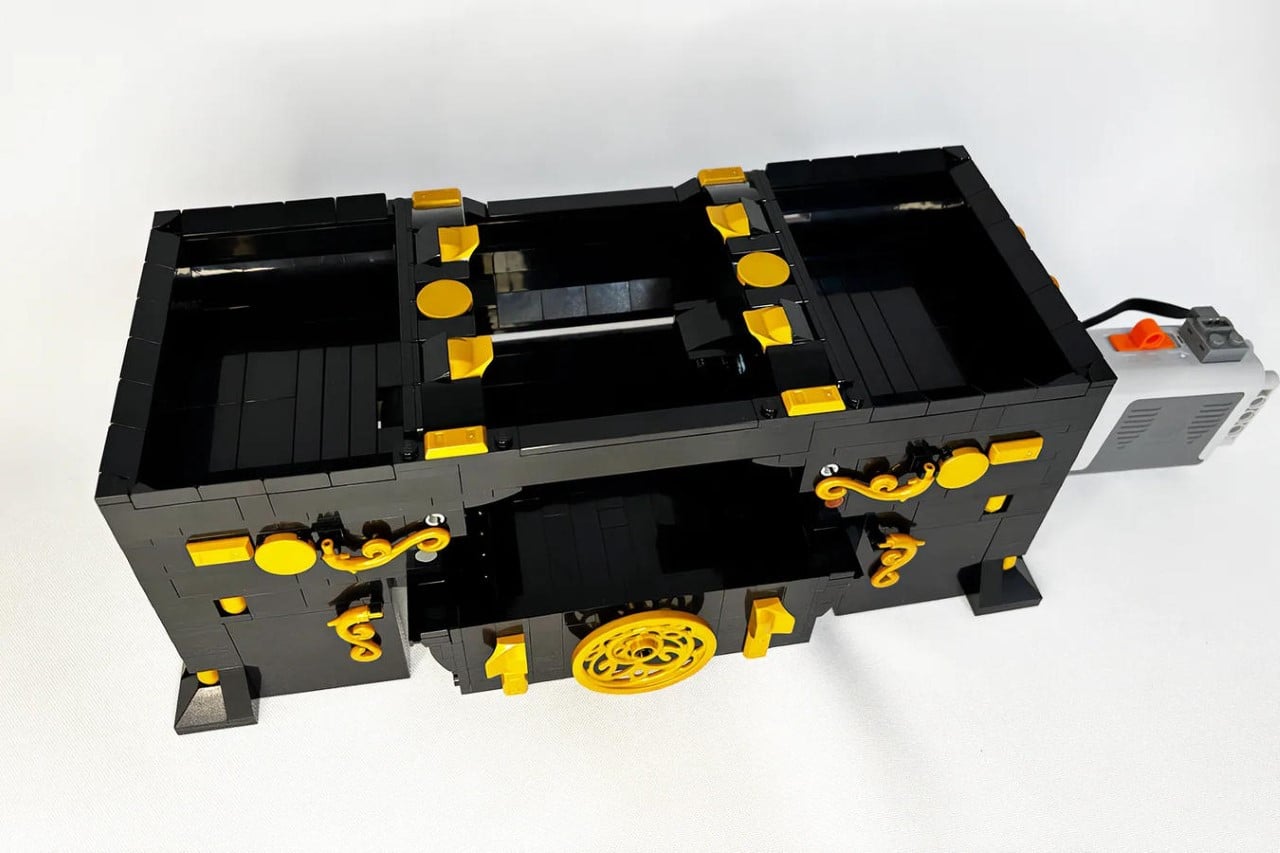
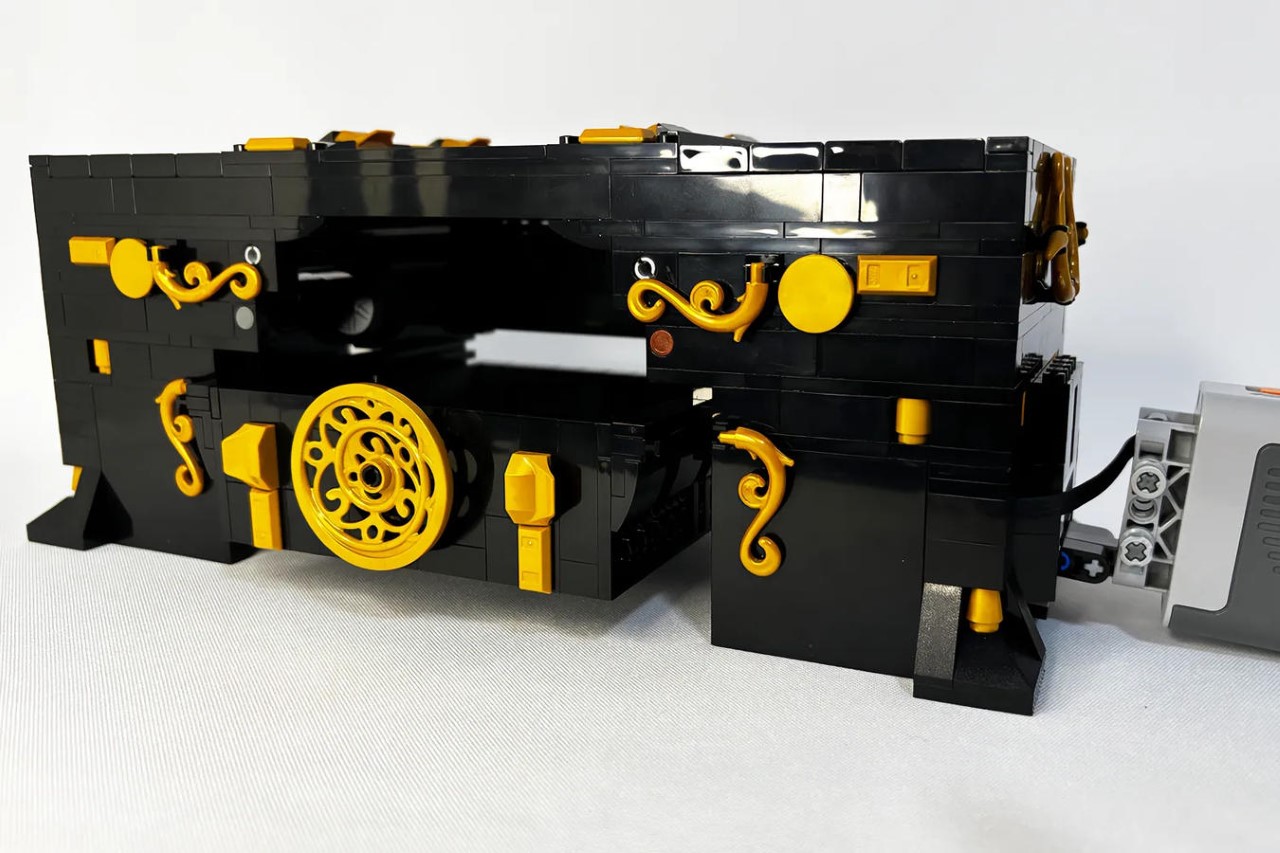
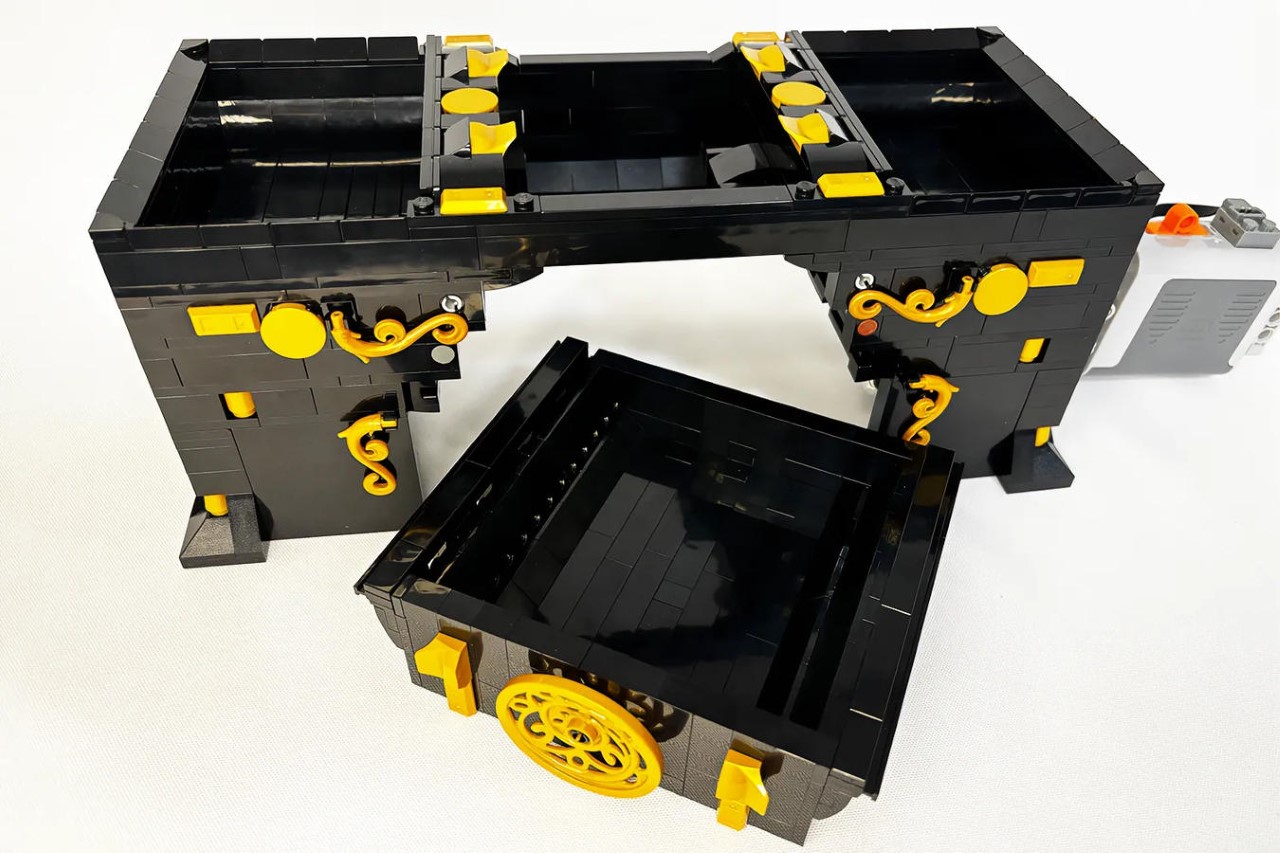
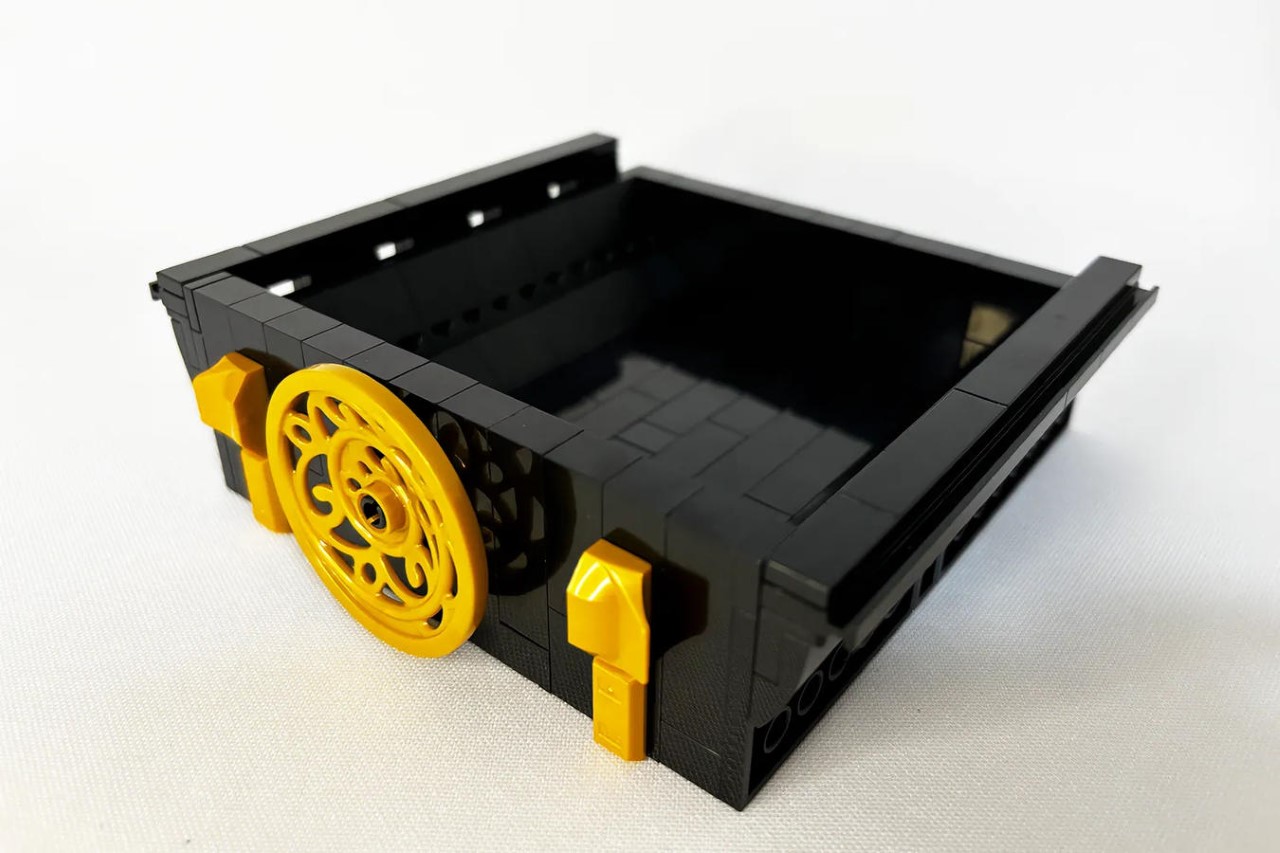
Although Lara doesn’t specify how many bricks were used to build the card shuffler, it’s worth admiring how the overall contraption is both functional and classy. The word ornate isn’t thrown in for nothing – the ‘black box’ has a variety of golden trims that add an aesthetic touch to the contraption. Two chambers on the left and right hold both halves of the deck, and once the shuffler gets to work, the cards are shuffled into a central deck, which can be pulled out thanks to a removable drawer.
The card shuffler utilizes LEGO Technic gears that connect both left and right chambers. The uppermost cards are pulled using friction from rubber tires. For people familiar with card games, the machine uses a variation of what’s called the Riffle Shuffle, which alternates the cards from the left and right, breaking any patterns within the existing deck. While Lara’s original design works with a LEGO electric motor, it can also be operated manually with a lever. The gear mechanism provides significant leverage, making manual shuffling a fun and efficient option.
A close look at the gear system under the hood of the LEGO Ornate Shuffler
Pedro Lara’s self-made design or MOC (My Own Creation) can be found on the LEGO Ideas Forum, an online dashboard where LEGO enthusiasts upload their own zany designs and have the community vote for their favorite creations. With just under 2000 votes, Lara’s design seems to be picking up traction and has even received a Staff Pick recommendation from the LEGO team. You can cast your vote for the LEGO Ornate Card Shuffler on the LEGO Ideas forum, and if it reaches the coveted 10,000 vote mark, it might just turn into an available retail box set!
The removable drawer that collects the cards after they’re shuffled.
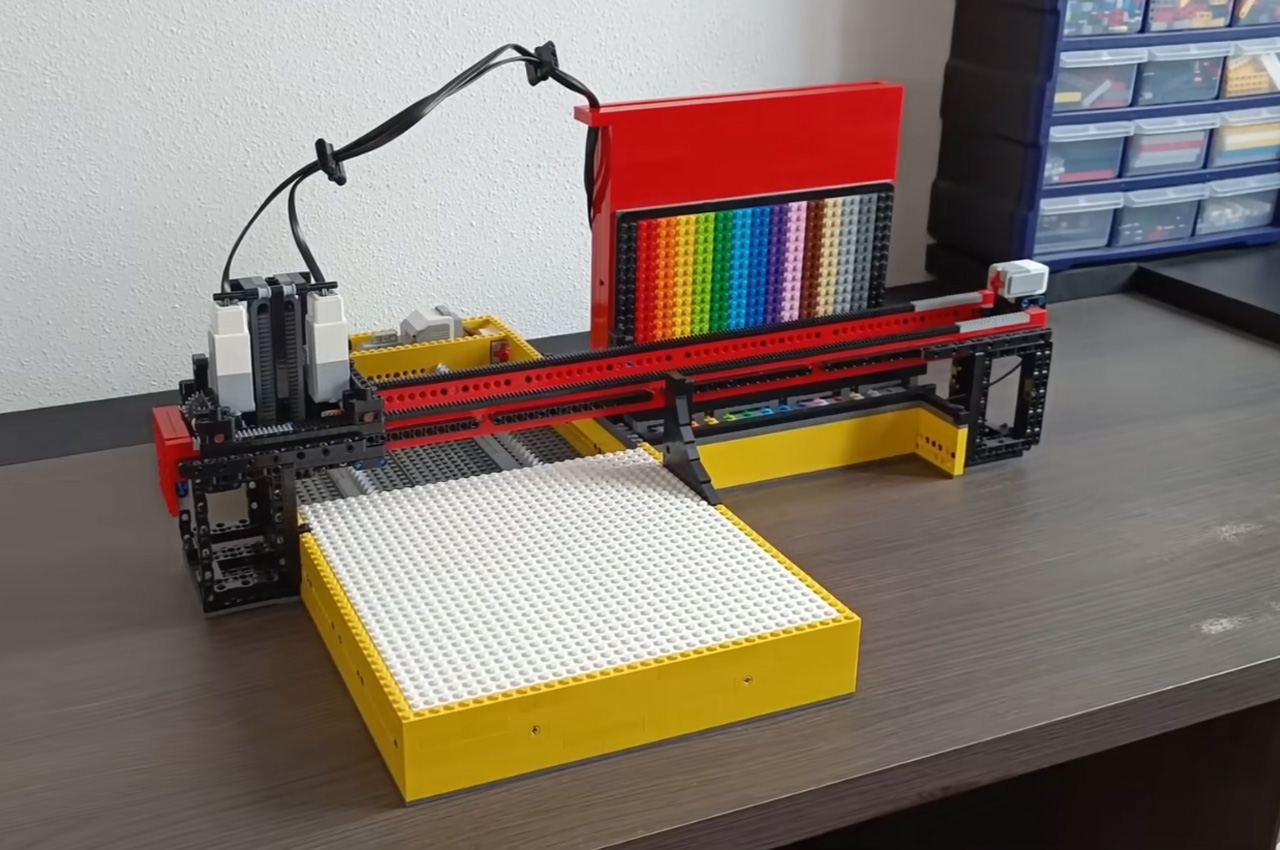
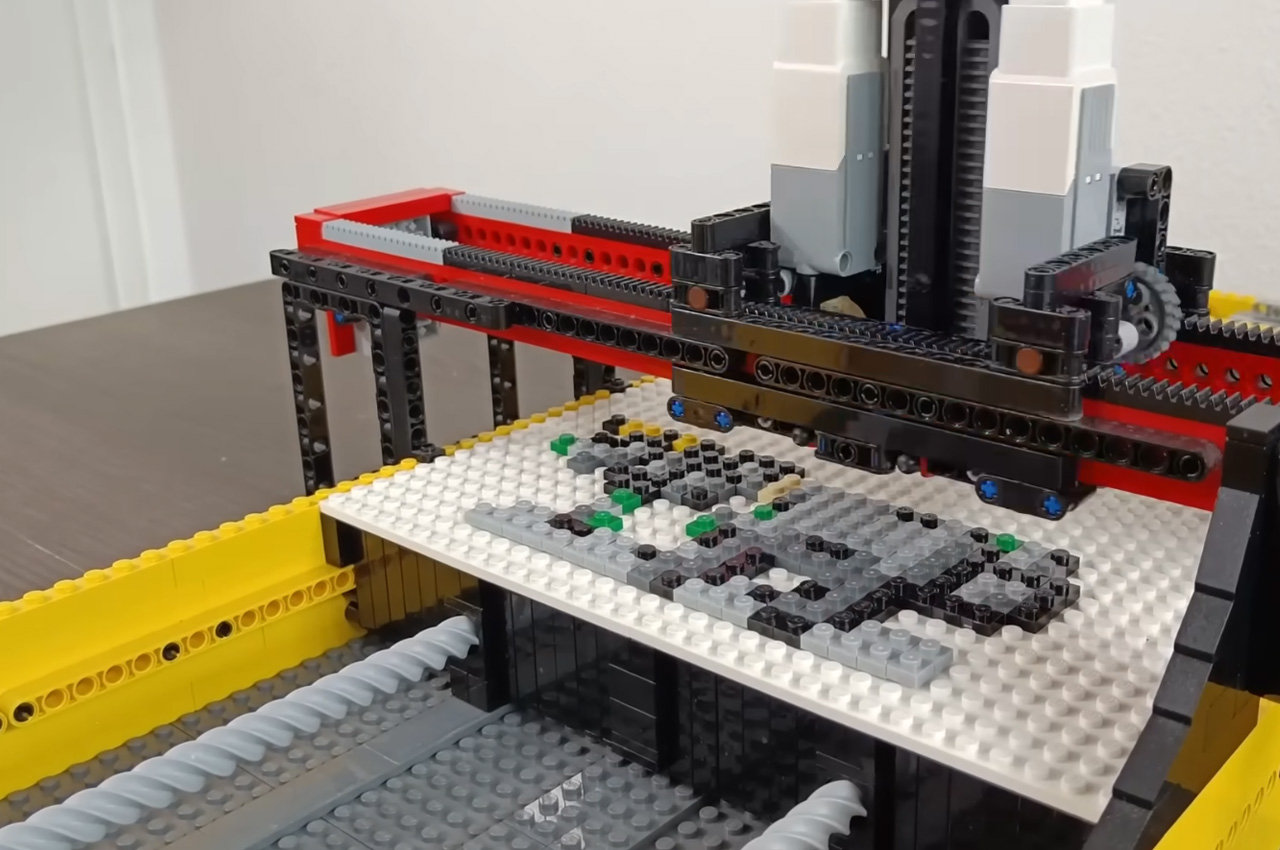
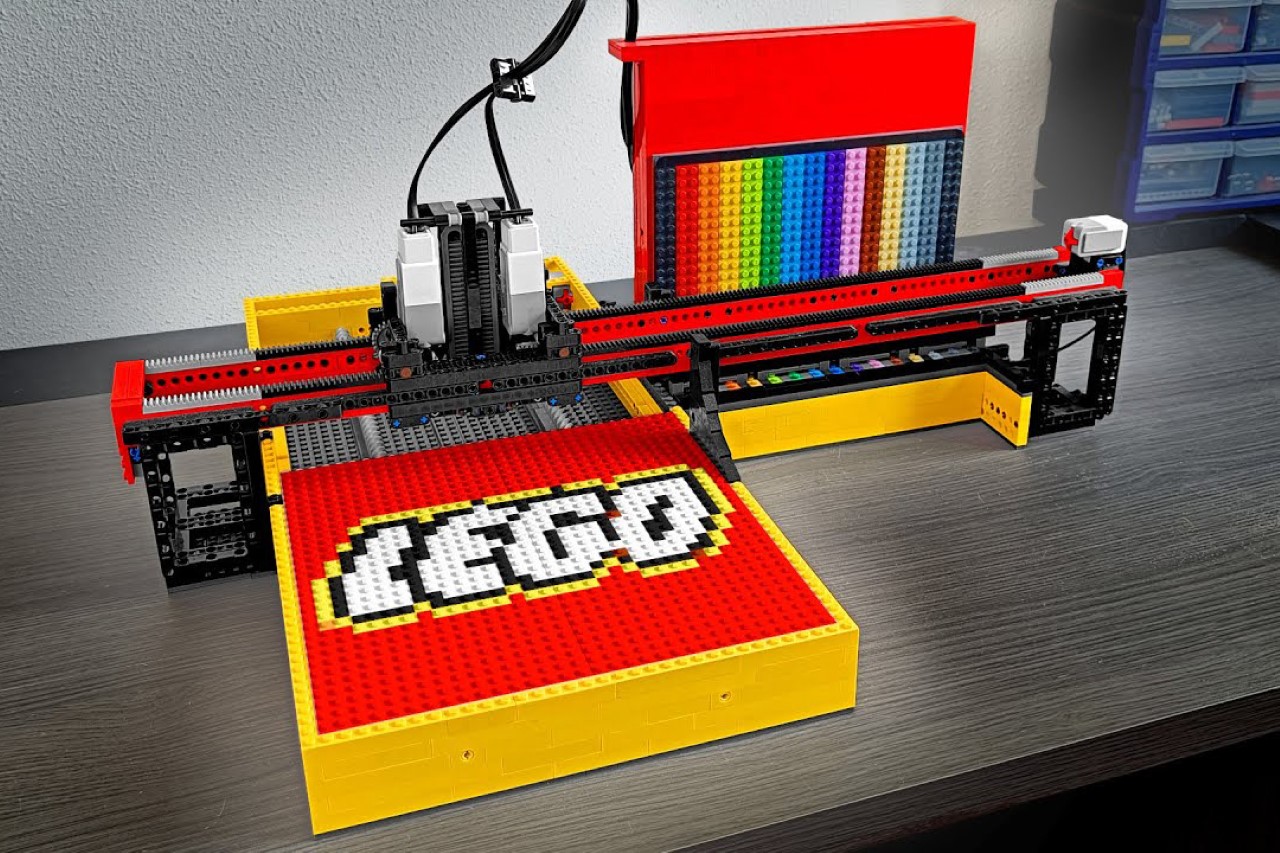
Just when everyone is leveraging the power of artificial intelligence (AI), why should avid LEGO fans not dig a share in the pie? Dutch creator, YouTuber, and master brick builder Sten, thought of the obvious and set out to harness the power of AI and built a printing machine entirely from LEGOs that can print any subject into identical pixel art.
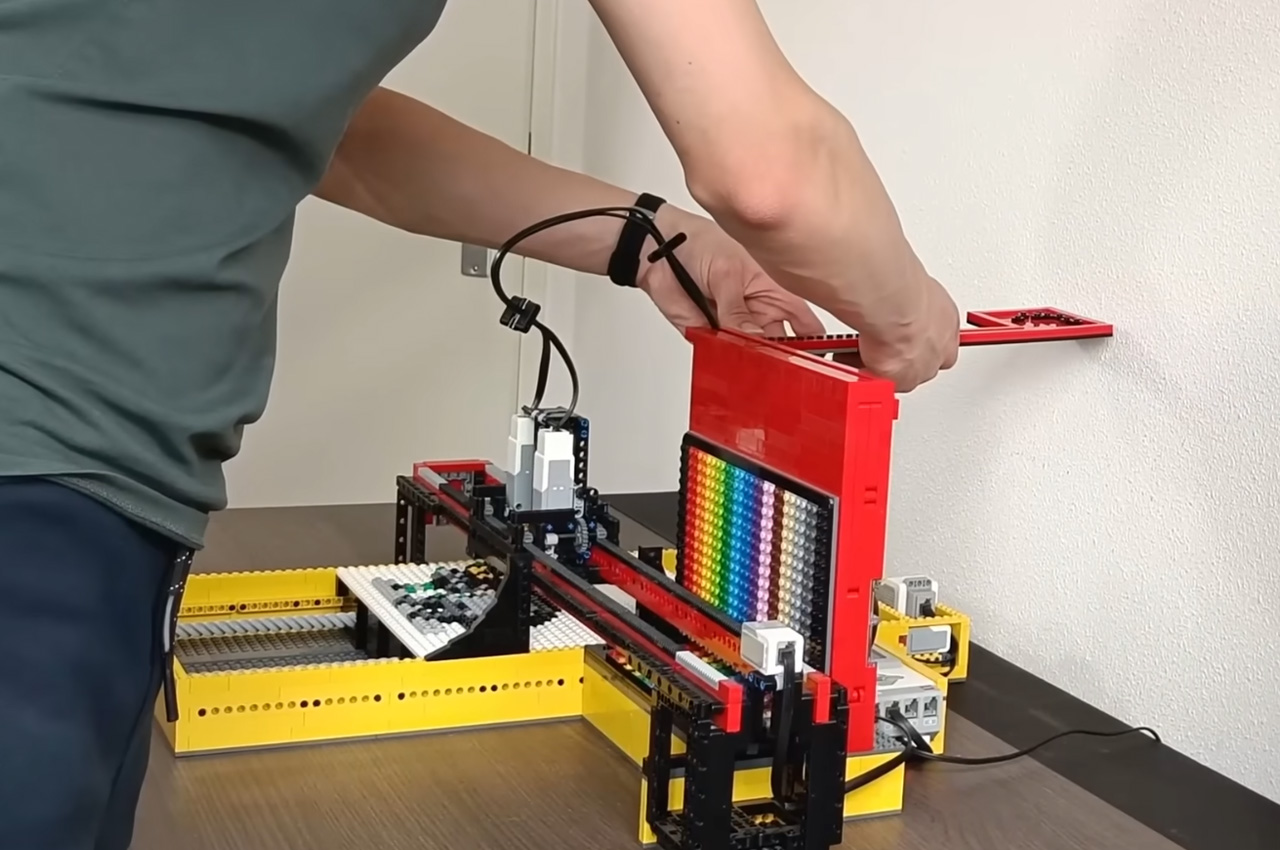
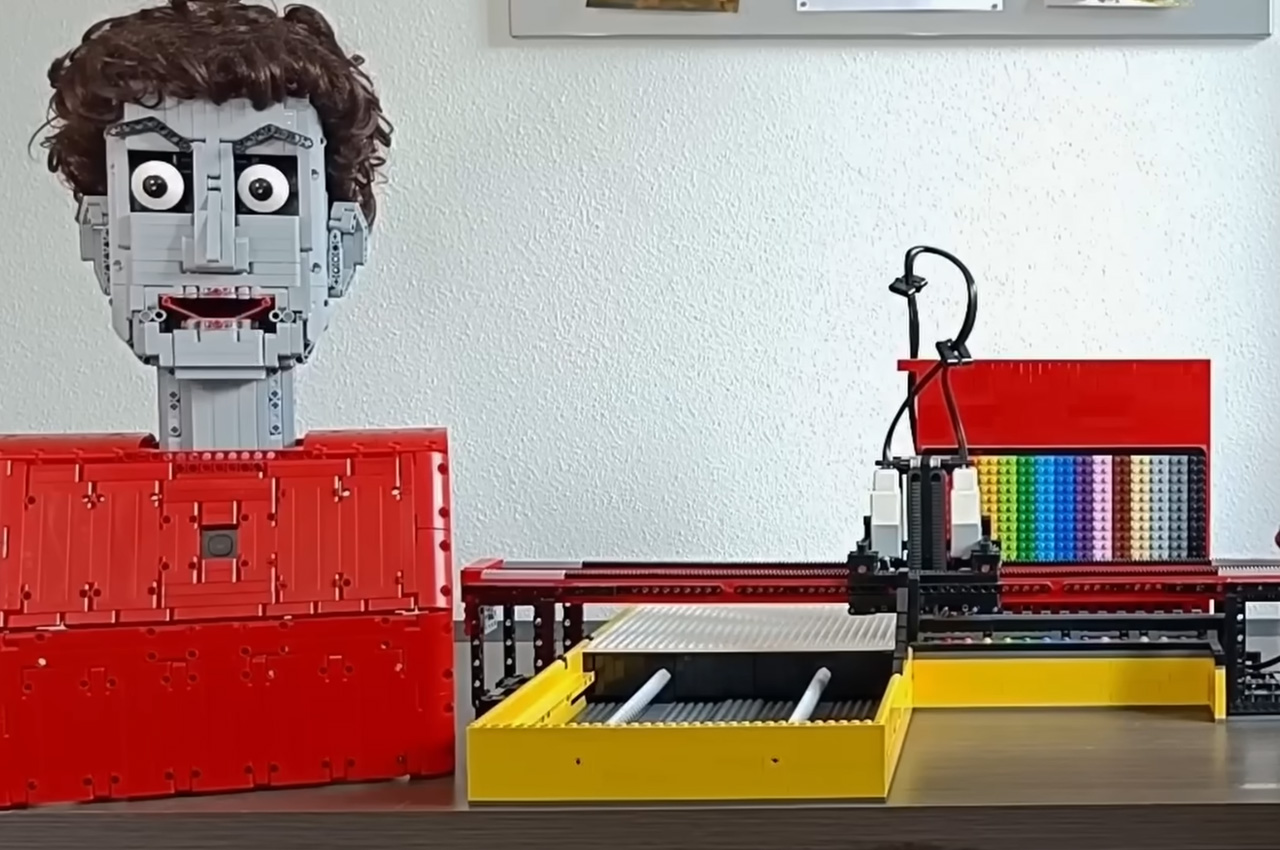
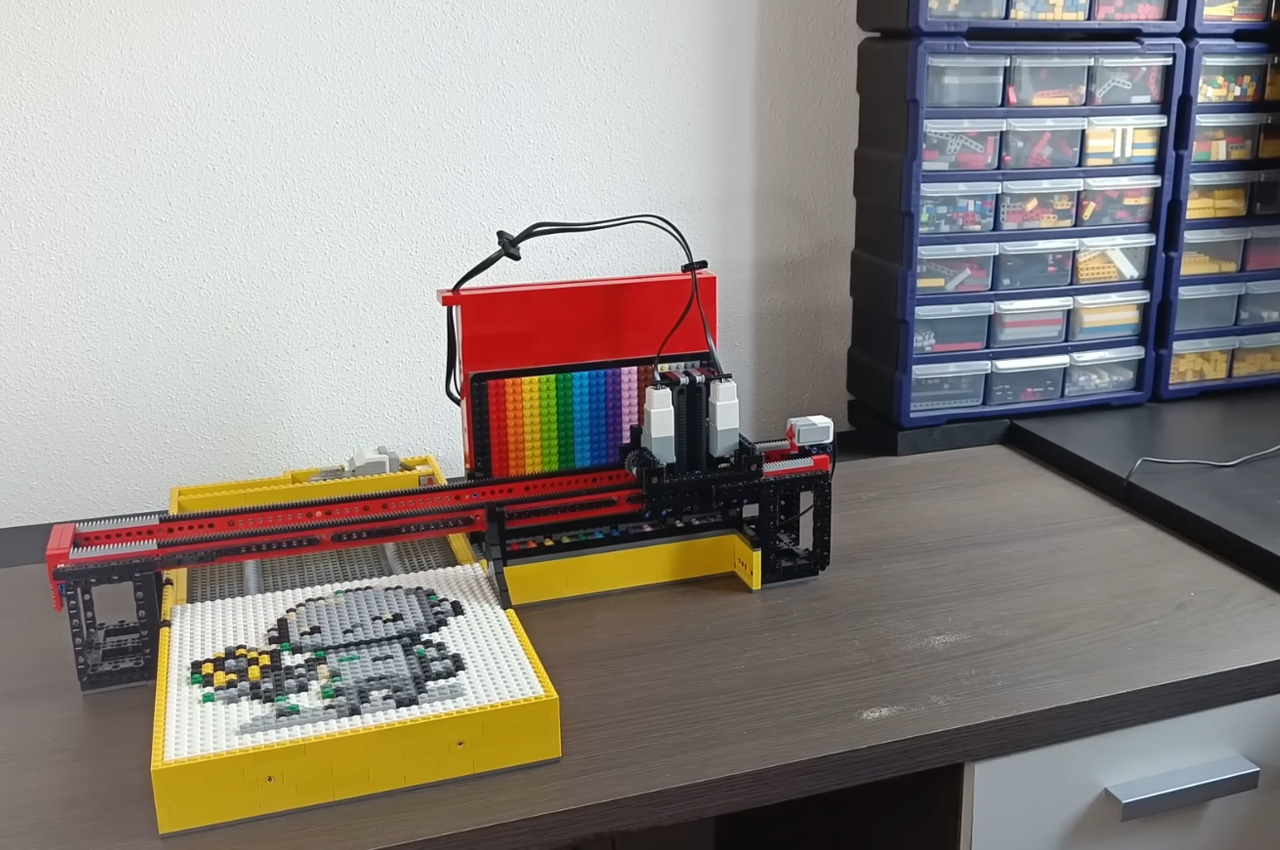
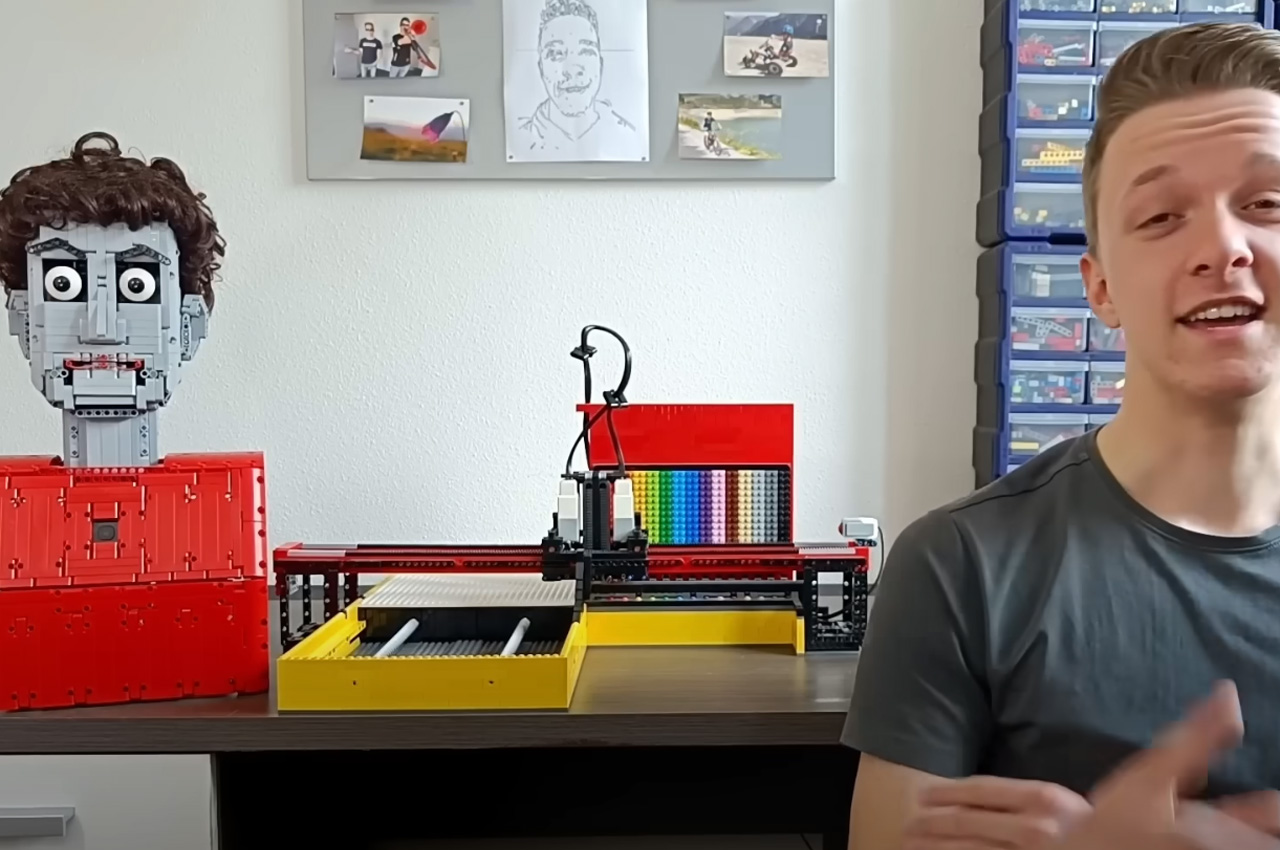
The entire building process, along with a demo pixel art made from LEGO pieces, has been documented by Sten on his YouTube channel, Creative Mindstorms. The Pixelbot 3000, as the LEGO printer is called, Sten informs, is ‘capable of creating pixel art of anything using AI.’
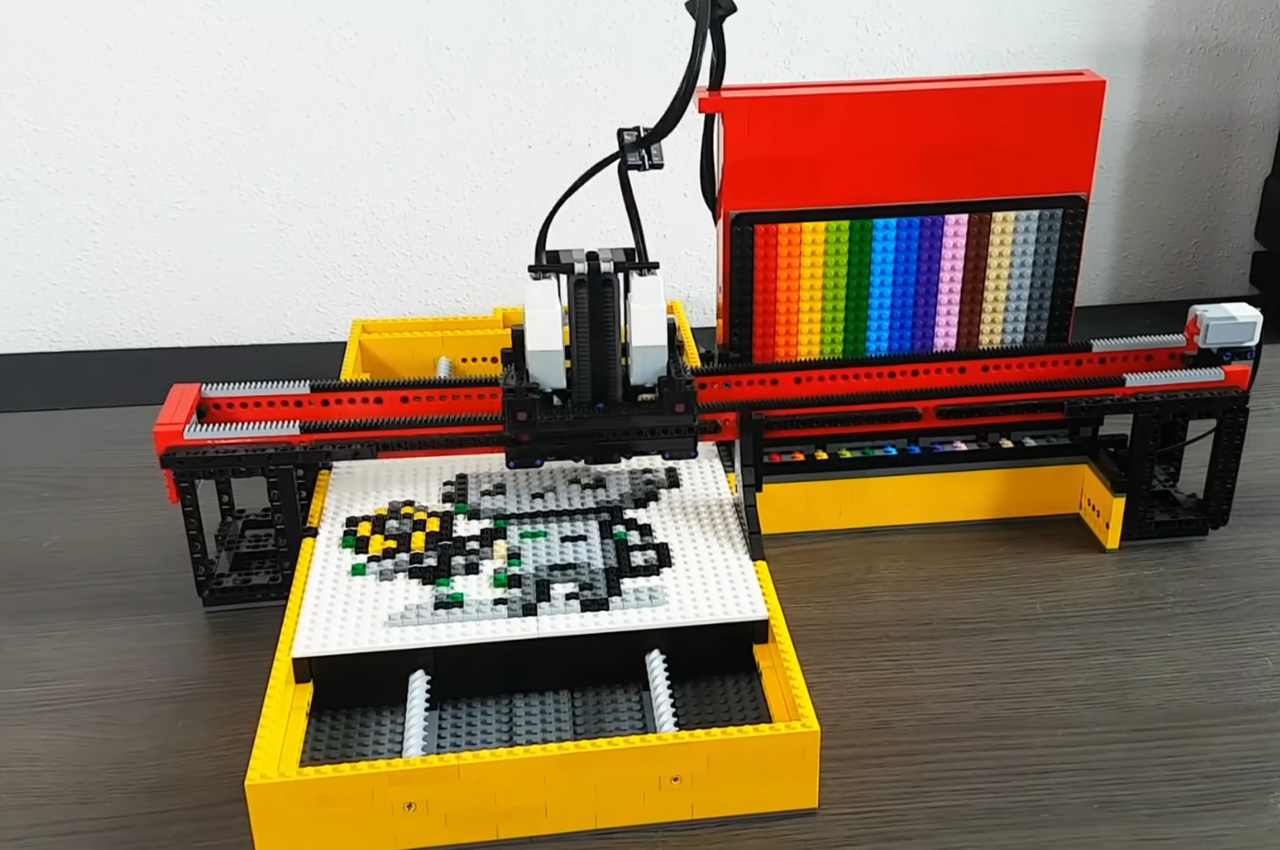
The Pixelbot 3000 is programmed in Python using help from DALL-E from OpenAI. Sten has managed to program, and create software-hardware integration, in such a manner that you simply ‘type a subject line, hit start’ and the printer takes on from there.
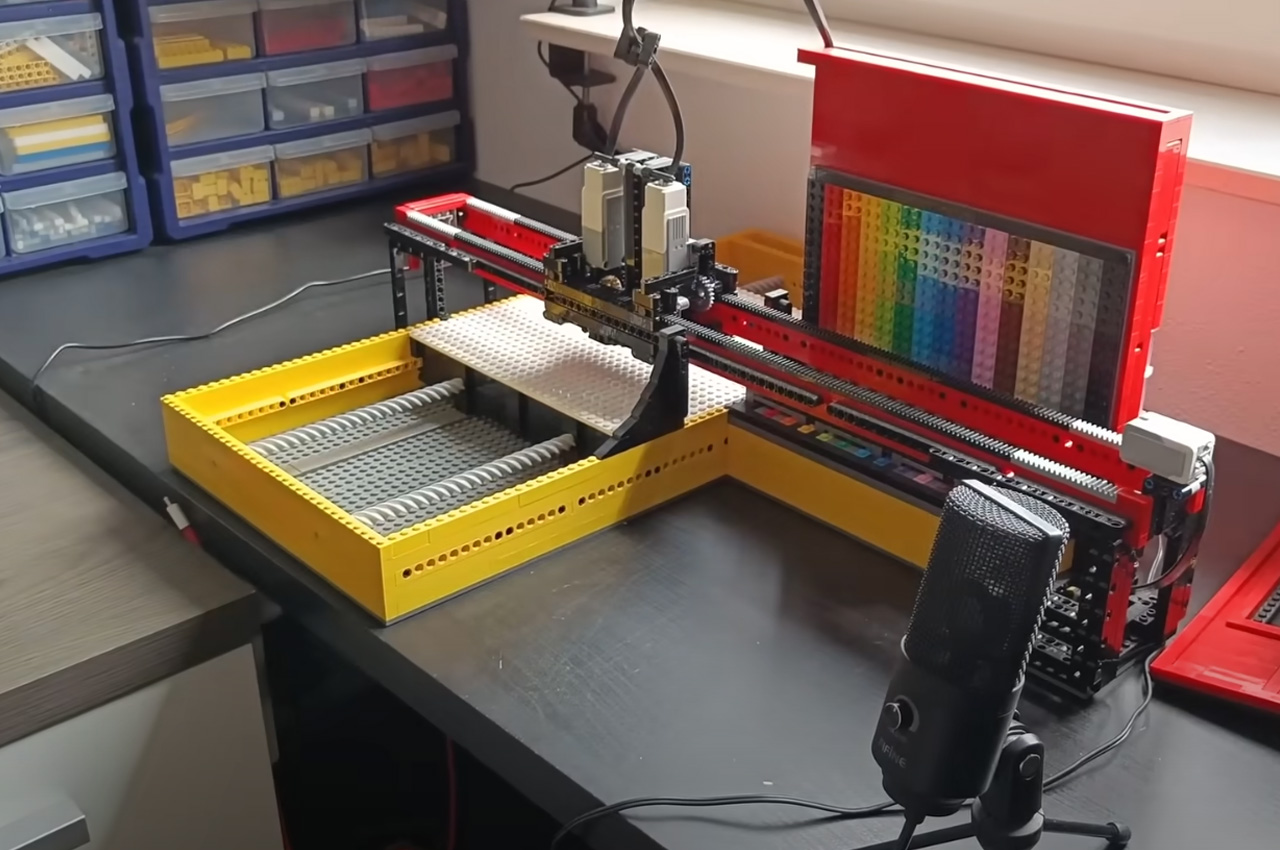
Sten informs, in the video, that he started with inspiration from LEGO printers such as Briccasso, but over time had to improvise a great deal – both with the code customization and the machine functionality – to achieve what he set out to build. He initially used 16 x 16 base plates to print the developed pixel art, but it was later changed to a 32 x 32 grid for better result output.
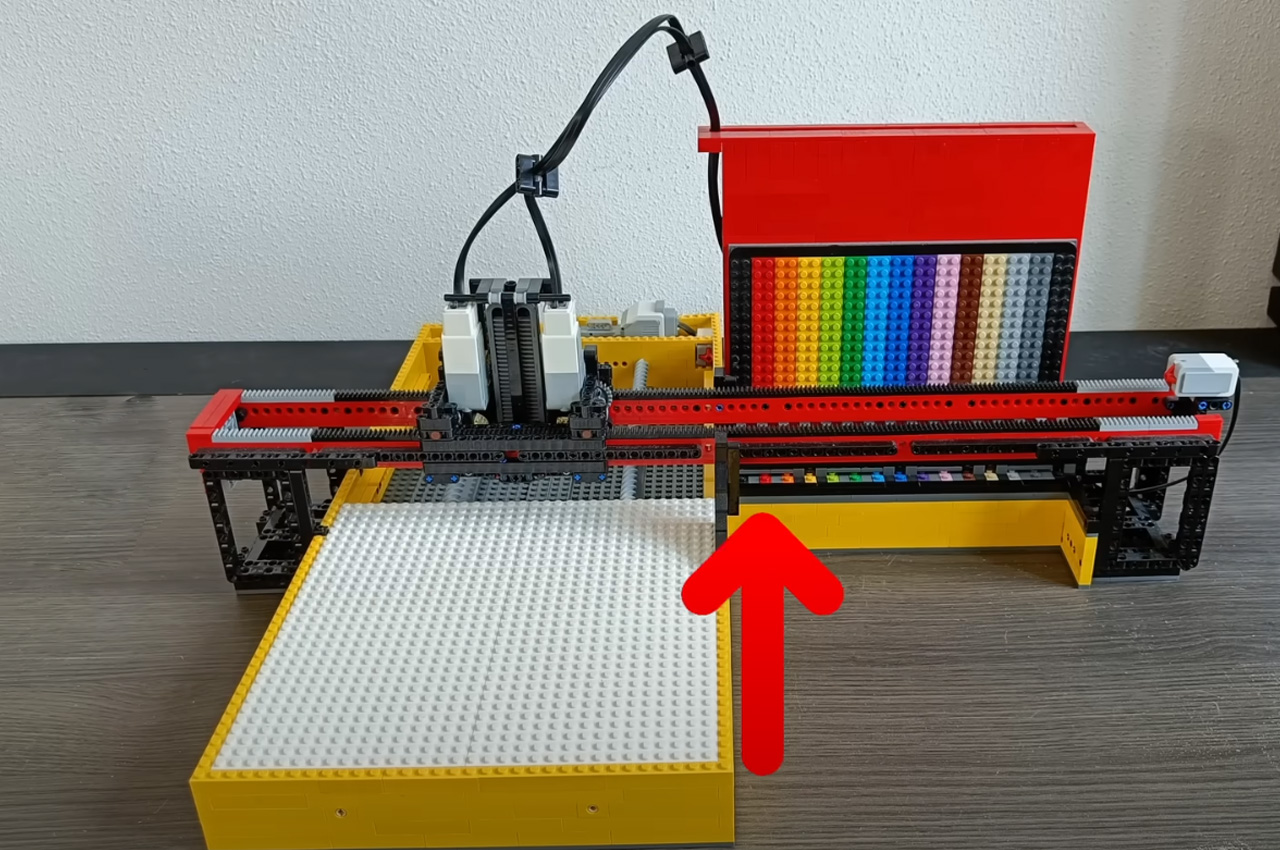
The basic operation of Sten’s LEGO machine is similar to that of a pick-and-place machine, which has been precisely programmed and created to place large-size LEGO pieces with surprising accuracy on the 32 x 32 grid base plate. Moreover, the machine is designed to pick colors – according to the picture’s demand – and place brick-by-brick to achieve the identical pixel art of an AI image generated. Since LEGO brick colors are limited, Creative Mindstorms reduced its machine’s color palette to 15 base colors including a white background.
The machine does not at any point rely on designing the art or scanning it. It instead uses AI to generate pixel art (using LEGOs) of the image generated in the software. The user can preview the generated image, crop and color grade it, before saving it for printing. When commanded for print, the image is divided into 32 x 32 grid, color and center of each pixel on the base plate is sampled, and the pixel art is then built piece by piece. In the testing, Sten asked AI to create a ‘quirky robot holding a sunflower,’ you can check out how it came out in the video above.
It’s difficult to imagine that 92 years ago, when the LEGO brick was first introduced to the world, that the humble piece of plastic would transform into such a versatile element of creativity. Whether it’s used to make replicas of objects, actual functioning products, or even scaled-down versions of cars and monuments, LEGO bricks have evolved WELL beyond the simple cuboid-shaped simple-colored pieces that they used to be decades ago. Heck, we’ve even managed to turn the bricks into a flourishing movie franchise!
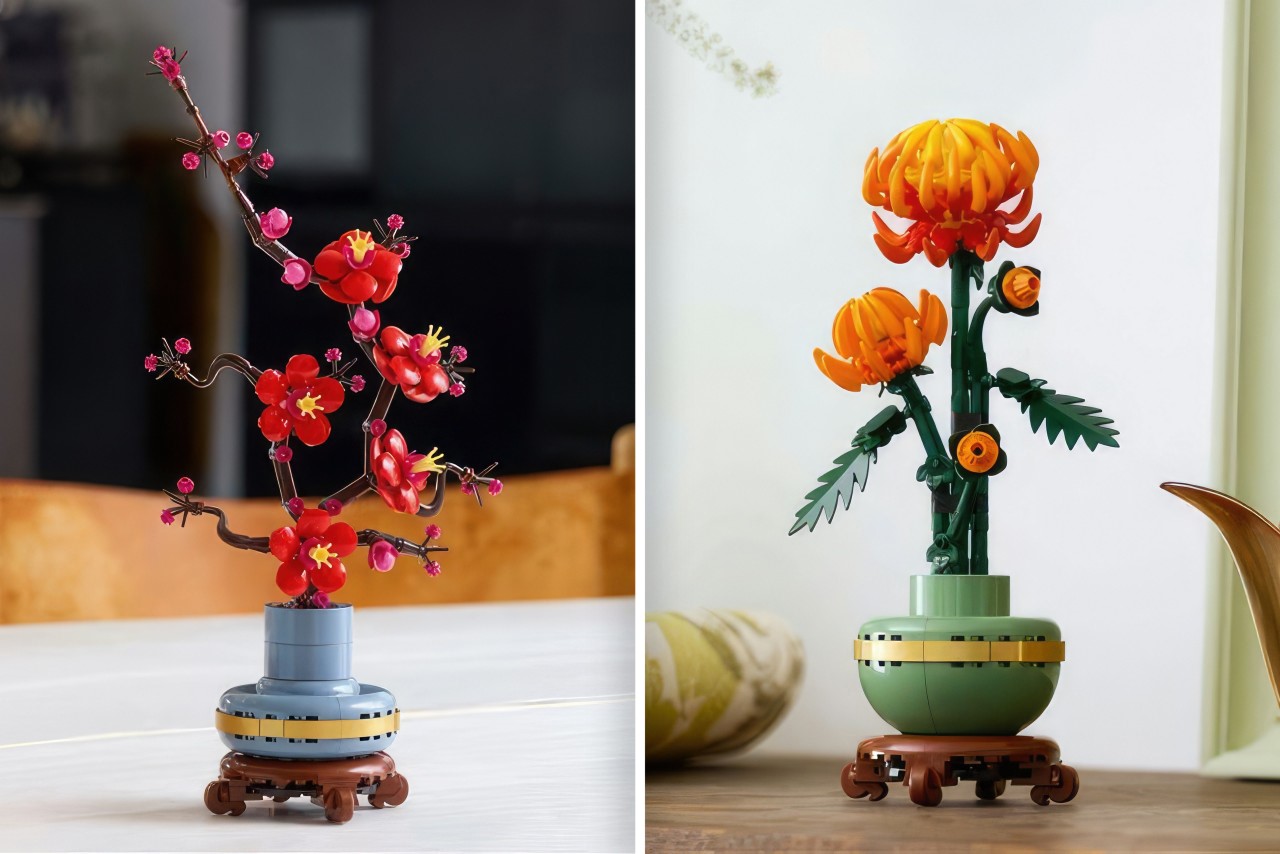
I digress, but this is just to preface the fact that LEGO is planning on expanding its already popular Botanical collection with newer pieces that bring nature’s grand diversity to your homes. Although not officially announced by LEGO, sleuths on the internet have found images for two new additions to the Botanical collection – a Chrysanthemum plant and a Plum Blossom plant. Vibrant in color, with a beautiful balance between abstract and biophilic, these plants are a gorgeous addition to homes. They come with their own stands that let you place them on coffee tables, credenzas, or even bookshelves, adding a touch of undying plant beauty to your space. No green thumb required!
Designer: LEGO (Low-res images upscaled using AI)
The first set, 10638 Chrysanthemum, is a delightful recreation of the vibrant flower. Despite being the smaller of the two sets at just 278 pieces, the Chrysanthemum stands tall at 26cm, making a striking display piece. Housed in a decorative pot on a stand, the set offers a surprisingly affordable entry point to the Botanical Collection at €28.95 (price and release date based on European retailer listings). LEGO enthusiasts will appreciate the inclusion of the classic banana brick, reimagined here in three colors.
The second set, 10369 Plum Blossom, boasts a larger build with 327 pieces. This elegant flower reaches a height of 34cm and comes in a similar pot and stand as the Chrysanthemum, allowing for a beautiful paired display. The Plum Blossom also showcases some clever part usage, with the “Angry Birds crown” element finding a new life as part of the flower’s structure. Both sets are scheduled for release on August 1, 2024.
Specific details regarding difficulty level are unavailable yet, but judging from the piece count, these sets are likely geared towards adult hobbyists or experienced LEGO builders. The completed flowers will likely rest comfortably on desks, shelves, or windowsills, adding a touch of botanical charm to your décor.
Eagle-eyed LEGO fans might have noticed hints of a potential third set in the works. The listing image appears to show two additional plants nestled amongst the Chrysanthemum and Plum Blossom: bamboo and what seems to be an orchid. While there’s currently no official confirmation, it adds a touch of intrigue to the summer Botanical Collection release.
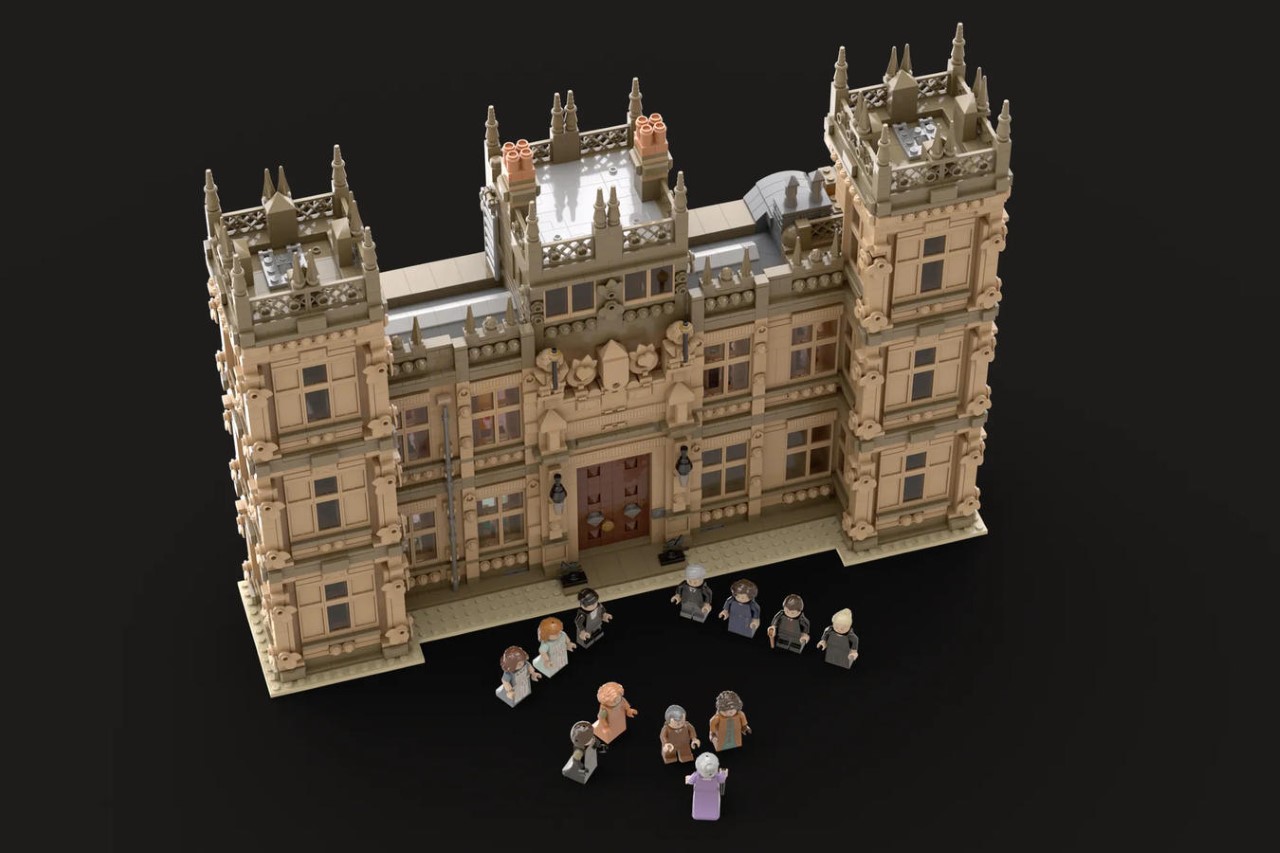
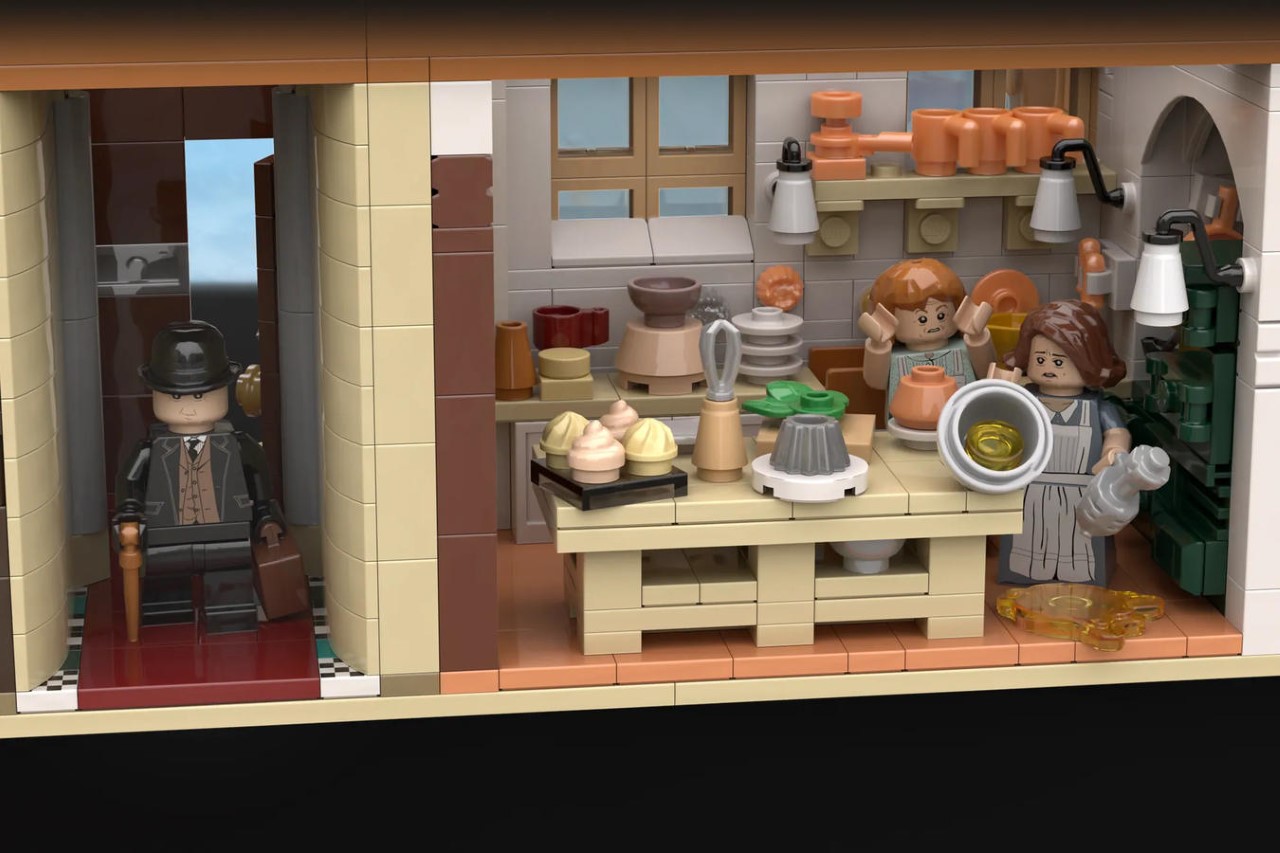
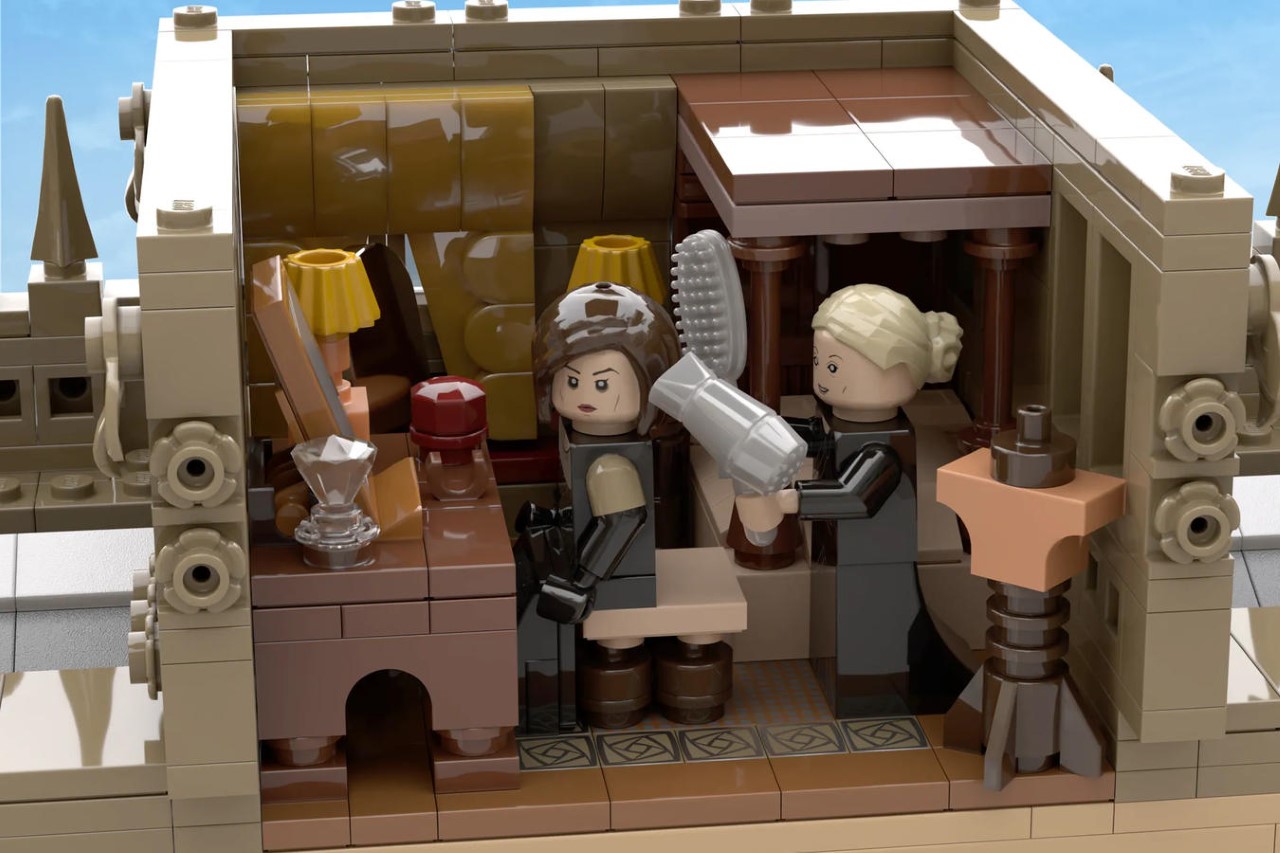
Just in time to celebrate the show’s 15th anniversary next year, LEGO builder BRO3 decided to pay homage to historical drama series Downton Abbey with a dedicated LEGO set. The LEGO Ideas Downton Abbey set comes with an incredibly detailed build of the old Highclere Castle, along with all its occupants from the vast Crawley family to the butlers and castle caretakers who make up the cast of the show. The detailed model comes with multiple rooms, up to 15 minifigures (16 if you include the dog Pharoah), and even Lady Mary’s bench – an iconic part of the series!
Designer: BRO3
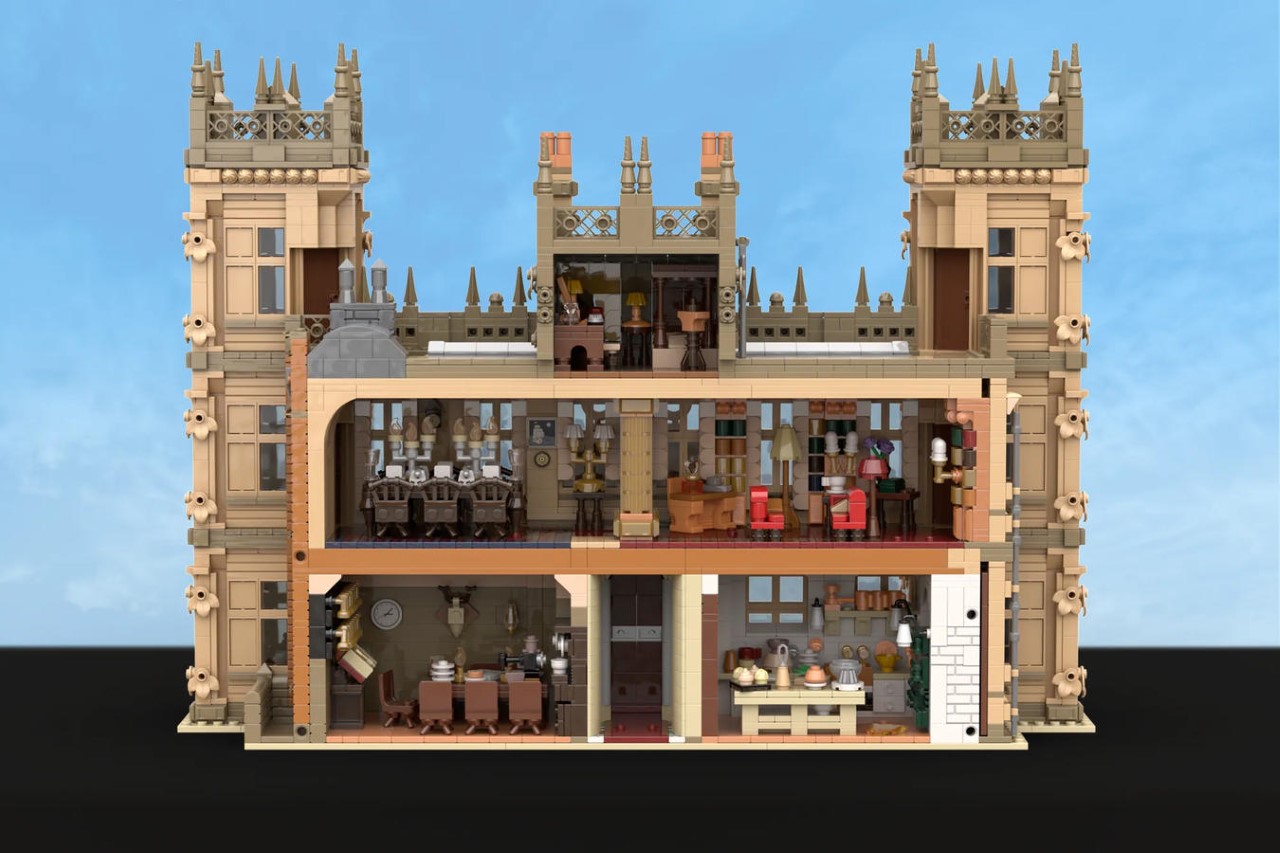
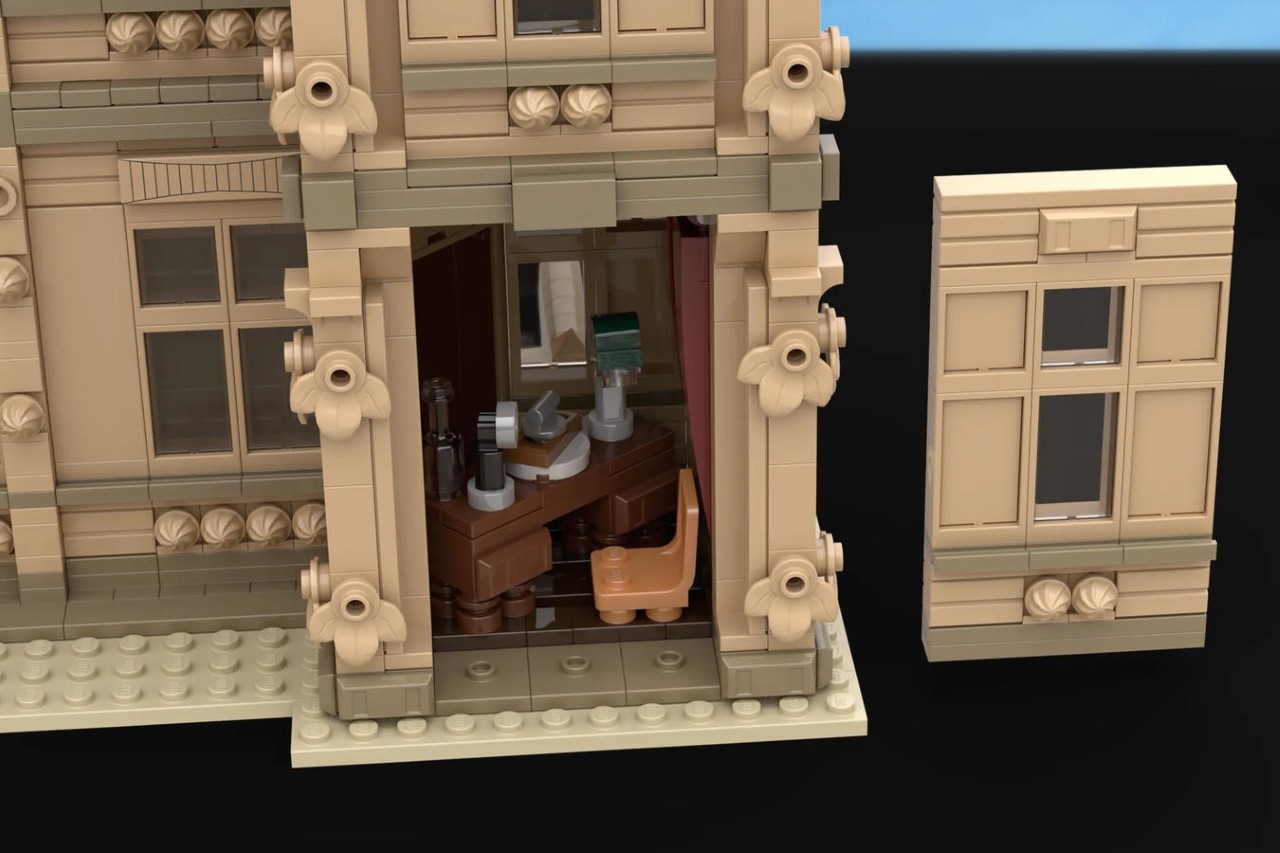
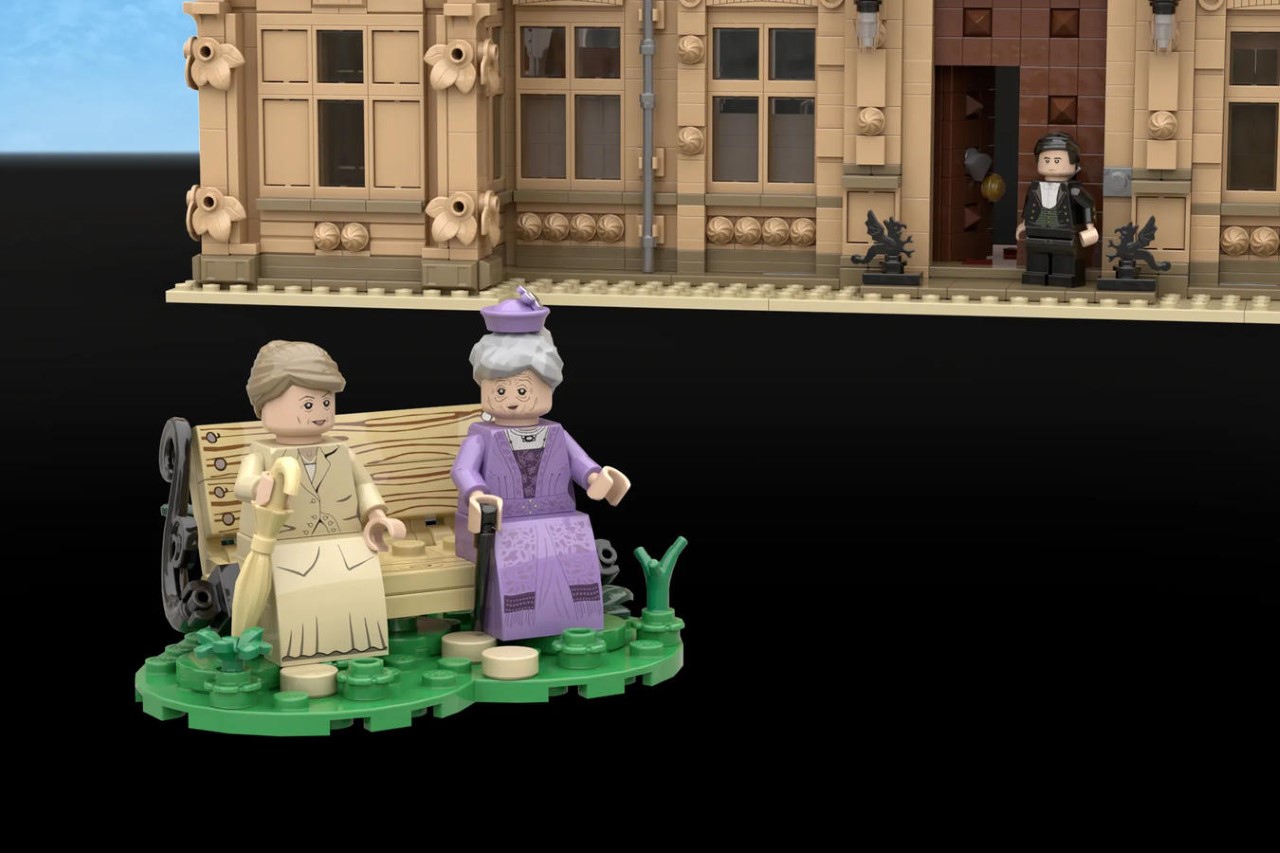
Although LEGO builder BRO3 doesn’t mention how many bricks make up the Highclere castle, it’s an impressively detailed piece of work, capturing the Jacobean architectural style that made its appearance during the Victorian periods. The castle exists even today, although the series depicts a fictional setup featuring the influential Crawley family. The front facade is remarkably intricate, with the grand entrance that opens to let the characters in.
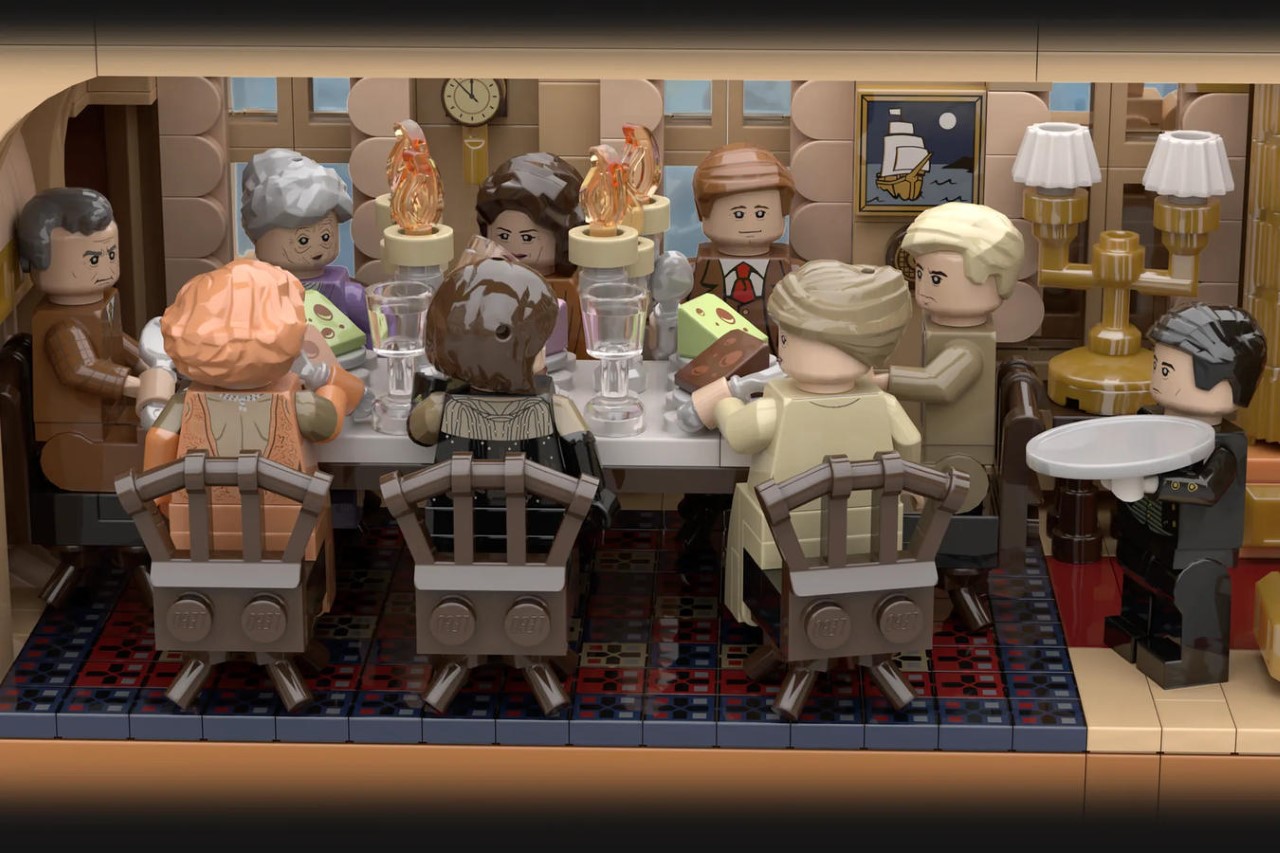
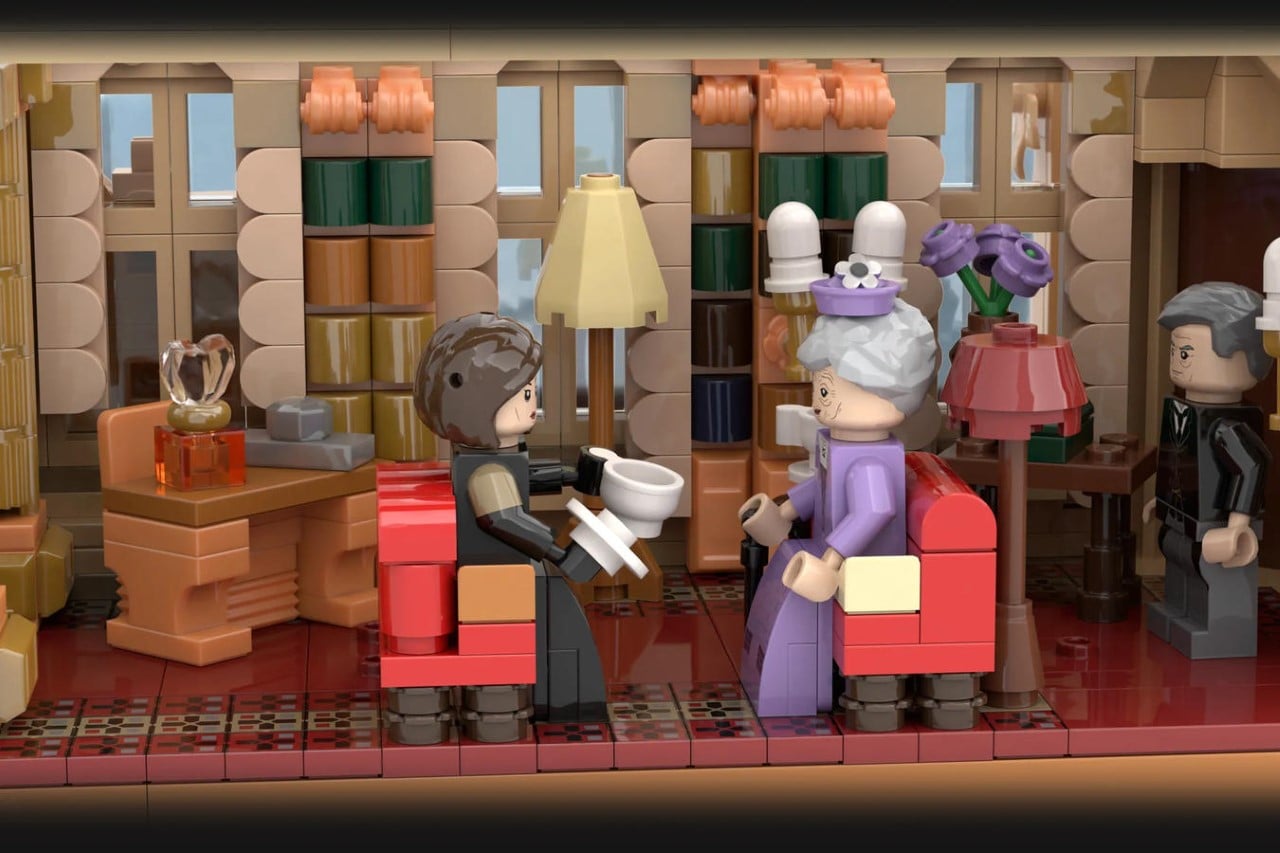
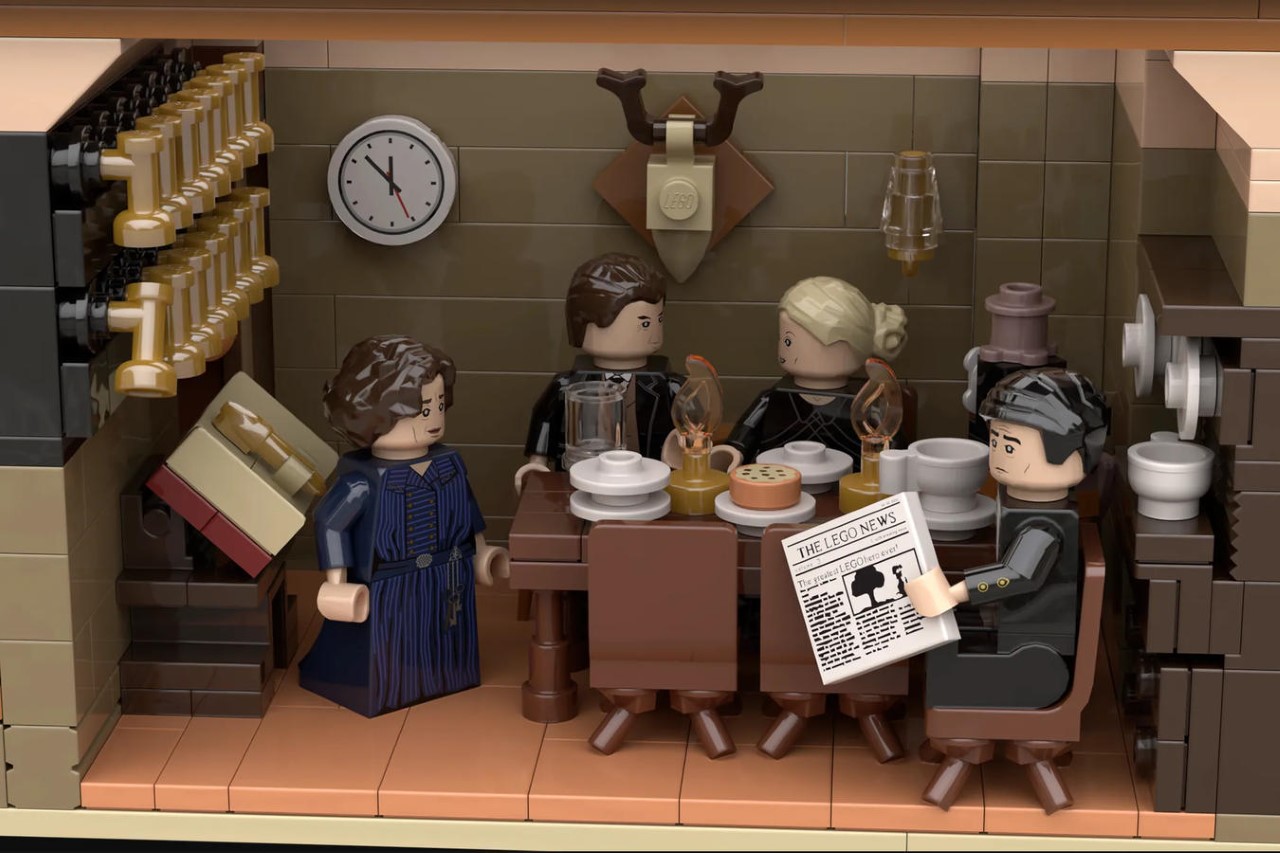
Flip the castle over and you’re treated to 5 main rooms and 6 mini rooms that your characters can sit in. The main rooms include the Dining room, Kitchen, Lady Mary’s room, Guest room, and the Servants’ quarters. The smaller rooms located in the towers include Carson’s office, along with 5 other empty rooms that you can use to store minifigures that aren’t in use.
The 15 minifigures include the usual suspects of the series, from the 7 members of the Crawley family and Tom Branson (Lady Sybil’s husband), to the 7 staff members of the castle, including butlers, cooks, housekeepers, and the valet.
Lady Mary’s bench also gets its own mini build, paying tribute to the bench that has been a staple to many conversations, sage pieces of advice, and even brewing relationships! “I wanted to breathe the spirit of the place into the model, so I chose a heart-shaped plate and decorative bench handles,” says BRO3.
The LEGO Downton Abbey set is currently a fan-made submission on the LEGO Ideas website – a forum for LEGO builders to create their own unique builds and vote for their favorites. With 2,000 supporters, this MOC (My Own Creation) is slowly picking up traction, and if it hits the coveted 10,000 vote mark, LEGO’s internal team will review it with the possibility of also turning it into a box set! If you want to own your own replica of Highclere Castle and its residents, vote for the submission on the LEGO Ideas website here!
Just in time to celebrate the show’s 15th anniversary next year, LEGO builder BRO3 decided to pay homage to historical drama series Downton Abbey with a dedicated LEGO set. The LEGO Ideas Downton Abbey set comes with an incredibly detailed build of the old Highclere Castle, along with all its occupants from the vast Crawley family to the butlers and castle caretakers who make up the cast of the show. The detailed model comes with multiple rooms, up to 15 minifigures (16 if you include the dog Pharoah), and even Lady Mary’s bench – an iconic part of the series!
Designer: BRO3
Although LEGO builder BRO3 doesn’t mention how many bricks make up the Highclere castle, it’s an impressively detailed piece of work, capturing the Jacobean architectural style that made its appearance during the Victorian periods. The castle exists even today, although the series depicts a fictional setup featuring the influential Crawley family. The front facade is remarkably intricate, with the grand entrance that opens to let the characters in.
Flip the castle over and you’re treated to 5 main rooms and 6 mini rooms that your characters can sit in. The main rooms include the Dining room, Kitchen, Lady Mary’s room, Guest room, and the Servants’ quarters. The smaller rooms located in the towers include Carson’s office, along with 5 other empty rooms that you can use to store minifigures that aren’t in use.
The 15 minifigures include the usual suspects of the series, from the 7 members of the Crawley family and Tom Branson (Lady Sybil’s husband), to the 7 staff members of the castle, including butlers, cooks, housekeepers, and the valet.
Lady Mary’s bench also gets its own mini build, paying tribute to the bench that has been a staple to many conversations, sage pieces of advice, and even brewing relationships! “I wanted to breathe the spirit of the place into the model, so I chose a heart-shaped plate and decorative bench handles,” says BRO3.
The LEGO Downton Abbey set is currently a fan-made submission on the LEGO Ideas website – a forum for LEGO builders to create their own unique builds and vote for their favorites. With 2,000 supporters, this MOC (My Own Creation) is slowly picking up traction, and if it hits the coveted 10,000 vote mark, LEGO’s internal team will review it with the possibility of also turning it into a box set! If you want to own your own replica of Highclere Castle and its residents, vote for the submission on the LEGO Ideas website here!
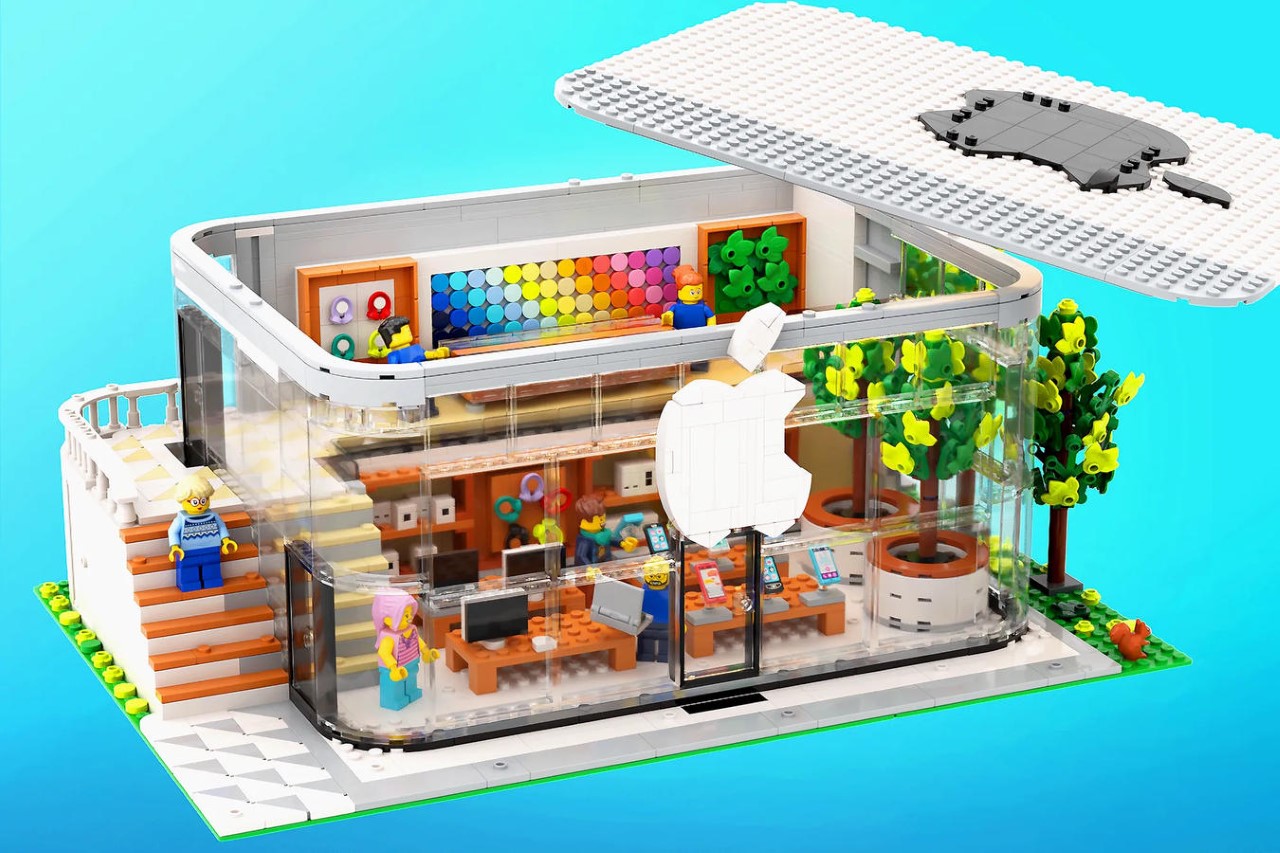
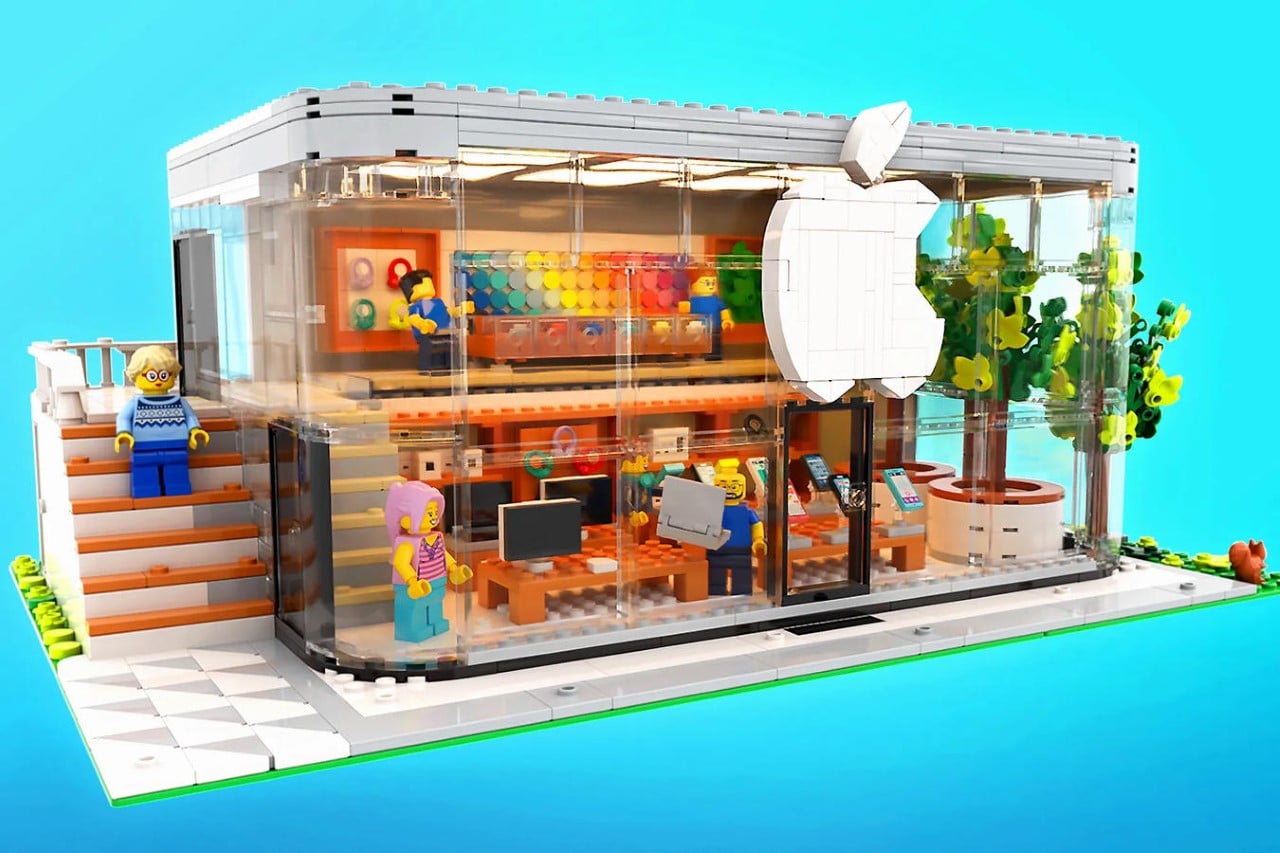
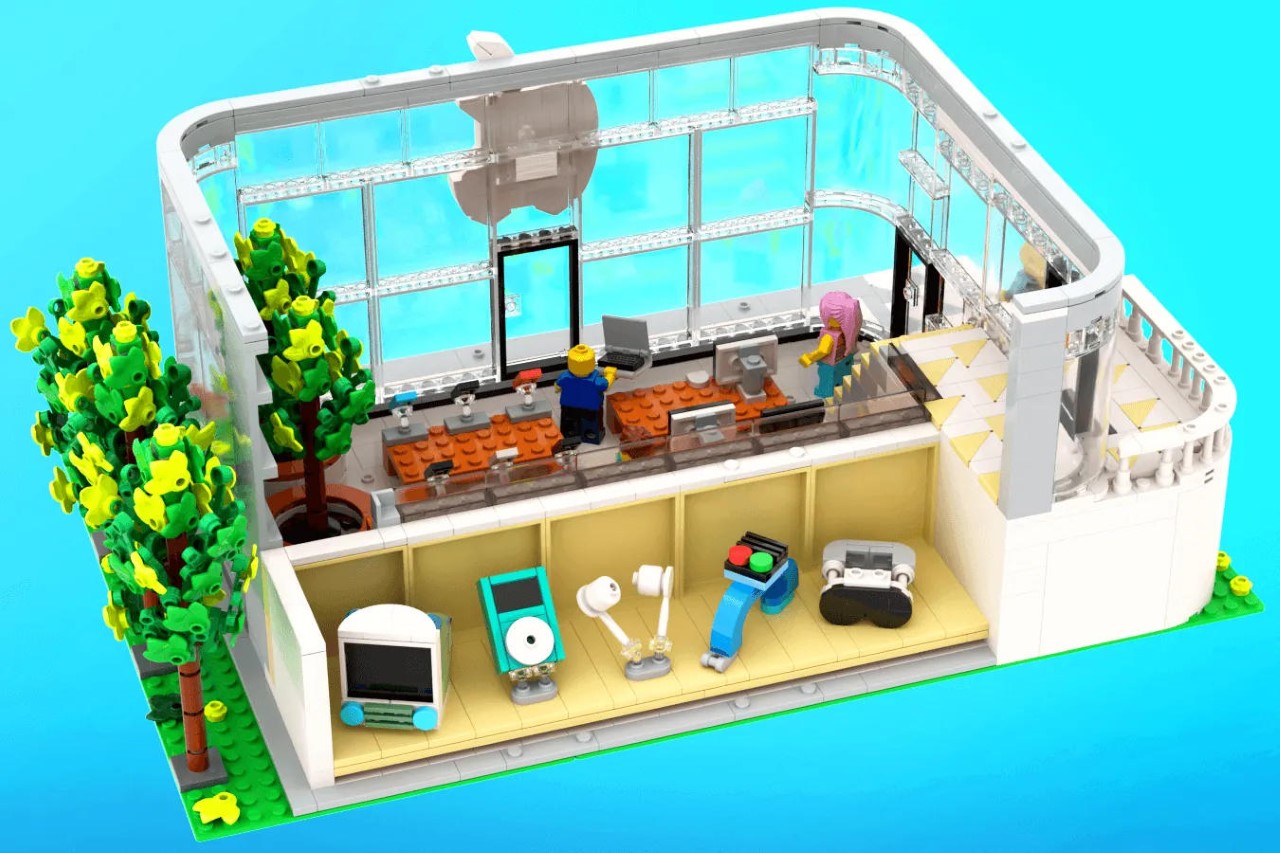
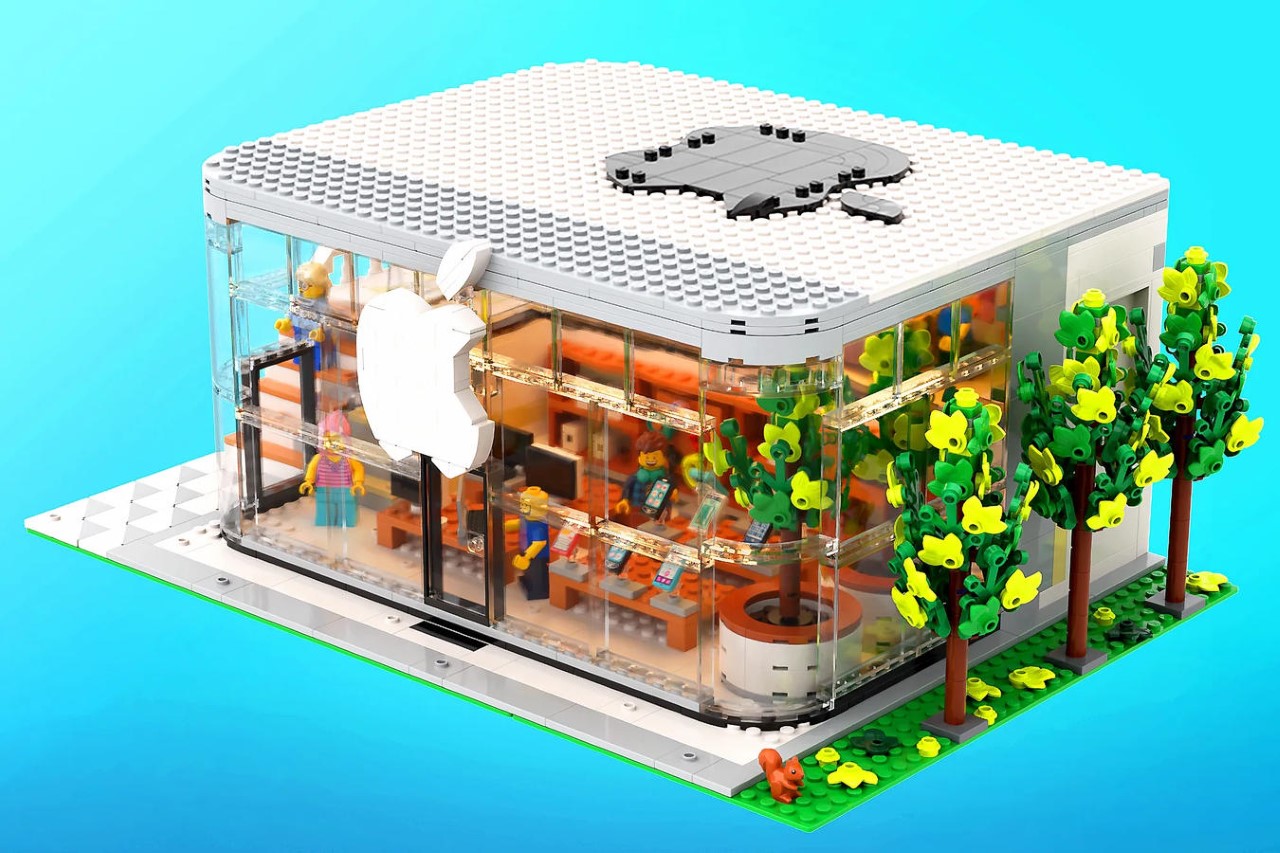
Complete with a massive white Apple logo on the front, glass facades, minimal interiors, a Genius Bar, and even tiny Apple products arranged across the display counters, this LEGO version of the Apple Store captures the minimal grandeur of the Cupertino tech company’s retail spaces. The brand may be well known for their cutting-edge products, but are masters of crafting awe-striking experience centers too. Built by seasoned brick expert ‘legotruman’ in collaboration with 2A2A, the LEGO Apple Store is a 1539-brick marvel that does true justice to its original. It comes with white interiors, glass facades, landscaping, eye-catching details, and enough easter eggs and products to keep a fan-boy entertained (from the iconic iMac G3 of the Steve Jobs era, to even the Vision Pro, which completes its 1st anniversary today!)
The LEGO Apple Store is a two-storey marvel featuring all of the company’s greatest product launches under one single roof. “Both the Apple brand and LEGO celebrates beauty and creativity, the principles and image of the two brands are a great match,” designer legotruman rightfully says. The final model isn’t based on any specific retail outlet, but rather is an amalgamation of multiple outlets’ core design philosophies. The result is something that seems familiar, with floor-to-ceiling glass panels that let you see inside the store, a white Apple logo on the front that lets people know it’s an Apple Store, and minimal interiors that let the products, posters, and display units stand out and grab eyeballs.
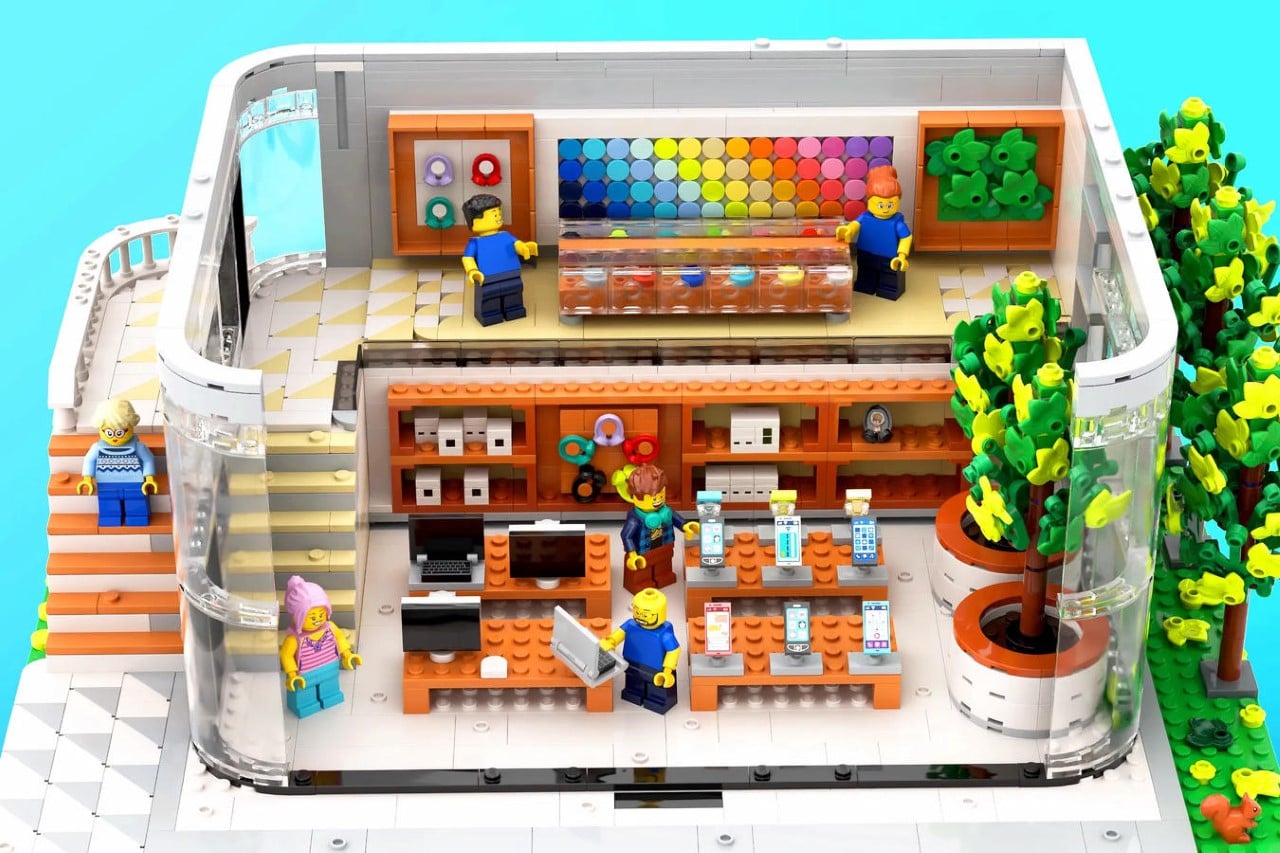
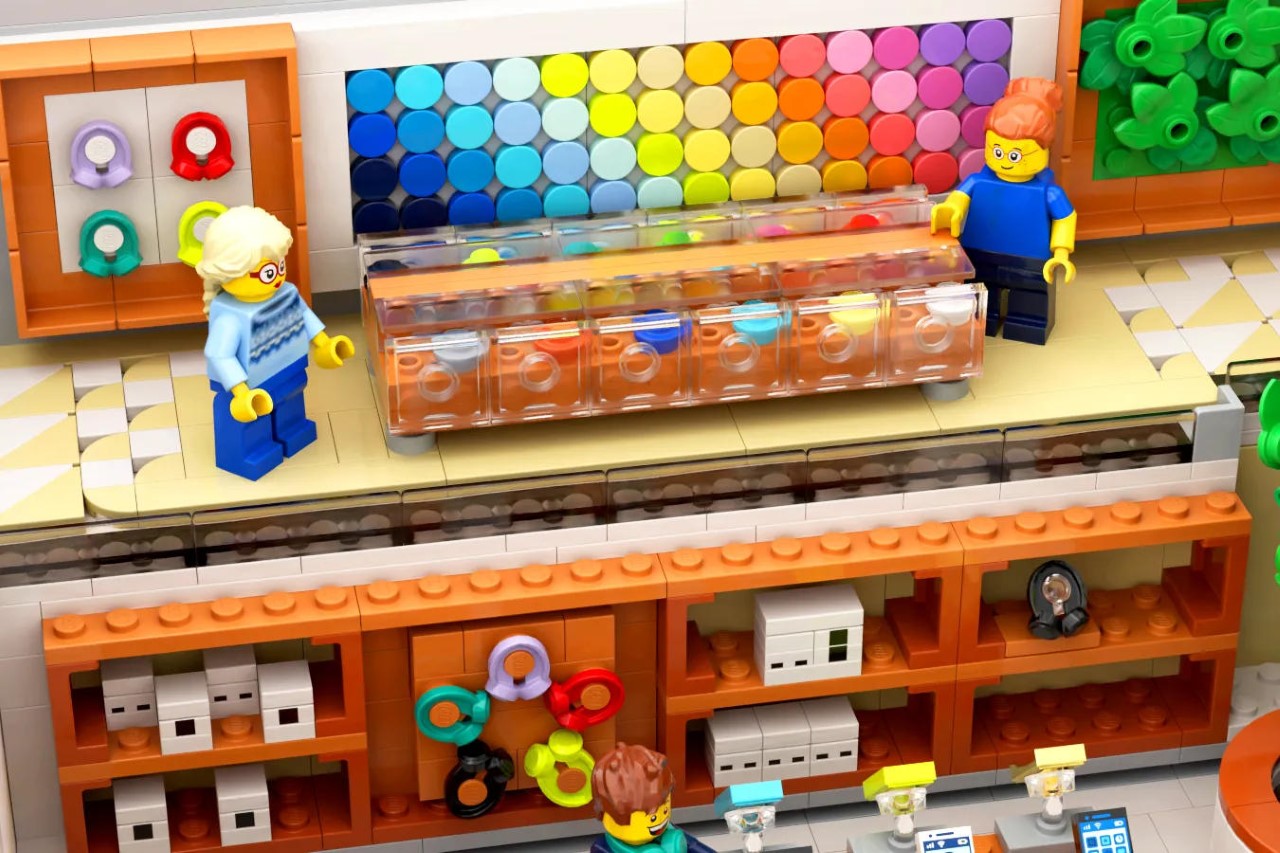
The design features a removable top as well as a removable front facade, letting you access the minifigures and pieces inside to arrange them how you see fit. The LEGO Apple Store comes with Geniuses in blue shirts as well as customers, creating a vibrant atmosphere inside the outlet. Multiple counters have all of Apple’s products from iMacs and MacBooks to iPhones. Look to the wall and you’ll see boxes of Apple products waiting to be sold, and AirPods Max headphones arranged decoratively to attract people.
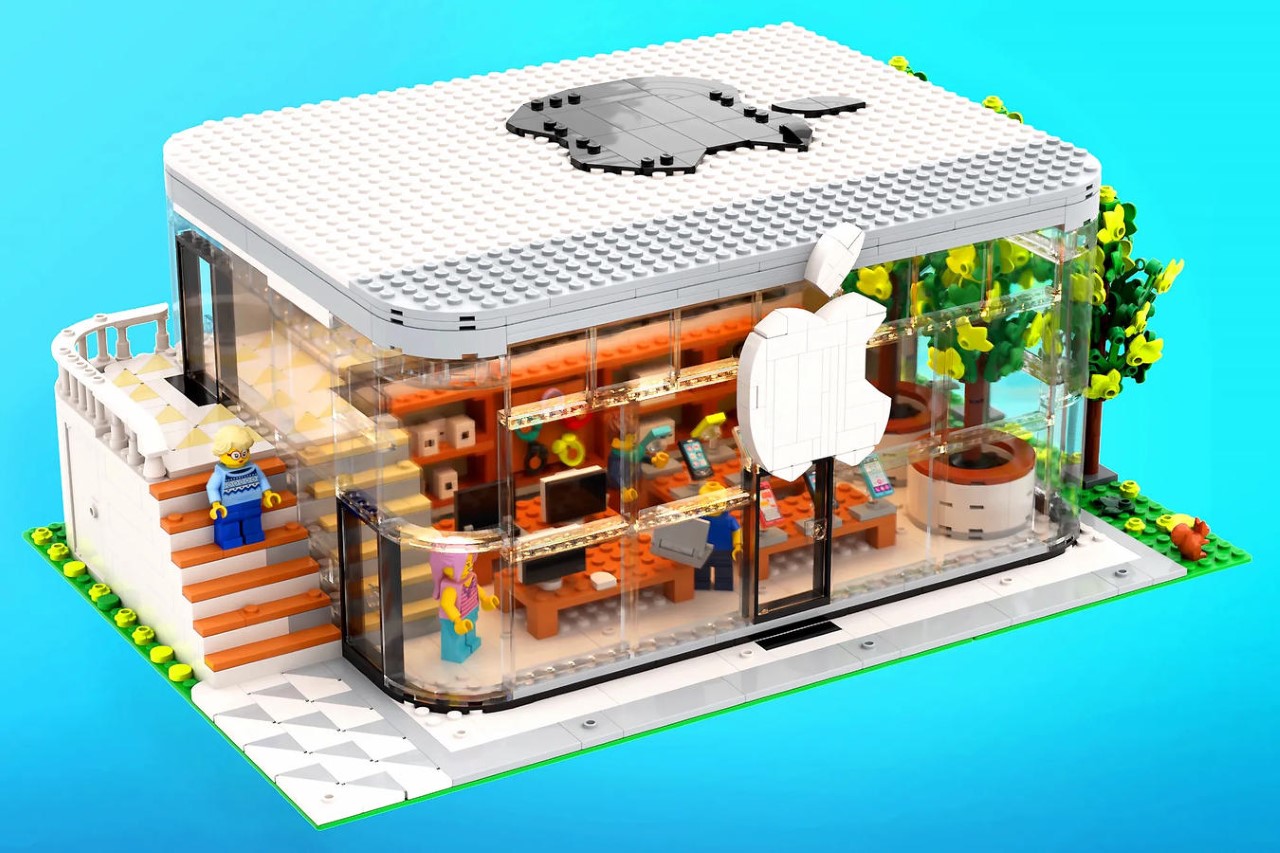
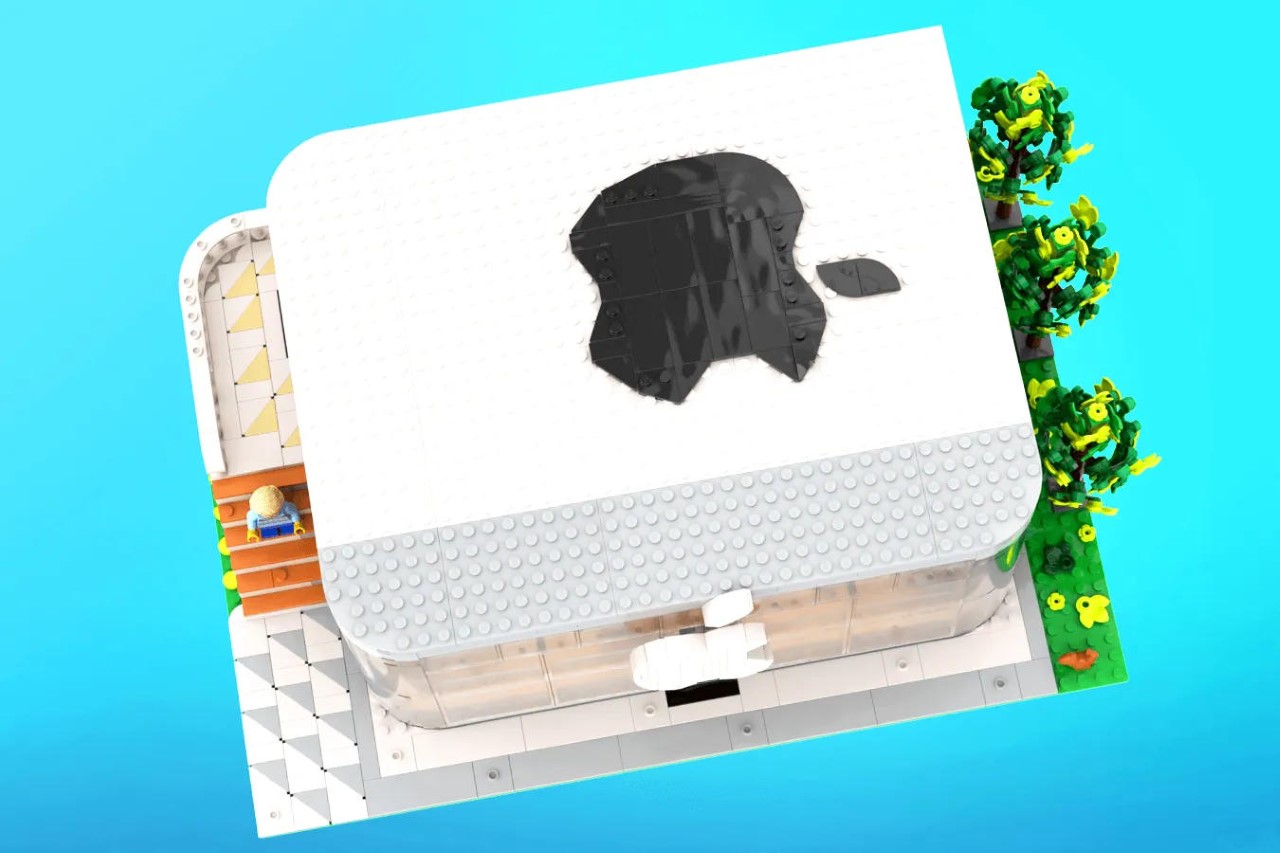
Every part of the store’s design has something to show. The front offers a glimpse into the store, while the top features a massive black Apple Logo. On the left, a staircase guides minifigures to the upper level (where the Genius Bar is usually located), while the right has ficus trees as seen in many Apple stores. Flip over to the back and you’ve got a hidden hatch where legotruman put a few other Apple products on display, capturing the company’s history over the past twenty-five years. You’ve got an iMac G3, and iPod Classic, AirPods, an Apple Watch, and a Vision Pro, all designed out of LEGO bricks and arranged on a horizontal platform at the back of the LEGO build.
The inside of the store feels unmistakably Apple-like. Every detail brings back memories of actual stores, from the long tables with products on them, to the colorful posters and wall-art that are a signature element of Apple’s retail spaces. You’ll see all sorts of easter eggs around the build, keeping you entertained and constantly engrossed. Like every LEGO build, you do have the ability to customize the space too, moving stuff around and even adding new elements to the store.
legotruman and 2A2A’s MOC (My Own Creation) maxes out at an impressive 1539 bricks, making it a relatively complex build. The entire kit, when complete, measures 16.1-inches wide, 10.1 inches deep, and 6 inches tall. legotruman mentions that you can add this build to your LEGO city, bringing an iconic landmark to your brick-based neighborhood.
The LEGO Apple Store is currently a submission on the LEGO Ideas forum, an open space for creators to submit their own brick-builds. The community then votes for their favorite creations, following which the LEGO internal team reviews the submission before turning it into a buyable box-set. This particular fan-made creation currently stands at an impressive 4,730 votes, and if you want to vote for it too, just head down to the LEGO Ideas website and cast your vote!
Constructing and putting together precise and intricate LEGO structures as a child was one of my favorite hobbies, and to be honest even now. I could spend hours sitting and creating the little builds, and I still hold those memories dear to my heart. I’m sure most of us have nostalgic and heartwarming memories associated with LEGO blocks from our childhood, as well as the not-so-heartwarming ones of stepping on them with our feet and feeling an insane amount of pain shoot up our legs. But nowadays LEGO is no longer considered child’s play. Master builders and LEGO enthusiasts all over the world have been creating impressive LEGO builds, and we’ve curated a few of our favorites for you!
1. Brooklyn 99 LEGO Build
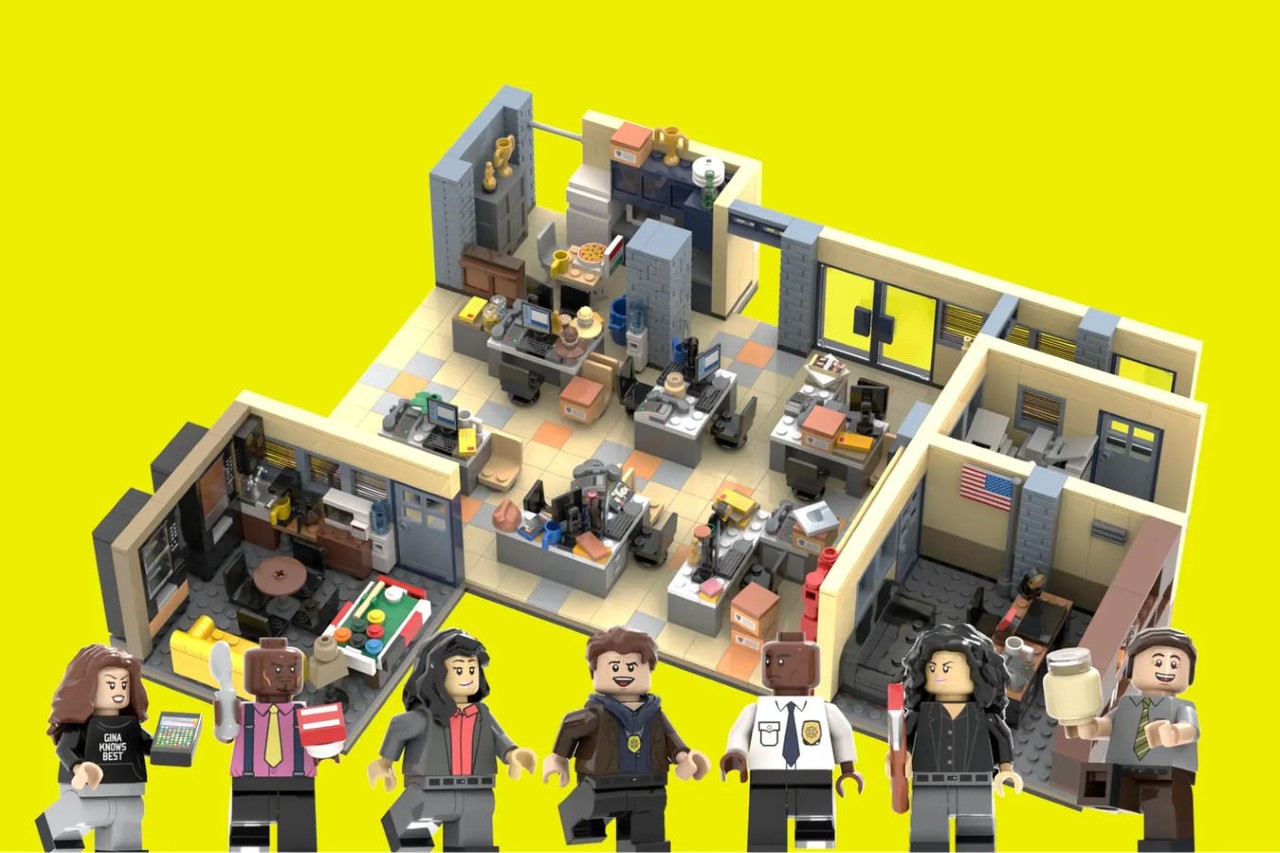
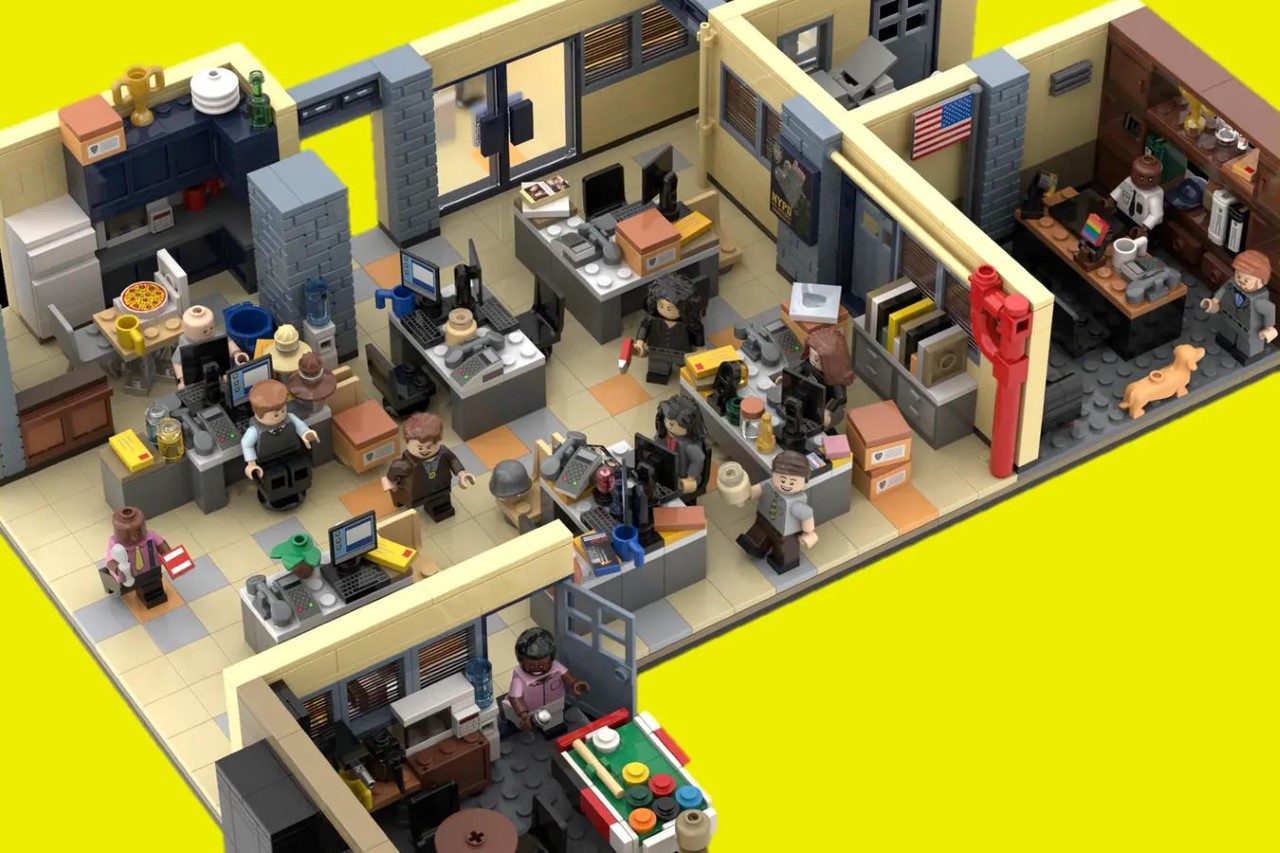
I love Brooklyn 99, it is one of my favorite TV shows, and it has the capability to put a smile on my face anytime. LEGO creator Ben Fankhauser immortalized this amazing show with his lovely LEGO build which captures the 99th precinct – all rooms and characters included. The set is quite detailed and intricate, and it includes loads of details – from the bullpen to the captain’s office, and the printer room too. Secret details such as Holt’s pet corgi Cheddar were included too.
2. LEGO Zelda
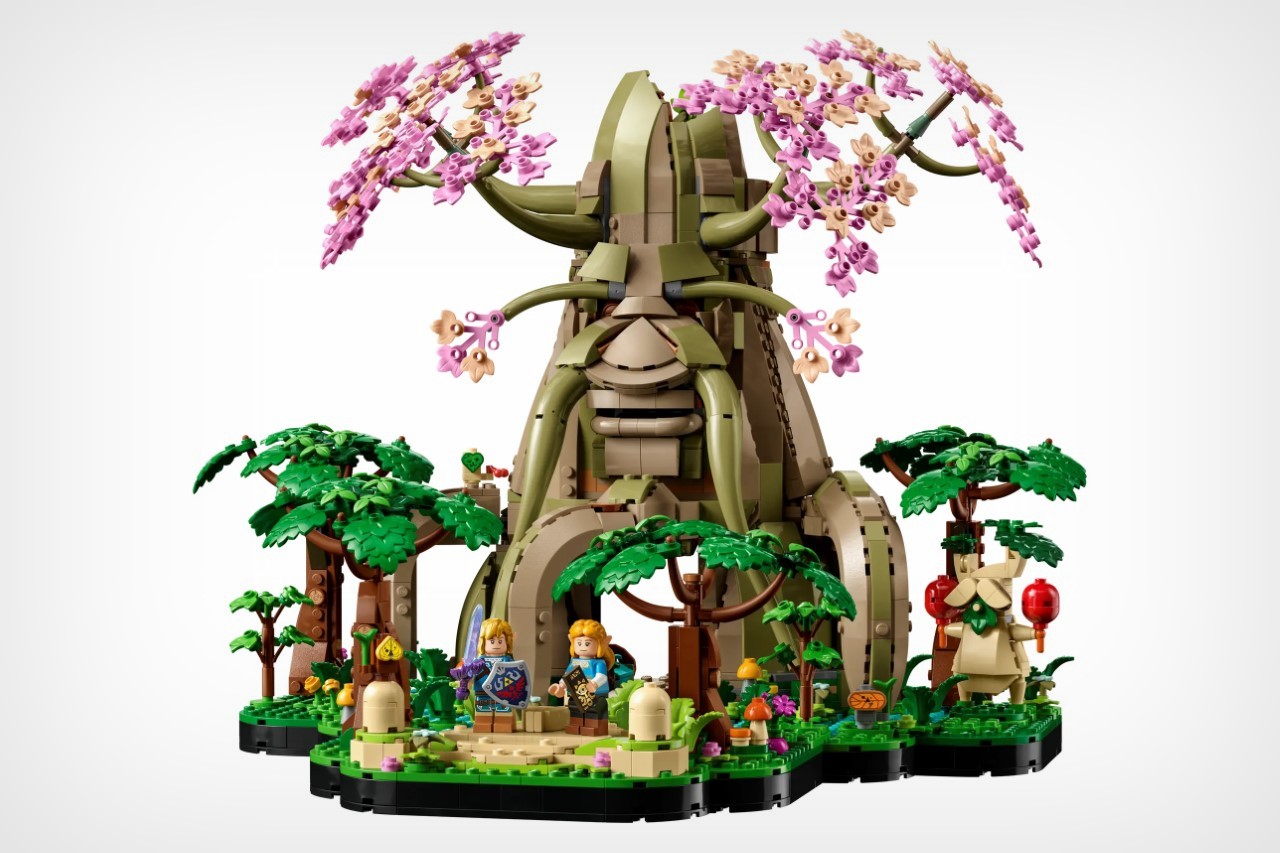
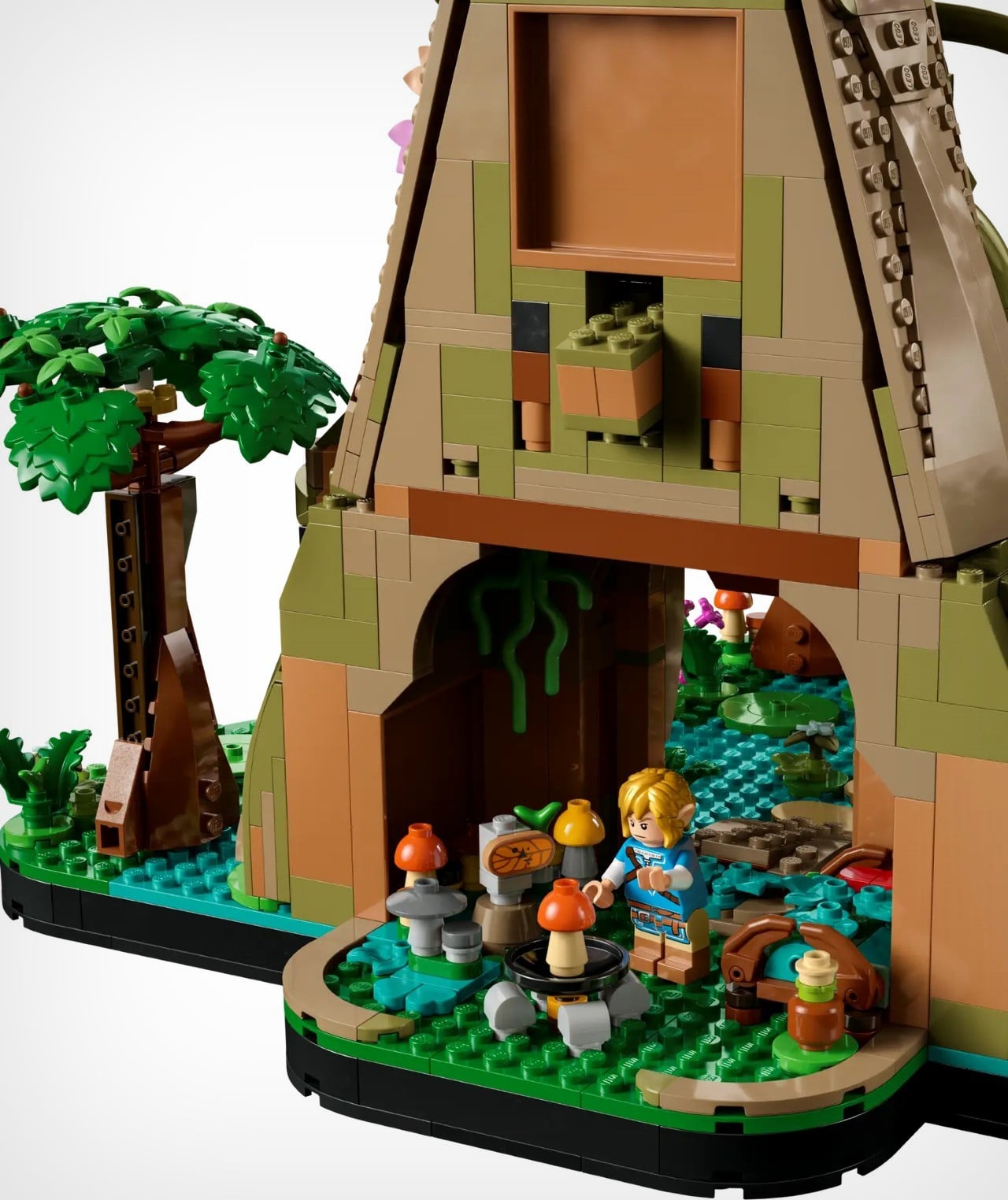
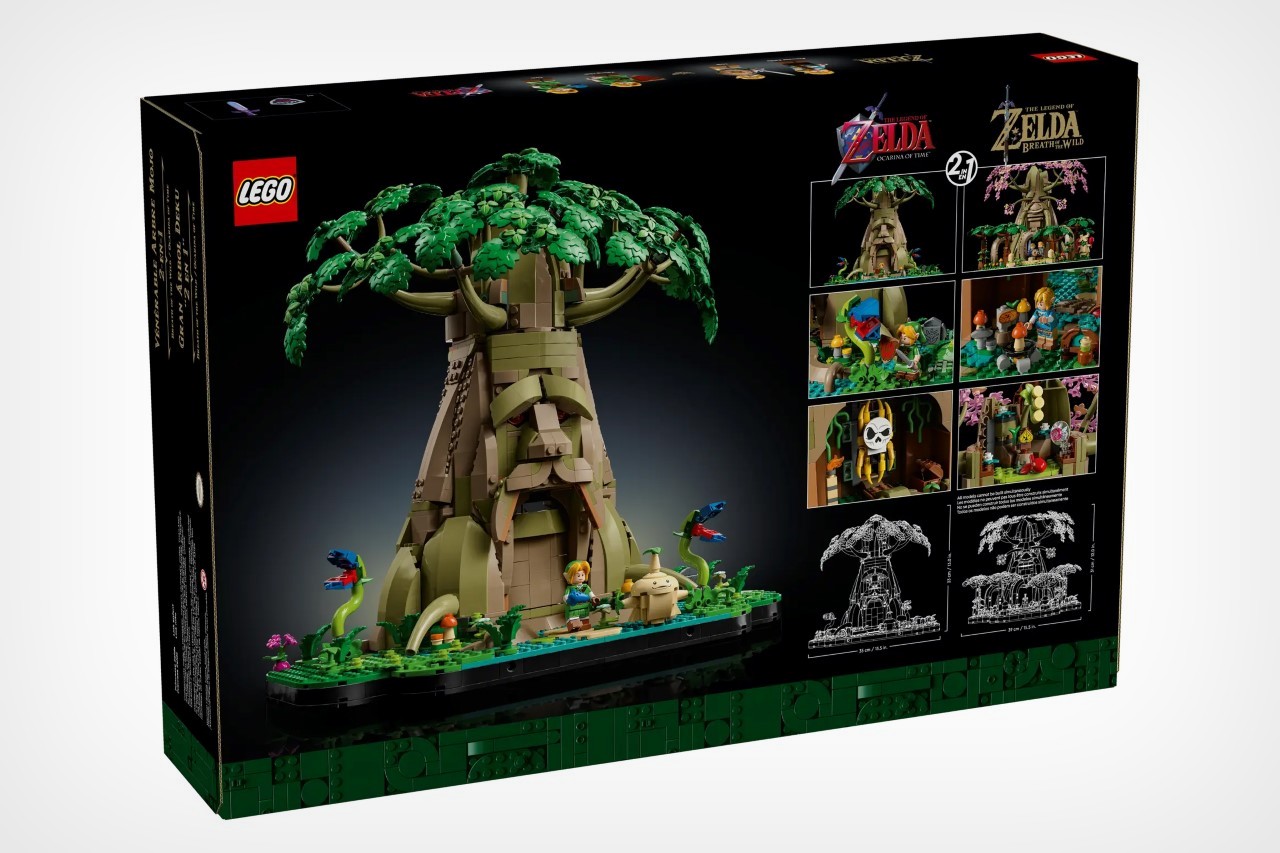
LEGO unveiled a Zelda-themed playset, and it captures the Great Deku Tree in a fascinating 2-in-1 build. The playset lets you build a variant of the tree in its early stages, or even in full bloom as seen in the 2017 game – Breath of The Wild. This set also has a bunch of familiar characters like Zelda, Link, and more! Consisting of 2500 pieces, the Great Deku Tree provides an interesting 2-in-1 build experience, letting you build the iconic tree.
3. LEGO Tetris SOLID
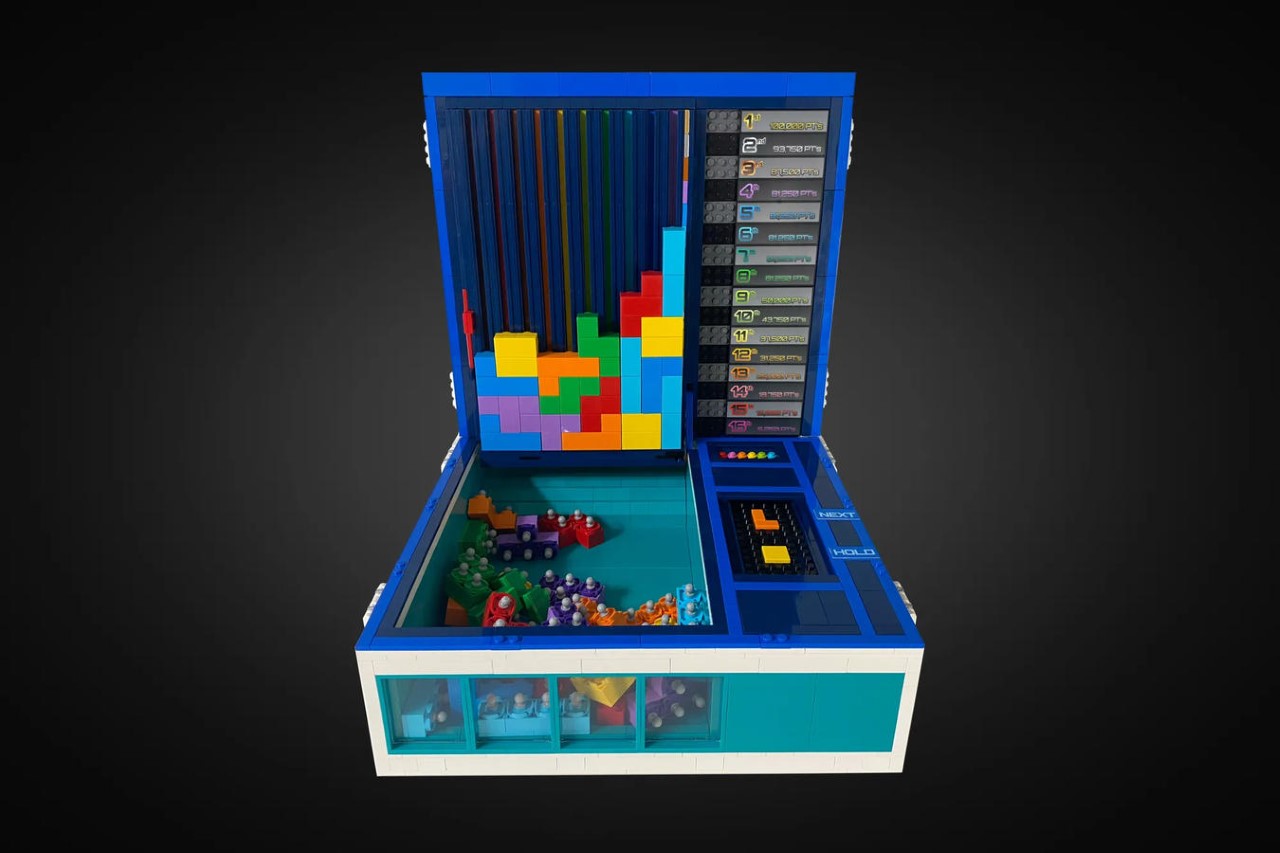
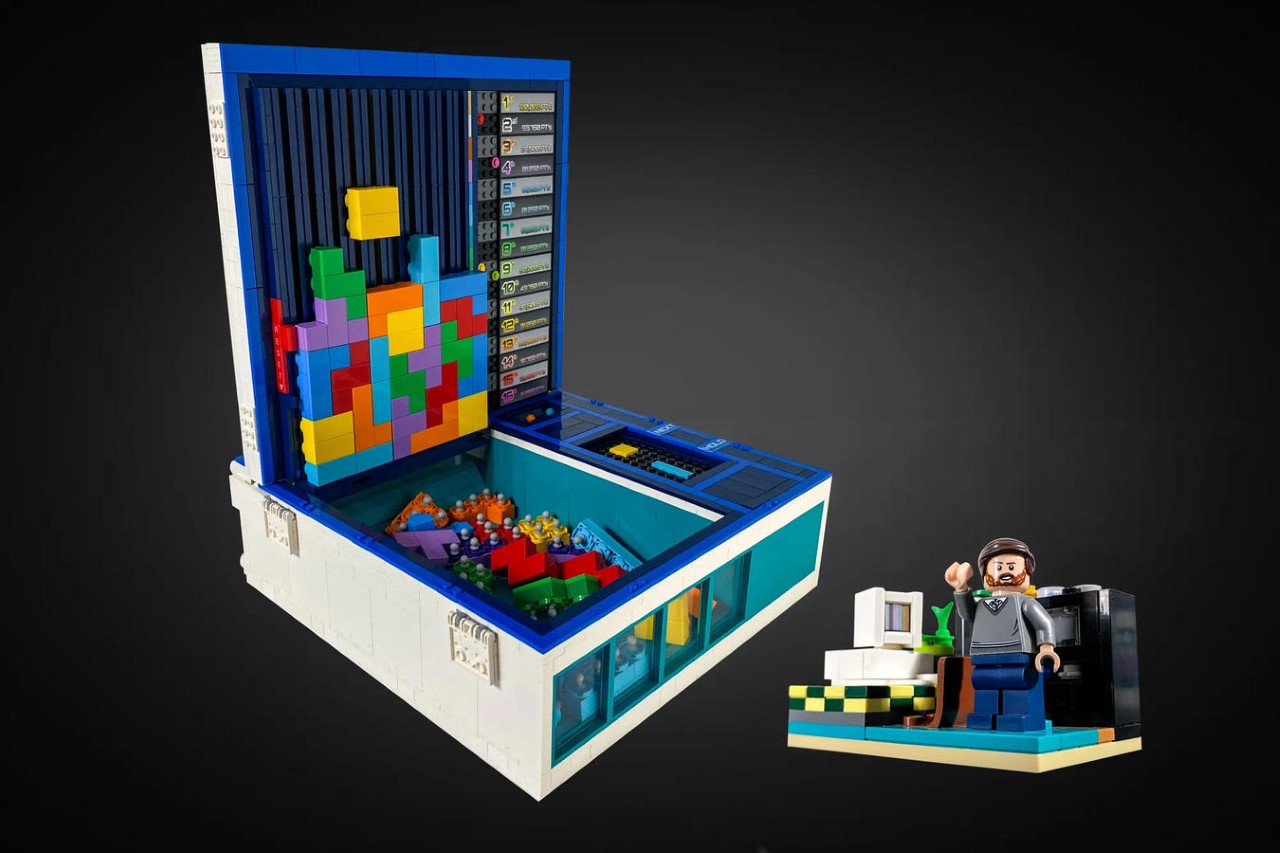
Say hello to the LEGO version of Tetris Solid. LEGO builder ‘victorvey300’ paid tribute to Tetris on its 40th anniversary by building a LEGO Ideas set. It includes a box with a lid that serves as the game’s screen. Bricks are placed in a container below, and the controls are located on the bottom right. The top right functions as the leaderboard. Once the box is closed shut, the bricks don’t get lost, they’re safely placed within.
4. LEGO Yamaha MT-10 SP
You can now build a LEGO Yamaha MT-10 SP and have a roaring LEGO automotive. You need to put it together with the same attention to detail as all Technic creations. Putting together the build piece by piece brings an extreme sense of satisfaction. It features realistic function, movement of chain drive, 3-speed transmission, 4-cylinder engine, working steering, and front and rear suspension.
5. LEGO Barad-dûr
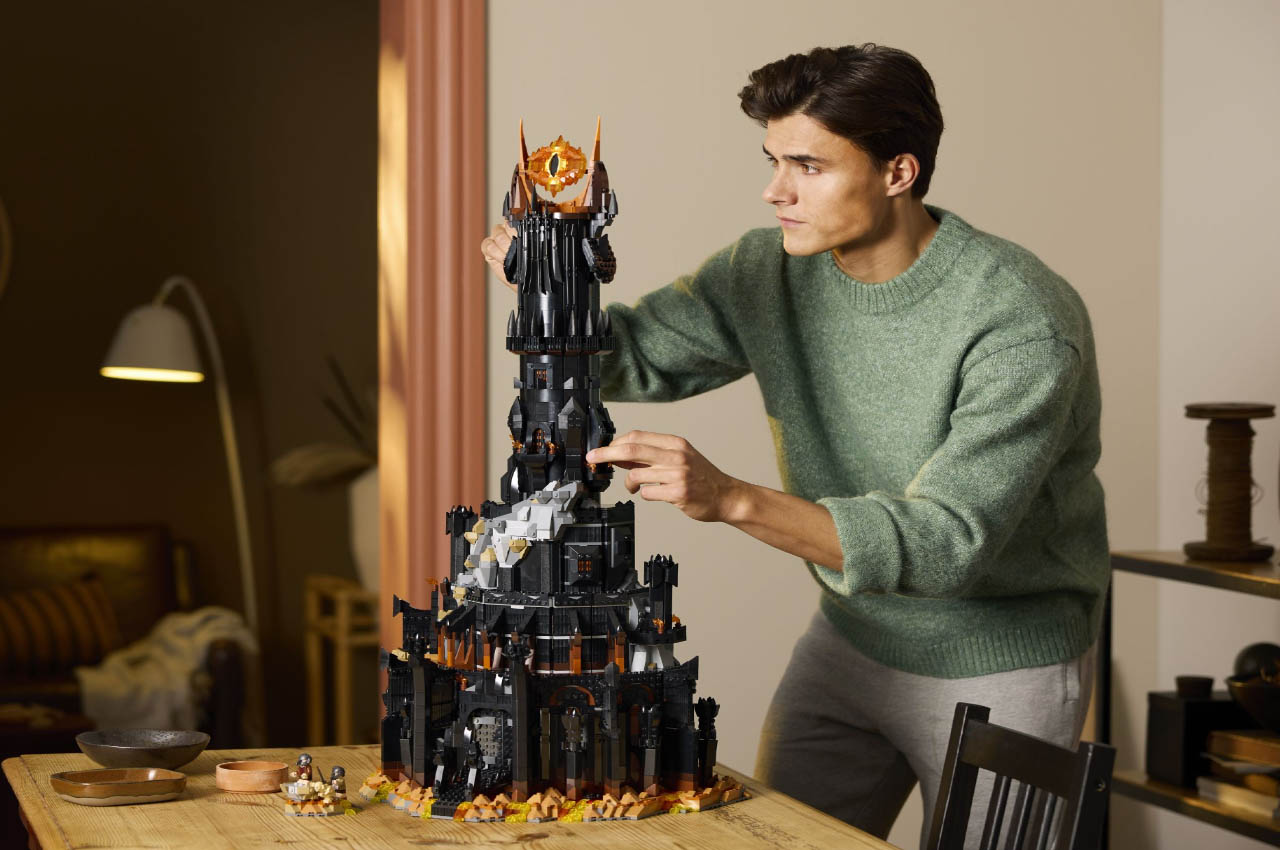
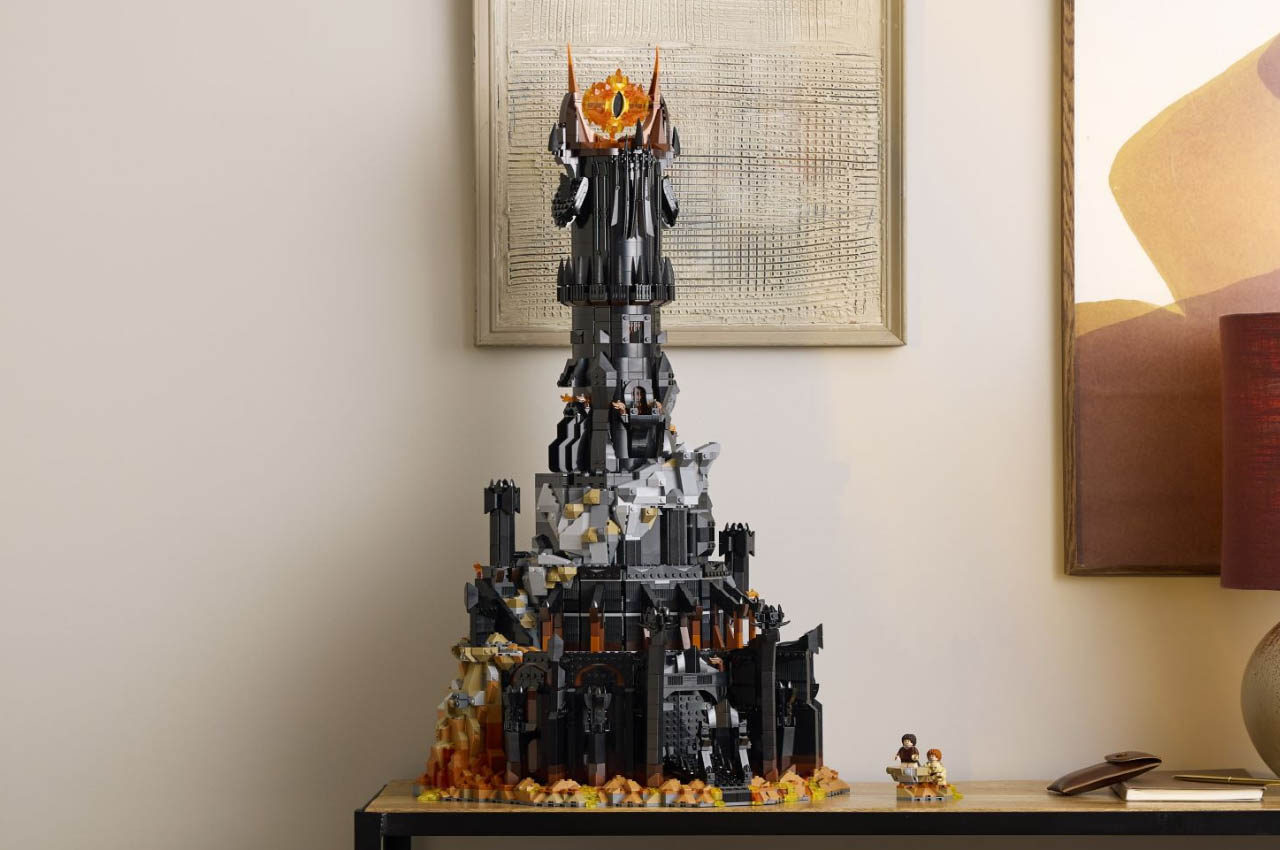
Lord of the Ring fans should rejoice as LEGO has recently released a LEGO set themed on Barad-dûr – which is Sauron’s iconic stronghold. The set contains 5471 pieces, and it includes the tower with the Eye of Sauron topped on it. This sinister eye keeps a lookout on his domain. The tower features four main sections – a prison, a throne room, a kitchen, and an armory. If you’re lucky enough to get the set before 7, you also get a complementary 269-piece Fell beast with wings.
6. LEGO Icons Retro Radio Set
Meet the LEGO Icons Retro Radio set! It is a 906-piece set, which celebrates the iconic musical era of the 50s and 60s. The LEGO set features bright color accents in white and brown. It stands tall at 13 inches, 9 inches wide, and 2.5 inches deep, making it an impressive LEGO build. It is amped with nostalgic faux wood-colored trims, a pretty pastel bluish-green exterior, speaker slits, a tuner window, and an extendable antenna.
Mercedez and LEGO have teamed up to create the LEGO version of two acclaimed cars – the AMG 63 G-Wagon SUV and the AMG SL63 convertible roadster. The performance cars are available in a kit with 2 driver minifigures, and the sets are a part of the LEGO Speed Champions line. The 2 cars combined together are made up of 808 pieces, with the G wagon featuring a black color, and the SL 63 Roadster a yellow. They showcase authentic design details captured from real-life models.
8. LEGO Motorized Beating Heart
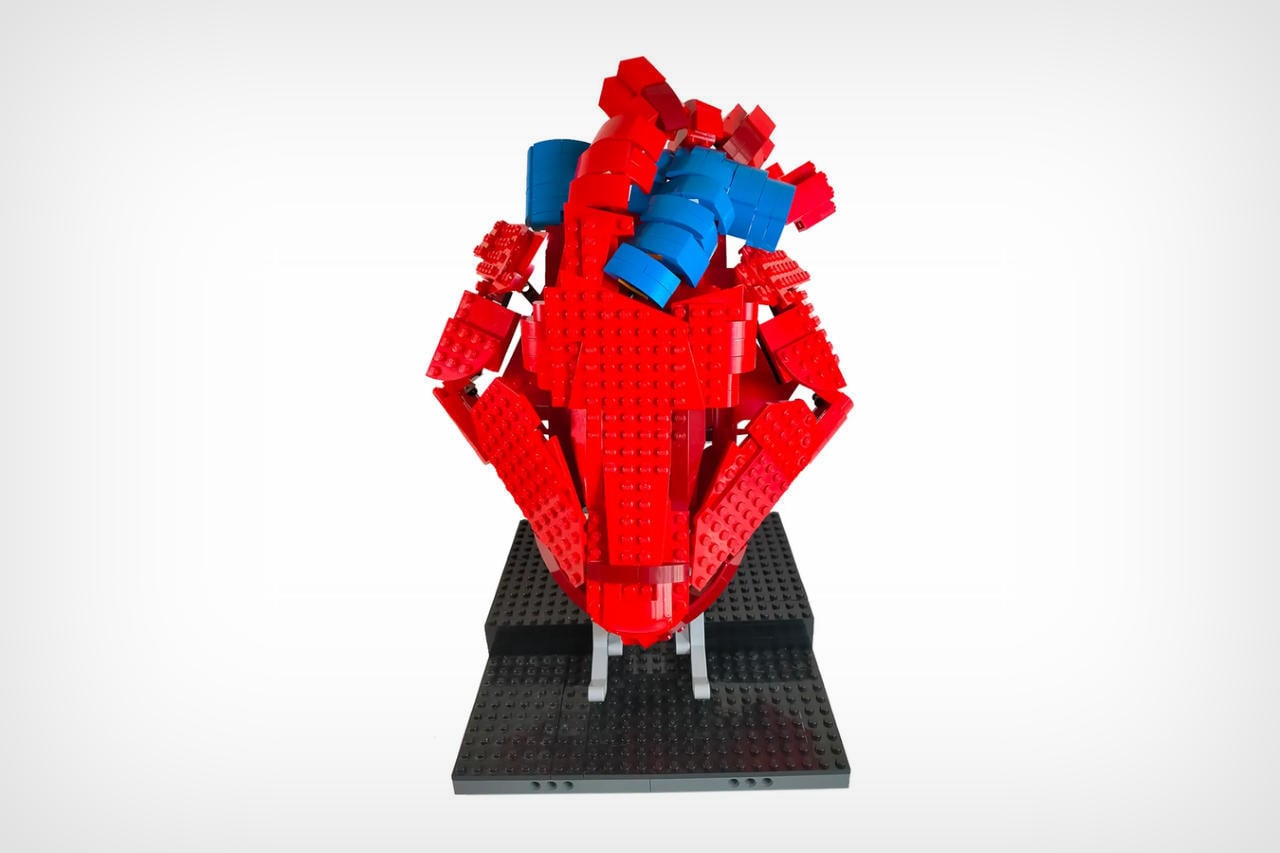
LEGO builder Anatomical_Brick’s ‘Motorized Beating Heart’ is designed to be a near-perfect replica of an actual beating heart! It outputs 55 bpm and is made entirely from LEGO bricks and is powered by replaceable batteries. The model includes a LEGO Technic frame with two interlocking slider mechanisms and a scissor element. It is an ingenious design that supports dynamic adjustments to the height and width of the structure.
9. LEGO Milky Way Galaxy
Say hello to the LEGO Milky Way Galaxy. This galactic hot mess of plastic includes 3000 bricks, which are joined together to create a mesmerizing art piece. As stunning as the final build is, it is also equally complicated to make. The different pieces are color-coordinated, and they are merged together to build the different bands of the galaxy. The set also includes a ‘You Are Here’ tag which pinpoints the general location of our solar system, and us.
10. The LEGO® Jurassic World Dinosaur Fossils: T. rex Skull (76964)
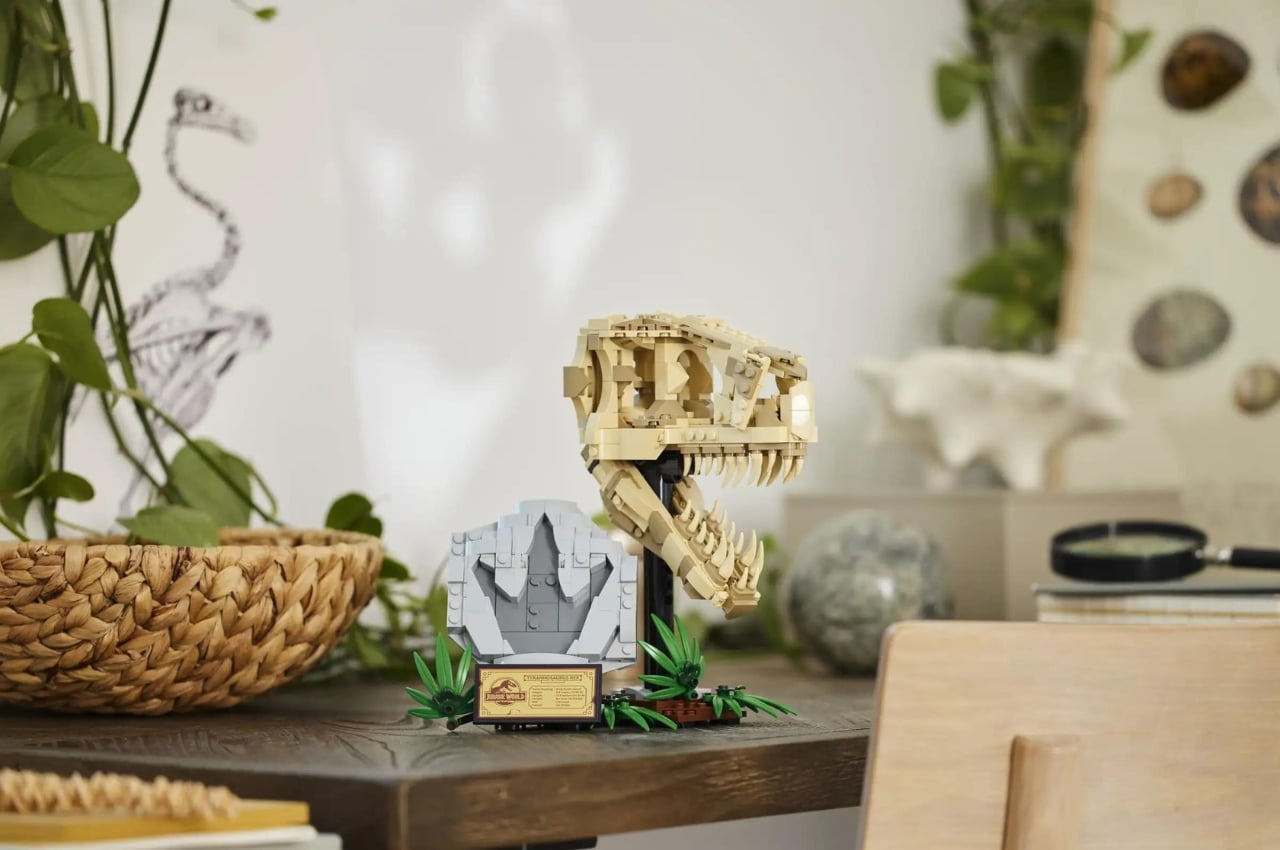
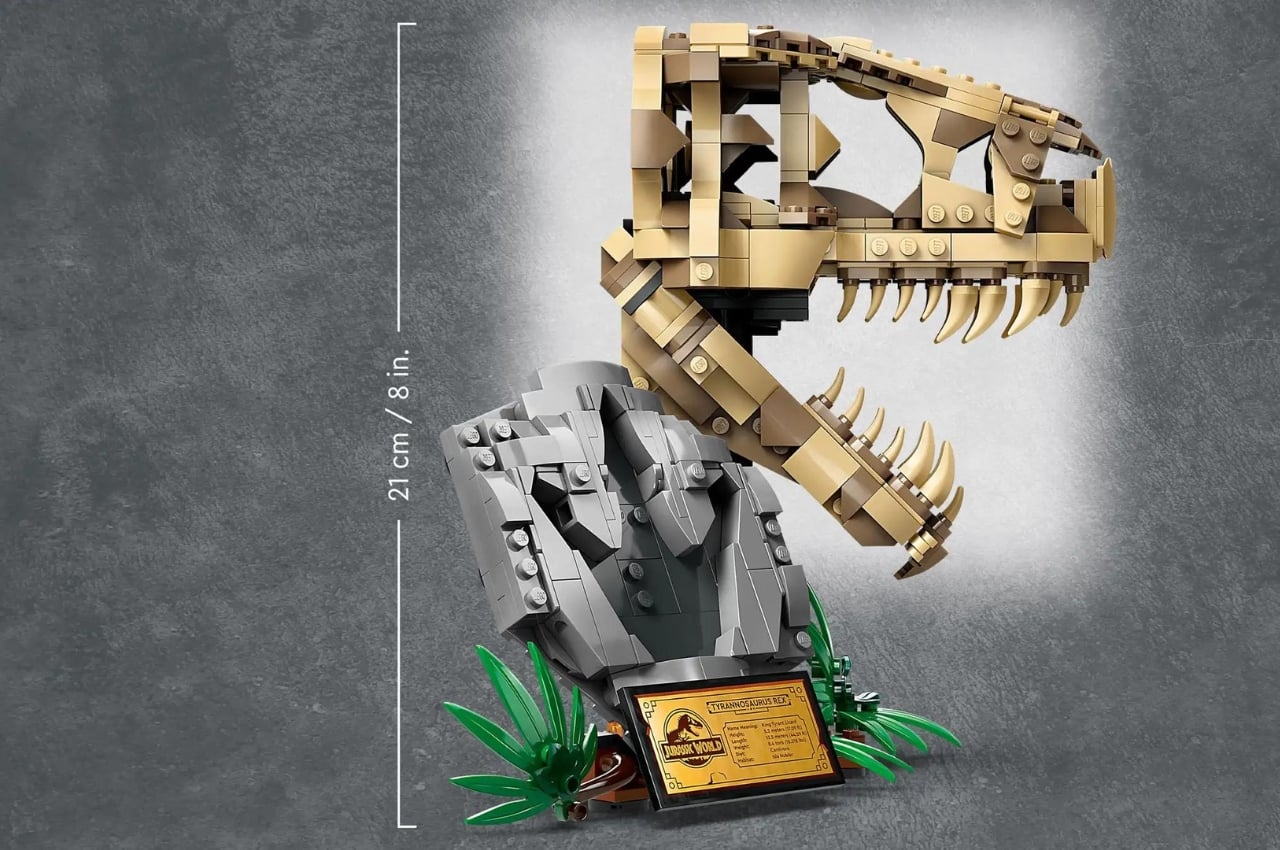
Meet The LEGO® Jurassic World Dinosaur Fossils: T. rex Skull (76964). It is designed to be one of the first Jurassic World sets created for museum-like display. The set includes 577 pieces and contains an intriguing T.Rex skull with an opening jaw, as well as a stand to showcase it. The Jurassic World set also contains an info plaque, a fossilized footprint, and an amber piece at the back, making it a LEGO set worthy of an impressive display.
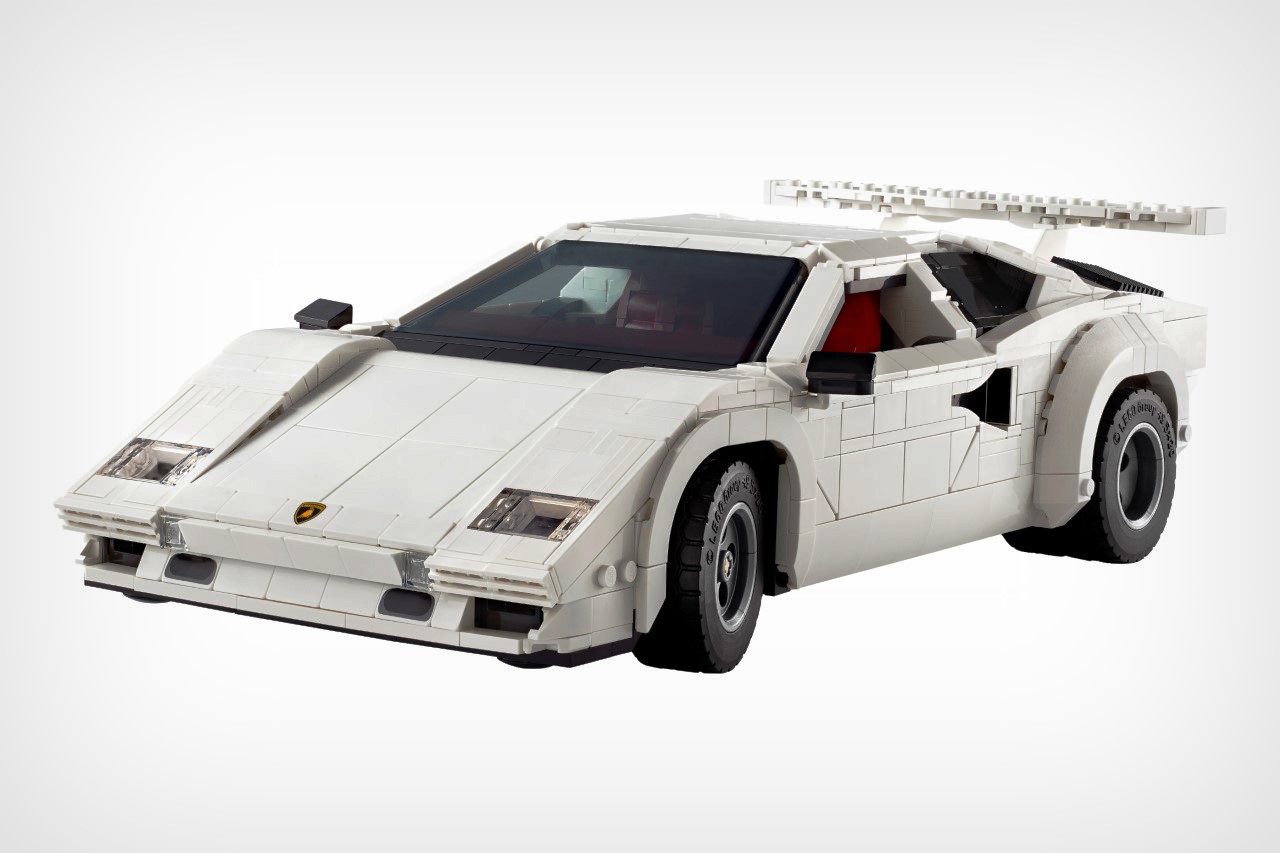
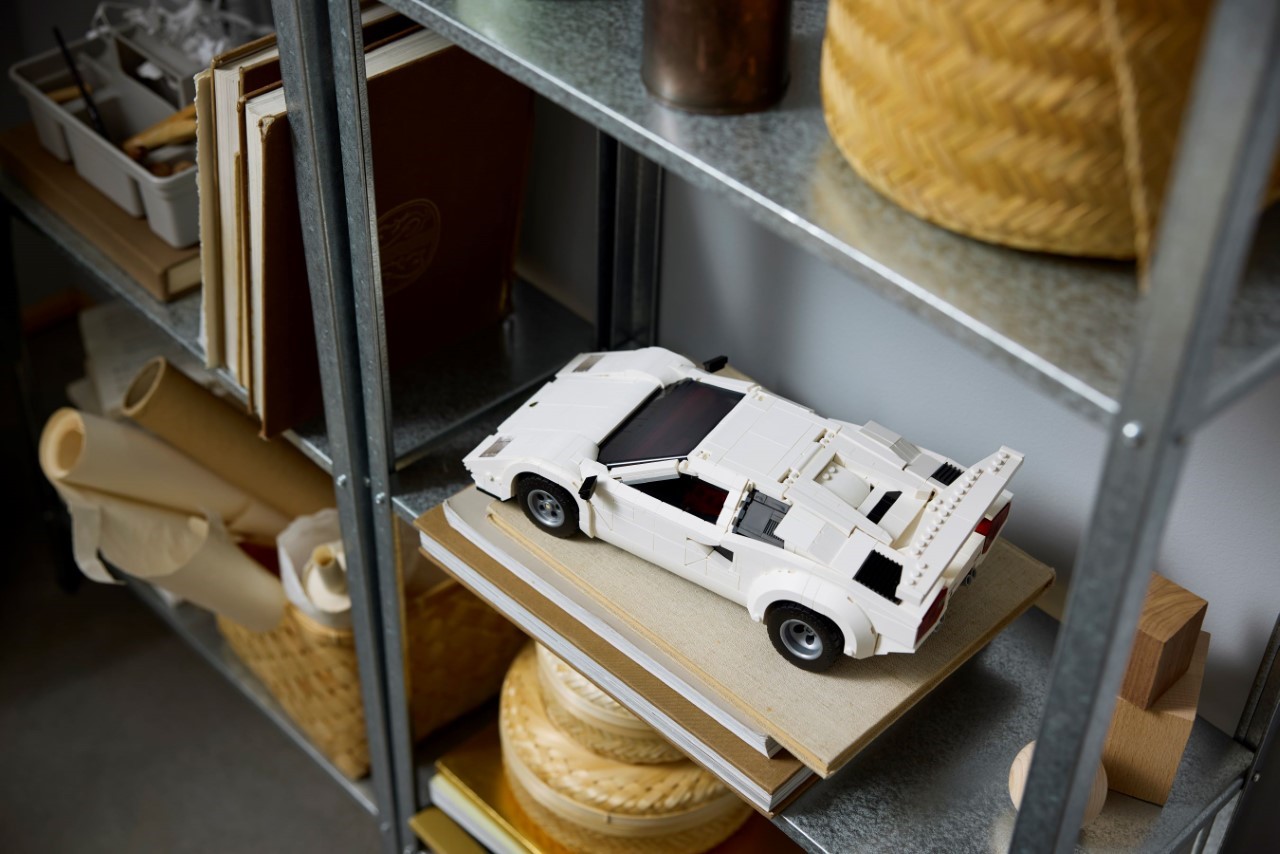
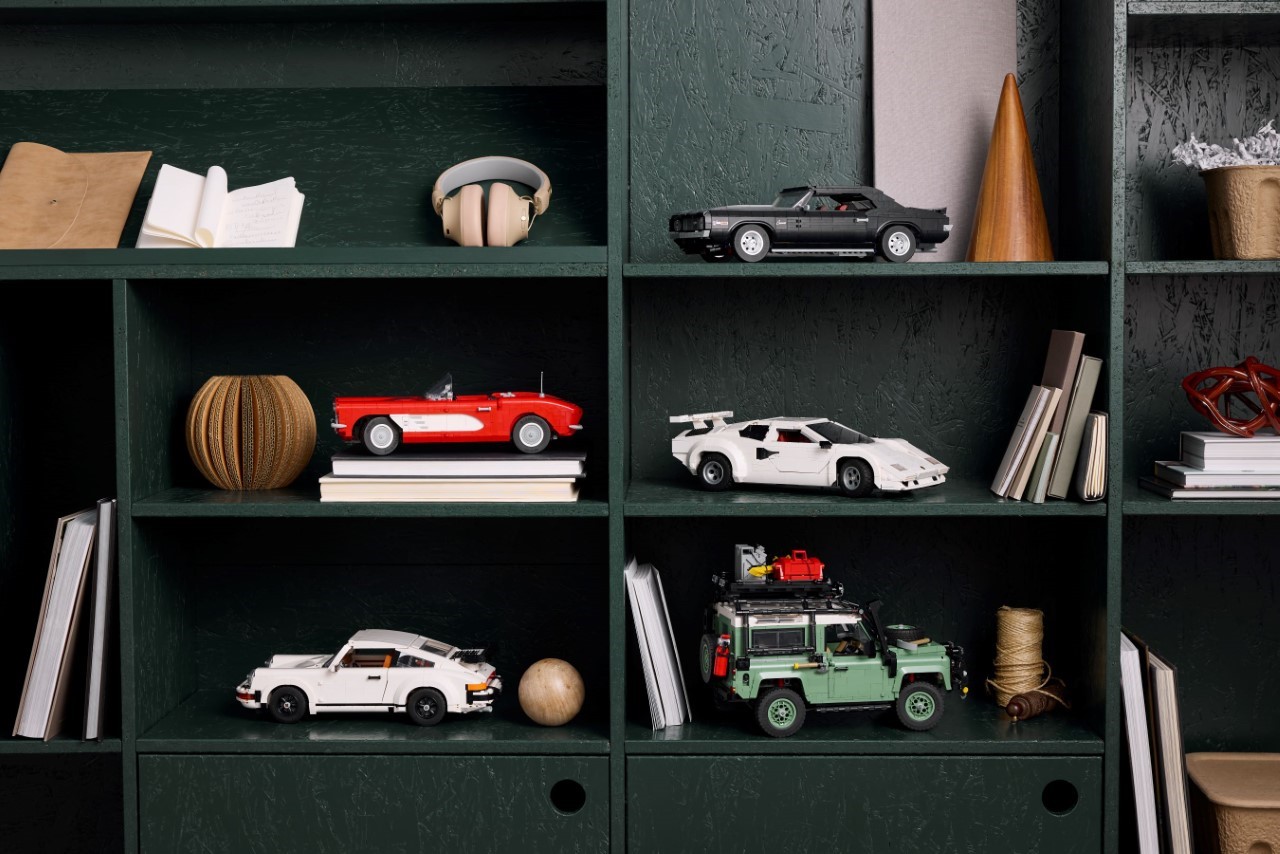
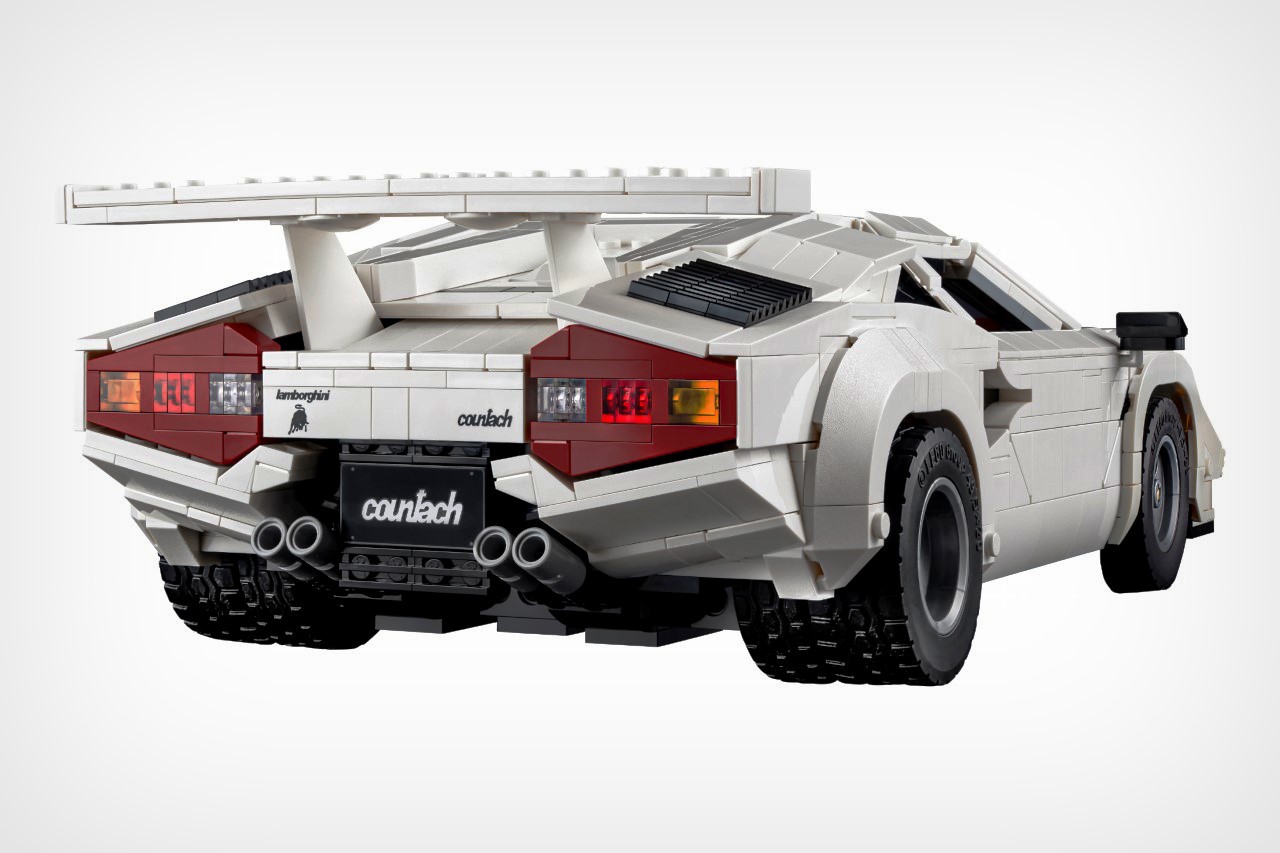
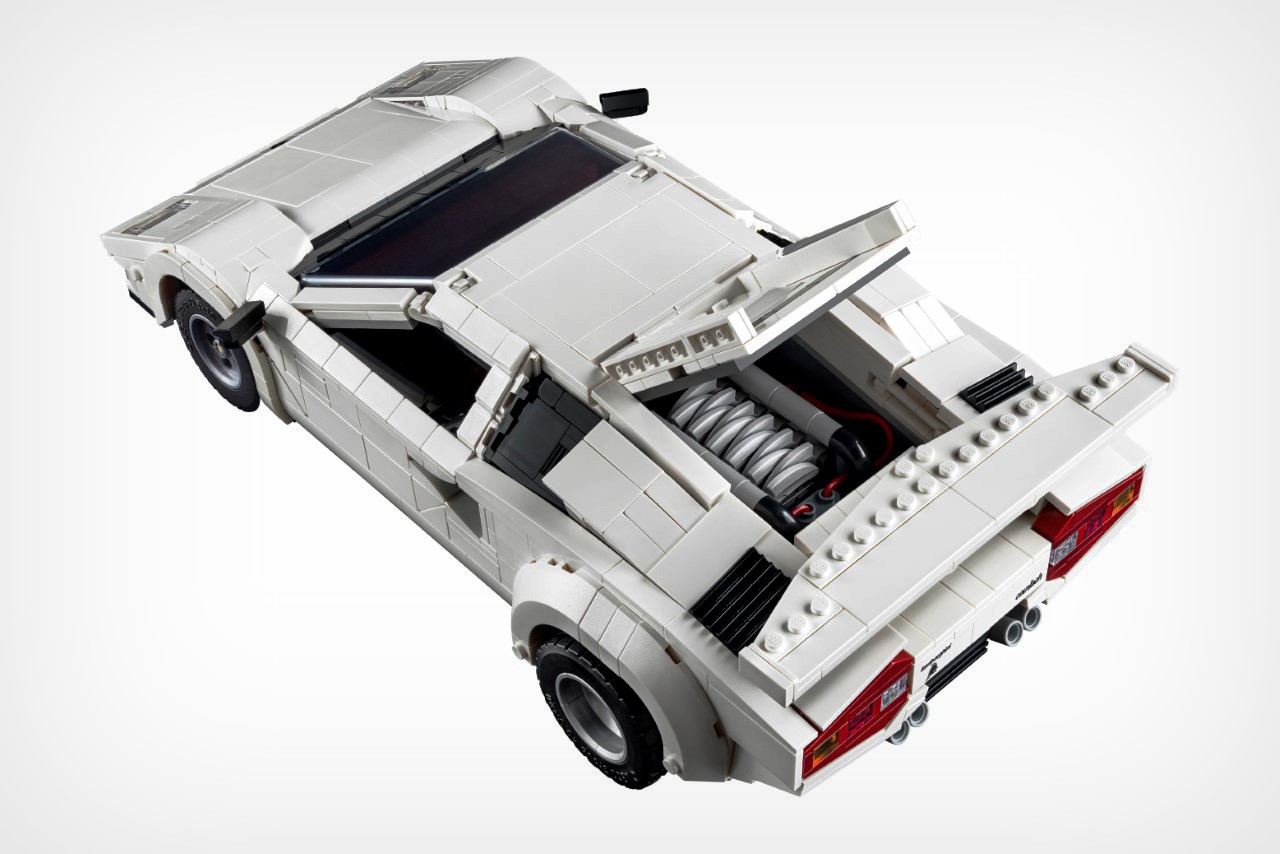
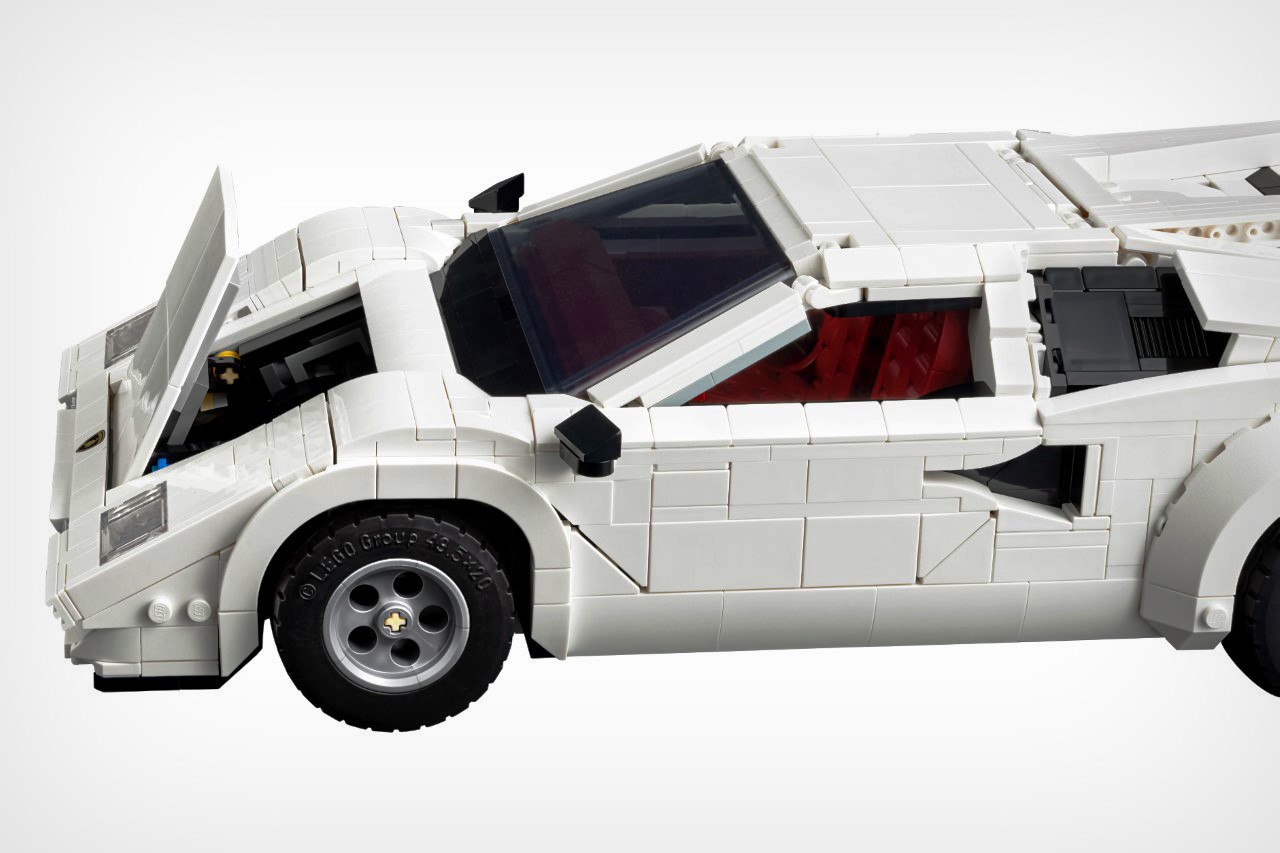
Sure, you may not be able to afford the real deal, but LEGO’s replica of the Lamborghini Countach 5000 Quattrovalvole ensures it’s as close to the original as possible. Detailed down to sheer perfection, this 1506-piece LEGO build comes with scissor doors, a massive rear spoiler, an openable hood, and a boot that you can lift up to see a proportionally accurate V12 engine inside the car. A detailed cockpit, deep-dish rims, expansive taillights, and a sleek rear spoiler all contribute to the car’s undeniable authenticity, making it a captivating display piece that will be a standout in any home or office. If Marcello Gandini were alive, he’d love this tiny brick-based homage.
Designer: LEGO
The 1,506-piece set meticulously captures the essence of the legendary 1980s supercar. From the sleek, wedge-shaped design to the signature scissor doors, every detail is faithfully recreated using LEGO bricks. The model boasts a wealth of realistic features, including a working steering wheel, opening trunk and hood, and a meticulously crafted V12 engine. Deep-dish rims, a large rear spoiler, and the instantly recognizable taillights complete the authentic look.
This LEGO Lamborghini Countach is more than just a display model. Builders can explore the intricate inner workings of the car thanks to the opening features. The detailed engine compartment allows for a closer look at the powerful V12 engine, a feat of engineering ingenuity replicated in LEGO form.
The finished model measures over 3.5 inches high, 13 inches long, and 6.5 inches wide, making it a substantial and impressive centerpiece for any home or office. The set also includes digital building instructions accessible through the LEGO Builder app, providing an interactive and alternative way to follow the construction process.
The LEGO V12 Engine is visible once you lift the trunk up
The LEGO Lamborghini Countach 5000 Quattrovalvole starts at $179.99, and is coming to the LEGO online store as well as everywhere else on the 4th of July this year.
While I’m a huge football fan (soccer to our friends in the U.S), I’ve never had the desire to actually play it. One of the reasons is the few times I’ve tried kicking a ball around, I always feel like I hurt my foot because the balls are just too hard. If there was probably a ball that was softer but still had the same quality as the regular football, then maybe I might have been convinced to play a few pick up matches. This new ball from Nendo House is one kind of ball that might have turned me into a (barely) passable football player if it was existed when I was younger.
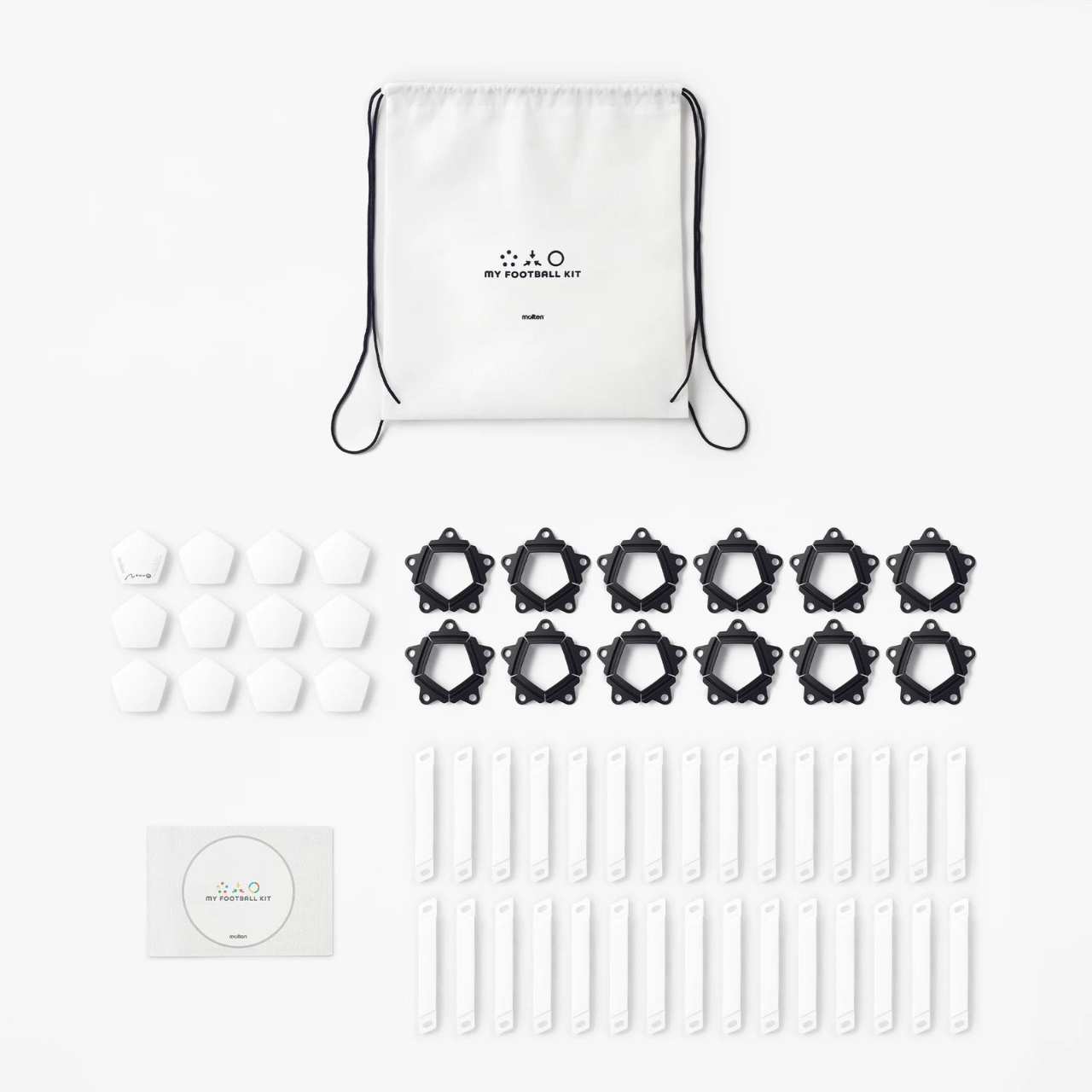
The “My Football Kit” is a lightweight football that you can assemble yourself and does not require any inflation. It is made from soft, recycled polypropylene and elastomeric synthetic resin components so they’re not as heavy as the regular football and won’t hurt feet even if you’re not wearing kicks. It is an airless football so it uses the resilience of its surface material instead of the internal air pressure.
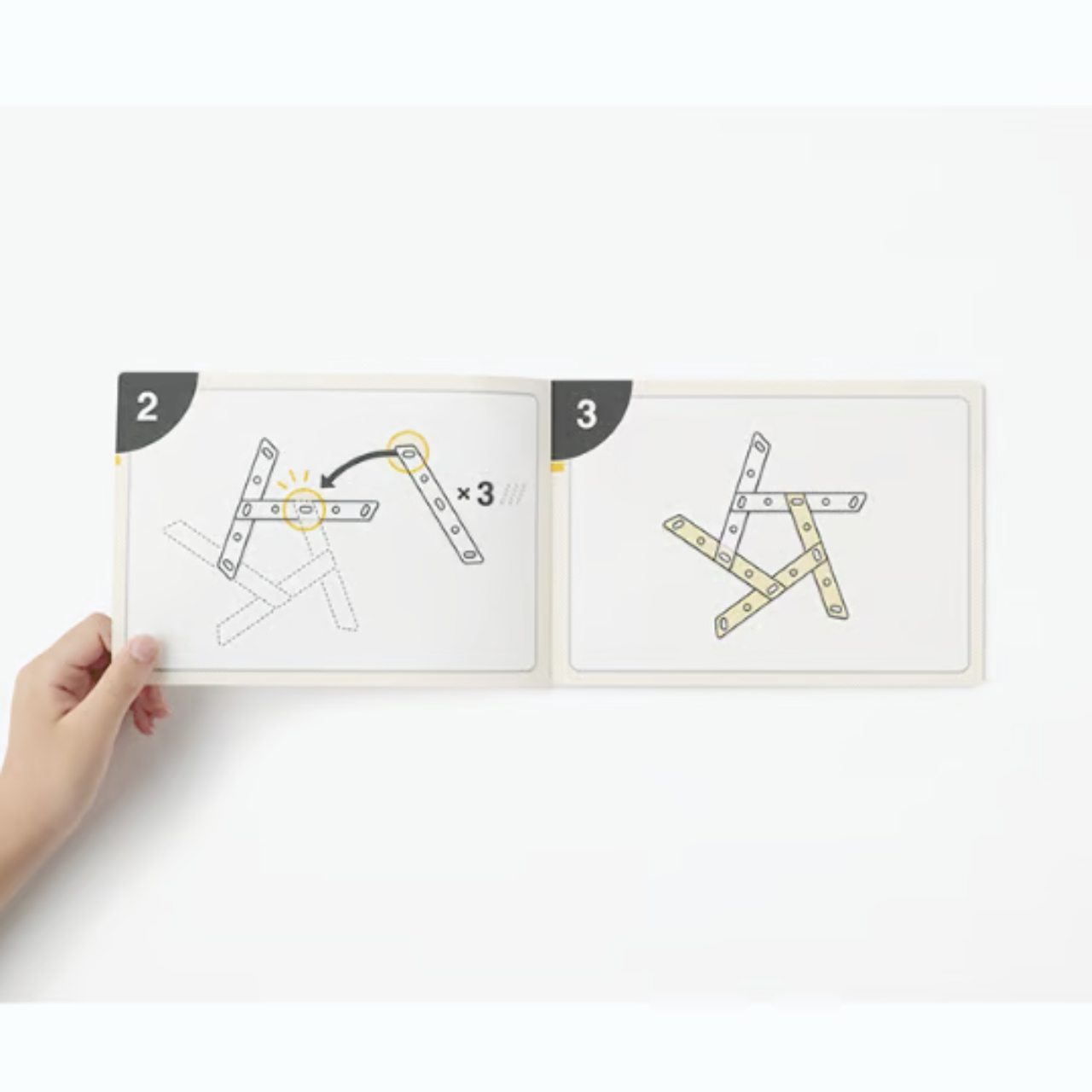
What’s more, you will assemble the football itself with its 54 individual parts that uses three types of components. The structure is inspired by the traditional Japanese woven bamboo ball. And even if one of the parts comes off when you’re playing, the ball will not fall apart since it has an interlocking structure. You can also replace the broken components so you can continue using the ball for a long time.
There’s also a pretty cool social aspect to this football. With every purchase you make, one ball will be donated. And for every 10 purchases, Molten will donate footballs to places like children’s homes or special support schools. The My Football Kit is available in just one color, a white and black combination. But the colors of the balls that will be donated will depend on the manufacturer and the availability.
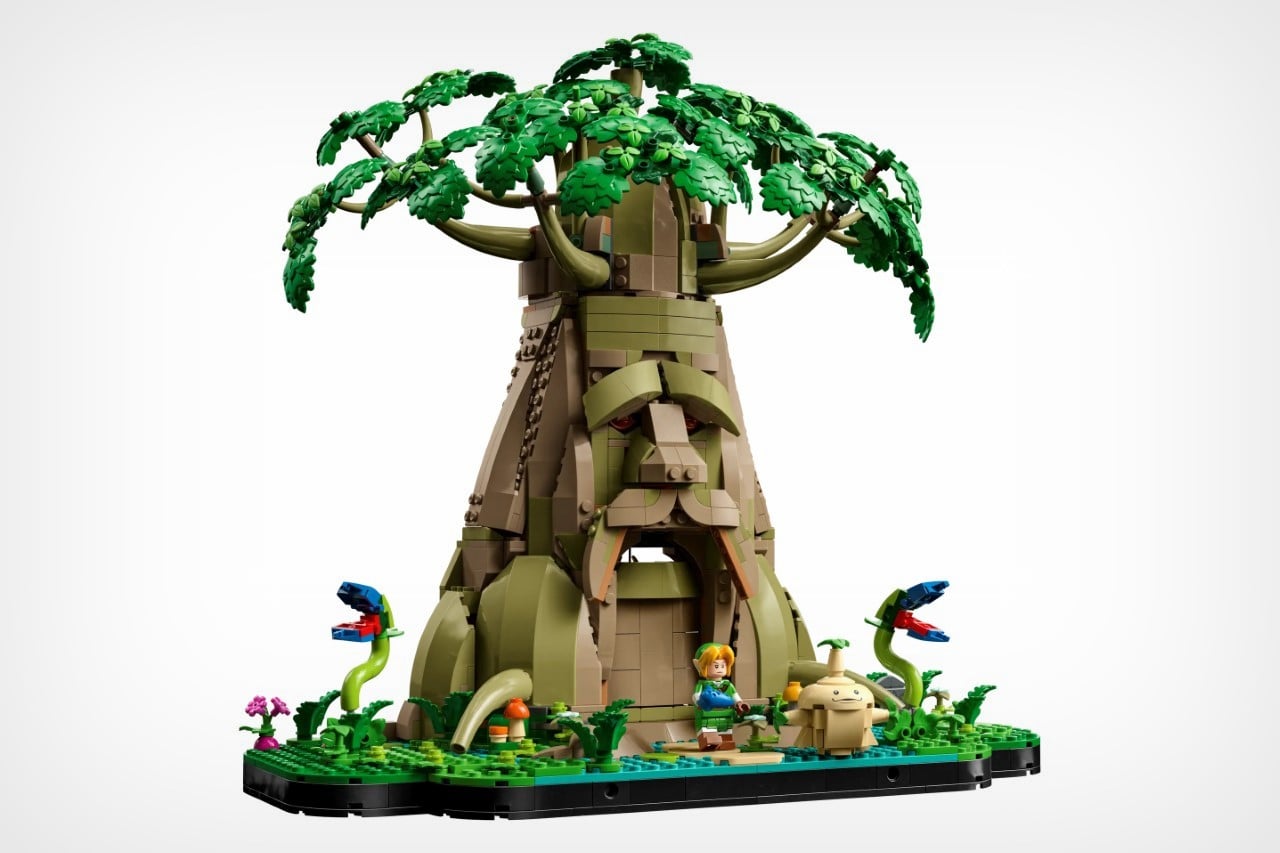
While LEGO’s released quite a few game-themed playsets in the past few years (the Super Mario and Animal Crossing ones immediately come to mind), they’ve notably missed one title that’s arguably had just as big an impact (if not bigger) on the gaming community as Mario and Animal Crossing. I’m sure Zelda fans have waited with bated breath for the day LEGO dropped a Zelda-themed playset and looks like that wait finally paid off. LEGO’s first official Zelda Playset captures the Great Deku Tree in a 2-in-1 build that lets you either make a variant of the tree shown in its early stages, or in full-bloom as shown in the franchise’s 2017 game, Breath of the Wild. The set also includes a whole slew of familiar characters like Zelda, Link, and many more!
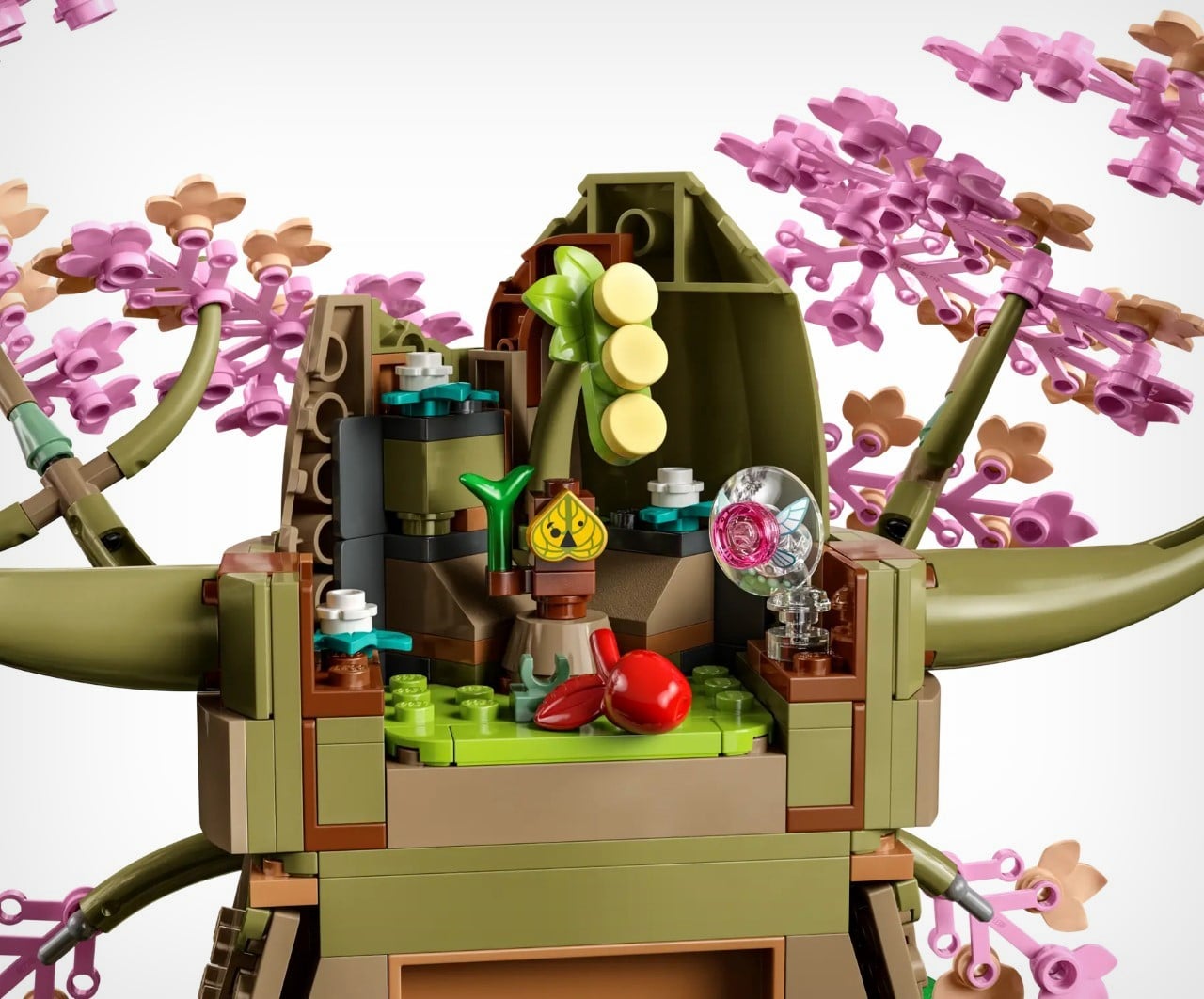
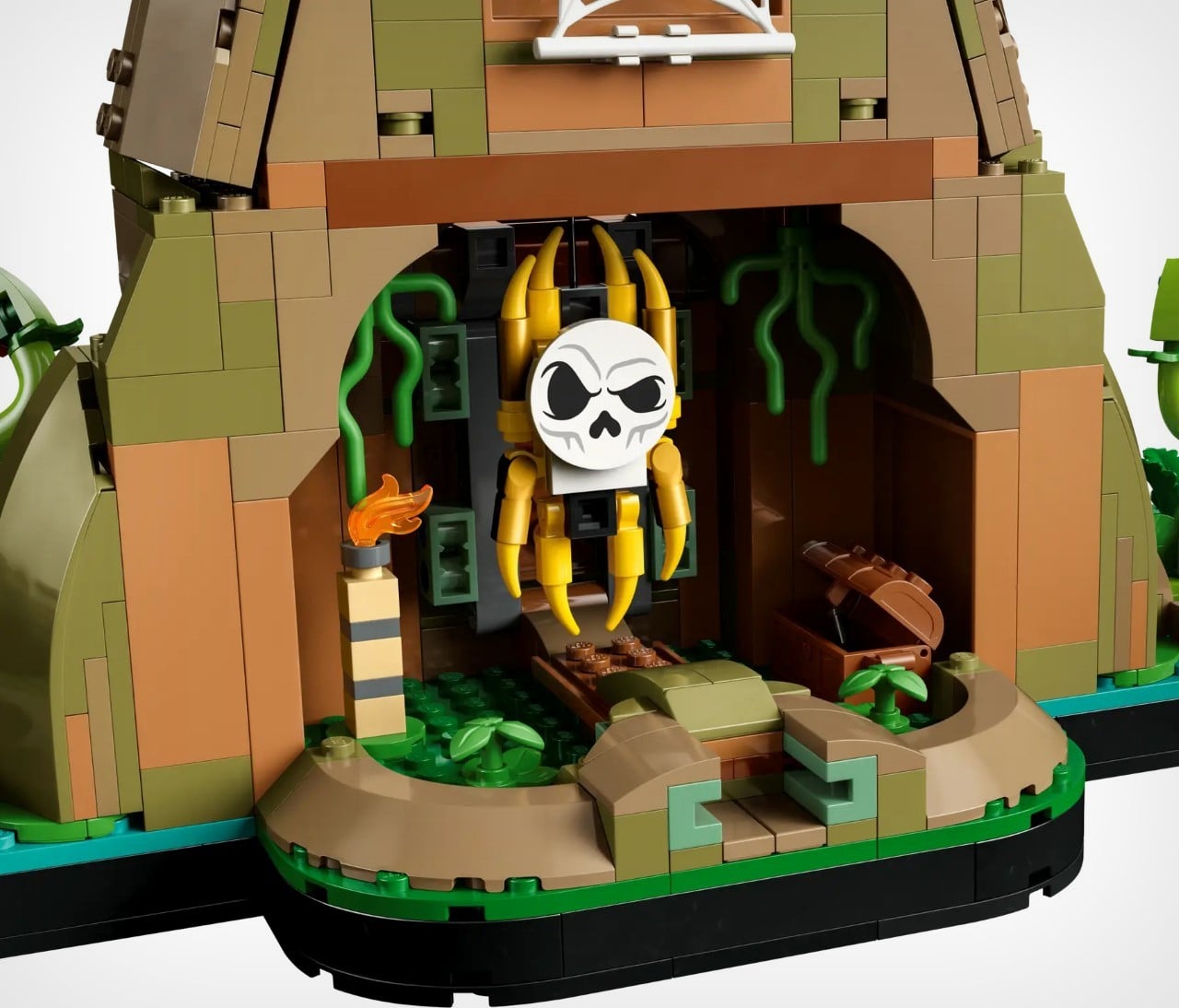
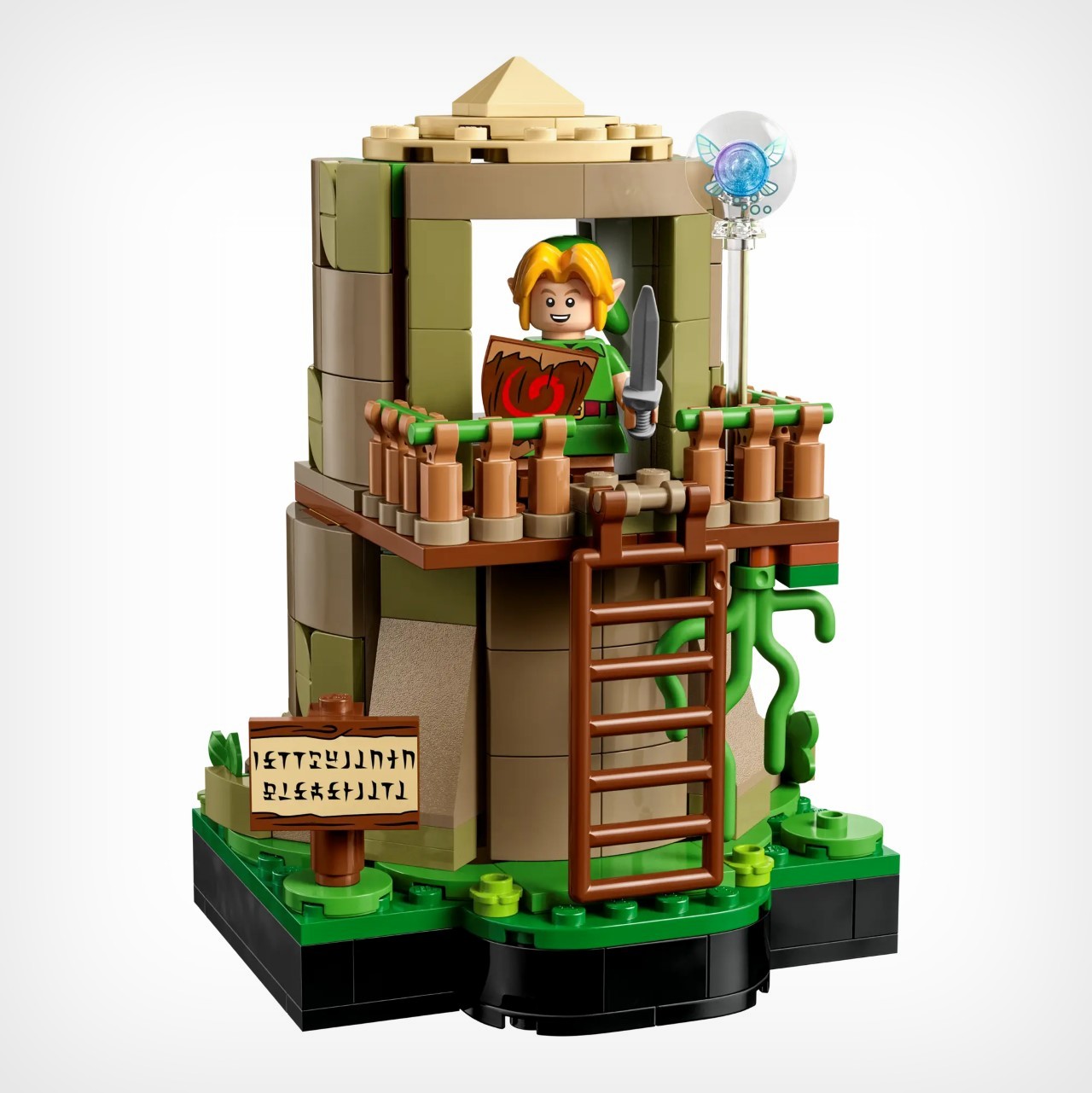
Clocking in at a hefty 2,500 pieces, The Great Deku Tree offers a unique two-in-one build experience. Zelda veterans can choose to construct the iconic tree as it appears in the opening chapter of The Legend of Zelda: The Ocarina of Time, complete with a section inspired by the Deku Tree Dungeon and a miniature replica of Link’s house in Kokiri Village. Feeling a touch more recent? The set also allows you to build the weathered and majestic Great Deku Tree from Breath of the Wild, complete with hidden Koroks.
Beyond the impressive tree itself, the set boasts a treasure trove of characters and accessories to bring Hyrule to life. We’re talking buildable figures of Link (both his classic and Breath of the Wild incarnations), Zelda, and even a creepy-crawly Skulltula. The set also includes iconic items like the Deku Shield, the Sheikah Slate, and the legendary Master Sword, nestled snugly in its pedestal.
With intricate details, playable features, and a whopping piece count, The Great Deku Tree promises an immersive building experience for Zelda fans of all ages. Whether you yearn for the nostalgia of Ocarina of Time or prefer the open-world adventure of Breath of the Wild, this Lego set caters to both sides of the Hyrulean coin.
The Legend of Zelda Great Deku Tree set is available for pre-order now for $300, with a release date set for September 1st. So grab your rupees, dust off your Master Sword replica (safety first!), and get ready to embark on a Lego brick adventure through the beloved world of Zelda.