US charges Russian state media employees over a social media influence scheme

The Department of justice (DOJ) has indicted two employees of the Russian state-owned broadcaster RT over an alleged pro-Russia influence scheme on social media platforms. Kostiantyn Kalashnikov and Elena Afanasyeva have been accused of being involved in a plan to pay an unnamed Tennessee company almost $10 million to spread nearly 2,000 videos (most of which included disinformation and/or pro-Russia propaganda) in English across YouTube, TikTok, Instagram and X. The DOJ says the videos had been viewed more than 16 million times on YouTube alone.

Attorney General Merrick Garland said at a press conference that, following Russia's invasion of Ukraine, "RT’s editor-in-chief said the company had built an 'entire empire of covert projects' designed to shape public opinion in 'Western audiences.'" As part of that goal, RT and employees (including the two defendants) "implemented a nearly $10 million scheme to fund and direct a Tennessee-based company to publish and disseminate content deemed favorable to the Russian government."

"To implement this scheme, the defendants directed the company to contract with US-based social media influencers to share this content and their platforms. The subject matter and content of many of the videos published by the company were often consistent with Russia's interest in amplifying US domestic divisions in order to weaken US opposition to core Russian interests, particularly its ongoing war in Ukraine," Garland said.

The Tennessee company didn't inform the influencers or their millions of followers of its links to the Russian government, Garland added. It instead claimed to be sponsored by a fictitious "private investor," according to the DOJ. 

Kalashnikov and Afanasyeva have been charged with conspiracy to violate the Foreign Agents Registration Act (FARA) and conspiracy to commit money laundering. Both are at large. However, the charges do not signal the end of the case. Galand pointed out the investigation is ongoing.

The DOJ unsealed the indictment amid a broader push by the government to clamp down on Russian propaganda and disinformation ahead of November's general election. In a separate action, the DOJ seized 32 websites "that the Russian government and the Russian-sponsored actors have used to engage in a covert campaign to interfere and influence the outcome of our country's elections," Garland said.

The campaign, which Russia is said to have called "Doppelganger," included the creation of websites that "were designed to appear to American readers as if they were major US news sites, like The Washington Post or Fox News, but, in fact, they were fake sites," Garland said. "They were filled with Russian government propaganda that had been created by the Kremlin to reduce international support for Ukraine, bolster pro-Russian policies and interests and influence voters in the United States and in other countries."

Meanwhile, the Treasury and State departments announced parallel actions. The Treasury Department sanctioned ANO Dialog, a Russian nonprofit that's said to help orchestrate the Doppleganger campaign, along with RT editor-in-chief, Margarita Simonyan and other RT employees.

The State Department sanctioned RT and four other state-funded publishers. It is also offering a $10 million reward for information regarding to foreign interference over an American election.

After this story was originally published, CNN reported that the unnamed company that the Russian operatives were paying to spread disinformation was Tennessee-based Tenet Media, a company known for employing far-right commentators including Tim Pool and Benny Johnson, who have millions of subscribers on YouTube. As of now, there's no official confirmation from the government to verify CNN's report.

Update, September 5 2024, 10:05AM ET: this story has been updated to include CNN's report on Tenet Media being involved in the investigation.

This article originally appeared on Engadget at https://www.engadget.com/big-tech/us-charges-russian-state-media-employees-over-a-social-media-influence-scheme-200028302.html?src=rss
The US government may be preparing to investigate internet retail giants like Shein and Temu

Online retailers like Temu and Shein are known for selling cheap products like baby clothes, kitchen gadgets and electronics. The Consumer Product Safety Commission (CPSC) wants to know the true costs that foreign online retailers are cutting to sell these products at lower prices.

CPSC commissioners Peter Feldman and Douglas Dziak released a joint statement today calling for their staff to evaluate the operations of foreign e-commerce sites. The statement cites Shein and Temu as two online retail companies that “raise specific concerns.”

Recent news reports of “deadly baby and toddlers products” being sold on these platforms started to raise red flags at the CPSC. A recent report from The Information found several baby and children’s products on Shein deemed to be unsafe, such as children’s drawstring hoodies for sale that had been flagged by regulators as a strangulation risk. The fashion industry news site Fashion Dive found Temu selling children’s pajamas by brands that the CPSC ruled violated “the flammability standards for children’s sleepwear.”

A Shein spokesperson said in a statement to CNN that its customers’ safety remains their “top priority and we are investing millions of dollars to strengthen our compliance programs.” Meanwhile, a Temu spokesperson told us that it required "all sellers on [its] platform to comply with applicable laws and regulations, including those related to product safety." The spokesperson added: "Our interests are aligned with the US Consumer Product Safety Commission (CPSC) in ensuring consumer protection and product safety, and we will cooperate fully with any investigation."

The CSPC isn’t the first US government agency to scrutinize foreign e-commerce companies like Shein and Temu. Last year, the US-China Economic and Security Review Commission issued a brief detailing the challenges presented by “Chinese ‘fast fashion’ platforms.” The Commission questioned these platforms’ alleged exploitations of trade loopholes and concerns about its sale of items that posed product safety risks, violated copyrights and trademarks and used forced labor to make and sell products.

Update, September 05, 2024, 12:19AM ET: This story has been updated to add Temu's statement.

This article originally appeared on Engadget at https://www.engadget.com/big-tech/the-us-government-may-be-preparing-to-investigate-internet-retail-giants-like-shein-and-temu-193218089.html?src=rss

Zillow enhanced its AI search feature, so now you can sadly stare at even more overpriced homes

The American dream used to involve purchasing a home. As huge corporations buy up residential stock and wages lay stagnant, the new American dream is to scroll through Zillow and salivate at what could have been, if only we had been born into one of those families with money. To that end, Zillow just upped its AI game to make it easier to find a dream home that you’ll never be able to afford.

The popular real estate marketplace integrated some AI tools into its search feature last year, but it just released a fairly substantial software update that brings in more options. Users can now use natural language to find homes or rentals based on commute times or how far they are from schools or other points of interest.

Before this type of AI, people would have to use filters to come up with a list of appropriate domiciles. Now, you can just write “homes 20 min drive from Red Hook” and get some good listings. This should also be useful for areas with popular destinations. For instance, you could write “homes near Mall of America” instead of combing through every Minneapolis-adjacent listing.

The AI app in action.
Zillow

Today’s update also lets the AI algorithm search by cost, so you can add preferred pricing into the query. The AI-enhanced search already included the option to look for homes by ideal layout, location, style and condition. It's the money and commute stuff that's new. 

As with all things AI, Zillow’s tool is still a work in progress. It’ll be training itself as it's being used so as to “better respond to search queries that use natural, human-like sentences.” You should also be on the lookout for hallucinations. If it seems too good to be true, it likely is. In any event, the update’s rolling out now to the iOS and Android apps, with website support coming soon.

The platform has never been shy about incorporating tech into its feature set. It introduced 3D virtual home tours a few years back. More recently, the company integrated with FaceTime’s SharePlay feature to allow for cooperative browsing.

This article originally appeared on Engadget at https://www.engadget.com/ai/zillow-enhanced-its-ai-search-feature-so-now-you-can-sadly-stare-at-even-more-overpriced-homes-183857996.html?src=rss

Meta’s Oversight Board says phrase ‘From the River to the Sea’ should not be banned

A new ruling from Meta’s Oversight Board regarding the use of the phrase “From the River to the Sea” found that it does not violate the platforms’ policies on hate speech, violence and incitement or dangerous organizations and individuals. The board also said in its ruling that the three flagged cases that used the phrase highlight the need for greater access to Facebook’s Content Library for qualified researchers, civil society groups and journalists who previously had access to CrowdTangle.

The ruling looked at three pieces of Facebook content containing the phrase “From the River to the Sea,” a phrase considered by many to be pro-Palestinian that refers to the stretch of land between the Jordan River and the Mediterranean Sea. The rallying cry is a politically charged one with different interpretations and meanings. Critics of the phrase like the Anti-Defamation League call it an “anti-semitic slogan commonly featured in anti-Israel campaigns.” Others like US Rep. Rashida Tlaib, who the House censured last year for using the phrase in statements about the Israel-Gaza war, called it “an aspirational call for freedom, human rights and peaceful coexistence, not death, destruction or hate,” according to the New York Times.

The Oversight Board ruled that the phrase itself is not a “standalone phrase” calling for violence against a group of people, the exclusion of a particular group of people or a blanket stance of support for Hamas. The board also said it’s “vital” that Meta’s platforms assess the context surrounding the use of the phrase while assessing content from its users.

“Because the phrase does not have a single meaning, a blanket ban on content that includes the phrase, a default rule towards removal of such content, or even using it as a signal to trigger enforcement or review, would hinder protected political speech in unacceptable ways,” the ruling reads.

The board also raised concerns about Meta’s decision to shut down the CrowdTangle data analysis tool in August in its research on content and called for greater transparency regarding the new system. CrowdTangle was a free research tool used by news outlets, researchers and other groups to learn about the dissemination of information on platforms like Facebook and Instagram.

Meta replaced the tool with the Meta Content Library, a much more tightly controlled data examination system with stricter access rules. The Content Library restricts access to those who work with “a qualified academic institution or a qualified research institution” committed to “a not-for-profit endeavor,” according to Facebook’s guidelines.

The Oversight Board recommended that Meta onboard qualified researchers, groups and journalists within three weeks of submitting an application. The board also recommended that Meta “ensure its Content Library is a suitable replacement for CrowdTangle,” according to the ruling.

This article originally appeared on Engadget at https://www.engadget.com/social-media/metas-oversight-board-says-phrase-from-the-river-to-the-sea-should-not-be-banned-174506090.html?src=rss

Stylish neo-noir detective game Phoenix Springs is delayed until October 7

Phoenix Springs, a very stylish point-and-click game that caught our attention during the Summer Game Fest edition of Day of the Devs, will be arriving a little later than expected. The neo-noir detective title will hit Steam on October 7 rather than the previously announced date of September 16. Calligram Studio plans to bring Phoenix Springs to GOG and Itch.io later in the year and it's in talks with publishers to release console ports as well.

Calligram says it's pushing back the Steam release date by a few weeks after it "lost a bit of momentum this summer." Phoenix Springs, which will cost $20, is being made by a three-person team that said it needed just a little extra time.

Senior Reporter Jessica Conditt had the chance to try out Phoenix Springs during Summer Game Fest and came away impressed. The hand-drawn art and intriguing story may well be a winning combination, so having to wait a few extra weeks to delve into the mystery isn't the end of the world.

This article originally appeared on Engadget at https://www.engadget.com/gaming/pc/stylish-neo-noir-detective-game-phoenix-springs-is-delayed-until-october-7-173529355.html?src=rss

Intel’s next-gen chip manufacturing process reportedly hits snag after failing crucial tests

Intel’s been trying to recapture its glory days and establish itself, once again, as a leading chipmaker. However, this dream has run into a major snag. The company’s next-gen manufacturing process, currently referred to as 18A, has reportedly failed crucial tests, according to Reuters.

Semiconductor developer Broadcom helped conduct these tests as part of an evaluation process for a potential order. The report indicates that Intel sent Broadcom’s silicon wafers, which are the components used to form the base of a semiconductor, through the 18A manufacturing process, which is supposed to increase efficiency. Broadcom was reportedly not happy with the results, suggesting that Intel’s new-fangled manufacturing process isn’t ready for high-volume production.

A Broadcom spokesperson said the company is "evaluating the product and service offerings of Intel Foundry and have not concluded that evaluation." Intel had planned on using this new process to produce chips for major partners like Microsoft beginning next year. Despite these reported test results, the company says that timetable is still viable.

“Intel 18A is powered on, healthy and yielding well, and we remain fully on track to begin high volume manufacturing next year,” a spokesperson told Reuters. “There is a great deal of interest in Intel 18A across the industry but, as a matter of policy, we do not comment on specific customer conversations.”

It’s no secret that Intel has fallen a bit from the chipmaking perch it once dominated. It recently reported $1.6 billion in losses in the second quarter of 2024. This led to layoffs that impacted more than 15,000 workers. It’s also been dealing with widespread stability issues affecting its 13th and 14th Gen CPUs.

Reports indicate that Intel CEO Pat Gelsinger will soon pitch more cost-cutting measures to get the company back on track. These measures allegedly include delays on new manufacturing facilities in Germany and Ohio. The company could also sell off Altera, a business that makes programmable logic devices.

This article originally appeared on Engadget at https://www.engadget.com/computing/intels-next-gen-chip-manufacturing-process-reportedly-hits-snag-after-failing-crucial-tests-172220843.html?src=rss

A Minecraft Movie trailer gives us our first look at Jason Momoa and Jack Black ahead of its 2025 release

It took a decade, but we finally have a teaser for the live-action A Minecraft Movie. The first look comes courtesy of a video released by Warner Bros. today that clocks in at just over one minute — but, hey, we'll take it. The film studio has confirmed its previous target, April 4, 2025, is moving forward with a theater-only release. Yes, once upon a time, it had release dates for May 2019 and March 2022, but the existence of a teaser makes us feel a little more hopeful (gullible?) this time.

After a series of directors joined and left the project, A Minecraft Movie is led by filmmaker Jared Hess. The Nacho Libre director is joined by his former lead, Jack Black, who plays Minecraft Steve. Rounding out the cast are Jason Momoa, Emma Meyers, Danielle Brooks, Sebastian Eugene Hansen, and Jennifer Coolidge. Check out the teaser to get your first look at the world where, as Black says, "Anything you can dream about here, you can make." It appears as though a lot of people dream about cartoony animals with unnervingly realistic teeth. Did we learn nothing from Sonic?

For the uninitiated, Minecraft is literally the best-selling video game of all time, with sales of over 350 million. Originally released by independent developer Mojang Studios, Microsoft purchased the studio and the game's intellectual property back in 2014 for a stunning $2.5 billion. It's an open-world sandbox will no real defined goals, letting players build anything they can dream up. Of course, there have been a number of spin-off games that have more focused gameplay. As for the movie, it's been stuck in development hell for a long time — it was first announced way back in 2014, the same year Mojang was purchased by Microsoft.

Update, September 4, 2024, 5:30PM ET: This story was updated with additional historic details on Minecraft and A Minecraft Movie, and a link to a tweet about some creepy teeth.

This article originally appeared on Engadget at https://www.engadget.com/entertainment/a-minecraft-movie-trailer-gives-us-our-first-look-at-jason-momoa-and-jack-black-ahead-of-its-2025-release-143741392.html?src=rss

ASUS Zenbook S 14 with Ceraluminum lead Ubiquitous AI push with Intel Core Ultra 200V

If you haven’t noticed it yet, AI is taking over, but not in the nefarious Skynet sense. You can hear about it everywhere and, to be fair, it is actually everywhere, even when you don’t see it, let alone be aware of its existence. It’s coming to consumer devices, even when you’re not that interested in AI image generation and photo effects. To be fair, AI can do plenty to improve the computing experience, from optimizing performance to organizing our mess of data to make sense of all the notes and photos that we have taken over the years. To support that kind of AI in computers, however, you need a capable processor to handle that load, and ASUS collaborated with Intel to power this new generation of mobile computers with the latest Intel Core Ultra 200V Lunar Lake chips to cover a wide range of laptops that cater to an equally varied range of users.

Designer: ASUS

ASUS Zenbook S 14 with Ceraluminum

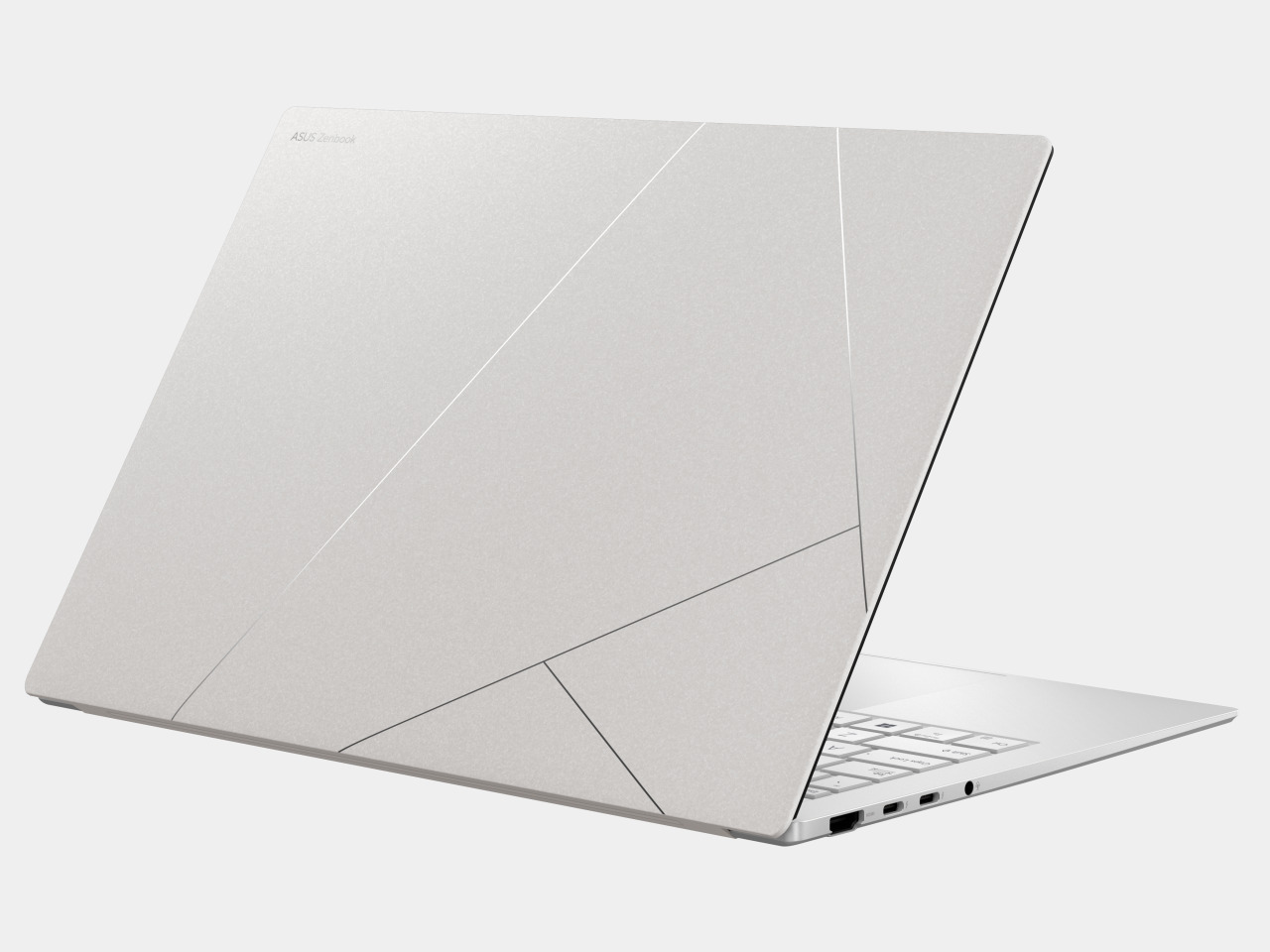
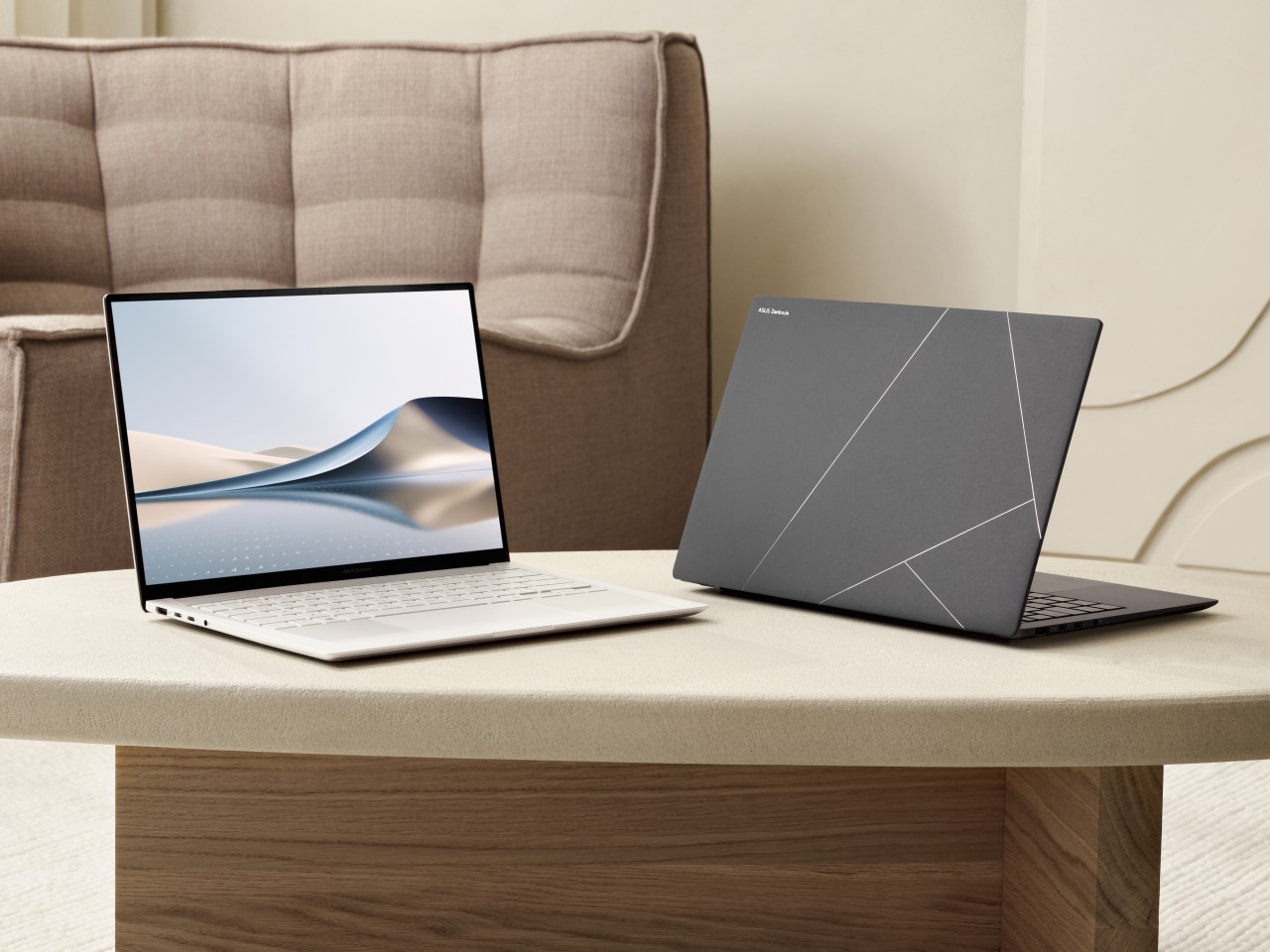
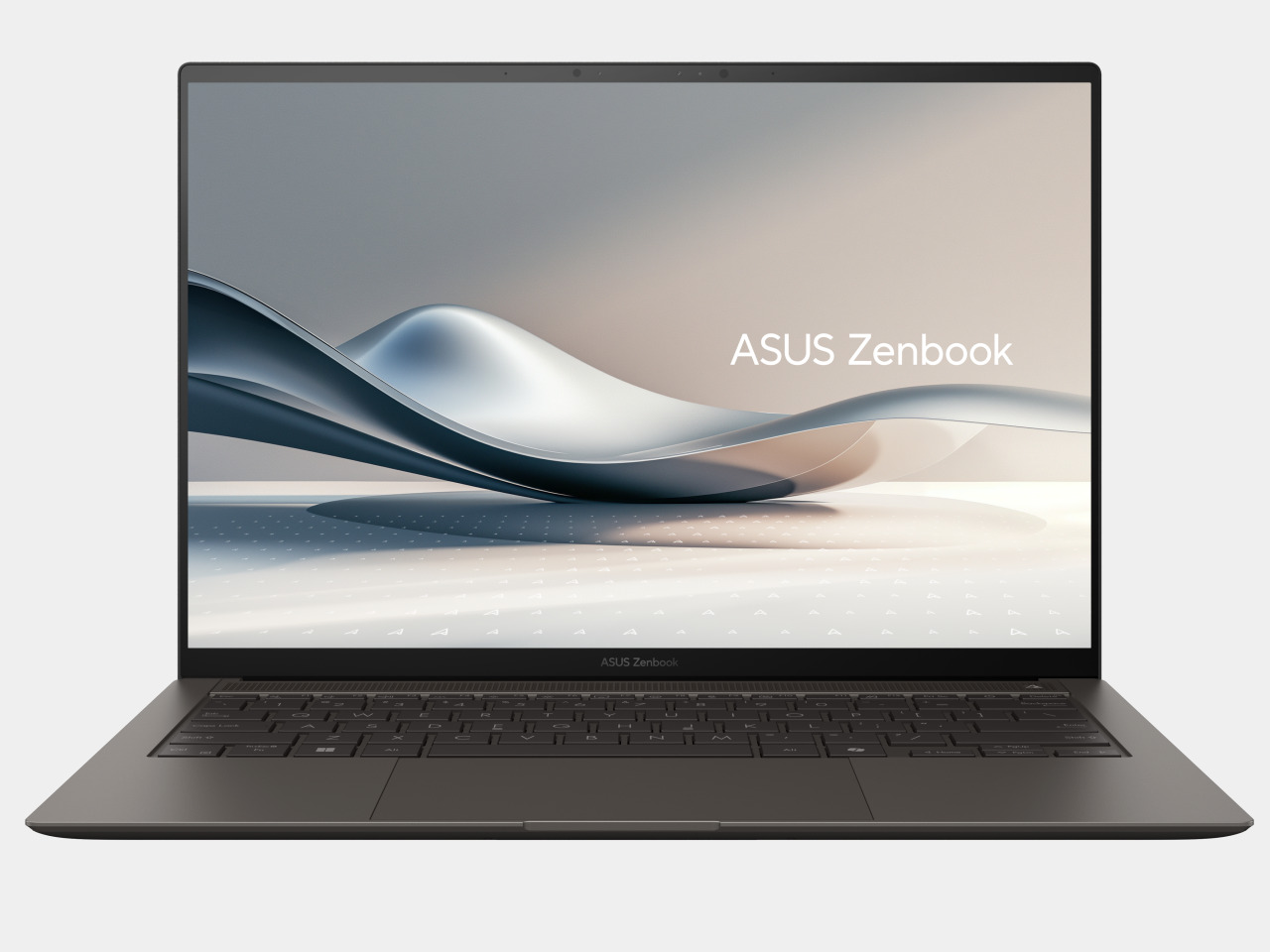
Revealed last June at Computex 2024, the ASUS Zenbook S 14 offers not only AI prowess but, perhaps more importantly, an exquisite design that’s made to last. The new Ceraluminum material, an amalgamation of ceramic and aluminum, combines the durability of metal with the elegance and texture of glass, delivering a graceful aesthetic that belies the power inside. This attention to detail carries over to the cooling system that includes a geometric grille design composed of no less than 2,715 vents. Only 2.6 lbs light and 0.47 inches (11.9mm) thin, the Zenbook S 14 offers a delightful mobile experience that doesn’t compromise on power either.

That power is delivered by the new Intel Core Ultra 7 258V, promising 47 TOPS of neural processing performance to drive those AI features, whether it’s cleaning up audio for conference calls or adding effects to video interactions. Windows’ CoPilot+ key is also there, ready to generate images, create detailed summaries, and more with just the push of a button. The laptop’s 72Wh battery and a full range of ports, including Thunderbolt 4 support, allow users to take their work anywhere they go without having to worry too much about running to the nearest power outlet.

ASUS Vivobook S 14

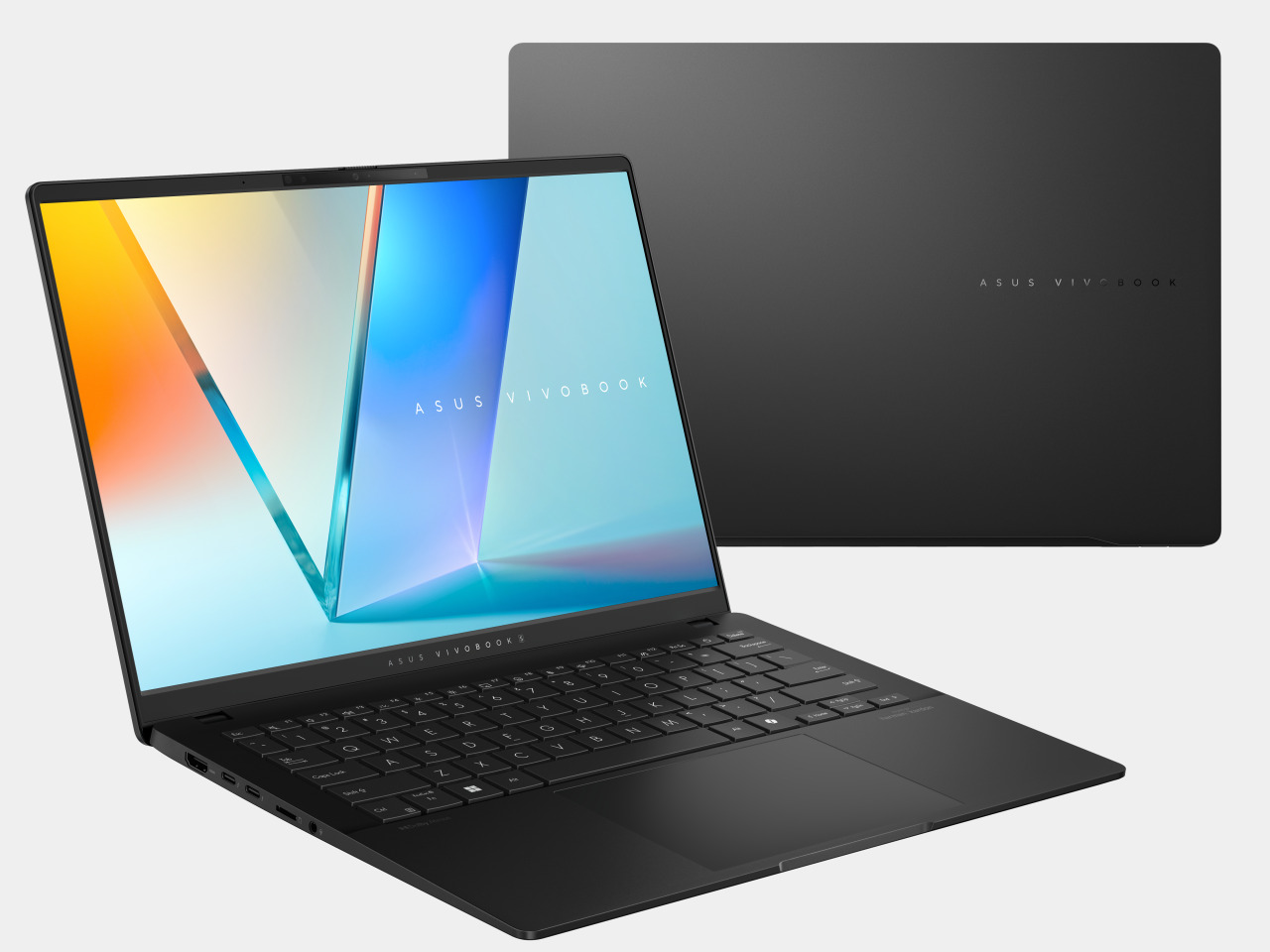
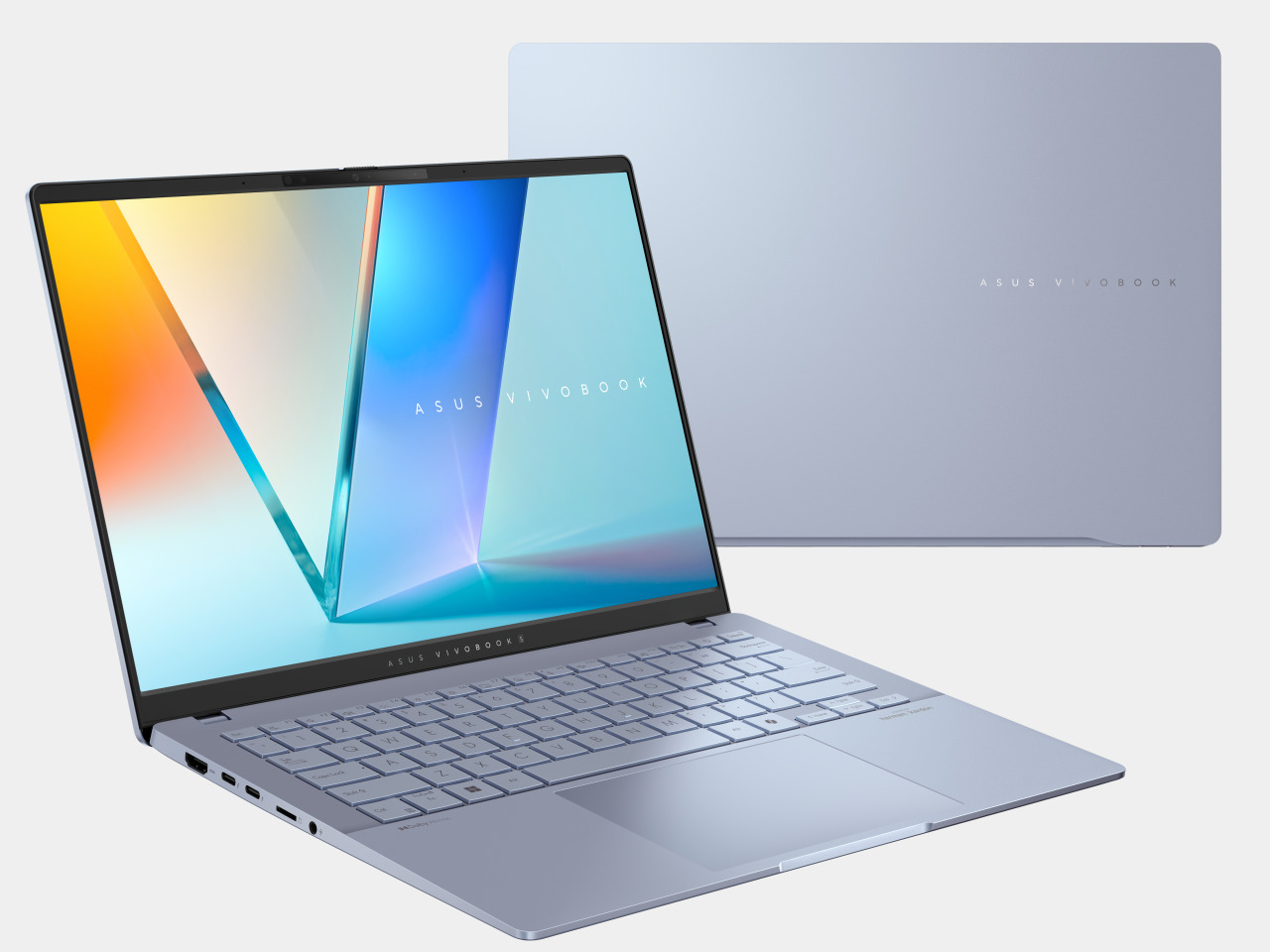
Embracing minimalism and simplicity, the ASUS Vivobook S 14 delivers that same Intel Lunar Lake performance in a sleek and unassuming design. With a weight of 2.85 lbs and a 0.55-inch profile, this mobile computer offers a stylish companion for all your work and entertainment needs, wherever life takes you. With an Intel Core Ultra 7 258V and its 47 NPU TOPS performance, you also have the full range of AI features available at your fingertips.

Quality of life features for the Vivobook S 14 include a gorgeous 14-inch 16:10 OLED display and Harman Kardon-certified Dolby Atmos speakers, a good number of I/O options, including a microSD card reader, and a large touchpad to complement an RGB backlit keyboard. A 75Wh battery promises hours of use on the go, while USB-C charging offers the flexibility to charge even when away from power outlets.

ASUS Vivobook 14/16 Flip

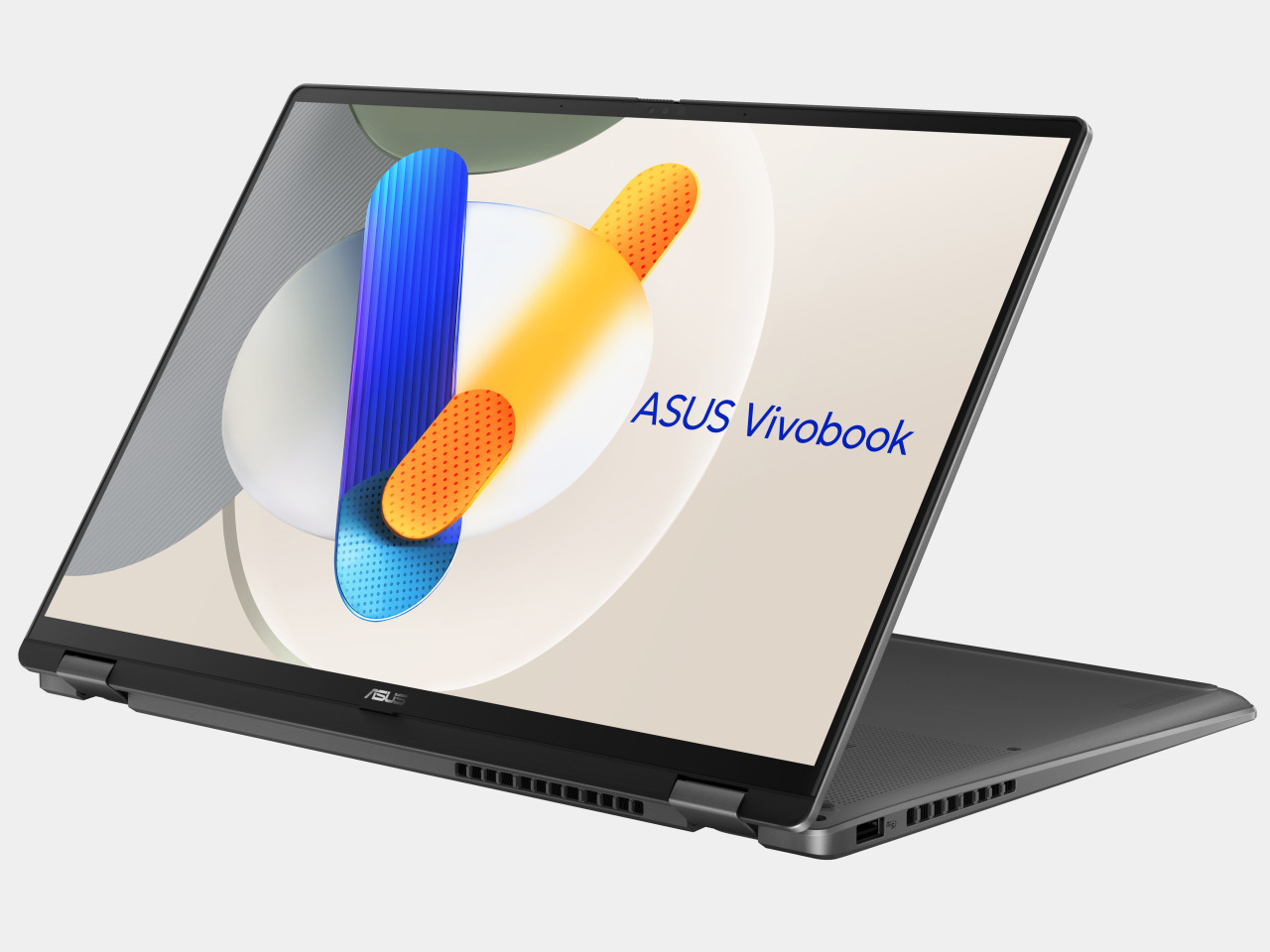
If flexibility is the name of the game, then the new 14-inch and 16-inch ASUS Vivobook Flip notebooks will satisfy your needs. A 360-degree hinge converts the laptop into a tablet or display, depending on the circumstances, and support for the optional ASUS Pen 2.0 helps those creative juices flow more naturally. Of course, it is also powered by the new Intel Core Ultra 7 258V, giving it AI chops you can take with you anywhere.

The ASUS Zenbook S 14 (UX5406), which is now available from ASUS’s online store, will also be available for pre-order from Best Buy starting 6th September with a starting price tag of $1,399.99. The ASUS Vivobook S 14 (Q423) has a starting price of $999.99 and will be up for pre-order from Best Buy on 5th September, with other configurations following in Q4 this year. Also launching in Q4 are the ASUS Vivobook 14 Flip and Vivobook 16 Flip, with details to be disclosed closer to their availability.

The post ASUS Zenbook S 14 with Ceraluminum lead Ubiquitous AI push with Intel Core Ultra 200V first appeared on Yanko Design.

ASUS equips its NUC 14 Pro mini PC with AI capabilities

ASUS is now outfitting its NUC 14 Pro mini PC with a neural processing unit (NPU) capable of reaching 48 trillion operations per second (TOPS). The new model, the ASUS NUC Pro AI, will have up to an Intel Core Ultra 9 288V processor. With a height of only 1.3 inches, this mini PC can be carried anywhere and won’t get in your way. Most of the features like ports and internals should be similar compared to its predecessor.

To prevent overheating, ASUS installed some advanced thermal management solutions that meet EPEAT Climate+ energy efficiency requirements. Other features include Secure Boot, built-in speakers and voice command-ready microphones. There’s also a fingerprint reader for extra security, along with a trusted platform module (TPM). The latter is designed to secure the PC further using cryptography. Upgrading the ASUS NUC 14 Pro AI doesn’t require tools, and the mini PC can be controlled with ASUS Control Center.

This mini PC might be convenient, but it’s likely not going to run AAA games at higher settings. Fortunately, ASUS does have some NUC PCs capable of gaming.

As of now, there’s no release date for the ASUS NUC 14 Pro AI, but its announcement is less than a year following the first ASUS-built NUC that we saw at CES 2024.

This article originally appeared on Engadget at https://www.engadget.com/computing/asus-equips-its-nuc-14-pro-mini-pc-with-ai-capabilities-160052047.html?src=rss

ASUS introduces six new Copilot+ PC laptops

ASUS unveiled a large collection of new Copilot+ PC laptops at IFA 2024, bringing AI power to several of its product lines. The company is splitting this portfolio into two branches, each powered by a different brand's processors. Some of them will have the entry-level Snapdragon X Plus from Qualcomm and others will run on the codenamed Lunar Lake models from Intel, including the new Core Ultra 200V.

The Zenbook S14 is the lightweight option at 2.7 pounds and less than half an inch thick. The 14-inch machine runs on an Intel Core Ultra 7 processor that can provide up to 47 TOPS in its neural processing unit (NPU) for AI performance. Its screen is a 3K 120Hz OLED display. The Zenbook S14 will retail for $1,400. It is available now from the ASUS online store and will be available for pre-order at Best Buy beginning September 6.

Next is the Vivobook S14, another 14-inch laptop running the same Intel processor. This machine has a 16:10 OLED screen and a Dolby Atmos audio system. It's also designed for portability, weighing 2.87 pounds and measuring 0.55 inches thick. The first configuration will be available for pre-order starting September 5, and other versions will be available some time in Q4. It is priced at $1,000. ASUS also added two machines to its Vivobook line of convertible laptops. The Vivobook 14 Flip and Vivobook 16 Flip are due out in Q4, and no pricing is available yet. The 14-inch version has similar specs to its standard laptop counterpart, and offers support for the ASUS Pen 2.0. The 16 Flip also offers the same innards, but with a larger 16-inch OLED screen.

ASUS Vivobook S14
Vivobook S14
ASUS

The other additions to the Intel-powered lineup are the 14-inch Expertbook P5 laptop and the NUC 14 Pro AI mini PC. The Expertbook runs on the same processors as the other laptops, while the mini-PC boasts the Intel Core Ultra 9 processor with up to 48 TOPS for AI performance. Pricing has not been revealed for either machine.

On the Qualcomm side of the announcements are the Vivobook S15 and the ProArt PZ13. The Vivobook S15 has a 15.6-inch 3K 120 Hz OLED display and Dolby Atmos audio. The laptop promises "up to 19+ hours of use" on the battery. It is available now for $900.

The ProArt PZ13 is a detachable laptop with "up to 21 hours of FHD video playback" for battery life. It has a 16:10 3K OLED touchscreen that also supports stylus use and is available now for $1,100.

Microsoft introduced the Copilot+ PC program in May 2024. These machines are built to handle AI processes locally instead of in the cloud, and ASUS had a Vivobook S15 with the Snapdragon X Elite as part of the first wave of Copilot+ PC releases in June. To be branded a Copilot+ PC, computers require an NPU with at least 40 TOPS to manage those tasks. Now that Qualcomm is no longer the exclusive processor provider for Microsoft’s program, we can expect to see more brands potentially following in ASUS' steps.

This article originally appeared on Engadget at https://www.engadget.com/computing/laptops/asus-introduces-six-new-copilot-pc-laptops-160014998.html?src=rss