Pininfarina B95 Gotham Unveiled

Pininfarina B95 Gotham

The Pininfarina B95 Gotham, a groundbreaking collaboration between Automobili Pininfarina, Warner Bros. Discovery Global Consumer Products, and Relevance International, is poised to captivate audiences at the upcoming Monterey Car Week. This extraordinary ‘one-of-one’ creation draws inspiration from the opulent lifestyle of billionaire Bruce Wayne, the alter ego of the legendary DC superhero Batman. The B95 […]

The post Pininfarina B95 Gotham Unveiled appeared first on Geeky Gadgets.

nubia Z60 Ultra Leading Version Review: A True Camera in Your Pocket

PROS:


  • Distinctive, quirky design

  • True fullscreen design with invisible under-display camera

  • Unbeatable price tag for performance and battery size

  • Outstanding camera output

CONS:


  • Creamy selfies

  • Bulky and hefty chassis

  • No wireless charging

RATINGS:

AESTHETICS
ERGONOMICS
PERFORMANCE
SUSTAINABILITY / REPAIRABILITY
VALUE FOR MONEY

EDITOR'S QUOTE:

The nubia Z60 Ultra Leading Version will delight smartphone shutterbugs with a powerful smartphone with a design that clearly marks its photography lineage.

It’s pretty obvious by now, but it probably still bears noting. Cameras have become one of the most important factors people consider when buying a smartphone. Even those who primarily use a phone for social media want great cameras that can show off their attempts at becoming Insta-famous. But more seasoned photographers look for things that go beyond things like AI retouching or dramatic filters, details that are often lost on most users. Back in late 2023, nubia launched the Z60 Ultra to scratch a very specific mobile photography itch, and less than a year later, it is launching a slightly beefed-up variant with an odd name, the nubia Z60 Ultra Leading Version. Can this model, based on a late 2023 smartphone, keep up with the latest roster of flagships, or has it fallen by the wayside? We put this quirky-looking phone through the wringer to bring you that answer.

Designer: nubia

Aesthetics
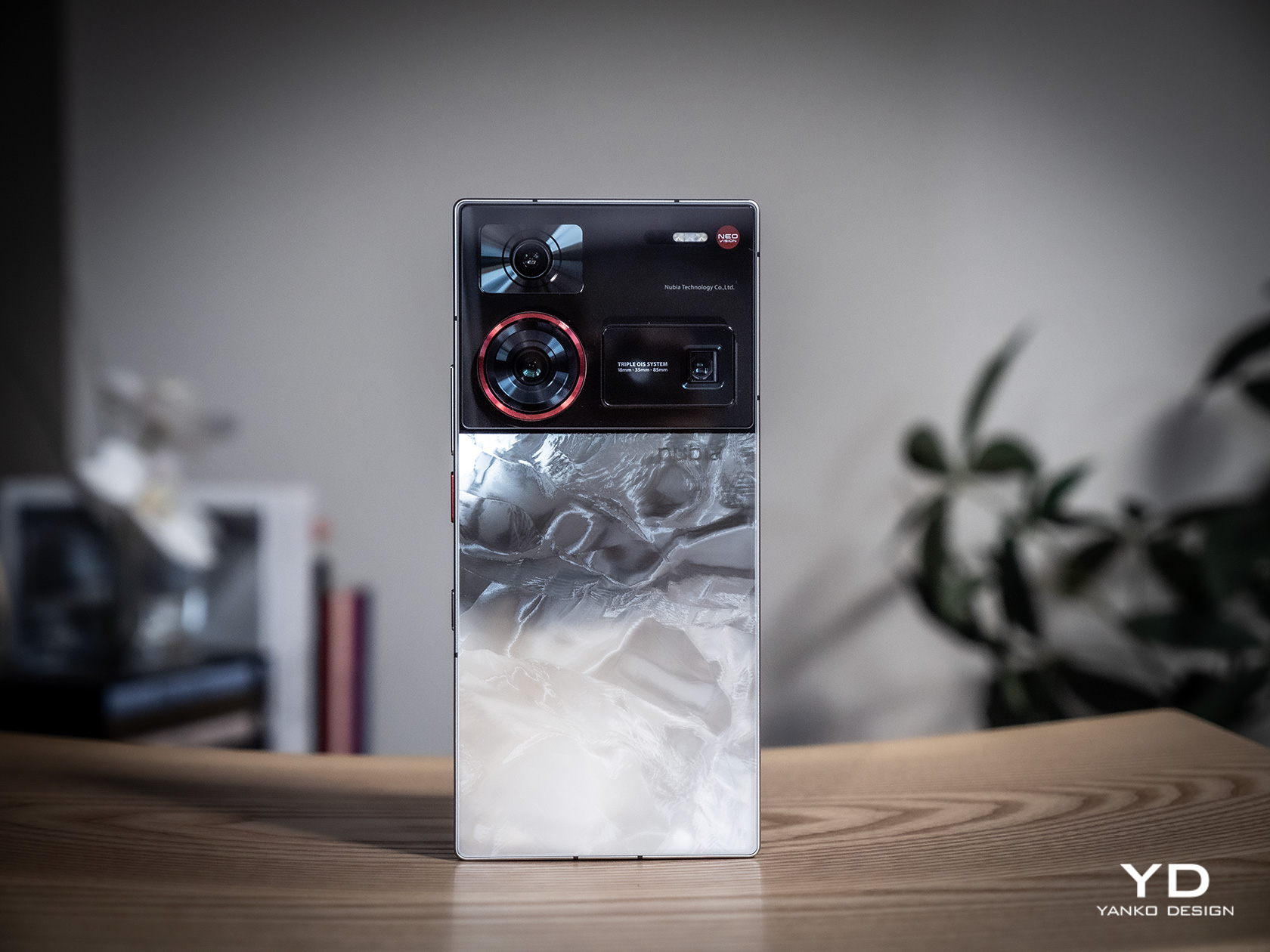
We’ve seen plenty of phone designs over the years, and some have left us scratching our heads. Some have, in an effort to look distinctive and unique, adopted designs that leave a lasting impression in a rather unfavorable way. Fortunately, the nubia Z60 Ultra Leading Version isn’t of that variety, and while it might look odd when viewed from its back, it has enough playfulness, charm, and balance that actually makes the composition look interesting.

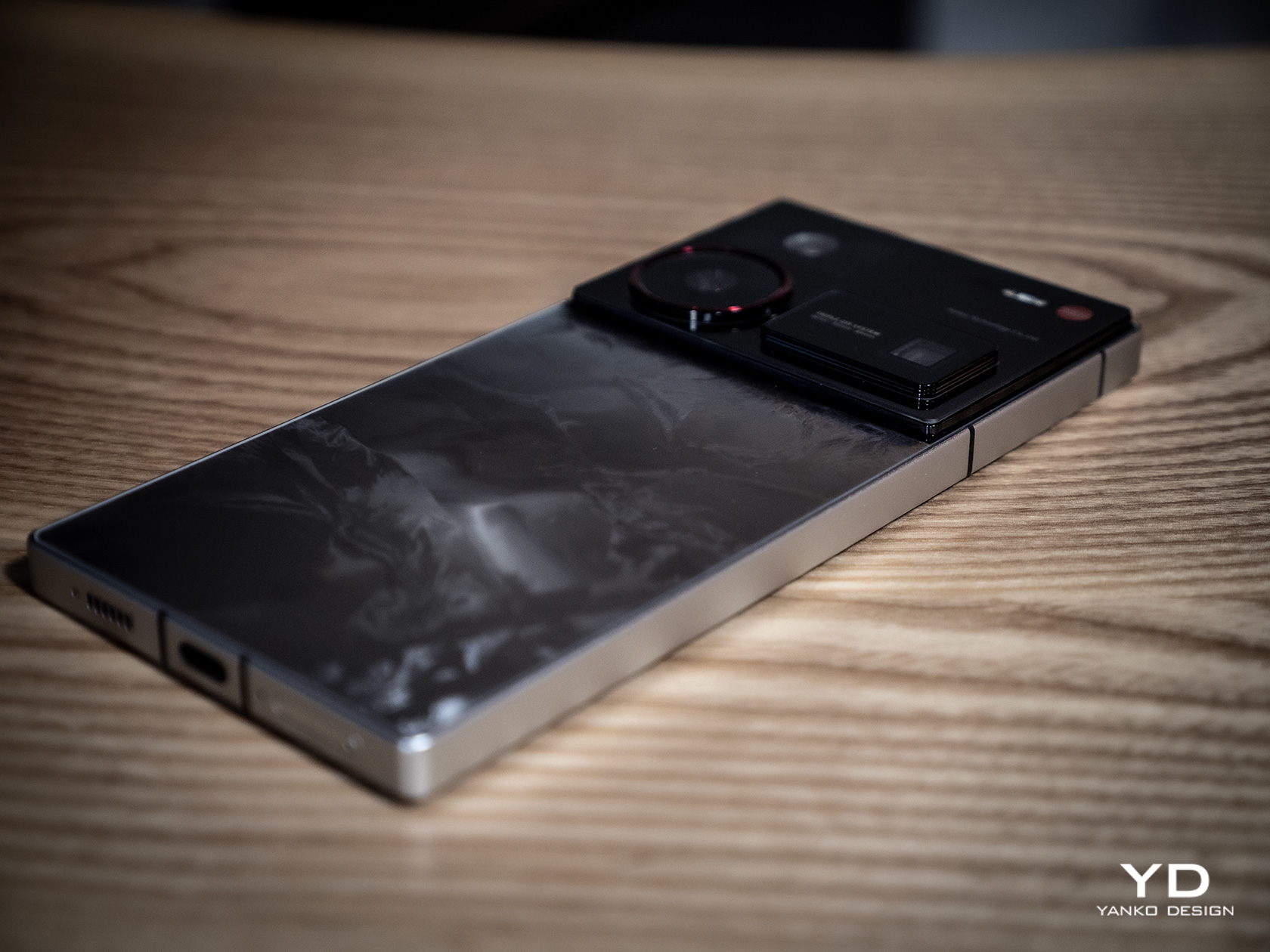
The phone is a very blocky device that is almost like a throwback to the early days of the Sony Xperia. Flat edges and sharp corners are making a comeback anyway, so the nubia Z60 Ultra isn’t exactly an outlier. It is, however, chunkier and boxier than today’s phones, which does have usability consequences that we’ll get to in a bit. It gives the phone a handsome and sharp appearance, but it’s also an acquired taste.
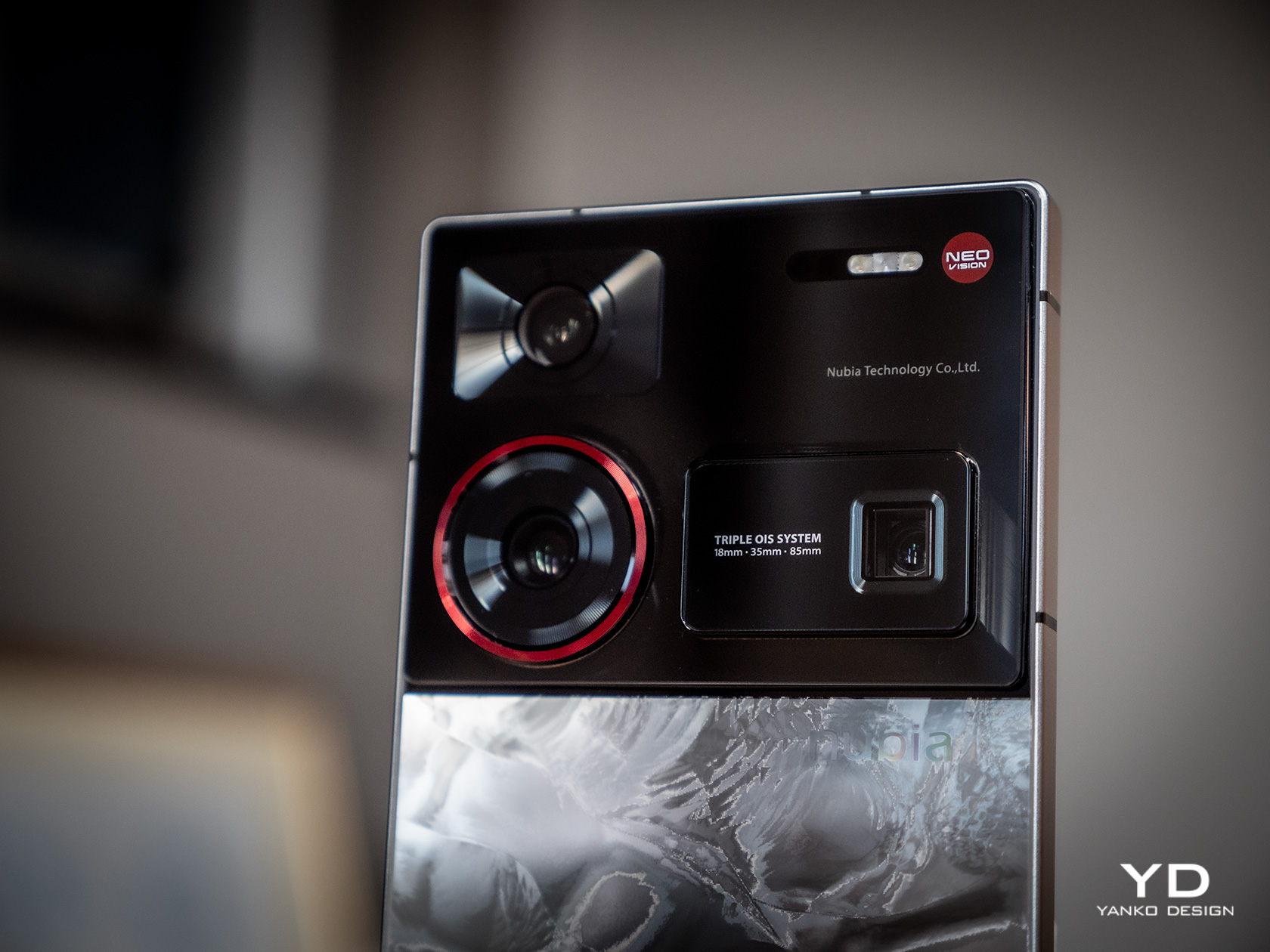
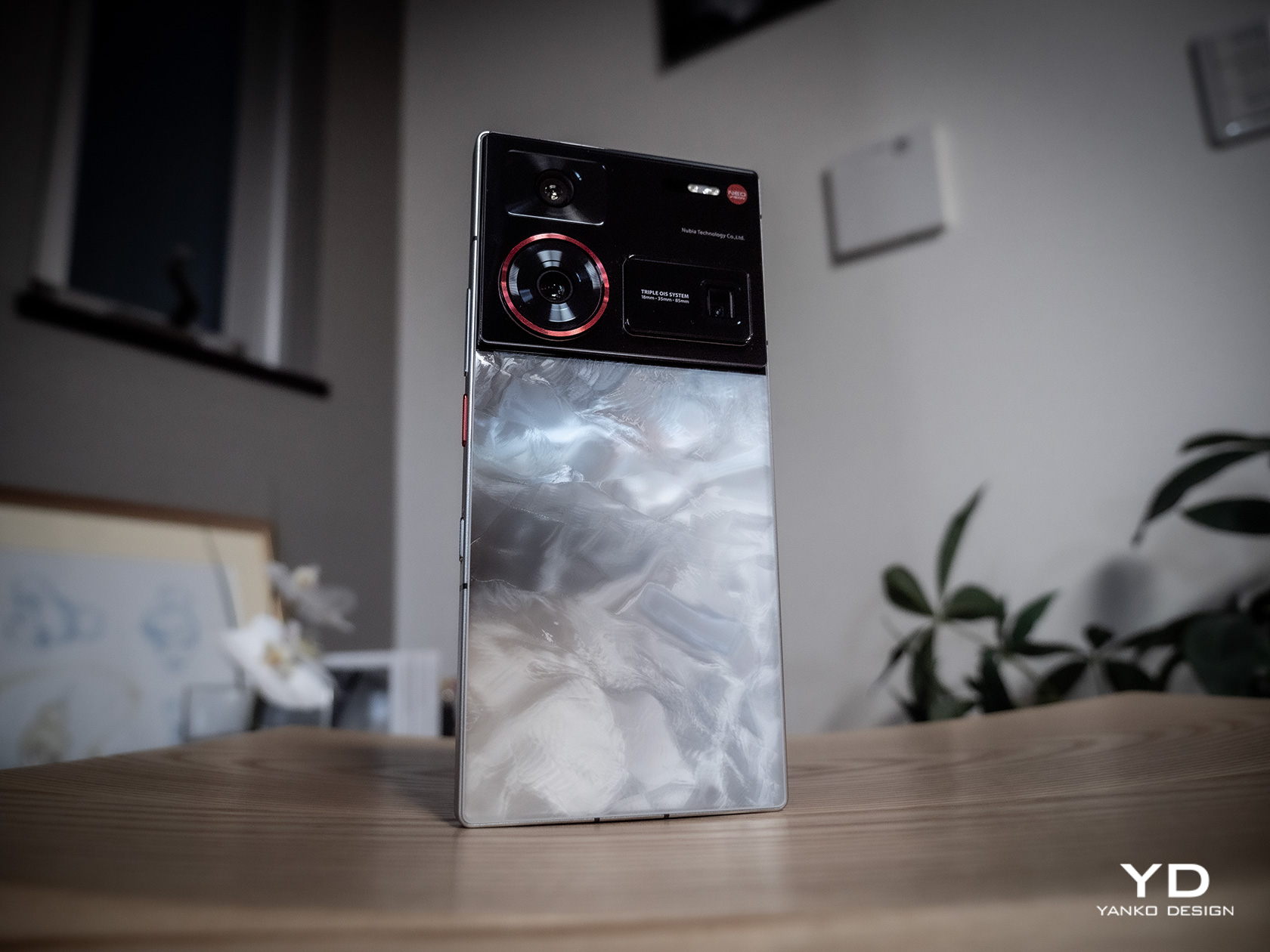
The most notable aspect of its design, however, is the three cameras on its back. Where most manufacturers do their best to lump the cameras together, nubia actually gives each of them their own distinct design. The result? It’s almost as if each of the three cameras represents a different professional camera design, from DSLRs to point-and-shoot cameras. It’s like the whole ensemble, which takes up a good third of the phone’s back, is a wall that pays homage to the camera industry’s greatest designs, perhaps also symbolizing its aspiration to be part of that set.

The Leading Version comes in only two color options, each with its own distinct design. The Black model looks like it has a ribbed surface, but it’s purely an optical illusion. The back is still glass, just like on our Silver review unit which gives the impression of liquid silver rippling and swirling underneath. It effectively hides fingerprint smudges, though the smooth surface of the glass means very few leave their mark anyway.
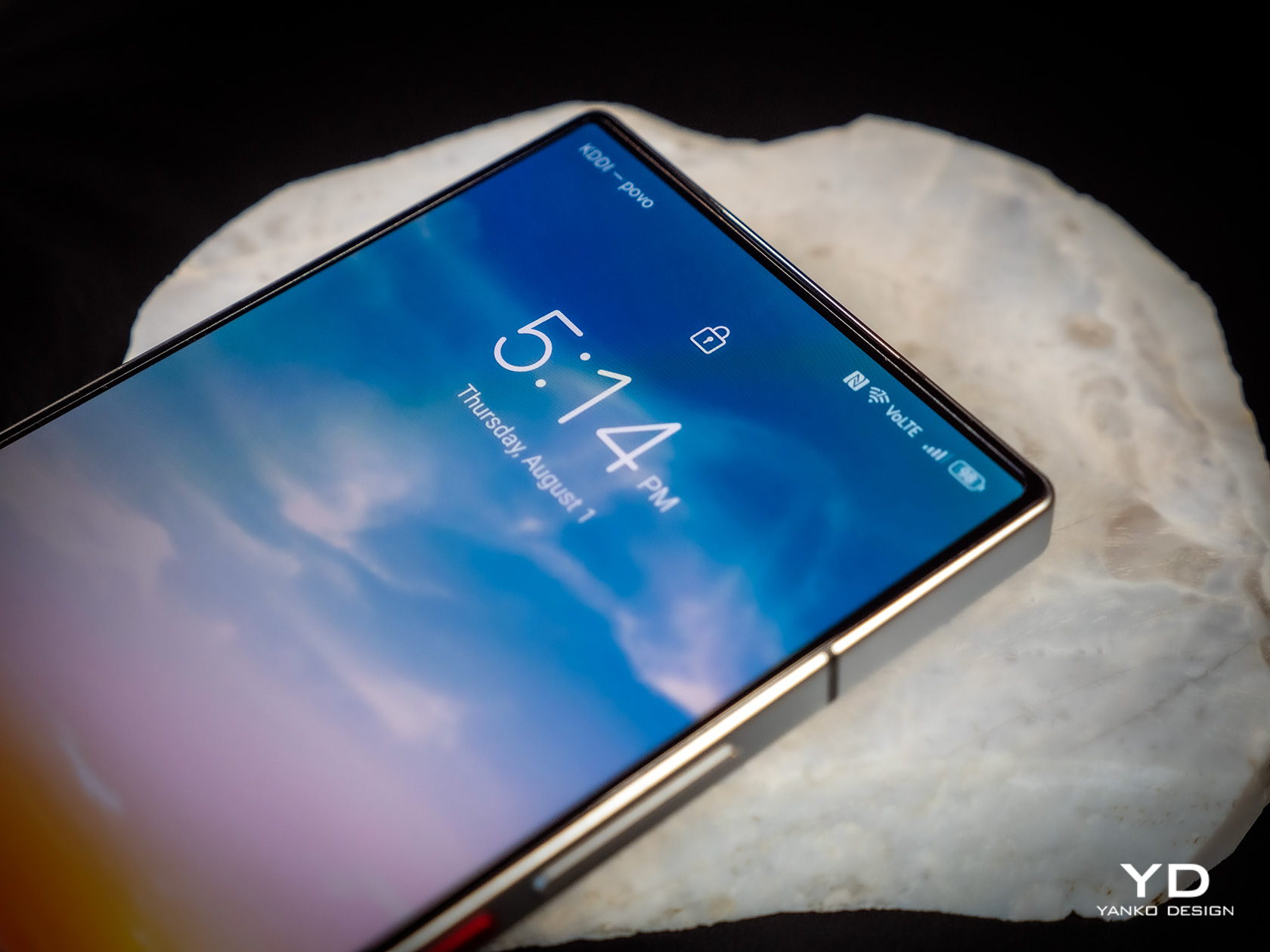
We usually leave notes about the display in the hardware section of our reviews, but this screen is different. With an under-display camera, it delivers a true edge-to-edge full-screen visual that blows the mind. The bezels are thin enough to be negligible and the area that hides the camera on its forehead is nowhere to be seen. Because of its very boxy and flat design, the nubia Z60 Ultra Leading Edition almost looks like a miniature flat-screen TV, and it definitely looks great at showing videos, pictures, and games.

Ergonomics

The nubia Z60 Ultra Leading Edition is a chunky box of metal and glass, and there’s no getting around that fact. It does pack quite a lot of hardware, including one of the largest battery capacities for a smartphone, but that doesn’t come without its costs. At 8.8mm thick and weighing 246g, it is definitely one of the heftiest and bulkiest handsets in recent years. To some extent, that might not be that big of an issue for its intended audience of mobile photographers who won’t be holding the phone up in the same position for long periods of time, at least not without a tripod or a gimbal.

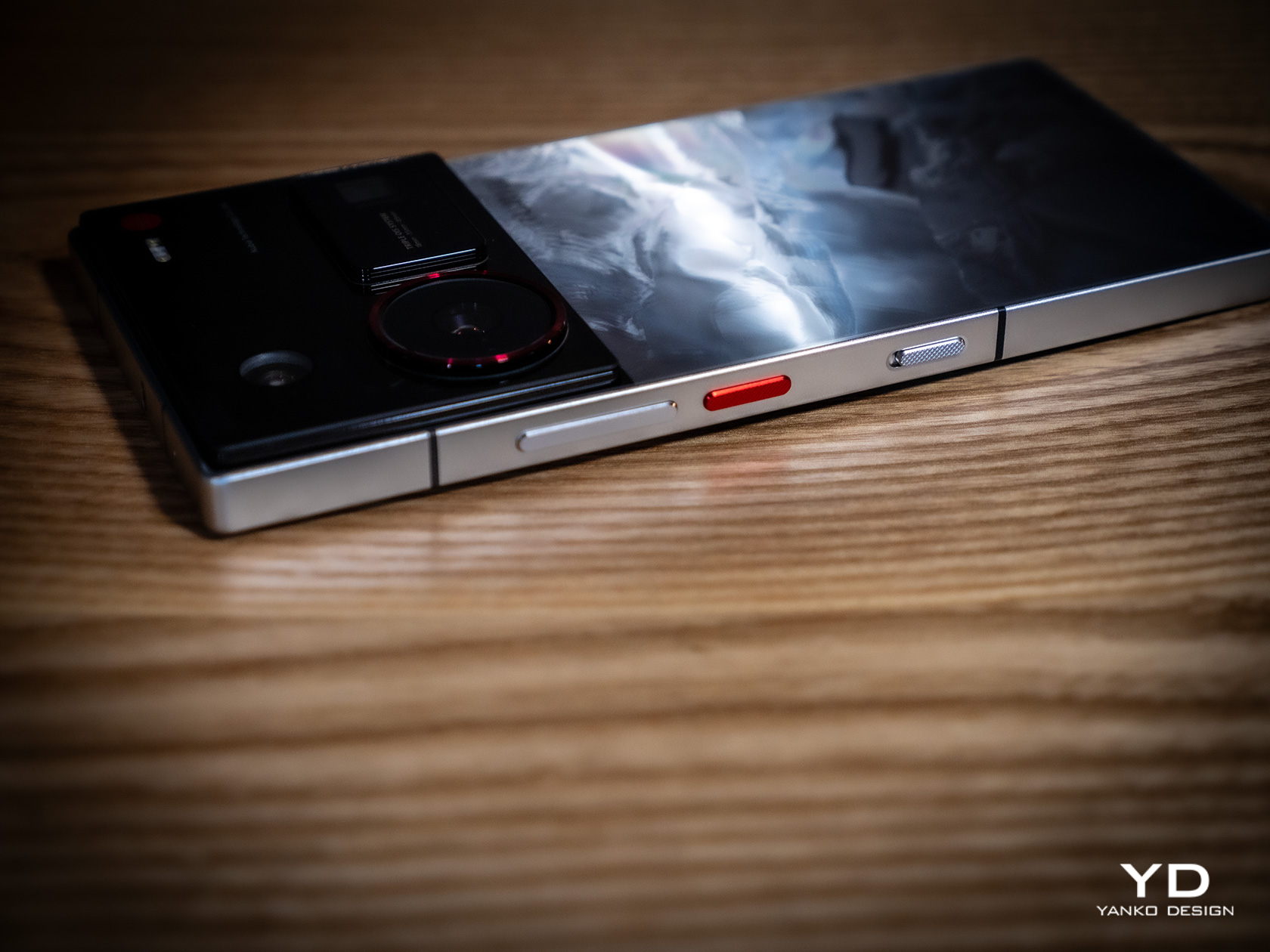
It does have a few things that help improve its usability, though. The fingerprint scanner underneath the screen is placed a little bit higher where your thumb would naturally rest so you avoid having to readjust your grip and precariously hold it near the bottom edge. The power button and the action toggle also have textured surfaces that make them easier to feel and use without having to look at their location. All in all, the Z60 Ultra Leading Version isn’t the most comfortable thing to hold for a long time, but it’s not without its merits as well.

Performance

The phone’s odd name actually comes from the only real difference it has from the original nubia Z60 Ultra. That’s the Qualcomm Snapdragon 8 Gen 3 Leading Version, an overclocked variant of the flagship chip that everyone else is using. In a way, this is nubia’s response to Samsung’s own “for Galaxy” variant, which makes the same proposition. In other words, it takes an already powerful chipset and dials it up to 11, giving most tasks a boost, especially gaming.
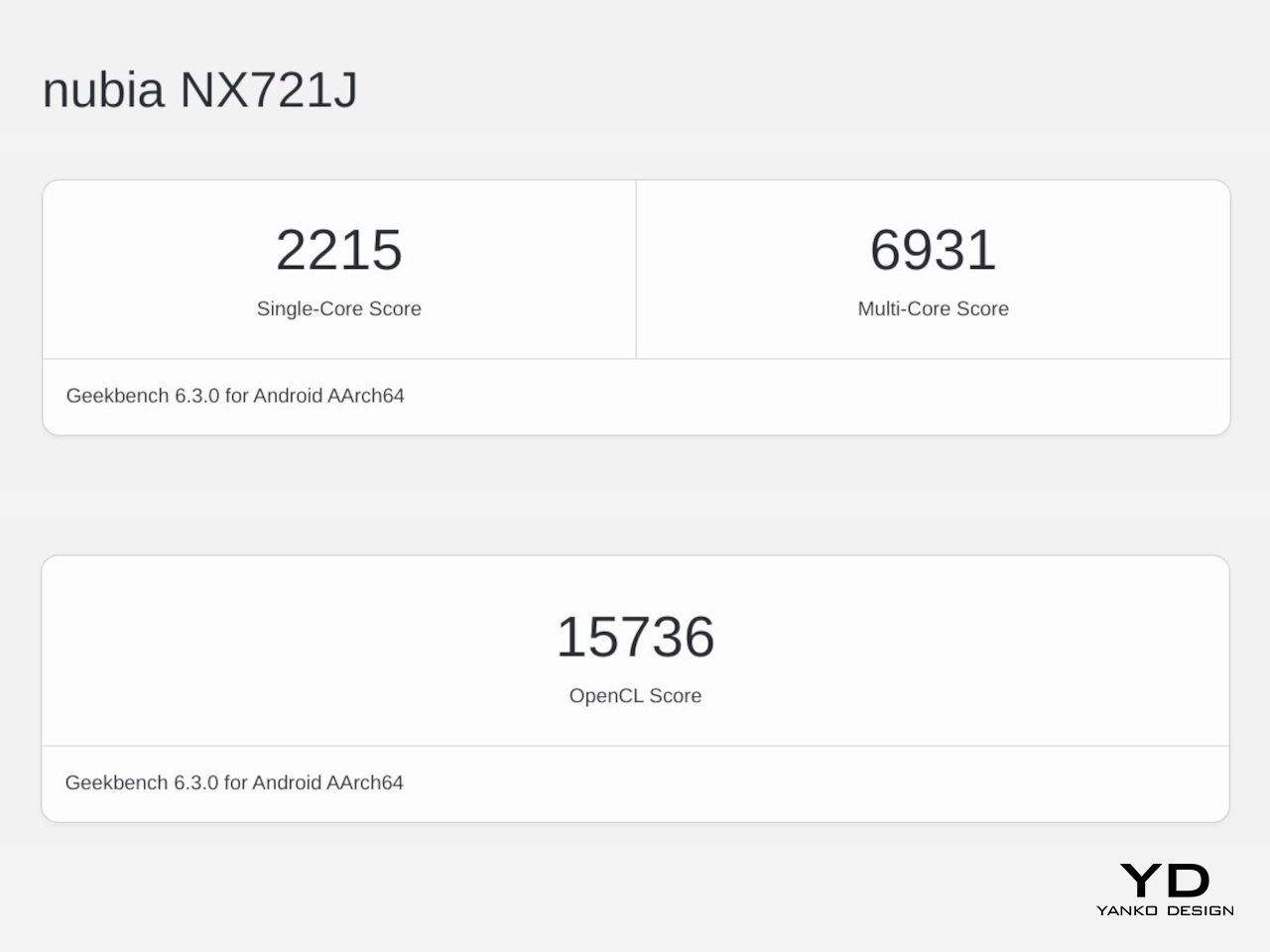
It’s no wonder then that the nubia Z60 Ultra Leading Version would have some impressive numbers in benchmark tests, sometimes even scoring the highest. It can handle any task you through at it with aplomb, making short work of mobile games. That also means it won’t even break a sweat when handling image and video processing in real-time. However, your hands might sweat a bit as the phone did get a little too warm with graphics-intensive tasks like gaming.
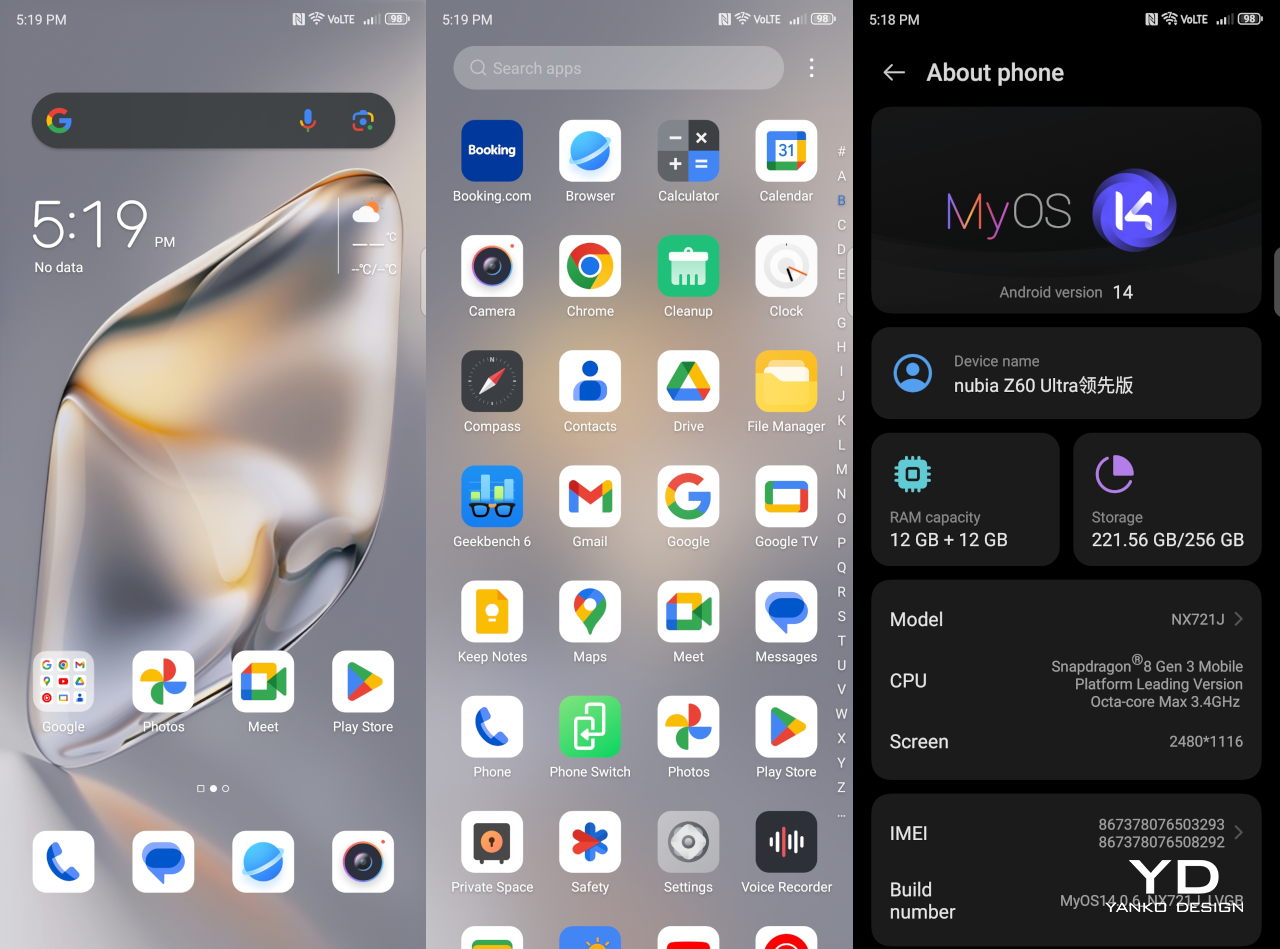
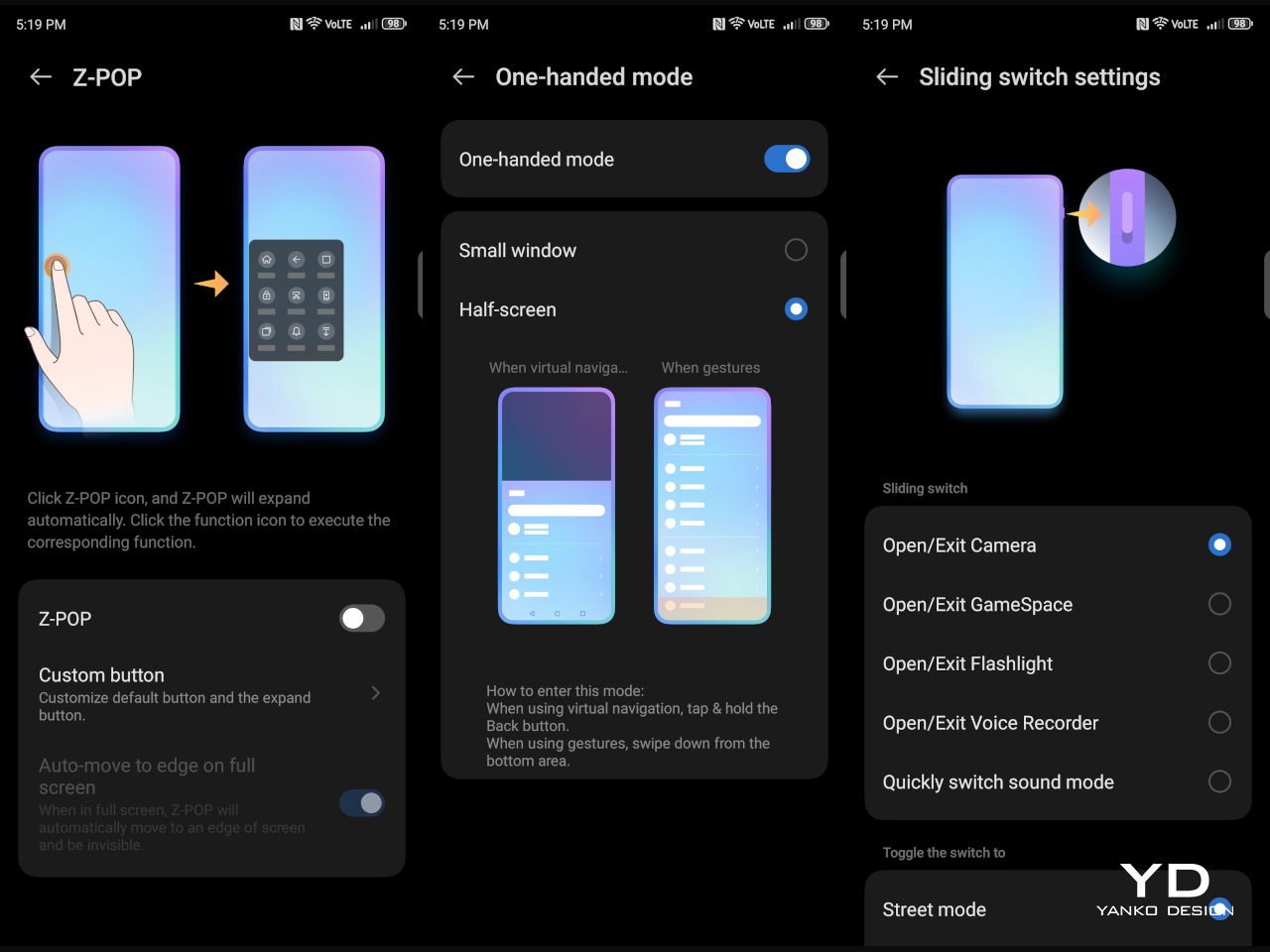
One of the biggest reasons for the Z60 Ultra’s heft is also one of its biggest strengths, its 6,000 mAh battery. That is definitely one of the largest we’ve seen of late, discounting the 7-inch “phablets” of old. The long battery life will be critical for photographers who don’t want to miss a moment just because their battery died. The 80W charging speed also means you’ll only be away from the action for as long as 40 or so minutes, presuming you didn’t bring a power bank with you. Unfortunately, the phone doesn’t have wireless charging capabilities, which should already be a staple for an “ultra” phone like this.
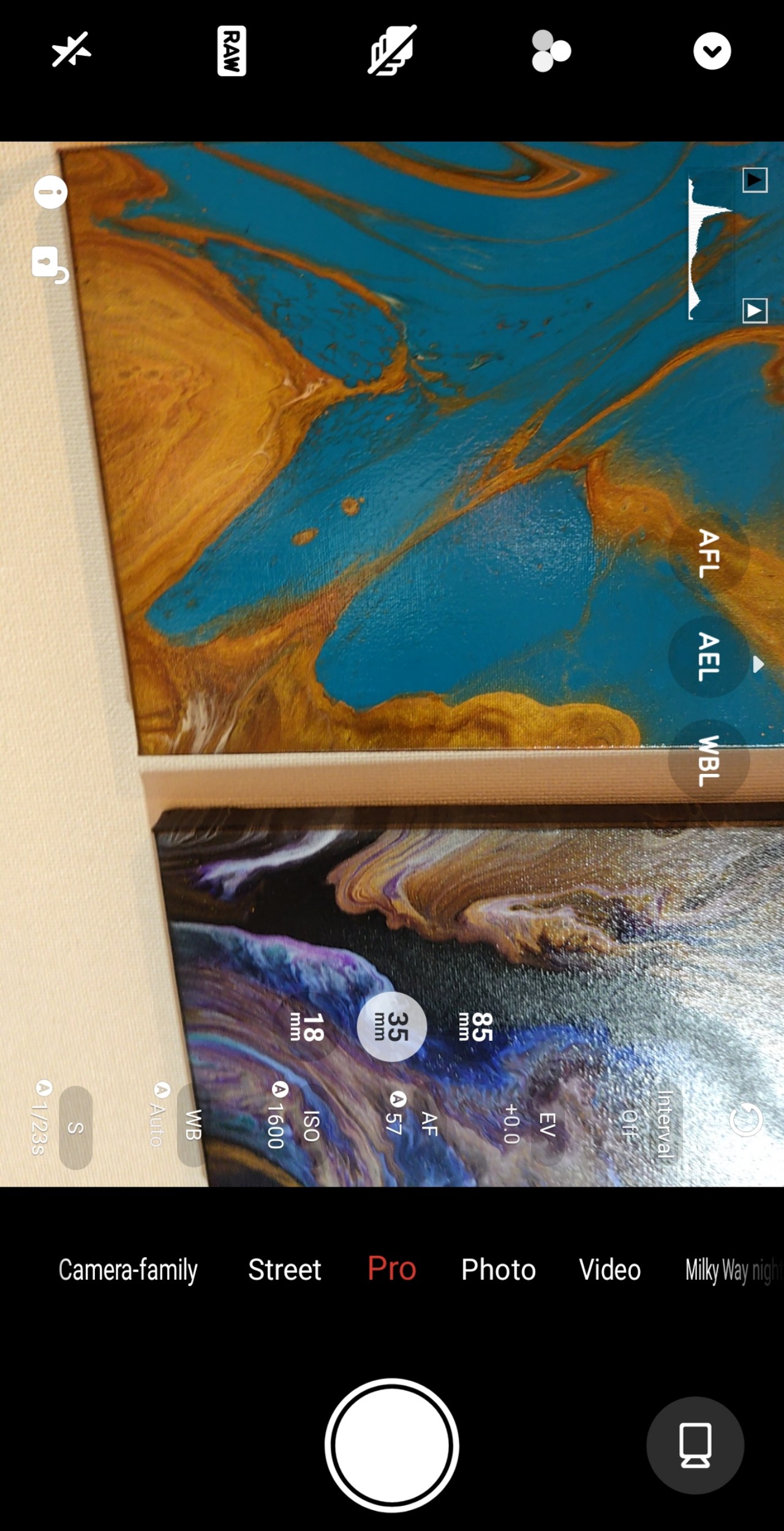
Despite its Leading Version chip, the real centerpiece of the Z60 Ultra is its camera system, led by a 50MP Sony IMX906 1/1.56-inch sensor with OIS. That might not actually be that uncommon, but its most distinctive feature is the 35mm equivalent focal length. It’s a rare trait in smartphone cameras but is one of the most favored in traditional photography. In a way, nubia is positioning the phone as a camera lover’s choice, allowing budding photographers to level up their craft to more professional standards.


It doesn’t stop there either, because nubia pulls off something that still very few manufacturers dare to do: high-quality cameras all around. The ultra-wide shooter with an 18mm focal length carries a large 50MP 1/1.55-inch sensor with OIS, while the 80mm periscope telephoto gets an equally impressive 64MP sensor with 3.3x zoom, also with OIS. Yes, all three have optical image stabilization, and all three are capable of 4K video recording, though only the main camera can do 8K.

Suffice it to say, the images and videos that these cameras deliver are clear, sharp, vibrant, and detailed, no matter the lighting situation. There are a few hiccups here and there, but the overall performance is quite impressive. Unfortunately, the same can’t be said of the 12MP front-facing under-display camera, which unsurprisingly comes out with pasty and washed-out images. Despite the advancements nubia achieved in making the camera invisible, it still needs work on matching the quality of regular “notch” cameras.

Sustainability

When talking about smartphone makers that have strong or concrete sustainability endeavors, nubia is often left unmentioned. It’s not an old player in this market, nor is it a small one, so it’s rather disappointing not to see more action coming from it on this front. Even the use of sustainable materials for the back cover isn’t one of its strong points, but we’re hoping the brand takes a turn for the better in the years ahead.
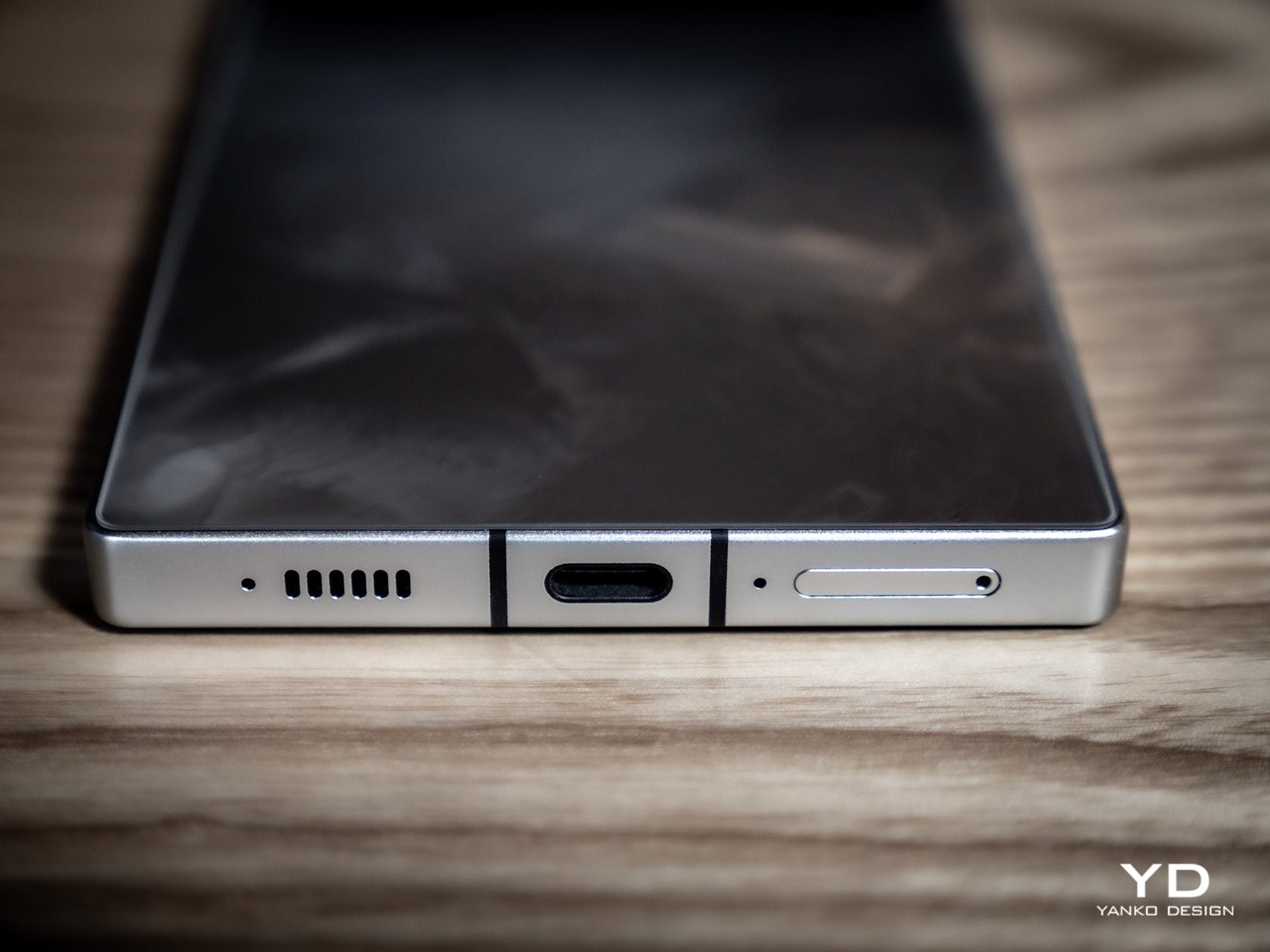
The nubia Z60 Ultra Leading Version is at least IP68-rated, which speaks well for its survivability and longevity. The same can’t be said for nubia’s guaranteed software support, though, which is just three years. That’s just one year over the old two-year standard, one that is becoming a liability to the brand rather than an asset.

Value

If it wasn’t clear yet, the nubia Z60 Ultra Leading Version is a premium flagship with a processor that runs circles around its rivals and a camera system designed to appeal to photographers at heart. And yet for all that it offers, it only asks for $649 for 8GB of RAM and 256GB of storage. Yes, that’s $50 more than the starting price for the non-Leading Z60 Ultra, and some might question if the souped-up Snapdragon 8 Gen 3 is actually worth that much. In the grand scheme of things, however, it’s still a very accessible price tag, especially when it offers just as much or even more than $1,000 devices.
Unfortunately, it won’t be easy to get your hands on one, because nubia’s global distribution channels aren’t that many. And even if you manage to import one, you still have to worry about carrier network support. There’s also that nagging question about the $50 increase for a Leading Version chip, which, truth be told, isn’t exactly a mind-blowing difference overall. That said, if you’re a mobile photographer that has access to nubia’s products and have the extra $50 to spare, you should definitely have this in your crosshair.

Verdict

It’s extremely tricky to balance power and design in smartphones because of the limited space you’re allowed. You can’t have a super-slim device and expect to have a large battery and powerful cameras at the same time. nubia’s solution is bold and creative: why bother with those limitations at all? Yes, the nubia Z60 Ultra Leading Edition is thick and heavy, but it still manages to balance performance and a distinctive design. It’s a smartphone that is unabashedly walking in the footsteps of traditional cameras, and it definitely has the chops to prove it.
The post nubia Z60 Ultra Leading Version Review: A True Camera in Your Pocket first appeared on Yanko Design.

Nissan Testing New Car Cooling Paint

Nissan Car Cooling Paint

Nissan, a leading global automotive manufacturer, has taken a significant step towards transforming the automotive paint industry with the introduction of their groundbreaking car cooling paint. This innovative paint technology aims to reduce the interior temperature of vehicles during hot summer days, ultimately leading to improved comfort for passengers and reduced energy consumption from air-conditioning […]

The post Nissan Testing New Car Cooling Paint appeared first on Geeky Gadgets.

TikTok and Pinterest team up with Amazon for in-app shopping

Amazon has struck new deals that will give people the option to shop without having to leave TikTok or Pinterest, according to The Information. Users will be able to purchase items from the Amazon ads the pop up within either platform. Typically, clicking on an ad would take a buyer to Amazon's interface, but this deal will let them check out from within TikTok or Pinterest using the payment method and shipping address saved on their Amazon account. 

The Information says it has seen screenshots of the ads, which show more information than usual, including items' prices, their estimated shipping times and whether they're eligible for Prime shipment. Take note that users will have to link their social media accounts to their Amazon profiles first before they're able to seamlessly shop from within their apps. "In-app shopping with Amazon is available for select products advertised on TikTok and sold by Amazon or by independent sellers in Amazon's store," a company spokesperson confirmed to the publication. 

Amazon's new deals reportedly expand on its previous agreements with Meta and Snap under an initiative that's internally called Project Handshake. Similar to these newer arrangements, those previous deals made it possible for Snapchat and Instagram users to purchase items from within their apps. As The Information notes, though, it's not quite clear why TikTok has entered the agreement when it's been trying to grow its own shopping platform. TikTok brought live shopping to North America in 2022, and it added more relevant features, such as a dedicated shop tab and live stream shop buttons, last year. In addition to the fact that Amazon shopping could undercut sales on its own platform, TikTok could also end up getting banned in the US unless ByteDance, its parent company based in China, agrees to sell it. 

This article originally appeared on Engadget at https://www.engadget.com/apps/tiktok-and-pinterest-team-up-with-amazon-for-in-app-shopping-140004136.html?src=rss

ASUS ROG Ally X review: A fully armed and operational handheld battle station

Despite being one of the first gaming handhelds from a major PC maker, ASUS got a lot right with the original ROG Ally. It offers better performance in a smaller chassis than Valve’s Steam Deck, but without a huge increase in price. And because it’s based on Windows instead of Linux, it delivers almost universal game compatibility. That said, issues like weak battery life and faulty SD card slots left plenty of room for improvement. So on the new Ally X, ASUS tweaked almost everything aside from its chip and display. But this time, what we’re getting is the fully armed and operational battle station that I wanted all along.

From afar, it may appear like all ASUS did was switch the color of the Ally X’s chassis from white to black. But the second I picked it up, I noticed a lot of little changes including more pronounced grips, slightly taller face buttons and smaller paddles around back designed so that they’re harder to hit by accident. There’s also a brand new D-Pad which is a big improvement from the one on the vanilla Ally, though I’d still prefer a traditional cross or one of Sony’s pentagon-shaped arrangements.

On the inside, ASUS added stiffer springs to Ally X’s joysticks, making them tighter and more responsive. However, ASUS stopped short of switching to Hall Effect sensors like the ones on rivals like the Lenovo Legion Go. There’s also a third vent and a new fan system that improve cooling and airflow, though at full load, the back of this thing still gets pretty toasty.

But the best part is that even with all these changes and a handful of new components on the inside (more on those later), the Ally X isn’t much bulkier than its predecessor. The original ROG Ally weighs 1.34 pounds and measures 1.28 inches at its thickest while the Ally X comes in at 1.49 pounds and 1.45 inches. I’ve even been told by an ASUS representative that the Ally X fits in the original Ally’s official case, though I haven’t confirmed that myself, because, unlike the Steam Deck, you don’t get one bundled with the system.

On the Ally X, ASUS switched in a new D-Pad and tighter, more responsive springs for its joysticks.
Photo by Sam Rutherford/Engadget

Finally, there’s the Ally X’s 1080p display, one of two components that’s the same as on its predecessor. It has great brightness with a peak of around 500 nits (our review unit was actually a touch better at around 515 nits) and a variable 120Hz refresh rate. It’s pretty much exactly what you want on a system this size and in brighter environments, its black levels are so good that I’ve mistaken it for an OLED panel.

The other major component that hasn’t changed is the Ally X’s AMD Ryzen Z1 Extreme chip. But that doesn’t mean there aren’t any performance improvements. That’s because ASUS massively upgraded the rest of its components with 24GB of faster LPDDR5X-7500 RAM (up from 16GB) and a larger 1TB M.2 SSD (up from 512GB). This time, ASUS even opted for a full-size 2280 module, so if you want to upgrade your storage down the line, you’ll have way more options than the smaller 2230 stick used in the previous model. Plus, and I can’t stress this enough, ASUS has also had extra time to polish the Ally X’s drivers. As we saw on the original, improved software support can make a big difference in performance, especially in a category that still benefits a ton from better optimization. And depending on the title, we’ve seen performance increase by as much as 5-10 percent, which is pretty significant considering its chip hasn’t changed.

On the ROG Ally X, ASUS added a third vent and new fans to improve cooling and airflow.
Photo by Sam Rutherford/Engadget

In Shadow of the Tomb Raider at 720p on high graphics, the Ally X hit 54 fps in performance mode and 64 fps in Turbo mode compared to 54 fps and 60 fps for the original. Meanwhile when playing Cyberpunk 2077, I saw even bigger gains with the Ally X getting up to 78 fps in Turbo mode versus just 69 fps for the vanilla Ally. This improvement seems to be due in large part to the Ally X’s increased RAM, which the handheld shares with its GPU. And unlike on a laptop or desktop with discrete graphics, the Z1 Extreme’s Radeon 780M doesn’t have its own dedicated memory.

But regardless of how it’s getting there, all these changes make the Ally X one of the most powerful handheld PCs on the market. That’s because while the Legion Go uses the same processor, it has 8GB less RAM, so in games, it generally lagged behind by three to five fps.

One nice thing about Windows-based handhelds like the ROG Ally X is that they play nicely with all the various online game stores and launchers.
Photo by Sam Rutherford/Engadget

Windows-based gaming handhelds continue to be a bit clunky when you need to switch between various game launchers and menus, but ASUS has streamlined its Armoury Crate app to be more responsive and easier to use. It’s generally less buggy and better equipped to be a one-stop shop for aggregating all different games (and launchers) or quickly tweaking settings. Even with all that, though, it’s still less cohesive than Valve’s Steam OS. And despite recent improvements, I still ran into things like Armoury Crate interrupting what I was trying to do in Windows when it automatically boots up after a restart (which thankfully you can disable).

One of the biggest issues with the original Ally was its short battery life, which often lasted just an hour or an hour and a half at best. And when you have a system that needs to be plugged into a wall that frequently, it calls into question how good of a gaming handheld it really is.

On the Ally X, ASUS removed its proprietary XG Mobile connector and replaced it with a second USB-C port with support for Thunderbolt 4.
Photo by Sam Rutherford/Engadget

But on the Ally X, ASUS doubled battery capacity to 80Wh. Now it can easily game for at least two hours to two and a half hours (or more, if you don’t mind fiddling around with settings). And when you remember that the Ally X isn’t that much heftier than its predecessor, you have an even greater appreciation for how much extra juice ASUS managed to cram inside.

I also appreciate that ASUS replaced the proprietary XG Mobile connector on the original model with a second USB-C port that supports Thunderbolt 4. This means you can still plug in an external graphics dock if you want, while also giving you the flexibility to hook up all sorts of peripherals. This allows the Ally X to better serve as a portable desktop because you can plug in accessories like a mouse and keyboard without the need for external docks or dongles. 

ASUS' Armoury Crate app serves as a one-stop shop for tweaking settings and launching games.
Photo by Sam Rutherford/Engadget

While the Ally X isn’t a true 2.0 version of its predecessor, ASUS has addressed pretty much every complaint I had about the original and then some. Its joysticks feel tighter, its performance is better and battery life has essentially doubled. Even ASUS’ Armoury Crate app is easier to use, though it still hasn’t fully solved the issue of Windows feeling clunky on PC handhelds. And while it’s a touch thicker and heavier than before, those changes don’t impact its portability. ASUS also claims it has improved its RMA process to better support people who need servicing or repairs after numerous customer complaints. But it’s still too early to say if this has made a difference.

Really, the biggest hurdle for the Ally X is its price. At $800, it costs $150 more than the original Ally or the closest equivalent Steam Deck. For those who bought its predecessor, that could still make it a tough sell after only one year. I’d also argue that thanks to Steam OS, Valve’s handheld remains the more streamlined and easier-to-use option. But make no mistake, if you’re talking about the best PC gaming handhelds on the market, the Ally X sits at the top of the hill right next to the Steam Deck.

This article originally appeared on Engadget at https://www.engadget.com/gaming/pc/asus-rog-ally-review-a-fully-armed-and-operational-handheld-battle-station-133043986.html?src=rss

Gympad Bench compact all-in-one home gym

Gympad Bench home gym

Ever wondered how you can maintain a consistent workout routine without sacrificing space or breaking the bank? The Gympad Bench might just be the answer you’ve been looking for. This compact, all-in-one home gym solution offers a wide range of workout options in a minimal space, making it perfect for any home. With adjustable resistance […]

The post Gympad Bench compact all-in-one home gym appeared first on Geeky Gadgets.

Become a Samsung Olympic Games Pin Master and get a Galaxy Z Flip6

Aside from the actual sports events and the Olympians themselves, another popular activity in Paris during the Olympics is pin trading. You see the athletes and fans trying to get as many pins as they can, a practice that actually goes back to the 1924 Paris Olympics where it was a sign of international friendship. One of the games’ major sponsors, Samsung, is bringing a new spin to this tradition, and bringing prizes into the mix.

Designer: Samsung

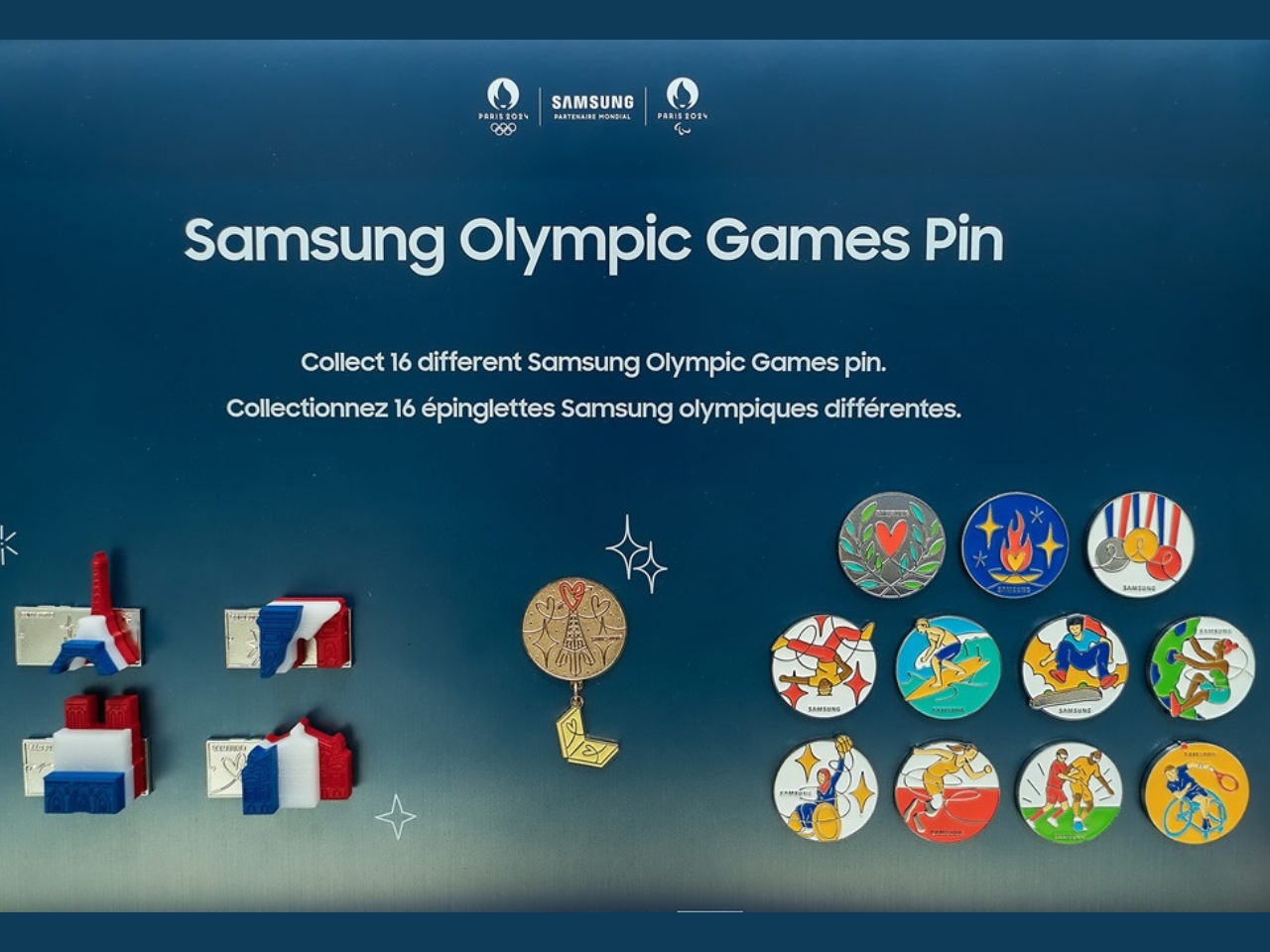
The Samsung Olympic Games Pin Masters Challenge lets visitors in Paris get the chance to collect 16 specially created pins by playing different Galaxy AI-powered challenges at the Olympic™ rendezvous @ Samsung pop-up experiences all over the city. You can even get the chance to get the extremely rare Golden Pin in order to become an official Samsung Olympic Games Pin Master. If ever you’re in Paris, you have until September 8 to play this challenge.


The 16 pins were designed by French illustrator Jean André and they are actually made from recycled aluminum from old Galaxy smartphones. Eleven of these pins represent Olympic sports like breaking, skateboarding, sport climbing, and surfing, and four Paralympic sports – blind football, para athletics, wheelchair basketball, and wheelchair tennis. There are also four Special Pins that feature three-dimensional landmarks of the city. And then, there is that rare and elusive Golden Pin.

If you’re able to collect all 16 pins, you’ll get a new Galaxy Z Flip6 and a raffle entry to win a round-trip package for two to attend the 2026 Milano Cortina Olympics. Several have already become Pin Masters, and it looks like most of them are kids. They’re the ones who probably enjoyed playing the challenges to get the pins. If I was there in Paris, I would probably be all over this challenge, even just for the pins.

The post Become a Samsung Olympic Games Pin Master and get a Galaxy Z Flip6 first appeared on Yanko Design.

ASUS ROG Swift OLED PG32UCDP gaming monitor $1,299

OLED Gaming Monitor

The ASUS Republic of Gamers (ROG) has unveiled its latest gaming monitor, the ROG Swift OLED PG32UCDP. This 32-inch 4K WOLED monitor is designed to deliver exceptional motion clarity and immersive gaming experiences. With its ultra-high dual-mode refresh rate and low pixel response, the PG32UCDP is set to redefine gaming visuals. ASUS ROG Swift OLED […]

The post ASUS ROG Swift OLED PG32UCDP gaming monitor $1,299 appeared first on Geeky Gadgets.

How to Downgrade From iOS 18 beta to iOS 17

iOS 18 beta

If you’ve been testing the iOS 18 beta and have encountered issues or instability, you may find it necessary to downgrade to the more stable iOS 17. The video below from iDevice Central will walk you through the process of downgrading your device using iTunes, ensuring a smooth transition back to the previous operating system […]

The post How to Downgrade From iOS 18 beta to iOS 17 appeared first on Geeky Gadgets.

Roomba robot vacuums are up to $420 off right now

Roomba robot vacuums are on sale right now via Wellbots and some of the deals are absolutely fantastic. The biggest discount is for the well-regarded Combo j9+, which is pretty much the company’s top-tier robovac. This vacuum and mop hybrid is typically a jaw-dropping $1,400, but this deal brings the price down to $980. Just enter the code “ENGT420” at checkout.

We loved this unit in our official review, calling it “the ideal robot vacuum and mop” and “a godsend for tired parents.” The vacuuming performance is excellent and mop is a great bonus for mild cleaning duties (it doesn’t excel with sticky messes.) The obstacle detection is fantastic. It’ll avoid furniture, walls and even pet-related fecal matter. It’s a high-end Roomba. You know the drill.

The base is designed well and allows the vac to get stuff done on its own. The vacuum will perform its cleaning duties and empty debris right into the base. This base can accommodate 60 days of solid debris and 30 days of liquid mess before having to be manually emptied. It also features an area for storing accessories.

About the only bad thing one can say about this vacuum is the exorbitant price. The typical cost of $1,400 is simply outrageous, despite being one heck of a cleaning robot. The discount to $980 makes it a more palatable option, but it’s still closing in a grand.

If you want a good robot vacuum and don’t have an endless supply of money, there are other items on sale. The original Roomba j9+, without the mop, is available for $580 instead of $900. Just enter the code “ENGT320” at checkout. The Roomba Combo j7+, which does include a mop, is $680 instead of $1,000 with the code “ENGT320” at checkout. Incidentally, this one made our list of the best robot vacuums.

Follow @EngadgetDeals on Twitter and subscribe to the Engadget Deals newsletter for the latest tech deals and buying advice.

This article originally appeared on Engadget at https://www.engadget.com/deals/roomba-robot-vacuums-are-up-to-420-off-right-now-130019914.html?src=rss