Apple and the unionized employees at its Towson, Maryland retail store have reached a tentative agreement that could secure them better pay, job protections, scheduling improvements to support a work-life balance and a more transparent disciplinary process. The Towson location in 2022 became the first Apple Store in the country to unionize, and back in May, it voted to authorize a strike against the company after “unsatisfactory” negotiation outcomes.
The International Association of Machinists and Aerospace Workers’ Coalition of Organized Retail Employees (IAM CORE) said it’s been negotiating with Apple since January 2023. Under the tentative three-year agreement they’ve now reached, workers would be given average raises of 10 percent over the life of the contract, and starting pay rates for most positions would go up. The agreement would also establish a severance clause. The union represents about 85 employees, who will get to vote on the agreement on August 6.
This article originally appeared on Engadget at https://www.engadget.com/apple-has-reached-a-union-contract-with-us-retail-employees-for-the-first-time-212422613.html?src=rss
As we start to feel all sorts of effects from climate change, we’ve become more conscious about our relationship with nature in all aspects of our lives. Well, that is, if you actually care about this planet’s future of course. Sustainable ecotourism has become a buzzword as we’re seeing all sorts of structures being built that want to have a harmonious relationship with its surroundings.
Designer: Kengo Kuma for Red Sea Global
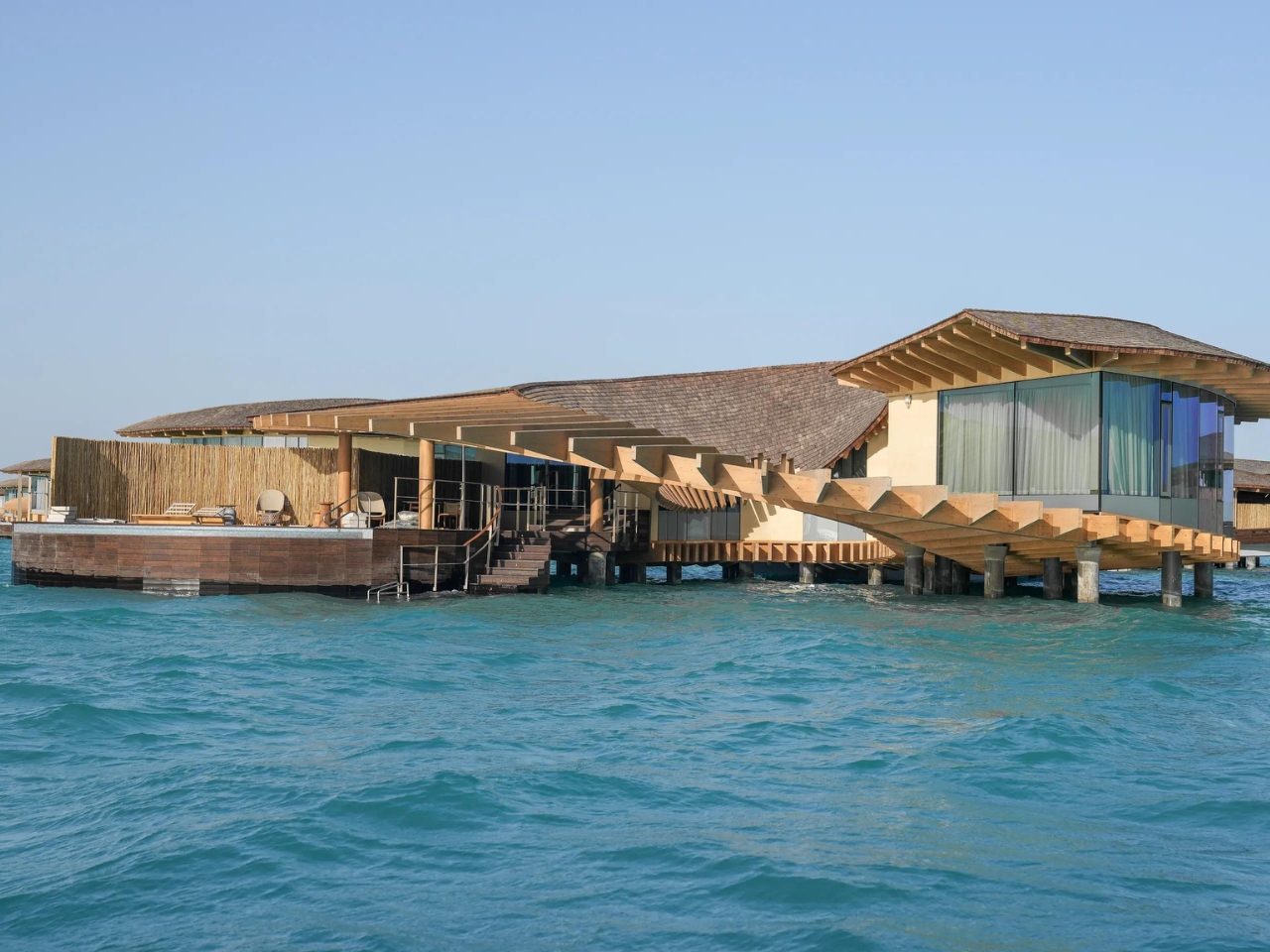
However, we have to admit that a lot of these sustainable projects fall under the category of luxury tourism since it takes a considerable amount of money to design and construct things like these. The Ummahat AlShaykh Island project in the middle of the Red Sea is one such undertaking. The 22 islands are located in the west coast of Saudi Arabia and has several luxury tourist villas and othe structures that are designed to be eco-friendly and sustainable.
The “Land Villas” have curved roofs that are inspired by the contours of the dunes in the area and have a helical structure with a great view of the surrounding waters. To make sure that it minimizes disturbance in the environment, prefabrication is the key. They also used spruce timber and clay plaster with the roofs using natural cedar wood shingles to make it resilient against salt water and other extreme weather conditions.
The islands also have specialty restaurants located one over water and another on land, a spa, housekeeping villas, a guest jetty, and a community building for those that prefer to socialize rather than just stay in the privacy of their villas. I don’t even want to think about how much an overnight stay would cost but this is a great idea for those who can afford it and would want to have a more eco-friendly kind of vacation.
The Department of Justice on Friday night asked a federal court to reject TikTok’s bid to have the law that could ban it overturned, citing national security concerns that include its alleged use of internal search tools to collect information on users’ views around sensitive topics. It comes in response to a petition filed in May by TikTok in an attempt to challenge the law that now requires its China-based parent company, ByteDance, to sell the app or it will be banned in the US. President Biden signed the bill into law in April.
In one of the documents filed with the US Court of Appeals for the DC Circuit, the DOJ says a search tool within Lark, the web-suite system the company’s employees use to communicate, “allowed ByteDance and TikTok employees in the United States and China to collect bulk user information based on the user’s content or expressions, including views on gun control, abortion, and religion.” The DOJ also argues in the filings that TikTok could be used to subject US users to content manipulation, and that their sensitive information could end up stored on servers in China.
TikTok has repeatedly denied the accusations about it being a threat to national security and has called the efforts to ban it “unconstitutional.” In its latest statement responding to the DOJ filing, posted on X, TikTok said, “Nothing in this brief changes the fact that the Constitution is on our side.”
This article originally appeared on Engadget at https://www.engadget.com/doj-says-tiktok-collected-users-views-on-issues-like-abortion-gun-control-and-religion-201617503.html?src=rss
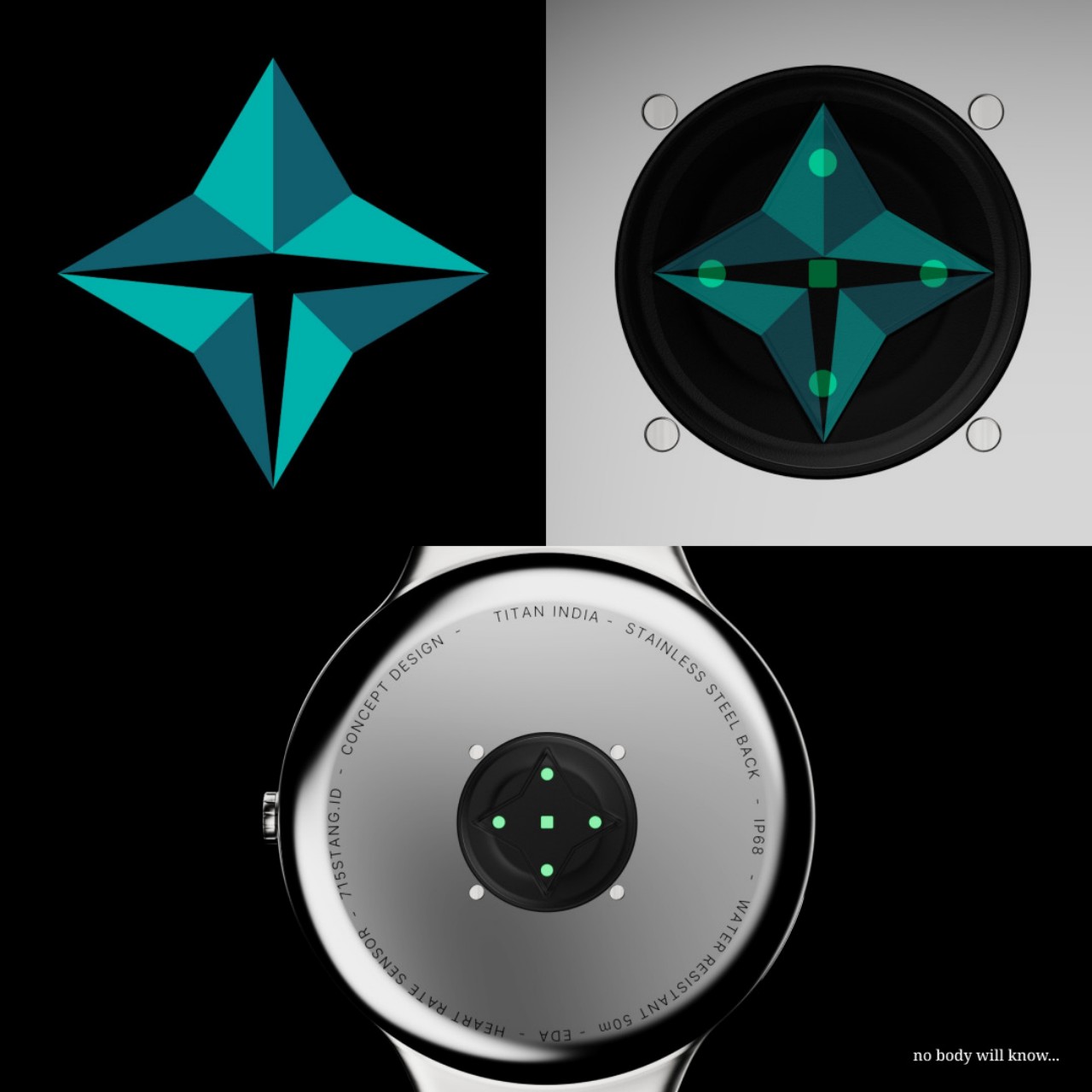
Smartwatches are now a staple of the tech market14, but the departure of several high-profile brands and the arrival of smart rings are making some reevaluate the wearable device. Just like with paper notebooks, there is a strong and large culture around analog, mechanical watches that find smartwatches unappealing, except for some features that aren’t totally unique to smartwatches, namely, health sensors. Hybrid smartwatches exist for this reason, trying to have the best of both analog and digital worlds, but they are not exactly that common nor are their designs well-established. There’s still plenty of room for exploration and experimentation, like this rather peculiar concept that cuts out a whole in the middle of a circular screen to make room for an elegant analog watch.
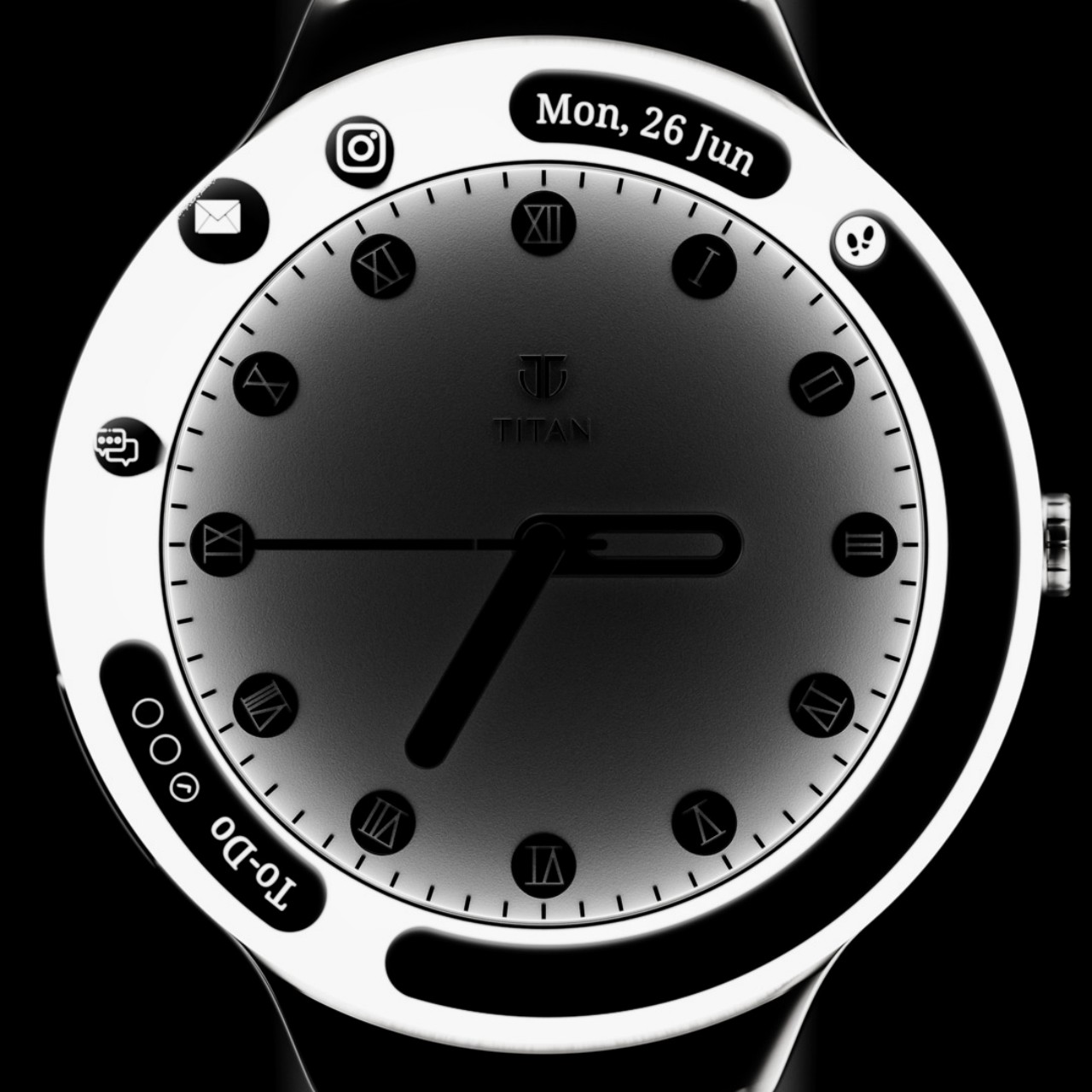
Inspired by the rather divisive notch or cutout on smartphone screens, the Lunar Eclipse hybrid smartwatch concept puts a mechanical watch in the middle of that hole instead of a camera. It might have been easier to have the display as an inset or restricted to a certain part of the watch face, but that presents some challenges as well, particularly when occluding the beauty of the analog timepiece itself. As weird as it may sound, this notch-based design actually has more benefits compared to a smartphone camera cutout.
Because it is technically still a complete screen, with just the middle part rendered practically unusable and invisible, it is theoretically easier to design the user interface of the “digital bezel” around the watch face. You can have icons and text that curve around the border, and you can even have them animated to add more natural-looking visual feedback, like how notification icons can appear like they’re flowing from the center of the watch rather than just appearing out of nowhere.
This gives Lunar Eclipse nearly the same benefits as having a smartwatch but with fewer opportunities for distractions. The bezel around the watch face is still just a small space that can only fit a few words and icons. You definitely won’t be using the watch to read those notifications or, worse, type out a response. You’ll be able to still see some of your health stats, presuming the watch has the sensors to track your steps, heart rate, and other biometrics.
One disadvantage that design has is that its battery life might not be that different from a regular smartwatch. The concept could use an E Ink screen, however, to help reduce that consumption, especially since the display won’t be changing as frequently as on a normal smartwatch. Another consideration is that with the electronics and battery inside, the room for the actual mechanical components would be very cramped, detracting from the inherent beauty of these timepieces that wristwatch fans are after in the first place.
New releases in fiction, nonfiction and comics that caught our attention.
The Book of Elsewhere by Keanu Reeves and China Miéville
A few years ago, Keanu Reeves took a dive into the world of comics with a series called BRZRKR, which he wrote with longtime comic creator Matt Kindt. The limited series, which played out over 12 issues, follows a half-mortal, half-God warrior known as B who lives a violent existence but cannot die. And after 80,000 years of being alive, he really wants to. Eventually, he ends up working as a killing machine for the US government.
Netflix has plans for a film and anime spinoff of the series, and the BRZRKR universe is still growing even beyond that. This week, Reeves and author China Miéville — known for his works of “weird fiction” that blend sci-fi, fantasy and other genres — released The Book of Elsewhere, a novel that returns to the story of B in a pulpy, blood-soaked epic. It’s written with a unique style, starting off choppy in the prologue before shifting into something else entirely. If there’s one thing reviewers seem to agree on, it’s that this book is not afraid to get weird.
Why Machines Learn: The Elegant Math Behind Modern AI by Anil Ananthaswamy
AI is all around us, and these days, conversations about the Big Tech race to build better and better systems sometimes feel almost escapable. But how often do we on the outside stop and take a look at how we got here in the technical sense, down to the math that made it all possible?
In Anil Ananthaswamy’s new book, Why Machines Learn: The Elegant Math Behind Modern AI, the award-winning science journalist and author explains the history and mathematics underlying machine learning as we know it today. It’s not exactly light reading, but sometimes it’s nice to put your brain to work a little. You don’t need to be a math whiz to keep up with it — Ananthaswamy has said a basic understanding of calculus should be enough.
Teenage Mutant Ninja Turtles (2024) #1 by Jason Aaron, Joëlle Jones
The Teenage Mutant Ninja Turtles are back in another new comic series from IDW, written by Jason Aaron (Batman: Off-World, Thor, Scalped), with art by Joëlle Jones (Lady Killer, Catwoman). The first issue was released this week — and it finds Raphael behind bars.
Teenage Mutant Ninja Turtles (2024) celebrates the 40th anniversary of the franchise that we as a society just cannot seem to get enough of (no complaints here). In it, the turtles have all split off on their own and left New York, and it looks like the first few issues will each focus on one of the brothers. But, they’ll eventually be brought back together to do what they do best — fight bad guys and eat pizza. It’s meant to be something that even people who haven’t kept up with the many series over the years will be able to get into without feeling lost.
This article originally appeared on Engadget at https://www.engadget.com/what-to-read-this-weekend-keanu-reeves-book-of-elsewhere-ai-math-teenage-mutant-ninja-turtles-173909519.html?src=rss
Get the most out of your Samsung Galaxy Buds Pro 3, whether you’re using an iPhone or an Android device with the help of a guide by HotshotTek, listing Samsung Galaxy Buds Pro 3 tips and tricks. One of the standout features of the Galaxy Buds Pro 3 is its wireless charging capability, which eliminates […]
Freelancer has accused Anthropic, the AI startup behind the Claude large language models, of ignoring its "do not crawl" robots.txt protocol to scrape its websites' data. Meanwhile, iFixit CEO Kyle Wiens said Anthropic has ignored the website's policy prohibiting the use of its content for AI model training. Matt Barrie, the chief executive of Freelancer, told The Information that Anthropic's ClaudeBot is "the most aggressive scraper by far." His website allegedly got 3.5 million visits from the company's crawler within a span of four hours, which is "probably about five times the volume of the number two" AI crawler. Similarly, Wiens posted on X/Twitter that Anthropic's bot hit iFixit's servers a million times in 24 hours. "You're not only taking our content without paying, you're tying up our devops resources," he wrote.
Back in June, Wired accused another AI company, Perplexity, of crawling its website despite the presence of the Robots Exclusion Protocol, or robots.txt. A robots.txt file typically contains instructions for web crawlers on which pages they can and can't access. While compliance is voluntary, it's mostly just been ignored by bad bots. After Wired's piece came out, a startup called TollBit that connects AI firms with content publishers reported that it's not just Perplexity that's bypassing robots.txt signals. While it didn't name names, Business Insider said it learned that OpenAI and Anthropic were ignoring the protocol, as well.
Barrie said Freelancer tried to refuse the bot's access requests at first, but it ultimately had to block Anthropic's crawler entirely. "This is egregious scraping [which] makes the site slower for everyone operating on it and ultimately affects our revenue," he added. As for iFixit, Wiens said the website has set alarms for high traffic, and his people got woken up at 3AM due to Anthropic's activities. The company's crawler stopped scraping iFixit after it added a line in its robots.txt file that disallows Anthropic's bot, in particular.
The AI startup told The Information that it respects robots.txt and that its crawler "respected that signal when iFixit implemented it." It also said that it aims "for minimal disruption by being thoughtful about how quickly [it crawls] the same domains," which is why it's now investigating the case.
AI firms use crawlers to collect content from websites that they can use to train their generative AI technologies. They've been the target of multiple lawsuits as a result, with publishers accusing them of copyright infringement. To prevent more lawsuits from being filed, companies like OpenAI have been striking deals with publishers and websites. OpenAI's content partners, so far, include News Corp, Vox Media, the Financial Times and Reddit. iFixit's Wiens seems open to the idea of signing a deal for the how-to-repair's website's articles, as well, telling Anthropic in a tweet he's willing to have a conversation about licensing content for commercial use.
If any of those requests accessed our terms of service, they would have told you that use of our content expressly forbidden. But don't ask me, ask Claude!
If you want to have a conversation about licensing our content for commercial use, we're right here. pic.twitter.com/CAkOQDnLjD
This article originally appeared on Engadget at https://www.engadget.com/websites-accuse-ai-startup-anthropic-of-bypassing-their-anti-scraping-rules-and-protocol-133022756.html?src=rss