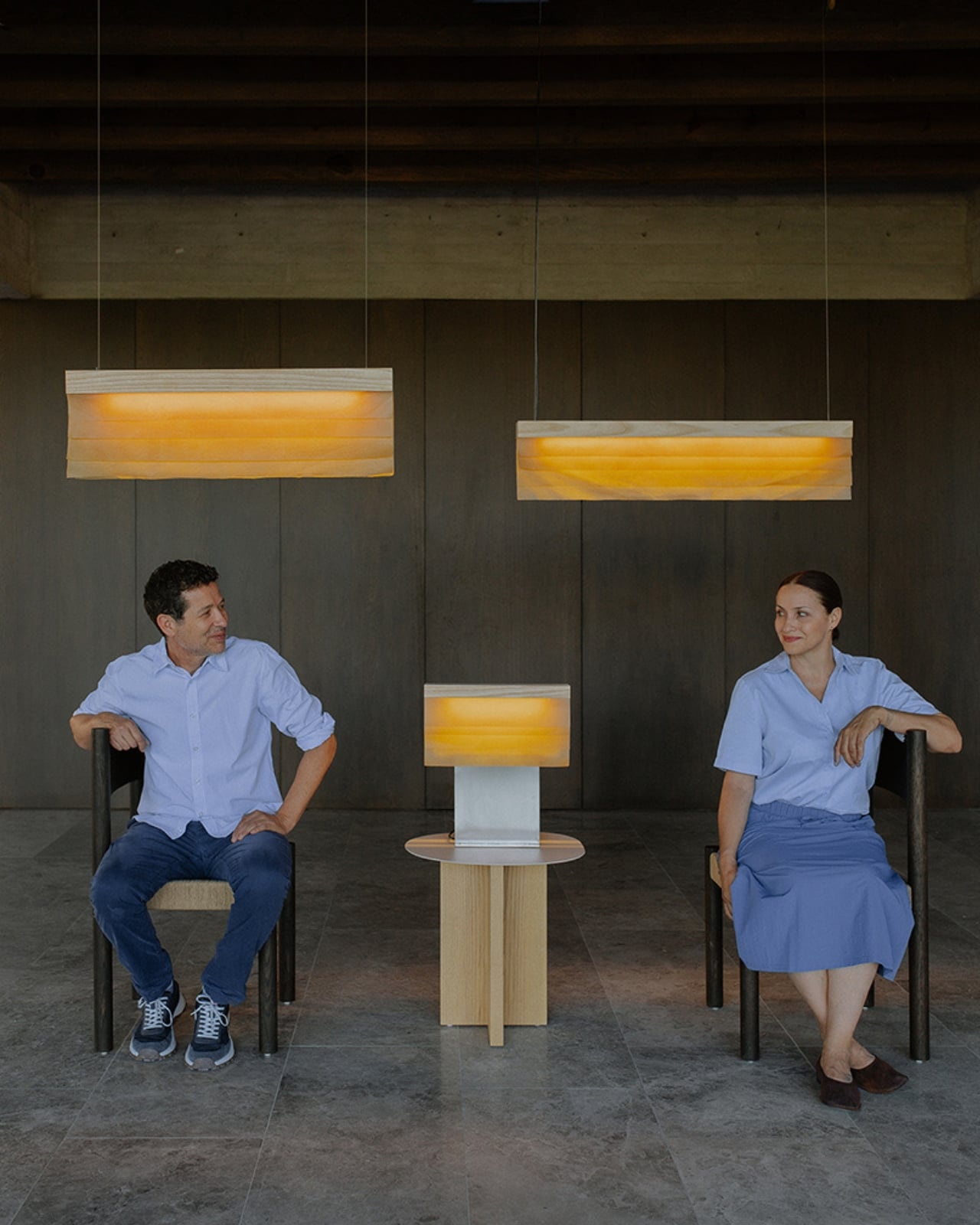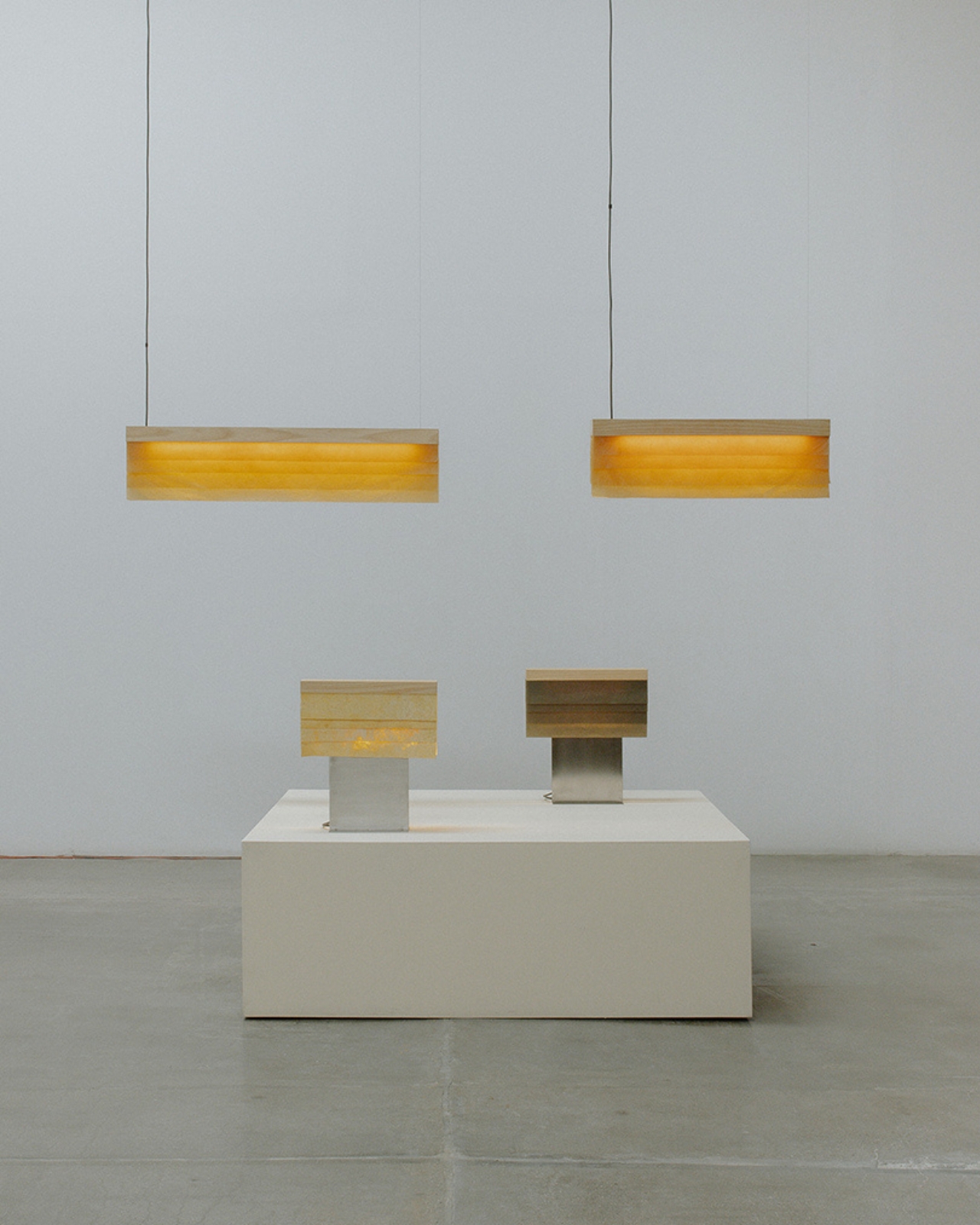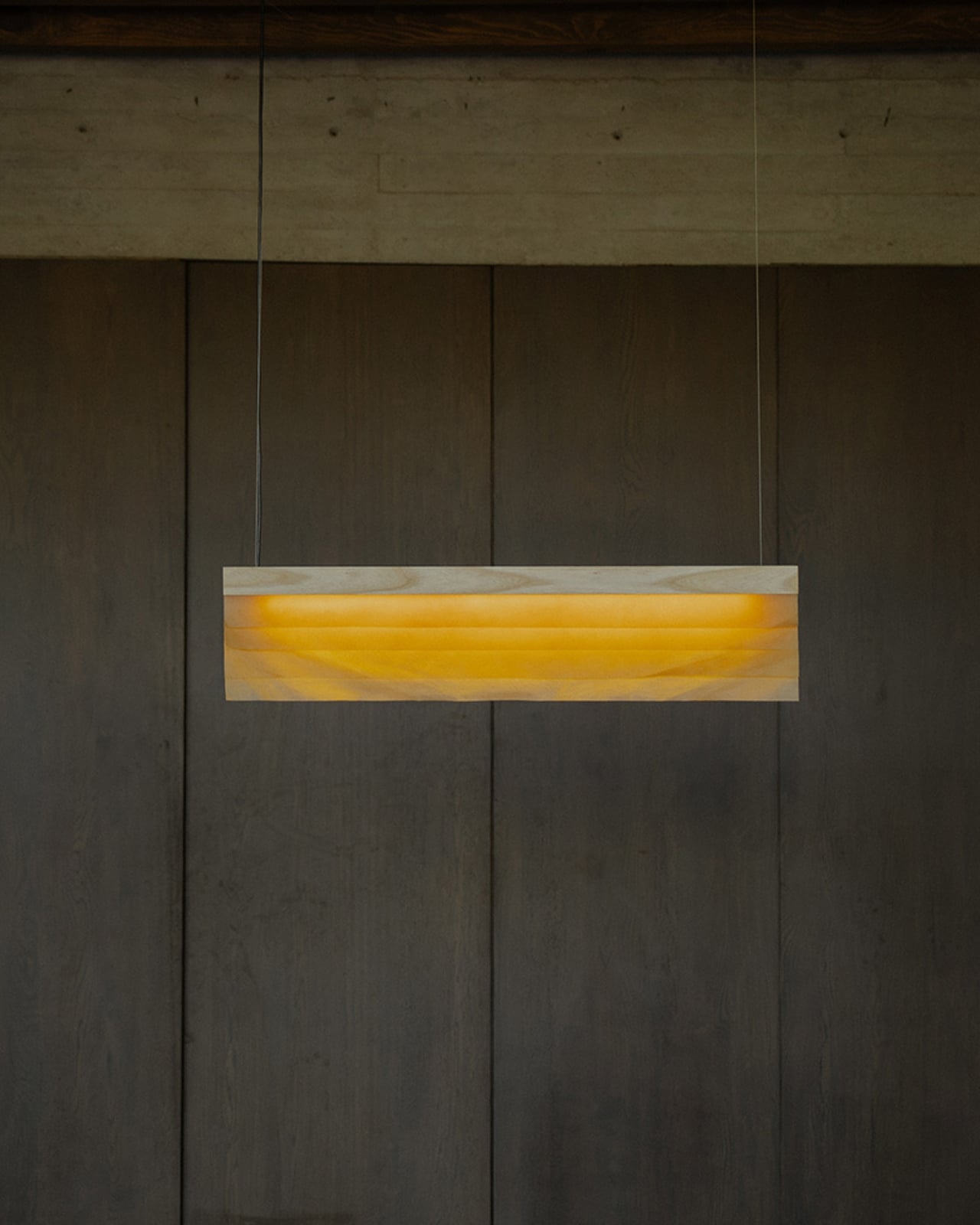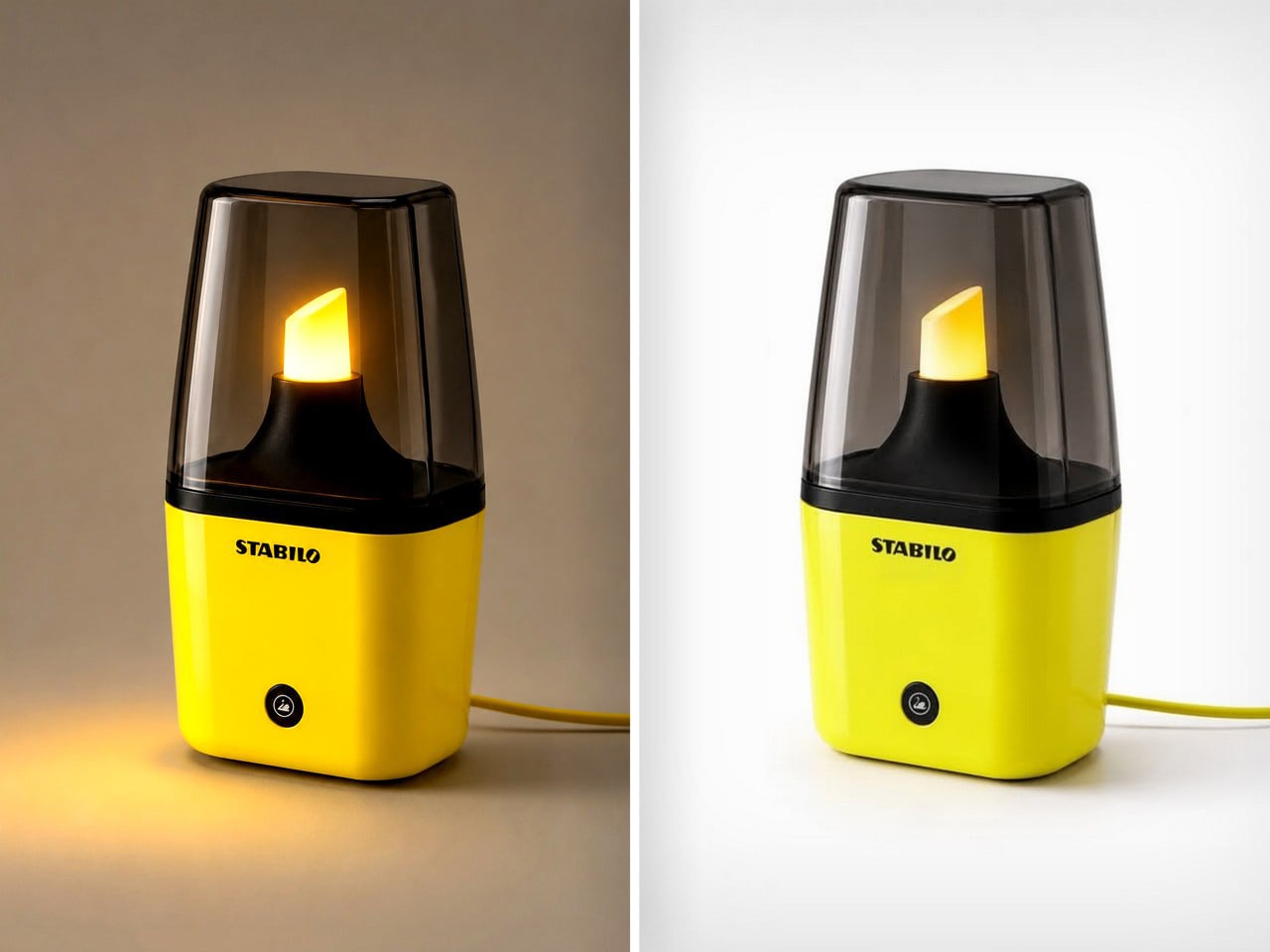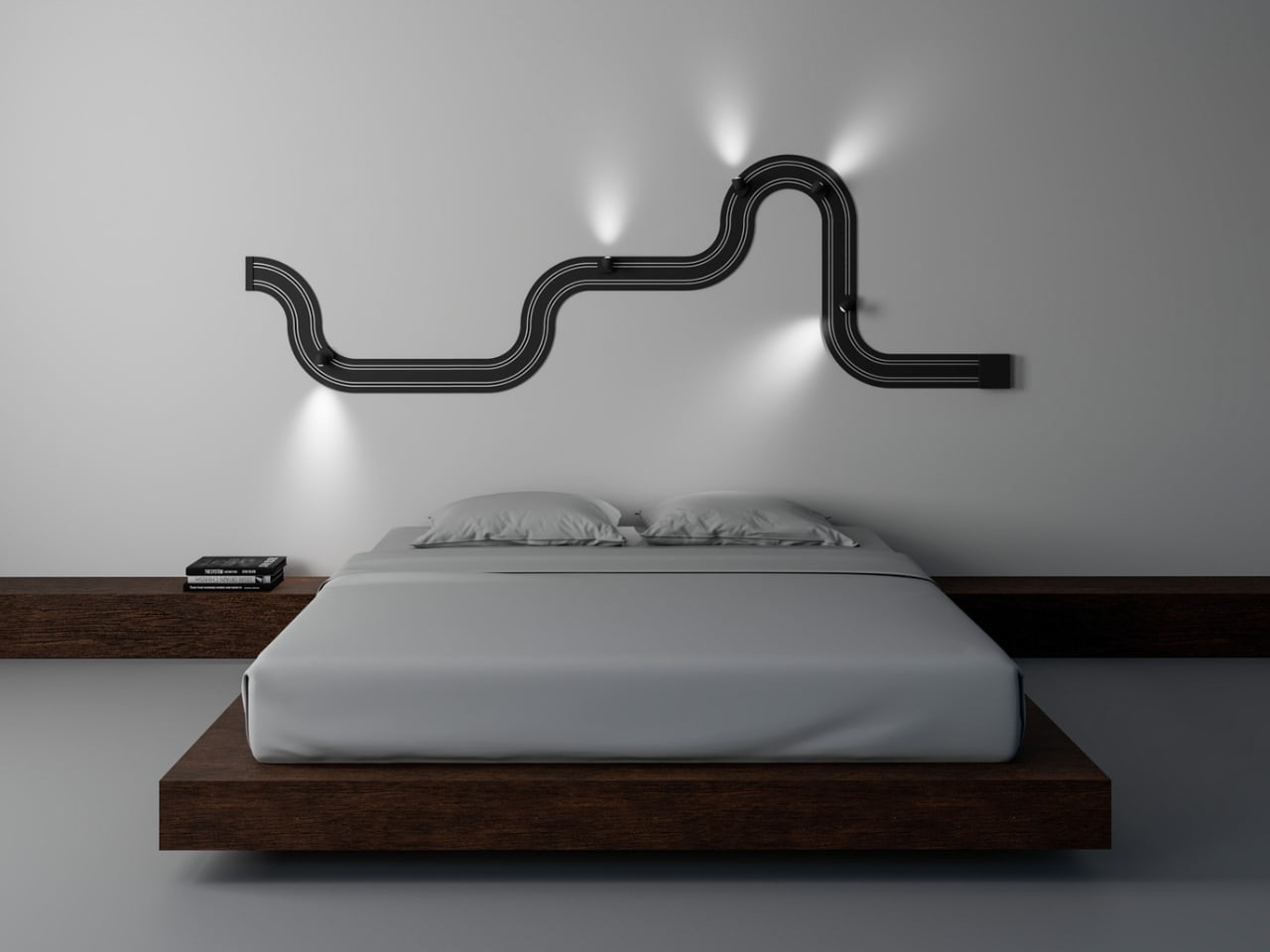
5 Smart Lighting Trends That Just Made Traditional Fixtures Look Outdated

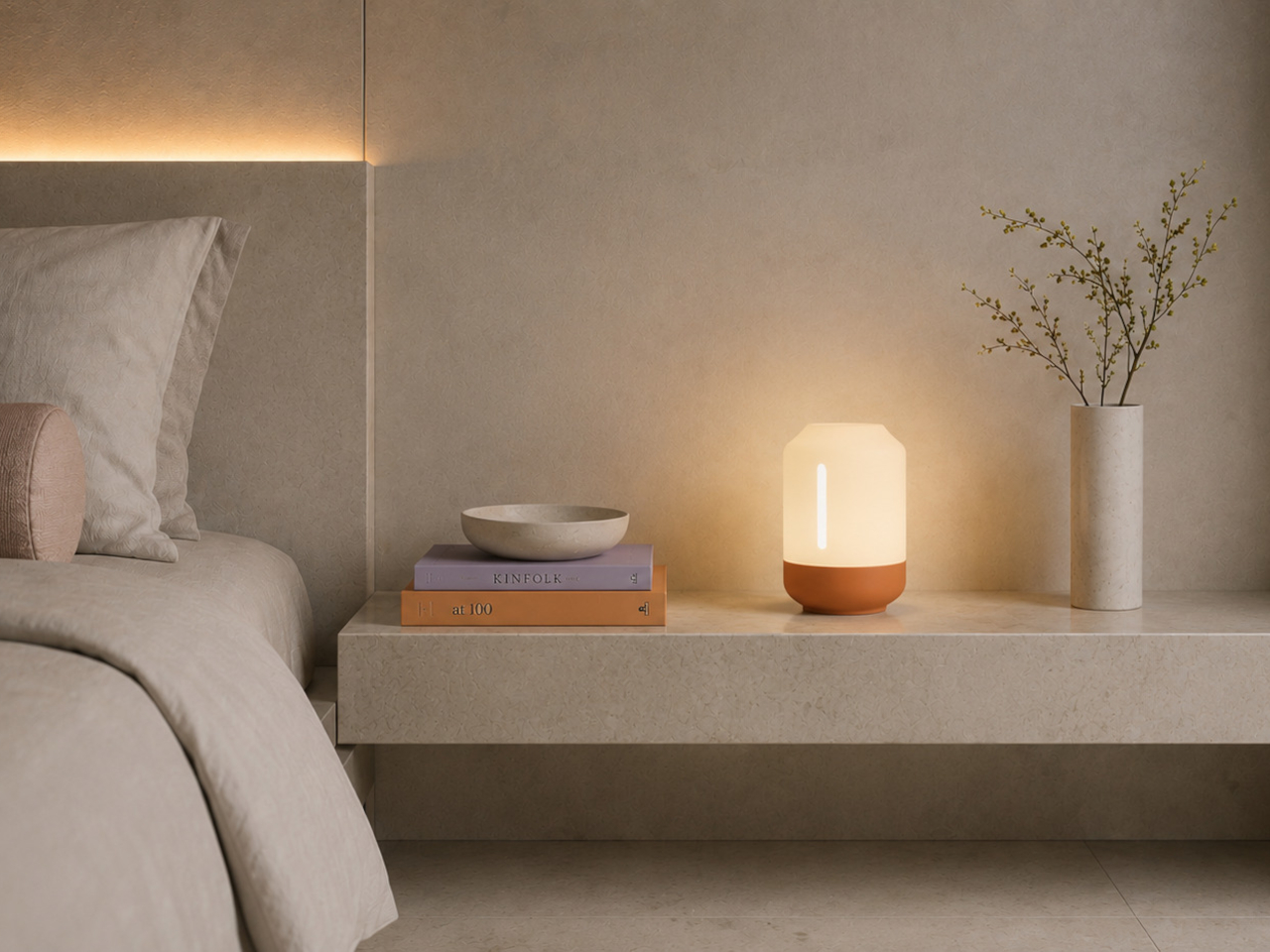
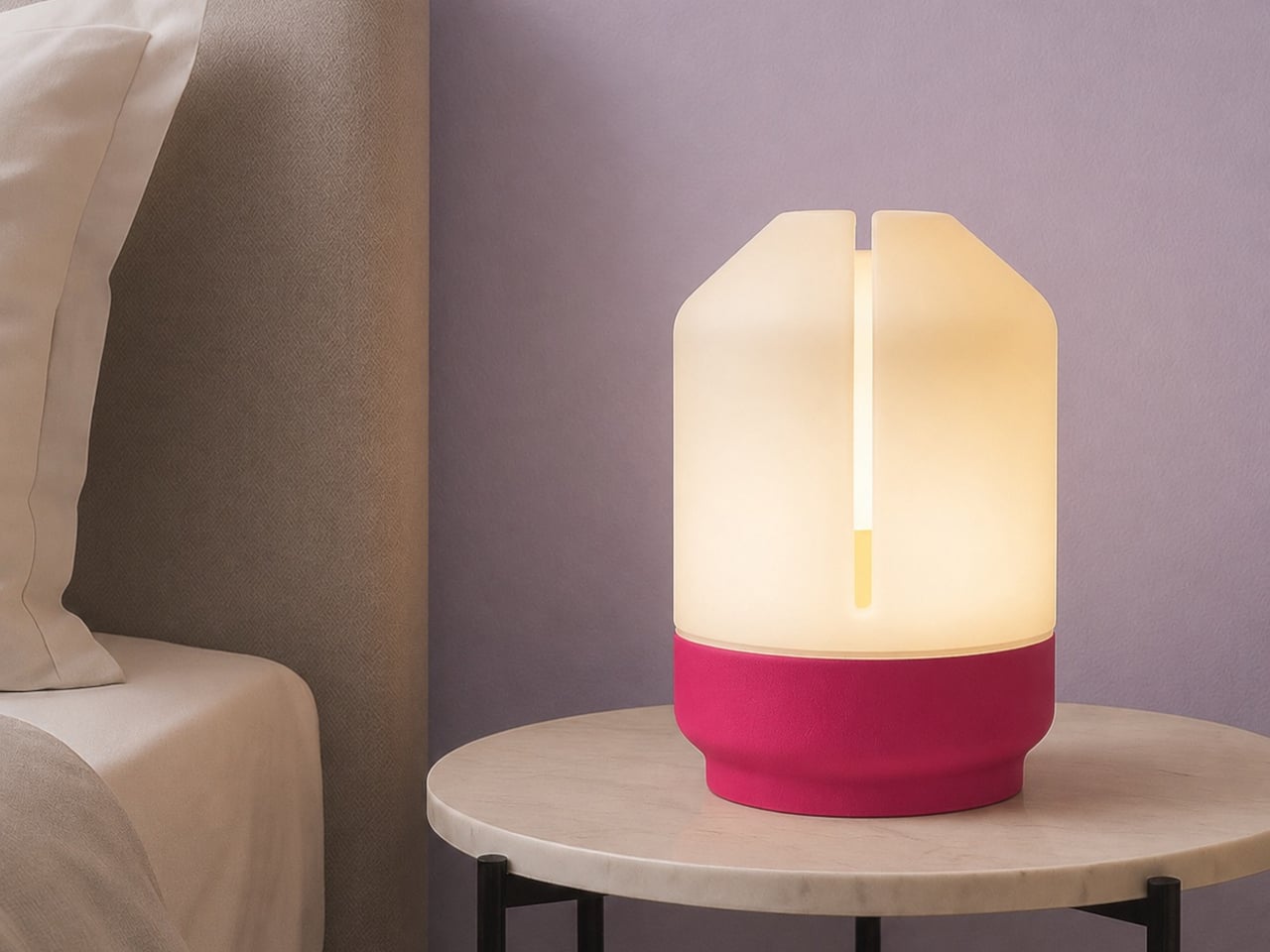
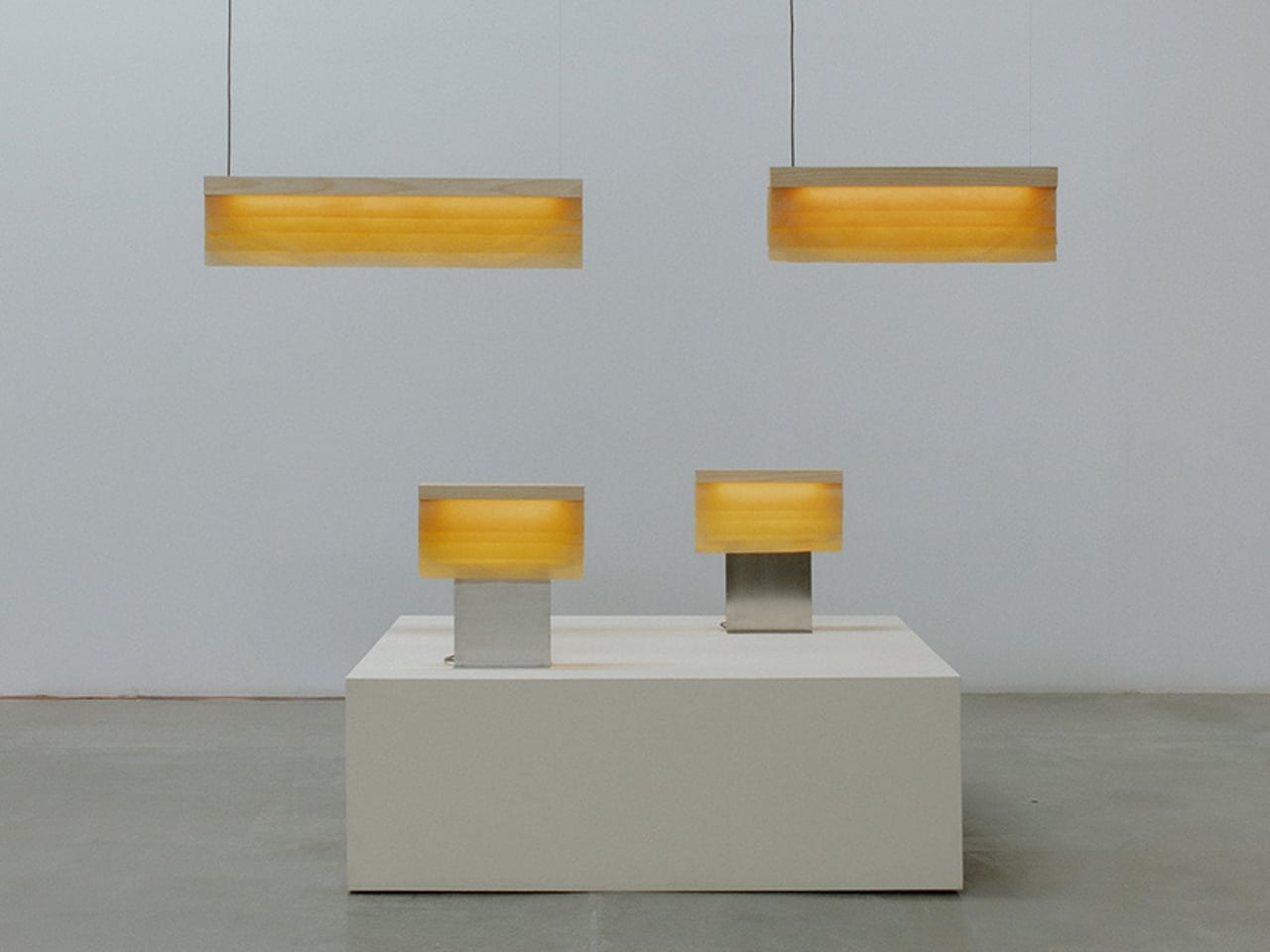
Lighting Design in 2026 has shifted from a background utility to an emotional design language, influencing how spaces are experienced while shaping atmosphere, flow, and everyday comfort. Today, light works quietly in the background, adapting to your routines, responding to natural rhythms, and enhancing your experience of home.

Rather than acting as a static fixture, lighting now plays an active role in creating atmosphere. Soft transitions, layered illumination, and nature-inspired tones help interiors feel calmer, warmer, and more connected to the outside world. Whether you are unwinding after a long day or starting your morning, let’s decode how 2026’s lighting trends support the emotional flow of your space, making the home feel less like a structure and more like a living, responsive environment.

1. Invisible Smart Lighting

In 2026, the most advanced lighting systems are designed to blend effortlessly into your space. Powered by Ambient Intelligence, they use sensors and AI to adjust brightness and tone based on occupancy, daylight levels, and your daily routines. Instead of relying on switches, light flows naturally from one area to another, subtly guiding movement and defining zones without drawing attention to the technology behind it.

This approach focuses on supporting your body’s natural rhythms. Predictive dimming and gentle colour shifts mirror the changing quality of daylight, helping you feel more alert during the day and relaxed in the evening. By working in sync with your internal clock, lighting becomes an invisible wellness tool that improves comfort, focus, and overall quality of living.

This AI-assisted ceiling light illuminates the lives of the elderly while monitoring their safety

AI-enabled lighting systems for elderly care combine illumination with continuous health and safety monitoring. Integrated sensors and computer vision allow the lamp to detect falls, unusual movement patterns, and prolonged inactivity, while also tracking indicators such as respiration and coughing. Advanced algorithms analyse behaviour over time to predict potential risks before accidents occur. When an incident is detected, the system automatically alerts designated caregivers or emergency contacts, enabling faster response and reducing the severity of injury through timely intervention.

Designed to function as a standard household lamp, this technology integrates seamlessly into residential interiors without appearing medical or intrusive. The familiar form factor encourages acceptance while delivering round-the-clock support through a single device. With low heat emission, energy-efficient LEDs, and autonomous operation, AI lighting solutions provide a scalable approach to assisted living. By combining safety, monitoring, and illumination in one product, these systems offer a practical way to support independent ageing while maintaining comfort, privacy, and dignity.

2. Sculptural Light Forms

Lighting fixtures are increasingly treated as architectural features rather than background utilities. Instead of relying on scattered recessed ceiling lights, spaces now favour bold, sculptural pieces that visually anchor the room. These luminaires are appreciated for their authentic materials, including hand-blown recycled glass, alabaster, and bio-based composites, which add depth and softness while creating a gentle, diffused glow.

Beyond function, such fixtures shape how you perceive space. A large pendant naturally draws the eye, balancing volume and form while adding a sense of rhythm to the interior. Light becomes a focal point that connects design with atmosphere, creating rooms that feel considered, expressive, and emotionally engaging.

The Arc Lamp by designer Divyansh Tripathi is defined by a single bent wooden arm that curves gracefully to support a suspended light source, creating a strong sculptural identity. The continuous arc forms a balanced structure that distributes weight evenly while guiding the eye from base to bulb. This fluid geometry gives the lamp a sense of motion, turning a functional object into a visual centrepiece suitable for display as much as daily use. The suspended bulb is positioned to provide soft ambient illumination while reducing direct glare.

Material choice is central to the lamp’s character and performance. Bent timber introduces warmth, tactile depth, and visible grain patterns that make each piece visually distinct. Finished with protective natural coatings, the wood maintains its organic appearance while ensuring durability. Paired with a low-profile LED bulb, the lamp delivers even, diffused light that enhances surrounding textures without overpowering the space. Its minimal structure allows it to integrate across interior styles, functioning as a lighting solution and a collectible design object.

3. Honest Sustainable Materials

Lighting design now places strong emphasis on the full life cycle of a fixture, not just its appearance. You see a growing focus on low-impact production, modular construction, and upgradable LED components that extend usability rather than encouraging replacement. Materials such as repurposed mycelium, salt crystals, and recycled composites are no longer experimental choices but trusted options for those who value responsible design.

This shift brings both ethical and practical benefits. Durable construction and adaptable technology mean fixtures last longer and age more gracefully. When materials are chosen for integrity and longevity, lighting becomes more than décor as it becomes a lasting design investment, valued for craftsmanship and environmental responsibility rather than short-term trend appeal.

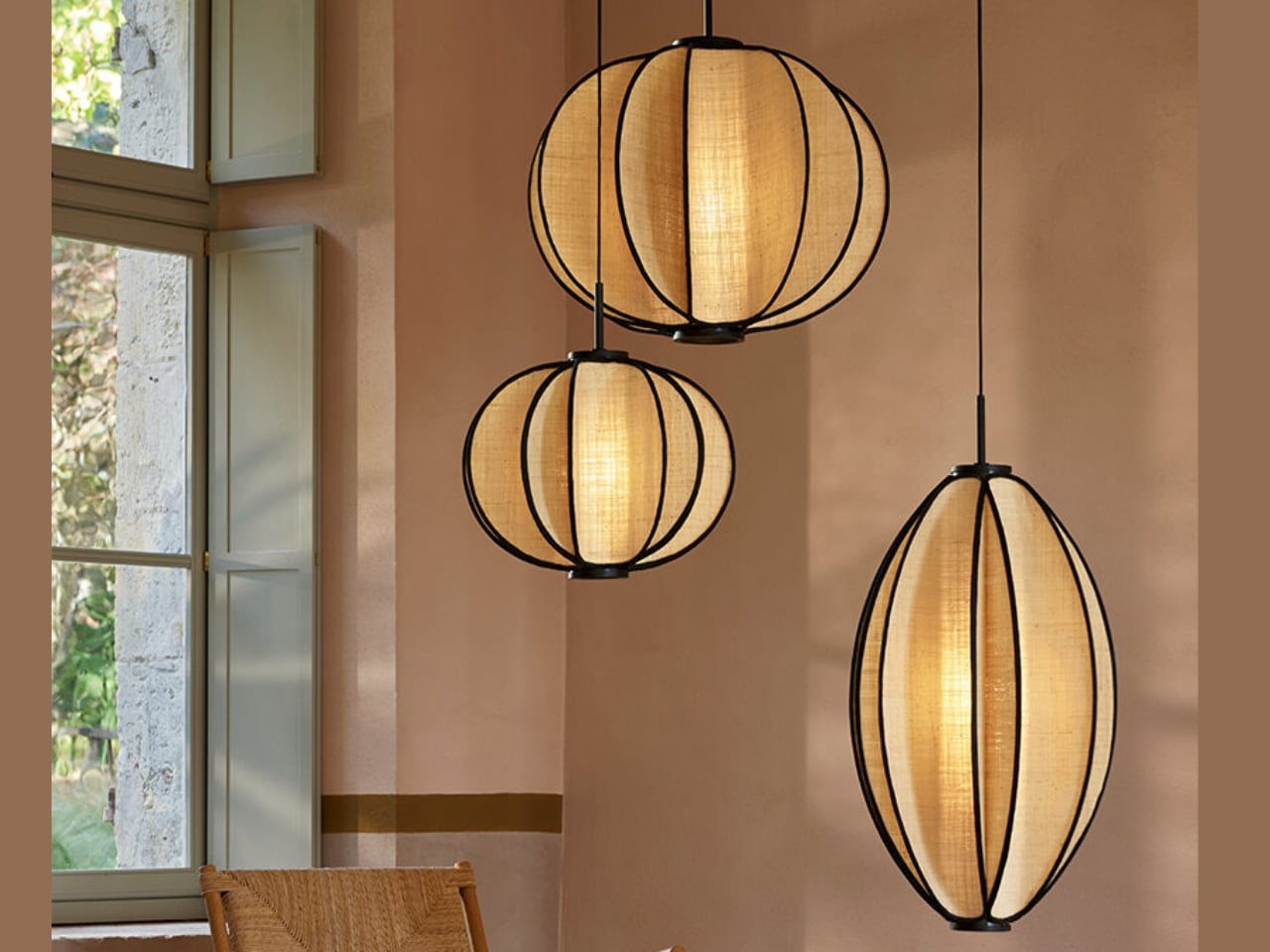
The Air suspension light by Contardi Lighting, designed in collaboration with Adam Tihany, is engineered to deliver soft, evenly distributed ambient illumination. Its dual-shade construction houses upper and lower LED light sources that spread light both upward and downward, improving overall spatial brightness while avoiding direct glare. Laser-cut detailing on the shades allows controlled light diffusion, creating subtle shadow patterns that add visual depth without reducing functional output. This configuration supports balanced lighting suitable for dining areas, lounges, and hospitality interiors.

Lighting efficiency is supported by the use of high-performance LED modules that maintain consistent colour temperature and stable light intensity over time. The shade material is designed to transmit and reflect light effectively, ensuring minimal loss while preserving a warm tonal quality. The integrated structure reduces the need for additional ambient fixtures, making the lamp suitable as a primary light source in medium-sized spaces.

4. Power of Shadow

Good lighting design recognises that darkness plays just as important a role as illumination. Instead of flooding every corner with brightness, subtractive lighting uses restraint to highlight key architectural features while allowing other areas to remain calm and visually quiet. This balance of light and shadow adds depth, especially in double-height or open-plan spaces, where contrast helps define structure and scale.

Techniques such as narrow-beam spotlights and subtle floor-level washes guide movement and create visual pauses. As you move through the home, light reveals selected moments rather than everything at once. The result feels intentional and layered, turning everyday interiors into curated, gallery-like environments instead of uniformly lit, commercial-looking spaces.

The Foreshadow Table Lamp is designed to transform direct illumination into patterned ambient light. Its perforated metal shade filters the light source into multiple fine beams, projecting structured shadows across nearby surfaces. This controlled diffusion adds visual depth while maintaining functional brightness for side tables, consoles, and accent lighting applications. The lighting effect varies depending on placement, surface finishes, and surrounding geometry, allowing the lamp to interact with its environment rather than delivering flat, uniform output.

Construction focuses on durability and tactile quality. The metal shade features precision-punched perforations that regulate light distribution while maintaining structural rigidity. The matte finish reduces surface glare and complements both contemporary and transitional interiors. When switched off, the lamp retains a clean, sculptural profile, functioning as a decorative object even without illumination. Designed to operate as a lighting fixture and an ambient feature, the Foreshadow Table Lamp provides atmospheric enhancement while remaining practical for everyday use.

5. Colour and Comfort

Modern lighting is closely linked to energy efficiency and indoor comfort. Advanced LED systems release very little heat, helping reduce strain on cooling and ventilation systems while keeping rooms comfortable throughout the day. This makes lighting an active part of managing how a space performs, not just how it looks.

At the same time, colour temperature is used to influence how warm or cool a room feels. You can shift from soft, golden tones during colder months to cooler, moonlit hues in warmer seasons, subtly shaping your emotional and physical response to the space. By adjusting light colour, interiors feel more adaptable, balanced, and supportive of everyday well-being.

The Wipro EcoLumi Flex is a modular lighting concept designed to function as a table lamp and a suspended ceiling fixture. Its adjustable structure allows users to modify height and angle through a simple twist mechanism, ensuring precise light placement for different tasks. A slidable shade enables directional control and glare reduction, improving visual comfort during focused work. Multiple units can be connected using integrated joints and connectors, allowing customised lighting layouts for desks, workstations, or collaborative spaces.

Lighting performance is enhanced through built-in circadian modes that automatically adjust brightness and colour temperature throughout the day. Warm tones support relaxed morning and evening use, while cooler light promotes alertness and productivity during peak work hours. The modular construction supports part replacement and future upgrades, reducing material waste and extending product lifespan.

Lighting is evolving into a true architectural philosophy in 2026, where atmosphere takes precedence over mere fixtures. Intelligent systems, sculptural forms, and sustainable materials work together to create spaces that are visually compelling.

The post 5 Smart Lighting Trends That Just Made Traditional Fixtures Look Outdated first appeared on Yanko Design.

5 Best Minimalist Lighting Solutions Under $200 That Save Counter Space

Counter real estate is precious territory in modern living spaces. Every inch counts when you’re balancing functional needs with aesthetic desires. Traditional table lamps with their bulky bases and tangled cords devour valuable surface area that could serve better purposes. The solution lies in rethinking how we light our spaces altogether. Minimalist lighting design offers an elegant answer to this spatial dilemma.

The best space-saving lights share certain qualities beyond mere compactness. They’re portable enough to move where needed, adaptable to different moods and settings, and beautiful enough to enhance rather than clutter a room. These five designs prove that reducing footprint doesn’t mean compromising on atmosphere or functionality. Each offers a distinct approach to illumination while respecting the reality of limited space and budget constraints under $200.

1. Anywhere Use Lamp – The Modular Minimalist

The Anywhere Use Lamp channels the quiet confidence of Scandinavian design philosophy. Its mushroom-inspired silhouette feels organic yet refined, with a cap-and-stem construction that breaks down into remarkably compact components. The base measures just a few inches across, meaning it occupies less counter space than your morning coffee mug. Six high color rendering LEDs cast a warm glow that transforms harsh corners into inviting nooks. The entire assembly runs on four AA batteries, eliminating the cord chaos that typically accompanies lighting solutions.

What makes this lamp genuinely space-conscious is its modular nature. When not in use, it disassembles completely and tucks into a bag or drawer. The Industrial edition adds textural depth through deliberately distressed metalwork that celebrates manufacturing marks rather than hiding them. Four brightness settings cycle through with a press anywhere along the cap’s edge, delivering satisfying tactile feedback that feels intentional rather than fumbling. This thoughtful interaction design means you’re never hunting for tiny switches in the dark.

Click Here to Buy Now: $149.00

What We Like

  • The battery operation liberates you from outlet dependency and cord management
  • The disassembly feature turns a permanent fixture into a flexible tool
  • The touch-anywhere interface makes brightness adjustment effortless in low light
  • The warm LED quality creates a genuine ambiance rather than sterile illumination

What We Dislike

  • Battery replacement becomes an ongoing consideration for frequent users
  • The compact footprint means less light dispersion than larger fixtures
  • The minimalist aesthetic may read as too simple for traditional decor schemes
  • The cap requires careful handling during transport to avoid separation

2. Fire Capsule Oil Lamp – Analog Warmth

The Fire Capsule reimagines centuries-old oil lamp technology through a contemporary minimalist lens. Its cylindrical form factor takes up minimal counter space, while the flat top enables vertical stacking when you own multiples. The precision-engineered lid keeps the glass chimney dust-free between uses, maintaining optical clarity that cheaper oil lamps sacrifice. An 80ml fuel capacity delivers up to 16 hours of continuous burn time, outlasting most dinner parties and evening reading sessions without intervention.

Beyond basic illumination, this design incorporates an aroma plate that transforms the lamp into a scent diffuser. The flickering flame quality creates movement and depth that static LED solutions cannot replicate, adding living energy to spaces. The included drawstring pouch protects the glass during transport, making this viable for outdoor dining, camping, or emergency preparedness kits. When filled with paraffin oil containing insect-repelling compounds, it becomes functional outdoor lighting that actively improves the experience rather than just enabling it.

Click Here to Buy Now: $89.00

What We Like

  • The stackable design maximizes vertical storage efficiency
  • Real flame createsan  authentic ambiance that feels fundamentally different from electric alternatives
  • The aroma plate integration serves dual functions without additional equipment
  • The extended burn time eliminates constant monitoring and refilling

What We Dislike

  • Open flame requires more attention than switch-operated lights
  • Glass construction demands careful handling and storage considerations
  • Fuel purchases become an ongoing operational requirement
  • The flame produces minor heat output that may be unwelcome in small spaces

3. Lớp Lamp – Layered Optics

The Lớp lamp employs layered transparent acrylic panels to create an optical illusion where light appears suspended mid-air. This geometric approach to diffusion means the actual footprint remains surprisingly modest while the visual impact scales dramatically. Four size options accommodate different spatial contexts, from bedside surfaces to statement pieces on credenzas. Eight colorway options span from whisper-quiet neutrals to conversation-starting accent tones that anchor a room’s palette.

Standard LED bulbs keep replacement simple and heat generation minimal, meaning you can place them near books, fabrics, or other heat-sensitive materials without concern. The optical art reference feels intentional without derivative mimicry, nodding to Victor Vasarely’s kinetic square studies while establishing a distinct identity. Natural daylight shifts throughout the day interact with the layered panels differently, creating a dynamic character that evolves from morning through evening. The substantial construction feels grounded without becoming cumbersome, striking that difficult balance between presence and portability.

What We Like

  • The layered design creates visual complexity from simple geometric elements
  • Multiple size options allow matching the scale to specific spatial needs
  • Standard bulb compatibility avoids proprietary replacement hassles
  • The design actively responds to changing ambient light conditions

What We Dislike

  • The transparent panels require regular cleaning to maintain optical clarity
  • The geometric aesthetic may feel too contemporary for certain interiors
  • Larger sizes increase the footprint despite an efficient design
  • The visual effect depends heavily on proper bulb selection

4. TriBeam Camplight – Triple Function Compact

The TriBeam Camplight condenses three distinct lighting modes into a form factor smaller than a water bottle. At 12.8cm tall and just 135 grams, it essentially disappears in a backpack or jacket pocket yet delivers up to 180 lumens when needed. The three modes—camping, ambient, and flashlight—address genuinely different use cases rather than offering superficial variation. Camping mode provides broad area illumination for tents and outdoor dining. Ambient mode creates a soft background light for reading or relaxing. Flashlight mode focuses the beam for navigation and task work.

Brightness adjustment spans from five lumens for subtle night lighting up to that full 180-lumen output for serious illumination needs. Runtime extends to 50 hours on lower settings from a single charge, meaning weekend trips require no mid-adventure charging anxiety. The single-button interface cycles through modes intuitively without requiring instruction manual consultation in the field. The award-winning industrial design demonstrates that purpose-built gear can embrace aesthetic sophistication rather than defaulting to utilitarian blandness.

Click Here to Buy Now: $65.00

What We Like

  • The three distinct modes genuinely serve different lighting requirements
  • Exceptional runtime eliminates charging concerns during extended use
  • The tiny footprint and light weight make portability effortless
  • The rechargeable battery eliminates disposable waste and ongoing costs

What We Dislike

  • The compact size limits maximum light output compared to larger lanterns
  • Single-button operation requires cycling through unwanted modes
  • The modern aesthetic may feel out of place in traditional indoor settings
  • USB charging requires cable management and power access

5. Tomori Lantern Kit – Collapsible Emergency Light

The Tomori Lantern takes minimalism to its logical extreme by existing as a flat kit until needed. Collapsed to A4 dimensions, it slips into emergency drawers, glove compartments, or bug-out bags where traditional lanterns cannot fit. The cardboard base construction sounds fragile, but it proves bend-resistant through clever engineering, working with any standard LED flashlight that fits the clamp system. This universal compatibility means you’re never dependent on proprietary bulbs or replacement part availability.

The polypropylene cover diffuses harsh flashlight beams into even ambient light, which makes spaces feel inhabited rather than interrogated. Setup requires no tools, cables, or technical knowledge—unfold, clamp the flashlight, and place the cover. This simplicity becomes critical during power outages or emergencies when complexity creates failure points. The included flashlight ensures the kit functions immediately rather than requiring you to source compatible components. When the situation resolves, the entire assembly collapses back to flat storage, ready for the next need.

Click Here to Buy Now: $39.00

What We Like

  • The flat collapsed state enables storage in spaces where lanterns cannot fit
  • Universal flashlight compatibility avoids proprietary lock-in
  • No charging or fuel requirements mean indefinite shelf stability
  • The simple assembly works under stress when fine motor skills decline

What We Dislike

  • The cardboard construction has limited long-term durability with repeated use
  • Performance depends entirely on the flashlight quality and charge state
  • The utilitarian aesthetic prioritizes function over decorative appeal
  • The diffuser cover can separate from the base during transport

Making Light Work Harder

Space-saving lighting design represents more than dimensional reduction. These five solutions demonstrate how thoughtful engineering can deliver better functionality from smaller footprints. The key lies in questioning assumptions about what lighting must be—permanent, plugged-in, single-purpose. Modularity, portability, and multi-functionality transform lights from static fixtures into dynamic tools that adapt to changing needs and contexts throughout the day.

The under-$200 price point makes experimentation accessible rather than requiring major commitment to a single approach. You might discover that battery operation liberates furniture arrangement more than expected, or that collapsible emergency lighting serves daily uses you hadn’t anticipated. These designs prove that minimalism isn’t about deprivation but rather about intentional choices that enhance living spaces through subtraction rather than addition. Your counters will thank you for the breathing room.

The post 5 Best Minimalist Lighting Solutions Under $200 That Save Counter Space first appeared on Yanko Design.

IKEA GREJSIMOJS Dog Lamp Dims When You Hold Its Head for Bedtime

Bedtime means juggling bright ceiling lights, harsh phone screens, and random night lights that feel more like plastic gadgets. Kids often want a light that feels like a friend keeping watch, while adults want something that does not fight the decor or scream “children’s product” when guests walk by. IKEA’s GREJSIMOJS tries to bridge that gap with a lamp that is both functional and playful without picking a side.

GREJSIMOJS is an LED table lamp shaped like a small blue dog, designed by Marta Krupińska as part of IKEA’s play-driven collection. It is meant for children but deliberately “far from childish,” with a rounded capsule body, soft legs, and a white dome that glows like a head, so it reads as a friendly companion even before you turn it on.

Designer: Marta Krupińska (IKEA)

Turning it on at night means pressing and holding the button on the dog’s head to dim the light seamlessly. The lamp remembers the last brightness level, so it always comes back exactly where you left it, whether that is a low night-light glow or a brighter setting for reading. The gesture is simple enough for a child to understand, but satisfying enough that adults do not feel like they are using a toy.

The light itself is a pleasant, glare-free glow that is gentle on the eyes. It is bright enough for bedtime stories or quiet play, but can be dialed down to a soft presence that makes the room feel safe without keeping anyone awake. Over time, that consistency makes the lamp part of the ritual, a signal that the day is winding down and it is time to rest.

Krupińska describes the lamp as a reliable friend that keeps you company and makes you smile every day, and the GREJSIMOJS collection is built around play and togetherness for all ages. The dog shape is abstract enough to sit on a grown-up’s bedside table without feeling out of place, yet expressive enough that a child can project personality onto it, which is a neat trick for polypropylene and LEDs.

The body is made from polypropylene with at least 50% recycled content, and the LED light source is replaceable with a lifetime of about 25,000 hours, roughly 20 years at three hours a day. It is mains-powered with a cord and adapter included, cool to the touch, and cleaning is as simple as dusting it with a cloth.

GREJSIMOJS is less about adding another gadget to a child’s room and more about choosing a bit of playfulness in everyday objects. It is a reminder that a lamp can be both a piece of design and a small character in the room, watching over the bed, joining in on shadow puppets, and quietly proving that functional lighting does not have to grow up completely.

The post IKEA GREJSIMOJS Dog Lamp Dims When You Hold Its Head for Bedtime first appeared on Yanko Design.

Hourglass-like Lamp Changes Lighting When You Flip It Upside Down

Most table lamps quietly disappear into the background, doing their job without much thought. There is the usual formula: a base, a stem, a shade, and how they become part of the furniture, you stop noticing. JAL from Barcelona studio Som by Mos leans into that ordinariness on purpose, then uses a very small twist to make the everyday feel a bit more deliberate and less forgettable.

JAL is a table lamp built around two glass cones joined tip to tip, like a clear hourglass. The bulb sits inside this double cone so it appears to float in the air, and the whole piece is available in transparent or frosted glass. The only other visible element is the cable, which comes in different colors and quietly sets the tone.

Designer: SOM by MOS

Placing JAL with the bulb facing upward on a sideboard, it behaves like a familiar table lamp, throwing light onto the wall and ceiling. Flip it so the bulb points downward, and it turns into more of a glowing object that pools light on the surface below. That simple rotation changes how you use the lamp, from reading companion to ambient accent.

The clear-glass version makes the bulb and its reflections the main event, better suited to a living room corner or a shelf where you want a bit of sparkle. The frosted version softens everything, turning the hourglass into a diffuse glow that feels more at home on a bedside table or a quiet desk. The form stays the same, but the way it holds light shifts with the finish.

Som by Mos offers a selection of cable colors, so the one strong line cutting through the glass can either disappear or become a graphic detail. A neutral cable lets the lamp fade into a minimal setup, while a bolder color makes it feel more playful. Those small decisions, orientation, glass type, cable, are how the lamp becomes “whatever you want it to be.”

Som by Mos talks about objects that are not just used but experienced and interpreted. JAL fits that idea because it does not force a single reading. It is a lamp you can turn, soften, or sharpen with tiny choices, and over time, those choices are what give it personality. Loud lighting fills rooms with fixtures demanding attention, but a quiet hourglass of glass and light can feel like exactly the right kind of “just another lamp.”

The post Hourglass-like Lamp Changes Lighting When You Flip It Upside Down first appeared on Yanko Design.

These Steel Chairs and Lamps Look Like Sitting Inside a Pergola

Walking under a pergola or slatted canopy, sunlight breaks into stripes, and the structure feels more like a drawing in space than a solid roof. That rhythm of beams and shadows is both architectural and strangely calming, turning overhead shelter into something closer to a pattern you move through. Foln takes that outdoor language and shrinks it down into objects you can live with indoors.

Jiyun Lee’s Foln series is a family of three stainless-steel pieces: the Linear Chair, a floor lamp, and a wall lamp, all built from folded metal lines. Each element is made entirely of stainless steel, with dimensions that keep it slender and vertical. The project is less about adding another chair or lamp to the world and more about importing a structural idea into a domestic scale, treating furniture and lighting as small frameworks you inhabit or move around.

Designer: Jiyun Lee

Encountering the Linear Chair, you see a small framework first, a set of repeated uprights and crossbars that read like a fragment of pergola. Only when you get closer does the seat reveal itself as a crossing of beams, with the back continuing the same rhythm upward. It is clearly functional, but it also feels like sitting inside a drawing, surrounded by lines and the shadows they cast on the floor and wall behind you.

The floor and wall lamps extend the same language into light. The floor lamp becomes a vertical corridor where illumination travels up and down between nested frames, while the wall lamp compresses that idea into a compact cluster that hovers off the surface. In both cases, lighting is less about a glowing bulb and more about how brightness slips between the metal and onto nearby surfaces, treating the surrounding wall as part of the composition.

Foln changes as you move around it. From one angle, the lines stack and the pieces look dense, almost solid; from another, they open up and nearly disappear. The designer’s statement that shadows become architectural elements in their own right comes through when you realize the real composition includes the dark stripes on the floor and wall as much as the polished steel itself, rewriting the room with every shift in daylight.

Stainless steel, sharp geometry, and unpadded surfaces mean Foln is not chasing ergonomic softness or maximum light output. The chair will feel firm, and the lamps will behave more like ambient or accent pieces than task lights. That trade-off is intentional, prioritizing a contemplative, spatial experience over conventional comfort and placing the series closer to collectible design than everyday contract furniture you buy in bulk.

Foln reframes interiors as places where structure, light, and emptiness can be as present as color or texture. By borrowing the pergola’s rhythm and translating it into folded metal, the series turns a familiar outdoor gesture into a quiet indoor ritual. Rhythm is not only seen in the lines of steel but felt in the way light and shadow keep rewriting the room around them, turning simple objects into small, inhabitable frameworks that change how you read the space they sit in.

The post These Steel Chairs and Lamps Look Like Sitting Inside a Pergola first appeared on Yanko Design.

This Sliced Cylinder Lamp Turns One Cut Into Pure Design Magic

There’s something deeply satisfying about watching a designer take a basic shape and completely reimagine it. That’s exactly what Jisu Park has done with the Corte Lamp, a lighting design that proves sometimes the boldest move is a single, decisive cut.

At first glance, the Corte Lamp looks like a straightforward cylindrical floor lamp. Clean lines, matte finish, minimalist aesthetic. But then you notice the slash, a sweeping diagonal incision that slices through the form like someone took a giant blade to it. This isn’t just a decorative flourish. That cut becomes the lamp’s defining feature, transforming a simple tube into something that feels more like a sculptural installation than a functional light source.

Designer: Jisu Park

The genius here is in the restraint. Park didn’t overcomplicate things with multiple cutouts or elaborate patterns. Instead, there’s just one bold, confident gesture that creates an elliptical opening through the cylinder. When the lamp is off, you see the architectural drama of negative space. When it’s on, that void becomes a window into warm, glowing light that spills out at unexpected angles.

What makes the Corte Lamp particularly clever is how it plays with our expectations of what a lamp should be. We’re used to light coming from the top of a floor lamp, filtered through a shade or diffuser. But this design disrupts that convention. The cut section exposes the light source in the middle of the form, creating multiple lighting effects simultaneously. You get ambient uplight from the top, focused illumination from the opening, and subtle downlight at the base.

The color palette adds another layer of appeal. While the lamp comes in practical neutrals like black, white, and beige, it’s the pastel options that really shine. That peachy coral tone, in particular, transforms the lamp into something that feels current and Instagram-ready without trying too hard. The mint green offers a retro-futuristic vibe, while the soft pink brings a gentle warmth to any space. These aren’t just lamps. They’re statement pieces that happen to provide light.

From a technical perspective, the execution looks flawless. The matte finish gives each color depth and sophistication, while the precision of that diagonal cut suggests careful engineering. The edges are clean, the proportions are balanced, and despite its dramatic gesture, the lamp maintains stability with a circular base that echoes the cylindrical form. There’s also something intriguing about how the lamp changes depending on your viewing angle. Walk around it and the elliptical opening shifts in appearance, sometimes looking like a narrow slit, other times revealing the full depth of the cut. This kinetic quality, where the object seems to transform as you move through space, adds an interactive element that static lighting typically lacks.

The Corte Lamp fits into a larger trend we’re seeing in contemporary design where the line between furniture and art continues to blur. Young designers are increasingly rejecting the idea that functional objects need to disappear into the background. Instead, they’re creating pieces that demand attention, spark conversation, and challenge our assumptions about everyday items. Park’s design also reflects a particular aesthetic moment where maximalism isn’t about adding more, but about making more impact with less. One cut. One form. Multiple colors. That’s the entire concept, and it works because it’s executed with conviction and technical skill.

For anyone furnishing a space, the Corte Lamp offers versatility that’s hard to find in statement lighting. It’s bold enough to anchor a minimal room with dramatic flair, but simple enough not to clash with existing decor. It works in a modern apartment, a creative studio, or even a retail space looking for sculptural accents that serve a purpose.

The beauty of designs like this is they remind us that innovation doesn’t always mean reinventing everything from scratch. Sometimes it’s about looking at something familiar, like a cylindrical lamp, and asking what happens if you just take something away. In Park’s case, that subtraction became an addition, creating a lighting design that’s as much about shadow and void as it is about illumination. The Corte Lamp proves that great design can be a single idea executed perfectly.

The post This Sliced Cylinder Lamp Turns One Cut Into Pure Design Magic first appeared on Yanko Design.

This Sliced Cylinder Lamp Turns One Cut Into Pure Design Magic

There’s something deeply satisfying about watching a designer take a basic shape and completely reimagine it. That’s exactly what Jisu Park has done with the Corte Lamp, a lighting design that proves sometimes the boldest move is a single, decisive cut.

At first glance, the Corte Lamp looks like a straightforward cylindrical floor lamp. Clean lines, matte finish, minimalist aesthetic. But then you notice the slash, a sweeping diagonal incision that slices through the form like someone took a giant blade to it. This isn’t just a decorative flourish. That cut becomes the lamp’s defining feature, transforming a simple tube into something that feels more like a sculptural installation than a functional light source.

Designer: Jisu Park

The genius here is in the restraint. Park didn’t overcomplicate things with multiple cutouts or elaborate patterns. Instead, there’s just one bold, confident gesture that creates an elliptical opening through the cylinder. When the lamp is off, you see the architectural drama of negative space. When it’s on, that void becomes a window into warm, glowing light that spills out at unexpected angles.

What makes the Corte Lamp particularly clever is how it plays with our expectations of what a lamp should be. We’re used to light coming from the top of a floor lamp, filtered through a shade or diffuser. But this design disrupts that convention. The cut section exposes the light source in the middle of the form, creating multiple lighting effects simultaneously. You get ambient uplight from the top, focused illumination from the opening, and subtle downlight at the base.

The color palette adds another layer of appeal. While the lamp comes in practical neutrals like black, white, and beige, it’s the pastel options that really shine. That peachy coral tone, in particular, transforms the lamp into something that feels current and Instagram-ready without trying too hard. The mint green offers a retro-futuristic vibe, while the soft pink brings a gentle warmth to any space. These aren’t just lamps. They’re statement pieces that happen to provide light.

From a technical perspective, the execution looks flawless. The matte finish gives each color depth and sophistication, while the precision of that diagonal cut suggests careful engineering. The edges are clean, the proportions are balanced, and despite its dramatic gesture, the lamp maintains stability with a circular base that echoes the cylindrical form. There’s also something intriguing about how the lamp changes depending on your viewing angle. Walk around it and the elliptical opening shifts in appearance, sometimes looking like a narrow slit, other times revealing the full depth of the cut. This kinetic quality, where the object seems to transform as you move through space, adds an interactive element that static lighting typically lacks.

The Corte Lamp fits into a larger trend we’re seeing in contemporary design where the line between furniture and art continues to blur. Young designers are increasingly rejecting the idea that functional objects need to disappear into the background. Instead, they’re creating pieces that demand attention, spark conversation, and challenge our assumptions about everyday items. Park’s design also reflects a particular aesthetic moment where maximalism isn’t about adding more, but about making more impact with less. One cut. One form. Multiple colors. That’s the entire concept, and it works because it’s executed with conviction and technical skill.

For anyone furnishing a space, the Corte Lamp offers versatility that’s hard to find in statement lighting. It’s bold enough to anchor a minimal room with dramatic flair, but simple enough not to clash with existing decor. It works in a modern apartment, a creative studio, or even a retail space looking for sculptural accents that serve a purpose.

The beauty of designs like this is they remind us that innovation doesn’t always mean reinventing everything from scratch. Sometimes it’s about looking at something familiar, like a cylindrical lamp, and asking what happens if you just take something away. In Park’s case, that subtraction became an addition, creating a lighting design that’s as much about shadow and void as it is about illumination. The Corte Lamp proves that great design can be a single idea executed perfectly.

The post This Sliced Cylinder Lamp Turns One Cut Into Pure Design Magic first appeared on Yanko Design.

When Your Childhood Pen Becomes Your Living Room Centerpiece

You know that clear plastic pen you’ve chewed the cap off a hundred times? The one that’s probably rolling around in your junk drawer right now? Well, someone just turned it into a lamp and it’s kind of genius. Seeing design variations of products that are different from each other is a refreshing take especially if it’s done right.

Italian design brand Seletti teamed up with designer Mario Paroli to celebrate the 75th anniversary of the BIC Cristal pen in the most extra way possible. They blew it up to 12 times its original size and transformed it into a floor lamp, pendant light, and wall-mounted fixture. Because apparently, nothing says “happy birthday” quite like making something absurdly large and hanging it from your ceiling.

Designer: Mario Paroli for Seletti

The BIC Lamp debuted at Maison & Objet 2026, and it’s exactly what you’d imagine if you scaled up that iconic ballpoint pen you’ve been using since elementary school. The transparent barrel is there, the hexagonal body is there, and yes, the caps come in those three classic colors: black, blue, and red. The only thing missing is the mysterious teeth marks we all somehow ended up making during boring classes or meetings.

What makes this collaboration so charming is how it taps into universal nostalgia. The BIC Cristal isn’t just any pen. Since 1950, when French-Italian entrepreneur Marcel Bich acquired the patent for the ballpoint mechanism from Hungarian-Argentine inventor László Bíró, this little writing tool has lived in every pencil case, backpack, and desk drawer imaginable. It’s been clutched by artists and writers, and it’s earned spots in the permanent collections at New York’s Museum of Modern Art and Paris’s Centre Georges Pompidou. For something so ordinary, it’s surprisingly extraordinary.

Seletti’s art director Stefano Seletti explains their approach perfectly: “We transform a universally and instantly recognisable shape that lives in everyone’s memory, into something completely new”. And that’s the magic here. The lamp doesn’t reinvent the wheel or try too hard to be clever. It just takes something we all recognize and makes us see it differently. The design uses carefully selected materials that echo the original pen, but instead of ink flowing through that clear barrel, you get LED technology lighting up your space. It’s functional, playful, and surprisingly versatile. Whether you mount it on a wall, suspend it as a pendant, or place it as a floor lamp, the BIC Lamp brings that same pop-culture irreverence Seletti is known for.

The lamp works because it doesn’t take itself too seriously. It’s design with a wink, a nod to our shared experiences with this humble writing instrument. How many times have we frantically searched for a pen, only to find three BIC Cristals that may or may not work? How many have we borrowed and never returned? The pen is part of our daily rituals, so familiar we barely notice it anymore. By supersizing it and giving it a new function, Paroli and Seletti invite us to reconsider everyday objects around us. Good design doesn’t always mean creating something entirely new. Sometimes it means looking at what’s already there and asking, “What if?” What if the pen we’ve used for decades became something else? What if we celebrated its simplicity by making it impossible to ignore?

The BIC Lamp transforms a desktop essential into a domestic icon, proving that the best design ideas often come from the most unexpected places. It’s memory-driven design at its finest, taking something ordinary and making it extraordinary simply by changing its scale and purpose.

The post When Your Childhood Pen Becomes Your Living Room Centerpiece first appeared on Yanko Design.

This Brick Light Turns Travel Memories Into Glowing Cubes

There’s something beautifully honest about a designer who stops creating long enough to actually live. That’s the story behind the Brick Light from O_1 Design, a lamp that feels less like a product and more like a memento brought back from somewhere you can’t quite place on a map.

The designer’s journey reads like a poem. Golden sunlight threading through misty fields. Frost covering endless plains. The physical memory of wind while cycling, of rough rock under climbing fingertips. These weren’t just Instagram moments to be captured and forgotten. They became something tangible, something you can hold in your hand and turn on at night.

Designer: O_1 Design

What emerged from all those collected sensations is refreshingly simple: three brick-shaped blocks stacked together, glowing softly from within. It’s the kind of design that makes you wonder why no one thought of it before, which is usually the hallmark of something genuinely clever. The inspiration comes from architecture’s most fundamental building block. Not the sexy, swooping curves of modern design, but the humble brick. The kind of thing that’s built everything from ancient walls to corner shops you pass without noticing. There’s a democratic quality to that choice, a nod to the idea that extraordinary things can come from ordinary elements.

Each segment maintains perfect 1:1:1 proportions, creating a symmetry that feels almost meditative. The surface carries a subtle brick pattern, textured enough to catch your eye but not so literal that it becomes gimmicky. When the light filters through the flame-retardant PC material, it transforms into something between solid and ethereal, like a memory that’s both crystal clear and slightly hazy around the edges.

But here’s where things get interesting. This isn’t a lamp you just turn on and off with a boring switch. The Brick Light wants to play with you. Rotate it 90 degrees and you’re setting a sleep timer with options for 10, 25, 45, or 60 minutes. Flip it completely upside down and it begins a gentle fade to darkness, easing you into sleep like a bedtime story that knows exactly when to end. It’s this kind of thoughtful interaction design that separates memorable products from forgettable ones. Anyone can make a lamp. Making a lamp that invites touch, that rewards curiosity, that feels almost alive in its responsiveness? That takes actual imagination.

The technical details matter here too. This isn’t just about aesthetics. The patented internal structure uses a support and suspension system that allows the modular design to work as both form and function. The material choice prioritizes safety with flame-retardant certification, because beautiful things should also be responsible things.

What strikes me most about the Brick Light is how it manages to feel both playful and contemplative. The promotional photos tell this story perfectly. Tiny figurines interact with oversized glowing cubes in miniature worlds ranging from arctic landscapes to desert sunsets to lush green countryside. It’s whimsical without being childish, fantastical while remaining grounded in real materials and honest construction.

In a market saturated with smart home devices that require apps and WiFi and monthly subscriptions, there’s something genuinely refreshing about a light that just asks you to flip it. The analog nature of the interaction feels almost radical in 2026. No voice commands, no connectivity issues, no firmware updates. Just you, the lamp, and the simple pleasure of physical manipulation creating immediate response.

This is design that understands we’re all a little tired of being optimized and connected and notified. Sometimes you just want to hold something real, turn it in your hands, and watch what happens. The Brick Light offers that uncomplicated satisfaction while still delivering genuine innovation in how we interact with everyday objects. Whether it ends up on a nightstand helping you drift off to sleep or on a desk providing ambient lighting while you work, the Brick Light carries with it that original inspiration: the fragments of a journey, the rhythm of experience, quietly glowing.

The post This Brick Light Turns Travel Memories Into Glowing Cubes first appeared on Yanko Design.
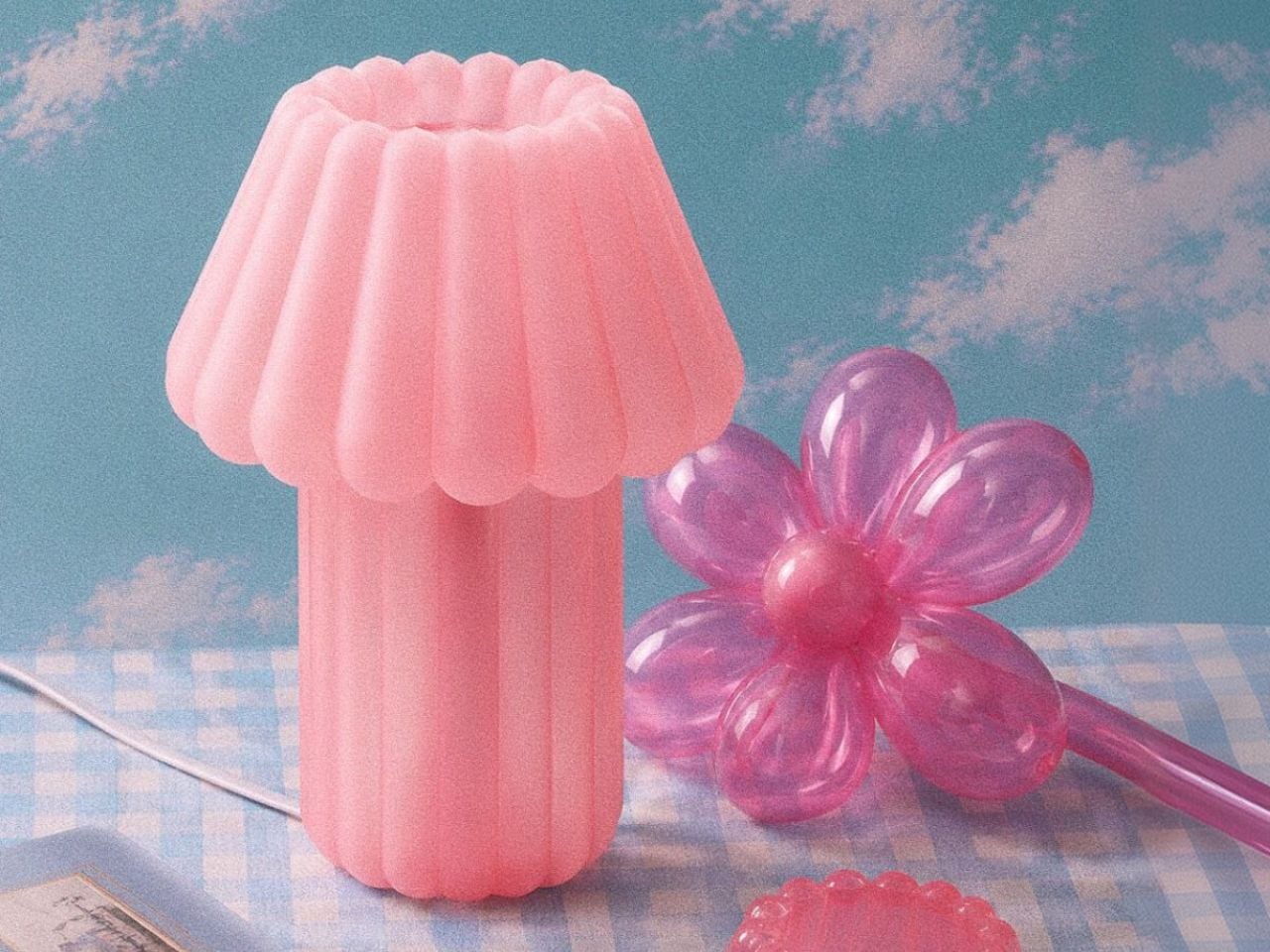
Bird.zzz Turns Sleep Tracking into a Calm Earbud and Bedside Lamp Ritual

Most sleep gadgets feel like they belong in a gym or a lab: chunky watches, bright screens, and apps that want you to stare at charts before bed. There is a disconnect between wanting a soft, quiet bedroom and plugging in devices that blink, buzz, and look like mini computers parked on your nightstand. Sleep tech rarely starts from the mood of the room it lives in, focusing instead on metrics and dashboards that feel clinical.

Bird.zzz is a project from Jiyoun Kim Studio and LG Labs that begins with a softly lit, cozy bedroom. It is a sleep wellness earbud paired with a dome-shaped bedside cradle that doubles as a knock-on lamp. The earbuds measure sleep via EEG and physical data, then use that analysis to deliver sound designed to improve sleep quality, all while sitting on your nightstand like a small sculpture rather than a charging puck.

Designer: Jiyoun Kim

The design started from the cradle, imagined as a small object on a nightstand rather than a tech dock. It works as a bedside lamp using LG’s knock-on technology; a tap on the cover turns a warm, indirect LED halo on or off. The magnet-fixed top lifts to reveal the earbuds, and the weight is tuned so it feels stable and reassuring when you reach for it half-awake in the dark.

The earbuds had a specific challenge, needing skin contact for EEG sensing while staying loose enough for comfortable sleep. The team explored numerous forms and landed on a novel S-shaped ear tip, a hybrid of open and closed designs that keeps sensors in place without pressing hard into the ear canal. It borrows benefits from both types while avoiding the pressure points that make most in-ear devices unbearable after 20 minutes.

A typical evening means placing the earbuds in the cradle, tapping the dome to turn on a soft light, then lifting the lid to put the earbuds in as you settle into bed. As you fall asleep, the system reads brain activity and physical signals, adjusting soundscapes or audio cues based on your patterns. In the morning, the earbuds go back into their dome, and the object returns to being a quiet lamp.

The project covered product, packaging, and manual design, so the experience runs from unboxing to nightly use with consistent, minimal language. The warm white LED, indirect lighting, and knock-on interaction follow calm technology principles, asking for as little attention as possible. Bird.zzz launched after CES 2023, but it looks more like a small piece of bedroom architecture than a trade show gadget you plug in reluctantly.
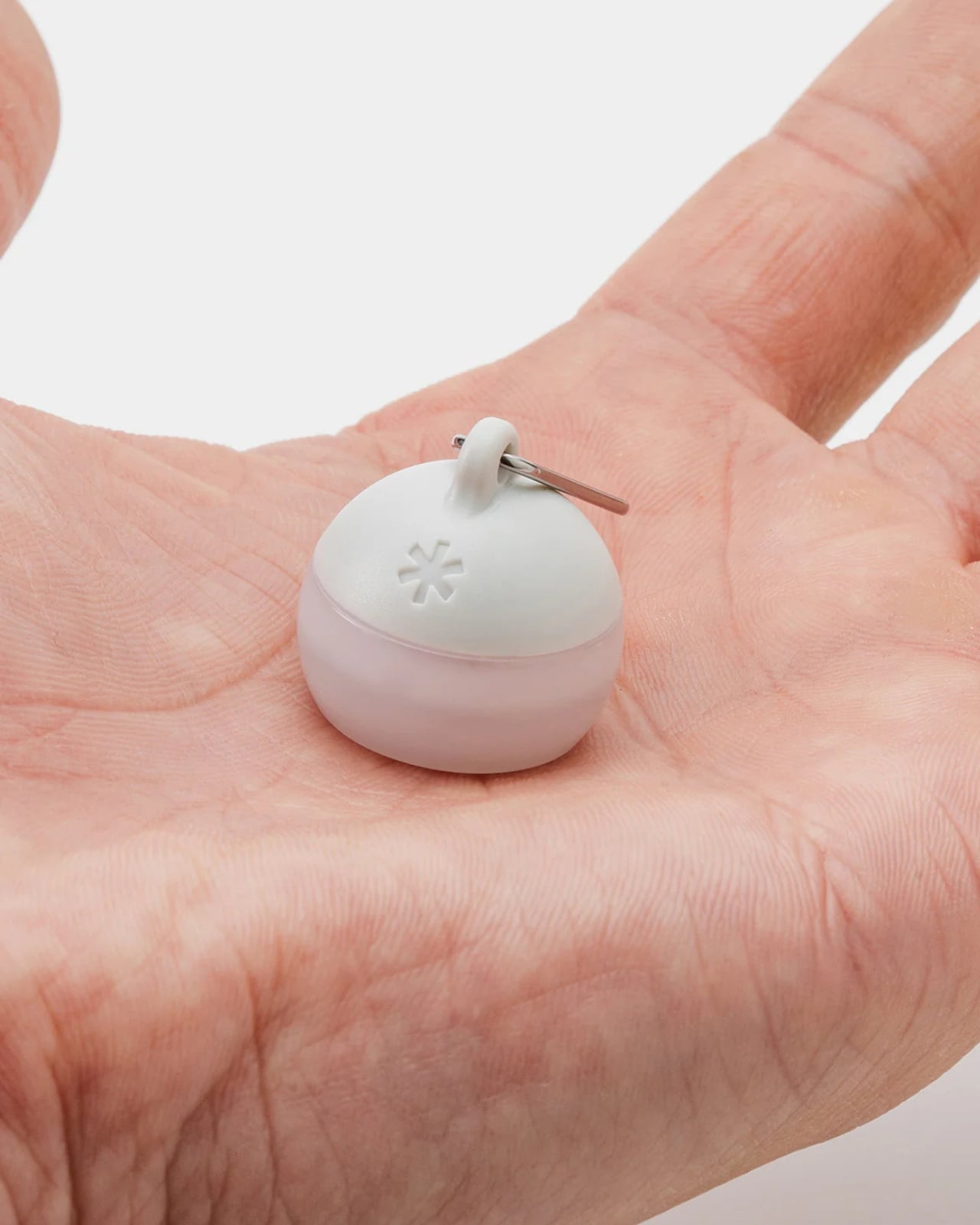
Bird.zzz treats sleep as an environment to design for, not just a graph to optimize. The dome cradle, the S-shaped ear tip, and the soft interactions all point toward tech that respects the bedroom as a place to wind down. For anyone wary of strapping more screens to their body at night, an earbud and lamp combo that tries to disappear into the ritual of going to bed feels like a more thoughtful direction.
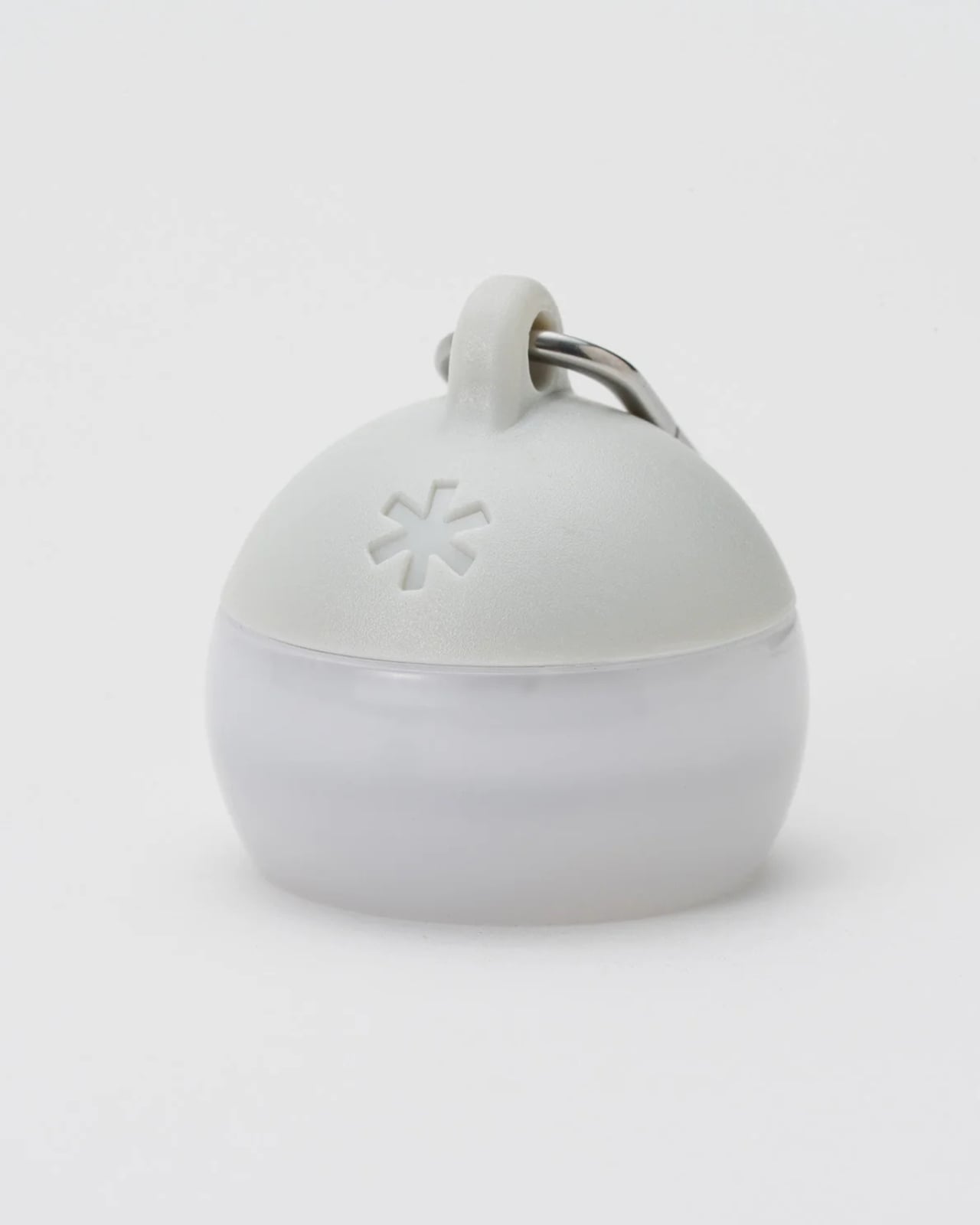
The post Bird.zzz Turns Sleep Tracking into a Calm Earbud and Bedside Lamp Ritual first appeared on Yanko Design.