Your Entire Steam Library Now Fits in a Game Boy-Sized Handheld

The Steam Deck modding community has taken Valve’s handheld gaming PC to some unexpected places. Modders have swapped in more RAM, loaded the hardware with terabytes of storage, and reshaped it in ways Valve never intended. Most of those efforts stay close to the original form factor, tweaking what’s already there without fundamentally changing what the device looks like or how compact it is.

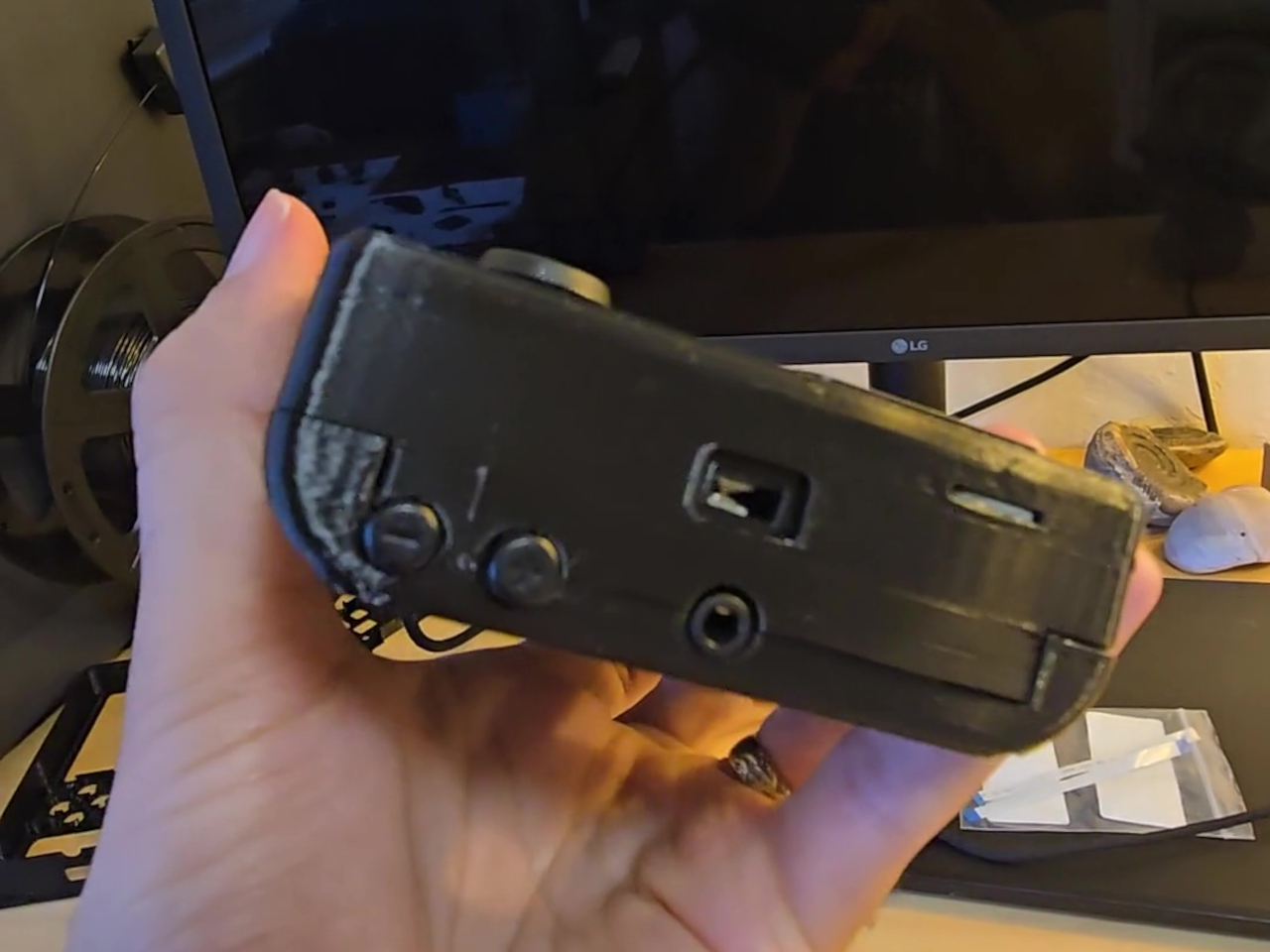
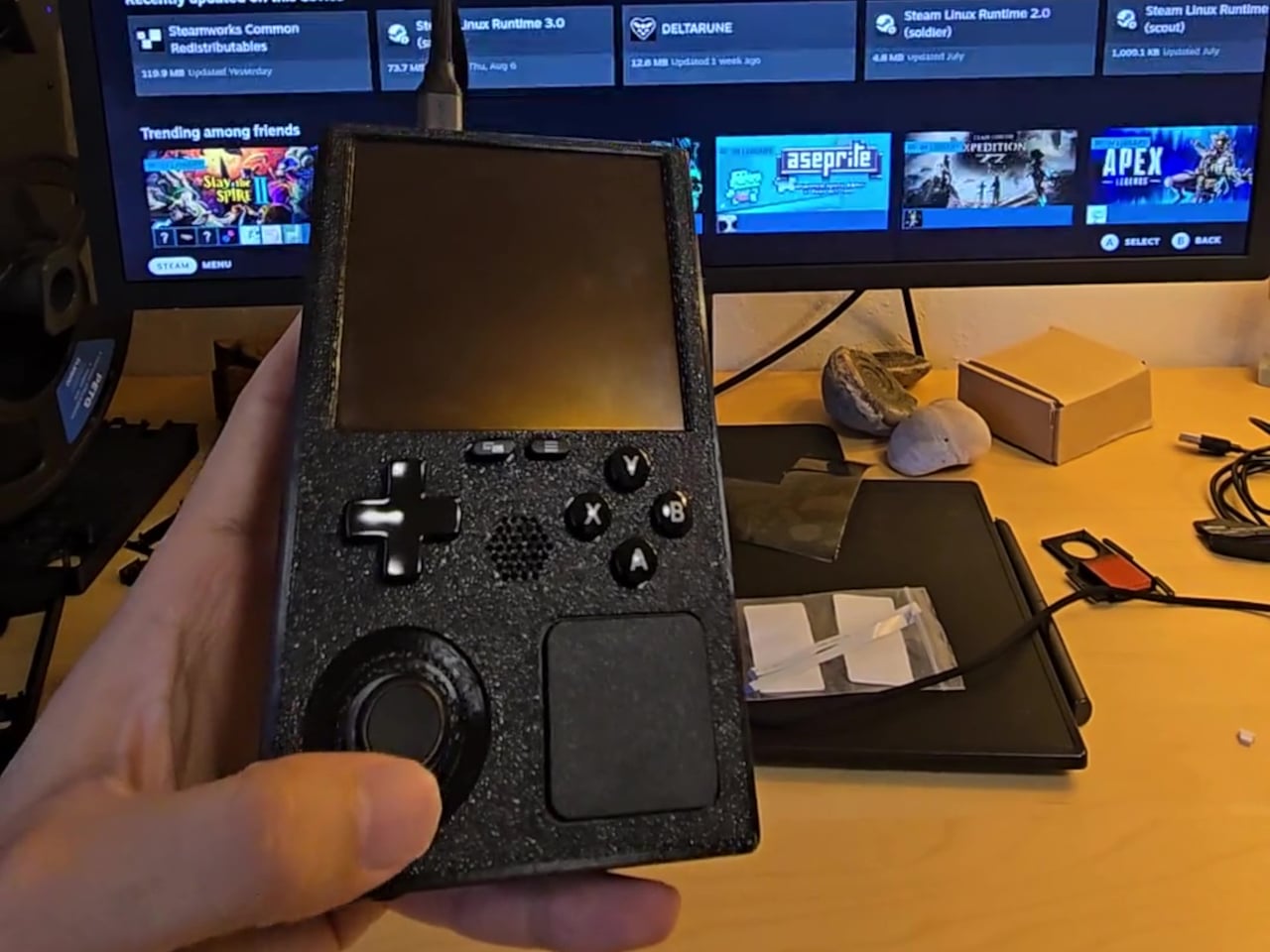
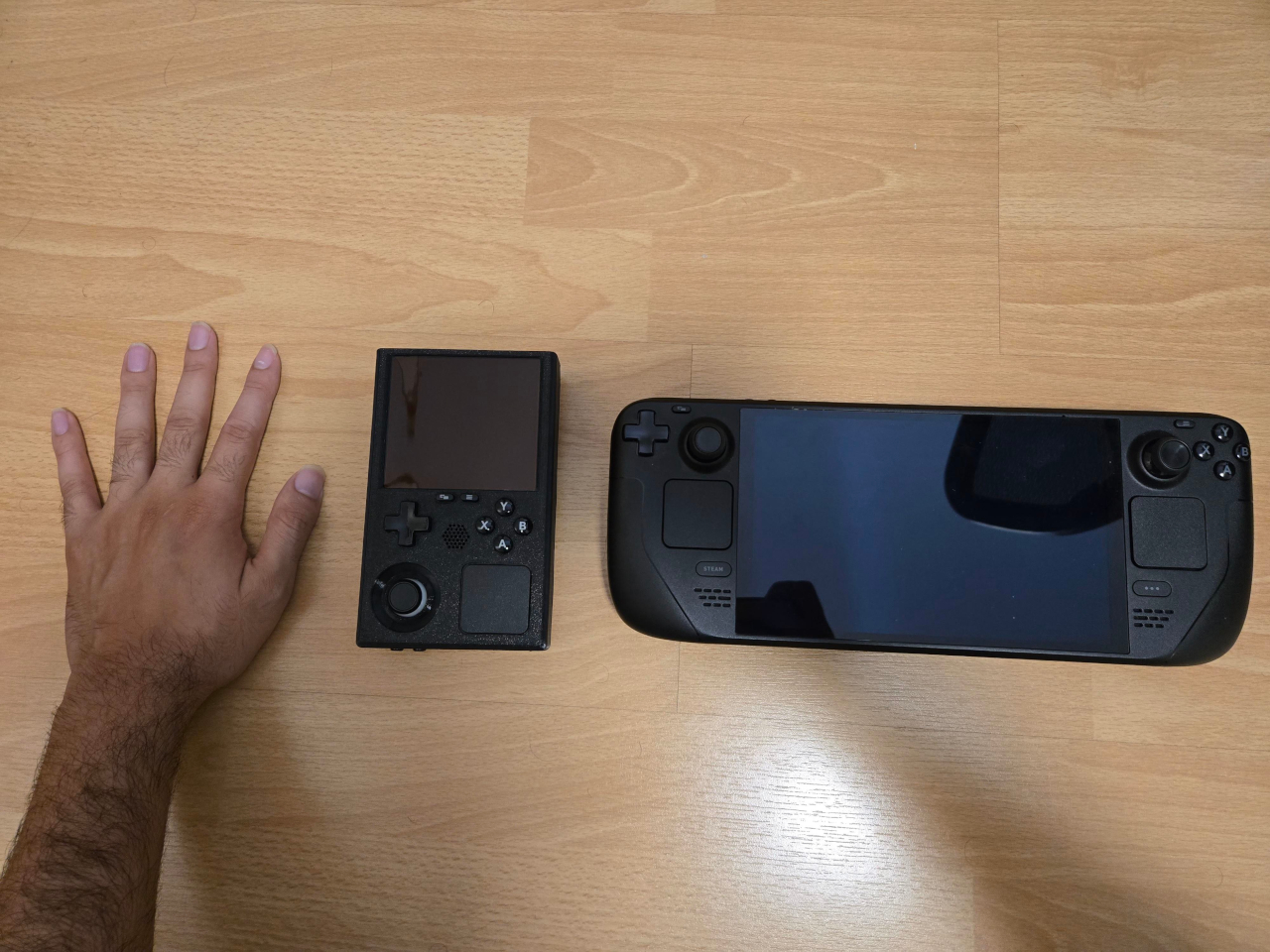
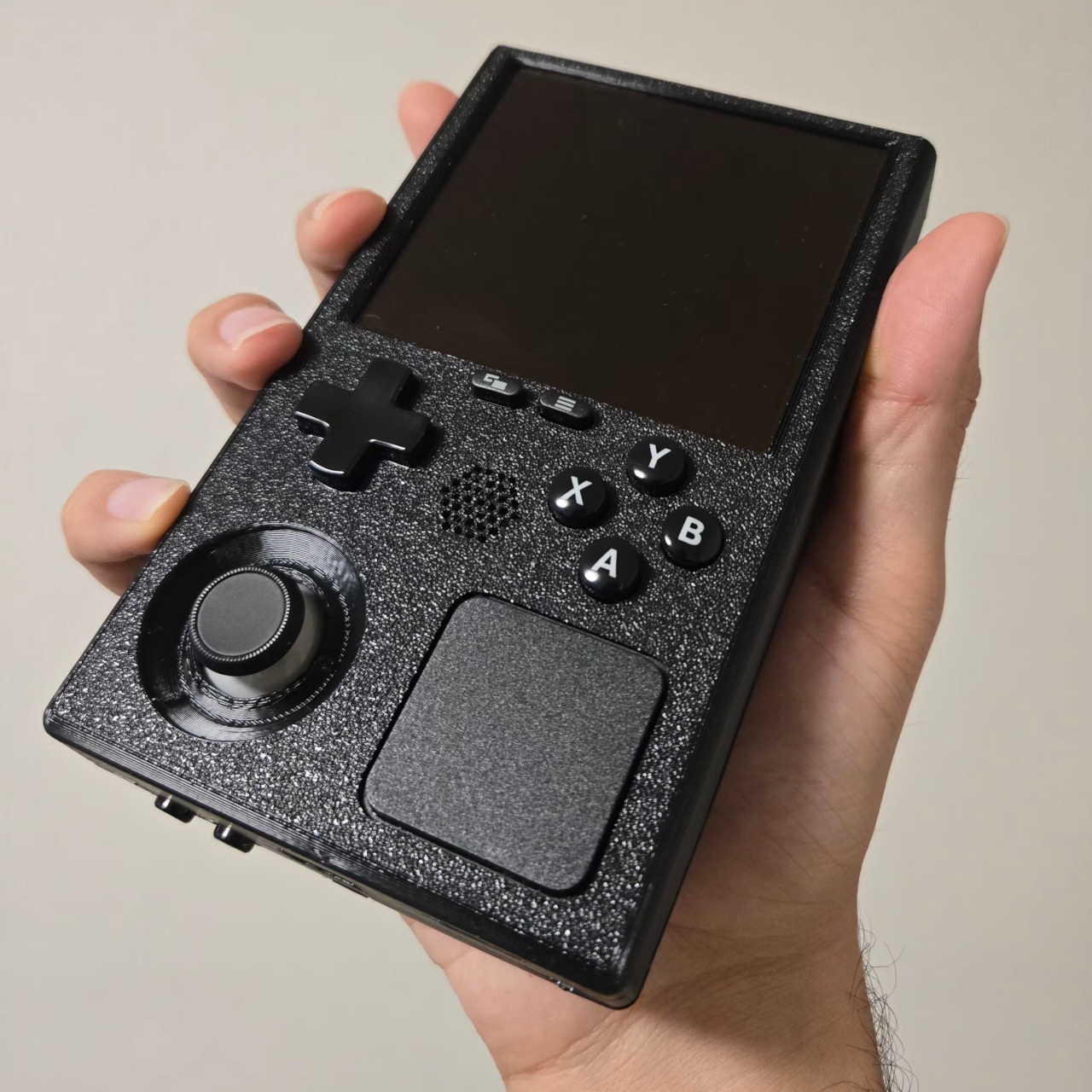
The SteamBoy goes much further. Someone took the actual working internals of a Steam Deck LCD, pulled them out of the original shell, and rebuilt everything inside a 3D-printed chassis roughly the size of an original Game Boy. The form factor shifts from the Steam Deck’s wide, horizontal layout to a tall, vertical one, running entirely on genuine Steam Deck hardware without any custom-made components.

Designer: PhyFawkes
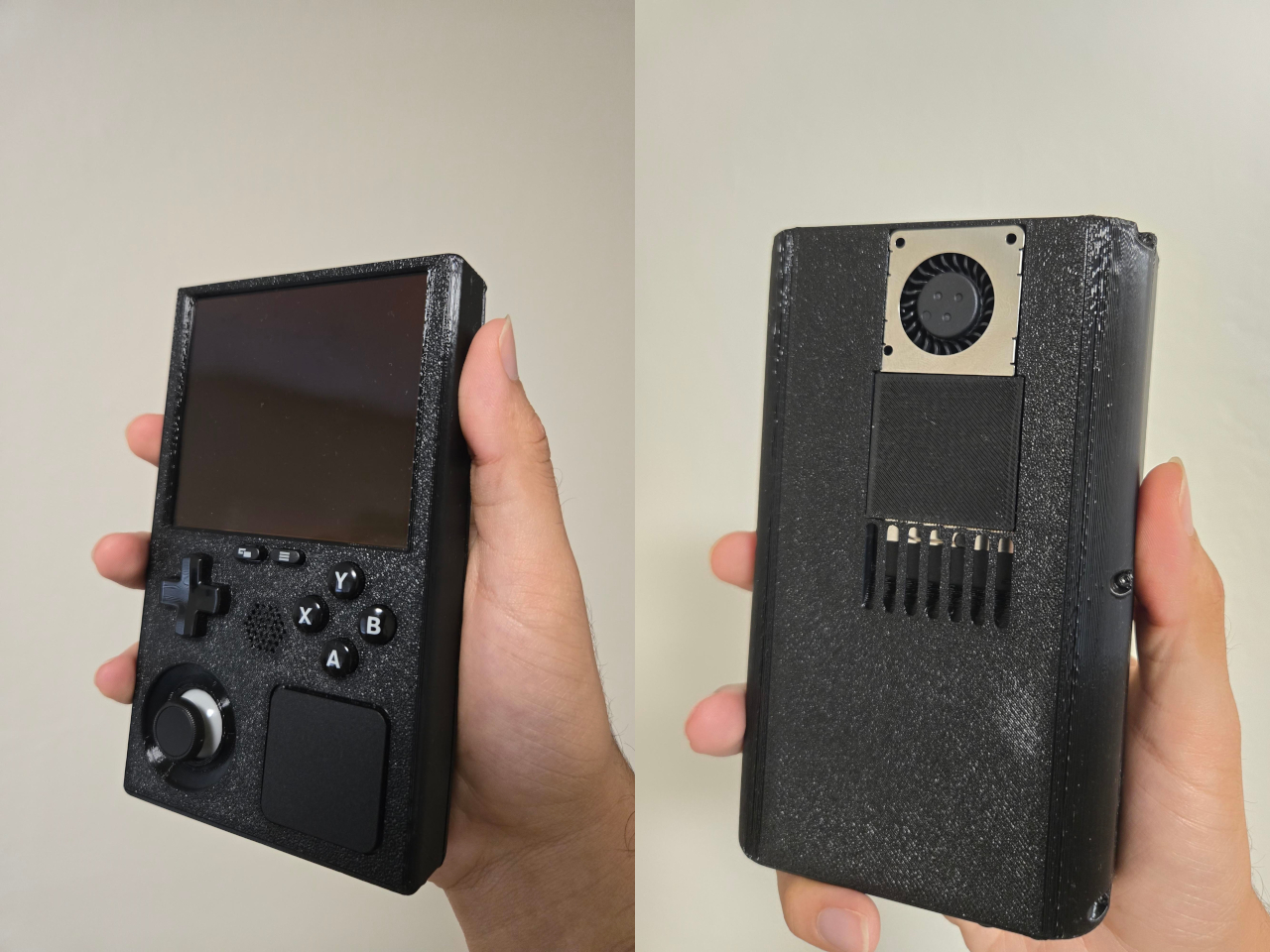
The parts at the heart of the build include the Steam Deck’s motherboard, battery, speakers, and all of the original button hardware. Getting these into a much smaller enclosure without custom-designed circuit boards is the notable achievement here. No bespoke PCBs were needed for the core assembly, which means everything is essentially the same Steam Deck hardware, just rearranged to fit a dramatically different shell.

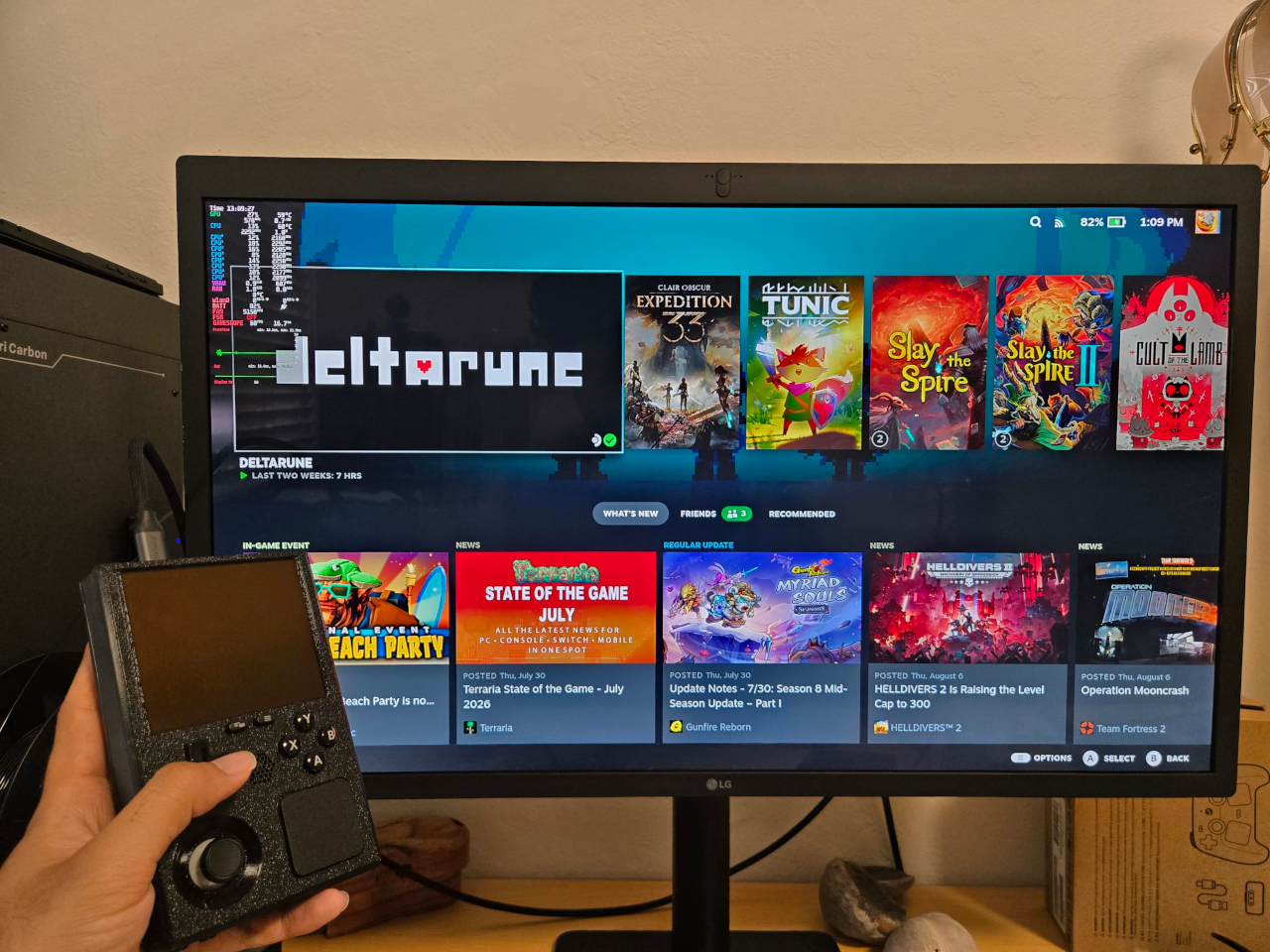
The display is where things get more involved. Rather than reusing the original Steam Deck screen, the planned replacement is a 1200×1080 AMOLED panel at 90 Hz, originally made for VR headsets. Making it work requires a custom adapter PCB between the panel and the motherboard, which is still in progress. In the meantime, the current demo routes output through a television rather than displaying on the device itself.
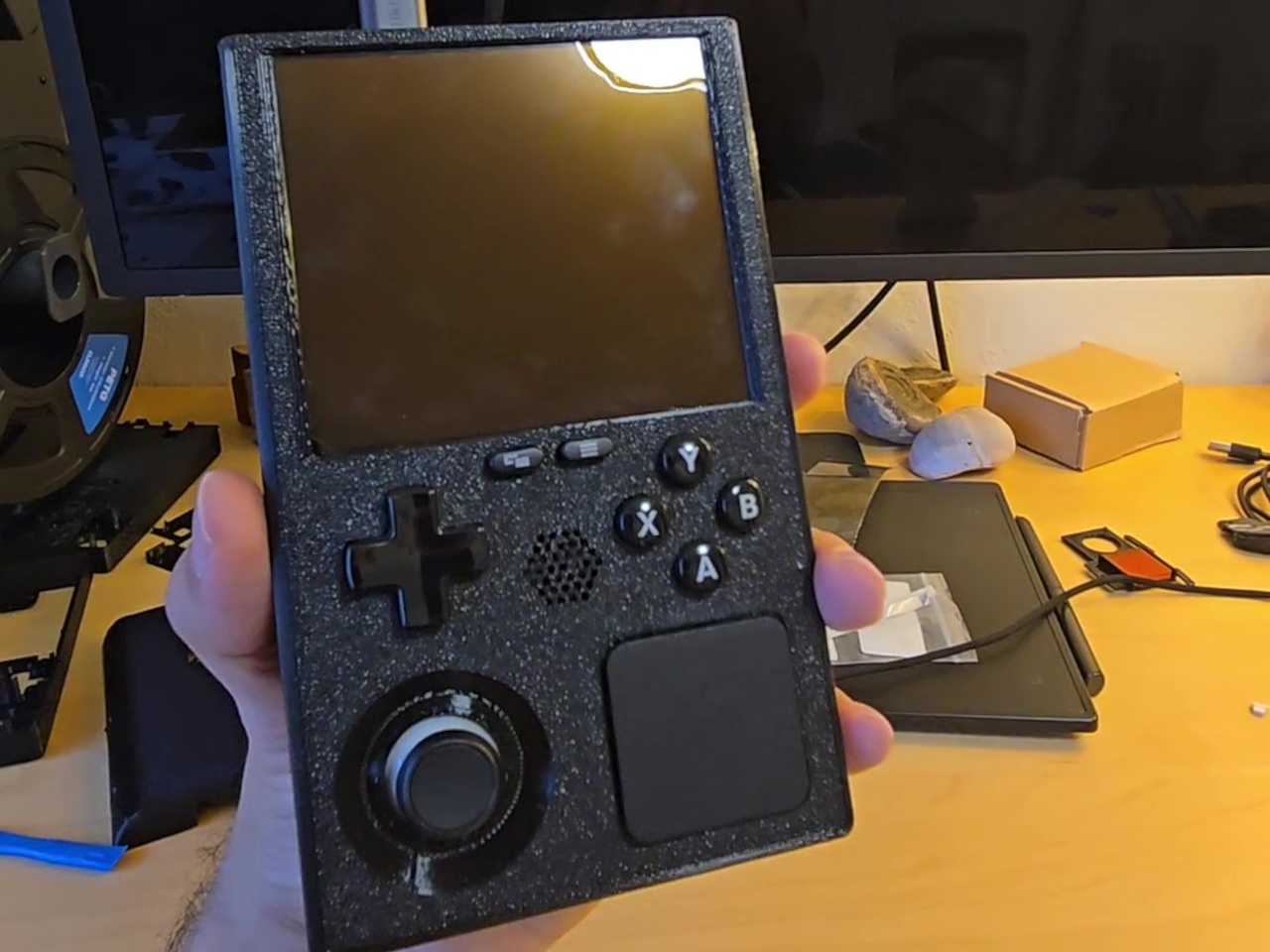
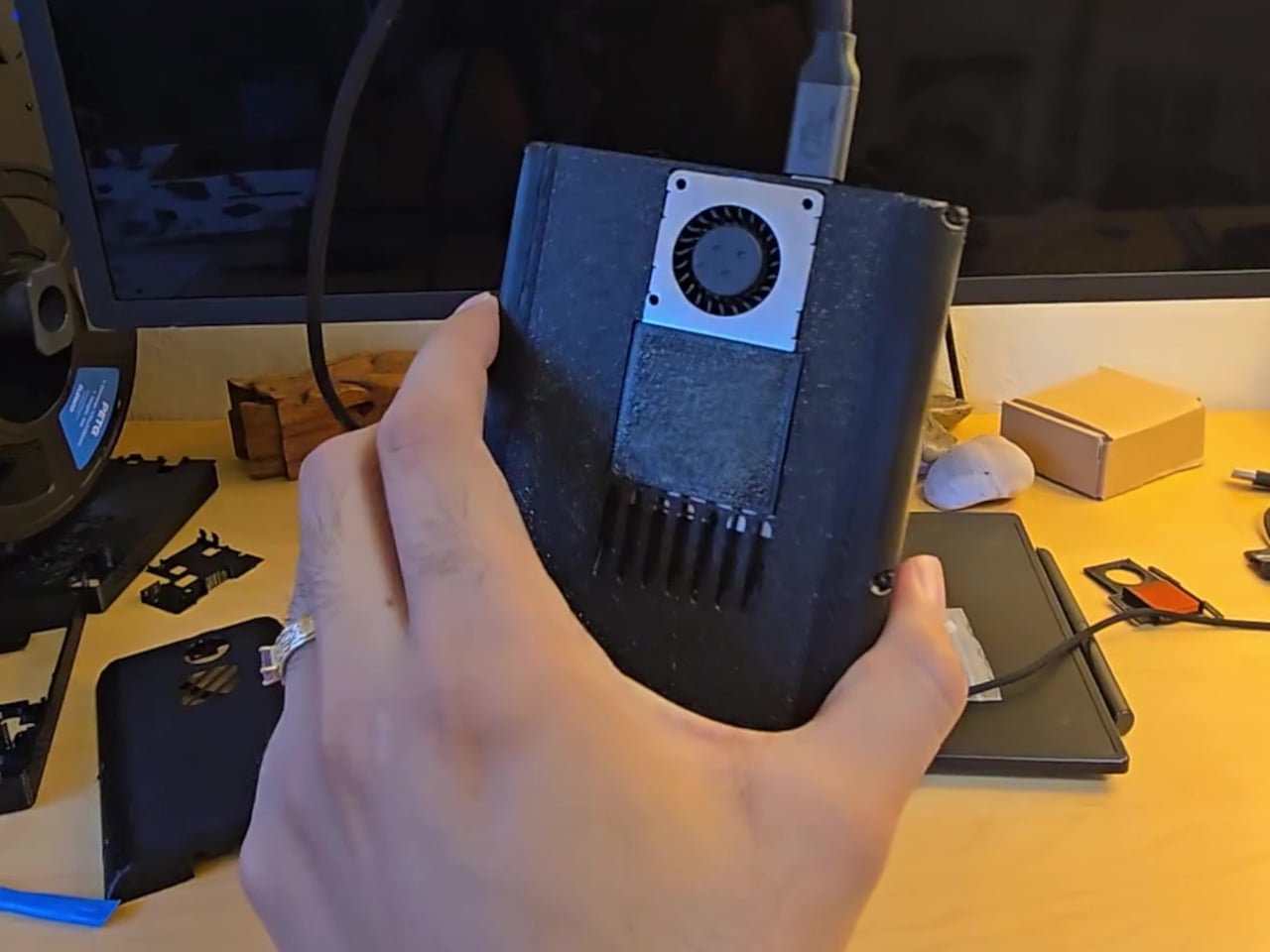
What the demo does confirm is that the hardware runs. Plug it into a display and the Steam Deck’s full library is available, complete with its familiar interface, game compatibility, and controls. The face buttons, D-pad, and thumbsticks carry over from the original hardware, giving it the full input range of a Steam Deck inside a body that fits the silhouette and spirit of a Game Boy.
The tighter enclosure does come with trade-offs. Cramming full Steam Deck internals into a chassis this compact raises real concerns about thermal management, since the original design already runs warm under load. The shell is noticeably thicker than a vintage Game Boy as a result, a reasonable concession given what’s packed inside. Cooling and battery longevity under sustained use remain open questions for the build to address.

The SteamBoy is still a work in progress, somewhere between a proof of concept and a finished handheld. The screen situation alone involves a custom PCB that hasn’t been built yet, and getting it to a polished state requires further refinement of the enclosure and its internal arrangement. A teardown video documenting how everything fits together has since followed the original reveal, showing that the assembly is at least replicable.
There’s something telling about why a project like this resonates with people beyond the usual modding community. The Steam Deck is already a capable handheld gaming PC, but the idea of that same power in a Game Boy-sized body carries a different kind of appeal. It’s the same feeling that made the Game Boy endure for decades, distilled into something that can run a modern PC library.
The post Your Entire Steam Library Now Fits in a Game Boy-Sized Handheld first appeared on Yanko Design.


A Goat-Headed Robot With a Chainsaw Is Actually a Great Idea

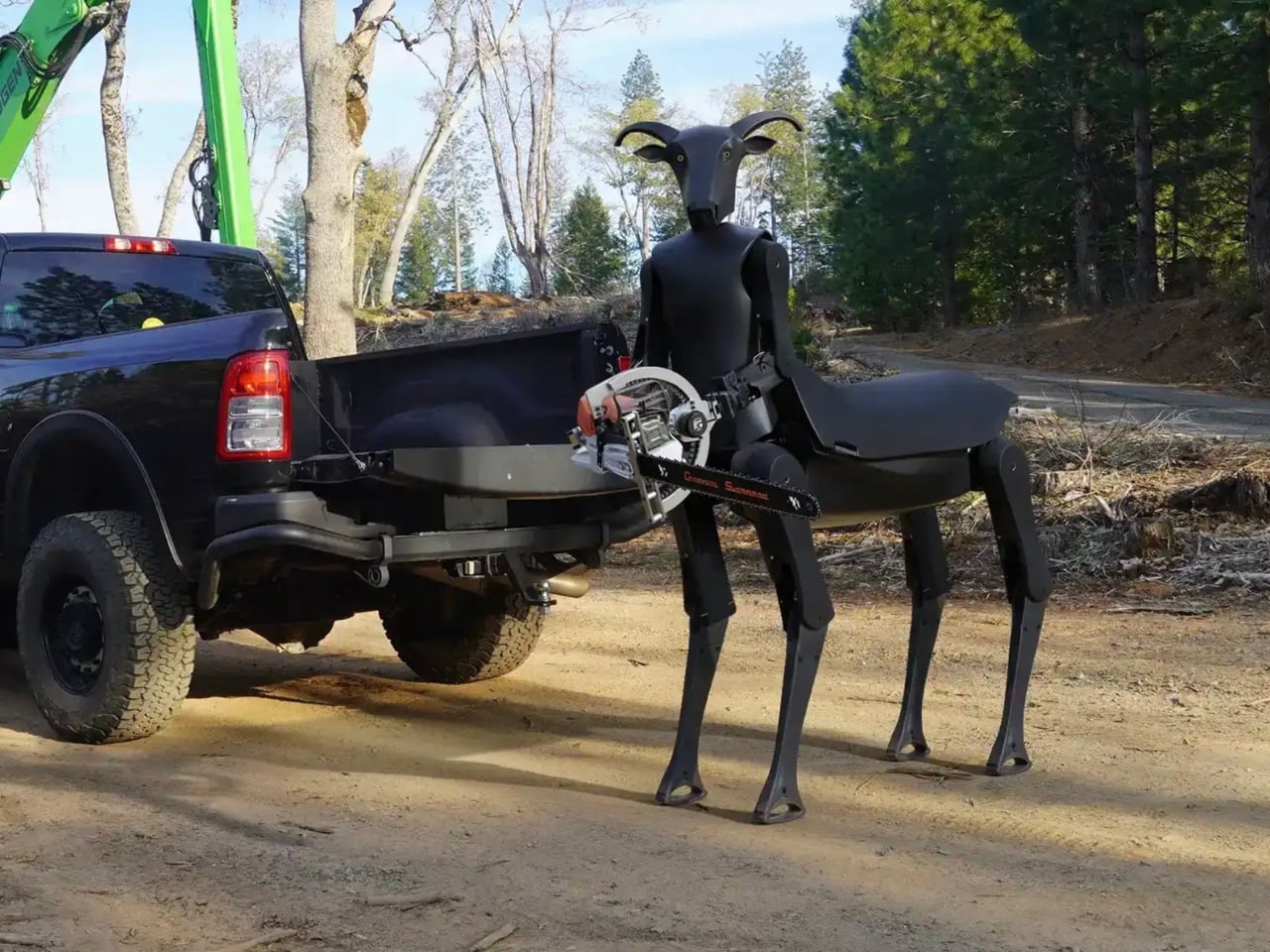
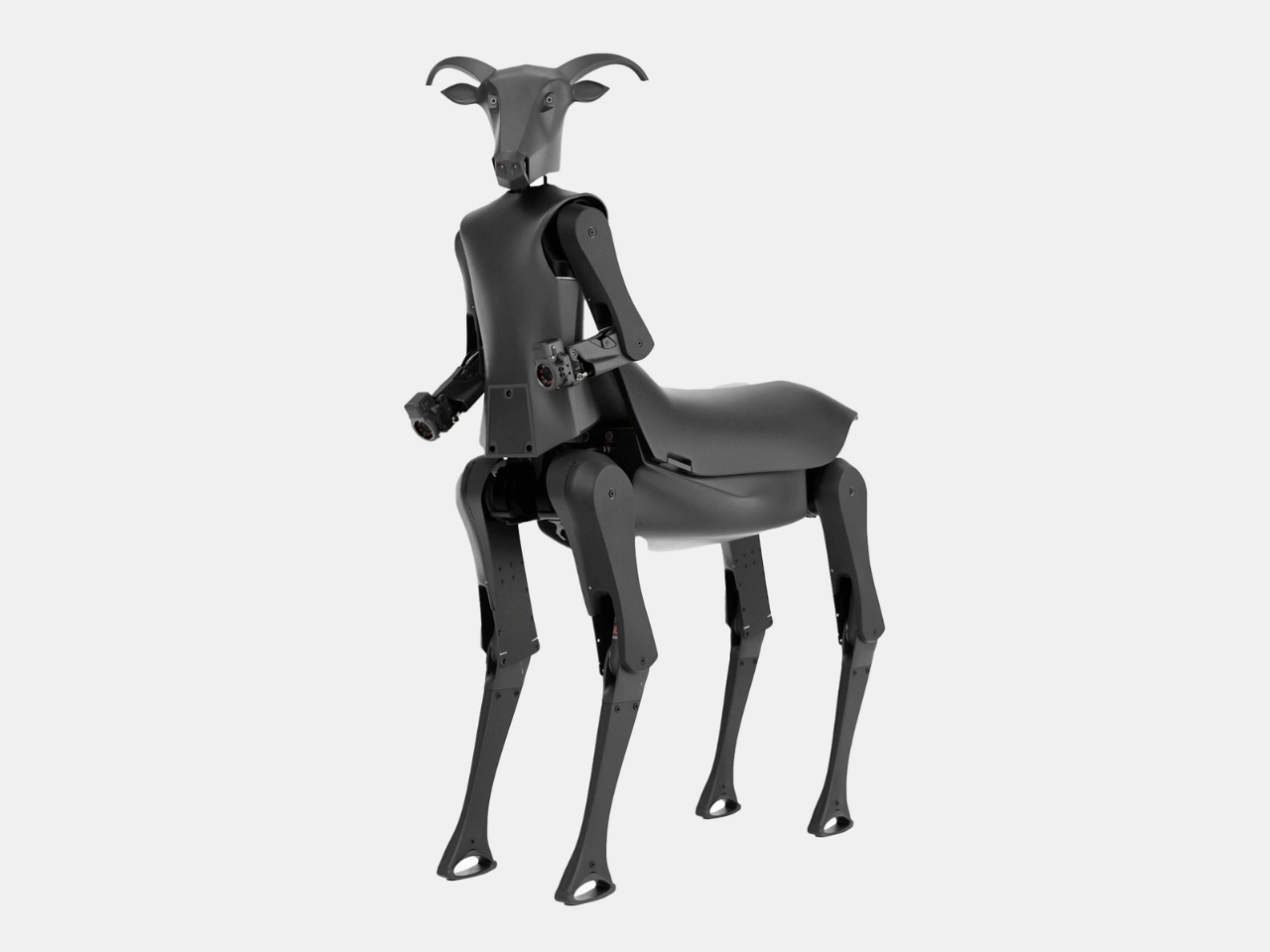
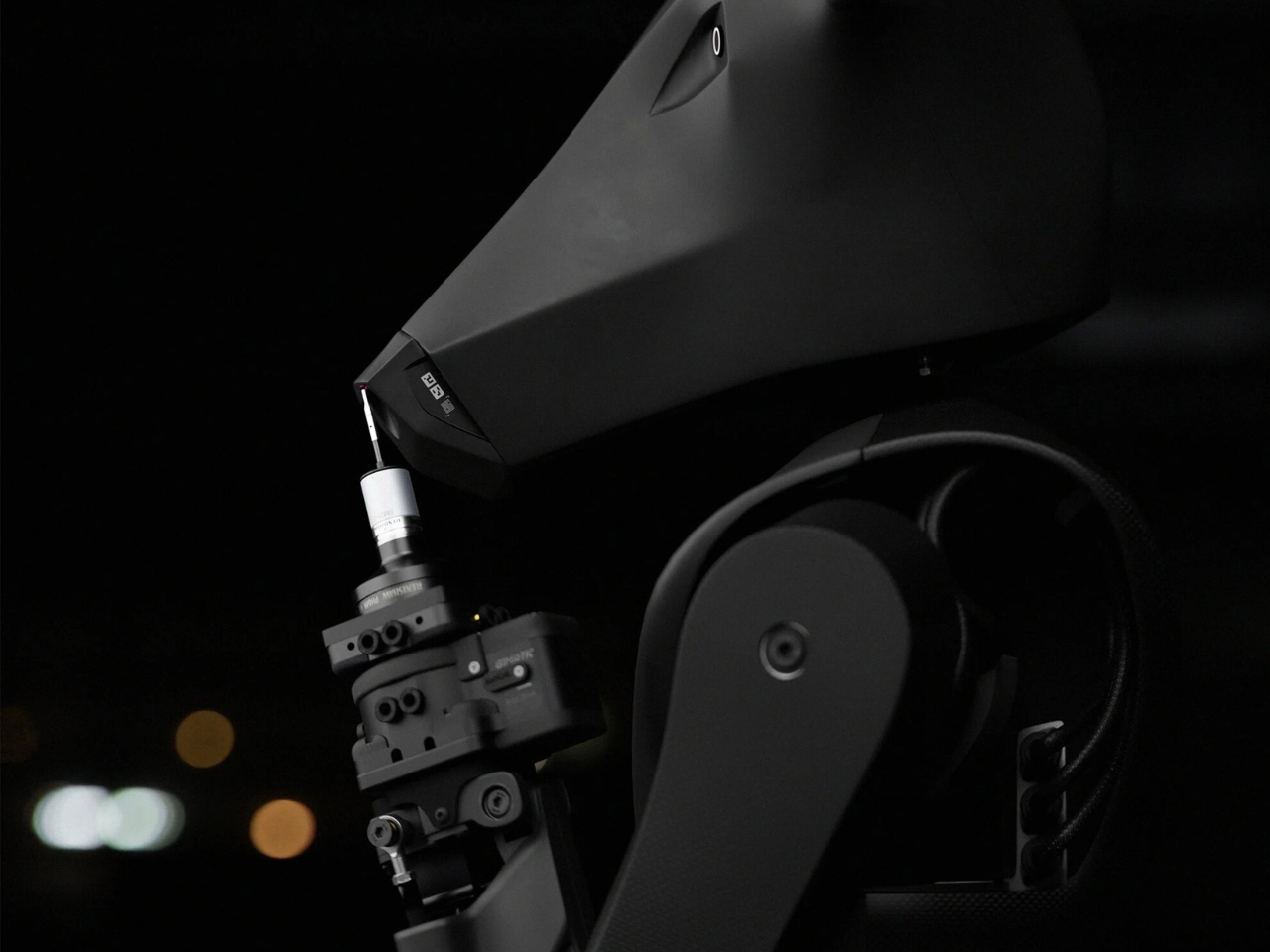
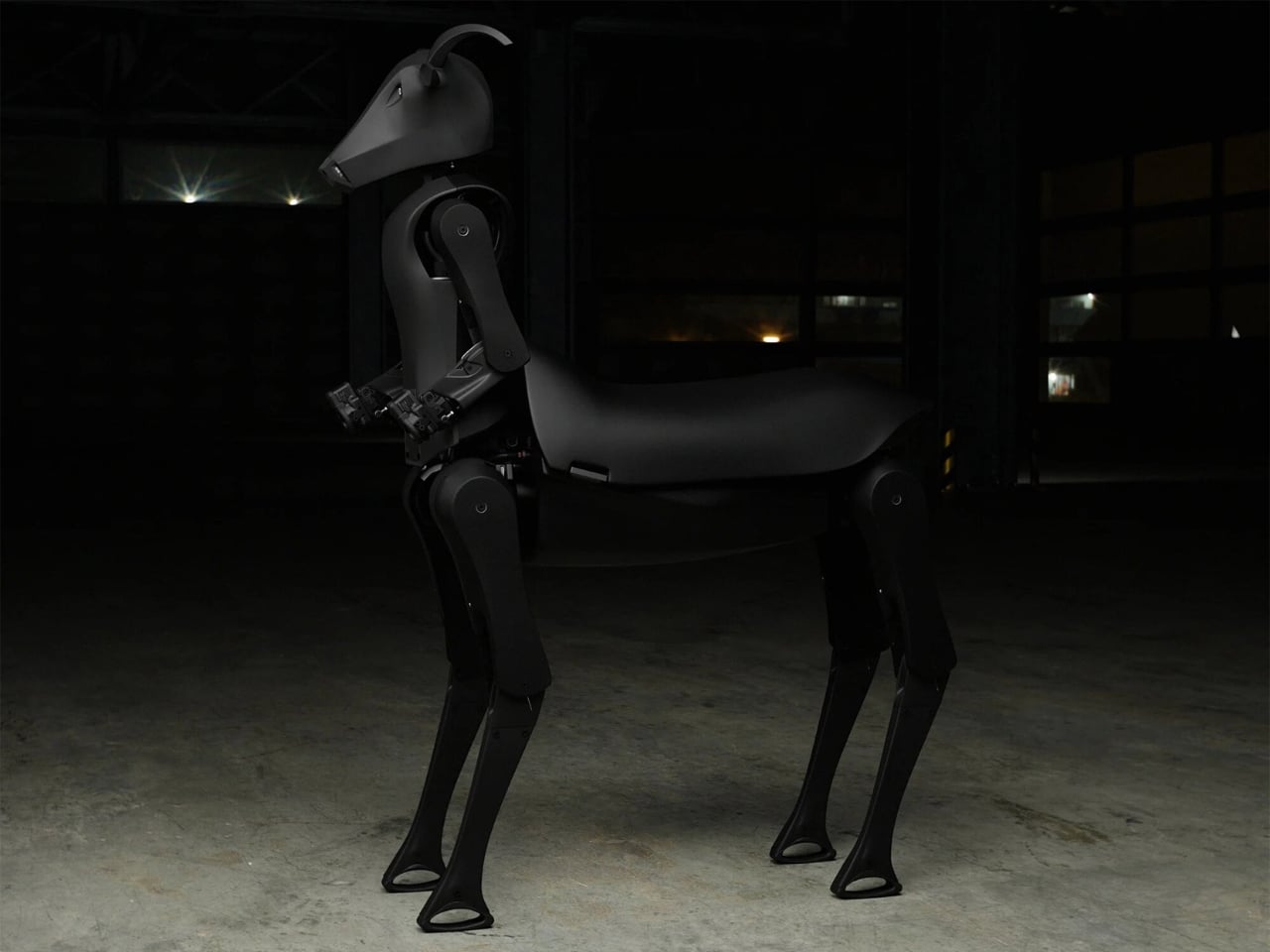
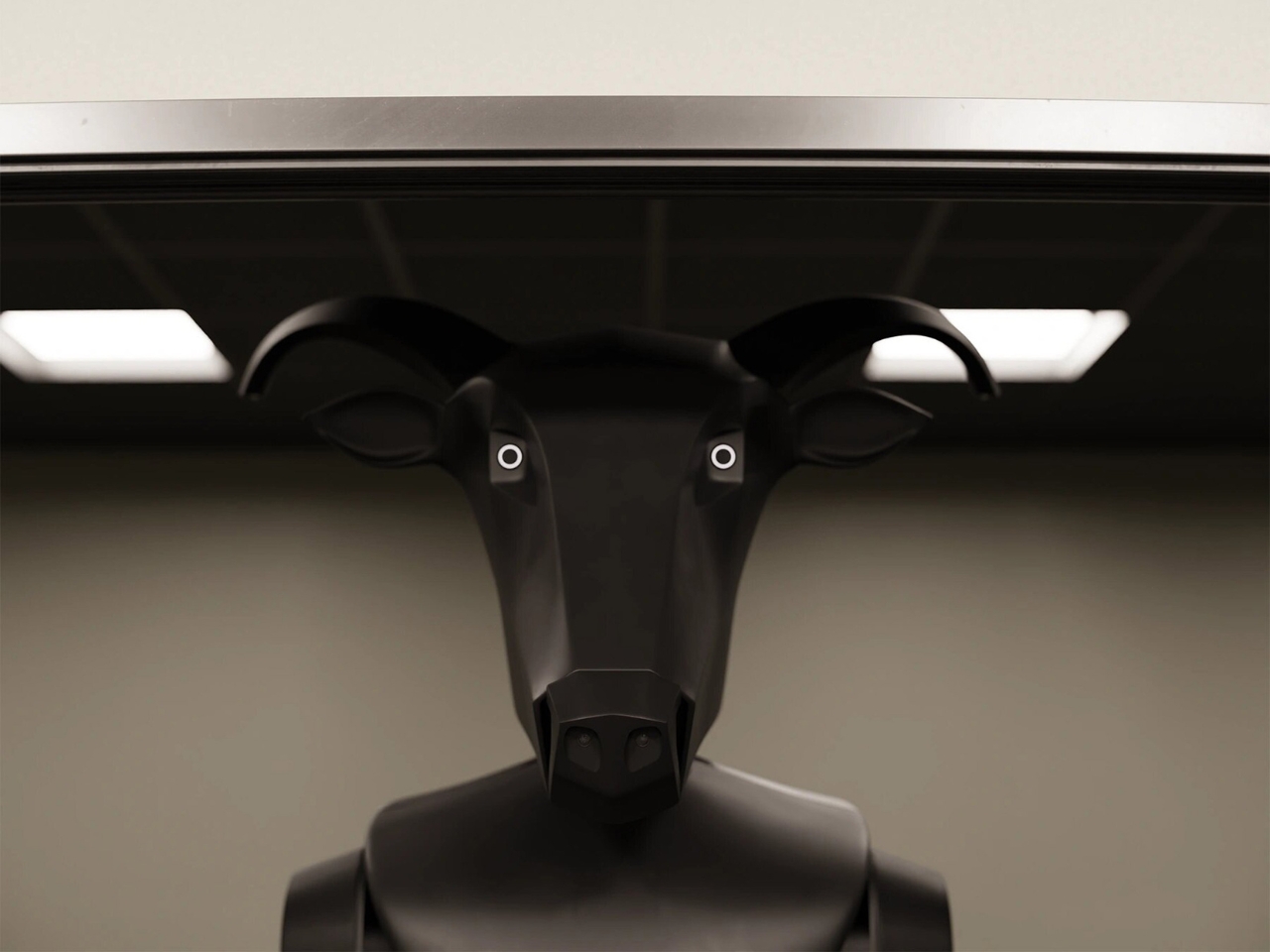
The first time I saw Threehalves, I did a double take. Seven feet tall, four-legged, with a horned goat head and glowing eyes, it looks less like a piece of modern engineering and more like something conjured from ancient mythology. It’s the kind of design that makes you laugh and feel slightly unsettled at the same time. Which is probably why, when images of the robot surfaced online last month, the internet absolutely lost its mind over it. But here’s the thing: behind all the viral chaos and sleep-paralysis-demon jokes, Threehalves is one of the most thoughtfully reasoned robot designs I’ve come across in a while.

Developed by Satyress, a small startup out of Auburn, California, Threehalves is described as a “superhumanoid general purpose robot.” Its creator, Beau G., spent about four years building the concept, inspired in part by the wildfire-prone foothills of the Sierra Nevada where he lives. The premise is simple and, frankly, hard to argue with: some jobs are too dangerous for humans, but they still need doing. Threehalves is designed to be the one doing them.

Designer: Satyress

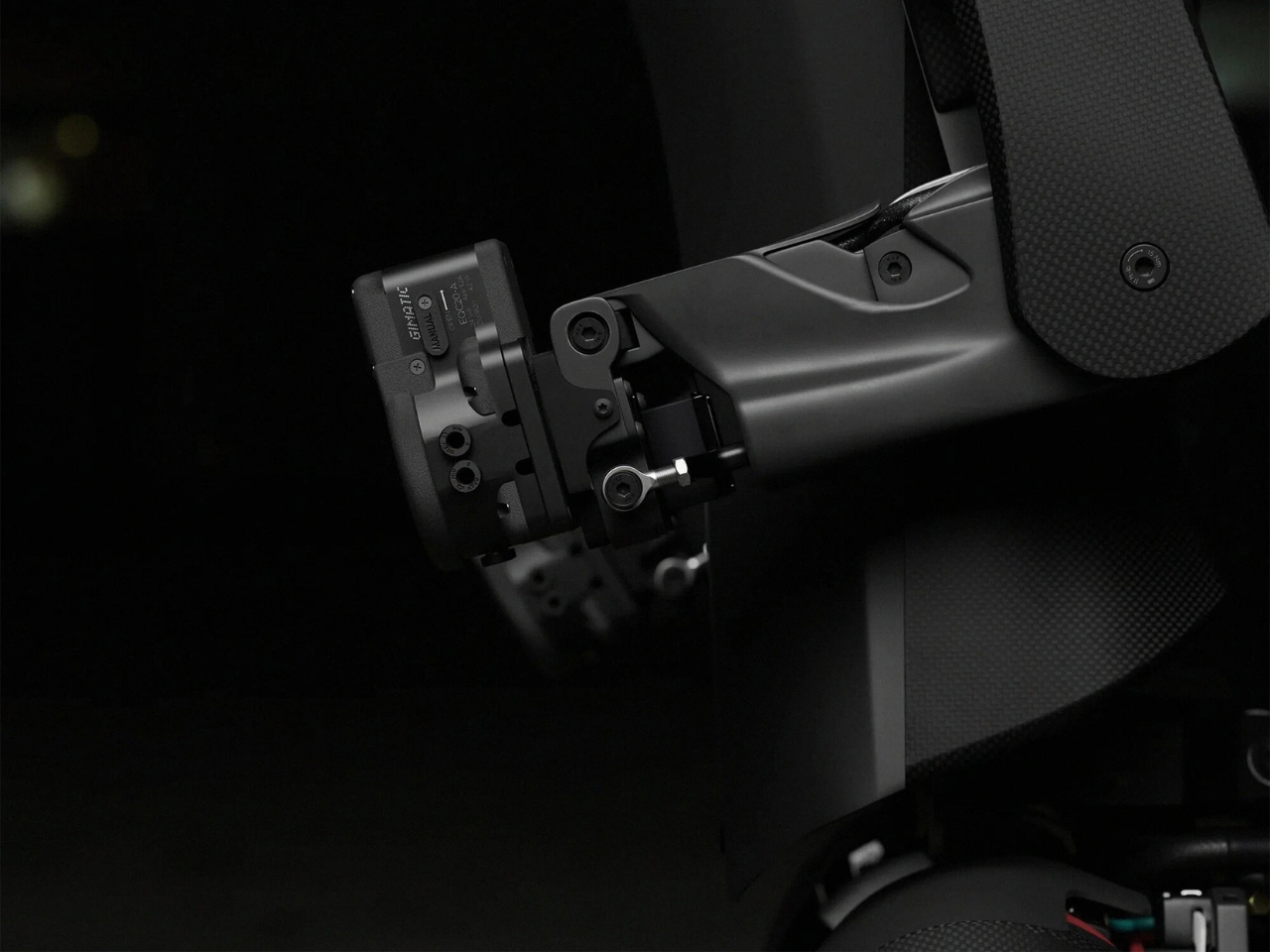
The centaur form factor isn’t a gimmick. The humanoid upper body and arms were deliberately chosen so the robot can operate tools designed for human hands, things like chainsaws, impact guns, and other heavy equipment that most existing robots struggle to interface with. The four-legged lower body provides stability on rough terrain, which is no small feat in environments like wildfire zones, collapsed buildings, or toxic sites. The quadruped base uses friction-braked joints, which means it consumes no power just to stay still. That’s a practical engineering decision that speaks to how seriously Satyress is thinking about real-world deployment.

The operation method is equally considered. Threehalves is teleoperated using a joystick controller, similar to a gaming setup, which dramatically lowers the skill barrier for the people using it. Beau describes the controls as abstracted: the joystick tells the robot where to go, and the robot handles its own balance. Think of it like modern autopilot. The operator focuses on positioning and task execution rather than the physics of movement. That’s a genuinely smart approach to making a highly capable machine accessible to tradespeople and emergency responders who don’t have engineering degrees.

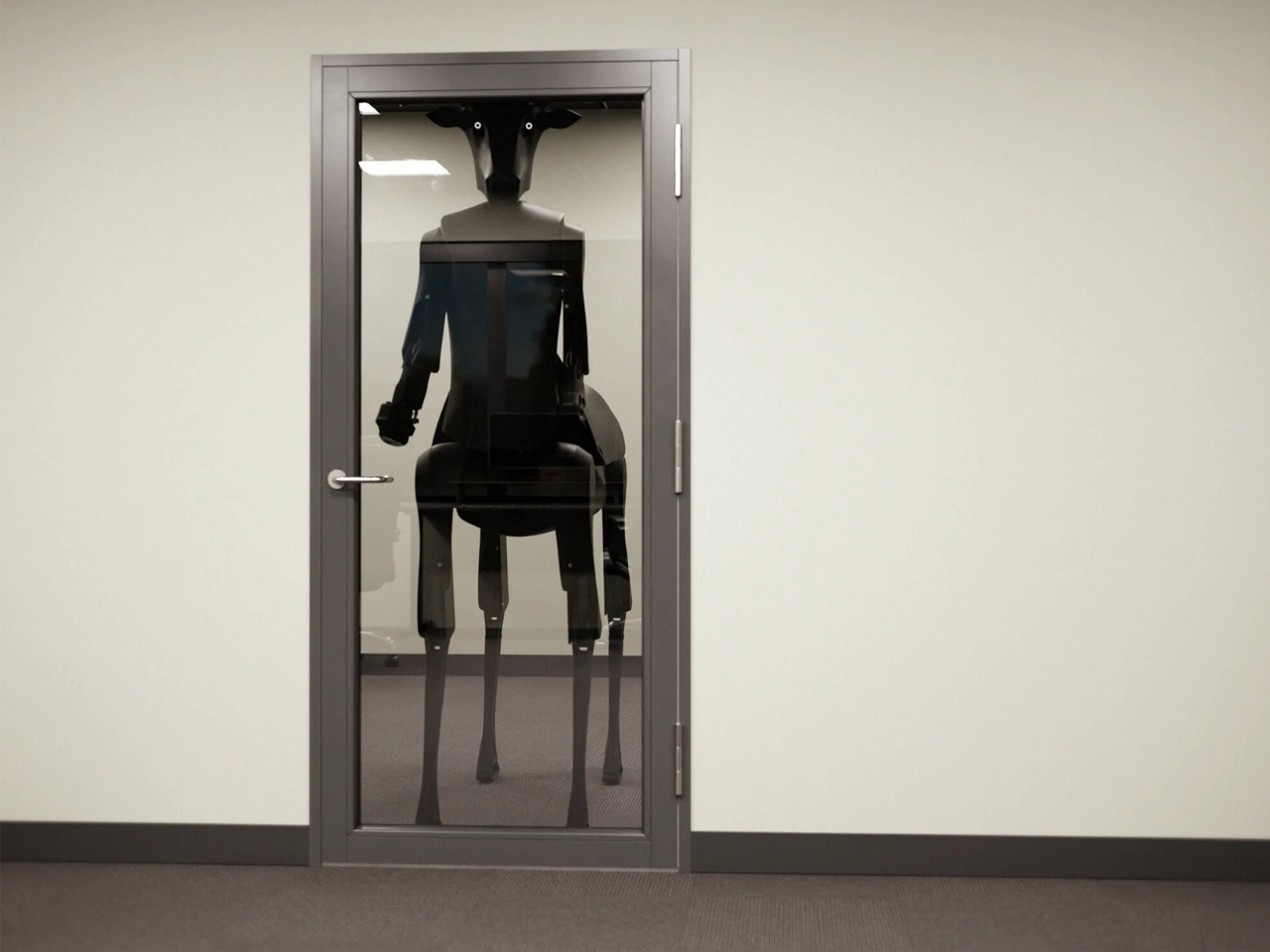
The design also carries a kind of radical honesty with it. The Satyress website lists the robot’s limitations openly, including the fact that Threehalves struggles to fit through a standard American doorway and cannot turn around in a narrow hallway. Larger horns can even be fitted to prevent it from passing through pedestrian doors altogether. It’s a rare thing in the robotics industry, an upfront acknowledgment that this machine is built for wide-open, unpredictable environments rather than office corridors or domestic spaces. That kind of transparency does more for the brand’s credibility than any polished launch video could.

One thing Beau said has stuck with me since I first read it. The tagline on the Satyress website reads: “No job is worth your health, safety, limbs, or life. That doesn’t mean a job isn’t worth doing.” It’s the clearest articulation of why this design exists, and it reframes the whole conversation. We tend to discuss robots in terms of what they’ll replace, but Threehalves is asking something different entirely. What if the real goal was to keep human bodies out of harm’s way while keeping human expertise firmly in control?

As for the goat head and the horns? Apparently intentional in their strangeness. “If we had nefarious goals, we probably wouldn’t have made it look like that,” Beau told Fox Weather. It’s the kind of quote that sounds like a joke until you realize he means every word of it, which is exactly the energy you want from someone building a chainsaw-wielding centaur robot for disaster zones. Threehalves is still in prototype stage, but the conversation it’s started feels long overdue. Not all humanoid robots need to walk through your front door or pass for human. Some of them just need to go where humans can’t, and do what humans shouldn’t have to.

The post A Goat-Headed Robot With a Chainsaw Is Actually a Great Idea first appeared on Yanko Design.
This solar-powered ambulance brings medical care to remote communities without relying on the grid

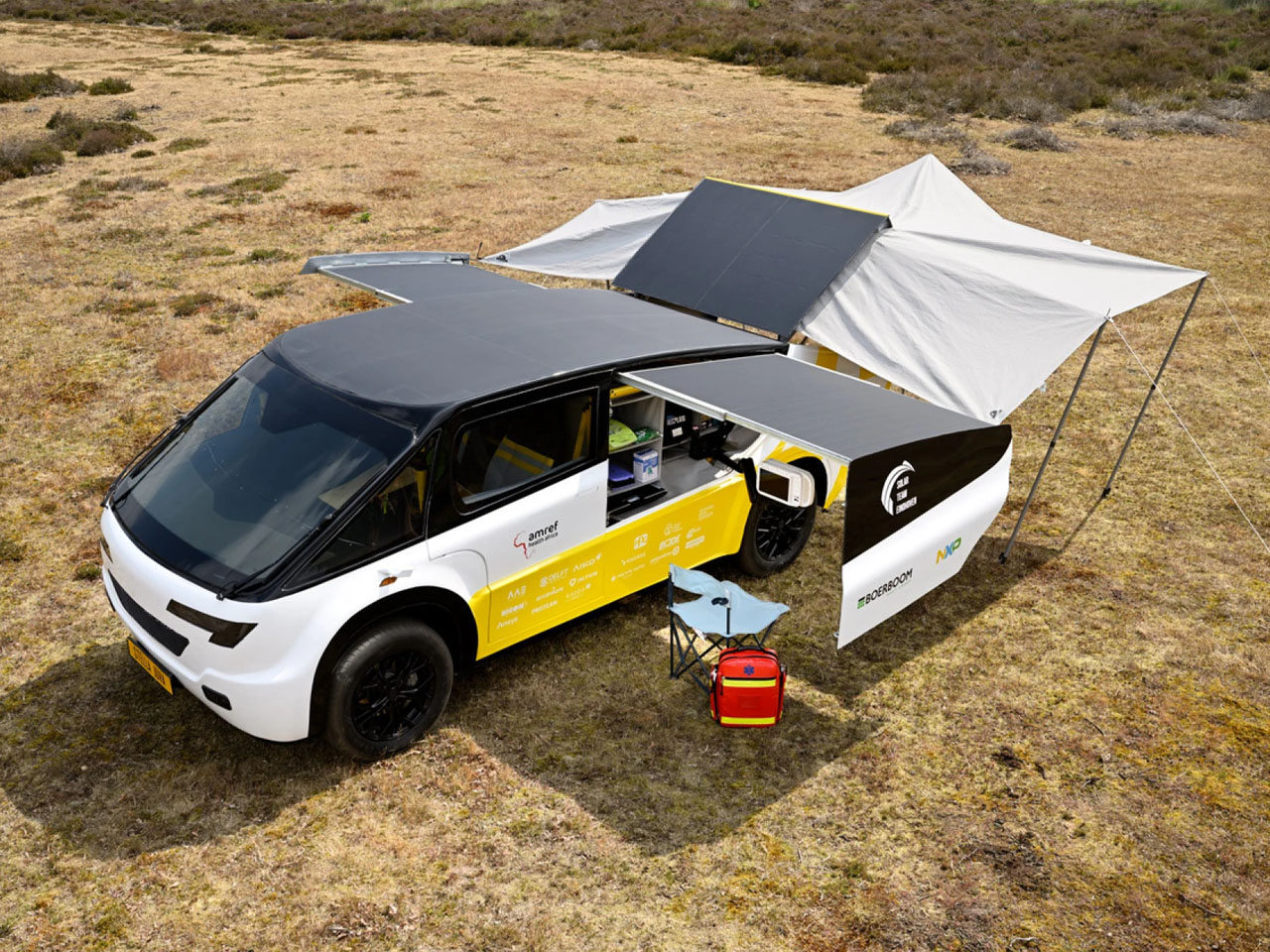
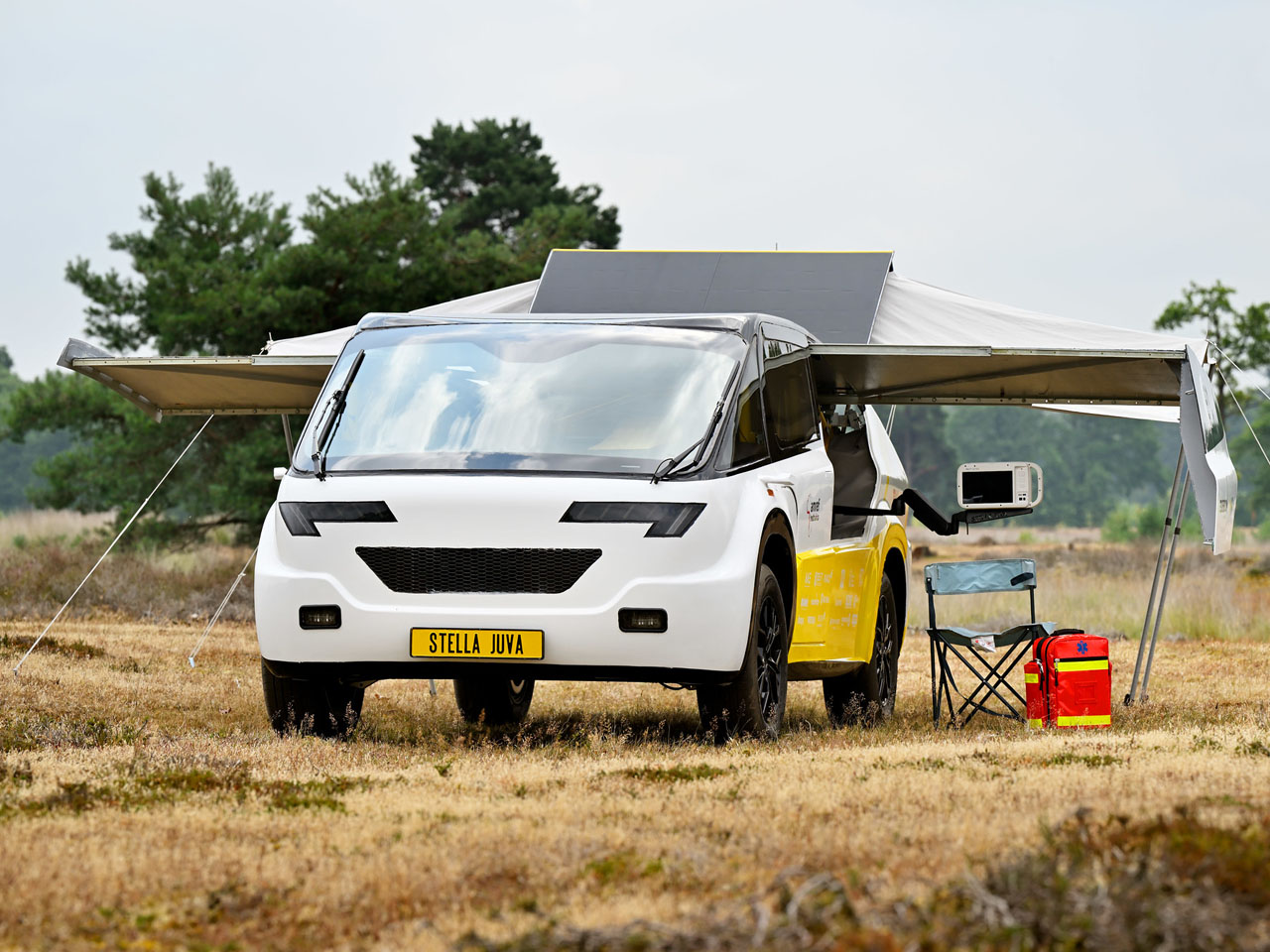
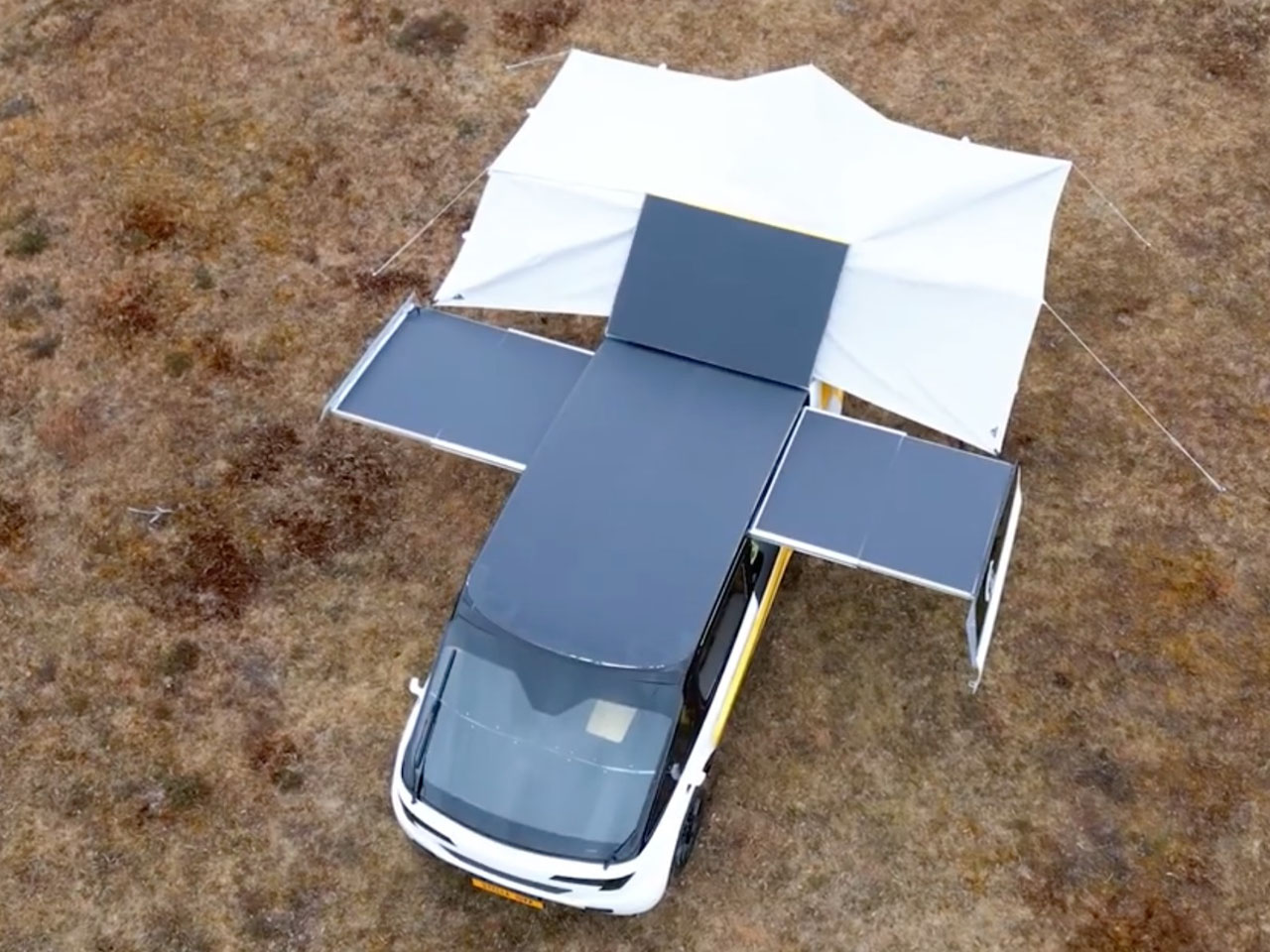
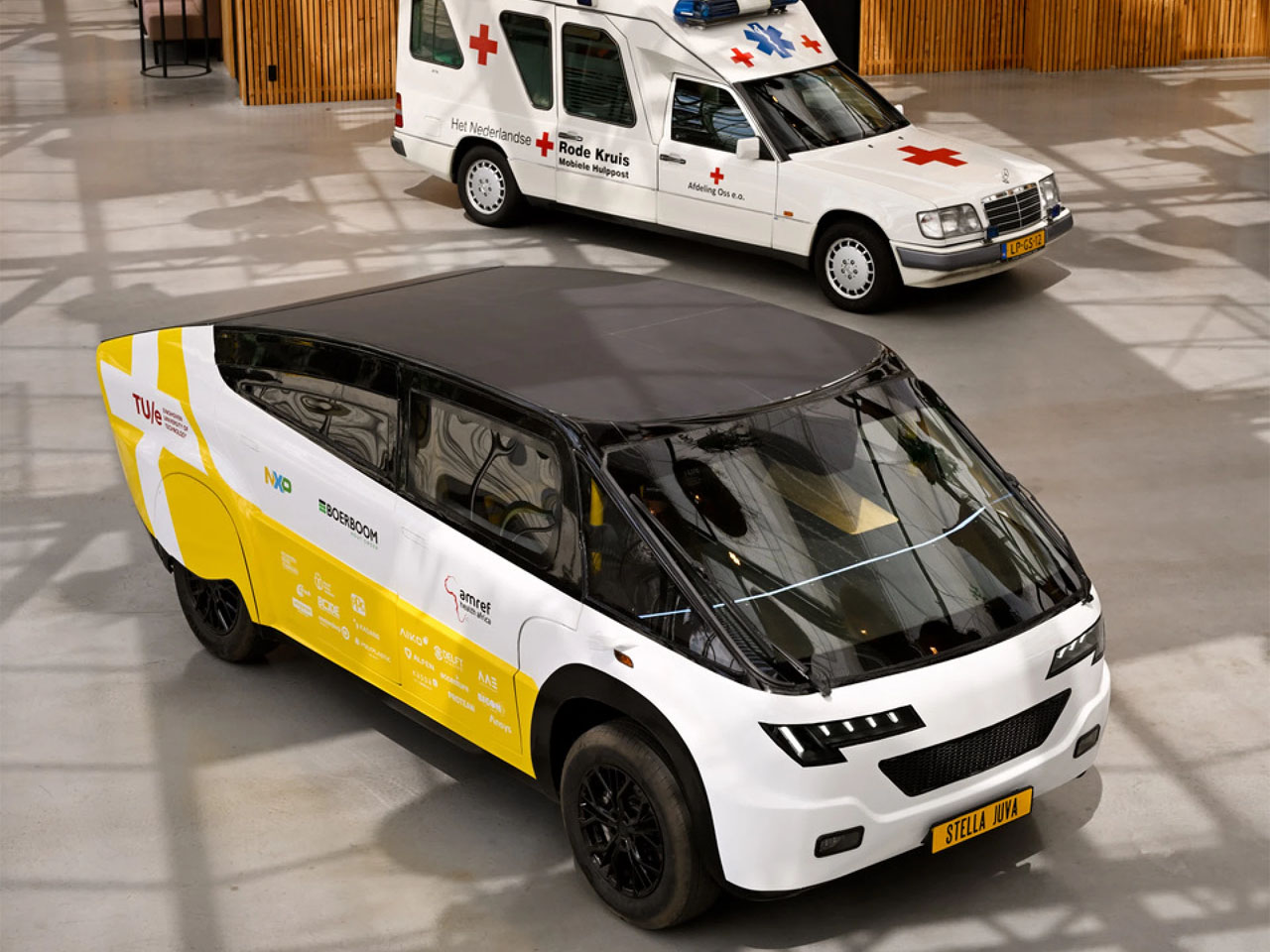
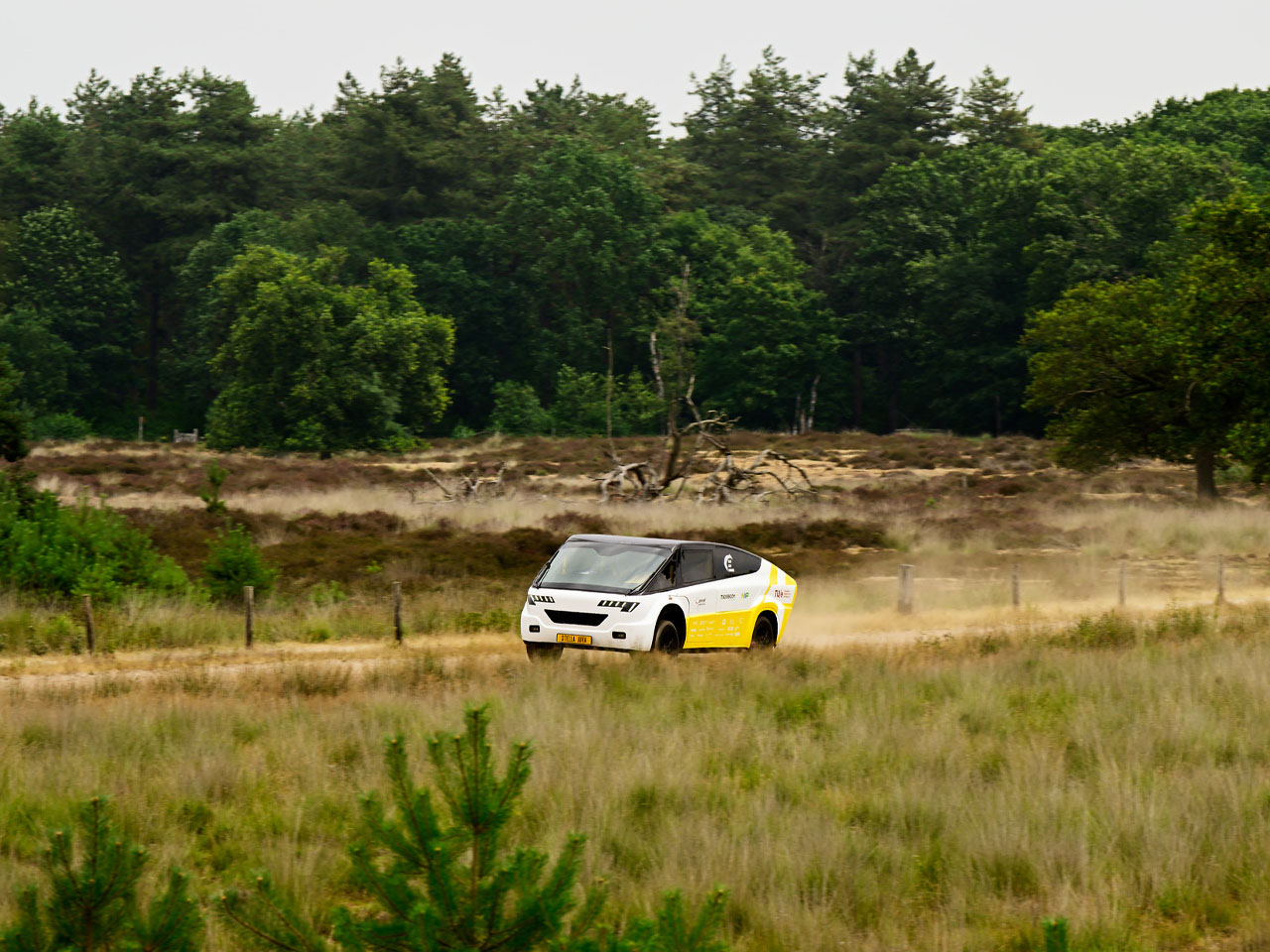
Stella Juva has the proportions of a futuristic ambulance, but its most interesting feature is what happens when it stops. Instead of simply waiting to transport a patient, this solar-powered vehicle can turn into a self-sufficient medical facility wherever it arrives.

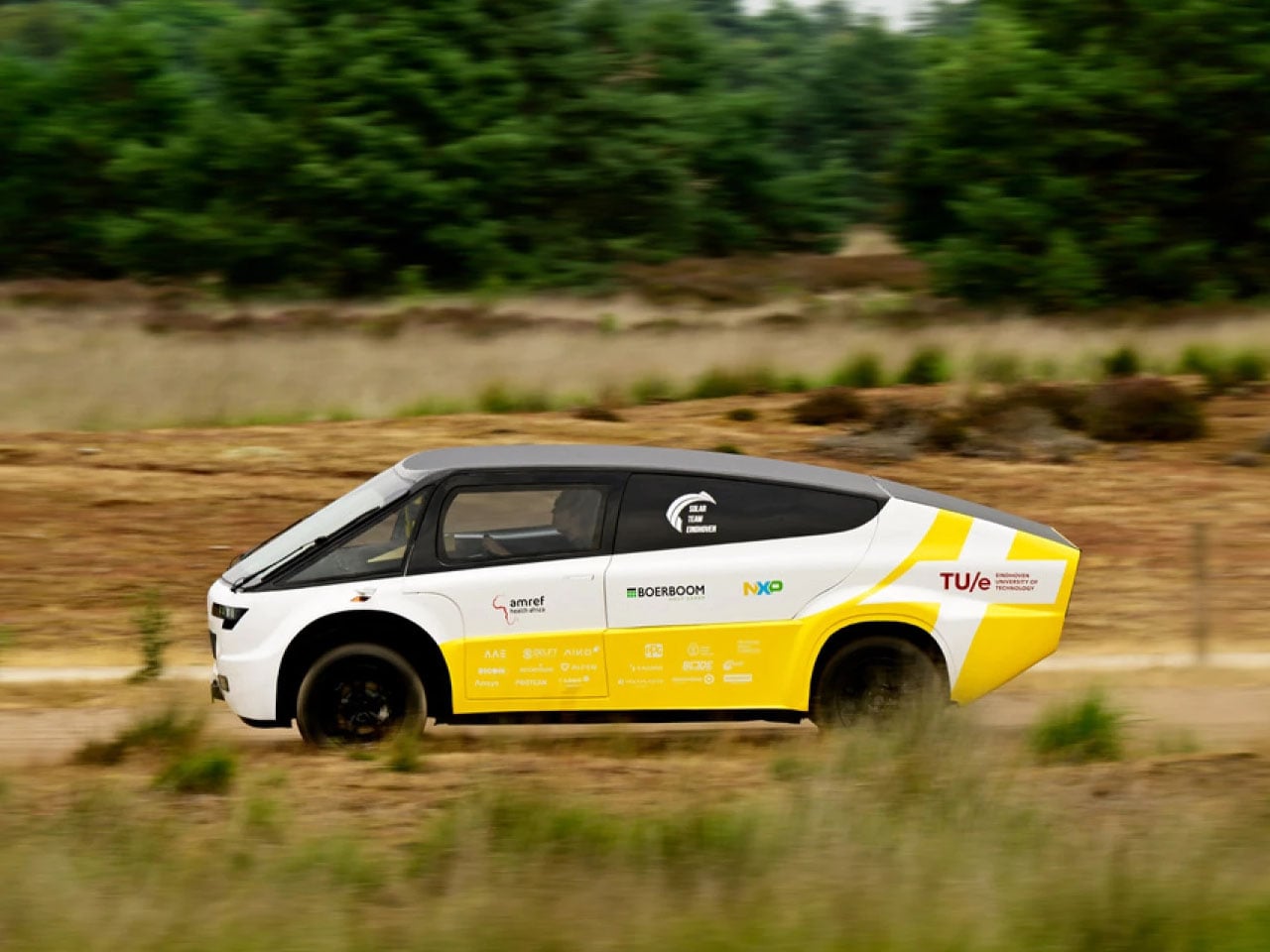
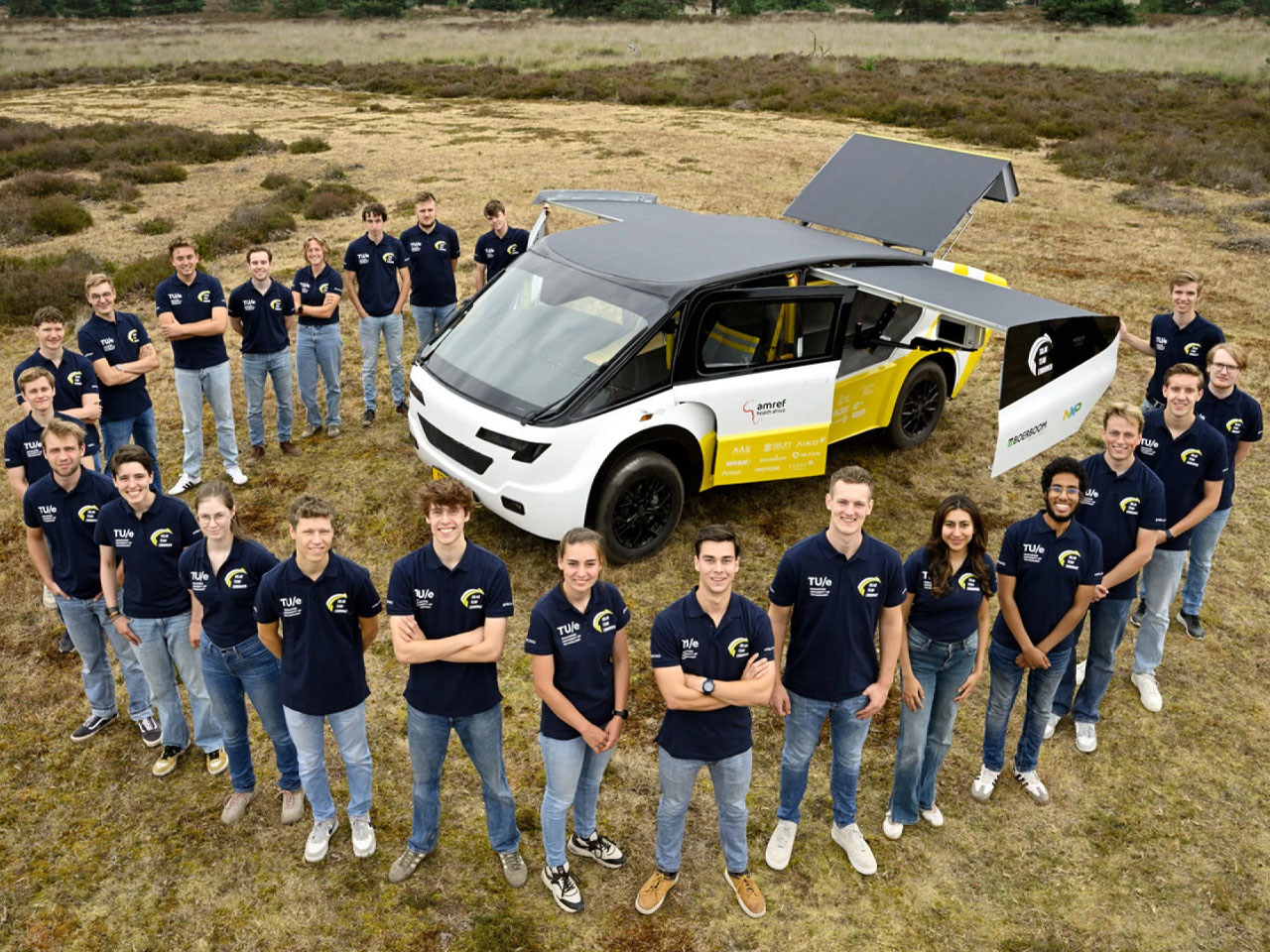
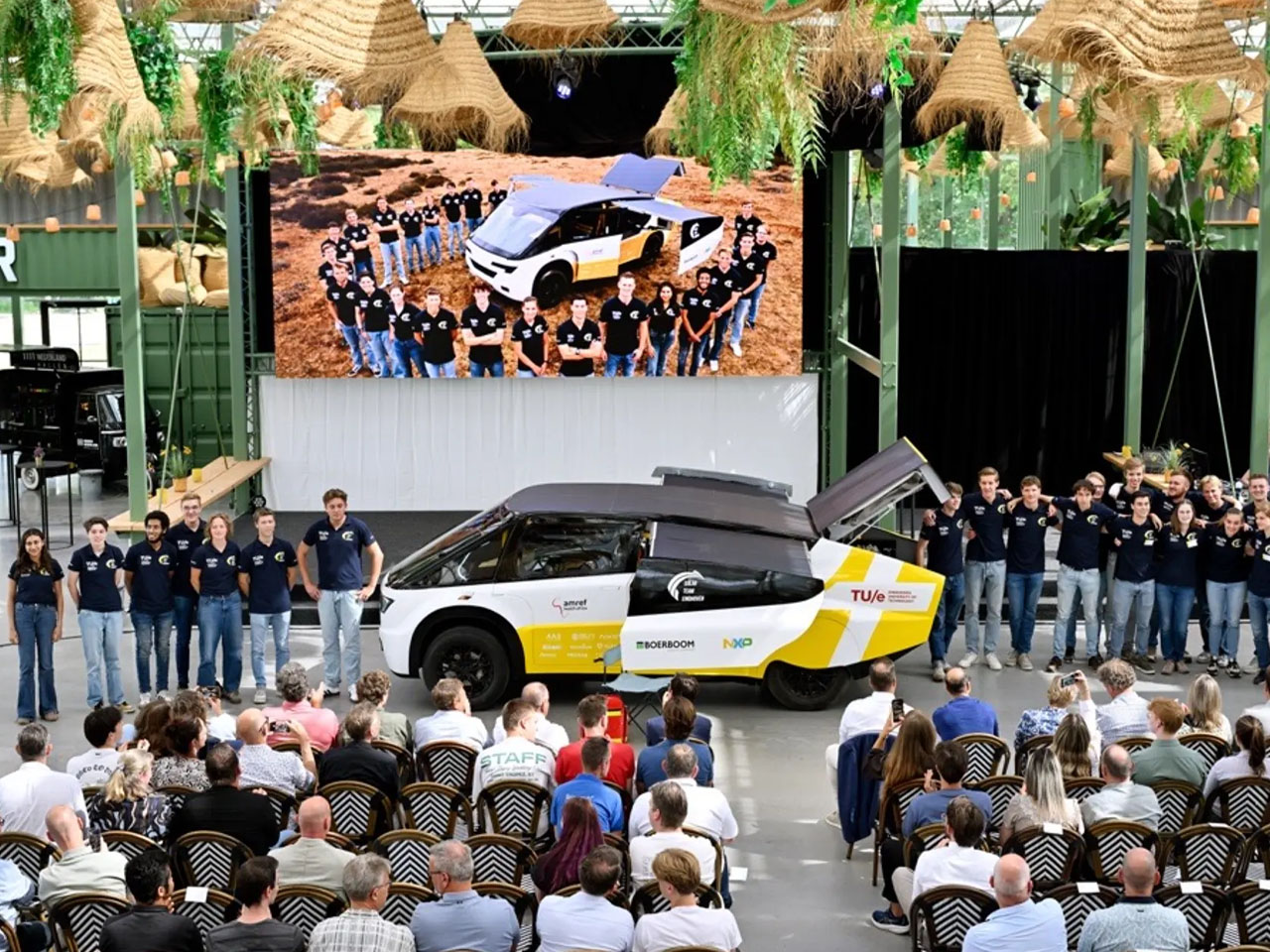
Developed by 23 students from Eindhoven University of Technology as part of Solar Team Eindhoven, Stella Juva is designed for communities where hospitals can be hours away and access to reliable electricity and fuel can be limited. Its role is not only to get medical workers from one place to another, but to bring the equipment and energy needed to provide care with them.

Designer: Solar Team Eindhoven

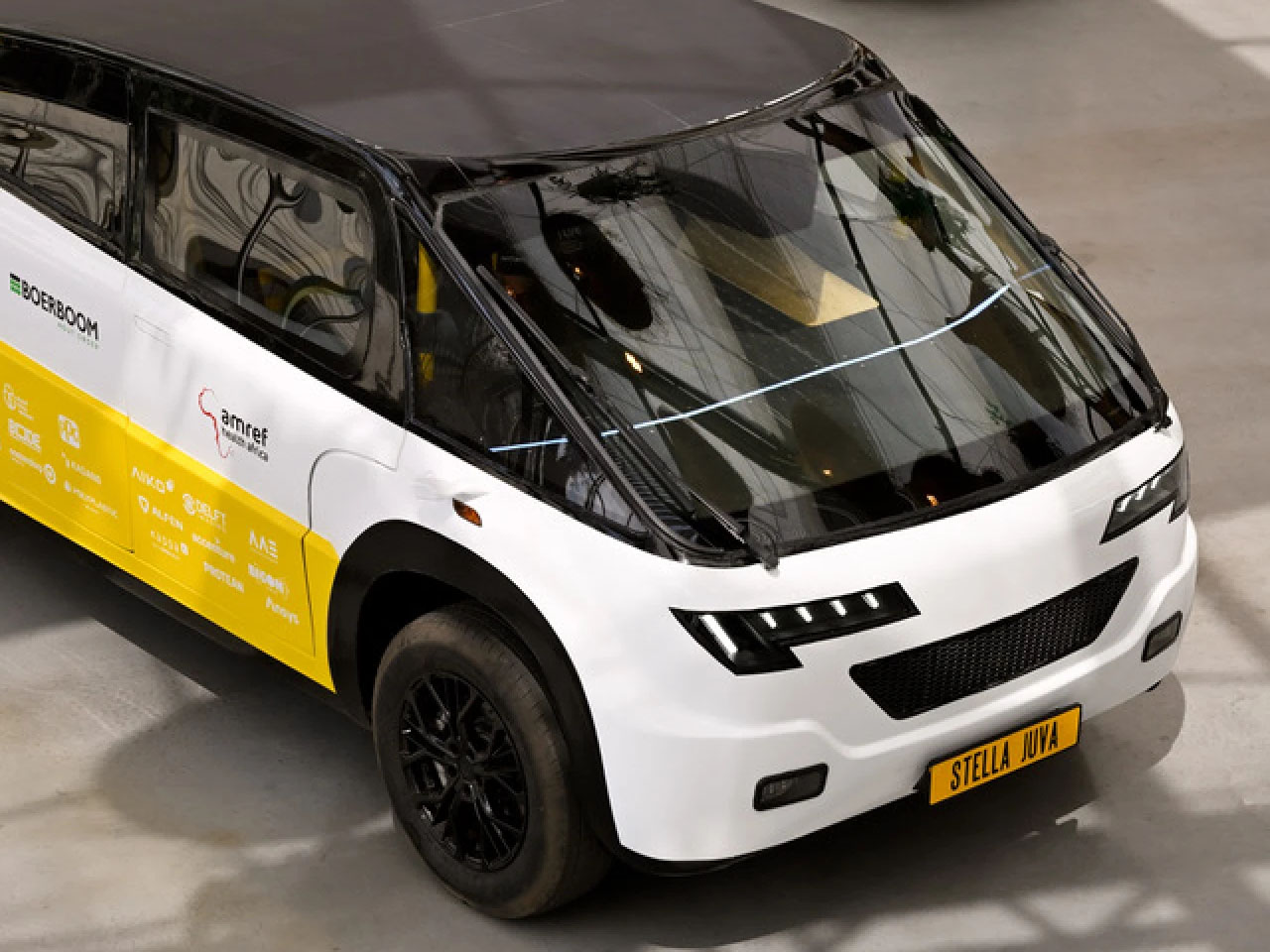
The vehicle’s body is covered with 542 solar cells, turning much of its exterior into an energy-generating surface. Electricity from the panels is stored in a 50-kWh battery, which powers both the vehicle and the medical equipment inside. Under favorable sunny conditions, Stella Juva can travel up to 444 miles on paved roads, with a top speed of 74 mph. The battery also gives the ambulance a degree of independence from immediate sunlight. When the vehicle is parked at a remote location, stored energy can keep its medical systems running after sunset or when solar generation drops. That is particularly useful for a vehicle intended to operate in places where plugging into a dependable electrical grid may not be an option.

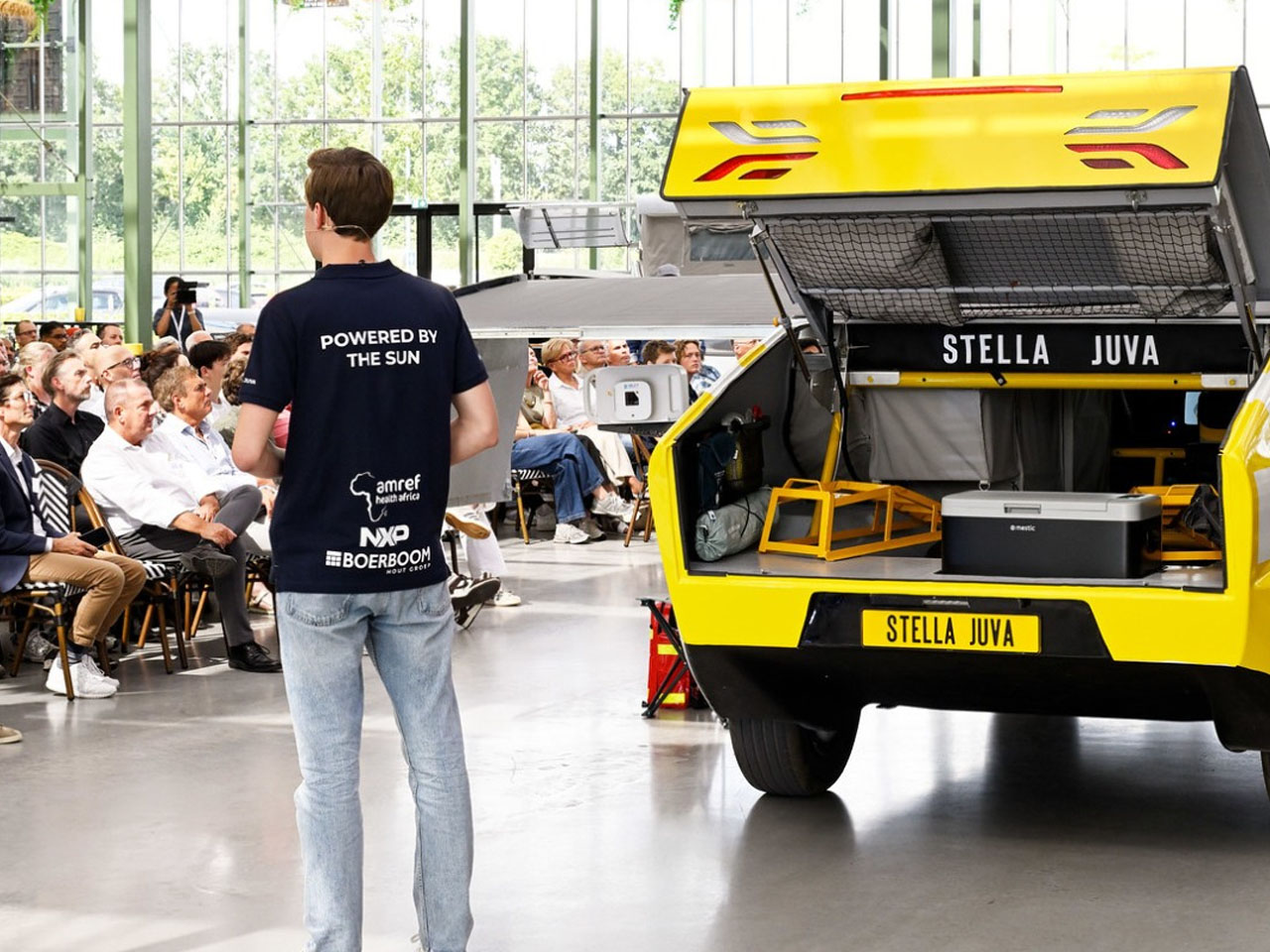
Inside, Stella Juva is equipped more like a compact mobile clinic than a conventional ambulance. Its equipment includes a defibrillator, portable X-ray and ultrasound systems, blood-testing equipment, and a refrigerator for vaccines. This allows healthcare workers to carry out examinations and provide medical assistance on location instead of relying entirely on a long trip to a hospital. The idea builds on Solar Team Eindhoven’s previous experiments with solar-powered mobility. The team created Stella Vita, a solar-powered motorhome designed to combine travel and off-grid living, followed by Stella Terra, an off-road solar vehicle developed to handle rough terrain. Stella Juva takes the same focus on energy efficiency and pushes it toward a more practical application, where every watt generated by the vehicle can support both mobility and healthcare.

Its next stage will take the prototype out of controlled testing and into the real world. Solar Team Eindhoven plans to test Stella Juva in Kenya in collaboration with Amref Health Africa. The trials will put its solar-electric system, medical equipment, range, and ability to cope with local road and operating conditions to the test. Stella Juva is not intended to replace every conventional ambulance. Instead, it explores what an emergency vehicle could become when it is designed around places where infrastructure cannot always be relied upon.

The post This solar-powered ambulance brings medical care to remote communities without relying on the grid first appeared on Yanko Design.