Realme GT5 Pro claims to recognize your palm print to unlock your phone

Fingerprint sensors and Face ID on smartphones are so common these days that we almost don’t give a second thought to how we unlock and authenticate with our devices. By now, many might have already forgotten the bad old days of “1234” PINs or no security measures at all, but some think that we could still do better in some ways. These security methods, after all, require you to at least touch your smartphone or hold it near your face, which isn’t always possible in all circumstances. When you need to unlock your phone from a distance, you’re pretty much out of luck, unless you own a Realme GT5 Pro that can apparently unlock your phone just by reading your palm.

Designer: Realme

Although face recognition technologies like Face ID do work from a short distance, you will need to either stoop down or have your phone at head level in the first place. If you’re in the kitchen cooking with the phone on the counter or have smudgy thumbs, neither fingerprints nor faces will be convenient or practical. Realme’s latest flagship tries to offer a third method where you can simply bring your palm near the screen and it will unlock automatically. You might think that it’s simply using a proximity sensor to detect if a hand is nearby, but the brand insists that isn’t the case.

1

It instead uses the 32MP front-facing camera to take an image of your palm and compare it to secure references, pretty much the same way optical fingerprint scanners work beneath the phone screen. Admittedly, the technology is still a bit new, especially in this kind of application, so there might be some hesitation in relying on it completely for security. Fortunately, there’s also the usual under-screen fingerprint scanner for more regular uses.

The Realme GT5 Pro also uses that system to enable hands-free control using hand gestures. A thumbs up can “Like” a post on a social media platform, a pinch can take you to the recent apps list, and flipping your palm can take you to the home screen. Considering you can’t really use your face for such actions, these gestures will be a huge help when you can’t touch your phone’s screen for one reason or another.

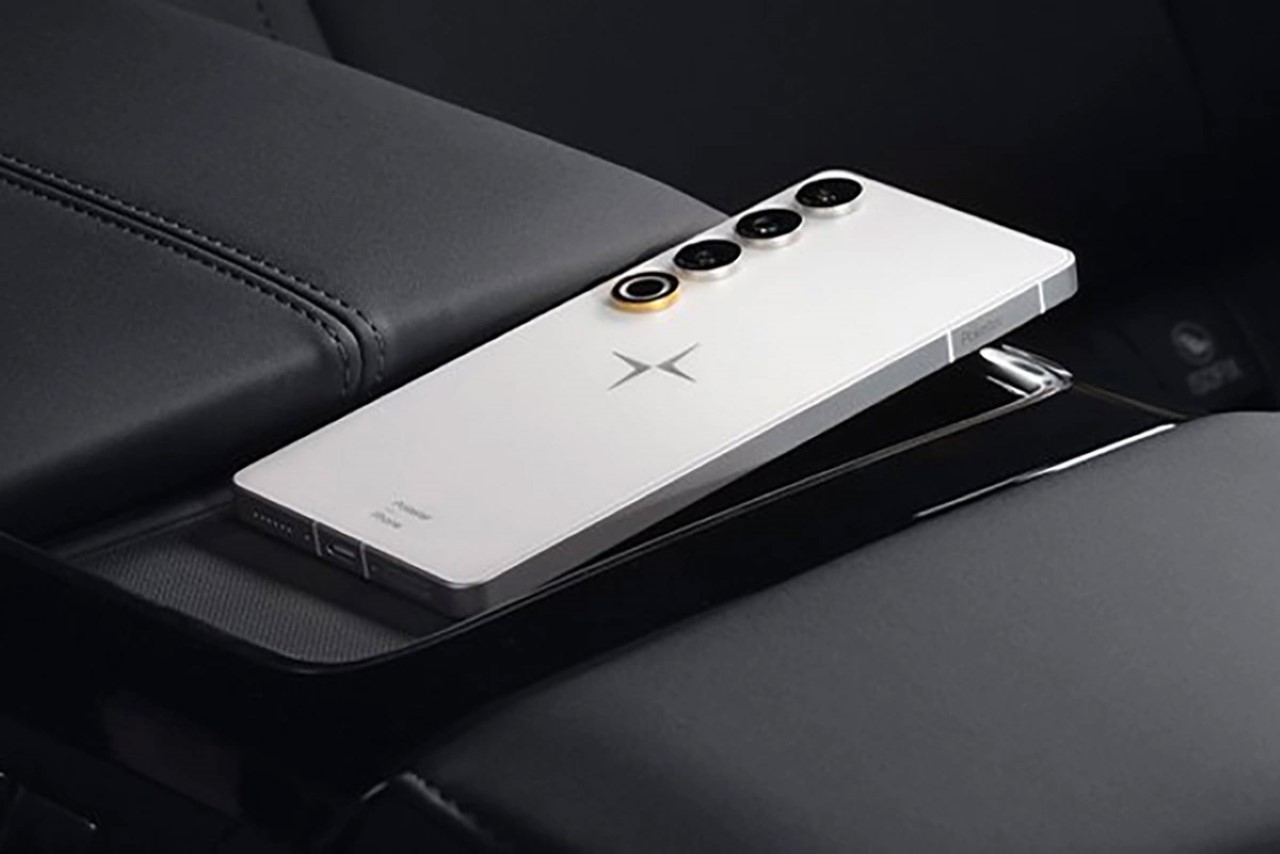
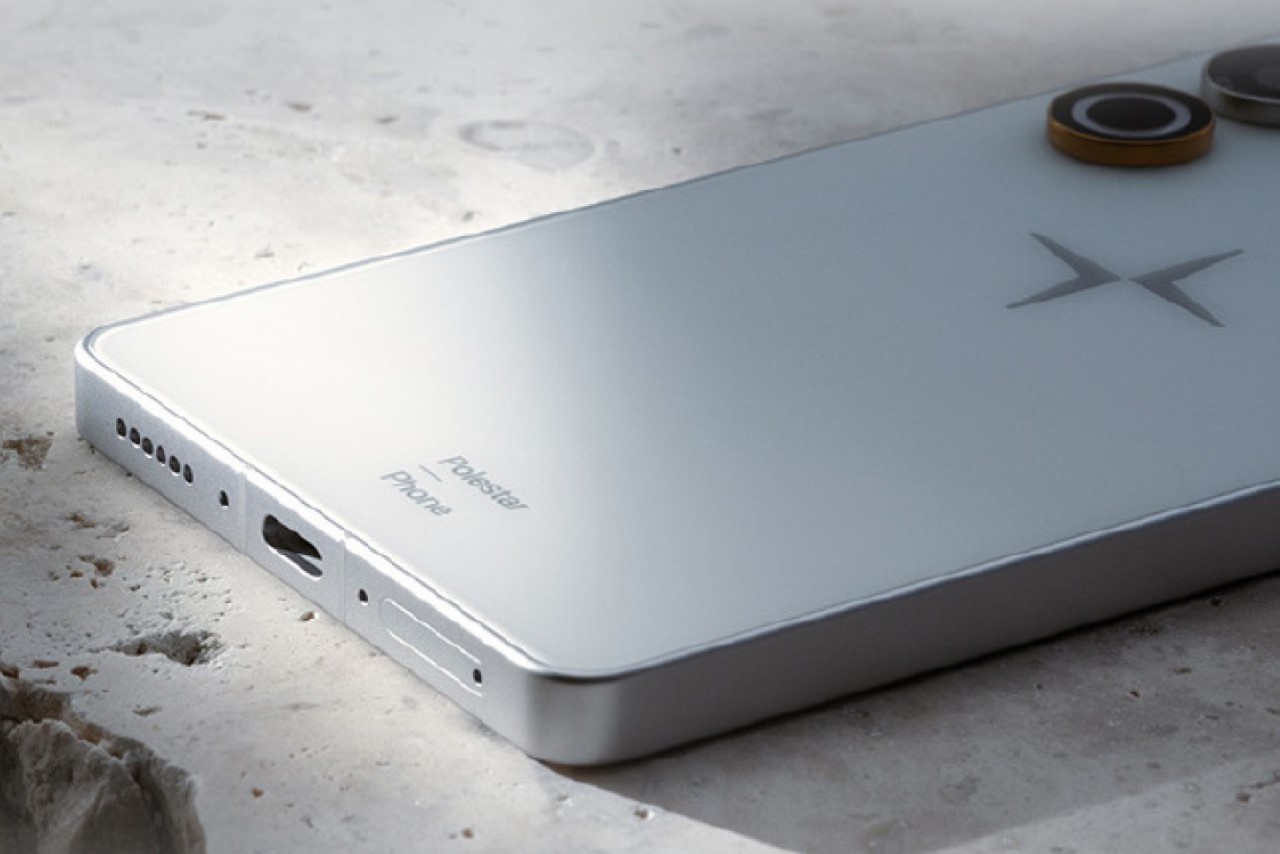
As far as the phone itself goes, the Realme GT5 Pro is quite a handsome device, with vegan leather white or orange variants as well a more classic matte black model. A large camera bump sits in the middle of that rear panel, designed to mimic the look and feel of a camera lens rim. At the moment, the smartphone is available only in China with an international launch to be announced later.

The post Realme GT5 Pro claims to recognize your palm print to unlock your phone first appeared on Yanko Design.

OnePlus 12 design is inspired by high-end watch-making craftsmanship

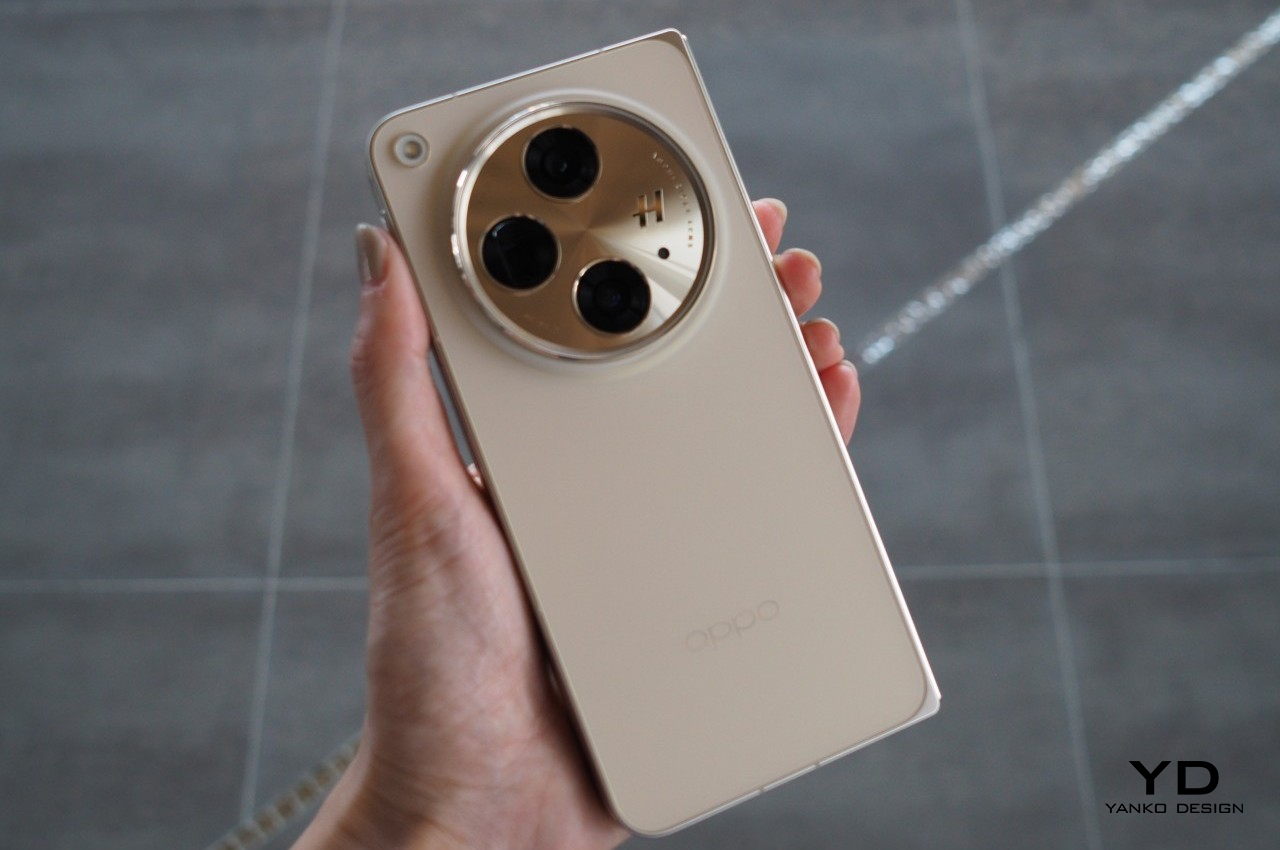
The OnePlus 12 has officially been announced, at least in China, and it matches almost everything that has been leaked previously. No, there is no wood grain model or case, but there is indeed a marble-like green variant on the table. Truth be told, there isn’t anything surprising or new with the OnePlus 12, at least in terms of overall design. It looks exactly like the OnePlus 11 before it, which ties in with the company’s less aggressive branding strategy. That’s not to say they’re exactly the same, of course, and OnePlus is trying to focus on the design story of the phone this time around. In particular, it’s homing in on how the OnePlus 12’s camera was inspired by the same creative and manufacturing processes used to make luxury timepieces as if these two product categories shared a common ancestor.

Designer: OnePlus

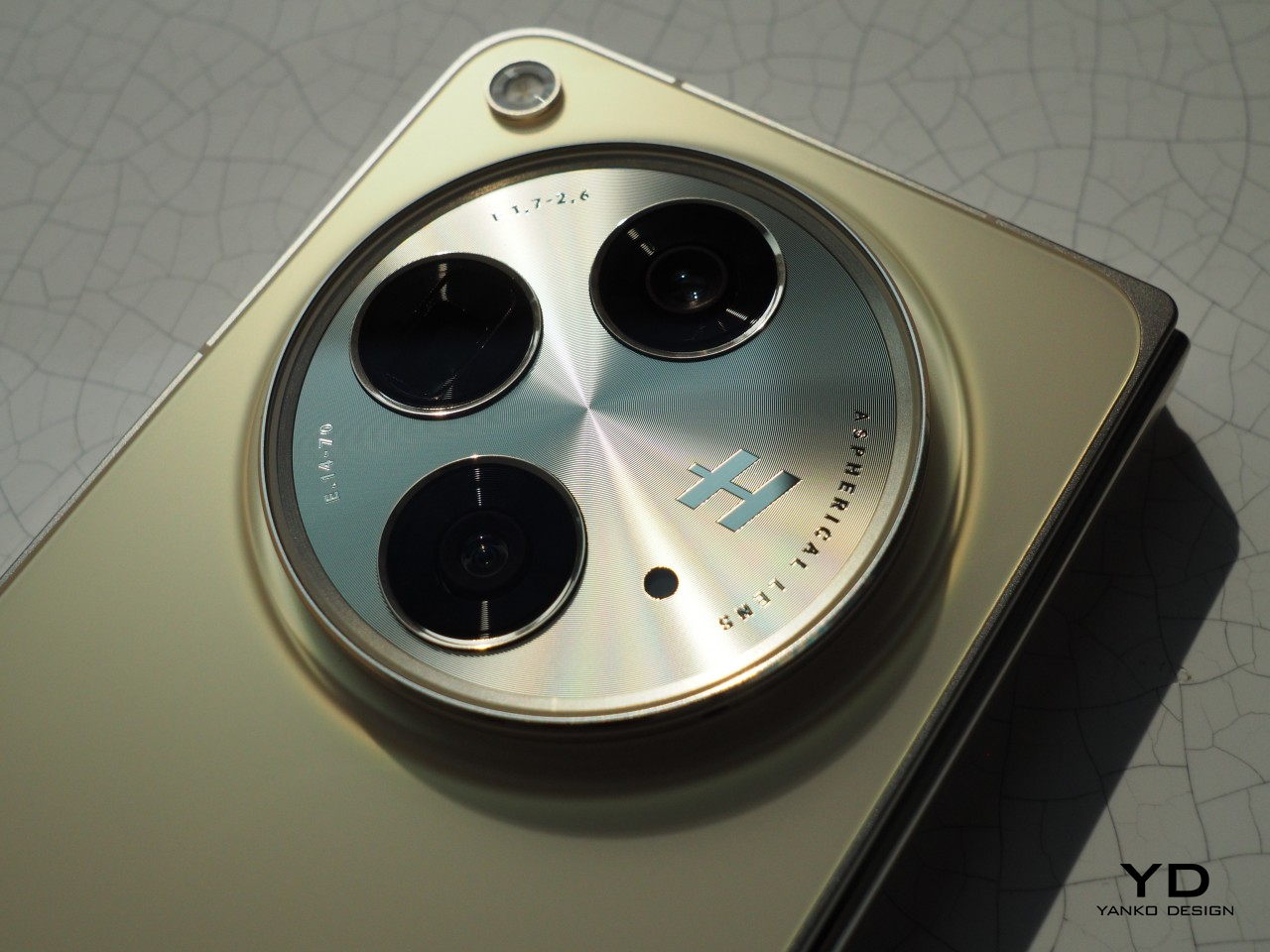
To be fair, manufacturers have thankfully started to pay as much attention to materials, colors, and aesthetics as watch-makers do for upscale timepieces. Of course, most of the conventions and practices don’t cleanly transfer between these two worlds, but there are definitely lessons that can be learned from both sides of the fence. Coincidentally, the OnePlus 12 does have one part that lends itself perfectly to that same watch-making expertise thanks to its circular camera bump that does look like a watch to some extent.

OnePlus spares no effort to illustrate how the OnePlus 12’s camera design takes a few pages from luxury watches, like using the same high-end machined aluminum casing for the camera island as well as the plate on top of the cameras. It also uses special laser engraving for the markings on the outer area of the plate, while utilizing a polishing process with micron-level precision for the semi-circular island to achieve an elegant appearance. This is then topped by a circular Gorilla Glass cover, completing the picture of a watch-like camera.

Of course, that story will probably be lost on most buyers who haven’t heard of it, but the OnePlus 12 is undoubtedly quite stunning even without that backstory. Unfortunately, the phone’s color options are rather unremarkable, except for the “emerald green” colorway that looks more like a slab of marble than a gem. The phone does have a classic appeal to it, with its curved back and equally curved screen, though that might also be just a kind way of saying “old”.

The OnePlus 12 is one of the first to carry the latest Qualcomm Snapdragon 8 Gen 3, positioning it as a premium 2024 flagship. Despite appearances, it only has three cameras, a stacked 50MP main shooter, a 64MP telephoto camera with 3x lossless zoom, and a 48MP ultrawide with a 14mm equivalent lens. The other unnamed circle is pretty much a 3D ToF (Time-of-Flight) depth camera. Although now officially available in China, international markets will have to wait until next month to get their hands on the OnePlus 12 and its watch-inspired camera design.

The post OnePlus 12 design is inspired by high-end watch-making craftsmanship first appeared on Yanko Design.

All-screen iPhone with Under-Display Camera is coming but not too soon

Although notches and cutouts, including Apple’s Dynamic Island ‘pill,” have become the industry standard for cramming front-facing cameras and sensors on smartphones, they are hardly the ideal solution. Because of the blemish they put on the phone’s display, not to mention the area of unusable space they incur, they’re both unattractive and wasteful. The ideal solution and Holy Grail that designers and manufacturers have been chasing after is having no cutout at all, with the camera invisibly hidden beneath the screen. As many smartphones, including the Galaxy Z Fold series, demonstrate, that’s easier said than done. That said, everyone seems to be moving in that direction, including Apple, which might already be preparing for an iPhone that’s all-screen, coming in 3 or 4 years.

Designer: Apple (via The Elec)

Image courtesy of Samsung

Hiding a camera lens or other sensors beneath the screen is no easy task. A camera will need to capture light from the outside in order to actually form a picture, but a screen is mostly opaque so no light will reach it normally. This is why Under-Display Cameras (UDC) or Under-Panel Cameras (UPC) actually have a lower resolution in the area directly above the camera compared to the rest of the screen. A lower resolution means fewer pixels, which means some light will be able to pass through to the sensor beneath. At the same time, however, the resolution shouldn’t be too low that you can make out the individual pixels with the naked eye, destroying the illusion.

There are other technical considerations with UDCs, including how the display’s own illumination could bleed into the camera, a flaw that Samsung is probably too familiar with. With so many parts of the puzzle, it’s no wonder that Apple isn’t in a rush to adopt this rather young technology, even if other brands like Samsung and ZTE have already jumped on the bandwagon. It won’t hold off forever, of course, and it seems that the ball has started rolling for an iPhone with that design in 2027 at the earliest.

Image courtesy of MacRumors

According to industry sources, LG has started work on a solution to the deterioration of image quality due to the loss of light in under-display cameras. It’s designing a special lens that is composed of multiple lenses to be able to gather more light despite the screen’s pixels blocking most of the area. Of course, the technology is still under heavy development, so even if Apple were to use it, won’t be happening even in the next two years.

In fact, Apple is expected to first adopt a familiar circular punch-hole cutout for either the iPhone 16 Pro next year or the iPhone 17 Pro. The iPhone 17 Pro is also speculated to be the first to use an “Under Panel Face ID” technology before Apple finally jumps to an all-screen iPhone design after 2026, possibly with the iPhone 20 Pro, if that will be its name.

The post All-screen iPhone with Under-Display Camera is coming but not too soon first appeared on Yanko Design.

OPPO Find X7 camera design leak could leave you scratching your head

Camera bumps are one of the necessary evils of smartphone design. There’s a hard limit on how small you can make imaging sensors and lenses while also keeping the phone itself thin and light. Sometimes, this situation has resulted in ingenious and beautiful designs, but sometimes the mass of glass and metal protruding from the back of the phone ruins whatever beauty the rest of the design might have. These days, it’s no longer common to see unappealing camera designs, though there are a few rare cases that pop up from time to time. If this leak is true, however, OPPO’s next flagship will come with a rather odd design choice that will surely split camps and get the Internet talking.

Designer: OPPO (via Weibo)

OPPO Find X6 Pro

OPPO Find X5 Pro

To be fair, it’s difficult to design around those cameras that wouldn’t look obnoxious or even unusable. Unless you’re Samsung, which separates each camera into its own little island, the common strategy is to have a single raised structure, often called a “bump,” to visually group the cameras together. Coming up with a pleasing design for that is no walk in the park, but OPPO has had some very good results in that regard.

The OPPO Find X5, for example, used a single piece of ceramic for the back cover as well as the camera so that the bump is more of a gentle slope rather than an abrupt and independent structure. This year’s OPPO Find X6, on the other hand, used a very large circle, but it tried to imitate the aesthetics of a DSLR lens to give it a more familiar appearance. Given these two hits, it’s almost shocking to hear that the brand might be adopting something completely different and opposite to what they achieved.

Leaked hands-on photos of the alleged OPPO Find X7 reveal a gigantic camera bump with a hexagon shape we rarely see on other phones, at least not of late. It seems to have a two-step structure perhaps to give it a bit of a flair, something it definitely needs given this rather unappealing appearance. At this point, however, the device in the photo is most likely a prototype, which means there’s a chance it isn’t the final design. Given the rather raw and rough appearance, that is hopefully the case.

The extra large camera bump could be due to having two periscope-style telephoto cameras, another first in the industry, that would require even more space for the hardware. That speculation isn’t that far off considering how OPPO markets its Find X series as a mobile photographer’s tool. It seems that the rest of the phone’s design will be similar to the OPPO Find X6, especially the curved edge screen which is a dying breed in this new flat age. The OPPO Find X7 is expected to drop sometime in the first quarter of 2024, so there’s plenty of hope that the brand will adopt a more attractive design for that large camera bump.

The post OPPO Find X7 camera design leak could leave you scratching your head first appeared on Yanko Design.

Galaxy S24 designs unofficial look reveals familiar faces, subtle changes

We’re nearing the end of the year, which means almost all the new flagship phones for 2023 have already flown the coop. That also means that the Internet is seeing a constant stream of leaks and rumors about next year’s roster, especially the ones that will be ushering in the new year. As per tradition, Samsung will be opening the year with its own definition of a “bang,” with none other than the Galaxy S24 family to pave the way for 2024. But just like any flagship smartphone from any brand any year, this trio has already been leaked to death. The latest addition to that list is a bunch of official-looking unofficial images that uncover what the Galaxy S24 will look like, and it looks like it’s going to be a very flat affair.

Designer: Samsung (via Windows Report)

Galaxy S23 Family

In contrast to its practice a few years ago, Samsung seems to have mellowed down on making big changes to its flagship phones’ designs. The 2021 Galaxy S21 and the Galaxy S22 the year after were almost identical, while this year’s Galaxy S23 still looked slightly similar but ditched the “Contour Camera” bump for a more minimalistic design. It seems that the upcoming Galaxy S24 will continue that trend, preferring refinement over sensational changes in order to establish a stronger brand identity.

This new set of images of the Galaxy S24, Galaxy S24+, and Galaxy S24 Ultra match those rumors. They retain the basic design identity of the current Galaxy S line but have some subtle yet important changes as well. If there’s one word that could describe the Galaxy S24’s design, it would be that it has embraced the flat trend even further.

This is especially true with the Galaxy S24 and Galaxy S24+, which now have nearly flat edges with chamfered corners where the front and glass back cover meet the frame. You can be sure that there will be a lot of criticism about Samsung copying Apple yet again, but it’s actually surprising it took this long to do that. In the meantime, a lot of other smartphone brands have already adopted this flat look, so it’s not like Samsung needs to be singled out.

The more important flat change, however, is with the Galaxy S24 Ultra’s screen which ditched the curved edge or “Infinity Edge” design of yesteryears. As mentioned before, this isn’t just a visual change, because it lets owners exploit all the screen space available, down to the last pixel at the edges. It’s a more usable design, especially for a smartphone that uses a stylus. Of course, all of these are still unofficial, but given all the “confirmation” we’re seeing on the Internet, it’s almost as good as gold. The Galaxy S24 lineup is expected to be announced on January 17th, 2024, though even that date isn’t official.

Galaxy S23 Family

The post Galaxy S24 designs unofficial look reveals familiar faces, subtle changes first appeared on Yanko Design.
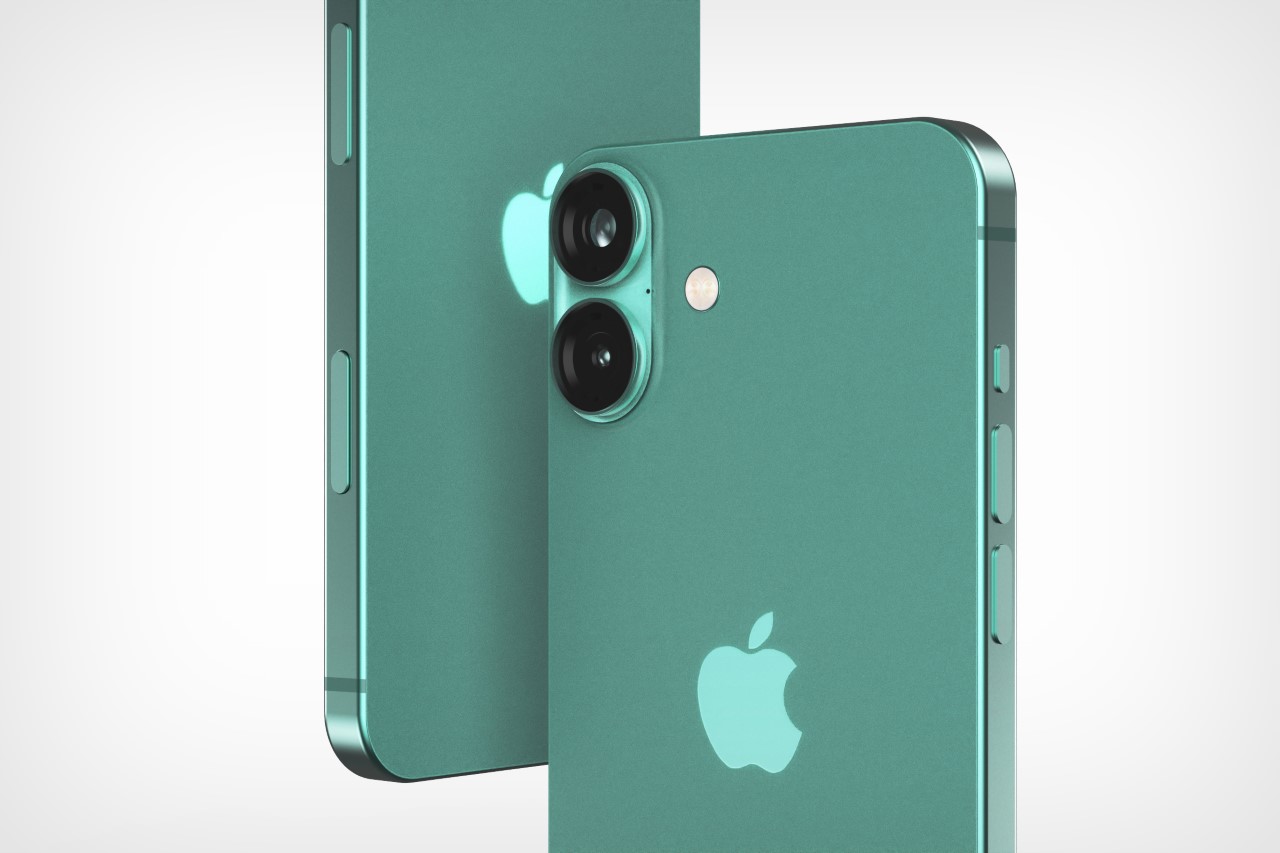
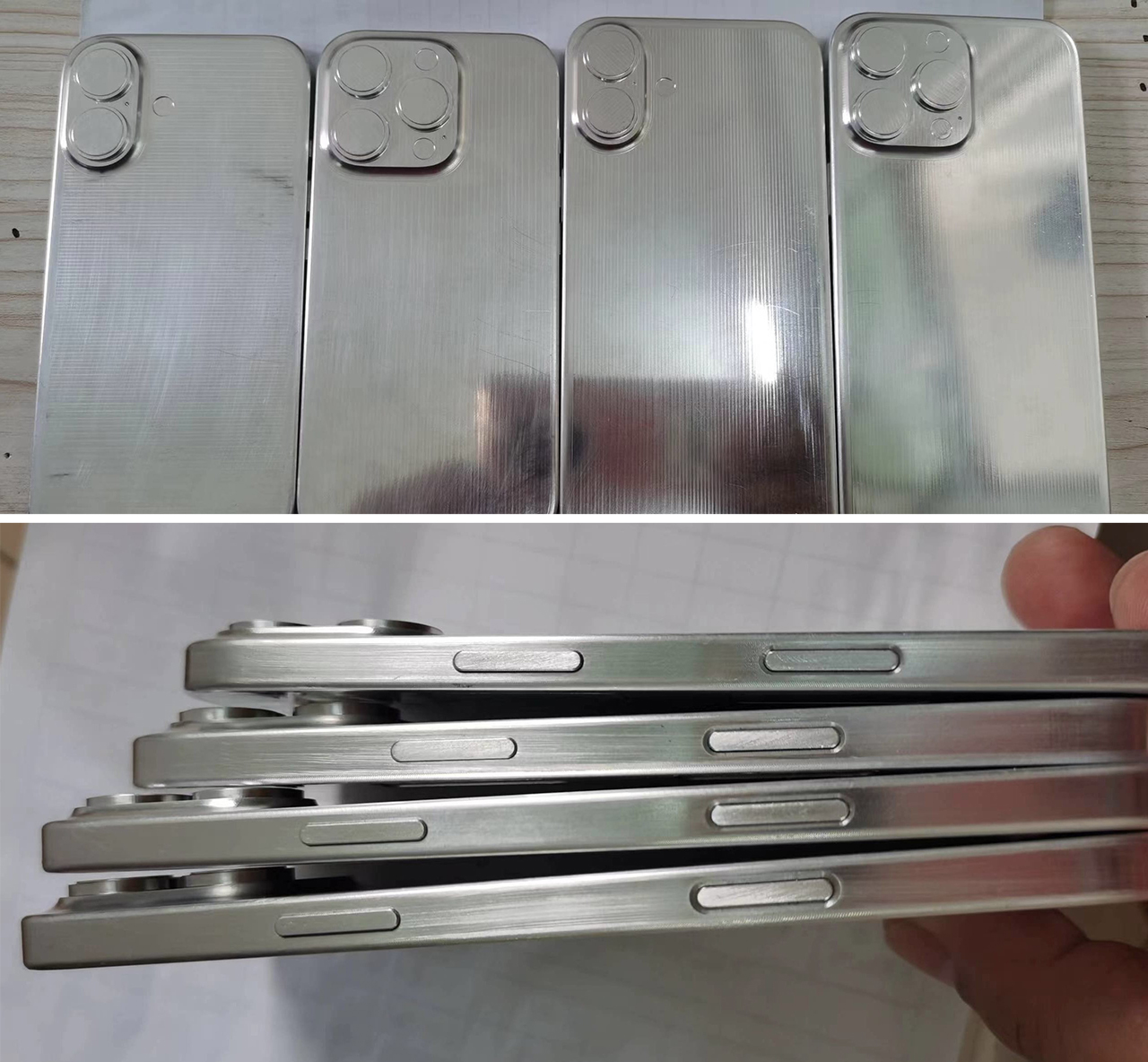
iPhone 16 Action Button could open up new features, available on all models

Although it might not be as prominent as Touch ID, the notch, or the more recent Dynamic Island, the physical mute switch has become one of the most loved features of the iPhone right from day one. It is one of those small features that proved just how attentive Apple was to the little details that significantly improved the lives of their customers. After more than a decade in service, that switch was eventually replaced by the Action button in the iPhone 15 Pro models this year, but of course, that isn’t the end of the story. According to sources, next year’s iPhones will have an even more talented Action Button and best of all, it will be available on all models right off the bat.

Designer: Apple (via MacRumors)

The physical mute switch delivered peace of mind by letting iPhone users switch from ring to silent mode and vice-versa with a literal flick of a switch, saving you from stress and embarrassment in times when your phone shouldn’t be audible. Presuming you know what the current sound mode is, you don’t even need to look at the switch’s position to push it. You can do it while your iPhone is still in your pocket, and no one will be the wiser.

There might be some fans who are sad to it go, but that switch has ascended to become a button. It can now do more than just switch to silent mode since it can be mapped to some actions, hence its name. Apple had some ambitious plans for the Action Button, but the lack of time meant it had to make do with a simple physical button and limit it to the iPhone 15 Pro and iPhone 15 Pro Max. But now that the cat is out of the bag, it is free to push forward with its original plans.

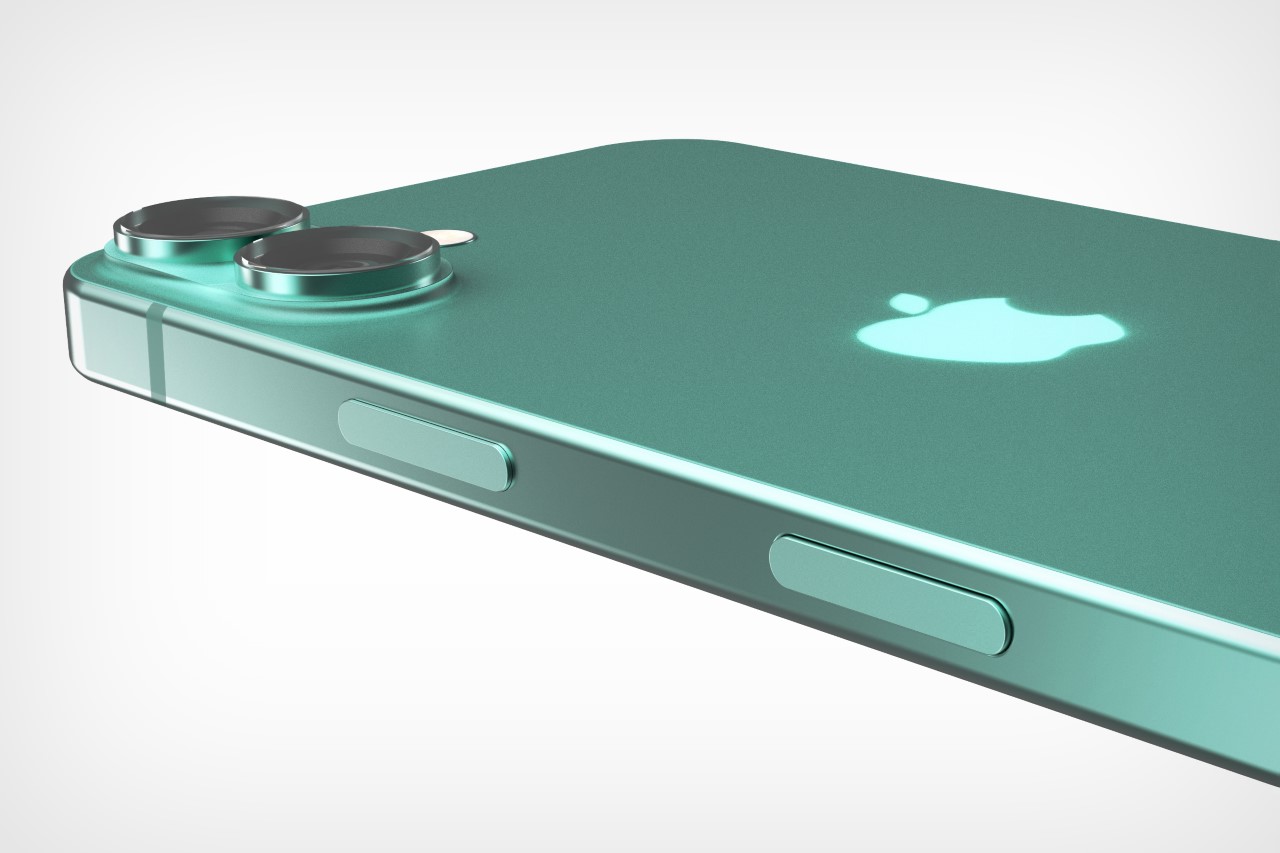
Although nothing’s set in stone yet, Apple might change the Action Button from a mechanical button to a capacitive one with force sensitivity. This is similar to the technology used in the previous Touch ID home button as well as the Force Touch trackpad on MacBooks. This revamped Action Button would be able to distinguish between a simple press, a long press, and a hard press, so you’d be able to assign at least two actions to the same button (long press is set to switching between ring and silent by default).

The exact implementation details are, of course, still up in the air, but it would be a very big improvement over the current basic implementation. Even better, those same sources claim that this new Action Button will make its way to all iPhone 16 models, both the standard and Pro models, so there wouldn’t be a need for envious buyers. Again, all of these are still unofficial, so Apple could still pull the plug from the plan if it doesn’t deem the feature to be ready by the time it locks down the iPhone 16 features next year.

The post iPhone 16 Action Button could open up new features, available on all models first appeared on Yanko Design.
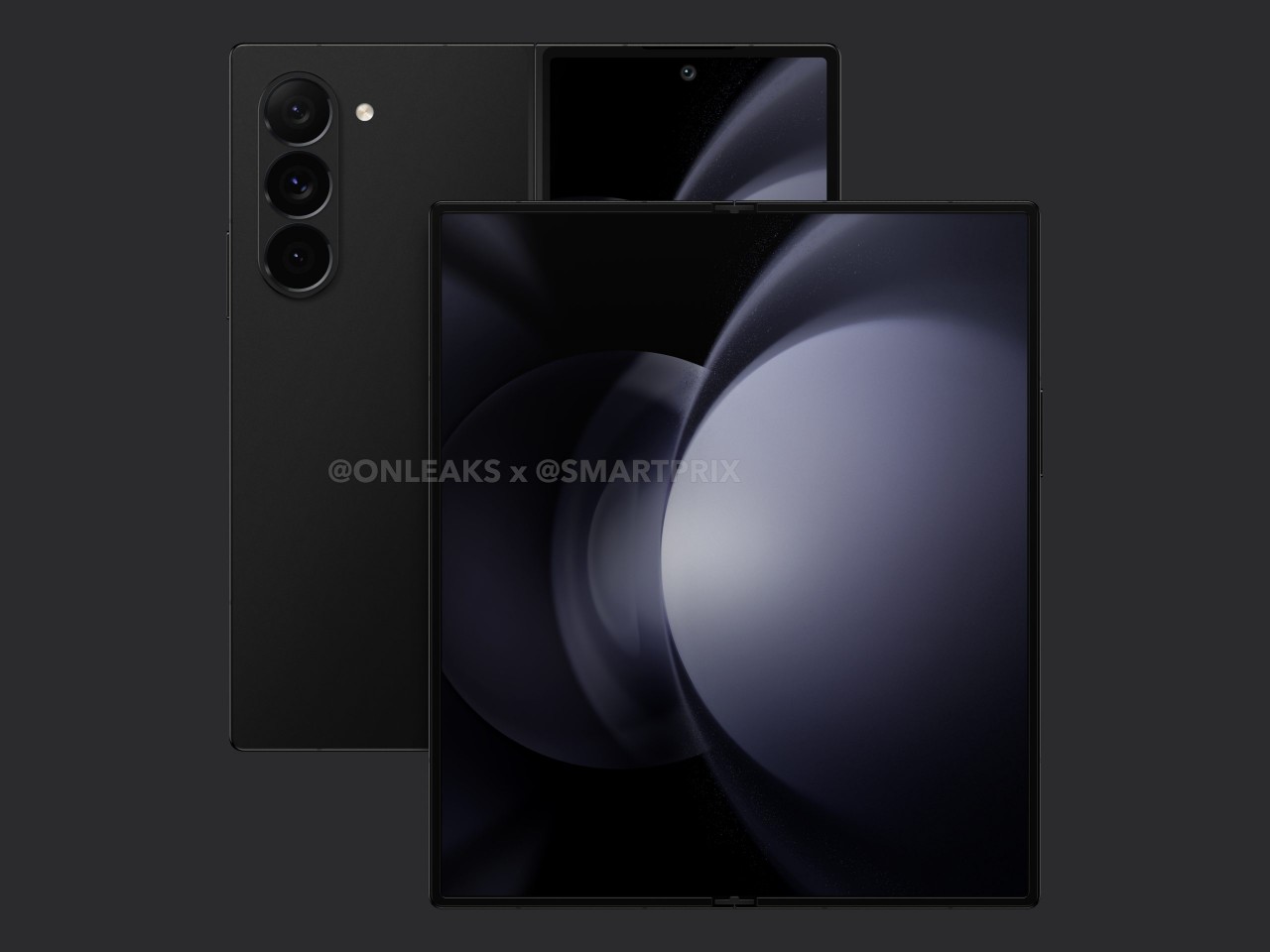
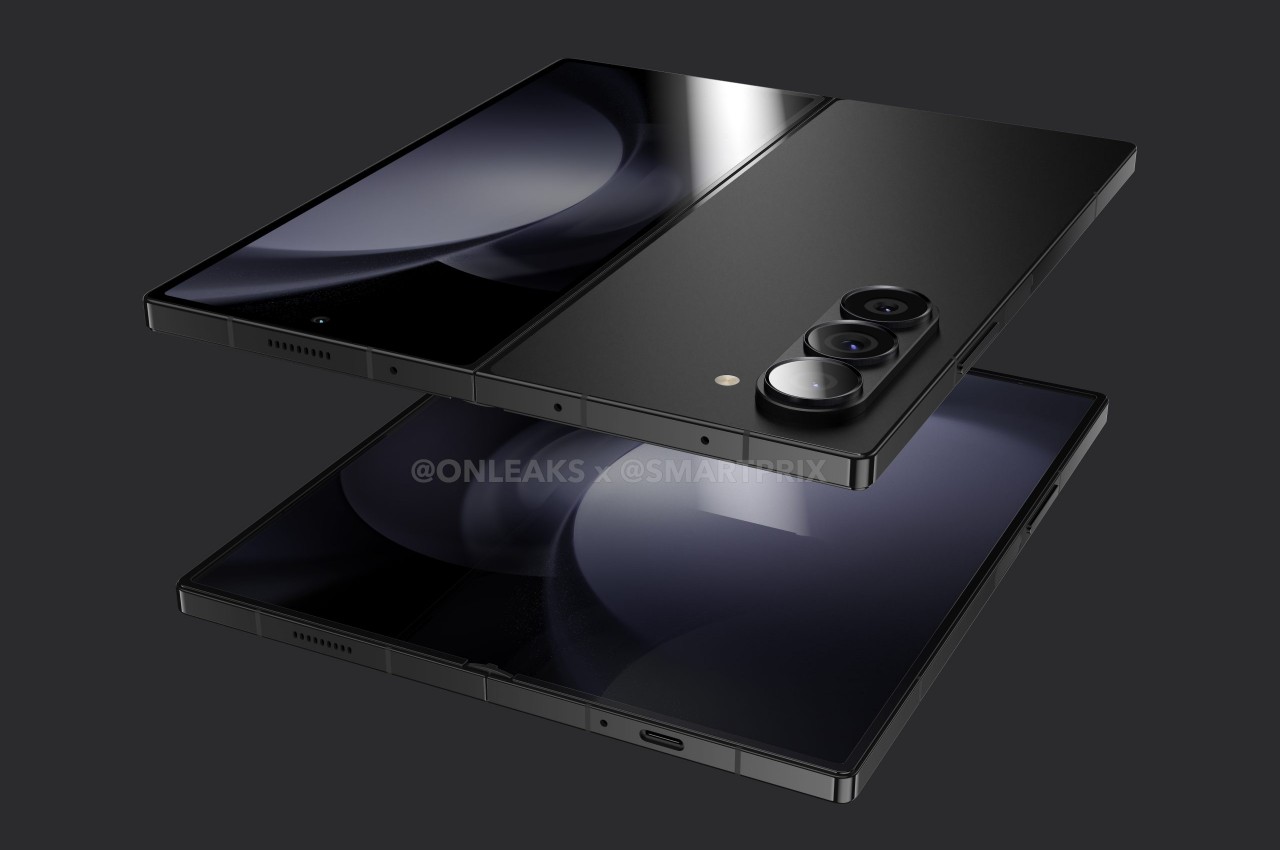
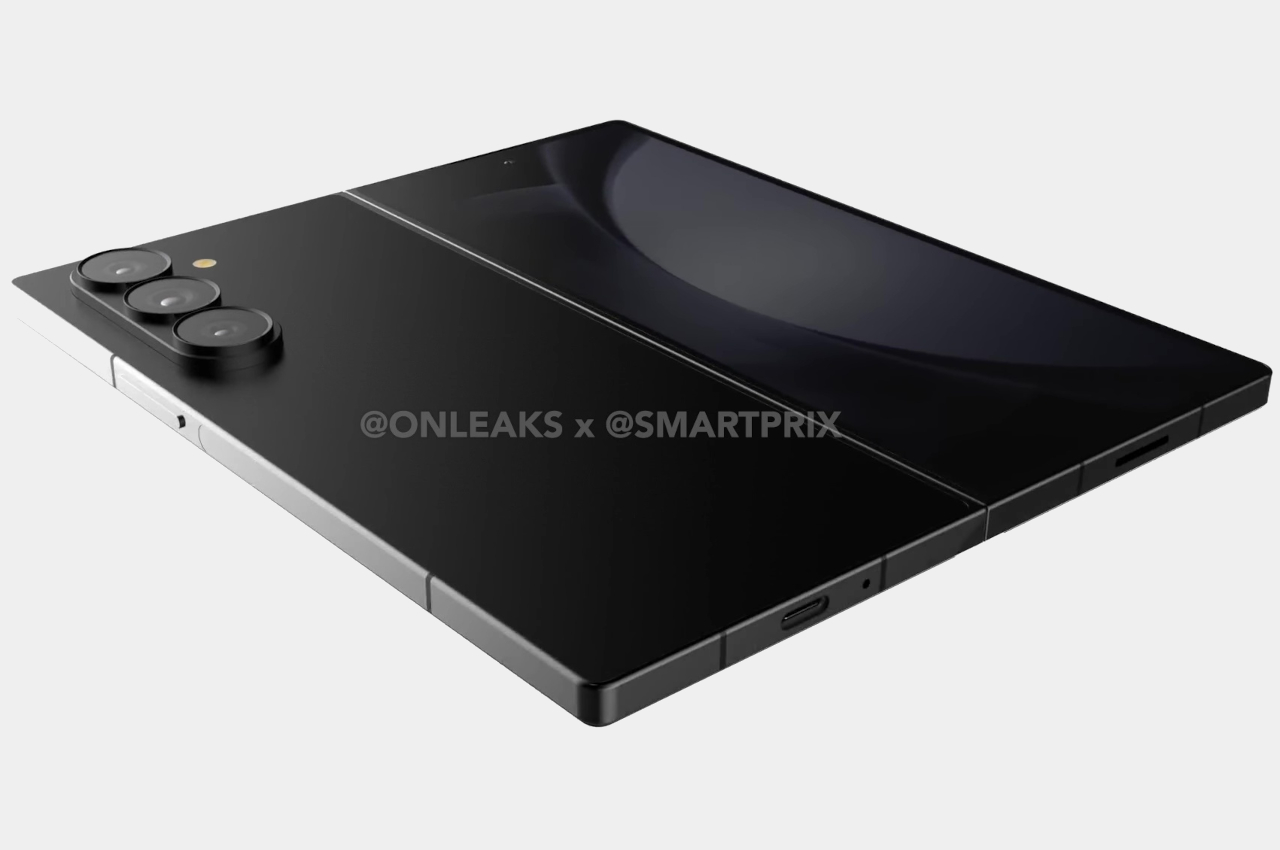
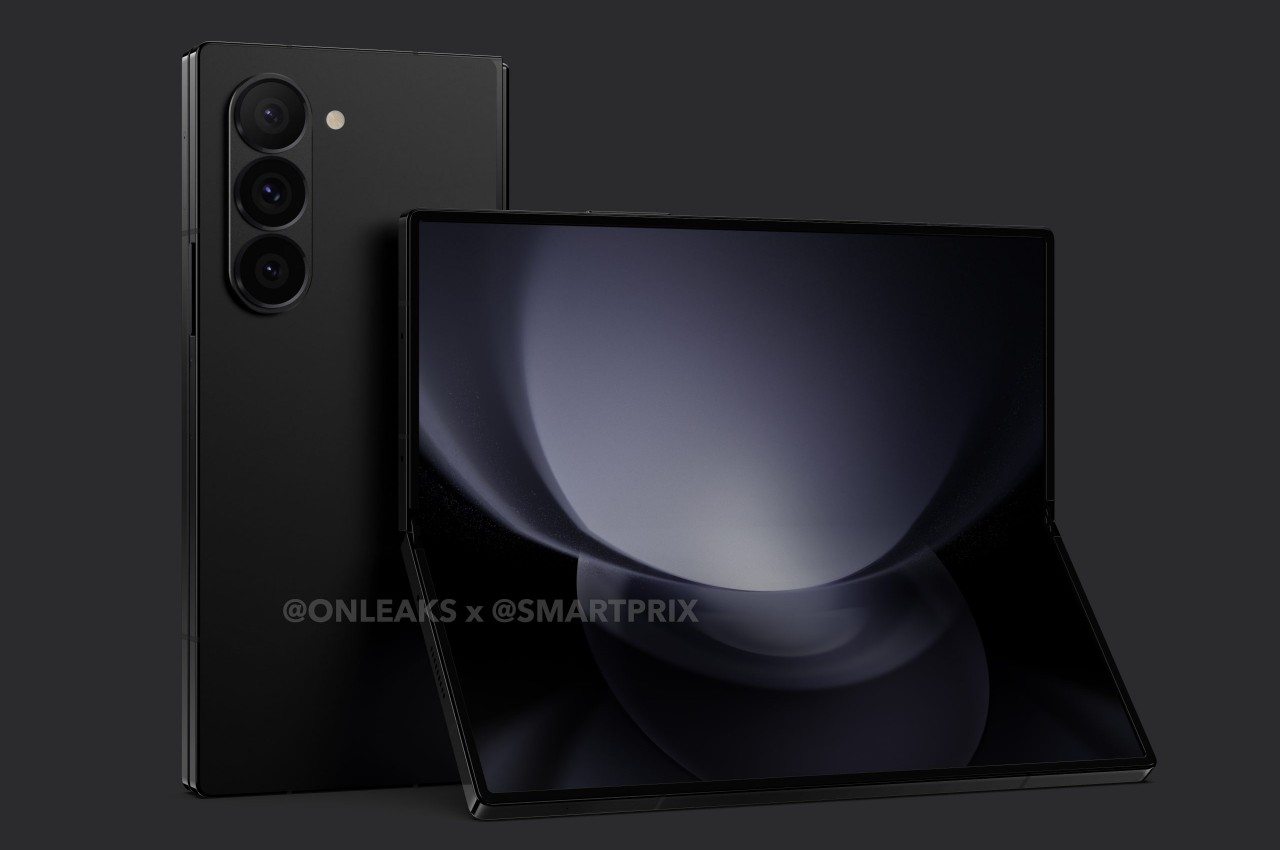
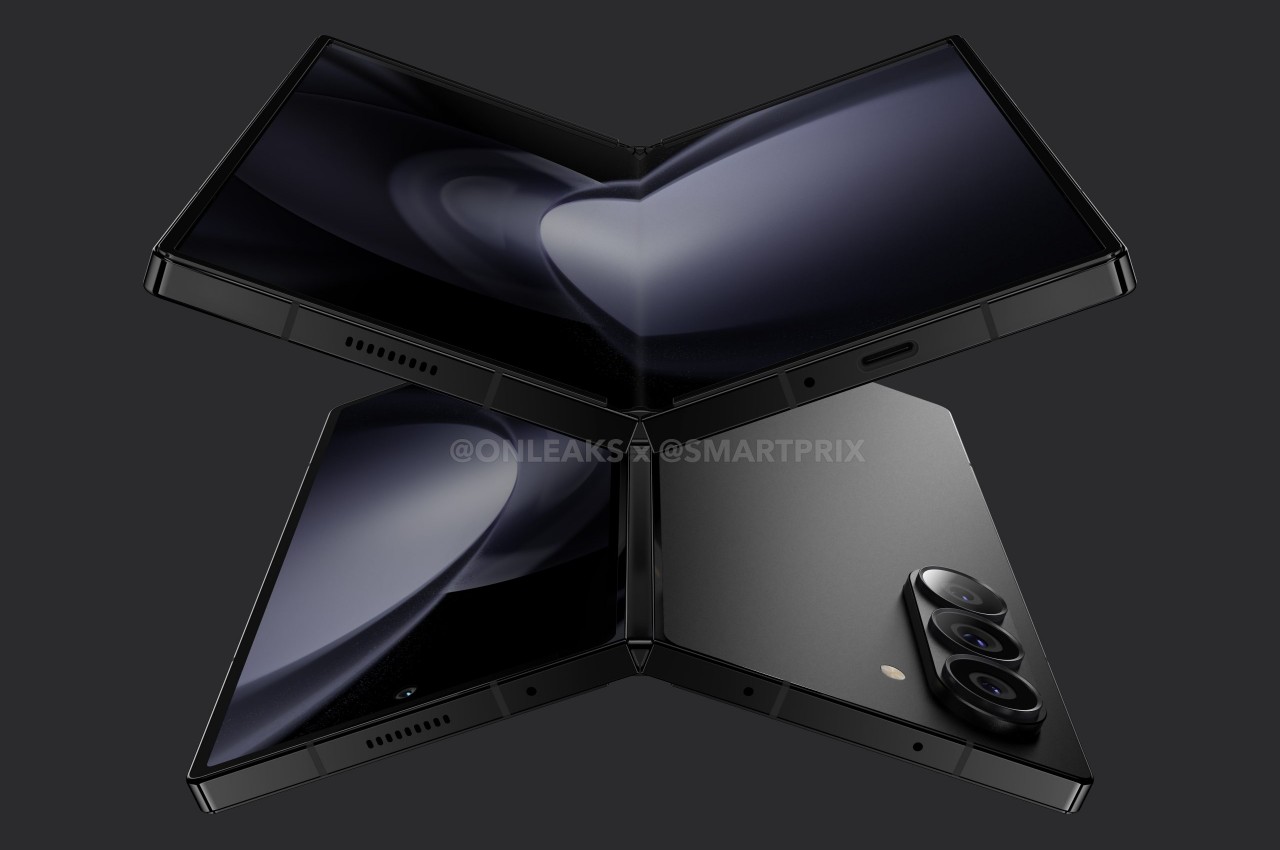
Galaxy Z Fold 6, Z Flip 6 foldable phones might finally fix pain points

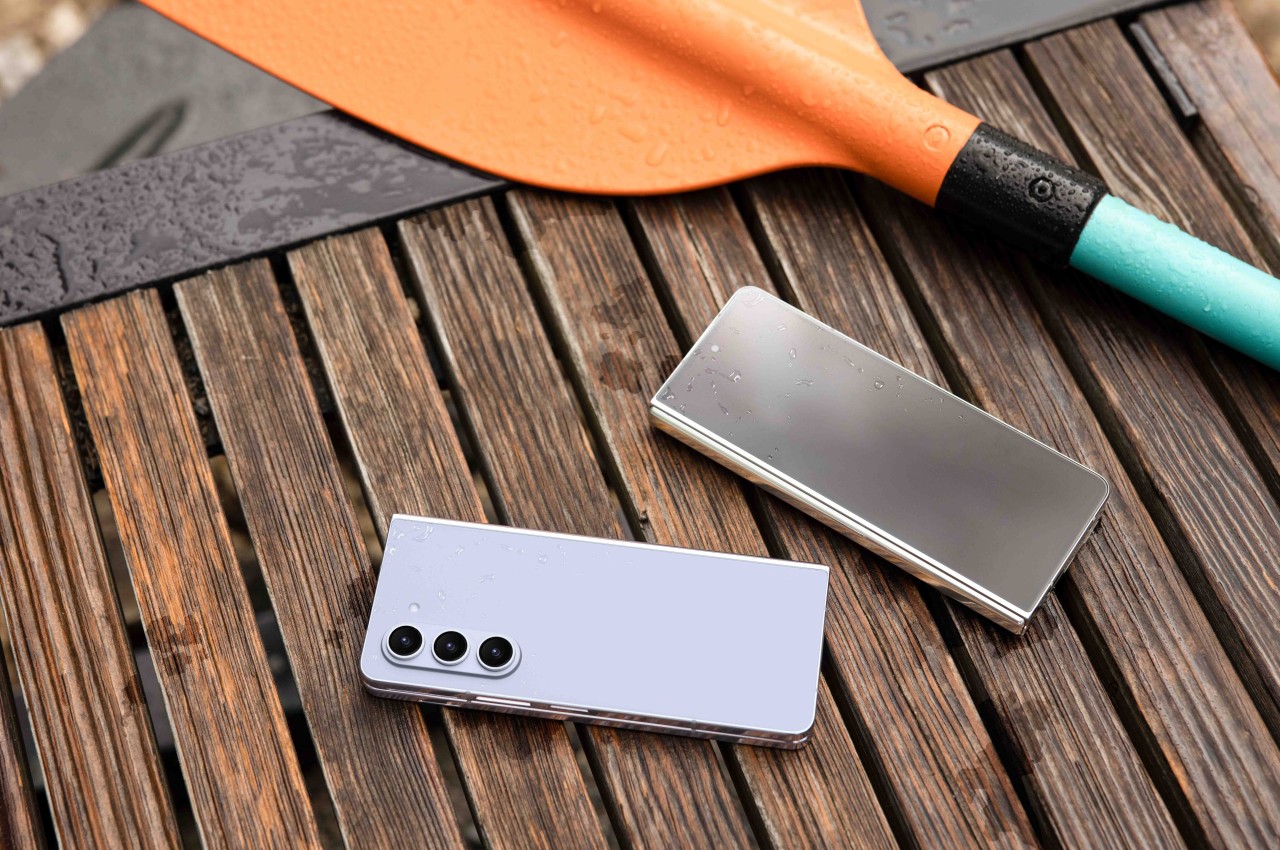
Foldable phones are getting more common these days, but that doesn’t mean they don’t have room for improvement. Whether it’s the larger book-type foldable or the stylish clamshell flip phone, there are still lingering concerns in terms of design and durability. Admittedly, there have been quite a few major improvements over the years thanks to increased competition in this market segment. Although it was a pioneer, it almost seemed that Samsung had been stagnating instead, sticking too close to safe designs. That changed with the Galaxy Z Flip 5 this year and it will keep changing for next year’s generation that are expected to introduce new screens that address some of those complaints.

Designer: Samsung (via Ross Young)

It’s not really that puzzling that Samsung decided to focus on improving the durability and reliability of its foldable phones over fancy features. After all, those are the biggest concerns buyers have when trying to sink their teeth into such an expensive investment. But four years after it first launched the Galaxy Fold, the basic design of this foldable phone hasn’t changed. In fact, one of the biggest complaints is how the external Cover Screen is too narrow, making it awkward and even difficult to use the phone as a regular phone when folded close.

According to industry sources, the Galaxy Z Fold 6 will have a wider Cover Screen to resolve this issue. An exact figure wasn’t given, but any additional width would be an improvement to the current design and put it on the same page as its rivals. Of course, this would translate to a change in the aspect ratio of the internal main display, which might end up looking more squarish than before.

The Galaxy Z Flip 6 is also getting a bigger Cover Screen, one that spans 3.9 inches diagonally versus the current 3.4 inches. This is being compared to the 4.0-inch iPhone 5s and iPhone SE (2016), which are the last small iPhones that Apple made. In theory, that means there will be more space for content, which opens the door for more apps as well.

Of course, that isn’t always the case in practice, because the screen aspect ratio and shape won’t be the same as an iPhone. And just like the Galaxy Z Flip 5 now, the kinds of apps that you can use on that external screen are very limited. There are no signs that Samsung will open up its Cover Screen to more apps the way the Motorola Razr does, so the impact of this change could be very minimal in the end.

The post Galaxy Z Fold 6, Z Flip 6 foldable phones might finally fix pain points first appeared on Yanko Design.
OnePlus 12 design revealed with a very familiar face, no wood grains in sight

Without much fanfare, OnePlus revealed the design that would mark its newest flagship, the OnePlus 12. While that two-digit number proves it’s no longer a young upstart, the brand is famed for outside-the-box thinking when it comes to design and materials. That’s not to say it always comes out with guns blazing, and zeal sometimes has to be tempered with practicality. Take for example the upcoming OnePlus 12 which is now officially confirmed to be using pretty much the exact same design as its predecessor. While that might not make for a sensational launch, it does give a sense of familiarity and stability. Unfortunately, there doesn’t seem to be any sign of an earlier wooden grain shell, which could probably dampen a few excited expectations.

Designer: OnePlus

At this point, it might be difficult to pinpoint which company really started this camera design trend, but OnePlus has been doing some rather interesting experiments in the past years. In order to make the usual camera bump a little more interesting visually, the OnePlus 10 last year adopted a rather unique style where the camera’s raised bump actually continued and curved off to the side. This year’s OnePlus 11 mixed that up with the circular camera island design that made the phone look like it was wearing a monocle or an eyepatch.

The OnePlus 12 uses this exact same design with one small but important change. There are four sensors now, though one is most likely an RGB or 3D Time-of-Flight (ToF) sensor, so the flash had to move out of the enclosure, giving the camera a more symmetric appearance. Other than that, there are no big visible changes, which means that OnePlus is able to preserve its brand identity for one more generation. Admittedly, the design doesn’t appeal to everyone, but it’s hard to deny that it’s a distinctive one.

What OnePlus has officially revealed so far, however, doesn’t yet include the earlier leaked “wood grain shell,” which could either be a new variant or an official protective case. Instead, the OnePlus 12 will come in three colors with subtly different textures despite all being made from glass. White is compared to silk, black is likened to ceramic, while the green variant seems to be trying to pull off another marble-like aesthetic.

OnePlus hasn’t yet completely spilled all the beans regarding its upcoming flagship, so it’s a little too early to say if that’s all there is to it. Of course, in terms of hardware, it will have the latest Qualcomm Snapdragon 8 Gen 3 processor to lead the way, and its photography roster is expected to include a 50MP main camera and a 64MP telephoto shooter with 3x optical zoom. The OnePlus 12 is scheduled to be officially announced in China next week, but a global date is expected on December 15.

The post OnePlus 12 design revealed with a very familiar face, no wood grains in sight first appeared on Yanko Design.
Samsung Galaxy S24 Ultra flat screen design will improve the S Pen experience

Samsung has quite a large number of smartphone models in the market, but few have reached notable fame more than the Galaxy Note series. And yes, that includes the one that burst into flames. Although that brand of stylus-bearing smartphones has officially been retired, its spirit lives on in the “Ultra” model of Samsung’s Galaxy S flagship. Call it by any other name, these devices were designed with one unique feature that very few phones have to date: an active stylus for scribbling notes and even making art. That said, there is perhaps some irony that these phones’ screens aren’t designed to take full advantage of that feature, at least in some edge cases, literally. That might finally change with the Galaxy S24 Ultra next year which will be ditching a rather old design convention to hopefully give the S Pen an edge, pun intended.

Designer: Samsung (via David Martin)

Once upon a time, smartphone screens whose edges curved to the side were regarded as a sign of premium and stylish design. There was indeed a hint of elegance, not to mention manufacturing excellence, at seeing the screen disappear to edges, not unlike an infinity pool. It was also a visual trick to make at least the side bezels disappear, though in reality they’ve just been pushed down nearer to the frame. Today, however, that design seems to be showing its age and the trend is leaning more towards completely flat screens and edges.

On stylus-enabled smartphones like the Galaxy Note line and the more recent Galaxy S Ultra models, those curved edges are more liabilities than assets. Technically, a part of the screen “falls off” the edges and can’t be reached by the S Pen without sliding off. Depending on the app, that might be precious screen real estate wasted, and there have been awkward moments when the tip just slips off and ruins your momentum.

According to recently leaked photos, the Galaxy S24 Ultra next year will finally address one of the pain points of avid S Pen users. The screen seems to be completely flat on all sides this time around, which means that owners will have access to the full width of the screen. This design actually benefits all types of content since there will be no interface elements or images that will look distorted at the edges.

The rest of the phone, however, will retain the design from this year’s Galaxy S23 Ultra, at least based on those same photos. That meant it would still have curved left and right edges, while the top and bottom are completely flat. There’s also no change in the camera design, though the hardware is, of course, expected to see some upgrades. This goes in line with leaks last month that the Galaxy S24 series will take a more iterative approach to its design, largely keeping the same aesthetic while slapping flatter screens on top.

The post Samsung Galaxy S24 Ultra flat screen design will improve the S Pen experience first appeared on Yanko Design.
Apple’s iPhone Processors Turned into Collectible Art: This $69 Desk Accessory is the Perfect Tech Gift

Capturing over a decade’s worth of chip evolution, GRID Studio’s Apple A Series frame comes with real iPhone Processors going back as early as 2010, encased in a svelte acrylic sheet. As a part of the company’s larger Black Friday sale, the frame is now available at 50% off for just $69.
Some people are tech nerds, others are history buffs – GRID Studio’s products cater to both. The company turns old iconic products into nostalgia-inducing wall art, recycling devices like older iPhones, BlackBerries, MacBooks, Nokias, and even Nintendo gadgets into framed masterpieces. The products are sourced, disassembled, and turned into glorious tech collages complete with labels to help you appreciate the effort and sheer artistry gone into engineering and assembling some of your favorite products. While a lot of their framed artworks are designed to be large, wall-hung numbers, this particular one is a perfect tiny tabletop accessory. The Apple A Series Mobile Processors frame from GRID Studio comes with eleven authentic processors taken from Apple’s iPhone product line dating back to 2010. Each frame has a timeline going all the way from the A4 chip (used in the iPhone 4 as well as the iPod Touch) to the A14 Bionic which made its appearance in the iPhone 12 Series.

Designer: GRID Studio

Click Here to Buy Now: $69 $139 (50% Off) Special Black Friday Sale Discount

The journey starts with the A4 chip, which was the first time Apple designed its own chip for the iPhone. This was still in the Steve Jobs era when he envisioned Apple eventually building every single component in-house. Up until then, Apple’s iPhones were using Samsung-made ARM processors, so the reveal of the A4 really took the world by storm. At 45 nanometers, it’s really no match for the 3nm chips seen in today’s iPhones but it was still industry-leading back in 2010.

The frame’s timeline captures over a decade’s worth of Apple silicon evolution, culminating in the A14 Bionic which had a 5 nanometer architecture, 6 cores, and 4 GPUs. Each frame features actual authentic processor chips, encased in a stunning clear acrylic sheet that’s compact enough to sit on any tabletop.

The frame measures 7.68 inches across, 4.9 inches tall, and stands on 2 metal legs. Its tiny form factor (and rather attractive $69 price tag) makes it a perfect gift for a tech buff or nerd who tends to own the latest tech products. It’s a rather creative gift idea for people who can be a little difficult to gift for, and is sure to be a proud part of their workspace for years to come!

Click Here to Buy Now: $69 $139 (50% Off) Special Black Friday Sale Discount

The post Apple’s iPhone Processors Turned into Collectible Art: This $69 Desk Accessory is the Perfect Tech Gift first appeared on Yanko Design.