ChatGPT 5.3 Codex Moves Ahead on Code, While Claude’s 4.6 AI Banks on Reliability

ChatGPT 5.3 Codex Moves Ahead on Code, While Claude’s 4.6 AI Banks on Reliability Anthropic’s Opus version 4.6 handles massive context, reaching one million tokens in beta for long projects.

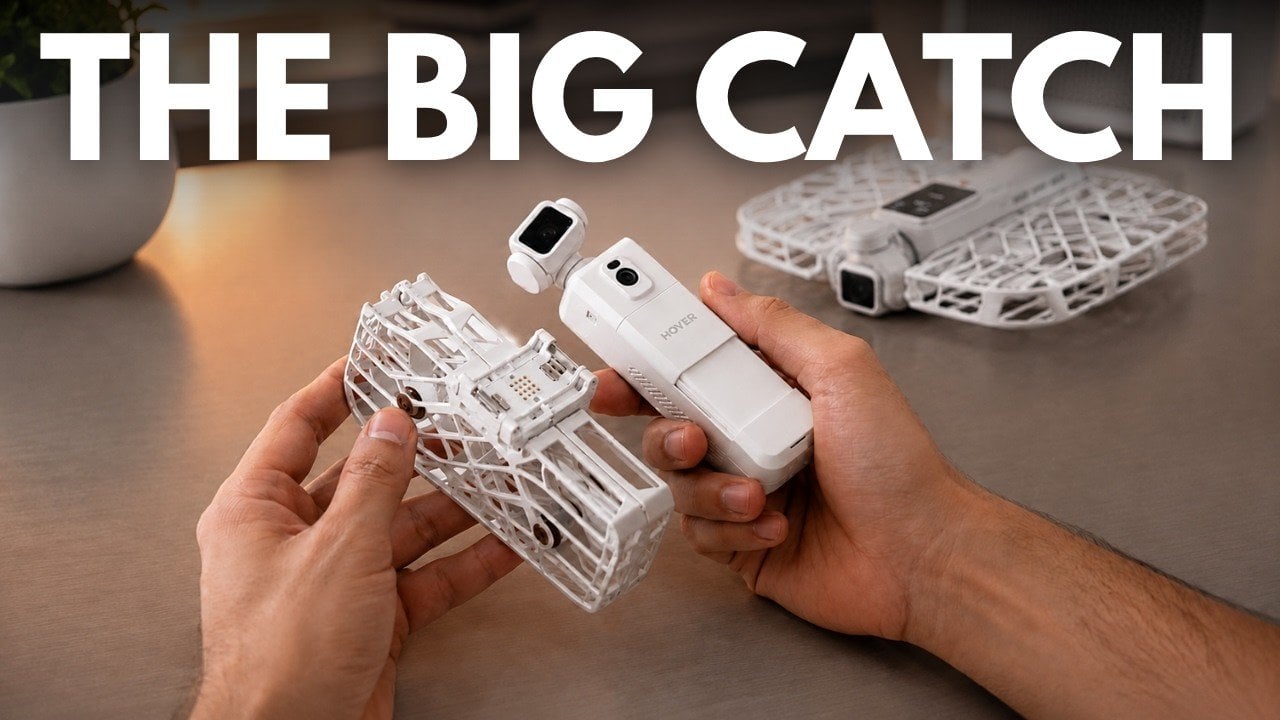
What if the future of coding wasn’t just faster, but smarter, safer, and more collaborative than ever before? In this walkthrough, Better Stack shows how the latest advancements in AI coding models, OpenAI’s GPT 5.3 Codex vs Anthropic’s Claude Opus 4.6, are reshaping the way developers approach everything from debugging to creative design. These two […]

The post ChatGPT 5.3 Codex Moves Ahead on Code, While Claude’s 4.6 AI Banks on Reliability appeared first on Geeky Gadgets.
Posted in Uncategorized

This Practically Bulletproof Titanium Travel-Case Makes Your ‘Fragile’ Luxury Luggage Look Cheap

Aluminum dents. That is the trade you accept with most “premium” luggage. The grooves look great in the lounge, then a few trips later you are quietly cataloguing every new crease and corner hit. You can baby it, you can wince every time it goes into an overhead bin, but eventually the shell starts to look tired. Premium luggage, economy behavior.

Titanium changes the terms of that deal. AERIONN Forma treats aluminum the way iPhone Pro treats the regular iPhone: same category, different league. Apple moves the Pro models to titanium because it signals intent and performance in one move. Forma does the same. It uses certified Grade 1 titanium for the shell, formed as a single continuous body, so the case flexes under impact and returns to shape instead of locking in dents. It is the “Pro” material choice for people who live in airports and prefer their luggage to age, not degrade.

Designer: AERIONN

Click Here to Buy Now: $499 $1799 (72%). Hurry, only 3/688 left! Raised over $654,000.

There’s a specific moment frequent travelers recognize. You’ve got lounge access, priority boarding, a seat that actually reclines, and you’re pulling luggage designed to be replaced in a few years. First class isn’t just a ticket, it’s a standard. AERIONN Forma was designed for travelers who understand that distinction. The Milanese design shows restraint where most luggage shows decoration. Clean architectural lines, a matte brushed titanium surface that resists fingerprints and develops subtle patina over time. The kind of wear that looks earned rather than abused. Leather-wrapped handles add warmth without competing for attention. This case looks like it belongs in the first-class cabin, carried by someone who travels often enough to know visible damage shouldn’t be part of the premium experience.

Apple uses aluminum for the standard iPhone. The Pro models get titanium. Same exact decision tree applies here. Titanium signals intent. It’s a more precious material than aluminum, harder to source, more expensive to work with, and significantly more durable under real-world stress. Grade 1 commercially pure titanium meets ASTM B265-15 certification standards, with tensile strength in the 290 to 310 MPa range, significantly higher than aluminum alloys used in luxury luggage. The shell has undergone thousands of repeated drop tests, bending tests, ultrasonic inspection, and dimensional verification. The testing isn’t about proving indestructibility, it’s about ensuring resilience under conditions where aluminum would show permanent damage. Titanium flexes to absorb impact, and only shows signs of wear and tear with rough use. Aluminum dents easy… and it stays dented.

The single continuous shell construction eliminates seams and structural weak points. Despite using industrial-grade material, the case weighs 4kg with weight distributed evenly across the entire structure. Lift it into an overhead bin and the weight doesn’t fight you. Roll it through a terminal and it tracks cleanly without pull or wobble. That movement comes from the AIRMOVE dual spinner wheels, engineered for low drag and quiet operation. No rattle, no vibration, just smooth motion that keeps pace instead of slowing you down. The multi-stage telescopic handle extends smoothly and locks firmly, with leather-wrapped touchpoints that feel substantial. Good luggage disappears during travel, requiring no conscious effort to manage.

Security is handled without zippers, which remain the most common failure point in luggage. A precision TSA latch system sits flush with the titanium shell, allowing inspections without damage while removing fabric, teeth, and stress points entirely. It’s invisible when closed, dependable when needed. Metal latches integrated into aerospace-grade titanium don’t have the failure modes that plague zipper-based systems. The TSA-approved combination lock integrates directly into the shell. No exposed mechanisms, no added bulk, no interruption to the clean form. This approach to security makes the case look refined while actually being more secure than conventional designs.

The matte brushed titanium surface does something interesting over time. It develops a natural patina that reflects use without looking damaged. Fingerprints don’t show. Minor contact marks blend into the finish rather than standing out. After years of travel, the surface tells a story without looking beaten up. This separates objects you keep from objects you replace. Titanium naturally resists corrosion, so the shell maintains structural integrity without protective coatings or finishes that eventually wear through. Temperature extremes don’t compromise strength. A precision-fit silicone seal keeps water out, protecting belongings from rain and splashes during transit. The case is designed to be used repeatedly and to look better for it.

The interior uses a dual-compartment layout that keeps packing organized from departure to arrival. Compression straps on one side secure clothing and minimize wrinkles. A full divider panel on the other side contains shoes, toiletries, and essentials. Integrated pockets hold smaller items so you’re not digging through layers to find what you need. The durable nylon lining wipes clean easily and holds shape after repeated use. Nothing flashy, nothing wasted. Dimensions are 55 x 36 x 23 cm, fitting standard airline carry-on requirements while offering 38L capacity. The layout supports efficient packing and easy access, which matters when you’re moving through multiple cities in compressed timeframes.

For EDC enthusiasts and design-focused travelers, durability is status. Knowing your carry-on can handle abuse that would destroy conventional luggage is the quiet flex. Soft-shell Samsonite is lighter, cheaper, and never dents because it’s designed for economy class standards. It won’t be noticed from ten feet away and it won’t give you the VIP feeling that comes with carrying something genuinely exceptional. Titanium luggage exists in a different category entirely. It’s luggage meant to last decades, not seasons. The buy-once philosophy changes the economics. A $1,500 aluminum case that needs replacement after five years costs more over time than a $1,799 titanium case that lasts twenty years. Longevity becomes luxury when the alternative is planned obsolescence.

AERIONN Forma is currently available with Super Early Bird pricing at $499, Early Bird at $699, and a two-pack bundle at $975. Standard retail pricing is $1,799. Shipping begins July 2026, with fulfillment handled globally. Aluminum carry-ons from established luxury brands typically range from $1,200 to $1,700 depending on size and features. Titanium luggage rarely appears in this segment, and when it does, pricing usually exceeds $2,000. Early pricing positions aerospace-grade materials as accessible for travelers who recognize that upfront cost matters less than total cost of ownership. This case represents a shift in how premium luggage gets engineered and priced.

Click Here to Buy Now: $499 $1799 (72%). Hurry, only 3/688 left! Raised over $654,000.

The post This Practically Bulletproof Titanium Travel-Case Makes Your ‘Fragile’ Luxury Luggage Look Cheap first appeared on Yanko Design.

5 Biomimicry-based Architectural Designs That Copy Nature’s Best Ideas

Designers working across product design and interior architecture view the Amazon not as a backdrop, but as a lesson in how materials, forms, and systems perform under real conditions. Designing in this context means moving away from rigid objects and fixed layouts, and learning from the forest’s logic of layering, adaptation, and response to heat, moisture, and constant change. From furniture to spatial planning, every decision must align with the environment rather than resist it.

This mindset shapes interiors and products that prioritize durability, comfort, and reduced environmental impact. Light is softened through screens, textures, and surfaces that gently diffuse glare, while materials are selected for resilience and tactile warmth. Let’s understand how strong design is defined by solutions that behave like living systems, adaptive, efficient, and quietly luxurious in harmony with nature.

1. Layered Roofs Inspired by the Canopy

In the Amazon, a roof is more than just a cover. It must work like the forest canopy, using layers to control heat and handle heavy rainfall. Instead of a single surface, a layered roof helps reduce heat build-up and protects the interior from extreme weather, creating a naturally cooler living environment.

This can be achieved through a double-layer roof system, with an outer protective layer and an inner insulated ceiling. The space between them allows hot air to escape, improving natural ventilation. Deep roof overhangs further protect interiors by blocking harsh midday sun while letting in soft morning light, creating comfortable, shaded spaces that feel connected to nature.

Tucked deep within Ecuador’s Amazon rainforest, A Lodging in the Pigüe is a 484-sq-ft cabin that forges an intimate dialogue between architecture and nature. Designed around a pre-existing Pigüe tree, the structure gently rises around it, allowing the tree to remain untouched while becoming a living component of the home. Located near El Calvario, the cabin seamlessly blends industrial and organic materials, drawing inspiration from tree houses to create a quiet retreat immersed in the forest landscape.

Elevated on stilts made from recycled metal pipes, the home appears to float among the trees, protecting it from ground moisture while preserving natural water flows and encouraging the growth of vegetation below. This raised design also enables bio-filters for wastewater treatment. Inside, a warm, earthy palette dominates, with gabion stone walls, locally sourced bamboo and wood, and polished timber floors. Living spaces extend outdoors through a terrace and net balcony, while floor-to-ceiling glass in the bedroom, along with a compact kitchen, bathroom, and semi-outdoor shower, deepens the connection to nature.

2. Water-Smart Design from Leaf Patterns

In the Amazon, water shapes every design decision. Instead of fighting moisture, buildings should work with it. Surfaces and details must guide rain away quickly, reducing damage while improving long-term performance in a high-humidity climate.

Drainage systems can take cues from leaf veins, where water flows naturally and efficiently. Gutters and channels are integrated into the structure, turning heavy rainfall into a controlled, visible flow rather than a problem to fix later. Materials also matter as moisture-friendly woods and modern bio-based materials perform better in damp conditions, aging slowly and beautifully while reflecting the climate they belong to.

As technology-driven lifestyles pull people further from nature, the Amazon Immersion Pavilion is imagined as a quiet architectural counterpoint rooted in presence and ecological respect. Conceived as a conceptual project for Iquitos, Peru, the pavilion invites visitors to experience the rainforest through sound, light, texture, and movement. Rather than treating the Amazon as a backdrop, the design approaches it as a living partner, encouraging deliberate sensory engagement. Shaped by biomimicry and local ecological understanding, the pavilion uses bamboo as its primary material, reflecting regional building traditions while supporting low-impact construction and environmental responsibility.

The spatial journey unfolds across two levels, creating a clear emotional progression. The lower level offers an introspective, cocoon-like atmosphere, where filtered daylight, flowing water, and dense vegetation heighten sensory awareness. As visitors move upward, the pavilion opens toward expansive views of the Amazon River, allowing the architecture to recede in favor of the landscape. Passive ventilation, natural light, and low-impact assembly techniques enable the structure to align quietly with the rhythms of the forest.

3. Floating Floors That Respect the Ground

In sensitive ecosystems like the Amazon, real luxury means building without disturbing the land. Lifting structures above the forest floor allows natural water flow, plant life, and biodiversity to continue untouched. The building becomes a guest, not an intruder.

Raised floor systems on stilt-like foundations let air move freely beneath the structure, improving cooling while protecting interiors from moisture and insects. This approach also draws from regional building traditions, where homes are elevated to adapt to the climate and terrain. By combining this wisdom with modern design, architecture stays rooted in culture while meeting contemporary performance needs.

AquaPraça is a floating public square that responds directly to tidal movement, rising and falling with the water. Unveiled at the UN Climate Change Conference COP30 in Belém, Brazil, the 400-square-metre platform is conceived as a permanent cultural and civic space rather than a temporary installation. Designed by CRA–Carlo Ratti Associati in collaboration with Höweler + Yoon, the structure is anchored in Guajará Bay and adapts to daily tidal variations of up to four metres through buoyancy-based engineering. By positioning visitors at eye level with the river, the project transforms environmental change into a perceptible spatial experience.

First presented at the Venice Architecture Biennale, AquaPraça later arrived in Belém as part of Italy’s pavilion at COP30 and will be donated to Brazil for continued public use. Its sloped surfaces respond in real time to shifting water levels, offering a physical demonstration of sea-level rise. Located at the confluence of the Amazon River and the Atlantic Ocean, the project exemplifies adaptive architecture that aligns environmental responsibility with long-term cultural engagement.

4. Breathing Buildings for Tropical Comfort

In the Amazon, sealed glass buildings simply do not work. The forest itself breathes, and architecture must do the same. Instead of airtight enclosures, buildings should allow air to move naturally, responding to heat, humidity, and daily climate shifts.

Walls can be designed as adjustable layers using louvers made from sustainable wood, perforated brick walls, or recycled metal. These openings act like breathing pores, letting fresh air flow through while maintaining shade and comfort. Compared to fully air-conditioned spaces, breathable facades consume less energy and create a stronger connection to the surroundings, allowing occupants to experience natural airflow, sounds, and scents of the forest.

Hives is a modular system of hexagonal terracotta bricks designed to create flexible interior furnishings and architectural structures. Developed for Mutina, the Italian ceramics brand known for collaborating with leading designers, the collection reflects its commitment to material innovation and expressive form. Konstantin Grcic was commissioned to rethink the fixed nature of traditional brick construction, drawing inspiration from the intricate geometry of beehives. Each brick appears as two fused hexagonal units, resulting in a distinctive three-dimensional form that supports a wide range of spatial compositions.

The bricks can be arranged vertically to produce semi-open structures with pronounced cavities, or laid horizontally in staggered or flush patterns to create dynamic, undulating surfaces for columns, walls, and counters. Measuring 13 × 22.5 × 7 cm, the terracotta units offer excellent thermal and acoustic properties alongside durability and tactile warmth.

5. Designing for Circular Living

In the Amazon, nature shows that growth and decay are part of the same cycle. Architecture should follow this logic by using materials that can return safely to the earth over time, without pollution or waste.

Low-impact materials such as mycelium-based insulation and responsibly sourced mass timber help reduce carbon footprint while storing carbon instead of releasing it. Interiors can extend this thinking through natural finishes like local stone, clay plasters, and handwoven elements. The result is a calm, tactile environment that feels connected to the forest, reinforcing the idea of the building as a respectful, temporary presence within a living ecosystem.

Design studio Interesting Times Gang, in collaboration with cooperative homebuilder OBOS, has introduced Veggro, a collection of sustainable partitions made from biomaterials such as mycelium and orange peel. The Loom design uses mycelium grown on agricultural waste to create textured, mushroom-inspired panels, while Jugoso features 3D-printed orange rinds arranged in geometric patterns shaped by natural fruit vesicles.

Described as a biophilic “wall-as-furniture” concept, Veggro offers acoustic insulation, decorative value, and modular flexibility, representing the first outcome of the partners’ research into low-carbon construction materials.

Designing for the Amazon tests both humility and intelligence. It demands moving away from monumental statements toward buildings that behave like living organisms. By translating rainforest strategies into design, architecture becomes responsive and poetic. This defines a new luxury where spaces that breathe, adapt, and exist in balance with nature.

The post 5 Biomimicry-based Architectural Designs That Copy Nature’s Best Ideas first appeared on Yanko Design.

Lie Under This Solar Roof and Watch the Sun Move in Real-Time

Most solar infrastructure is treated as background hardware, panels on roofs or fields that quietly feed the grid while public life happens somewhere else. That separation makes renewable energy feel abstract, a number on a bill rather than an experience. The Solar Eclipse Pavilion imagines a different approach, where the act of harvesting sunlight becomes the centerpiece of a place where people actually gather, making energy visible and social at the same time.

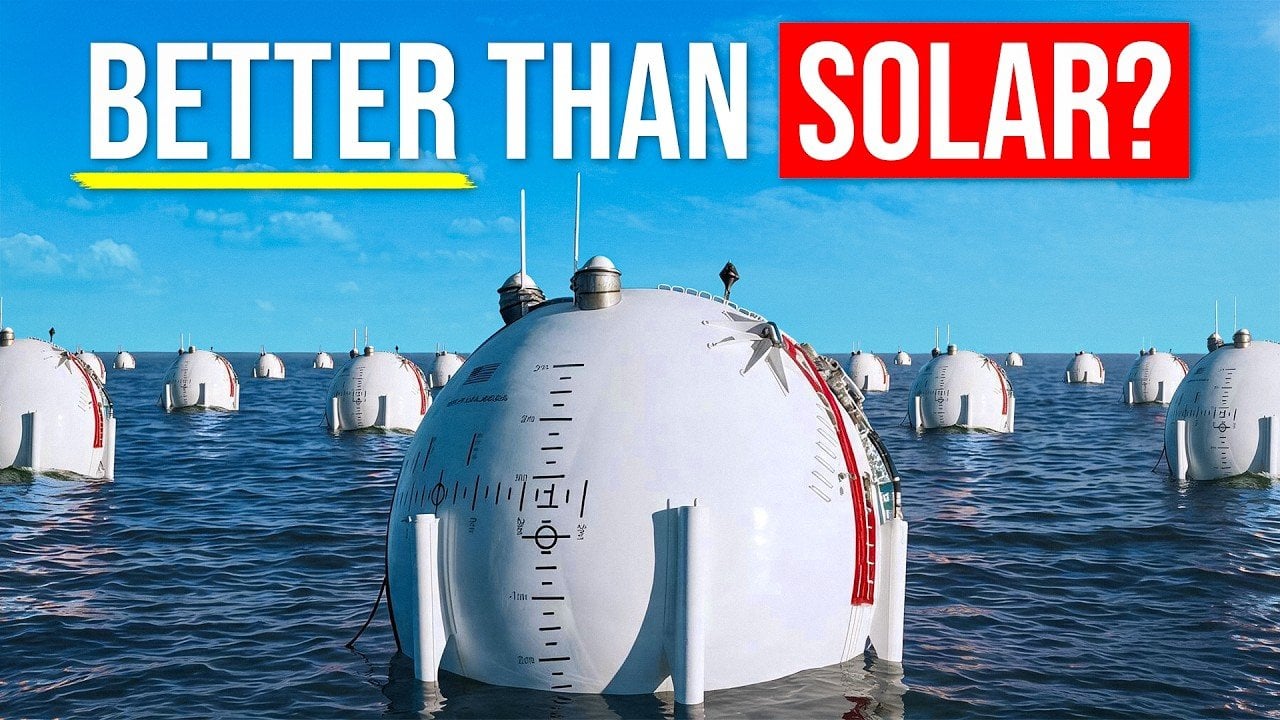
The Solar Eclipse Pavilion is a large steel public art structure that doubles as a small power plant. A 7,000 square foot photovoltaic array forms its roof, converting energy from the sun into electricity for the surrounding community. Some of that power goes straight into the local grid, while some is reserved to run a low-energy LED display mounted on the underside of the canopy, turning the ceiling into a kind of artificial sun overhead.

Designer: Michael Jantzen

The LED surface does not just loop a stock animation. Sensors embedded in the solar array continuously record variations in light and heat across the surface, and those fluctuations drive the graphics and sound. The ceiling shows graphic color images of the sun that morph in response to clouds, temperature shifts, and the angle of light, while an electronic soundscape shifts along with them, making the invisible behavior of the sun legible as color and tone.

After sunset, the photovoltaic cells stop generating power, but the pavilion does not go dark. Pre-recorded images and sound, captured from earlier solar activity, play back through the night until the sun rises and takes over the controls again. For special public events, the default sun imagery and audio can be swapped out for other content, turning the LED ceiling into a programmable media surface for performances, data visualizations, or civic messages.

The solar array shades a large plaza beneath, with built-in seating that invites people to sit, talk, or lie back and watch the ceiling. The pavilion becomes a place for markets, concerts, or informal hangouts, with the energy infrastructure quietly doing its work overhead. Instead of separating technical function from social function, the project fuses them, so the same structure that generates electricity also generates shade, spectacle, and a reason to linger.

The designer describes the pavilion as a gigantic computer chip, a surface where information and energy are manipulated to do work for the people who use it. In that reading, the photovoltaic modules are like transistors, the LED ceiling is like a display bus, and the plaza is the user interface. It is a speculative project, but it points toward a future where renewable energy systems are not hidden away, but turned into civic landmarks that make the sun’s power feel tangible, shared, and even a little theatrical.

The post Lie Under This Solar Roof and Watch the Sun Move in Real-Time first appeared on Yanko Design.

New York lawmakers introduce bill that aims to halt data center development for three years

On Friday, New York State Senators Liz Krueger and Kristen Gonzales introduced a bill that would stop the issuance of permits for new data centers for at least three years and ninety days to give time for impact assessments and to update regulations. The bill would require the Department of Environmental Conservation and Public Service Commissions to issue impact statements and reports during the pause, along with any new orders or regulations that they deem necessary to minimize data centers' impacts on the environment and consumers in New York.

The bill would require these departments to study data centers' water, electricity and gas usage, and their impact on the rates of these resources, among other things. The bill, citing a Bloomberg analysis, notes that, "Nationally, household electricity rates increased 13 percent in 2025, largely driven by the development of data centers." New York is the sixth state this year to introduce a bill aiming to put the brakes on data centers, following in the footsteps of Georgia, Maryland, Oklahoma, Vermont and Virginia, according to Wired. It's still very much in the early stages, and is now with the Senate Environmental Conservation Committee for consideration. 

This article originally appeared on Engadget at https://www.engadget.com/big-tech/new-york-lawmakers-introduce-bill-that-aims-to-halt-data-center-development-for-three-years-224005266.html?src=rss

DOJ is investigating if Netflix used anticompetitive tactics as part of its merger probe

Netflix's acquisition of Warner Bros. Discovery isn't quite a done deal yet. As first reported by The Wall Street Journal, the US Department of Justice has started its probe of Netflix's proposed purchase, but is notably interested in whether the streaming giant was involved in any anticompetitive practices. According to the civil subpoena seen by WSJ, the Justice Department is looking into any "exclusionary conduct on the part of Netflix that would reasonably appear capable of entrenching market or monopoly power."

While Netflix announced plans to acquire Warner Bros. Discovery in December at a value of $82.7 billion, the deal was expected to close in 12 to 18 months, subject to required regulatory approvals. The DOJ has the power to block the transaction and this investigation could hint at the agency's approach, which may involve proving that Netflix put its competition at an unfair advantage.

Netflix's attorney, Steven Sunshine, told WSJ that this probe was standard practice and that, "we have not been given any notice or seen any other sign that the DOJ is conducting a separate monopolization investigation." Netflix also said in a statement that it's "constructively engaging with the Department of Justice as part of the standard review of our proposed acquisition of Warner Bros." According to WSJ, the investigation is still in its early stages and could take up to a year to complete.

This article originally appeared on Engadget at https://www.engadget.com/entertainment/streaming/doj-is-investigating-if-netflix-used-anticompetitive-tactics-as-part-of-its-merger-probe-210940856.html?src=rss

The State Department is scrubbing its X accounts of all posts from before Trump’s second term

The State Department is wiping the post history of its X accounts and making it so you'll have to file a Freedom of Information Act request if you want to access any of the content it removed, according to NPR. The publication reports that the State Department is removing all posts from before President Trump's current term — a move that affects several accounts associated with the department, including those for US embassies, and posts from the Biden and Obama administrations. Posts from Trump's first term will be taken down too. 

Unlike how past administrations have handled the removal of social media content and the transition of accounts, these posts won't be kept in a public archive. A spokesperson for the State Department confirmed this to NPR, and said the move is meant "to limit confusion on U.S government policy and to speak with one voice to advance the President, Secretary, and Administration's goals and messaging. It will preserve history while promoting the present." The spokesperson also called the X accounts "one of our most powerful tools for advancing the America First goals." 

The Trump administration has been purging information from government websites since he took office last year. Just this week, the CIA unexpectedly took down its World Factbook, a global reference guide that's been available on the internet since 1997.


This article originally appeared on Engadget at https://www.engadget.com/social-media/the-state-department-is-scrubbing-its-x-accounts-of-all-posts-from-before-trumps-second-term-205515745.html?src=rss

A Digital Music Player with FLAC Files and a Built-In Speaker

There’s something oddly comforting about watching the vinyl resurgence happen in real time. We’ve collectively decided that convenience isn’t everything, that sometimes the ritual matters as much as the result. But while turntables have been getting their moment in the spotlight, another piece of audio history has been quietly staging its own comeback: the dedicated digital audio player.

Enter the DAP-1, a concept device from Frankfurt-based 3D artist and art director Florent Porta that asks a simple but compelling question: what if we took the best parts of portable audio’s past and reimagined them for today?

Designer: Florent Porta

Porta, who’s built a reputation creating everything from viral 3D animations to commercial work for brands like McDonald’s and Tuborg, recently unveiled this personal project after letting it sit unfinished for over a year. Sometimes the best ideas need time to breathe, and the DAP-1 feels like it benefited from that patience.

At first glance, the device looks like it could have been pulled from an alternate timeline where iPods evolved differently. There’s a clean, minimalist aesthetic that feels both retro and contemporary. The most striking feature is the OLED touchscreen, which gives the device a modern interface while maintaining the dedicated hardware approach that made original DAPs so appealing to audiophiles.

But here’s where it gets interesting: Porta included a built-in speaker. His parenthetical aside of “because why not” undersells what’s actually a clever design choice. Most high-end portable audio players skip integrated speakers entirely, assuming users will always have headphones or want to connect to external systems. The DAP-1 challenges that assumption. Sometimes you just want to share what you’re listening to without fumbling for a Bluetooth speaker or passing around earbuds.

The real substance of the DAP-1 lies in its commitment to high-resolution FLAC file playback. While streaming services have made music more accessible than ever, they’ve also created a generation of listeners who’ve never heard what their favorite songs actually sound like without compression artifacts. FLAC files, which preserve audio quality without the data loss of MP3s or streaming codecs, require dedicated hardware and storage. The DAP-1 embraces this limitation rather than trying to work around it.

This positions the device squarely in the current audio zeitgeist. Audiophiles have long argued that we lost something important in the transition from physical media to streaming, and they’re not entirely wrong. There’s a noticeable difference between a 320kbps Spotify stream and a lossless file, especially if you’re using decent headphones. The question is whether that difference matters enough to justify carrying a separate device.

For some listeners, the answer is becoming yes. The same impulse that drives people to buy vinyl despite its inconvenience applies here. There’s value in intentionality, in choosing to engage with music as an activity rather than ambient background noise. A dedicated audio player forces you to curate your library, to think about what you’re bringing with you rather than having infinite options at every moment.

What makes the DAP-1 particularly noteworthy as a concept is its timing. We’re seeing a broader cultural pushback against the smartphone-as-everything approach to technology. People are buying digital cameras again, rediscovering e-readers, and reconsidering whether having every tool in one device actually serves them well. The DAP-1 fits perfectly into this moment of technological reevaluation.

Of course, as a concept design, the DAP-1 exists primarily as a beautifully rendered 3D vision rather than a physical product you can actually purchase. Porta’s background in 3D animation and motion graphics means the device looks stunning in its presentation, with the kind of glossy perfection that concept renders do so well. Whether it will ever make the jump from screen to hand remains to be seen.

But that might not be the point. The best concept designs don’t just imagine new products; they spark conversations about what we actually want from our technology. The DAP-1 succeeds in asking whether we’ve given up something valuable in our rush toward convergence and convenience. It suggests that maybe, just maybe, there’s still room in our pockets and our lives for devices that do one thing exceptionally well rather than everything adequately. The DAP-1 proposes something quietly radical: focused, high-quality audio experiences on your own terms. That’s a concept worth tuning into.

The post A Digital Music Player with FLAC Files and a Built-In Speaker first appeared on Yanko Design.

Trump Mobile’s T1 Phone is apparently still coming, but it’ll be uglier and more expensive

Trump Mobile is already failing to deliver on some early promises, according to the latest report from The Verge. The report revealed the near-final design of the T1 smartphone and uncovered some major changes with pricing and manufacturing.

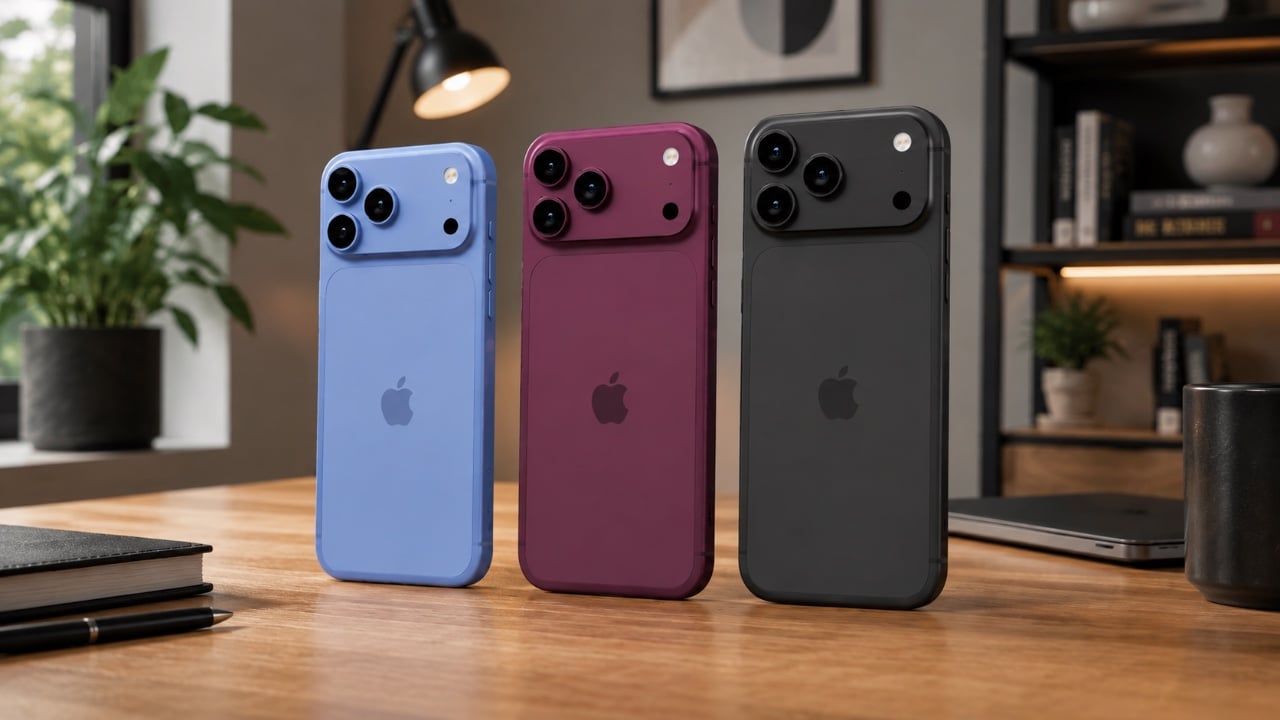
The Verge spoke with Don Hendrickson and Eric Thomas, two of the three execs behind Trump Mobile, about the company's first smartphone, which will get a more expensive price tag and no longer boast being made in the USA. Thanks to a screenshot from the report, we can see that the latest T1 design also changed the camera array, which first resembled the iPhone's but now has three cameras in a misaligned vertical stack.

As for the price, Hendrickson told The Verge that anyone who paid the $100 deposit will still pay $499 total for the T1 as an "introductory price," but that later customers could fork up to $999. Thomas also revealed that the T1 smartphone will go through "final assembly" in Miami and no longer be "proudly designed and built in the United States," as seen in the introductory press release. Instead, the website now shows a description that says, "with American hands behind every device." We still don't have a release date — and now we don't even have a final price — but the website still claims the T1 smartphone will be released "later this year."

This article originally appeared on Engadget at https://www.engadget.com/mobile/smartphones/trump-mobiles-t1-phone-is-apparently-still-coming-but-itll-be-uglier-and-more-expensive-190626835.html?src=rss