HUAWEI WATCH GT 6 Series Unveils Exclusive Art-Inspired Watch Faces at Venice Biennale
Huawei bridges art and technology at the Venice Biennale with new WATCH GT 6 Series watch faces inspired by architectural masterpieces.
The COROS PACE Pro redefines sports watches with its lightning-fast processor, AMOLED display, precise tracking, and lightweight design for athletes.
The post COROS PACE Pro: Speed, AMOLED Display, and Athlete Focus first appeared on Trendy Gadget.
Garmin's Lily 2 Active smartwatch blends style with fitness features, offering GPS, health tracking, and a sleek design for on-the-go lifestyles.
The post Garmin’s Lily 2 Active: A Blend of Style and Functionality first appeared on Trendy Gadget.
Mibro's Watch GS Explorer is a rugged smartwatch designed for outdoor adventures, featuring military-grade durability and water resistance up to 100 meters.
The post Exploring the Outdoors with Mibro’s Watch GS Explorer first appeared on Trendy Gadget.
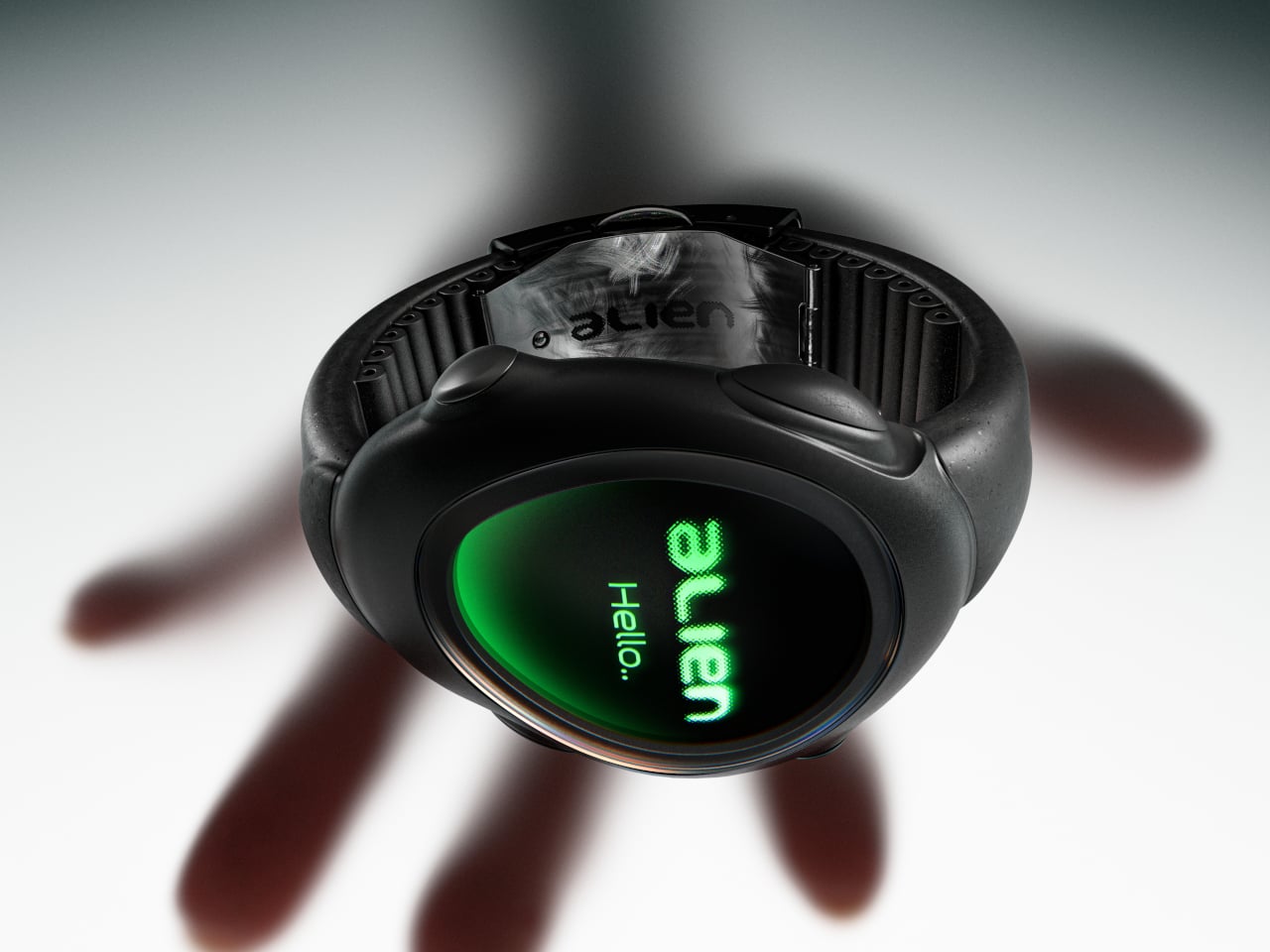
Smartwatches today have evolved from miniature smartphones on our wrists to miniature health clinics on our wrists. The design of these wearable devices has finally settled down to a handful of designs, most of which try to mimic the appearance of classic timepieces. There is, however, still plenty of room for exploration, for designs that redefine the product category or challenge the status quo. This design concept, for example, tries to look farther ahead into the future, when conventions no longer hold water and where today’s unfamiliar, alien aesthetics would ironically look more natural and more human.
Designer: Olga Orel
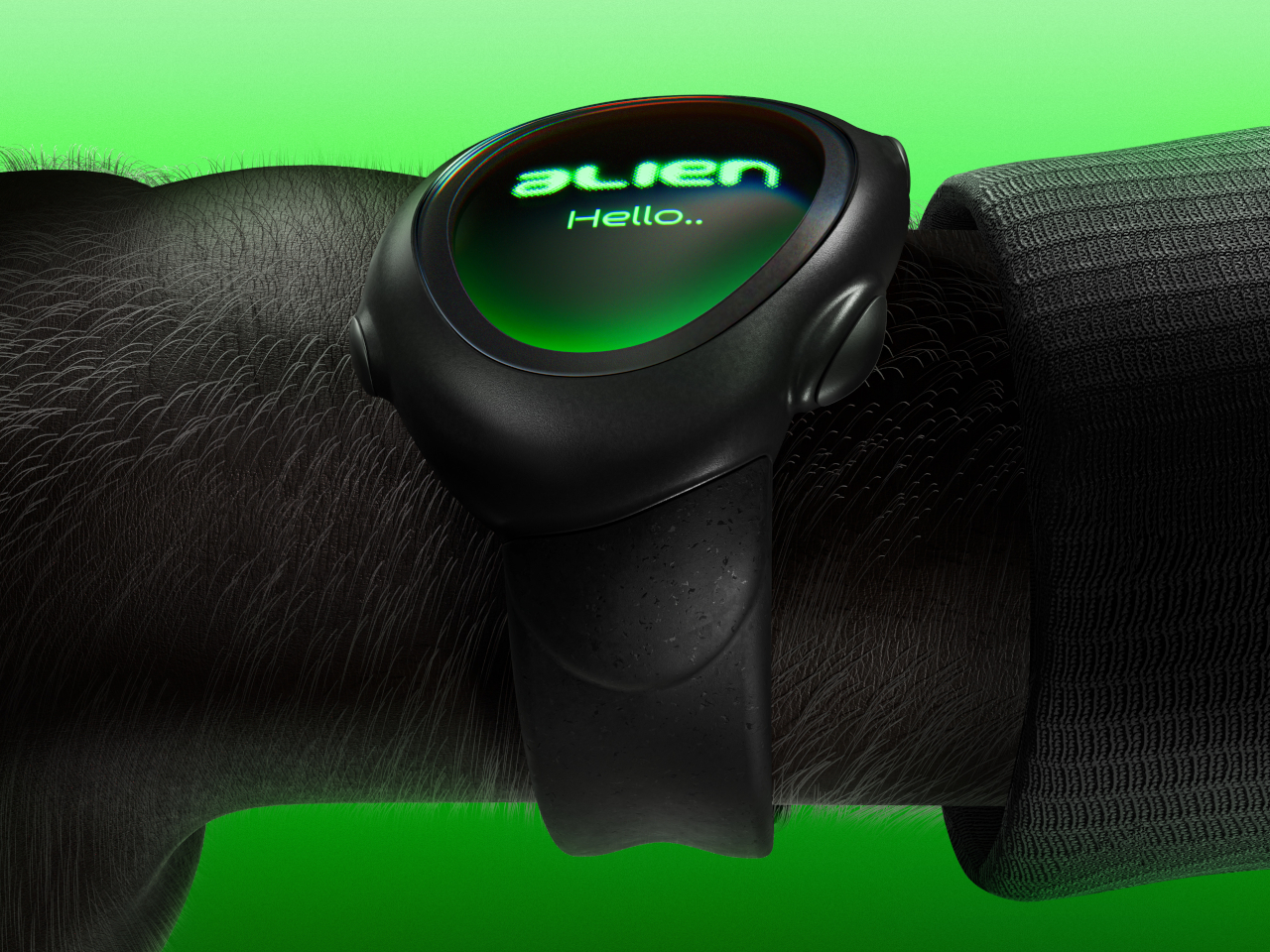
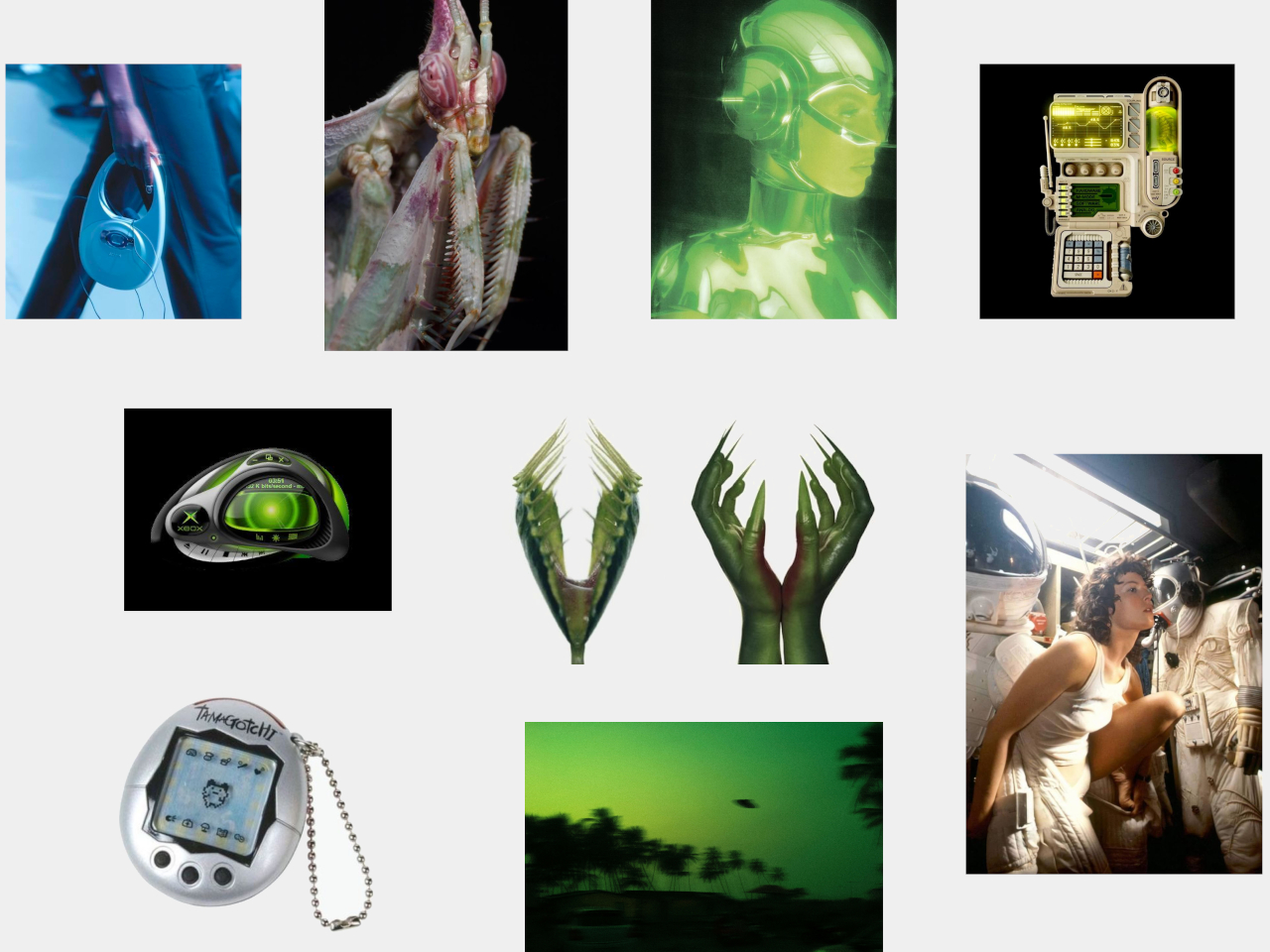
Smartwatches had a hard time finding its niche in the market. They were too technological to match the majesty of mechanical watches, but also too underpowered to be the multi-purpose wrist-worn communicators of science fiction. In the end, smartwatches today adopted the core design convention of traditional wristwatches, be they the sporty kind or the luxurious timepieces. But does it really have to be that way? Do smartwatches need to look like, well, watches?
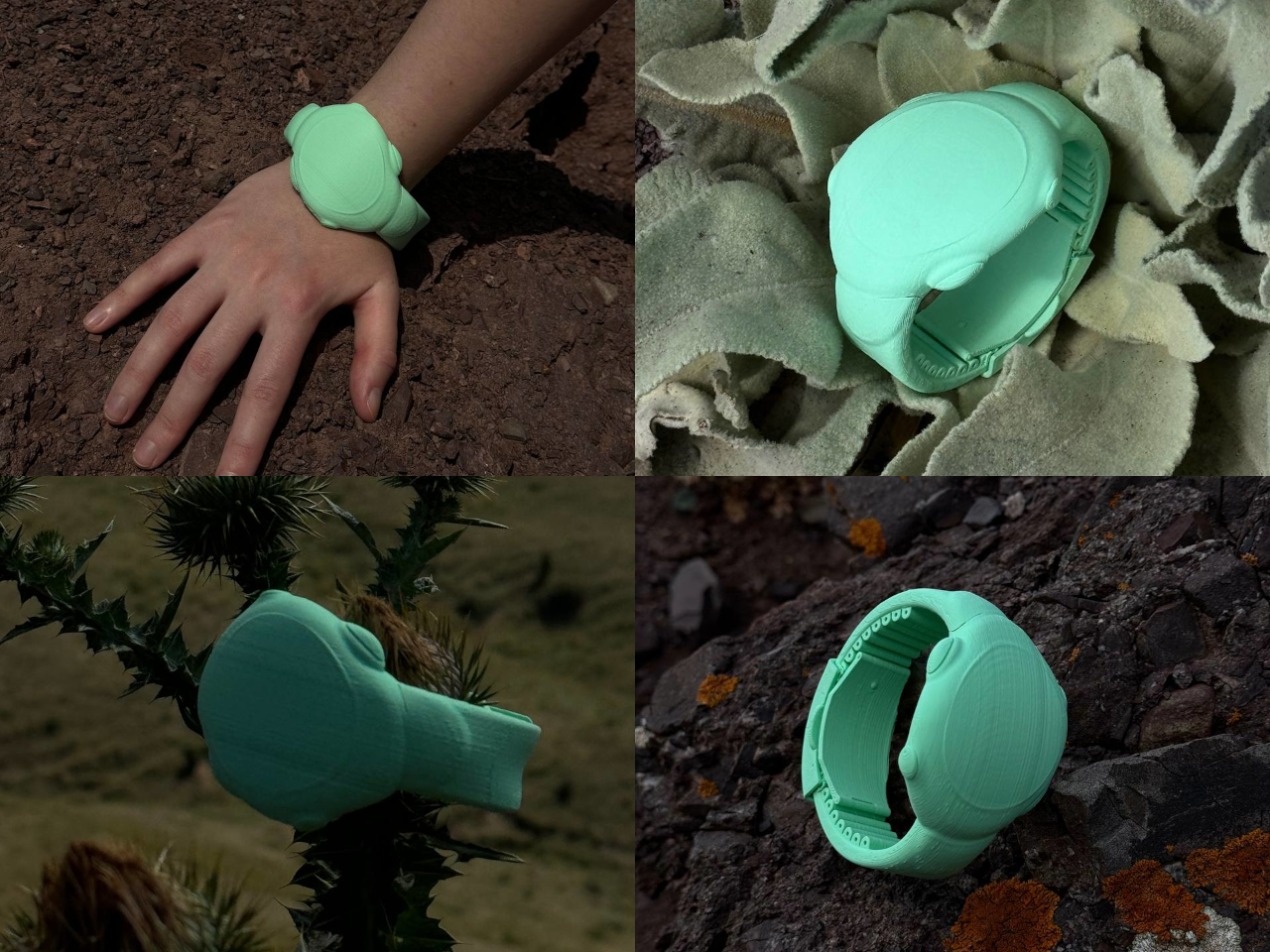
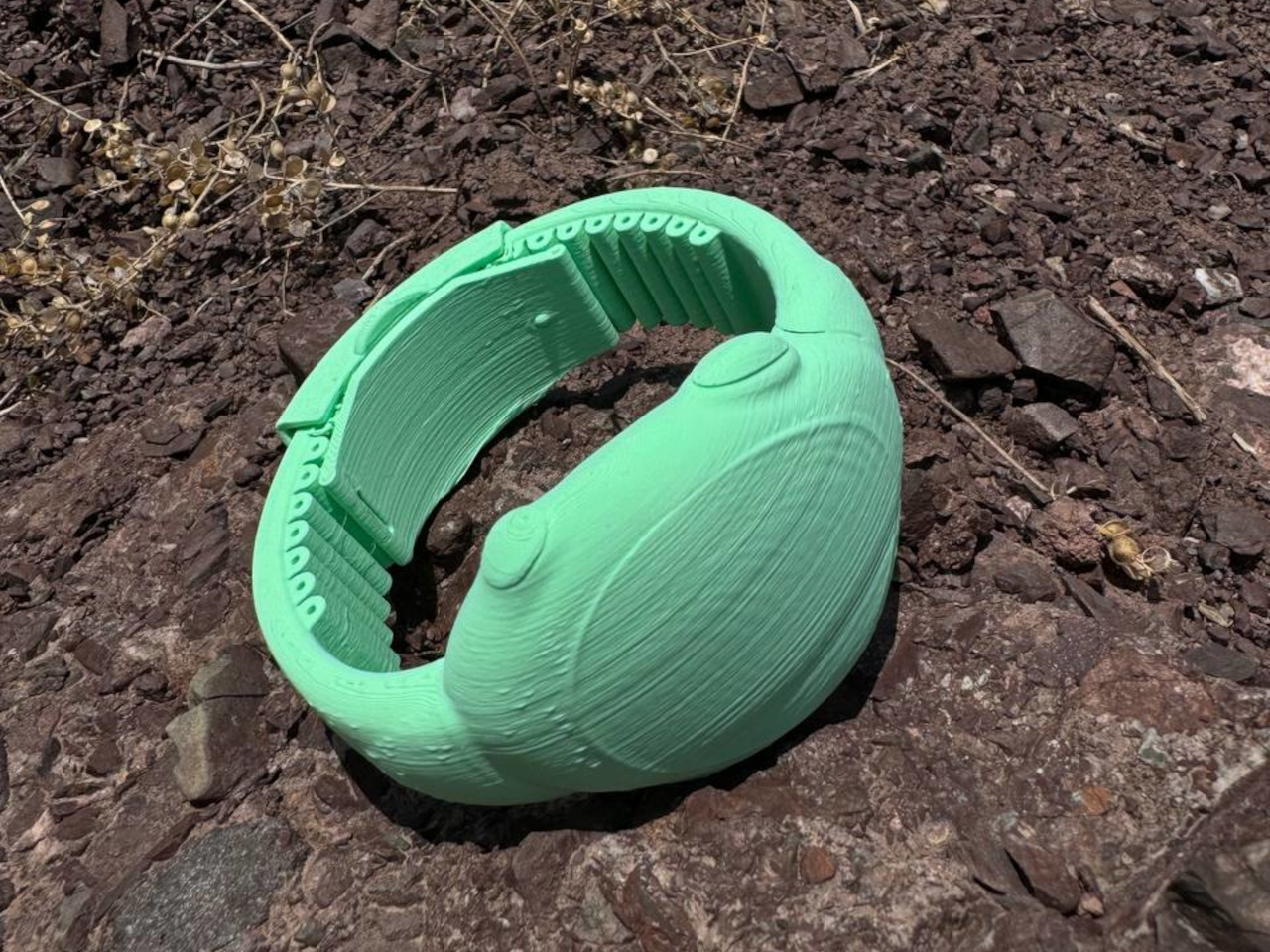
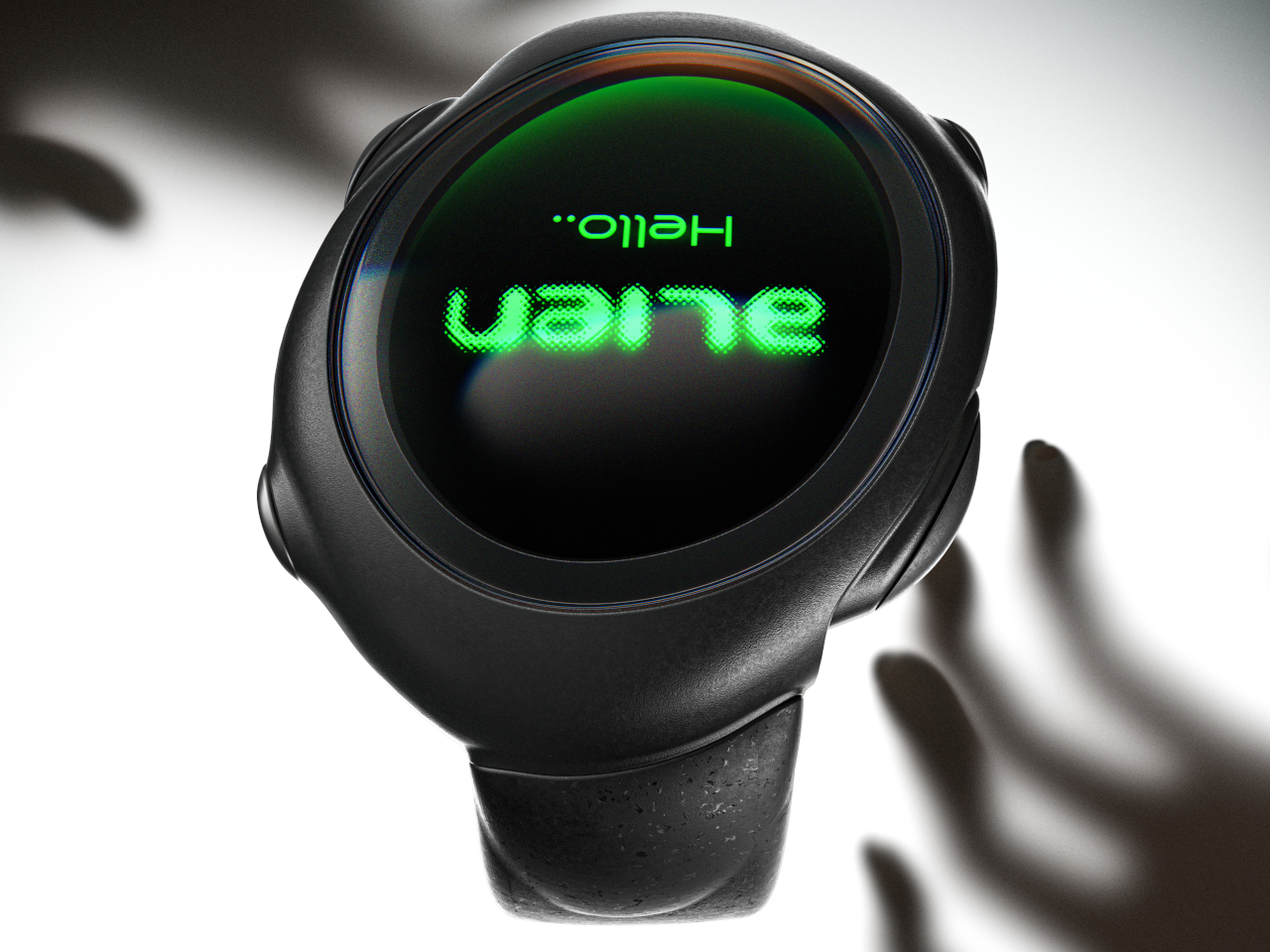
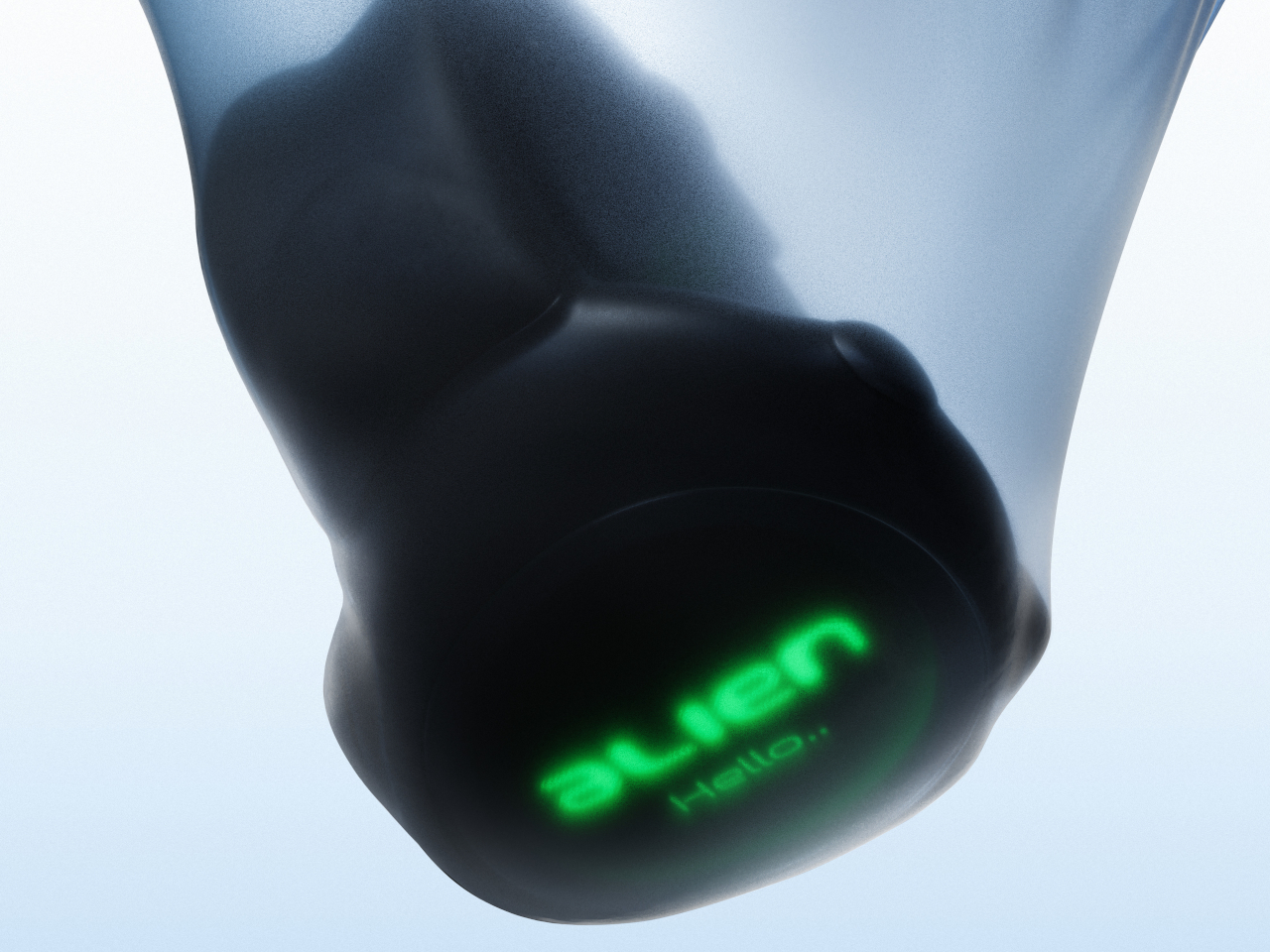
The ALIEN concept gives an empathic “no,” embracing a design language that is more organic and ironically closer to us than its extraterrestrial name would suggest. Its asymmetrical and amorphous design, not to mention the matching domed display, gives it that otherworldly character seemingly pulled out from some 90s sci-fi flick, with its eerie green glow and dark brushed metal surface. Of course, there’s nothing to stop a manufacturer from using other color motifs or materials, but it would still look alien compared to common smartwatches.
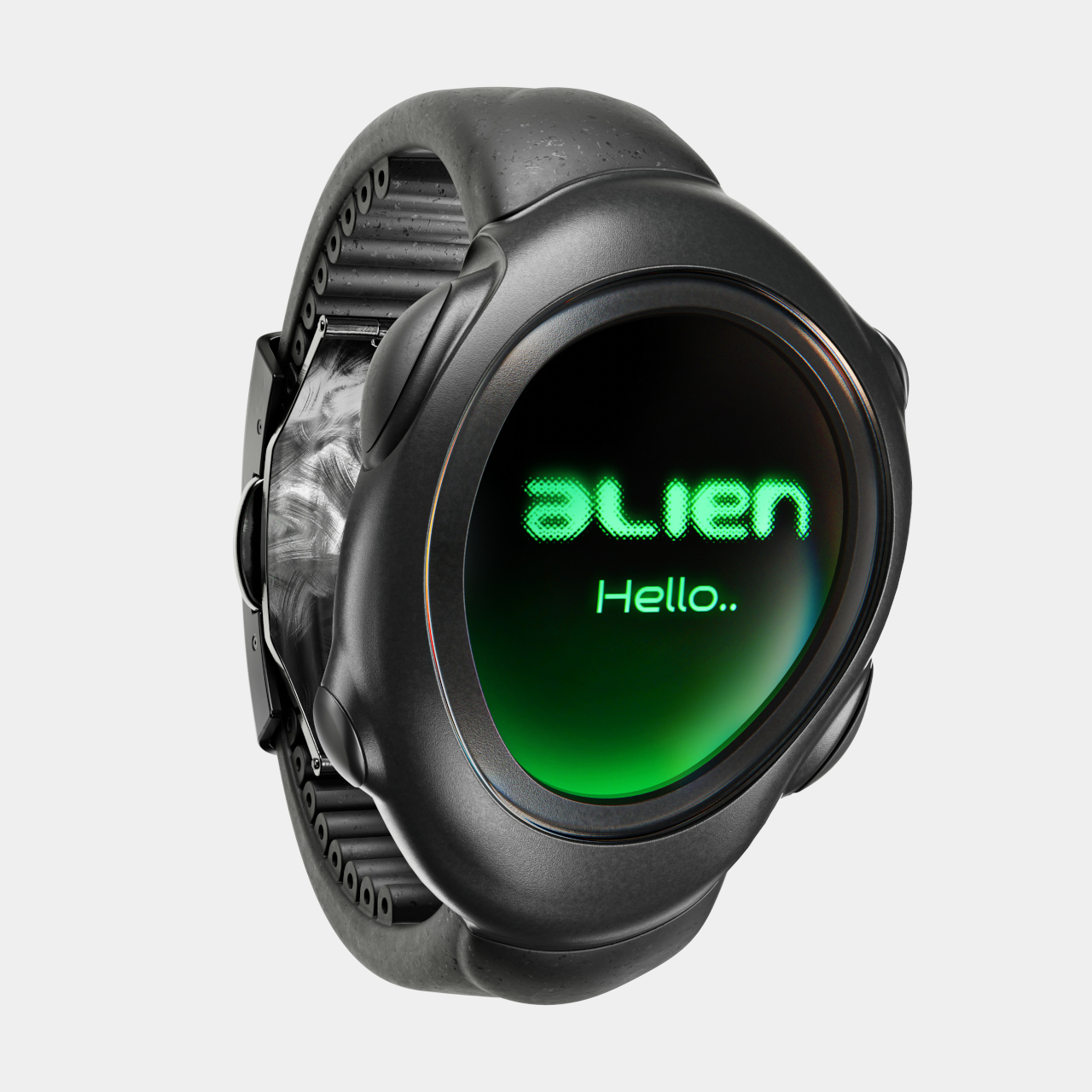
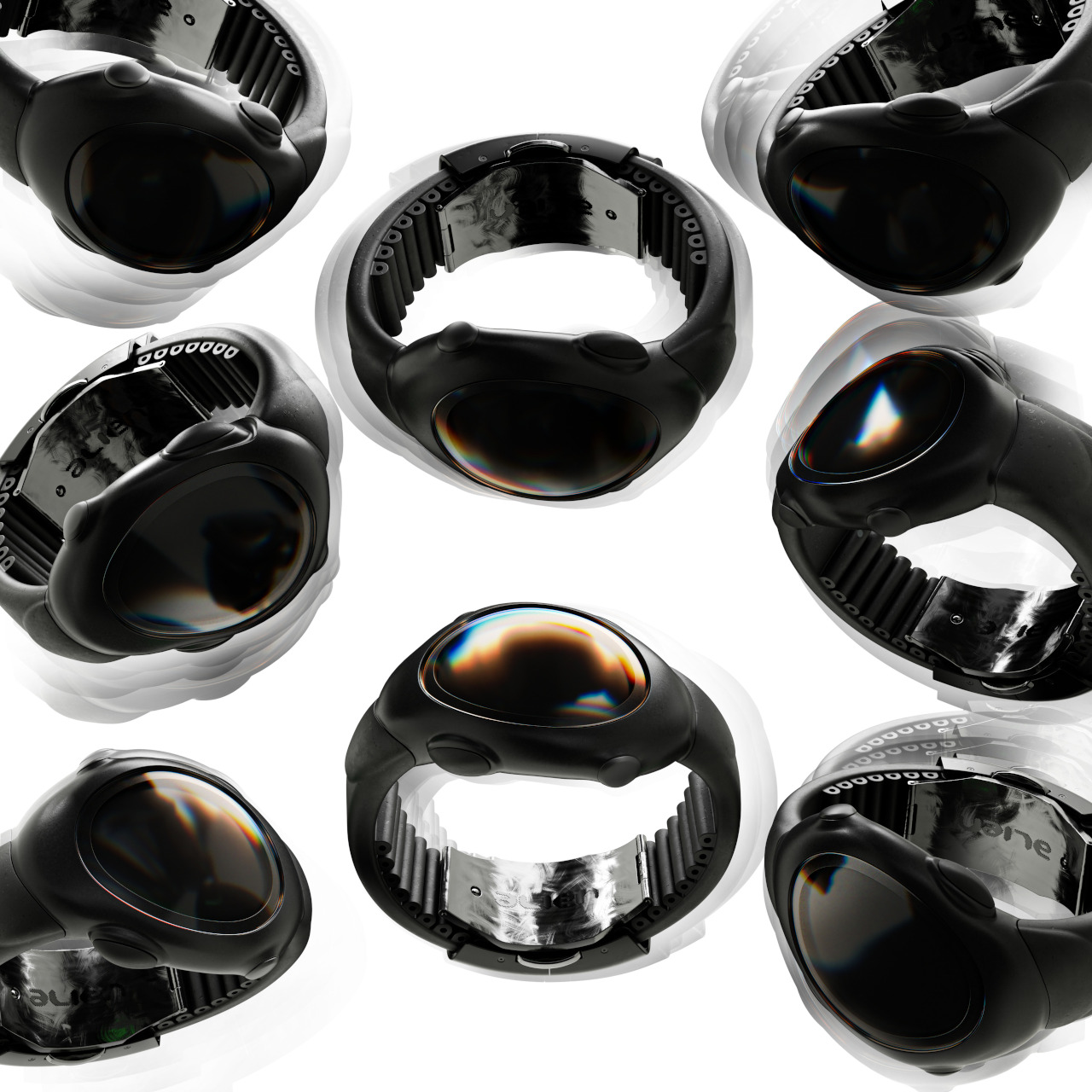
The irony is that, freed from the restrictions of circular and square watches, ALIEN can take on shapes that better conform to people’s wrists, offering a more natural, more ergonomic, and more pleasing curvature that is more human-centric. Even the buttons seem to organically grow out of the watch’s body rather than just jutting out like an artificial add-on. And unlike most smartwatches today, it isn’t content to have just one button but can have as many as four in each corner.
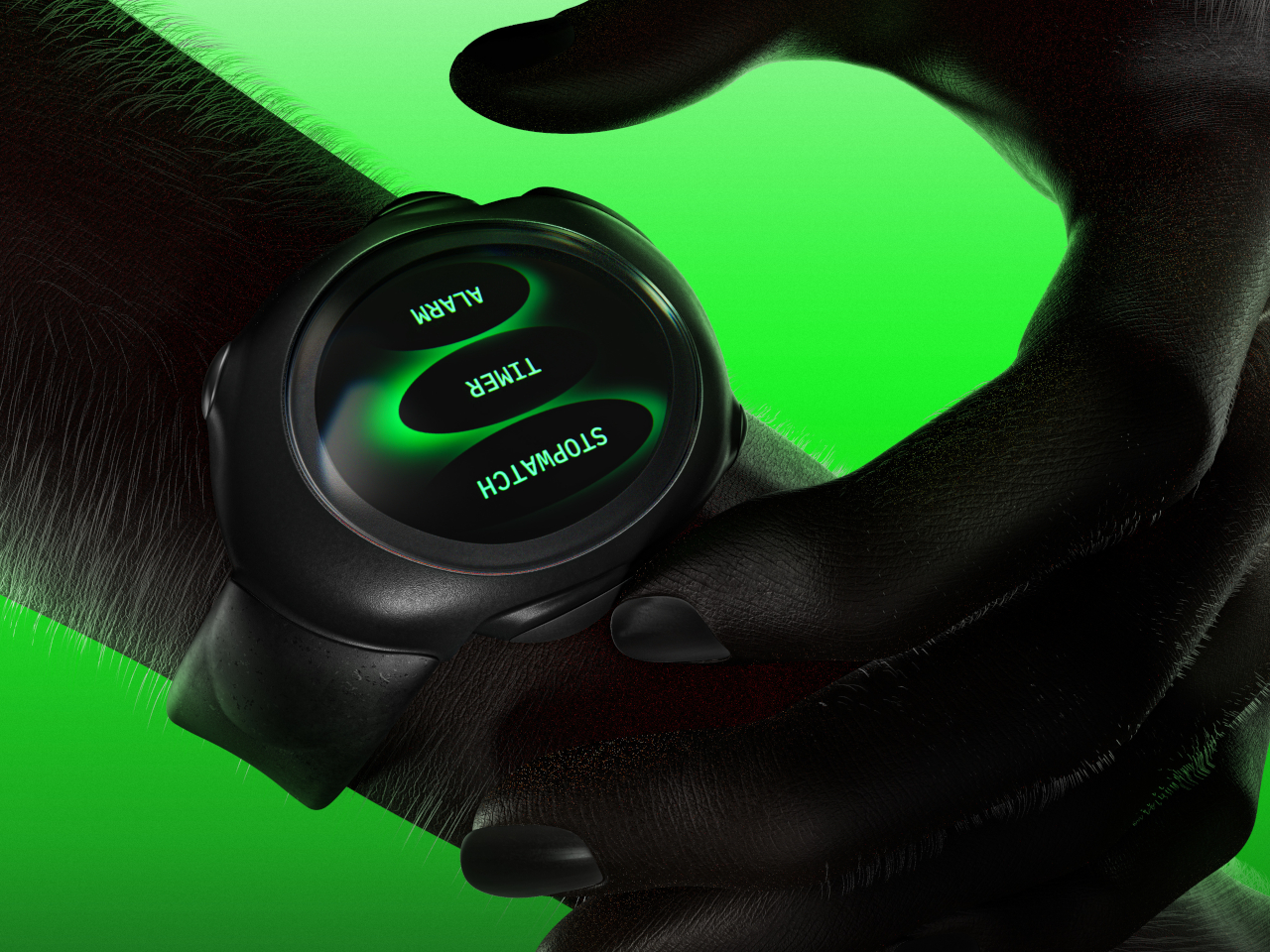
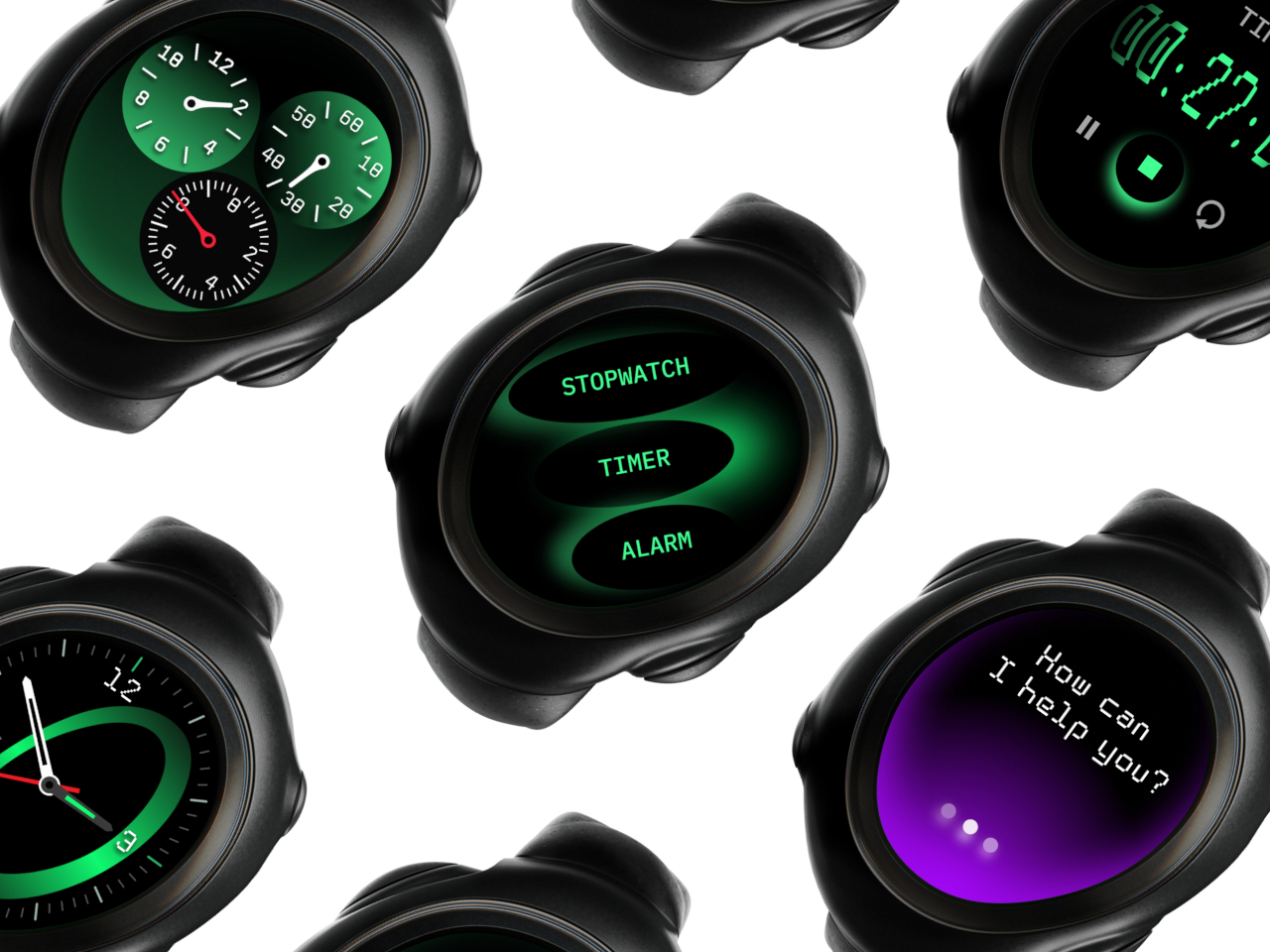
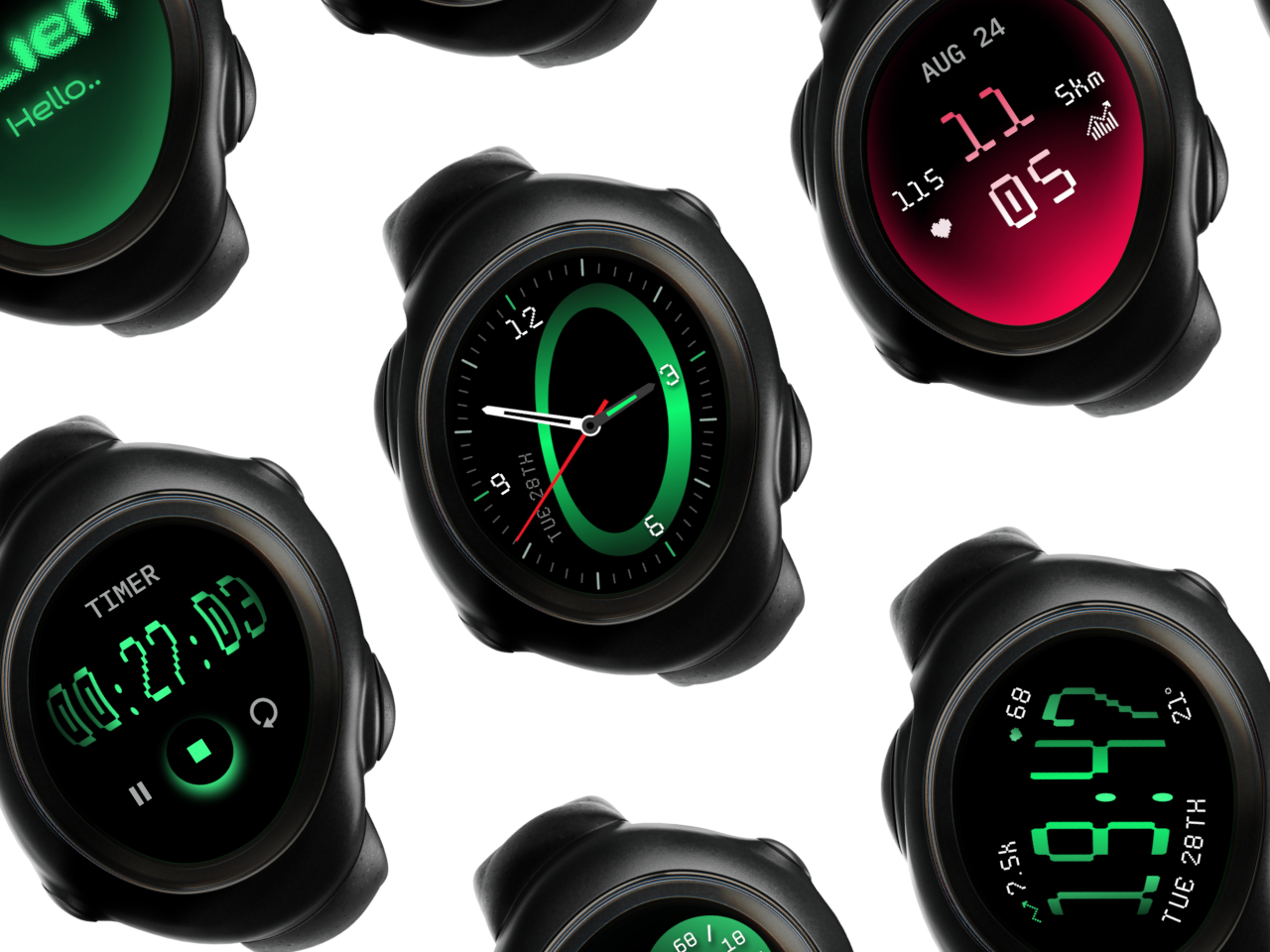
This unconventional design also changes the user experience, though not always in good ways. Because the shape of the screen is non-standard, there is more flexibility for different UI elements and arrangements, but it can also make things more confusing as well. Humans are creatures of habit, and smartwatches try to offer a uniform experience across different models or even platforms to make it easier for owners to switch from one watch to the next. That is, unfortunately, one of the disadvantages of this concept design, making the interaction and experience a little foreign and, well, alien.
The post Alien-inspired smartwatch concept eschews conventional design for more organic aesthetics first appeared on Yanko Design.
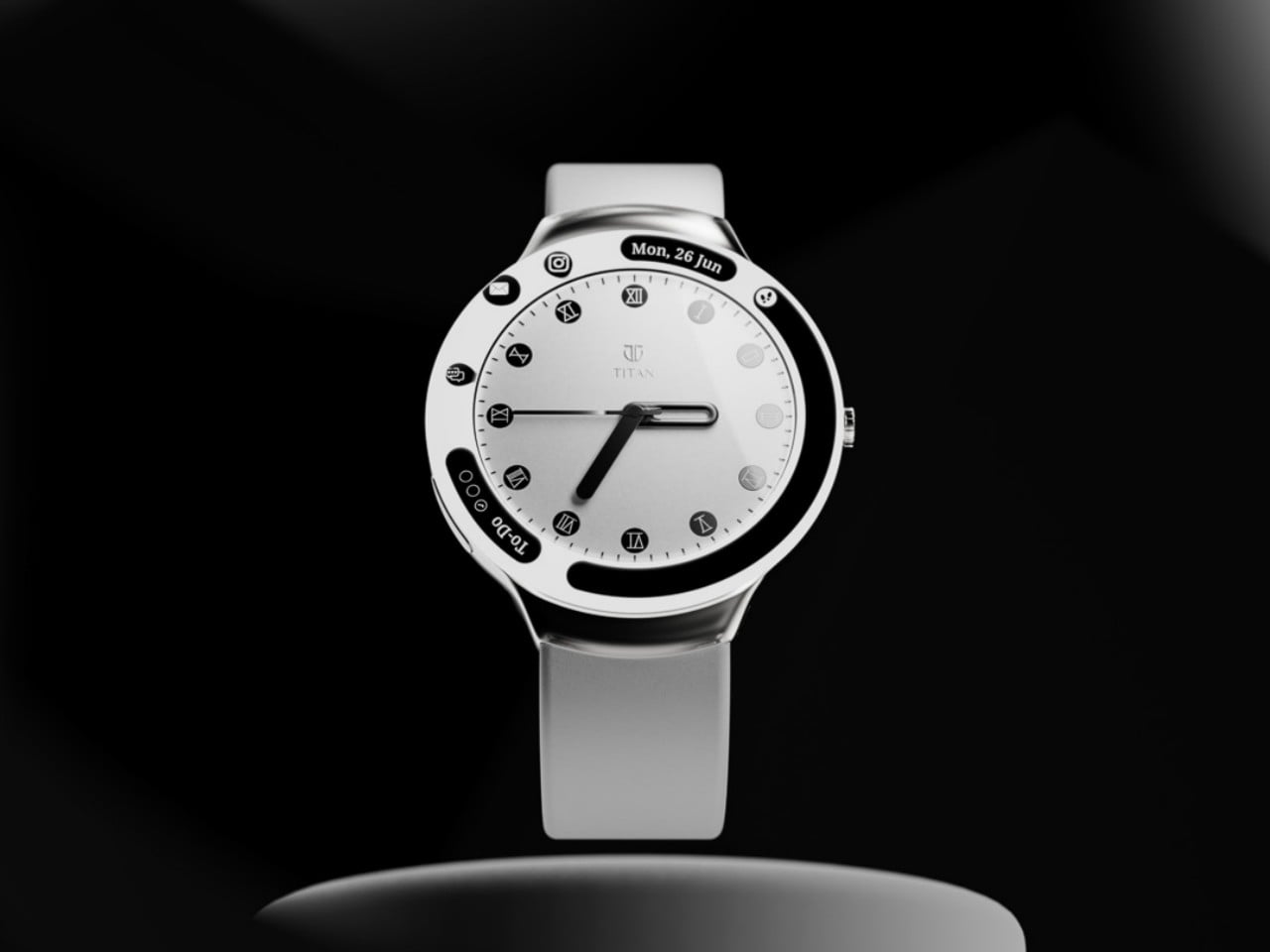
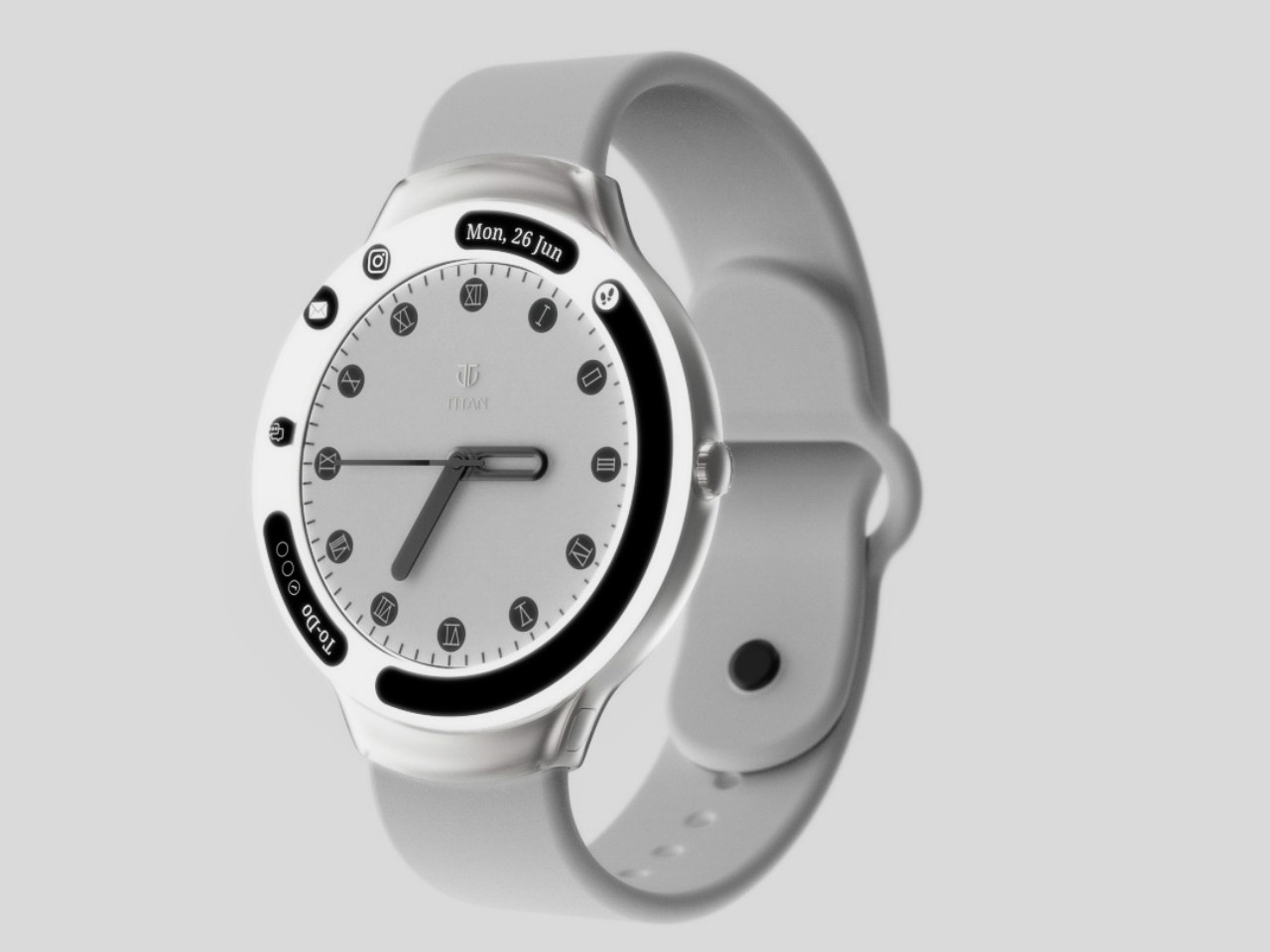
Smartwatches are now a staple of the tech market14, but the departure of several high-profile brands and the arrival of smart rings are making some reevaluate the wearable device. Just like with paper notebooks, there is a strong and large culture around analog, mechanical watches that find smartwatches unappealing, except for some features that aren’t totally unique to smartwatches, namely, health sensors. Hybrid smartwatches exist for this reason, trying to have the best of both analog and digital worlds, but they are not exactly that common nor are their designs well-established. There’s still plenty of room for exploration and experimentation, like this rather peculiar concept that cuts out a whole in the middle of a circular screen to make room for an elegant analog watch.
Designer: Priyanshu Jaiswal
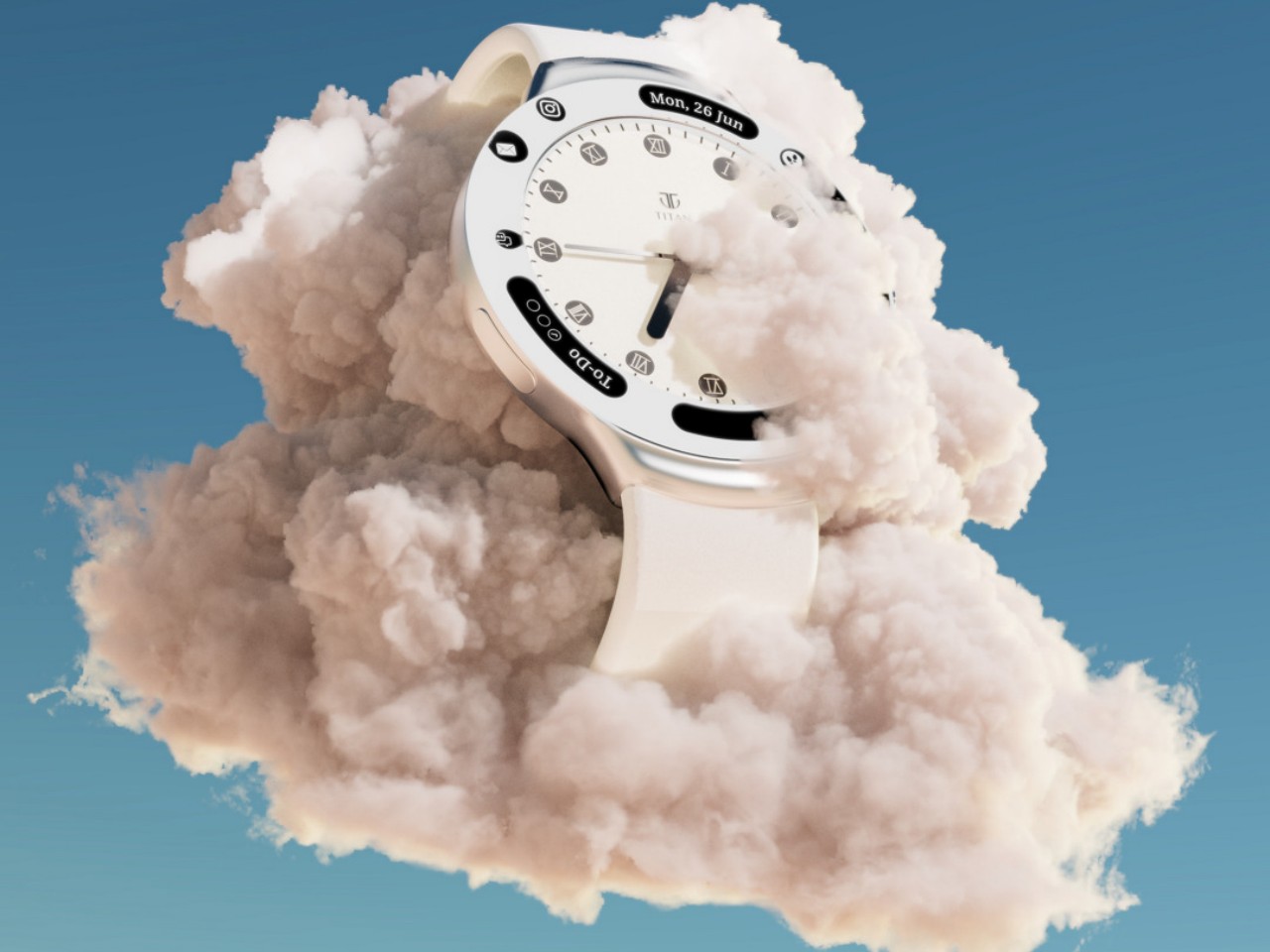
Inspired by the rather divisive notch or cutout on smartphone screens, the Lunar Eclipse hybrid smartwatch concept puts a mechanical watch in the middle of that hole instead of a camera. It might have been easier to have the display as an inset or restricted to a certain part of the watch face, but that presents some challenges as well, particularly when occluding the beauty of the analog timepiece itself. As weird as it may sound, this notch-based design actually has more benefits compared to a smartphone camera cutout.


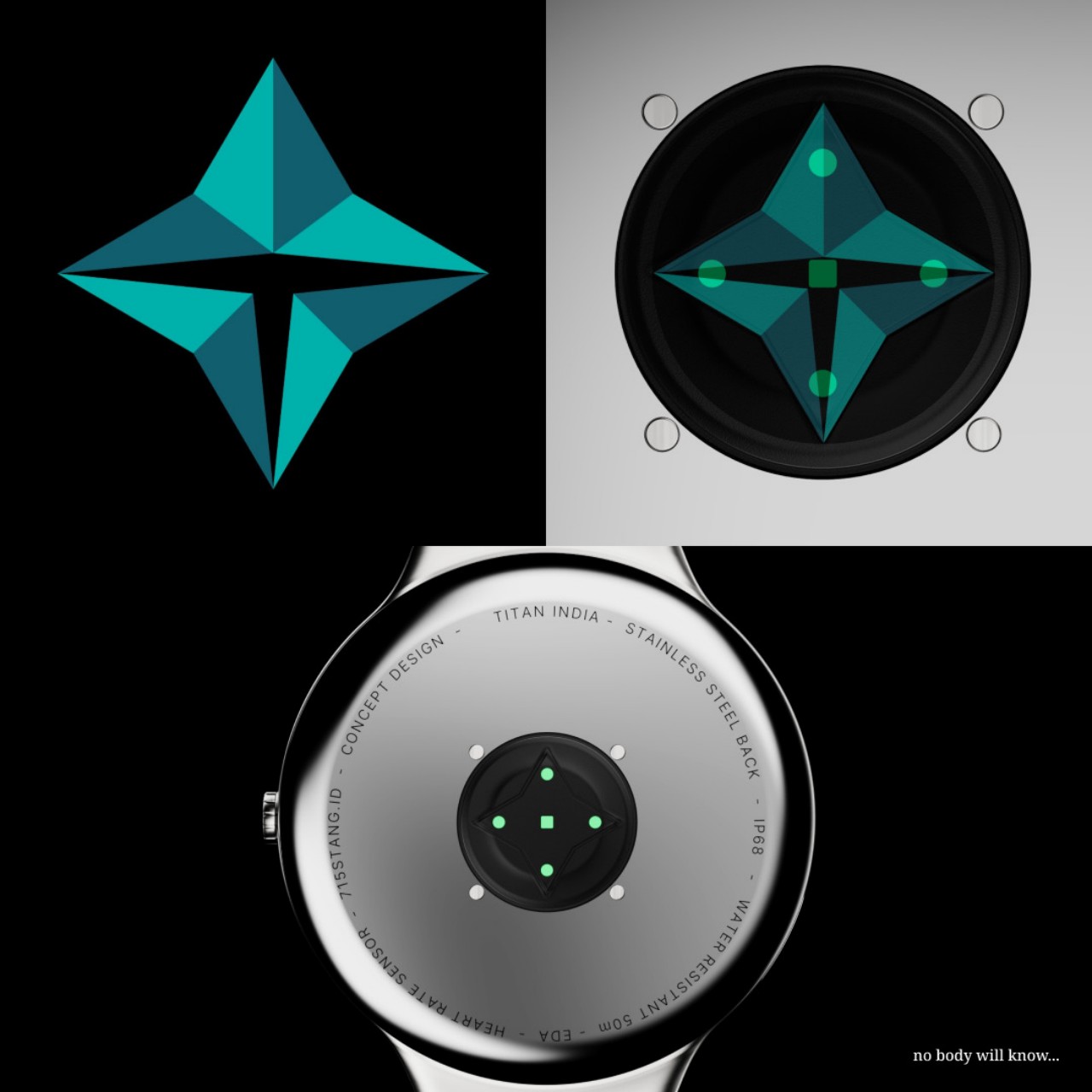
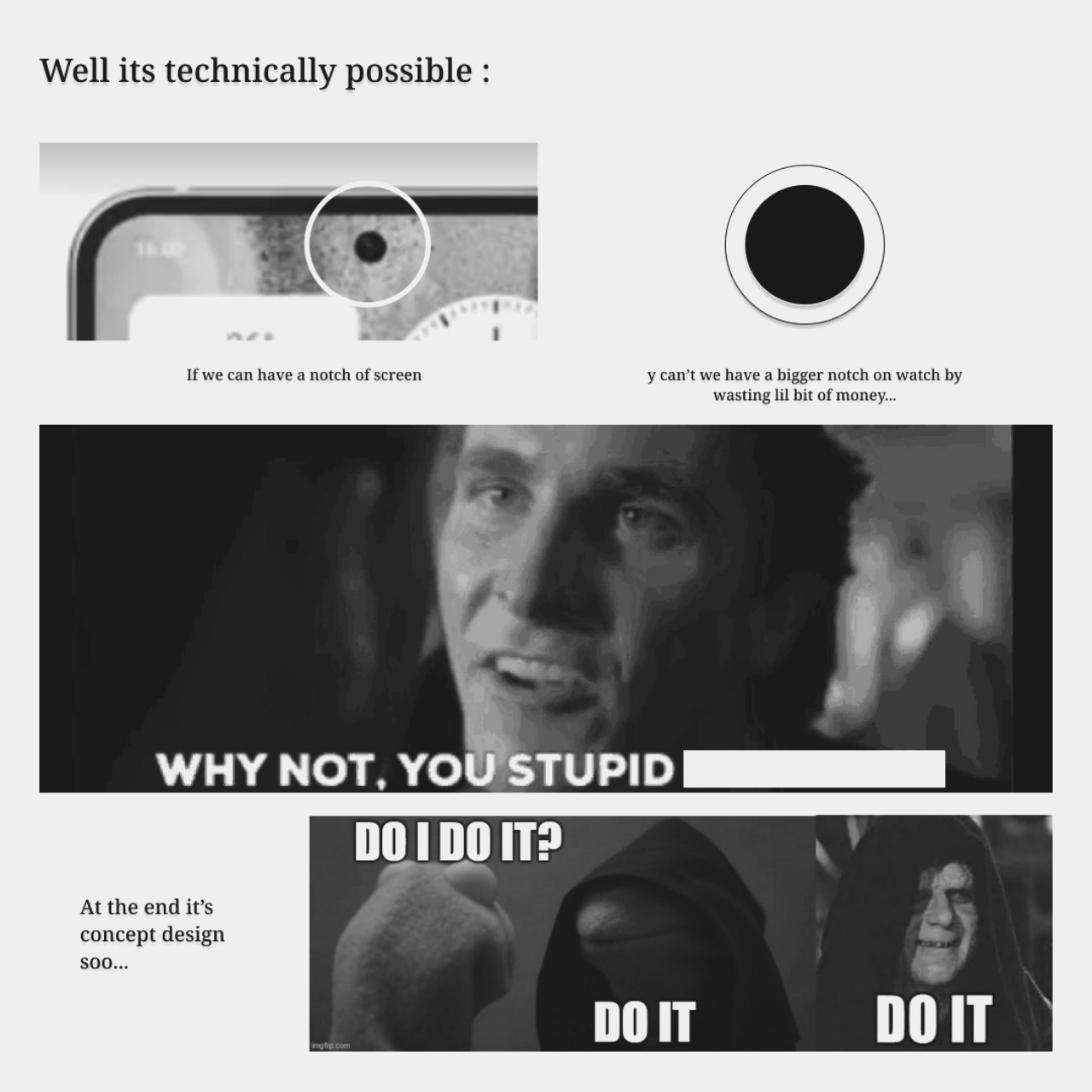
Because it is technically still a complete screen, with just the middle part rendered practically unusable and invisible, it is theoretically easier to design the user interface of the “digital bezel” around the watch face. You can have icons and text that curve around the border, and you can even have them animated to add more natural-looking visual feedback, like how notification icons can appear like they’re flowing from the center of the watch rather than just appearing out of nowhere.
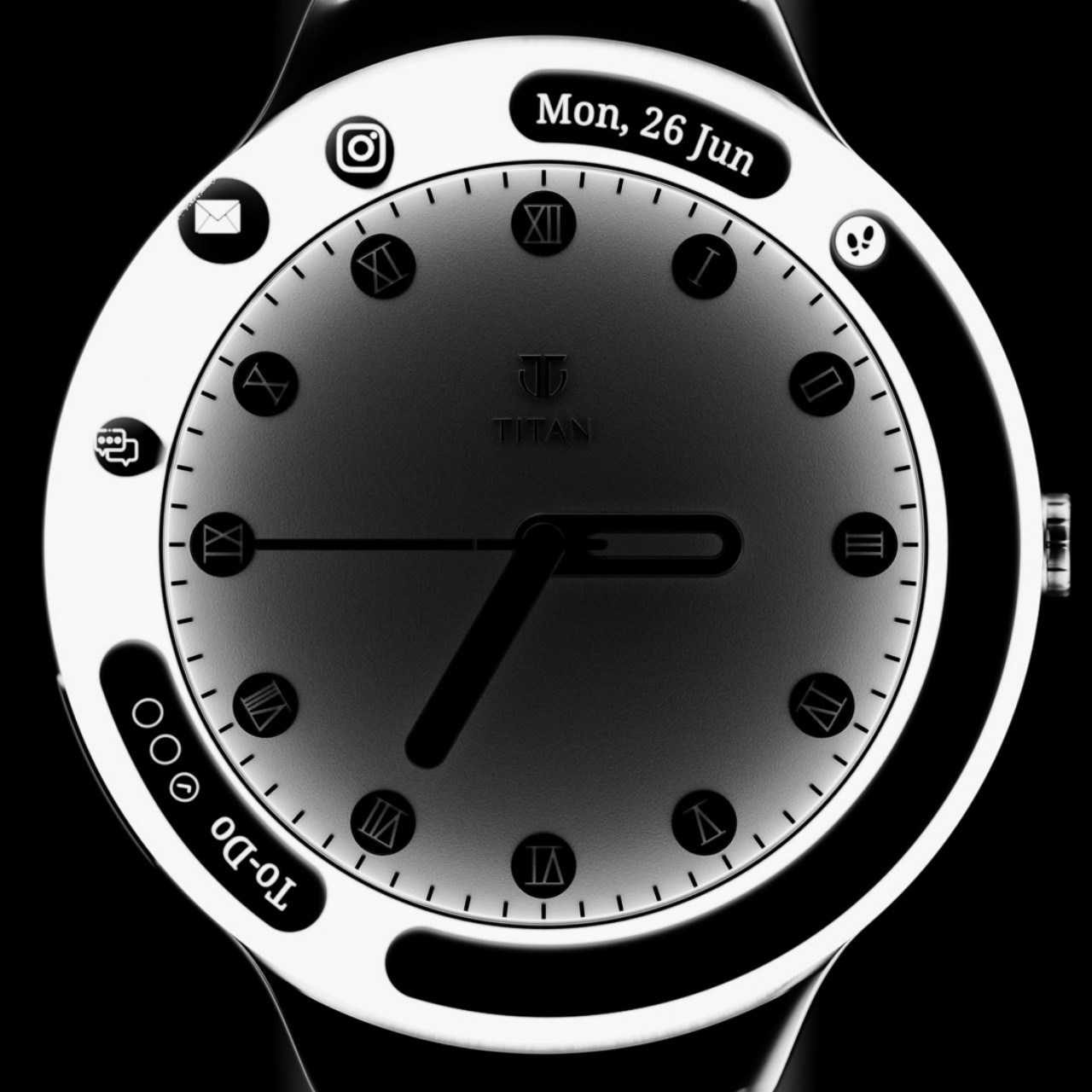
This gives Lunar Eclipse nearly the same benefits as having a smartwatch but with fewer opportunities for distractions. The bezel around the watch face is still just a small space that can only fit a few words and icons. You definitely won’t be using the watch to read those notifications or, worse, type out a response. You’ll be able to still see some of your health stats, presuming the watch has the sensors to track your steps, heart rate, and other biometrics.

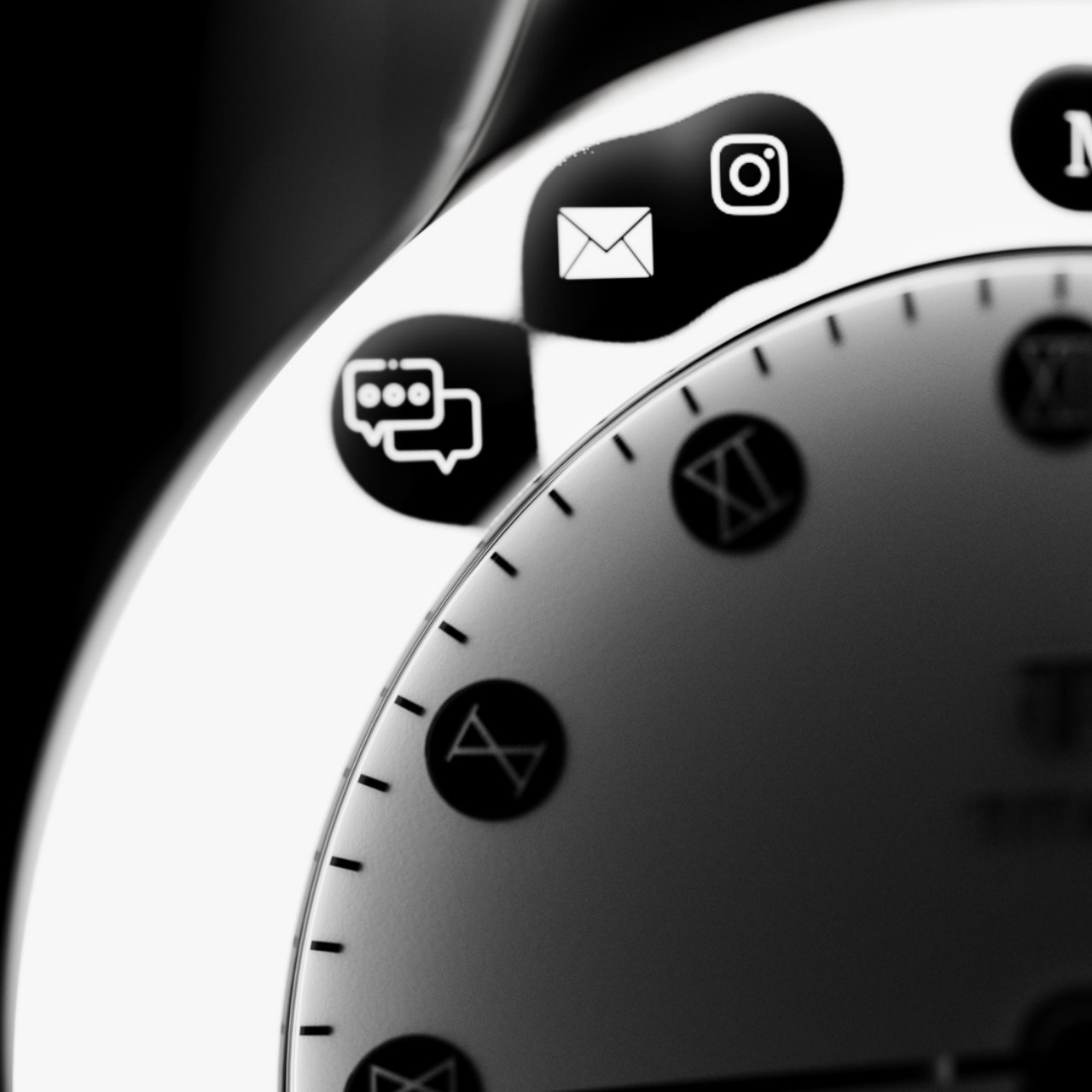
One disadvantage that design has is that its battery life might not be that different from a regular smartwatch. The concept could use an E Ink screen, however, to help reduce that consumption, especially since the display won’t be changing as frequently as on a normal smartwatch. Another consideration is that with the electronics and battery inside, the room for the actual mechanical components would be very cramped, detracting from the inherent beauty of these timepieces that wristwatch fans are after in the first place.

The post Hybrid watch concept puts a giant hole in the middle of a circular screen first appeared on Yanko Design.
Nickelodeon Smartwatch arrives in the US. Features games, GPS tracking, and parental controls for kids aged 5-10. Available July 13 on Walmart.com.
The post Nickelodeon Smartwatch: A New Tech Arrival for Kid in the US first appeared on Trendy Gadget.
Discover the ASUS VivoWatch 6: Revolutionizing health tracking with fingertip measurements, comprehensive monitoring, practical design, and long battery life.
The post ASUS VivoWatch 6: Innovating Health Tracking first appeared on Trendy Gadget.
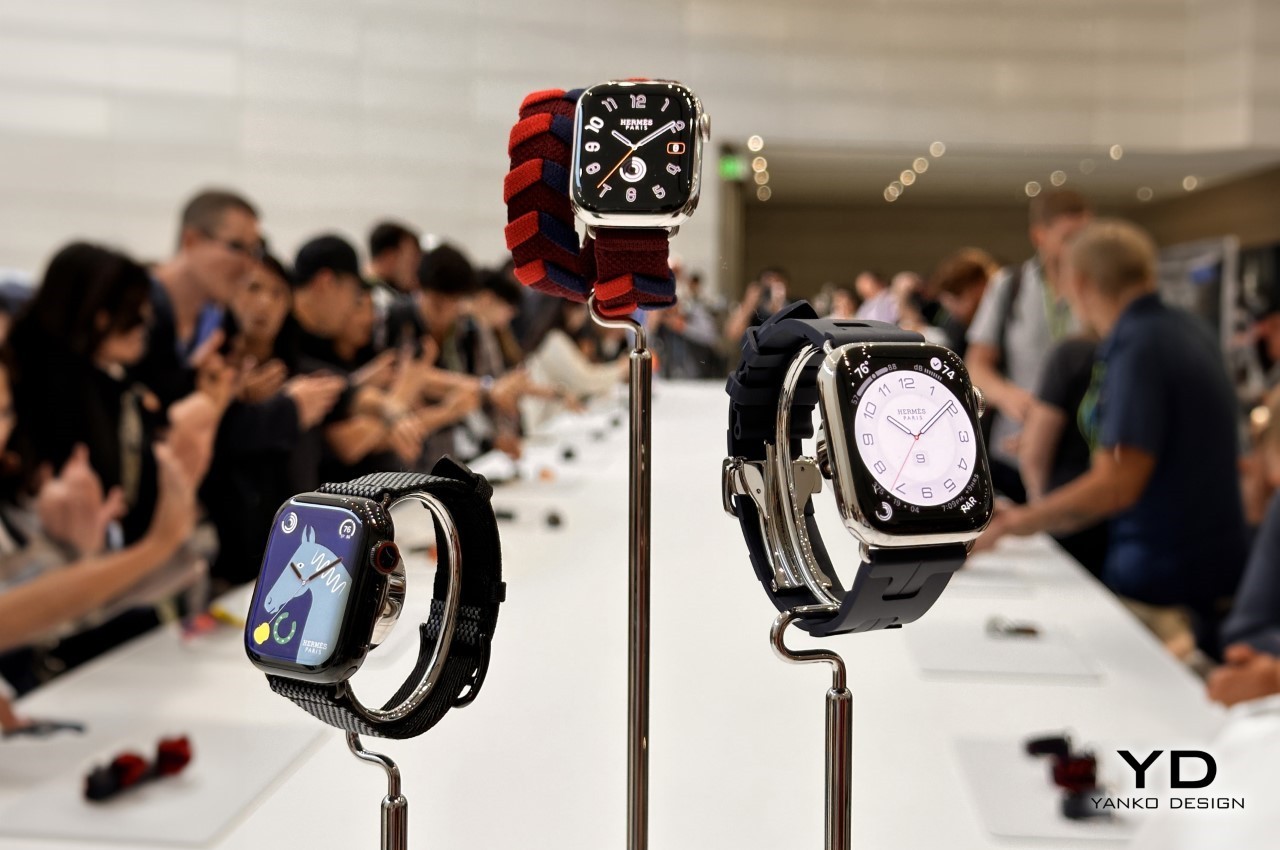
Many of the devices that exist today were, at some point in time, inspired by science fiction, from personal computers to smartphones to tablets. Smartwatches, in particular, may have partly been imagined after seeing wrist-worn communication devices in some sci-fi shows and flicks. Of course, today’s smartwatches are more practical and less sensational, even as they demonstrate the marvels of technology squeezed in such a small space. But smartwatches aren’t the booming business that manufacturers hoped they would be, at least not compared to smartwatches, and every year brings doubts about this product category’s future. This year is no different, especially with new technologies like smart rings and especially AI trying to take center stage, even when it comes to health and fitness.
Designer: Apple
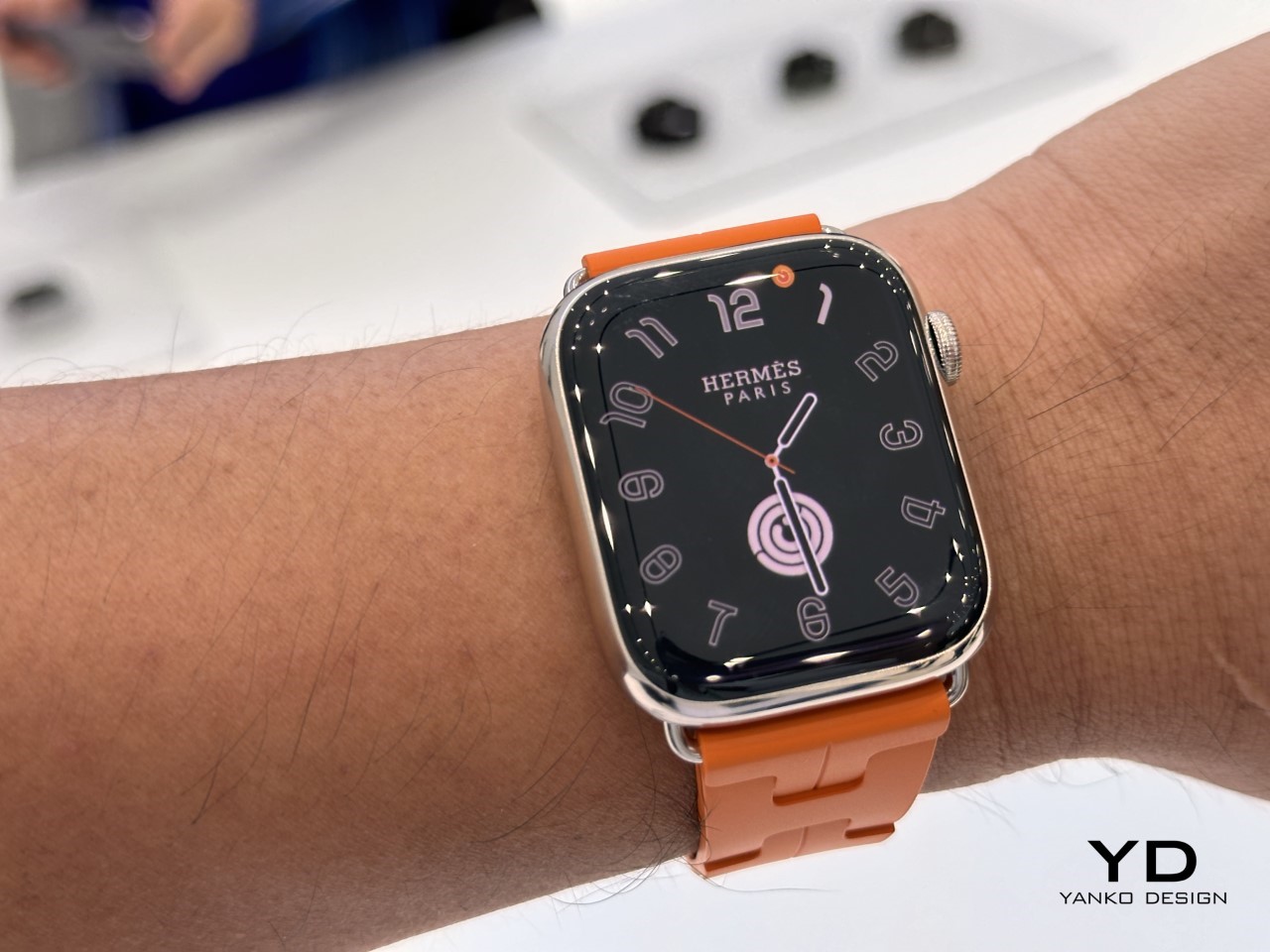
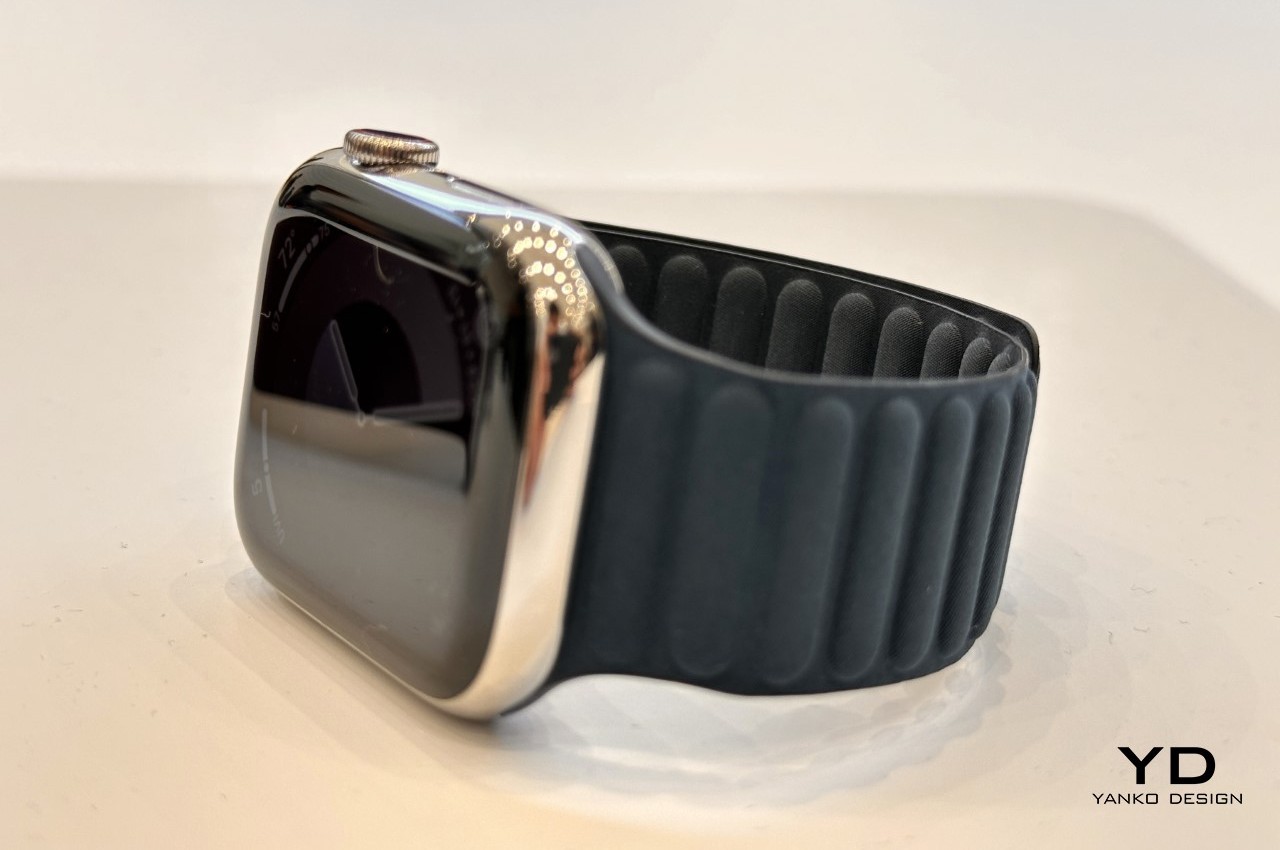
Defining smartwatches has never been easy. Simply saying that they are watches that can mirror notifications from your phone and track your activity is both a disservice and an oversimplification. Given all that they can do these days, seeing them as miniature smartphones on your wrist isn’t exactly inaccurate, though the user experience is significantly limited due to the small screen and feeble hardware. In fact, the very first batch of smartwatches from smartphone makers pretty much tried to sell that image with little success.
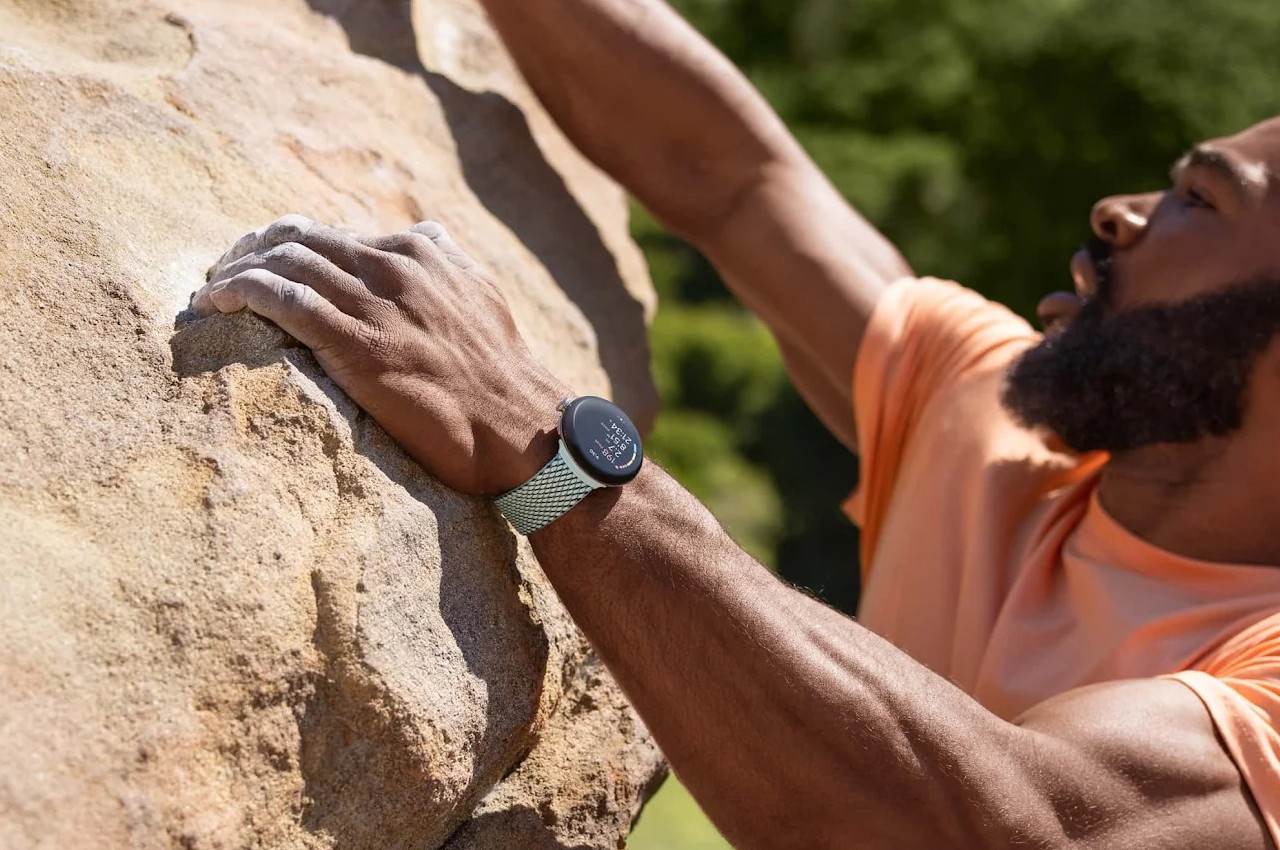
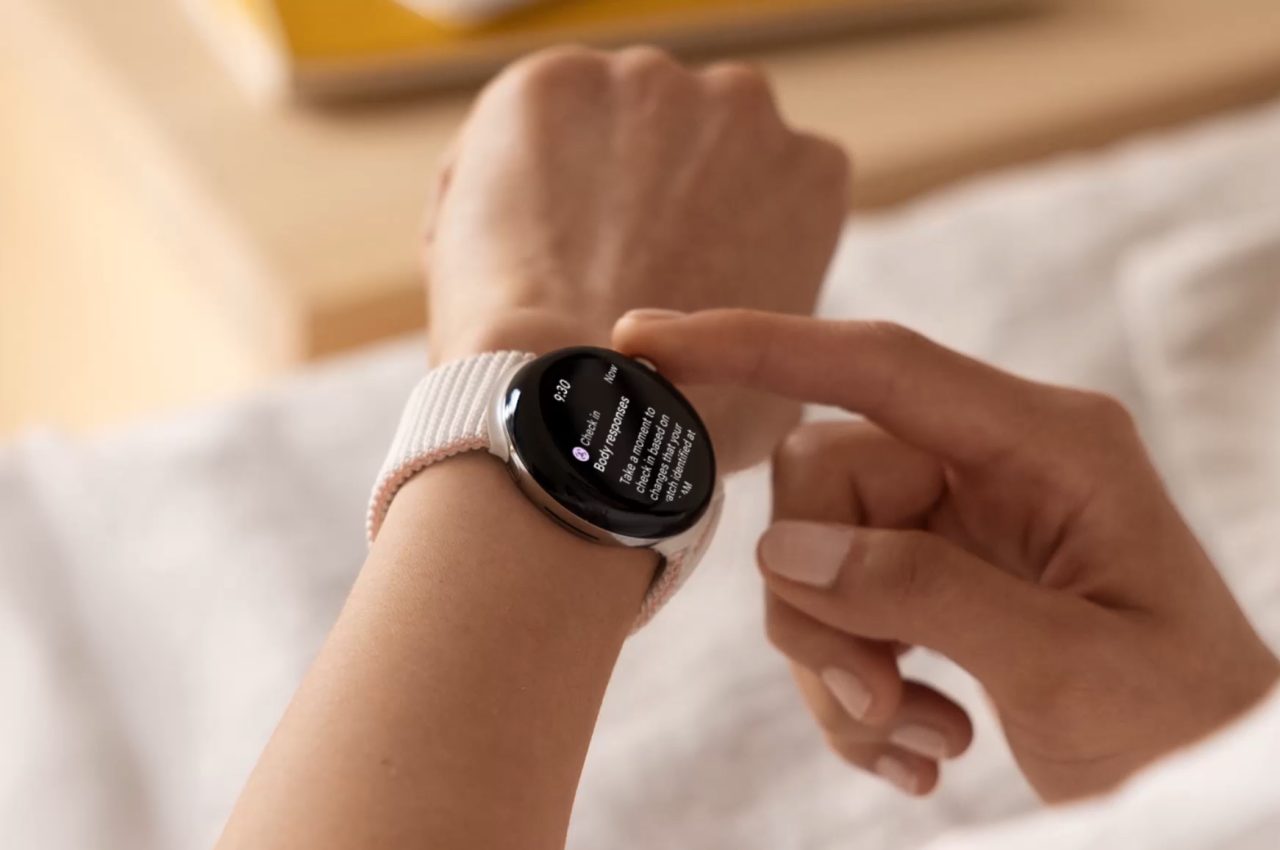
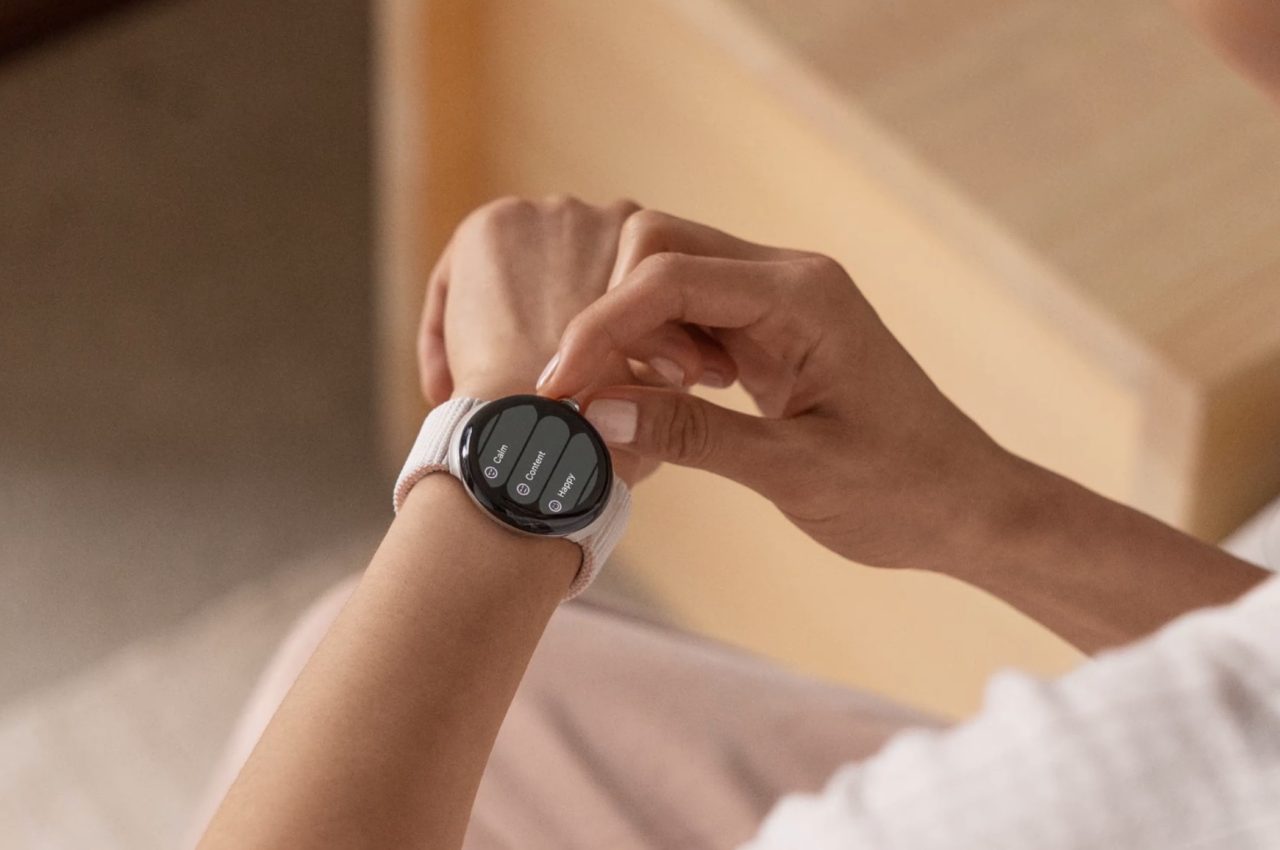
Designer: Google
It wasn’t until the Apple Watch and anecdotes of its life-saving features that this wearable really defined its identity in the market. It was, for all intents and purposes, a wearable health tracker masquerading as a timepiece. And depending on the brand and style of the smartwatch, it may or may not pass for a luxury watch, at least from a distance. It basically pushed fitness trackers out of the scene, with more advanced sensors, a more flexible user experience, and connectivity to a smartphone. Over time, however, people and even companies have also started to wonder why they still have a smartwatch, especially with upcoming technologies and designs that offer more choices especially when it comes to aesthetics and style.
Smartwatches are perhaps the world’s first taste of wearable technologies, but that’s hardly the only incarnation possible. Ideally, true wearables will be something you can, well, wear, including clothing, footwear, and especially jewelry. These weren’t possible years ago, but technology and manufacturing are thankfully catching up and, soon, people won’t have to ditch their heirloom mechanical watches just because they want to monitor their health 24/7.
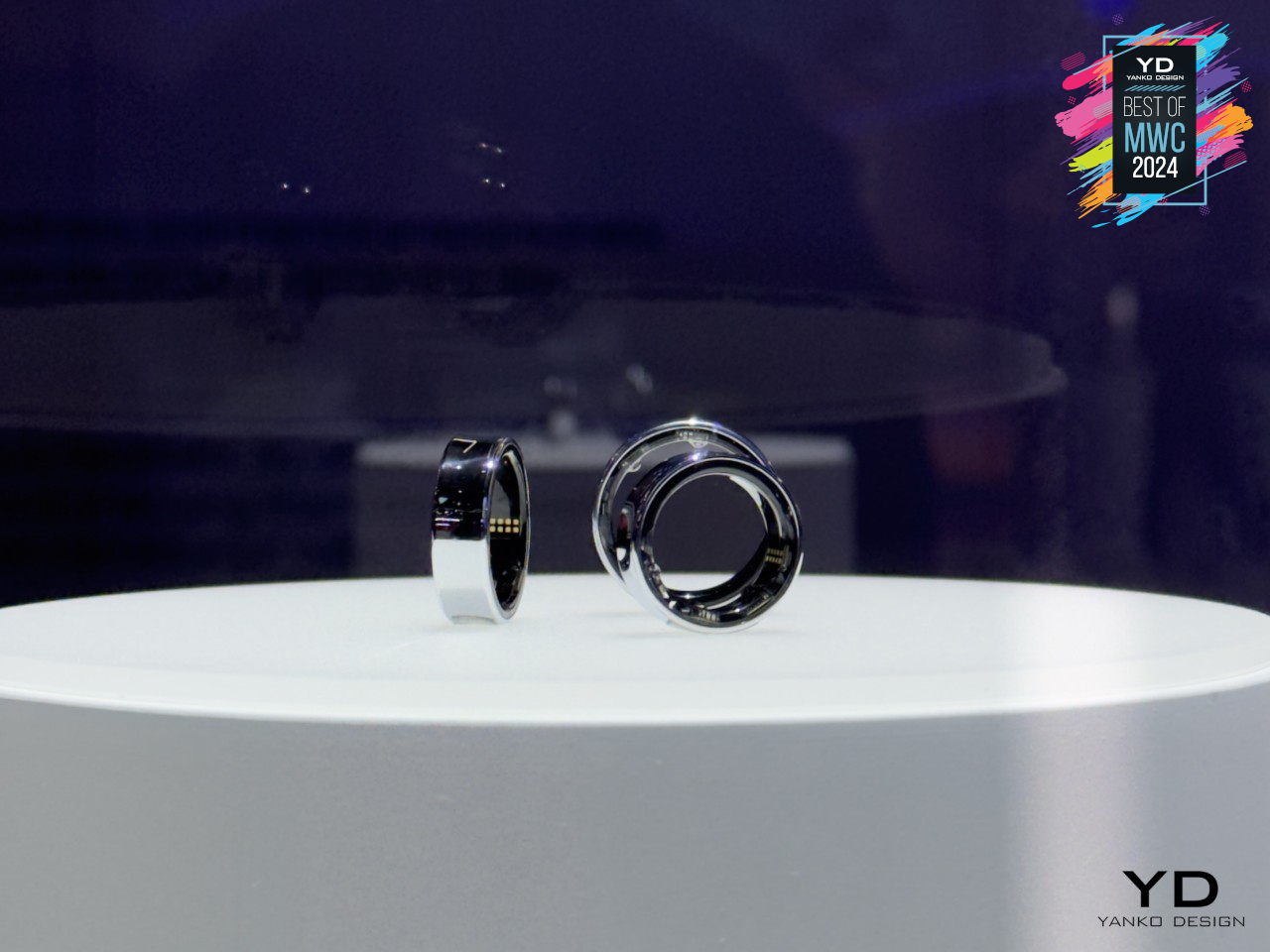
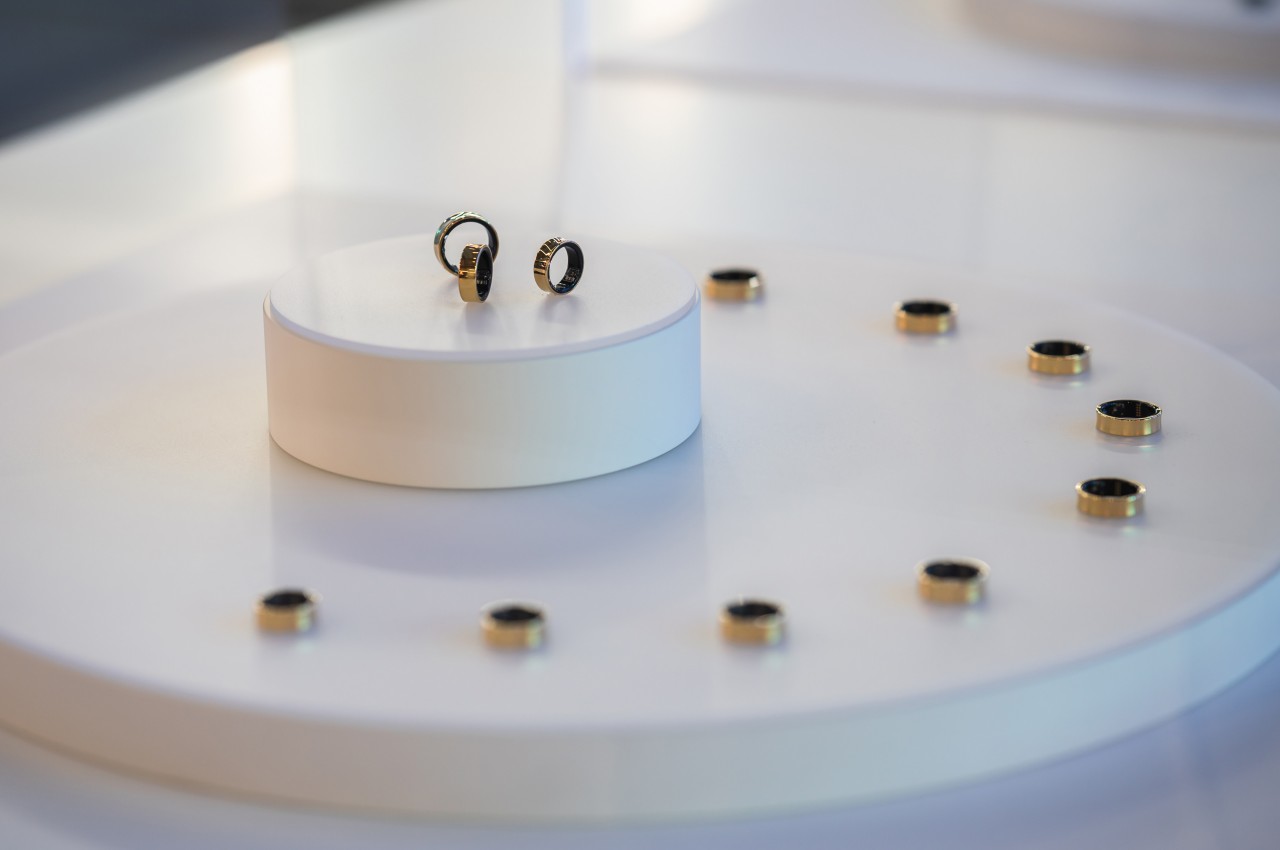
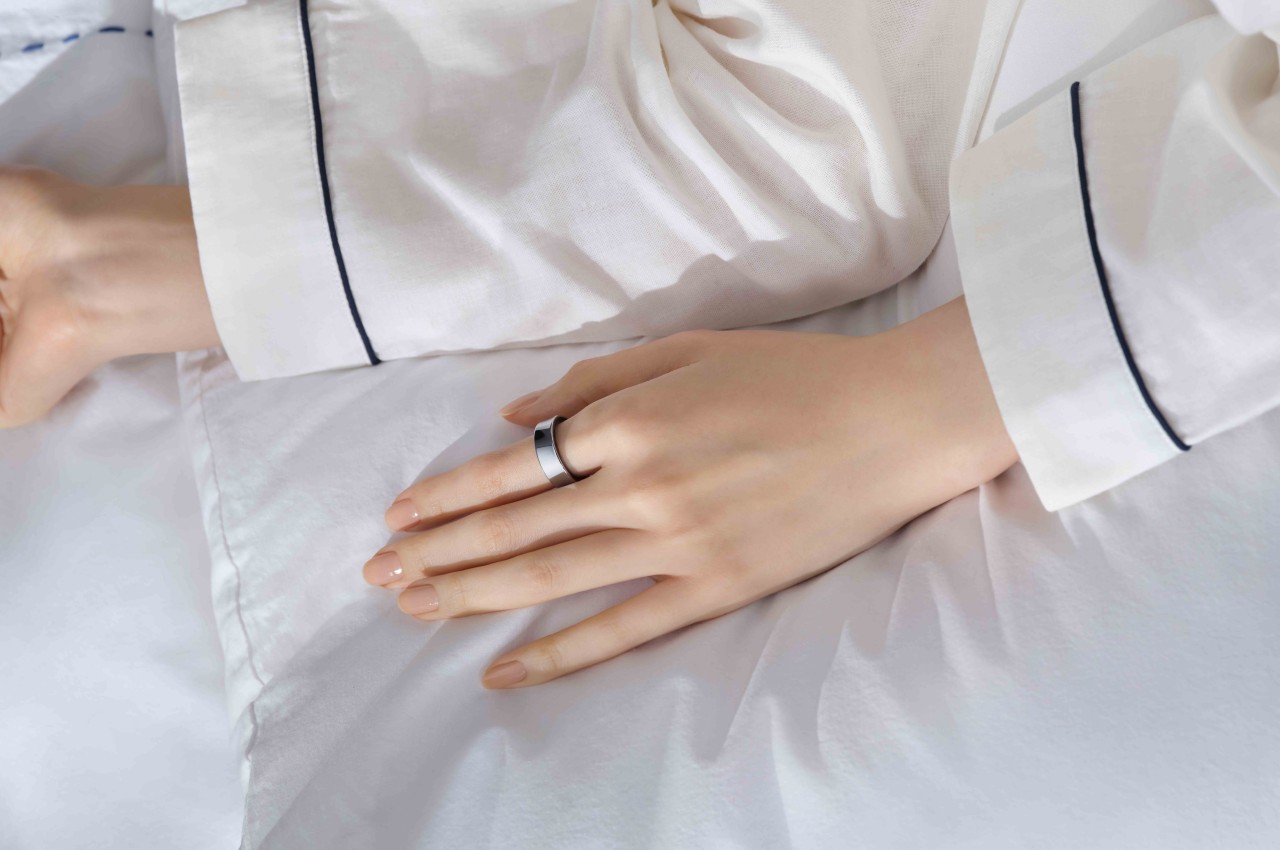
Smart rings, for example, try to offer at least the basics of activity tracking and health monitoring but in a more discreet form that doesn’t get in the way, at least if you’re used to wearing rings all day. A ring would let you wear your favorite timepiece, or wear a different watch for any occasion, all without losing those important health stats. There are also attempts at developing other kinds of smart jewelry that also have health sensors or apparel that let you control your phone or other devices. These are wearables in the truest sense of the term, and they won’t be just science fiction soon.
Another trend gripping the tech industry as a whole is also putting the usefulness of smartwatches into question. AI can be found anywhere these days, from image generators to note-taking apps. Of course, tech companies have long been touting AI-powered services via cloud-based personal assistants, but the trend these days is moving the bulk of the work to the device itself. Smartphones might be powerful enough to support this kind of AI, but smartwatches don’t have that much silicon muscle, at least not without burning through their already meager battery lives.
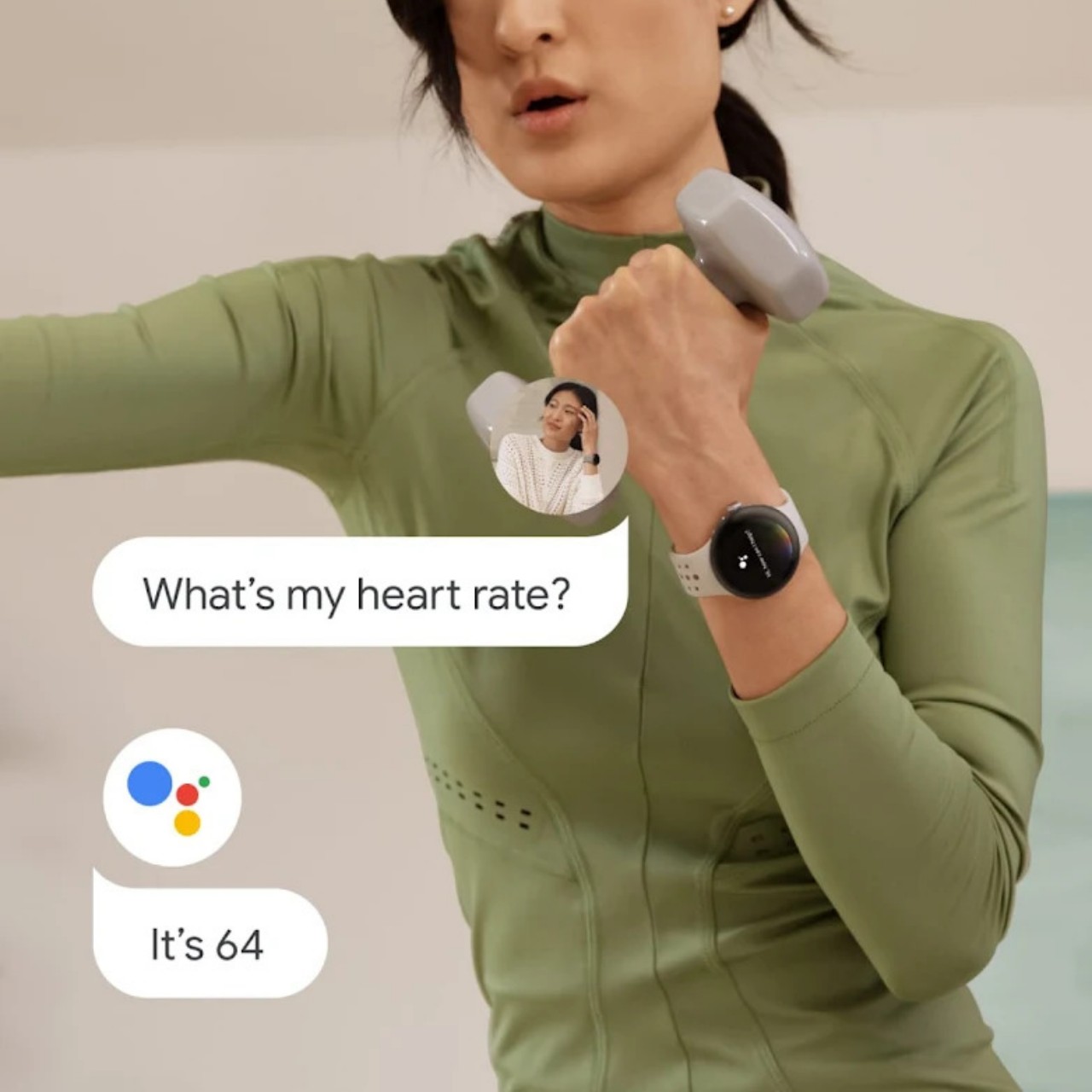

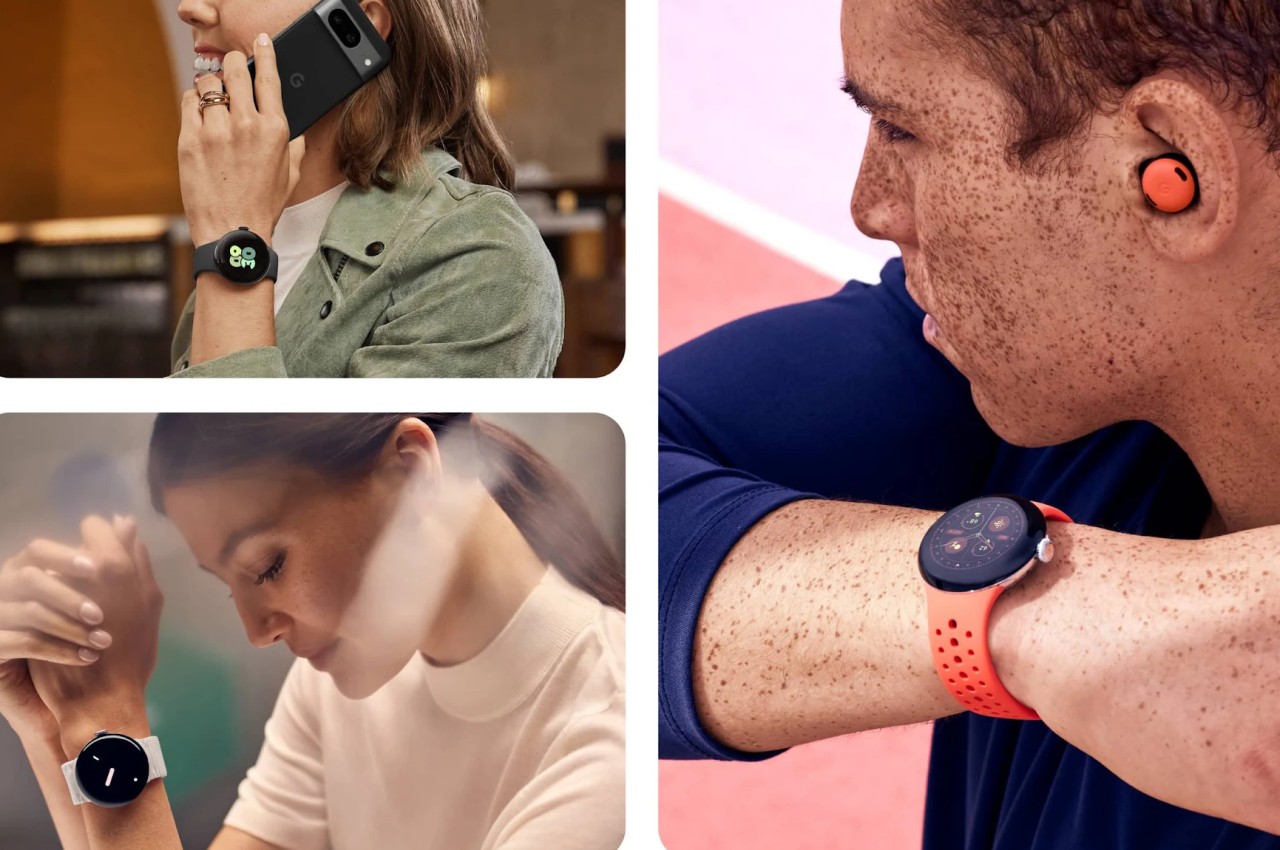
Designer: Google
It’s actually curious that both Apple and Google have been rather silent about their latest AI features when it comes to their own smartwatches, possibly hinting they won’t be coming any time soon. It’s certainly possible for smartwatches to offload the work to the smartphones they’re connected to, but the latency might be too much to ask as well. It could still be good for the occasional verbal question to AI services, but nothing that actually makes a smartwatch a must-have for this purpose.
If health monitoring and AI won’t be the exclusive domain of smartwatches, then one must wonder what other unique experiences they offer. Unlike a smart ring or even a fitness tracker, a smartwatch offers more advanced features related to a smartphone, like reading notifications in full, replying to messages, or even viewing some apps in a smaller form. But are these actually advantages or are they merely showing off feats of technology that actually become detrimental to users in the end?
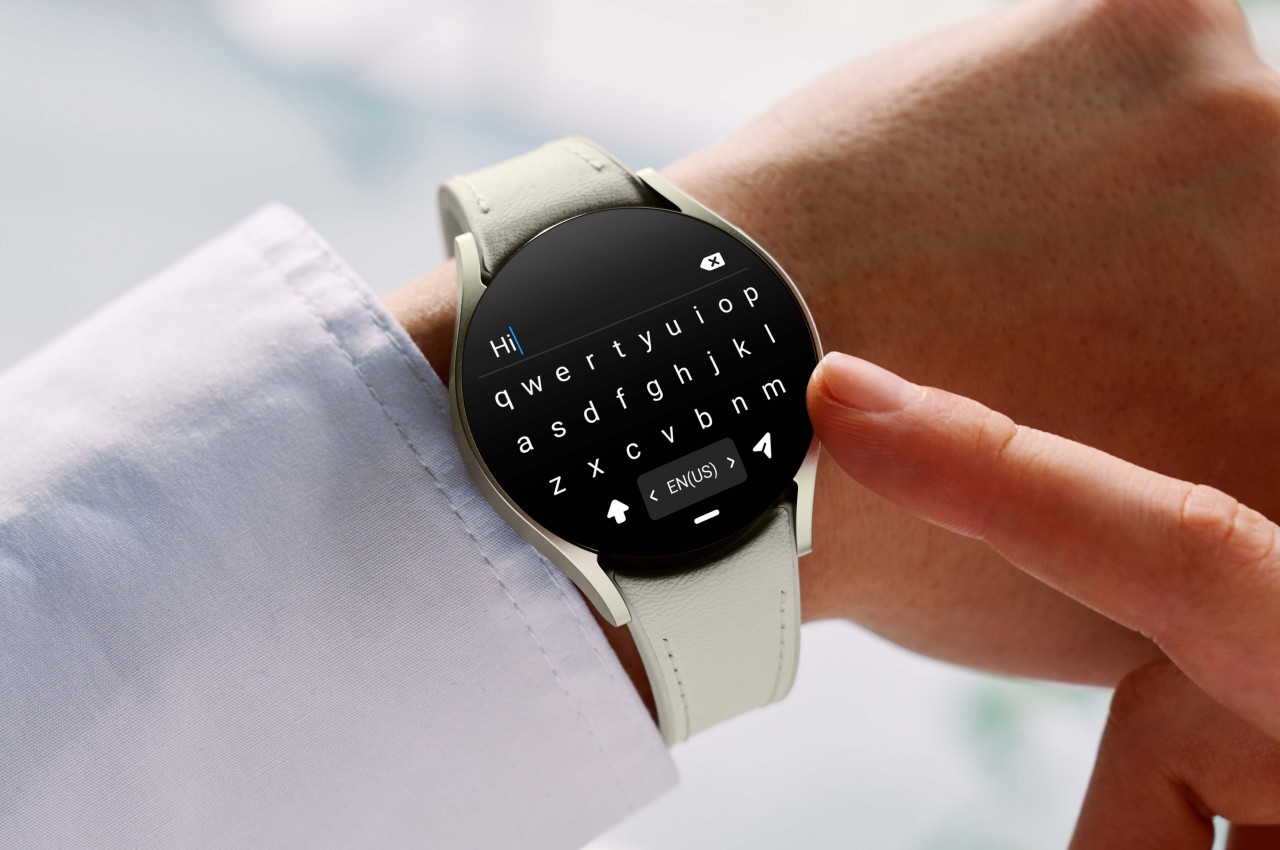
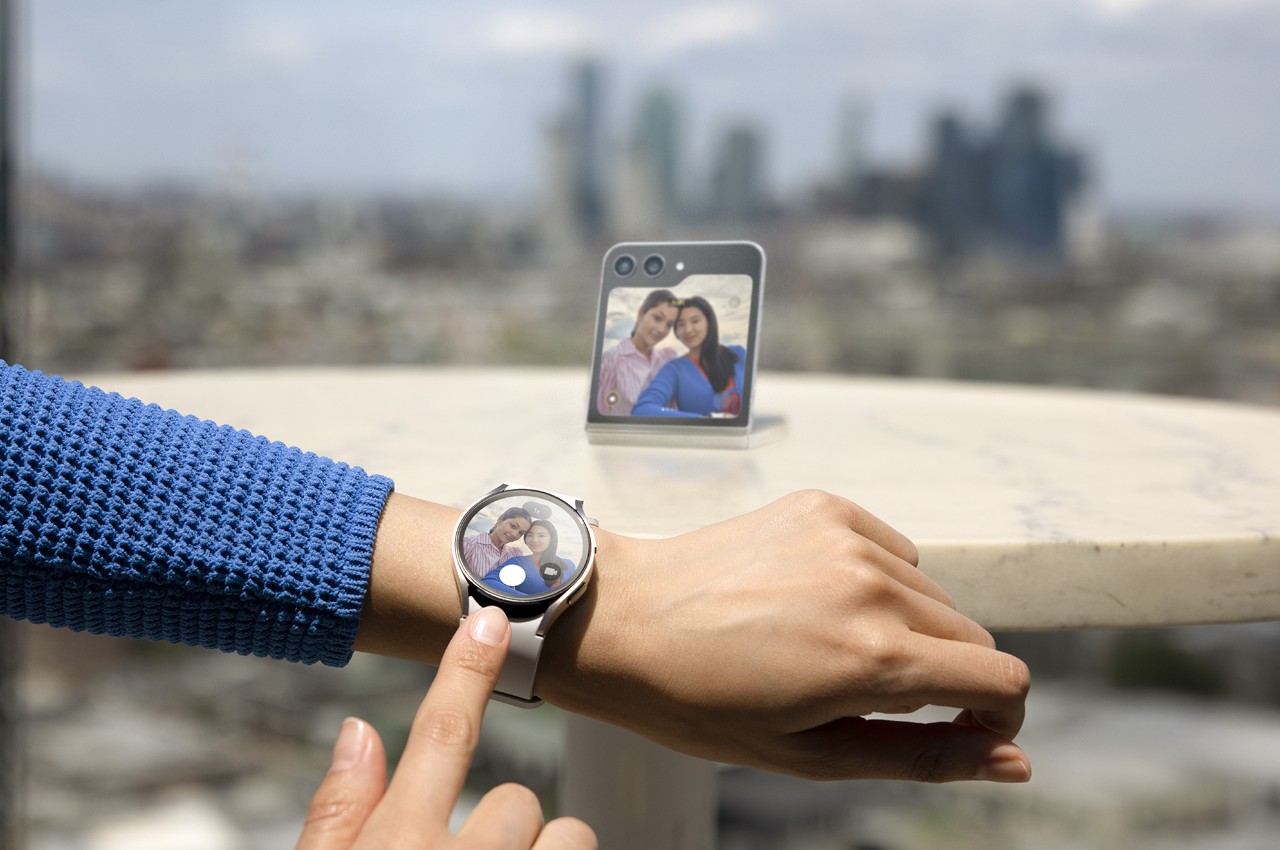
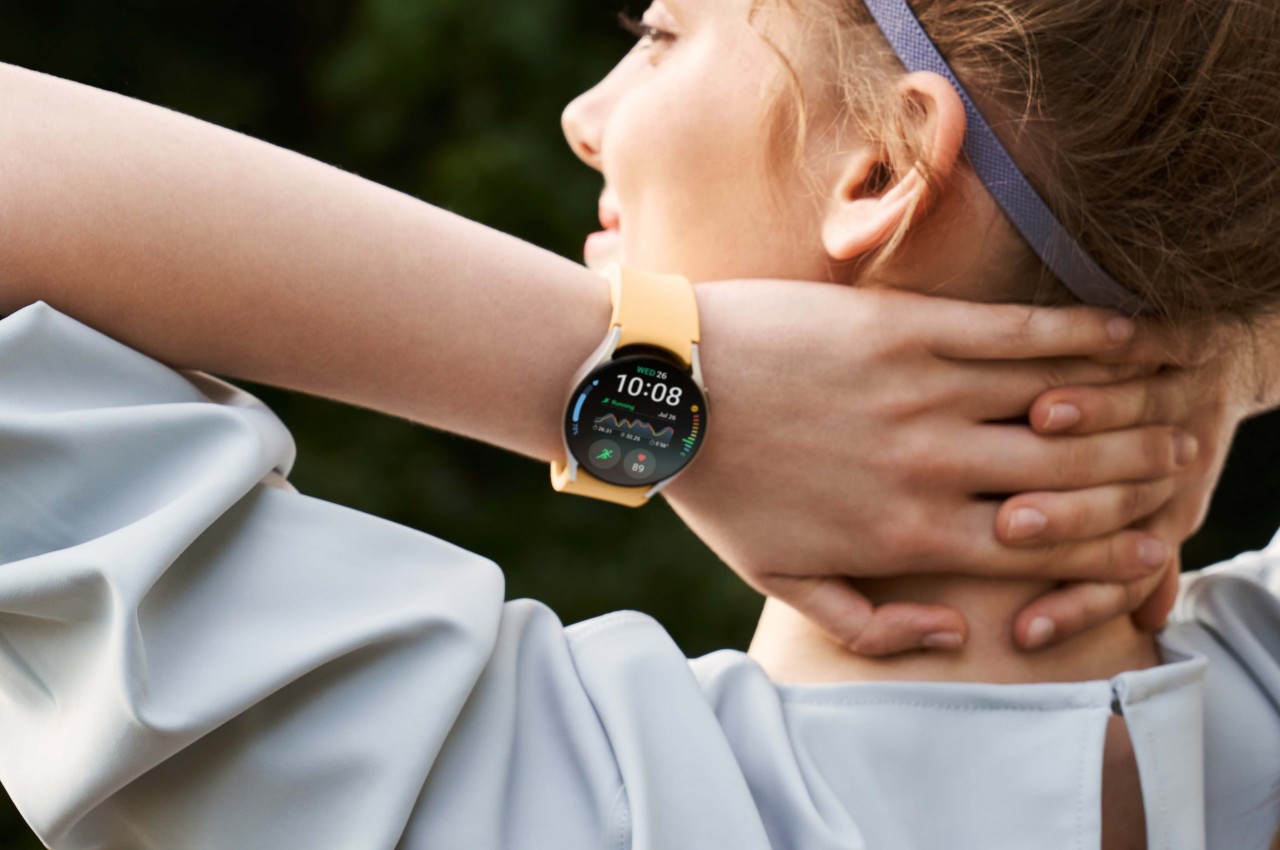
Designer: Samsung
Smartphones are notorious for being sources of distractions, which is why there is a counter-movement of phones espousing minimalism or devices with distraction-free experiences. You can, of course, select only the notifications you really need to see on your wrist, but even smartphones have that same function anyway. In reality, smartwatches make it too easy to be distracted by those notifications without even pulling out your phone, and you spend more time looking at your smartwatch than you would a regular watch. Funnily enough, the people around you wouldn’t even have a clue that you’re wearing a smartwatch and would simply presume you’re being impatient.
That said, there are definitely things that only a smartwatch can offer, at least for now. Smart rings, due to their size, can only offer a small selection of sensors to monitor your health. For more advanced biometrics, you’ll need a larger device to wear, like a smartwatch or a fitness band. There are also still some discussions on whether a ring or a watch is more accurate, though both naturally pale in comparison to medical equipment.
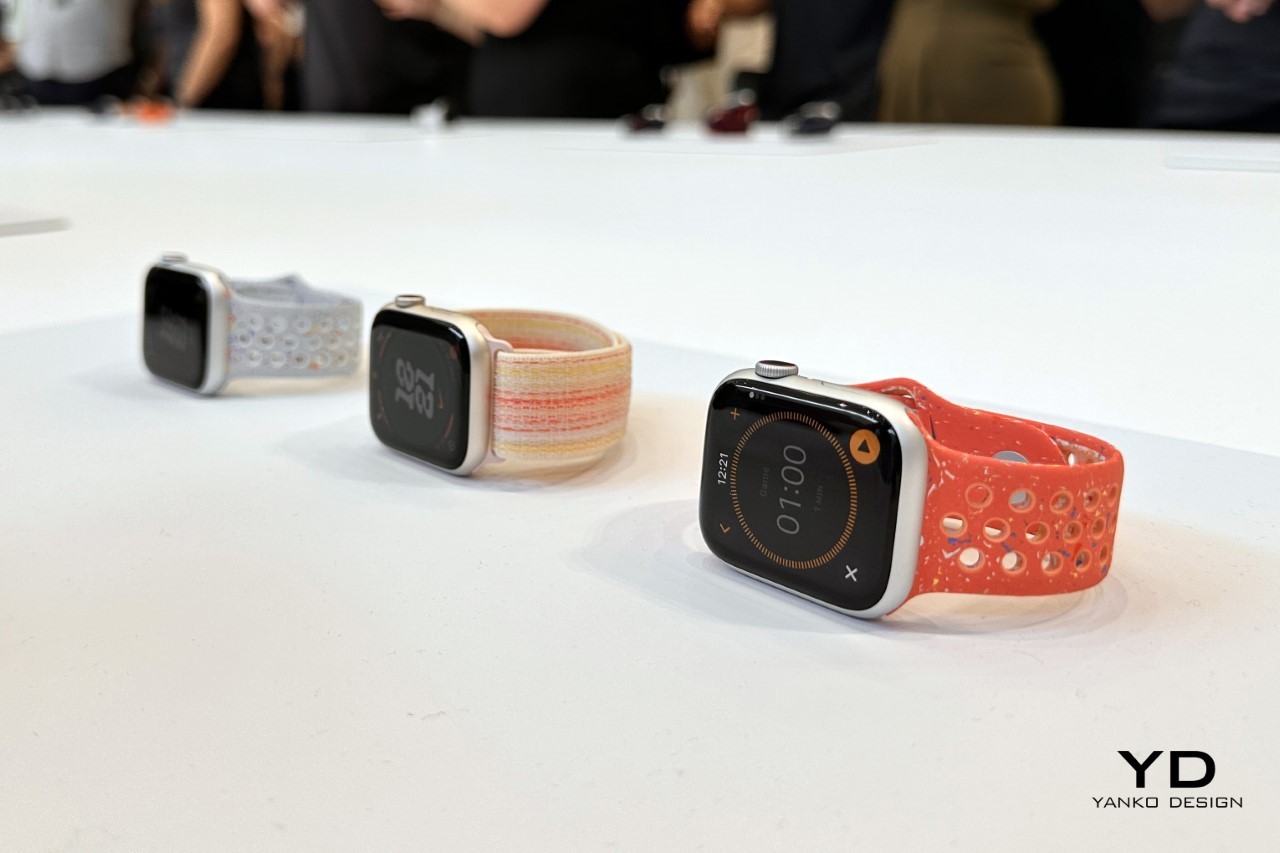
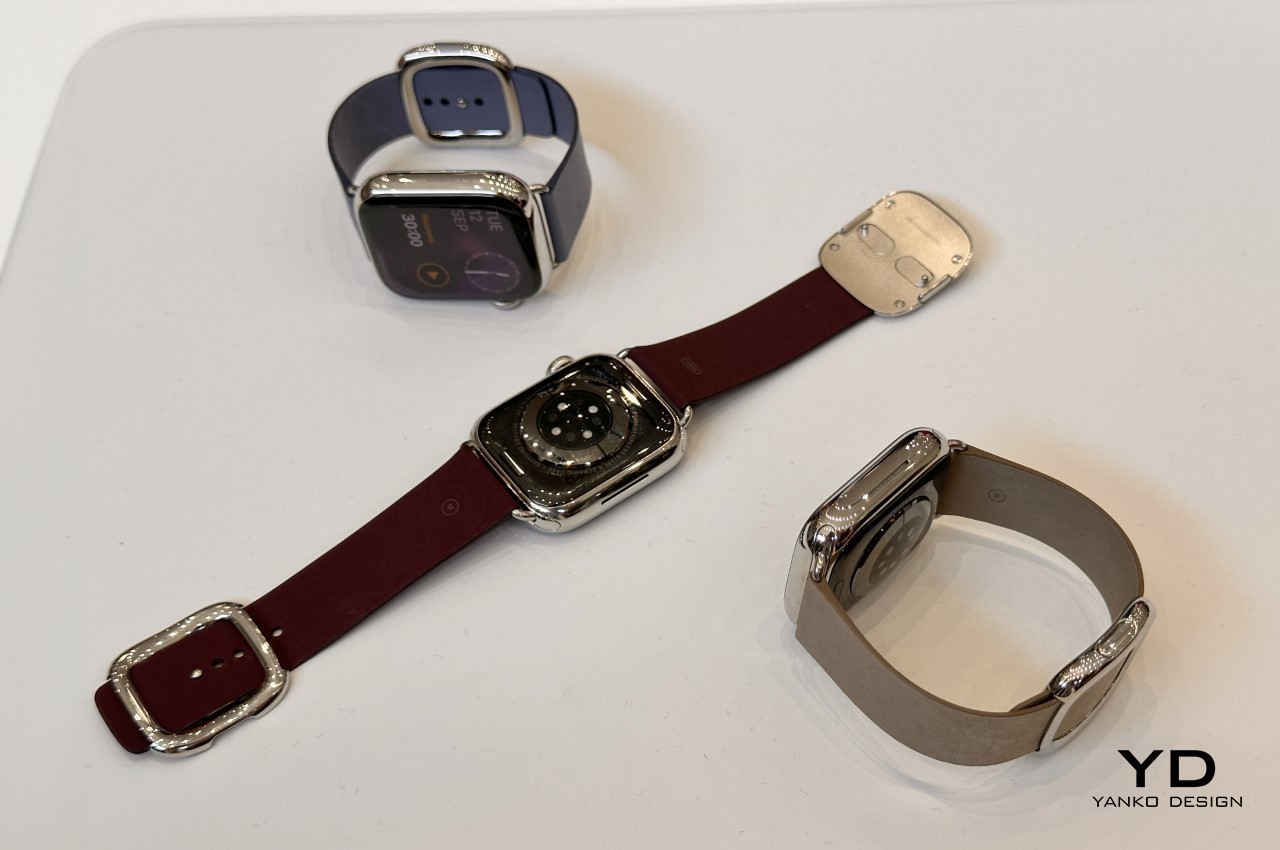
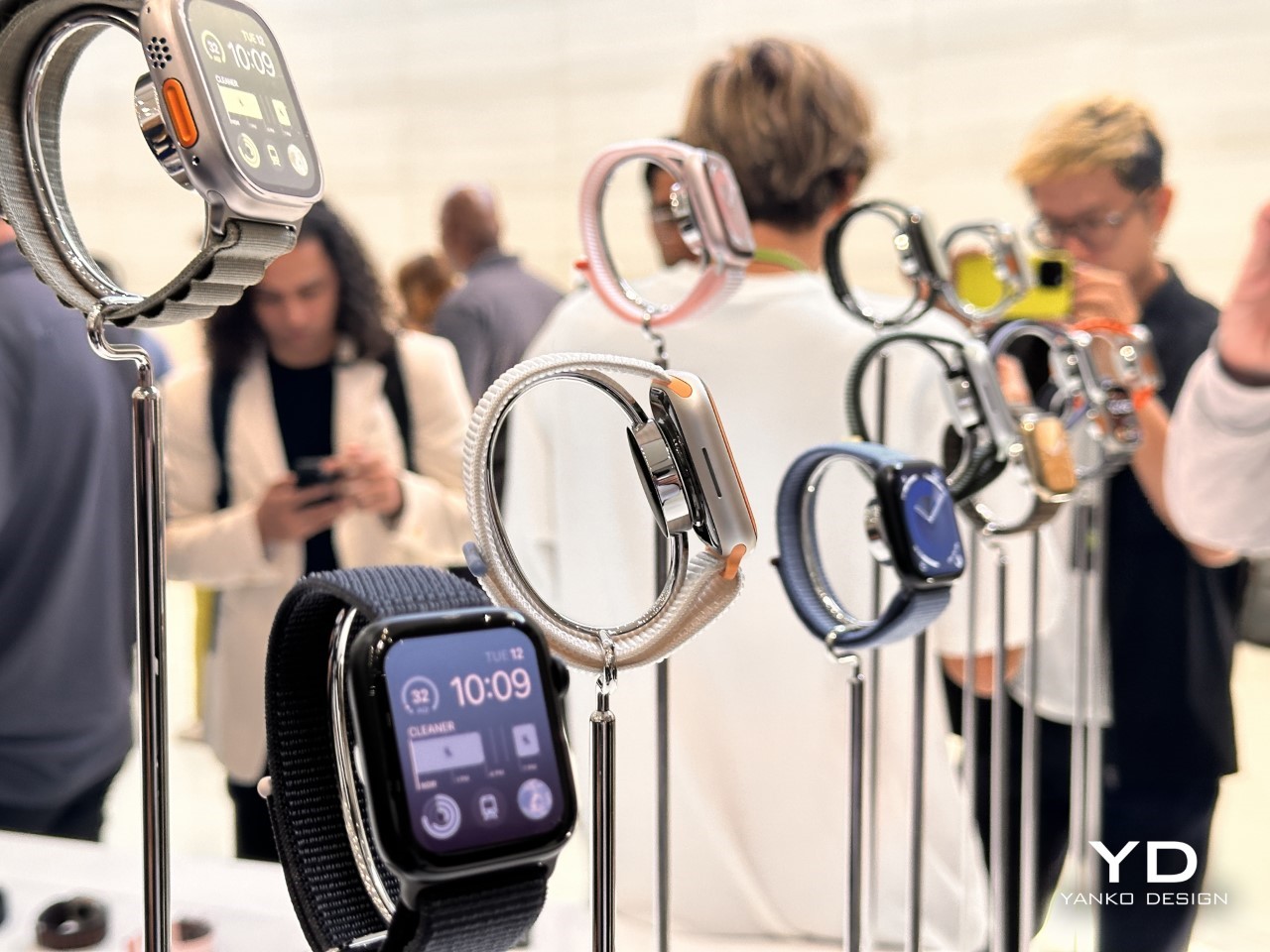
Designer: Apple
Unlike a fitness band, a smartwatch also offers more flexibility when it comes to aesthetics. After all, it can masquerade as a traditional watch given the right band and watch face. More active people might also want a fuller activity-tracking experience without having to wear a watch and a fitness tracker at the same time, and a smartwatch definitely bridges the gap between the two.
Just when the smartwatch market seems to have secured its footing, its future comes into question once again. Luxury brands that once tried to portray smartwatches as fashionable accessories have now pulled back from the market, leaving only tech companies to do the heavy lifting. Some of these tech companies, however, are looking into smart rings as well, and their AI endeavors don’t seem to have a place on smartwatches either. Smartwatches aren’t going to disappear immediately, and they might finally be able to have enough processing power and battery capacity to support even the most basic on-device AI features, but it might be time to again rethink what role smartwatches play in our modern world.
The post Are Smartwatches Becoming Obsolete? A Look at AI and Smart Rings first appeared on Yanko Design.
The Apple Watch finally gave smartwatches their long overdue recognition, but for some brands, that came a little too late. Google’s wearable platform has undergone several changes over the years, but it hasn’t been able to enjoy the same degree of ubiquity as Android has on smartphones. Wear OS still powers many smartwatches in the market today, but that number is dwindling with the exit of many luxury and fashion brands. As if to prove that the platform is still as healthy as ever, Mobvoi launched an “Enduro” version of its 2023 TicWatch Pro 5 flagship, but its focus on sports and activities makes it less appealing to the general population.
Designer: Mobvoi
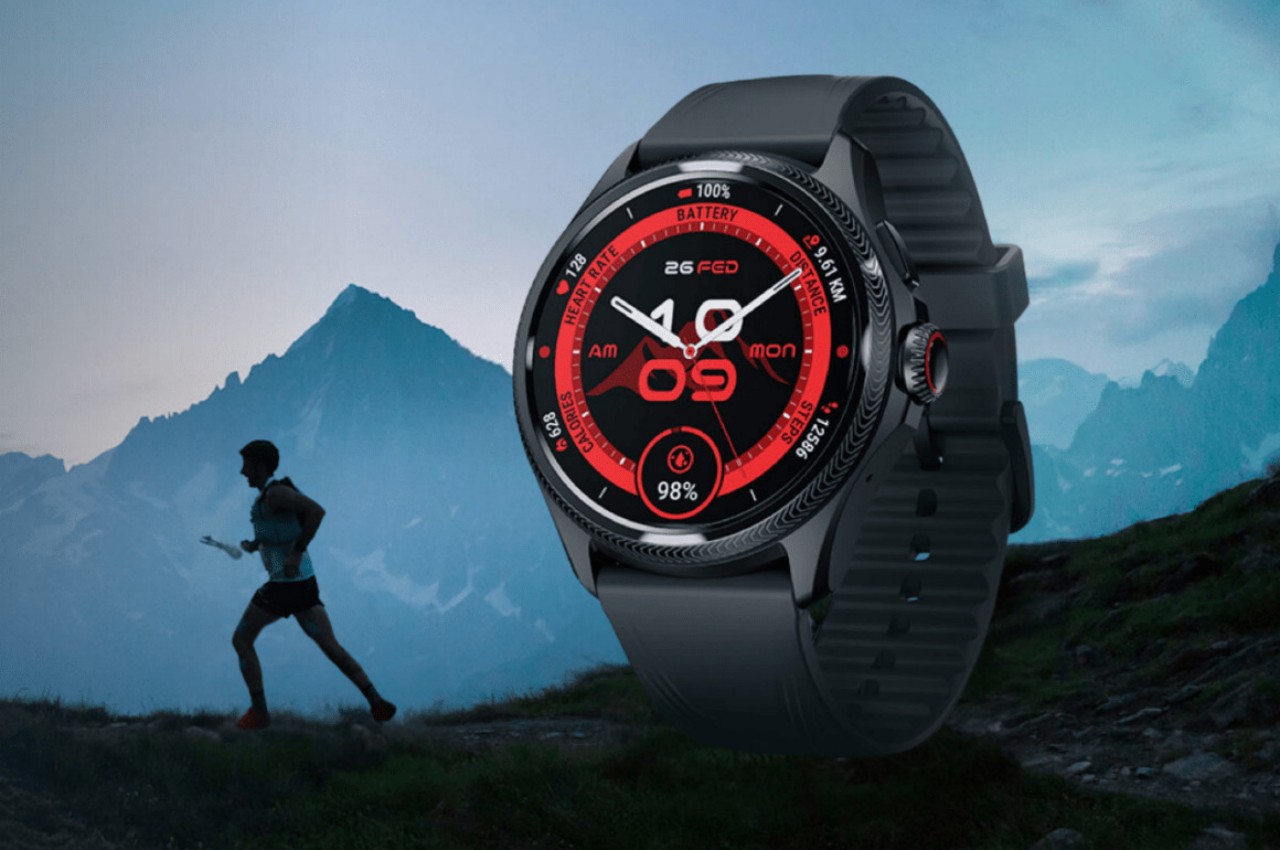
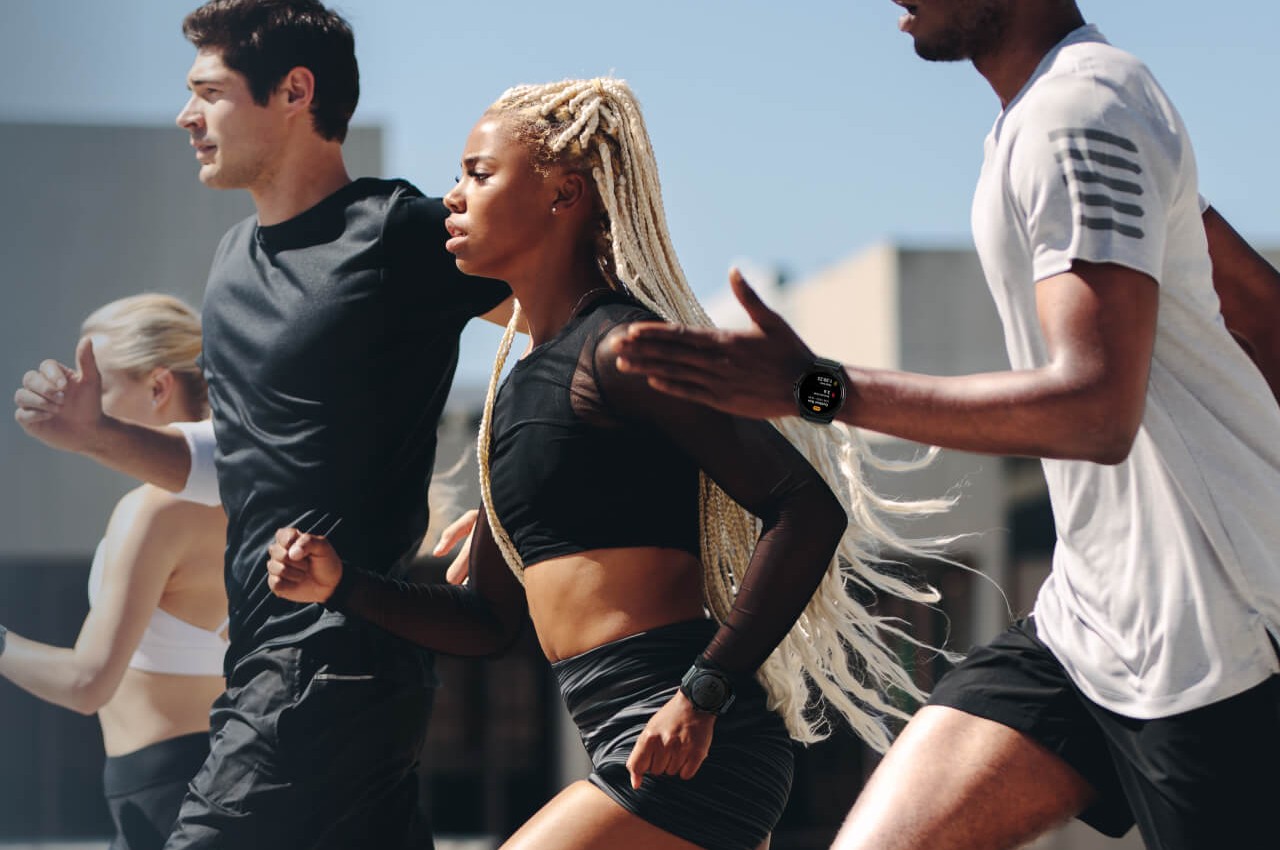
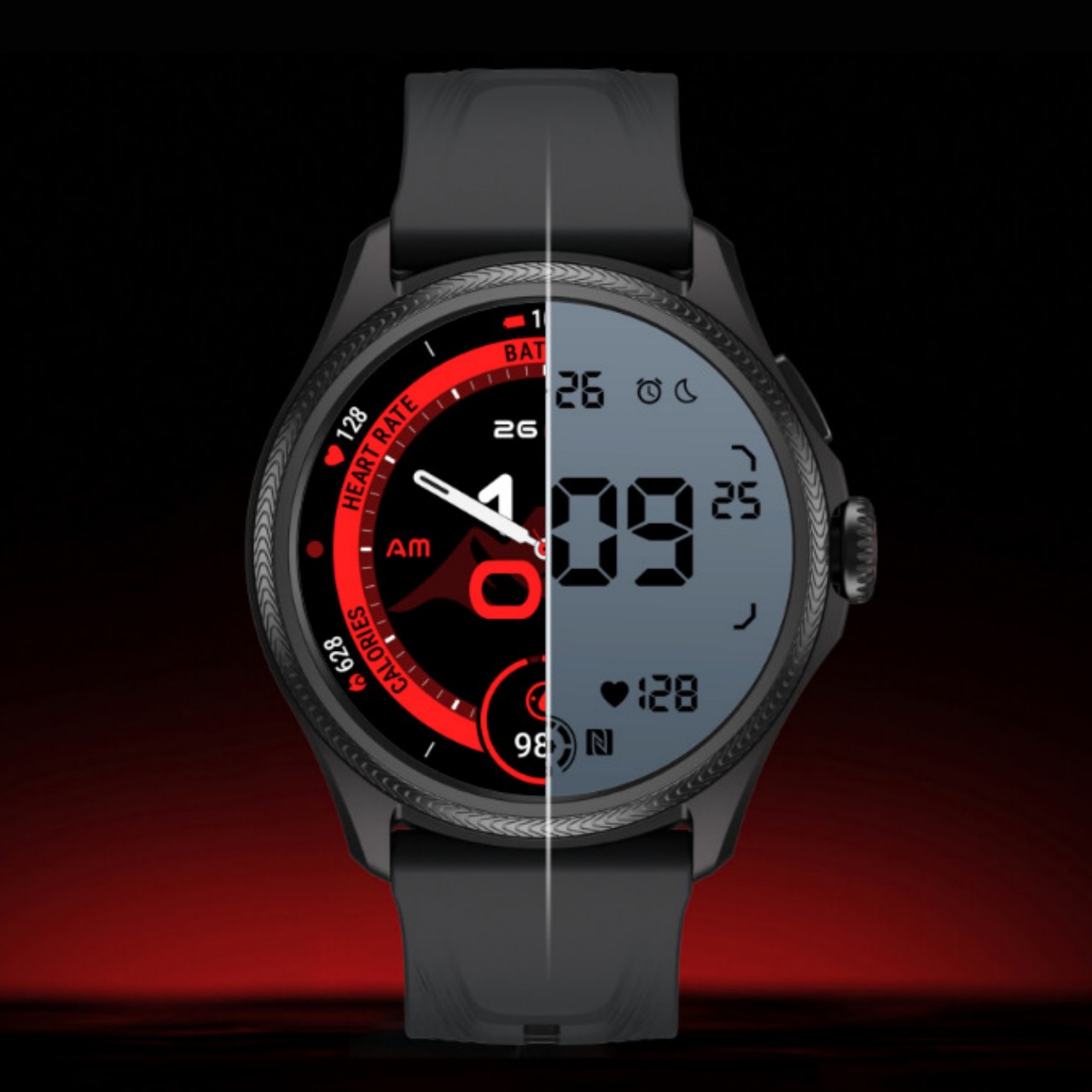
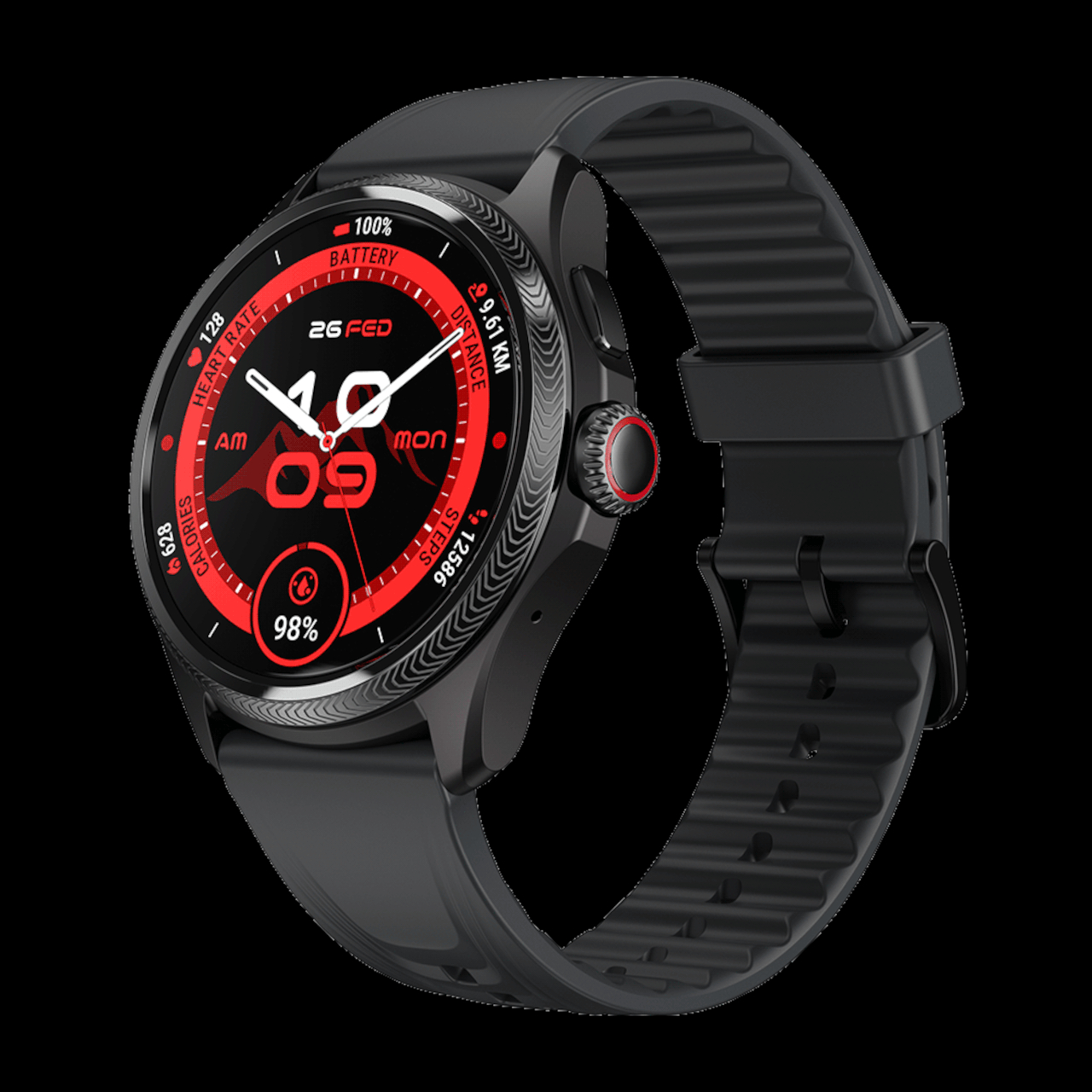
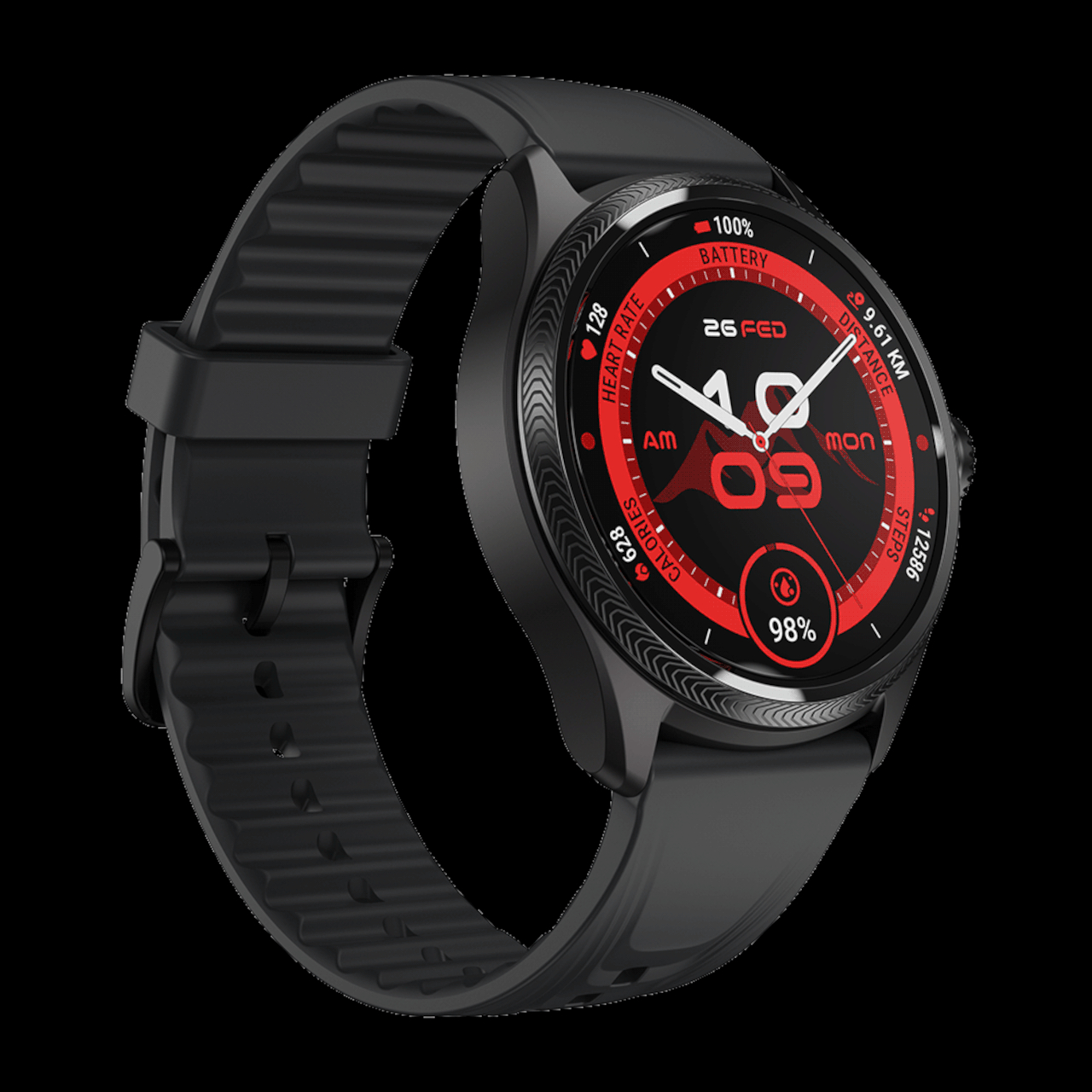
As far as smartwatches go, the mouthful that is the Mobvoi TicWatch Pro 5 Enduro is actually quite attractive, at least for those who want a sports watch that can keep up with their lifestyles. Its claim to fame is, like many Mobvoi smartwatches, its dual display technology has a regular AMOLED screen underneath a low-power display. The idea is that you switch to the duller screen on top if you want to preserve battery life without sacrificing tracking features.
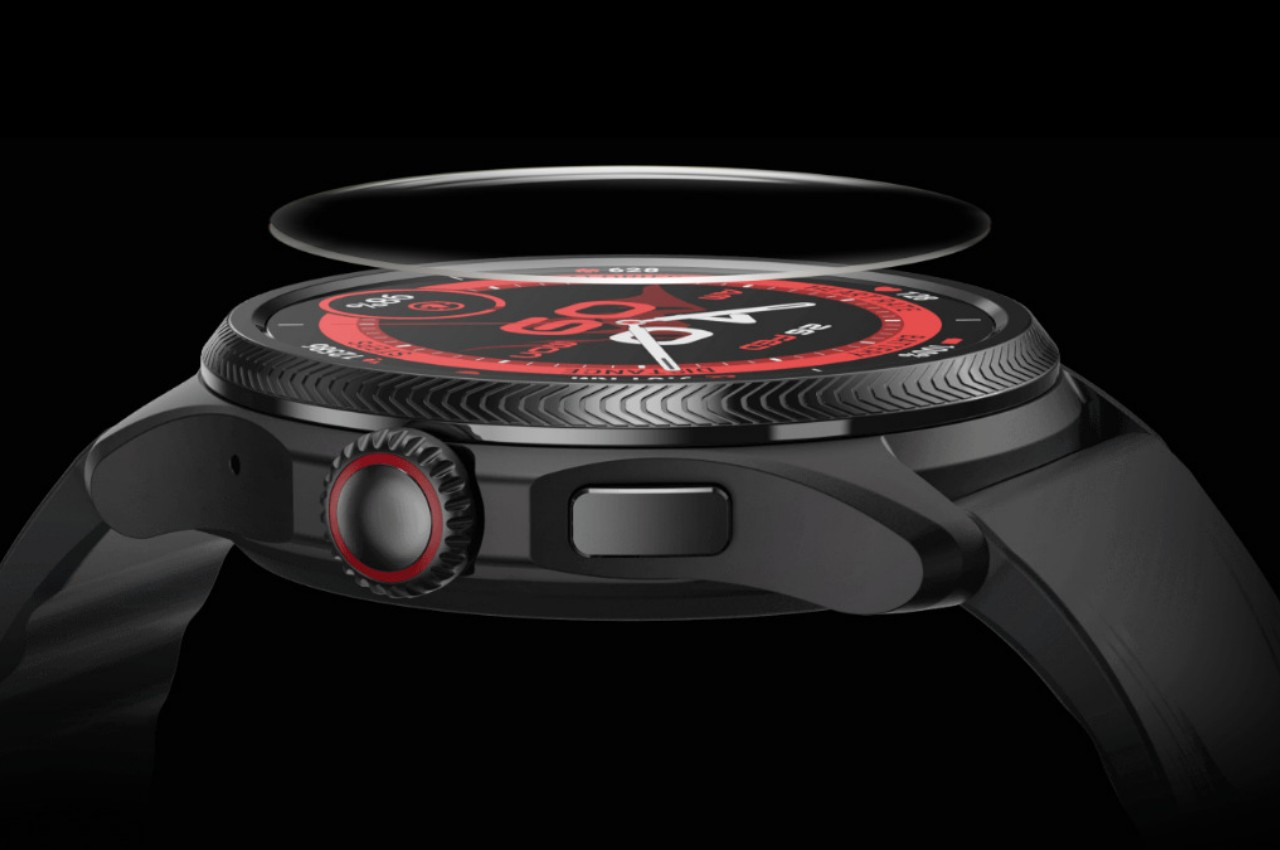
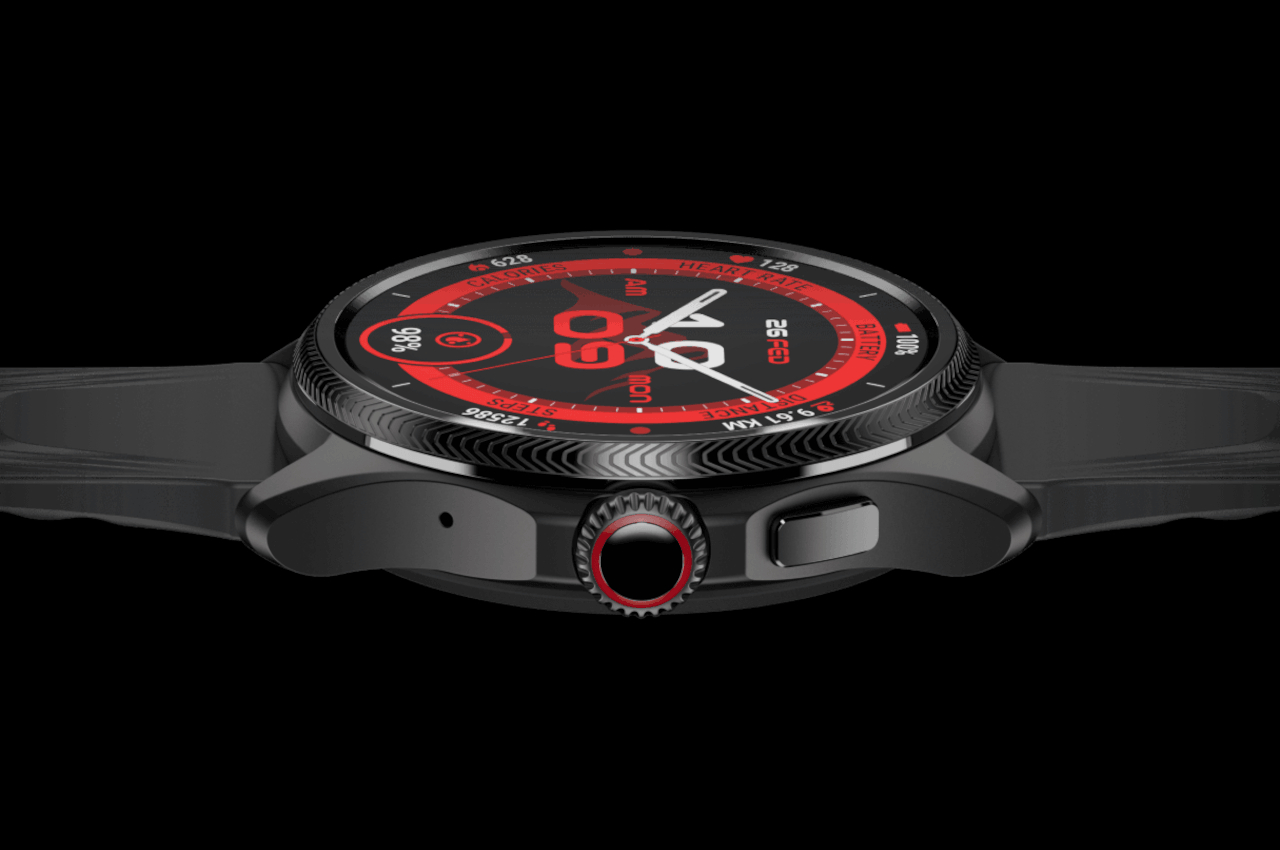
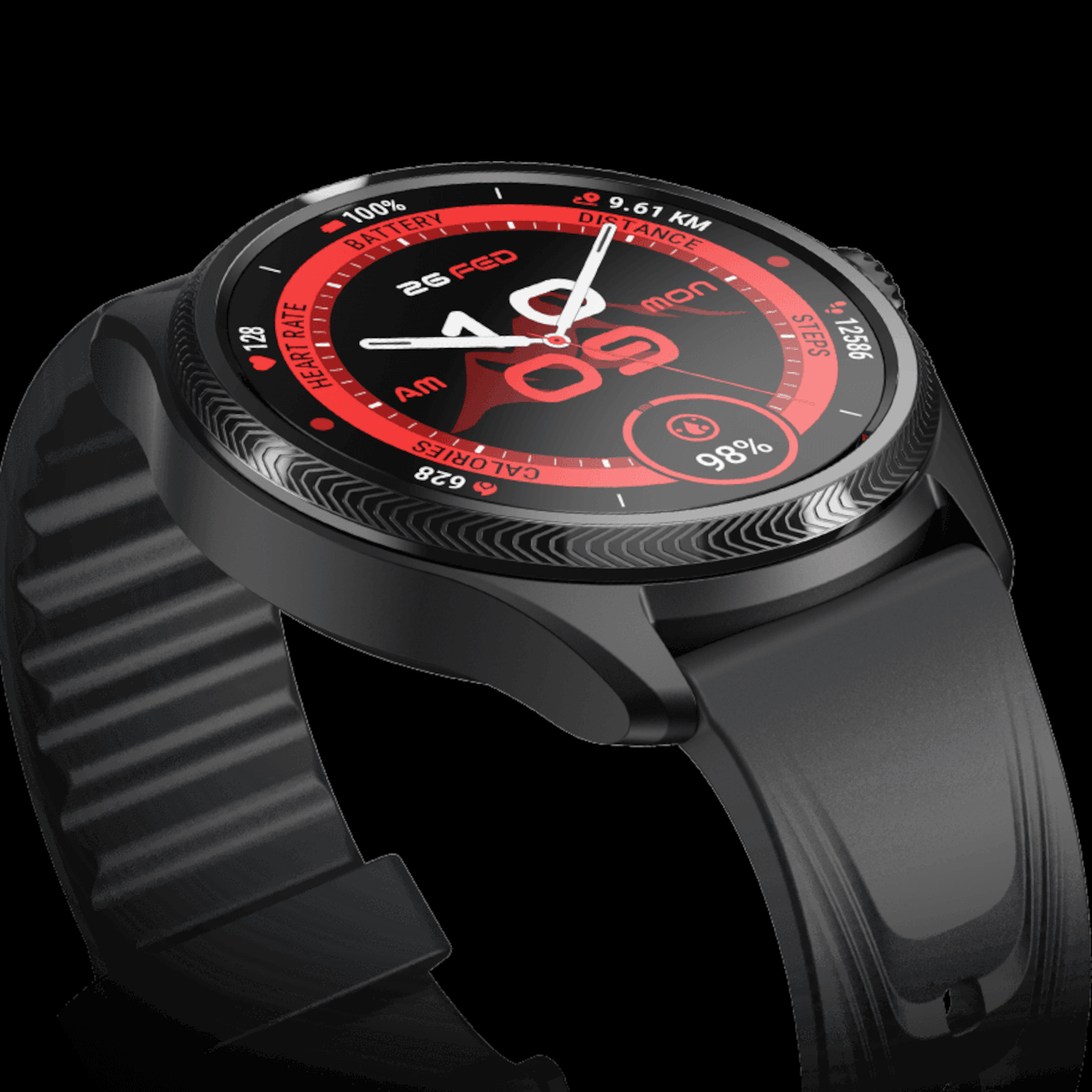
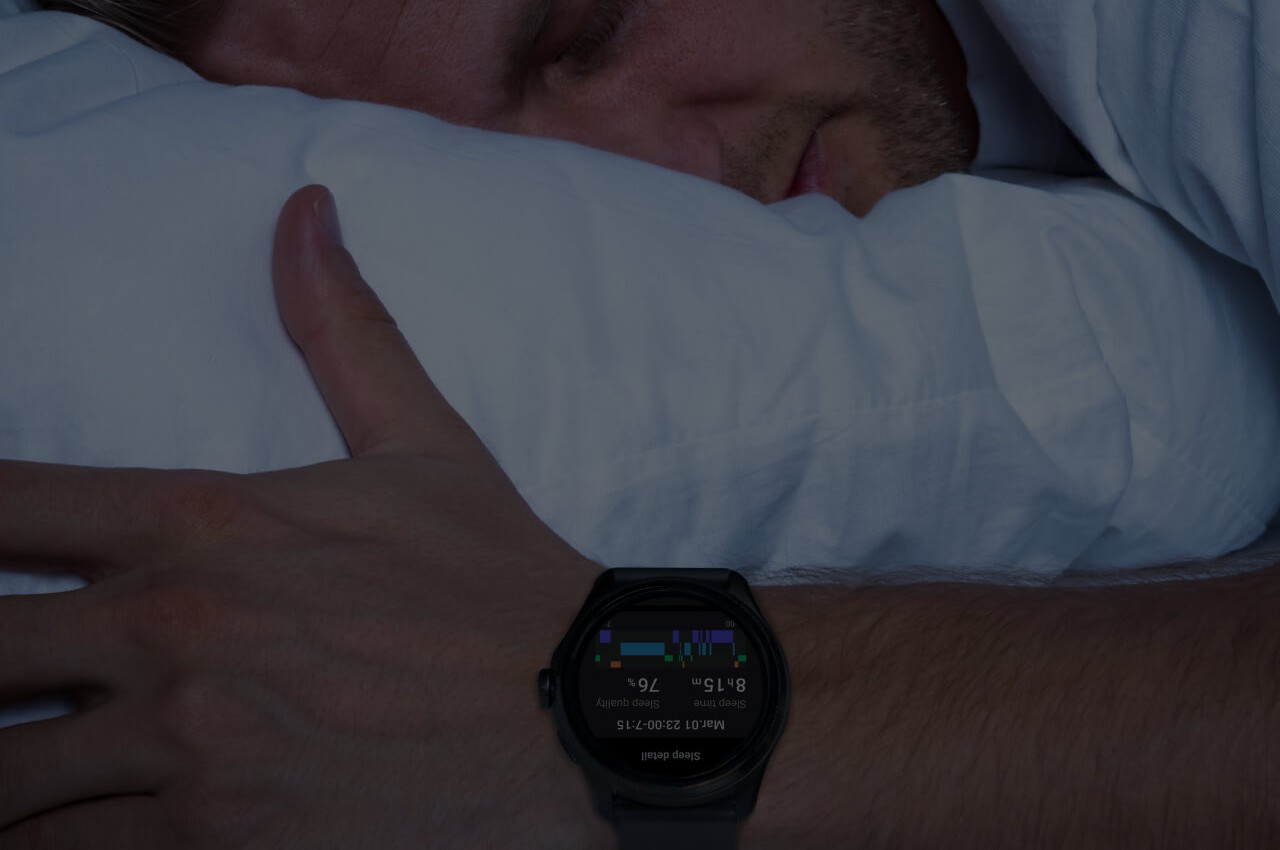
With the Enduro, Mobvoi is playing up the ability of that low-power screen to show different backlight colors, making the information pop out better. This same color-changing ability is utilized to represent your heart rate, giving you a visual clue at a glance when you might need to take a breather. Of course, the smartwatch has all the makings of a typical Wear OS device, from tracking your health, including sleep quality and heart rhythm detection, to customizing watch faces to access a number of apps that support the wearable operating system.
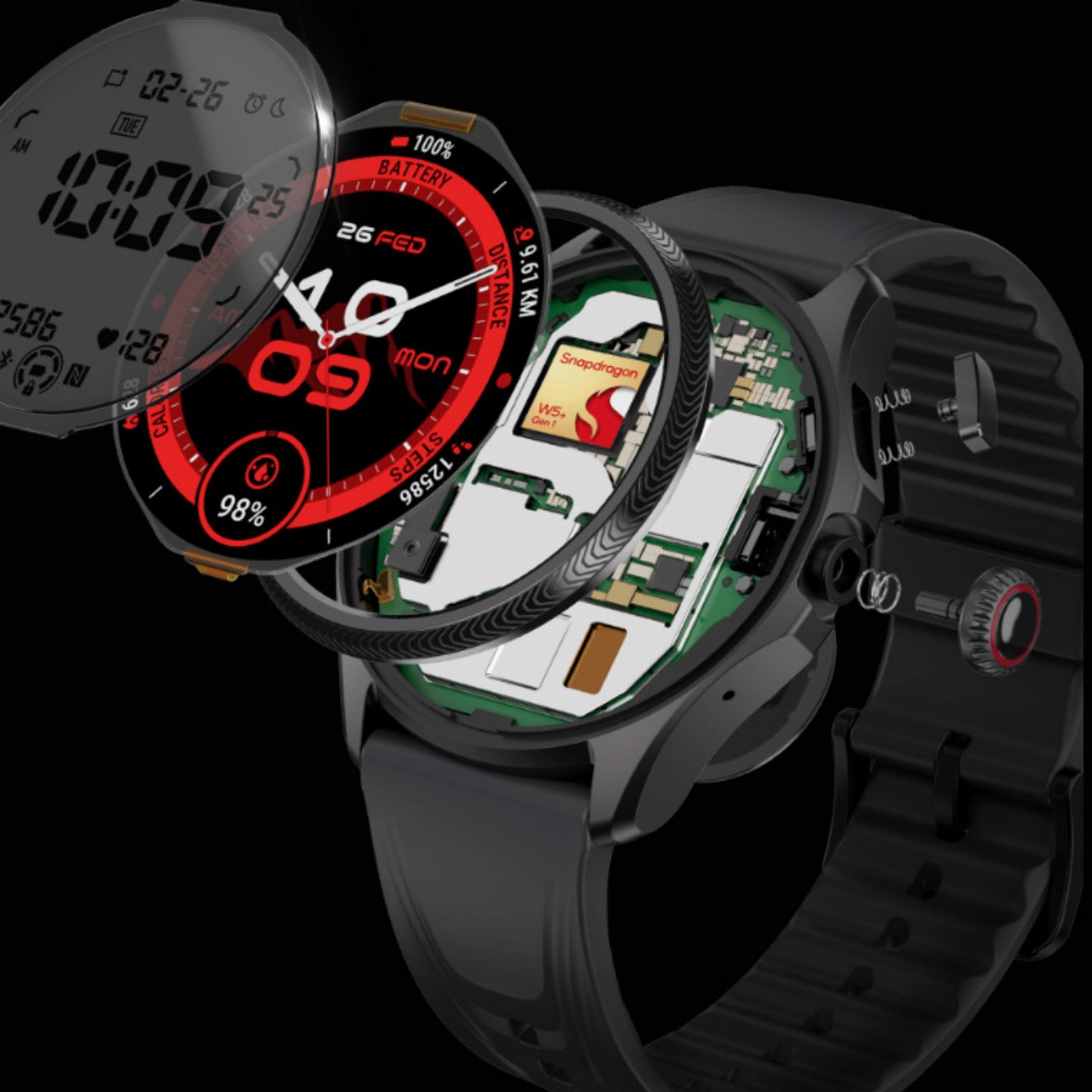

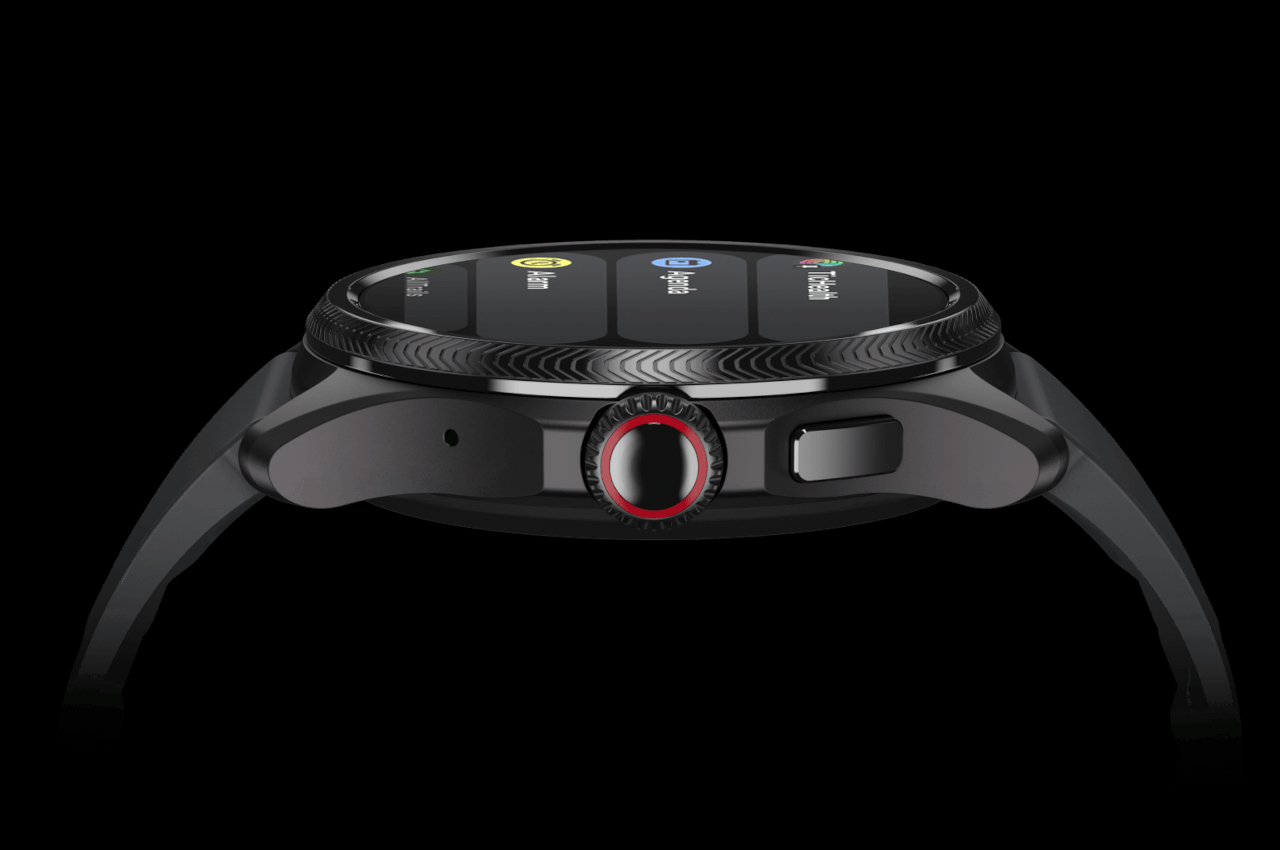
As its name suggests, the TicWatch Pro 5 Enduro is made to last, and it does so in more ways than one. The sapphire crystal glass display gives the screen the durability it needs to survive accidents along your adventures, while the 90-hour battery life ensures you have very little downtime to charge the smartwatch. That said, it runs on Qualcomm’s aging Snapdragon W5+ Gen 1 processor from 2022, so performance and power efficiency might not be up to snuff.

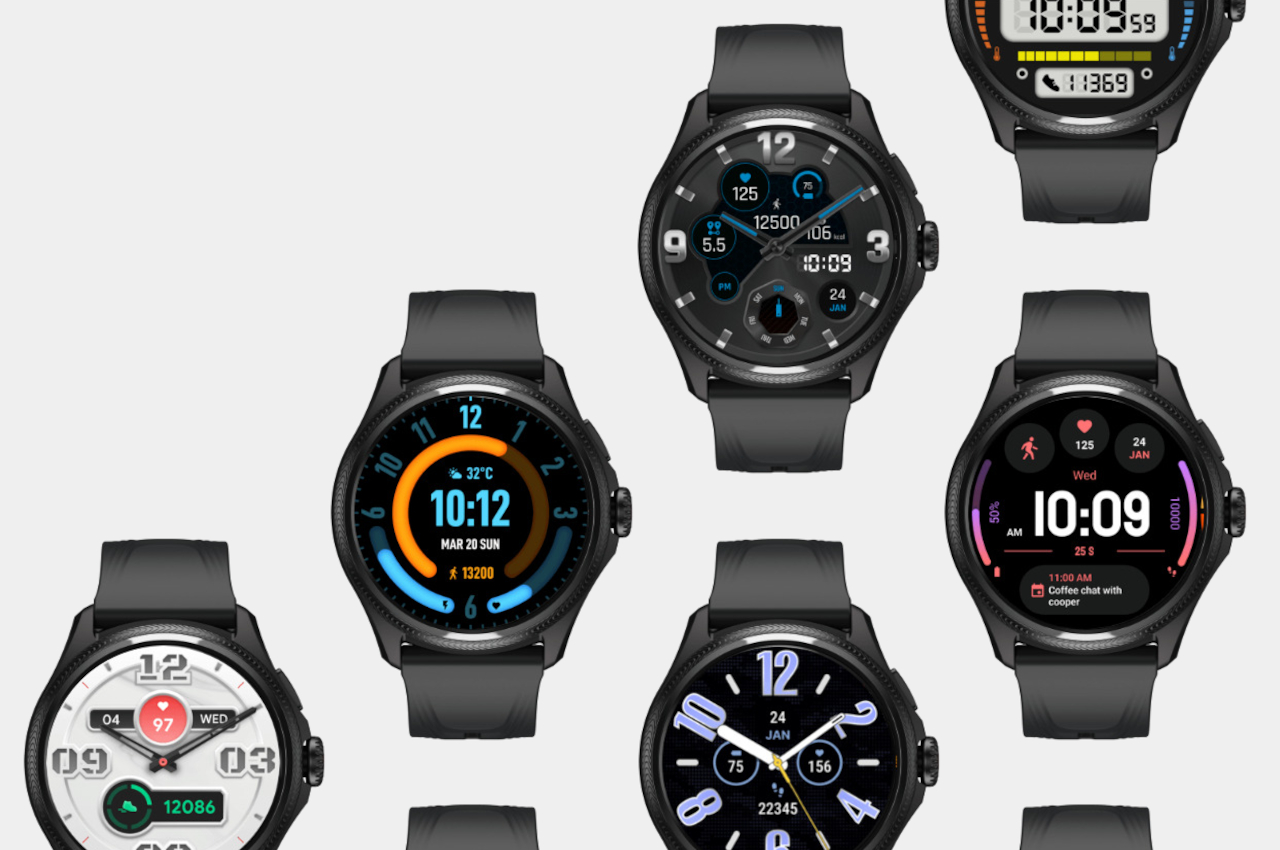
At $350, the Mobvoi TicWatch Pro 5 Enduro is hardly an accessible smartwatch, and it’s clearly aimed at people who take their health and fitness very seriously. It looks like a handsome sports watch, yes, but a lot of Wear OS products will be bearing this aesthetic with fashion brands like Fossil calling it quits on smartwatches. This gives competitors that don’t use Wear OS plenty of opportunities to nibble away at Google’s share of the market pie, further weakening the platform’s reach.
The post Mobvoi TicWatch Pro 5 Enduro smartwatch launches to a shrinking Wear OS market first appeared on Yanko Design.