This Raspberry Pi Camera Looks Like It Was Made in the 80s for 2050

There’s a particular visual language that 1980s science fiction used for technology. It was chunky, industrial, and slightly alien in form, the kind of hardware that felt like it belonged on a spaceship more than in a pocket. That aesthetic has been largely absent from consumer electronics for decades, replaced by sleek glass rectangles and matte aluminum that all end up looking roughly the same.

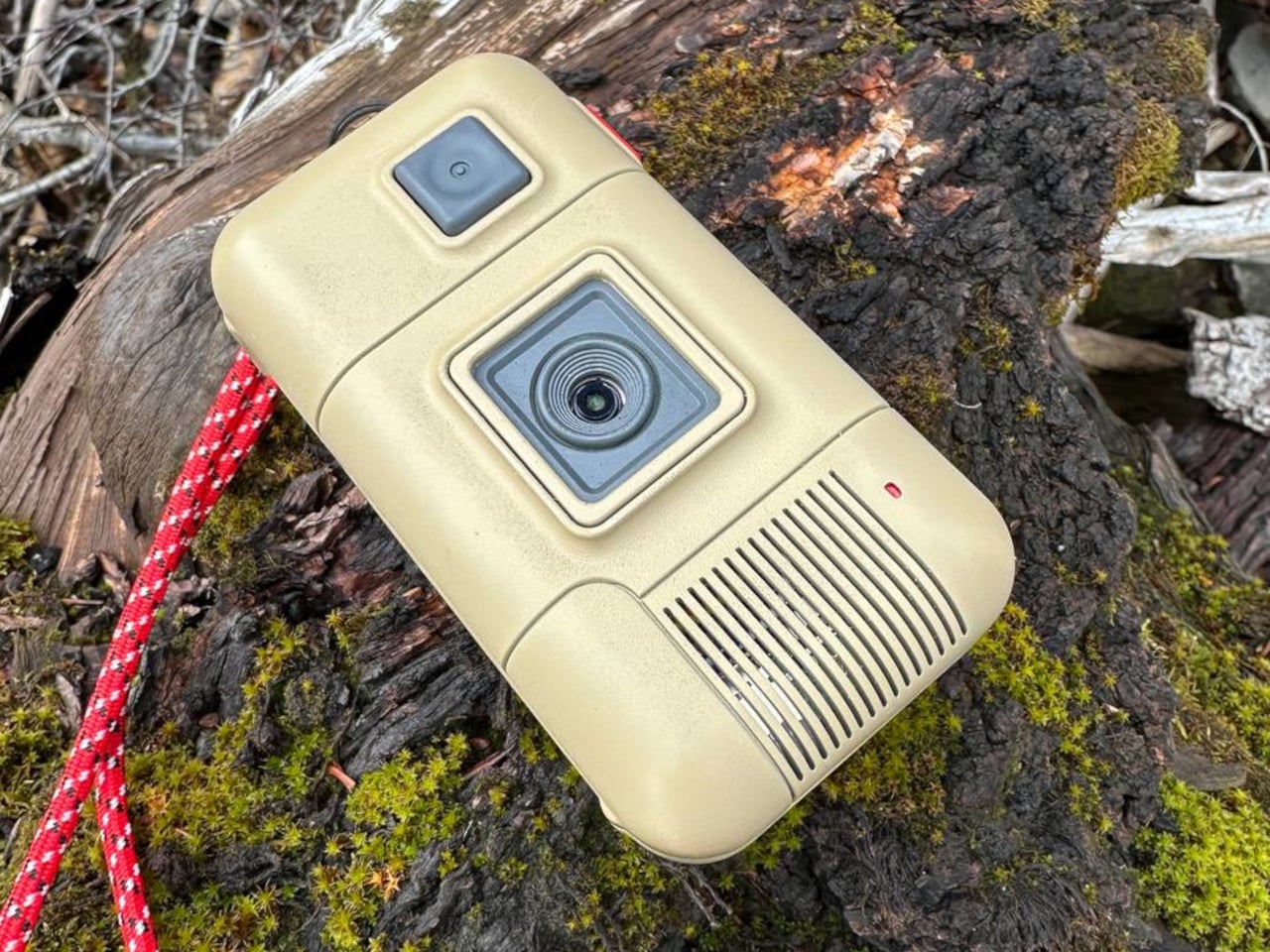
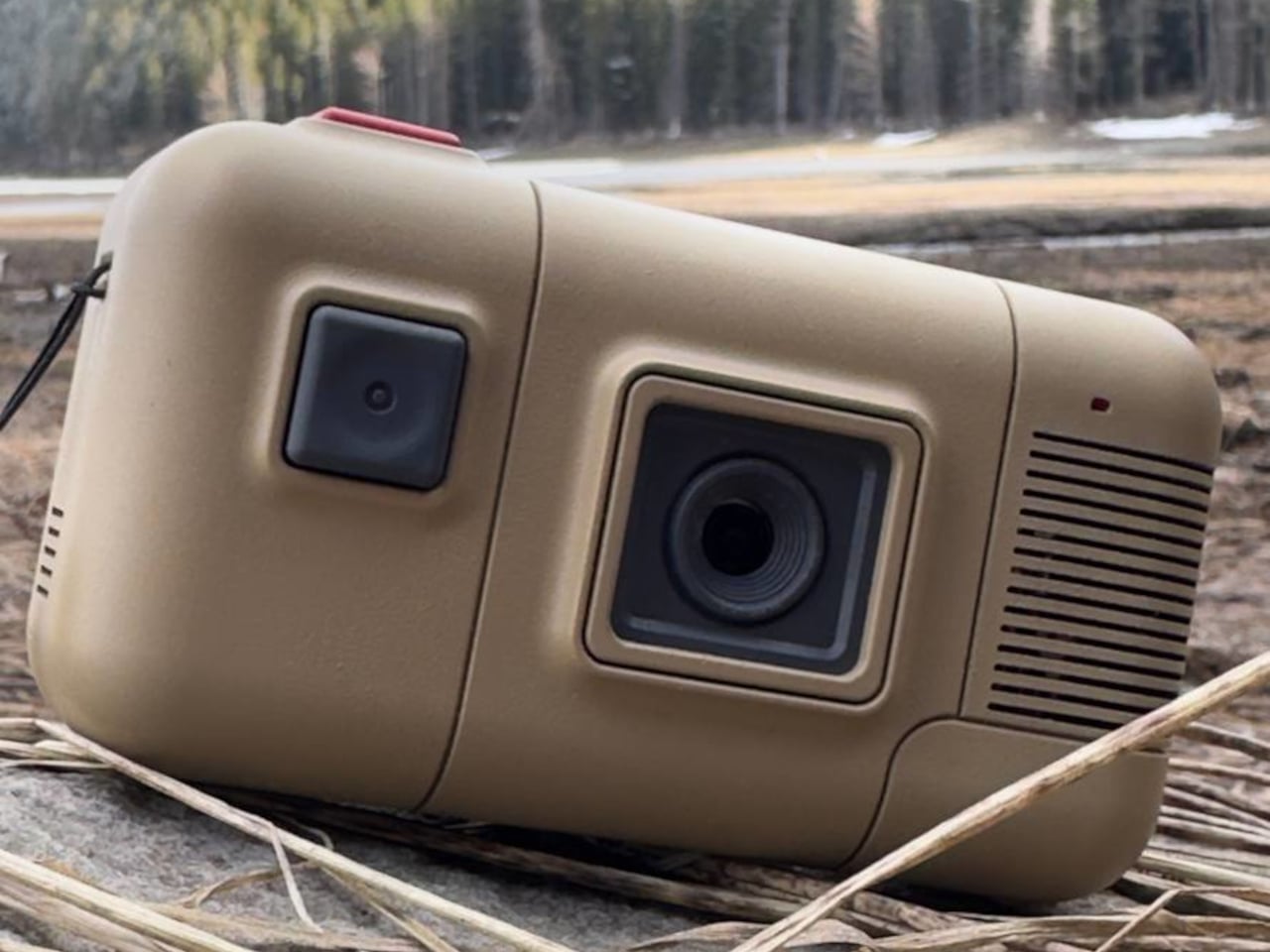
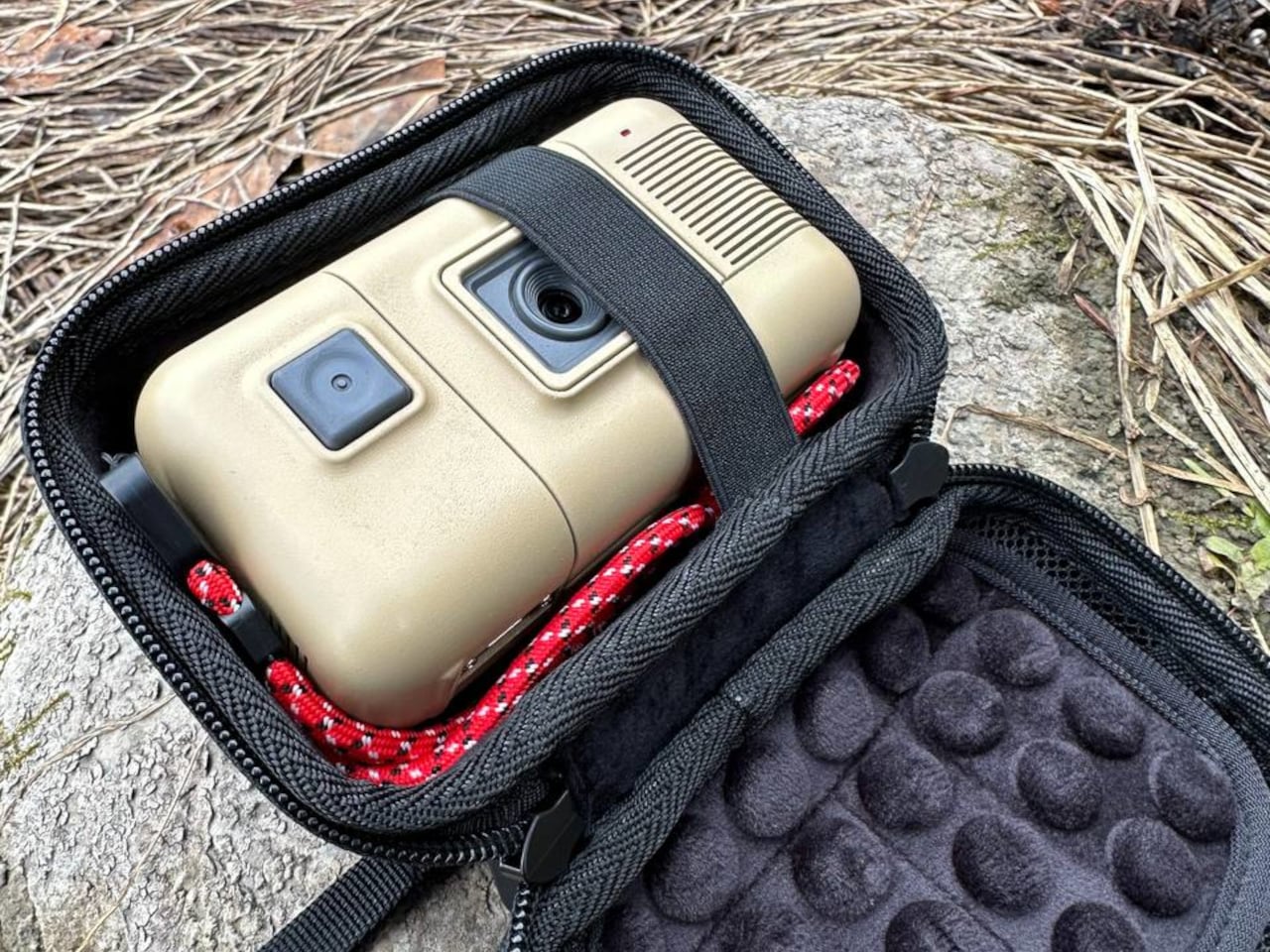
A maker going by Yutani on Reddit has built something that resurrects that forgotten design language in the form of a functional digital camera. It’s called the Saturnix, and the concept is simple but strange: what would a camera look like if it were designed in the 1980s, not to look like what cameras looked like then, but to look like what cameras were imagined to eventually become?

Designer: Sf140/Yutani

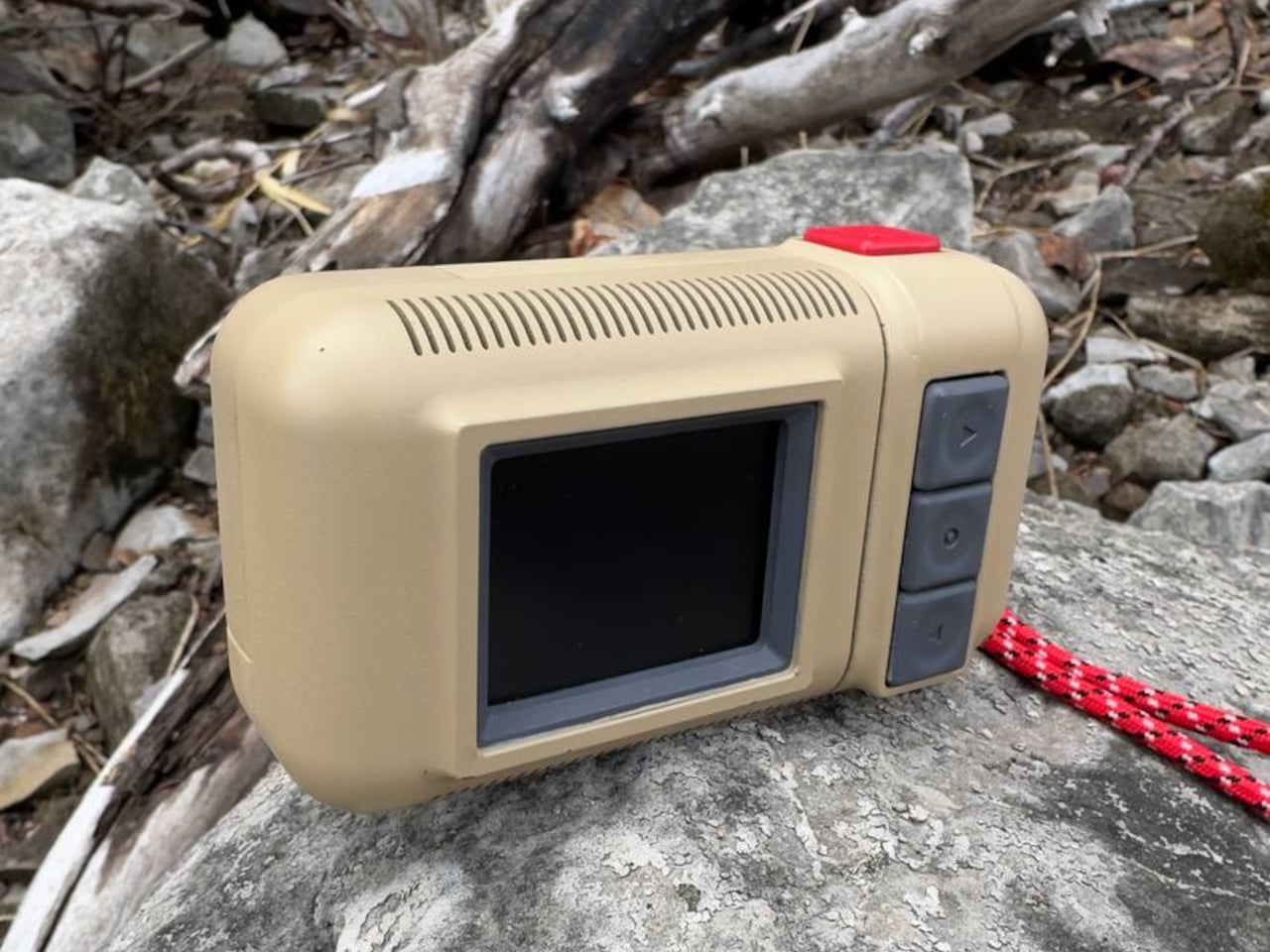
The body is 3D printed and draws clear inspiration from the science fiction hardware of that era, specifically the industrial aesthetic of films like Alien. It’s chunky and deliberate by design. The five control buttons use mechanical Kailh switches, a choice the creator was specific about: “a camera should feel like a real tool, not a touchscreen.” The tactile feedback from each press reinforces exactly that.

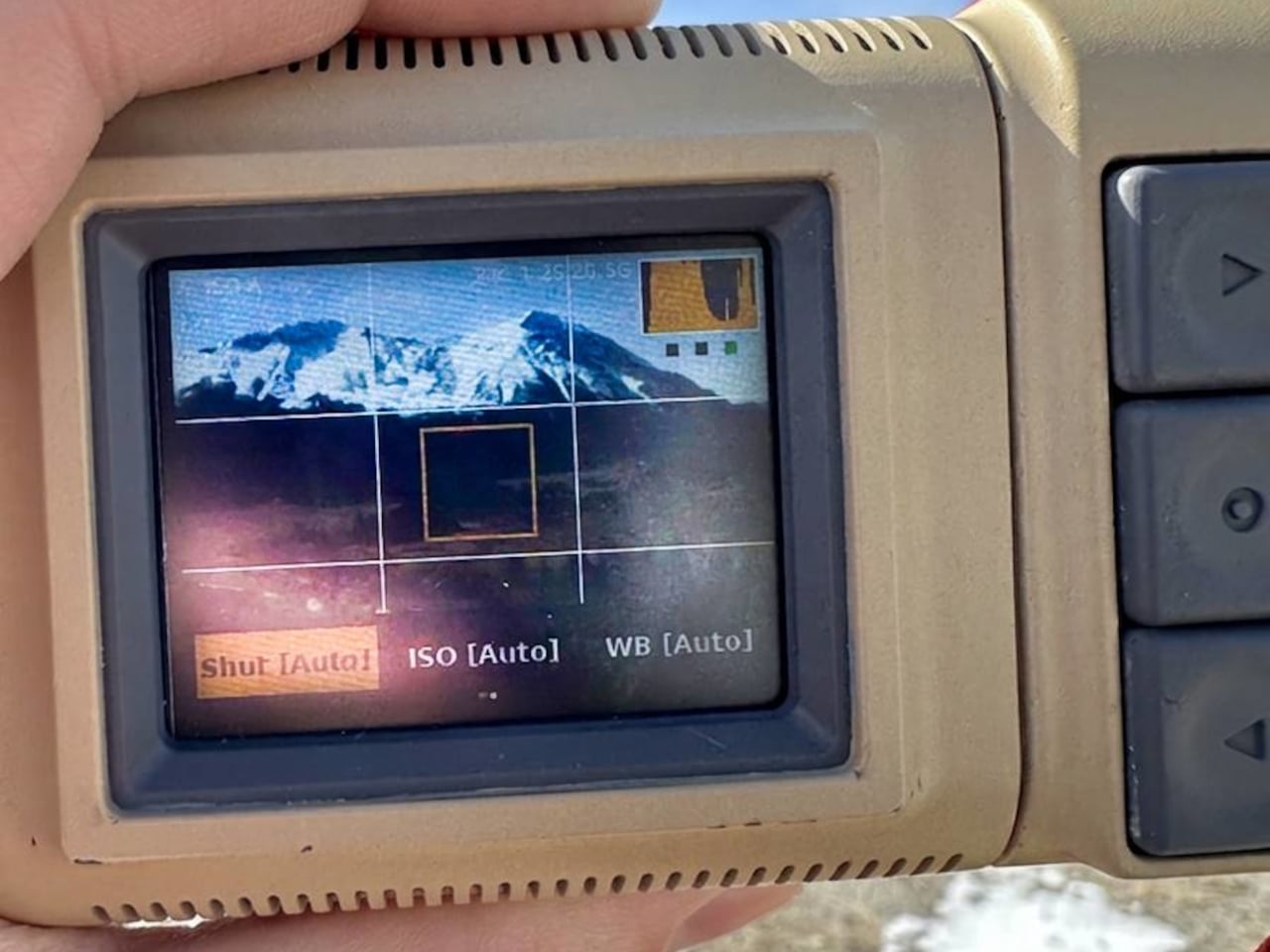
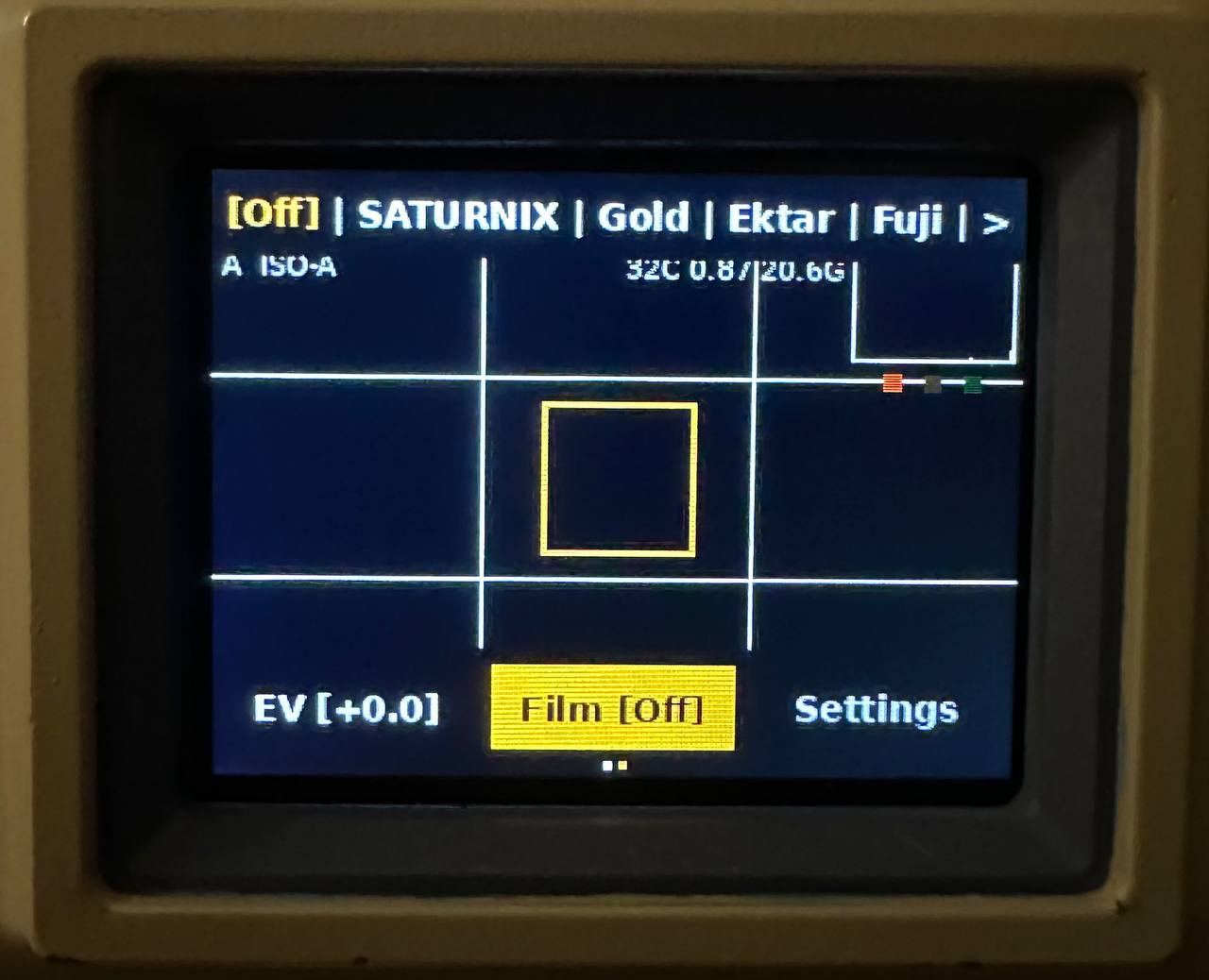
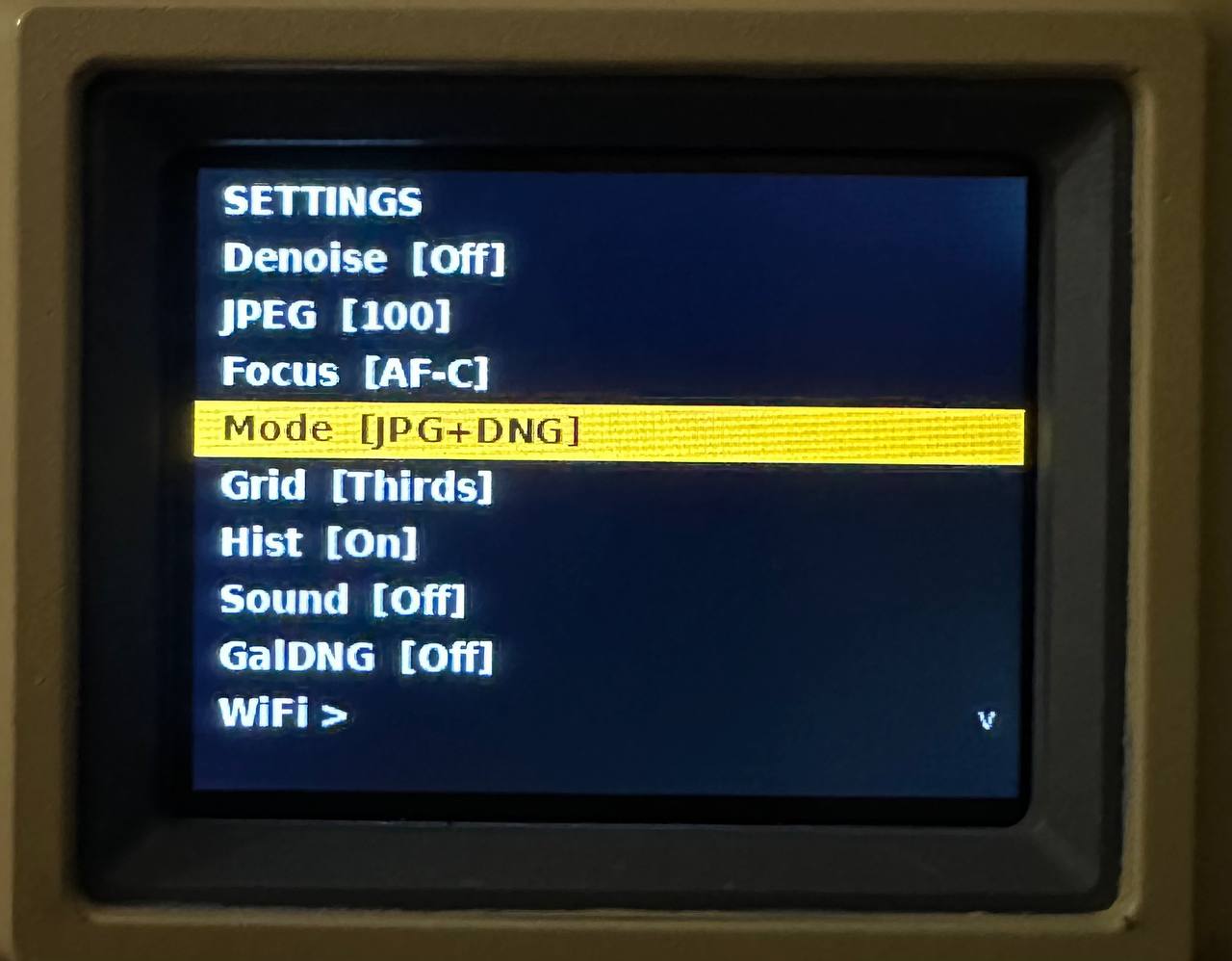
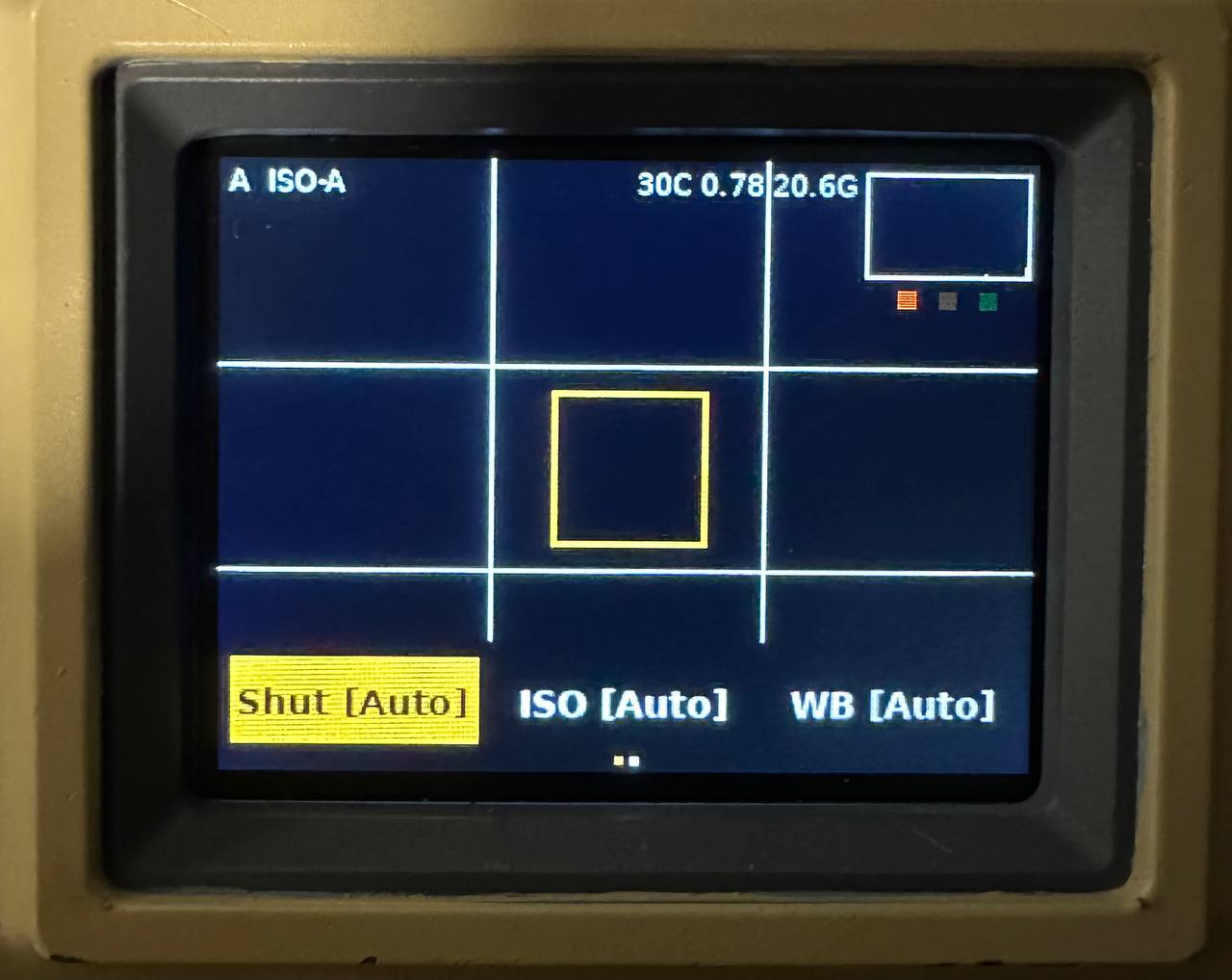
Inside, the Saturnix runs on a Raspberry Pi Zero 2W paired with a 16-megapixel Arducam IMX519 autofocus sensor and a 2-inch IPS LCD viewfinder. It captures RAW and JPG simultaneously, with full manual controls covering shutter speeds from 30 seconds to 1/4000, ISO from 100 to 3200, and white balance and exposure compensation adjustments. Three autofocus modes round out the shooting options.

The film simulation engine is what separates the Saturnix from other DIY camera builds. Six presets are available, all processed on-device with no apps or cloud services involved. You can shoot with profiles mimicking Kodak Gold’s warm analog tones, the hyper-saturated punch of Kodak Ektar 100, the cool greens of Fujifilm 400, and the rich grain of Kodak Tri-X 400 black and white.

Filter: Kodak Gold

Filter: Fujifilm 400

Photo transfers happen via a built-in Wi-Fi hotspot, keeping the entire process completely self-contained. The entire project is open source. The code, STL files for the 3D-printed case, and sample outputs from each film simulator are all available on the Saturnix GitHub page under MIT and Creative Commons licenses, meaning anyone with a printer and the right components can build one. A firmware release hasn’t shipped yet, but the creator is actively developing it.

Filter: None

The Saturnix doesn’t compete with commercial cameras on paper, and it doesn’t try to. What it does is offer something most cameras, cheap or expensive, don’t bother with anymore: a strong point of view about what a camera should feel like to hold, use, and look at, from a set of aesthetics that mainstream design long since walked away from.

The post This Raspberry Pi Camera Looks Like It Was Made in the 80s for 2050 first appeared on Yanko Design.

Nuvolino Incense Burner Looks Like a Character Exhaling Smoke

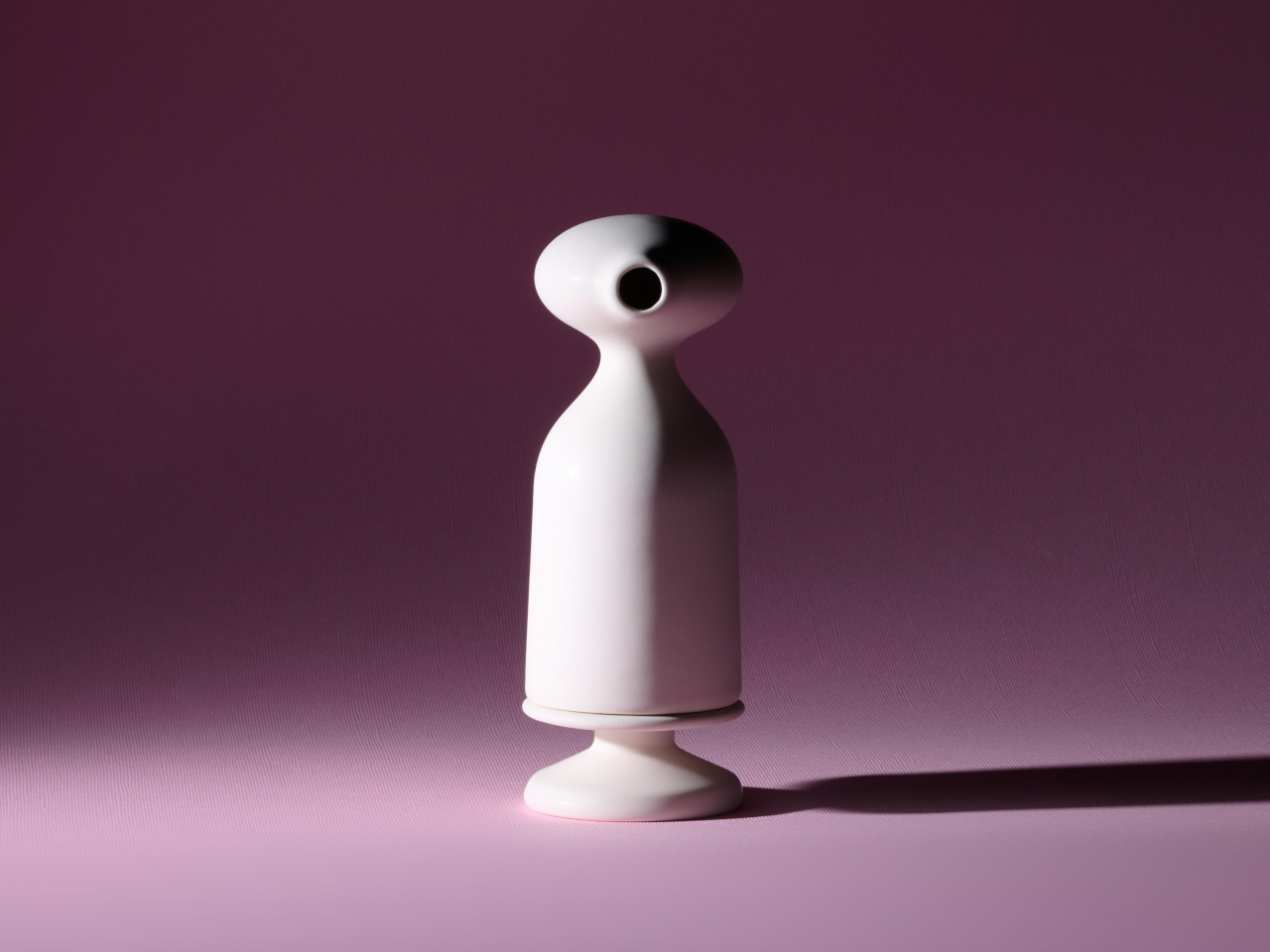
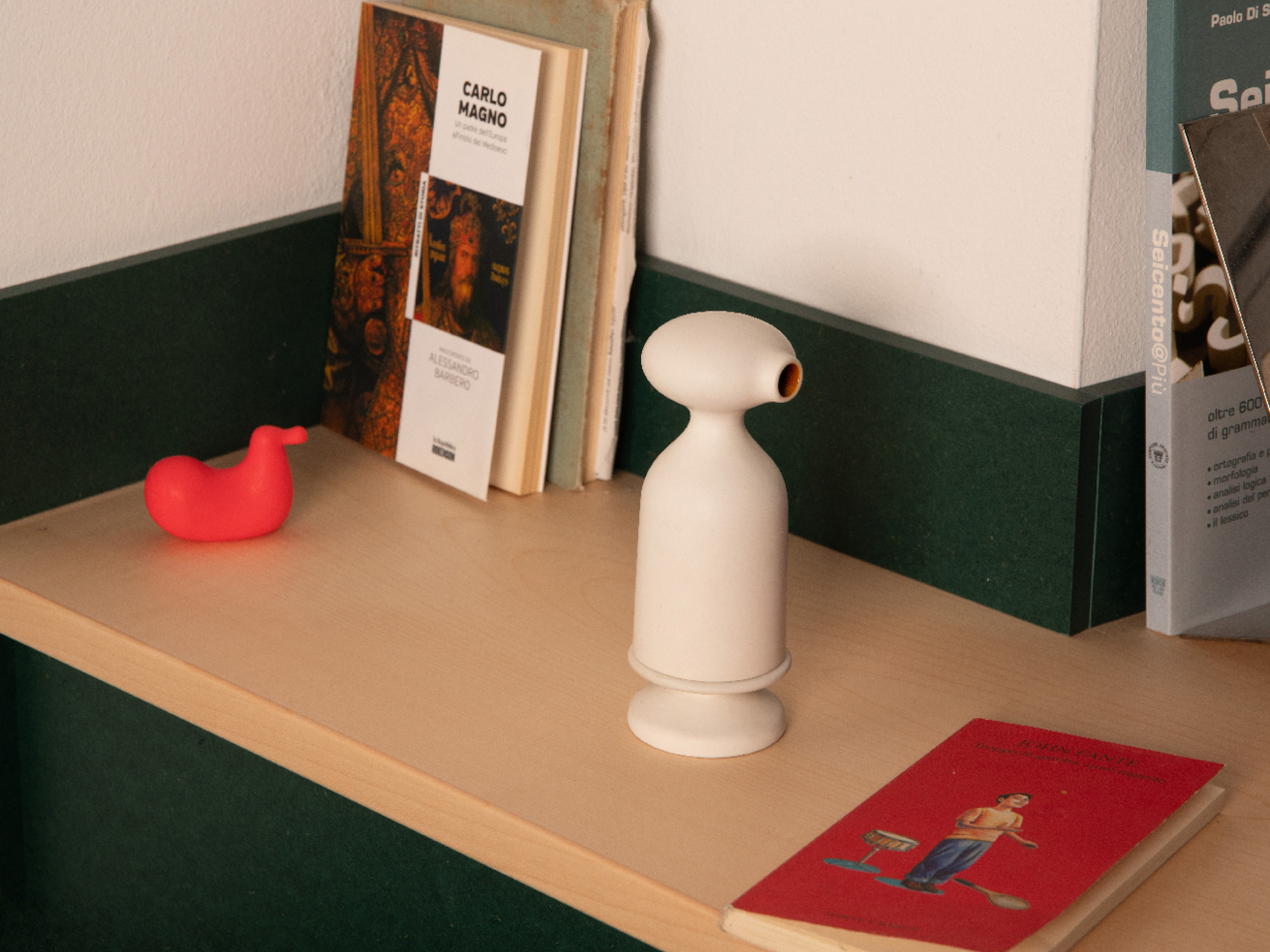
Incense has moved from hippie corners and temples into more design-conscious homes, but most burners are either purely functional trays or ornate figurines that look like souvenir shop castoffs. Nuvolino sits in the middle, a small white ceramic object that looks like a character and a sculpture at the same time. It’s less about holding incense and more about staging a tiny scene of scented smoke.

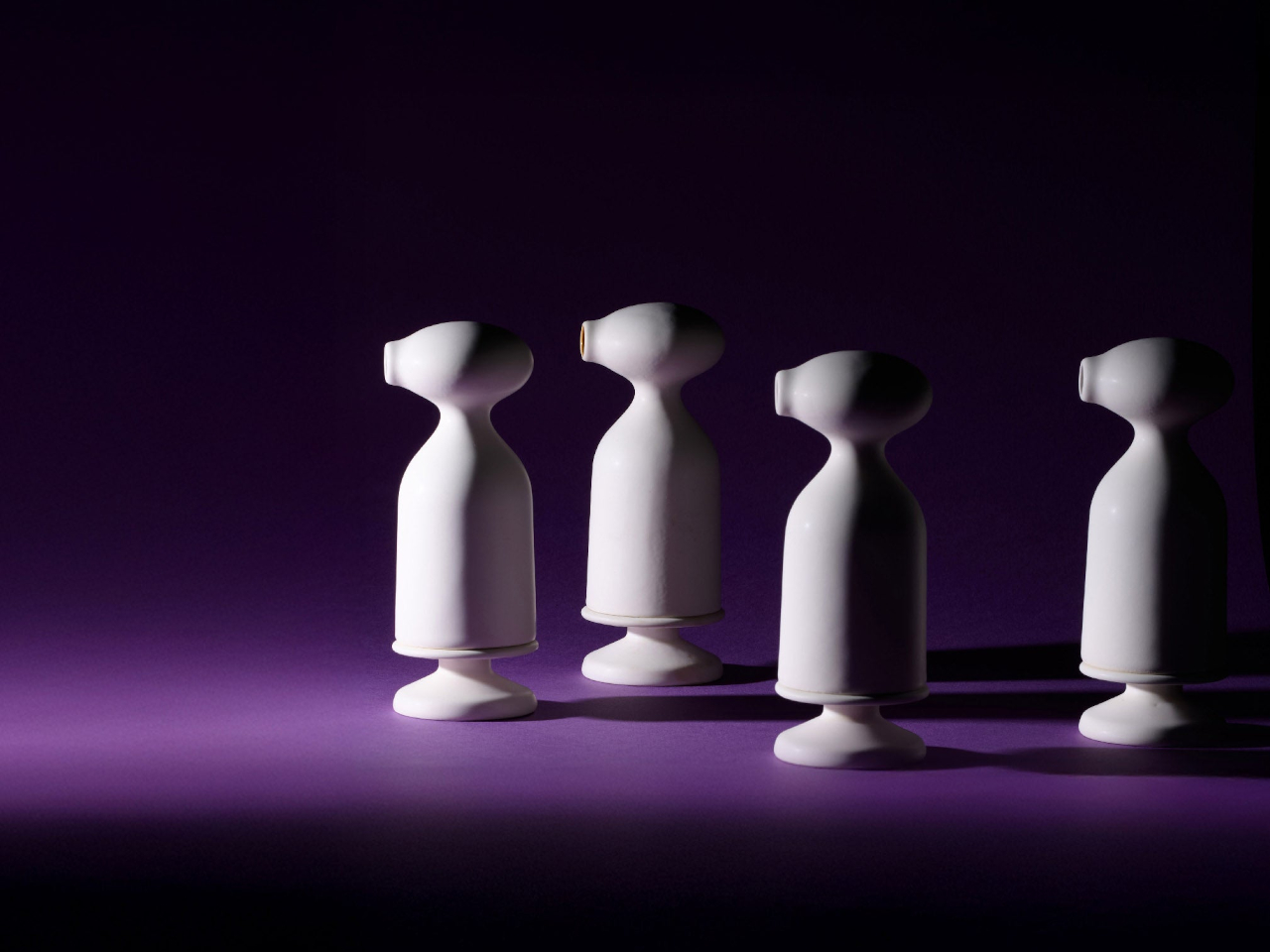
Nuvolino is a ceramic incense burner designed by Giulio Iacchetti and made in Italy. Iacchetti describes it as a gentle alien that lands on shelves and sideboards to bring a breath of scented air. It’s the first in a planned collection of home fragrance objects, starting in pure white but with the possibility of future artist-decorated versions that turn each burner into a small canvas or signed piece.

Designer: Giulio Iacchetti

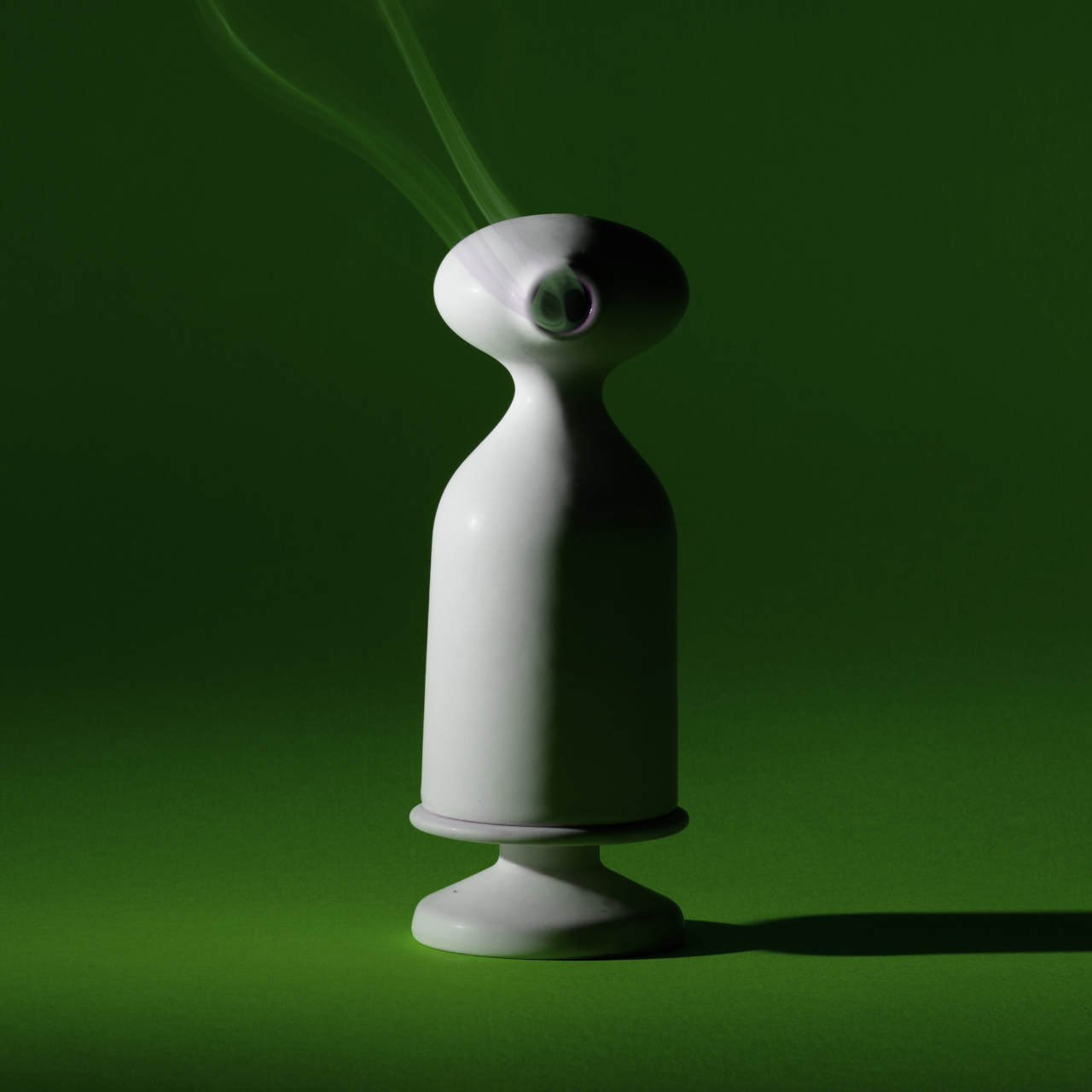
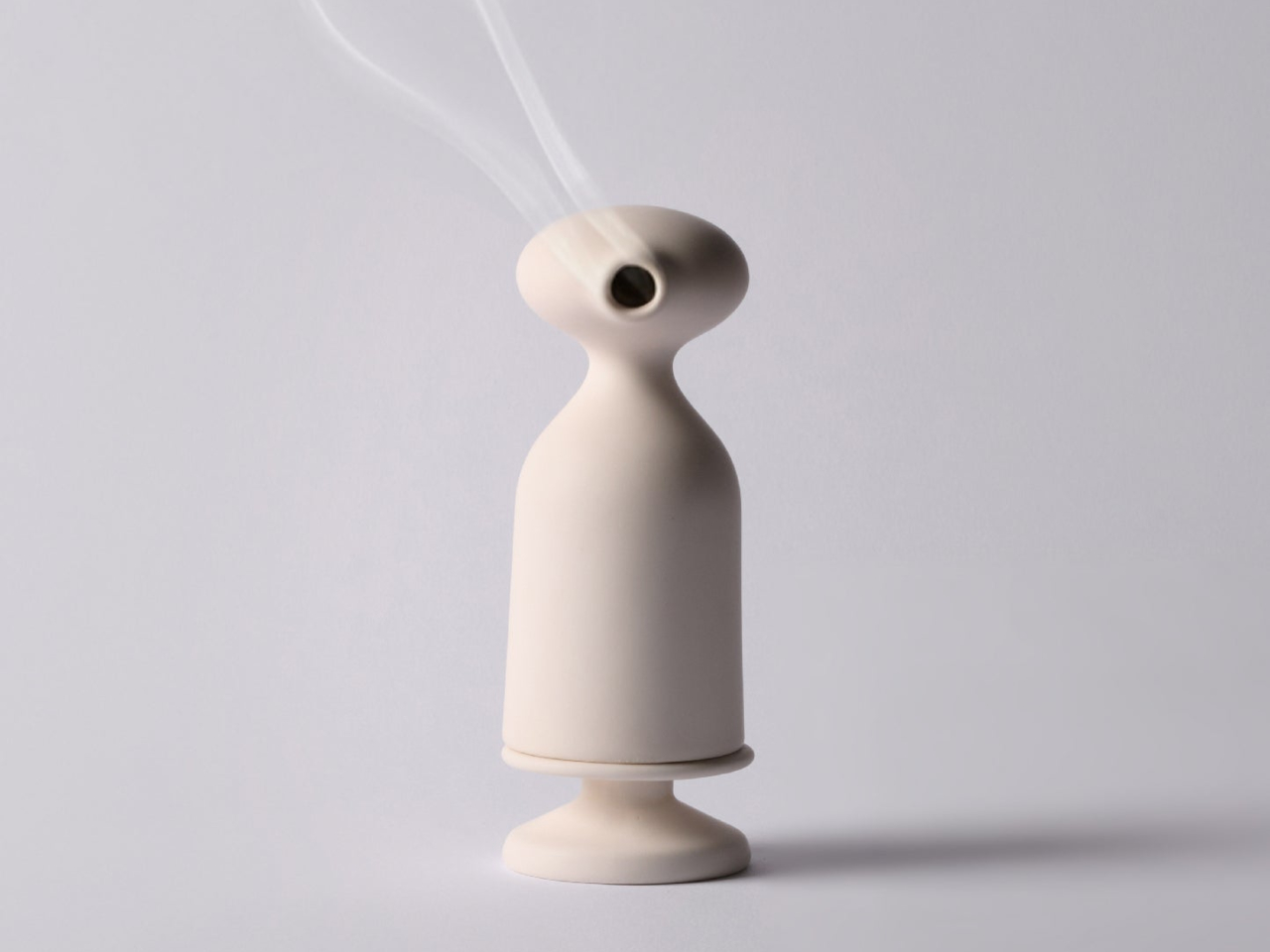
The form is a smooth, elongated body with a slight waist, sitting on a low disc base and topped by a rounded head with a single circular opening on one side. That opening acts as a mouth or eye, depending on how you see it, and it’s where the smoke escapes. The proportions are simple and almost toy-like, but the lack of facial features keeps it from feeling kitschy or overly cute.

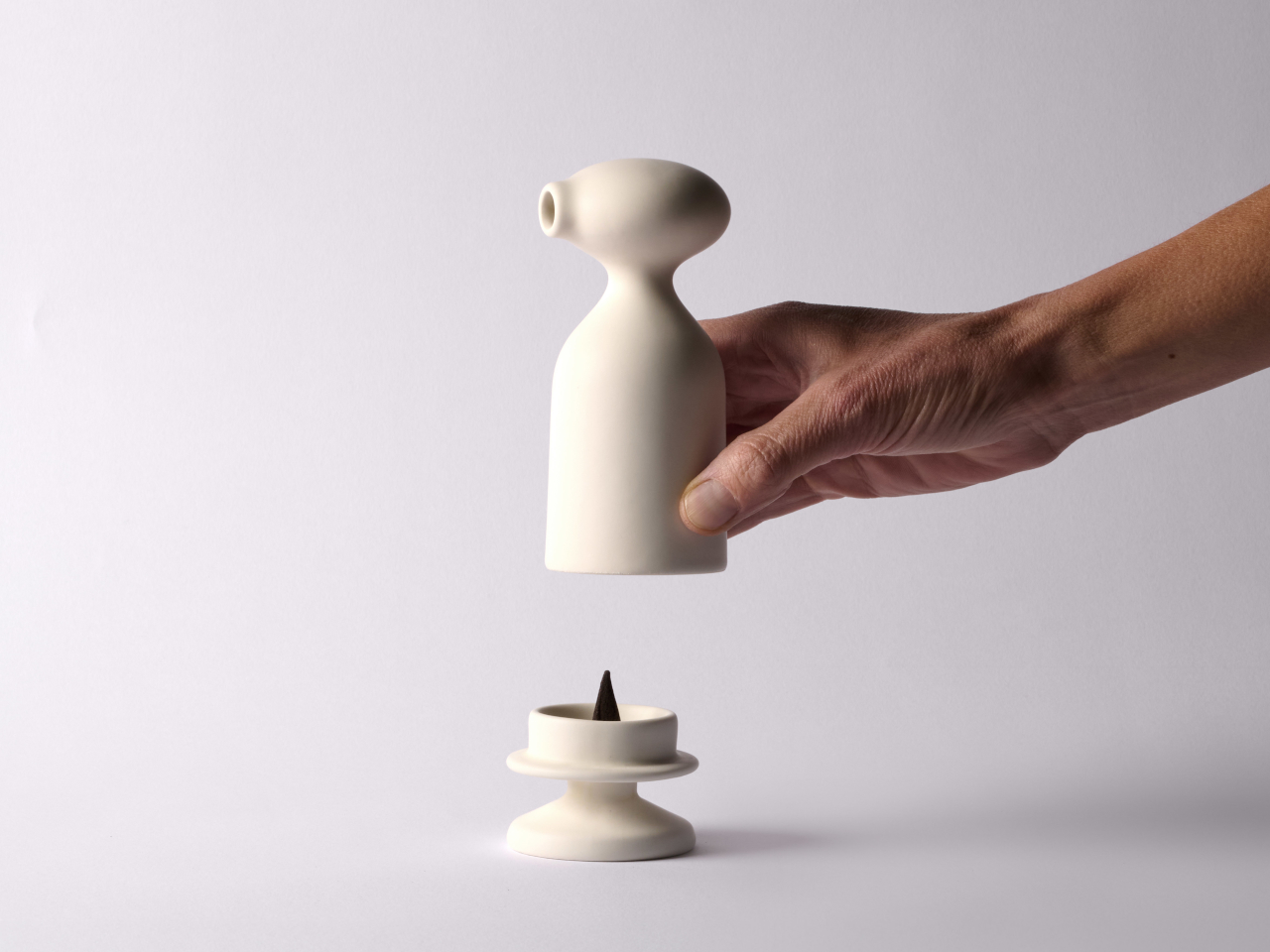
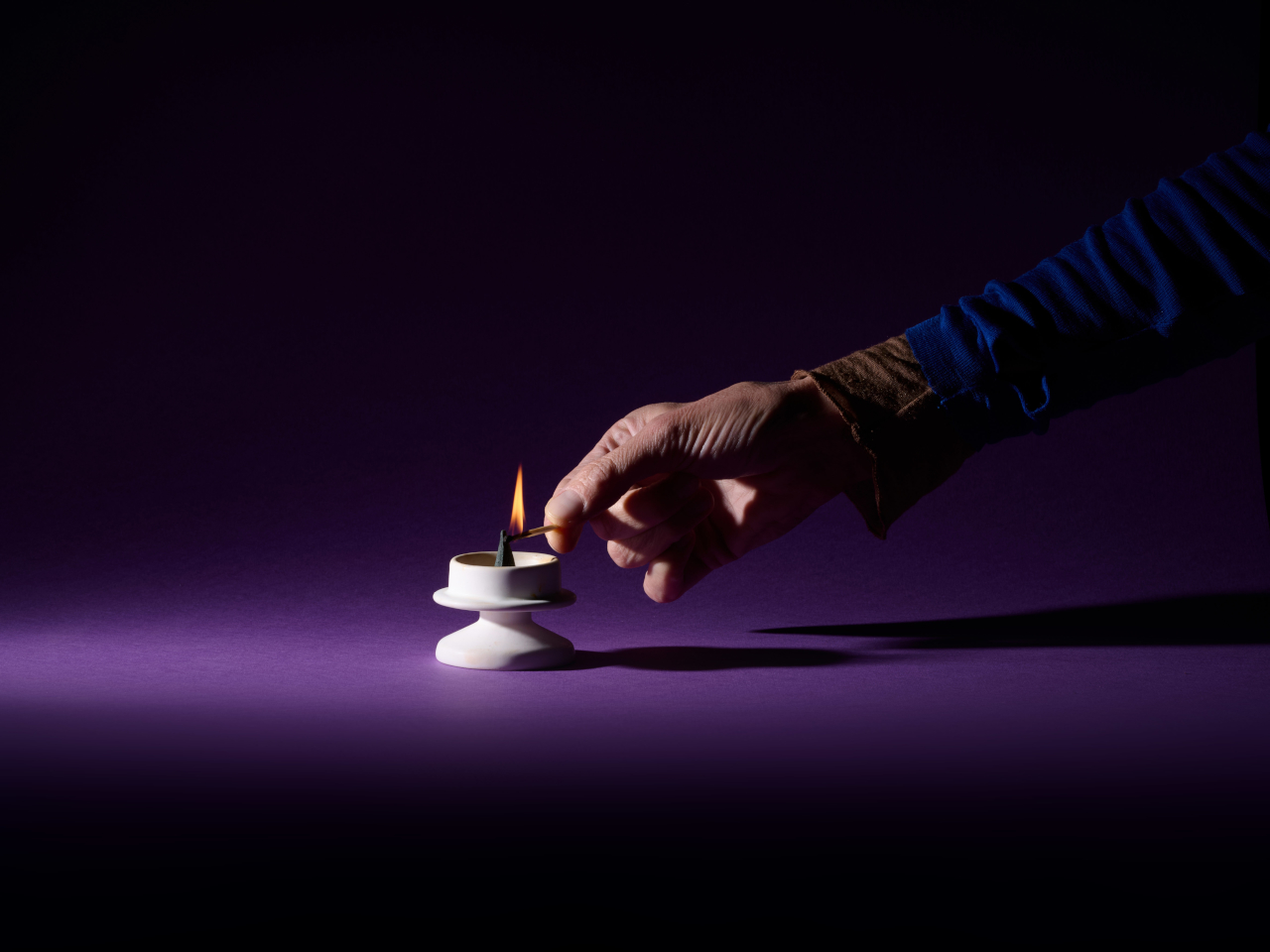
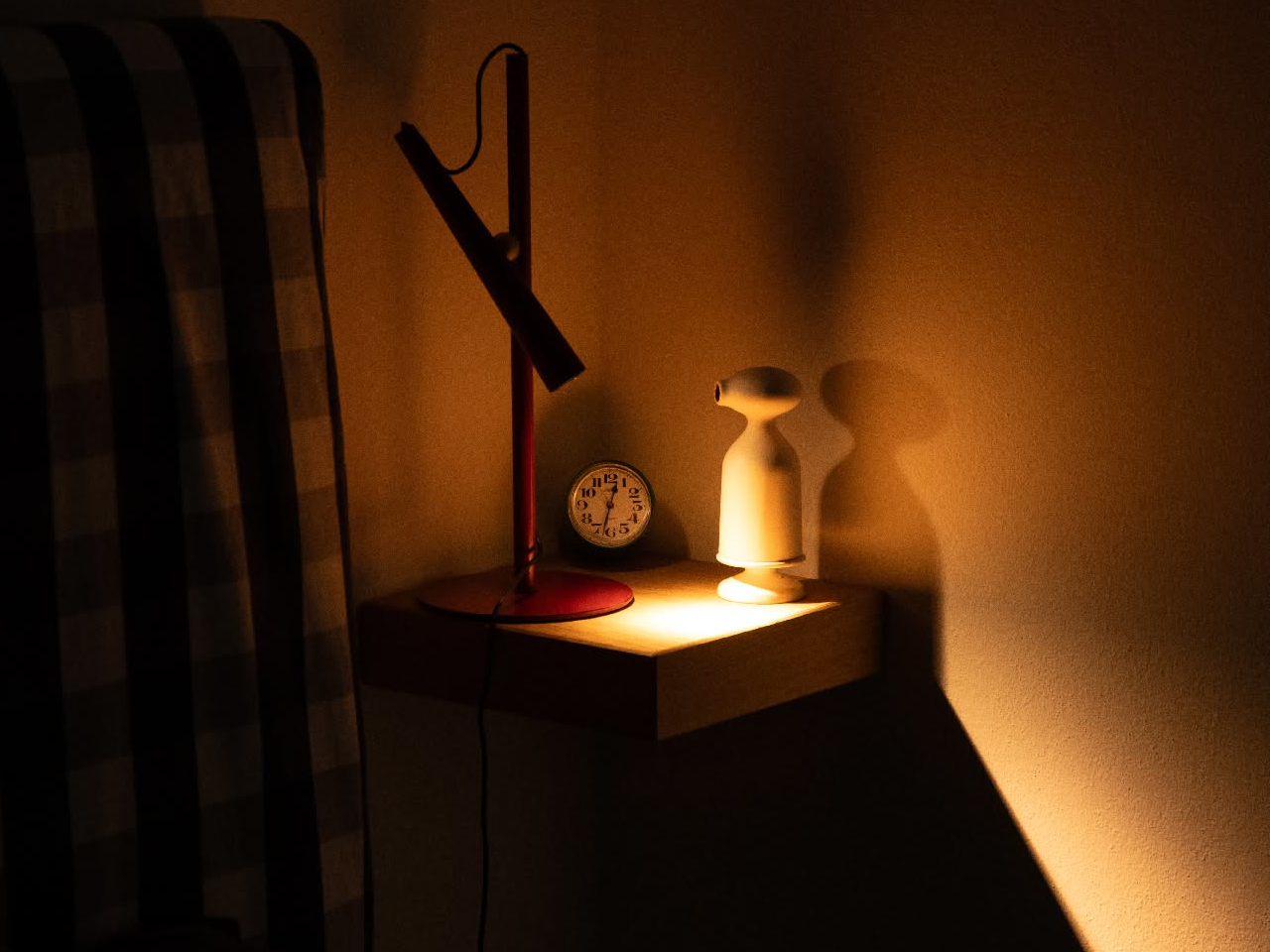
You lift the ceramic figure off its base to reveal a small cone of incense, light it, let it smoulder, and then place the figure back over it. As the cone burns, a thin veil of smoke begins to drift out of the side opening, making it look like the little character is gently exhaling. The room slowly fills with a soft aroma, and the object feels briefly alive in a way that flat trays never manage.

Nuvolino is inspired by the German Räuchermann, the turned wooden incense man that often depicts miners, forest rangers, or chimney sweeps with smoke coming from their mouths. Nuvolino rewrites that story in minimal white ceramic, stripping away costume and narrative while keeping the core gesture. The result is an ironic, evocative update that fits contemporary interiors without losing the charm of the original folk tradition.

Nuvolino is crafted from white ceramic by Italian artisans, with a finish that emphasizes form and shadow over decoration. The packaging is simple brown cardboard with a black silhouette of the character blowing smoke, more like a design object than a luxury perfume. Together, they frame the burner as something quiet and honest, ready to pick up patina and personal meaning over time.

Nuvolino turns the act of lighting incense into a tiny performance, where a silent figure seems to breathe out fragrance and change the mood of a room. For anyone who likes their home objects to have a bit of personality without shouting, this little ceramic alien feels like a gentle way to let scent and sculpture come together on a shelf.

The post Nuvolino Incense Burner Looks Like a Character Exhaling Smoke first appeared on Yanko Design.
Alien-inspired smartwatch concept eschews conventional design for more organic aesthetics

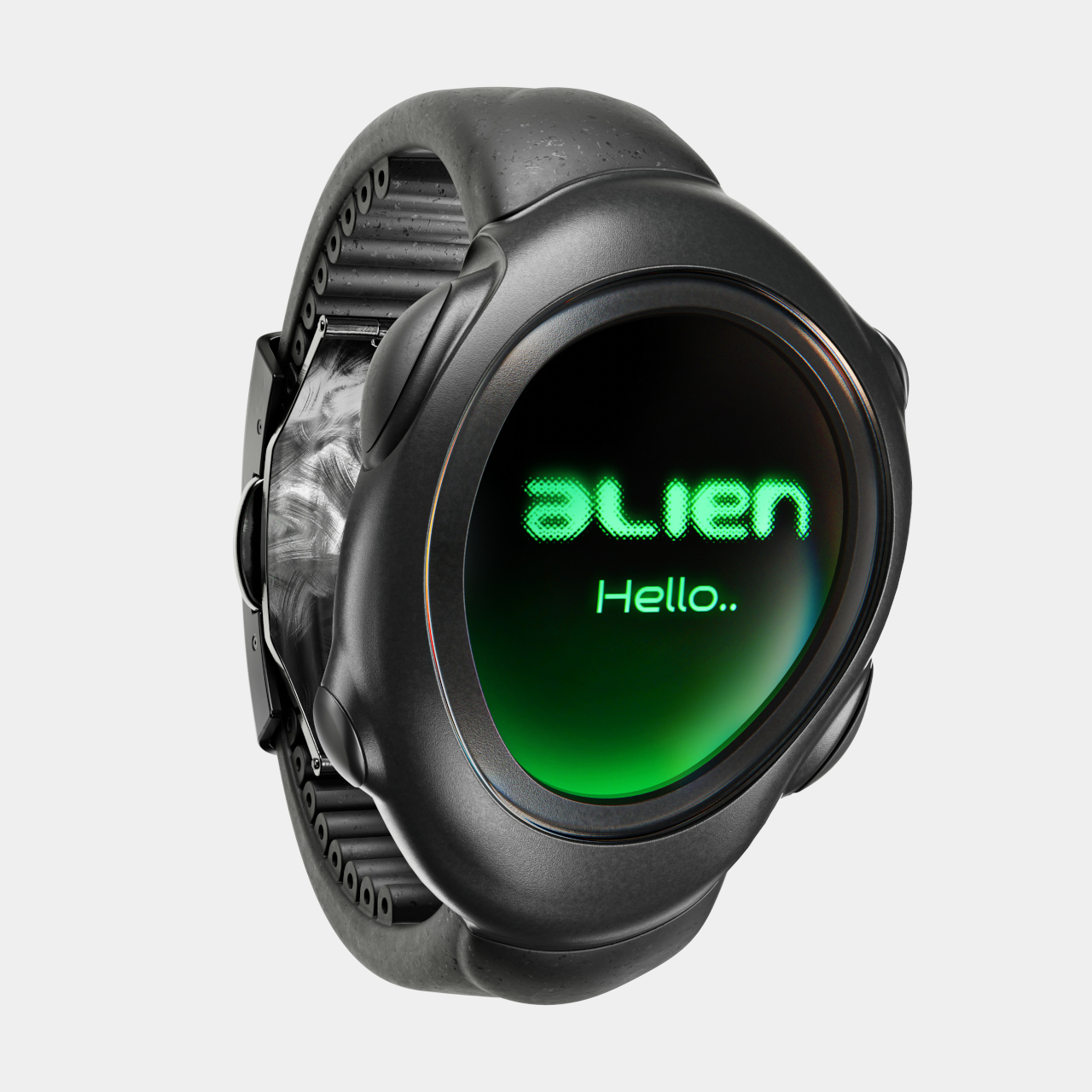
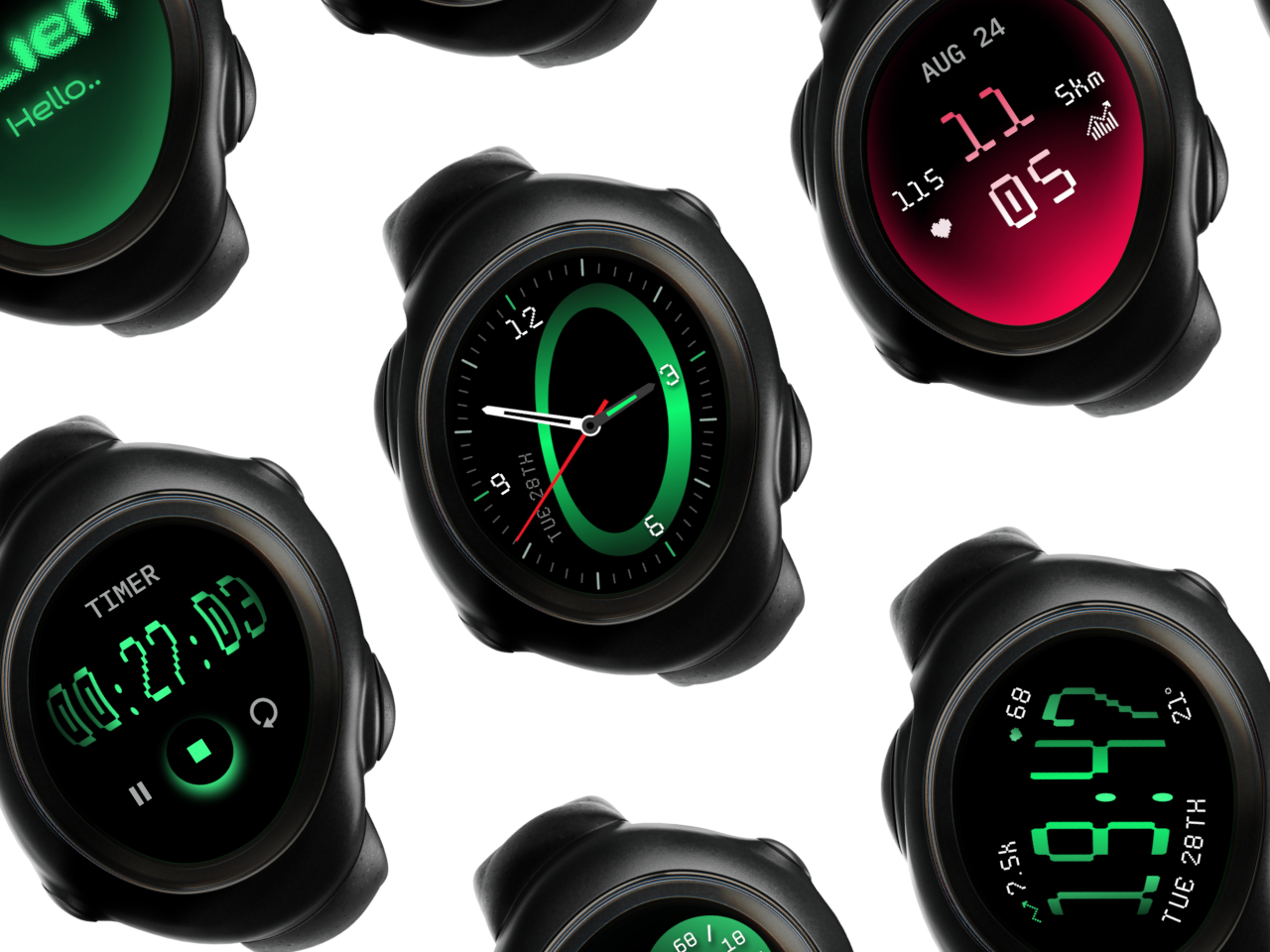
Smartwatches today have evolved from miniature smartphones on our wrists to miniature health clinics on our wrists. The design of these wearable devices has finally settled down to a handful of designs, most of which try to mimic the appearance of classic timepieces. There is, however, still plenty of room for exploration, for designs that redefine the product category or challenge the status quo. This design concept, for example, tries to look farther ahead into the future, when conventions no longer hold water and where today’s unfamiliar, alien aesthetics would ironically look more natural and more human.

Designer: Olga Orel

Smartwatches had a hard time finding its niche in the market. They were too technological to match the majesty of mechanical watches, but also too underpowered to be the multi-purpose wrist-worn communicators of science fiction. In the end, smartwatches today adopted the core design convention of traditional wristwatches, be they the sporty kind or the luxurious timepieces. But does it really have to be that way? Do smartwatches need to look like, well, watches?

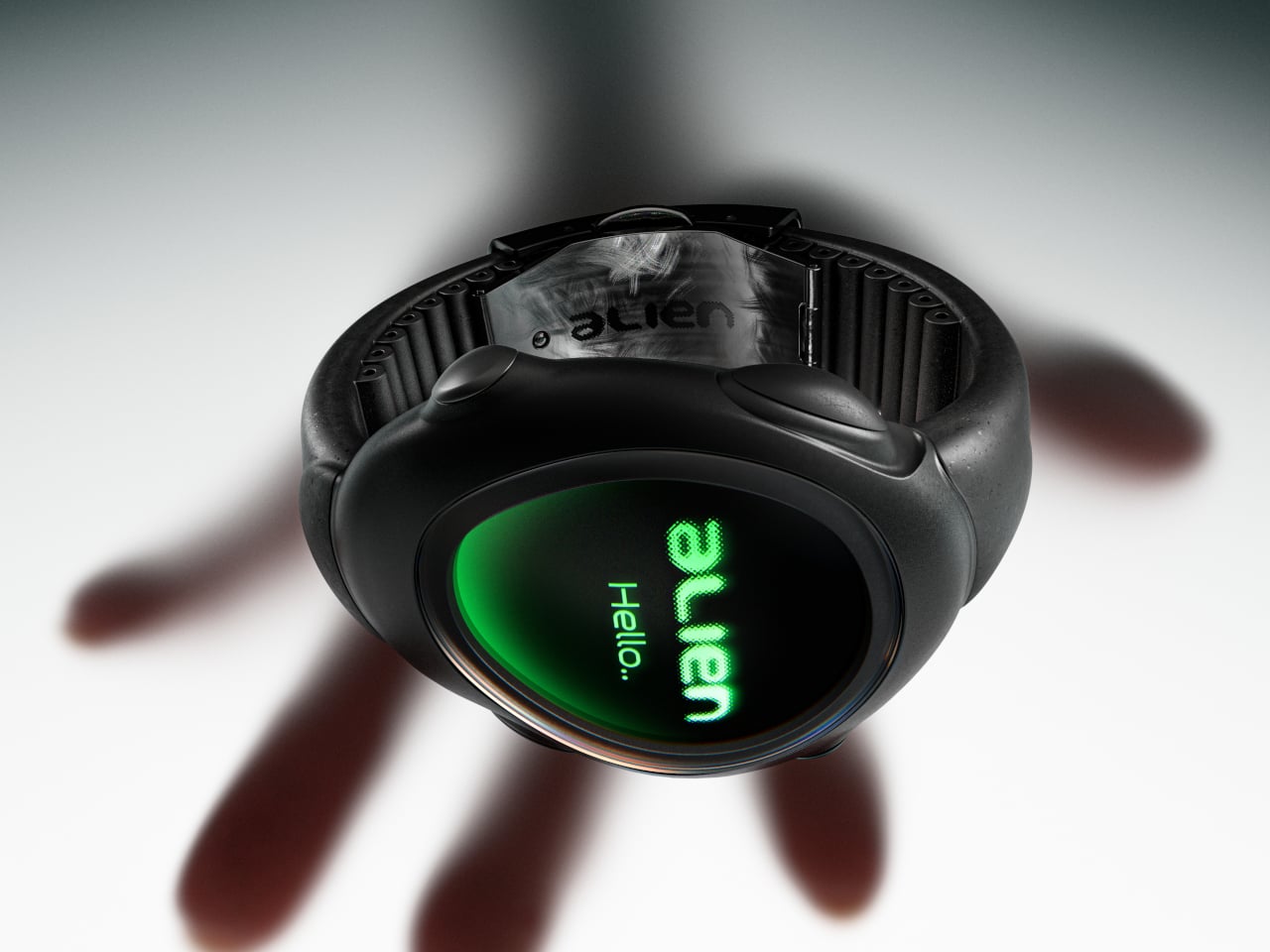
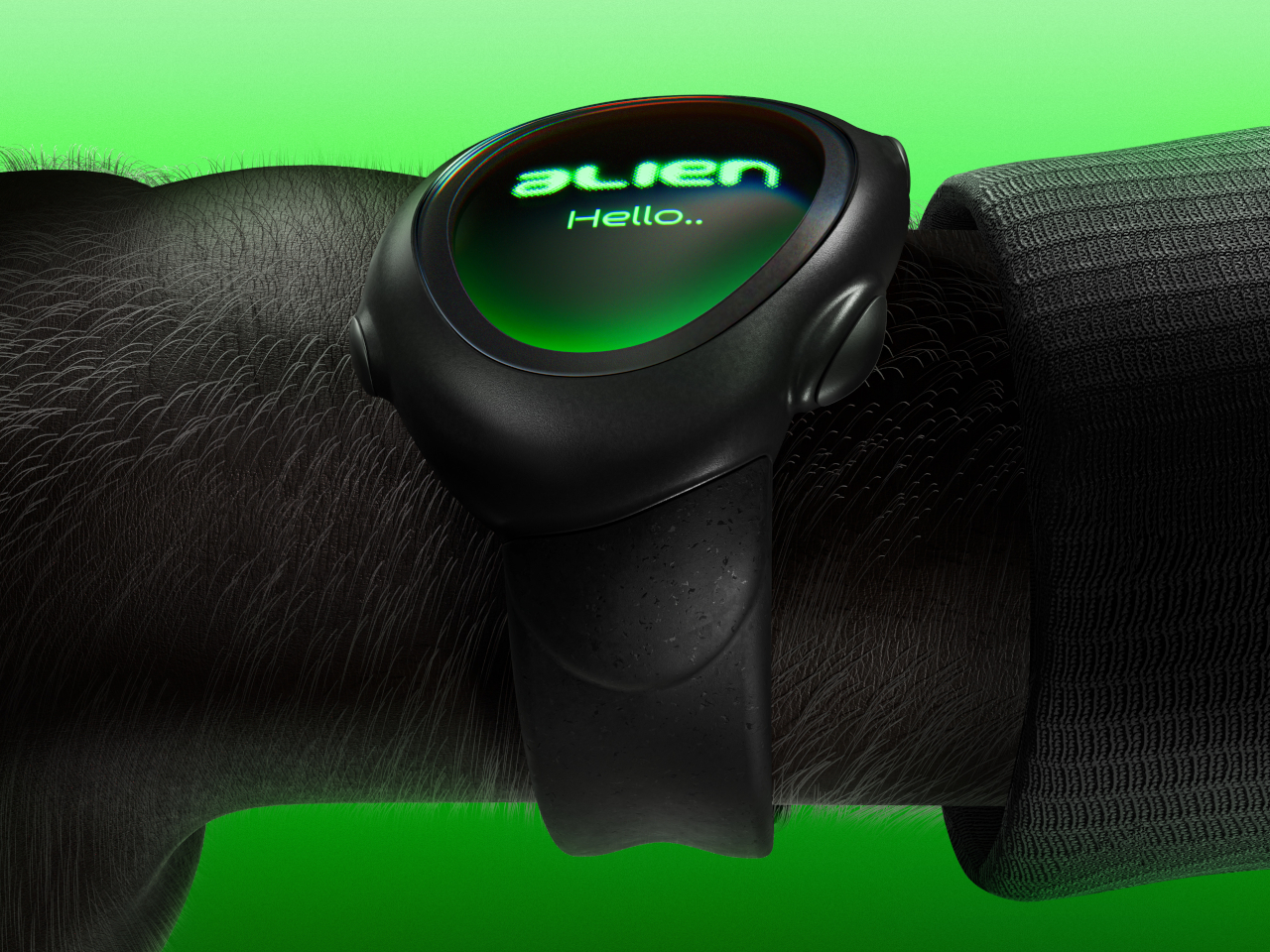
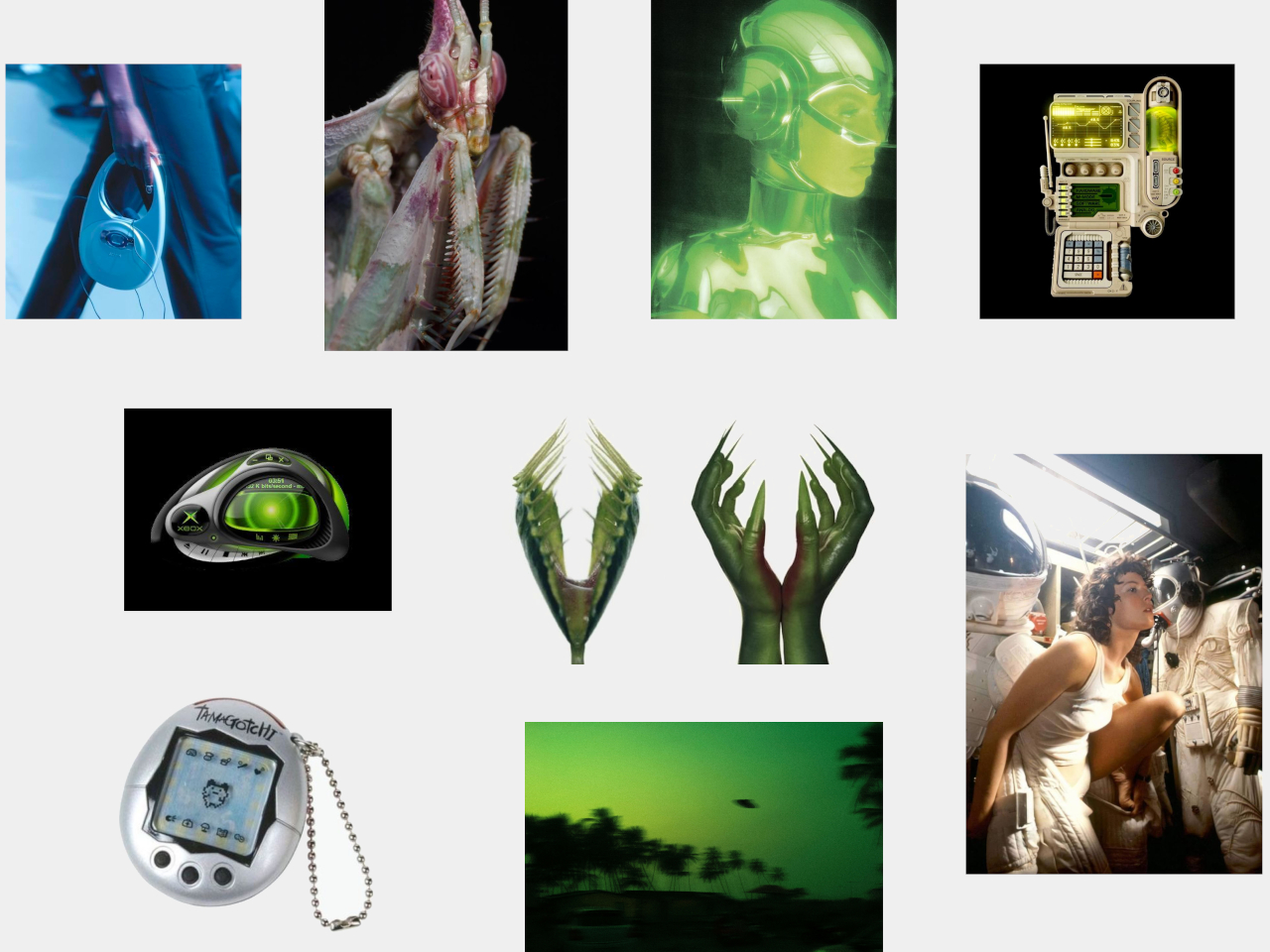
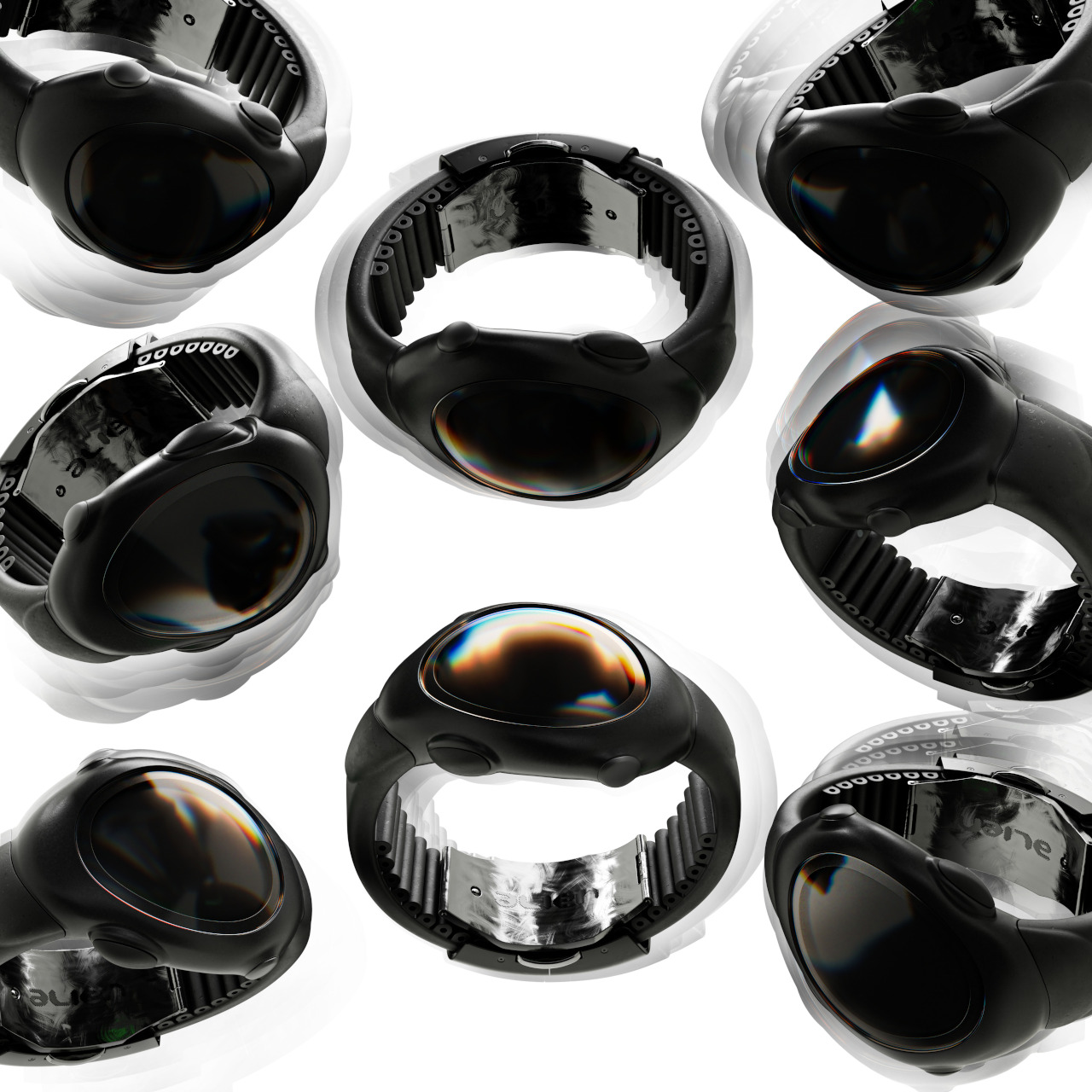
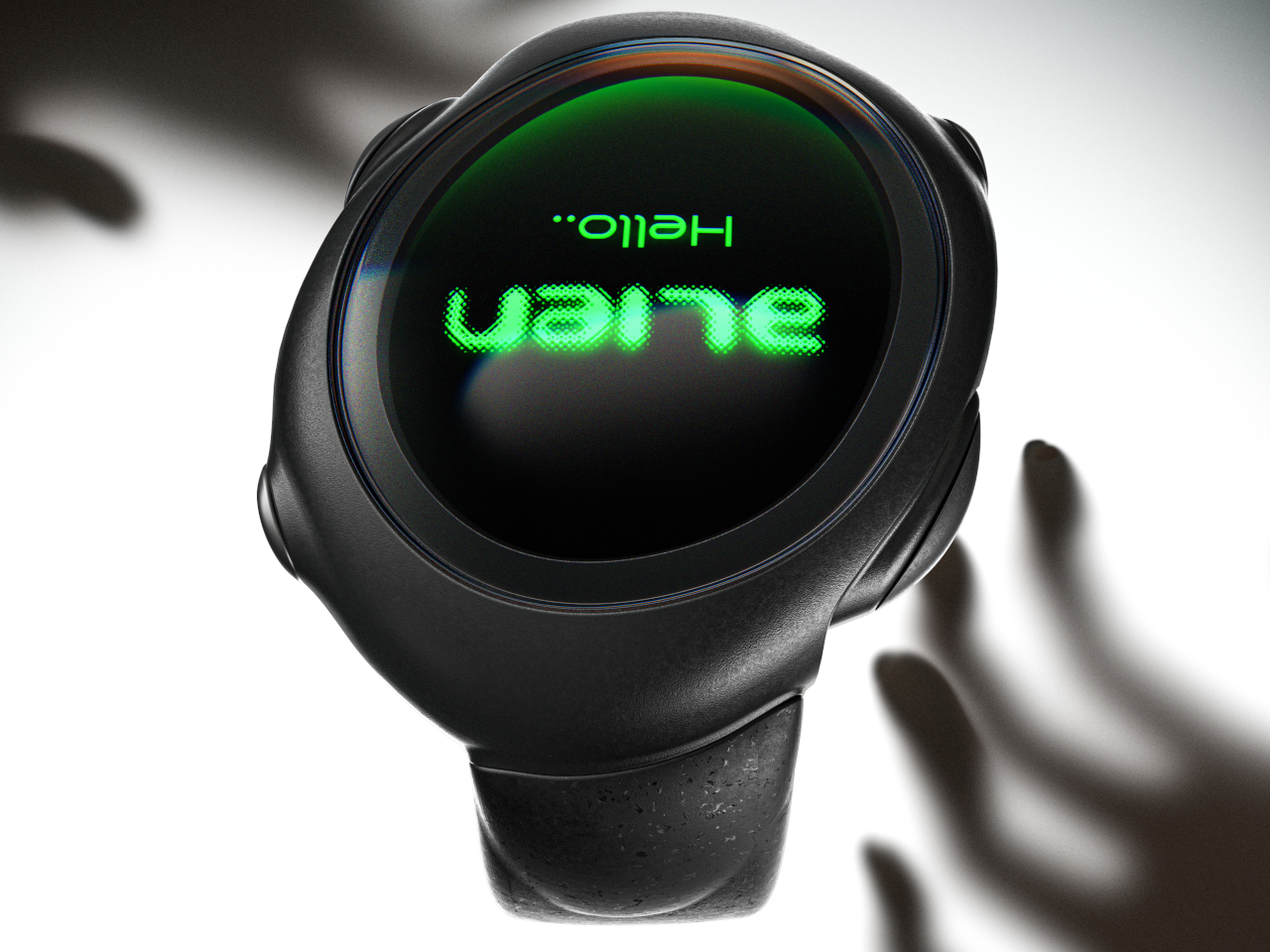
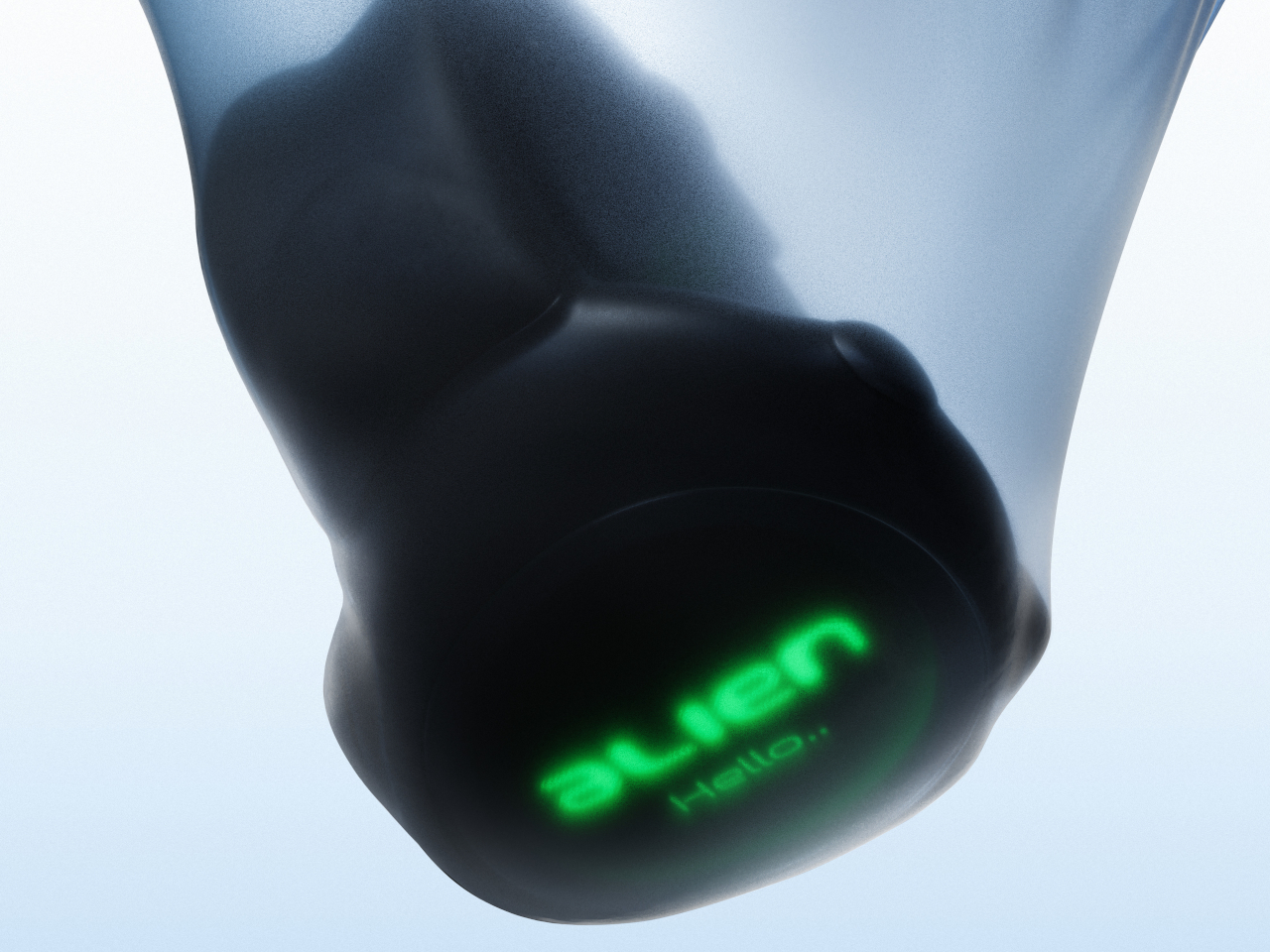
The ALIEN concept gives an empathic “no,” embracing a design language that is more organic and ironically closer to us than its extraterrestrial name would suggest. Its asymmetrical and amorphous design, not to mention the matching domed display, gives it that otherworldly character seemingly pulled out from some 90s sci-fi flick, with its eerie green glow and dark brushed metal surface. Of course, there’s nothing to stop a manufacturer from using other color motifs or materials, but it would still look alien compared to common smartwatches.

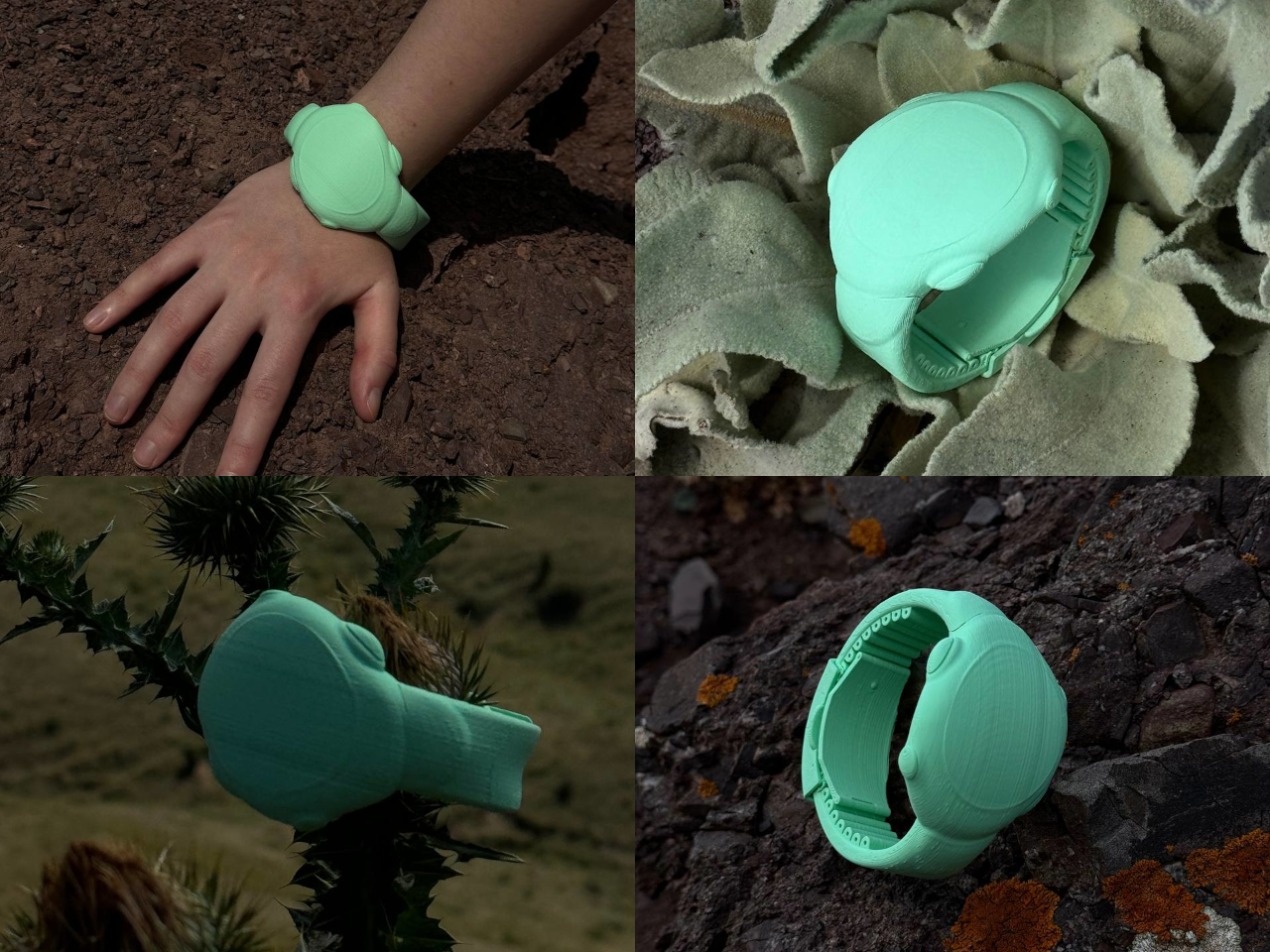
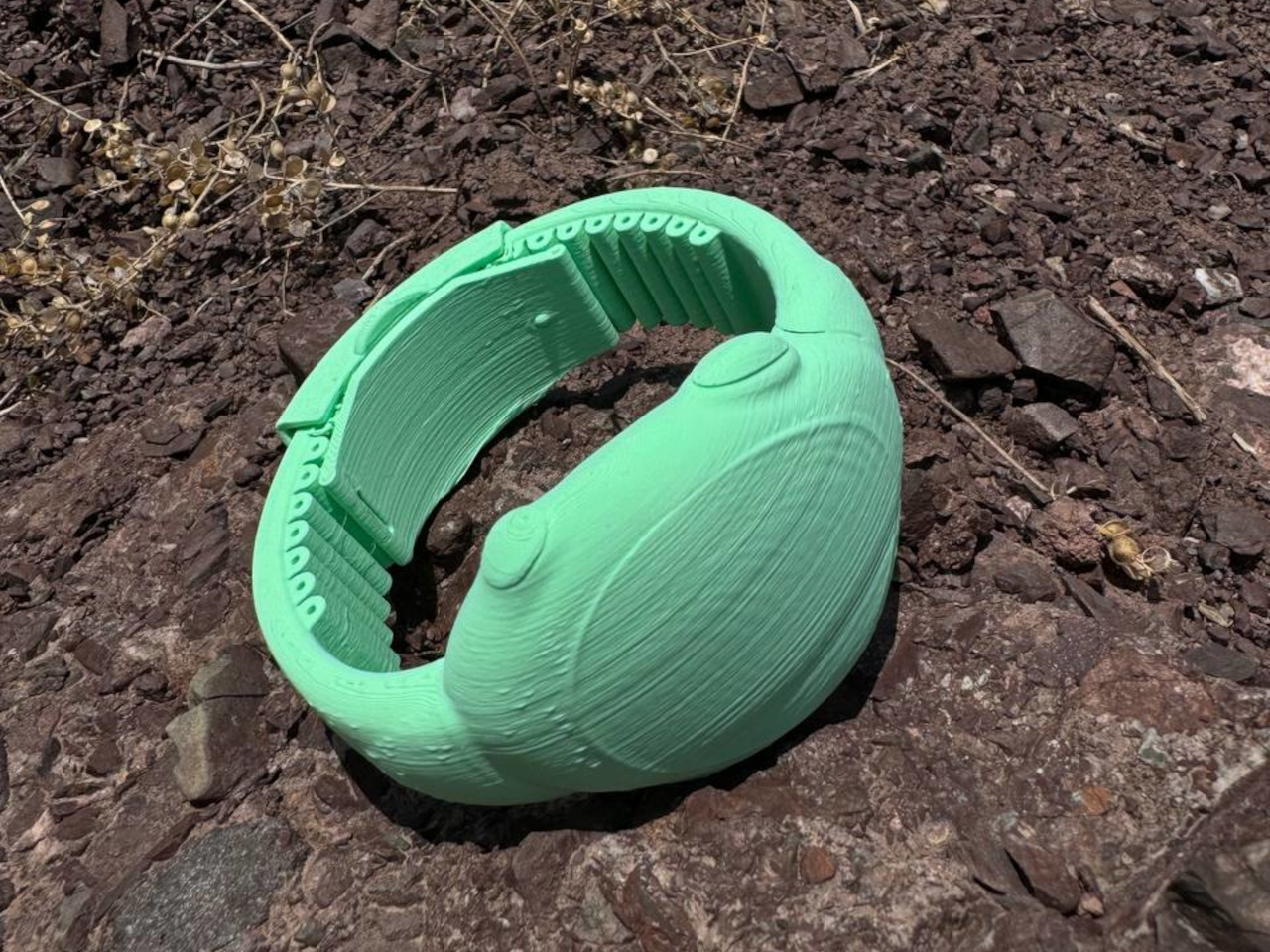
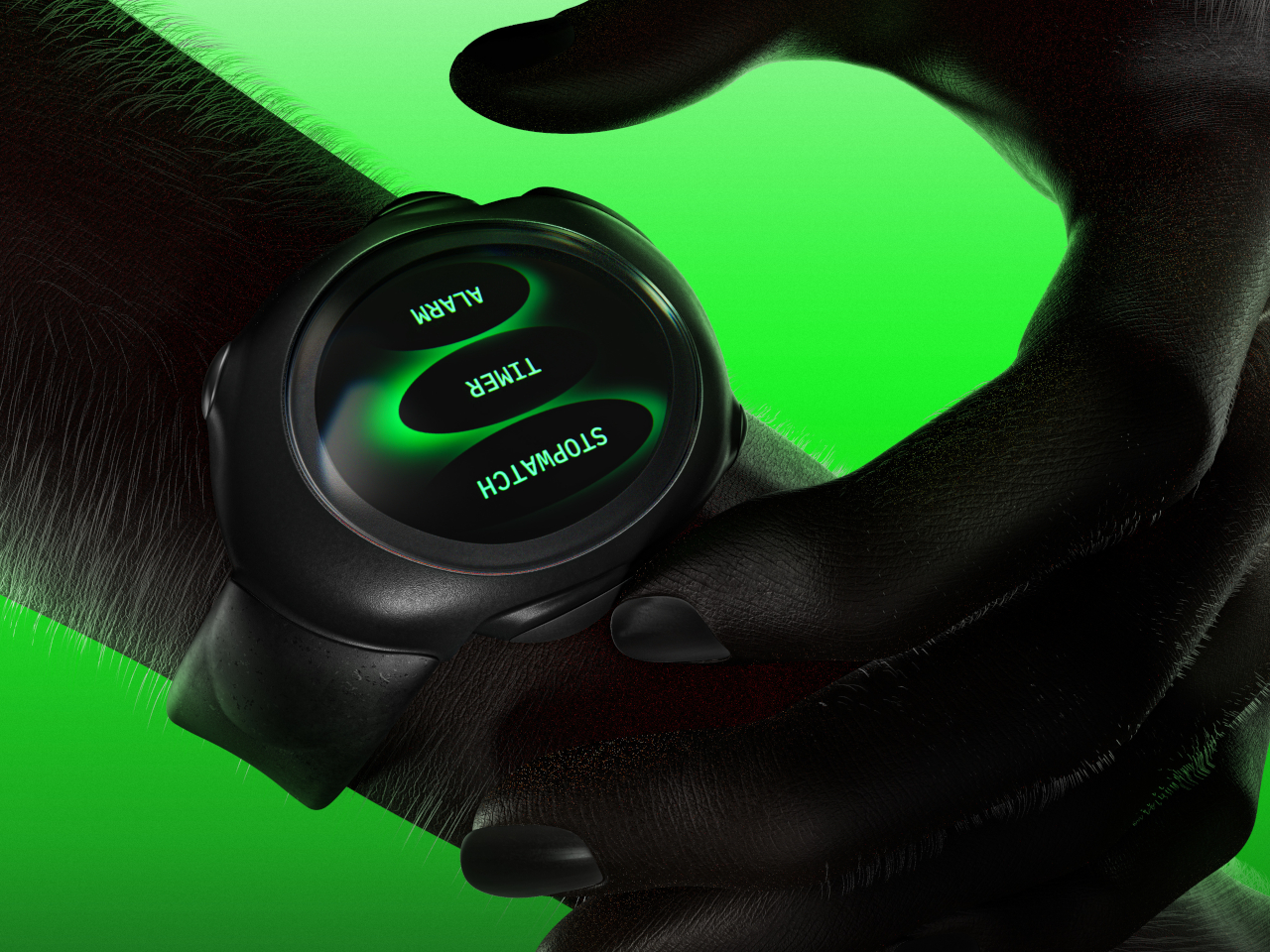
The irony is that, freed from the restrictions of circular and square watches, ALIEN can take on shapes that better conform to people’s wrists, offering a more natural, more ergonomic, and more pleasing curvature that is more human-centric. Even the buttons seem to organically grow out of the watch’s body rather than just jutting out like an artificial add-on. And unlike most smartwatches today, it isn’t content to have just one button but can have as many as four in each corner.

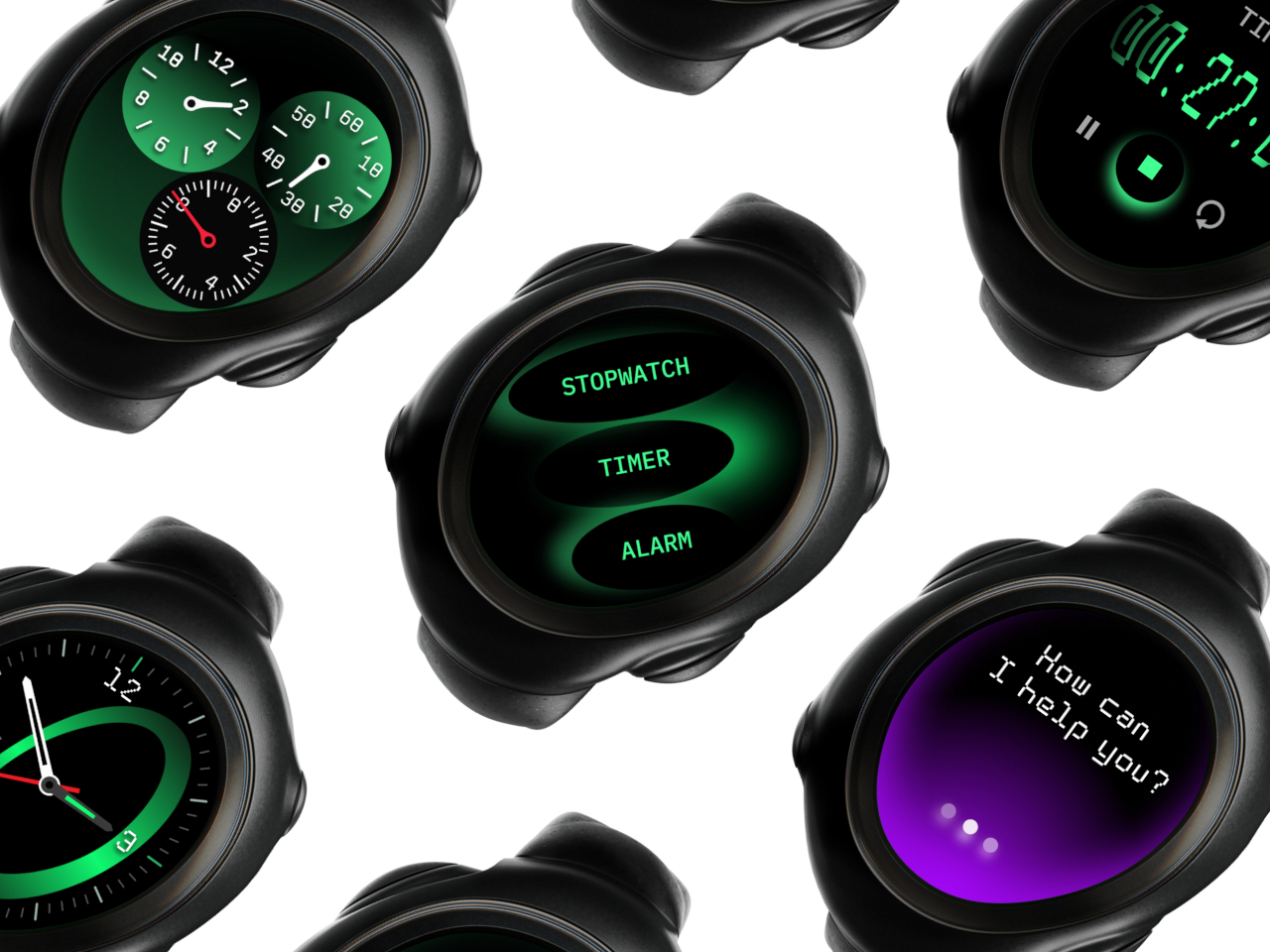
This unconventional design also changes the user experience, though not always in good ways. Because the shape of the screen is non-standard, there is more flexibility for different UI elements and arrangements, but it can also make things more confusing as well. Humans are creatures of habit, and smartwatches try to offer a uniform experience across different models or even platforms to make it easier for owners to switch from one watch to the next. That is, unfortunately, one of the disadvantages of this concept design, making the interaction and experience a little foreign and, well, alien.

The post Alien-inspired smartwatch concept eschews conventional design for more organic aesthetics first appeared on Yanko Design.