Depending on what activities you do, the upcoming holidays can either be the most joyful or the most stressful time of the year. Generally, children have the most fun during gatherings especially if there are toys and games involved. The spirit of play and fun sometimes goes out the window for grown ups but LEGO® thinks everyone needs reminding that there’s nothing more important than playing together this Holiday.
Designer: LEGO®
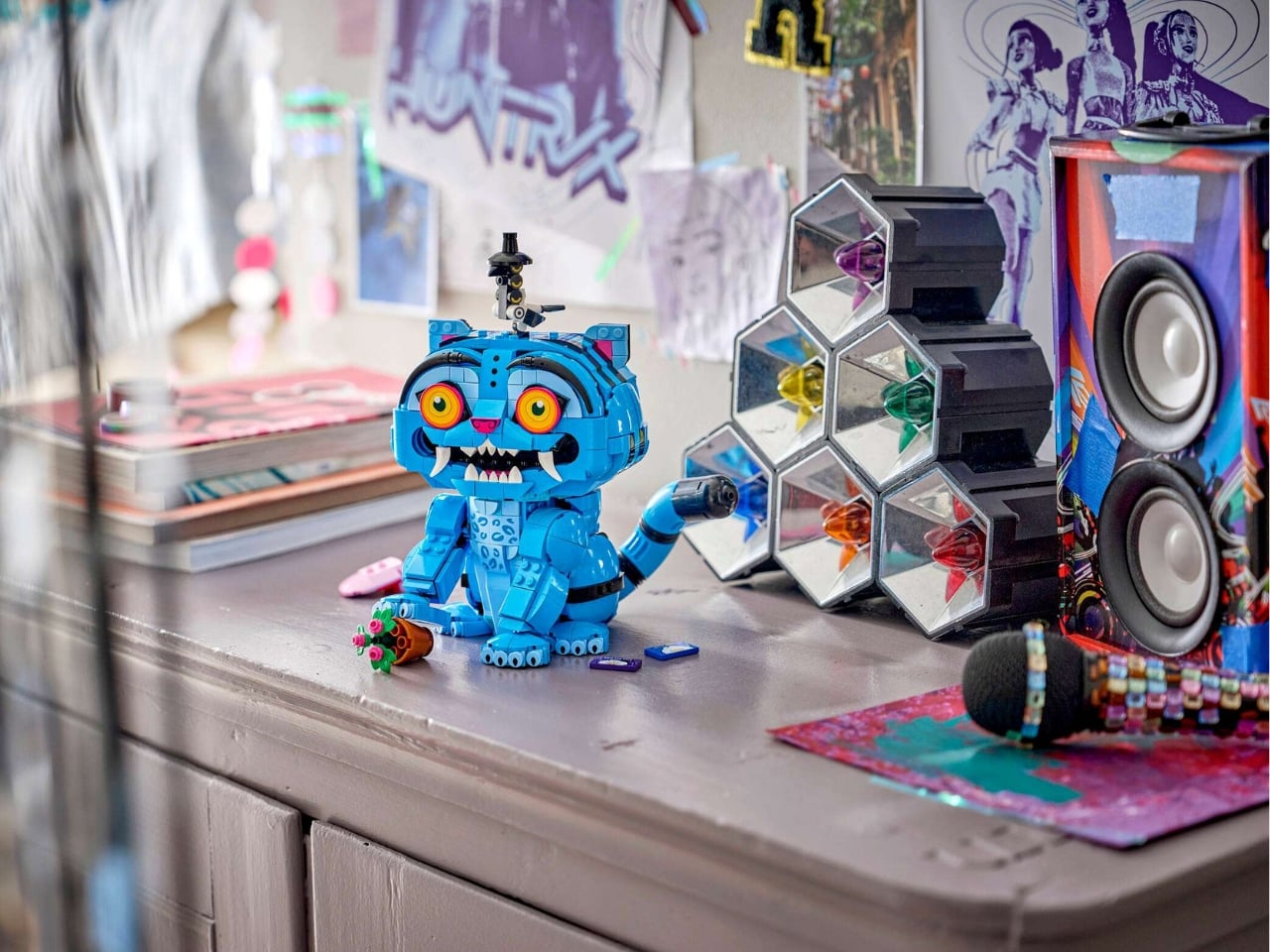
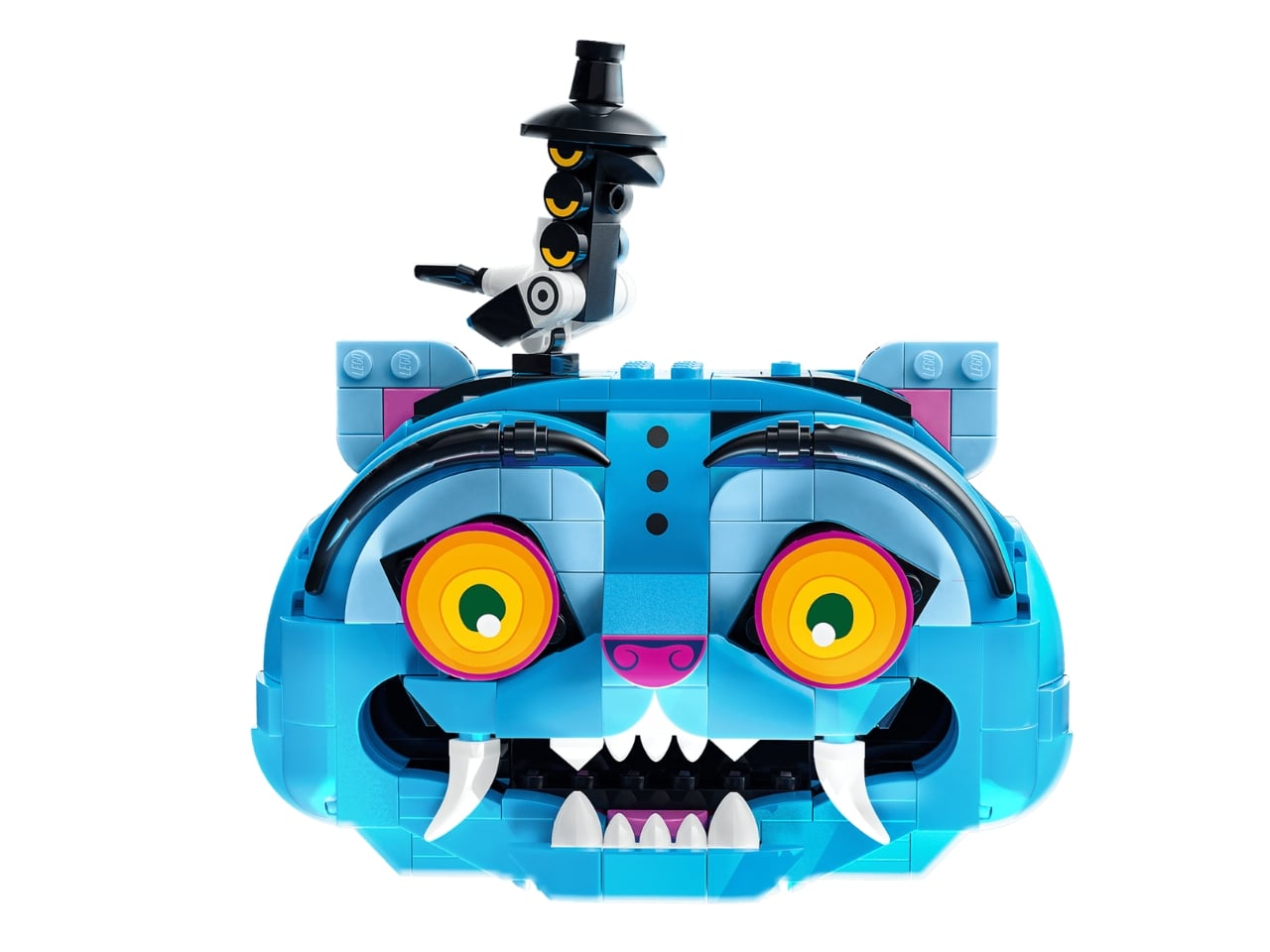
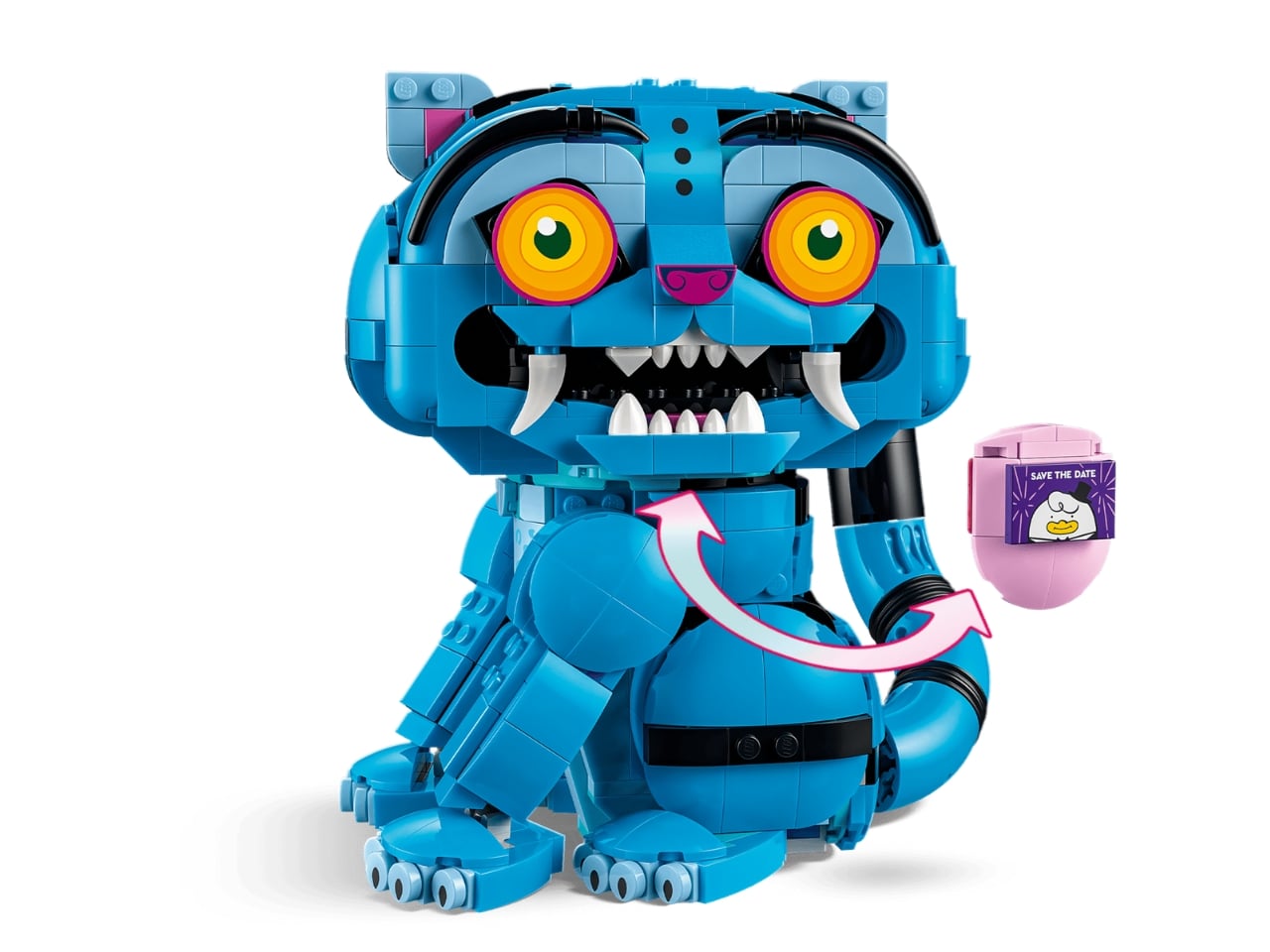
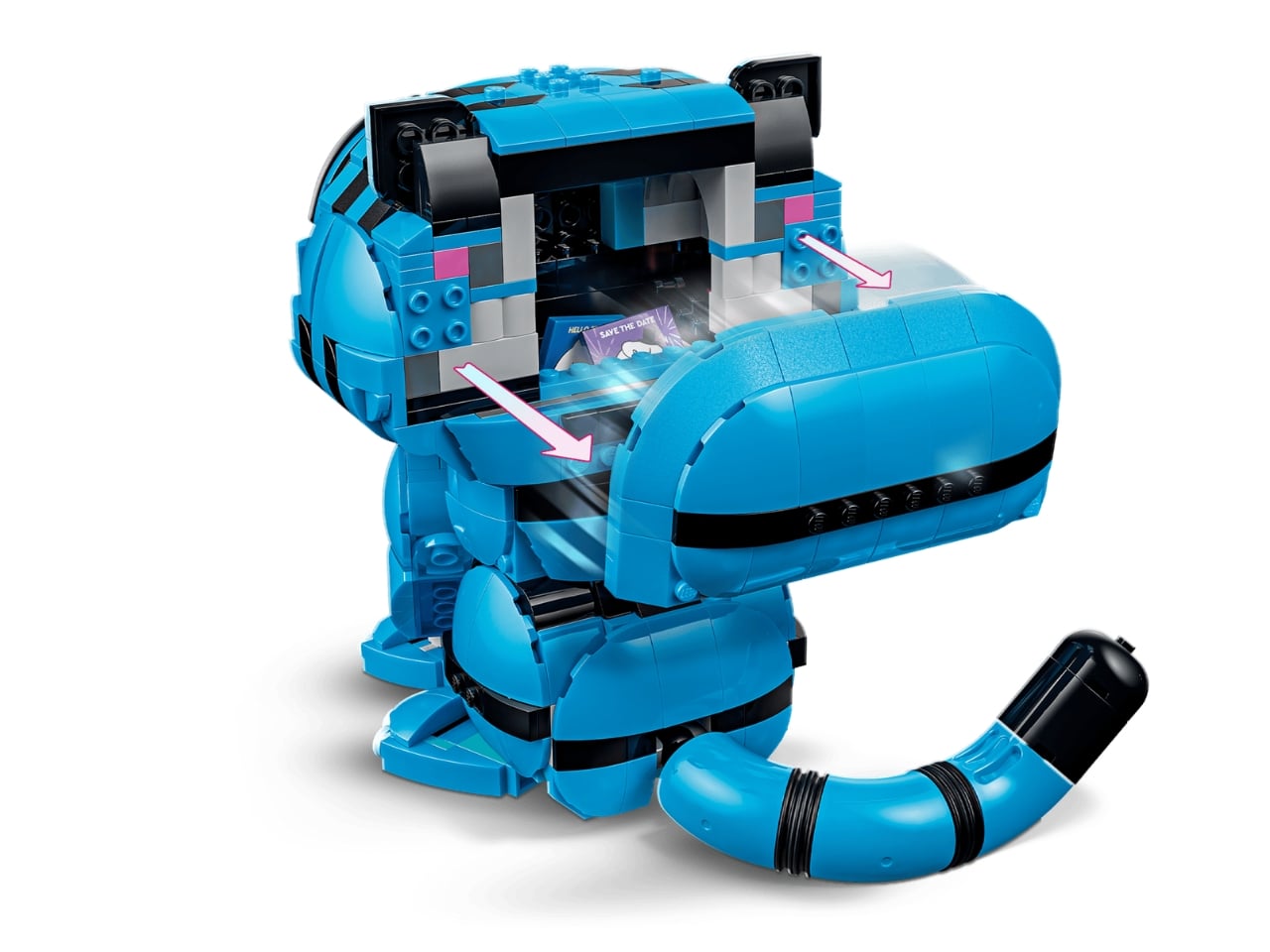
Cataclaws is a new icon that LEGO® is launching just in time for the holidays to become a “CAT-alyst” for play. The bricky rather than furry creature was actually born out of the minds of kids to remind both the young and the old that there’s no limit to where LEGO® bricks can take our creativity and imagination. This time it’s a tuxedo cat wearing a red and white beanie that will encourage people to play around this time of the year.
The brick-built feline is introduced in a short film showing it going on an adventure around the city to turn boring or tense situations into something more fun. In the video, you’ll also see 20 different products and builds, including a freezing cold queen, a cat who can’t wait to be king, and characters from a galaxy far far away. There are also some mini Cataclaws builds within the video if you want to play spot the Cataclwas.
If you want to dress up your LEGO® feline, they will also be selling a Cataclaws Christmas sweater while you can build the beanie yourself by following the building instructions. We’ll probably see Cataclaws in other campaigns next year as they are making it their new icon.
You’ve probably heard about how some people bemoan the degradation of literacy thanks to “txtspeak” which abbreviated words to avoid hitting the SMS character count cap. Although that may be a thing of the past now that we have longer limits and more flexible messaging services, a newer trend is to completely replace words with their more expressive iconic equivalents: emojis.
In less formal settings, a string of emojis instead of a full paragraph could be more efficient and even fun, and SEGA thinks it could actually be a good thing for kids. Adults might roll their eyes at the thought, but these cute devices might remind them of their own past when text in a single scrolling line was the way to communicate. Of course, these kids have it easier with smileys and icons that can paint a dozen words.
Given how many icons, objects, and faces are now included in the set of emojis almost universally understood by everyone, it wouldn’t be surprising to learn that some people can carry out conversations without typing a single character. Of course, just like any iconography, some images or expressions can be open to interpretation, but that’s also precisely the point with this “Emojam” pager from SEGA. It’s like developing a secret coded language that only you and your close friends can understand.
With this emoji pager, kids can “type” 10 emojis from a selection of 1,100 emojis to send to their friends. That’s quite a lot, especially when you consider that the device only has three buttons. Interpreting the sequence of icons correctly is also part of the fun, making communication more active and less mechanical like the way adults communicate with each other today.
As a device designed for kids, SEGA Emojam has a few safety features to protect their emotional and mental states. It’s a Wi-Fi-only device that can only have 100 people on its friends list, and group chats are limited to five people only. More importantly, you can only add a friend after you physically tap two devices together, which means it will be someone you’ve at least met face-to-face once. The library of emojis, vast as it may be, doesn’t include harmful imagery either.
Admittedly, the idea of an emoji pager might sound cute but its commercial success might be a bit questionable. Still, SEGA definitely thinks it will be a hit among Japanese kids, especially with special emojis from popular franchises like Sanrio. The SEGA Emojam pager launches on December 10 for 7,150 JPY, around $47, though it isn’t clear if it will require a paid subscription to use.
LEGO Group has a rich history of making Star Wars-themed sets for 25 years, and for the holiday season, there’s something new that builders will want to add to their collection. The official 2024 Advent Calendar is a Star Wars-themed set that is selling like hotcakes as more than 60,000 units are already gone.
The interactive buildable set for both kids and adults comes with new Star Wars minifigures and vehicles that can be assembled each day leading up to Christmas time. The 368-piece LEGO set has miniature versions of the Holiday Princess Lia, Mandalorian Gauntlet, Jabba’s Sail Barge, Emperor’s Shuttle, Praetorian Guard, Super Battle Droid and many more.
Accompanying these cute minifigures are the 18 mini-vehicle models representing the respective franchise. These include Luke Skywalker’s Landspeeder, Millennium Falcon, X-Wing, TIE Fighter, AT-AT, Y-wing, Venator-Class Republic Attack Cruiser, Emperor’s Shuttle, U-wing, and T-6 Jedi Shuttle. This set is about imaginative story building to keep everyone engaged for 24 days and revere in the spirit of the Star Wars universe. Every morning there is a new surprise hidden for Star Wars fans to engage with and rejoice in the final build on Christmas day.
To create your personalized element of adventure and X-Mas spirit, the set can be combined with other Star Wars sets by LEGO. So, the permutations and combinations for having a fresh build are limitless. This gives LEGO builders the freedom to tinker around with any set element.
Star Wars Advent Calendar 2024 glorifies the 25th anniversary of LEGO and the Star Wars franchise just as the fans would desire. It is priced at $45 but can be bought for a discount at $36. This set along with the Harry Potter Advent Calendar gives LEGO lovers plenty of ways to set up their advent calendars for family fun. Otherwise, it can be displayed as a part of your Star Wars or LEGO collection on the workspace shelves in your geeky den.
Most women (or men) probably prefer to get a traditional diamond (or some jewel) in a box when it comes to engagements. But there are also couples who prefer to do something unique for their marriage proposals and connected to that, get something that is more personal and different than a jewel. Geeky couples in particular probably are looking for something different and tailor fit to their interests and if they’re LEGO enthusiasts, then this would be interesting to them.
A video posted on the LEGO South Africa account shows how you can create your own DIY ring box. It doesn’t seem to be any special, new LEGO set that you will have to purchase in order to make this special box. The man demonstrates how you can use spare bricks to build your own ring box, although you probably have to pause the video a few times as there are no written instructions on how to do it step by step (although there are step-by-step screenshots).
The tutorial walks you through the whole process of constructing a ring box. He even makes a tiny, plastic ring to show that it can fit inside and it will not fall out no matter how many times you shake it. The main colors used in the video are green and yellow but in the end he shows that there are countless customizations that you can do by using different colors and pieces, although you will have to figure it out on your own.
If the couple are both LEGO fans, this will be an interesting way to have a unique proposal. And even if you have an actual diamond or jeweled ring with which to propose, putting it inside a DIY box made from LEGO bricks is pretty sweet.
The Lockheed SR-71 Blackbird is a true aviation legend. Developed in the 1960s, this reconnaissance jet set the bar for speed and stealth, cruising at Mach 3 and reaching altitudes over 85,000 feet. Engineered primarily for high-speed, high-altitude intelligence gathering, it quickly became an icon of the Cold War era, untouchable by enemy missiles and outpacing everything else in the skies. Its titanium skin and advanced aerodynamics embodied the cutting-edge technology of its time, pushing the limits of engineering and daring. Now, this iconic aircraft has been reimagined in a completely different medium: LEGO bricks. A detailed, fan-made LEGO model of the SR-71 Blackbird is making waves for its impressive recreation of this iconic plane.
Designer: Buds 234
This LEGO model of the SR-71 distills the original aircraft’s spirit perfectly. With every detail meticulously crafted, the model captures the SR-71’s sleek, elongated form, its sharply defined nose, and its sweeping wings. The LEGO model includes functional flaps, retractable landing gear, and a fully realized cockpit, each piece integrated to honor the original’s groundbreaking design. This project, created by aerospace engineering student by the name of ‘Buds 234’, reflects both technical appreciation and a keen eye for detail—details that ensure this MOC (My Own Creation) goes beyond a typical LEGO build, bringing a model that’s both captivating and technically faithful to the real SR-71.

Designing a model with this level of complexity in LEGO form isn’t easy. Capturing the SR-71’s aerodynamic design with limited brick options requires an advanced understanding of both LEGO techniques and aviation engineering. The builder succeeded in creating a miniature that’s structurally sound while visually true to the original. While Buds 234 doesn’t detail how many bricks were used in the final build, he does mention adding several stickers and intricate features and details to retain the Blackbird’s authenticity.
The completed model stands on a supportive base with a plaque detailing the SR-71’s key specifications, offering an extra layer of historical and educational value, along with two suited minifigures that can even be fitted into the plane’s cockpit.
Rather than a simple exterior, the LEGO build includes a fully realized cockpit, retractable landing gear, and working flaps, giving it a touch of mechanical authenticity. Aside from merely capturing the Blackbird’s shape, it allows fans to explore its functional design too – making it a must-have for aerospace enthusiasts.
In a touching nod to the people behind the plane, this model includes a tribute to Marta Bohn-Meyer, NASA’s first female SR-71 pilot and flight engineer. Bohn-Meyer’s contributions to high-speed flight testing were instrumental in expanding knowledge of aerodynamics, and she left a lasting impact on the program.
The LEGO Ideas Lockheed SR-71 Blackbird is currently a fan-made submission on the LEGO Ideas forum – an online community where LEGO enthusiasts share their own creations. With over 1400 votes in just 3 days, the SR-71 Blackbird is well on its way to hitting the 10,000 vote mark, following which the MOC will be reviewed by LEGO’s internal team and hopefully turned into a retail box set! You can vote for the LEGO Ideas Lockheed SR-71 Blackbird on the LEGO Ideas website here.
I mean, the holidays are supposed to feel magical, but LEGO’s Harry Potter Advent Calendar makes them feel a little extra magical in the most literal sense! The calendar, designed to count down the days till Christmas from the 1st of December, is a creative twist on a classic tradition. Advent calendars have long been a way to make the countdown to Christmas extra special, with each day offering a new little treat. But rather than the usual chocolates or tiny trinkets, this set brings a daily building adventure that captures the charm of the Wizarding World, offering a delightful surprise behind every door.
Inside the advent calendar, you’ll find a mix of 8 mini-figures, including key characters like Harry Potter, Draco Malfoy, and Professor Dumbledore. Each figure comes with their holiday twist, adding a festive touch to these iconic personalities. Alongside these figures, there are 16 mini-builds featuring familiar Hogwarts items, each designed to evoke scenes from the wizarding world. The builds include everything from festive decorations to miniaturized magical objects, all crafted in Lego’s signature blocky yet detailed style. For fans of the series, it’s a nostalgic nod to Harry’s first Christmas at Hogwarts, capturing the warmth and whimsy of the holiday season within the halls of the magical school. Every day, a new piece is unveiled, building anticipation for what’s behind the next door—a perfect way to keep the holiday spirit alive throughout December.
The beauty of this advent calendar is that it’s as much about the journey as it is about the destination. Each morning, fans can open a door and find a new surprise to add to their growing collection, whether it’s a miniature version of the Hogwarts Express or a whimsical little holiday scene from the wizarding world. It’s a charming way to relive the excitement of those first glimpses of Christmas at Hogwarts—the decorated Great Hall, the warm fires, and snow-covered grounds that are so vividly brought to life in the stories. And for anyone who’s ever dreamed of being part of that world, it’s like opening a window into it, one piece at a time.
This set is also perfect for expanding an existing Lego Harry Potter collection. It’s designed to integrate seamlessly with other sets, such as the 76435 Lego Harry Potter Great Hall, allowing you to create a larger and more detailed magical world. Whether you’re a collector looking to add new elements to your display or a newcomer who’s just starting their Lego journey, this advent calendar offers a versatile and engaging way to build. With clear instructions included behind each door and additional guidance available through the Lego Builder app, even young wizards can easily join in the fun. It makes for a wonderful family activity during the countdown to Christmas, where everyone can contribute to creating a little piece of Hogwarts magic at home.
Currently, it’s available for $36, down from its usual price of $45—a great deal for fans looking to bring home a bit of holiday magic without breaking the bank. It’s a gift that keeps giving long after the holidays, too, as the pieces can be played with and displayed throughout the year. Unlike other advent calendars that might be consumed or discarded, this one offers a more lasting way to celebrate the season, one that can be revisited year after year.
Just when you think LEGO Group has created its best set, another one comes along to take its place. While the ranking for best LEGO sets is subjective, anything related to pop culture does trigger instinctive liking. The latest from the LEGO universe is a set dedicated to honing the unique skills of our favorite Marvel heroes.
Yes, we are talking of the Xavier Institute for Higher Learning (a.k.a. Xavier’s School for Gifted Youngsters) from where all our present Marvel superheroes have graduated. The immersive 3,093-piece set for adult LEGO fans brings the X-Men universe to your living room shelf, giving company to the Avengers Tower. You won’t need mutant powers to assemble this one, rather you’ll need a lot of focus!
The Marvel X-Men: The X-Mansion set features the iconic characters from the X-Men 97 animated series including wheelchair-ridden Professor X, Jean Grey’s new avatar, Gambit, Iceman, Bishop, Magneto, Storm, Wolverine, Cyclops, and Rogue. The modular two-floor building has six individual sections that can be removed. Unlike some other LEGO building sets that are open from the back, this one is closed from all sides. That said the interiors are wholly furnished including the Cerebro, Lean Grey’s lab and Danger Room. Guarding the building is a huge Sentinel robot in case other superheroes on your shelf decide to stage an attack.
This is by far the biggest LEGO set dedicated to X-Men with intricate details like the Wolverine’s motorcycle or the exploding cupola. Just so that you don’t know, four of these minifigures are making their LEGO debut. The newbies are Professor X, Gambit, Iceman and Bishop. The LEGO Marvel X-Men: The X-Mansion set is set for a wider release on November 4 for $330. If you are a LEGO Insider, you can your hands on one a little earlier on November 1 from the official website. Insiders picking it up from November 1 to 7 will get a complementary LEGO Marvel Cerebro.
It’s Wristwatch Wednesday on Yanko Design again, and today, I’m digging into a playful yet intriguing topic: LEGO luxury watches. Yes, you read that right. Imagine the iconic Rolex Submariner or Audemars Piguet Royal Oak in LEGO form. The world of fine timepieces meets the playful, nostalgic charm of LEGO blocks, resulting in creations as captivating as they are creative. It’s a topic that merges two worlds with a surprisingly big crossover—watch collectors and LEGO enthusiasts. Today, I’m taking you on a journey through these brick-built renditions and their real-life counterparts, showing what sets each apart and why they resonate deeply with LEGO enthusiasts and watch collectors.
The Art of LEGO and Horology: Why They Come Together So Well
There’s something surprisingly satisfying about seeing a luxury watch replicated in LEGO form. A luxury timepiece’s inherent precision and design complexity seem like an impossible fit with LEGO’s chunky, colorful blocks. Yet, that’s precisely what makes these LEGO versions so compelling. The real challenge is capturing the essence of luxury craftsmanship with plastic bricks that were never intended to mirror the intricate details of watchmaking. This playful paradox is why I, along with other fans of both LEGO and watches, find this concept so exciting.
Building miniature versions of real-life objects has always been a key appeal for LEGO enthusiasts. From cars to skyscrapers, the challenge lies in translating smooth, complicated forms into brick-like constructions. On the other hand, watch collectors appreciate the fine details—down to the way light catches the beveled edges of a Rolex or how an Audemars Piguet Royal Oak bracelet wraps around the wrist with a certain fluidity. So, how do these two seemingly different audiences come together here? For me, it’s the shared passion for craftsmanship—whether through the intricate mechanics of haute horology or the creative joy of a child’s building toy. Personally, I love seeing how both worlds strive for perfection in their own unique ways.
The LEGO Rolex Submariner vs. The Real Rolex Submariner
Let’s start with one of the most iconic watches: the Rolex Submariner. The real Submariner is famous for its black dial, rotating bezel, and robustness as a dive watch. It’s the timepiece you could wear while exploring underwater wrecks or dressed up for a night out. Crafted with surgical-grade steel, the real Submariner exudes quality, with precision engineering that ensures it’s waterproof to a depth of 300 meters.
AI-Generated LEGO x Rolex Submariner
Now compare this to its LEGO version. The LEGO Submariner isn’t going anywhere near water—its construction relies on plastic pieces snapping together, and no LEGO piece in the world is waterproof to 300 meters! But that’s not really the point, is it? What makes the LEGO version so charming is how it captures the silhouette, the bezel’s ridges, and even the dial layout—albeit in a chunky, exaggerated way. It’s a caricature, a playful homage to a watch that has come to define what a dive watch should be.
Rolex Submariner Date Oystersteel 41 mm
The authentic Rolex Submariner feels weighty and precise on the wrist, with decades of refinement packed into its Oyster case. The LEGO version, meanwhile, is like a desktop conversation piece. If you’re thinking functionality, forget it; it’s about capturing the spirit of an icon in a different, more approachable way. Whether you’re an experienced diver or someone who’s never set foot near a dive tank, there’s something whimsical about seeing this watch, renowned for its utility, transformed into a plastic brick sculpture.
LEGO Daytona vs. Real Rolex Daytona: Revving Up in Different Ways
Next is the Rolex Daytona, a watch synonymous with racing, speed, and precision. The genuine Daytona emphasizes chronograph functionality, tachymeter bezels, and its deep connection with the fast-paced world of motorsports—famously tied to Paul Newman and the thrilling 24 Hours of Le Mans. It’s a timepiece that measures milliseconds with ease, and the quality of its movement, the Caliber 4130, sets it apart as one of the best chronographs in the market.
AI-Generated LEGO x Rolex Daytona – Oystersteel
So what happens when you translate this into LEGO? The LEGO Daytona doesn’t have an automatic movement or sub-dials that actually work, of course. What it does have is a beautiful attention to aesthetics—each button, the ridged bezel, and even the tachymeter markers are cleverly depicted in plastic bricks. It’s not functional in the horological sense, but its form still captures the essence of the Daytona—a nod to its role as a tool for timing races, now transformed into a playful, stationary model.
In comparing the two, the genuine Daytona is like a precision tool—built for racing and made to the highest standards. The LEGO version is like a trophy for the shelf of someone who adores both motorsports and creative LEGO projects. It’s a piece for those who are in on the joke and who appreciate the paradox of recreating a serious, high-precision device with something as low-tech as LEGO.
Day-Date in Gold: LEGO vs. The Real Presidential Timepiece
The Rolex Day-Date, often referred to by enthusiasts as the ‘President,’ earned this nickname because numerous world leaders, including U.S. Presidents like Lyndon B. Johnson, have famously worn it. However, it’s important to note that Rolex officially calls it the Day-Date, while the ‘President’ specifically refers to the style of the bracelet. Introduced in 1956, it was the first wristwatch to display the day and the date in windows on the dial. It is a watch that exudes luxury. Its gold finish, complete with diamond-studded dials and a fluted bezel, is the kind of thing that screams sophistication. The real Day-Date is often the timepiece of choice for world leaders and celebrities—a statement of power, elegance, and success. Imagine the President of the United States sporting a Rolex Day-Date Presidential watch made from LEGO—it’s a whimsical image that perfectly captures the playful spirit of these brick-built renditions.
AI-Generated LEGO x Rolex Day-Date
Now imagine that luxury recreated in LEGO bricks. The LEGO version retains the gold—at least visually. It captures the blingy bezel, the iconic President bracelet, and even the day and date windows. Of course, it’s not solid gold; it’s just carefully chosen yellow and white bricks snapped together. But somehow, it captures the essence—the LEGO Day-Date feels playful yet fancy, almost as if it’s poking fun at its own luxury. It’s for the person who loves the Day-Date’s symbolism and has the sense of humor to appreciate it in LEGO form.
Image: Icebox, ROLEX DAY DATE 40MM 18K YELLOW GOLD (228238) – 19.50CTW FULLY ICED OUT
The Audemars Piguet Royal Oak: A Blocky Tribute
Few watches are as iconic as the Audemars Piguet Royal Oak, with its octagonal bezel and exposed screws. The actual Royal Oak is famous for its industrial elegance—designed by Gérald Genta, it’s a game-changer that brought the luxury sports watch category to life. Crafted from stainless steel, it highlights the juxtaposition of polished and brushed surfaces, giving it a distinctive look that’s rugged and refined.
AI-Generated LEGO x Audemars Piguet Royal Oak
The LEGO Royal Oak, on the other hand, trades brushed steel for grey bricks. It still maintains the unmistakable octagonal bezel and the integrated bracelet, but the intricacy is reduced to geometric simplicity. The Tapisserie pattern on the dial, which usually involves meticulous craftsmanship, is represented with flat studs—it’s rudimentary, but that’s the beauty of it. Instead of the weighty presence of stainless steel, you get the lightweight, almost comical feel of stacked plastic. The LEGO Royal Oak pays tribute in the best way it can, with a bit of playful irreverence.
Royal Oak Perpetual Calendar “John Mayer” Limited Edition
Cartier Santos in LEGO Form: Squaring Elegance with Fun
The Cartier Santos is another classic—a watch designed for aviation pioneer Alberto Santos-Dumont. Its square face and exposed screws make it instantly recognizable. The real Cartier Santos epitomizes refined French elegance, with Roman numerals and a heritage that goes back over a century.
AI-Generated LEGO x Cartier Santos
The LEGO version plays with these elements, keeping the shape, the exposed screws, and the Roman numerals but doing so with bright plastic that is anything but elegant in the traditional sense. It’s a tongue-in-cheek recreation, one that delights in its blocky squareness, almost as if Cartier’s first wristwatch were reimagined for a child’s toybox. It takes something meant to be worn as a marker of luxury and turns it into a fun, decorative piece—a way for fans of both brands to connect in a quirky, unexpected way.
SANTOS DE CARTIER WATCH
Why LEGO and Luxury Watches Work So Well Together
So why does this concept work? What makes these LEGO versions resonate with both watch collectors and LEGO fans? The answer lies in the intersection of craftsmanship and creativity. Authentic watches like the Submariner or the Daytona are meticulously crafted, precision-engineered, and timeless in their design. Conversely, LEGO thrives on creativity, turning complex real-life objects into simple yet evocative forms.

For watch collectors, seeing a LEGO version of a favorite timepiece is like viewing it from a fresh perspective—celebrating its form rather than its function. There’s also an undeniable element of nostalgia; many collectors grew up with LEGO, and these models bring a sense of childlike wonder while respecting the original design. For LEGO fans, the challenge of recreating an intricate watch demonstrates the versatility of LEGO bricks, proving that simple blocks can capture something incredibly sophisticated.

This crossover appeal transforms these watches from wearable precision instruments into decorative conversation starters. The actual versions are meant to be worn and experienced for their craftsmanship and mechanical precision. The LEGO versions, however, are displayed as celebrations of design, transforming a high-end object into an accessible, humorous, and charming representation. They bring the luxury and accuracy of timepieces into a more playful light, making them resonate deeply with both communities.


A Challenge to Watch Brands: LEGO Sets the Bar
Don’t get me wrong, the LEGO versions of these watches aren’t replacements for the real thing—far from it. They don’t have the sapphire crystals, the precise movements, or the finely engineered components that make luxury watches so remarkable. But what if they did? Imagine a collaboration between LEGO and the finest watchmakers in the world. If brands like Bugatti, McLaren, and even Formula 1 teams can create real machines with LEGO, why can’t luxury timepiece brands do the same? This is a challenge to the watch industry—bring the craftsmanship, the detail, and the imagination together. Let’s see a working luxury watch created in partnership with LEGO—a true celebration of both worlds.
For LEGO fans and watch collectors alike, these models celebrate design—both the intricate, sophisticated design of the original timepieces and the imaginative, blocky reinterpretations in LEGO form. It’s a concept that brings people together, transcending the boundaries between childhood nostalgia and adult appreciation for craftsmanship. And at the end of the day, isn’t that what great design—whether in LEGO or luxury watches—is all about?
It’s pretty amazing how many things you can make if you’re given the right tools and materials. LEGO blocks have inspired creativity and shaped minds for generations in the physical world, while sandbox games like Minecraft have pulled the same feat in the digital world. These two creative platforms, in turn, have inspired many other toys and experiences that try to bring this freedom of creation to other designs. This particular design concept, for example, has a similar vibe to LEGO but caters to the young and young at heart who want to build their ideal doll houses.
LEGO blocks started out as literal block-shaped pieces that you could combine in different ways to create structures, animals, vehicles, and anything your mind can imagine. More specialized pieces came later on that somewhat deviated from squares and rectangles, including wheels and gears, but the overall aesthetic remained the same. The same is true with the game Minecraft, where you can build almost anything imaginable, such as a primitive computer, but still look blocky overall.
BLUID-IT is a design concept that tries to expand those shapes to allow for more expressive combinations. The goal, however, isn’t just to build anything but to build dollhouses specifically. There are already plenty of dollhouses, most of them designed for kids, that allow a bit of customization, but you can only use what comes with the package, or maybe buy some additional accessories. And almost all of them revolve around a specific theme or style.
But what if you had hundreds of small objects to choose from, ranging from pillars to spiral staircases to magnetic walls? You can, in theory, build almost any house interior possible, one that can even span more than just a single level. No two houses would be identical, unless you intentionally copied, of course, allowing greater freedom in designing the perfect living space for miniature people.
It’s not completely free-form, though. The aluminum platforms and walls have perforations where you can insert tiny walls, furniture, and other pieces. This makes the design easier to use for younger audiences, giving them some guidelines to follow. It may even be useful as a tool for interior designers or architects, giving them a quick and easy way to create models for their desired arrangements as well.
As someone who has never been able to finish a Rubik’s Cube, I’m always fascinated by those who are able to do it in seconds. There are videos on YouTube and on Reels where you can observe them while they do it or they even give tips on how to become faster. This toy is celebrating its 50th anniversary and what better way than to make it even more difficult for people to do so by creating the world’s tiniest Rubik’s Cube.
Designer: Megahouse and Iriso Precision
The two companies have collaborated to create the smallest metal Rubik’s Cube and this has been verified by Guiness World Records. It is 1/1000th of the regular 3D puzzle, at least the 3×3 sized-one. It’s so small that you might need to use a tweezer or something small like that to finish the cube. Well, unless you have really tiny hands that you can do the turns and shifts of the colored cube. But to give you an idea how small it is, it is the same width as three rice grains.
Each of the squares of the main body is 0.16 cm with the length at 0.50 cm. These parts are made by cutting metal with the machine that can make ultra-fine trimming processes with the technique called “micro cutting”. They are cut and shaped by the machine but they are assembled by hand to be able to put them together precisely and still be used just like the regular Rubik’s Cube.
The middle part has the cross design of the original so the other parts can still be rotated. It even has the Rubik’s logo at the center which you cannot see with the naked eye. It has an aluminum base which is actually way bigger than the tiny cube. You place it in the middle like a trophy, just so you’ll be able to actually see it.