Someone Finally Gave Apple’s Biggest Gaming Failure a Second Chance

Handheld gaming has grown into a serious market, but no single device has managed to satisfy every trade-off at once. The Nintendo Switch sacrifices power for portability, the Steam Deck adds weight and Linux friction, and the ROG Ally costs too much while battery anxiety lingers. Every existing option addresses one frustration and sidesteps another, leaving a gap that’s wide enough for something genuinely different.

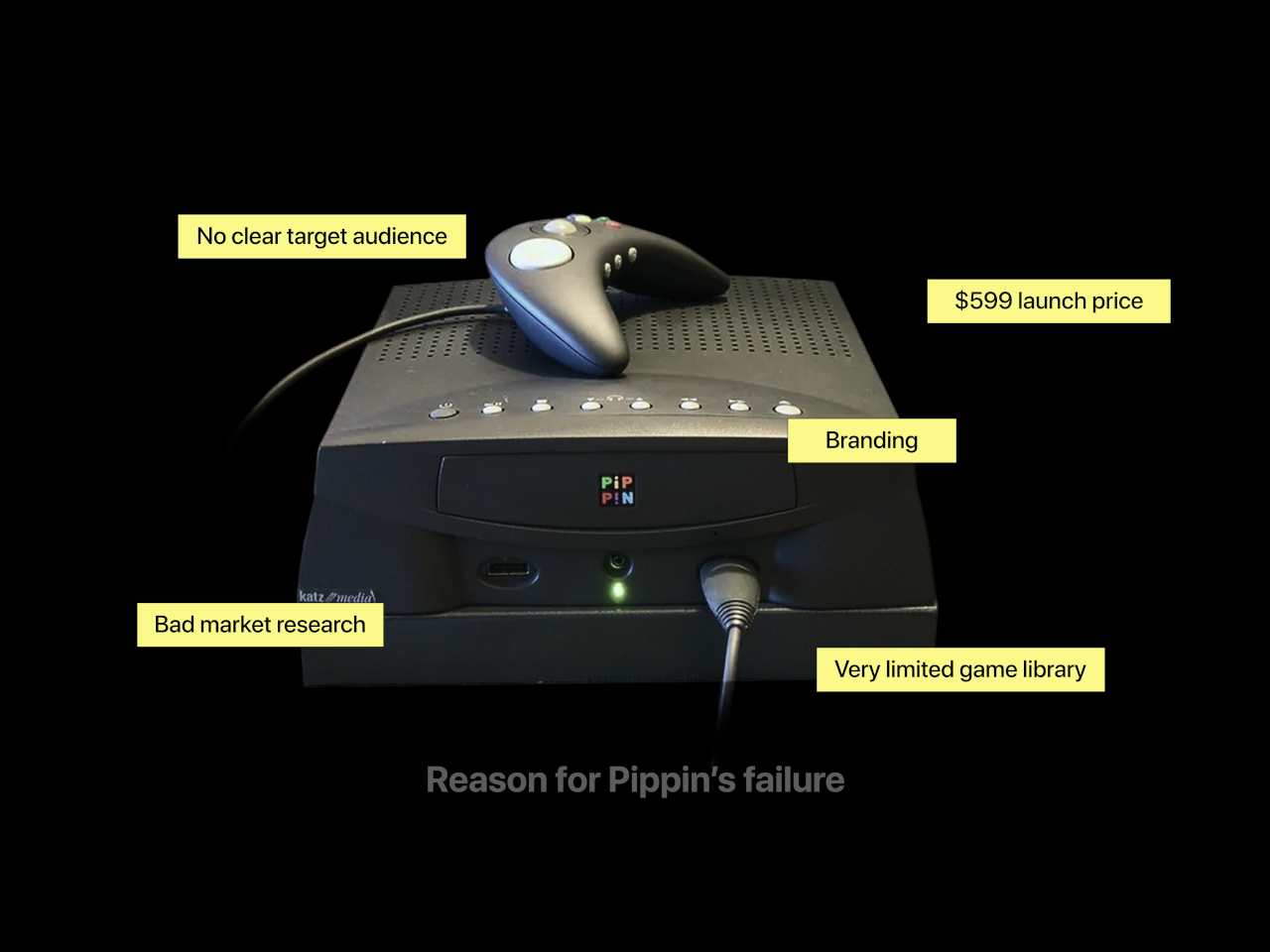
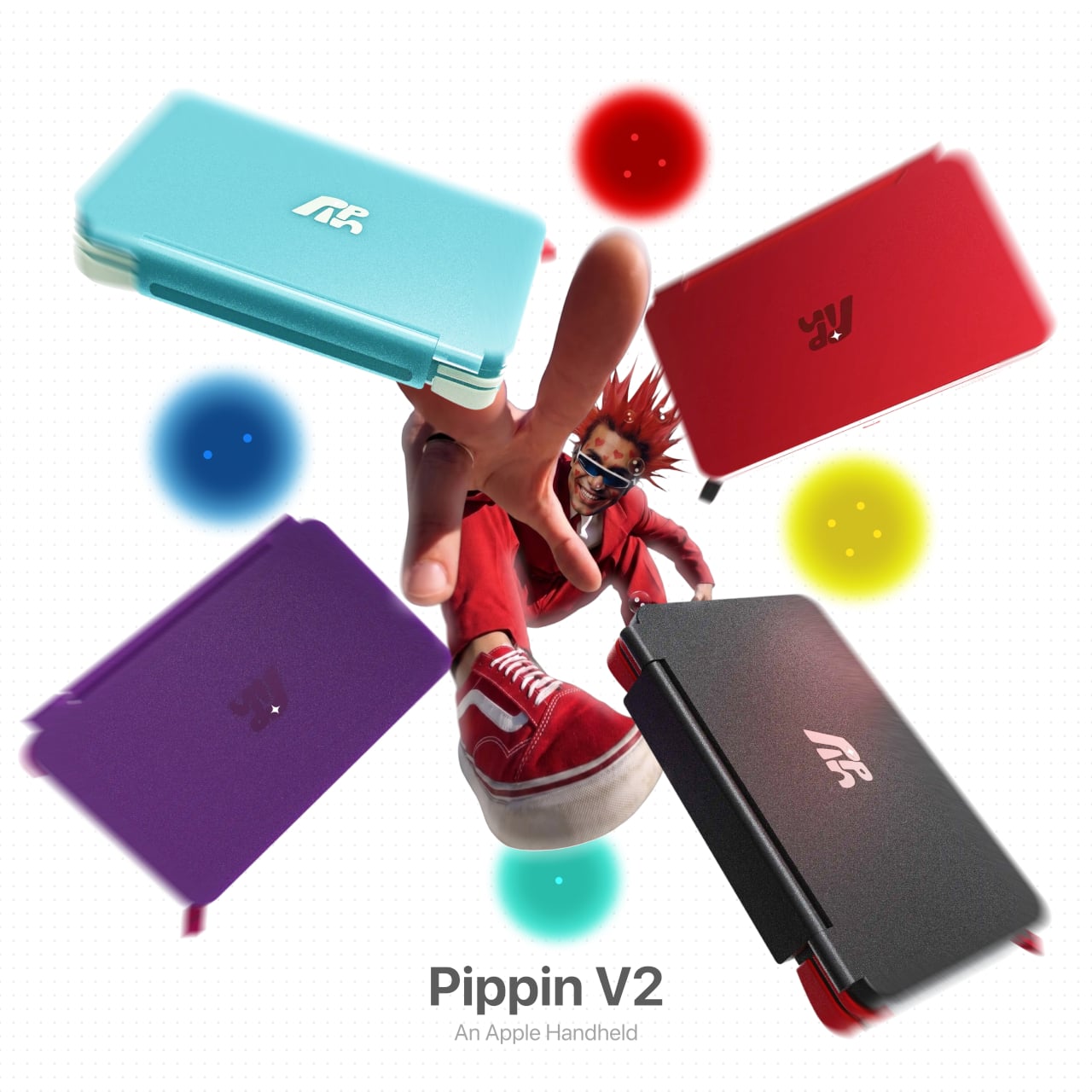
That gap is what Pippin V2 sets out to fill. The concept takes its name from one of Apple’s biggest failures: the Bandai Pippin, a gaming console launched in 1996 that folded within a year because of poor market research, no clear audience, and a $599 price tag most wouldn’t pay. This project poses one straightforward question: What would it look like if someone finally got it right?

Designer: Aditya Rajiv
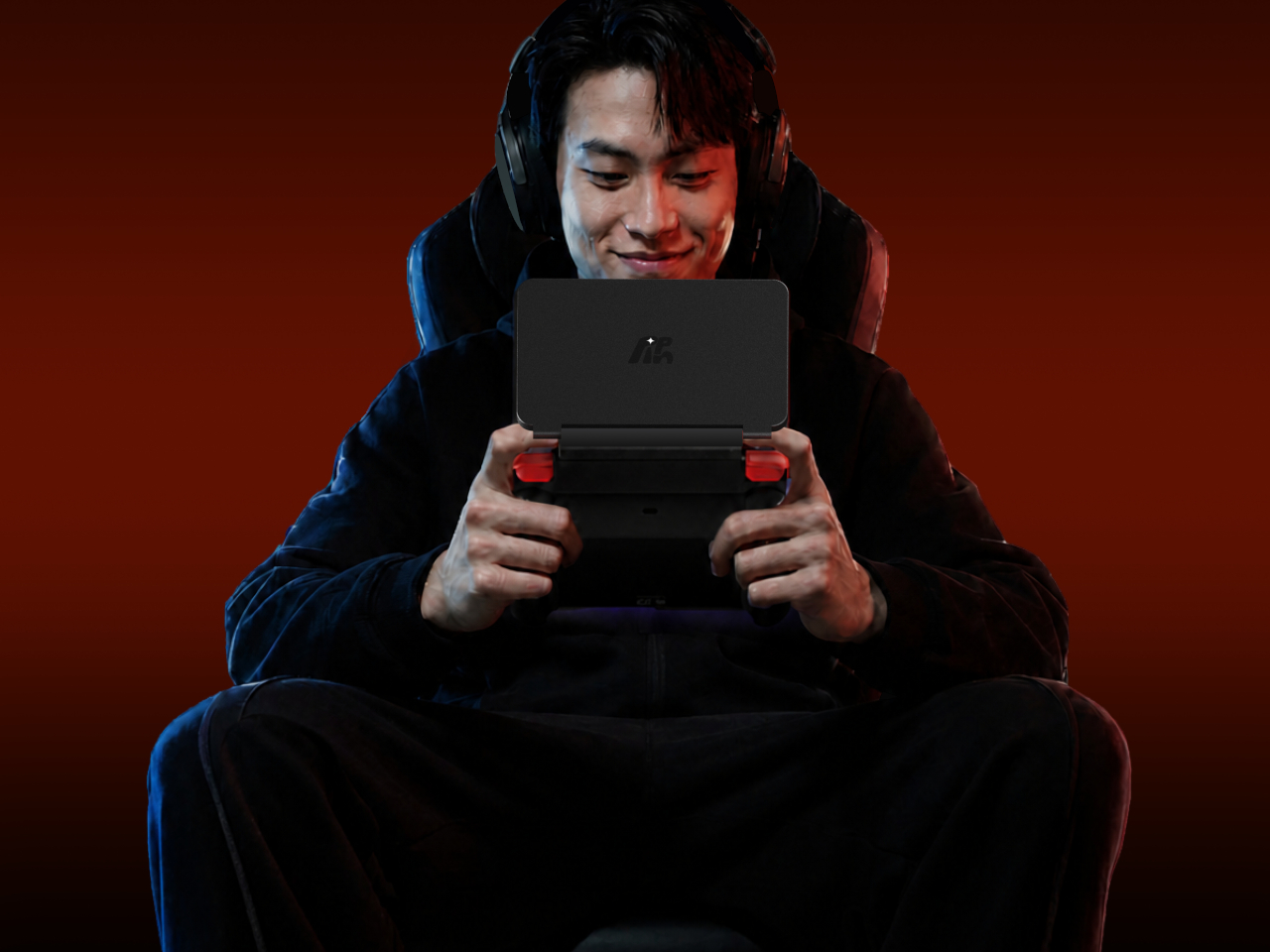
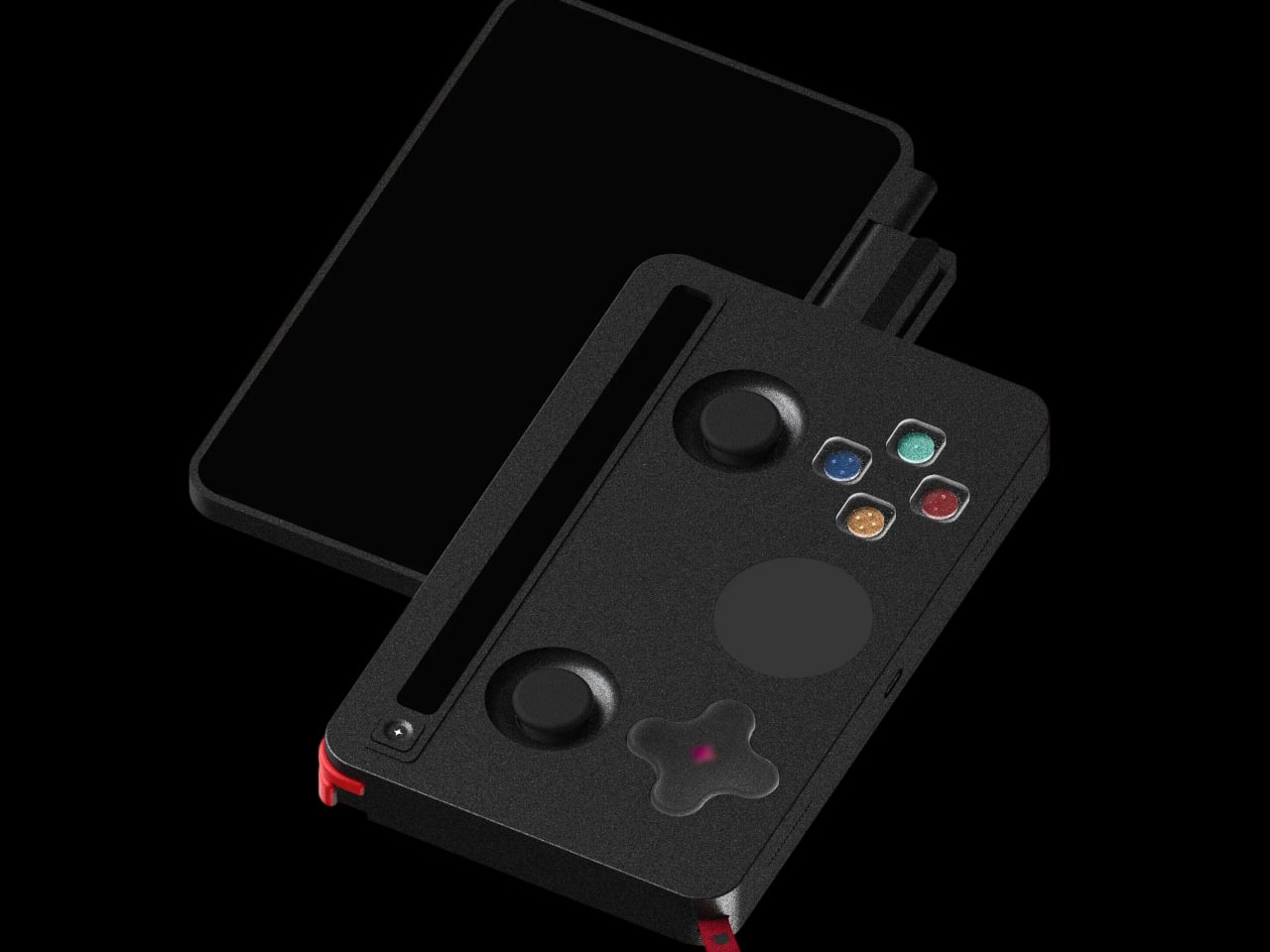
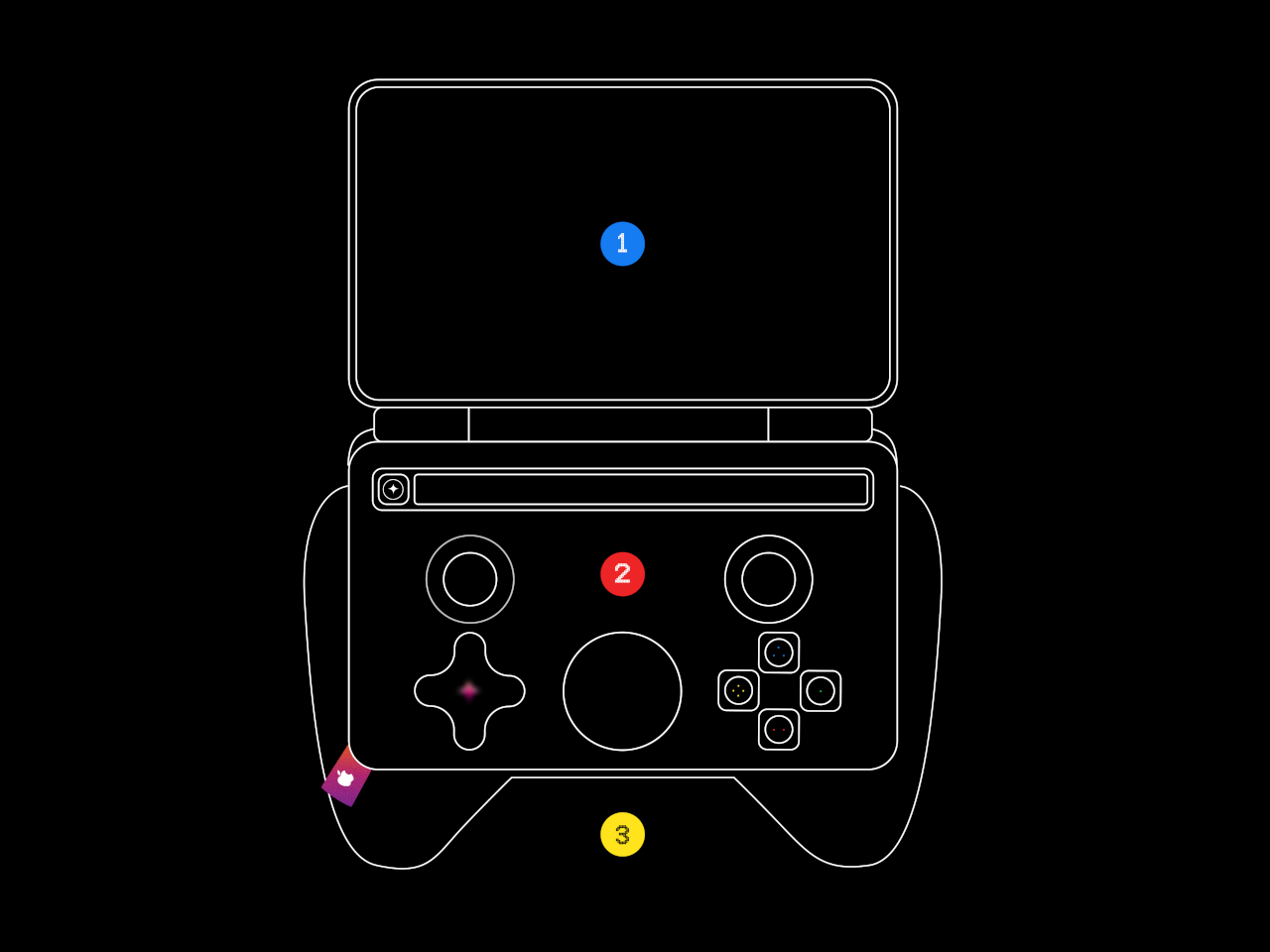
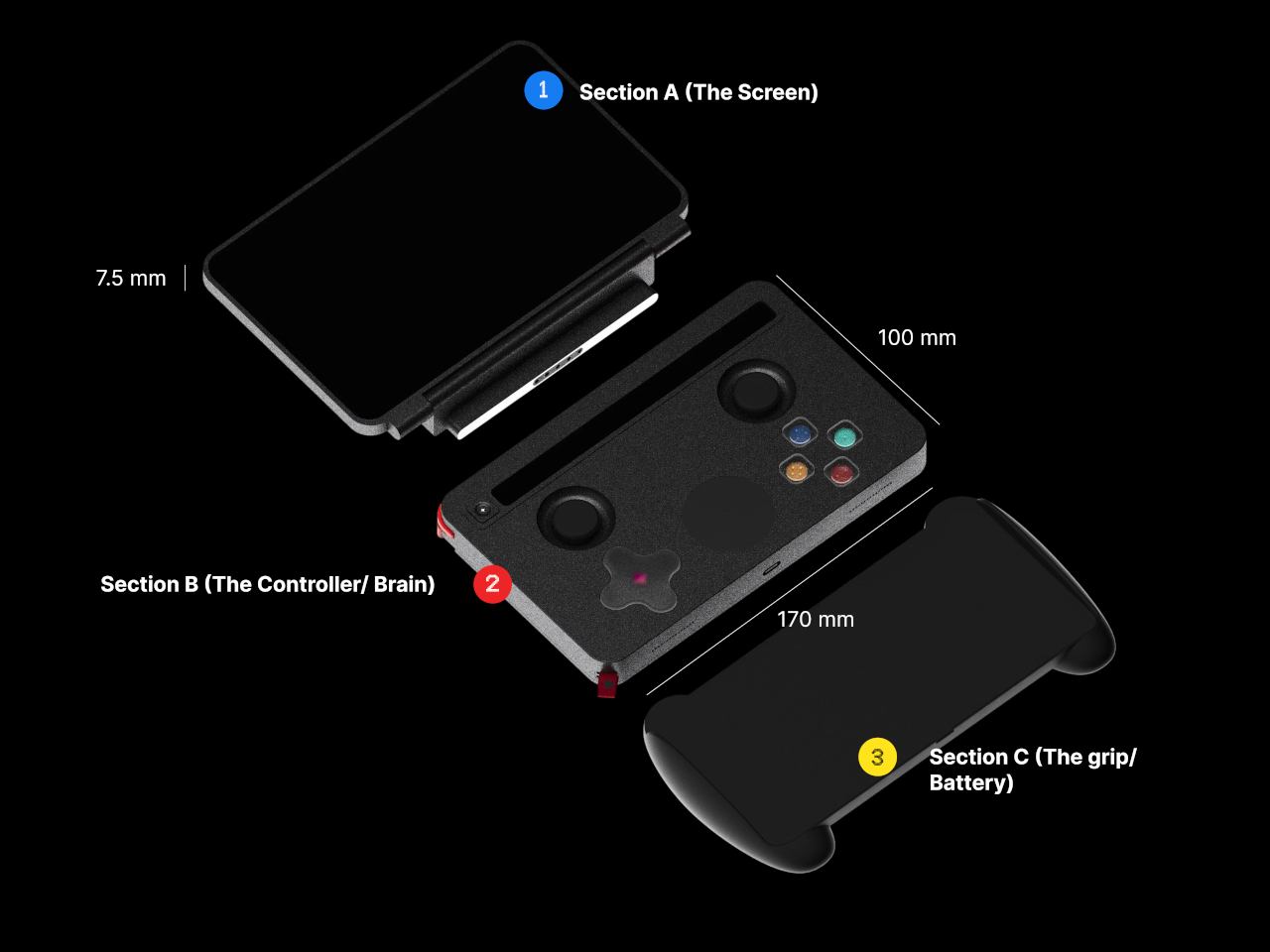
The design breaks into three separable parts. Section A is the display, a panel just 7.5 mm thin that detaches from the controller and works on its own. Section B is the controller and processing brain, housing an Apple M4 chip and the full input layout at 100 by 170 mm. Connect it wirelessly to any screen you already own, and the built-in display isn’t the only option anymore.
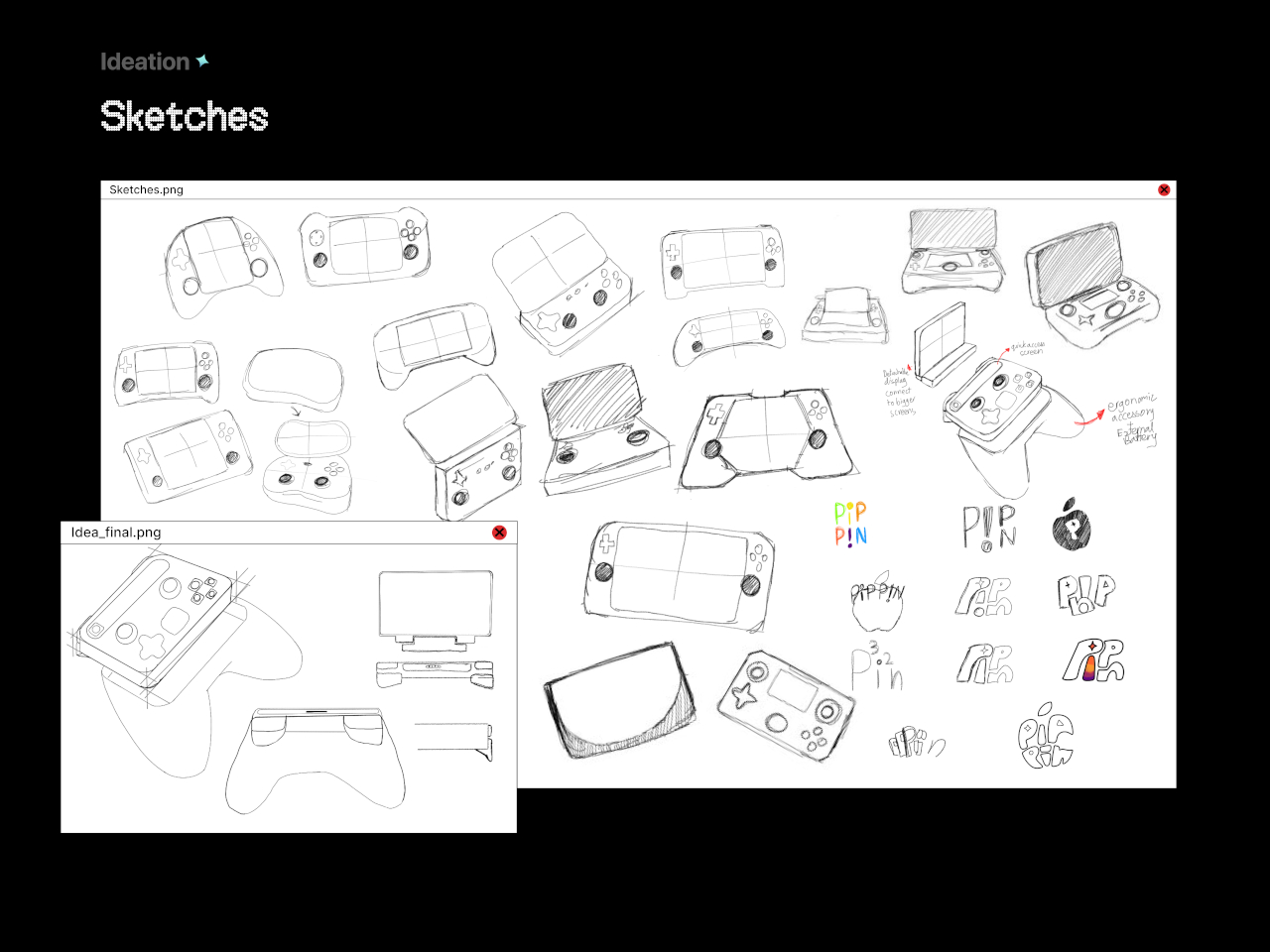
The third piece is the battery grip. Most portable gaming devices pit battery life and ergonomics against each other: longer sessions demand bigger batteries, and bigger batteries add bulk and strain. The grip attachment resolves both at once, adding play time while its ergonomic contour eases hand fatigue during extended sessions. Attach it for a long night of gaming; leave it off when you don’t need the extra weight.
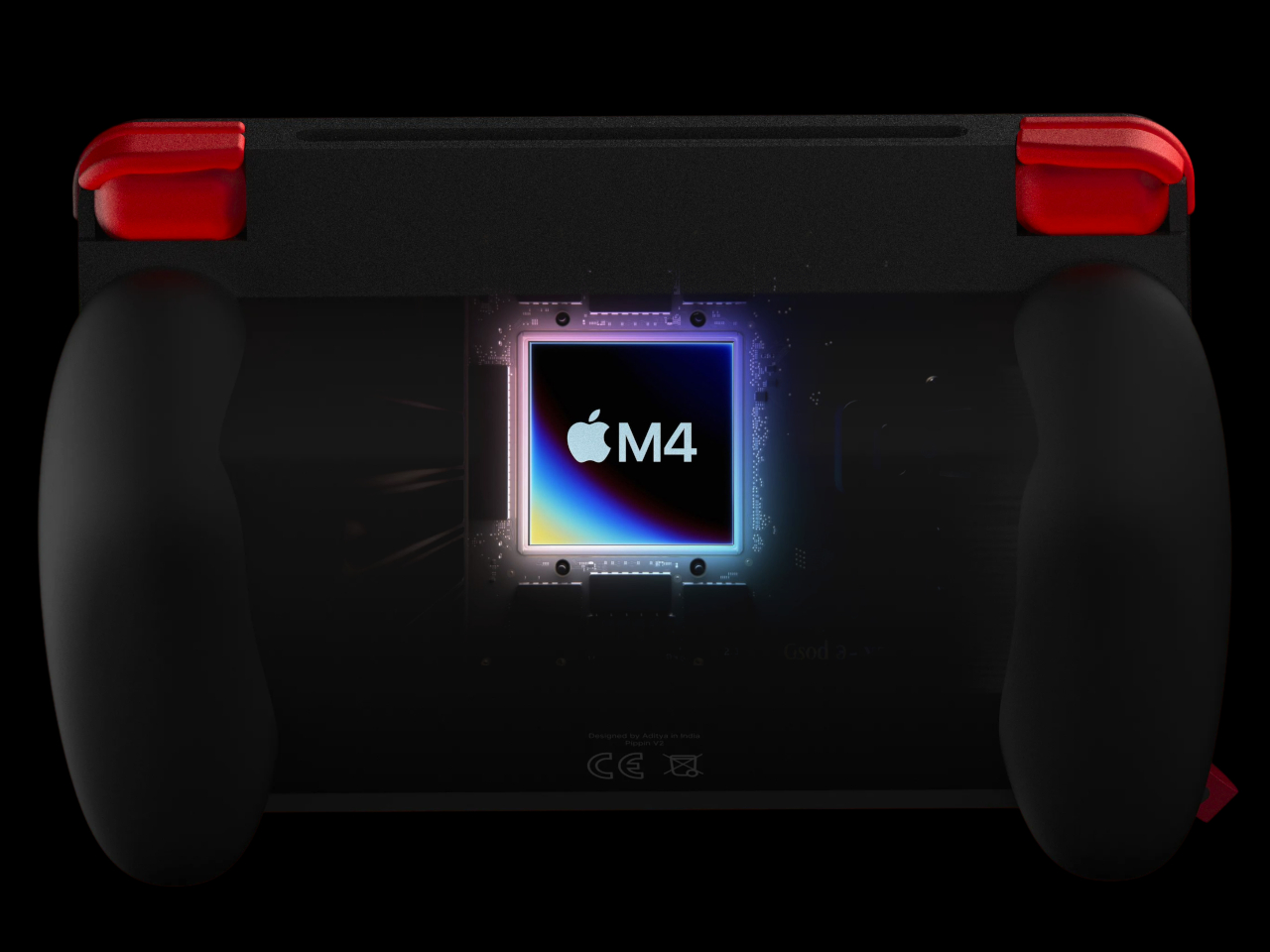
The M4 chip is what makes AAA game support credible in this form factor. Apple’s silicon handles workloads that typically require desktop-class cooling and dedicated GPU memory, without the thermal runaway that plagues other handheld competitors. For someone who plays Cyberpunk 2077 or God of War on a home console but wants to continue on a commute, the power ceiling doesn’t require compromising on which games you can actually run.
Cross-device continuity is the other argument for an Apple-branded handheld over another gaming PC alternative. Survey research conducted for this project found that nearly 75% of users were open to handheld gaming, and the biggest complaint about mobile gaming was the lack of physical controls. A device that’s already inside the existing iPhone and Mac ecosystem removes the friction of starting from scratch on a new platform.
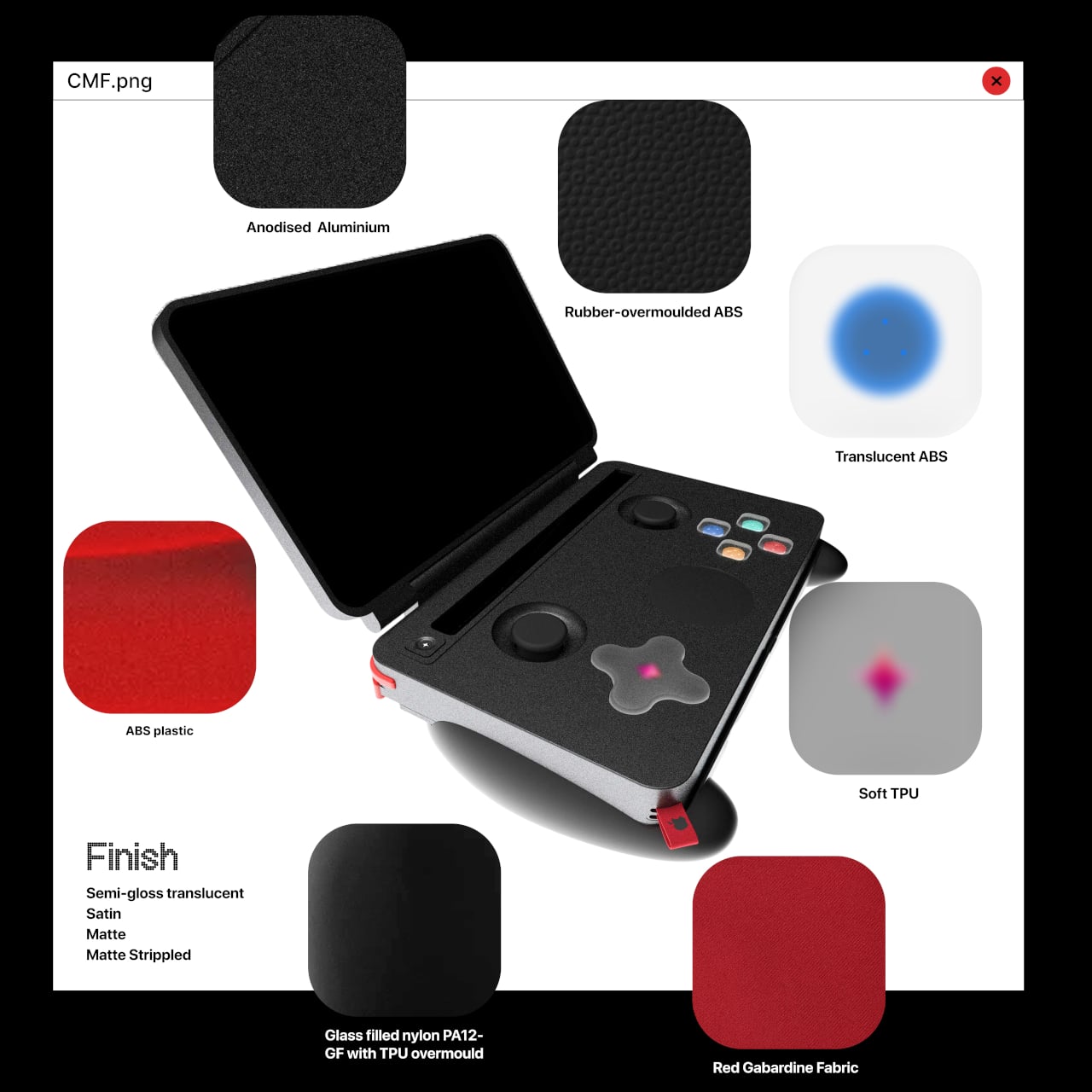
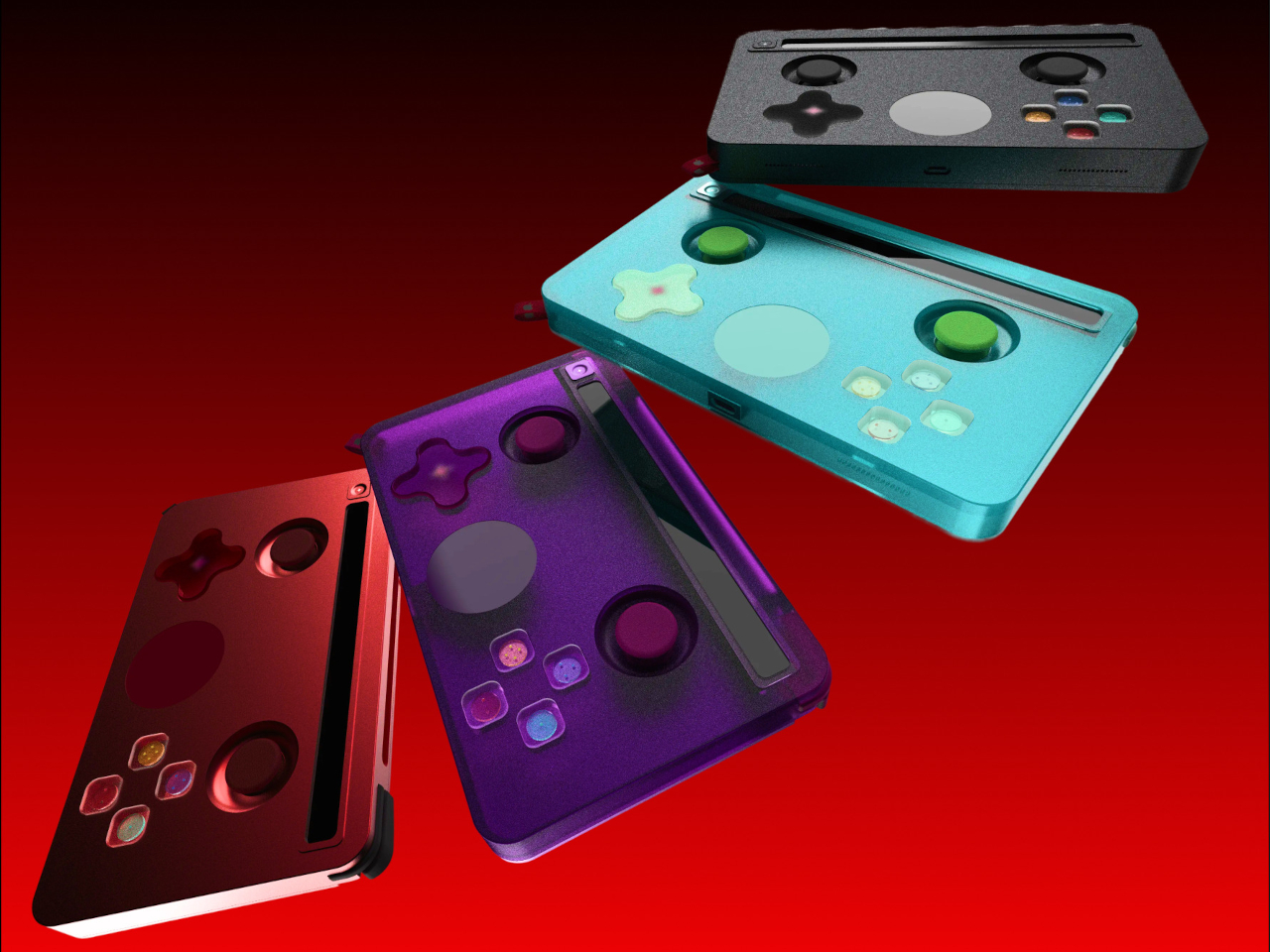
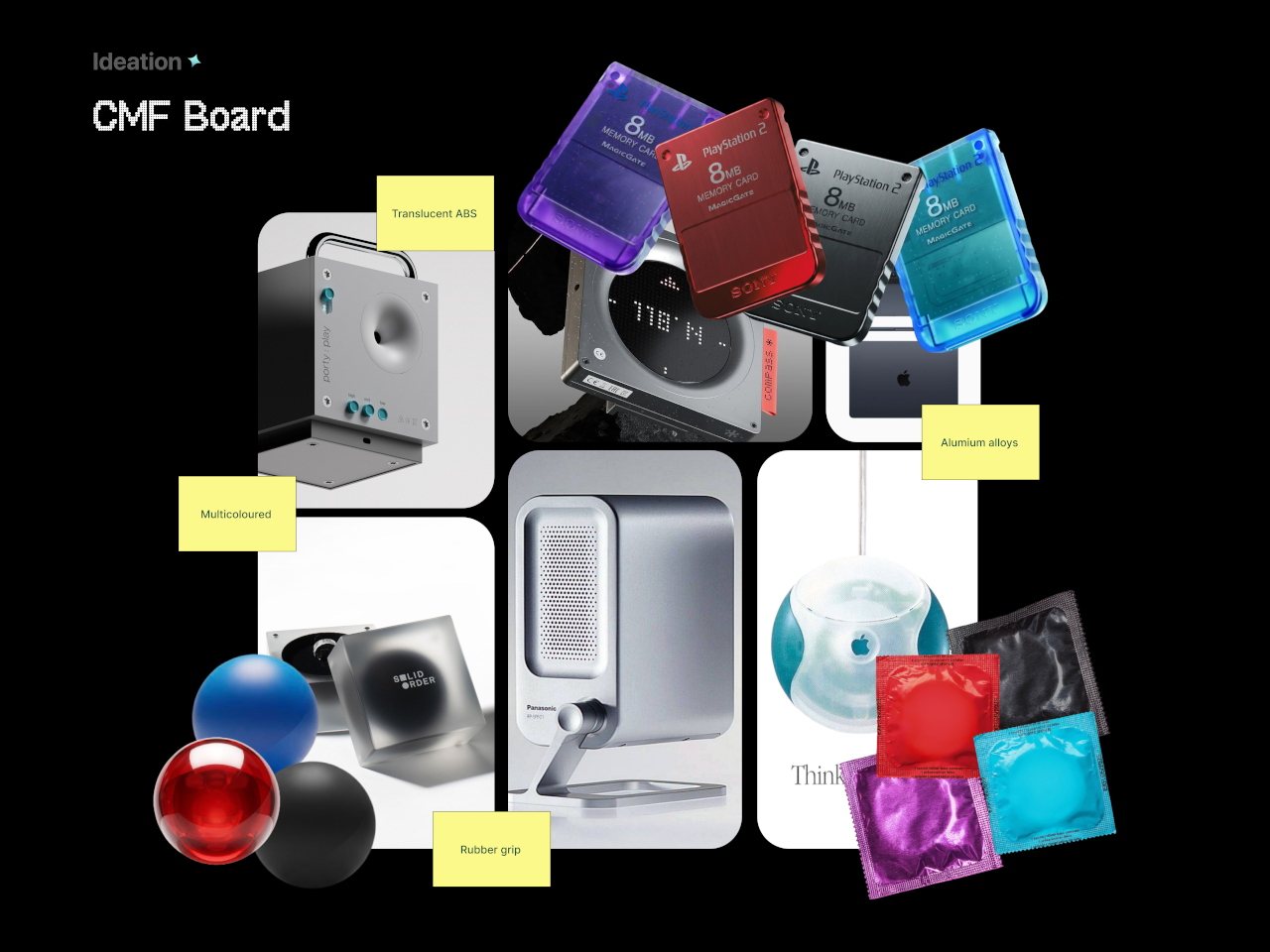
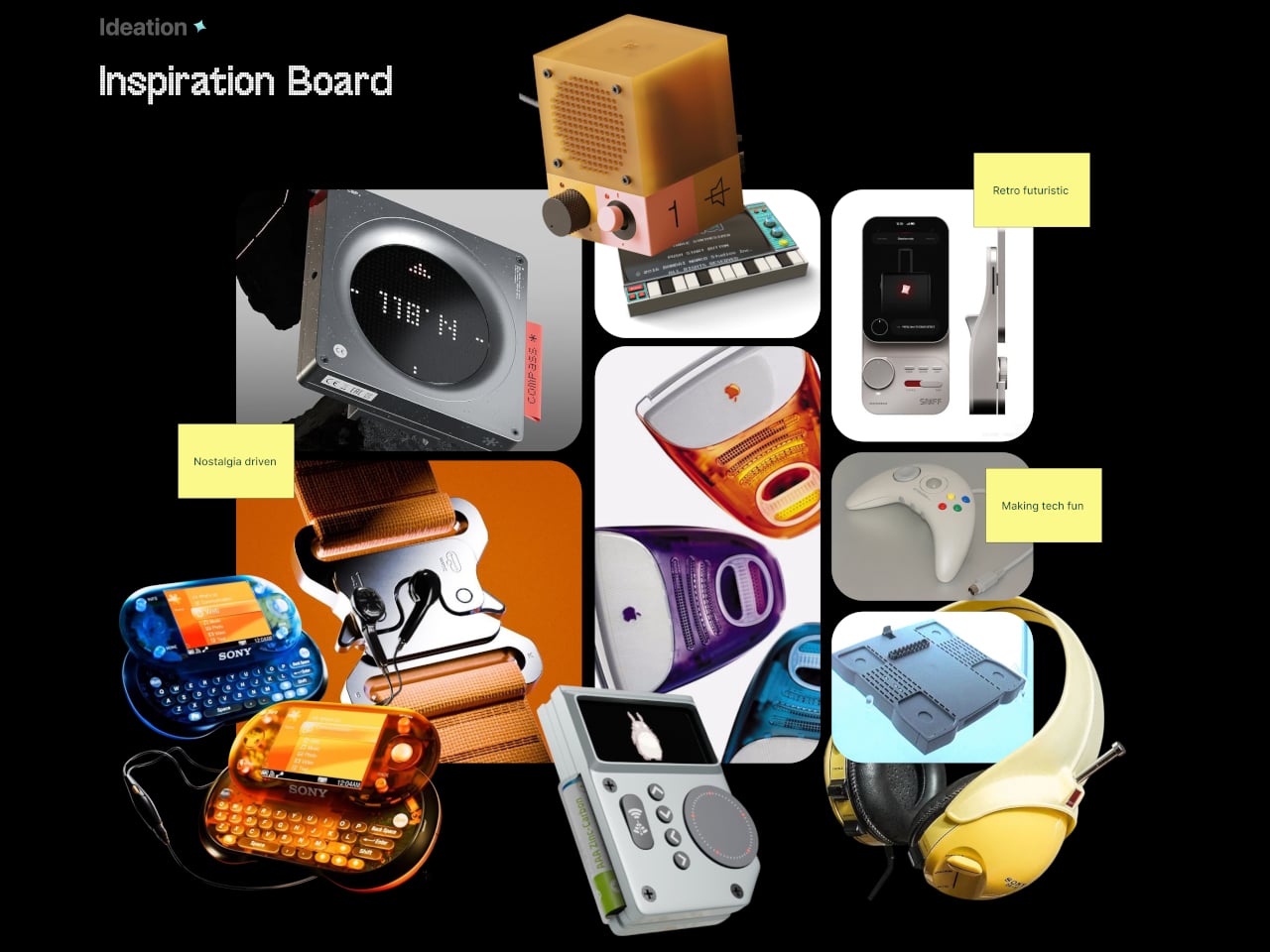
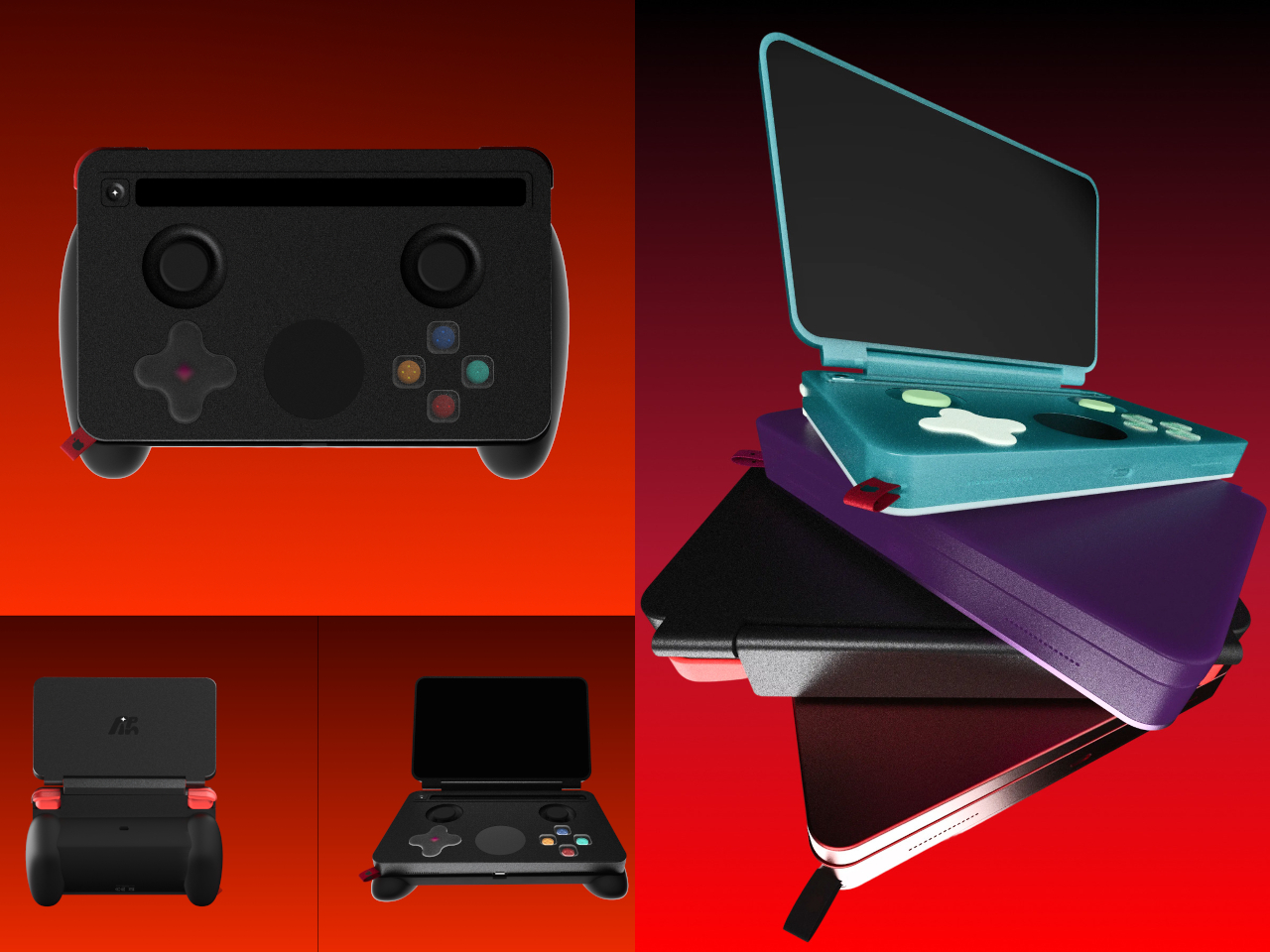
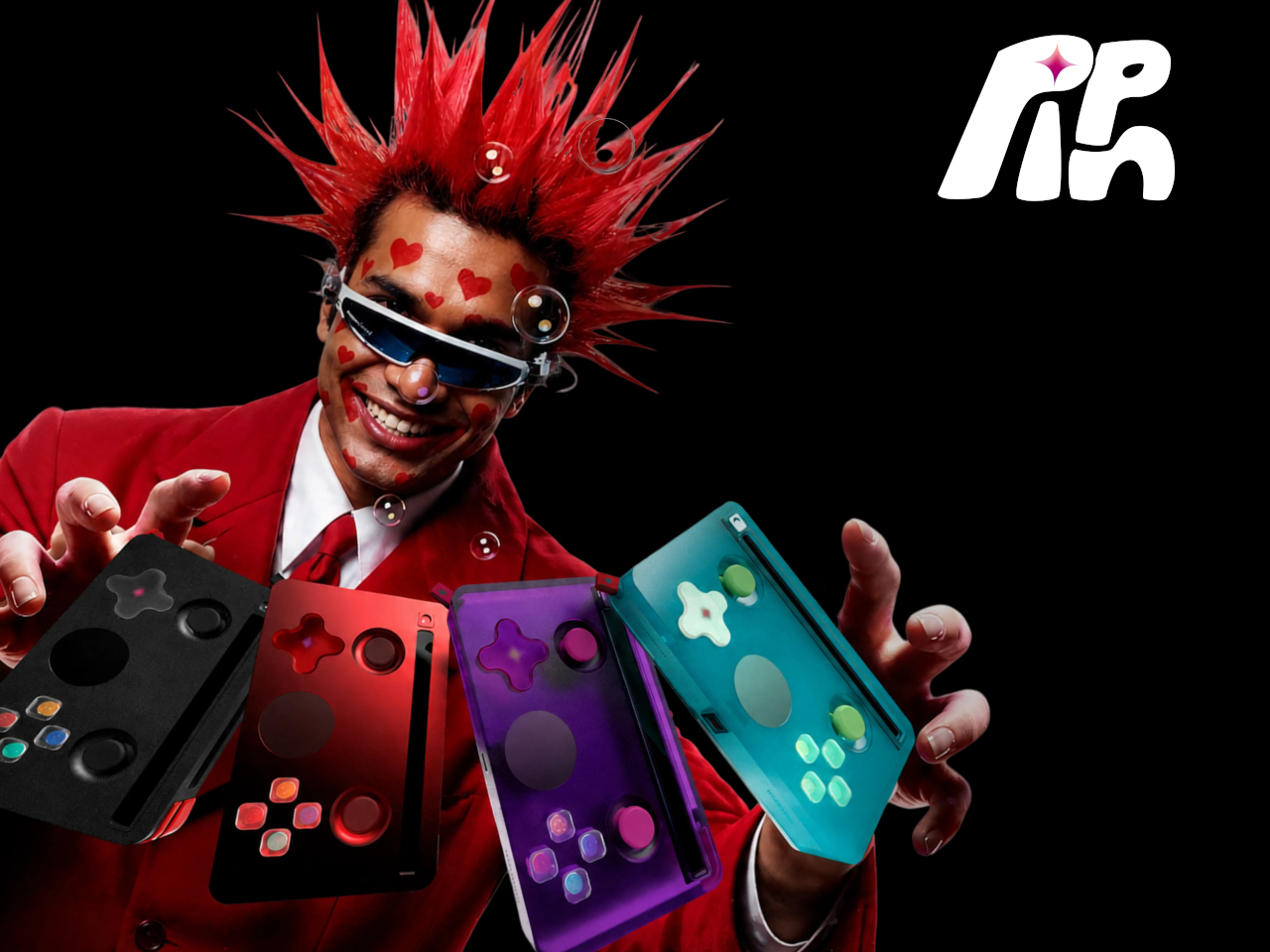
The materials reflect the dual identity between Apple’s refined aesthetic and the tactile demands of gaming hardware. The controller body uses anodised aluminium and ABS plastic, with rubber-overmoulded sections for grip and soft TPU for the control surfaces. There are four color options: Metallic Black, Metallic Red, Grape, and Bondi Blue, each carrying translucent and satin finishes that the iMac G3 would’ve recognized.
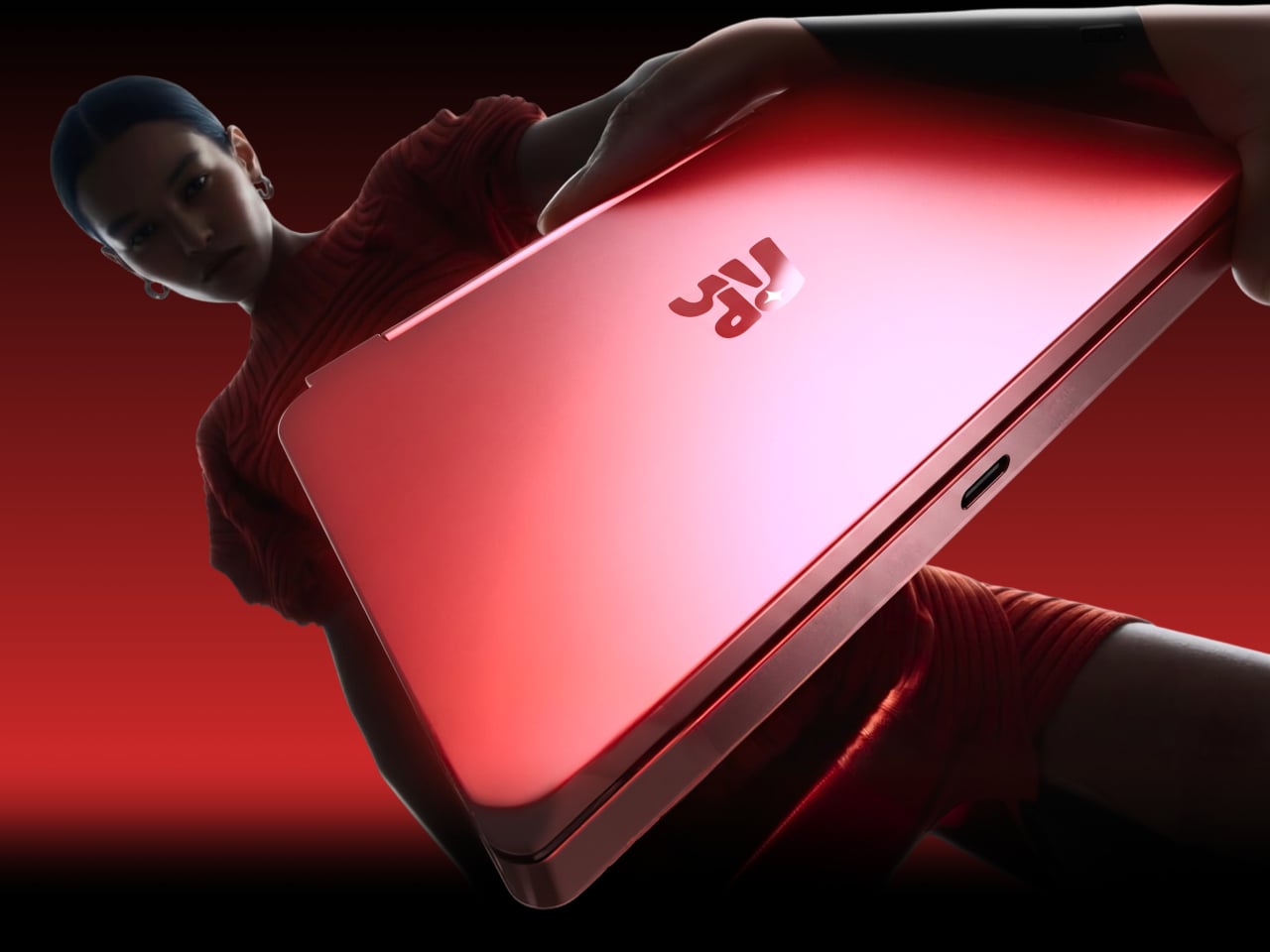
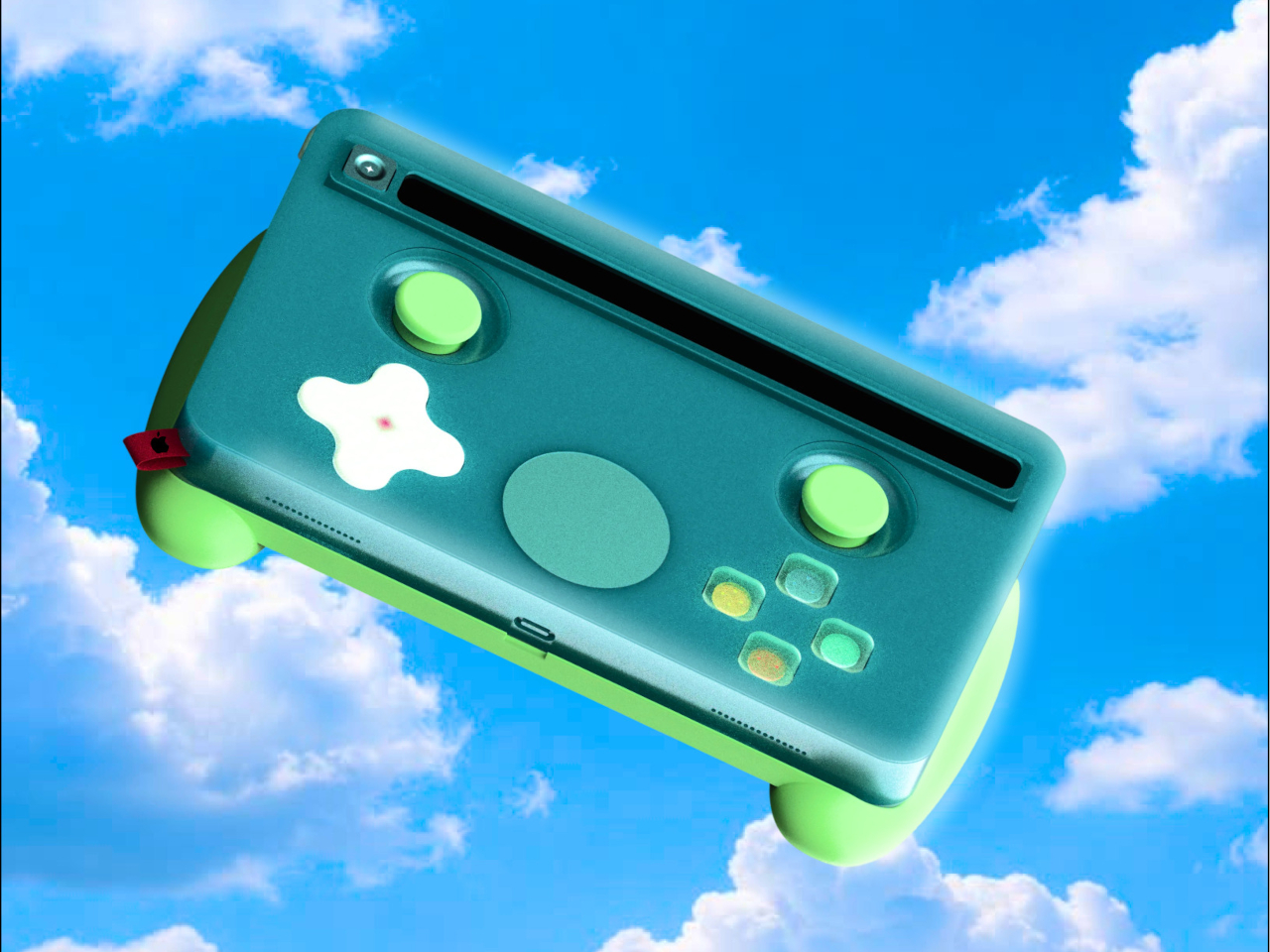
Pippin V2 is still a concept, with no indication Apple will actually build anything like it. The gap it addresses is real, though, and the research behind it points to an audience that’s already there. Apple’s biggest untapped strength in gaming has always been its ecosystem, and this concept makes the argument that the same infrastructure powering your iPhone and Mac could power something worth playing seriously.
The post Someone Finally Gave Apple’s Biggest Gaming Failure a Second Chance first appeared on Yanko Design.

Vertu AlphaFold starting at $6,880 makes the Galaxy Z Fold seem ultra-affordable

When mainstream smartphone designs became too generic, the next evolution took the form of foldable phones. These devices, targeted towards power users who want the dual utility of a phone and a tablet in one, are quite popular and becoming mainstream, so much so that their look and feel have again come full circle and become boring. We do live in a pace-paced tech world where every next trend is longing for the next exciting evolution.

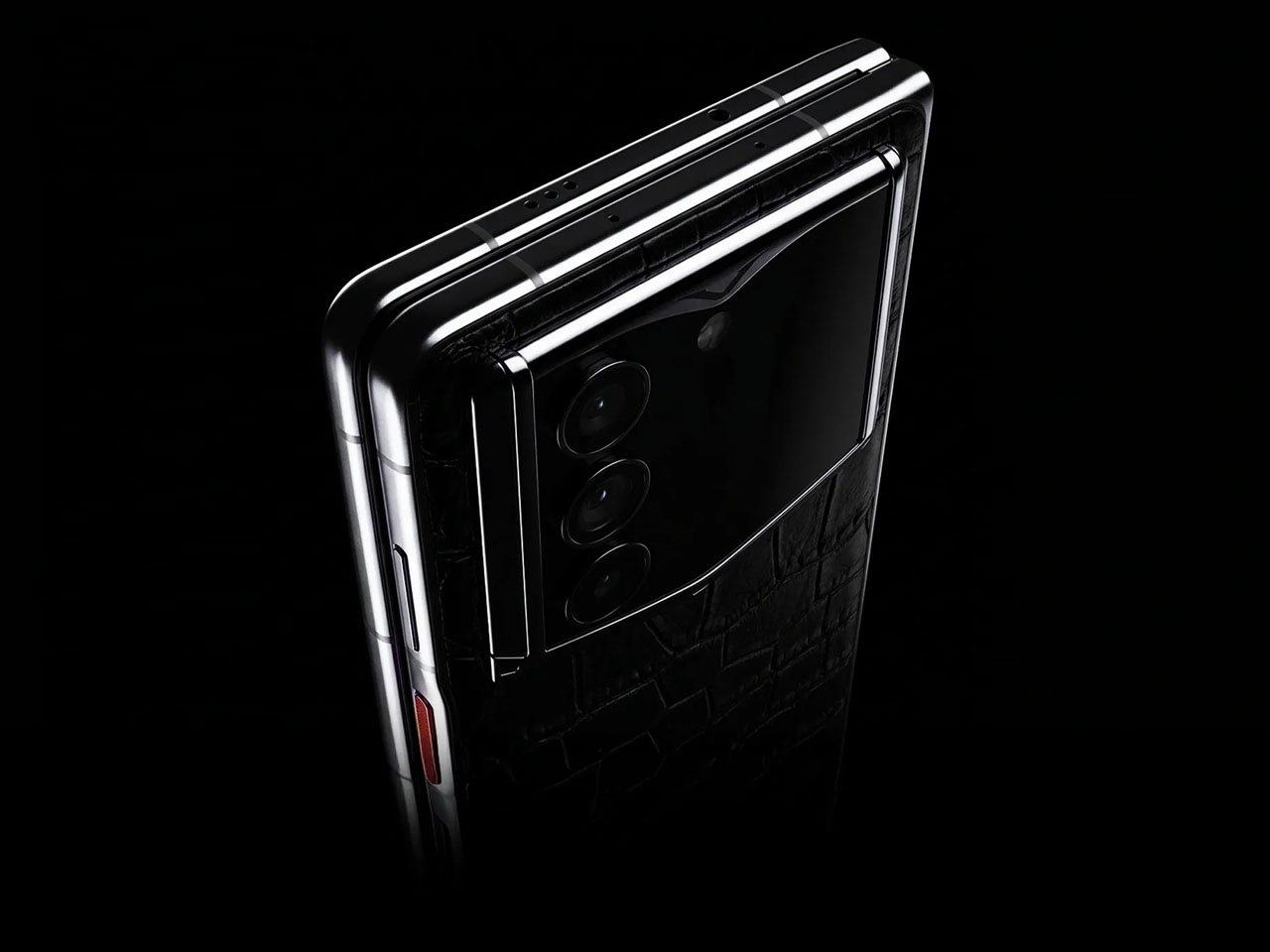
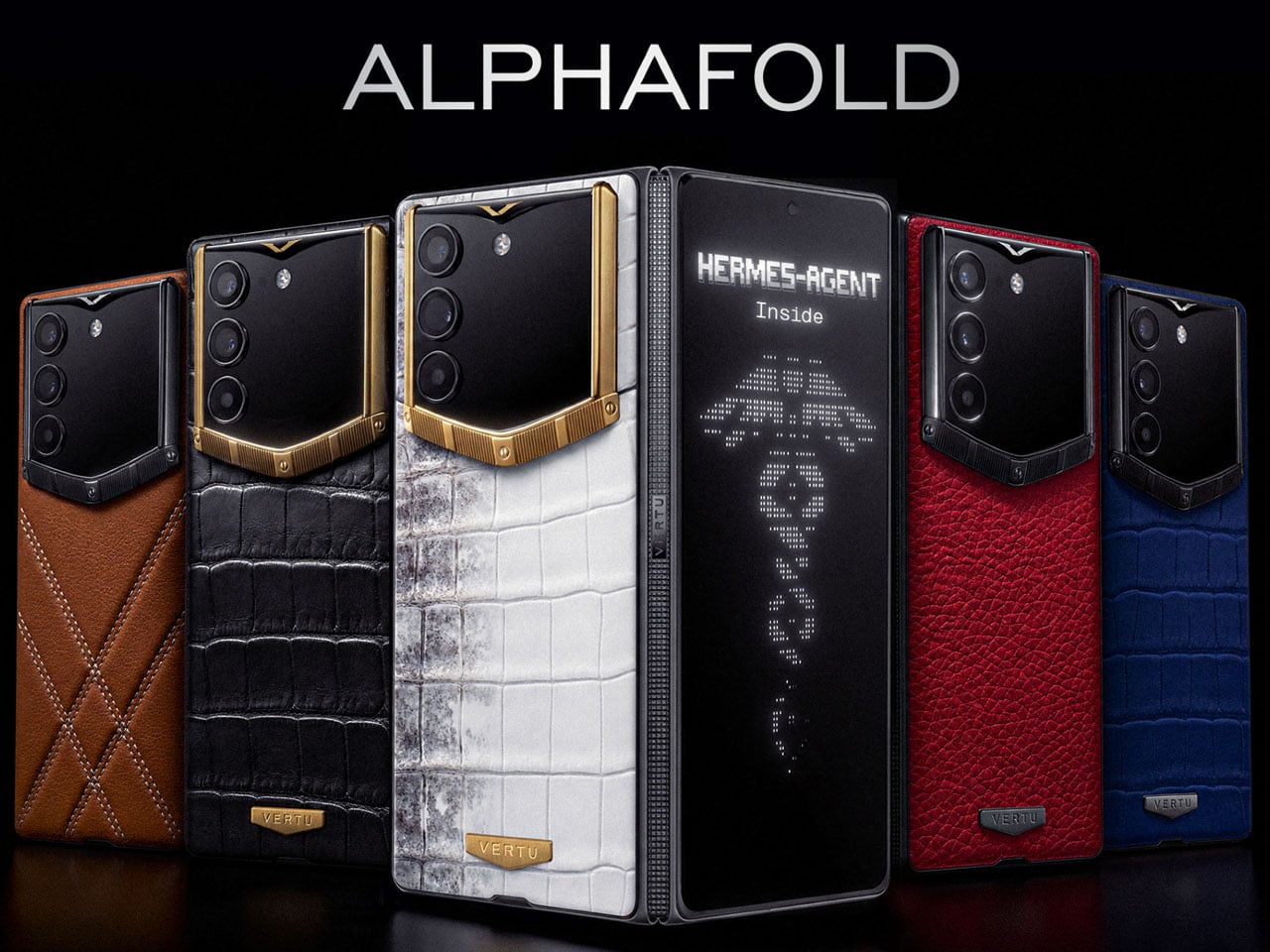
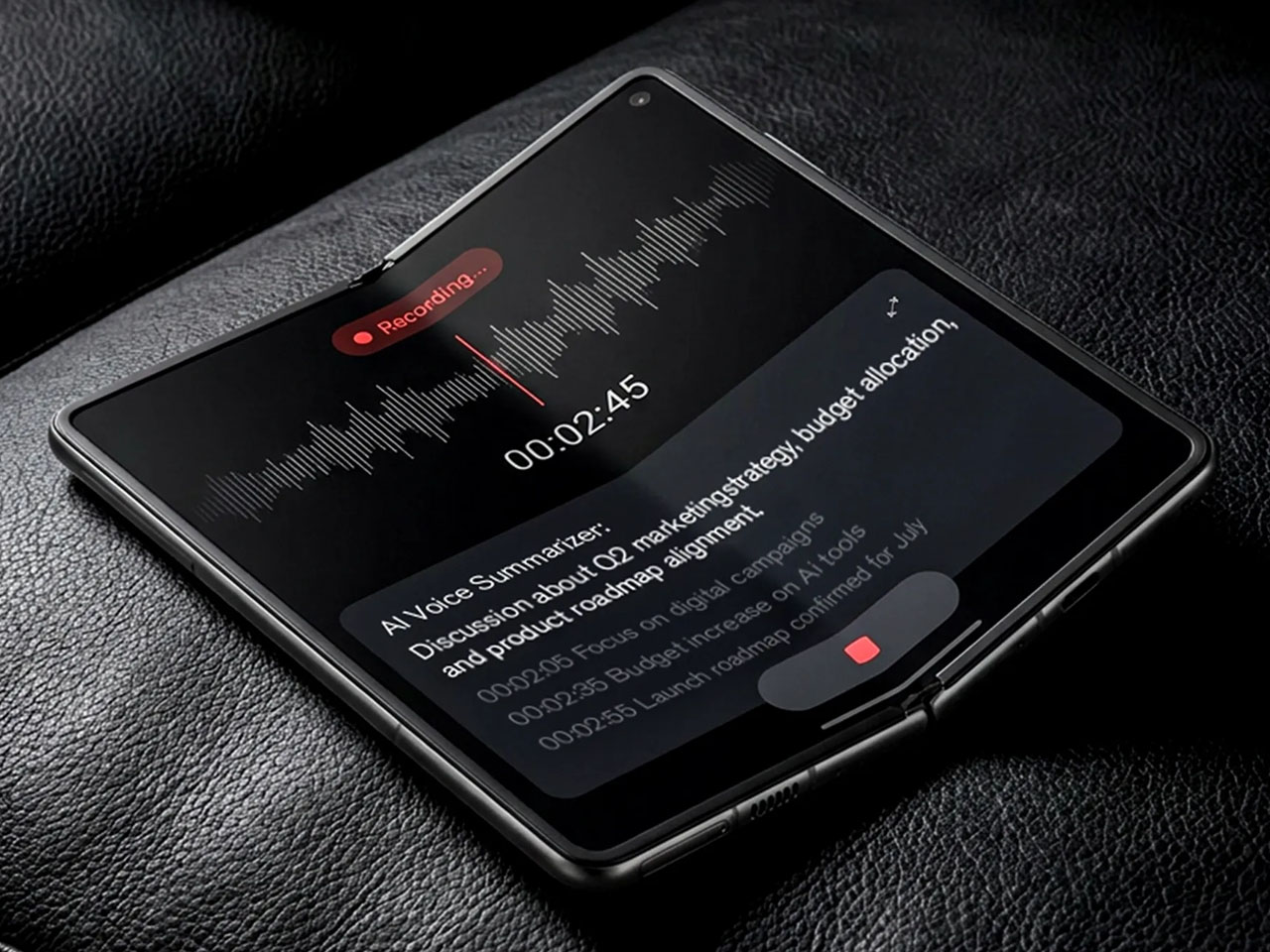
Making all the other foldables on the market feel boring and obsolete as far as design is concerned, the Vertu’s AI-powered folding smartphone is here for fat-pocketed tech whizzes who are willing to shell out anywhere between $6,880 to $46,880. For a price tag as exorbitant as that, the $3,000 Galaxy Z Trifold or the expected-to-be-pricey iPhone Fold also seems reasonable!

Designer: Vertu

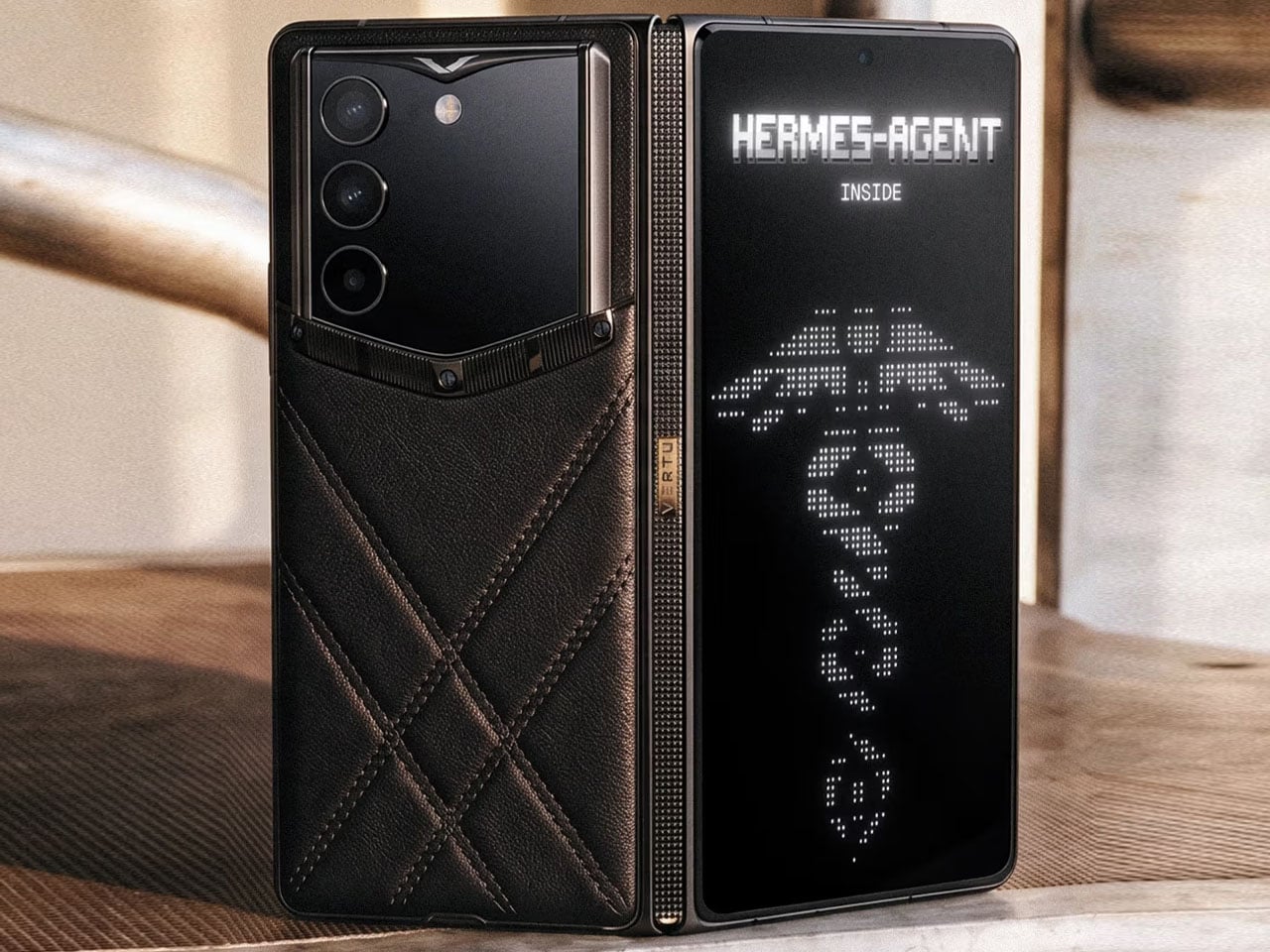
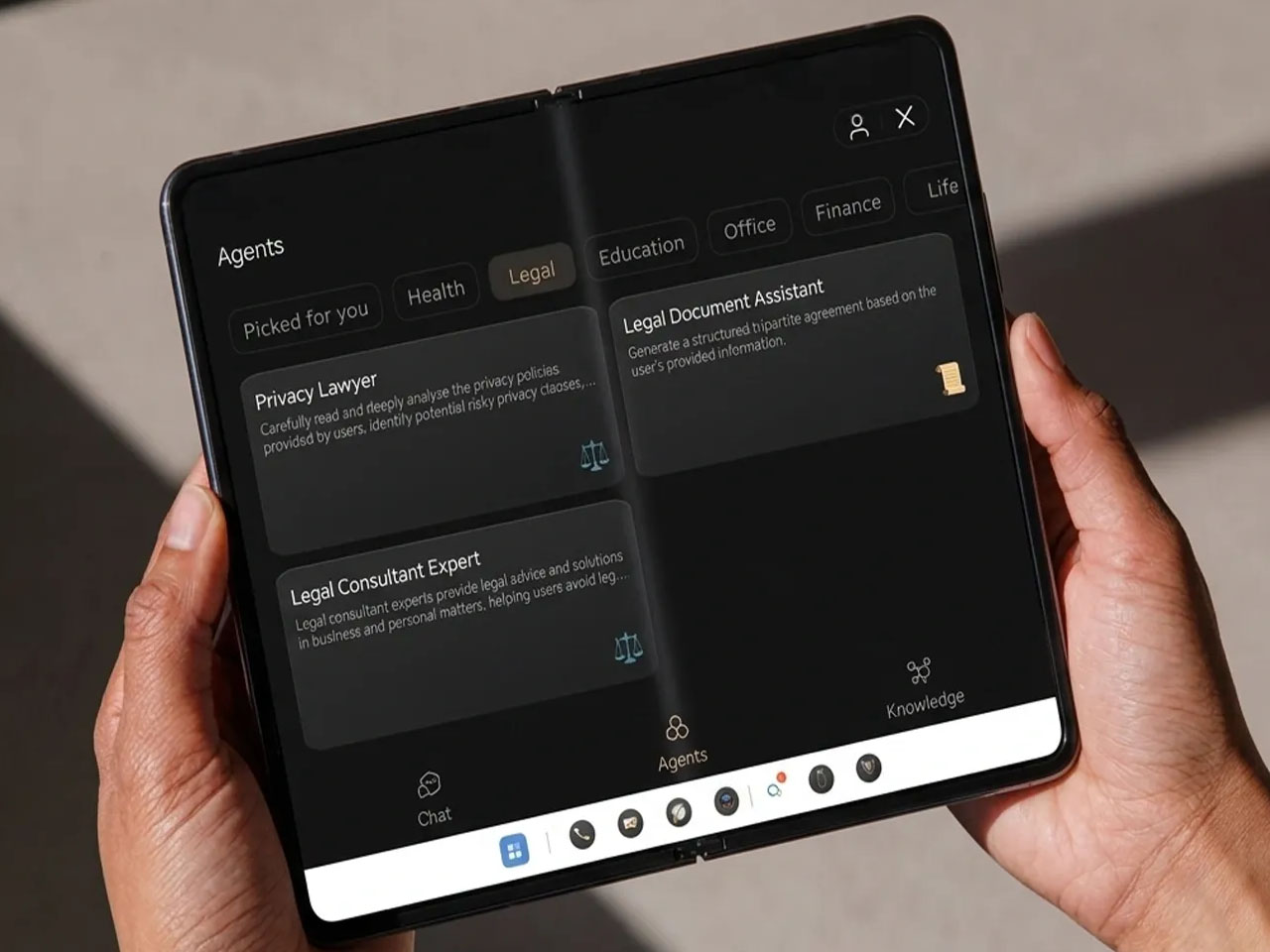
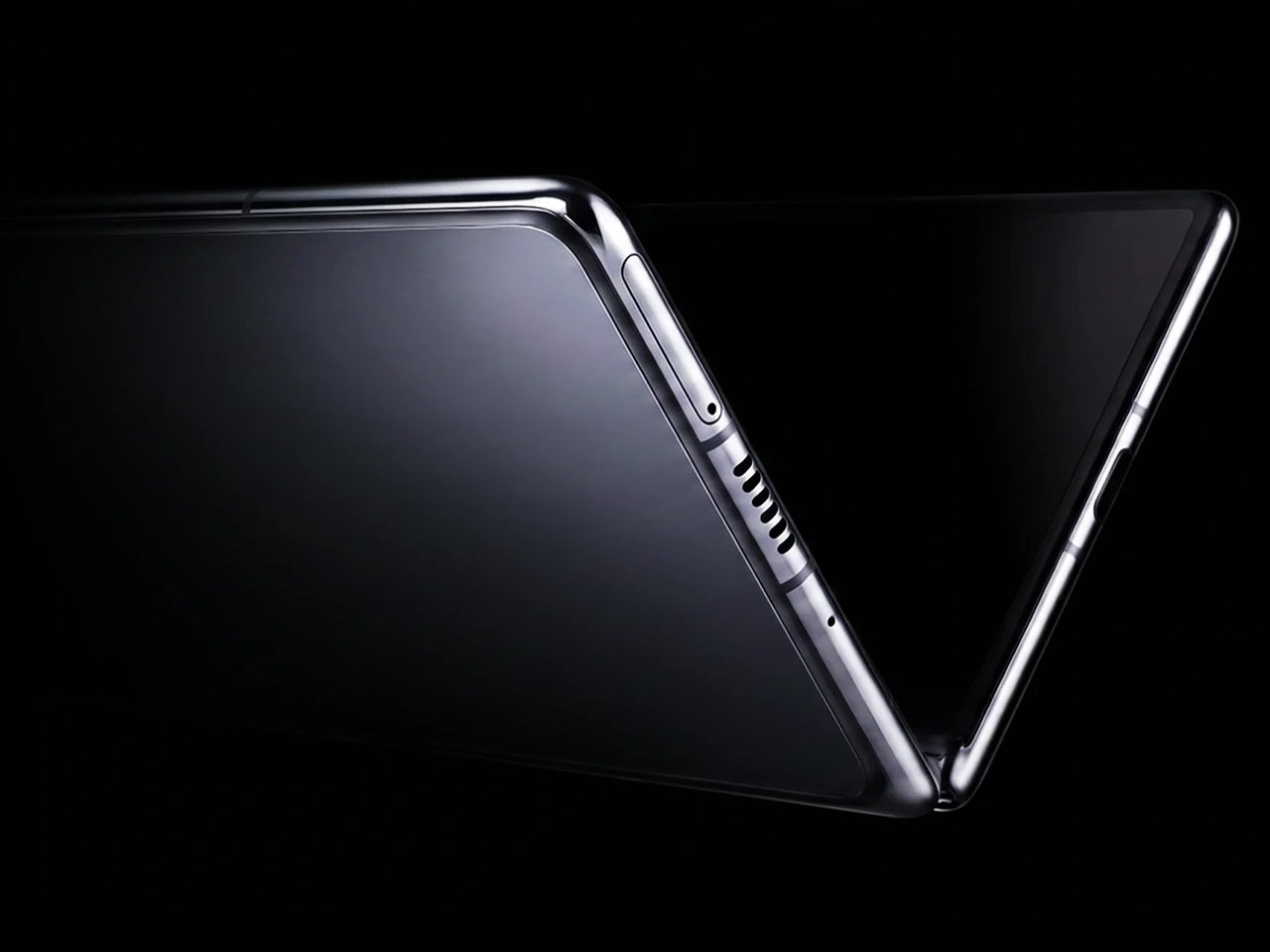
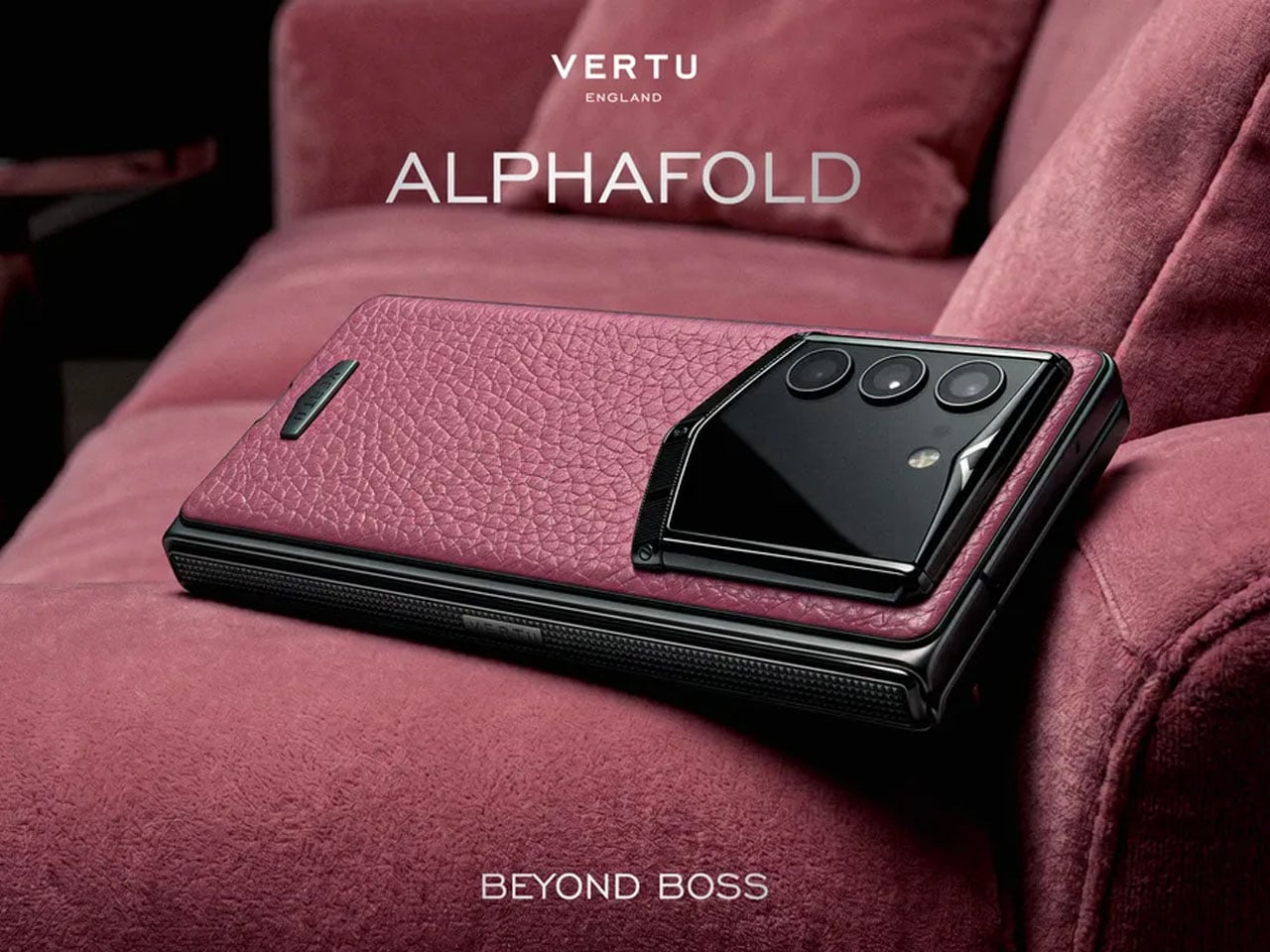
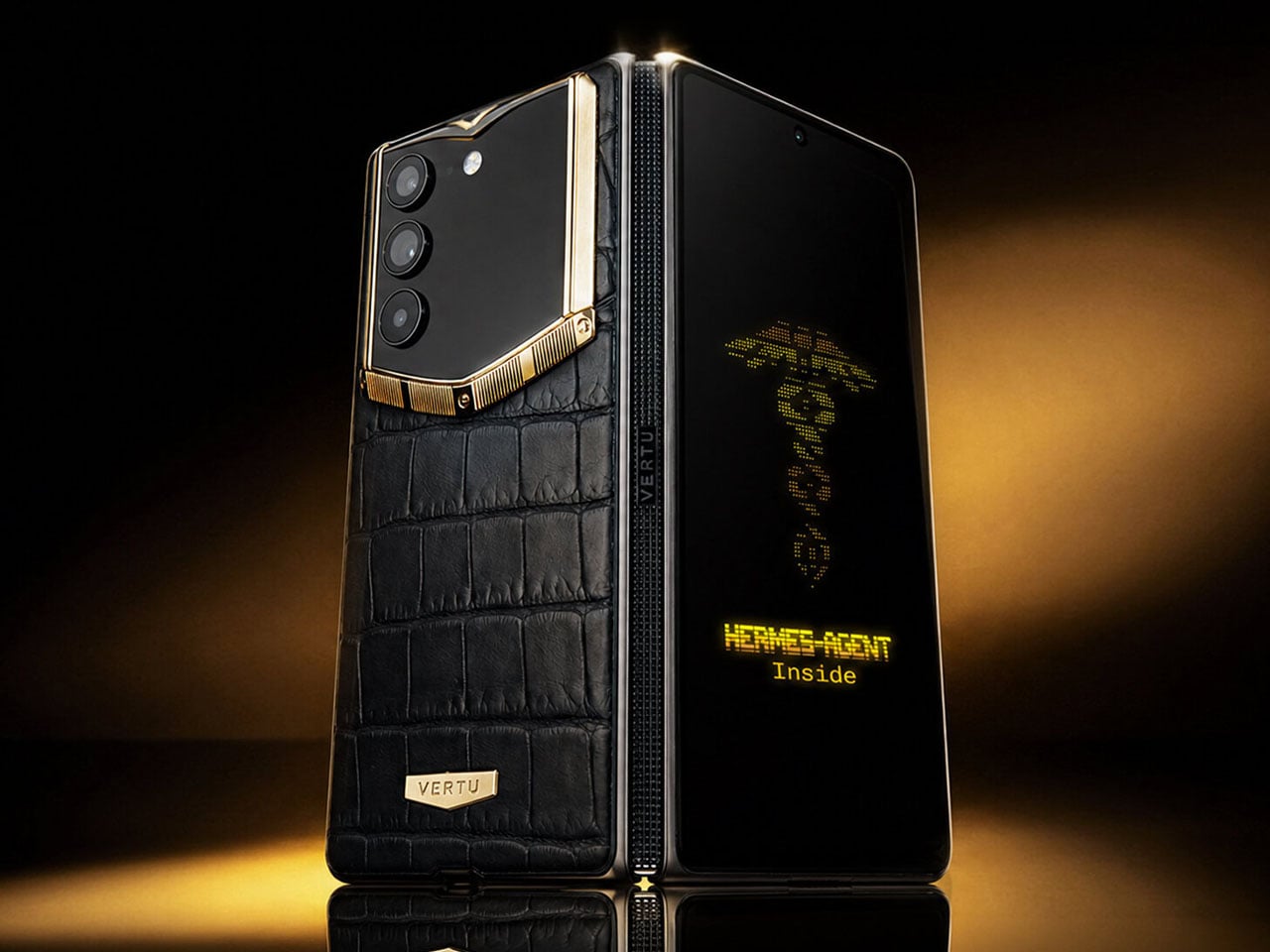
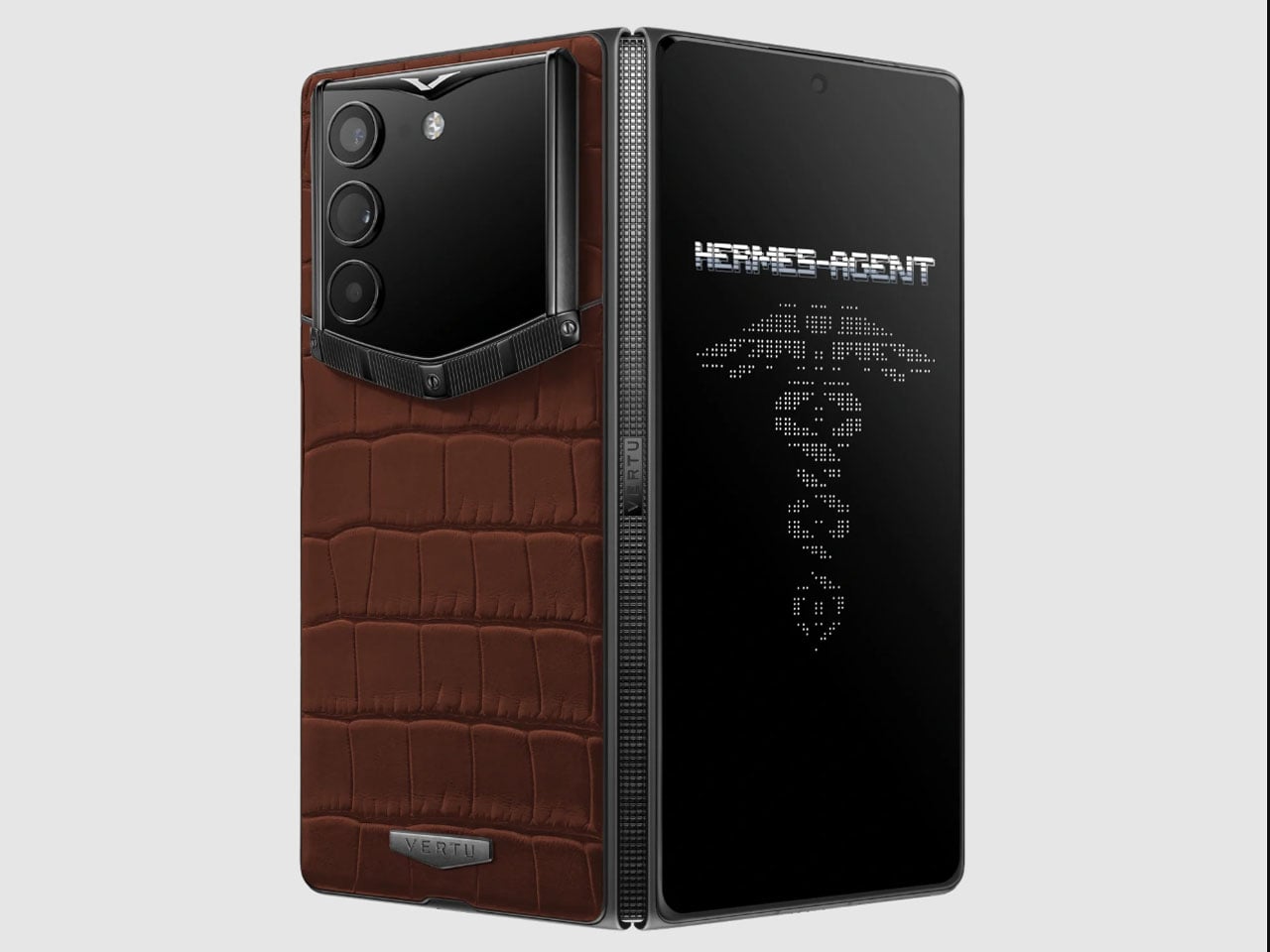
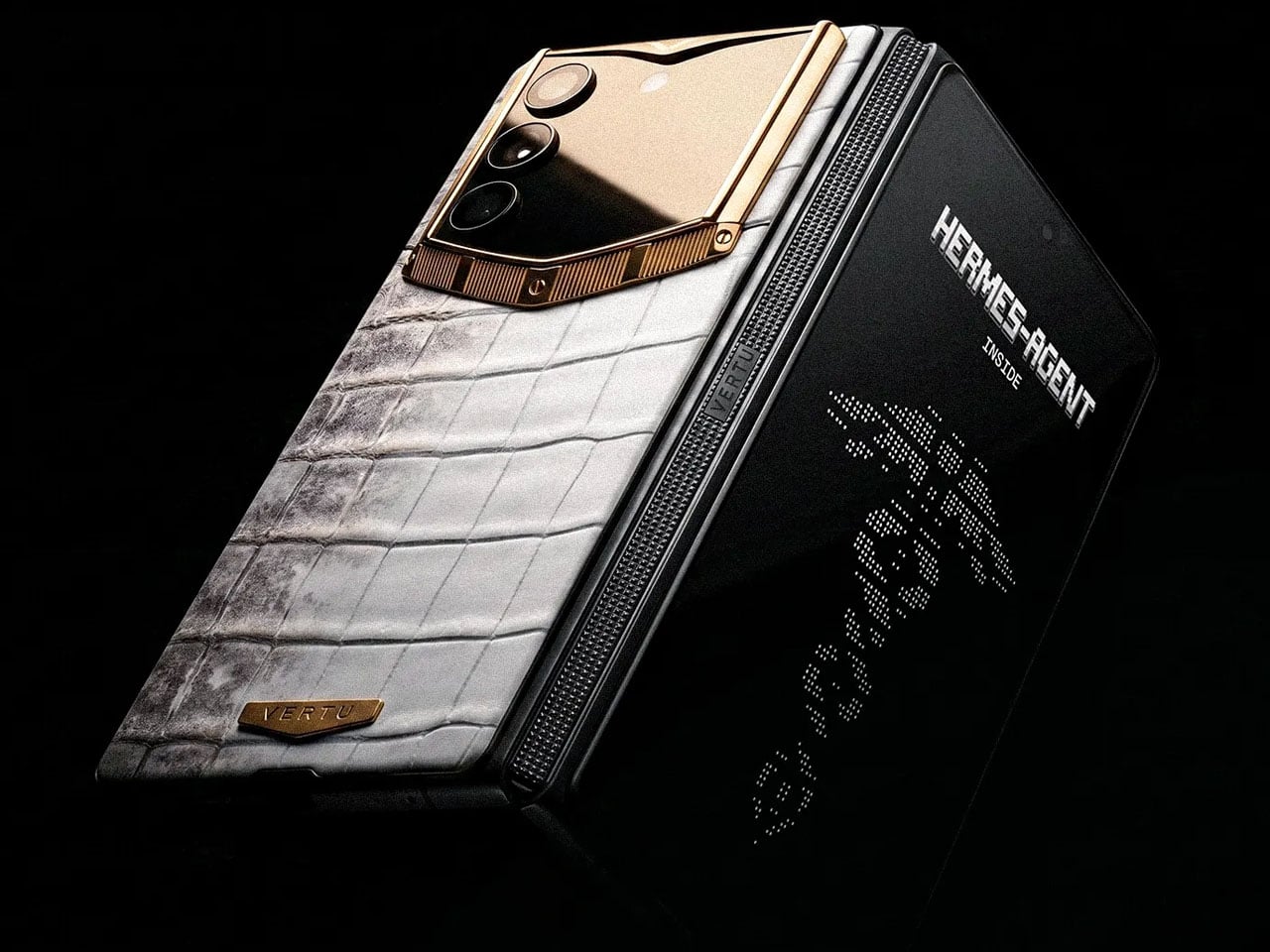
The Hong Kong-based luxury premium smartphone maker has just dropped the Alphafold foldable, which is based on the reskinned Nubia Fold. If bling is your thing, the device goes perfectly well with your lavish lifestyle, even though it doesn’t boast the latest and greatest specifications, considering the eye-watering price tag. In the latter half of 2025, the brand released the AI-powered Agent Q phone, which was equally exorbitant, but this one hits different. The Android foldable comes with a business-oriented AI dubbed Hermes Agent that is tailored for completing productivity tasks thrown at it.

Things like managing workflows, schedules, and business tools, or simply identifying a sudden drop in sales attributed to hidden issues. Hermes can seamlessly interact with a suite of apps like Google’s tools, Amazon Shopping, Expedia, Booking.com, X, Facebook, WhatsApp, and many more. The agent works with the Enterprise Resource Planning (ERP) software, organizing all your business-related activities into a single dashboard.

Vertu’s custom UI on top of the Android 15 layer manages all this for a custom solution. Since you’ll be sharing a lot of personal and professional data with the in-built AI, Vertu promises the device-level security systems via the A5 security chip only process the data locally, and sensitive information like financial transfers or assigning roles still requires the user’s permissions in real time. The maker extends the concierge service beyond the AI agent, offering human managers to handle needs such as booking private jets or gaining access to exclusive events.

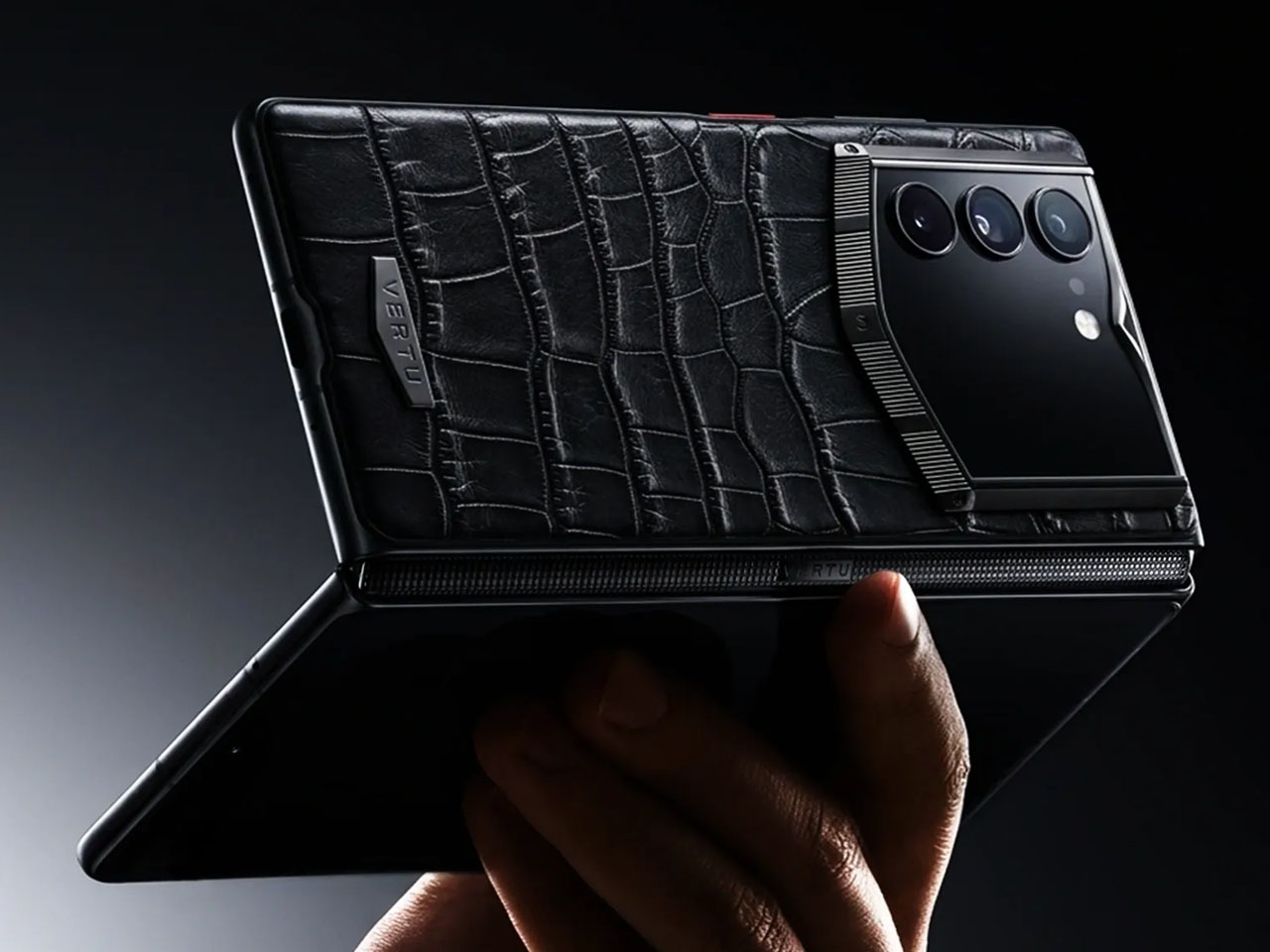
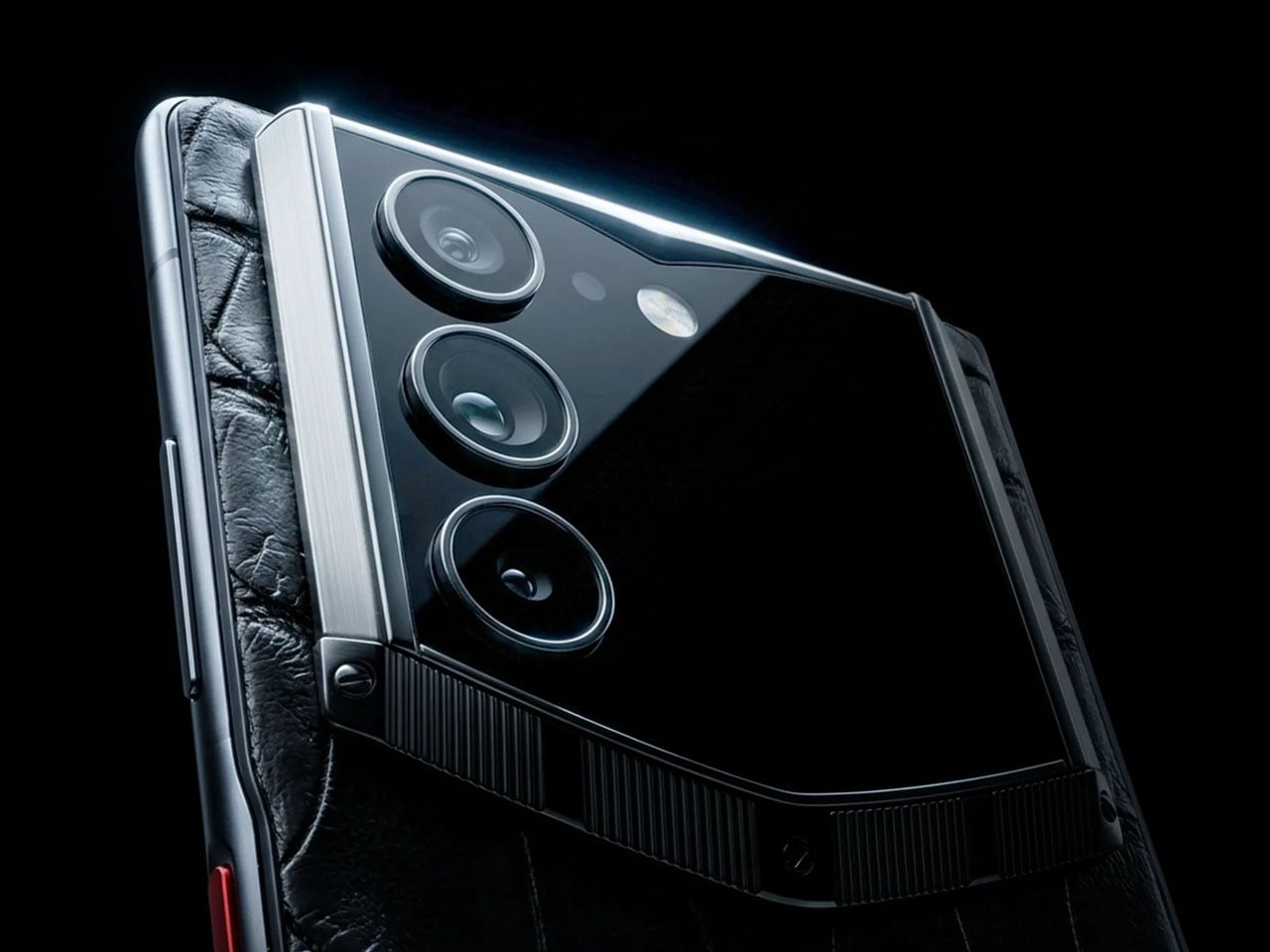
Coming on to the hardware, AlphaFold comes with a primary creaseless folding display measuring 8.05 inches (2480 x 2200 pixel resolution), and an external screen that measures 6.53 inches (2748 x 1172 pixel resolution). Both the screens are LTPO OLED’s with a refresh rate of 120Hz, and shielded on the sides with the carbon fiber and titanium hinge that can withstand 650,000 folds. Powering the innards is the Snapdragon 8 Elite Gen 4 processor; however, we wished it had the latest Elite Gen 5 SoC. The CPU is mated to 16GB RAM and has a fixed storage capacity of 1TB. The phone gets a rear triple camera array including a 50-MP primary sensor, a 50-MP ultrawide camera, and a 5-MP telephoto lens. In the mix is a modest 20 MP selfie camera. The device gets a 6,500mAh silicon-carbon battery, which can be fast charged with a 68W wired charger, and wireless charging support.

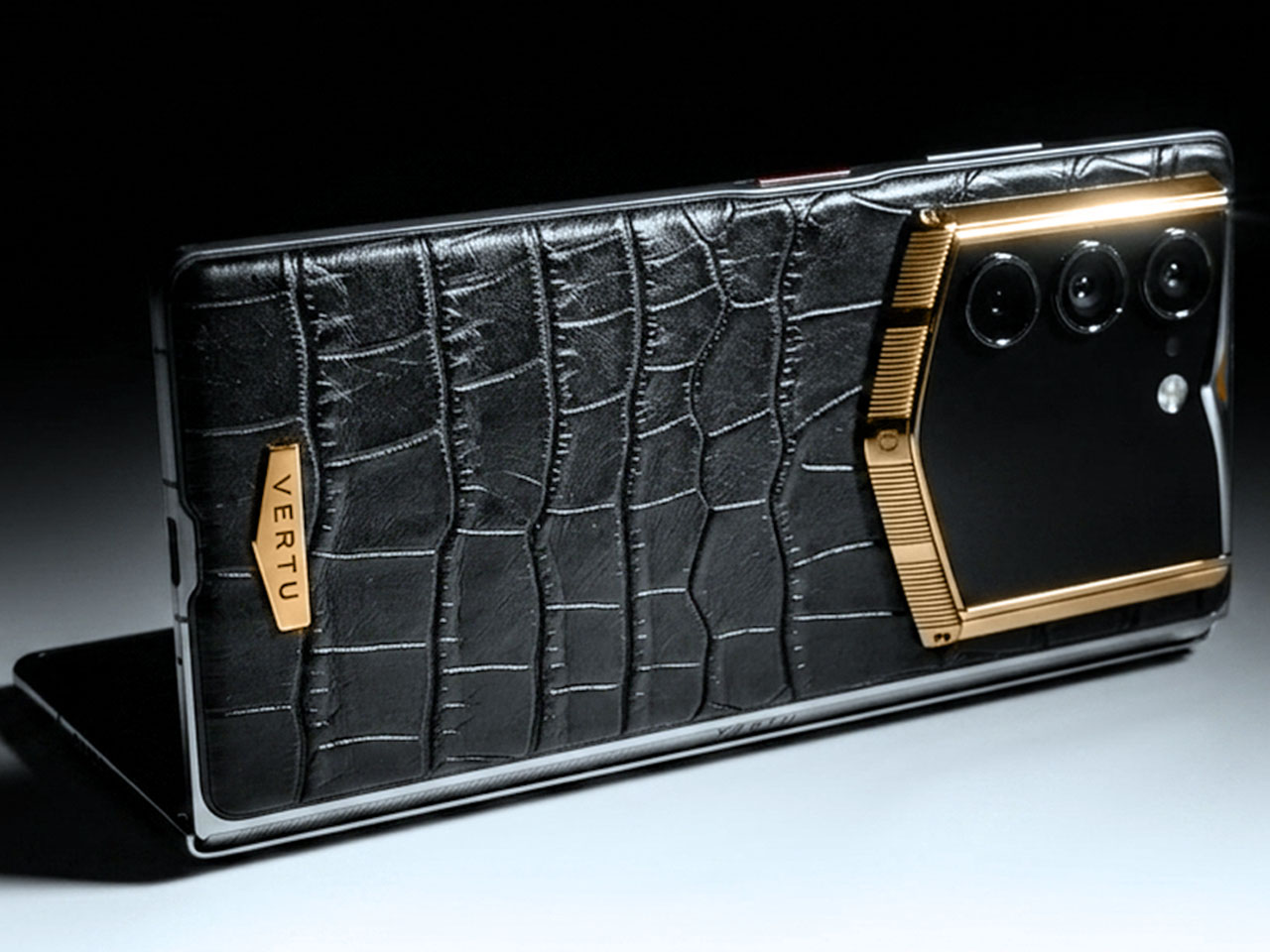
Talking point of the smartphone is the use of premium materials in the back panel that is handcrafted from Calfskin (priced $6,880), or Italian alligator belly leather (price tag of $8,880 – $13,800), depending on the color and variant chosen. You can also all-in with Himalaya Gold IV or diamond inserts that’ll set you back $46,880. Have that amount of money to spare on a phone without breaking a sweat? Then you can pre-order it right away, globally.

The post Vertu AlphaFold starting at $6,880 makes the Galaxy Z Fold seem ultra-affordable first appeared on Yanko Design.
The All-New Lexus TZ: a Six-Seat Electric SUV

The All-New Lexus TZ: a Six-Seat Electric SUV Exterior front view of the all-electric Lexus TZ SUV

Lexus has introduced the TZ, a six-seat all-electric SUV that combines luxury, sustainability and advanced technology to redefine premium electric mobility. Designed with a spacious three-row interior, innovative safety systems and dynamic performance capabilities, the TZ represents Lexus’s commitment to innovation and environmental responsibility. Scheduled for a 2027 launch in Europe, this vehicle is poised […]

The post The All-New Lexus TZ: a Six-Seat Electric SUV appeared first on Geeky Gadgets.

Posted in Uncategorized

Samsung Finally Did WHAT Fans Wanted With the Galaxy Z Fold 8 Ultra

Samsung Finally Did WHAT Fans Wanted With the Galaxy Z Fold 8 Ultra Samsung Galaxy Z Fold 8 Ultra displaying its large inner screen

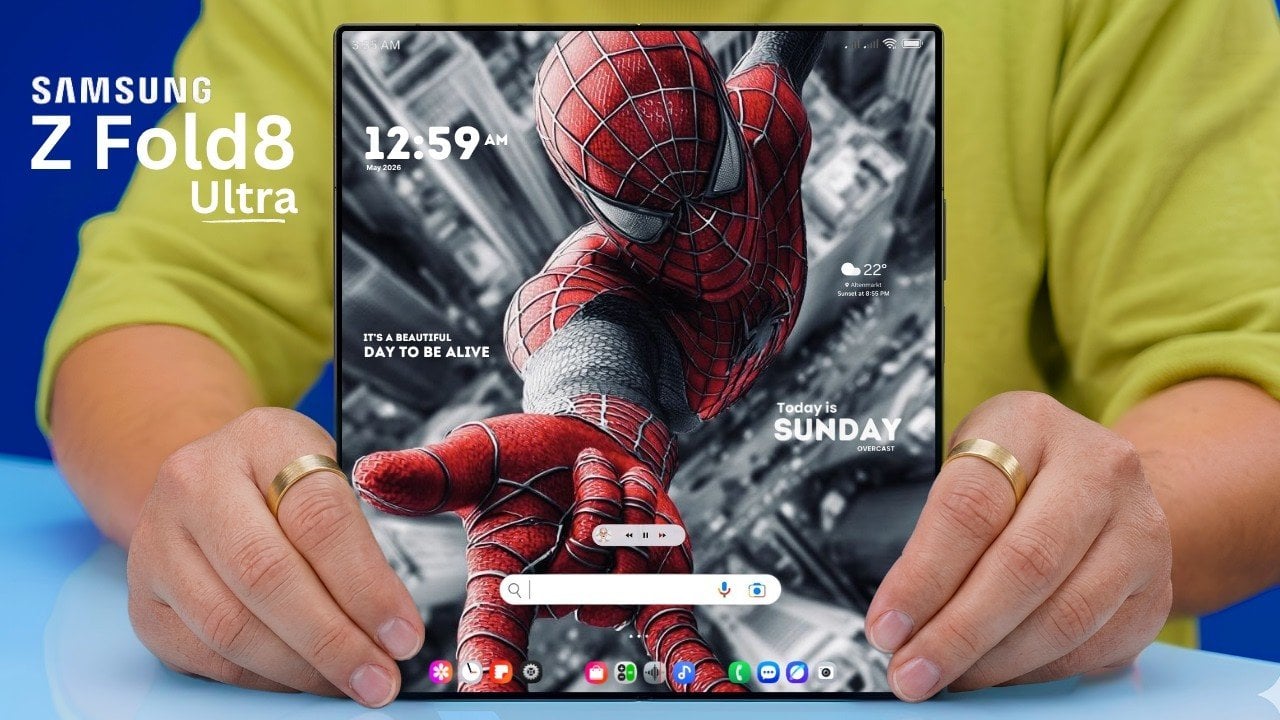
Samsung is poised to reshape the foldable smartphone market with the much-anticipated Galaxy Z Fold 8 Ultra. Scheduled to debut at the Samsung Unpacked event on July 22, 2026, in London, this device marks the first time Samsung has introduced the “Ultra” branding to its foldable lineup. With substantial advancements in design, hardware, and functionality, […]

The post Samsung Finally Did WHAT Fans Wanted With the Galaxy Z Fold 8 Ultra appeared first on Geeky Gadgets.

Posted in Uncategorized

Claude Opus 4.8 vs ChatGPT 5.5 : a Stepping Stone to Anthropic’s Mythos Series

Claude Opus 4.8 vs ChatGPT 5.5 : a Stepping Stone to Anthropic’s Mythos Series A functional MacOS clone generated by Claude Opus 4.8

Claude Opus 4.8, the latest release from Anthropic, builds on its predecessor with a focus on enhanced reliability and task execution. World of AI explores how this model achieves measurable progress, such as improving its Swaybench Pro benchmark score from 64% to 69%, reflecting better judgment and decision-making. Features like effort control, which allows users […]

The post Claude Opus 4.8 vs ChatGPT 5.5 : a Stepping Stone to Anthropic’s Mythos Series appeared first on Geeky Gadgets.

Posted in Uncategorized

Two Acer Portable Monitors and a $50 Screen You Can Actually Wear

The laptop has become the default portable workstation, but it has one limitation that’s hard to overlook: you’re still stuck with one screen. Freelancers, students, and remote workers have learned to manage with a single panel, but demand for more display real estate on the go keeps growing. Cramming a presentation into one corner while notes fill the other half gets old quickly.

Acer is addressing that gap with two new portable monitors announced at Computex 2026, along with a third product aimed at an entirely different audience. The PM161Q JB and PM131QT cover professionals and digital nomads who need an extra screen wherever they land. The Aspire Badge is something else: a wearable display for kids and young creators who want to carry their personality with them, literally.

Designer: Acer

PM161Q JB

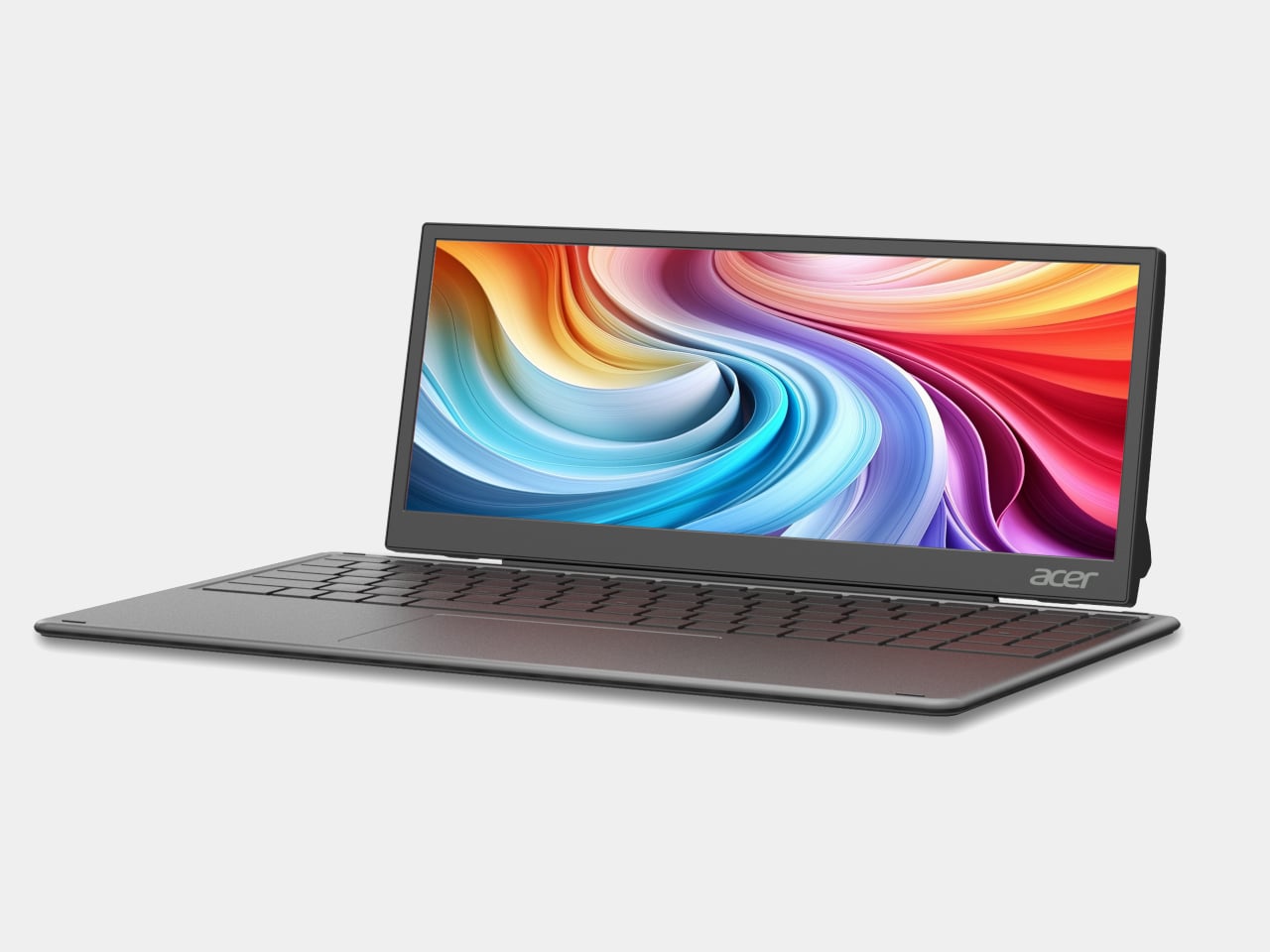
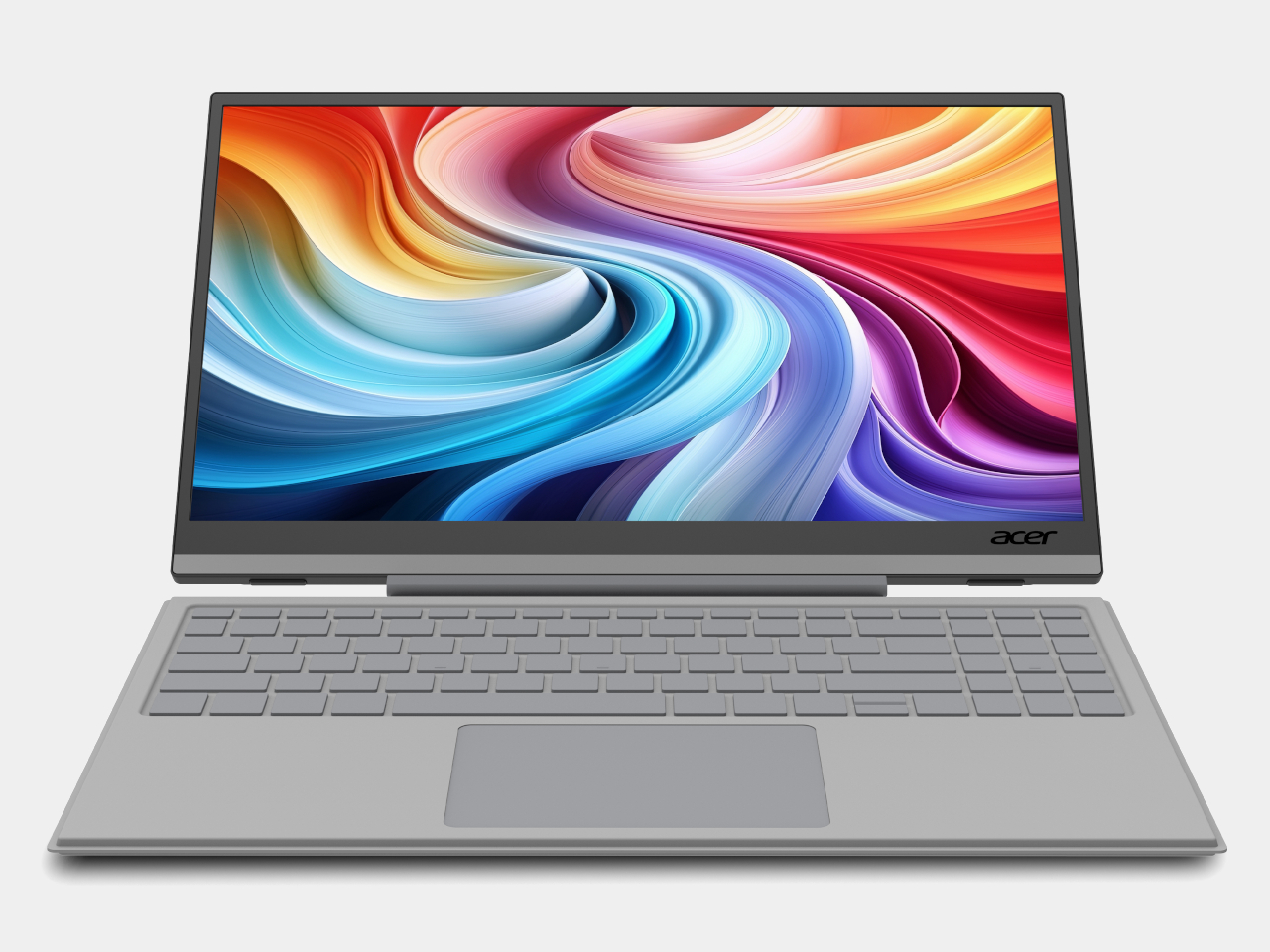
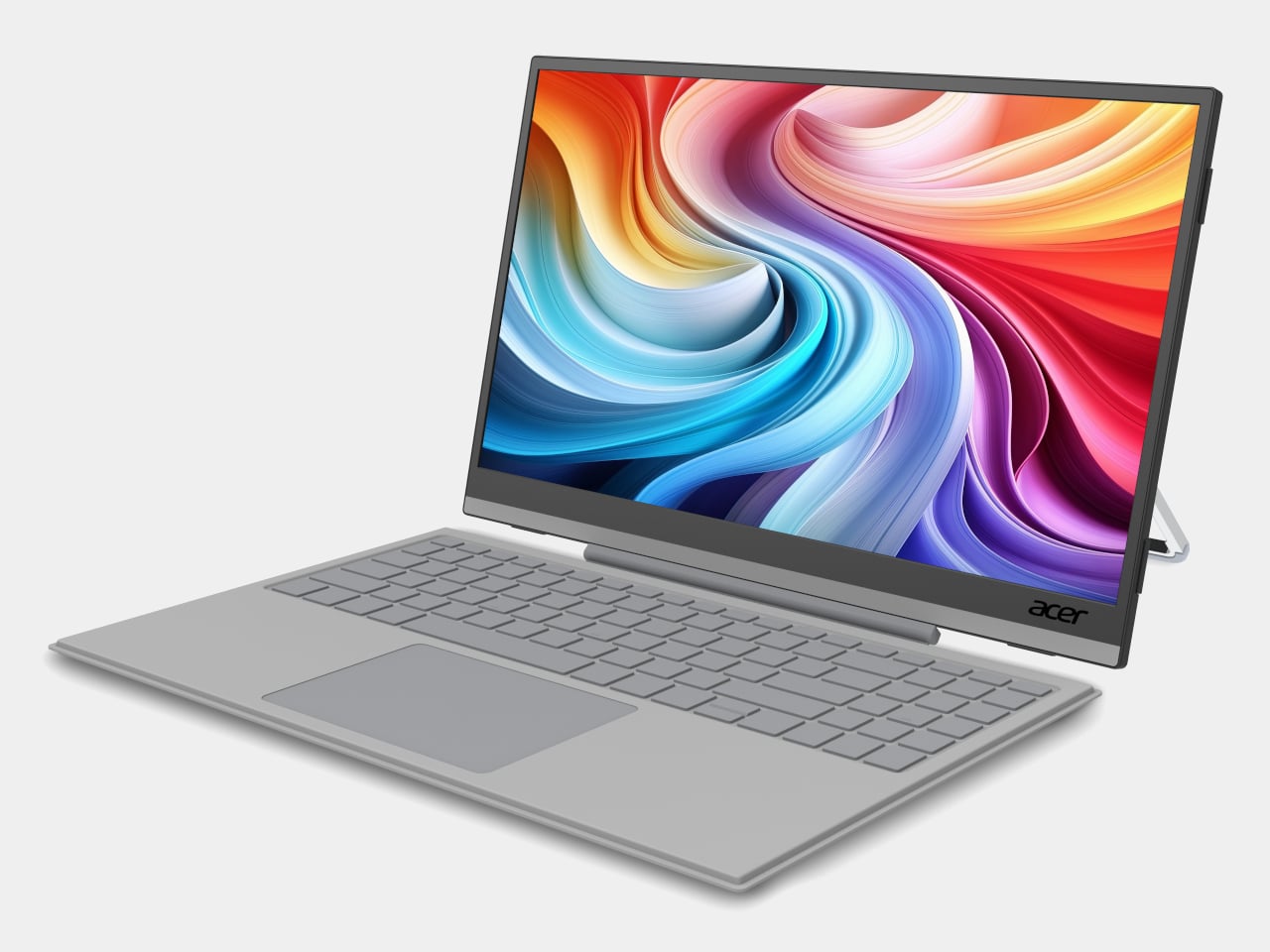
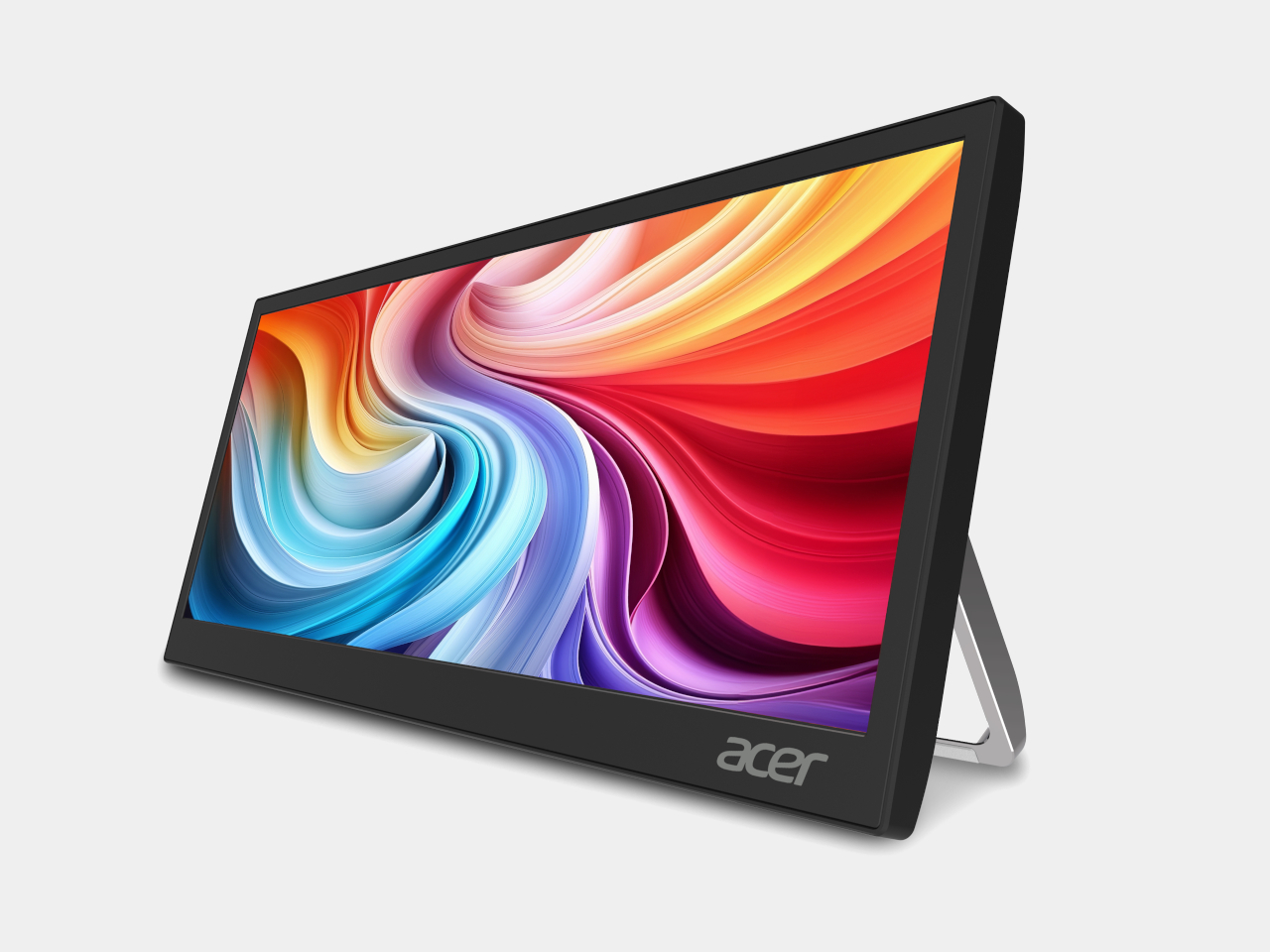
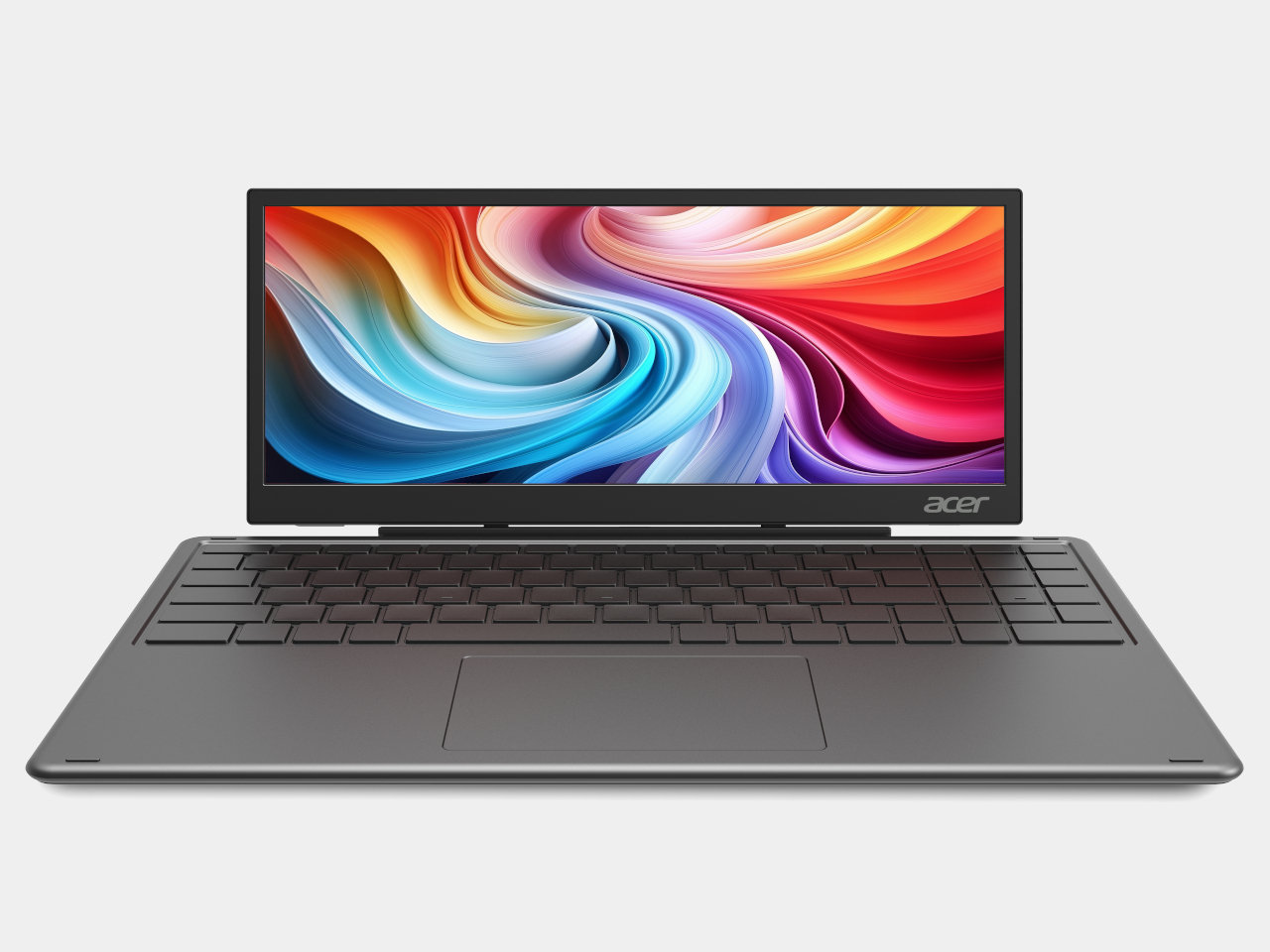
The PM161Q JB is the larger of the two portable monitors, coming in at 15.6 inches with a Full HD IPS panel and 170-degree viewing angles. A pair of Type-C ports and an HDMI input handle connectivity, and a single-cable setup means it’s ready to go as soon as you find a seat. A compatible detachable pogo keyboard turns it into a compact workstation without needing anything else nearby.

PM131QT

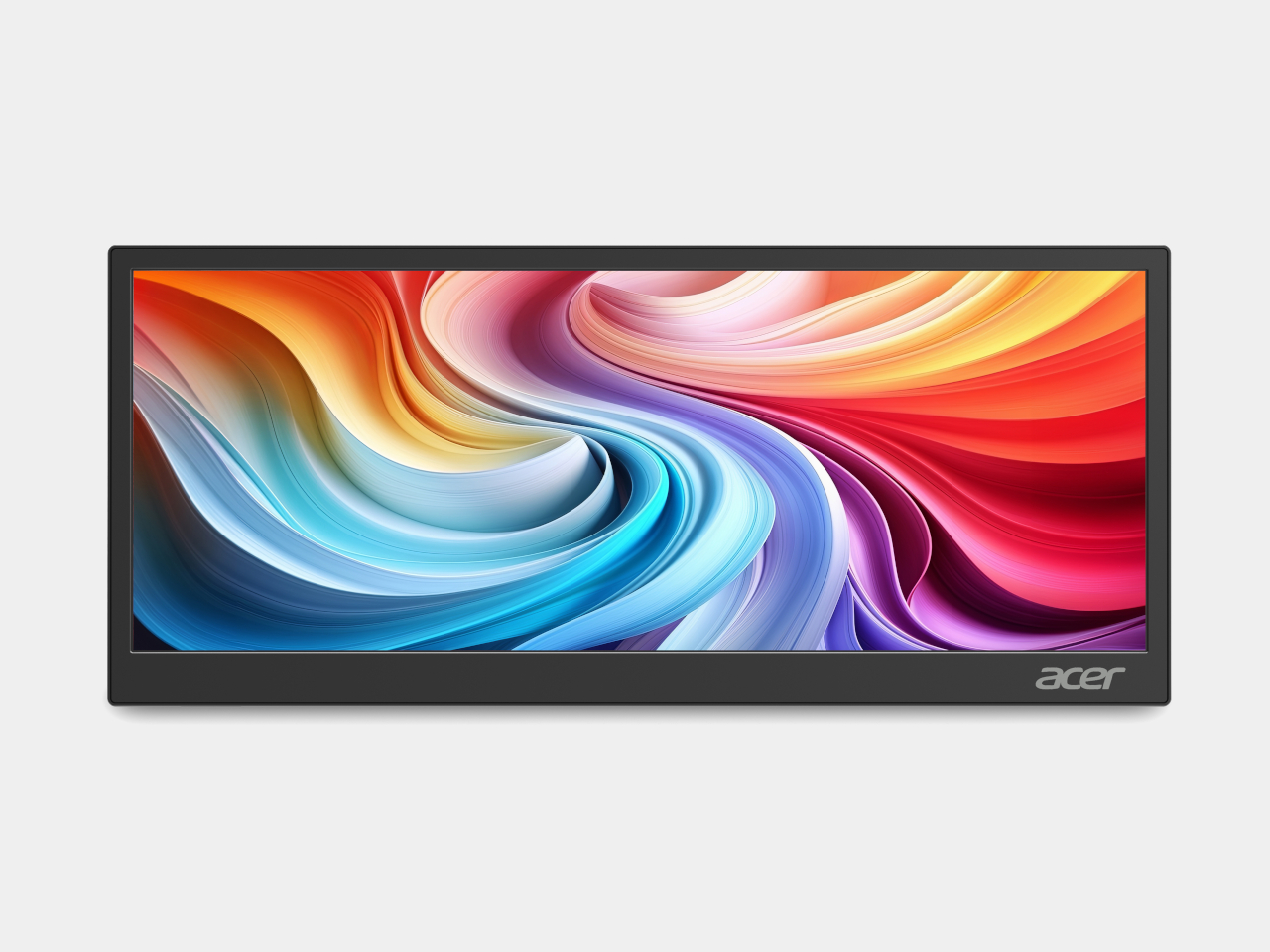
The PM131QT takes a different approach with a 12.3-inch touchscreen in an ultrawide 1920 × 720 format, a shape that suits secondary-display work rather than standalone use. Five-point touch makes it practical as an interactive panel, and the magnetic mounting design lets it attach to various surfaces, including a car dashboard. It also functions as a dedicated display for AI assistant interfaces on the road.

PM131QT

Both monitors connect over a single Type-C cable and support VESA mounting alongside a standard ¼-inch tripod thread, so a camera tripod becomes a workable monitor stand when there’s no desk in sight. The PM161Q JB starts at $149.99 in North America, arriving in Q4 2026, while the PM131QT comes in at $179.99 in the same window. Both reach Australia in Q3 2026.

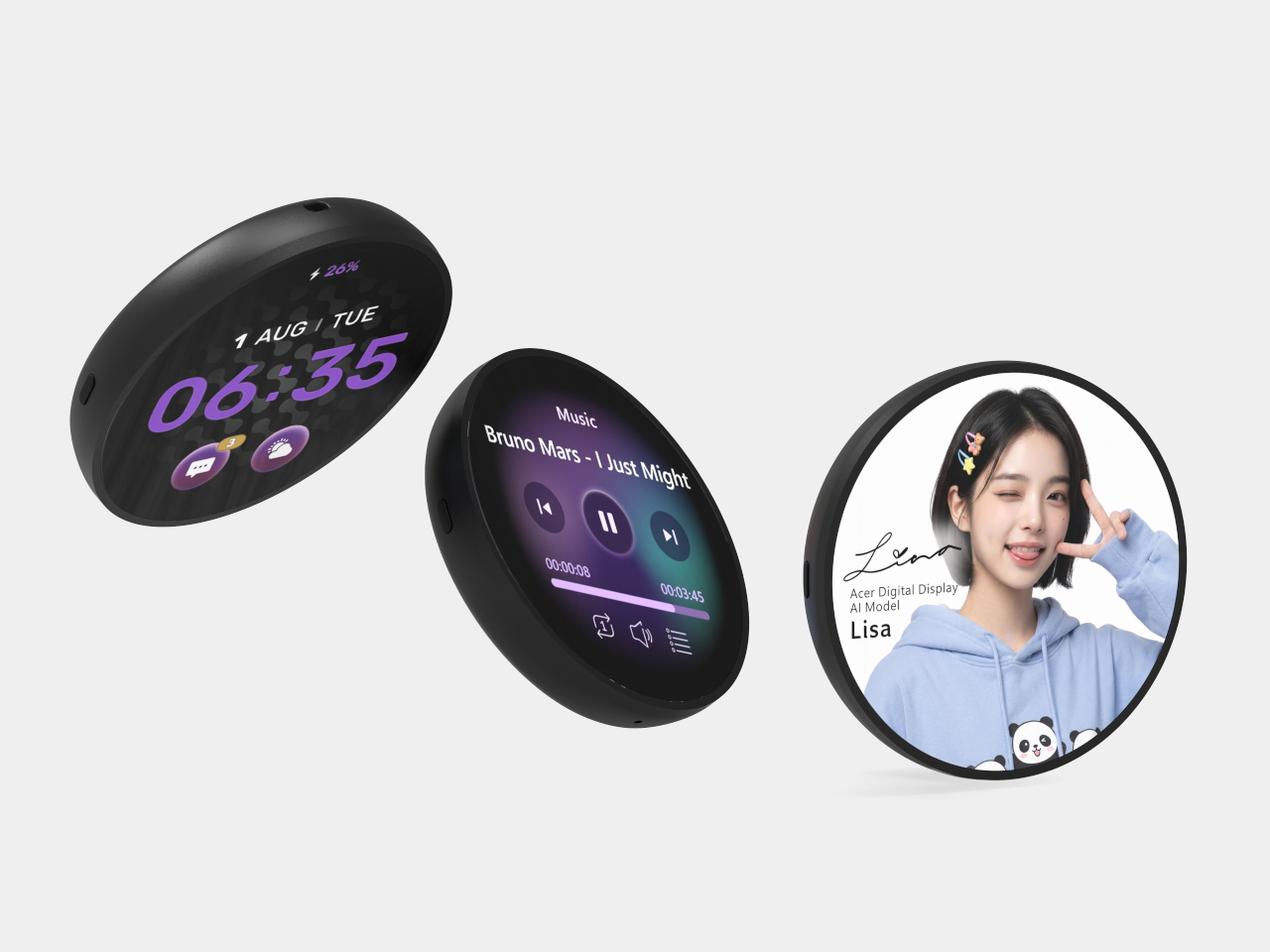
The Aspire Badge is a round wearable with a 1.85-inch IPS screen that clips onto a shirt, hangs from a lanyard, or attaches magnetically to a bag. It pairs with a companion app over Bluetooth 6.0 and displays any image or animation pushed from a phone. Battery life runs up to four hours at full brightness or eight at minimum, with contact charging to restore it.

The Badge isn’t purely decorative. It includes an emergency alarm, an SOS alert that flashes in Morse code, and a night flash mode for improved visibility in the dark, adding a safety layer that makes it more than a novelty for kids walking to school or staying out after dark. It supports JPG, GIF, and PNG formats, and comes in at $49.99 in North America.

The three products together cover a broader range of needs than a typical monitor announcement does. The PM161Q JB and PM131QT reflect how seriously portable screen real estate has become for people working away from a fixed desk. The Aspire Badge takes the same logic in a completely different direction, treating a display not as a productivity tool but as something you wear out the door.

The post Two Acer Portable Monitors and a $50 Screen You Can Actually Wear first appeared on Yanko Design.