This scorpion-inspired pickup truck has flexible bed configuration for hauling cargo

Pick-up trucks with cargo beds are great for hauling stuff, be it your adventure trips or city needs. That said, they are not one of the most fuel-efficient or range-efficient vehicles on the planet. Over the years the design of trucks with cargo beds has not changed. There are some problems with this under-evolved design lacking innovation, like load accessibility and damage induced due to shaking. Not to mention the limited space for the rear seat space due to the trunk size.

The 2030 Scorpion concept aims to solve this problem with an expansion form that proposes a new pickup truck frame design. Shaped like a scorpion or a mountain bike helmet, the vehicle has an optimized ratio of the overall lump, so that there is ample cargo space without any compromises in the rear seating configuration. The high ride height of the vehicle makes sure it can navigate any challenging terrain with ease. For me, this vehicle looks heavily inspired by the Rezvani Motors Vengeance bullet-proof vehicle.

Designer: Changhyun Lee

The bed of the ultra-futuristic yet monstrous truck is divided into two sections to make space for small cargo (or fit the divider depending on the size of the item) and can be laid flat down for a bigger configuration to haul larger cargo. The cover connected to the rail automatically moves depending on the size of the cargo to keep it snug in place, thus preventing any shaking.

2030 Scorpion has a unique front shape that narrows from the top to the bottom for a wider field of view and has a quadra lamp structure for a more direct driving experience. The rear-view mirrors double as radar sensors and the camera on the front identifies obstacles during off-roading or navigating tight urban spaces. The designer has also proposed a portable battery pack that can provide hybrid power to the vehicle or act as a power source for all the necessary gadgets during long trips.

The post This scorpion-inspired pickup truck has flexible bed configuration for hauling cargo first appeared on Yanko Design.

Reimagining elegance through the artful design of the BMW Concept Skytop

The BMW Concept Skytop highlights the blend of heritage and innovation, pushing the boundaries of contemporary automotive design. This concept vehicle features the distinctive shark-nose grille, which is illuminated to emphasize its assertive presence, and incorporates ultra-slim LED headlights mounted on milled aluminum carriers. Its side profile reveals an athletic stance with sculpted surfaces and sharp lines, further enhanced by unique gill-inspired wheels. The rear design, characterized by a prominent spline and a gradient transitioning from reddish-brown to muted silver, illustrates exceptional craftsmanship and painstaking attention to detail. Let’s explore the various aspects of this design in greater detail, focusing particularly on the interior from a top-down perspective.

Designer: BMW

Front and Side Design

The BMW Concept Skytop’s front design is dominated by the signature shark-nose grille, illuminated to emphasize the vehicle’s sleek and aggressive stance. This design choice reflects BMW’s rich heritage while seamlessly integrating with the contemporary LED headlights on milled aluminum carriers. The headlights’ slim profile contributes to the car’s aerodynamic efficiency and modern aesthetic.

The side profile reveals an athletic and muscular form, with taut surfaces defined by precise lines that draw attention towards the rear. The absence of conventional door handles, replaced by discreet winglets integrated into the door shoulders, enhances the car’s streamlined look. With their gill-like features, the wheels add a unique touch to the car’s silhouette, further enhancing its dynamic appearance.

The shark-nose grille, a signature BMW element, evokes a sense of heritage while integrating modern technology. The illuminated grille adds a high-tech aura to the vehicle, immediately recognizable even in low-light conditions. This illumination emphasizes the grille’s contours, adding depth and enhancing the car’s aggressive stance. Flanking the shark-nose grille are the ultra-slim LED headlights, custom-developed for the BMW Concept Skytop. Featuring a sleek design with milled aluminum carriers, the slim profile of the headlights contributes to the car’s aerodynamic efficiency and gives the front end a sharp, precise look. The headlights blend seamlessly into the bodywork, highlighting the design’s clean lines and uninterrupted flow.

The Skytop’s hood is another key element of the front end, featuring a pronounced central spine that extends from the grille towards the windshield. This spine directs airflow over the car, enhancing its aerodynamic properties. The hood’s tight and muscular surfaces reflect the vehicle’s performance capabilities, adding to its sporty character. Below the grille, the front bumper incorporates large air intakes essential for cooling the engine and brakes. These intakes also enhance the vehicle’s aggressive look, framed by sharp lines that give the front bumper a dynamic and purposeful appearance. Complementing the prominent grille is a lower grille that spans the width of the front bumper. This lower grille balances the visual weight of the front end and integrates with the overall aerodynamic design. Its mesh pattern adds a sporty touch to the front fascia.

The front end of the BMW Concept Skytop is distinguished by the seamless integration of its various elements. The illuminated shark-nose grille, slim LED headlights, and pronounced hood spine work together to create a cohesive and harmonious design. The sharp lines and precise detailing ensure that each component enhances the others, contributing to the vehicle’s overall aesthetic and functional performance.

Rear Design

The rear of the BMW Concept Skytop continues the theme of sculpted elegance, blending form and function to define the car’s overall aesthetic. Clean, sculpted lines emphasize the car’s wide and stable stance. The slim, horizontal rear lights extend across the vehicle’s width, creating a visual connection that enhances the perception of width and stability. These lights seamlessly integrate with the bodywork, maintaining the clean, uninterrupted lines that define the car’s design.

The pronounced spline running from the hood through the interior and onto the trunk lid emphasizes the car’s dynamic flow, creating visual continuity and guiding the eye smoothly along the vehicle’s length. The rear quarter panels extend the athletic and muscular form in the side profile. They flow smoothly from the front, tapering towards the rear while maintaining the car’s tight surfaces and precise lines. This continuity ensures the design remains cohesive, with the rear quarter panels contributing to the overall dynamic look.

The rear quarter panels extend the athletic and muscular form in the side profile. They flow smoothly from the front, tapering towards the rear while maintaining the car’s tight surfaces and precise lines. This continuity ensures the design remains cohesive, with the rear quarter panels contributing to the overall dynamic look. The subtle lip on the trunk lid and the integrated rear spoiler add sporty touches and improve aerodynamics, ensuring optimal performance. The color gradient from a reddish-brown roof to a muted silver exterior with a chrome shadow effect showcases meticulous craftsmanship and intricate paintwork, enhancing the car’s luxurious feel. Every detail, from the lighting elements to the color transitions, is thoughtfully executed to create a cohesive and harmonious design that complements the BMW Concept Skytop’s dynamic character.

Interior and Top-Down Perspective

The BMW Concept Skytop’s interior meticulously combines luxury and functionality. Its reddish-brown leather surfaces, adorned with brogue-style accents, create a unified and luxurious atmosphere. The leather-finished sports bar behind the seats, the side fins on the B-pillar, and a fully retractable rear window contribute to the car’s sporty and elegant aura.

The dashboard exemplifies modern automotive design, featuring crystal applications seamlessly embedded into the cockpit. These elements enhance the overall aesthetic appeal and showcase BMW’s craftsmanship in blending contemporary design elements. The center console, with its sleek design and intuitive layout, ensures all controls are easily accessible to the driver, further enhancing the driving experience. The steering wheel, wrapped in the same reddish-brown leather as the seats, features a modern design that integrates seamlessly with the rest of the interior. The digital display behind the wheel provides the driver with all necessary information clearly and concisely, ensuring that the focus remains on the road.

Viewing the BMW Concept Skytop from a top-down perspective offers a clear insight into the car’s cohesive design. This perspective showcases the seamless integration of exterior and interior elements, with the pronounced spline running the length of the vehicle, reinforcing the unified and continuous design language. The two removable roof parts, finished in leather, can be stored in a special compartment in the luggage space, showcasing BMW’s attention to practicality without compromising style. The retractable rear window further enhances the open-air experience, allowing for an unobstructed view of the surroundings.

Roof Design

The roof of the BMW Concept Skytop is a crucial element in its design, both when on and off. When the roof is on, it maintains the car’s sleek silhouette, with the reddish-brown tone flowing into the muted silver of the body. This color gradient, crafted by BMW’s master painters, ensures a smooth transition that enhances the vehicle’s visual appeal. The roof’s design also includes a central spine that aligns with the hood’s spine, maintaining the design’s continuity from front to back.

When the roof is off, the BMW Concept Skytop transforms into an open-top roadster, emphasizing its luxurious and sporty nature. The interior’s reddish-brown leather, visible with the roof off, complements the exterior color scheme, ensuring that the car remains visually appealing from all angles. The fully retractable rear window and the storage compartment for the roof parts are designed for practicality without compromising the car’s aesthetic.

Design Cohesion and Final Thoughts

Integrating the rear design elements with the rest of the BMW Concept Skytop is masterful. The rear lights, quarter panels, and roof design all contribute to the car’s overall aesthetic, creating a harmonious blend of traditional and modern elements. The design ensures that the Skytop maintains its elegant and dynamic appearance, whether the roof is on or off.

My final thought of the BMW Concept Skytop is that it’s a vision of the future that honors the past. With every detail precisely crafted, from the illuminated shark-nose grille to the brogue-style leather accents in the interior, BMW demonstrates its dedication to superior design and craftsmanship. The Skytop’s seamless blend of aesthetics and functionality makes it a remarkable example of automotive design. Whether admired for its innovative engineering or luxurious finishes, the BMW Concept Skytop is a realization of the brand’s enduring legacy and forward-thinking approach.


The post Reimagining elegance through the artful design of the BMW Concept Skytop first appeared on Yanko Design.

Callum Skye is a boxy crossover SUV coupe with impressive off-roading capabilities

Ian Callum, the legendary designer of sports cars like Jaguar C-X75 and Aston Martin Vanquish is bringing his first ever vehicle under the brand name Callum to the world. The lightweight and stylish off-road electric vehicle prototype finally got revealed at the Concours on Saville Row, London and it doesn’t disappoint.

Unlike his earlier creations, the Callum Skye has a Baja off-road vehicle influence with a distinct form that’s bound to put the Tesla Cybertruck in a tough spot. This maiden electric vehicle will be powered by four independent motors on each axle for better control on tough terrains. The ultra-fast charging 42-kWh battery pack will feed the drivetrain that can manage a range of 170 miles on a single charge. The tough EV can be charged in just under ten minutes which is mind-boggling.

Designer: Callum Designs

According to David Fairbairn, managing director, Callum, “The CALLUM SKYE is bold, beautifully engineered and crafted with refinement and craftsmanship. The same can be said for the world-leading bespoke tailoring that exists on Savile Row. Compact, capable and extremely beautiful, we’re confident that this representation of the SKYE exterior will turn heads.” Measuring 4,047mm in length and 1,900mm in width, and weighing just 1,150kg, the performance-oriented off-roader is capable of going from zero to 60 mph in just under four seconds. The lightweight chassis and electric motors make the vehicle have 247bhp and 221 lb-ft of torque.

The fact that Skye has the ground clearance of a SUV and the form of a coupe with the semblance of a beach buggy, makes it stand out from the rest. On the inside, it is equally impressive with a 2+2 layout with sporty seats for the front passengers and a rear bench seat for smaller riders or to store essentials. There’s a three-spoke steering wheel, big infotainment touchscreen (Apple CarPlay and Android Auto compatible) and a vertical arrangement of other small touchscreens on the central stack. The latter will house the tactile dials to control the HVAC and other key features.

Callum is taking orders for the Skye with prices ranging from anywhere between $101,000 to $127,000. To start off the production numbers will be limited and more variants will come in by the end of 2024. Some of them will be more focused on off-road capabilities while others are going to be more oriented towards normal city driving with tuned on-road dynamics. The deliveries for the sporty off-road EV will commence in summer 2026.

The post Callum Skye is a boxy crossover SUV coupe with impressive off-roading capabilities first appeared on Yanko Design.

Kia EV3: The Futuristic Subcompact Crossover Set to Electrify the EV Market

Kia has unveiled the EV3, a subcompact crossover that brings a new level of sophistication and technology to the electric vehicle market. As the latest addition to Kia’s rapidly expanding EV lineup, the EV3 leverages the innovative features of the flagship EV9 SUV while introducing them to a more compact and accessible form. By combining a sleek, modern design with advanced technology and impressive range capabilities, the EV3 is poised to set new standards in the subcompact crossover segment and drive mass adoption of electric vehicles.

Designer: KIA

Exterior Design: A Bold and Progressive Statement

The EV3 embodies Kia’s ‘Opposites United’ design philosophy, blending the natural and the modern into a harmonious whole. This philosophy is evident in the EV3’s confident and assertive presence. The front end features vertical headlamps at the extremes, creating a wide and bold stance. The grille-less design and thin LED daytime running lights, known as Star Map, add to its futuristic appeal. This clean and uncluttered front end not only looks modern but also emphasizes the EV3’s electric nature.

Kia’s reinterpretation of the iconic Tiger Face design incorporates the latest Star Map signature lighting concept. The vertical Daytime Running Lights (DRLs) enhance the Tiger Face design, giving the EV3 a distinctive and recognizable look. These elements, combined with the black accents around the wheel arches and blacked-out pillars, contribute to the floating roof effect, enhancing the vehicle’s modern aesthetic.

From the side, the EV3 showcases a sleek roofline that slopes gently into a hatchback-style tailgate. This design, paired with muscular wheel arches and dynamic lines, gives the EV3 a sporty and agile look. The long, smooth roofline adds to the vehicle’s aerodynamics and provides a spacious interior. The overall profile conveys strength and elegance, making the EV3 a compelling choice in the subcompact crossover segment.

The EV3’s rear design continues this high-tech theme. Thick black trim lines emphasize the connection between the sturdy C-pillars and the dynamic roofline, adding to the vehicle’s robust appearance. The geometric rear lamps seamlessly integrate with the rear glass, creating a sleek and modern tailgate design. Inspired by the front’s Tiger Face Star Map lighting, the rear lights add a futuristic touch that ties the whole design together.

Interior Design: Comfort and Functionality

Step inside the EV3, and you’re greeted by an interior designed to maximize space and comfort. The cabin is spacious enough to comfortably accommodate five passengers, with a focus on creating a living room-like atmosphere. The elegant center console features a sliding table and storage area, perfect for drinks, snacks, and small backpacks. When parked, the table can hold personal electronics like laptops and tablets, turning the car into a mobile office or entertainment space.

Kia has emphasized comfort with multi-adjustable ambient lighting and ultra-comfortable seats in fold-back relaxation mode. These features and the spacious interior make the EV3 an ideal vehicle for long journeys or just relaxing while charging. The EV3 offers a 25-liter frunk and a 460-liter rear load capacity, the largest in its class. The adjustable two-tier luggage board provides over 140mm of load height flexibility, catering to various needs, from daily commutes to family camping trips.

A big feature of the interior is the nearly 30-inch widescreen display, which includes a 12.3-inch digital instrument cluster, a five-inch air-conditioning panel, and another 12.3-inch AVN display. This integrated screen provides clear and intuitive information to the driver while extending to the center of the dashboard, giving the front-seat passenger access to entertainment and navigation features. Controls for drive modes, cruise control, and other functions are conveniently located on the steering wheel, ensuring ease of use.

Advanced Technology and Sustainability

The EV3 is packed with advanced technology that enhances both functionality and sustainability. The vehicle-to-load (V2L) function allows the battery to power external devices, such as laptops, coffee machines, and small fridges. The infotainment system includes streaming services, arcade games, and Kia’s AI Assistant technology, offering a comprehensive suite of entertainment and functionality. The introduction of the new i-Pedal 3.0 system for one-pedal driving with adjustable regenerative braking further enhances the driving experience, providing more control over energy recuperation.

Sustainability is a key focus for Kia, and the EV3 incorporates various sustainable materials throughout its interior. Recycled fabric is used in the dashboard and door trims, while polyethylene terephthalate (PET), one of the most easily recycled plastics, features in areas such as the seats, headliner, door armrests, garnish, floor mats, and luggage board. This commitment to using recycled materials highlights Kia’s dedication to accelerating sustainability at scale.

The EV3 is powered by Kia’s fourth-generation battery technology, with the Standard model featuring a 58.3kWh battery and the Long Range variant equipped with an 81.4kWh battery. Both models utilize a 150kW/283Nm electric motor, enabling a 0-100km/h acceleration time of 7.5 seconds and a maximum speed of 170km/h. The Long Range model offers an impressive WLTP driving range of up to 600km, addressing common concerns about electric vehicle range.

Future Developments: The EV3 GT

Kia is also developing a high-performance version of the EV3, known as the EV3 GT. Announced by Kia CEO Ho Sung Song, this model is expected to arrive in late 2025 or early 2026 and will offer more power than the standard EV3. Song stated, “By providing groundbreaking design, an industry-leading electric drivetrain, and practical, innovative lifestyle solutions, the EV3 aims to extend Kia’s exceptional EV SUV experience to a wider audience.”

While details about the EV3 GT are limited, it will likely feature a dual-motor setup with a larger battery pack. This variant aims to provide a thrilling driving experience, further broadening the appeal of Kia’s electric vehicle lineup. It will deliver enhanced performance akin to the EV6 GT but tailored for the EV3’s smaller size.

The Kia EV3 will debut in South Korea in July 2024, followed by a European launch later in the year. Although initially, there were uncertainties about its release in the US, Kia has now confirmed that the EV3 will be available in the American market, with an expected launch as early as 2025 or 2026. Pricing is speculated to be below $35,000, potentially closer to $30,000, making the EV3 an attractive option for customers seeking an affordable yet advanced electric vehicle. As the EV3’s release approaches, more details will emerge, solidifying its place in Kia’s electric vehicle strategy. Stay tuned for further updates on this promising new entry in Kia’s expanding lineup of innovative electric vehicles.

The post Kia EV3: The Futuristic Subcompact Crossover Set to Electrify the EV Market first appeared on Yanko Design.

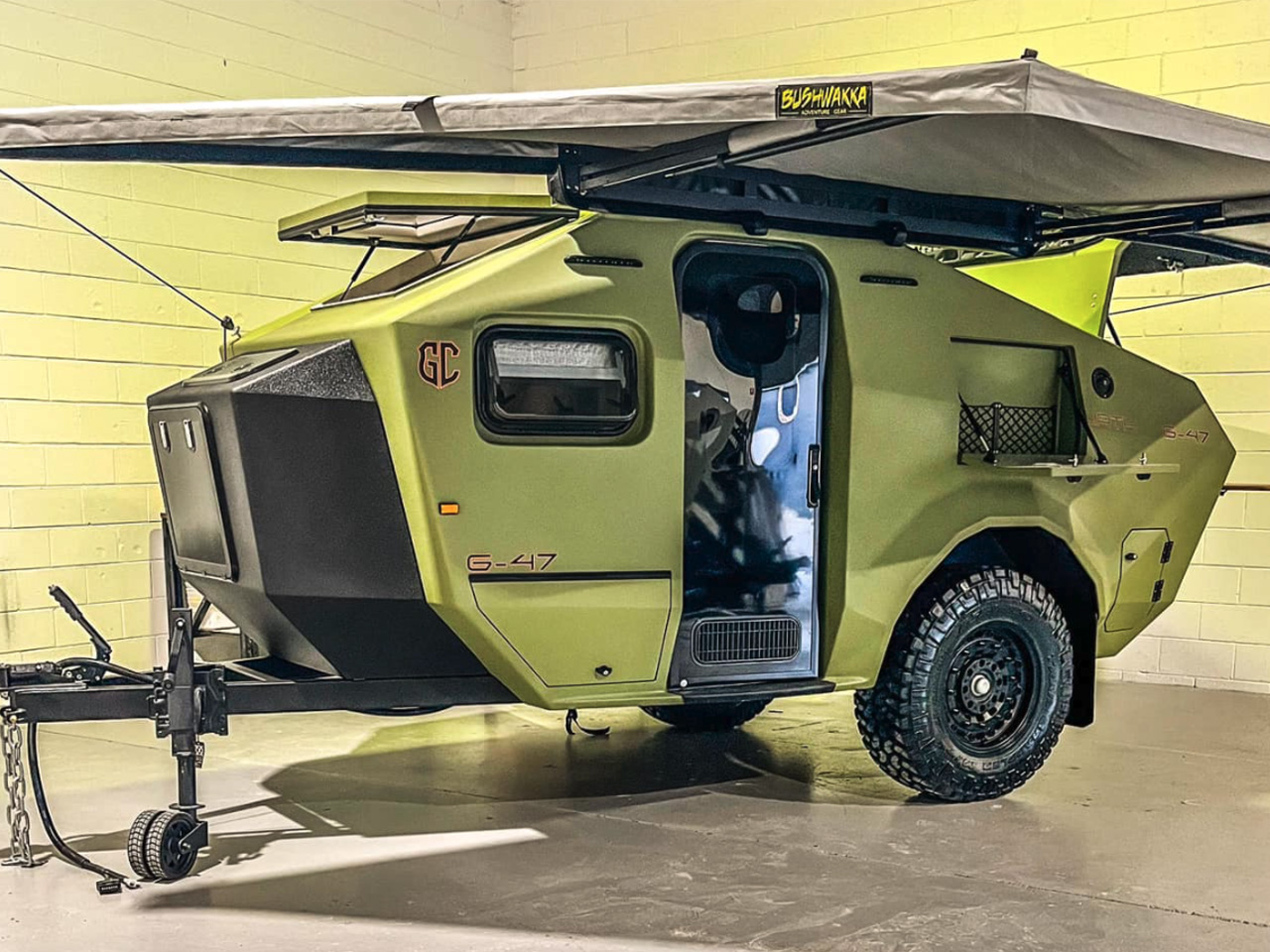
Pursuit Carbon teardrop with two kitchens has all the agility and convenience of mighty offroad camper

BRS Offroad has been going around on Australian adventures like no other in ‘pursuit’ for over a decade. But they are new to America, potentially walking their way through with ROA Off-Road. After the Sherpa and Pursuit in the past, BRS is back with another capable way for teardrop fans to go outdoors. More than that, go off the road and off the grid in the simple convenience of the fully-packed Pursuit Carbon.

Do not be misled by the name. Carbon in the Pursuit is as oblivious of material as light in the darkness. Carbon in this camping trailer is defined by the black exterior sheen and not the use of carbon fiber in construction. It is made from marine grade aluminum and fiberglass, resulting in a top-tier lightweight composite shell camper made for awesome off-roading; capable of going where your 4WD takes you.

Designer: BRS Offroad

Bigger campers have idealized overlanding expeditions with jaw-dropping convenience and mind-boggling spaciousness. But Pursuit Carbon with two kitchens, extending above-ground bathroom, and a bedroom with a gapping skylight, intends to do that in a form factor not bigger than 19.7 feet long and 9.2 feet high. Alongside these highlighting features, the camper is also provided with a living area that converts into an extra sleeping section for one adult.

Good to accommodate up to three people on an extended off-road expedition, the Pursuit Carbon is entered through a hatch entry door on one side; the other side has a hatch drop that accommodates a fully enclosed hot shower (with privacy curtain). Upon entering through the door spacious and well-lit interior is bound to turn heads. The space is largely occupied by the bed under a large skylight and between two low panoramic windows, but it still has room for a pair of benches (with 30L drawers each) that function as a dinette or sleeping berth at will, alongside a functional kitchen featuring a cooktop and grill combo, sink, and prep area in the middle. Right above is the entertainment system comprising a TV, two Bose speakers on either side, and a portable Garmin tablet with all the home controls onboard.

Making things exciting for those who love cooking under the sun; the hard-shell teardrop camper has a secondary pull-out outdoor kitchen. For toy haulers, a bike rack capable of handling up to three bikes on the rear. For the off-roaders, it has a galvanized steel chassis, all-terrain tires, and air suspension to keep things steady and rolling on rough terrains. For when you want to stick around in the wilderness a little longer, the Pursuit Carbon has been fashioned with 380-watt solar panels, an Enerdrive battery, and an inverter system.  BRS Offroad does most of its business in Australia, so this trailer camper is for now only available down under for an asking price of AUD 136,990 (with all amenities. Customizations accepted). Possible North American release is still under the wraps.

The post Pursuit Carbon teardrop with two kitchens has all the agility and convenience of mighty offroad camper first appeared on Yanko Design.
This e-Trailer with 200W Solar Panels turns into an electric motorboat for limitless travel anywhere

If you thought there was no niche for amphibious camper vehicles, one brand name is out and about – largely by itself – gunning to make bike camper trailers, that float with equal efficacy, a norm for you and me. After a couple of iterations in the past, and a name change in between; BeTriton has released a teaser video of its new boat + camper trailer called the Green E-Trailer.

Green E-Trailer is exactly what the name suggests: a bright-green colored e-bike trailer, which bears a likeliness to the full-fledged BeTriton 2.0. It was based on the customer feedback received for the first iteration BeTriton e-bike trailer. It stripped down some of the unnecessary elements, retaining the cabin for two and a pet, and now the ‘Green’ model puts a pop-up hard roof on it.

Designer: BeTriton

Besides the configuration and tweaks inside, what the BeTriton 2.0 really changed was the ability of the trailer to ride behind any option of an e-bike, instead of an integrated bike that the first model mandated. From how it appears, even though the information is scanty, the Green E-Trailer follows the same construction ideology.

So, here is the BeTriton’s lime green electric trailer you can easily tow behind an e-bike with its 250W hub motor and carry the hauling bike along on the water without a flinch. For this adventure on the waves, the trailer is powered by a 2150W boat motor, which can go, potential on an unlimited range, courtesy of the 200W solar panel onboard. The solar array is installed on the pop-up roof making it a better-performing and more feature-rich rig than the previous BeTrition e-trailers.

The video does not mention the speed at which the boat camper can go, but it is evident that the Green BeTriton is capable of carrying a couple, their pet, and a towing bike on a water adventure when you’re tired of pedaling on the land. Whether you are convinced by the idea of an amphibious electric trailer or not, BeTriton is bringing the green peach for preorder. So, what do you think about this?

The post This e-Trailer with 200W Solar Panels turns into an electric motorboat for limitless travel anywhere first appeared on Yanko Design.

The Art of Speed: Julie Mehretu’s BMW M Hybrid V8 Art Car

Julie Mehretu’s BMW M Hybrid V8 Art Car

In the heart of Paris, at the iconic Centre Pompidou, the air buzzed with anticipation. Art lovers, racing enthusiasts, and curious onlookers gathered, all drawn by the promise of a unique revelation. This was no ordinary exhibit; it was the world premiere of Julie Mehretu’s BMW Art Car, the 20th in a storied lineage that melds the worlds of high art and high performance.

Designer: BMW + Julie Mehretu

Julie Mehretu’s BMW M Hybrid V8 Art Car Art Car

Julie Mehretu, renowned for her expansive, intricate canvases, stood before the crowd, her excitement palpable. She had transformed the BMW M Hybrid V8, a machine of sheer power and precision, into a dynamic piece of art. This wasn’t just a car but a performative painting set to race in the legendary 24 Hours of Le Mans.

As the cover was pulled off the car, I can only imagine the gasps rippling through the audience. The vehicle’s surface was a riot of colors and forms, inspired by Mehretu’s monumental painting “Everywhen.” She had digitally altered photographs, layering dot grids, neon veils, and her signature black markings to create a three-dimensional masterpiece. This artwork was not confined to a gallery but was destined for the grueling, high-speed arena of Le Mans.

Mehretu’s painting “Everywhen”

In her studio, surrounded by sketches and digital models, Mehretu had envisioned the car as it would appear at breakneck speeds, the colors and shapes blurring into an exhilarating visual experience. “I imagined the car as if it had raced through my painting,” she explained. “I wanted it to seem like the car had absorbed the painting, transforming into something new and dynamic.”

This vision of speed and art was more than a personal achievement; it was a continuation of a legacy. The BMW Art Car series began in 1975 when French racing driver Hervé Poulain commissioned artist Alexander Calder to paint his car. Over the years, this intersection of art and motorsport has attracted legends like Andy Warhol, Roy Lichtenstein, and Jeff Koons, each artist bringing their unique perspective to BMW’s high-performance vehicles.

Julie Mehretu’s BMW M Hybrid V8 Art Car Art Car

Mehretu’s creation stood proudly among these iconic predecessors. Her Art Car showcased her artistic ingenuity and the technical brilliance of the BMW M Hybrid V8. Underneath the vibrant exterior lay a hybrid electric drivetrain capable of producing 640 horsepower and reaching speeds of 345 km/h. This blend of art and engineering made the BMW Art Car series so compelling.

In the weeks leading up to Le Mans, the car stopped at the Concorso d’Eleganza at Villa d’Este, where it was displayed alongside other historic BMW Art Cars. As Mehretu presented her creation, she spoke of the collaboration between artist and engineer, of turning a race car into a canvas that captured the essence of movement and energy.

Mehretu’s process of envisioning the Art Car involved imagining the physical and emotional experience of racing at high speeds. In her studio, she surrounded herself with sketches and digital models, immersing herself in motorsport and engineering. Her goal was to create a car that would not only perform on the track but also convey a sense of kinetic energy and fluidity through its design.

“I wanted the car to feel as if it had raced through my painting,” she said, highlighting her desire to merge art and performance. Mehretu’s artistic vision was to make the car appear as though it had absorbed the painting, transforming it into something new and dynamic. This transformation was visual and conceptual, as the car embodied the fusion of speed, art, and technology.

The car’s design elements—digitally altered photographs, layered dot grids, neon veils, and black markings—were meticulously chosen to create a sense of movement and energy. These elements, characteristic of Mehretu’s work, were applied to the three-dimensional surface of the car using 3D mapping technology. The result was a vehicle that seemed in perpetual motion, even stationary.

But the story didn’t end there. Mehretu’s involvement with BMW extended beyond the racetrack. She and the automaker had launched the PanAfrican Translocal Media Workshops, a series of events to nurture young artists across Africa. These workshops, set to tour cities like Dakar, Marrakech, and Cape Town, would culminate in a grand exhibition at the Zeitz Museum of Contemporary Art Africa. The fusion of art, technology, and social responsibility would inspire a new generation of creators.

Leading up to Le Mans, Mehretu’s BMW Art Car made an appearance at the Concorso d’Eleganza at Villa d’Este. This prestigious event, held on the picturesque shores of Lake Como, brought together a collection of historic and contemporary BMW Art Cars. Here, the 20th Art Car stood alongside works by Alexander Calder, Frank Stella, Roy Lichtenstein, Andy Warhol, Jenny Holzer, and Jeff Koons. Each of these artists had left their mark on BMW’s vehicles, creating a lineage of art that celebrated innovation and creativity.

In a special presentation, Julie Mehretu discussed her creation with Adrian van Hooydonk, Head of BMW Group Design. Their conversation delved into the process of transforming a race car into a performative piece of art, highlighting the collaborative effort between artist and engineer. Mehretu reflected on her experience at Daytona, where she witnessed the BMW M Hybrid V8 in action, feeling the power and precision that would soon bring her art to life on the racetrack.

Julie Mehretu’s BMW Art Car symbolizes artistic and technological synergy. As it sped down the track at Le Mans, the vibrant colors and dynamic forms would blur into a visual spectacle, capturing the essence of art and speed. This Art Car exemplified the power of creative collaboration and the enduring legacy of the BMW Art Car series, a tradition that continues to push the boundaries of what is possible in the worlds of art and motorsport.

The post The Art of Speed: Julie Mehretu’s BMW M Hybrid V8 Art Car first appeared on Yanko Design.
Ferrari Alto ANGEL electric concept is a fluid roadster with the muscle of a hypercar

Ferrari SF90 Stradale PHEV has already set the platform for future electric vehicles coming from the house of the Italian automotive giant. The three electric motors mated to the V8 internal combustion engine of the sports car give it a maximum output of 1000cv. Going fully electric will be one of the major goals for Ferrari, and they’ve promised one is coming in the fourth quarter of 2025.

What this EV will look like or exactly be (supercar, sportscar, roadster, or hypercar) is not exactly clear. What is known so far from the filed patents by the Italian marque is the indication of a two-seater sports car that will have a rear mid-engine layout for it to have a lower stance resulting in better aerodynamics. Although it is just one calculated guess we have got just the right concept to build on this speculation.

Designer: Alexandre Bernini

This is the Ferrari Alto ANGEL two-seater roadster concept that fits right in the puzzle board of what the Ferrari EV 2025 could be. The ride has a low ground clearance, the signature brand silhouette, flowing aerodynamic design and a rear that is most definitely a prancing horse loaded with ample electric power. The hourglass shape running from the front of the EV to the rear gives it a definition that’s evoking. The air intakes on the hood and the side pods further add dynamism to this Ferrari concept.

The panoramic windshield flows to the back with a geometric body panel with a shark fin fusing the two. The cool sea-green headlights run right across the front section that has a futuristic grille right beneath it. The rear has a similar flowing silhouette of brake lights integrated right across the spoiler and continuing with two light bars at both ends. Those wheels are very muscular, loaded on industrial-themed rims that look absolutely dope.

I’m drooling all over this Ferrari EV roadster and if the real thing looks anything close to this it’ll be a big hit. Compare it against the likes of the Tesla Roadster, Pininfarina Battista, Maserati GranTurismo Folgore or Lamborghini Terzo Millenio; and every time my heart will say the Ferrari Alto ANGEL!

The post Ferrari Alto ANGEL electric concept is a fluid roadster with the muscle of a hypercar first appeared on Yanko Design.
How Bumble And Airbnb Together Can Help Build Real Connections And Redefine Offline Dating

Given how building relationships and meeting partners is all about swiping right or left in today’s day and age, actually making connections the old-school way can be a bit challenging… daunting even. But fear not, because DateNest is here to change the game! Imagine cozying up in a nest-like space, away from the hustle and bustle of noisy bars and awkward coffee dates. Sounds promising, right? Well, that’s exactly what DateNest offers—a fresh take on dating that’s all about comfort, authenticity, and adventure.

Designer: Harshvardhan Jadeja

Designed by an Indian transportation designer who believes that transportation is more than just getting from A to B—it’s an opportunity to create unforgettable experiences. With DateNest, he’s combined practical engineering with creative design to give us a dating experience like no other.

So, what makes DateNest so special? It’s an interesting conceptual collaboration between Airbnb and Bumble, two big names in the world of travel and dating apps. With DateNest, you get to ditch the cliché date spots and explore unique settings instead. You can share a meal in someone’s cozy home, embark on a city adventure, or escape to a charming Airbnb for a romantic getaway. It all depends on what excites you because you get to choose your adventure and the choice can sometimes potentially even be a deal breaker when going on a date.

But DateNest isn’t just about the places you go—it’s about the vibe too. Imagine soft lighting, warm colors, and fragrances that make you feel like you’re wrapped in a blanket of coziness. Inspired by nature, the design embraces the concept of “Warmcore,” enveloping participants in a cocoon of comfort and allure DateNest aims to create a romantic atmosphere that’ll make your heart flutter.

The Mobile Pods and Dating Suites are the stars of the show! These are like your own little love cocoon, designed for intimate conversations and shared moments. The Mobile Pods, which look like fancy dining chairs, get attached to your designated private suite, where you’ll find everything set up for a magical date night. Think soft lights, comfy seats, and a vibe that screams romance. The suite reminds me of Cinderella’s caravan, I mean what could be more mystical for the romance to sparkle, right?

The post How Bumble And Airbnb Together Can Help Build Real Connections And Redefine Offline Dating first appeared on Yanko Design.
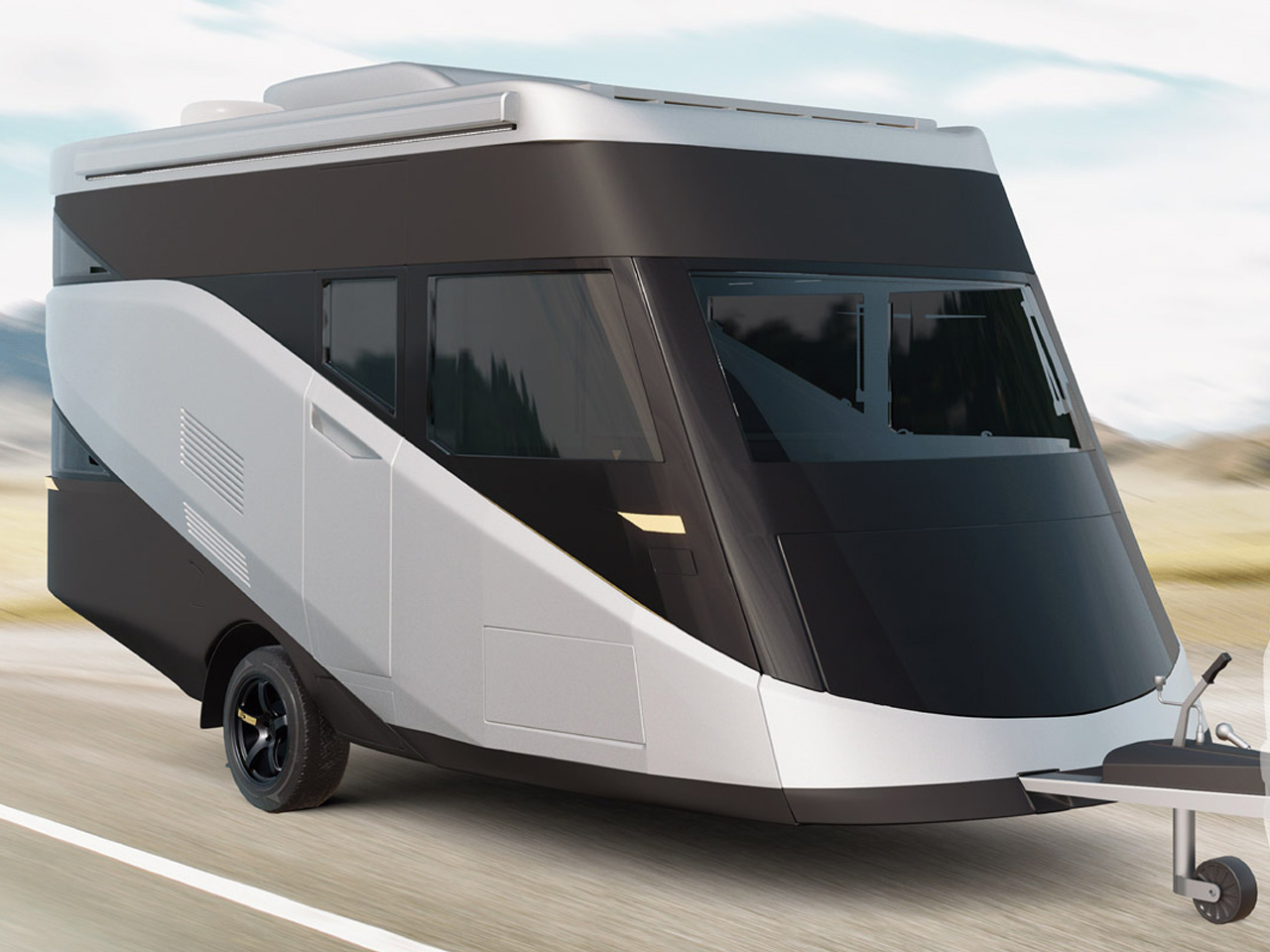
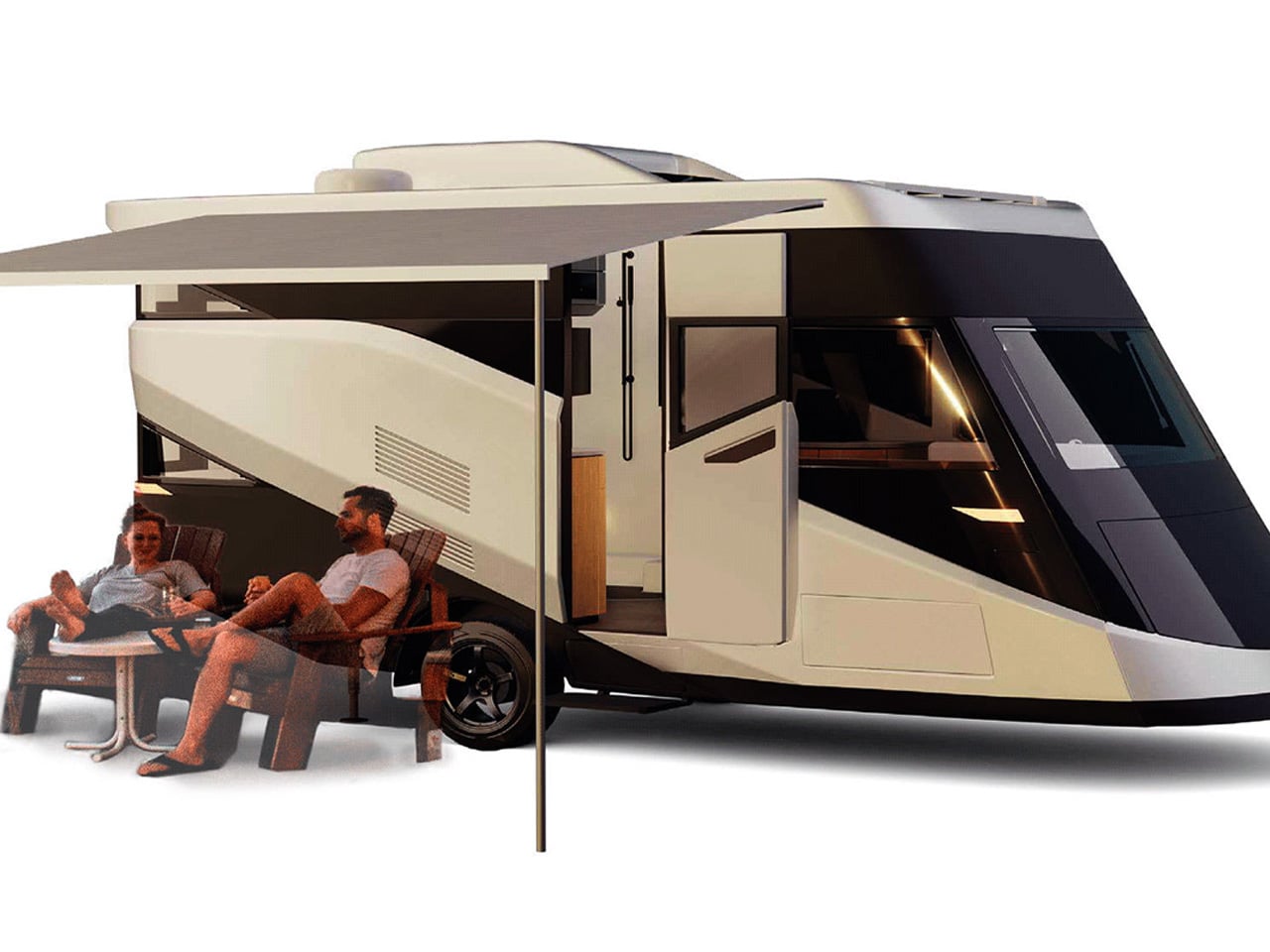
The Living Vehicle ‍CyberTrailer comes with enough solar panels to power your trailer as well as Cybertruck

After the Cybertruck-compatible camping tents and interesting tracks that can convert the Tesla’s fancy pickup into a snowmobile, it’s now time for the CyberTrailer to shine. A Living Vehicle’s camping solution to tow behind the impressive Cybertruck, the trailer is not only similar by name, in fact, it resembles the Tesla pickup truck in more ways than the angular design inspiration.
The camping trailer by the California-based specialist, Living Vehicle, isn’t really all set to hit the road from the word go, but it is ready to offer glimpses of the near future. The future of completely off-grid camping, where an electric trailer can be your home for an extended time in the wilderness.
Designer: Living Vehicle

The Californian trailer builder has been in the business of developing off-grid luxury experiences for some time now. Whether you talk about the HD 24 or the HD 30, these ultimate campers are built from marine-grade materials making the luxury in the travel trailer possible. If you’re a stark believer, you can expect the similar construction pattern and luxury features of the predecessors to flow into the dramatically enticing CyberTrailer.

Of course, what the CyberTrailer is made from, or what it packs inside, or how much backup its power generators provide, is not outrightly informed by Living Vehicle at the point of writing, but the company has made some interesting revelations. For instance, the travel trailer is designed to promote independent camping in nature far from RV parks and random charging stations.

So, the CyberTrailer is a self-sufficient off-grid home on wheels with its ability to run all the appliances and electronic components through self-generated power from onboard solar panels. When needed, even power back the towing electric vehicle, and generate its own water from thin air, courtesy the water-air generator that can fill up its freshwater tank as you ride.

Embodying the features to reduce range anxiety, while extending off-grid adventure time; the trailer is fashioned to be towed behind a Cybertruck, but it can even be hauled by “F-150 Lightning, Rivian R1-T, or any conventional gas or diesel half-ton truck,” the company informs. At this point, perhaps, this is all that Living Vehicle shares about the CyberTrailer. If that’s good enough for you to bet your buck, you can reserve your model at the company website against a $100 refundable deposit. When it eventually launches, it will retail for upward of $175,000.

The post The Living Vehicle ‍CyberTrailer comes with enough solar panels to power your trailer as well as Cybertruck first appeared on Yanko Design.