
Meta, TikTok, Snap and Google face wrongful death lawsuit from four US families
The Social Media Victims Law Center accused the companies of creating addictive and dangerous platforms.

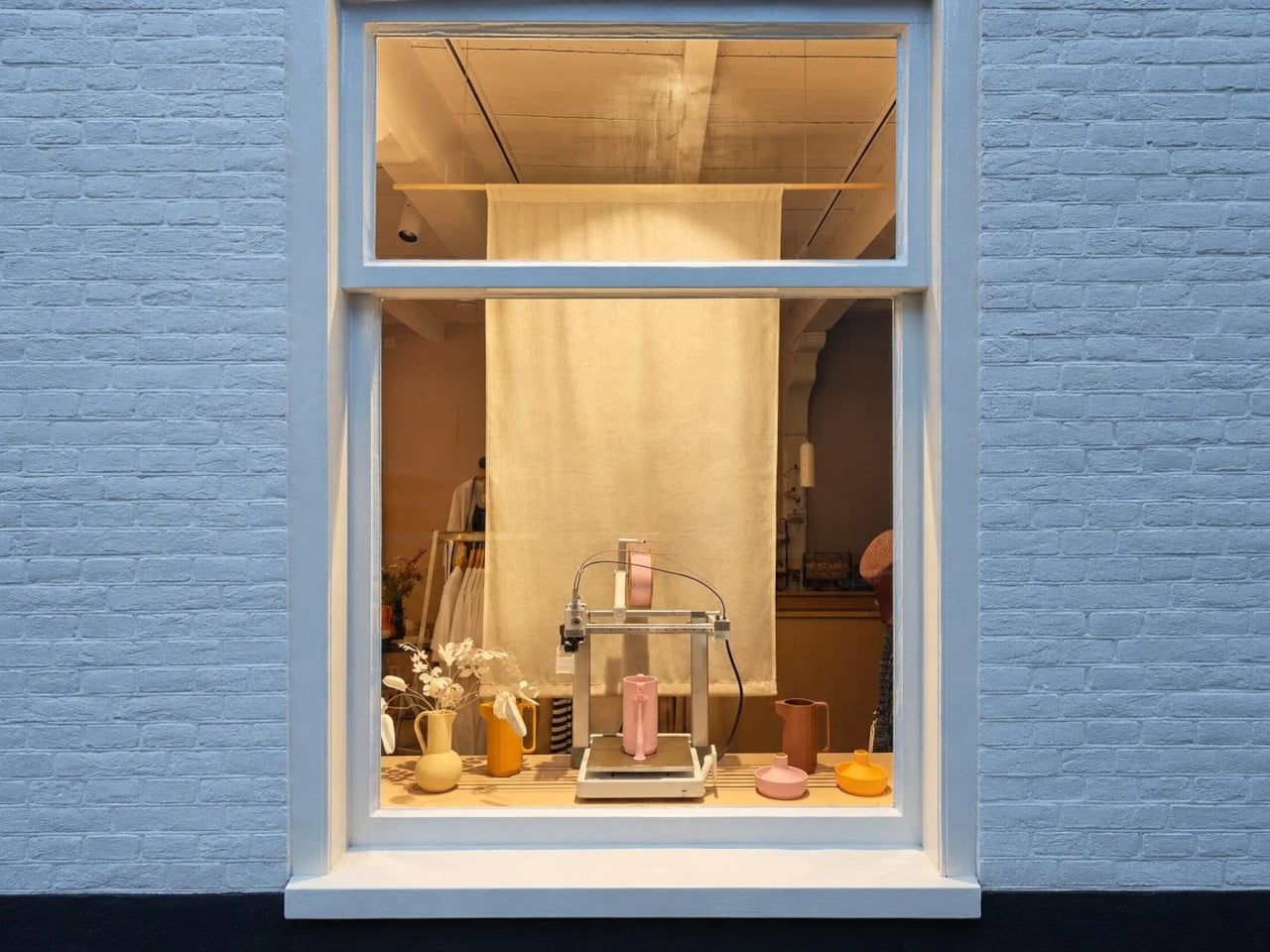
The sustainable home goods market has a specific credibility problem. Products marketed as eco-conscious often get there through incremental adjustments, reducing a percentage of virgin plastic, switching to a recyclable box, or sourcing from a slightly shorter supply chain. The result is a kind of sustainability theater that satisfies certification requirements without fundamentally changing either what objects are made from or how they find their way into a home.
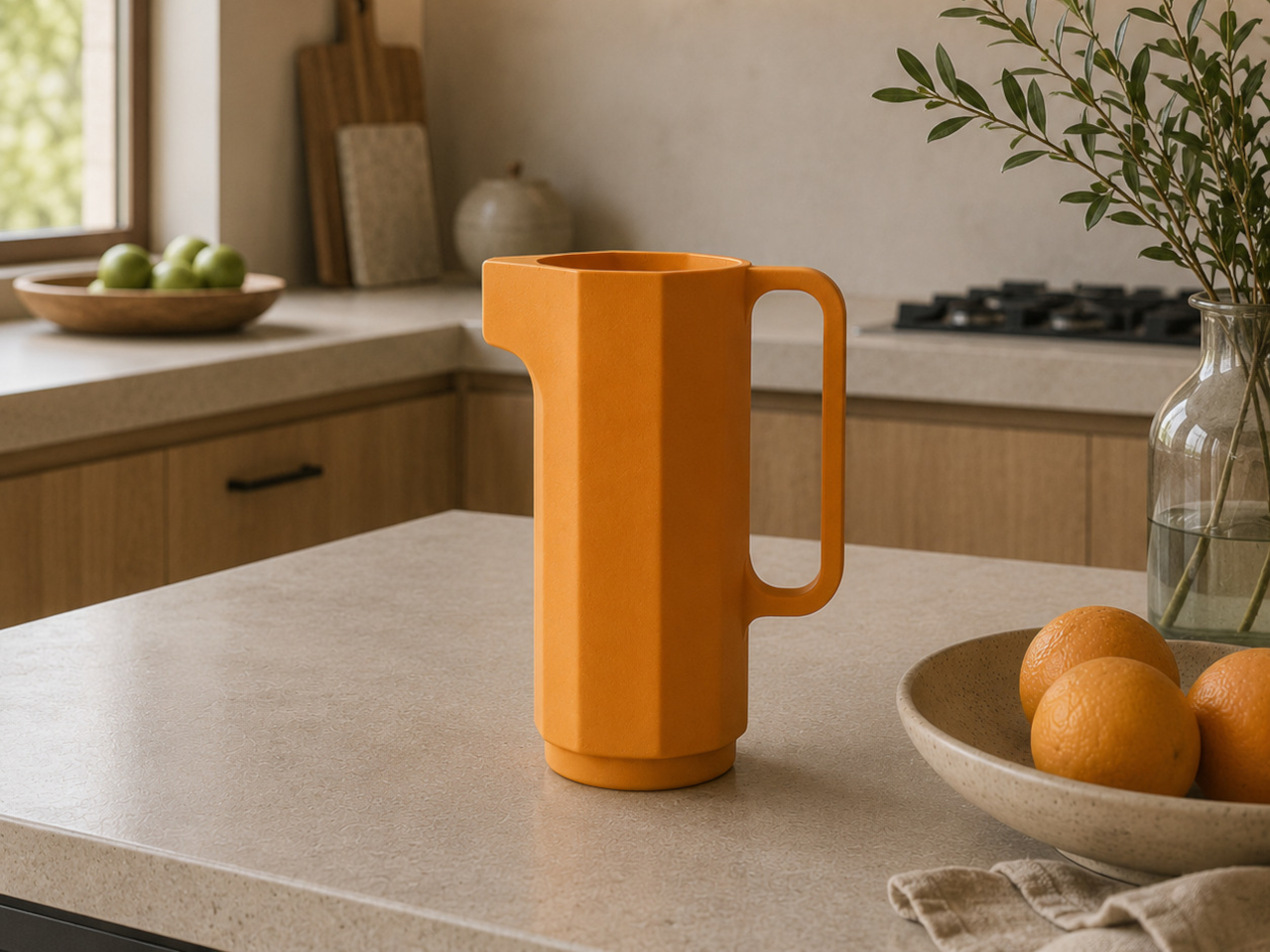
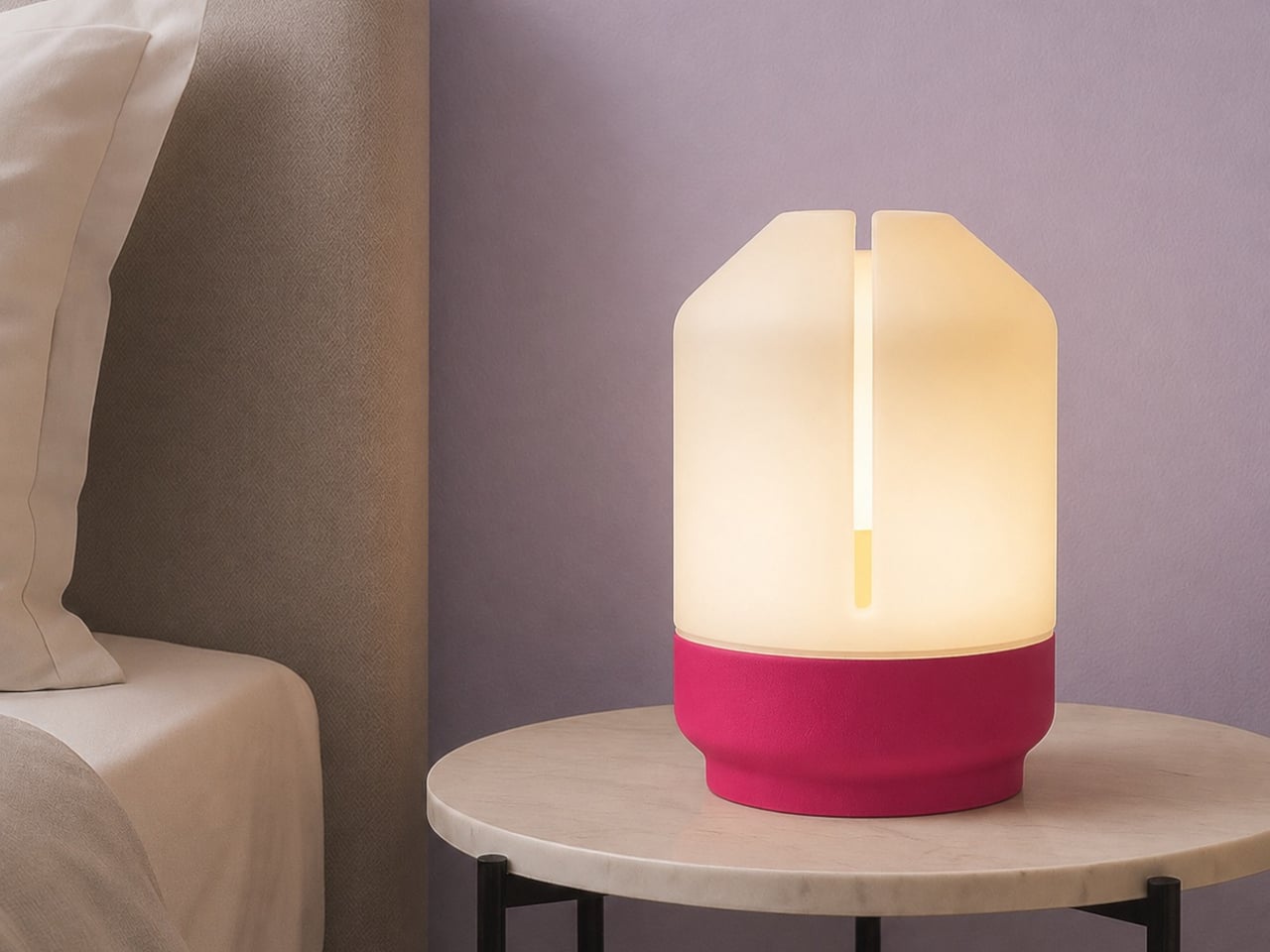
Artefilo approaches that question differently. Based in Edam in the Netherlands, the independent design atelier makes contemporary home objects from materials most manufacturers wouldn’t consider: elephant grass combined with recycled plastic, reclaimed wood fibres, brick dust, and salvaged hospital cabinetry. Each piece is made locally in small batches, and the materials are chosen with the specific intention of giving discarded resources a renewed place in a living space.
Designer: Guido Baratta
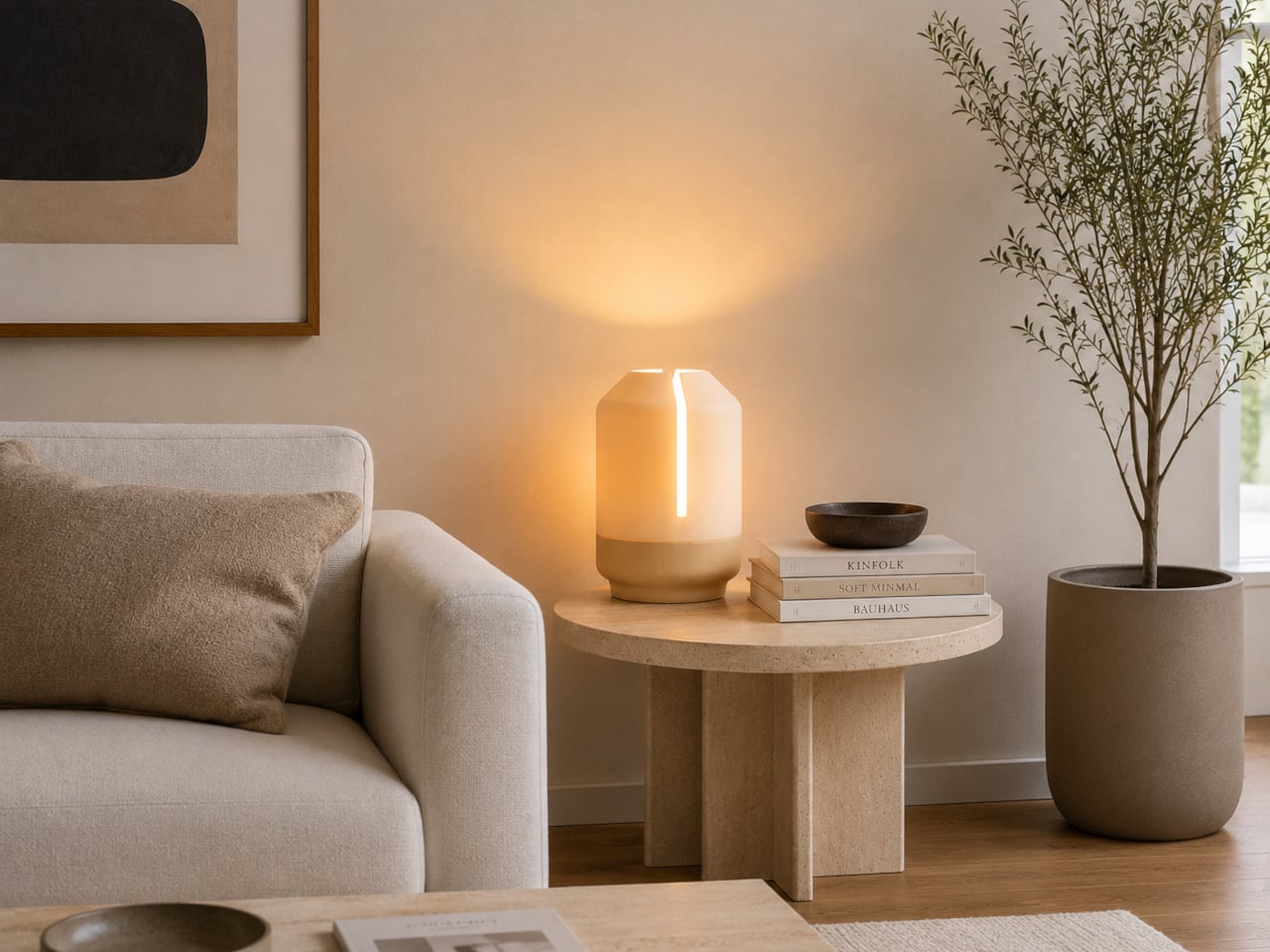
The choice of Edam isn’t incidental. The city has a long tradition of ceramics craftsmanship, and Artefilo draws on that heritage without replicating it, taking the spirit of making by hand and applying it to a different material palette. Elephant grass combined with recycled plastic, for example, produces a surface that reads as handmade pottery without the environmental cost of extracting virgin clay or new plastic.
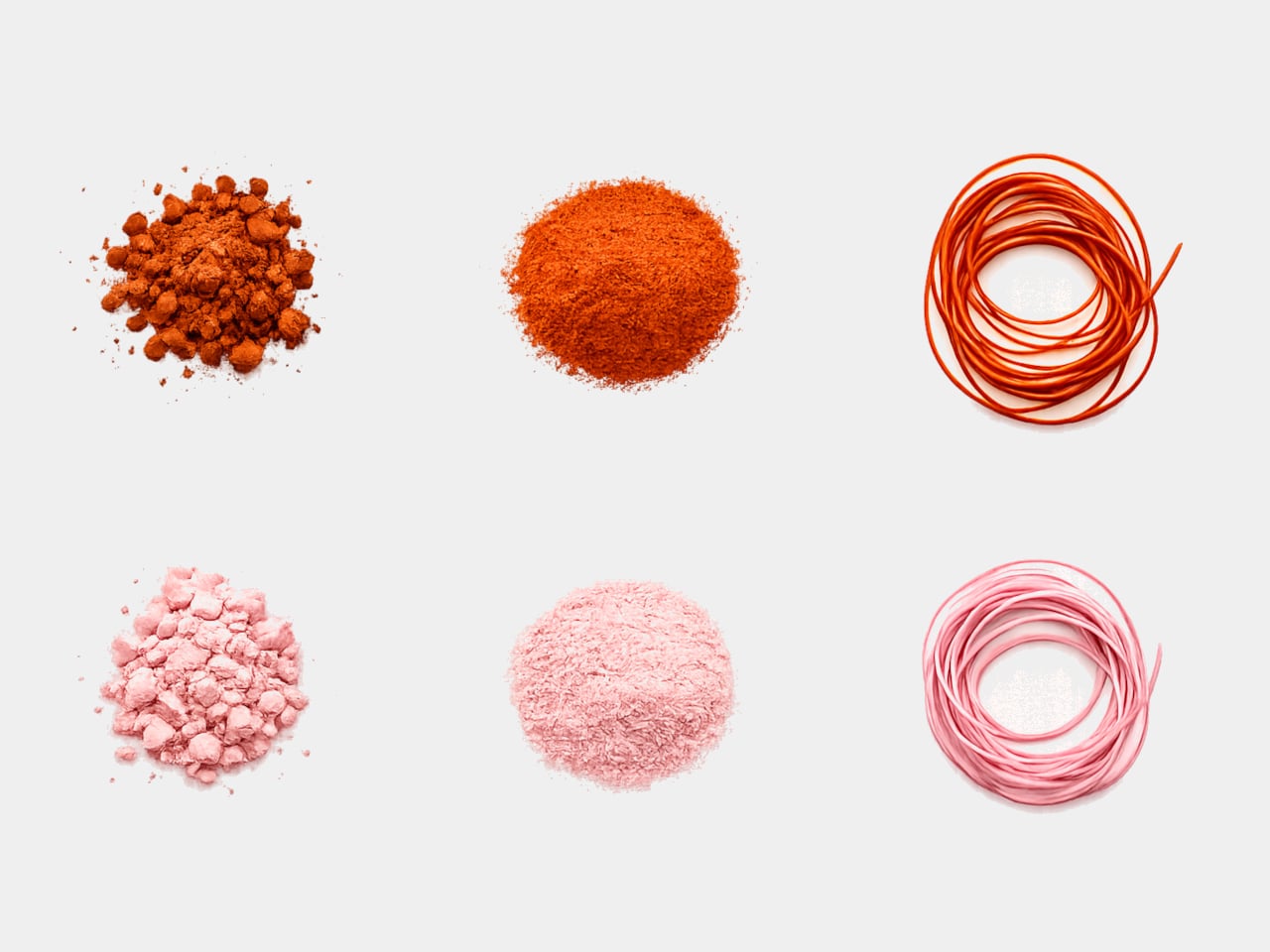
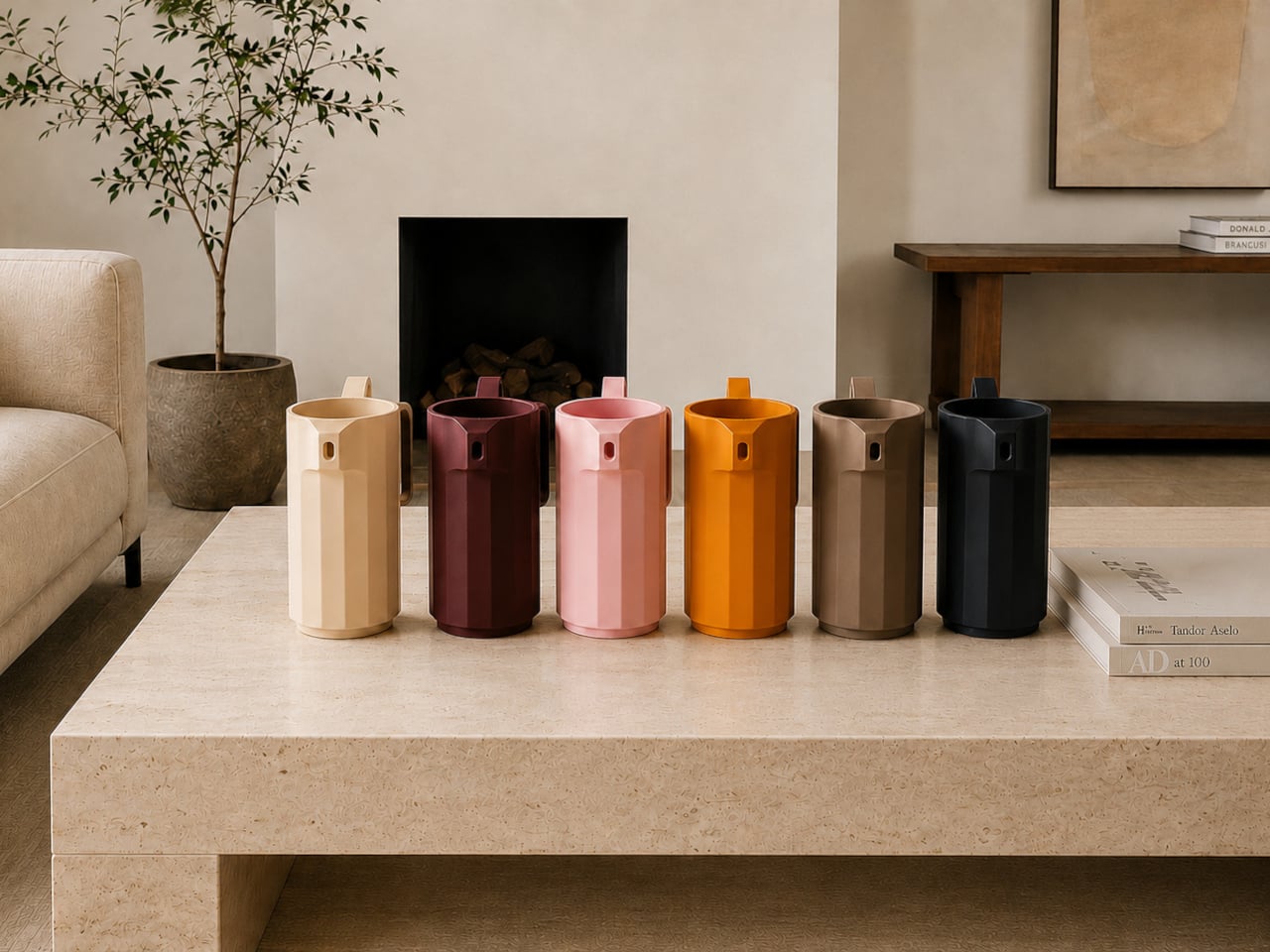
The rest of the material list is equally unexpected. Reclaimed wood fibres and brick dust bring texture and warmth to objects that might otherwise feel too composed, while recycled hospital cabinets contribute rigidity and durability that wouldn’t be obvious from the source. Finding these materials requires locating waste streams that industry hasn’t already claimed, then working out what form they can credibly take in a domestic setting.
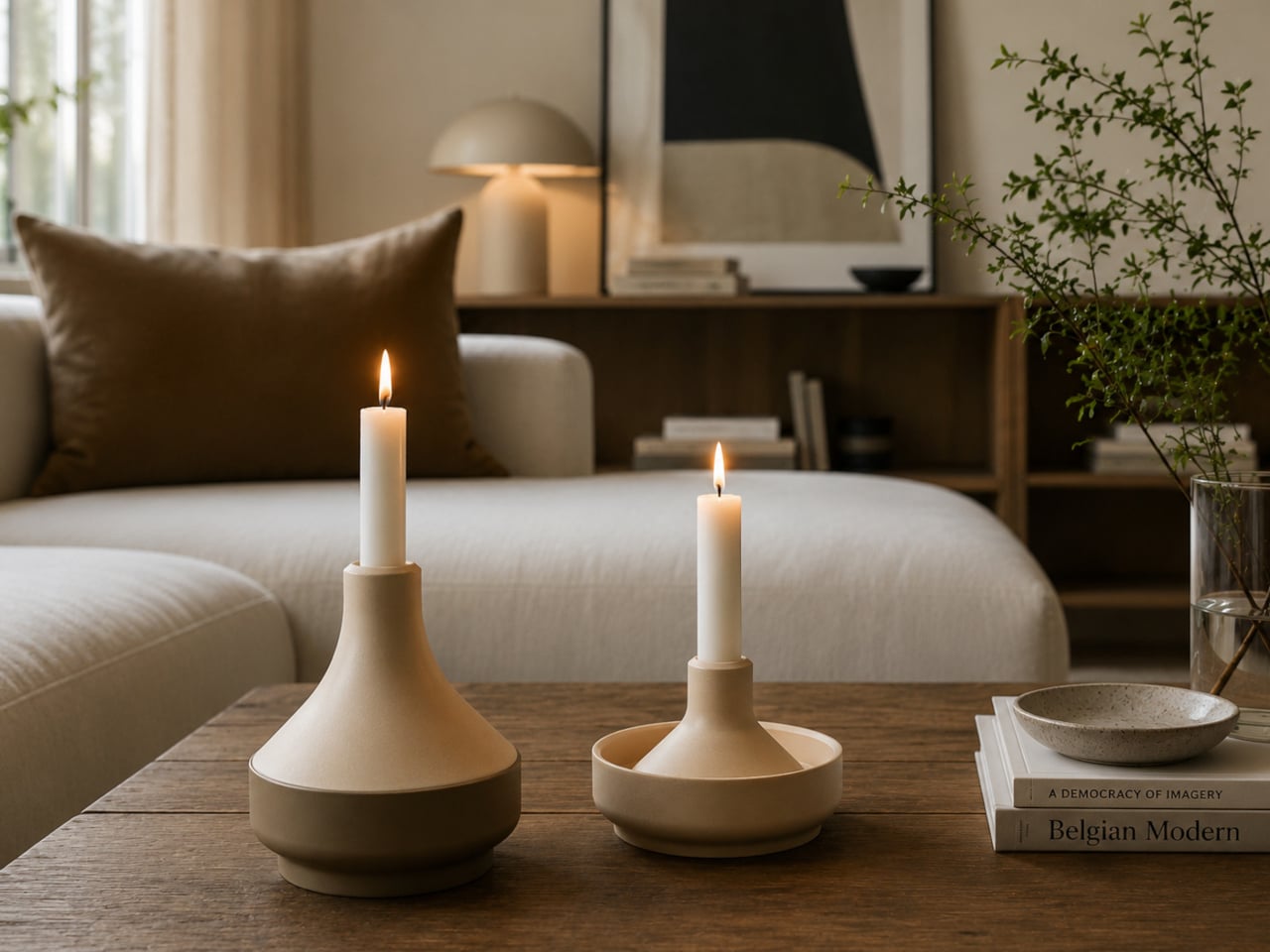
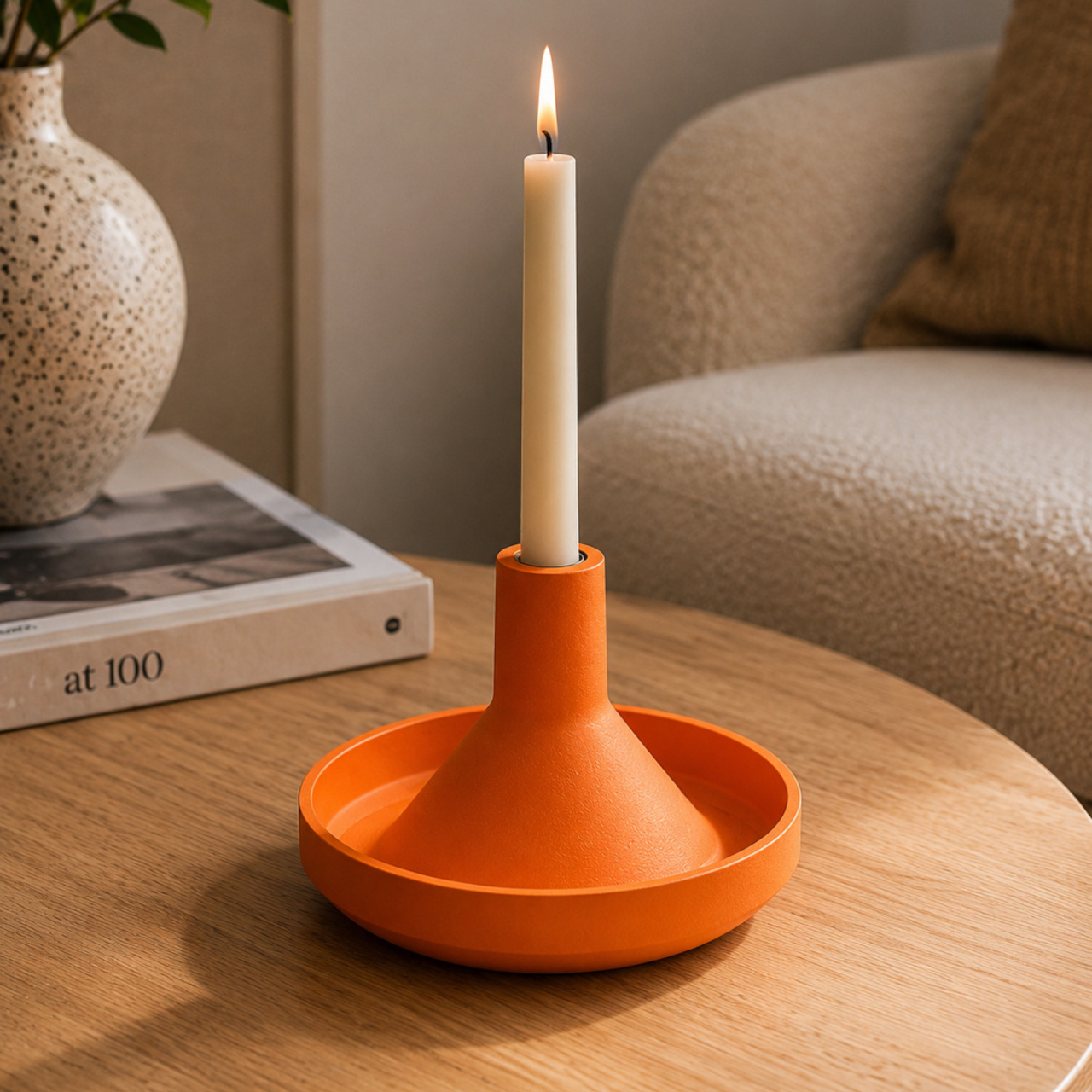
Making in small batches has real consequences for what the objects can be. It means pieces that are genuinely one-of-a-kind, because material conditions are never exactly repeatable from one batch to the next. Brick dust carries different tones from different sources; reclaimed wood fibres vary in density and grain. That variability isn’t a flaw in the production model; it’s built into it deliberately.
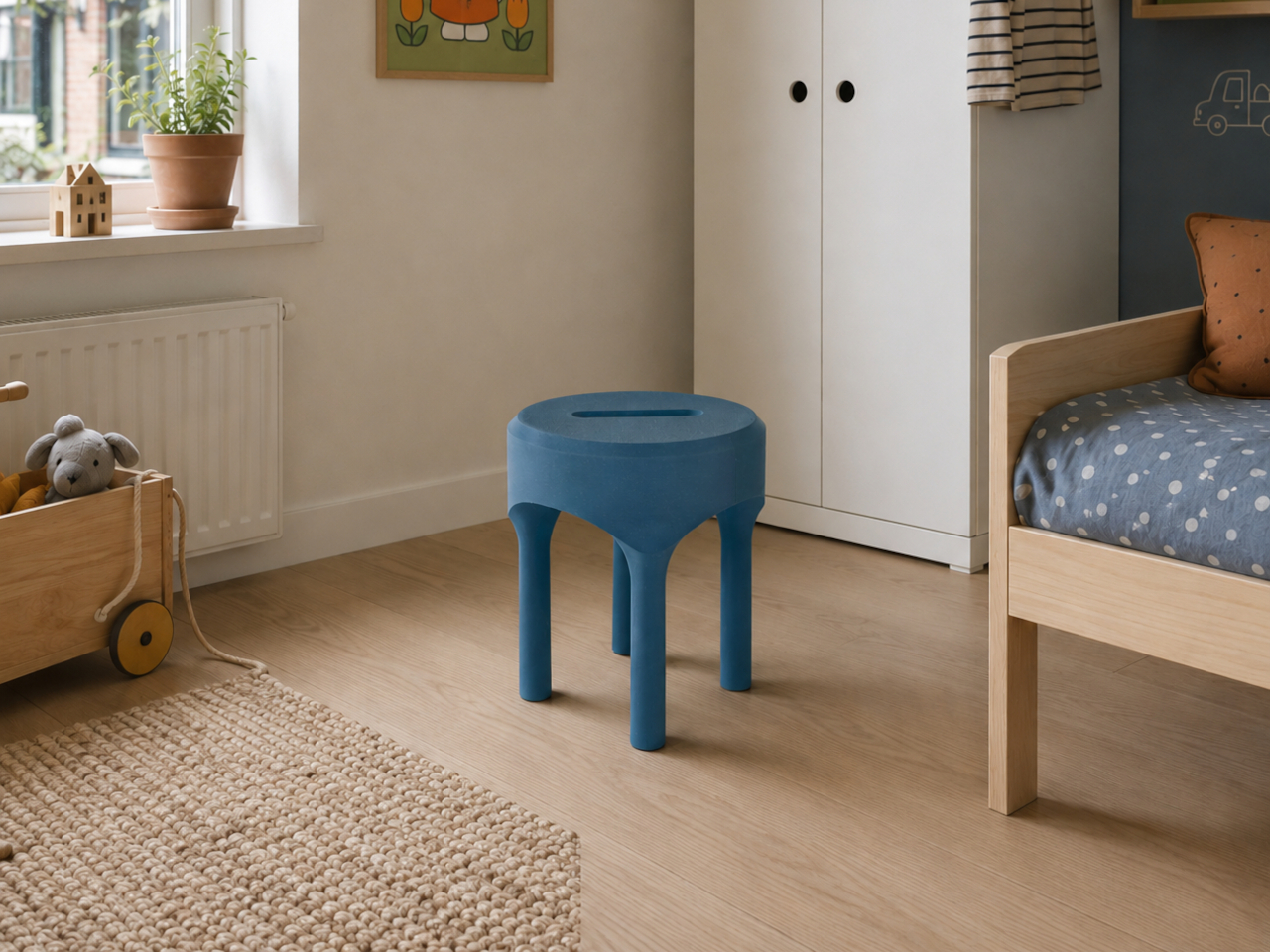
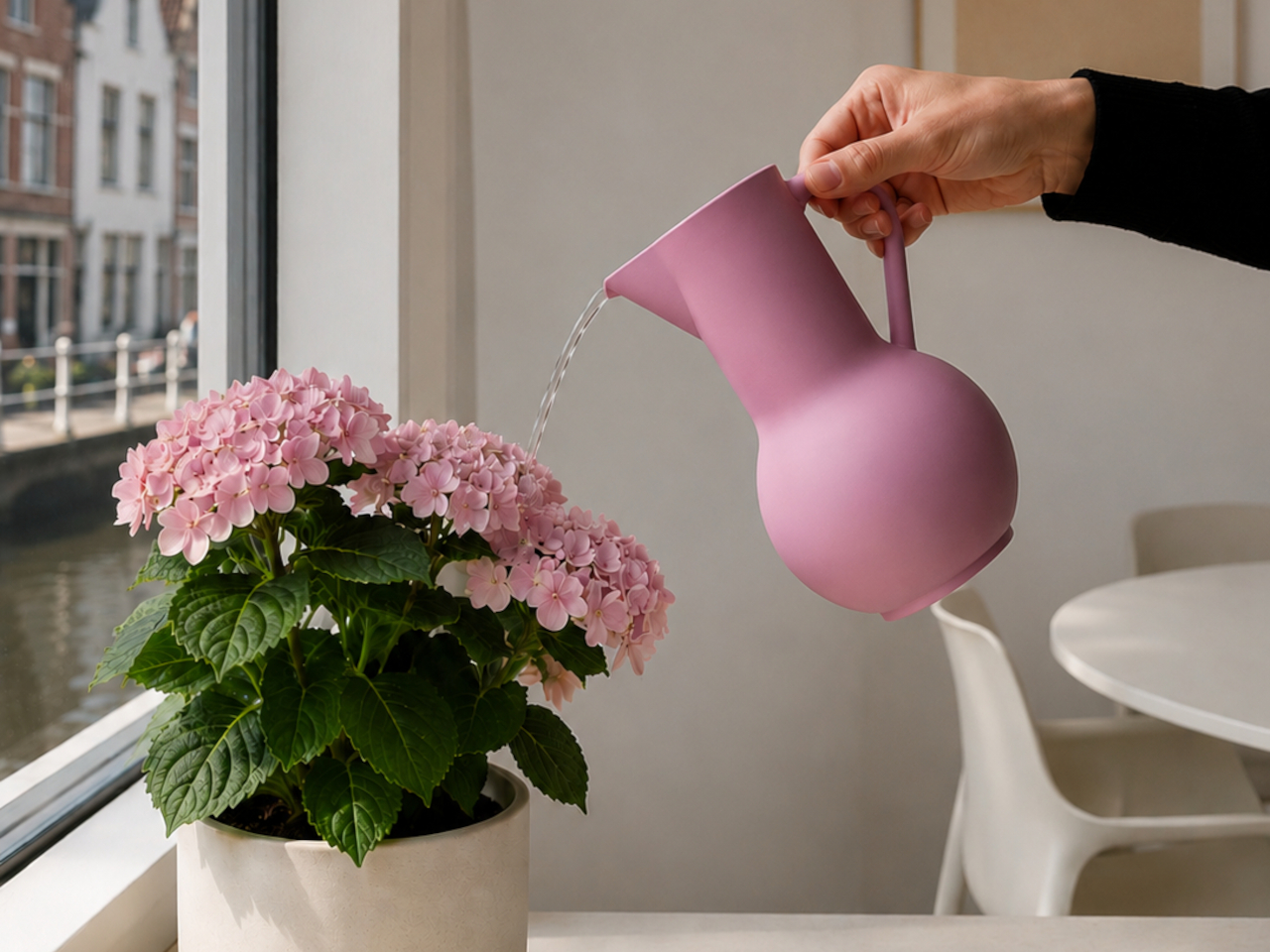
The underlying premise is that objects shape the atmosphere of a space, not dramatically, but persistently. Something placed on a windowsill or bookshelf gets seen many times a day, and that repetition adds up. Artefilo’s design philosophy treats each piece as something that participates in the daily texture of a home rather than simply occupying it. The materials reinforce that, each carrying a visible trace of its previous life.
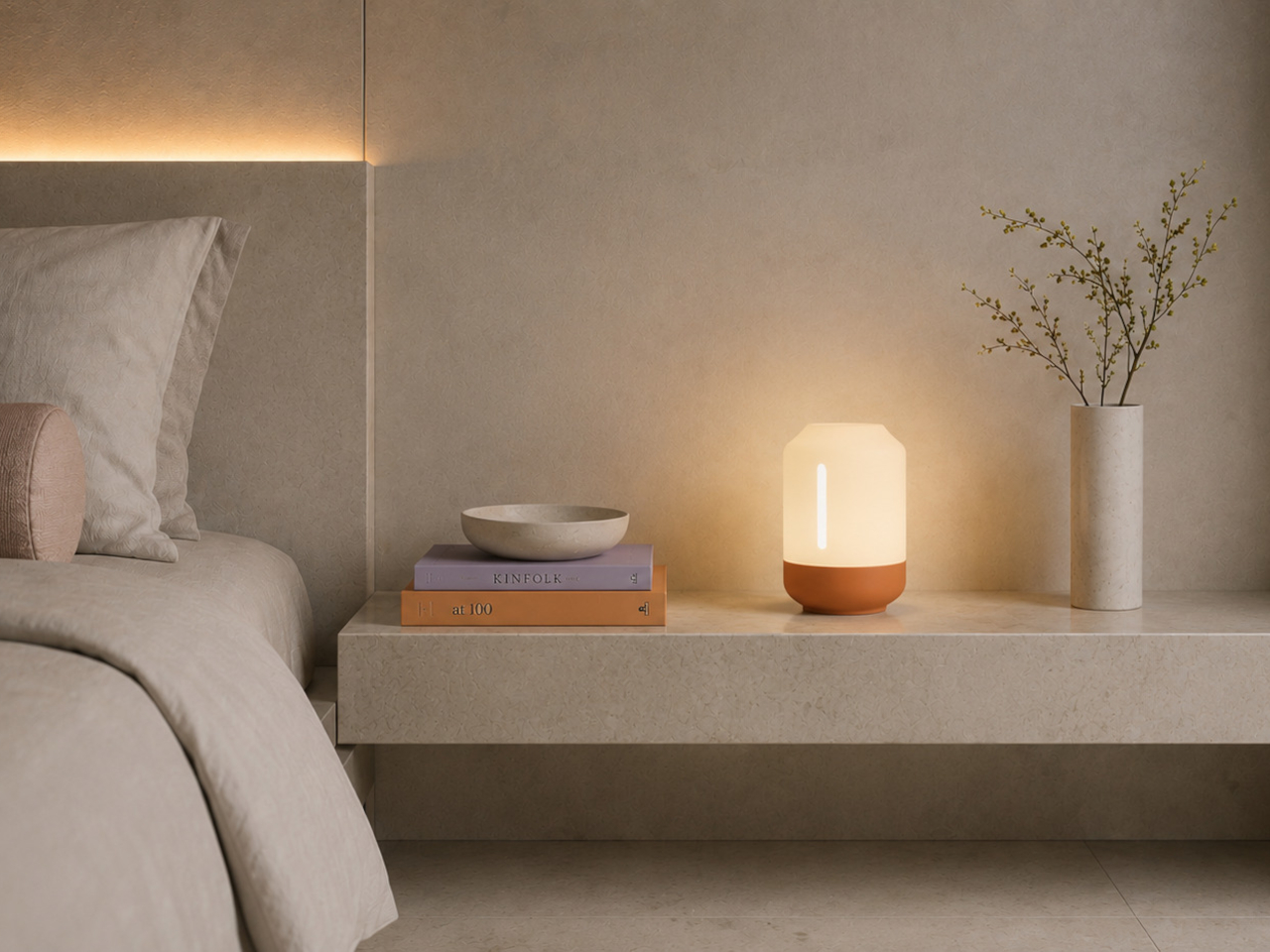
The atelier distributes through its own online store and through a local stockist in Edam. The collection is small, deliberately so, and the material sourcing means it isn’t trying to scale into something it isn’t. For a design category that often talks about slowing down without quite managing it, Artefilo appears to have structured itself around that idea from the ground up.
The post Artefilo Makes Home Objects From Elephant Grass and Hospital Cabinets first appeared on Yanko Design.




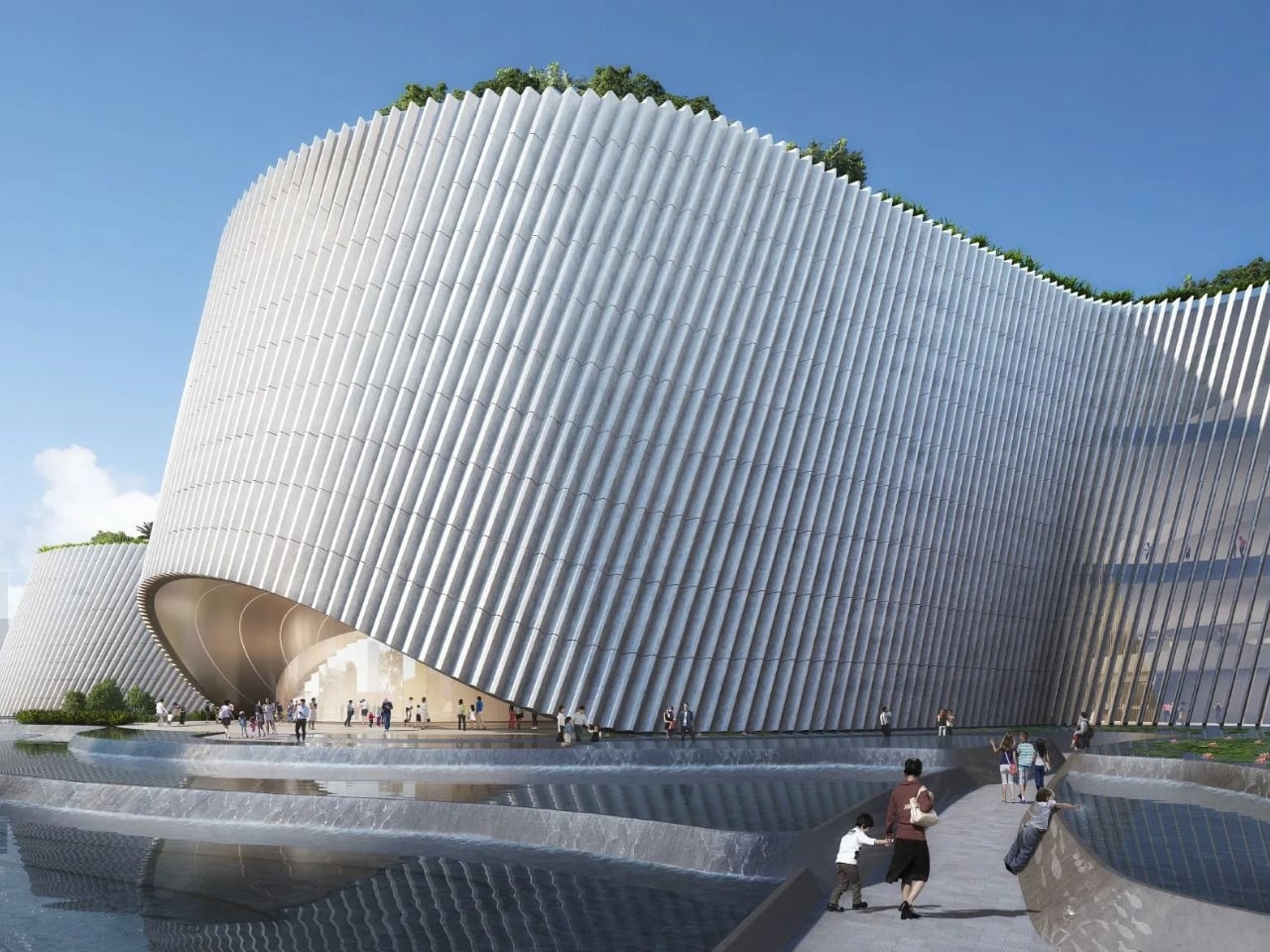
Museums have a reputation problem. For decades, they’ve been temples of quiet reverence: boxy, imposing, slightly intimidating buildings that seem to announce, before you’ve even walked through the door, that you should already be taking notes. So when a museum opens that genuinely looks like the Earth just pushed it out of the ground, it’s worth paying attention.
The Shenzhen Natural History Museum officially opened on July 28, 2026, in the Pingshan District of Shenzhen, China, and from the very first image you see of it, you understand that something fundamentally different was intended here. Designed by a consortium of 3XN, B+H Architects, and Zhubo Design, the 105,300-square-meter complex sits beside Yanzi Lake and rises in a series of fluid, granite-clad forms that look less like architecture and more like an ancient geological formation that was always meant to be there. That’s not an accident.
Designers: 3XN with B+H Architects and Zhubo Design
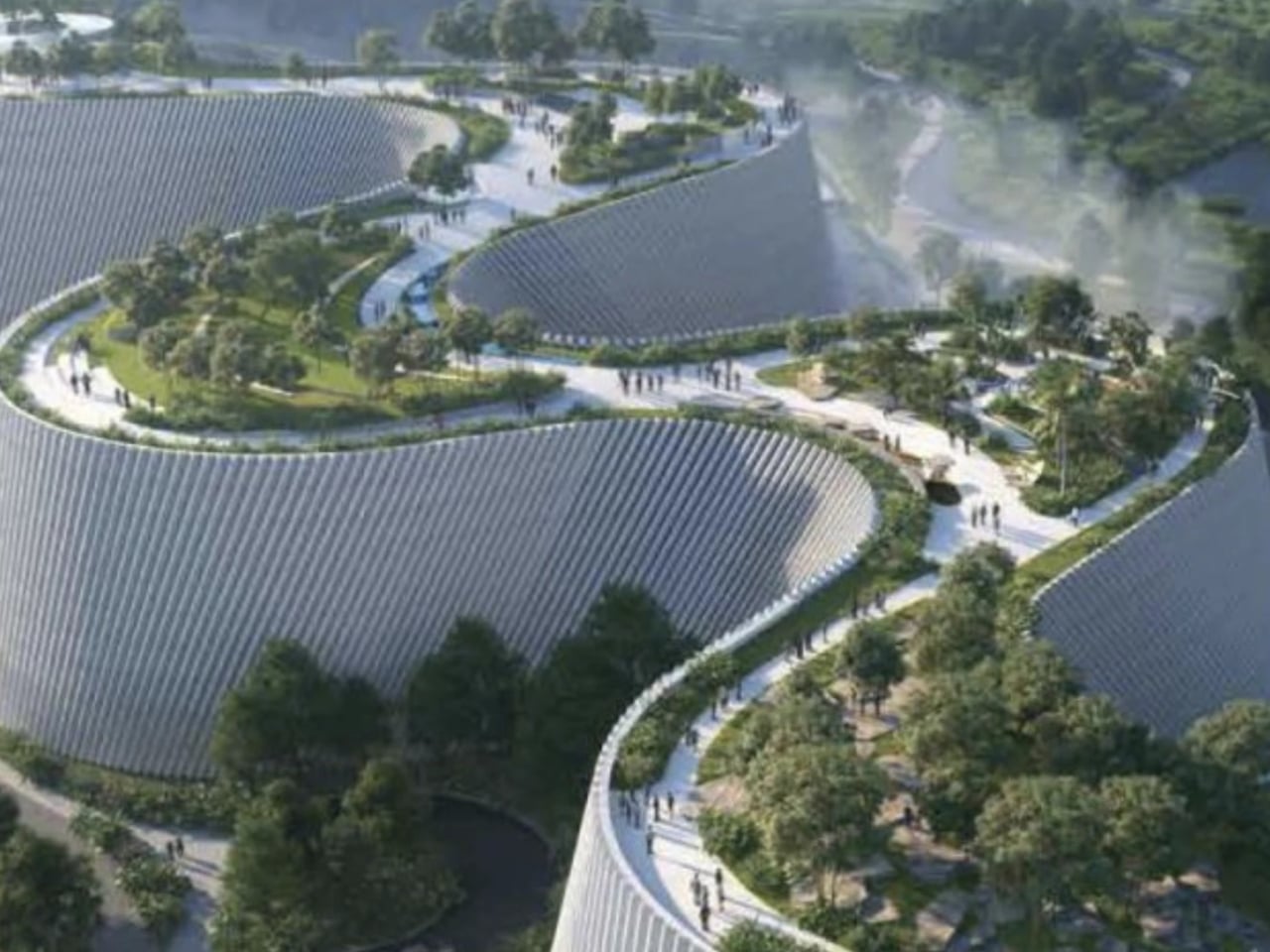
“Nothing in nature is square,” said 3XN founder Kim Herforth Nielsen. “Nature is amorphous, dynamic, and always in formation. From the beginning, the ambition was to create not a building, but a piece of landscape that had always been there, shaped by local geology, water and time.” That quote does a lot of heavy lifting, and the building earns it.
The design process was genuinely collaborative in a way that large-scale architecture rarely manages. 3XN led the concept design. B+H Architects handled project delivery, landscape, and interior expertise. Zhubo Design brought the local technical knowledge that a project of this scale in China absolutely requires. Construction began in March 2022 and wrapped up four years later. For a building that looks like a mountain range and functions like a public park, a museum, and a walking route all at once, that timeline is actually impressive.
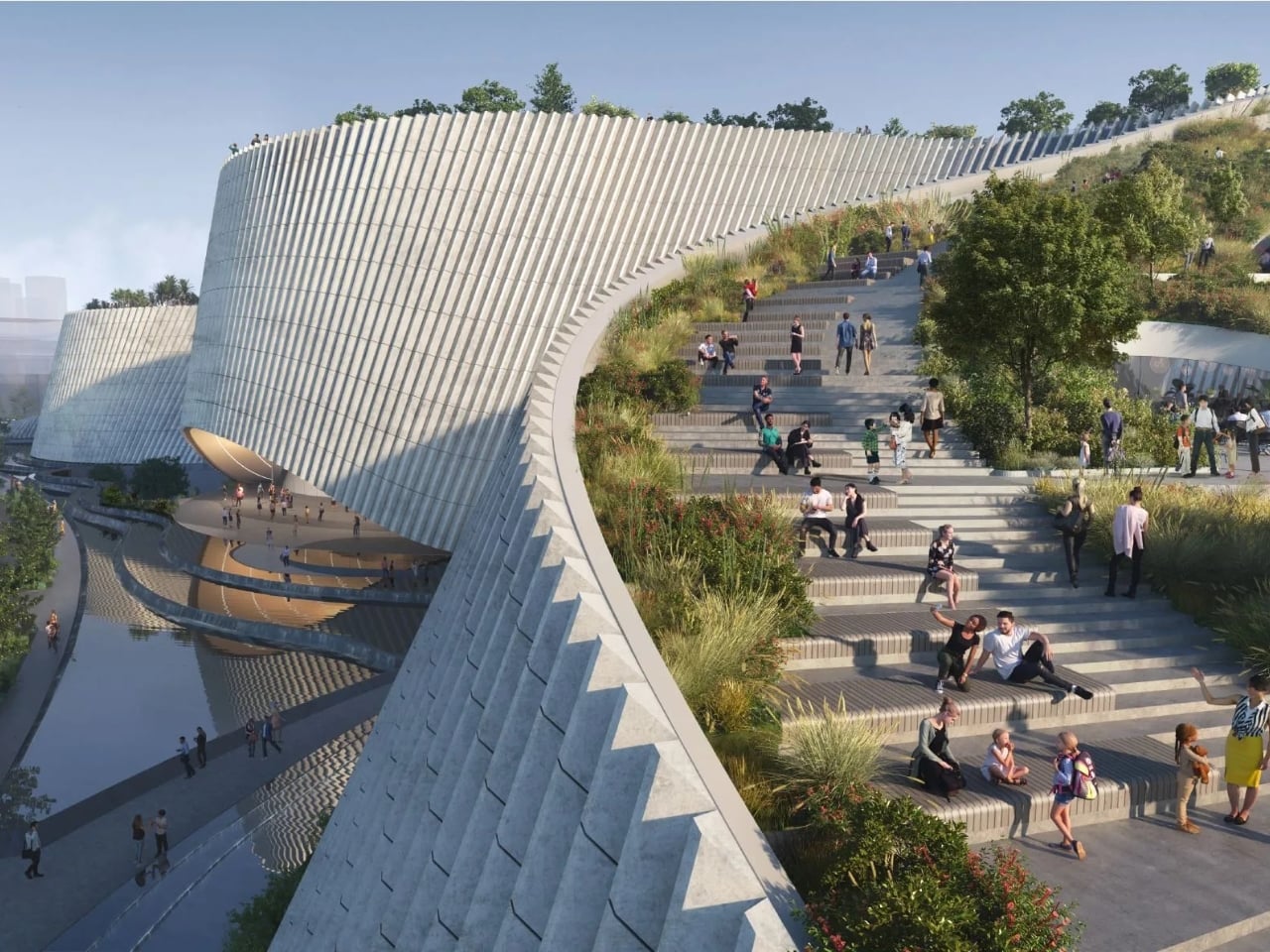
And yes, it functions like all three of those things simultaneously. The roof is walkable. The grounds are public. The building isn’t sitting behind a fence waiting for you to purchase a ticket before you’re allowed anywhere near it. It opens itself to the city, which feels like a deliberate philosophical statement about who science and natural history actually belong to. I appreciate that enormously. Too many cultural institutions operate like exclusive clubs dressed up as public spaces.
Inside, the experience continues the logic of the exterior. The exhibitions were developed with Atelier Brückner and Museum Studio, and the approach integrates the scenography directly with the architecture. Displays curve along the walls, rising through cone-shaped gallery spaces. Cinematic projections and immersive light installations make the galleries feel like environments you move through rather than rooms you stand politely in. If the outside of the building asks you to rethink what architecture looks like, the inside asks you to rethink what a museum visit feels like.
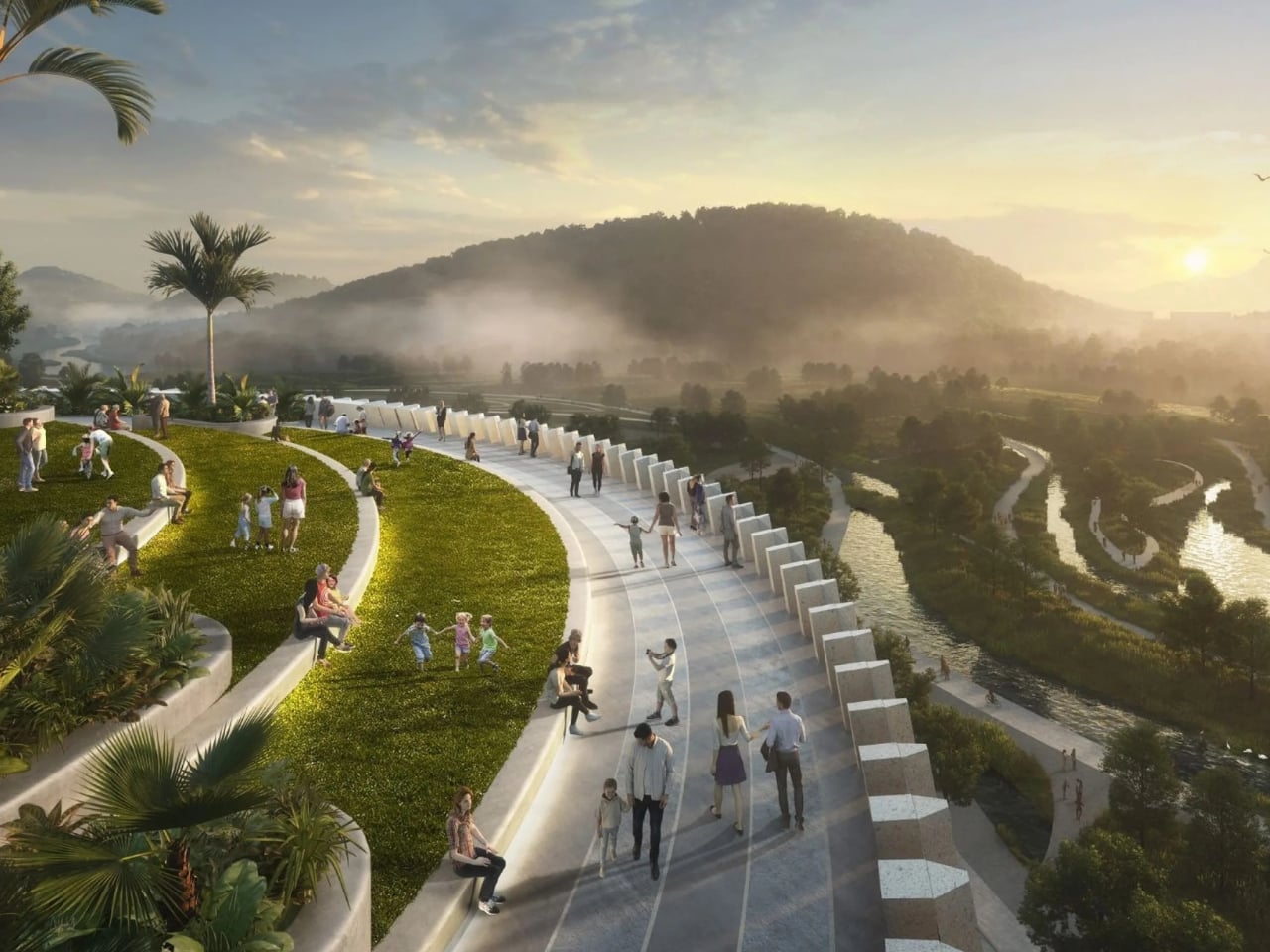
I’ll be transparent: I’ve seen the images, not the building. And images of architecture, especially this kind, are always a bit of a seduction. Photographs flatten and idealize. The real test of a building like this is whether it holds up over time, whether the crowds and the heat and the ordinary chaos of a functioning public institution diminish what feels, right now, like something genuinely extraordinary. That’s a fair question to hold.
But even accounting for that skepticism, the Shenzhen Natural History Museum makes a compelling argument for what museums can be when they stop treating their buildings as containers and start treating them as part of the story. Natural history is a story about a planet forming itself over billions of years. The building looks like a chapter of that story. That coherence is rare, and when architecture and content align that cleanly, it tends to produce something that lasts.
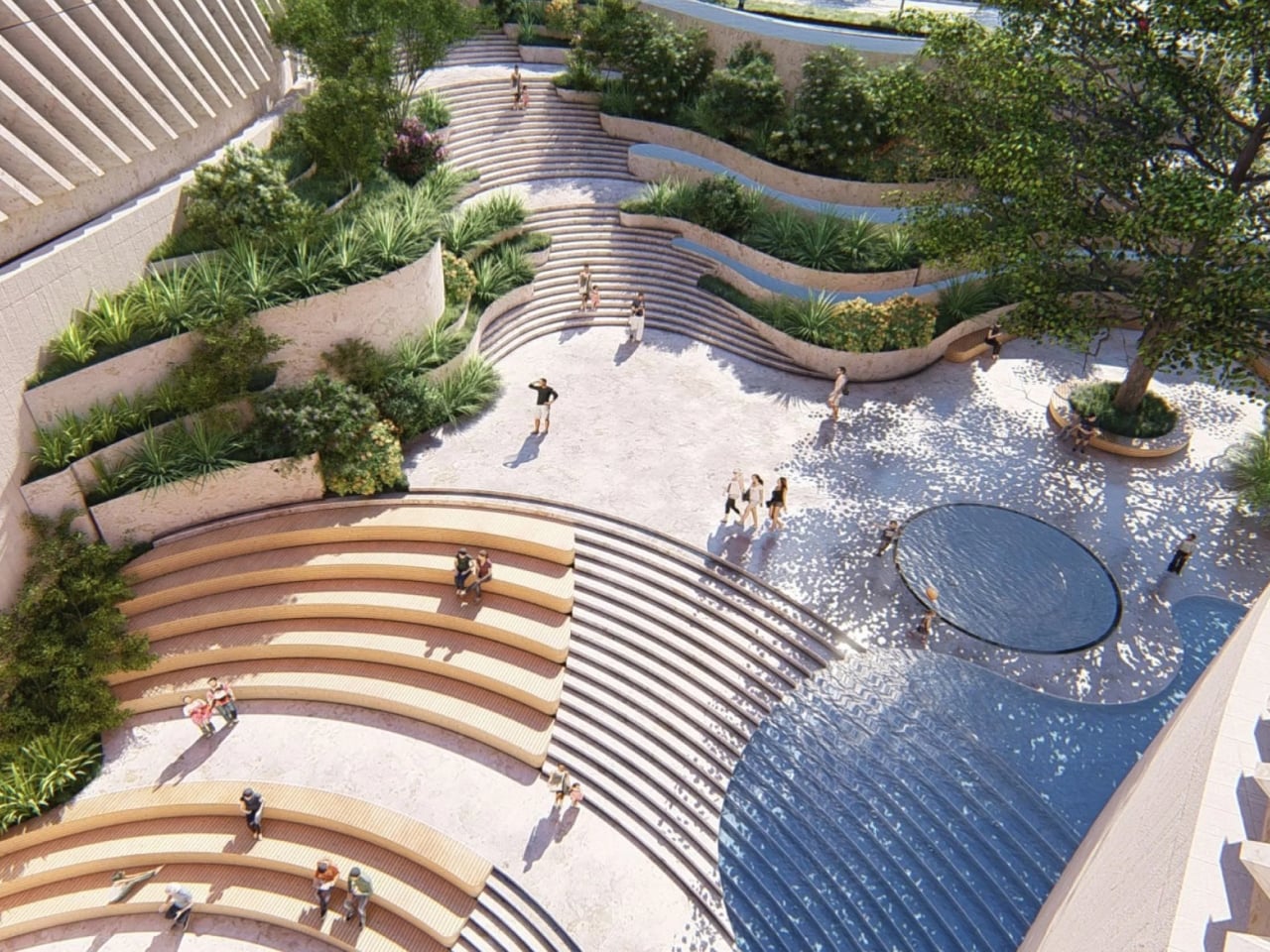
Shenzhen already has a reputation as a city that builds fast and builds bold. It’s the place where skylines get reinvented in a decade. But this museum isn’t bold for the sake of attention. It’s bold because the subject demanded it. And that distinction, quiet as it is, makes all the difference.
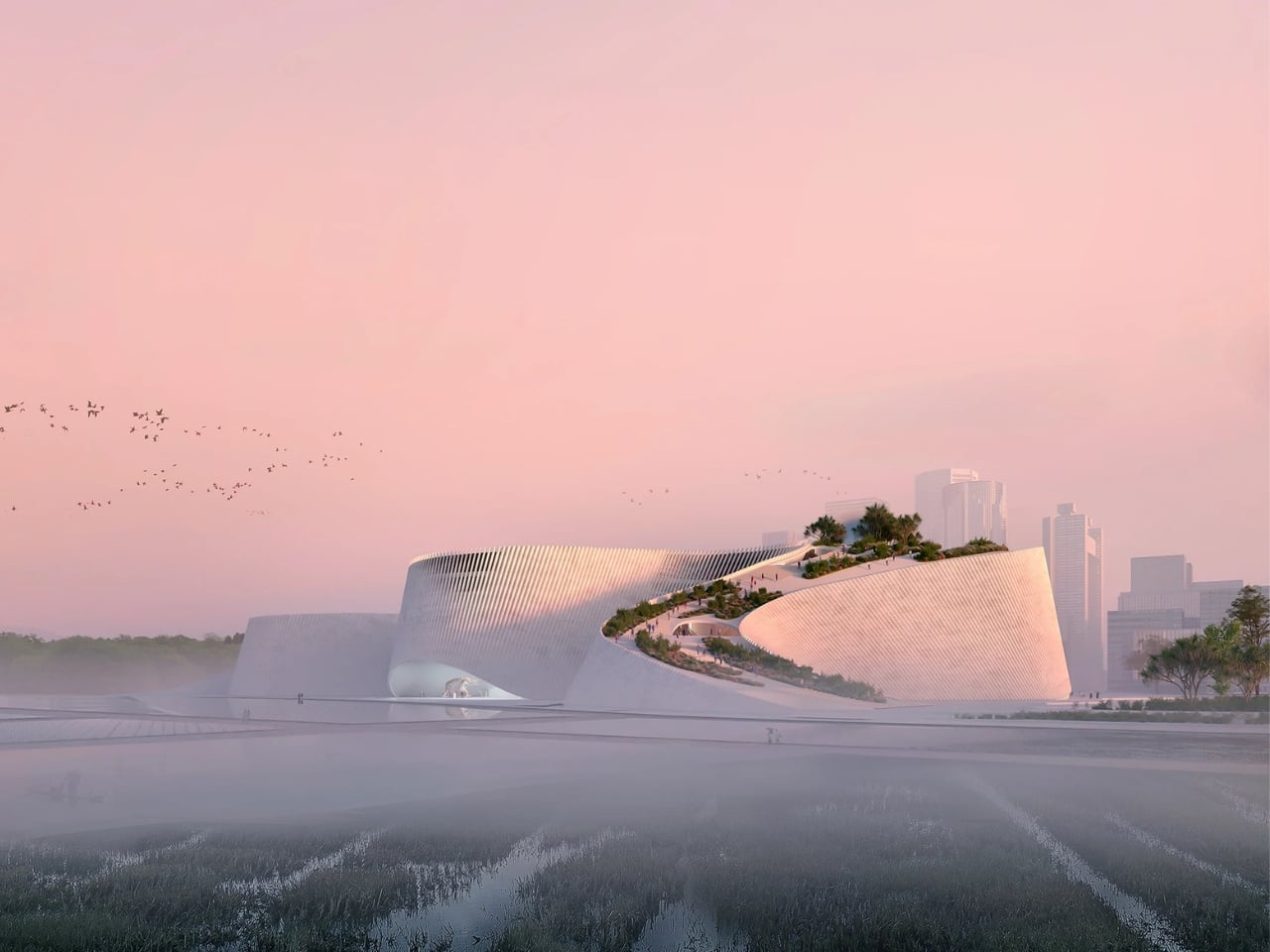
The post A Natural History Museum That Actually Looks Like Nature first appeared on Yanko Design.
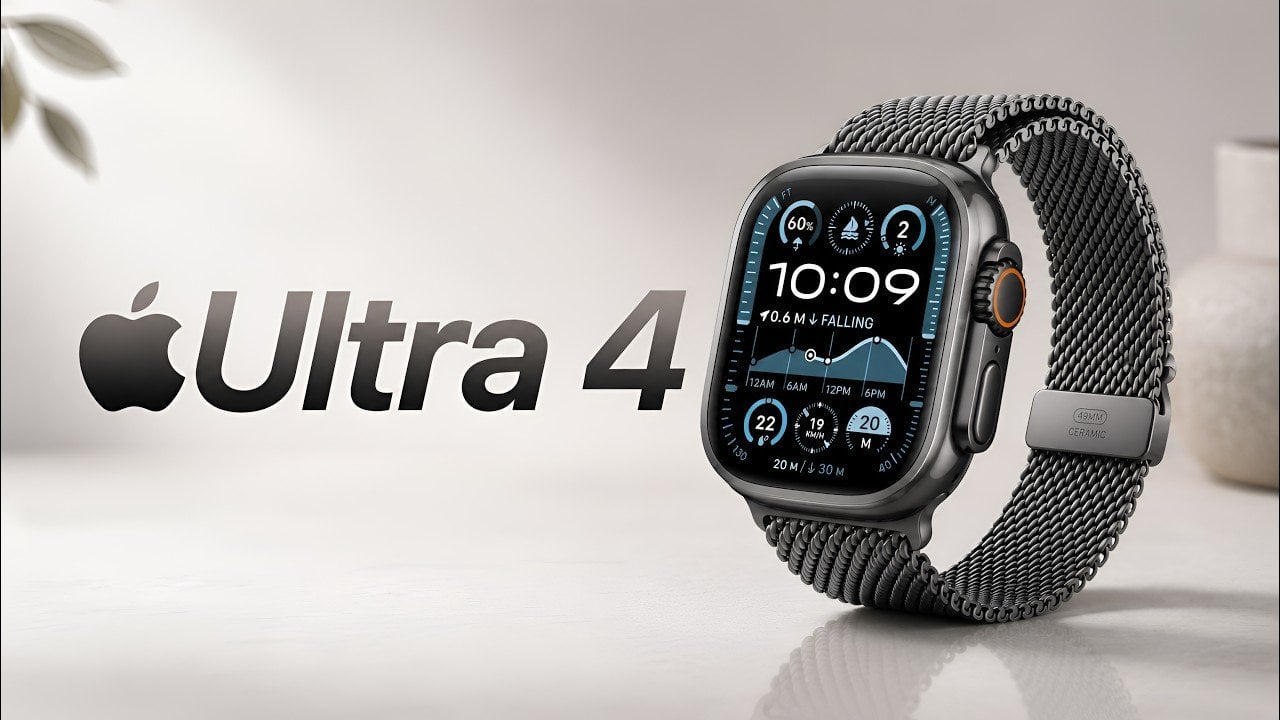
The Apple Watch Ultra 4 represents a significant step forward in wearable technology, blending advanced health tracking, enhanced performance, and a refined design. While some rumored features, such as Touch ID, are absent, the watch introduces meaningful upgrades in sensors, satellite connectivity, and AI-powered functionalities. These improvements solidify its position as a leader in the […]
The post Everything Rumored for Apple Watch Ultra 4 Before Launch appeared first on Geeky Gadgets.