The Beeline Velo 2 is a gorgeously minimal bicycle GPS with a carbon-negative design and Strava support

It’s difficult to believe that it’s been 7 years since the Beeline first launched back in 2017! A perfect accessory for any biker or two-wheeler rider, the Beeline instantly stood out as an incredibly simple, iconic accessory that helped you get from point A to B. Working in tandem with the navigation app on your phone, the Beeline was a simple, sophisticated, and sleek-looking accessory that basically pointed you in the direction that you needed to go. No fancy maps, no bloatware, no extra data. Just an arrow you could follow till you reached your destination. The Beeline’s simple design made it easy to keep your eyes on the road too, by offsetting the need to stare at your phone for directions and potentially get sidetracked by apps, notifications, and other distractions.

Seven years and multiple products later, Beeline just announced the Velo 2, a compact navigator for bike rides. Upgraded with an IPS LCD screen (as opposed to the original’s e-paper display), the Velo 2 retains the Beeline’s intuitive approach to wayfinding, while also giving riders access to basic metrics like distance covered, ride time, speed, ETA, and a compass, alongside the ability to plan routes, share them on apps like Strava, and even rate them in retrospect. Everything sits inside the Velo 2’s compact puck-shaped design that easily snaps on and off your bicycle, making every single step of your journey intuitive and comfortable.

Designer: Beeline

Click Here to Buy Now

The Velo 2 retains the beloved features of its predecessor, popularized on Kickstarter while introducing an updated user interface and additional navigation options. It’s housed in a compact, smartwatch-like round design with a 1.28-inch circular LCD IPS display, distinguishing itself visually from traditional GPS computers. The unique RockerTop interface replaces conventional buttons or touch screens, offering a distinct tactile feedback which is a notable advantage over touchscreen designs.

Unboxing reveals an eco-friendly package containing the GPS unit, a handlebar mount with two sets of O-rings, an instruction manual, and a USB-C charging cable. The Velo 2, Beeline mentions, is designed to be both carbon and plastic-negative, lining up well with the eco-friendly mode of travel that is bicycling. The device, aside from being healthy for the environment, is also designed to be entirely repairable via Beeline’s refurbishment scheme. The mounting system, though proprietary, is effective and secure, using o-rings to attach to various handlebar diameters.

The user interface emphasizes ease of use. It’s simple and intuitive, devoid of the multi-level menus and customization found in other GPS units. This simplicity extends to its functionality: the Velo 2 focuses on GPS navigation and basic ride data, foregoing connections to secondary sensors or display customizations. The main display shows an odometer, the time, battery status, and a playful bicycle graphic that moves with the computer’s orientation.

A key upgrade in the Velo 2 is its innovative approach to navigation. It leverages user feedback to refine routing, allowing cyclists to rate roads during their ride. This crowdsourced data helps Beeline incrementally improve cycling routes, avoiding poorly rated roads. The Velo 2 offers two navigation modes: a basic compass-style display pointing towards the destination and a more detailed turn-by-turn option. It also pairs directly with Strava, letting you upload rides easily, or even share them with friends and families via GPX.

While the Beeline Velo 2 might not cater to data-driven cyclists seeking extensive metrics and sensor integration, its minimalist design, intuitive interface, and innovative routing approach make it a compelling choice for those seeking a straightforward, enjoyable cycling experience.

Click Here to Buy Now

The post The Beeline Velo 2 is a gorgeously minimal bicycle GPS with a carbon-negative design and Strava support first appeared on Yanko Design.

The Real Reason behind those Black Dots on your Car’s Windshield

Do you ever wonder about those mysterious black dots and bands on your car’s windshield? You know, the ones around the edges, where the glass meets the metal frame of your car. I spent all my life assuming they were just a nifty graphic pattern that helped hide the glue marks of the glass being joined to the car frame, but turns out, they play a much larger and more important role than just being eye-candy. The black edges themselves and the dotted halftone pattern emerging from them both serve an incredibly technical purpose that helps prevent your windshield from coming apart or shattering under the wrong circumstances.

The Birth of the Frit

The frit, a term that might sound more at home in a sci-fi novel than in automotive jargon, refers to a black enamel band you’ve likely noticed lining the edges of your windshield The band surrounds the windshield on all sides, and comes with that signature halftone-inspired dotted gradient, disappearing gradually into the windshield. This particular element, which came into common use in the 1950s and 1960s, replaced the metal trim previously used to secure windshields. The purpose of this seemingly decorative feature is far more significant than meets the eye.

Why is it called a “Frit”?

The term “frit” in the context of windshields and glass production has a fascinating origin, rooted in the broader field of glass and ceramics manufacturing. The word “frit” historically refers to a type of fused, granulated glass that was used as a starting material for making glass, porcelain, and ceramic products. This material was created by melting a mixture of raw materials, such as sand and fluxes, which would then be rapidly cooled to form a granular substance.

When it comes to automotive glass, the term “frit” has been adopted to describe the enamel band applied to the periphery of the windshield. This enamel, which is essentially a type of glass that has been ground into a fine powder and mixed with various pigments and additives, is silk-screened onto the glass in a paste form. The glass is then heated in a furnace, causing the frit to fuse to the surface, forming a permanent bond. The name “frit” for this band on windshields likely stems from the similarity of this process to the traditional method of making glass frit for other purposes. In both cases, the material is initially in a granular or powdered form and is then fused onto a glass surface through a heating process.

What does the Frit do?

1. Enhancing Adhesion

The primary role of the frit is to provide a rough surface that enhances the adhesion of the windshield to the car’s frame. This is essential for keeping the windshield securely in place, particularly in the event of a collision.

2. Protection from UV Rays

Another critical function is protecting the urethane sealant, which bonds the windshield to the car, from ultraviolet rays. UV exposure can weaken this sealant over time, leading to potential safety hazards. The frit acts as a shield, absorbing and blocking these harmful rays.

3. Aesthetic Transition

Beyond its functional roles, the frit also plays a cosmetic part. It smoothly transitions from the black border to the transparent glass, thanks to the dot-matrix pattern. This not only creates a more visually appealing look but also serves to conceal the adhesive used in installing the windshield​.

4. Preventing Distortion

During the windshield manufacturing process, the glass is heated to be molded into a curved shape. The frit plays a role here too. The black band heats up faster than the clear glass, potentially leading to distortion. The gradual transition of the dot pattern from black to clear helps mitigate this risk by ensuring more even heating​.

The Third Visor Frit

Modern cars often feature a “third visor frit.” These dots, typically denser at the top and gradually fading out, extend downwards between the two main sun visors. This design helps to reduce sun glare, particularly during sunrise and sunset when the sun tends to be directly in drivers’ eyes. The third visor frit is especially useful in situations where the regular sun visors can’t block the sun effectively, like when it’s at a lower angle. In modern times, it also helps cut direct glare to your dashcam, which can often be mounted near the rear-view mirror in the extended frit zone. This feature demonstrates an innovative use of windshield real estate, turning what was once purely a structural component into a functional element that enhances the driving experience.

Contrary to popular belief, those seemingly inconspicuous black dots and bands on your car’s windshield play a much more crucial role than one might think. They enhance bond strength, protect against UV radiation, maintain temperature equilibrium, and contribute to the aesthetics of your vehicle. Additionally, the choice of adhesive, with hybrid polymer-based options being the superior choice, further influences the longevity and reliability of your windshield… So, the next time you gaze through your windshield, you’ll have a deeper appreciation for the science and functionality behind those tiny black dots.

The post The Real Reason behind those Black Dots on your Car’s Windshield first appeared on Yanko Design.

Genesis X Snow Speedium concept is a winter ready luxury electric coupe

Chicago’s freezing winds have turned out to be a nemesis for electric vehicle owners and exposed a chink in the armor of Elon’s arsenal. Not that other EVs are a breeze to maintain in cold weather conditions, as seen by the problems faced by owners in the winter months. Call it the perfect timing or a bad one by Genesis Motor to unveil the new X Snow Speedium concept, the EV is specifically designed for frigid weather conditions.

According to the South Korean luxury division of Hyundai, the car is a “symphony of strength and elegance, no matter the temperature.” The electric concept is based on the X Speedium Coupe and it’s not a coincidence that Nissan also recently released their X-Trail Mountain Rescue vehicle specifically designed for mountain expeditions and responder missions. The latter though is a real-world version ready for action.

Designer: Genesis

Aptly, the Genesis’ ride comes in winter white edition, virtually camouflaging in the wintery landscape. Like the X-Trail, the Genesis comes with a unique ski rack for adventures, designed in association with Anavon Ski AG. If you look closely, the resemblance of the front-aligned line lamps to the Speedium Coupe is there. Also, the signature “V-shaped” brake lights are so “Genesis.” The only parity is the selection of the sleek white hue, compared to the emerald green on the original coupe.

In a very strong statement, the brand representatives said the concept is a representation of the future and Genesis’ transformation toward becoming “an all-electric car brand.” Talking of the interiors the concept will likely be draped in white as well which draws inspiration from the minimalist Korean architecture. The floating center console will encapsulate the driver’s cockpit for a futuristic feel. All of this while keeping things simple yet modern.

For the foreseeable future, the EV concept isn’t headed toward the production lines but the possibility could also not be ruled out as Genesis has emission-free plans for the coming years.

The post Genesis X Snow Speedium concept is a winter ready luxury electric coupe first appeared on Yanko Design.
This absurd parody Apple Tractor concept heralds the future of agriculture!

People deep in the Apple ecosystem have a very good reason not to look elsewhere. So, what if it goes beyond the ecosystem of your nerdy world? Level 2 autonomy Apple Car might still be way beyond the horizon, having painstakingly waited for more than a decade, with another hope of a 2028 release. So, what else a set of wheels could you think of including in the Apple bandwagon?

How about an Apple Tractor Pro mowing down your golden fields during the golden hours? Created by a fan as a concept, this design imbibes the good bits of the MacBook and iPad. If you see those relatable elements of the Apple Vision Pro, then you are not alone. The contoured body is well complimented by those Macbook’ish wheels and the light bars at the front will for a moment make you forget about the Apple Car. Those light bars as well as the tinted black upper cabin are designed to automatically light up in low light environments.

Designer: Sergiy Dvornytskyy

Of course, the thing is powered by an electric powertrain developed in collaboration with Foxconn/Monarch who are renowned for their MK-V electric tractor. The lightweight body frame looks to be crafted from more robust titanium material, but I’d prefer it to be crafted out of stainless steel as the Cybertruck is a good example of how tough car body frames can be.

Not only on the looks part but the technology aspect is taken care of as well in this outlandish concept. The farmers can control and monitor the Apple Tractor Pro right from the comfort of their homes using their Apple devices. All this is done with advanced sensors and in-built AI that knows what tasks to do autonomously. So, would you actually want to see something like this crawling in the vast expanse of an Apple fanboy’s estate?

The post This absurd parody Apple Tractor concept heralds the future of agriculture! first appeared on Yanko Design.
10 Best Automotives That Automotive Fanatics Need To Take For A Spin In 2024

We’ve been seeing a torrential and exciting downpour of automotive designs at Yanko Design for the past few months. Each automotive was innovative, bringing to us something we had never seen nor experienced before. From killer speed to dashing good looks, to impenetrable safety standards, every automotive we featured at YD broke some design barrier for us, and hopefully, they did the same for you as well. Hence, we’ve curated a collection of automotive designs that we feel were the best of the lot. From a bicycle with square wheels to an eVTOL aircraft that doesn’t need a pilot’s license– each of these drool-worthy automobiles is mercilessly pushing the boundaries of the automotive industry. Automotive enthusiasts will be itching to get their hands on them, and take them for a spin on the streets!

1. Ford Mini Bronco

Designed by Mexico-based Kobayashi, the Ford Mini Bronco gives us a thrilling glance into the year 2030 – the year which this unique and mindblowing car has been designed for. The Mini Bronco is equipped with modern elements, amped by a compact, two-door configuration, which brings to mind the Suzuki Jimny. The automotive is designed to redefine the off-road segment, by offering it with a refreshing and rather unique perspective.

2. Palladio

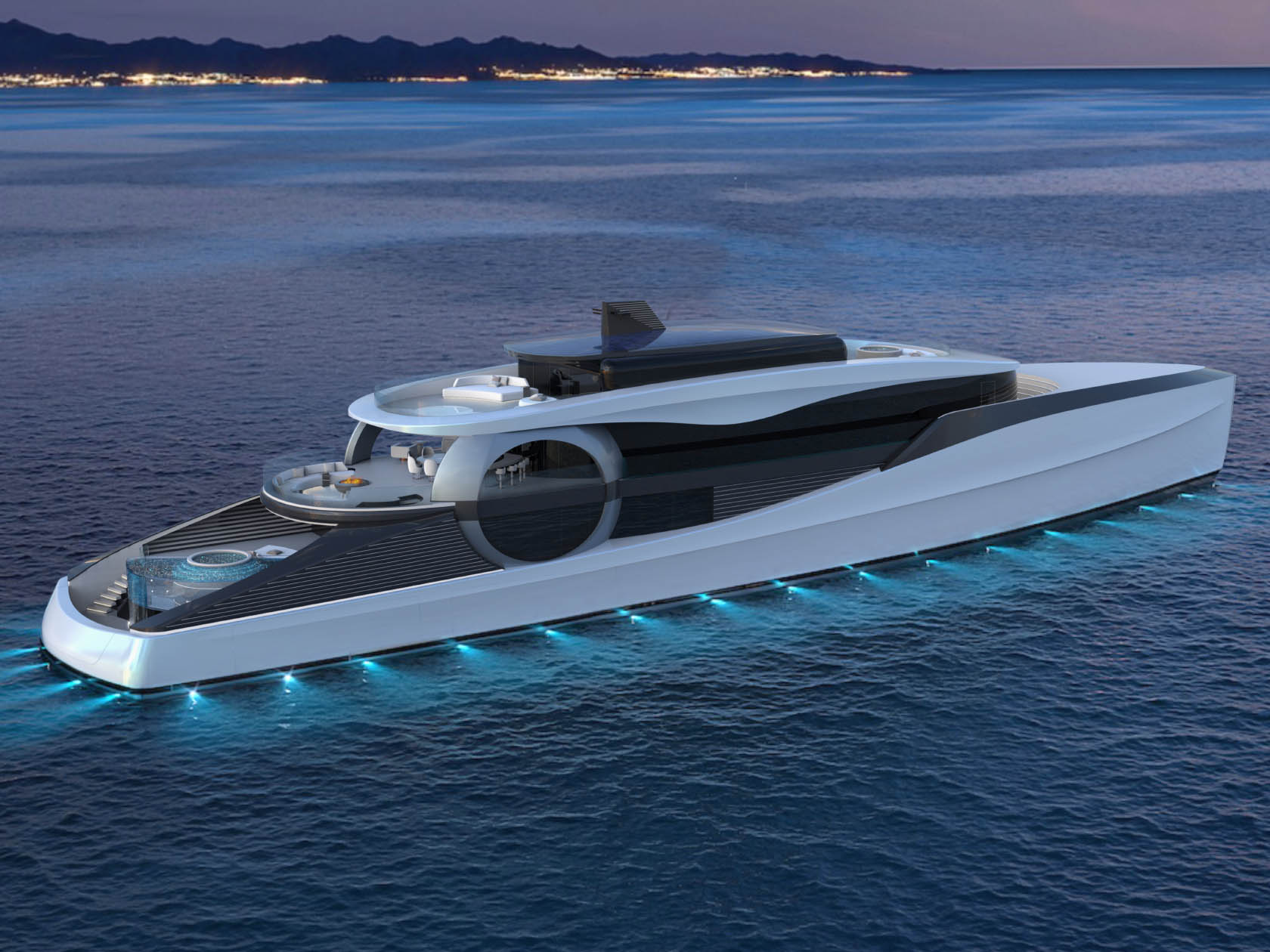
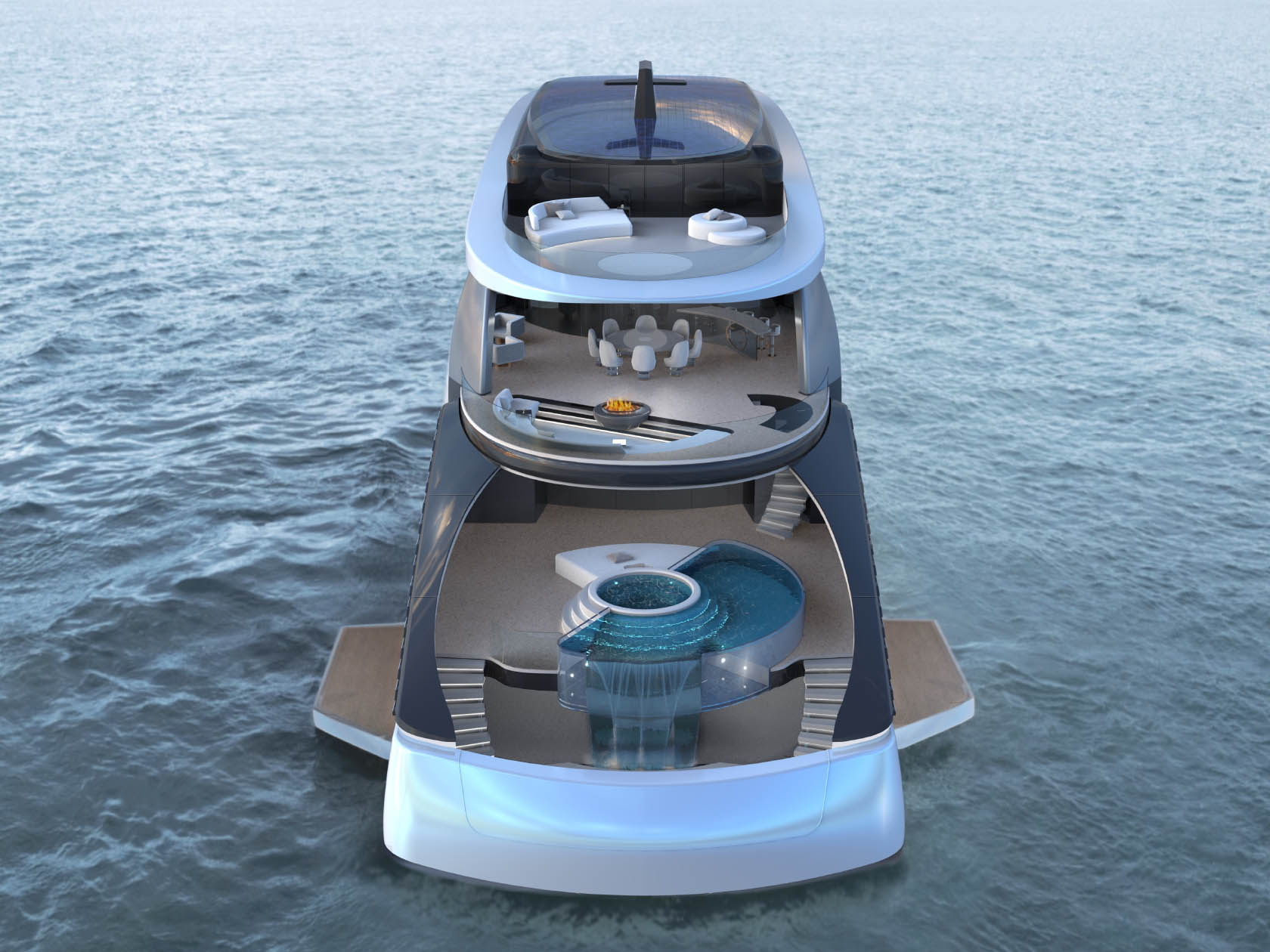
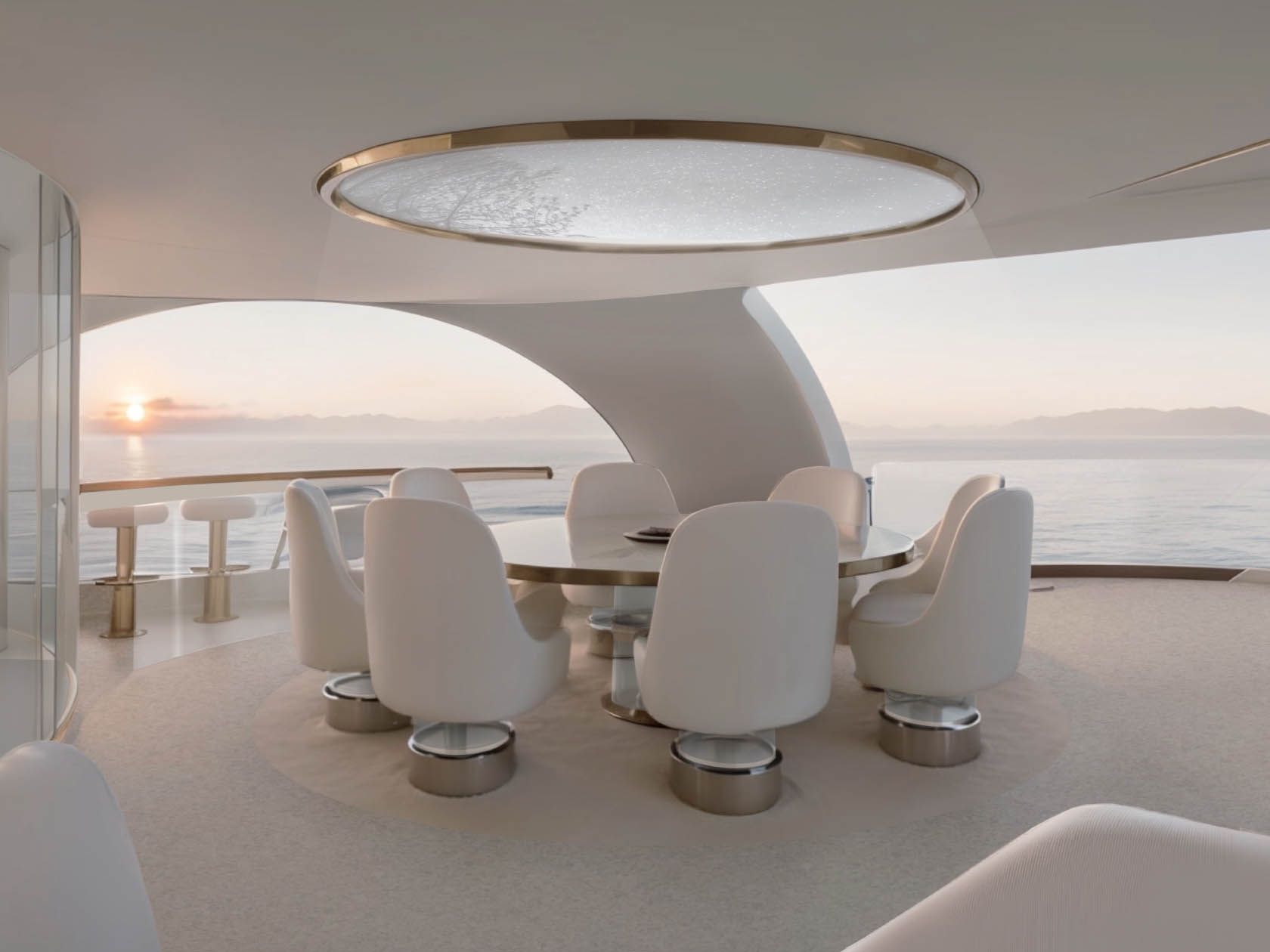
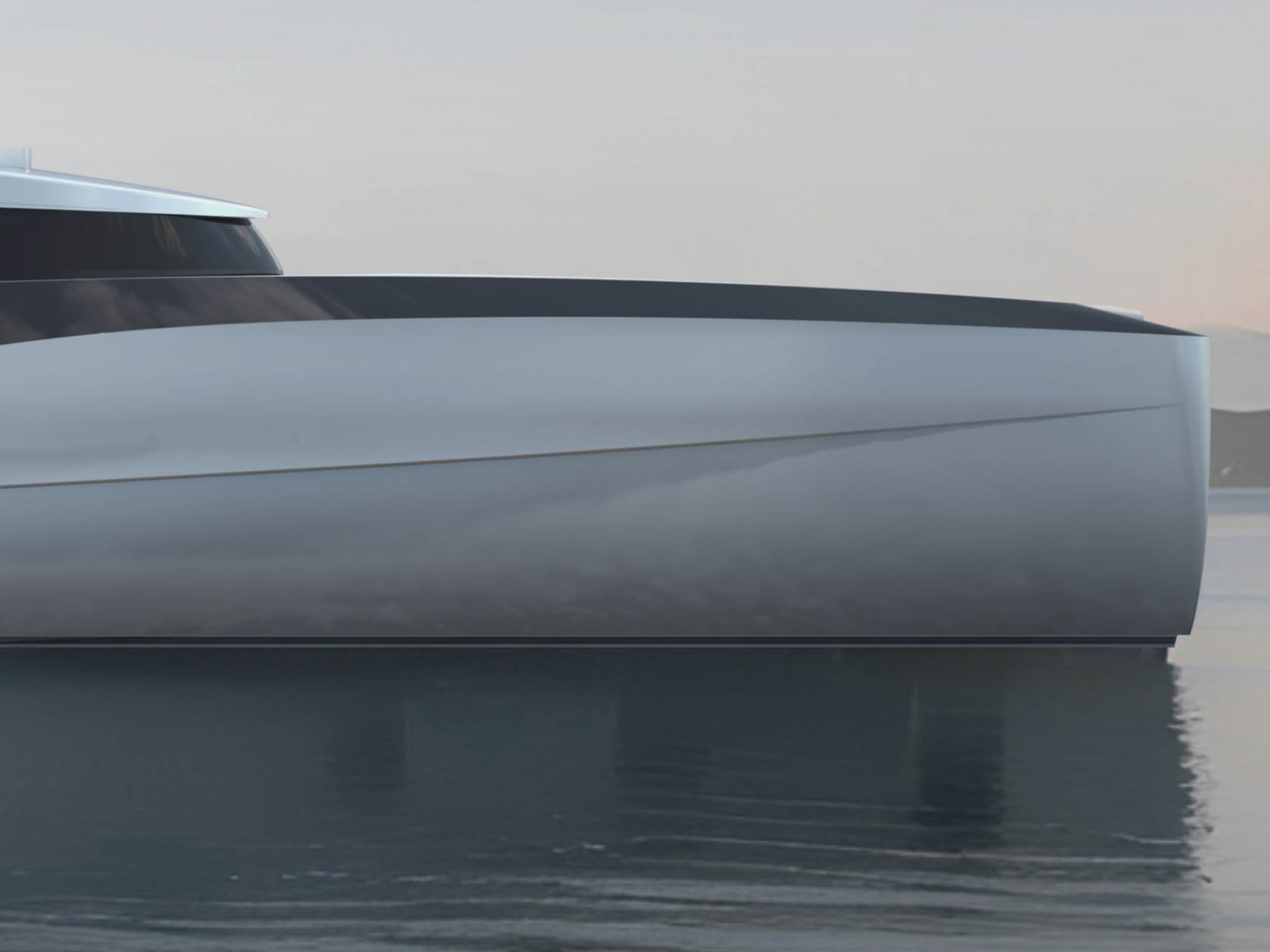
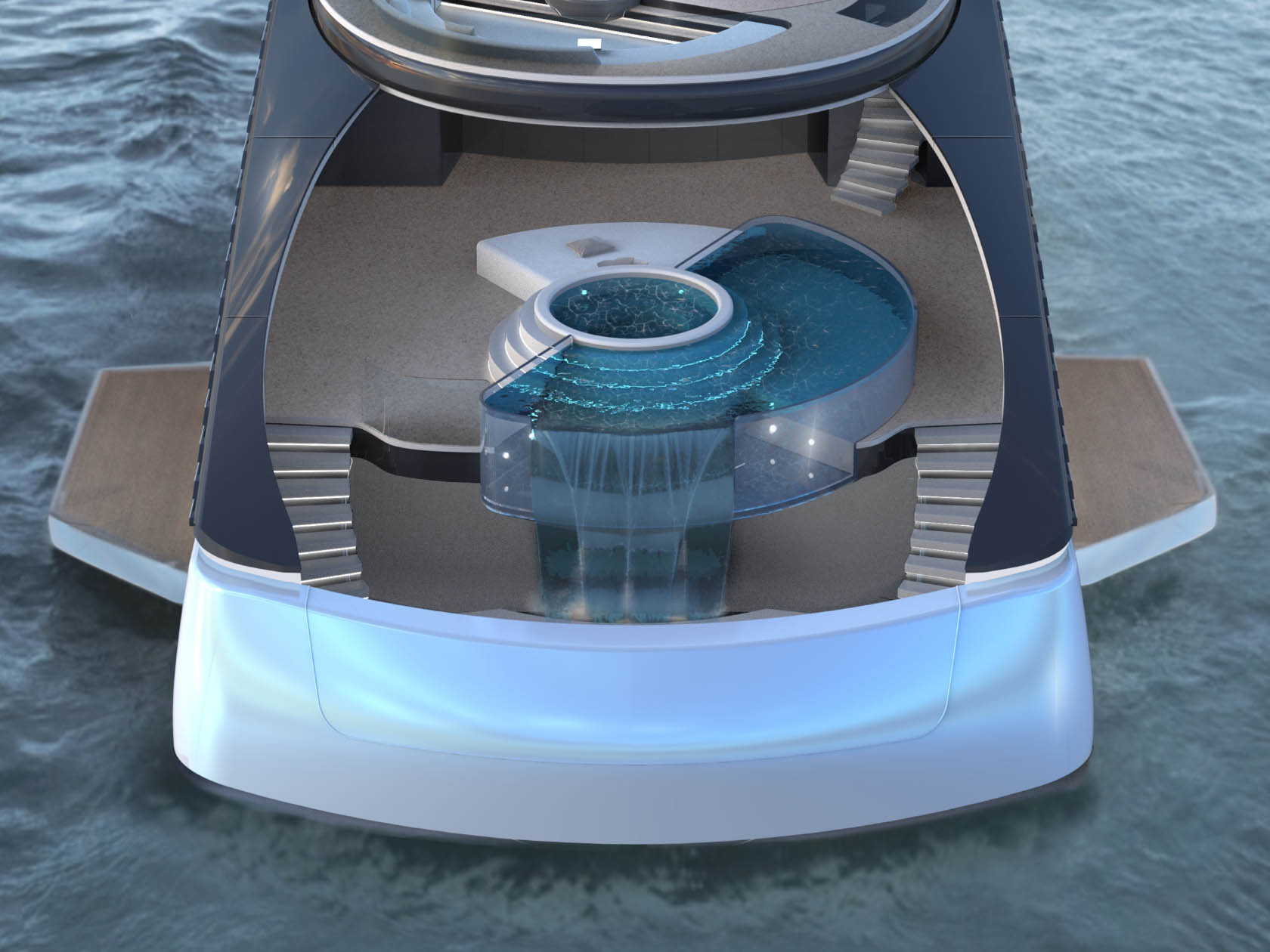
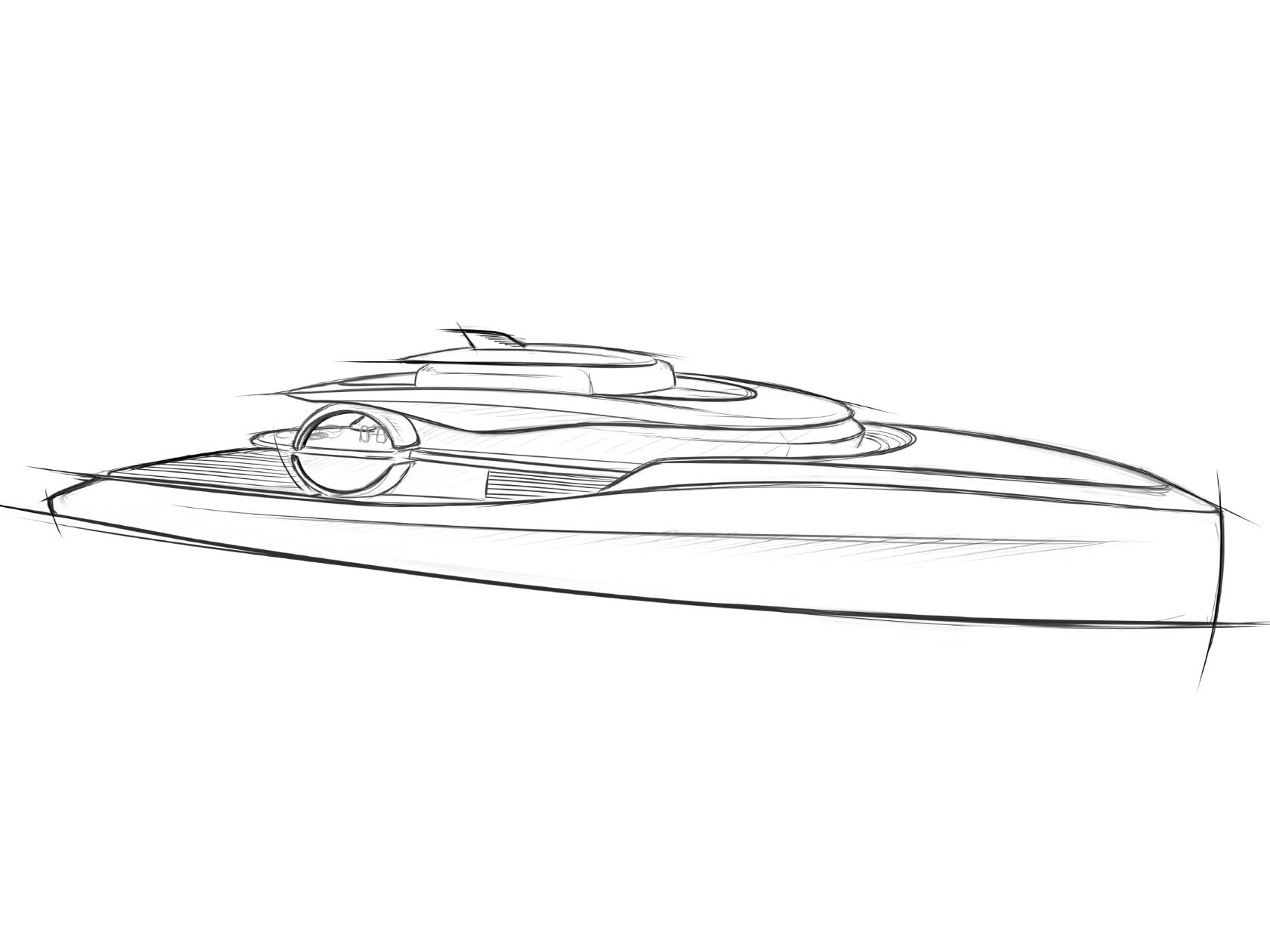
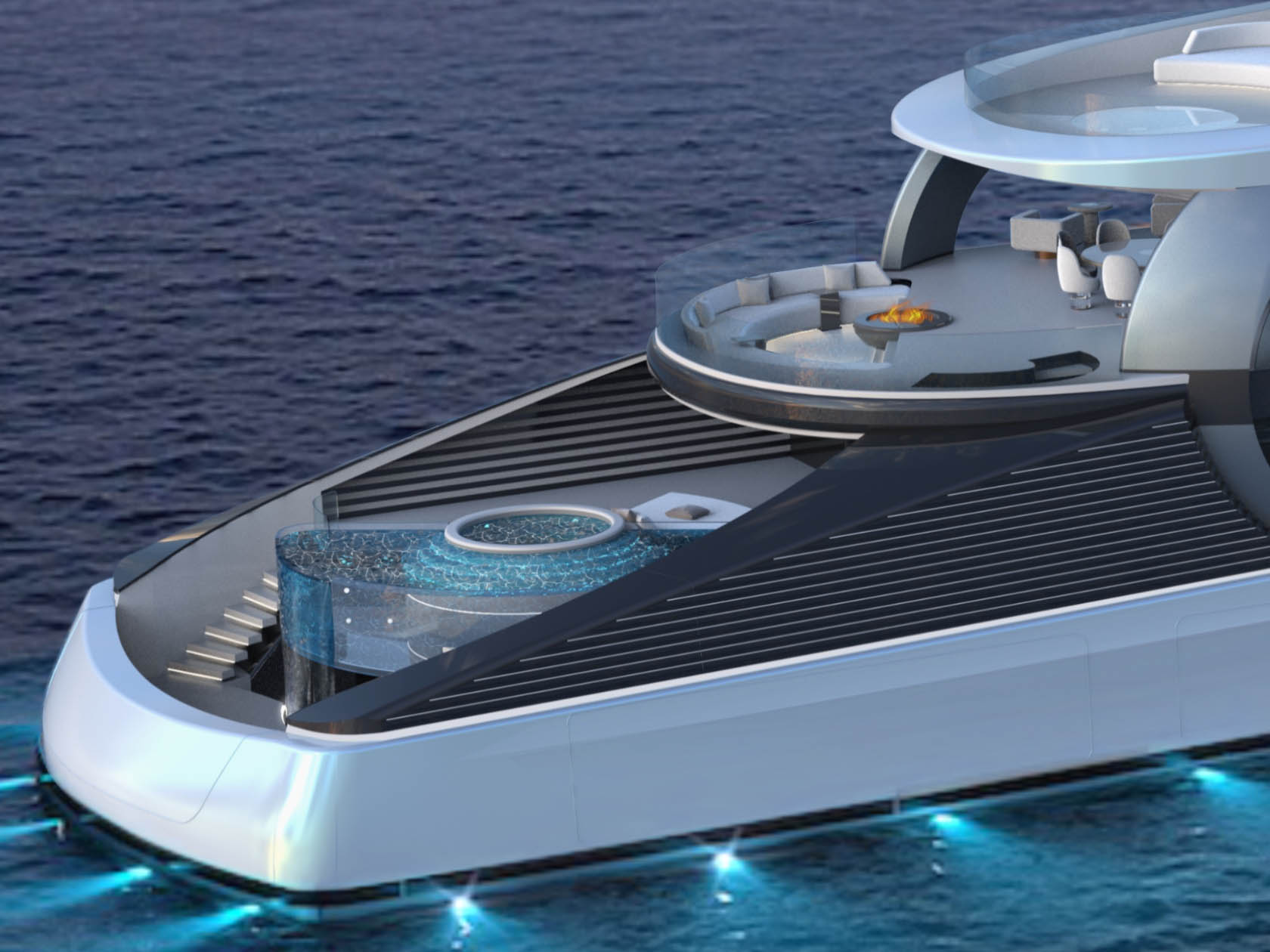
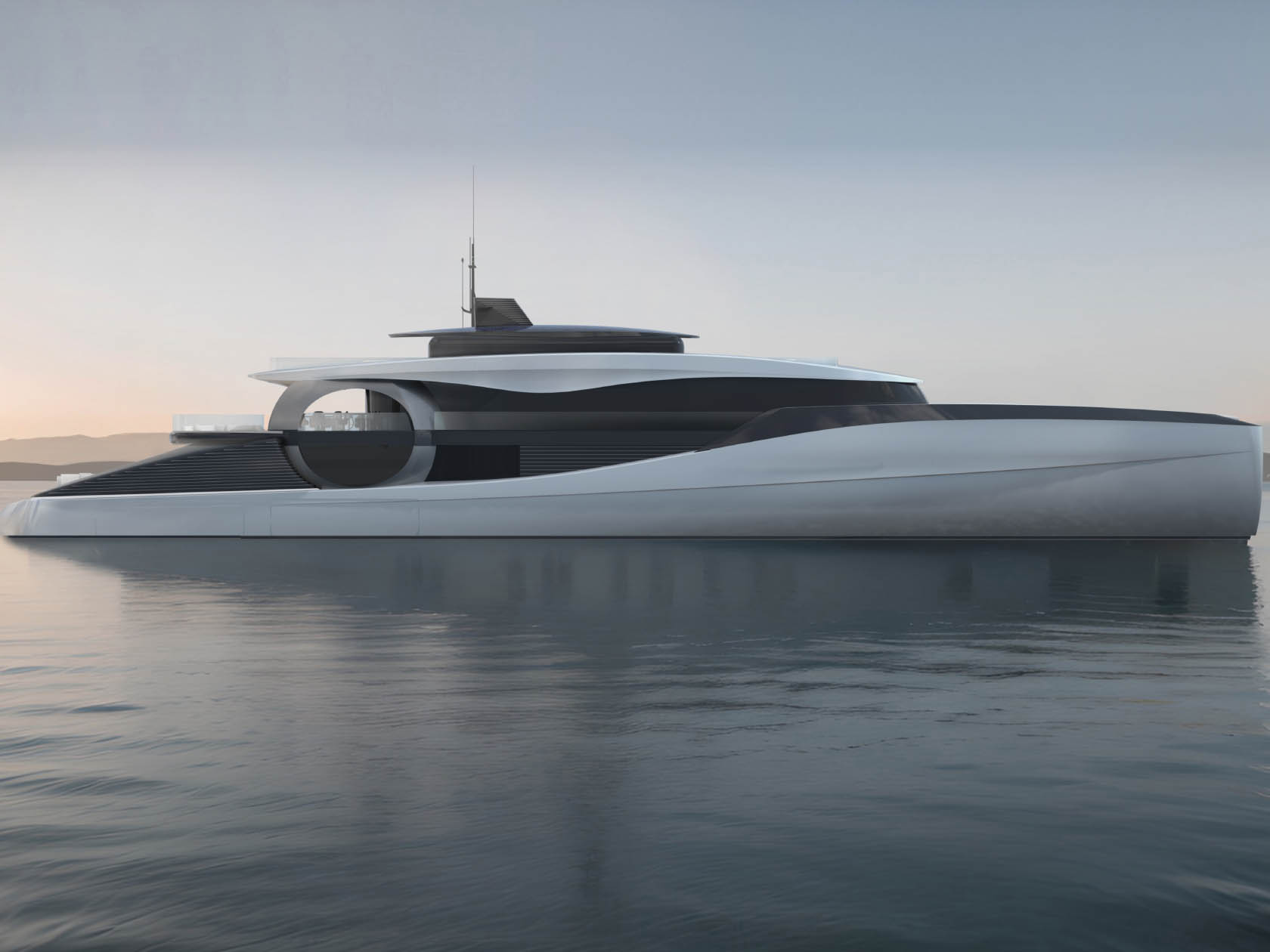
Dubbed Palladio, this concept for a hybrid yacht is designed to be ultra-light and can speed up to 55 knots maximum. It looks straight out of a sci-fi movie set in water and features a futuristic, mouth-shaped, avant-garde design that gives the impression that a pod is cruising through the waters. The yacht is made from carbon fiber propelled via twin Castoldi jets, and powered by two FTP engines.

3. Vanderer Citroën 2CV Electric Mini Camper Van

Vanderer is a niche automotive design firm that recently designed a beautiful electric mini camper van inspired by the iconic Citroën 2CV. The classic 2CV was given a futuristic transformation, harmoniously merging the charm of the past with the sustainability of the present. It features an integrated electric powertrain and provides a clean and eco-friendly driving experience.

4. Gordieiev’s Bicycle with Square Wheels

Say hello to the bicycle with square wheels. Designed by Sergii Gordieiev, this innovative bicycle is like a war tank moving on its metal tracks without any wheels! The wheels on the bicycle don’t roll, but instead, the rubber on the conveyor belt-like platform rotates as soon as you hit your foot on the pedal. It is completely usable in a city, and you can take turns on it.

5. Xpeng AeroHT eVTOL Flying Car

Called the Xpeng AeroHT eVTOL Flying Car, this eVTOL flying car is designed and developed by AeroHT electric aviation wing of the Chinese auto company XPeng. Unlike most of the traditional ideas found on the market, this modular flying car has a unique and different approach, it features a two-part design – one part car, and the other an eVTOL, allowing it to seamlessly switch between land and aerial modes.

6. Helix

Dubbed Helix, this lightweight electric VTROL aircraft is designed by a Palo Alto, California-based company Pivotal, and it has been in the works for about a decade. It doesn’t need a runway or pilot’s license to go airborne! It features fixed rotors and tandem wings, and is a single-seat aircraft that can be flown without an FAA pilot certification!

7. Electric Mobility Bicycle

This Cake bike-inspired electric bicycle takes the hybrid nature of personal commuters to a whole another level. The commuter has a modular nature that makes it ideal for different kinds of users. The bicycle takes inspiration from everyday gadgets, featuring a sleek form without compromising on the bike’s robust aesthetic at all. Although the saddle does have an awkward shape, that may not be comfy for the rider for long durations.

8. Renault 5 E-Tech

The French carmaker Renault debated its iconic sports car in a retro-modern avatar called the Renault 5 E-Tech. The modernized and cute version carries the same fun and styling in an eco-friendly version. It has more rugged wheel arches, as well as a boxier body frame and a flowing soft-top roof. The original bonnet air intake has been morphed into a charging port.

9. Mitsubishi DX Concept

Dubbed the Mitsubishi DX Concept, this compact and versatile lifestyle van is designed to perfectly portray the company’s commitment to boosting the arena of adventure travel. It is called the “tiny adventure van”, and has a rather futuristic and innovative design. It was presented at the Japanese Mobility Show, a show that focuses on awakening the “adventurous spirit within”.

10. Adventure Electric Unicycle

The Adventure electric unicycle was truly designed to push the boundaries of exploration! It features a beefy 4000 W motor capable of producing 200 Nm (147.5 lb. ft) of torque and 850 N traction force. This converts it into a powerful commuter that is ready to conquer steep inclines and uneven terrain with the utmost ease and efficiency! It accelerates from 0 to 50 km/h in just 2.5 seconds and goes at a top speed of 110 km/h.

The post 10 Best Automotives That Automotive Fanatics Need To Take For A Spin In 2024 first appeared on Yanko Design.
This versatile tiny camping trailer for your EV fits in a standard garage or an underground car park

Every new camper trailer – mini, small, or large – breaths fresh air into the camping sector and the buzz it creates is bound to reach us sooner or later. The latest buzzing entry is the Cube 1, a micro-campervan that’s turning heads with its interesting boxy design.

Conceived by the master crafters at the German outfit Sportcaravan, this is one of the tiniest trailers out there. Of course, some serious options have been scaled down to tow behind an e-bike; the Cube 1 with a 320-odd kg body may not be as small, but it is tiny enough to fit in a standard garage or an underground car park.

Designer: Sportcaravan

The Cube 1 measuring just 10.5 feet in length and 5.4 feet high breaks from the conventional micro-caravans and sets new standards with its compact dimensions and ease of use. As Sportcarvan mentions, it does not “require a trailer license and can easily be towed by a small car or an electric vehicle.”

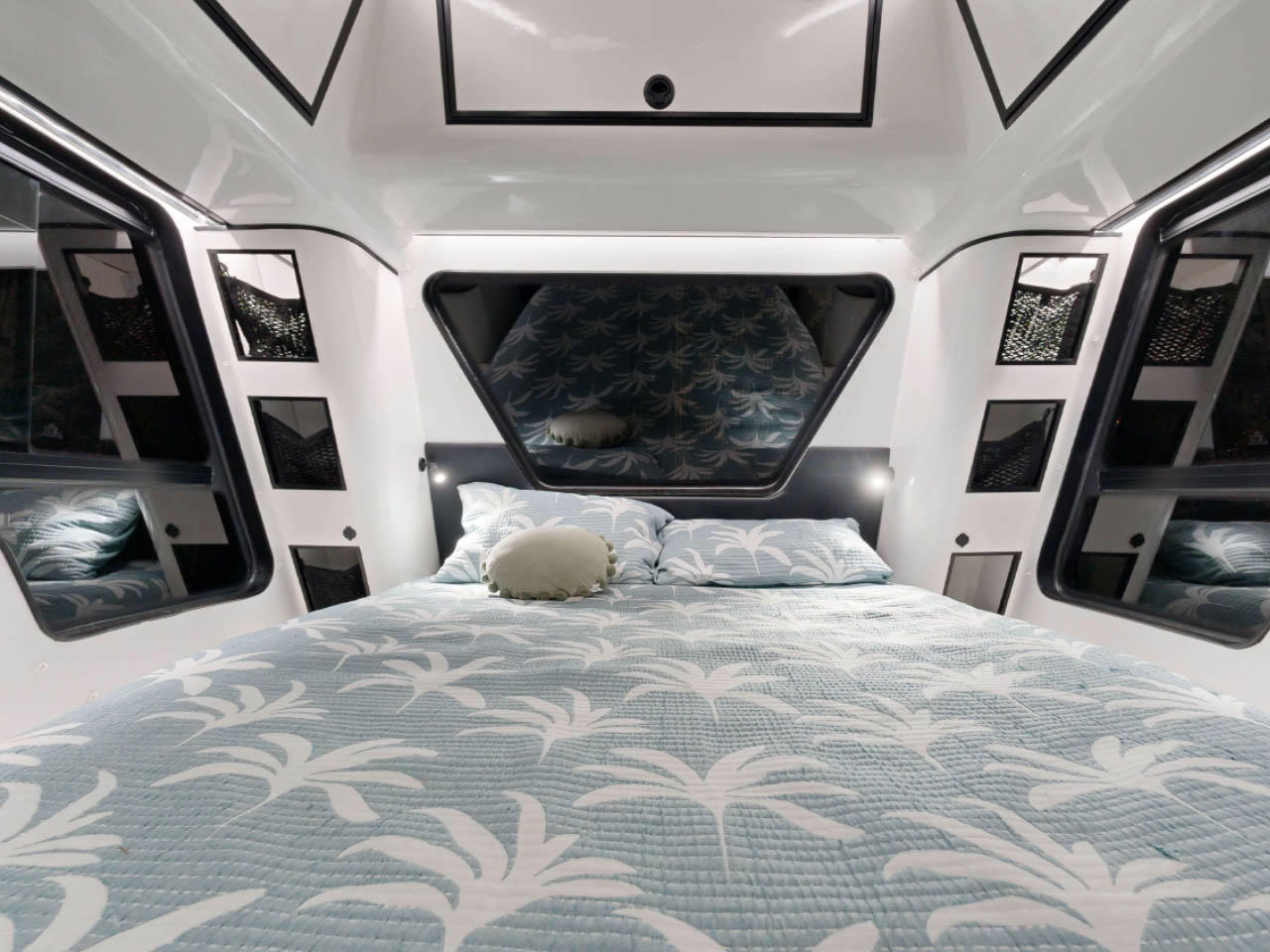
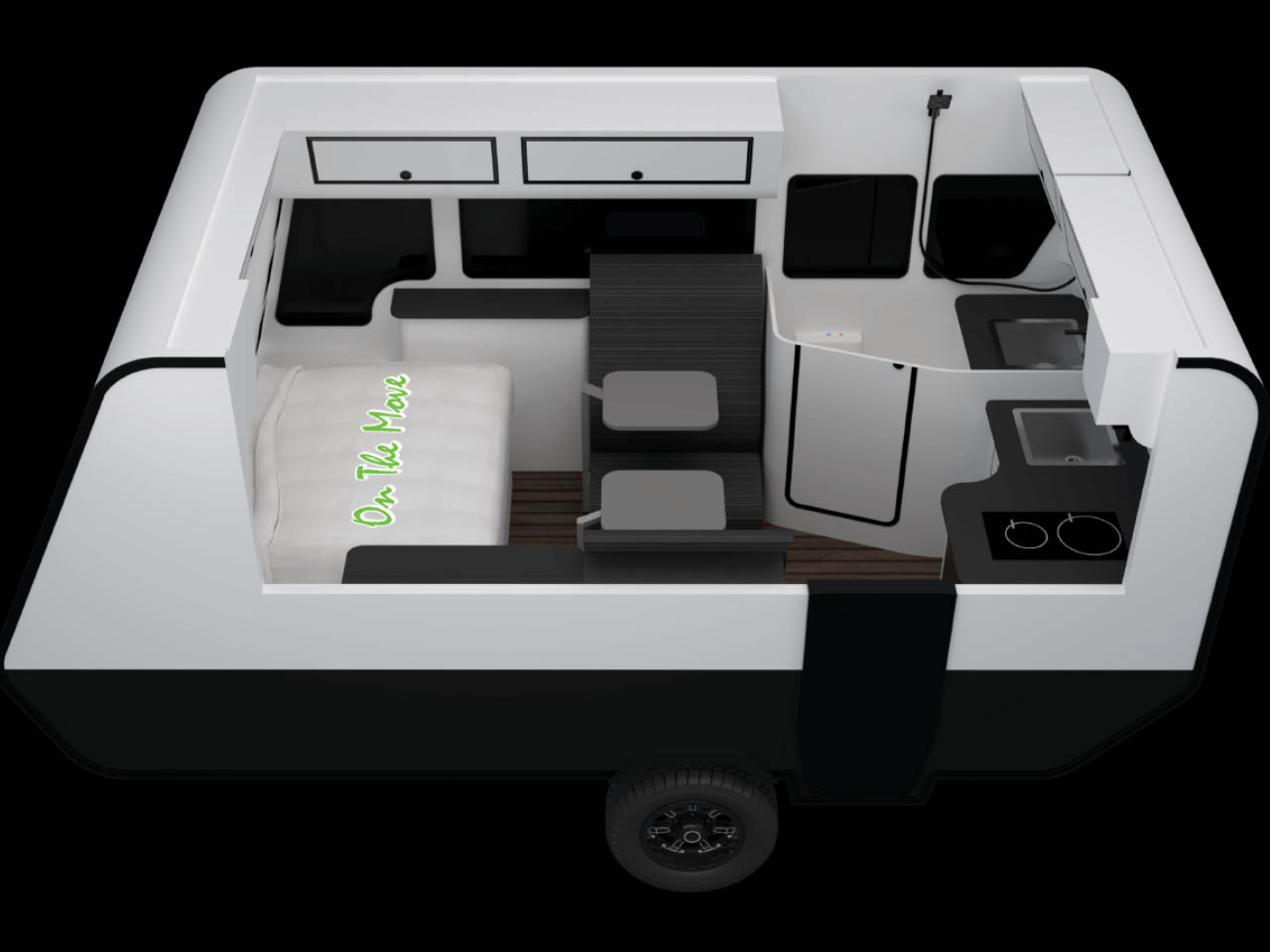
While compactness and comfort are the key takeaways, it’s the camper trailer’s flexibility that wins it the title of “transformer among the mini campers.” Cube 1 is like a usual tiny trailer with an 81 x 51-inch double bed until you pull out the rooftop tent and access it through a campervan-like hatch. This optional roof tent creates more space in the compact body making the trailer apt for sleeping up to four with ease.

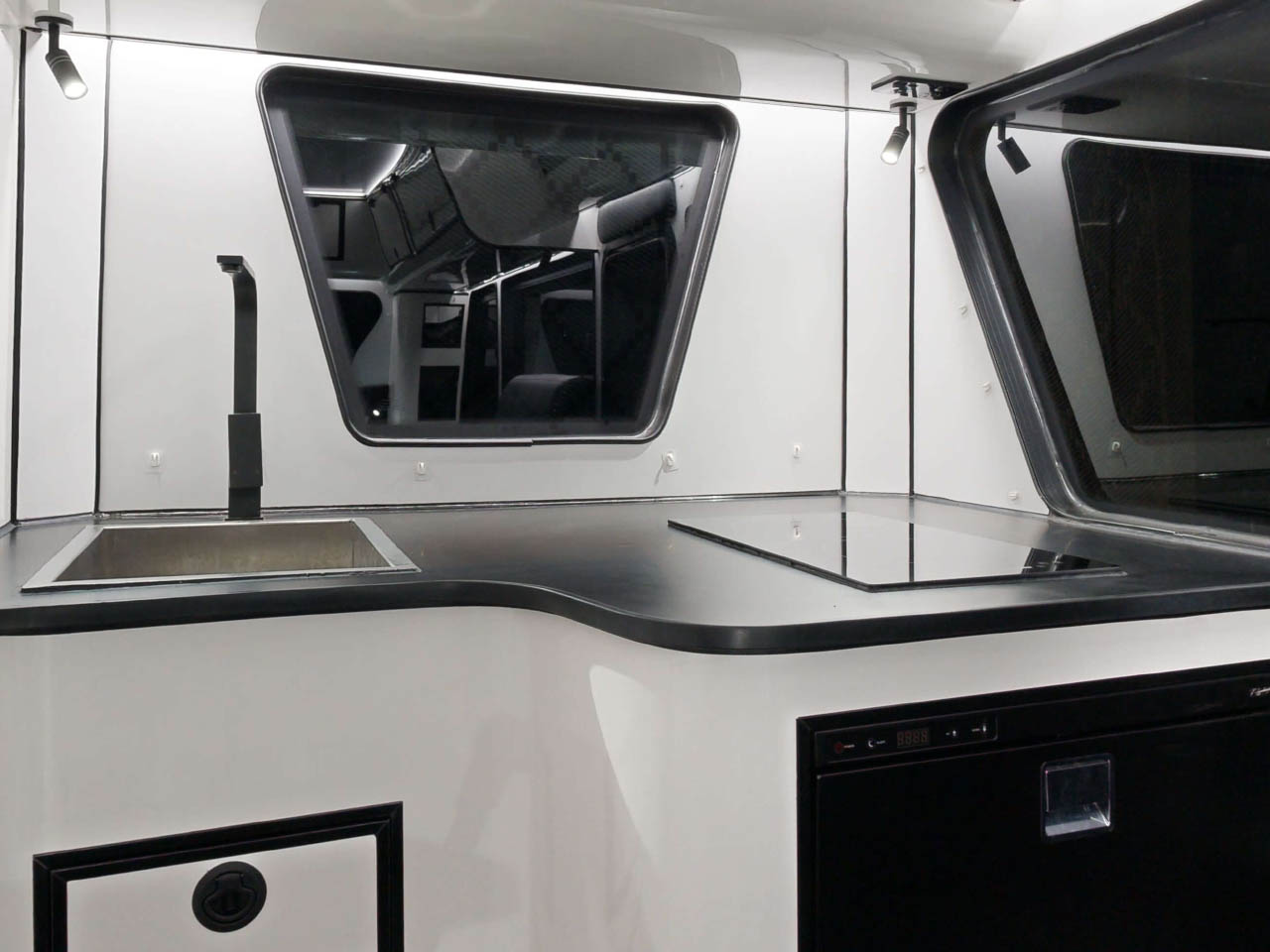
Cube 1 thrives on a fully insulated interior that renders it suitable for winter. It makes the trailer your camping companion for all year-round memorable experiences. But such an unforgettable experience is not possible without a kitchen. The Cube 1 thus has a slide-out shelf with a cutting board worktop and portable stove for outdoor cooking at the camp.

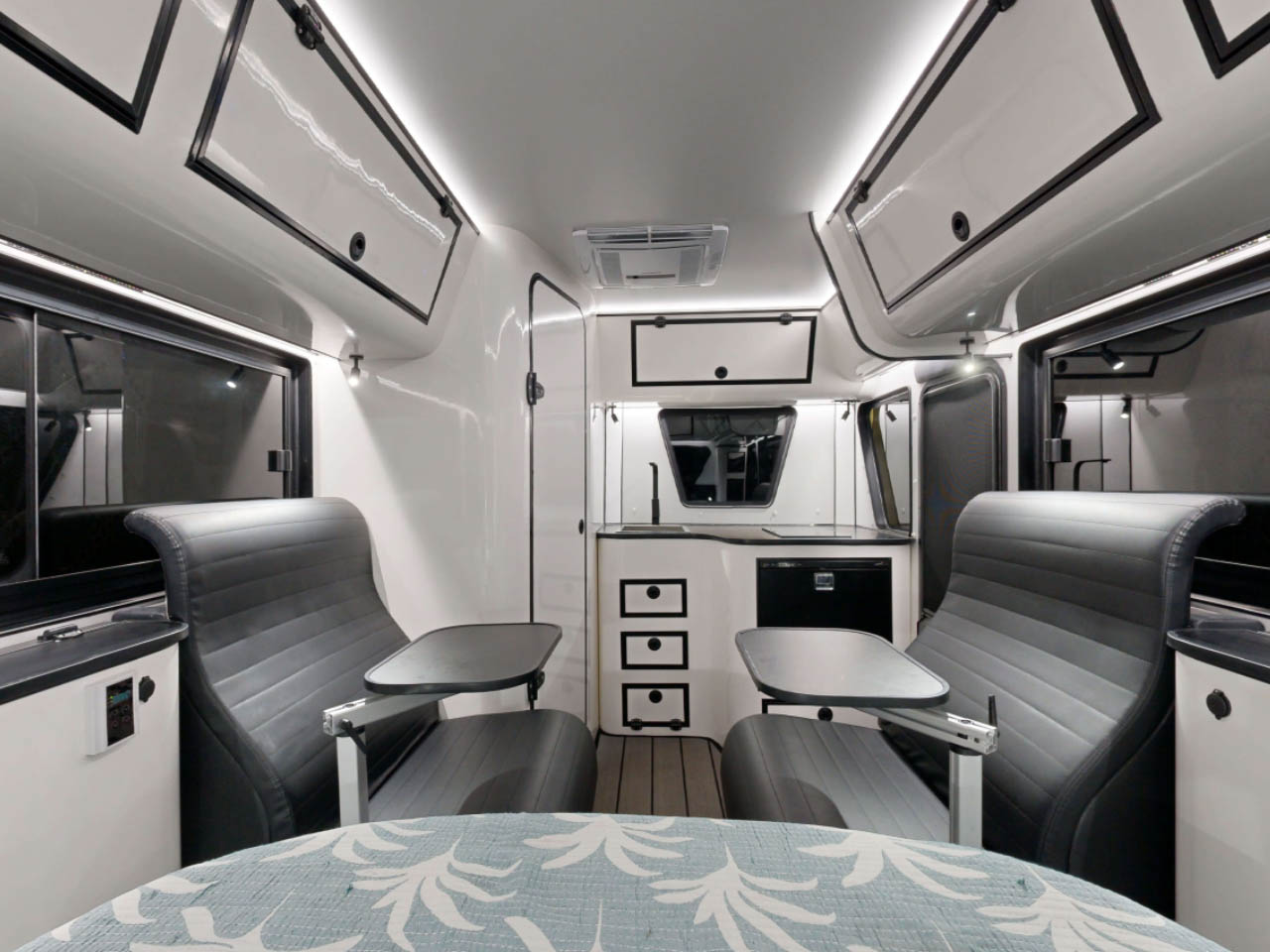
The trailer has a host of open shelves for storage, includes airline rails and a hook for holding cups and more. The capable trailer arrives in a basic shell for a starting price of €12,900 (approximately $14,000). The Cube 1 can be customized with an addon for a more capable adventure.

The post This versatile tiny camping trailer for your EV fits in a standard garage or an underground car park first appeared on Yanko Design.
This electric Pinnifarina hot rod boasts hubless wheels and aerodynamic design

Pininfarina has been at the forefront of future automotive trends influencing the steady design evolution of brands Ferrari, Alpha Romeo, Maserati and Peugeot. Having its roots as a coachbuilder for prancing horses, the Italian marque has personified luxury and elegance with customization dating back to the 1930s.

The in-house developed electric hypercar Pinnifarina Batista (a tribute to the owner) is a testament to that fact. Now, yet another concept proposed for the brand caught our attention. It’s a compact urban microcar targeted for people who are tech-savvy, health conscious and prefer a minimal lifestyle.

Designer: Kanishq Palav

This two-seater electric vehicle riding on hubless wheels and a high ride height has a very compact footprint to navigate crowded city sections with ease. Unlike some similar previous designs, this concept pokes the realms of practicality. The riders are encapsulated within the cockpit-like compartment to have an aerodynamically optimized shape for minimum drag.

In more ways than not this Pininfarina concept seems like a modernized hot rod ready for any drag race challenges. Of course, the electric motor can provide the needed torque for short sprints but if think it’ll beat anyone on the Le Mans Circuit de la Sarthe track, you’ll be disappointed. Coming onto the swingarm suspension ensures easy turning and maneuverability at respectable speeds. The luxury compact mini car is made for short trips in the metropolis and the city limits.

That elevated rear section and the muted front section make it a treat to drive with a more than optimal view for the driver. This EV carries Pinnifarina’s signature design language in a clean hue that complements the aggressive yet classy stance, and it shows.

The post This electric Pinnifarina hot rod boasts hubless wheels and aerodynamic design first appeared on Yanko Design.
First Drive: Rolls-Royce Spectre EV – An Electrifying Blend of Luxury and Performance

Anders Warming, the Director of Design at Rolls-Royce, presented the Spectre EV’s design philosophy at Amelia Island Concours d’Elegance a couple of years back, providing a comprehensive look into its design philosophy and highlighting the specific elements that make the Rolls-Royce Spectre unique. During his in-depth presentation, Warming strongly emphasized the integral role of storytelling in the design process at Rolls-Royce. He explained that each design element tells a story that reflects a deep and enduring connection to the brand’s rich heritage. However, this commitment to tradition doesn’t hinder innovation. On the contrary, it acts as a potent platform for challenging design limits, enabling the integration of creative elements that improve the overall vehicle’s experience, providing a glimpse into the delicate equilibrium of tradition and advancement that characterizes Rolls-Royce.

Designer: Anders Warming for Rolls-Royce

Exterior Design: Front & Side Profile – Elegant, Aerodynamic and Nautical Elegance

The car’s exterior design achieves a unique elegance and strength with a playful mix of upright and flowing lines. ItThear gives you a friendly wink, saying, “I’m strong, but I also know how to have fun!” The design creates a dynamic vibe, with waft lines that remind you of a sailing adventure, adding a sense of motion and speed, even when the car is parked. The two-tone color scheme is like a cherry on top. The Aero Two-Tone finish, a fantastic design element, highlights the car’s sporty spirit. It’s like the car is wearing a stylish cap, with the upper color extending across the bonnet and along the sweeping fastback roofline, leaving out the side pillars for an eye-catching contrast. This coloring choice, a classic feature of Rolls-Royce designs, creates an unforgettable visual impact, significantly adding to the car’s overall look.

The Rolls-Royce Spectre redefines luxury automotive design in many ways, beginning with its iconic Spirit of Ecstasy. This revered emblematic figure is now reimagined for aerodynamic finesse, embodying ce and forward thrust. It’s a poetic blend of heritage and modernity.

With its unique split headlights, this modern design is not about looks; it’s a mix of old and new design, similar to the famous Phantom Coupé’s lights but with a modern touch.

The Pantheon grille, a key feature of Rolls-Royce, has been stylishly updated for the brand’s first EV. It’s a great example of old design meeting new needs. The grille is broader, showing how the brand can change with the times but still keep its grand style. This grille isn’t just for looks; it also helps air flow smoothly around the car.

This is where the blend of design and aerodynamics has culminated in the Spectre’s drag coefficient. While it may not match other high-end luxury EVs, the figure is remarkable, considering the car’s adherence to Rolls-Royce’s design principles.

The side profile of the Spectre is a canvas where Rolls-Royce’s rich history of bespoke design merges with nautical elegance. This is apparent in the sweeping fastback glasshouse, which resembles a yacht ready for a voyage. It’s a visual narrative that combines motion and grace, intertwining car design with the elegance of maritime aesthetics.

The Spectre opts for a cleaner, more sculptural approach, avoiding excessive lines. Two defining lines – the ‘bow line’ and the ‘waft line’ – serve as key design elements and narrative features. The bow line guides the observer’s eye from the front wheel arch to the rear tail light, shaping the car’s form and emphasizing its powerful stance. The waft line, a fluid representation of movement, is reminiscent of a yacht slicing through the waves.

Together with the two-tone paint and the fastback roof, these lines create a tapering that mirrors a yacht’s stern, blending luxury maritime design and elite automotive architecture.

Rear Design – An Artistic Culmination

At the back, the Spectre’s design story reaches its peak. The converging bow and waft lines culminate at the tail of the Spectre, where the car’s yacht inspiration is arguably most evident.

Similar to the subtle taper the stern of a yacht might have, the Spectre’s rear haunches have a gentle inwards curve that draws the eye to the U-shaped tailgate, with the rear bumper featuring an otherwise clean, uncluttered design.

Another exciting feature is the transparent, art-deco style tail lamps equipped with a metal inset, with the company claiming the neutral finish, which allows the tail lamp design to work well with any exterior color.

Inside the Spectre: Rolls-Royce Craftsmanship and Innovation

Inside, the design focuses on superior craftsmanship and unparalleled luxury. This is apparent in the meticulous attention to detail and the use of high-end materials throughout the interior. One of the standout features is the Starlight Headliner, a distinctive Rolls-Royce feature that adds a mesmerizing, starry sky effect to the interior ambiance. This creates an ethereal and magical atmosphere within the car, making every journey a celestial experience.

Another unique element is The Gallery, a feature that beautifully marries art and automotive design. It provides a space for personalized art displays, allowing the owner to imbue their vehicle with a personal touch and aesthetic. Beyond visual appeal, emphasis is also placed on the tactile experience. High-quality materials and finishes are used throughout the interior, ensuring every touchpoint communicates the car’s luxury and craftsmanship. This enhances the visual appeal and contributes to a more immersive, sensory driving experience.

Supporting its grandness are formidable 23″ wheels, a first for Rolls-Royce, enhancing both aesthetics and performance. These wheels, adaptable for winter conditions with specialized tires, add to the Spectre’s versatility.

Entering and exiting the Spectre is truly elegant, thanks to the largest doors in Rolls-Royce history, measuring 1.5 meters. They allow for a graceful entry and exit. The effortless opening and closing technology mirrors the luxury of having a personal chauffeur, an expectation for any Rolls-Royce owner.

Color plays a vital role in the Spectre’s allure, with the introduction of Chartreuse, a vivid, eye-catching hue inspired by French liqueur, adding a mesmerizing richness to its appearance.

Each of these elements converges to create a vehicle that is not just a mode of transport but a statement of luxury and innovation, pushing the boundaries of electric vehicle design.

Spectre’s Performance and Range

Yes, the Spectre is entirely electric. It uses the same platform as the Cullinan SUV but with two electric motors that generate 577 hp and 664 lb-ft of torque. Despite the Spectre’s weight, the abundance of torque makes it hardly noticeable during a test drive at BMW’s Test Fest. It’s estimated to accelerate from 0-60 mph in a little over 4 seconds, a remarkable feat considering its 6,500-pound weight.

In its stride towards electric luxury, the Rolls-Royce Specter boasts a 102.0-kWh battery, mirroring the advanced technology in the BMW i7. This marks a notable step in the evolution of electric vehicles in the luxury segment. In fact, the driving range exceeds earlier expectations, offering an impressive journey of up to 291 miles on a single charge with its 22-inch wheel variant. This figure surpasses the initial projection of over 260 miles. The version sporting 23-inch wheels drops the range to 266 miles, showcasing the minor trade-offs between style and efficiency.

Meanwhile, the Black Badge edition of the Spectre, known for its heightened performance and bespoke features, offers a range of 280 miles with 22-inch wheels and 264 miles with the more prominent 23-inch option. These variations underscore Rolls-Royce’s commitment to providing choices that cater to the diverse preferences of its discerning clientele, balancing elegance, performance, and environmental consciousness.

The Spectre doesn’t just signify luxury but also represents changes in high-end car design. It combines electric power with the luxury and custom design that Rolls-Royce is known for. This shows that the brand can excel in the era of electric cars while maintaining its luxury and uniqueness.

The Spectre also features DC fast-charging capabilities, a standard that speaks to the modern luxury car buyer’s need for speed and convenience. However, in true Rolls-Royce fashion, where every detail is about personal luxury, it’s envisaged that many Spectre owners will opt for a more bespoke charging solution. The idea of a custom-installed charging system at one’s private estate aligns perfectly with the brand’s ethos – it’s not just about the practicality of charging but also about integrating this new electric age into the refined lifestyles of its clientele. This approach ensures that the experience of owning and charging the Spectre remains exclusive and seamless as the vehicle itself.

Final Thoughts

From my perspective, the Rolls-Royce Spectre EV, which starts at $422,750 and can exceed $500,000 with customization, is the pinnacle of opulent electric vehicles. It’s a remarkable blend of luxury, innovation, and environmental consciousness. The elegant design, blending the brand’s rich heritage with modern elements, is breathtaking. The Spectre shows that electric vehicles can be both luxurious and distinctive. The performance, particularly the impressive torque and range, challenges the usual limitations of electric cars, making it a joy to drive. The ride’s quietness, the quality of the interior materials, and the meticulous attention to detail all encapsulate the essence of Rolls-Royce. In conclusion, the Spectre EV successfully maintains Rolls-Royce’s commitment to its legacy while embracing the future. It was a thrill to experience.

The post First Drive: Rolls-Royce Spectre EV – An Electrifying Blend of Luxury and Performance first appeared on Yanko Design.
This Apocalyptic Cyberpunk Cafe Racer has a humble BMW R Nine T underneath it

The R nine T is perhaps BMW, nay, the world’s most customized bike. Ognjen Docic remixed this versatile classic into something virtually unrecognizable but vastly more eye-catching. Dubbed the Rat Race, this cafe racer isn’t for the faint of heart. It’s skeletal yet meaty, and explores unique design directions like using transparent plastic as a part of its overall fairing. This post-apocalyptic beauty also seats just one, because if Hollywood’s taught us anything, the apocalypse always creates lone wolves!

Designer: Ognjen Docic

The Rat Race’s aesthetic explores the addition, removal, and reinforcement of its overall structure. Certain parts of the fairing are removed because they add no value. Others are given further reinforcement like the fuel tank (perhaps to deter theft), and the overall chassis gets a secondary frame to make it stronger for more aggressive riding.

“I transformed the iconic BMW R9T model into dream vision, seamlessly blending vintage aesthetics for a retro old-school vibe with futuristic elements. By merging the past and future in design, I believe it transcends a specific era, becoming timeless,” says Serbia-based designer, Ognjen Docic. “In my rendition, the bike retains its original structure with subtle modifications to the frame. Introducing “Rat Race,” this concept embodies the timeless struggle, capturing the essence of life’s rat race.”

When asked about the Rat Race’s specs, Docic mentions – “Specifications of the motorcycle are unknown! Crafted within the confines of my mind, it borrows foundational elements from the R9T model. My imagination took residence in an underground motorcycle tuning garage in the outskirts of Belgrade.”

An interesting touch is Docic’s use of transparent materials in the motorcycle’s body design. A panel around the headlight almost looks like a transparent skull for the bike, enveloping its headlight and a portion of its handlebars. The base of the automobile has it too, as does the end, where Docic cleverly implemented edge-lighting to create a rather unique-looking taillight. This use of transparent plastic adds to the structure without adding to the bulk or volume.

The result of the entire endeavor is a bike that’s practically unrecognizable, but somehow still manages to have its own distinct character (and possibly a very interesting backstory). It looks like it’s been through hell and back, and still has the willpower for handling some more. Those ridiculously chunky tires are proof that the Rat Race was built to get you anywhere you want to go – no questions asked… and the lack of rear-view mirrors is proof that where you’re going, there’s no looking back!

The post This Apocalyptic Cyberpunk Cafe Racer has a humble BMW R Nine T underneath it first appeared on Yanko Design.
Nissan Trail Mountain Rescue off-roader is built for tough rescue operations in the Italian alps

Nissan has just revealed a specialized version of its X-Trail model, tailored for mountain rescue operations, that would mean the difference between life and death in inclement weather conditions. The robust Nissan X-Trail Mountain Rescue vehicle is equipped with the innovative e-4ORCE all-wheel drive powertrain, marking a significant step forward in the brand’s commitment to versatile and capable off-road vehicles.

The twin motor e-4ORCE system powering the heart of this X-Trail Mountain Rescue vehicle enhances the rig’s performance on challenging terrains, with exceptional grip management. The traction in just 1/10,000th of a second (1000 times faster than traditional systems), ensures optimal power delivery to each wheel, promoting stability and control, essential attributes for speedy mountain rescue missions. The system’s seamless integration into the X-Trail platform demonstrates the Japanese automotive giant’s dedication to pushing the boundaries of treading inhospitable terrain.
Designer: Nissan

The mountain-ready X-Trail will understandably catch the attention of automotive enthusiasts during its debut at the Italian ski resort of Cervinia. The vehicle’s robust design and purpose-built features make it an ideal choice for navigating the demanding landscapes associated with mountain rescue scenarios. The X-Trail Mountain Rescue vehicle is not just a visual spectacle; it boasts practical elements designed to aid rescue teams. The addition of tracks, replacing traditional wheels, enables the X-Trail to conquer snow-covered terrain with ease. This modification ensures the vehicle remains surefooted in challenging conditions. Loaded with additional gear including a stretcher, removing the rear seat, also ensures medical personnel can be on site for emergency care. The vehicle also comes with a siren, flashing light bar, powerful roof and hood lights, wider fenders, an enhanced front bumper with a winch and reinforced towing hooks. The footboards and a raised ride height make sure there is easy access in and out of the vehicle.
Nissan’s strategic collaboration with mountain rescue services underscores its commitment to leveraging its automotive expertise for the greater good. By tailoring the X-Trail to meet the specific needs of rescue teams, Nissan showcases its ability to adapt and innovate within the automotive landscape. The X-Trail Mountain Rescue vehicle’s unveiling will generate excitement among outdoor enthusiasts and those in search of reliable off-road solutions.

As the automotive industry continues to evolve, Nissan’s foray into specialized off-road applications reflects a broader trend of manufacturers catering to niche markets. The X-Trail Mountain Rescue vehicle not only serves as a testament to the brand’s engineering prowess but also highlights the brand’s commitment to addressing the unique needs of diverse user groups.


The post Nissan Trail Mountain Rescue off-roader is built for tough rescue operations in the Italian alps first appeared on Yanko Design.