
SpaceXAI says it will take a year to fully remove unpermitted gas turbines from its Mississippi data center
The company was accused of violating the Clean Air Act by the NAACP.
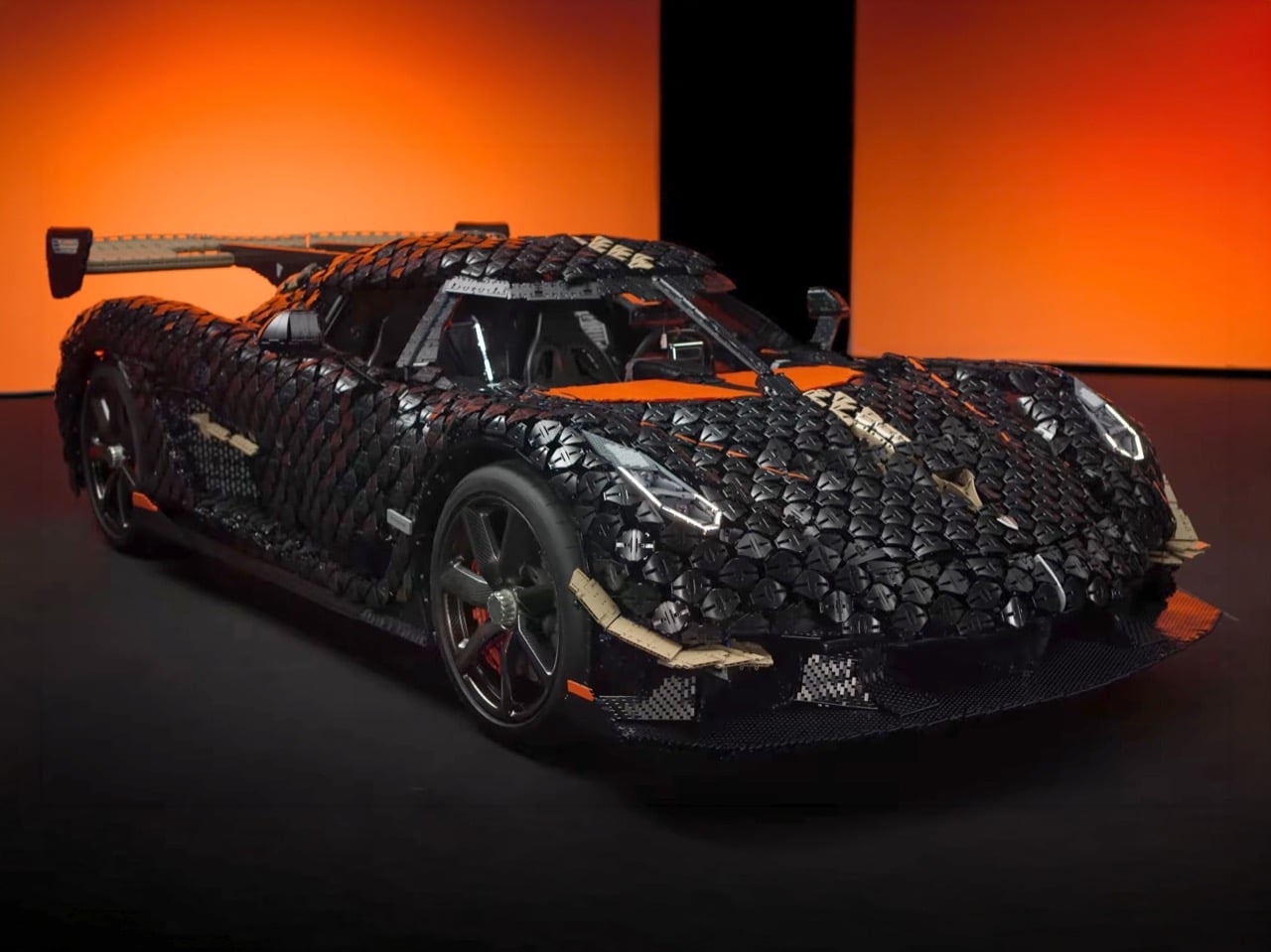
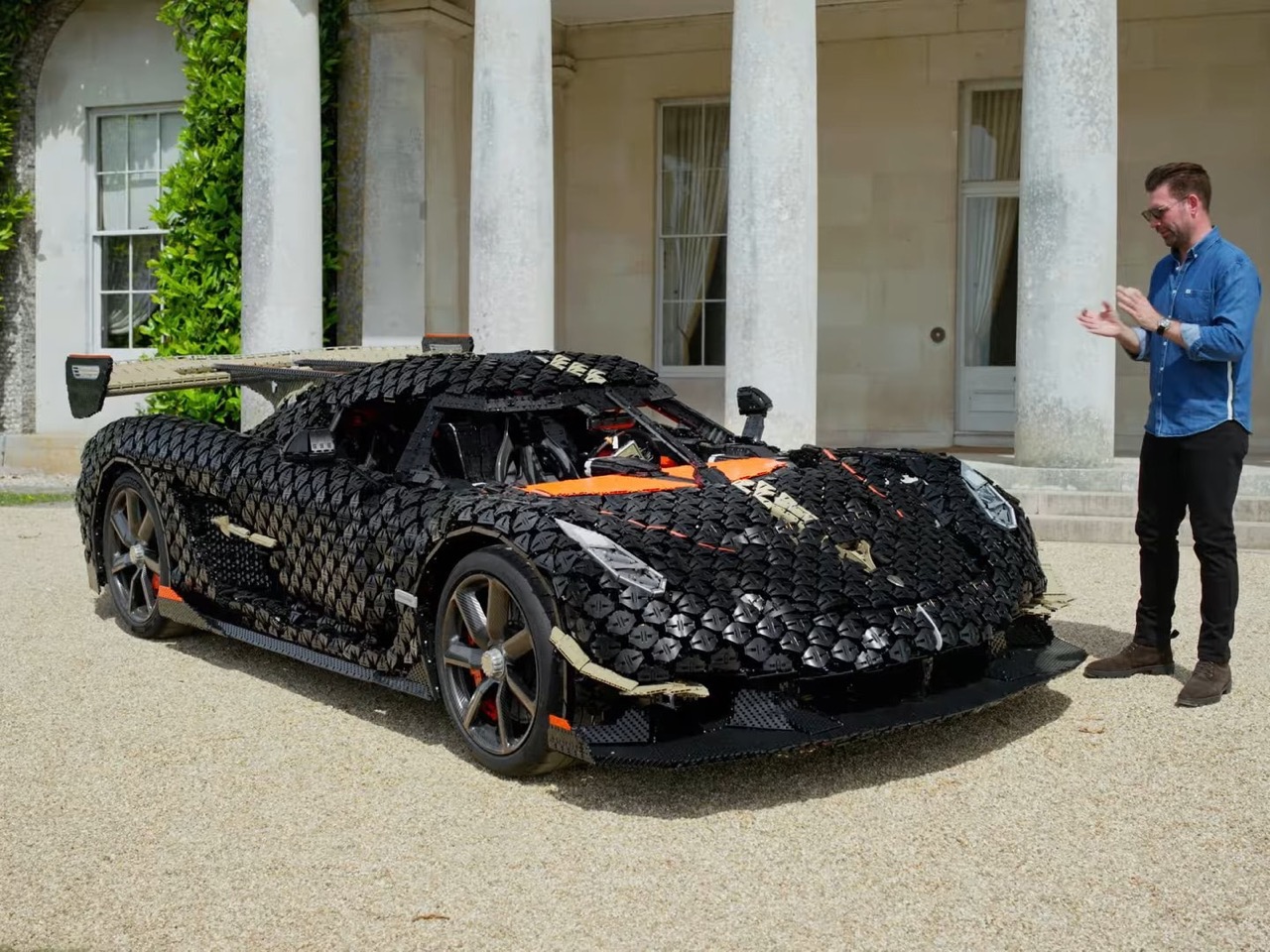
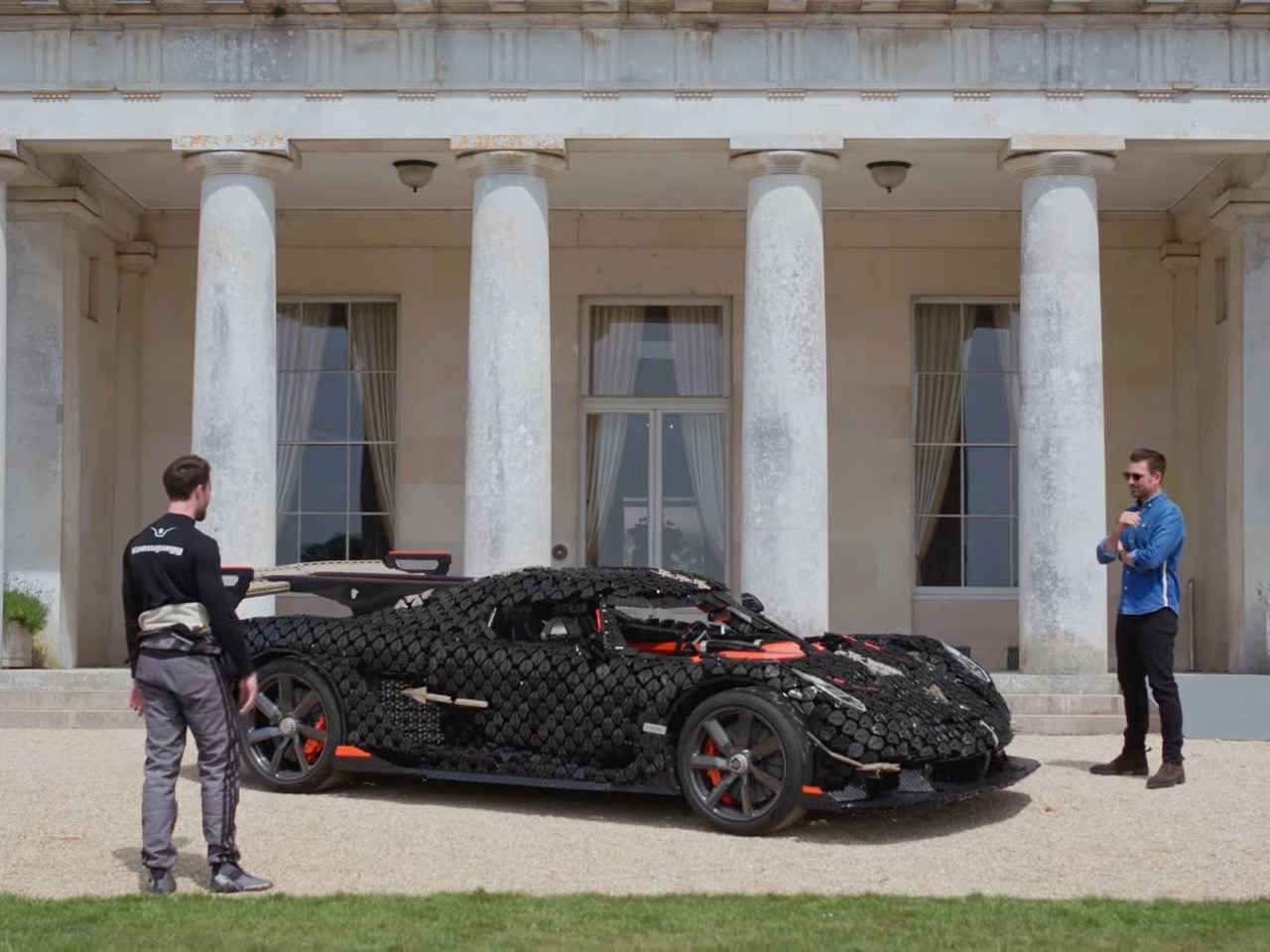
Three hundred twenty-seven thousand, nine hundred and six pieces. Every single one placed by a human hand, pressed into position by a human thumb, across 391 days and more than 9,400 hours of work. No robots, no automated assembly, no laser guided anything. Just people in a room in Denmark, snapping plastic together for over a year.
Here’s the part that should get your attention: they developed this exactly like a real car. Not “we glued bricks to a go-kart and hoped.” They ran it through aero stability testing to confirm the plastic skin would stay attached at speed, which matters a lot when your body panels are held on by nothing but clutch power. They loaded the suspension. They tested brakes. Things failed, because 327,906 individual connections give you a lot of places to fail, and each time the crew dragged it back, hunted down the weak point, reinforced it, and went out for another run. Trial and error, the oldest engineering method there is, applied to a toy. What came out the far end of that process was a LEGO car that will do 70 mph, which is a sentence I did not expect to write today.
Designer: The LEGO Group
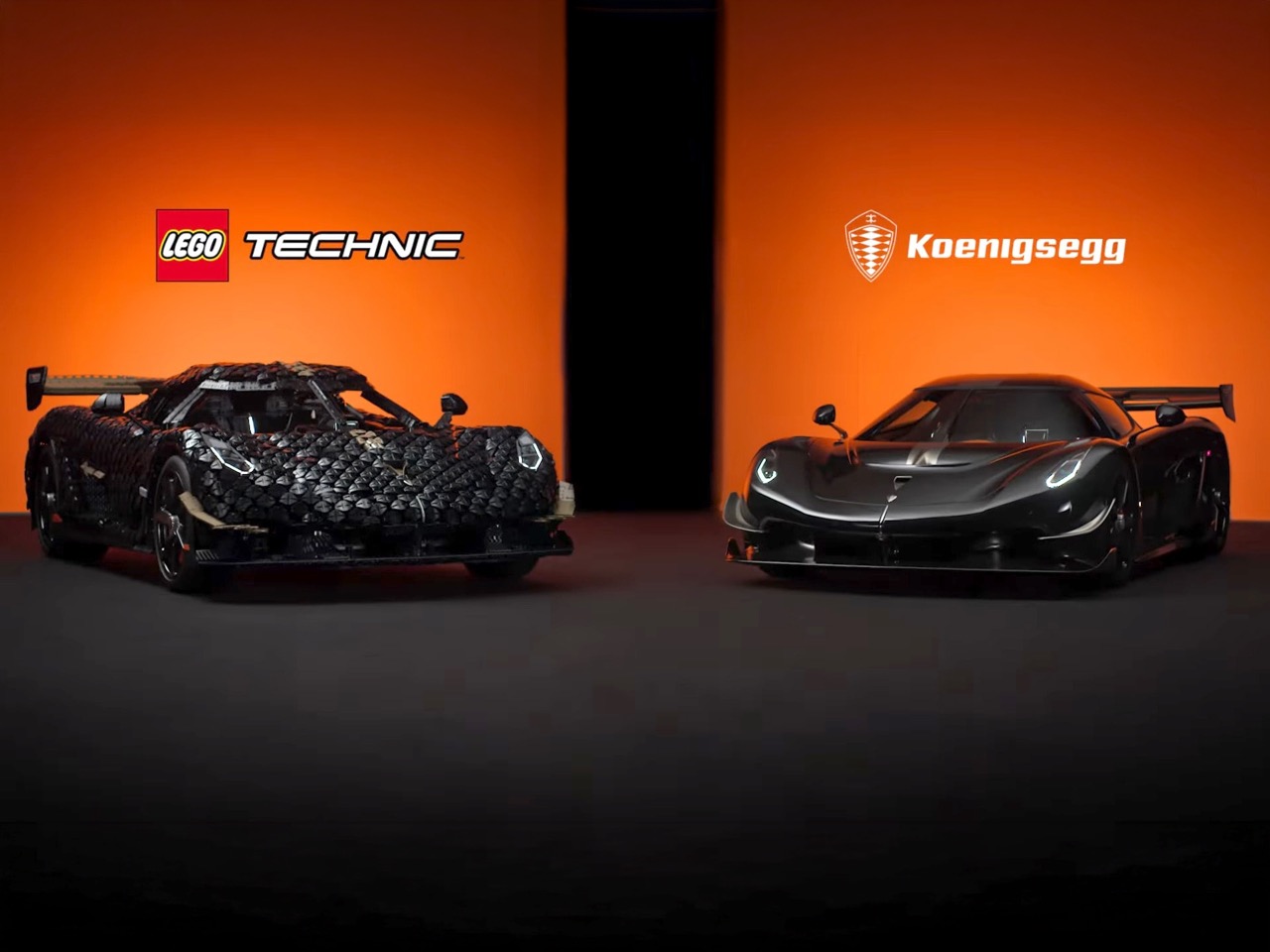
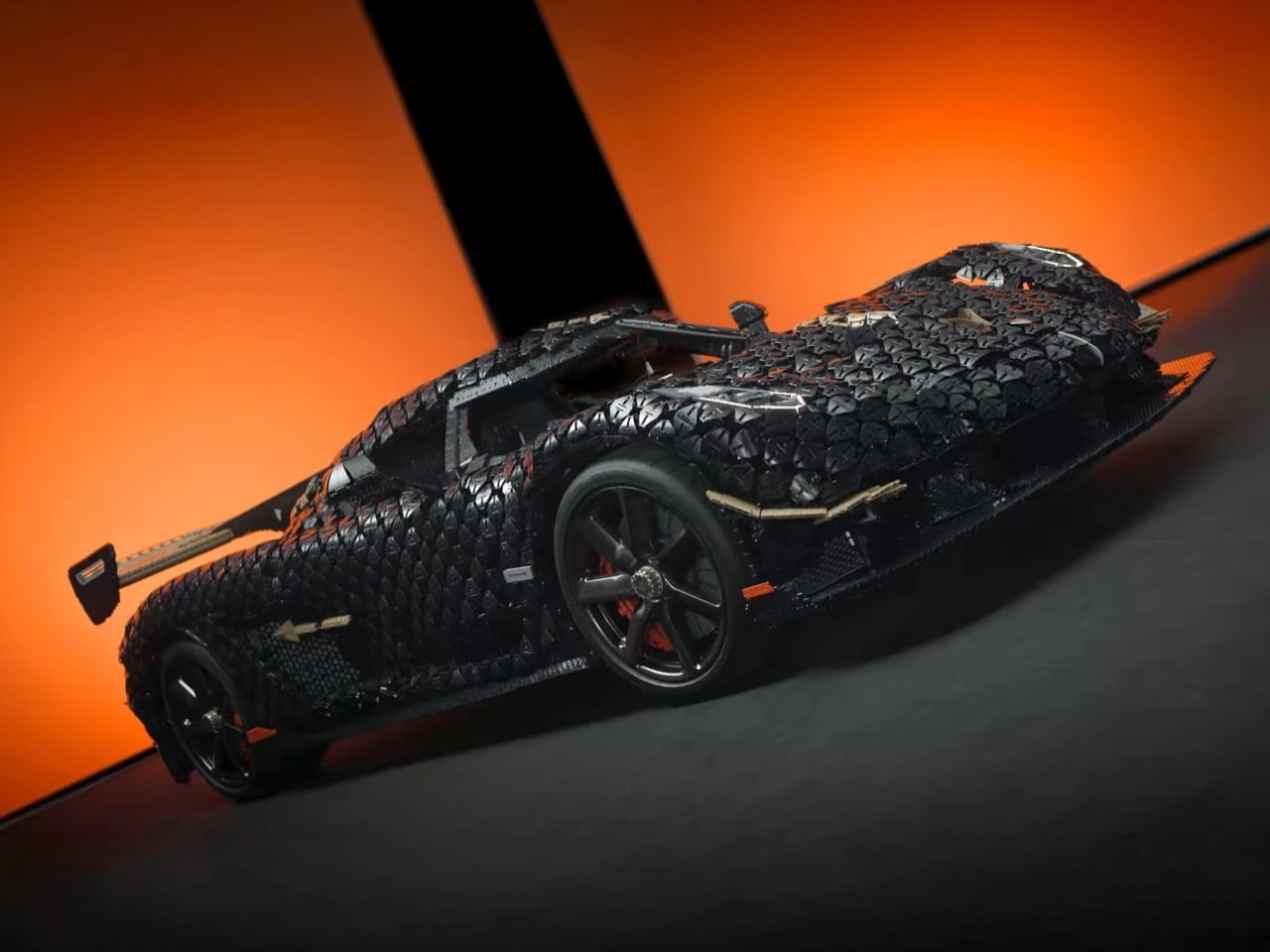
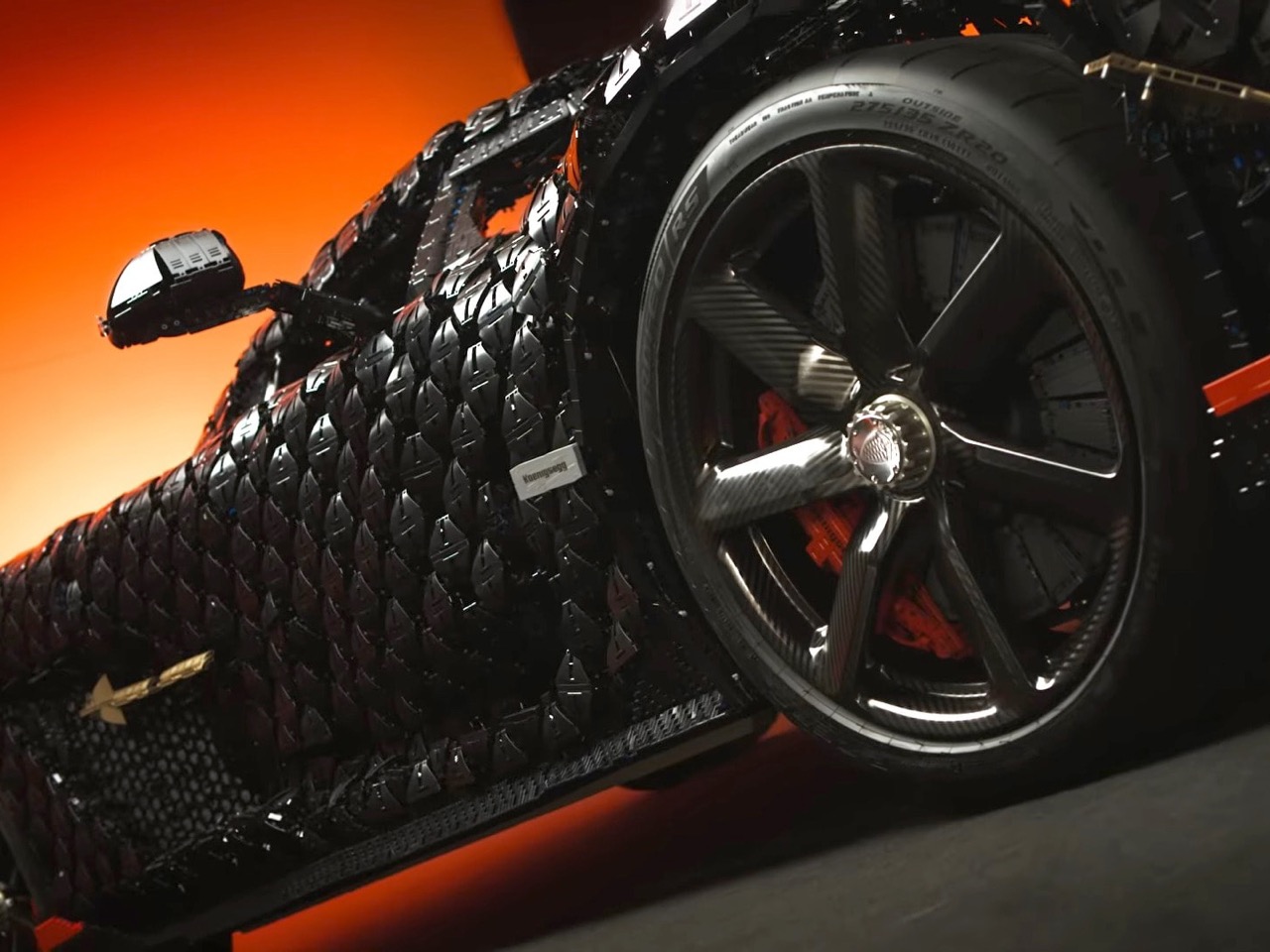
Thousands of small angular panels overlap in shingled rows across the nose, fenders and flanks, like scales on a very expensive fish, each one tilted slightly relative to its neighbor. A Koenigsegg’s surfacing is all compound curvature, the kind of double-bent carbon fiber that LEGO’s rectilinear system has no vocabulary for, so the team approximated it through faceted repetition instead. Step back and the eye reads a continuous curve. Step in and you can see the staircase. It’s the same trick LEGO’s sculpture teams use on large brick-built figures, and the only honest way to render an organic form in a system built on right angles.
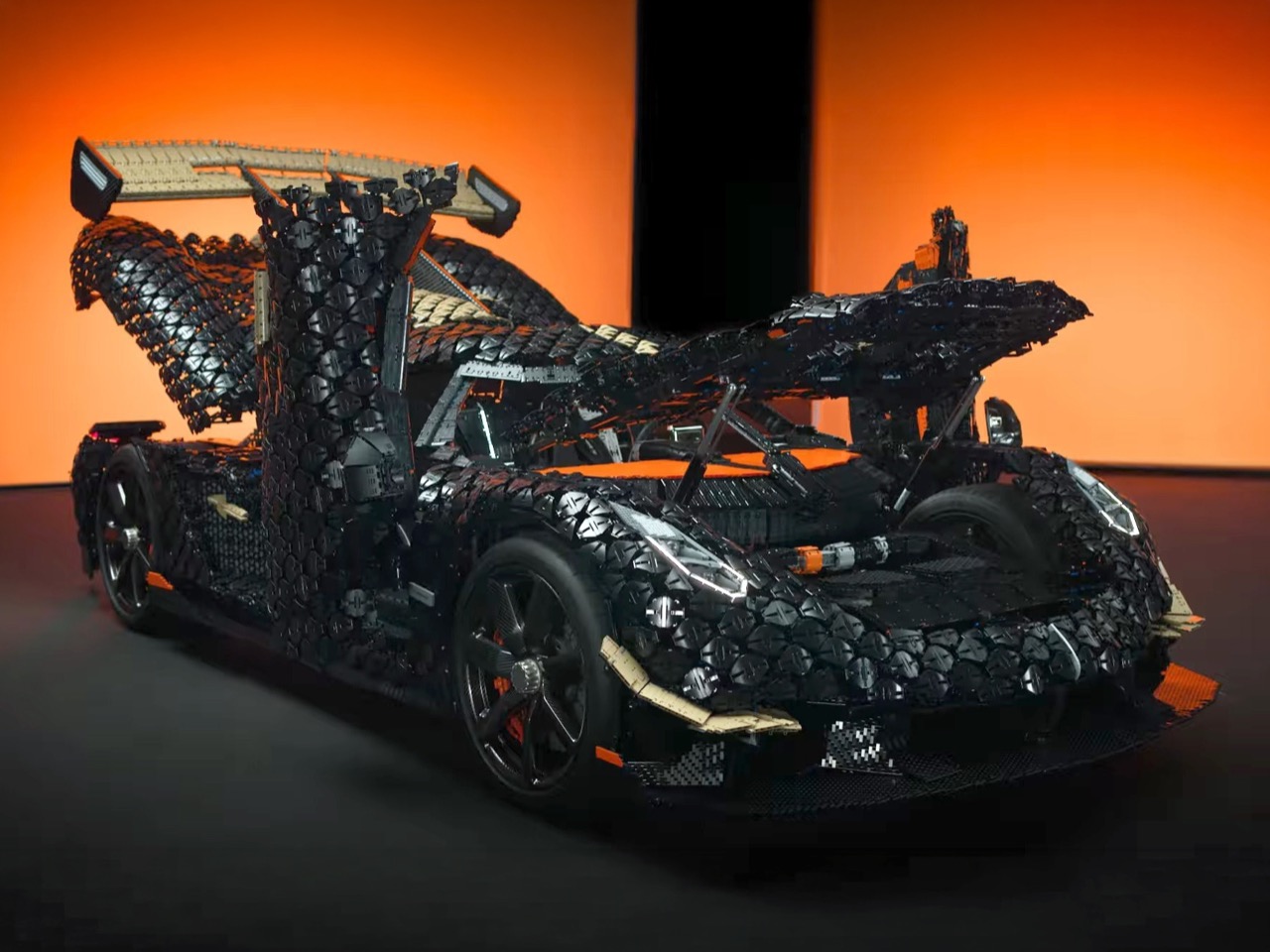
Press one button on a Regera and the doors, front hood and rear clamshell all swing open at once, hydraulically, in perfect sync. Koenigsegg calls it Ghost Mode, and it exists for no reason beyond showing off the engineering underneath. The LEGO car does the same thing, automated, on 1,800 kilograms of plastic, with the dihedral synchro-helix doors rotating up and outward while the rear clam lifts behind them. That mass figure is the joke of the entire project. Christian von Koenigsegg built his reputation on drilling holes in bolts to save grams, and the real Sadair’s Spear comes in at 1,320 kg dry. The replica outweighs it by 480 kg, of which 400 kg is Technic elements alone. He engineered a 1,625-horsepower hypercar lighter than its own toy.
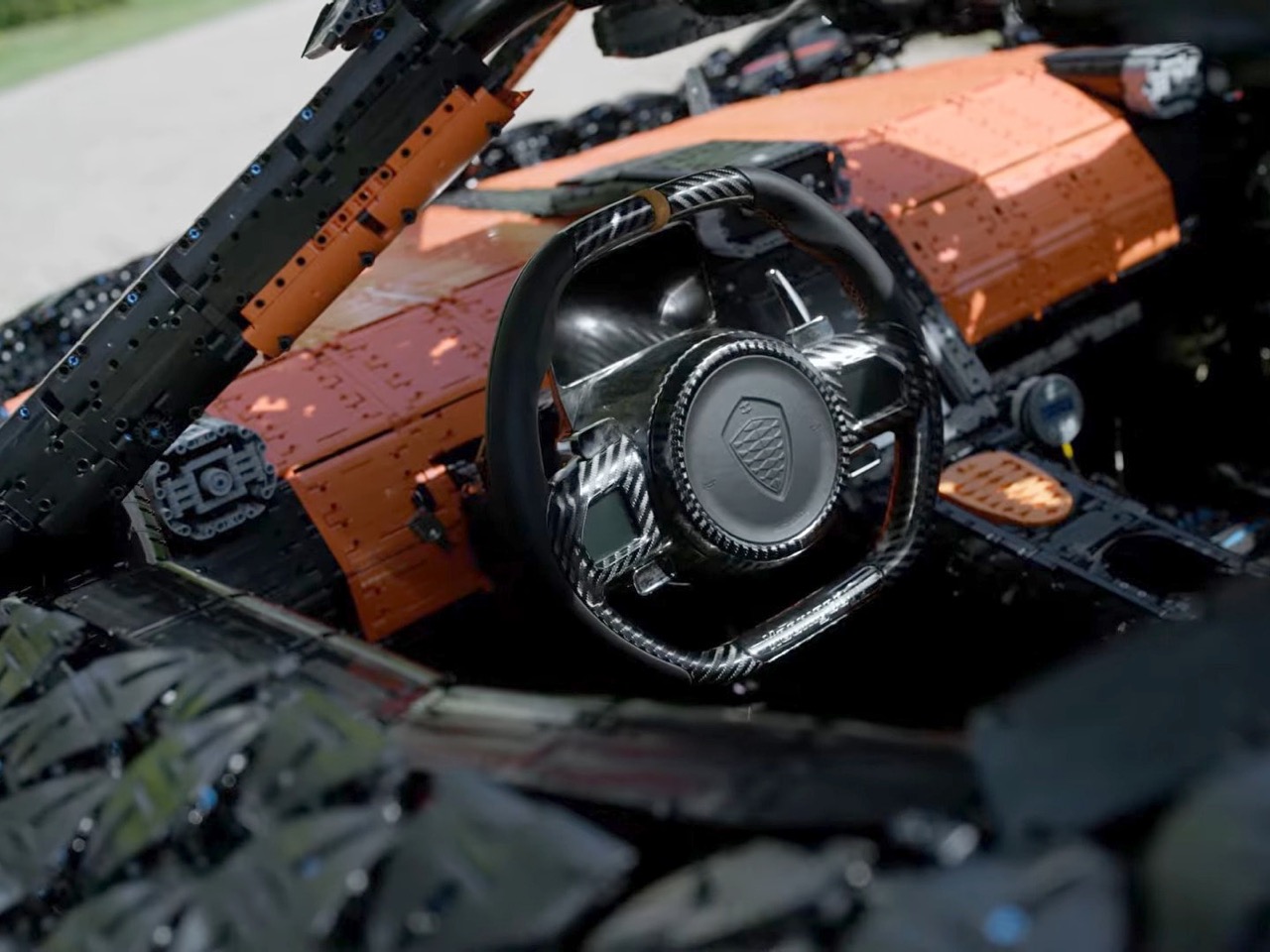
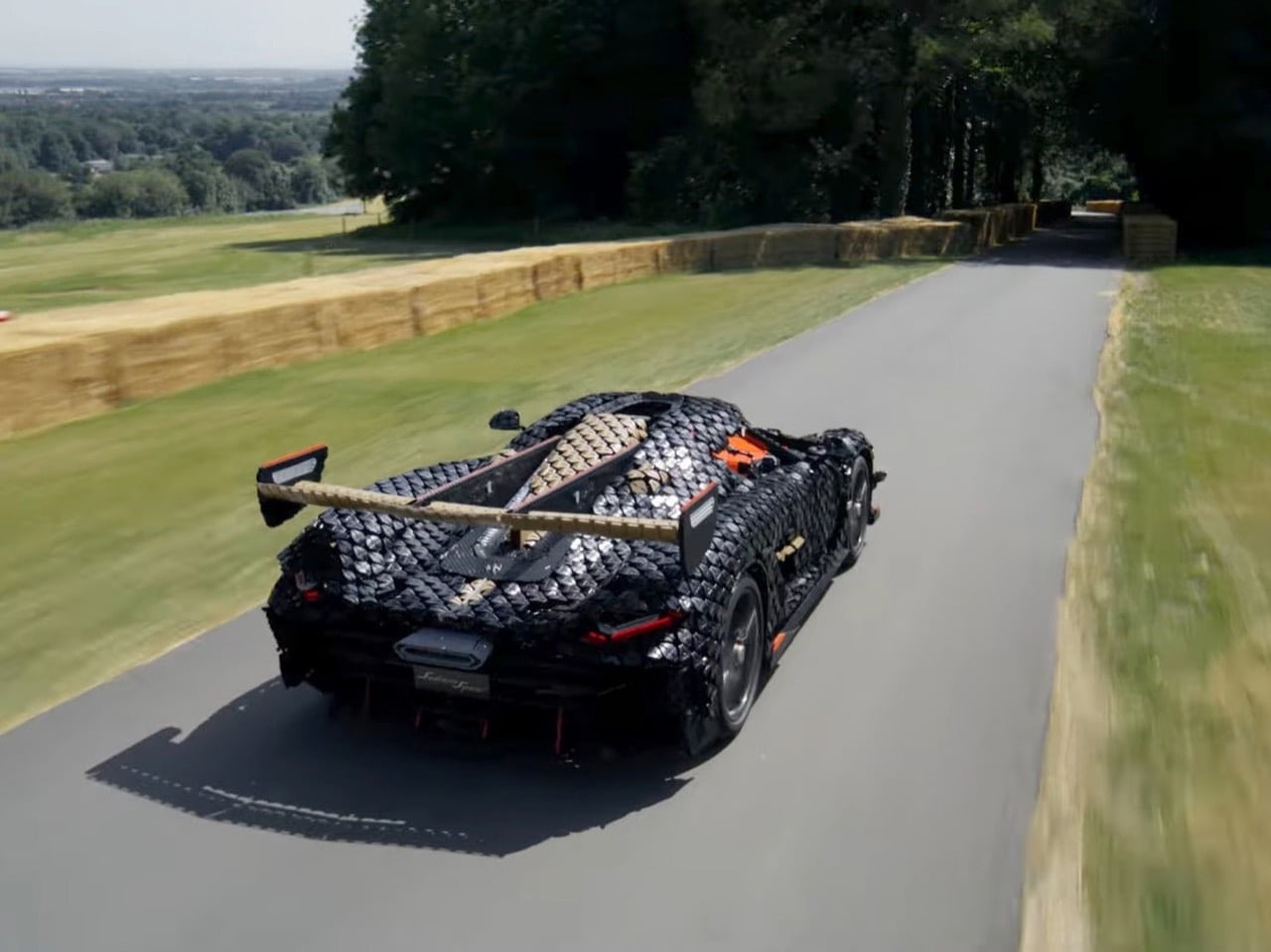
Markus Lundh ran the real Sadair’s Spear up the Goodwood hill in 47.14 seconds in July 2025 for a record that still stands, so LEGO handed him the brick version and pointed him down it instead, threading between the flint walls in the wrong direction. It hit 111 kph, more than double the previous LEGO big build record of 50 kph. Lundh got out and described it as incredibly smooth, said the brakes, steering and suspension all behaved, and admitted it reminded him of driving an actual Koenigsegg. He said this after sitting in an orange and black plastic cabin held together by the same clutch power that betrayed us all when the roof caved in on our childhood spaceships.
The 1:8 scale Technic set arrives at 4,104 pieces as the sixth entry in the Ultimate Car Concept Series, following the Porsche 911 GT3 RS, Bugatti Chiron, Lamborghini Sián, Ferrari Daytona SP3 and McLaren P1. It carries a working V8 piston engine, a nine speed sequential gearbox with a rotating gear indicator disc, Triplex suspension front and rear, and a manual Ghost Mode that raises the clam, doors and hood together. Twenty years of Technic supercar sets have been building toward this level of mechanical honesty. Watch your step in the pits, though. A stray piece from this one would be a nightmare to step on.
The post LEGO Koenigsegg weighs 480 kg more than the real car and hits 70mph first appeared on Yanko Design.

You email a few holiday photos to a relative and get a message back saying the files will not open. You upload an image to a website, and it rejects the format. You copy pictures off your phone, and half of them arrive with an extension you have never seen. None of this is a […]
The post Why Your Phone Photos Will Not Open on Your Computer appeared first on Geeky Gadgets.
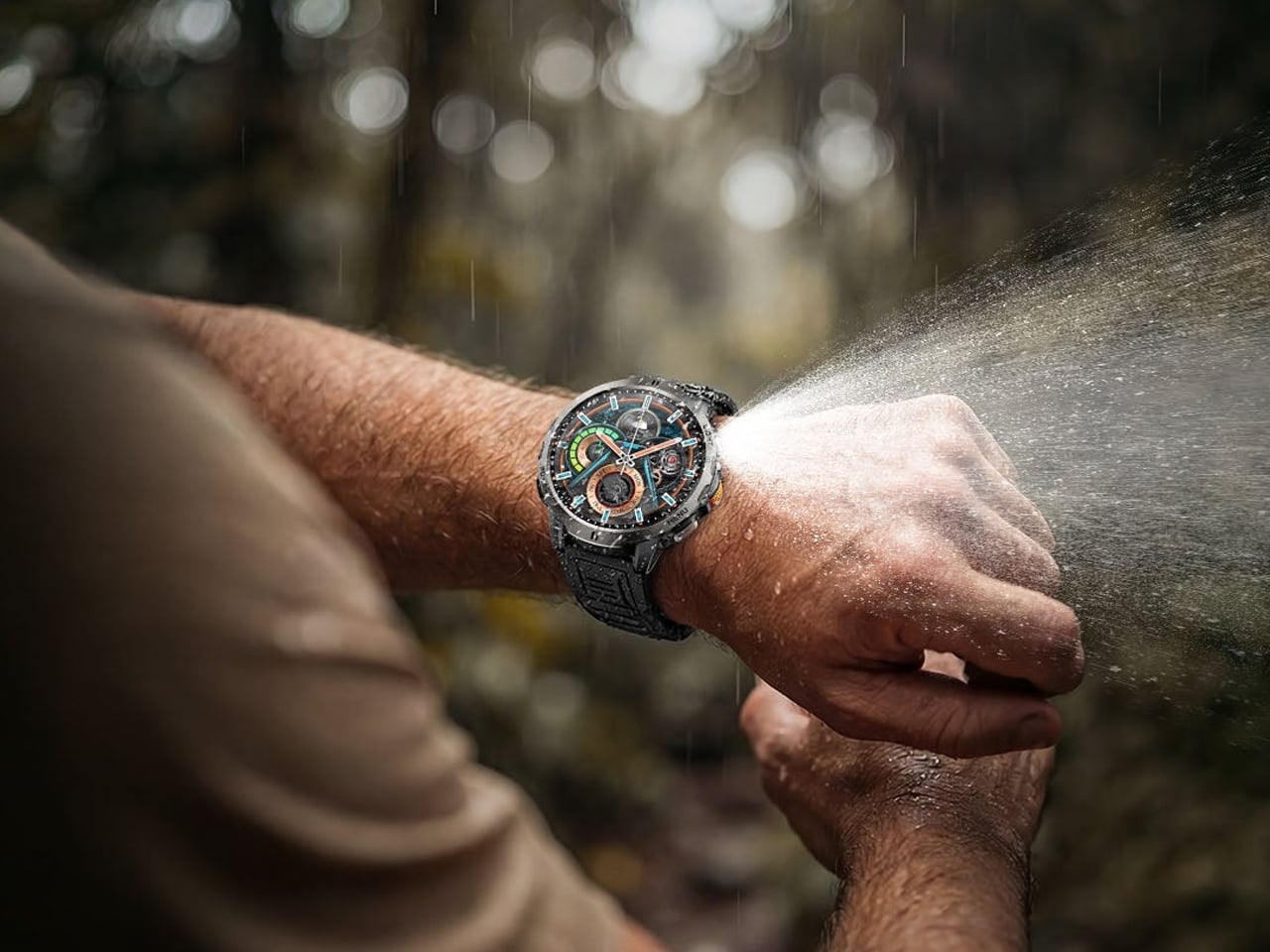
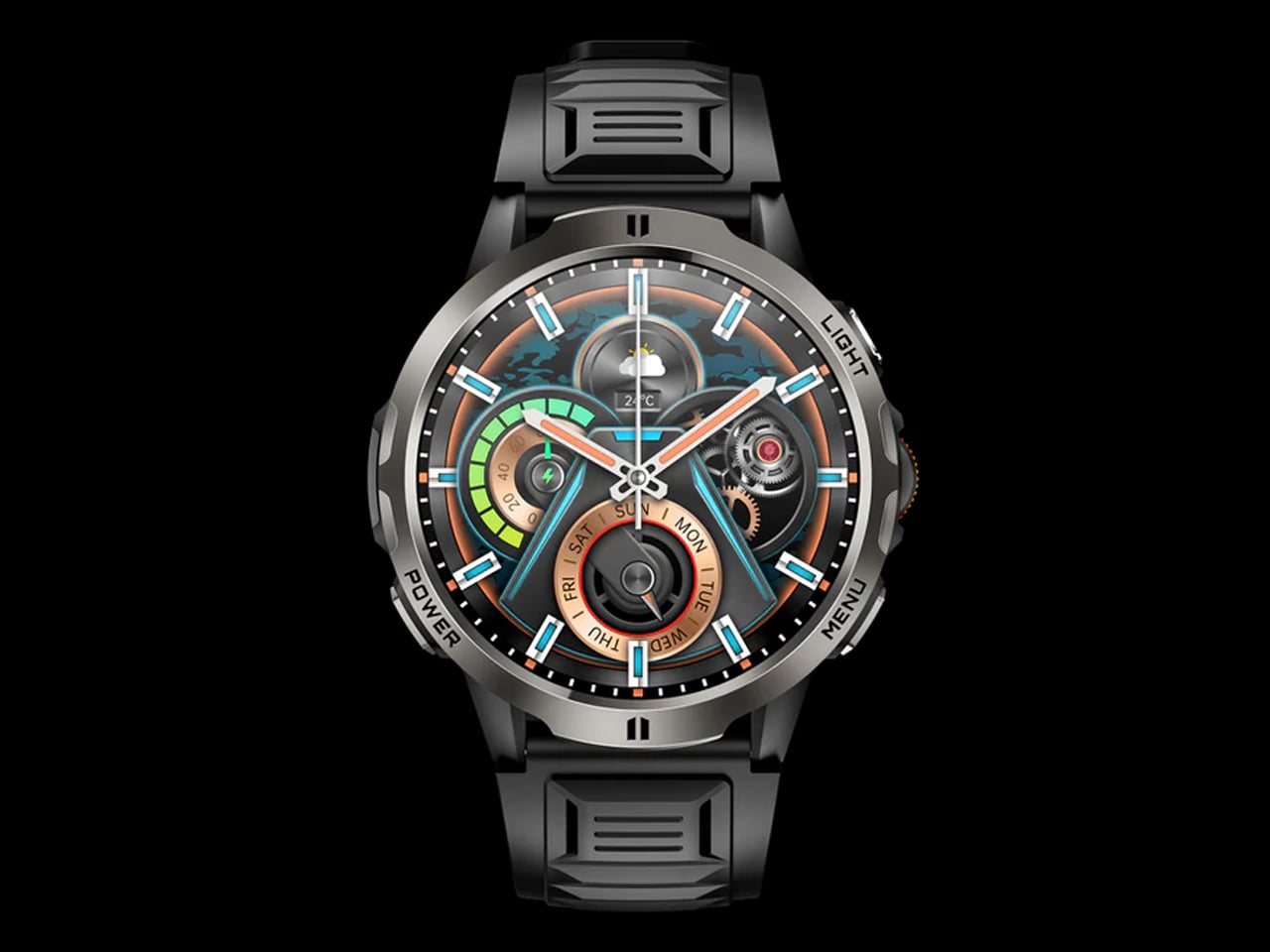
Rogbid believes traditional crowns are so dead. The watches now need mouse-style scroll wheels because, why not? If you think that’s a good idea, and want to give yourself a head start on the design idea without committing too much on the price front, check out the Rogbid SpinR – a budget-friendly smartwatch with rugged features and an optical scroll wheel for navigation.
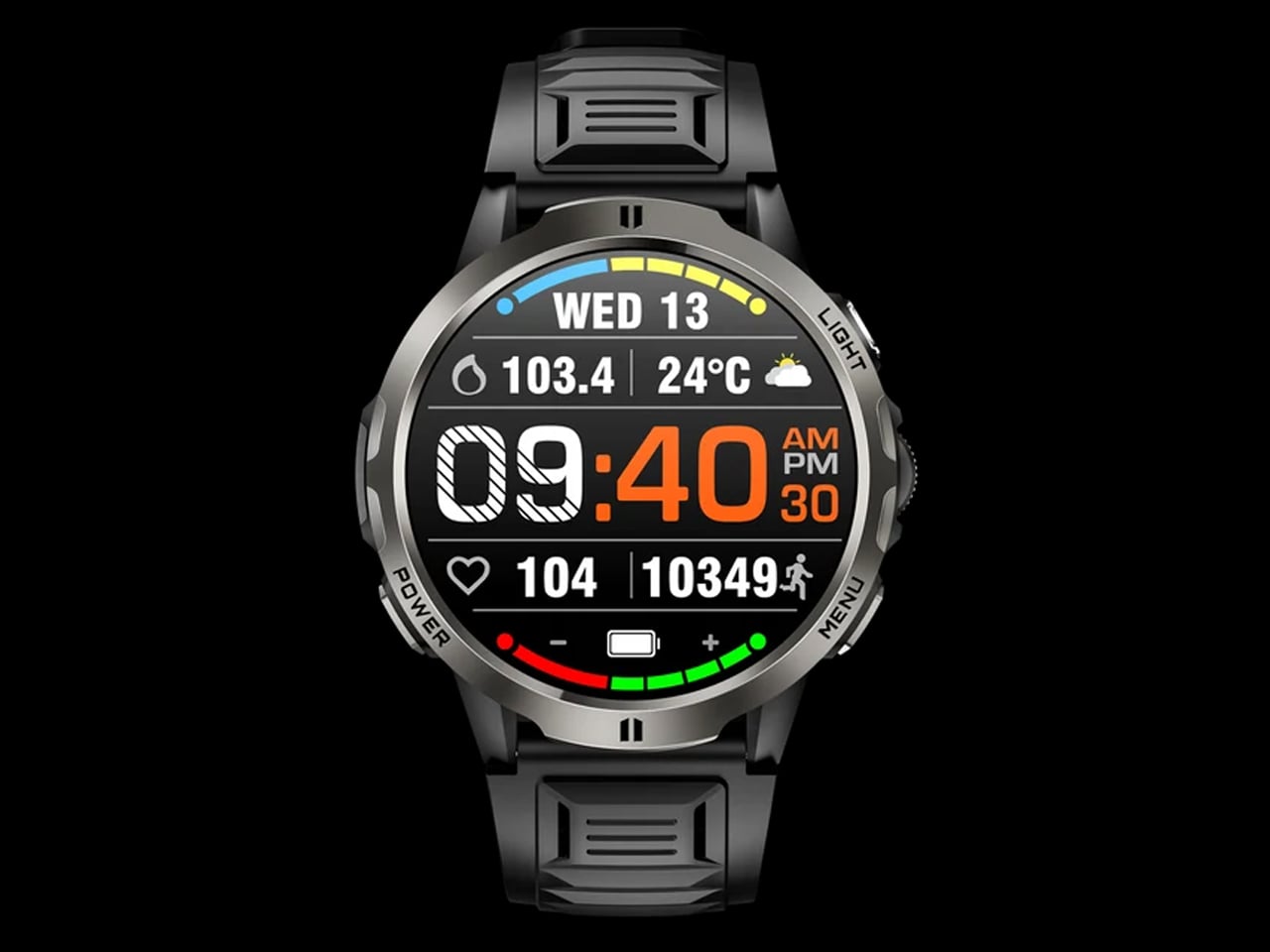
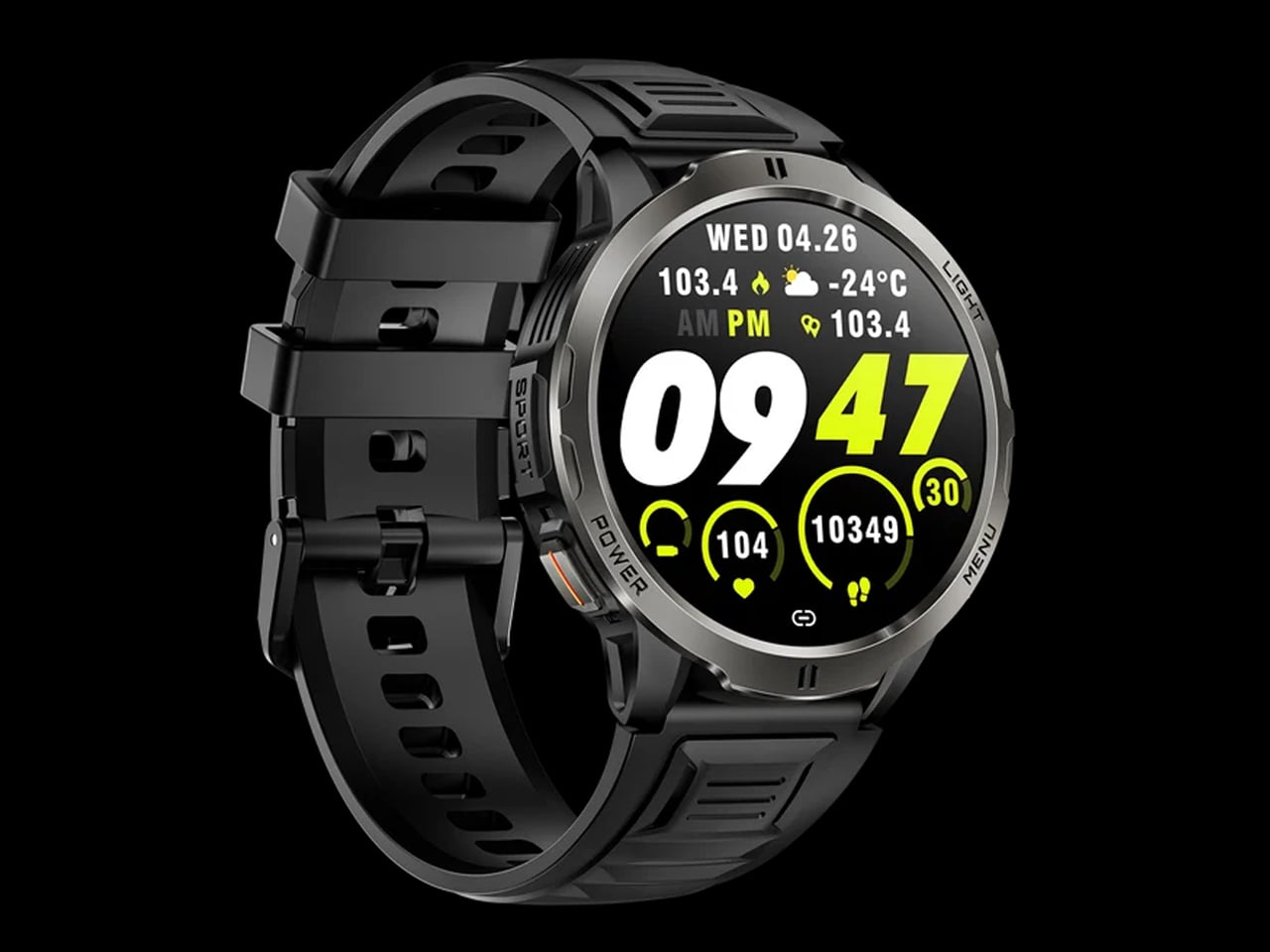
SpinR is an entry-level smartwatch. Rogbid has priced it at a very affordable $49.99. But what you get for the price – minus onboard GPS – is pretty noteworthy. First up, you have the metal case of the watch, which is made from zinc alloy and features a vacuum-plated finish. Offered in two colors – black and orange- the watch feels quite premium on the wrist. Despite the price and material usage, it’s not one of those chunky watches. It’s smart enough to go from work to gym, and anywhere else your adventure may take you.
Designer: Rogbid
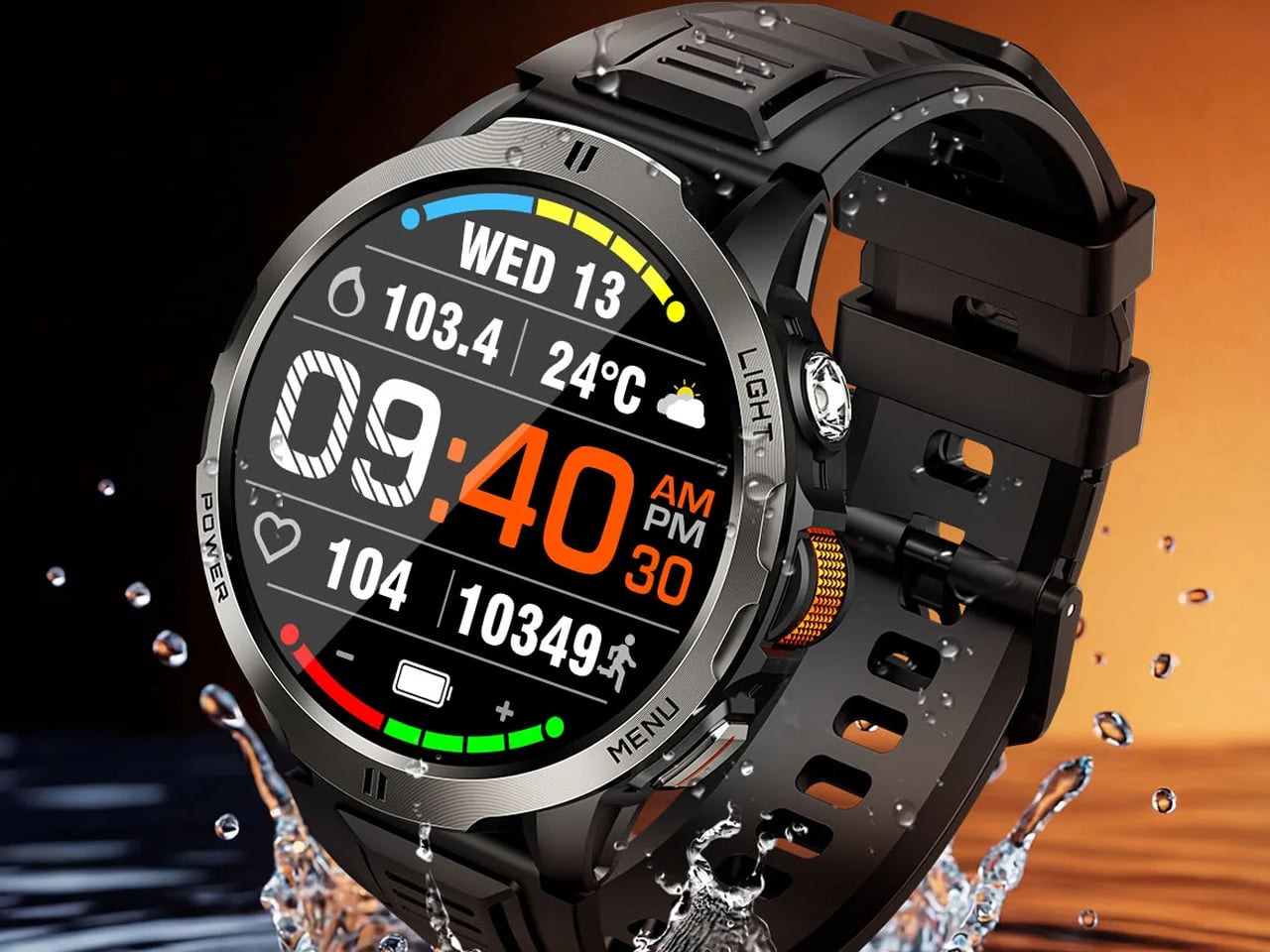
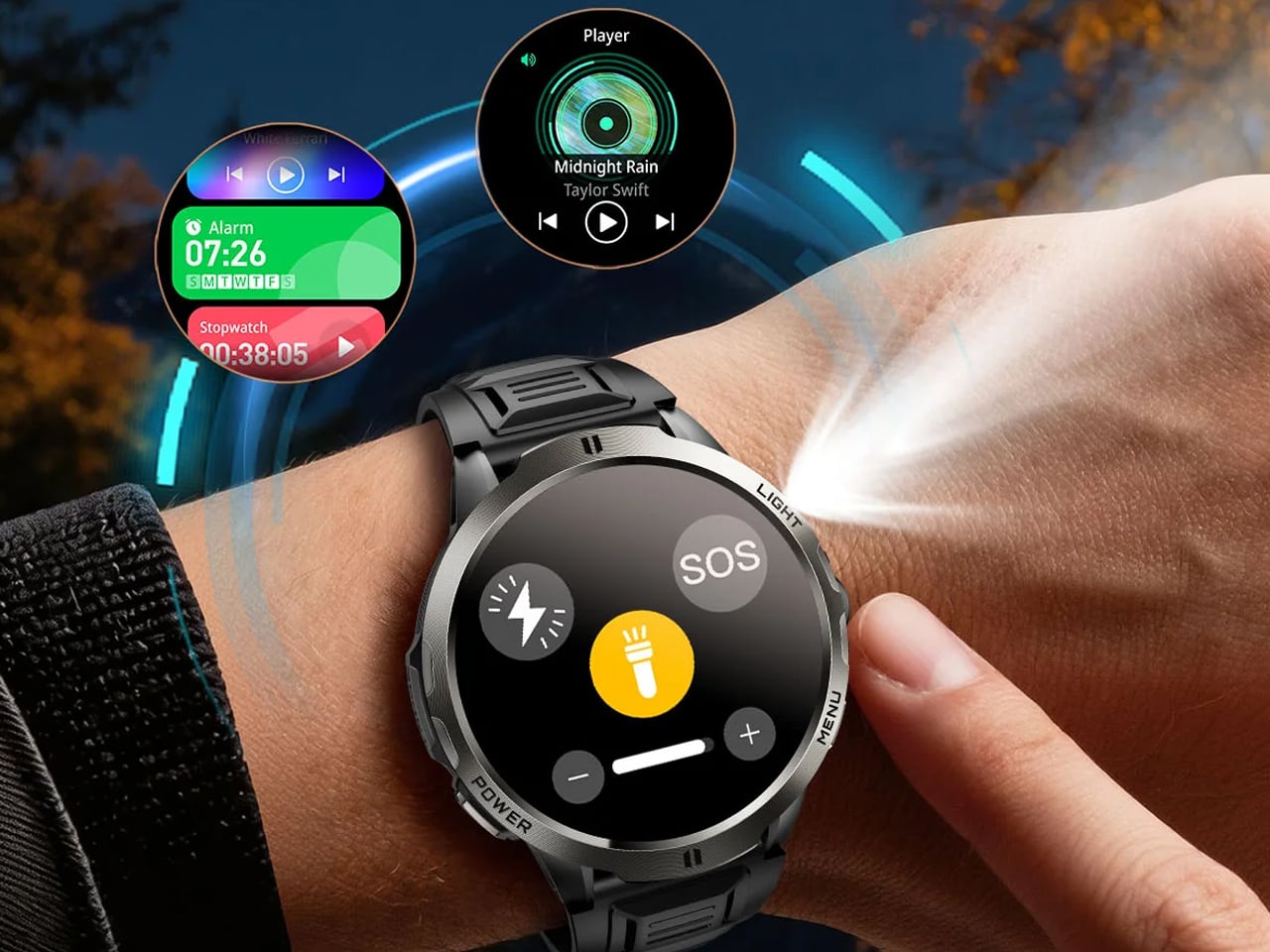
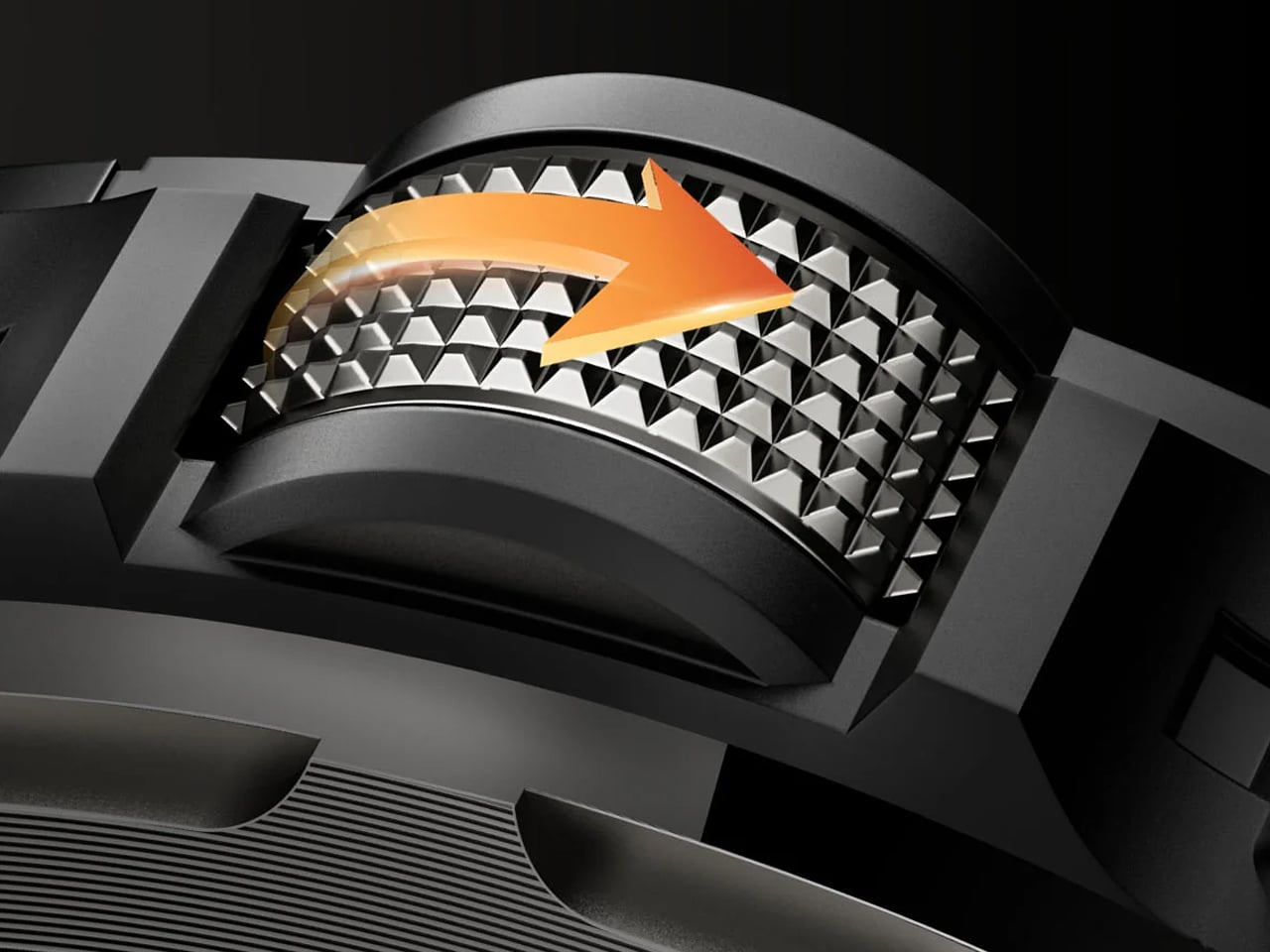
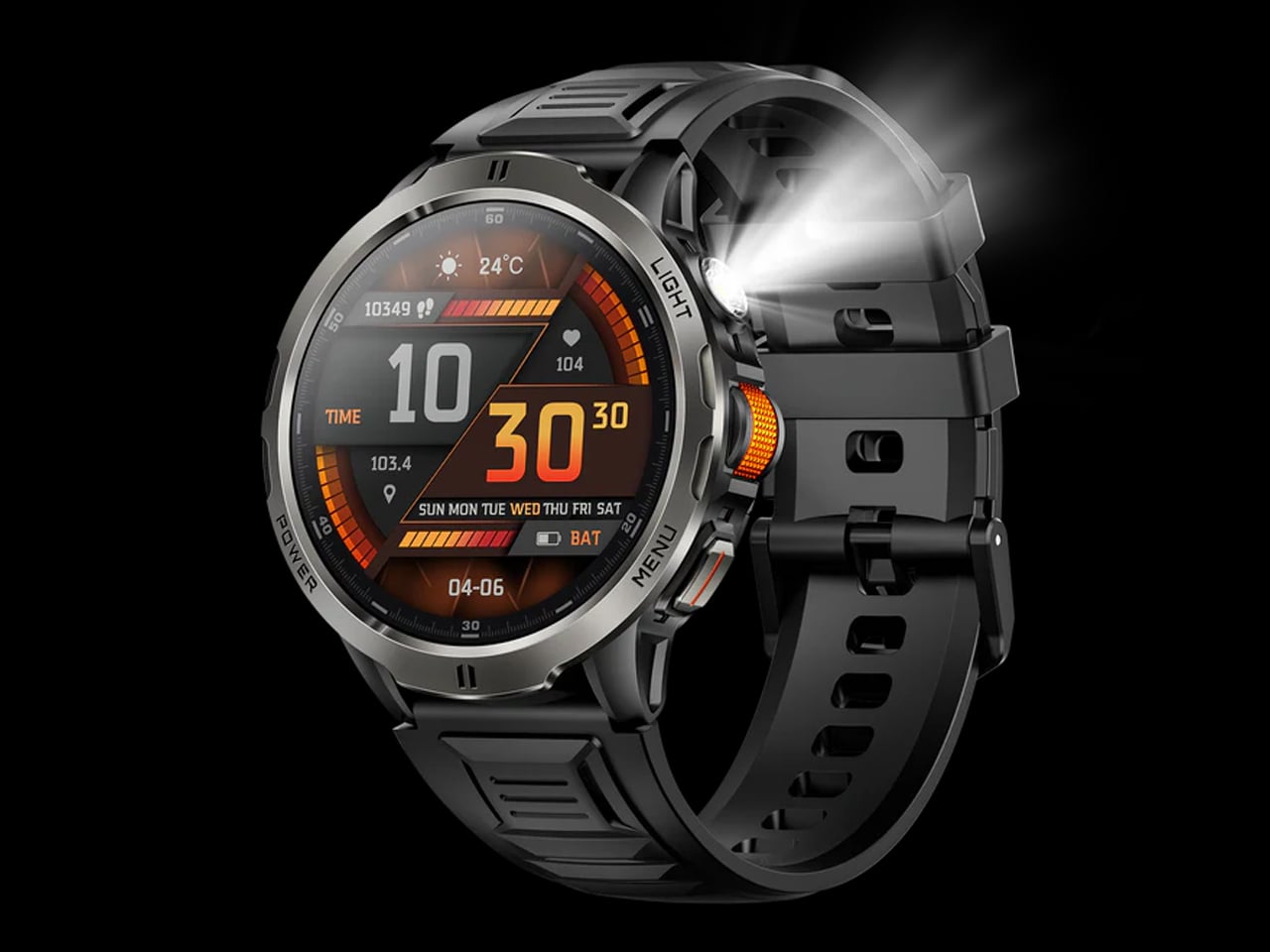
The case, however, is not small in any way. It measures 51 mm diagonally and is 13.4 mm at the thickest point. As noted, the main highlight of the SpinR is not its case. It’s that optical scroller built into the side crown. A jewel on the large case, the optical scroll wheel functions somewhat like the crown on the Apple Watch – for navigation. You can navigate the menu, adjust settings, and control apps with the scroll wheel without touching the screen at any time. This can be particularly helpful when you have sweaty hands or your fingers are covered in chip crumbs.
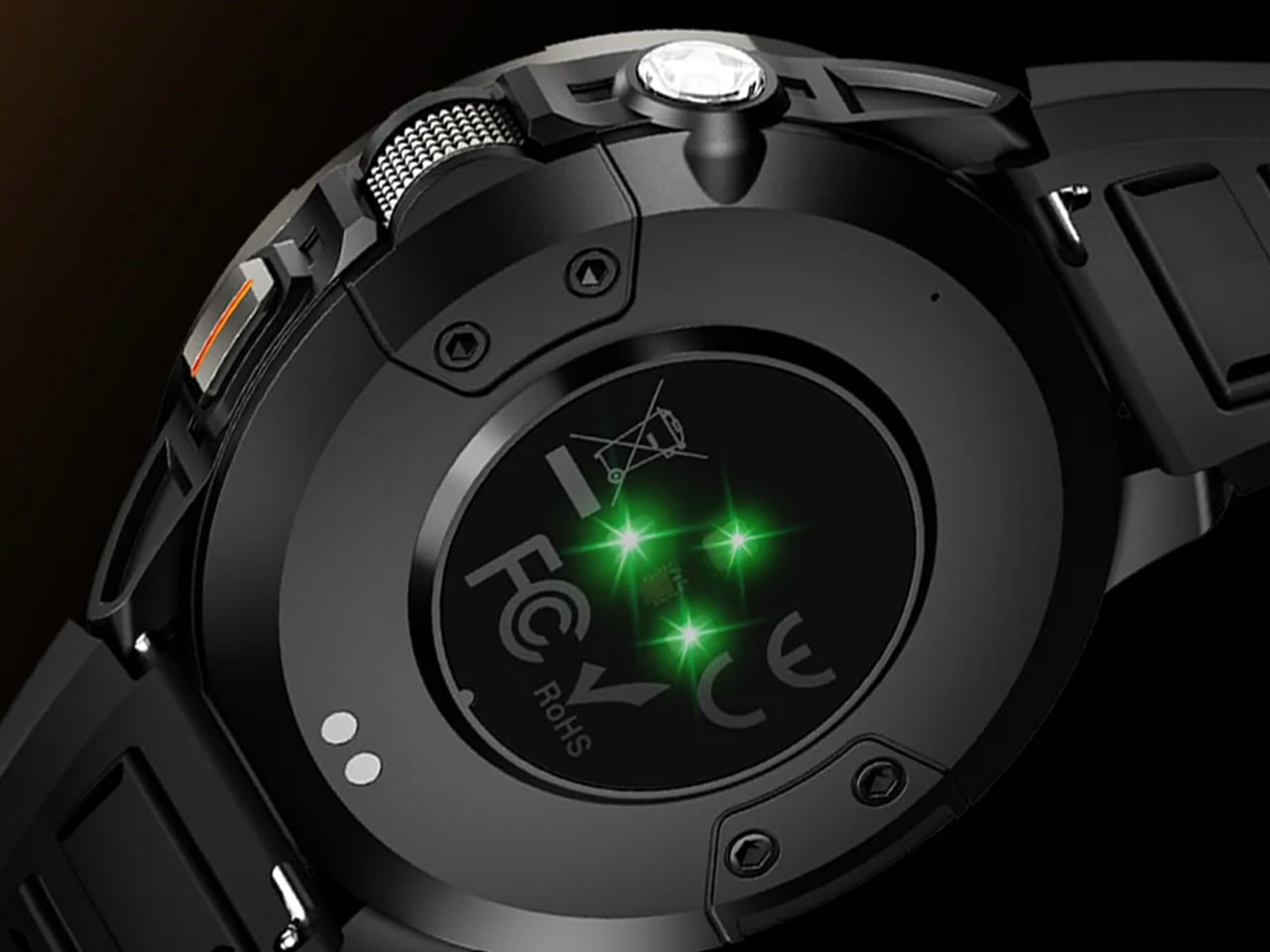
According to the company, to simplify the interactions, the scroll wheel uses light to register scrolling movement when you are changing the volume, scrolling through your music library, or increasing the flashlight intensity. The process of the wheel’s functioning is pretty similar to that found in gaming mice.
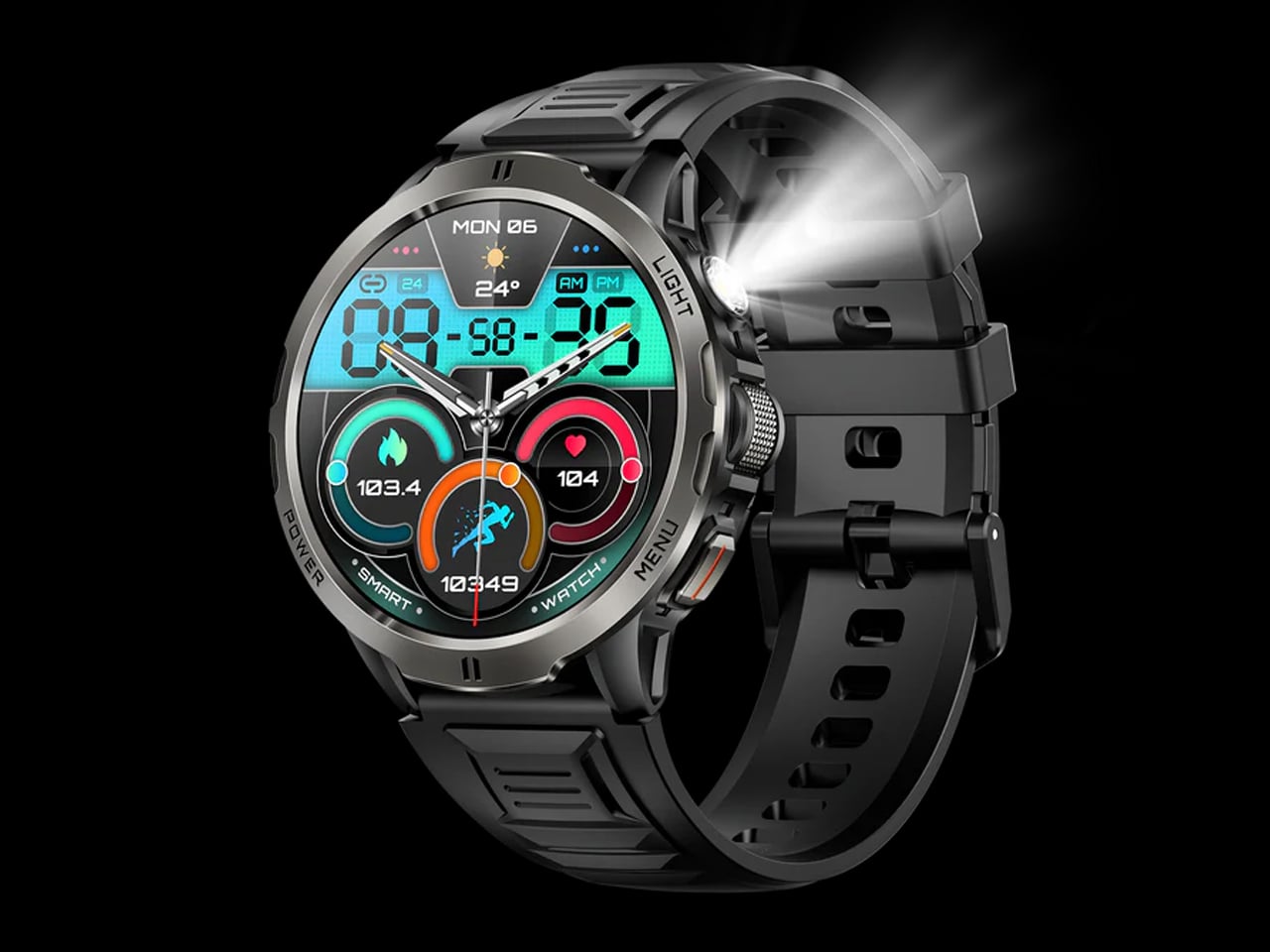
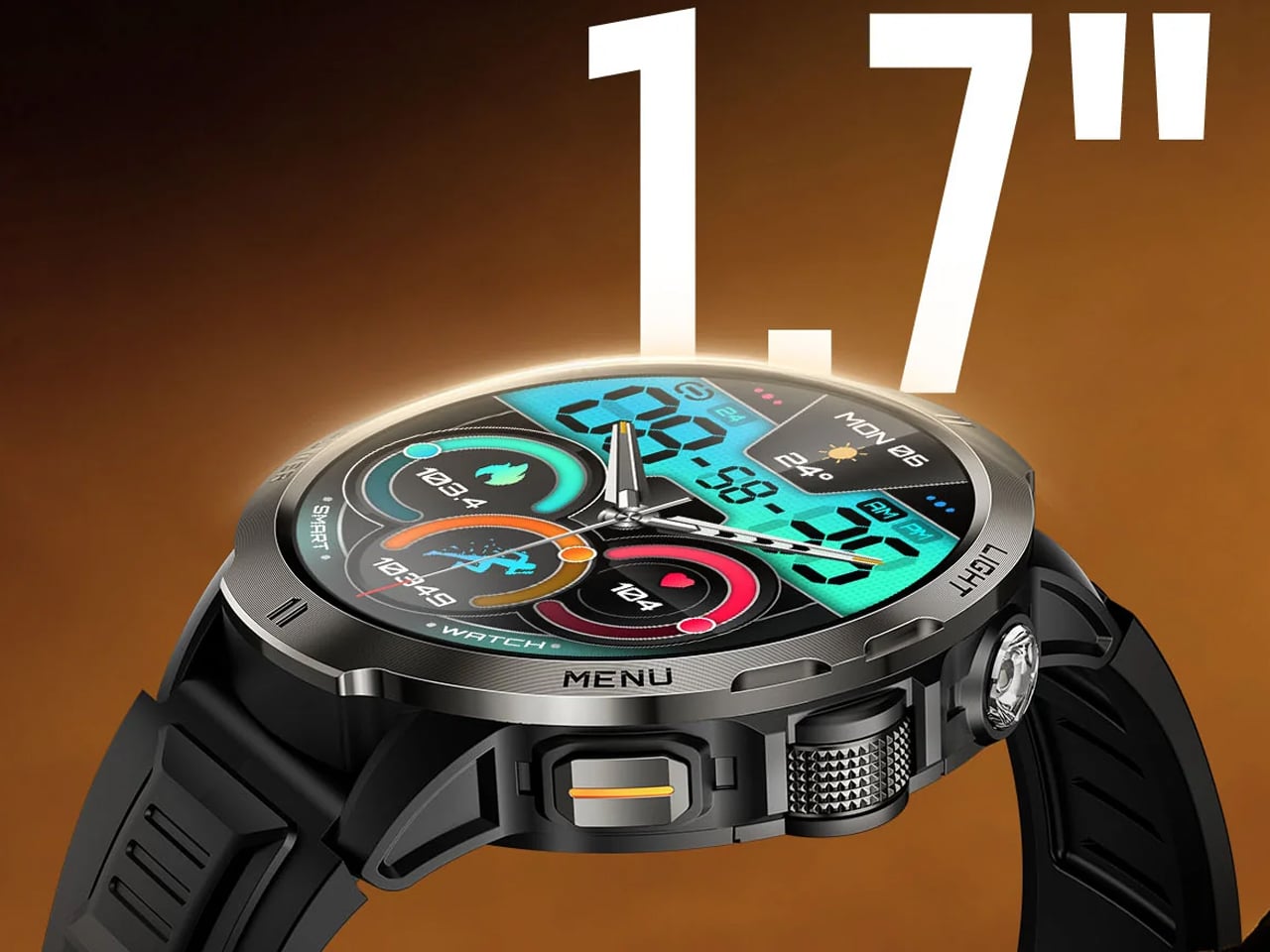
Besides the innovative wheel for navigation, the Rogbid SpinR smartwatch wears a 1.7-inch display. It is unclear whether its LCD or AMOLED panel, but what we do know for certain is that it features a 360 x 360-pixel resolution. The watch draws power from a 7074 A7 chipset with 128 MB of flash storage and comes with some standard smartwatch features such as heart rate tracking and a pedometer. What the SpinR misses is built-in GPS. For precise location tracking, therefore, the watch featuring Bluetooth 5.4 will rely on the paired phone.
You want the smartwatch you own to work for a few days without requiring a recharge. The Rogbid SpinR could be one such offering with its 1100 mAh battery, which the company claims has 100-plus days of standby time. In real-world usage, of course, it’s going to be way less, but with the magnetic charging, it will give you a quick way to refuel if you’re caught up running out of power on the go. SpinR has a plastic caseback and comes paired with a silicone strap. The watch is rated IPX8 and features 30-meter water resistance.
The post Rogbid SpinR is a rugged, budget-friendly smartwatch with optical scroll wheel for navigation first appeared on Yanko Design.





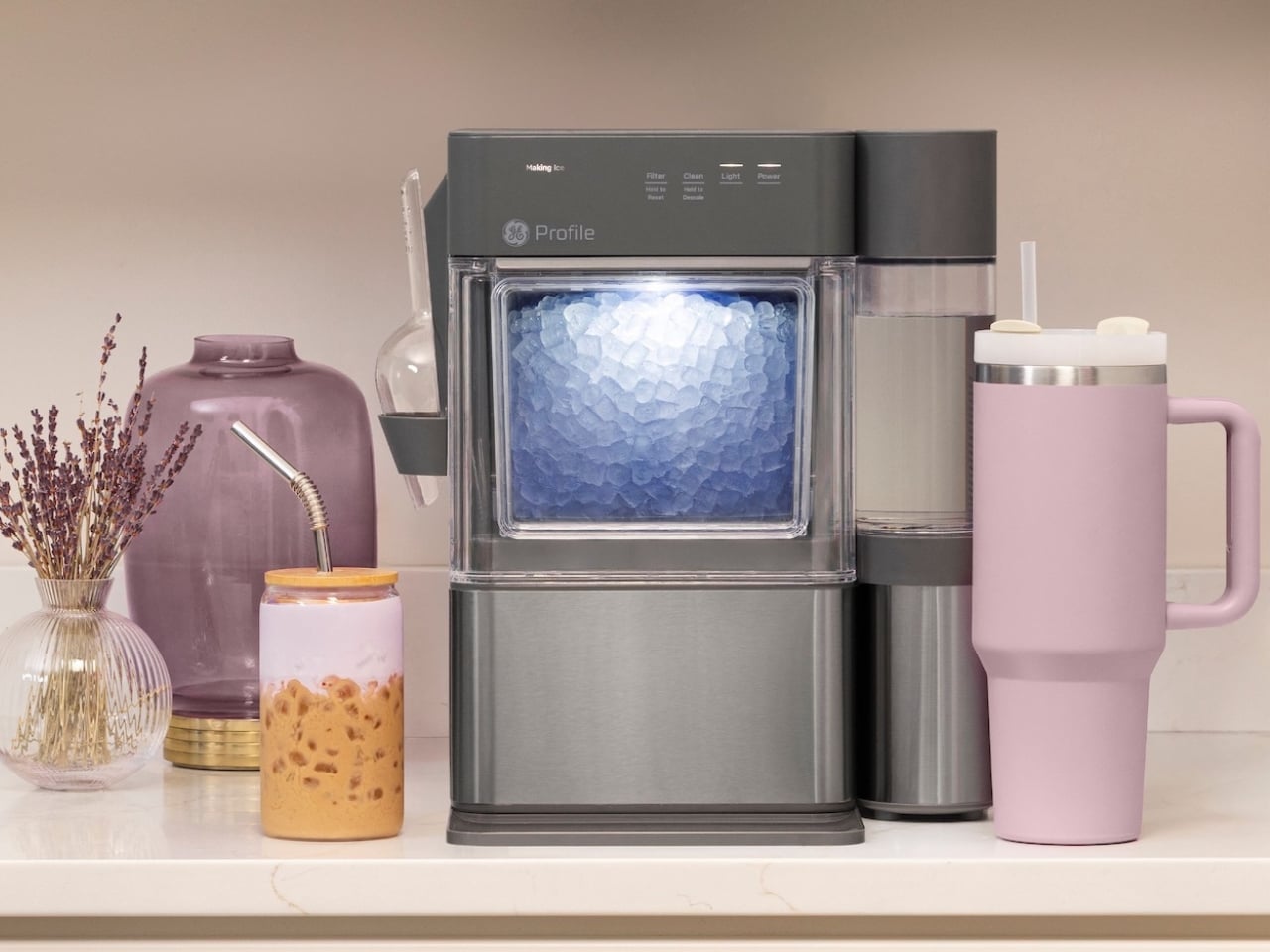
I’m one of those people who would prefer their cold drinks to have more ice even if they’re already cold, whether it’s water, soft drinks, juices, or iced coffee. But when I’m at home, I have to make do with manually filling my tumblers using just two ice trays from my refrigerator. That’s why getting an ice maker is on my list, except that most of what I see in the market are too big for my daily, personal use.
The new GE Profile Opal Mini Nugget Ice Maker is created for people like me who would prefer to have nugget ice from a more compact and counter-friendly machine. It’s a miniaturized version of their best-selling Opal Nugget Ice Maker and also has a smaller carbon footprint, if that kind of thing concerns you as well (as it should).
Designer: GE
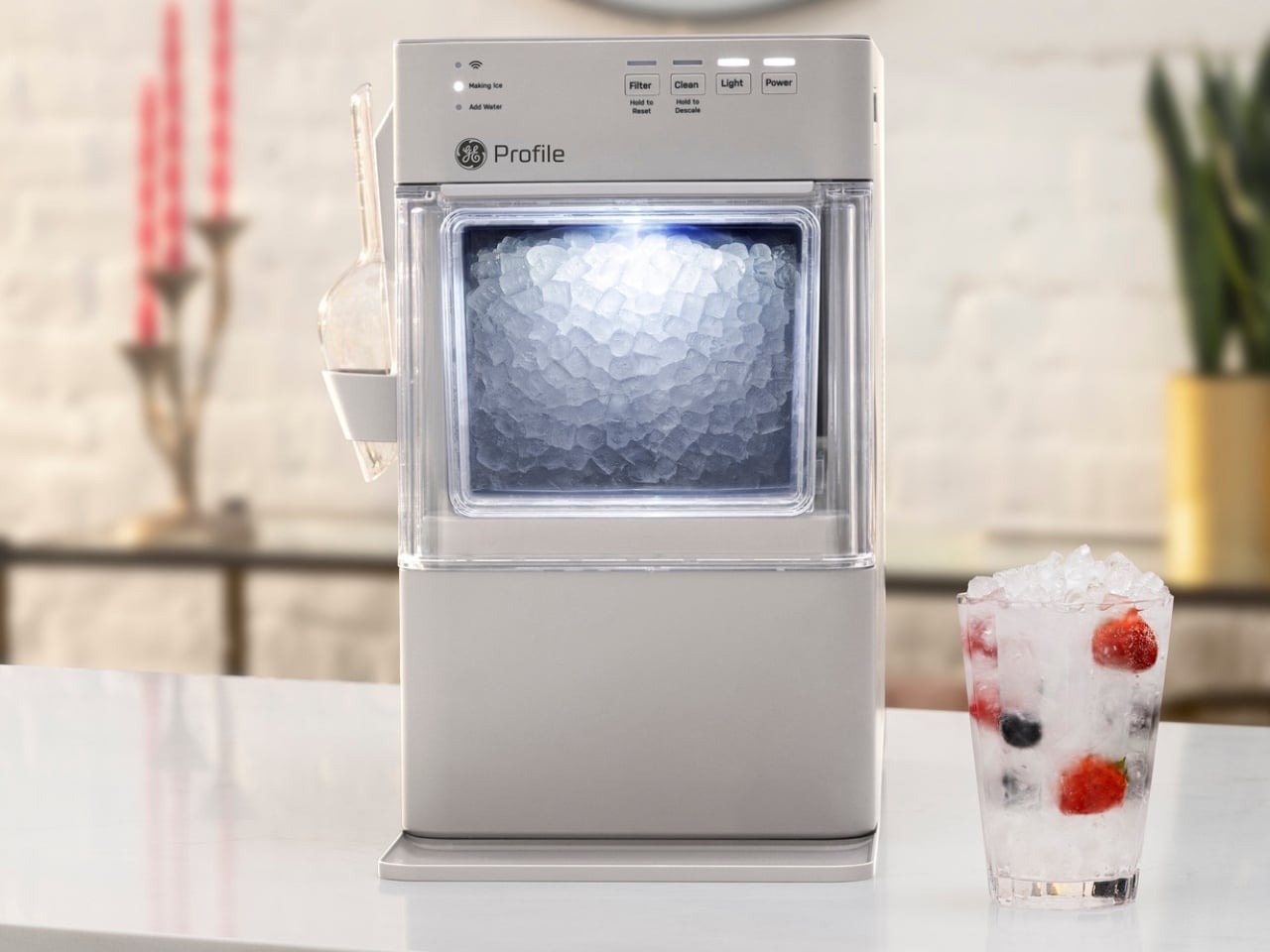
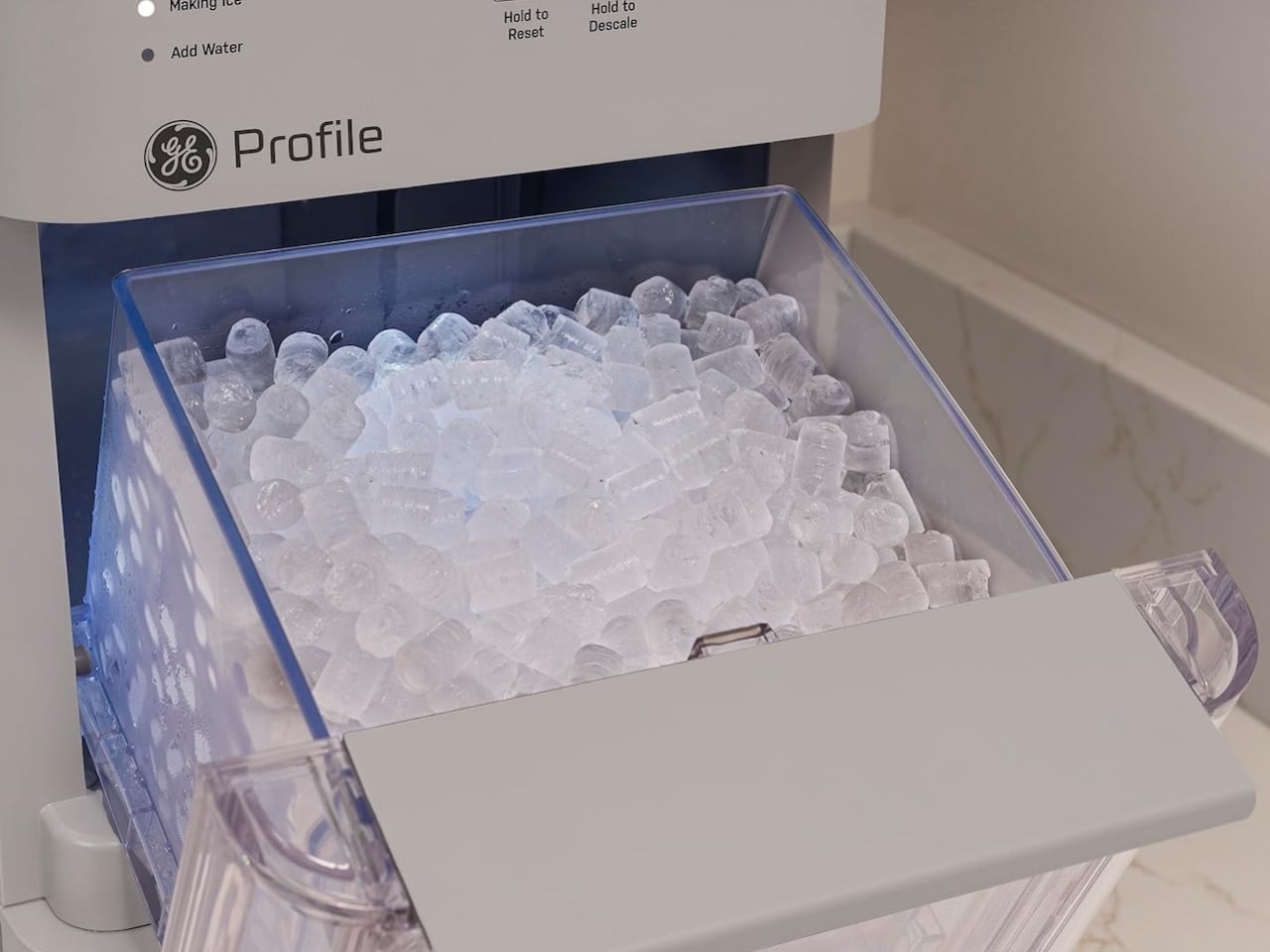
Compared to regular ice, nugget ice (also known as sonic or pellet ice) is softer, more chewable, and more importantly, it is able to absorb drink flavors. Having that kind of ice produced in a countertop machine makes it ideal for smaller spaces. It is also able to produce the first batch in just five minutes, which is way faster than traditional ice makers or waiting for your ice trays to harden.
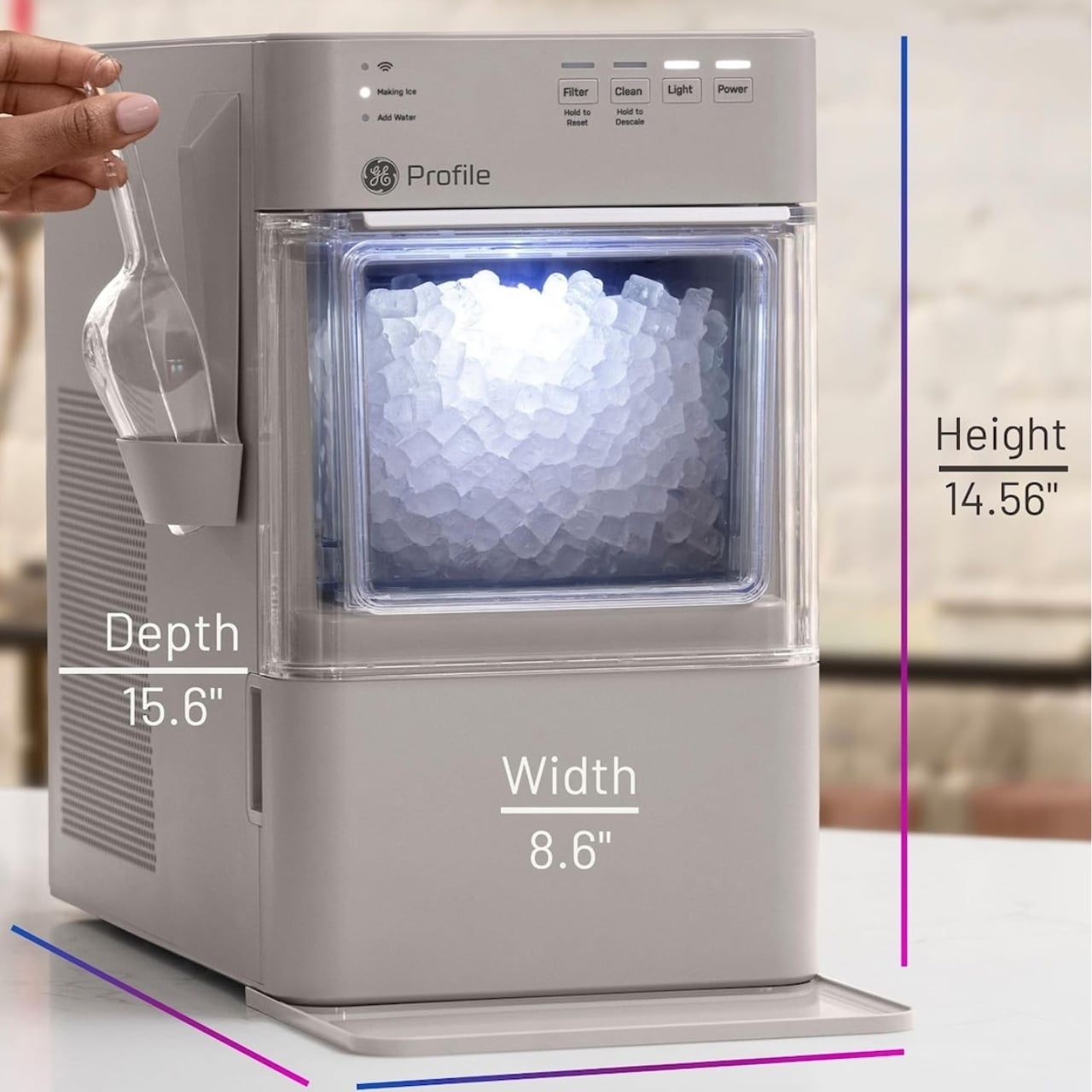
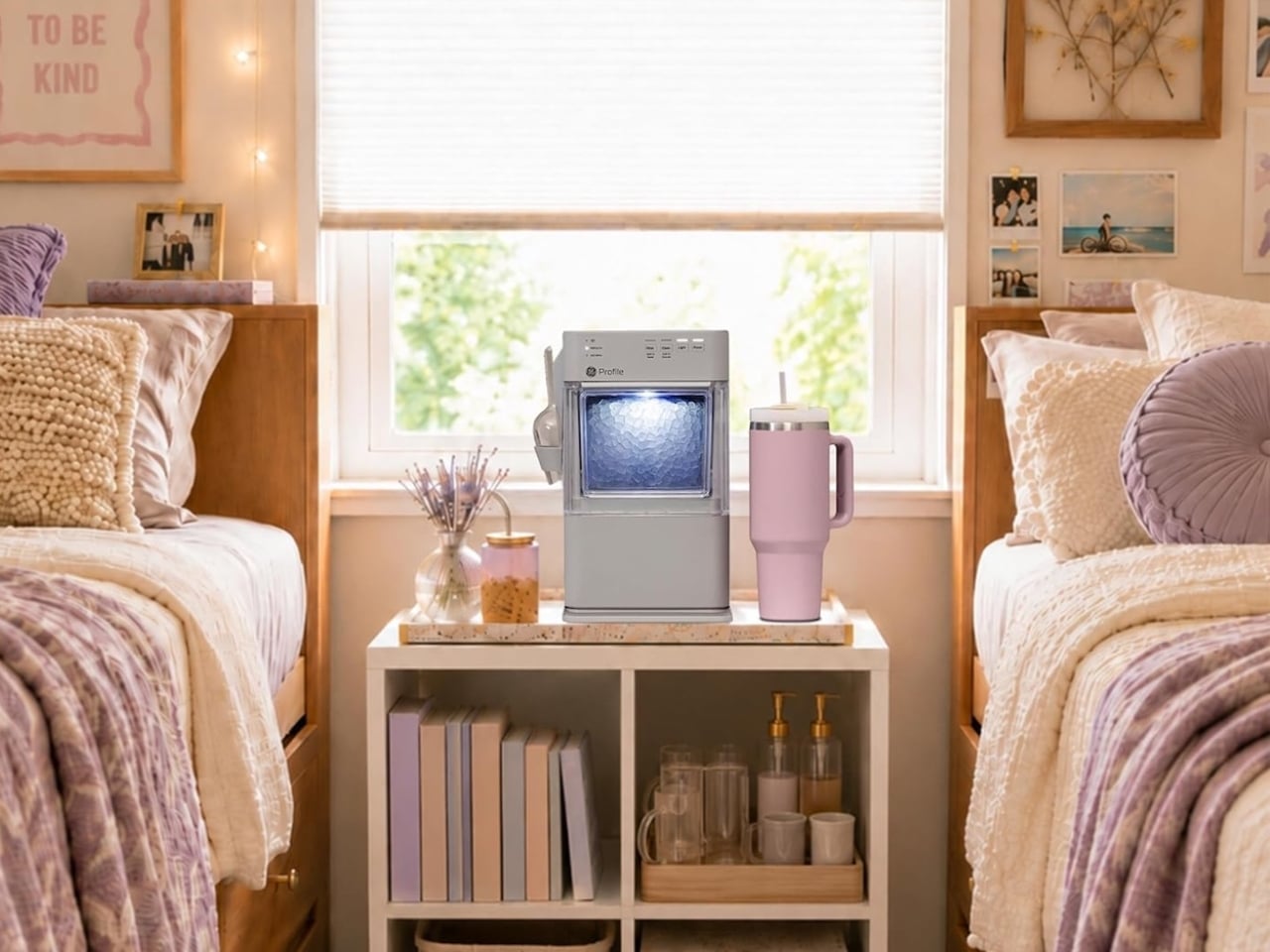
The Opal Mini is 30% smaller than the previously released Opal Nugget Ice Maker, so it can fit into smaller kitchens, or even in your living room or on your bedside table. But it doesn’t sacrifice ice output, as it can still churn out up to 36 lbs of ice per day, which should be more than enough for your own personal needs. They say that the bin can hold enough ice to fill two 40-ounce Stanley Cups. If you’re having a party or some friends over, there is an Opal Mini Pro version that has a side tank for extended water supply so it can produce more ice.
At just $299, it’s of course more affordable than the full-size version, even if it’s still more expensive than those budget ice makers you can find on shopping apps. However, this is GE we’re talking about, and GE Profile at that, so you can rest assured that the build quality and performance of this machine are on a whole different level.
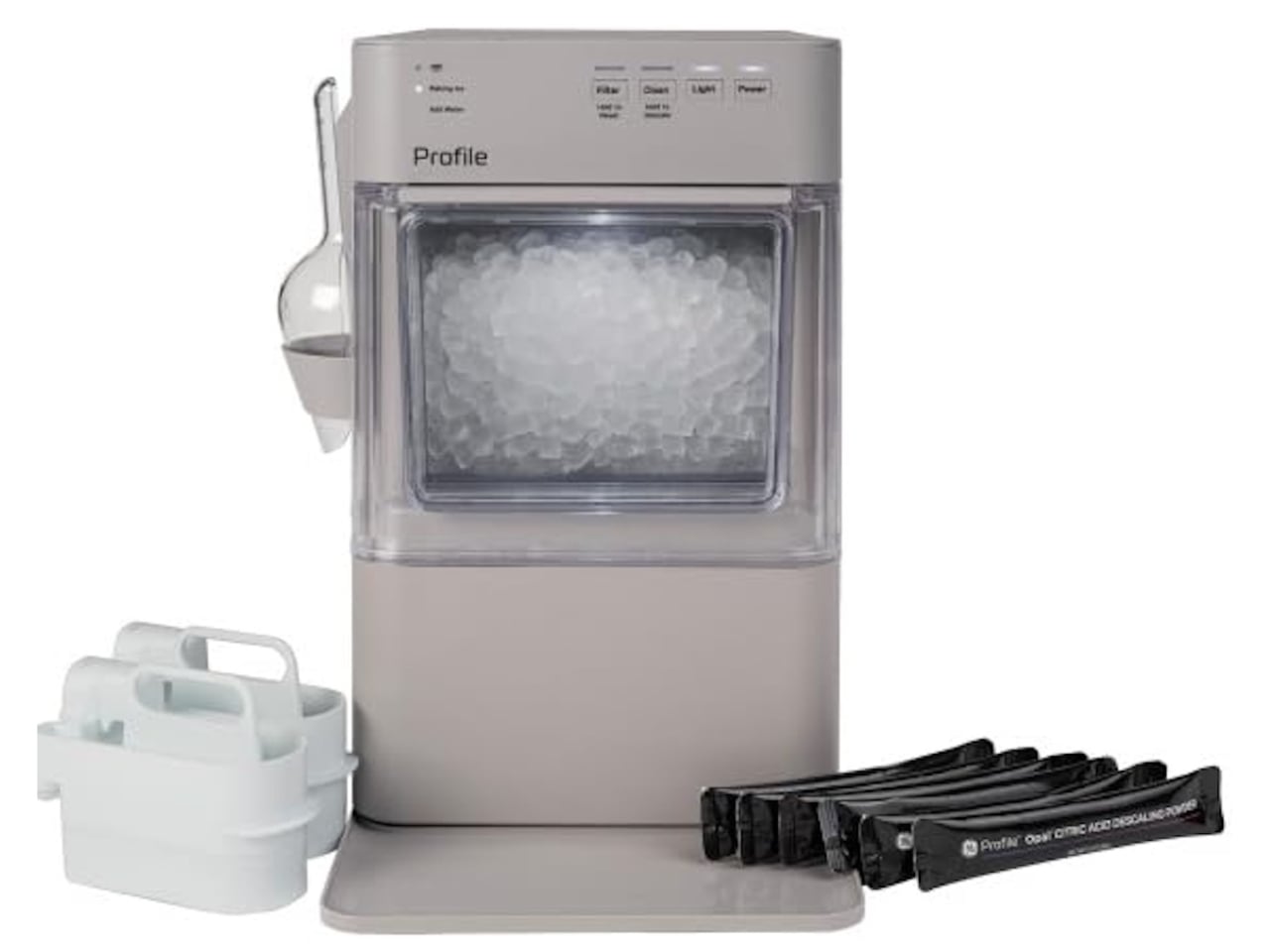
What also makes the Opal Mini easy to love is how naturally it fits into an everyday routine. Whether you’re working from home and want a steady flow of ice throughout the day, or you’re a home barista craving that perfect glass of iced coffee ready in minutes, this little machine genuinely earns its counter space. There’s something almost satisfying about pressing a button and watching a fresh batch of soft, pillowy nugget ice tumble into the bin, and having it ready in under five minutes makes it feel like a small luxury you deserve.
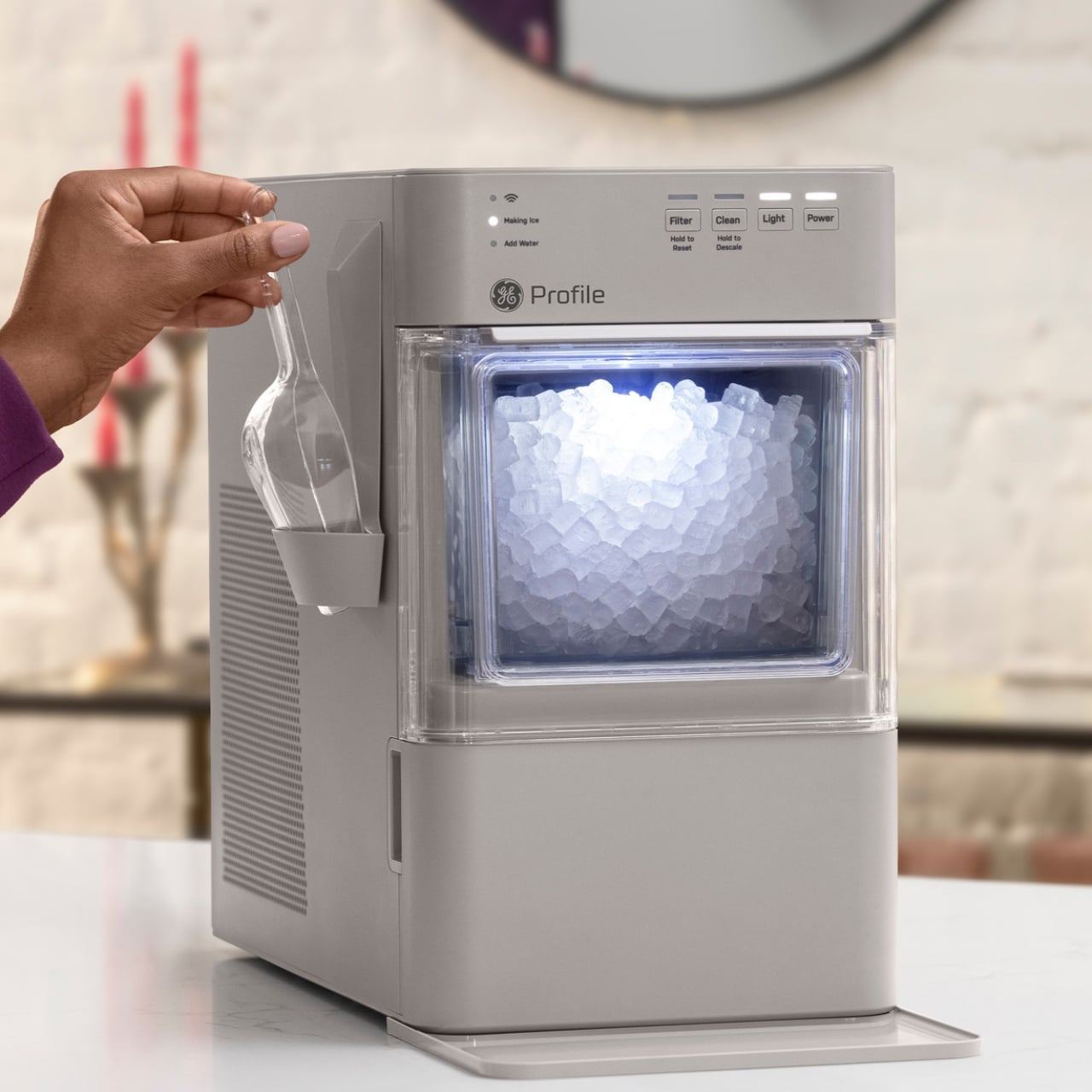
The machine also connects to the SmartHQ app via Wi-Fi, allowing you to schedule ice production remotely and even set it up to have a fresh batch ready before you wake up in the morning. It also recycles melted ice water back into production, which means less waste and more efficiency. It’s a thoughtful detail that shows GE didn’t just shrink the machine, they refined it. It’s the kind of feature you appreciate quietly, but would definitely miss if it weren’t there.
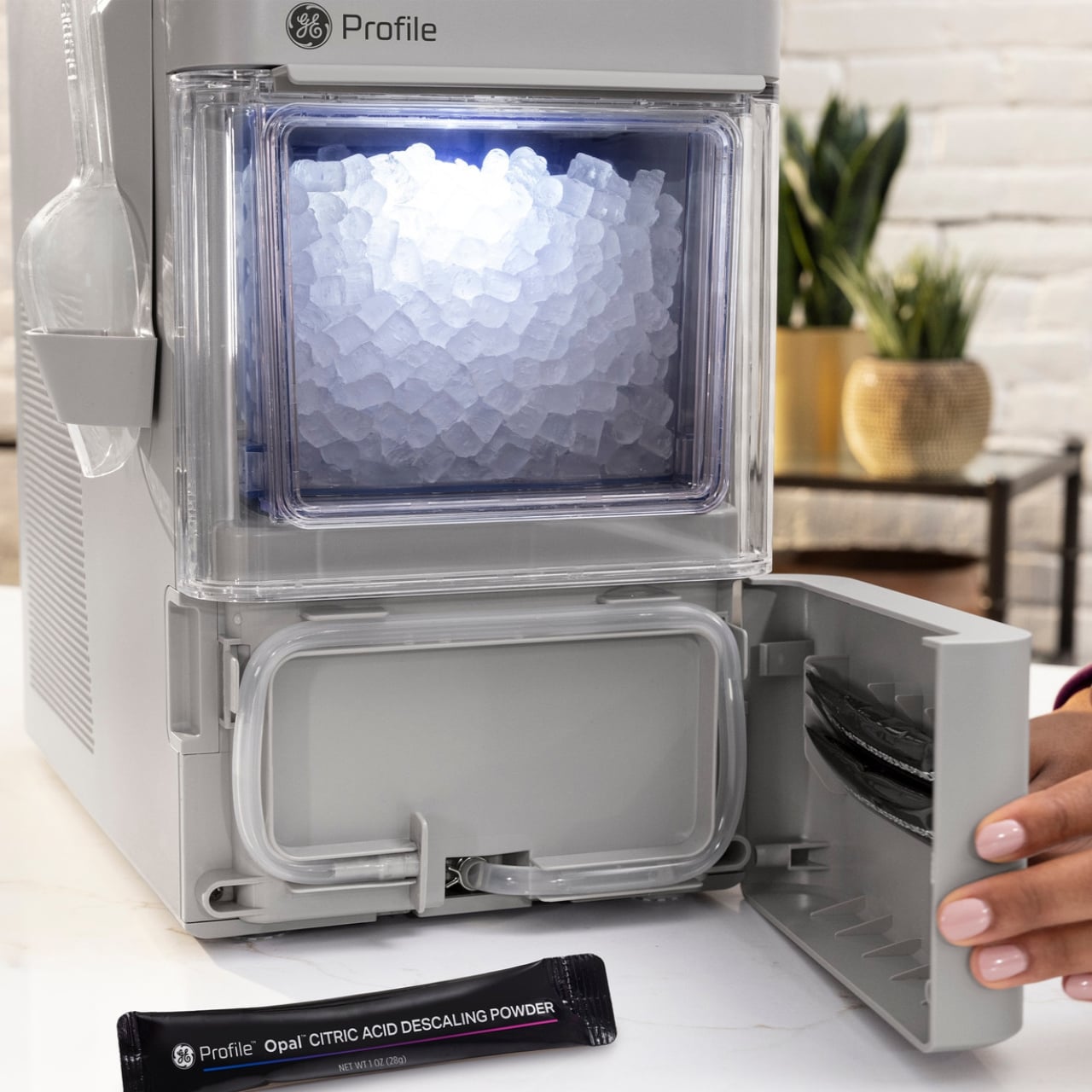
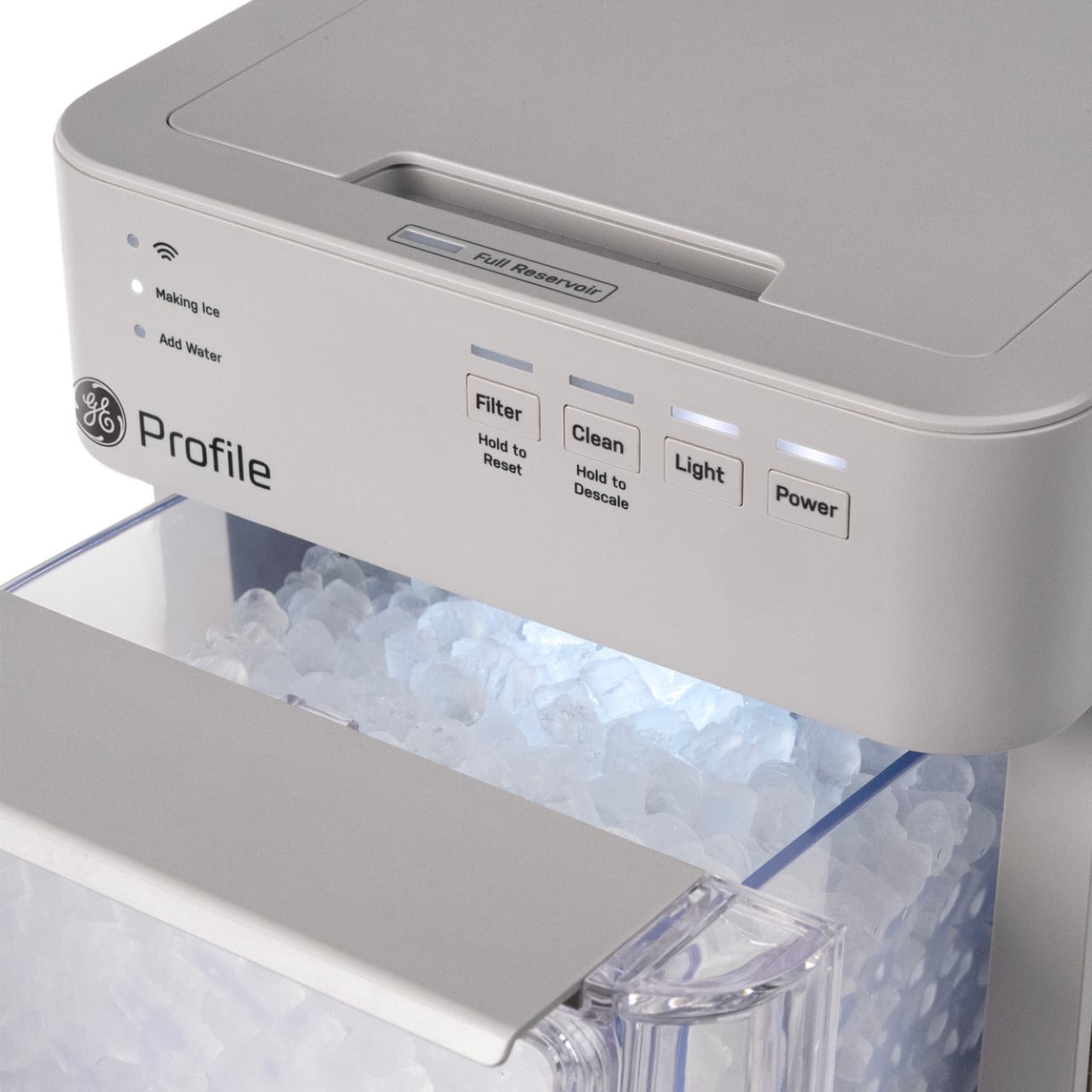
If you’ve been holding off on getting an ice maker because you thought it was too much of a splurge, or simply couldn’t justify the size of most models, the Opal Mini might just be the nudge you needed. It’s compact, fast, and makes genuinely better ice, the kind that makes every drink feel like it was made by someone who really thought about it. For anyone who has ever stood in front of their freezer, impatiently waiting for ice trays to harden, this one is for you.
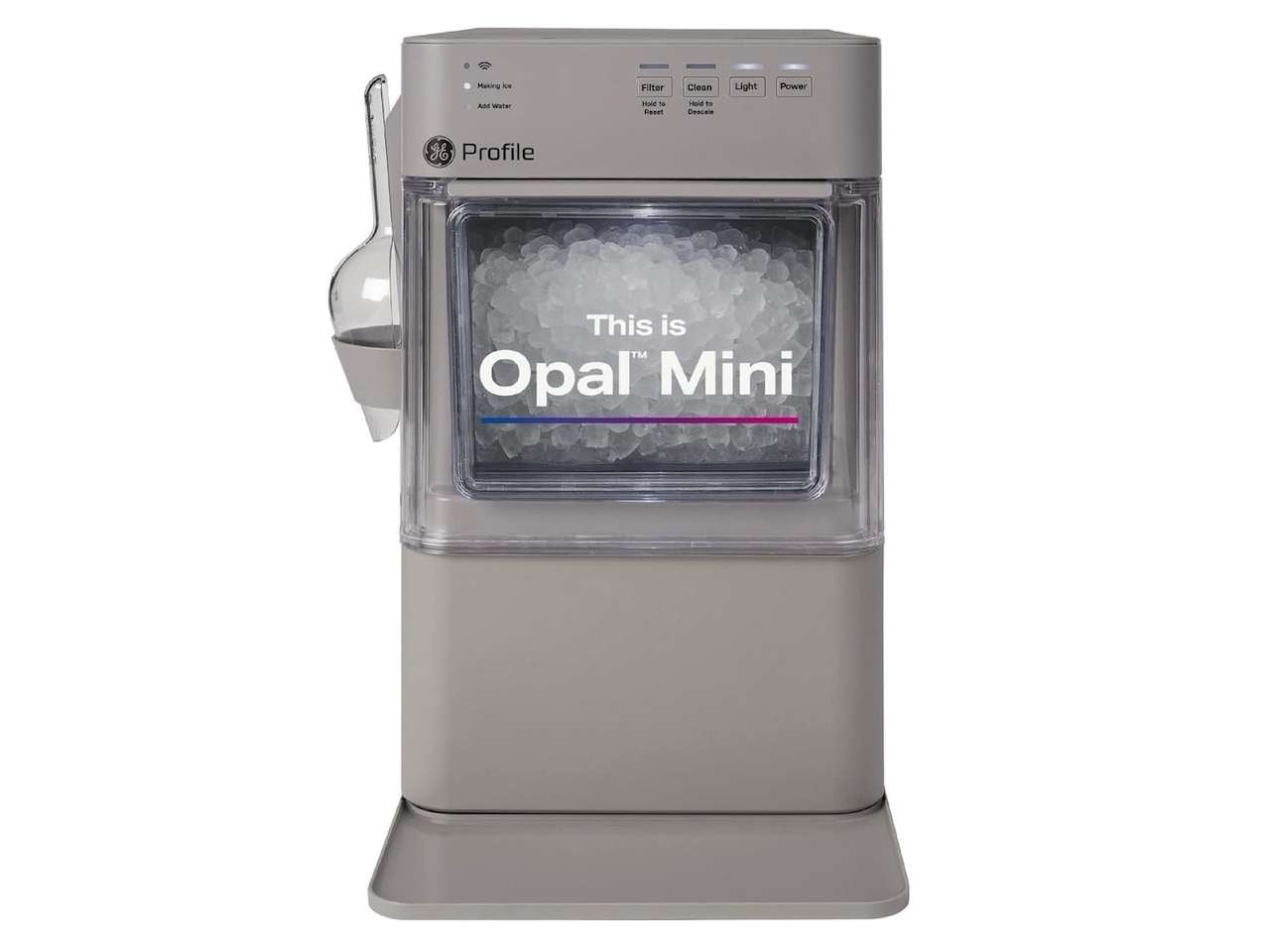
The GE Profile Opal Mini Nugget Ice Maker is available now starting at $299. The Opal Mini Pro, which includes a side tank for extended ice production, is priced at $399.
The post This $299 Nugget Ice Maker Fills 2 Stanley Cups in 5 Min first appeared on Yanko Design.