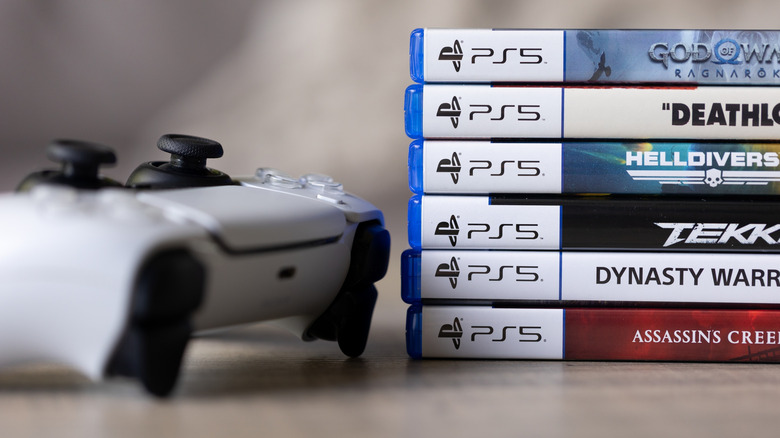
Sony will move forward with its plans to stop making PS5 discs despite backlash
Sony responded to widespread criticism of its plan to discontinue games on discs in its latest earnings call.
Water scarcity and urban heat are two separate crises that public infrastructure rarely addresses together. Most public spaces are designed primarily for social use, with sustainability features treated as additions bolted on during planning approvals. The result is civic furniture that looks environmentally conscious on paper but often functions in ways that keep each system largely isolated from the others.
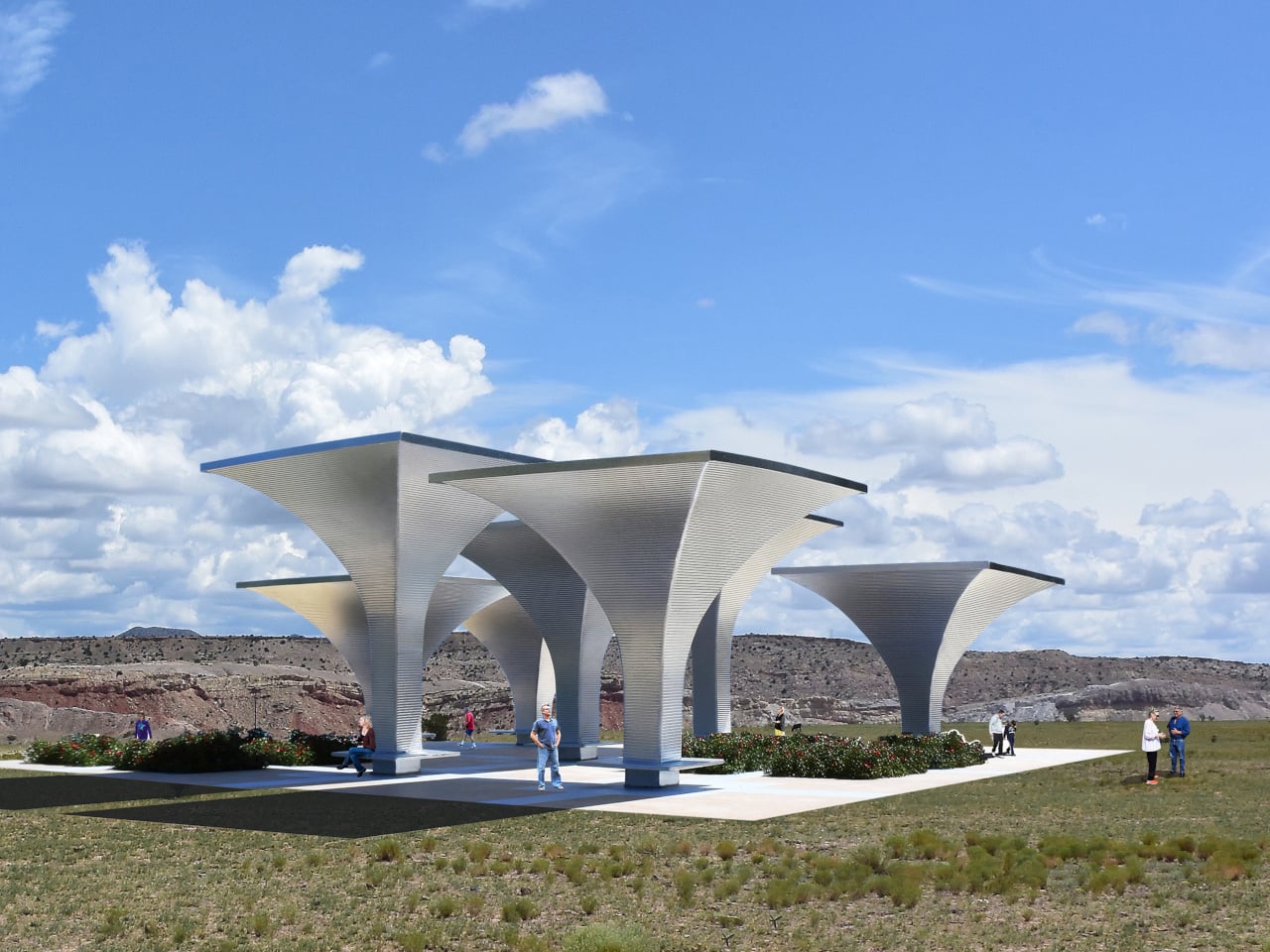
The Solar Rain Funnels propose a different model. Each funnel-shaped structure is a prefabricated, modular unit made from galvanized steel that collects rainwater, generates solar electricity, and provides shaded public seating, all from the same form. Rather than treating harvesting and gathering as separate programs, the design bundles them into a single object that does each job without architectural compromise.
Designer: Michael Jantzen
The form does most of the work. Each funnel is wide at the top and narrows toward the base, which means its surface naturally directs rainfall inward and downward into collection channels. Solar cells line the top edge, capturing sunlight from the same surface that intercepts rain. A bench is mounted around the perimeter at the base, completing the third function without requiring a separate structure.
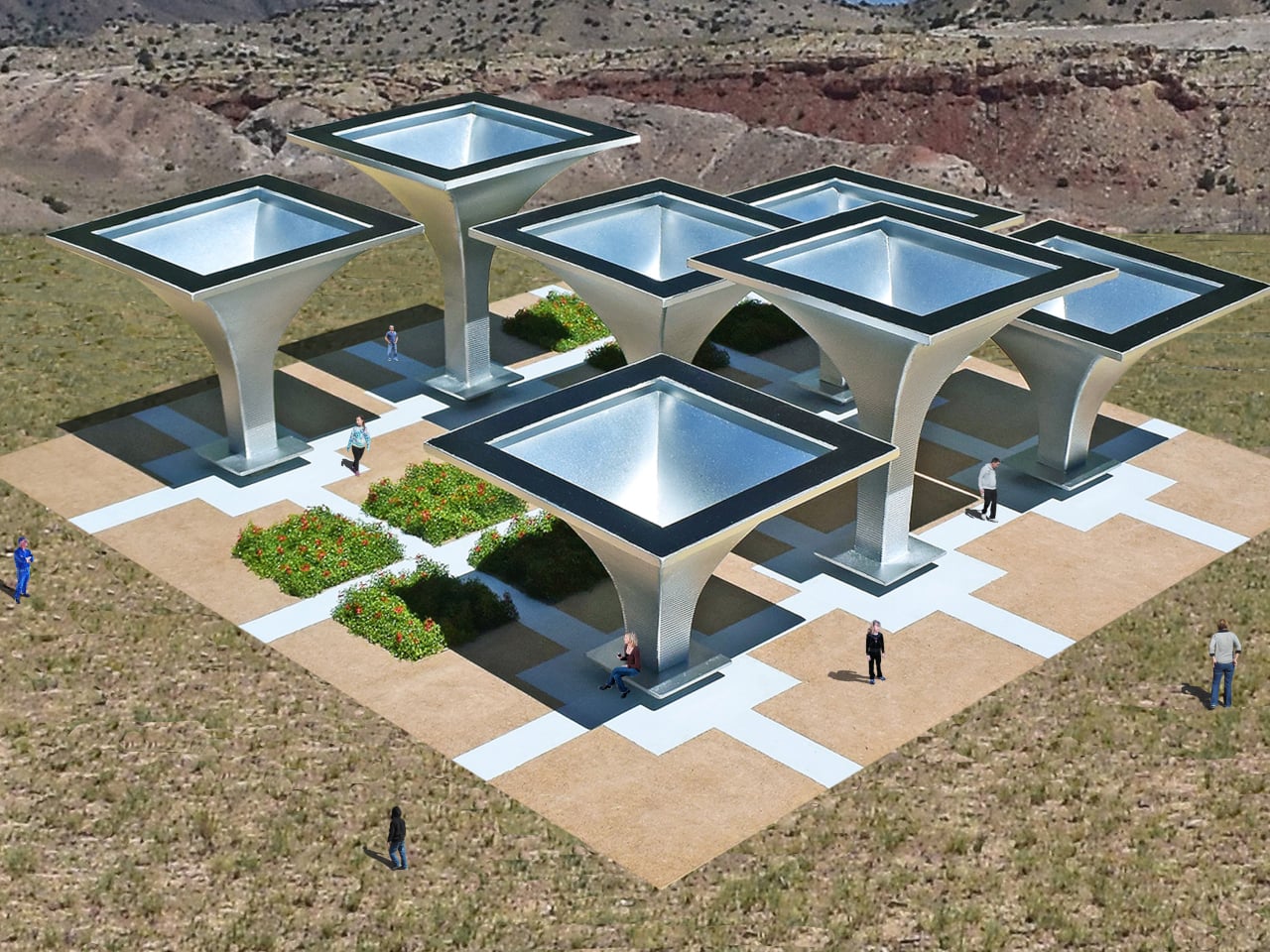
What’s collected below the surface matters as much as what happens above it. Rainwater storage containers, or diversion channels connecting to off-site containment, are installed under the plaza to hold water for later community use. The solar electricity powers the pump that moves water from storage and lights the funnels after dark. Excess power feeds into the local grid, and on-site batteries let visitors charge devices.
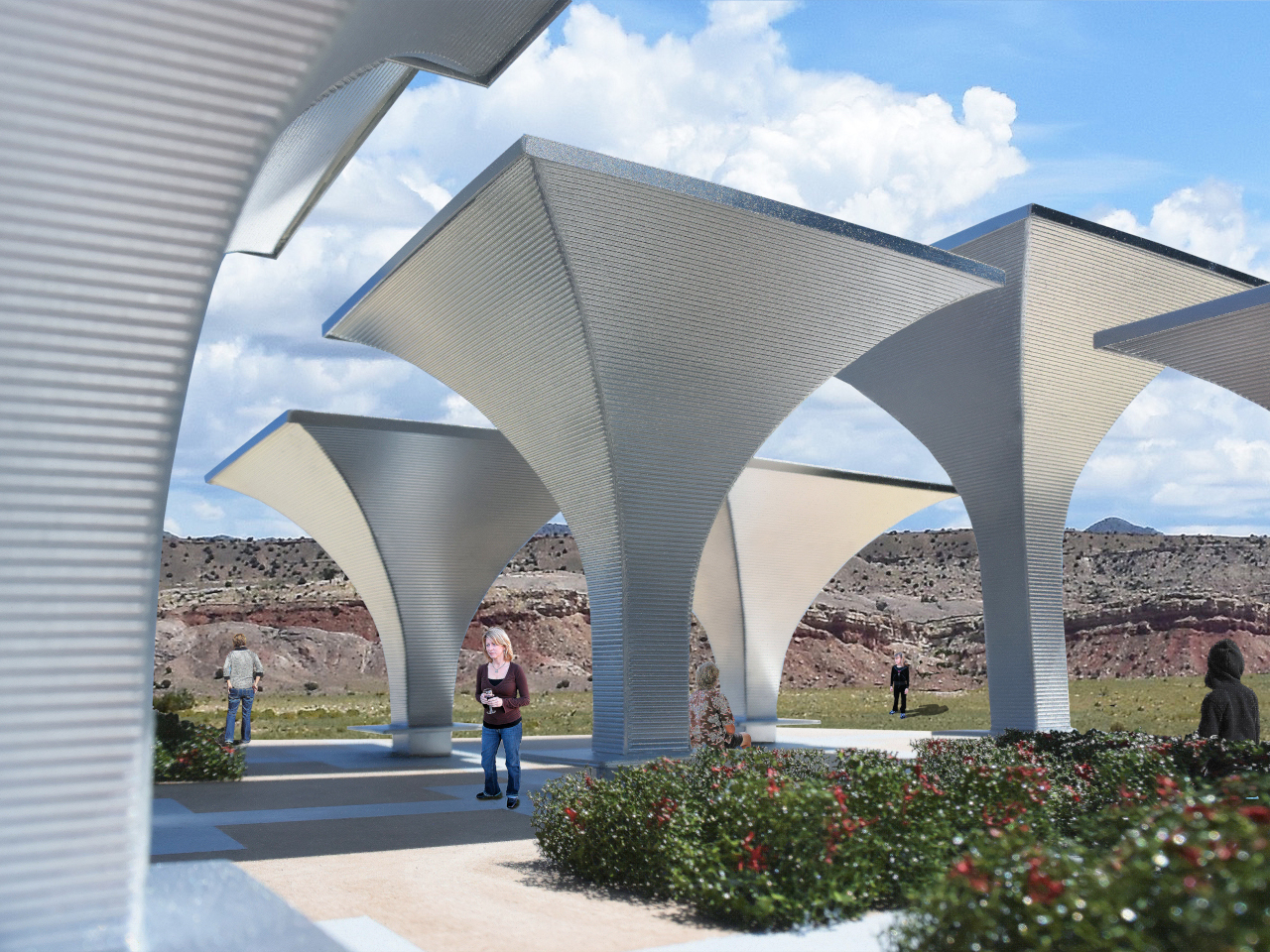
The prefabricated and modular nature of the design means installation doesn’t require building a new structure from scratch each time. Each funnel arrives at the site in pre-made sections that bolt together, and any number of units can be arranged into any configuration the site allows. In the reference proposal, seven funnels are arranged in a grid over a plaza, with drought-tolerant garden plantings filling the spaces between them.
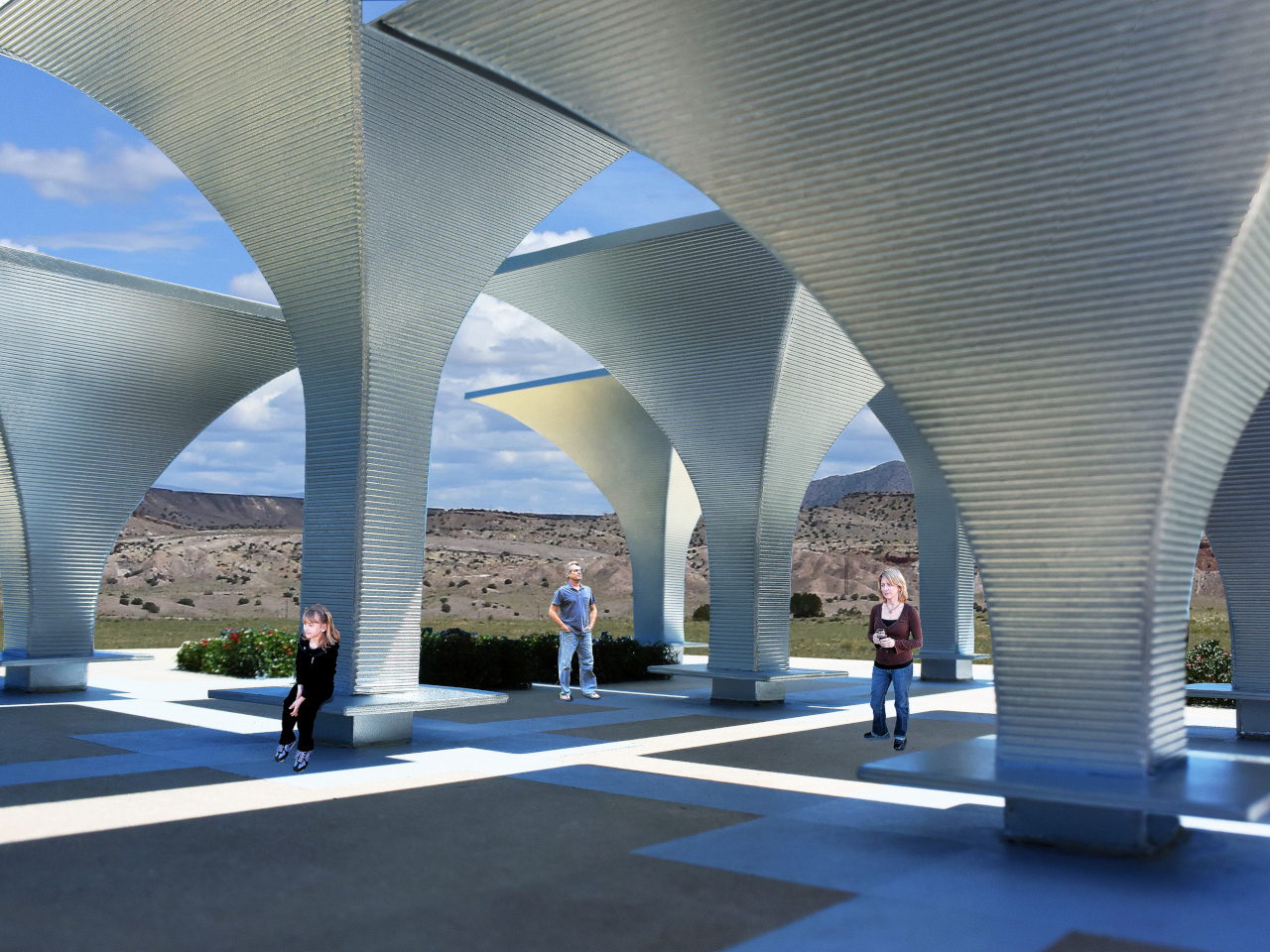
That plaza arrangement gives visitors something more useful than just shade. The overhead canopy formed by the funnel array blocks enough direct sunlight to make the space comfortable in hot, arid conditions, which is significant given that the concept is intended for communities experiencing water stress. Gardens planted with low-water-consuming species fill the gaps between funnels, making the plaza functional as a green space even in dry climates.
Size is treated as a variable rather than a fixed specification, because the concept anticipates installation across different kinds of sites. A smaller cluster of funnels might serve a neighborhood corner or transit stop, while a larger array could anchor a civic plaza or regional park. The galvanized steel construction and bolted assembly make each installation relatively straightforward to adapt, scale, and transport to wherever it’s needed most.
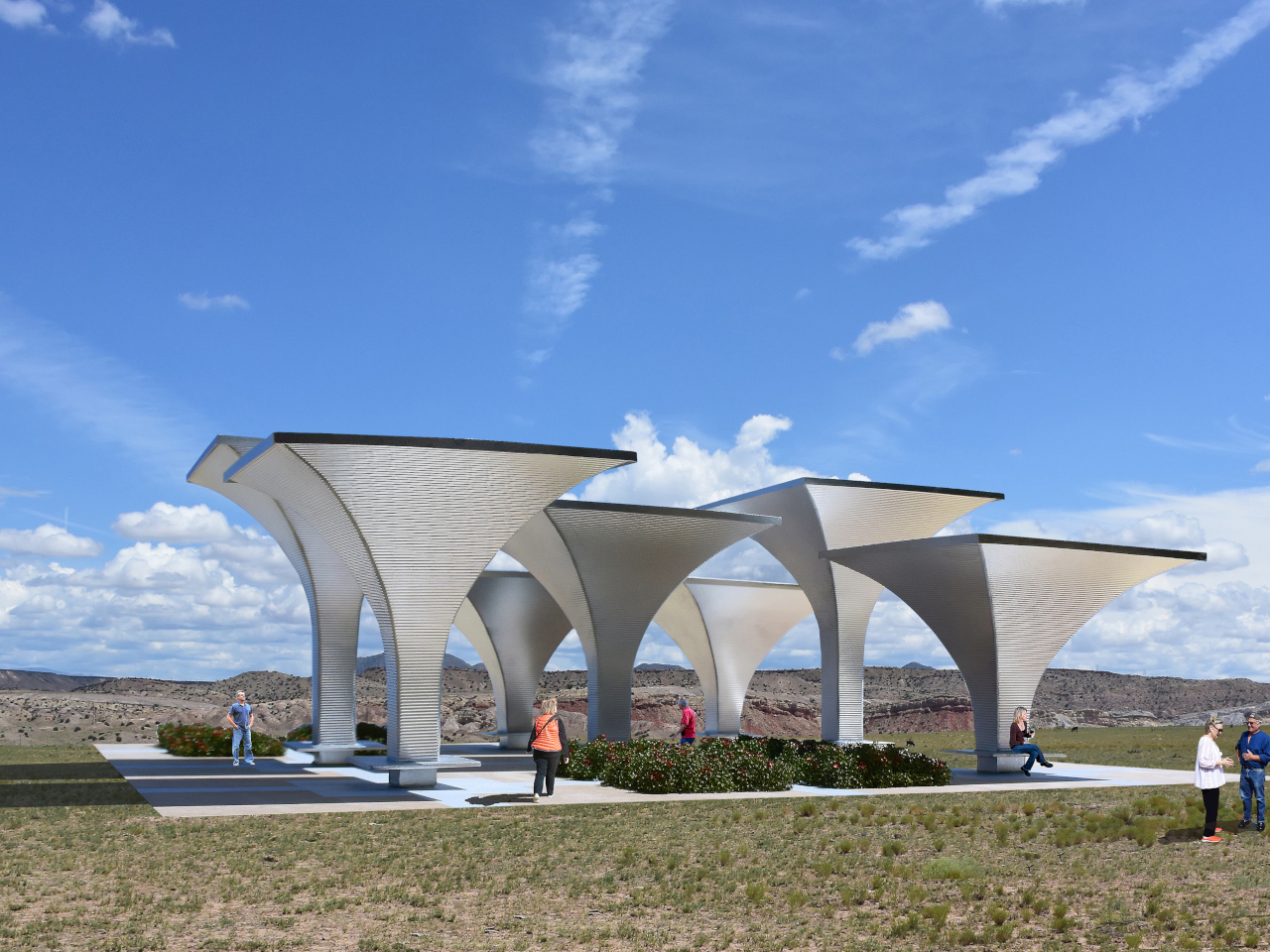
The concept is currently unbuilt, but what distinguishes it from other multi-function proposals is that each function follows directly from the form rather than being added to it. The wide, concave top collects rain. The exposed edge holds solar cells. The shaded base provides seating. Nothing requires the structure to be shaped any differently to perform those jobs, which is the kind of efficiency that makes a proposal feel plausible.
The post Funnels That Harvest Rain and Solar Power While Shading a Public Plaza first appeared on Yanko Design.


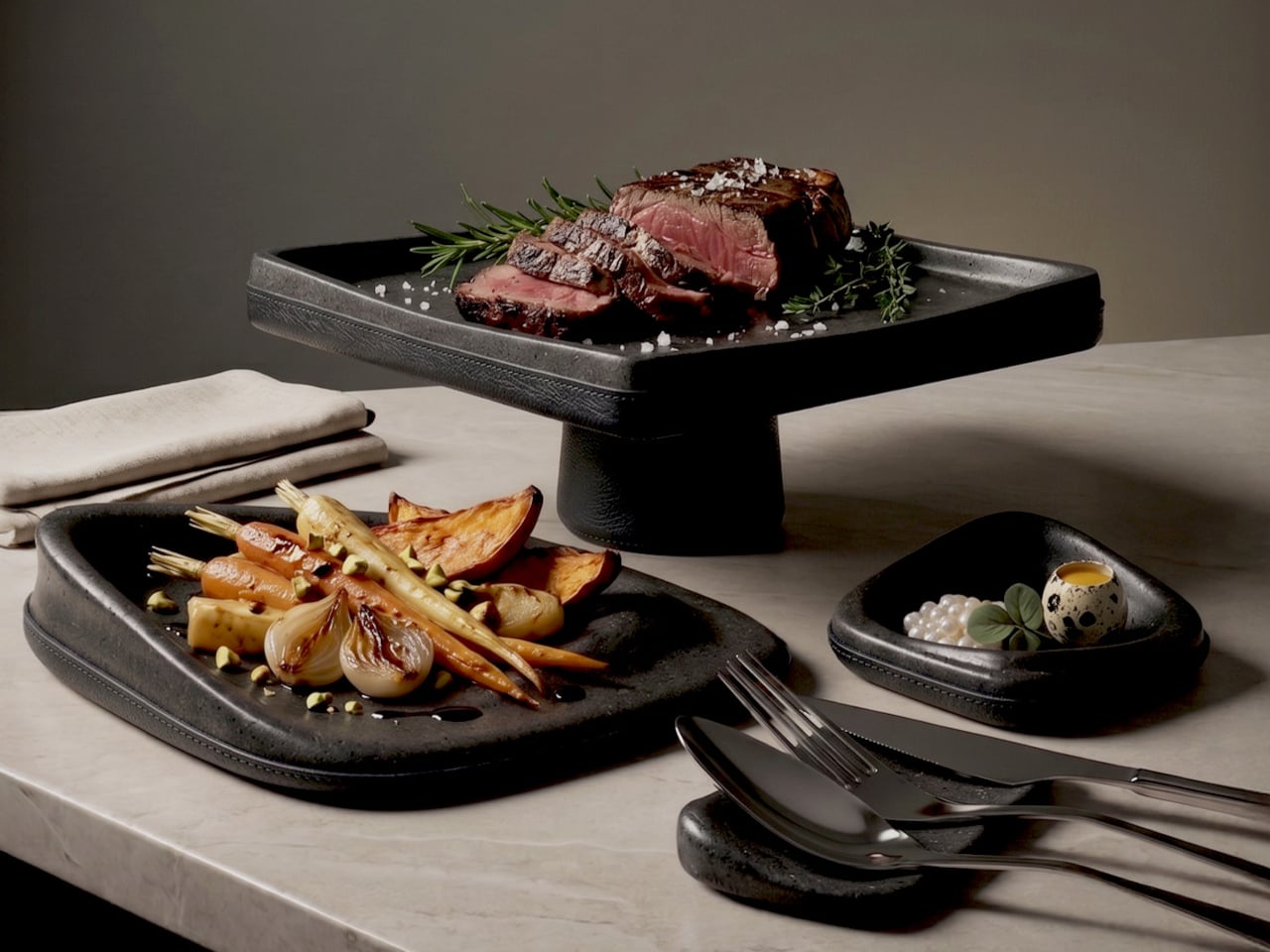
Temperature is one of the few things in fine dining that no one fully controls once a dish leaves the kitchen. A perfectly cooked piece of fish begins losing heat the moment the plate is set down, and by the time a diner has finished admiring the plating, the window for eating it at its intended temperature has already started to close. Most serving vessels are entirely passive about this.
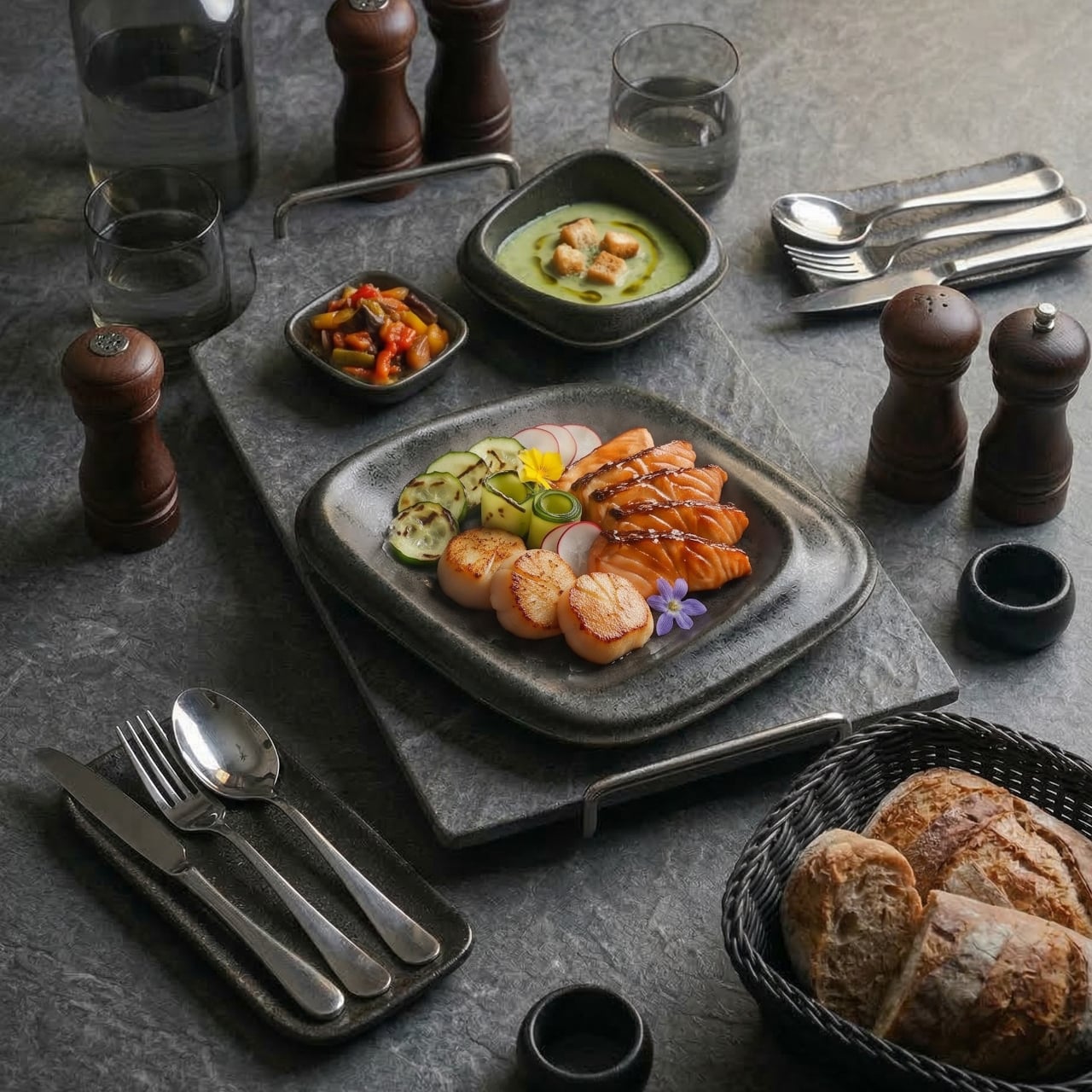
Temper Hold is a modular serving system that addresses this through material rather than technology. Built from basalt, a volcanic stone with a high thermal mass, the system slows temperature change for both hot and cold dishes, extending the window between when food arrives and when it begins drifting from the cook’s intentions. The serving surface stops being passive and becomes part of how the meal unfolds.
Designer: Batuhan Duran
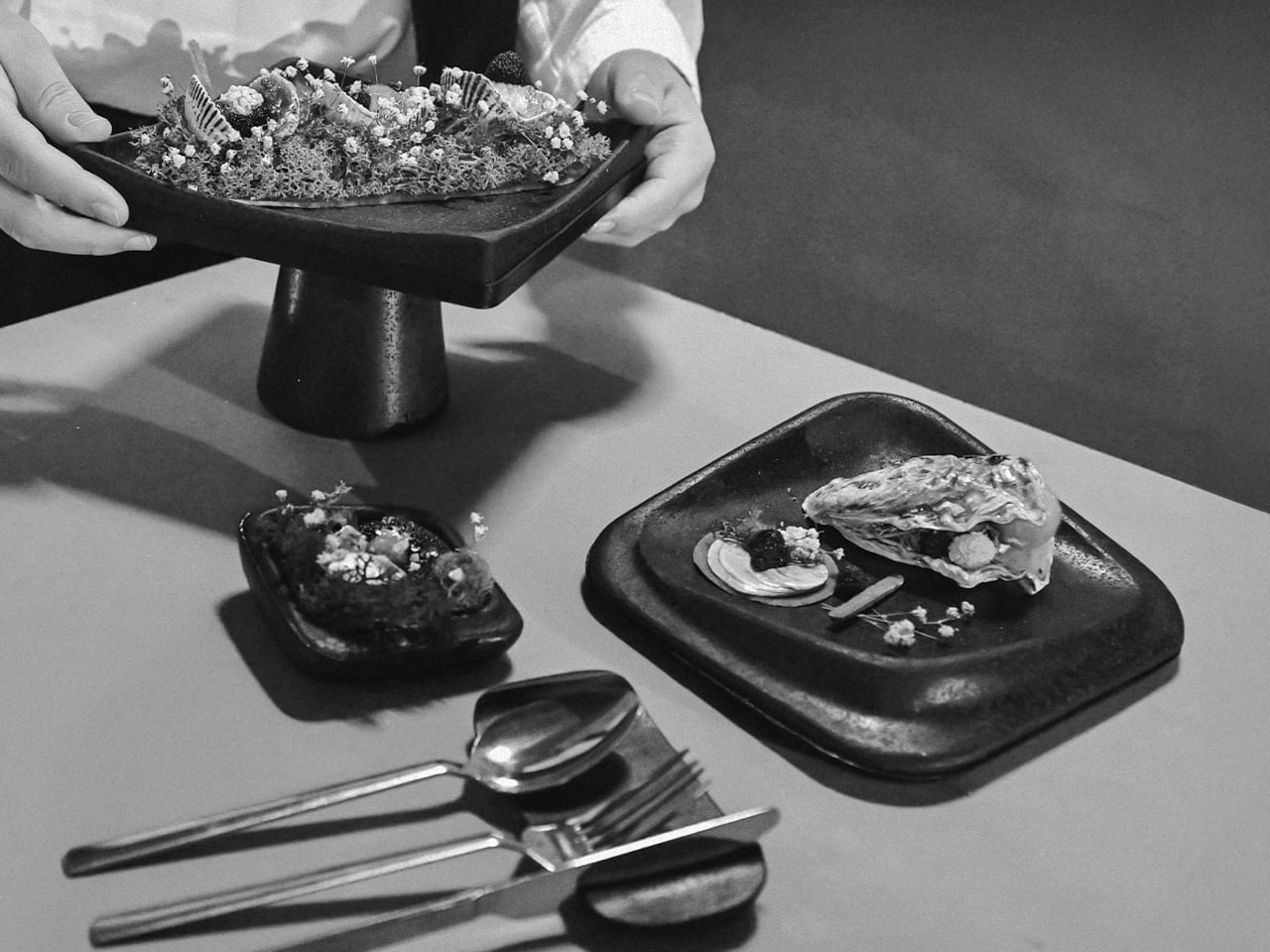
The system comprises four modules, each assigned a specific role at the table. CORE is the main presentation surface. RISE elevates a featured item on a pedestal base, adding vertical hierarchy to the setting. POUR handles sauce service in a form shaped for controlled pouring. REST organizes cutlery, keeping the table composed between courses. Together, they don’t overcrowd the table or impose formality on the setting.
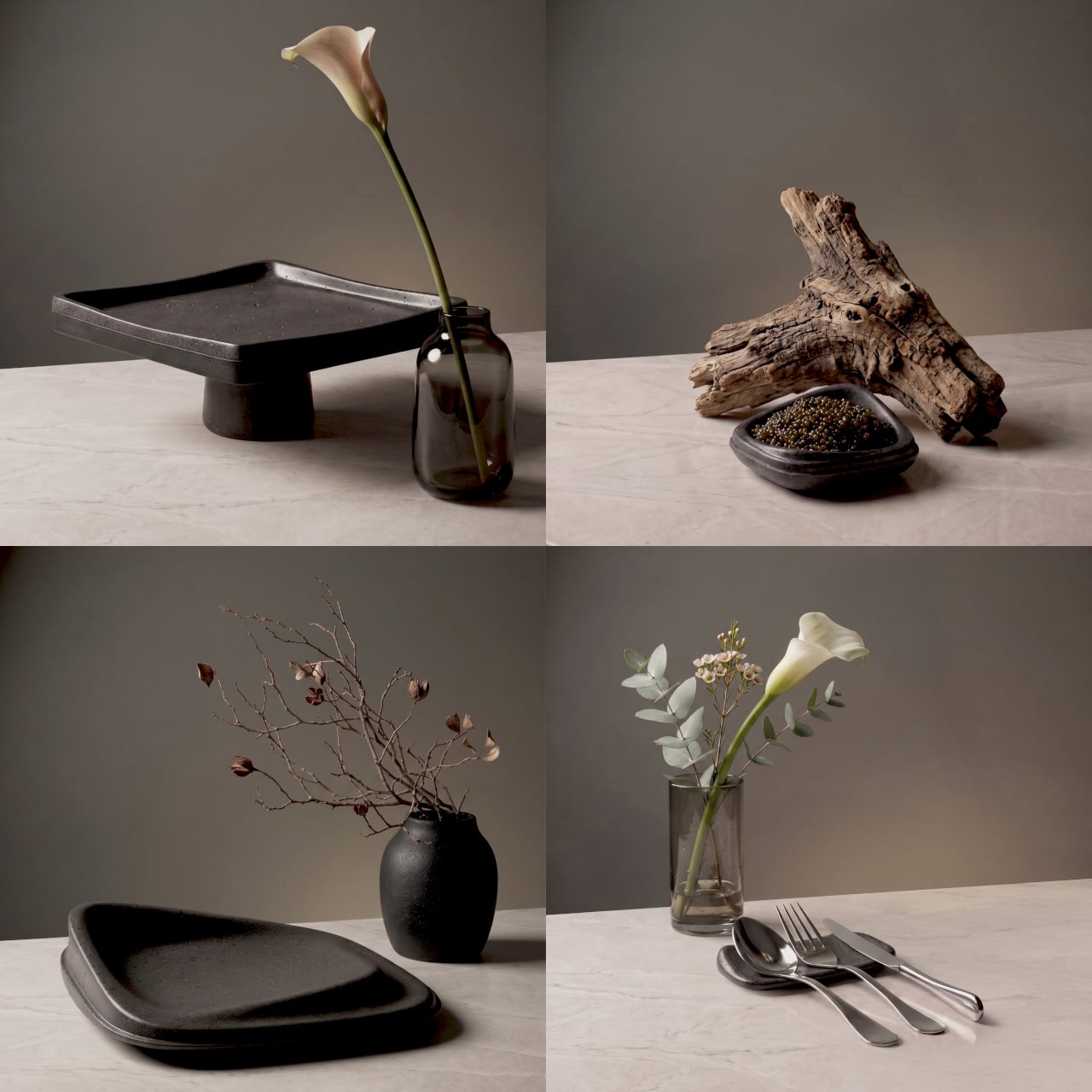
The thermal logic relies on basalt’s natural density. Stone with a high thermal mass resists temperature change, absorbing heat slowly and releasing it gradually, which is the opposite of ceramic or porcelain, which loses heat quickly once it leaves a warming rack. For cold presentations, the same principle applies in reverse; the stone stays cool longer, keeping a dish within its intended temperature range throughout the course.
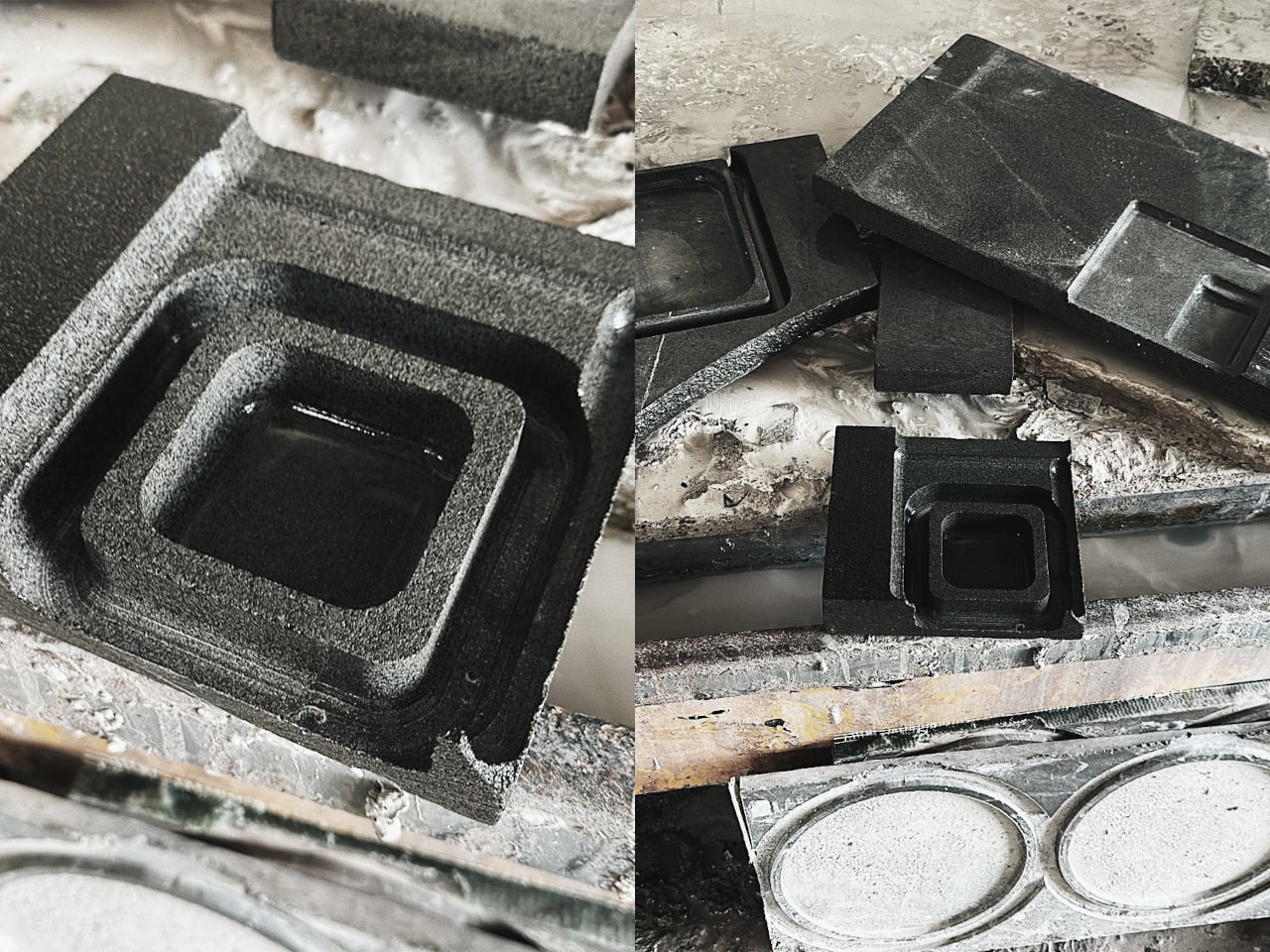
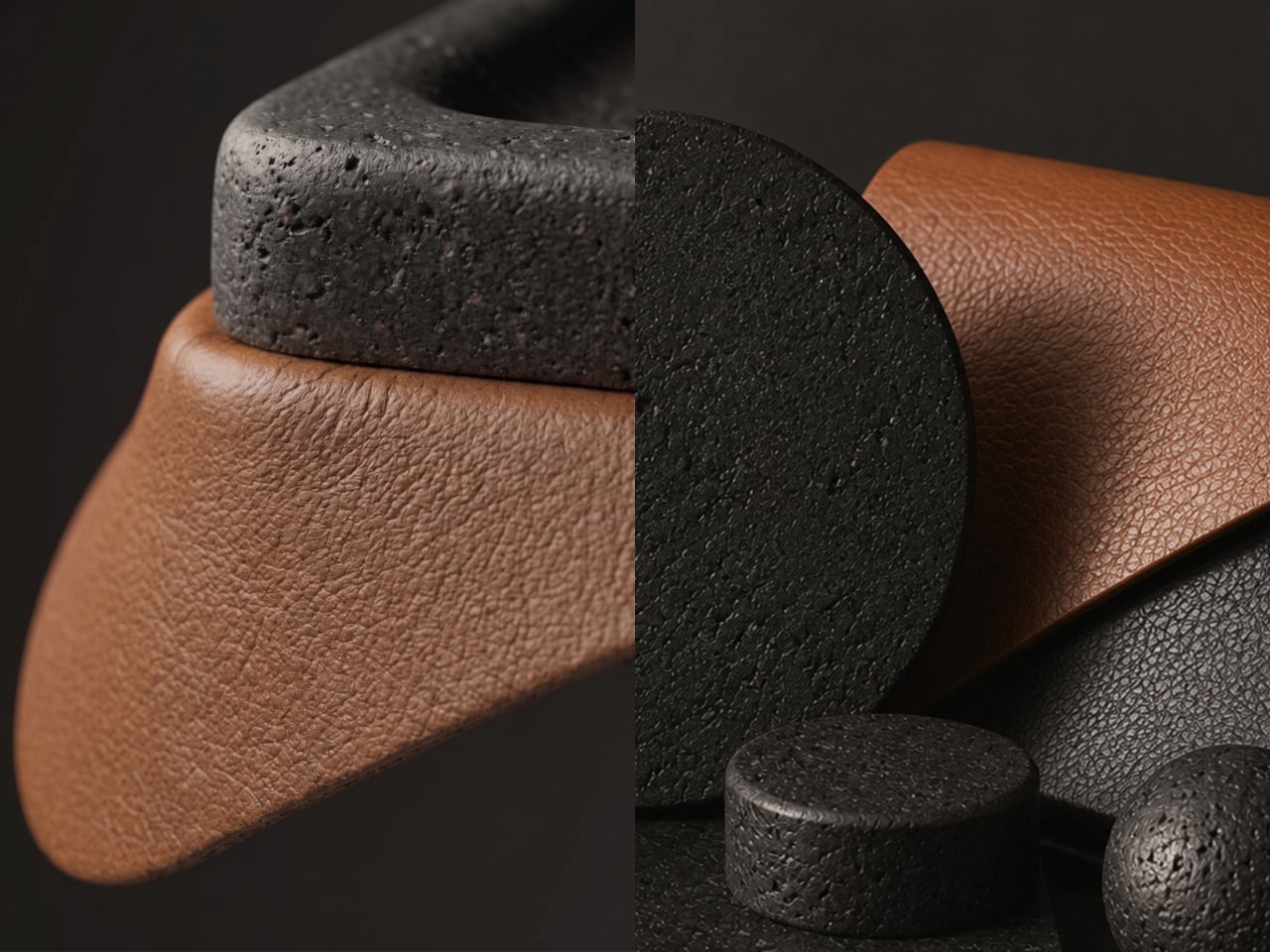
Each piece is shaped from basalt using CNC stone machining, with chamfered edges to reduce the risk of chipping during service. The exterior surface is matte-honed, preserving the volcanic texture of the stone, while the food-contact surfaces are polished to a smoother finish that’s easier to clean. The contrast between the two finishes also serves as an intuitive guide to how each piece is meant to be used.
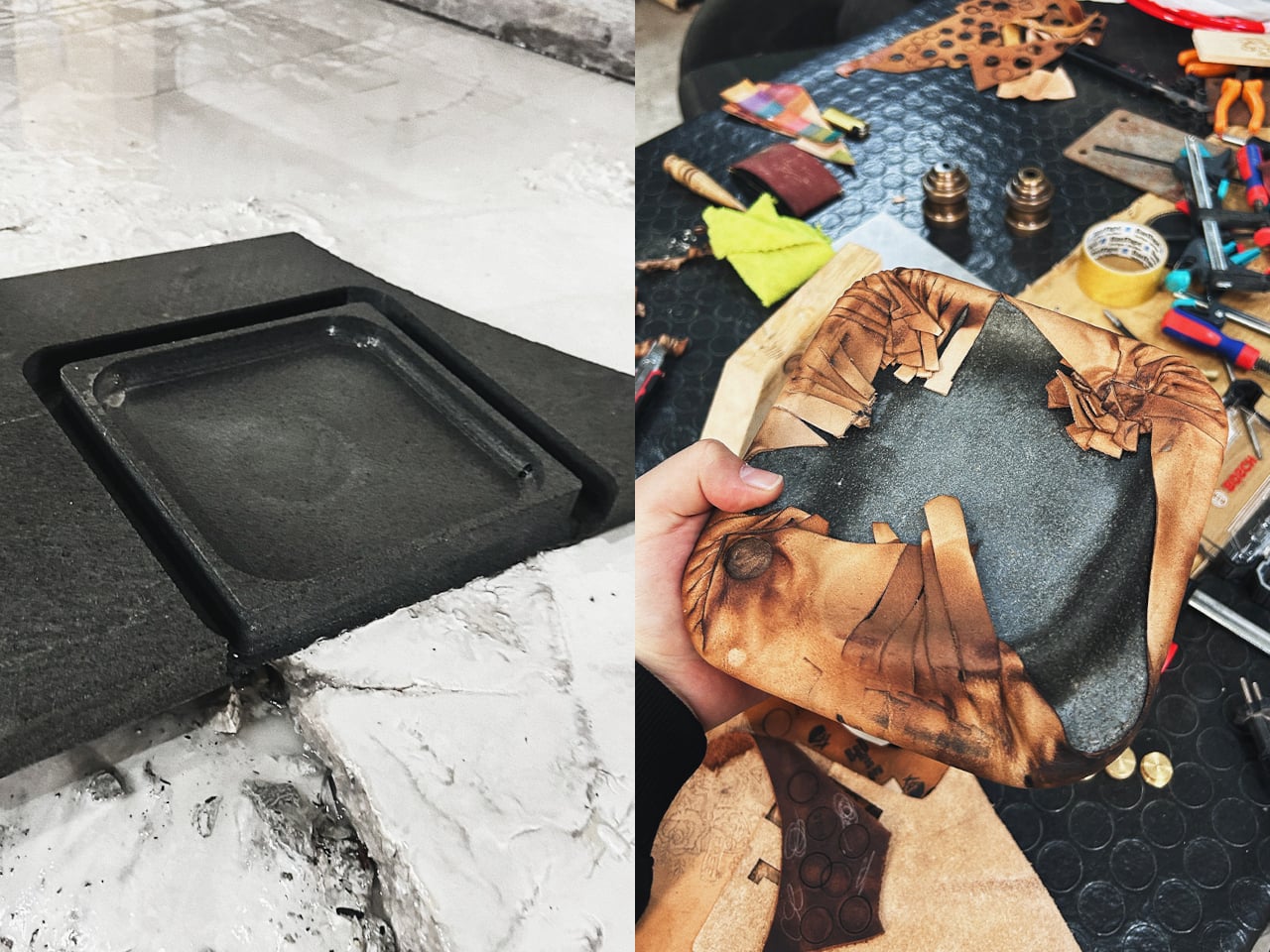
A custom-cut leather sleeve is fitted to the underside of each piece, serving two functions at once. It softens the contact between the stone and the table, protecting both surfaces from the weight and texture of raw basalt, while improving grip when lifting and moving a piece between courses. The leather also introduces a warmer visual element against the predominantly dark, volcanic character of the stone.
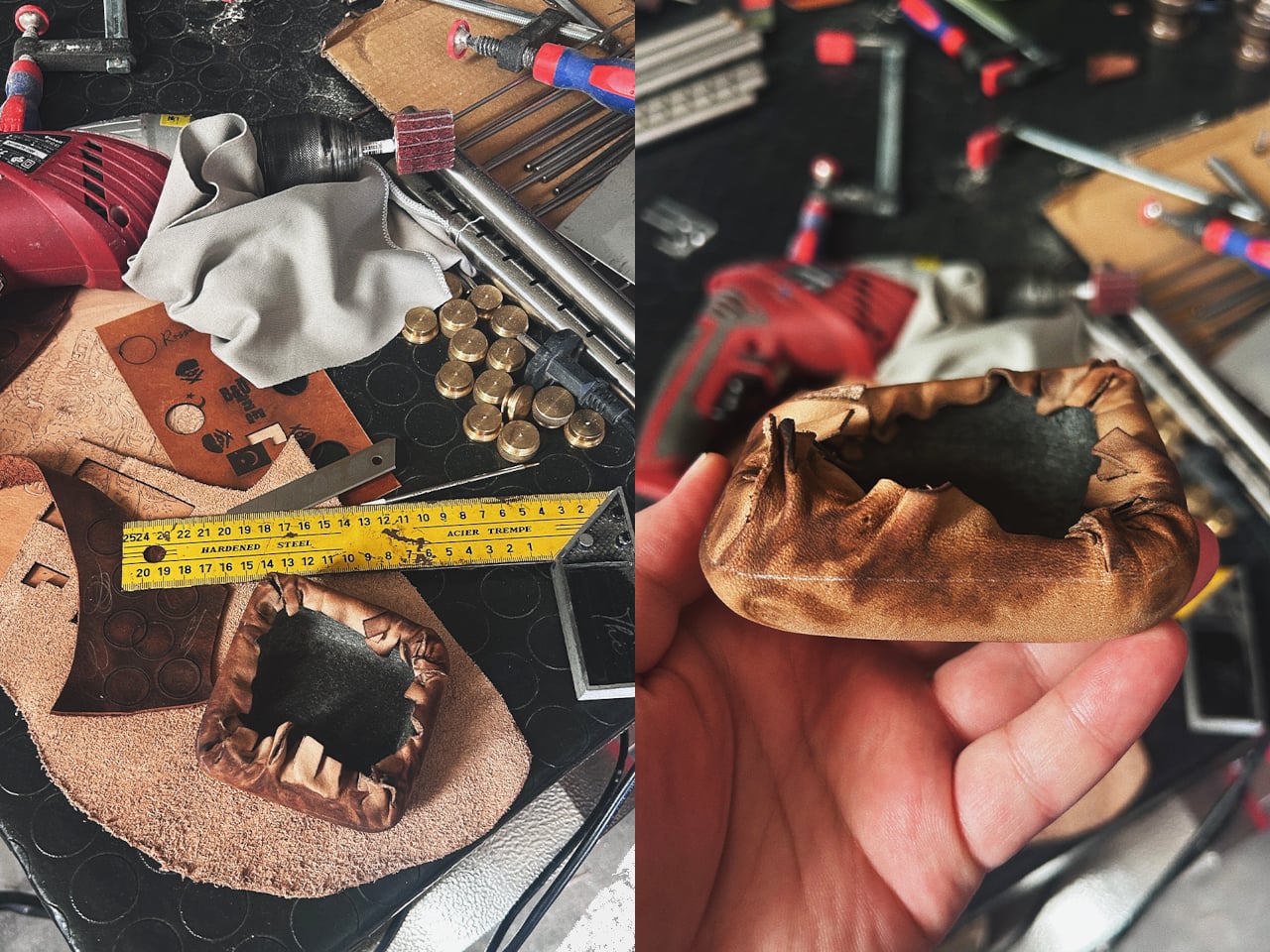
The material palette is intentionally restrained. Black basalt provides the body of each module, and the leather is available in warm brown or black, creating combinations that feel tactile and grounded rather than decorative. Volcanic stone has an inherently irregular surface texture that distinguishes it from polished marble or engineered ceramics, and the matte-honed exterior of each piece preserves that quality rather than smoothing it away entirely.
The concept behind Temper Hold is simple but genuinely underexplored in tableware design. Most dishes arrive on materials chosen for aesthetics, weight, or cost, not thermal behavior. Basalt has been used for cooking on volcanic rock for centuries, and repurposing that thermal property as a serving surface rather than a cooking one is a small but consequential shift in how a piece of tableware is asked to perform.
The post The One Thing Fine Dining Can’t Control Is Temperature, Until Now first appeared on Yanko Design.
The mosquito has never been bested by elegance. We’ve thrown everything at it: citronella candles that smell like a health food store, zappers that feel more like novelty items than actual deterrents, sprays that coat everything in a layer of chemical suspicion. None of it has really worked. Not comprehensively. Not quietly. Not without trade-offs.
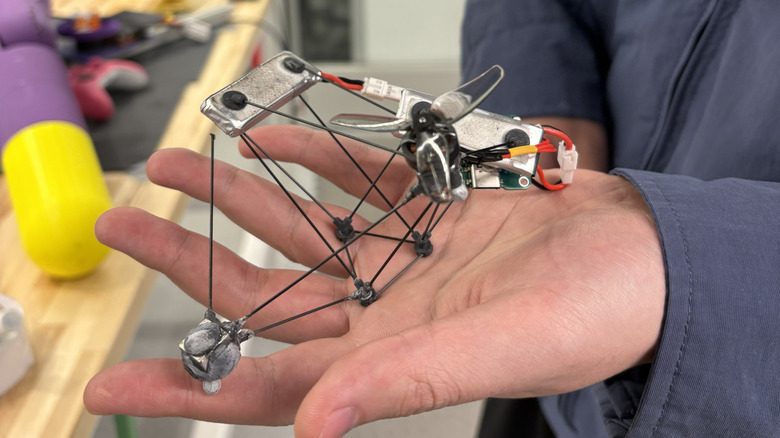
Enter Tornyol’s LeSonar2, a 40-gram autonomous drone that doesn’t just repel mosquitoes. It hunts them. The concept alone is enough to stop you mid-scroll. A micro-drone, roughly the weight of a few sheets of paper, patrols your living space like a silent sentinel, listening for the specific wingbeat frequency of a mosquito and then intercepting it mid-air. No chemicals. No noise you can hear. No action required on your part. It just handles it.
Designer: Tornyol
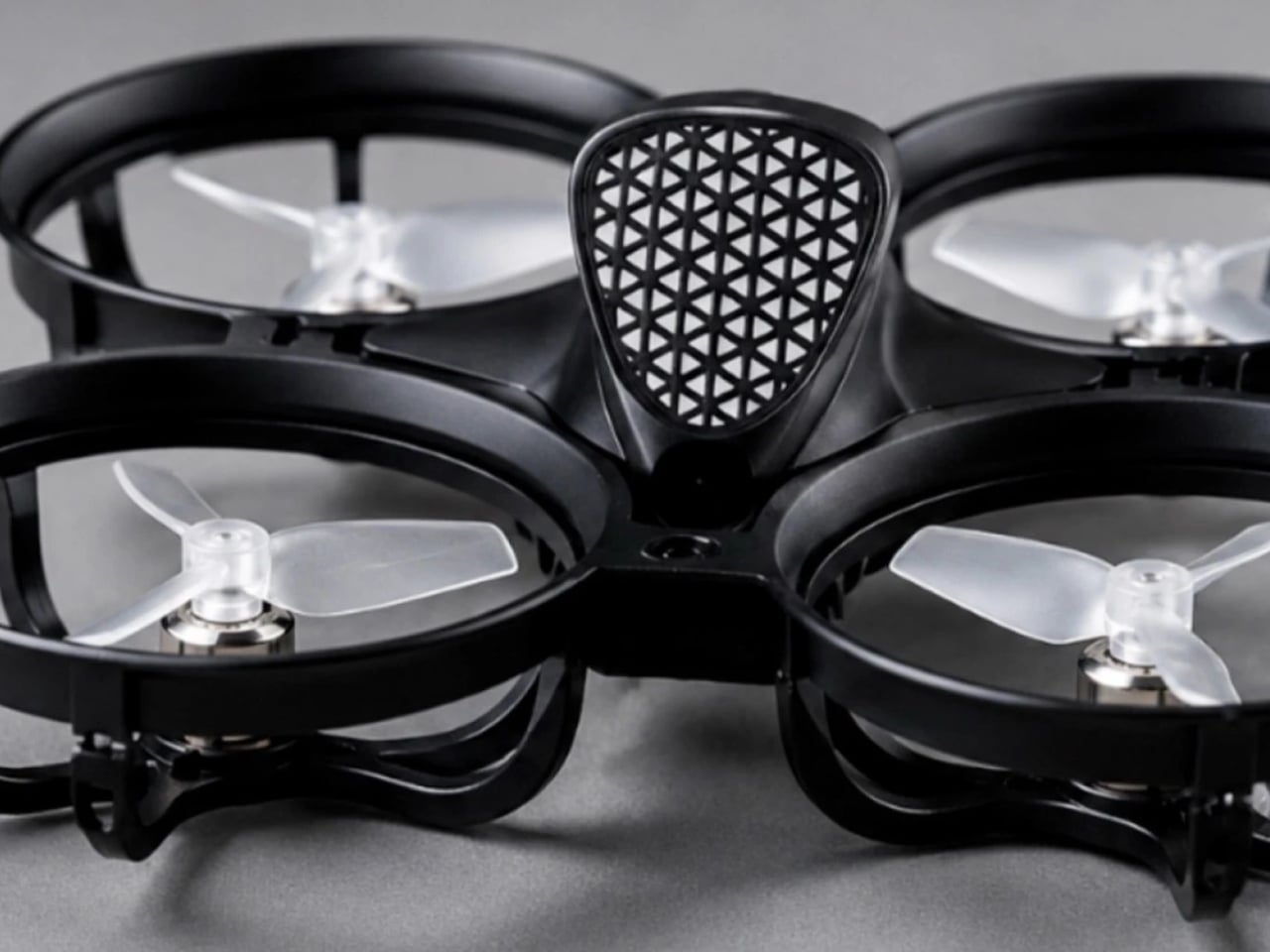
The engineering behind the LeSonar2 is where things get genuinely impressive. The drone uses 32 ultrasonic emitters to send out pulses that bounce off nearby objects and insects, and 380 smartphone microphones to capture the returning data. An Artix-7 FPGA processor handles the real-time beamforming, mapping the environment in 3D and measuring movements down to 0.1 millimeters. To put that in context, that’s the same underlying principle bats use to navigate and hunt in total darkness. Tornyol has essentially built a bat, shrunk it to the size of a large cookie, and given it a mission.
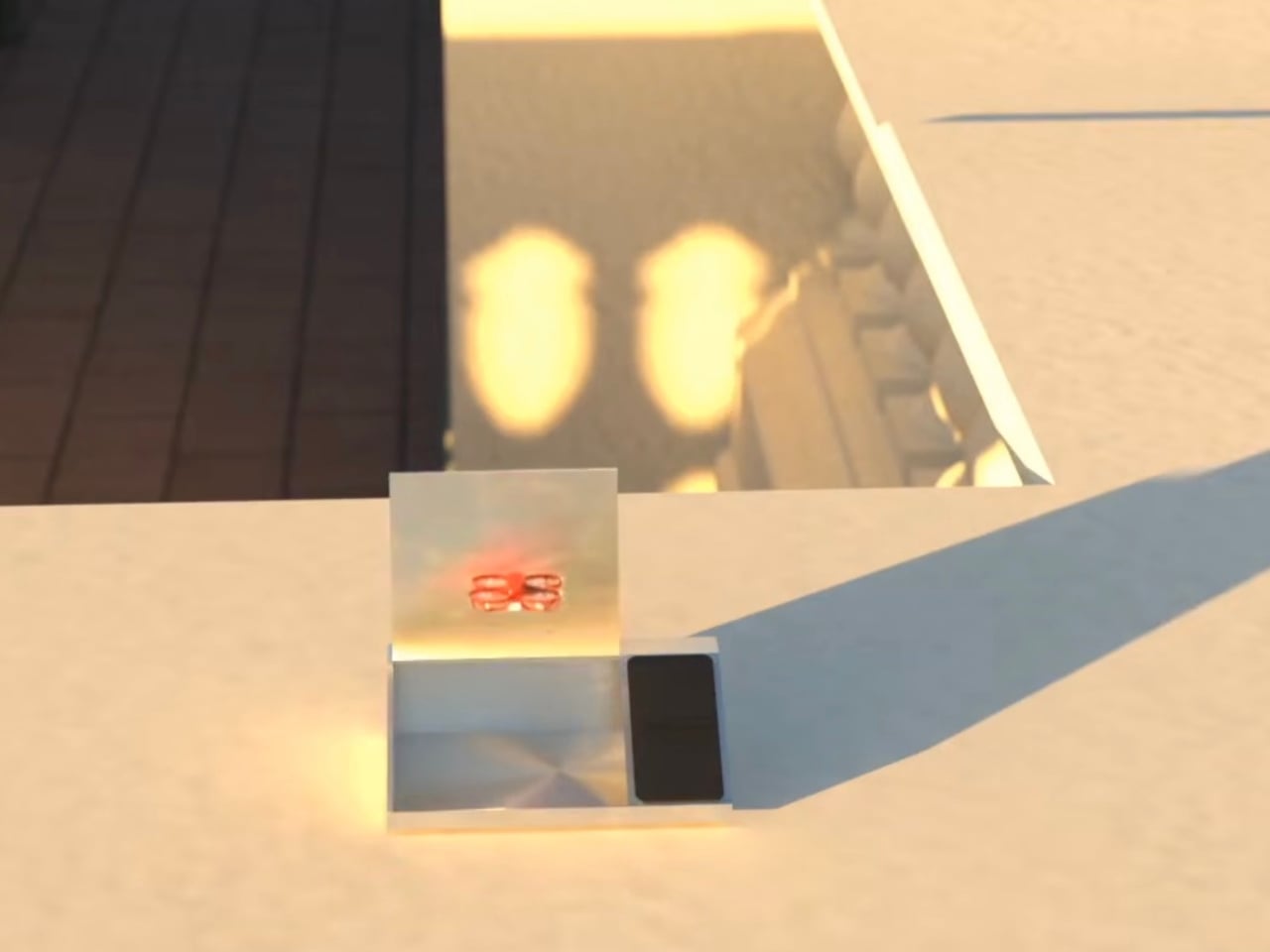
Once the LeSonar2 confirms a target by reading its wingbeat signature, it intercepts and dispatches the mosquito mid-flight using its own propellers. First air-to-air kill by an autonomous micro-drone. That milestone recently landed and it reads like a sentence from a near-future thriller, except it happened in a lab and it’s now available for pre-order.
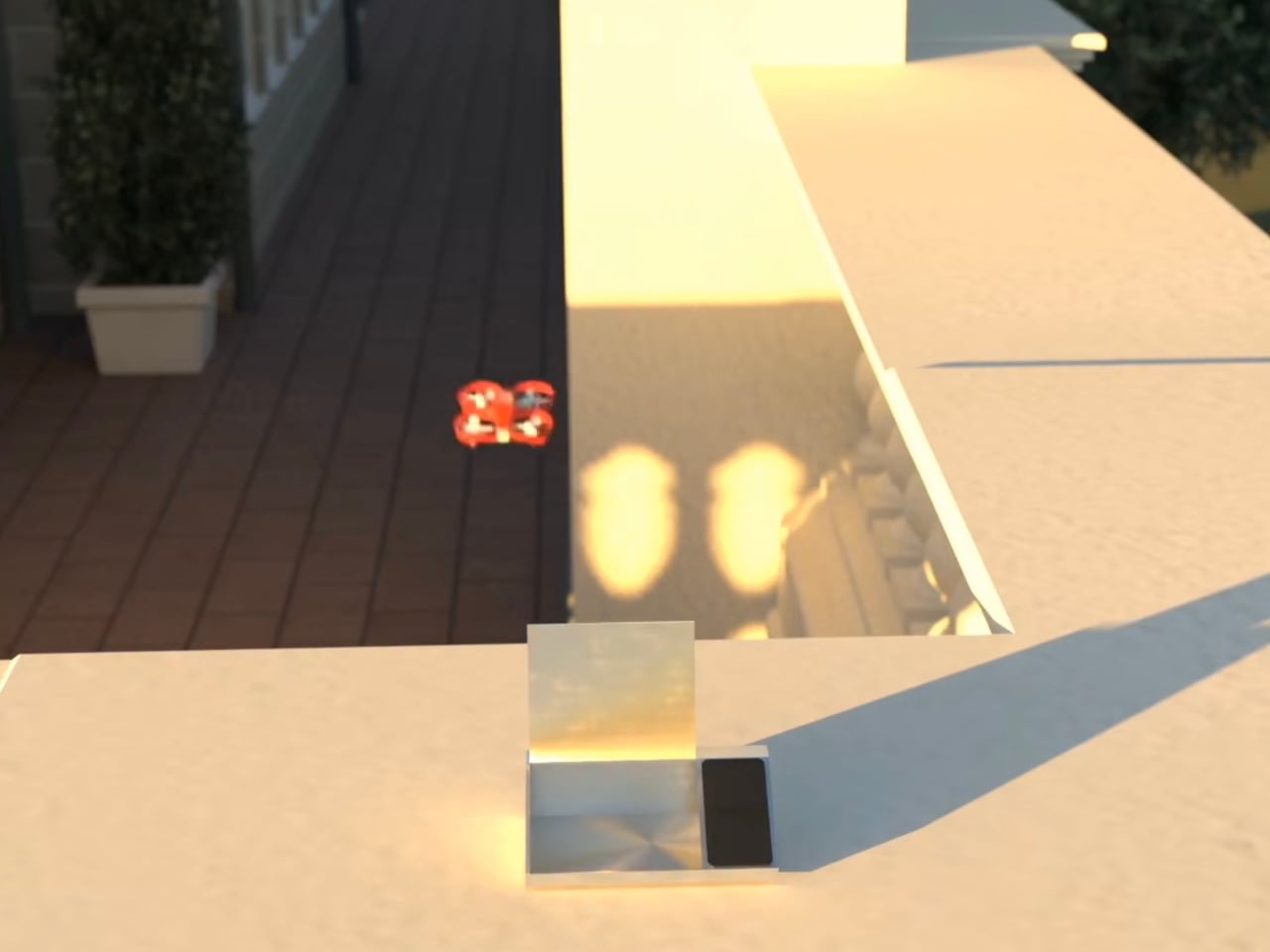
The setup is more straightforward than you’d expect. You draw your protection zone on a base-station map. The drone launches, patrols, returns to charge on its own between passes, and relaunches. The whole system runs 24/7 without you touching it. Tornyol calls it “silent, safe, chemical-free,” and those three words carry more weight than they initially seem, especially for households with children, pets, or anyone wary of pesticide exposure.
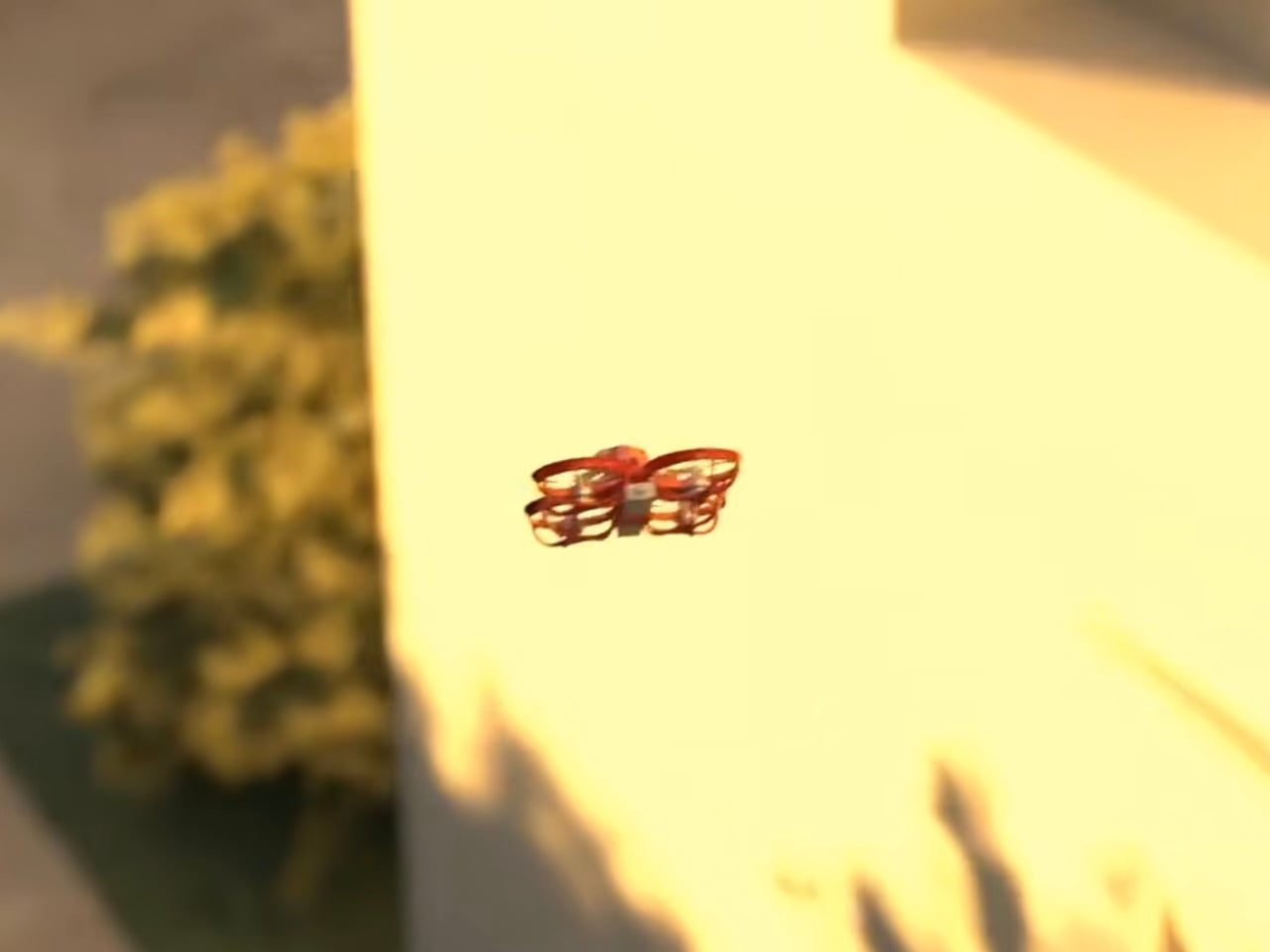
The design thinking here is just as sound as the engineering, and I think that deserves attention. The choice to avoid cameras is notable. Instead of building something that watches your room, Tornyol built something that listens to it. That’s a meaningful distinction in an era where surveillance fatigue is real. A sensor that identifies a mosquito by its wingbeat signature rather than by filming your living room feels like a more considered approach to consumer technology. Privacy, quietly protected alongside you.
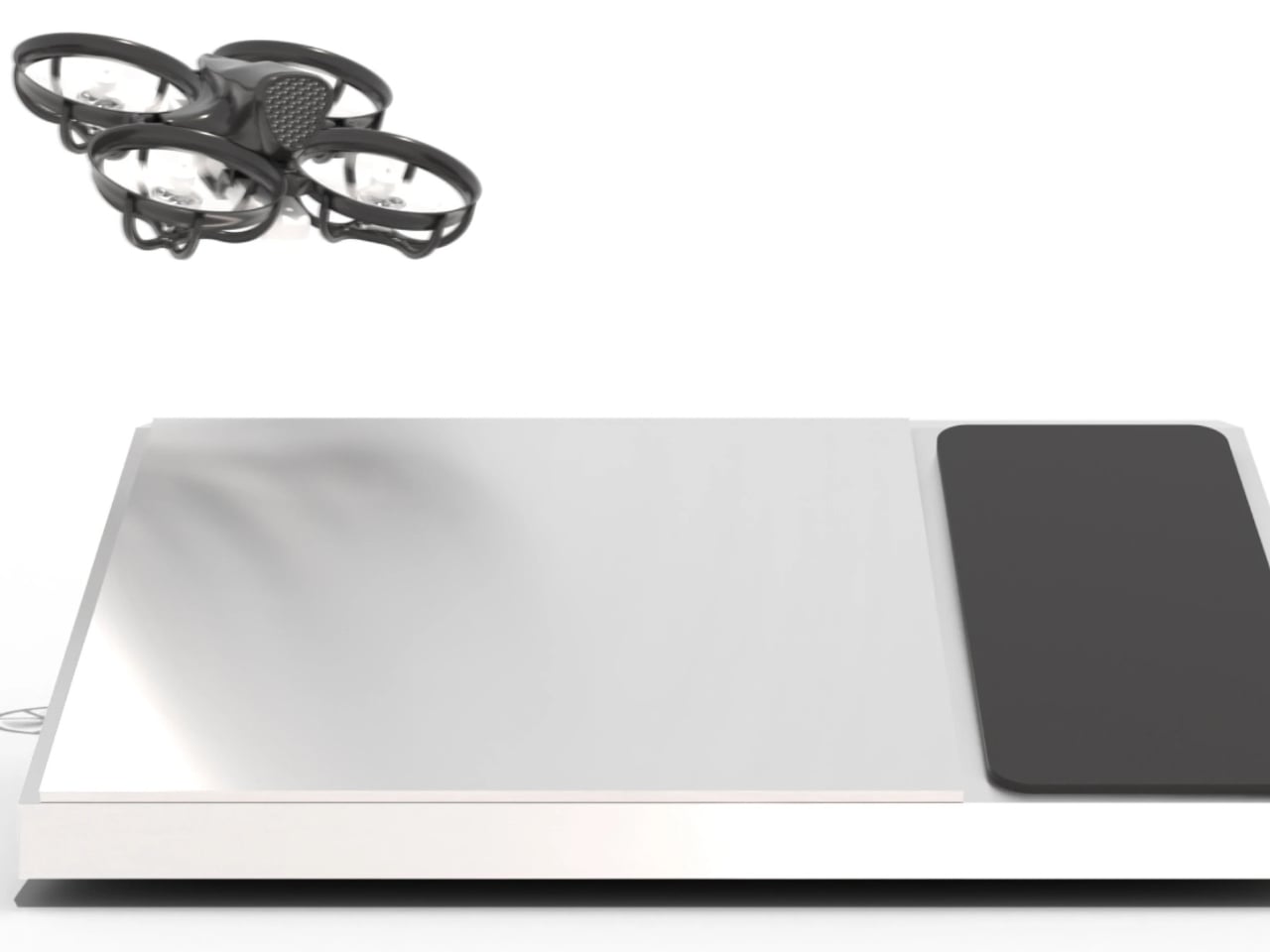
The bigger picture is hard to ignore, too. Mosquitoes kill more people every year than any other animal on the planet. Malaria alone accounts for over 400,000 deaths annually, with dengue adding tens of thousands more. Tornyol was founded by two CentraleSupélec graduates with the stated goal of consigning mosquitoes to history, and while a home drone isn’t going to solve a global public health crisis on its own, it’s a serious first step from a company that clearly understands the scale of what it’s attempting.
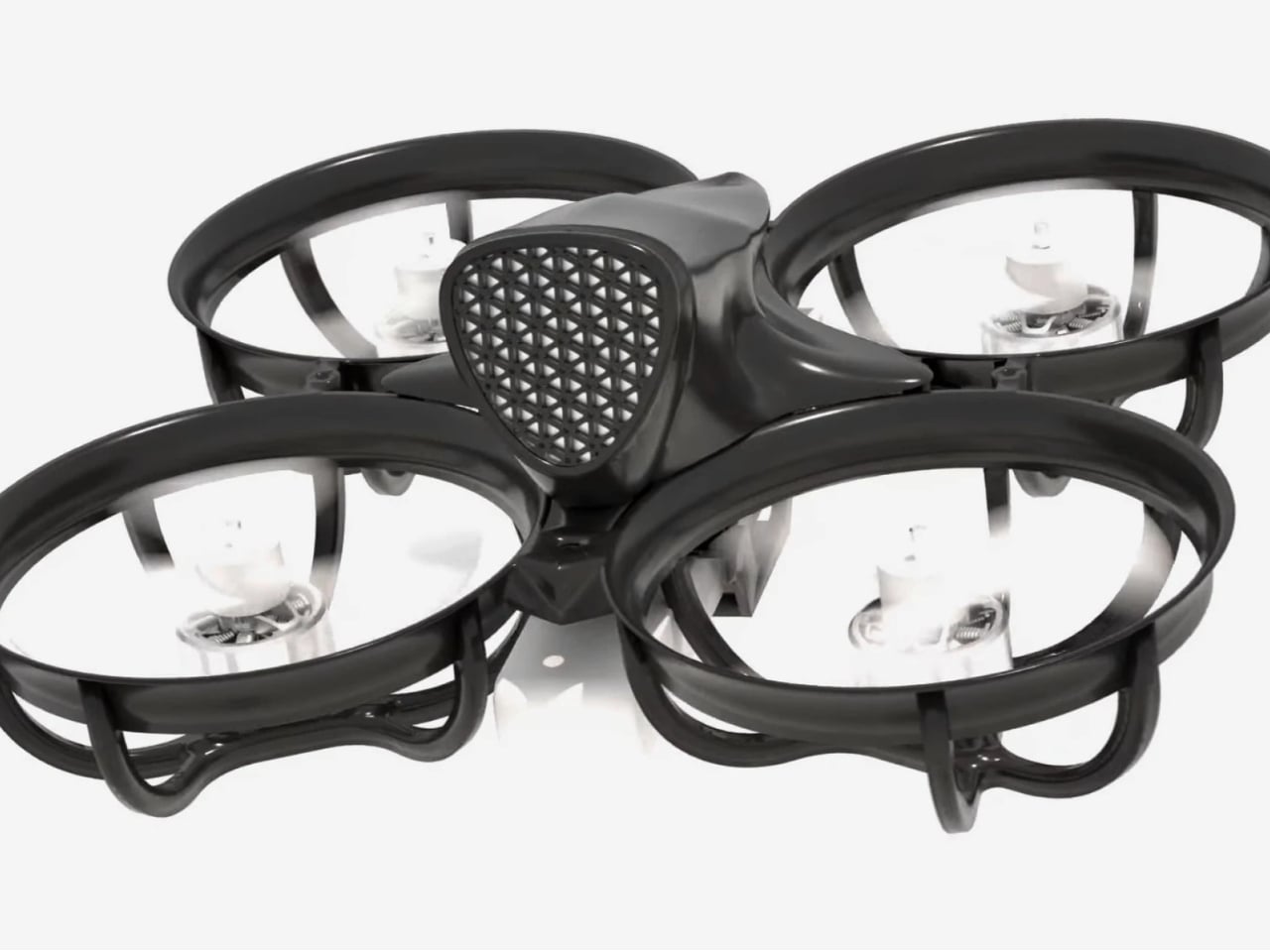
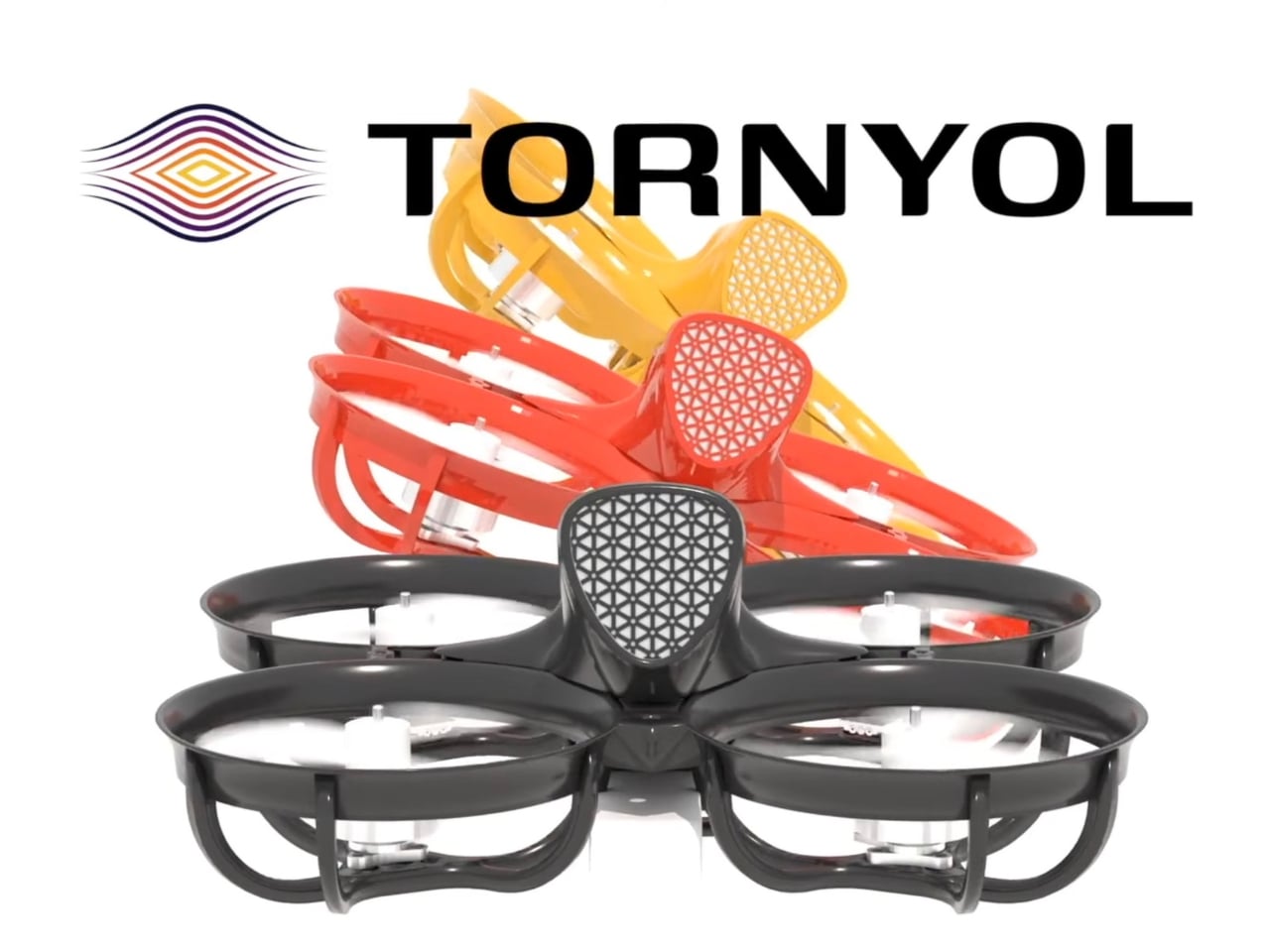
Backed by Y Combinator and currently open for pre-orders with a $100 refundable deposit, the LeSonar2 is targeting US shipping in 2027. The drone comes in black, red, and orange for people who care about that kind of thing, and I think more people do than would admit it. Tornyol’s LeSonar2 is one of those designs that makes you realize how much creative inertia exists in categories we assume are already solved. Bug control felt finished. Candles, sprays, zappers, and screens. We stopped asking for better because we didn’t know better was possible. Now it is, and it weighs less than a slice of bread.
The post A 40-Gram Drone Is Now Hunting the World’s Deadliest Animal first appeared on Yanko Design.
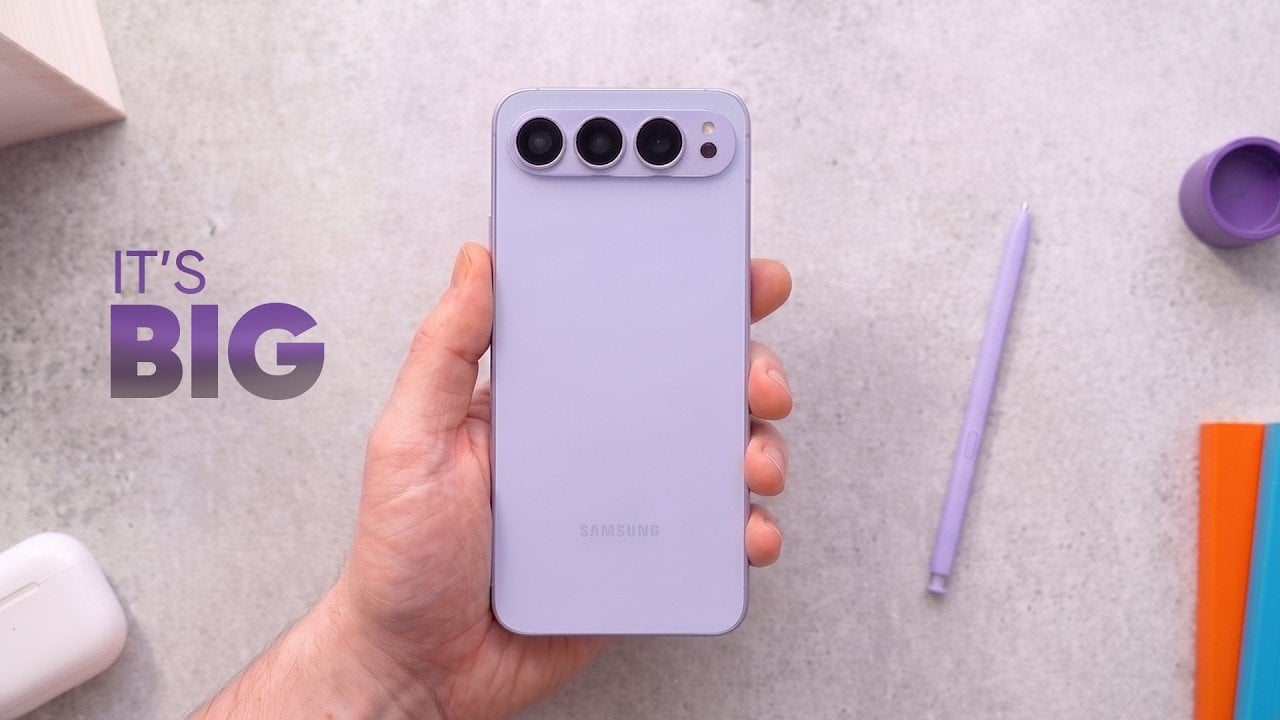
The Samsung Galaxy S27 Ultra is set to establish a new benchmark in smartphone technology, showcasing a powerful 5700mAh battery powered by advanced silicon-carbon technology. This marks a significant improvement over the 5000mAh battery of its predecessor, the Galaxy S26 Ultra. Alongside the Ultra, the S27 Pro offers a 5200mAh battery in a more compact […]
The post Samsung Galaxy S27 Ultra Battery Sizes Revealed appeared first on Geeky Gadgets.