The One Thing Fine Dining Can’t Control Is Temperature, Until Now

Temperature is one of the few things in fine dining that no one fully controls once a dish leaves the kitchen. A perfectly cooked piece of fish begins losing heat the moment the plate is set down, and by the time a diner has finished admiring the plating, the window for eating it at its intended temperature has already started to close. Most serving vessels are entirely passive about this.

Temper Hold is a modular serving system that addresses this through material rather than technology. Built from basalt, a volcanic stone with a high thermal mass, the system slows temperature change for both hot and cold dishes, extending the window between when food arrives and when it begins drifting from the cook’s intentions. The serving surface stops being passive and becomes part of how the meal unfolds.

Designer: Batuhan Duran
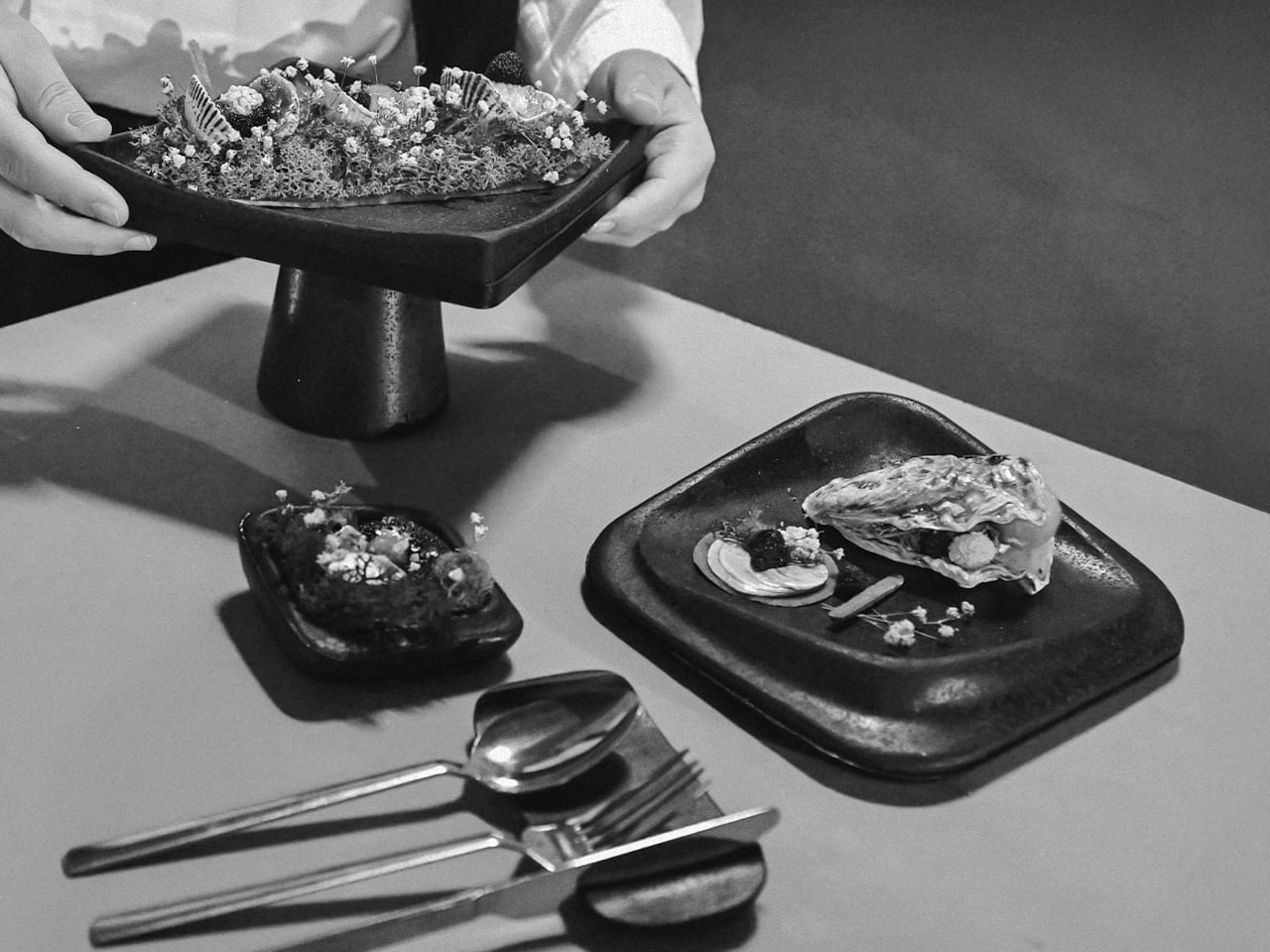
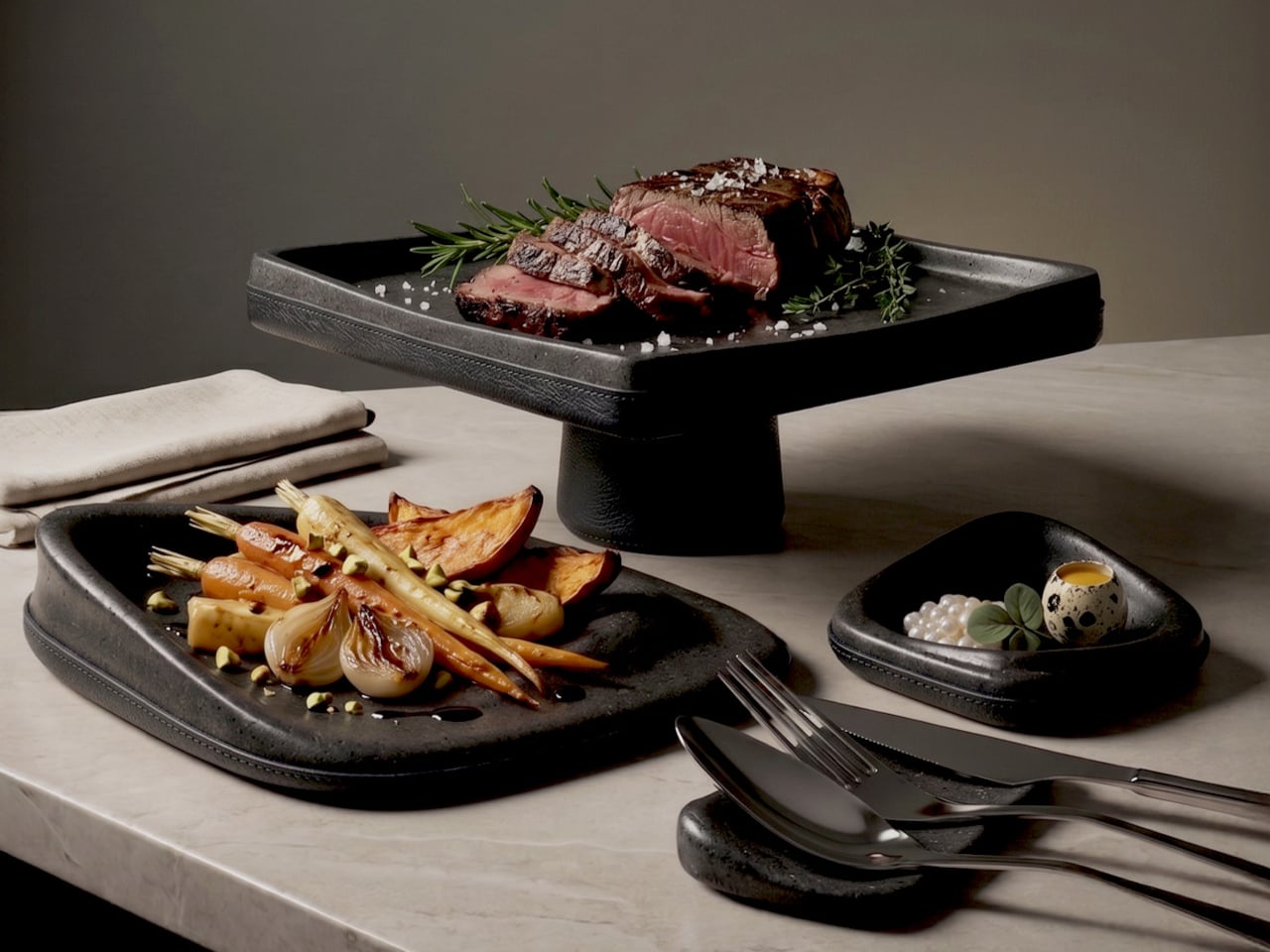
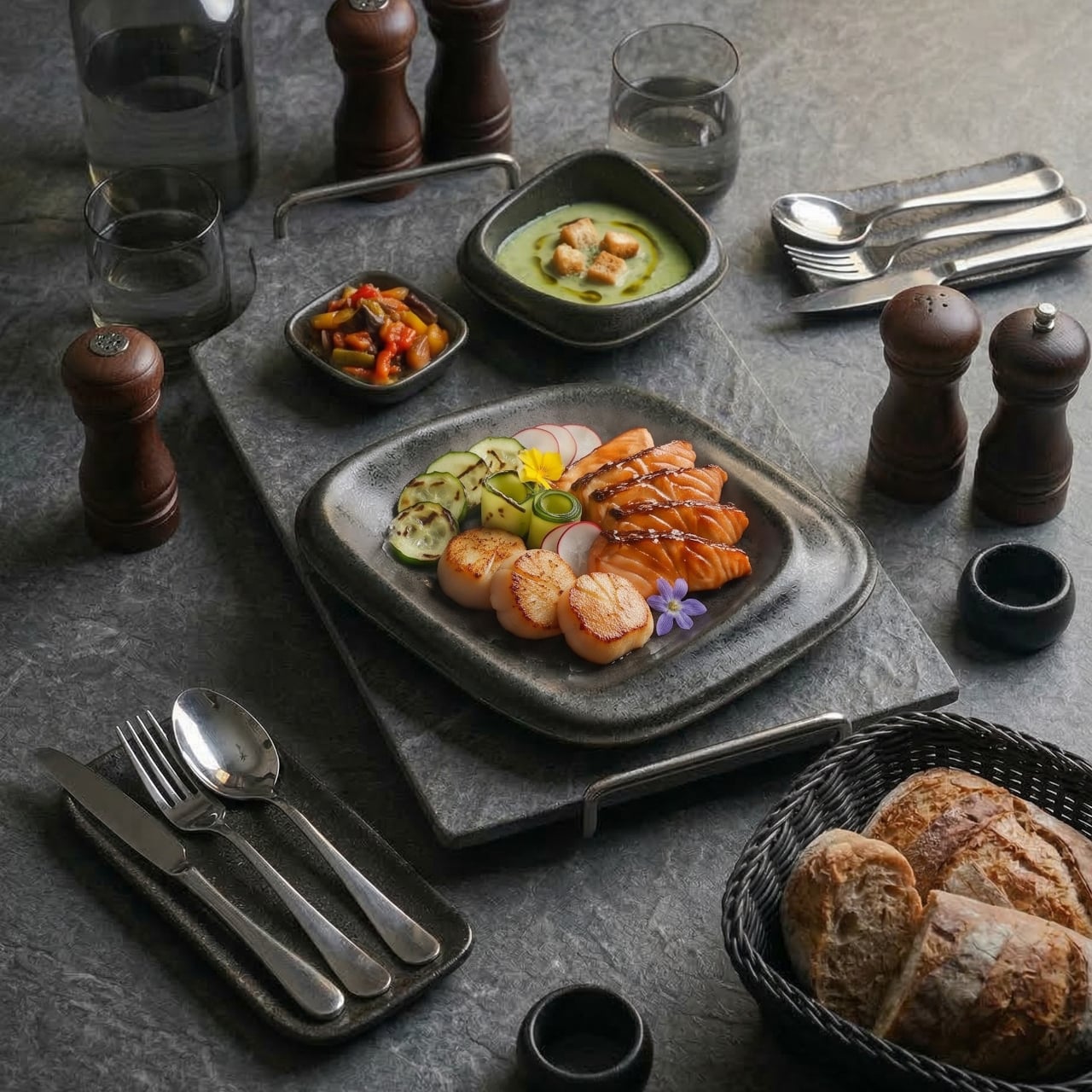
The system comprises four modules, each assigned a specific role at the table. CORE is the main presentation surface. RISE elevates a featured item on a pedestal base, adding vertical hierarchy to the setting. POUR handles sauce service in a form shaped for controlled pouring. REST organizes cutlery, keeping the table composed between courses. Together, they don’t overcrowd the table or impose formality on the setting.
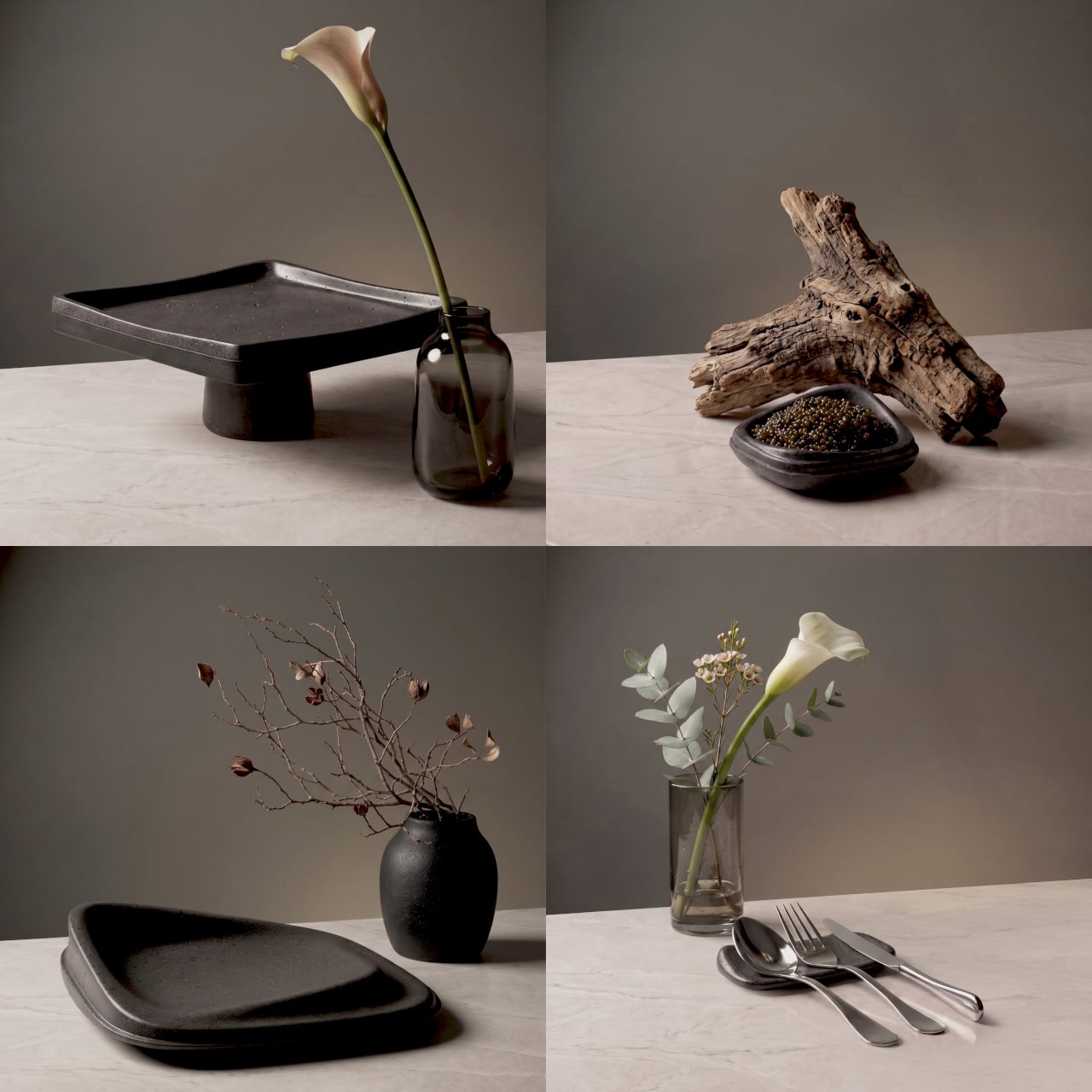
The thermal logic relies on basalt’s natural density. Stone with a high thermal mass resists temperature change, absorbing heat slowly and releasing it gradually, which is the opposite of ceramic or porcelain, which loses heat quickly once it leaves a warming rack. For cold presentations, the same principle applies in reverse; the stone stays cool longer, keeping a dish within its intended temperature range throughout the course.
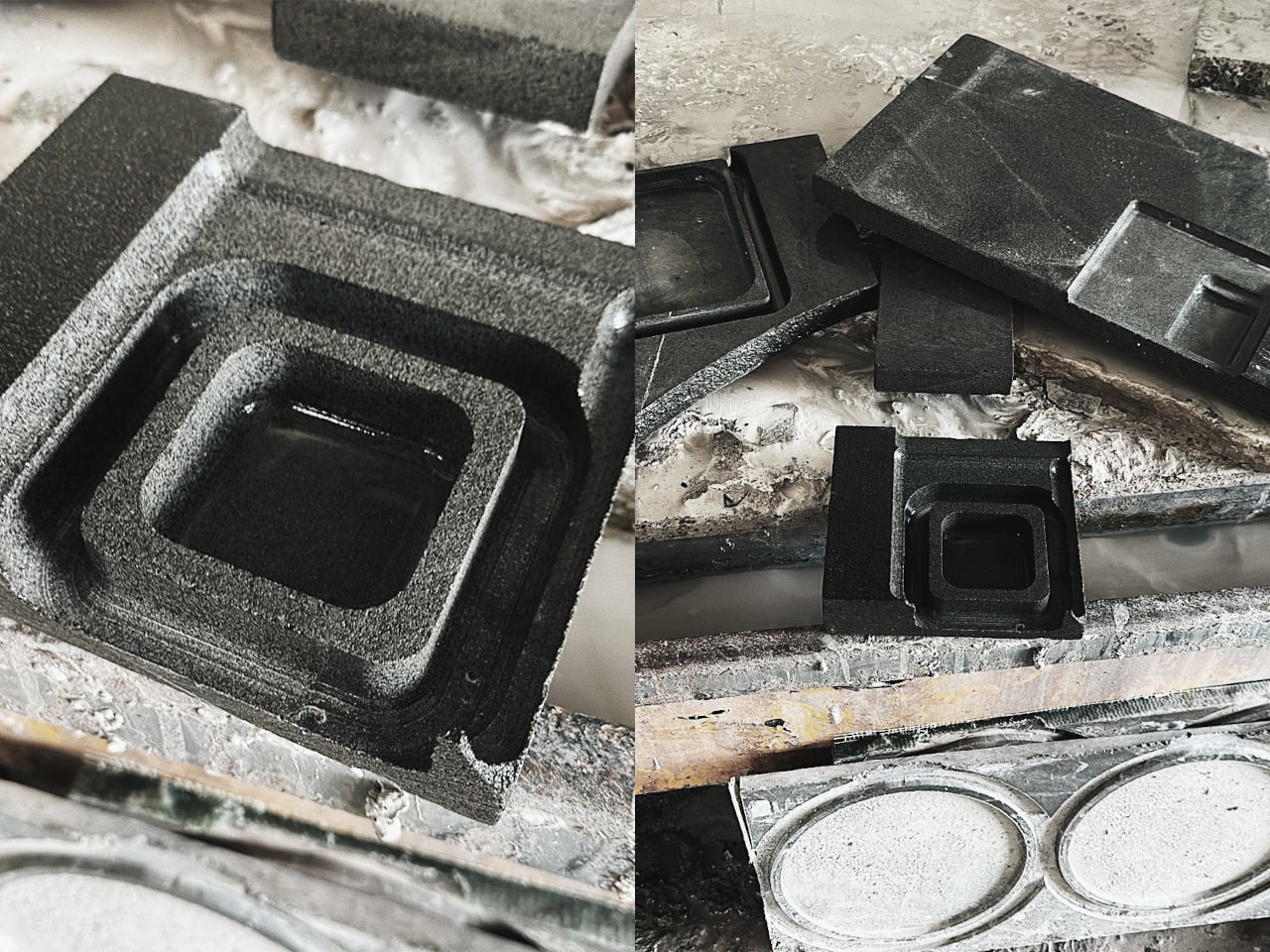
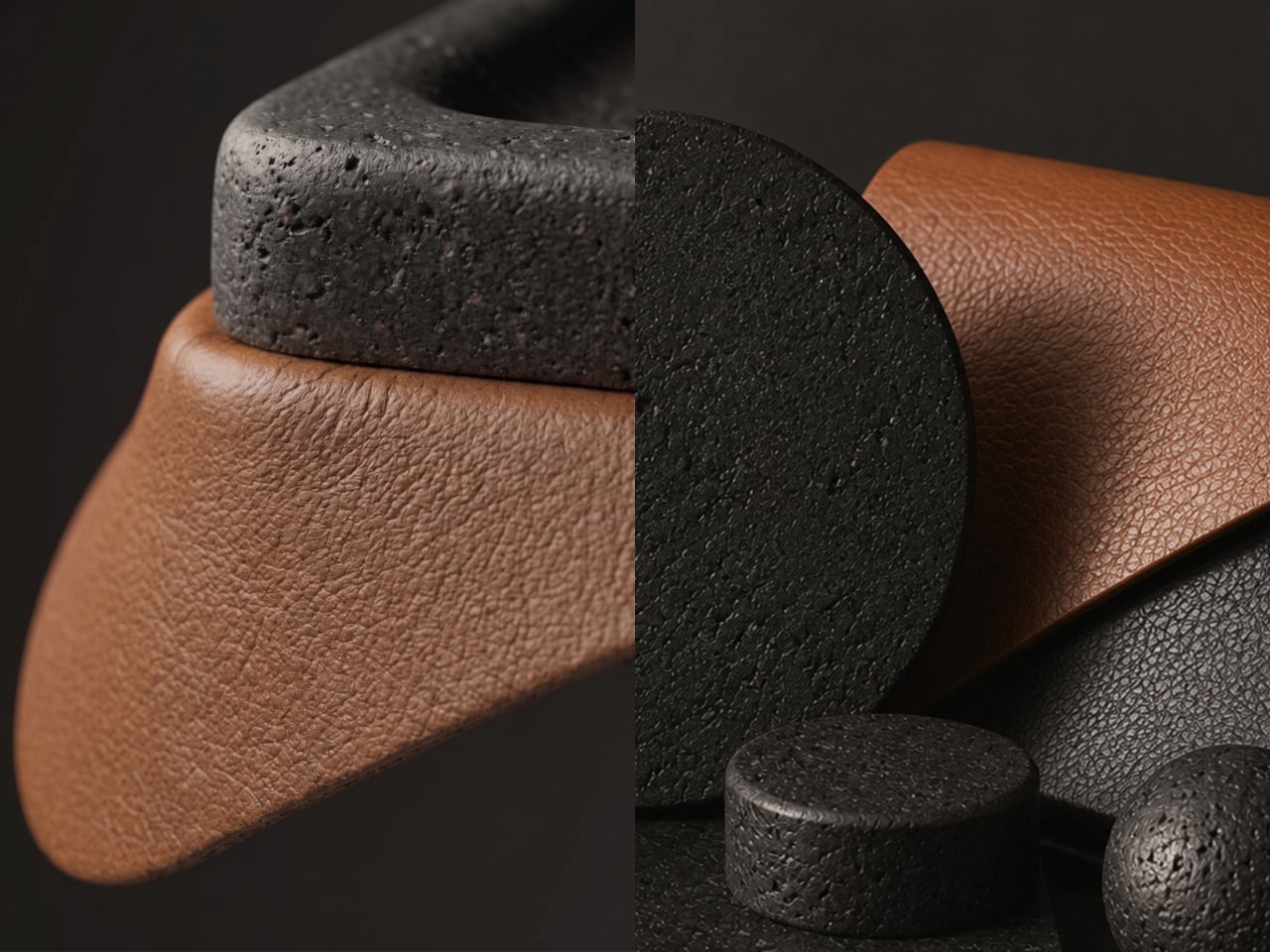
Each piece is shaped from basalt using CNC stone machining, with chamfered edges to reduce the risk of chipping during service. The exterior surface is matte-honed, preserving the volcanic texture of the stone, while the food-contact surfaces are polished to a smoother finish that’s easier to clean. The contrast between the two finishes also serves as an intuitive guide to how each piece is meant to be used.
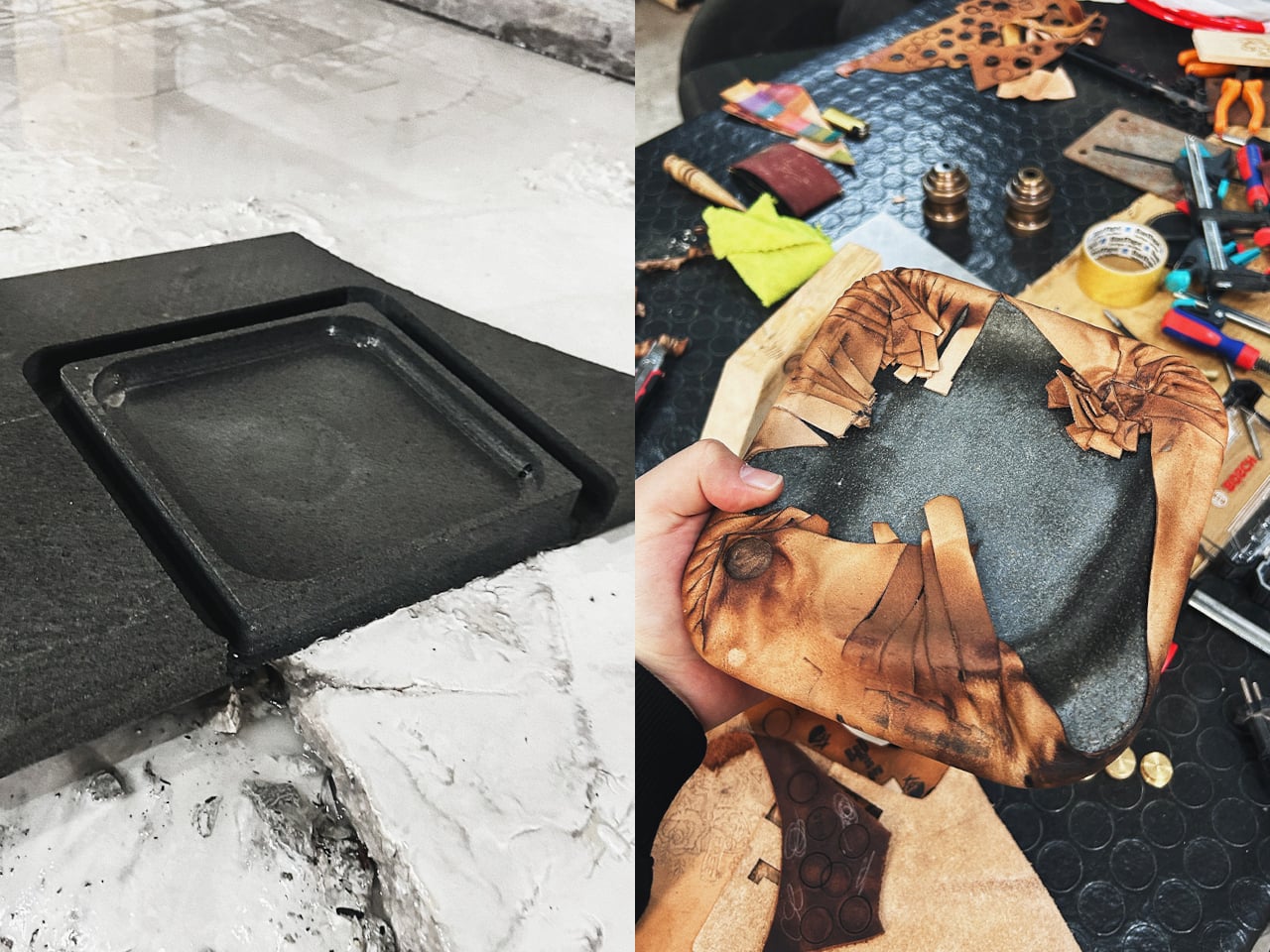
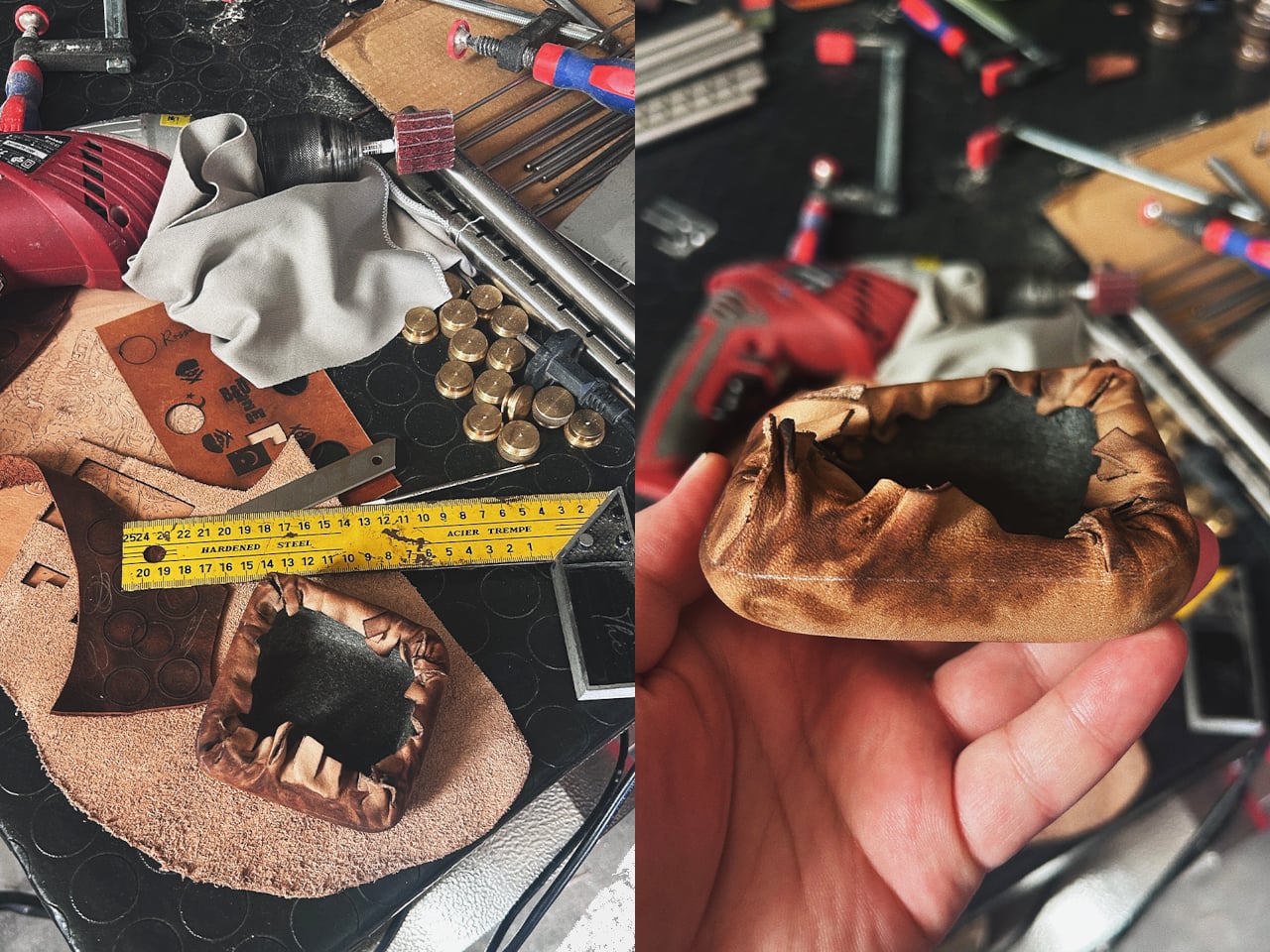
A custom-cut leather sleeve is fitted to the underside of each piece, serving two functions at once. It softens the contact between the stone and the table, protecting both surfaces from the weight and texture of raw basalt, while improving grip when lifting and moving a piece between courses. The leather also introduces a warmer visual element against the predominantly dark, volcanic character of the stone.
The material palette is intentionally restrained. Black basalt provides the body of each module, and the leather is available in warm brown or black, creating combinations that feel tactile and grounded rather than decorative. Volcanic stone has an inherently irregular surface texture that distinguishes it from polished marble or engineered ceramics, and the matte-honed exterior of each piece preserves that quality rather than smoothing it away entirely.
The concept behind Temper Hold is simple but genuinely underexplored in tableware design. Most dishes arrive on materials chosen for aesthetics, weight, or cost, not thermal behavior. Basalt has been used for cooking on volcanic rock for centuries, and repurposing that thermal property as a serving surface rather than a cooking one is a small but consequential shift in how a piece of tableware is asked to perform.
The post The One Thing Fine Dining Can’t Control Is Temperature, Until Now first appeared on Yanko Design.

Twelve South Just Built a $130 Charger That Won’t Ruin Your Nightstand

The nightstand has become one of the messiest surfaces in a home. A charging cable snaking across the top, a phone lying flat or propped against whatever happens to be nearby, maybe a watch charger completing the pile. Most accessories designed to address this solve the function while ignoring the furniture, leaving something clinical and plastic sitting next to things that actually belong in a bedroom.

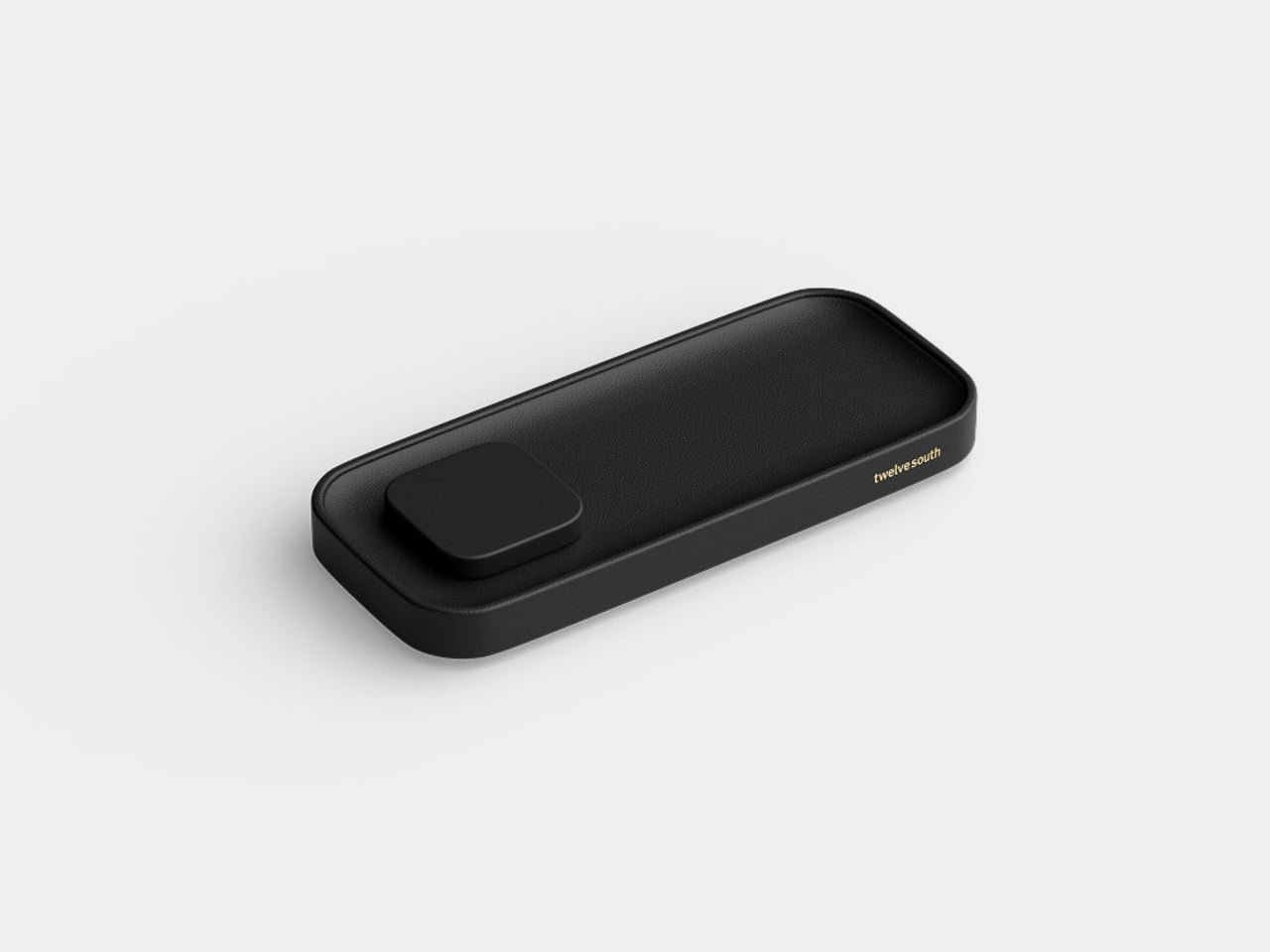
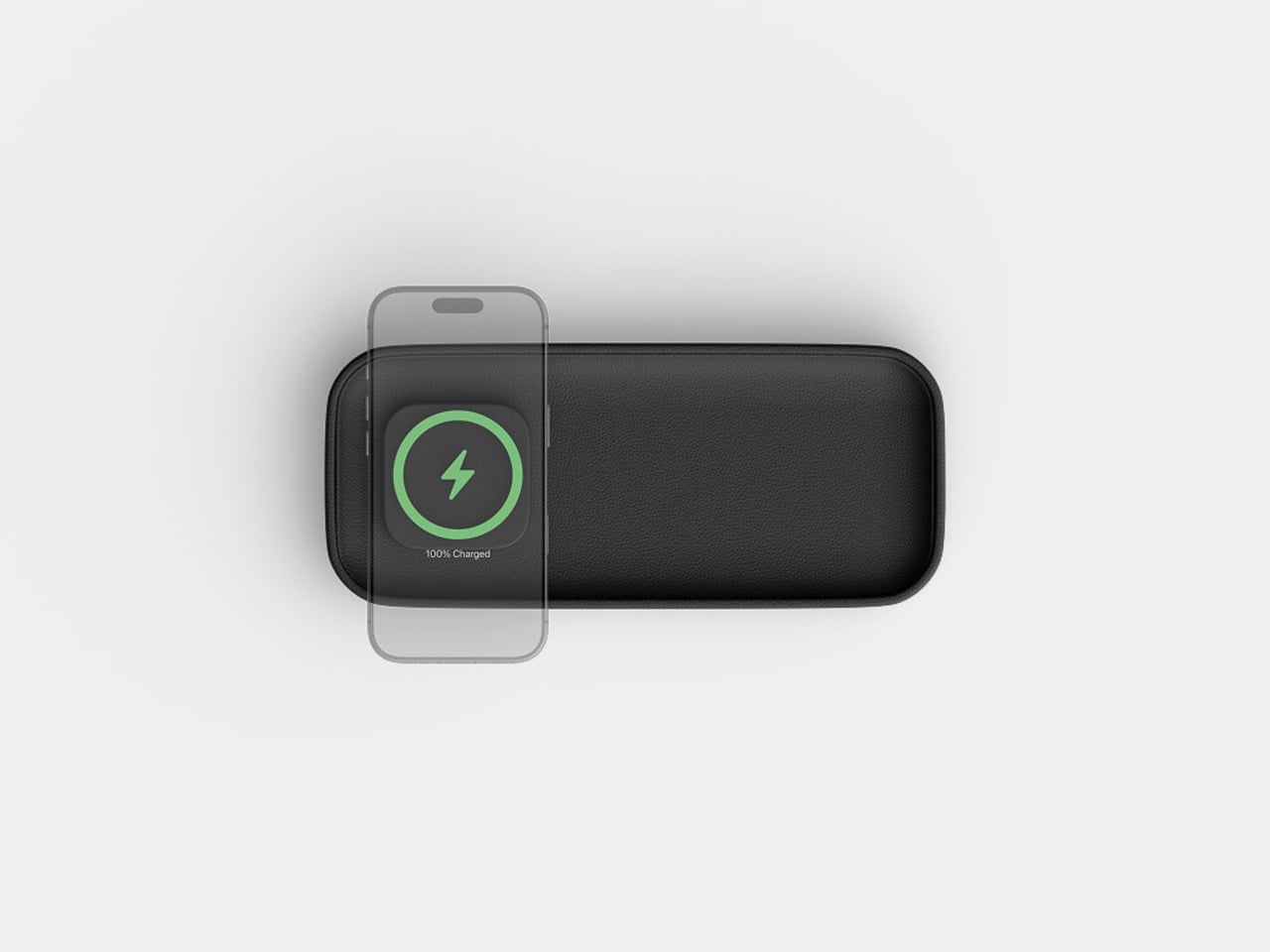
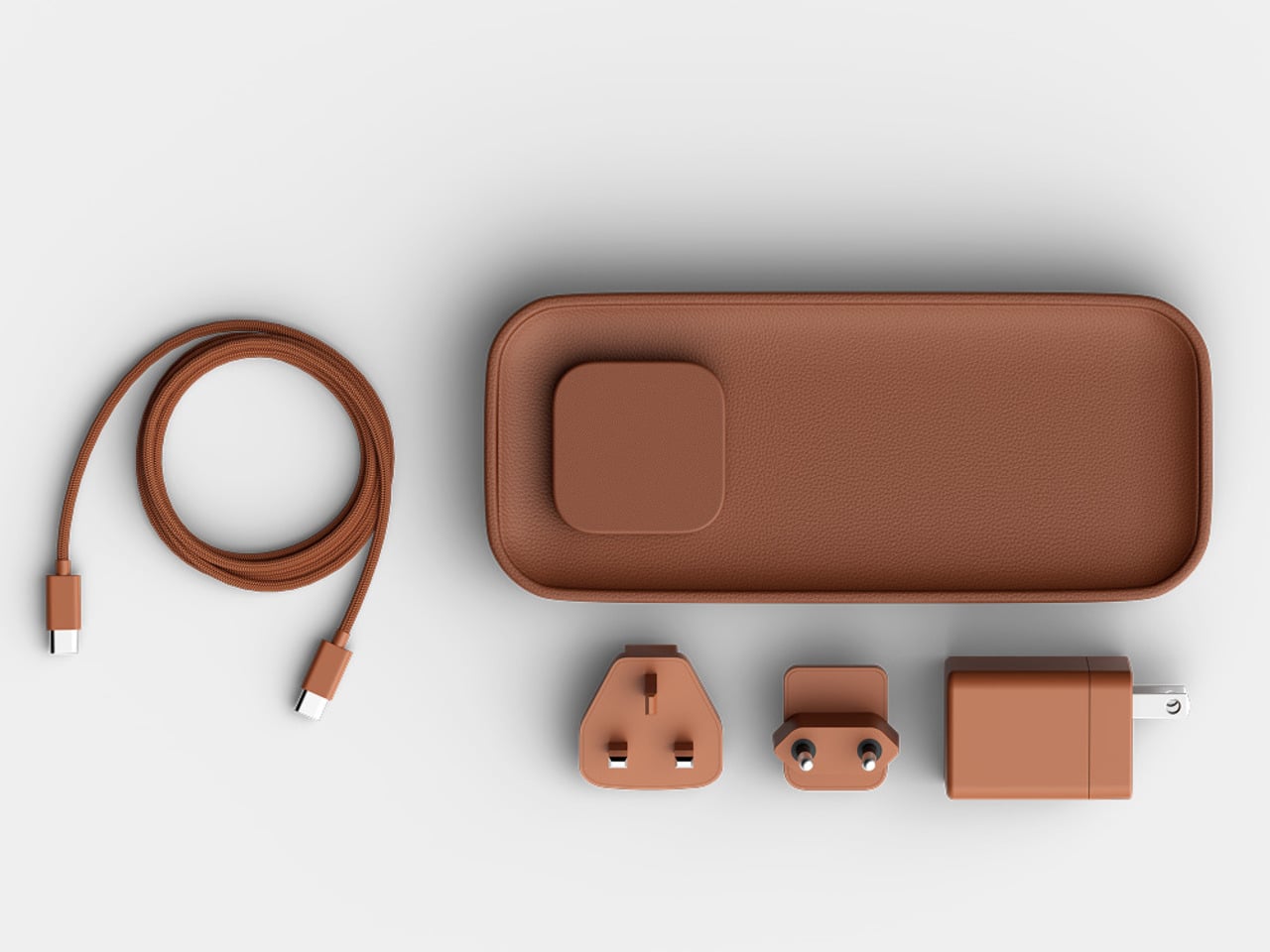
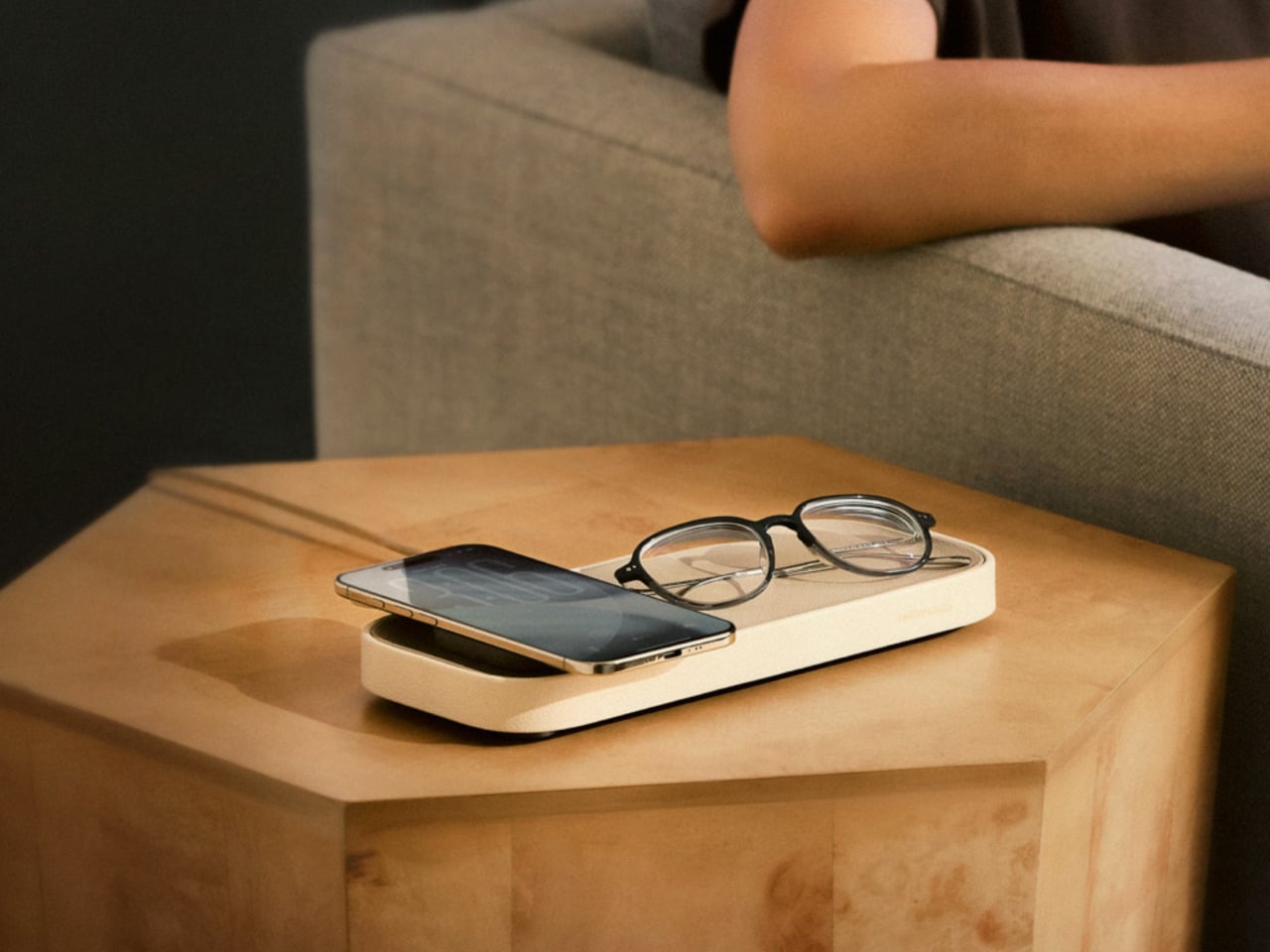
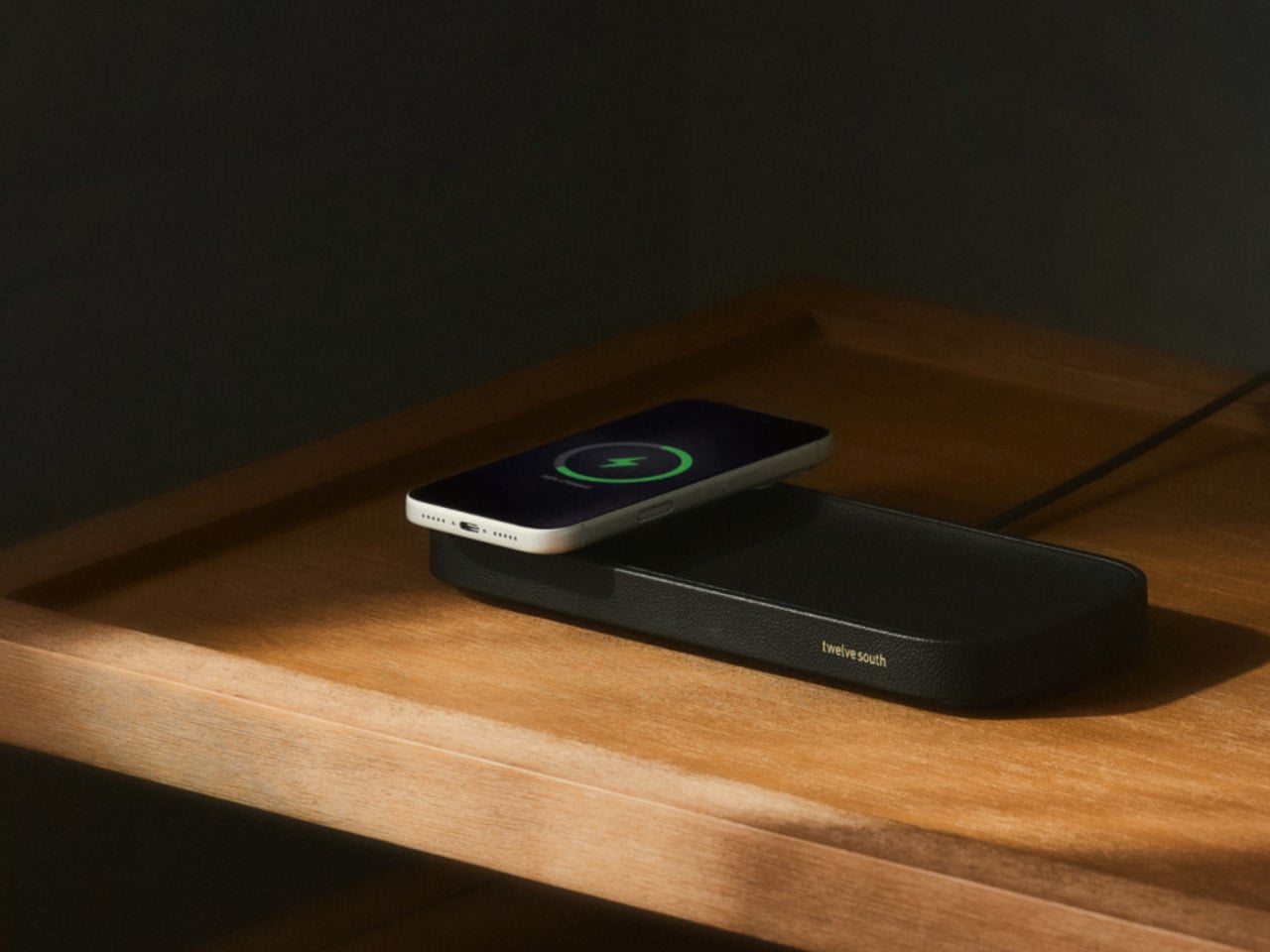
The Valet 4.25 from Twelve South approaches the problem differently. It’s a compact leather catchall tray with a 25W Qi2 wireless charger built into one end, sized specifically for nightstands and bedside tables. The idea isn’t to be a charger that fits in a room; it’s to be an object that actually belongs there, starting with its materials and ending with how it behaves overnight.

Designer: Twelve South

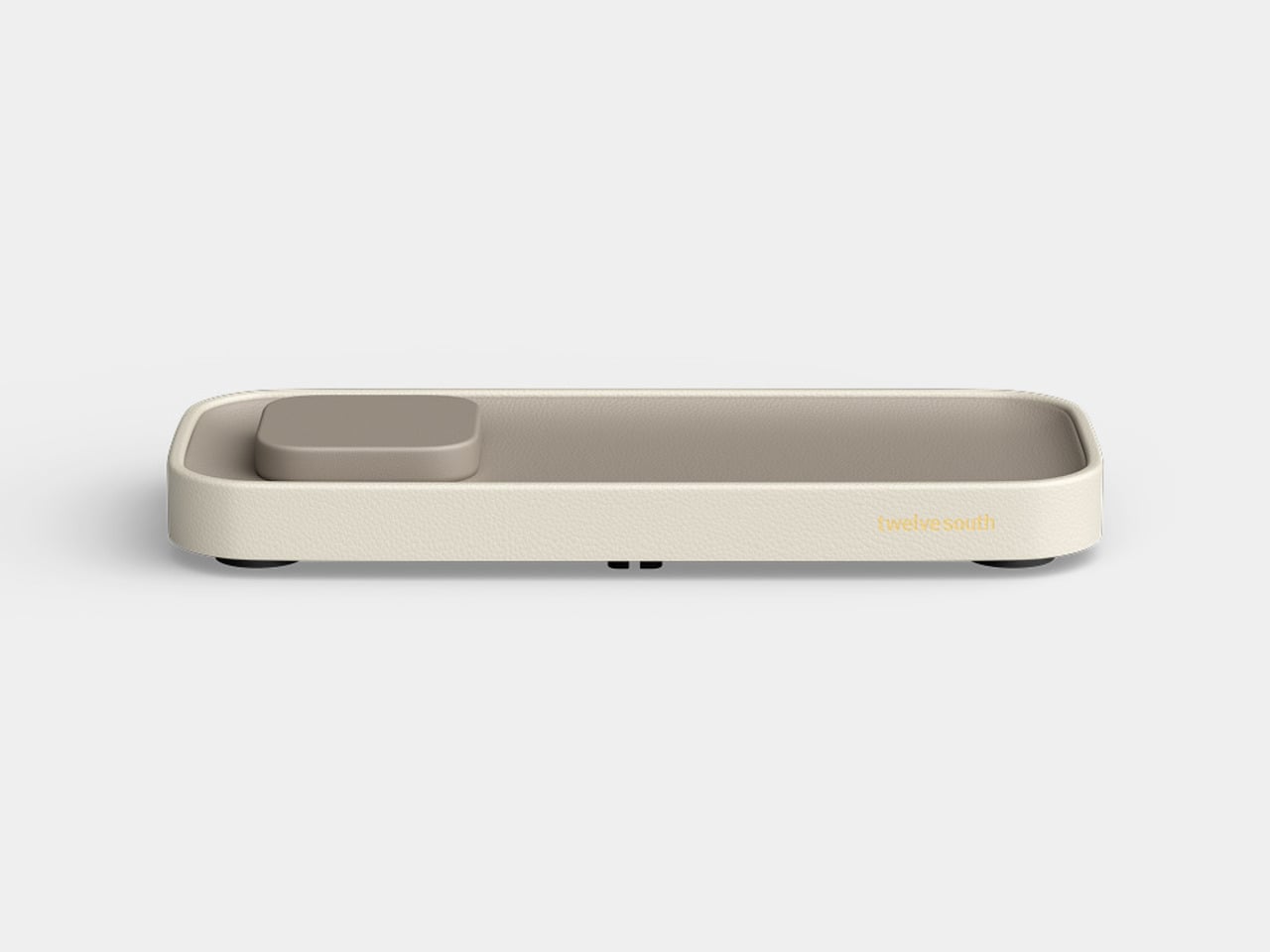
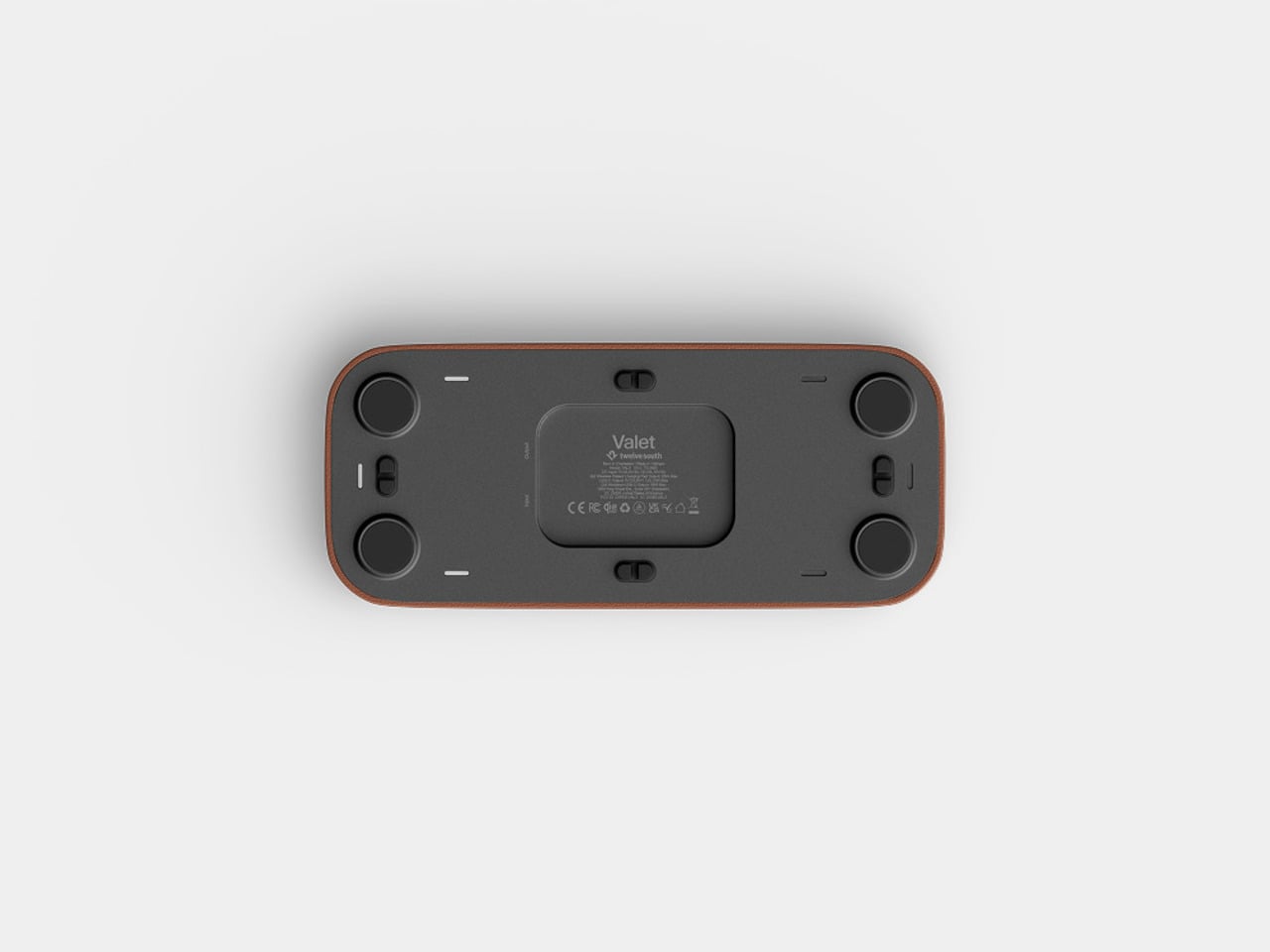
The base is a weighted zinc alloy frame wrapped entirely in Nappa leather, which keeps it planted on the surface without rubber feet or suction tricks. The tray measures 4.25 inches across, making it a tighter proposition than the brand’s original 7.5-inch Valet but considerably more appropriate for the average nightstand, where every spare inch is already committed to something else.

There’s a small but deliberate feature called the Goodnight Glow. When you set your phone down to charge, the tray pulses a soft light for eight seconds to confirm the connection, then fades completely. It doesn’t stay lit through the night. For something sitting beside you while you sleep, that restraint is more considered than it sounds, and it makes double-checking whether your phone is actually charging almost unnecessary.

The wireless output is a meaningful upgrade over the original Valet, which topped out at 15W via Qi2. The new model delivers 25W, which is the full MagSafe speed that newer iPhones can receive. The smaller size doesn’t come at the expense of performance; if anything, it corrects the one technical criticism that followed the larger model since it launched at CES earlier this year.

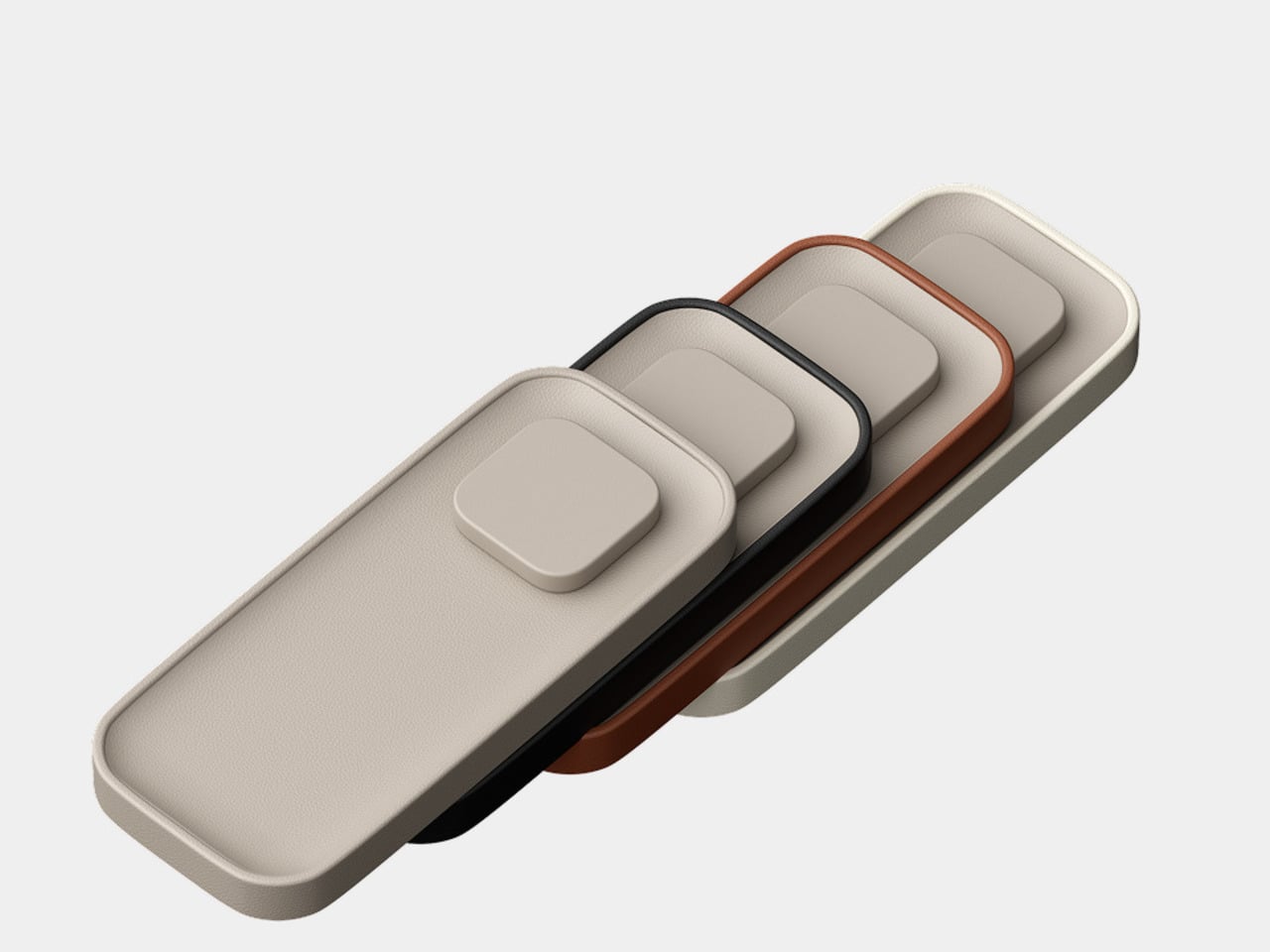
The outer frame is removable and interchangeable, available in four leather colors: black, taupe, brown, and ecru. The body itself comes in either black or taupe Nappa leather, giving you enough combination room to match most bedroom furniture without much deliberation. The tray can also be oriented four ways, letting you position the charging pad on either side or rotate the whole thing to fit a narrower nightstand.

There’s a USB-C port tucked under the base for a second device, though at 10W it’s a step down from the 35W the larger Valet offers. It’ll handle a pair of earbuds or a smartwatch overnight, but it’s not fast-charging territory. The smaller tray is the other concession, reducing the landing area for everyday items compared to what the 7.5-inch version can comfortably hold alongside a phone.

At $129.99, it’s $50 less than the larger model and carries the same premium material finish. The Valet 4.25 is narrowly focused for a specific spot in the home, the kind where spending more on something you see every morning is easier to justify when it actually looks right. The Nappa leather and zinc alloy construction give it a permanence that most chargers, regardless of cost, rarely manage.

The post Twelve South Just Built a $130 Charger That Won’t Ruin Your Nightstand first appeared on Yanko Design.
The World’s First T-Rex Leather Handbag Will Cost You $663,000

Did you ever think to yourself, what if I had a bag made from an extinct million-year-old animal? I mean, people do have bags made from cows, sheep, goats, and even crocodiles, snakes, and lizards. So why not have something from a really exotic animal that doesn’t exist anymore?

Well, apparently there are people, specifically those from techwear label Enfin Levé, who did think of that and have now come up with the world’s first ever T-Rex Leather™ Handbag. And obviously, this time around, no actual animals were harmed in making this one-of-a-kind luxury handbag.

Designer: Enfin Levé

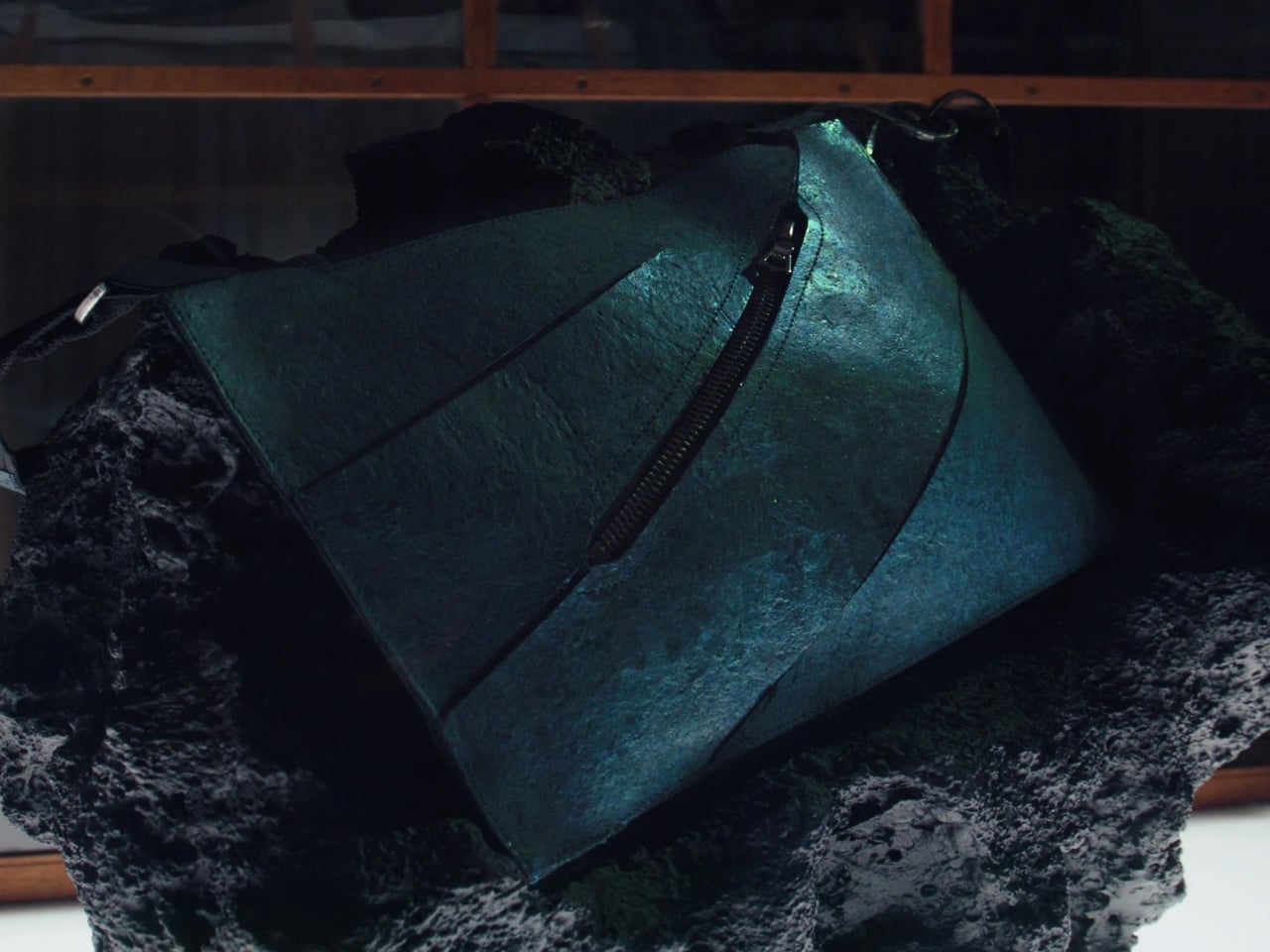
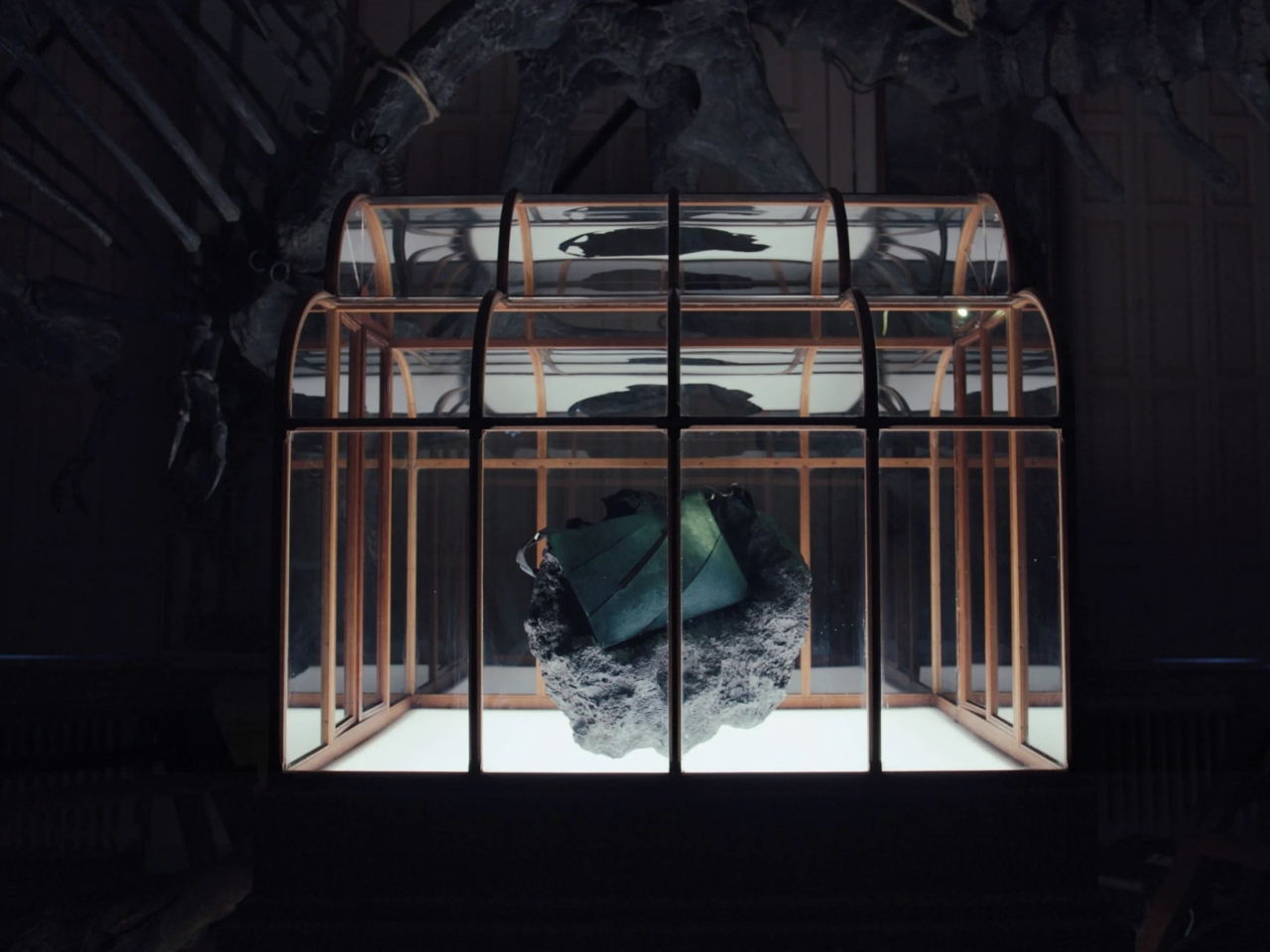
What they used to actually make the bag is lab-grown material that scientists engineered using reconstructed dinosaur collagen. They reconstructed collagen sequences from 66-million-year-old T.Rex fossils that were eventually turned into real leather and now into a luxury handbag that collectors (with money) will probably rush to add to their cabinet (and maybe not actually use). Design-wise, the bag has a sleek and angular silhouette in a striking deep teal color. There are even three decorative incisions in the design that look like dinosaur scratch marks, to add a bit of “realism” to the bag. There is also a DNA helix-styled hardware connecting the strap to the bag.

Now, what makes this more than just a wild concept is actually what went into the leather itself. The T-Rex Leather™ isn’t some glorified synthetic material trying to pass as the real thing. It was developed by three collaborators: creative agency VML, genomic engineering company The Organoid Company, and biotech pioneer Lab-Grown Leather Ltd., and the result is a material that is apparently structurally identical to traditional leather. It’s durable, biodegradable, repairable, and fully traceable. So not only are you carrying something from 66 million years ago, but you’re also carrying something that is arguably better for the planet than your average luxury leather good. No animal slaughter, no deforestation, no heavy-chemical tanning process involved. In a weird twist of fate, the most ancient leather is also the most future-forward.

Enfin Levé’s founder and lead designer, Michal Hadas, put it perfectly when he said the goal was never to force the material into “familiar codes of luxury.” Instead, he let the T-Rex leather speak for itself, figuring out where it resists, how it holds tension, and letting all of that shape the final design. Which honestly? That kind of design philosophy is exactly why this bag feels so different from anything else out there.

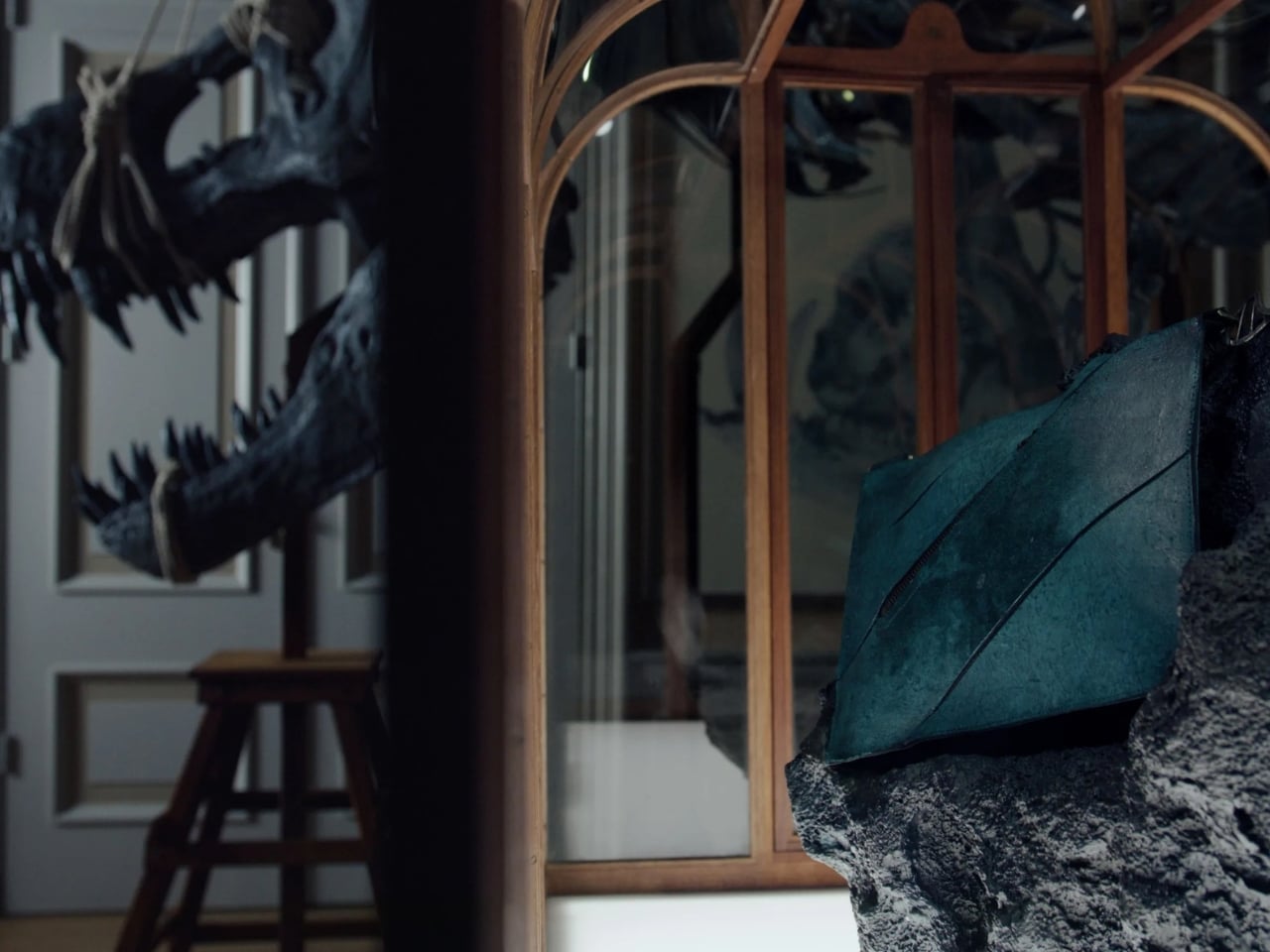
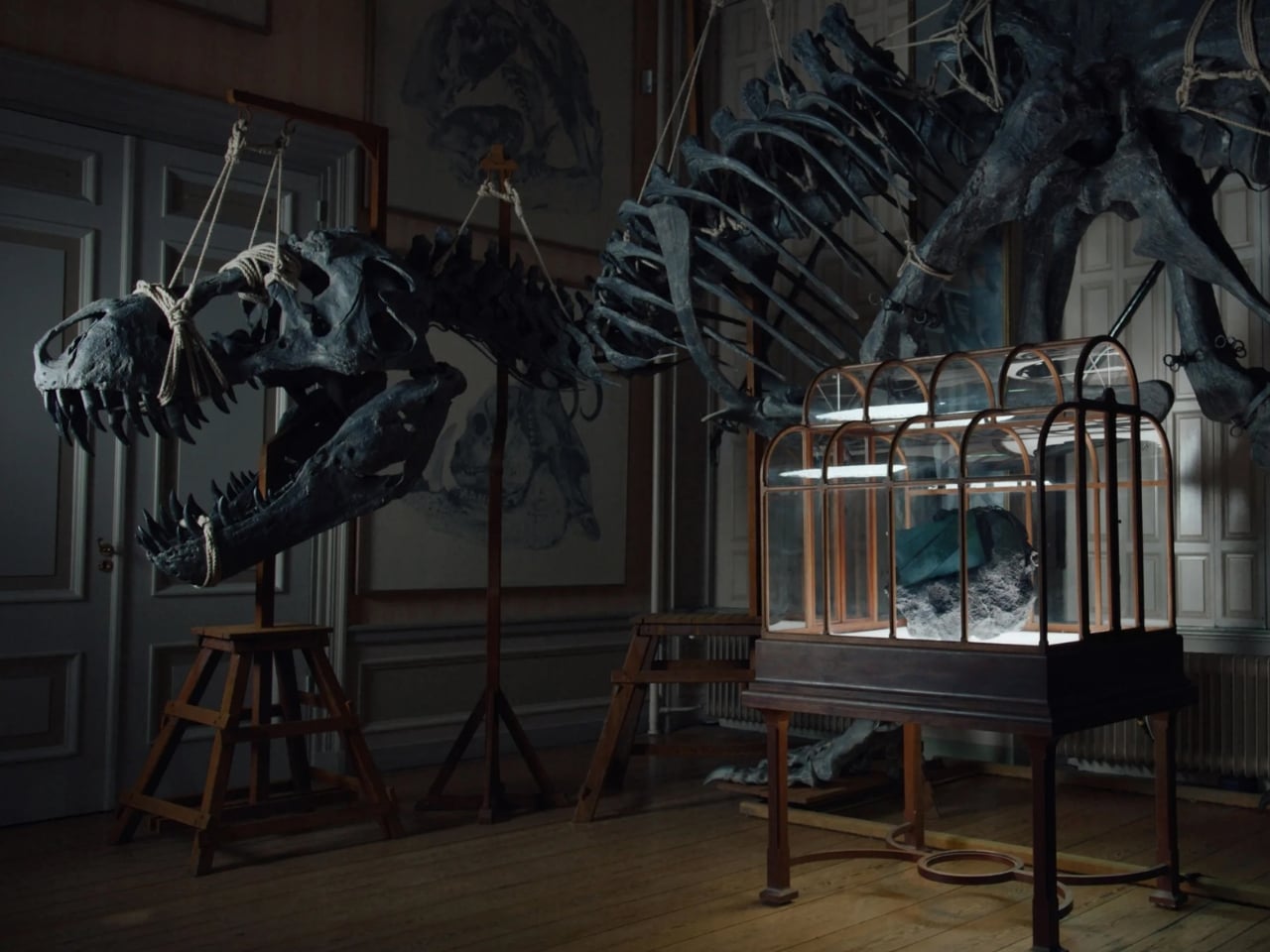
The bag is currently on display at the Art Zoo Museum in Amsterdam and is displayed alongside a colossal life-size T. Rex skeleton cast from the Naturalis Biodiversity Center in Leiden, Netherlands. It will be there until May 11, in case you’re in town. But in case you thought there would be a slew of people carrying the T-Rex bag around, there is actually only one that exists in the world. It will be auctioned off to the highest bidder with the bid starting at around $663,000.

As for whether T-Rex leather will ever make it to the mass market, don’t hold your breath just yet, but don’t completely give up hope either. The plan is to eventually make the material available to luxury brands, starting with high-end accessories before expanding into other industries like automotive. So who knows, a T-Rex leather interior in your next car might not be as far-fetched as it sounds. For now though, this bag belongs to the world of the rare and extraordinary, right where it should be. Whether you’re a serious collector, a fashion obsessive, or someone who just really, really loves dinosaurs, there’s no denying that the Enfin Levé T-Rex Leather Handbag is genuinely unlike anything that has ever existed before. And at $663,000, well, some things truly are one of a kind.

The post The World’s First T-Rex Leather Handbag Will Cost You $663,000 first appeared on Yanko Design.
These Wood and Leather Wall Holders Swap Hooks for Hidden Magnets

The entryway tends to be the most neglected spot in any home when it comes to design. Things pile up at the door, and most of the solutions people reach for, plastic key hooks, adhesive strips, wire baskets, tend to prioritize function so heavily that they end up looking like afterthoughts. It’s a corner of the home that rarely gets the same design attention as the living room or kitchen.

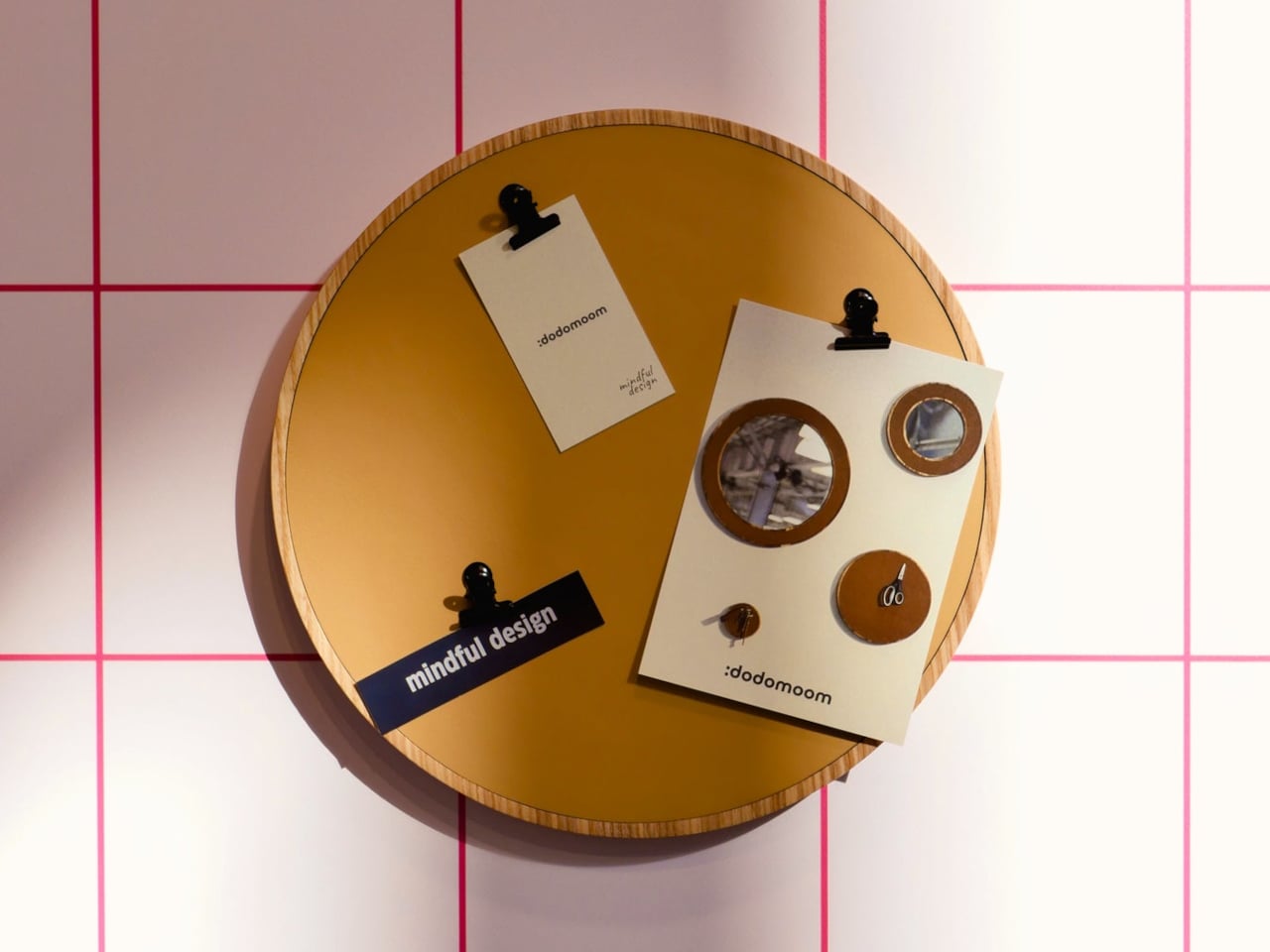
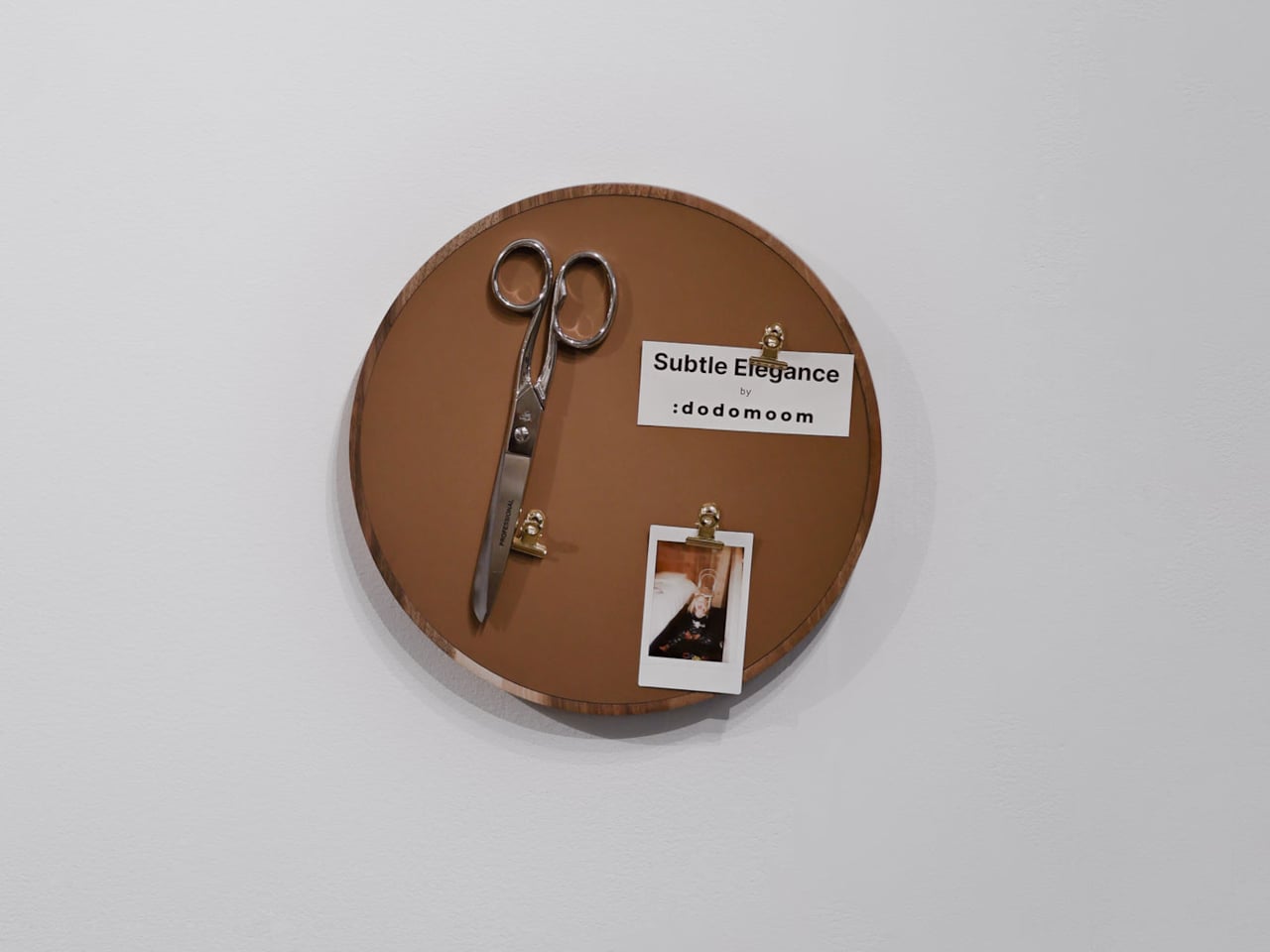
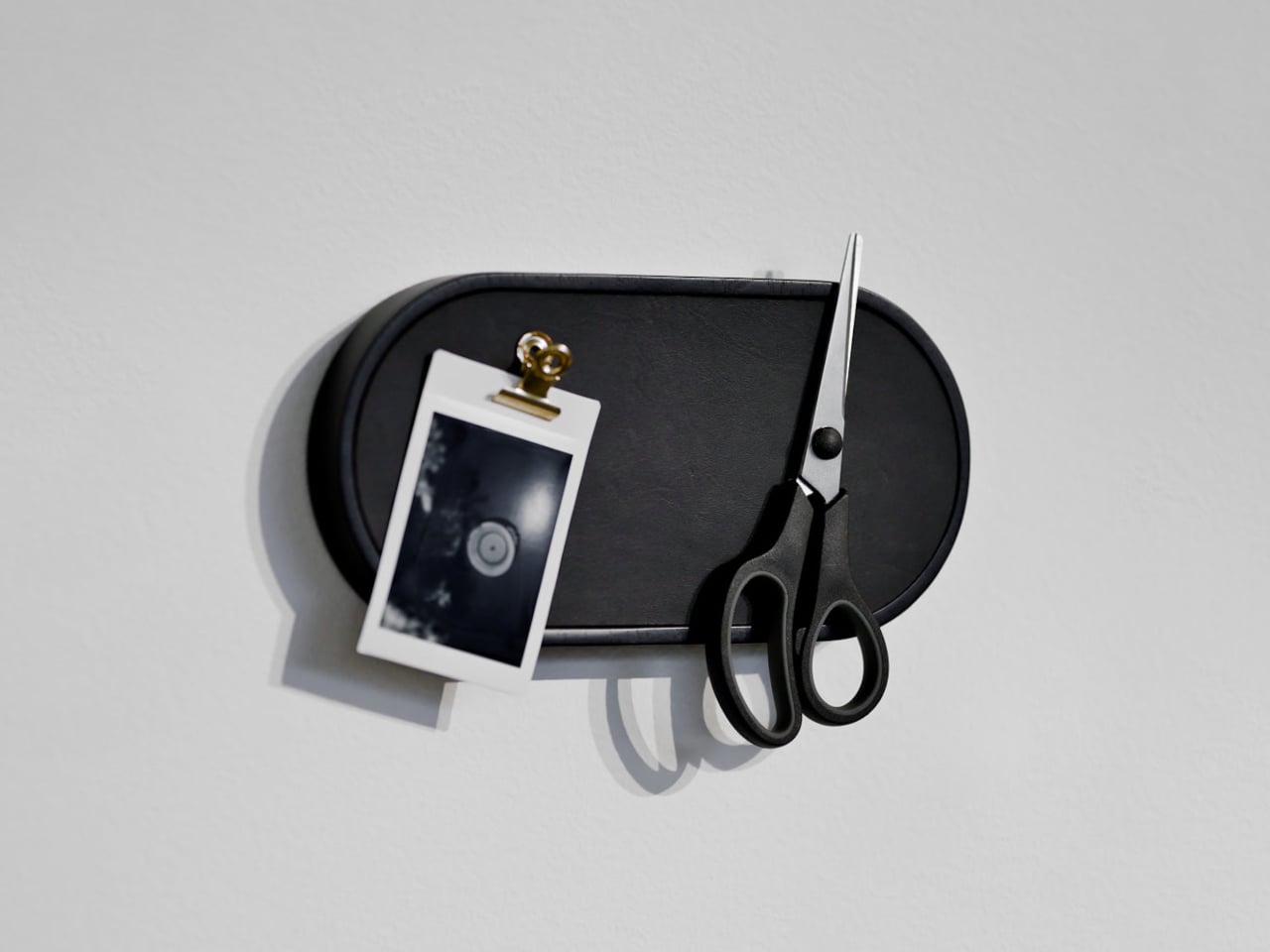
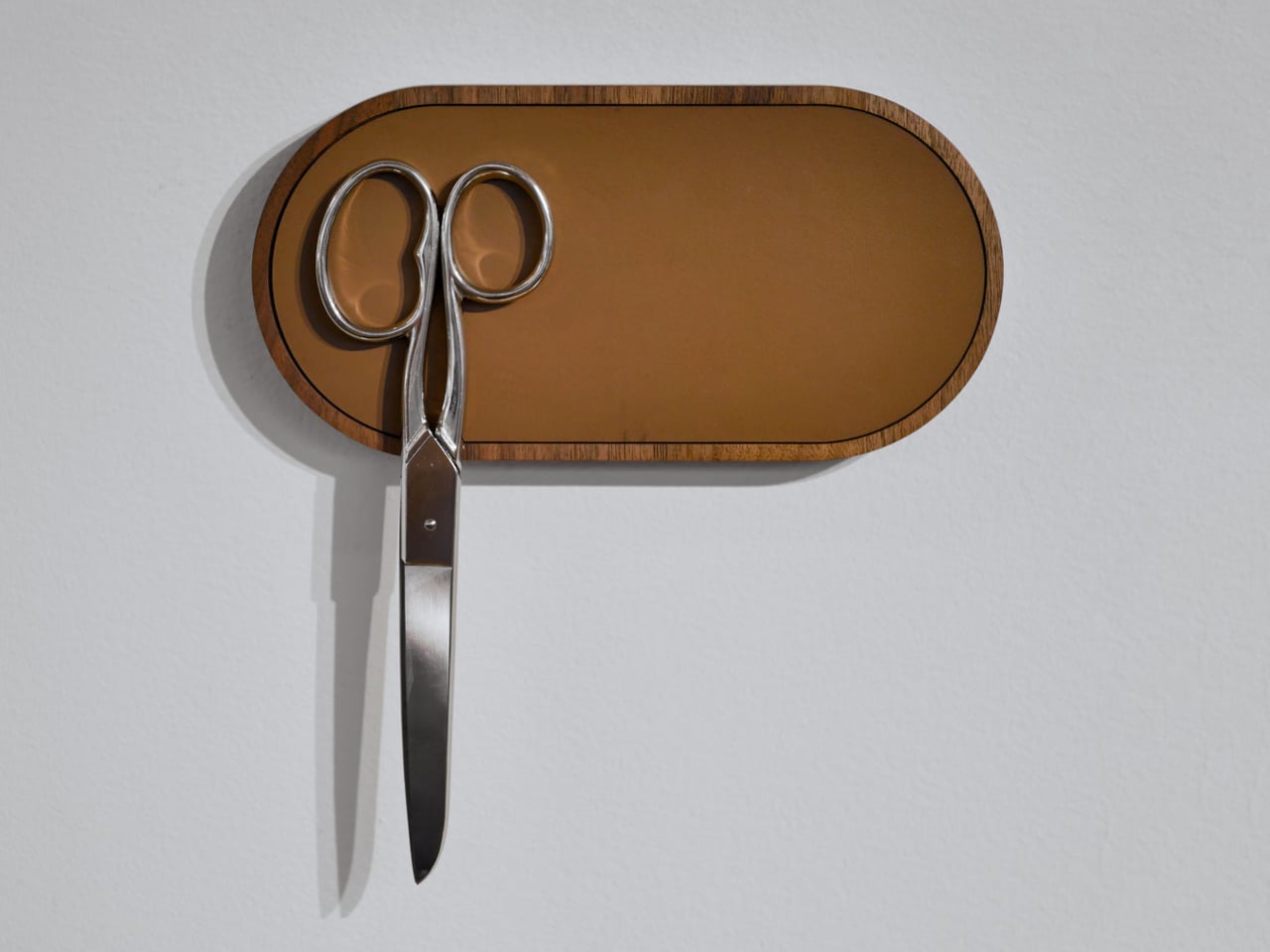
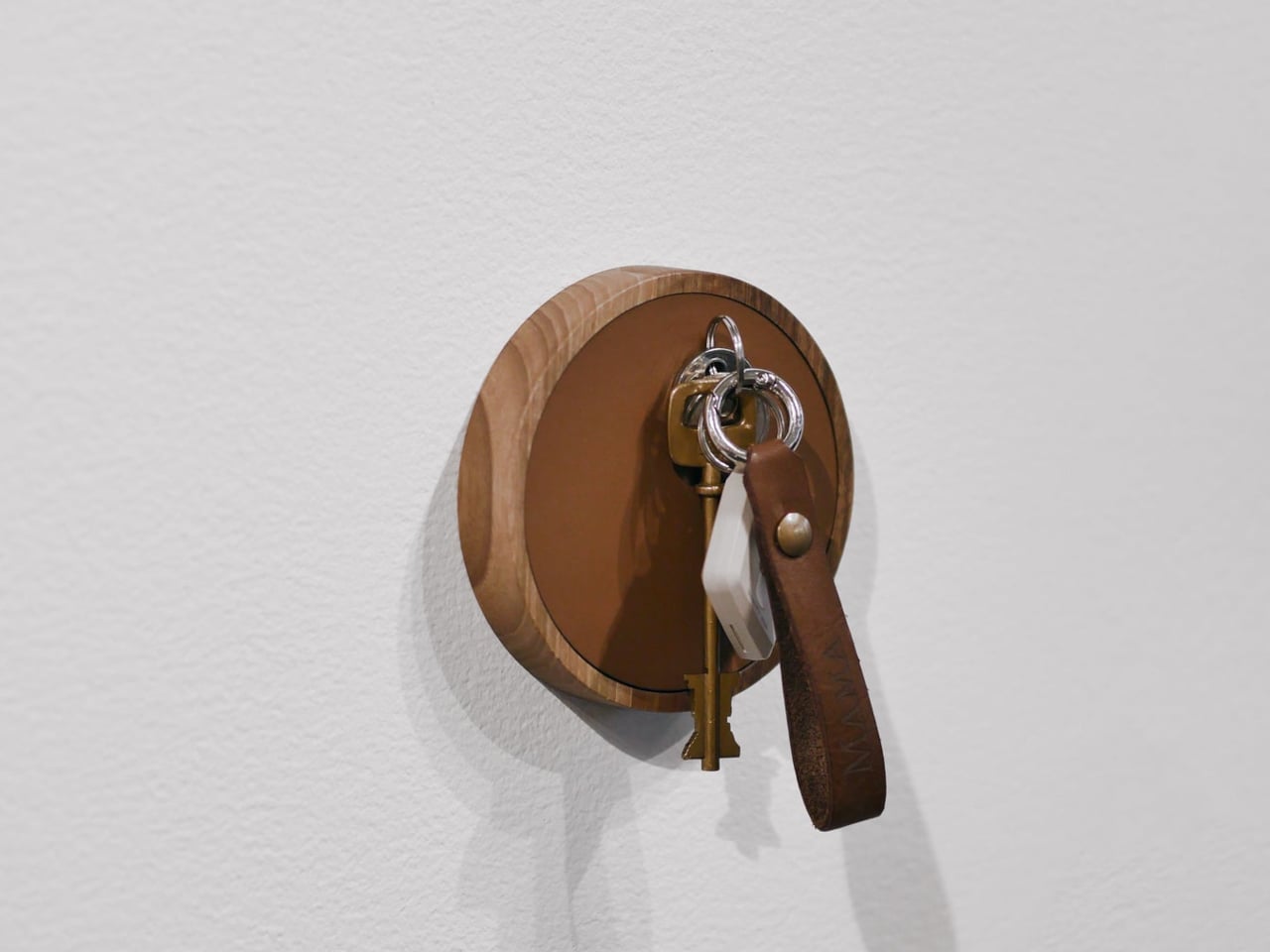
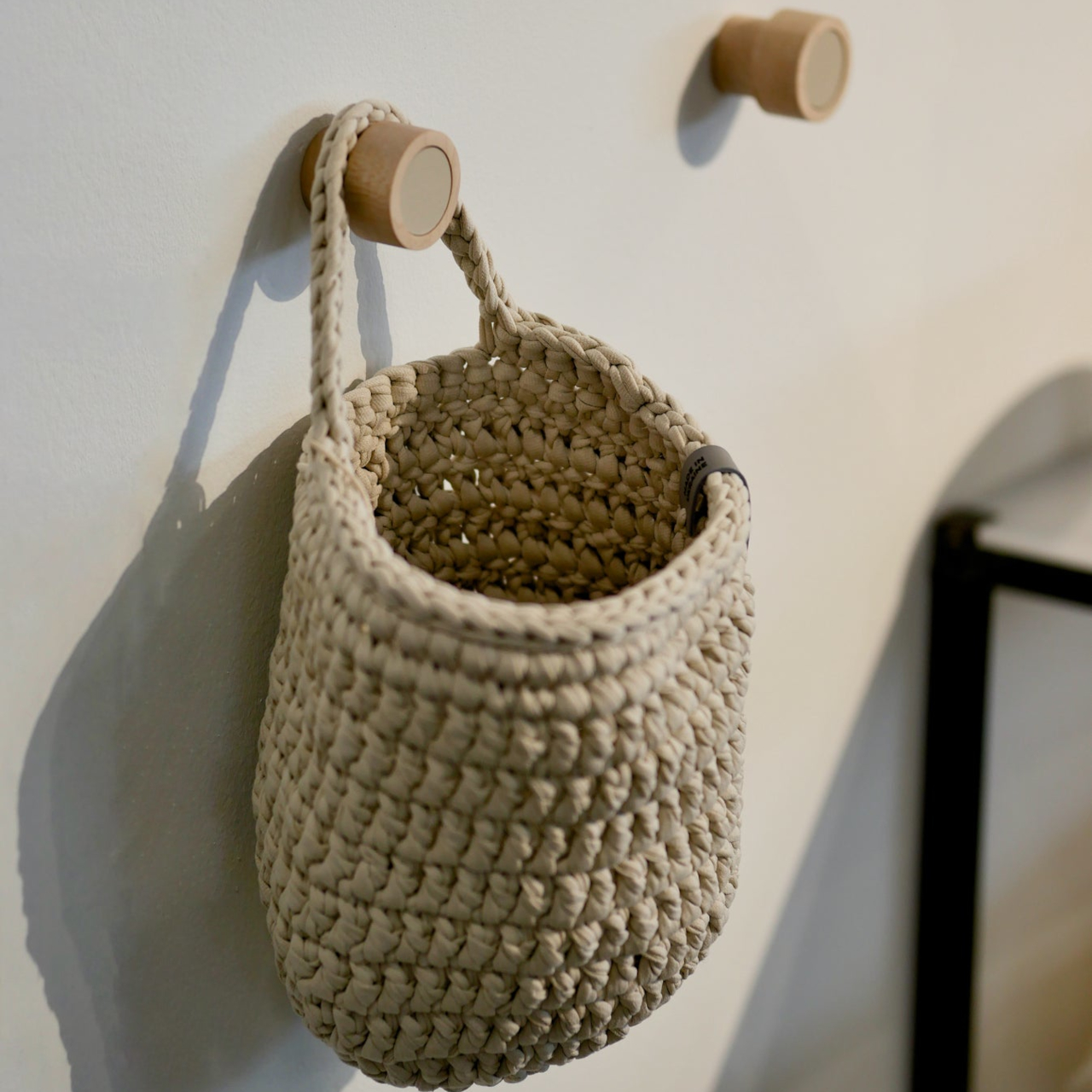
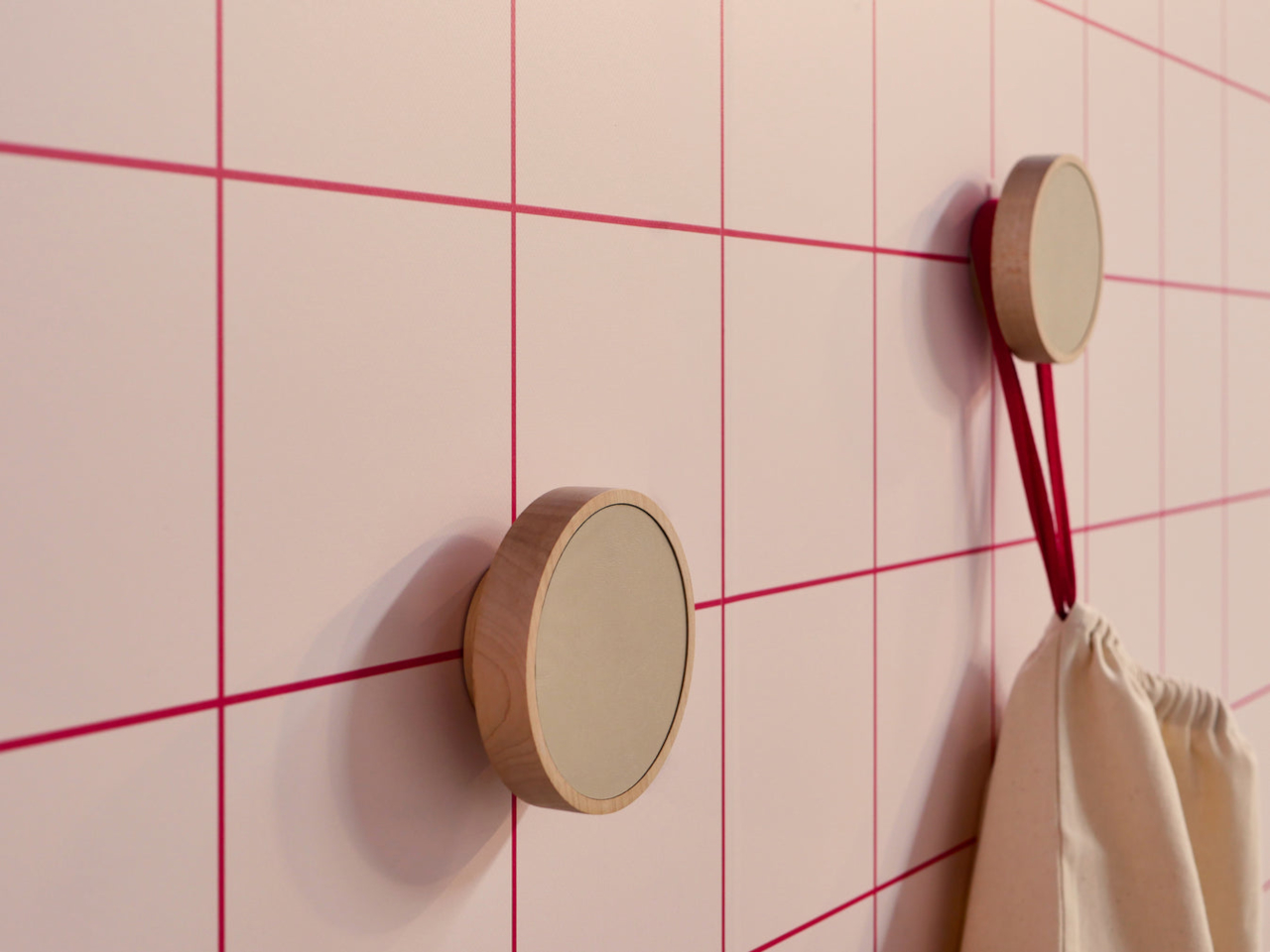
Ukrainian design brand dodomoom takes a different approach with its Magnetic Holders & Hooks collection. Designed by Andrii Burzi, the pieces combine natural wood and smooth leather to make something that looks far more like wall decor than a key holder. That impression, though, isn’t the whole story. Beneath the leather surface, a precision magnetic system does the actual work of holding keys and other small metal objects.

Designer: Andrii Burzi

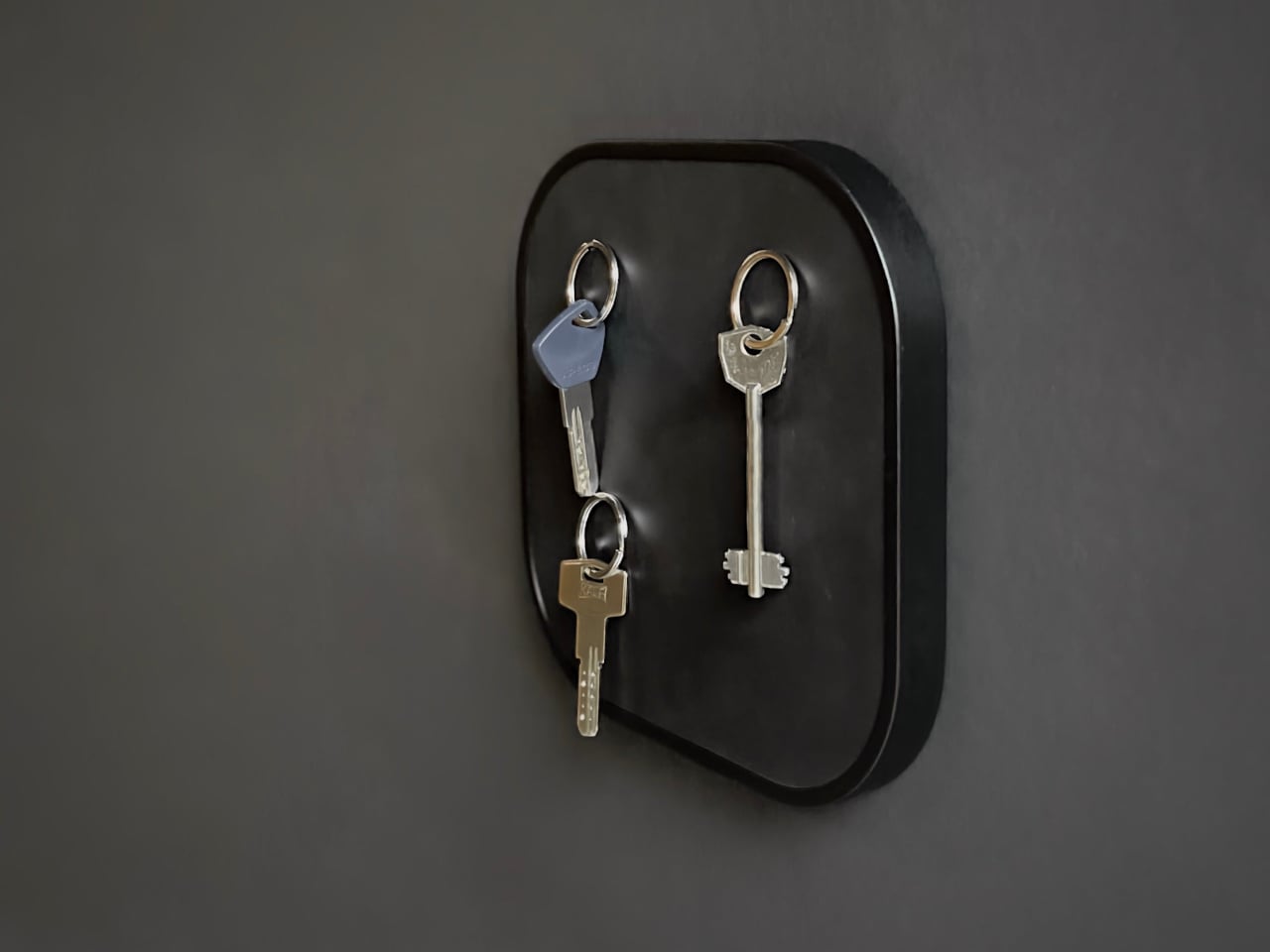
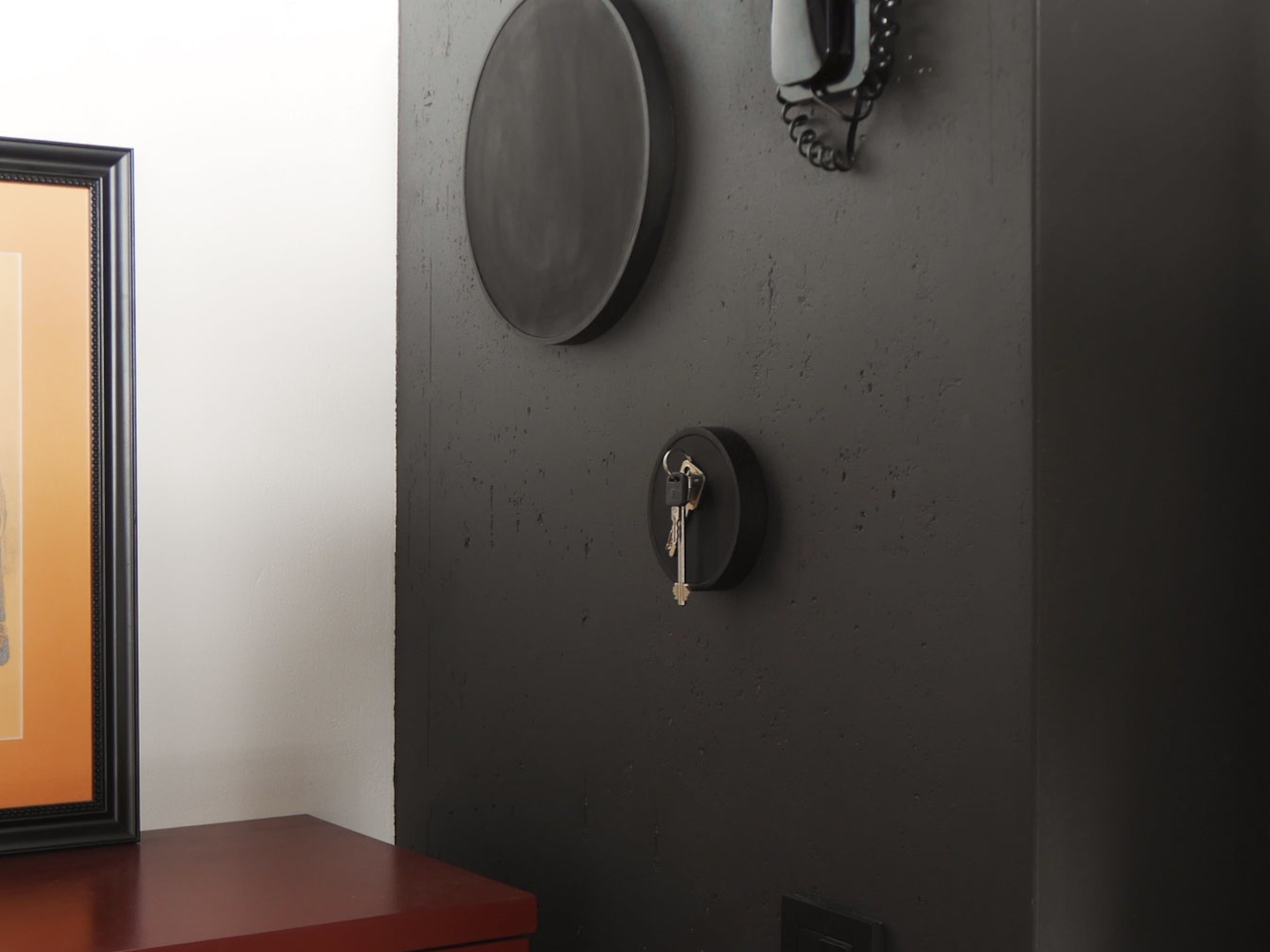
That hidden mechanism is part of what makes the collection so satisfying to use. There’s no hook to loop your keys onto, no notch to fumble with when your hands are full. You just bring your keys close to the surface, and the magnets hold them flat against the leather face. Burzi described the reaction from people who try it: “It isn’t magic. It’s precision.”

The collection has six pieces in total, ranging from the compact Nordic Little Magnetic Holder to the larger Nordic Family Magnetic Holder, which can hold up to four sets of keys at once and measures roughly 8 inches square. You can mount any of them with 3M adhesive tape or standard screws, giving you the option to hang them without committing to permanent hardware on the wall.

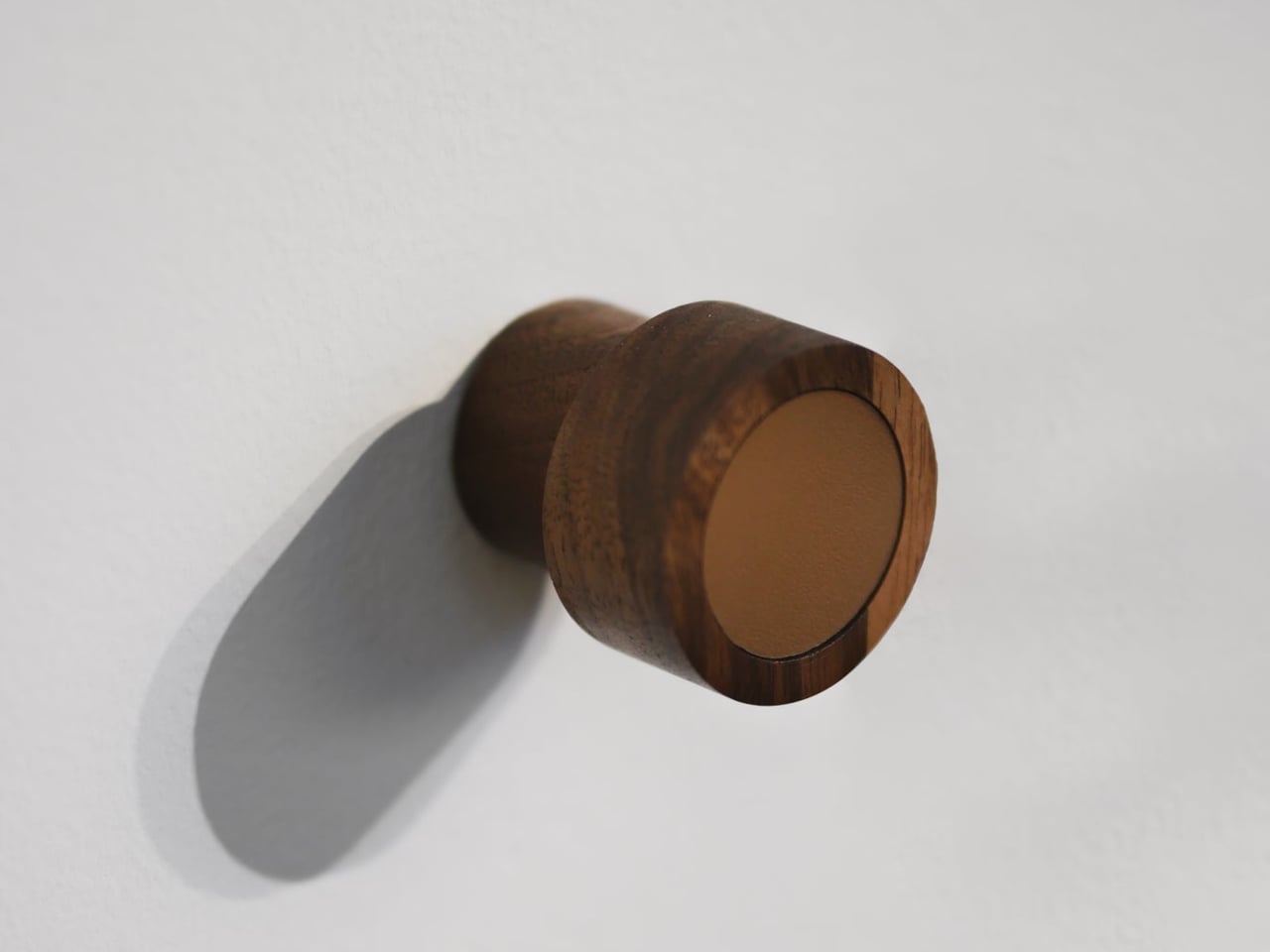
Each piece is available in walnut, ash, or maple, with a Night Black option in painted ash for spaces with a darker palette. The leather inlay sits against the wood base, and the combination reads as considered rather than decorative for its own sake. These aren’t objects that need to be explained; you’d be happy having them on the wall even if they didn’t hold a single key.

The collection also includes the Nordic Little Coat Hook, which follows the same material language as the rest of the holders. That consistency matters if you’re planning to use more than one piece on the same wall, and dodomoom clearly anticipated that. The Nordic Line is designed with modularity in mind, so pairing a key holder with a coat hook feels more like a deliberate arrangement than an accidental one.

The Nordic Family Magnetic Holder is priced at $98, which puts it closer to a considered purchase than an impulse buy. That’s a fair trade-off for something that pulls double duty as a decorative object and doesn’t make you stare at an ugly key rack every time you come home. Most entryway solutions make you pick between looking good and working well, and dodomoom doesn’t put you in that spot.

The post These Wood and Leather Wall Holders Swap Hooks for Hidden Magnets first appeared on Yanko Design.

Hermès Paddock Yoyo Charger is a luxury wireless charging experience for Apple devices

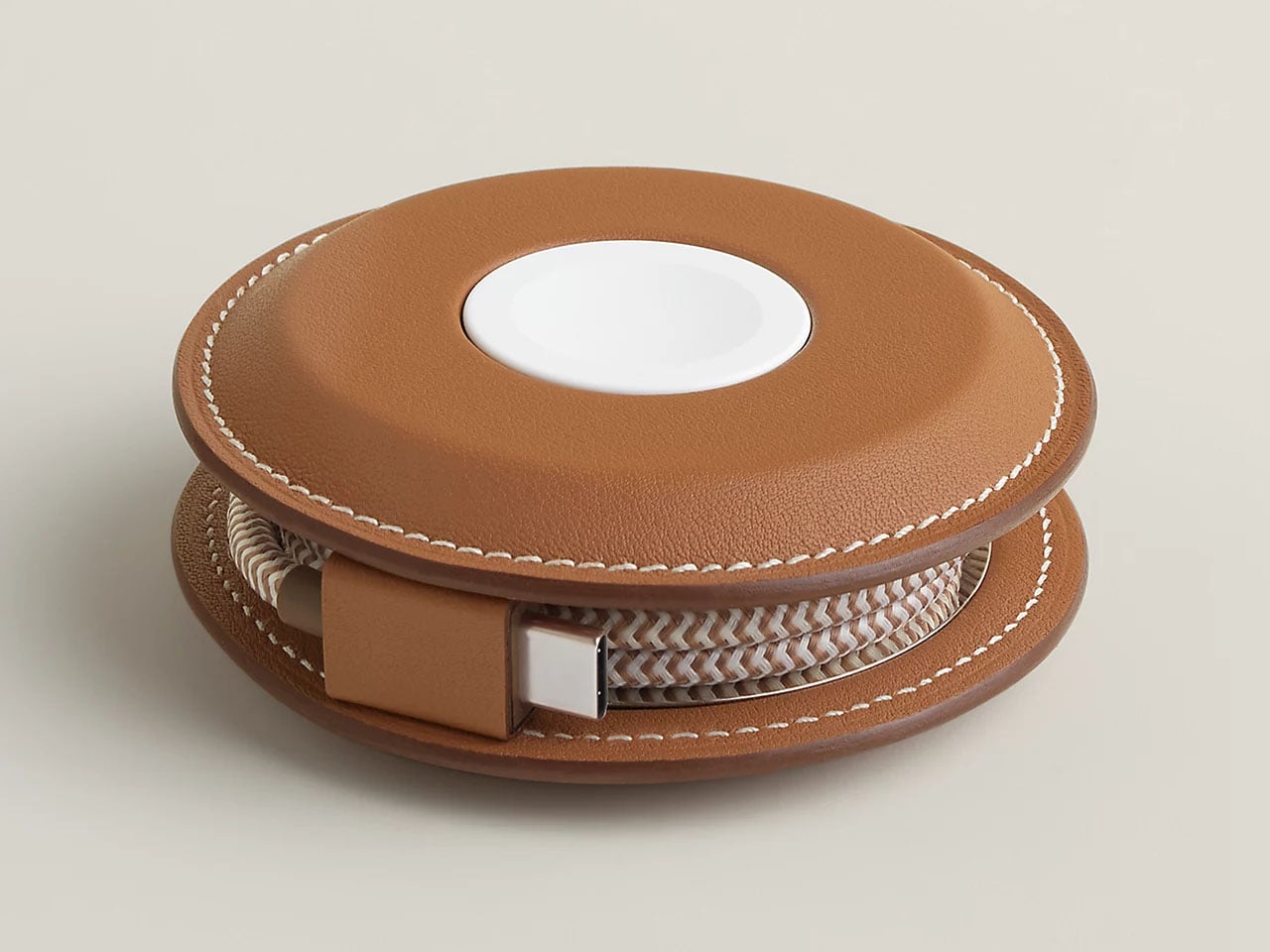
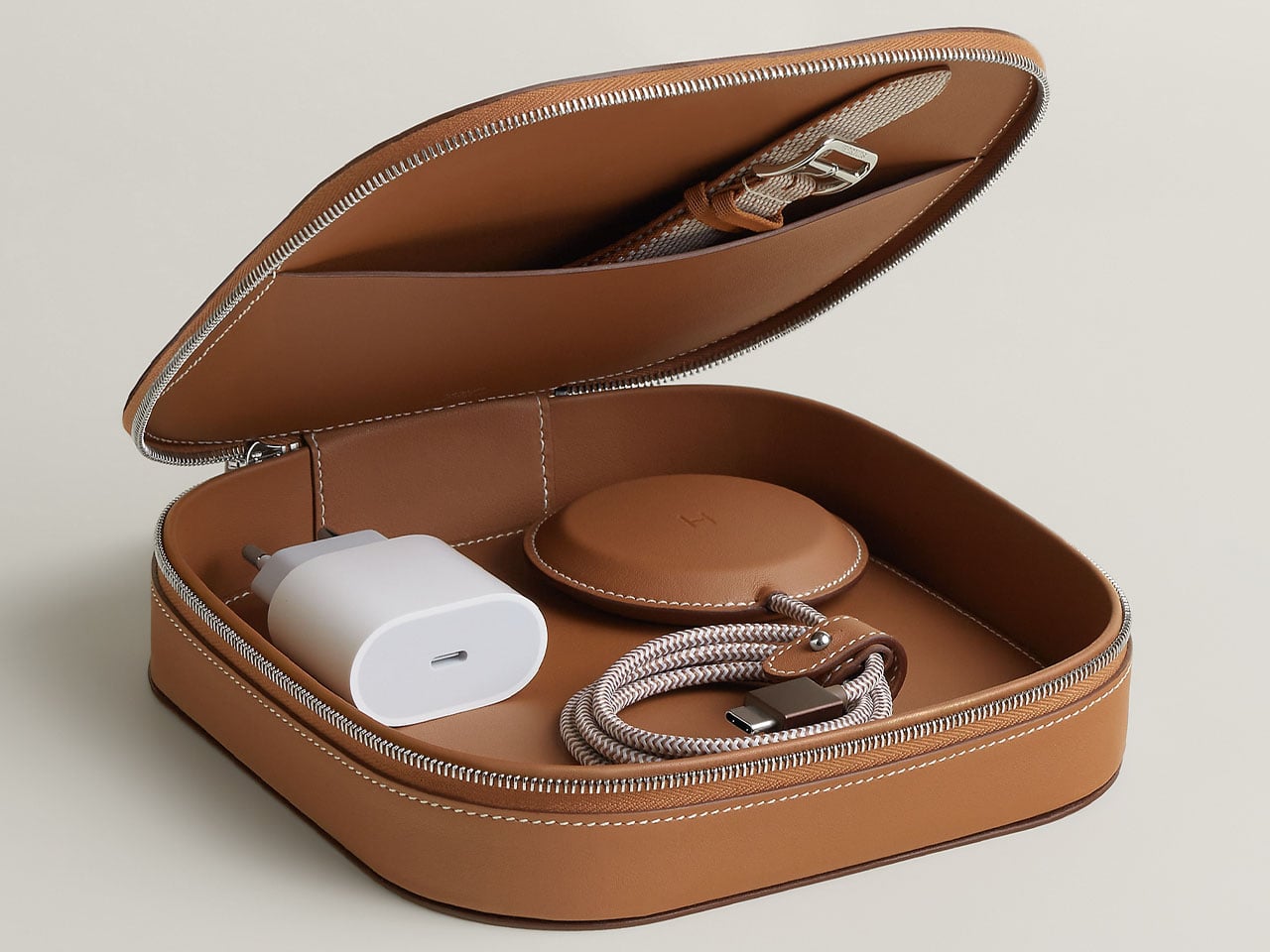
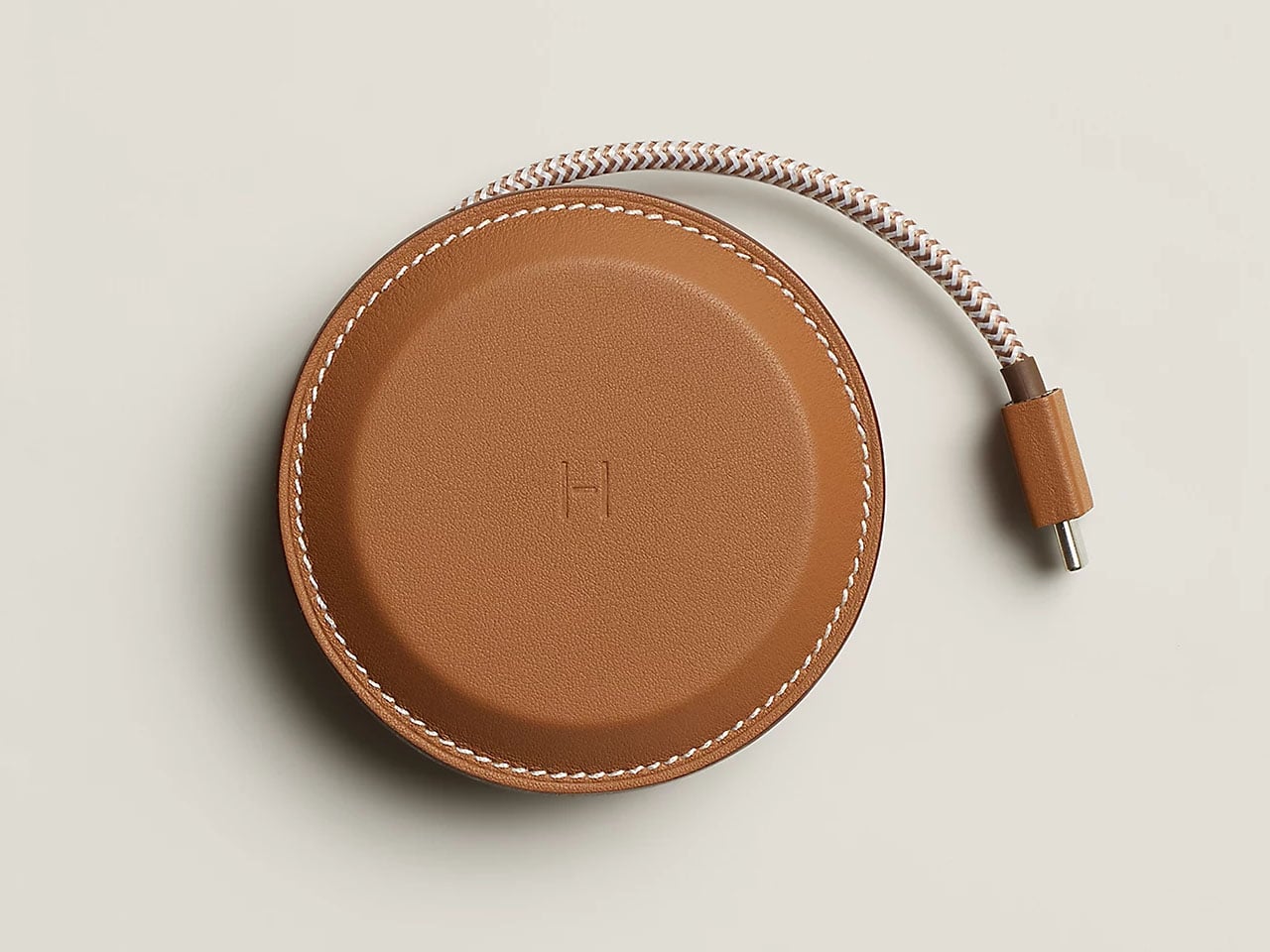
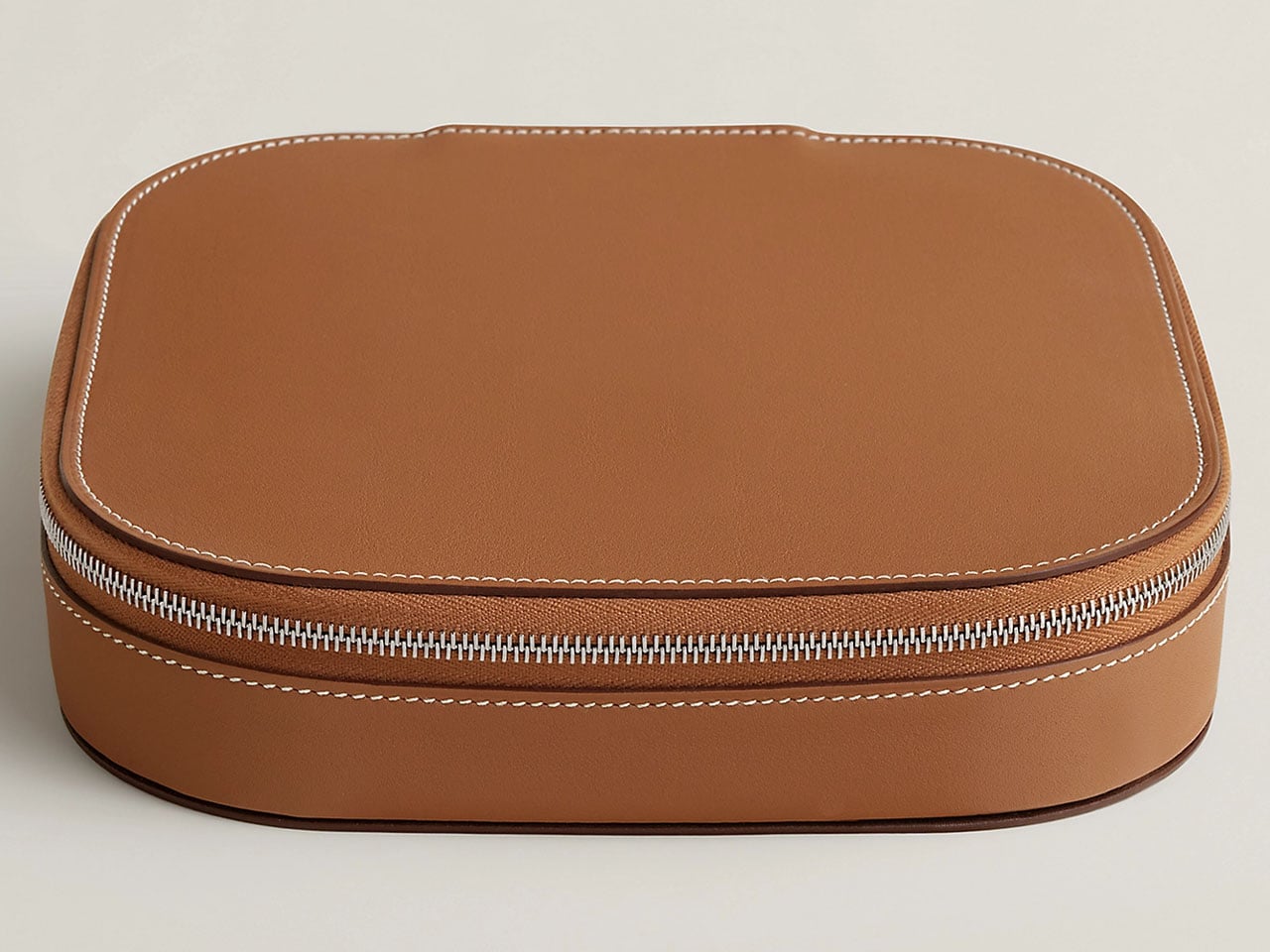
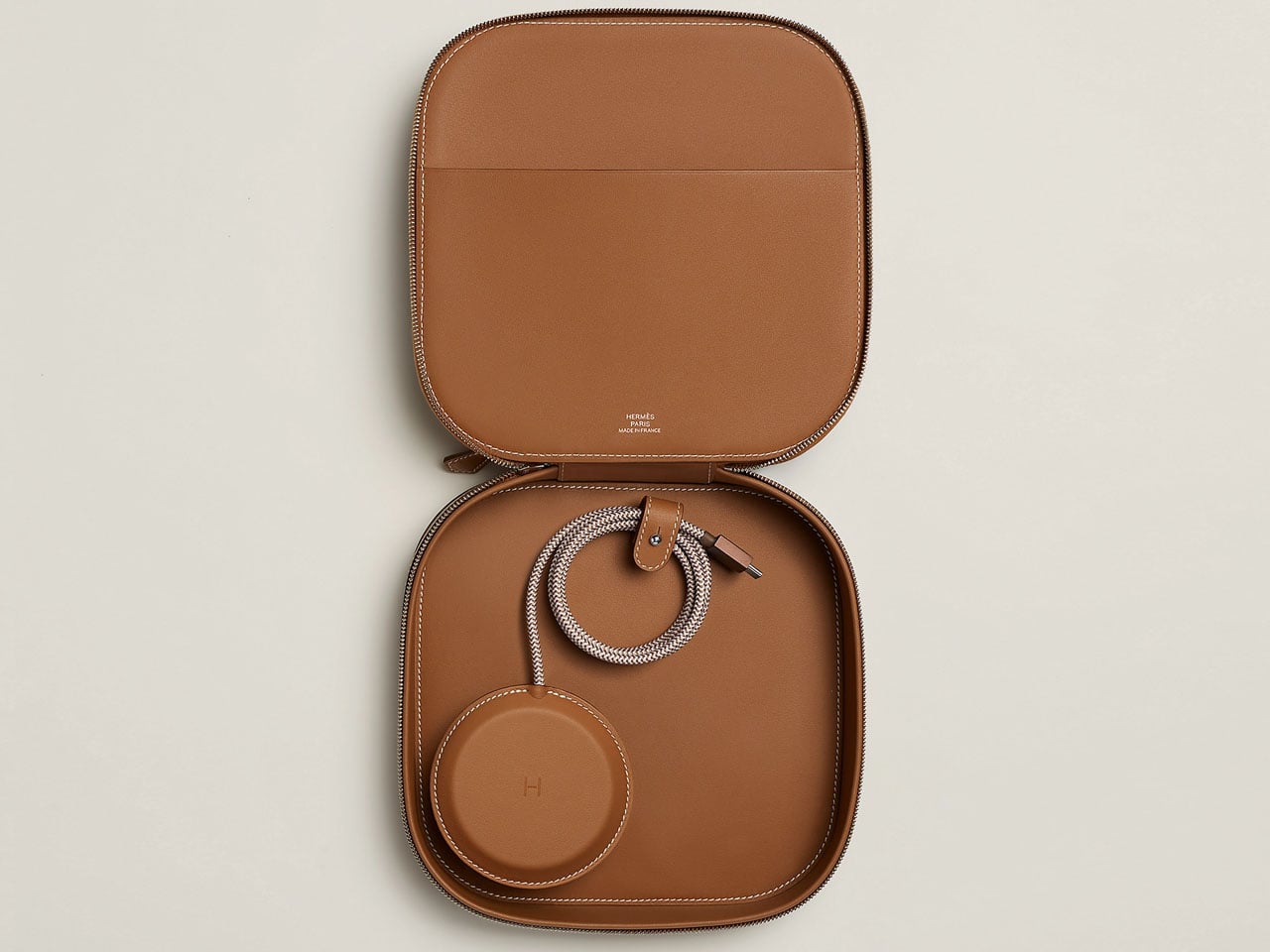
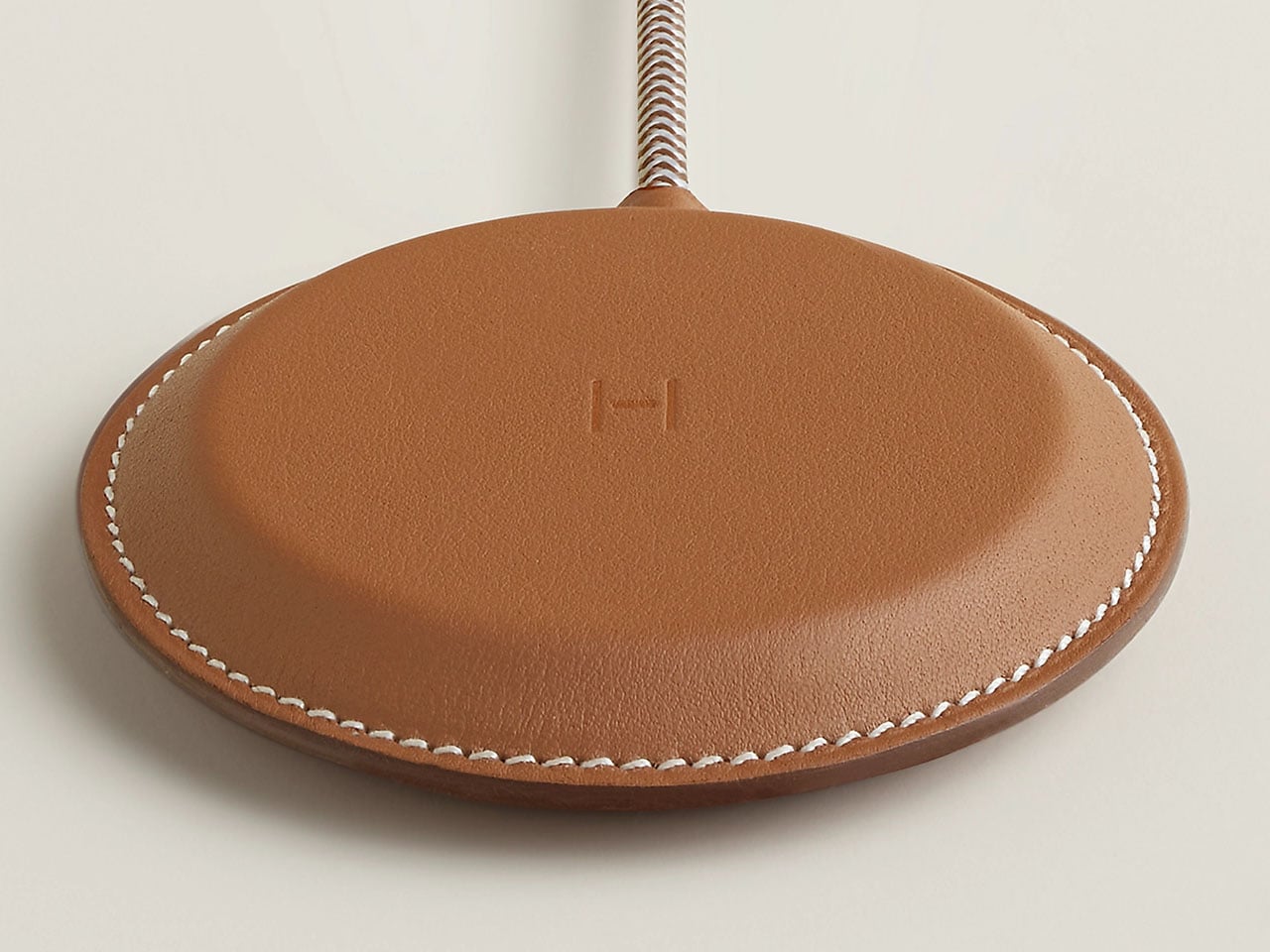
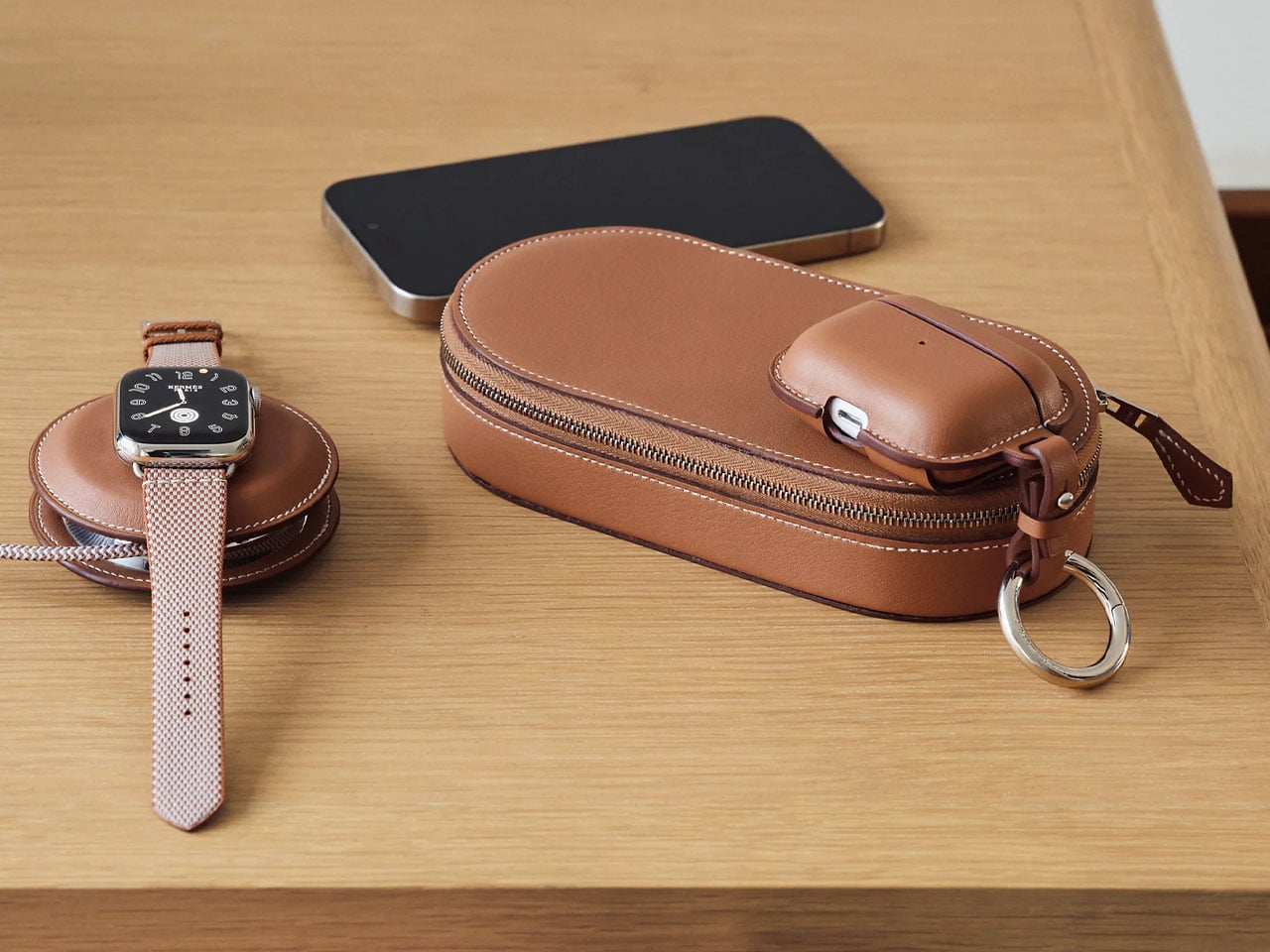
There are MagSafe chargers, and then there is the Hermes Paddock Yoyo Charger. The French luxury brand has crafted a leather charger case for your Apple devices that costs much more than the iPhone 17 Pro Max or the MacBook Air. This accessory comes as a part of the Hermes spring tech collection, which includes the Paddock Solo charger, Grand Paddock Case, and the Paddock Duo Charger.

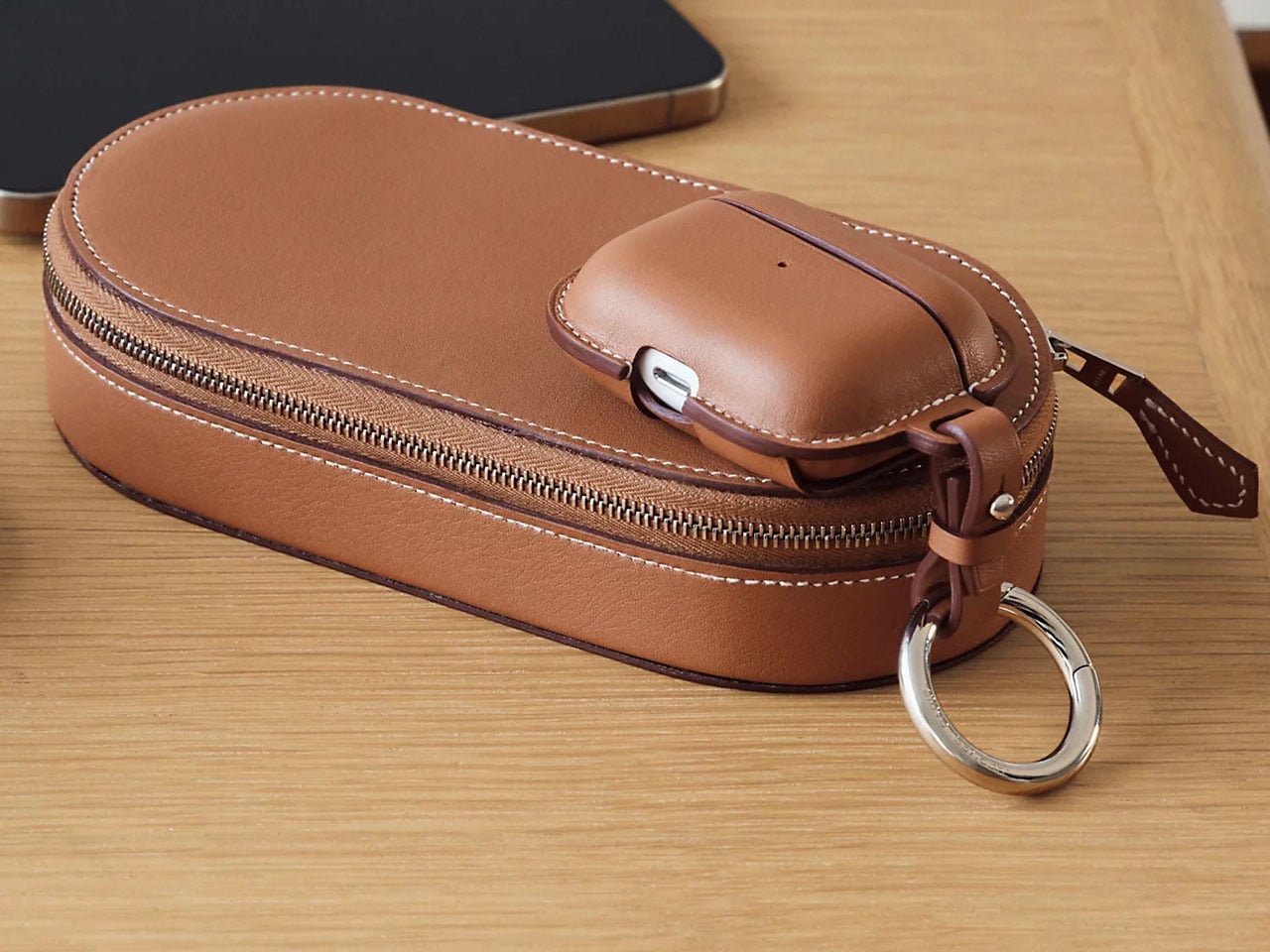
This new collection of leather-wrapped charging accessories for Apple devices by Hermes is certainly targeted at the rich and famous. Clearly, style and status symbols are at the fore in this line-up, but we got most intrigued by the unique design of the Yoyo Charger and the subtle luxury of the Grand Paddock Case.

Designer: Hermes

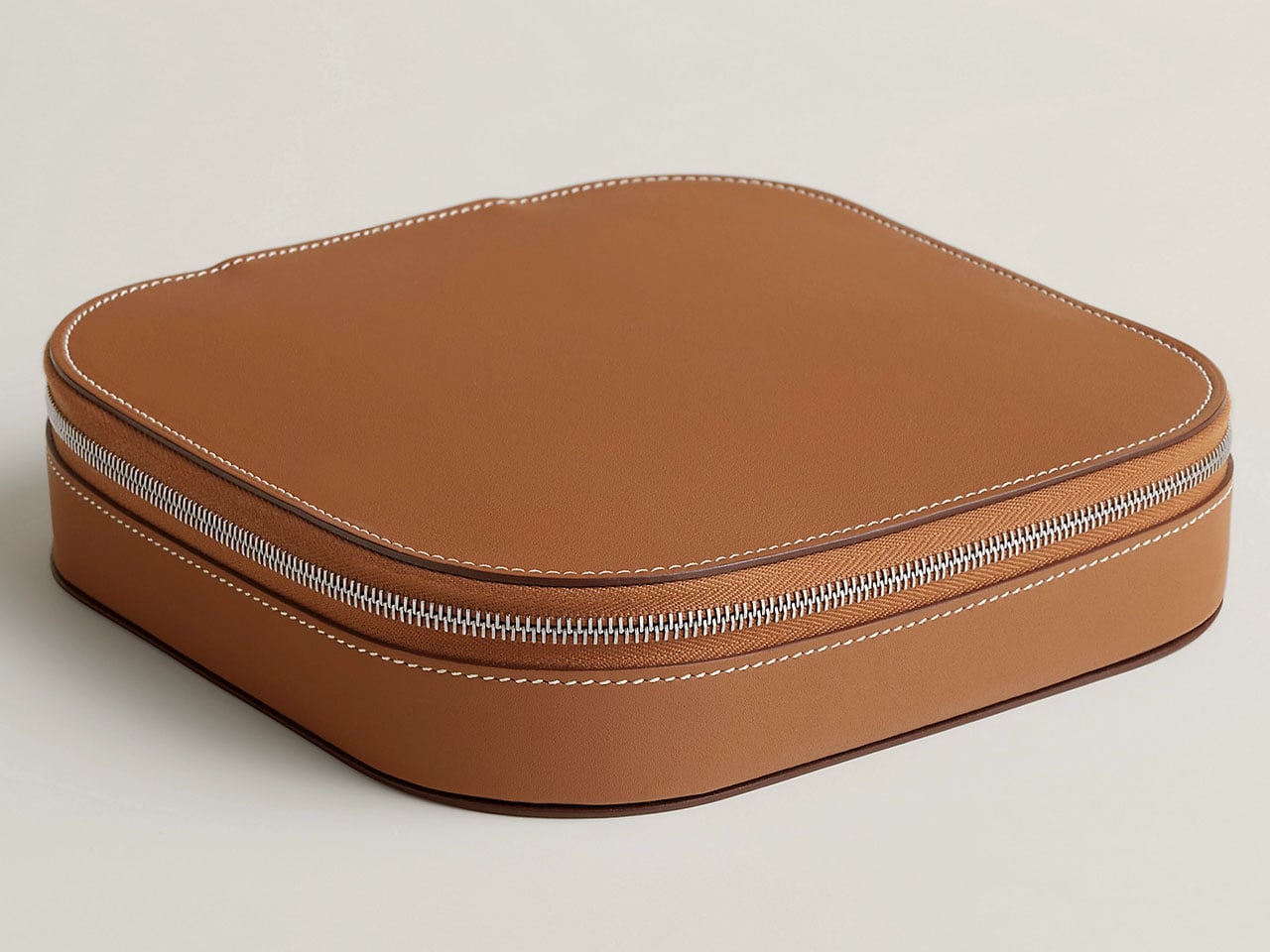
Both the Yoyo Charger and the Grand Paddock Case are crafted in Gold Swift calfskin with artisan-level saddle stitching. The use of premium materials and attention to detail make it opulent to the feel and touch. The Yoyo Charger has two MagSafe charging zones for fast charging of your multiple Apple gadgets like iPhone, AirPods, or Apple Watch. Complementing the yoyo-shaped charger is the travel-ready Grand Paddock Case, which comes with an inner storage pocket and doubles as a protective casing for the Yoyo Charger.

The internal charging system relies on MagSafe and Qi-compatible wireless charging technology, making it compatible with MagSafe-enabled iPhones starting from the iPhone 12 generation, as well as other wireless charging accessories. Power is delivered through a USB-C connection, and the charging system requires a minimum 20W power input to function properly. While a USB-C cable is included with the charger, the package notably does not include a wall power adapter, meaning users must supply their own power brick.

While this might feel unusual given the price point, it aligns with the increasingly common practice among electronics brands to exclude power adapters from accessory packages. Pricing across the Hermès charging collection highlights the brand’s focus on exclusivity rather than affordability. The Paddock Solo charger starts at around $1,250, while the Yoyo and Paddock Duo chargers are priced at approximately $1,750. When paired with the larger leather carrying cases, the price climbs dramatically. The Yoyo Charger bundled with the Grand Paddock Case reaches around $5,150, a price that exceeds many premium laptops and smartphones.

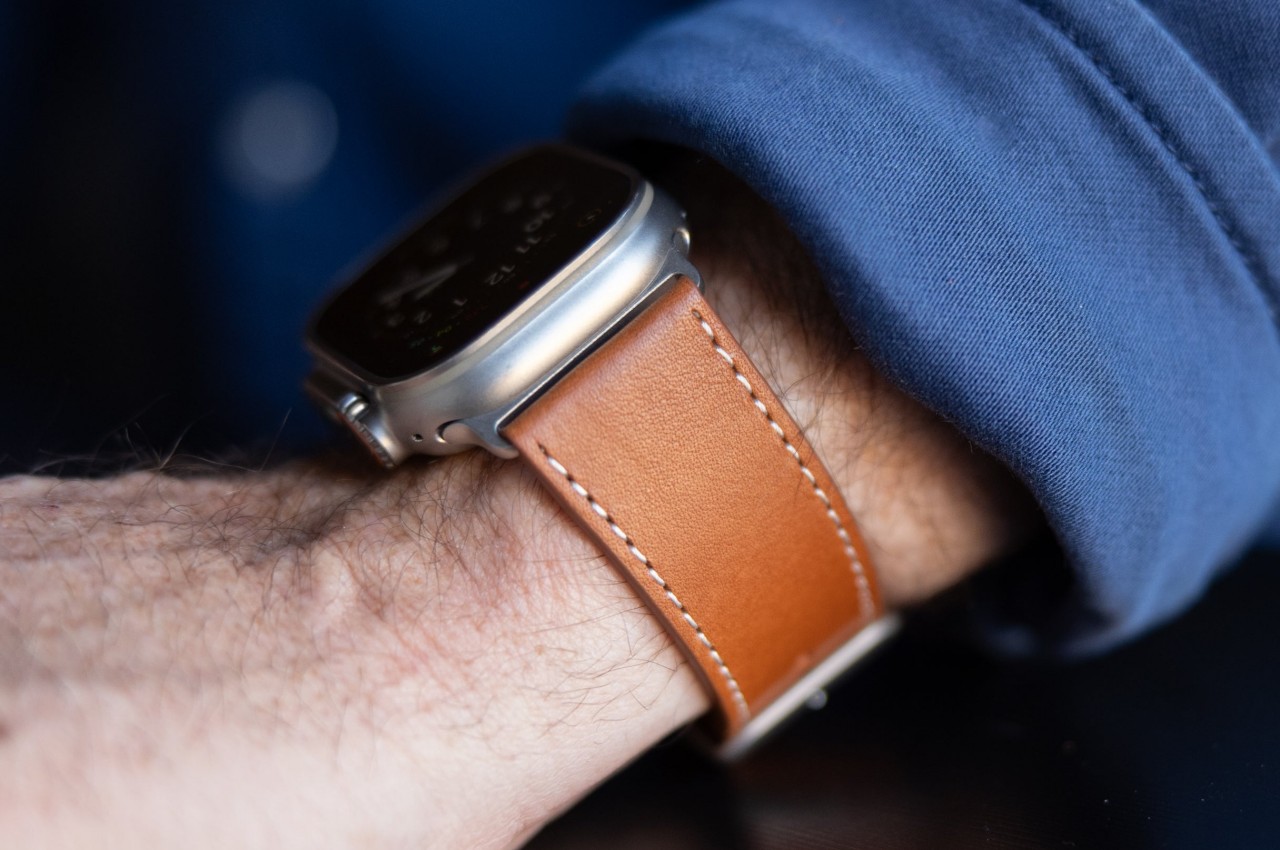
For most users, the functionality of these chargers will be similar to far more affordable wireless charging pads available on the market. However, for collectors of Hermès leather goods or those who appreciate the blend of luxury fashion with everyday technology. The French luxury high-fashion house has collaborated with Apple for years, most notably through luxury Apple Watch bands, and this charging accessory lineup extends that partnership into the broader ecosystem of Apple devices.

The post Hermès Paddock Yoyo Charger is a luxury wireless charging experience for Apple devices first appeared on Yanko Design.

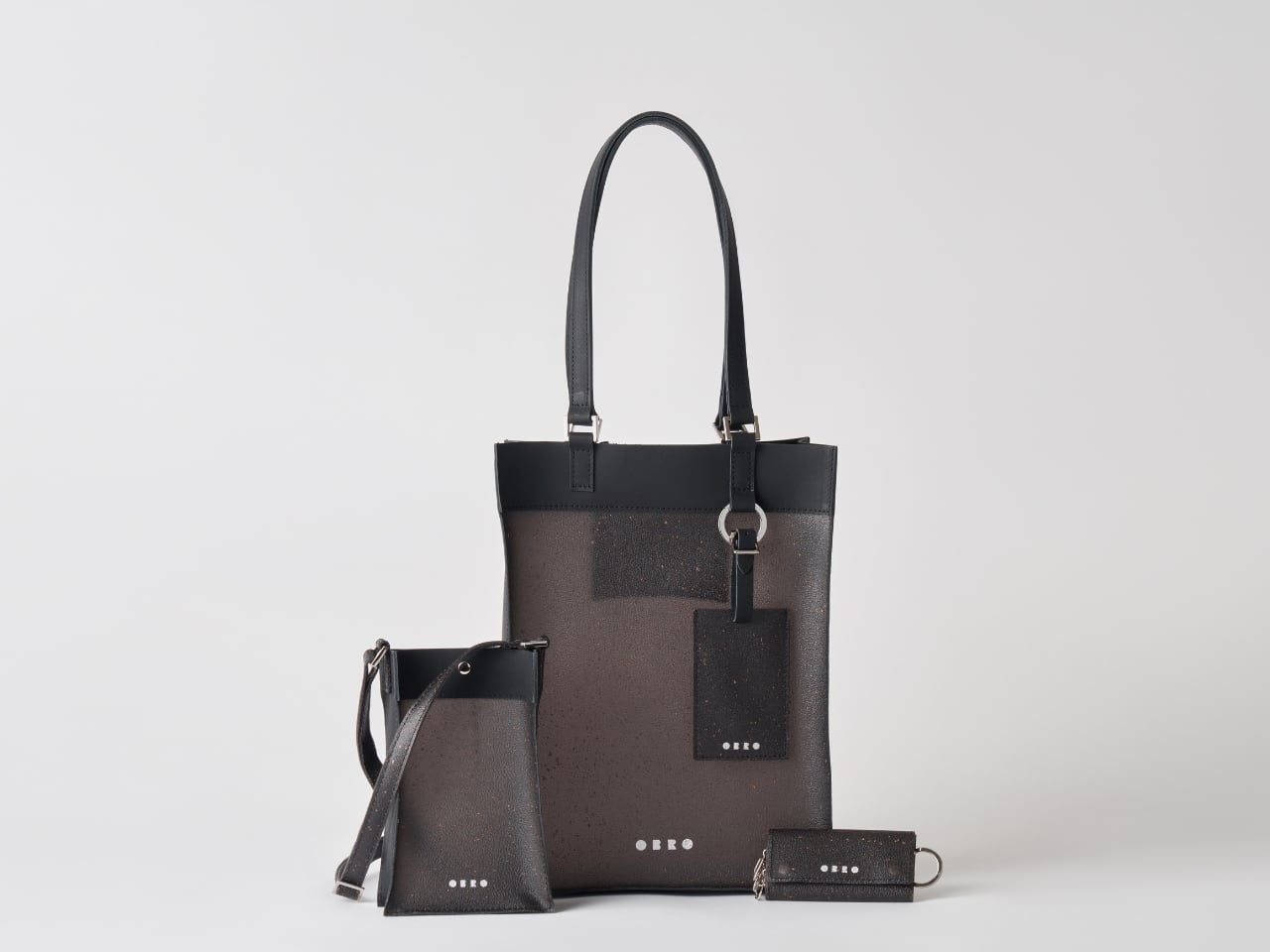
OBRO Just Turned Leather Waste Into Luxury Material

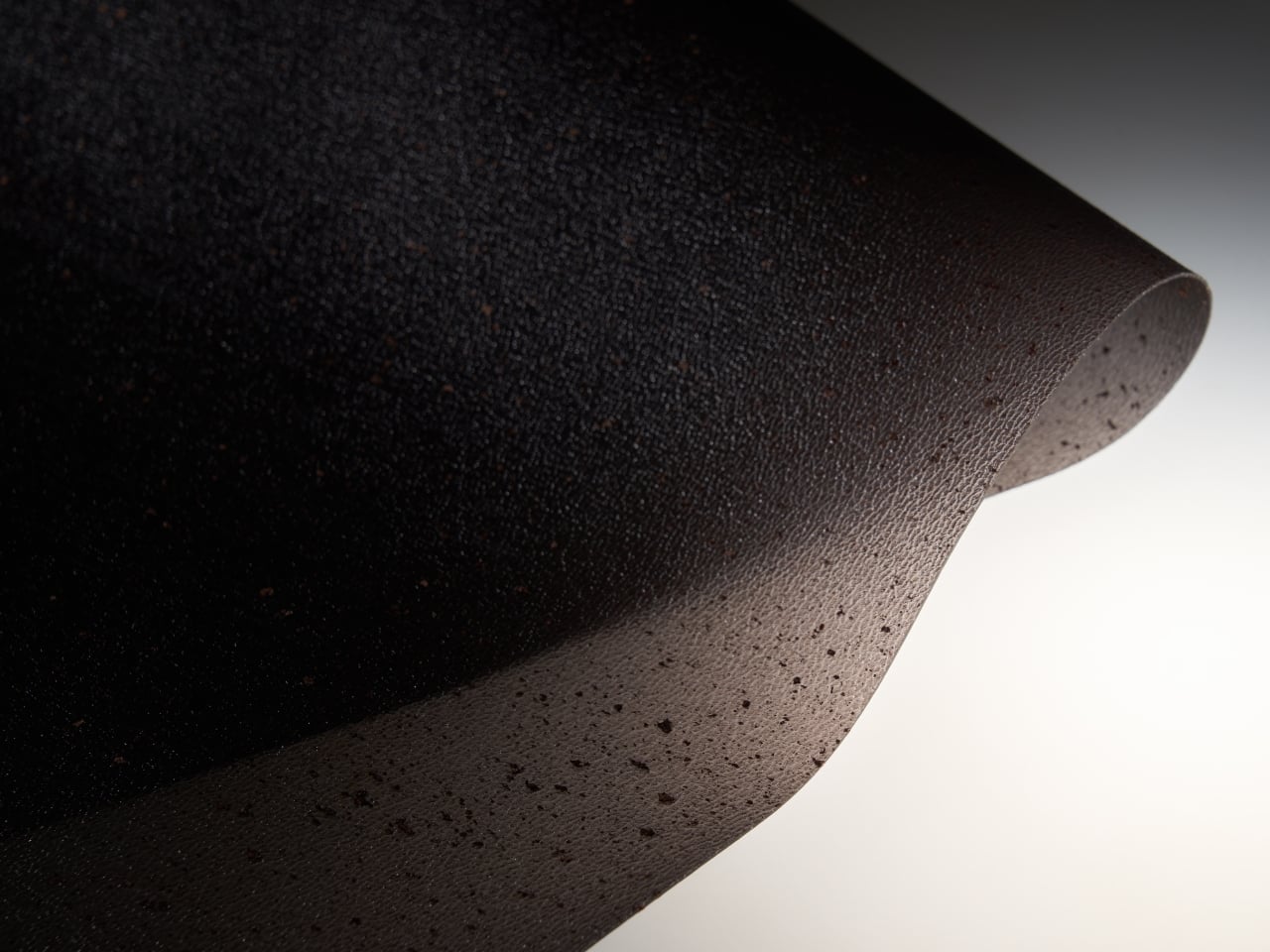
There’s something quietly radical about a material that refuses to hide what it’s made from. OBRO, a new composite from Japanese manufacturer Sanyo Co., Ltd., takes recycled leather powder and suspends it in transparent black PVC, creating a surface that looks like stars scattered across a midnight sky. Instead of disguising its origins, the material puts waste on full display, transforming discarded scraps into something you actually want to touch.

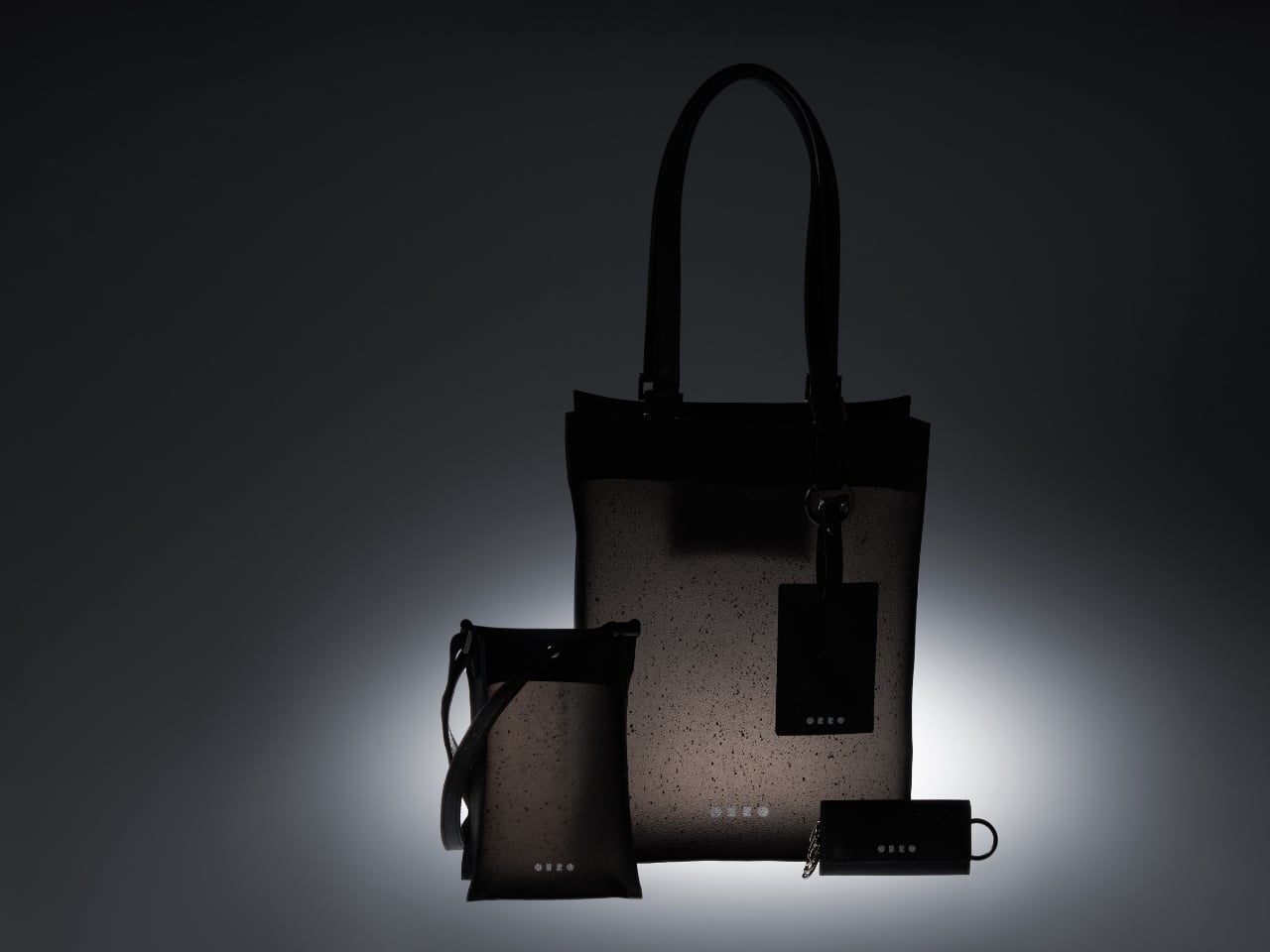
The name itself gives you a sense of the effect. OBRO comes from the Japanese word “oboro,” which translates to “hazy” or “softly blurred.” It’s that in-between quality where things aren’t quite solid, not quite translucent. Hold the material up to light and the leather fragments shimmer beneath the surface, shifting between metallic glints and organic warmth depending on the angle. It’s the kind of visual texture that photographs beautifully but probably demands to be seen in person to fully appreciate.

Designer: Satoru Shimizu / Sanyo Co., Ltd.

Sanyo Co., Ltd. has been around since 1947, so they’ve had plenty of time to understand leather as both craft and industry. What makes OBRO interesting is that it doesn’t try to replicate traditional leather. There’s no embossing to fake a hide pattern, no attempt to make you forget you’re looking at something engineered. The leather powder is ground fine enough to become part of a new material language entirely, one that feels more industrial poetry than nostalgic pastiche.

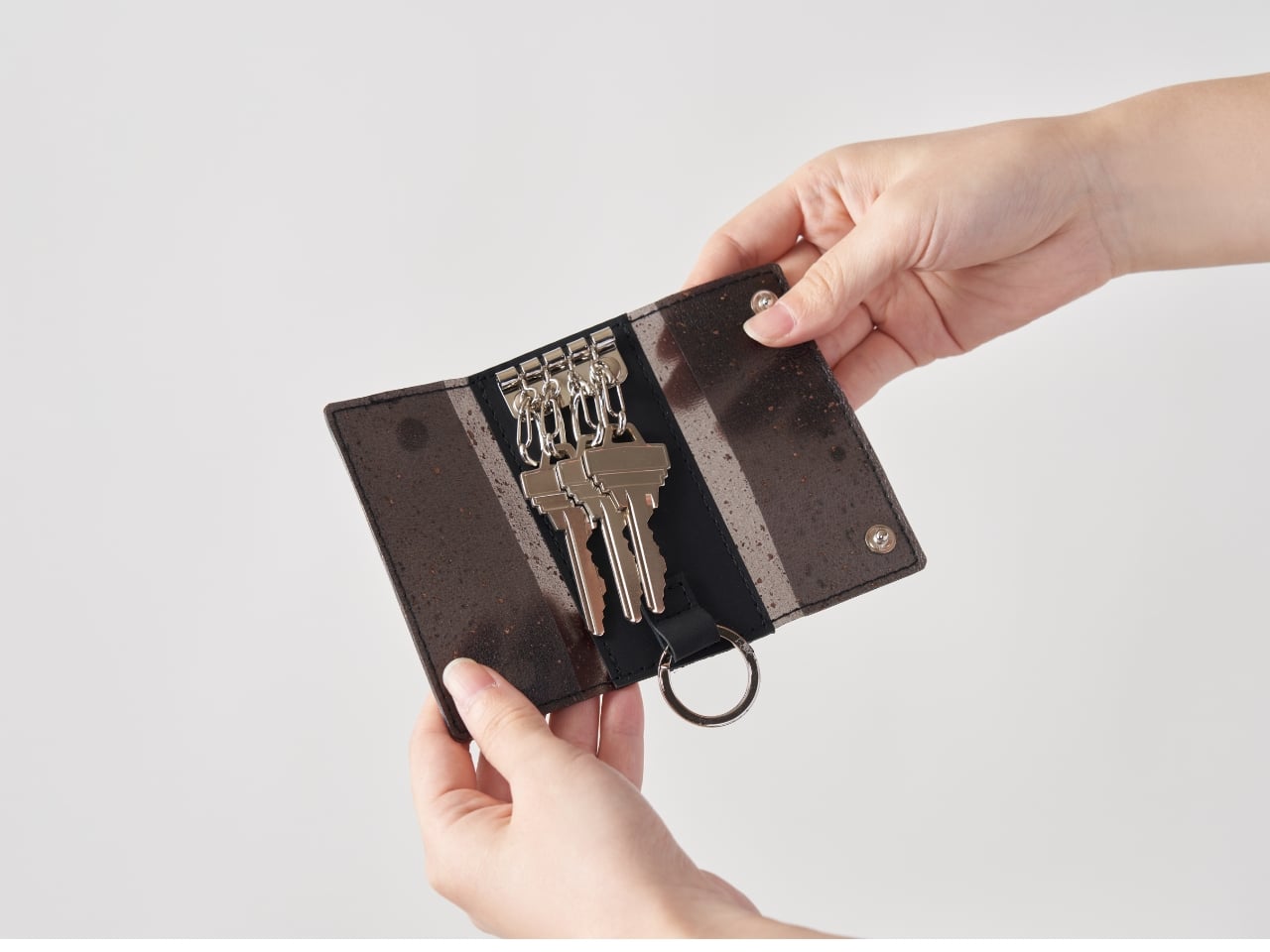
The debut collection keeps things refreshingly straightforward. There’s a tote bag, a sacoche (the compact crossbody style that’s become ubiquitous in streetwear), and a key case. All three are designed with a minimalist, gender-neutral aesthetic that lets the material do the talking. Genuine leather accents frame the OBRO panels, creating a contrast between the hazy composite and the solid, familiar texture of traditional hide. It’s a smart move that highlights what makes OBRO different without abandoning the tactile warmth people expect from leather goods.

From a practical standpoint, OBRO brings some unexpected benefits. It’s lightweight in a way full-grain leather rarely is, and the PVC component makes it water-resistant without needing chemical treatments. For anyone who’s watched a leather bag slowly absorb a rainstorm and then spent days trying to condition it back to life, that’s not nothing. The material holds its shape well, which matters when you’re talking about bags that need structural integrity but don’t want the stiffness of heavily lined leather.

What’s compelling here is the philosophy embedded in the material itself. Most sustainable design efforts focus on using less, sourcing better, or finding biodegradable alternatives. OBRO takes a different approach by celebrating the waste stream as a visible design element. Those leather fragments aren’t hidden away or ground so fine they disappear. They’re the whole point, catching light and creating depth in a way that pure PVC never could. It’s sustainability that doesn’t ask you to compromise on aesthetics or accept something less refined in the name of environmental responsibility.

Designer Satoru Shimizu and the team at Sanyo have essentially created a new category. OBRO isn’t vegan leather trying to pass for the real thing, and it isn’t traditional leather pretending it has no environmental cost. It’s a third option that acknowledges material waste as an inevitable part of production and then asks what happens if we make that visible, beautiful, and functional all at once.

The market for this feels broad. Design enthusiasts will appreciate the material innovation and Japanese attention to detail. Tech-minded people will respect the engineering that makes disparate elements work together cohesively. Fashion and streetwear audiences already gravitate toward pieces that tell a material story, especially when that story involves reimagining waste. And anyone tired of greenwashing will probably appreciate a product that shows its sustainable credentials literally on its surface.

The post OBRO Just Turned Leather Waste Into Luxury Material first appeared on Yanko Design.

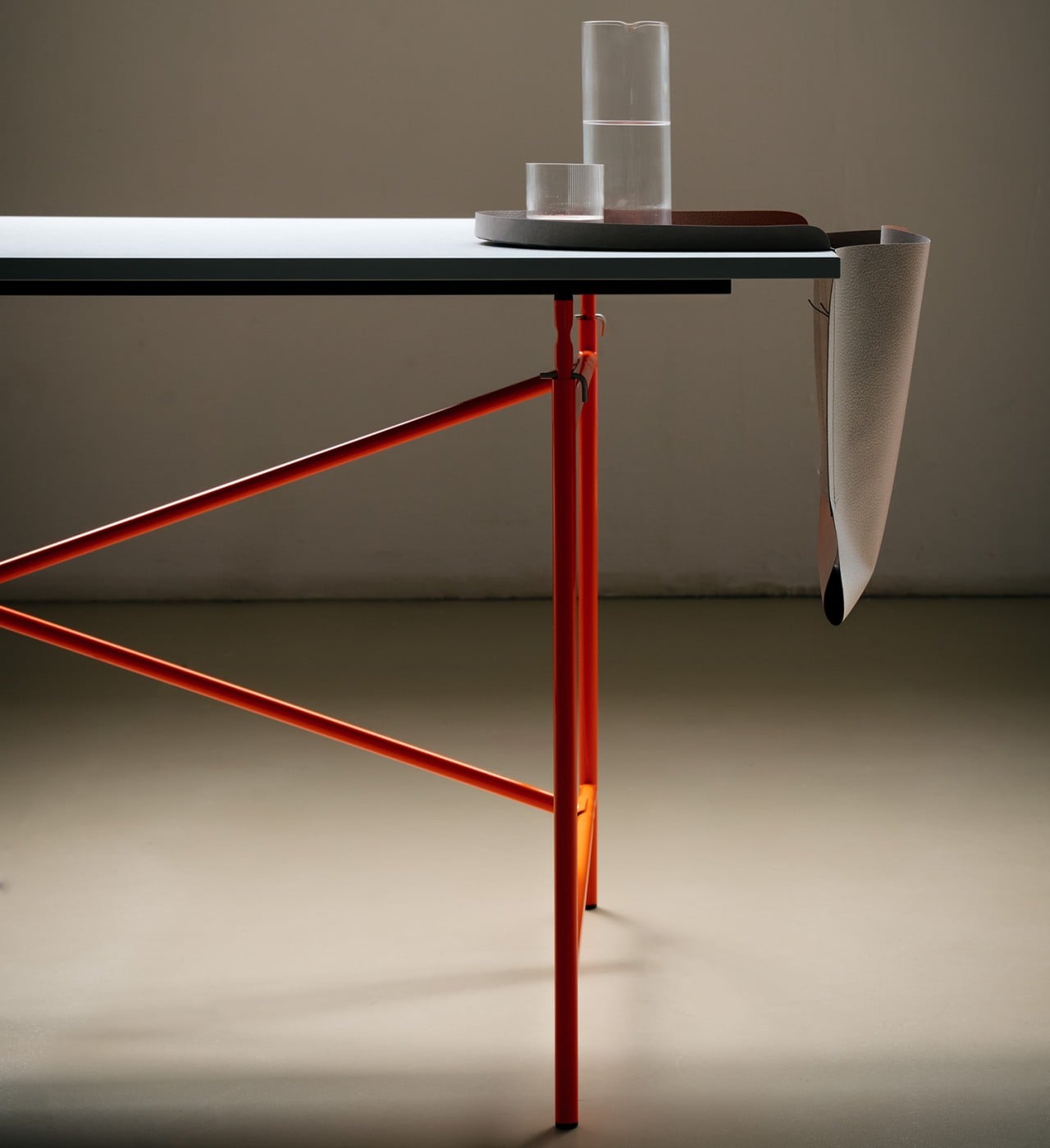
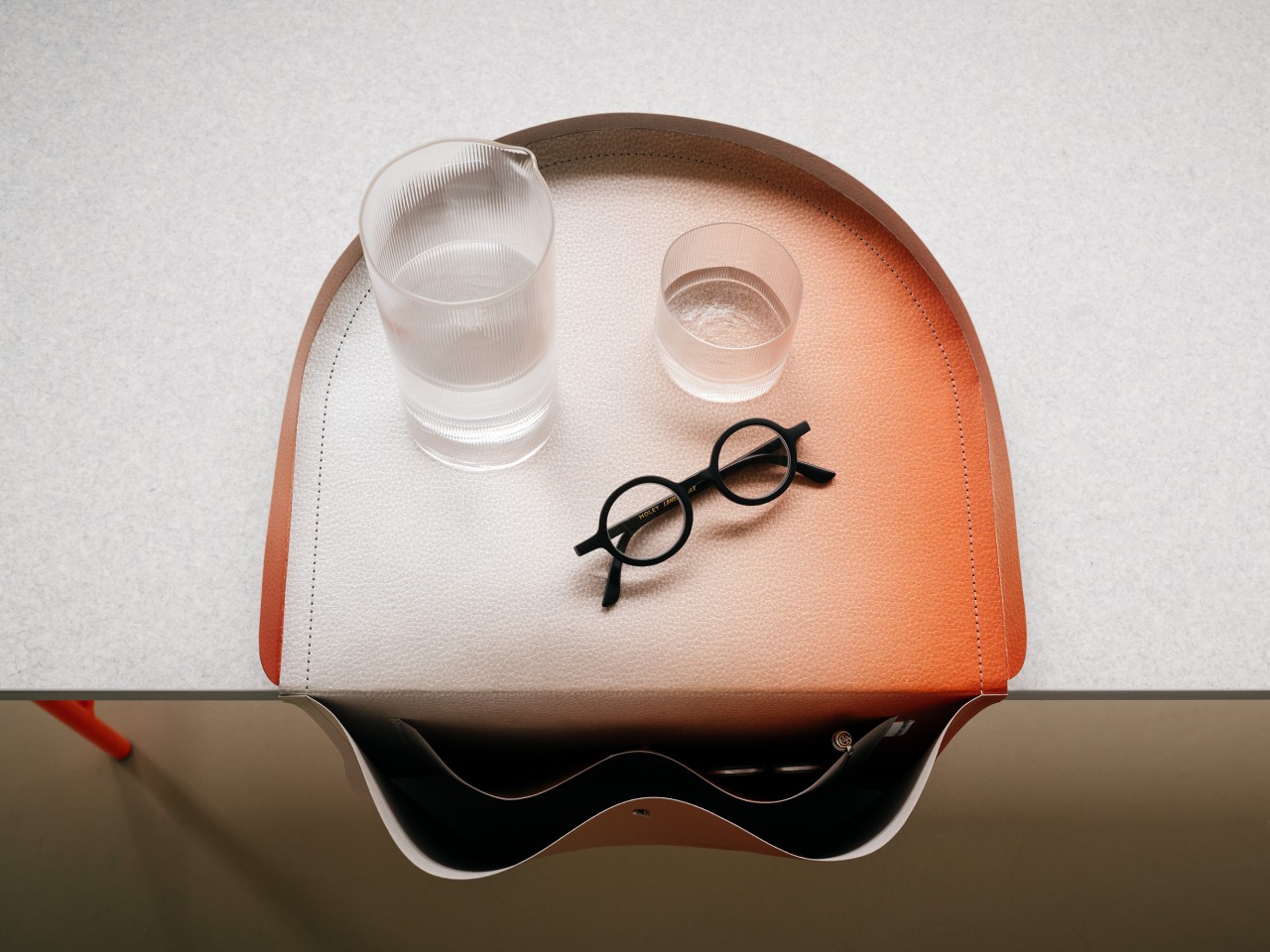
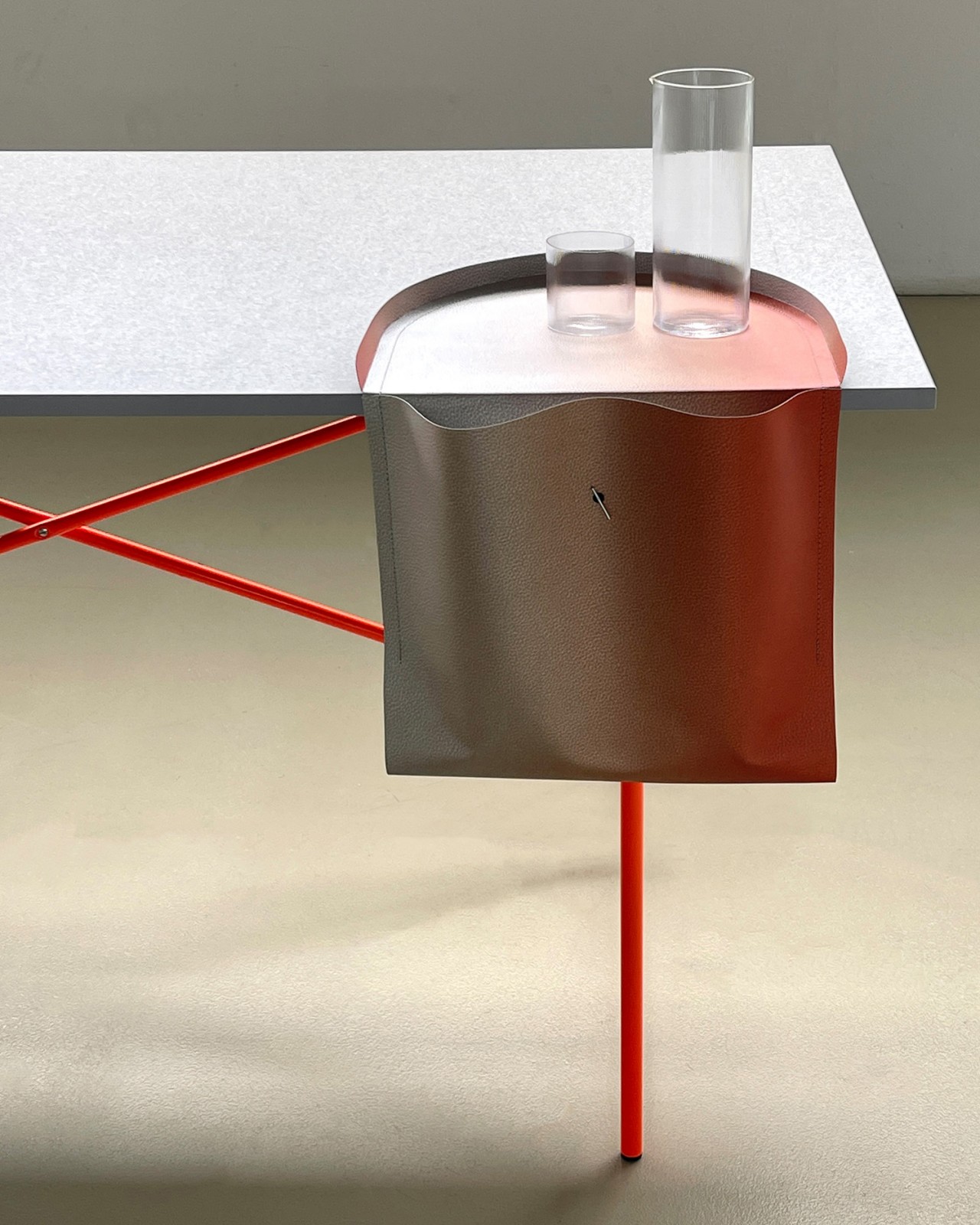
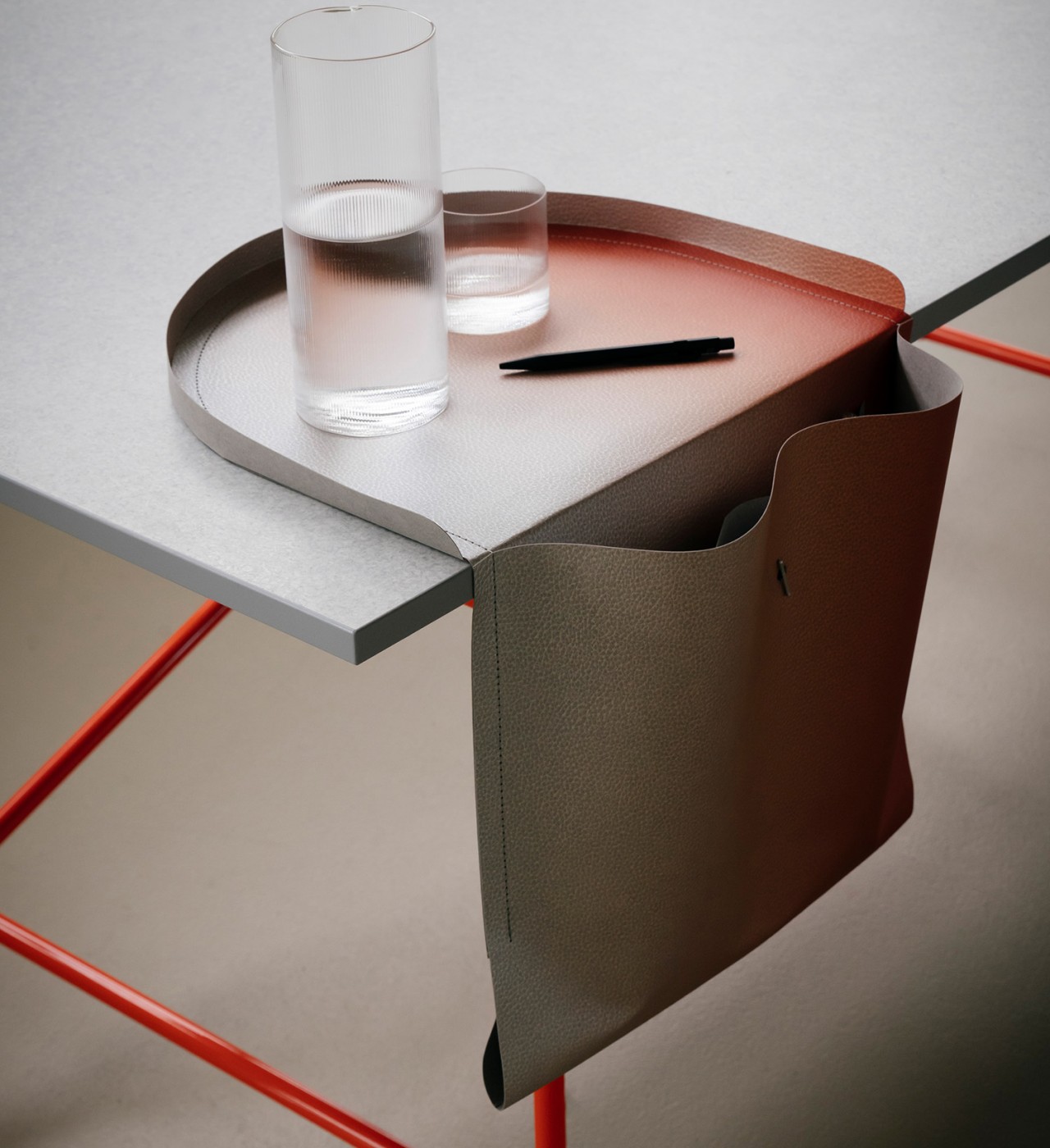
Paper saddlebag hangs over the edge to keep your desk organized

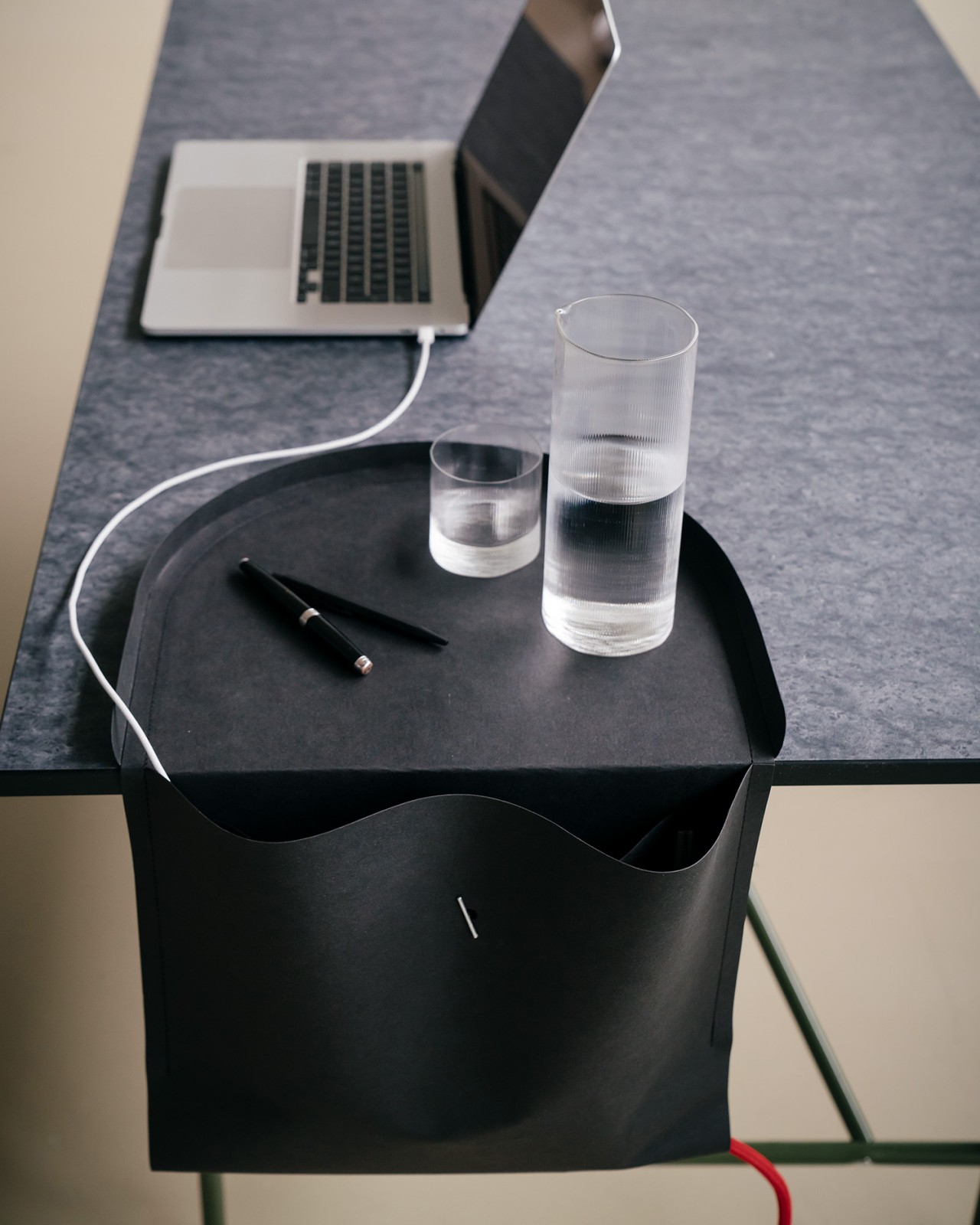
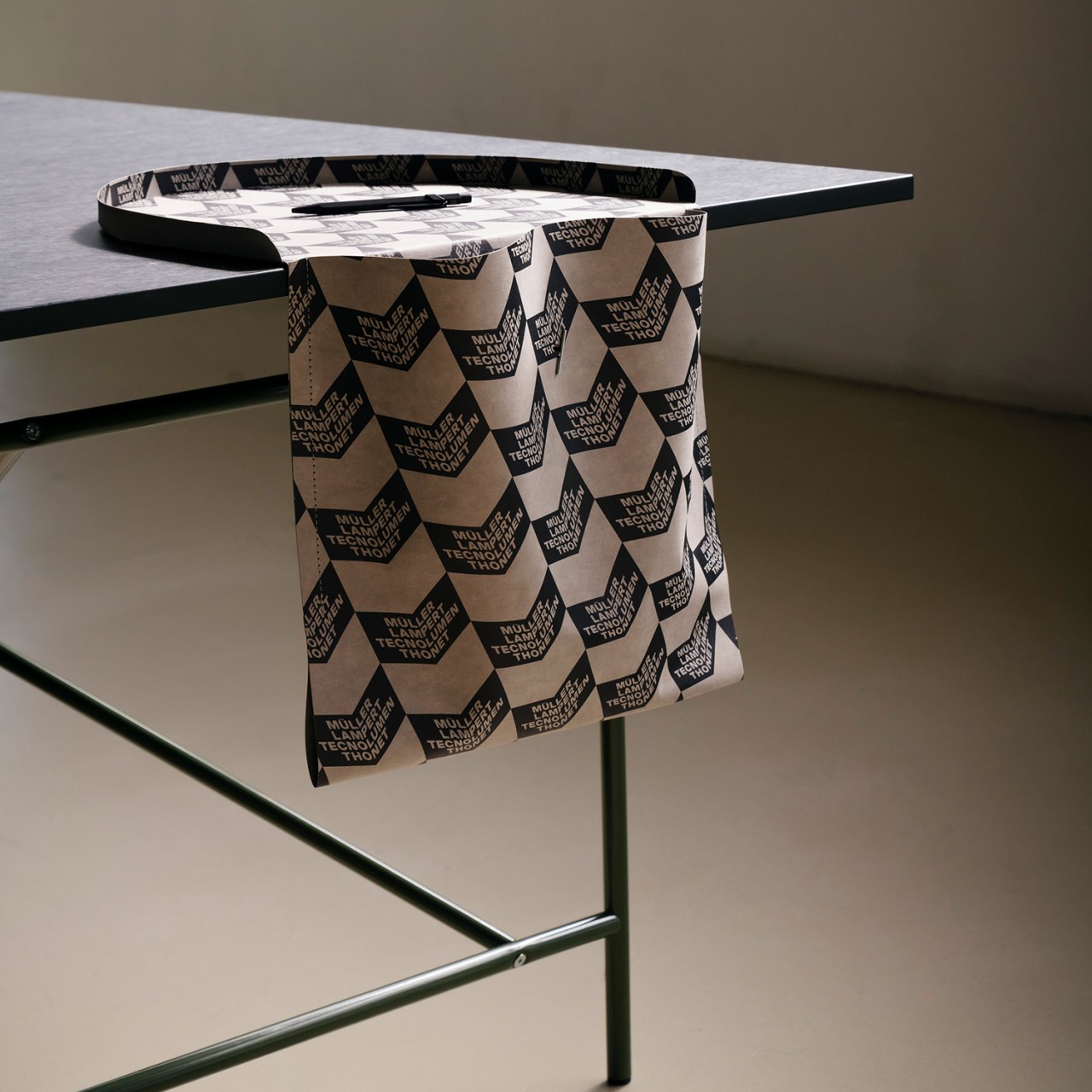
We only have a very finite desk space, constrained by the available area in our rooms or offices. We can always stack up desk organizers or have drawers beneath to make up for it, but those can only go so far. One underutilized area of our desks is often the sides, and there will always be at least two free edges even if you have a corner table. Taking advantage of that unused space, this rather unusual desk organizer hangs a saddlebag on the side of your table, providing not only a place to put pens and notebooks inside, but even a spot for your phone or drink on top. Best of all, it’s made of a sustainable material that looks more like luxurious leather than paper.

Designer: Tilla Goldberg for Richard Lampert

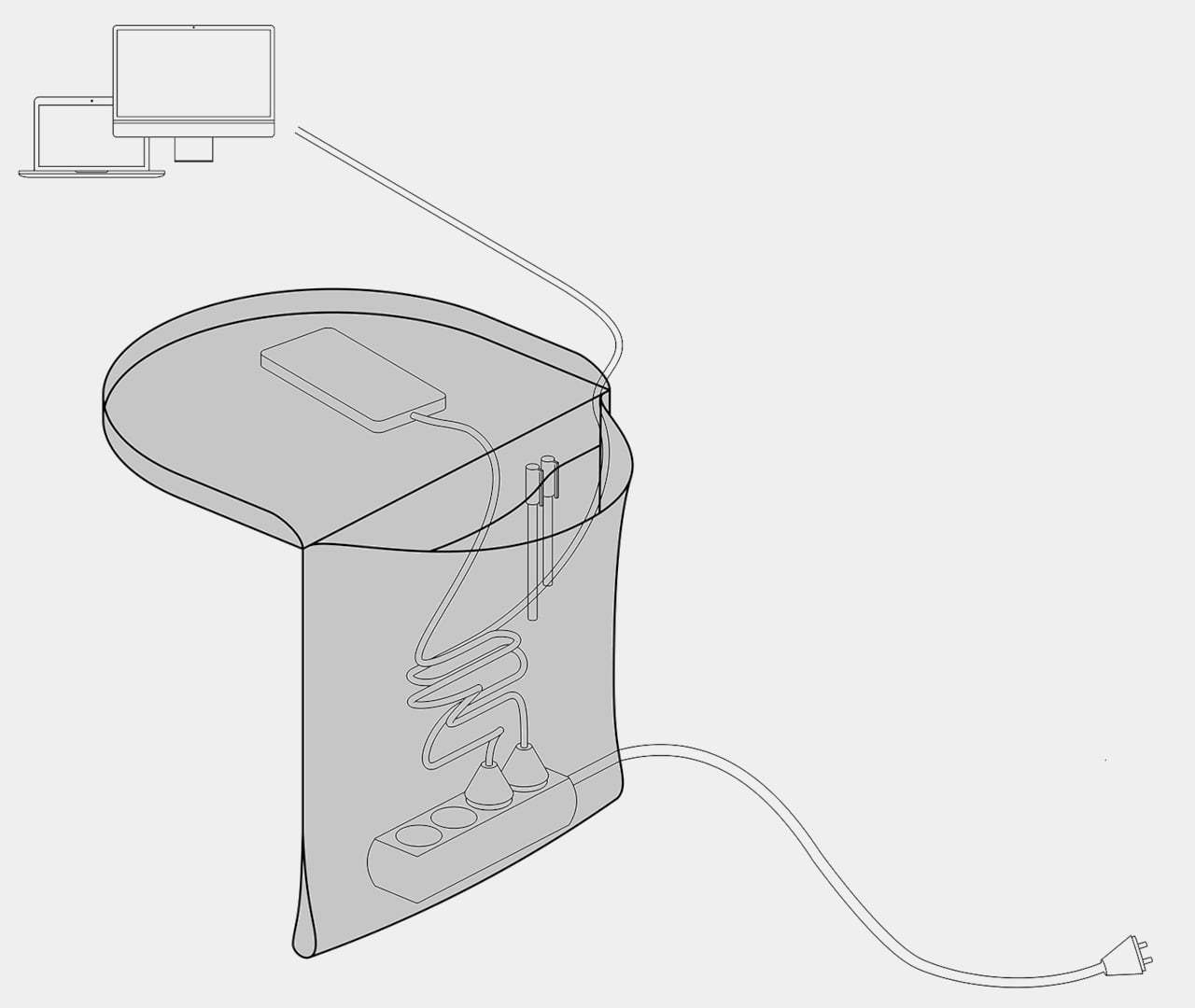
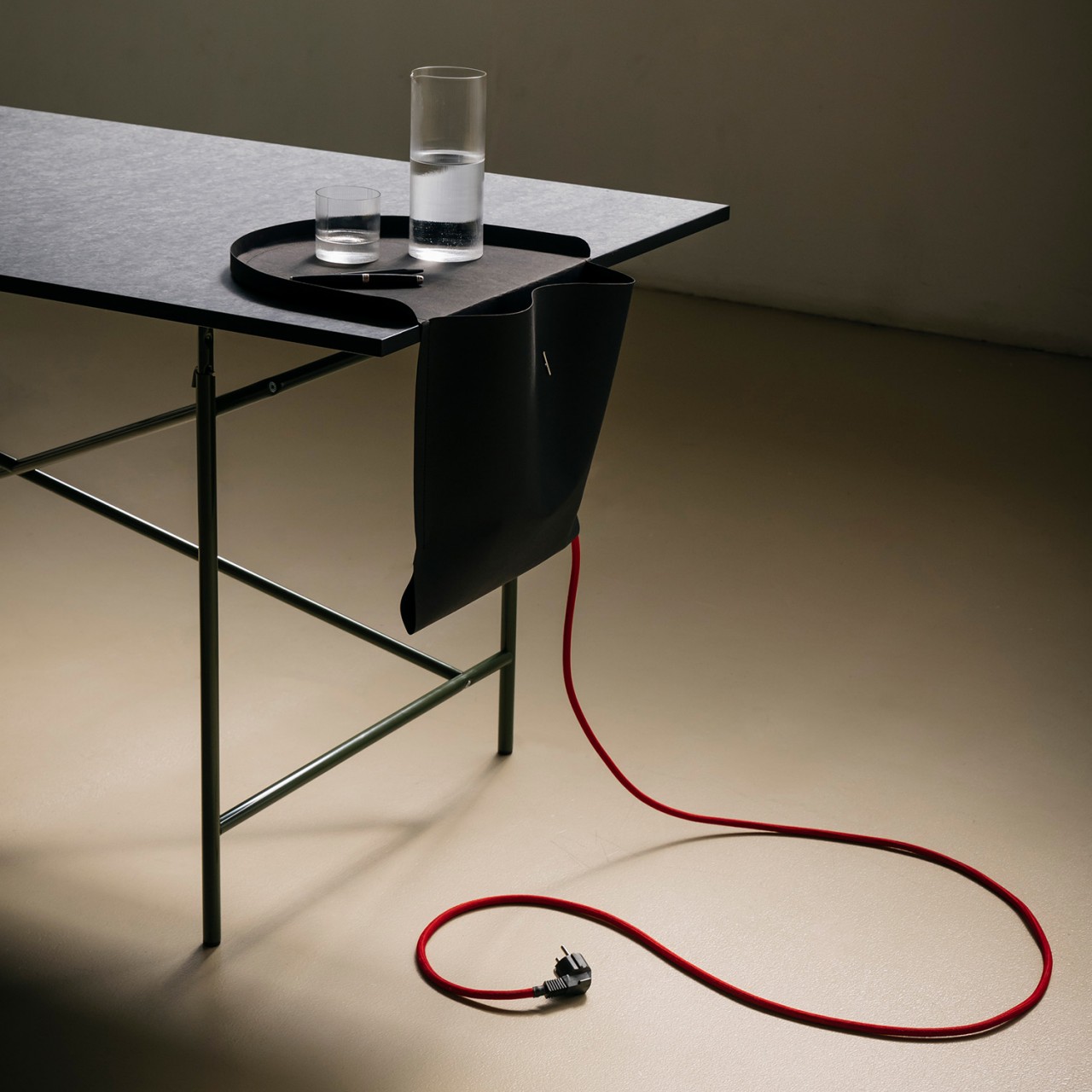
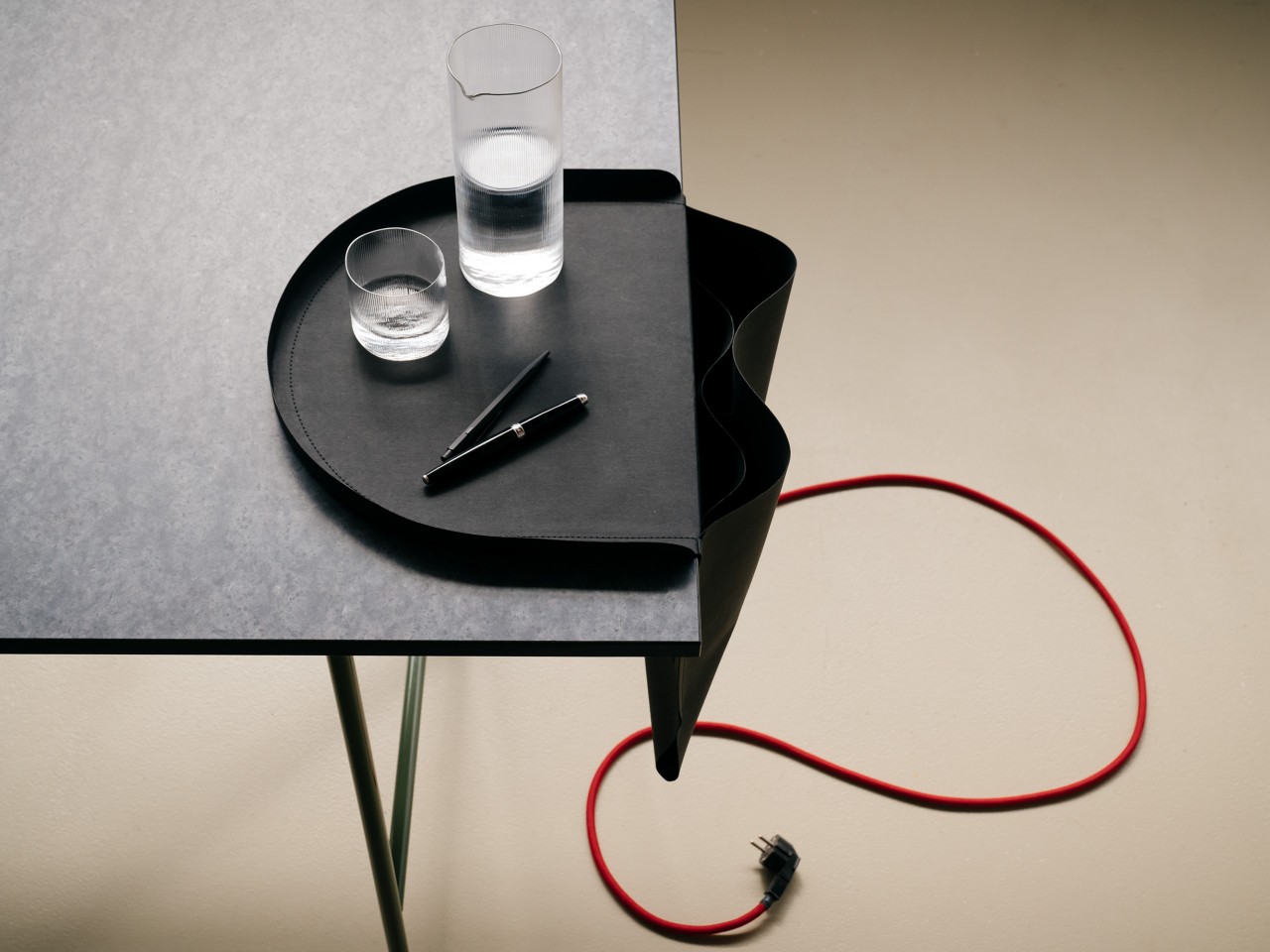
You’d normally hear of saddlebags only in relation to horses or even camels, but our work desks are just as much beasts of burden as these animals. And just like on those, the SALTO dangles off to the side to provide more storage than our overcrowded desks can already accommodate. It’s deep and spacious enough for notebooks, pens, cables, or even headphones, just about anything you want to keep out of sight but still within easy reach.

It even has enough room for a power strip, which is probably the last thing you’d think of putting inside. The bag’s design actually creates a simple loop at the bottom for the strip’s cable to pass through, becoming the only location where it snakes its way to a power outlet. It’s an unusual but effective cable management system, letting those wires all drop off to the side and disappear into the abyss that is the SALTO bag.
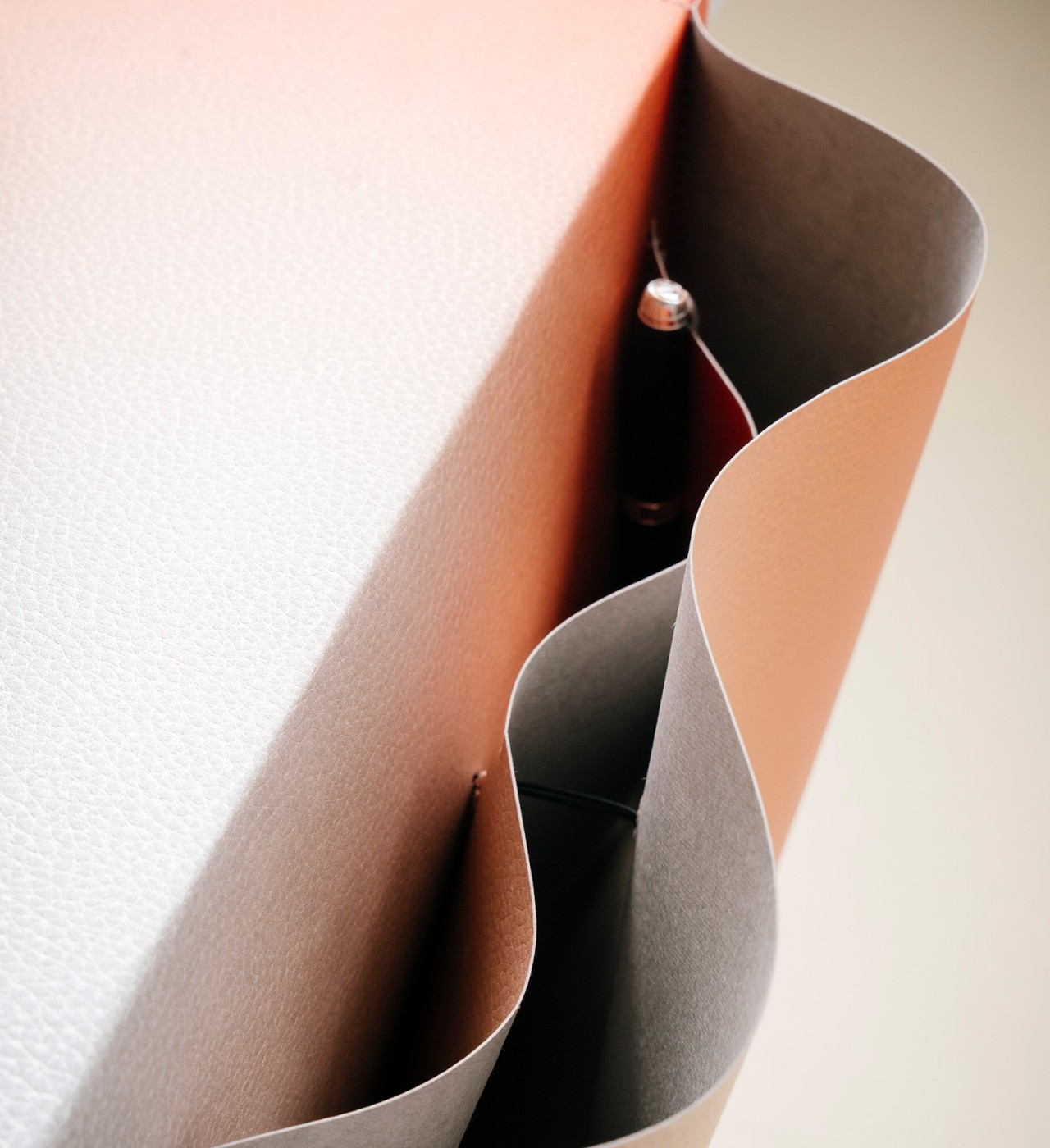
There is one odd and potentially problematic part of the saddlebag’s design, at least in the way it’s being advertised. The half-circle tray that sits on top becomes a place for more important items you’ll always want to have access to, like your phone or a glass of water. The latter, however, might be a cause for concern, considering how the weight of the bag’s contents could very well be heavy enough to pull that tray off the table. You can probably imagine the disaster if that drink spills inside, especially if there’s a power strip there as well.

The SALTO is also a very sustainable design that’s surprisingly made of paper. Technically, it’s a type of washable vegan paper that’s being used as a leather alternative, which explains its fabric-like texture and composition. It definitely looks elegant and stylish, especially when hanging from a minimalist desk that has all its clutter cleared and dumped into this bag.
The post Paper saddlebag hangs over the edge to keep your desk organized first appeared on Yanko Design.
Pad & Quill leather accessories for Apple products live on in new brand

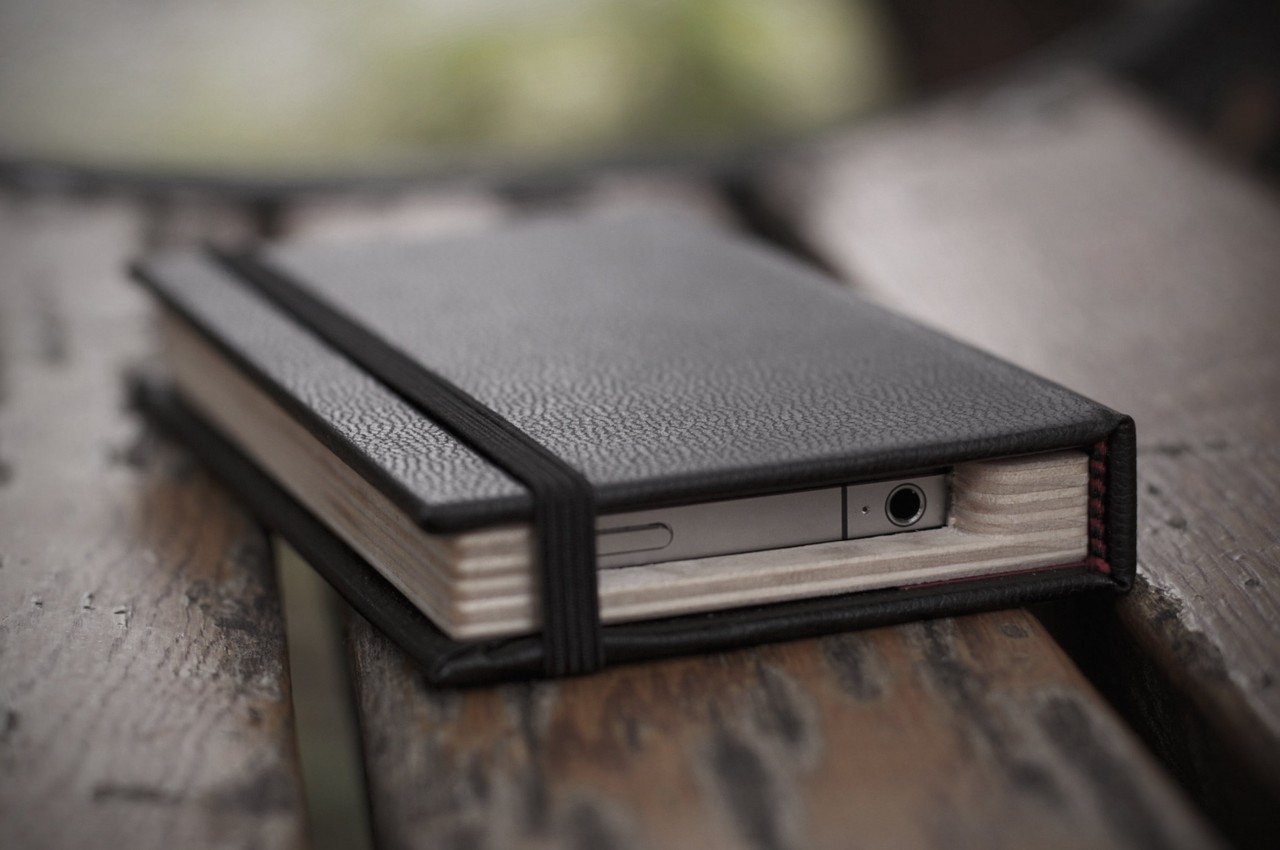
The design and especially the price of Apple’s devices easily mark these products as luxurious goods. Thus it’s not that unusual for owners to be overprotective of their expensive investments, covering them up with protective cases that sometimes trade style for protection. Fortunately, there is a class of accessories that actually add even more class to these devices, particularly through the use of luxurious materials like leather. For more than a decade, the name “Pad & Quill” became synonymous with these leather accessories, offering elegant protection for Apple’s premium products, but it, unfortunately, had to file for bankruptcy last year. The name might be gone, but its legacy now lives on in a new brand from the same founder, continuing the practice of delivering high-end leather products to match your equally high-end iPhone, iPad, or MacBook.

Designer: Brian Holmes

Nothing says stylish luxury better than leather. There will always be arguments regarding the way it’s sourced and produced, but there’s little debate that the material is immediately associated with premium products. Some smartphones even try to ride on that trend by slapping some vegan leather on their backs, but the real deal is harder to pull off unless it’s on an accessory.

Pad & Quill is a name that Apple fans have looked to when it comes to those leather accessories, but due to the recent pandemic, the business had to close down a few months ago. That’s not to say there’s no longer a market for premium leather Apple accessories, just that the brand folded due to circumstances. Thankfully, P&Q’s founder isn’t calling it quits and has started a new endeavor with a new name but with the same mission.

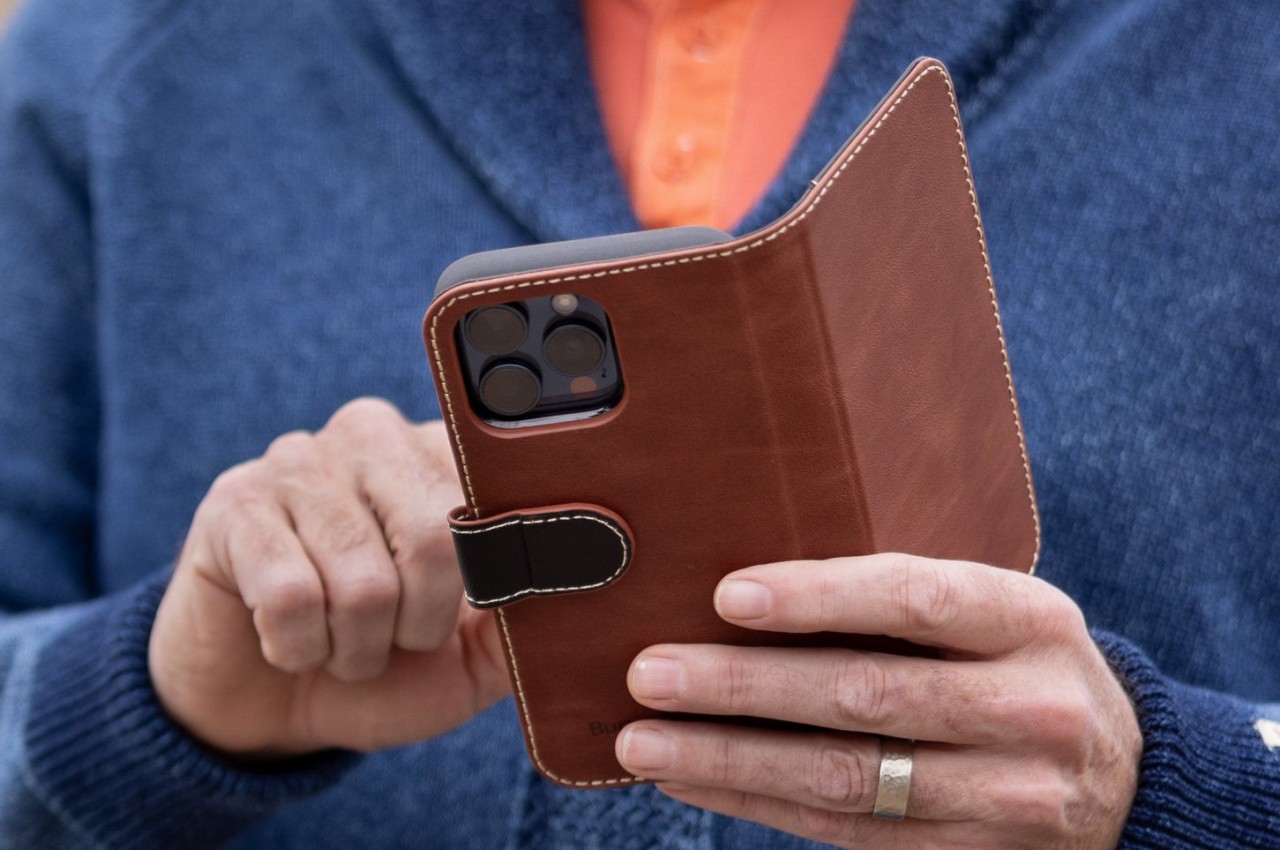
Burton Goods will continue the legacy of offering high-quality leather cases for Apple’s latest products. It isn’t just about using leather, though, and the brand is promoting its precision craftsmanship, attention to detail, and practical functionality alongside the material. Of course, these accessories also serve to protect your precious Apple devices while also being durable products themselves.

At the moment, Burton Goods’ selection of products is limited to Apple’s latest models, from the iPhone to the iPad Pro to the MacBook Pro to even the Apple Watch. There are also plans to include leather bags that will bring these all together, but the exact timeline for their appearance has yet to be revealed. The revival of Pad & Quill’s spirit does also resurrects the question of the sustainability of genuine leather, and it might be a good opportunity for this niche market to reassess that aspect of luxury for the sake of future generations.

The post Pad & Quill leather accessories for Apple products live on in new brand first appeared on Yanko Design.

This Japanese Quirky Bag Designer Created these Stylish Leather Backpack To Amp Up Your Dog’s Style

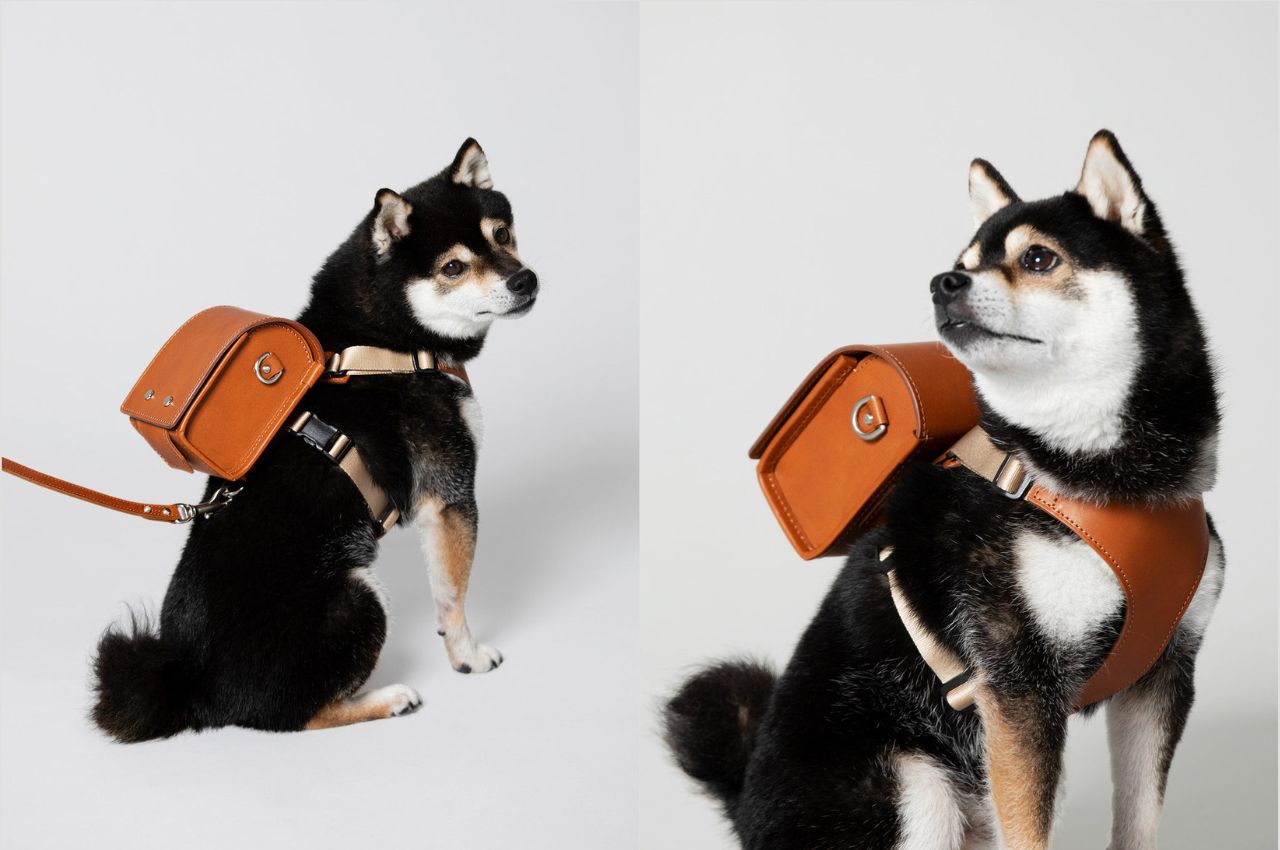
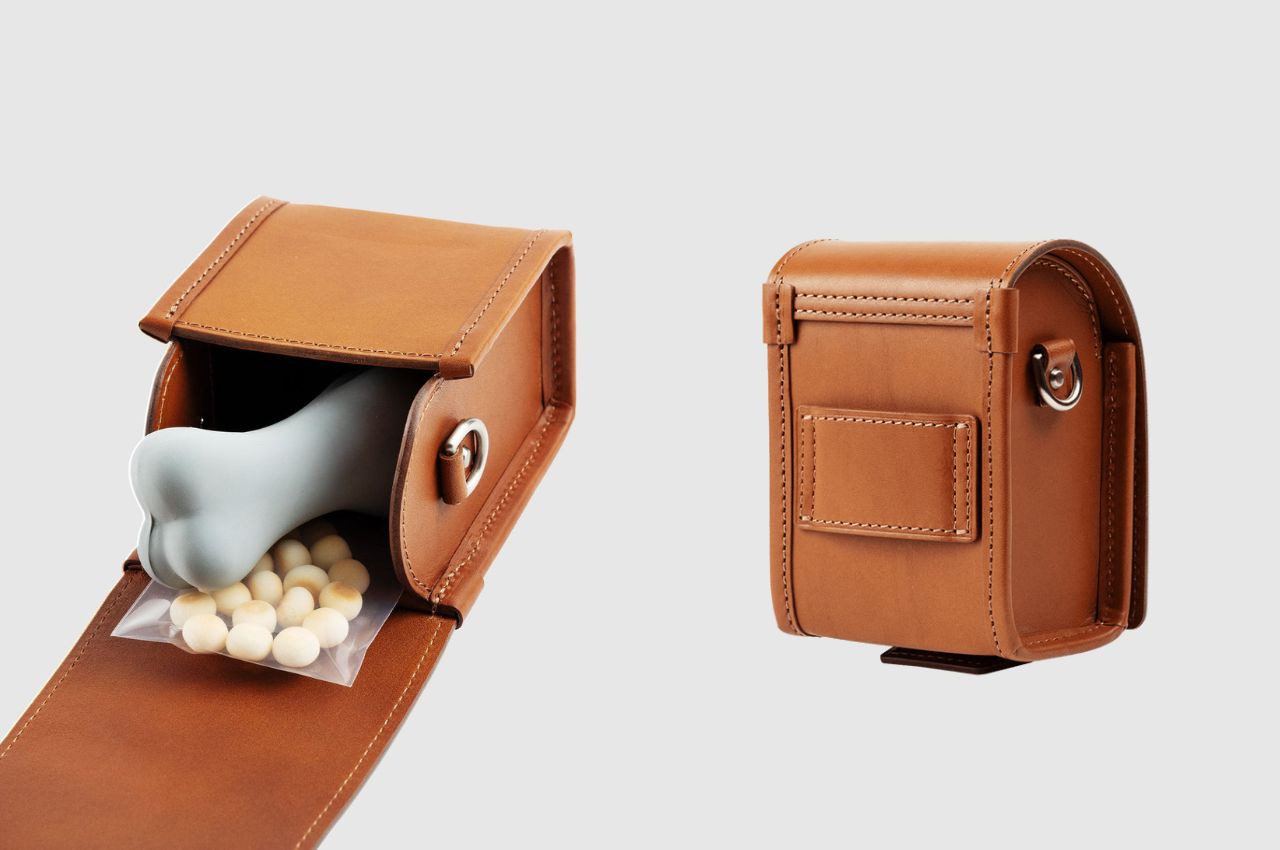
For many of us, our dogs are not just pets; they are cherished members of our families. We love taking them along on our adventures, but it can be a bit of a hassle carrying all their essentials like treats, toys, and poop bags. Imagine if your beloved furry friend could carry their stuff stylishly and practically. Well, Japanese brand Tsuchiya Kaban has come up with a creative solution – a leather dog backpack that allows your dog to tote around their essentials with panache.

Designer: Tsuchiya Kaban

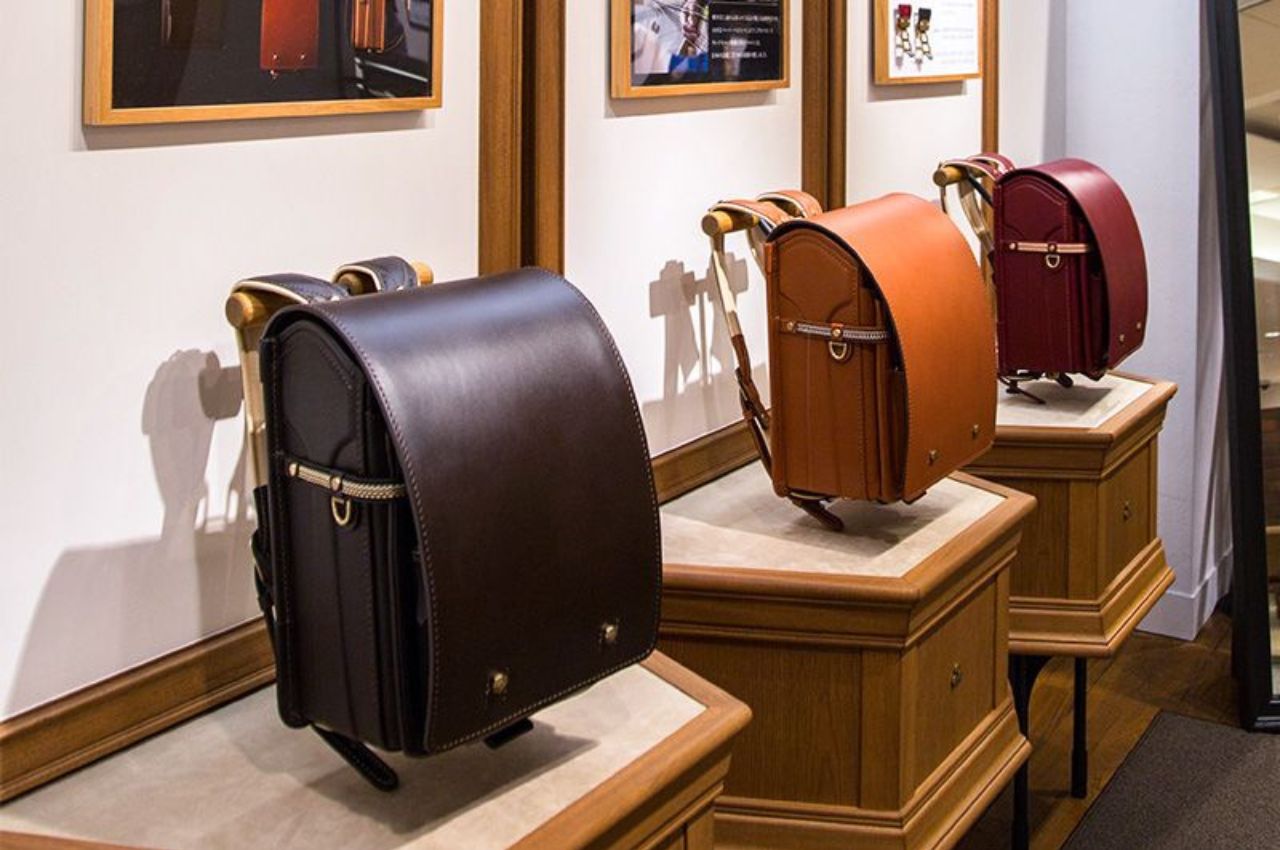
Tsuchiya Kaban is known for its quirky and innovative bag designs, such as ones meant for holding snowmen or watermelons. Now, they’ve turned their attention to a different type of companion – our dogs. The design of this miniature carry-on backpack draws inspiration from Japan’s iconic ‘randoseru,’ the traditional school backpack commonly worn by students. It’s a thoughtful nod to Japanese culture and a perfect fusion of tradition and modern pet accessory design.

The history of the randoseru, the traditional Japanese school backpack, is a fascinating tale rooted in both culture and fashion. Its origins date back to a significant moment in Japanese history when the crown prince of the time received a distinctive backpack upon entering elementary school at Gakushūin. In tribute to the country’s soldiers, this backpack was designed to resemble the military’s rugged and sturdy backpacks. This noble gesture soon captured the imagination of the public, and the backpack’s unique shape swiftly became a fashionable statement. Over time, the design has evolved and adapted, but the essence of honoring Japan’s military heritage remains embedded in the modern randoseru, inspiring Tsuchiya Kaban’s innovative leather dog backpack, which pays homage to this iconic Japanese tradition while catering to our beloved four-legged friends.

What makes Tsuchiya Kaban’s leather dog backpack truly special is the choice of material. The high-quality leather used in crafting the backpack matures beautifully over time. This maturation process symbolizes the growing bond between a pet and its owner, making it a sentimental and meaningful accessory for any dog lover.

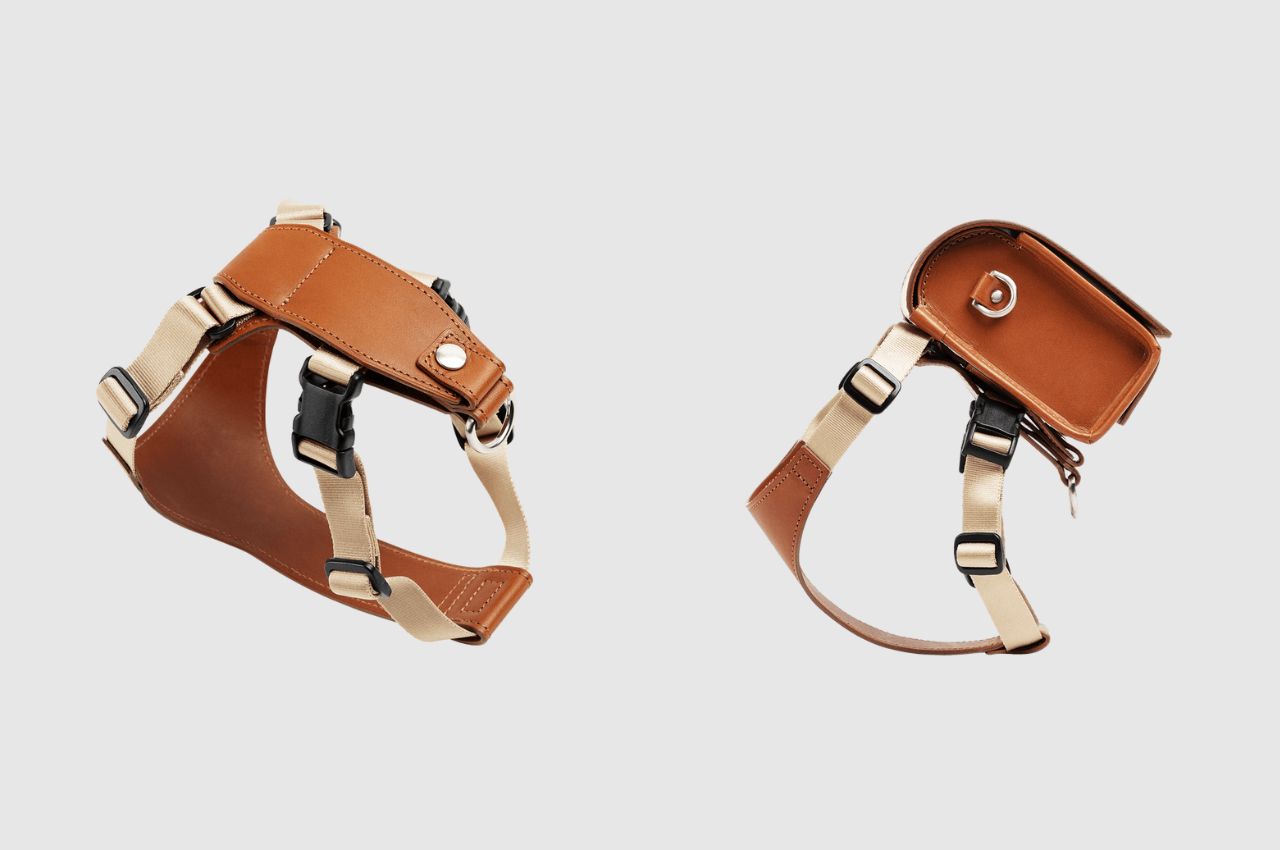
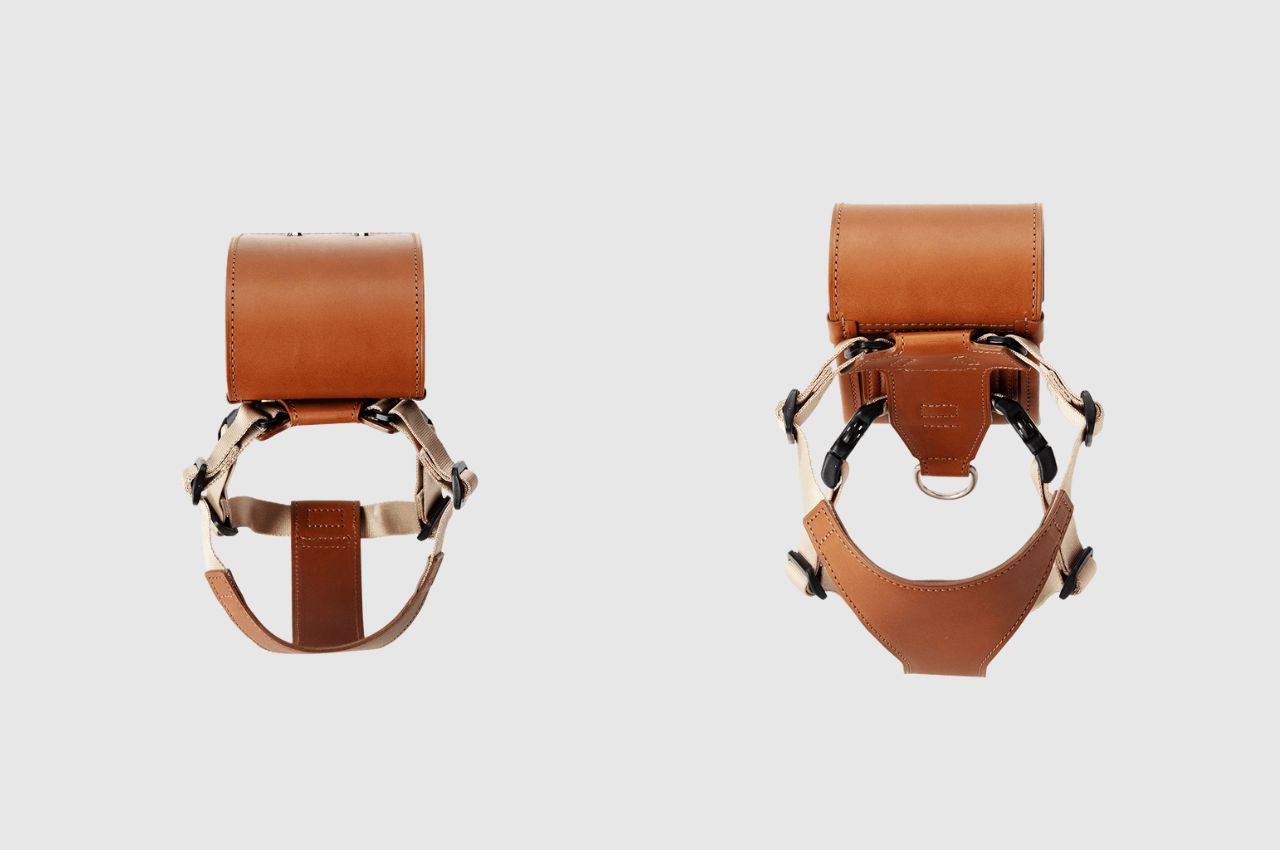
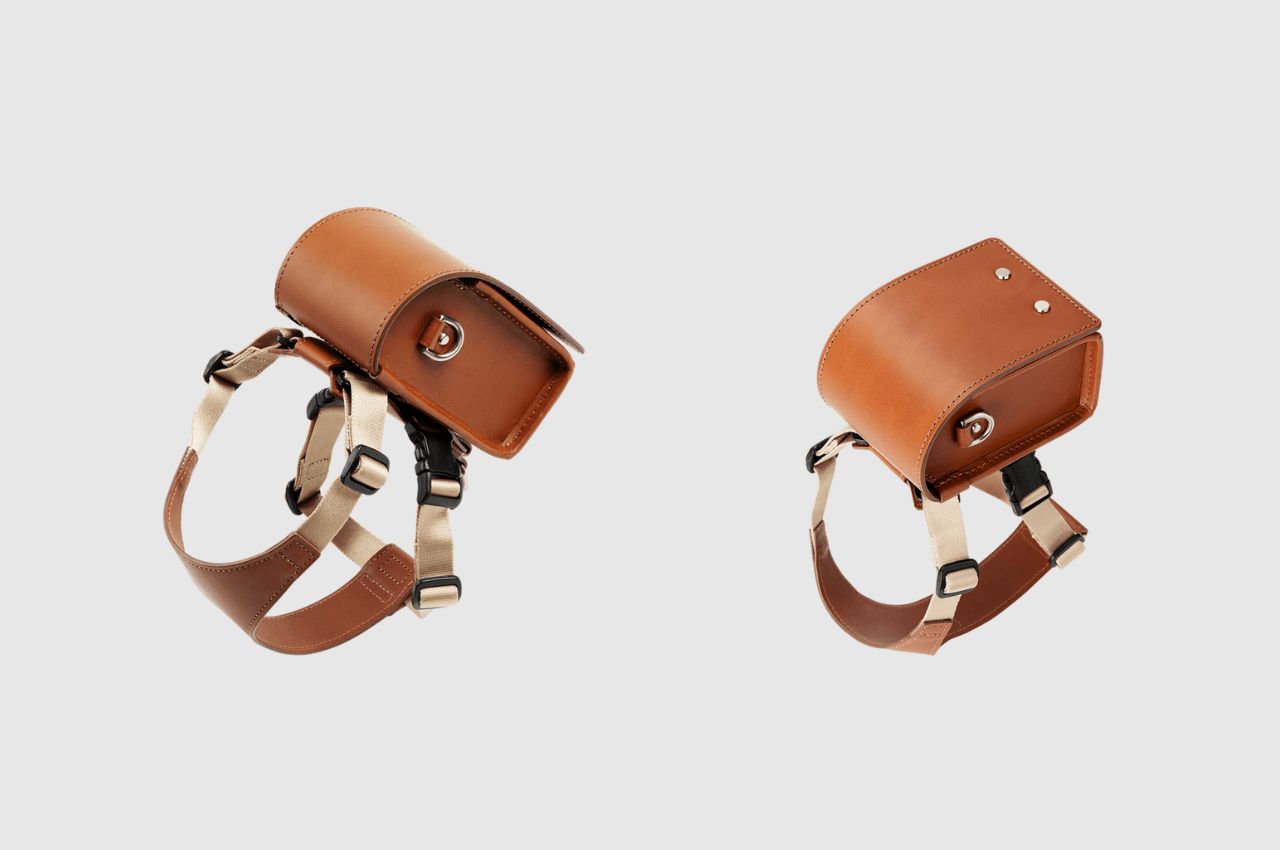
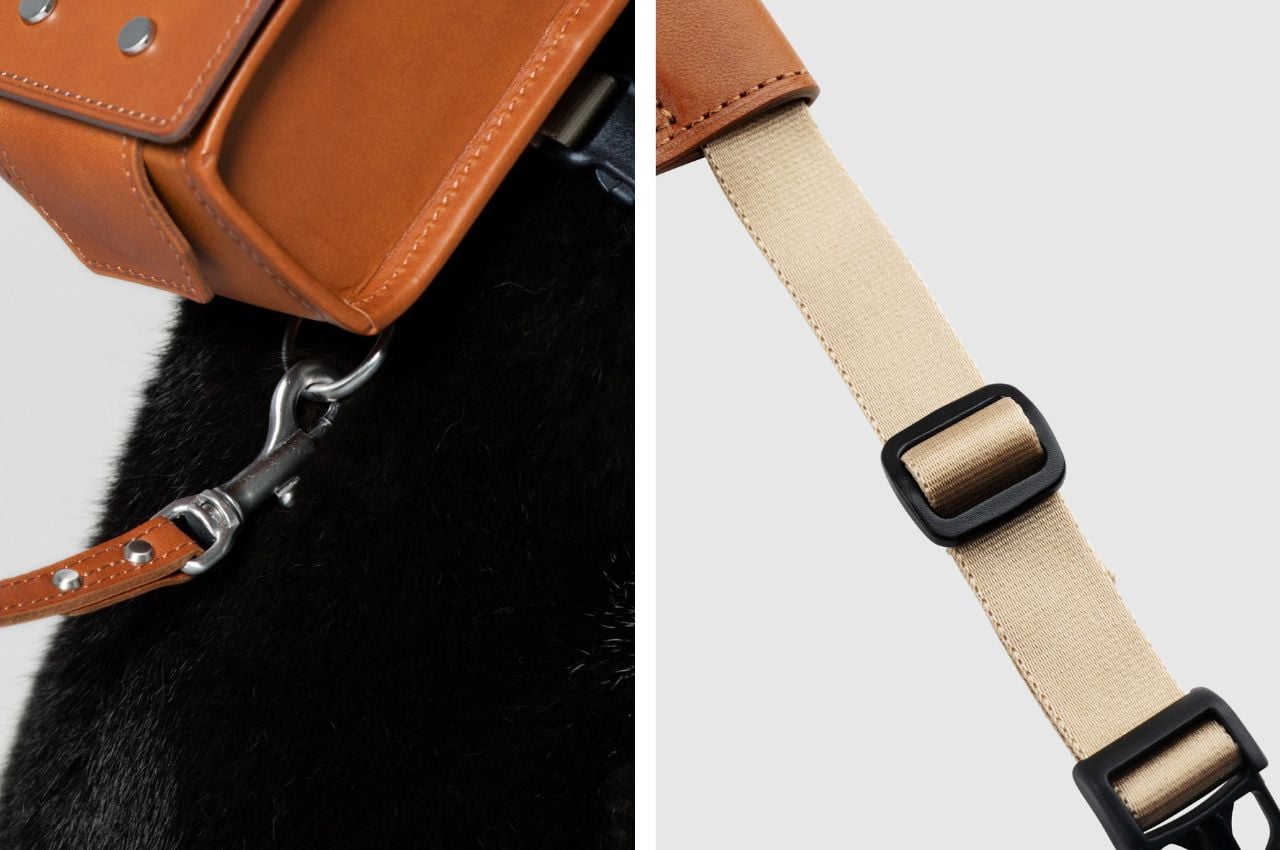
Tsuchiya Kaban understands that your dog’s comfort is paramount. The backpack is attached to an adjustable leather harness designed to fit snugly on your dog’s back. The straps, made of durable nylon, ensure that neither your dog nor you will experience any strain during walks or adventures. The cleverly designed buckle allows for easy adjustment, ensuring a perfect fit every time, regardless of your dog’s size or shape.

For those leisurely walks or spontaneous runs with your furry friend, an optional leash can be directly attached to the backpack. This feature ensures that your dog stays safe and secure while still enjoying the freedom of movement.

The stylish leather dog backpack by Tsuchiya Kaban launched on December 14, 2023, and is available online.

Tsuchiya Kaban’s leather dog backpack is not just a practical solution to carrying your dog’s essentials; it’s a statement of style, tradition, and the unbreakable bond between you and your furry friend. With its thoughtful design and high-quality materials, this backpack ensures both your comfort and your dog’s happiness. So, if you want to add a touch of elegance to your dog’s outings while making life a bit easier for yourself, consider investing in this unique pet accessory. Your dog will undoubtedly appreciate the extra attention and care you’re showing them, and you’ll enjoy the convenience and style this innovative backpack provides.


The post This Japanese Quirky Bag Designer Created these Stylish Leather Backpack To Amp Up Your Dog’s Style first appeared on Yanko Design.