L’Objet Secretly Built Its Best Tableware Around a Single Shell

I’ve always thought shells are underrated as design references. They’re one of nature’s most perfect spirals, built by something soft and unassuming, yet the shape ends up looking engineered on purpose. L’Objet and jewelry designer Jessica McCormack clearly feel the same way, because their new collaboration turns that spiral into the backbone of an entire tableware collection, and it works because the shape never feels decorative for its own sake. It feels structural, like the whole line was built around it rather than sprinkled with it.

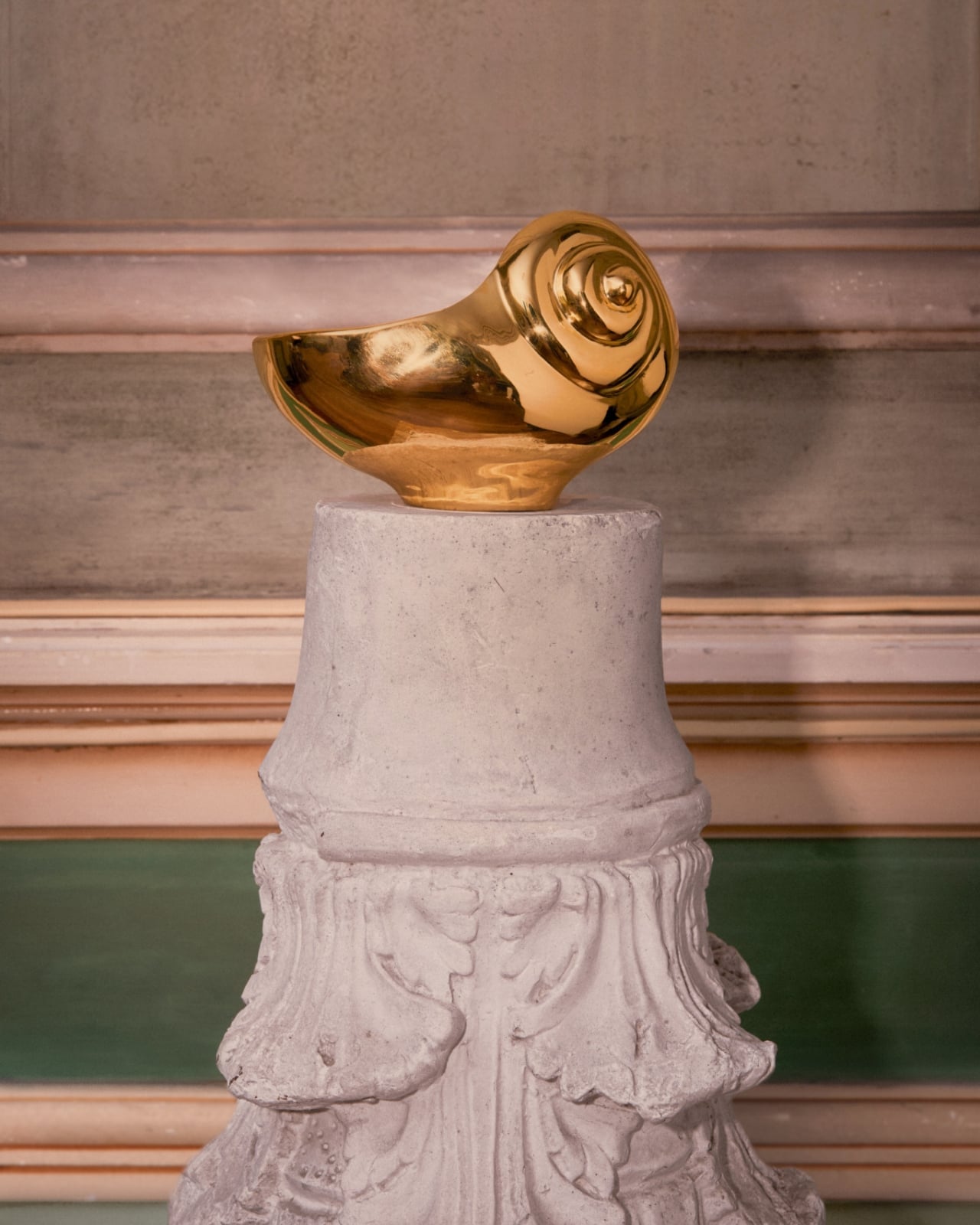
The problem this collection solves is a simple one. Most home collections borrow a motif and slap it everywhere until it loses meaning. A shell shows up on a napkin ring, then again on a candle, then again on a coaster, and by the third repetition it’s just noise. McCormack and L’Objet avoid that trap by treating the shell and its spiral as a load-bearing idea rather than a sticker. The swirl becomes a vase, its opening tilted just enough that flowers spill out at an angle instead of standing at attention. The same spiral, cast in gold, becomes a standalone object on a pedestal, polished until it looks like something pulled from a jewelry vitrine rather than a shelf.

Designer: Jessica McCormack
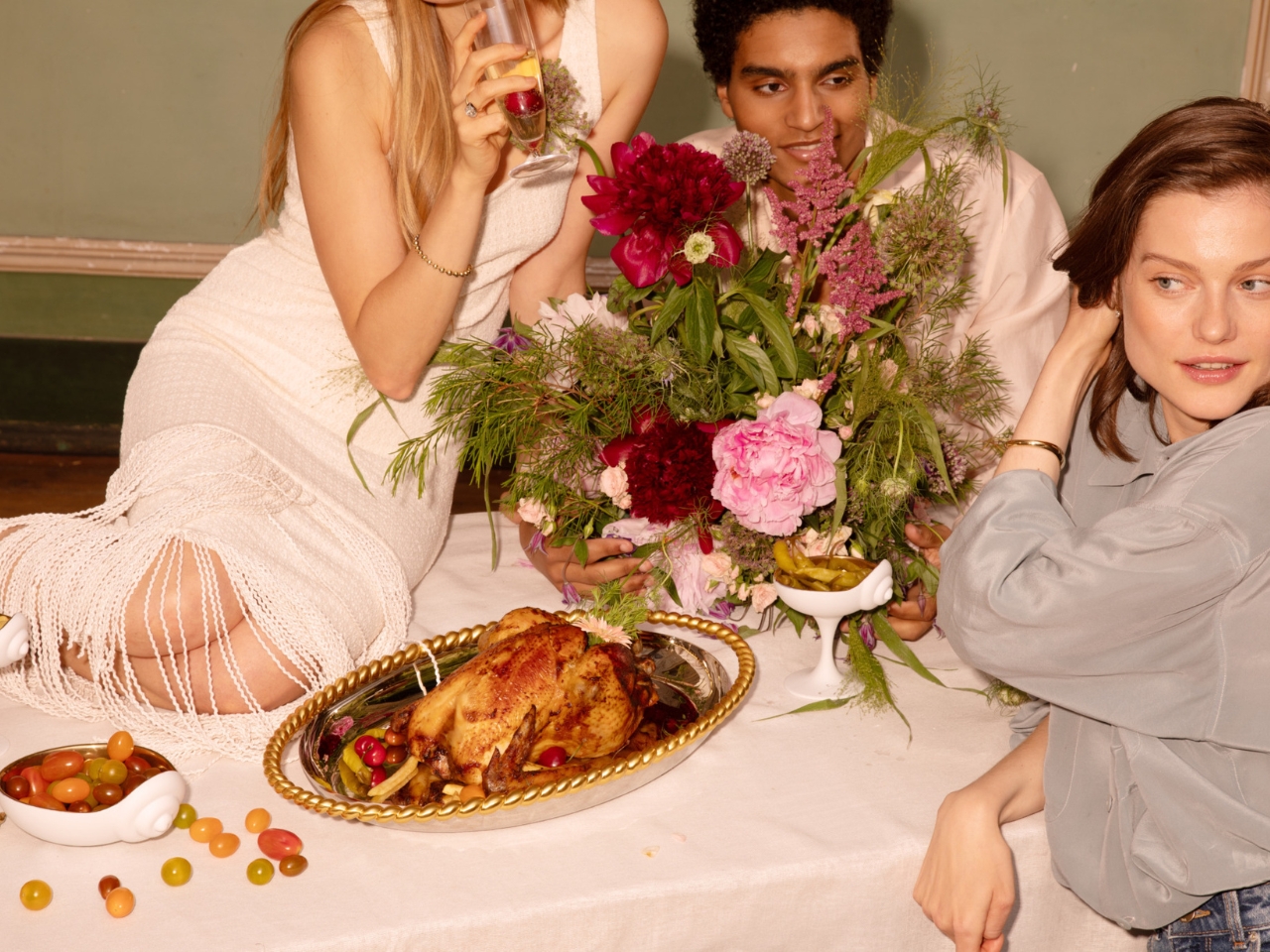
What sells the whole thing is the rope detail running through nearly every piece. Twisted cord, the kind you’d expect on a jewelry clasp or the trim of an old evening bag, wraps around the rim of an ice bucket, lines the edge of gold-rimmed plates, and forms the handle on a champagne cooler tucked into a velvet scallop-back chair in one of the campaign shots. It’s a small, consistent gesture, and that consistency is what makes the collection read as a single idea rather than a grab bag of pretty objects. You see the rope on the frame of a picture, then again on the handle of a fish server, and your eye starts connecting dots without anyone telling you to.
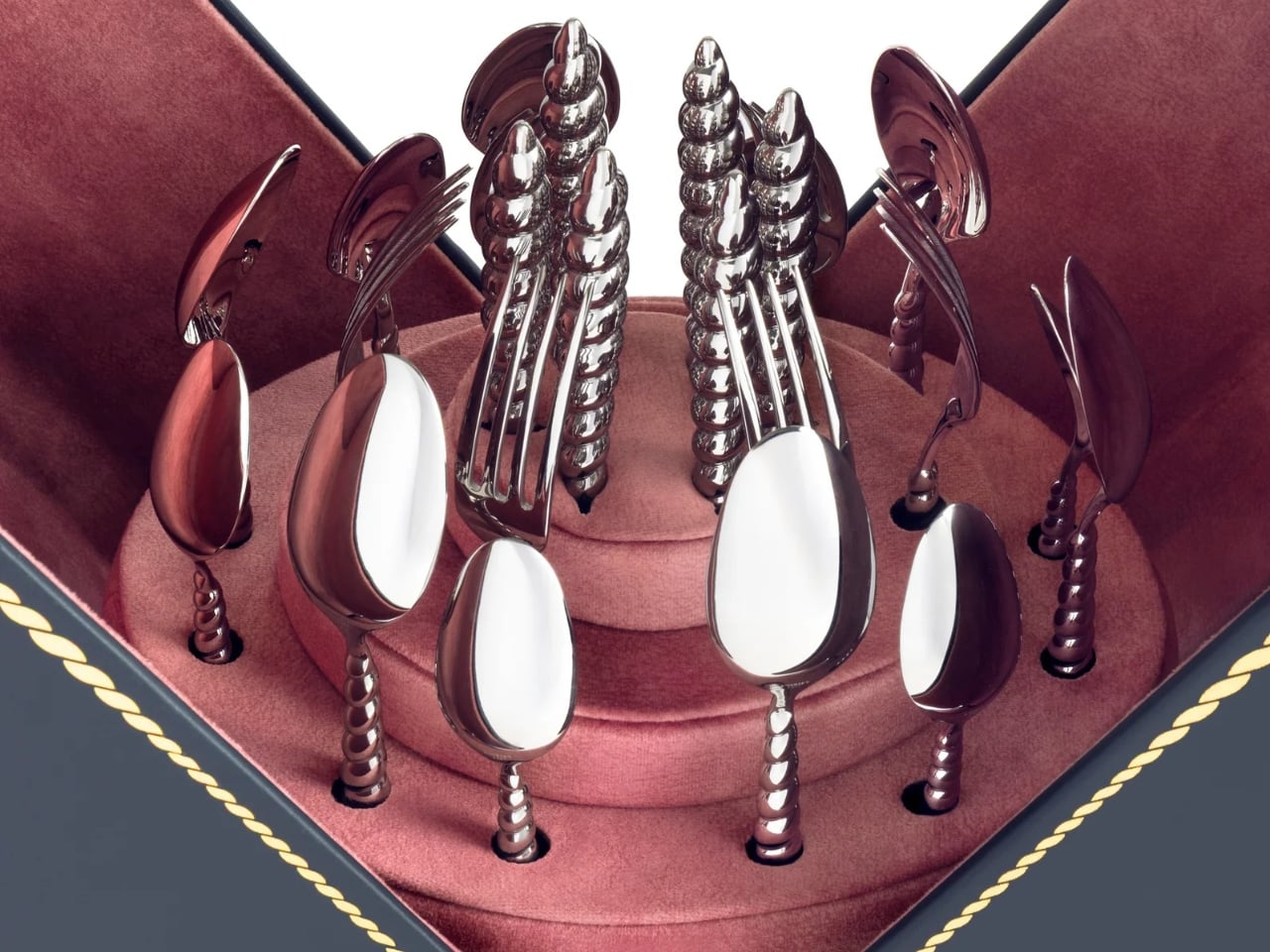
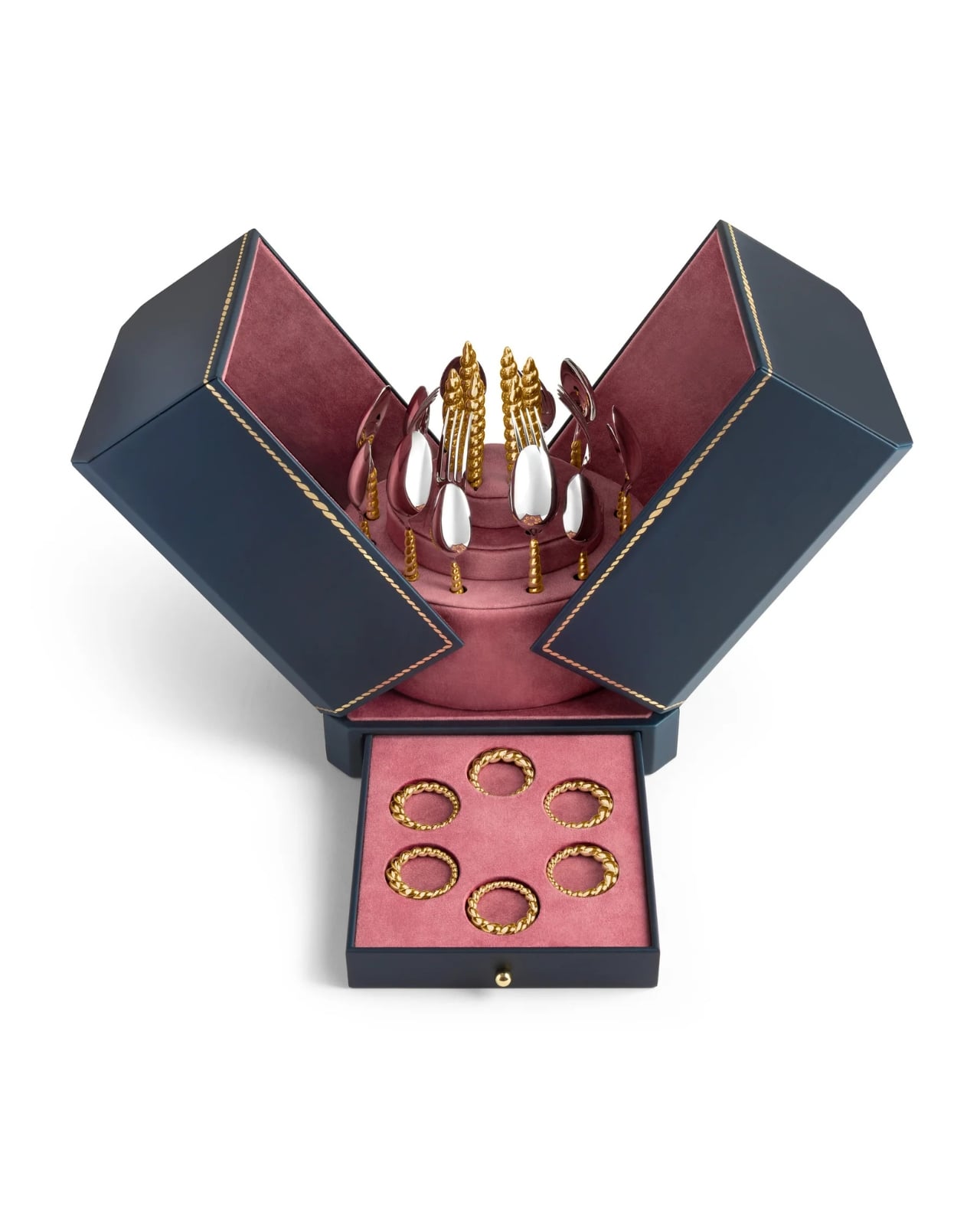
That fish server is part of the collection’s biggest milestone, even if it doesn’t announce itself as one. This marks L’Objet’s first-ever cutlery collection, and the brand chose to debut it wrapped entirely in the shell-and-rope language rather than starting with something safer. The flatware handles curl into spiraled shells, cast in the same gold finish as the rest of the tableware, so a fork looks less like an accessory to the collection and more like a piece of jewelry that happens to also feed people. For a house that’s spent years building a name in porcelain and glass, launching into cutlery through this particular design vocabulary feels less like a cautious first step and more like a statement about what the shape can do.
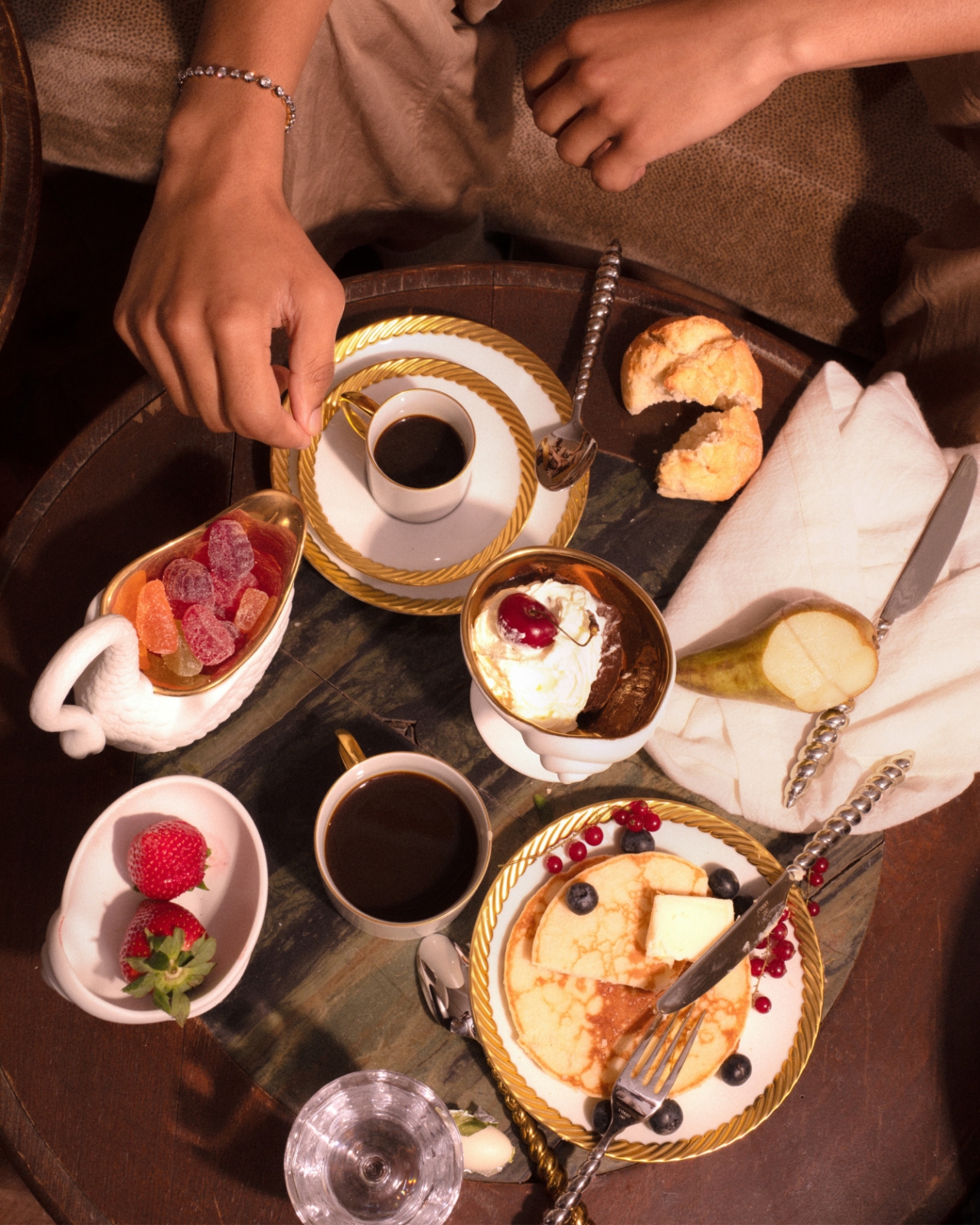
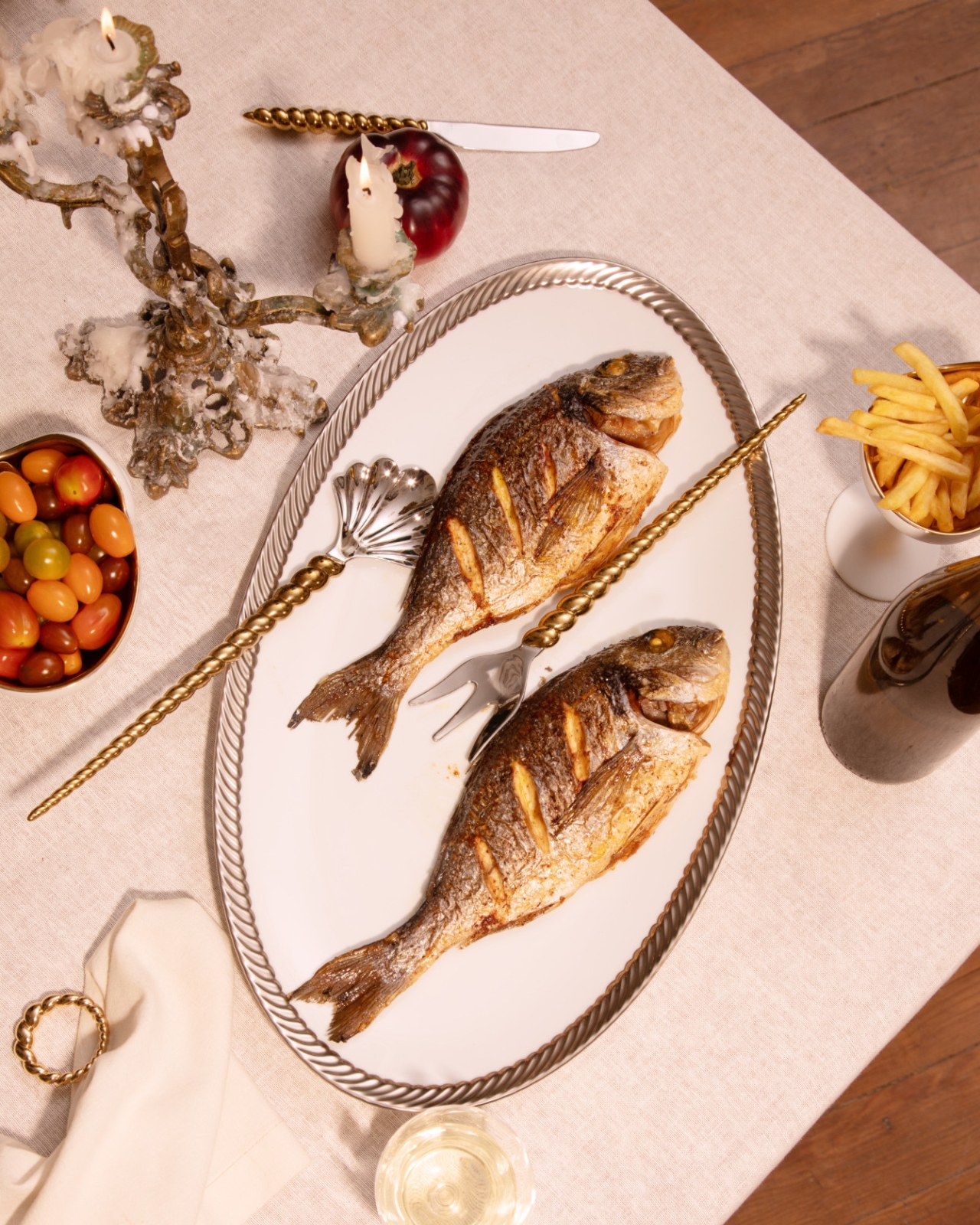
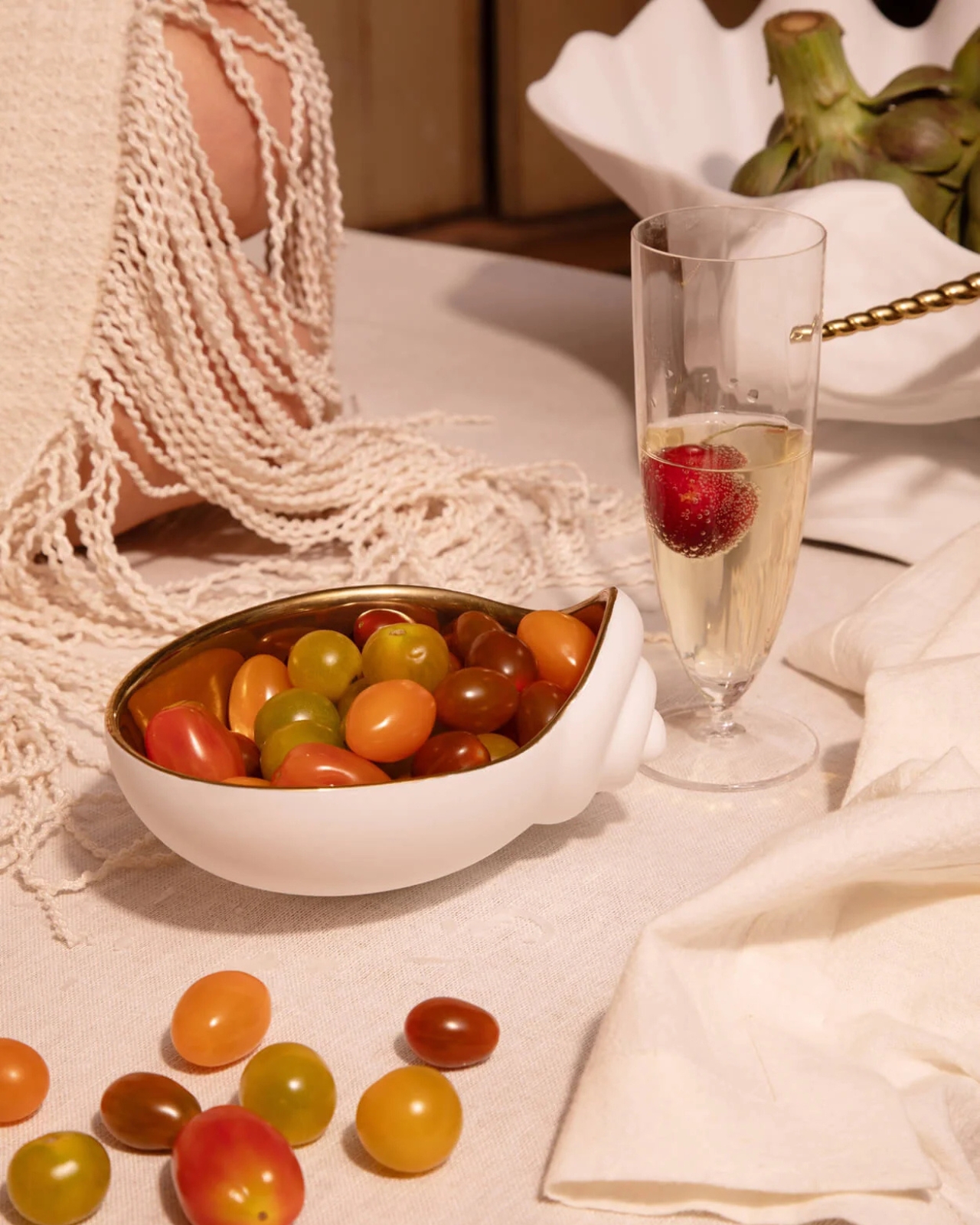
The serving pieces are where the shell shape gets the most literal, and that’s the right call. A bowl shaped like a conch shell, glazed in white with a gold-lined interior, holds a pile of cherry tomatoes in one shot and looks completely at home doing it. It’s not pretending to be a jewelry box. It’s a bowl that happens to have grown out of a shape usually reserved for something you’d wear. Two shell-handled forks pierce a pair of roasted fish on a rope-trimmed platter in another image, and the detail barely announces itself. You’d have to be looking for it. That’s the quiet confidence running through this whole release. Nothing here is shouting for attention, even when the materials, fine porcelain, hand-gilded gold, polished metal, would give it every right to.
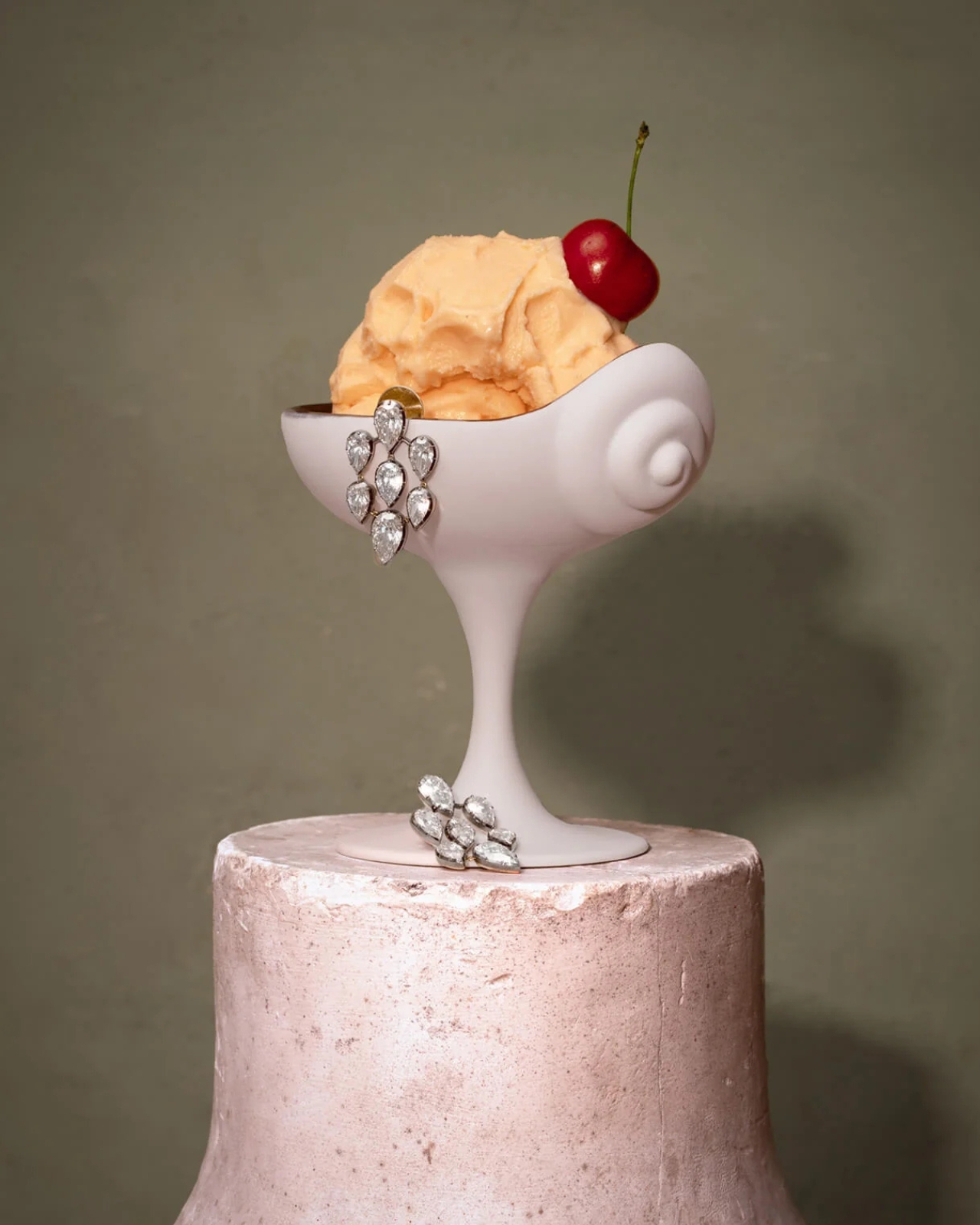
McCormack’s jewelry has always leaned into antique reference points without feeling costumey, and that instinct translates cleanly into tableware, cutlery included. Her Georgian-era motifs, the twisted rope, the shell curves, were never really about the ocean specifically. They were about movement frozen into something solid, the same way a chain looks like it’s still swaying even when it’s sitting still on a table. L’Objet’s Mediterranean sensibility meets that idea halfway, and the result feels less like two brands cross-promoting and more like two people who see the same shape in different materials and decided to build a table setting, flatware and all, out of the overlap.
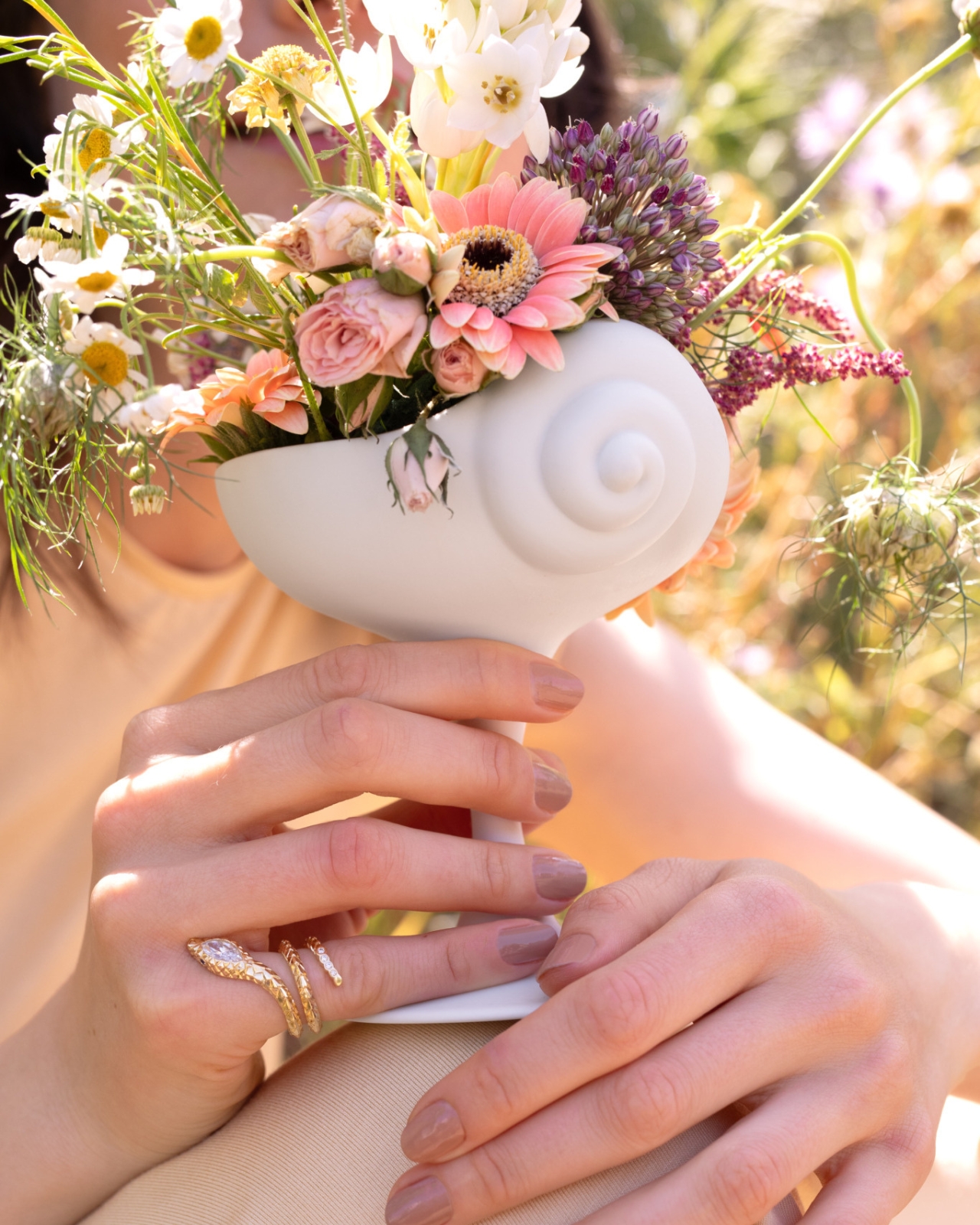
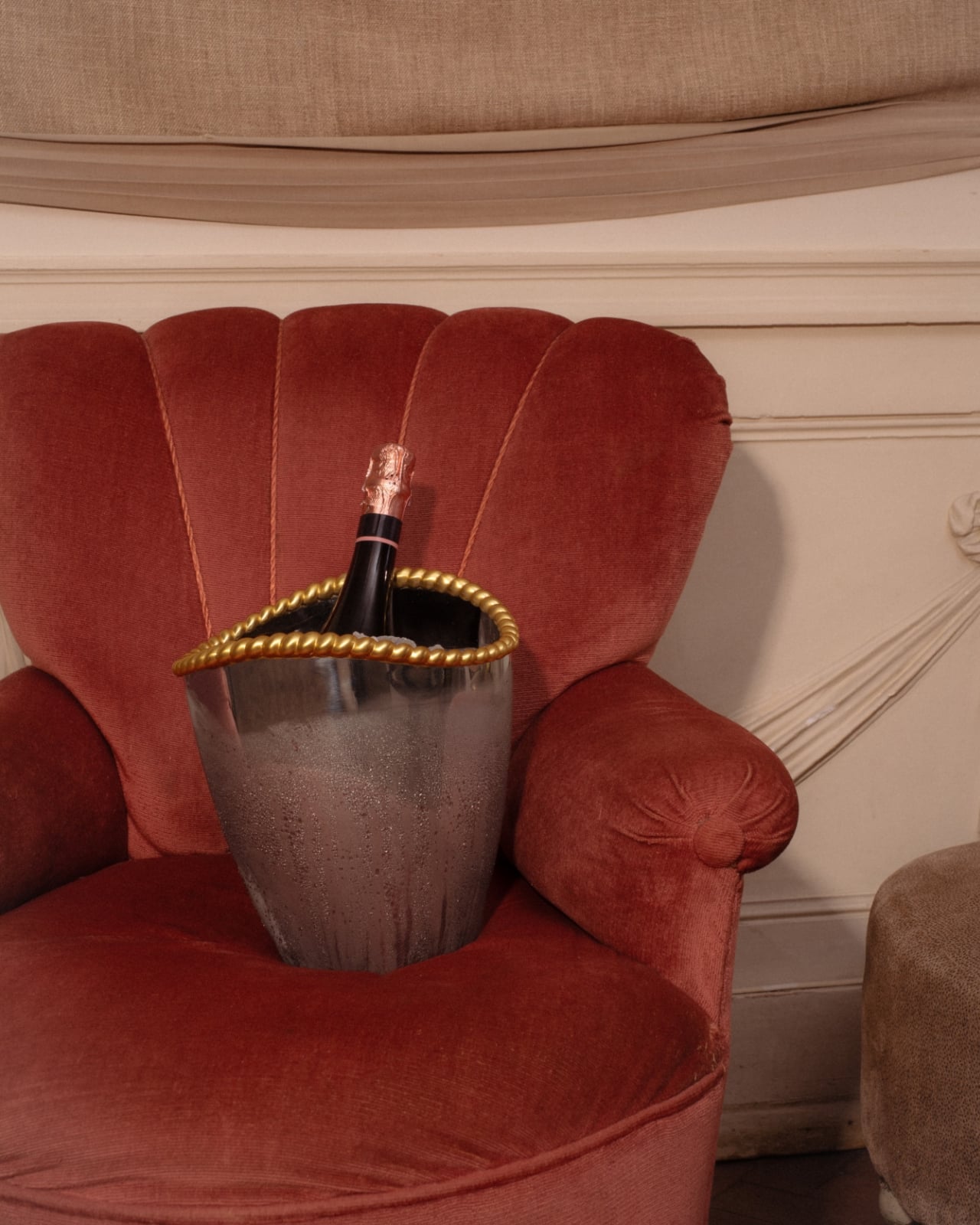
None of this needed a marine theme to feel cohesive. Shells and spirals could easily have read as a summer gimmick, gone by September. Instead they’re used as structure, the same way a good building leans on a repeated column rather than a repeated slogan. A gold-rimmed teacup, a swirl-handled vase, a shell-handled fork resting beside a scallop-backed chair holding an ice bucket shaped like the same curve, none of it needs an explanation once you notice the pattern. It just clicks into place, the way a good spiral always does, curling back toward its own center without ever quite repeating itself.
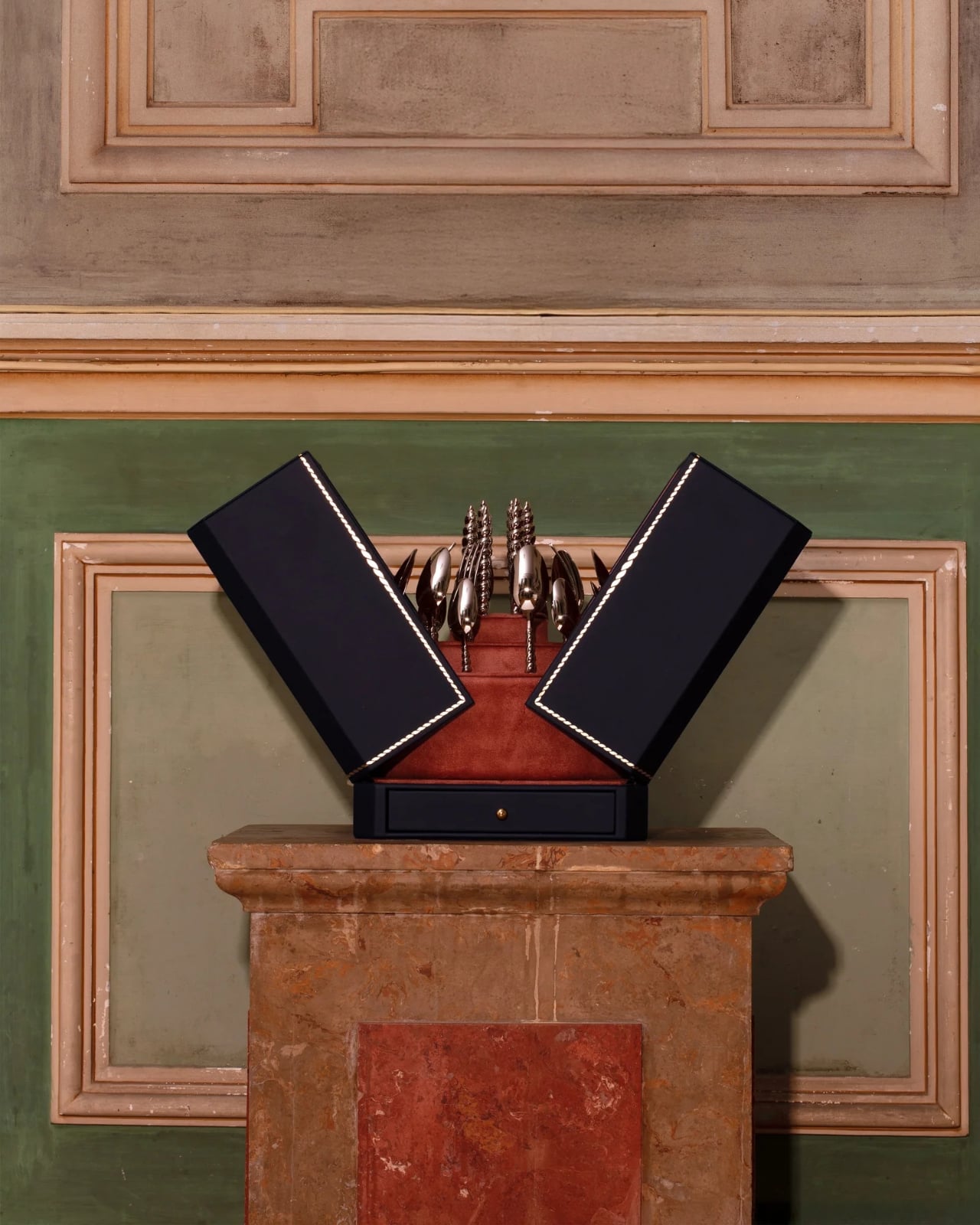
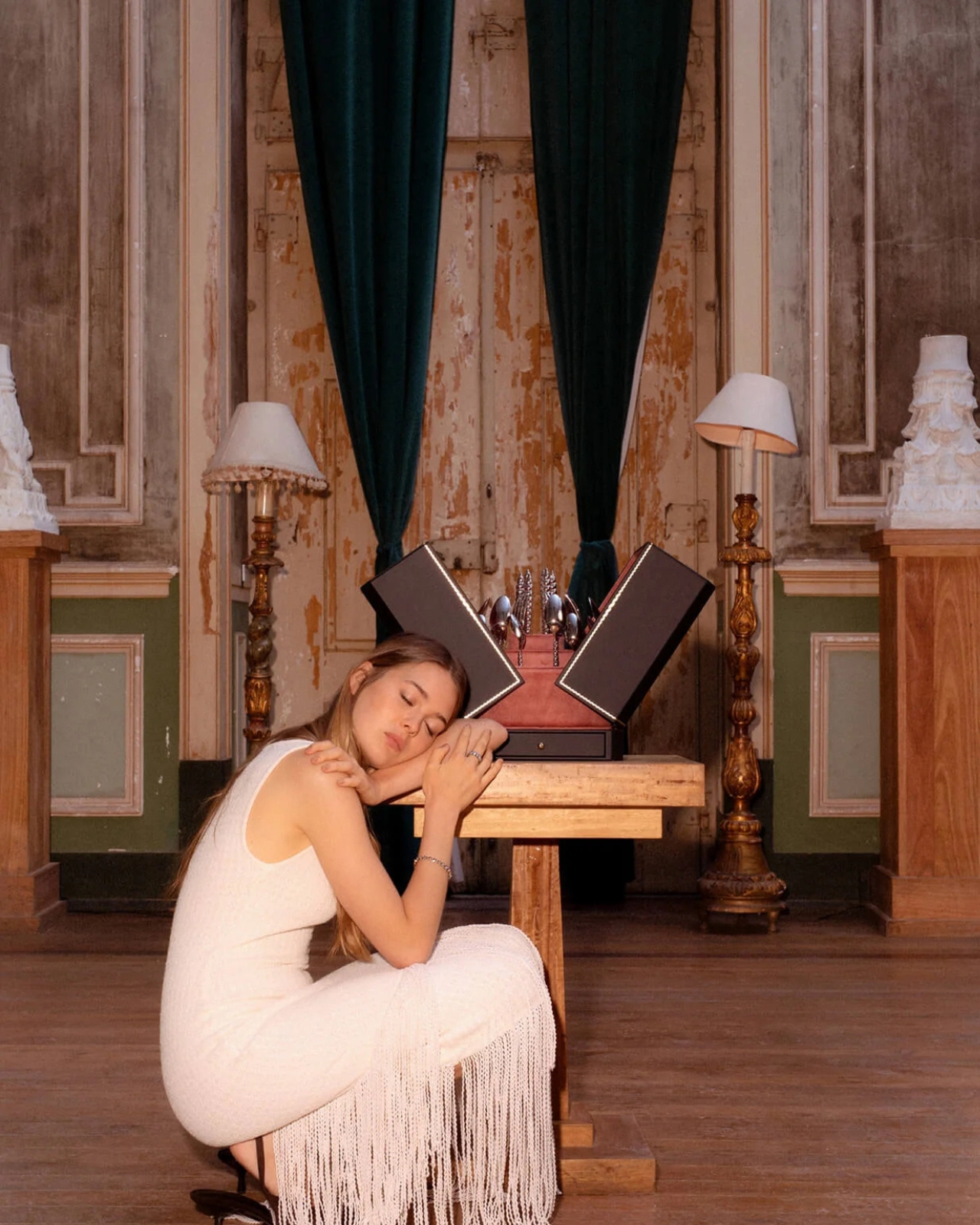
The post L’Objet Secretly Built Its Best Tableware Around a Single Shell first appeared on Yanko Design.
These $30 Chopsticks Were Refined 40 Times to Fix Your Tired Hand

I didn’t grow up in a chopsticks household. Spoons and forks were de rigueur at our table, but once I learned how to use chopsticks, I picked up a pair whenever I could. The only problem? Using chopsticks can get surprisingly stressful. You don’t notice it at first, but the constant rotation against your fingers wears you out as the meal goes on, especially during a long dinner packed with side dishes and food that needs careful handling.

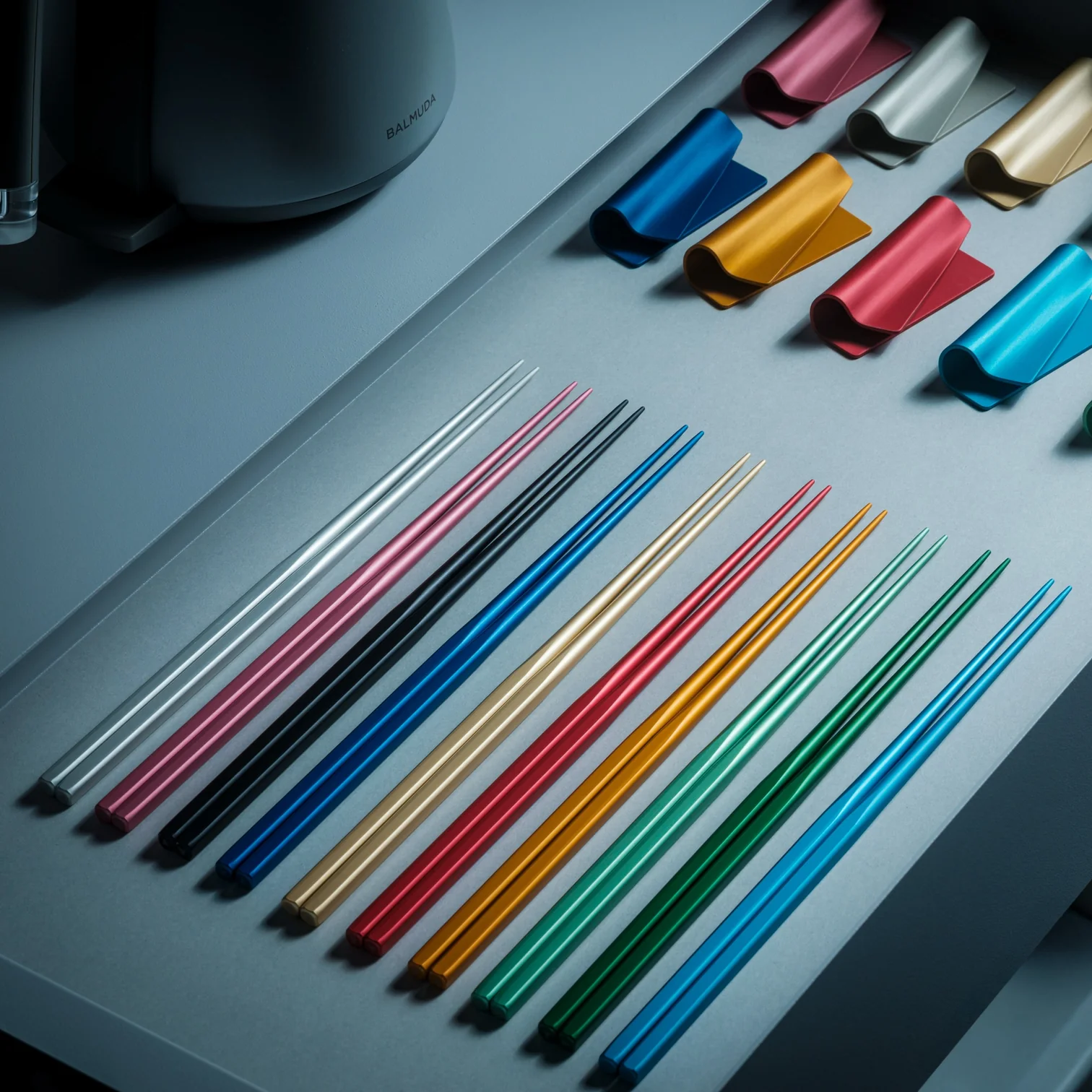
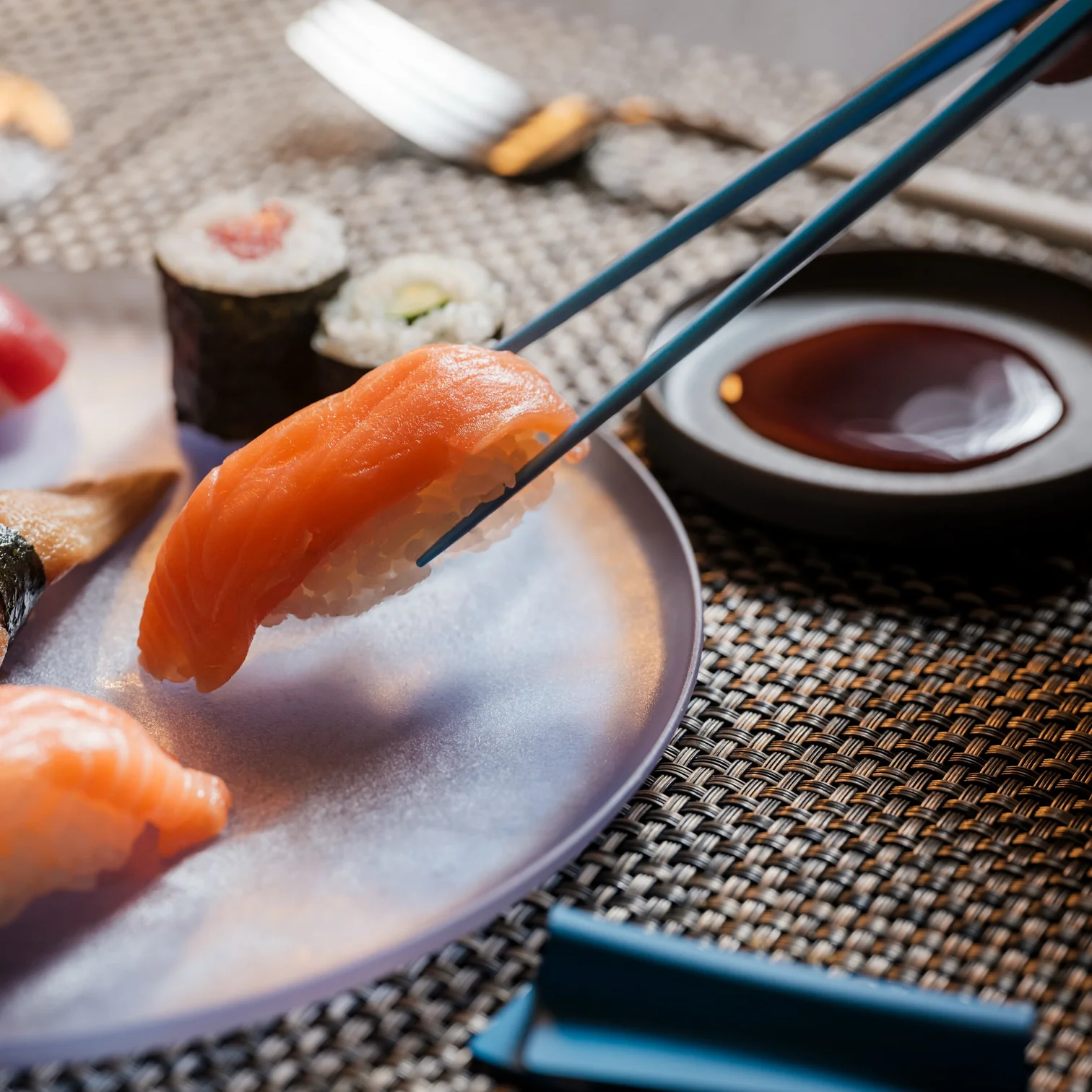
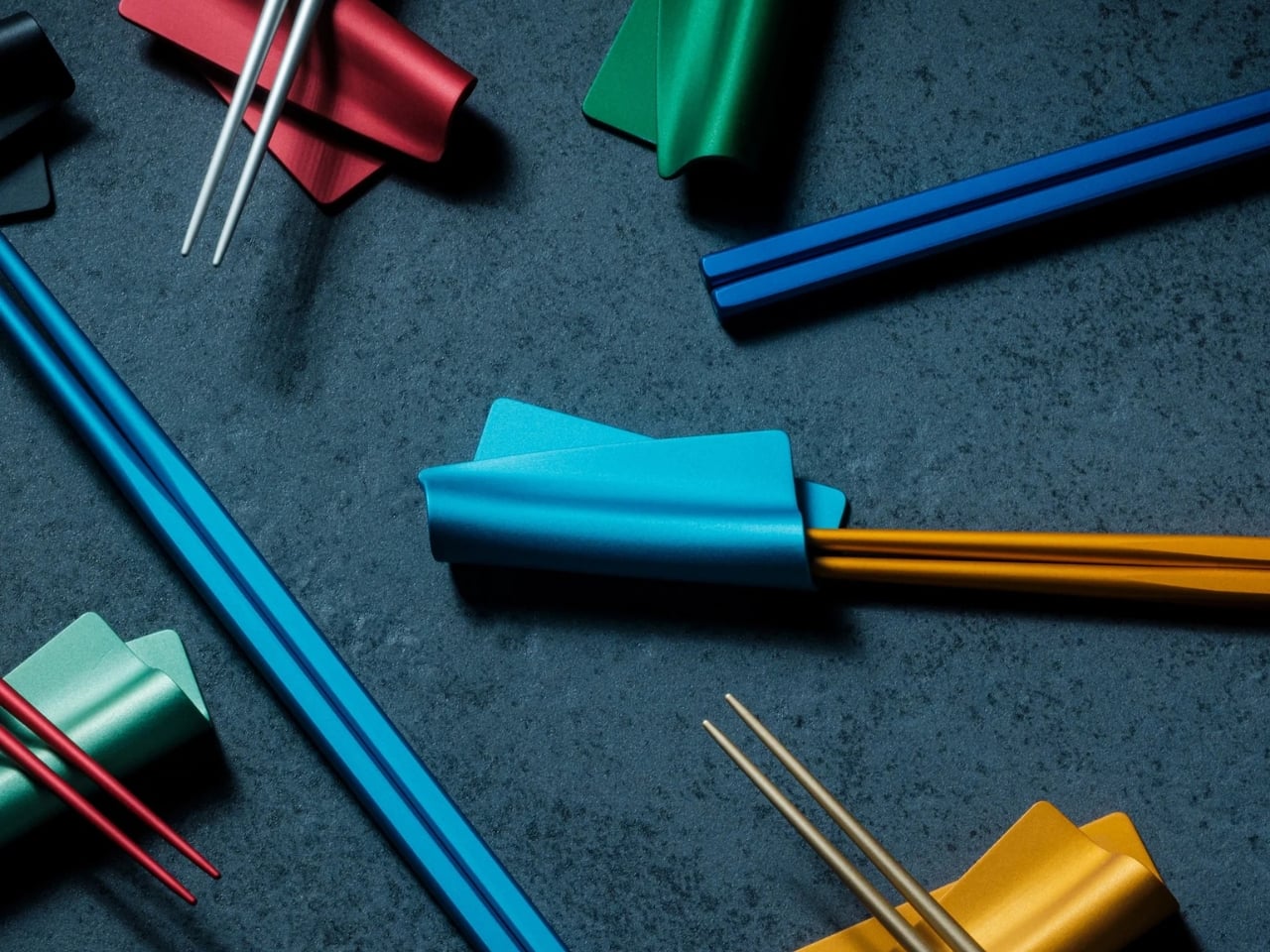
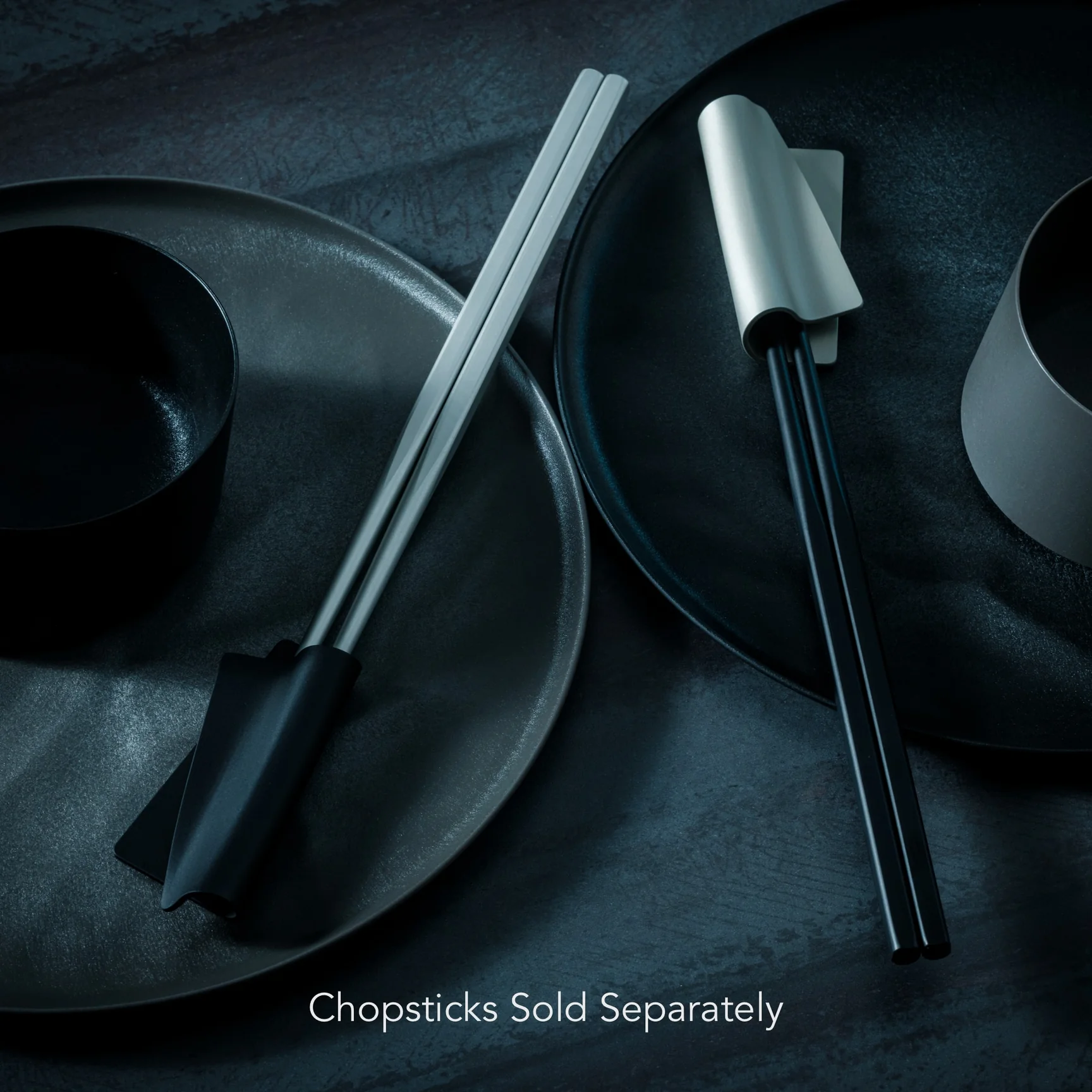
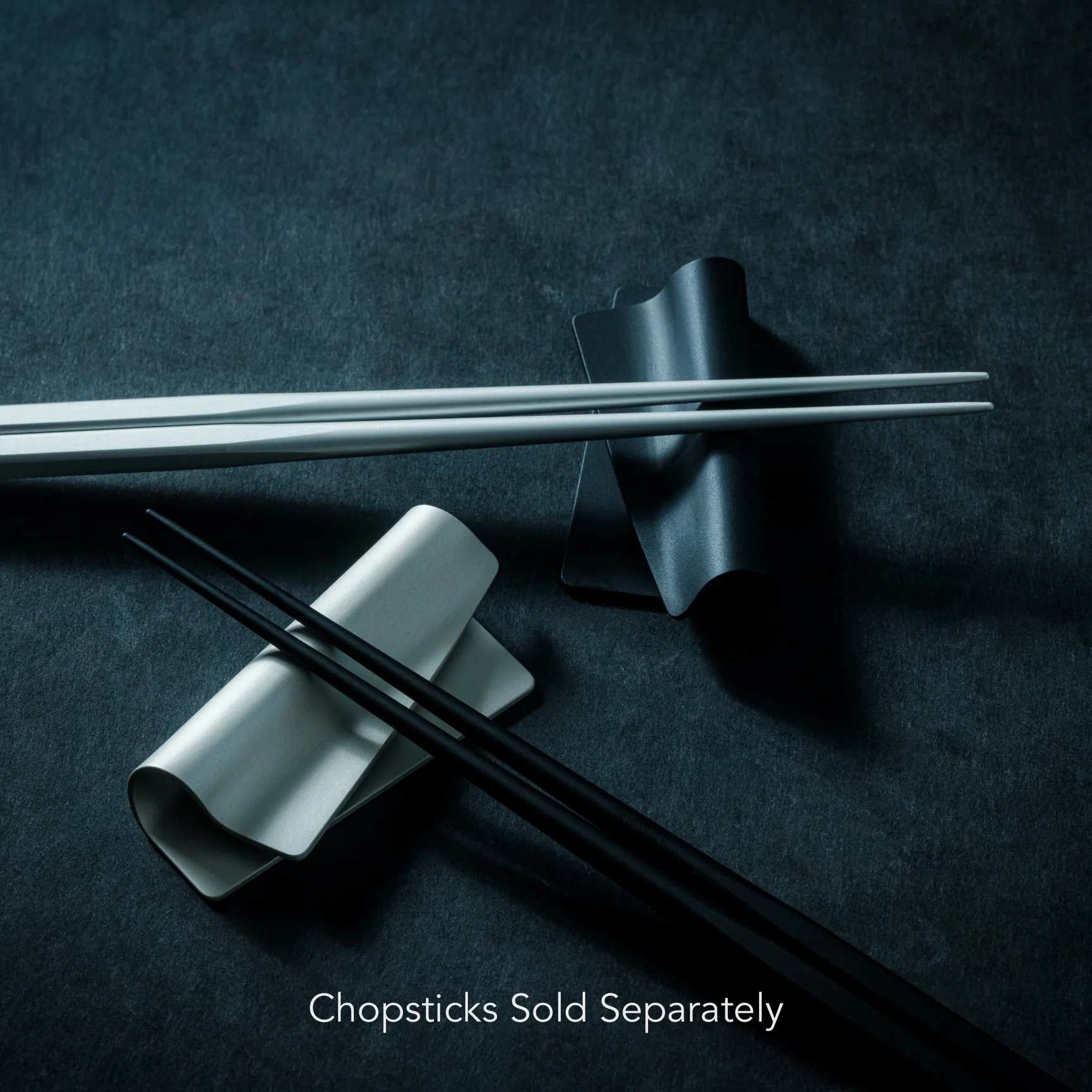
The design team behind the FineLine Aluminum Chopsticks and their matching Chopstick Rest thought long and hard about that exact problem. They put the pair through more than 40 rounds of refinement and trial and error, adjusting tip diameter, taper angle, grip texture, and balance to land on what might be the most comfortable pair of chopsticks you’ve ever held. And if you’re the kind of person who likes things to match, you can pick up a companion chopstick rest finished in the exact same colorway.

Click Here to Buy Now: $30.00 (FineLine Aluminum Chopsticks), $20 (FineLine Choptstick Rest)

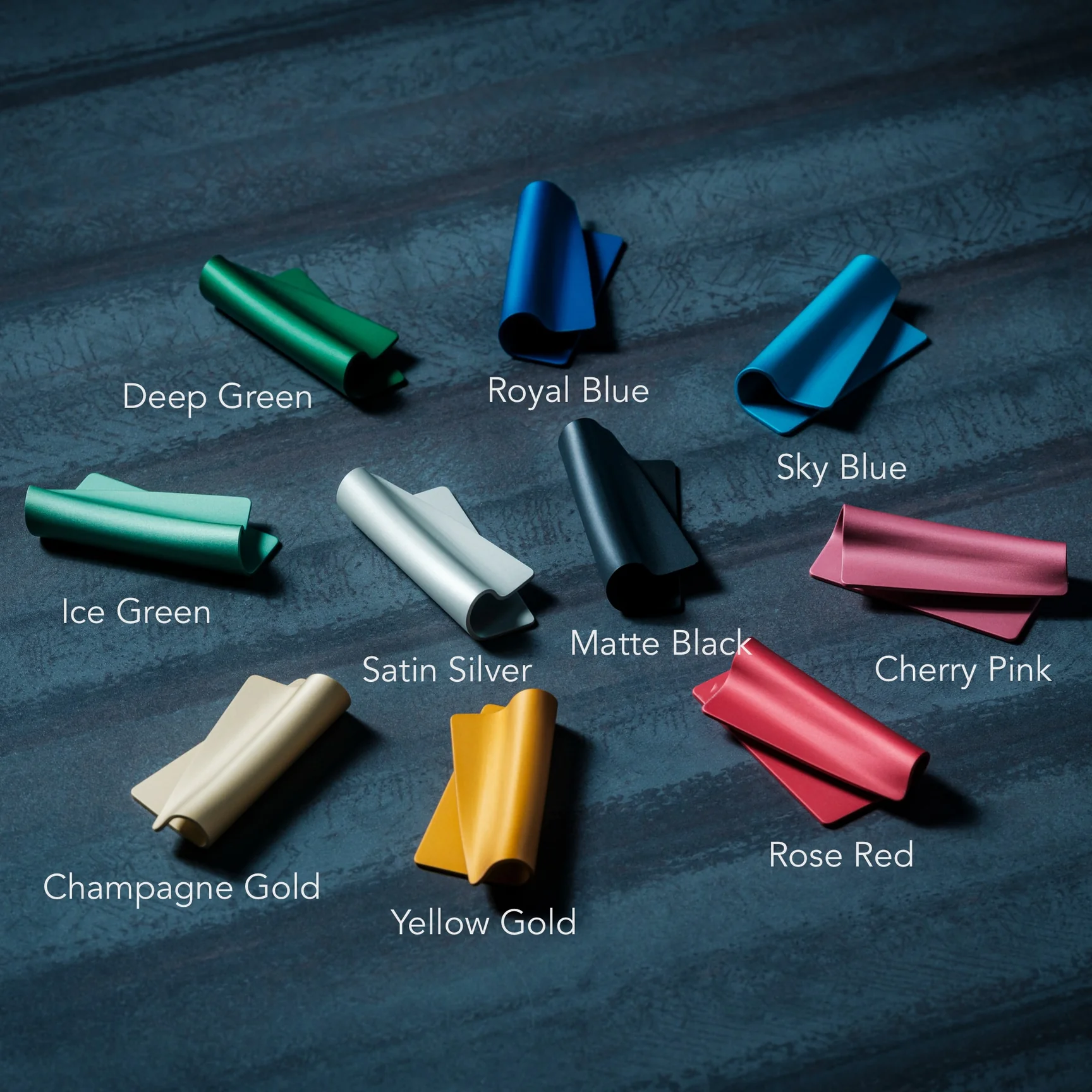
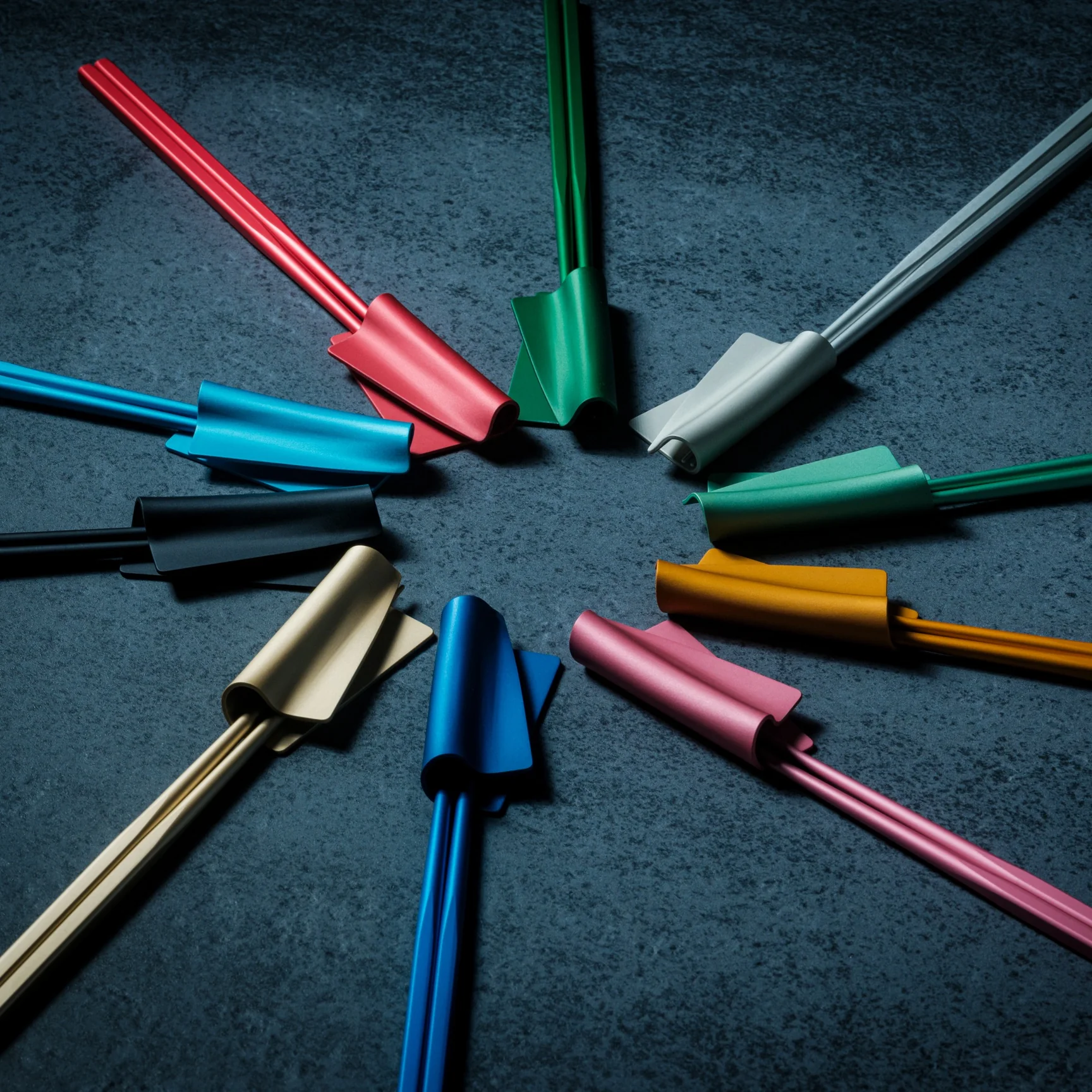
Both the chopsticks and the rest are manufactured in Tsubame-Sanjo, Japan, a region historically known for its precision metalworking, the same craft tradition responsible for some of Japan’s finest cutlery and hardware. The resulting chopsticks are thinner than what most people are used to, but the 1.5mm tip, roughly half the width of a standard chopstick, is engineered to be more stable and precise enough to pick up a single grain of rice cleanly. They’re made from anodized aluminum and are impressively light at just 14.5 grams per stick. You get 10 anodized color options, each with a soft, satin sheen, so whichever shade you pick, you end up with a pair that genuinely stands out on the table.

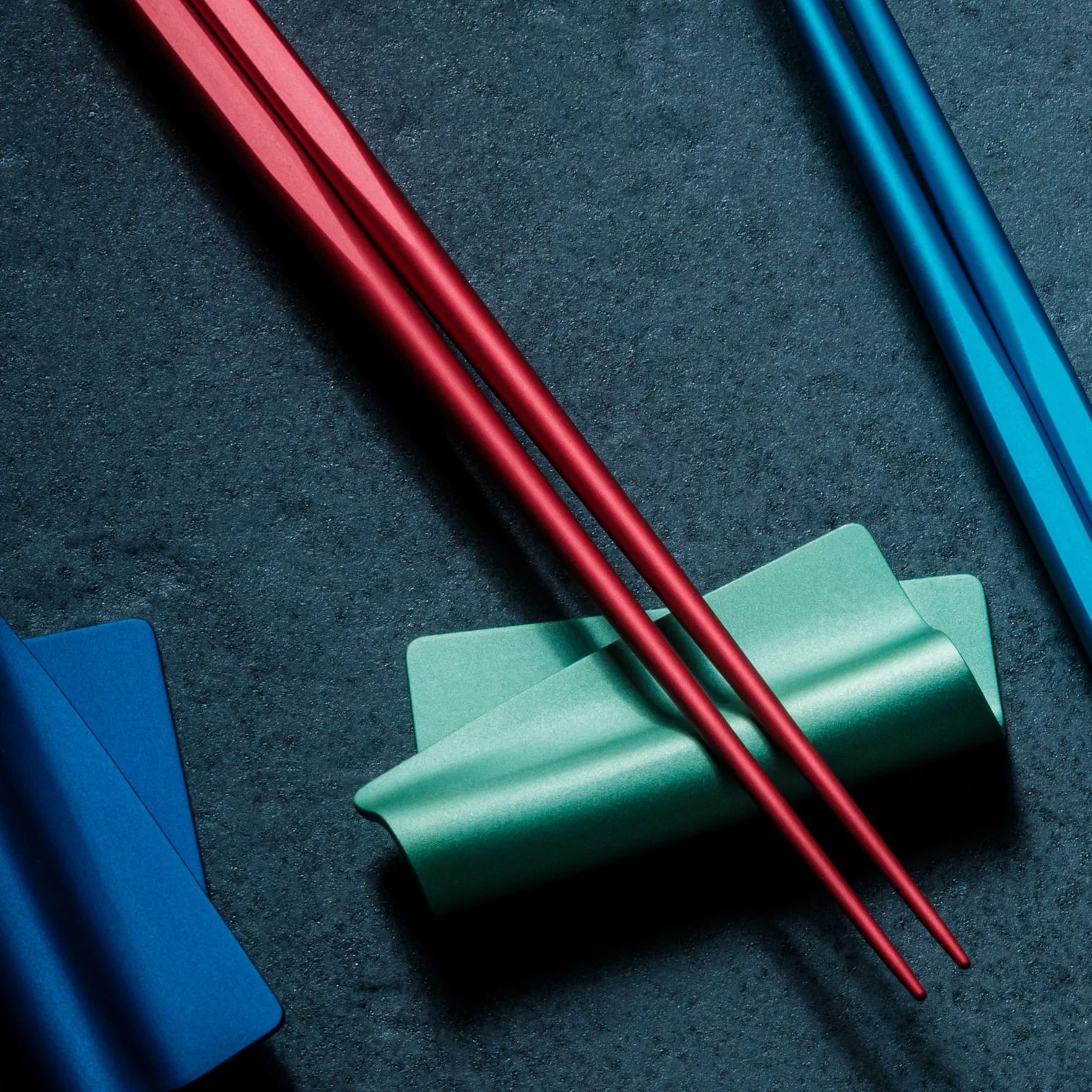
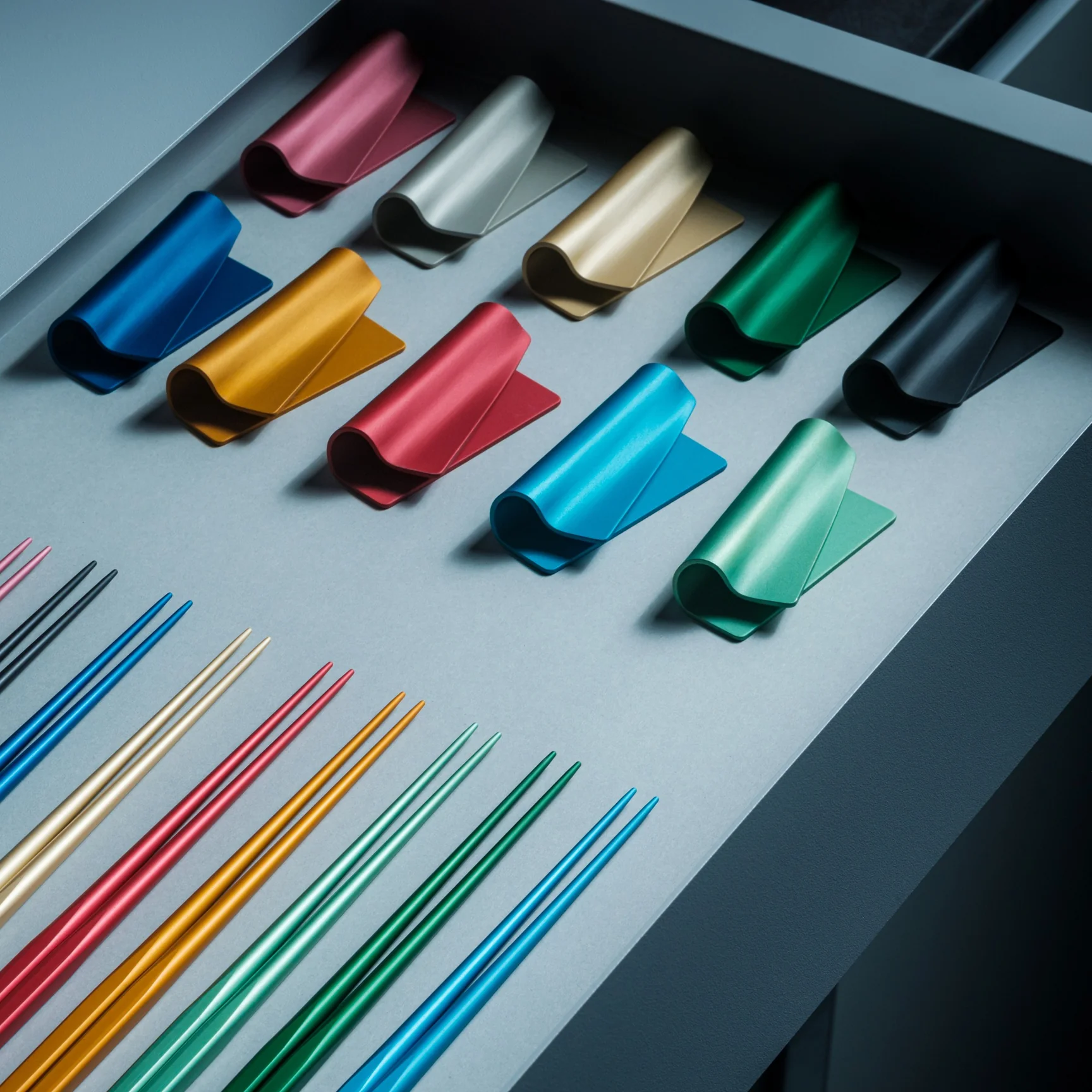
The separately sold Chopstick Rest is also machined from anodized aluminum and goes through the same production process as the chopsticks. It’s shaped specifically to cradle your chopsticks and keep the tips off the table, which is a small but meaningful upgrade if you care about a clean table setting or just like the reassurance of good hygiene. It’s designed to genuinely match your chopsticks rather than function as an afterthought accessory. The colorways line up exactly, so the two pieces read as one system instead of two separate purchases.

So how does this stack up against what’s already out there? Most of us are used to one of two extremes: free bamboo or plastic chopsticks from a takeout order, or a mass-produced set from a big household name like Muji, which sells reliable but fairly generic stainless steel or wood chopsticks in the $5 to $15 range. Those options get the job done, but they’re built for volume, not for the feel in your hand.

The FineLine set, at $30 for the chopsticks and $20 for the rest, sits in a different category entirely. You’re not just paying for aluminum instead of bamboo. You’re paying for 40-plus rounds of engineering aimed at solving a problem most brands never even identified: the constant, tiring rotation that round chopsticks force your fingers to correct for. Even other premium Japanese chopstick makers rarely address grip geometry this directly, which is what makes the FineLine’s faceted, anti-rotation design feel like a genuine innovation rather than a repackaged classic.

At the end of the day, good design isn’t always about reinventing something. Sometimes it’s about noticing the tiny frustration everyone else learned to ignore, and quietly making it disappear. That’s exactly what the FineLine Aluminum Chopsticks and their matching FineLine Chopstick Rest manage to do. They won’t change how you eat, but they might change how you feel by the end of the meal: less fatigue, more focus on the food and the company across the table. For $30 (plus $20 if you want the full matching set), that’s a small price for a tool that finally gets out of its own way. If you’ve ever finished a long dinner and realized your hand was more tired than your stomach was full, this might be the upgrade you didn’t know you needed.

The post These $30 Chopsticks Were Refined 40 Times to Fix Your Tired Hand first appeared on Yanko Design.
These $30 Chopsticks Were Refined 40 Times to Fix Your Tired Hand

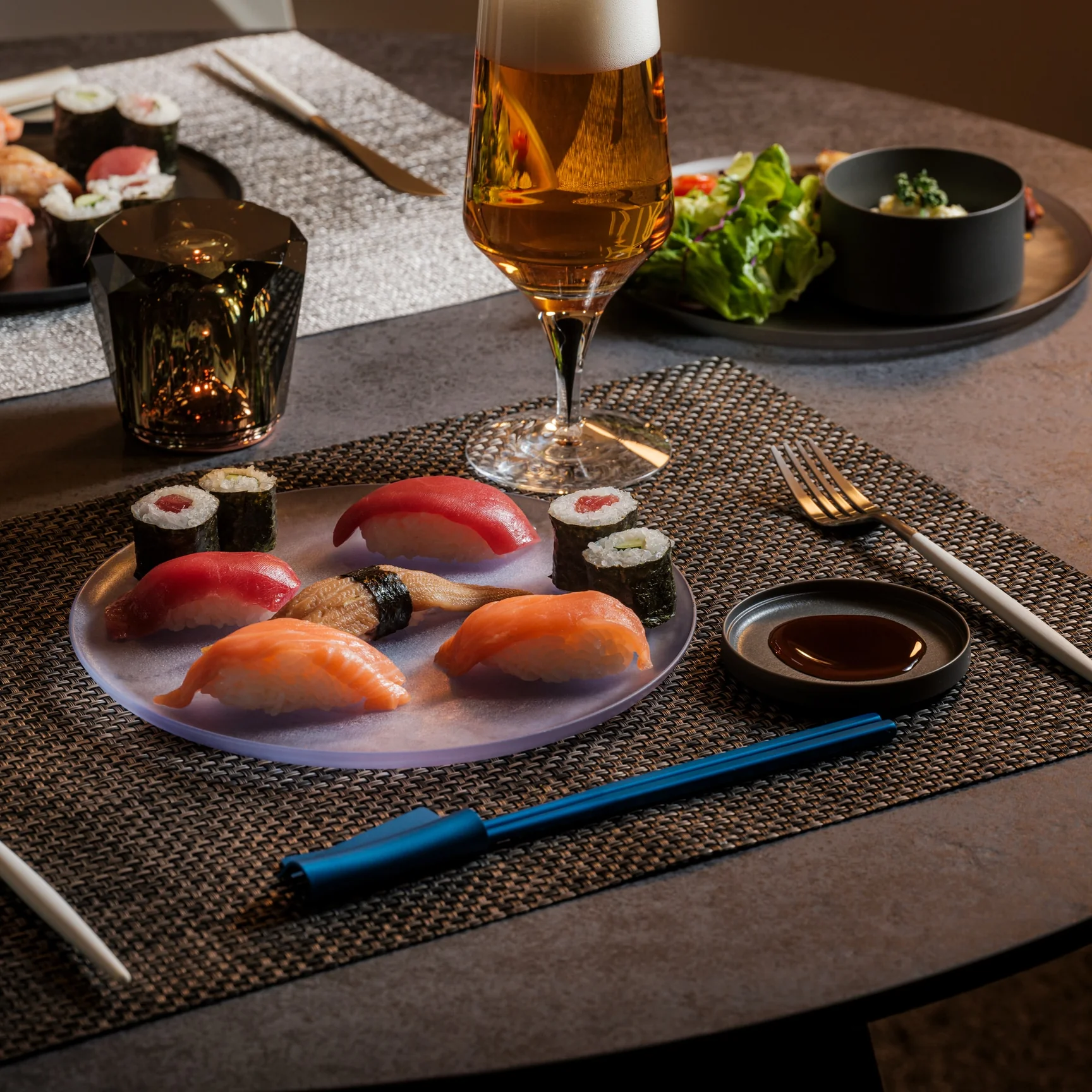
I didn’t grow up in a chopsticks household. Spoons and forks were de rigueur at our table, but once I learned how to use chopsticks, I picked up a pair whenever I could. The only problem? Using chopsticks can get surprisingly stressful. You don’t notice it at first, but the constant rotation against your fingers wears you out as the meal goes on, especially during a long dinner packed with side dishes and food that needs careful handling.

The design team behind the FineLine Aluminum Chopsticks and their matching Chopstick Rest thought long and hard about that exact problem. They put the pair through more than 40 rounds of refinement and trial and error, adjusting tip diameter, taper angle, grip texture, and balance to land on what might be the most comfortable pair of chopsticks you’ve ever held. And if you’re the kind of person who likes things to match, you can pick up a companion chopstick rest finished in the exact same colorway.

Click Here to Buy Now: $30.00 (FineLine Aluminum Chopsticks), $20 (FineLine Choptstick Rest)

Both the chopsticks and the rest are manufactured in Tsubame-Sanjo, Japan, a region historically known for its precision metalworking, the same craft tradition responsible for some of Japan’s finest cutlery and hardware. The resulting chopsticks are thinner than what most people are used to, but the 1.5mm tip, roughly half the width of a standard chopstick, is engineered to be more stable and precise enough to pick up a single grain of rice cleanly. They’re made from anodized aluminum and are impressively light at just 14.5 grams per stick. You get 10 anodized color options, each with a soft, satin sheen, so whichever shade you pick, you end up with a pair that genuinely stands out on the table.

The separately sold Chopstick Rest is also machined from anodized aluminum and goes through the same production process as the chopsticks. It’s shaped specifically to cradle your chopsticks and keep the tips off the table, which is a small but meaningful upgrade if you care about a clean table setting or just like the reassurance of good hygiene. It’s designed to genuinely match your chopsticks rather than function as an afterthought accessory. The colorways line up exactly, so the two pieces read as one system instead of two separate purchases.

So how does this stack up against what’s already out there? Most of us are used to one of two extremes: free bamboo or plastic chopsticks from a takeout order, or a mass-produced set from a big household name like Muji, which sells reliable but fairly generic stainless steel or wood chopsticks in the $5 to $15 range. Those options get the job done, but they’re built for volume, not for the feel in your hand.

The FineLine set, at $30 for the chopsticks and $20 for the rest, sits in a different category entirely. You’re not just paying for aluminum instead of bamboo. You’re paying for 40-plus rounds of engineering aimed at solving a problem most brands never even identified: the constant, tiring rotation that round chopsticks force your fingers to correct for. Even other premium Japanese chopstick makers rarely address grip geometry this directly, which is what makes the FineLine’s faceted, anti-rotation design feel like a genuine innovation rather than a repackaged classic.

At the end of the day, good design isn’t always about reinventing something. Sometimes it’s about noticing the tiny frustration everyone else learned to ignore, and quietly making it disappear. That’s exactly what the FineLine Aluminum Chopsticks and their matching FineLine Chopstick Rest manage to do. They won’t change how you eat, but they might change how you feel by the end of the meal: less fatigue, more focus on the food and the company across the table. For $30 (plus $20 if you want the full matching set), that’s a small price for a tool that finally gets out of its own way. If you’ve ever finished a long dinner and realized your hand was more tired than your stomach was full, this might be the upgrade you didn’t know you needed.

The post These $30 Chopsticks Were Refined 40 Times to Fix Your Tired Hand first appeared on Yanko Design.
The One Thing Fine Dining Can’t Control Is Temperature, Until Now

Temperature is one of the few things in fine dining that no one fully controls once a dish leaves the kitchen. A perfectly cooked piece of fish begins losing heat the moment the plate is set down, and by the time a diner has finished admiring the plating, the window for eating it at its intended temperature has already started to close. Most serving vessels are entirely passive about this.

Temper Hold is a modular serving system that addresses this through material rather than technology. Built from basalt, a volcanic stone with a high thermal mass, the system slows temperature change for both hot and cold dishes, extending the window between when food arrives and when it begins drifting from the cook’s intentions. The serving surface stops being passive and becomes part of how the meal unfolds.

Designer: Batuhan Duran

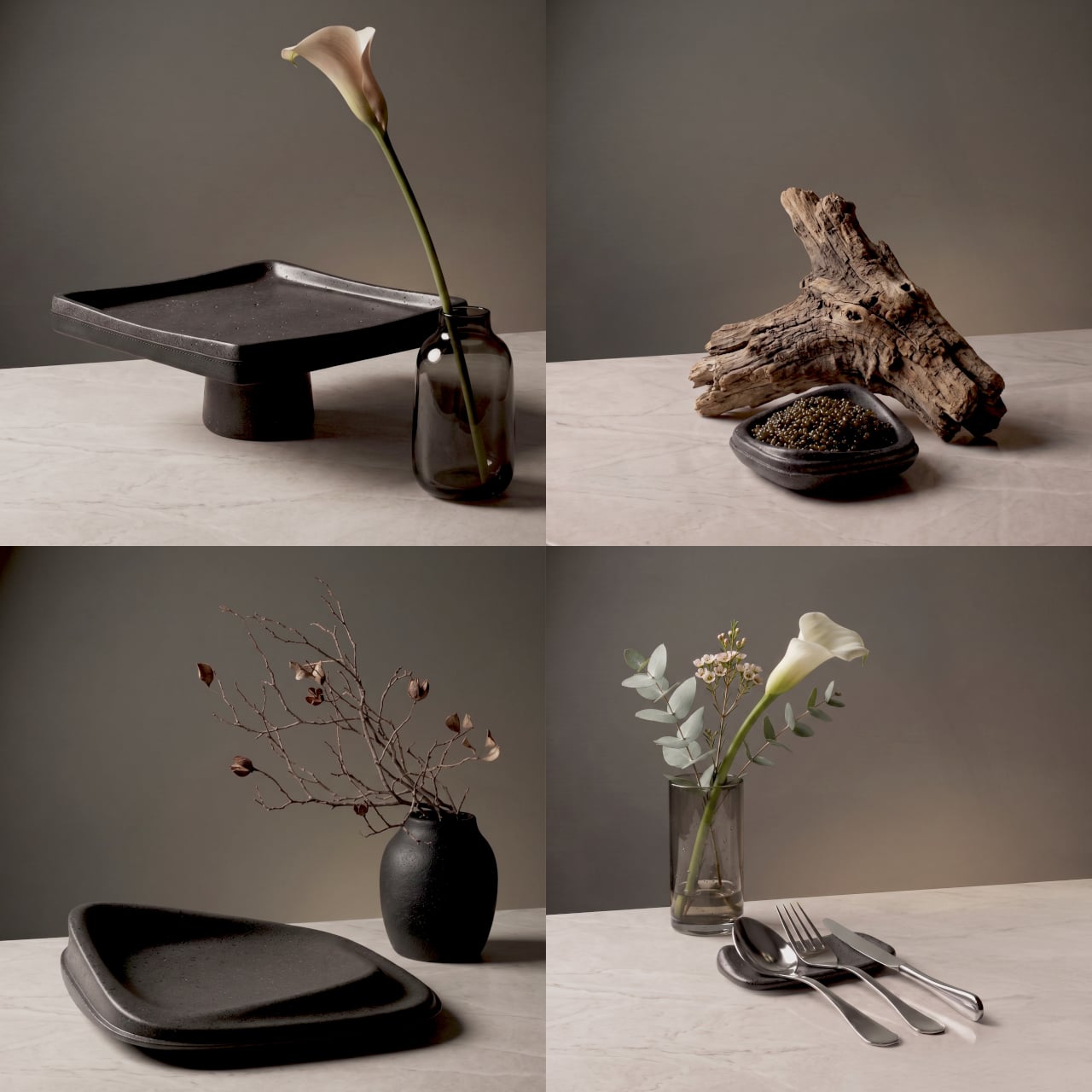
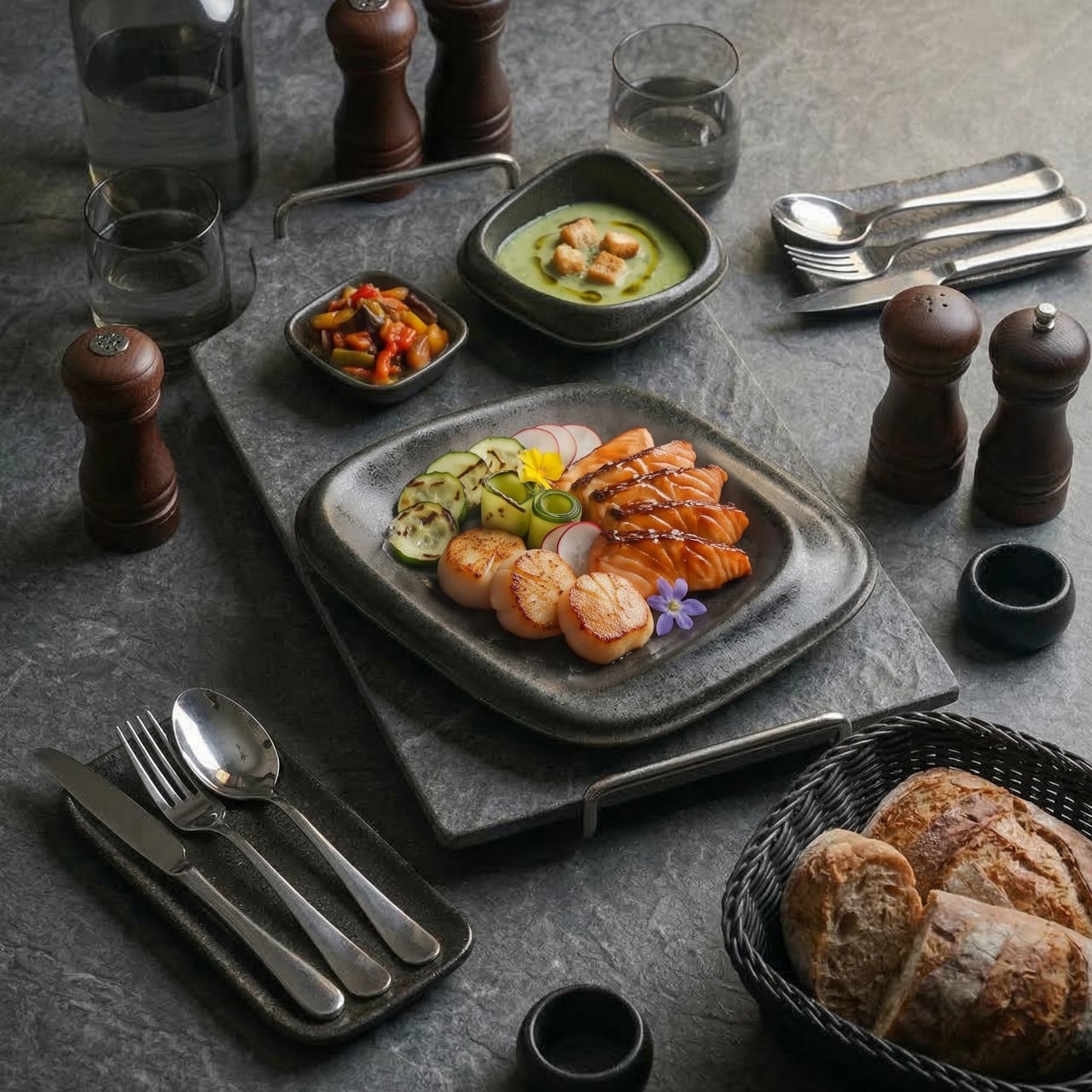
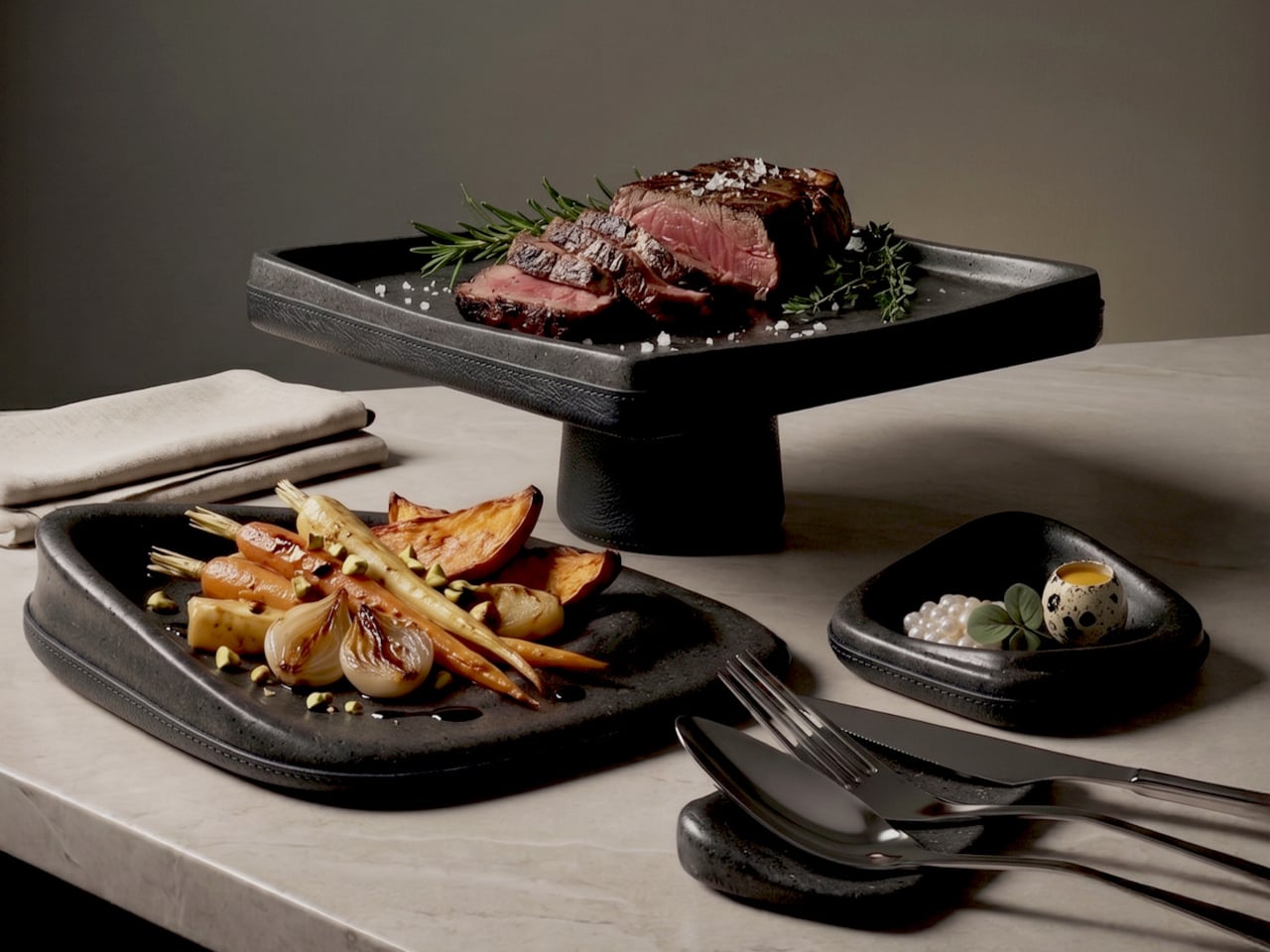
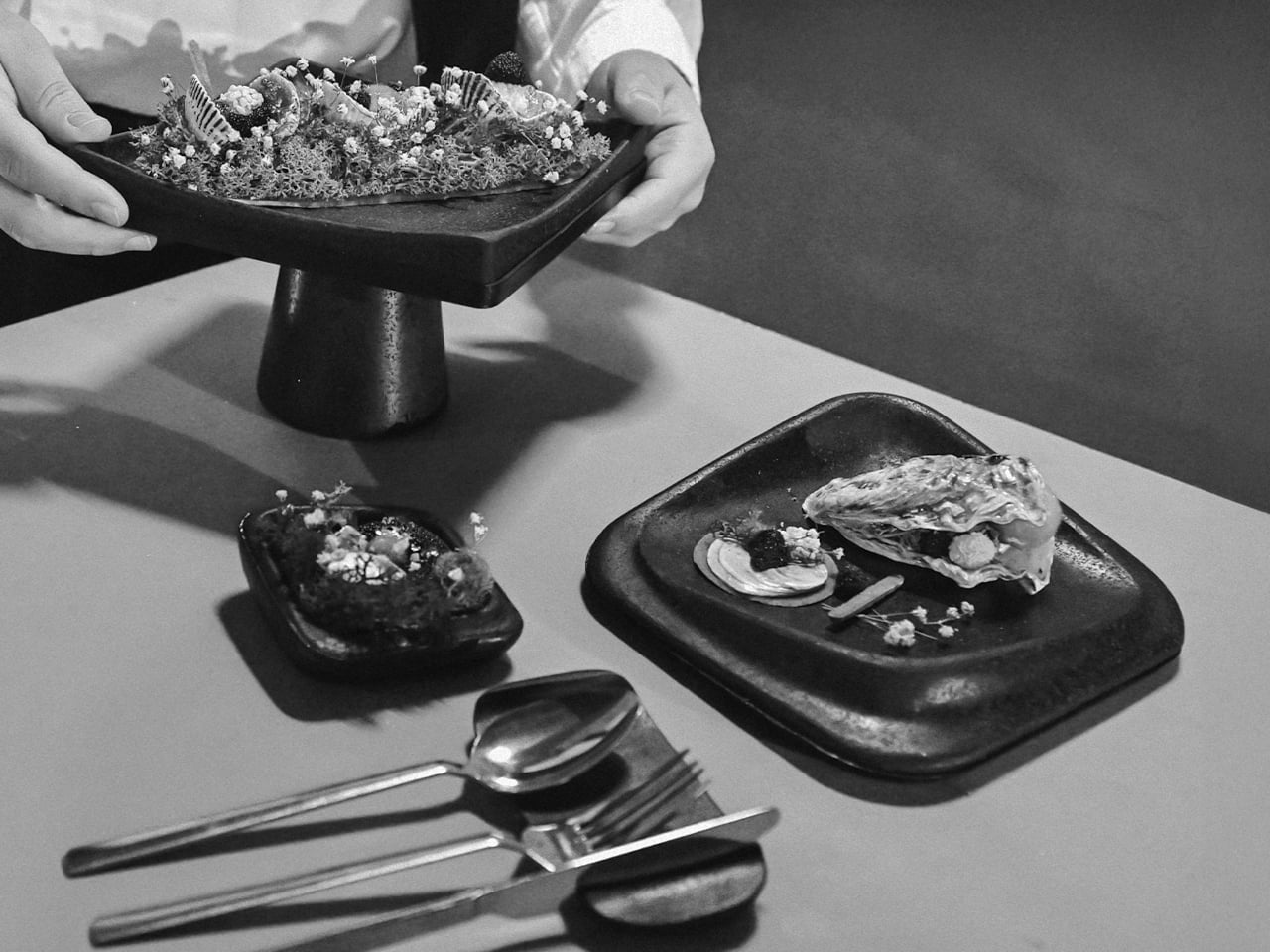
The system comprises four modules, each assigned a specific role at the table. CORE is the main presentation surface. RISE elevates a featured item on a pedestal base, adding vertical hierarchy to the setting. POUR handles sauce service in a form shaped for controlled pouring. REST organizes cutlery, keeping the table composed between courses. Together, they don’t overcrowd the table or impose formality on the setting.

The thermal logic relies on basalt’s natural density. Stone with a high thermal mass resists temperature change, absorbing heat slowly and releasing it gradually, which is the opposite of ceramic or porcelain, which loses heat quickly once it leaves a warming rack. For cold presentations, the same principle applies in reverse; the stone stays cool longer, keeping a dish within its intended temperature range throughout the course.

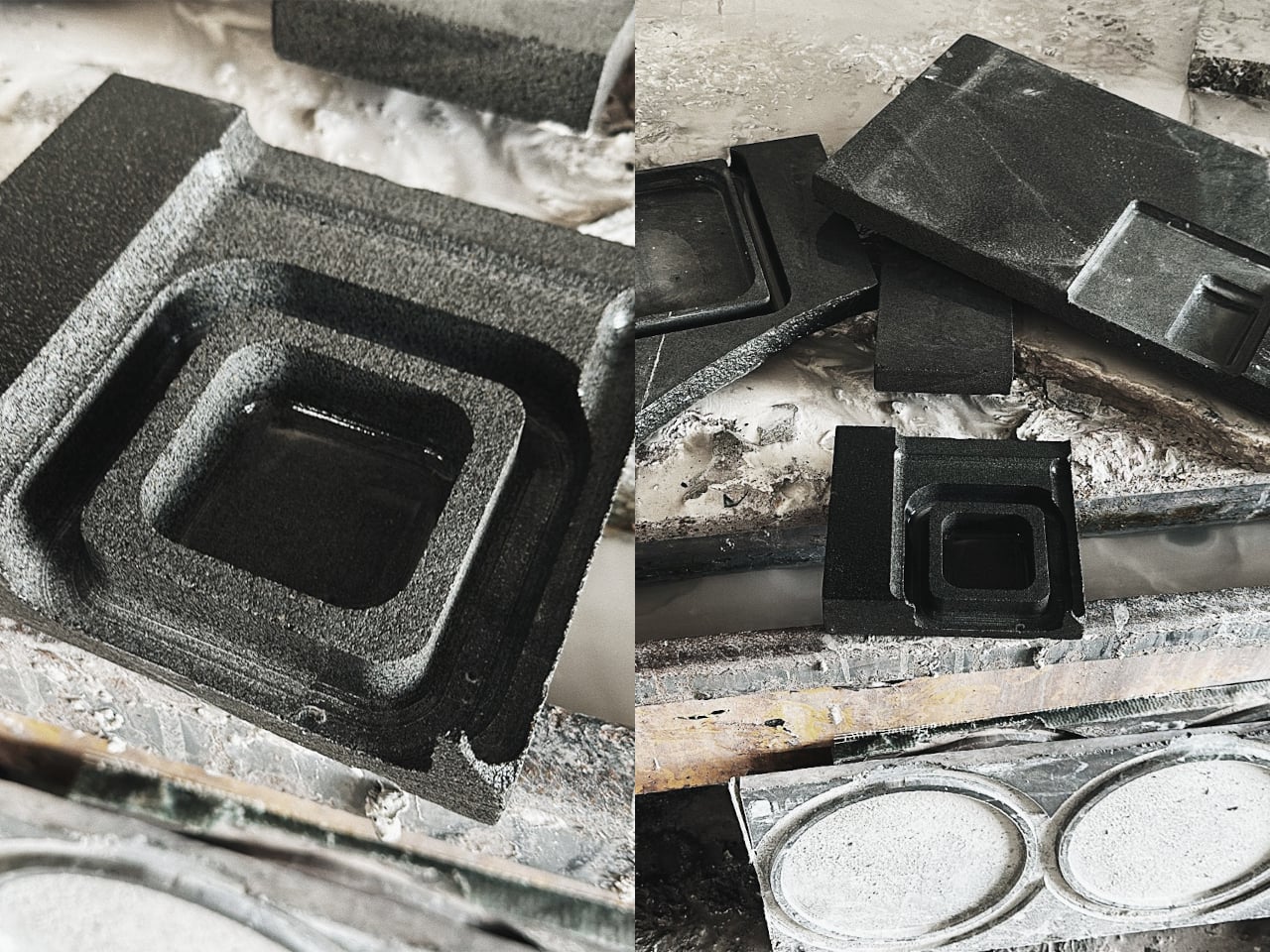
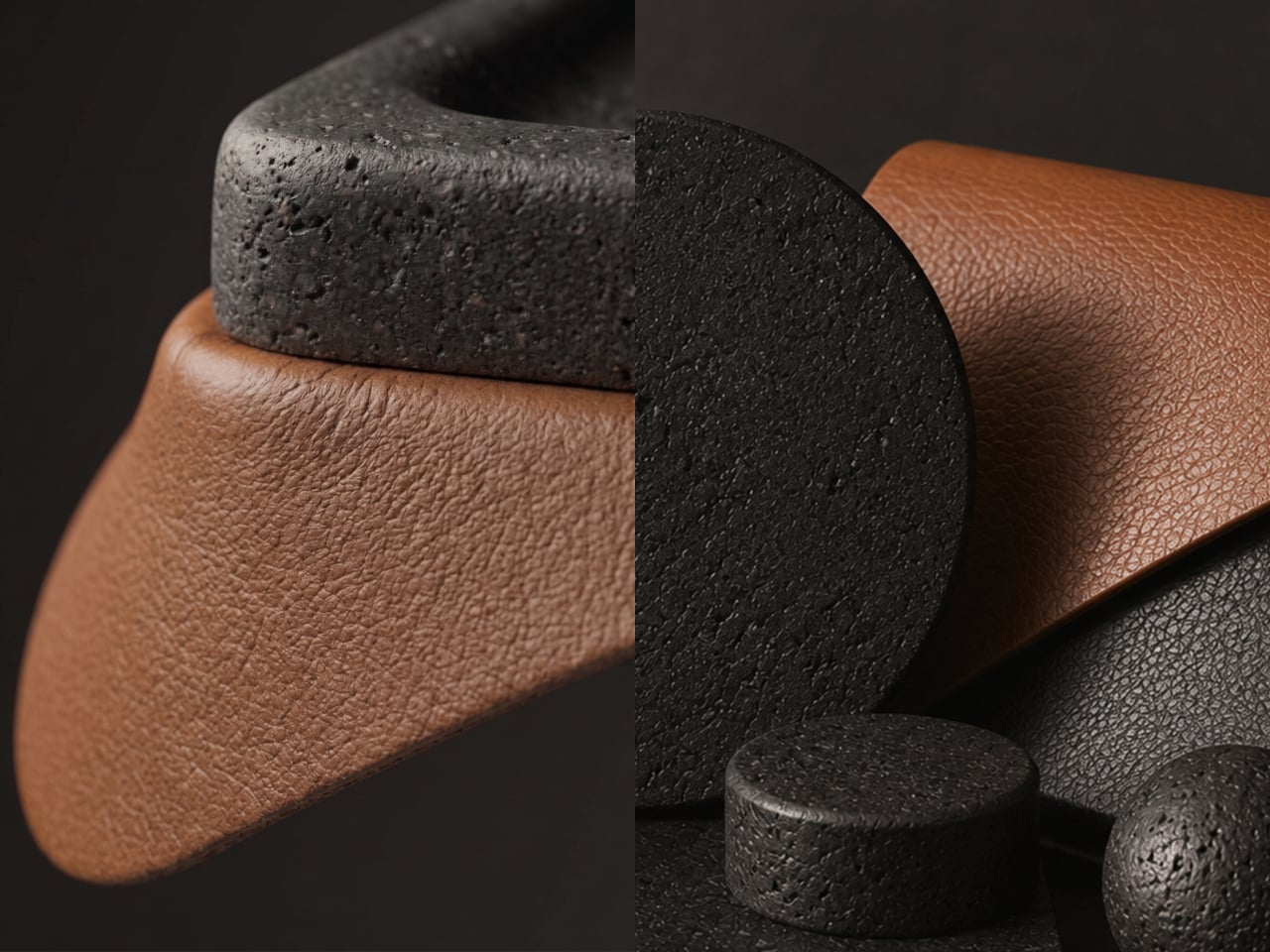
Each piece is shaped from basalt using CNC stone machining, with chamfered edges to reduce the risk of chipping during service. The exterior surface is matte-honed, preserving the volcanic texture of the stone, while the food-contact surfaces are polished to a smoother finish that’s easier to clean. The contrast between the two finishes also serves as an intuitive guide to how each piece is meant to be used.

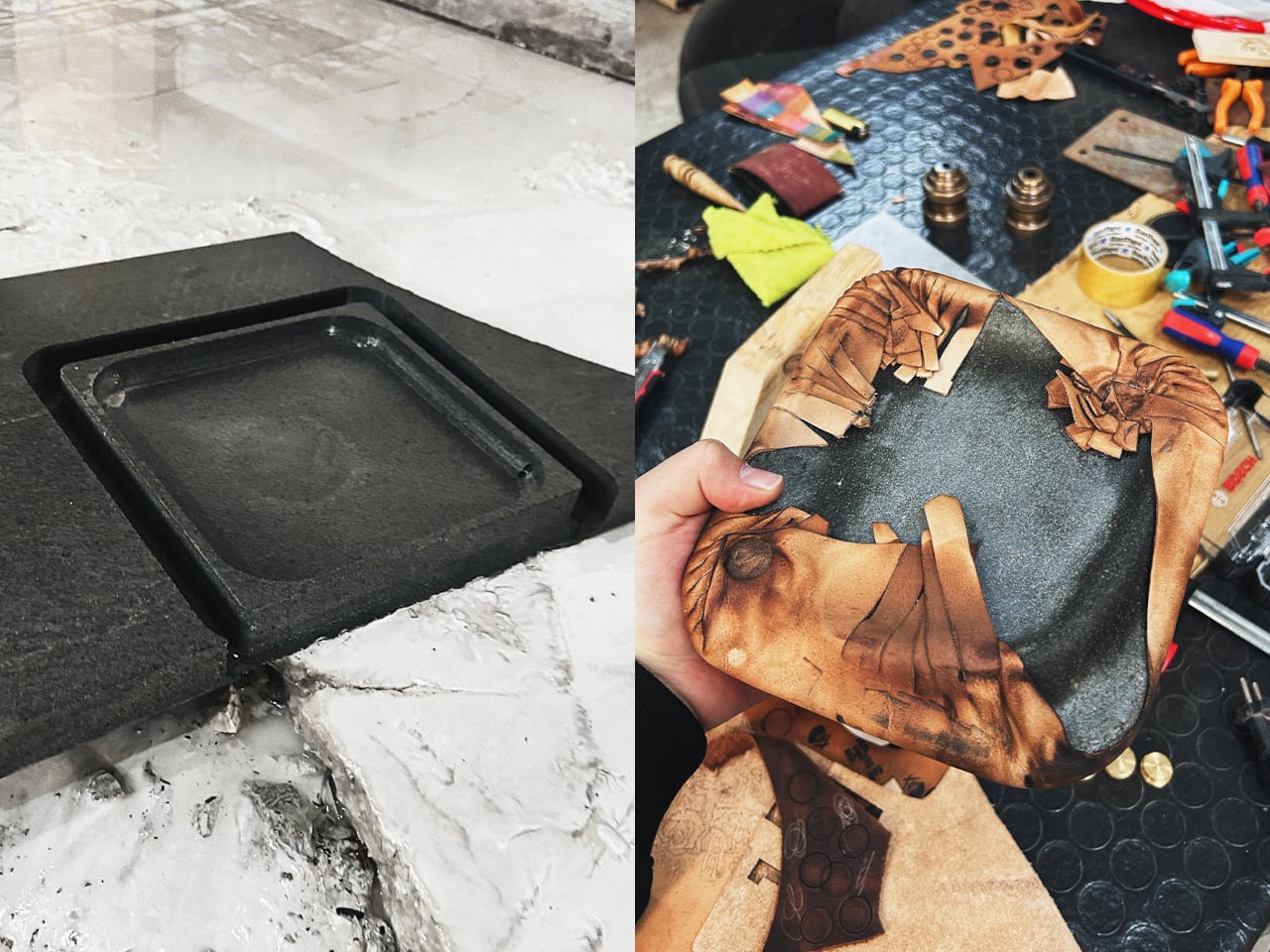
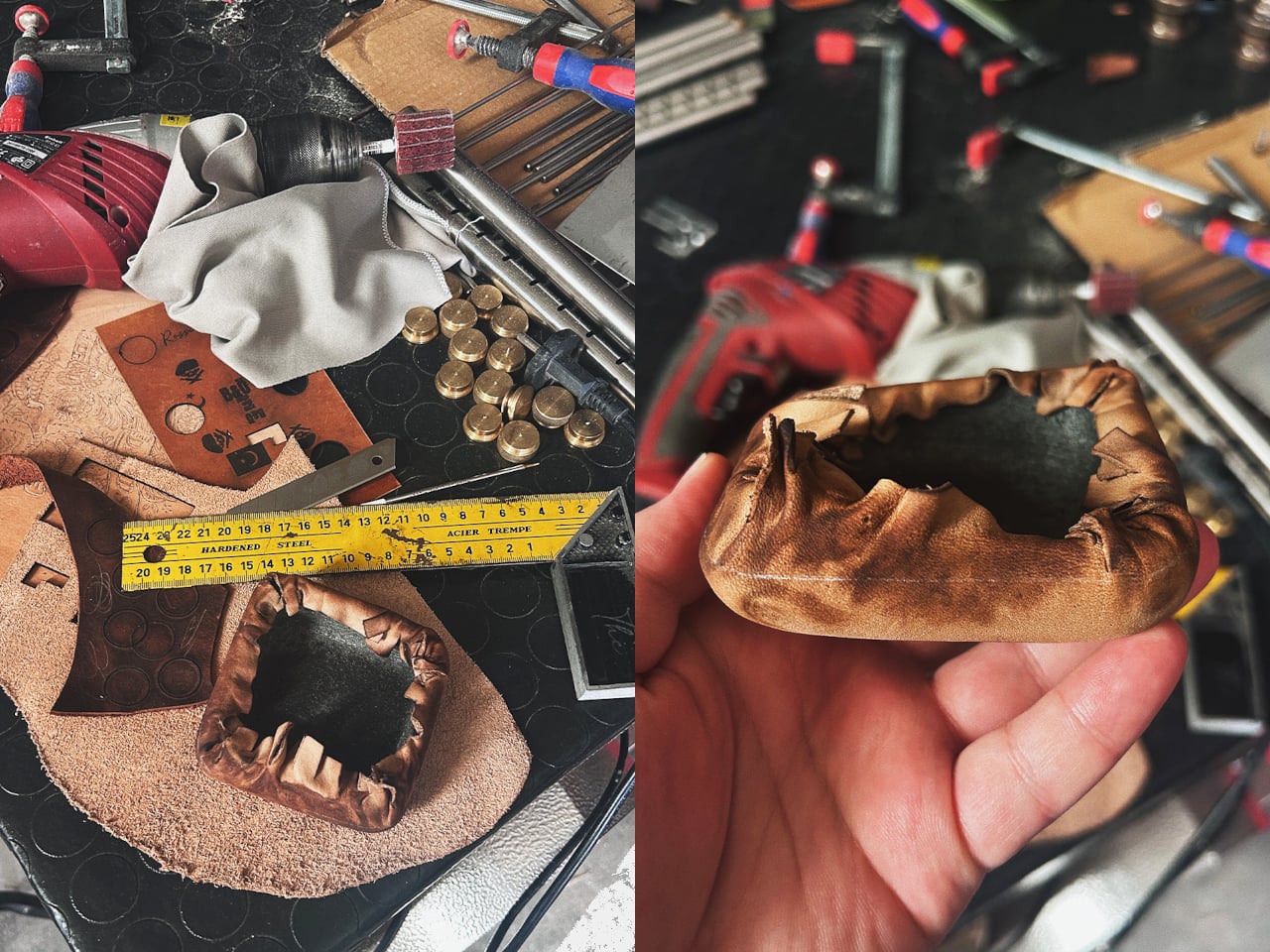
A custom-cut leather sleeve is fitted to the underside of each piece, serving two functions at once. It softens the contact between the stone and the table, protecting both surfaces from the weight and texture of raw basalt, while improving grip when lifting and moving a piece between courses. The leather also introduces a warmer visual element against the predominantly dark, volcanic character of the stone.

The material palette is intentionally restrained. Black basalt provides the body of each module, and the leather is available in warm brown or black, creating combinations that feel tactile and grounded rather than decorative. Volcanic stone has an inherently irregular surface texture that distinguishes it from polished marble or engineered ceramics, and the matte-honed exterior of each piece preserves that quality rather than smoothing it away entirely.

The concept behind Temper Hold is simple but genuinely underexplored in tableware design. Most dishes arrive on materials chosen for aesthetics, weight, or cost, not thermal behavior. Basalt has been used for cooking on volcanic rock for centuries, and repurposing that thermal property as a serving surface rather than a cooking one is a small but consequential shift in how a piece of tableware is asked to perform.

The post The One Thing Fine Dining Can’t Control Is Temperature, Until Now first appeared on Yanko Design.
H&M and Pantone bring even more colorful accessories to your table

When it comes to decorating our homes with furniture and accessories, there are two kinds of people: the minimalist and monochromatic kind or the maximalist and colorful aesthetic. There can also be some sort of cross-over between the two but mostly, that’s the two general kind of homeowners. I am more of the latter as I have a lot of stuff and I want to keep my surroundings colorful and vibrant. This new collaboration between H&M Home and Pantone will definitely appeal for those who are like me.

Designer: H&M Home and Pantone

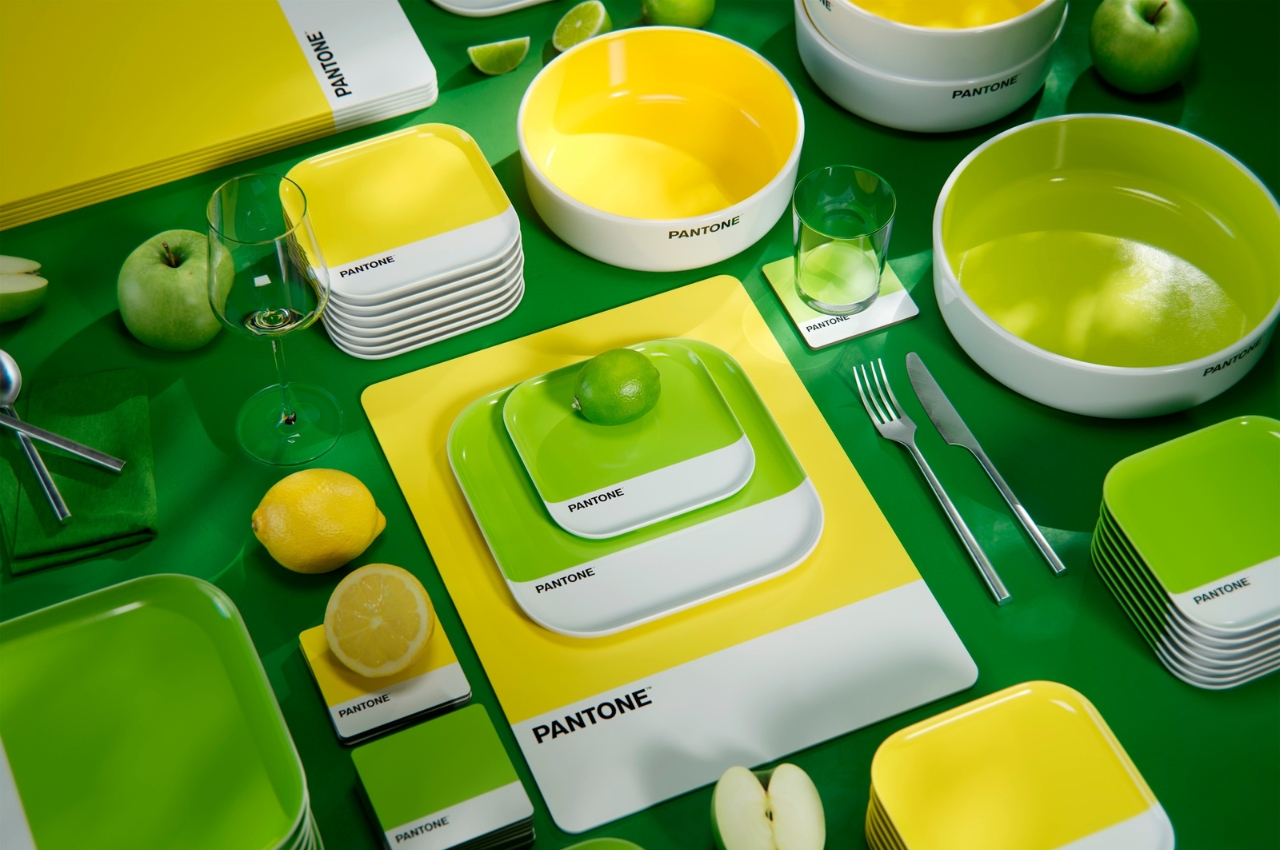
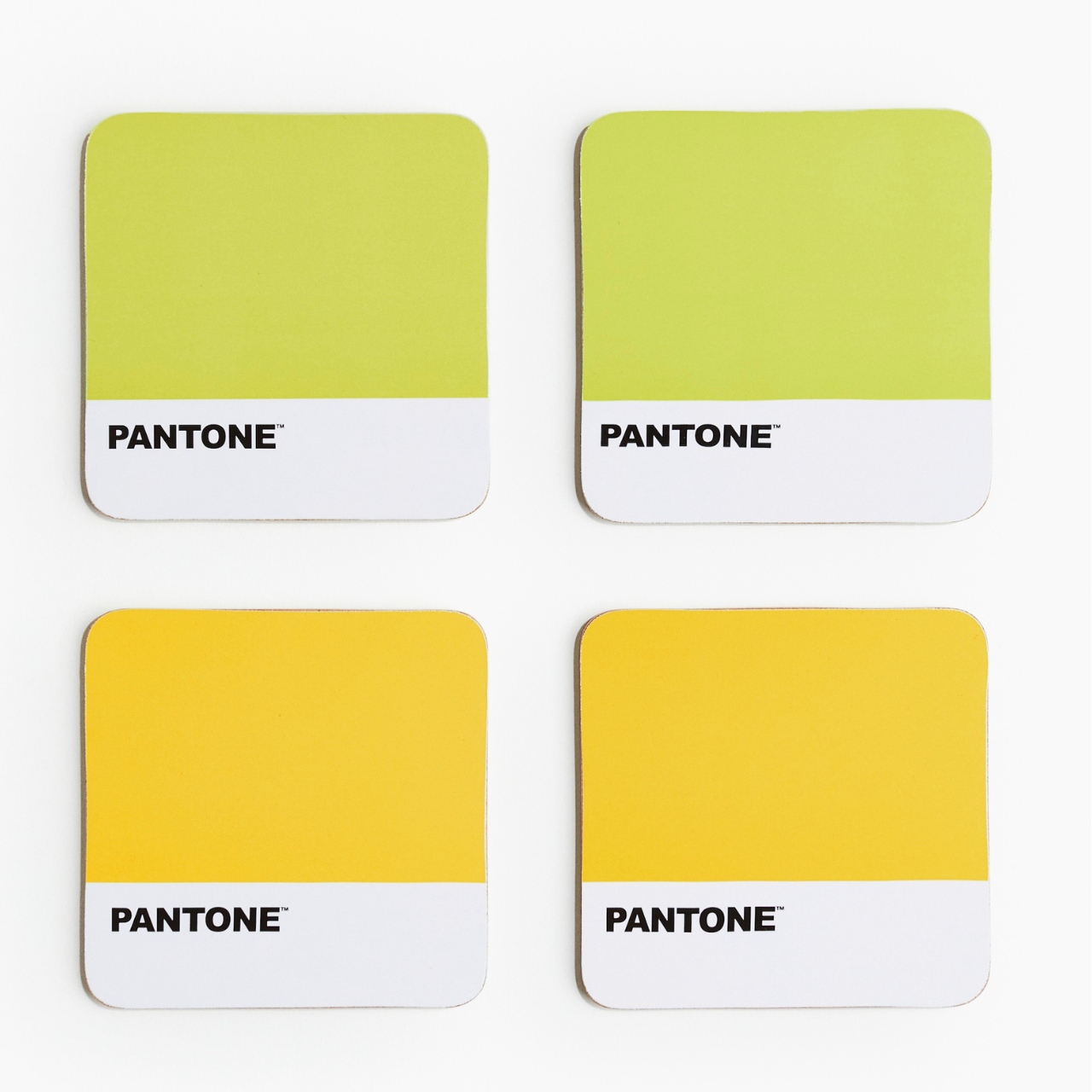
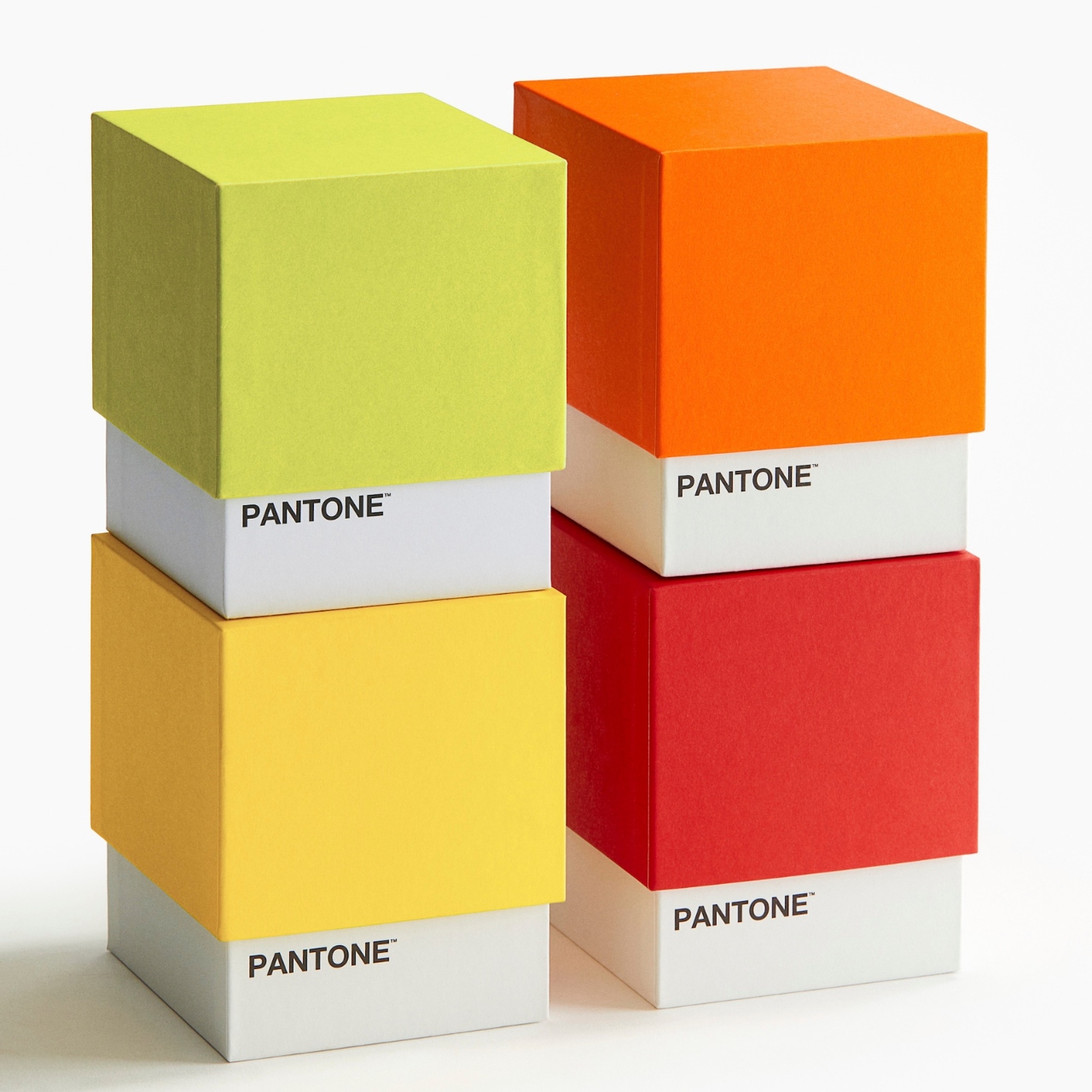
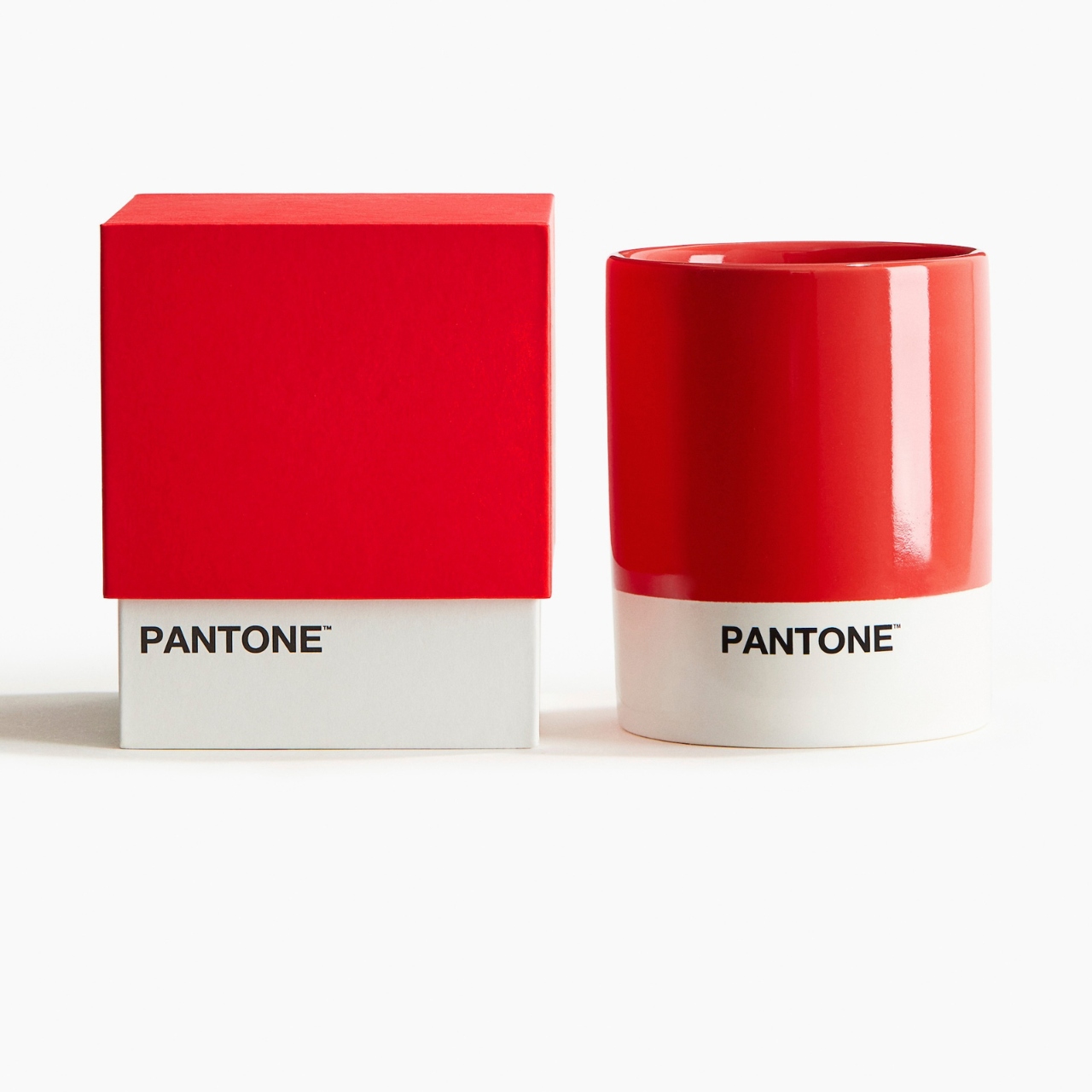
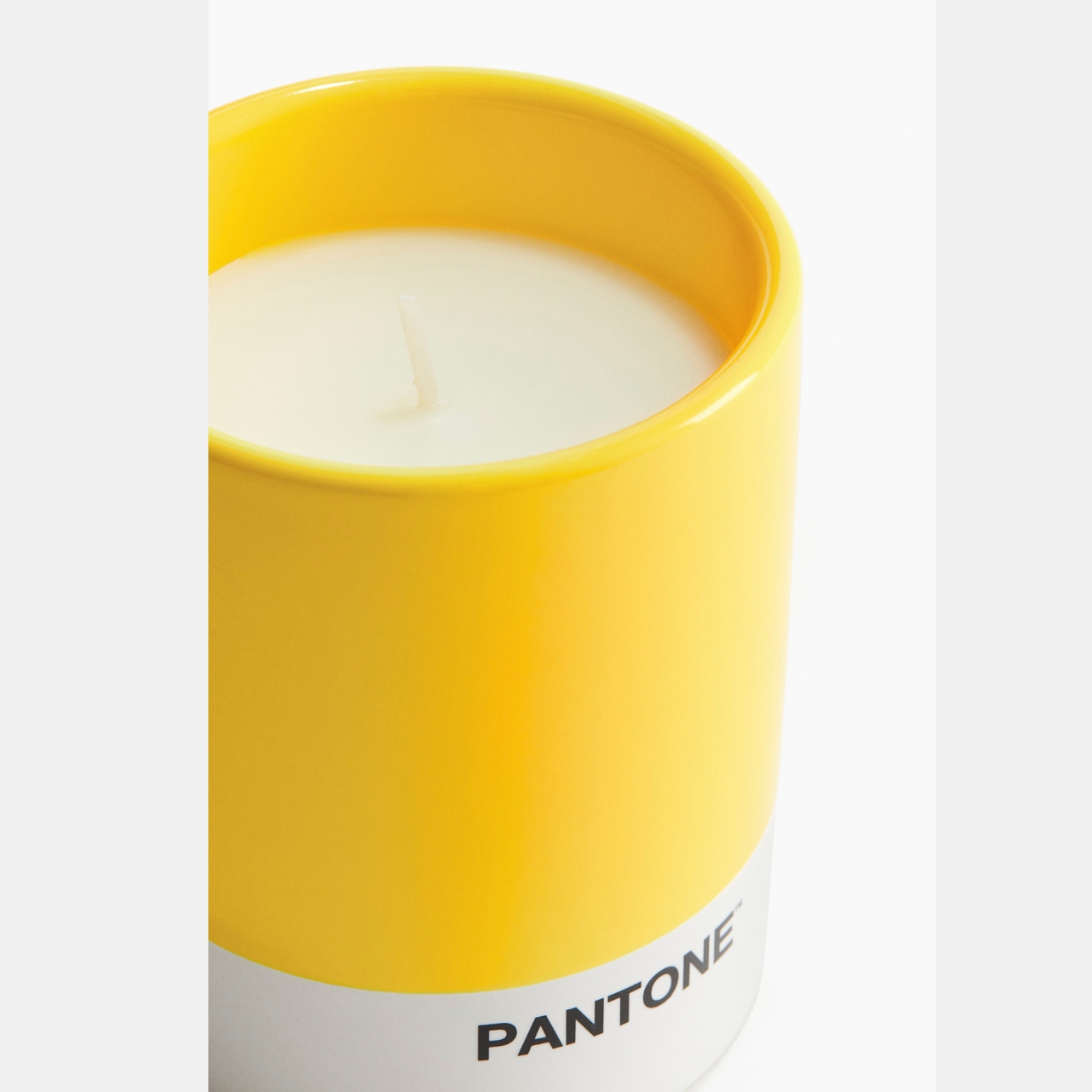
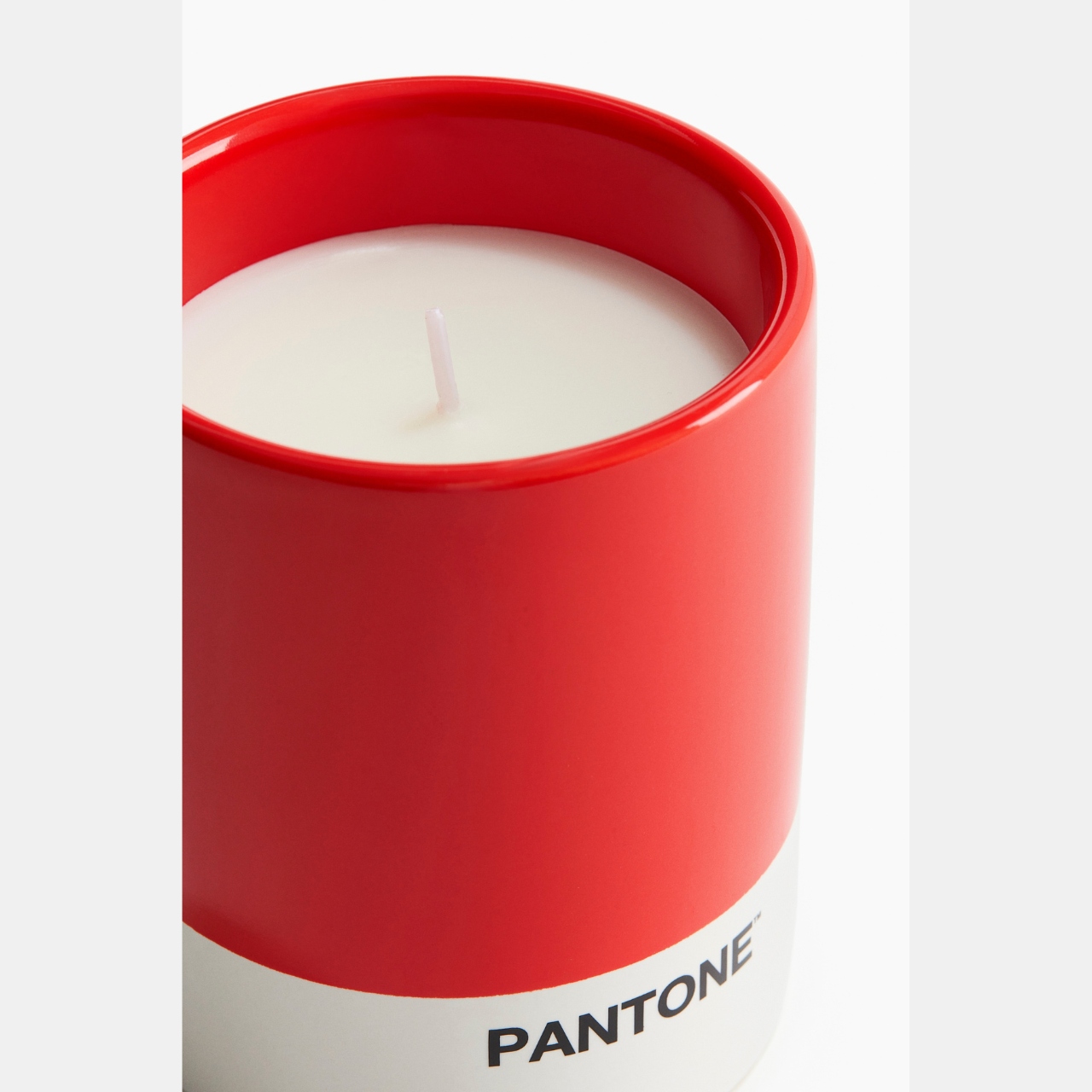
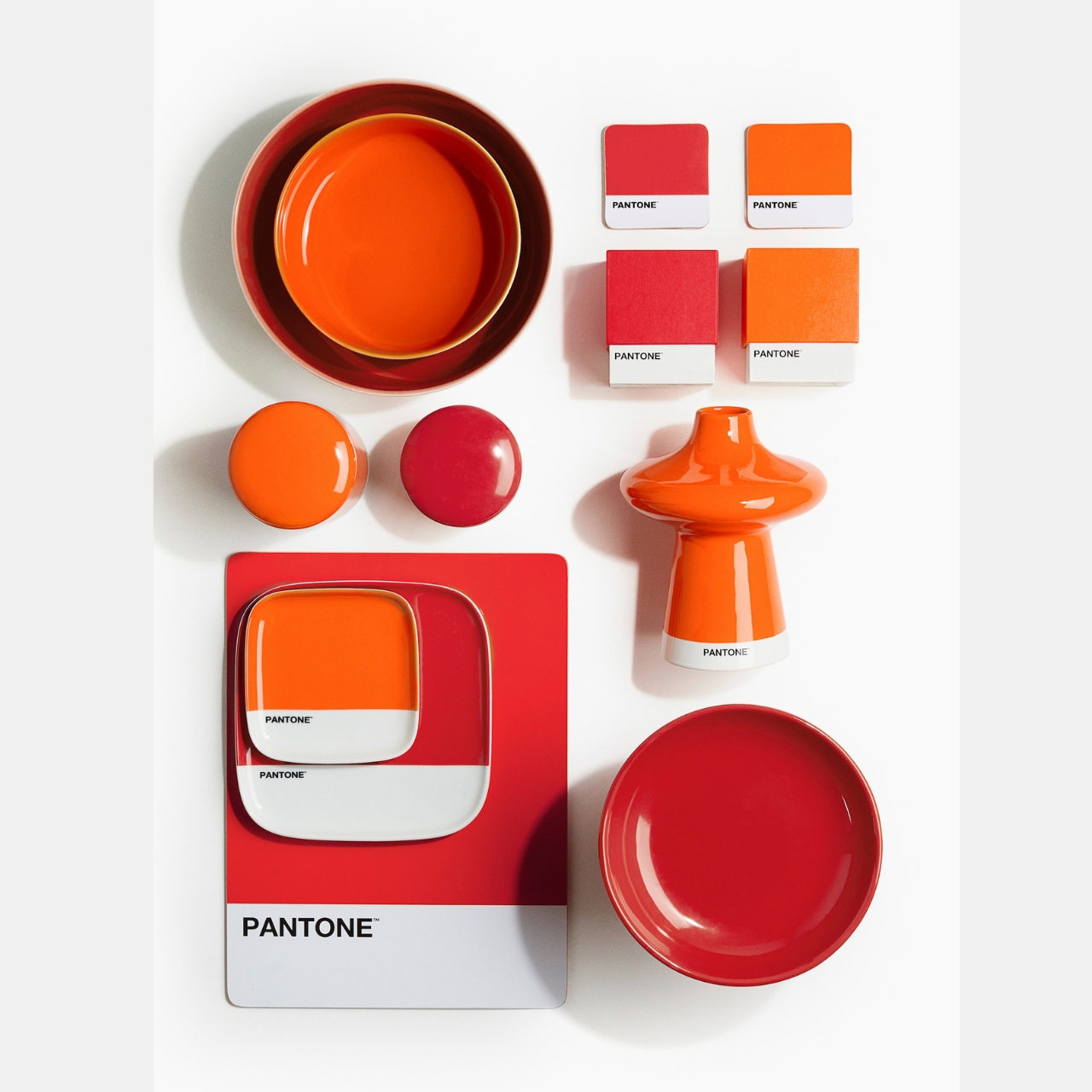
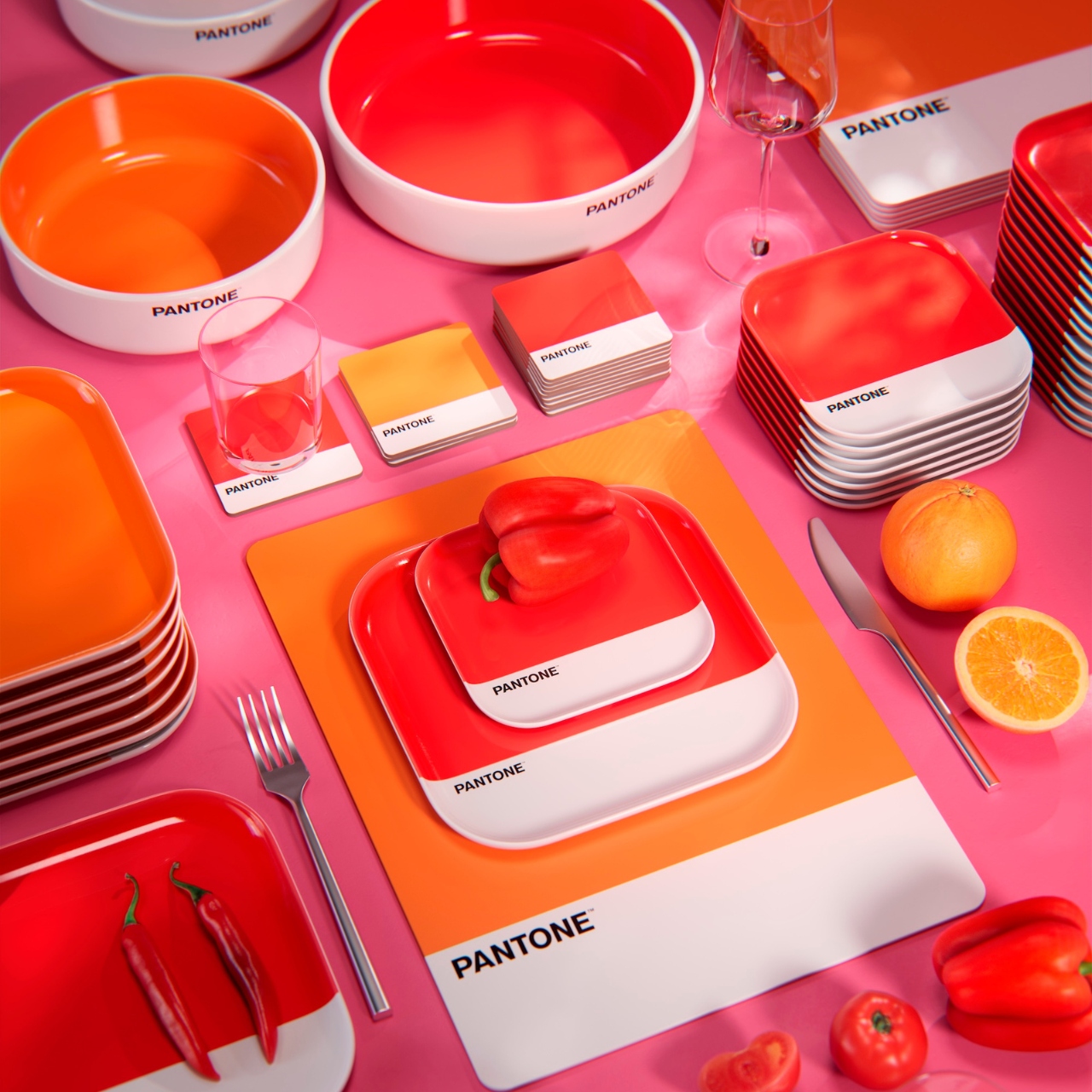
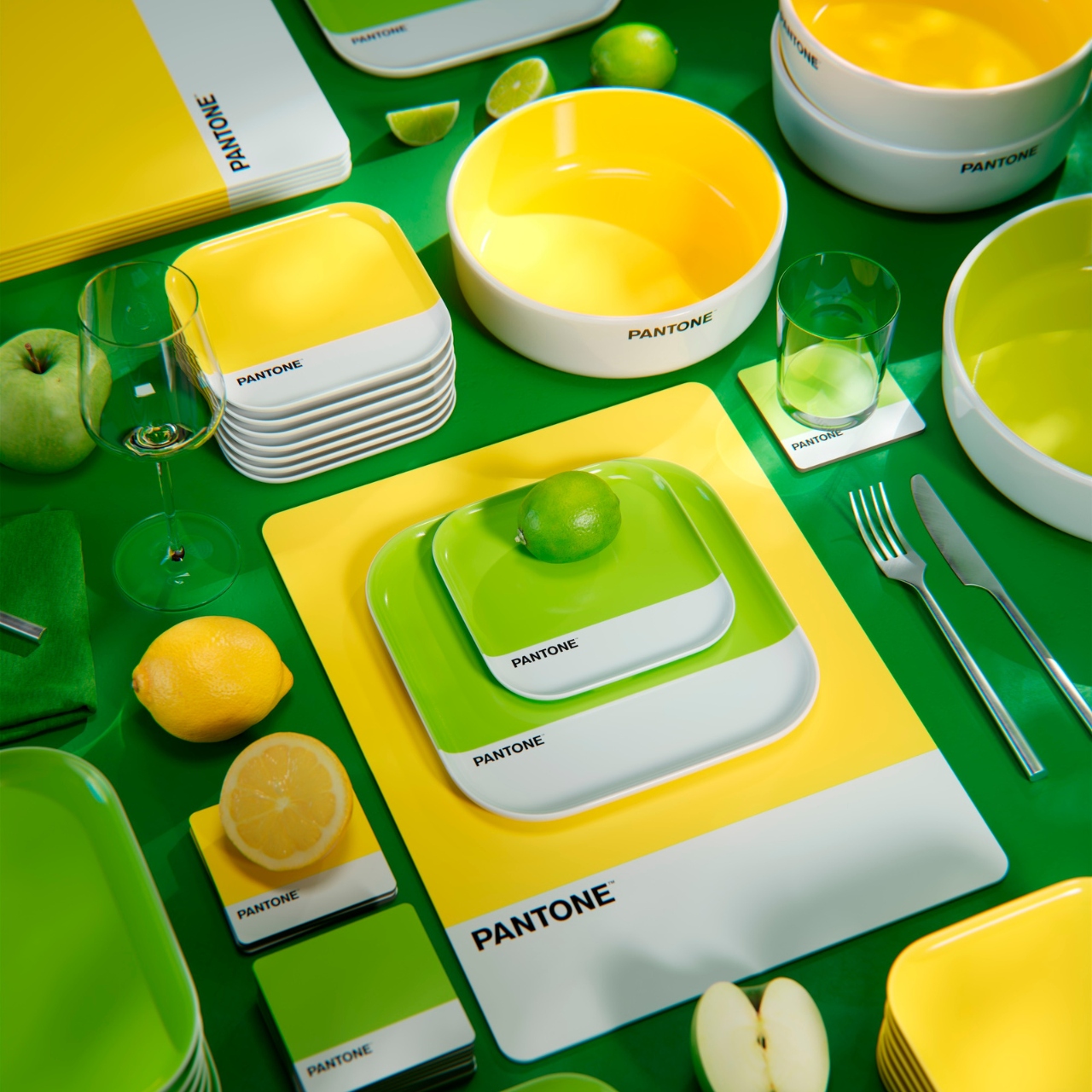
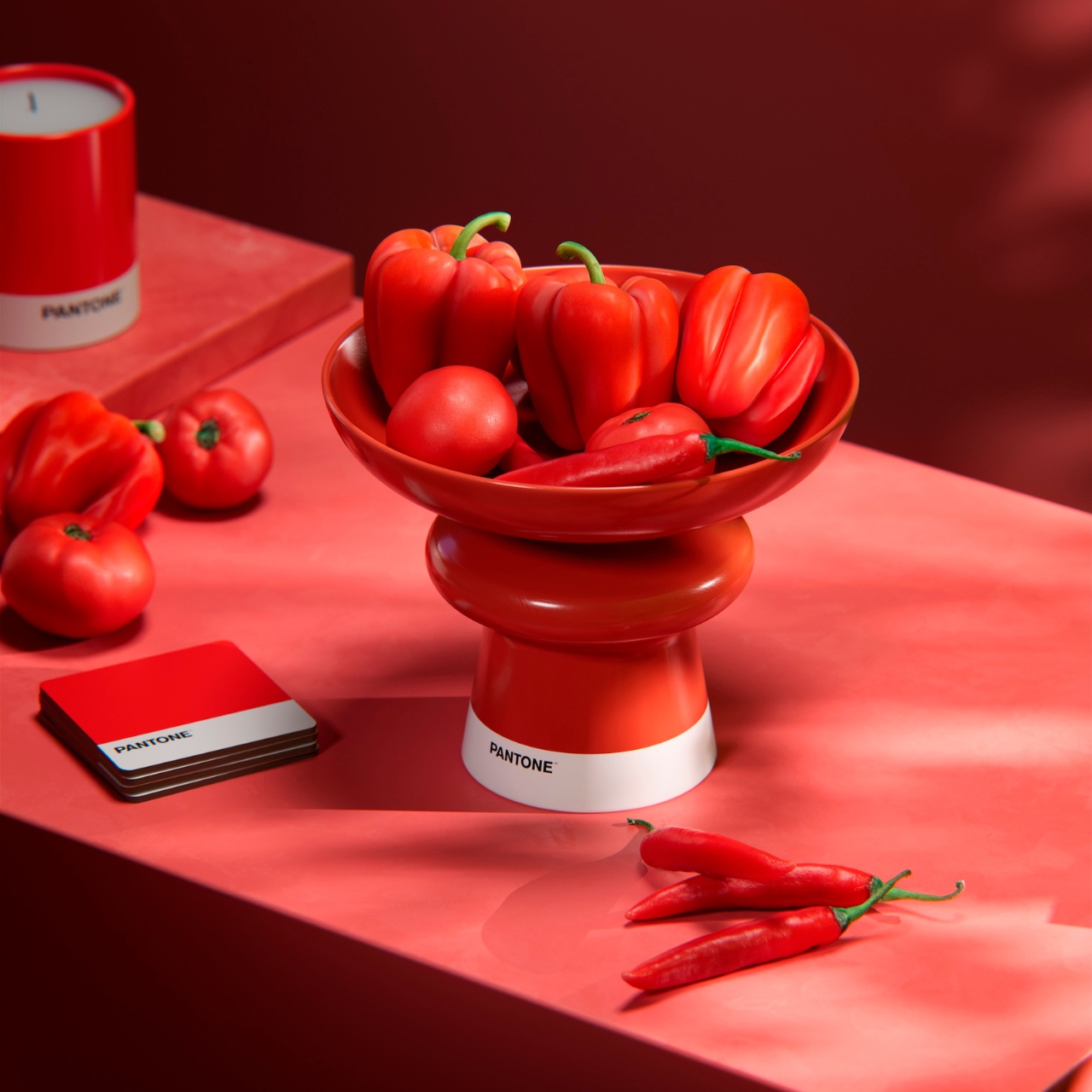
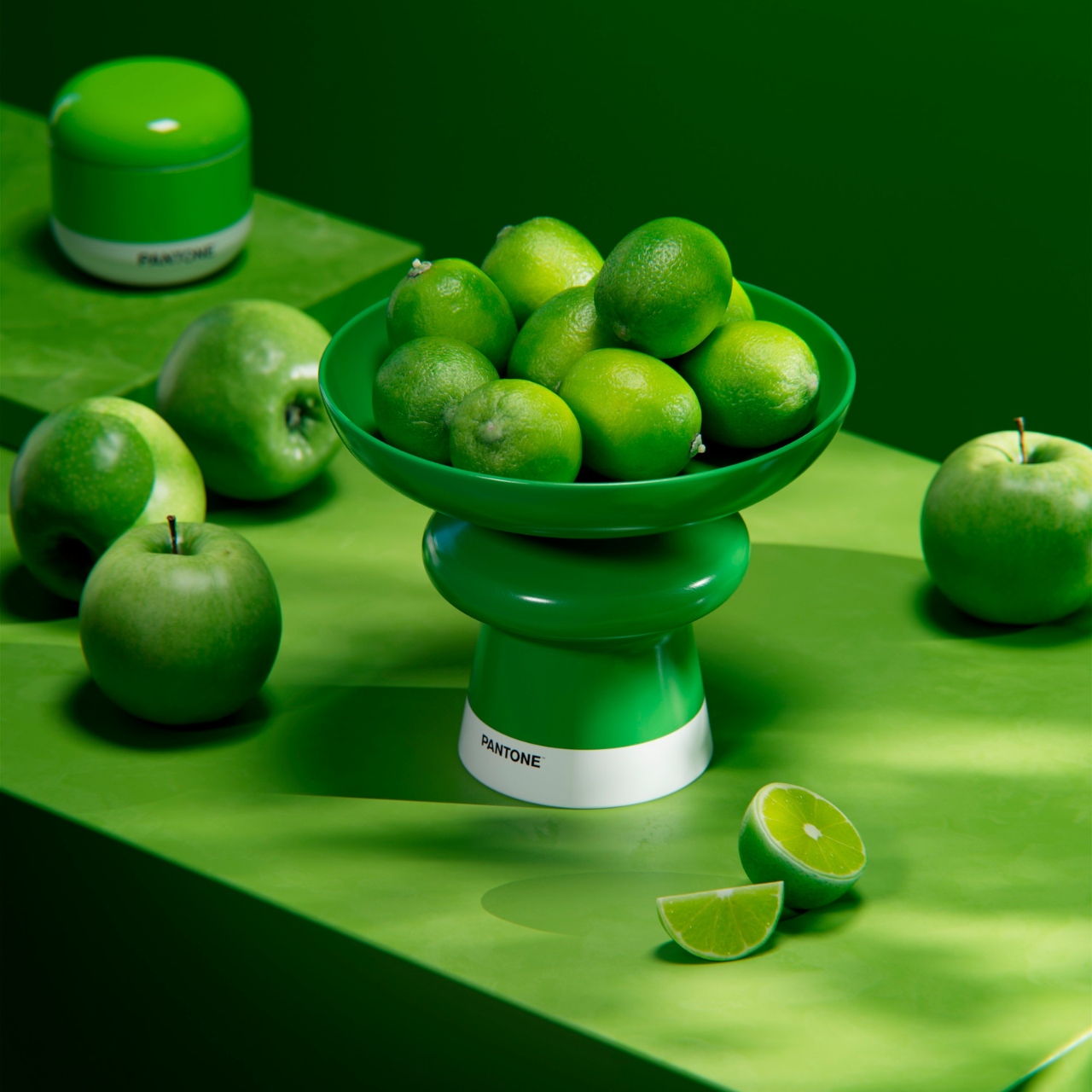
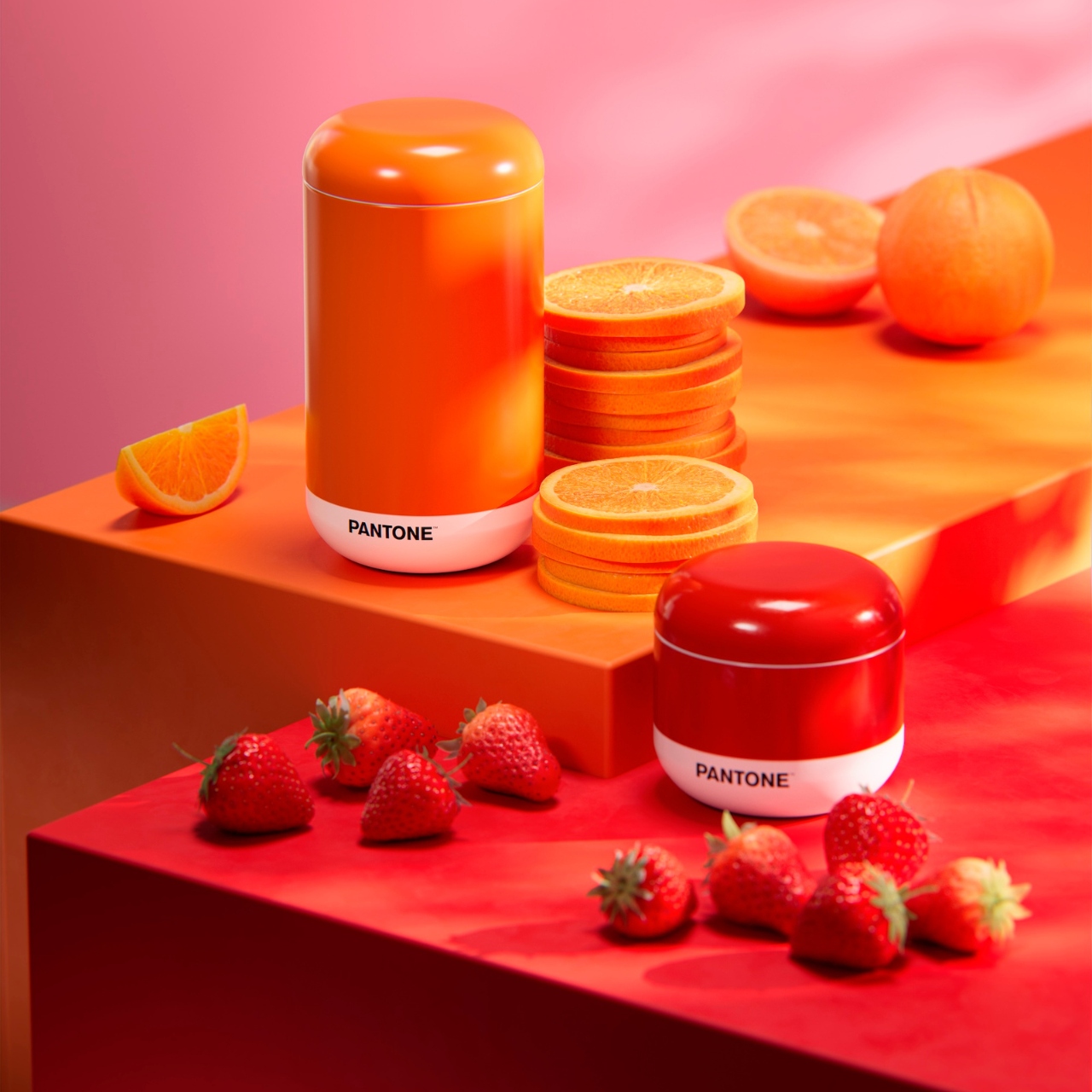
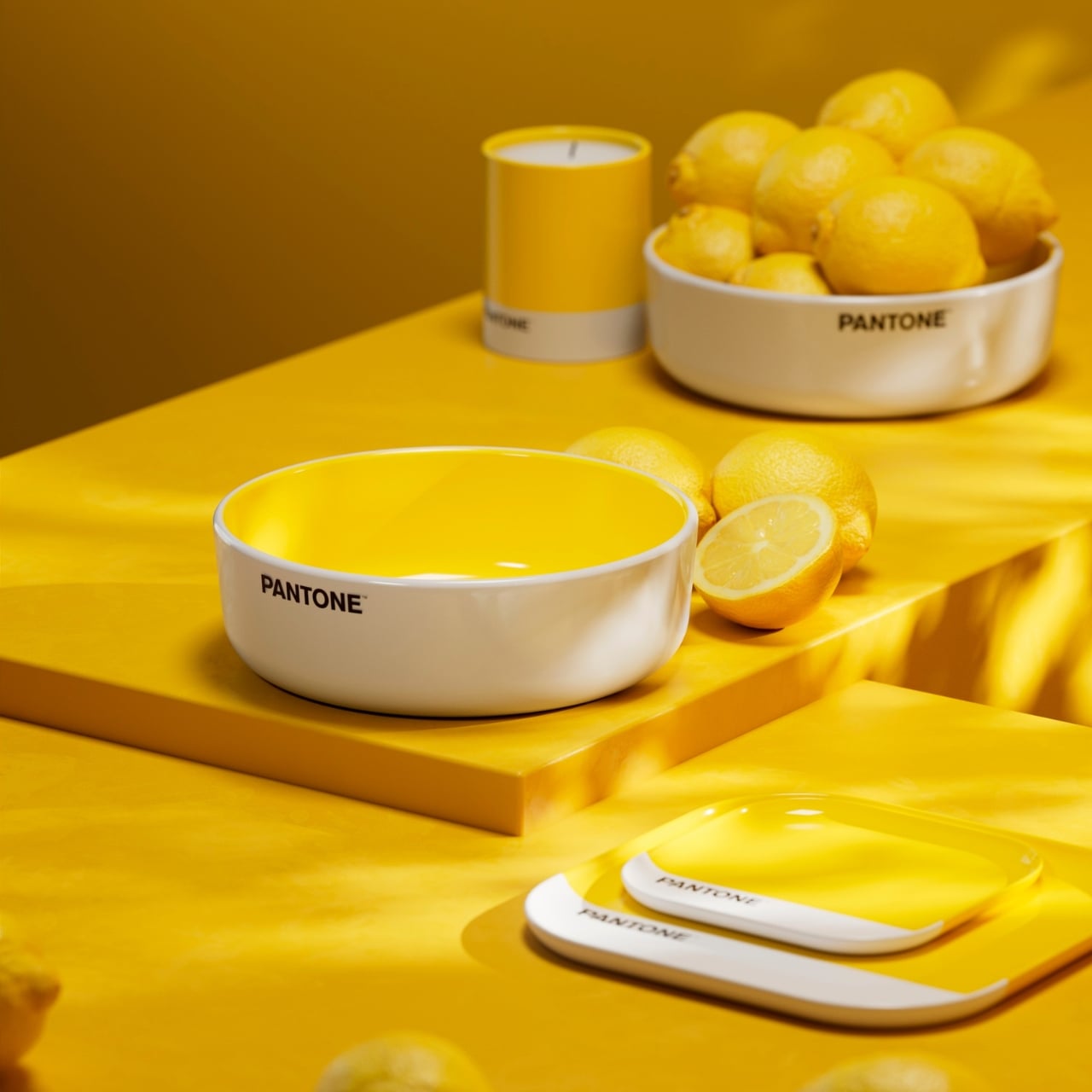
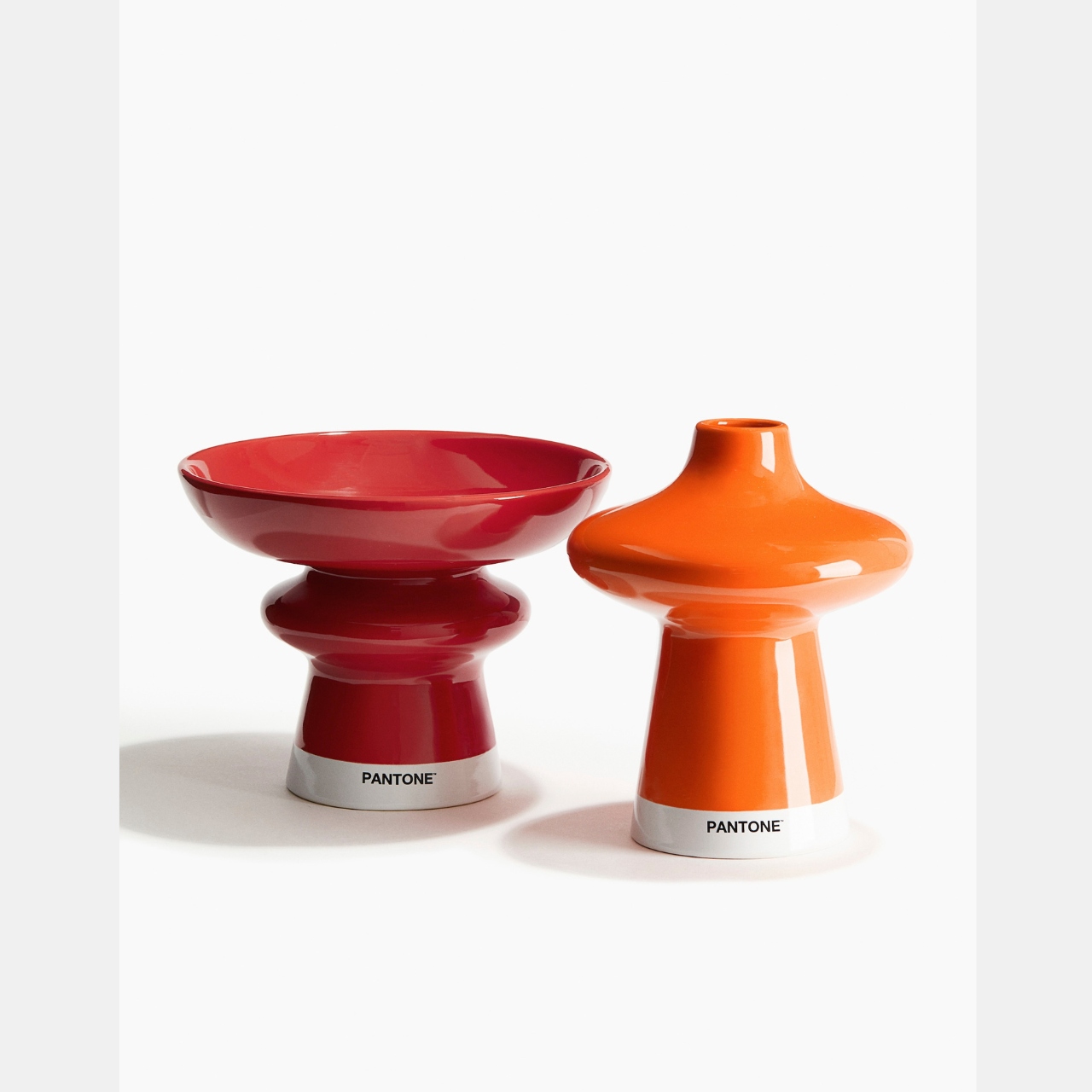
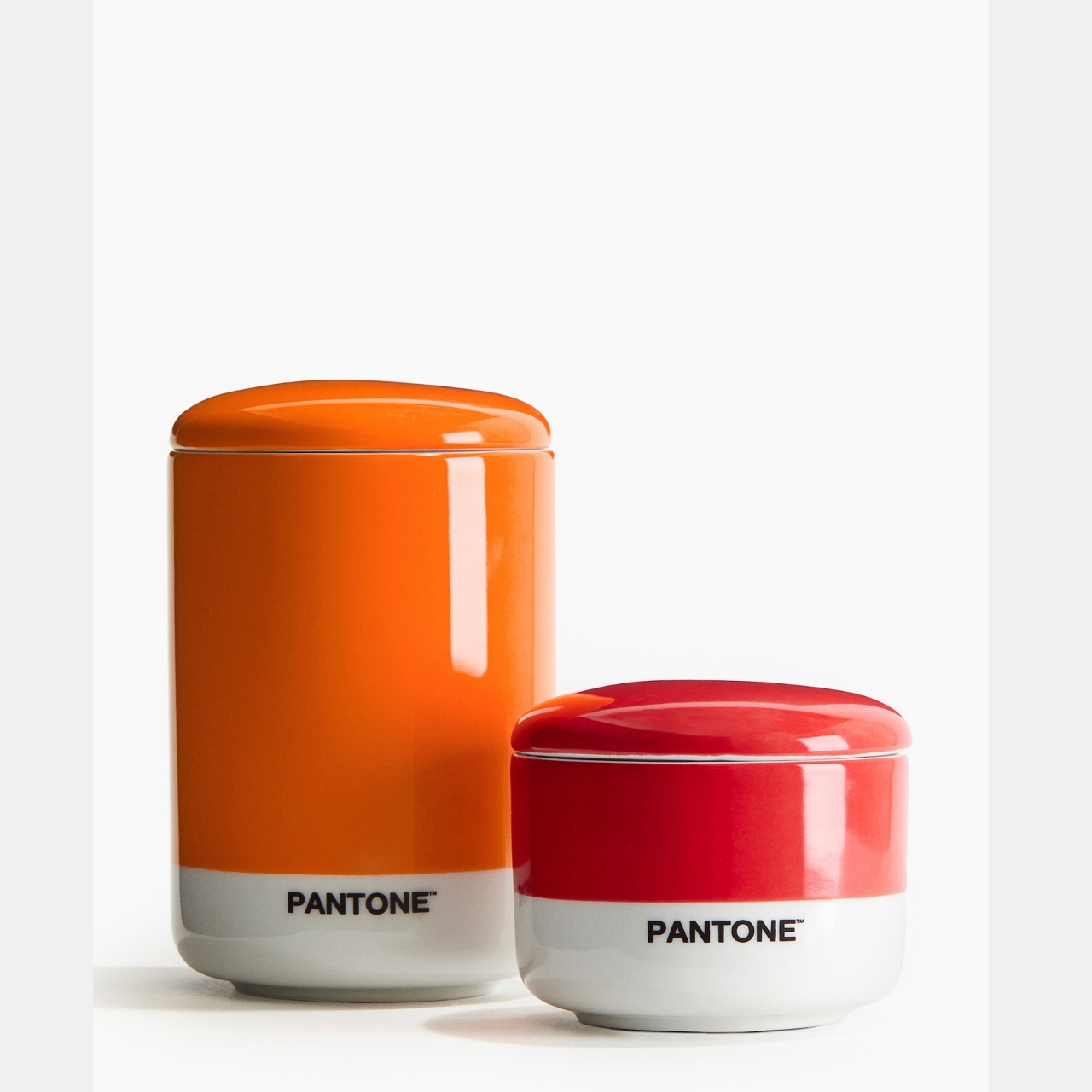
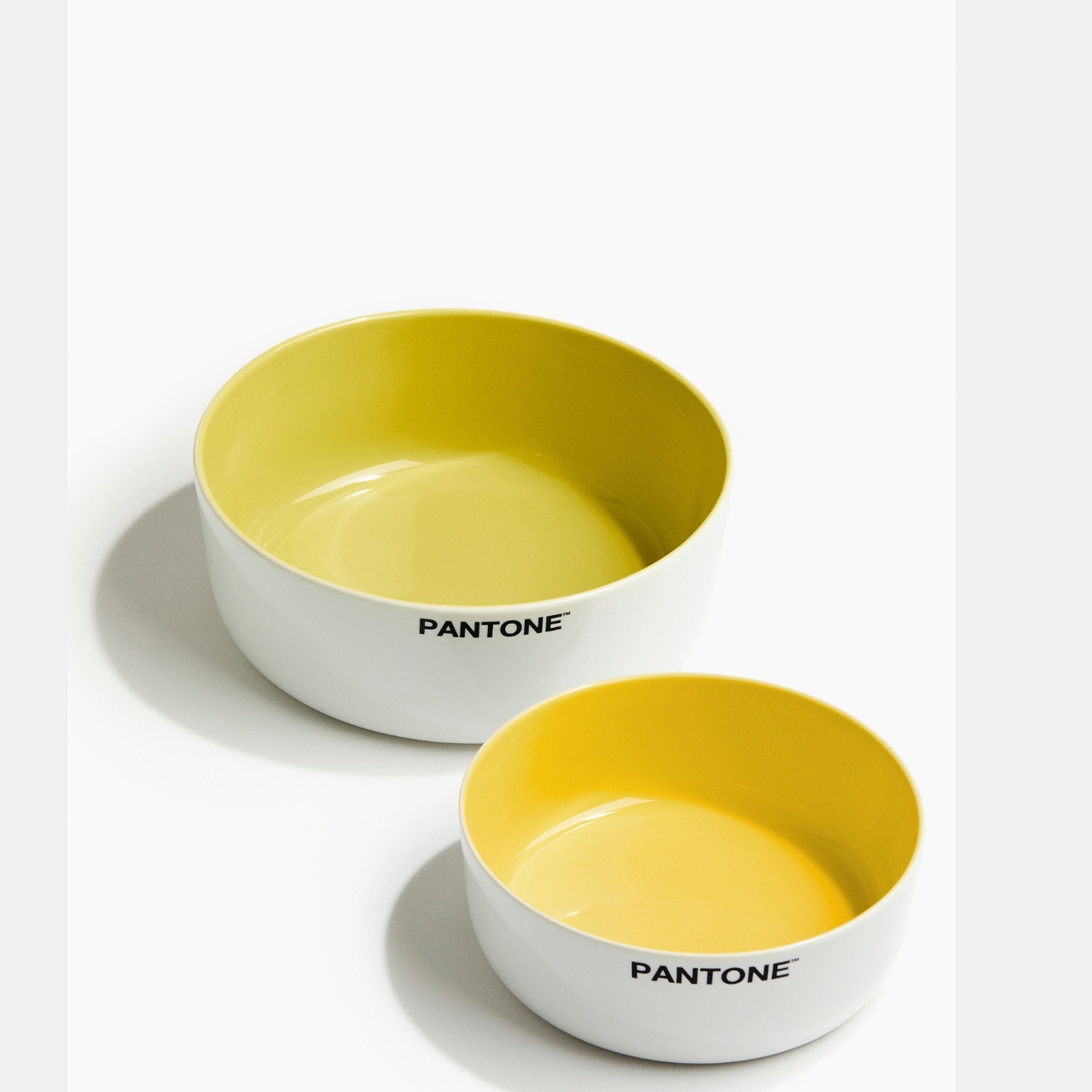
This is actually the second time that these two brands have collaborated and this time around, the colors just keep on coming. The H&M Home 🖤 Pantone Collection comes in two palettes: Zesty & Fresh and Sweet & Juicy. The collection includes different food serving and food storage items like serving bowls, placemats, footed trays, coasters, salt shakers, etc. Just like the previous collection, you also get different colors of scented candles that come in the pantone palette looking box.

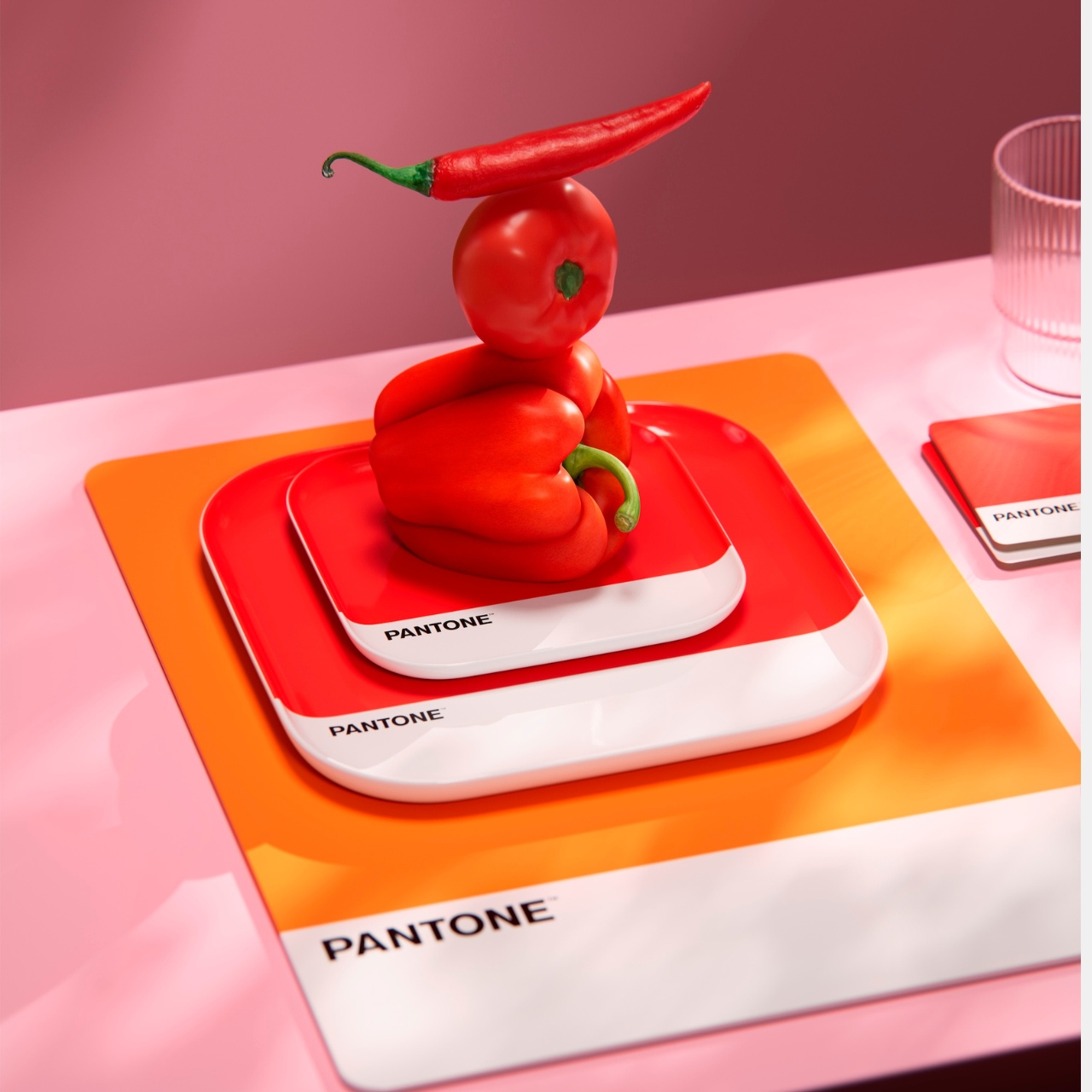
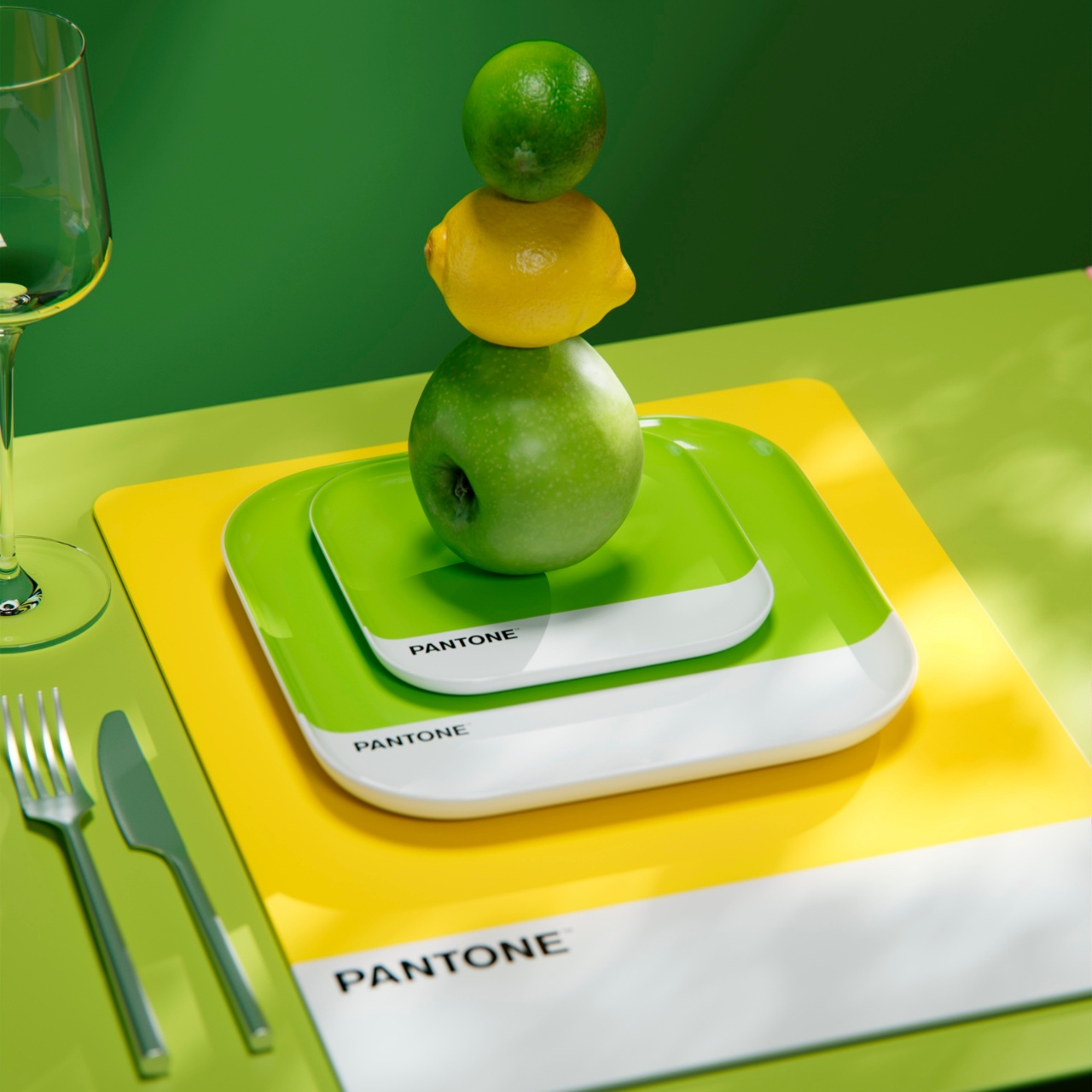
Unlike the previous collection that had more “calm” colors, these two collections are brighter and more vibrant and has more color options for those who want to mix and match or stay with their color of choice. The Sweet & Juicy has spicy red and strong orange colourways, representing excitement and passion and love and anger, respectively. This is the more intense option if that’s your aesthetic. The Zesty & Fresh collection meanwhile has a more refreshing vibe, with the fresh lime bringing balance, joy, and serenity while the bright yellow is more of joy and happiness but also enhances communication and wisdom, as per the color experts.

The collection includes the following dining and kitchen accessories: small and large plates, serving bowls, coasters, placemats, and container jars. The scented candles available are Mandarin Gelato (orange), Pink Grapefruit (red), Lemon Verde (yellow), and Green Basil (green). The collection is now available in selected stores and at their online store. My wallet is thanking me that this is not available where I live.

The post H&M and Pantone bring even more colorful accessories to your table first appeared on Yanko Design.
These are the Thanksgiving Table Decor Trends for 2023

It’s that time of year to gather with loved ones around the Thanksgiving table, sharing a delightful meal and reflecting on gratitude. Beyond the cuisine and menu, the table decor plays a key role in infusing a festive vibe and enhancing the space’s aesthetic appeal. After all, the real essence of Thanksgiving dinner lies in creating a warm and inviting environment that fosters connections and meaningful conversations across the table.

Designer: Linda Schuster Vartanian

What is the importance of a Beautiful Tablescape?

Designer: Aukolass

Although a beautiful tablescape may not enhance the flavor of your feast it surely helps in crafting the desired ambiance for your entire Thanksgiving dinner. A well-designed tablescape helps in making guests feel valued and special while showcasing attention to detail.

How to create an interesting Thanksgiving Tablescape?

• The first step is to choose a traditional, modern, rustic, or any unique theme for the tablescape and achieve a cohesive look. The color palette, decor choices, and overall design of the tablescape shall revolve around the desired theme.

Designer: Holly Jolley

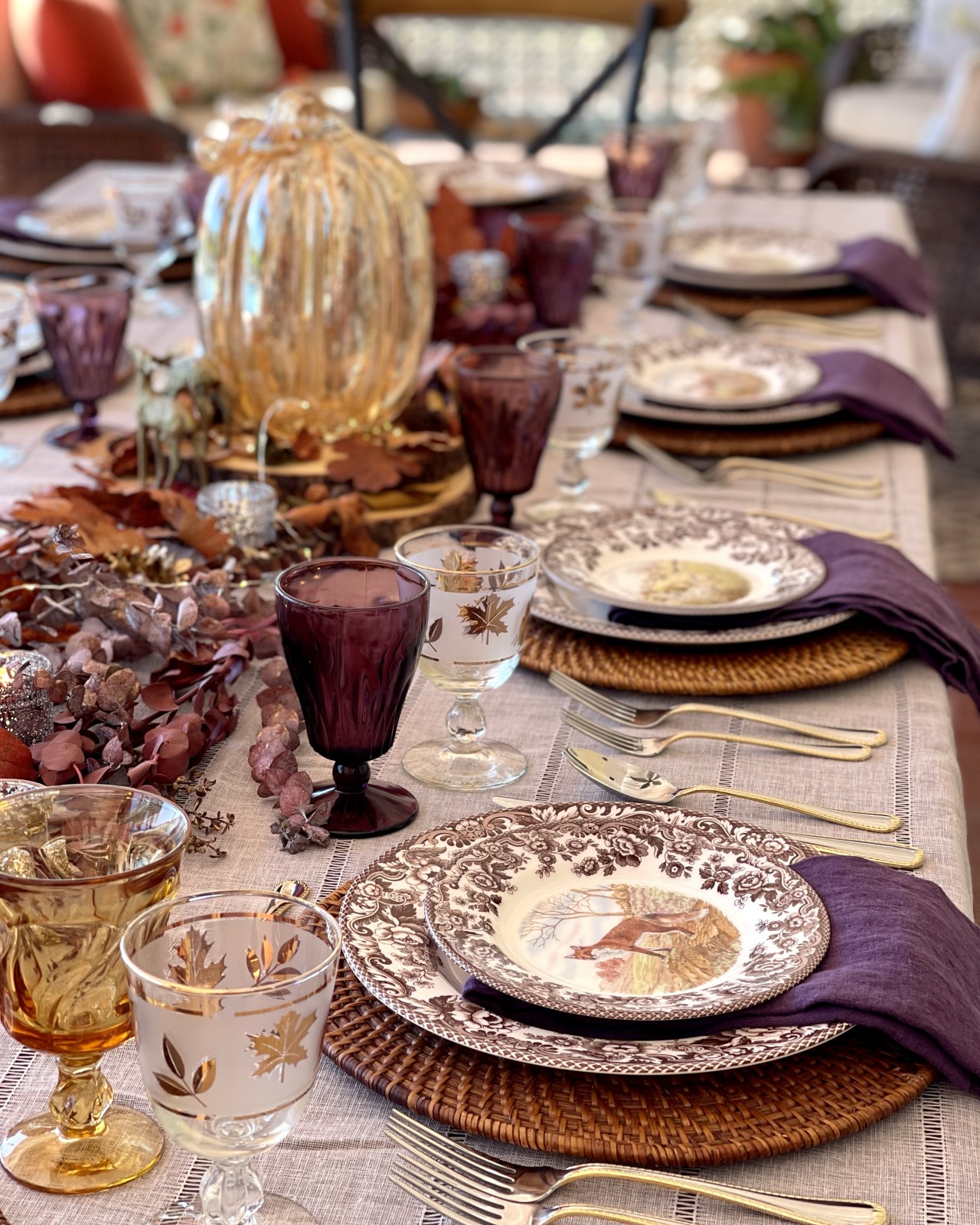
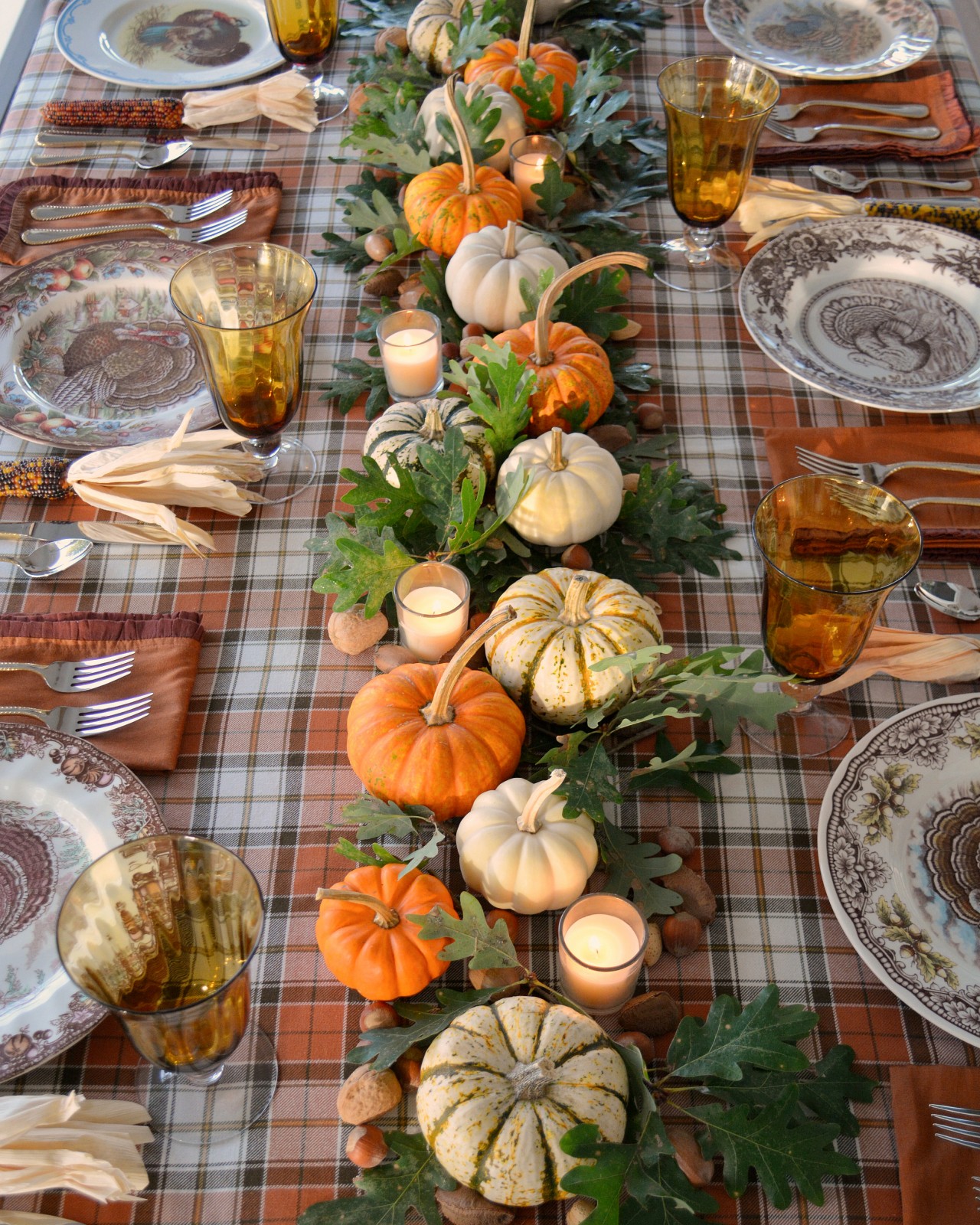
• Rich autumnal hues of deep red, orange, and brown are perfect for a traditional tablescape.
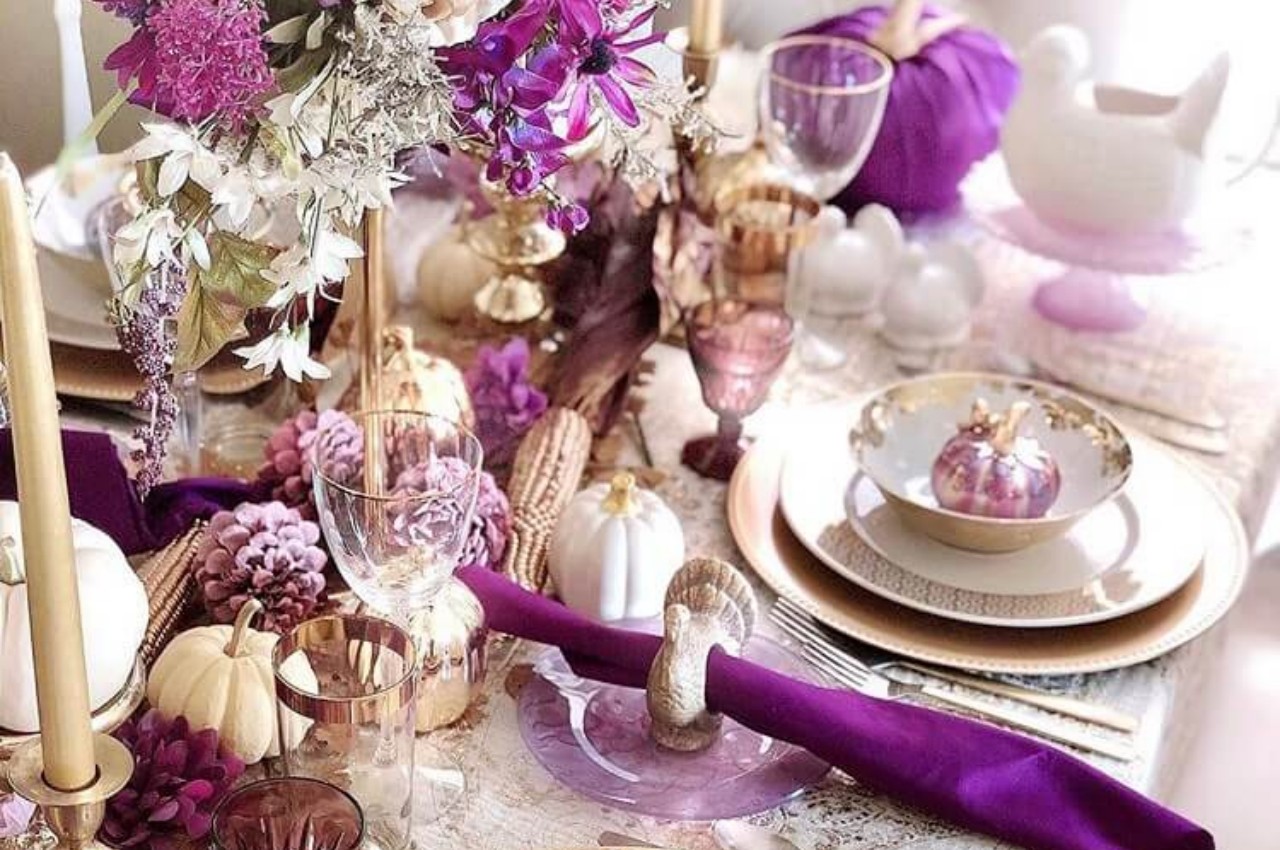
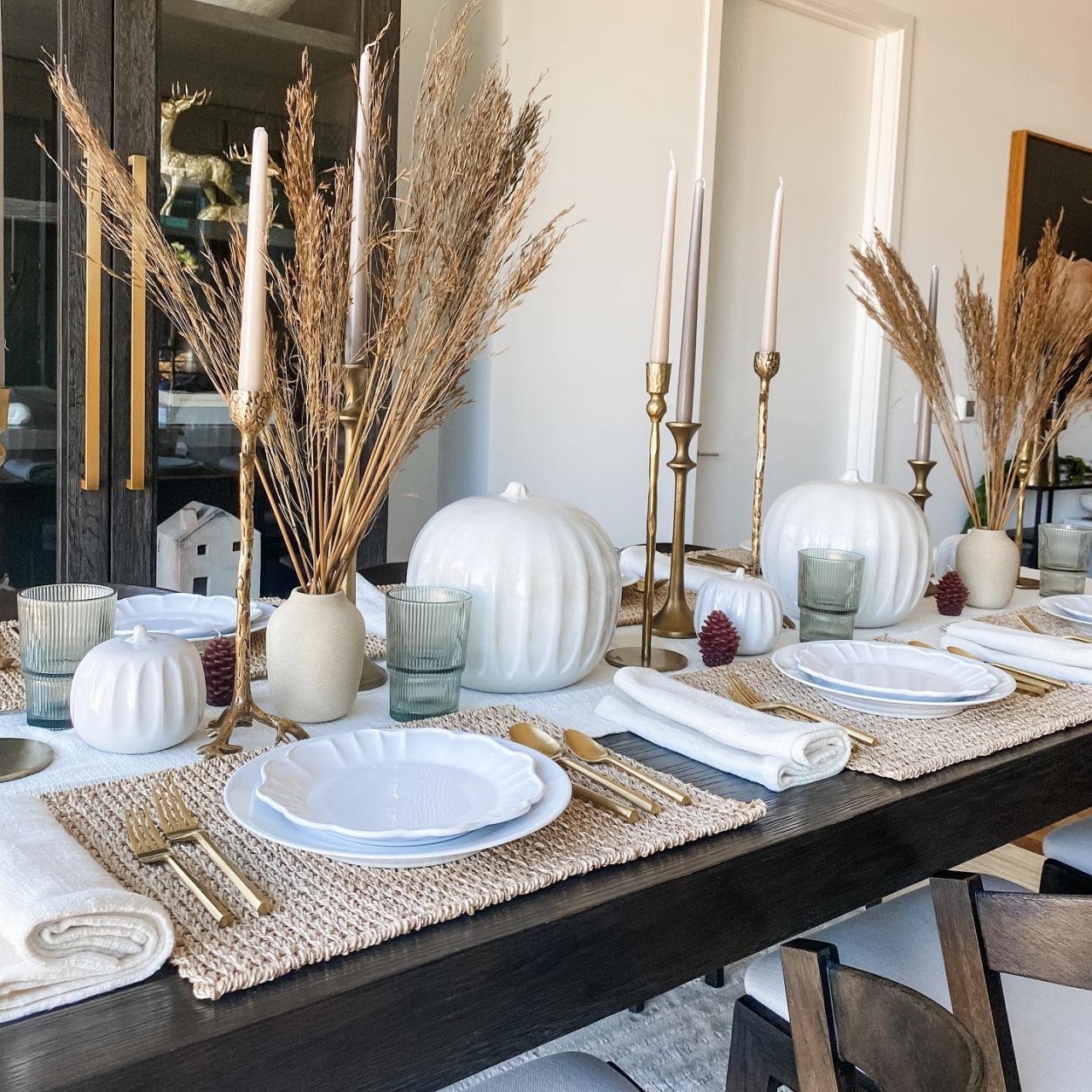
• If you desire a contemporary and sophisticated look, consider a monochromatic color scheme in shades of white, cream, and gold.
• Don’t be afraid to explore unconventional color pairings to craft a distinctive and visually striking tablescape. Consider shades of pink, purple, and green for a modern twist.

Designer: Diana (The Tiny Fairy)

Design Trends for Thanksgiving Tablescape

Here is a curated selection of the latest trends that can elevate your Thanksgiving tablescape and take the décor to a whole new level.

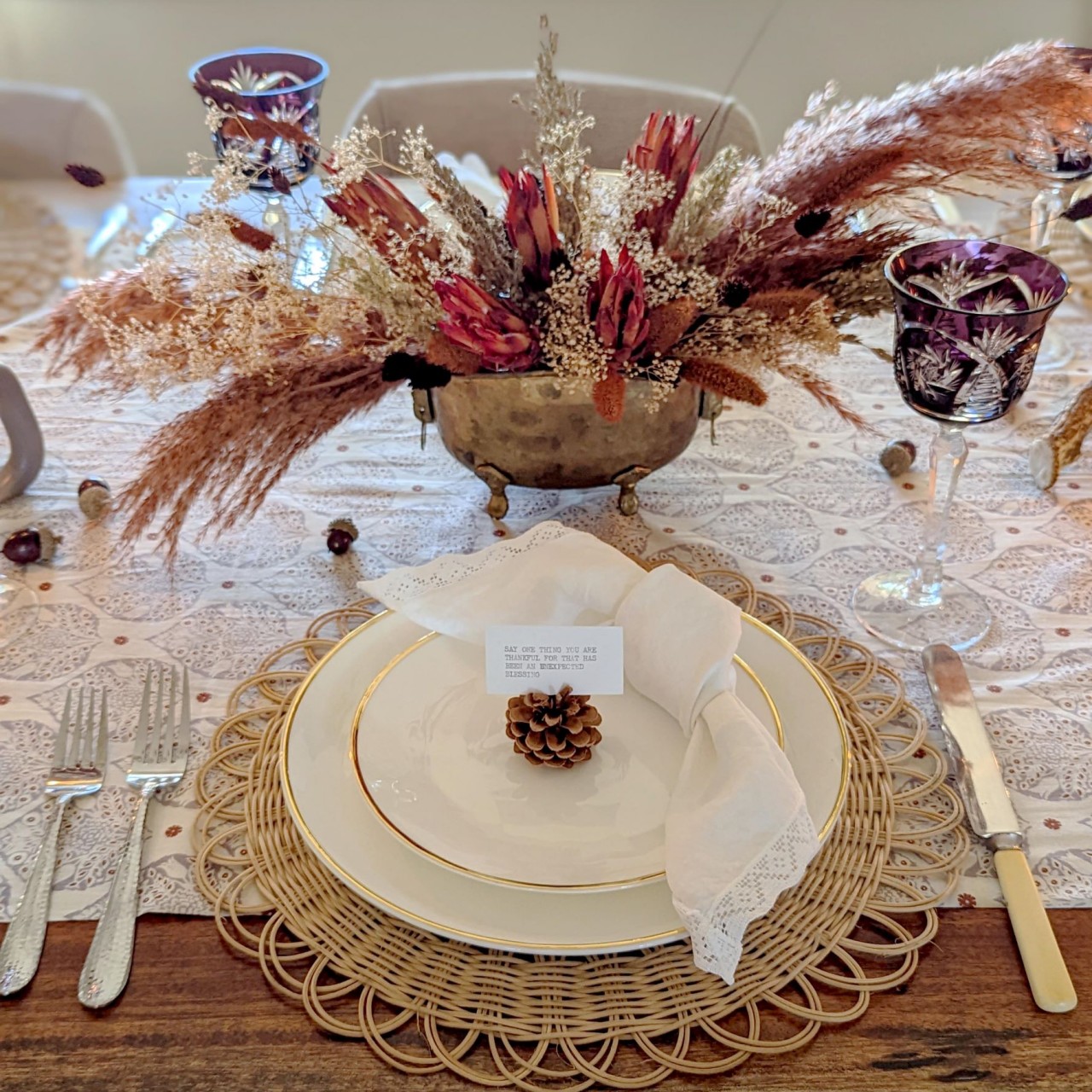
1. Decorate with Dried Flowers

Designer: Chloe (Porch and Peony)

Dried flowers and branches are perfect for holiday table settings as they are budget-friendly. The best part is that one can continue using dried flowers for years instead of buying fresh blooms every year.

2. Invest in Handmade Ceramics

Designer: Open The Door

Handmade dinnerware and accessories never go out of style and are perfect for a traditional and rustic table setting.

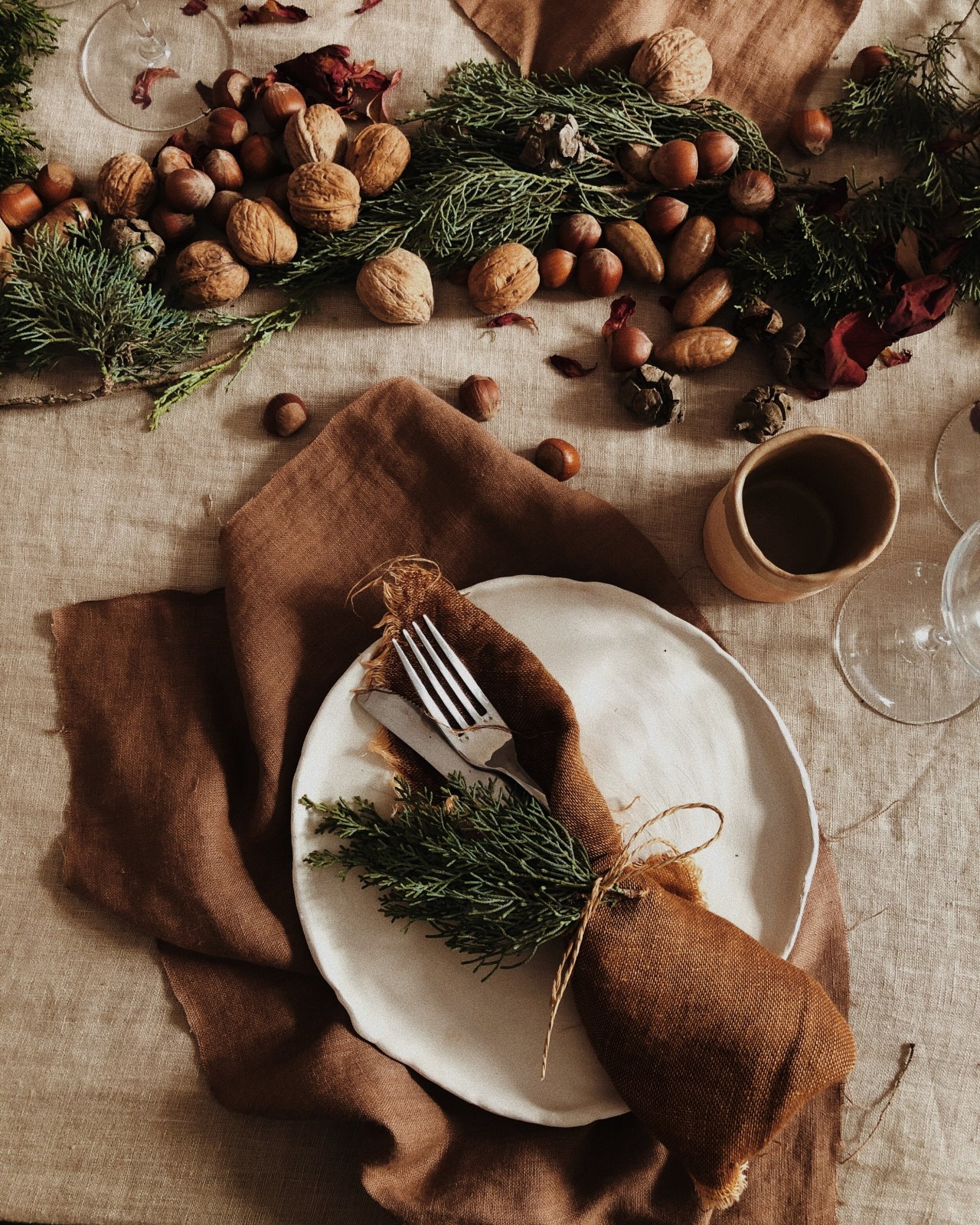
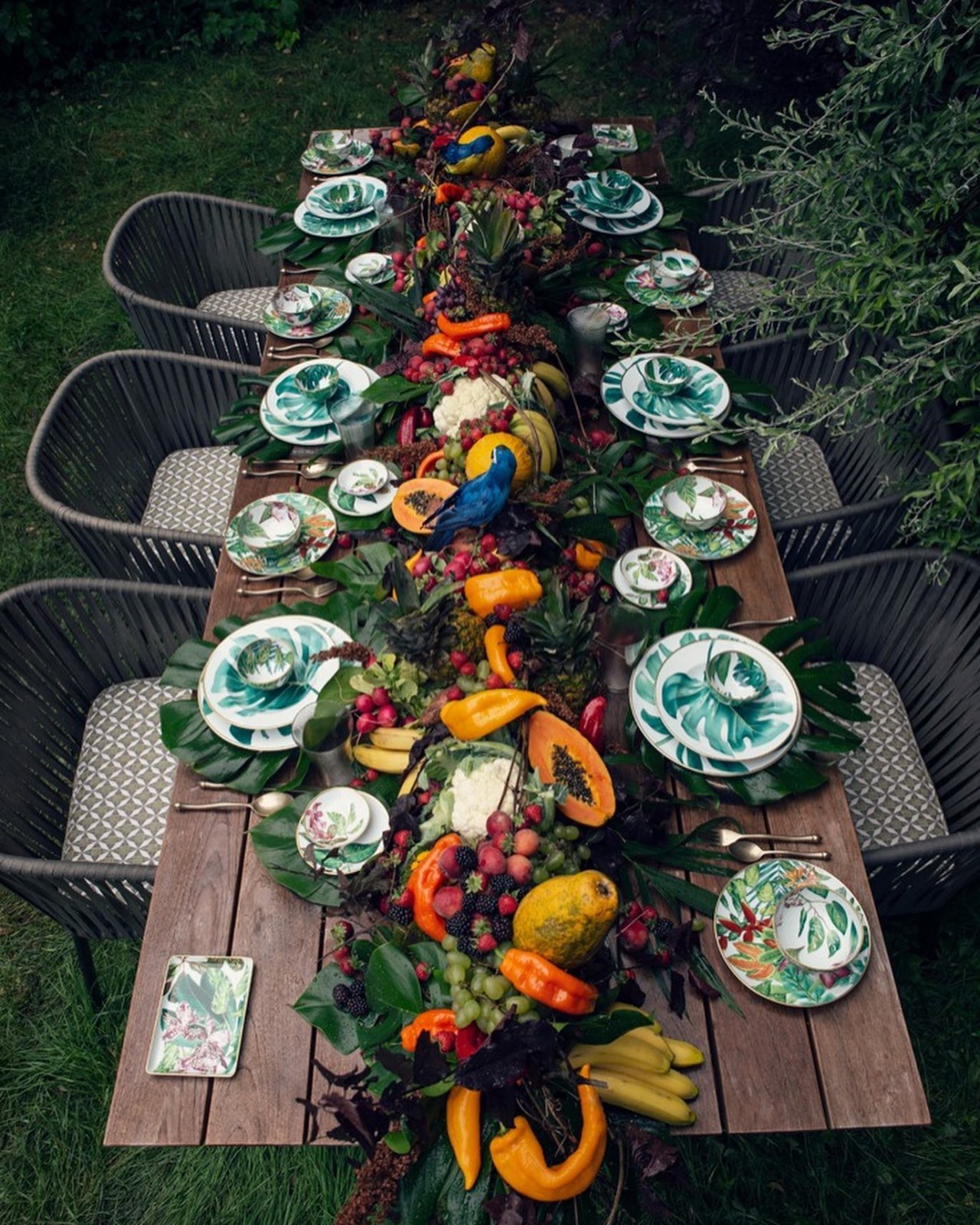
3. Use Nature as Décor

Designer: Shalini Misra

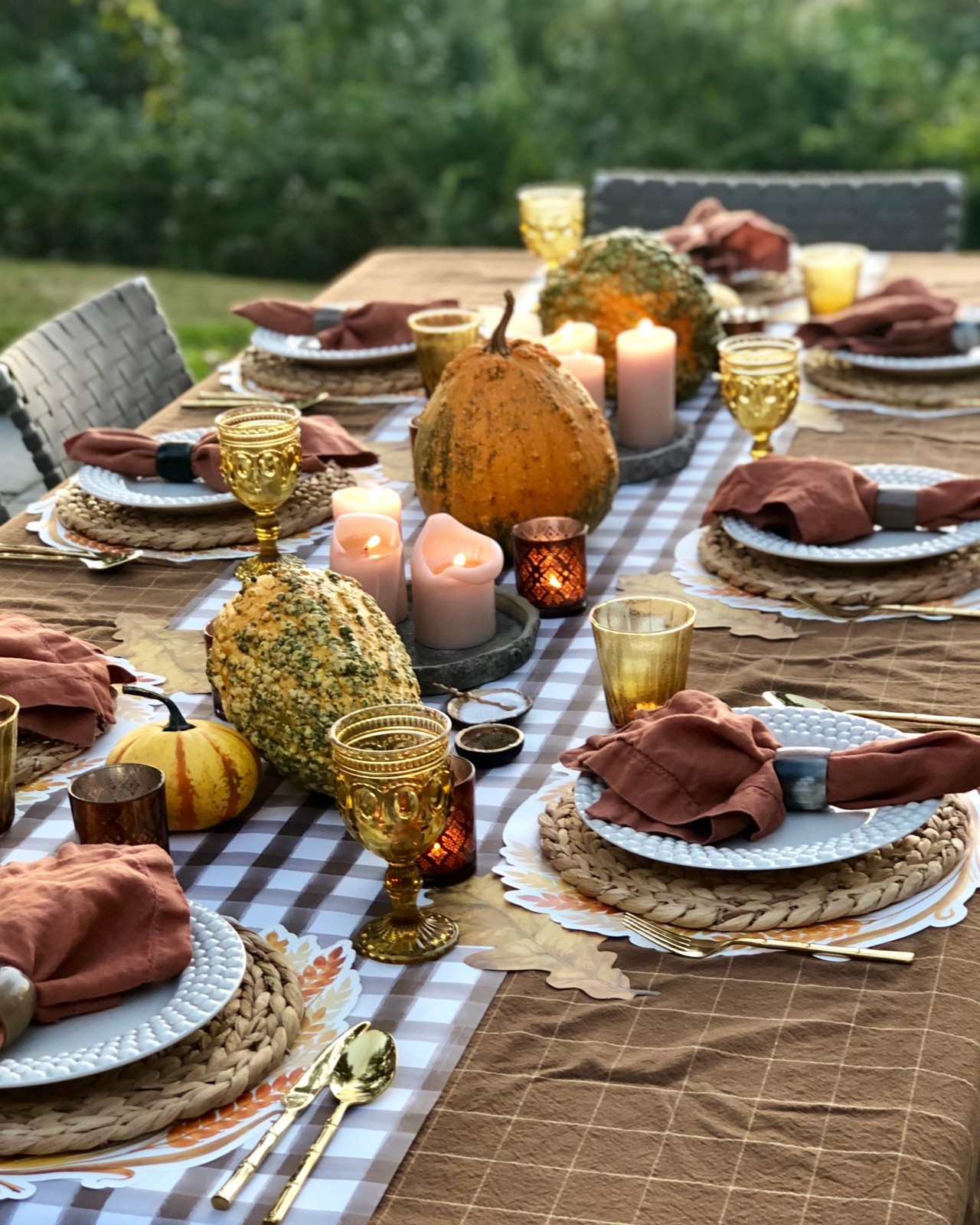
One of the most popular trends is to take inspiration from the natural world and create a beautiful table setting using fruits, pumpkins, vegetables, acorns, pine cones, and so on.

4. Bring out your Tableware

Thanksgiving dinner provides an excellent opportunity to elevate your table setting with elegant china, exquisite stemware, and beautiful linens that you’ve collected over the years or have inherited as heirlooms.

Designer: The Invisible Collection

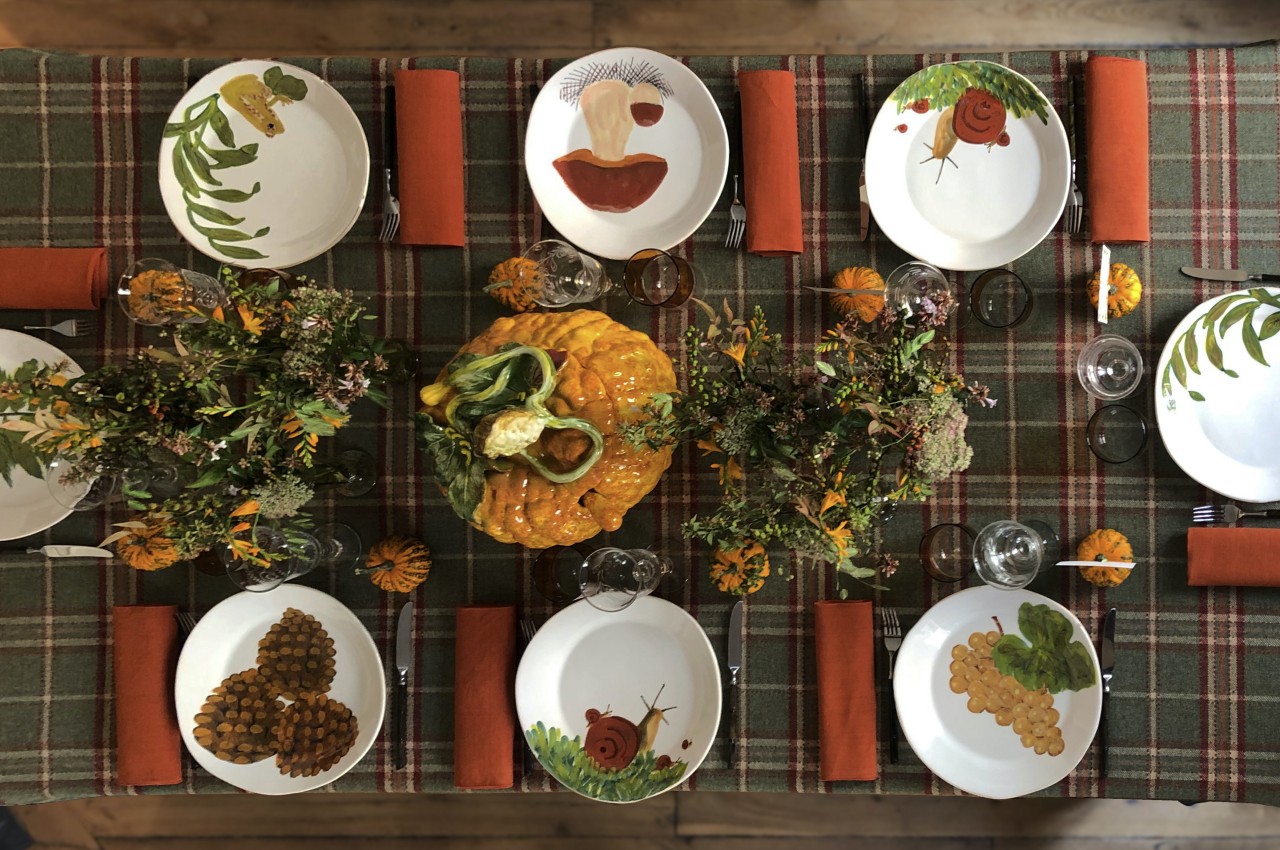
A warm and festive ambiance is created with a snug woolen checkered tablecloth, complemented by orange linen napkins and midcentury hand-painted large earthenware plates. The addition of a sizable pumpkin soup tureen enhances the homey atmosphere, completing the inviting feel of a feast.

Designer: Lotus Arts de Vivre

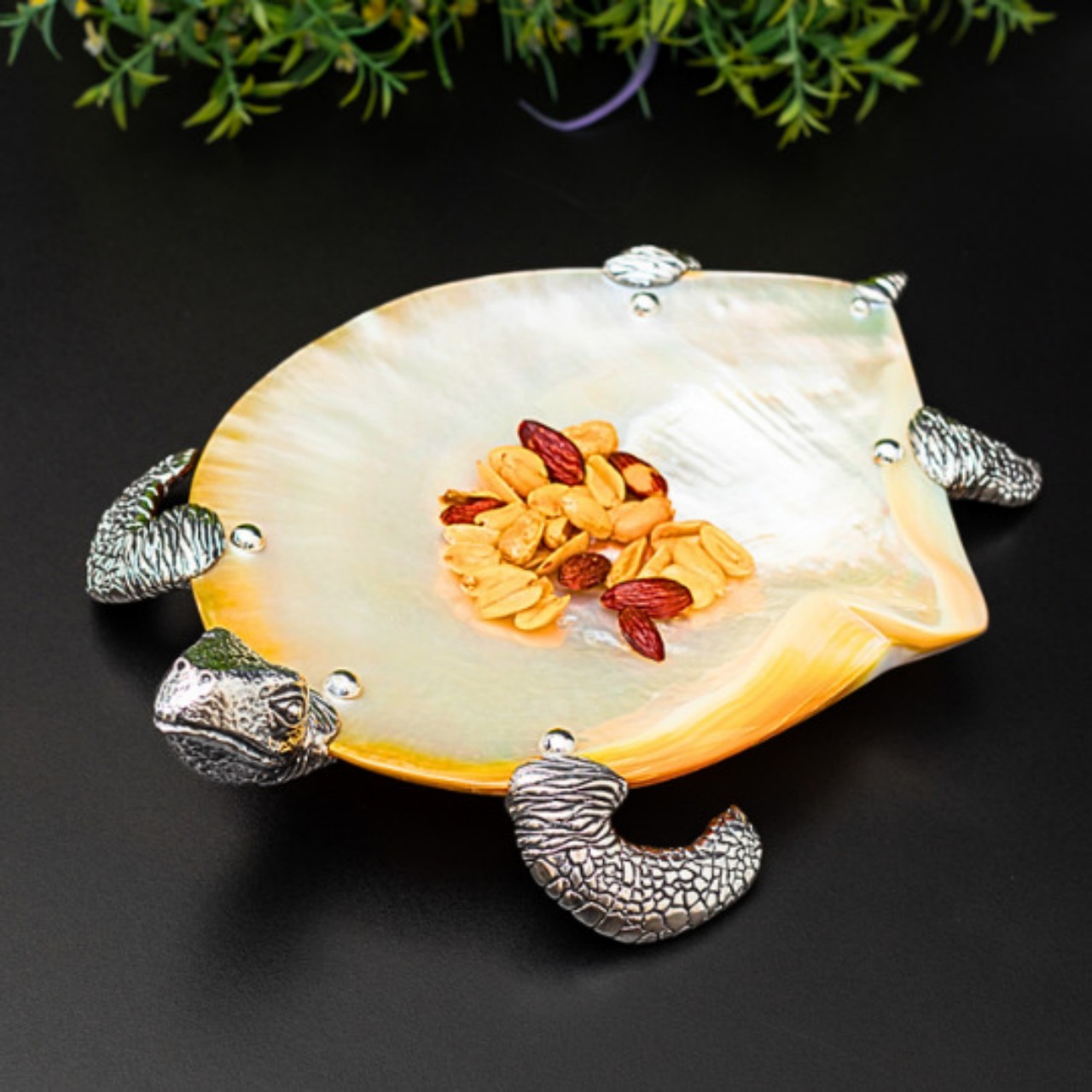
An elegant mother-of-pearl plate from Lotus Arts de Vivre is adorned with a sterling silver turtle. Crafted from the finest Southeast Asian mother of pearl, it possesses a shimmering iridescent quality. The silver turtle with a mother-of-pearl shell symbolizes harmony with the earth, water, and other elements, making it a versatile item suitable for use as a statement serving platter for hors d’oeuvres or as a formal dining plate.

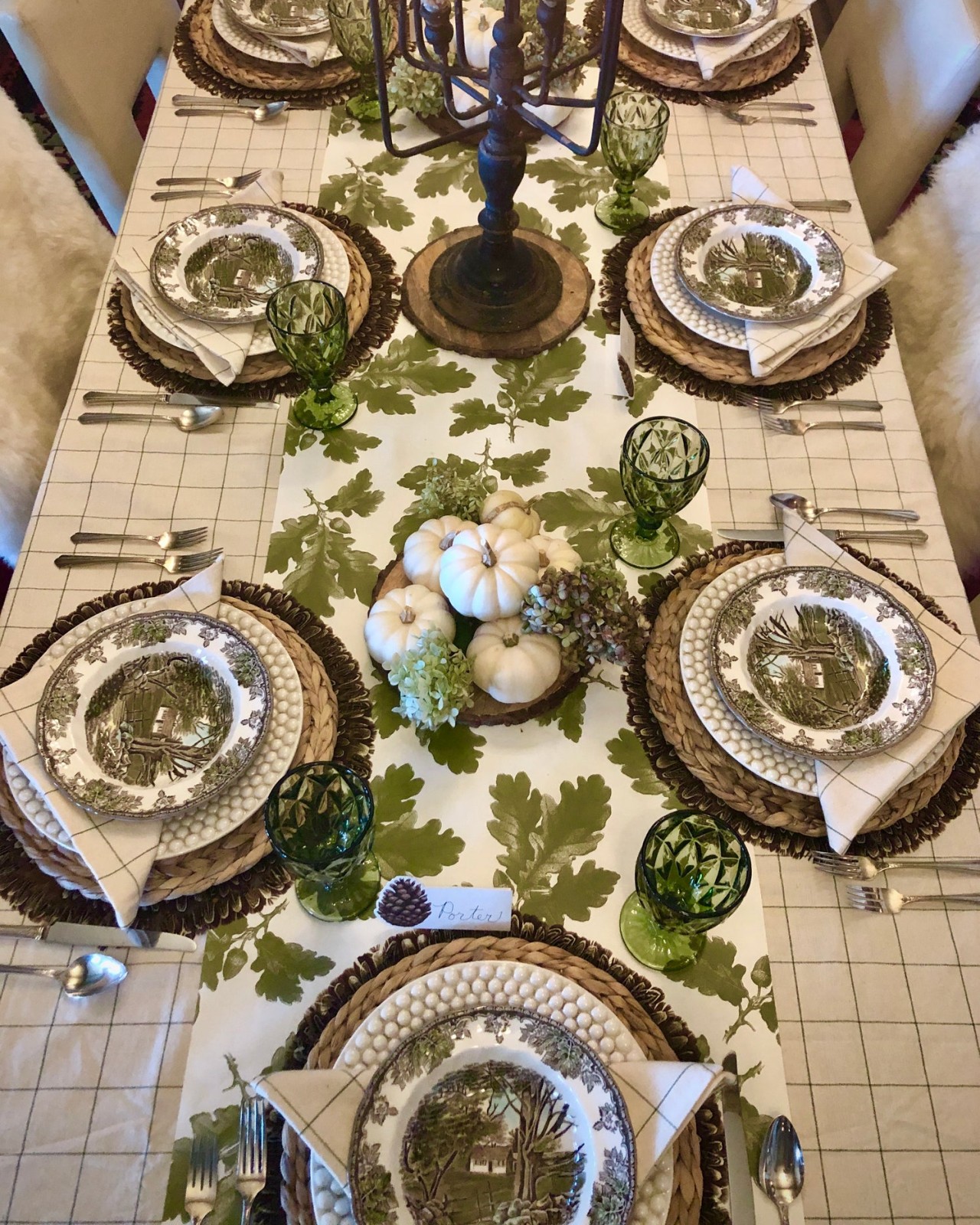
5. Add Woven Placemats

Designer: Table Terrain

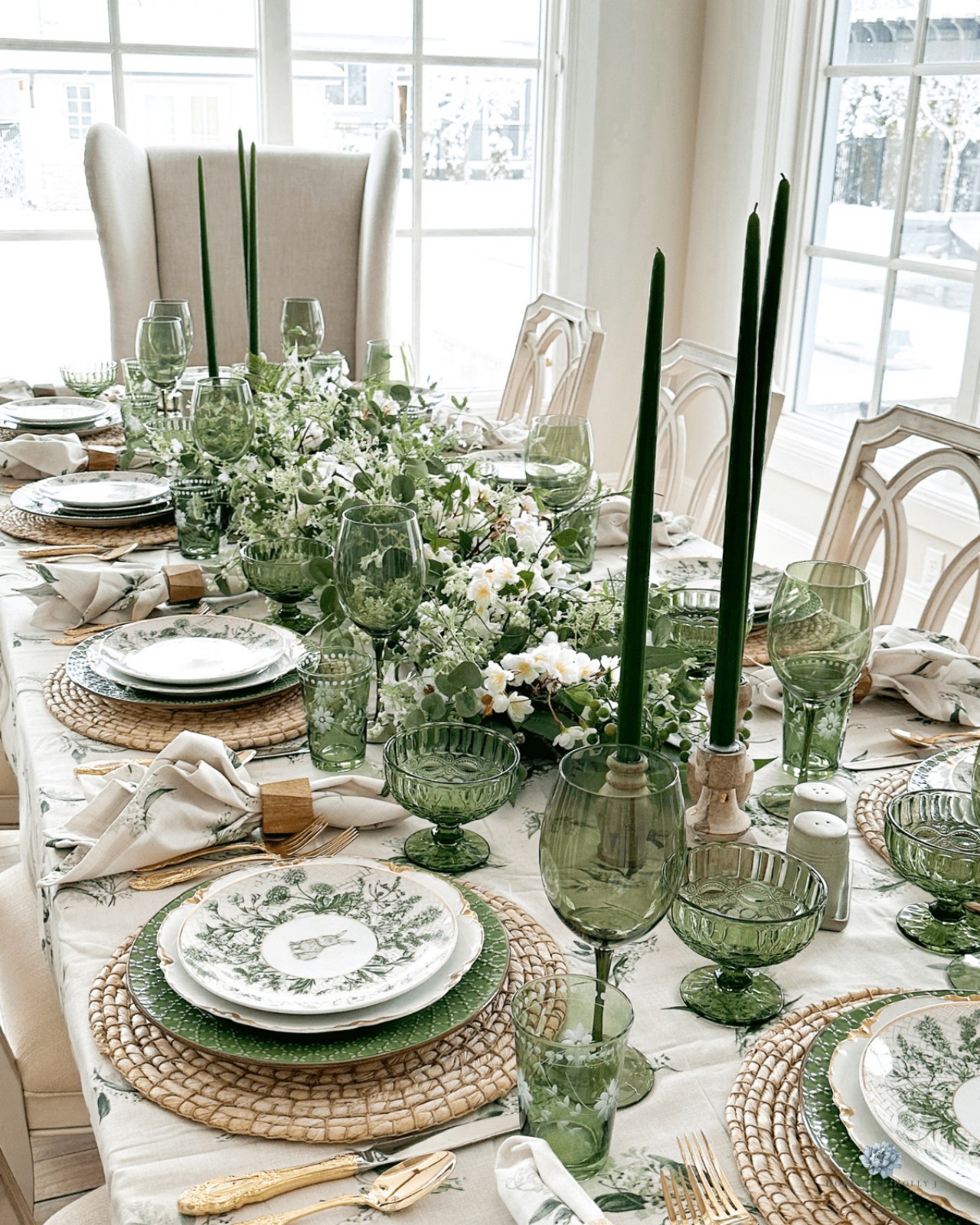
Woven placemat mats in materials like rattan provide a textured, earthy backdrop for a neutral table arrangement.

6. Introduce Textural Layers

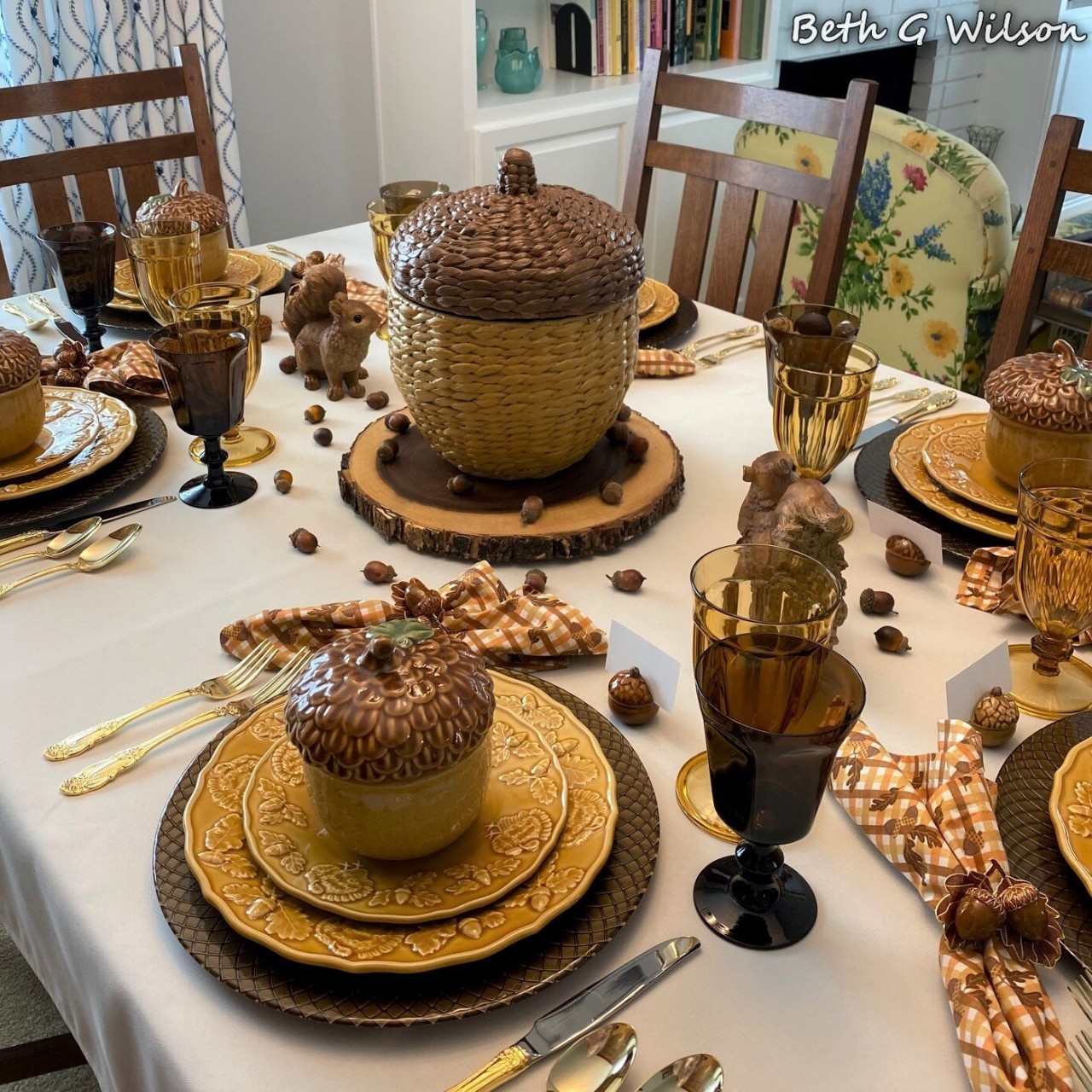
Designer: Beth G. Wilson

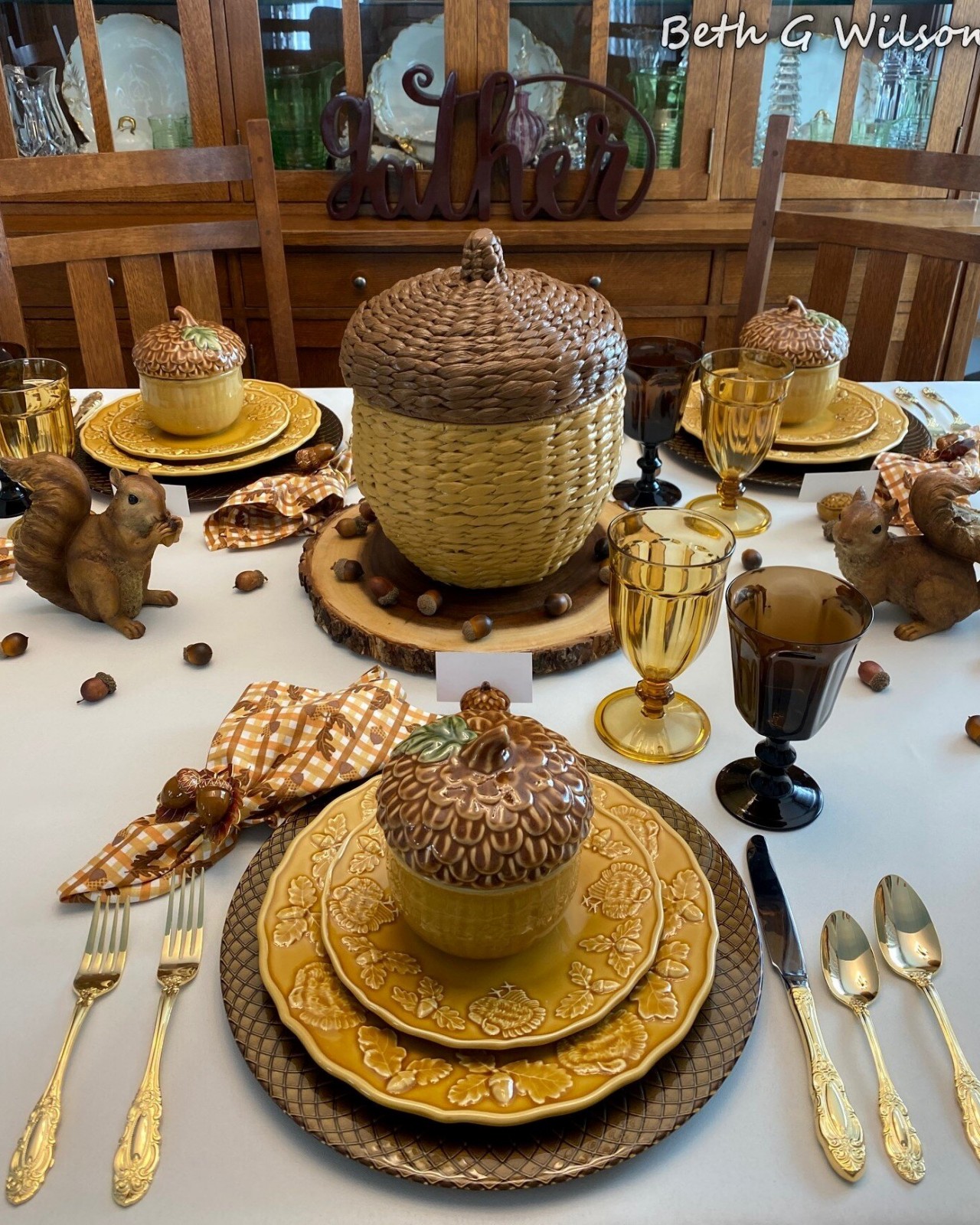
Explore a palette of organic earth tones for Thanksgiving as they effortlessly embrace the hues of fall leaves and autumn colors. Abundant textures can be introduced to create a warm and layered ambiance.

7. Create a Woodsy Vibe

Designer: Butch & Pam

Embrace the rustic and natural ambiance with wood as a central element in your table setting. Integrate wooden serving plates for a wholesome, earthy feel. This setting celebrates the imperfections and unique textures of wood, adding character to your table.

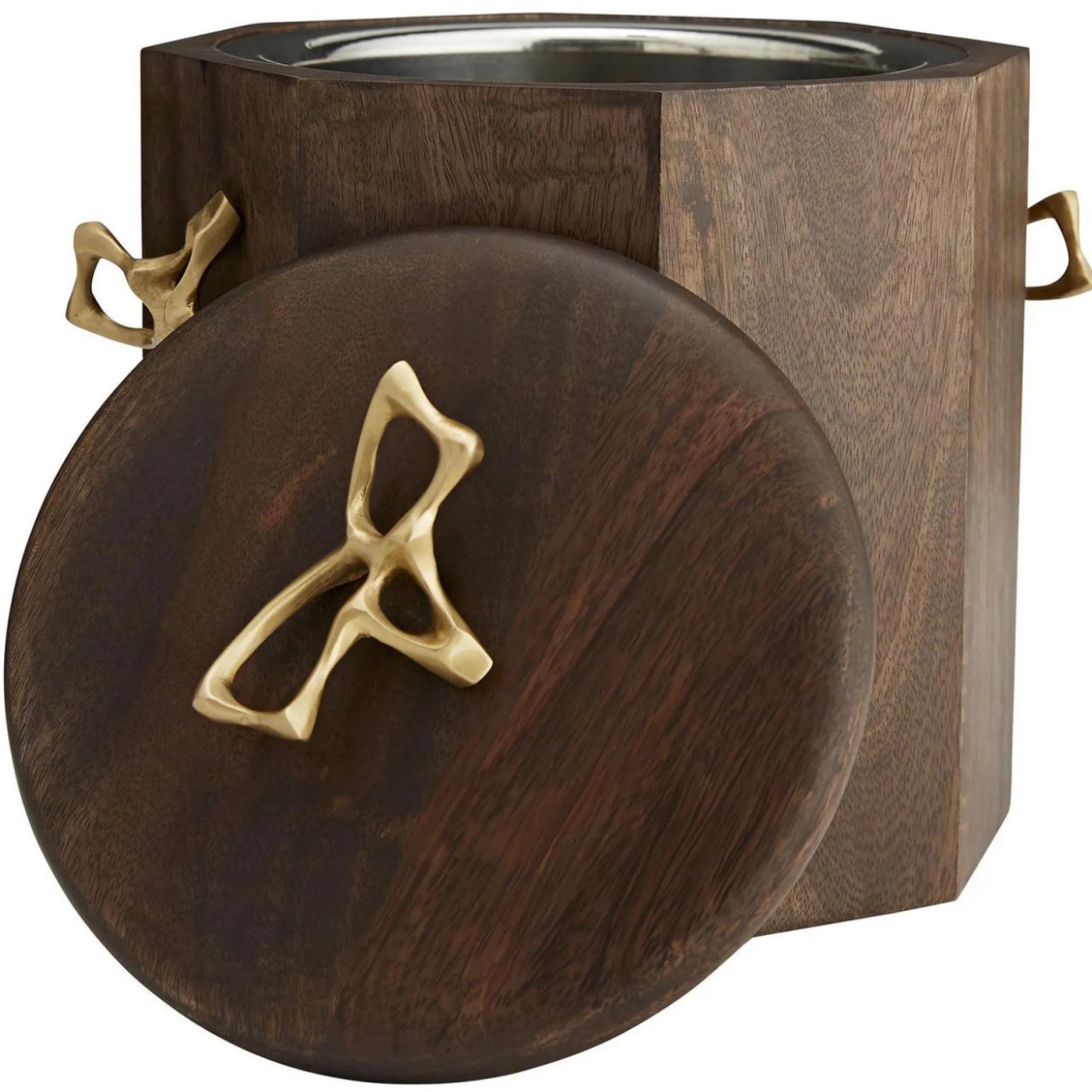
Designer: Arteriors

An ideal centerpiece for gatherings, the Wakefield features opulent antique brass hardware crafted into organic forms that beautifully contrast with the luxurious walnut wood. Radiating undeniable warmth, this bucket adds both panache and personality to the tablescape.

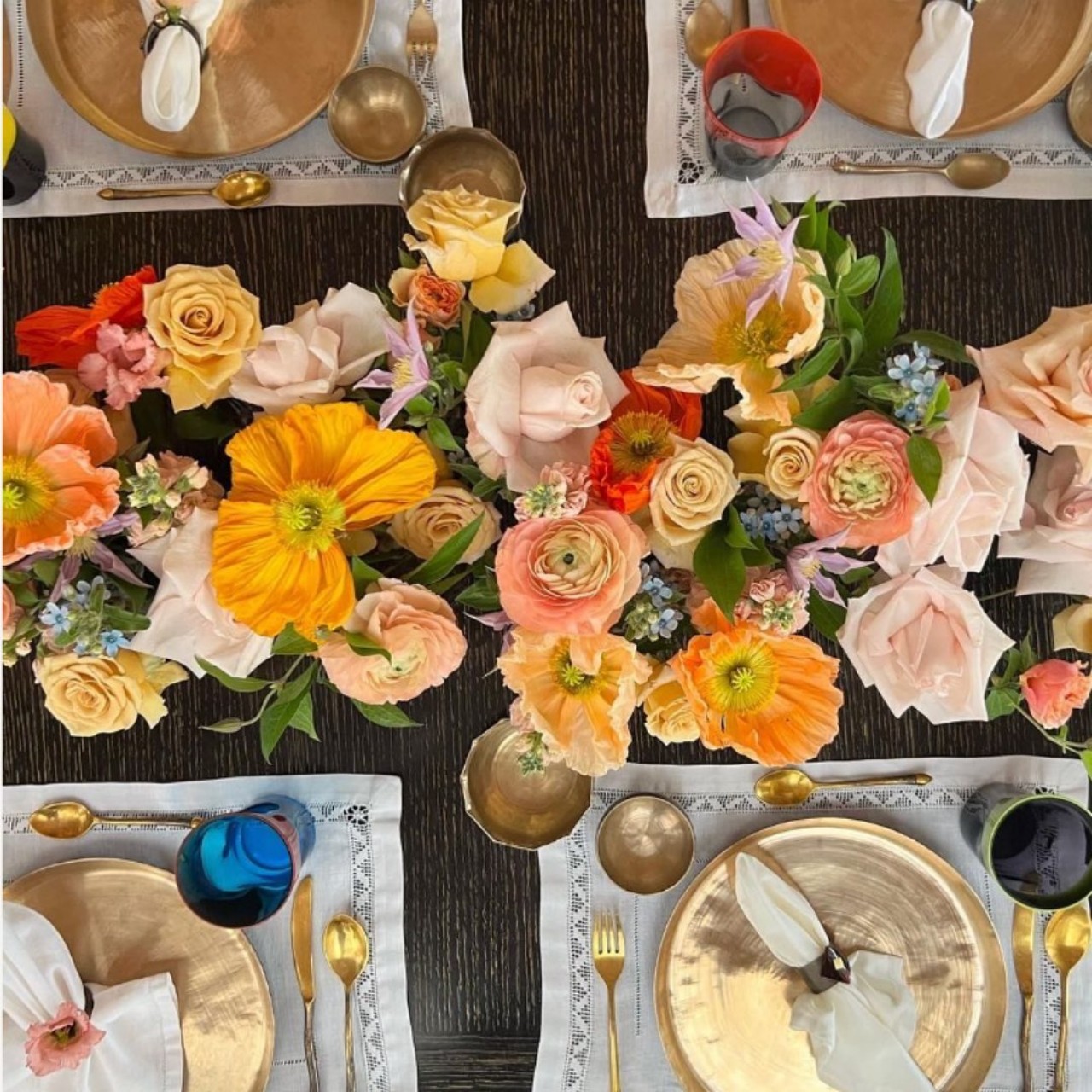
8. Add Color with Fresh Flowers

Designer: Shalini Misra

Elevate your Thanksgiving dinner by incorporating an abundance of flowers, extending from your salad plates to captivating centerpiece arrangements. Choose locally grown, in-season blooms.

9. Go for a Pumpkin Centerpiece

Designer: Home is Where the Boat Is

Opting for pumpkins as Thanksgiving centerpieces is a timeless choice. Elevate their appeal by carving out the tops and transforming them into miniature planters, adorned with either real or artificial succulents for an extra touch of uniqueness.

10. Chic Minimalism

Designer: Elisha Trujillo

Embrace simplicity by adhering to a neutral color palette and arranging the table with glass dinnerware. One of the simplest centerpieces for this theme is a clear glass vase filled with elegant flower stems.

11. Play with Patterns

Designer: Table Terrain

This Thanksgiving, layer on various eye-catching patterns to adorn the dining table. Maintaining a unified color palette ensures that the arrangement remains whimsical without becoming overwhelming.

12. Light the Table

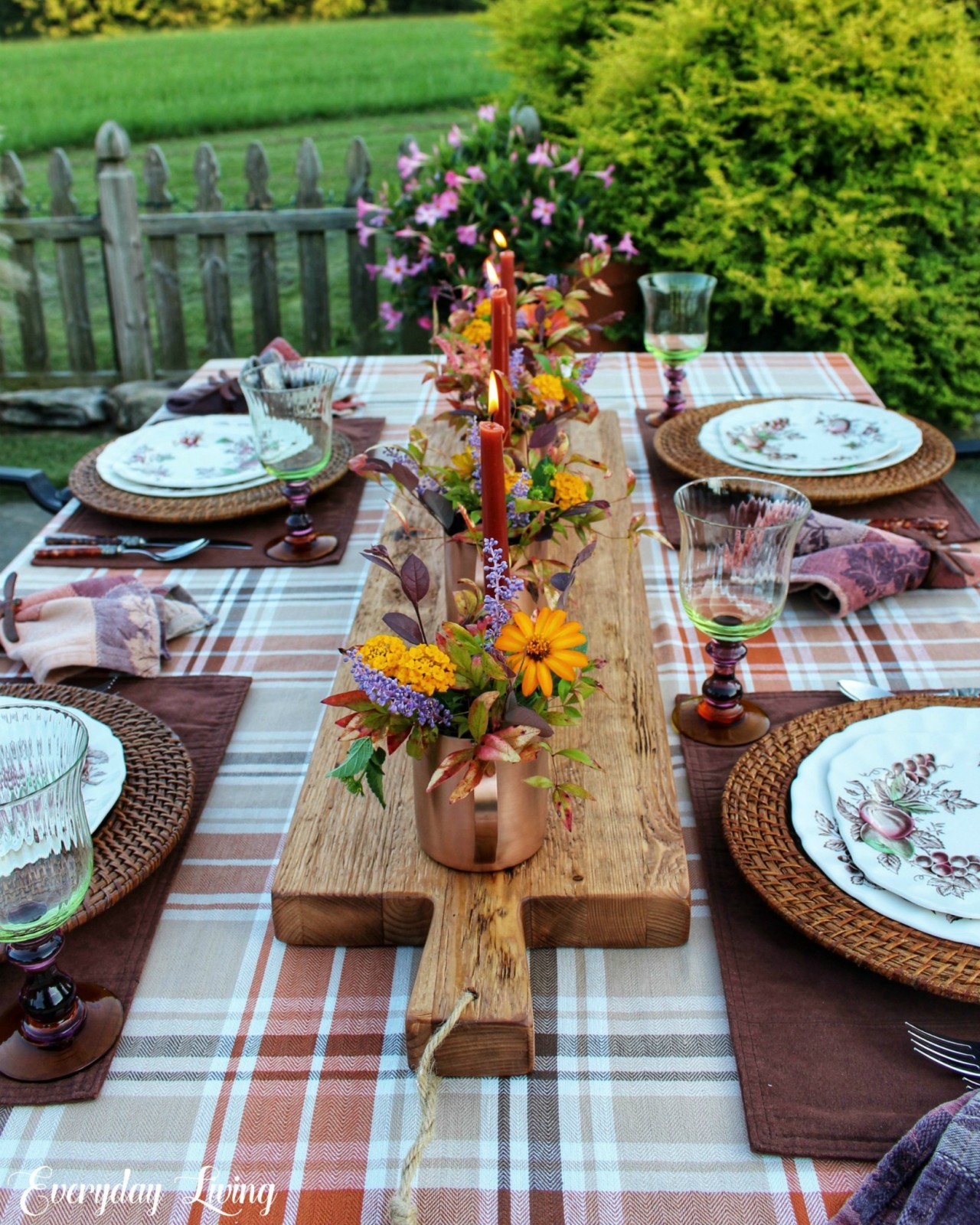
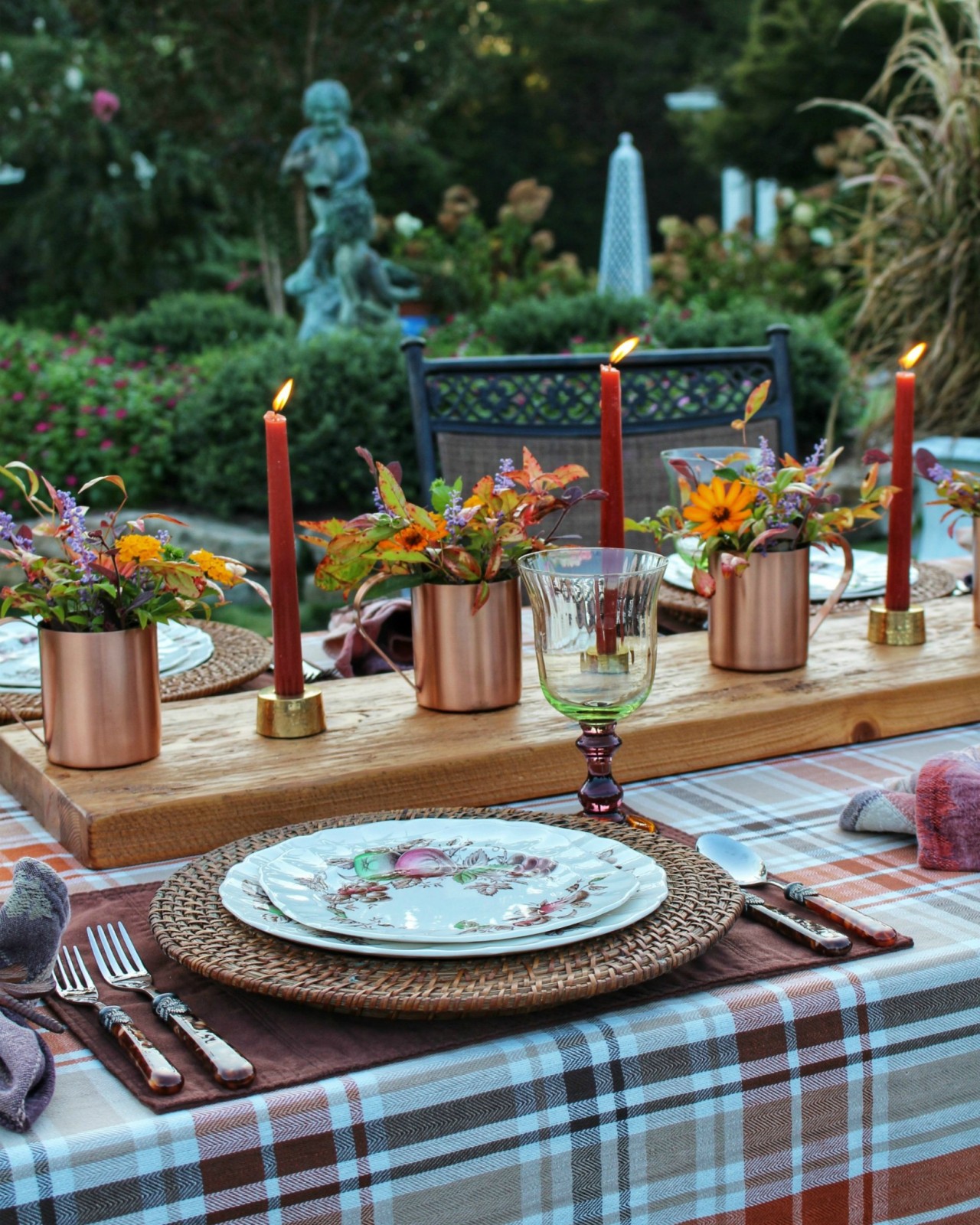
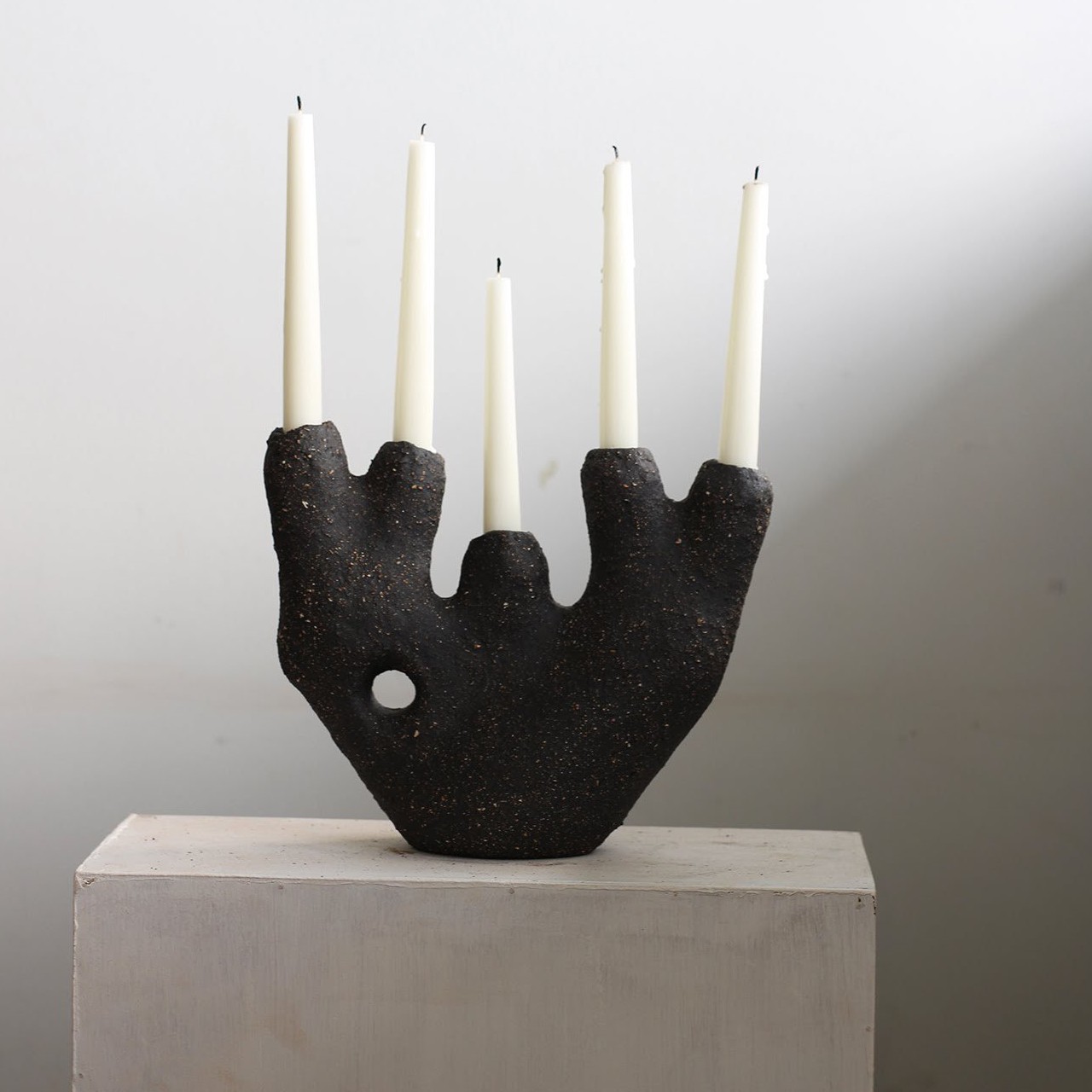
Instead of flowers, opt for stylish decor alternatives that provide beauty and warmth, such as tapered candles. For a cozy yet non-utilitarian table appearance, use candleholders of different heights, ensuring the candles are staggered across the table for a varied and inviting display.

Designer: Abid Javed

Ceramic artist Abid Javed applies his craft to sculptural forms influenced by microbiology. Augmin, a five-part candela, harmonizes artistry and functionality, drawing inspiration from the dynamic molecule Augmin. It serves as a statement sculpture and a practical candleholder for the Thanksgiving tablescape.

Designer: Todd Nelson

Spiral Light Candles feature a unique wraparound wick that burns for 3 hours, depleting ‘around’ the candle due to its spiral design. Its hollow design collects melted wax and creates a new candle with a wood wick that burns for 40 hours.

Designer: James Kaoru Bury

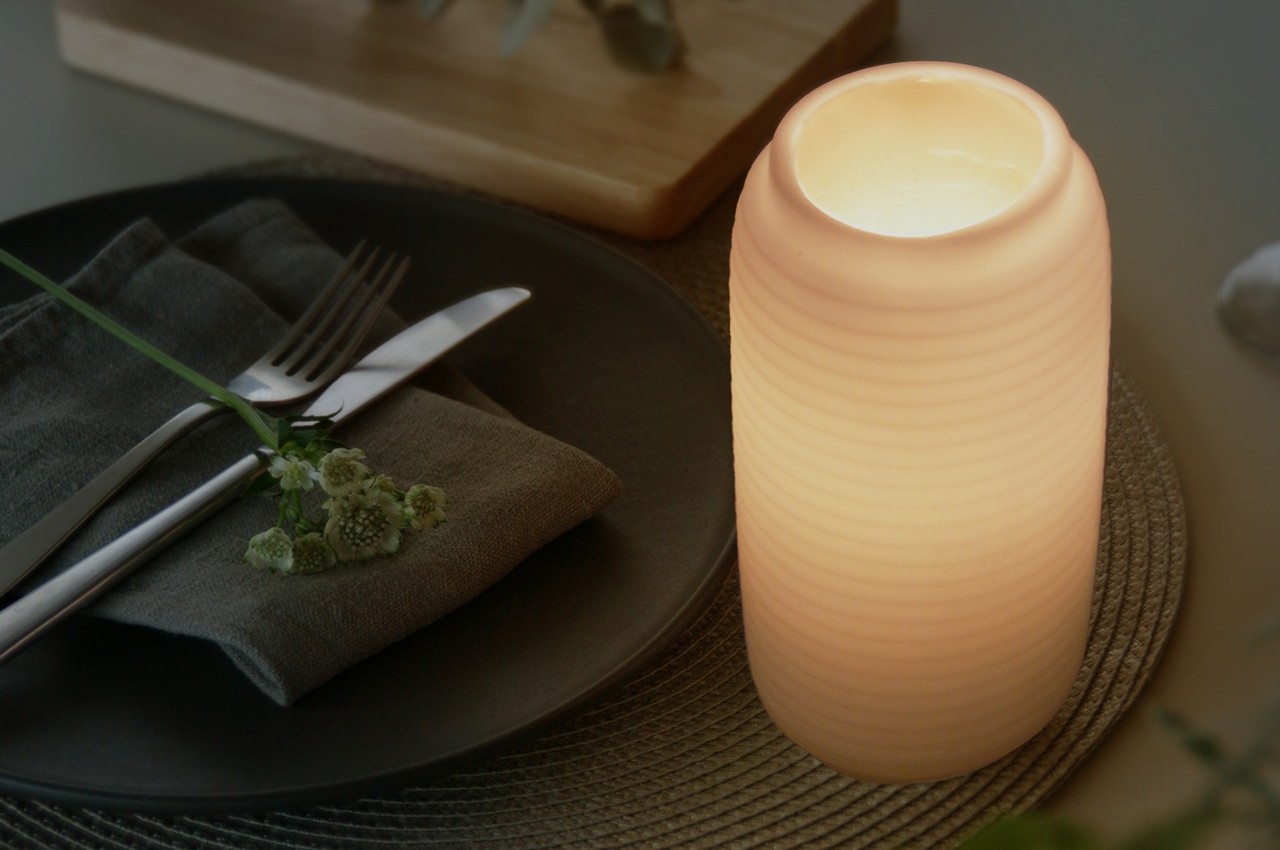
Click Here to Buy Now: Japanese Lantern Candle ($69)

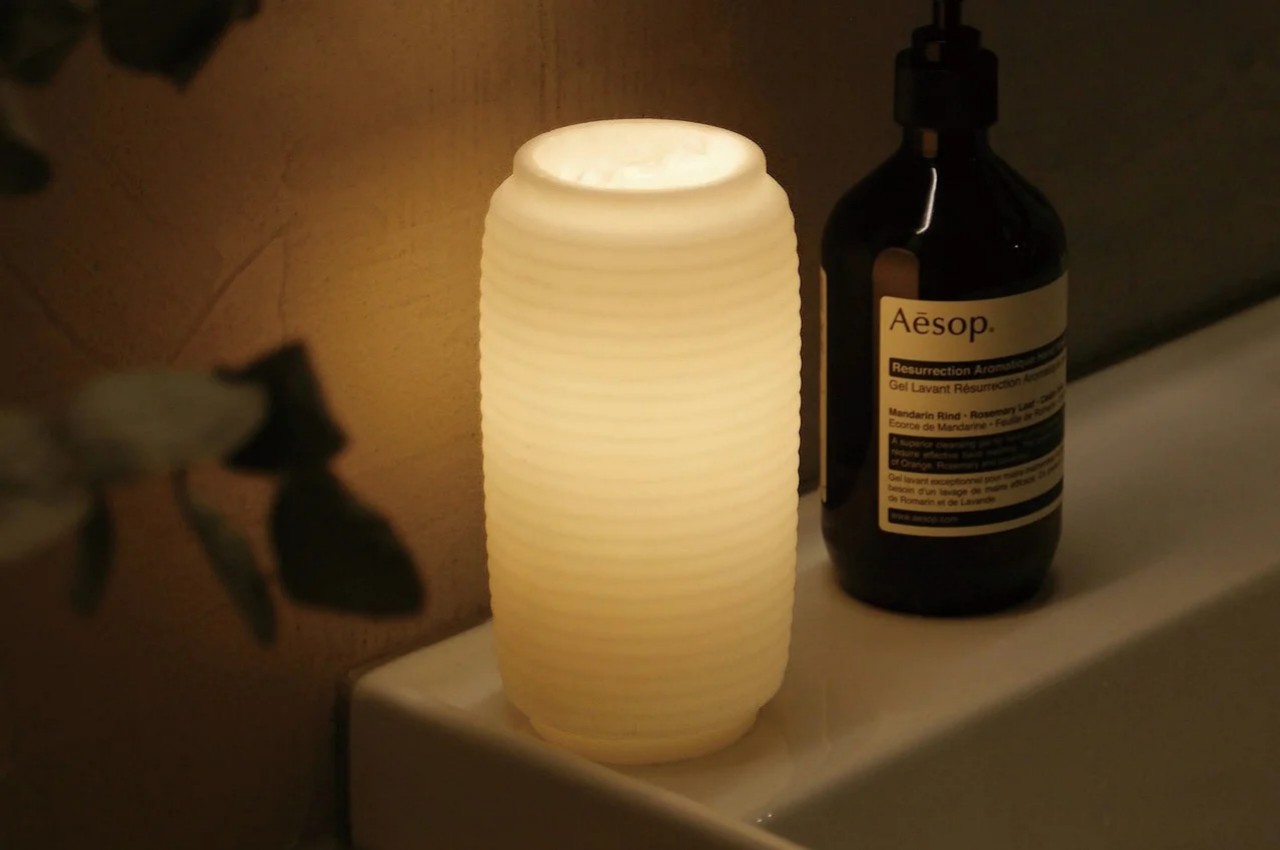
Crafted with a dual wax composition, the Chouchin features a standard wax interior for familiar candle burning. Its distinctive outer layer is made of patented, non-melting wax, creating a translucent shell that diffuses light like a lantern. As the candle burns, light permeates through this outer wax, providing gentle, warm illumination, with a 60-hour burn time and replaceable refills, minimizing waste.

13. Embrace Maximalism

Designer: Interior Design Info

Embrace a bold, maximalist aesthetic with striking glassware, an oversized floral arrangement, succulents, and crystal candleholders for a truly impactful statement.

Designer: ABASK

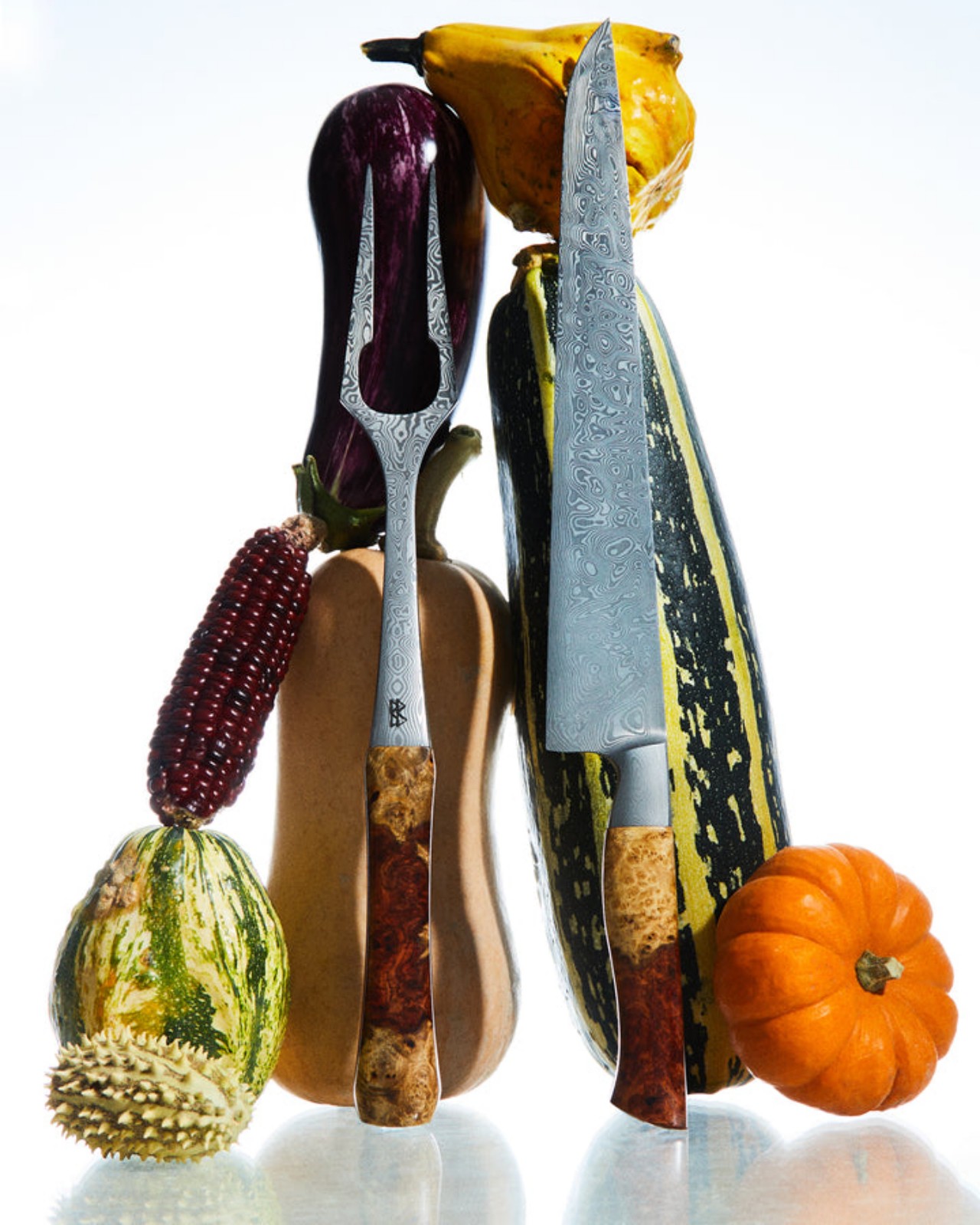
Enhance your festive table with Ben Bodman’s exclusive ABASK carving set, expanding his hand-forged blade collection from his Wiltshire family farm. The two-tone amboyna burl wood handles, symbolizing durability, are sourced from the resilient Narra tree in the Philippines. Crafted with Damasteel, these blades boast intricate patterns, adding functional elegance to your table.

14. Napkin Folding Art

Designer: Phuong

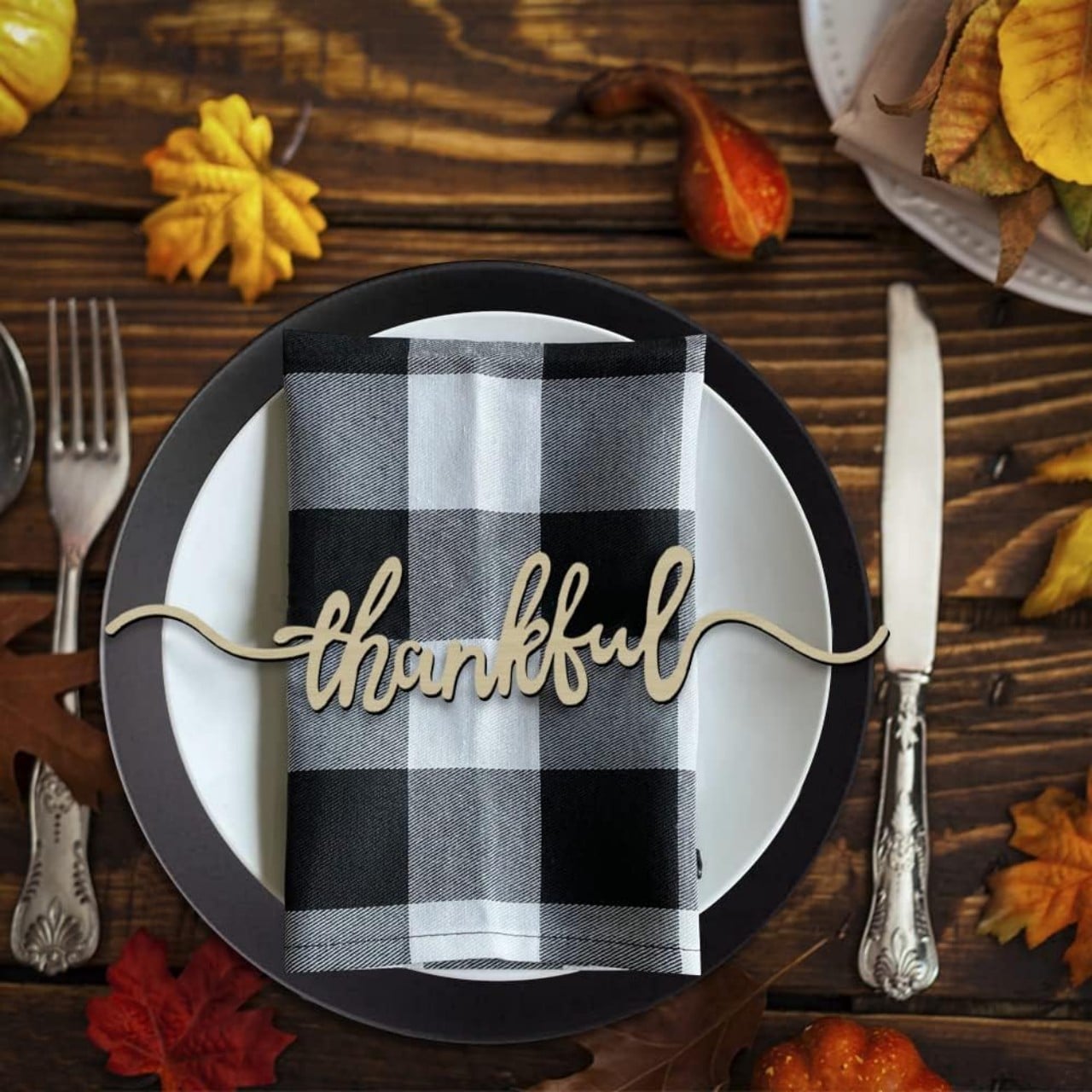
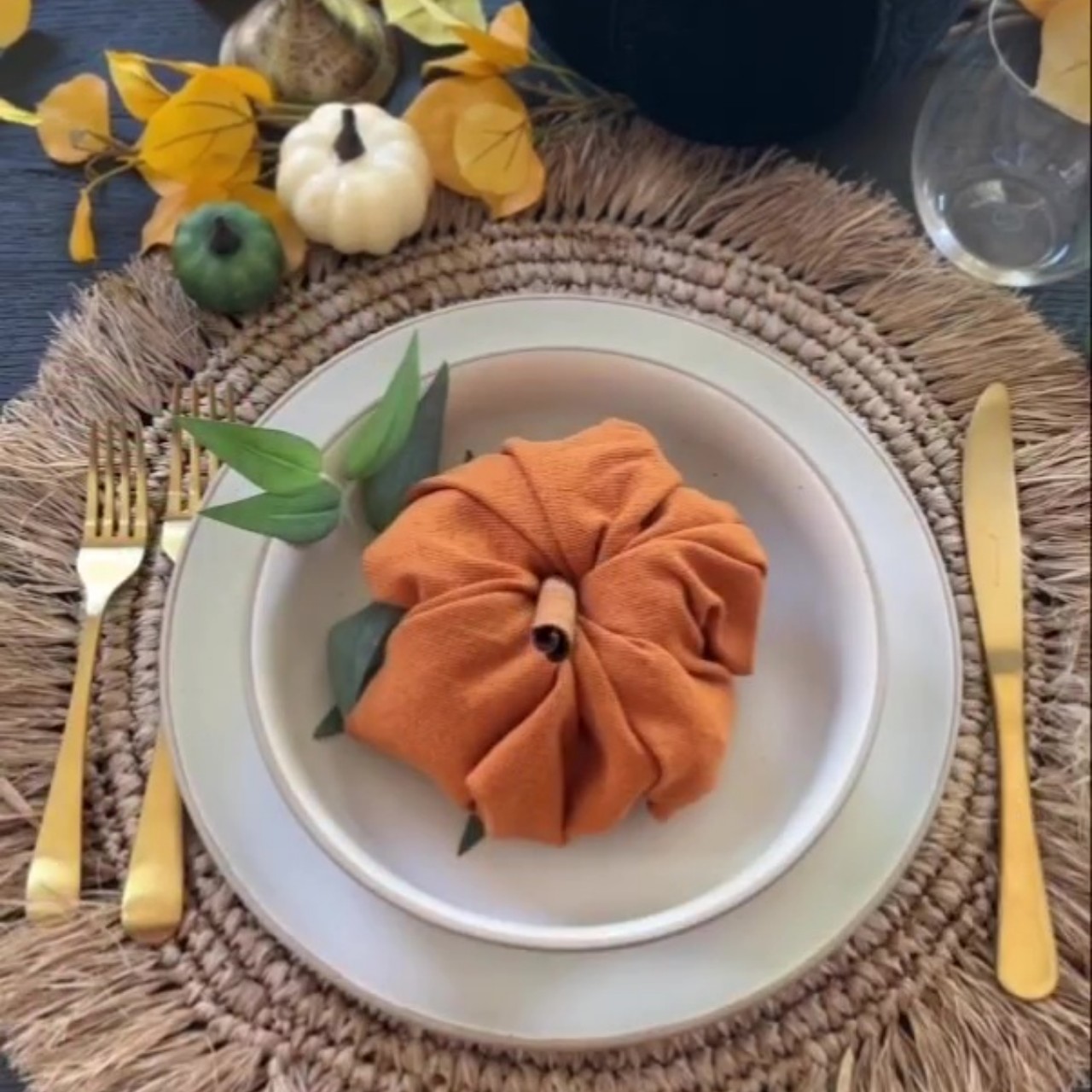
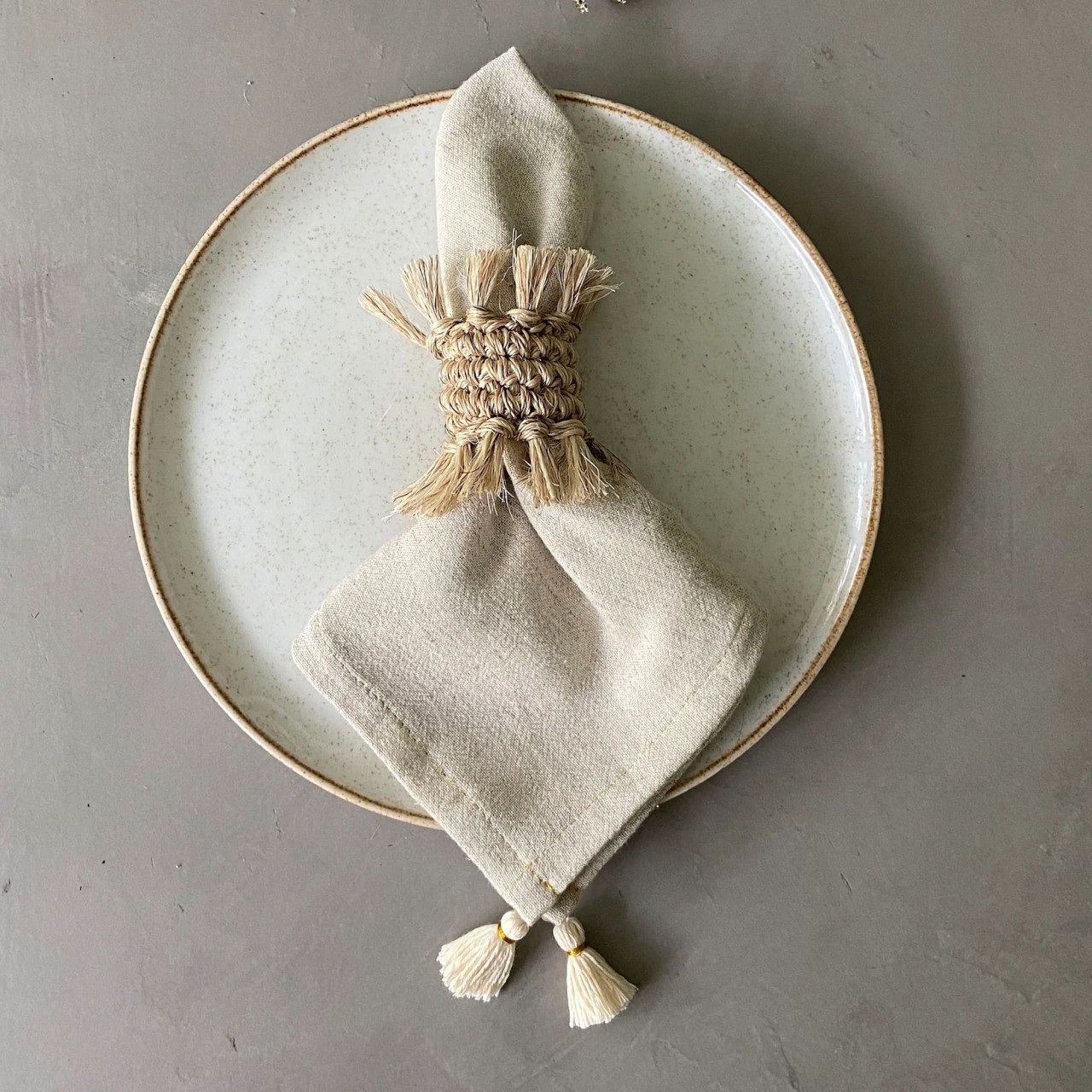
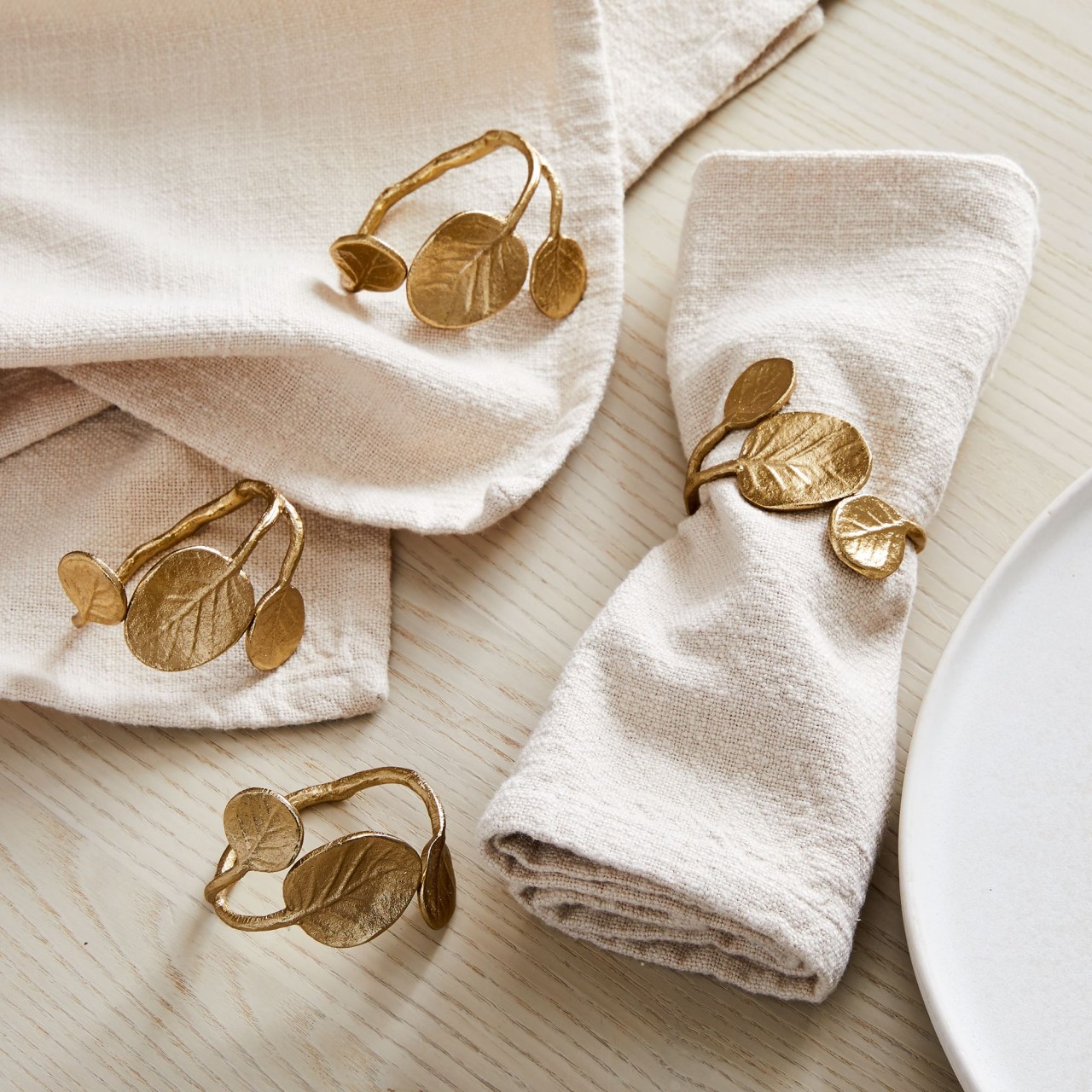
Infuse texture into each place setting by creatively folding cloth napkins. Experiment with various techniques such as the classic fan fold or use innovative folding techniques to create an interesting design. Enhance the presentation with elegant napkin rings, elevating the overall tactile experience.

Designer: TALLO de OLIVO

TALLO de OLIVO turns ordinary spaces into distinctive ones with handmade pieces crafted by Colombian artisans, utilizing local materials to enhance their inherent beauty.

Designer: West Elm

The botanical-inspired napkin ring adds a biophilic vibe to the table décor.

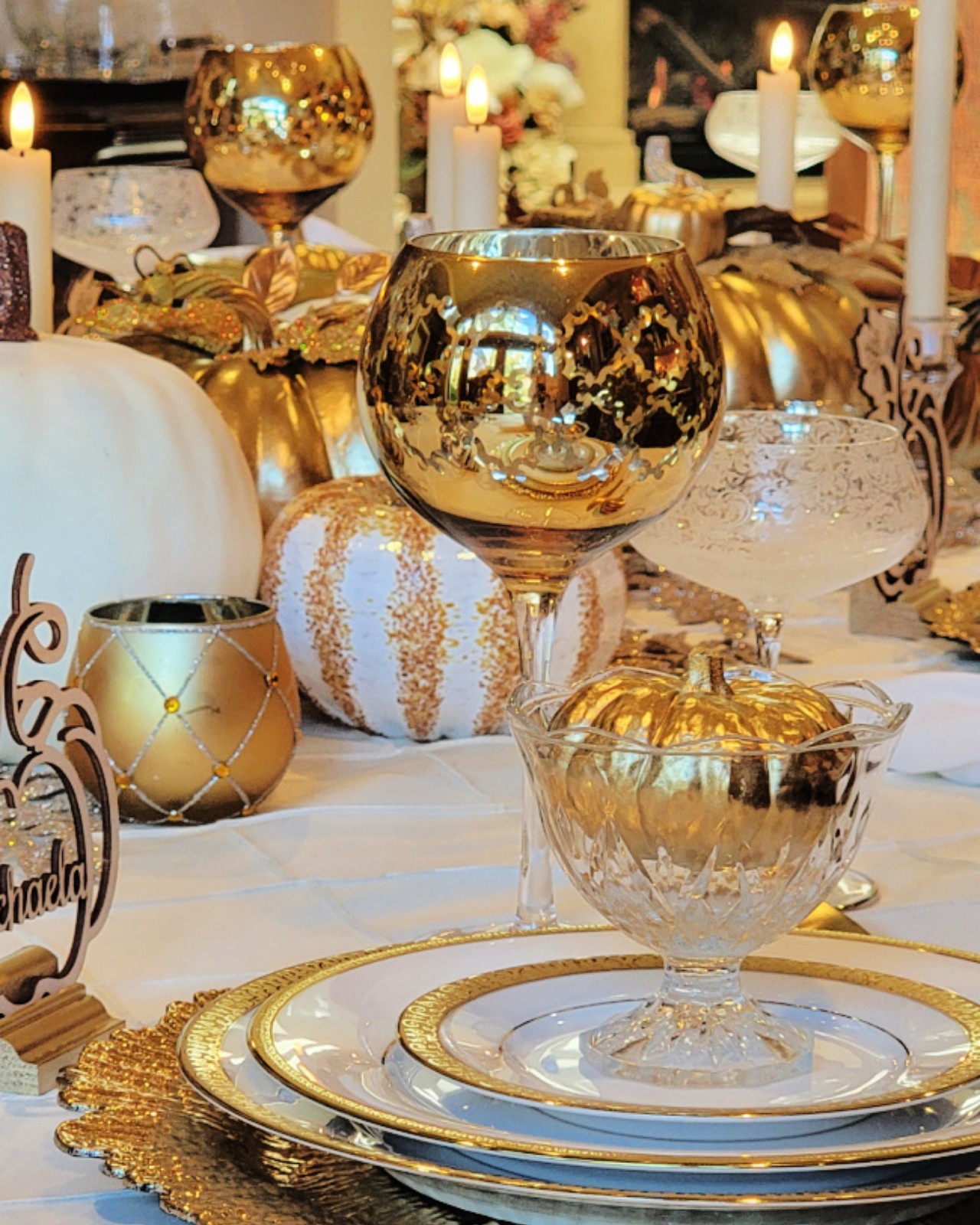
15. Beautify with Gold Accents

Designer: Linda

Infuse a touch of glamour into your Thanksgiving table with a decor theme that revolves around hues of gold. Envision gold-rimmed plates, shimmering candle holders, and metallic accents creating a dazzling setting for your festive meal.

With a skillful combination of colors, textures, and decorative elements, one can transform the dining table into a captivating showcase of autumn-inspired beauty that sets the ideal ambiance for your Thanksgiving feast.

The post These are the Thanksgiving Table Decor Trends for 2023 first appeared on Yanko Design.
This chair concept for fast-casual restaurants comes with a coat hanger and bag tray

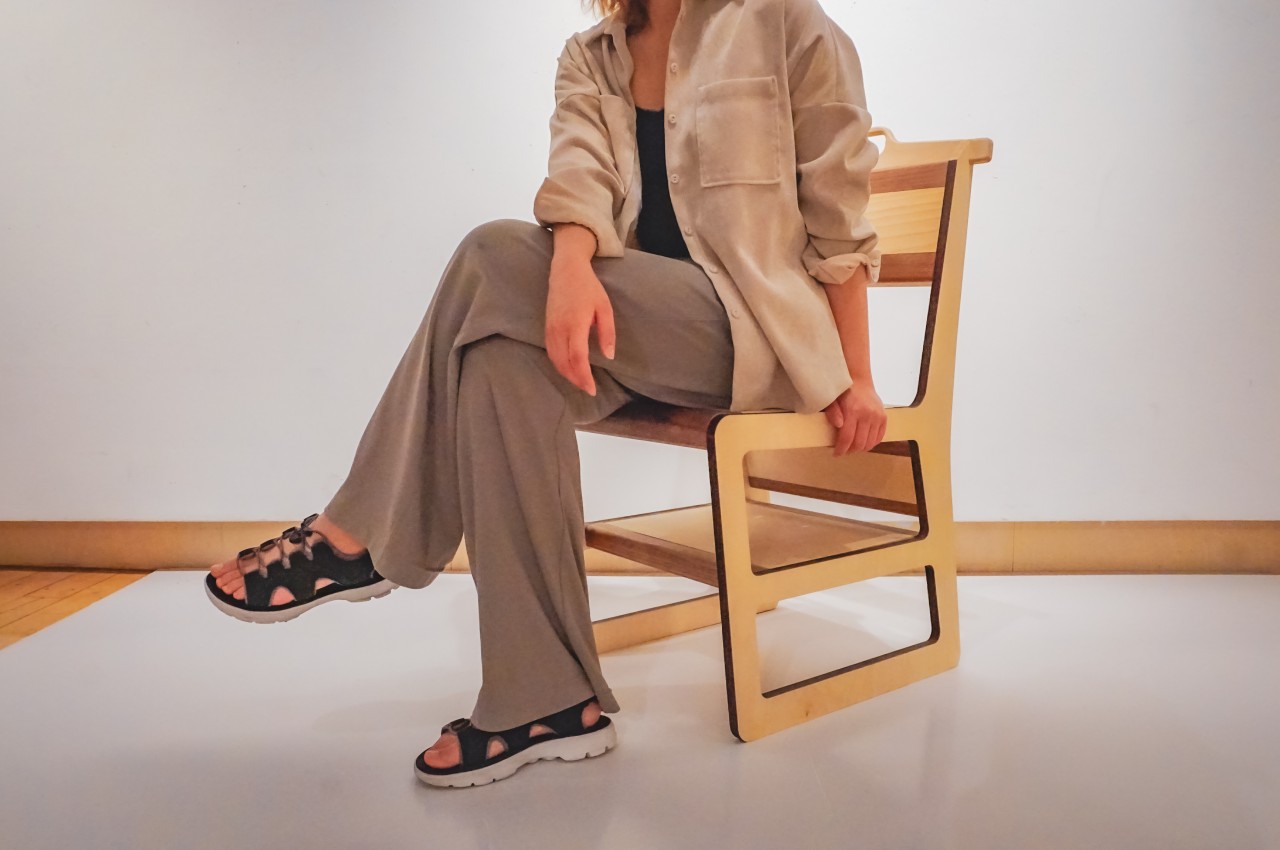
The way we eat outside has been changing over the past years, and fine dining and fast food are no longer the only choices available. In many parts of the world, “fast-casual” has become a popular option that combines the speed and price of fast food establishments with the quality of full-service bistros. Despite being a category in its own right, the furniture used in fast-casual restaurants doesn’t actually take into account the specific needs of this class of customers and is instead meant for either fast-food chains or full-service establishments. This chair design concept tries to break the mold by introducing a piece of furniture that caters specifically to fast-casual customers who need to hang their coats or keep their bags but can never find such a place with regular restaurant chairs.

Designer: Zhiyuan (Frank) Fang

Fast-food restaurant chairs are often made from plastic, designed to be cheap, easy to move around, and often uninspiring. Customers here are often in a hurry, anyway, so they don’t care so much for the things they’re carrying, presuming they’re even carrying some. Fine dining chairs, in sharp contrast, are elegant and a little more expensive in order to match the restaurant’s ambiance. They, too, don’t have convenient features for keeping your things, because restaurants often have available storage for those near the table or by the entrance. That leaves fast-casual diners to fend for their own most of the time, often resulting in awkward displays of jackets or even forgotten bags or purses.

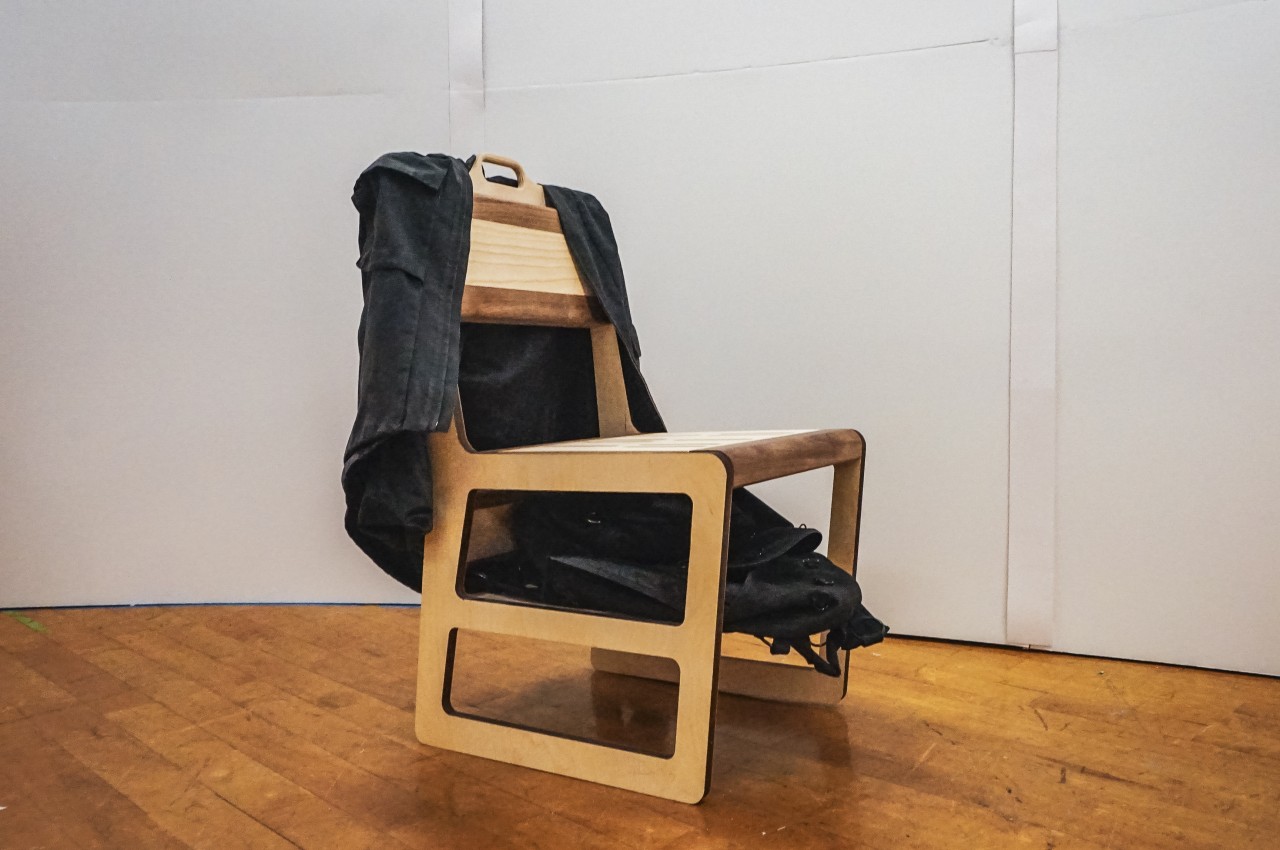
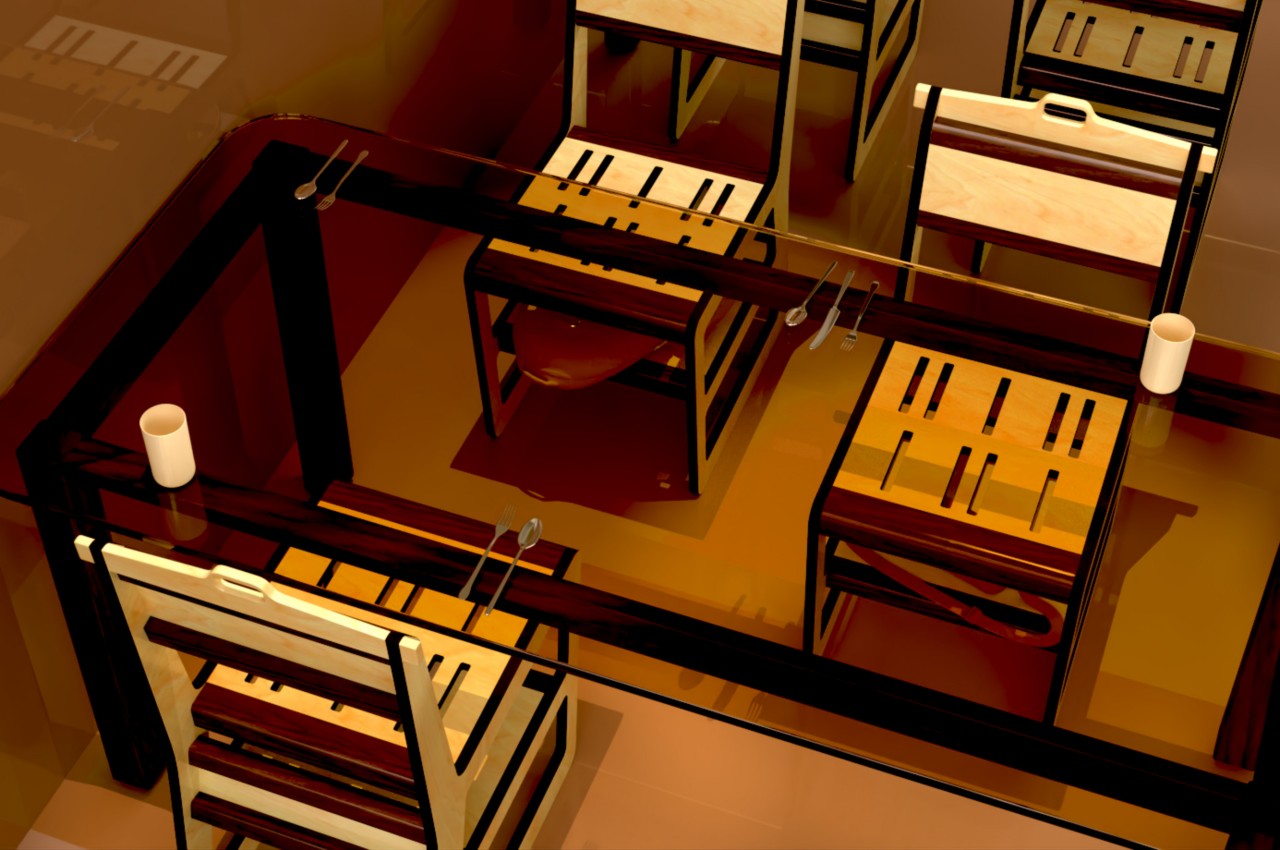
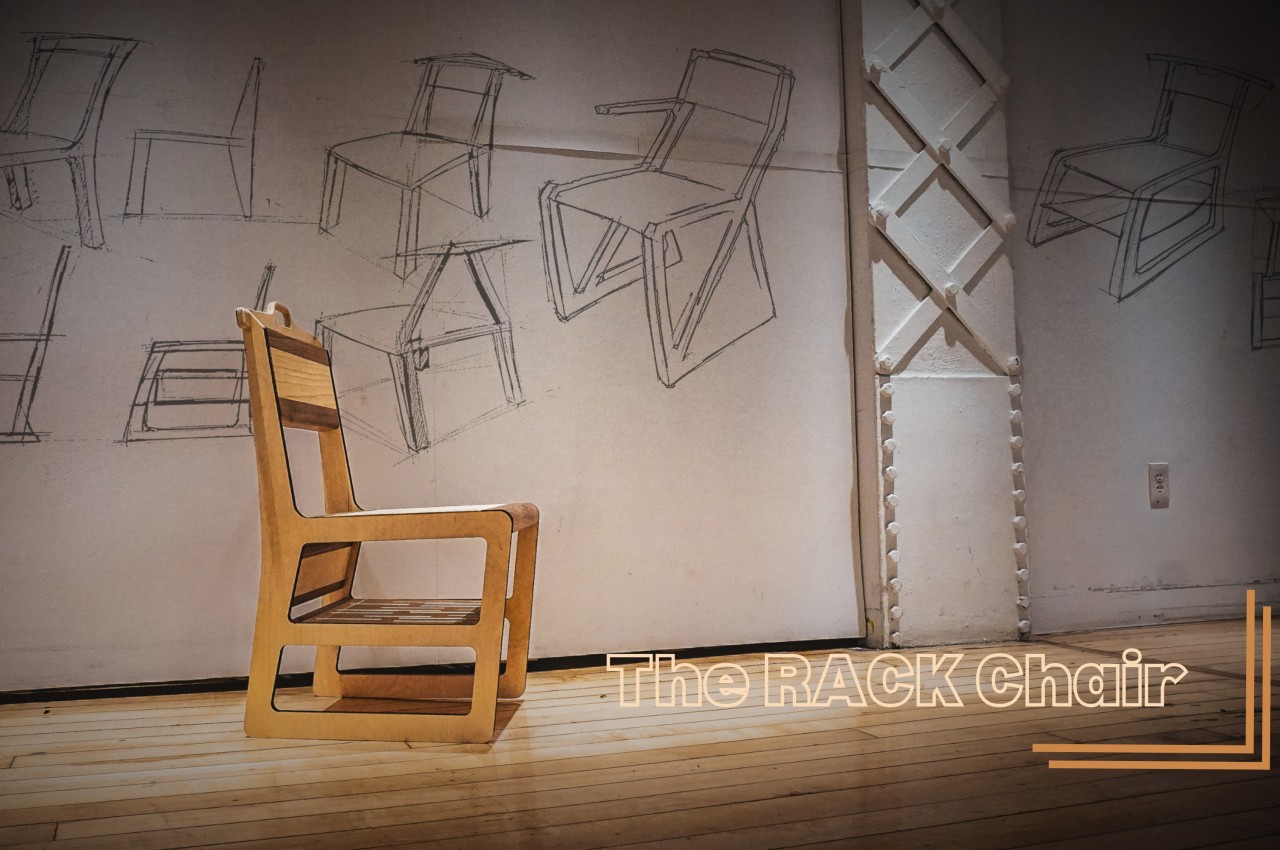
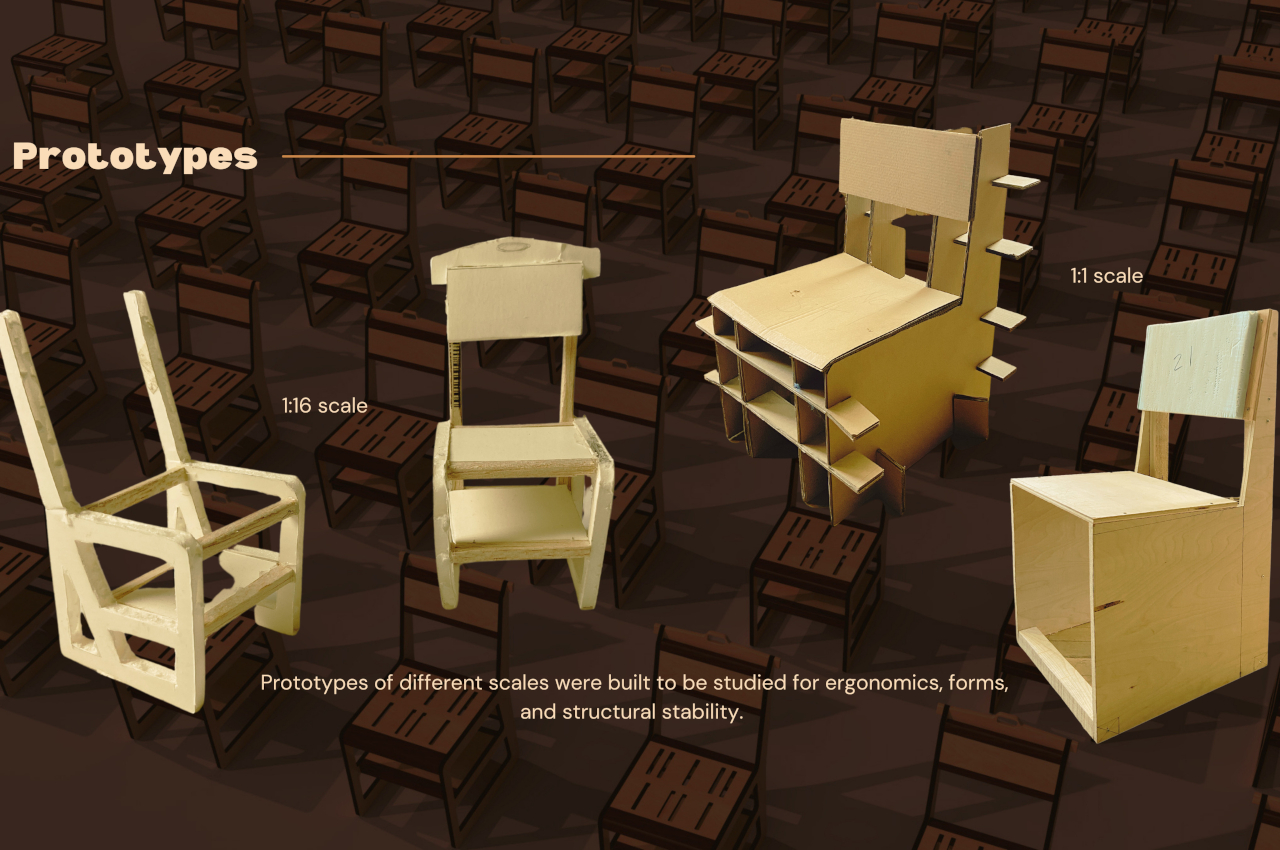
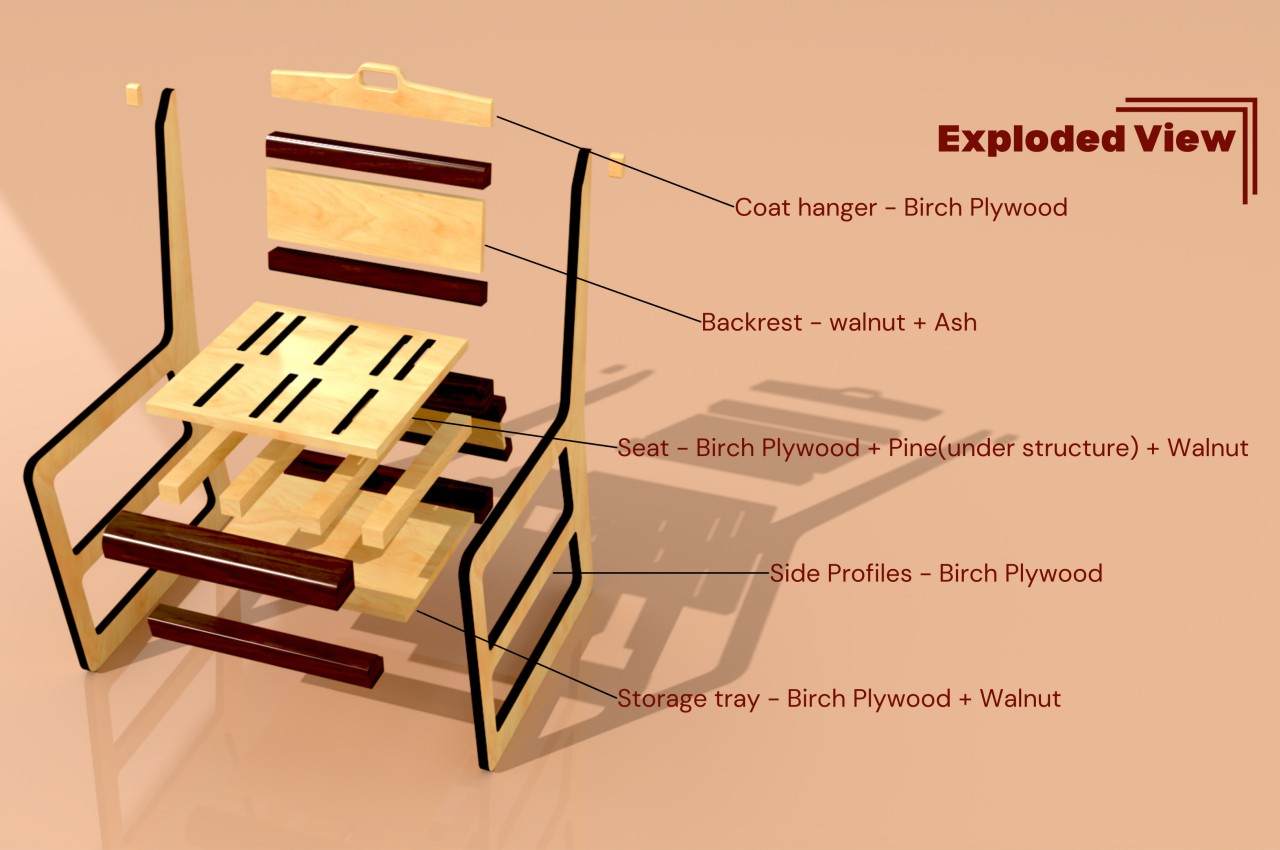
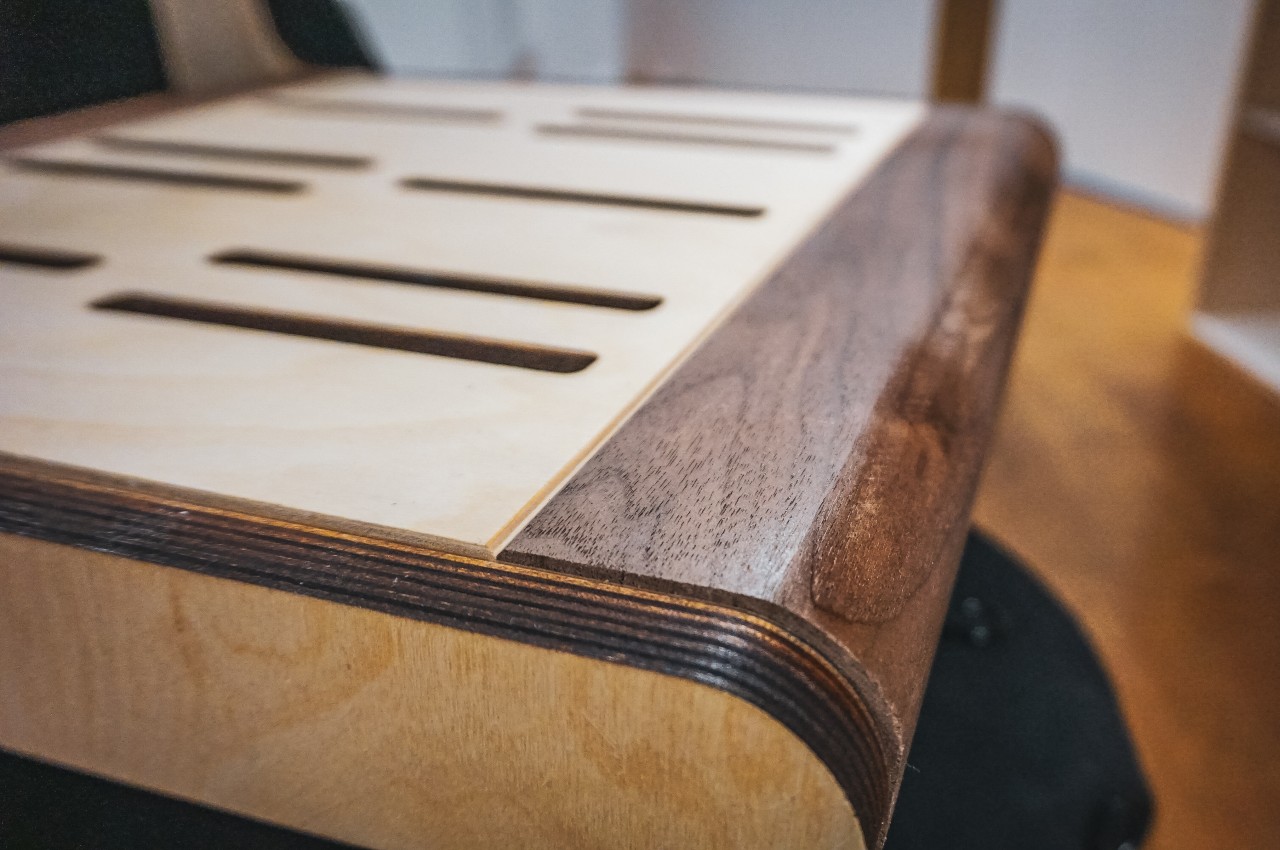
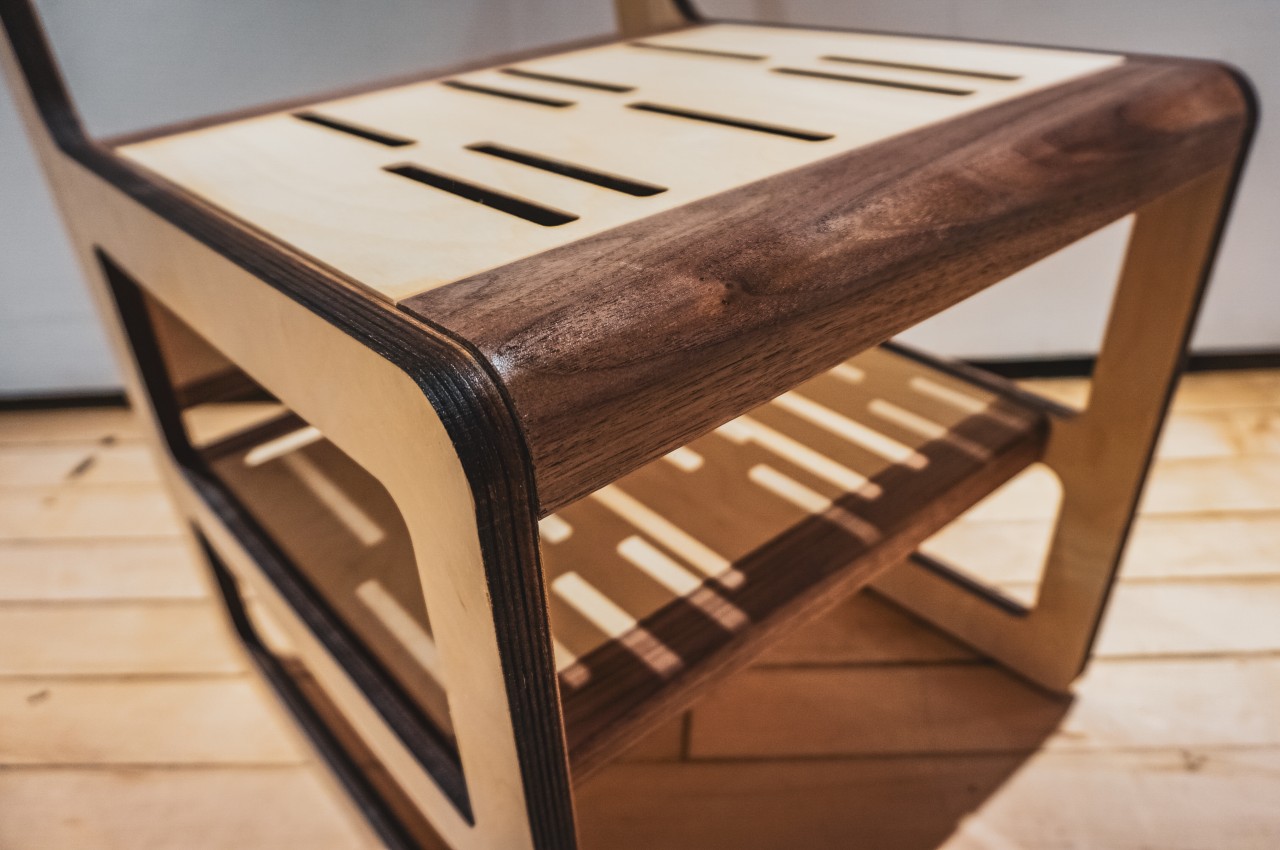
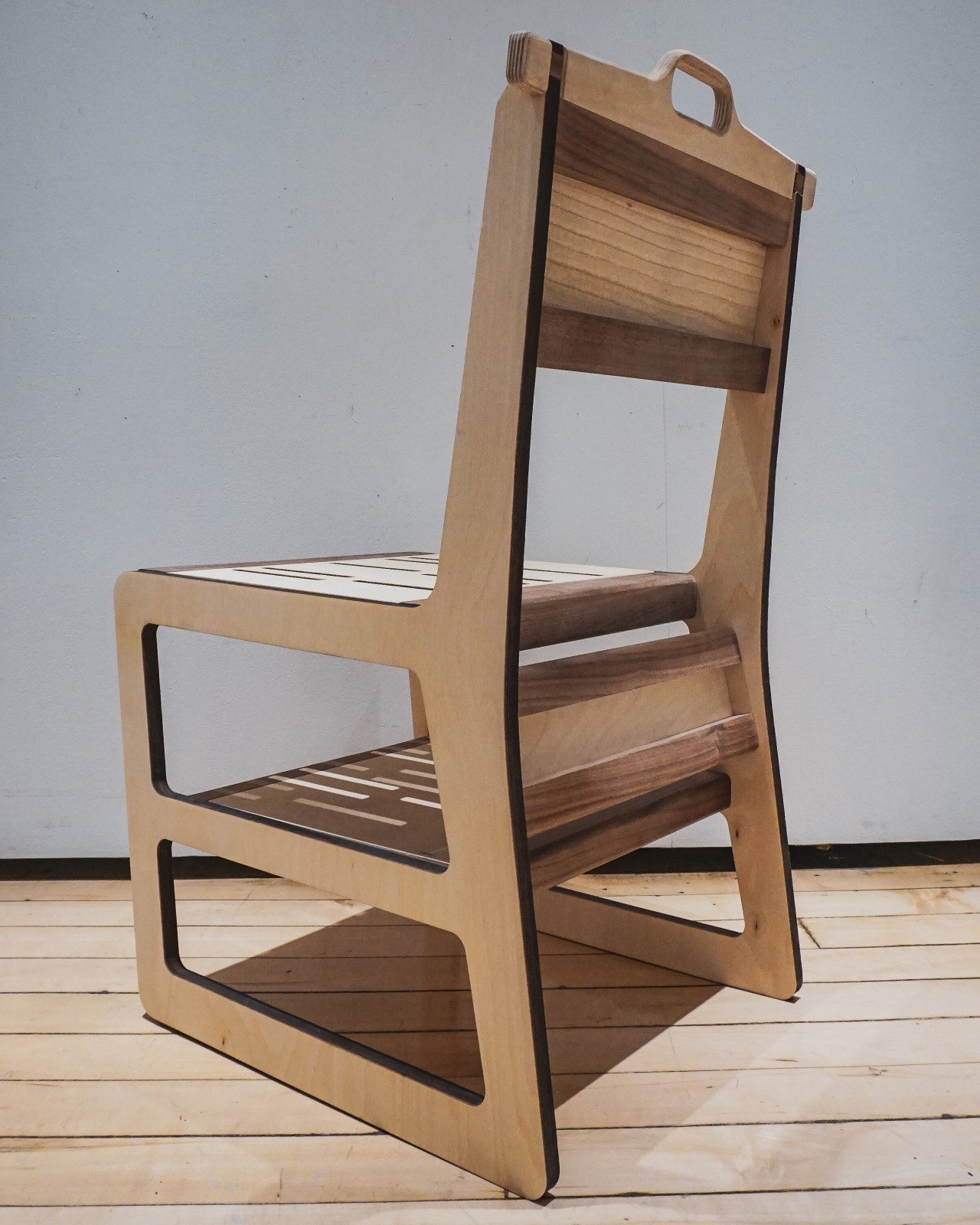
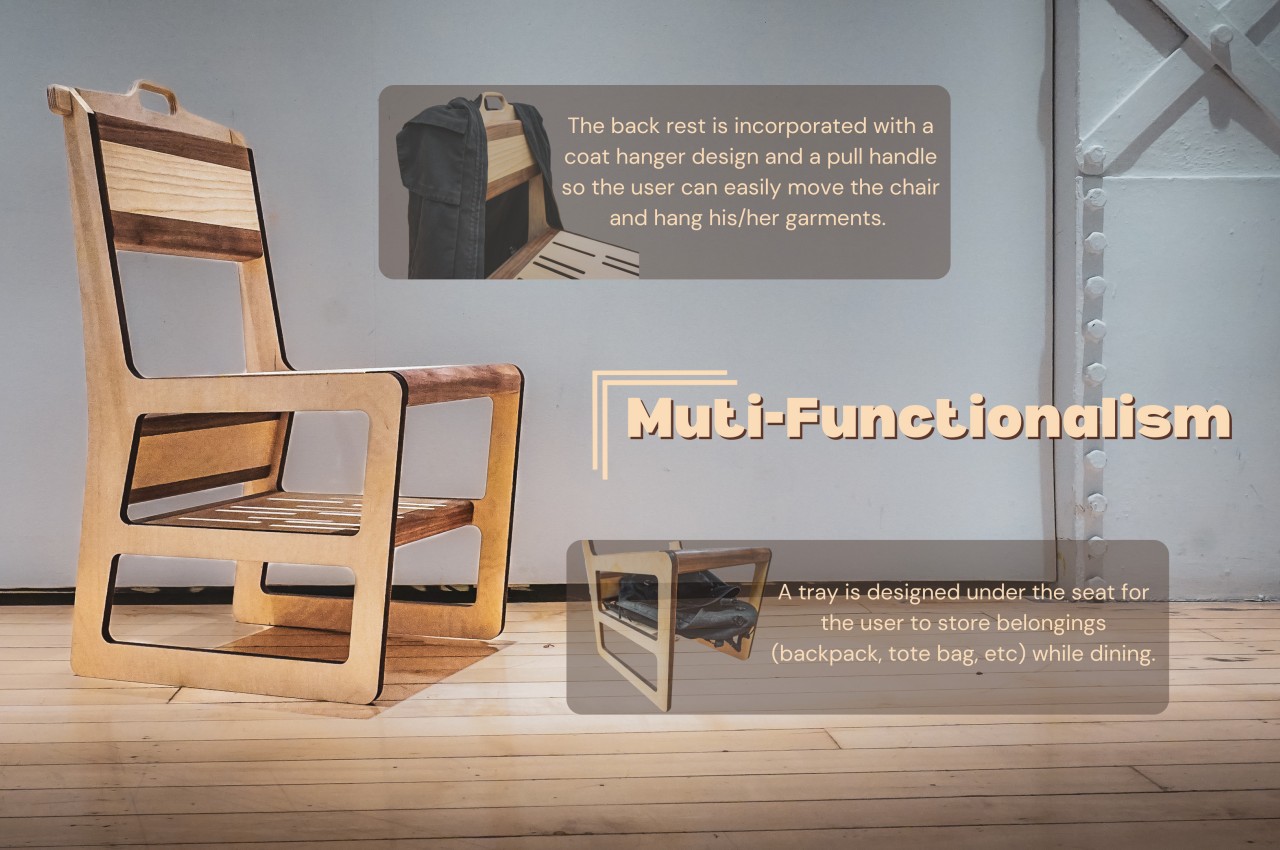
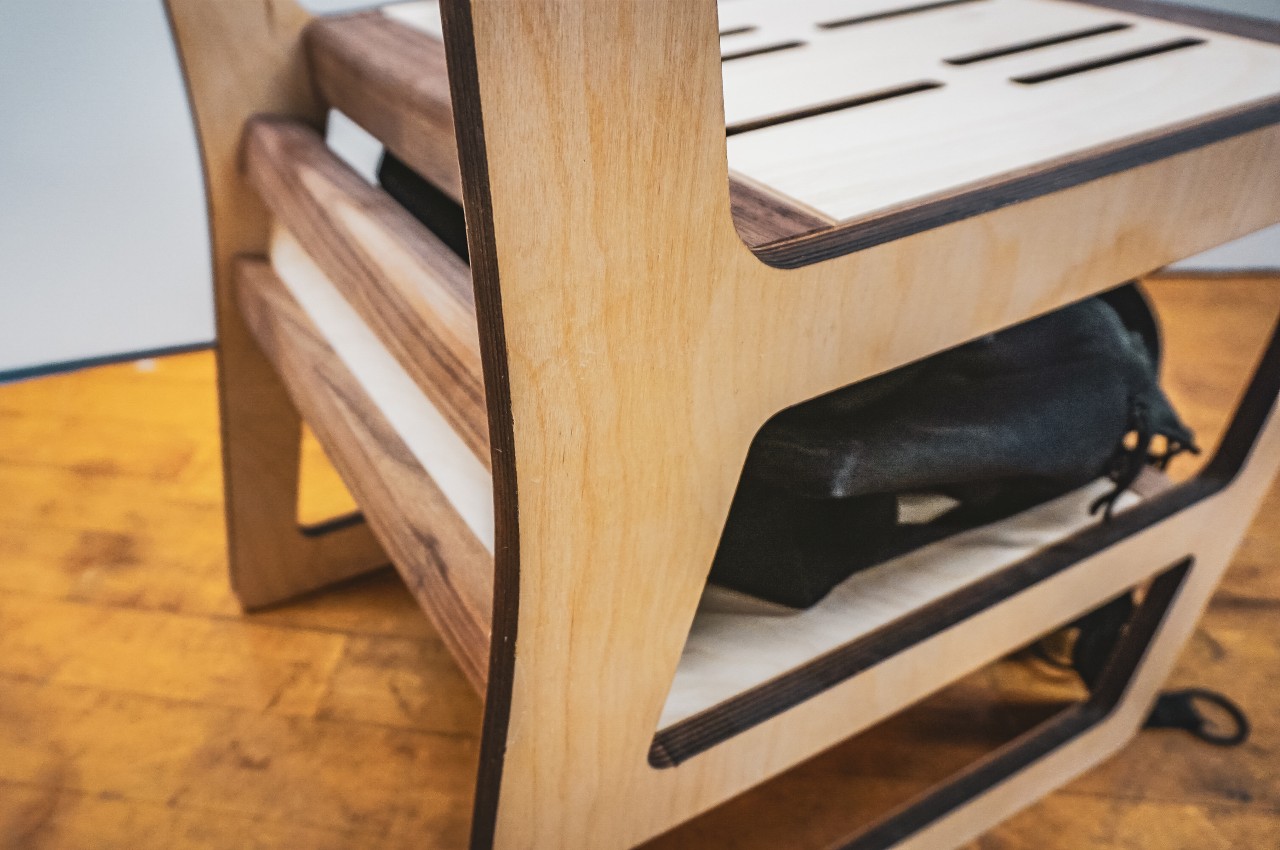
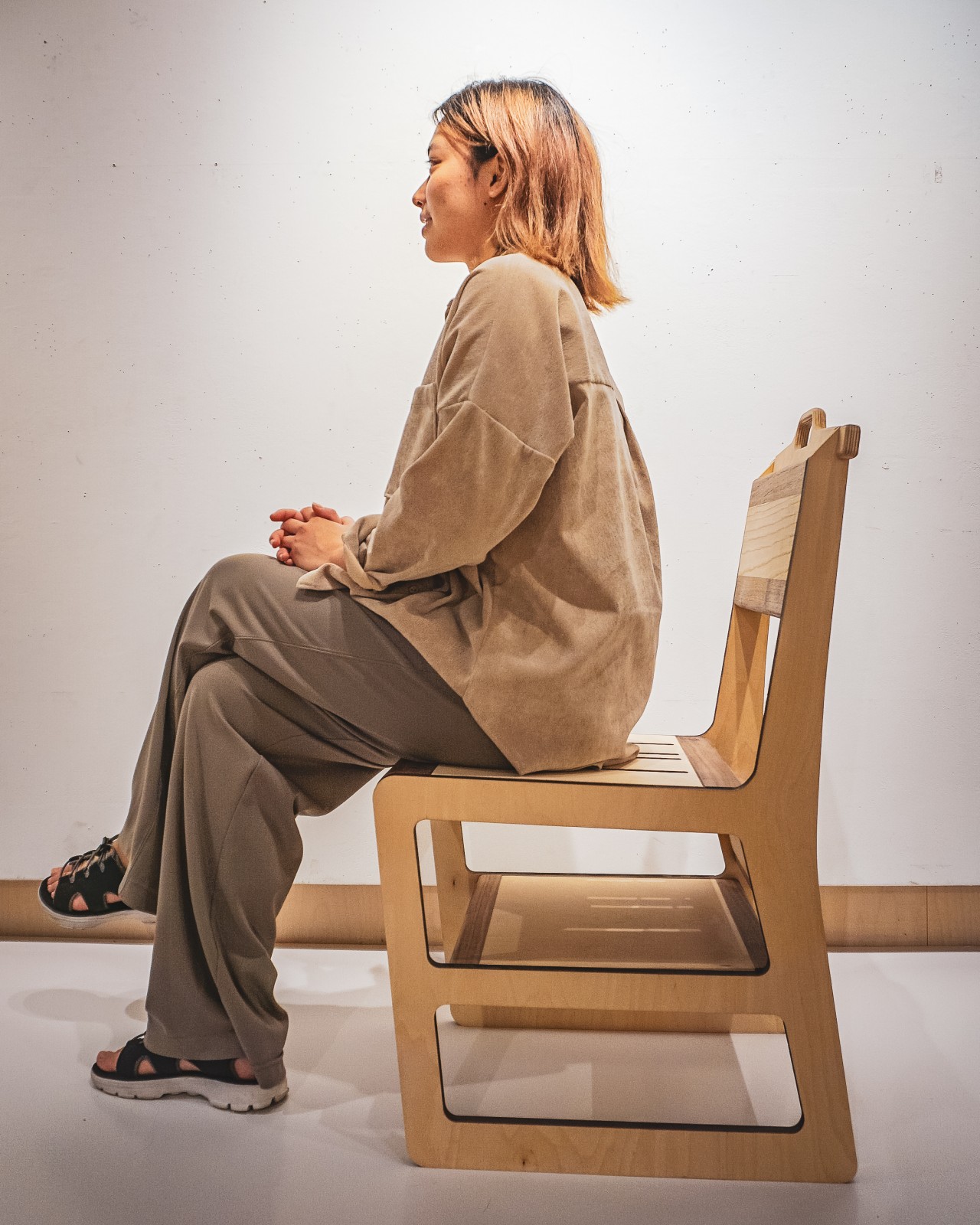
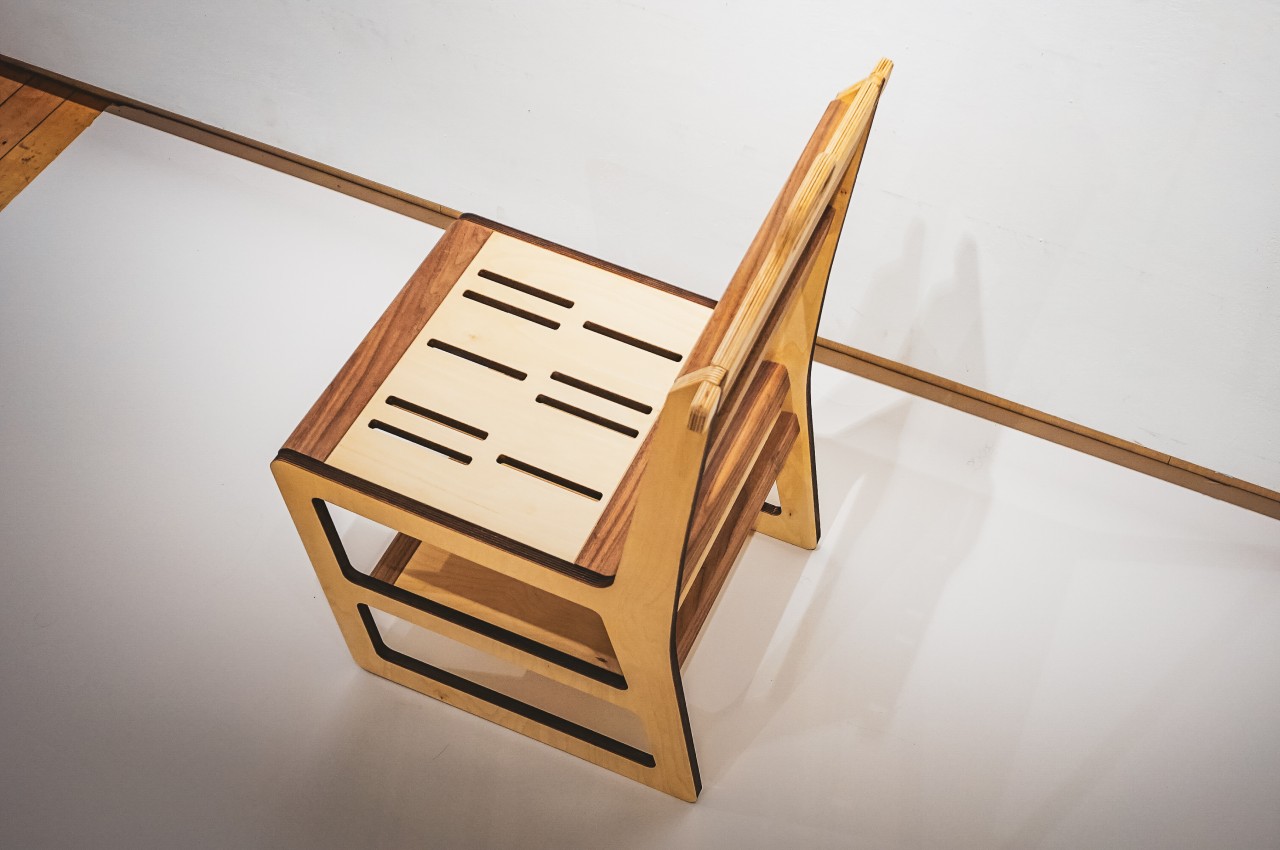
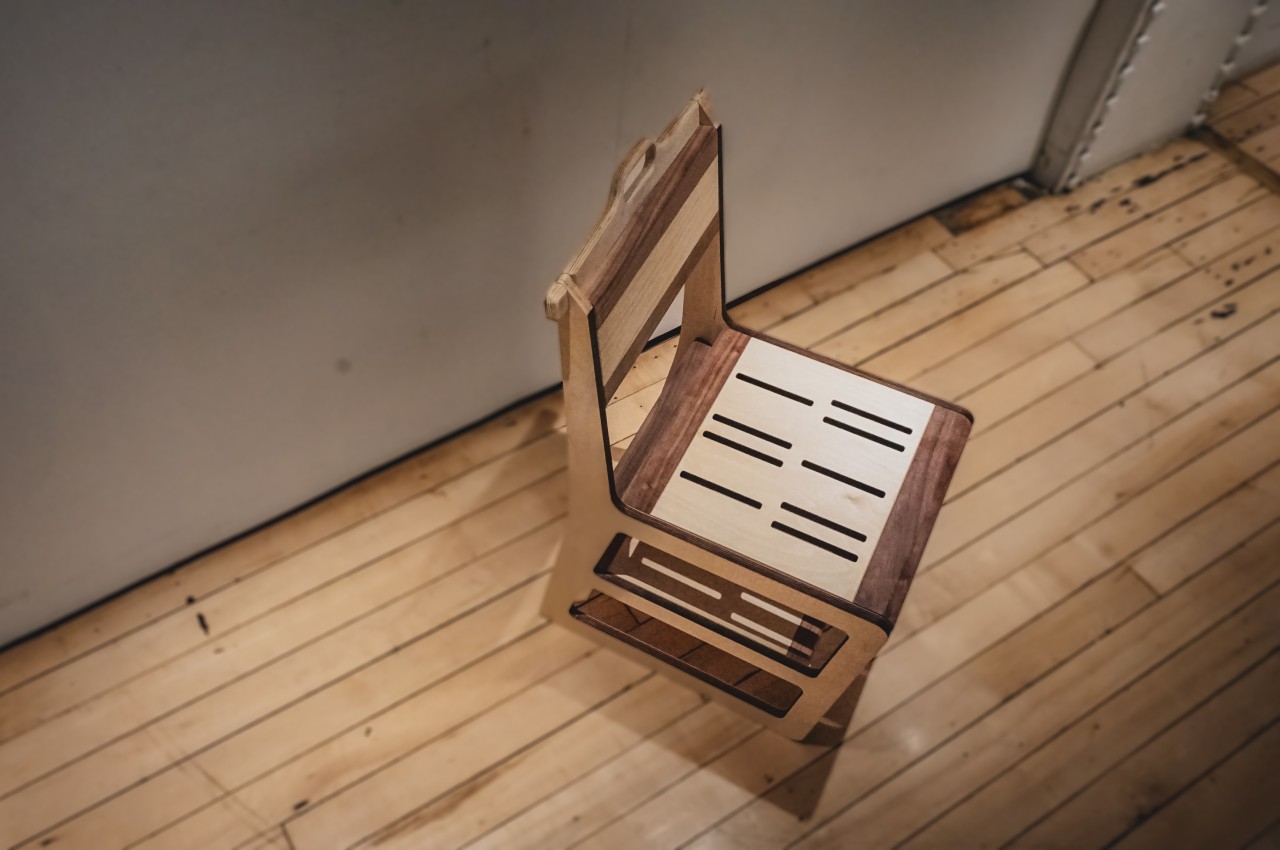
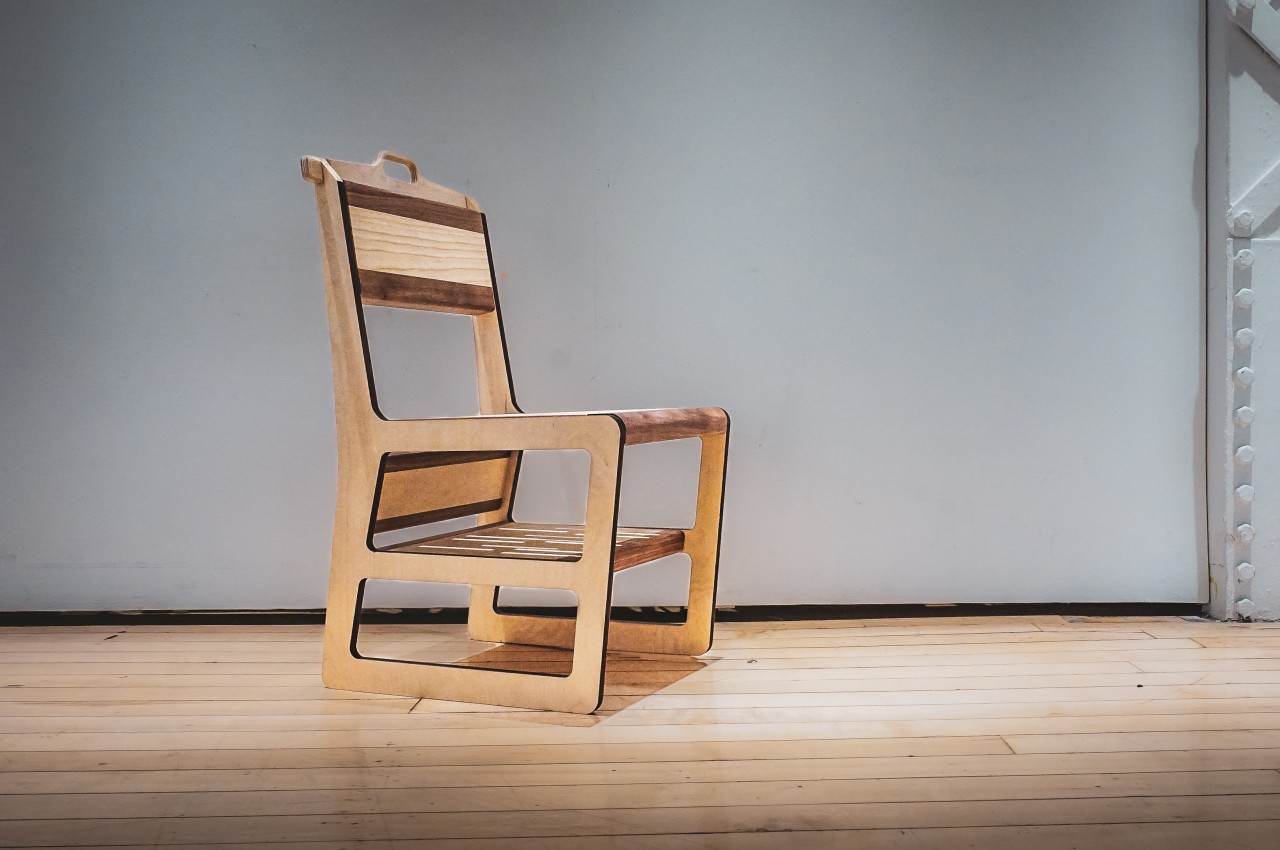
The RACK Chair design was conceptualized with fast-casual restaurants specifically in mind. While the chair might find some uses in other diner types as well, the aesthetics, materials, and features truly shine in this middle-ground of the catering industry. It’s made from a variety of wooden materials, including birch, pine, walnut, and ash, giving it a bit of style and fine character. At the same time, however, the minimalist design and flat-pack-friendly construction are ideal for mass production and use.

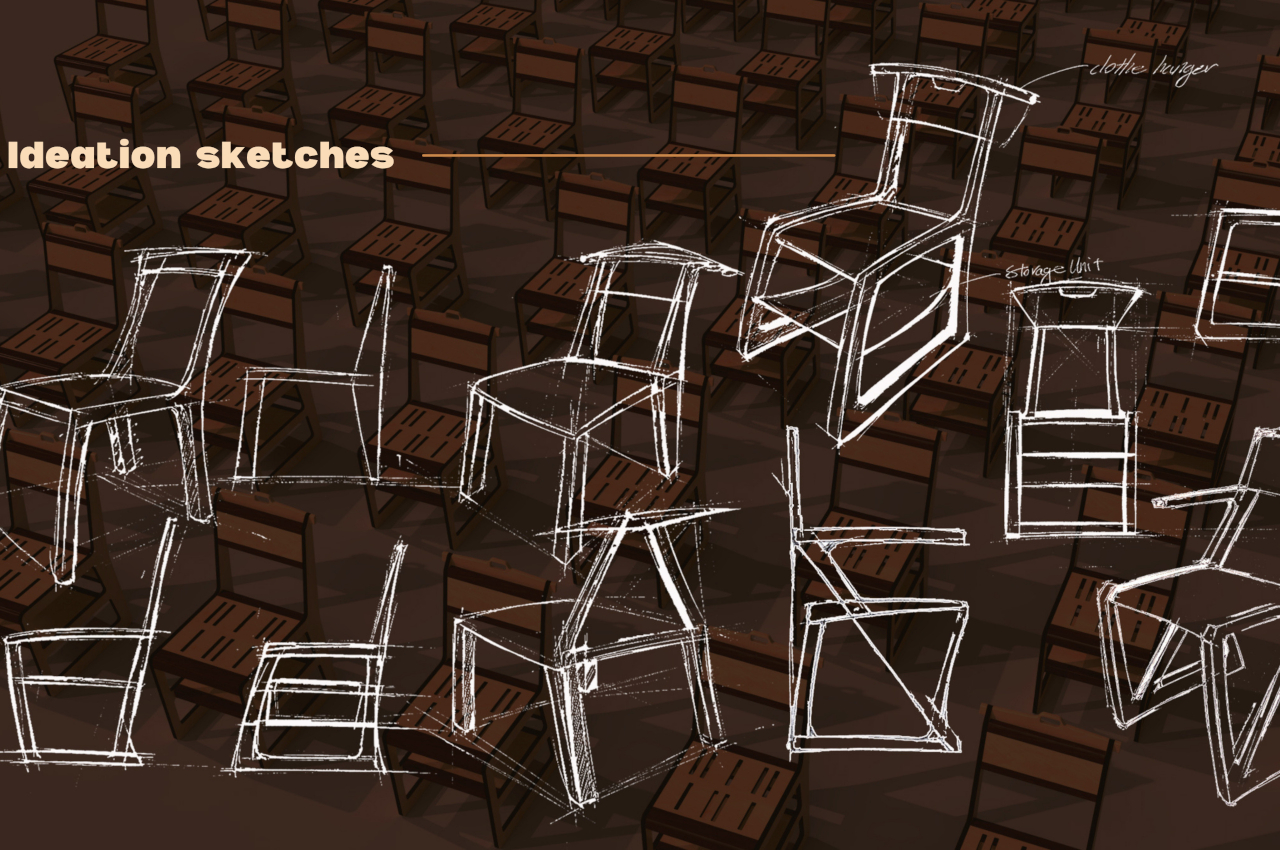
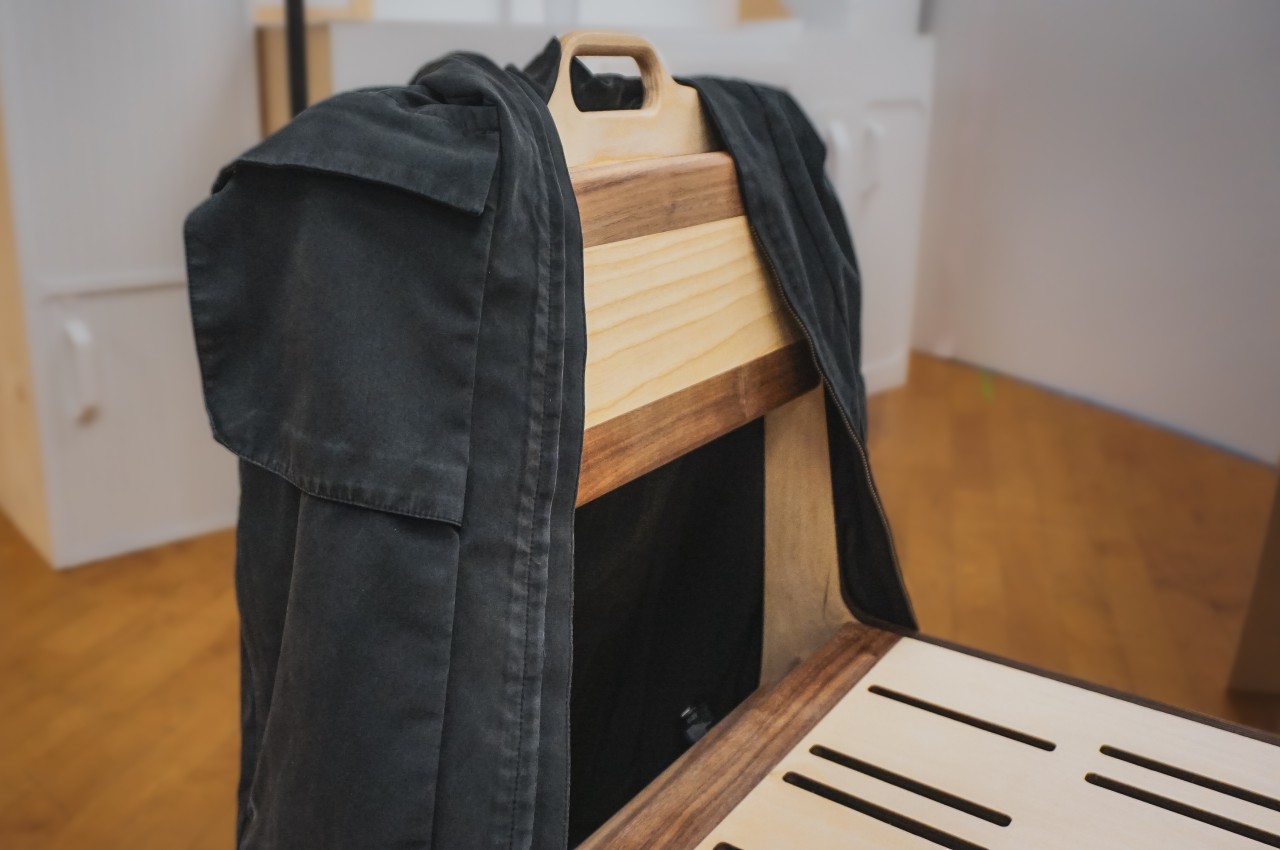
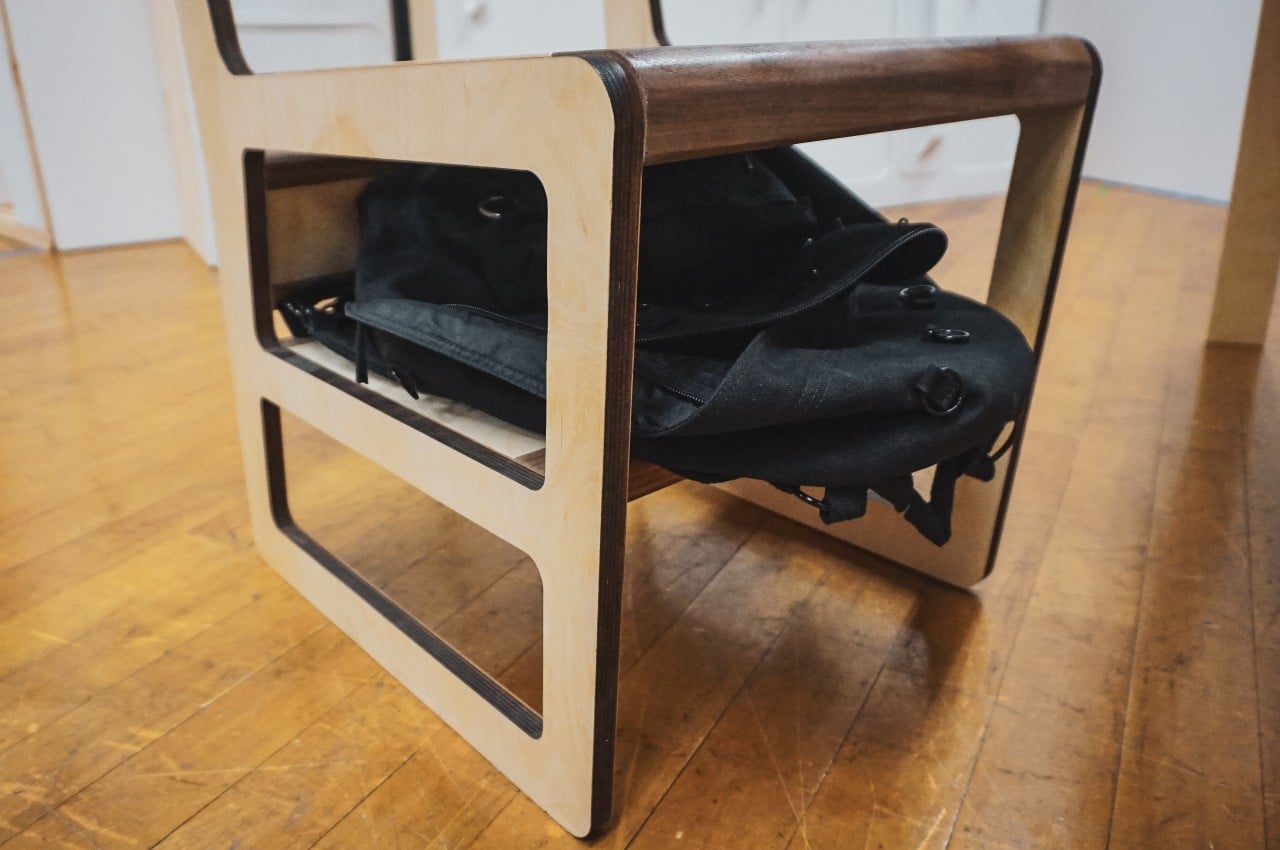
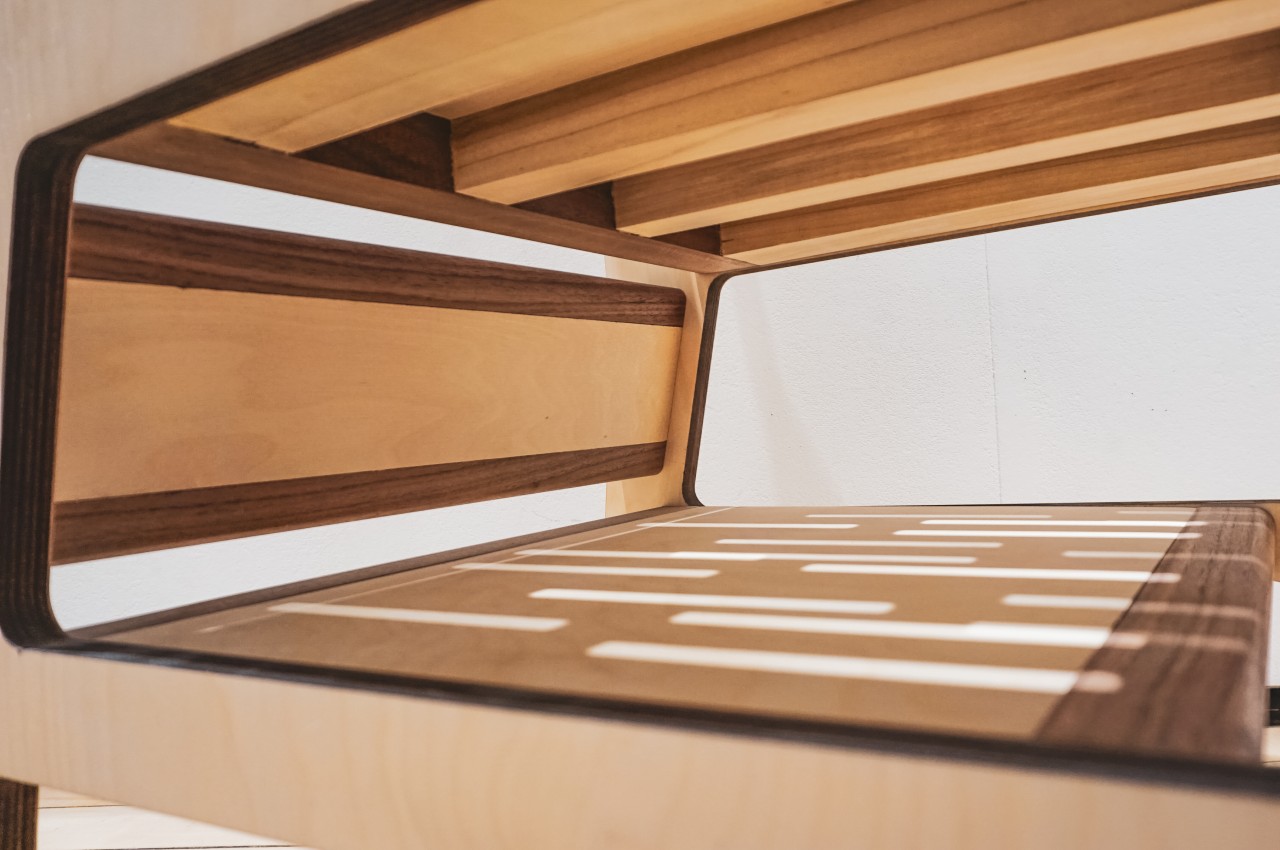
The real distinctive parts of the RACK chair are the integrated coat hanger on the backrest and the storage tray under the seat. While it’s certainly possible to drape coats, jackets, and other clothing over the back of most chairs, they also have a tendency to slip off, sometimes unbeknownst to the owner. The tray offers a secure space to put in purses, document folios, and small bags for each reach, while also blocking unauthorized access from behind.

Some might downplay the impact that these two simple features can bring, but knowing that there will always be a place for your jacket, coat, bags, and things adds tremendous peace of mind and convenience. That in turn, will surely make the experience and location memorable, increasing the likelihood that you’ll be a repeat customer. After all, the last thing you need is to stress over your stuff when all you really want is to enjoy an affordable and delicious meal.

The post This chair concept for fast-casual restaurants comes with a coat hanger and bag tray first appeared on Yanko Design.
Ergonomically Designed Dining Chair Is All Set To Transform Your Dinner Table Seating Experience

We often underestimate the importance of a great chair. When in reality, we really shouldn’t. We spend the majority of our day sitting on chairs, whether we’re working in our home office, enjoying a meal, or simply sitting and reading a book for leisure! Hence, this piece of furniture needs to be not only comfortable but ergonomic and aesthetic as well. An excellent chair design is not only a boon to your back and helps you maintain a healthy posture, but is also super comfy to sink into and will perfectly match the interiors of your modern home. And, this is also applicable to dining chairs, which are often ignored when it comes to ergonomics. A well-designed and ergonomic dining chair to consider would be – the Noho Move dining chair.
Designer: Formway for Noho

Design studio Formway teamed up with the brand Noho to create the ergonomically sound dining chair called the Noho Move. Both the New Zealand-based brands collaborated to create a chair that can support and facilitate hours of sitting. “Our brief was to bring ergonomic performance to the dining room — that isn’t really something anyone has done before,” said Formway design lead Paul Stevenson.

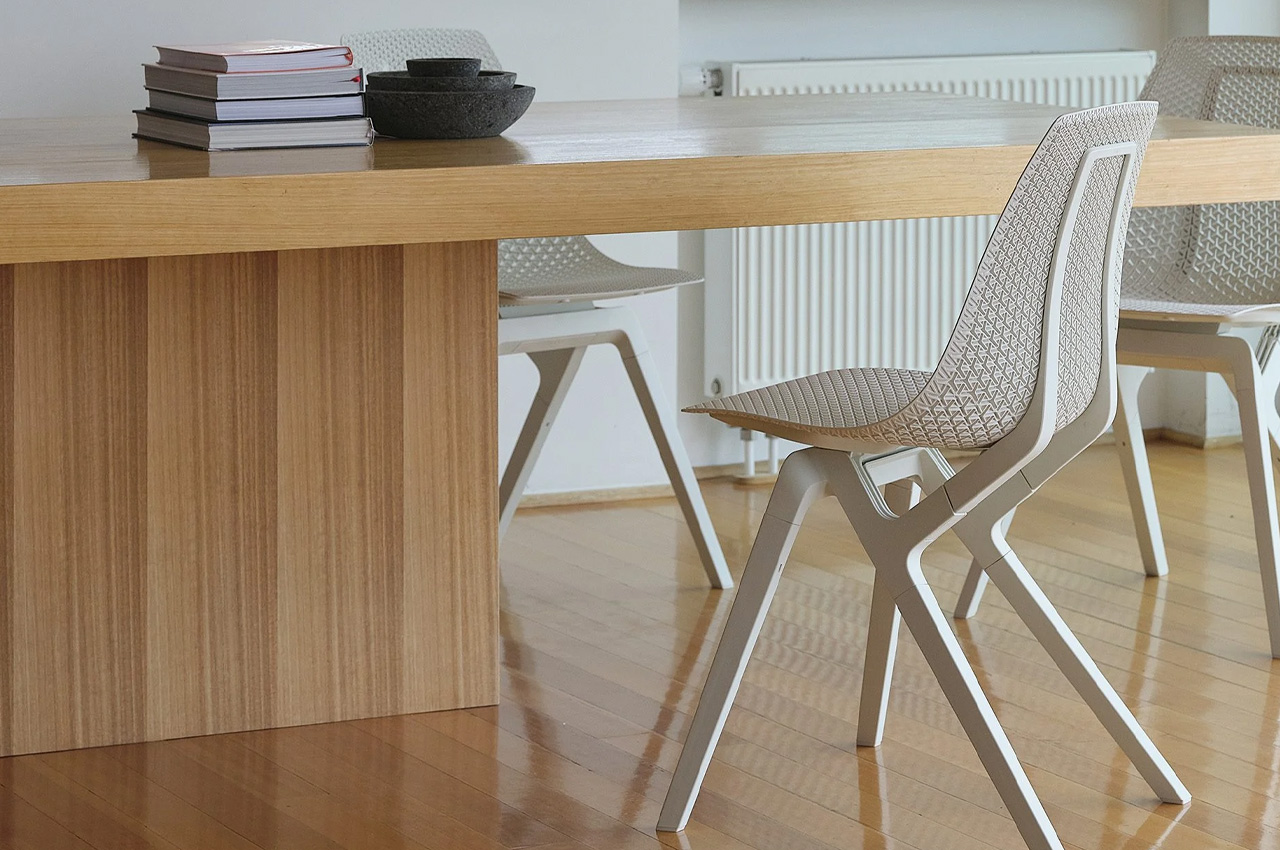
The studio Formway has previously designed office chairs for Knoll, hence they were well-versed in designing ergonomic chairs. They also researched how humans can sit for hours at the dining table, to finally create the Noho Move which is an excellent seating option not only for eating but also for work and leisure. The chair is designed to support a wide range of movements such as stretching, fidgeting, and shifting. When you sit on the chair, and comfortably lean back, the back of the Noho Move flexes with you, and when you incline or move ahead to speak to someone, it tilts forward with you.

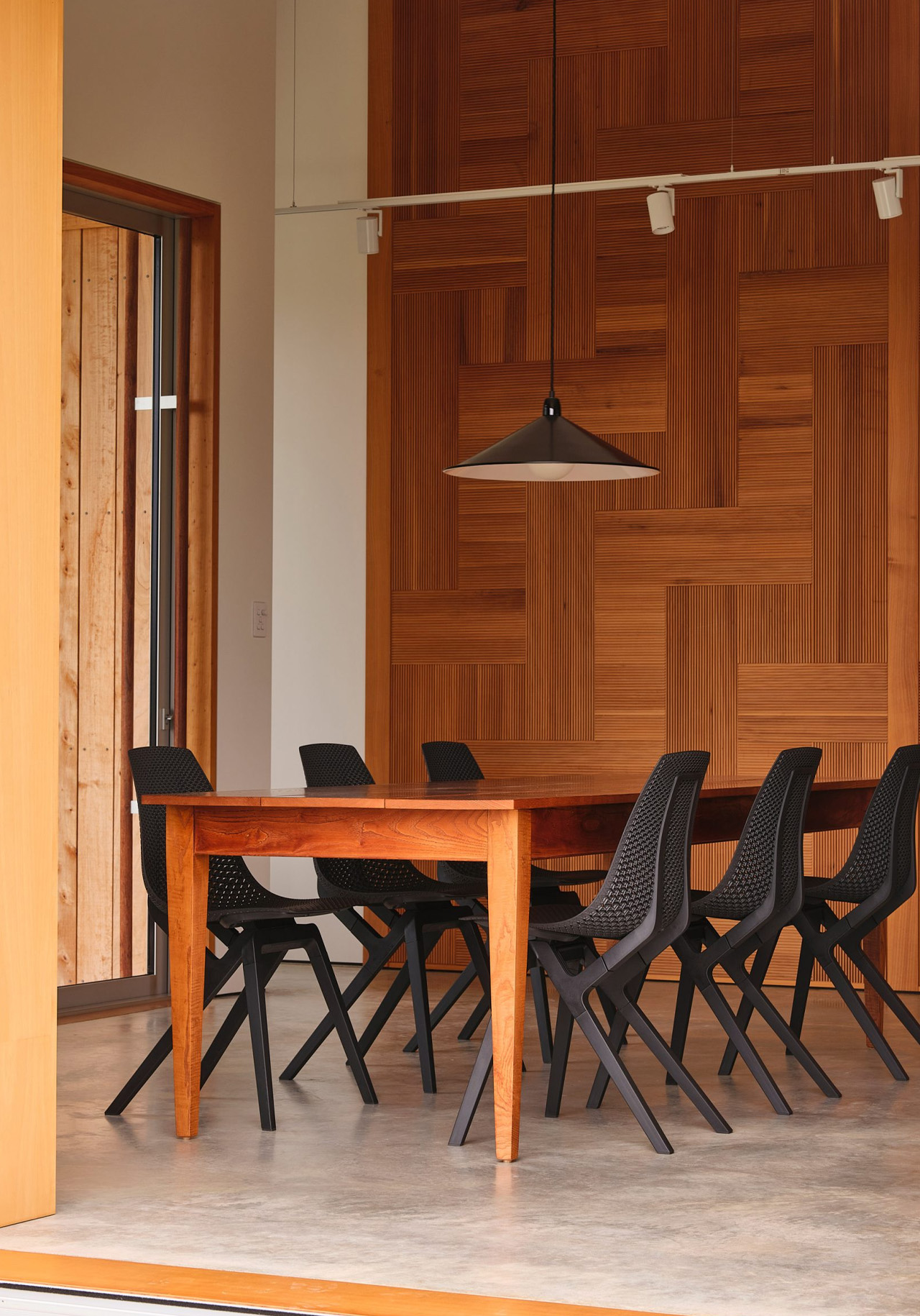
The chair is built using a recycled nylon shell which is quite flexible, so it moves with the body. The open weave structure of the chair regulates body temperature, creating a comfortable seating experience for sitters. It is available in two color options – Ironsand Black and Cloud White, with the choice to opt for interchangeable upholstery toppers that are made from sustainably sourced New Zealand wool.

The post Ergonomically Designed Dining Chair Is All Set To Transform Your Dinner Table Seating Experience first appeared on Yanko Design.