Cardboard planks create an atmospheric lamp set that pays tribute to dusk

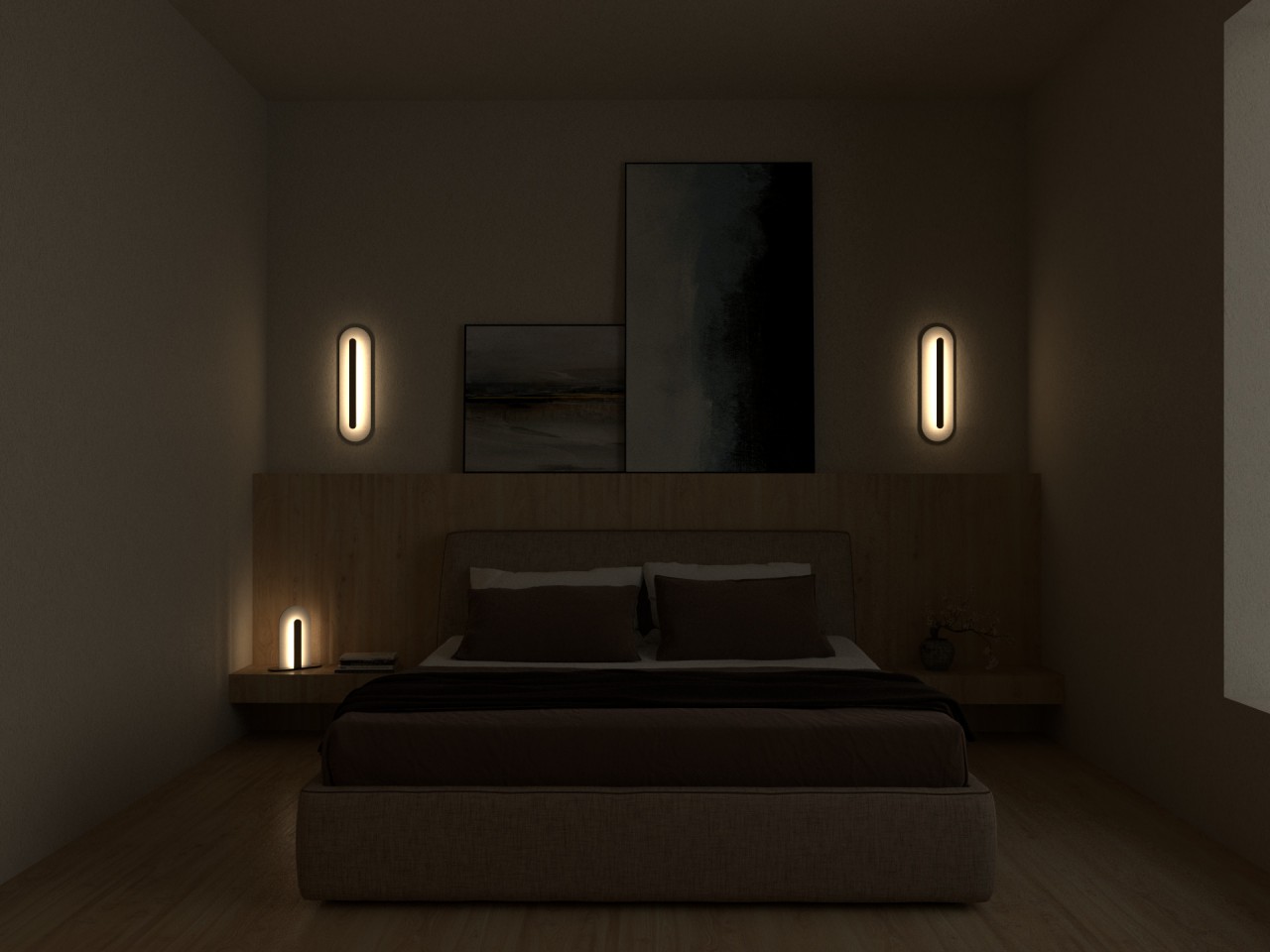
There are many metaphors and analogies related to dawn when the rising of the sun is often compared to new beginnings or opportunities to begin anew. Dusk, however, is just as magical a time as its polar opposite, when the light of the sun is all but spent but lingers every so briefly before giving way to the restful night. For many people, it is a calming moment that signals the end of a busy day and the start of a period of reflection and peace. That is the soothing atmosphere that this set of mood lamps tries to convey, and they do so in the most minimalist way possible using nothing more than a few pieces of regular cardboard.

Designer: Óscar Santos
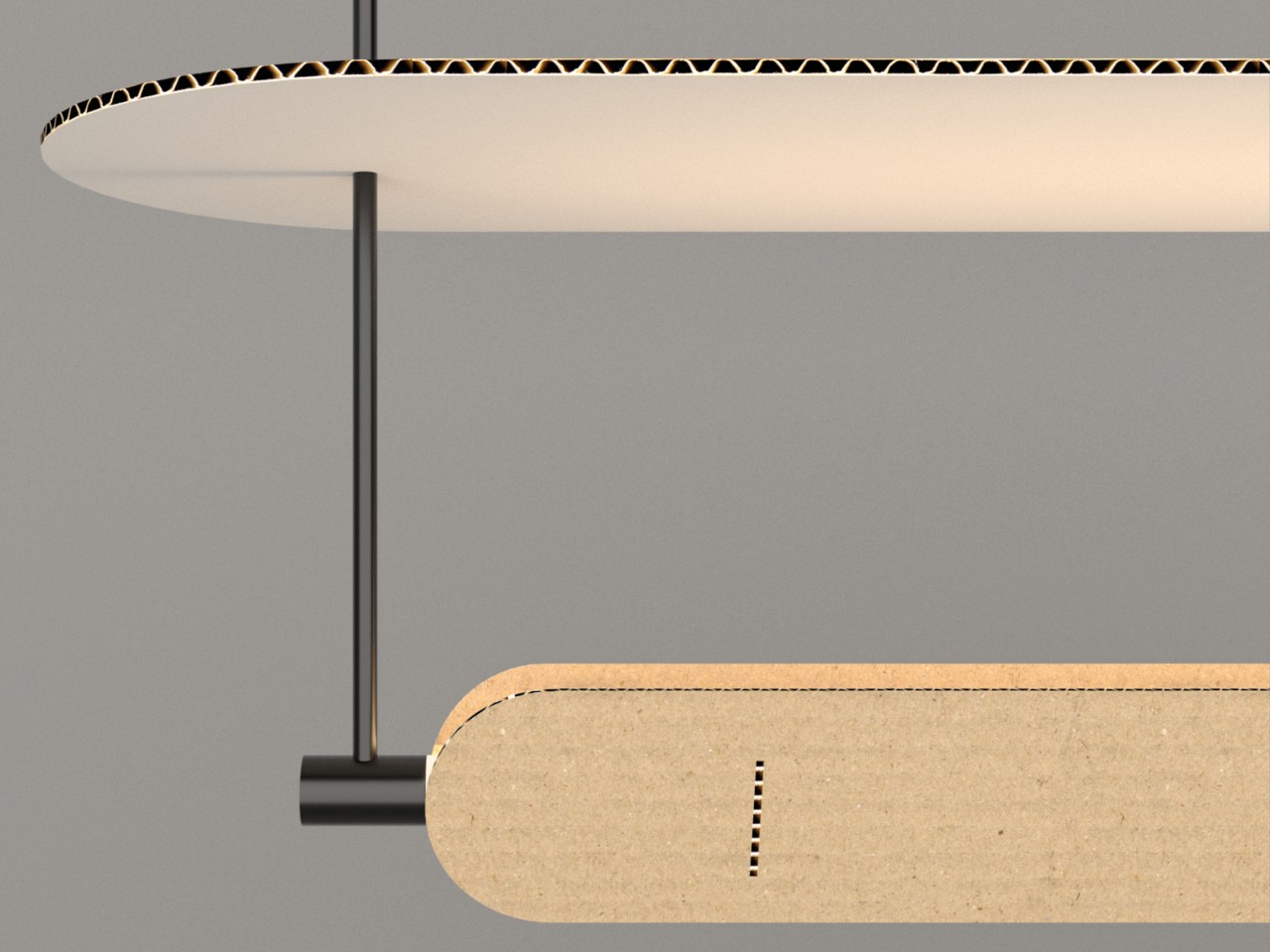
Cardboard is a material that’s so common that it’s too easily taken for granted. It’s stiffer than paper but less durable than wood, so it’s often used for packaging that’s meant to just be thrown away. It’s a complete waste, of course, especially when the pieces of cardboard are still pristine, but there are few known uses for them outside of breaking them down and recycling them like paper, which also consumes water and energy. Fortunately, there are also a few creative souls who want to give cardboard a chance, like this collection of lamps that take advantage of cardboard’s natural properties.
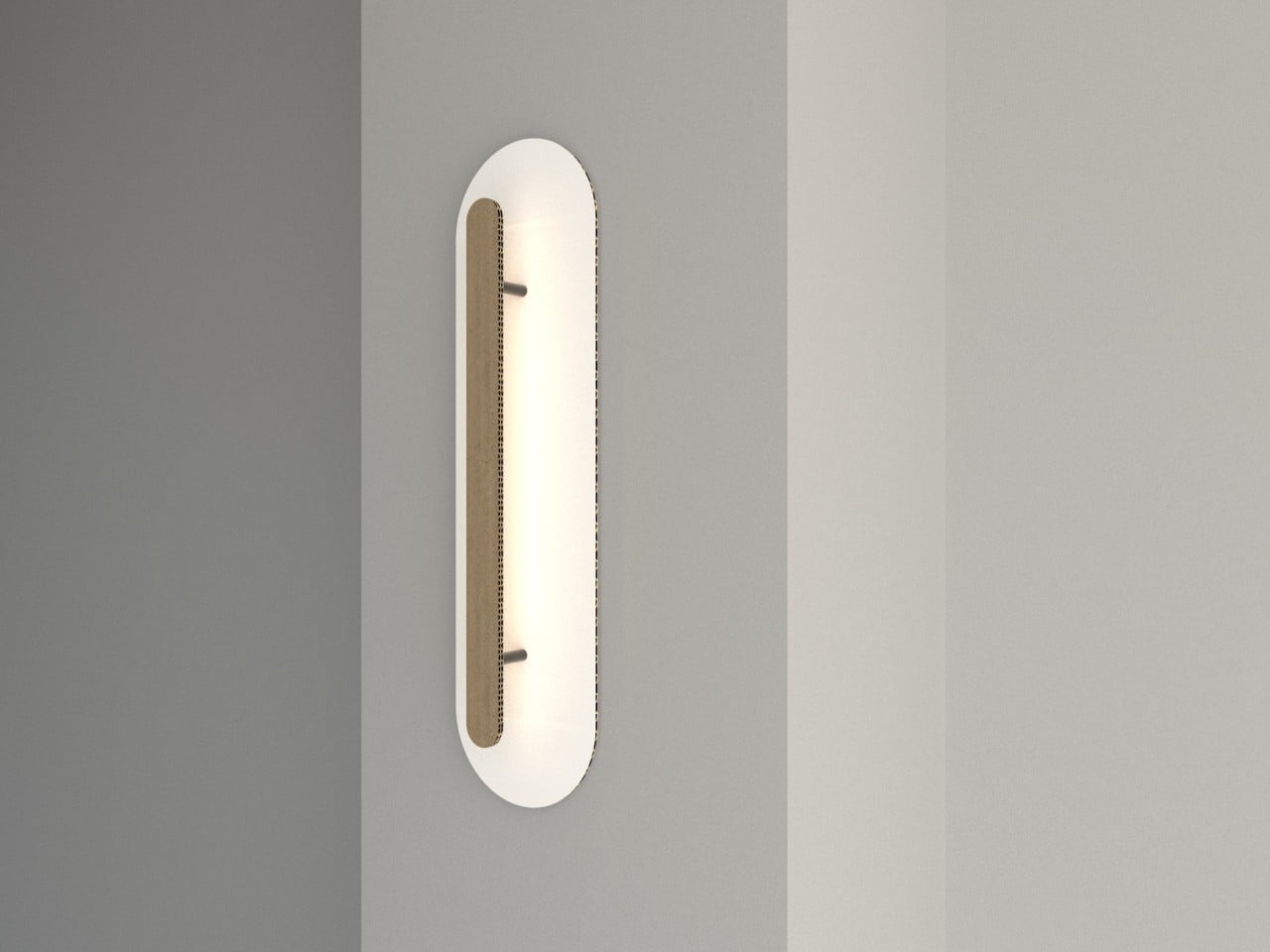
CENIT, which means “zenith” in Spanish, is a group of three atmospheric luminaries inspired by the highest point of the sun just before nightfall, the dusk that heralds the transition of light into darkness. Rather than use a light source that has to be mixed with the right color temperature in intensity, these lamps simply rely on how cardboard actually naturally reflects and diffuses light in a warm tone and soft brightness. No additional parts are needed, no filters or other materials: just a normal white LED strip and two pieces of cardboard with a certain gap between them.
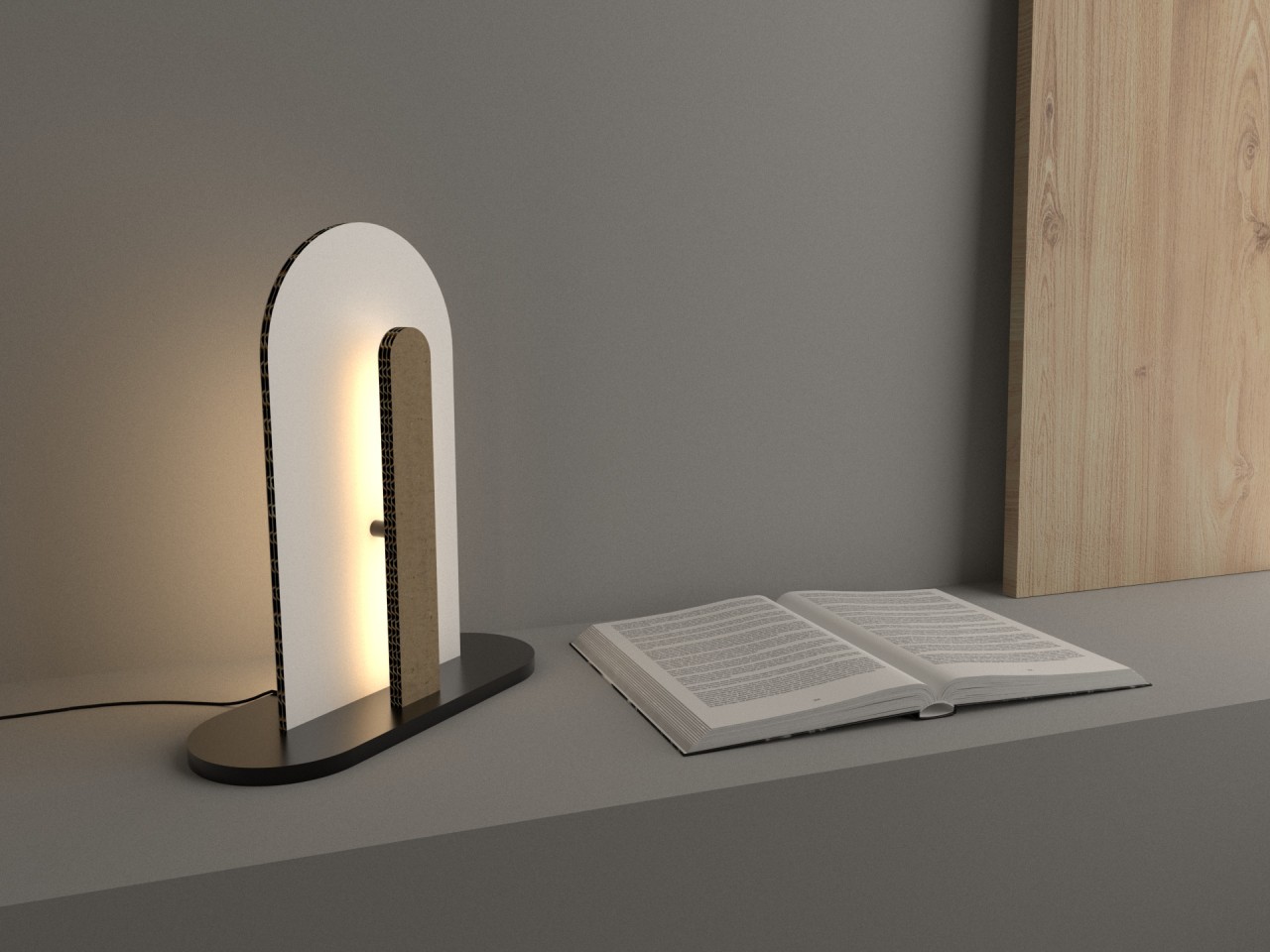
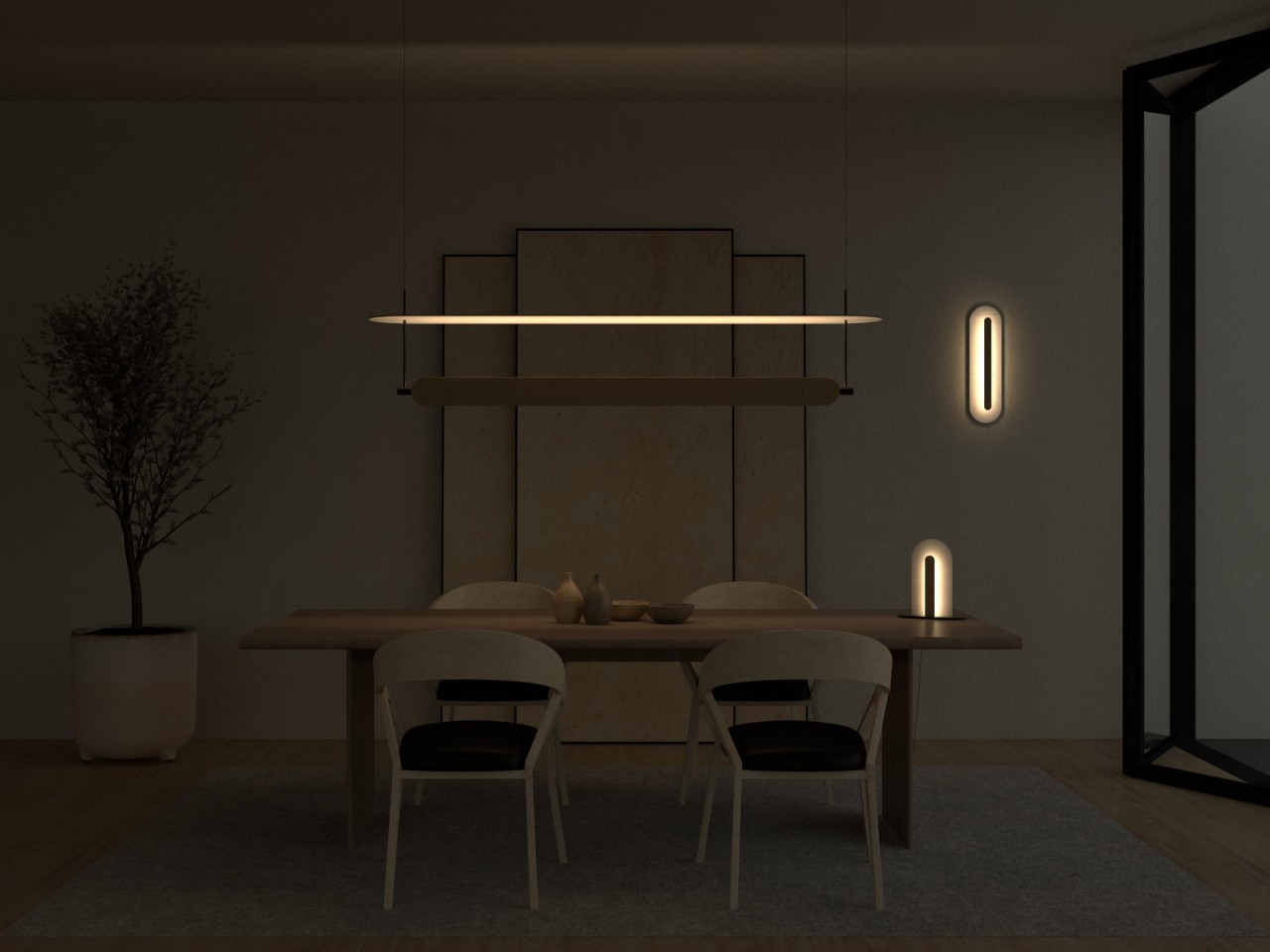
This super-simple configuration creates an equally simple design that makes it easy for CENIT to blend almost anywhere. The wall lamp is just two long capsule-shaped pieces of cardboard with the larger serving as the base and the smaller hiding the light elements behind it. The desk lamp is a bit more decorative, with the two pieces set on a rectangular stand. On the other hand, the pendant light offers more flexibility, as the smaller cardboard with the LED or bulb can be turned to face away from the other cardboard piece and toward any area that needs more direct and brighter illumination.
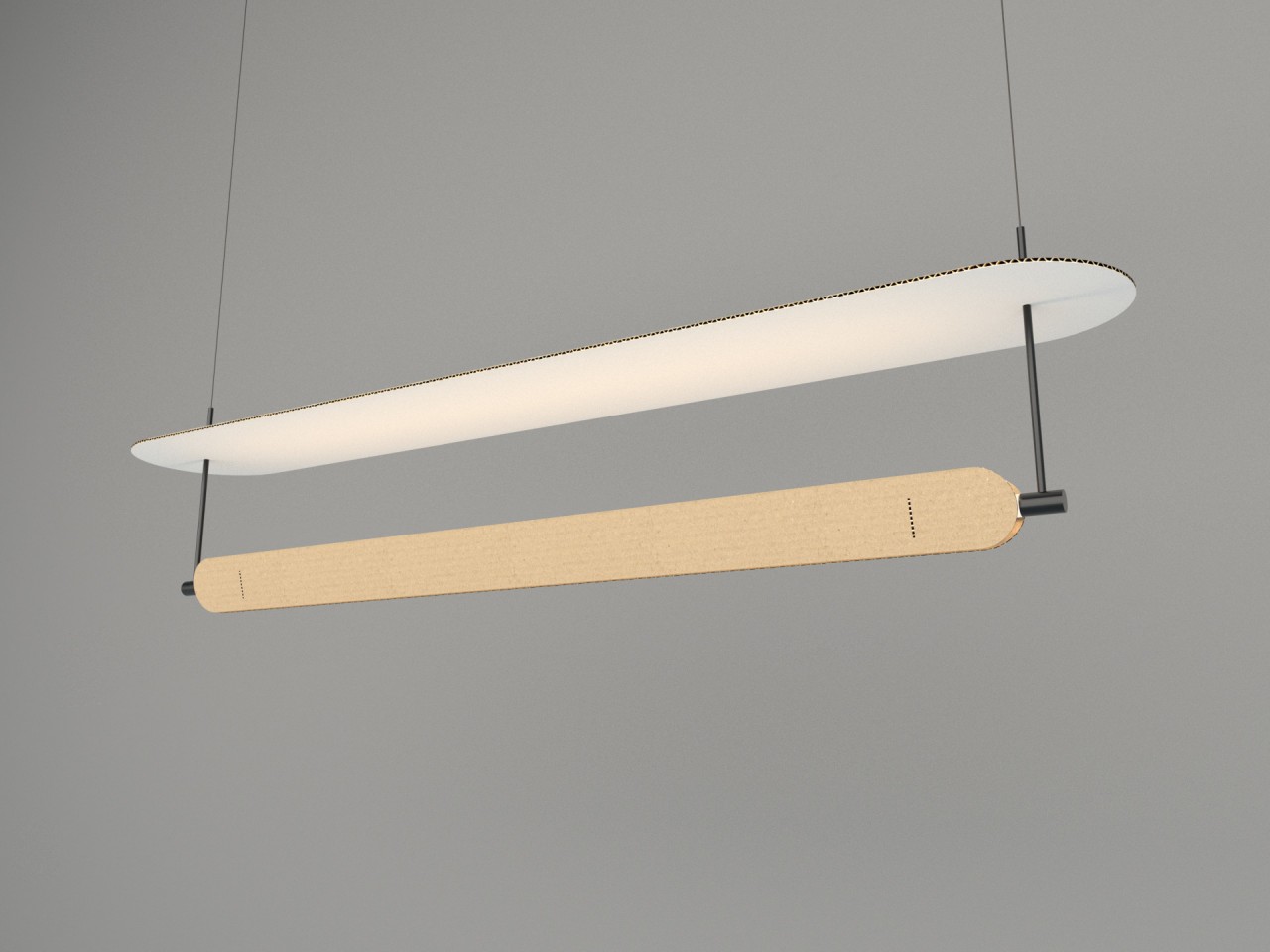
The minimalist design also makes the lamps very sustainable, replacing only the parts that get worn down or broken. Given how many cardboard boxes are discarded every day, there will be no shortage of materials to use for replacements or new lamps. It’s a very interesting and poetic design that is able to set the mood and atmosphere in a room almost like magic, just as dusk paints the sky with an enchanting hue before the mystical darkness of the night sets in.
The post Cardboard planks create an atmospheric lamp set that pays tribute to dusk first appeared on Yanko Design.
Concrete-like lampshades are actually made from mushroom mycelium

We’ve come across a wide variety of lamp designs with an even wider assortment of lampshades made from different materials using different methods. Of course, the most common are made of metal, plastic, or glass, as these are easy to come by and manufacture in this day and age. They’re not exactly sustainable in the long run, though, even if some are considered to be such. They might not be easily renewable or they take a lot of energy to produce, generating carbon emissions and waste in the process. This particular lighting collection, however, really takes eco-friendliness to heart by using a material that’s not only sustainable, biodegradable, and renewable, it can also be easily grown in a lab rather than manufactured in a factory.

Designer: Danielle Trofe, Lujah Brown (MushLume)

Mycelium is becoming quite a star in the design industry despite its modest and literally down-to-earth roots. They are practically mushroom roots consisting of a complex branching network that, in the natural world, are used to distribute water and nutrients to plants while themselves also serving as food for organisms living in the same soil. Recently, mycelium has become the focus of many research and design experiments that use it as an alternative to typical materials like fabric or even concrete.

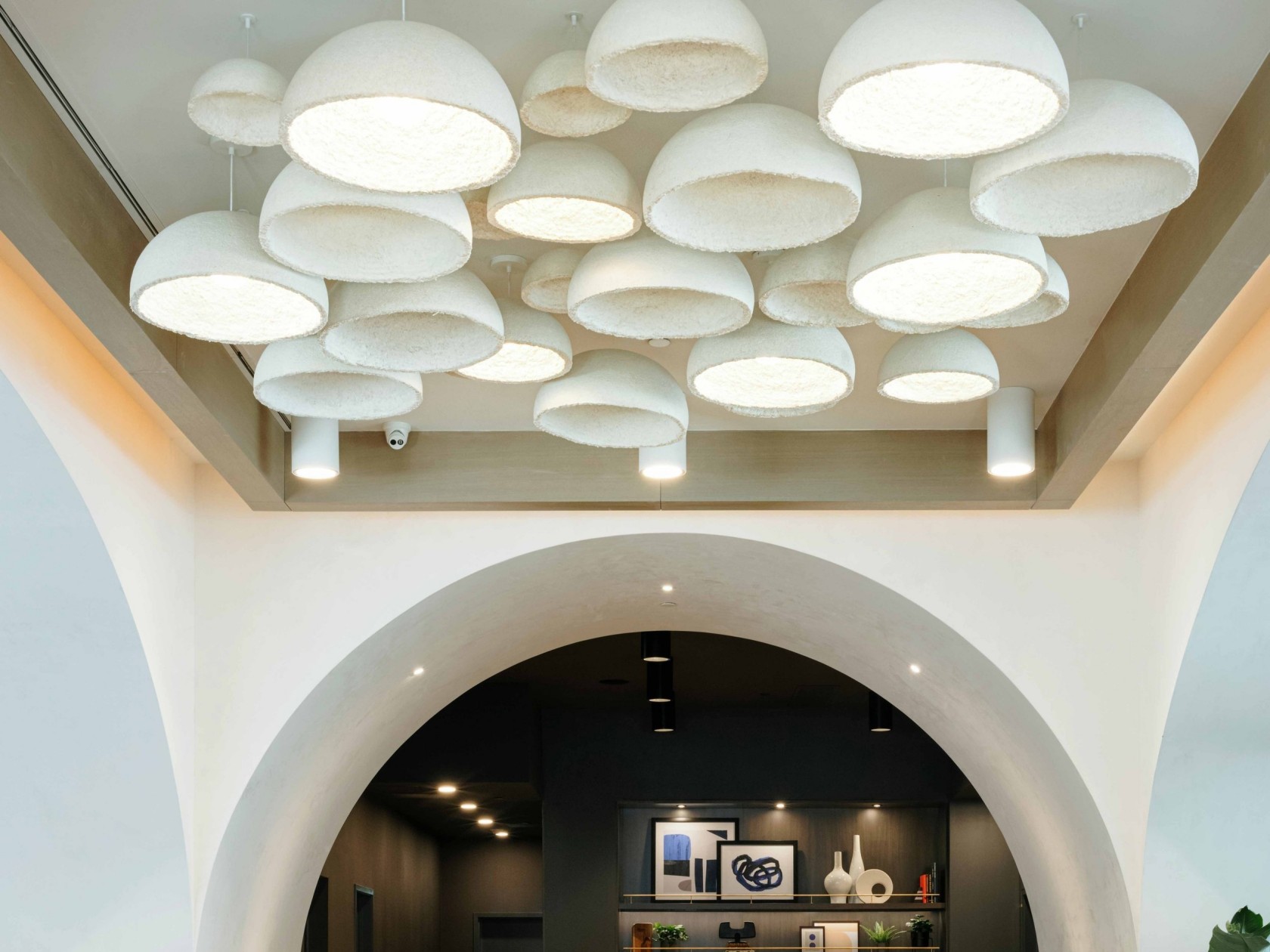
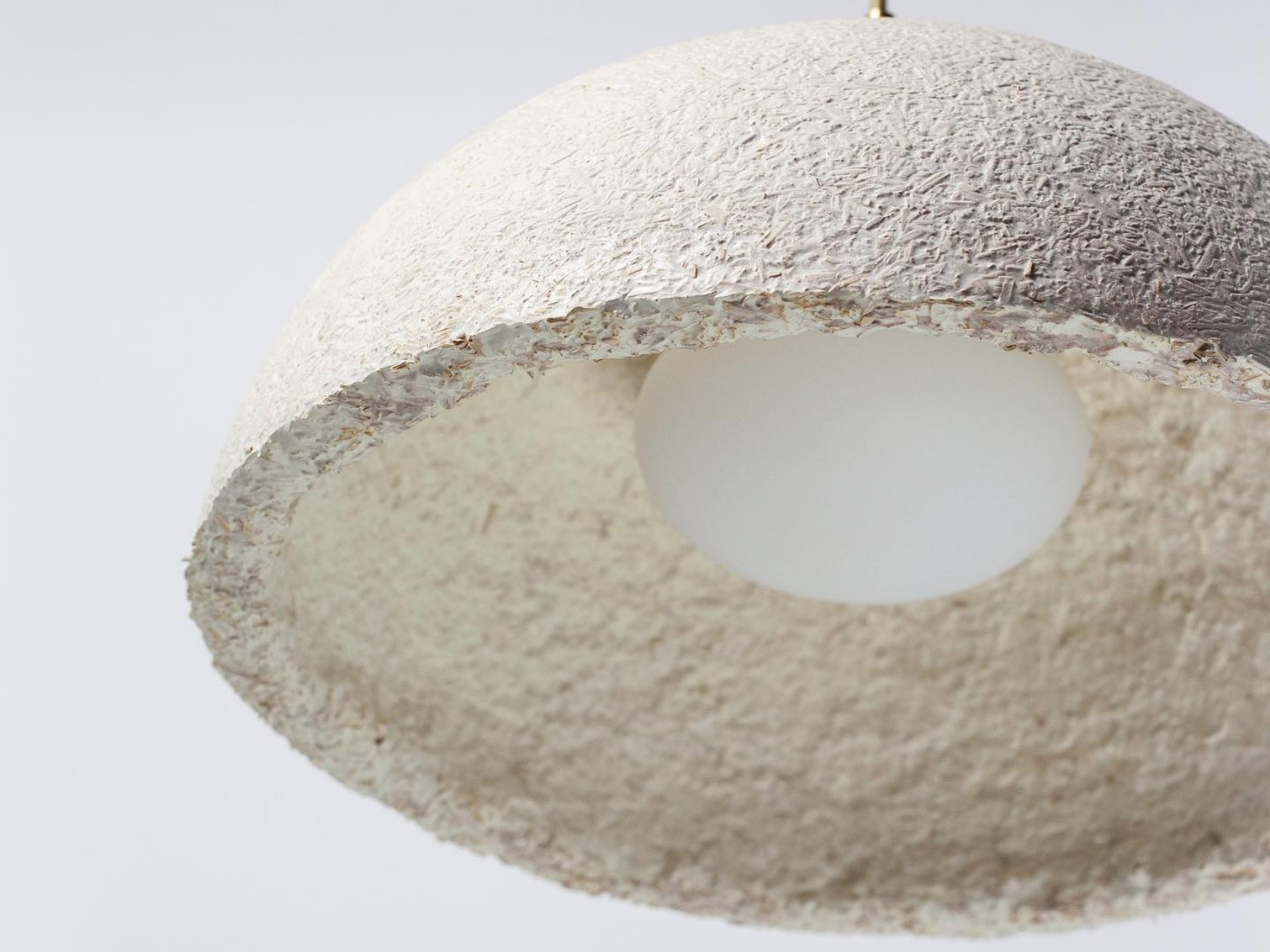
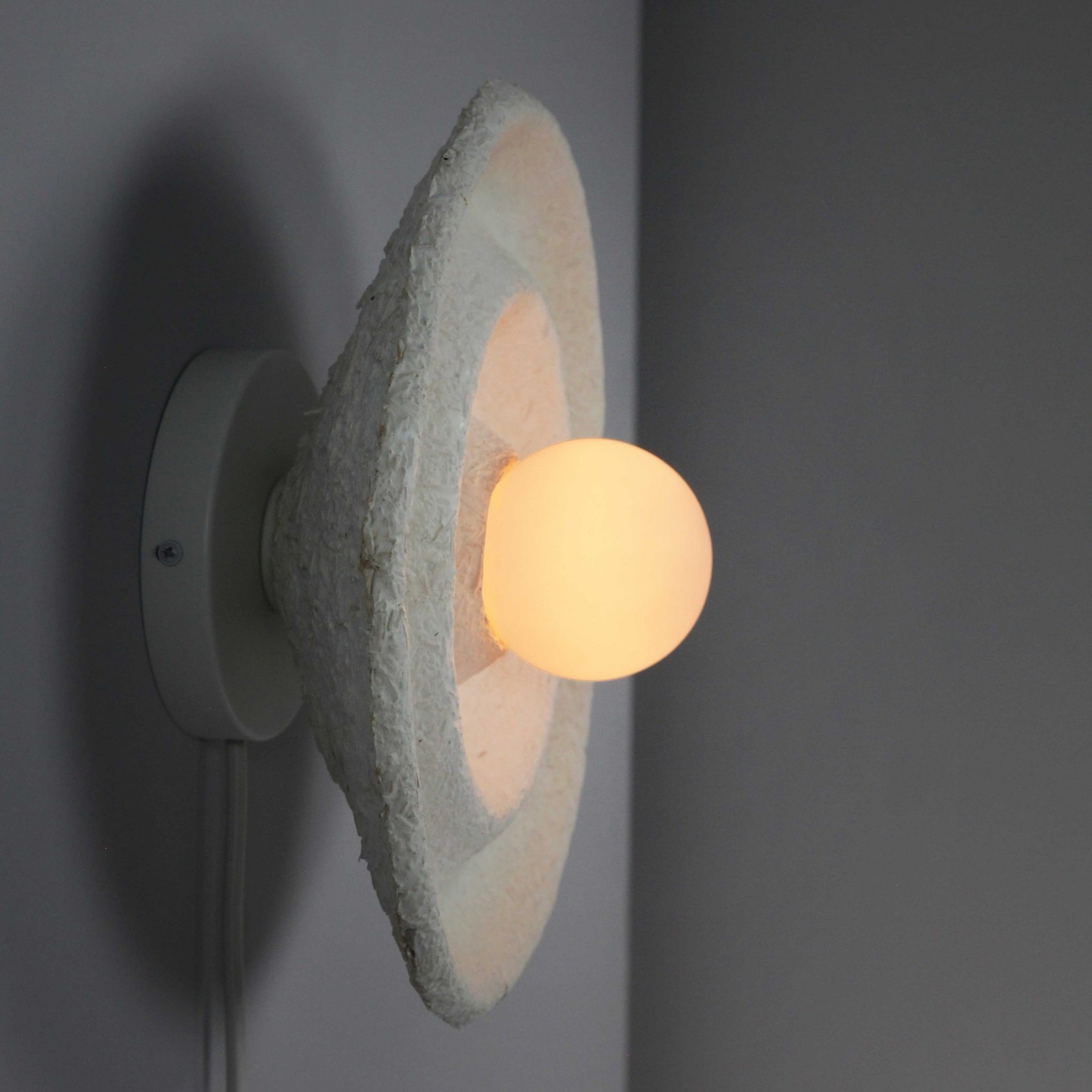
MushLume, and obvious wordplay on its origins, harnesses the properties of mycelium to create lamp designs that are not only striking but also friendly to both the Earth and humans as well. But rather than take the painstaking work of gathering mushroom roots from the wild, the fungi are instead grown into a hemp substrate that eventually solidifies inside a mold. Once matured, the new structure is removed from the mold heated, and dried to become practically any lamp form you can think of.

The result is a material that checks all the sustainability boxes. It uses very little water and energy to make, significantly reducing carbon emissions and waste. The material is also biodegradable, which means you can eventually throw it out into a backyard compost or landfill and it will safely decompose over time. That said, they are expected to last for years so you won’t need to do that any time soon.

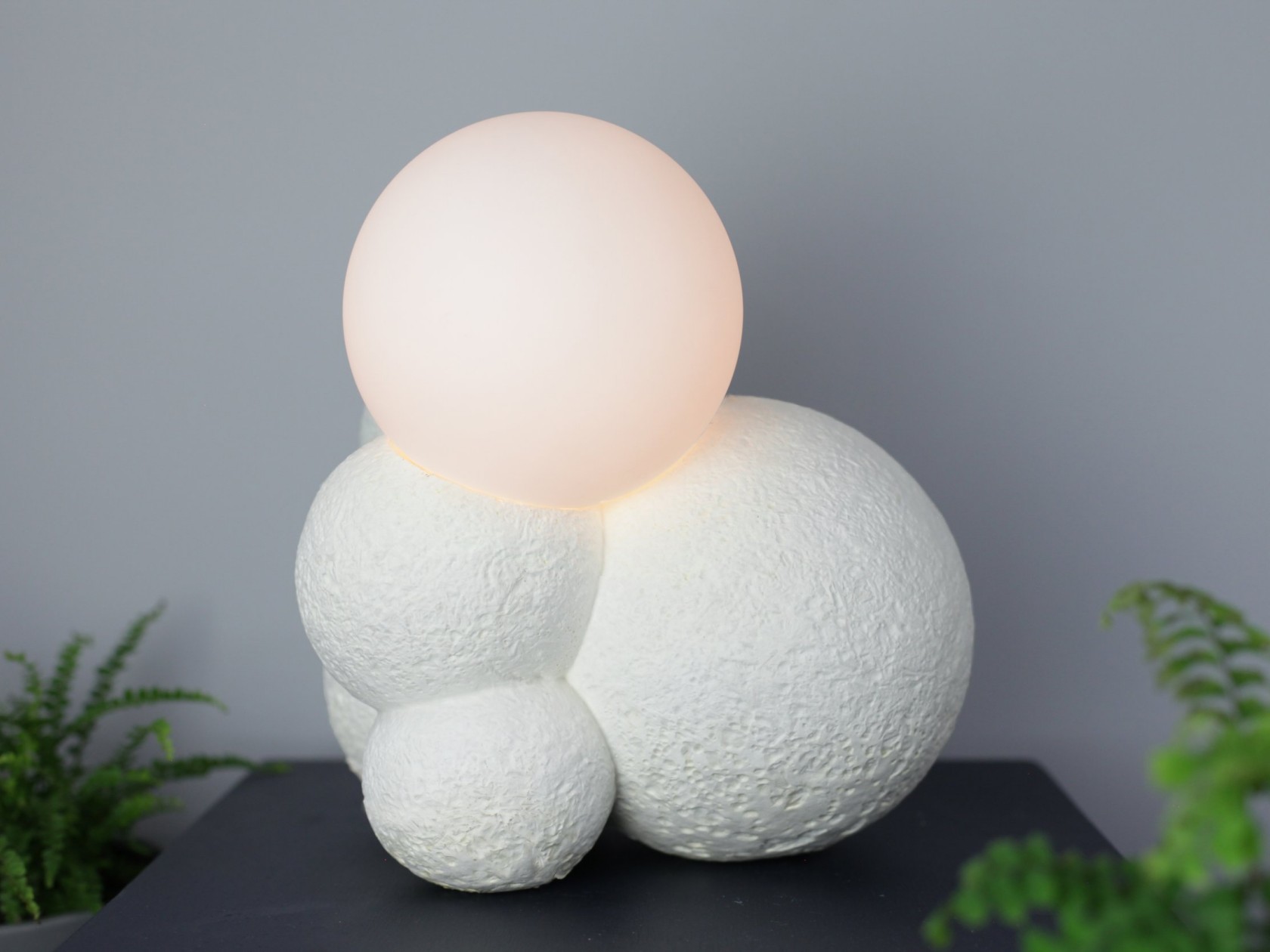
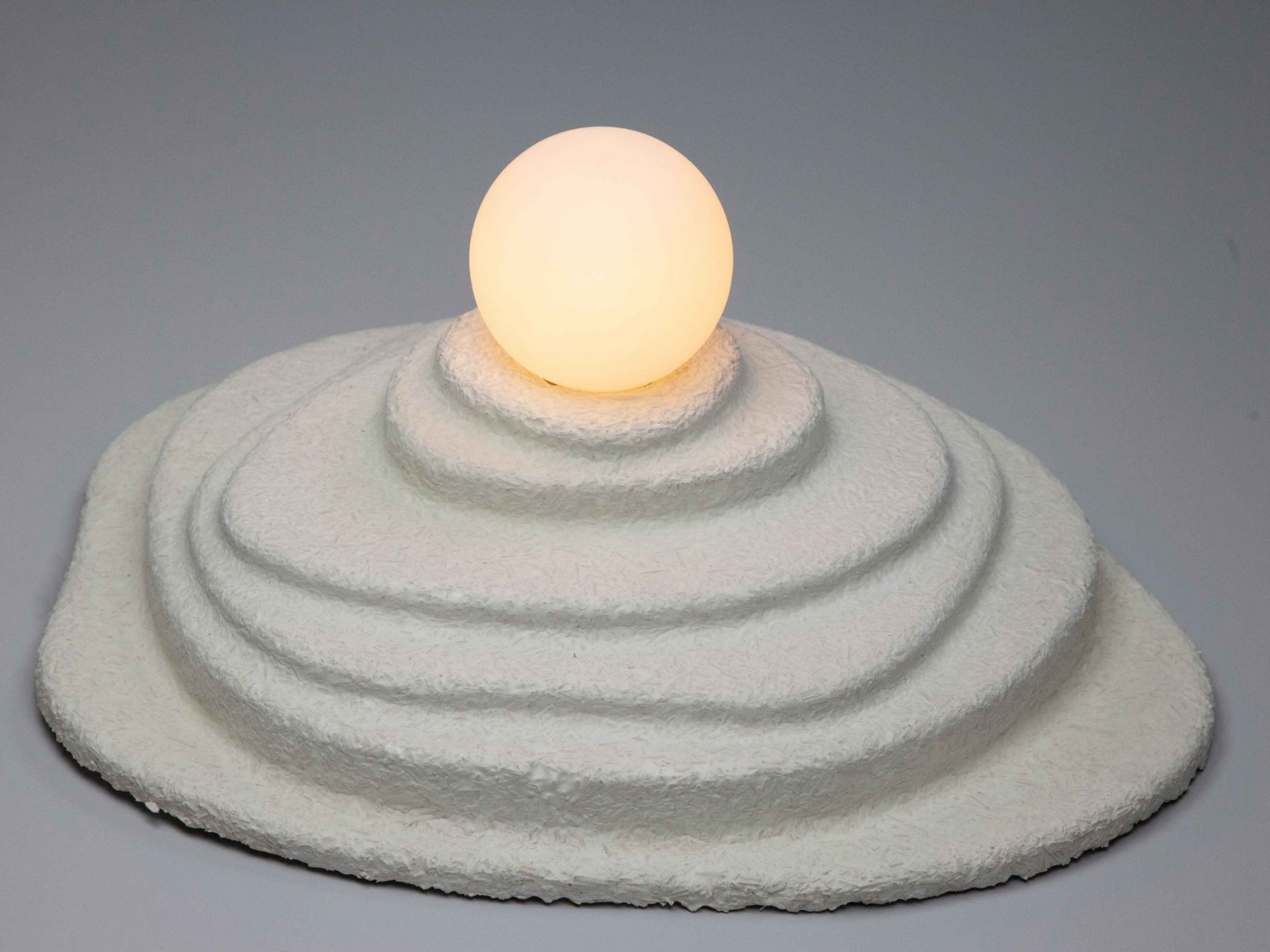
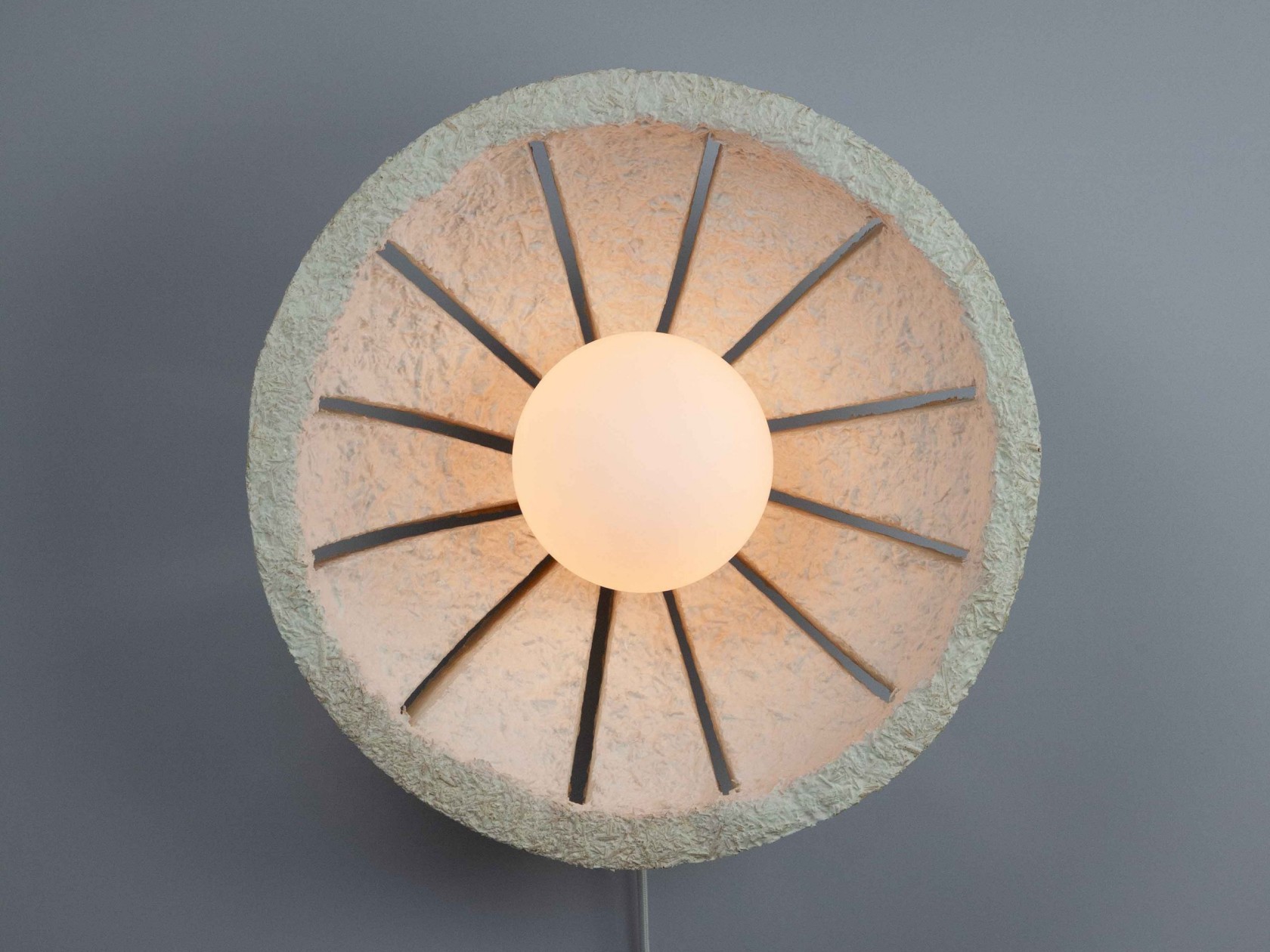
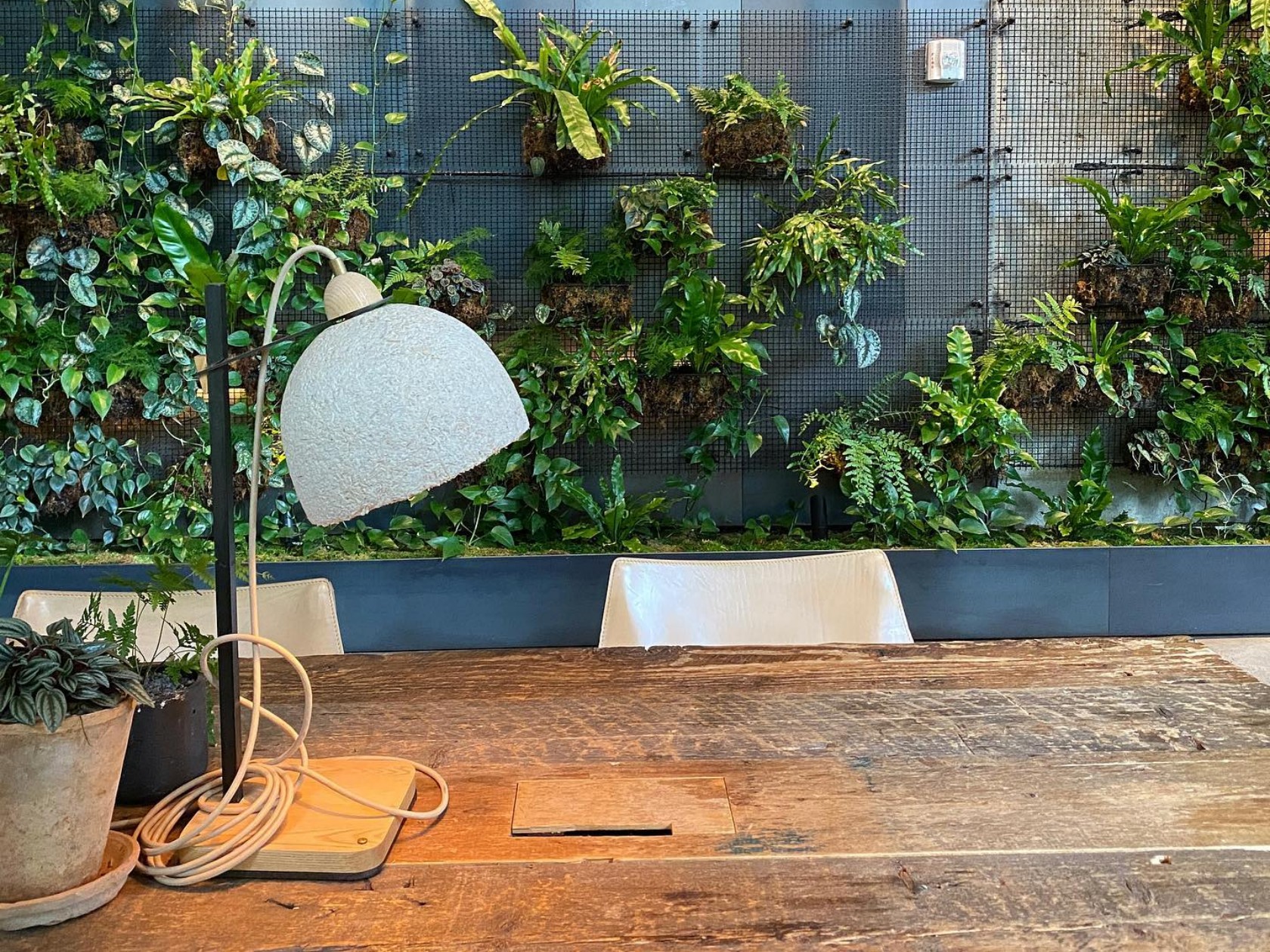
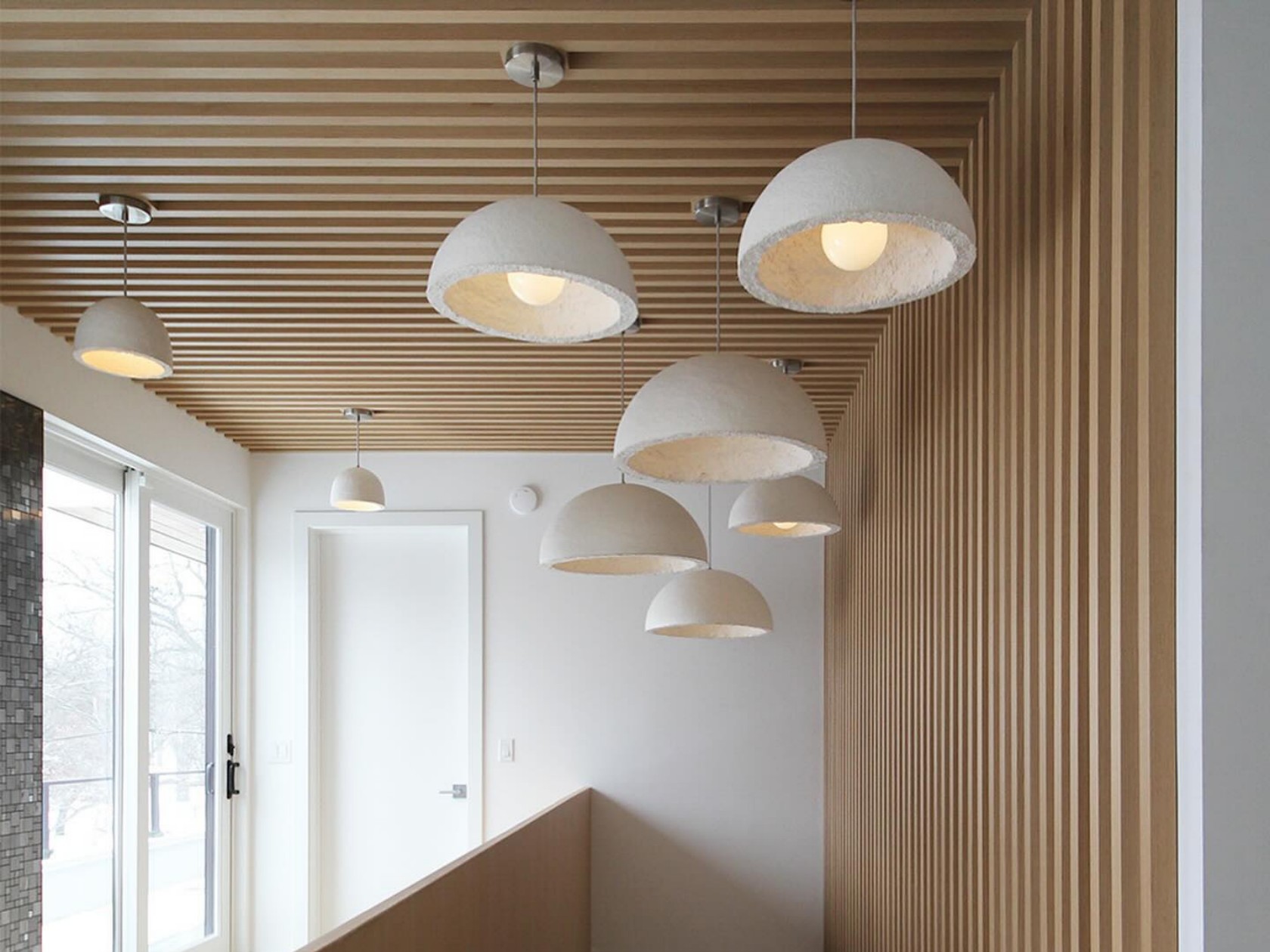
MushLume lamps also bring a distinctive aesthetic to any space. Their raw and rough surfaces almost resemble concrete from a distance but are incredibly lightweight in reality. The texture and patterns, which are unique to every lamp, also add some character to the design, while also giving the diffused light a warm tone. MushLume definitely challenges the conventions of designing and producing products, though there still needs to be more testing to see if mycelium can really scale up to be the mass-grown foundations of future products.

The post Concrete-like lampshades are actually made from mushroom mycelium first appeared on Yanko Design.
Library Lamp puts a sleek modern spin on a classic lighting fixture

It might be a foreign concept to those born in the age of the Internet and smartphones, but libraries were once the only place where you could get voluminous amounts of correct information. Of course, these institutions still do exist, especially in schools and universities, but the image of a quiet room with shelf after shelf of books might seem odd and even eerie to some. There are aspects of this imagery that have almost become iconic over the decades, such as the archetypal metal-encased lamp used not just in libraries but even in banks. Those lamps would naturally look antiquated on modern desks, so this design reinterprets that classic concept into something that pays homage to the past while also embracing the aesthetics of the present.

Designers: Ben Kicic, Emilio Halperin

The Library Lamp or Banker’s Lamp had a singular purpose: to illuminate the reading material or papers in front of the user without disturbing or distracting others nearby. As such, it often has a softer, less glaring glow than most desk lamps would have today, while still offering enough brightness, especially at night. Of course, these lamps reflected the design trends of that period, which were often more ornate than practical. It would make for a good decorative desk piece, but would still look out of place in today’s workplaces.

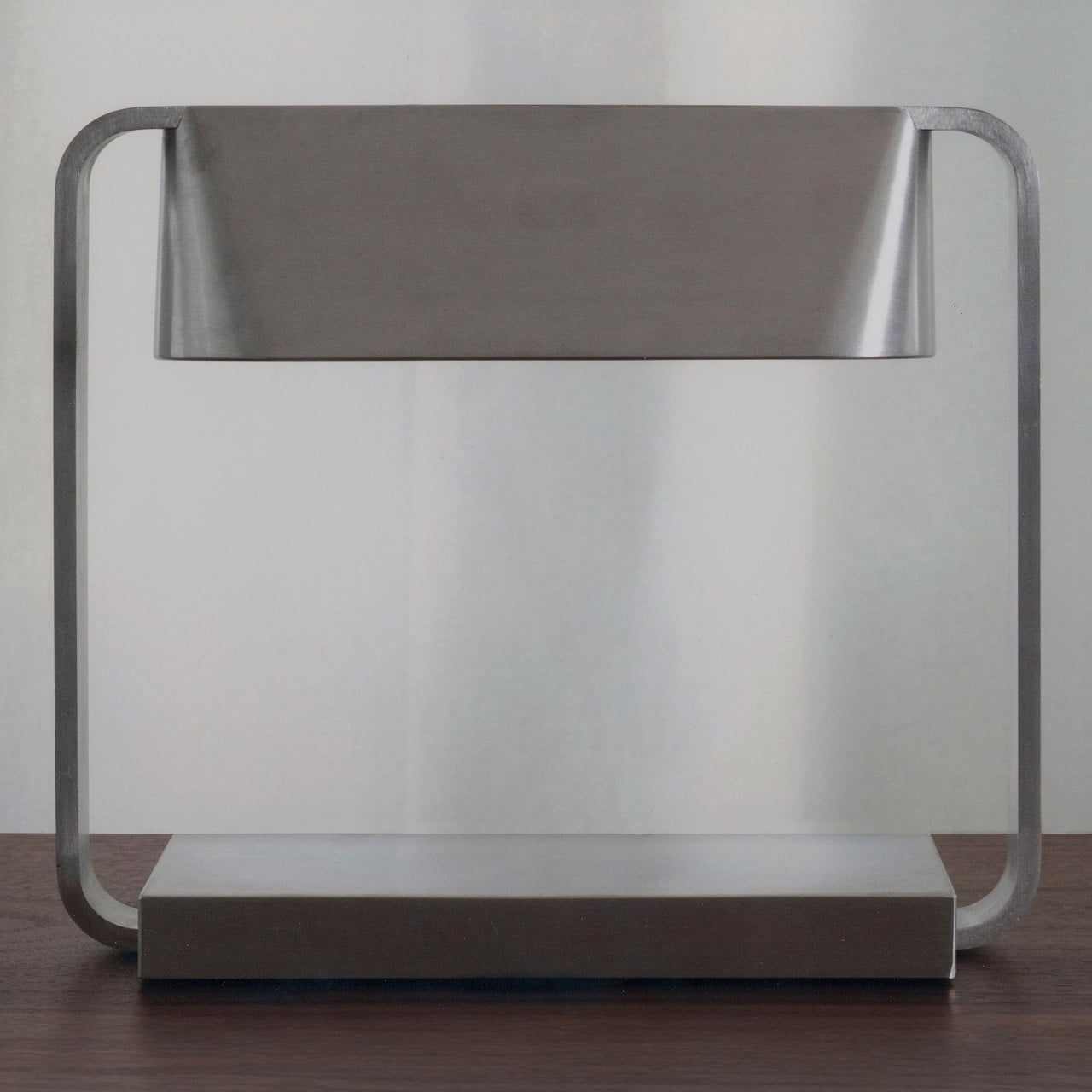
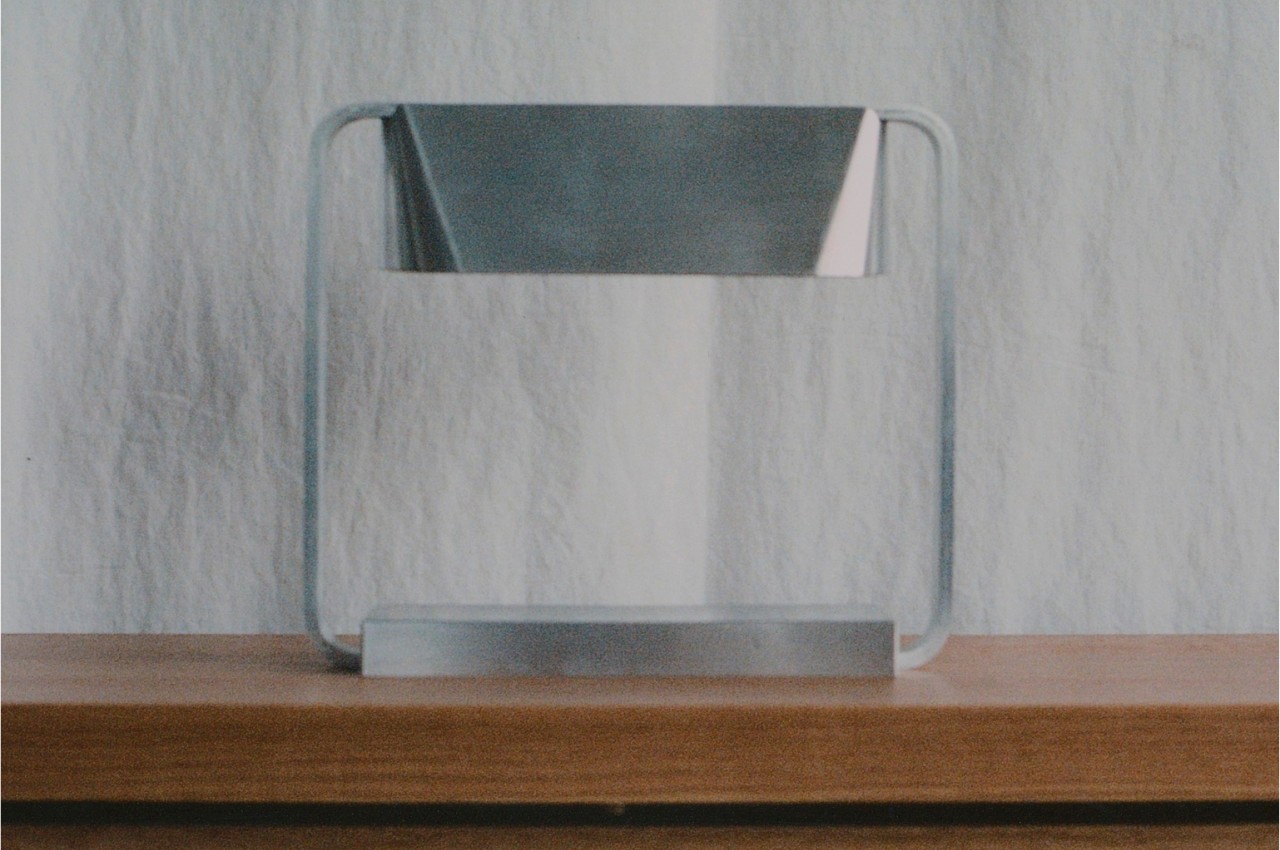
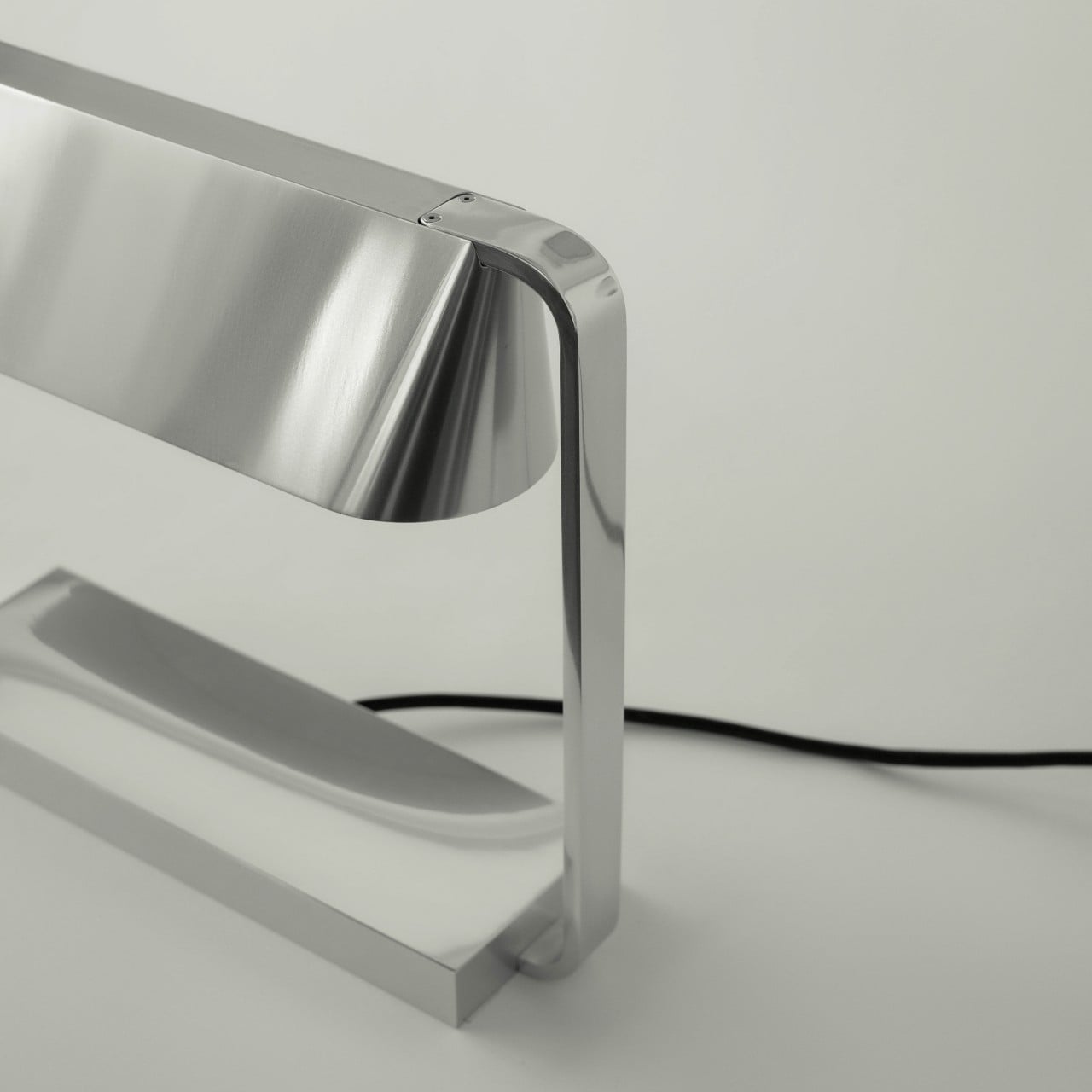
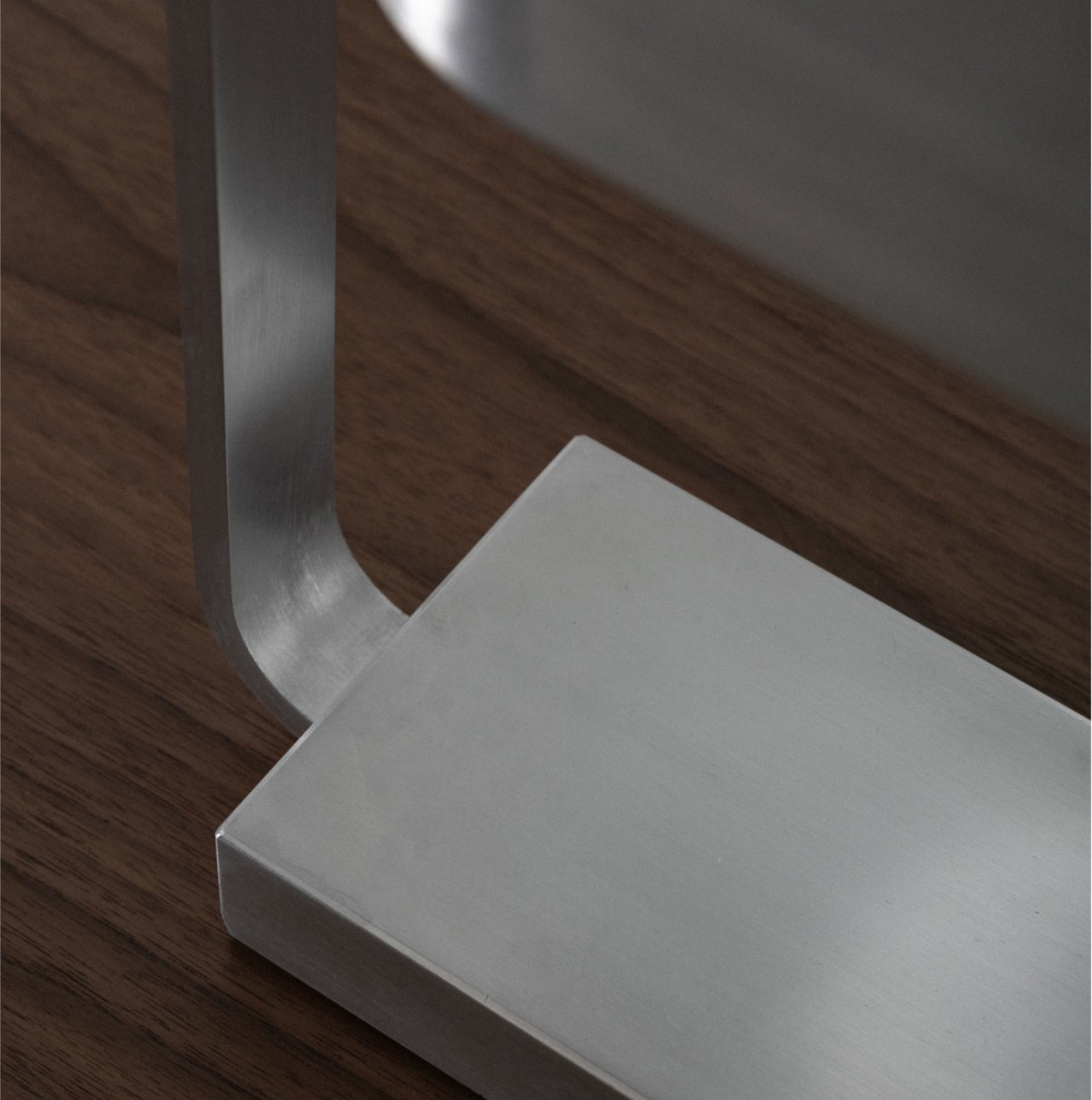
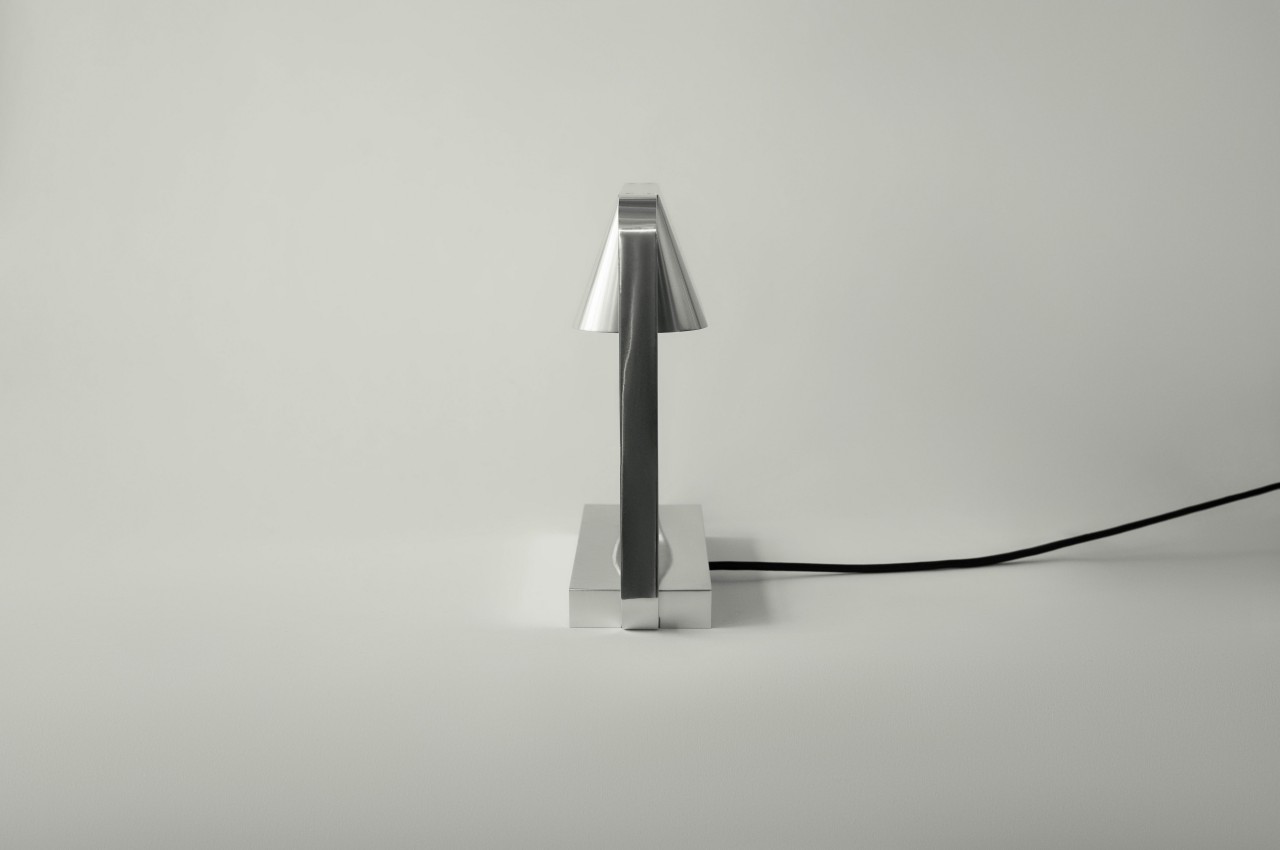
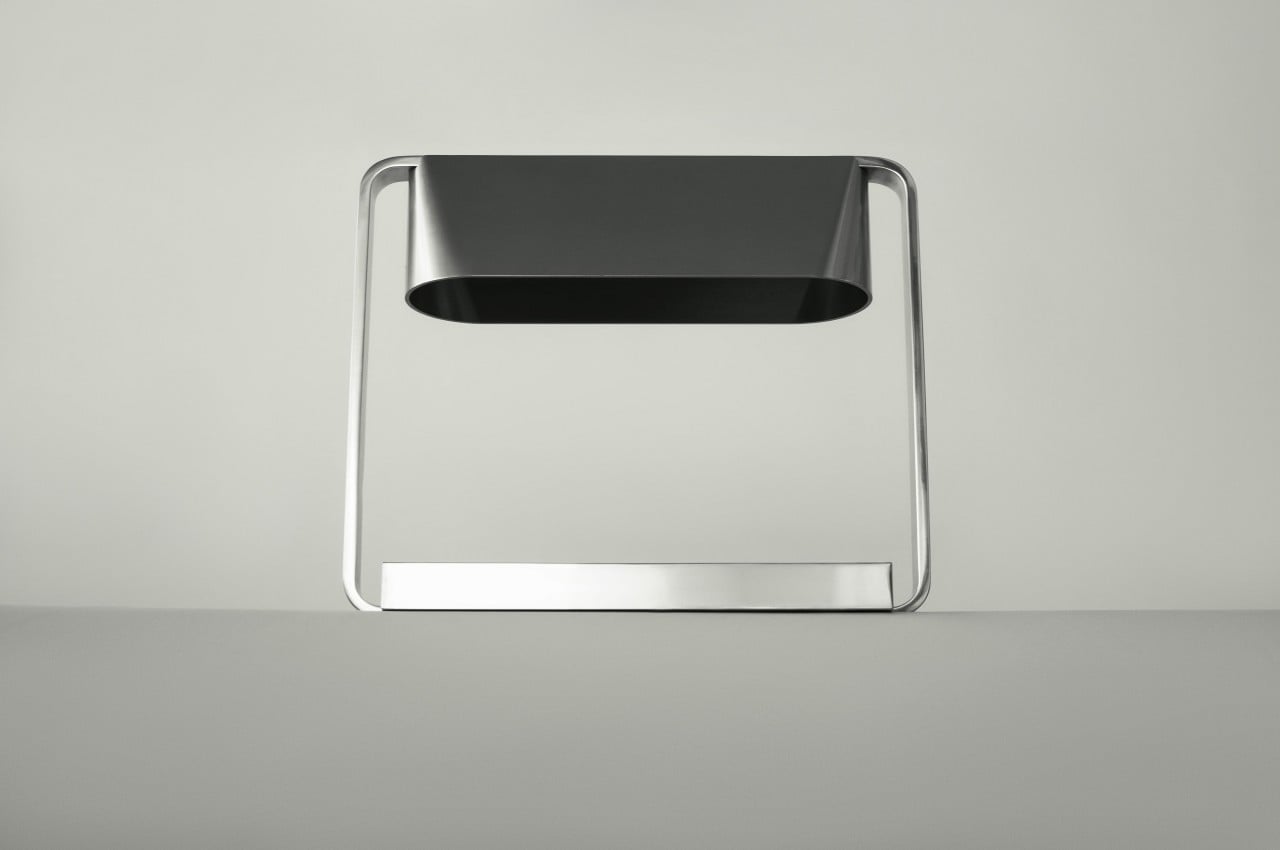
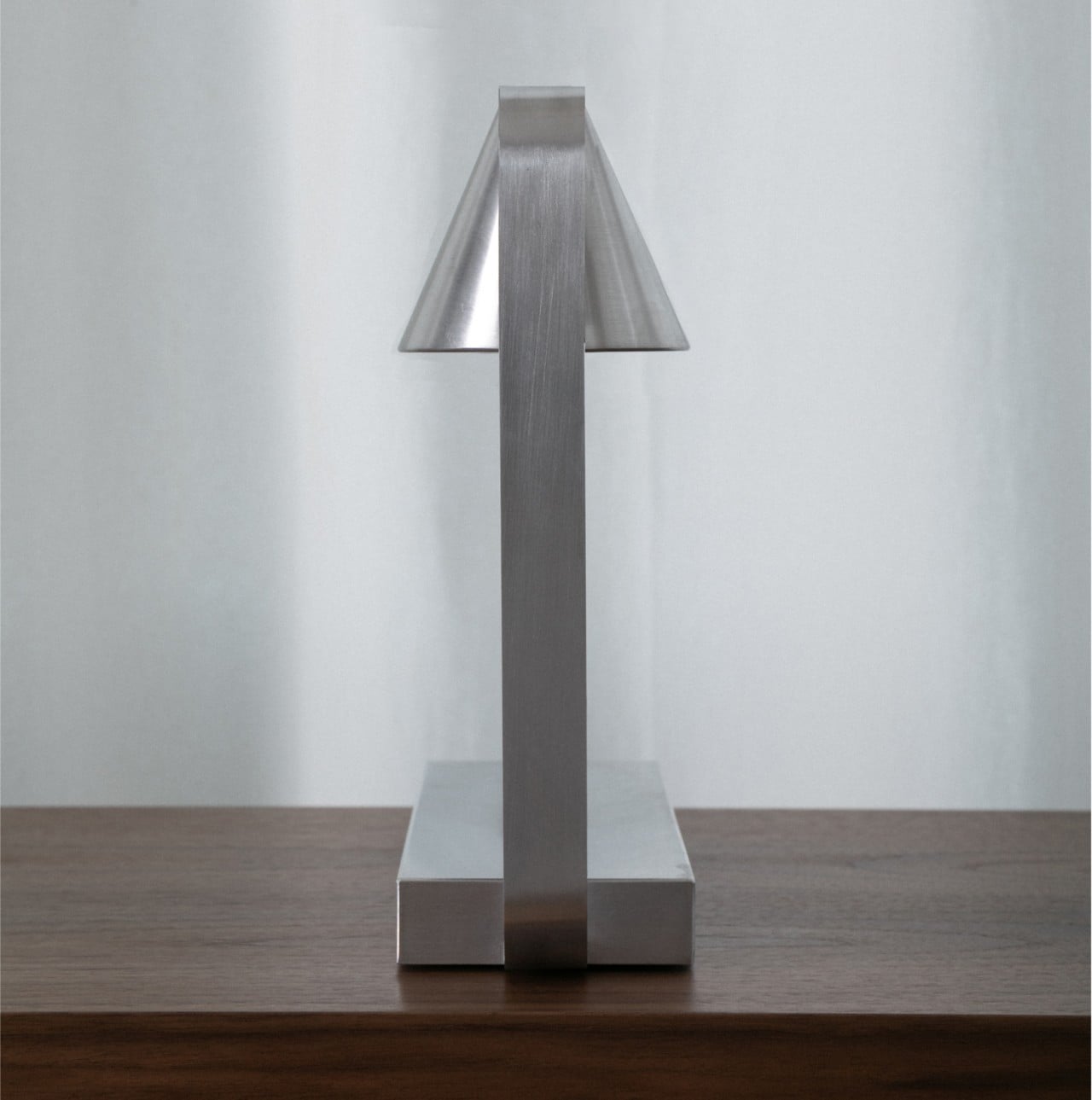
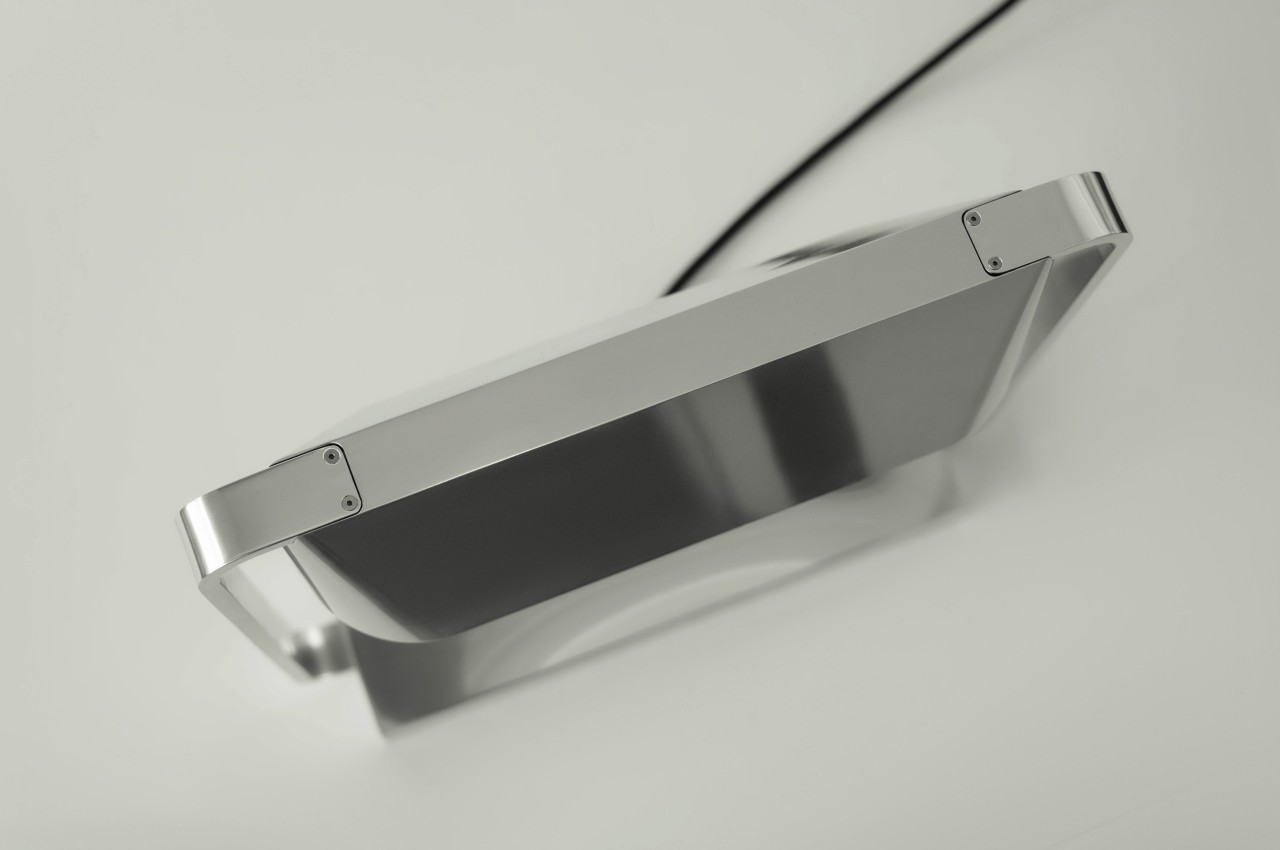
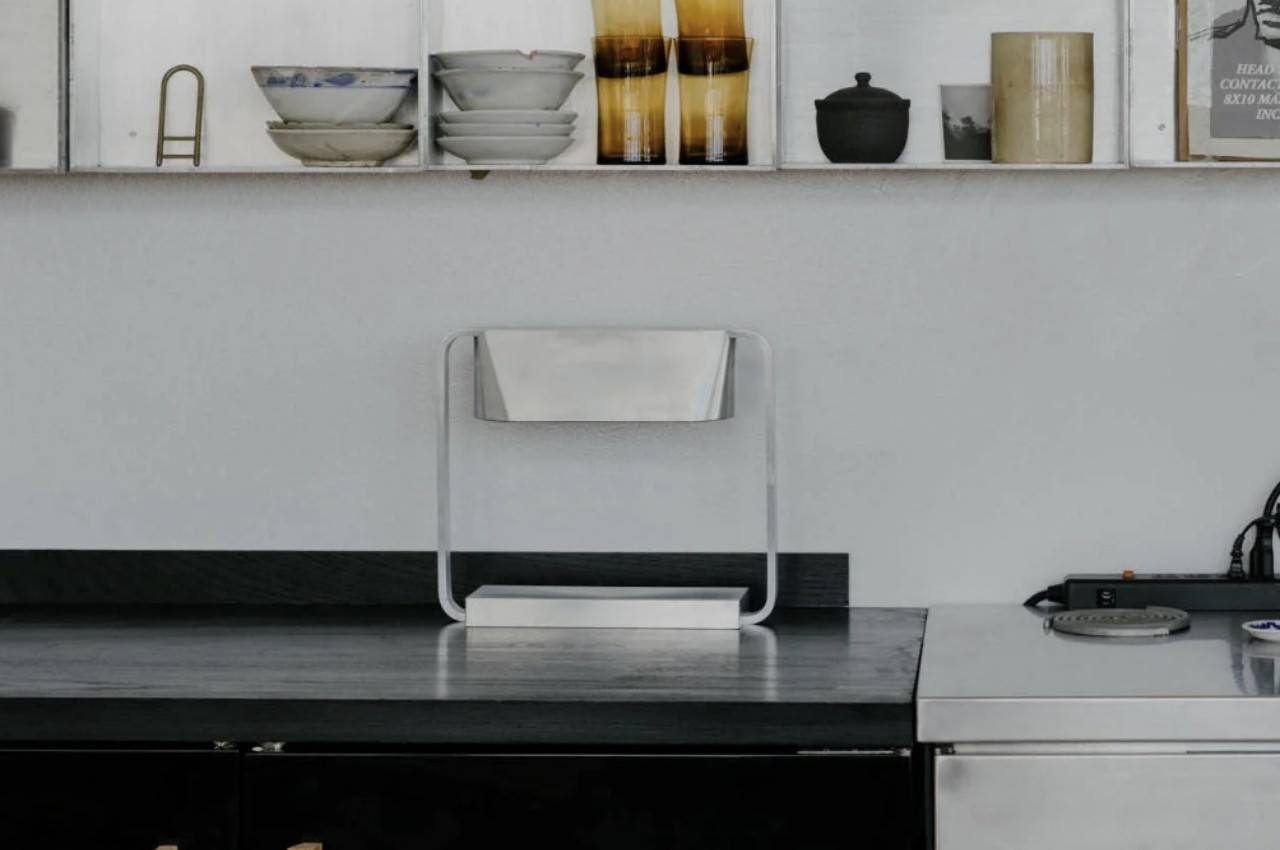
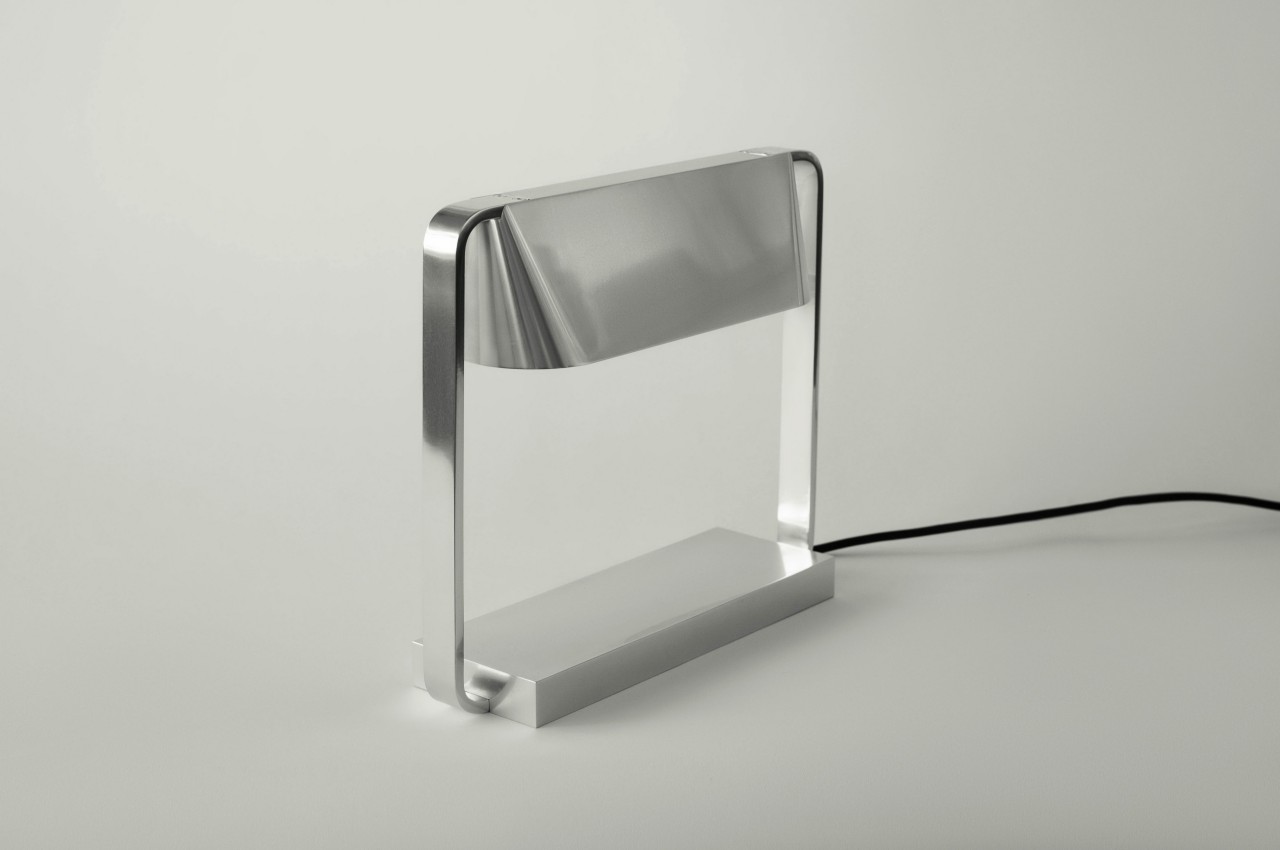
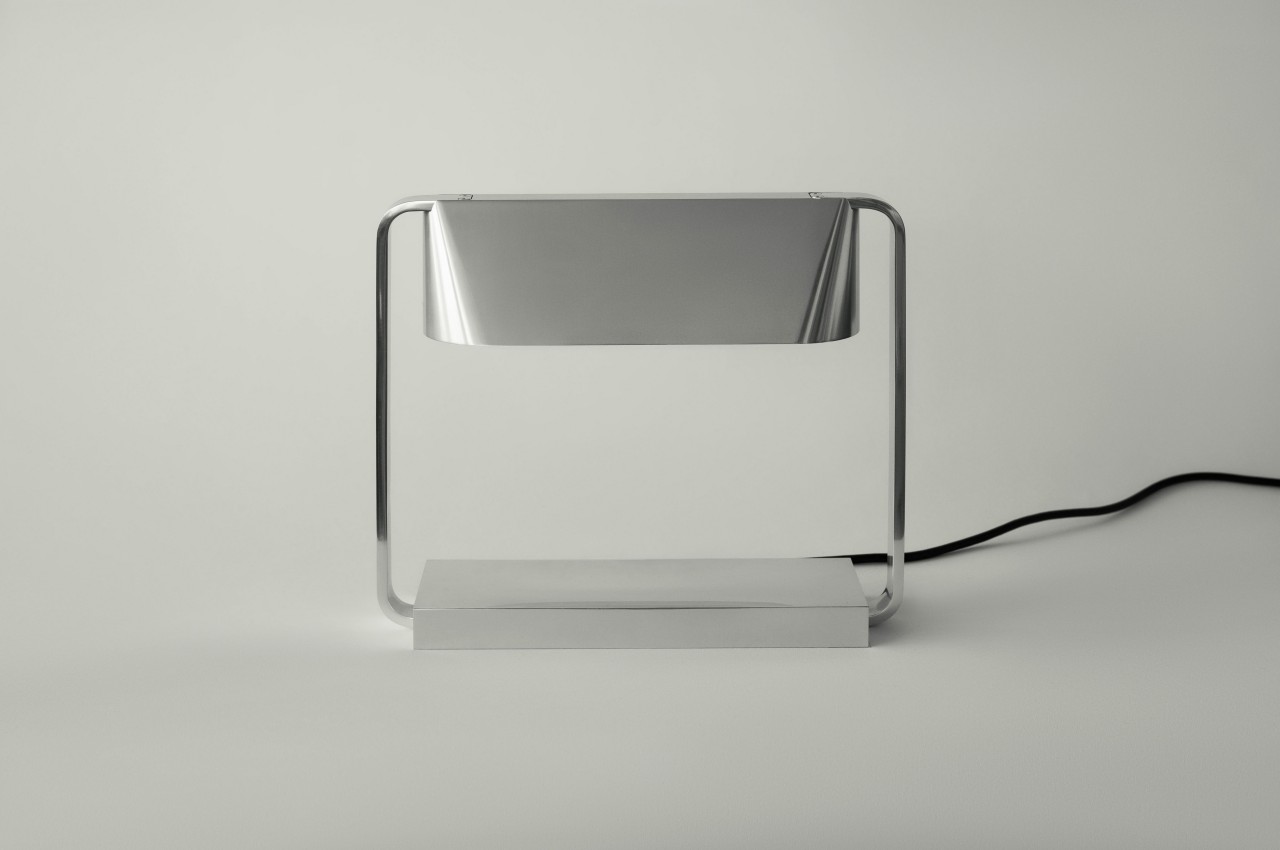
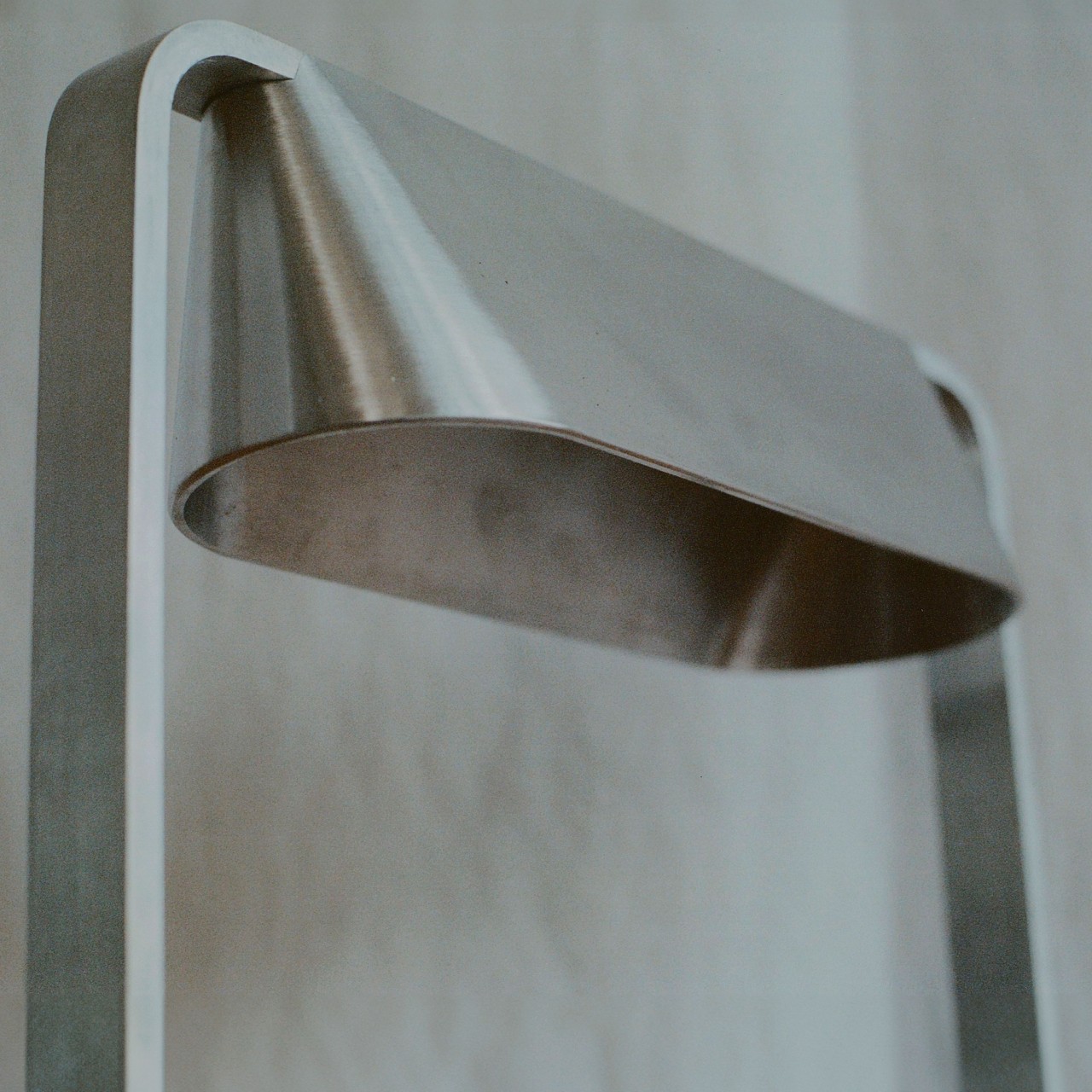
This redesign takes the spirit of the library lamp and inserts it in a form that embodies more modern industrial aesthetics, particularly the use of simple shapes and curves as well as unpainted milled aluminum. Instead of a single elaborate stand, the trapezoidal lamp shade is held aloft by two slim arms that also serve to hide the lamp’s internal wiring from plain sight. These parts stand on a horizontal block of metal that has a subtly concave surface that serves not only to diffuse the light but also to hold small objects like keys, pens, and other knickknacks.

In addition to its sleek modern appearance, the Library Lamp also incorporates modern technological conveniences. In particular, the base, arms, and even the lampshade itself are touch-sensitive, providing physical controls without the need for disruptive buttons and switches. Just like its forebear, the lamp gets the job done with minimal fuss and confusion. It also looks quite striking as a representative of the dominant design trend of its period, adding a touch of beautiful minimalism and industrial design to any desk, workspace, or shelf.

The post Library Lamp puts a sleek modern spin on a classic lighting fixture first appeared on Yanko Design.
Library Lamp puts a sleek modern spin on a classic lighting fixture

It might be a foreign concept to those born in the age of the Internet and smartphones, but libraries were once the only place where you could get voluminous amounts of correct information. Of course, these institutions still do exist, especially in schools and universities, but the image of a quiet room with shelf after shelf of books might seem odd and even eerie to some. There are aspects of this imagery that have almost become iconic over the decades, such as the archetypal metal-encased lamp used not just in libraries but even in banks. Those lamps would naturally look antiquated on modern desks, so this design reinterprets that classic concept into something that pays homage to the past while also embracing the aesthetics of the present.

Designers: Ben Kicic, Emilio Halperin

The Library Lamp or Banker’s Lamp had a singular purpose: to illuminate the reading material or papers in front of the user without disturbing or distracting others nearby. As such, it often has a softer, less glaring glow than most desk lamps would have today, while still offering enough brightness, especially at night. Of course, these lamps reflected the design trends of that period, which were often more ornate than practical. It would make for a good decorative desk piece, but would still look out of place in today’s workplaces.

This redesign takes the spirit of the library lamp and inserts it in a form that embodies more modern industrial aesthetics, particularly the use of simple shapes and curves as well as unpainted milled aluminum. Instead of a single elaborate stand, the trapezoidal lamp shade is held aloft by two slim arms that also serve to hide the lamp’s internal wiring from plain sight. These parts stand on a horizontal block of metal that has a subtly concave surface that serves not only to diffuse the light but also to hold small objects like keys, pens, and other knickknacks.

In addition to its sleek modern appearance, the Library Lamp also incorporates modern technological conveniences. In particular, the base, arms, and even the lampshade itself are touch-sensitive, providing physical controls without the need for disruptive buttons and switches. Just like its forebear, the lamp gets the job done with minimal fuss and confusion. It also looks quite striking as a representative of the dominant design trend of its period, adding a touch of beautiful minimalism and industrial design to any desk, workspace, or shelf.

The post Library Lamp puts a sleek modern spin on a classic lighting fixture first appeared on Yanko Design.
Illuminated brick redefines what it means to be a wall lamp

As their name plainly points out, wall lamps are lights that we stick to walls, permanently or sometimes temporarily. Most wall lamps are installed indoors to infuse a space with a specific ambiance, but some are also left outdoors to give illumination at night. There is some degree of flexibility and freedom in the way these lamps can be added, removed, and moved when necessary, but it also makes them look out of place sometimes or a superficial part of the wall. Another design strategy would be to discreetly embed the lights into the wall itself, which is what these odd-looking lamps offer in what could be considered a literal interpretation of a wall lamp.

Designer: Omar Gandhi Architects, Filo Timo, Aaline

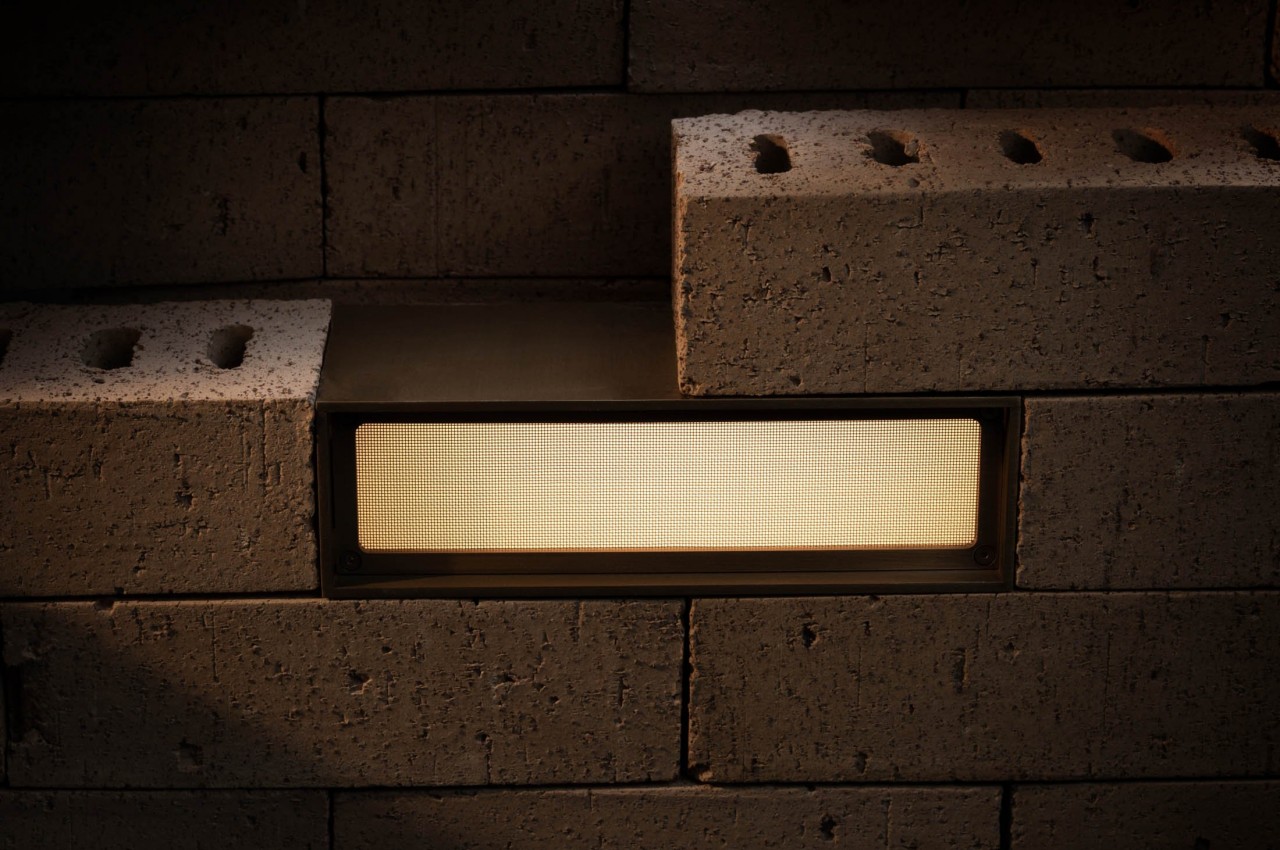
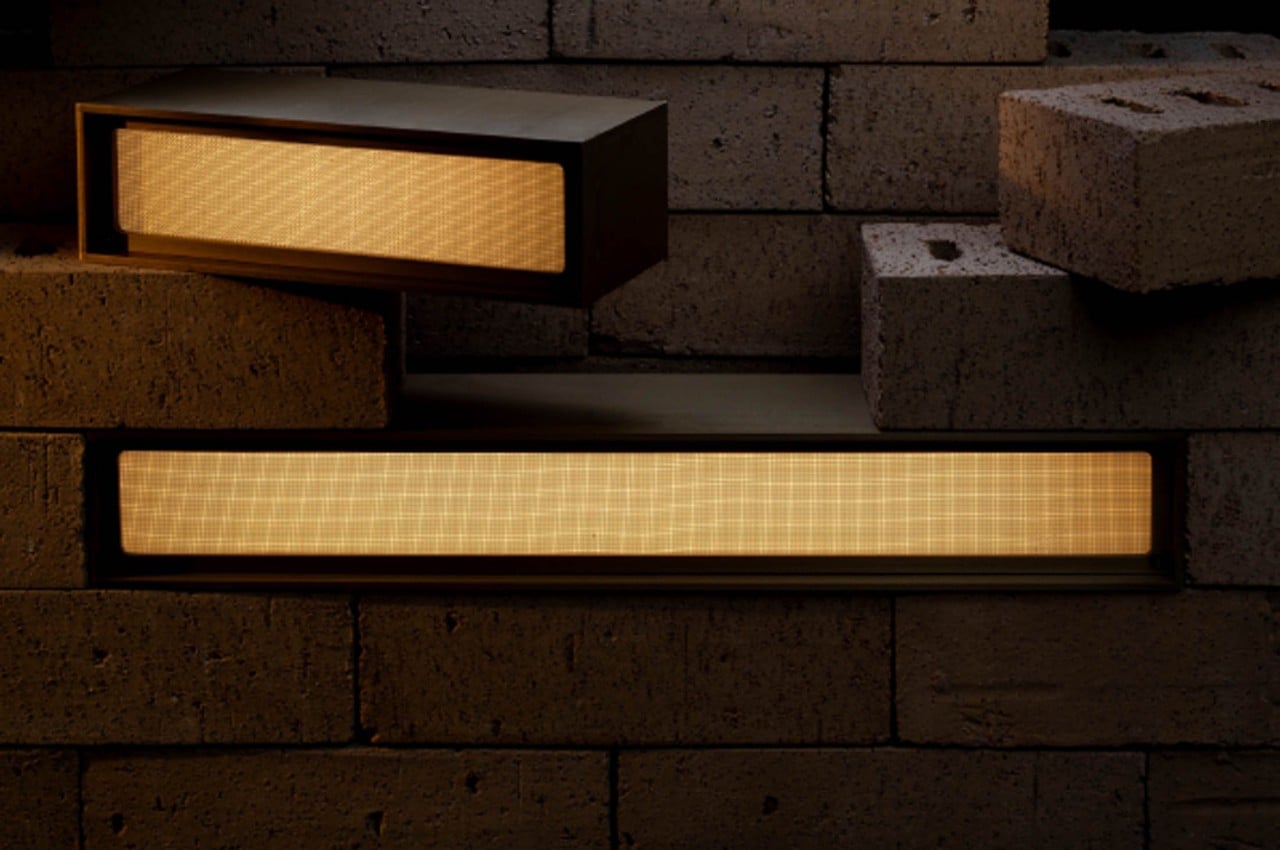
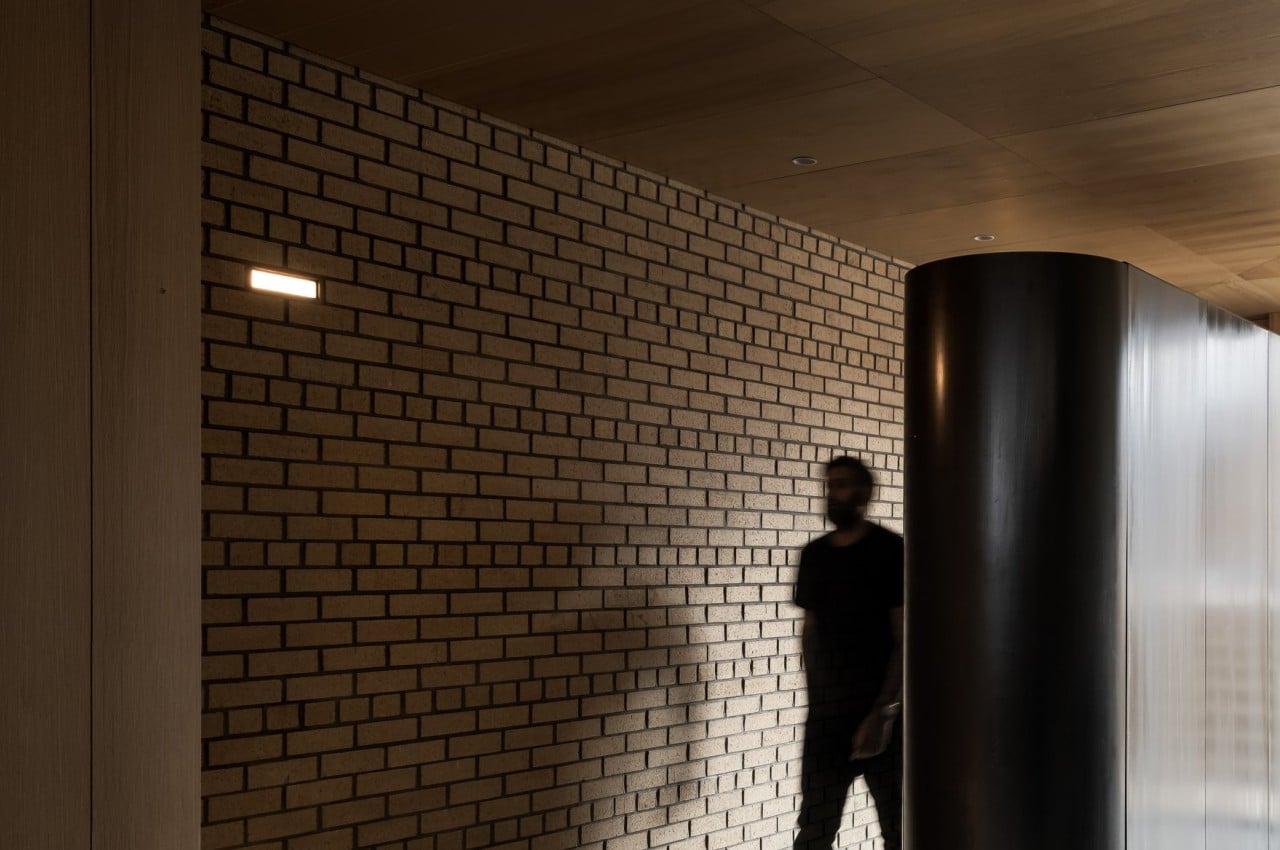
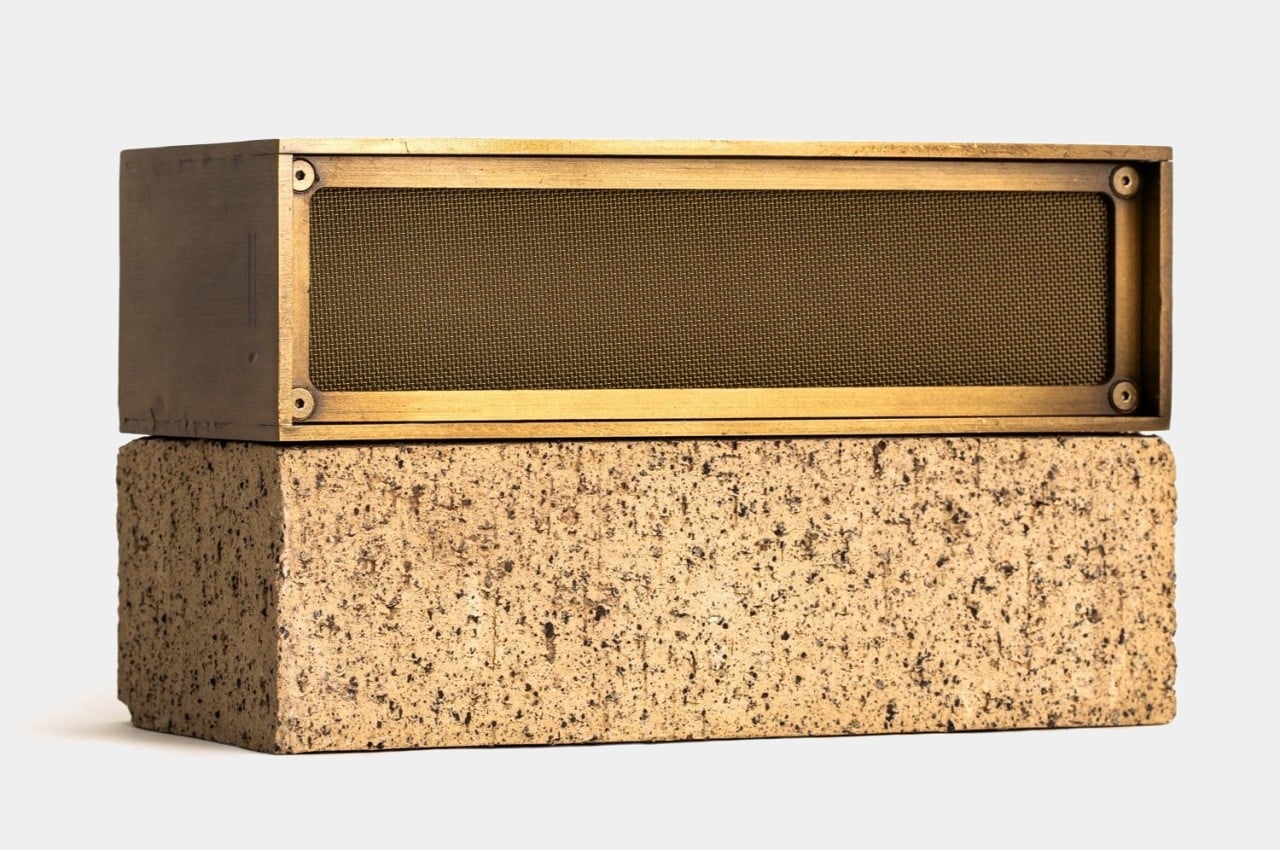
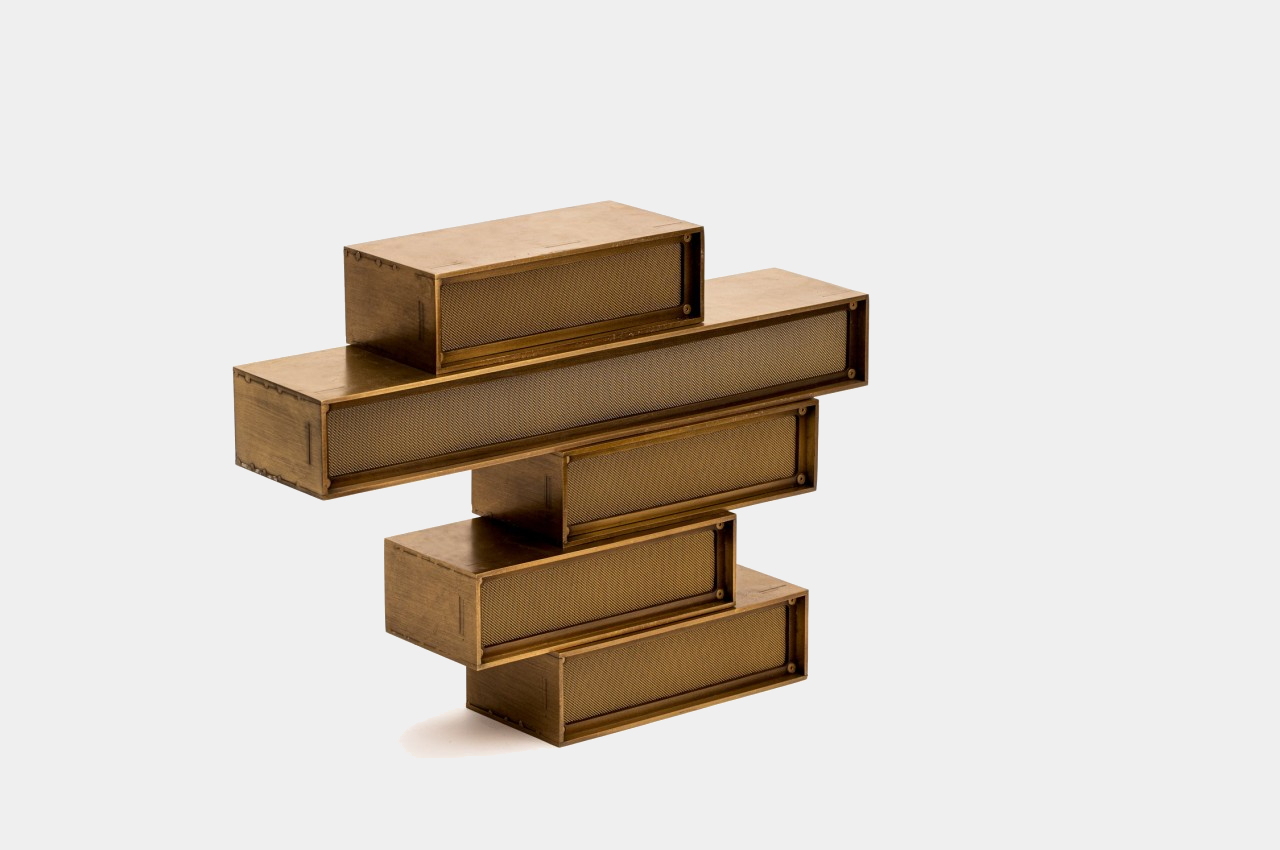
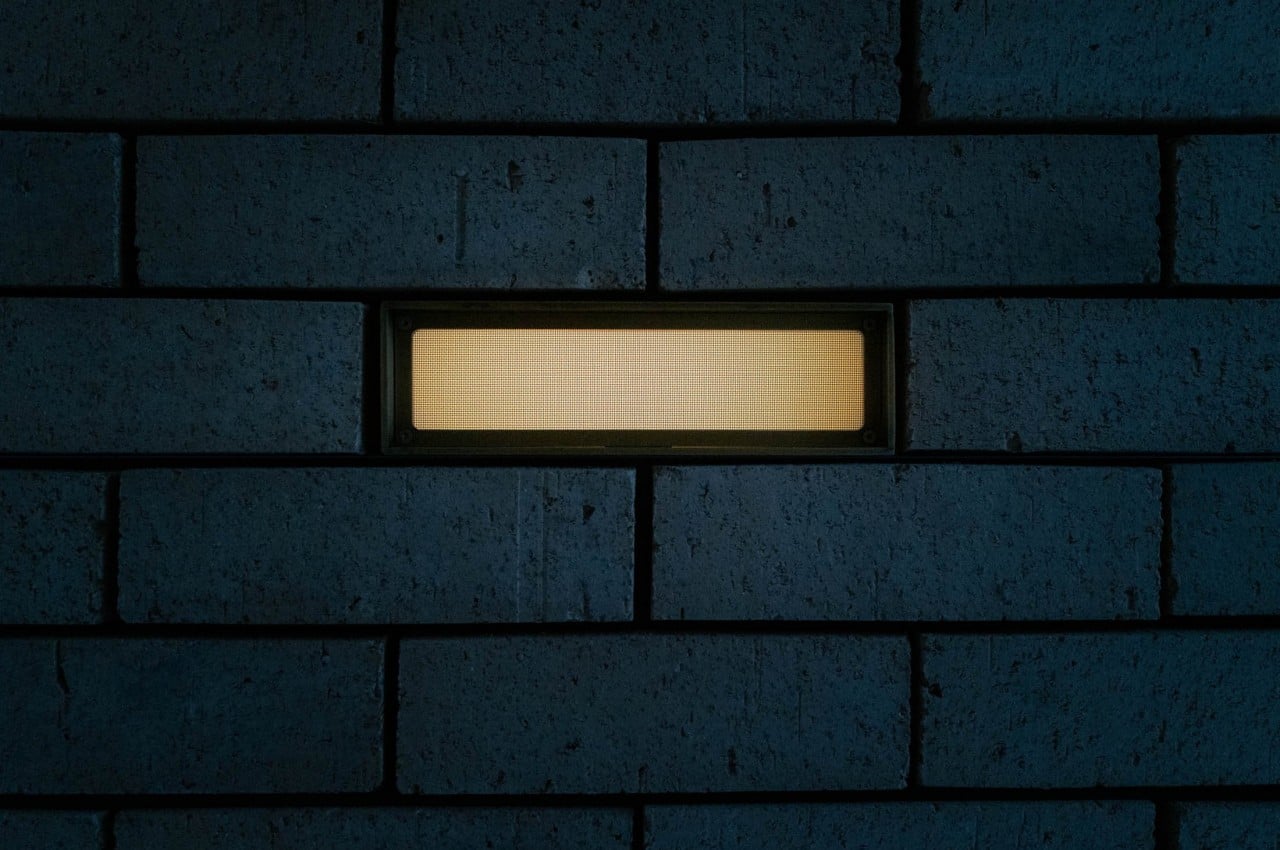
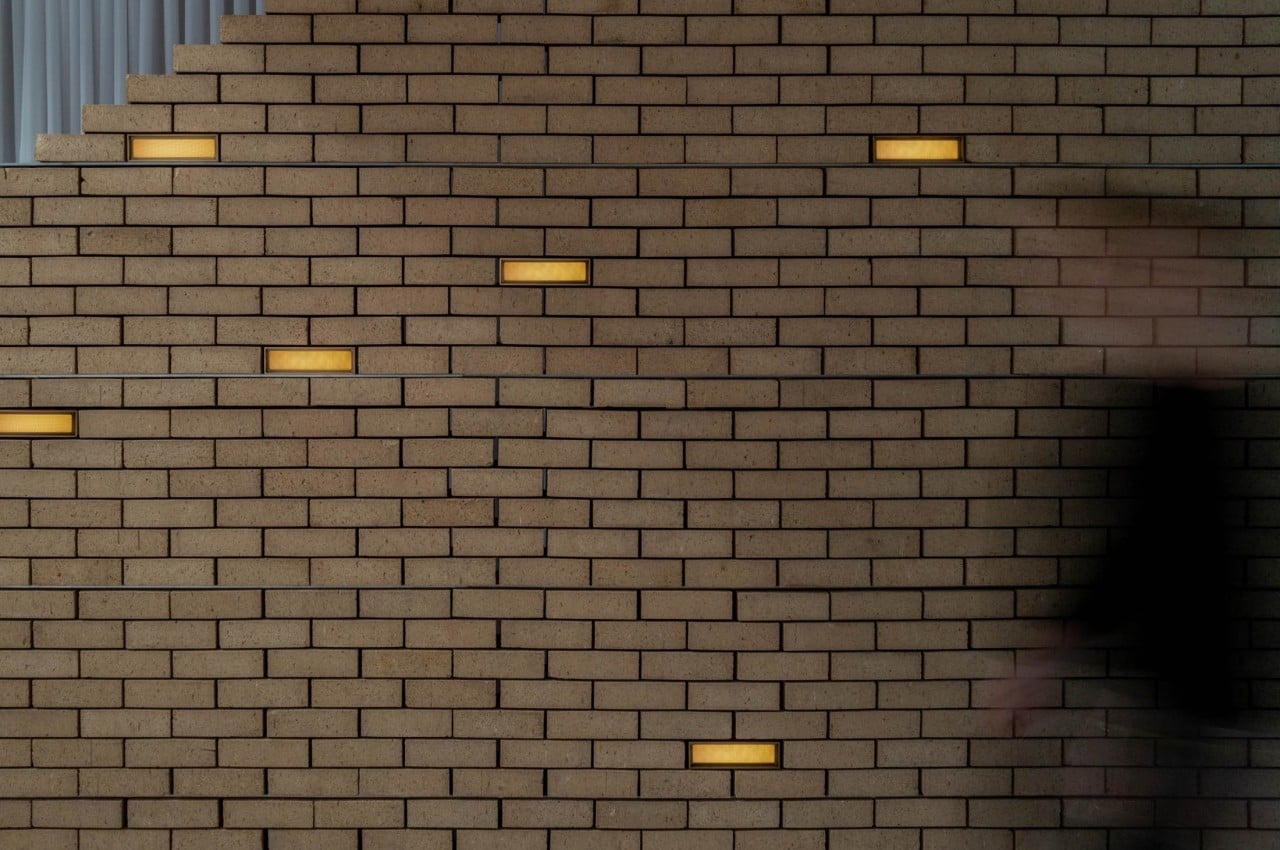
It would definitely be a magical experience to touch a brick on a wall and suddenly have it light up with a warm glow. While doing that for every brick is impractical and expensive, having a few select spots turn into lamps can definitely level up the ambiance of a space with very little effort. Yes, you could just dig a hole into the wall to install some regular old lights, but the OG Brick makes the lighting look like an integral part of the wall rather than an afterthought.

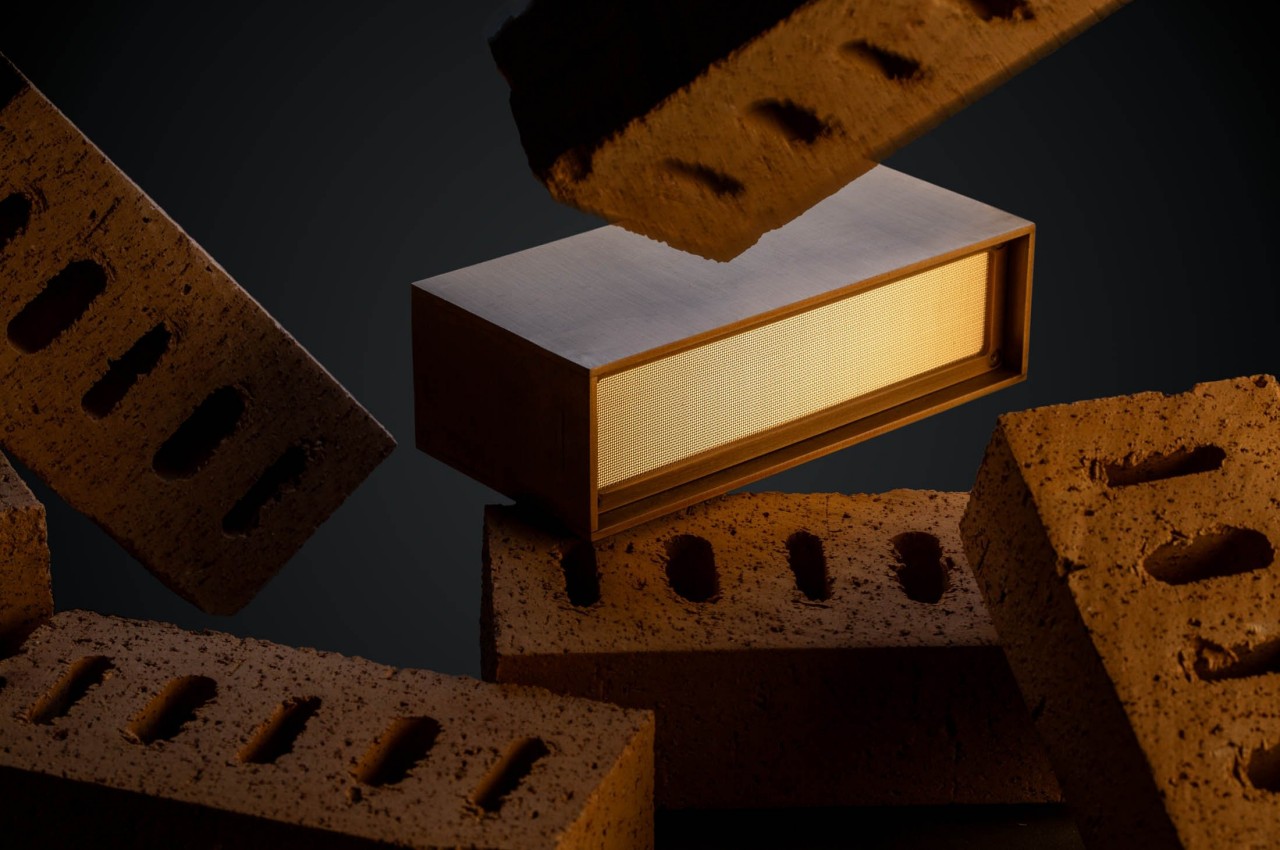
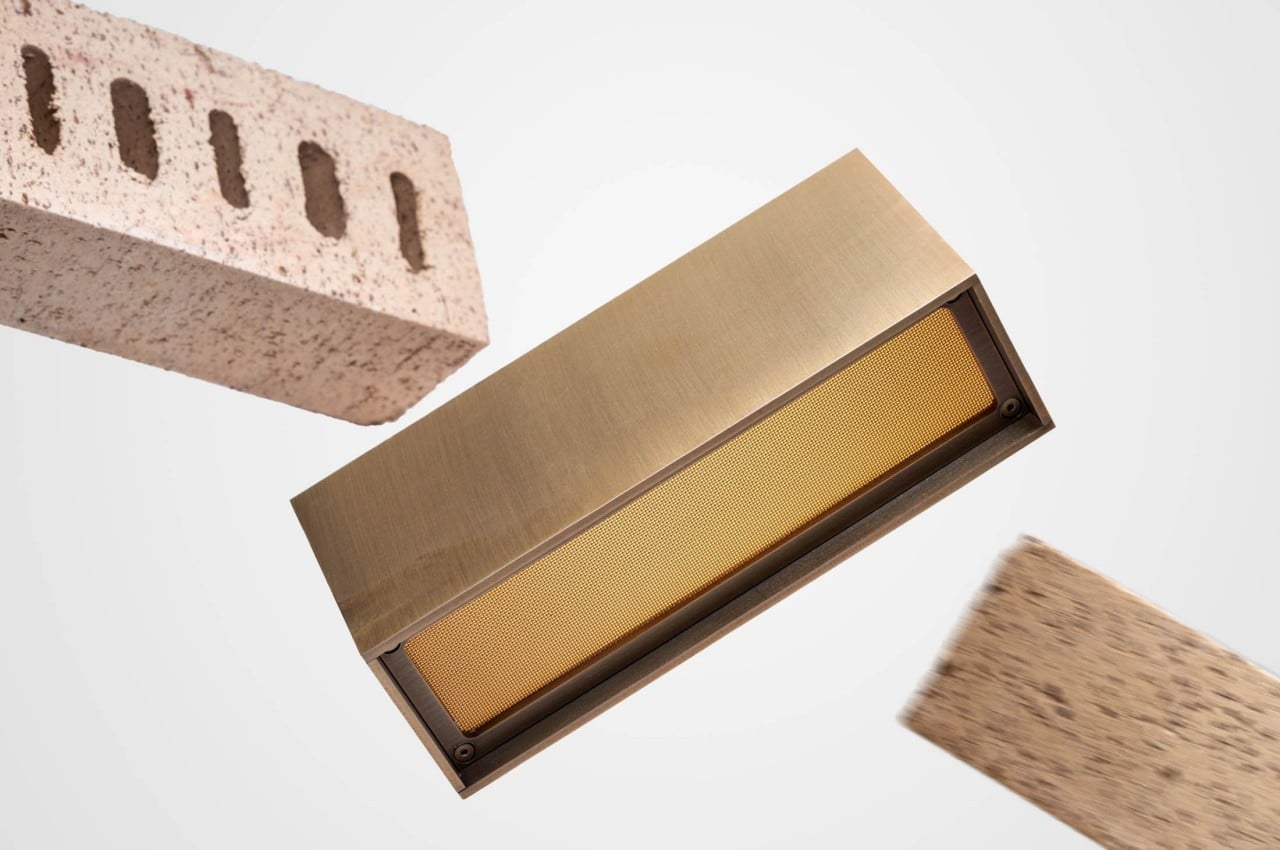
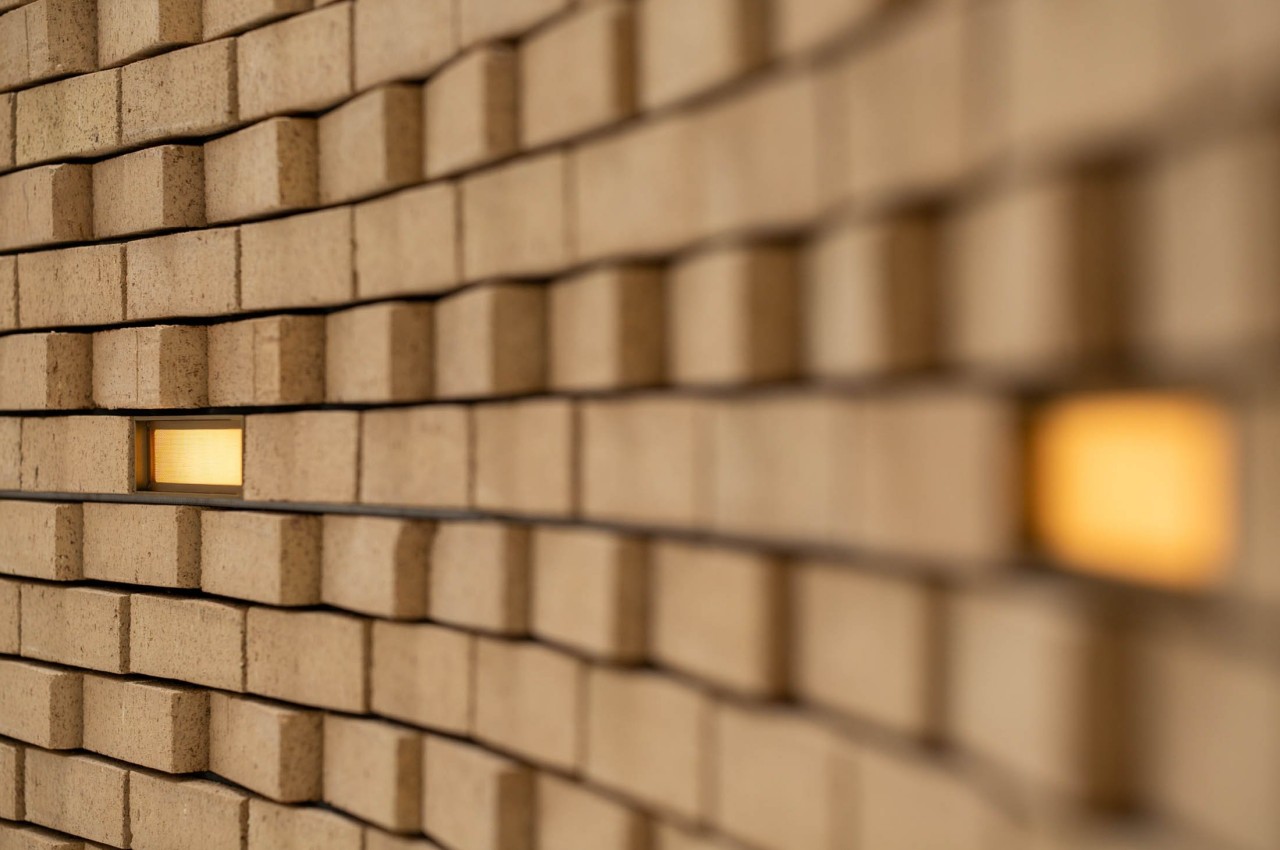
Technically, they are part of the wall, as these are supposed to be layered alongside other bricks while the masonry wall is being set up. They’re also designed to blend in with the rest of the wall during the day when the lights are off, though they probably won’t match every wall color you can come up with. Variations include stainless steel, black powder-coated, and electroplated brown to cover the majority of brick wall hues.

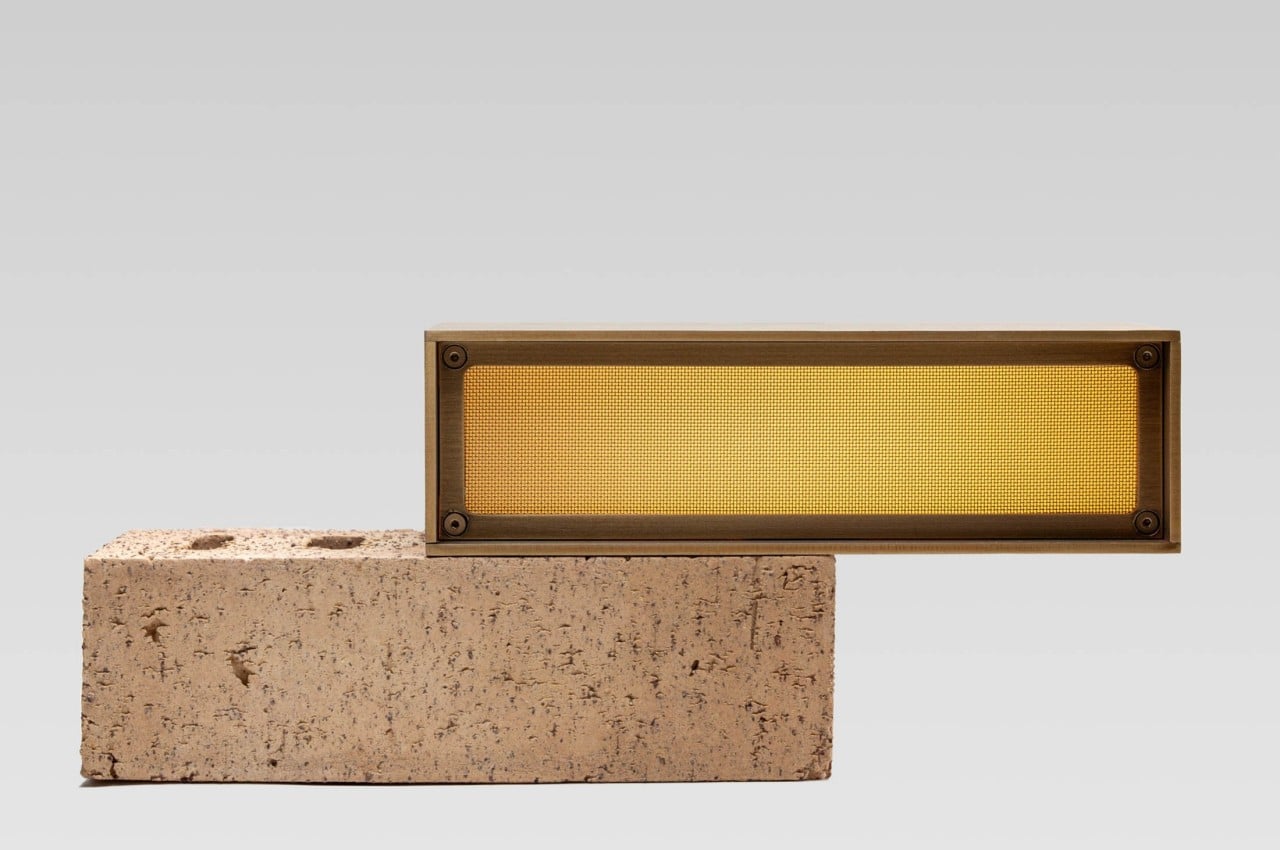
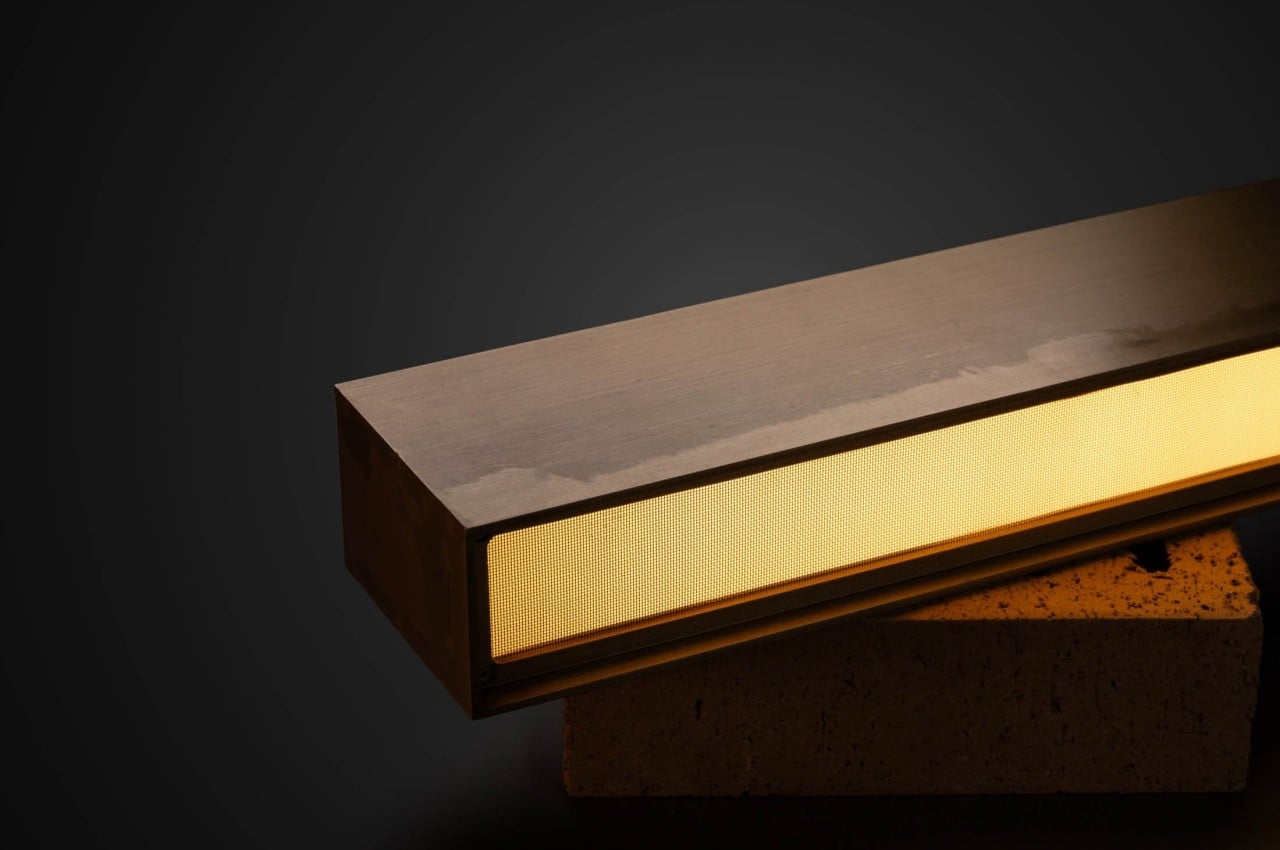
The bricks aren’t made from clay or cement, of course, but have a hard metal frame to withstand the weight of the real bricks above it. A color-matching mesh covers the actual light element and makes the OG Brick “disappear” into its surroundings in the daytime. Since they are designed to be used in masonry walls, the lamps can be used both indoors as well as outdoors.

The visual effect these illuminated bricks give is both subtle yet also endearing, especially thanks to the warm glow of the lights. Despite blending with its surroundings, the OG Brick creates a pleasing juxtaposition between the rough simplicity of regular bricks and the fine craftsmanship of metalwork. Whether outdoors or indoors, the end result is a charming composition on a wall where a few bricks light up like magic.

The post Illuminated brick redefines what it means to be a wall lamp first appeared on Yanko Design.
Floating lamp illusion brings an air of mystery to your living space

Lamps come in all shapes and sizes, but the one thing they have in common is that most of them come in a single piece and are anchored to the ceiling, wall, or even the floor. While there’s definitely nothing wrong with that, there’s also room for improvement when it comes to simplifying not only the design but also their installation and maintenance. Many lamps involve complicated wiring or installing fixtures in places that can clutter the space, physically and visually. This intriguing lamp design solves that in a peculiar way that ends up making the lamp look like it’s floating in midair, creating an atmosphere of magic and mystery in any space it’s in.

Designer: Paul Cocksedge

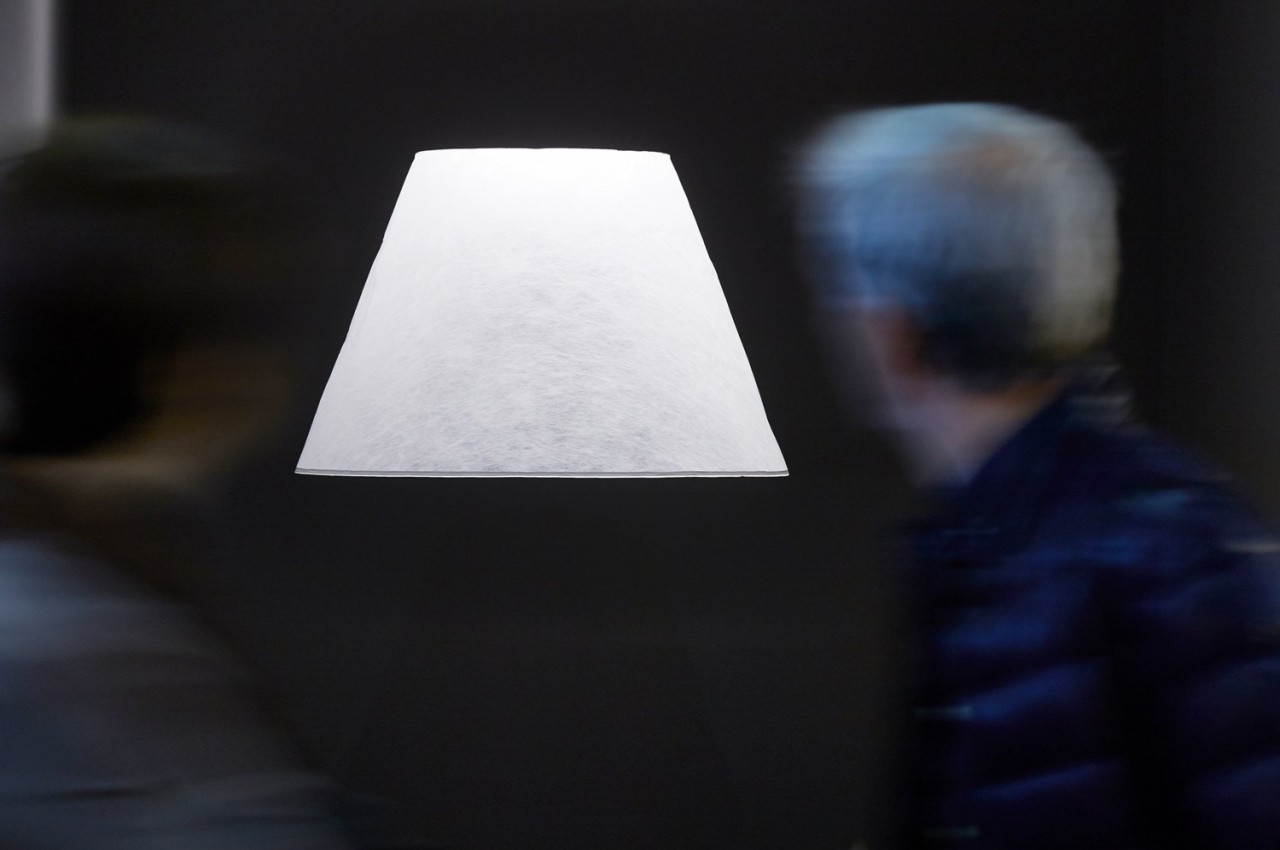
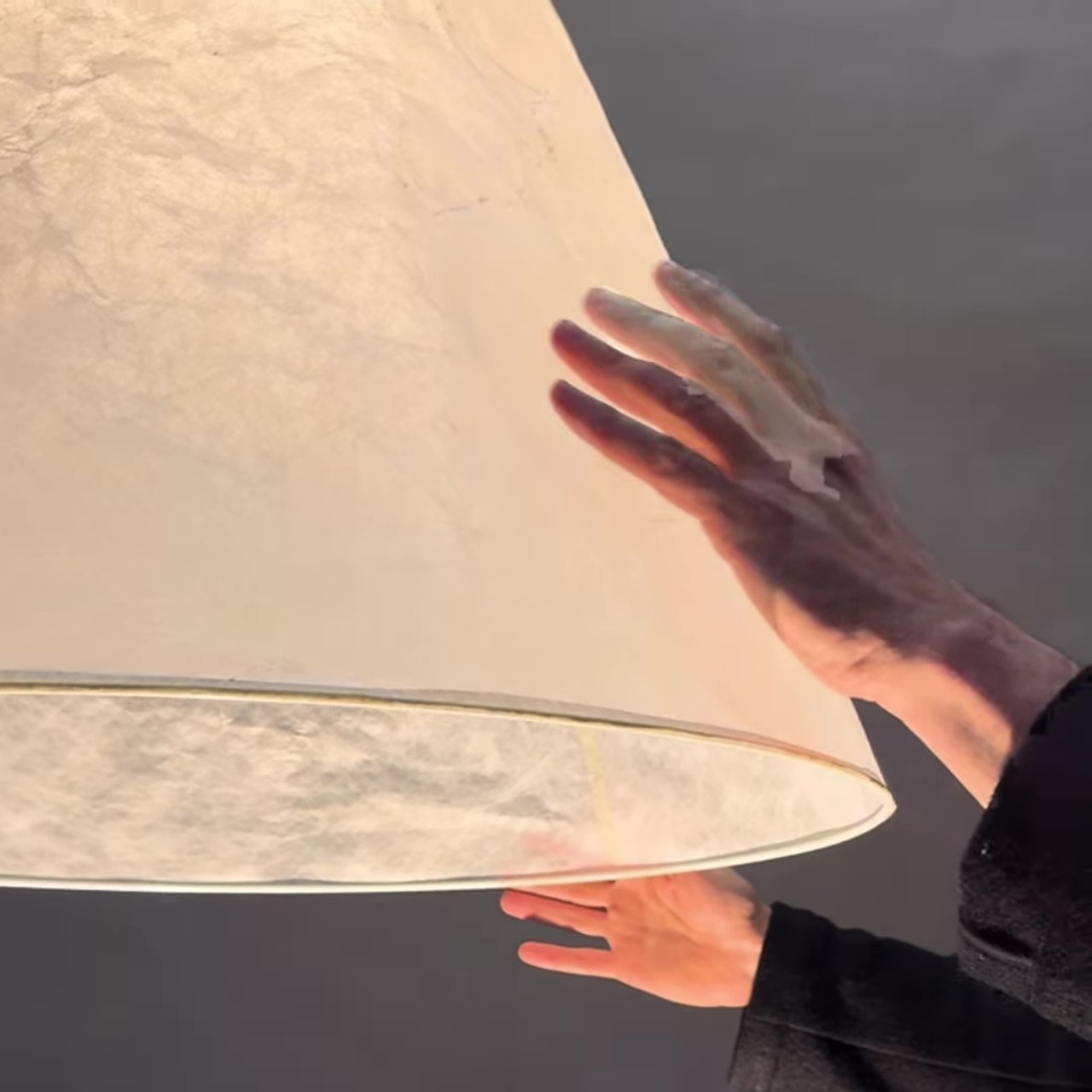
The most critical part of a lamp is, of course, the light source, but many lamps also need a way to direct or diffuse the light to make it less blinding. While most designs have these pieces in a single form, there’s no rule they have to be on a single body. Shade, whose name might not reflect its mesmerizing appearance, deconstructs and separates the design of a lamp into its two most basic parts, creating what is probably the most minimalist lamp design of all.

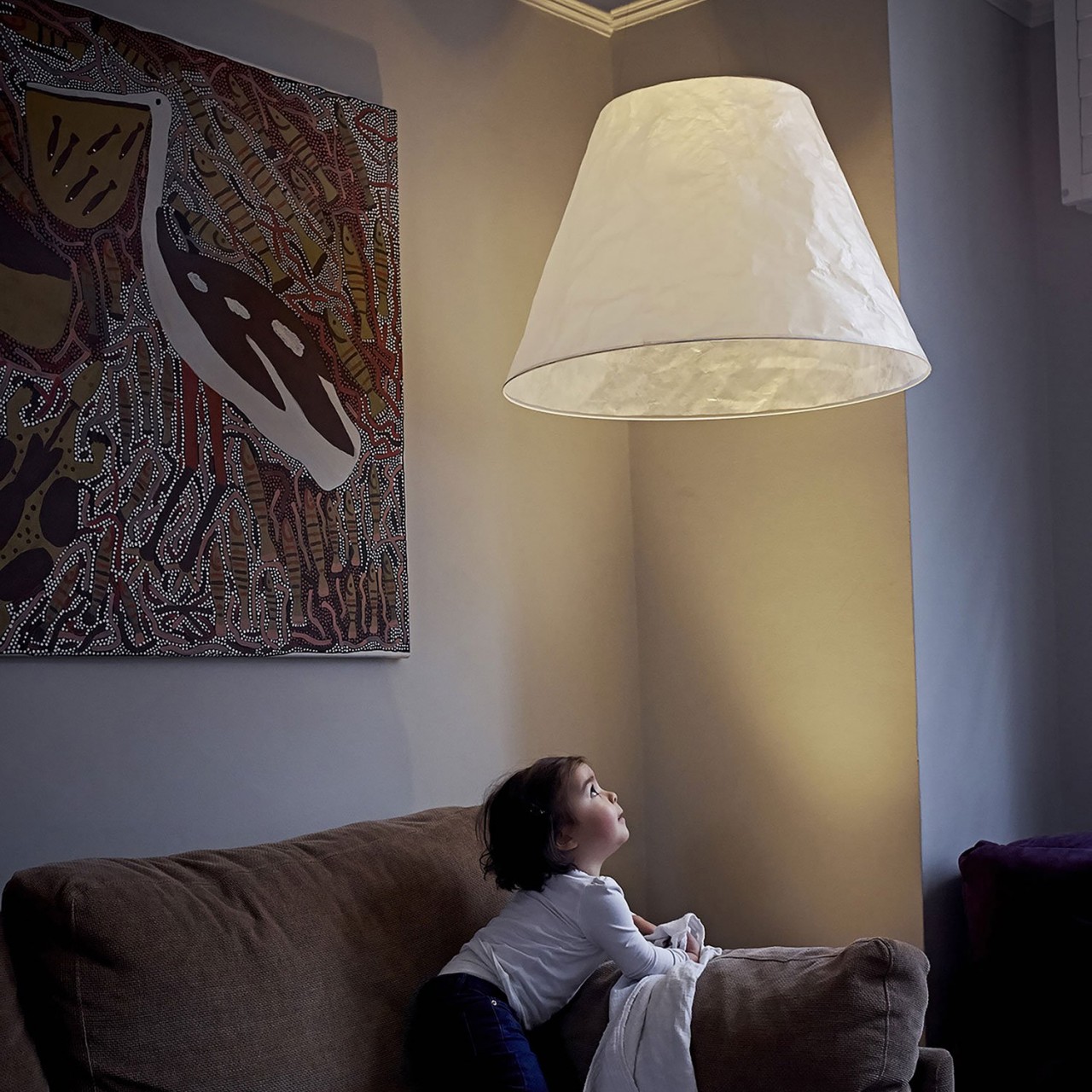
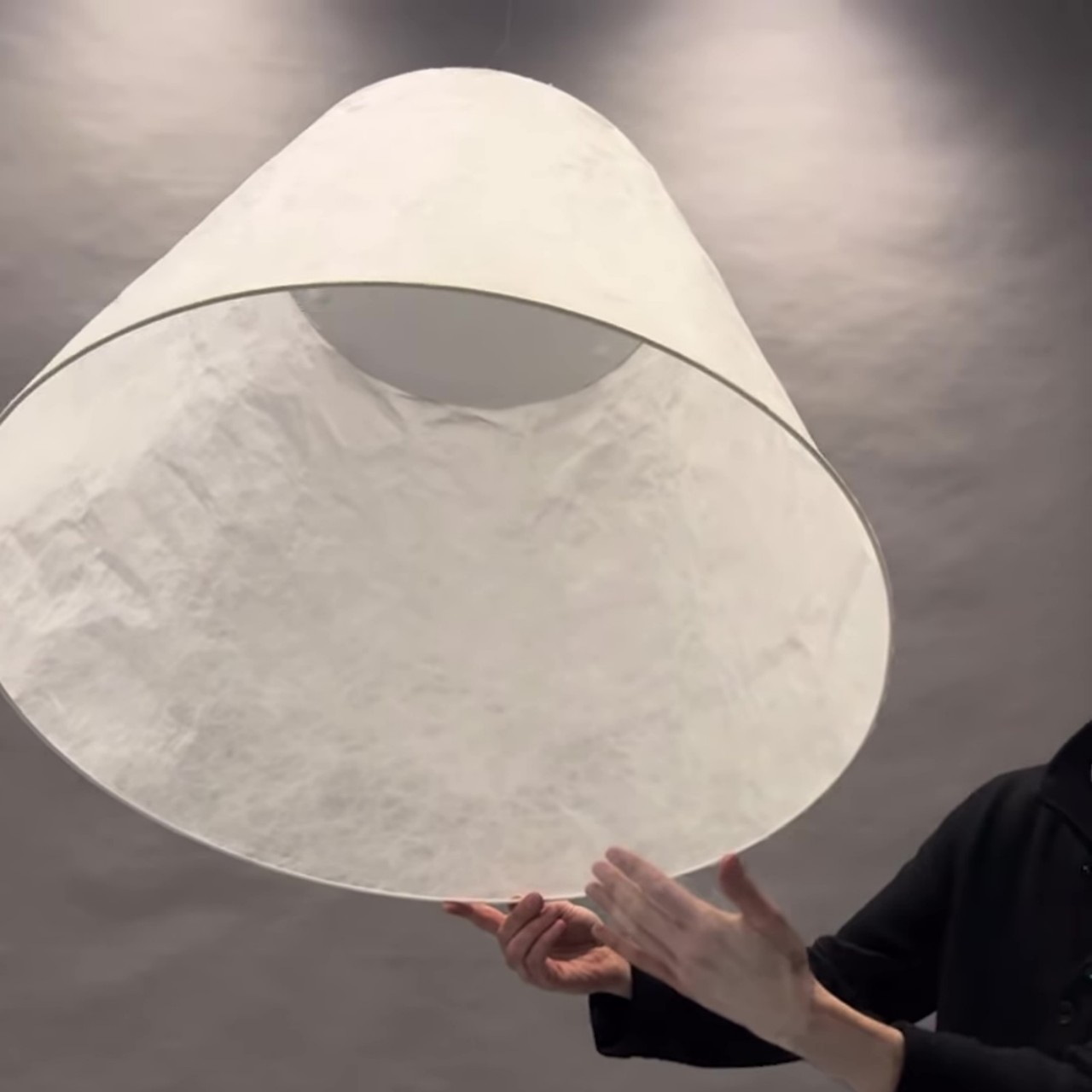
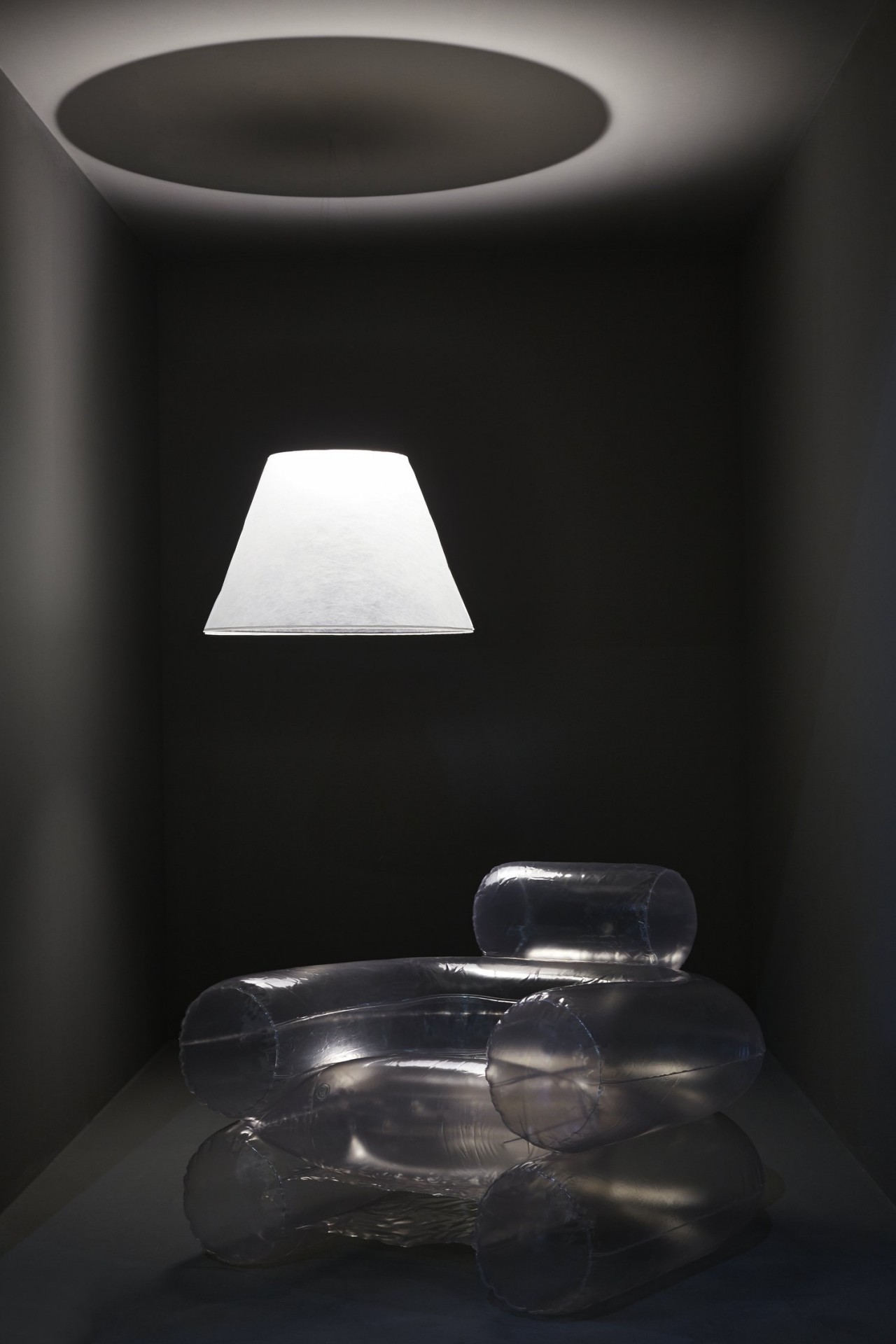
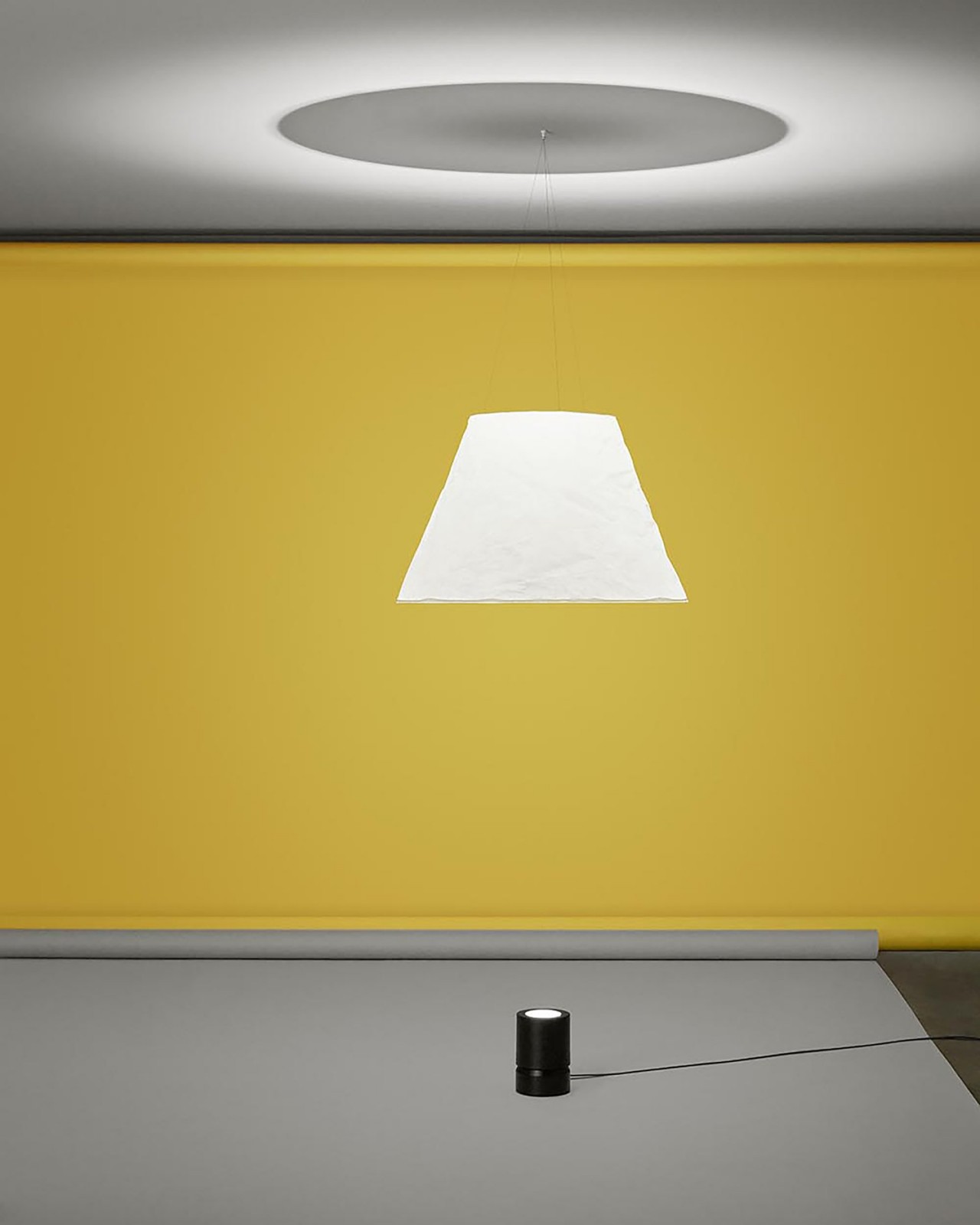
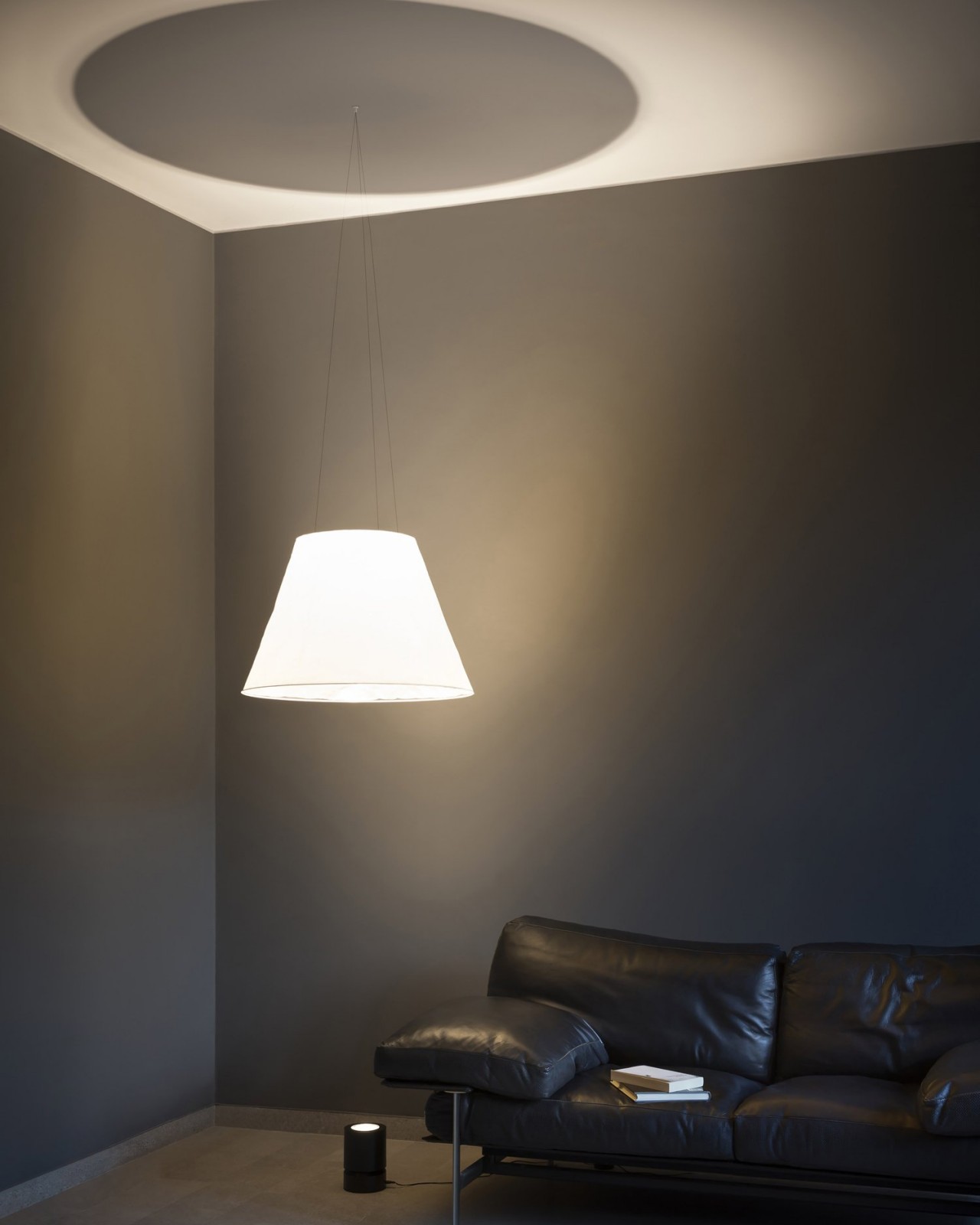
When lit up, Shade looks like a white conical lampshade eerily floating in the air, almost like a stereotypical ghost. Of course, it’s not literally floating but suspended by “capillary-thin” wires that are practically invisible unless you see them up close. But that’s only half the magic because the lampshade itself doesn’t have a light source. Instead, that comes from a small, can-shaped directional spotlight shining upward into the lampshade, creating the illusion of a floating lamp.

In essence, Shade separates the lamp into the shade and the actual light source, and neither is physically connected to the other. More than just creating this bewildering sight, this design also simplifies the installation of the lamp. No need for complicated wiring since the lamp can be set anywhere on the floor where the shade can be hung. You can also place the lamp anywhere as well, though you might want to put it somewhere safe and hidden, just to heighten the sense of mystery.

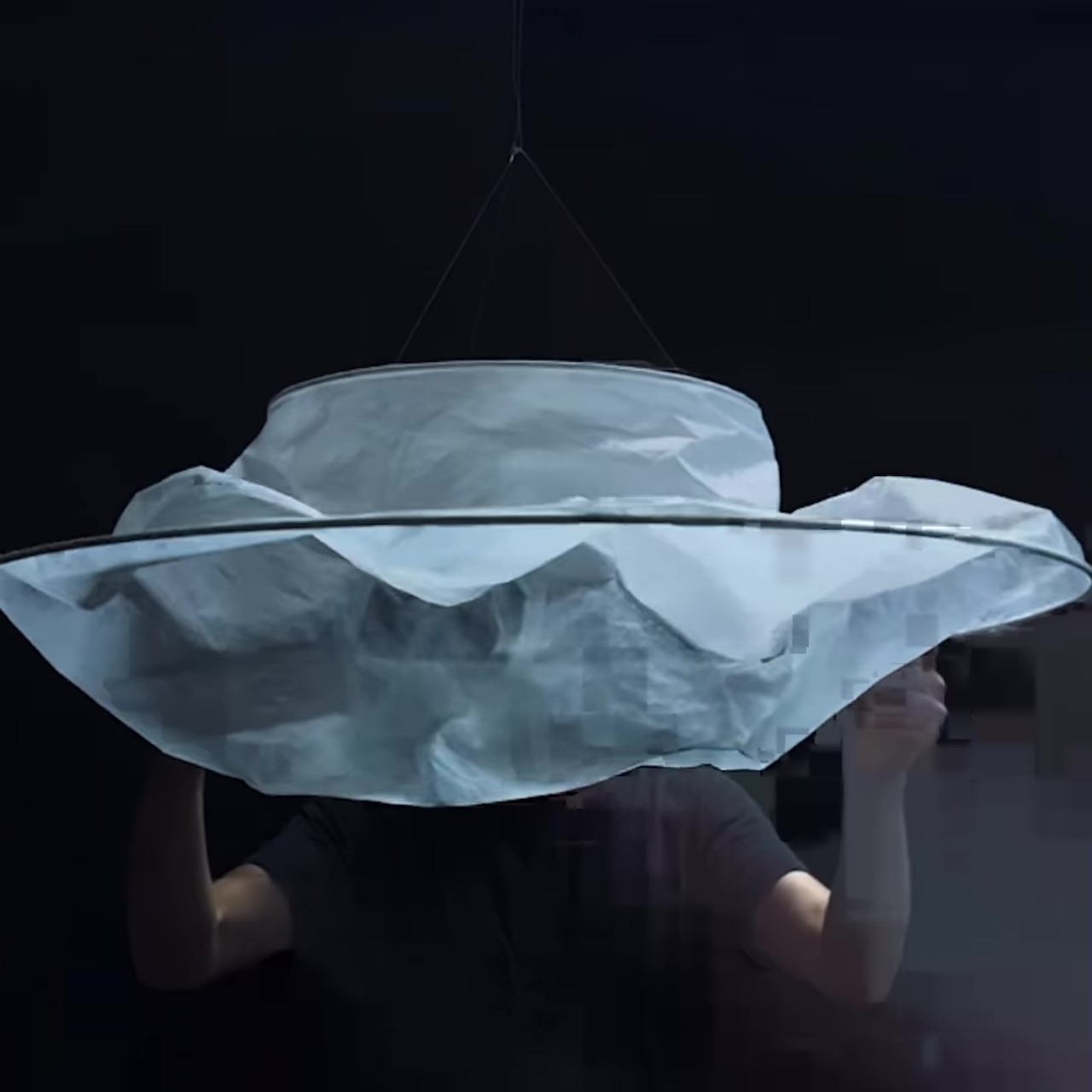
The construction of Shade itself is pretty simple, with the lampshade made of soft yet durably Japanese paper. This material not only gives the shade an almost pure white surface but also gently diffuses the light to a soft glow. The crumpled paper also gives it a unique visual texture that creates a subtle play of light and shadows, enhancing the lamp’s distinctive appeal even when the lights are off.

The post Floating lamp illusion brings an air of mystery to your living space first appeared on Yanko Design.
An Interactive Lamp Series That Brings The Cosmic Moments Into Interiors

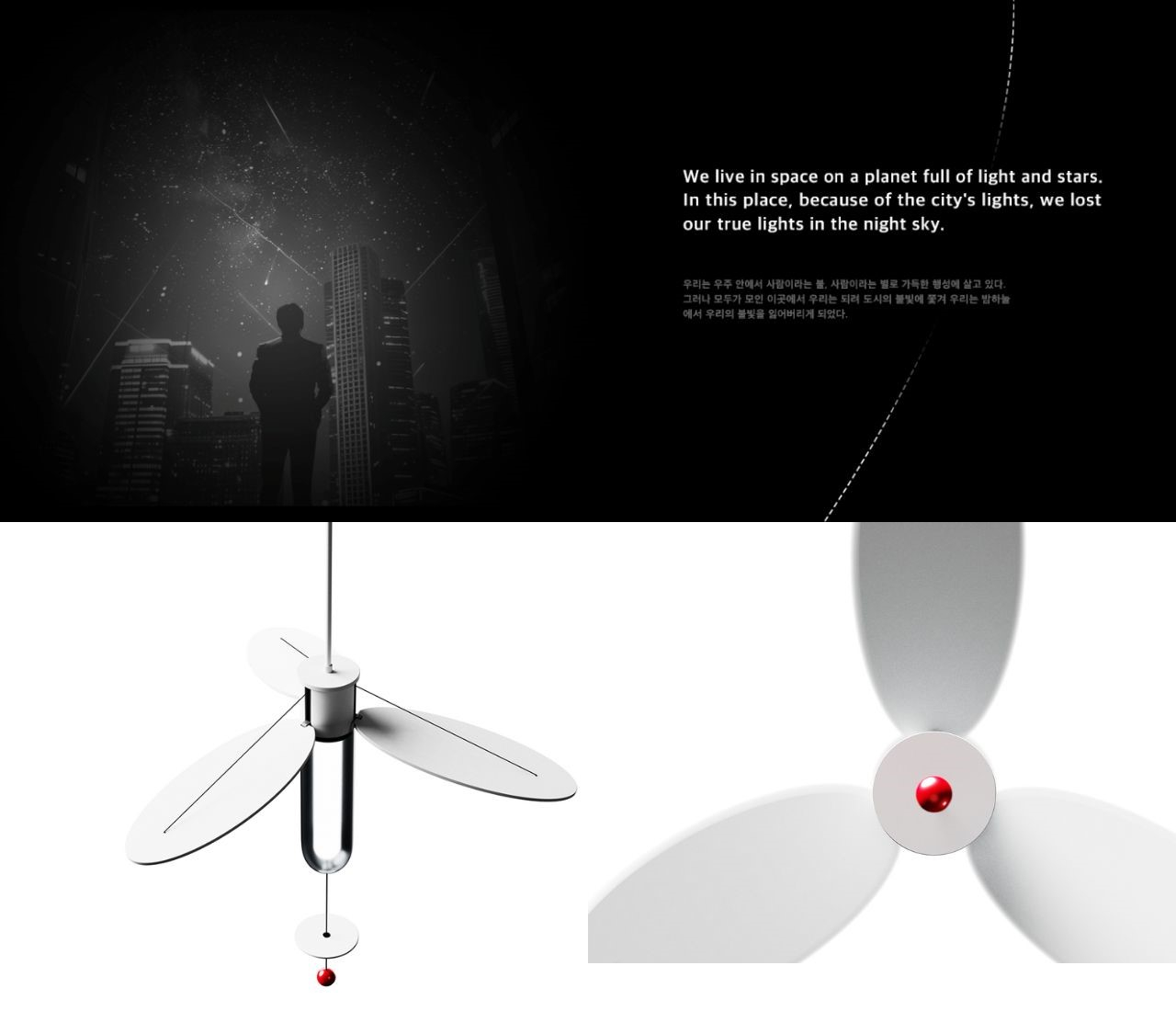
Space, with its vastness and complexity, has always captivated the human imagination. Our solar system, a celestial ballet of planets and stars, has inspired various aspects of human life and design, from ancient sundials to modern-day innovations. The COSMOOVAL lamp series is a testament to this inspiration, drawing on the phenomenal interconnectivity of our solar system to create a collection of lamps that not only illuminate spaces but also tell a cosmic story.

Designer: LFD Official – Seohyun Nam, Nam Woo Kim, Doyoon Kim

The designers of Cosmooval drew inspiration from the celestial bodies in our solar system, considering the way they influence our planet and the intricate dance of light and shadow they create. The lamp series incorporates key elements such as expandability, limitation, transparency, and immateriality to bring the essence of space into our living environments.

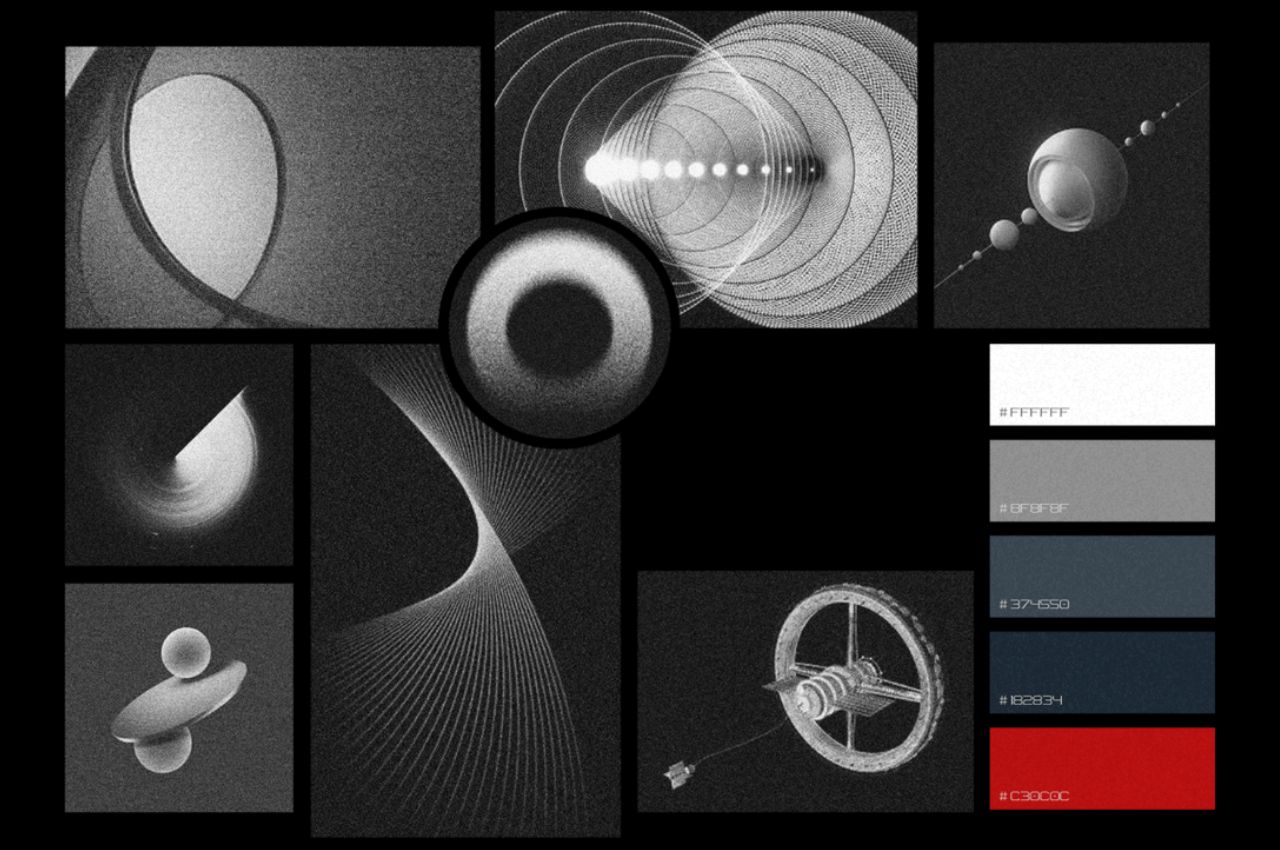
The design process began with the creation of a mood board, reflecting the tension and spatial dynamics of the universe. Simple basic figures, inspired by solar and lunar eclipses, shooting stars, and planetary movements, were arranged to evoke the mood of the cosmos. A clay mockup emphasized stability through the use of circles and triangles, laying the foundation for the lamp series’ structural elements.

Several idea sketches were explored, with the initial focus on a triangular structure within three circles. As the design evolved, proportions, details, and interactions were refined in subsequent sketches. The final design selected a form that considered materials, structure, and user interaction, resulting in three distinct types of lamps within the Cosmooval series.

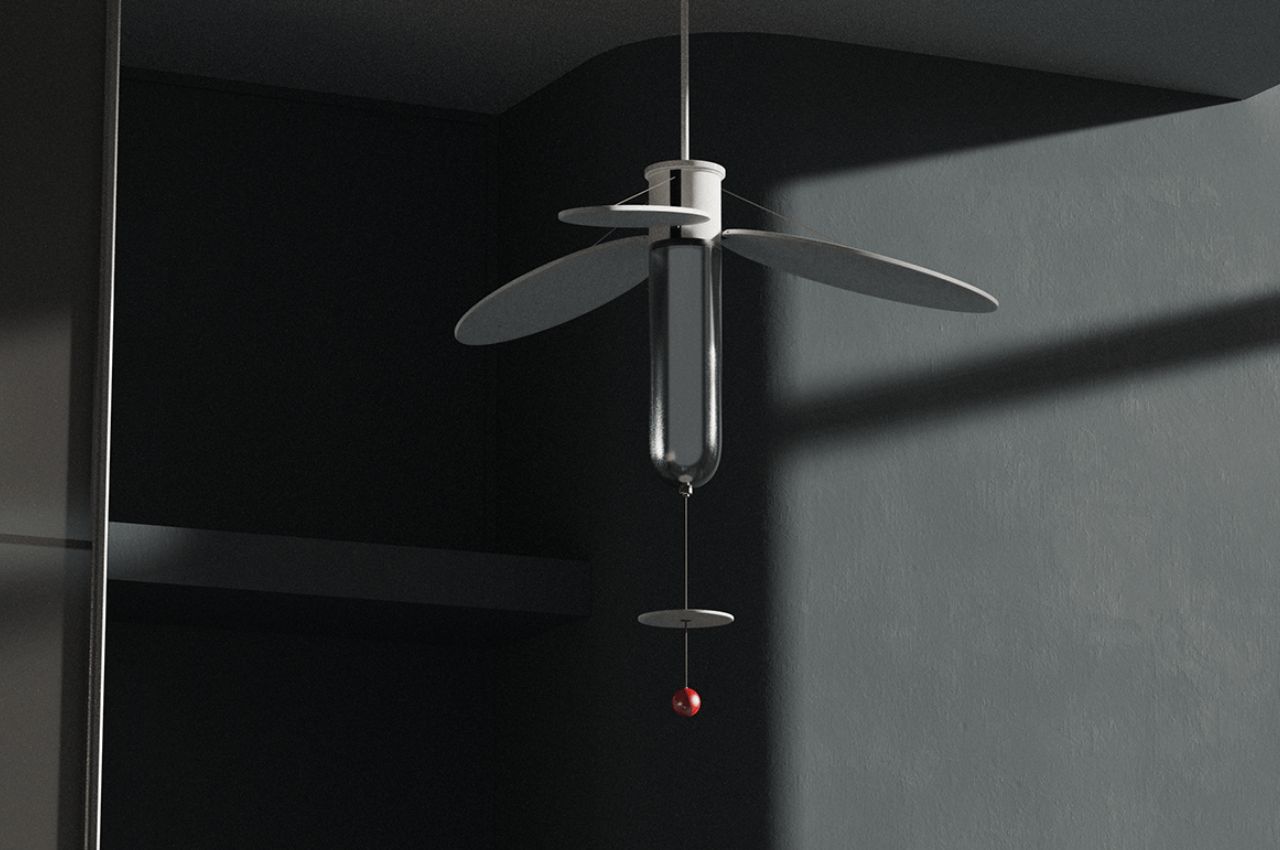
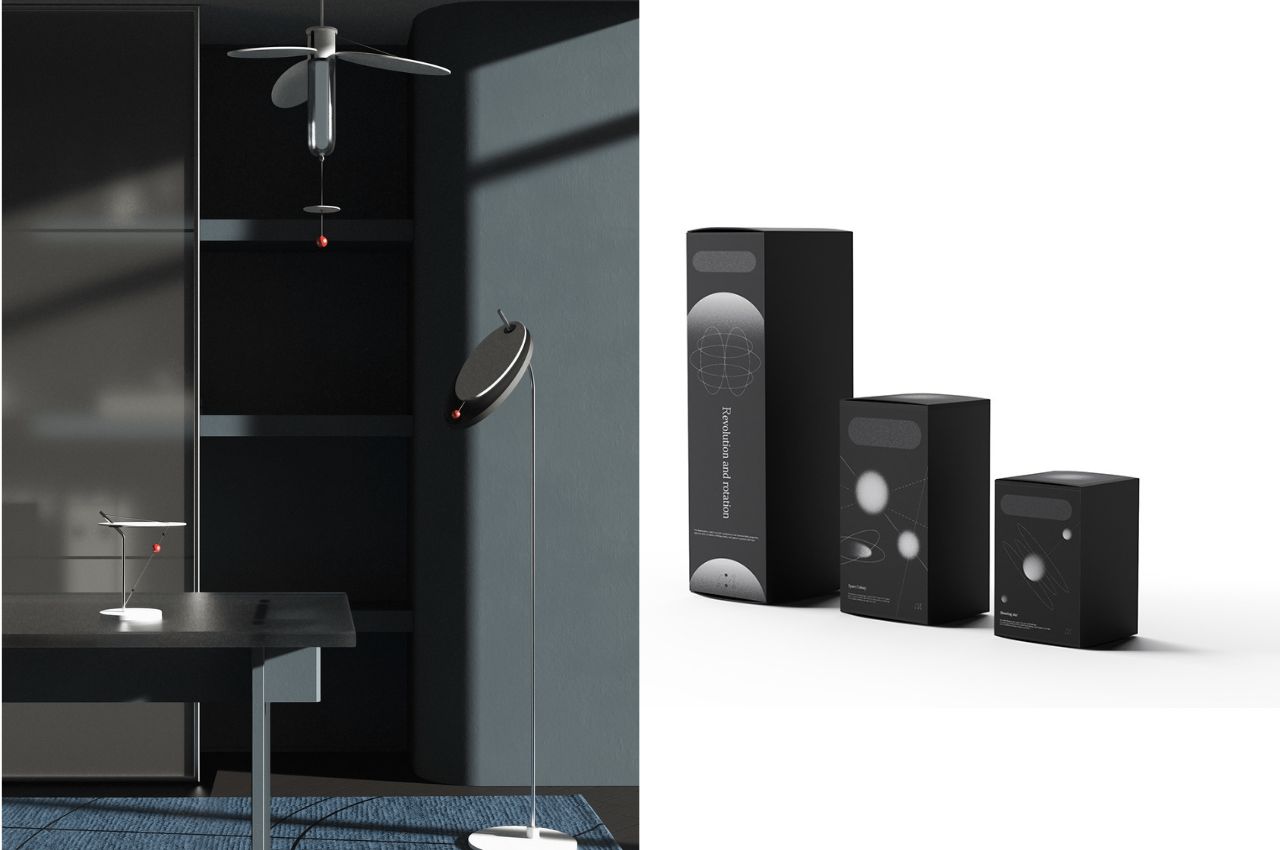
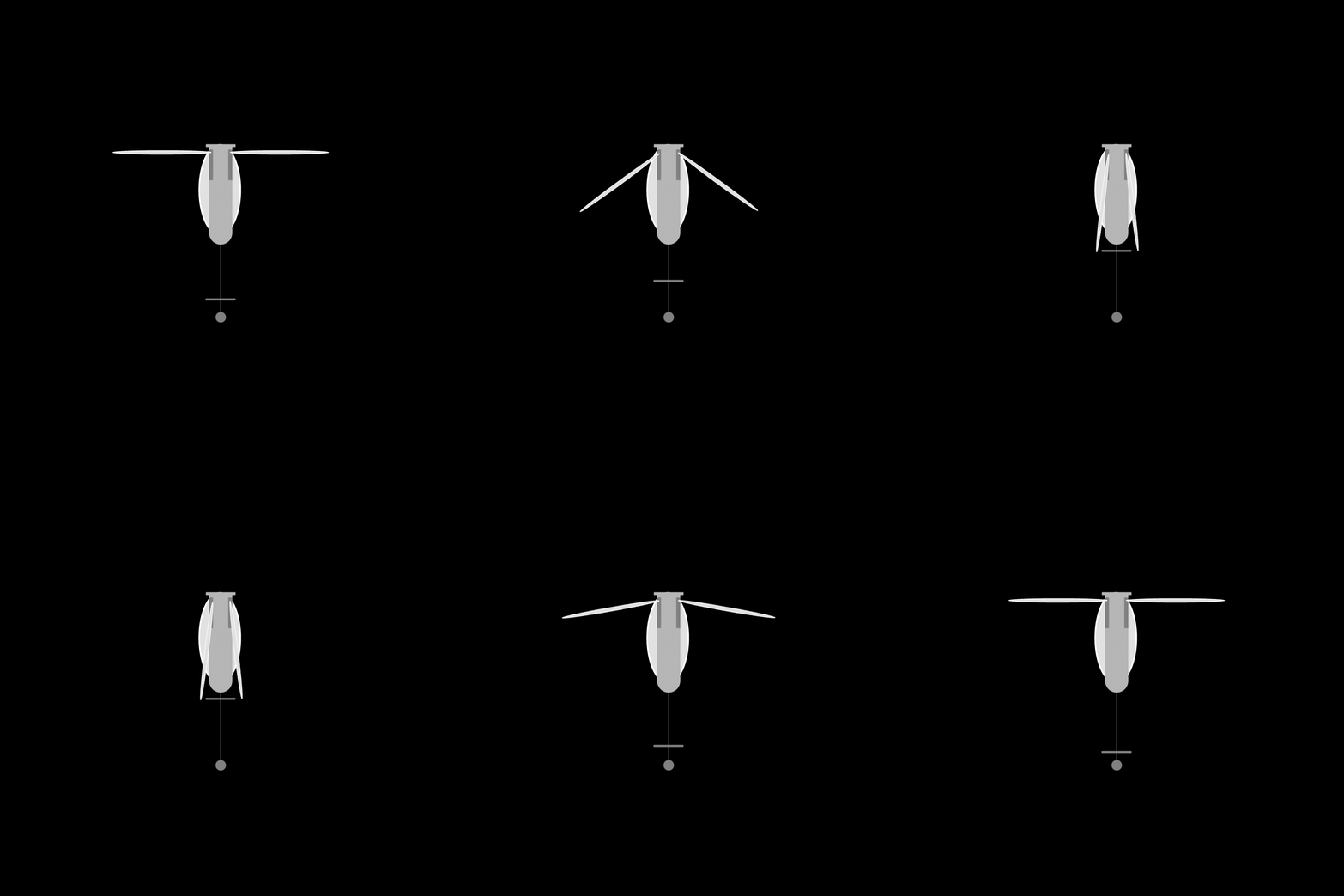
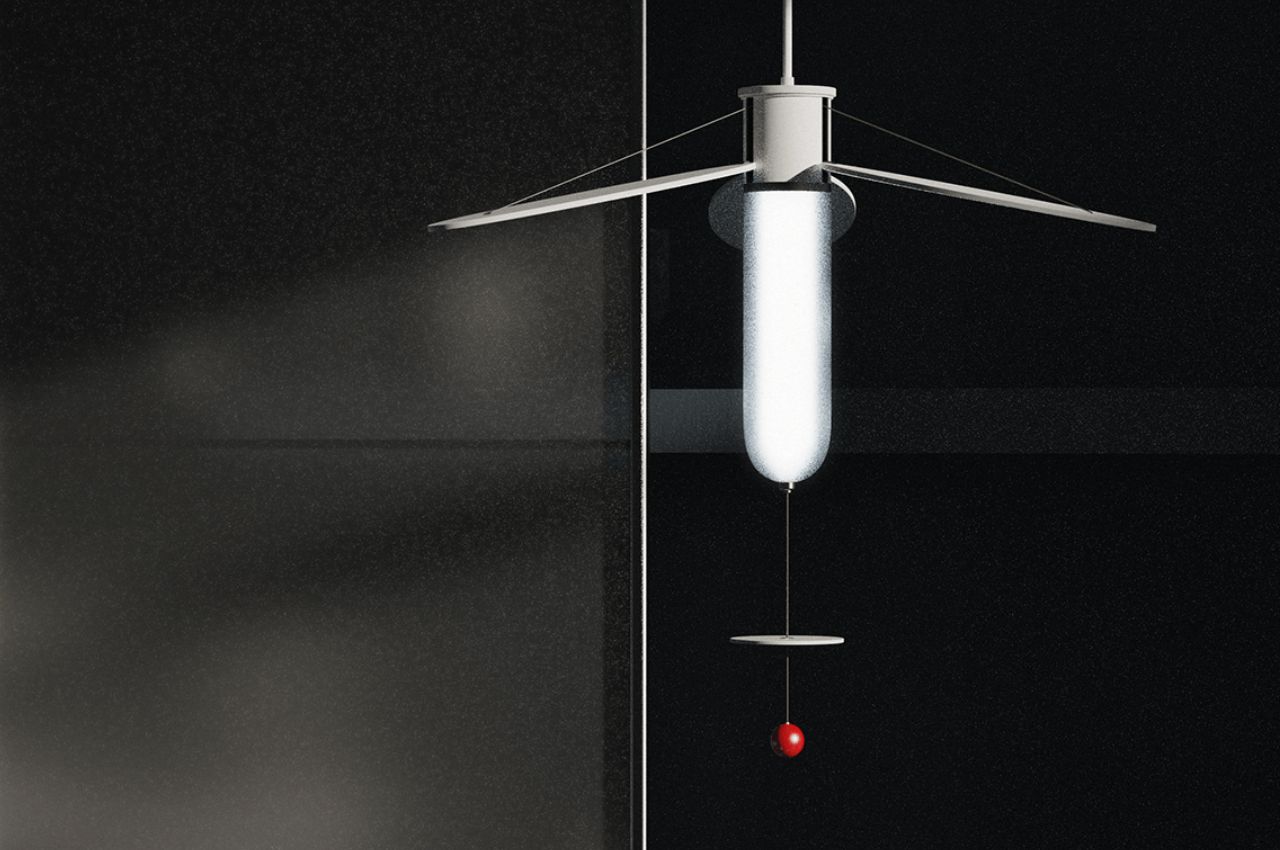
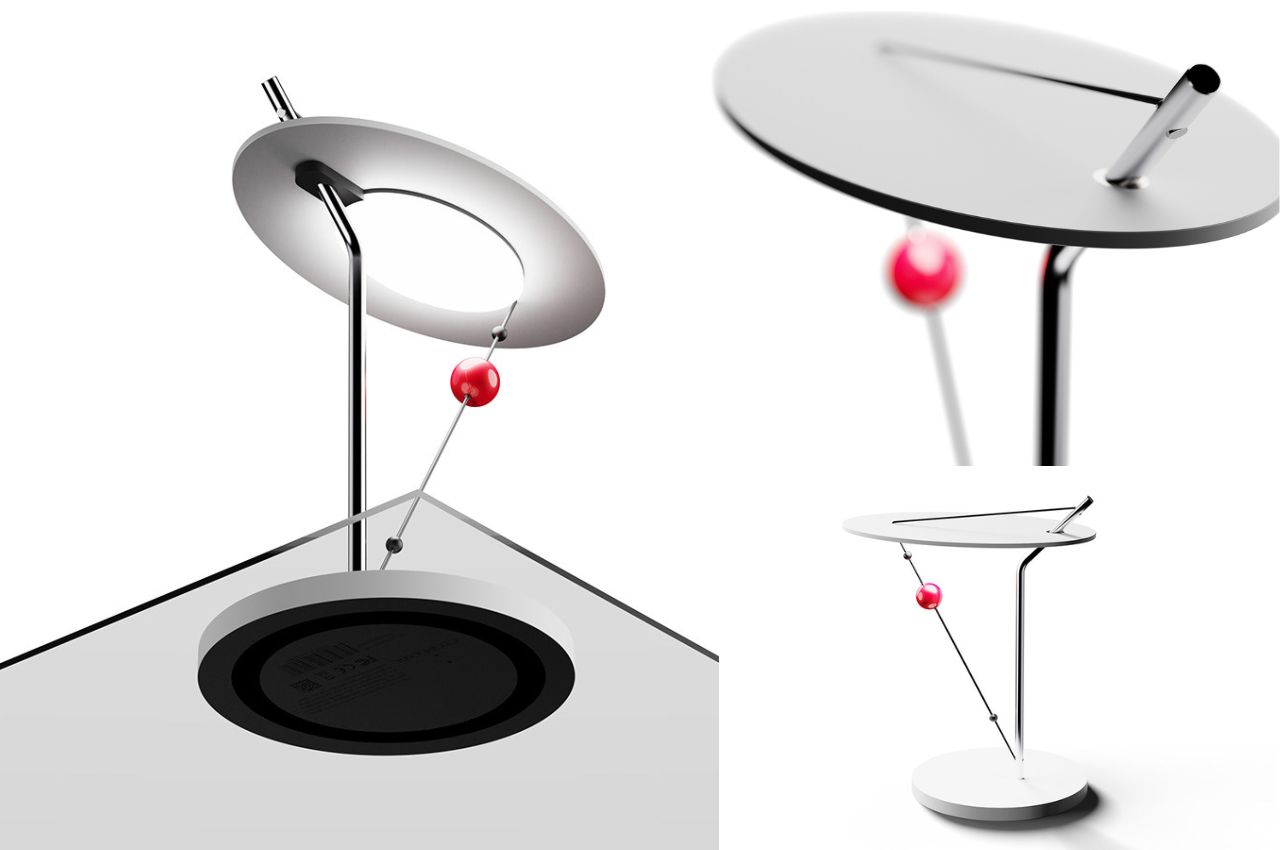
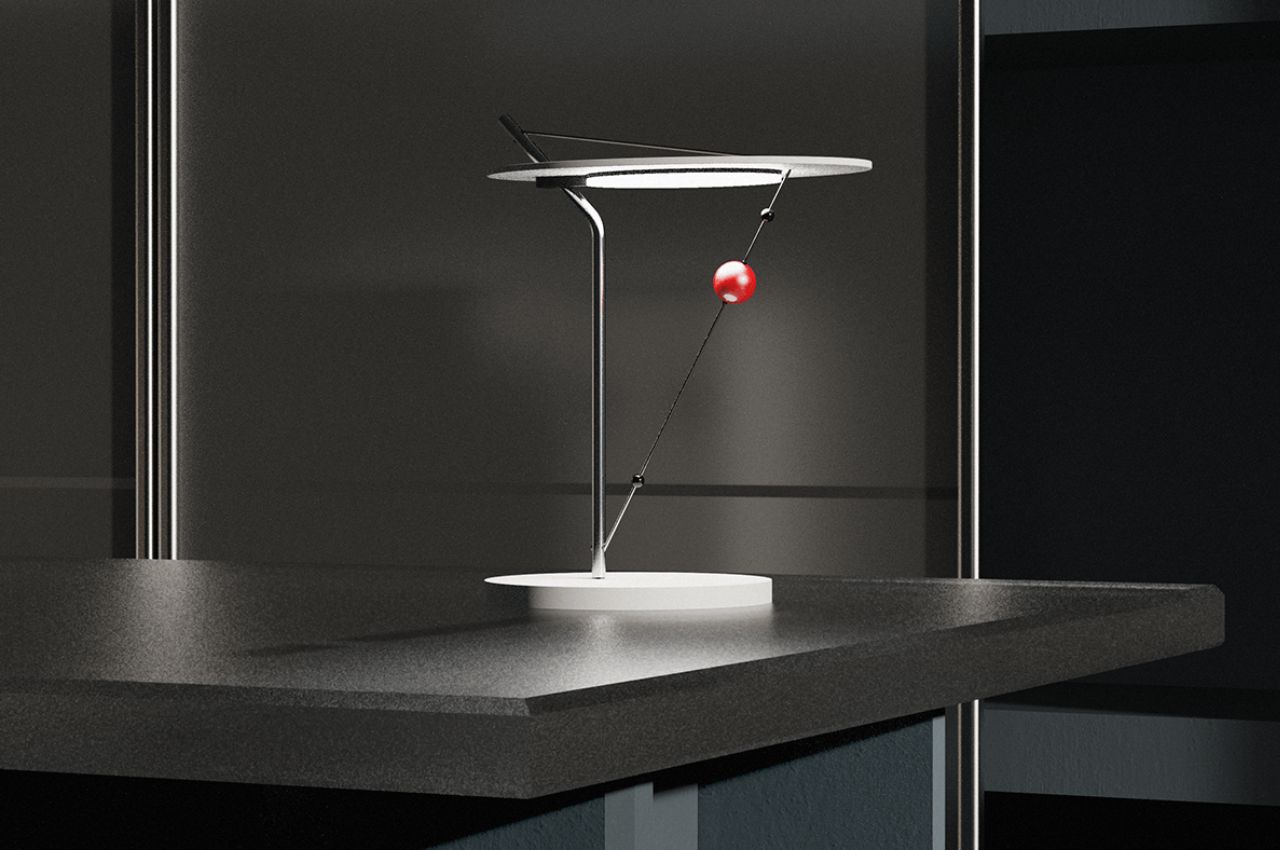
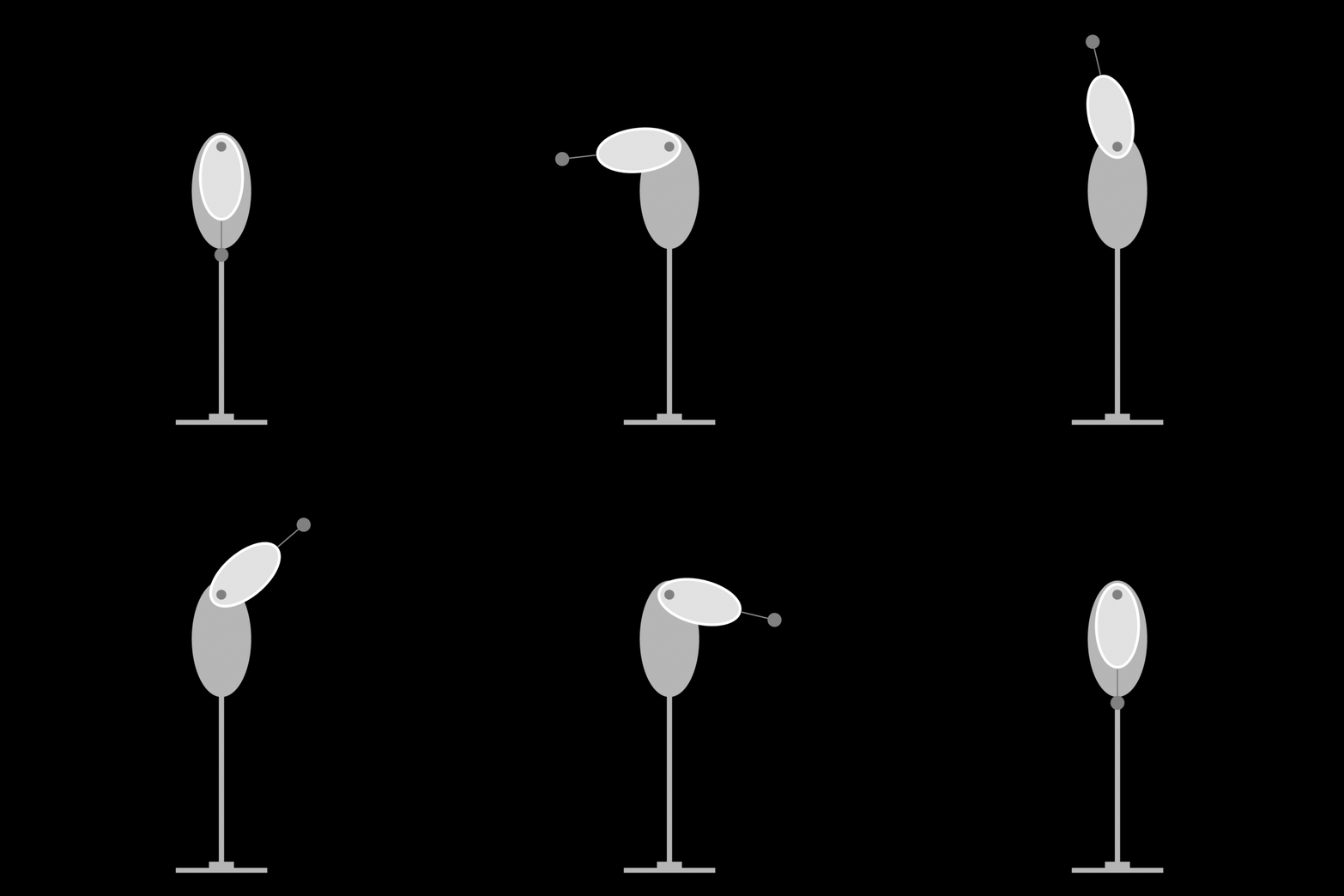
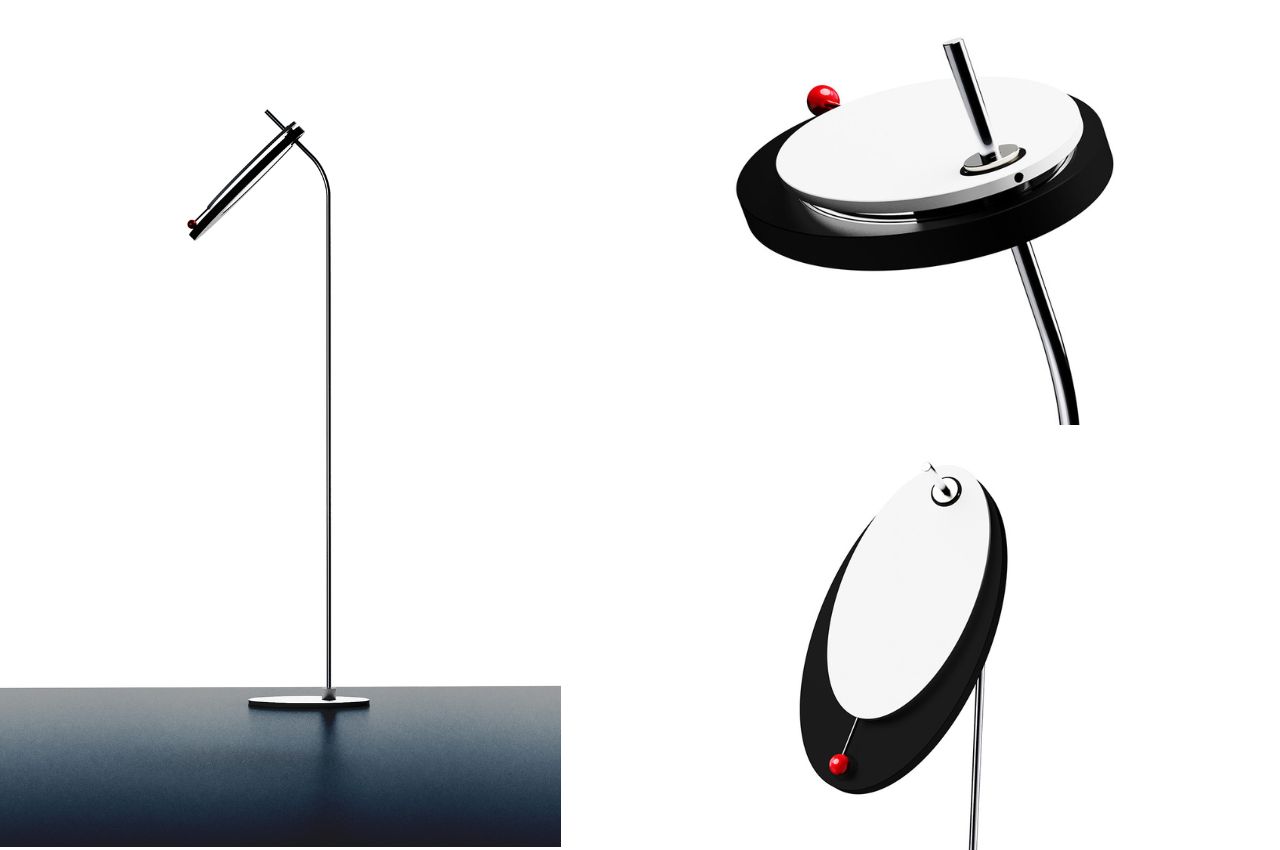
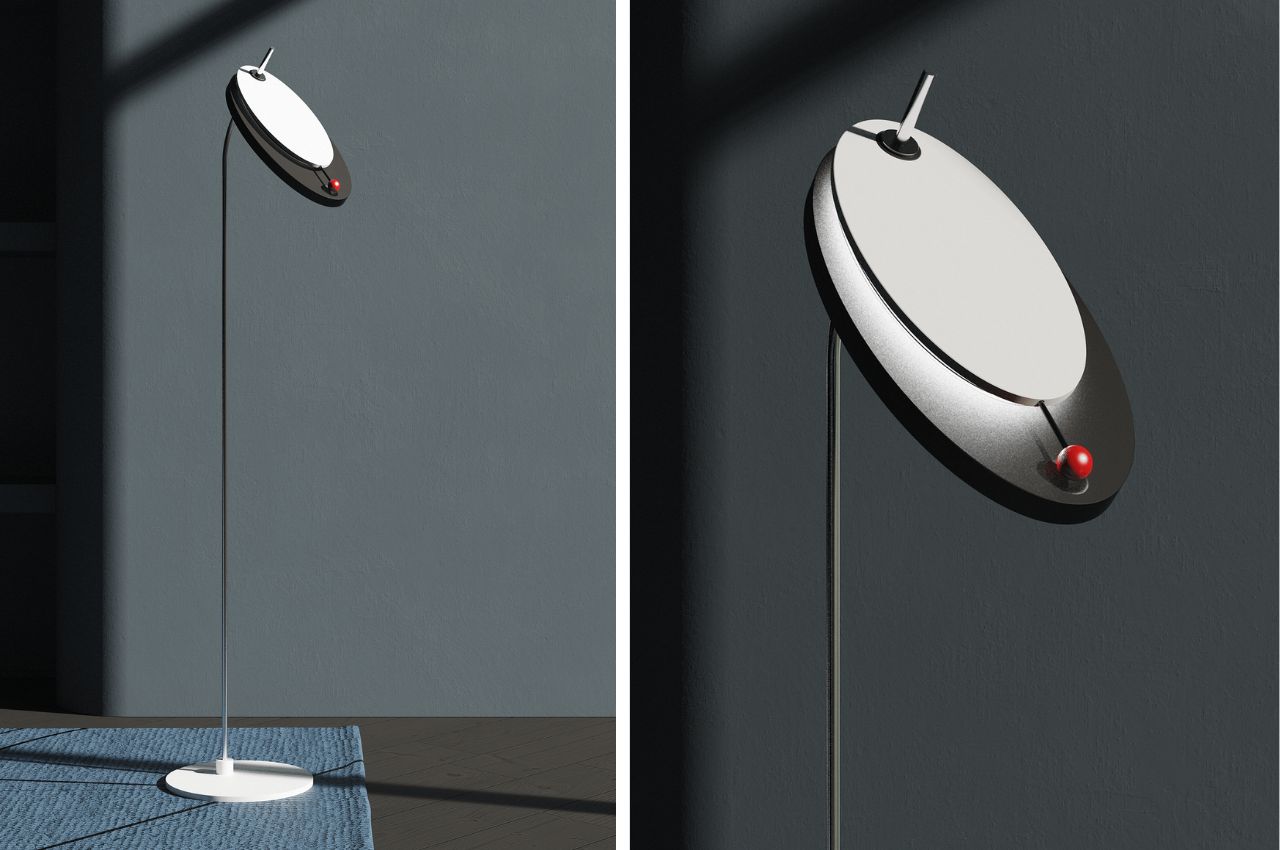
Each lamp in the series offers a unique interaction with light, adding to the overall cosmic experience. The ceiling lamp, representing expandability, spreads light by adjusting the angle of an oval disk. The table lamp, embodying limitation, controls light brightness through the movement of a red sphere, mimicking the motion of a shooting star. The floor lamp, combining transparency and immateriality, simulates orbiting planets and solar eclipses, changing light intensity as the red sphere is manipulated.

Cosmooval, derived from the fusion of “Cosmo” (space) and “Oval” (ellipse), is more than just a lighting solution; it is an artistic representation of the cosmos. The series serves as a visual metaphor for planets, satellites, and shooting stars, moving in harmony with their orbits.

The ceiling lamp symbolizes the expansiveness of space, spreading light with three ovals arranged in a stable manner. By pulling the red sphere attached to a string, users can open and close the ovals, controlling the brightness and essential light in their space.

1

In the table lamp, a triangular structure controls the concentrated light source. Moving the red sphere along a diagonal line mimics the motion of a shooting star, allowing users to experience the fleeting brightness associated with celestial phenomena.

1

The floor lamp embodies transparency and immateriality, recreating the orbits of planets and solar eclipses. Pushing the red sphere sideways changes the shape and intensity of light, providing a dynamic representation of the passage of time and celestial revolutions.

1

The Cosmooval lamp series transcends conventional lighting, offering users an immersive experience that connects them to the wonders of our solar system. Through innovative design and thoughtful interaction, these lamps bring the cosmos into our living spaces, reminding us of the beauty and complexity of the universe that surrounds us.

The post An Interactive Lamp Series That Brings The Cosmic Moments Into Interiors first appeared on Yanko Design.
Ring light lamp concept has an interesting way of spreading its light

The young live-streaming industry has introduced a standard lighting technique to the masses, giving birth to the now popular “ring light” that’s even making its way to smartphone cameras. The literal ring of light is meant to provide more natural-looking illumination while minimizing the casting of shadows due to both its shape and its position in relation to the camera. It’s a visually interesting piece of lighting equipment, but its design is extremely focused and limited to that use case. This lamp, however, tries to take that same idea but gives it an even more interesting interpretation, generating light that doesn’t shine in just one direction but goes almost everywhere except where the lamp is facing.

Designer: João Teixeira

Although circular lamps have been around for decades, ring lights are still a bit of a novelty to those outside the professional photography world. After all, circular lamps are often mounted on ceilings and walls, but this “halo on a stick” can be placed almost anywhere it’s needed to have a well-lit shoot or stream. It also uses LEDs versus the traditional fluorescent, though it technically can be any light source as long as it can take a circular form.

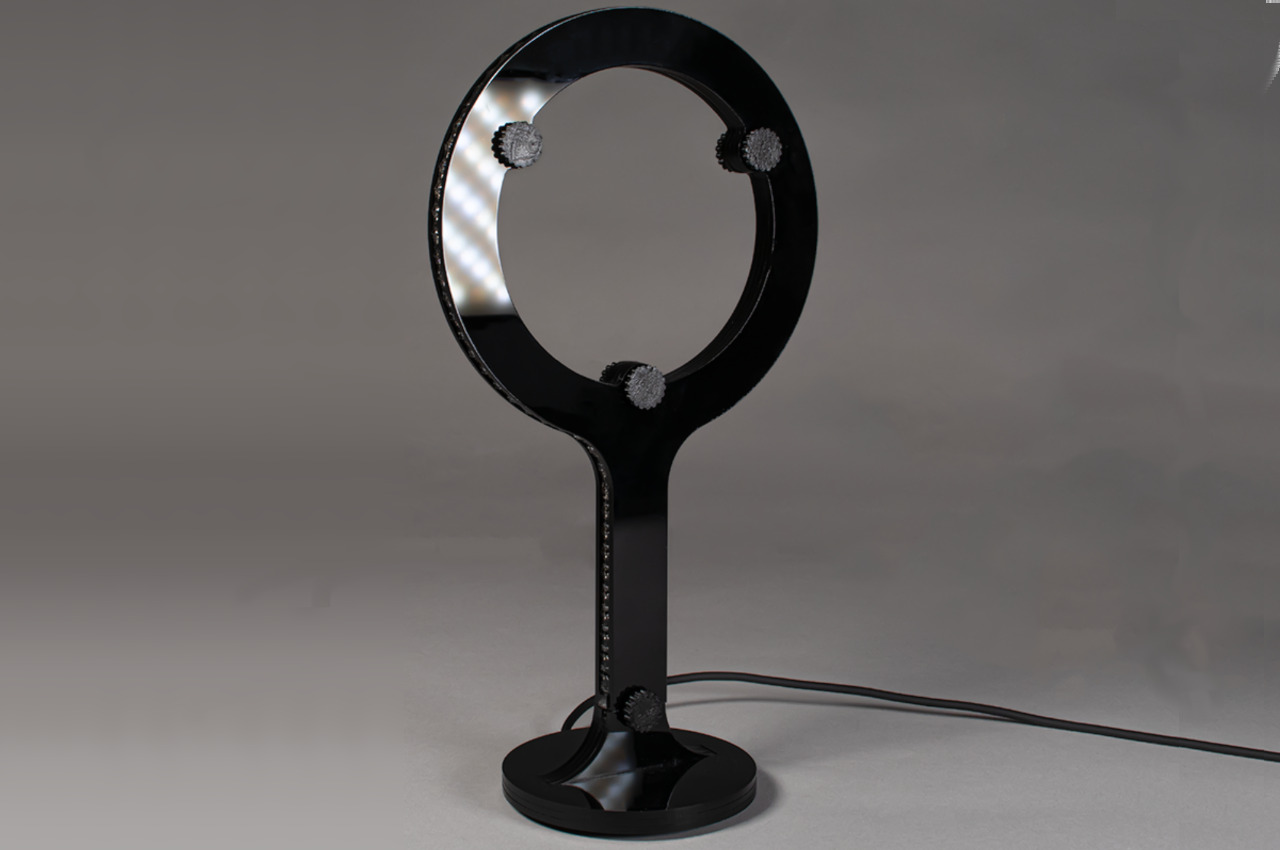
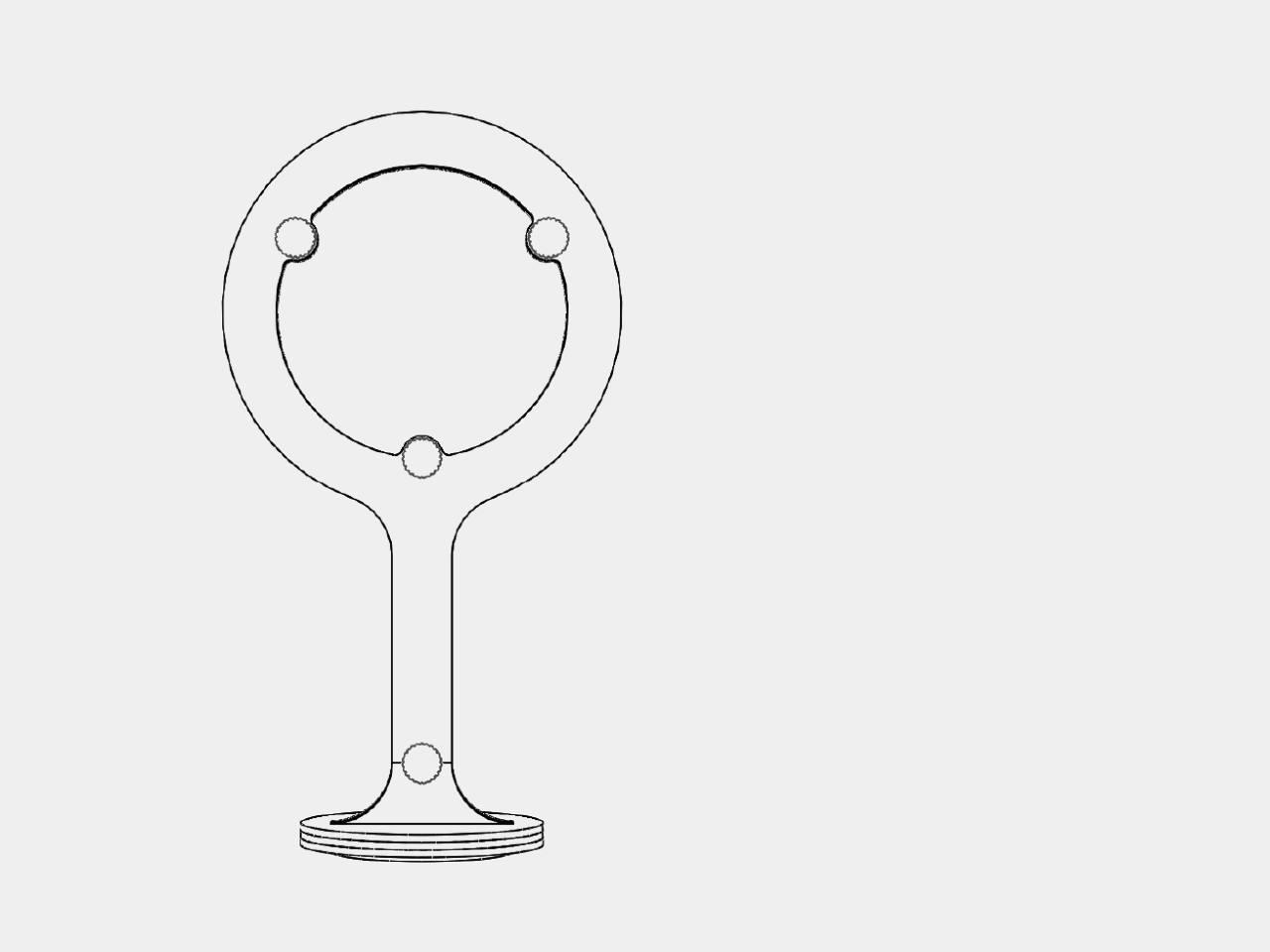
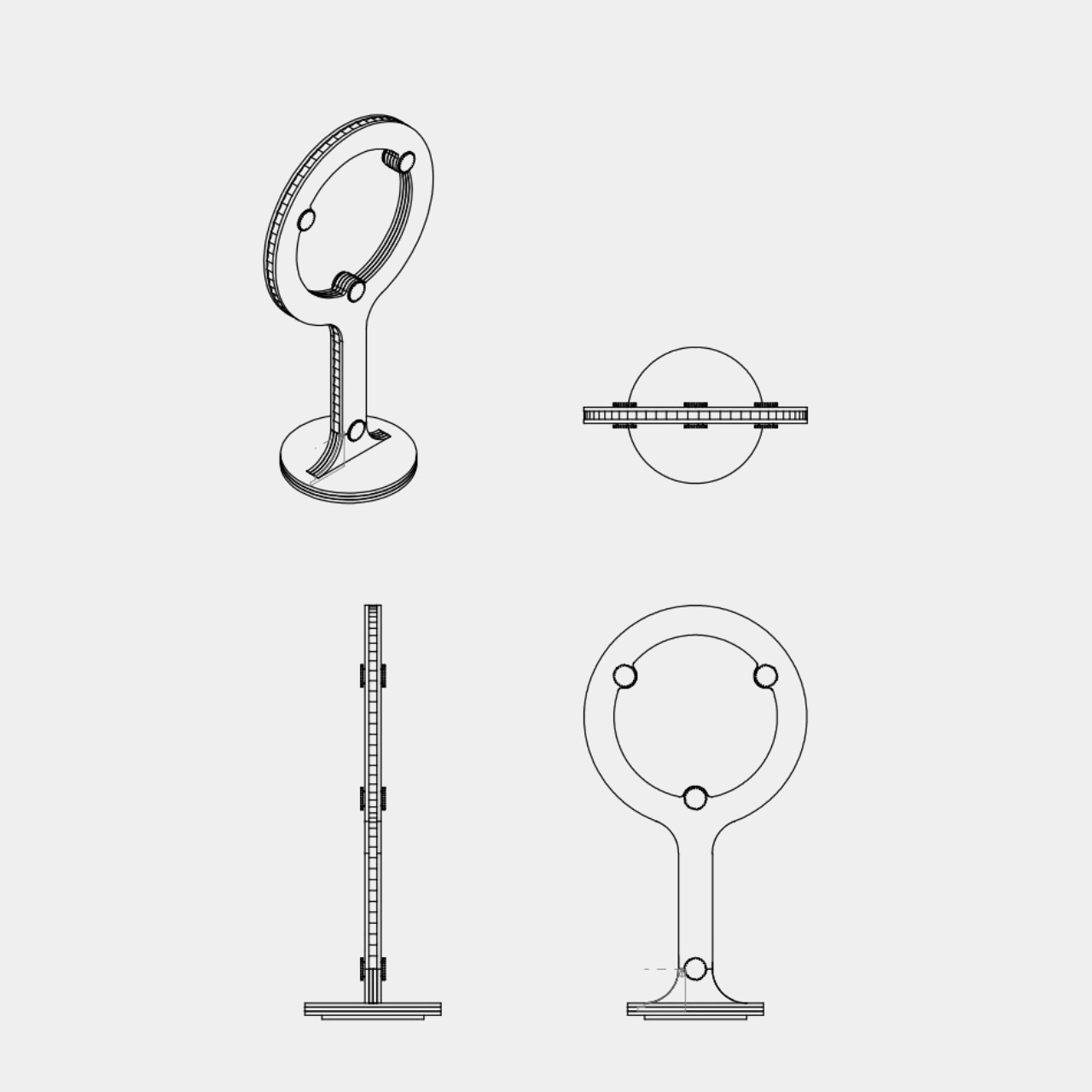
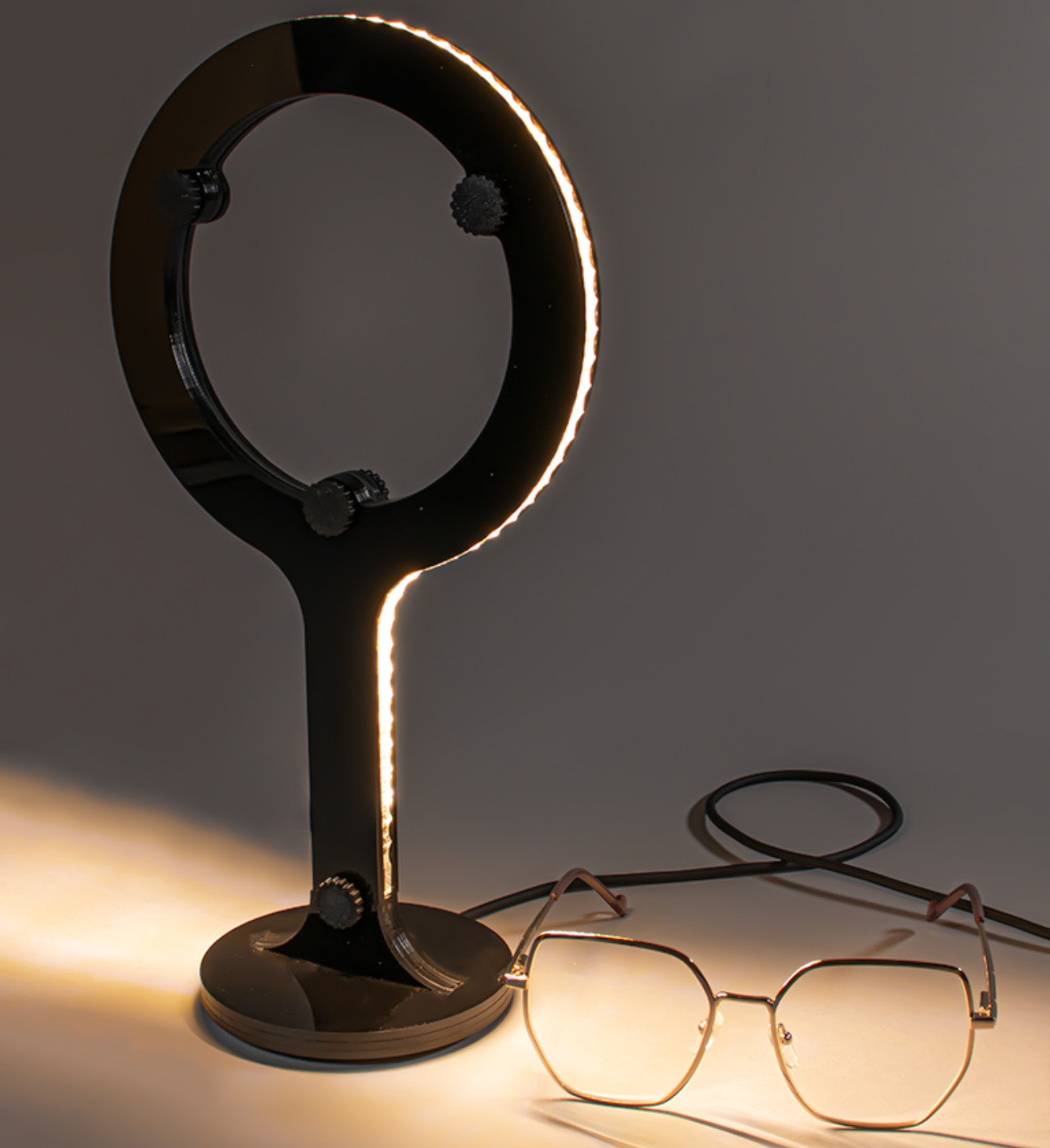
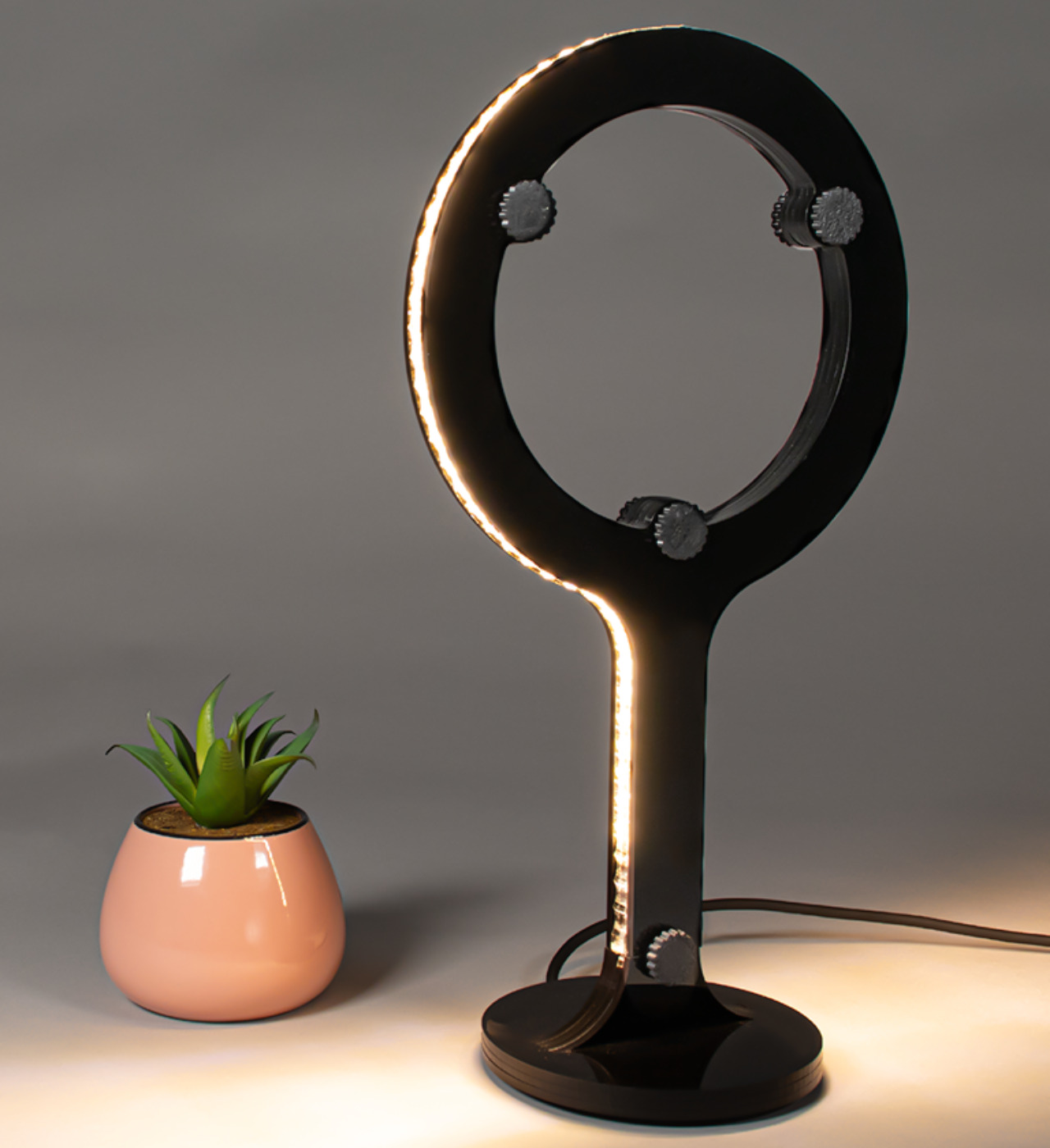
“Spot” is a concept for a lamp that is inspired by the shape of these ring lights but almost does in the opposite direction. Despite a ring light’s circular shape, it still shines its light mostly forward, with some illumination scattered around it only as a side effect. In contrast, Spot’s light comes from the structure’s side, and there is actually no light from its front or even its back.

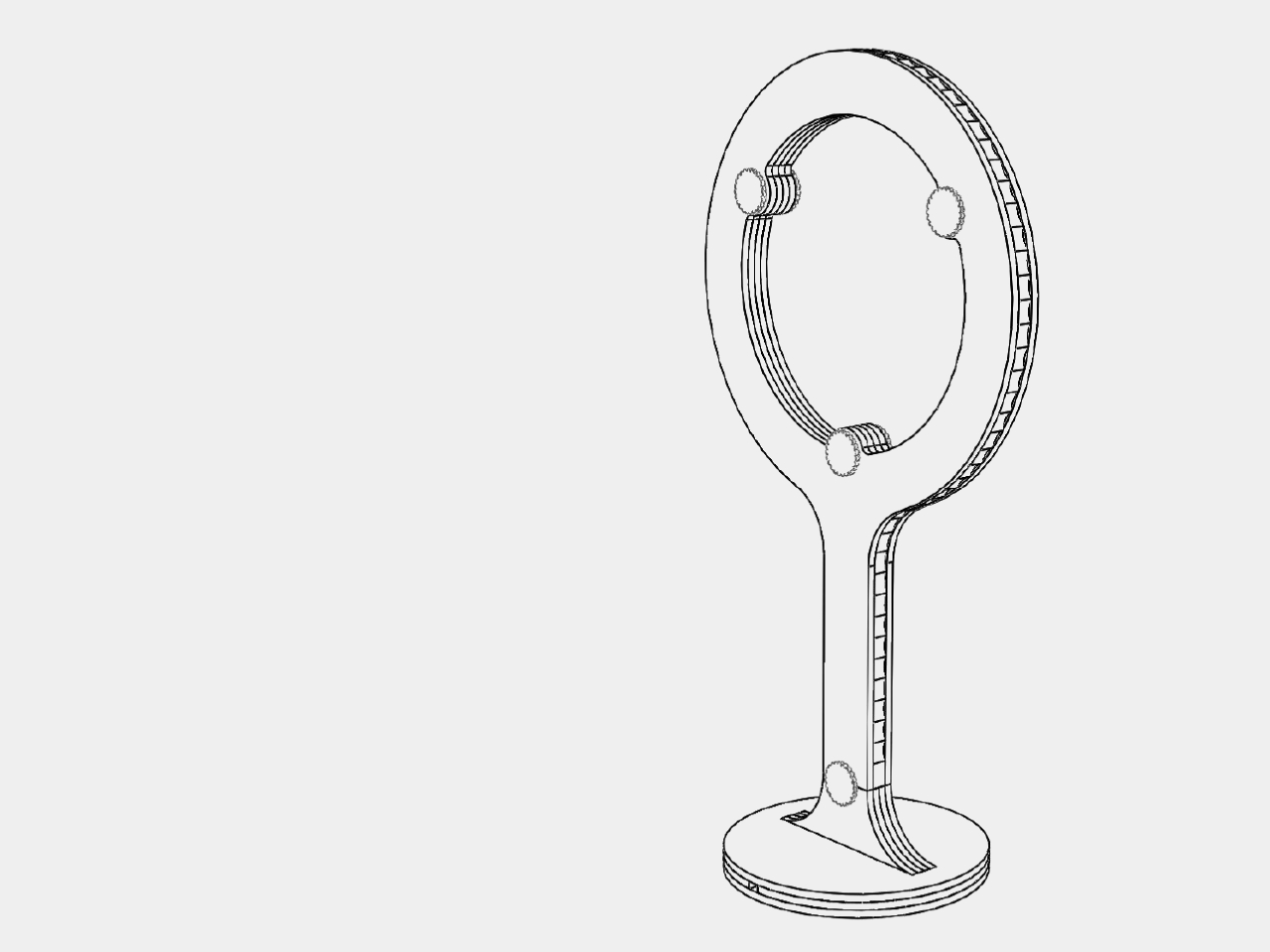
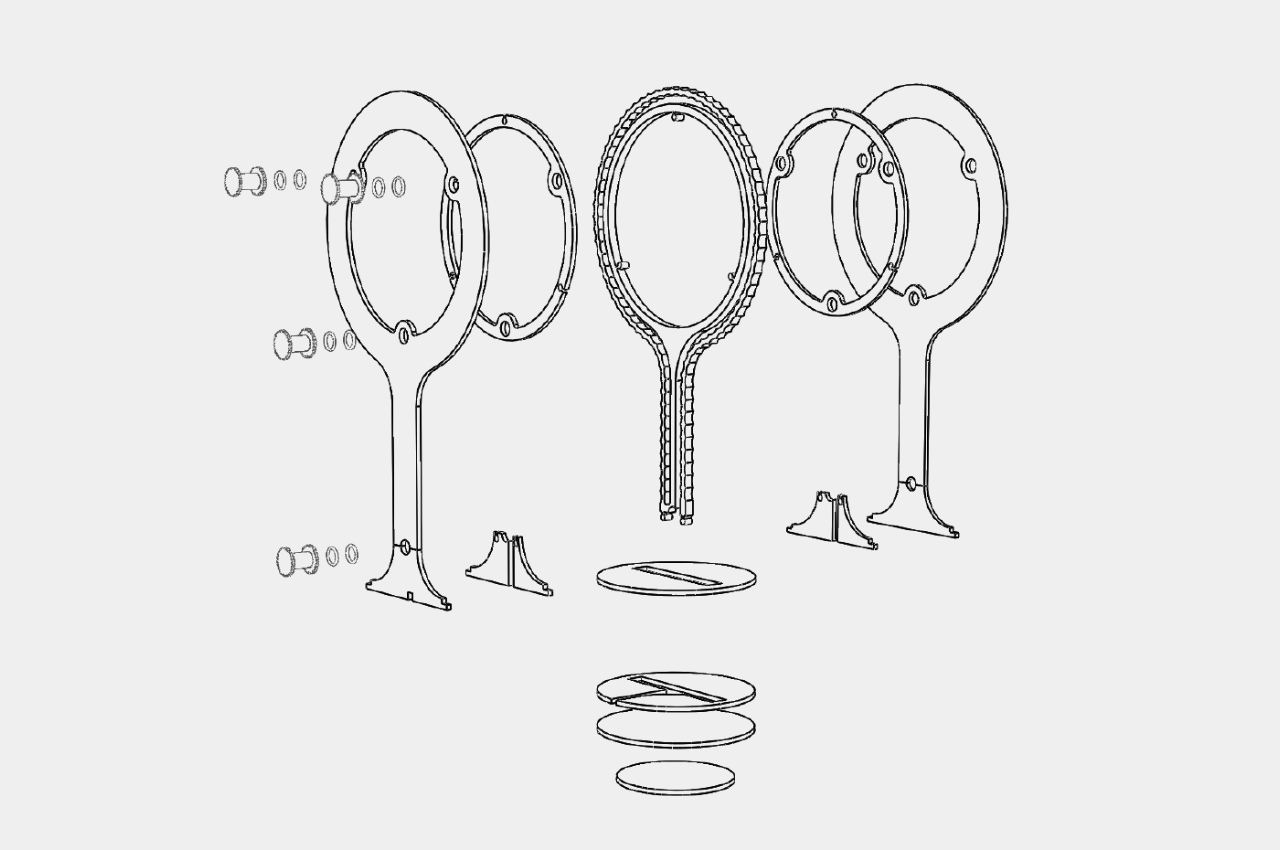
The design shares the same basic combination of a ring on a stand, but the key difference is that an LED strip runs outside along the edges of the shape. This strip is supported by an internal structure that is sandwiched between two opaque covers, making sure the light is really projected only from the sides of the lamp. Another key design element is that Spot makes it easy to take the product apart in order to replace the LED strip, making maintenance and repair trivial.

Because of the way it illuminates from the sides rather than in a single direction, Spot functions more as a decorative lighting fixture or a night lamp at best. The contrast of the dark body and the lighting shining around it creates an almost eerie appearance, one that will easily grab attention and serve as a conversation starter, despite its seemingly simple design.

The post Ring light lamp concept has an interesting way of spreading its light first appeared on Yanko Design.
Bag-like portable lamp concept takes a page from traditional Korean lanterns

Lamps are a normal part of everyday life, giving light and creating moods anywhere, anytime, even during the day. Conventional lamp designs involve fixtures placed on walls, hanging from ceilings, or even standing up from floors and desks, all of them permanent or semi-permanent. Of course, some lamps can be carried, and there was a time when these were the only kind of lamps that lit up houses and paths as what we now call “lanterns.” Most portable lamps these days take a more practical and space-efficient shapes like cylinders and boxes, but this design concept throws convention out the window with a lamp design that looks like a cross between a traditional paper lantern and a modern bag.

Designer: Hyejin Cho

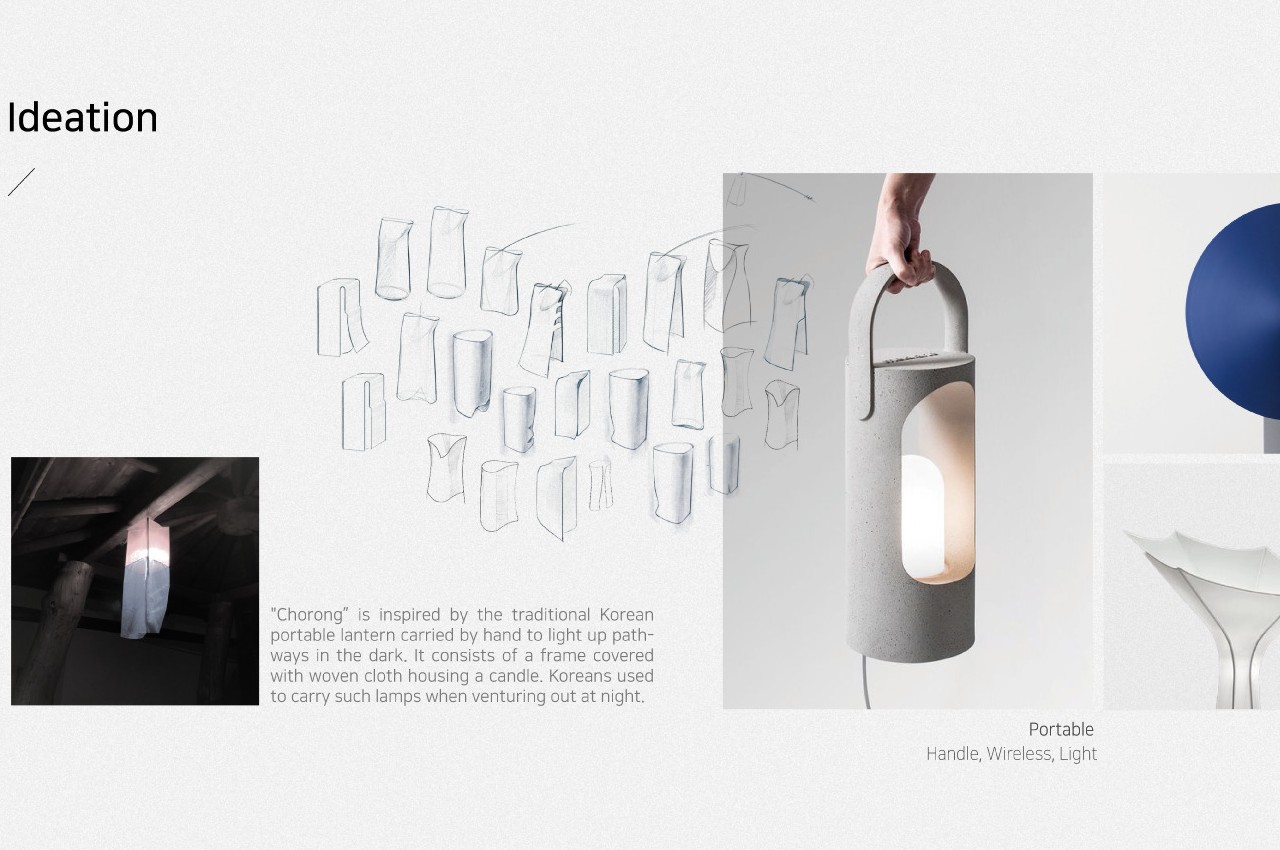
Once upon a time, all sources of light were pretty much fire hazards. Metal lanterns used combustible kerosene and paper lanterns enclosed candles in, well, paper. The latter was a common design in Asia, like the Korean Chorong which used white cloth covering a wooden frame to protect the candle inside from blowing winds. Of course, we have electricity and LEDs today to make all of that safer, but there’s also a certain charm to the sight of a lantern’s fabric billowing gently in the wind.

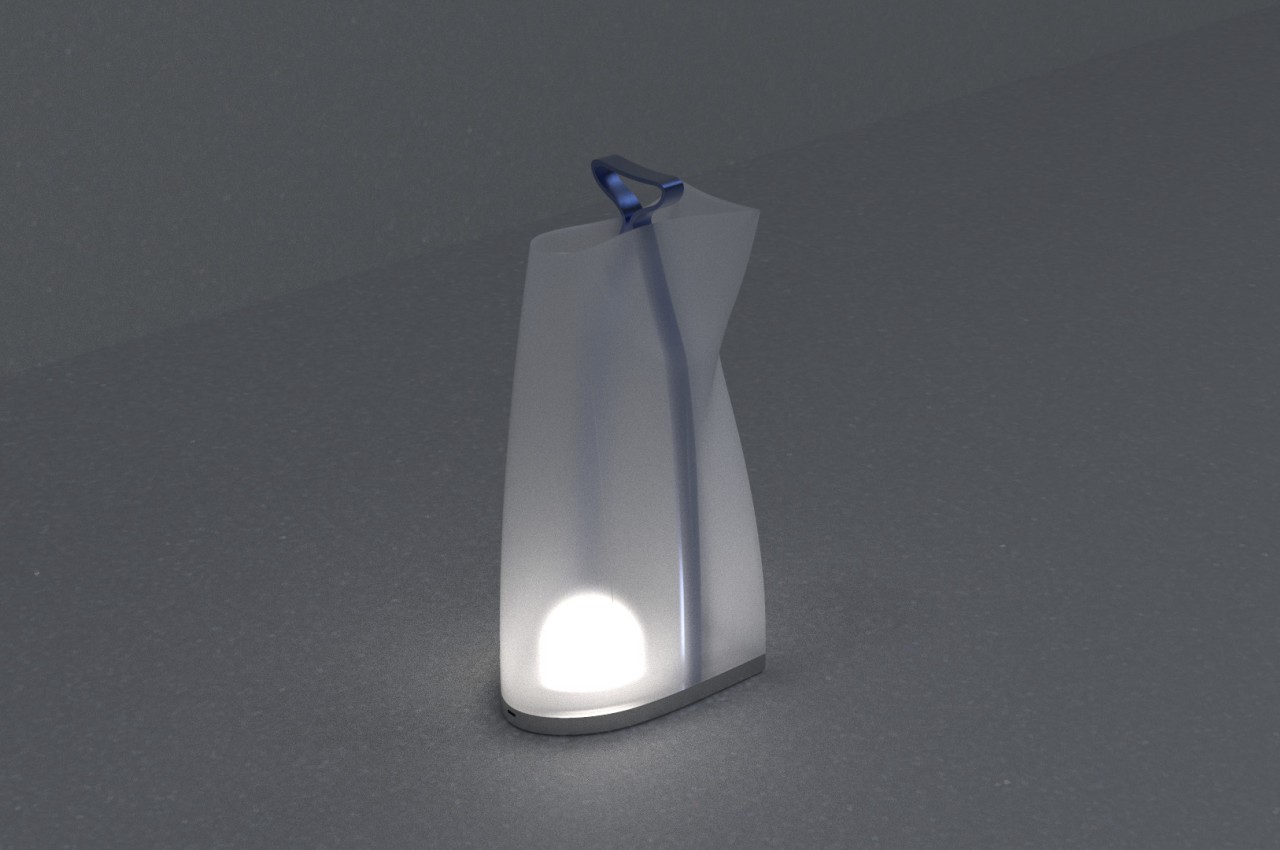
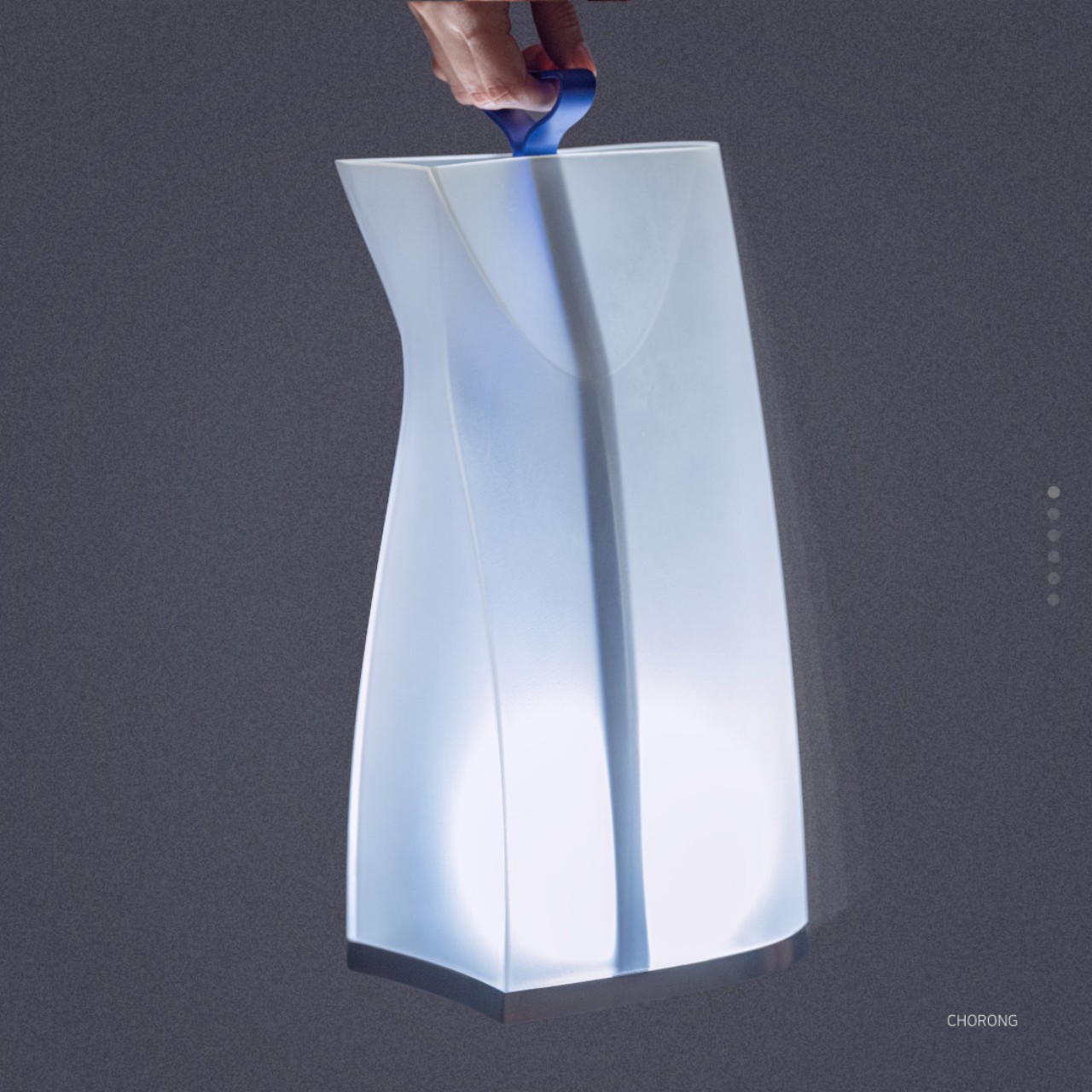
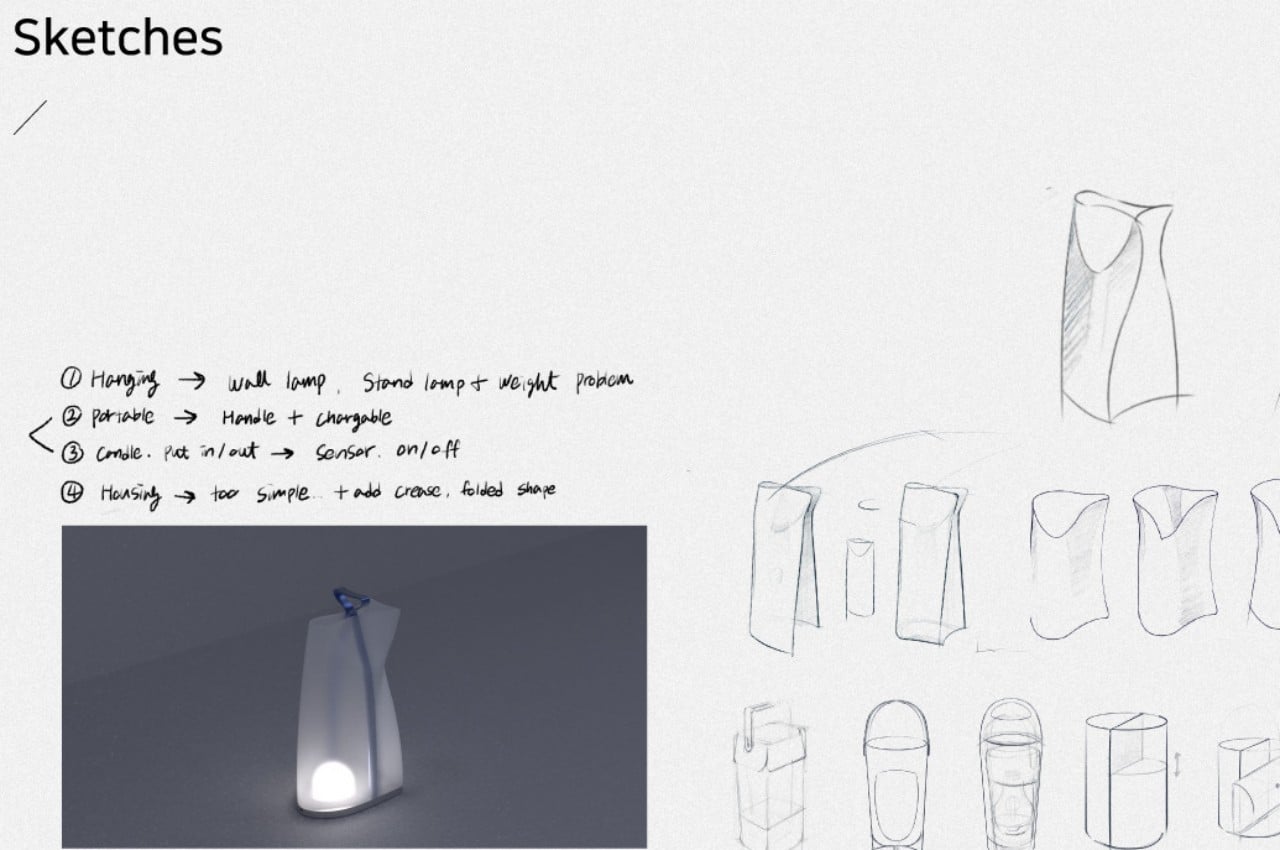
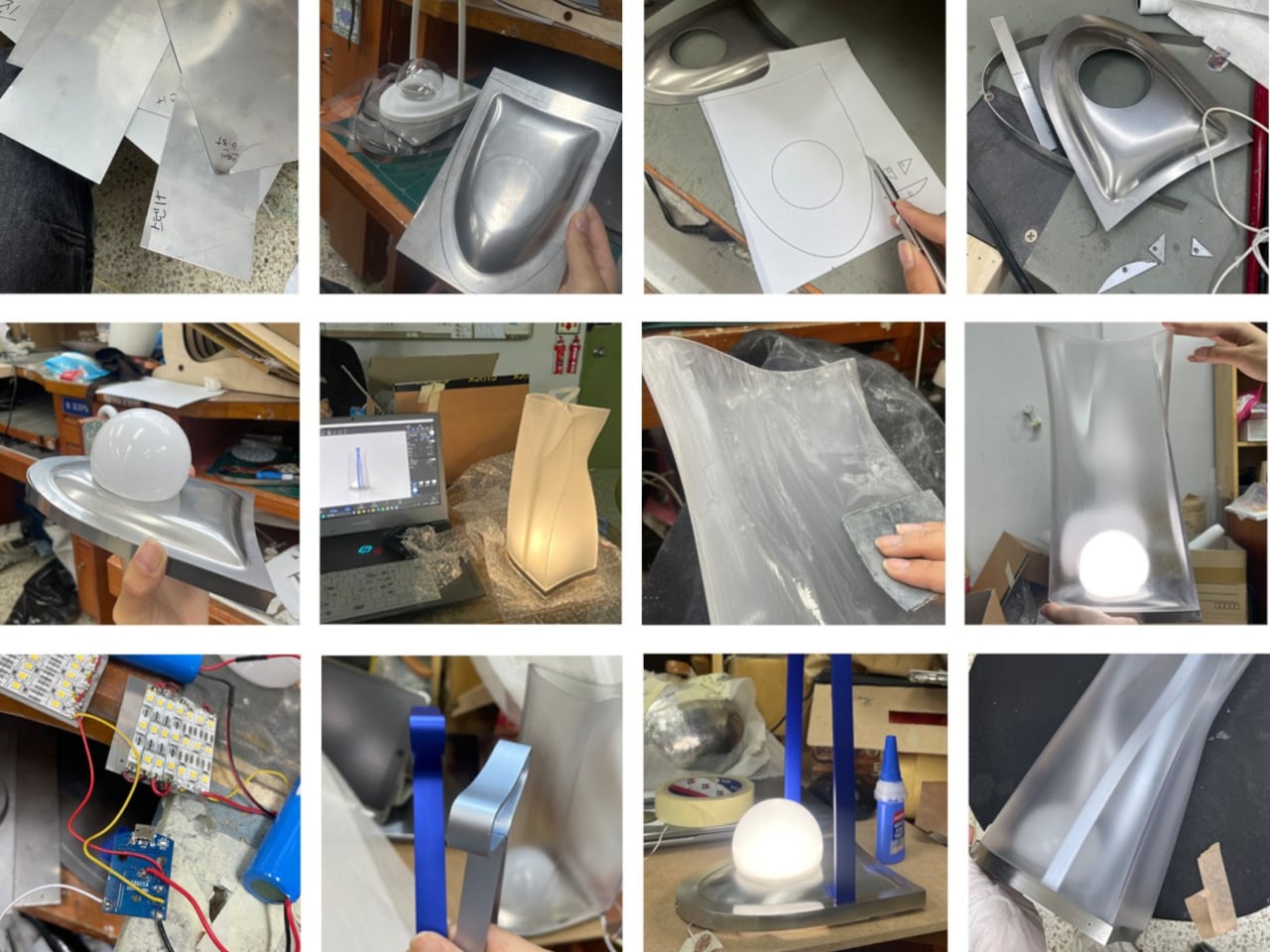
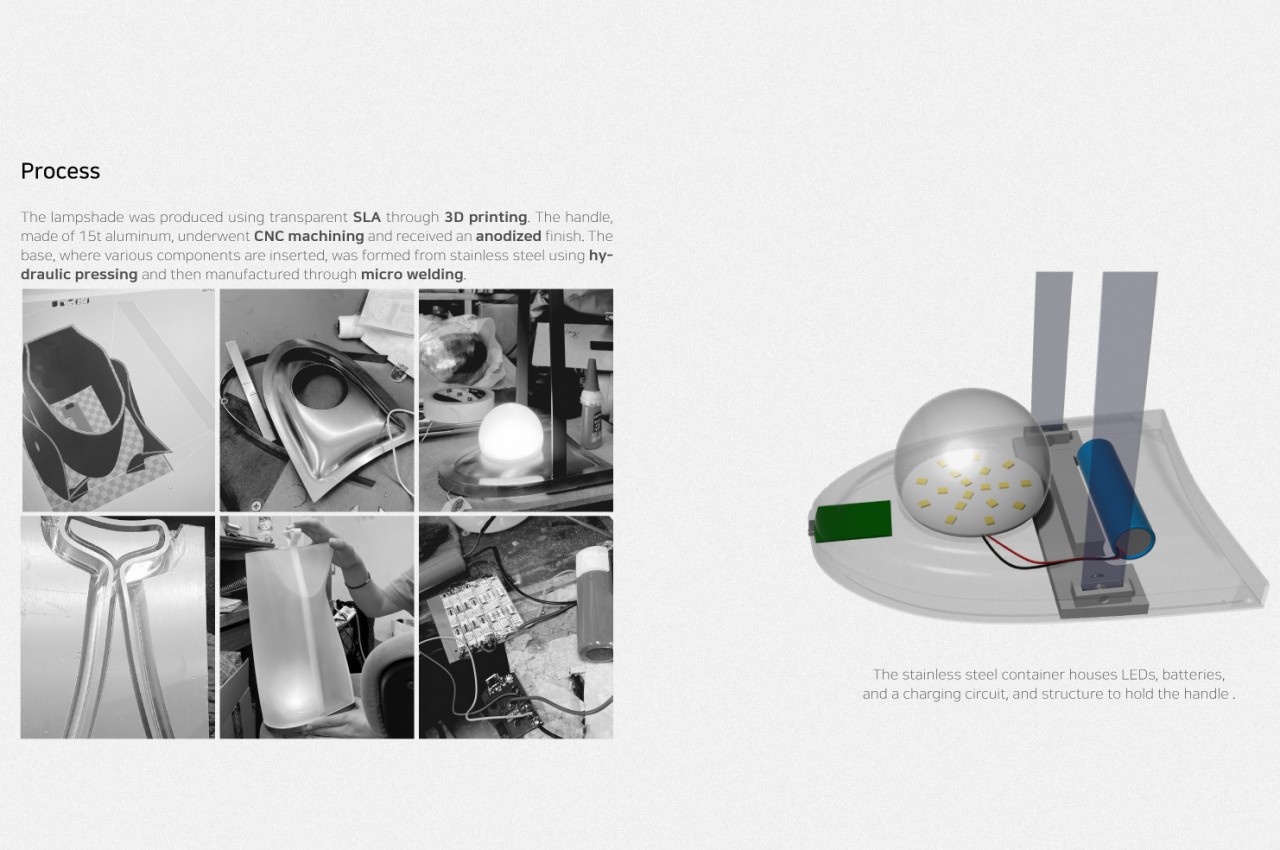
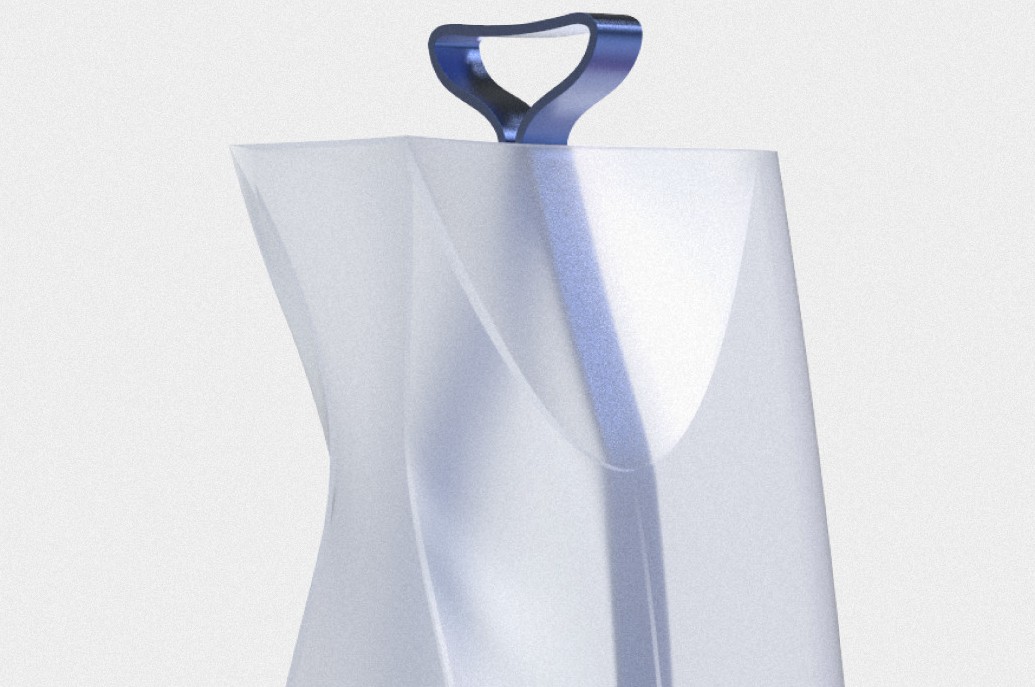
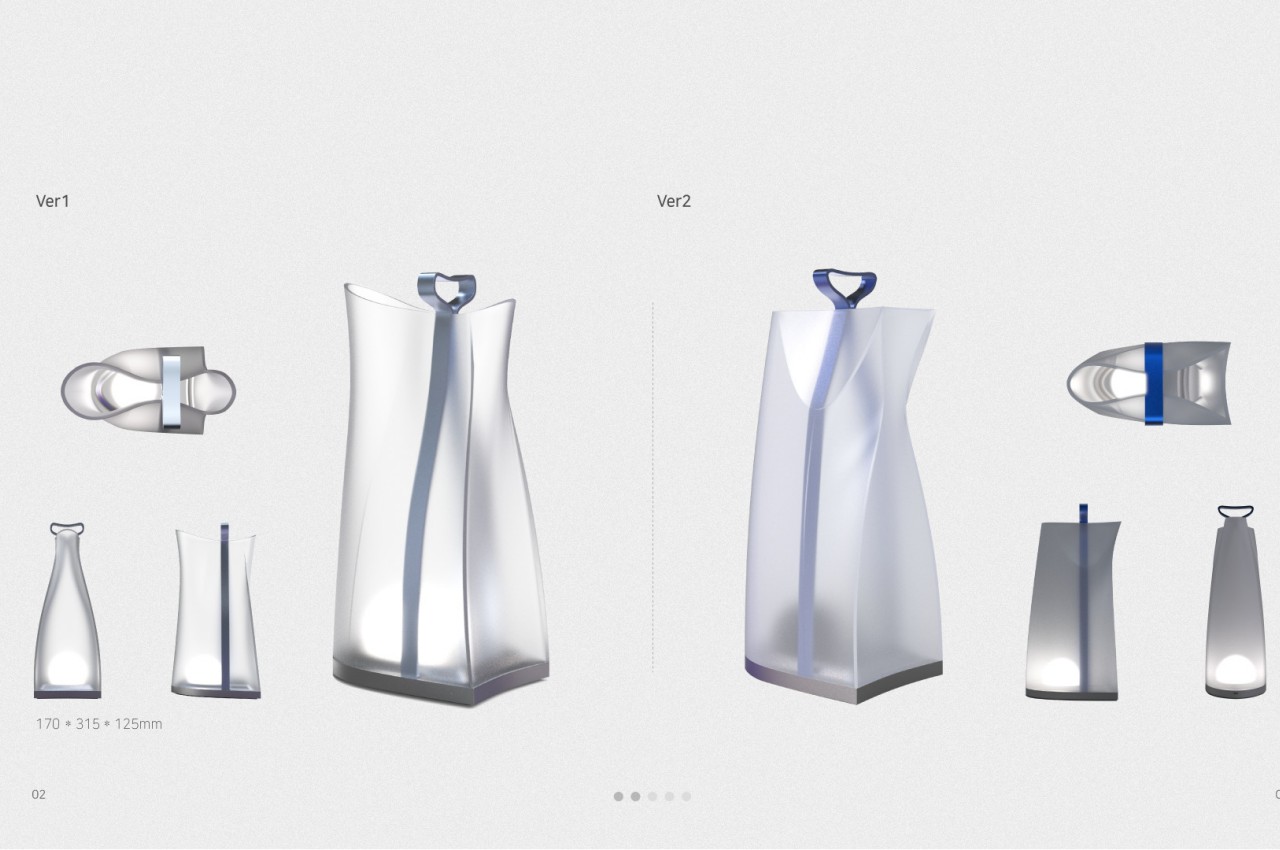
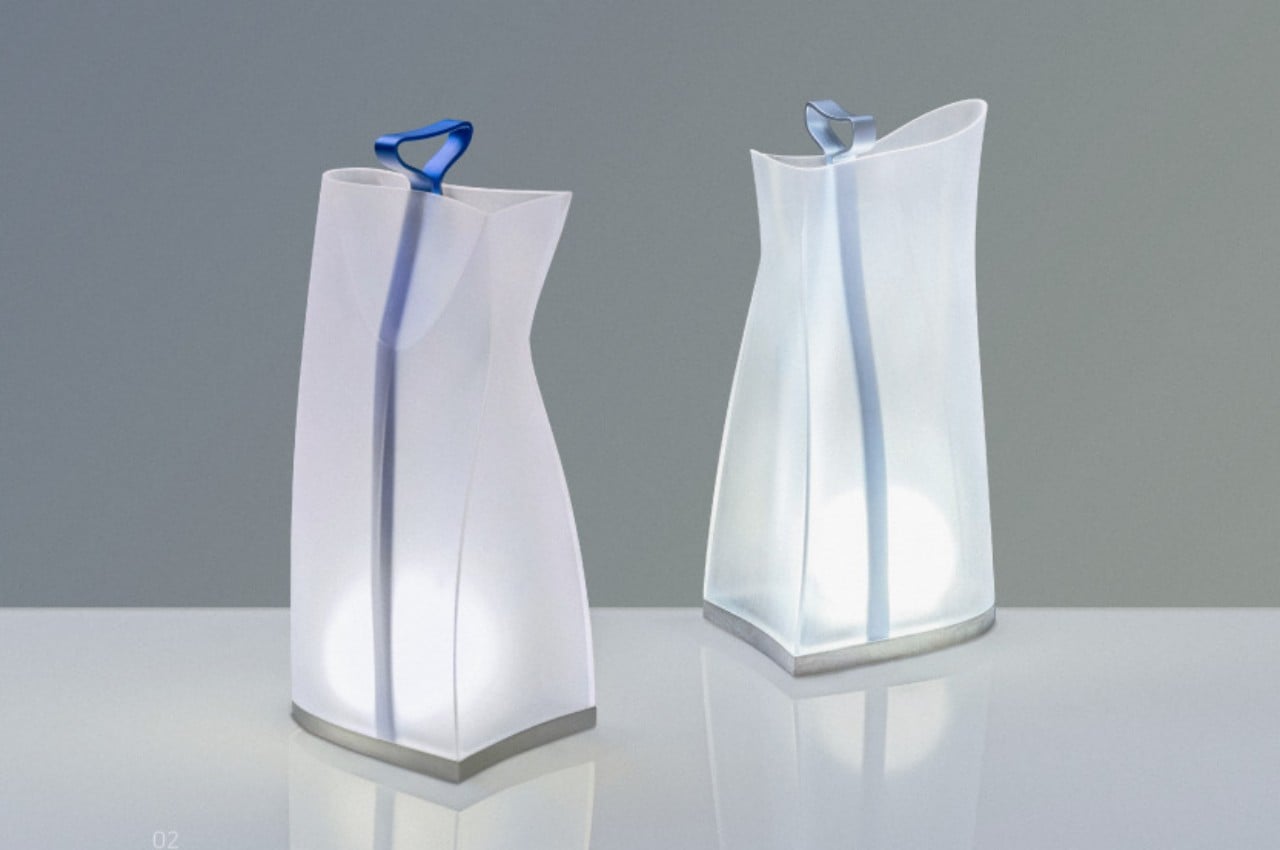
This portable lamp design concept brings that past aesthetic to the present but with a few modern twists. The lamp, named after that same Chorong lantern, tries to capture the unique visual of the fabric-covered lighting but uses 3D-printed transparent PLA to achieve the same effect. Rather than going for a straightforward box, the shape of the container twists and bends, almost like how the cloth would have behaved in the past.

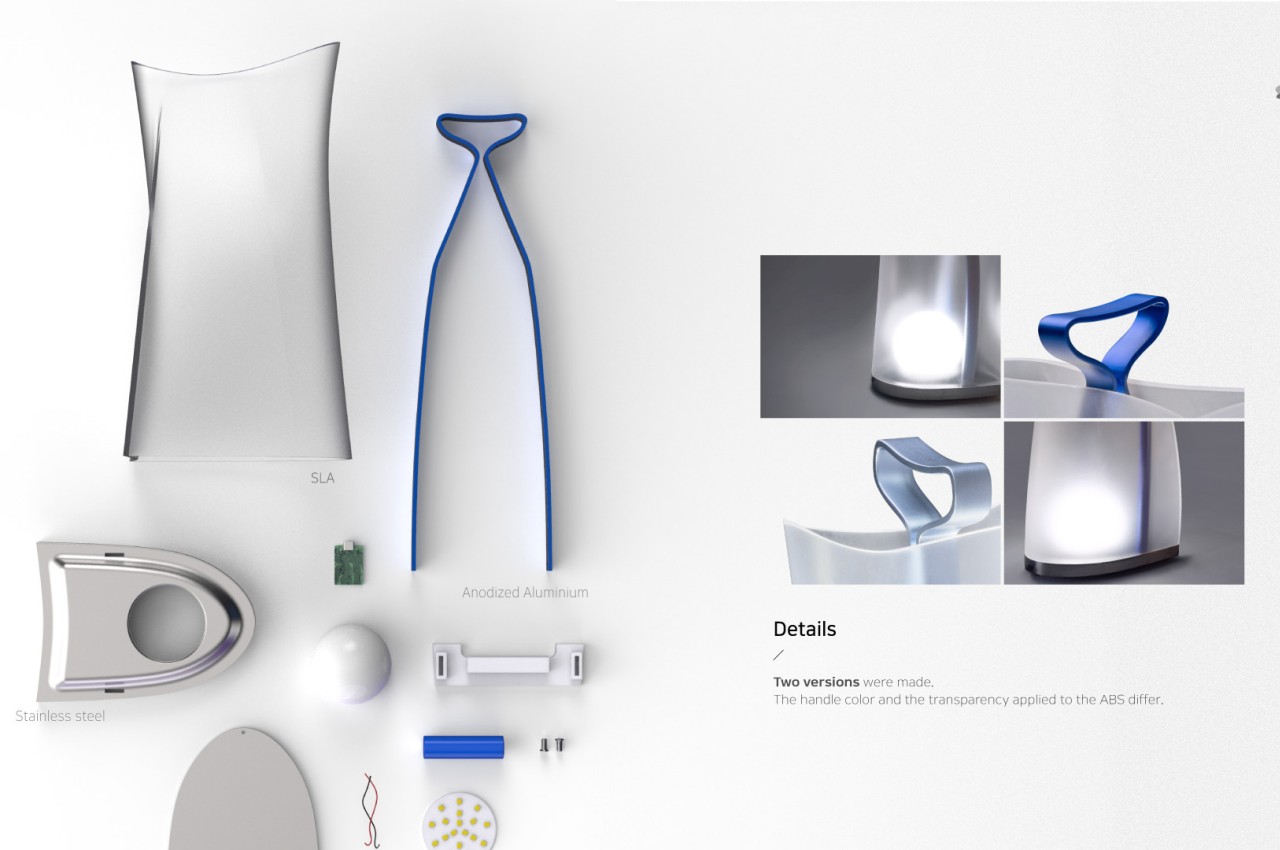
The light source itself is a white sphere with a dozen or so LEDs inside providing illumination. The lamp’s steel base not only serves as a stable foundation but also as a compartment to hide the electronics, including a rechargeable battery. This modern Chorong also deviates from the traditional design by using a handle that uses anodized aluminum and stands only on two sides of the “lantern,” namely, the front and the back. This gives the lamp an unusual appearance and experience of carrying a bag instead of a lamp.

Chorong wouldn’t be the first to try to recreate a traditional lantern design with modern materials, but it is one that isn’t too concerned about staying faithful to the original. It tries to capture the spirit of the design, one that not only illuminates but also inspires with its organic beauty, and reinterprets it in a way that shows off modern materials and techniques. That said, this design concept is more for show and might be impractical to actually use outdoors unless you’re just bringing it out to the backyard to enjoy a calm night under the stars.

The post Bag-like portable lamp concept takes a page from traditional Korean lanterns first appeared on Yanko Design.
Screw-shaped table lamp offers a unique and tactile way to control your light

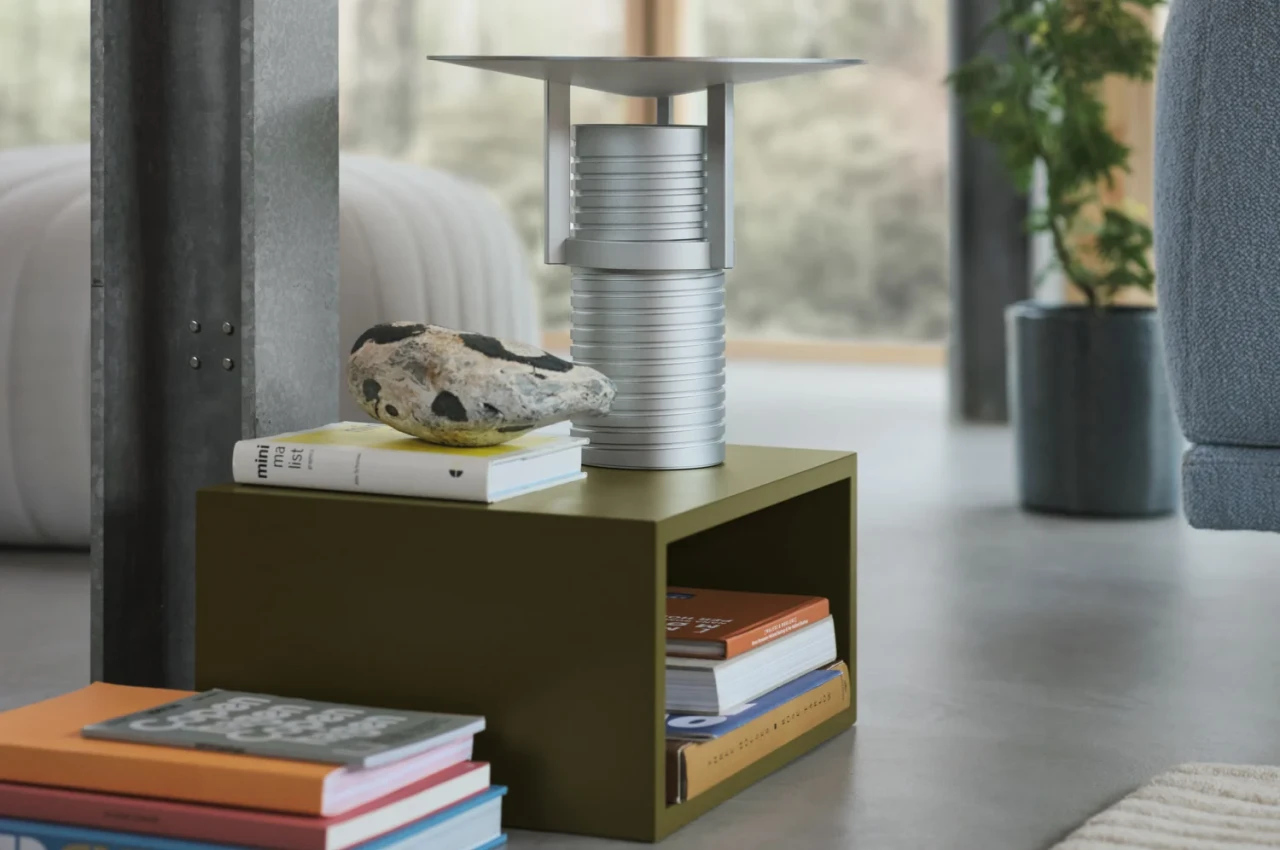
There are some designs and interfaces that seem to be so intuitive that there’s almost no question about how to use them. Babies have an inborn knowledge on how to breast feed (even if they have no clue why or when), lever-type switches leave no doubt about what to do to turn something on or off, and the grooves on a screw’s body, a.k.a. its “threads,” hint that it’s something that needs to be rotated or twisted. These intuitive interfaces often have a fixed purpose and use, but that doesn’t mean they can’t be applied to something totally unrelated. This industrial-style table lamp, for example, uses not just the metaphor of a screw but even its mechanism to offer a more personal and direct way to dim or brighten your surroundings.

Designer: Jamie Wolfond

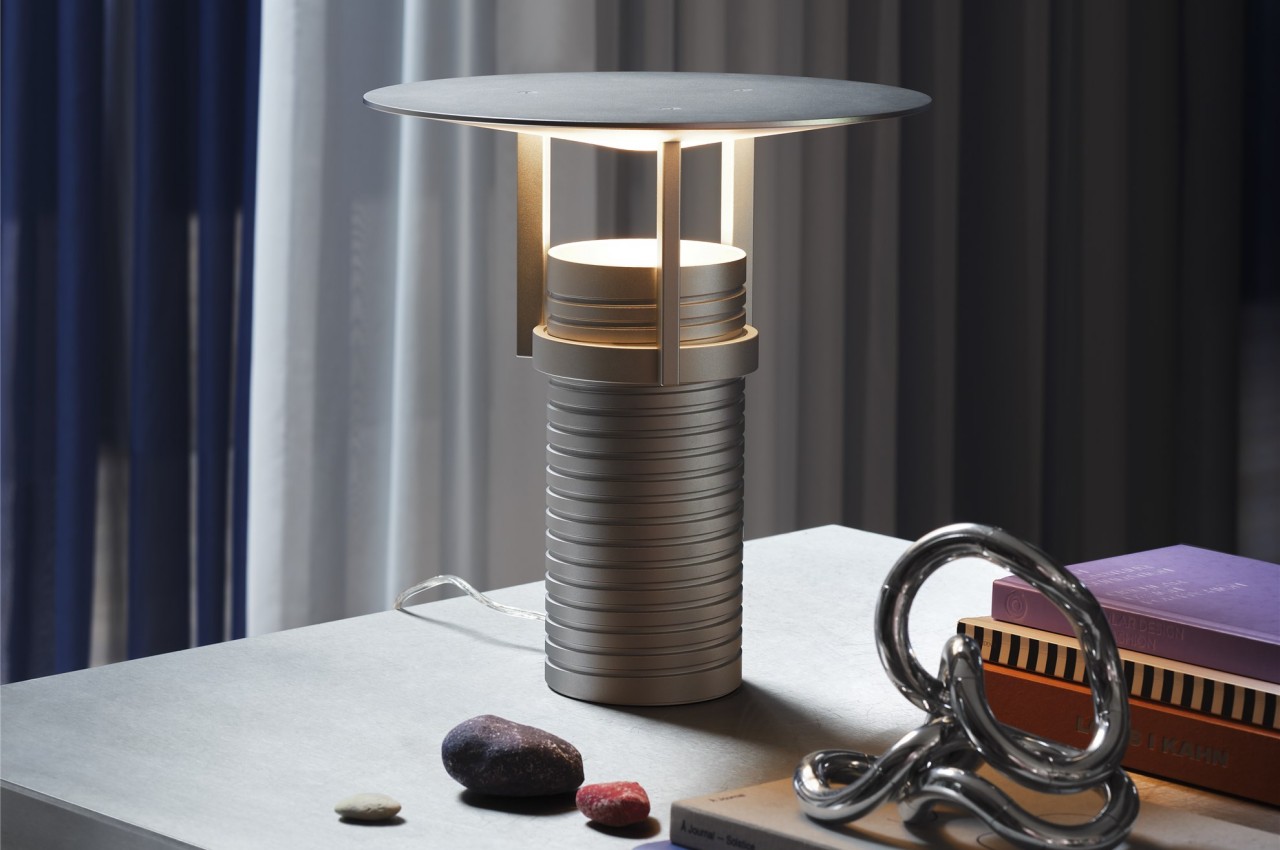
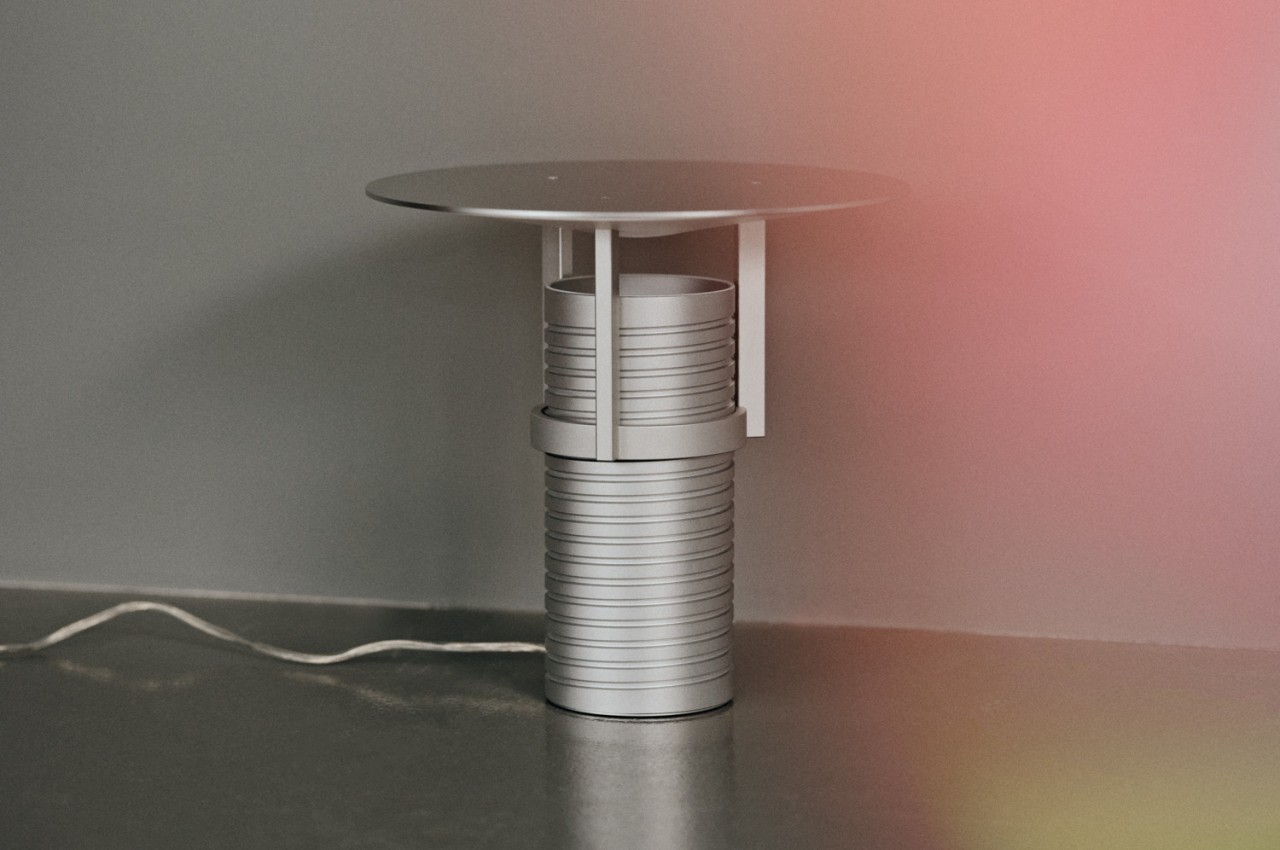
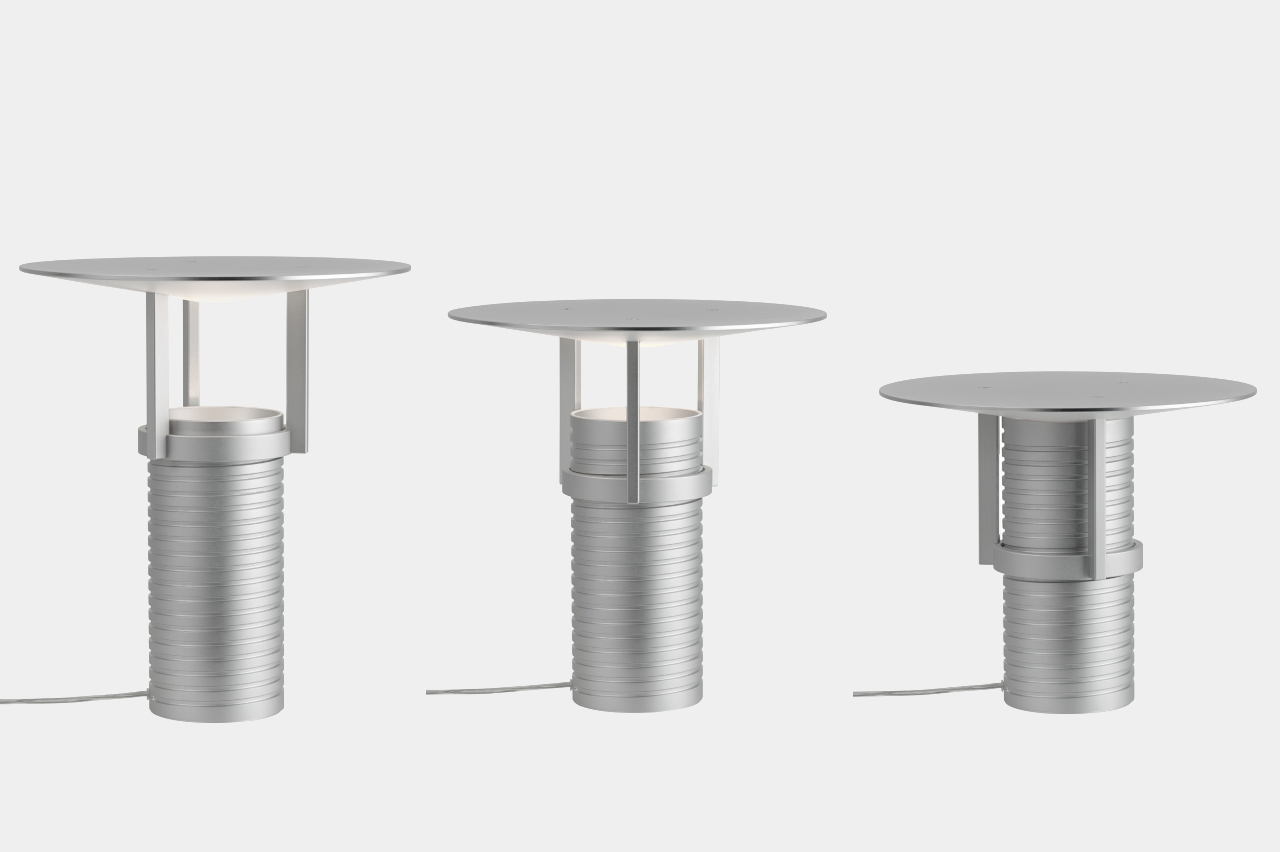
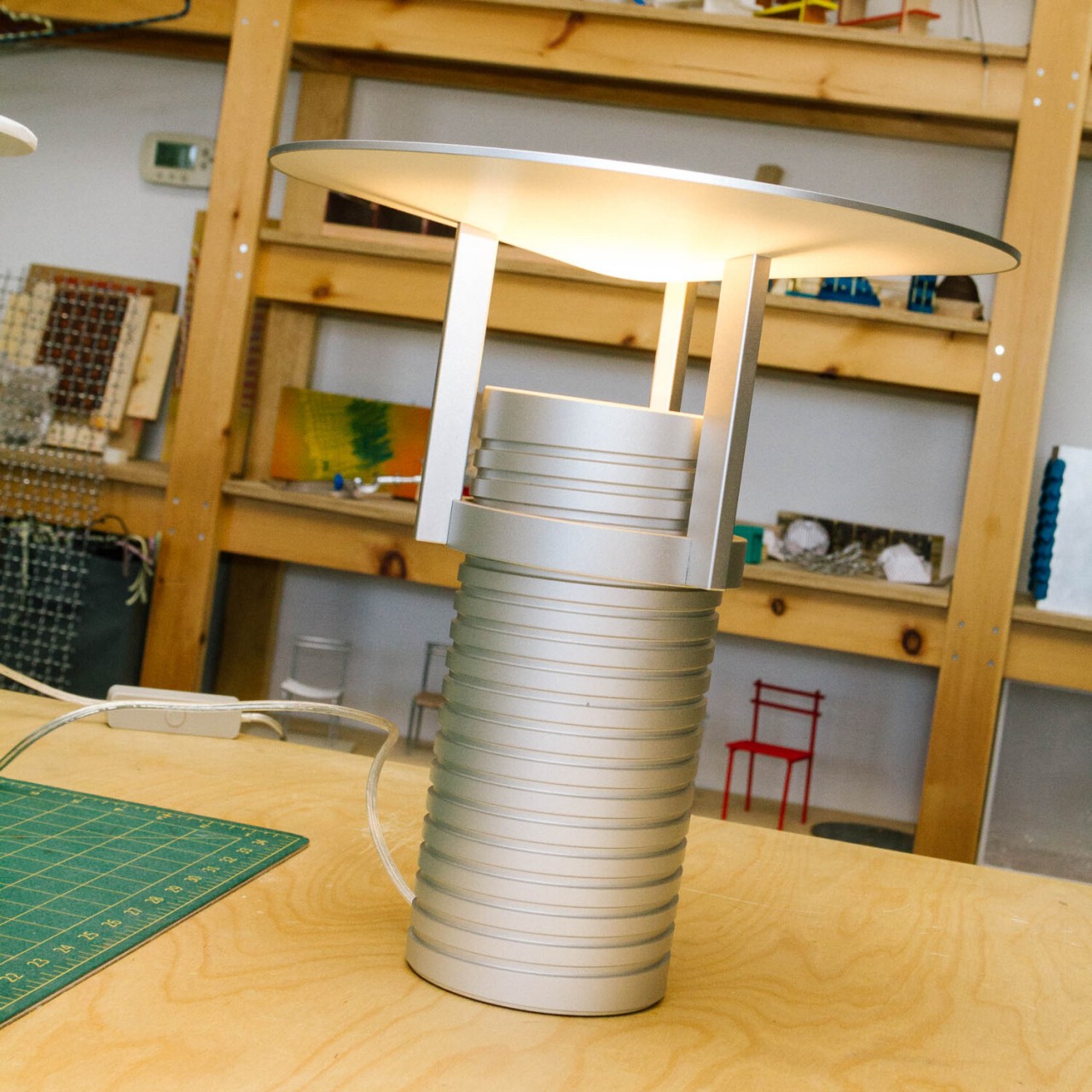
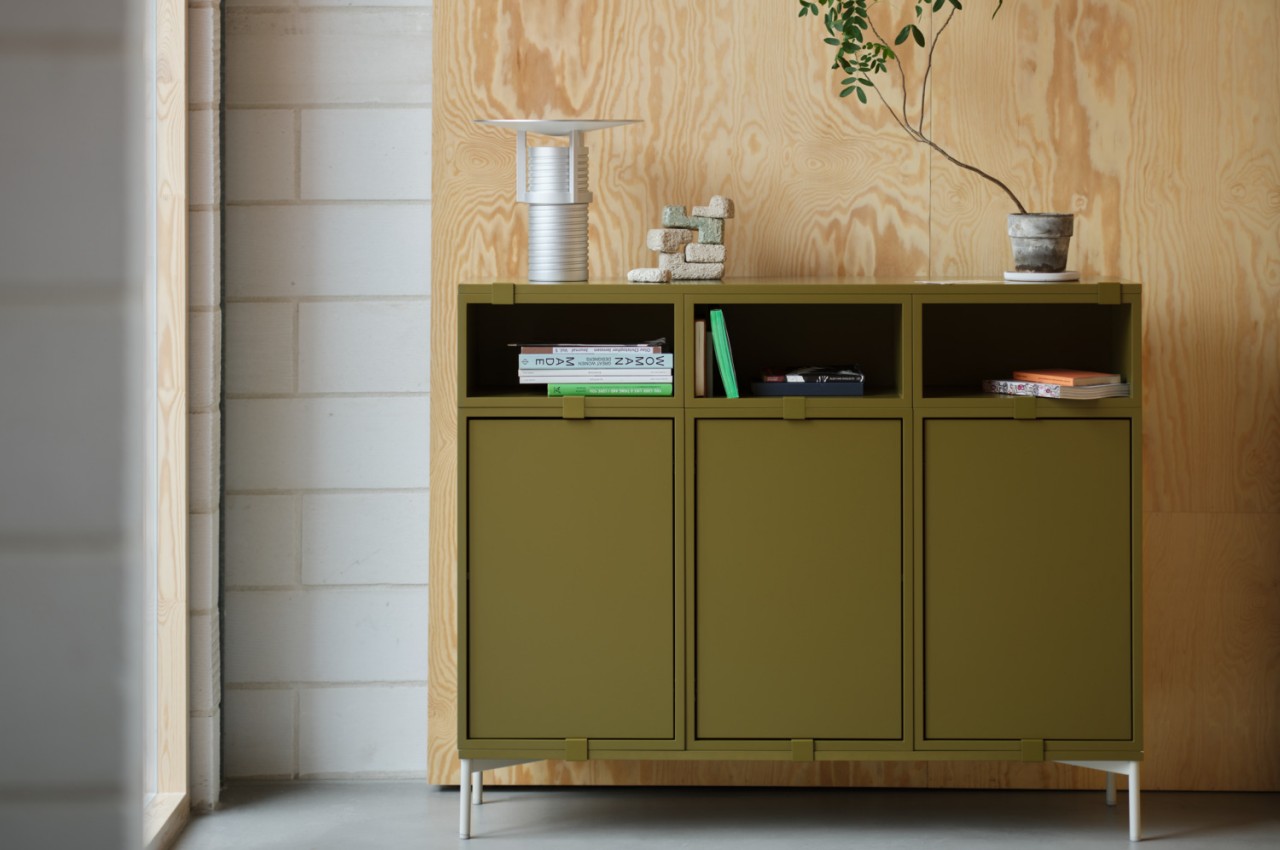
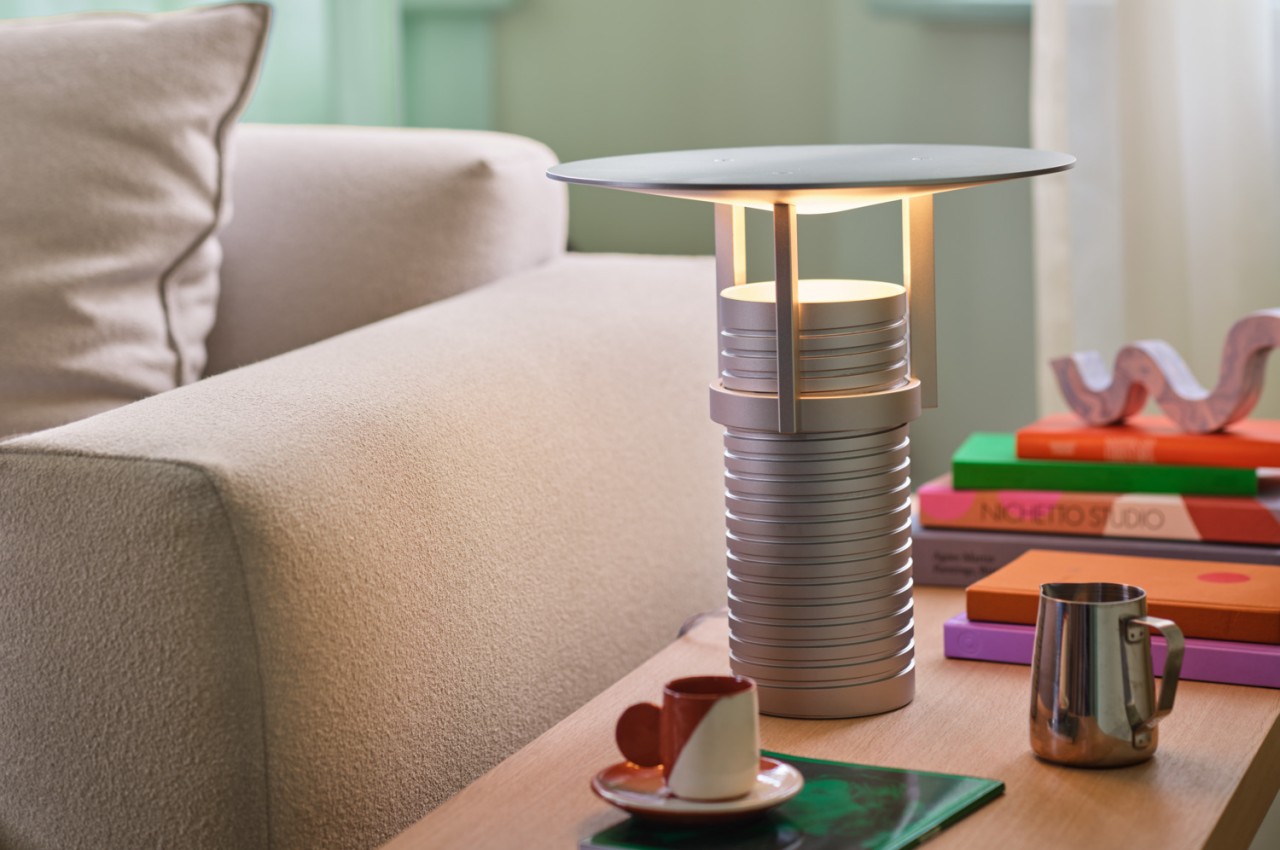
Even when it comes to appearances, the Set Table Lamp already sets itself apart from the crowd. Especially when its lampshade is at its lowest point, it looks nothing more than a gigantic screw standing on your table or shelf. Apart from the standard tall body and wide shade composition, it’s not exactly a design you’d expect from a lamp, even one with a striking industrial style. Unlike lamps that just let you look at it to appreciate its design, this one looks like it’s inviting you to interact with it, which is exactly the point of the design.
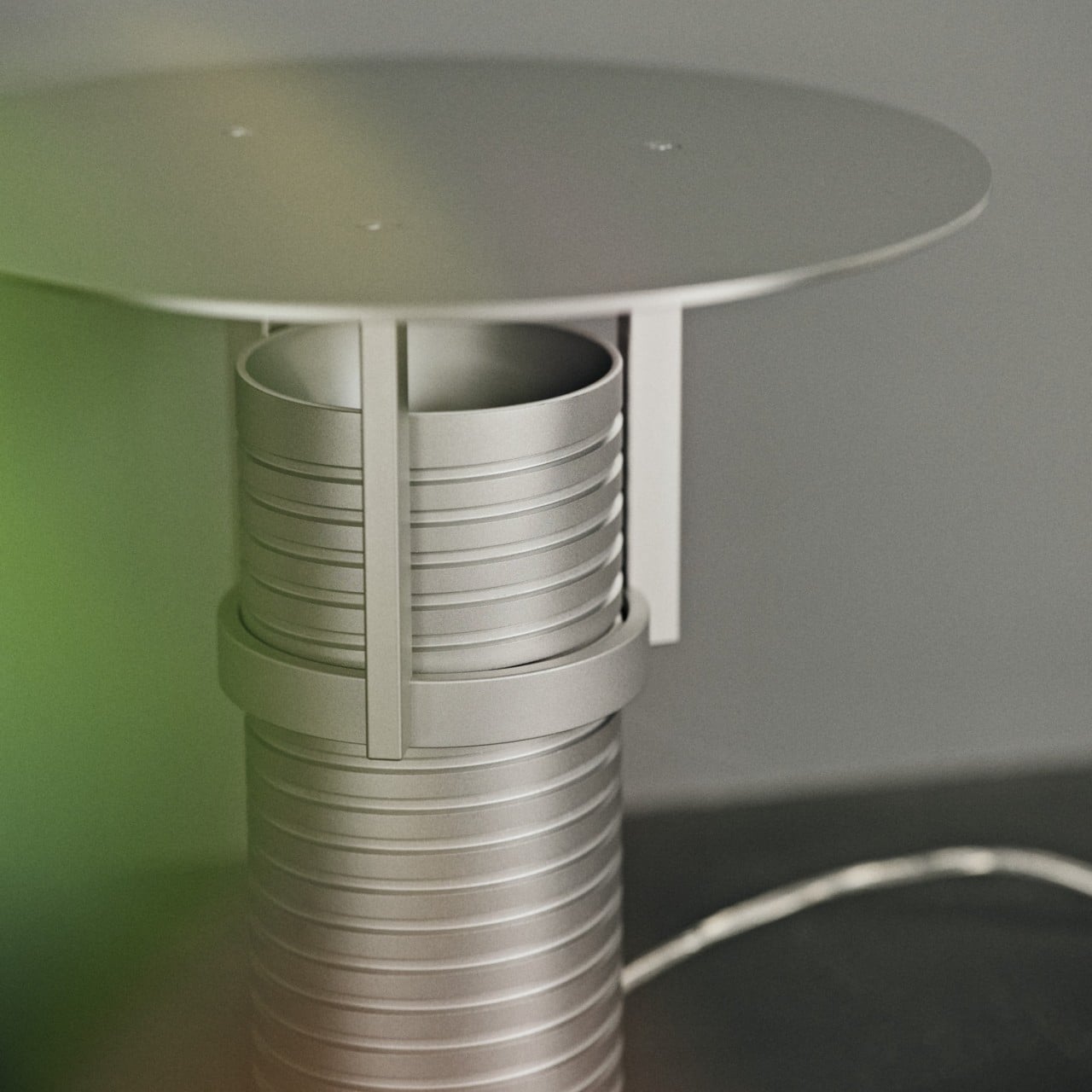
The lamp’s screw design isn’t just cosmetic but is actually a key part of its function. The light that comes from the lamp’s cylindrical body shines upward toward the lampshade and is bounced off to illuminate your surroundings. The shade’s shape isn’t typical either in that it’s a very flat cone with its tip facing downward instead of the umbrella-like shades of most lamps. This not only reflects light around the lamp rather than just downward, it also mimics the design of a screw head more closely as well.
Most lamps these days have a dimming feature that often requires turning the lamp on and off to cycle through different brightness levels. It’s an unintuitive and tiring method that leaves no room for finer adjustments. In contrast, the Set Table Lamp’s unique design works in its favor because you can simply turn the shade to lower or raise it, thereby dimming or brightening the light it gives off, respectively. And you do this not with a switch but with an easy motion of “screwing” the cap around the body’s grooves.

With today’s smart lighting products, such a design might seem impractical or even obsolete, but how many such smart lamps can boast of such a beautiful and “personal” lamp? The remote and indirect control of smart lamps takes out the human element in designs, somewhat ironic for products made for human living space. Set Table Lamp offers a more tactile experience that gives humans the feeling of agency and control that they are losing little by little to automation and AI.

The post Screw-shaped table lamp offers a unique and tactile way to control your light first appeared on Yanko Design.